Klaus in Vorarlberg / 2026
Der Kopf ist rund, damit das Denken die Richtung wechseln kannGalerie Brugger
Klaus in Vorarlberg / 2026
Der Kopf ist rund, damit das Denken die Richtung wechseln kannGalerie Brugger
May 22 — June 01, 2026
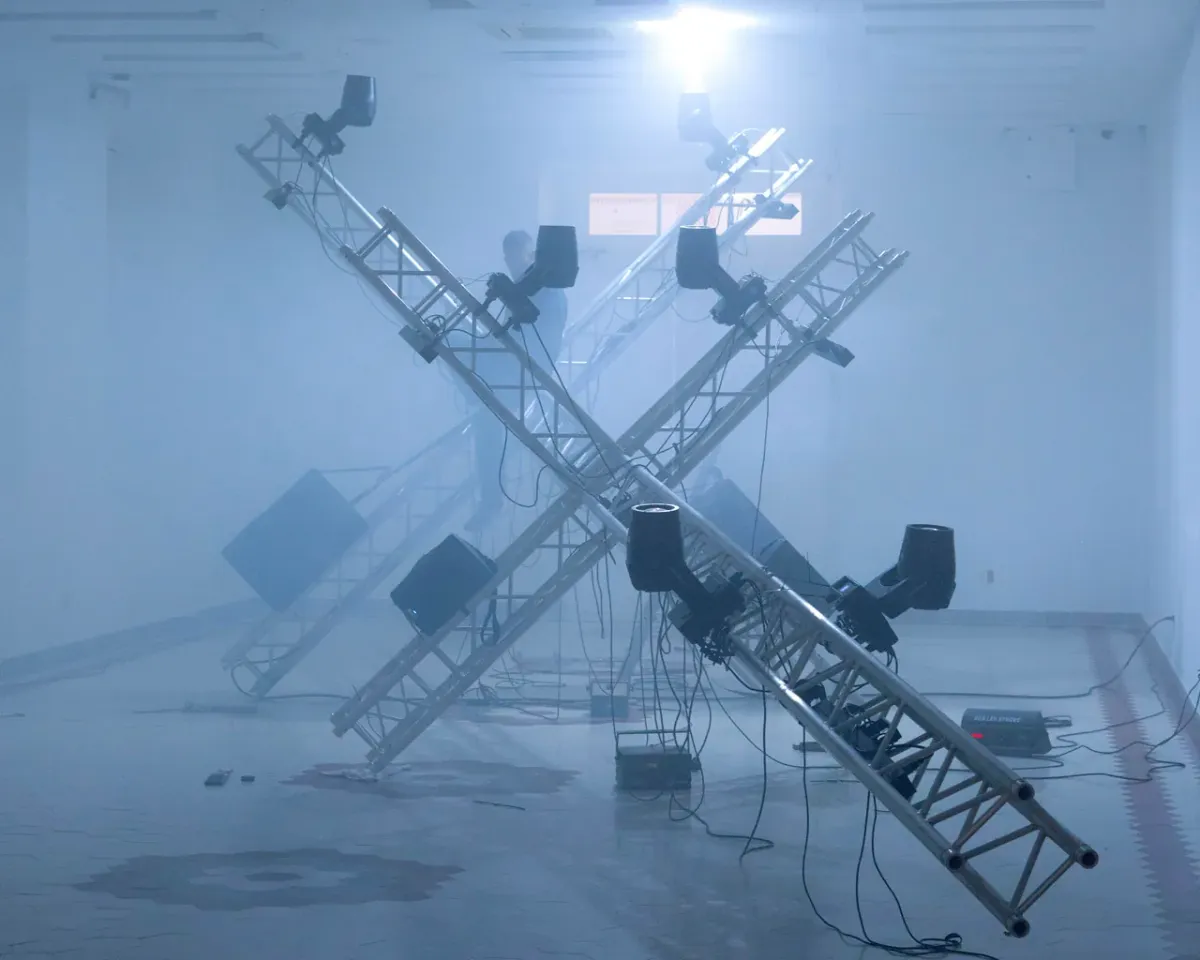
Leo Pum @La Térmica, Málaga KRVCE festival
Everything you need to plan, apply, and move your art career forward.
Seoul / 2026
Białystok / 2026
Napoli / 2026
Köln / 2026
Kraków / 2026
Porto / 2026
Stockholm / 2026
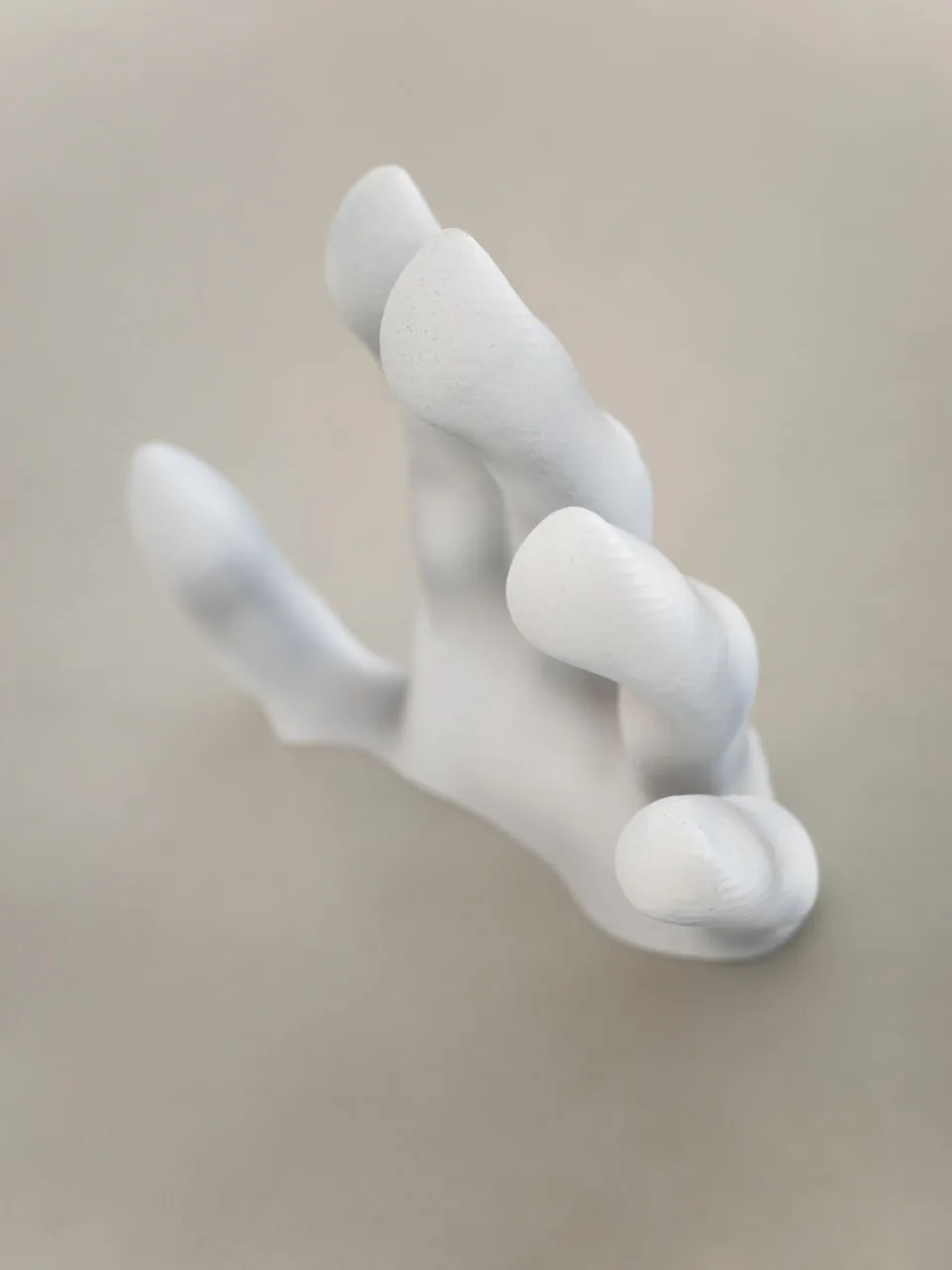
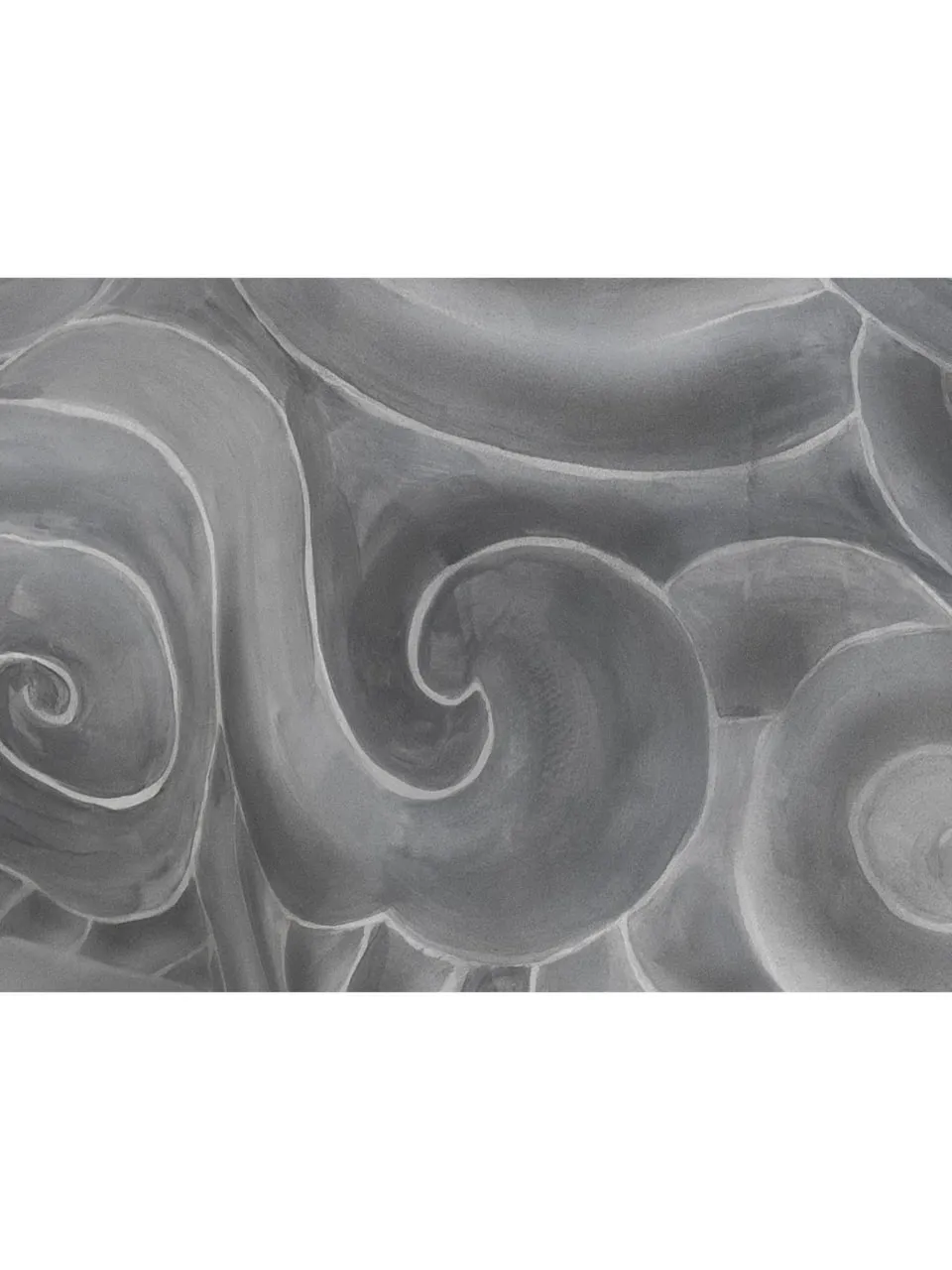
Seoul / 2026
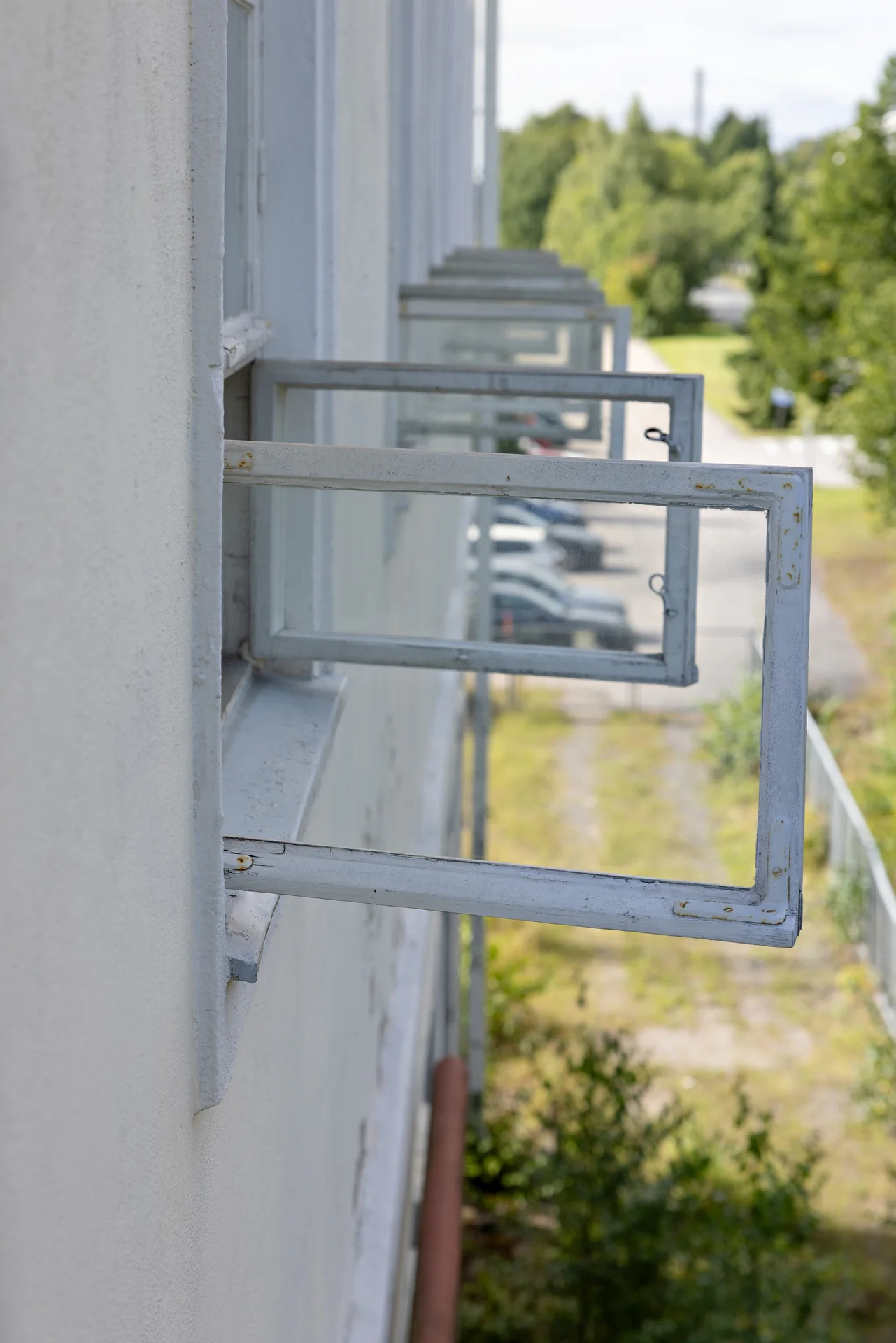
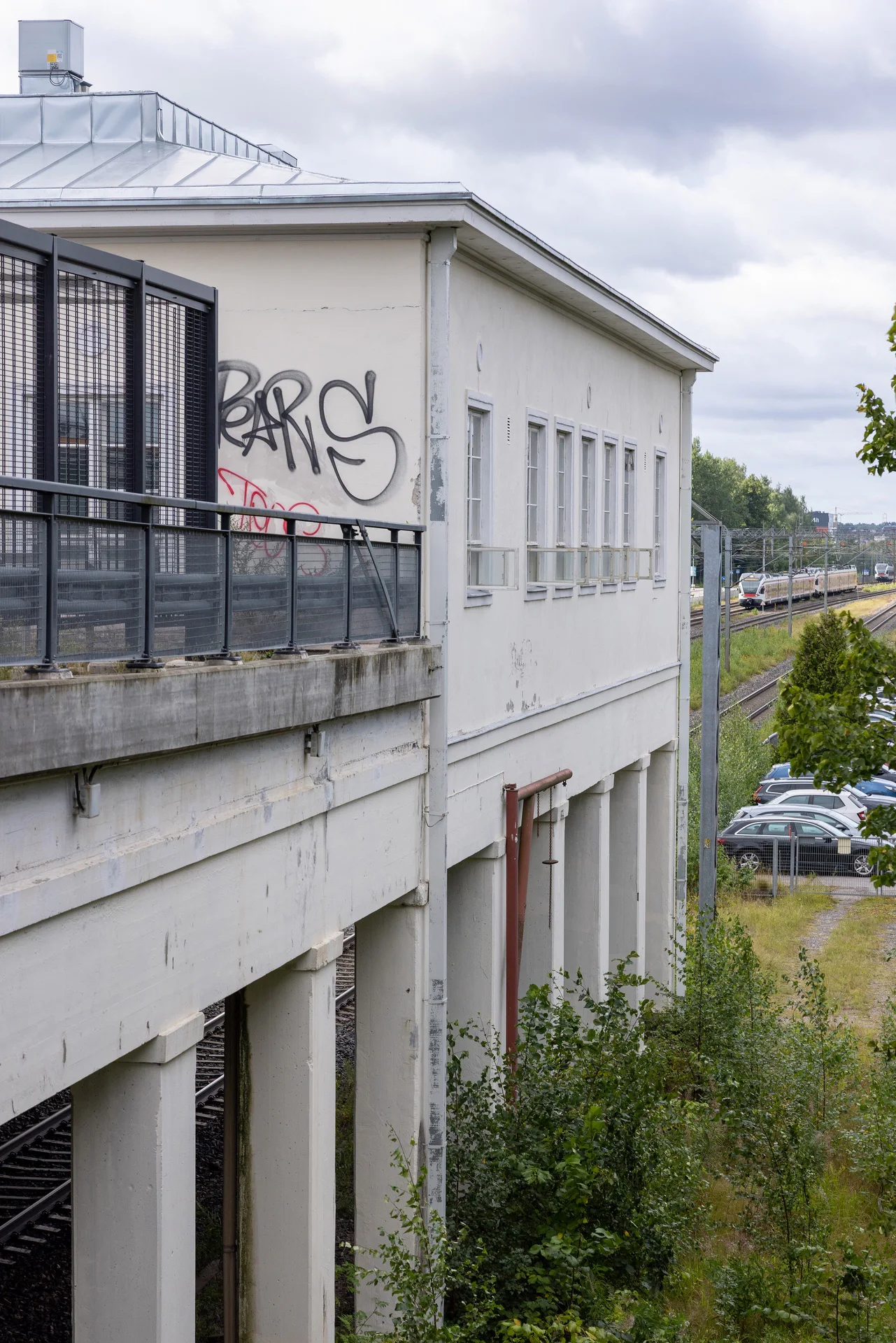
Helsinki / 2026
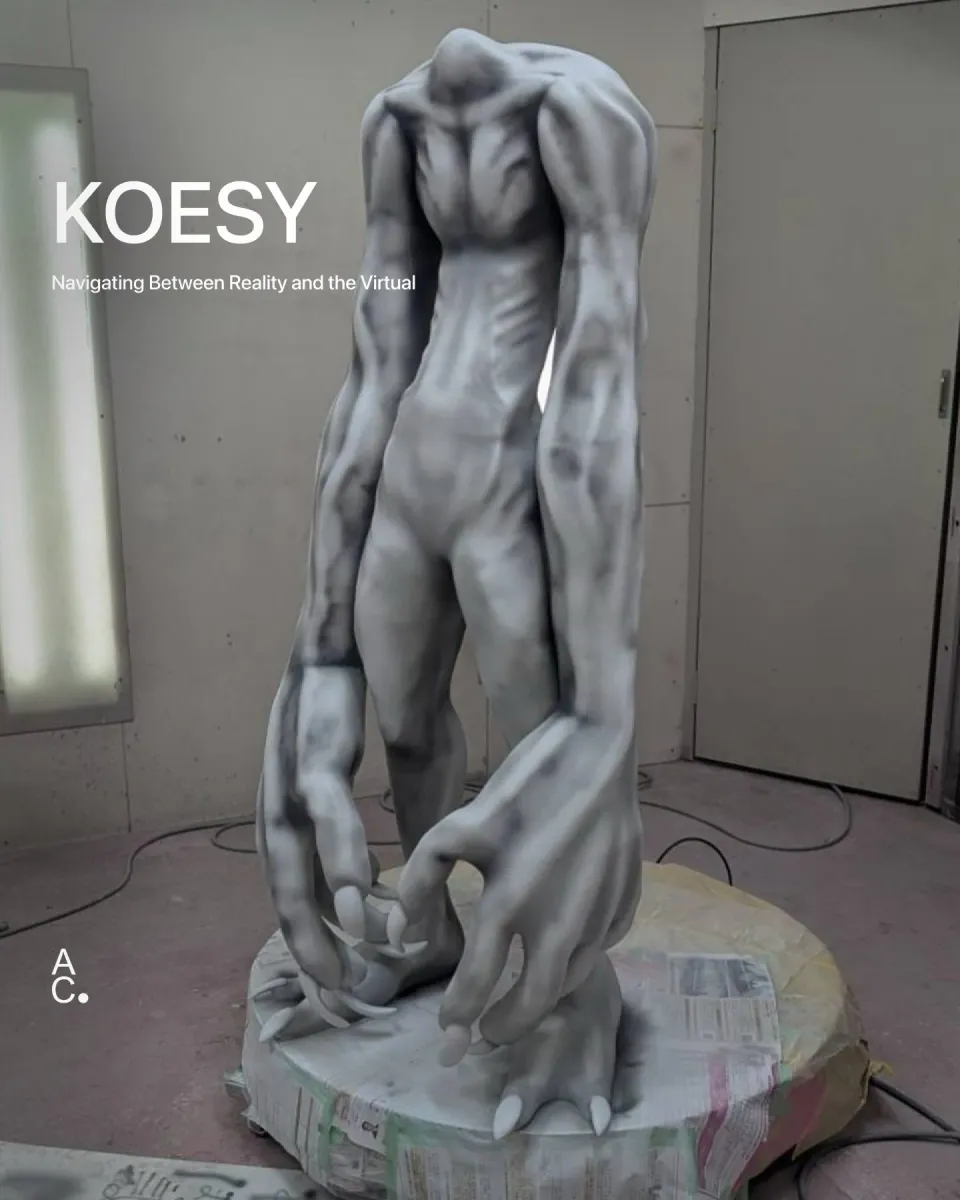
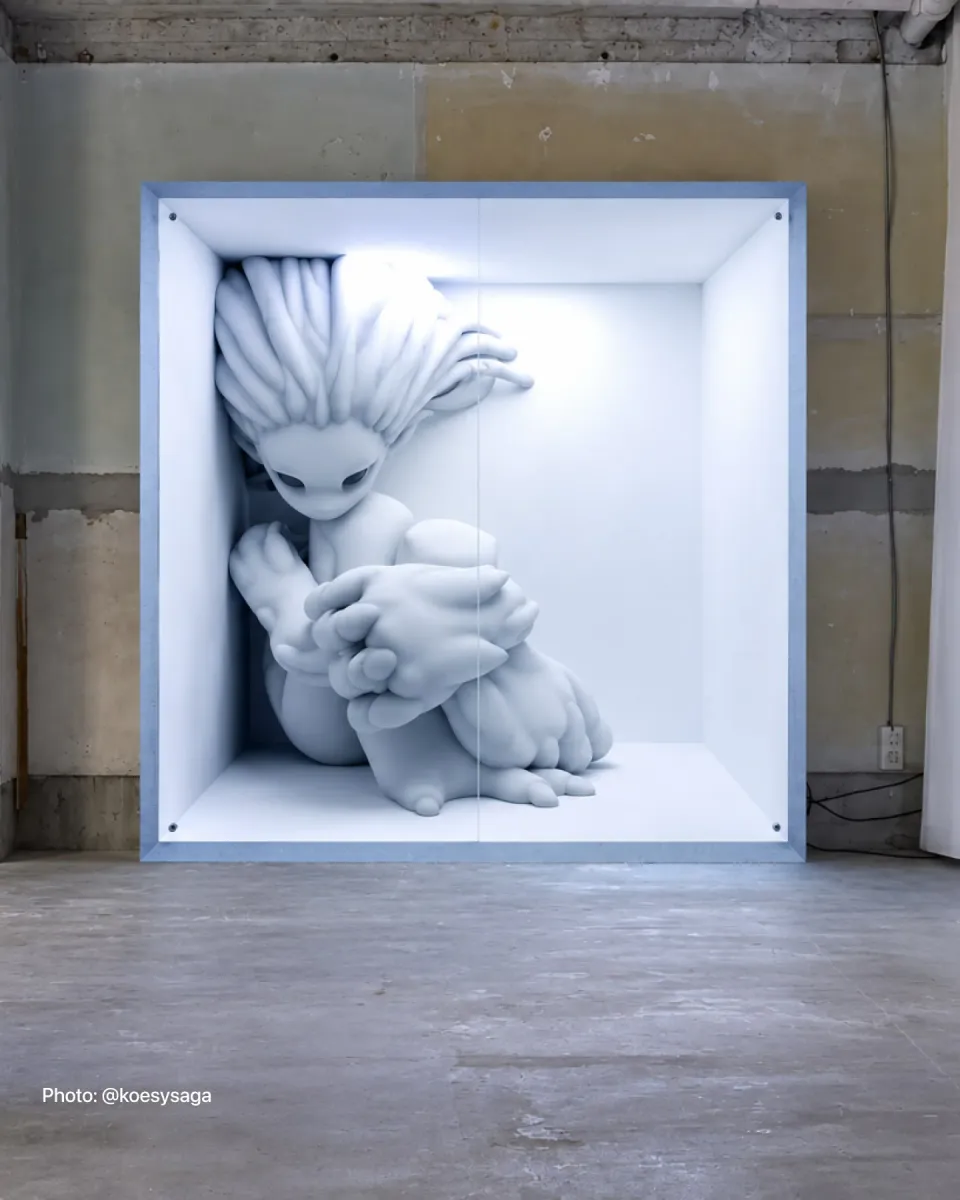
@koesysaga
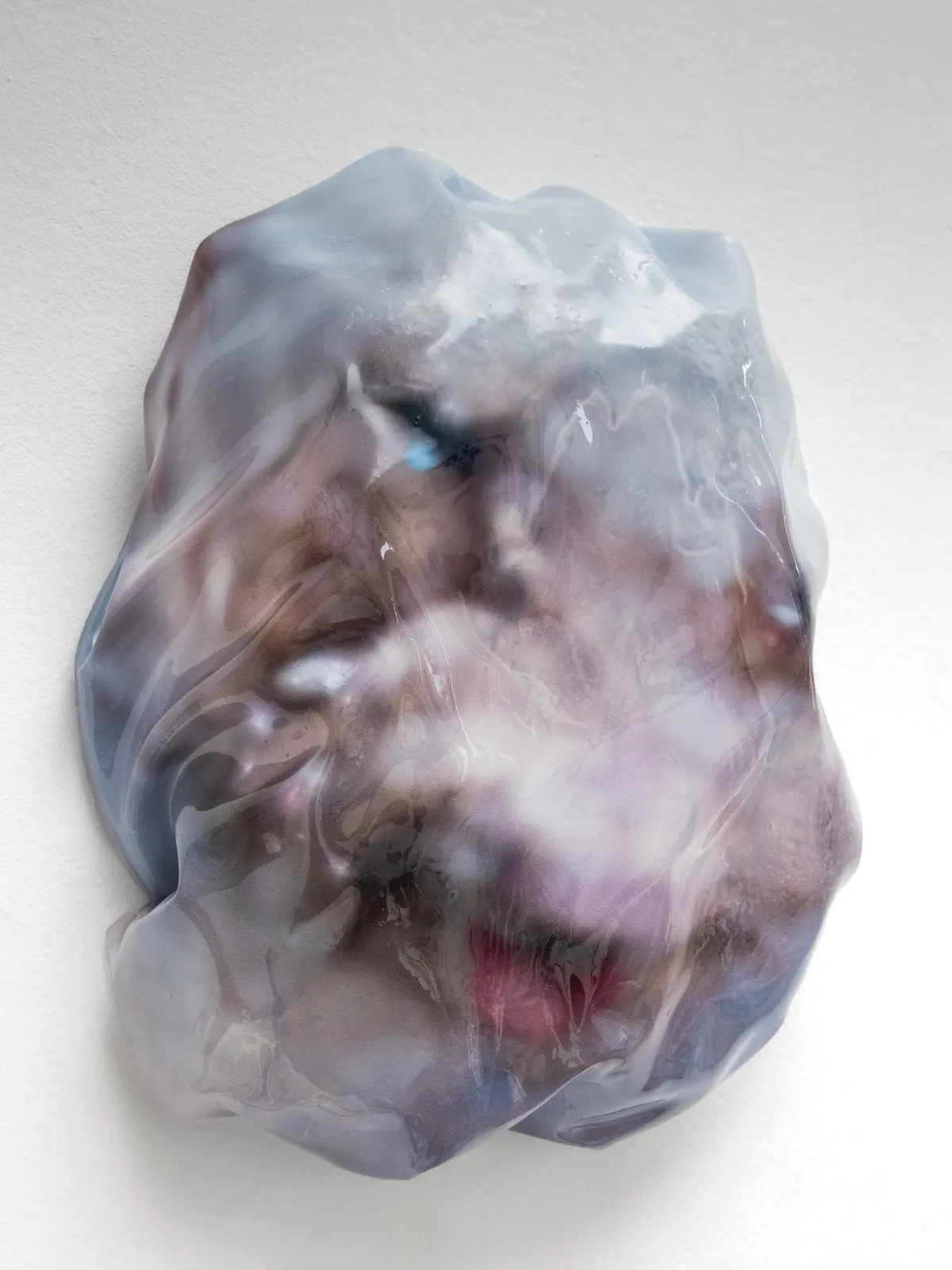
/ 2026
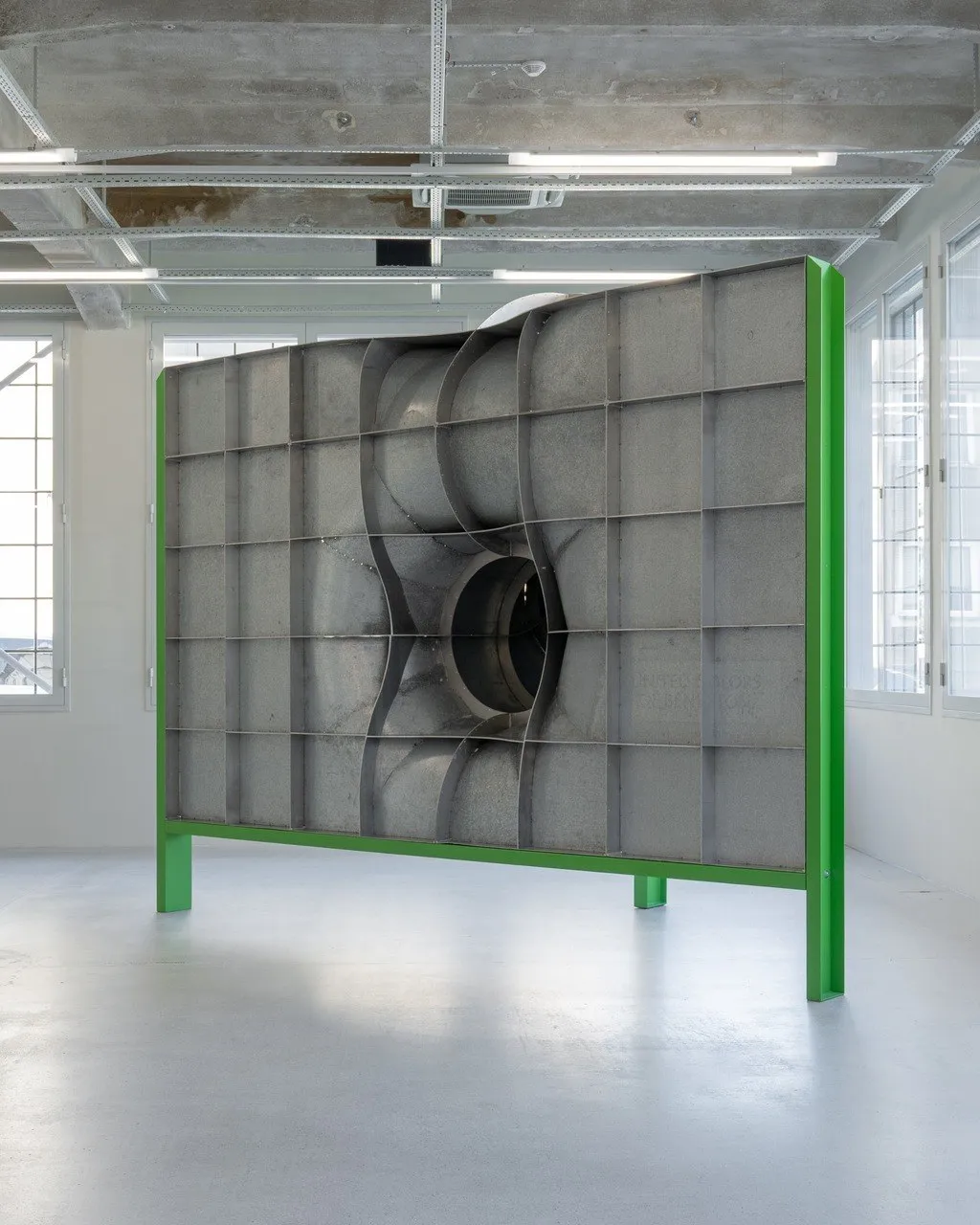
Olomouc / 2026
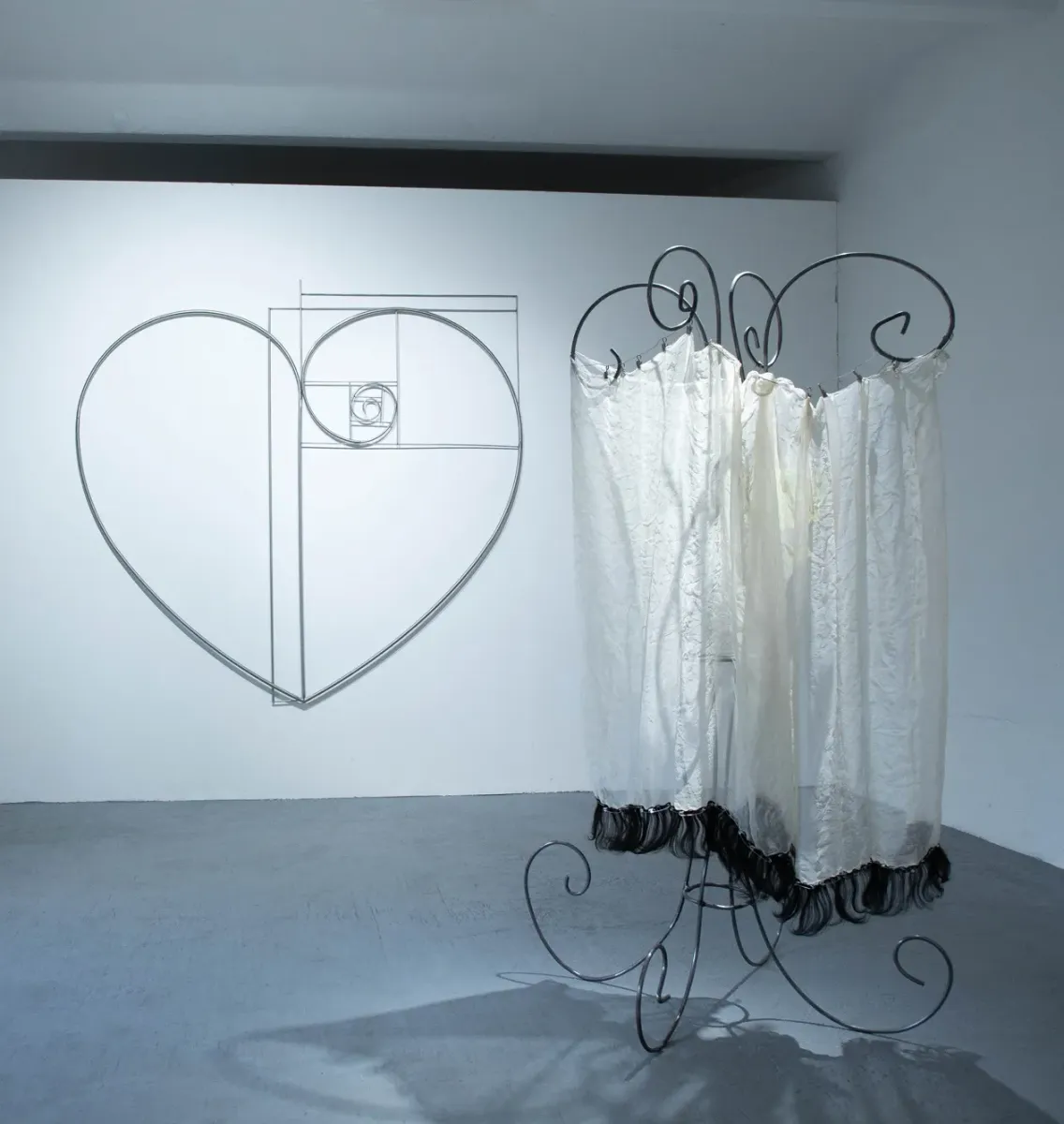
Prague / 2026
Vilnius District Municipality / 2026
Słupsk / 2026
Poznań / 2026
Poznań / 2026
Brussels / 2026
Berlin / 2026
Istanbul / 2026
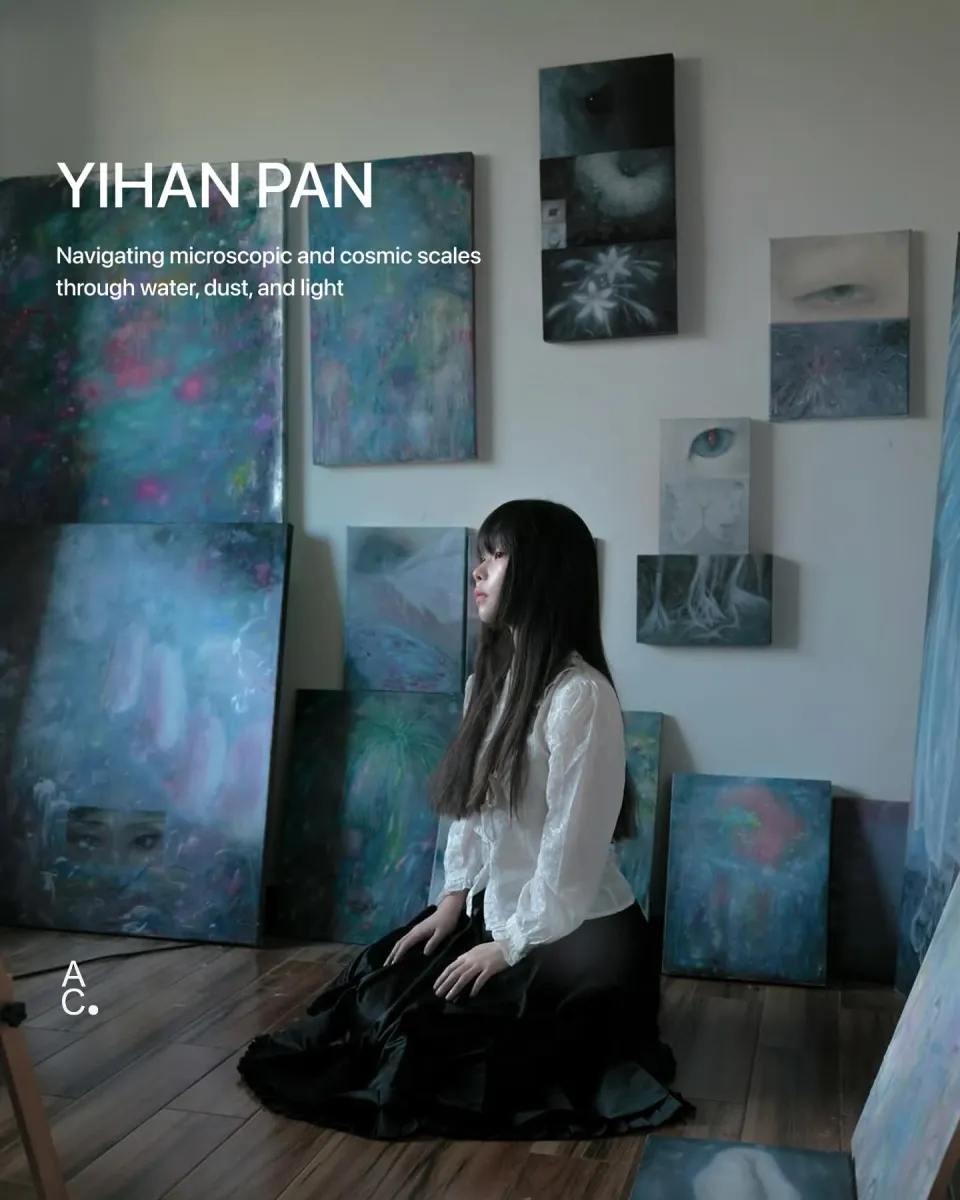
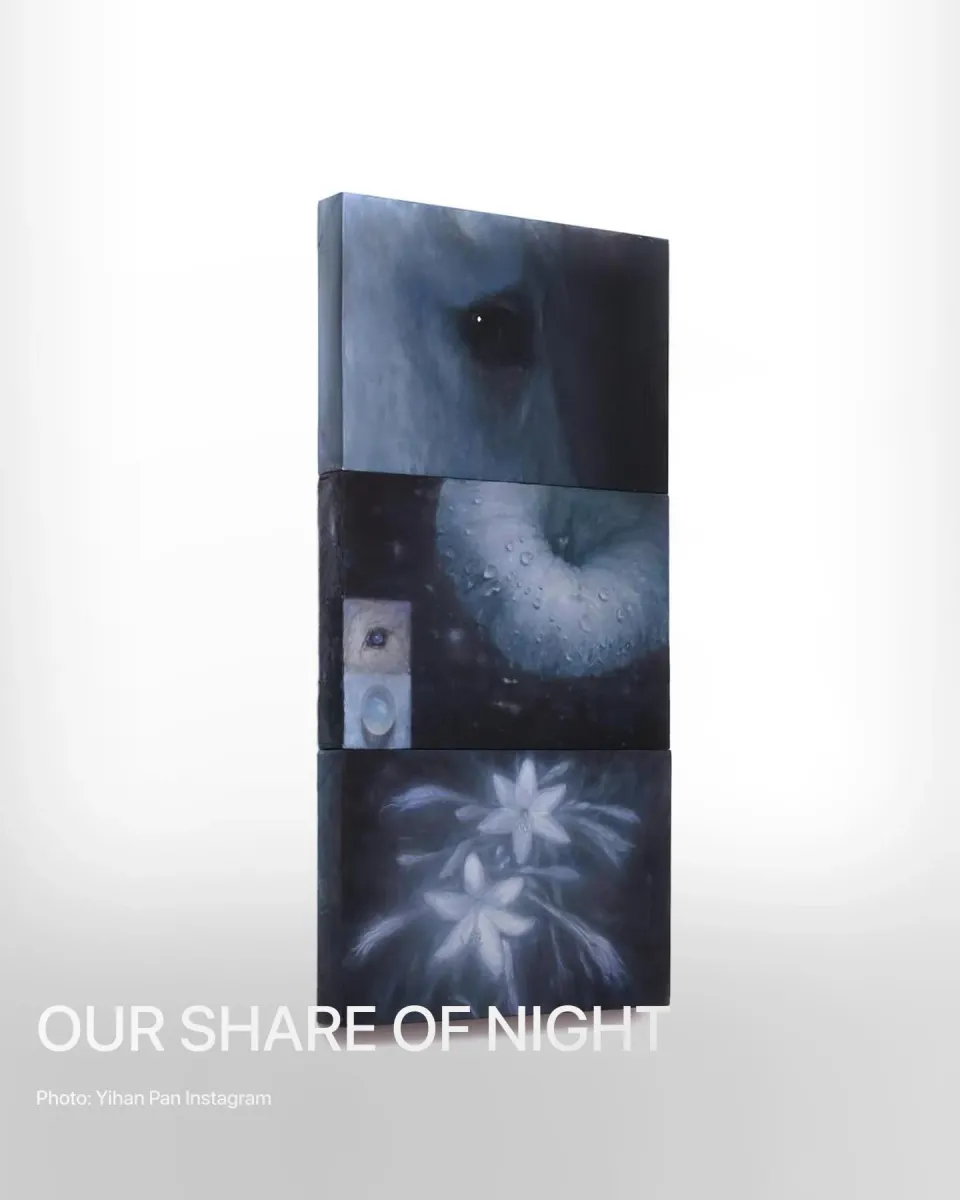
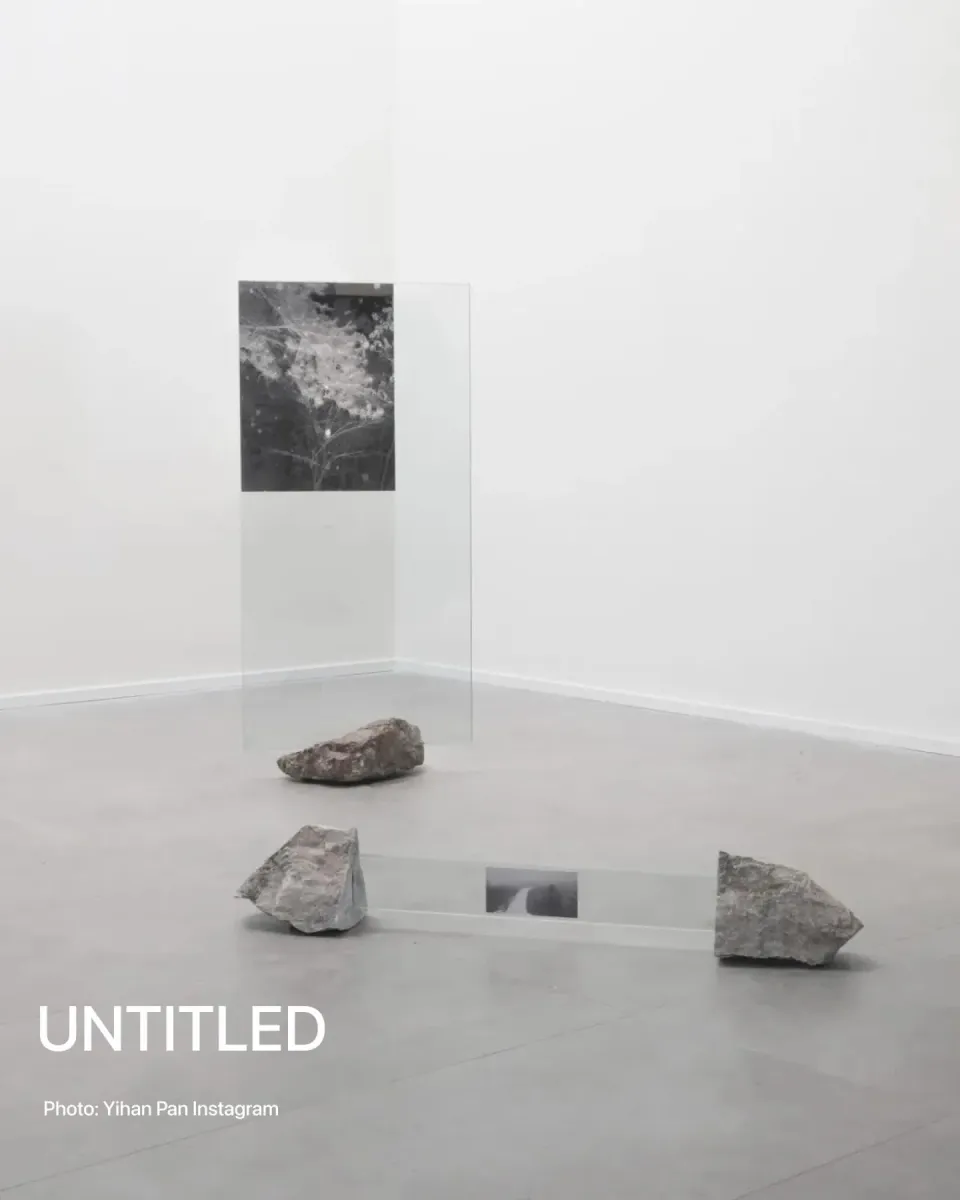
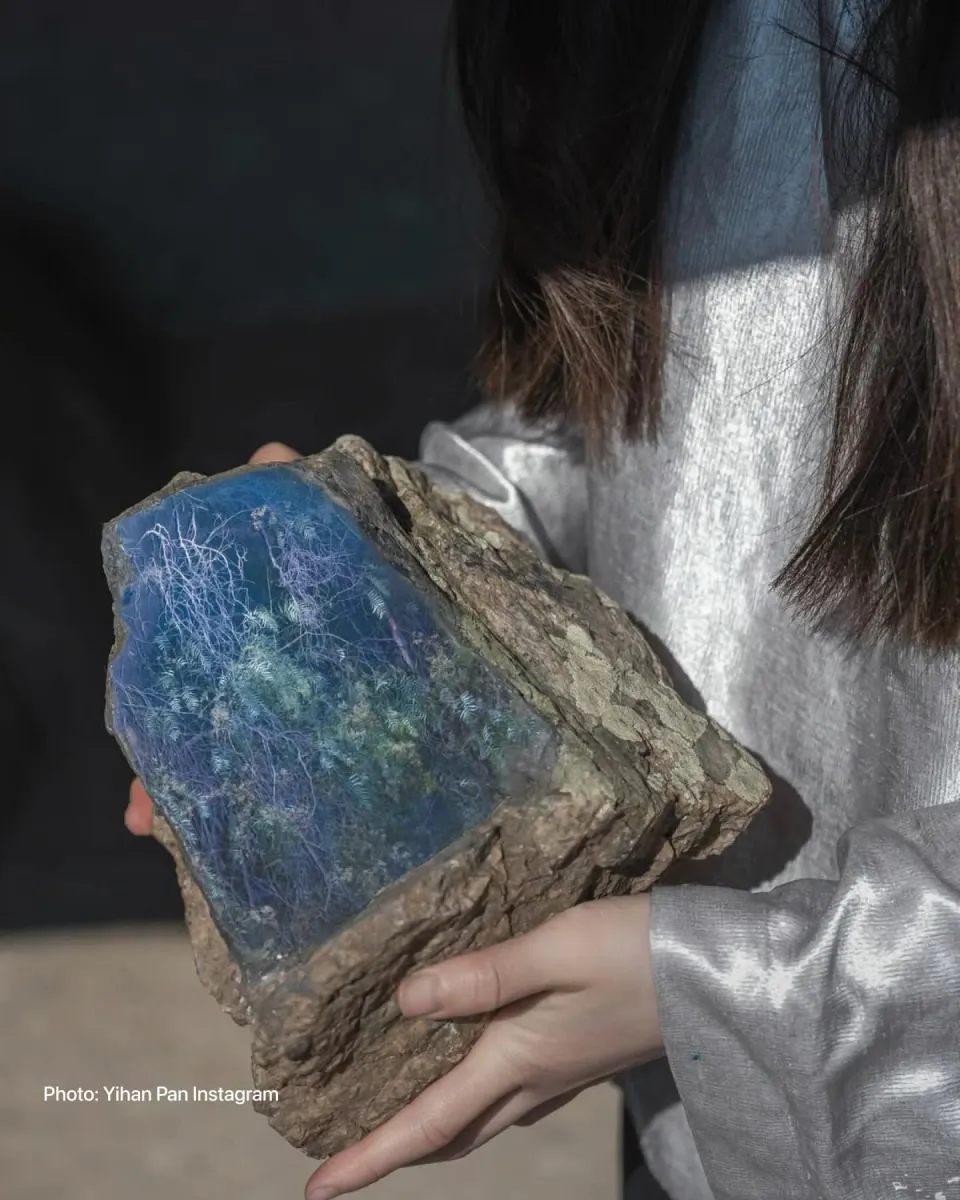
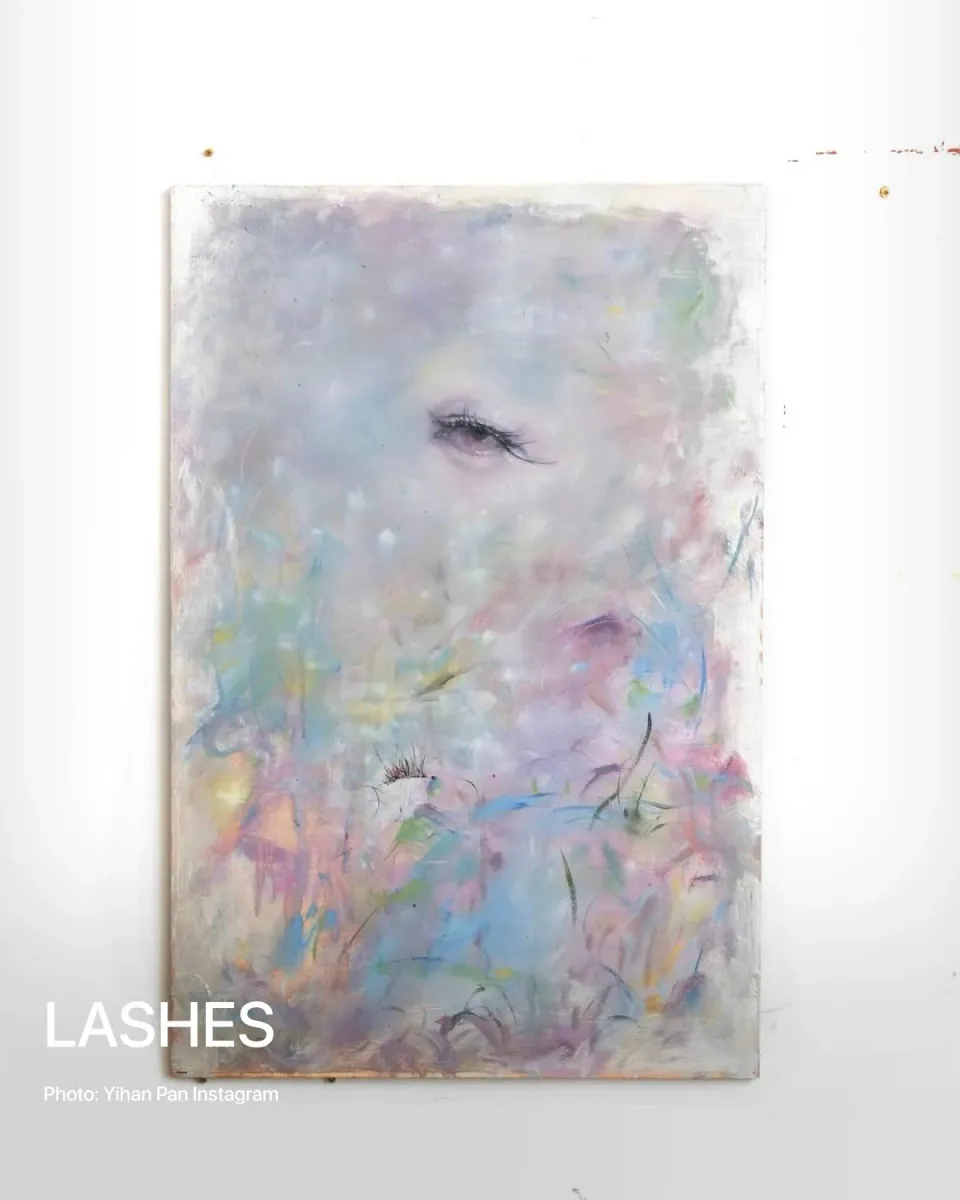
@pyhii
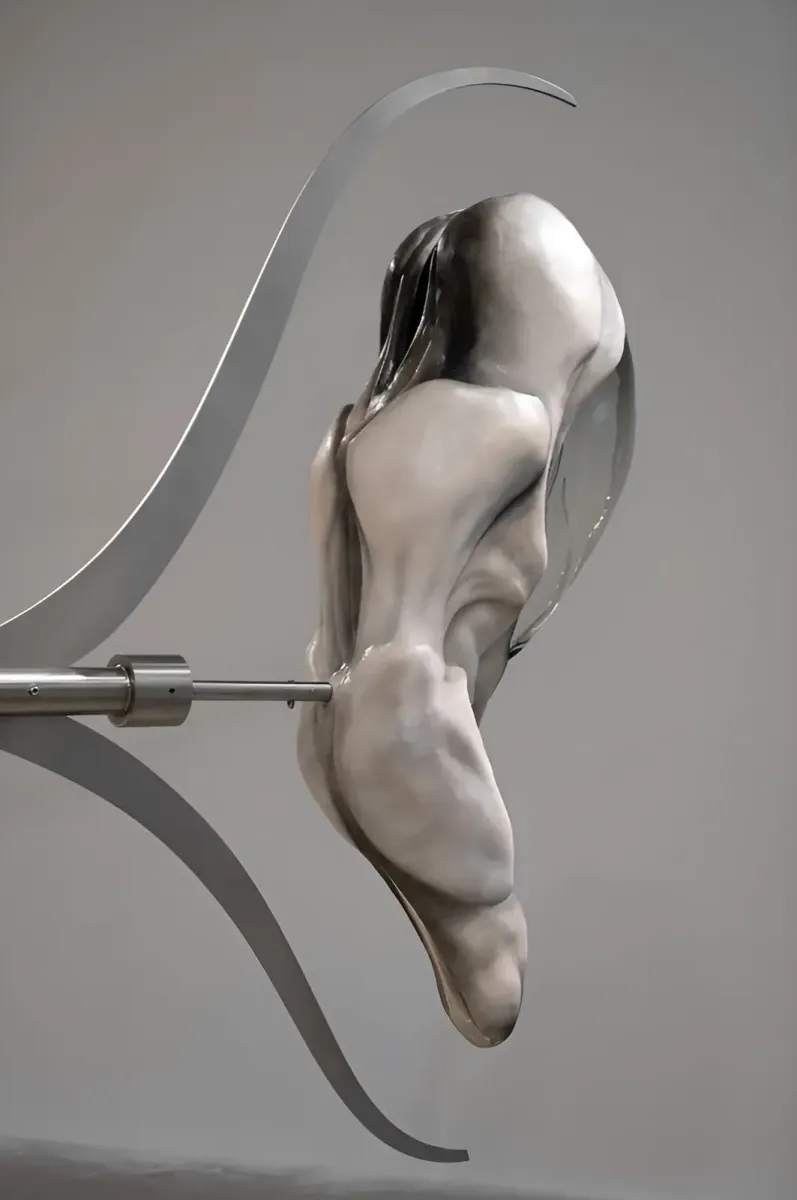
Montpellier / 2025
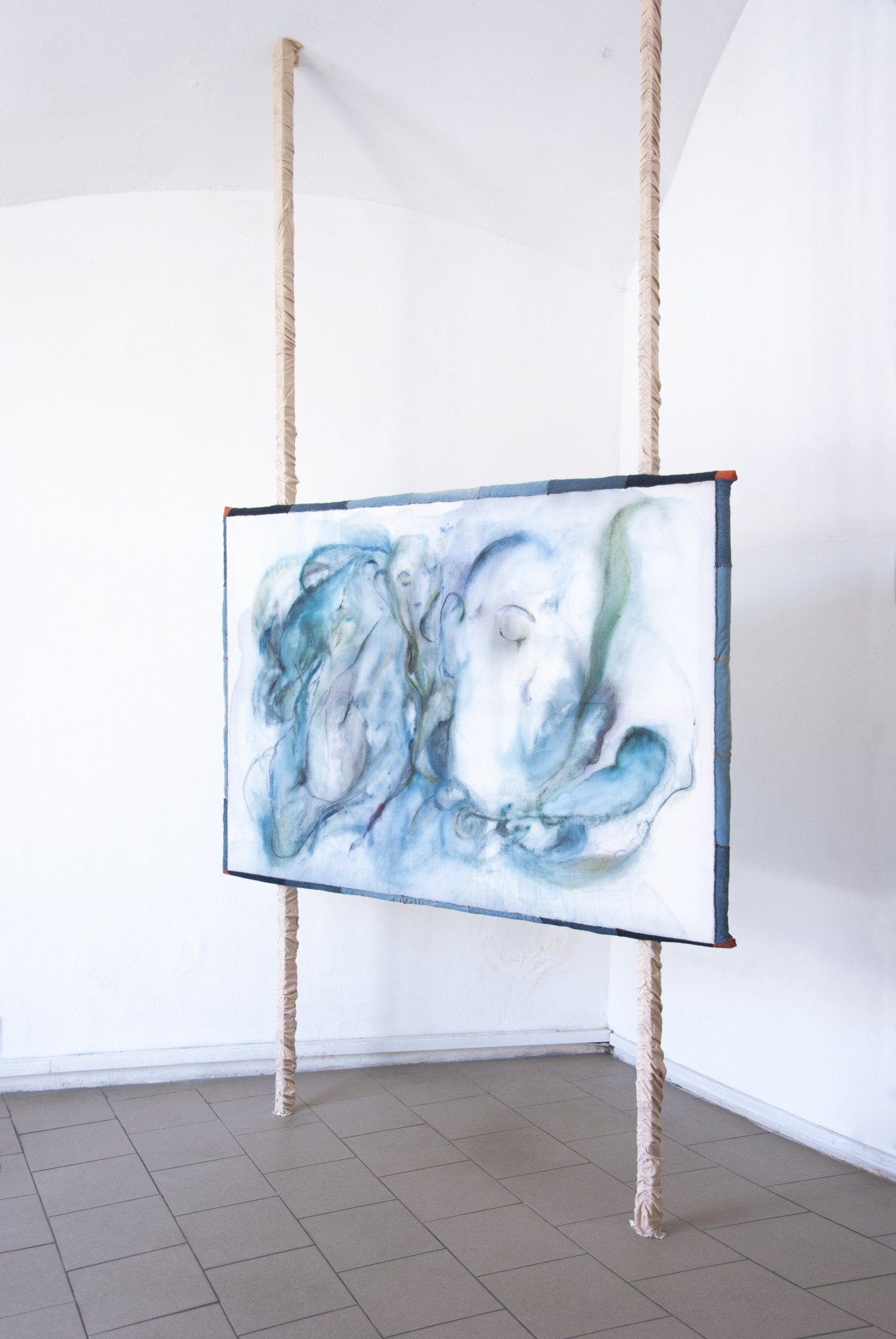
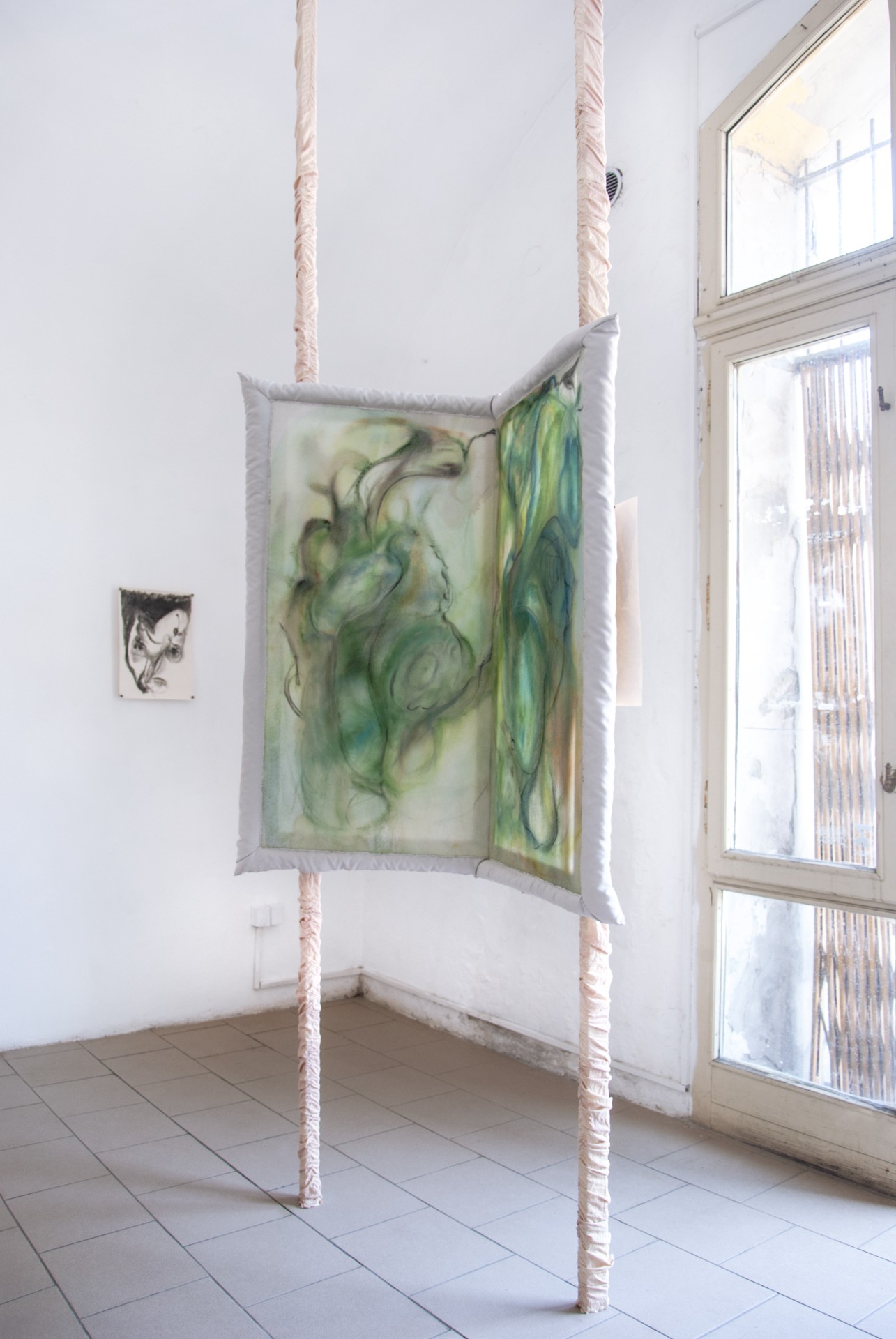
Brno / 2025
Lisbon / 2025
/ 2024
Shanghai / 2024
London / 2024
/ 2025
Innsbruck / 2025
Vienna / 2025
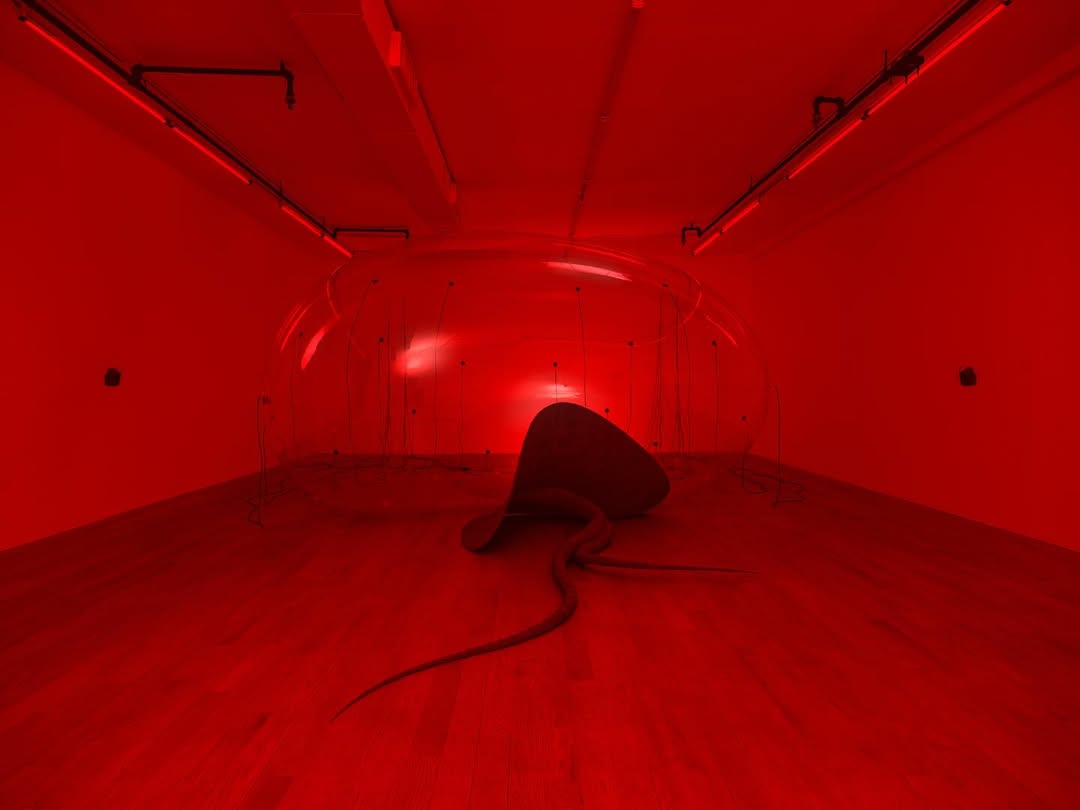
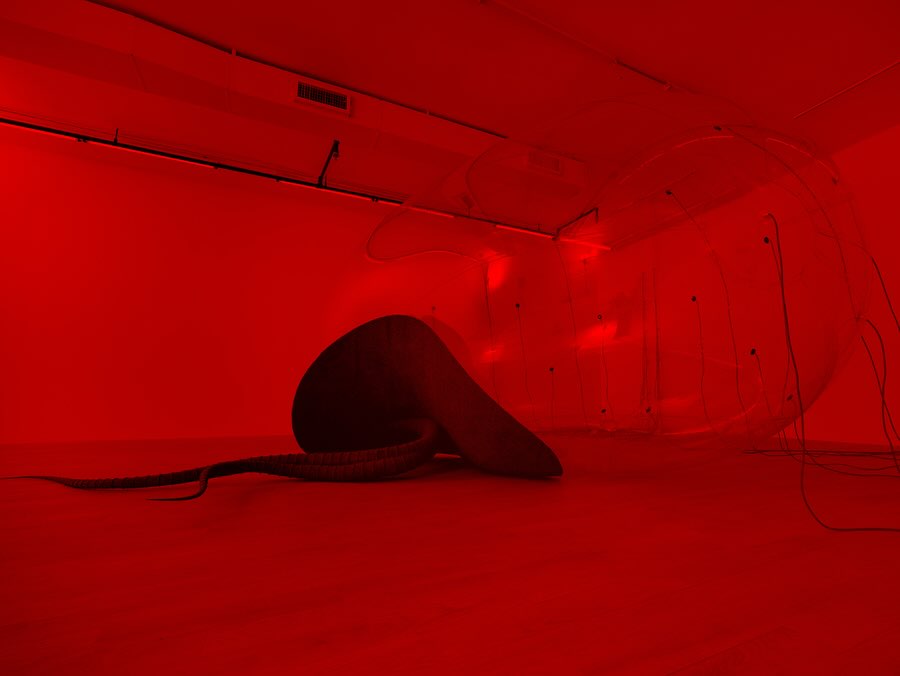
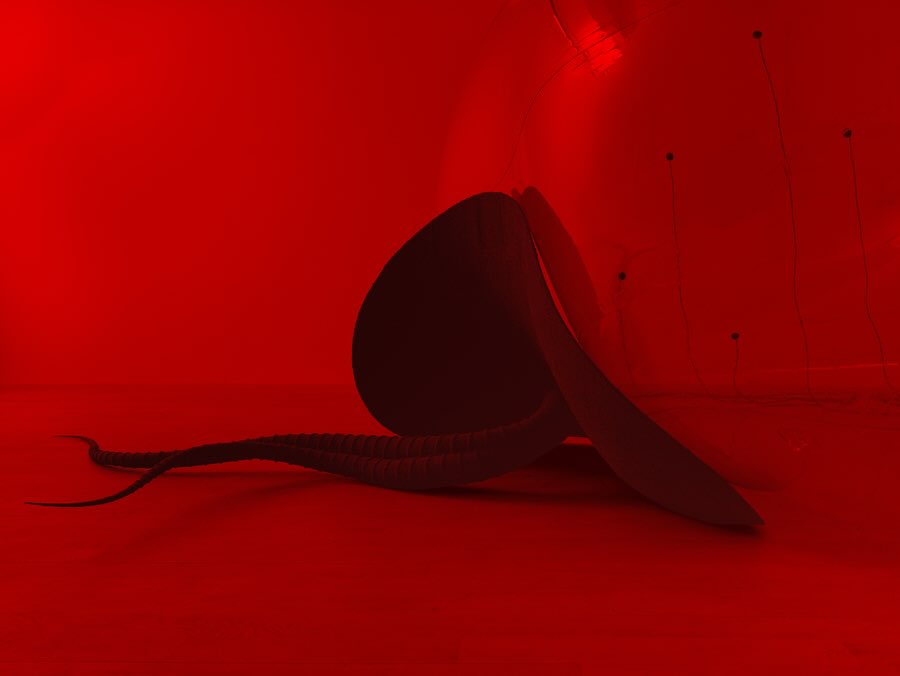
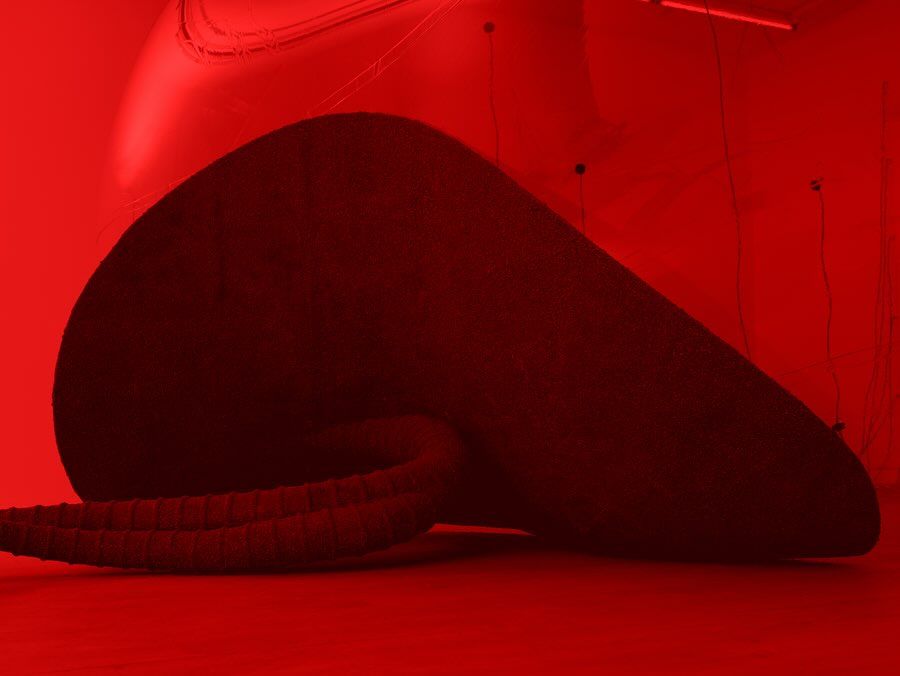
New York / 2025
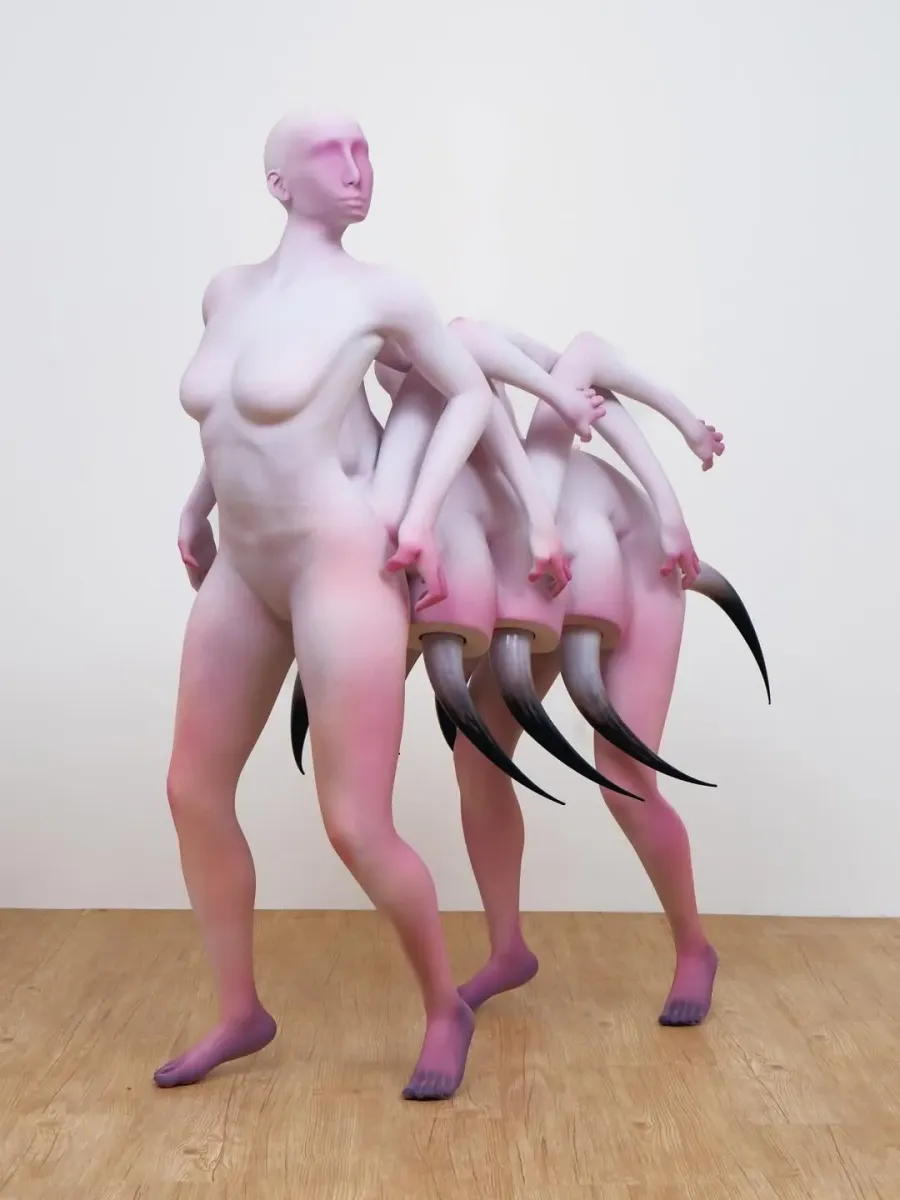
@camelostrich
Busan / 2025

Berlin / 2025

Munich / 2026
Seoul / 2025-2026
Paris / 2026
Warsaw / 2026
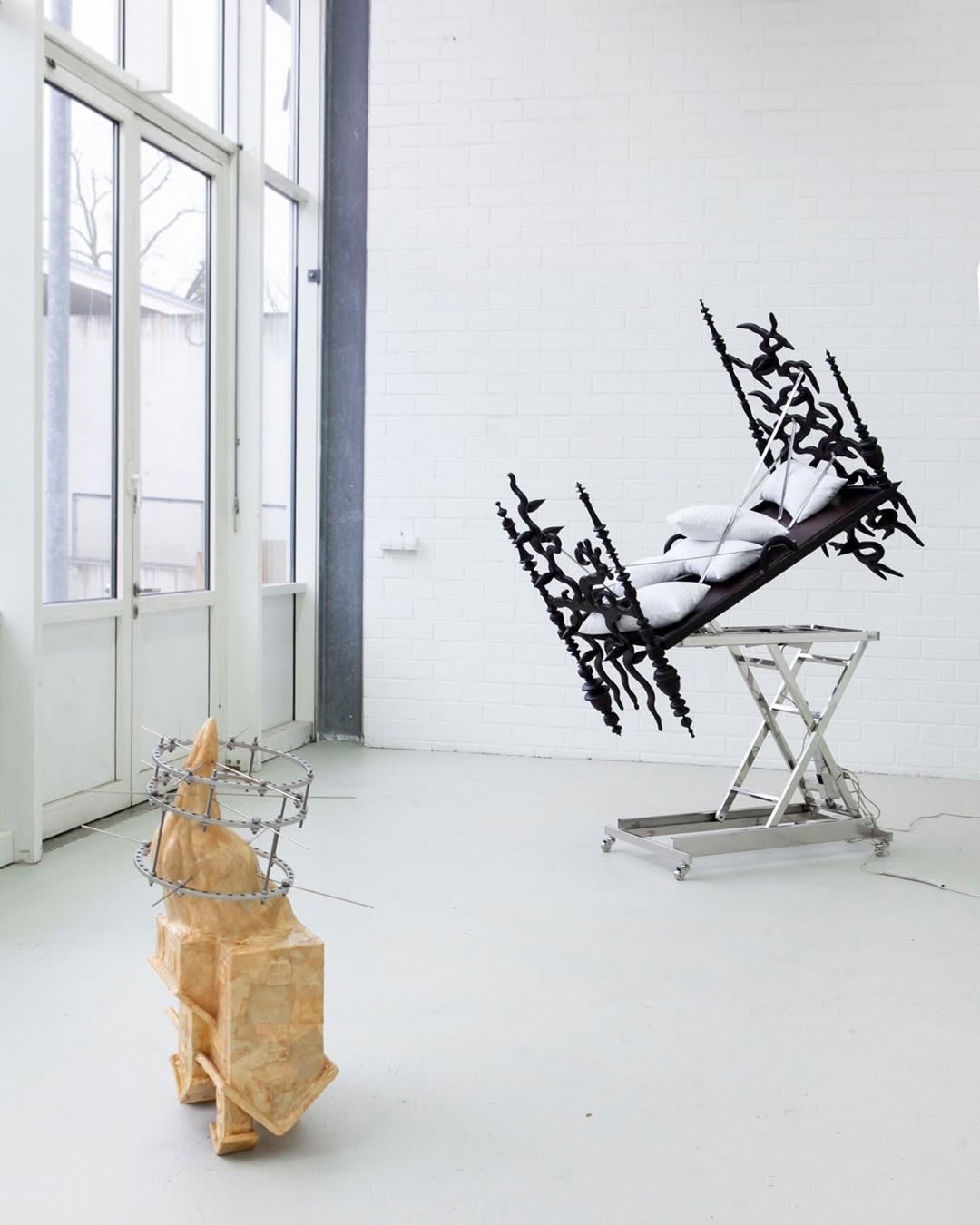
Nurnberg / 2026
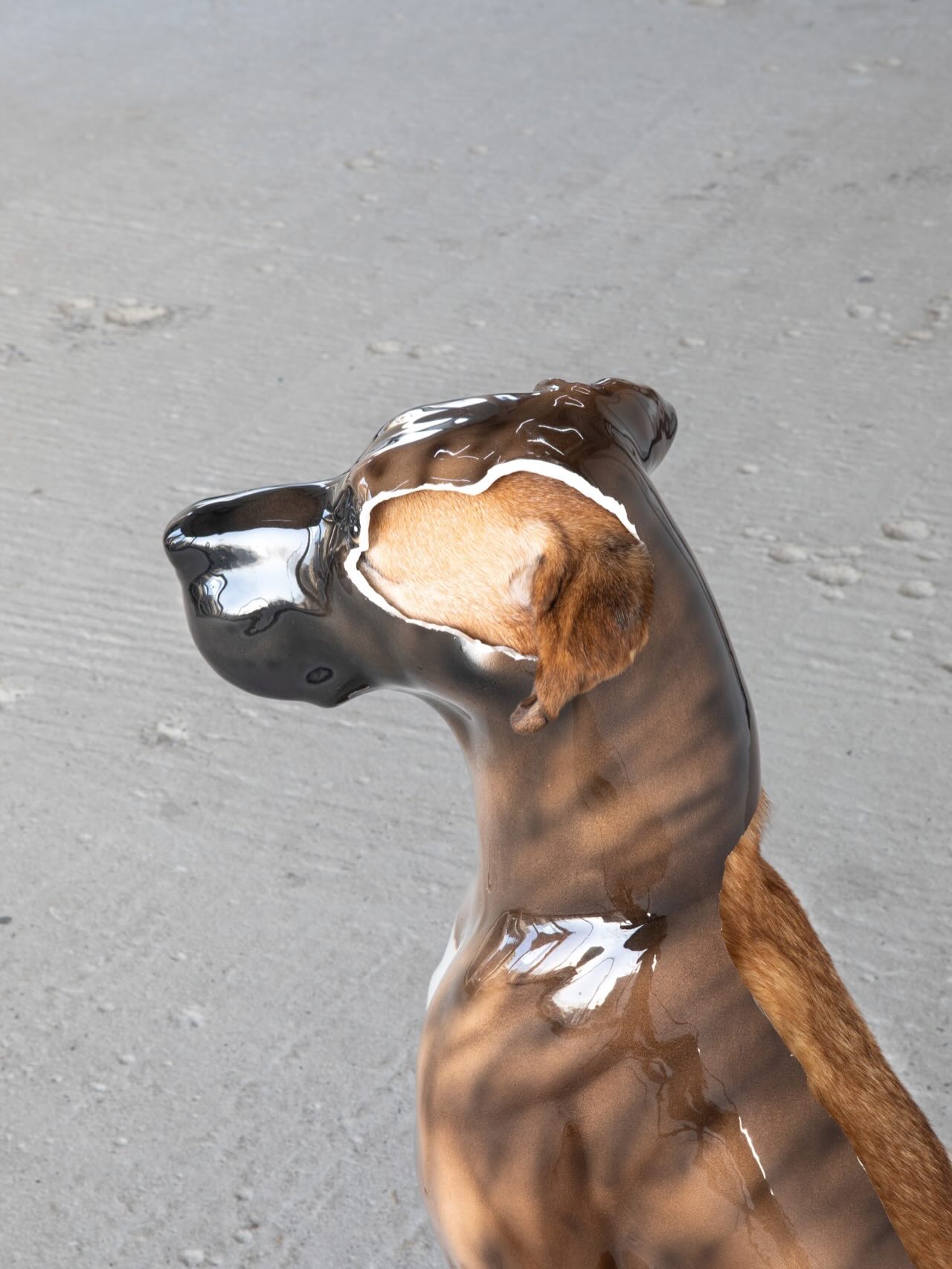
Offenbach am Main / 2026
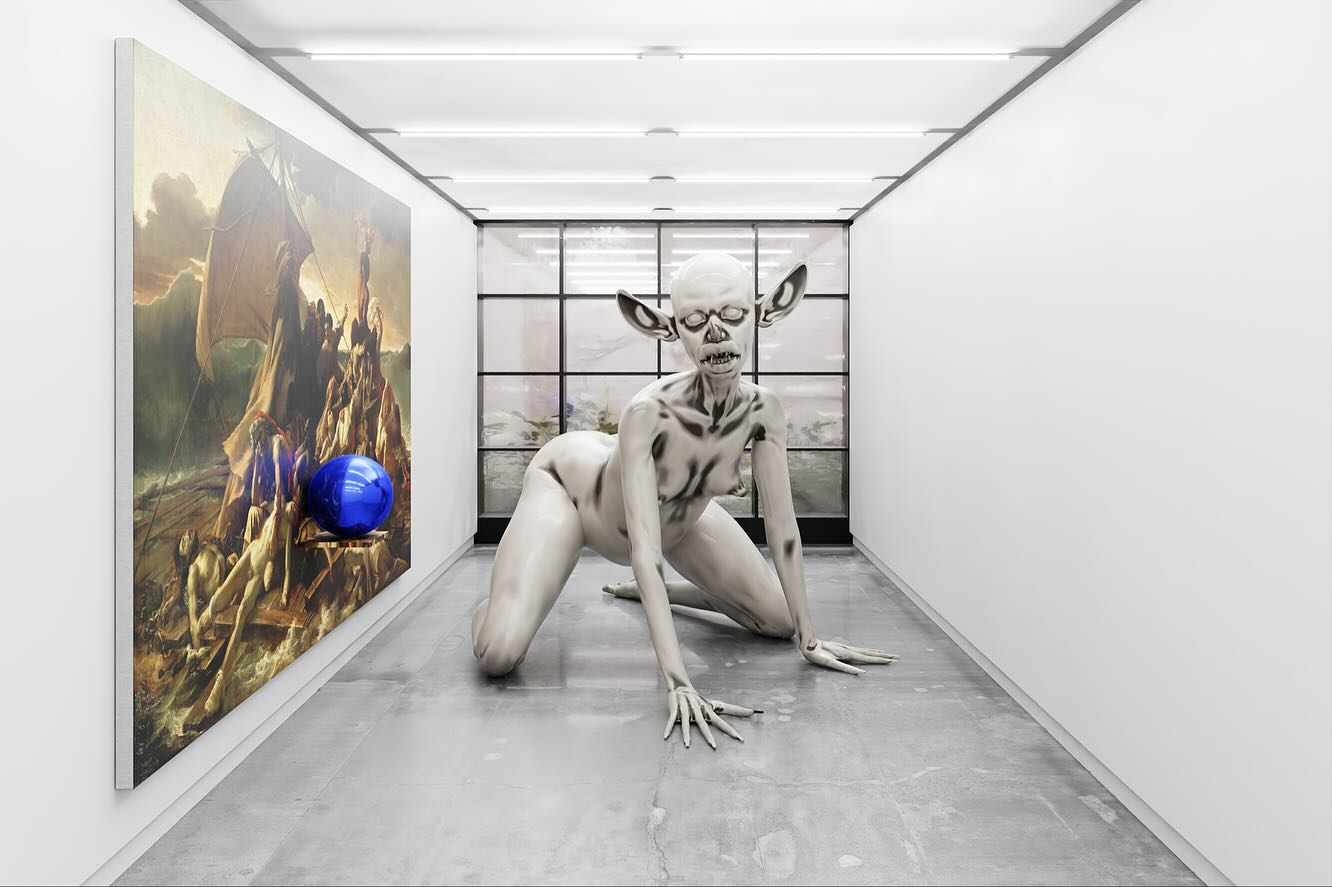
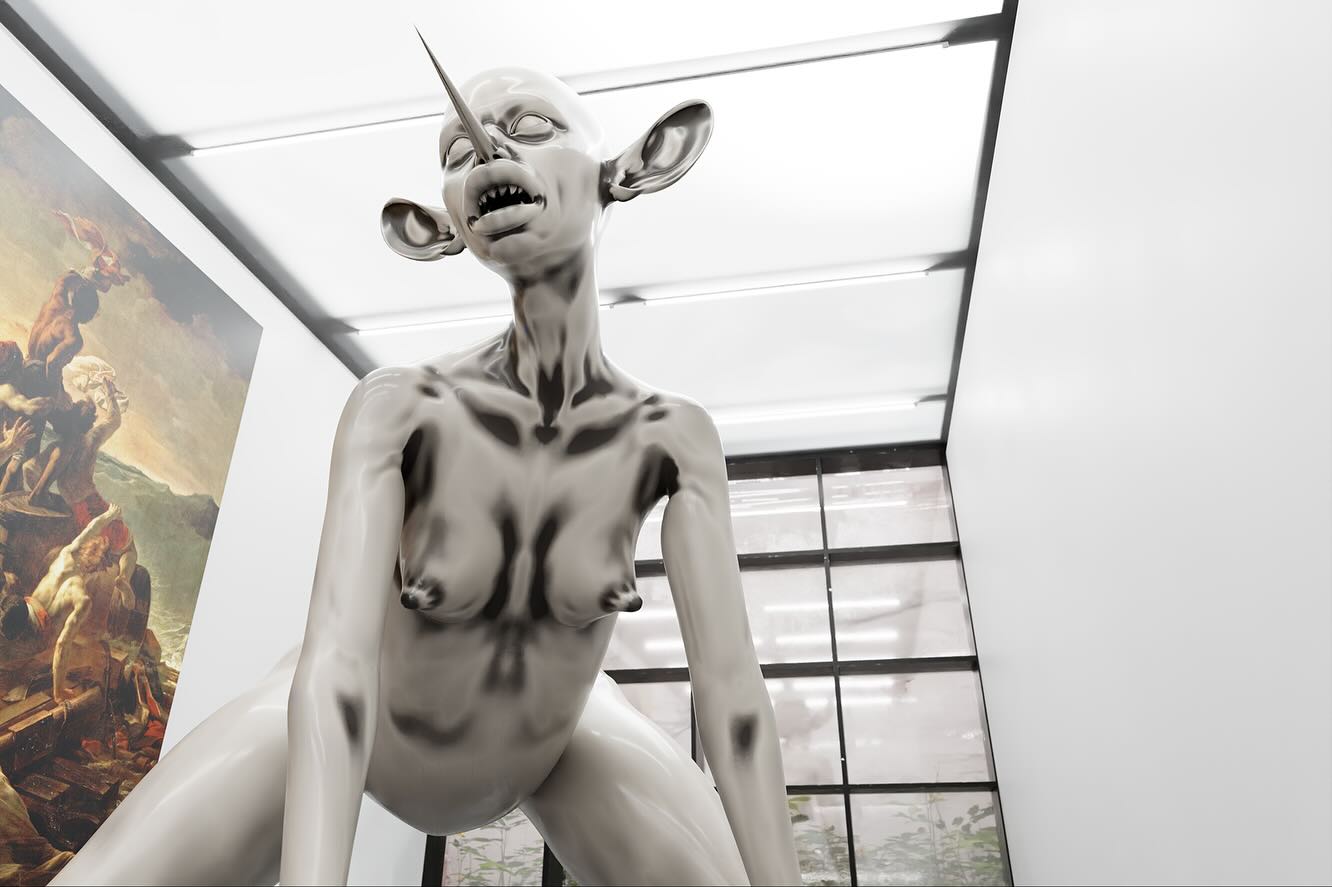
/ 2025
Berlin / 2026
/ 2026
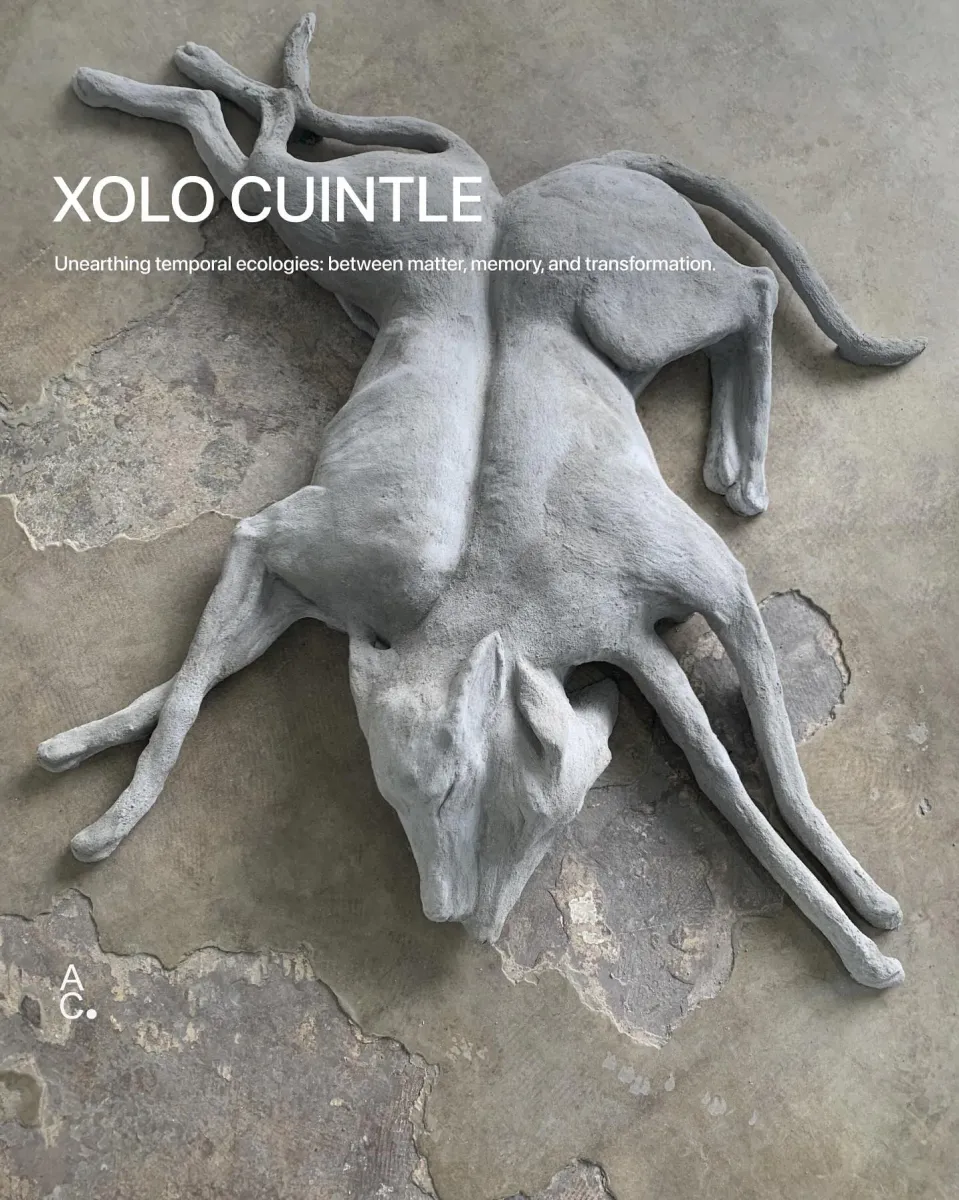
@xolo_cuintle
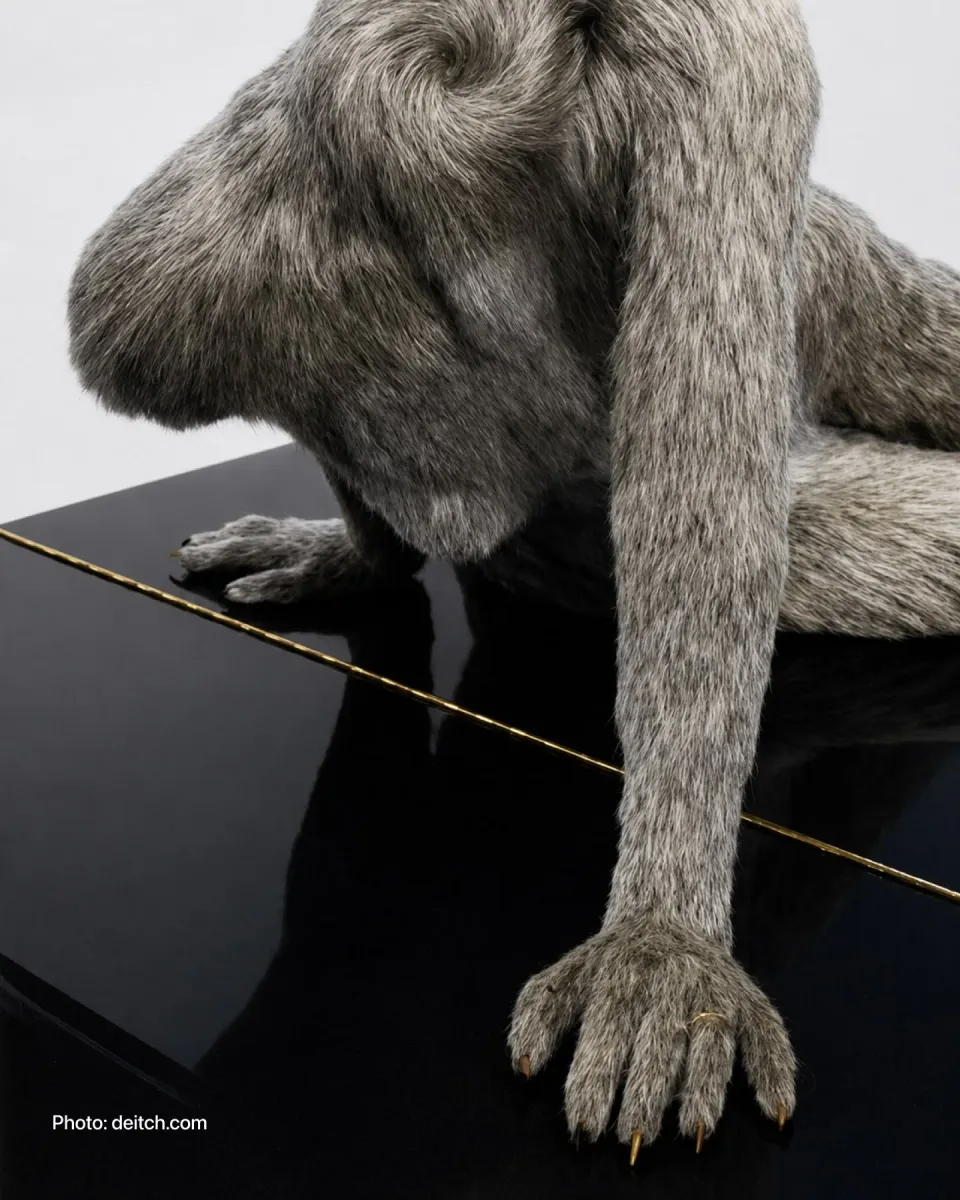
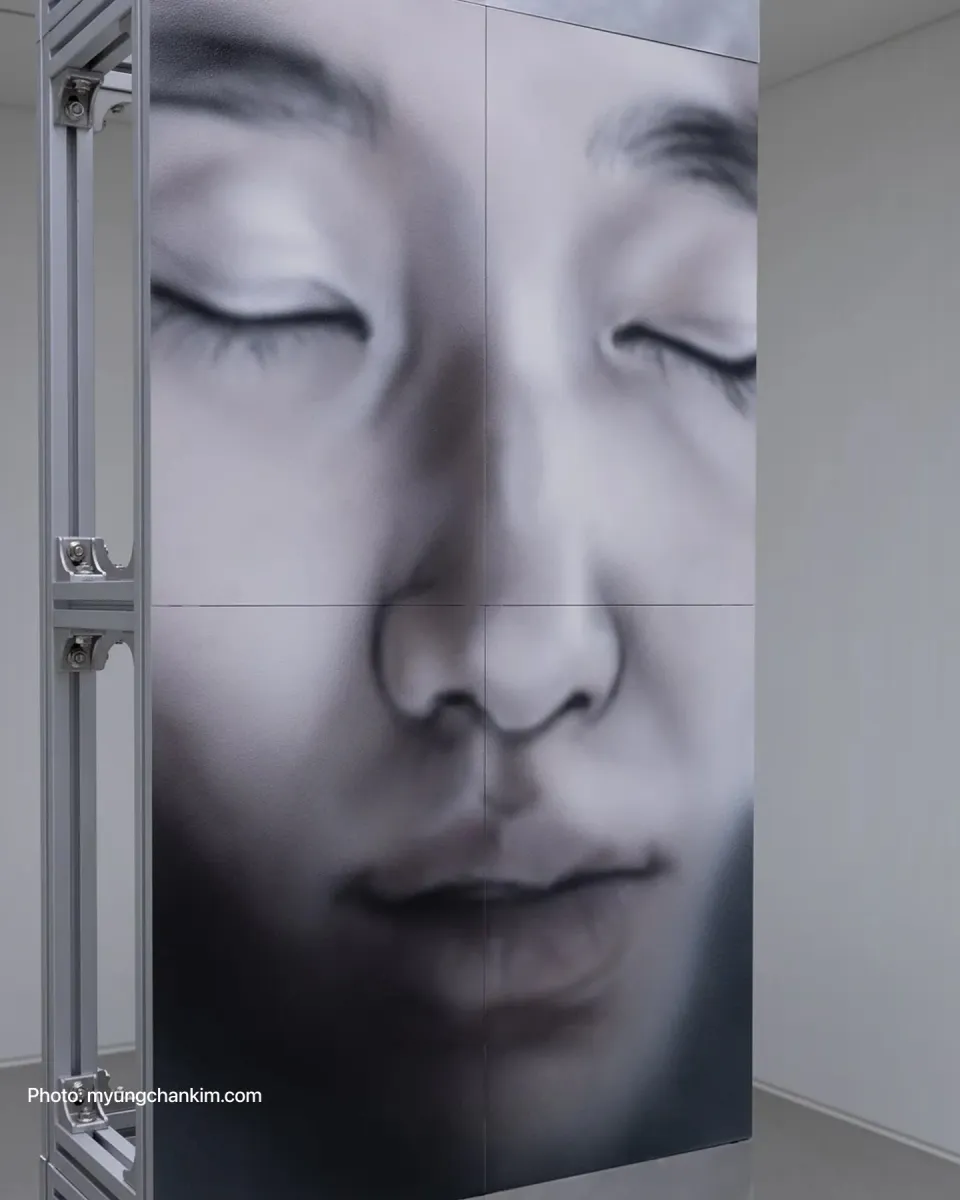
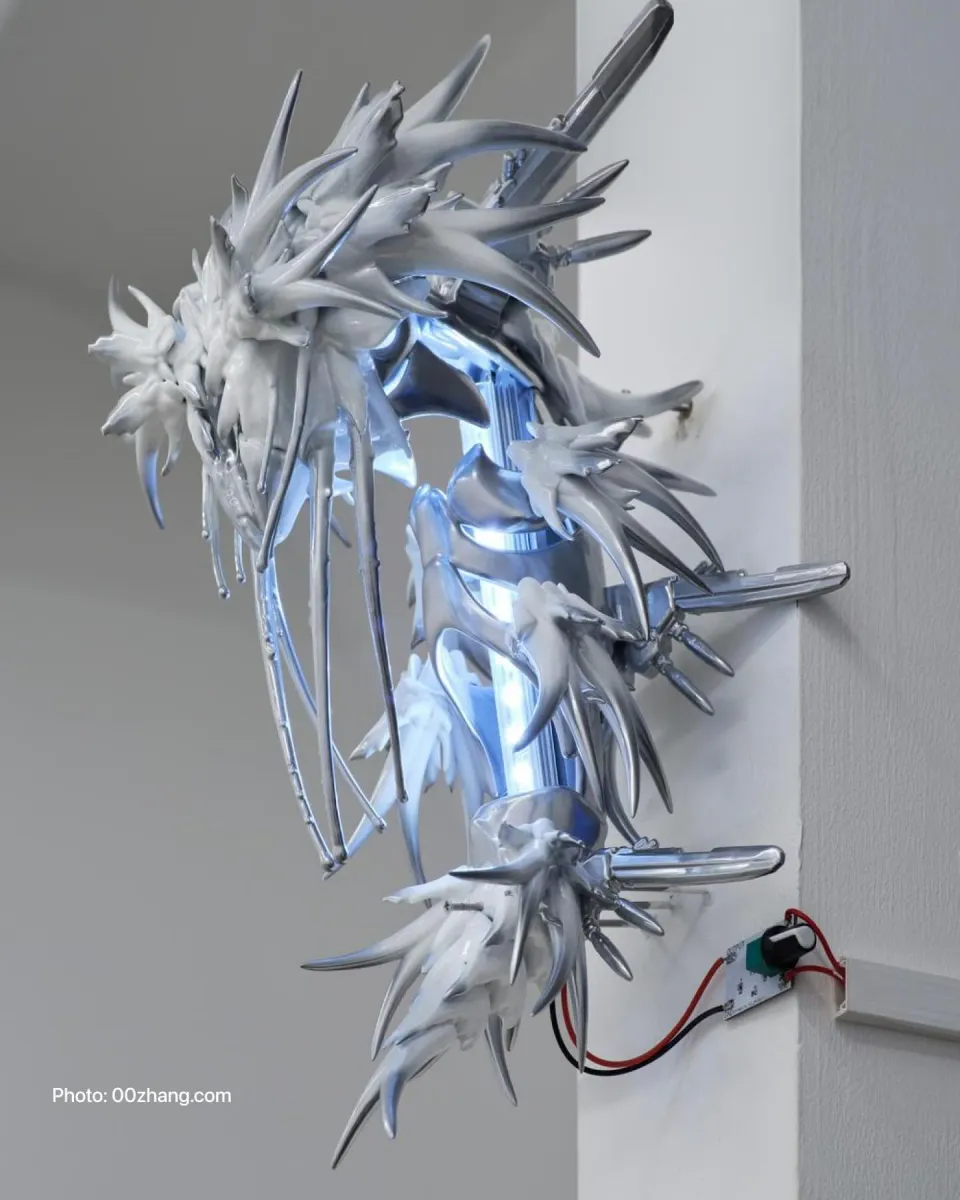
 Features
Berlin / 2026
Cologne / 2026
Saarbrücken / 2026
Berlin / 2026
Suwon / 2026
Hurup / 2026
/ 2026
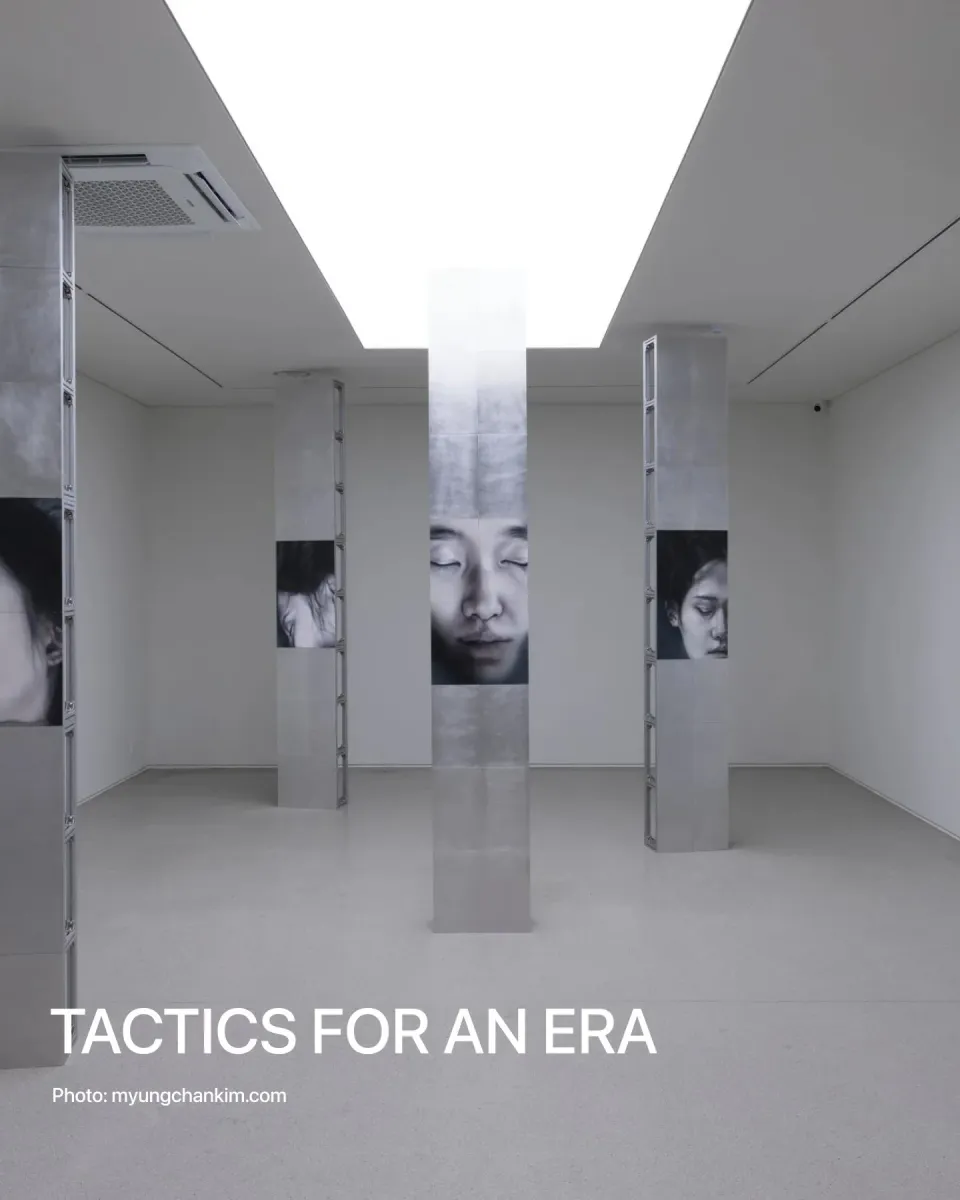
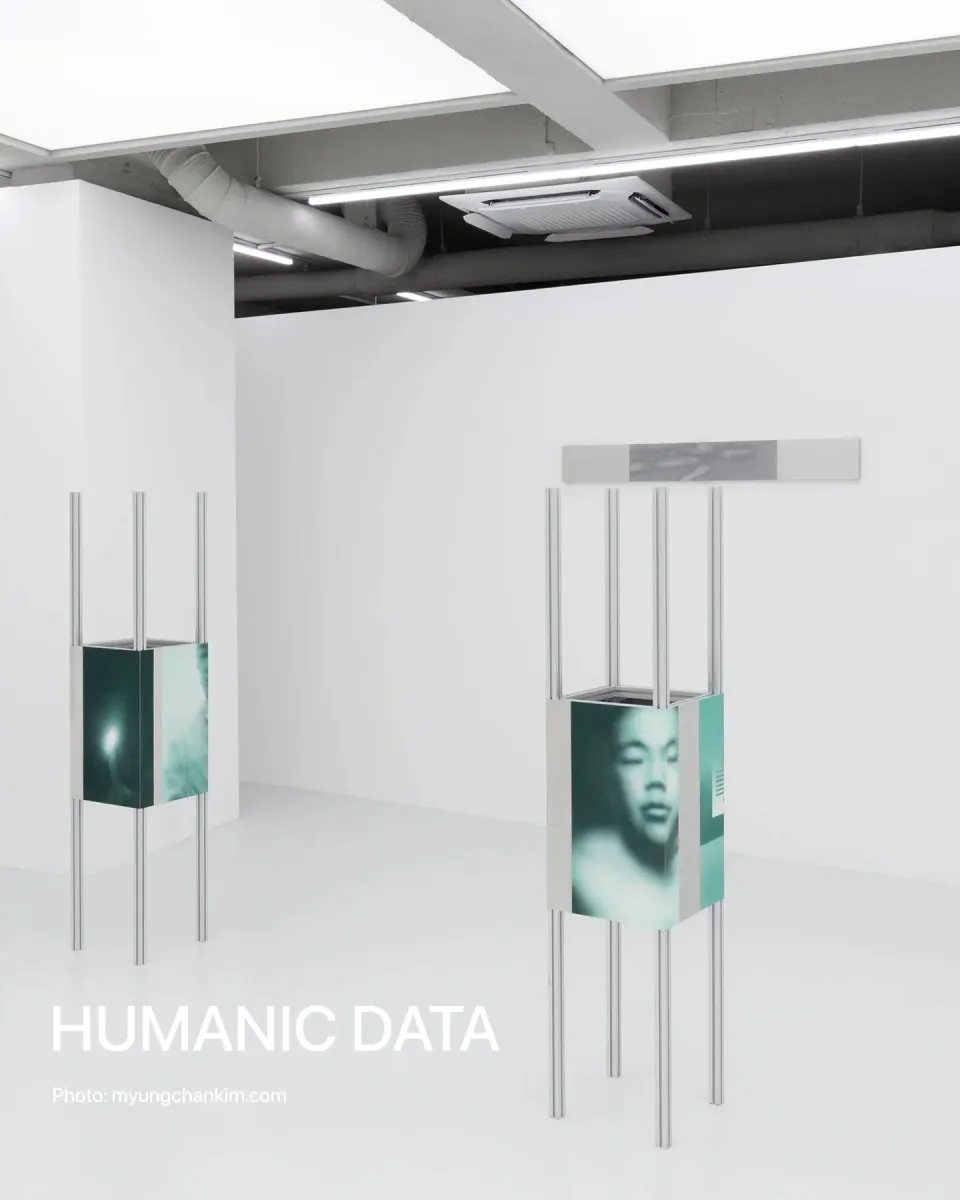
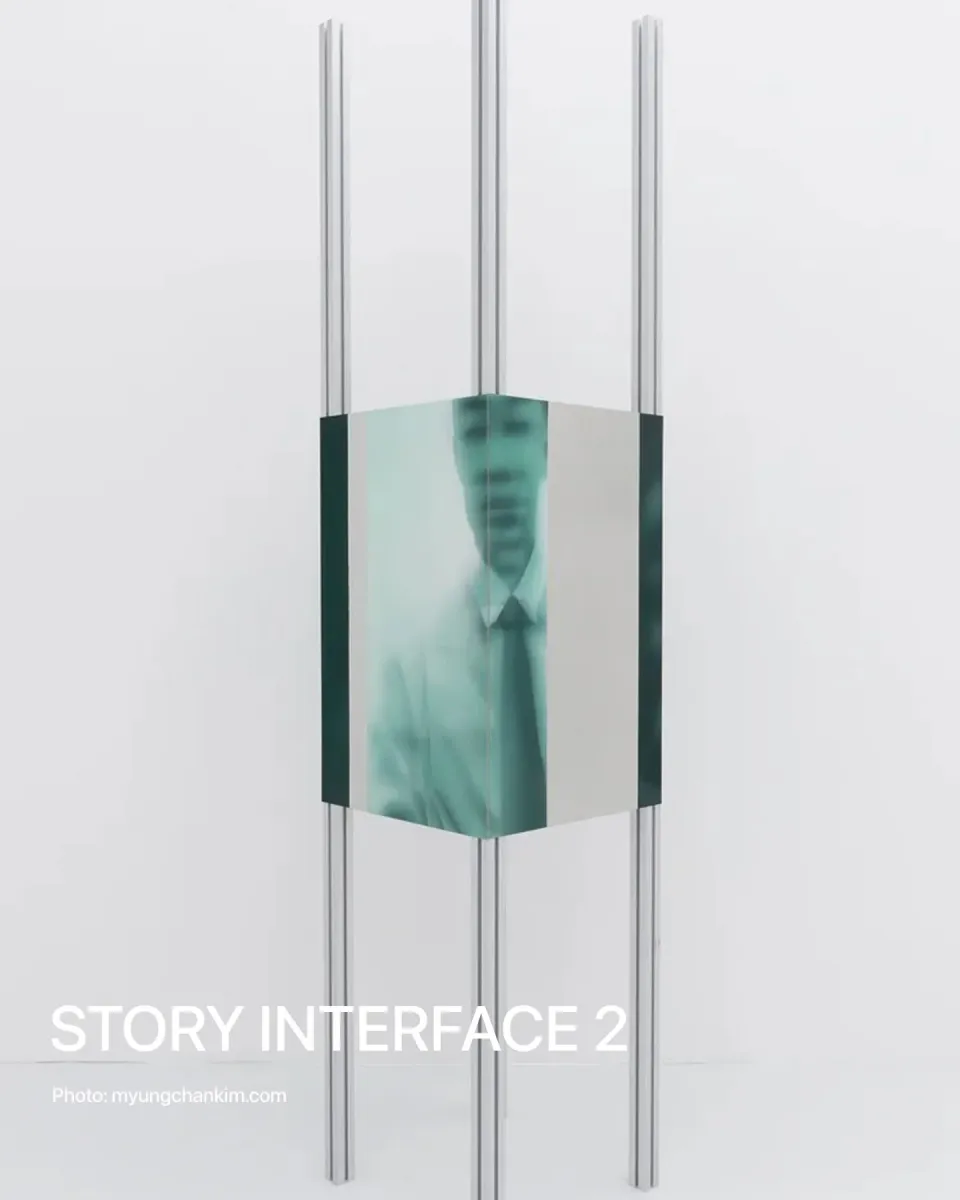
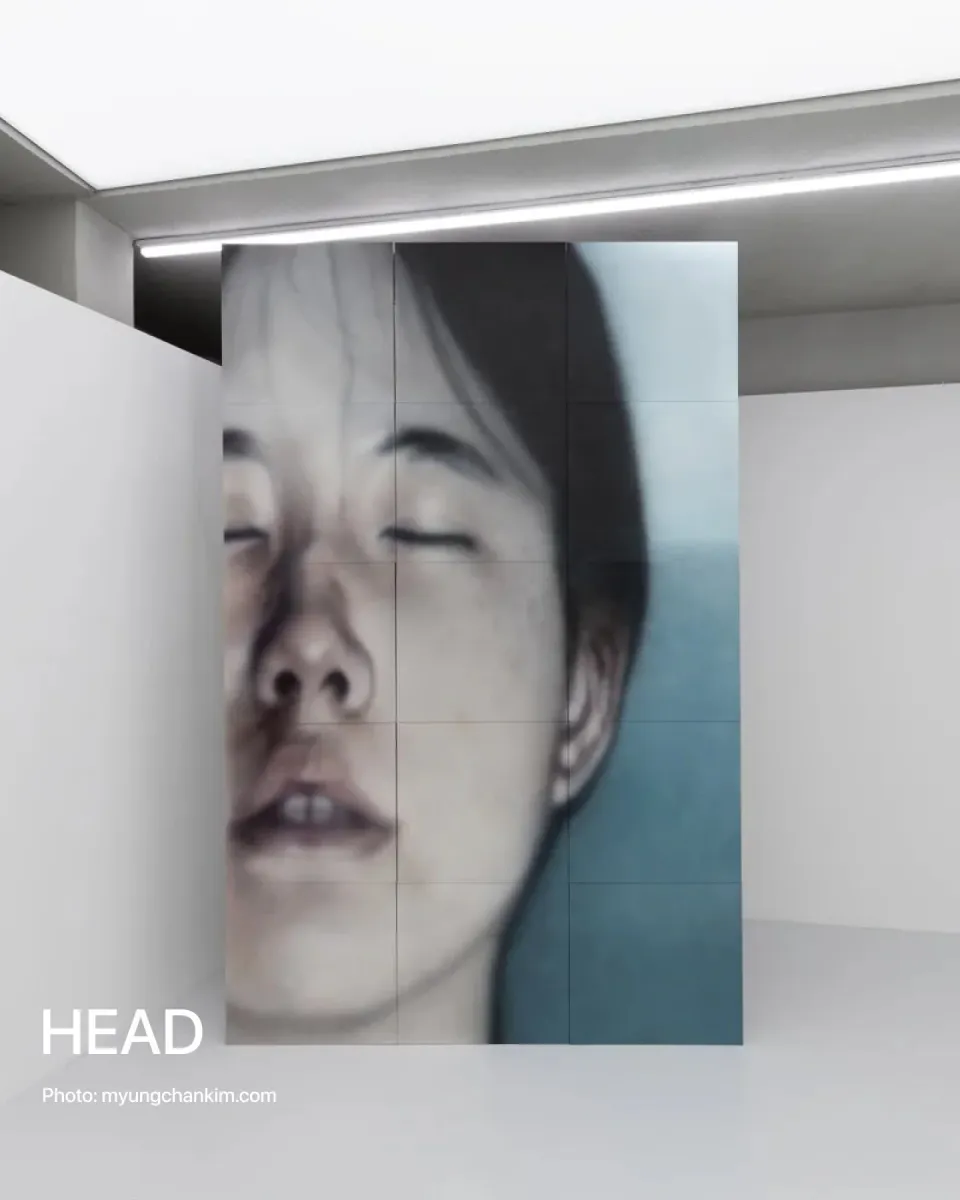
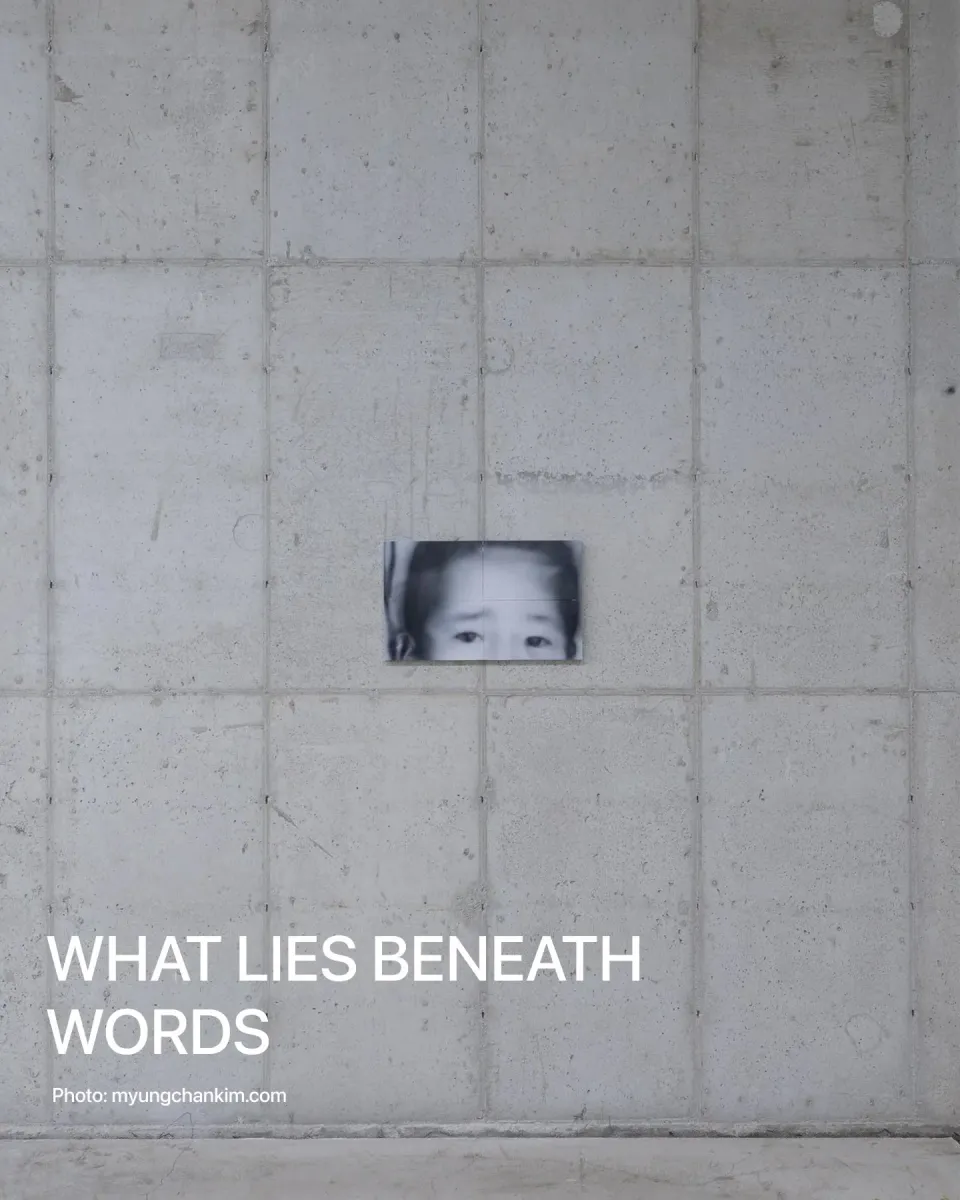
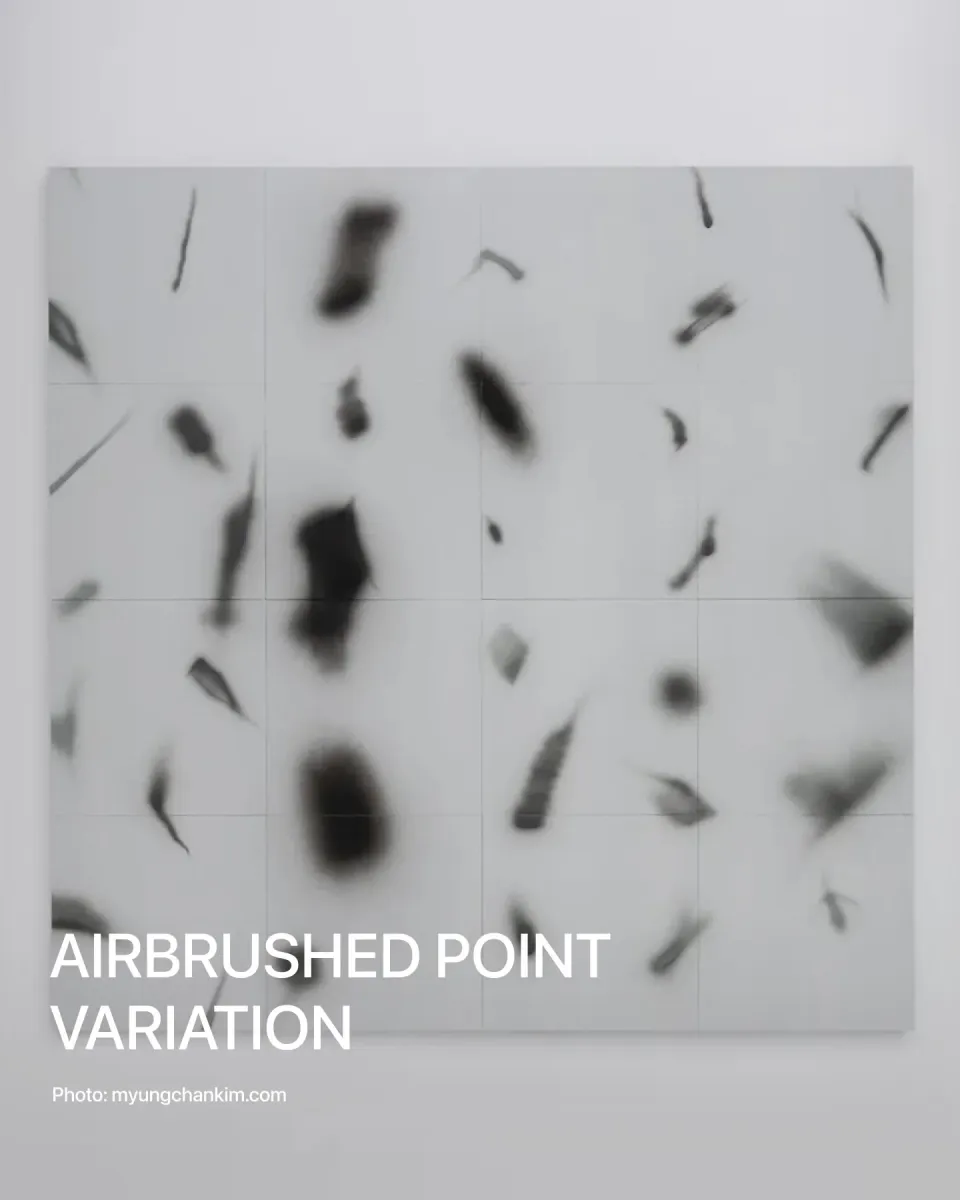
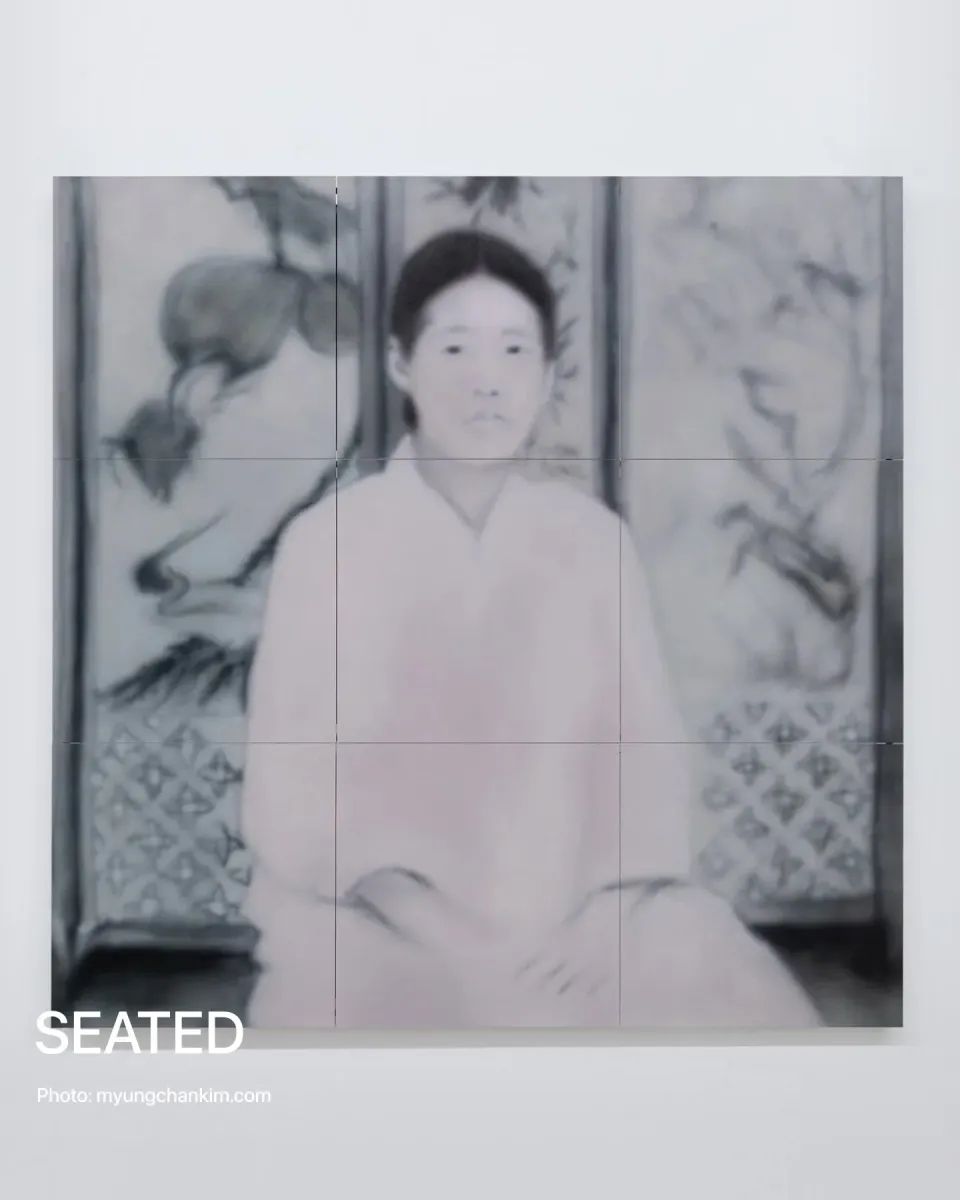
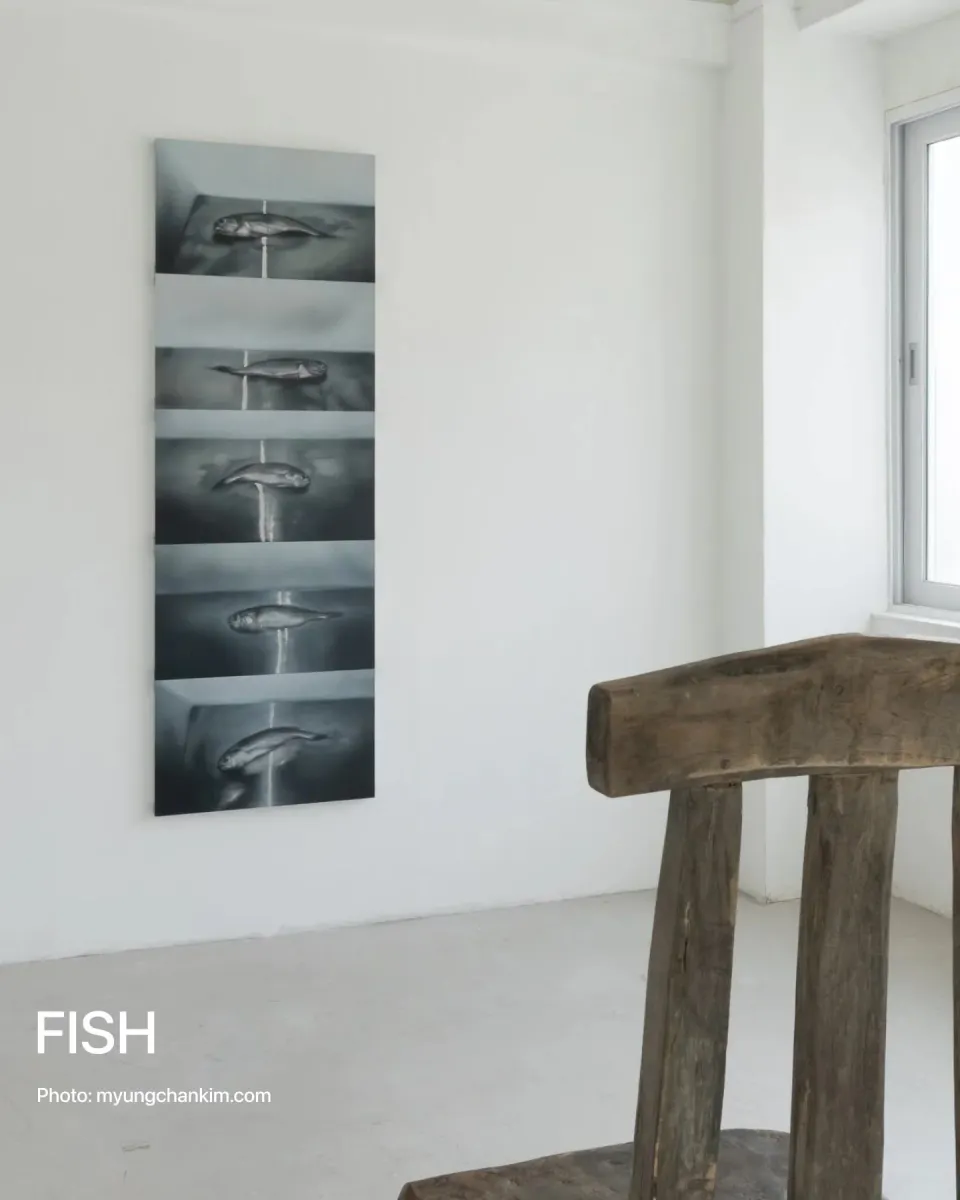
@kim.myungchan
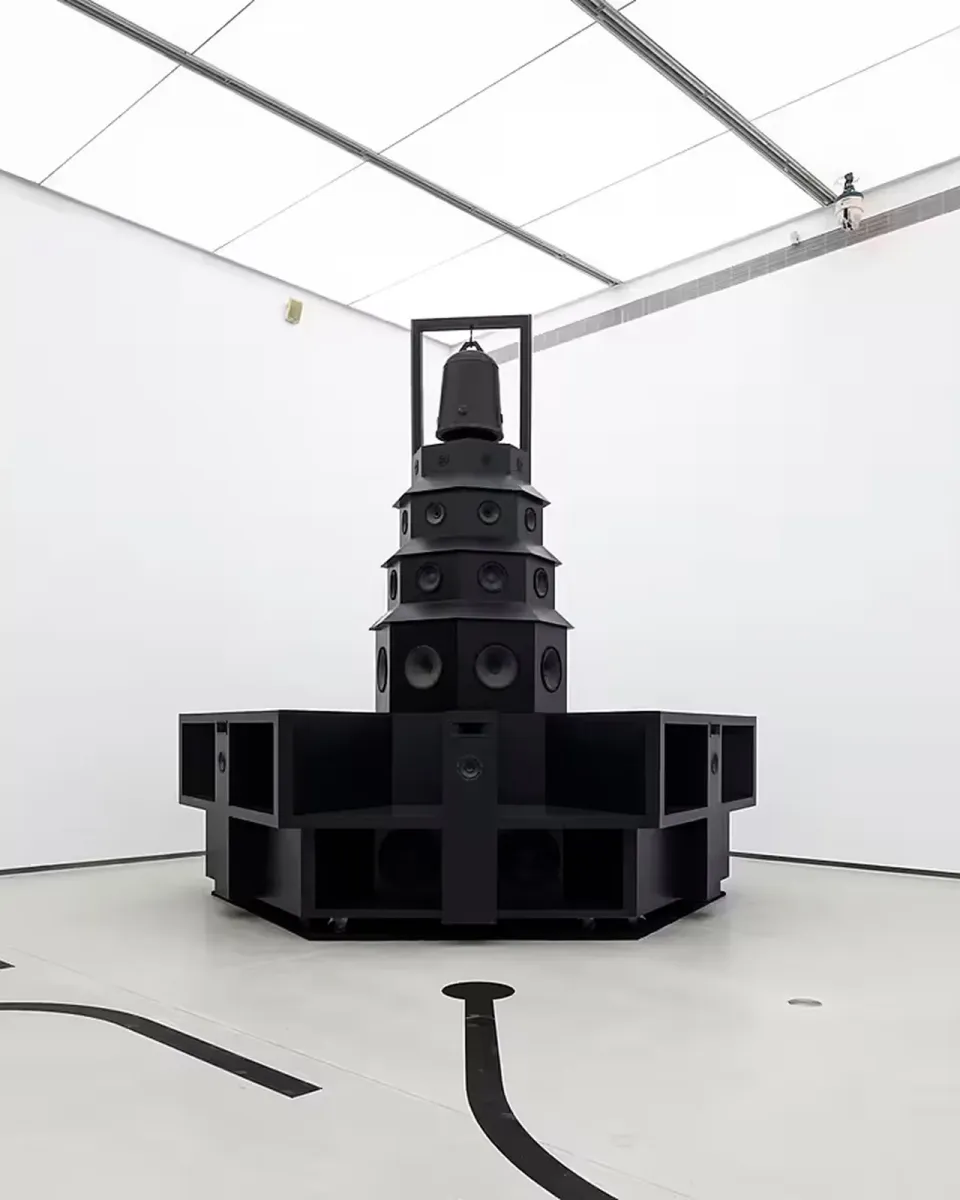
Shanghai / 2026
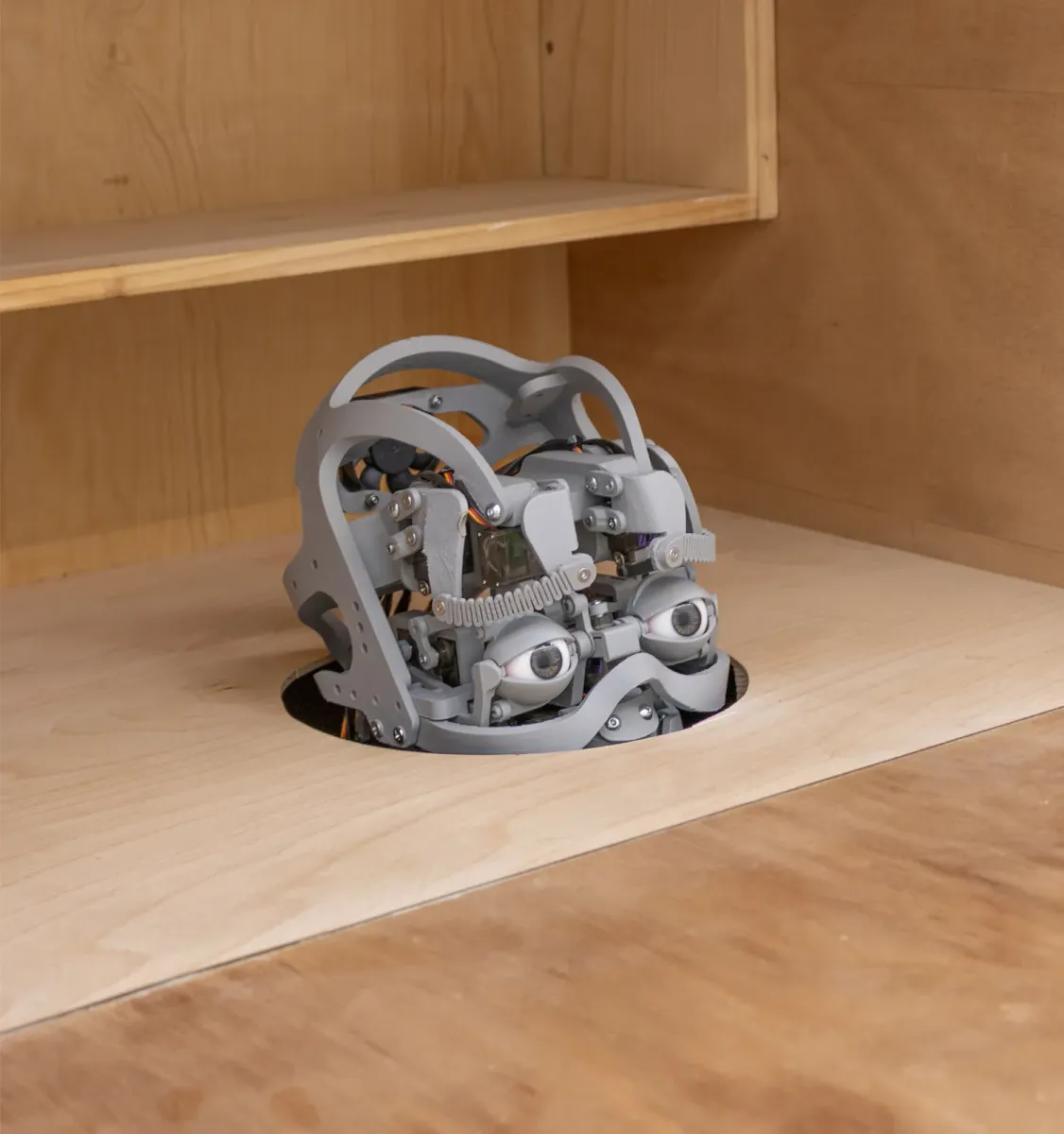
Paris / 2026
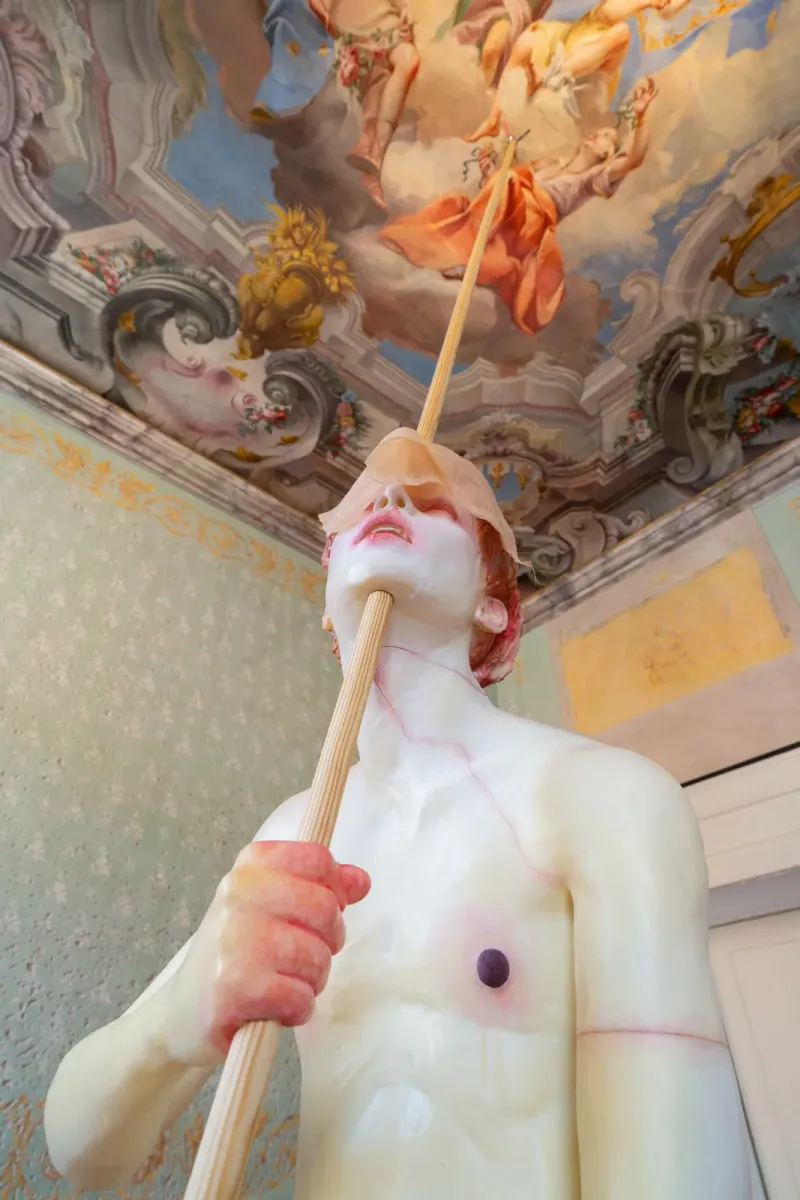
Brescia / 2026
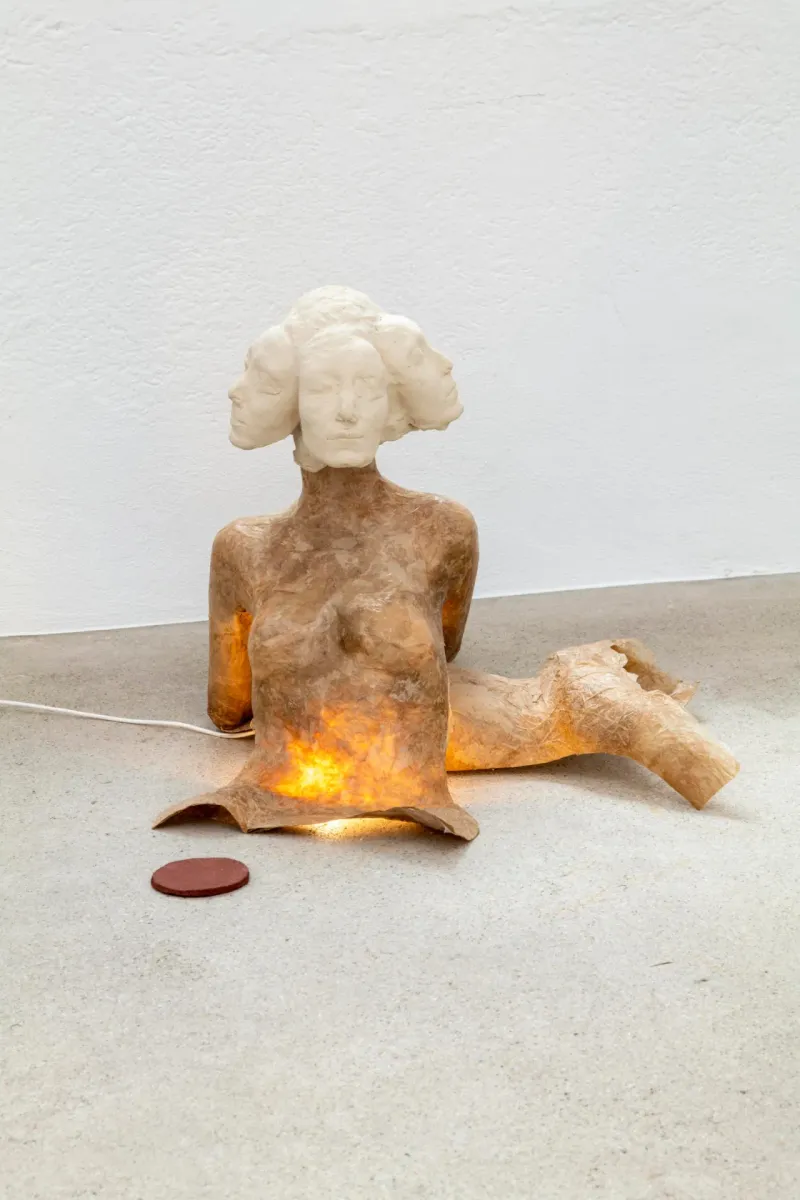
Munich / 2026
Lima / 2026
Mexico City / 2026
.webp)
Cergy / Paris / 2026
New York / 2026
Düsseldorf / 2026
Kraków / 2025
@emma.beatrez
Brussels / 2025-2026
/ 2024
Tartu / 2024
Wroclaw / 2024
Stockholm / 2024-2025
Geneva / 2024
Paris / 2025
Santiago / 2025
Warsaw / 2025
Milan / 2025
@nadaecc
Dornbirn / 2026
Prague / 2026
Seoul / 2025
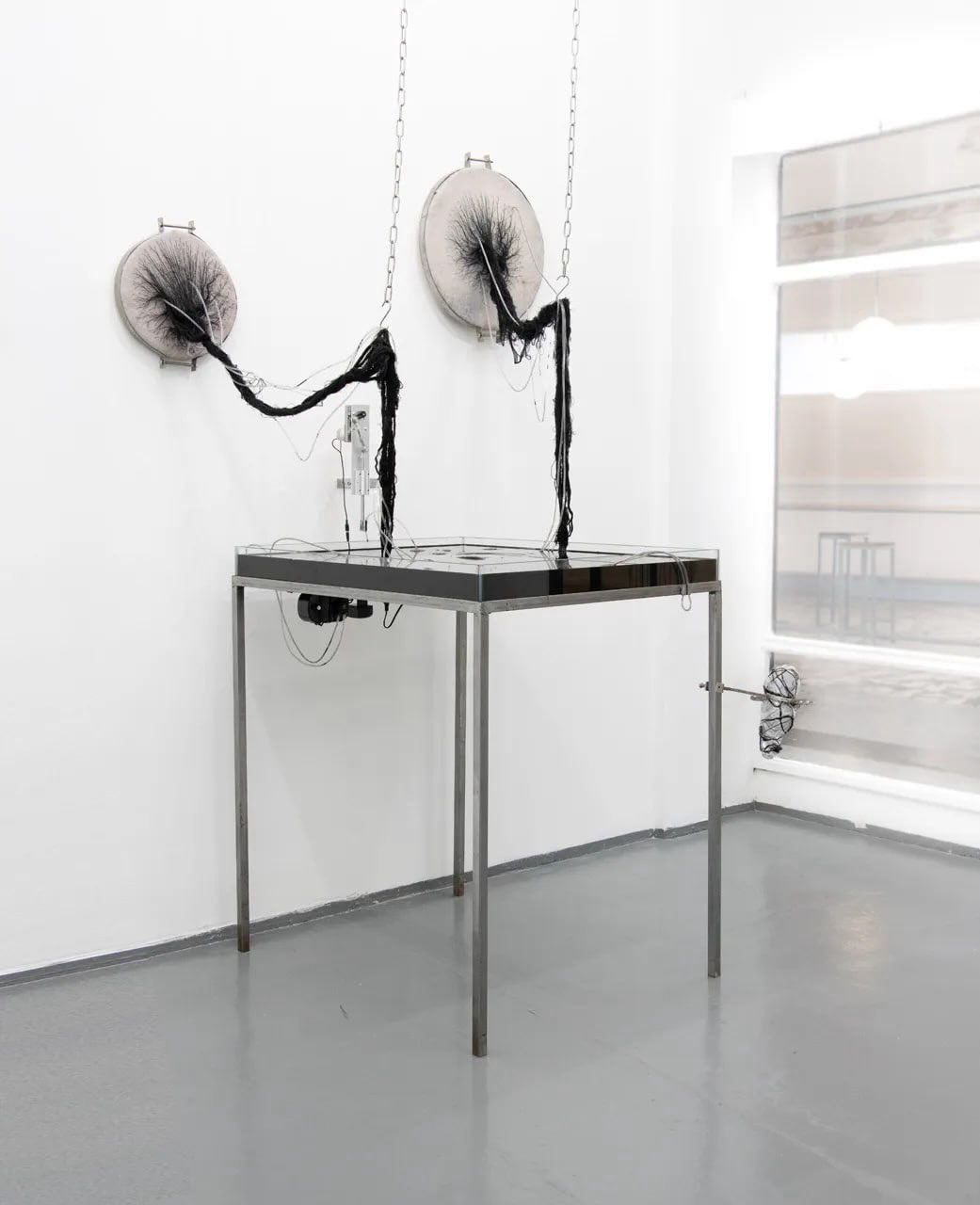
Buenos Aires / 2026
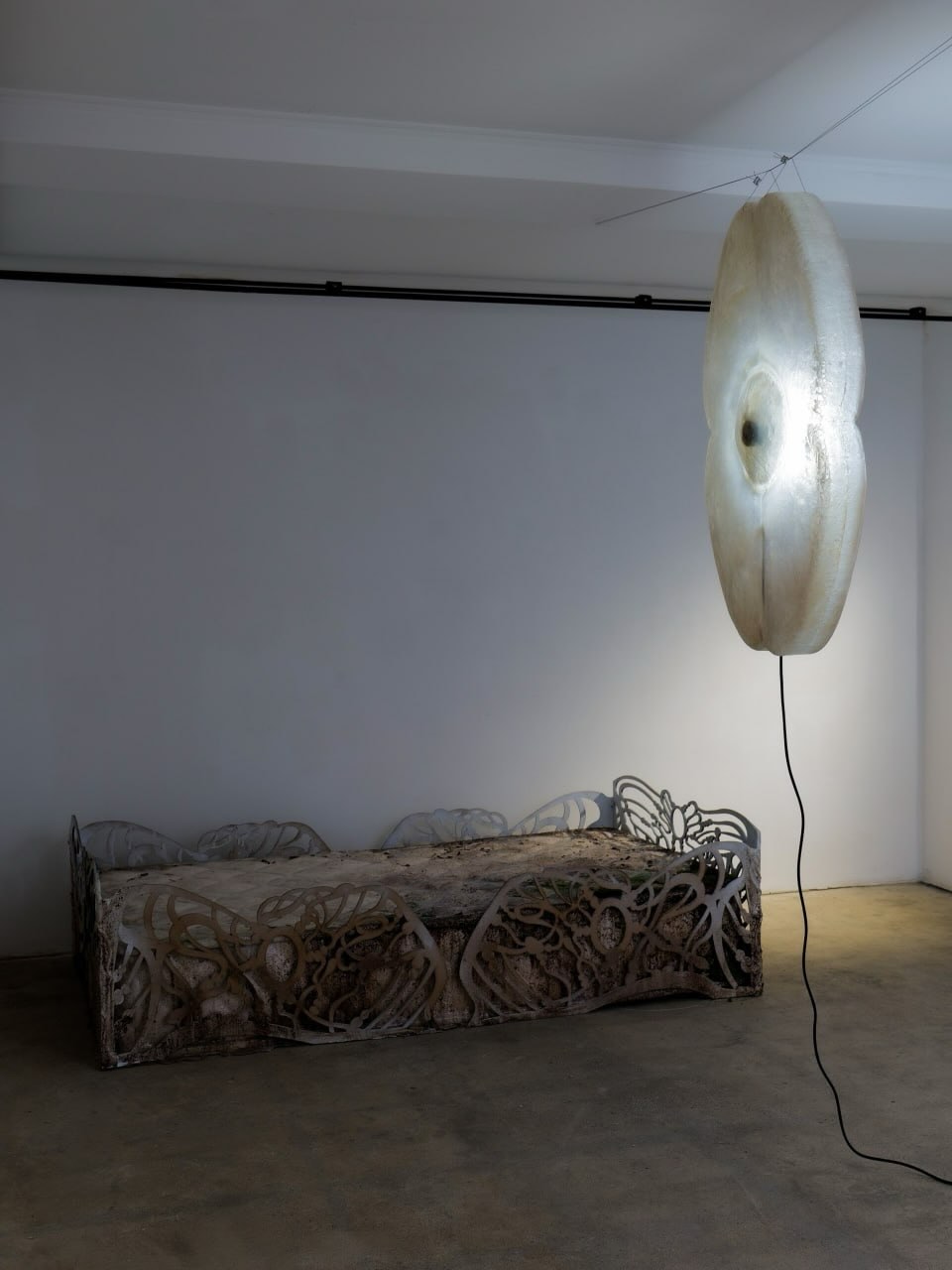
Seoul / 2026
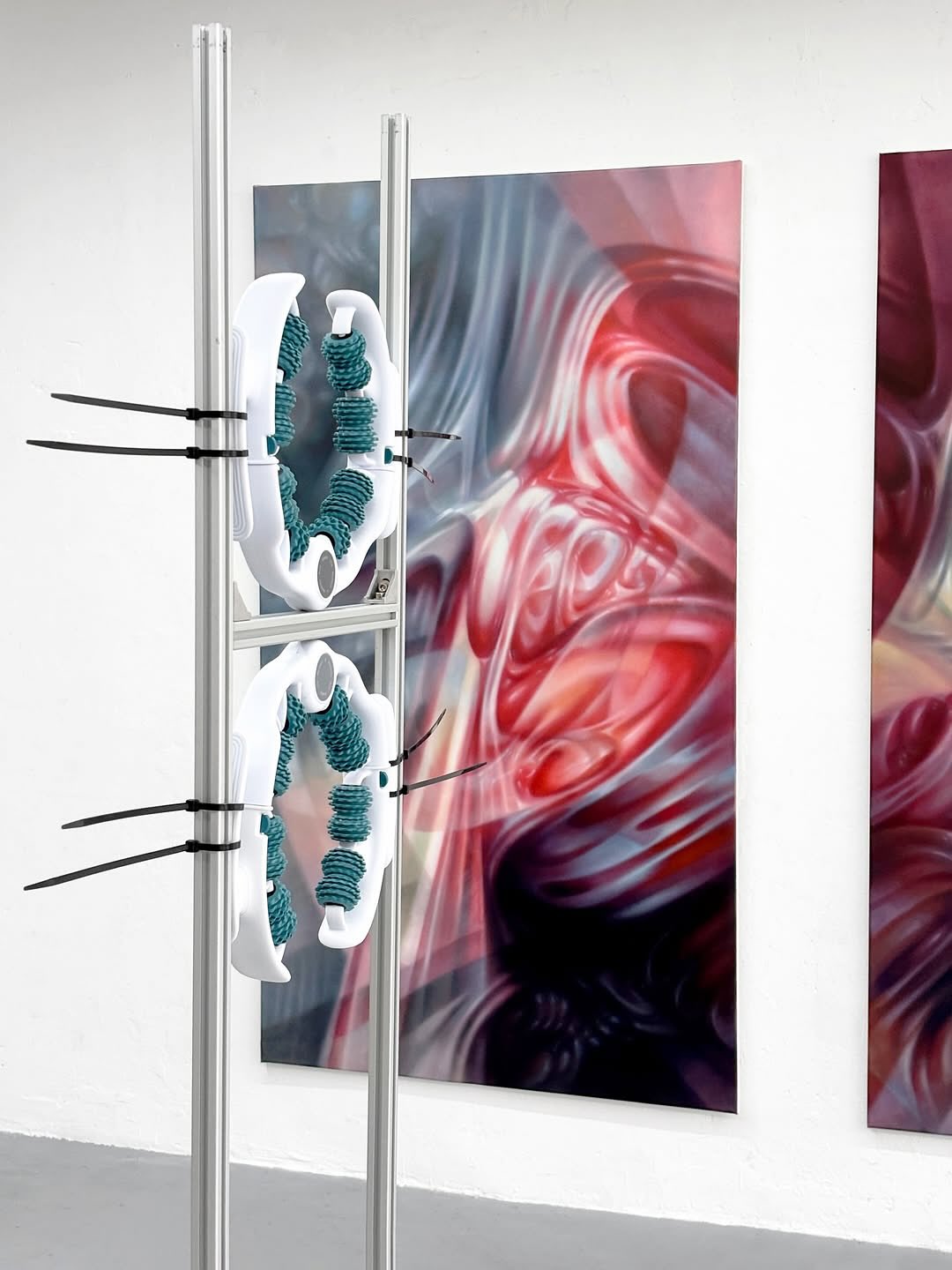
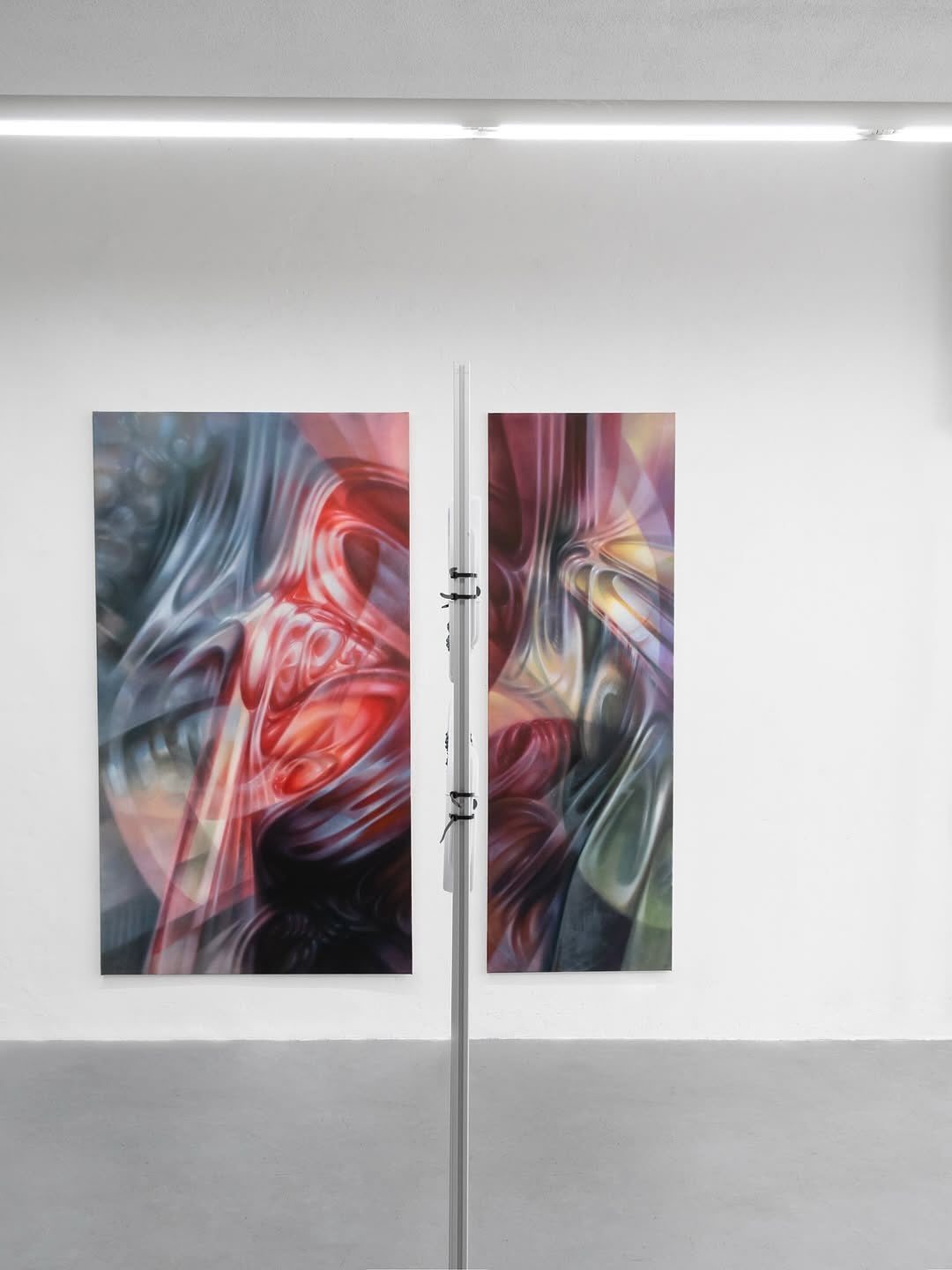
Berlin-Schöneberg / 2025
Białystok / 2025
Lima / 2026
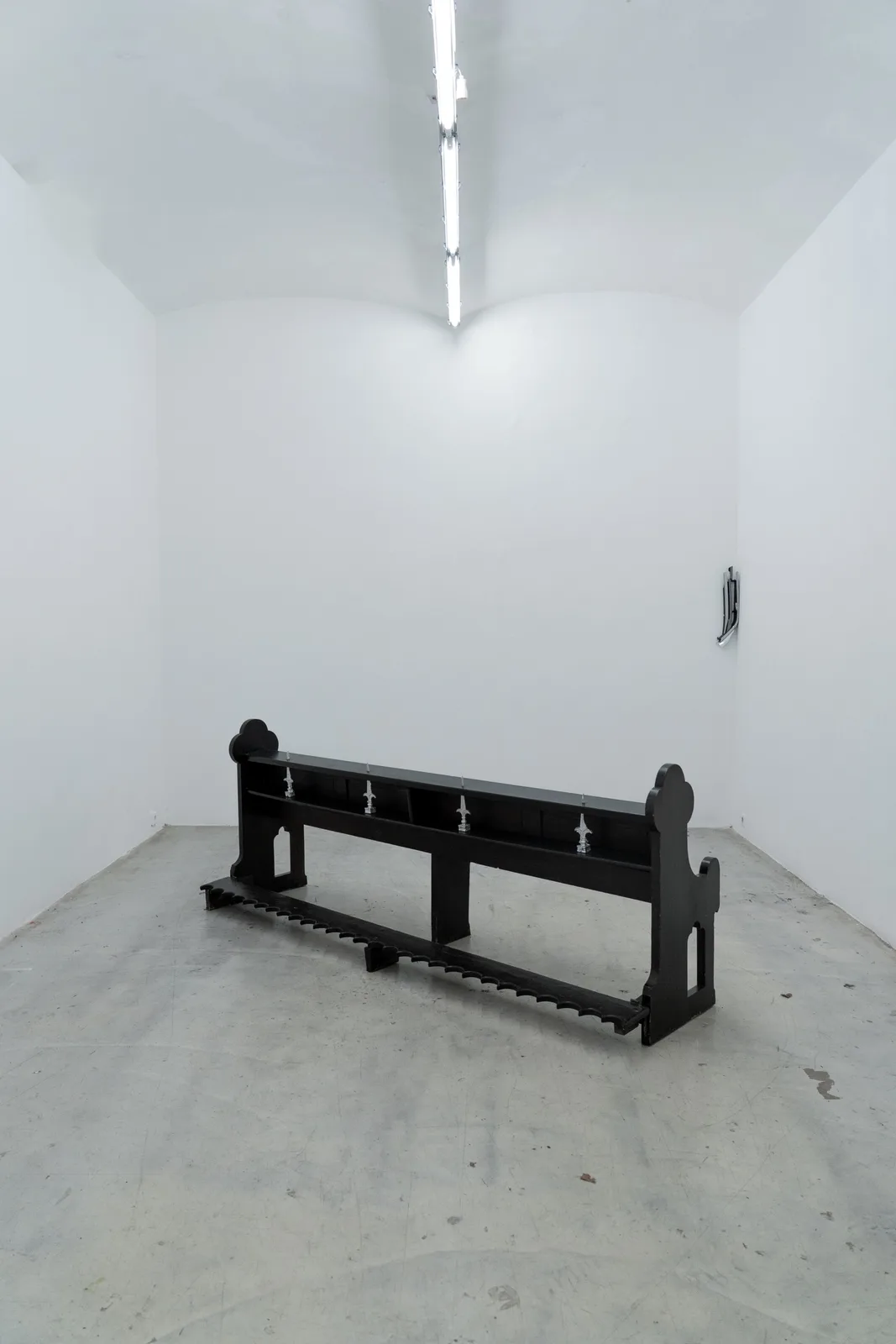
Vienna / 2026
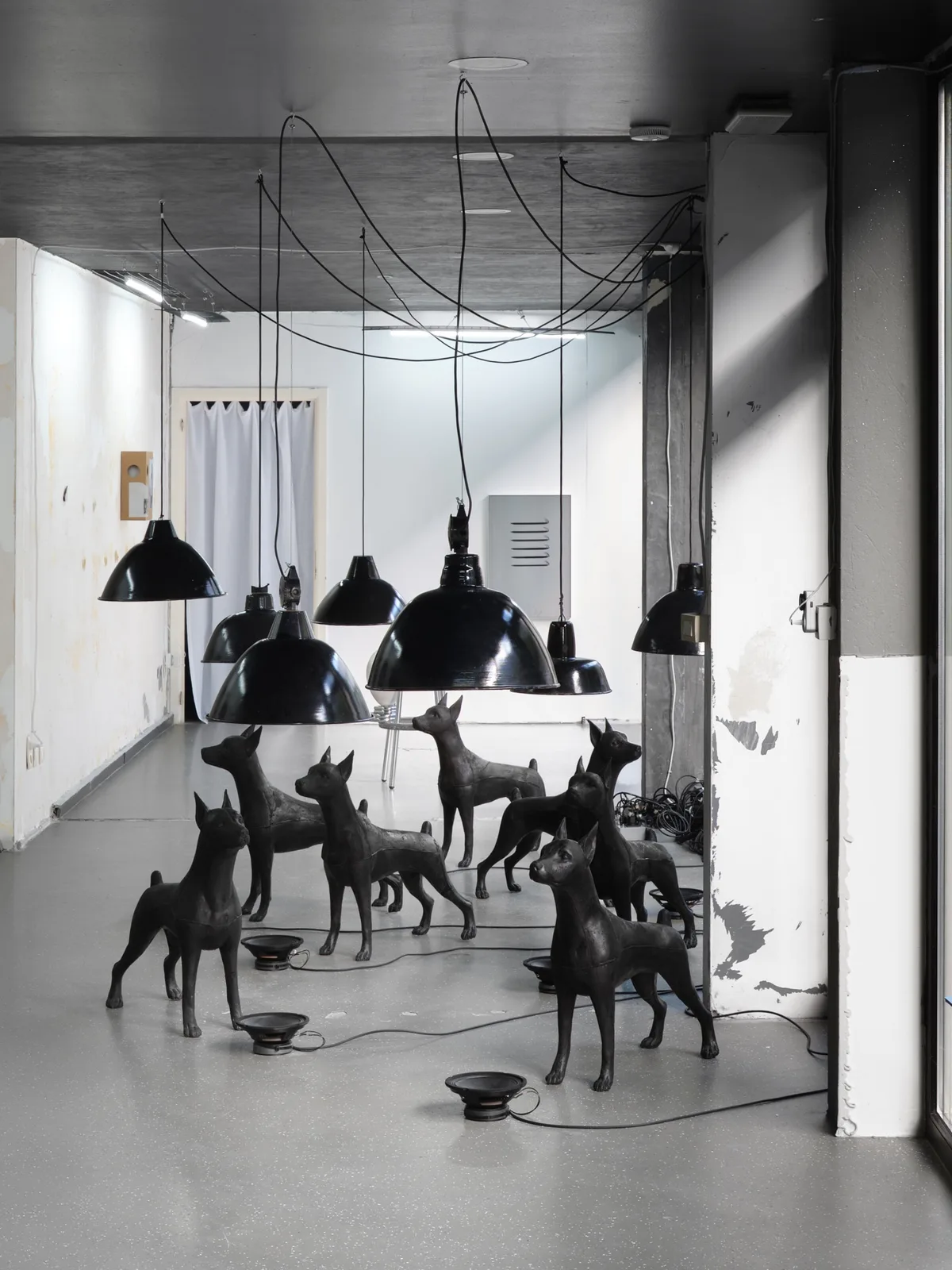
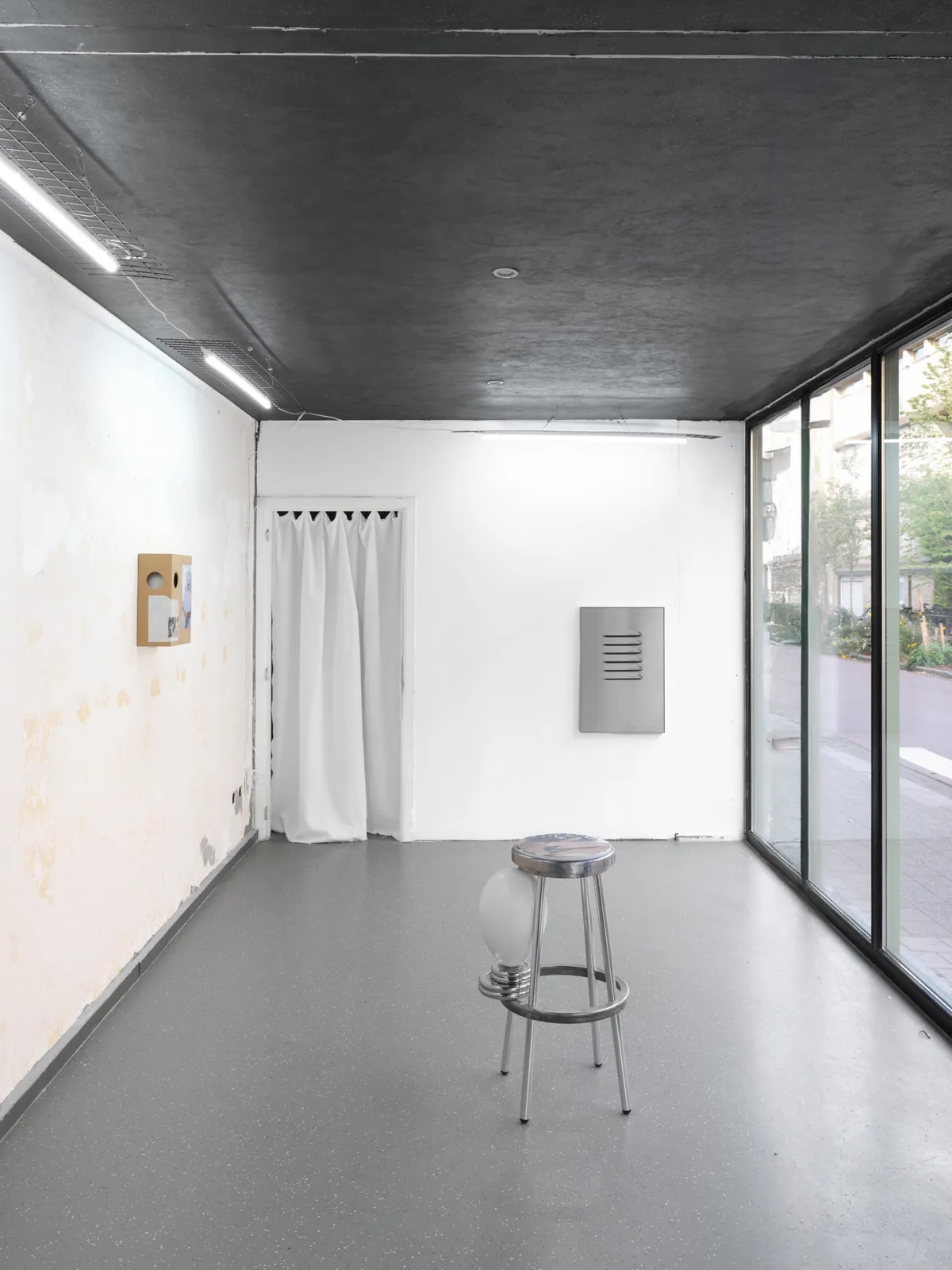
Antwerpen / 2026
Warsaw / 2026
Madrid / 2026
Istanbul / 2026
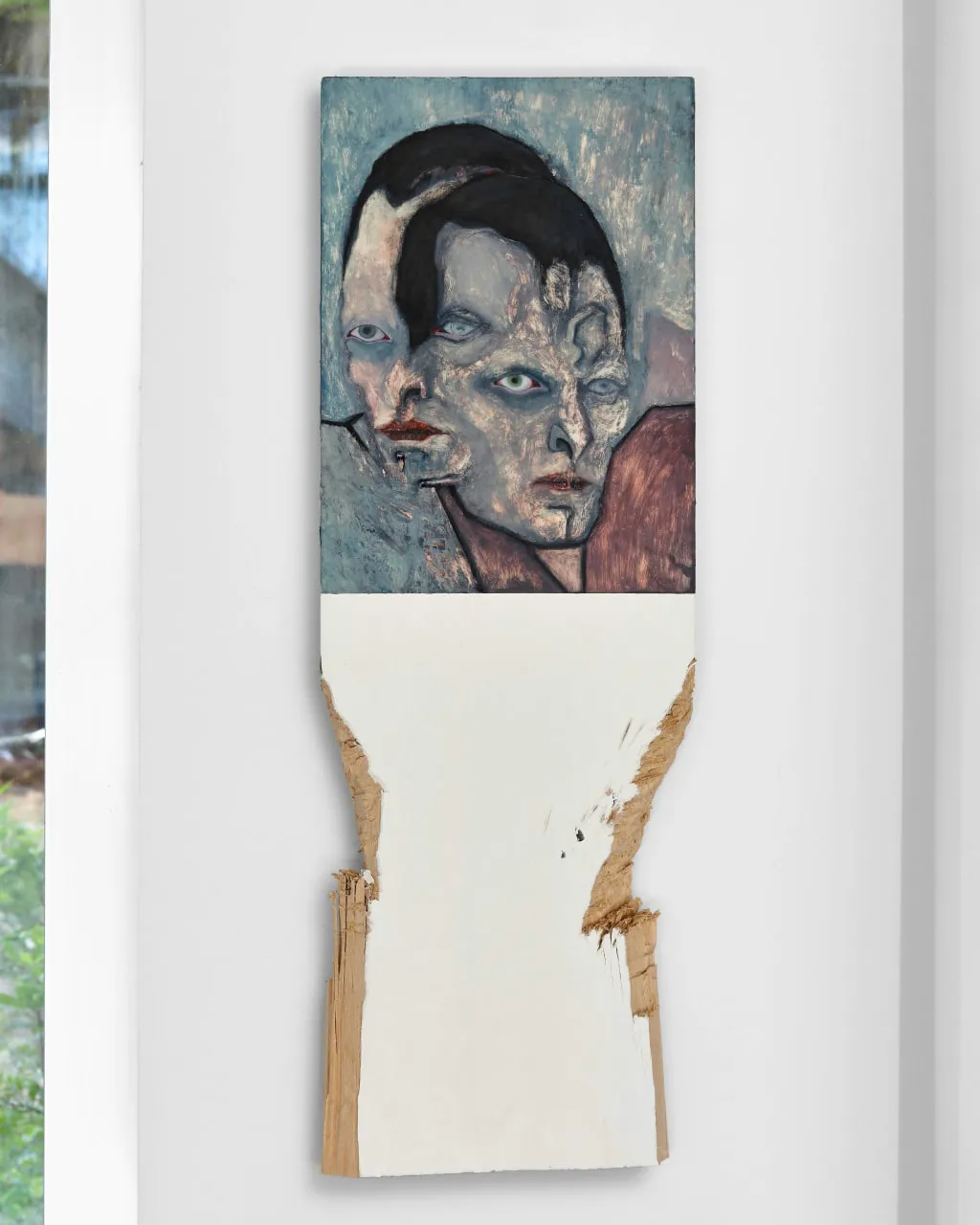
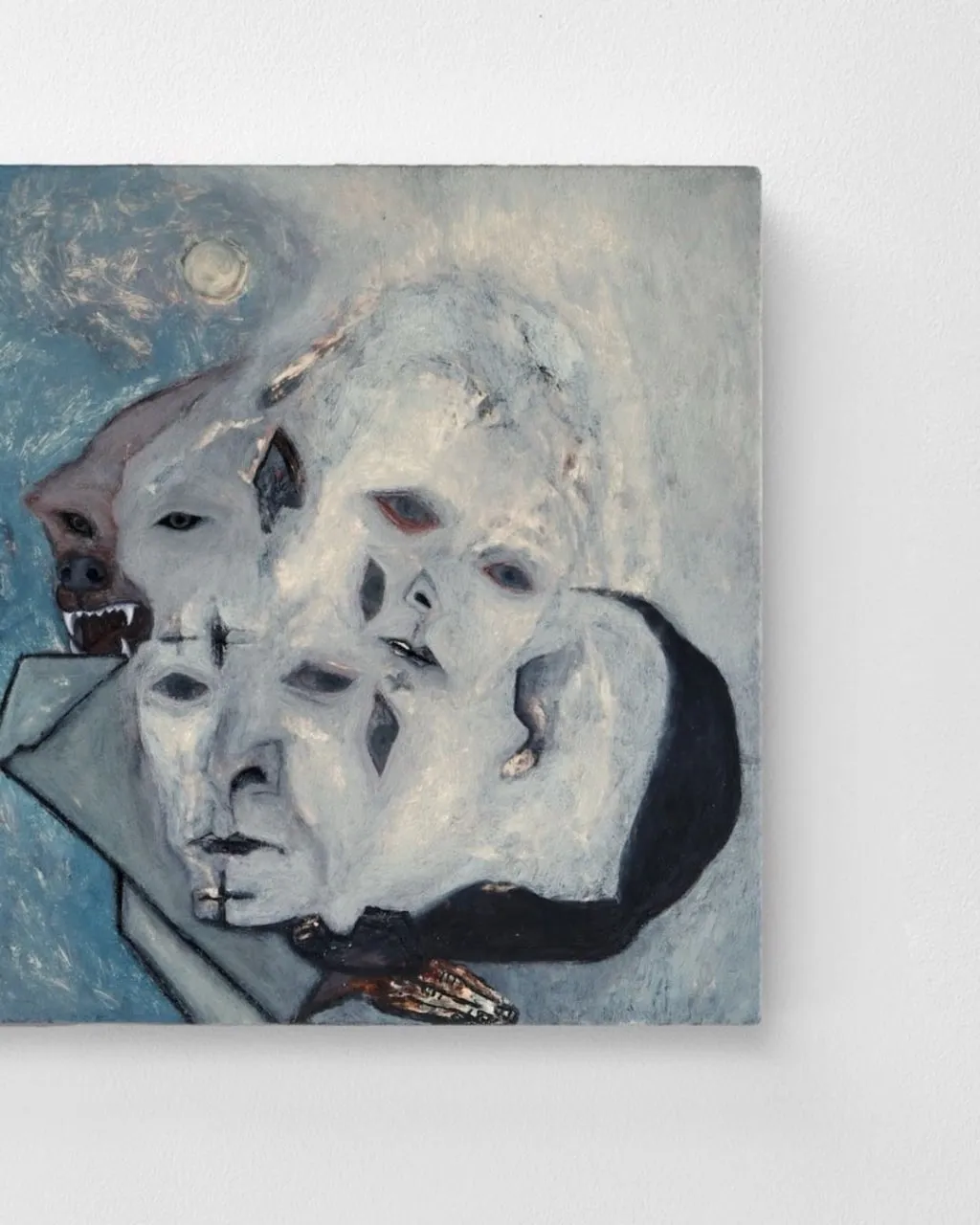
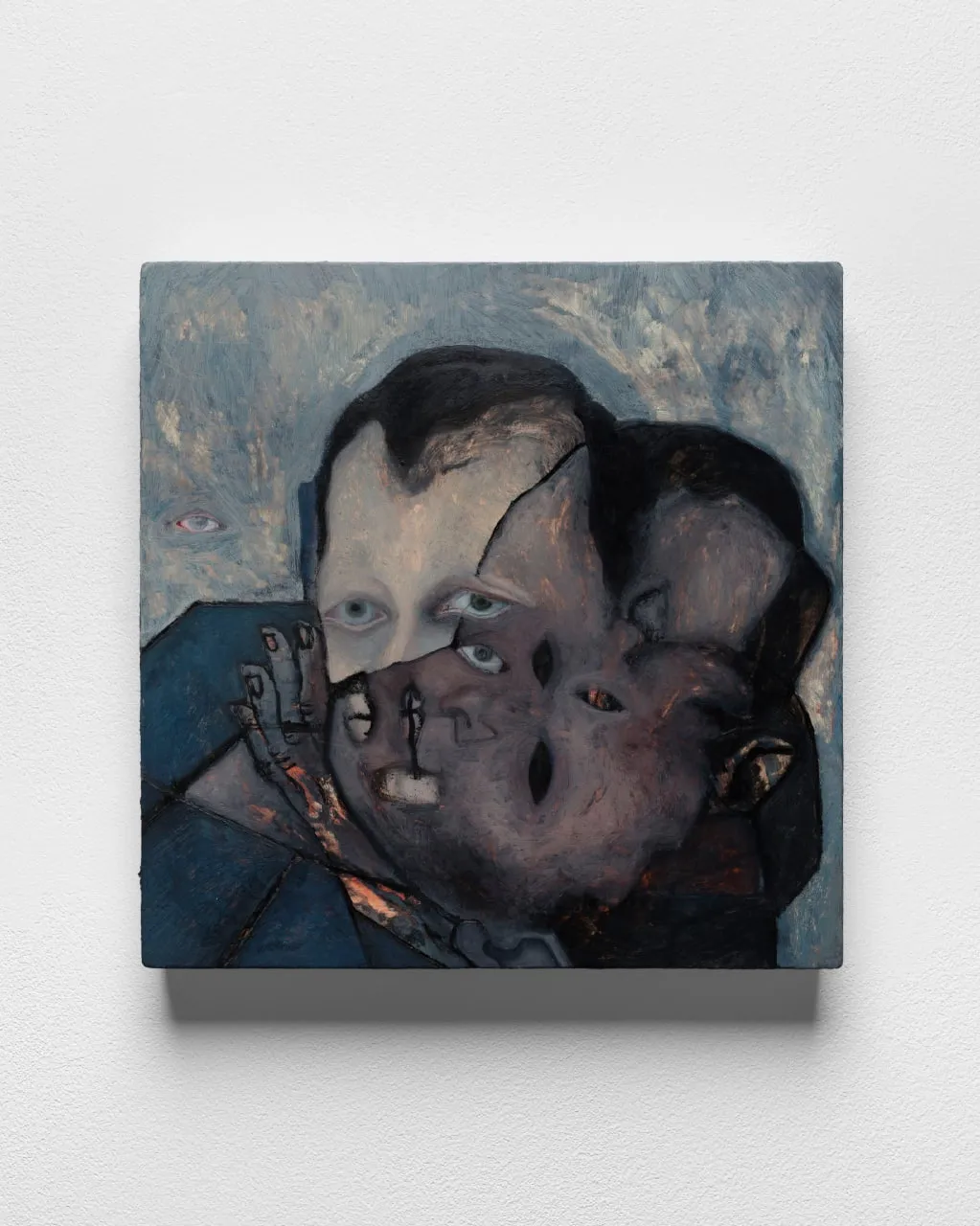
Berlin / 2026
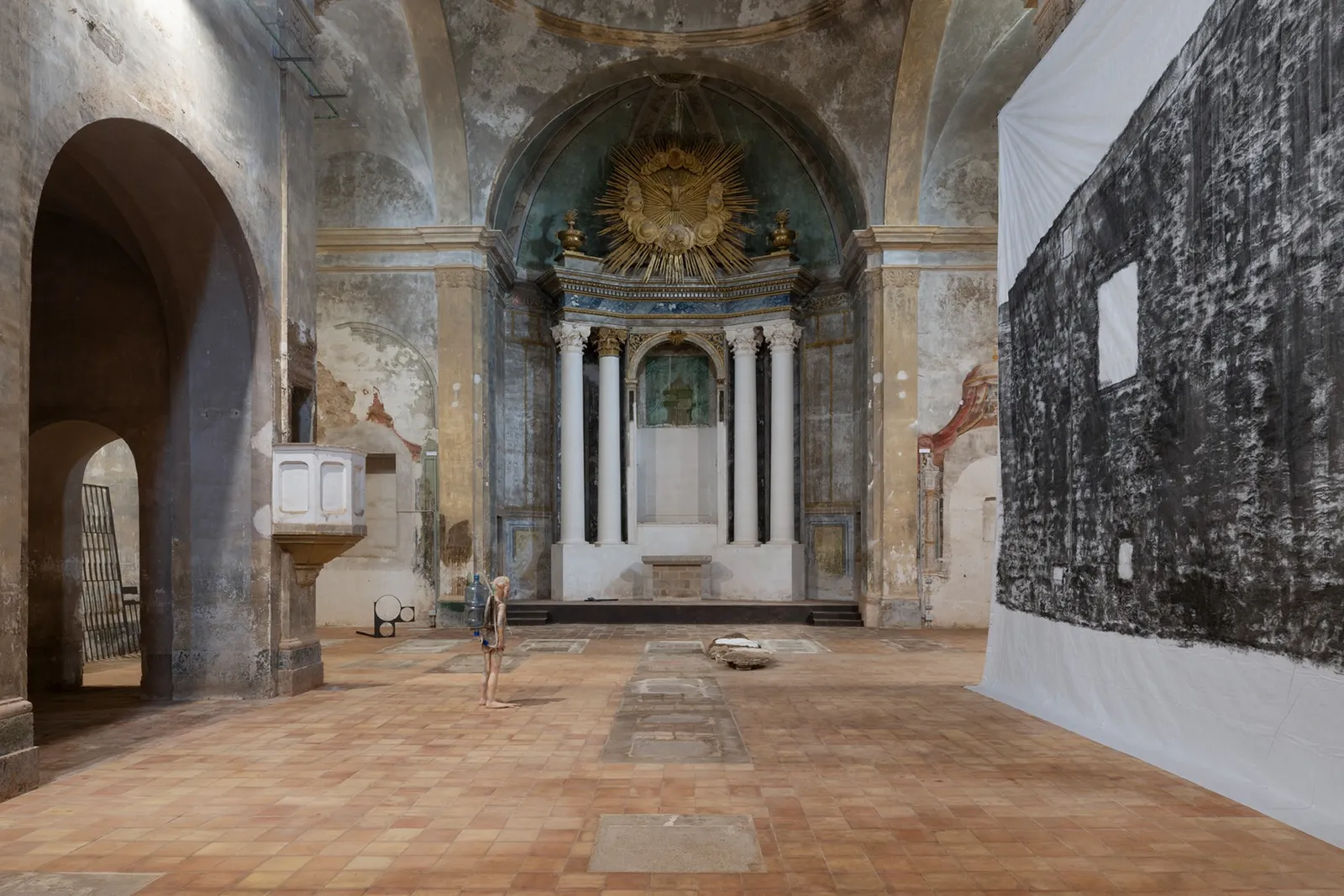
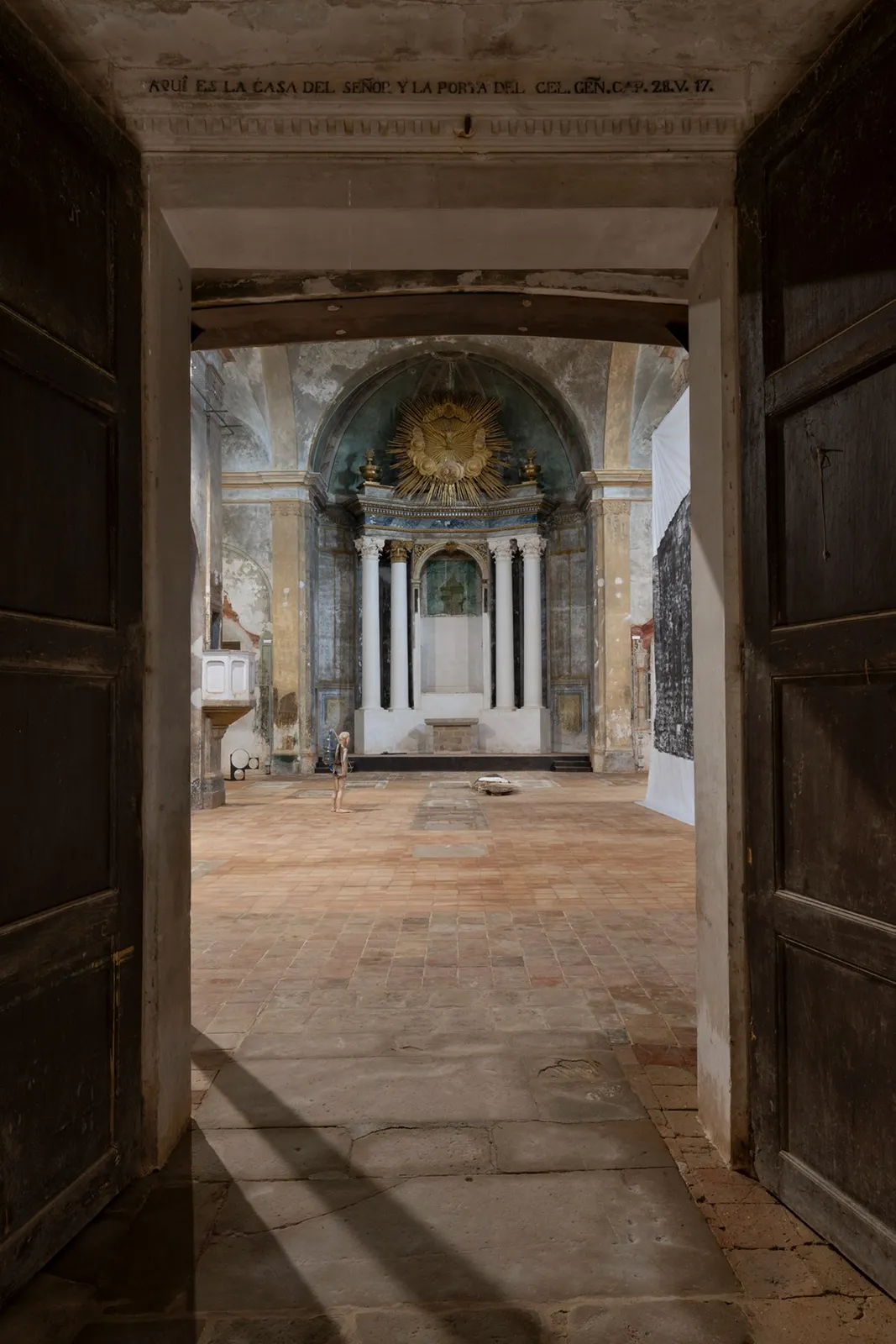
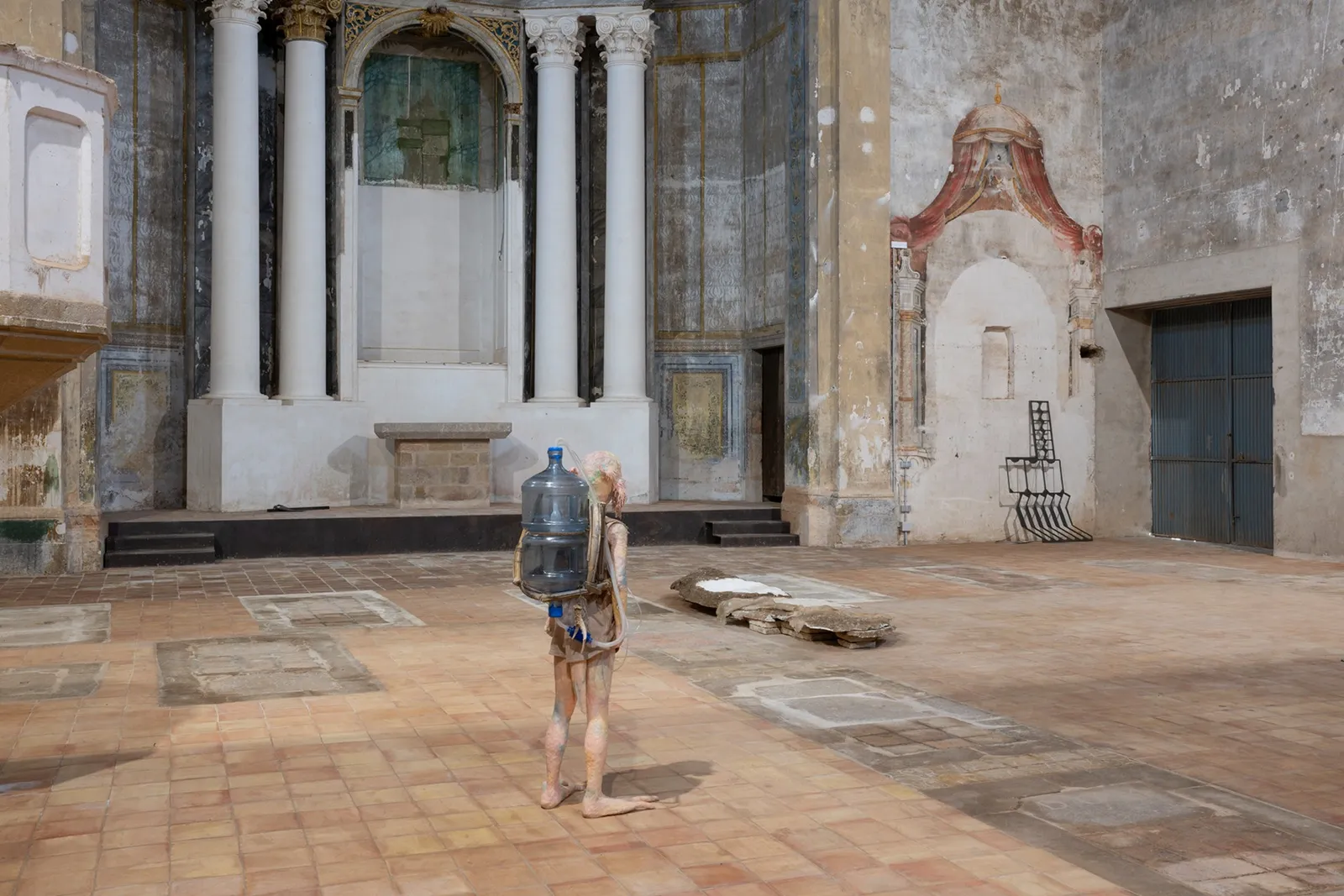
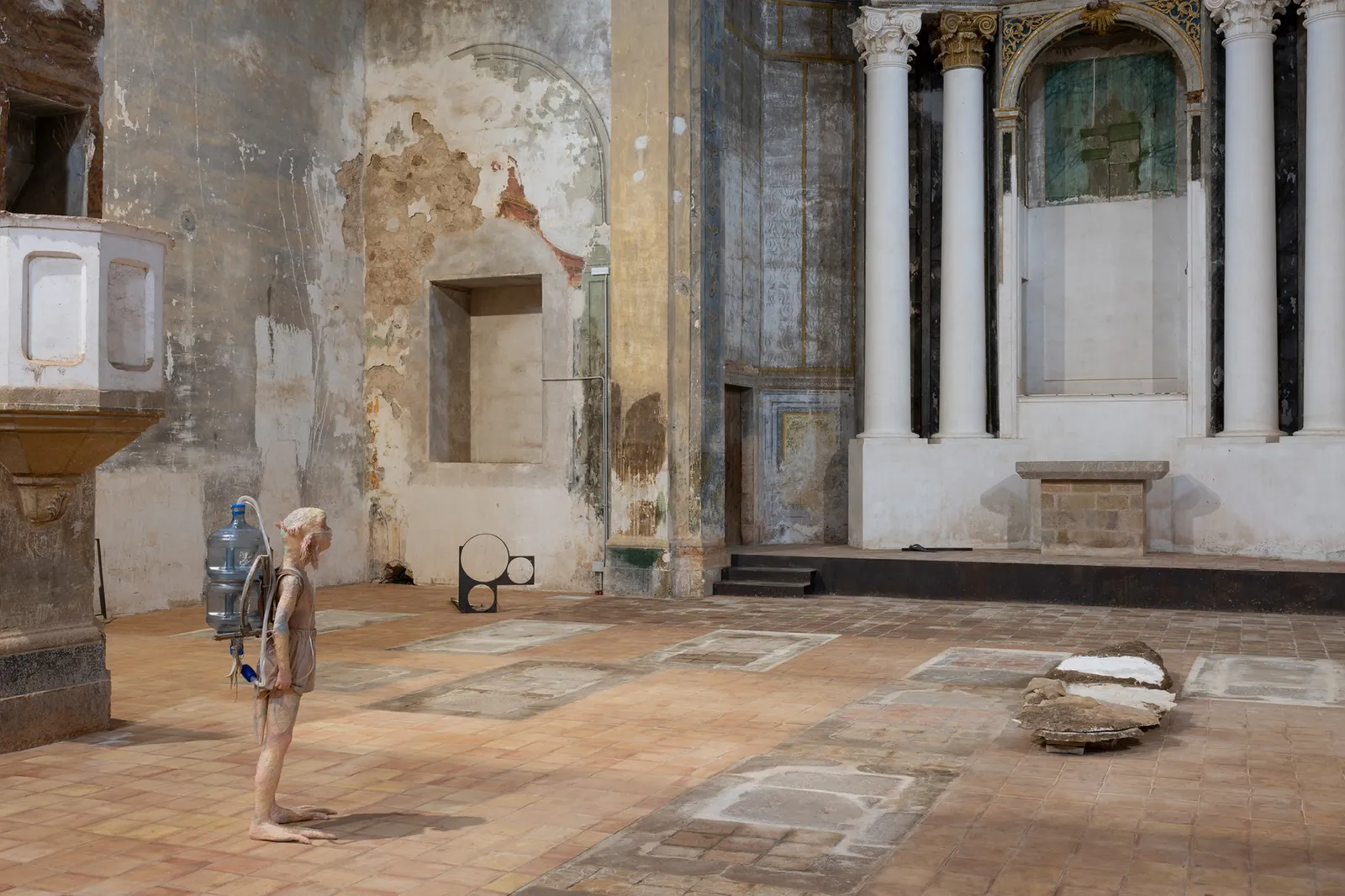
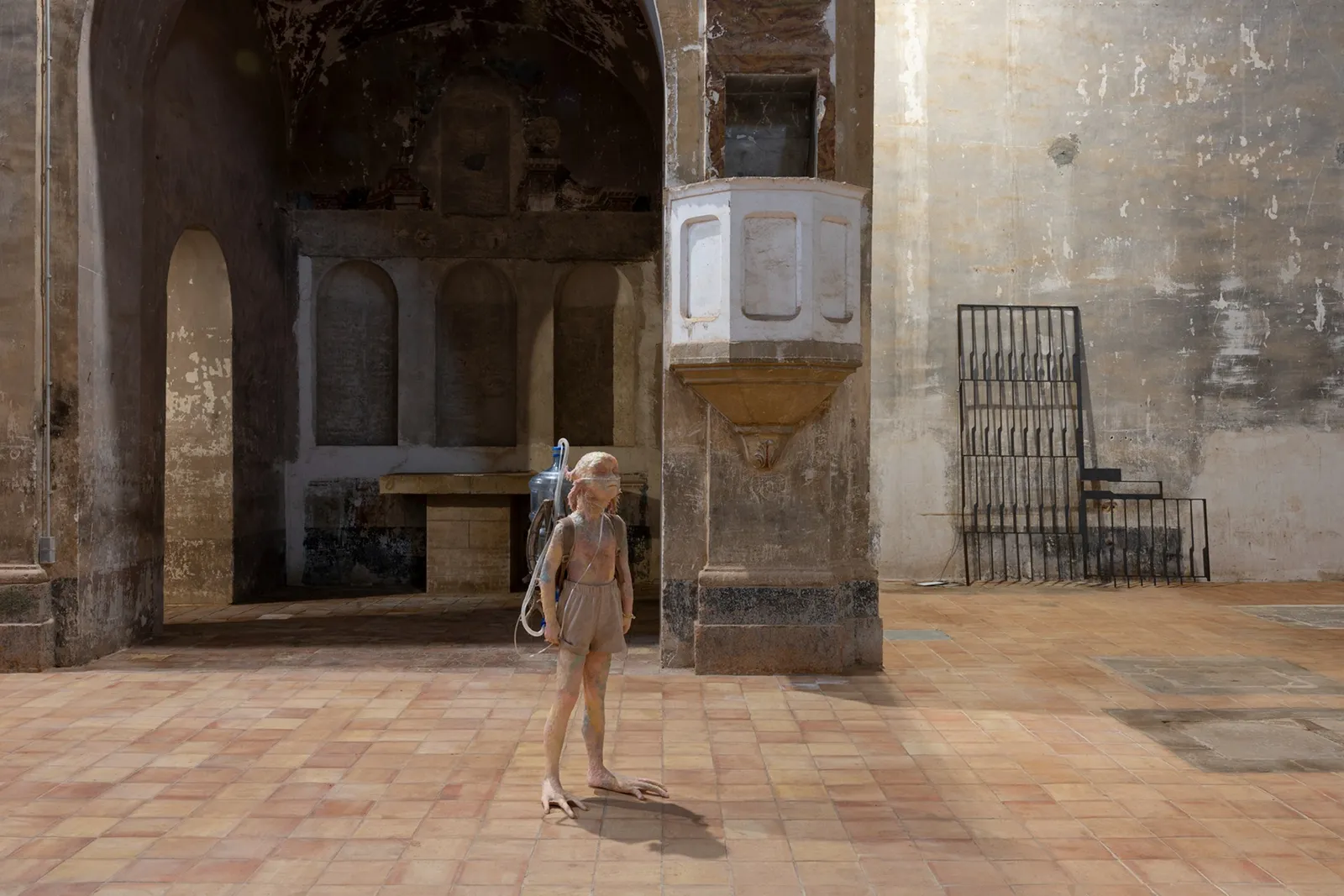
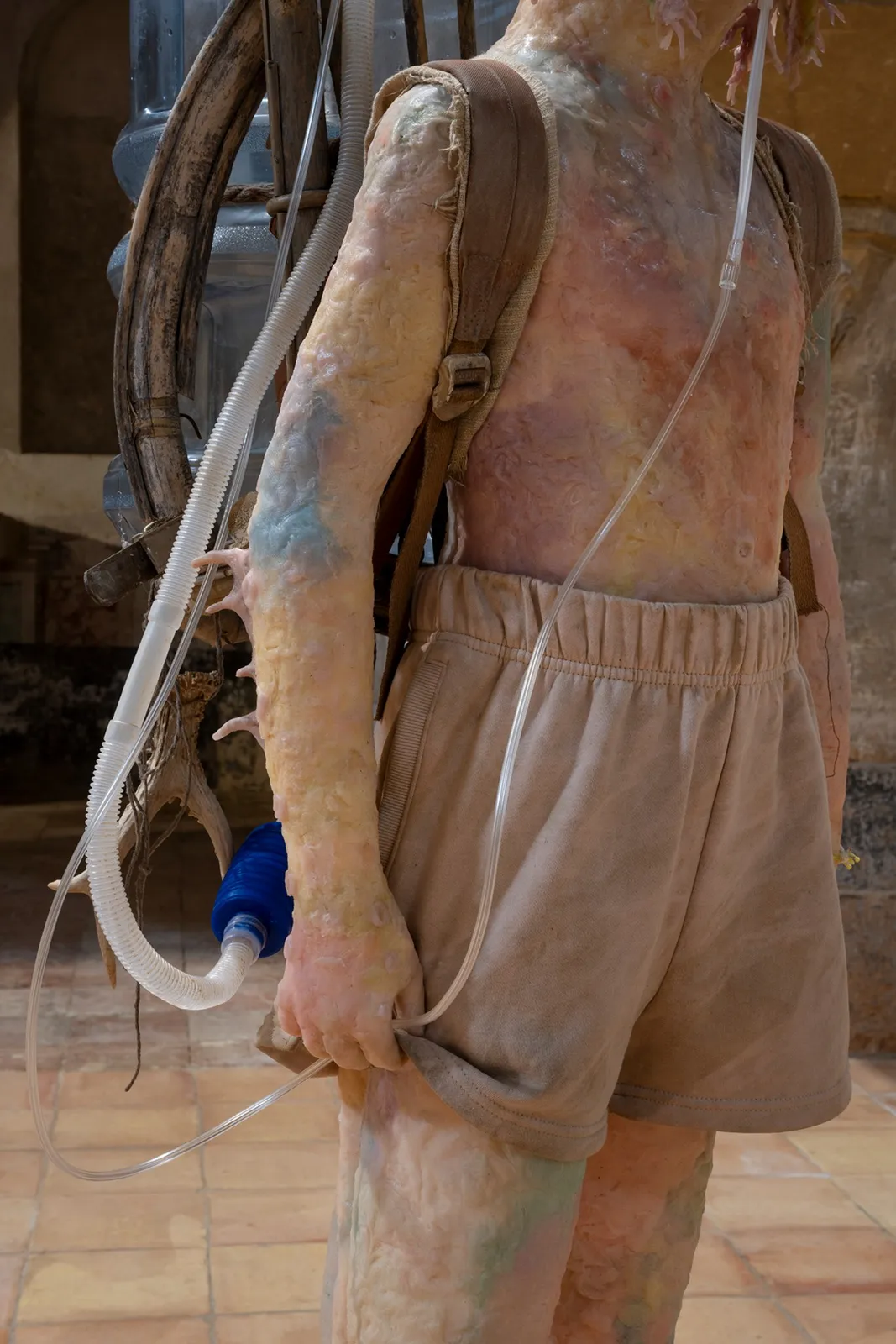
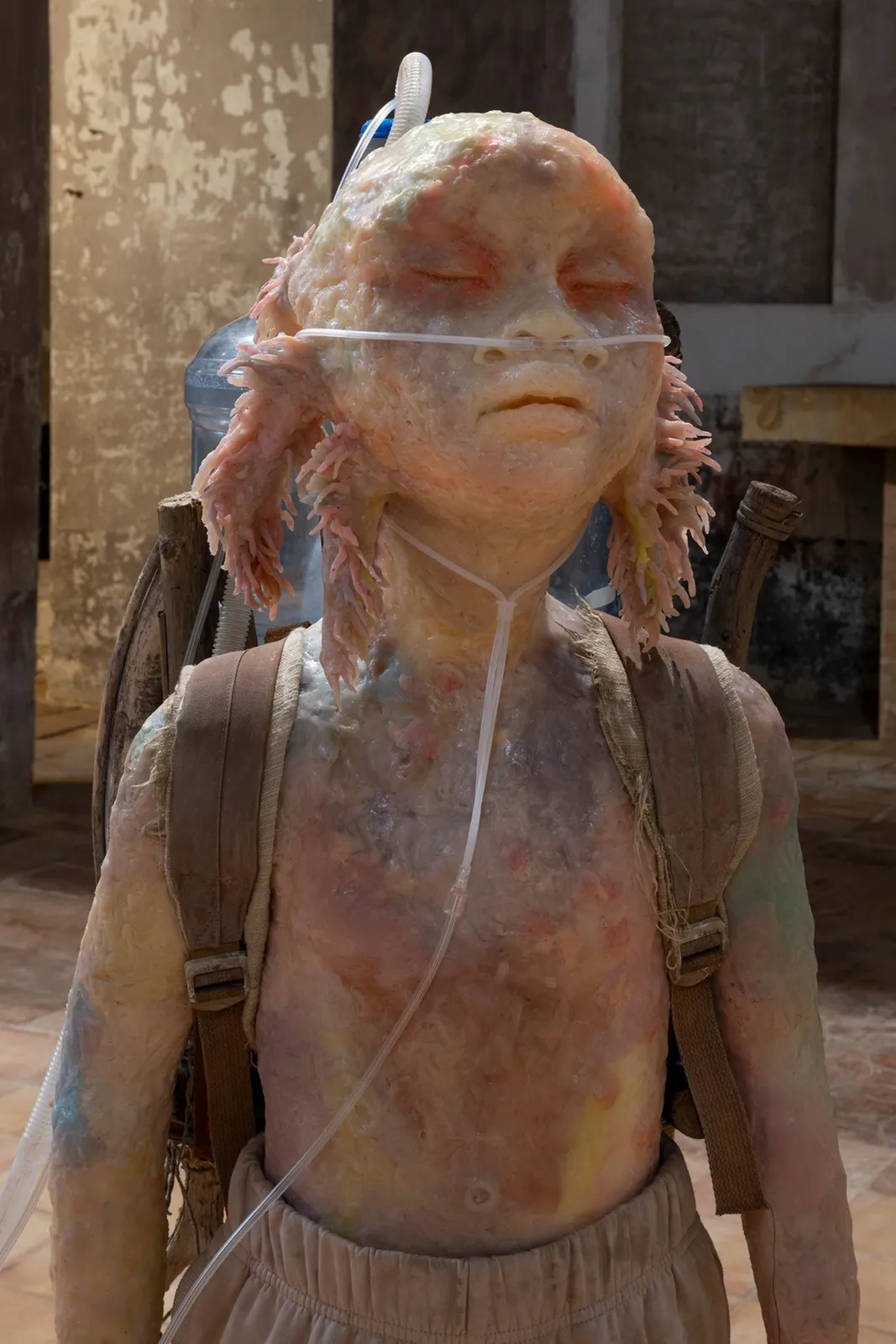
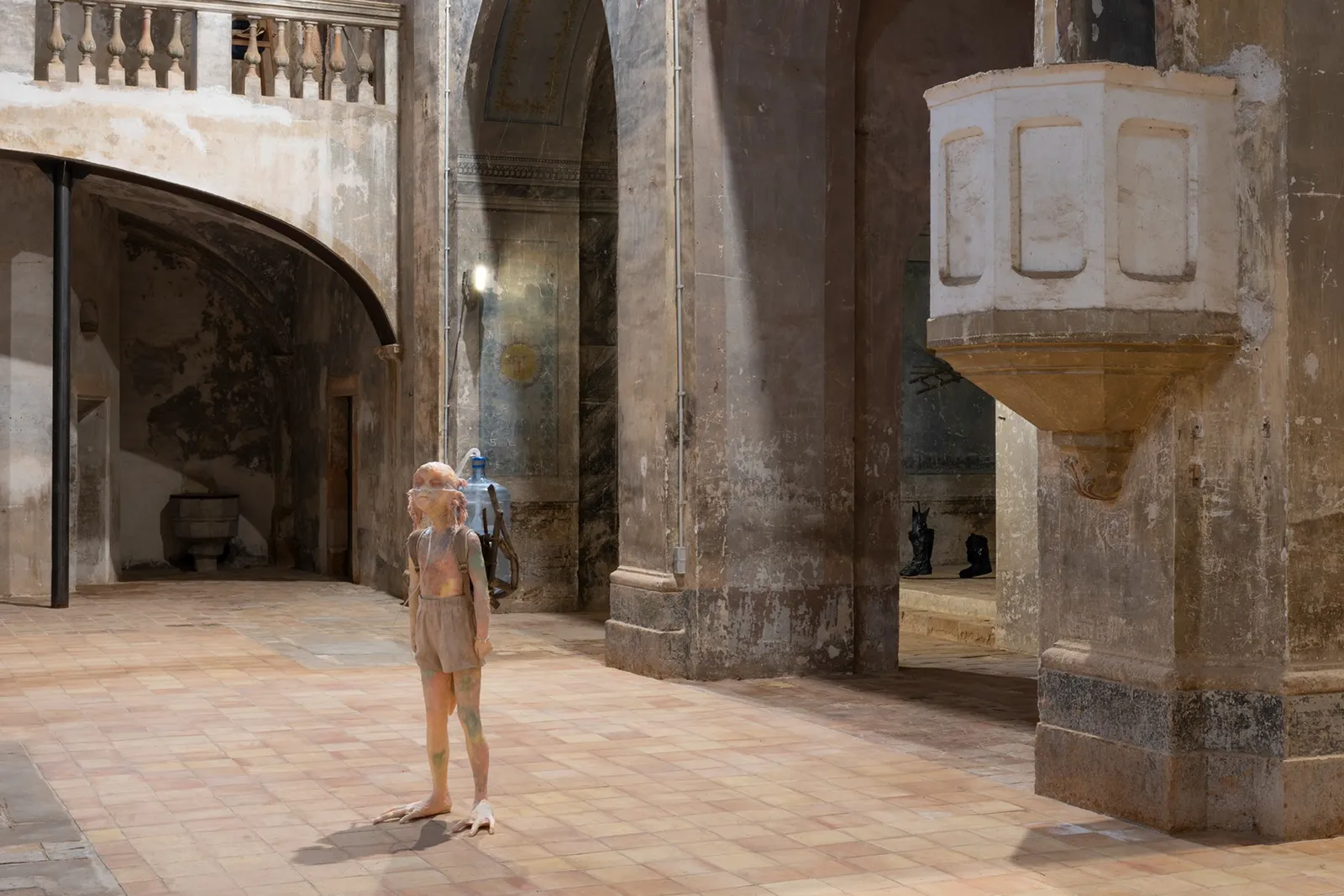
Lladó / 2026
Santiago / 2026
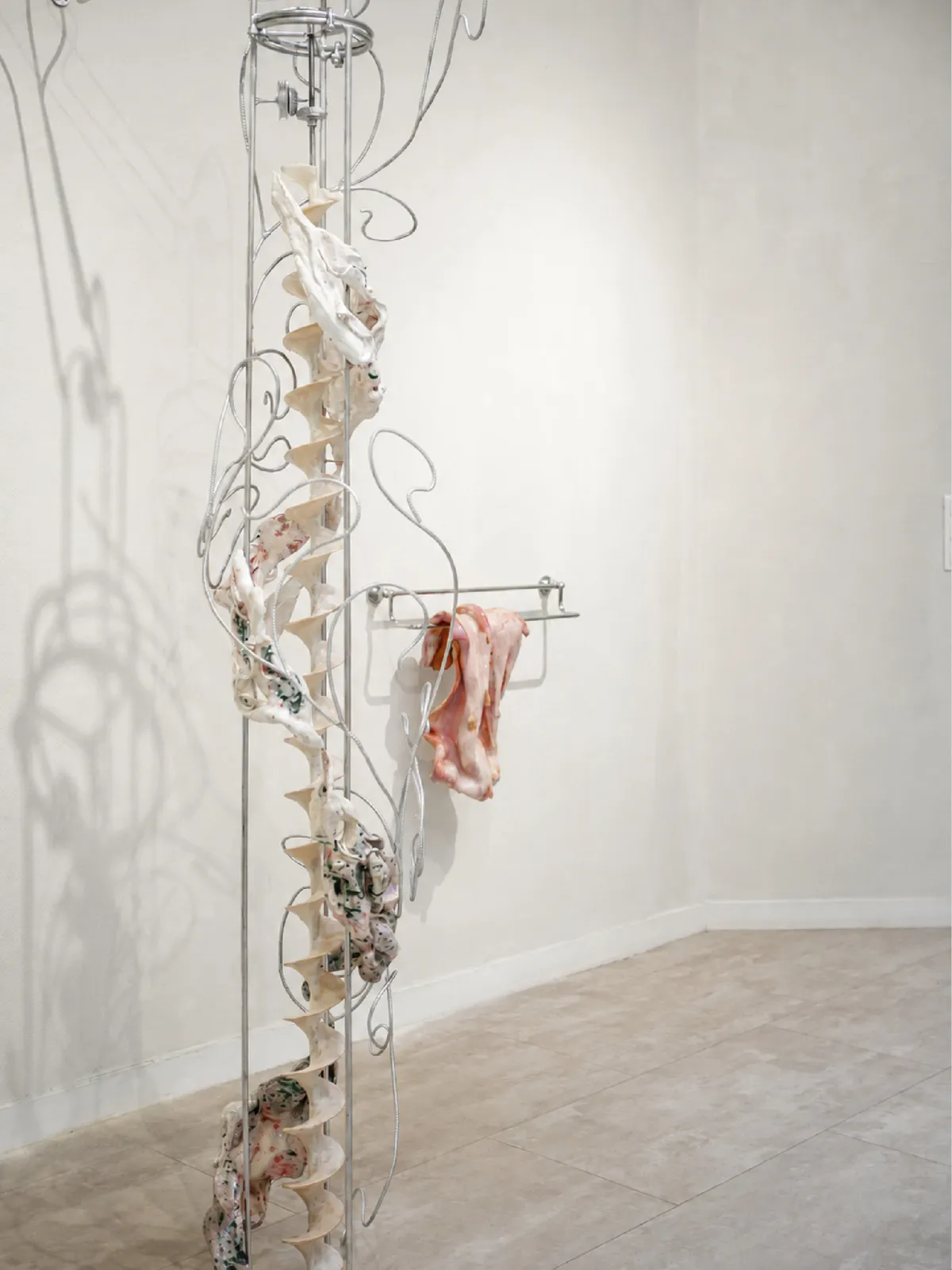
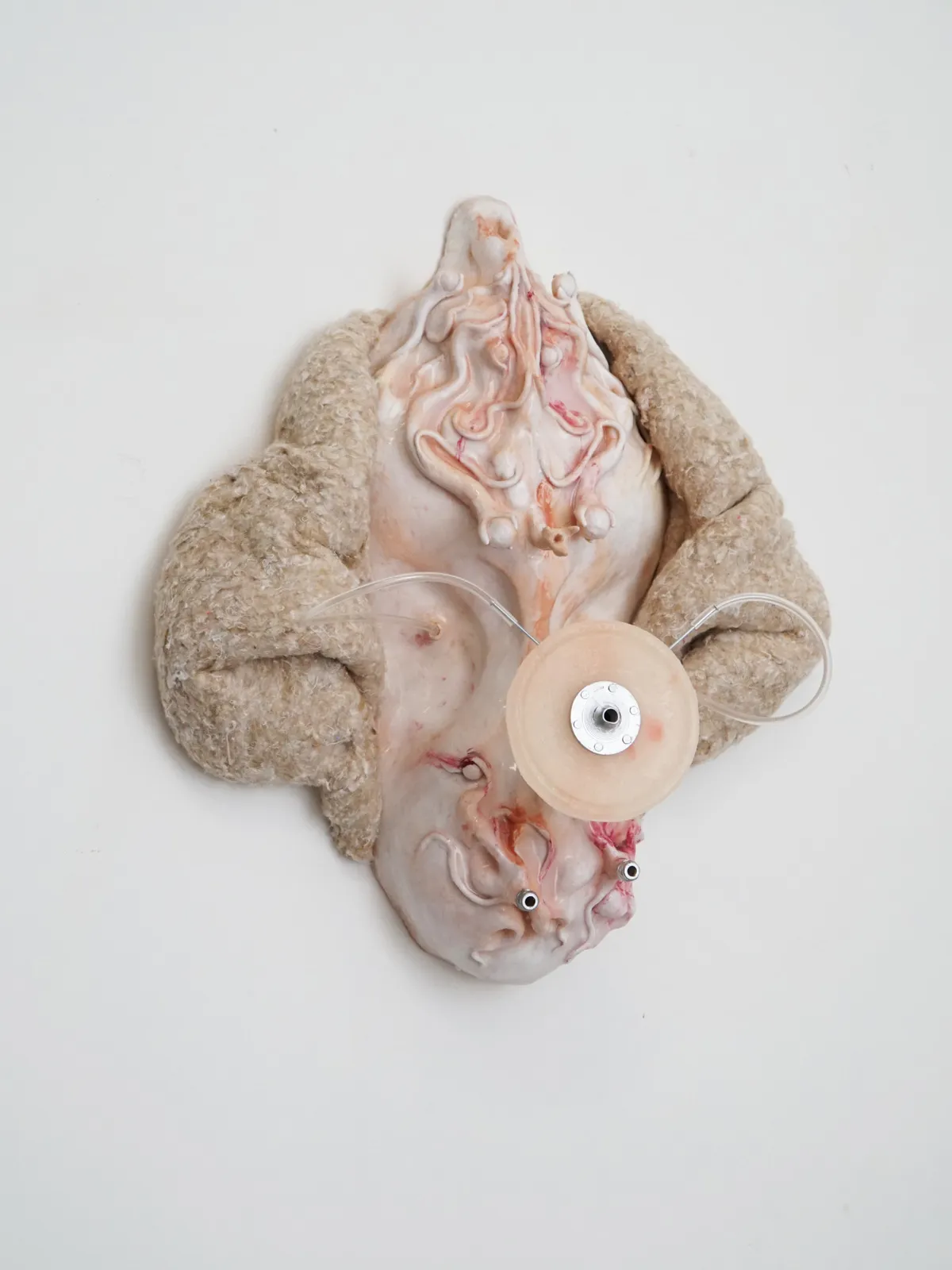
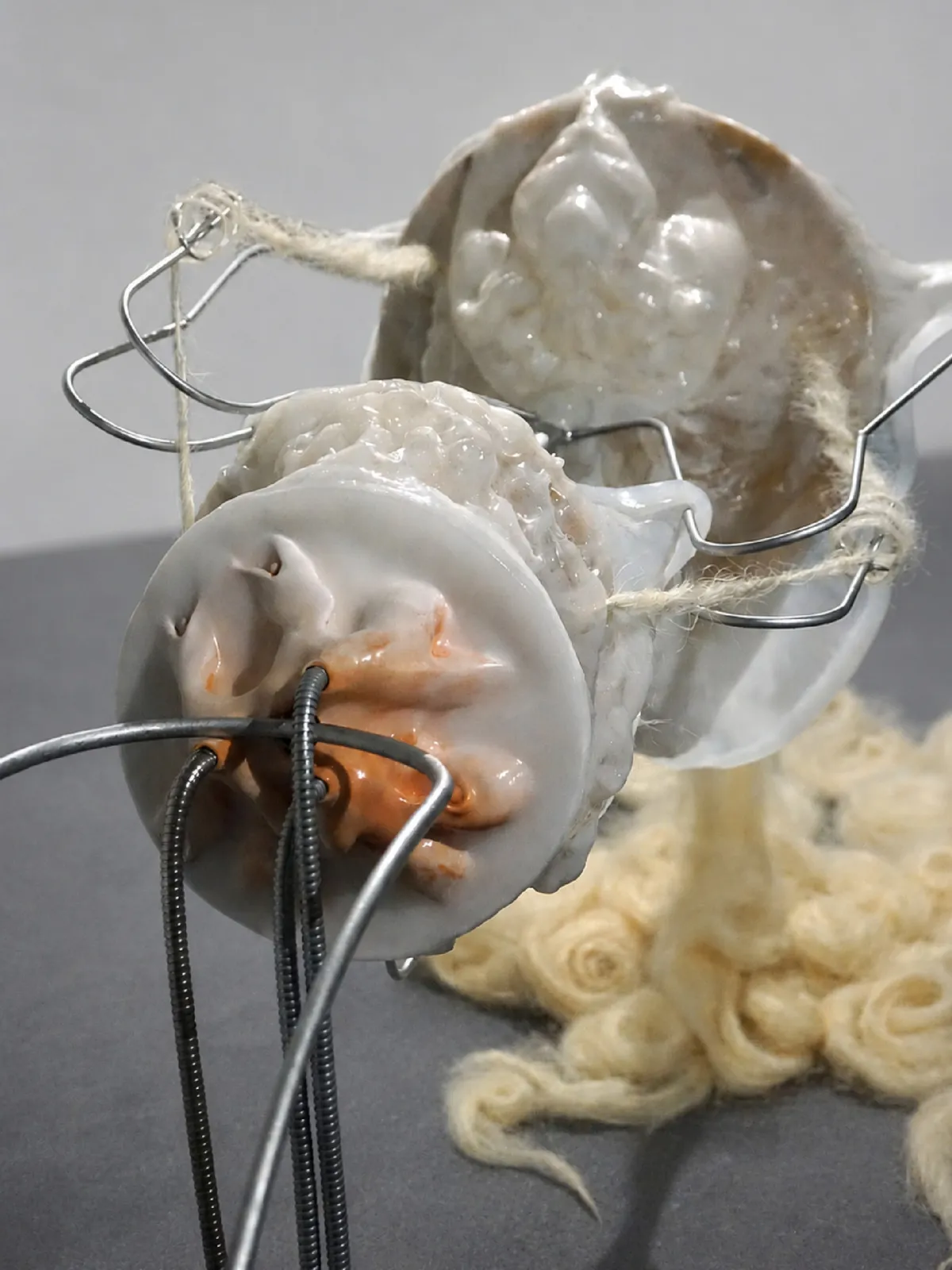
Paris / 2026
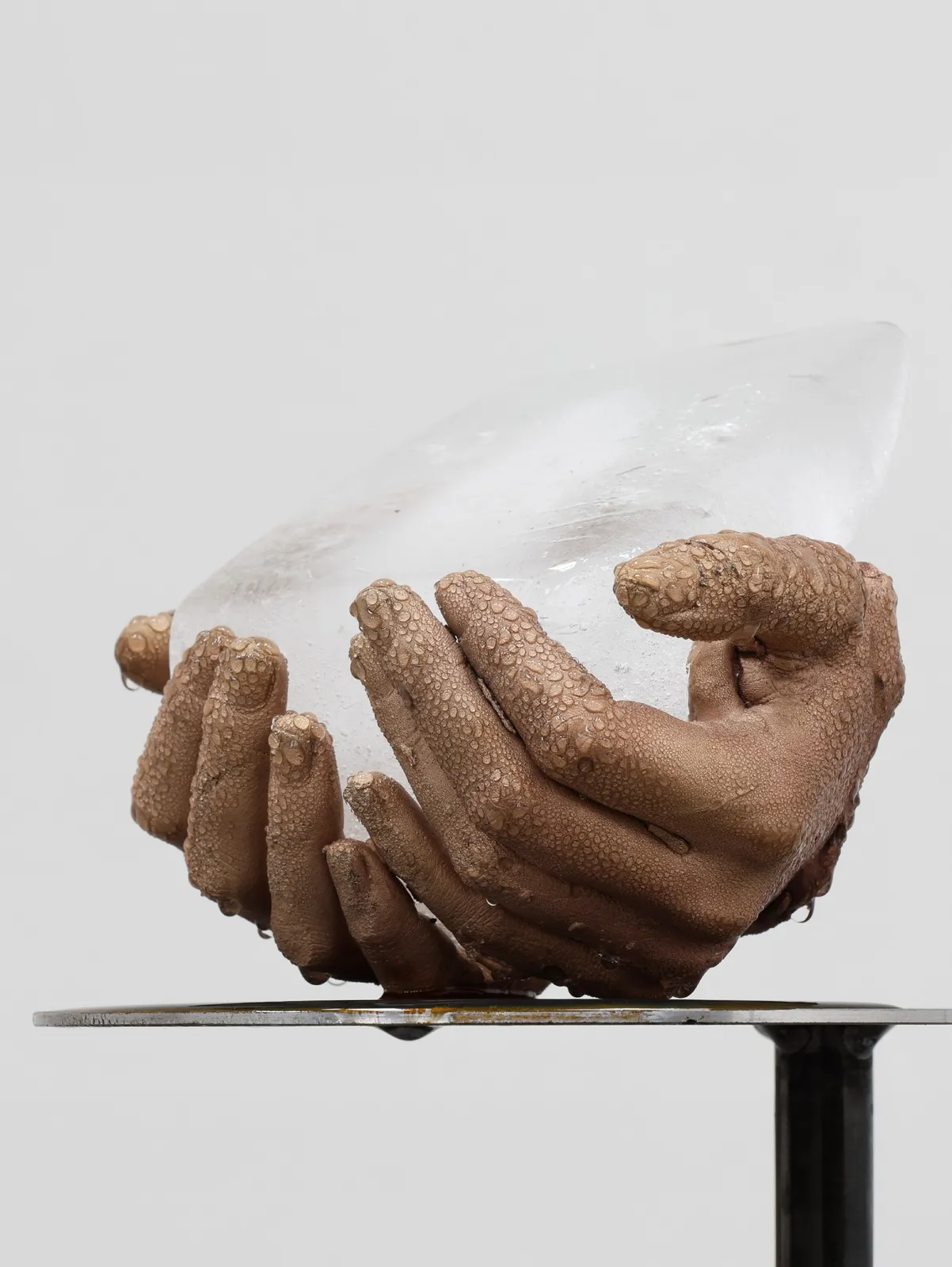
Tisbury / 2026
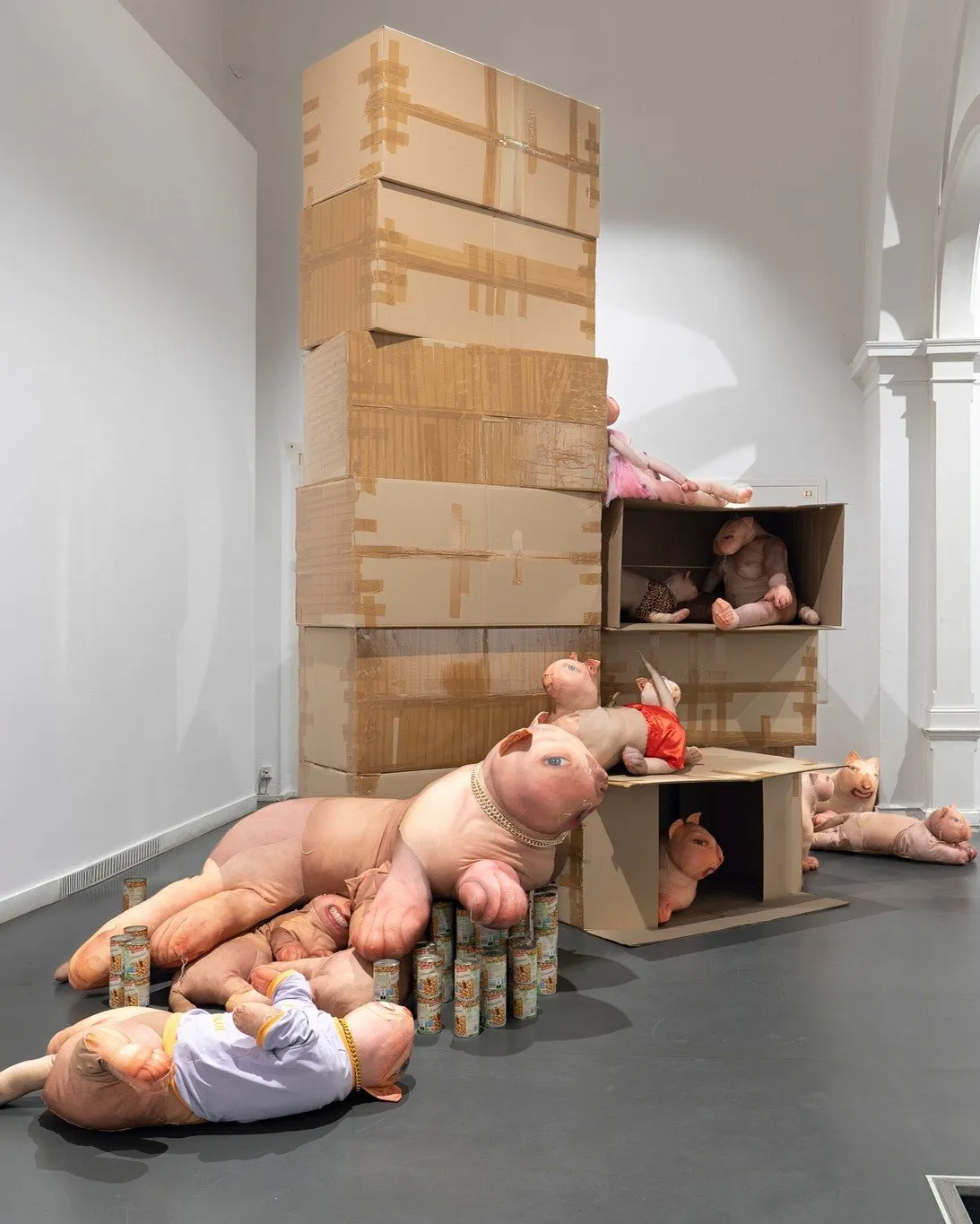
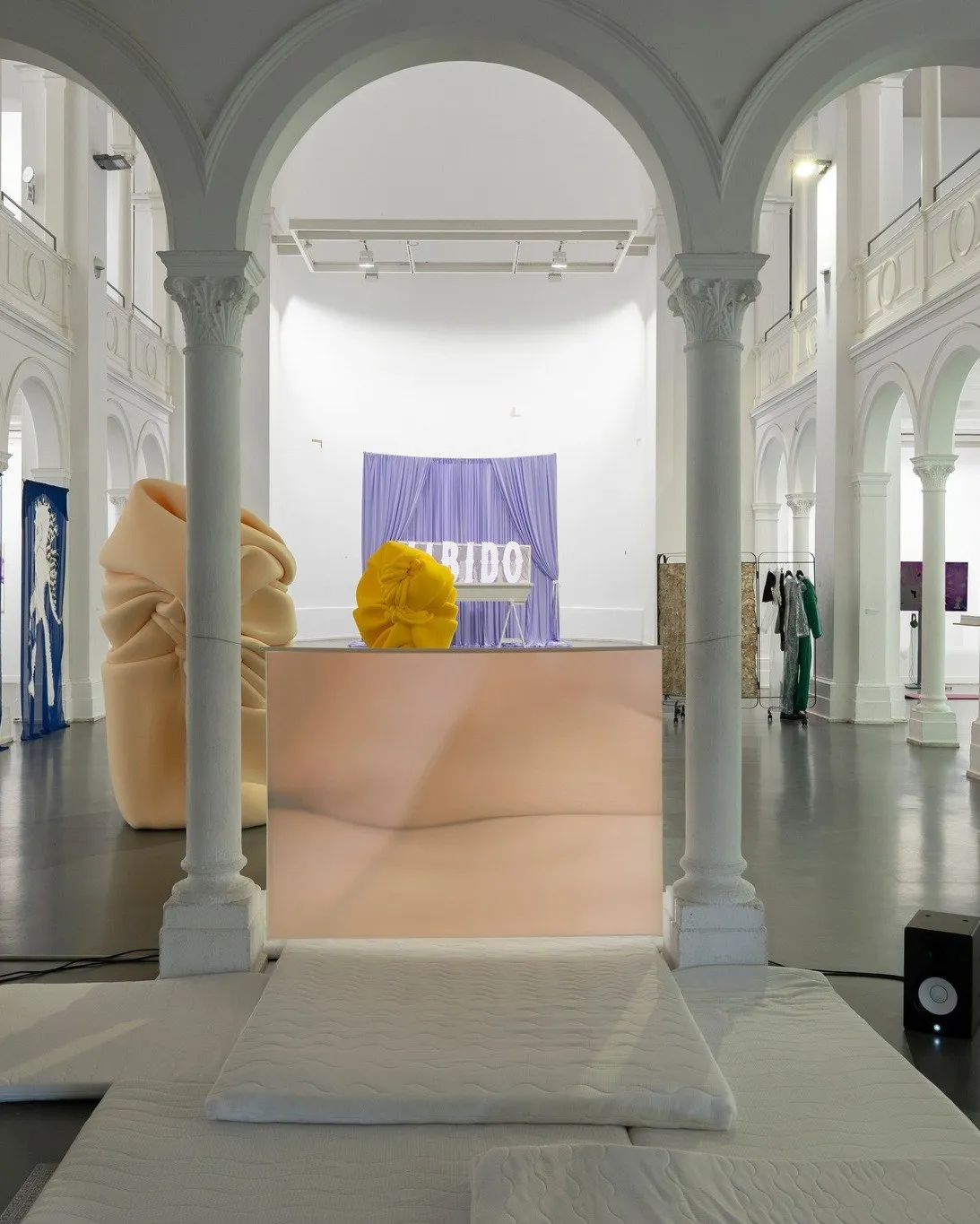
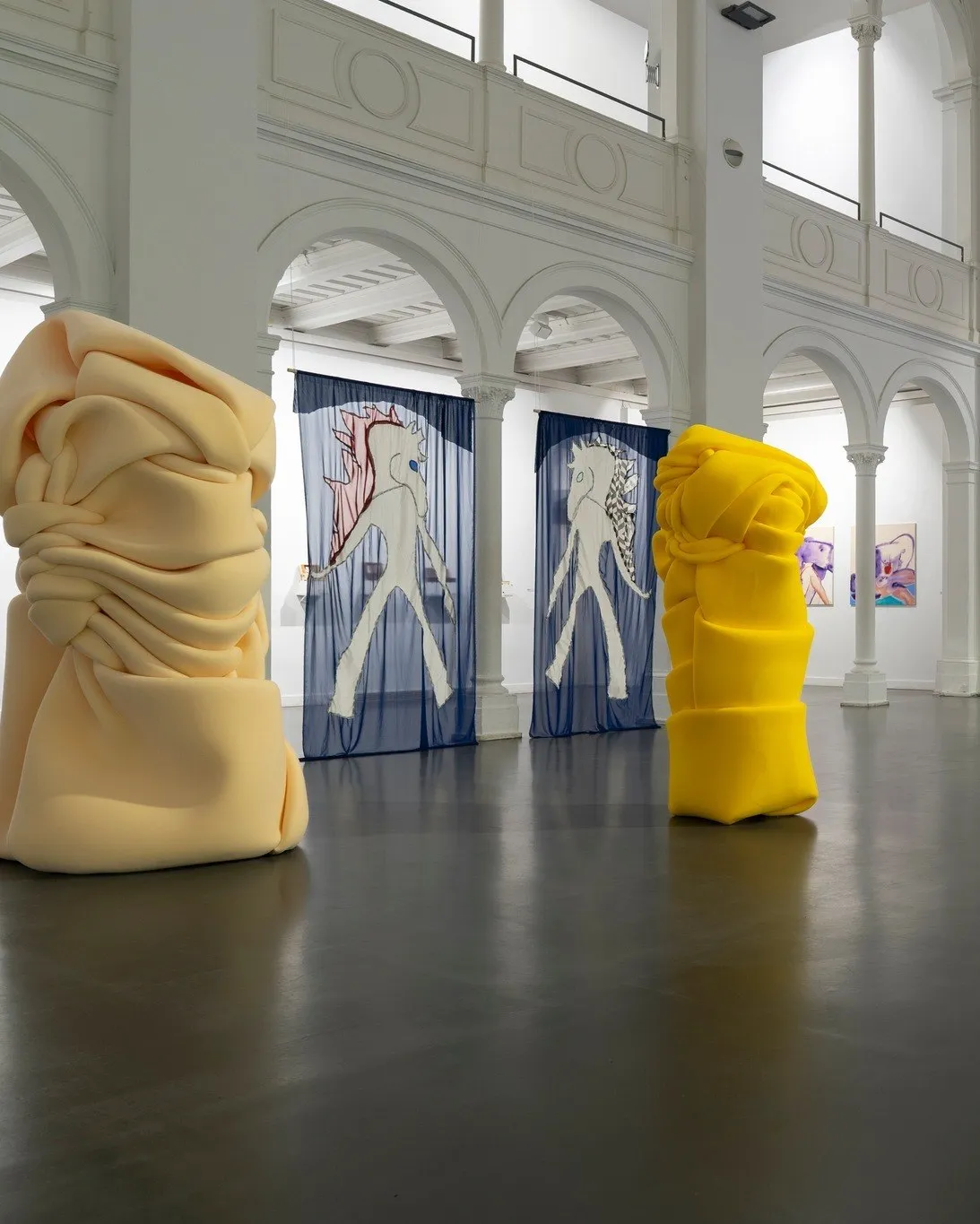
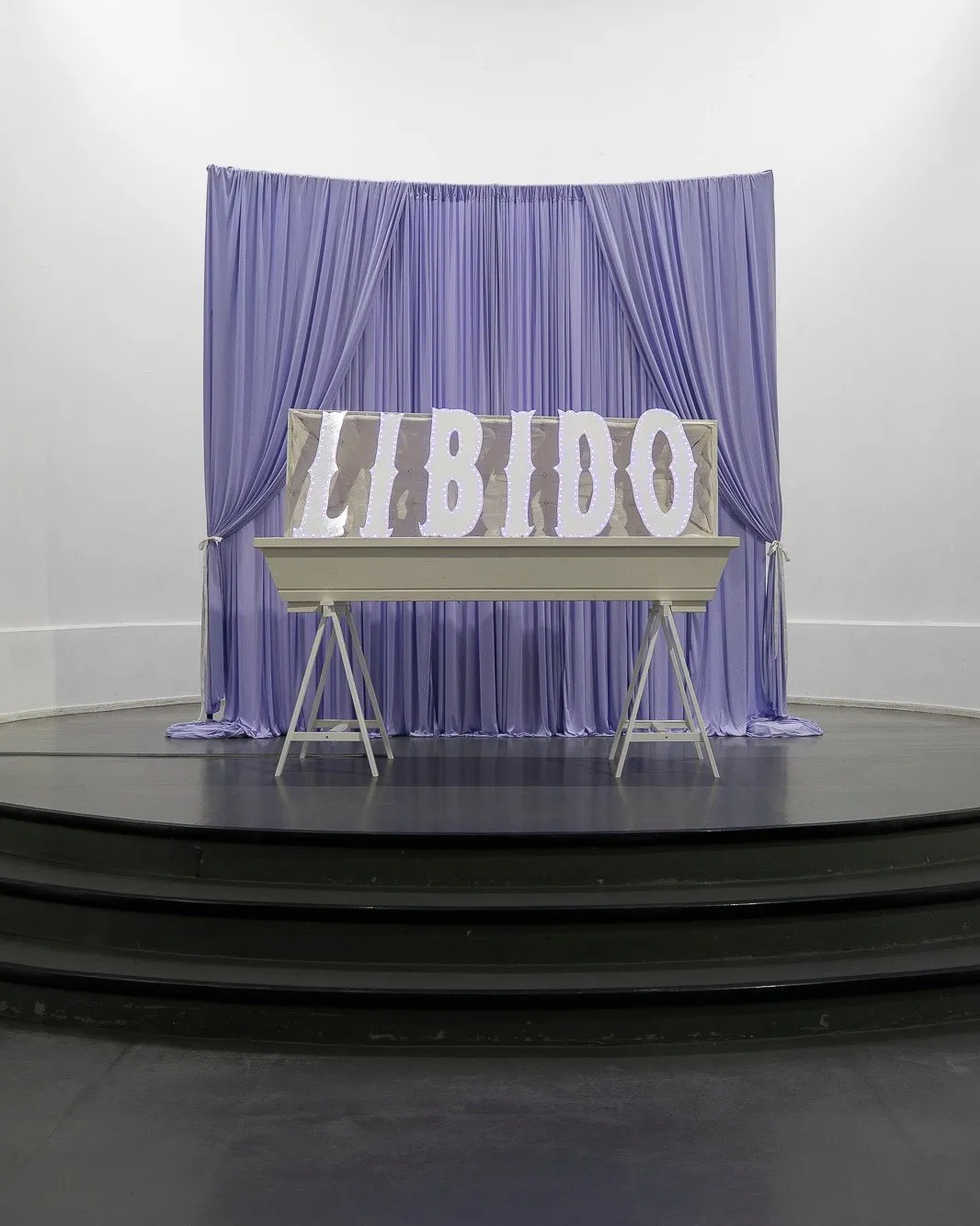
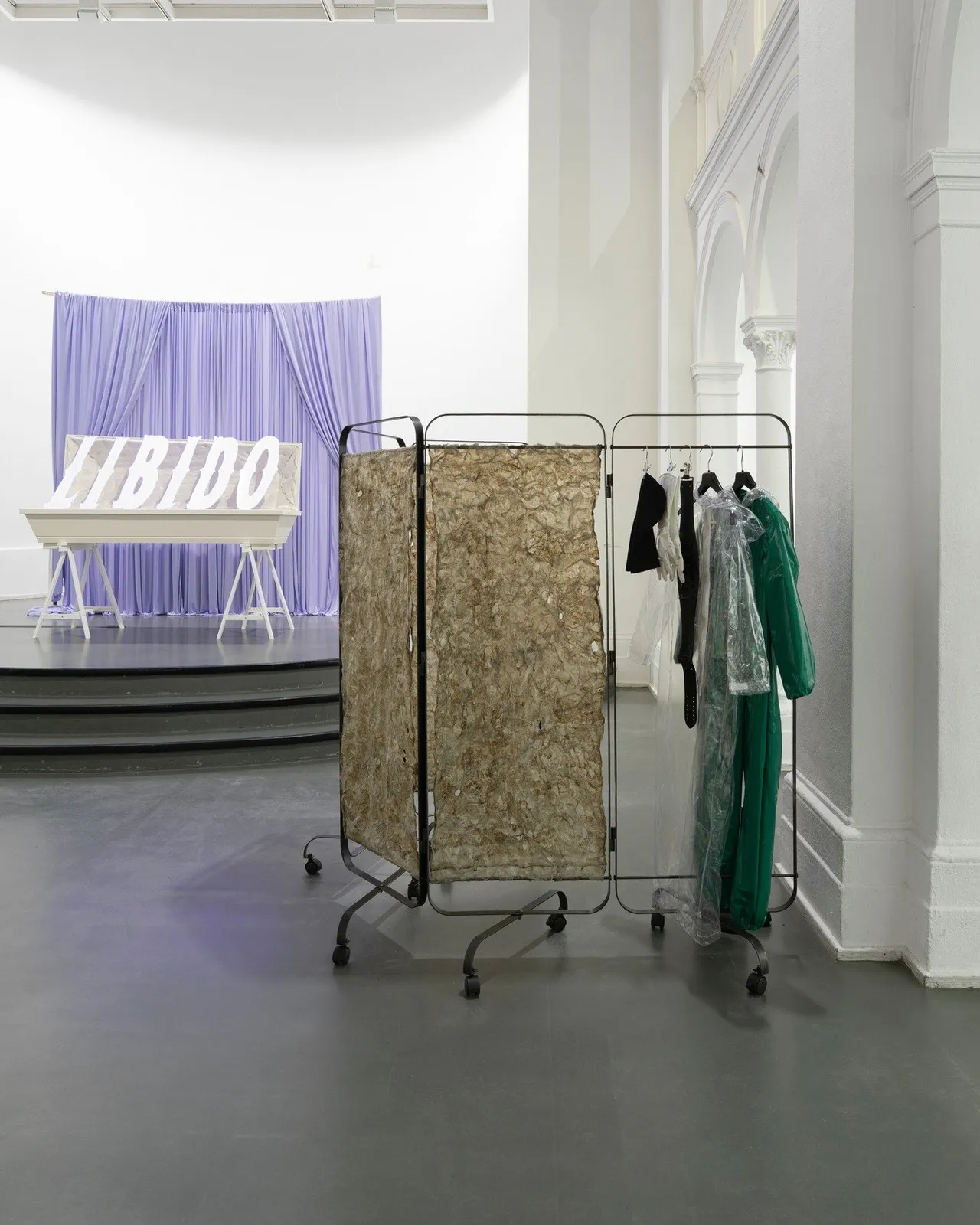
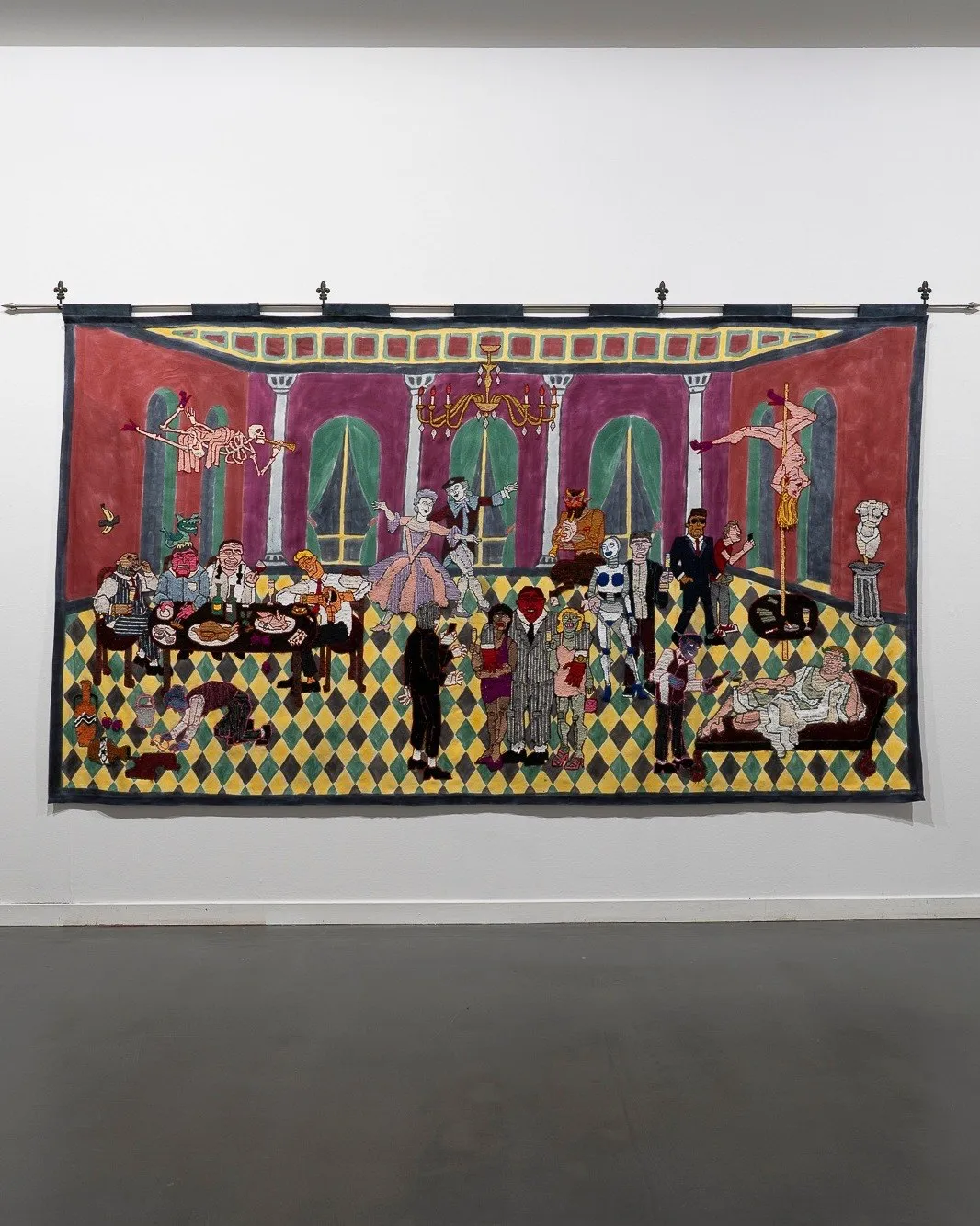
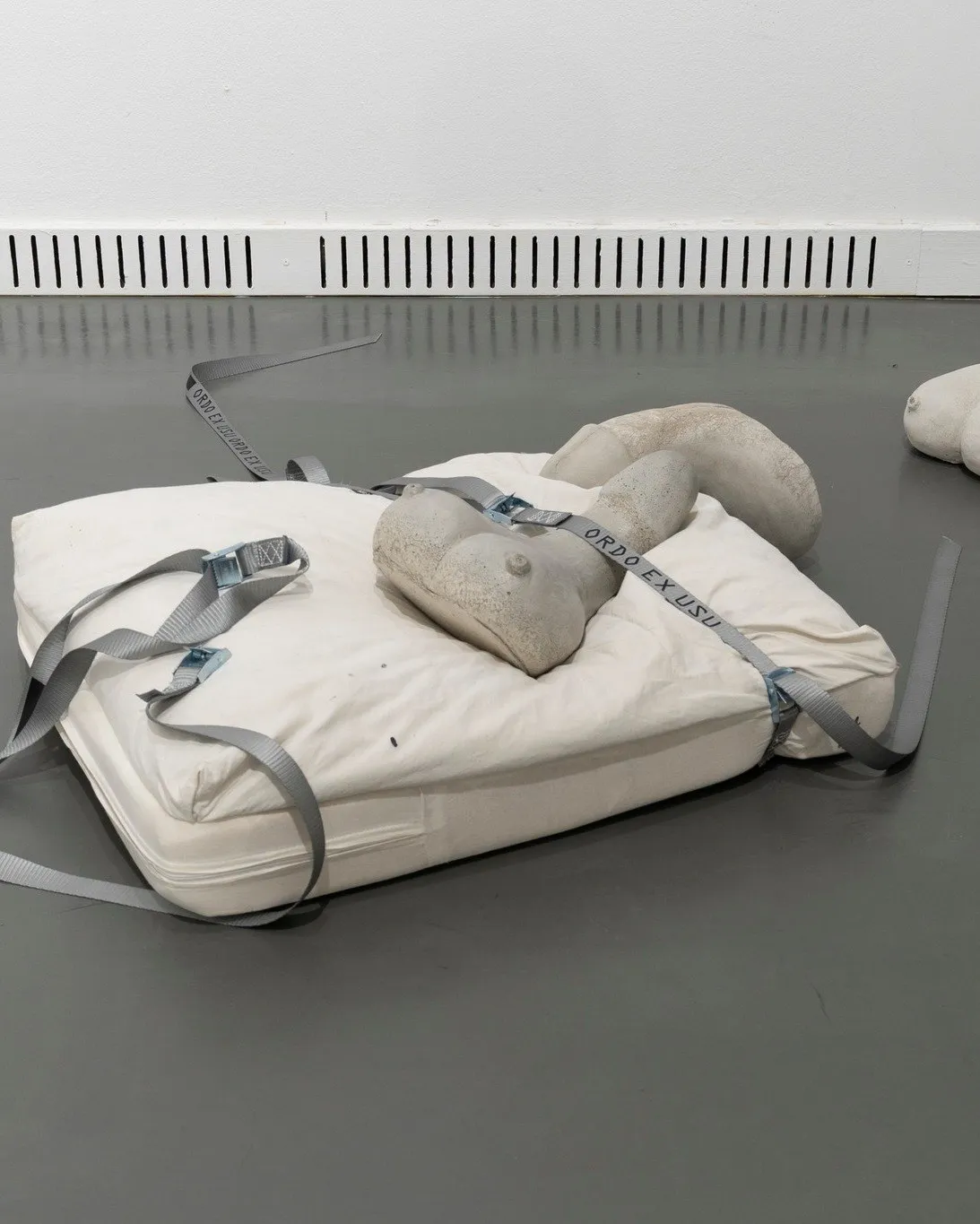
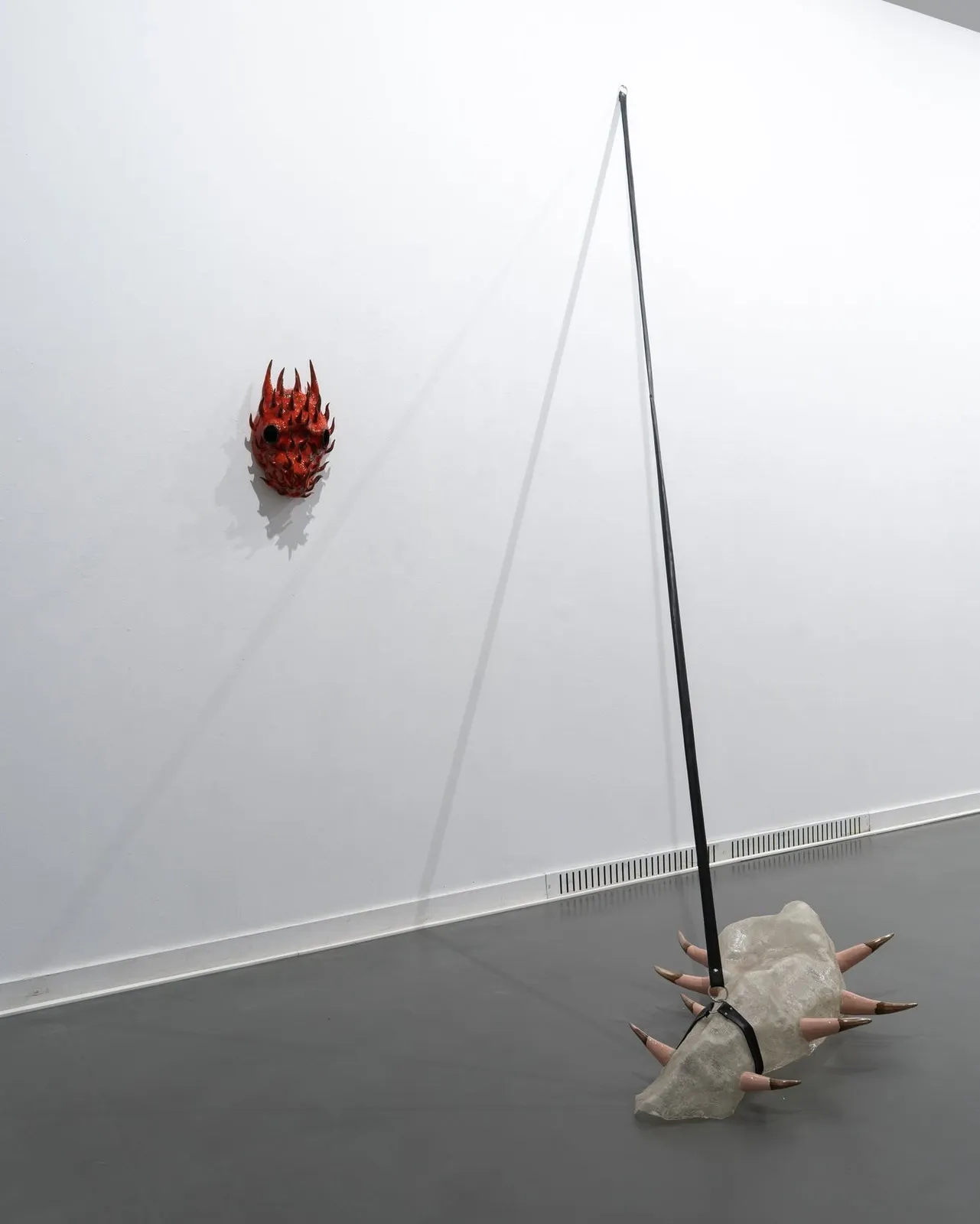
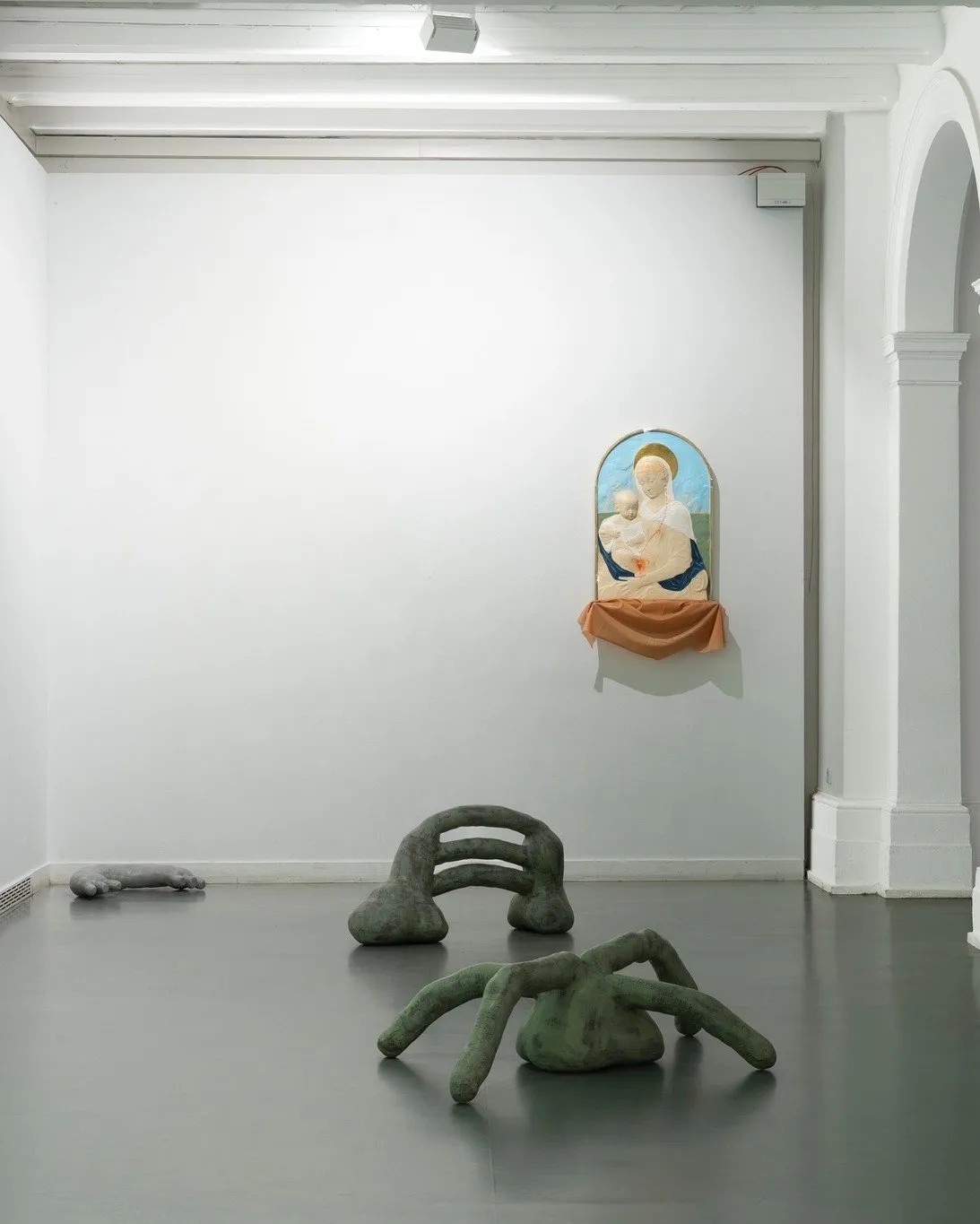
Berlin / 2026
Málaga / 2026
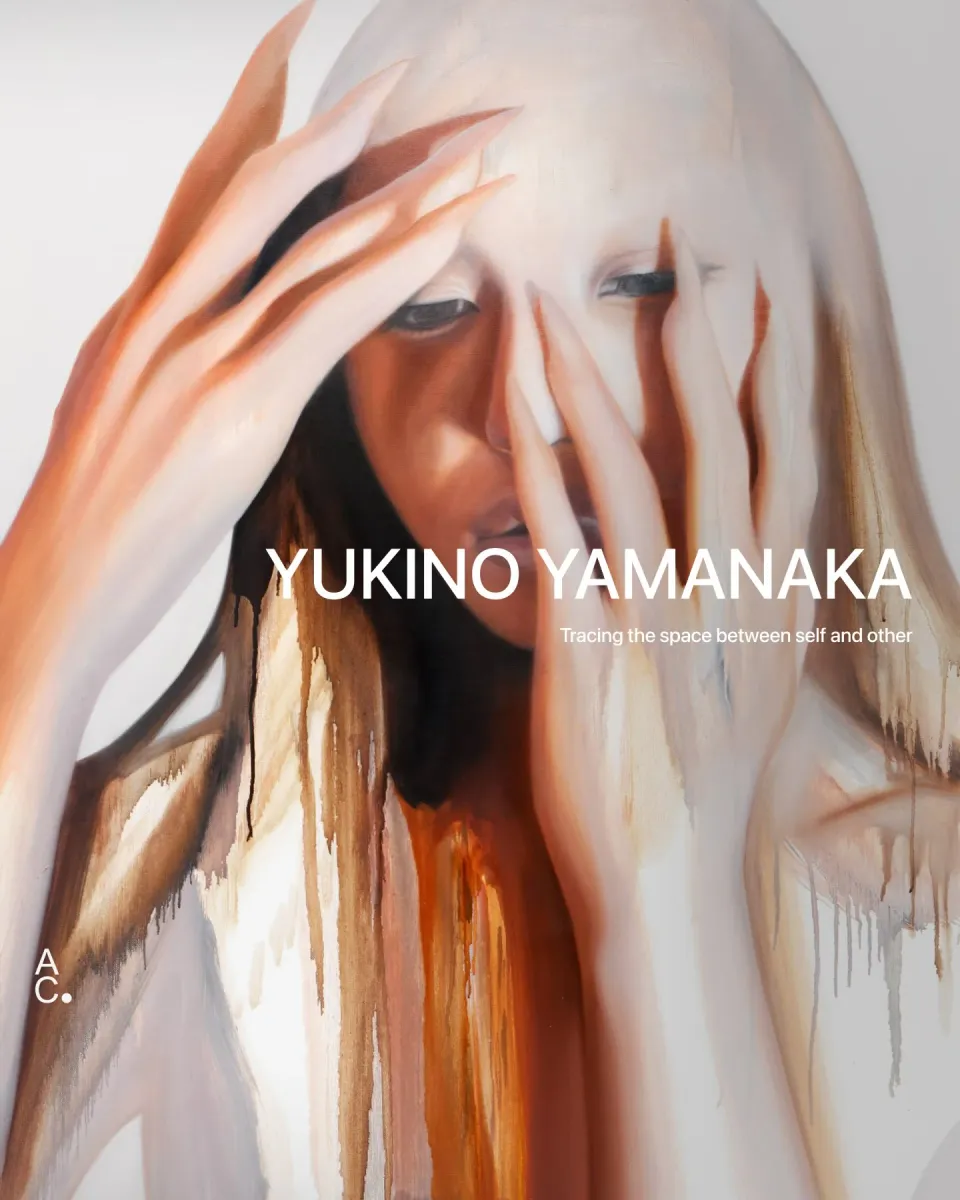
@yukino_yamanaka
Klaus in Vorarlberg / 2026
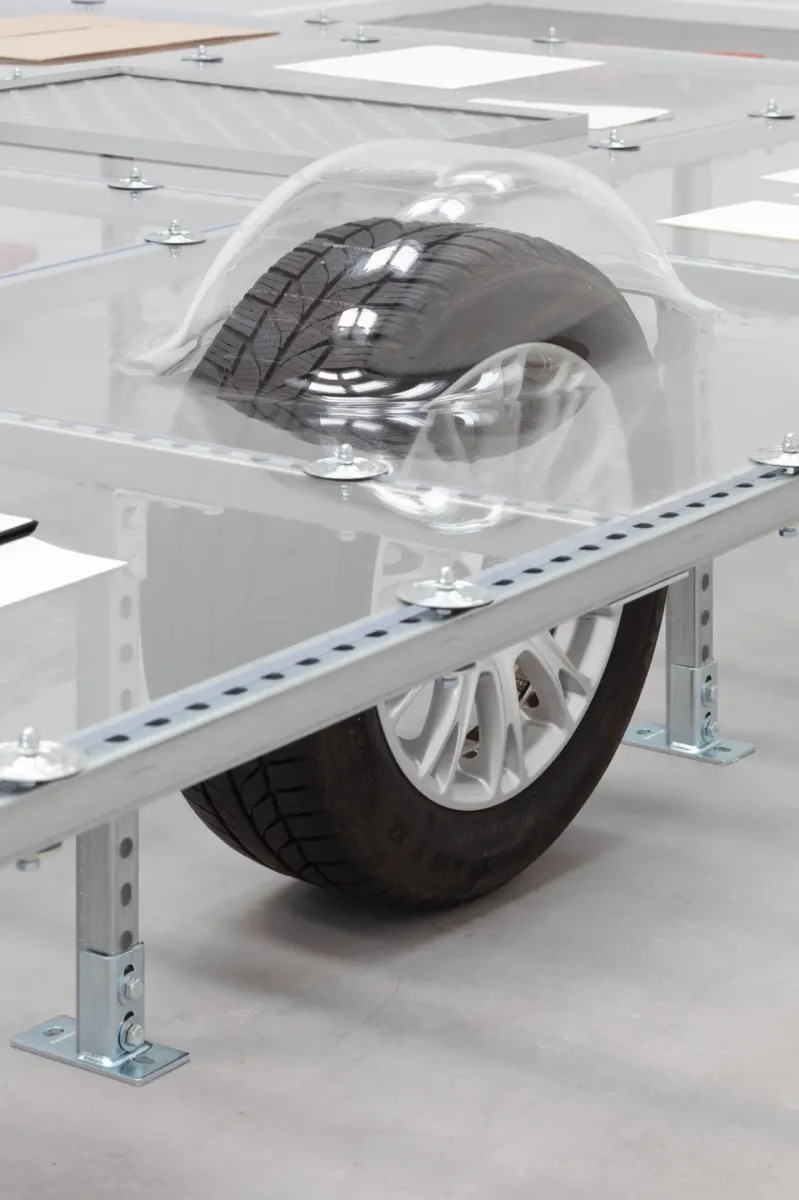
Genk / 2026
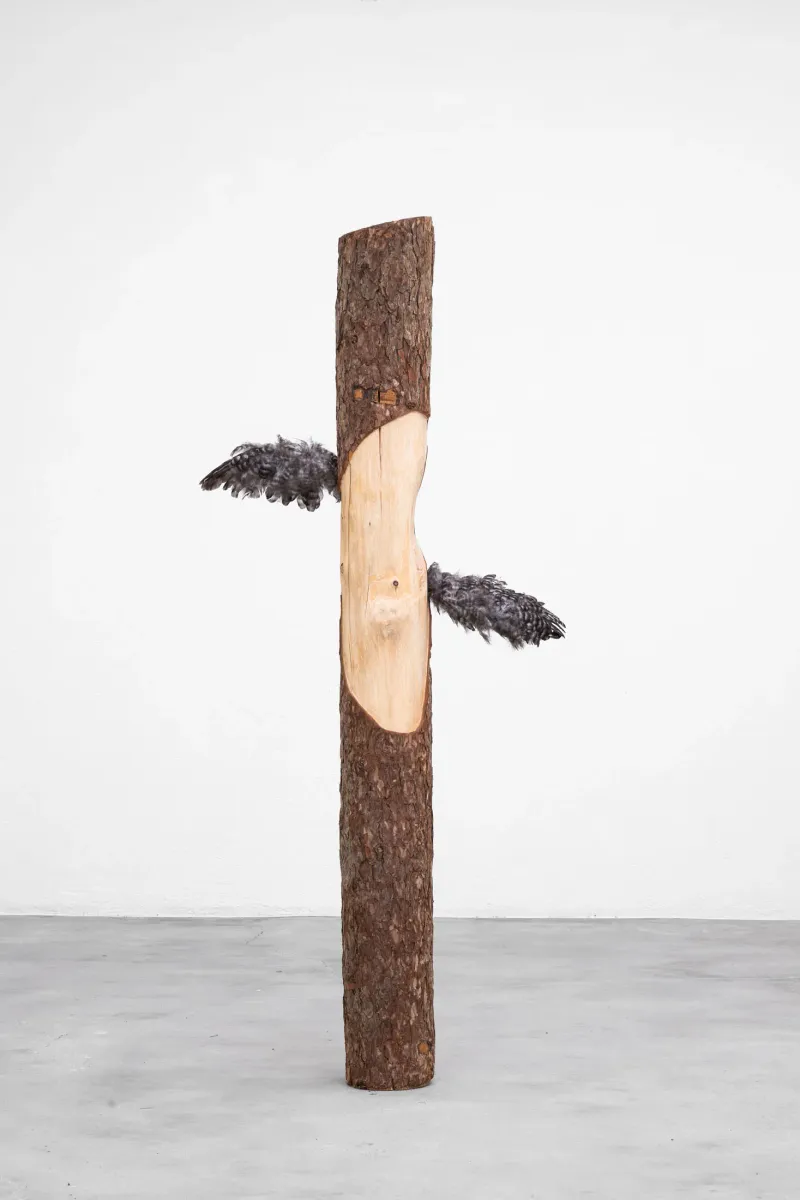
Turin / 2026
Vienna / 2026
Oslo / 2026
Warsaw / 2026
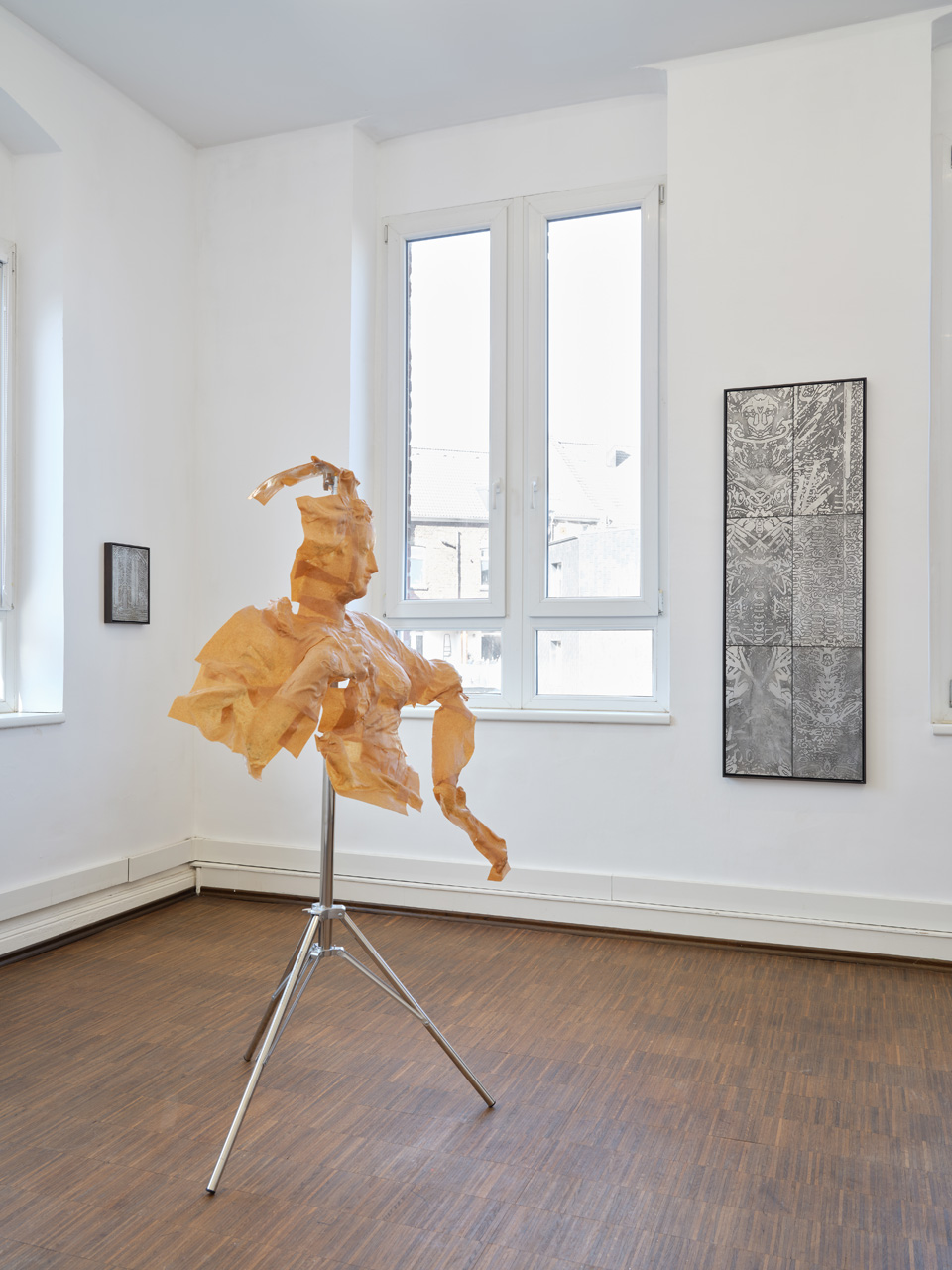
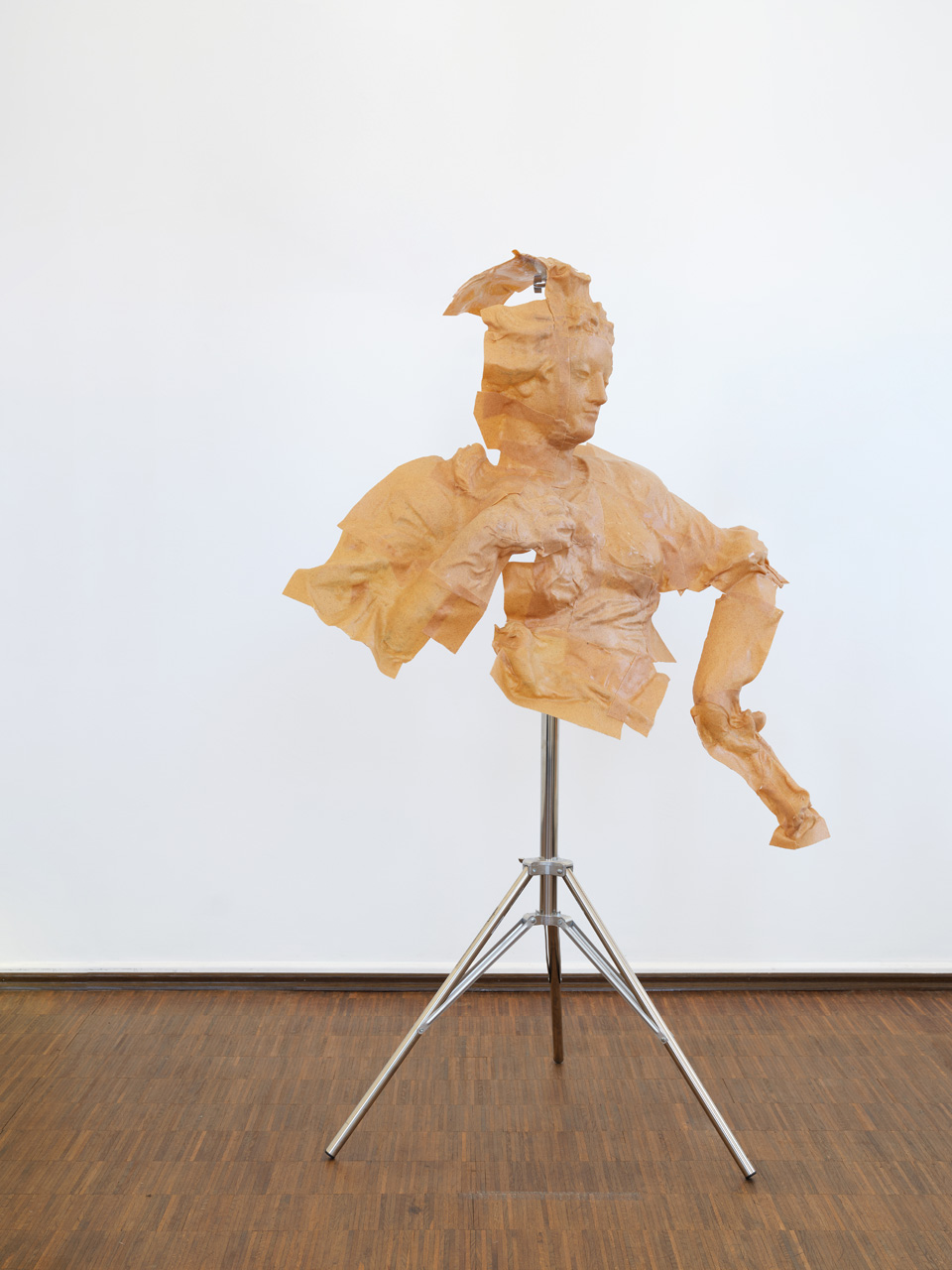
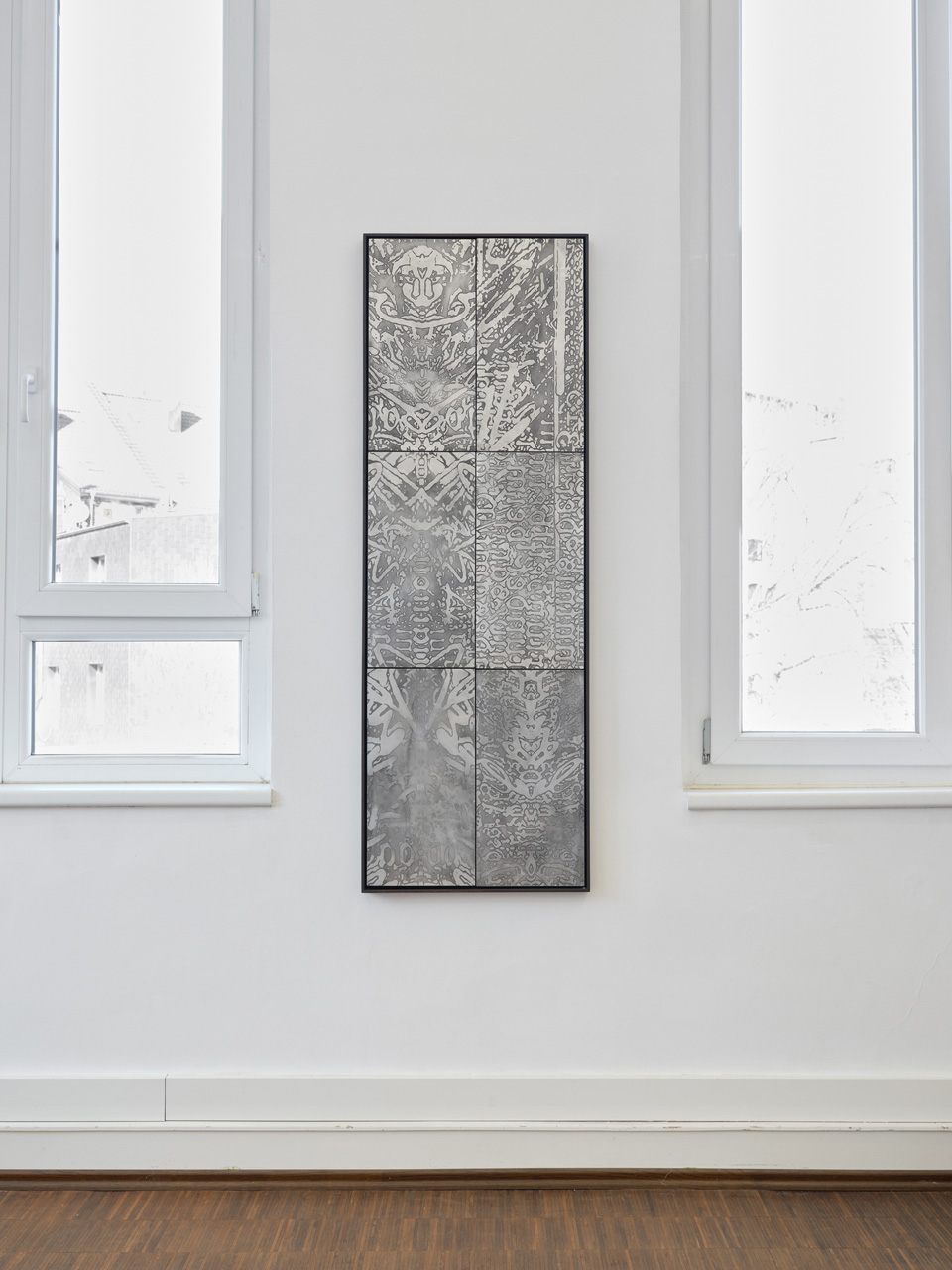
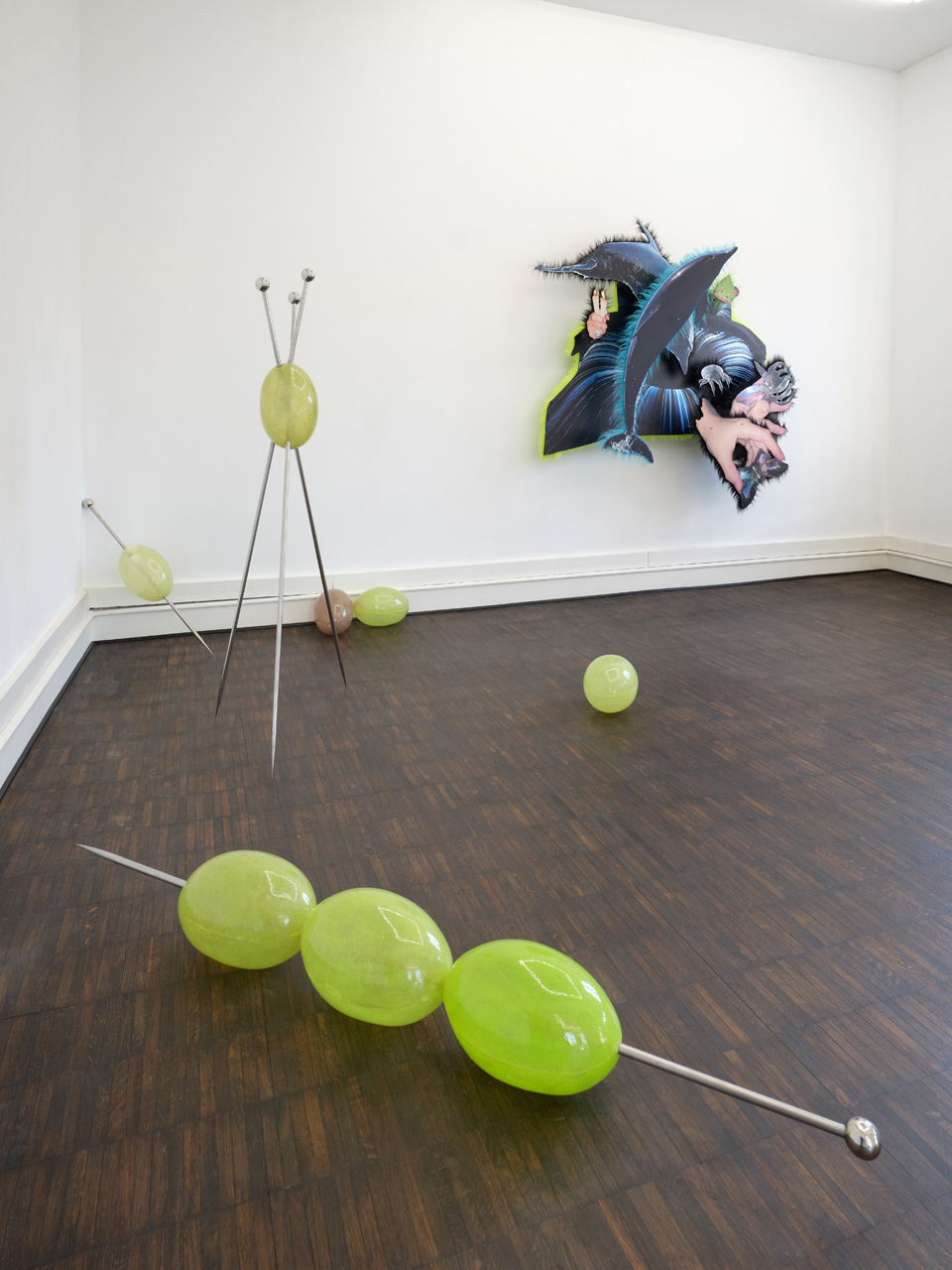
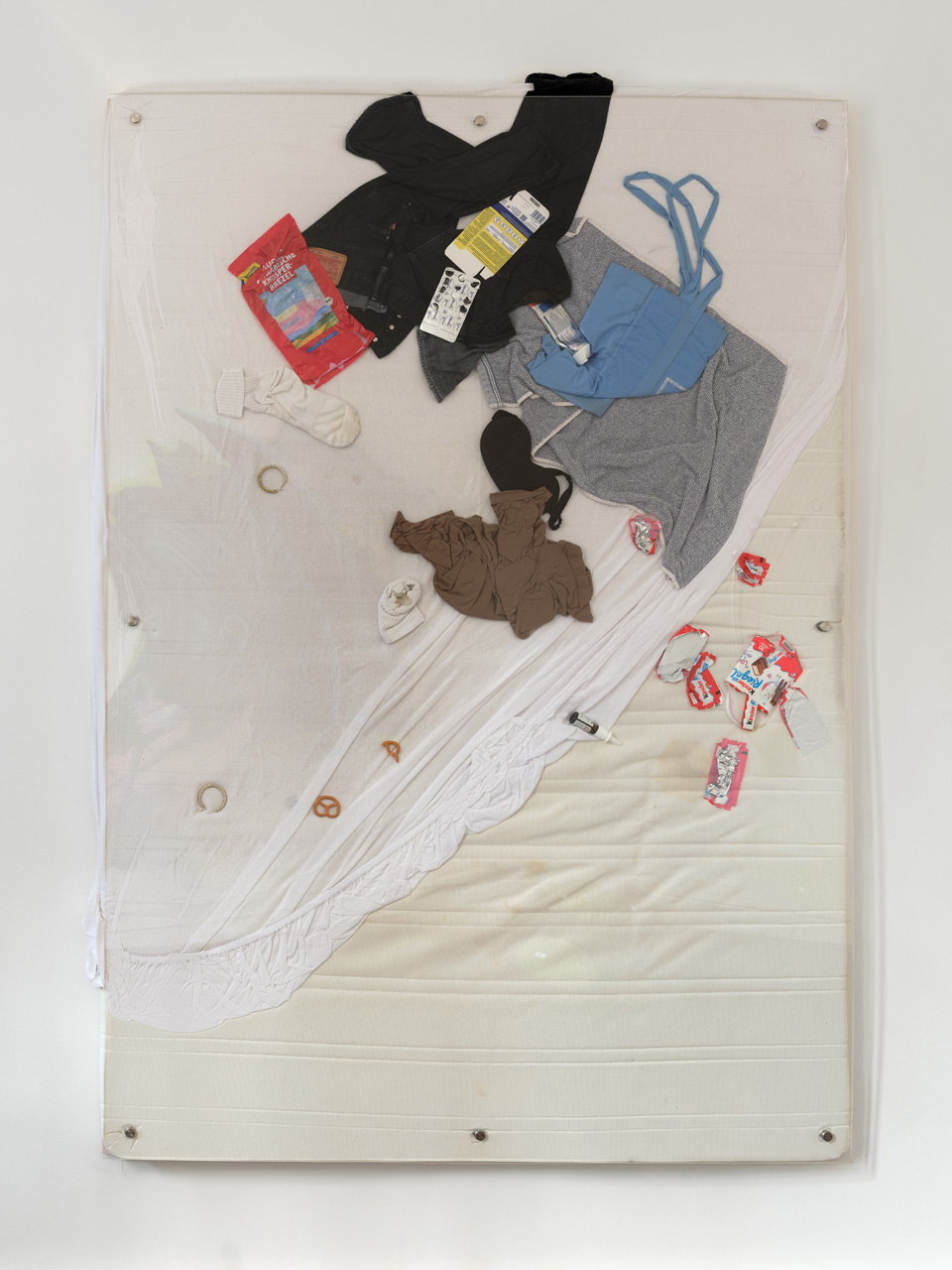
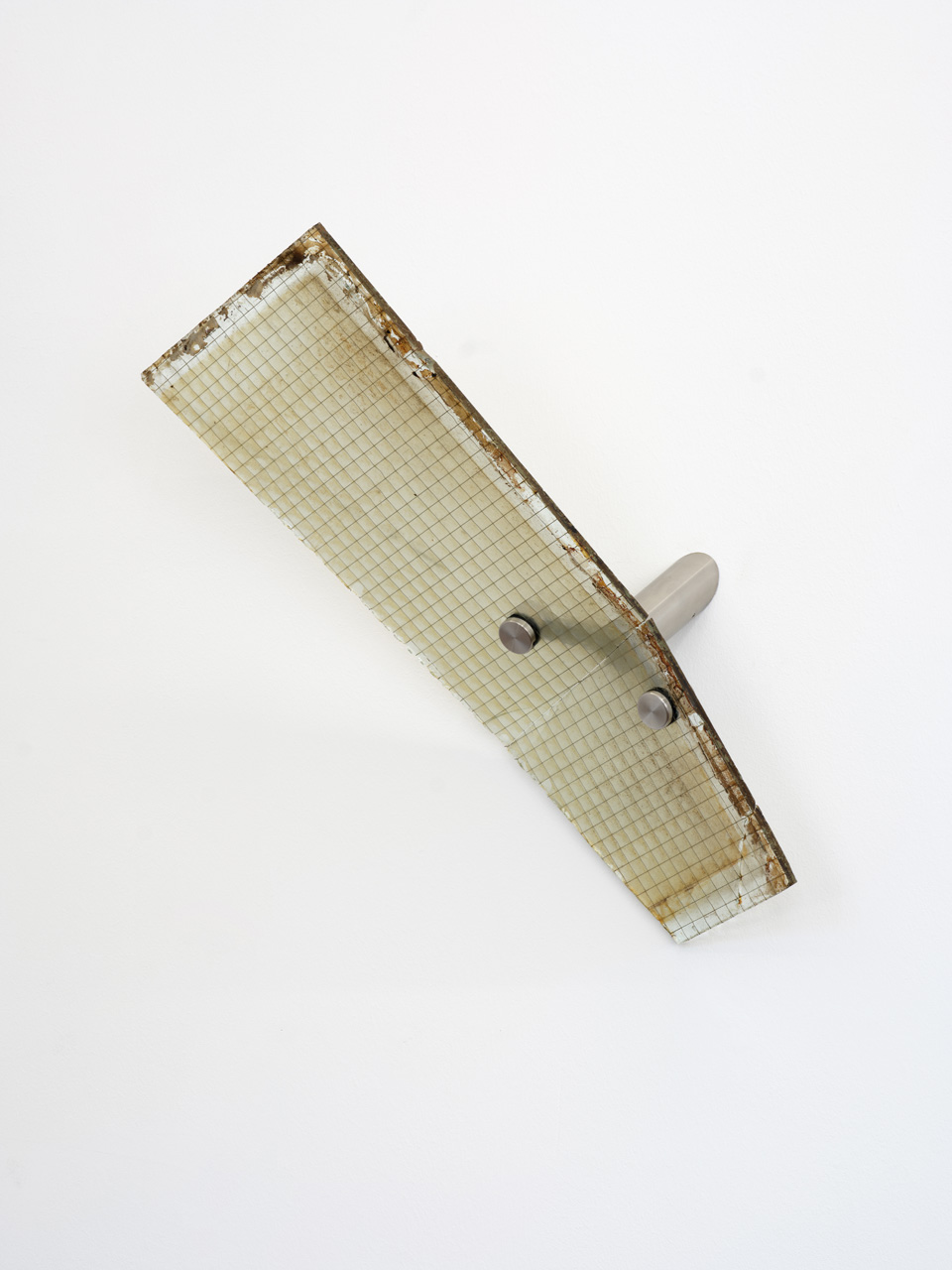
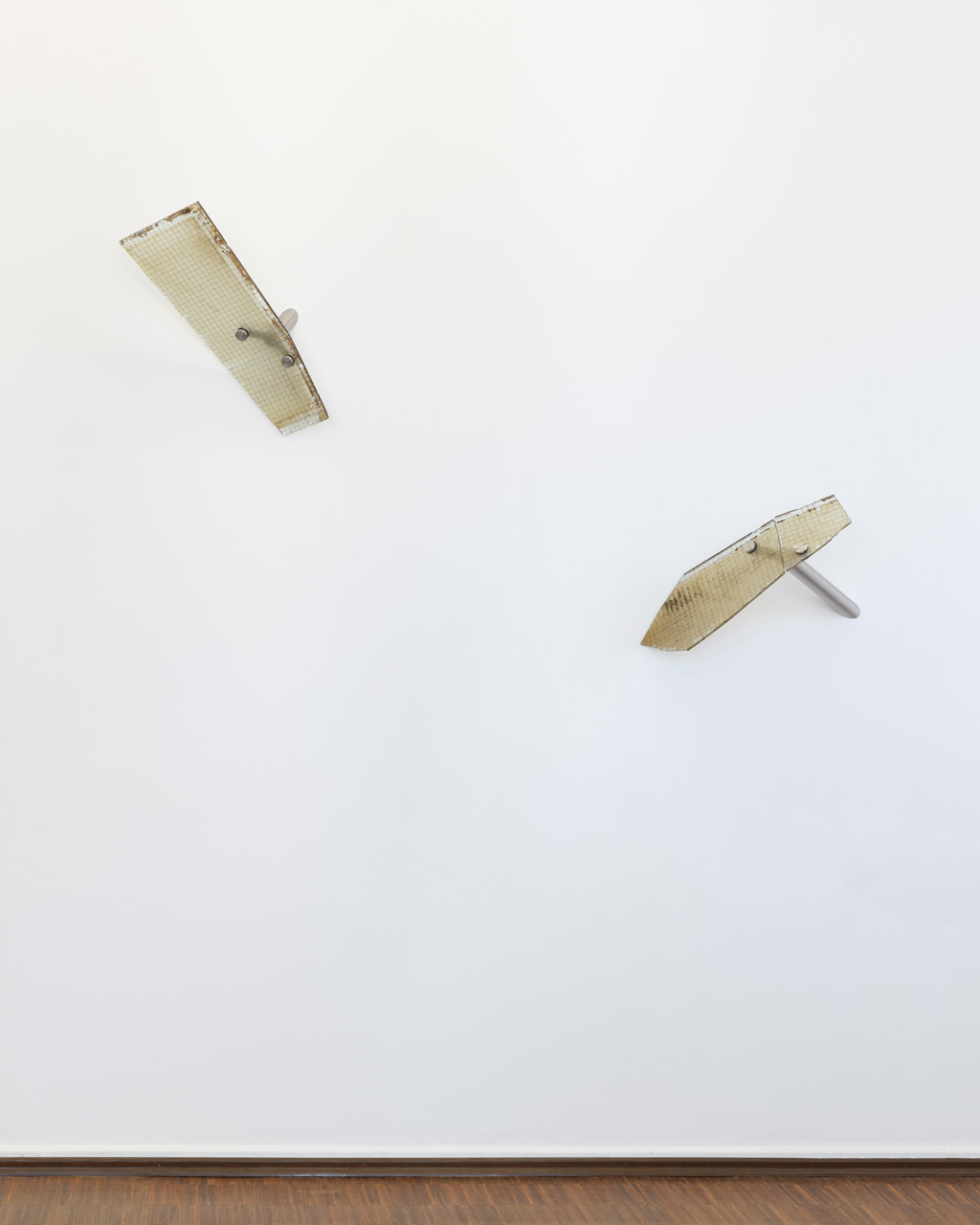
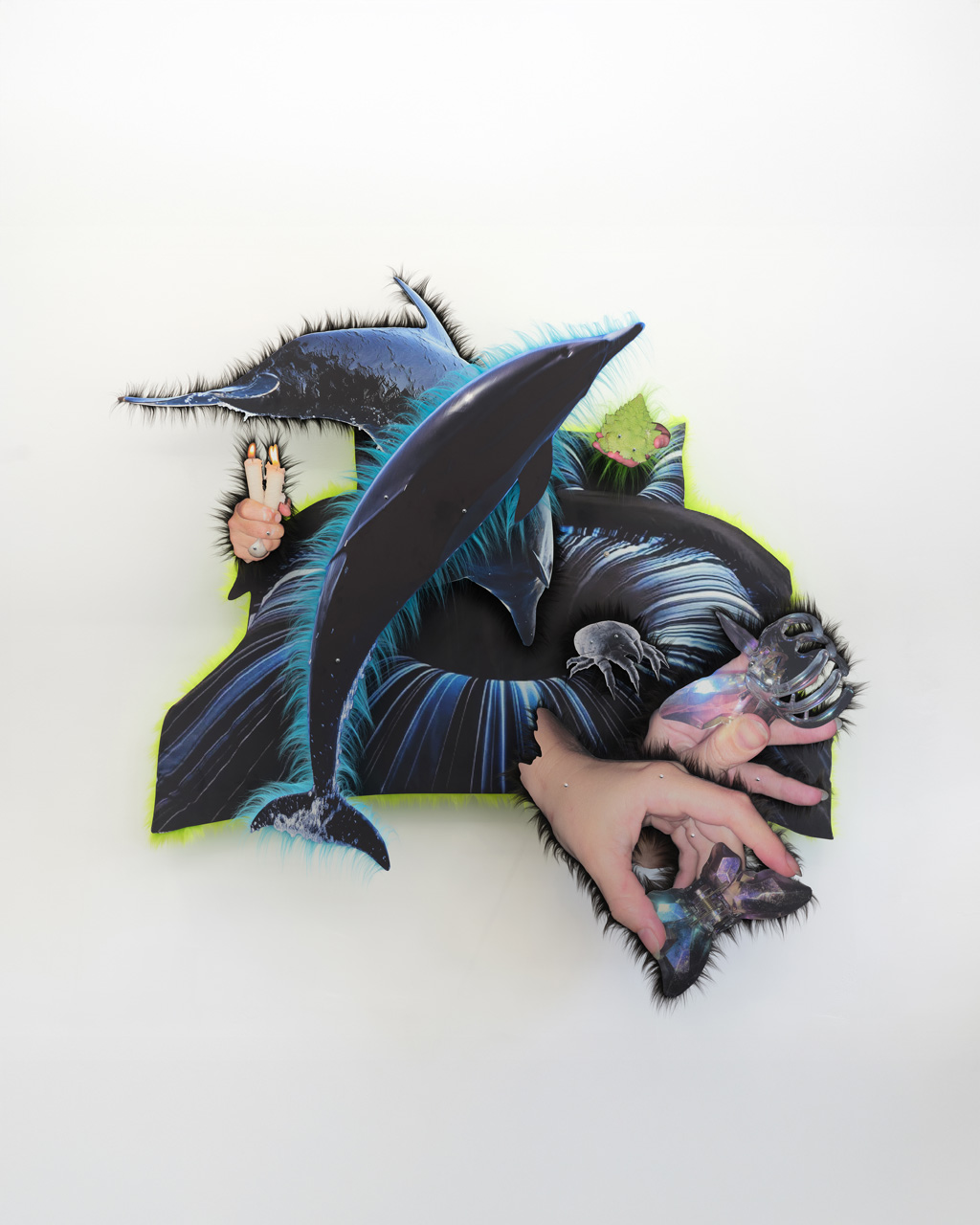
Düsseldorf / 2026
Berlin / 2025
Shanghai / 2025
/ 2023
@s_gatzkan
Vilnius / 2024
Prague / 2024
Jung-gu, Seoul / 2025
Ljubljana / 2025
Bratislava / 2025
/ 2025
Bratislava / 2025
Kraków / 2025

Milan / 2025
Graz / 2026
@arghavan_khosravi
London / 2026
Vorarlberg / 2026
Sardinia / 2026
/ 2025
.webp)
Seoul / 2025
Düsseldorf / 2026
 Submit Exhibition
Prague / 2026
Tokyo / 2026
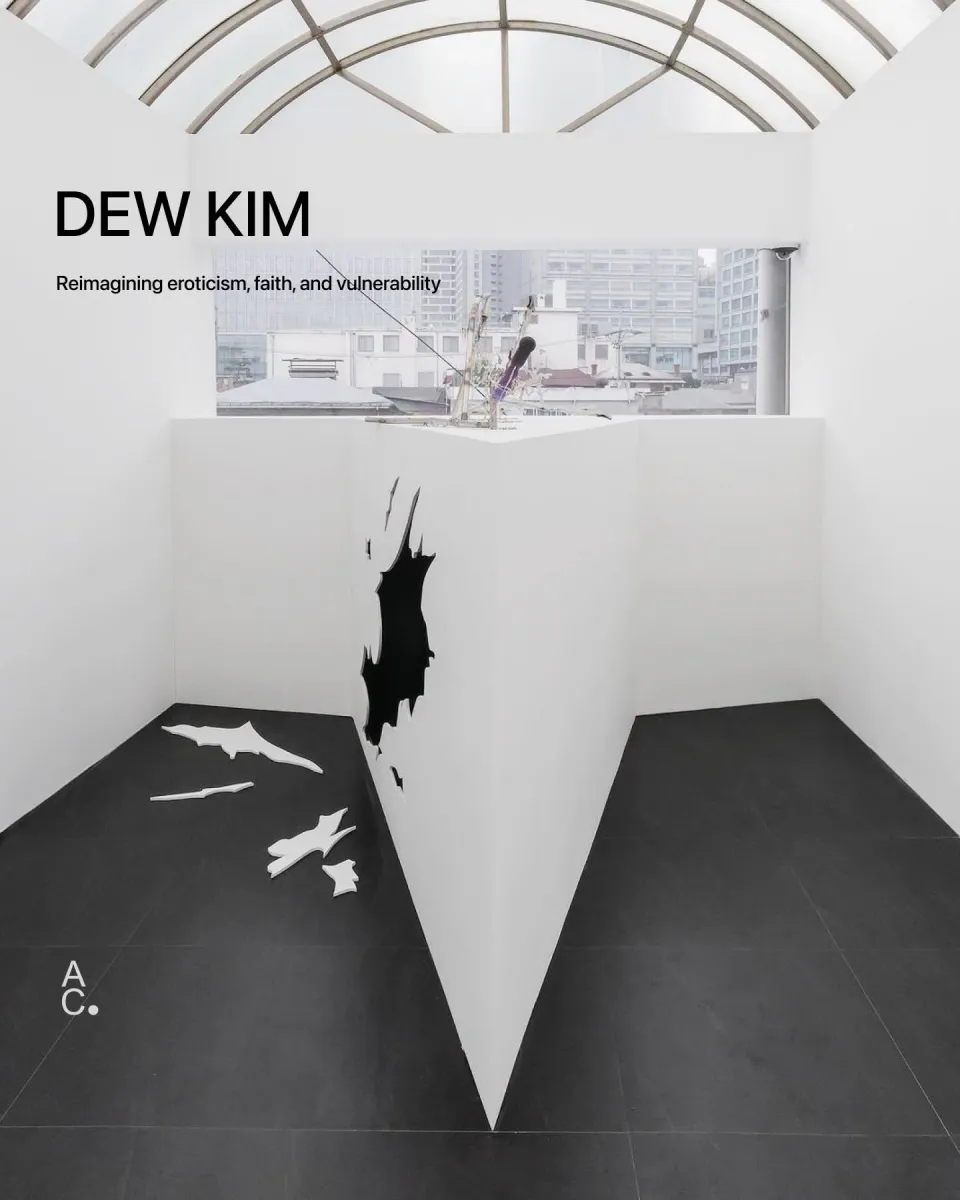
@dew_needs_you
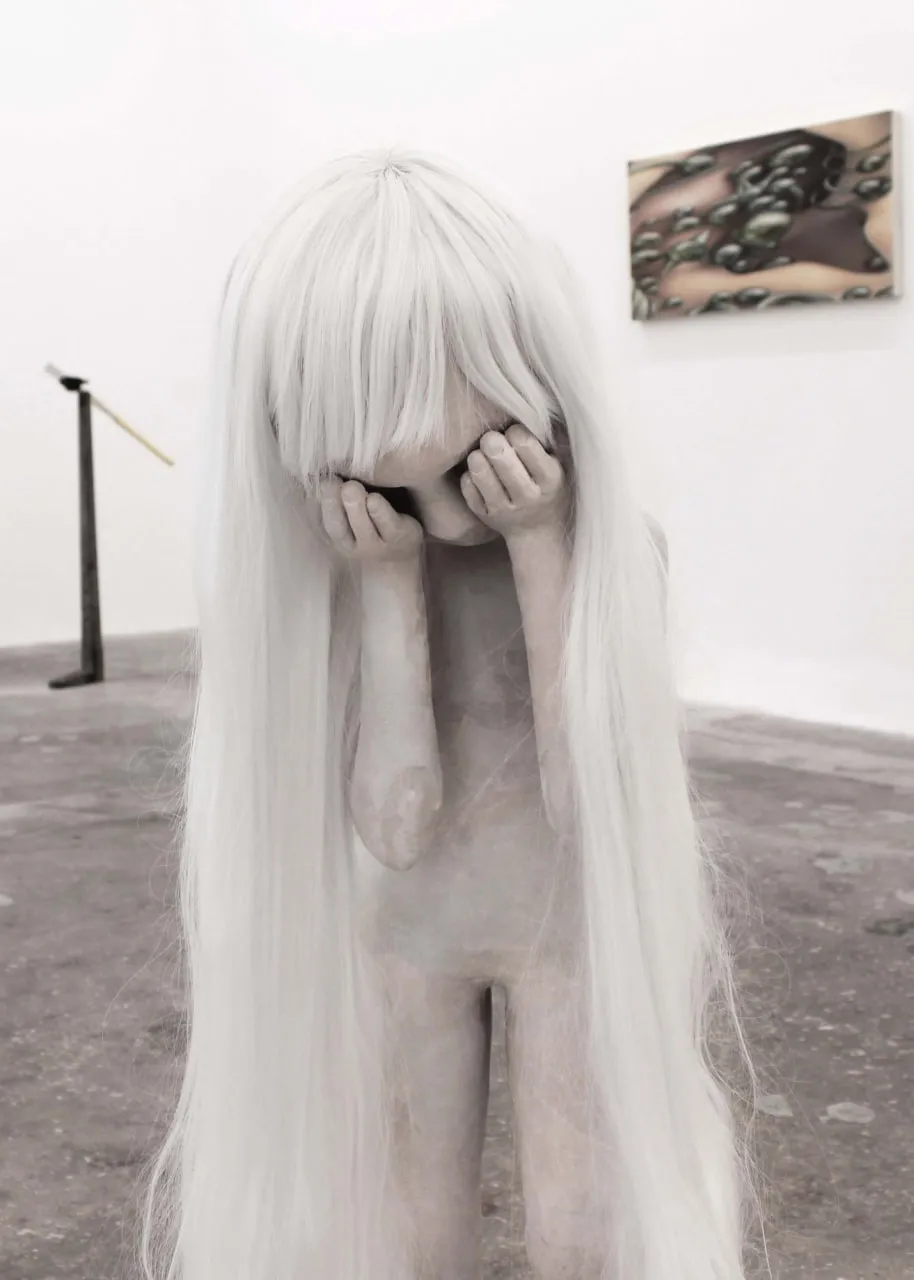
Miami / 2026
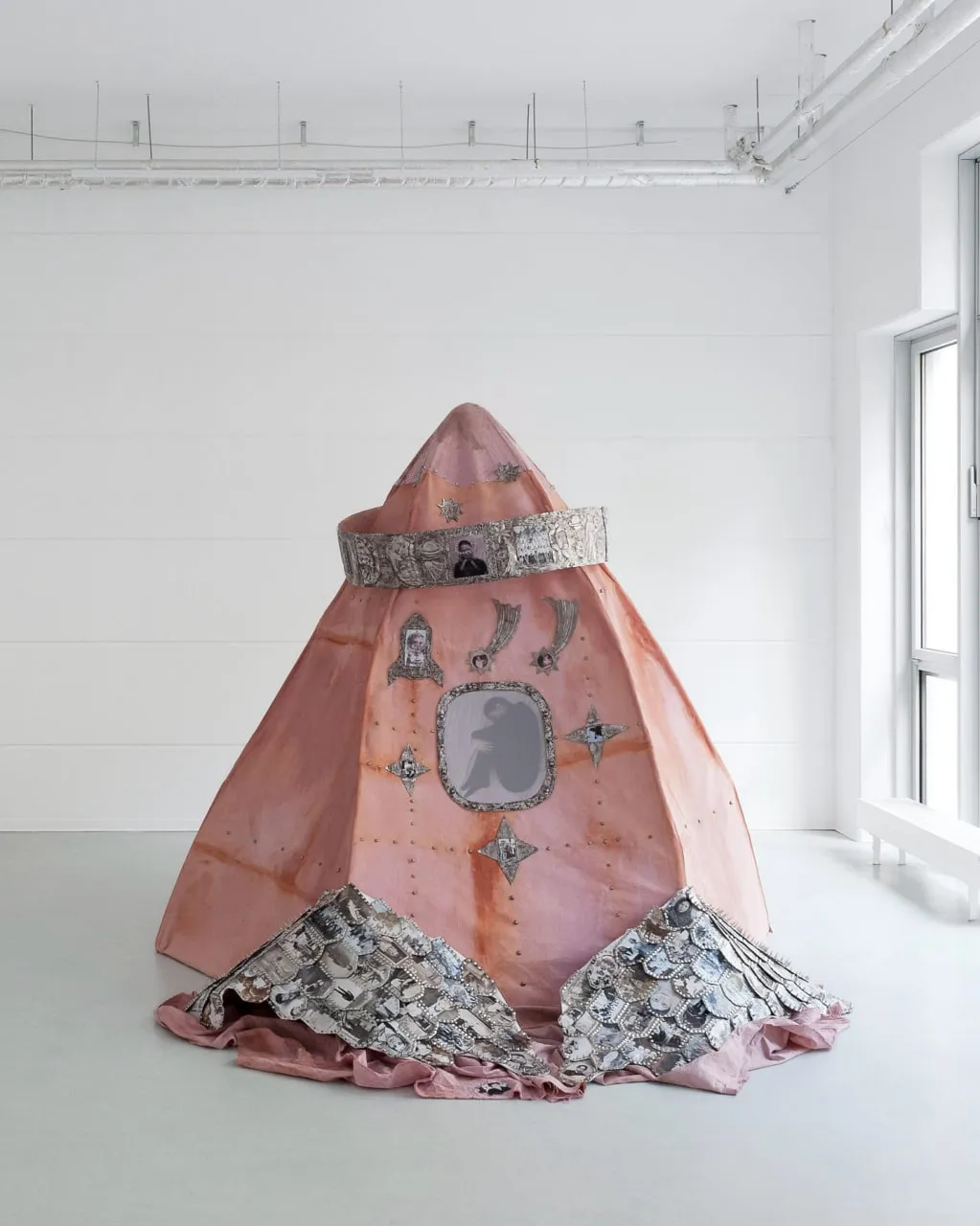
Berlin / 2026
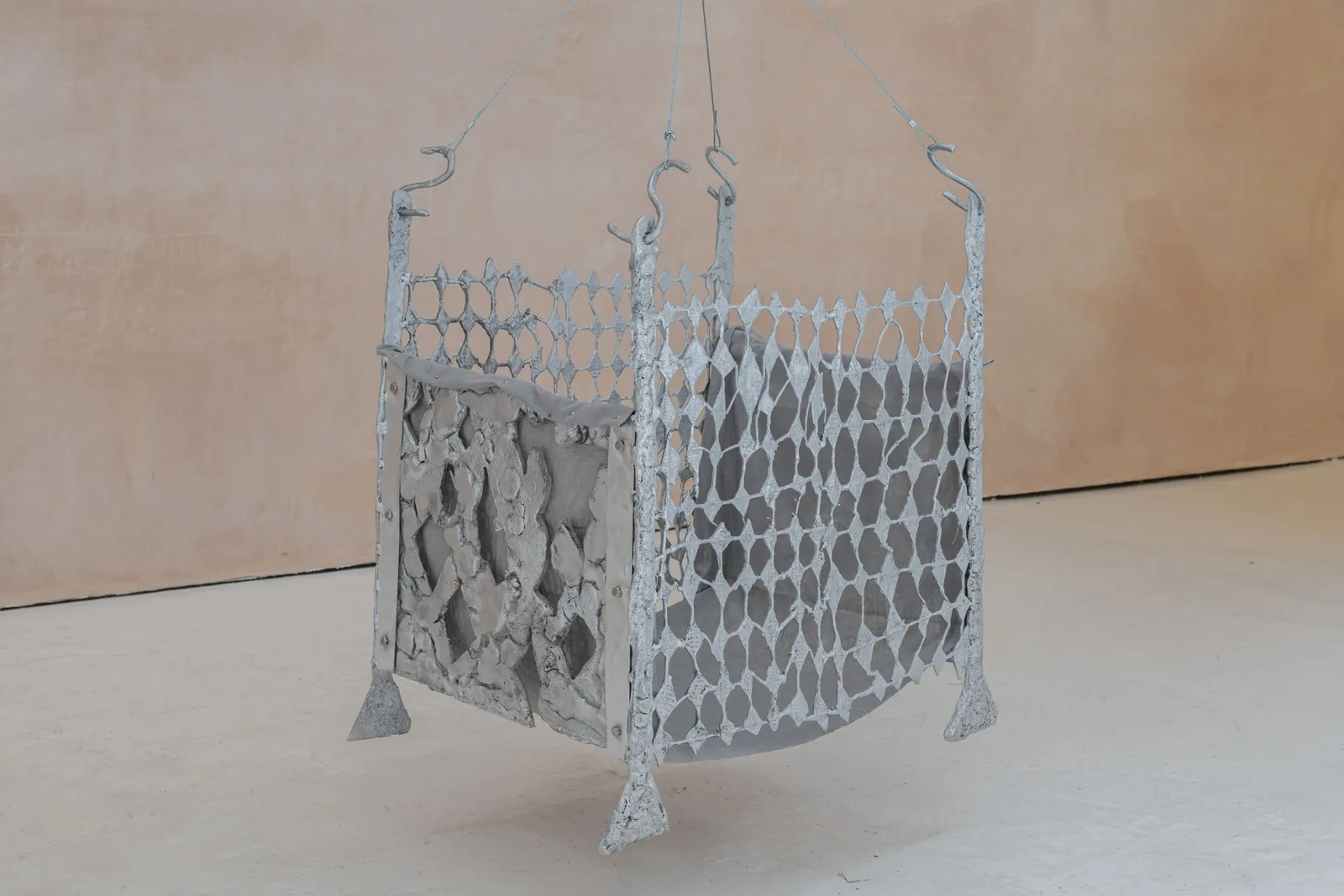
Norwich / 2026
Vilnius / 2026
Brno / 2026
Avigliana / 2026
Shanghai / 2026
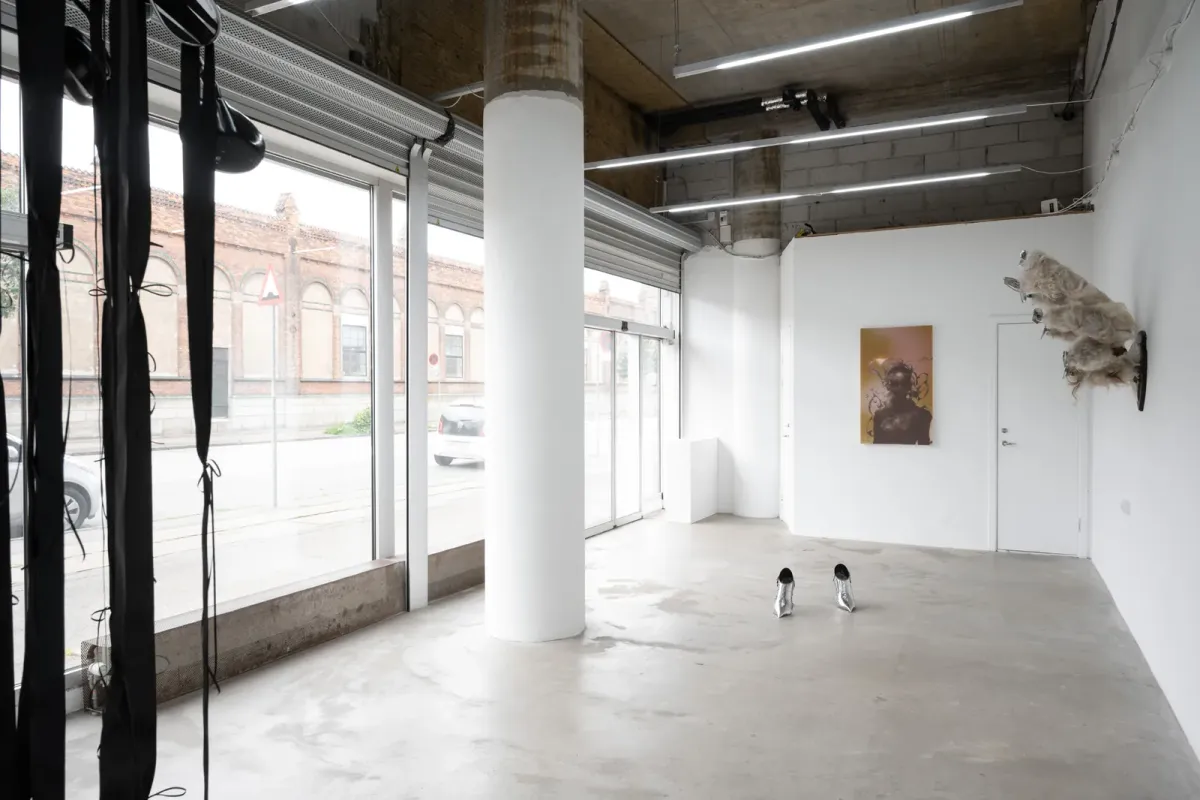
Copenhagen / 2026
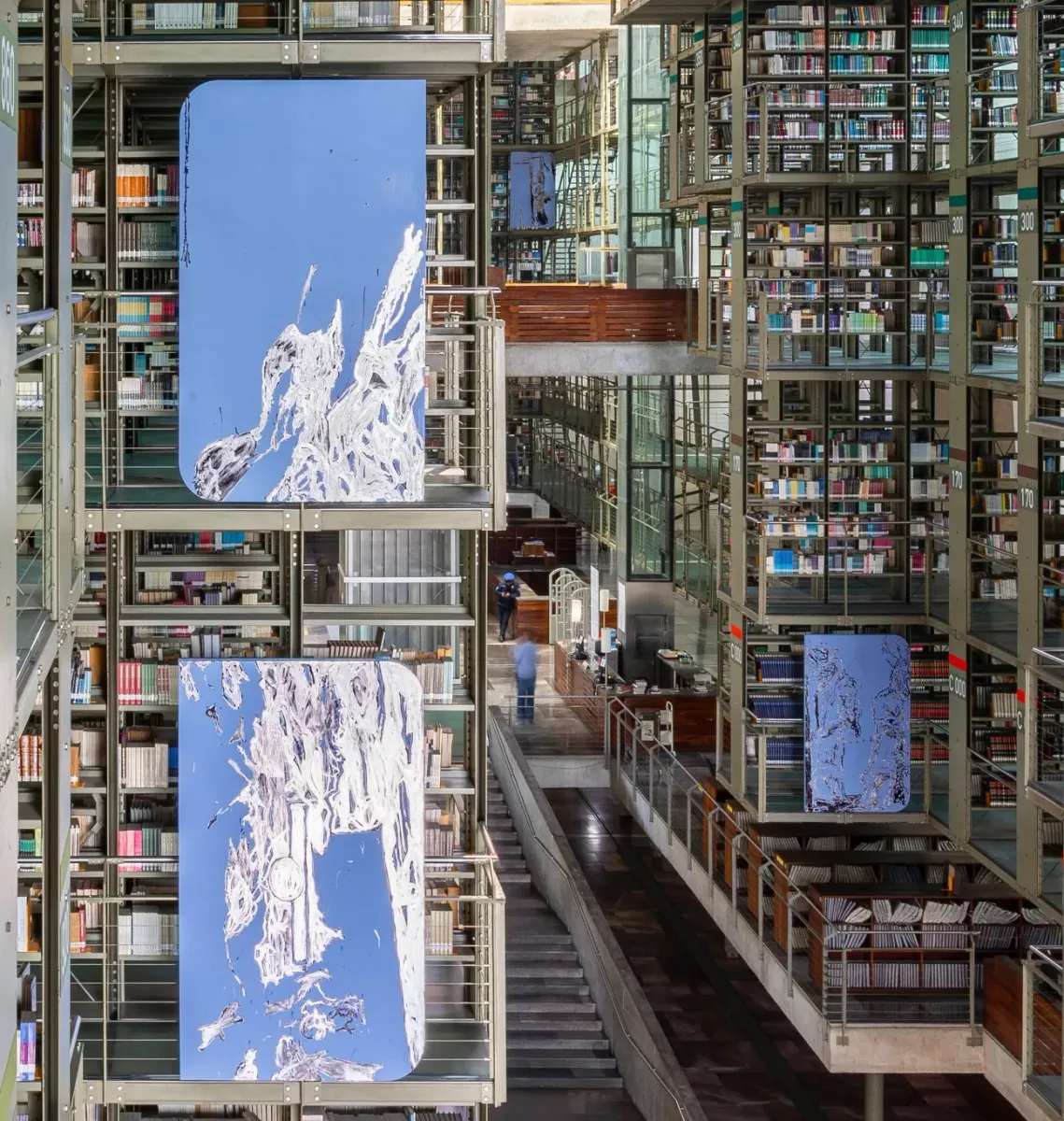
Ciudad de México / 2026
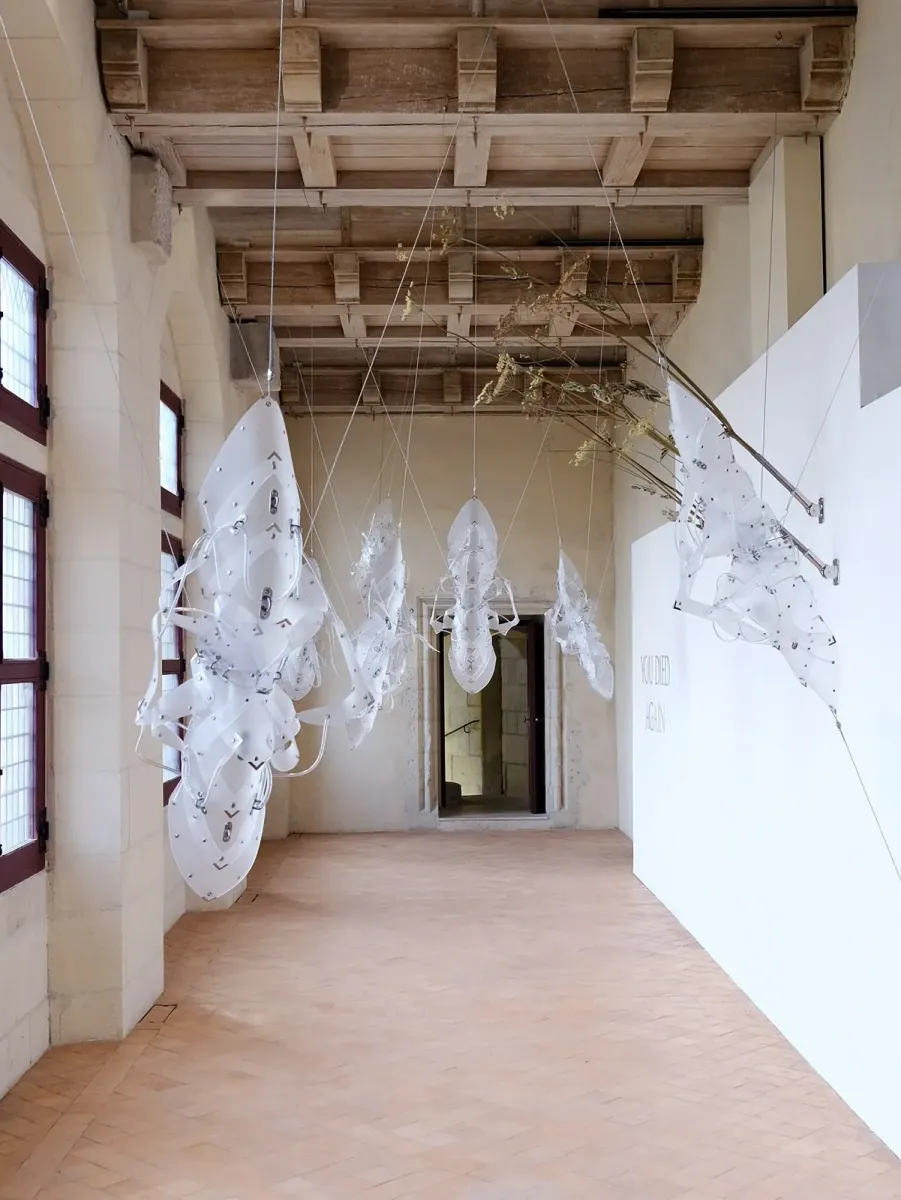
Angers / 2026
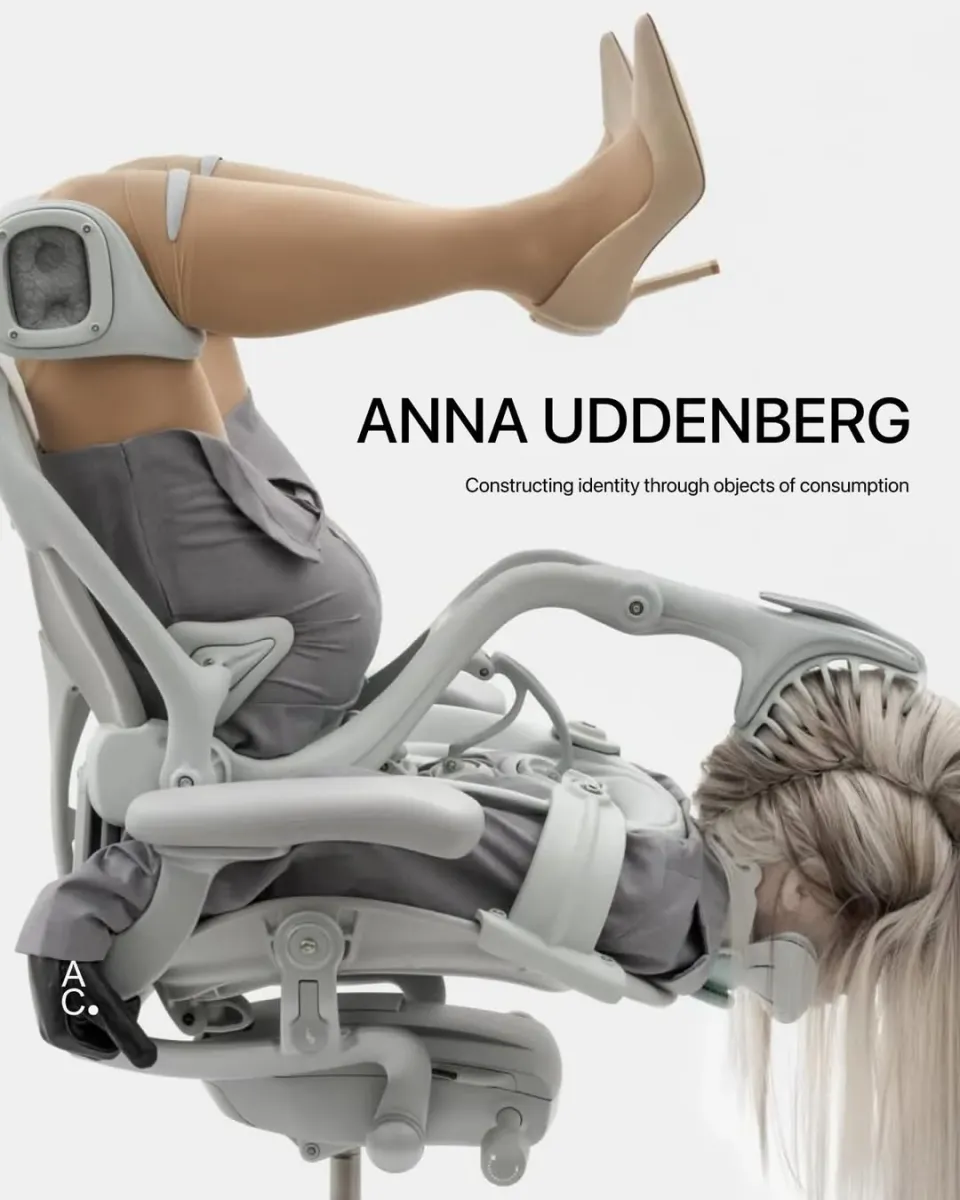
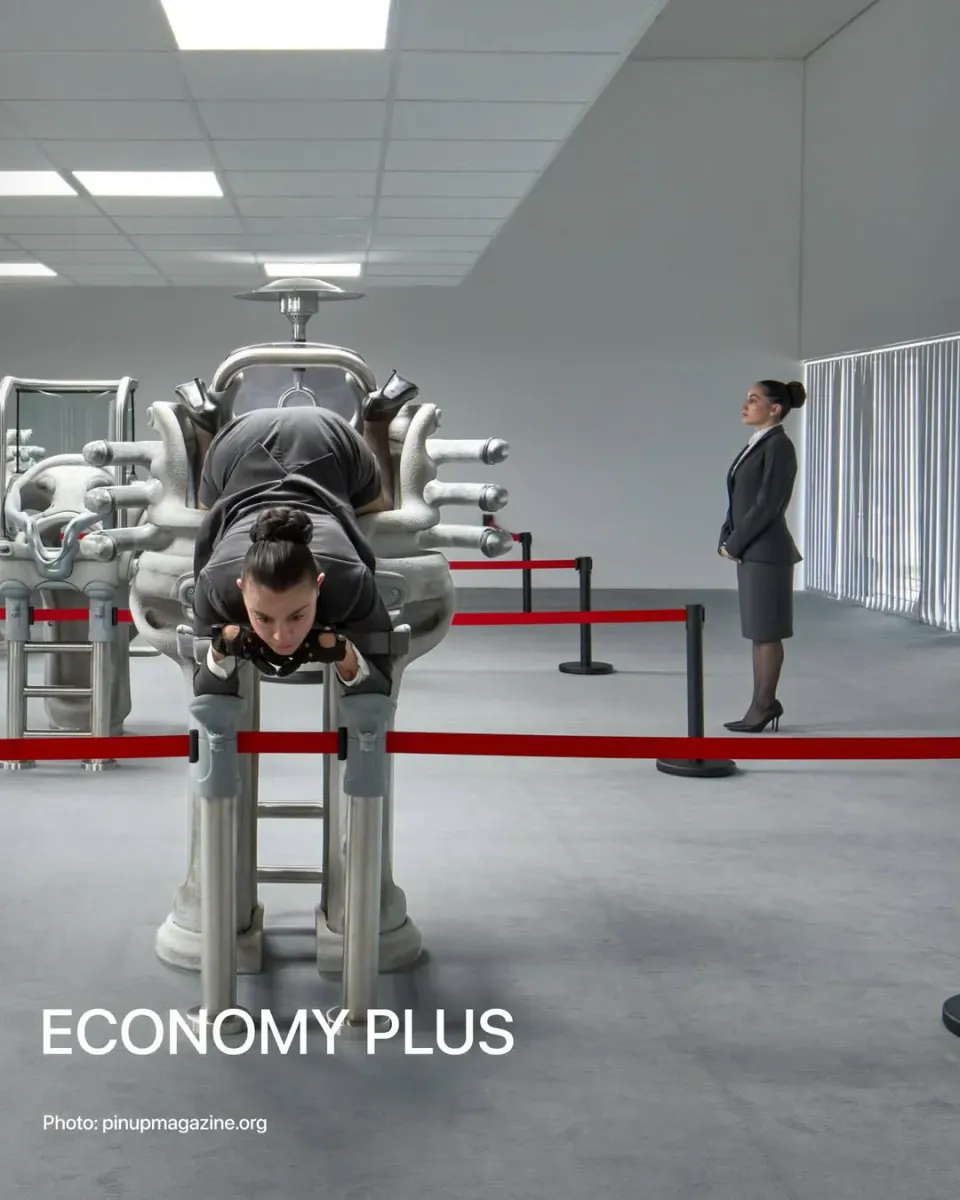
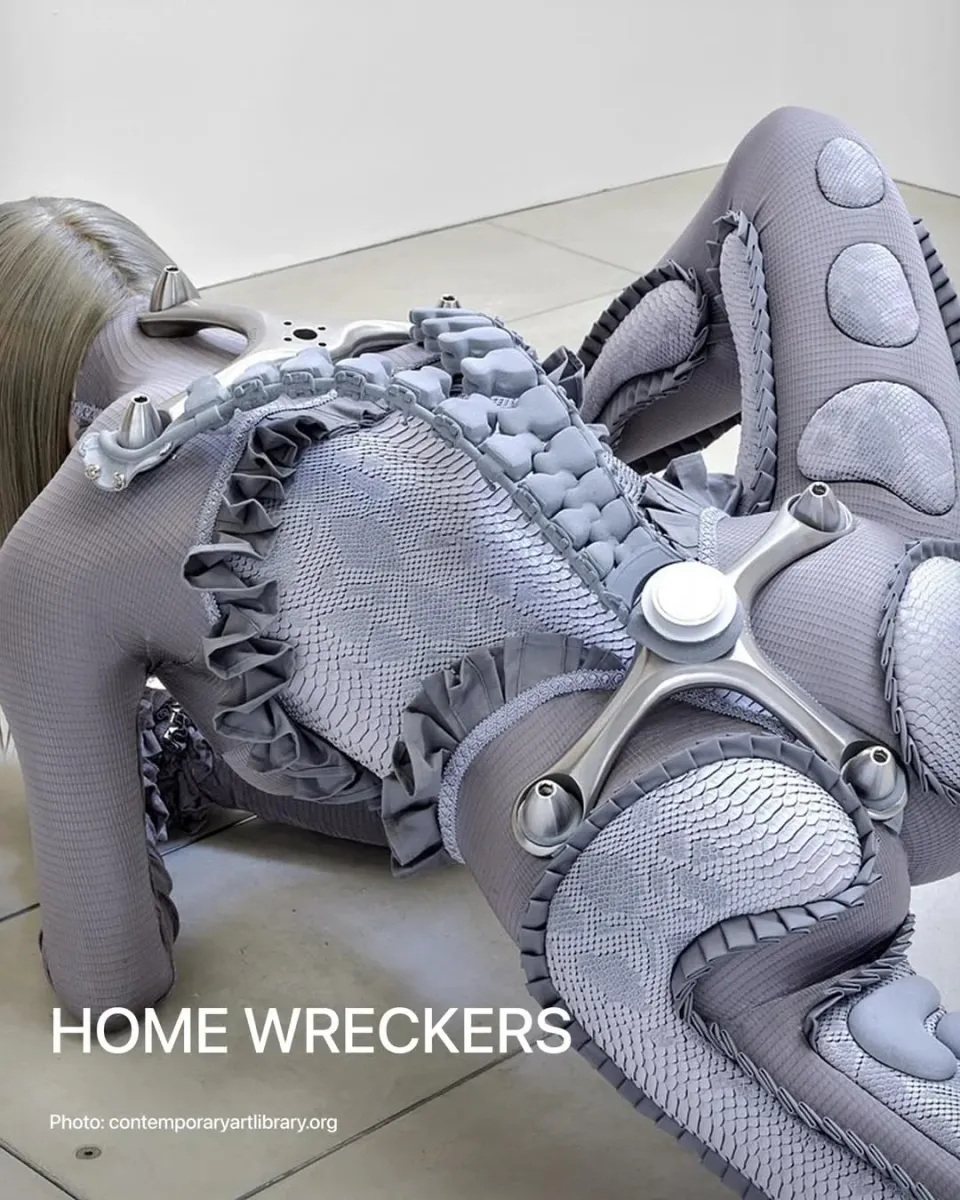
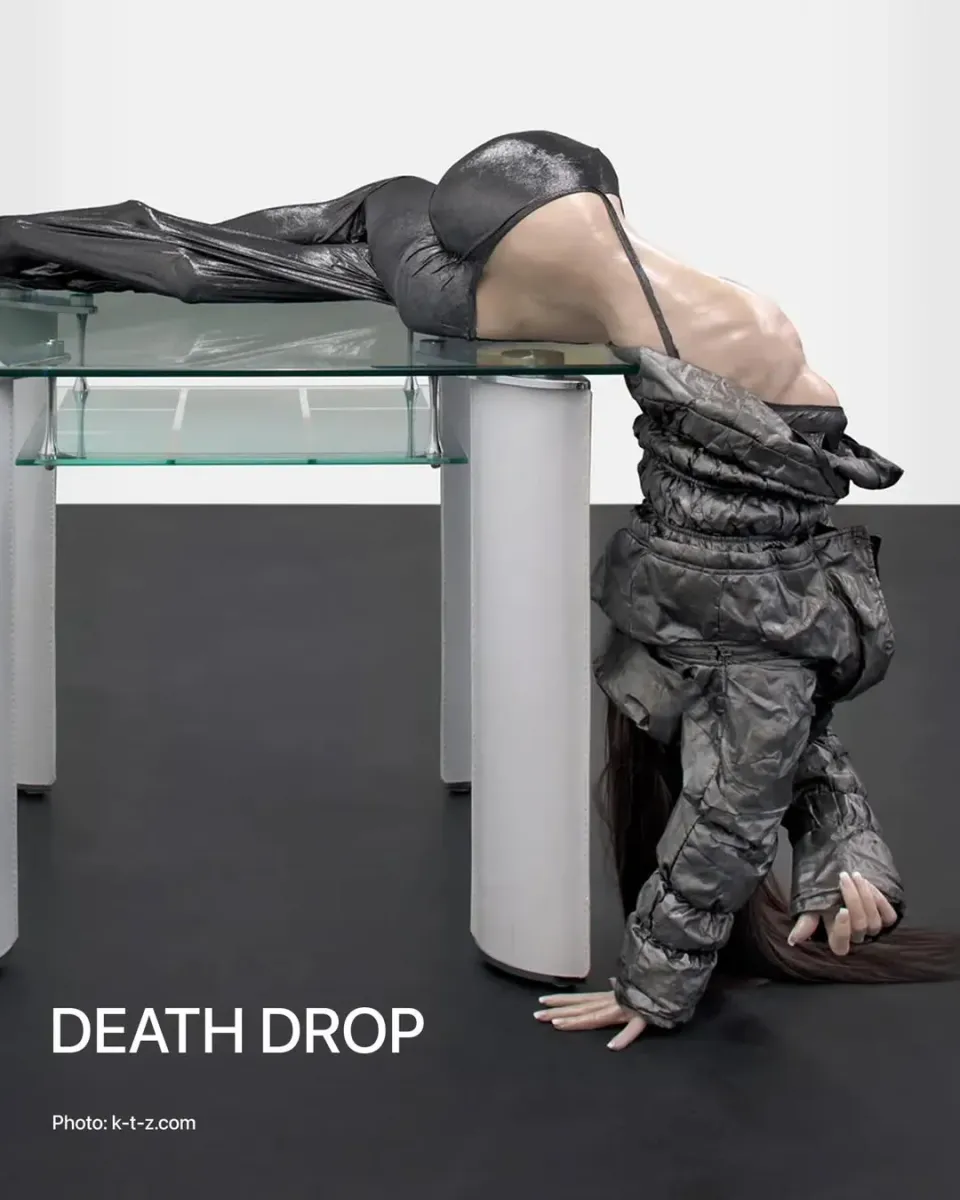
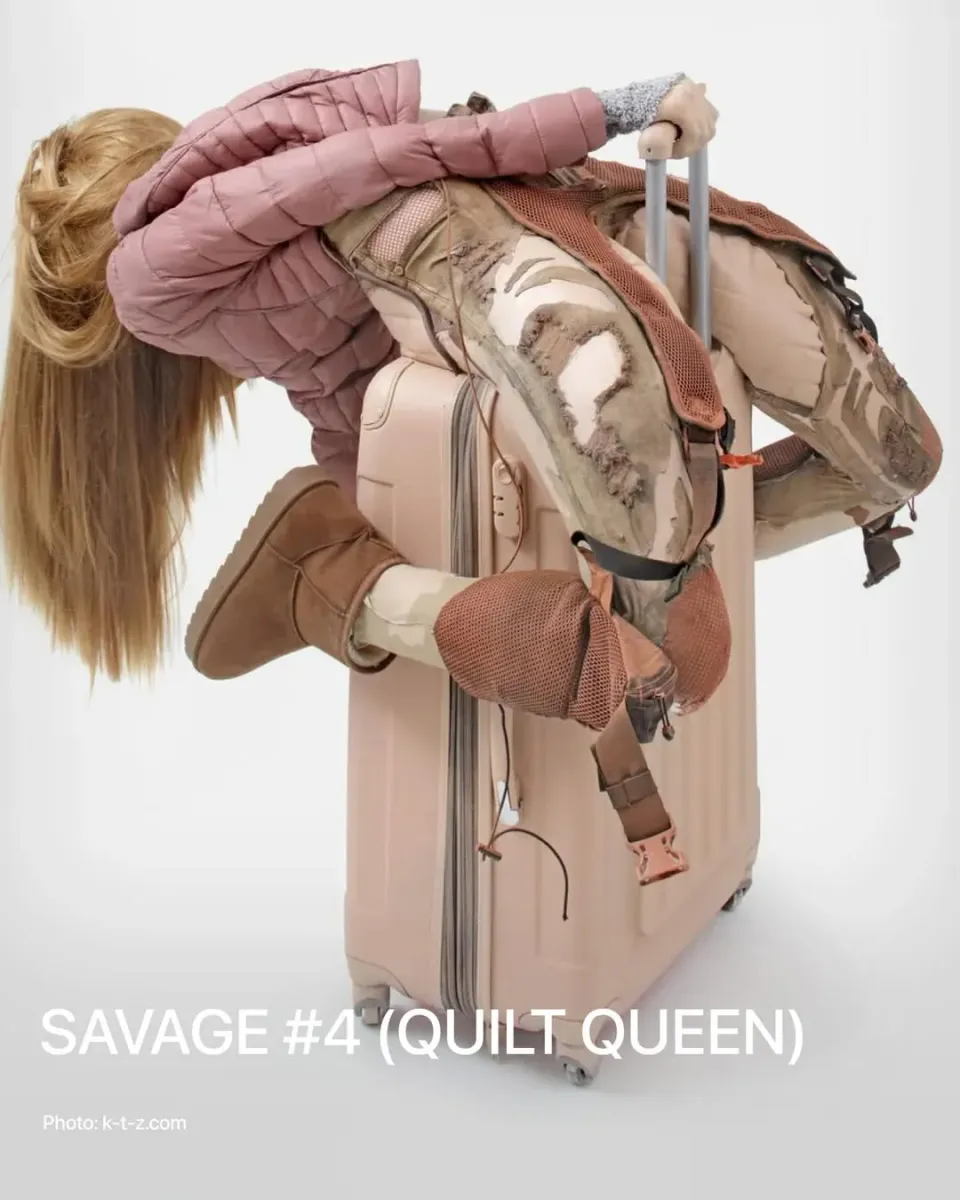
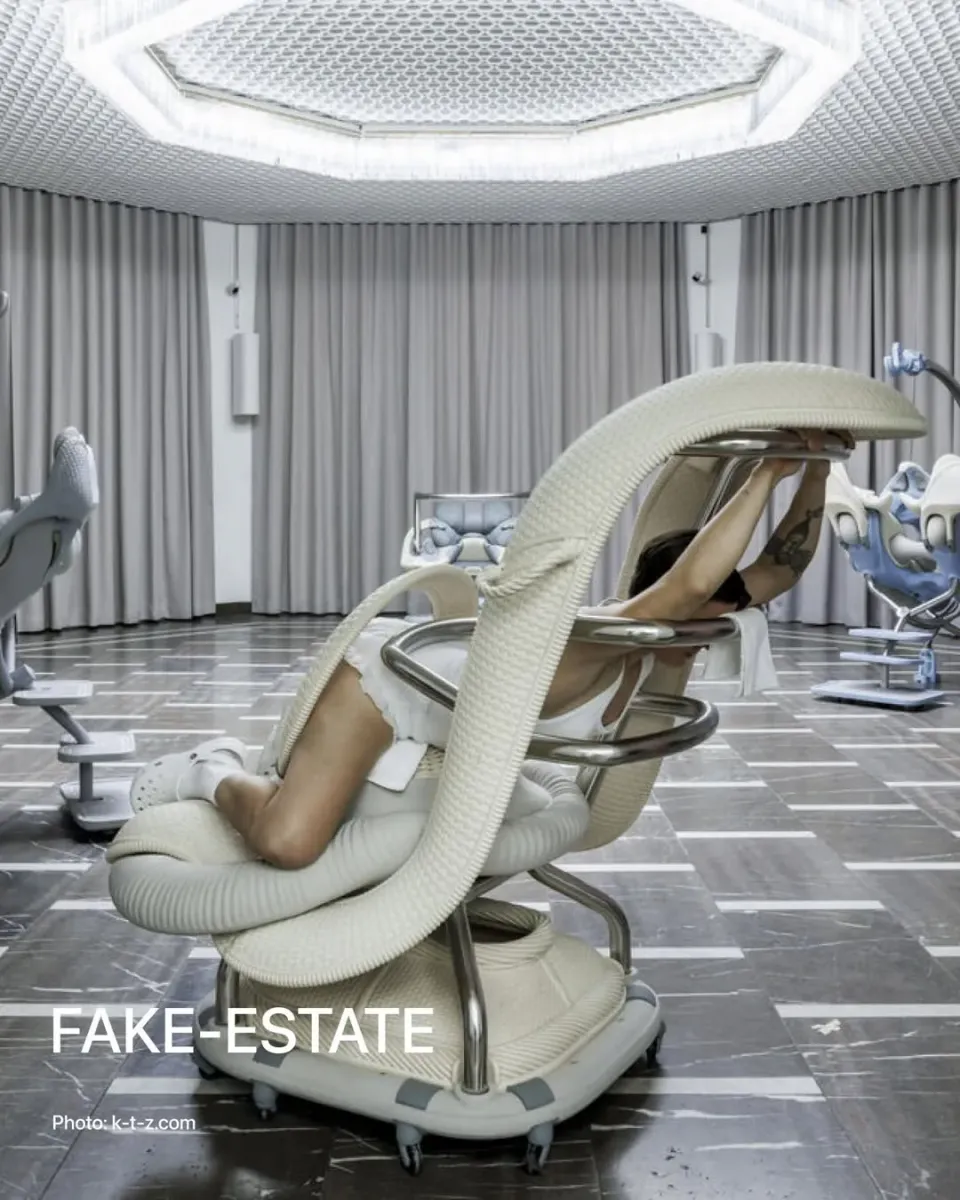
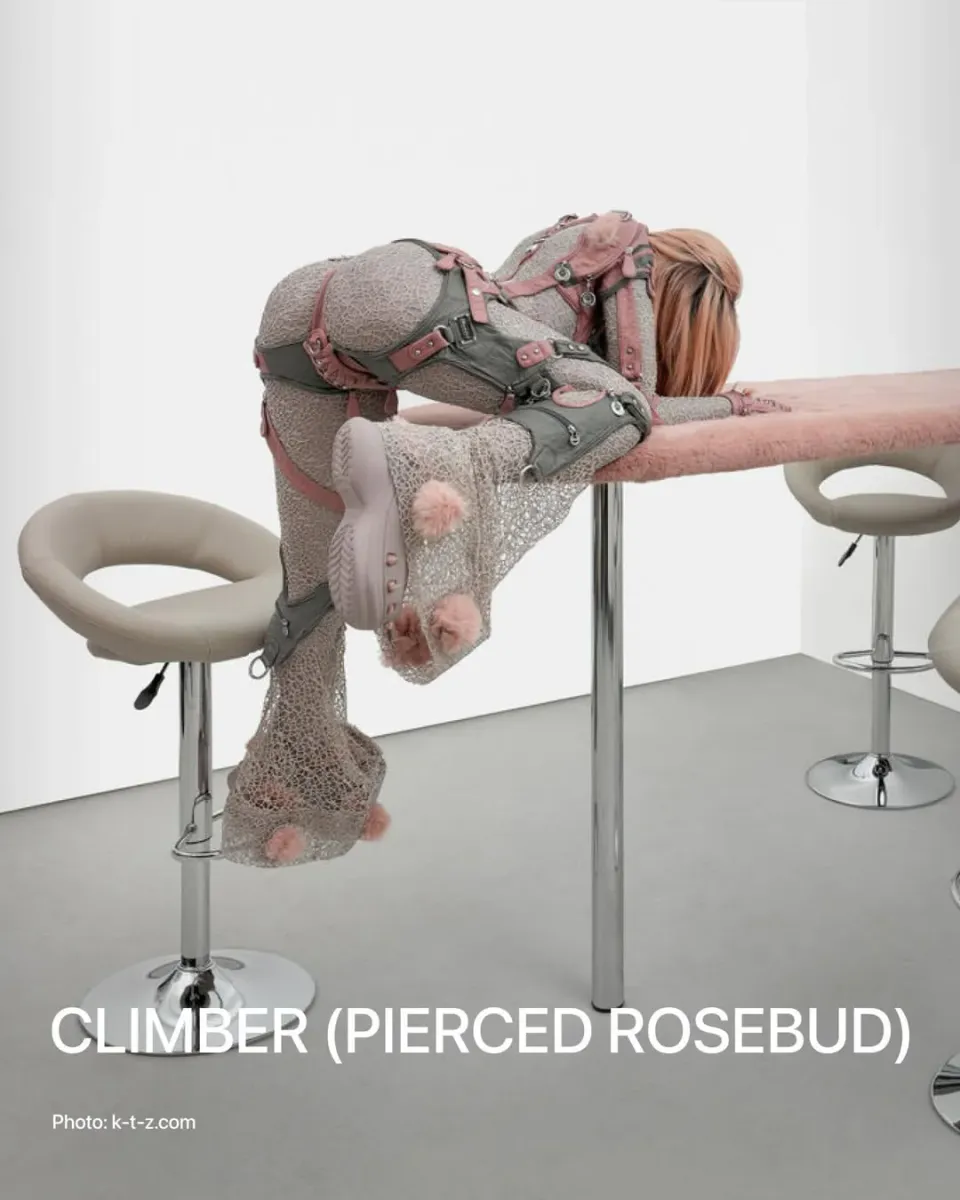
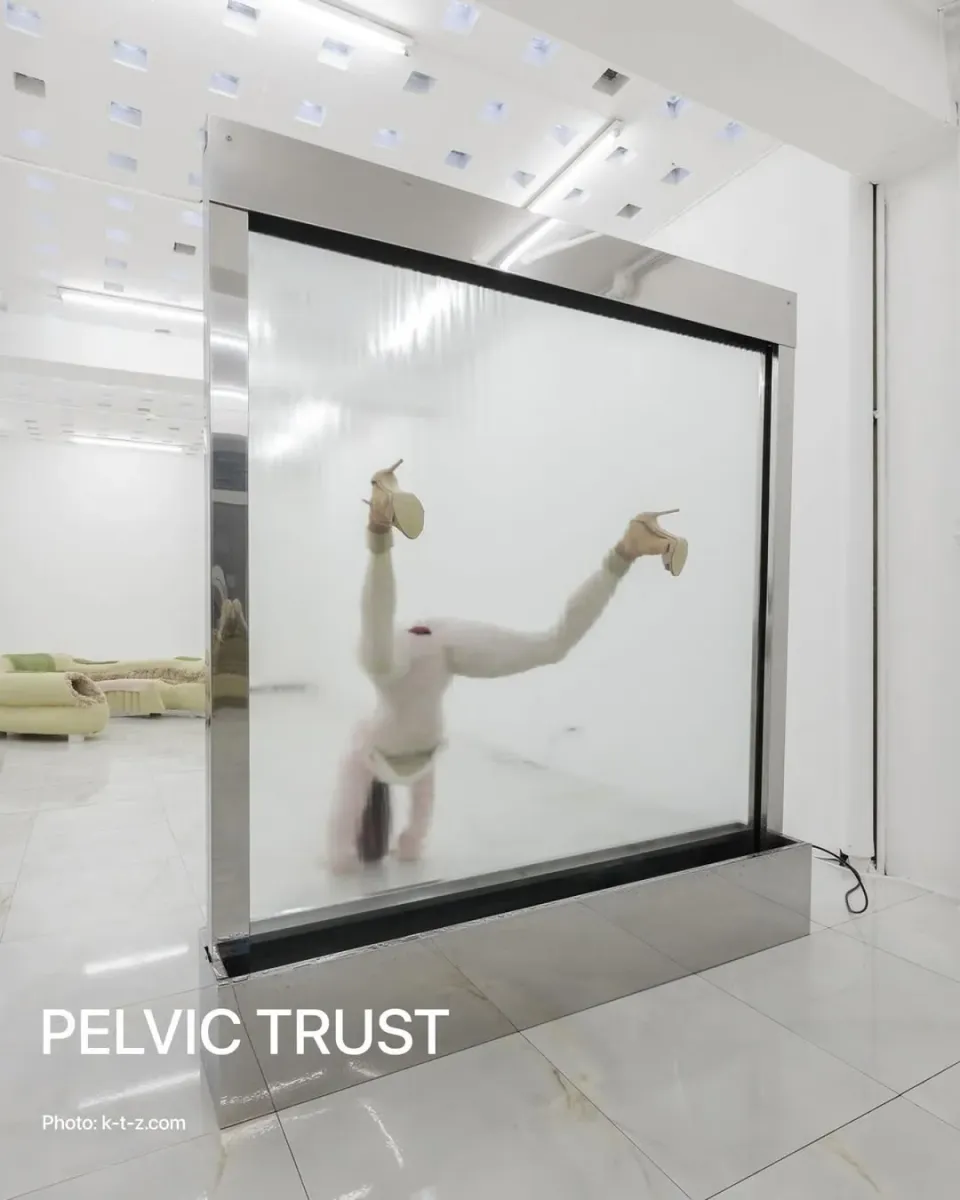
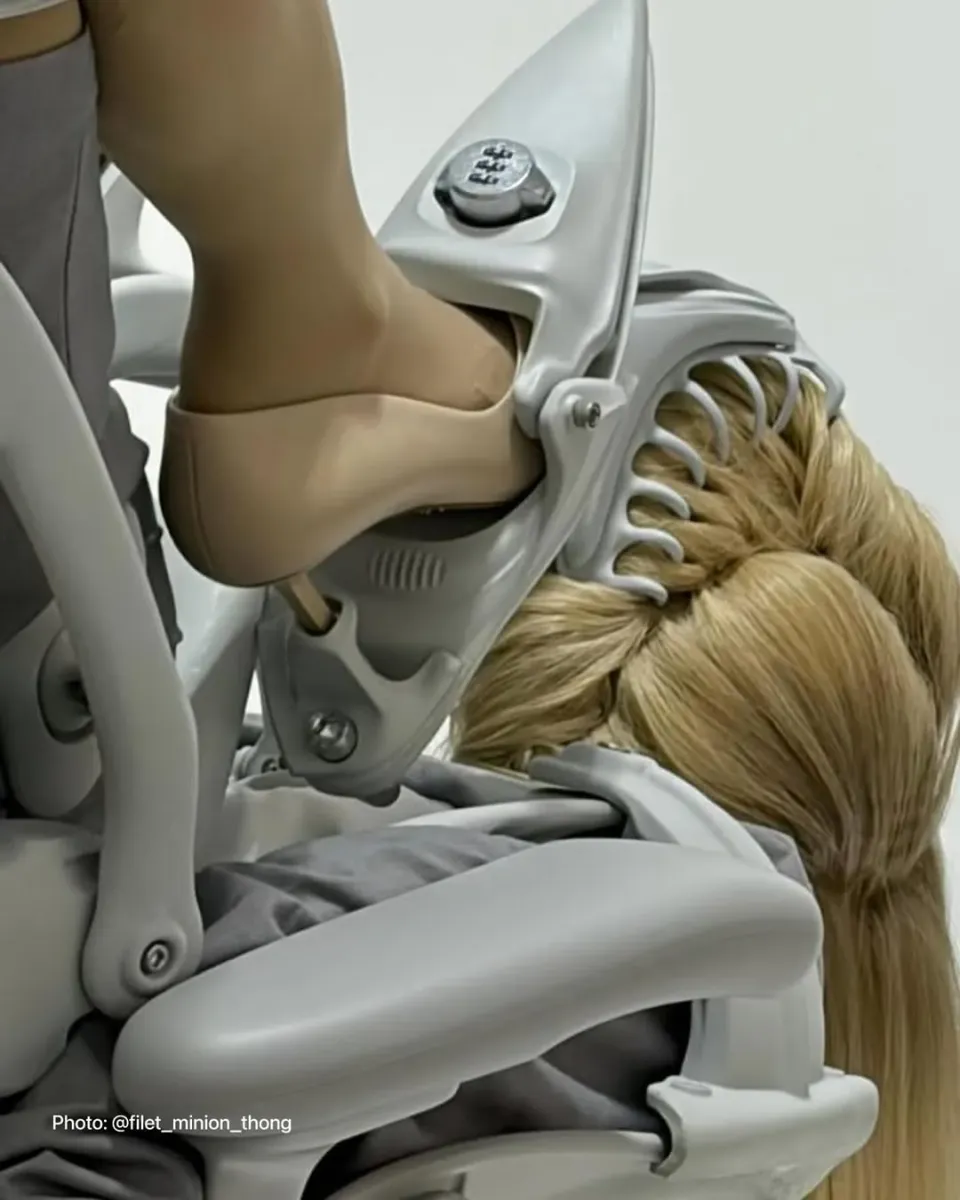
@filet_minion_thong
Kraków / 2026
Paris / 2026
Poznań / 2026
Bucharest / 2026
Tokyo / 2026
New York City (NY) / 2025
Göteborg / 2025
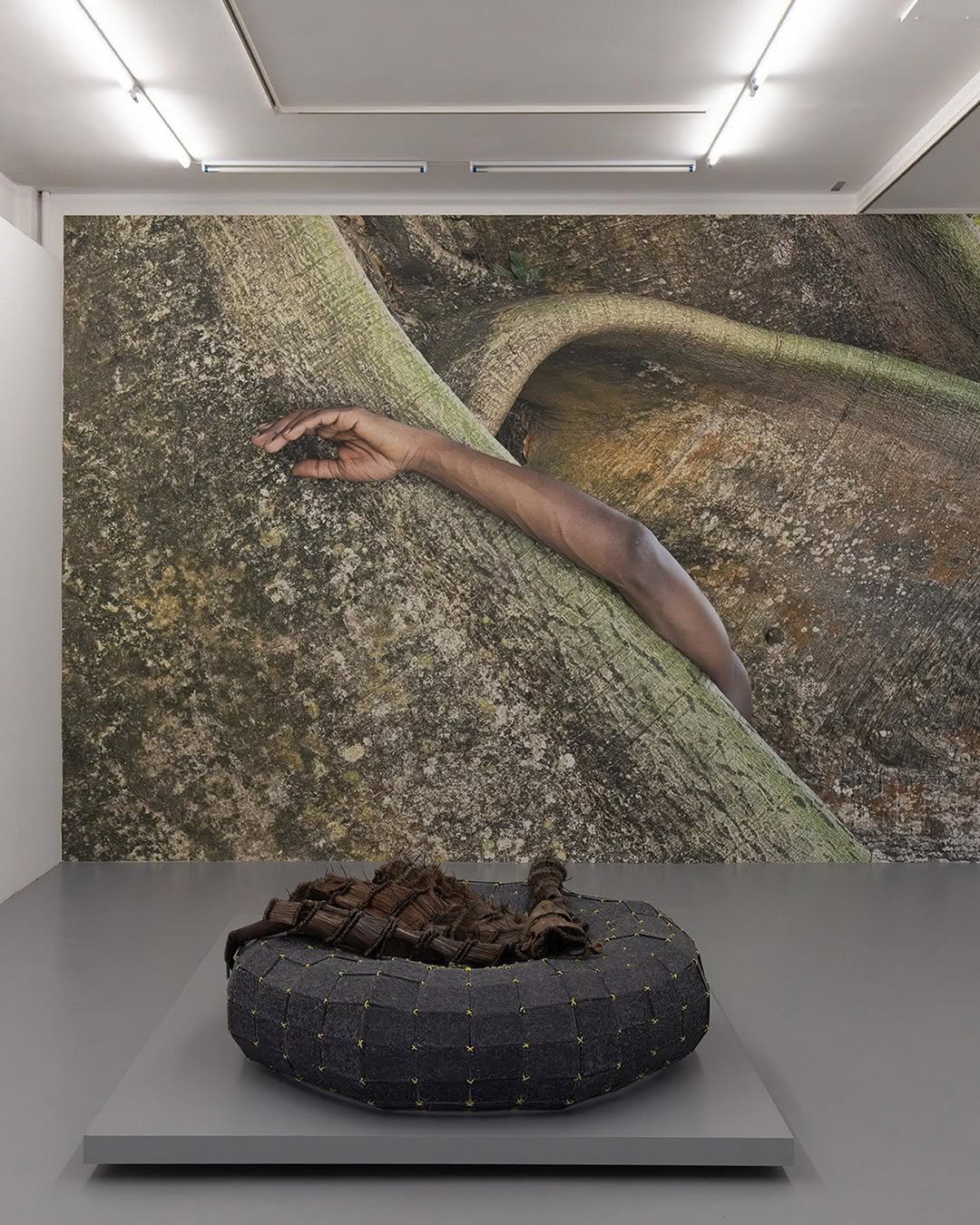
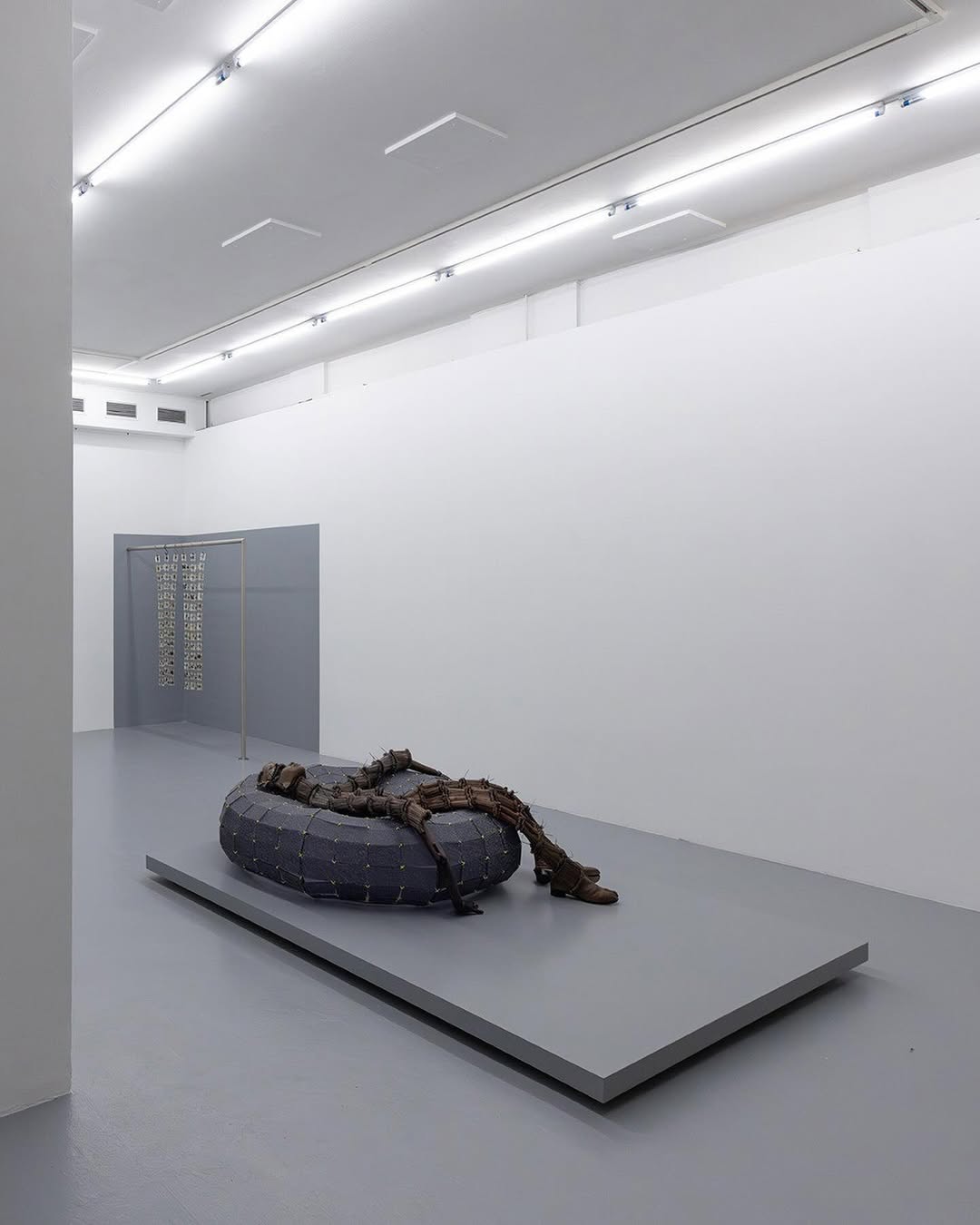
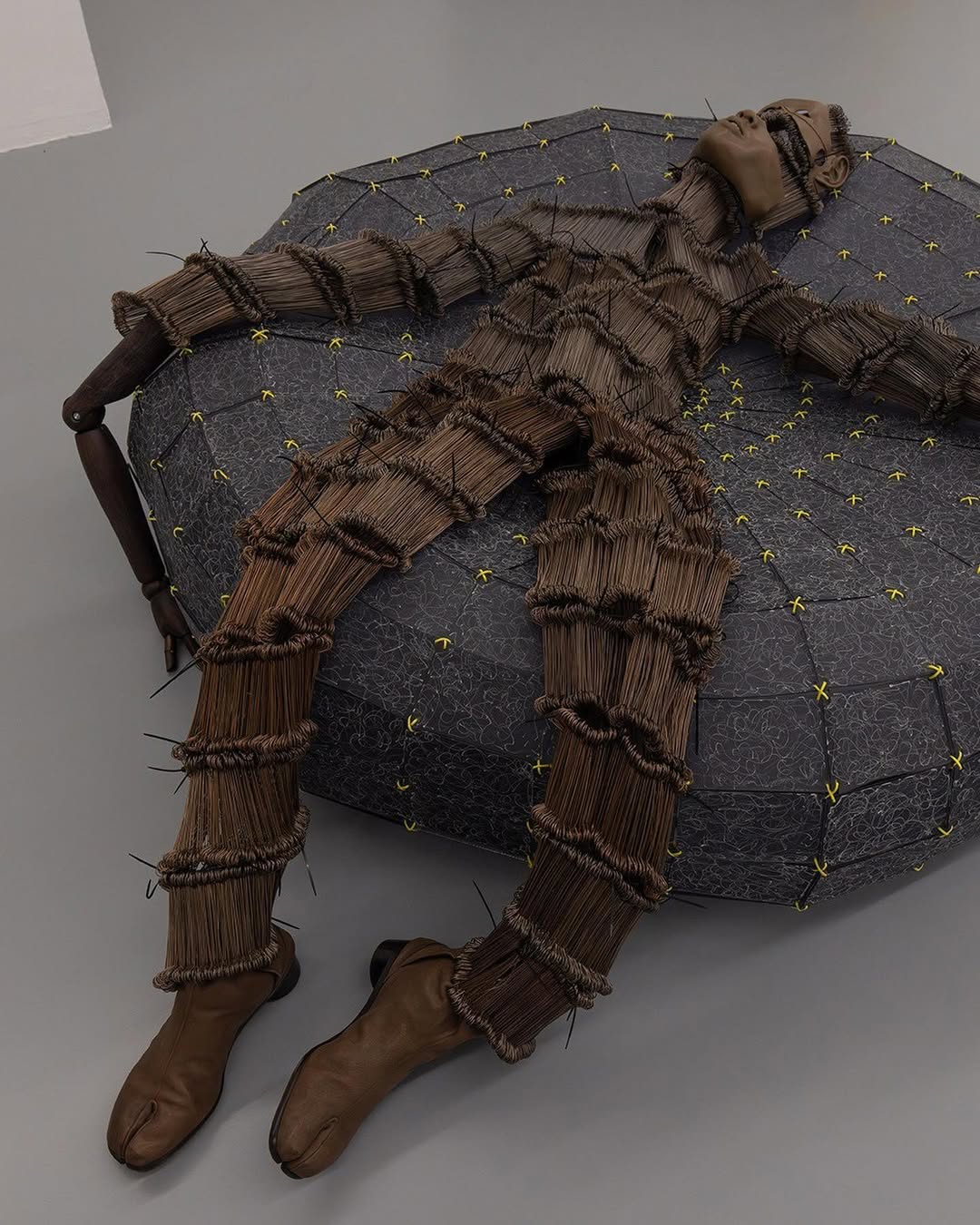
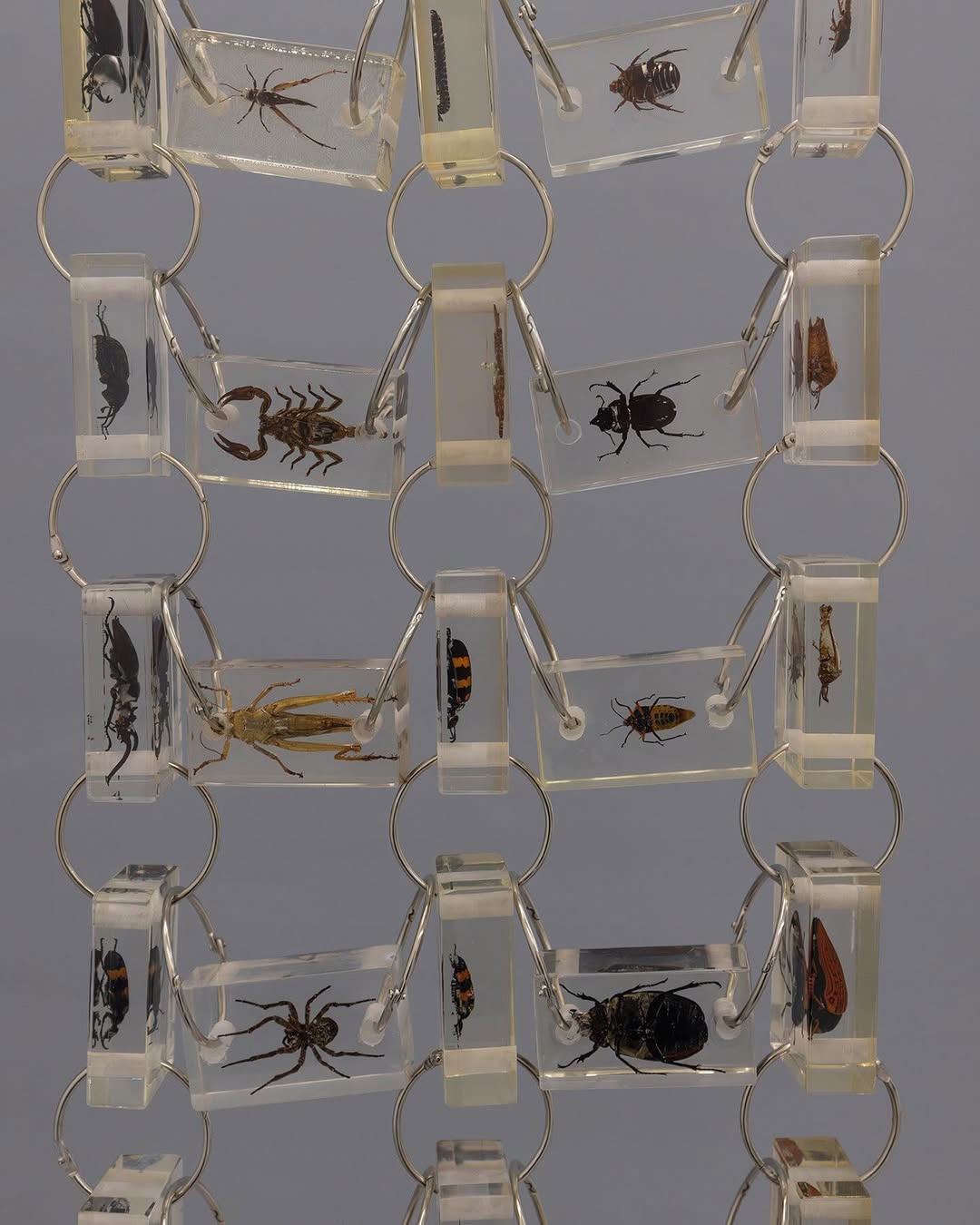
/ 2024
Lisboa / 2023
Budapest / 2024
@pax_aliena

Milan / 2025
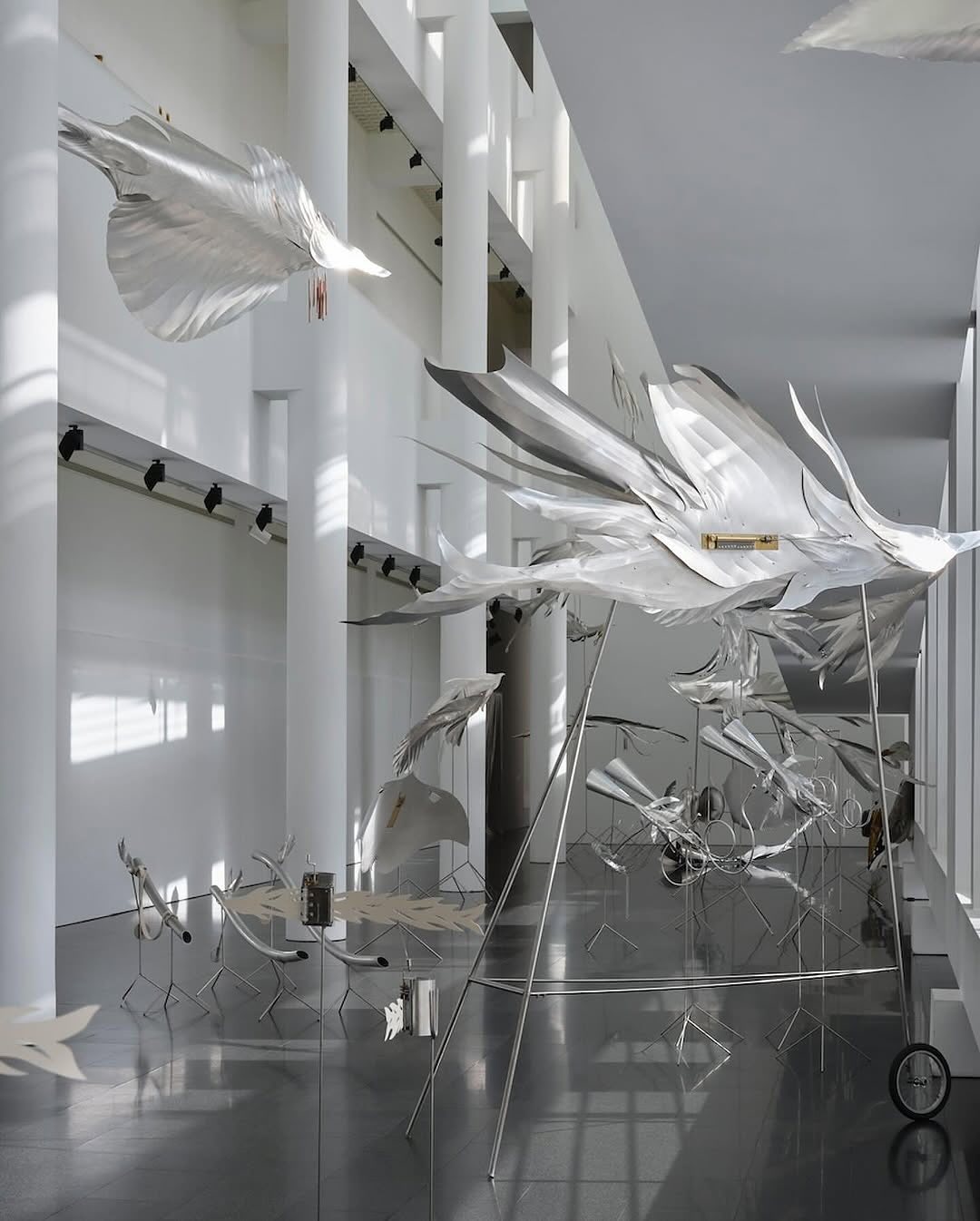
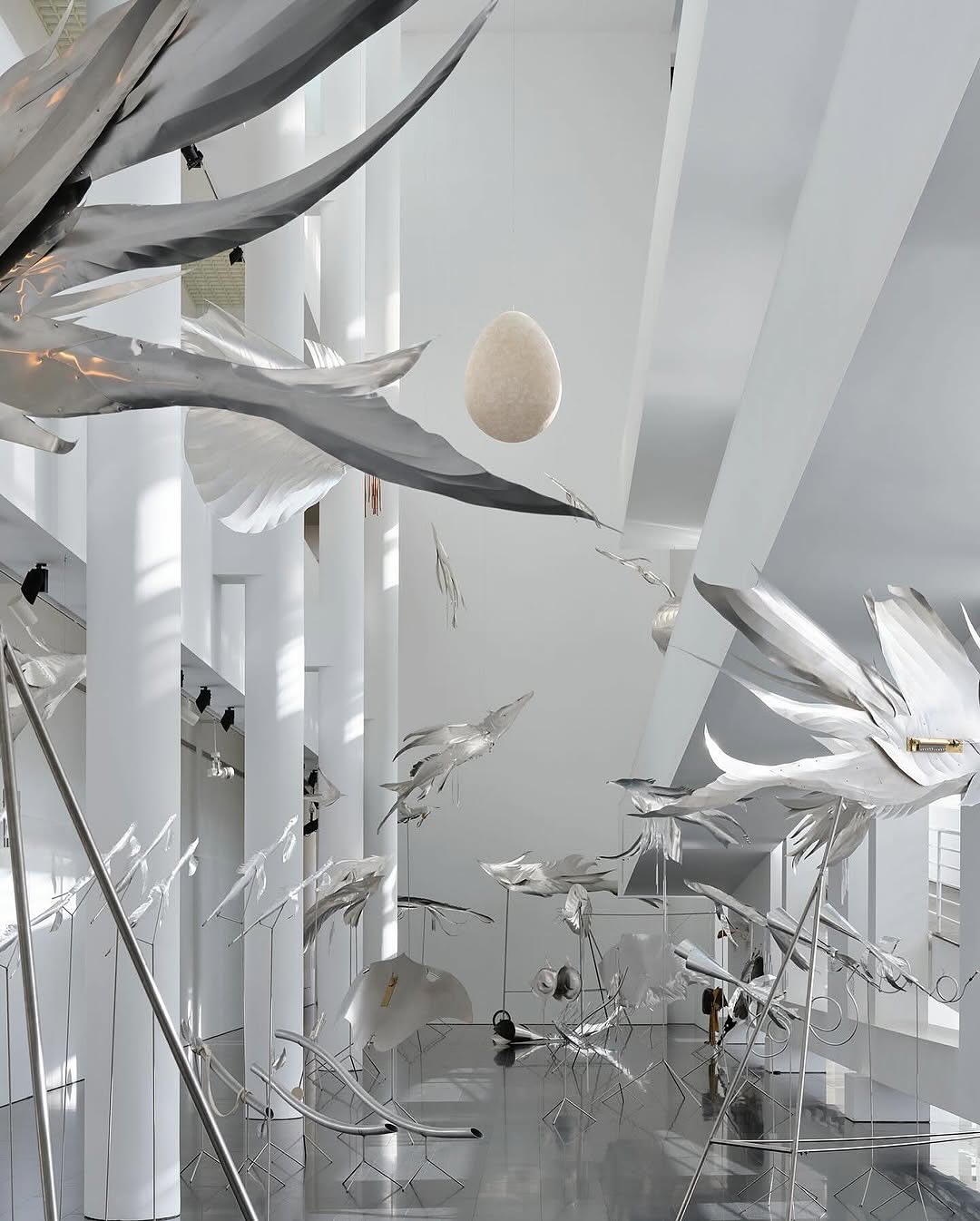
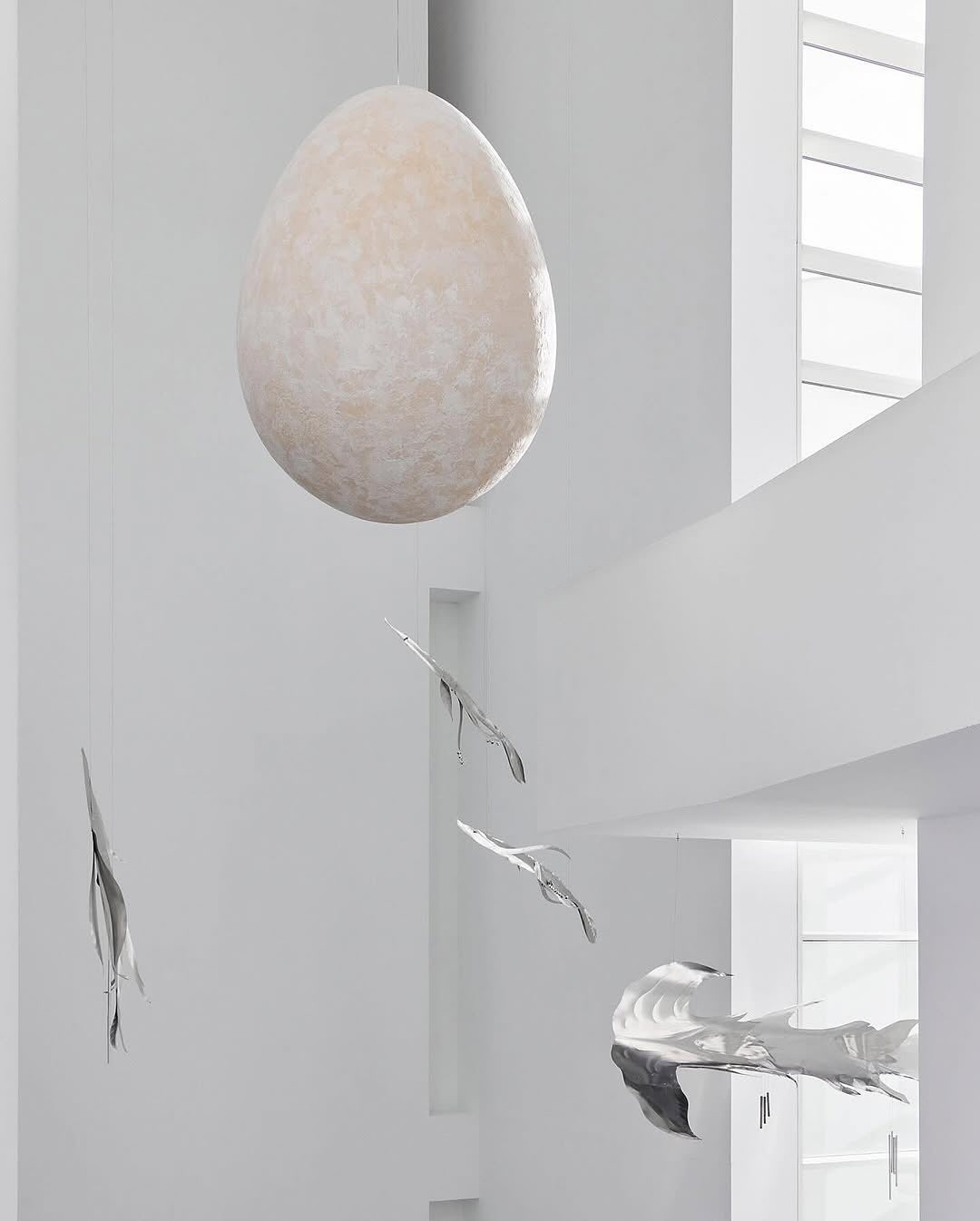
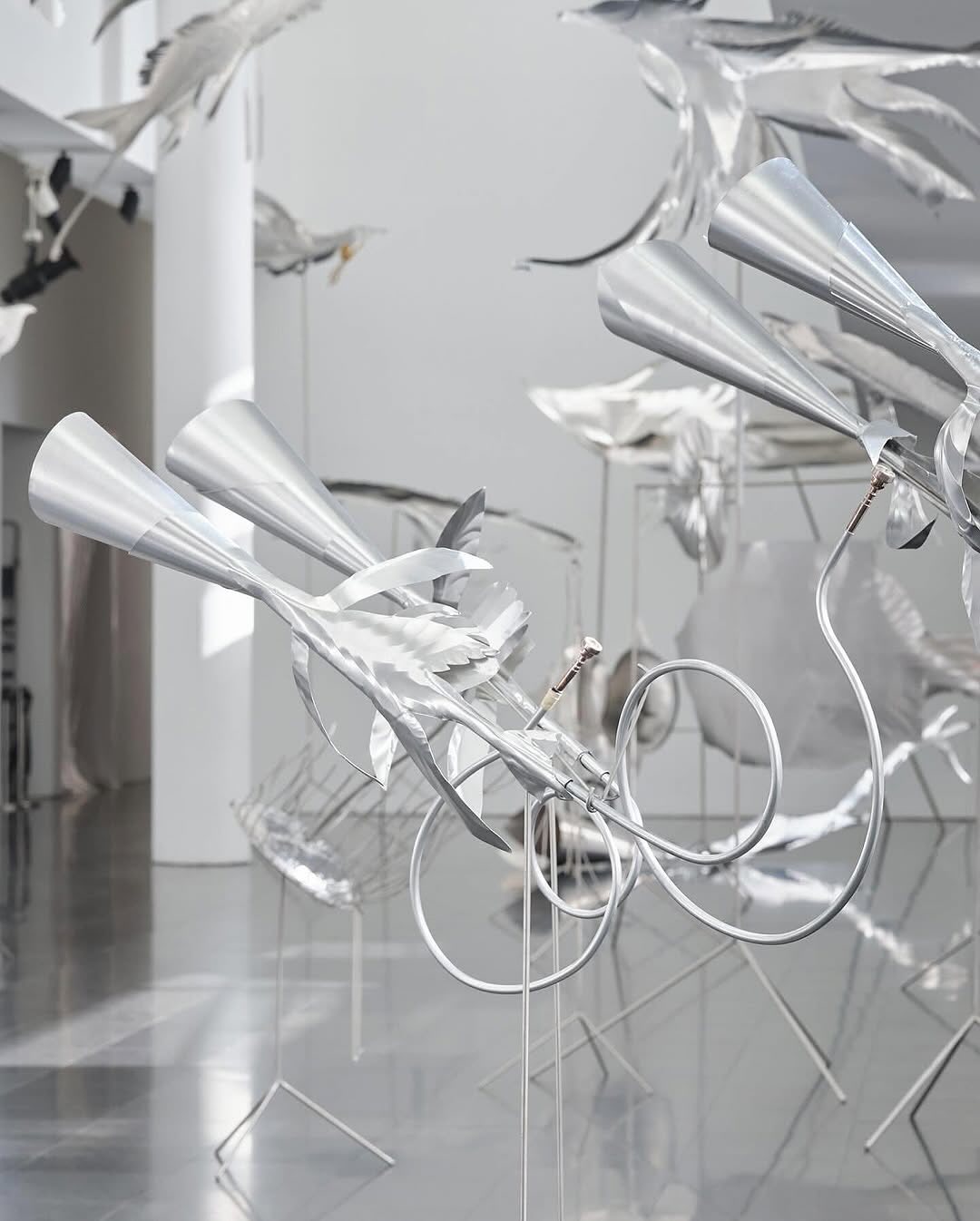
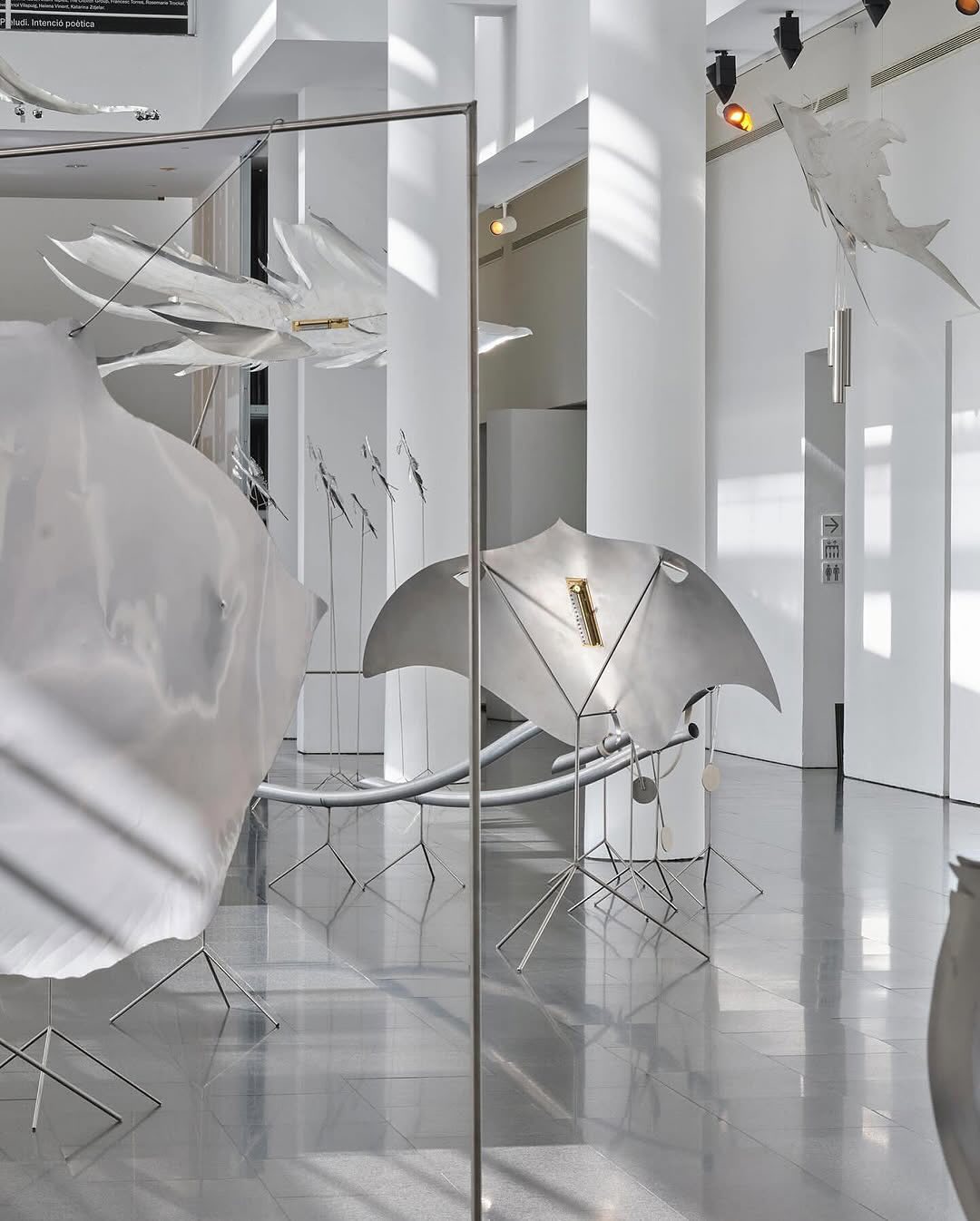
Barcelona / 2024-2025
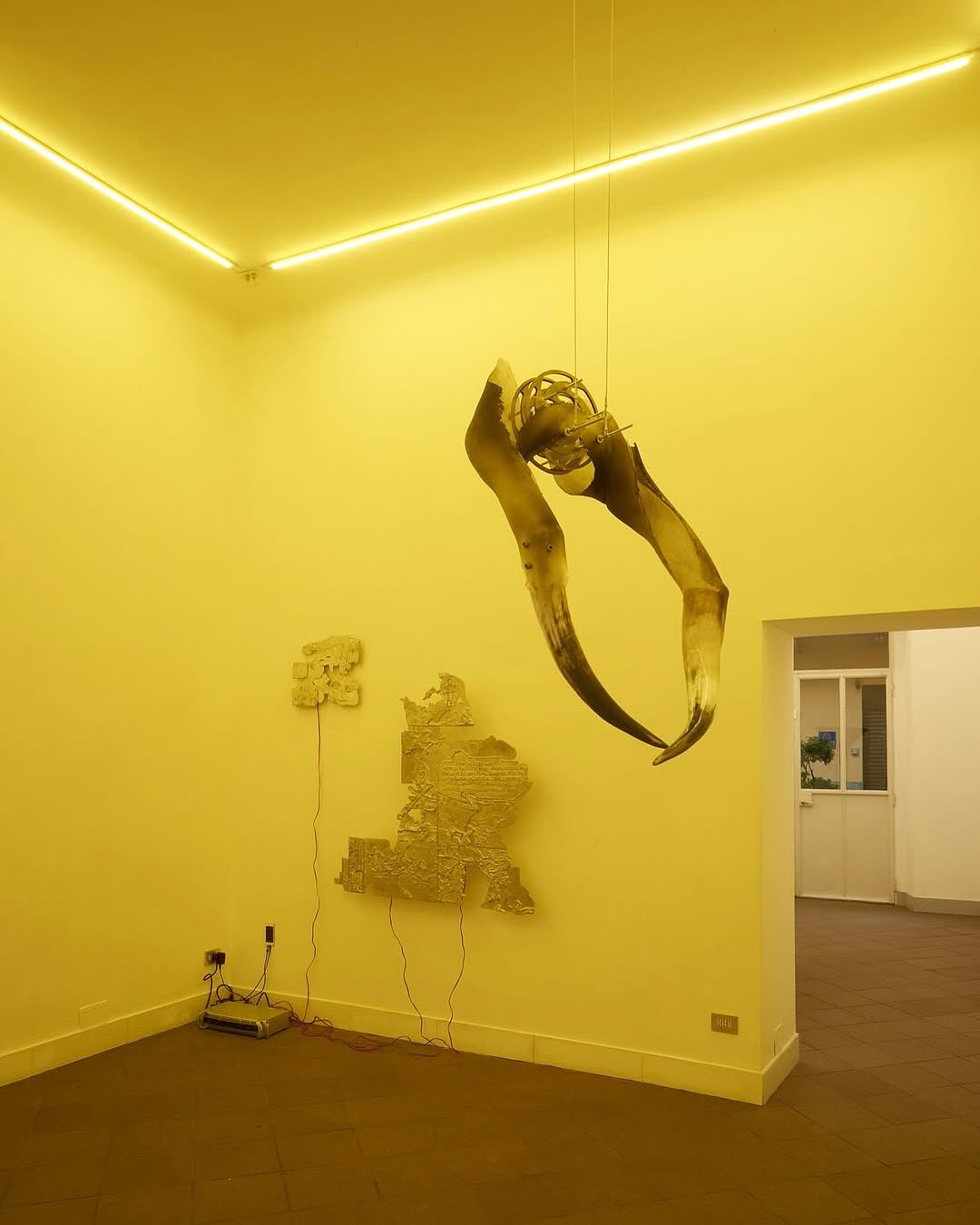
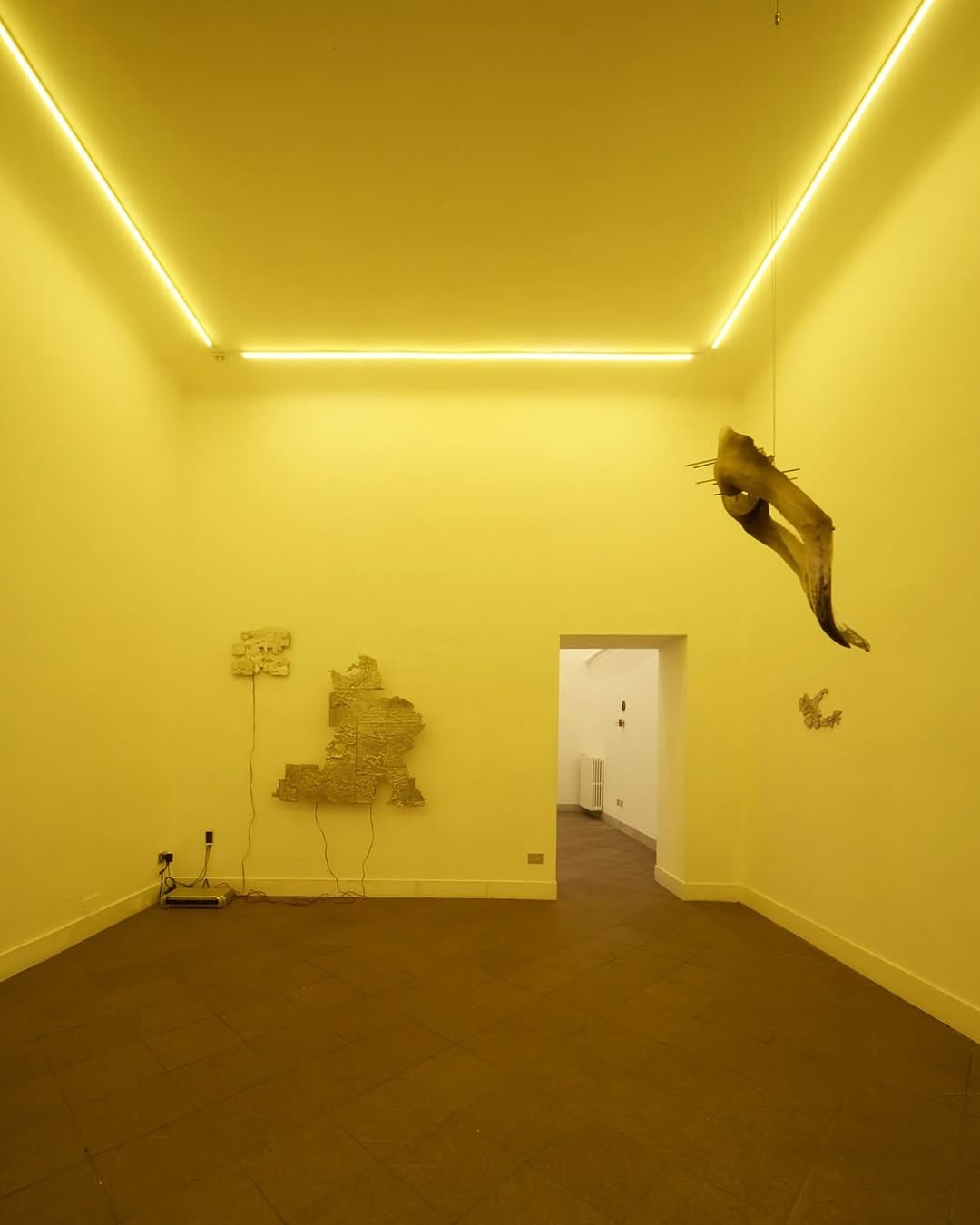
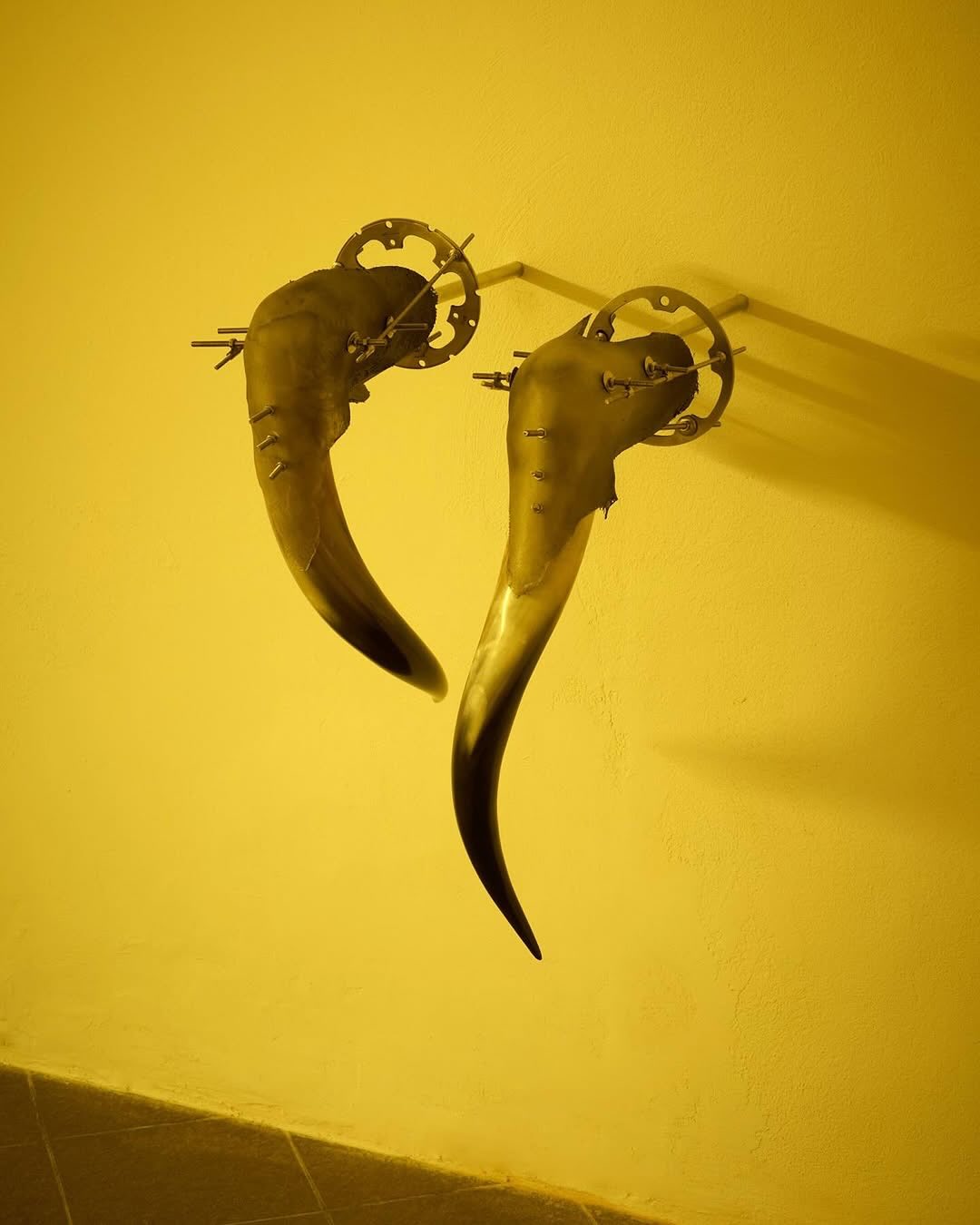
Milan / 2025
Berlin / 2025
Århus / 2025
Paris / 2025
Berlin / 2025

Seoul / 2026
Leipzig / 2026

Dornbirn / 2026
@que.fresca
Paris / 2026


Paris / 2025
Seoul / 2025
Sherbrooke / 2026
Warsaw / 2026
Riga / 2026
Brussels / 2026
Berlin / 2026
Munich / 2026
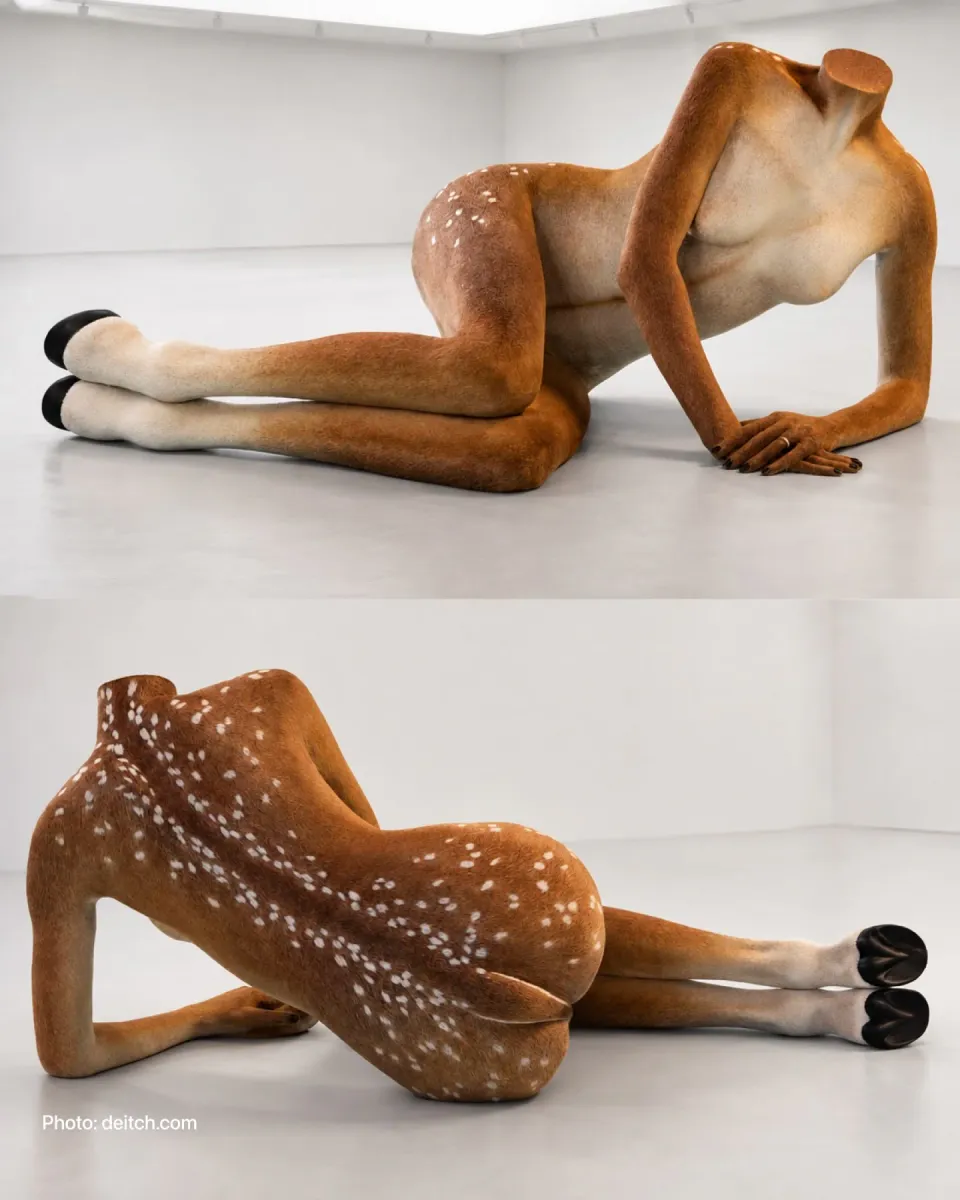
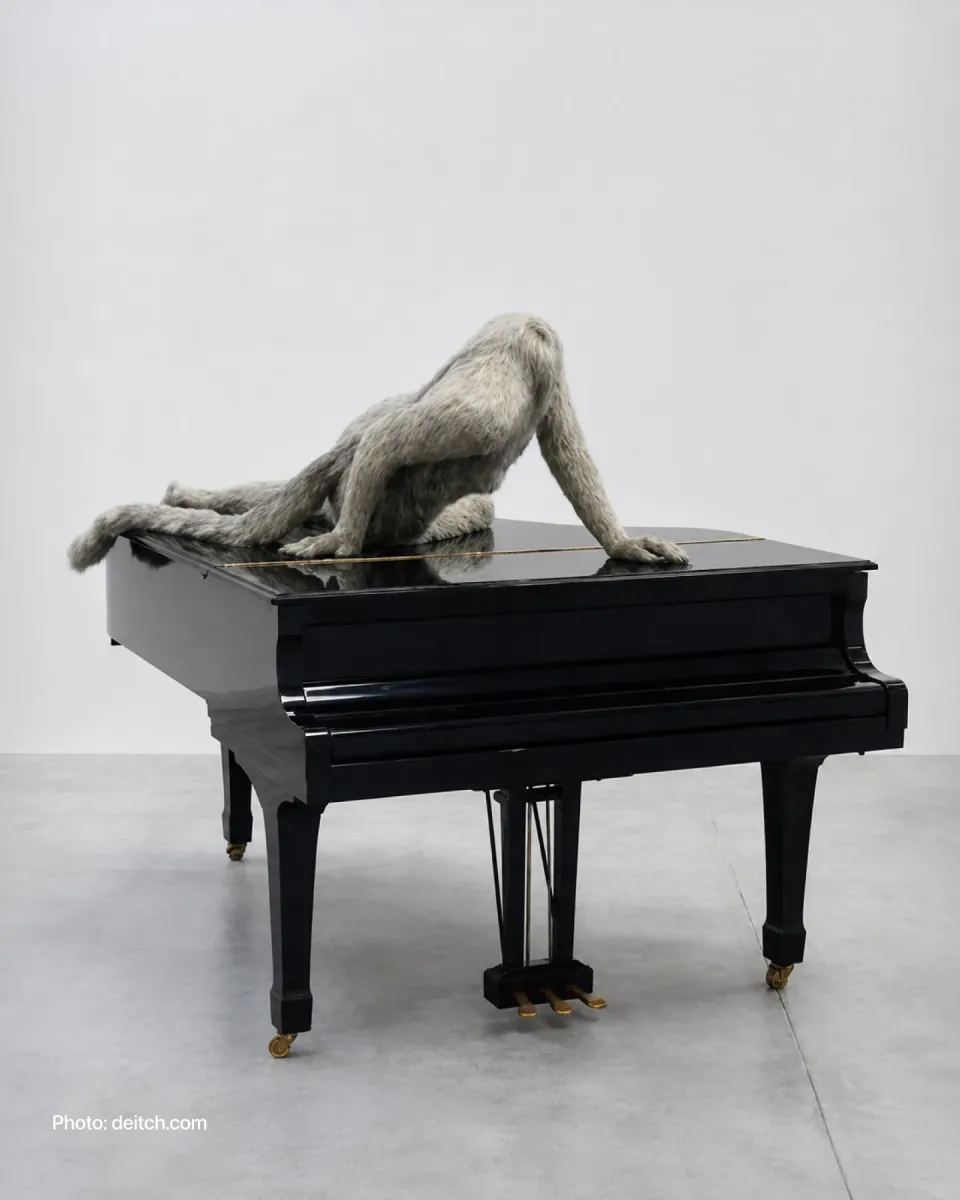
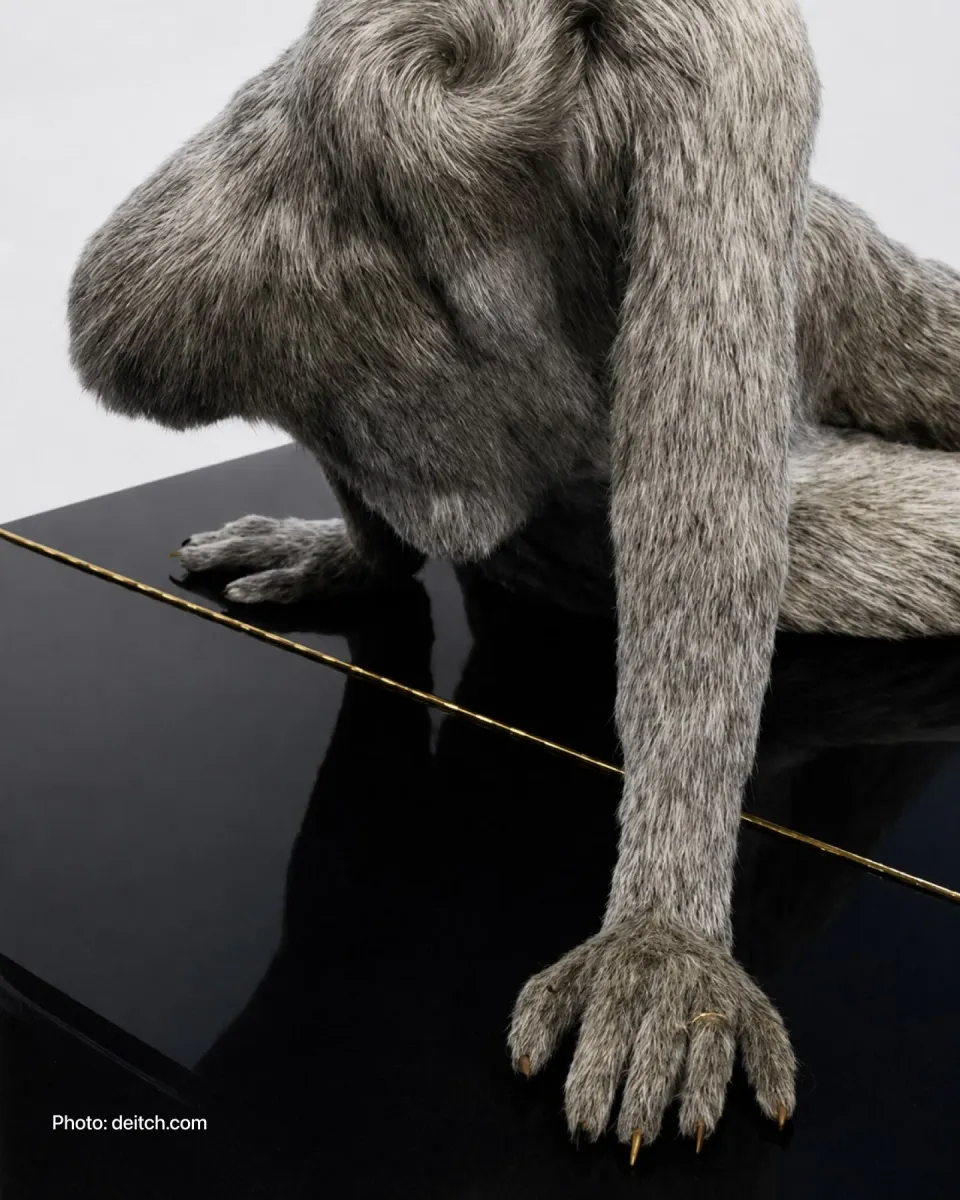
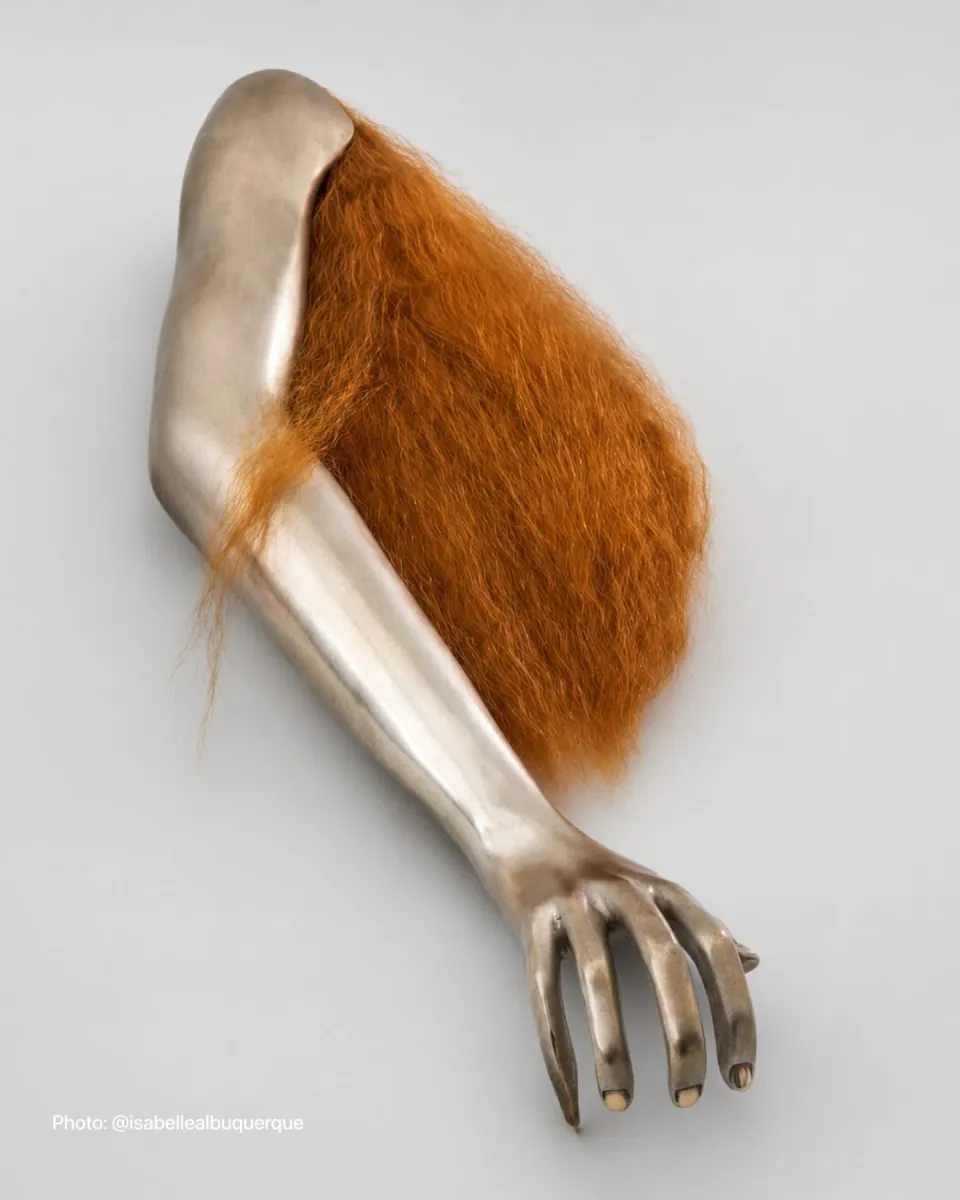
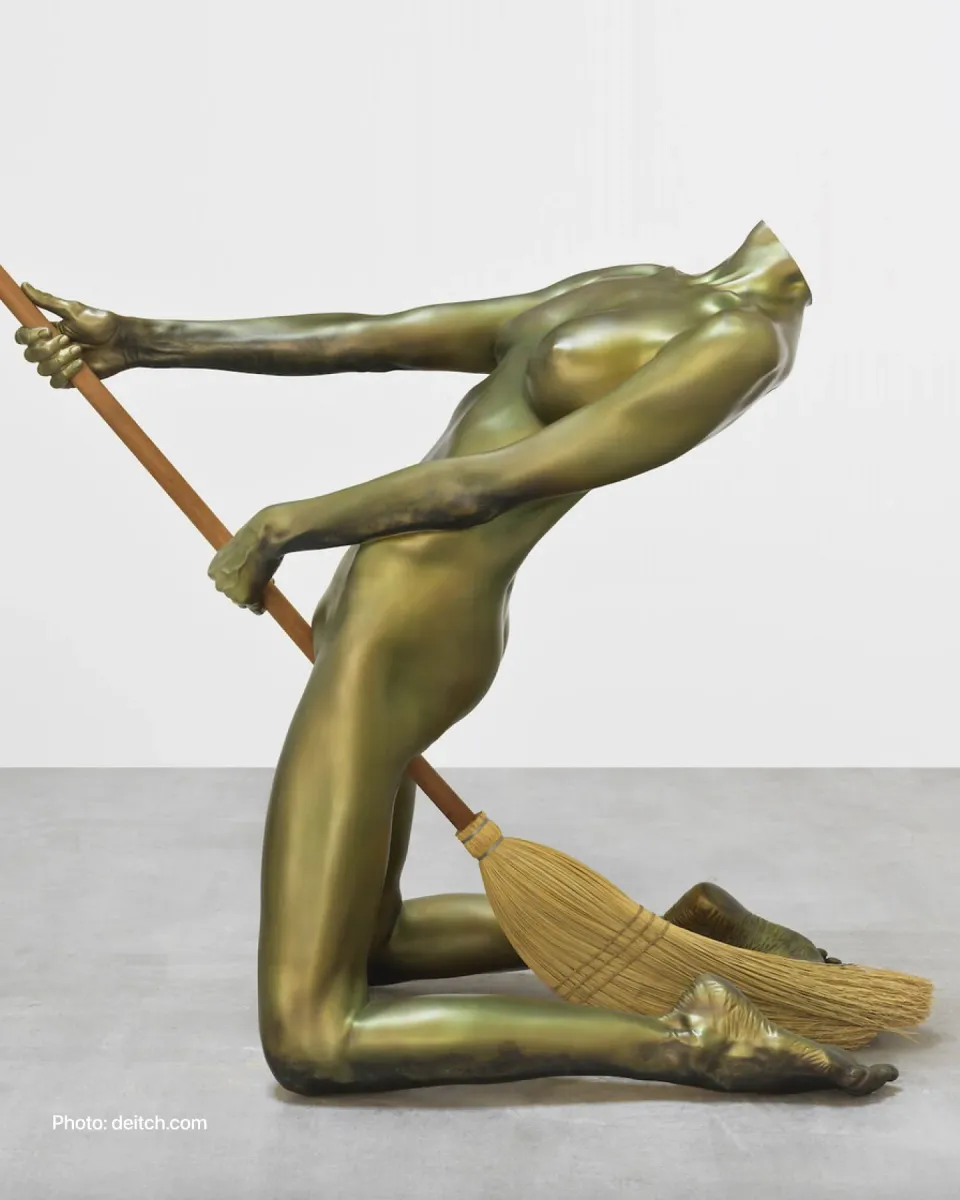
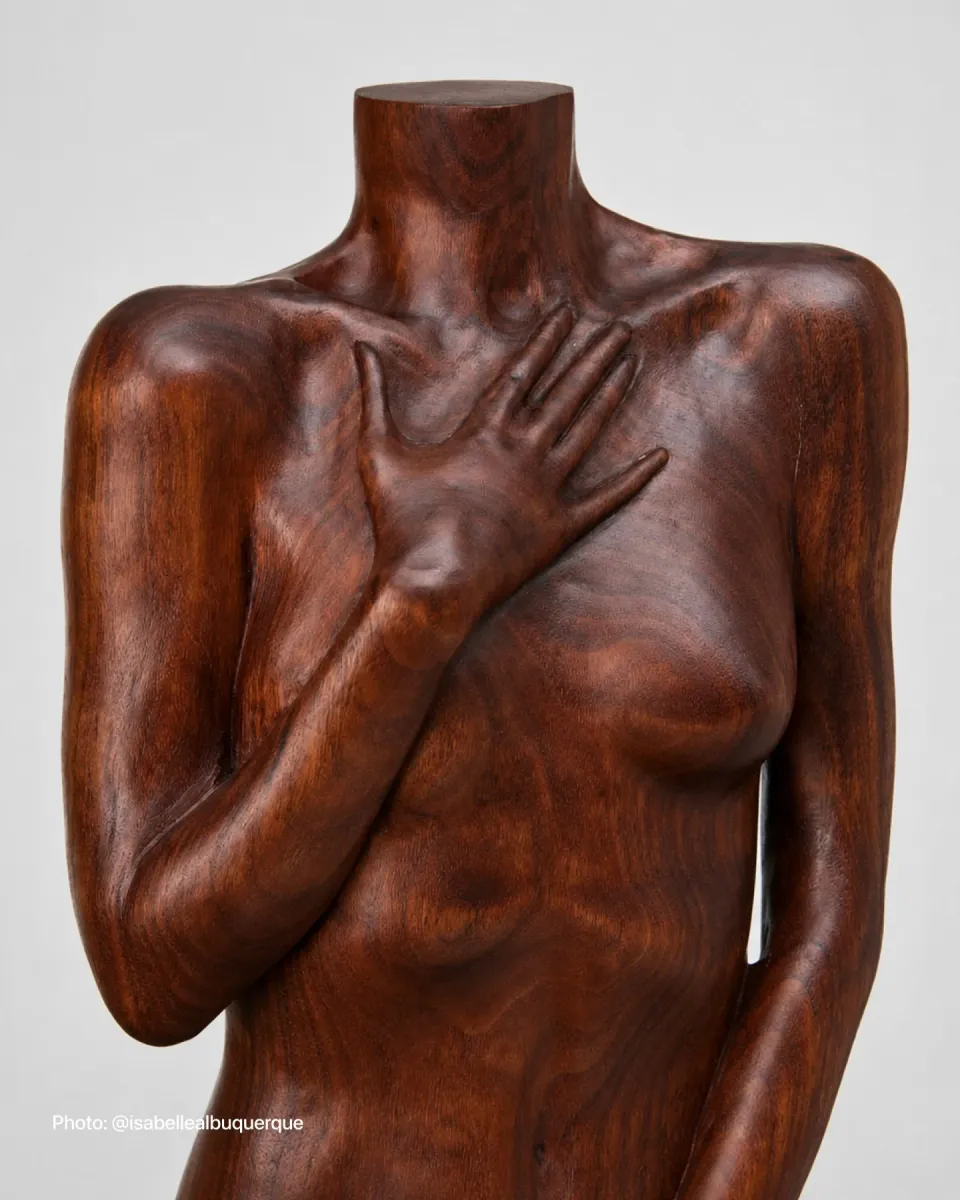
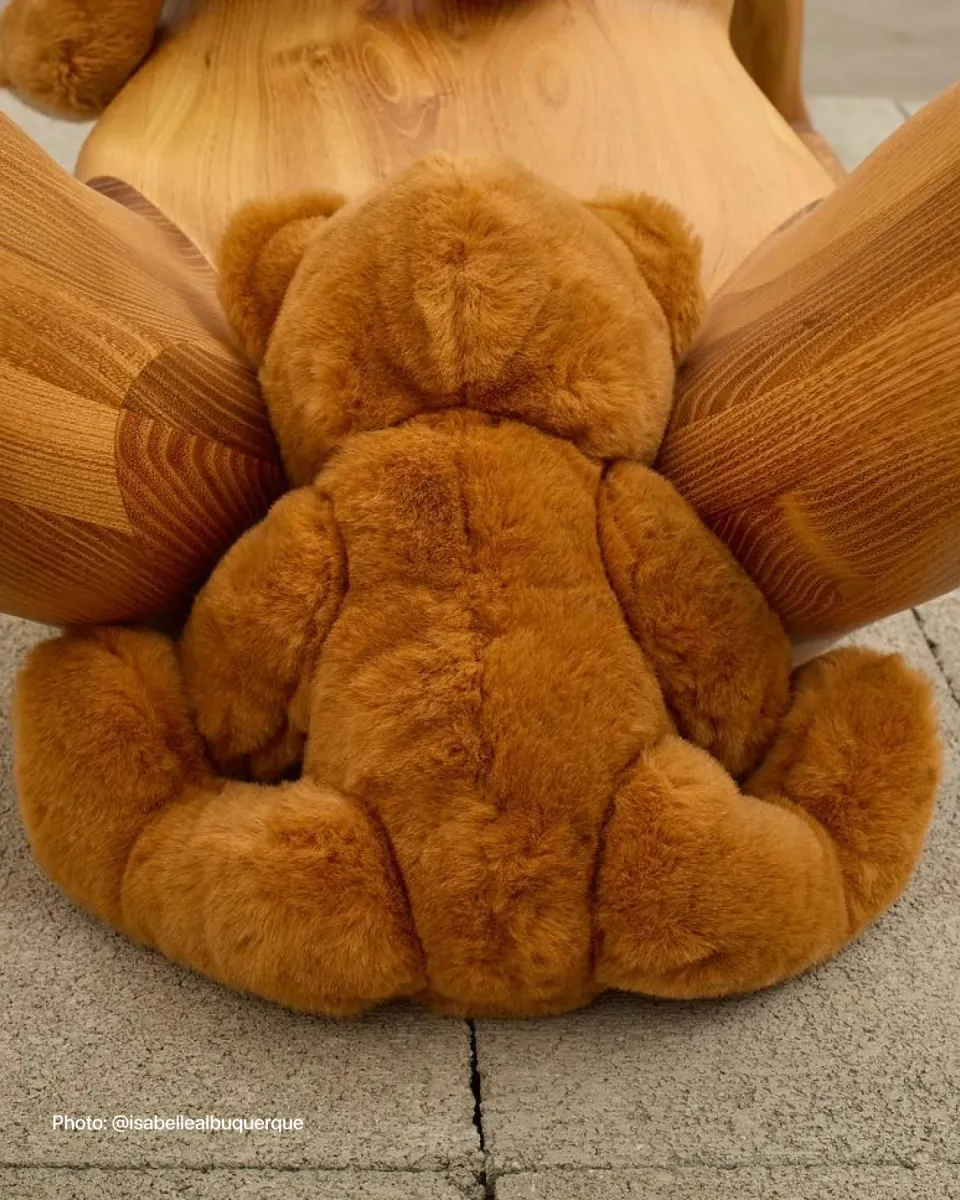
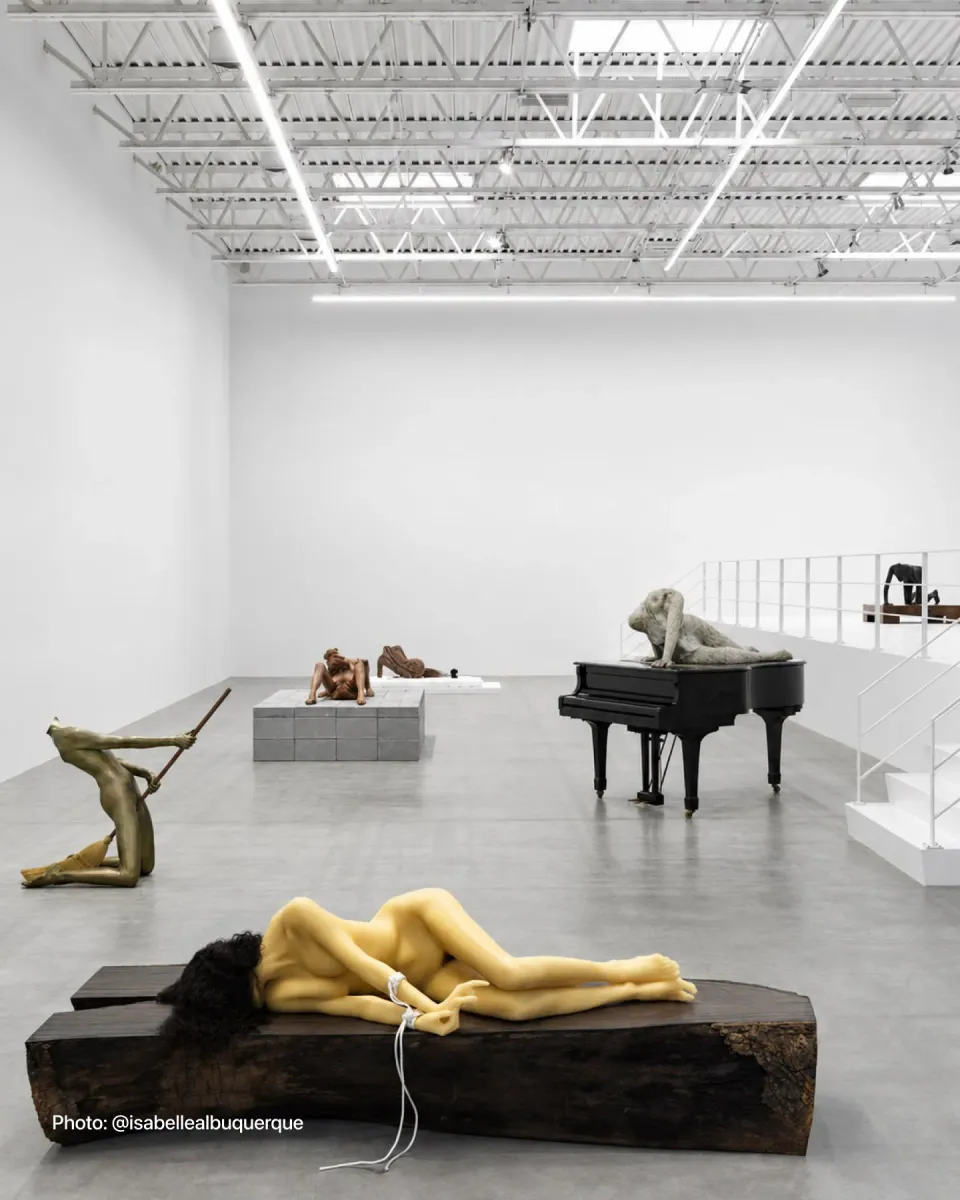
@isabellealbuquerque
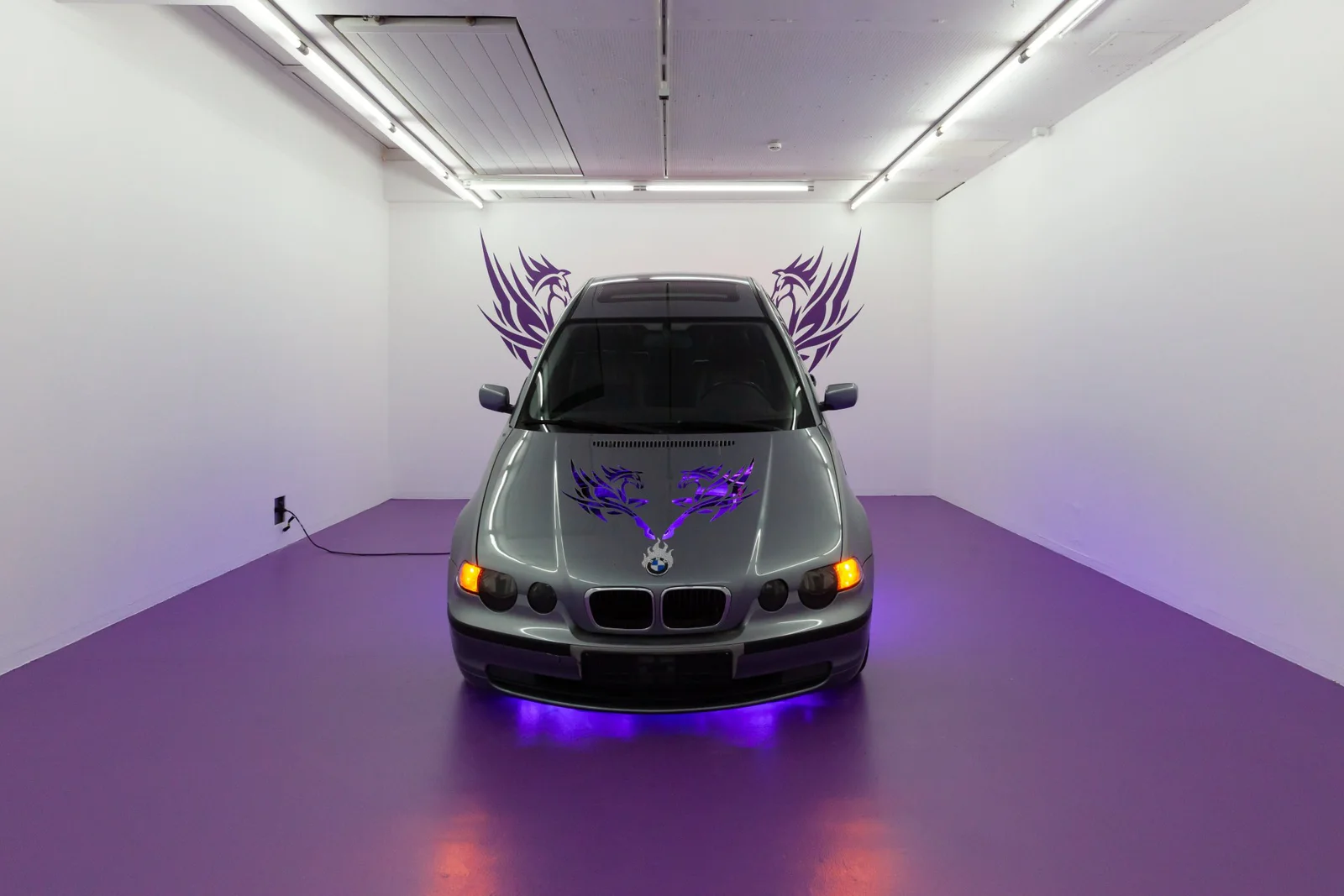
Münster / 2026
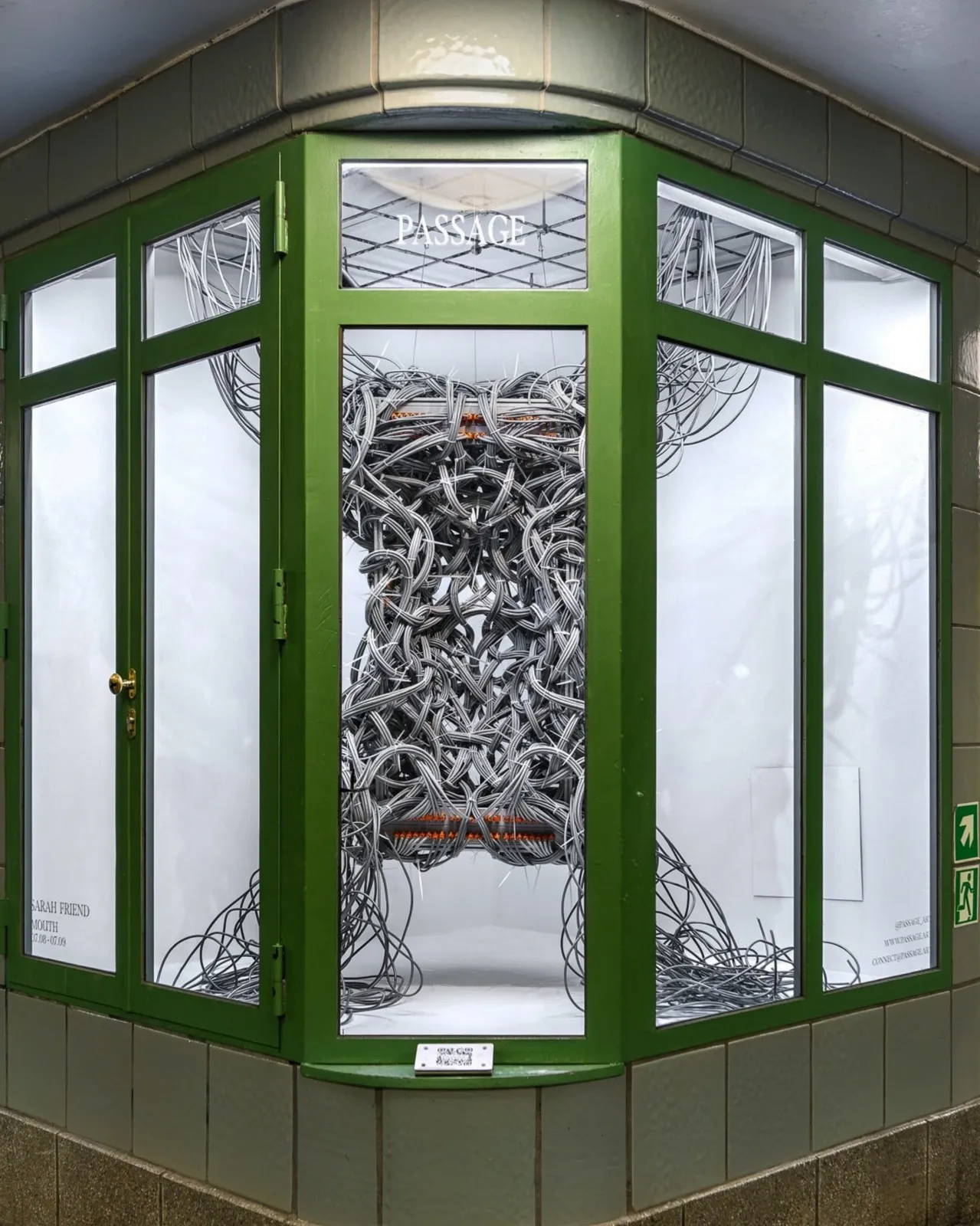
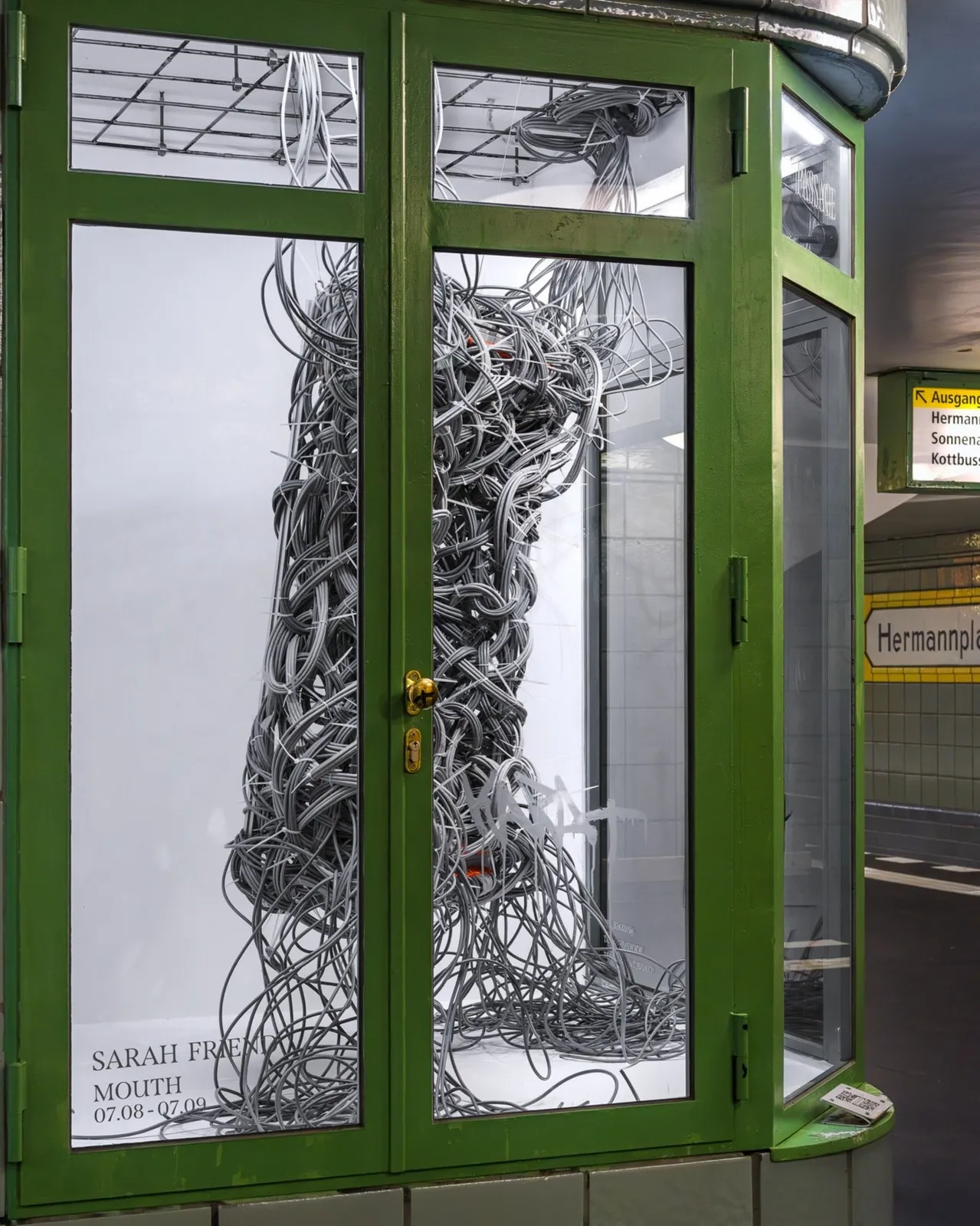
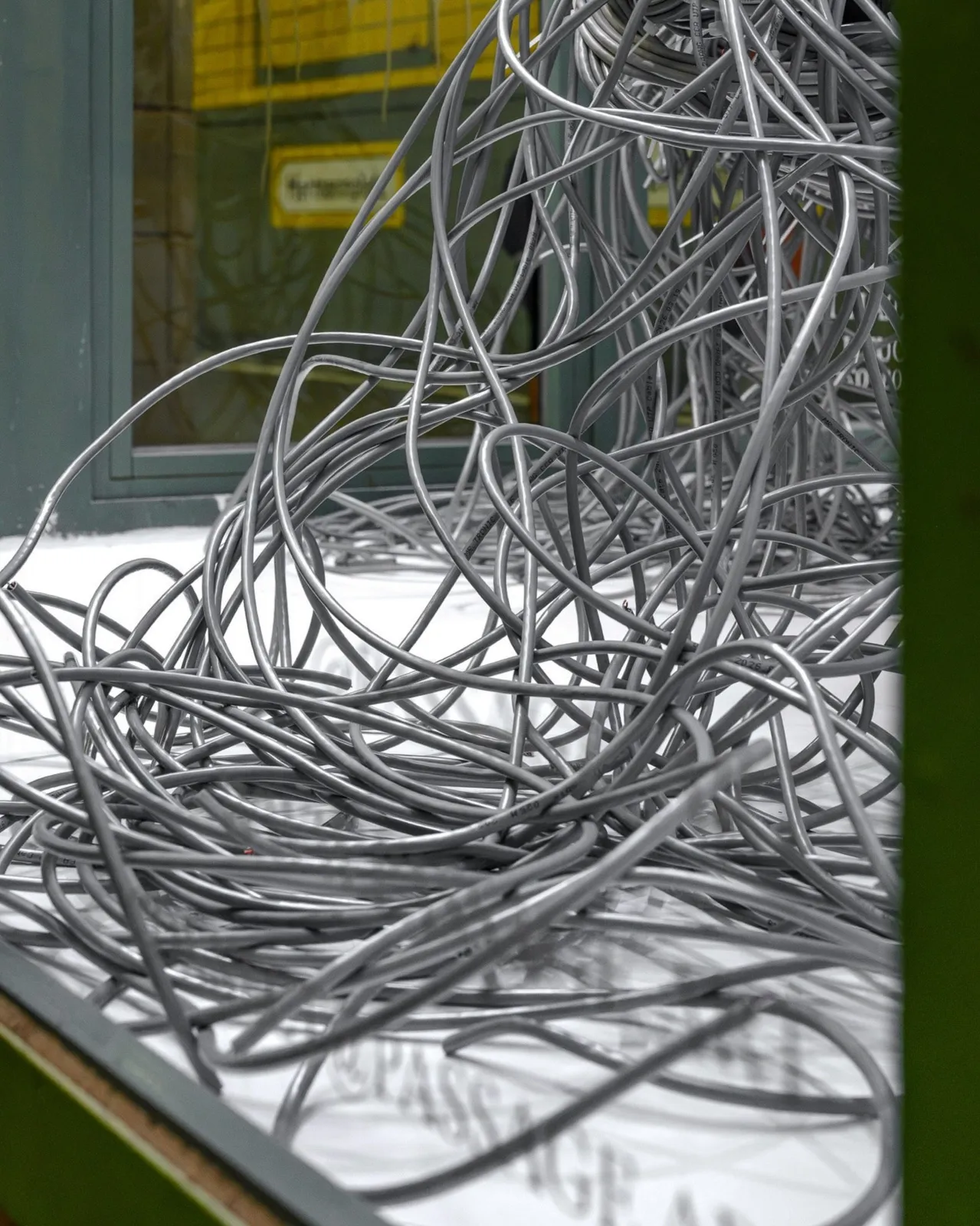
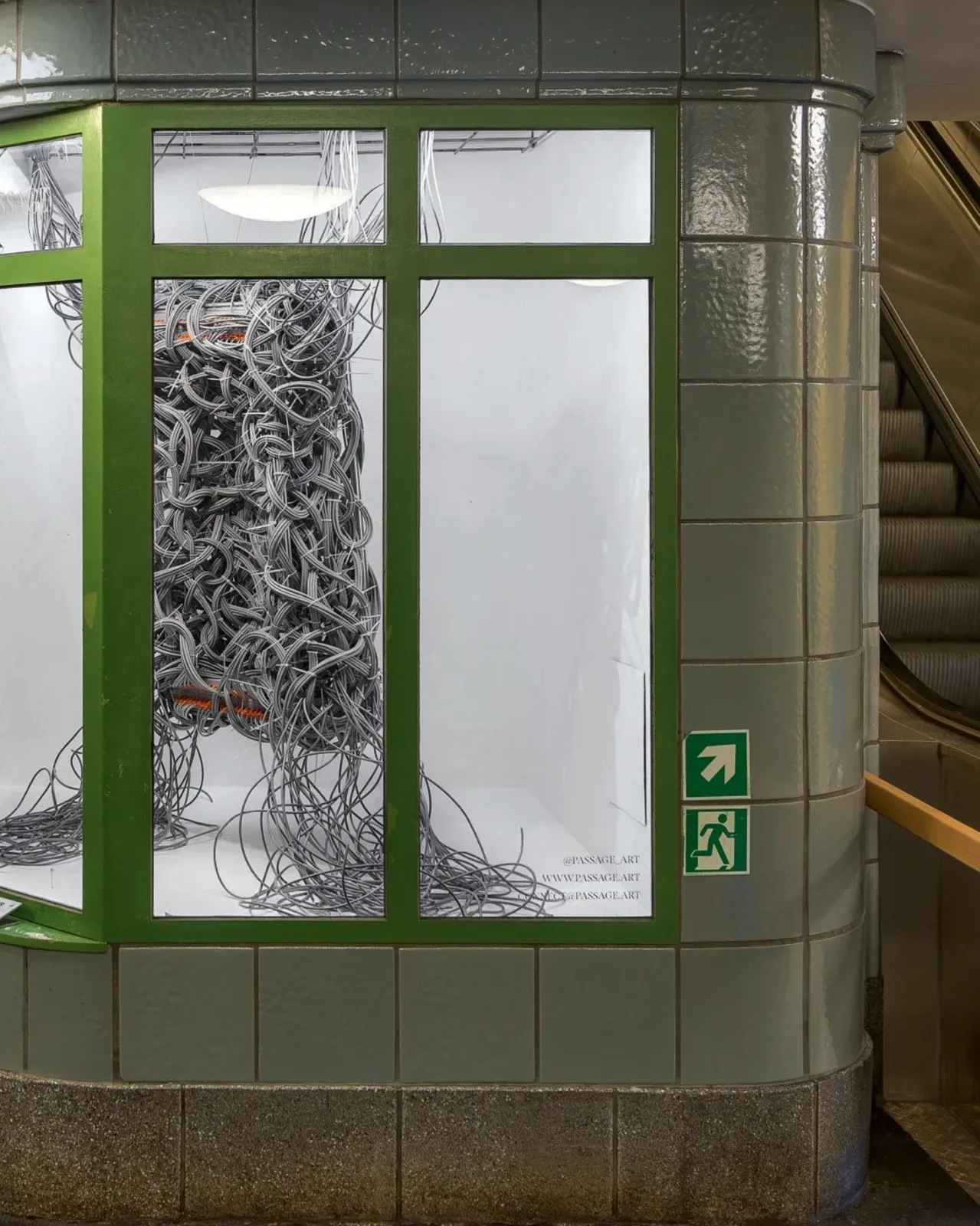
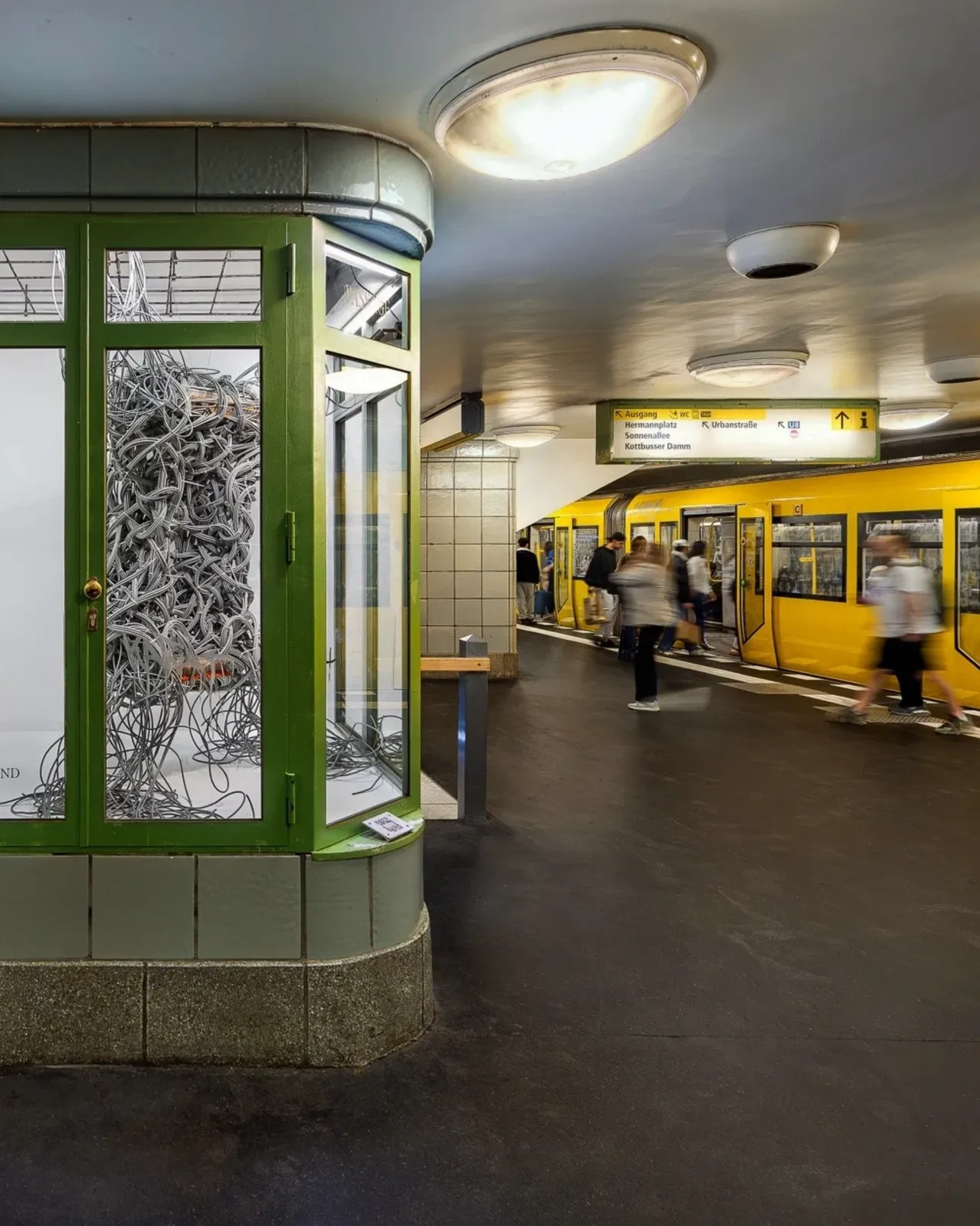
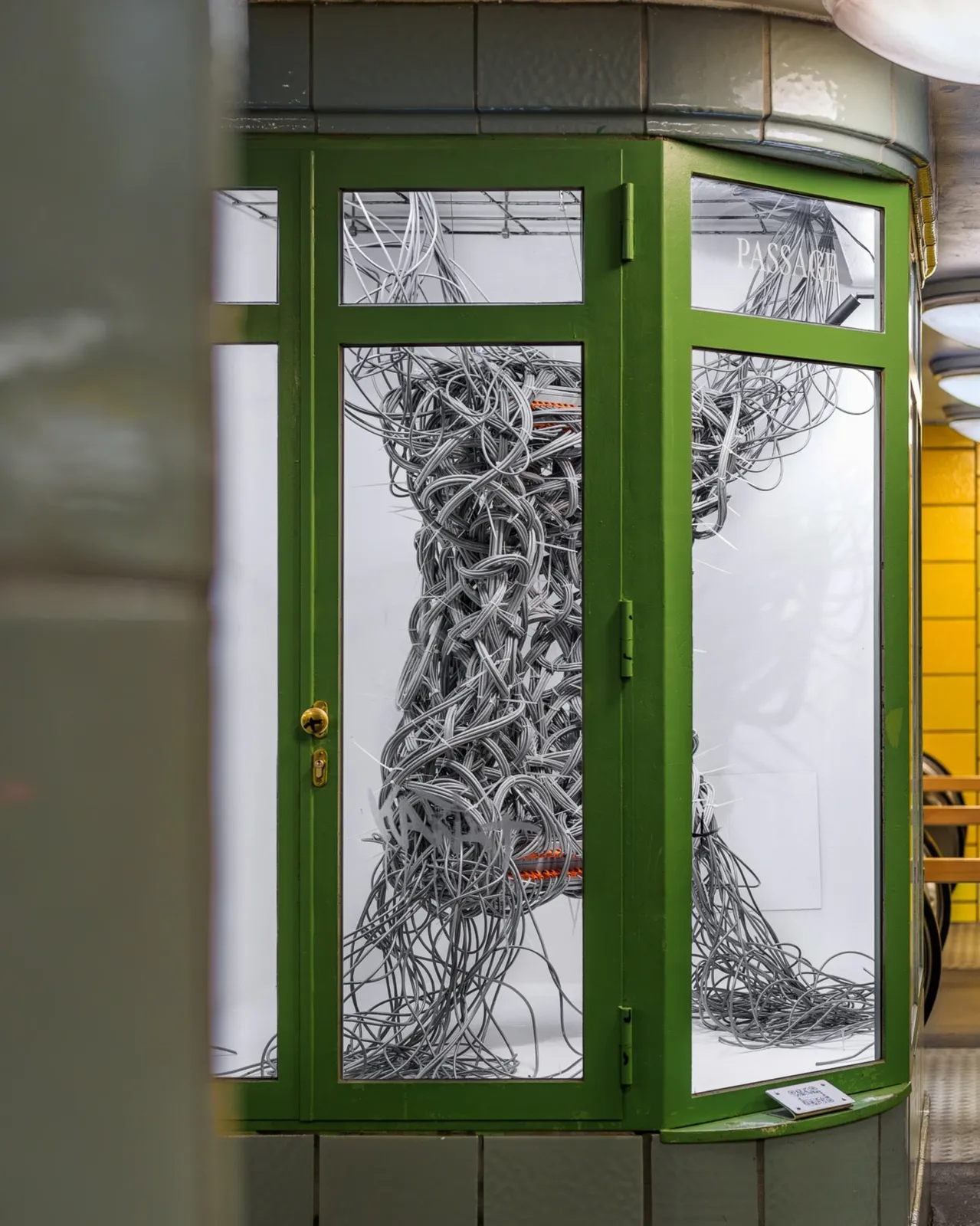
/ 2026
Warsaw / 2026
Seoul / 2026
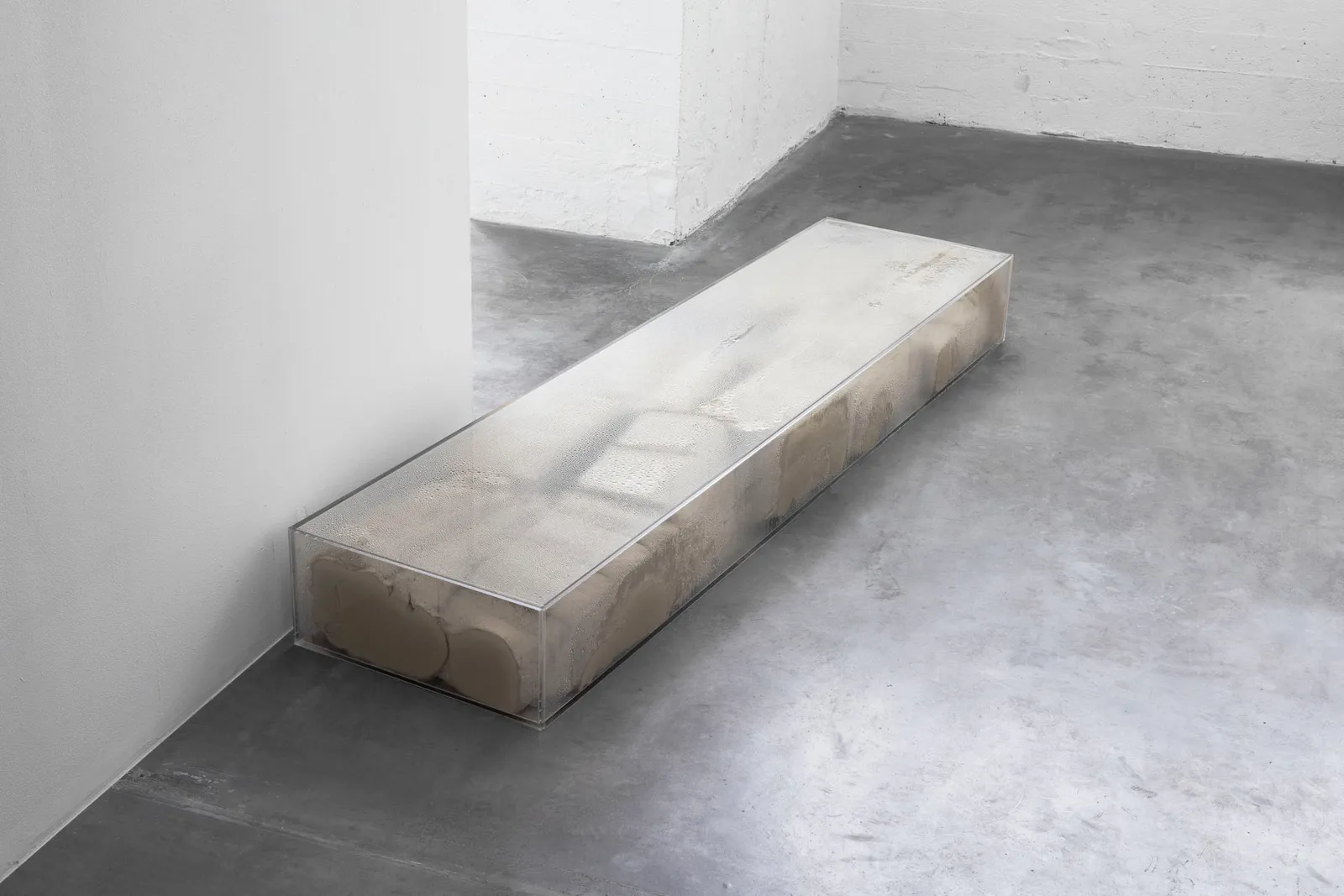
Brussels / 2026
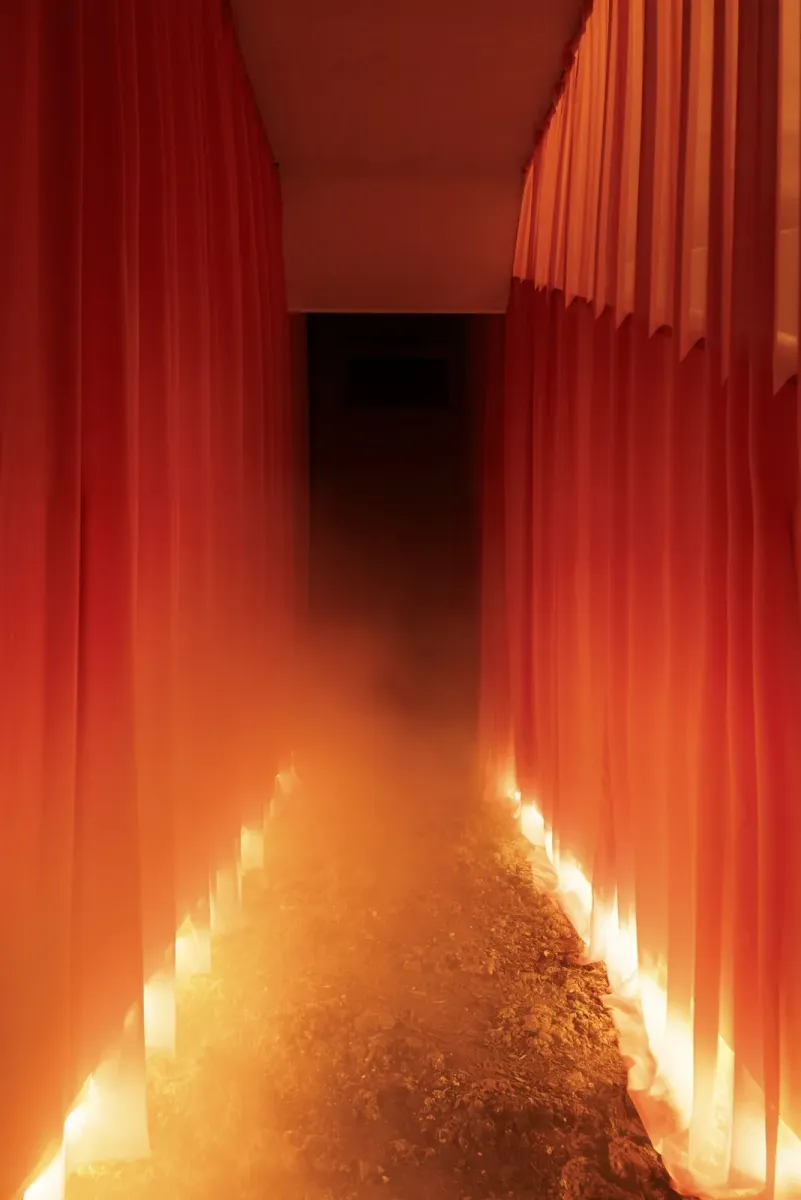
Seoul / 2026
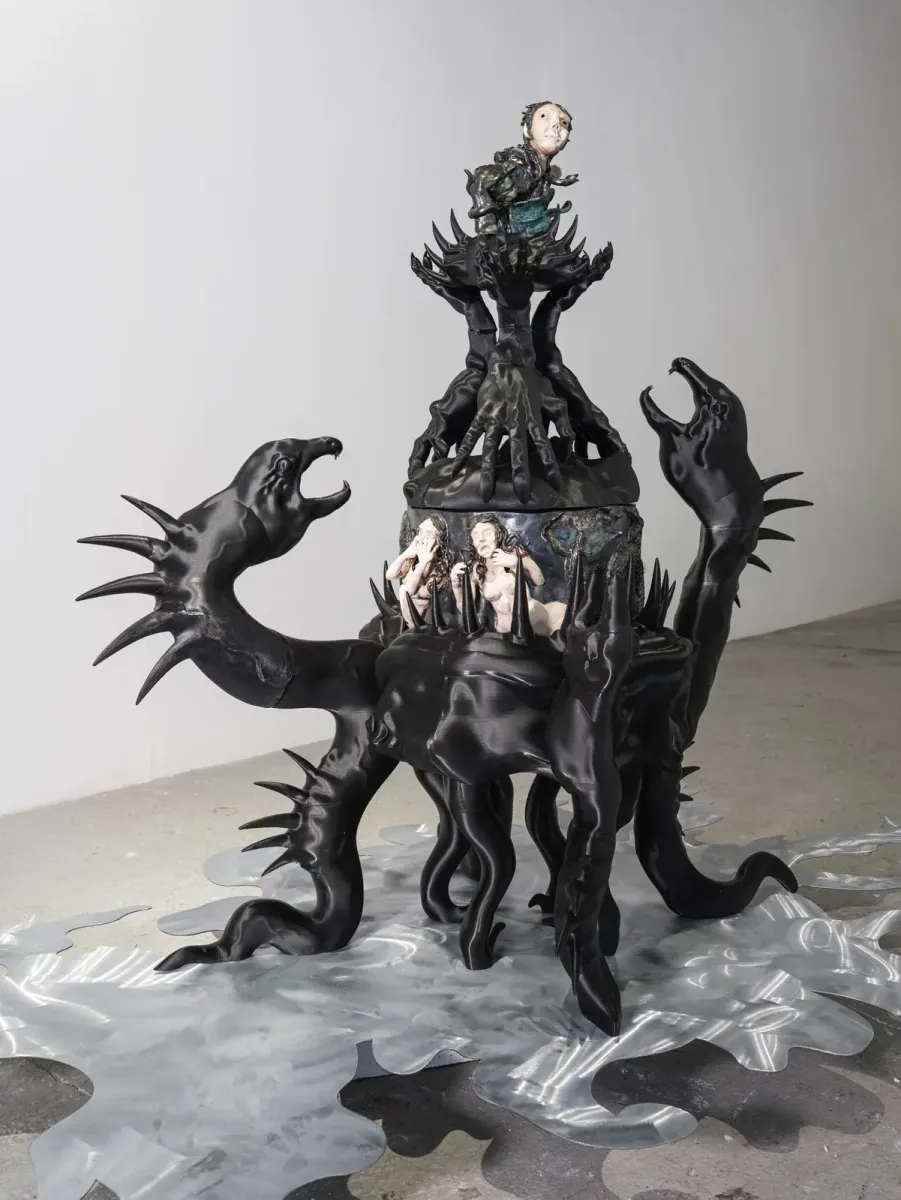
Paris / 2026
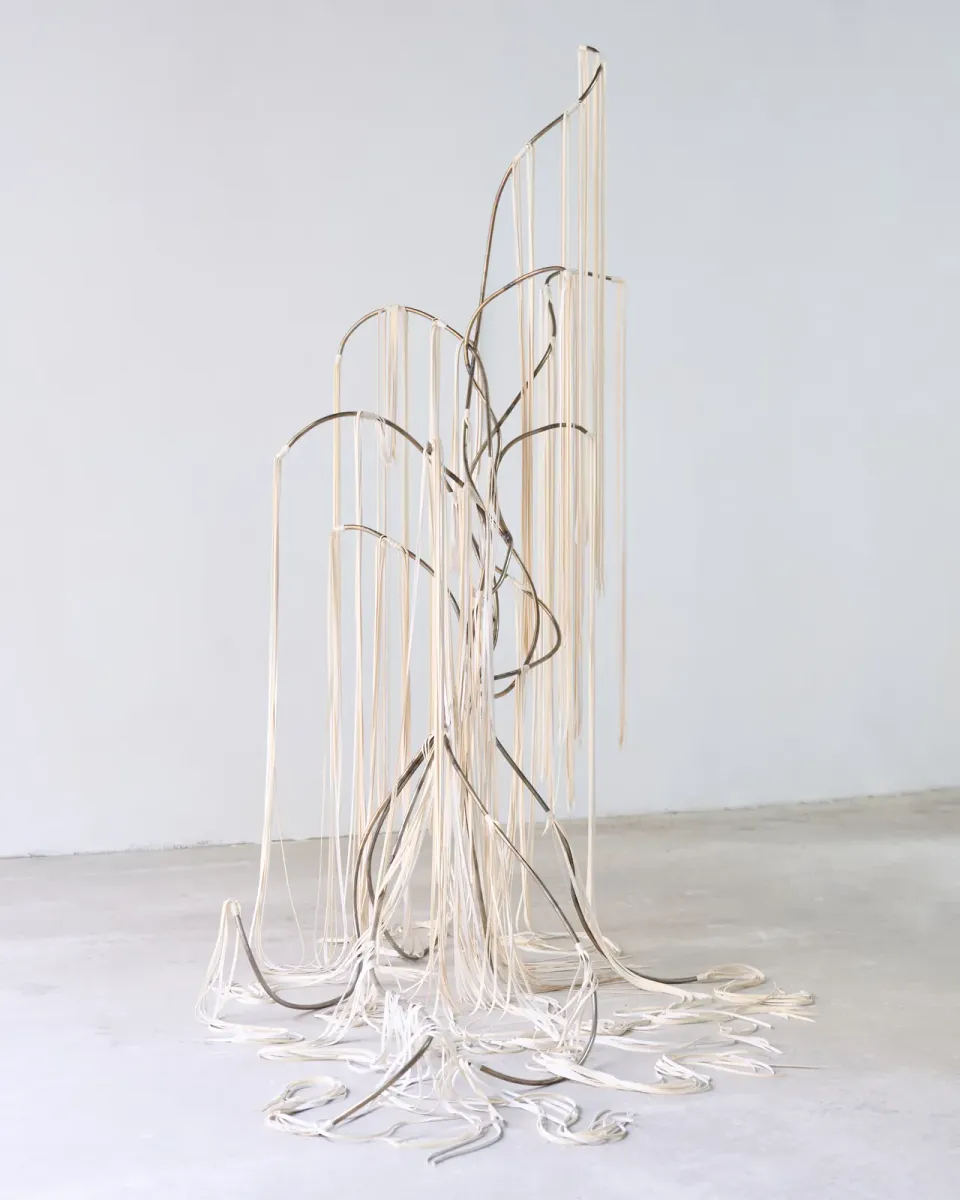
Seoul / 2026
London / 2026


Vienna / 2026
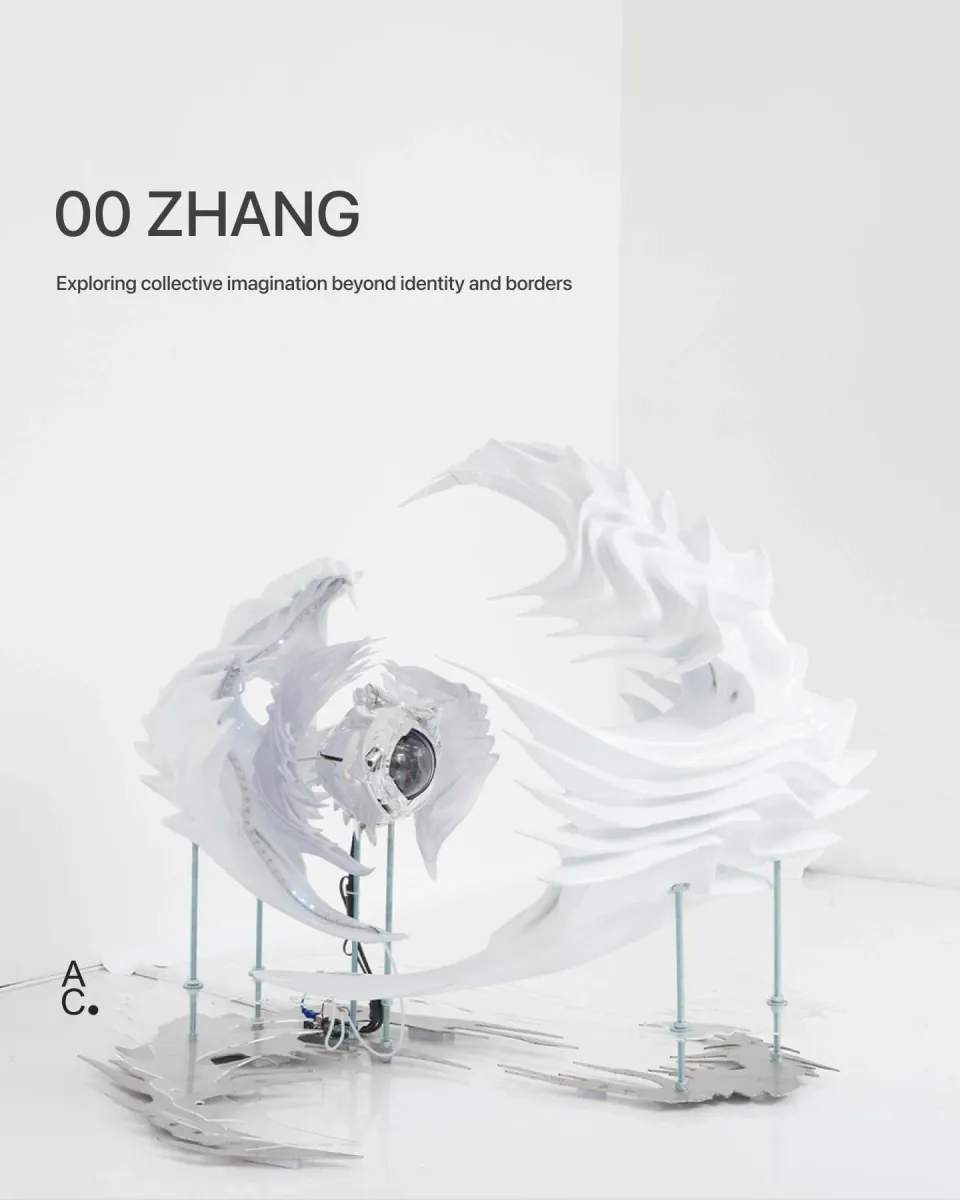
@aio0o0o0
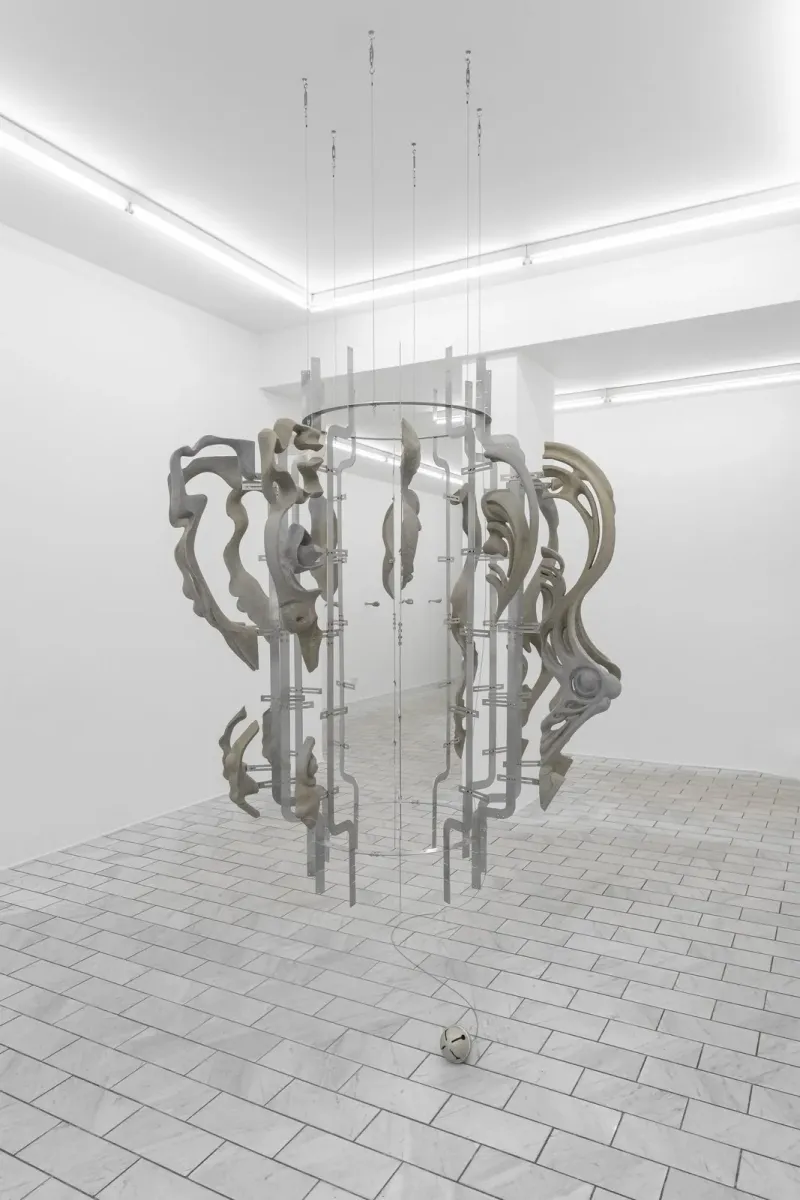
Munich / 2026
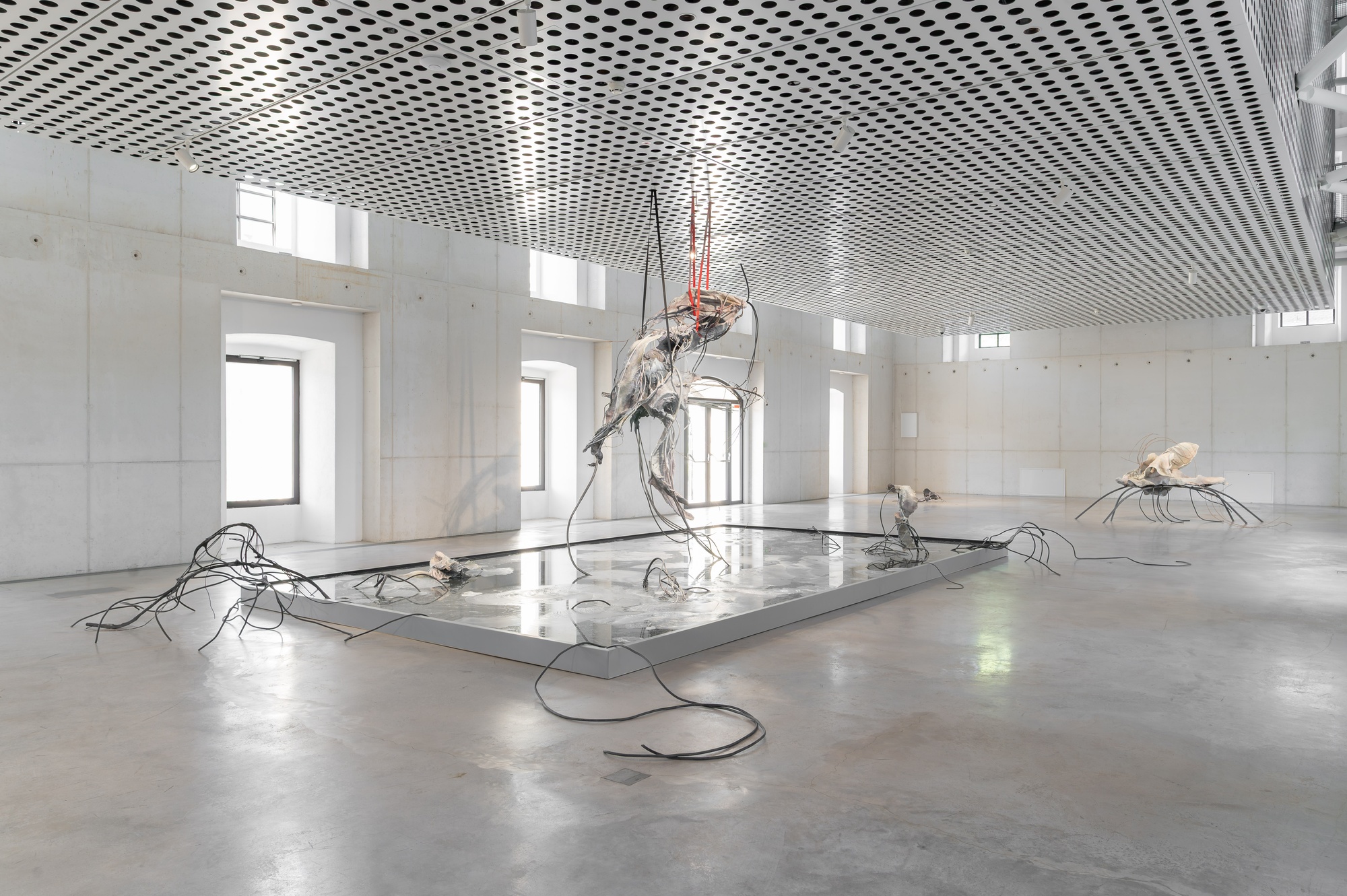
Ljubljana / 2026
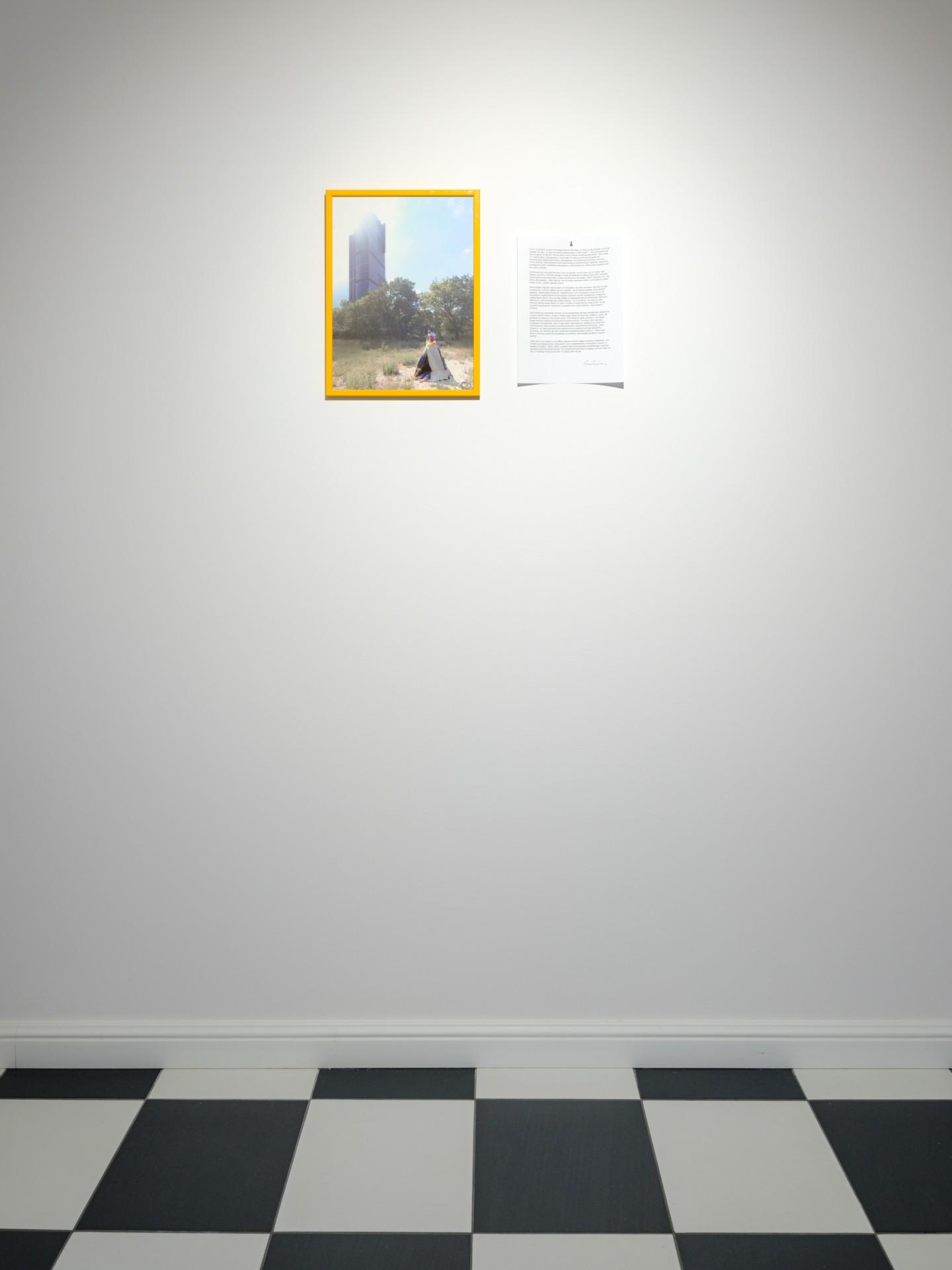
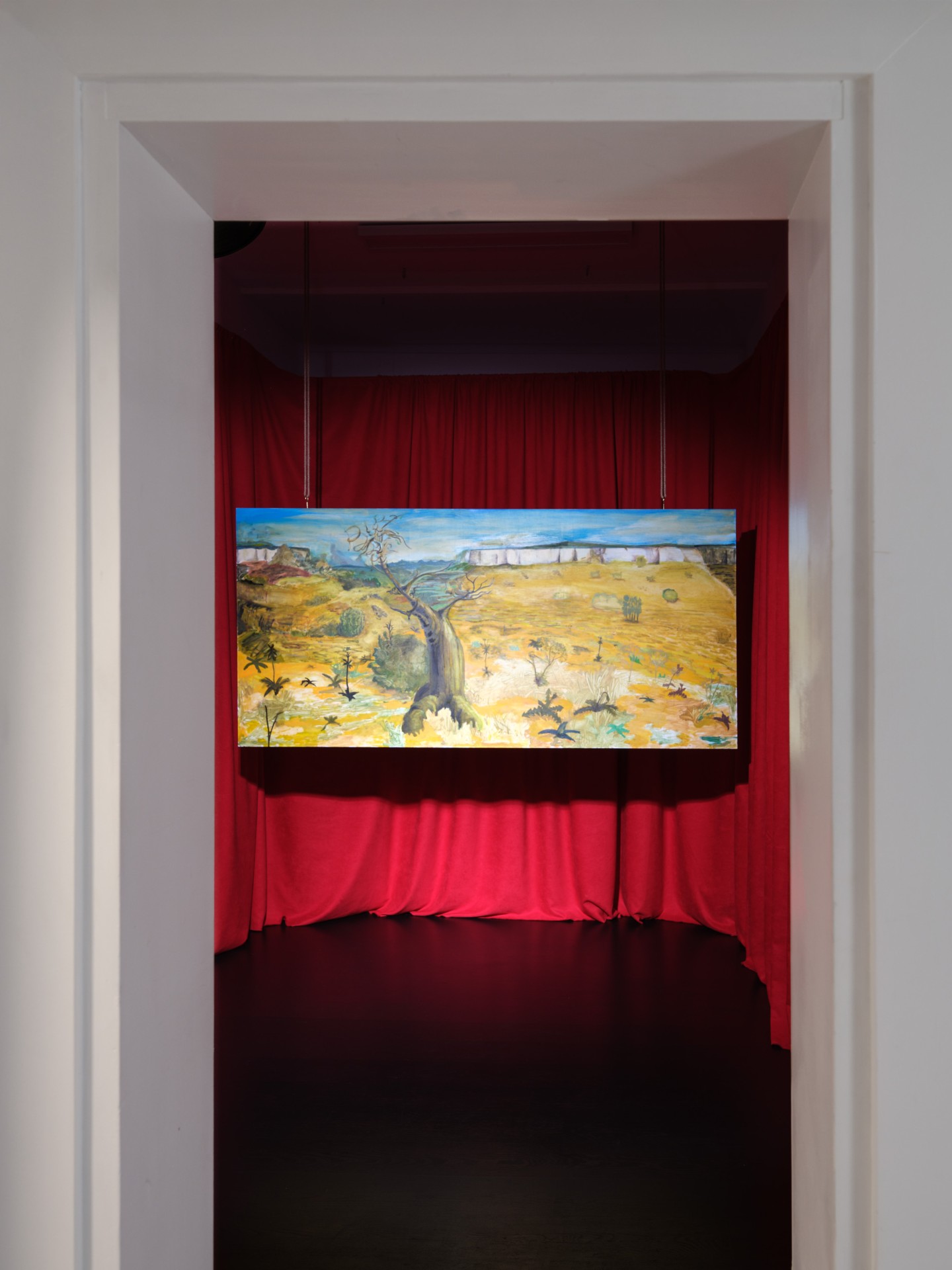
Warsaw / 2024-2025
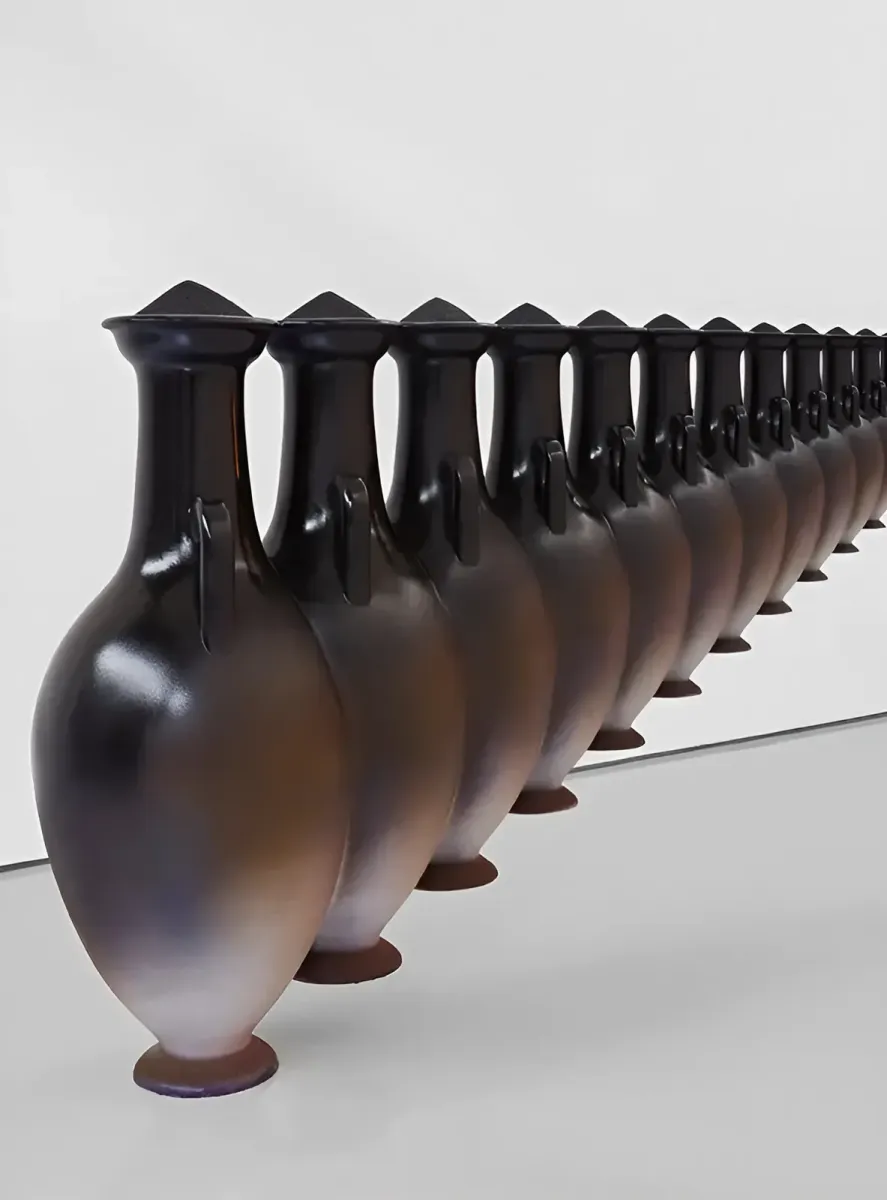
London / 2025
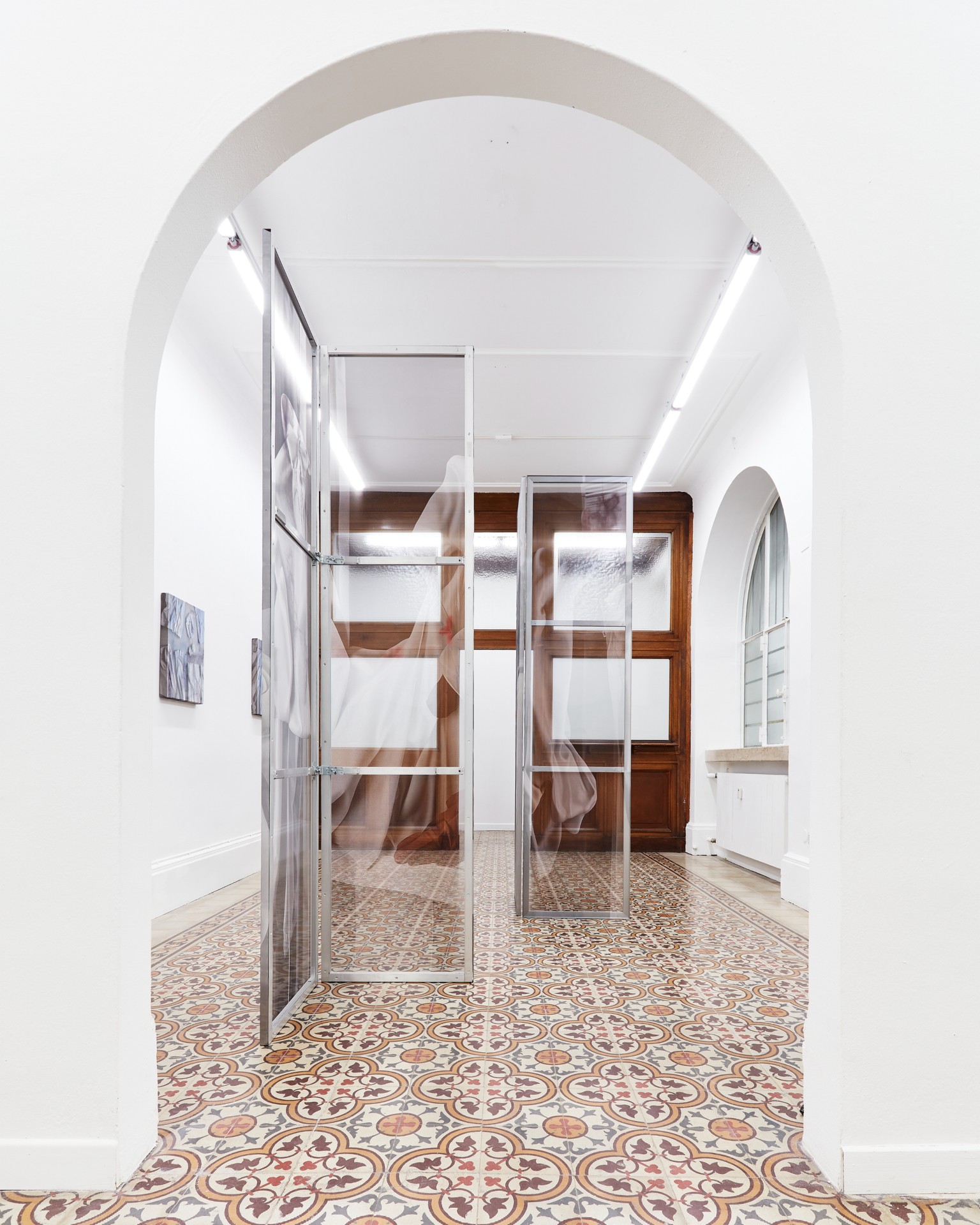
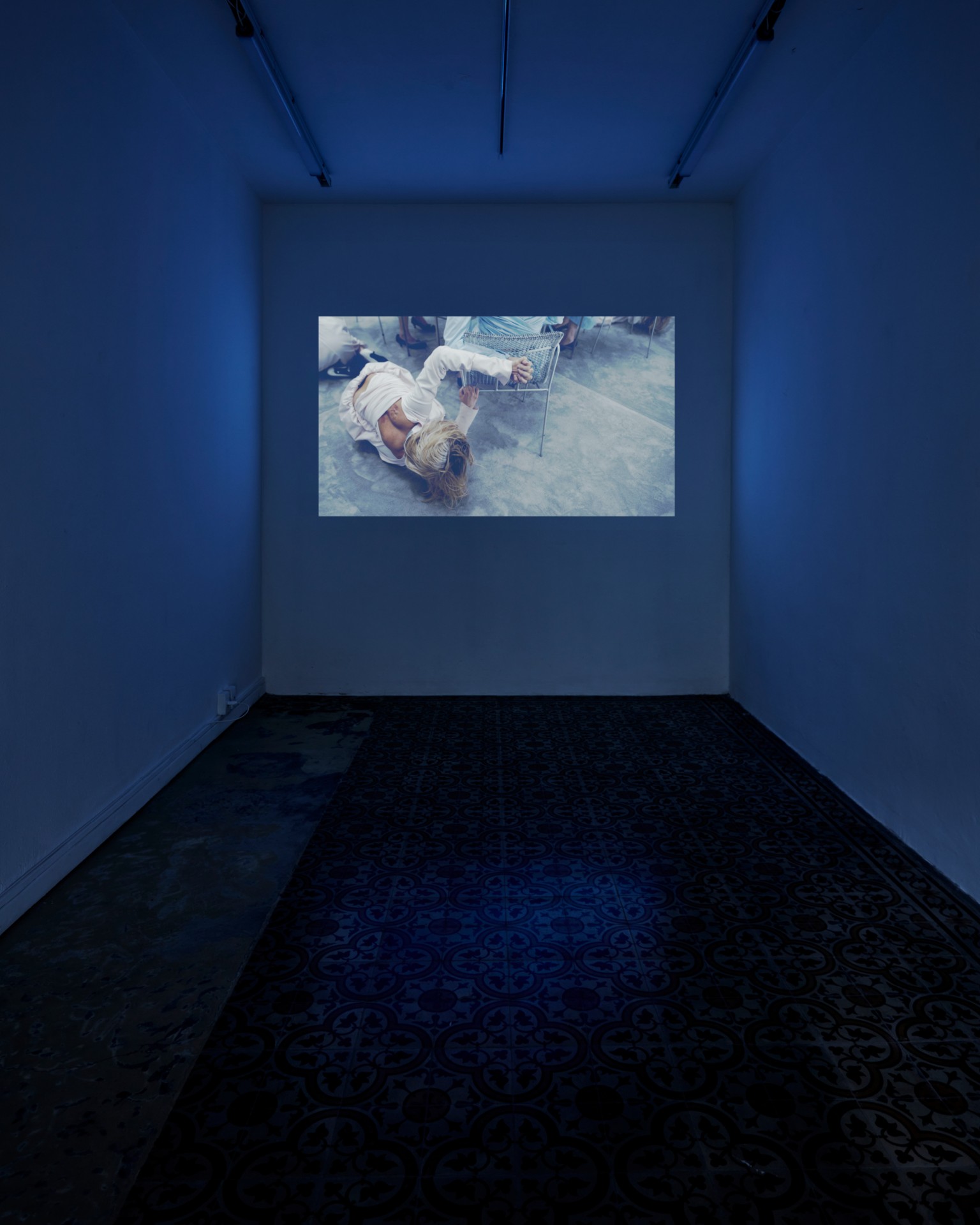
Brescia / 2025-2026
/ 2024

/ 2023

Berlin / 2023
London / 2024

Berlin / 2025
#DorisSalcedo
Arnsberg / 2025
Hamburg / 2025
Prague / 2025
Seoul / 2026

London / 2025
 (GROUP SHOW).webp)
Berlin / 2026
Dortmund / 2026
Kraków / 2026
Lisbon / 2026
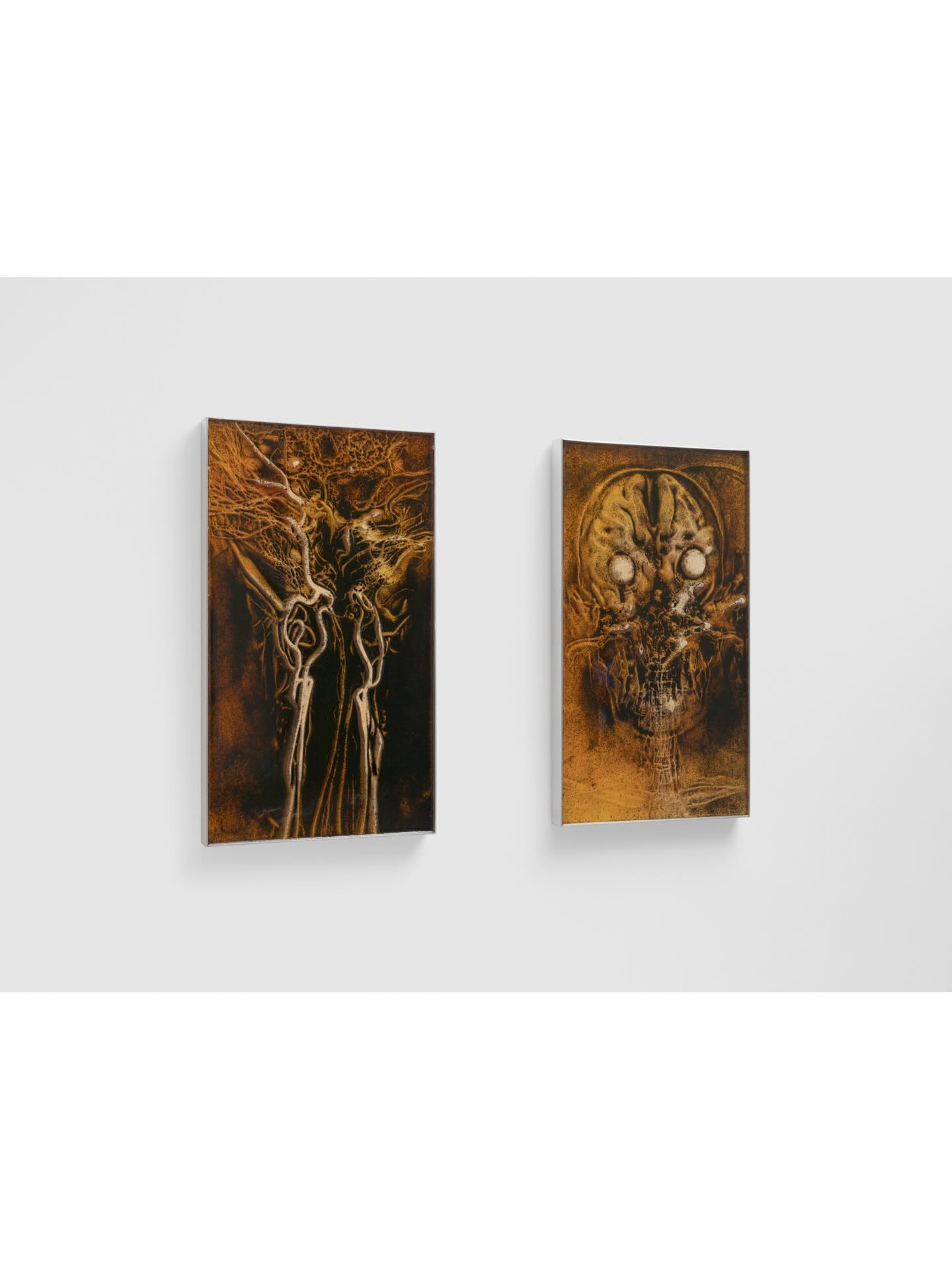
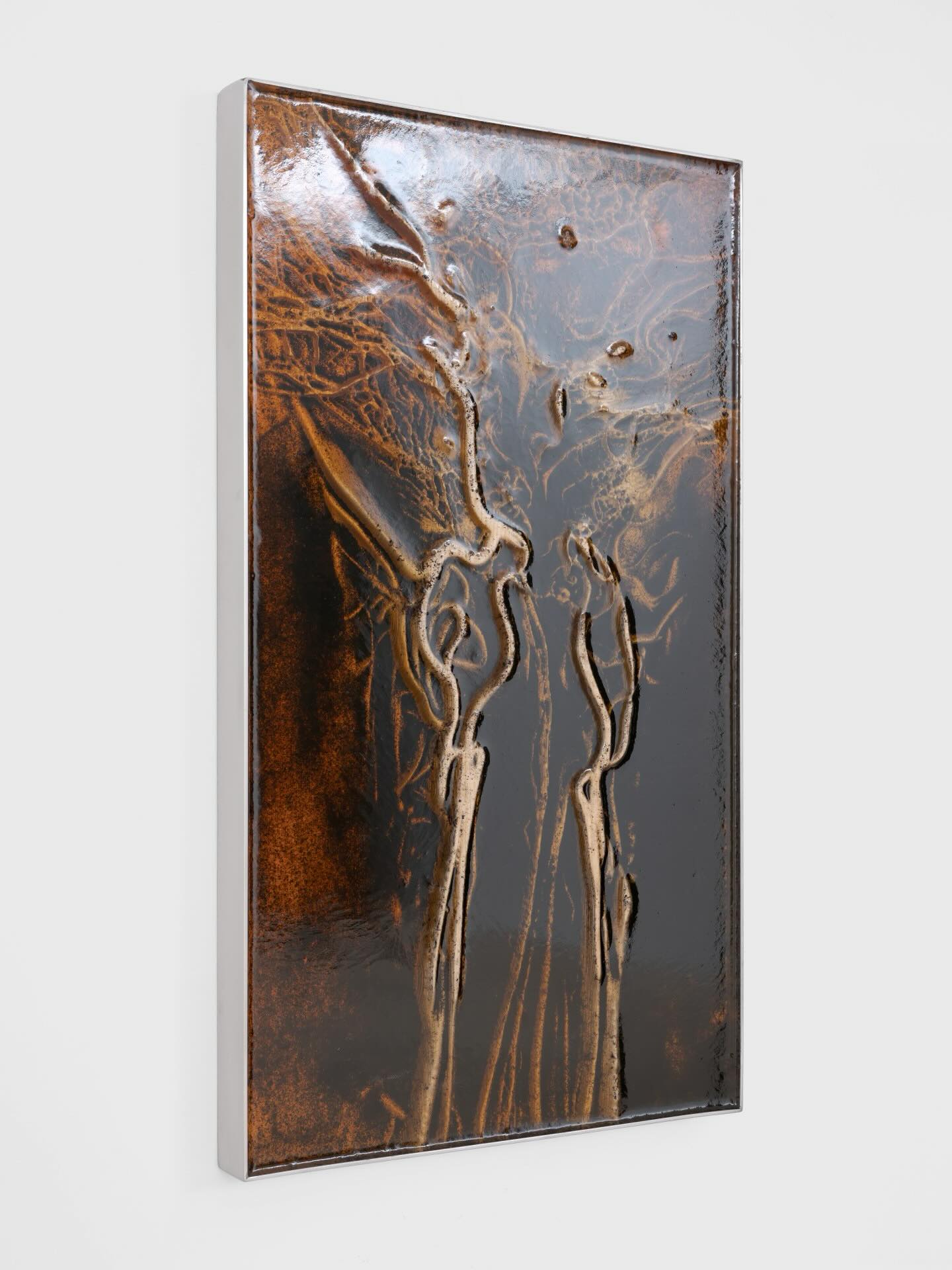
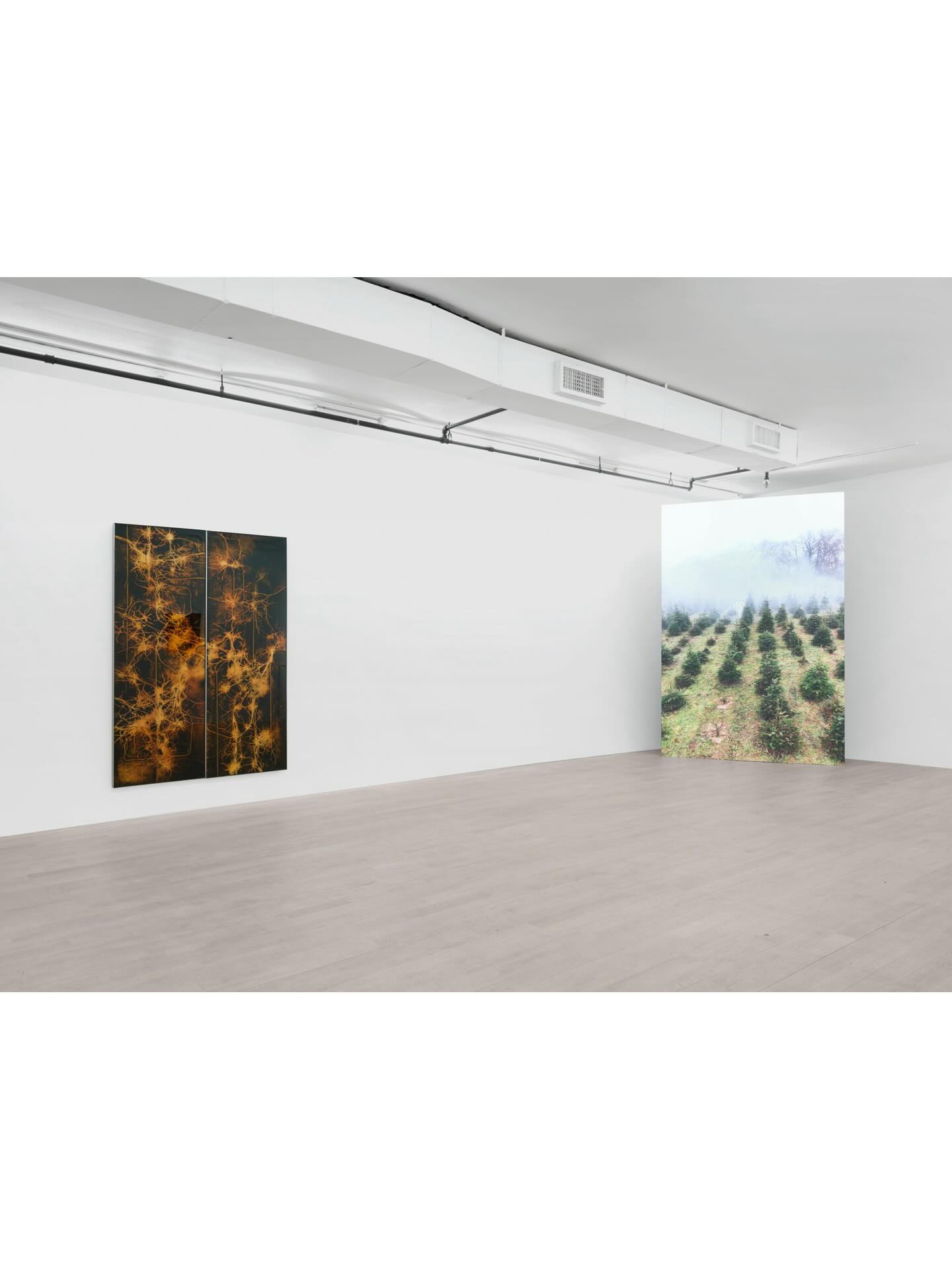
New York City / 2026
@ppuri_
Madrid / 2025
Jak Zapomnieć Gallery / Kornel Leśniak
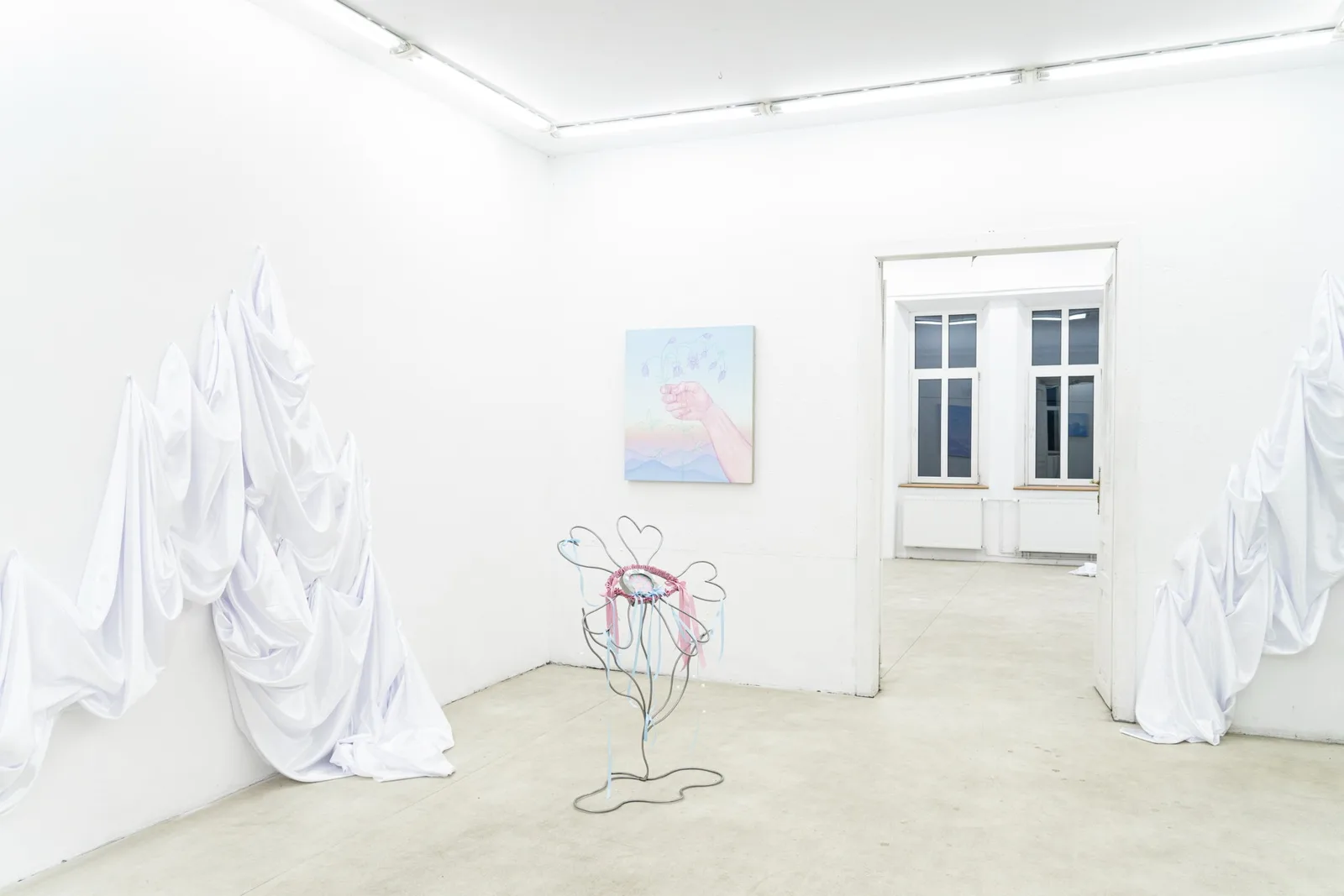
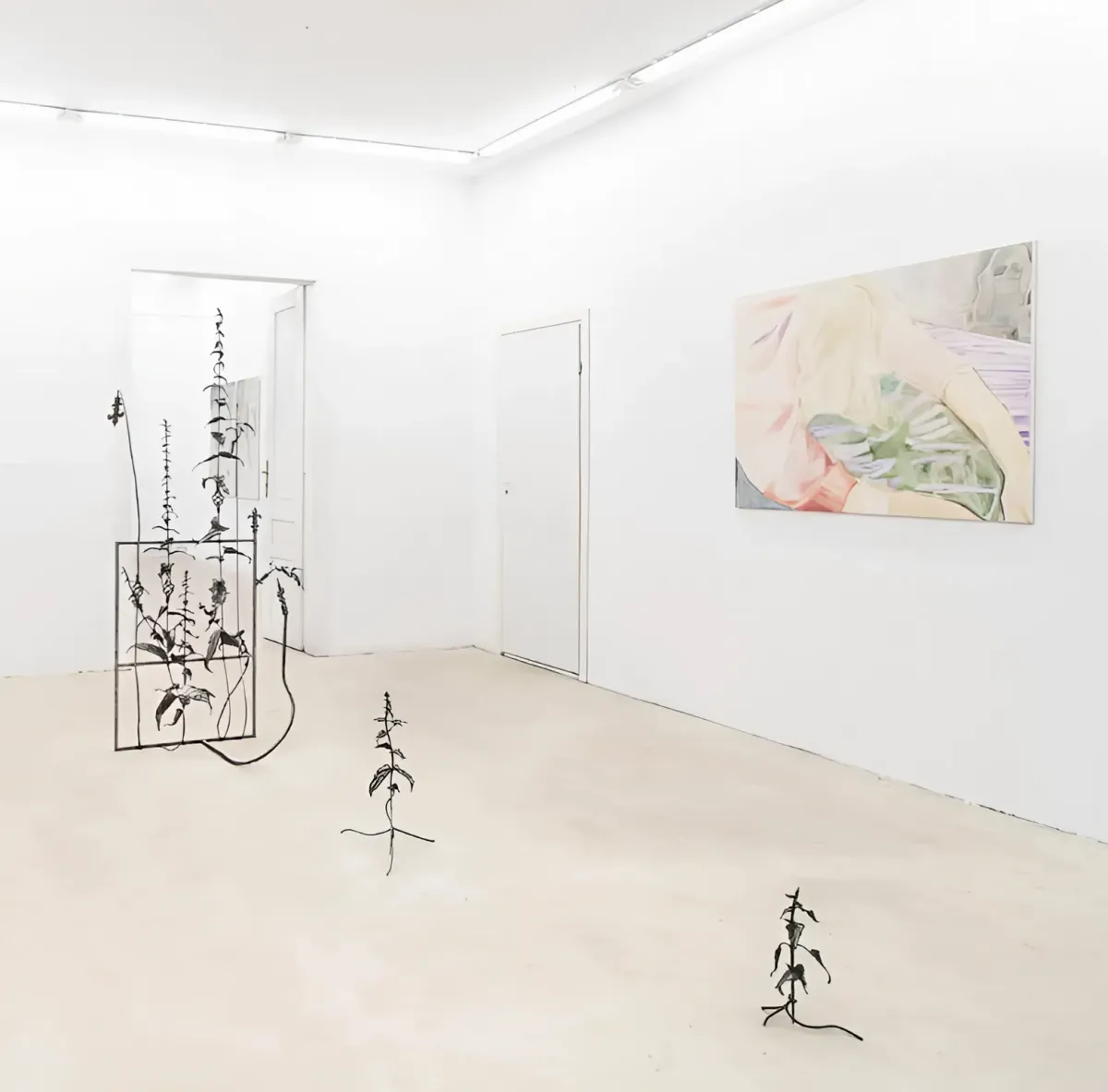
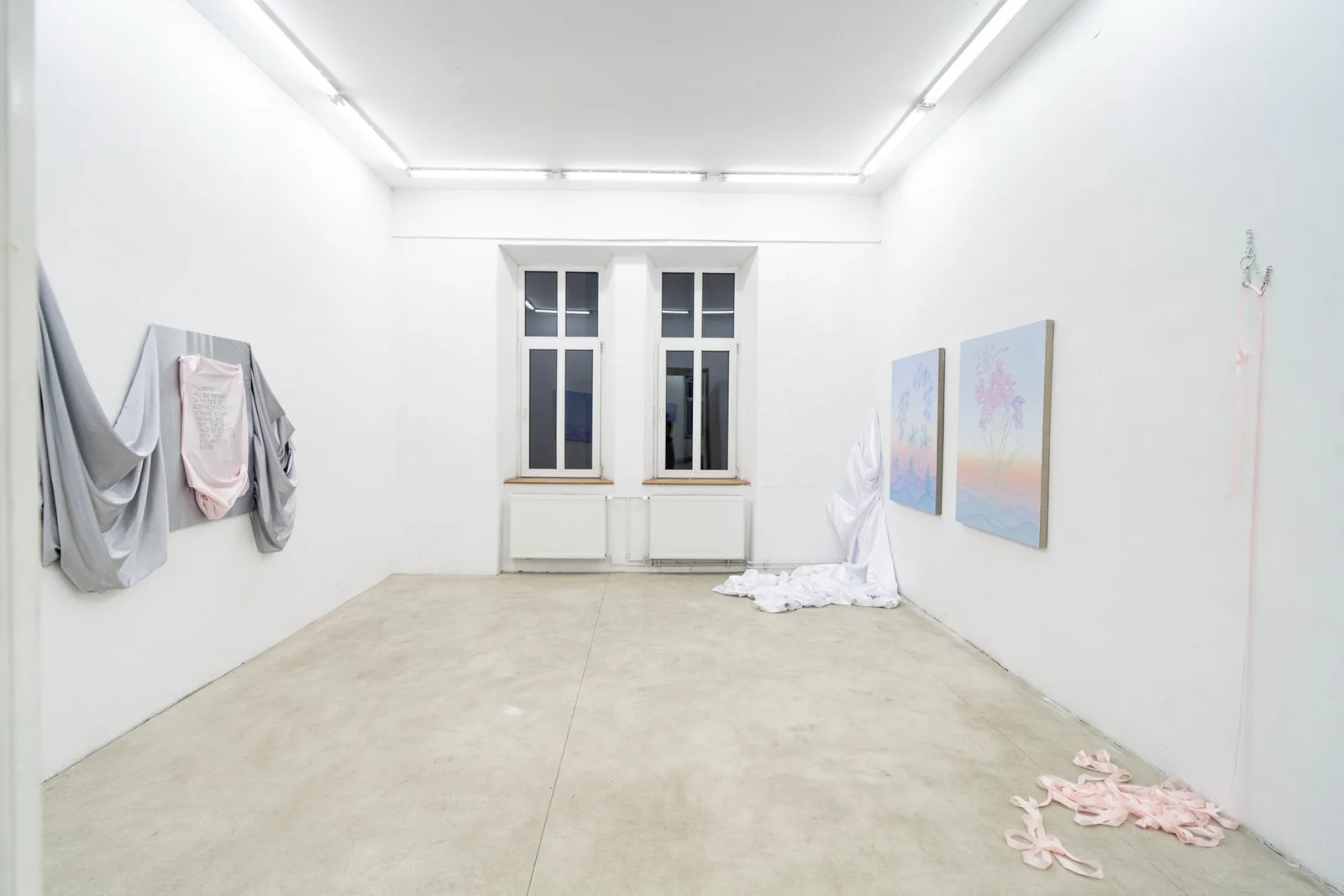
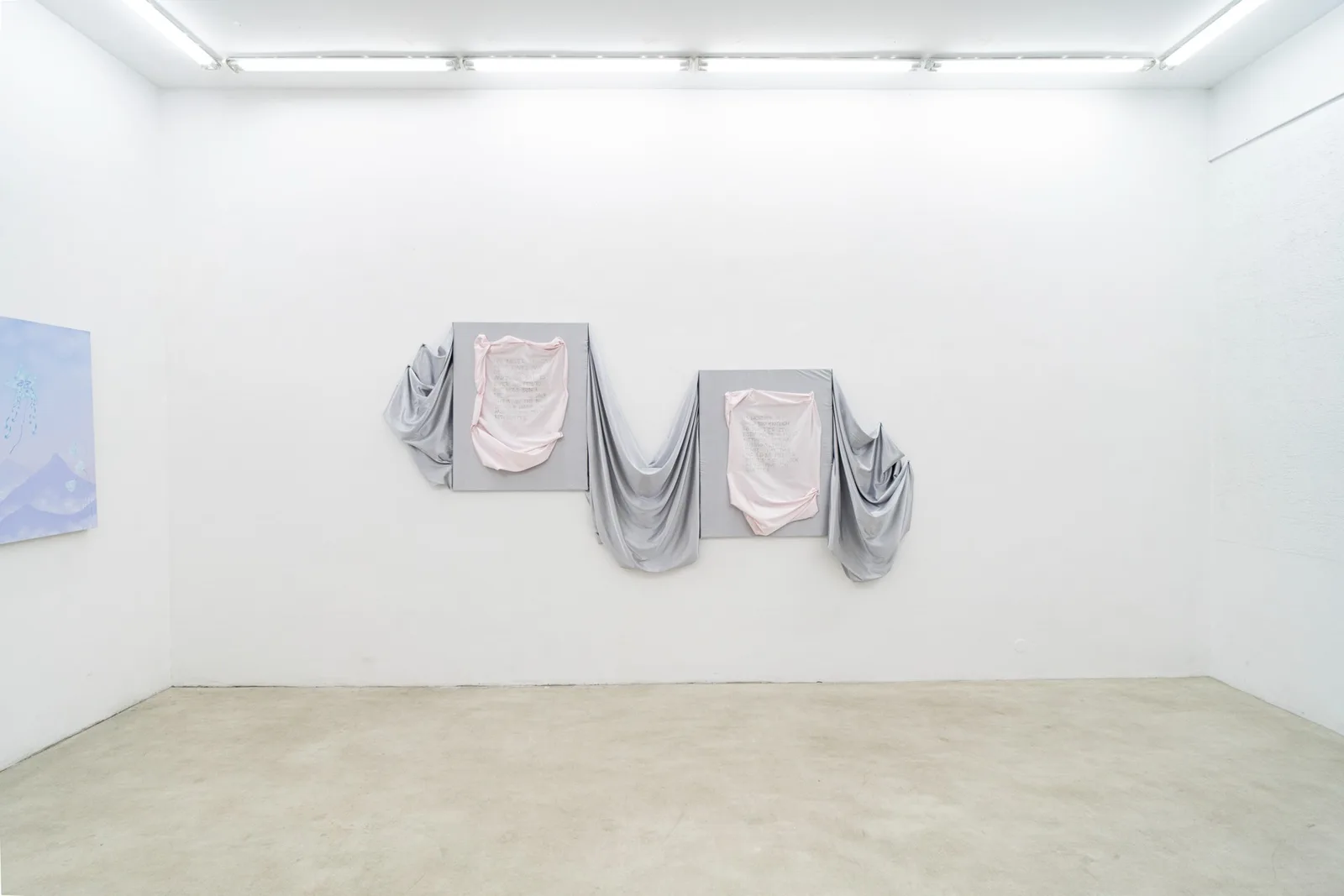
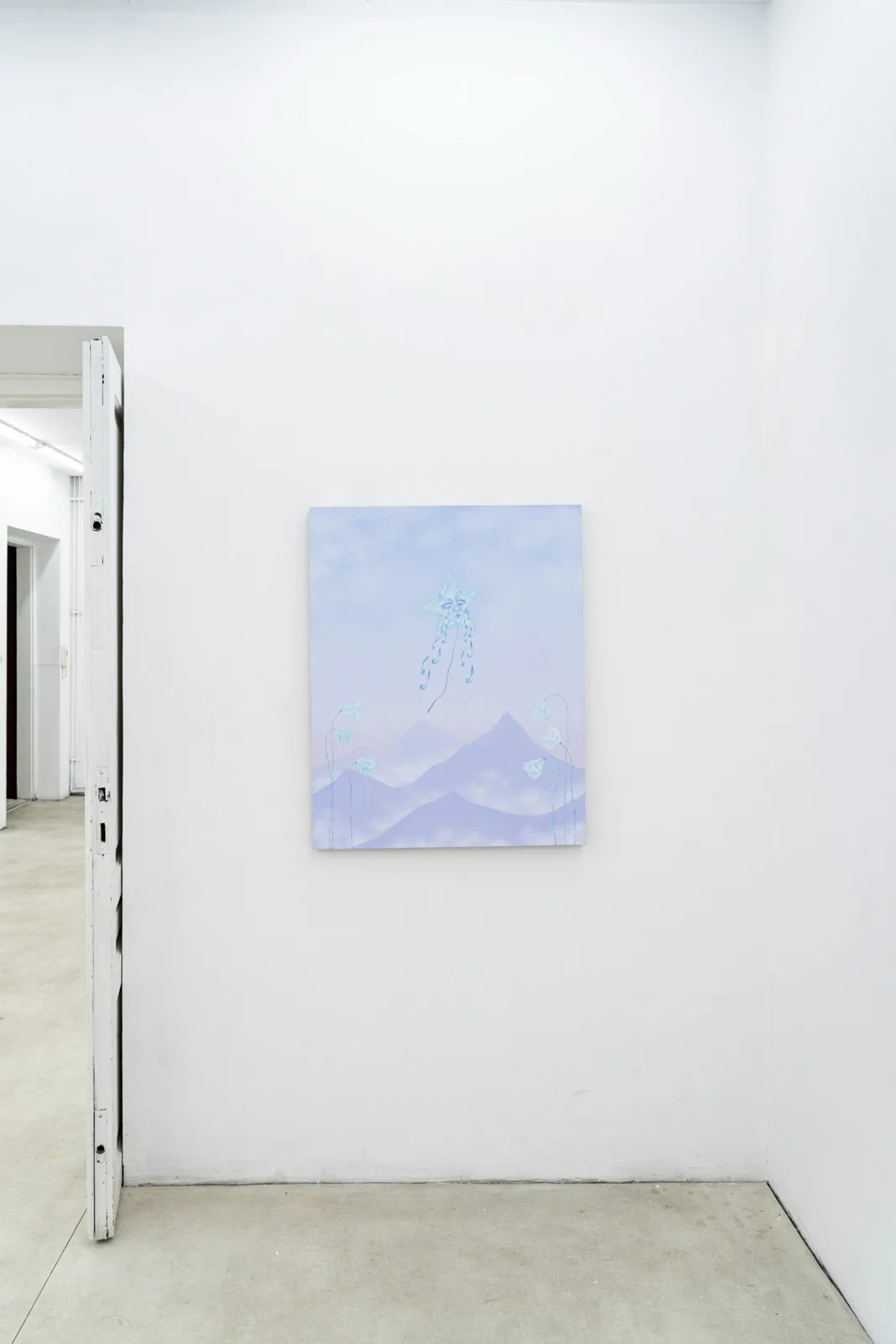
To kiss the mountains on the cheek
Kornel Leśniak’s latest exhibition is devoted to examining the relationships between human and
non-human beings, as well as the non-living elements of nature. Speaking about his new works,
Kornel says: !We no longer live in nature,” stating what may seem obvious. We separate ourselves
from nature; moreover, in our boundless arrogance, we seem to believe that we are capable of
managing without it.
Neither the seasons nor the climate play much of a role in shaping our way of life—unless we are
being afflicted by natural disasters. We no longer recognise the scents of individual plants or the
smell of the earth.
As humanity, we generally perceive nature as a threat, because we approach the entire natural world
according to a deeply ingrained conviction that it should be subordinate to us, to humans. Today,
however, we can see the devastating effects of this anthropocentric attitude—echoing the biblical
injunction to !subdue the earth.” What remains truly wild now constitutes only a small fraction of
life on Earth: a mere 23% of the planet’s land and 13% of its oceans, while wild animals account for
only 4% of global biomass. We relentlessly destroy flora and fauna because we treat them as
inexhaustible sources of materials. For human beings, only that which can be exploited and put to
use seems to matter.
Yet Kornel does not stop at these bleak observations. He finds hope in the fact that the current crisis
has made us more aware of the mutual connections and entanglements between different forms of
life. He sees no clear divisions between them. Rocks, plants, animals and humans are connected by
invisible yet extraordinarily powerful bonds. Nothing lives independently, even if it is unaware of
this. Kornel sees beauty in these connections. He uses aesthetics to tell stories about a world that is
disappearing, yet still continues to exist.
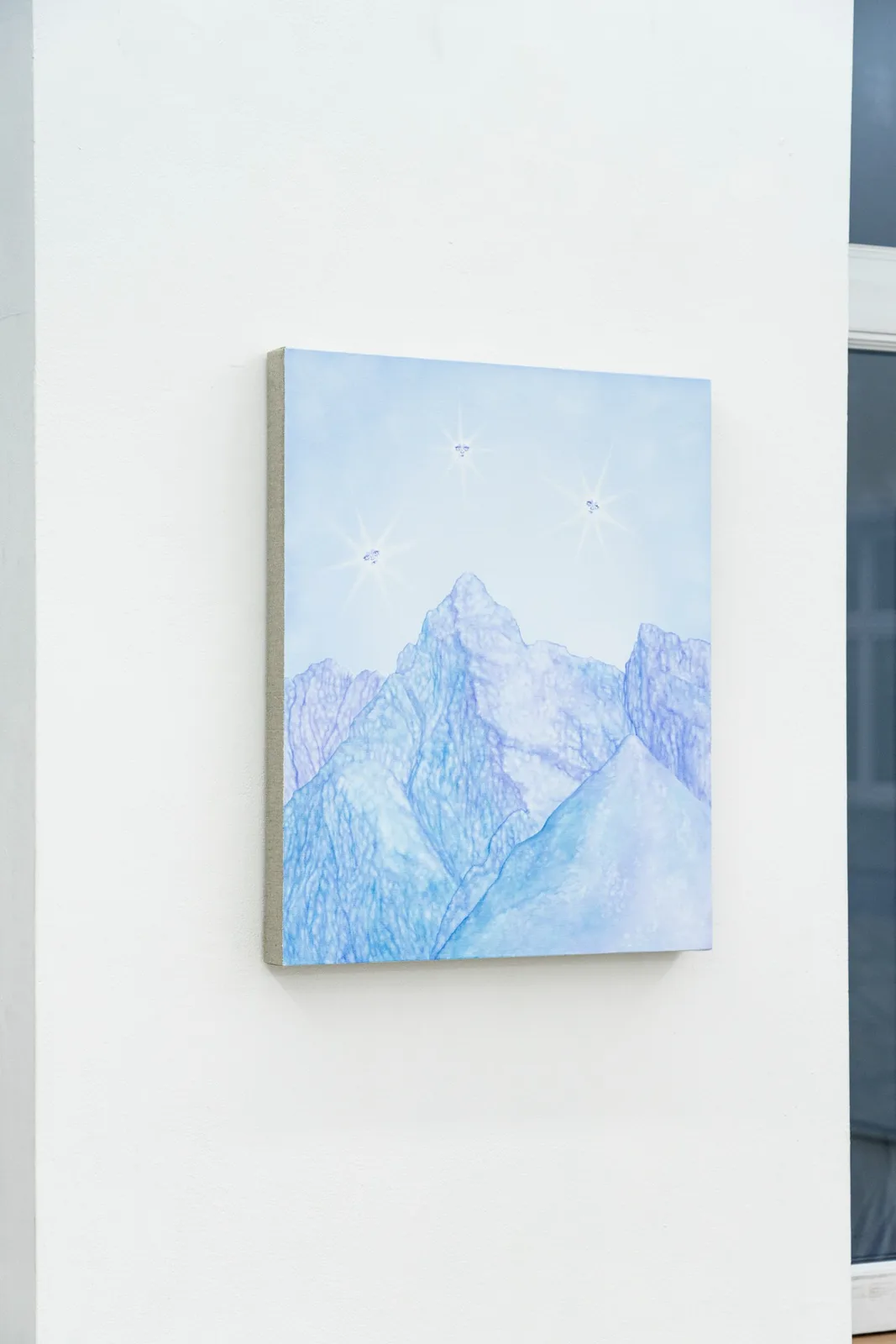
At the same time, he remains aware that nature can still be immensely powerful. His narratives are
built around examples drawn from one place in Poland where alpine nature reigns supreme: the
Tatra Mountains. Kornel sees both their terror and their fragility. Their towering peaks can enchant
us with spectacular views and wild nature, only moments later to disappear into the clouds,
vanishing before the hiker’s eyes and leaving them lost among the rocks.
Kornel follows the paths travelled by both animals and humans. He wonders what will become of
them, what will happen to the old trails if they disappear as a result of climate change, erosion and
the passage of time. New ones will certainly emerge—but who will trace them? Animals making
their way to a watering place? Climbers establishing new routes? Tourists searching for ever more
views and attractions amid a natural world barely clinging to life?
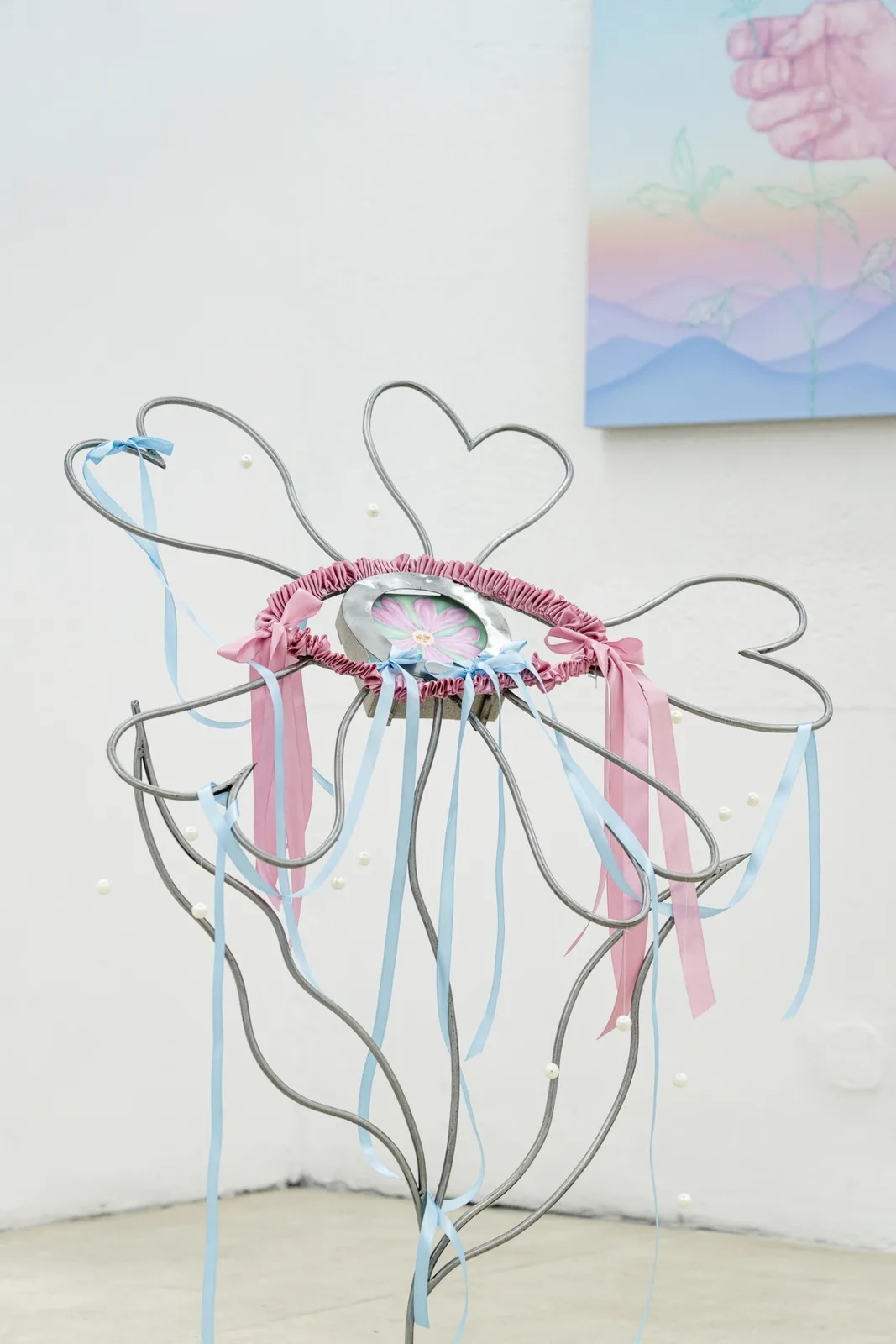
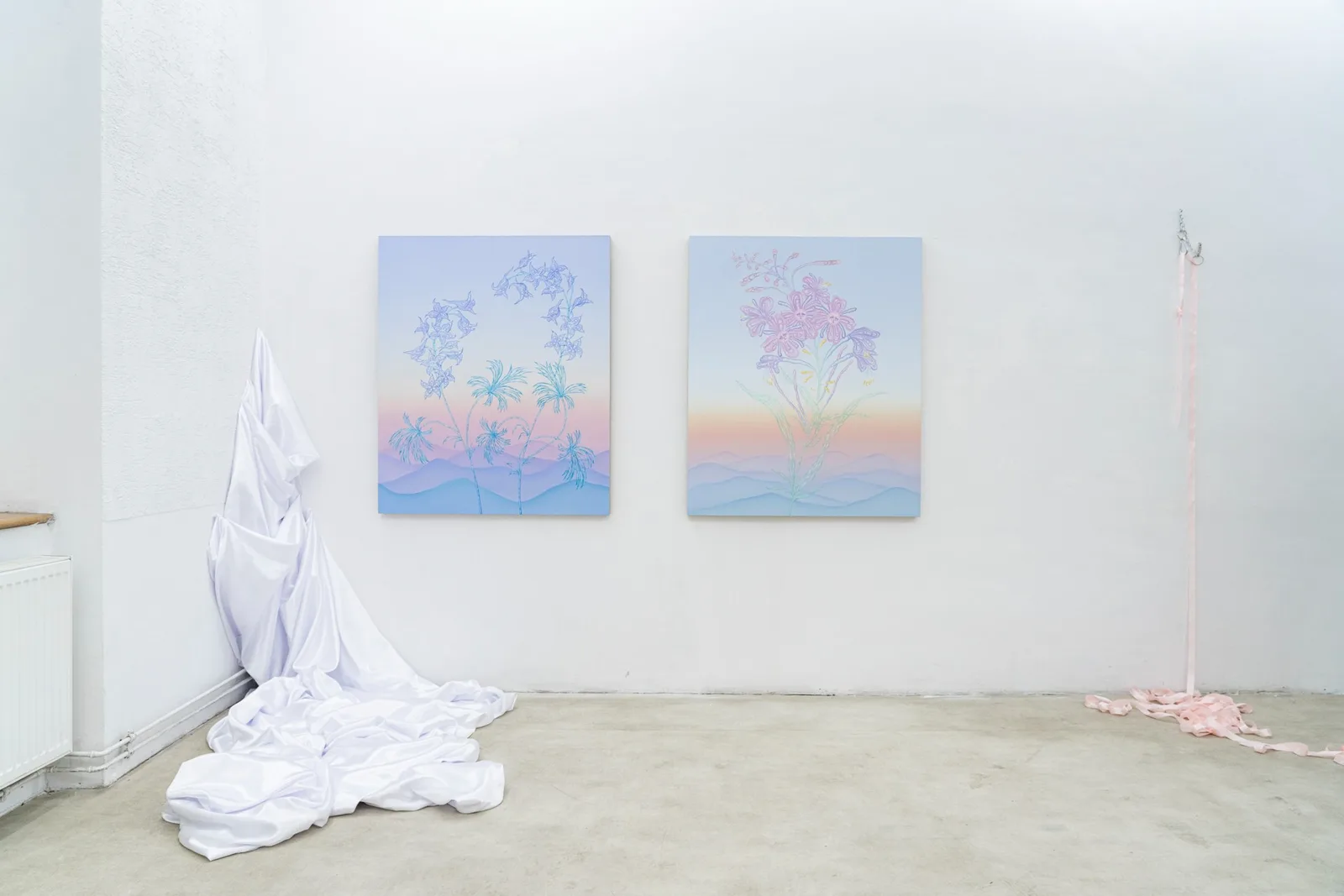
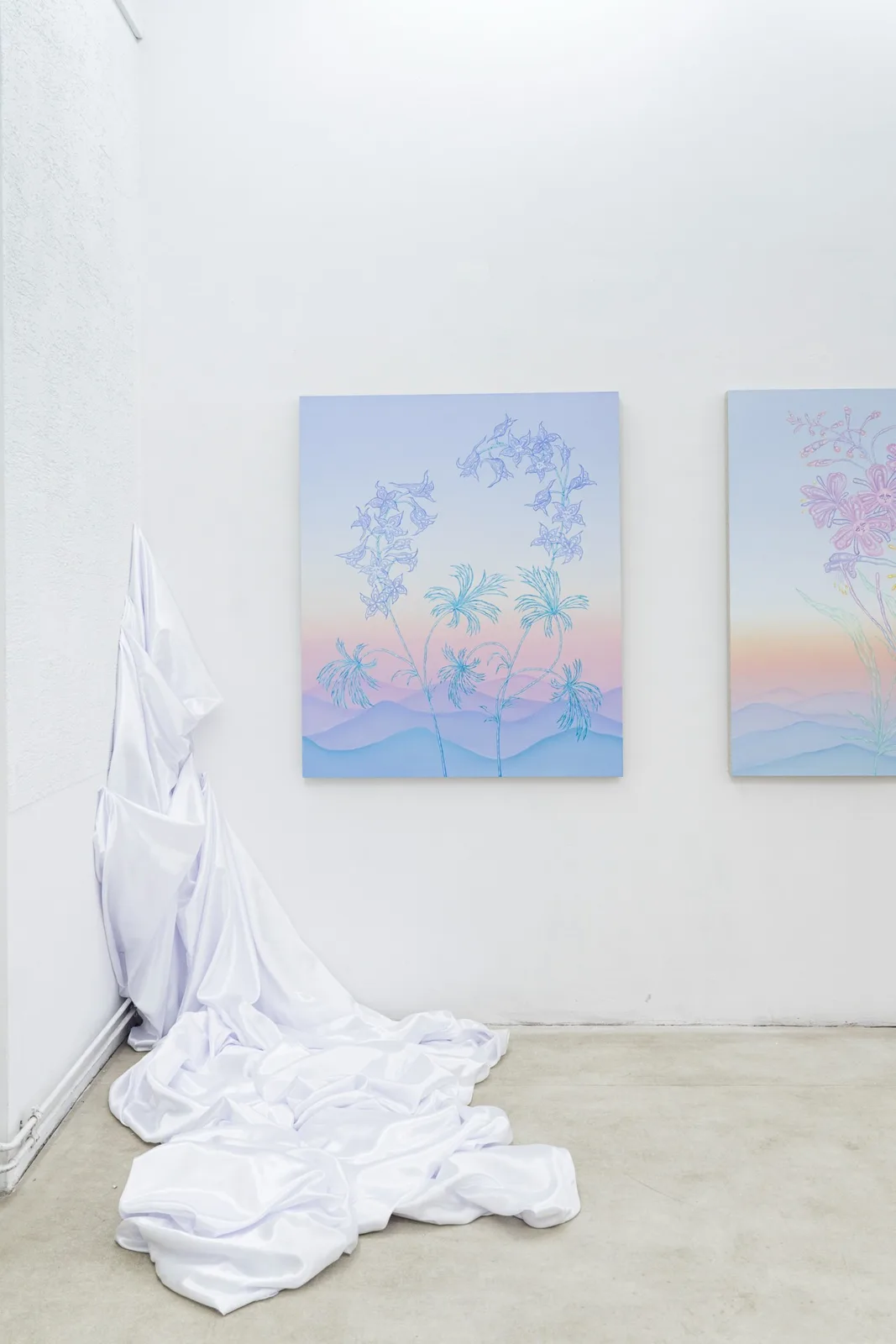
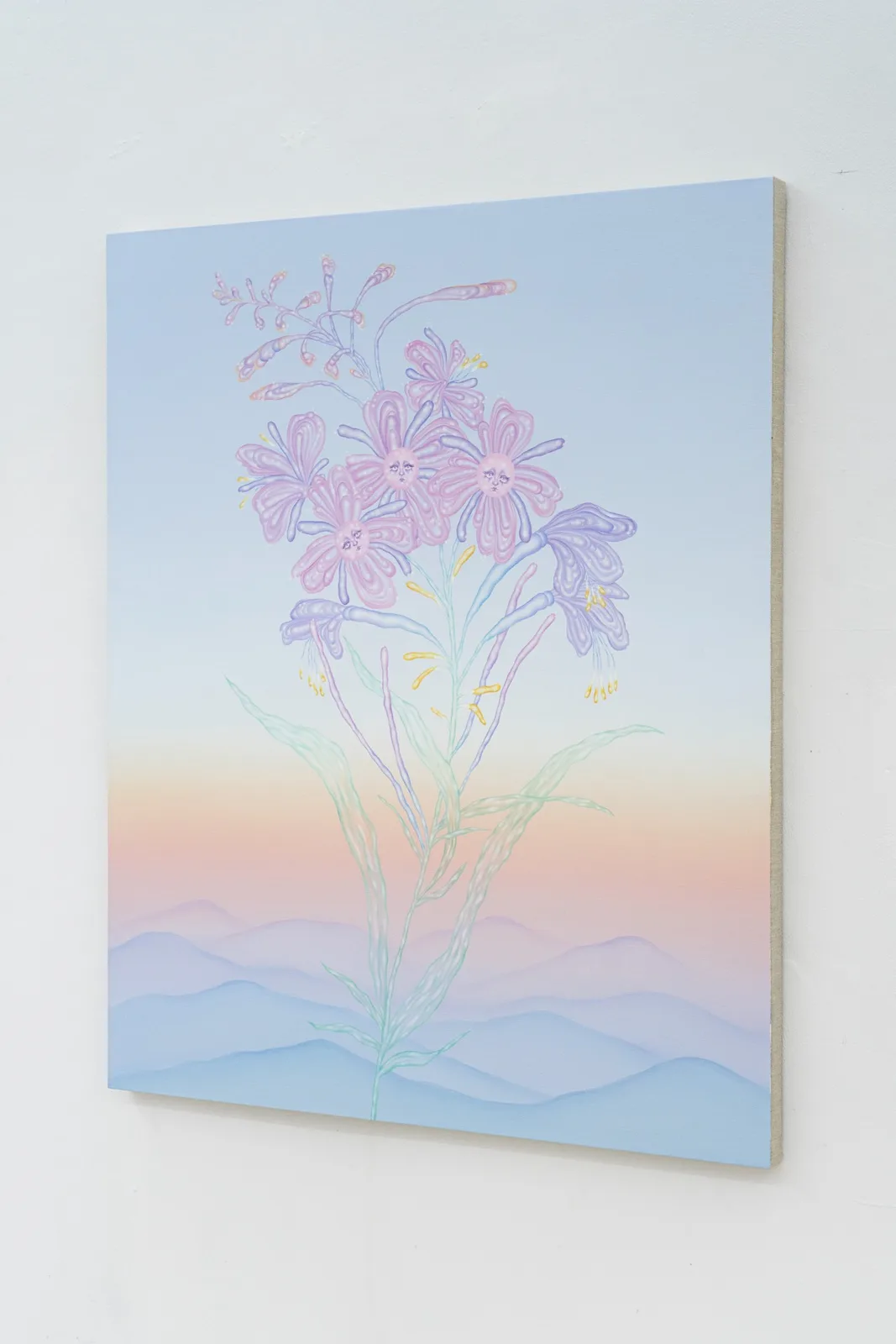
Kornel also turns his attention to plants whose habitats lie in the high mountains. One example is
rosebay willowherb, which has recently enjoyed its fifteen minutes of fame thanks to Instagram. It
is a striking yet common perennial, forming vast swathes across mountain meadows. Interestingly,
willowherb is a pioneer species, among the first to colonise damaged land. It grows near human
settlements, on abandoned pastures and on burnt ground, enriching the soil before eventually giving
way to other, more demanding species. We can therefore be fairly certain that willowherb will not
disappear so quickly in this era of mass extinction. A meagre consolation? Perhaps the only one we
have.
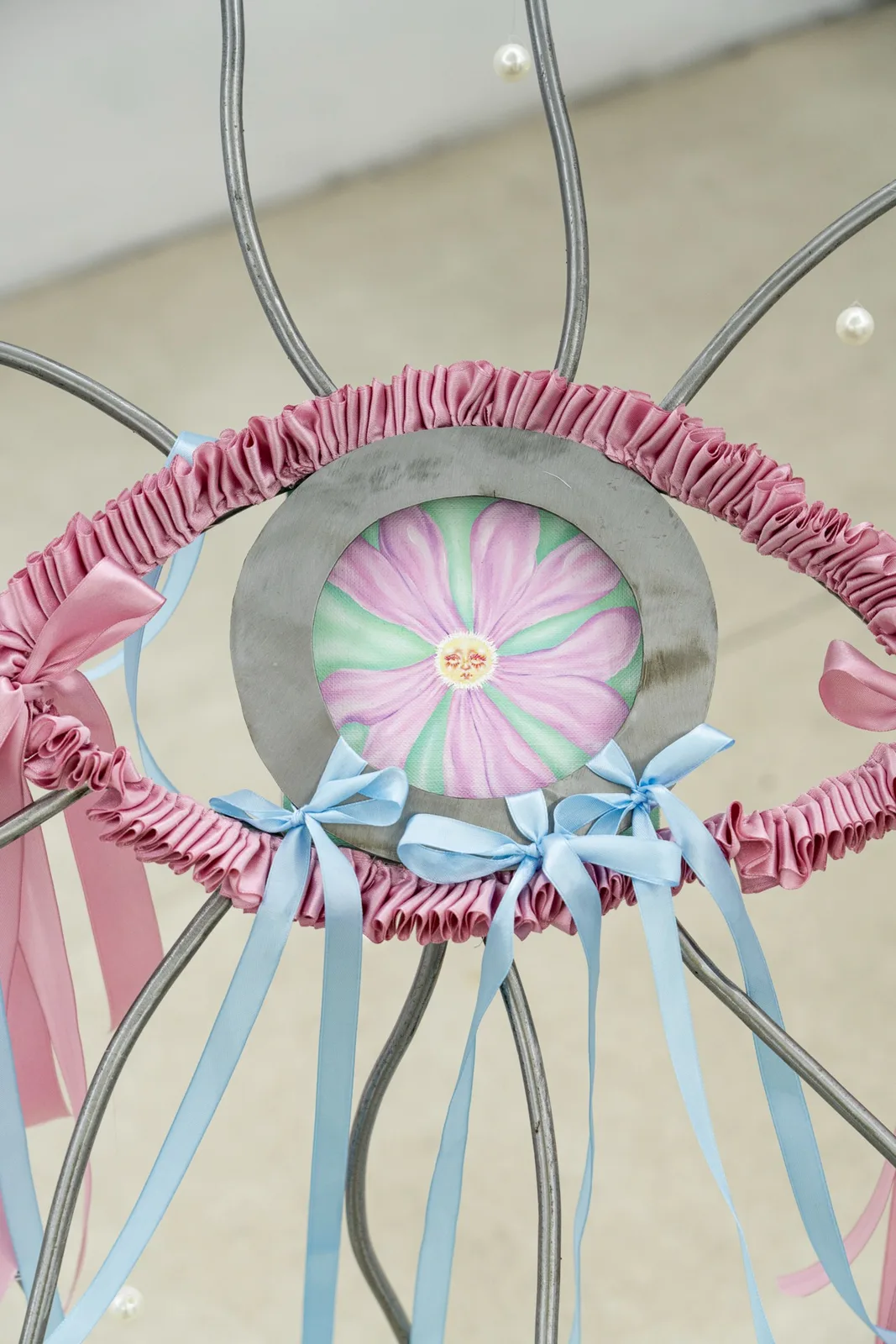
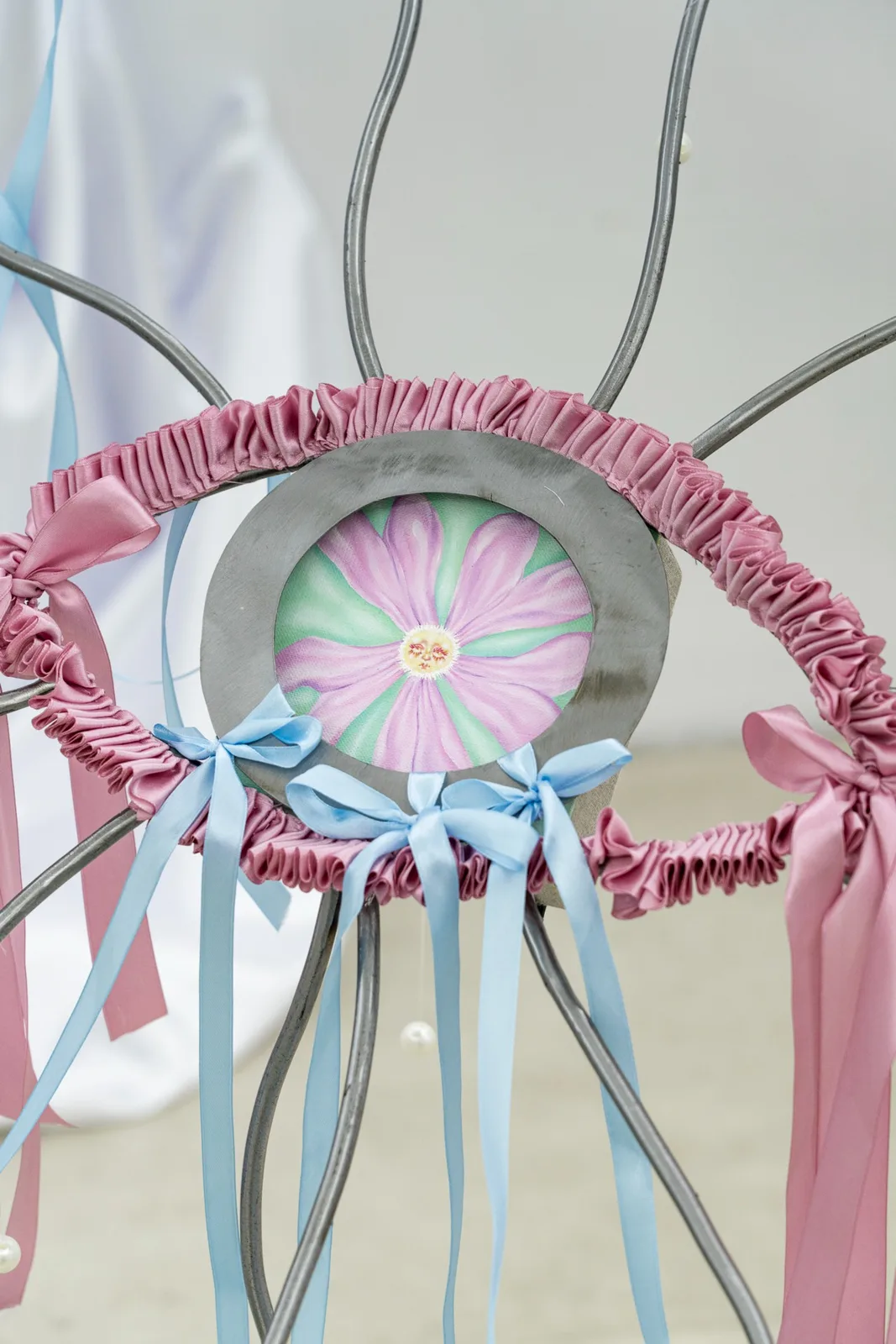
The tiny primrose, which grows abundantly in the Tatras, will probably survive for similar reasons:
its inconspicuousness. It is easy to overlook, even though its flowers are enormous in proportion to
the rest of the plant.
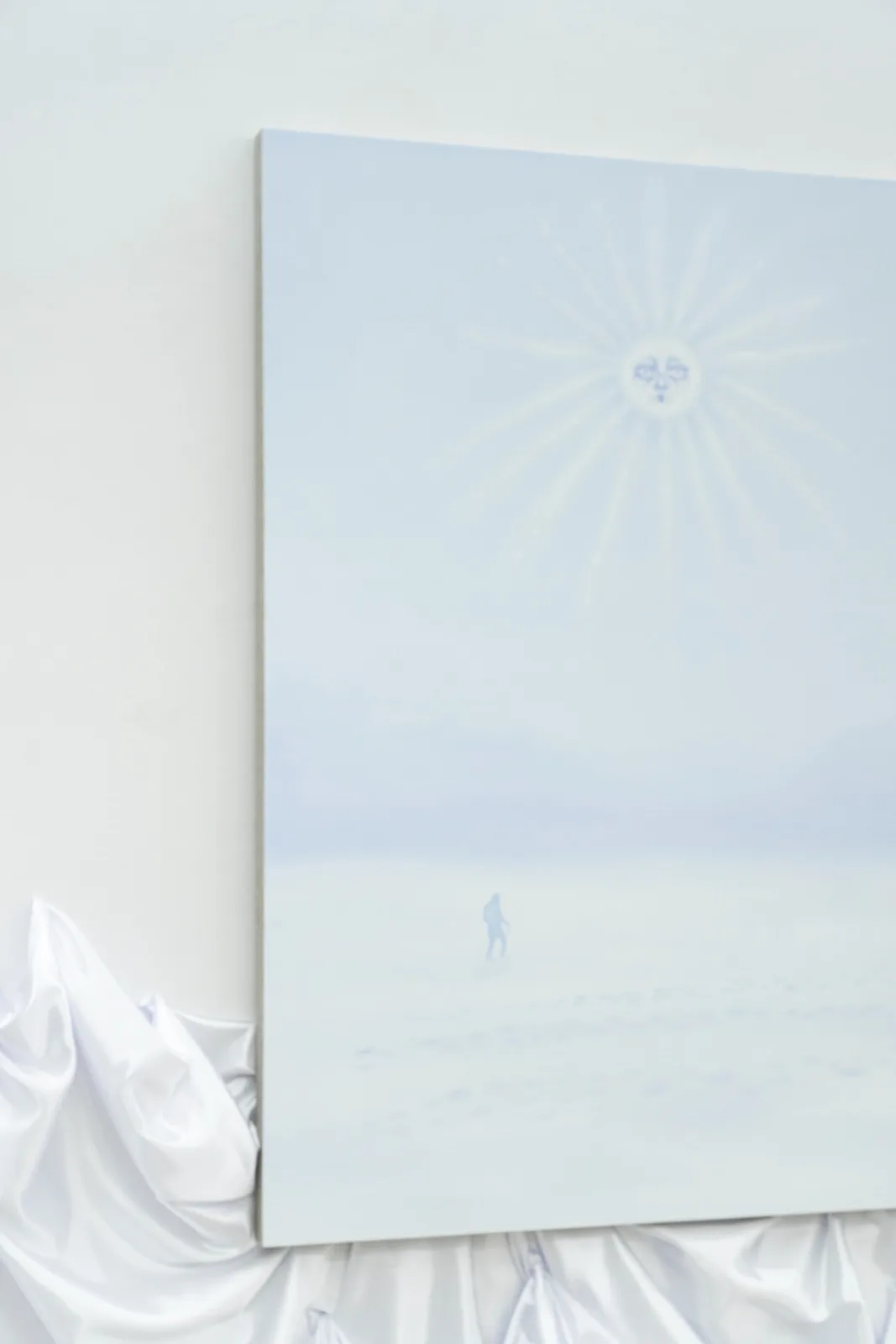
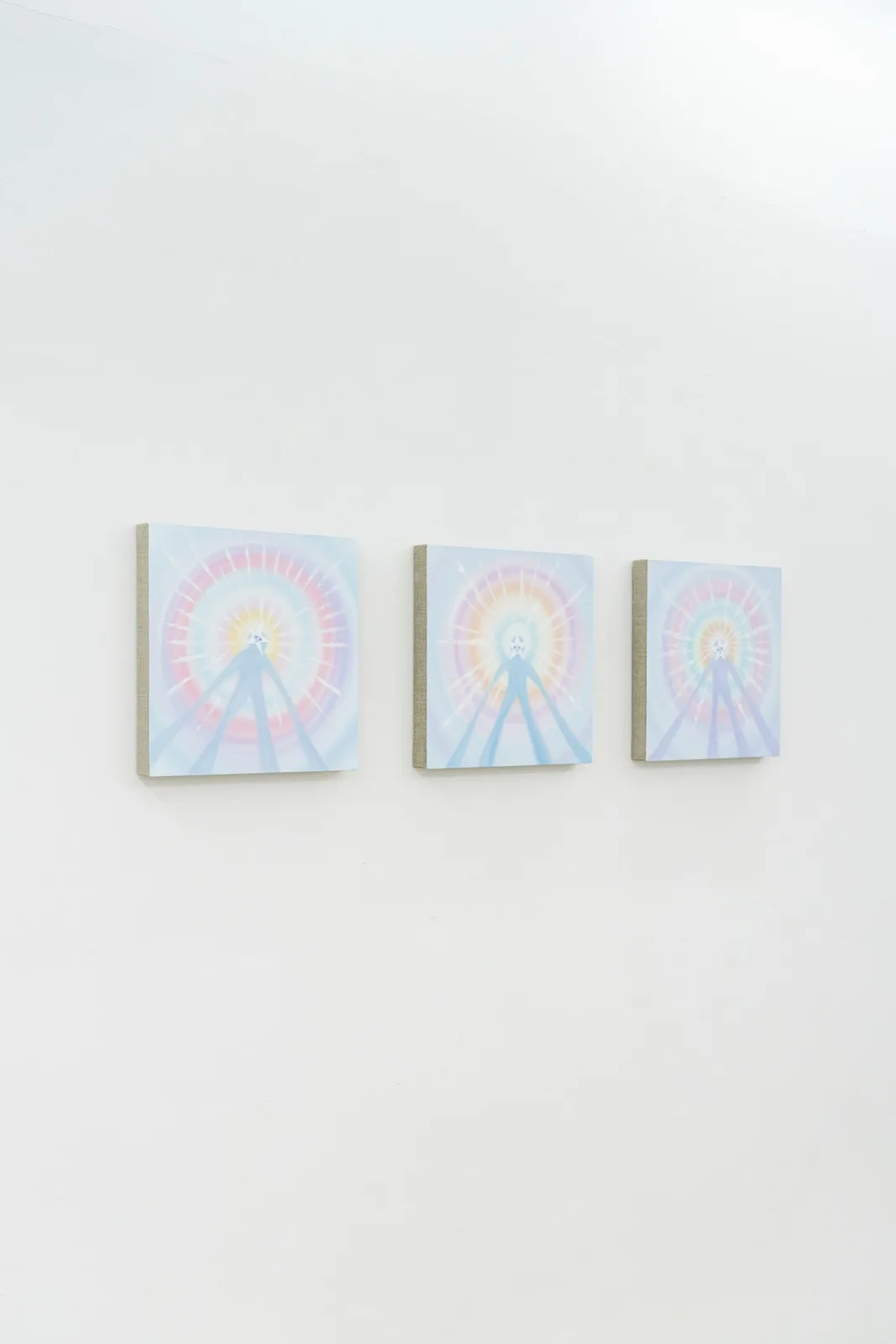
Kornel’s attention has also been drawn to the ominous phenomenon known as the Brocken spectre.
A person standing on a mountain summit may see their own greatly enlarged silhouette projected
onto the clouds. According to superstition, this optical phenomenon foretells inevitable death—
unless the omen is reversed in time.
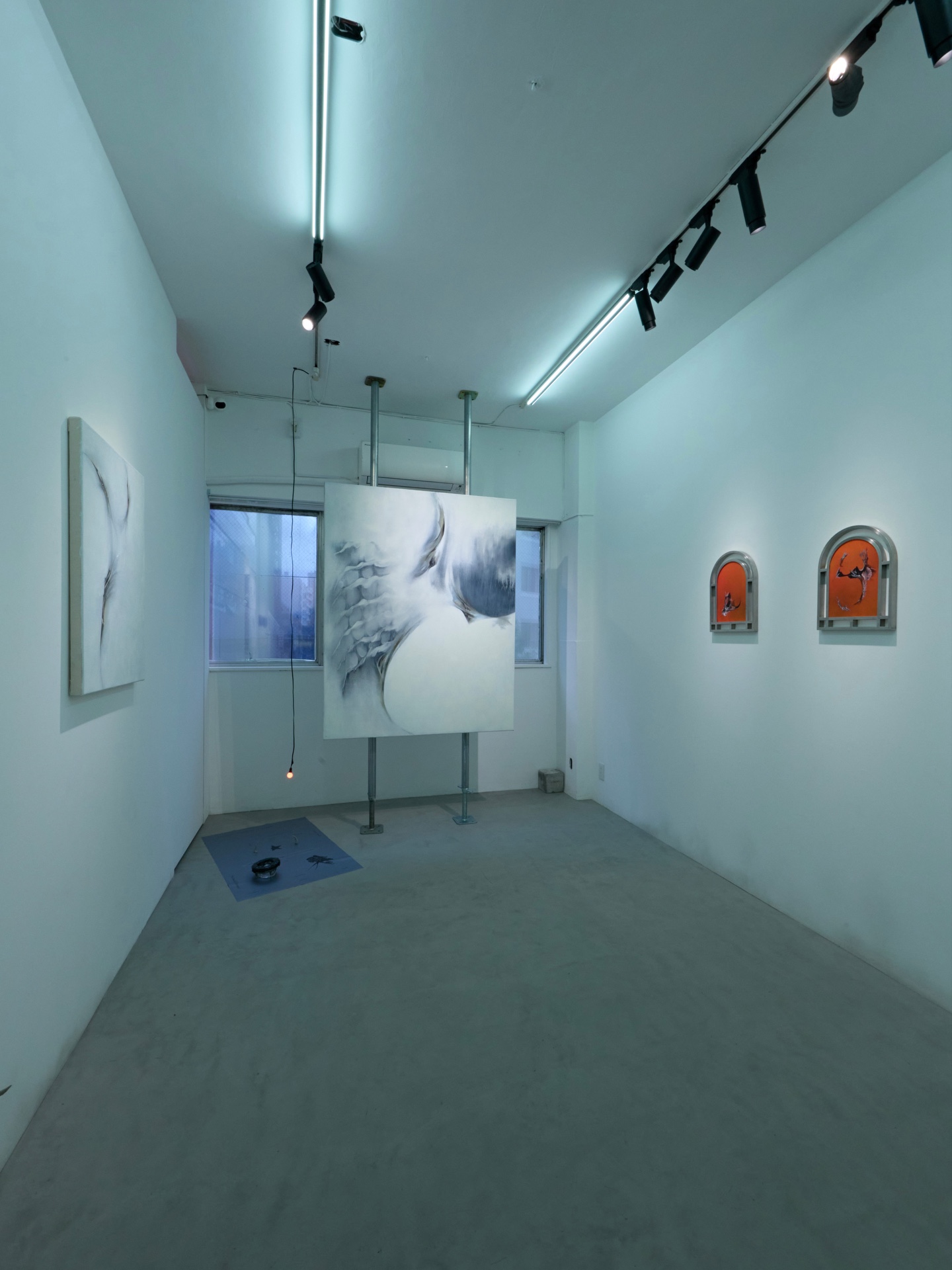
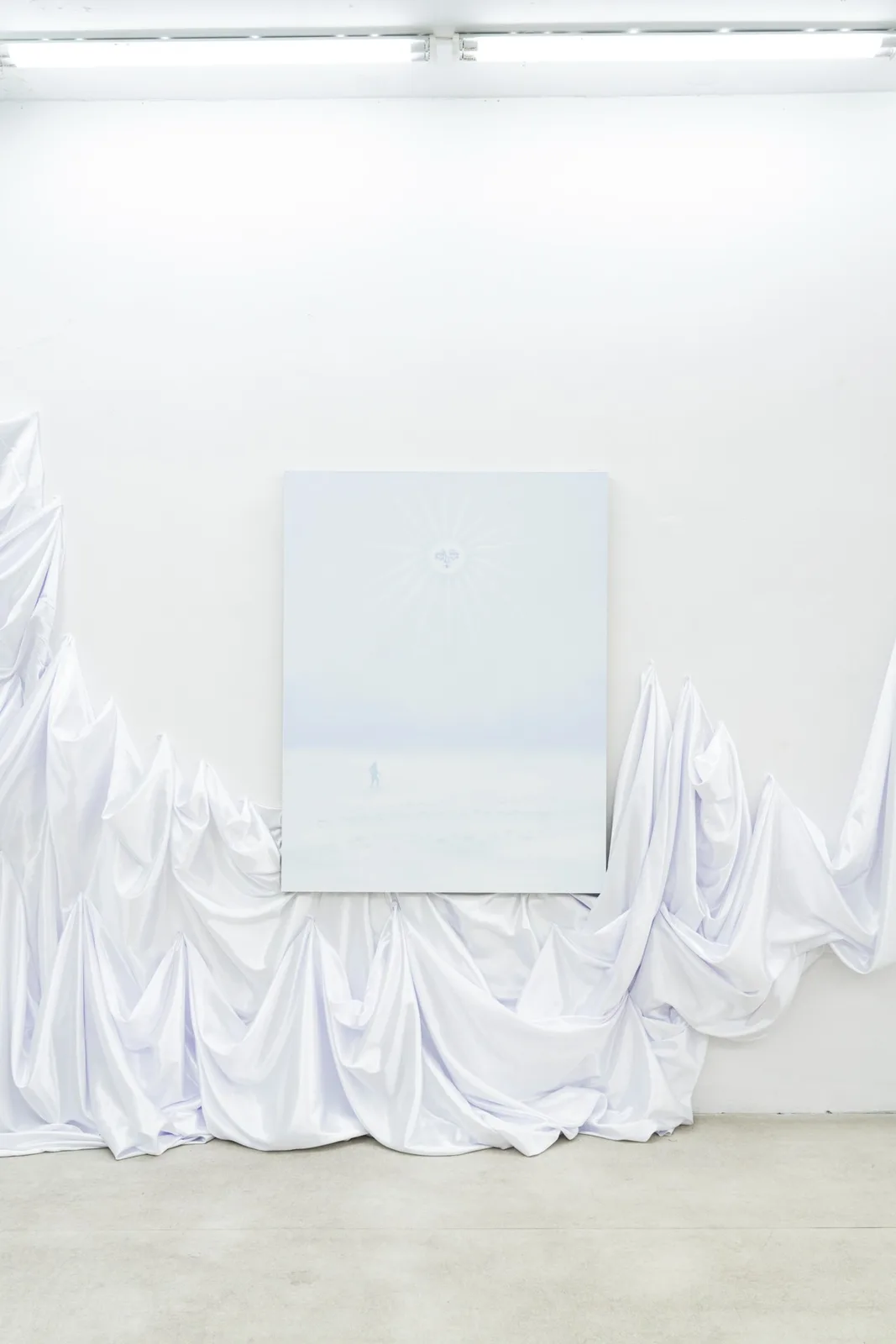
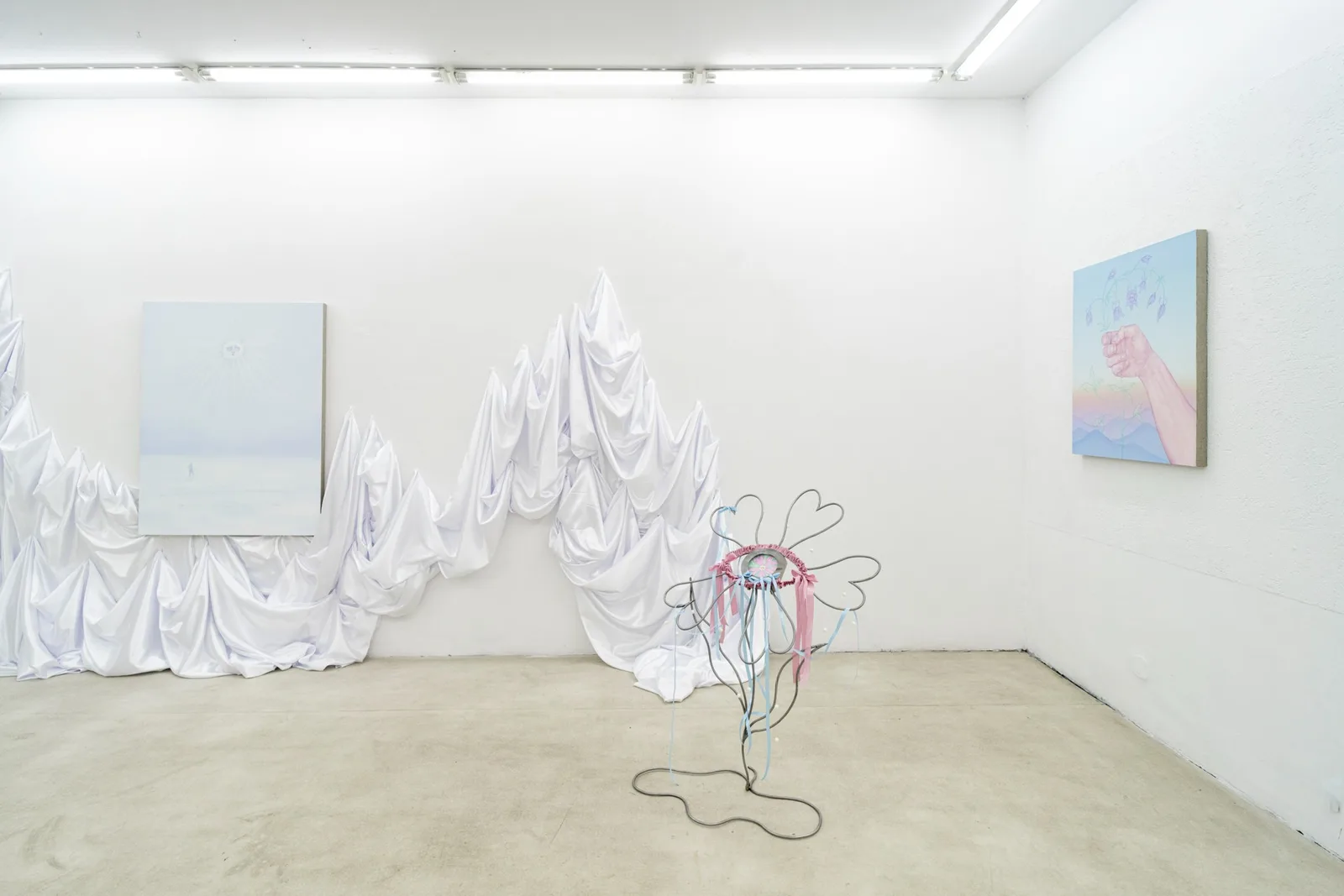
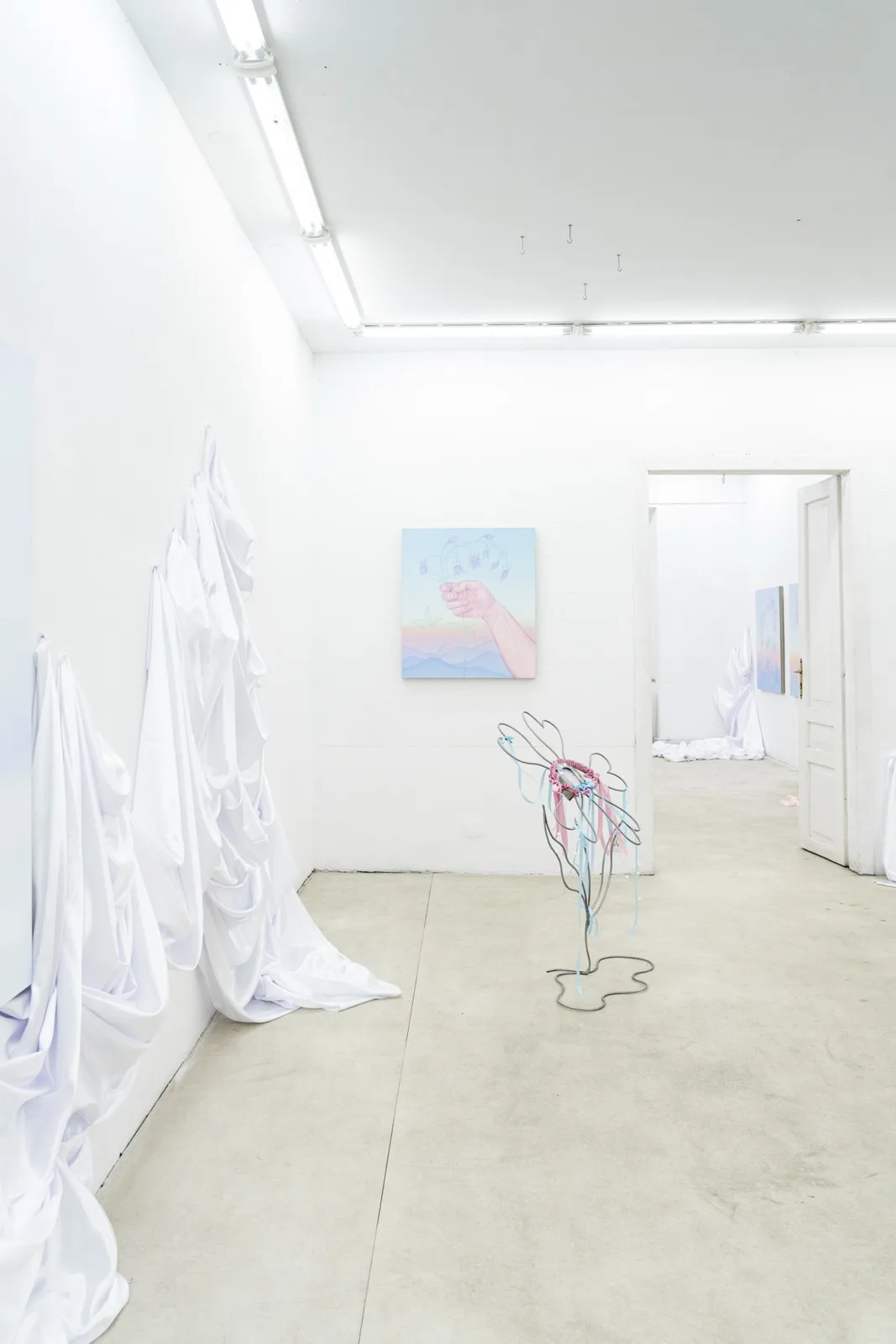
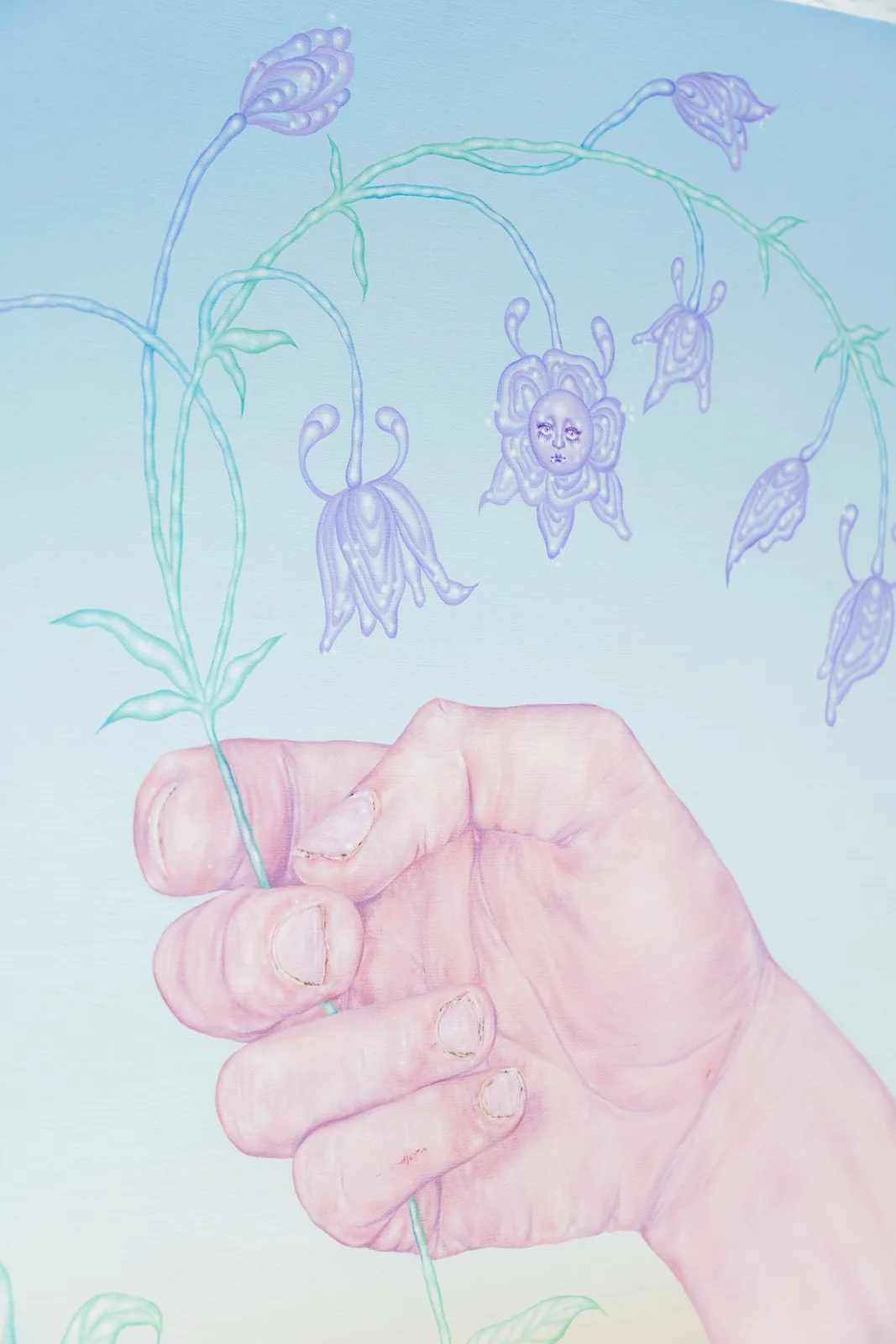
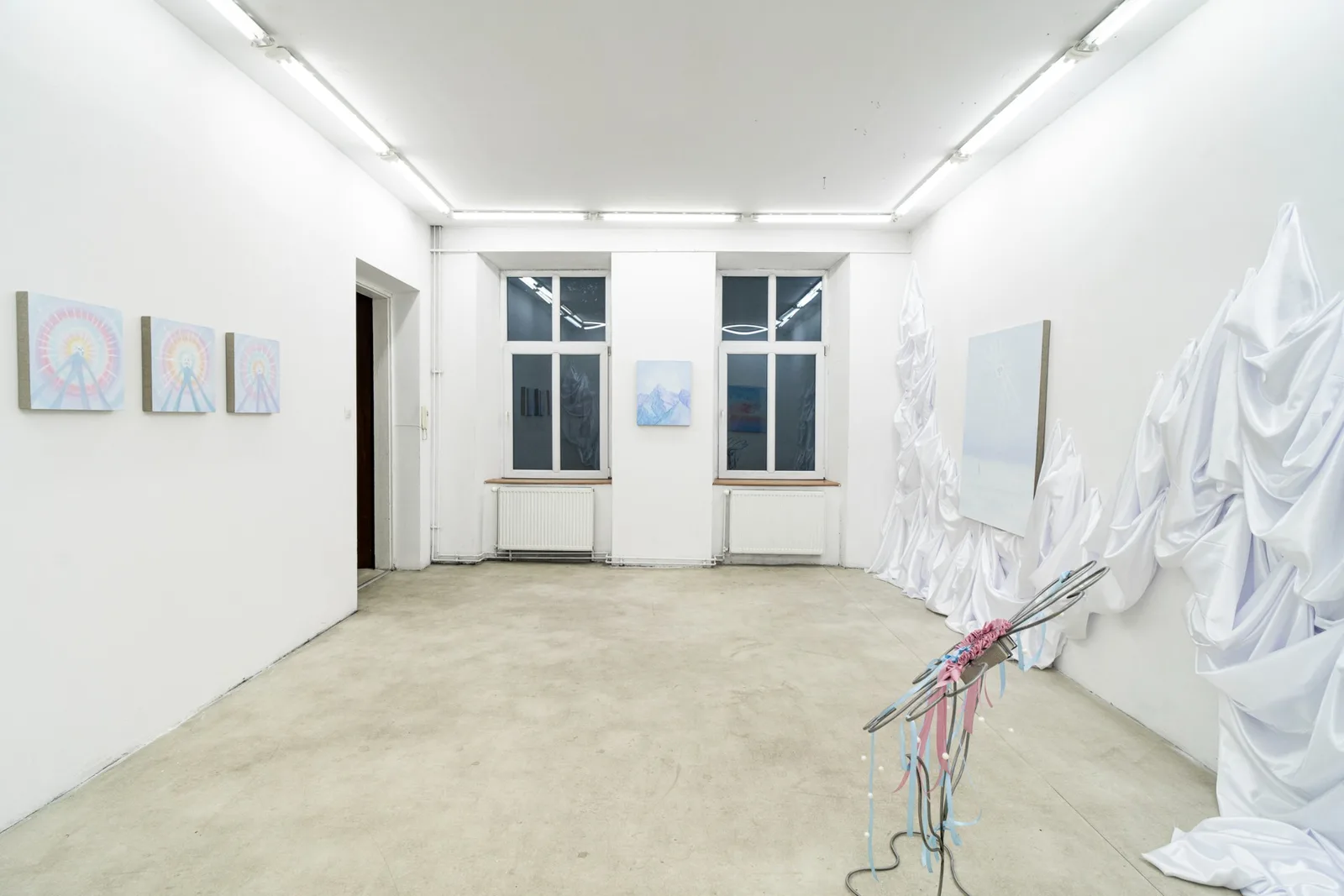
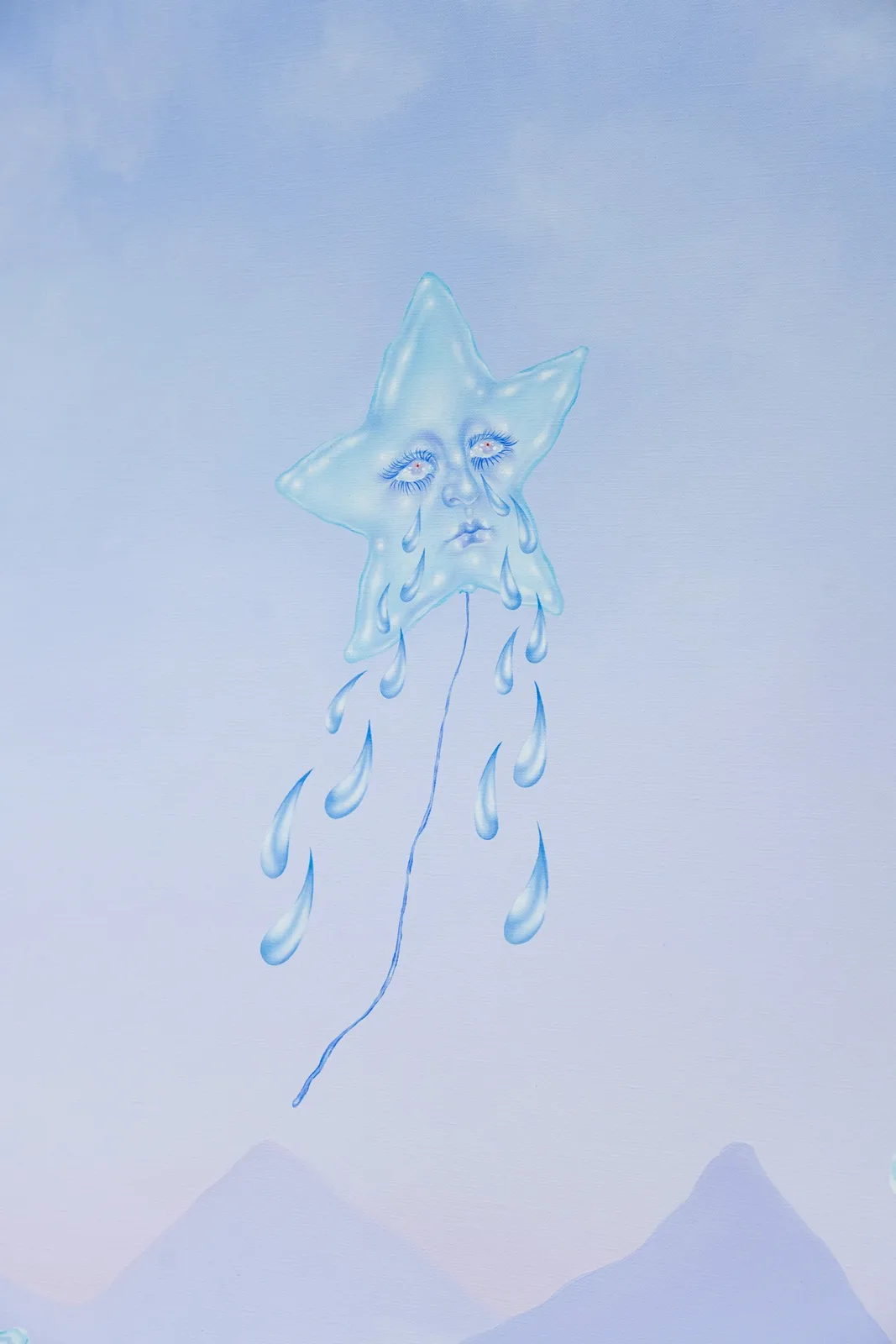
The beauty that nature continues to bestow upon us without asking anything in return reigns
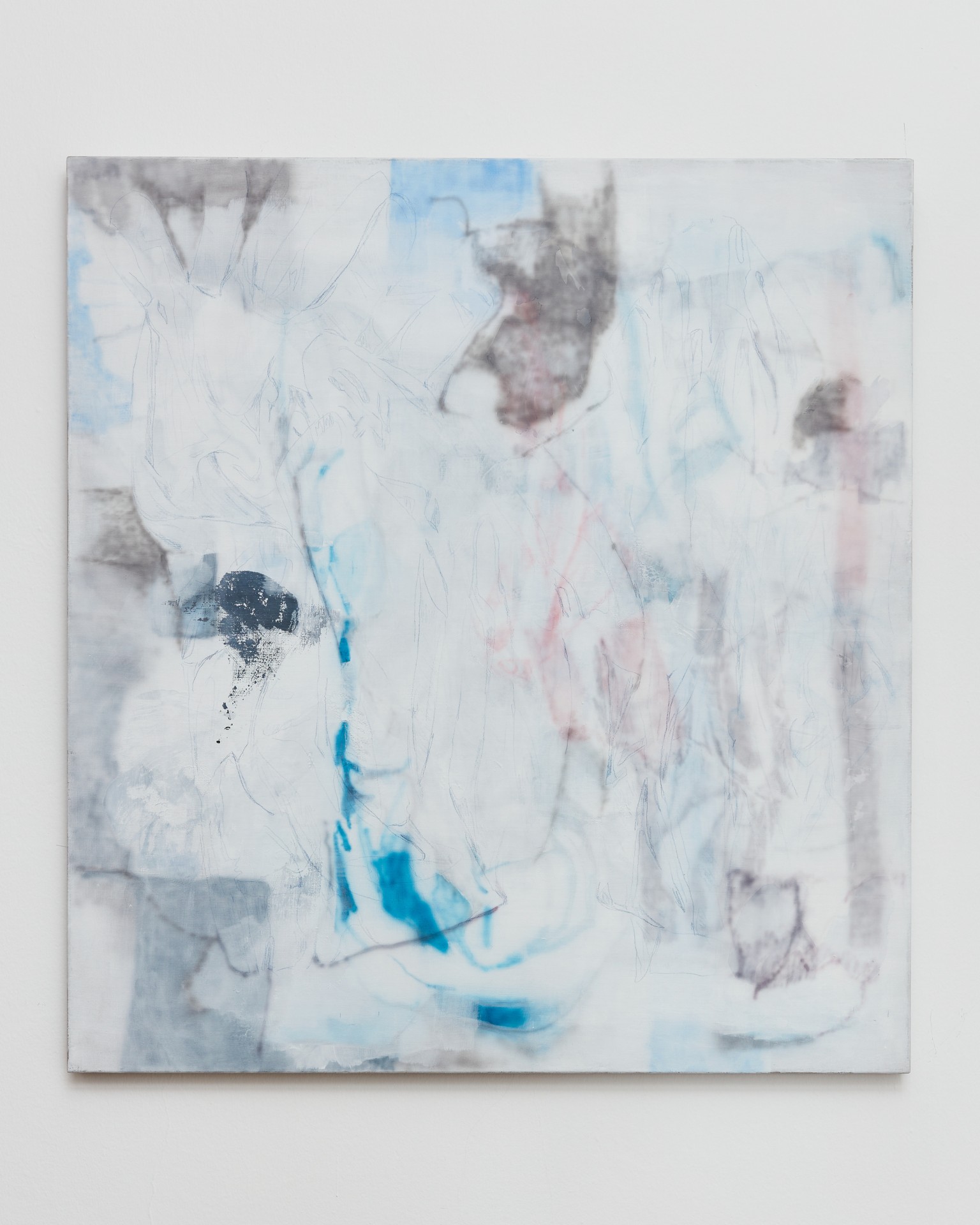
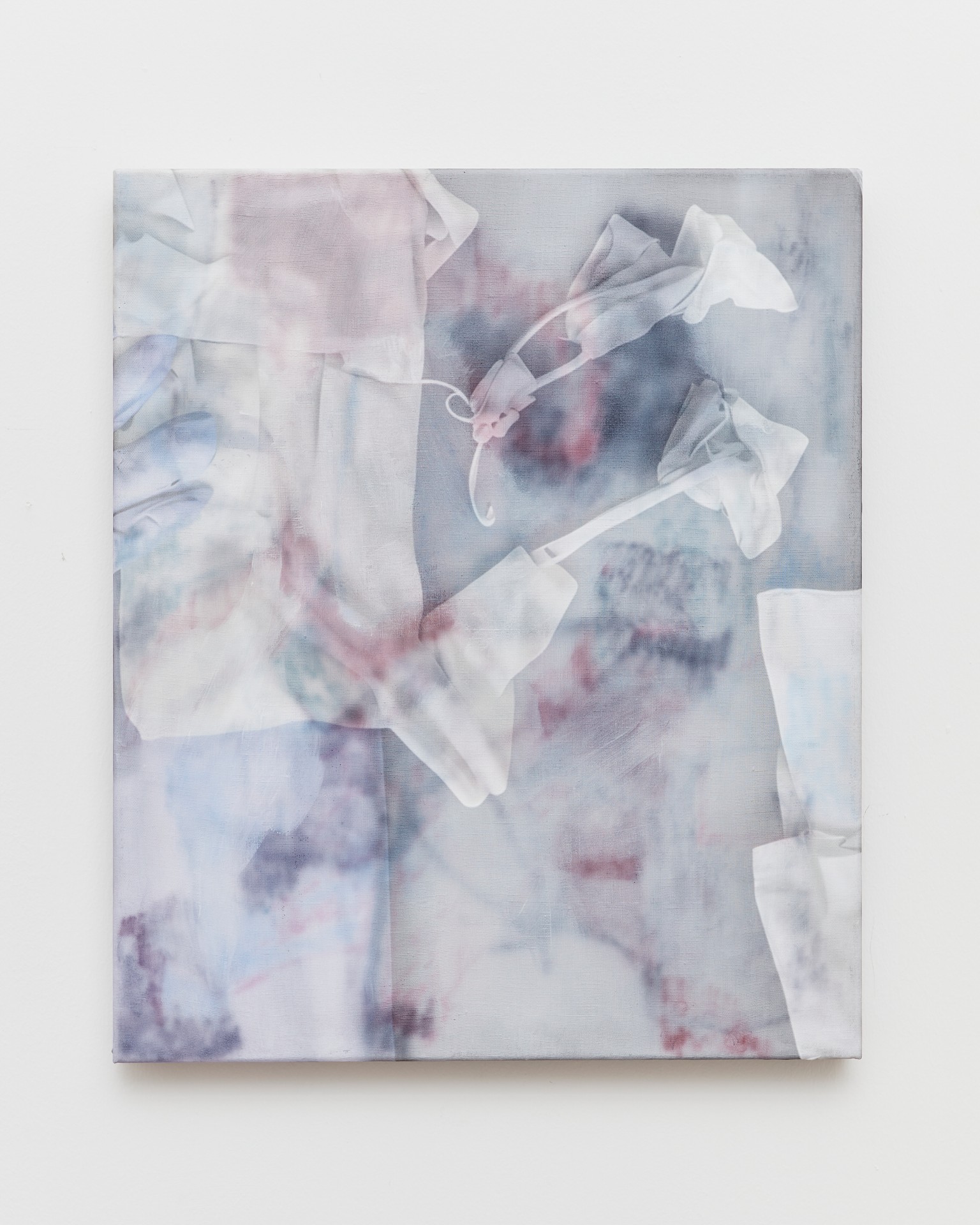
supreme in Kornel’s paintings. The subtle sheen of their backgrounds recalls the shimmer of a
frozen surface of snow, while the colour gradients in his paintings take on the pale tones of a
bitterly cold day—or, conversely, an intensely hot one. Views of mountains, paths, flowers and sky
seem to vanish from the surfaces of his canvases, their outlines and colours gradually losing their
clarity. As though, in the very process of fading, life itself were disappearing from the surface of the
Earth.
One thing is certain: the world will survive. We do not know in what form, but beauty will remain
with it.
— Text: Magda Ujma
Artists in this exhibition
More at Jak Zapomnieć Gallery
More in Kraków
Related topics
.webp)