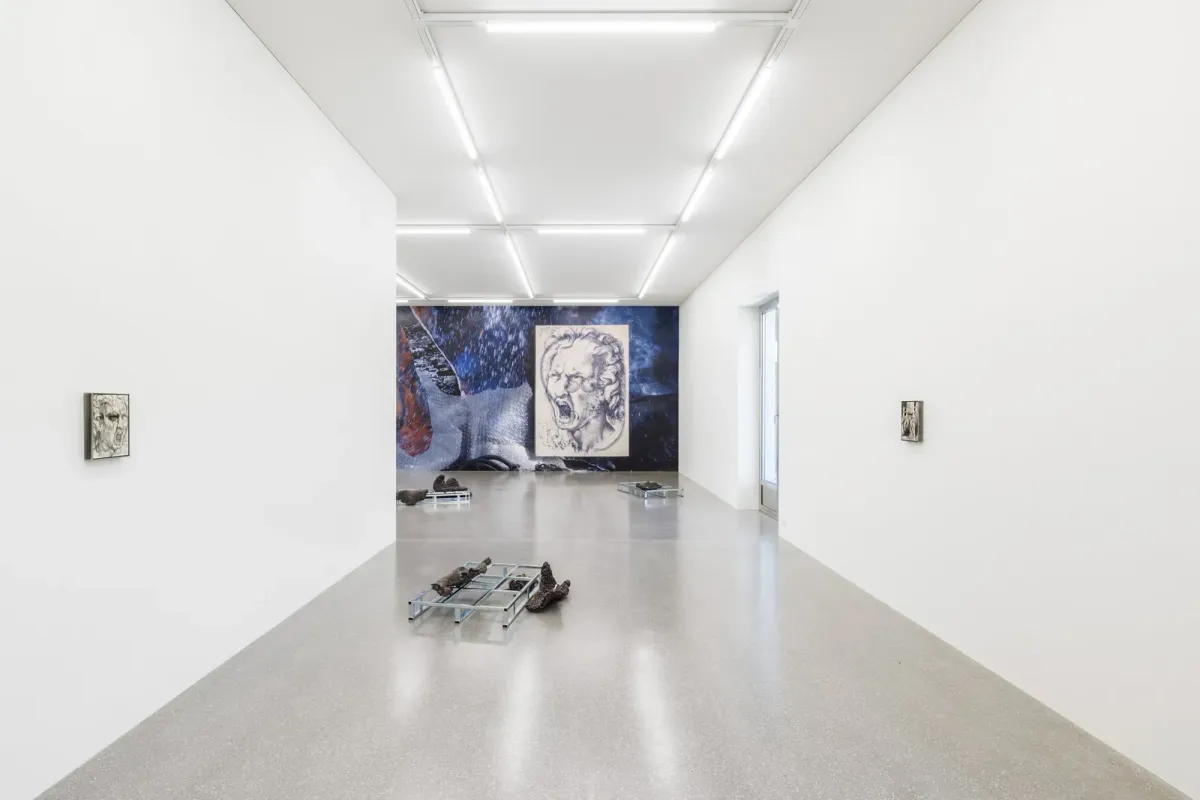
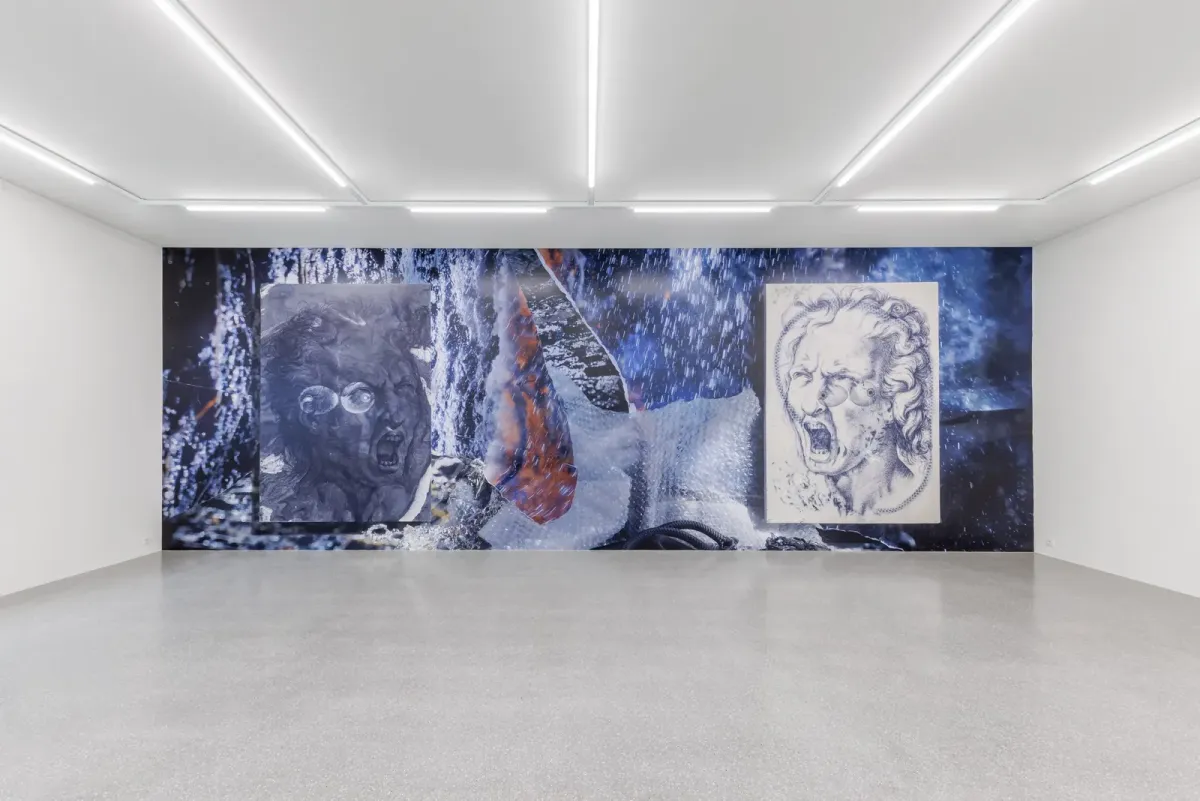
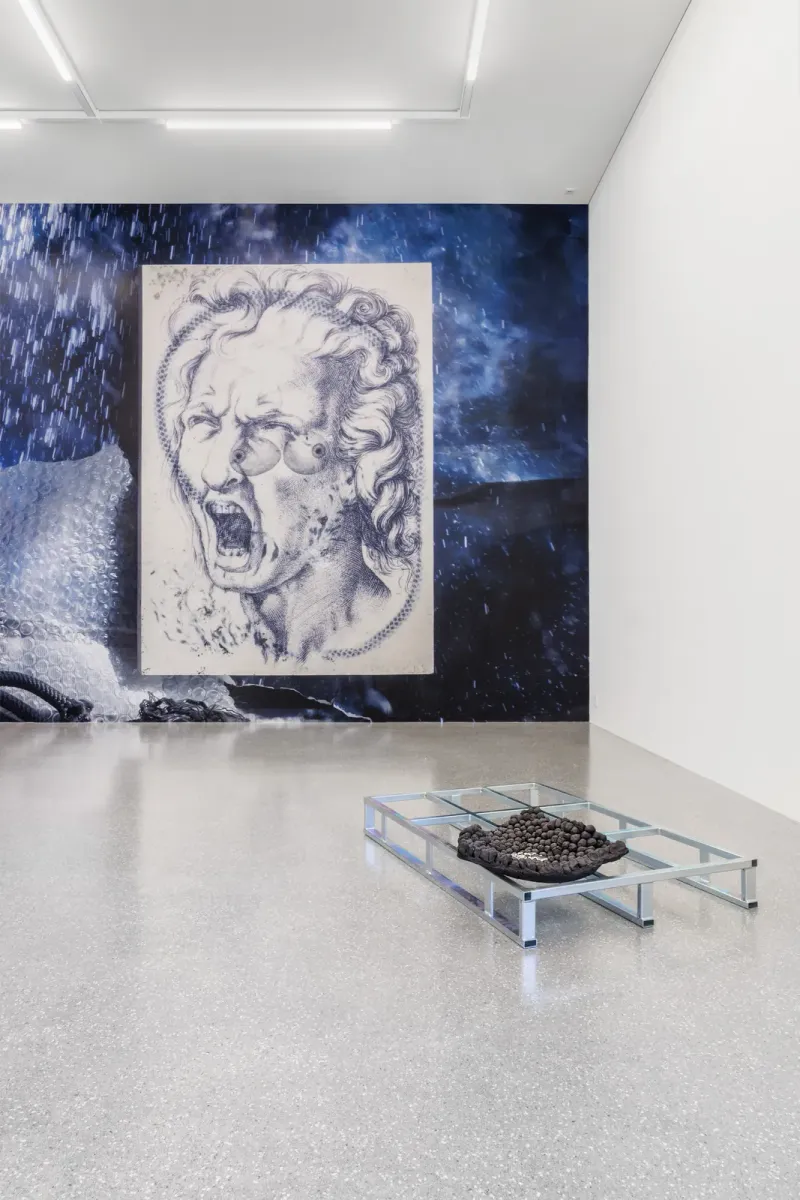
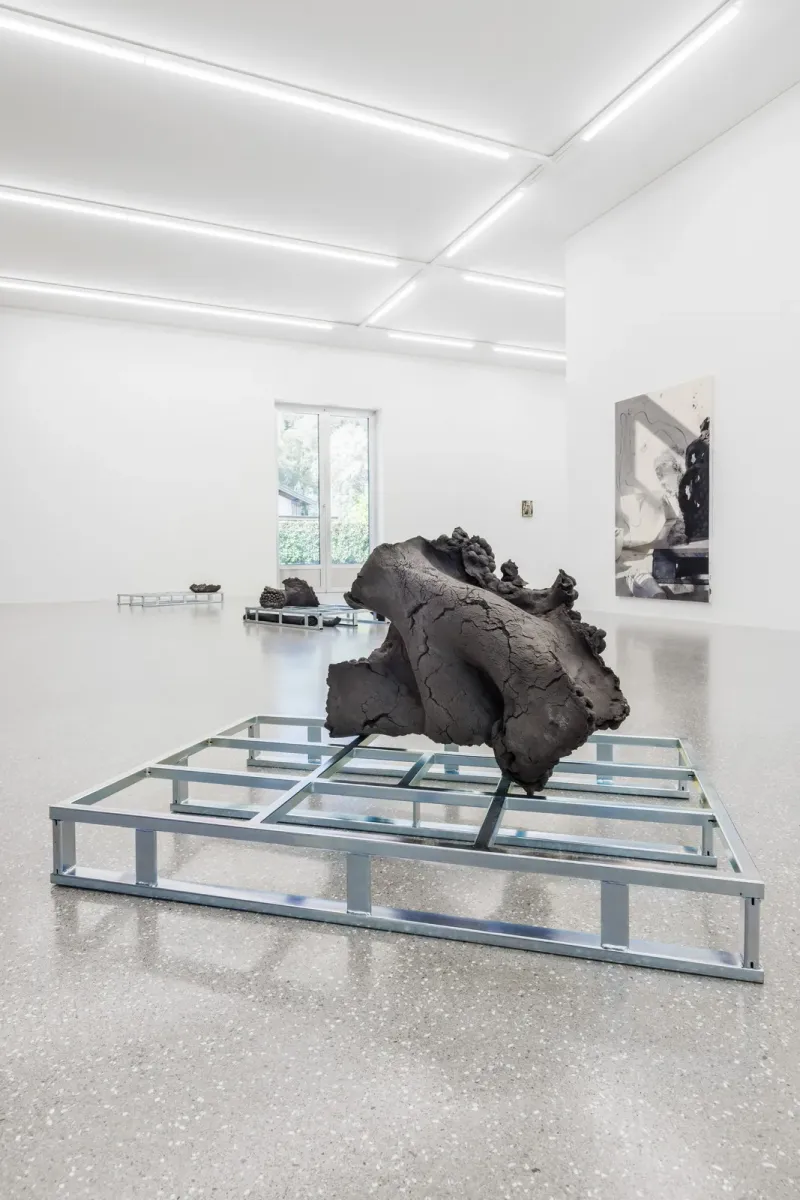
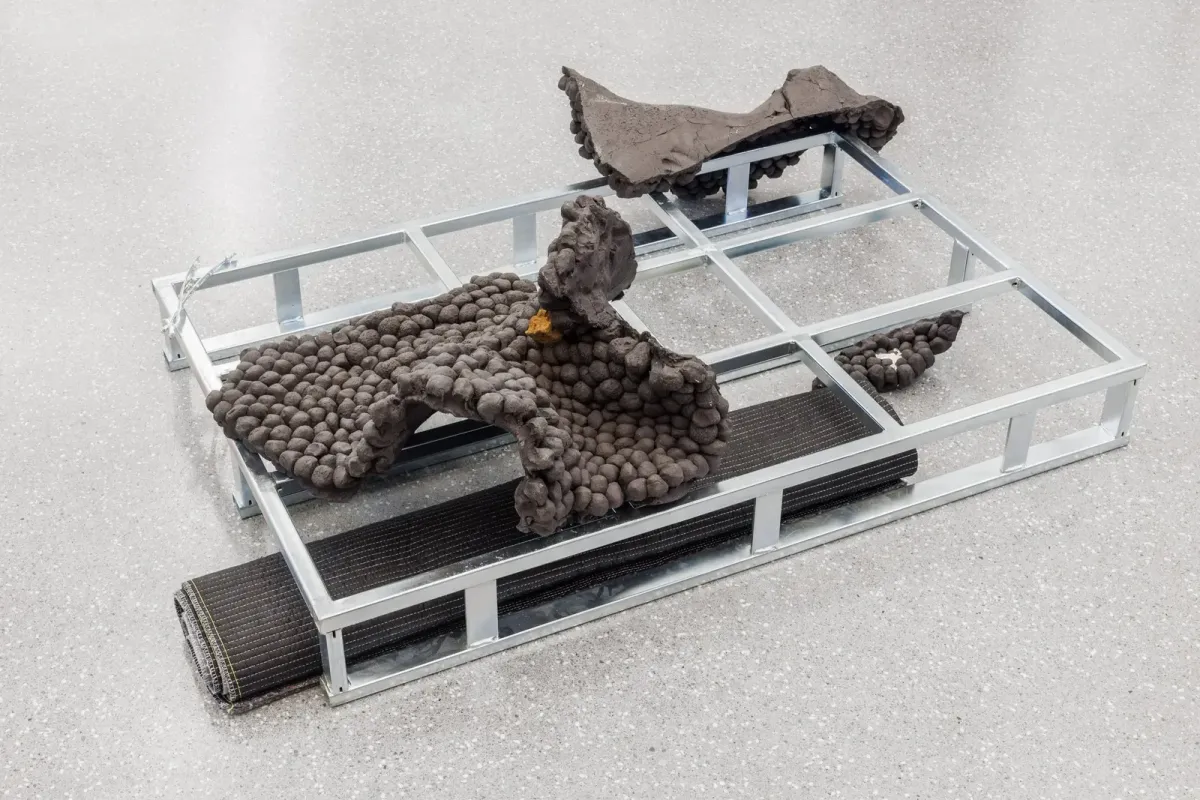
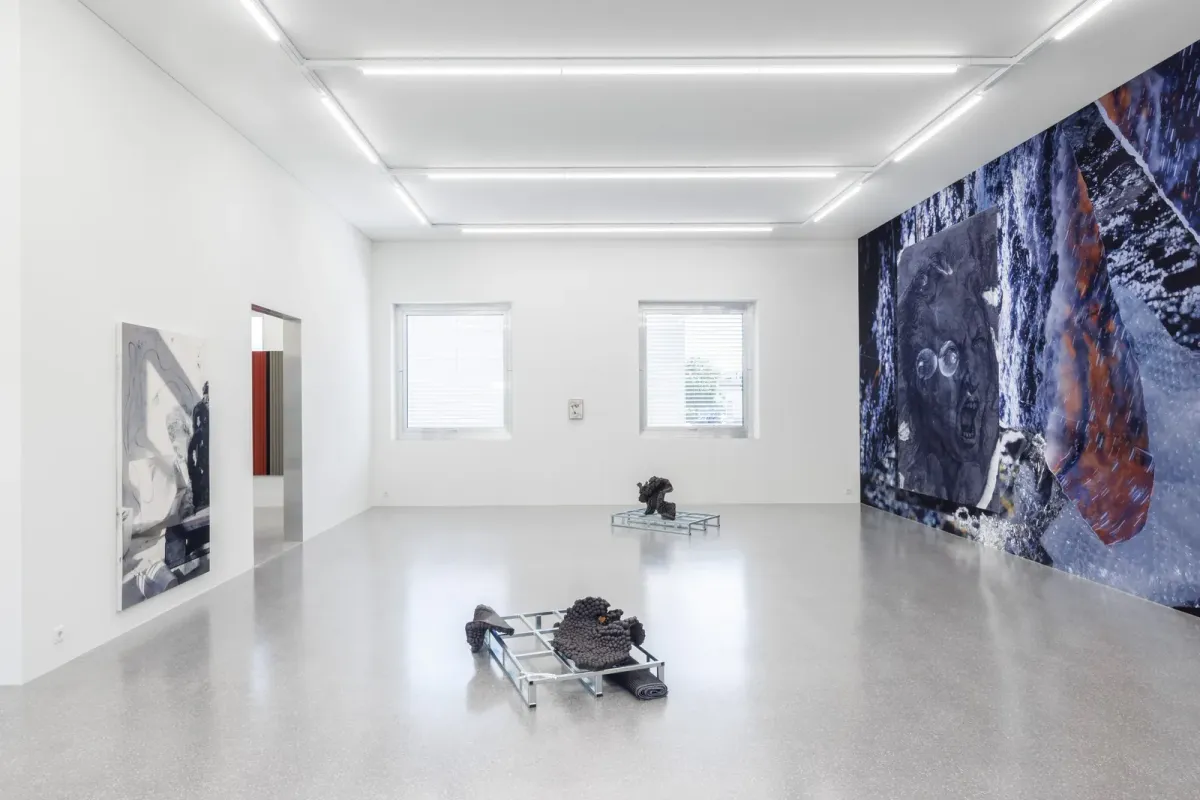
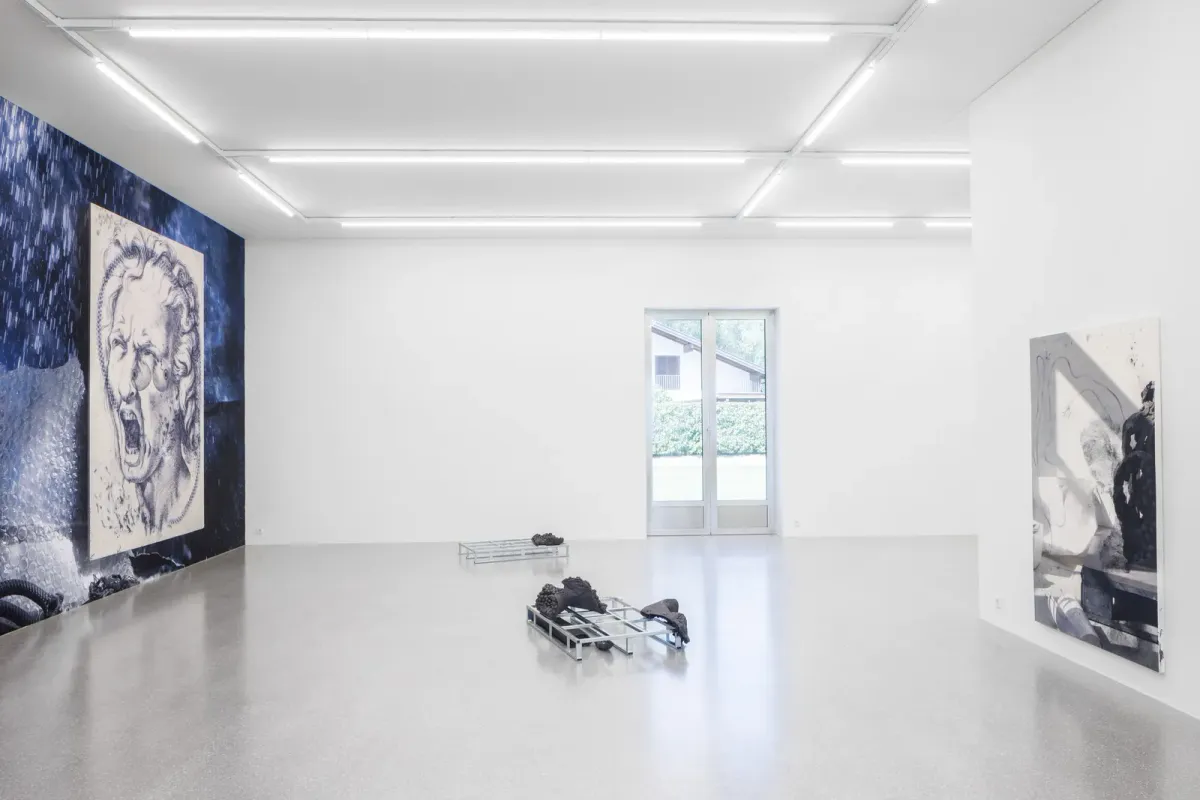
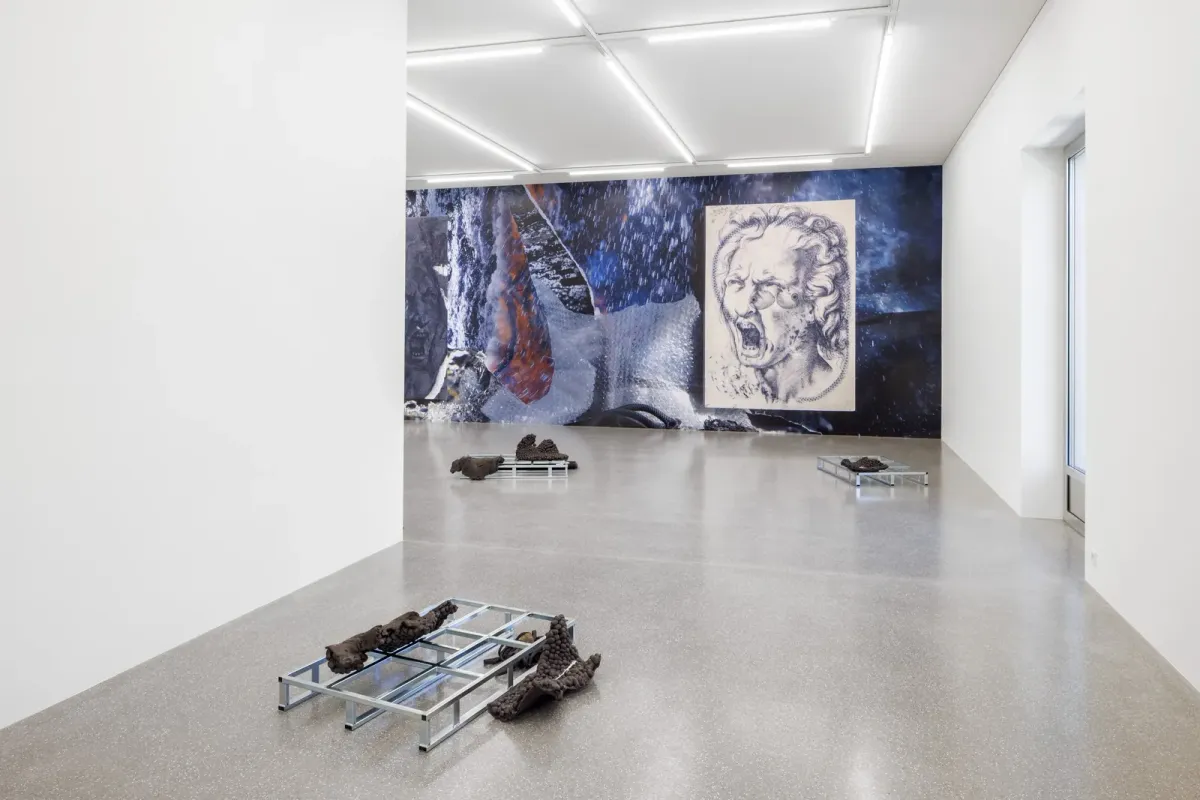
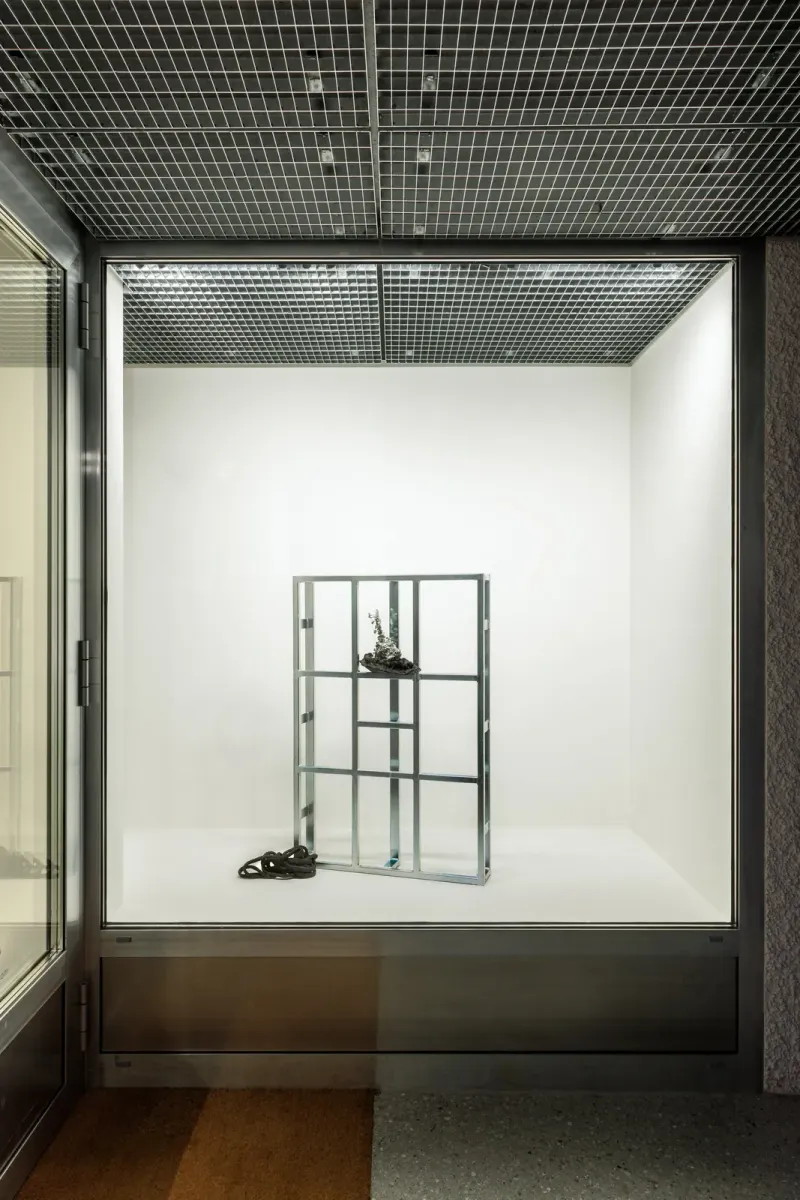
Klaus in Vorarlberg / 2026
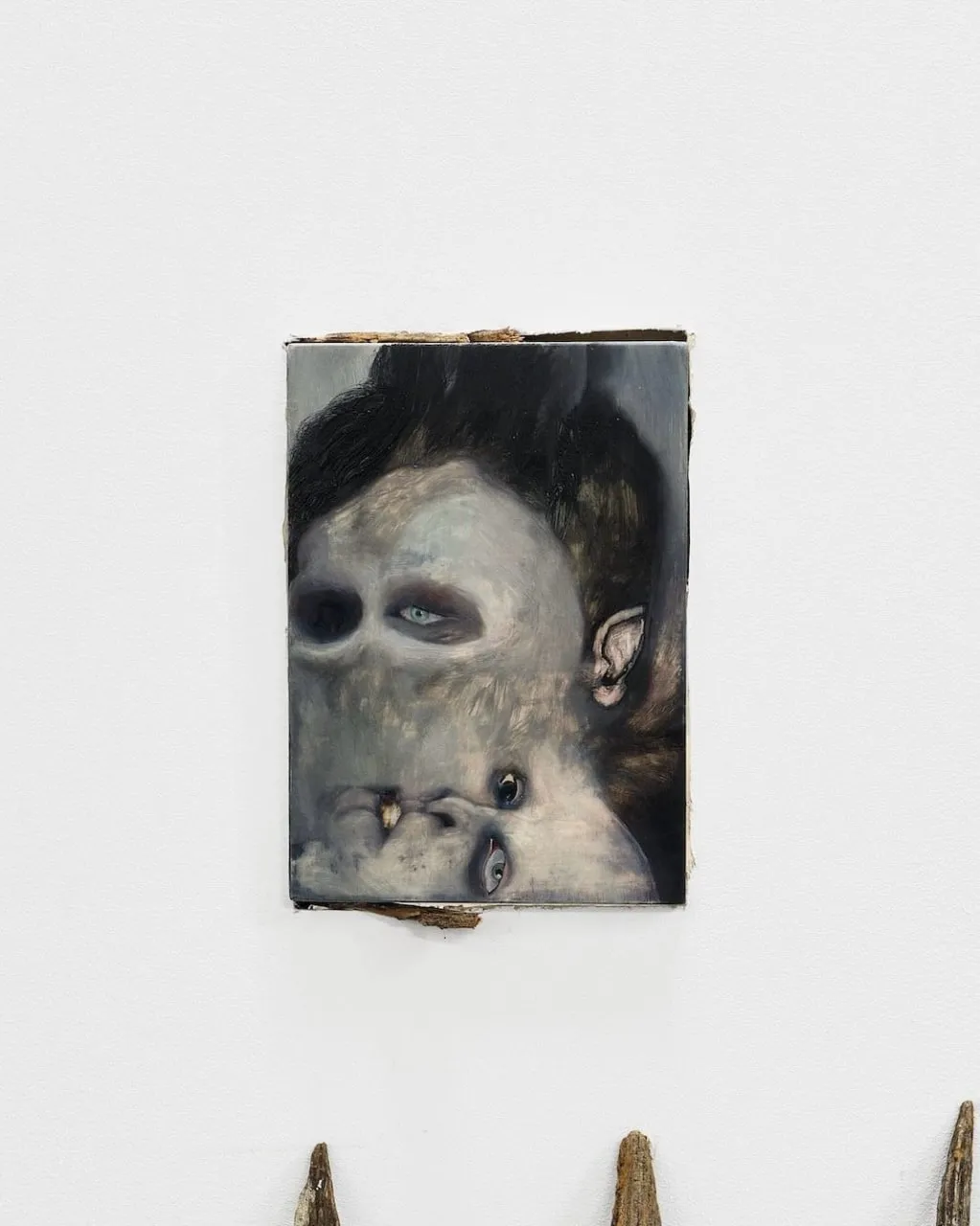
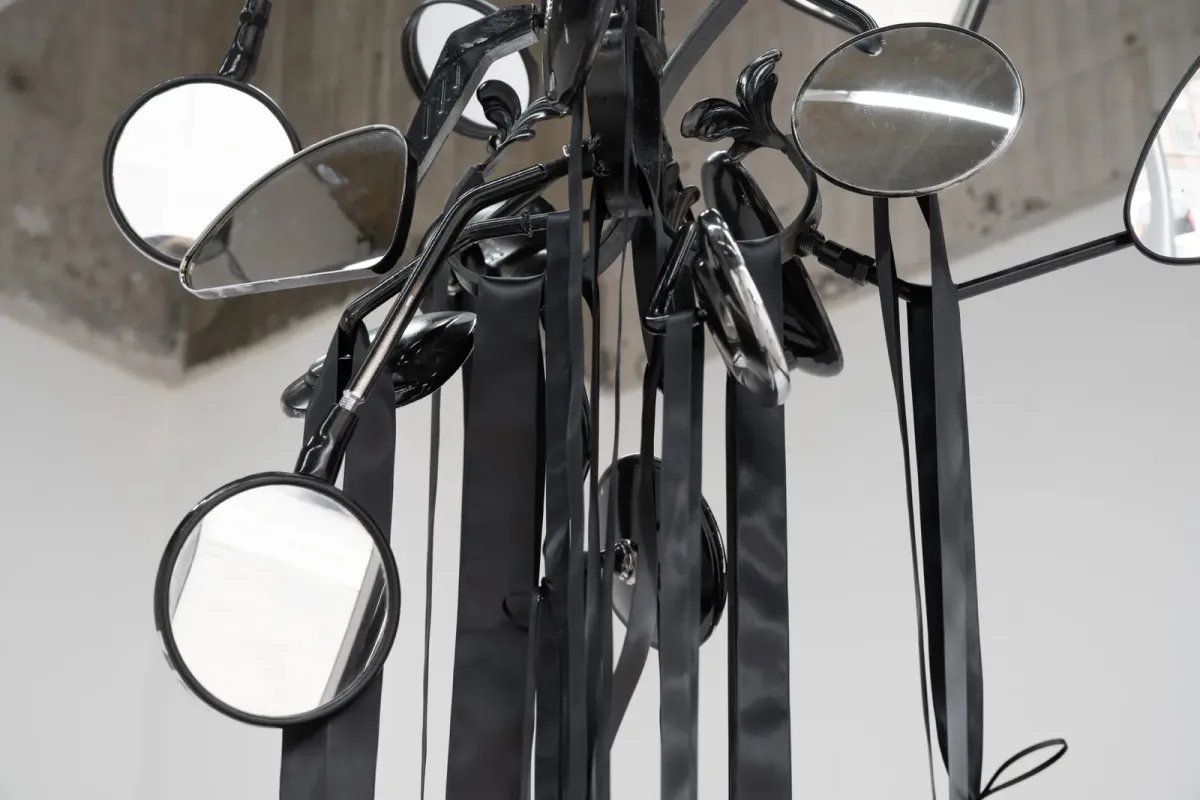
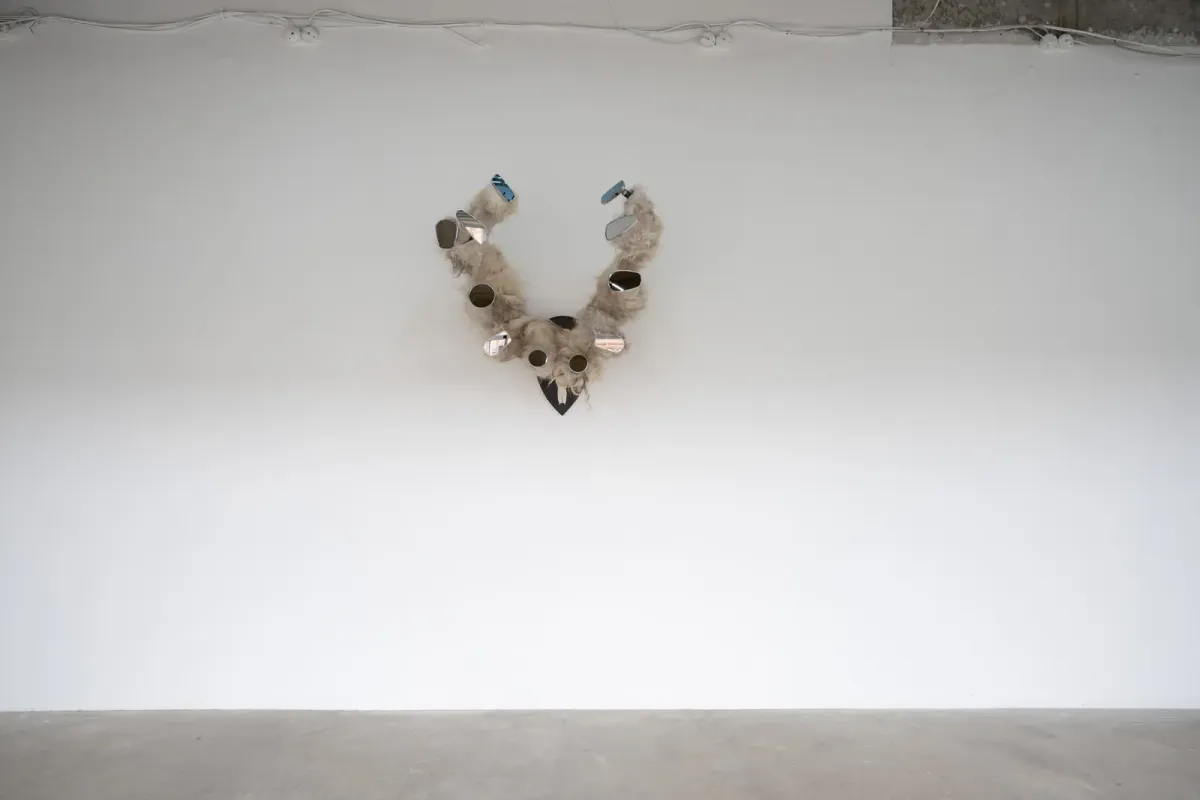
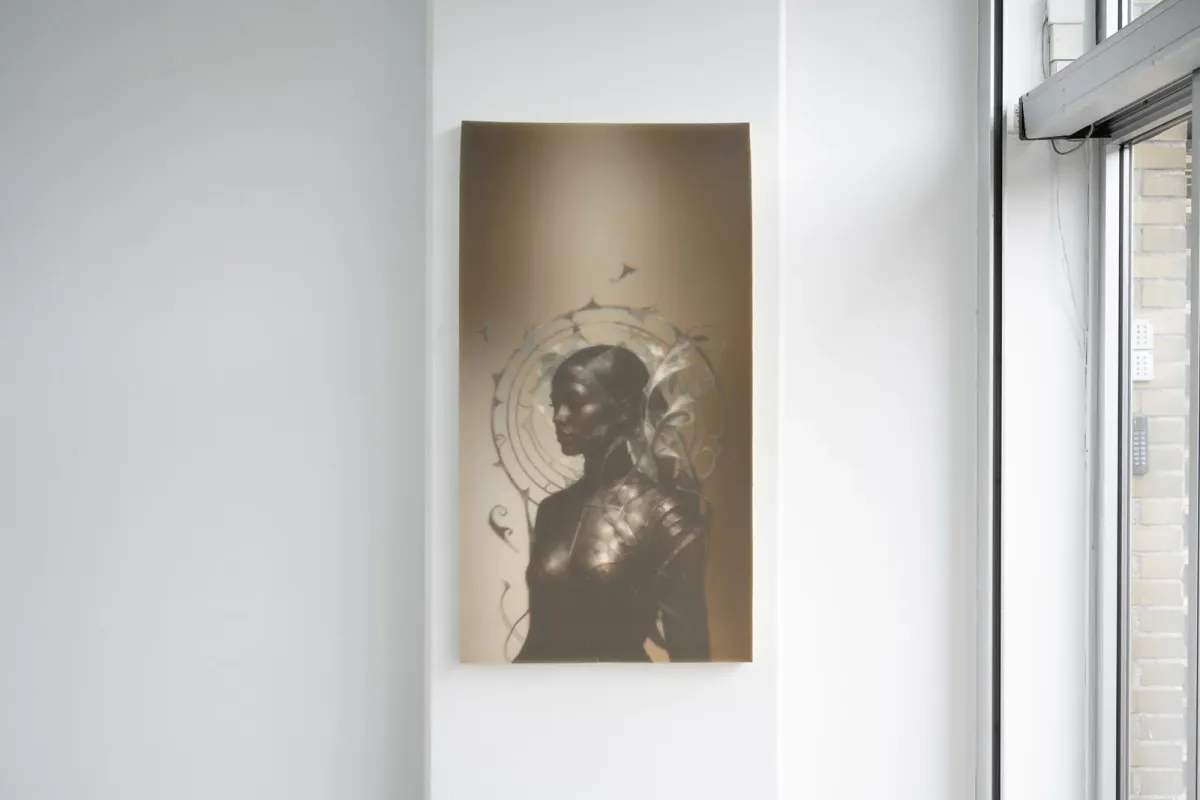
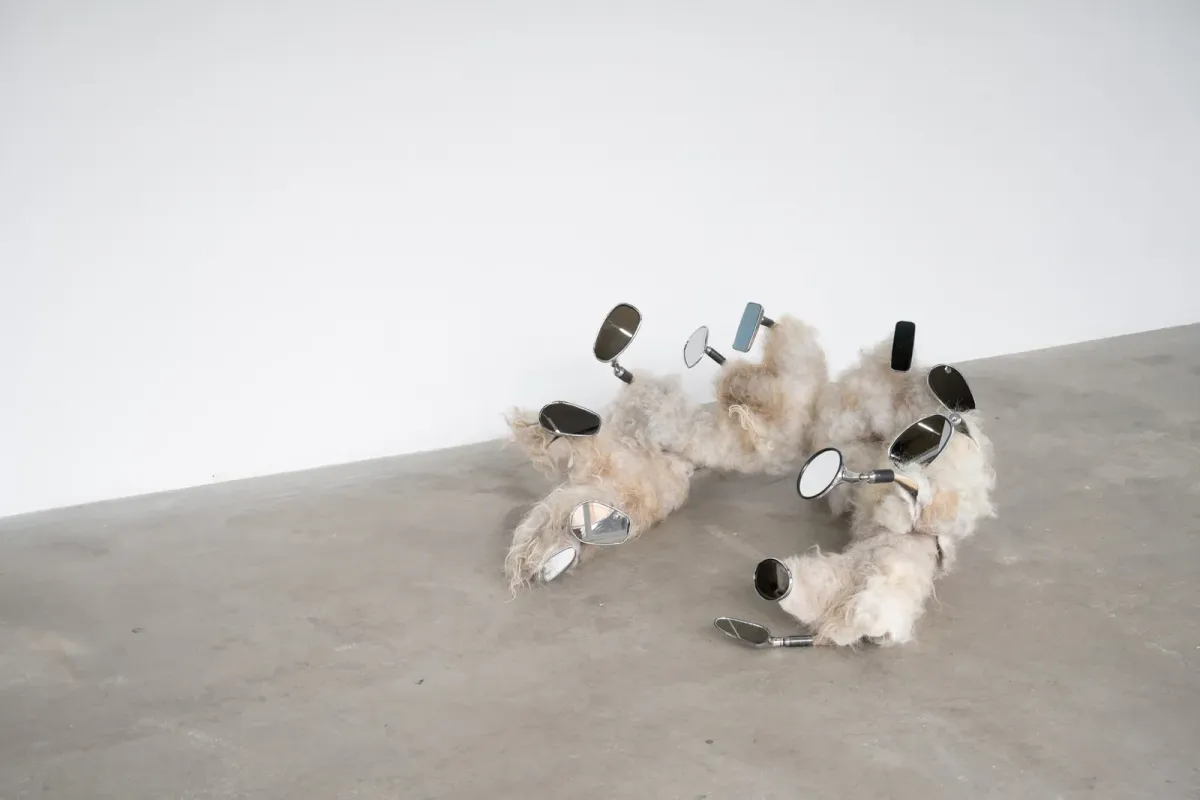
Der Kopf ist rund, damit das Denken die Richtung wechseln kannGalerie Brugger
Klaus in Vorarlberg / 2026
Der Kopf ist rund, damit das Denken die Richtung wechseln kannGalerie Brugger
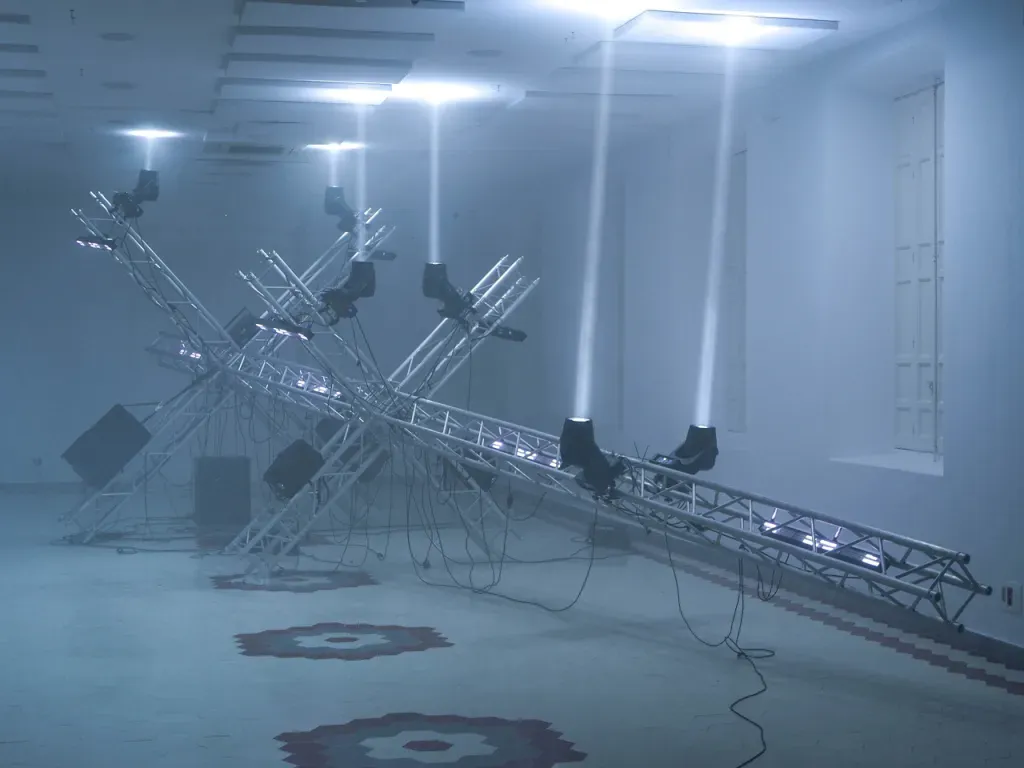
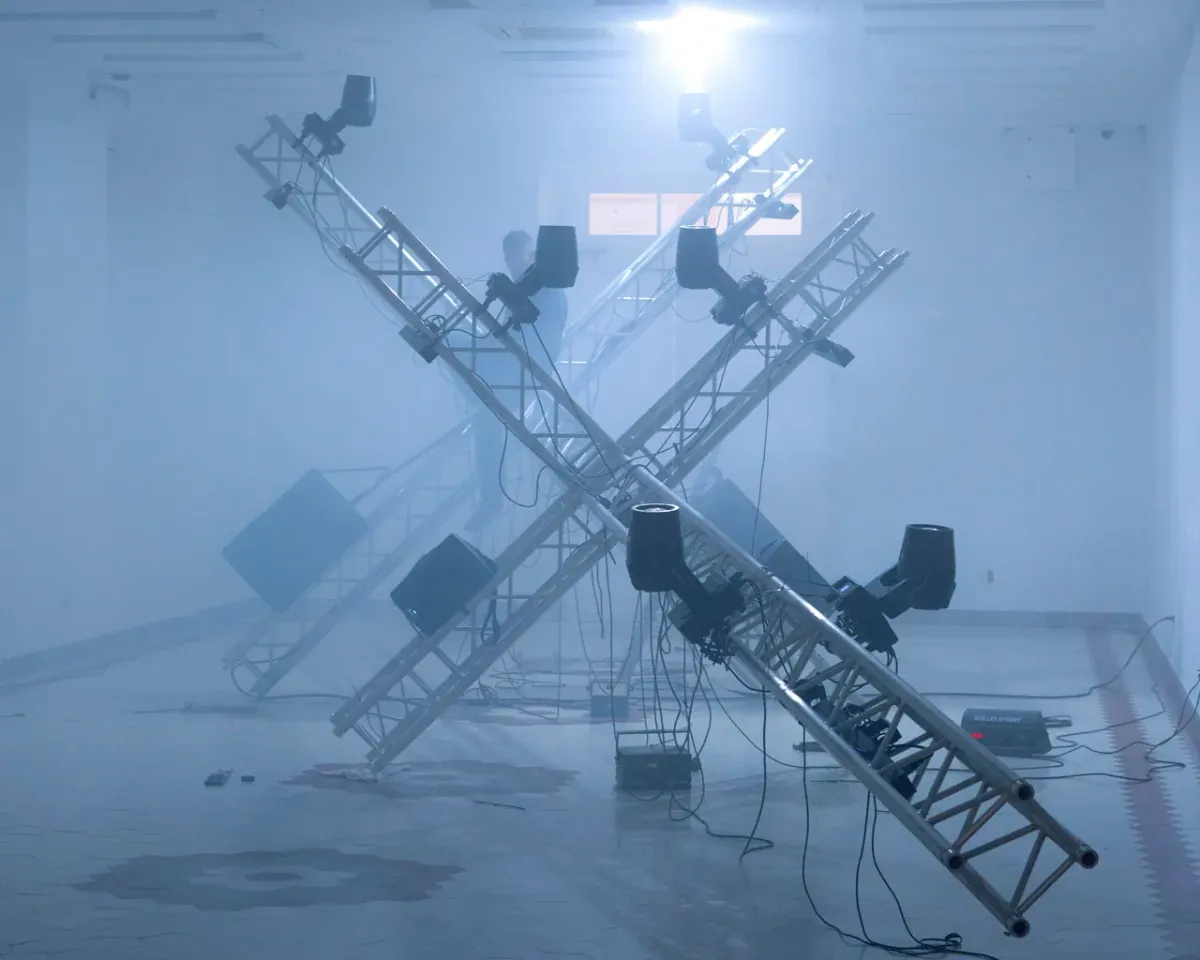
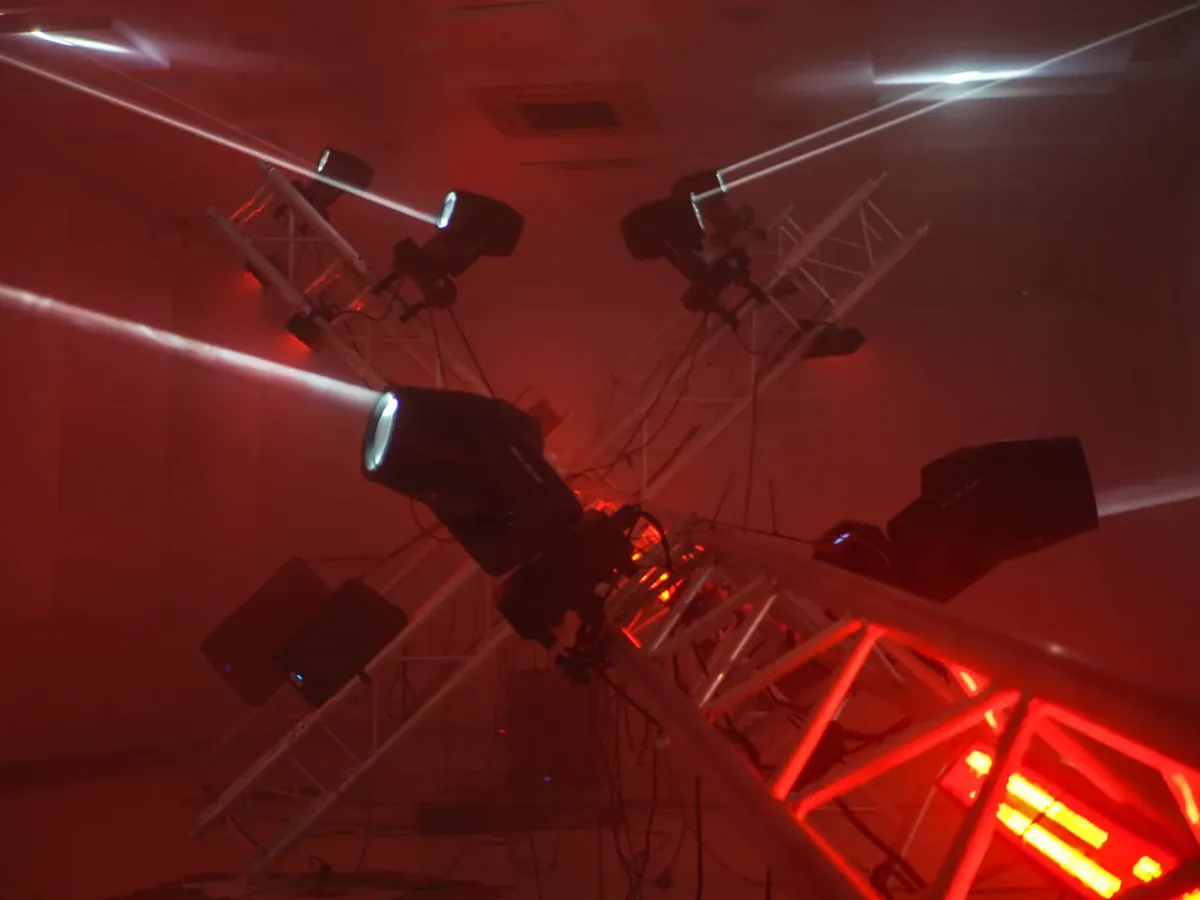
May 22 — June 01, 2026
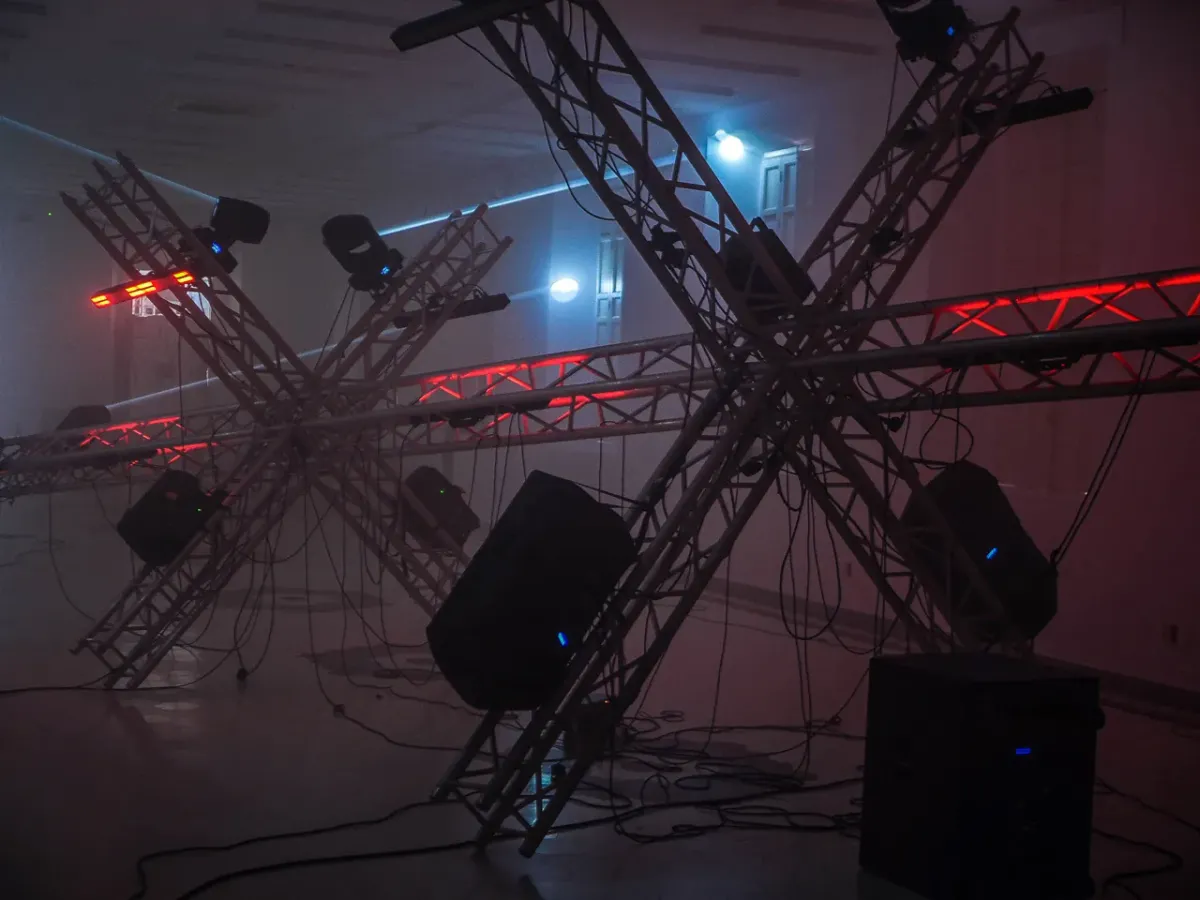
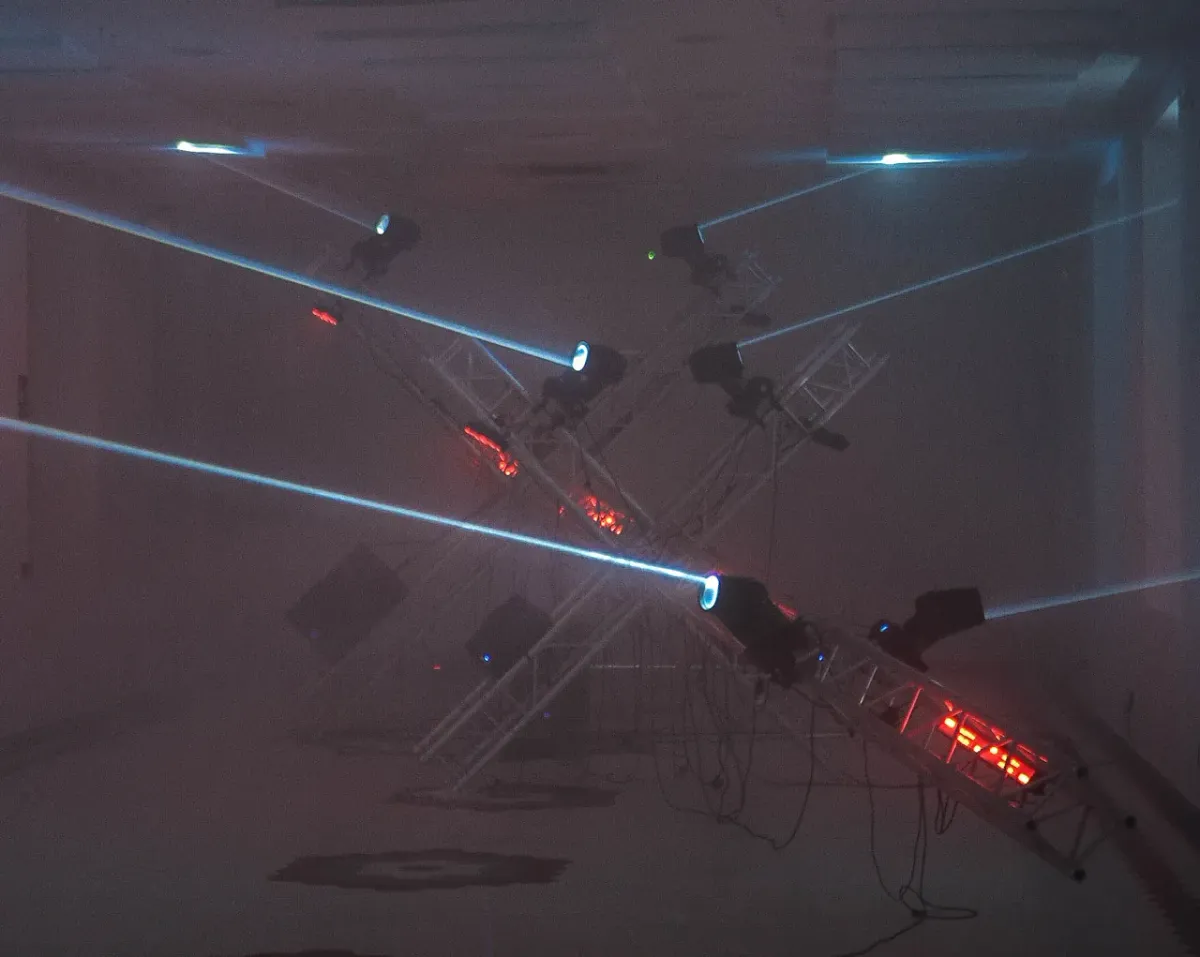
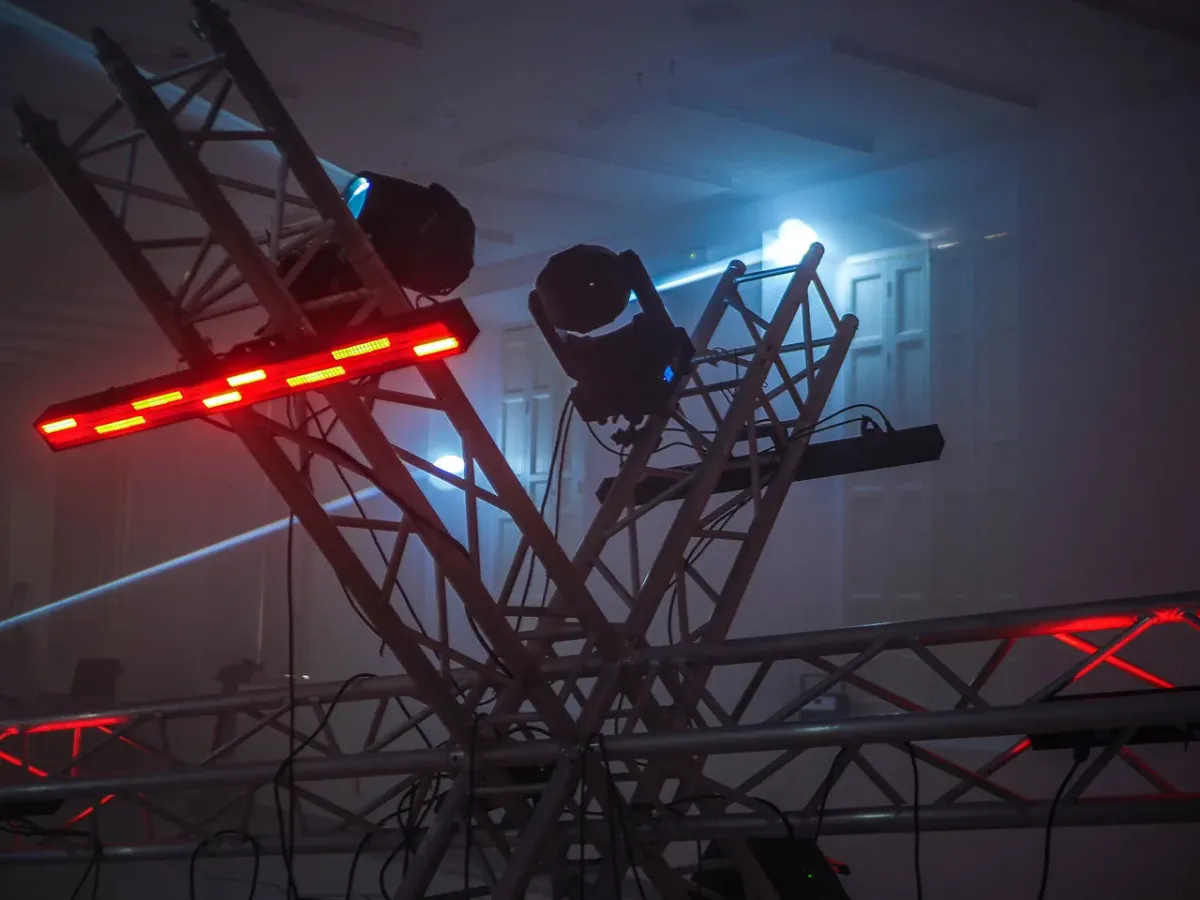
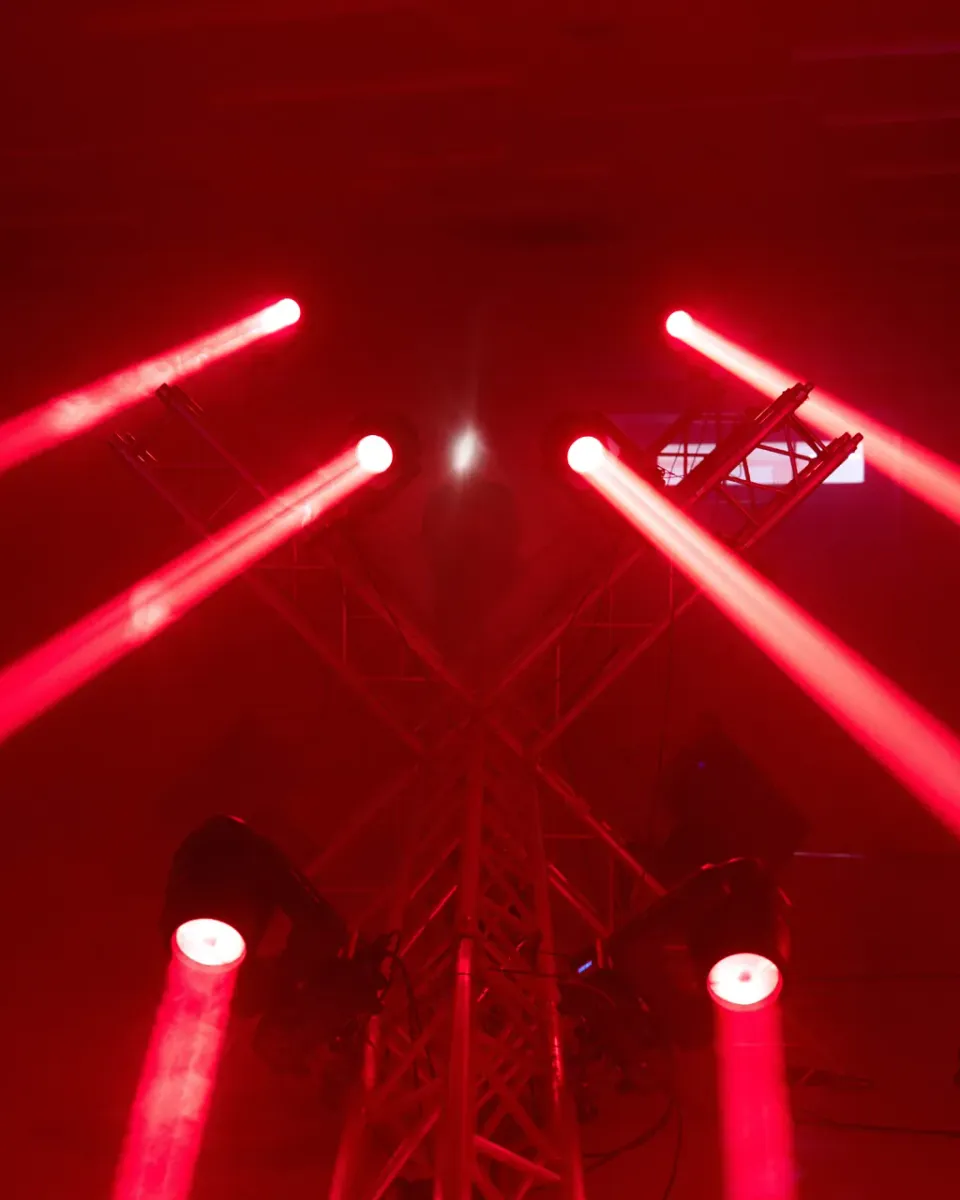
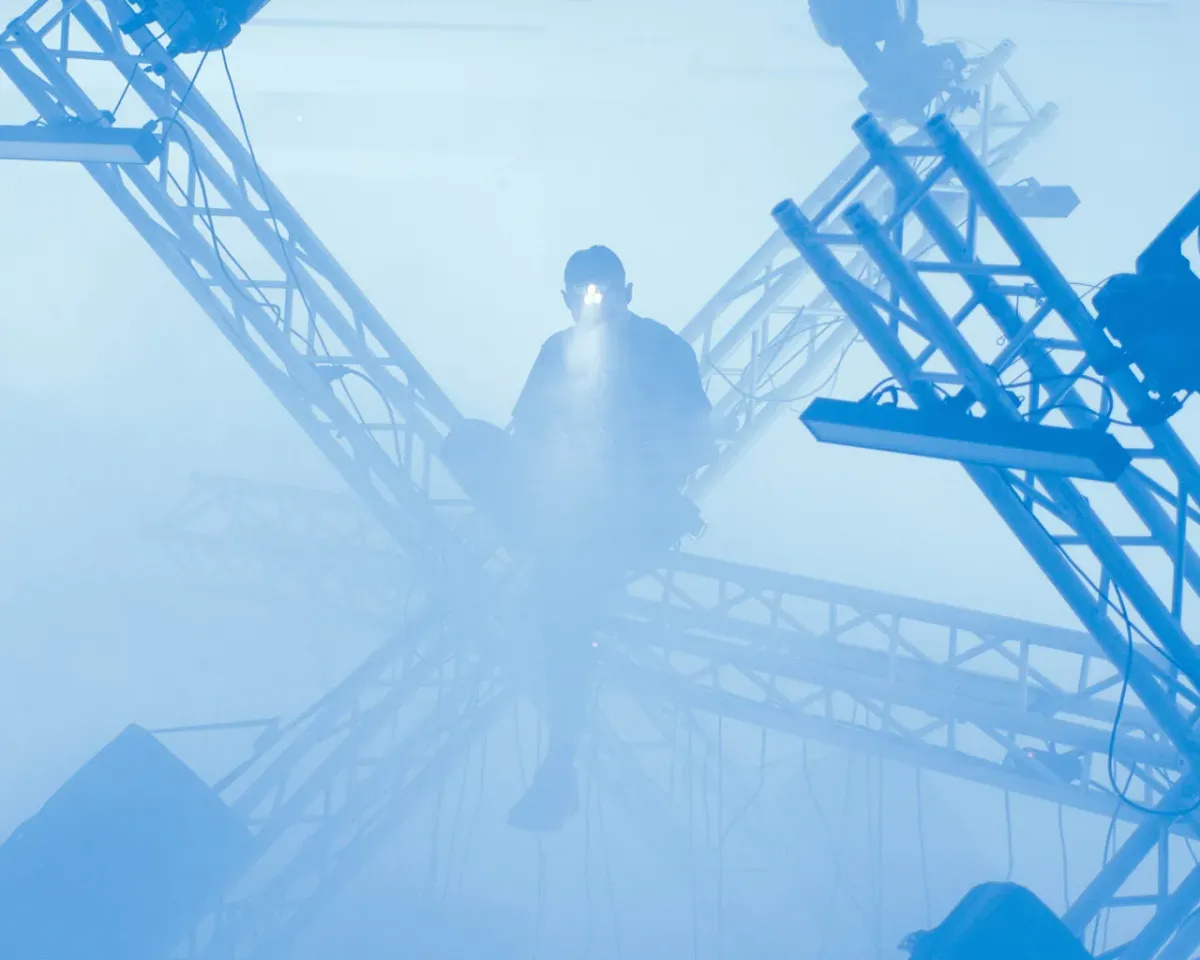
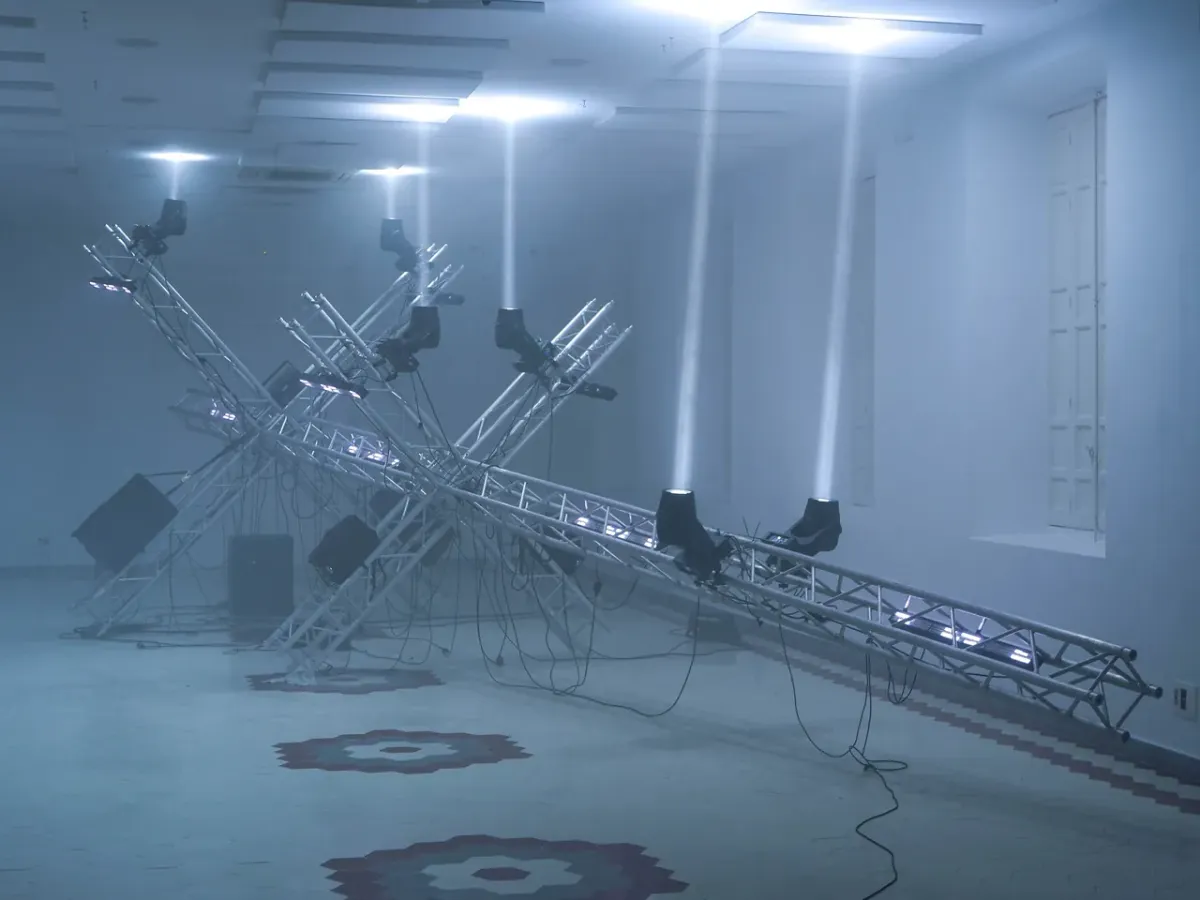
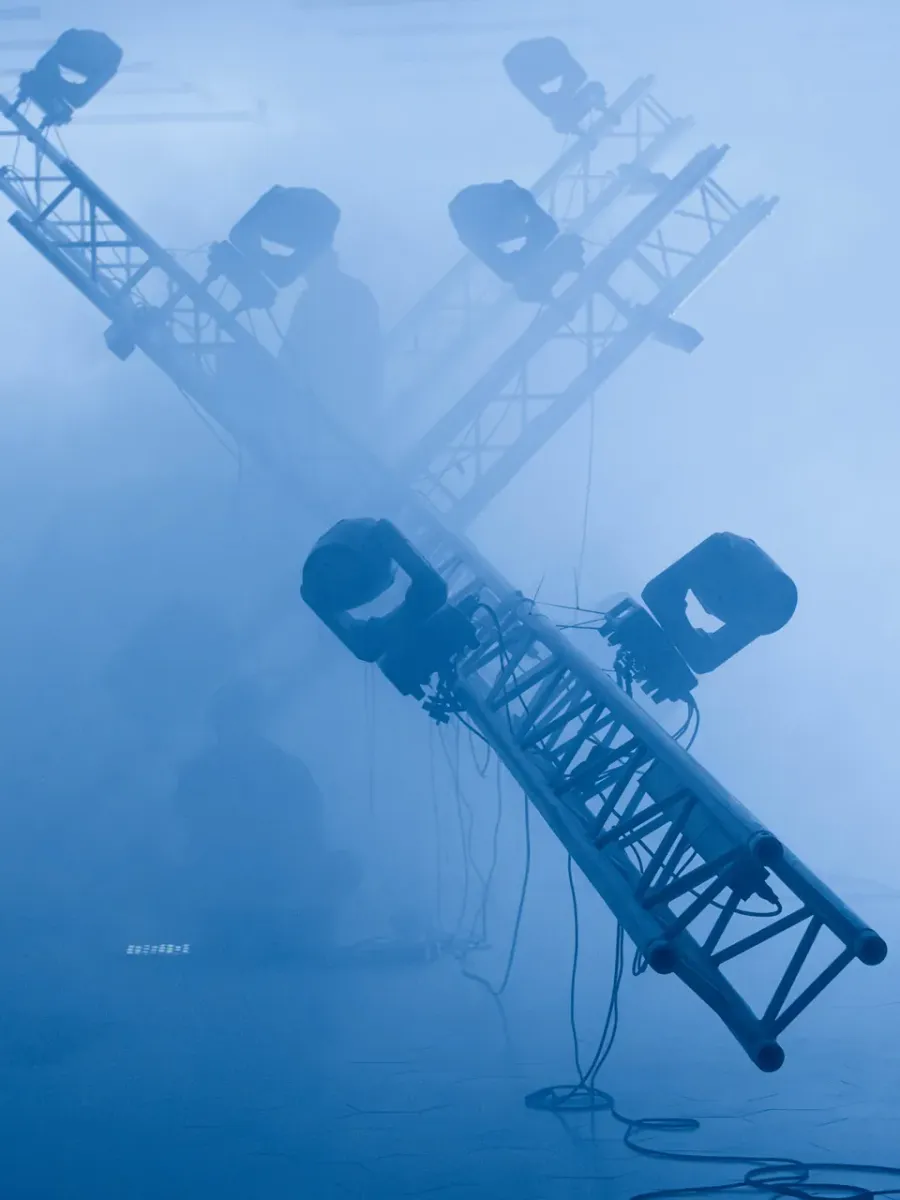
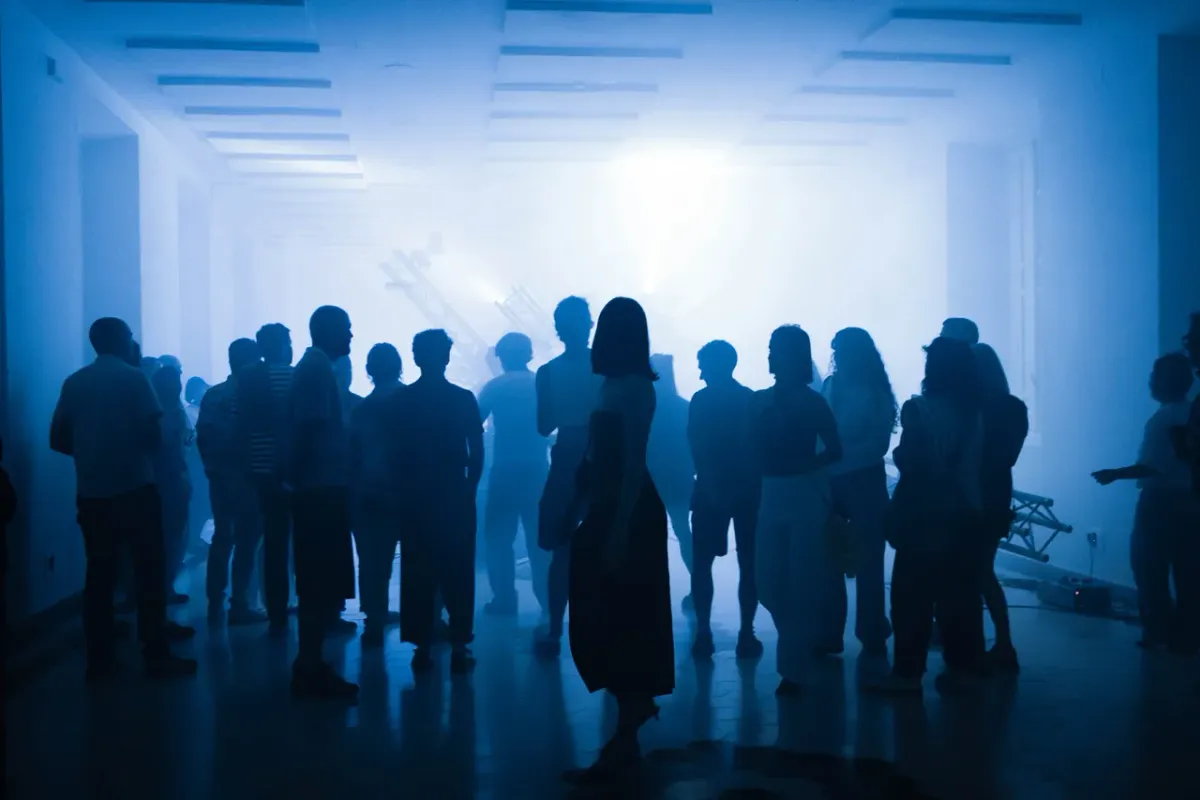
Leo Pum @La Térmica, Málaga KRVCE festival
Everything you need to plan, apply, and move your art career forward.
Berlin / 2026
 Features
@xolo_cuintle
Paris / 2026
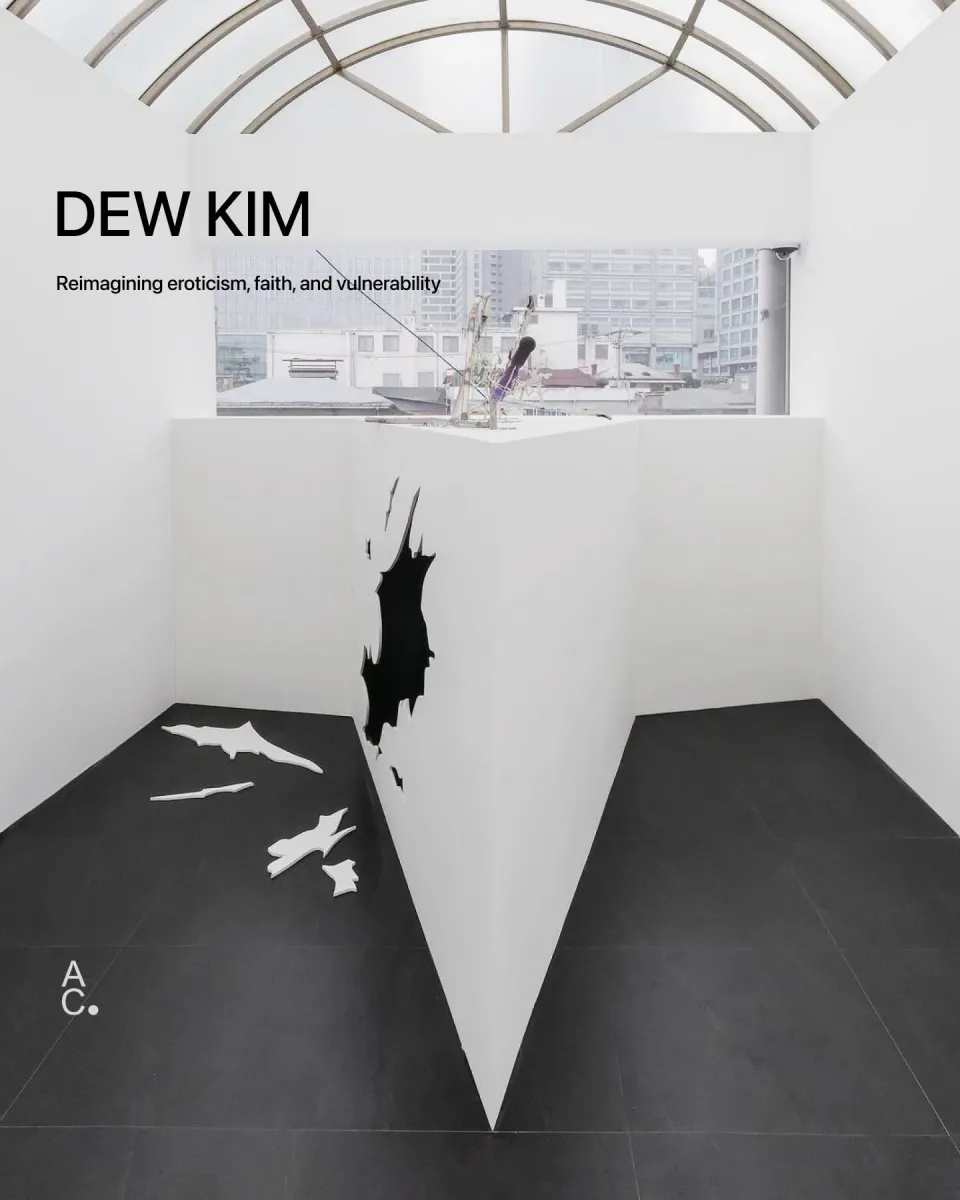
@dew_needs_you
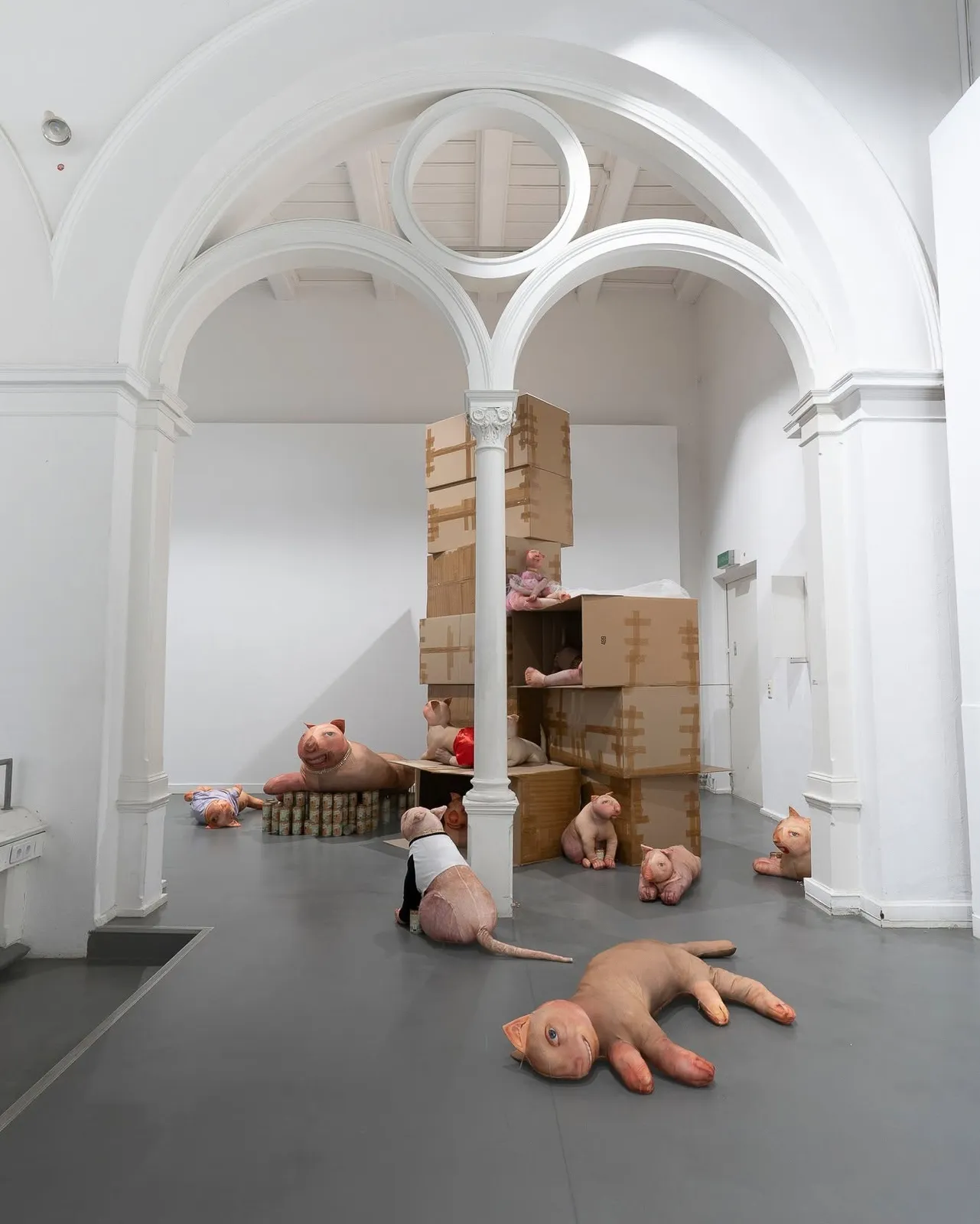
Berlin / 2026
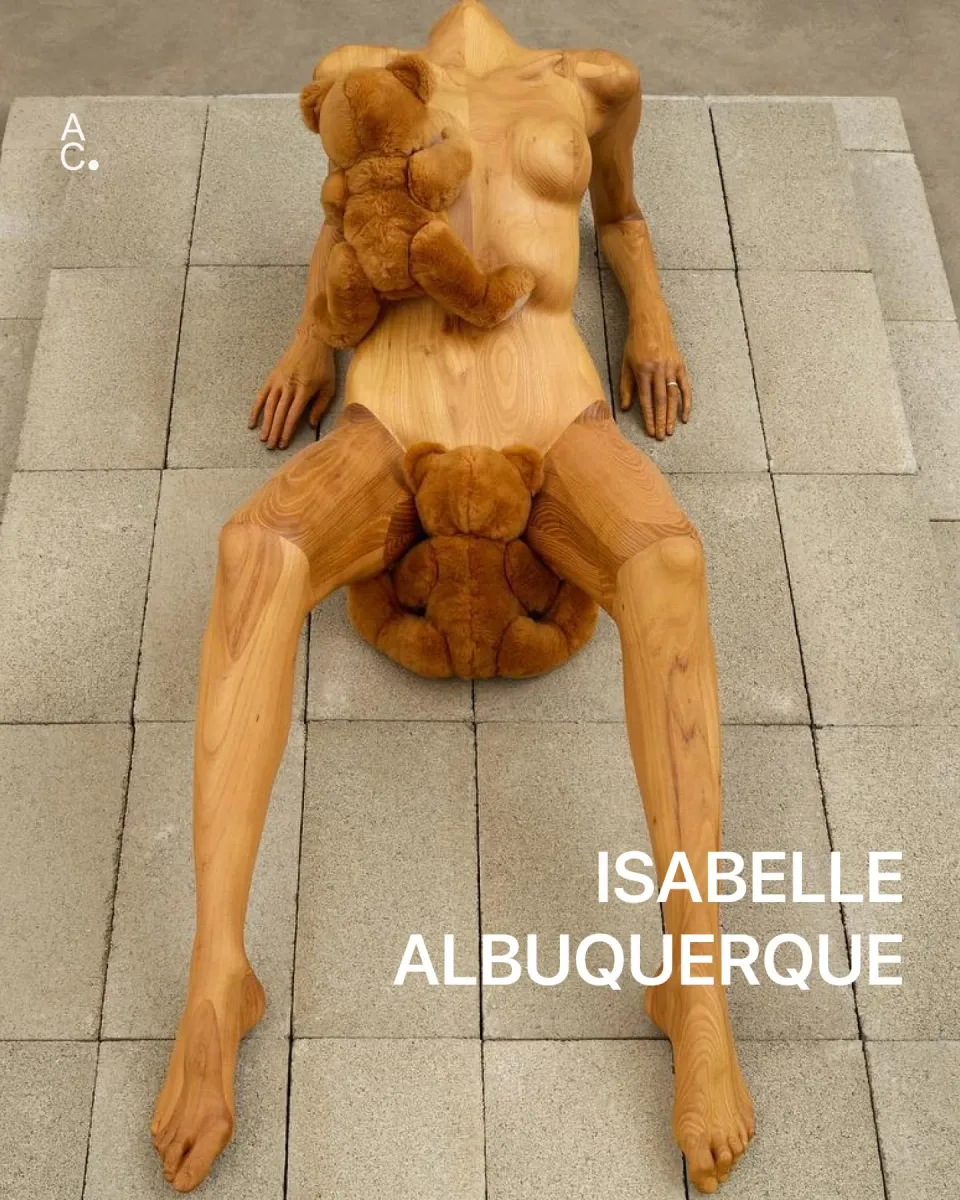
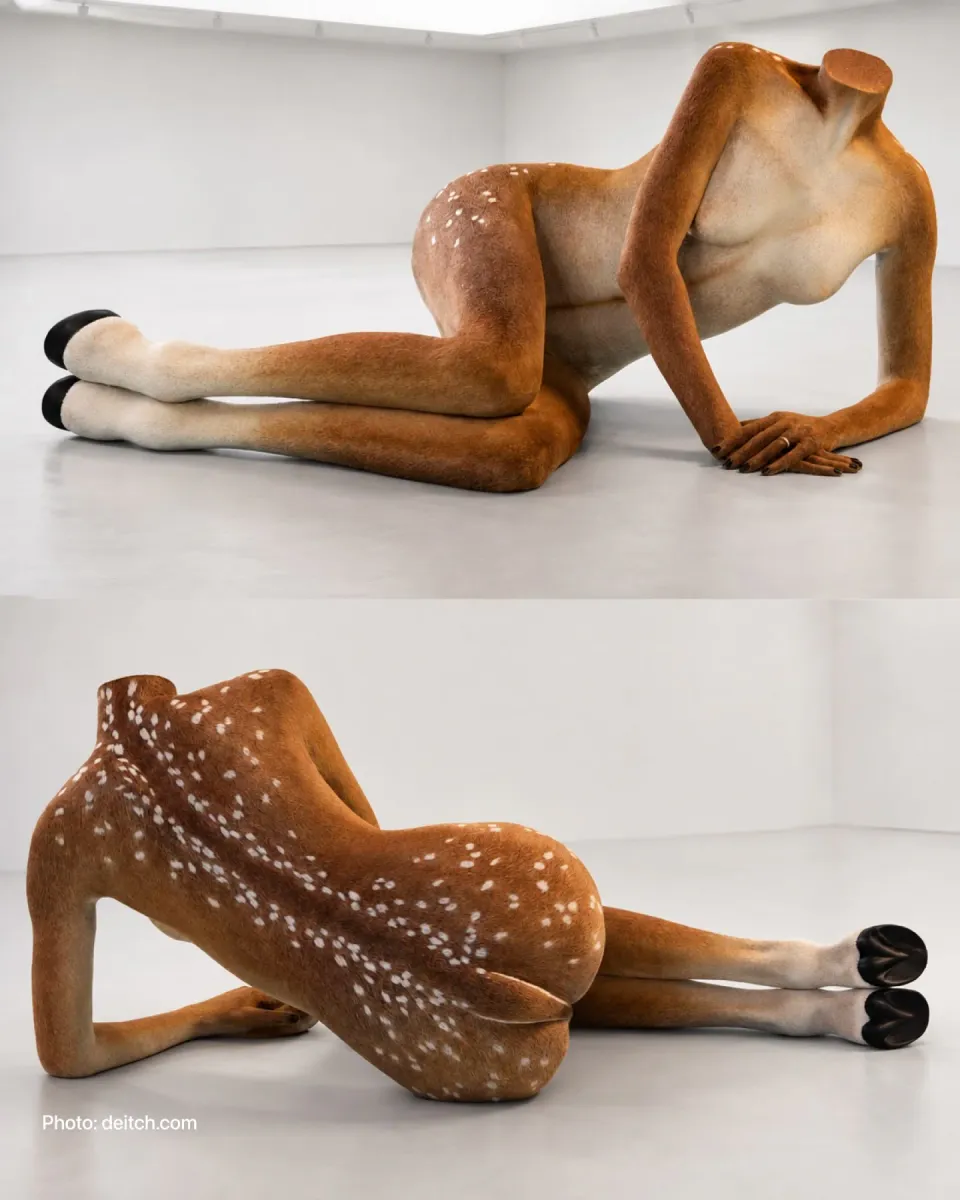
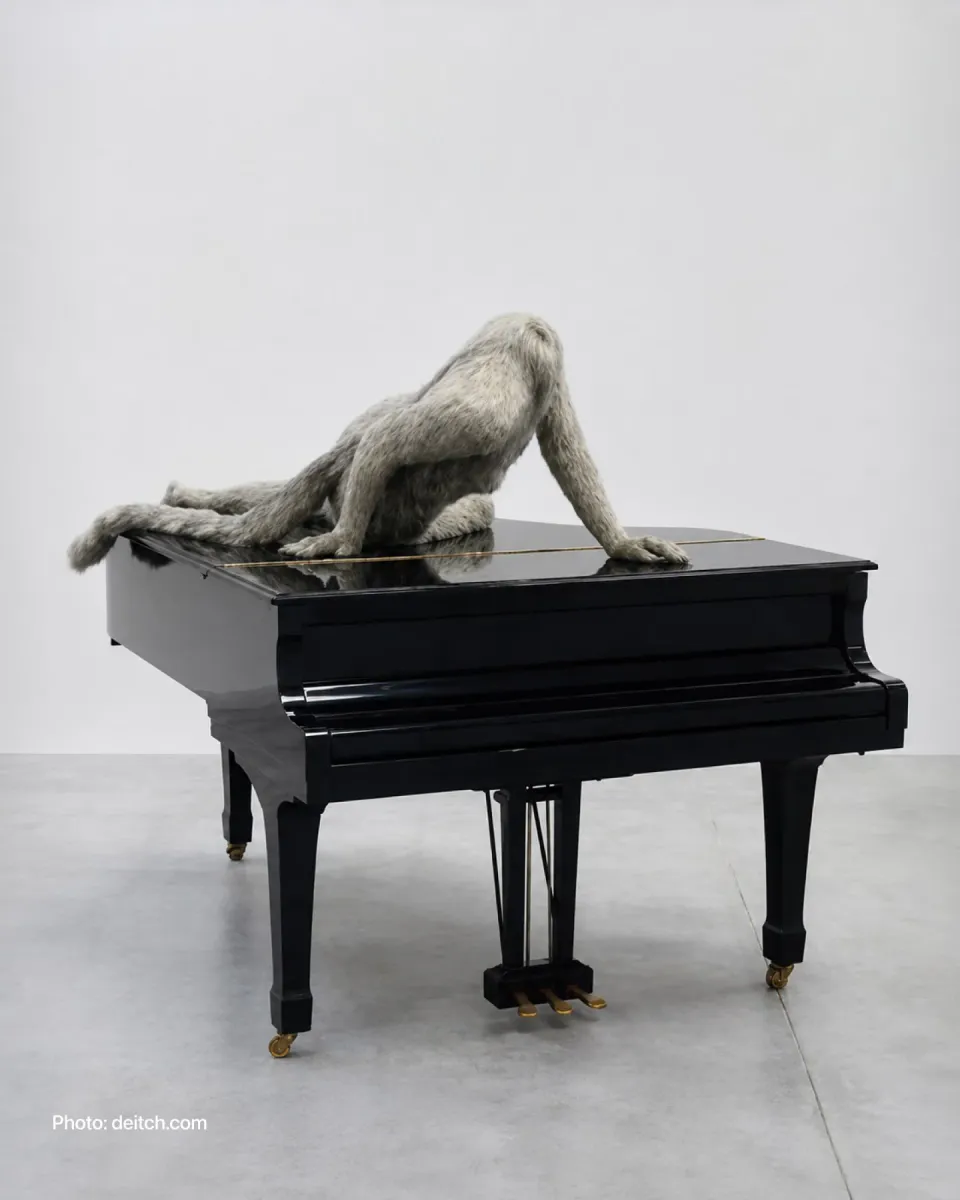
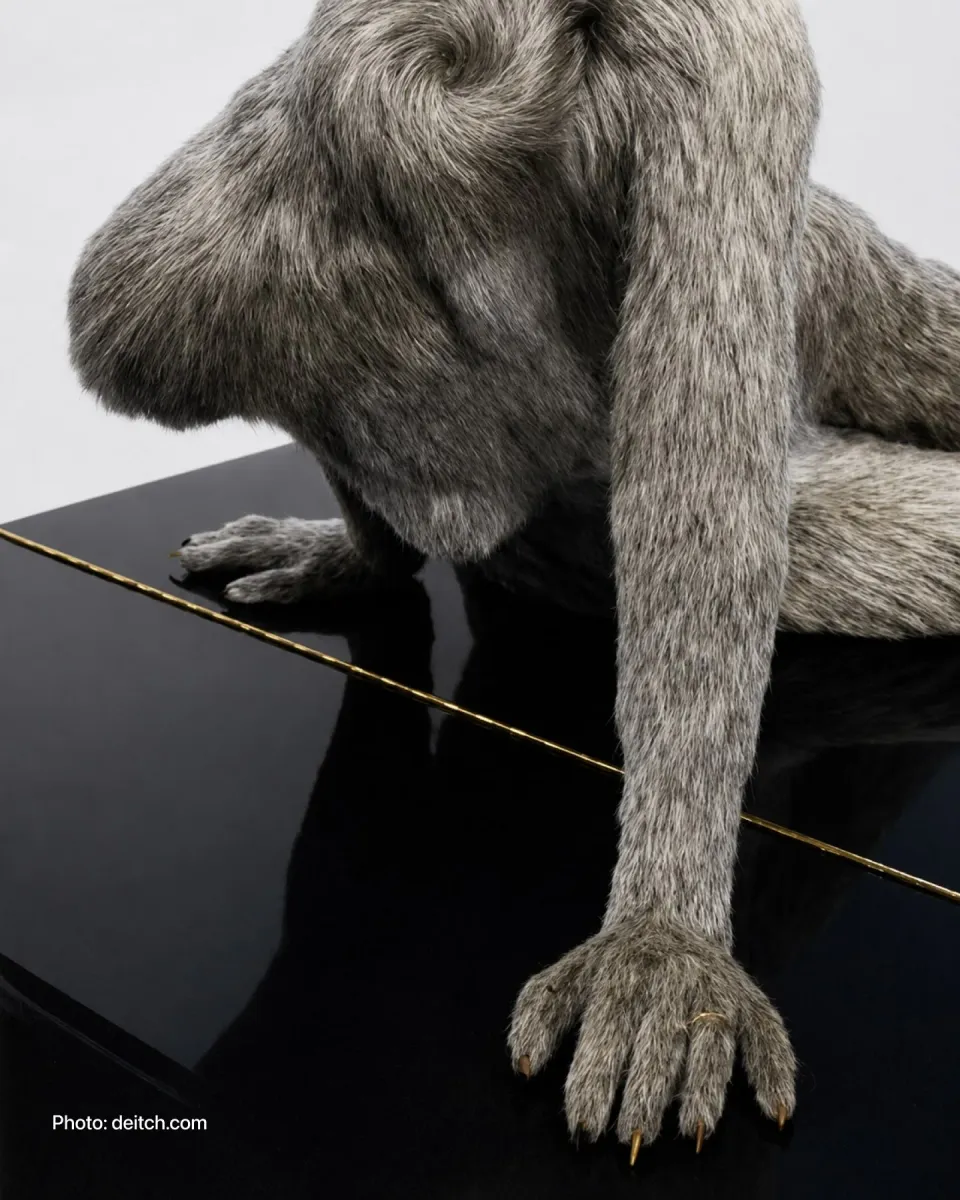
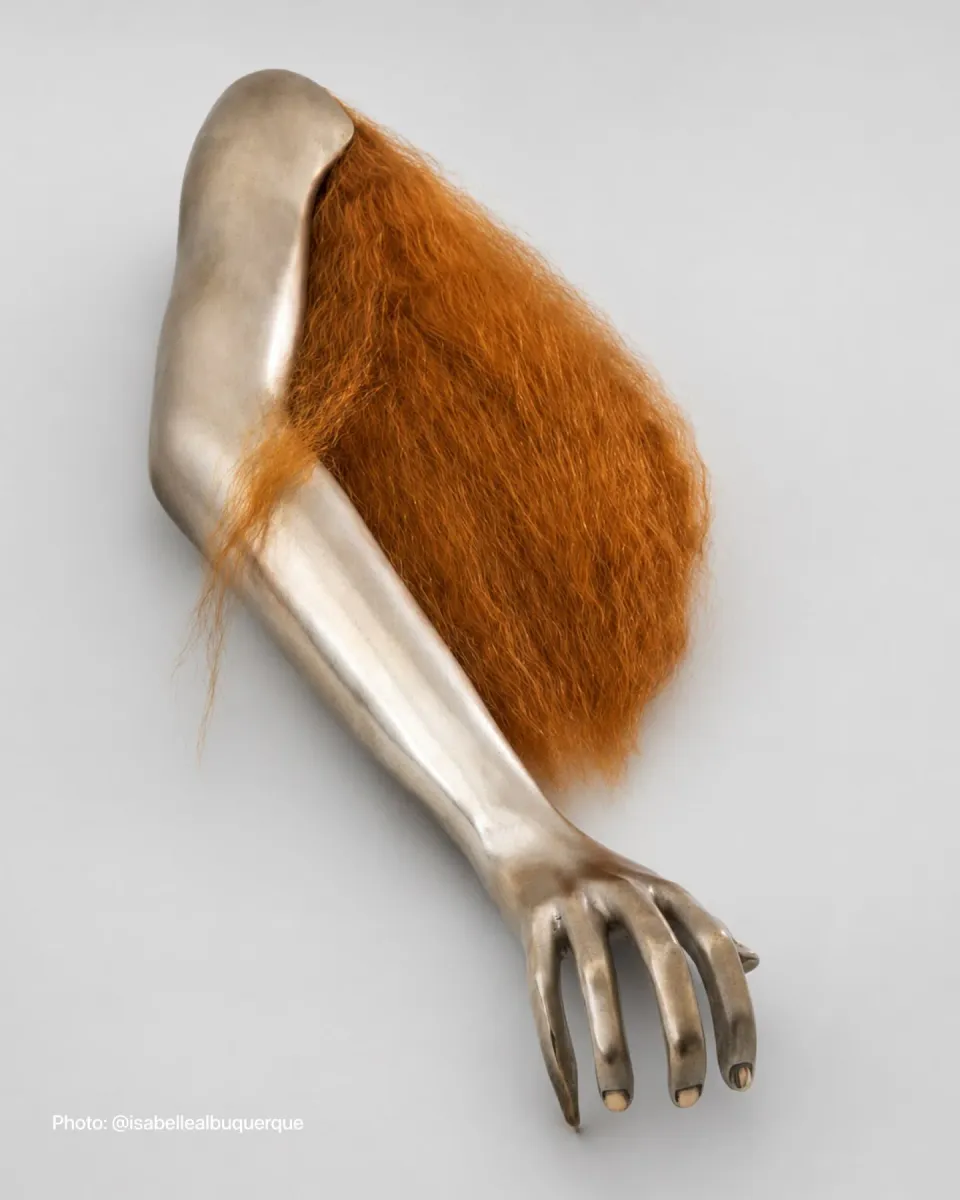
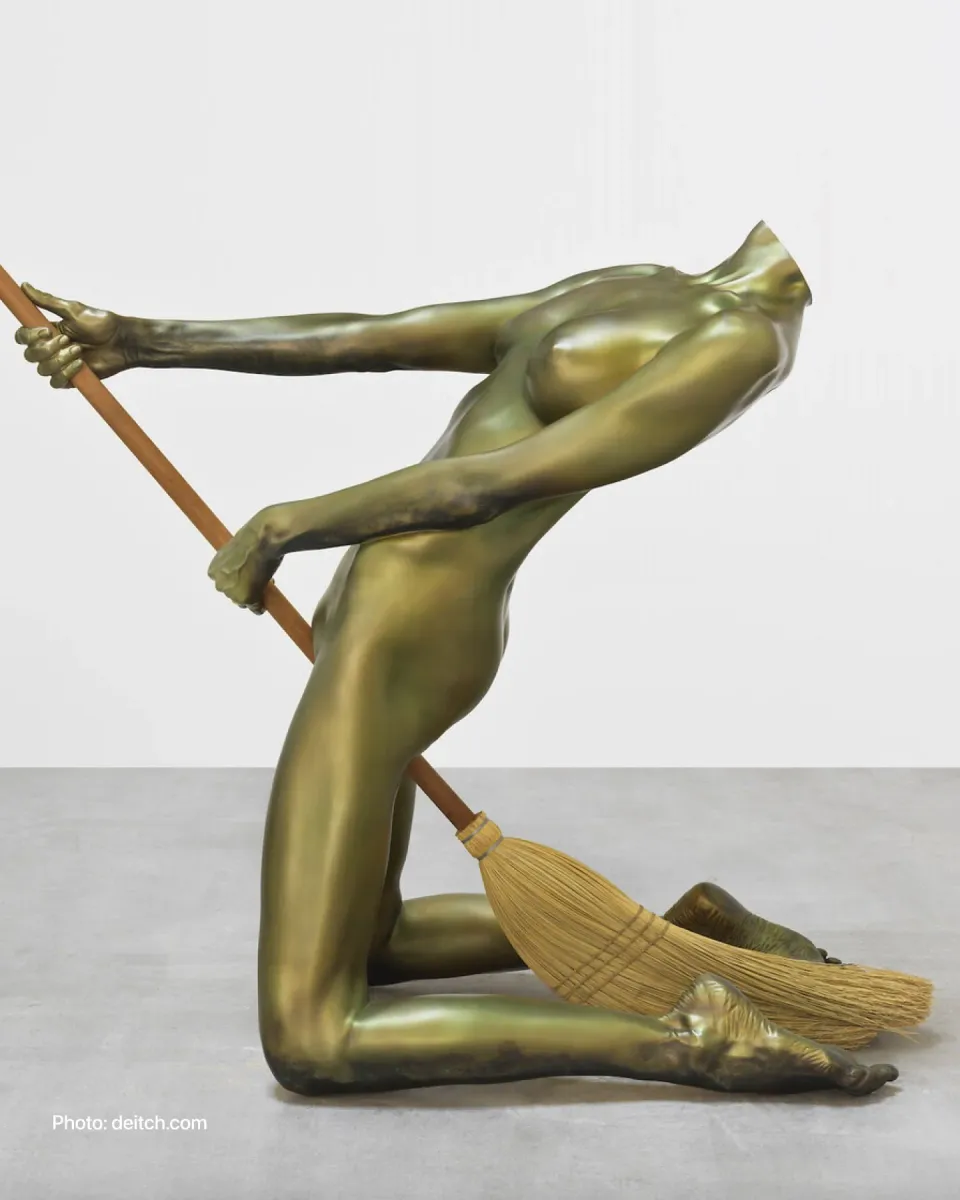
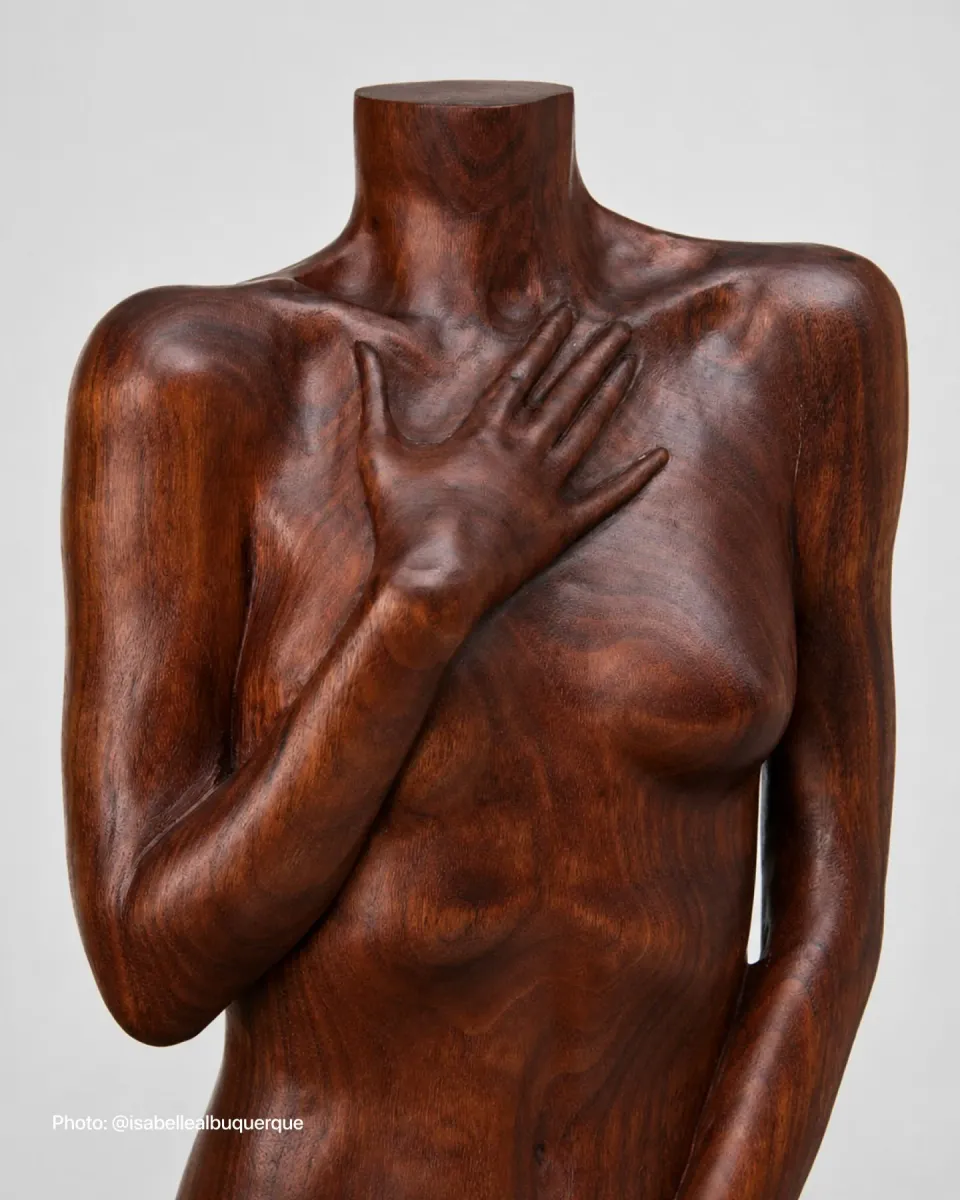
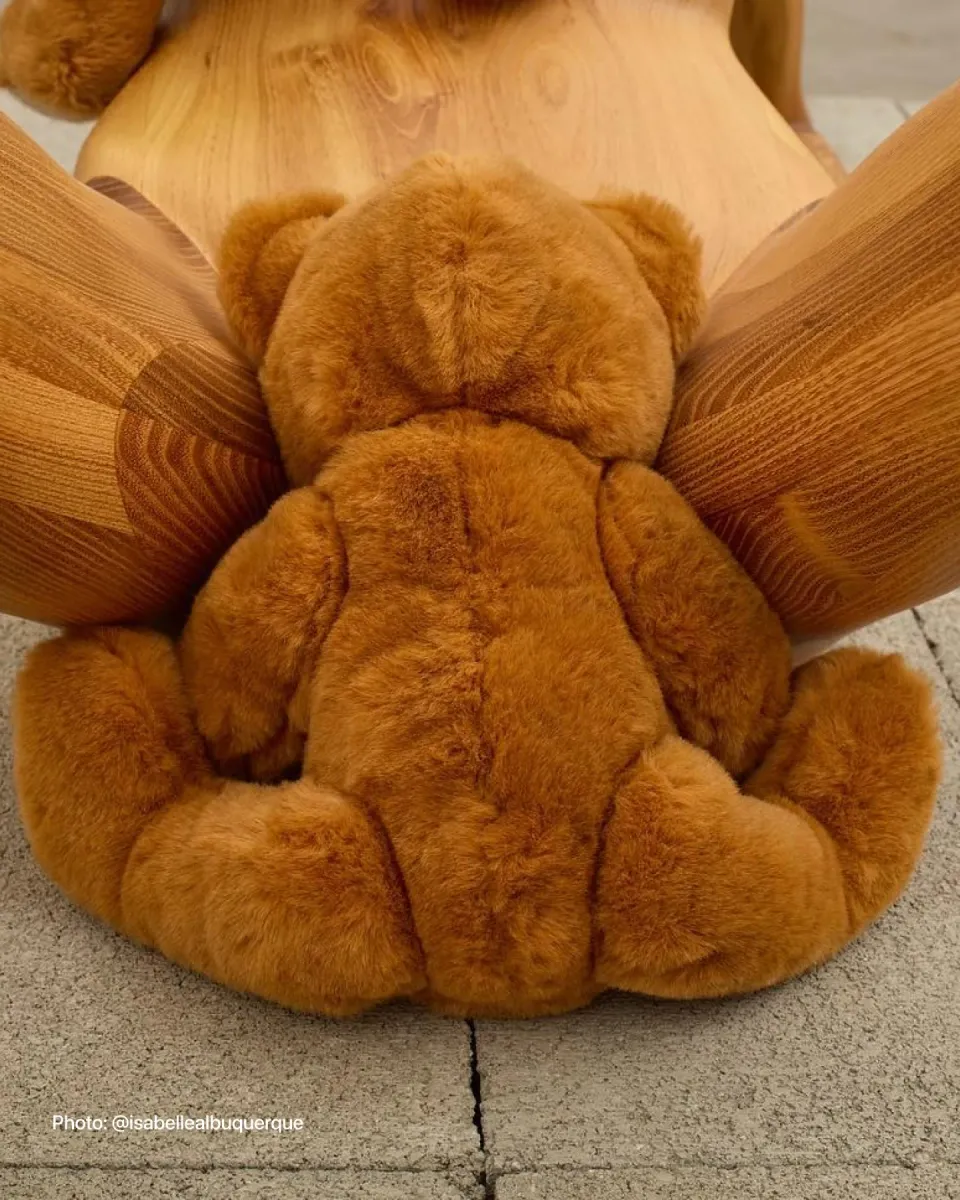
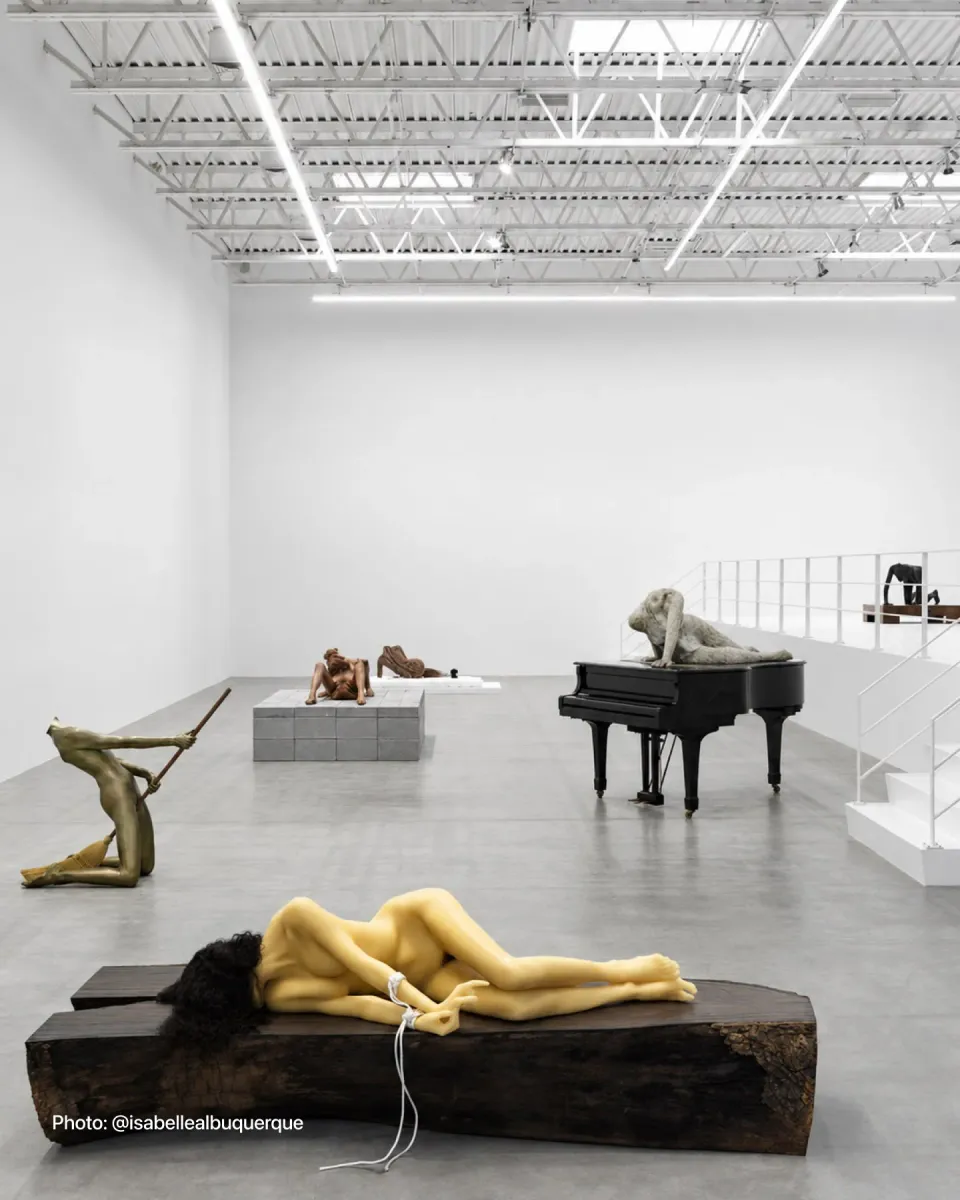
@isabellealbuquerque
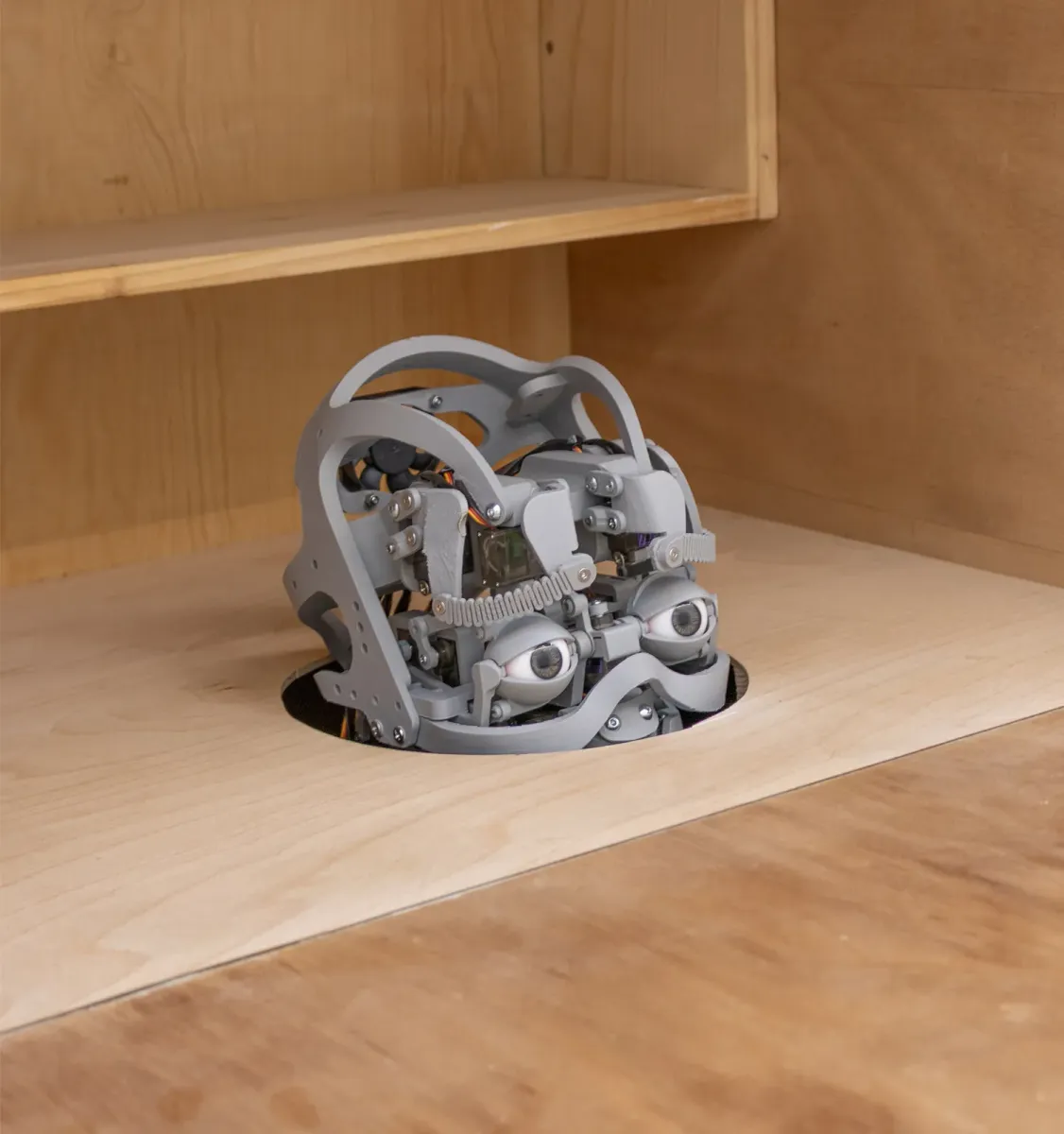
Paris / 2026
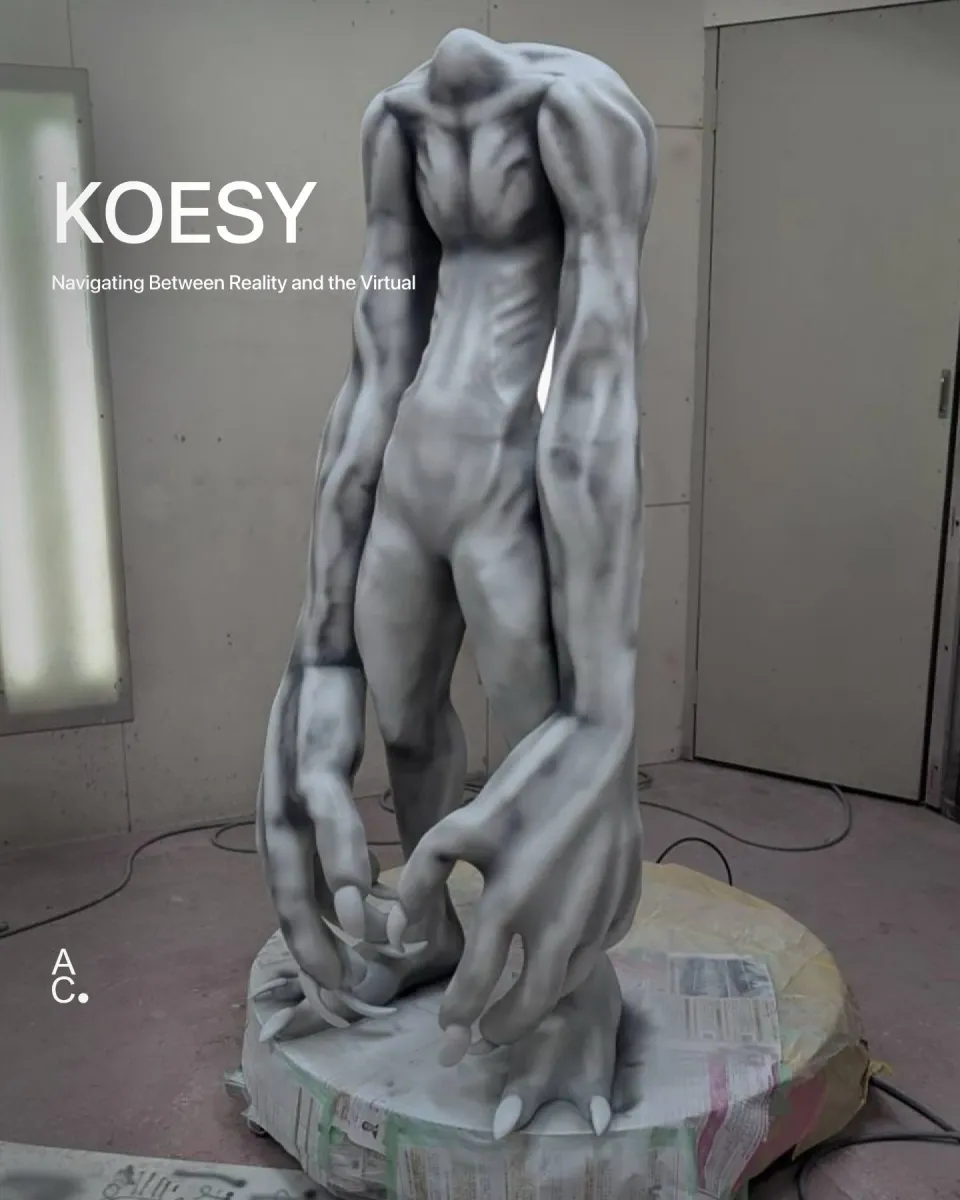
@koesysaga
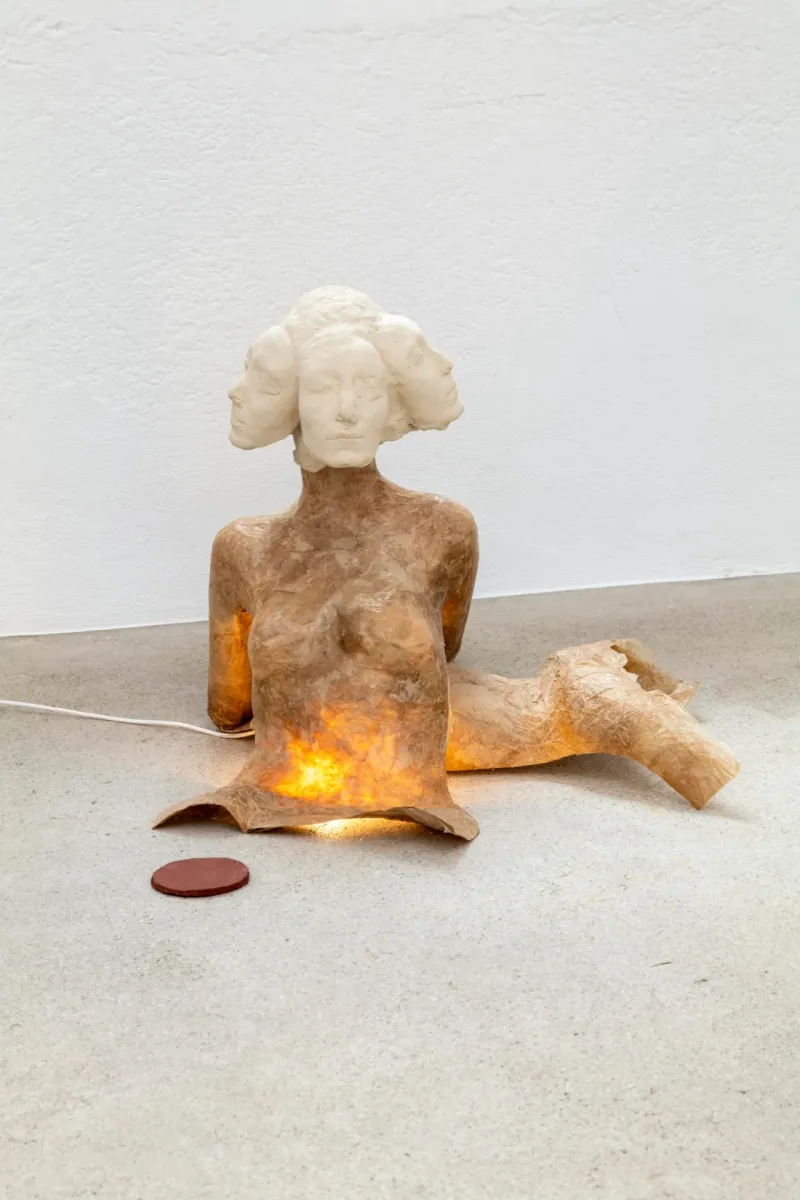
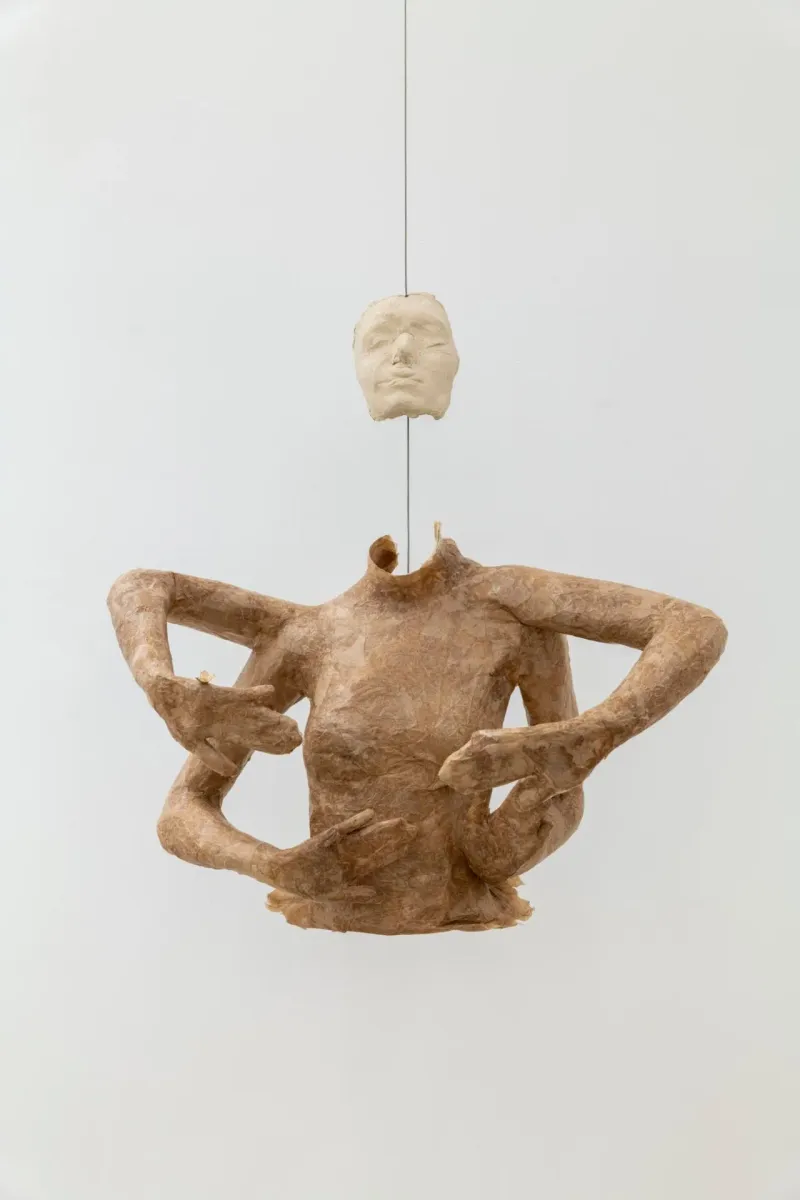
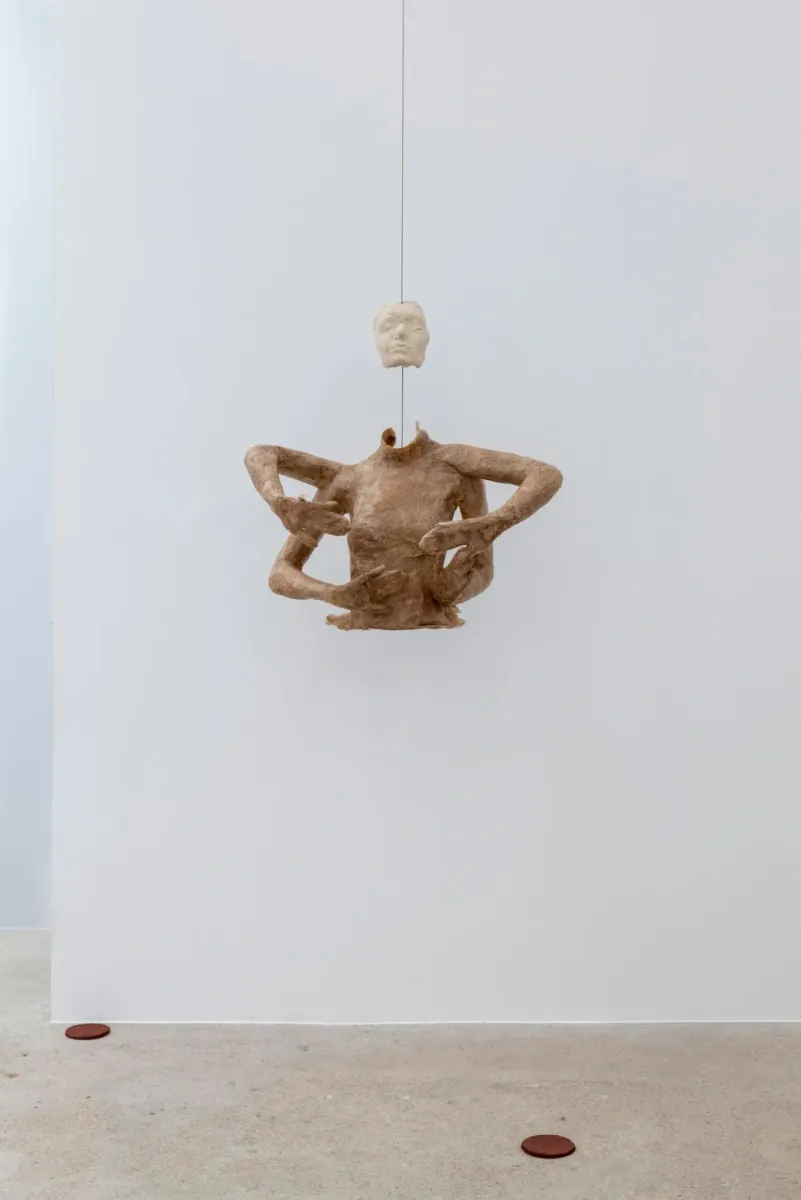
Munich / 2026
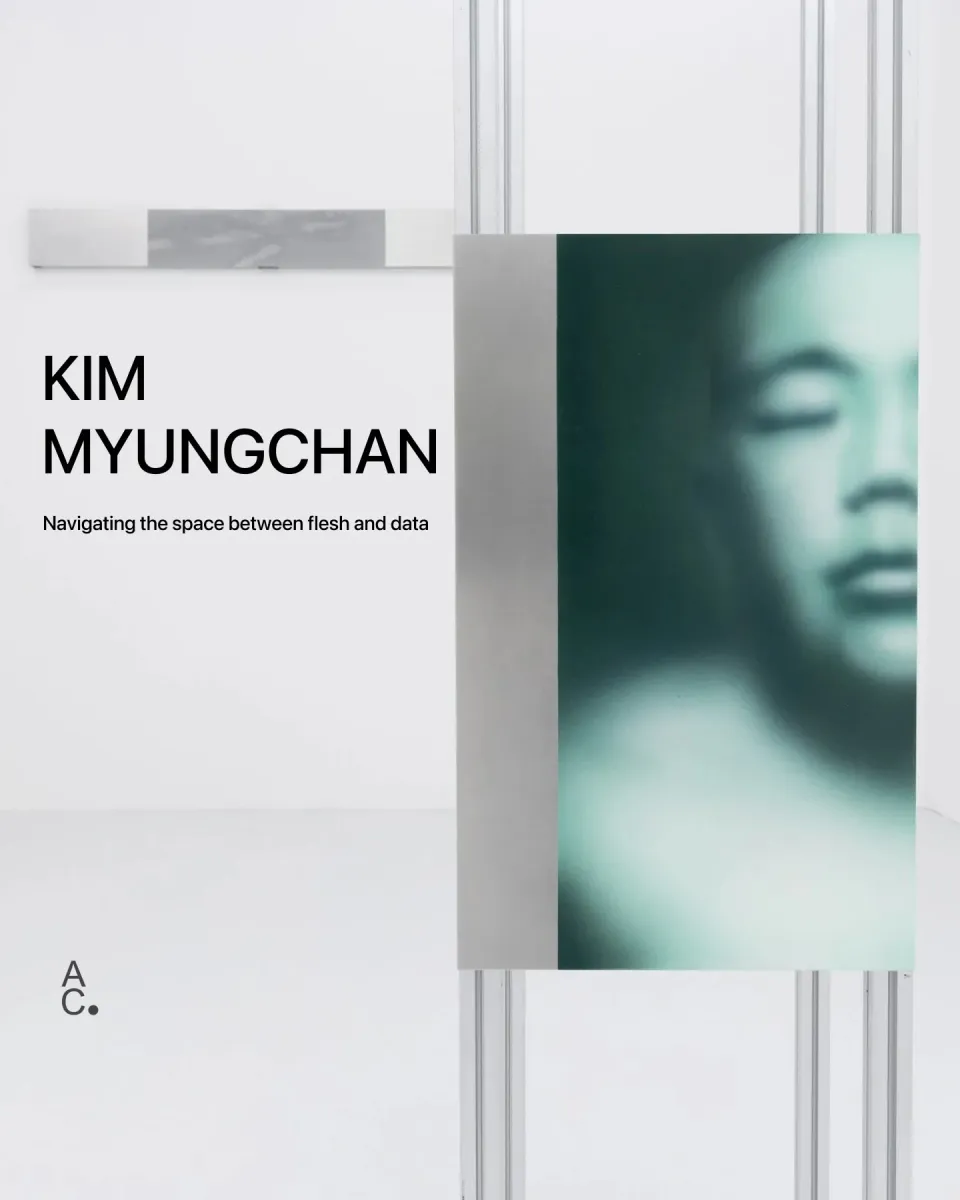
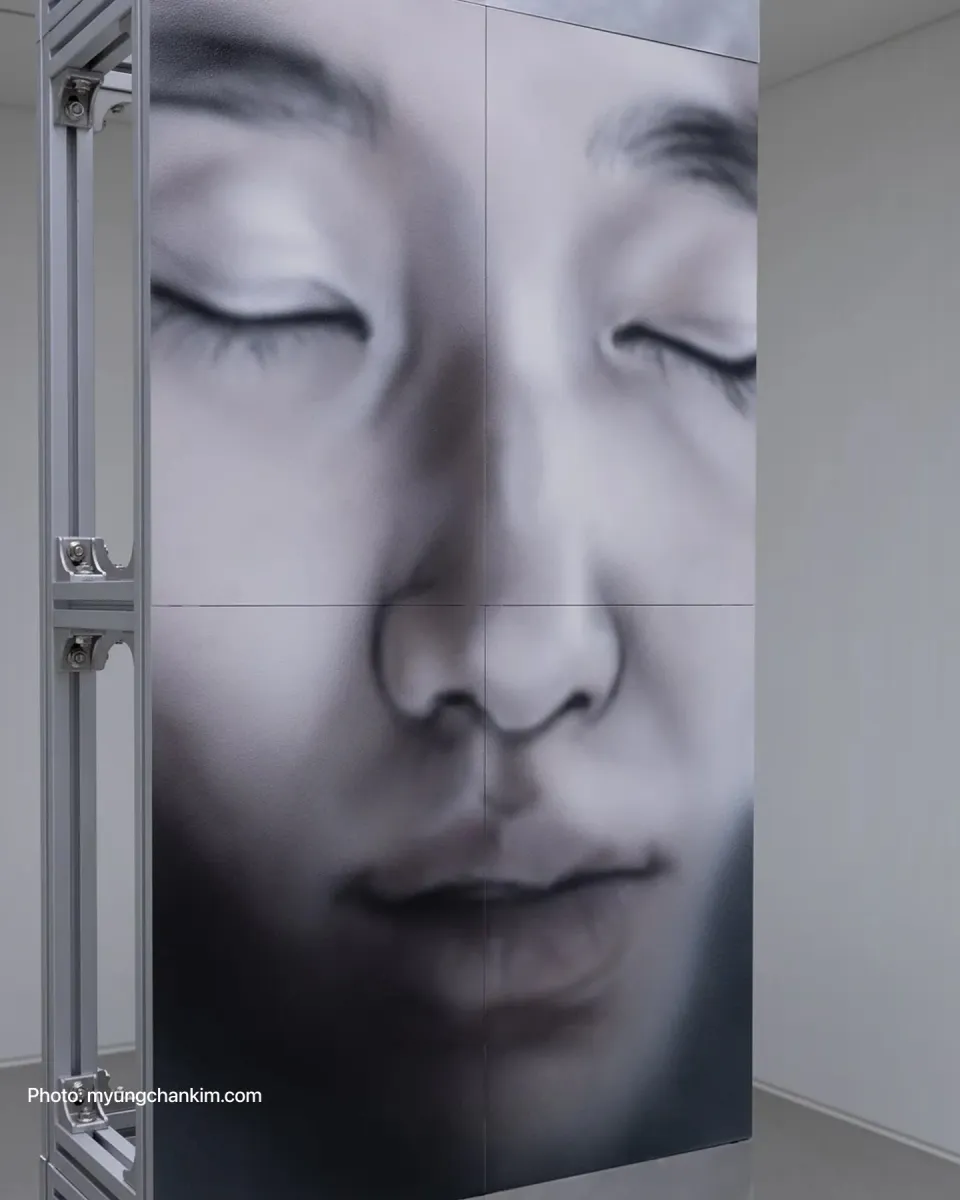
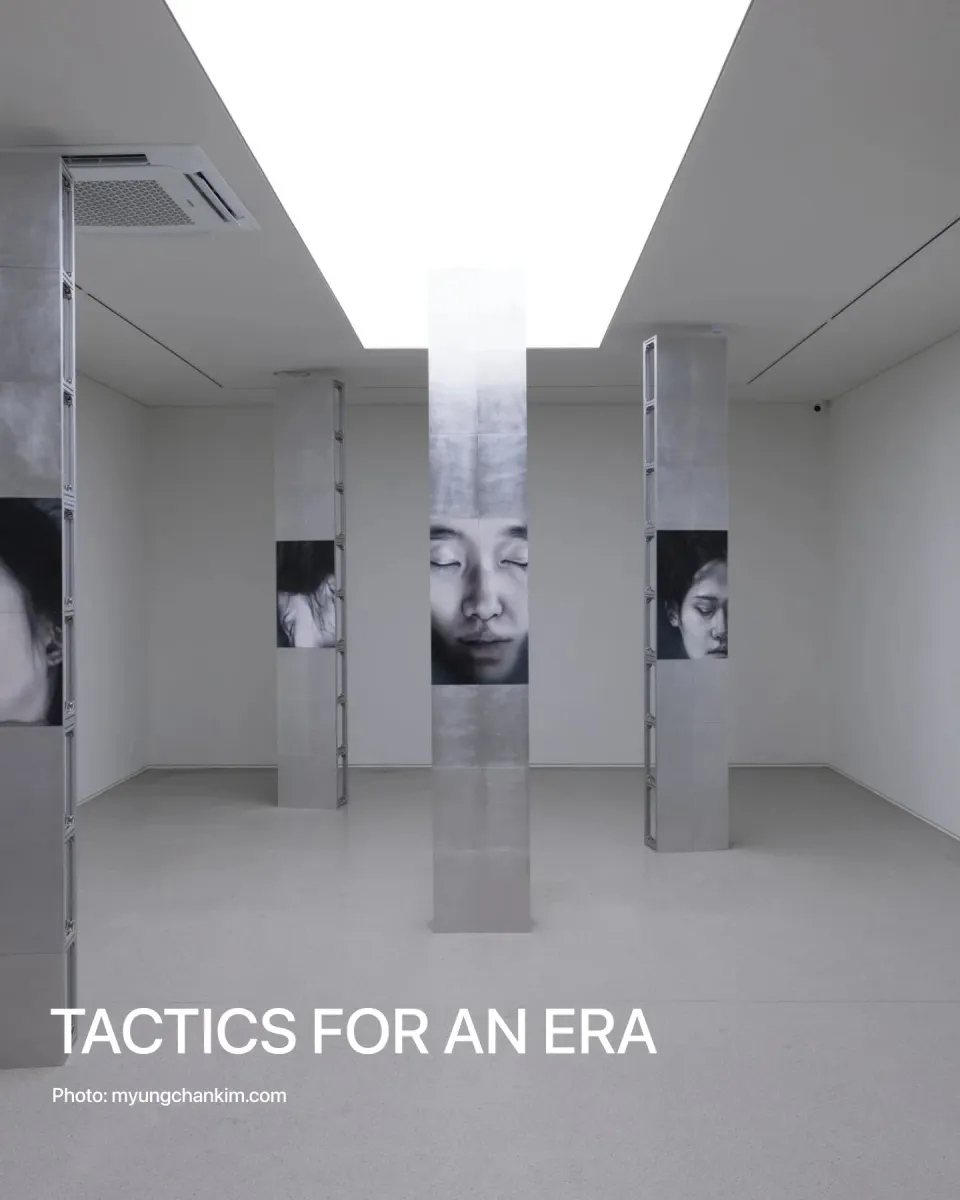
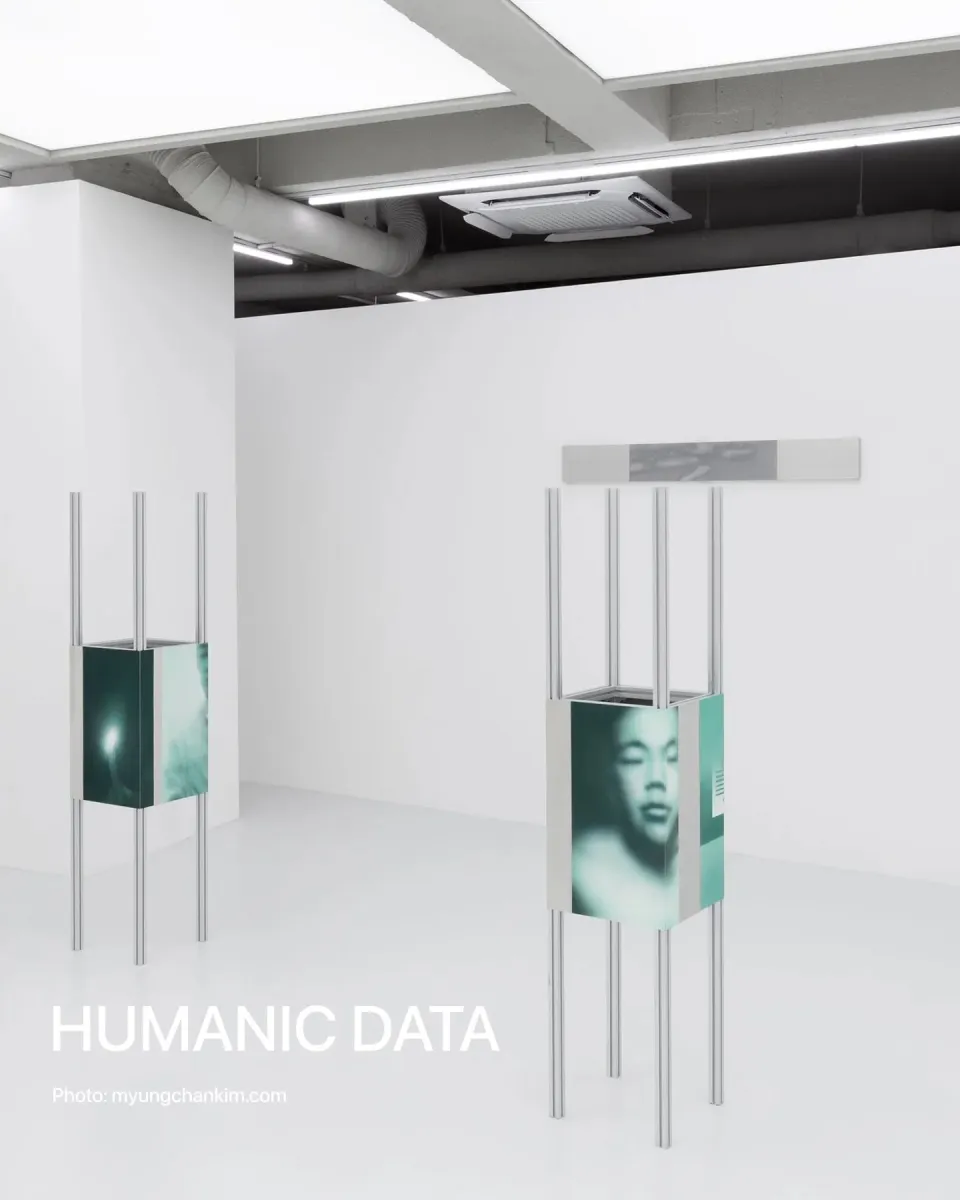
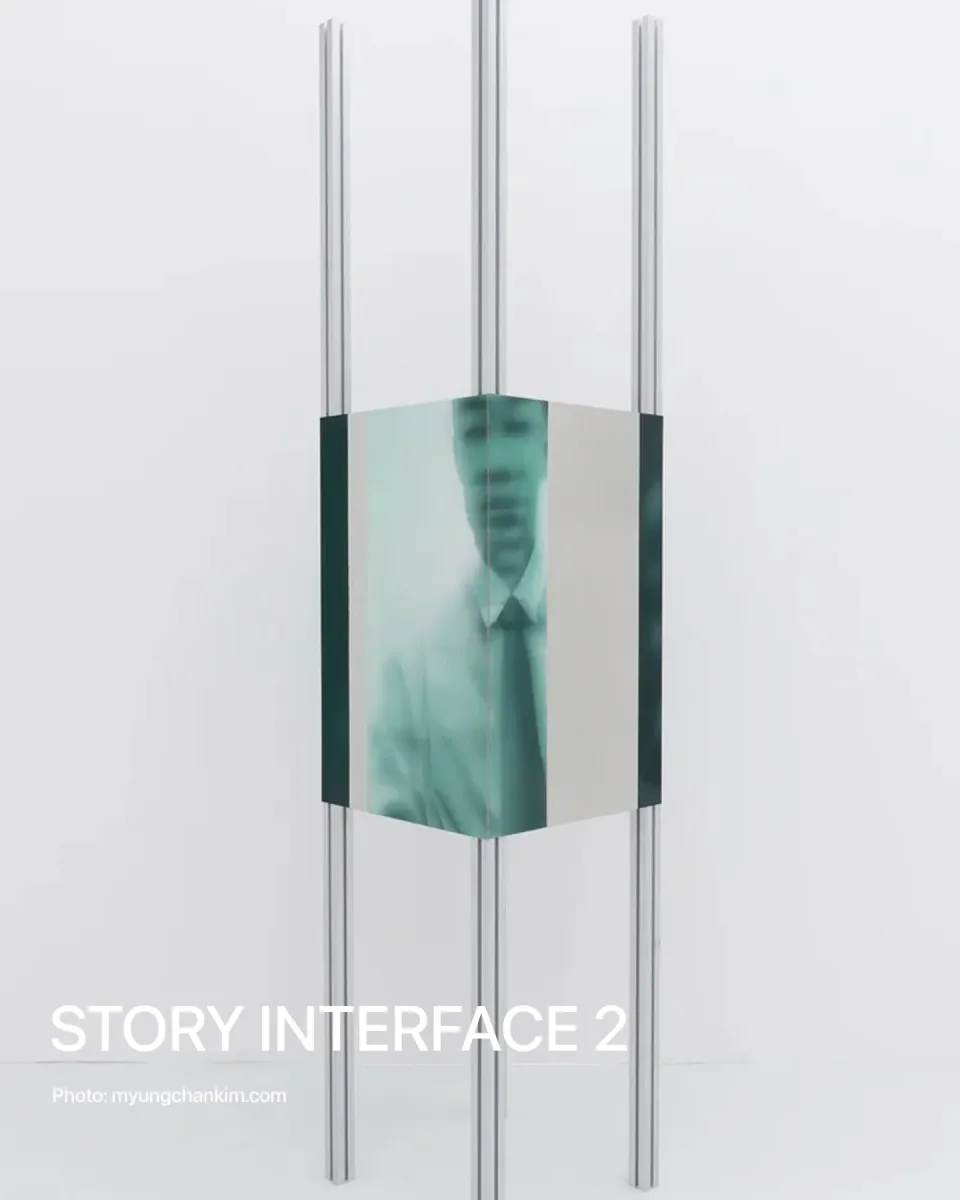
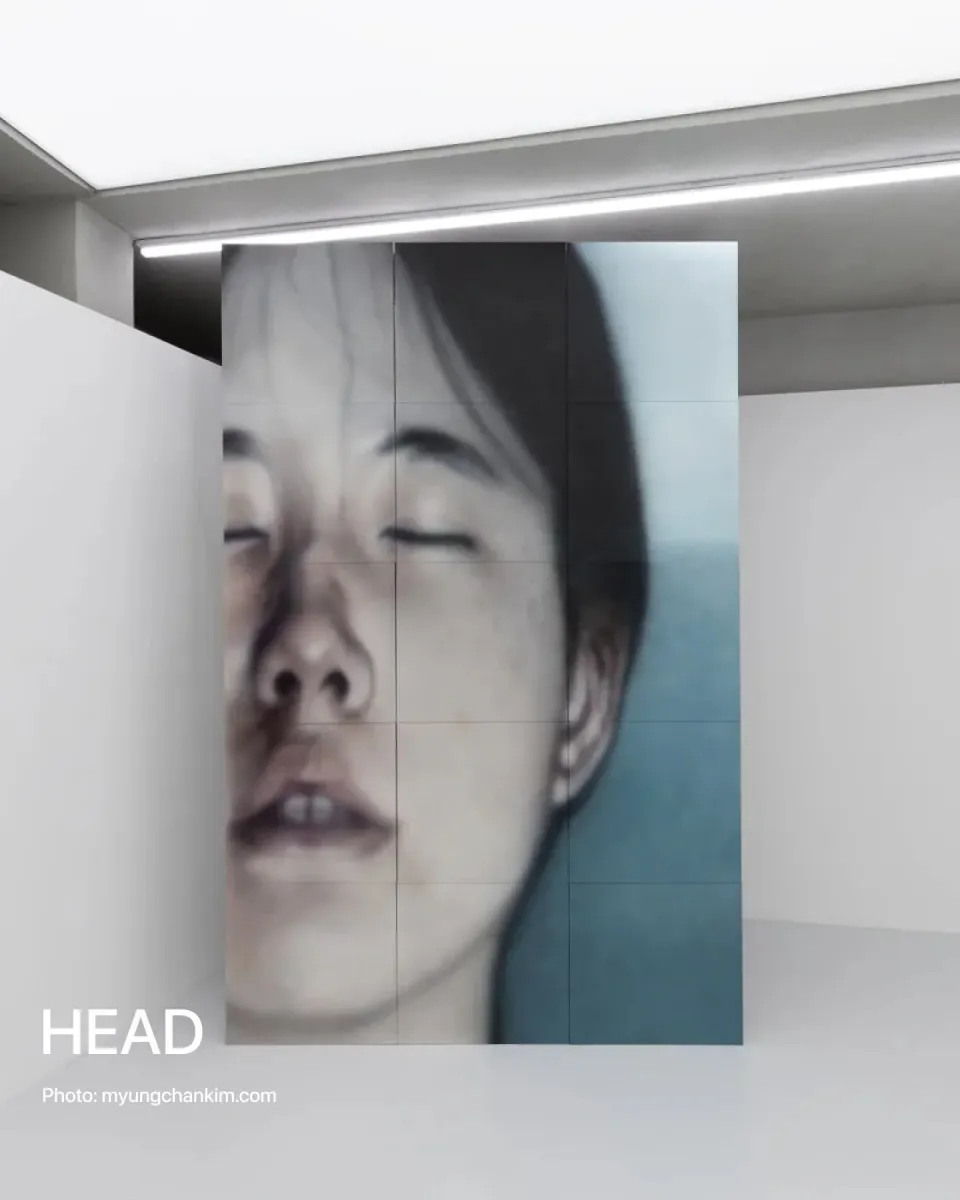
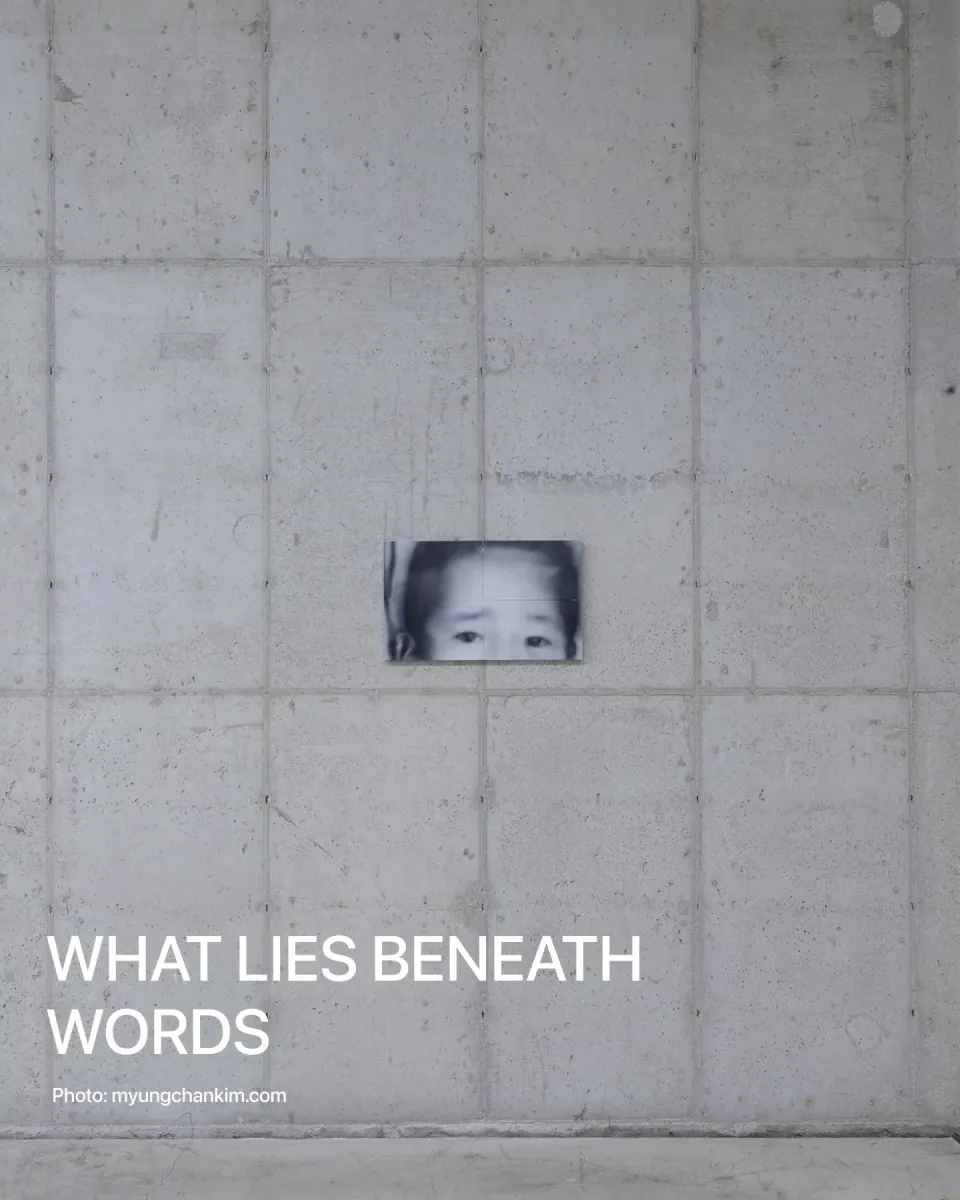
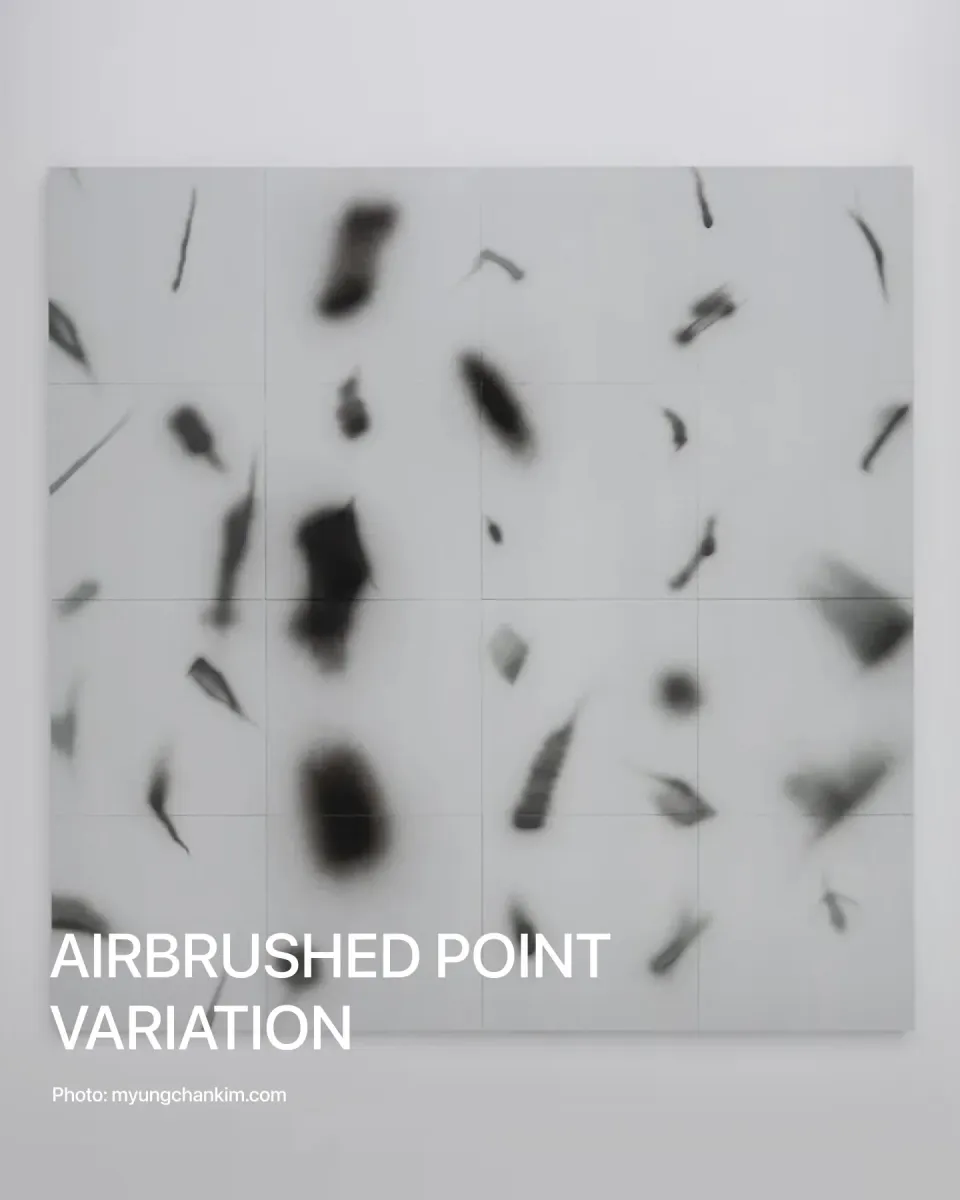
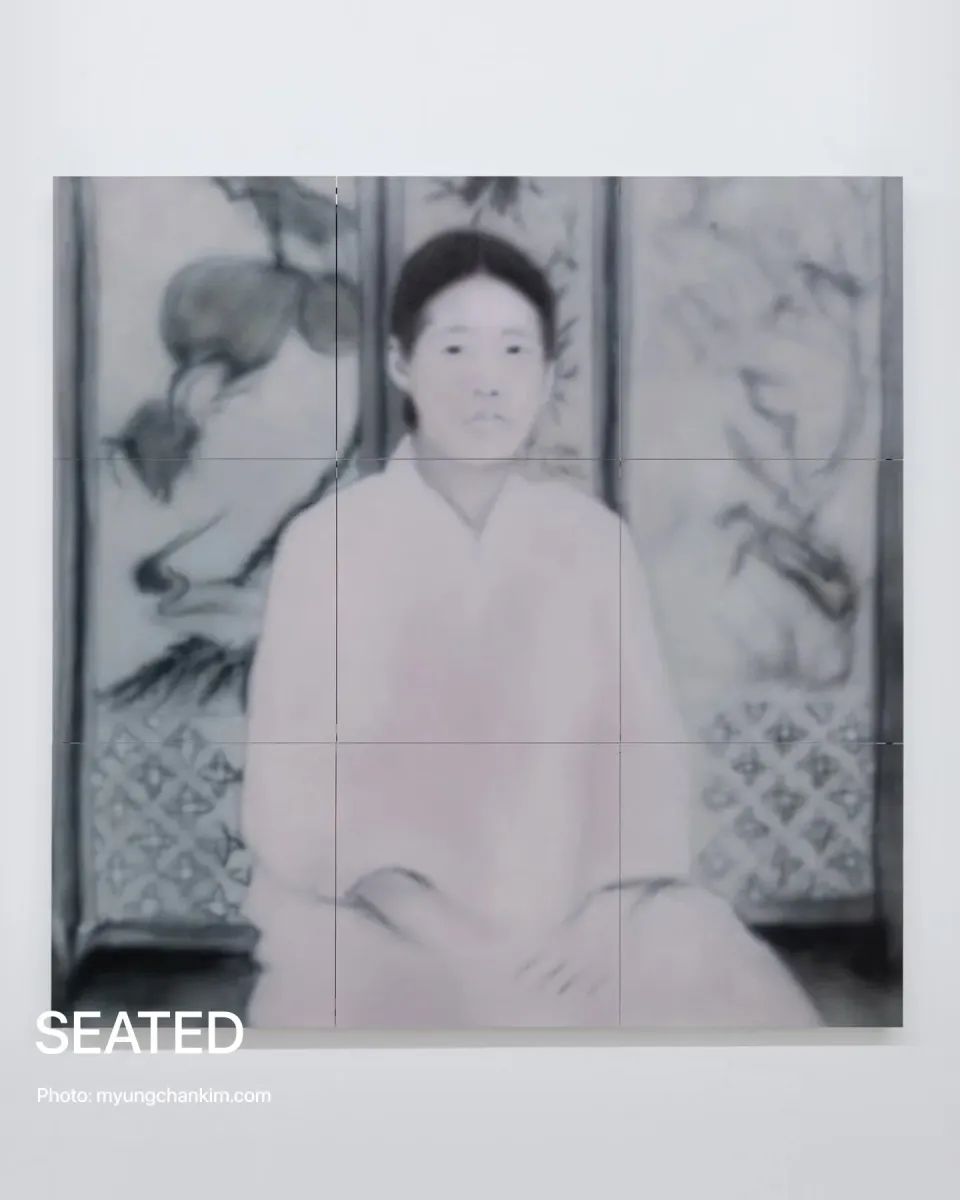
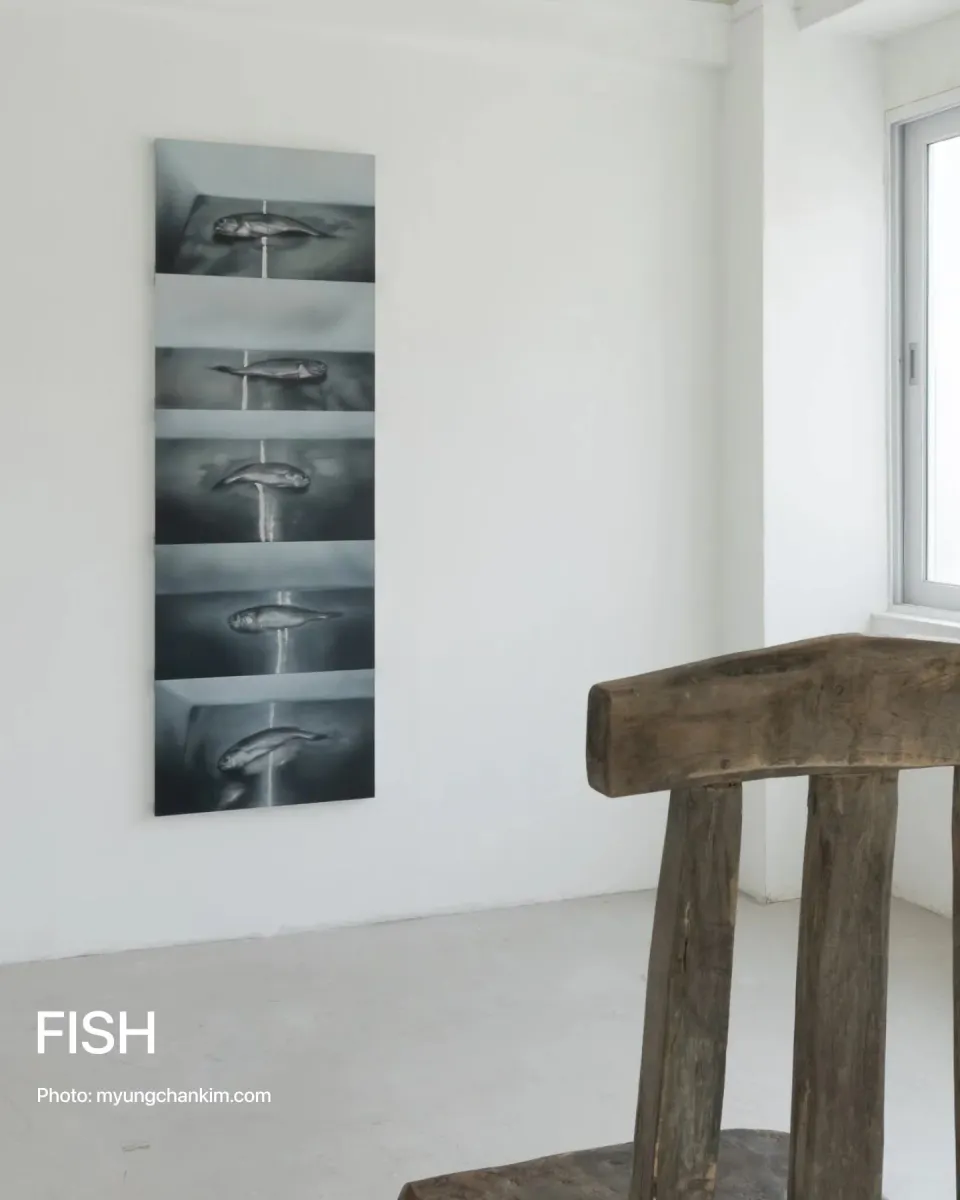
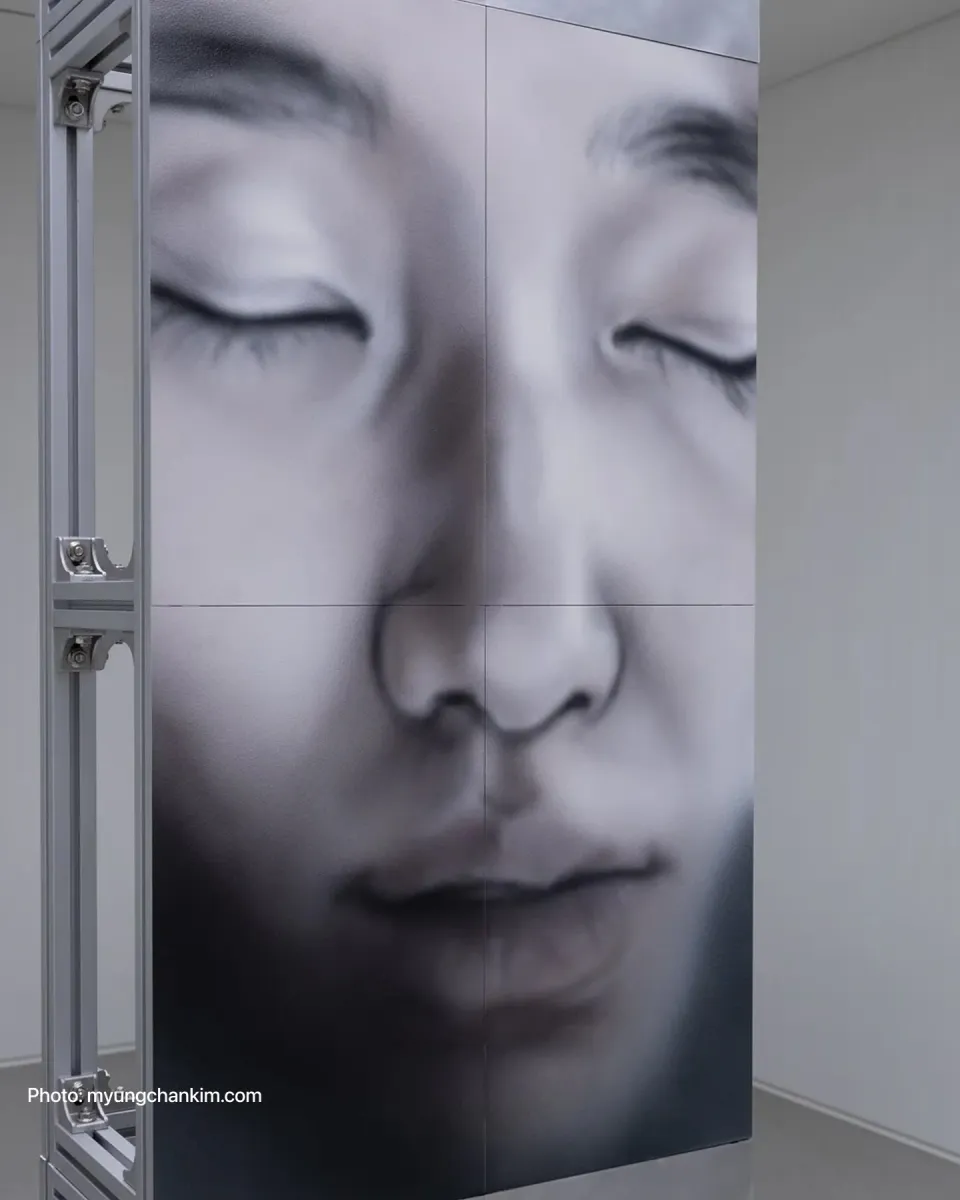
@kim.myungchan
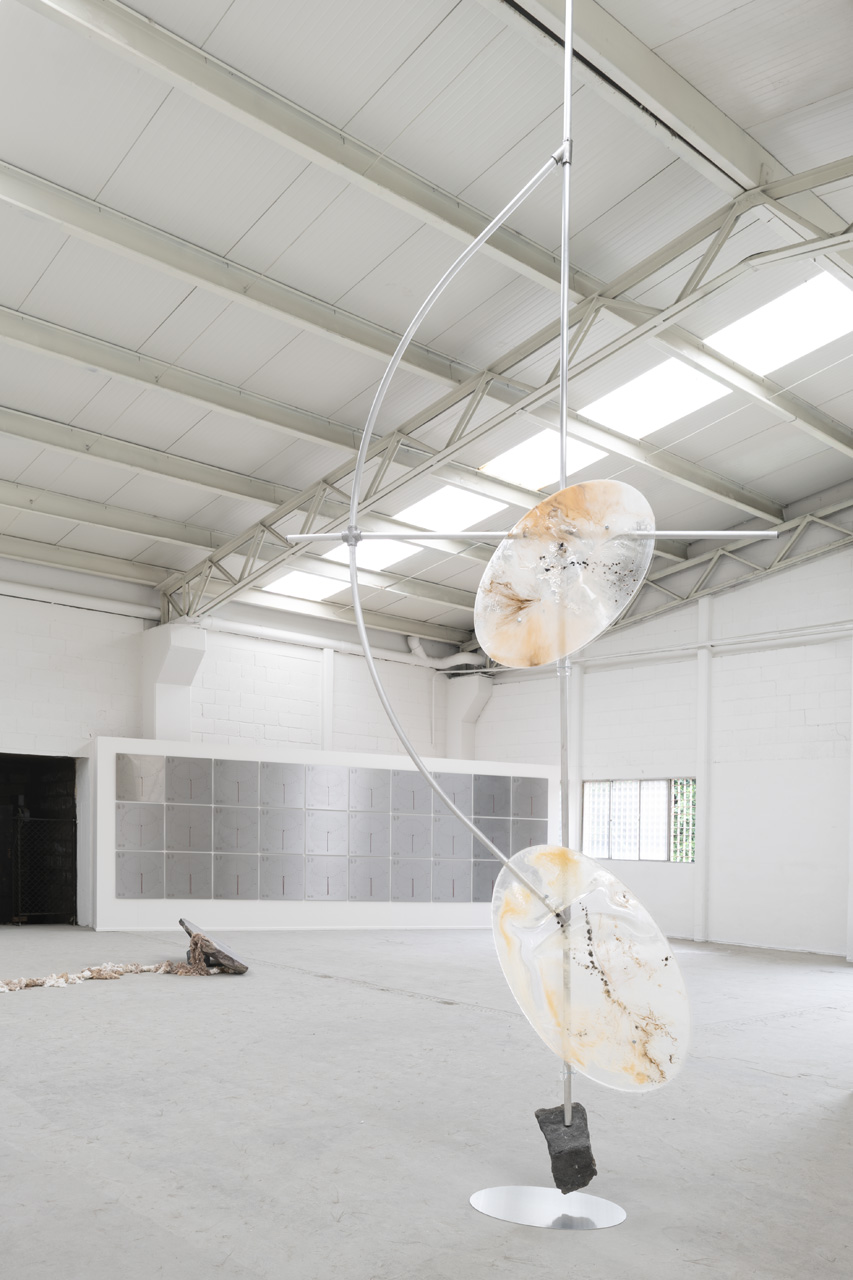
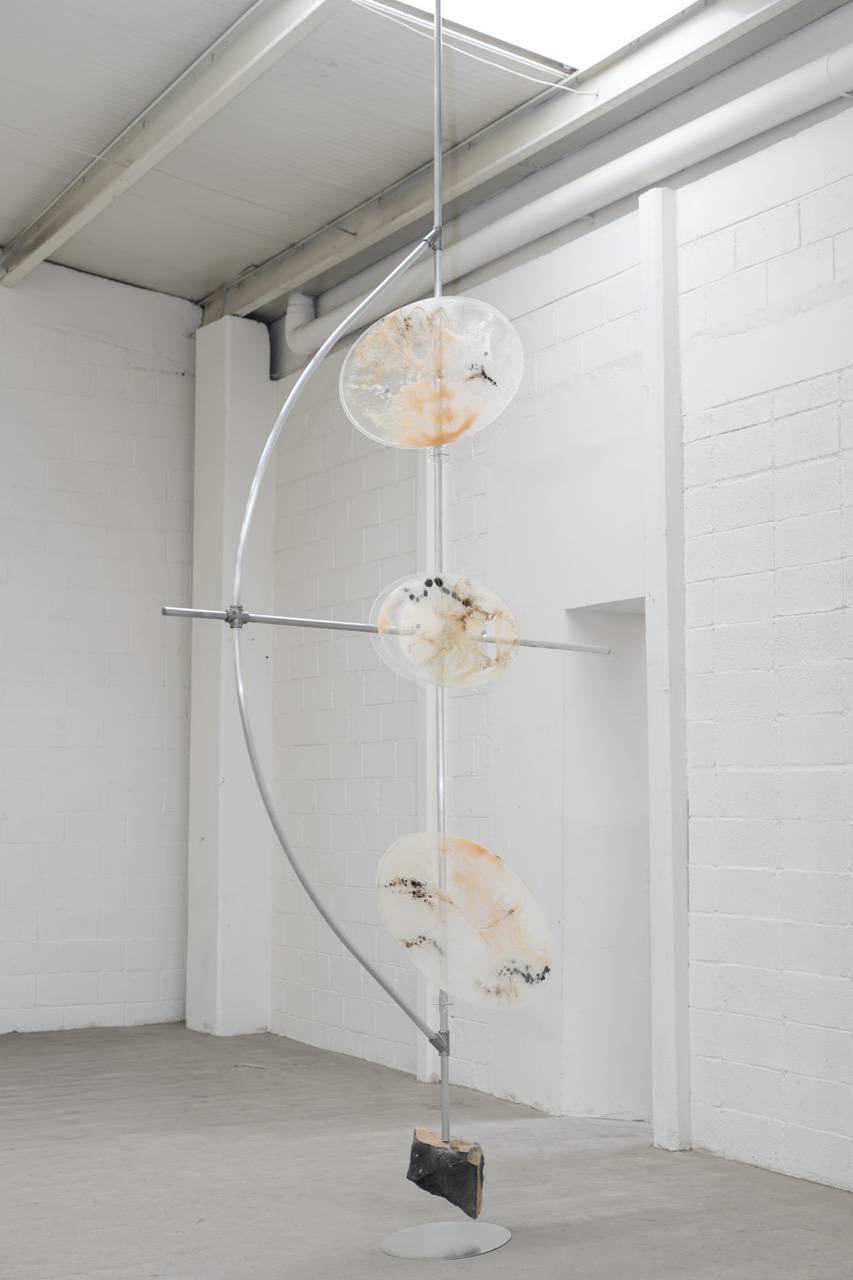
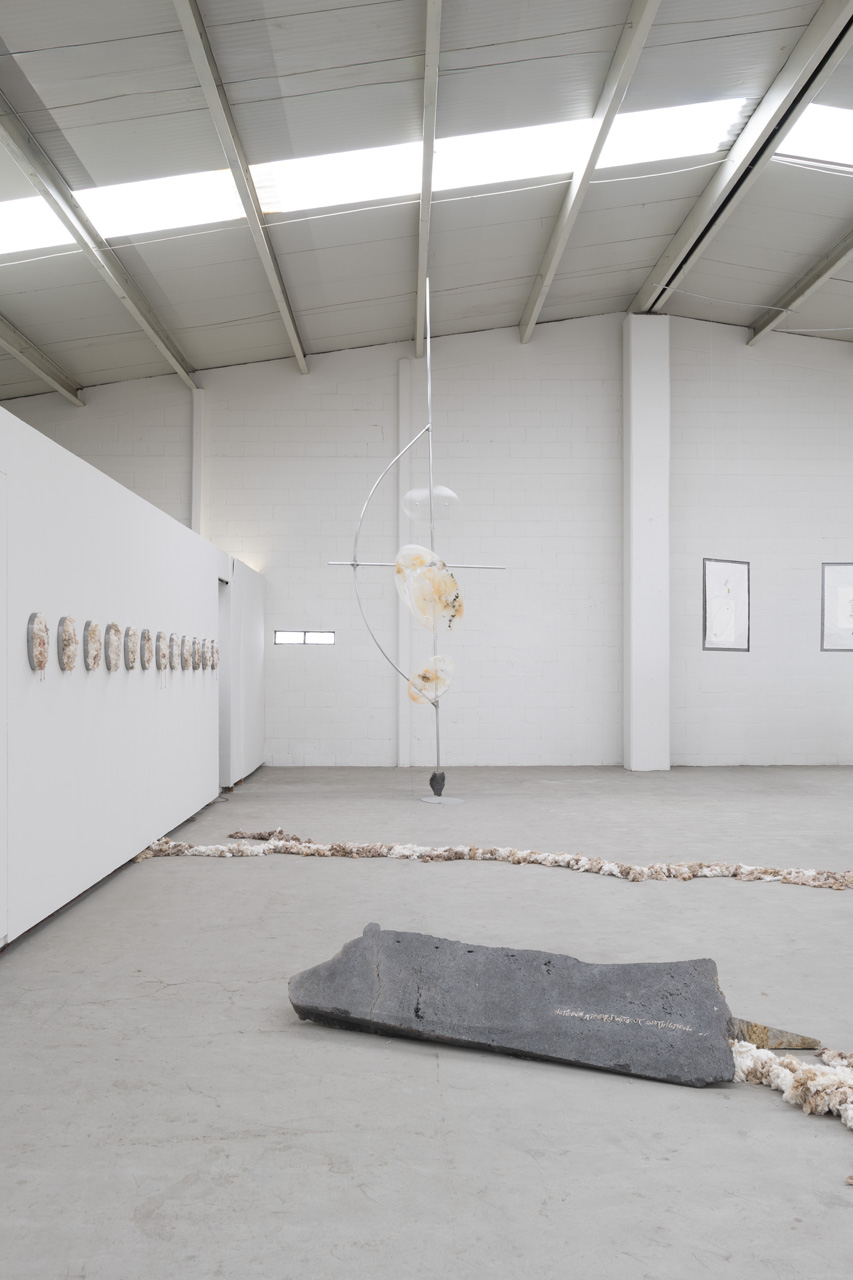
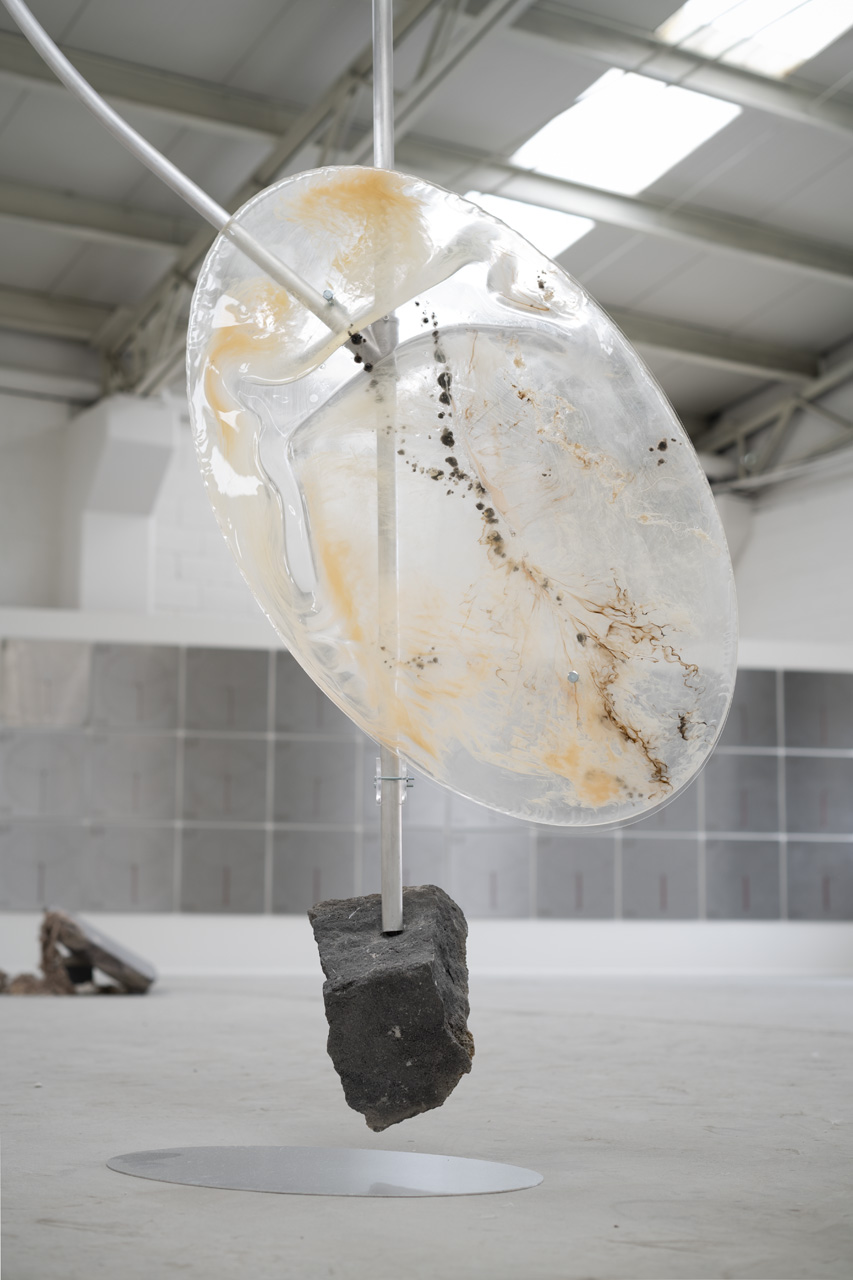
Mexico City / 2026
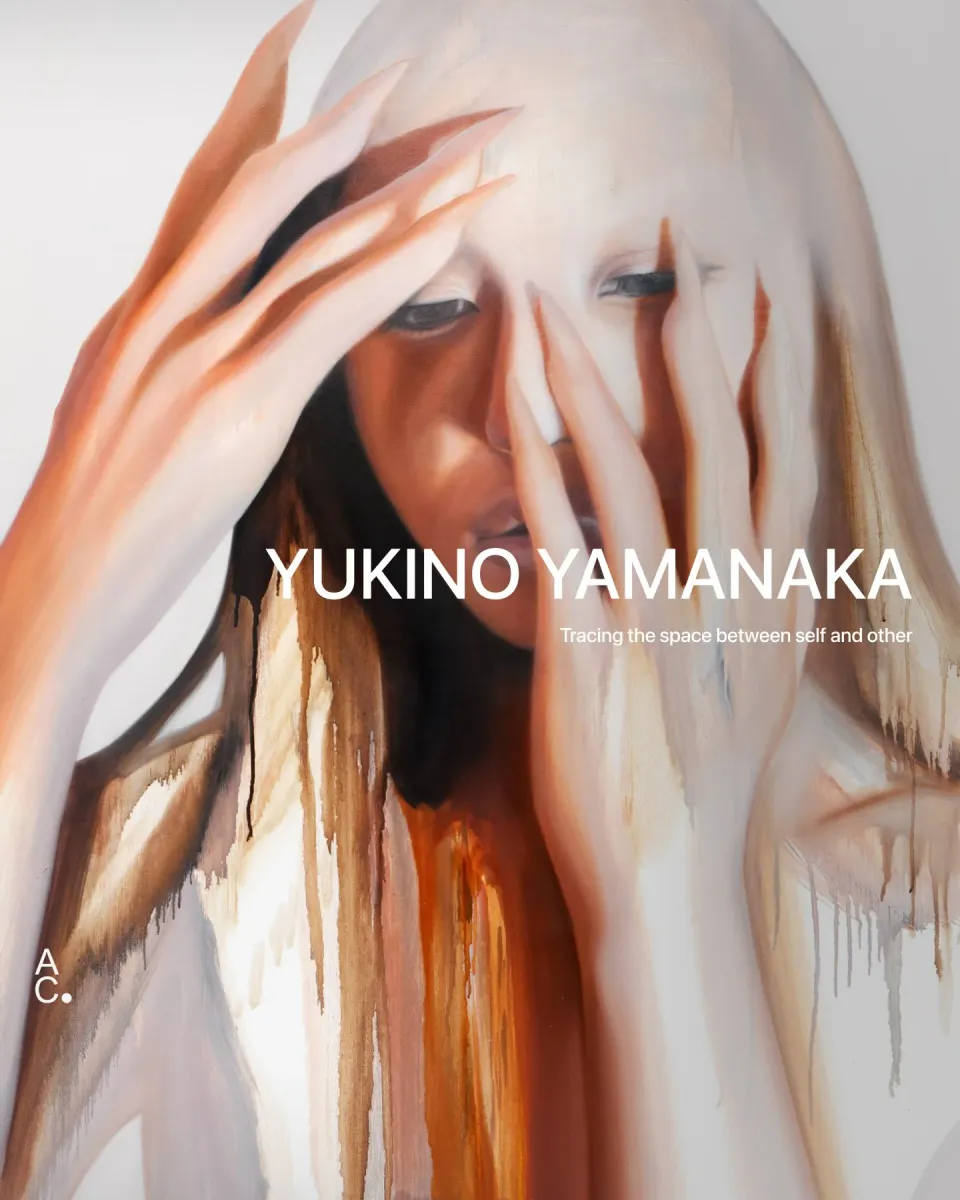
@yukino_yamanaka
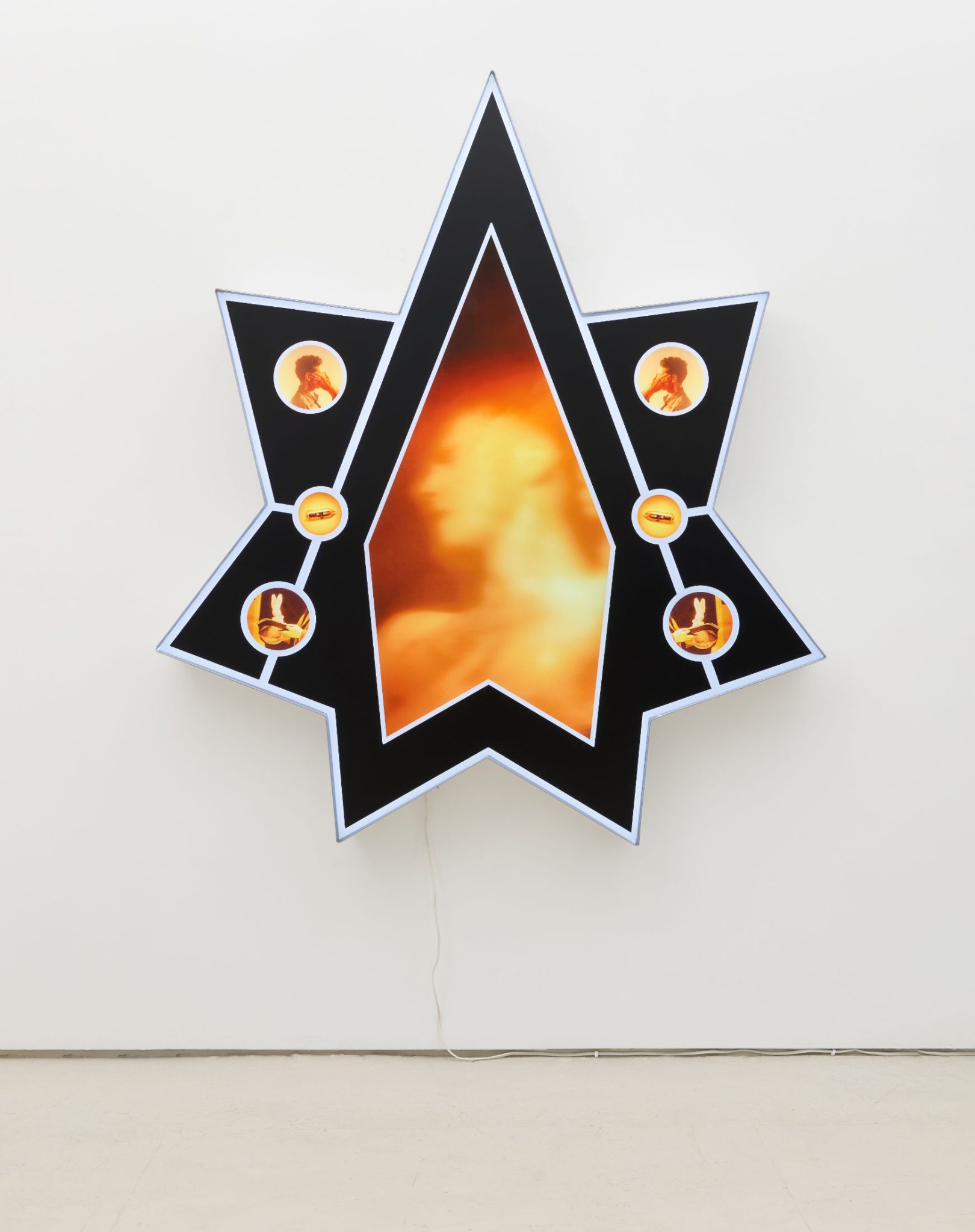
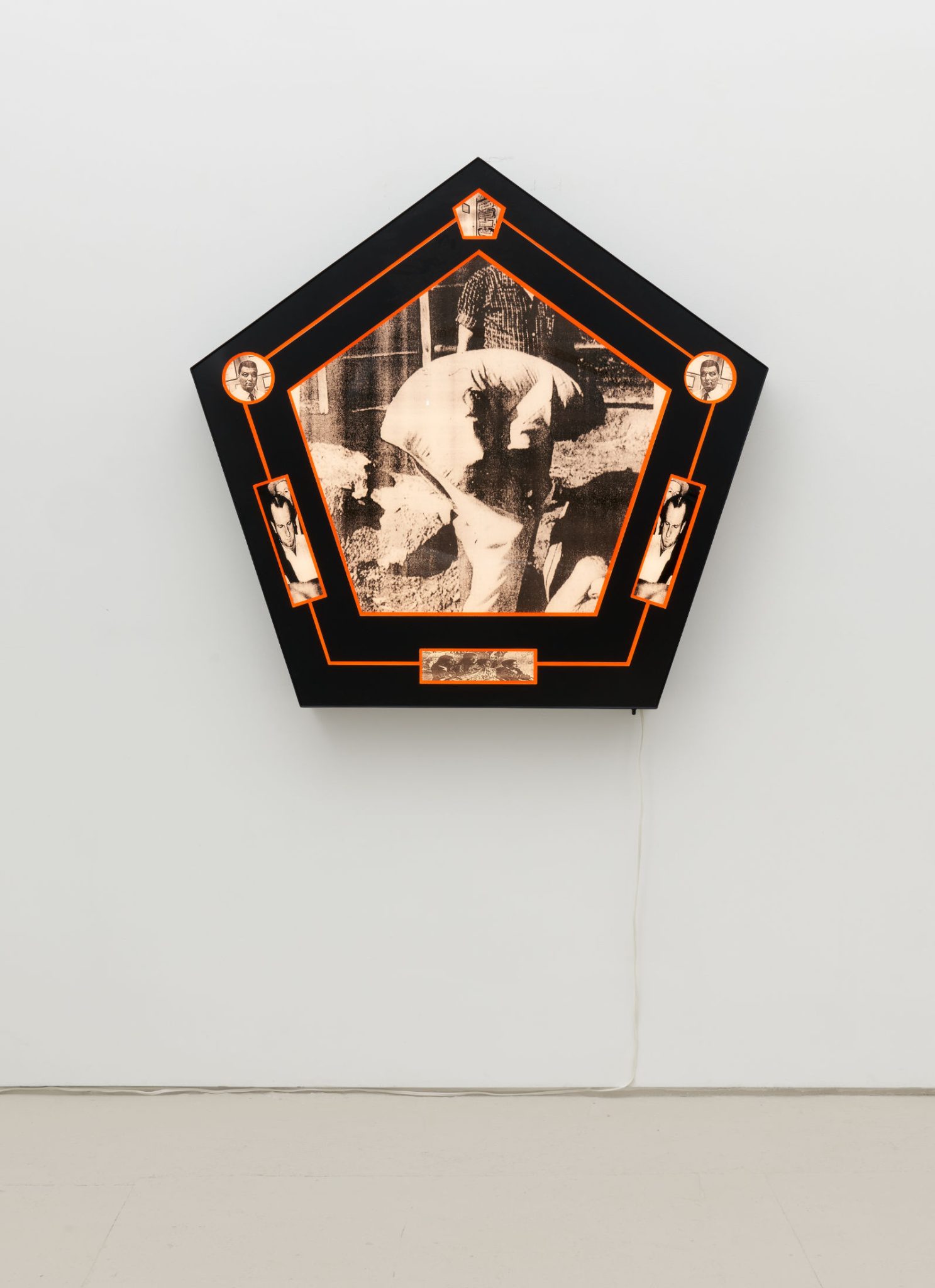
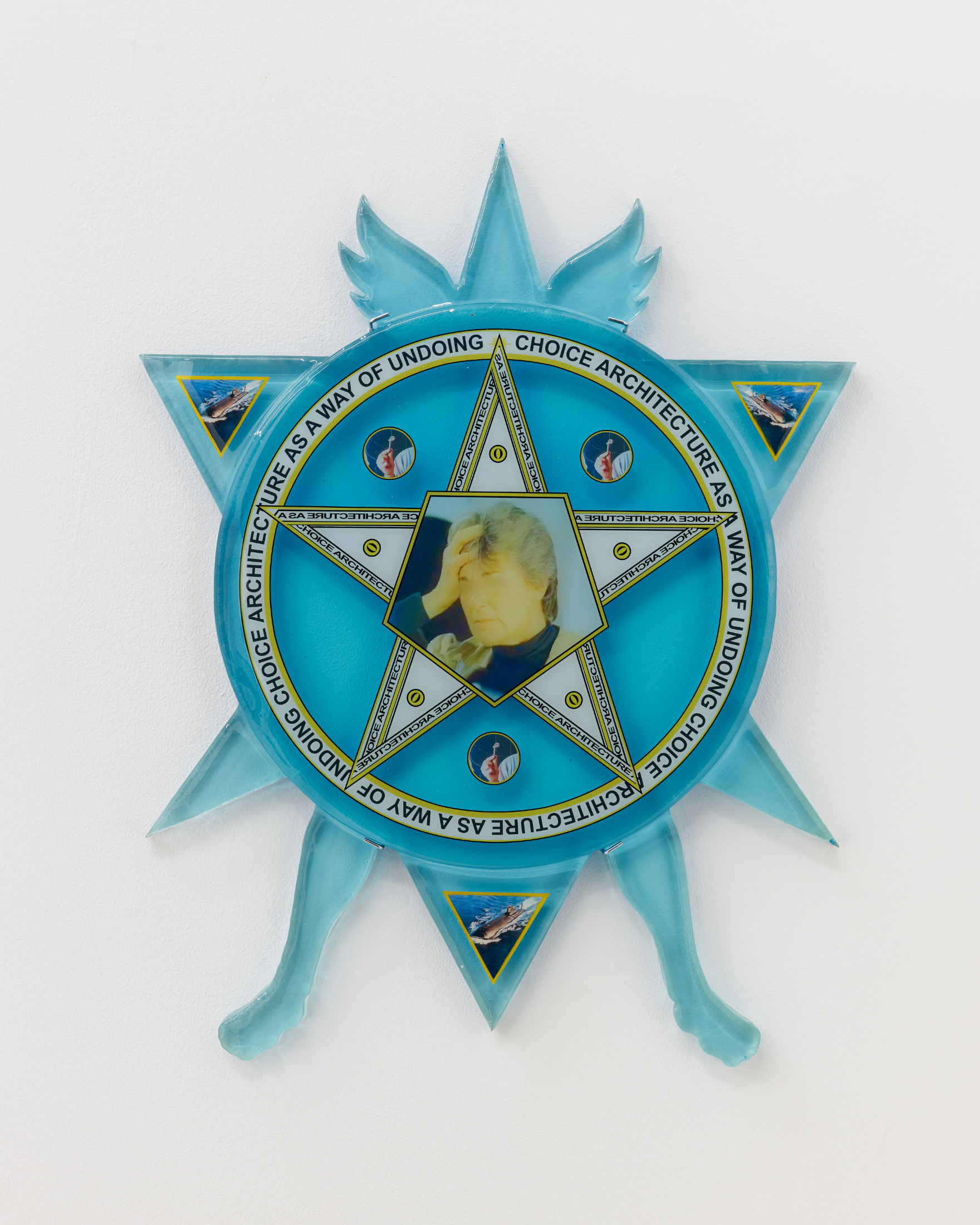
New York / 2026
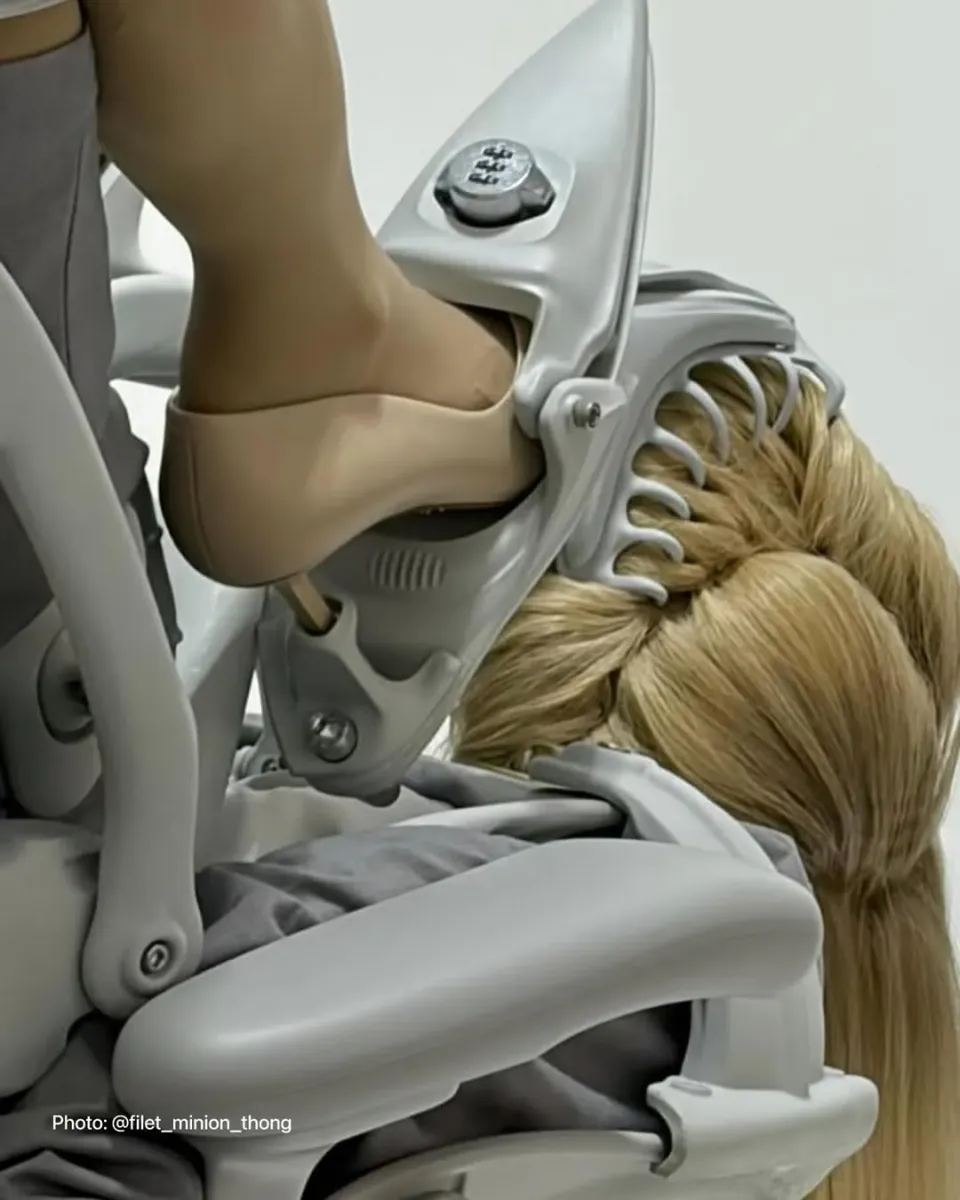
@filet_minion_thong
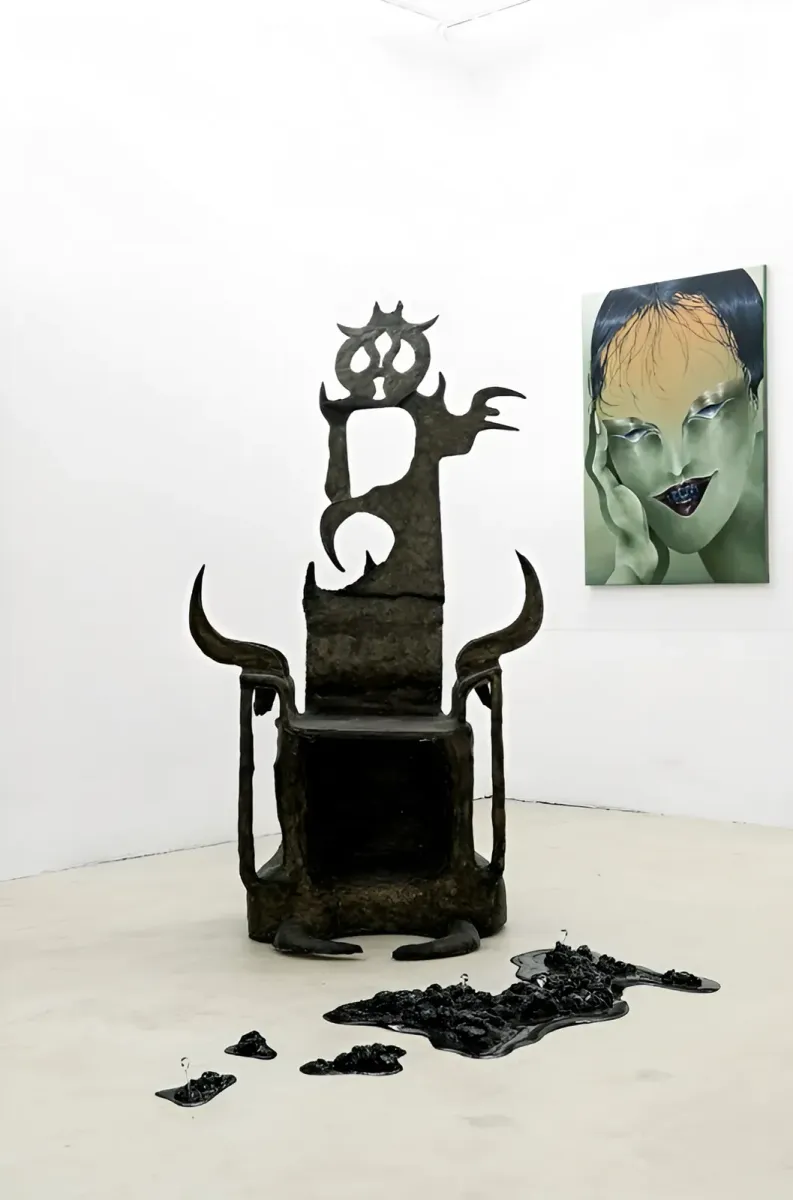
Kraków / 2025
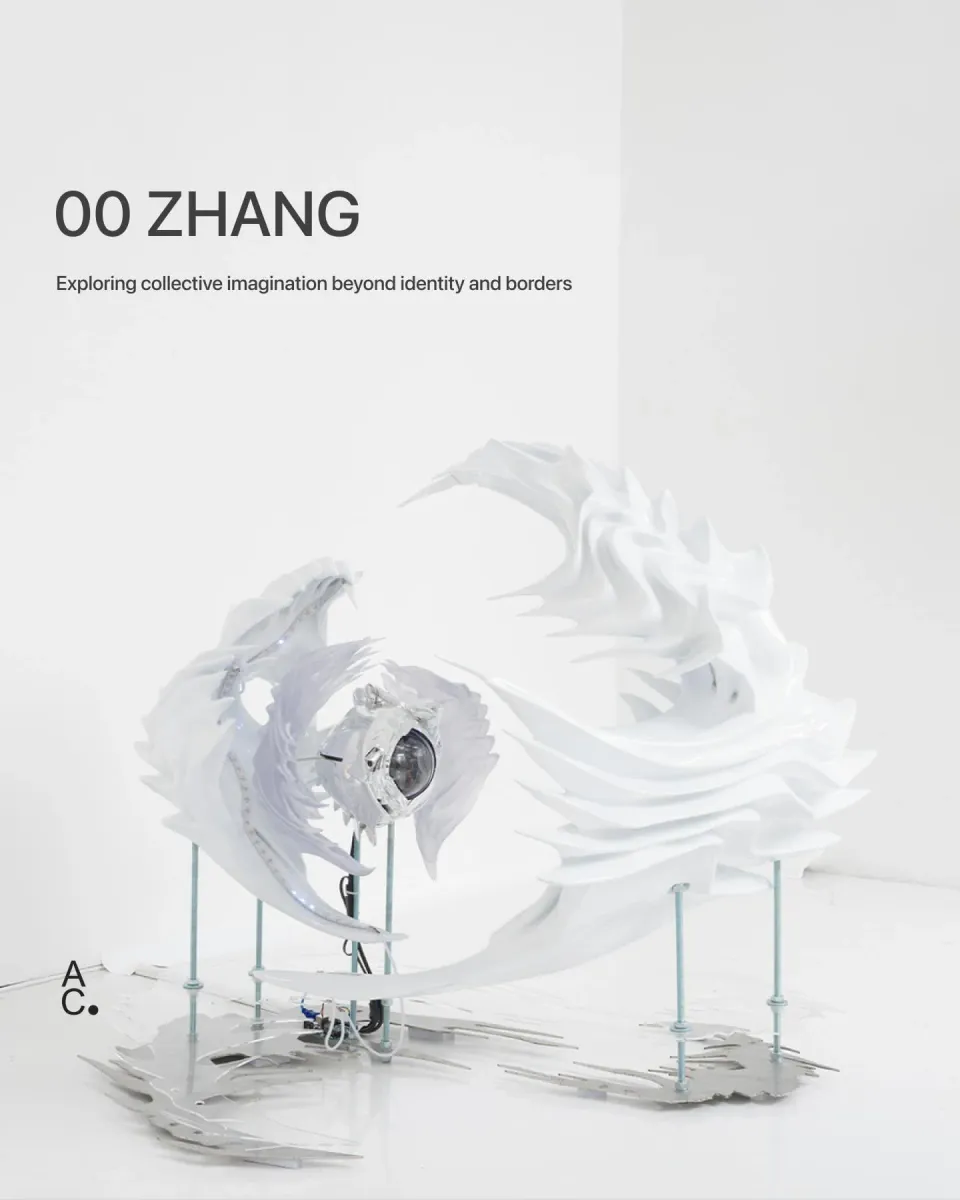
@aio0o0o0
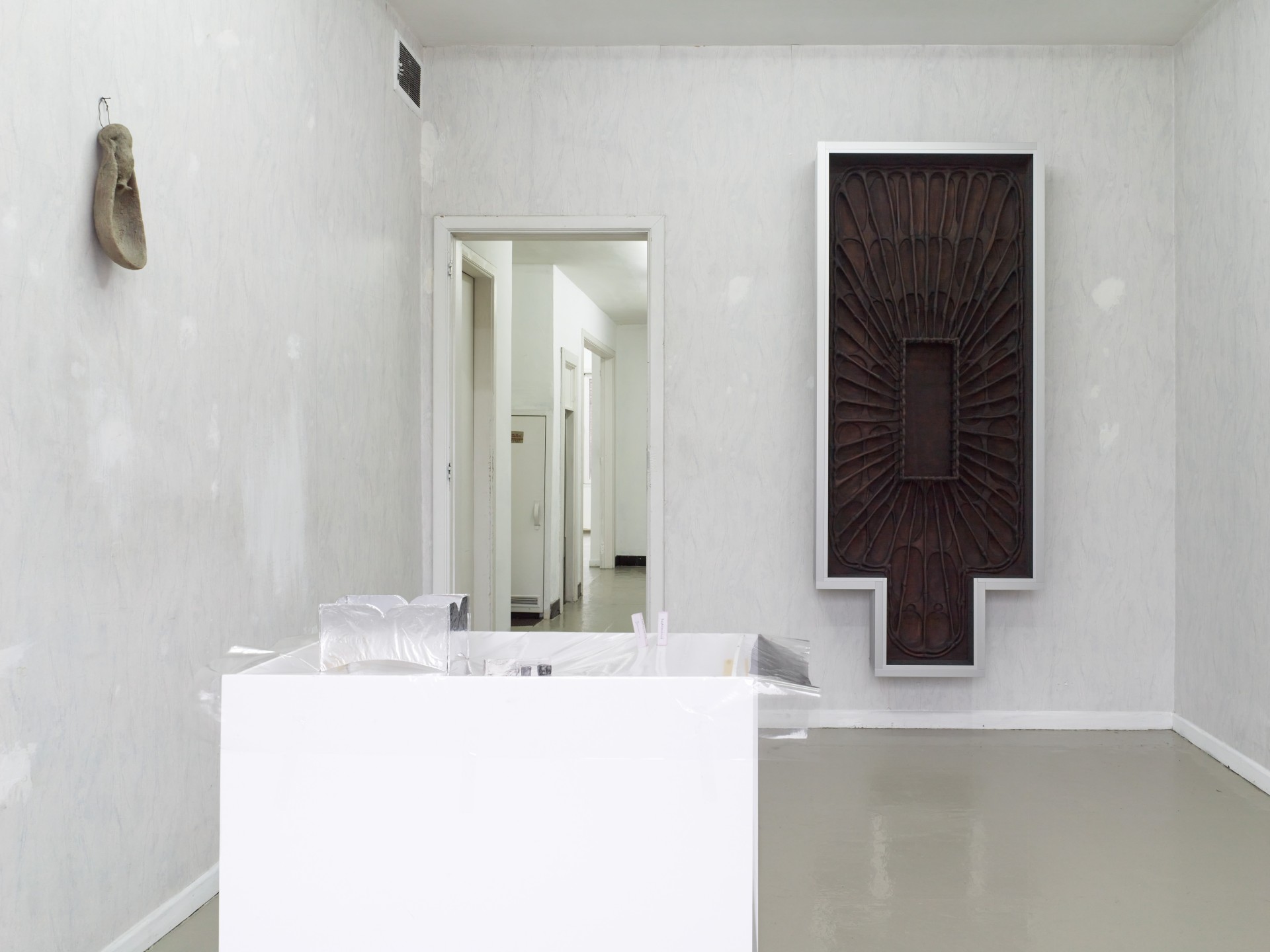
Brussels / 2025-2026
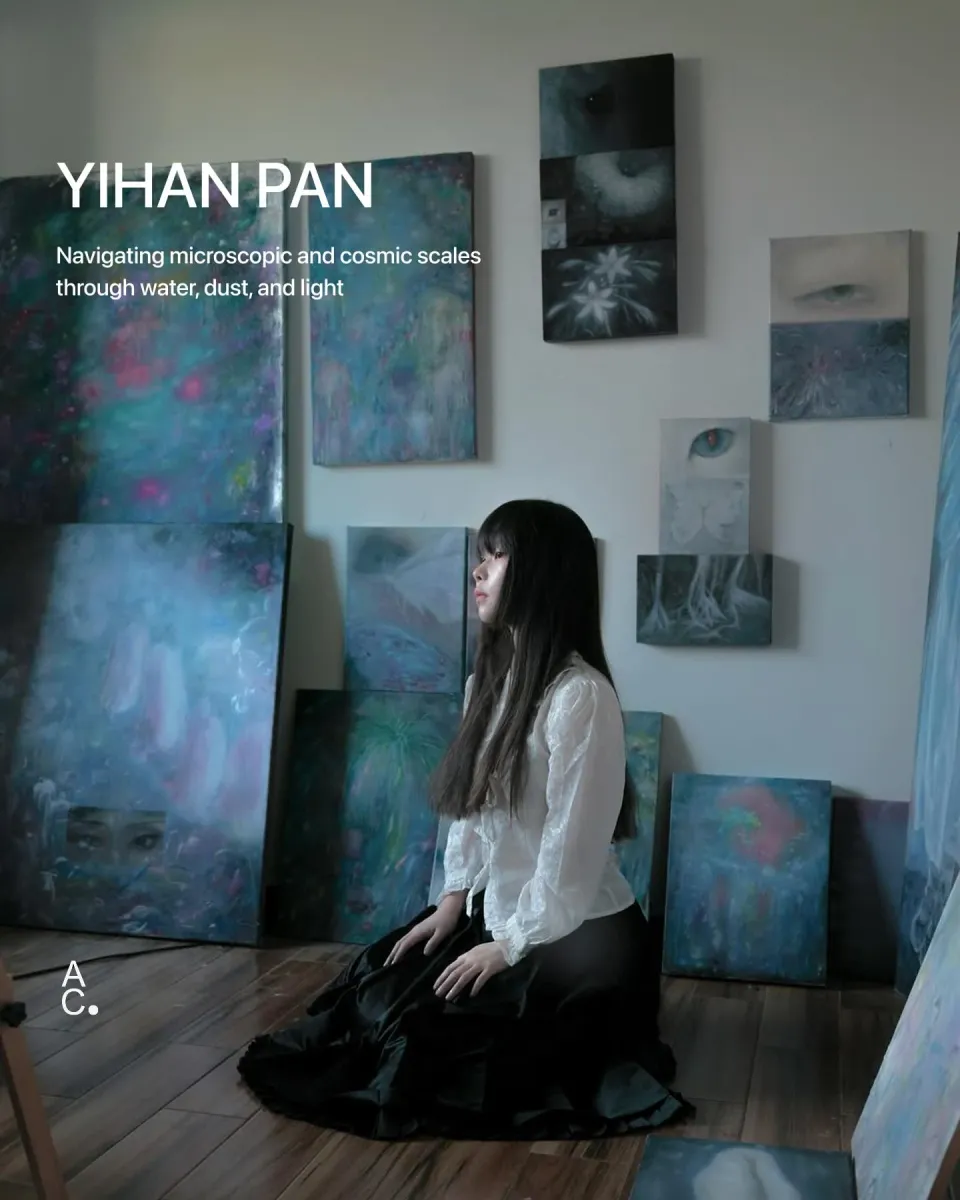
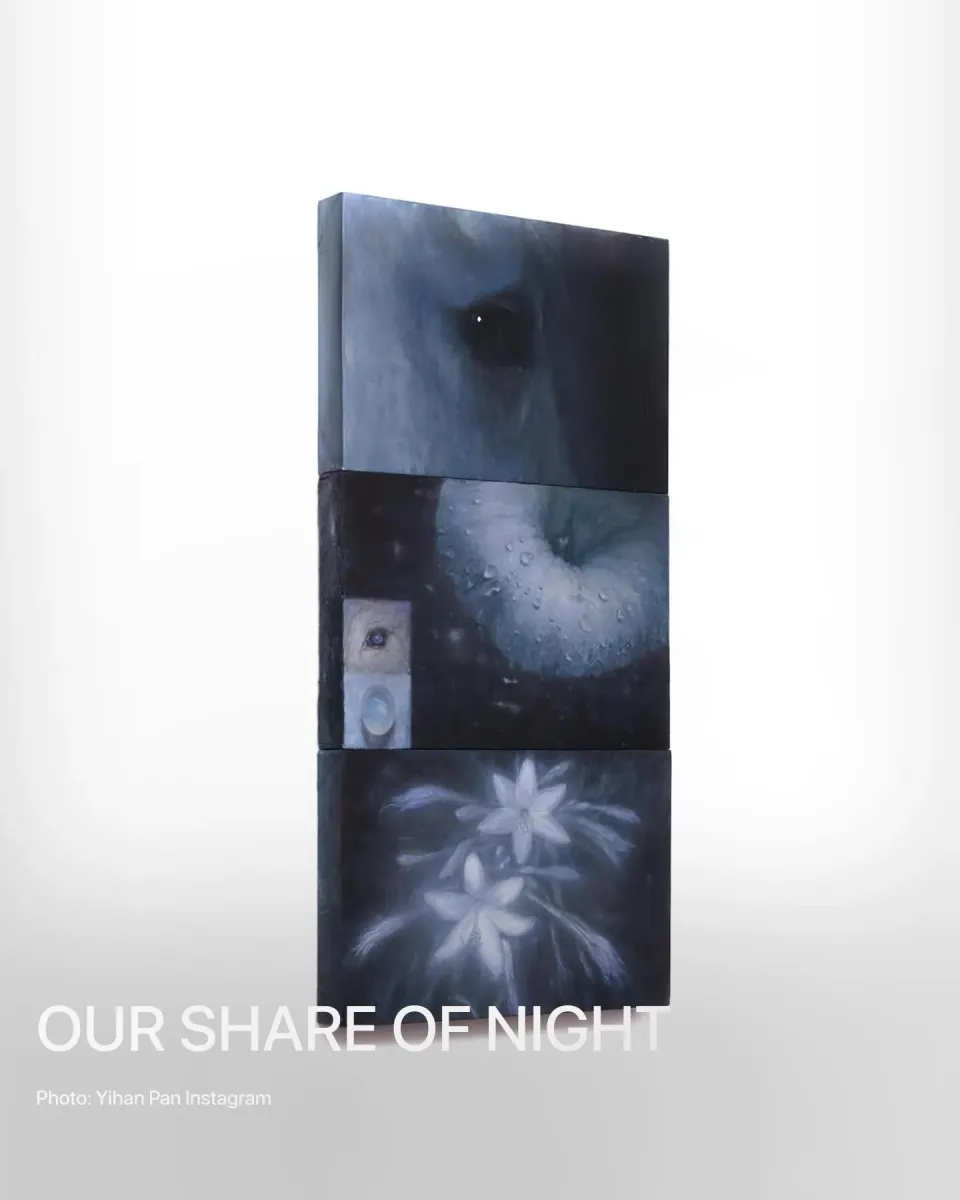
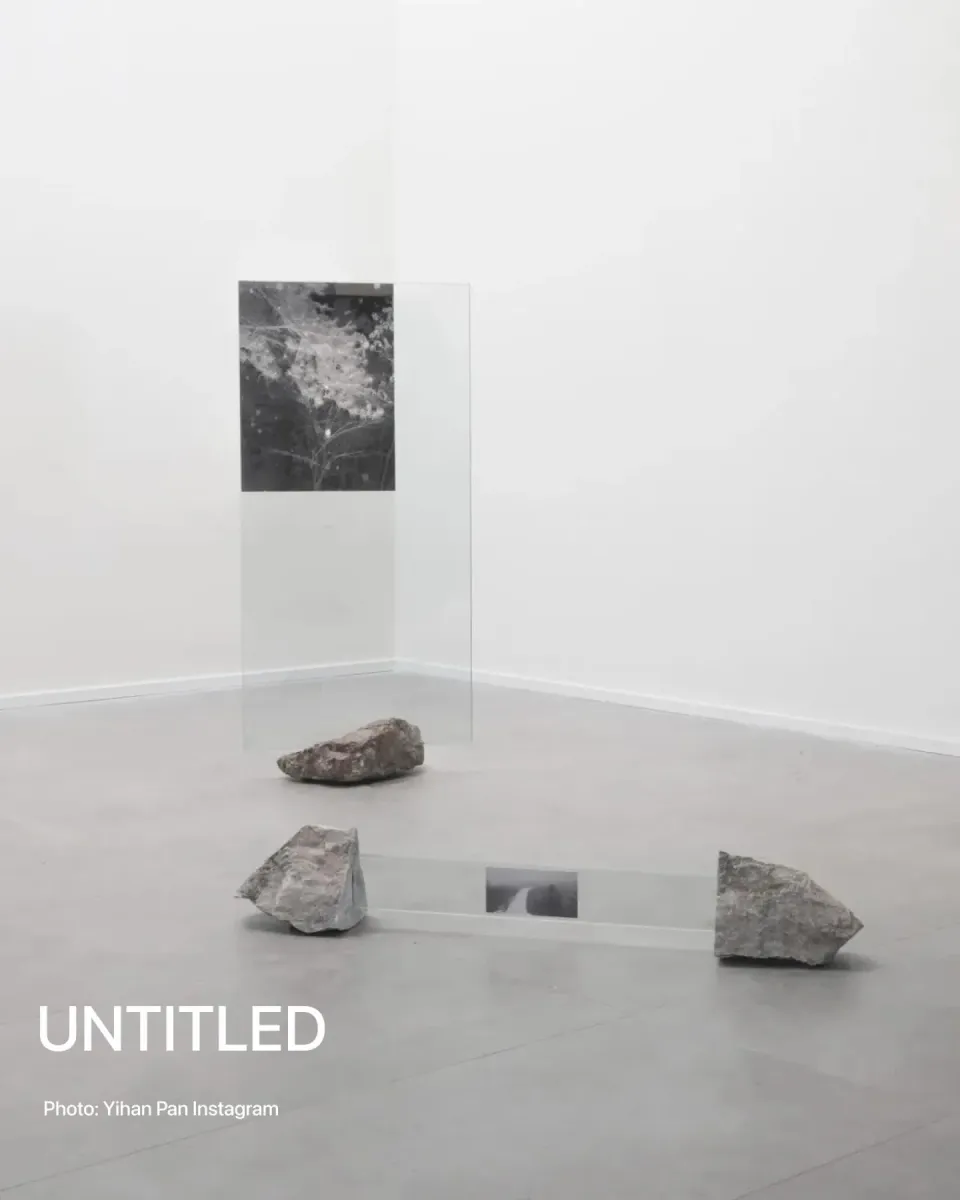
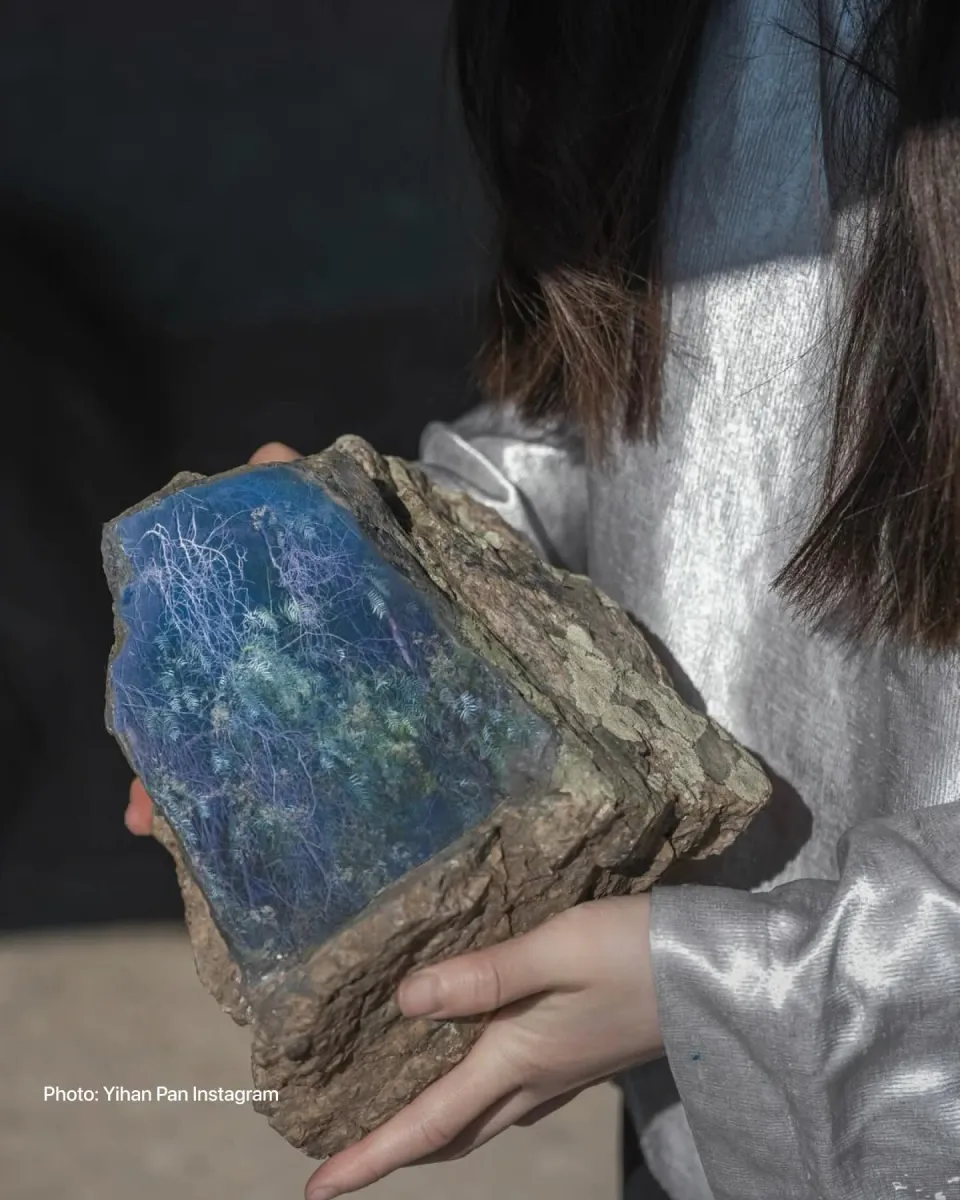
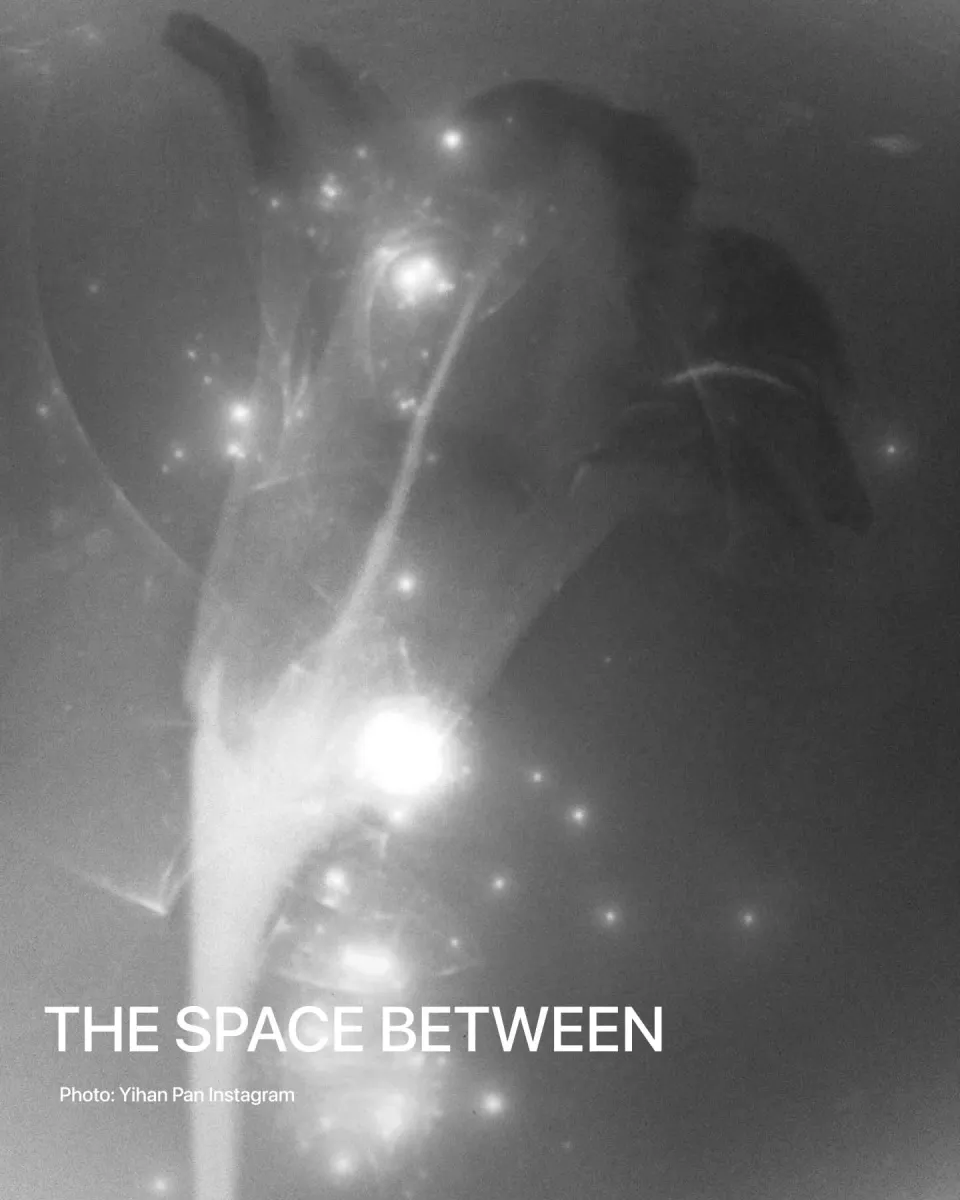
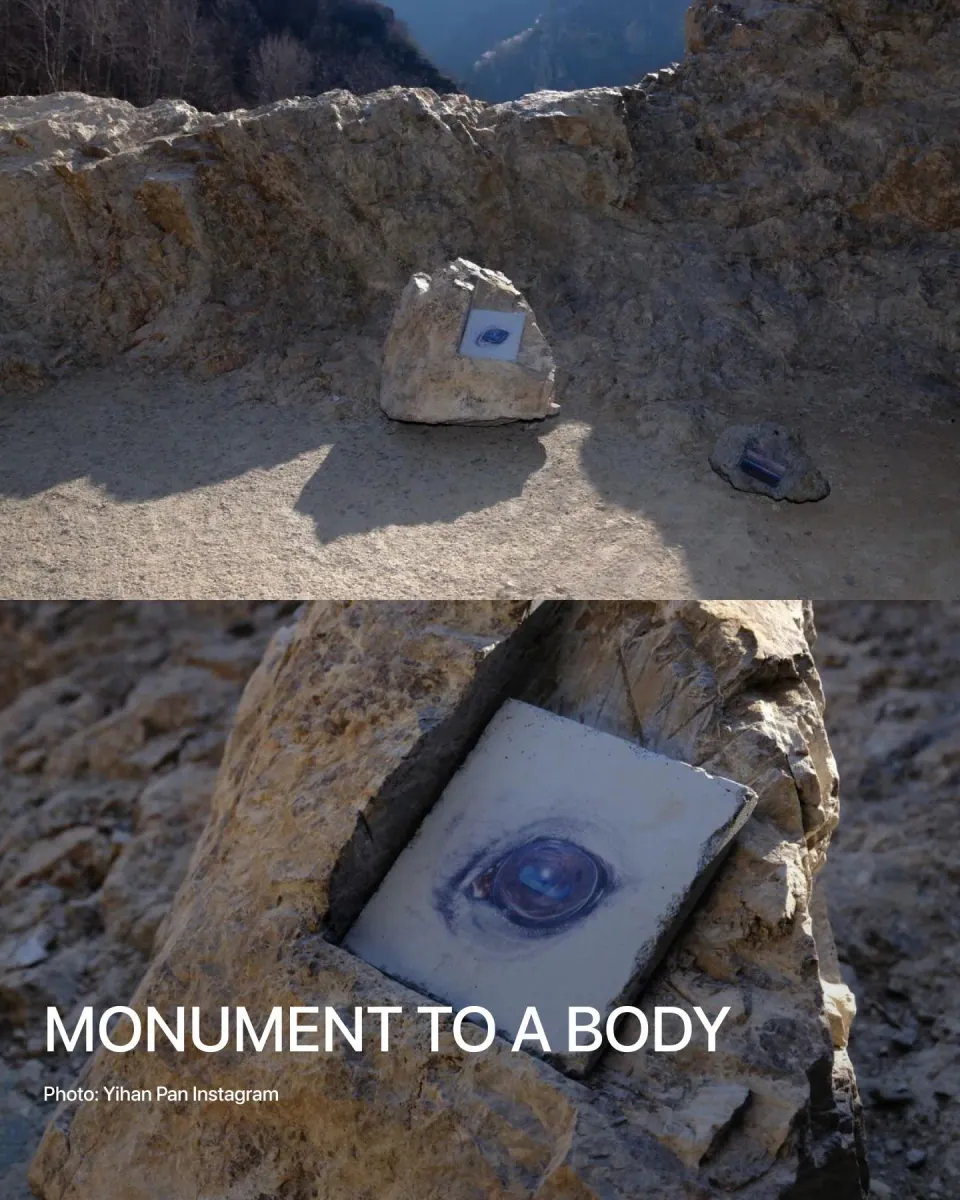
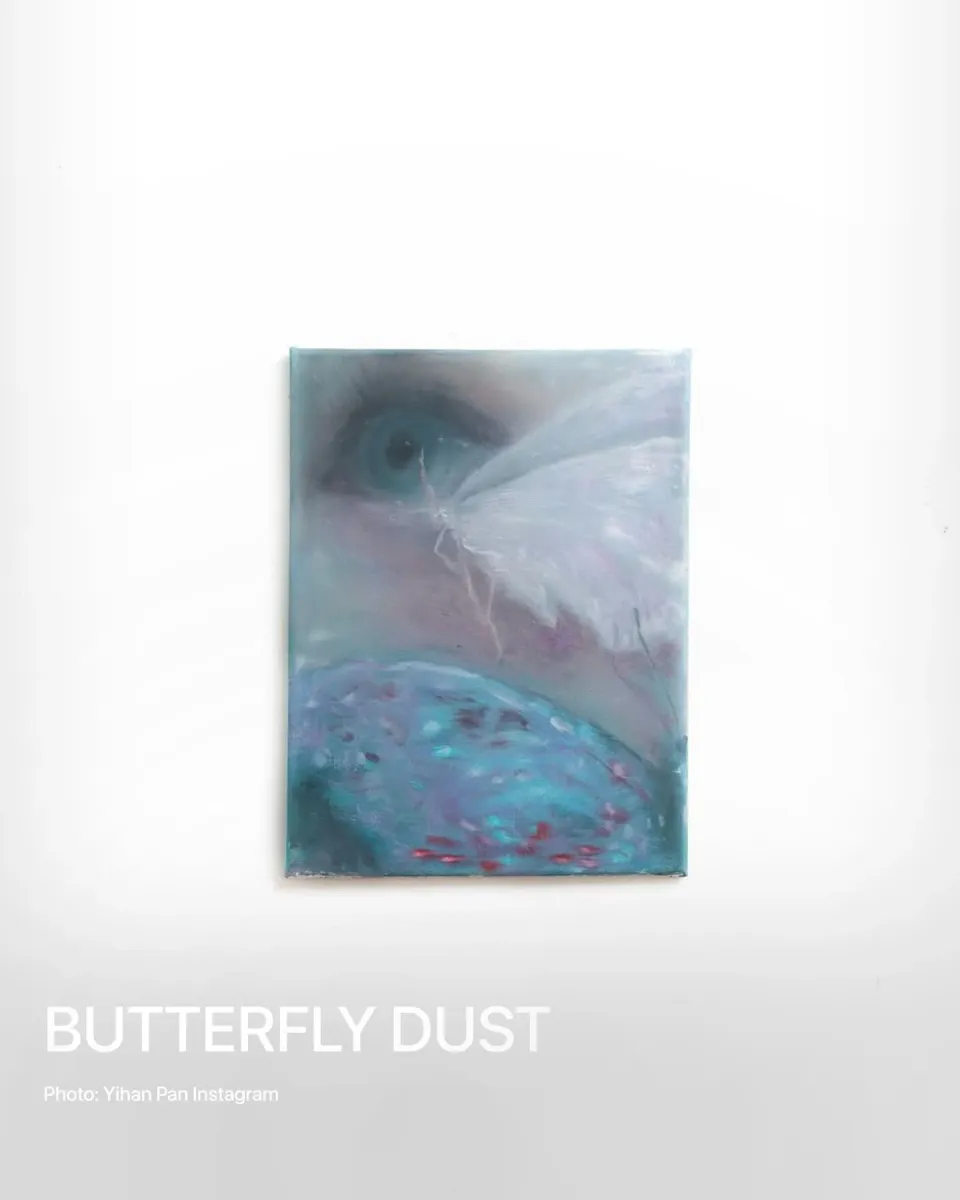
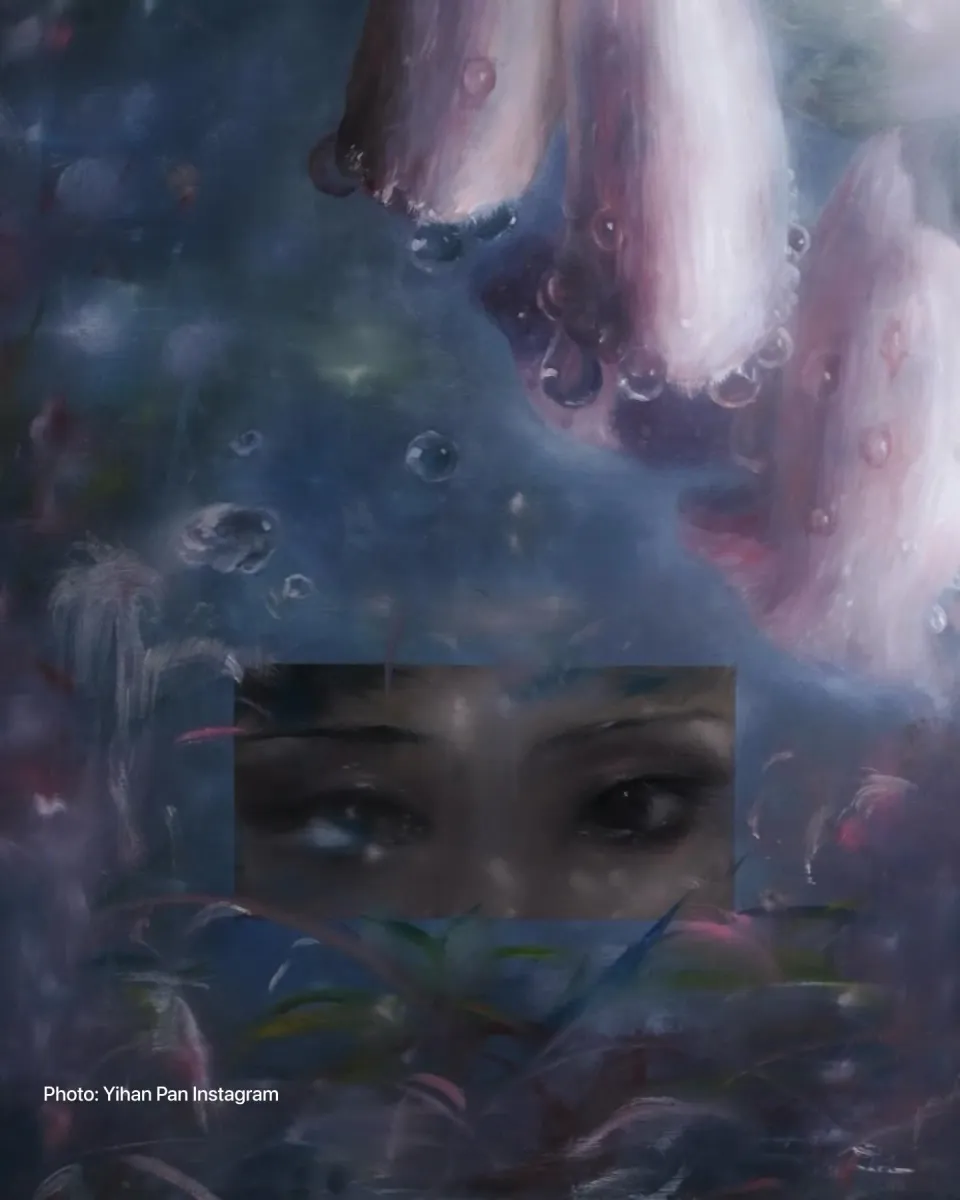
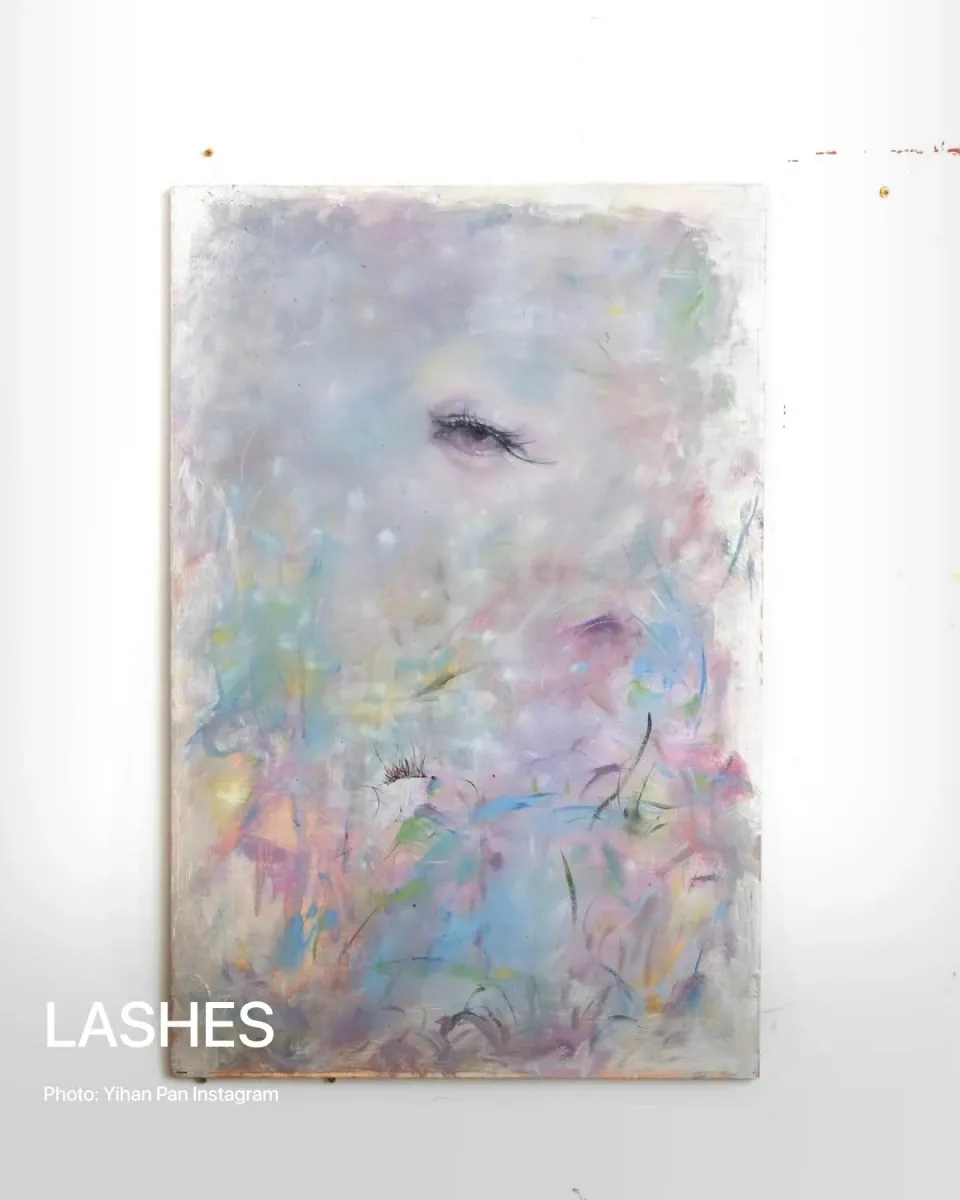
@pyhii
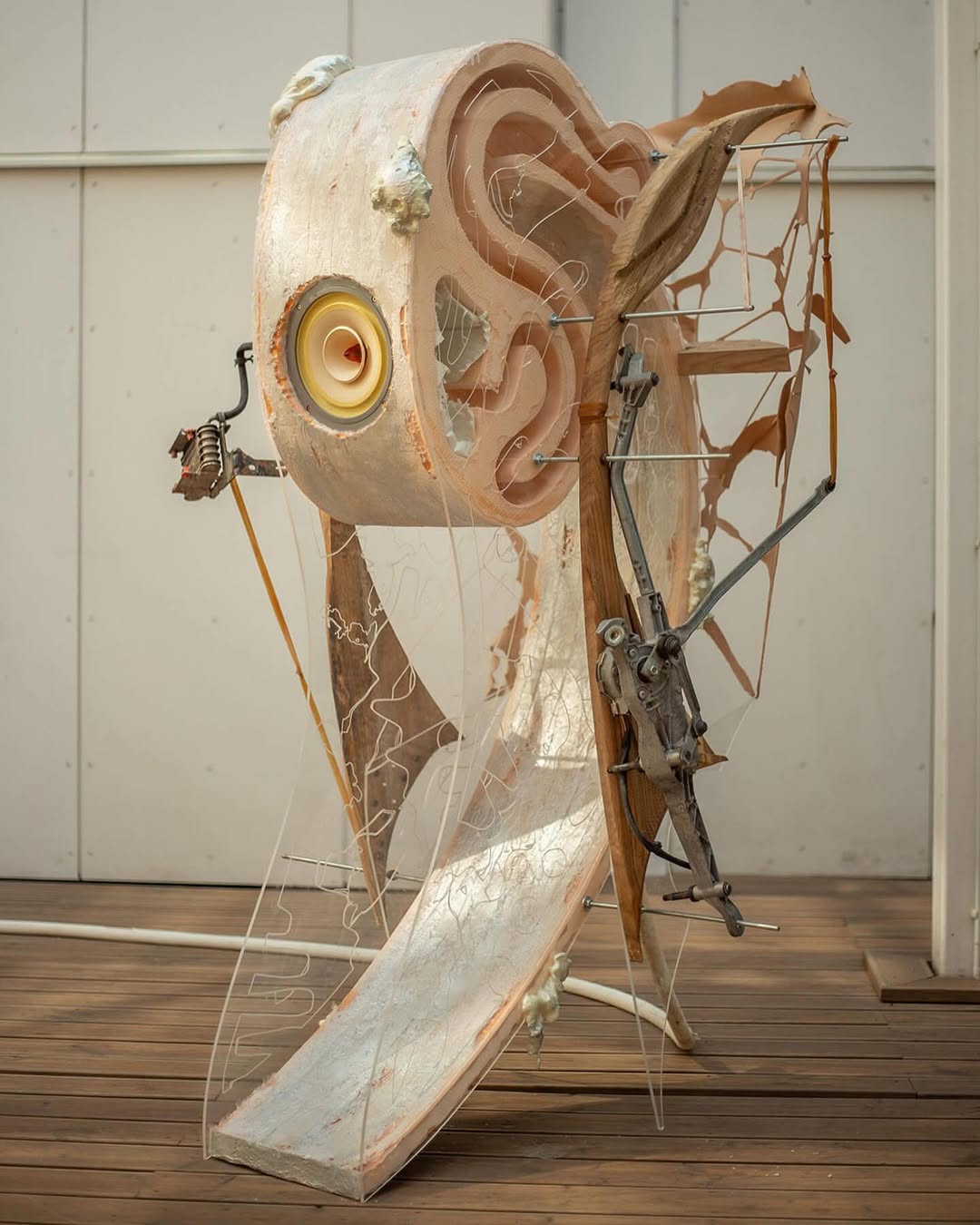
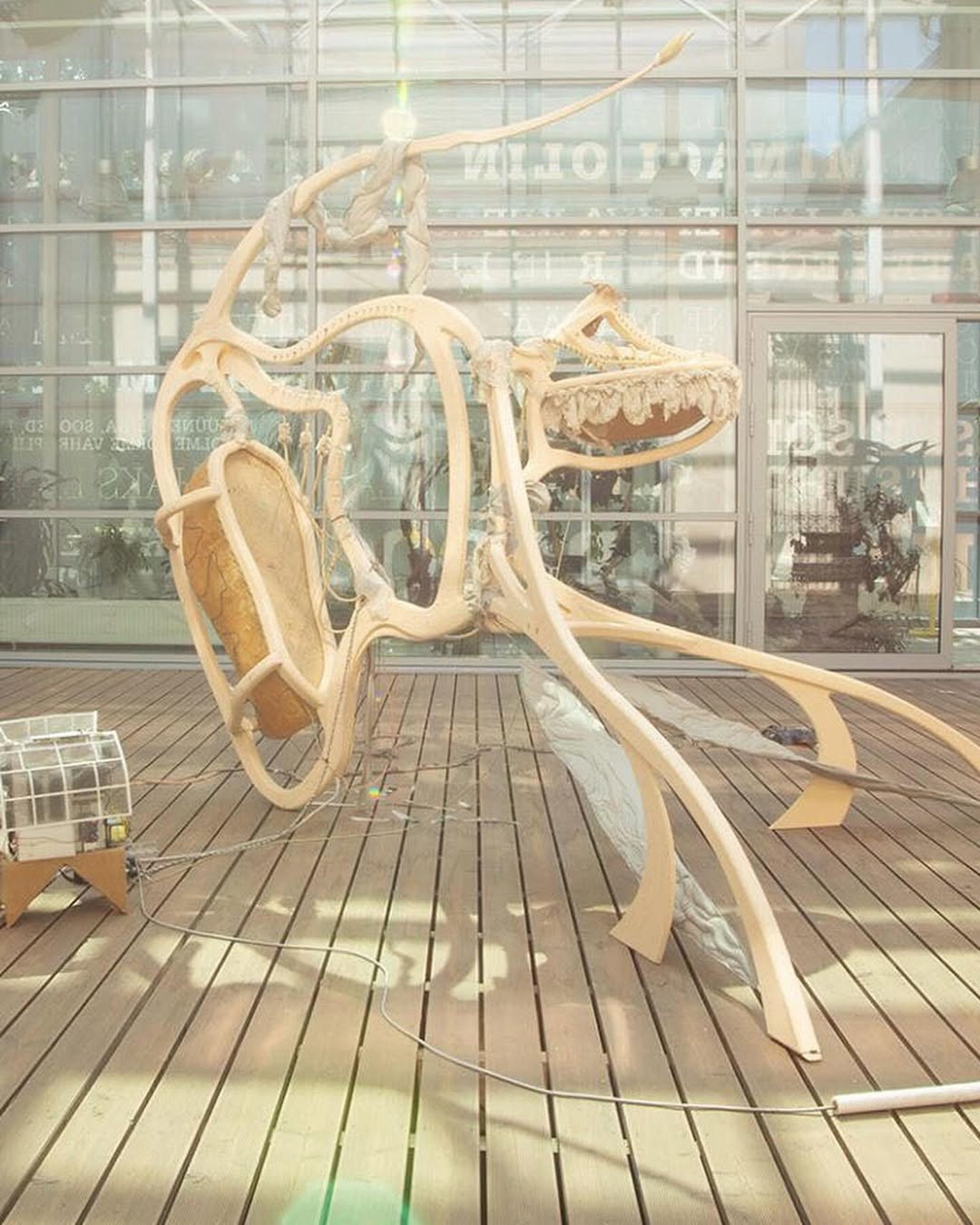
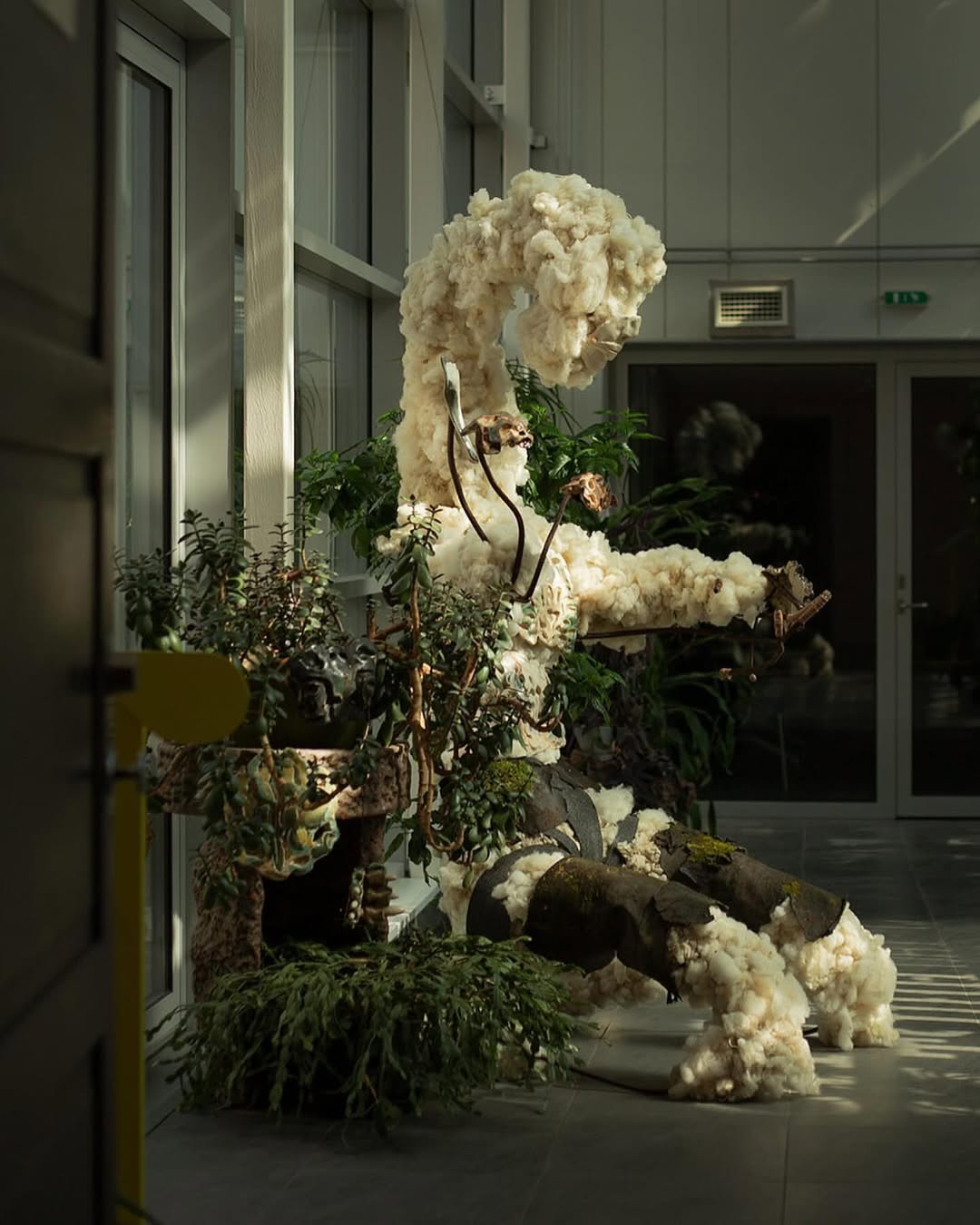
Tartu / 2024
@emma.beatrez
Stockholm / 2024-2025
@s_gatzkan
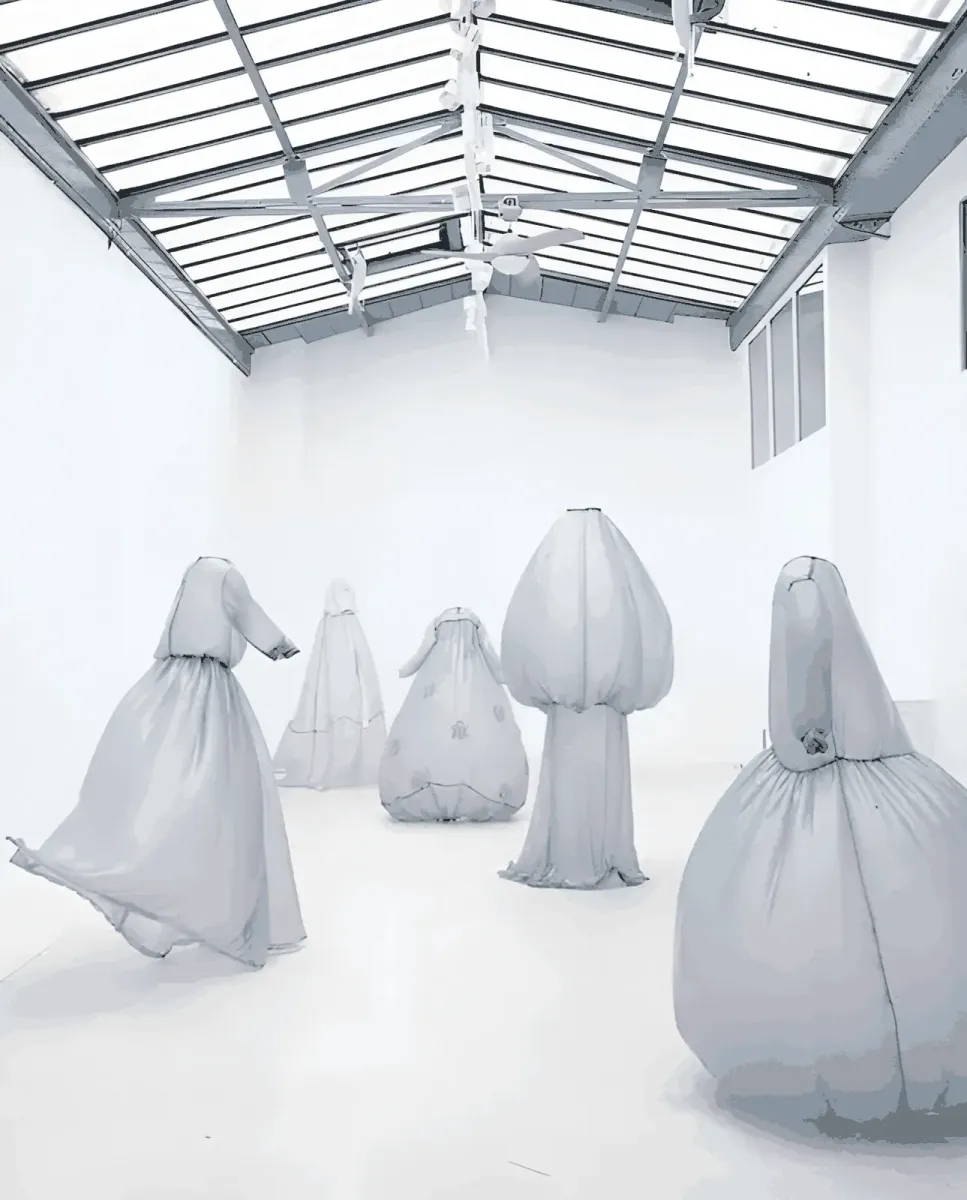
Paris / 2025
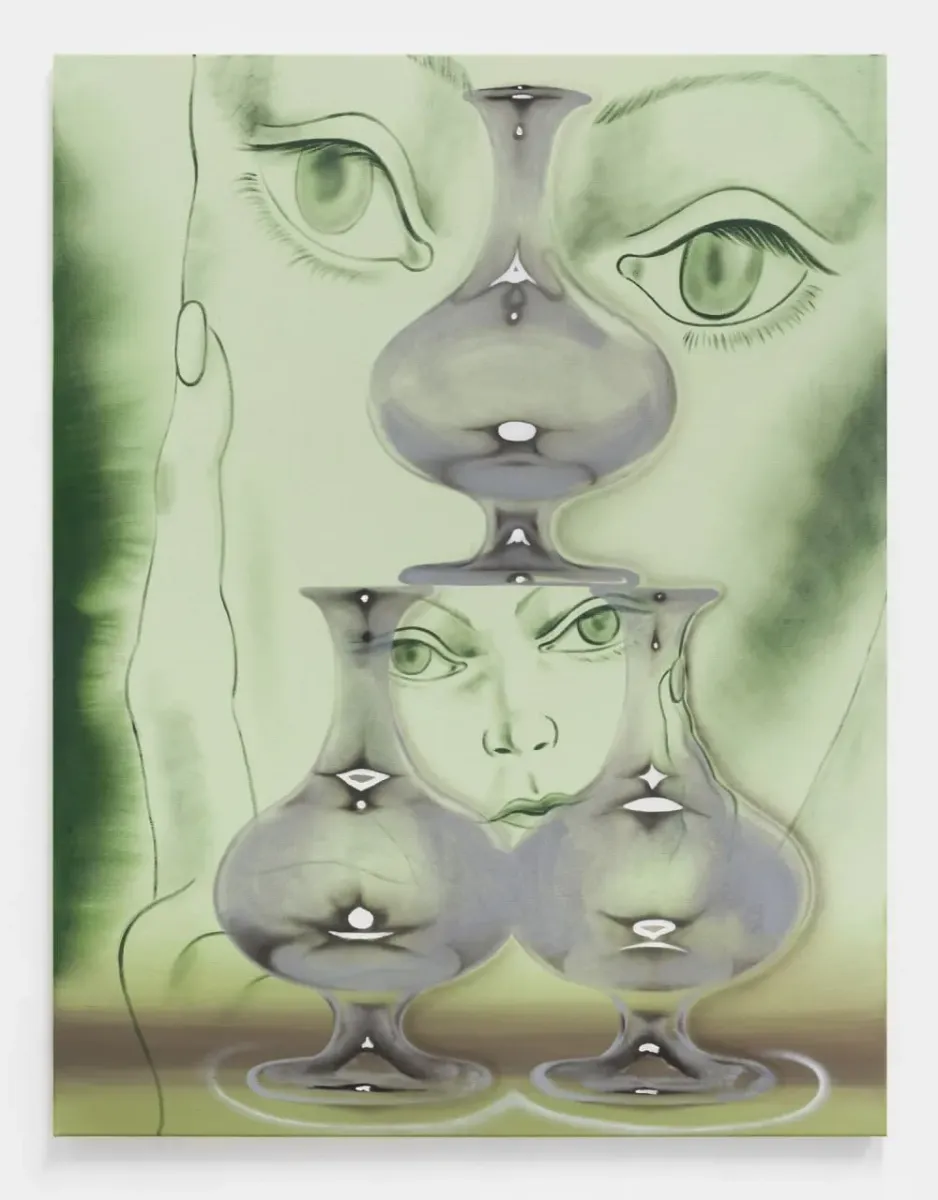
@pax_aliena
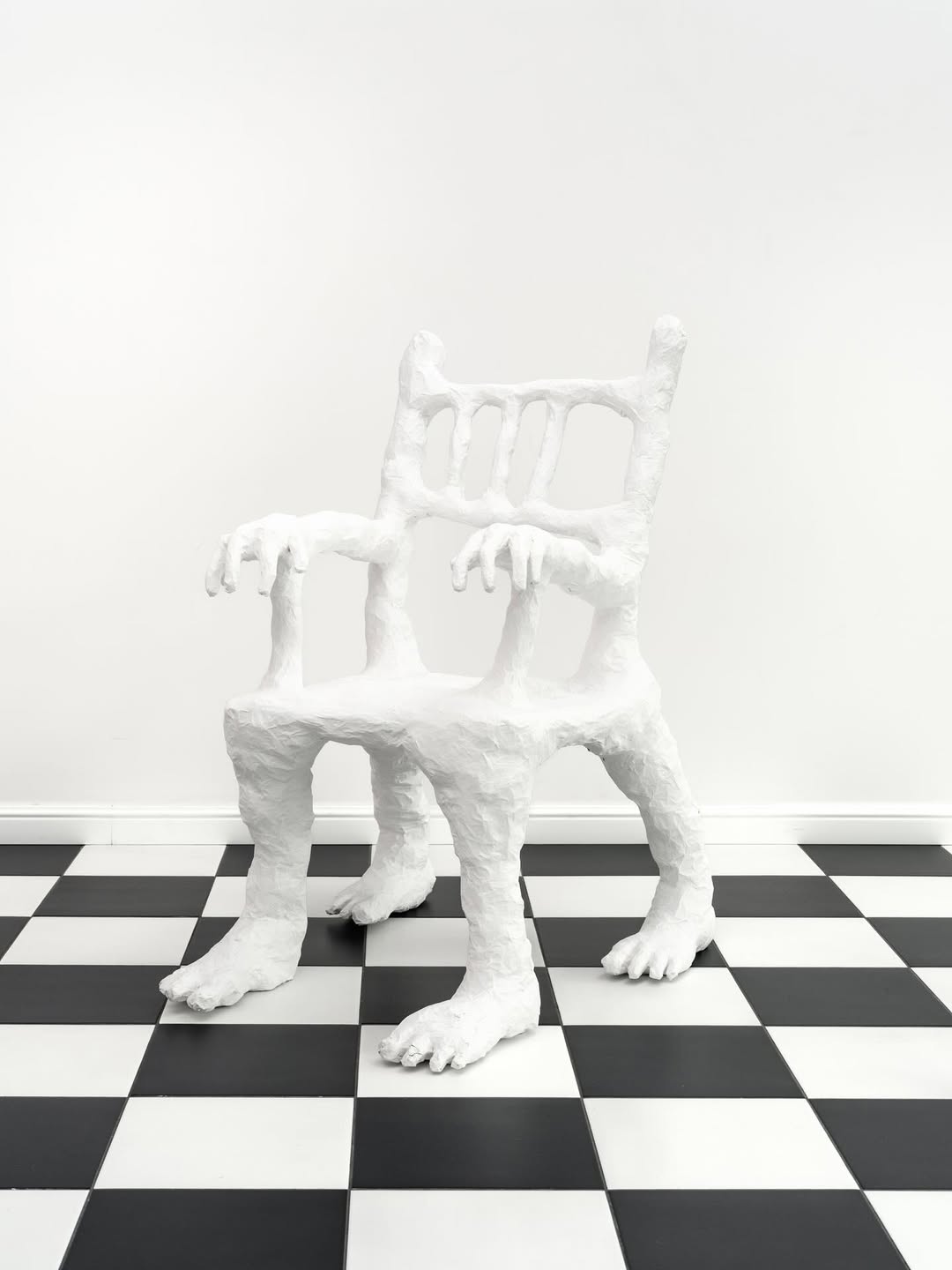
Warsaw / 2025
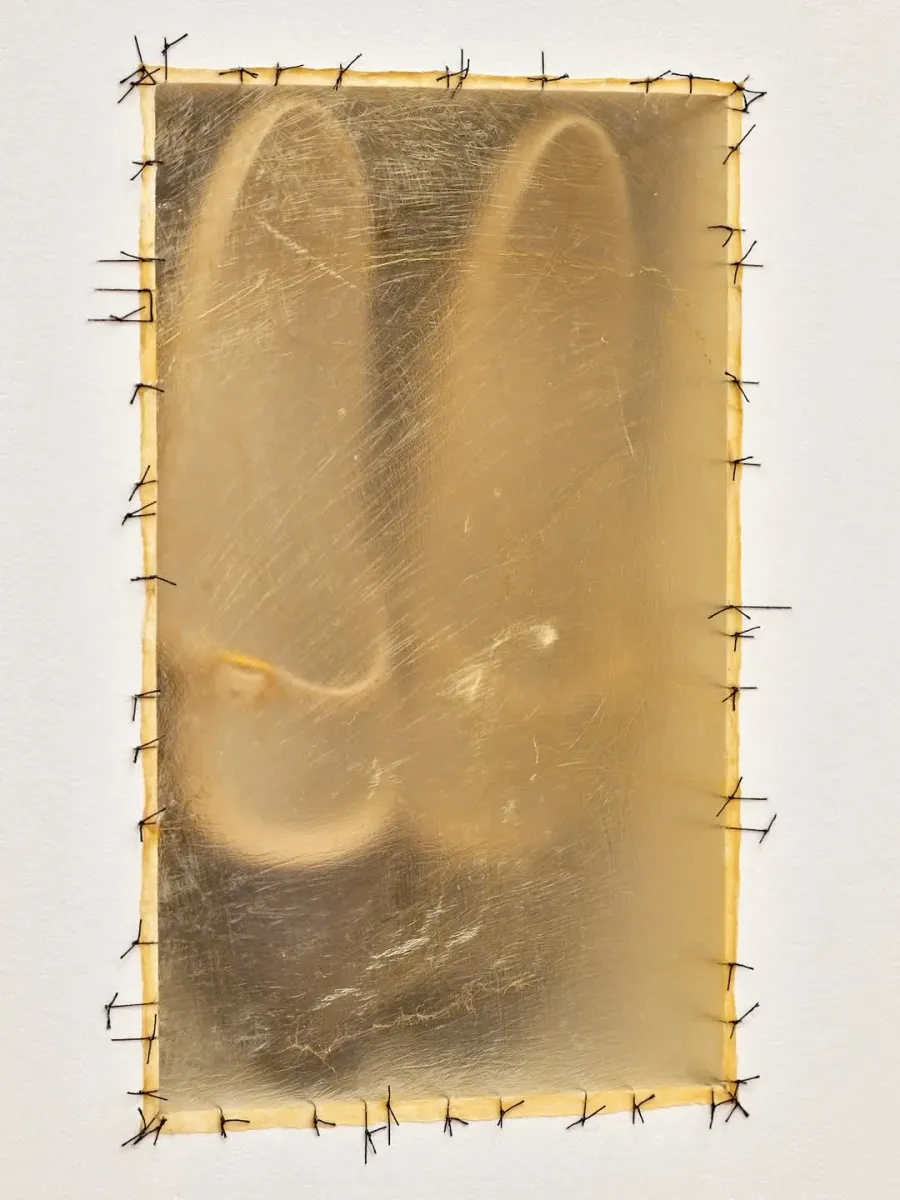
#DorisSalcedo
/photo_1_2026-05-23_19-28-57.jpg)
Berlin / 2025
@camelostrich
Seoul / 2025-2026
@nadaecc
Warsaw / 2026
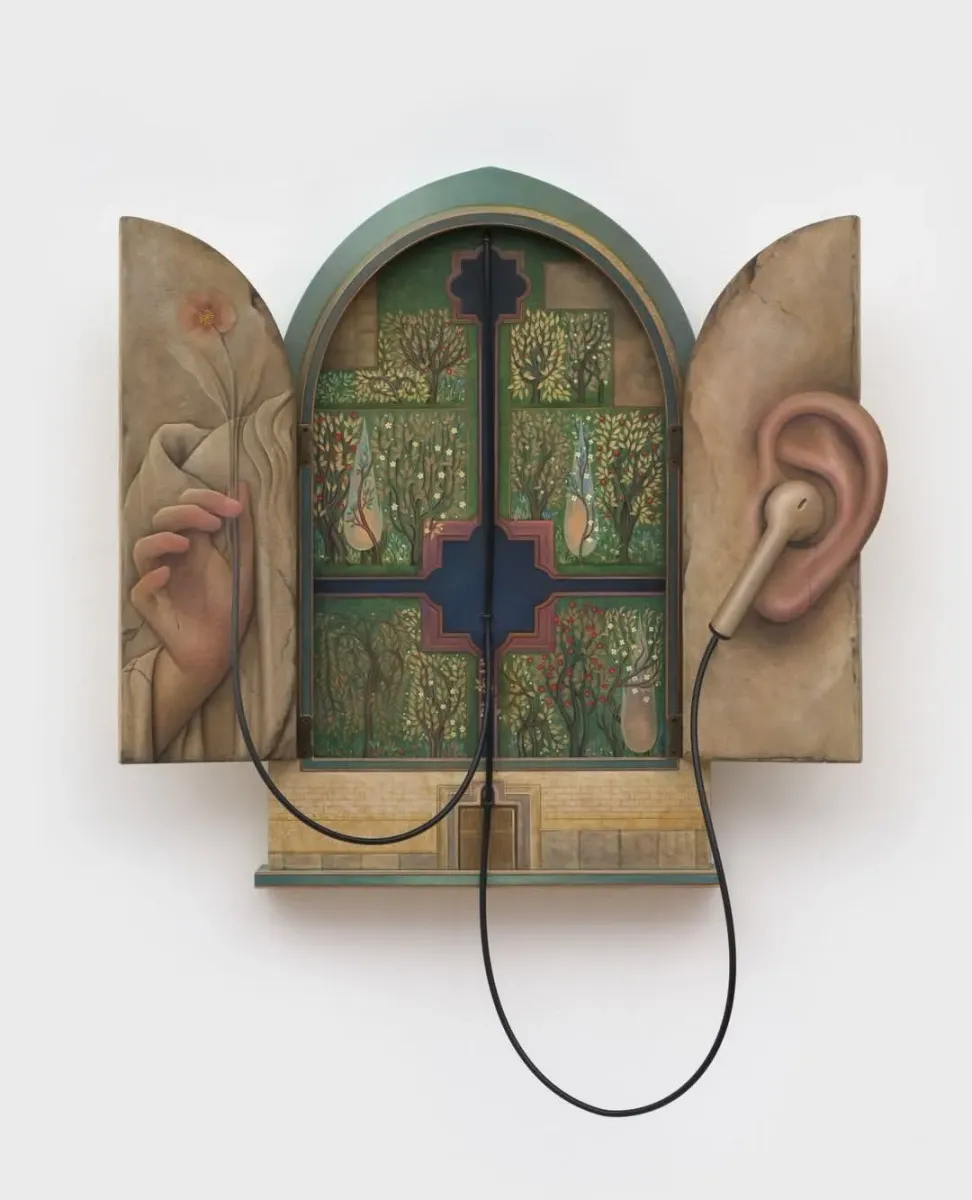
@arghavan_khosravi
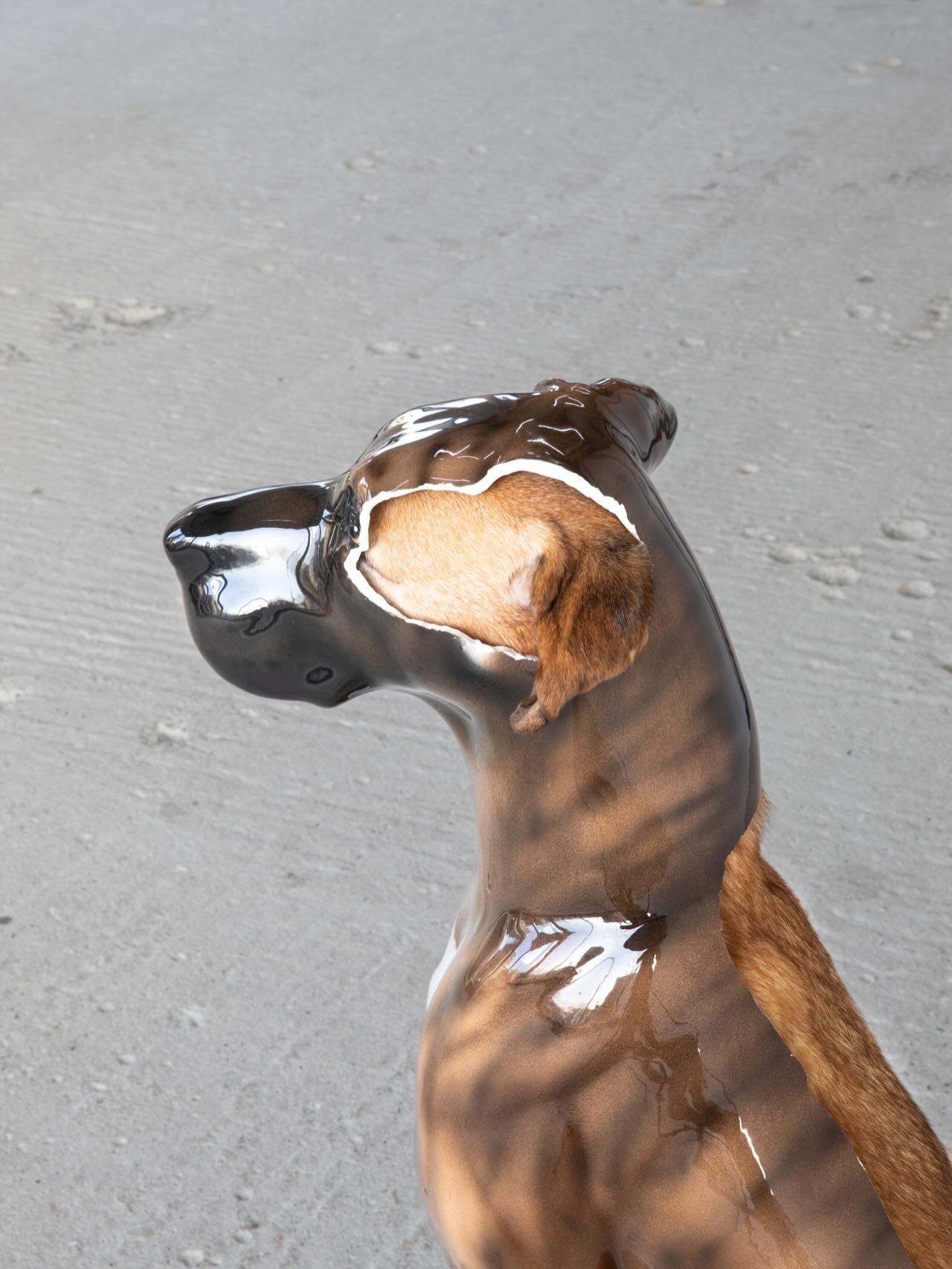
Offenbach am Main / 2026
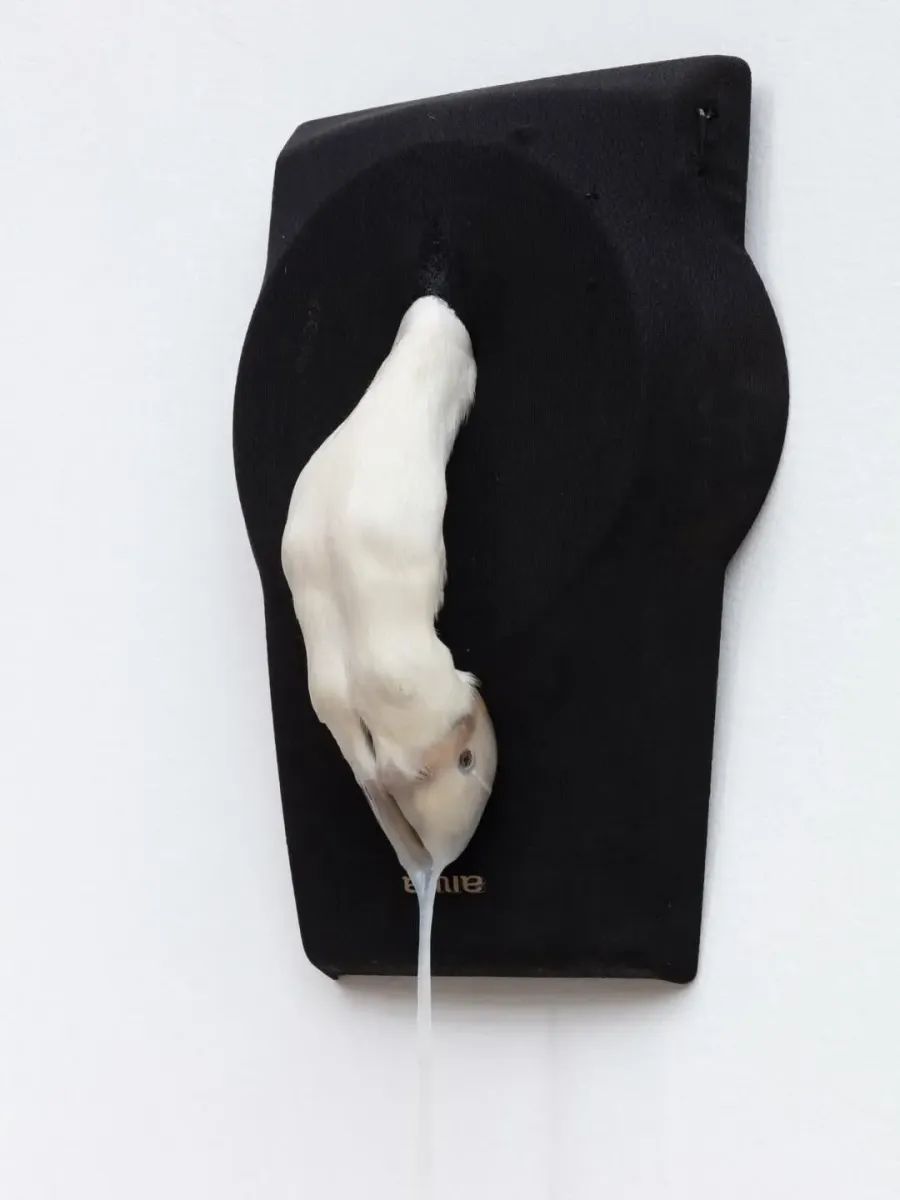
@que.fresca
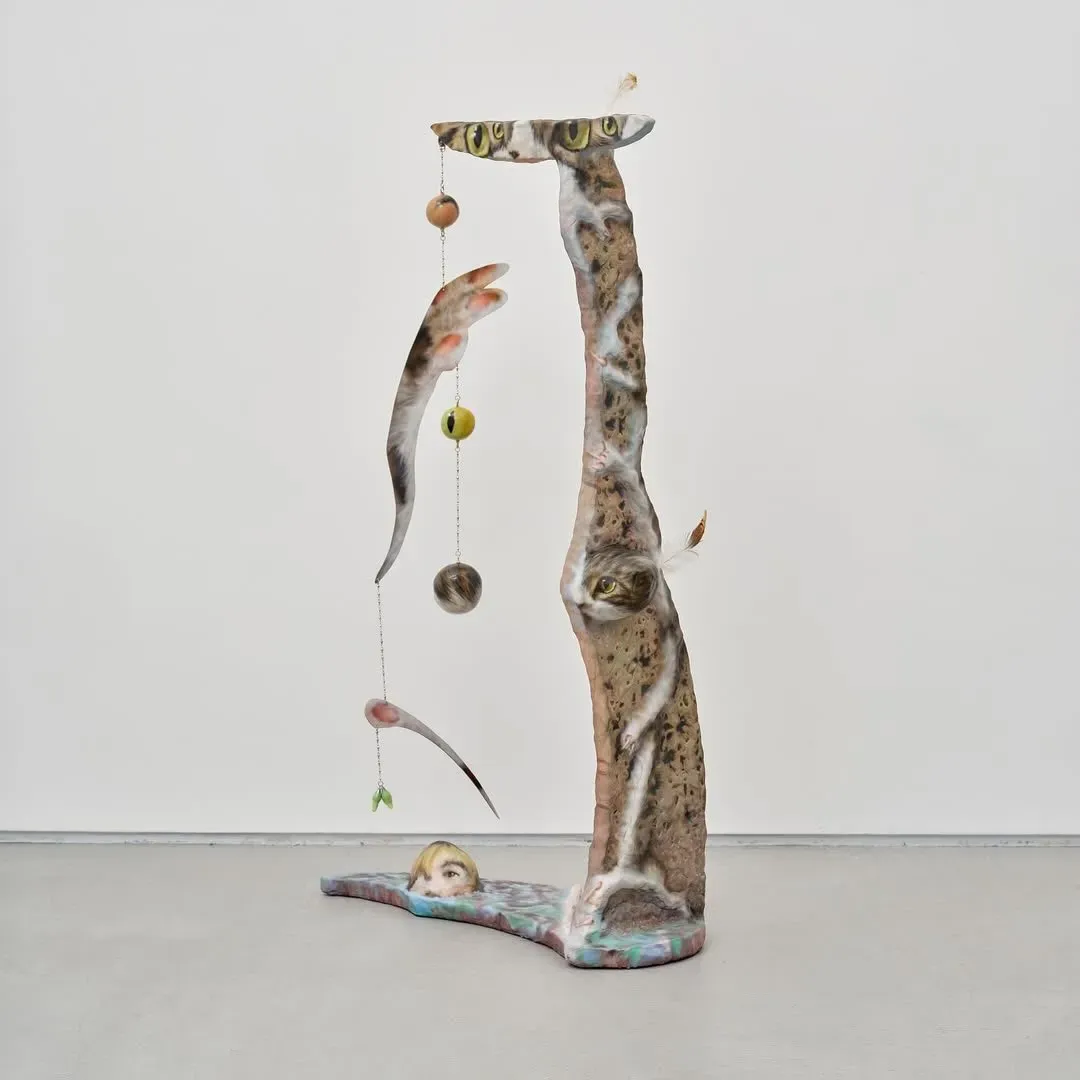
@ppuri_
Berlin / 2026
Norwich / 2026
Santiago / 2026
Brno / 2026
Tisbury / 2026
Shanghai / 2026
Málaga / 2026
Ciudad de México / 2026
Klaus in Vorarlberg / 2026
Genk / 2026
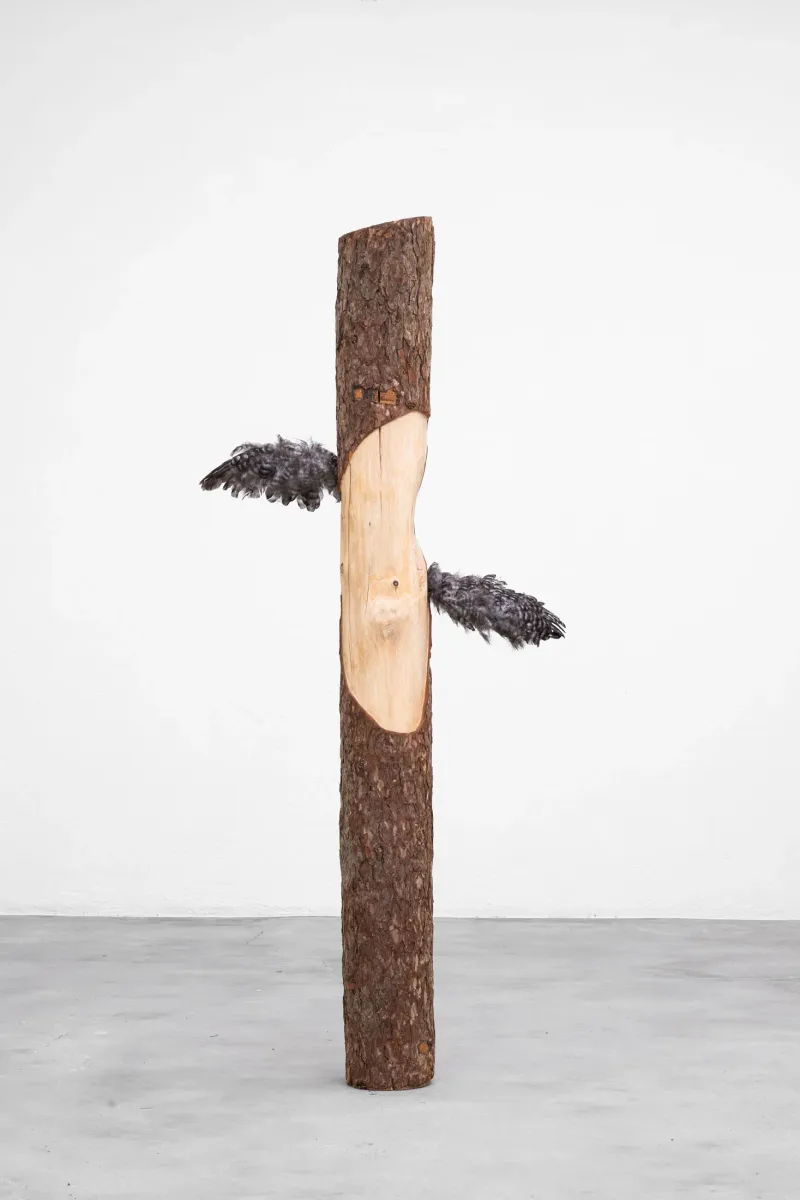
Turin / 2026
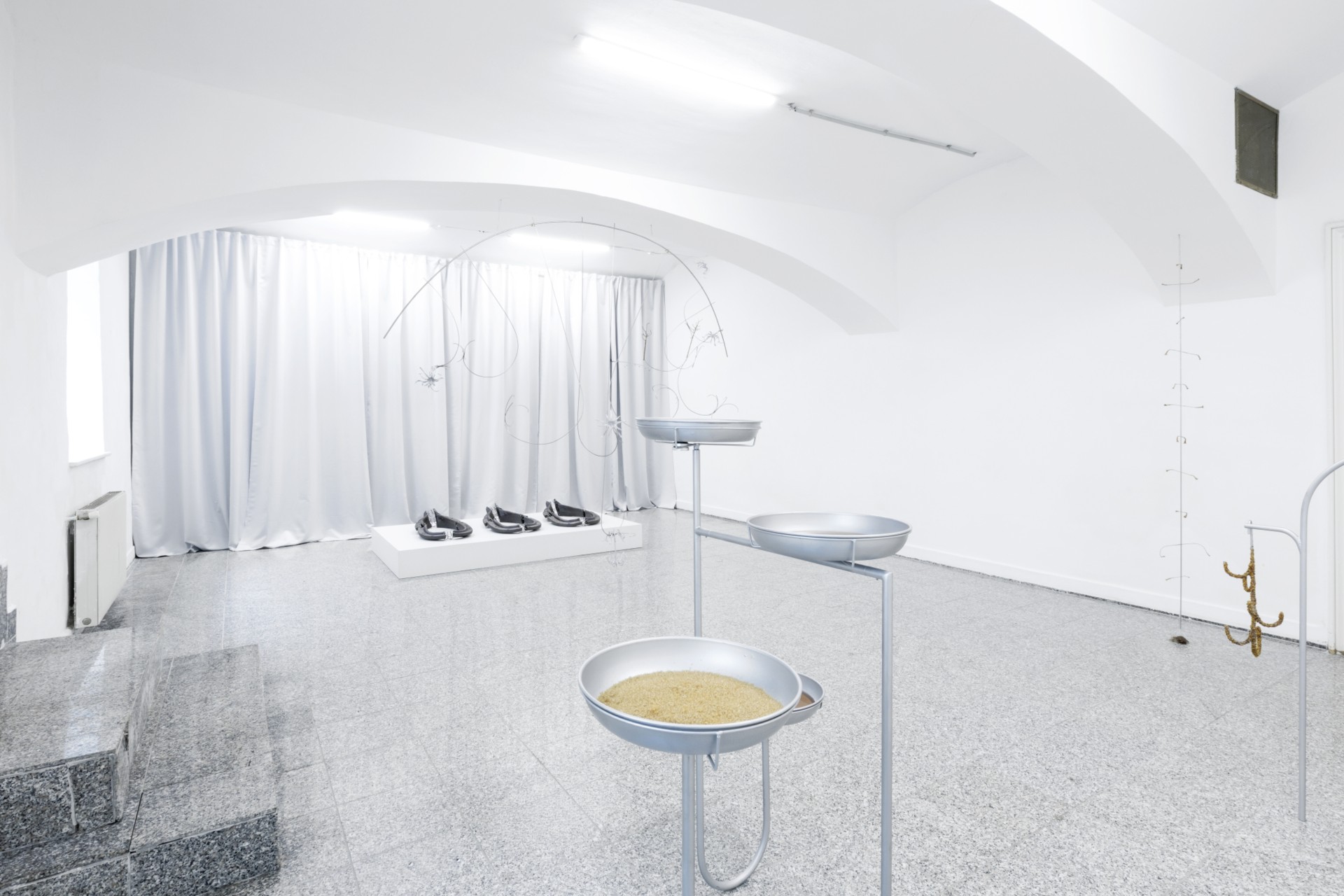
Vienna / 2026
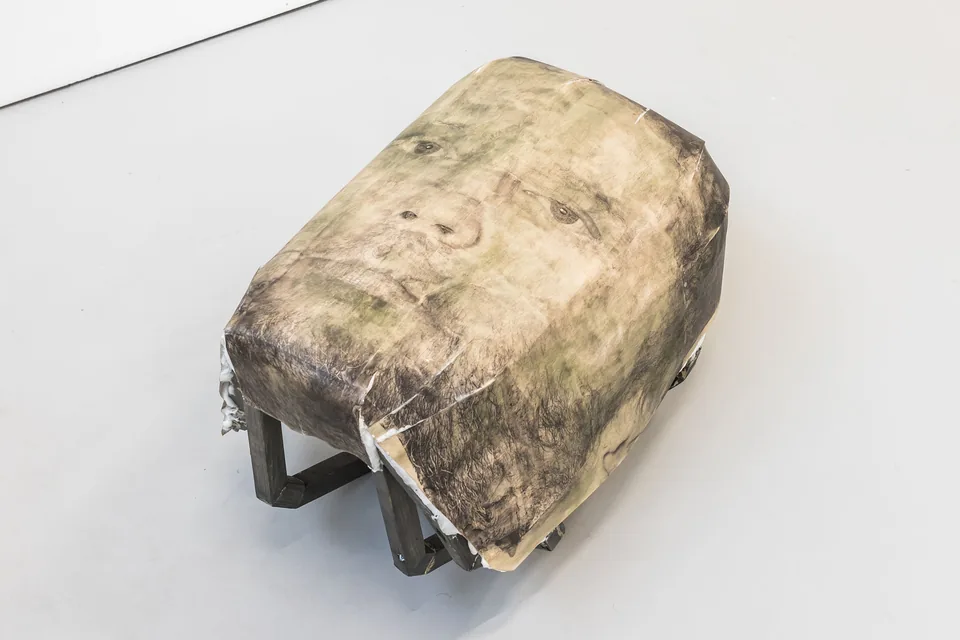
Oslo / 2026
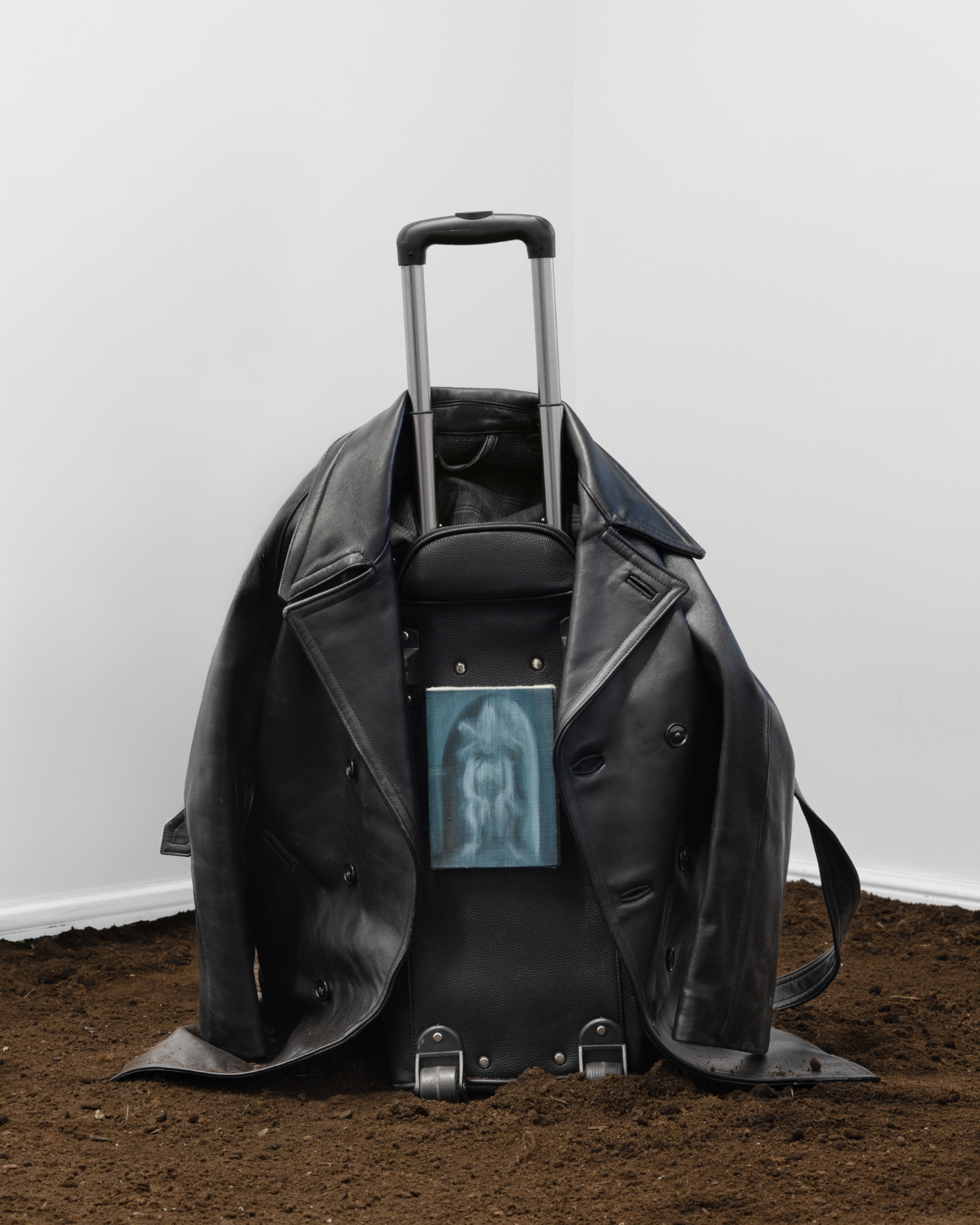
Warsaw / 2026
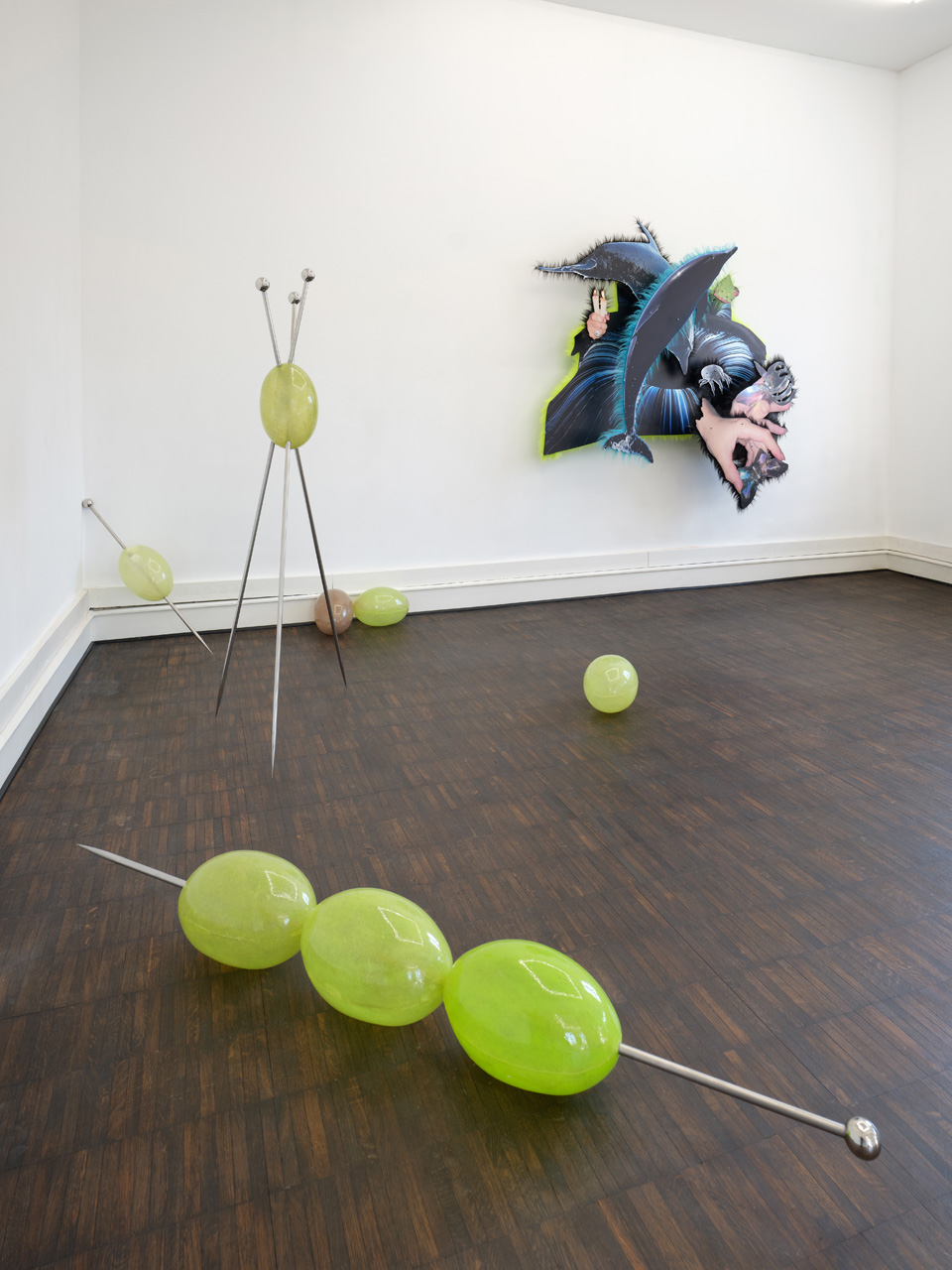
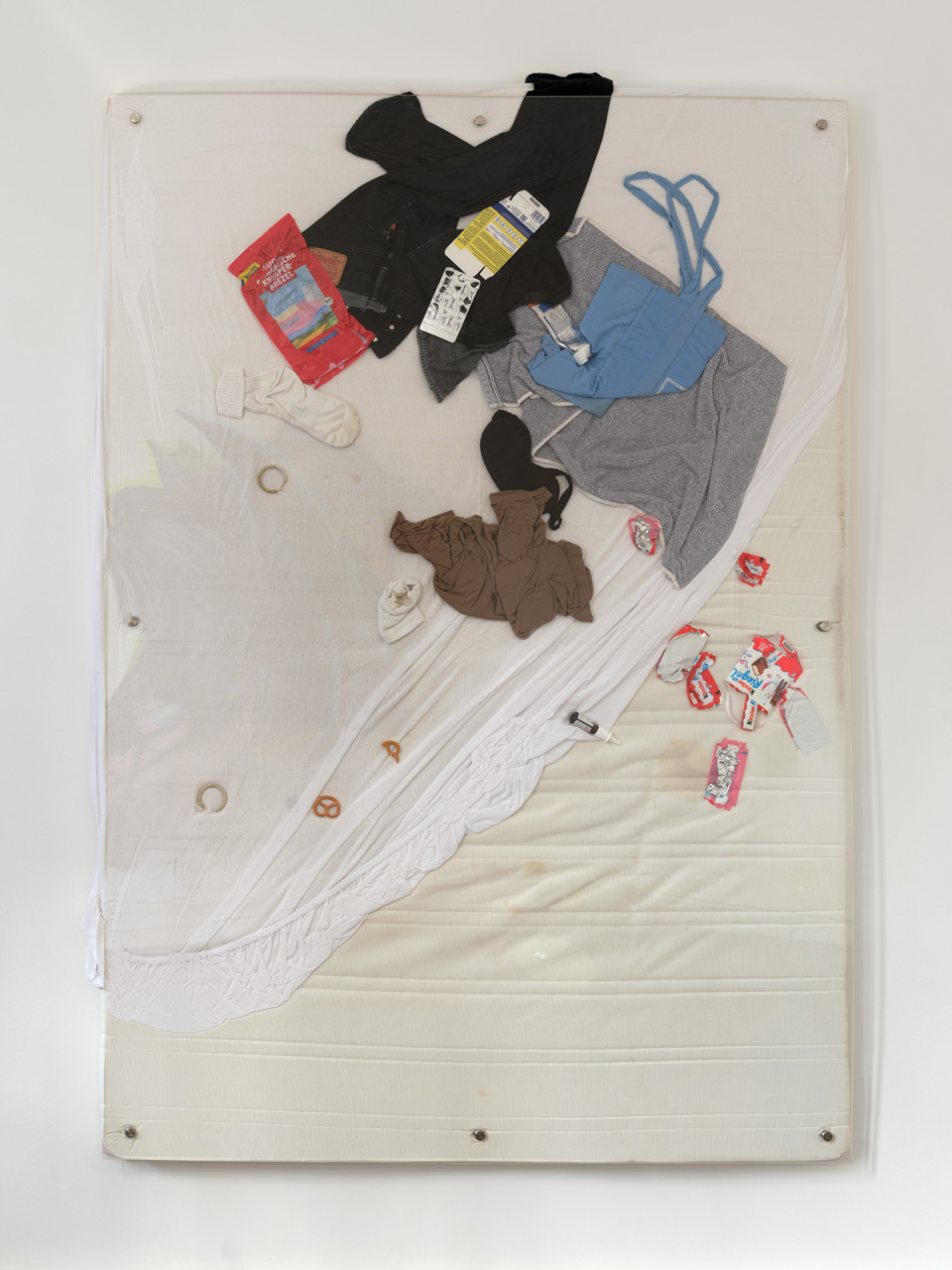
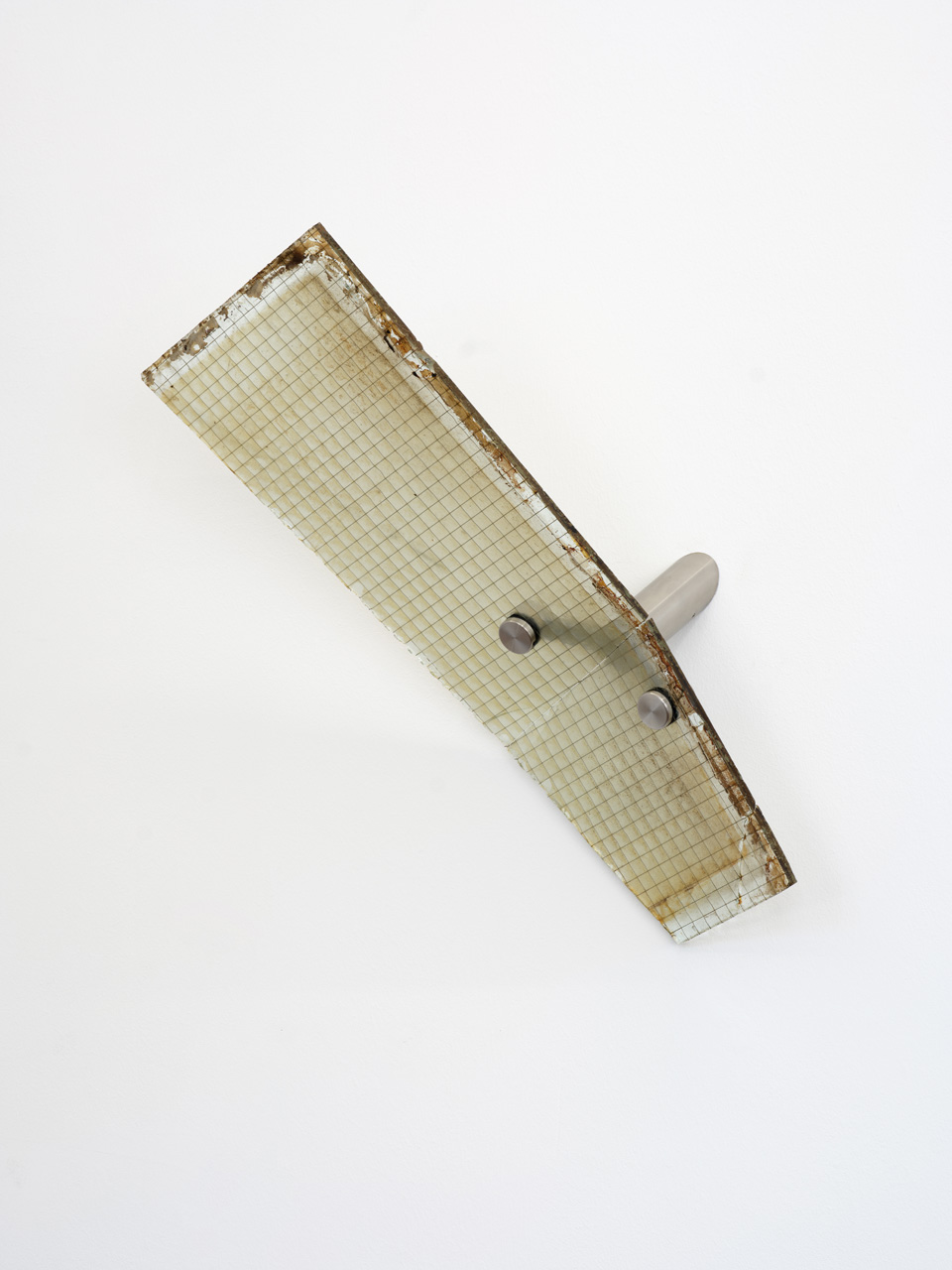
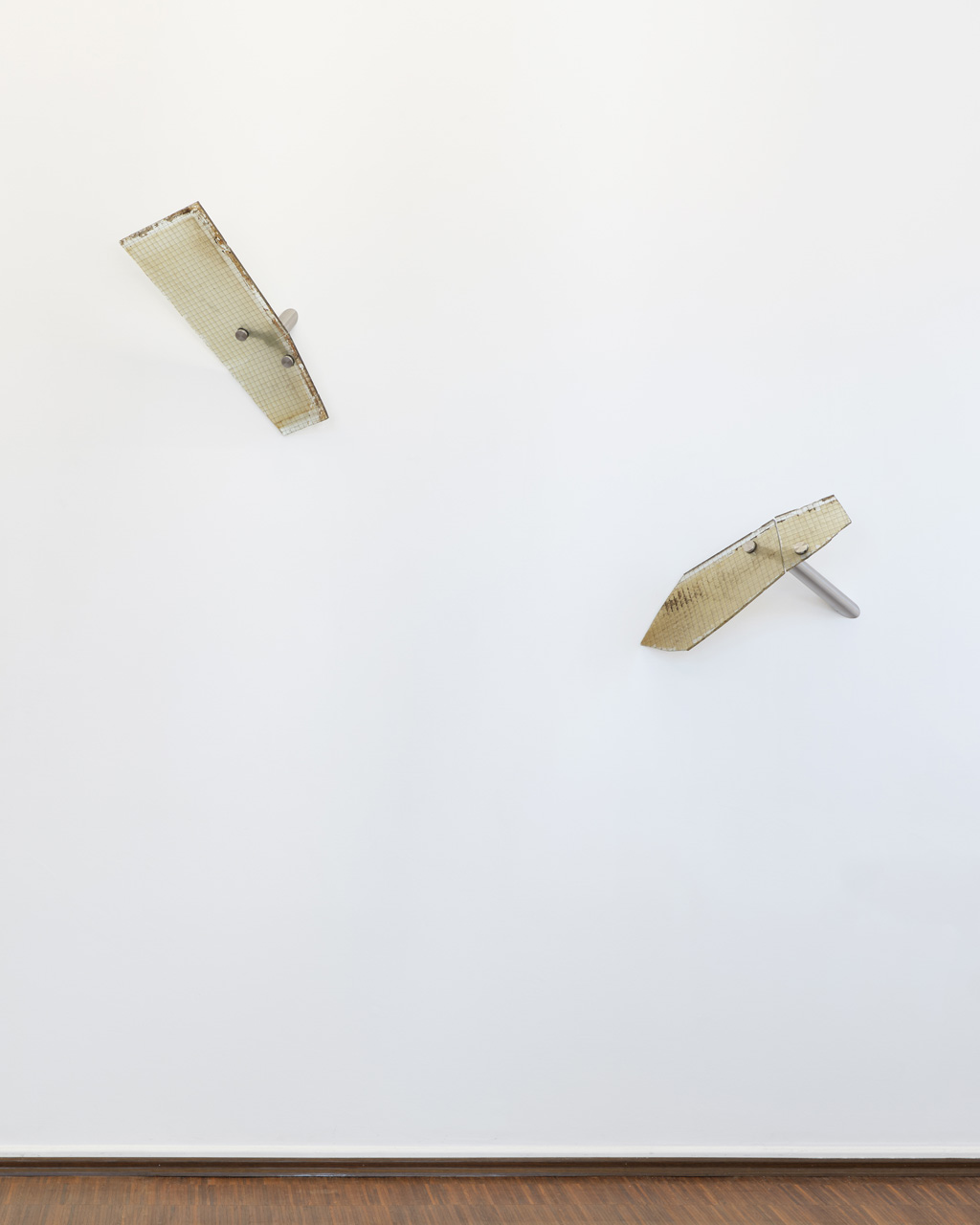
Düsseldorf / 2026
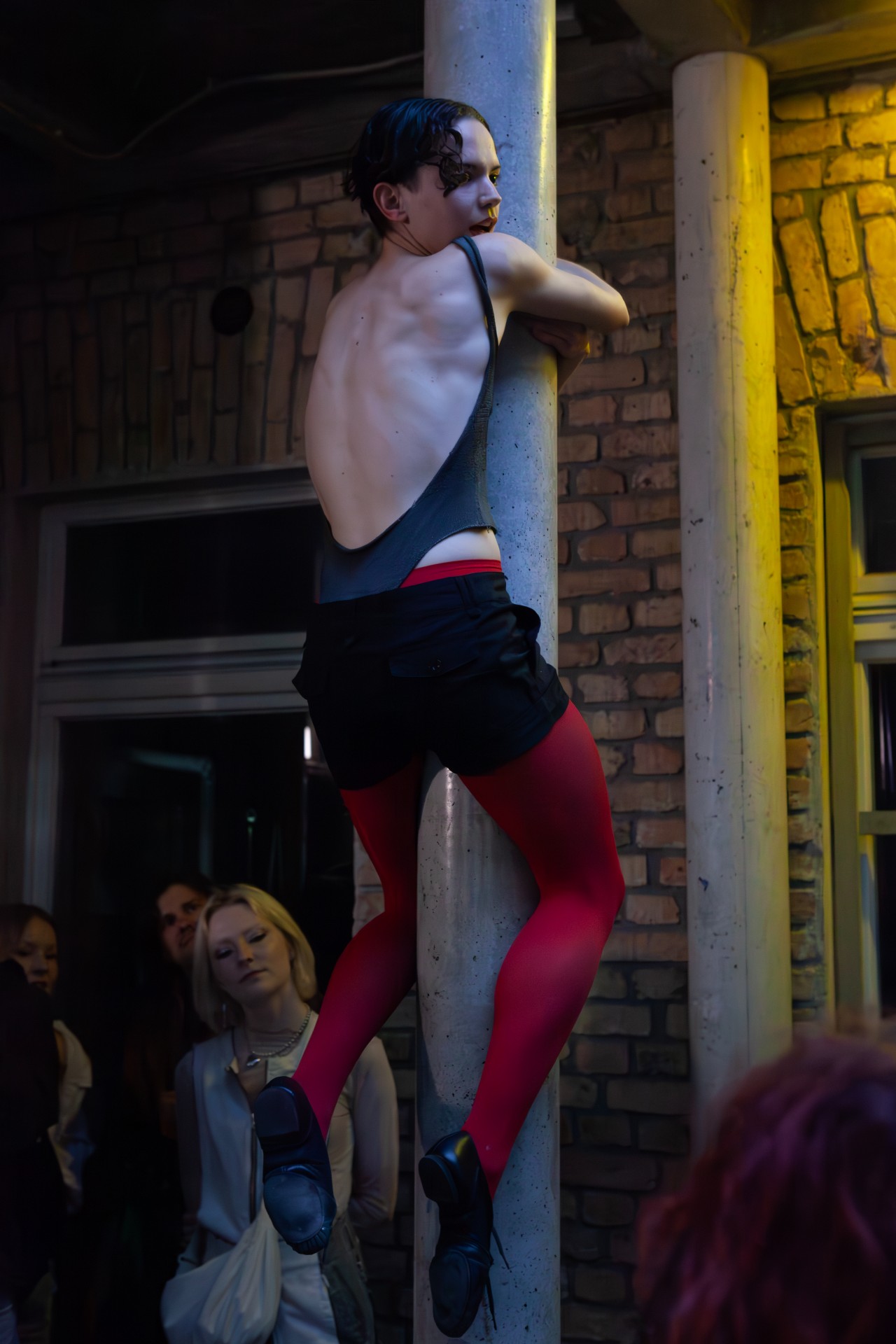
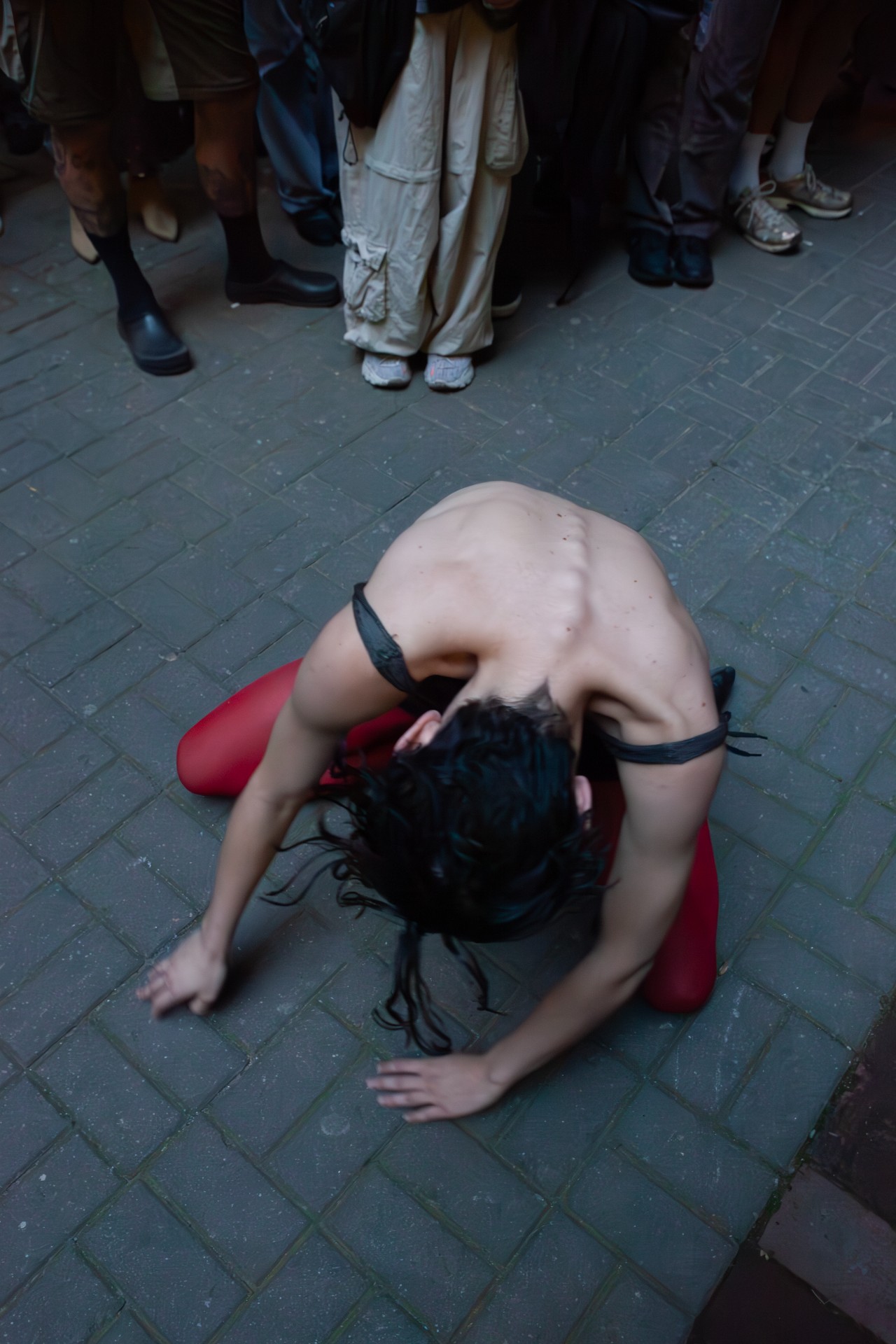
Berlin / 2025
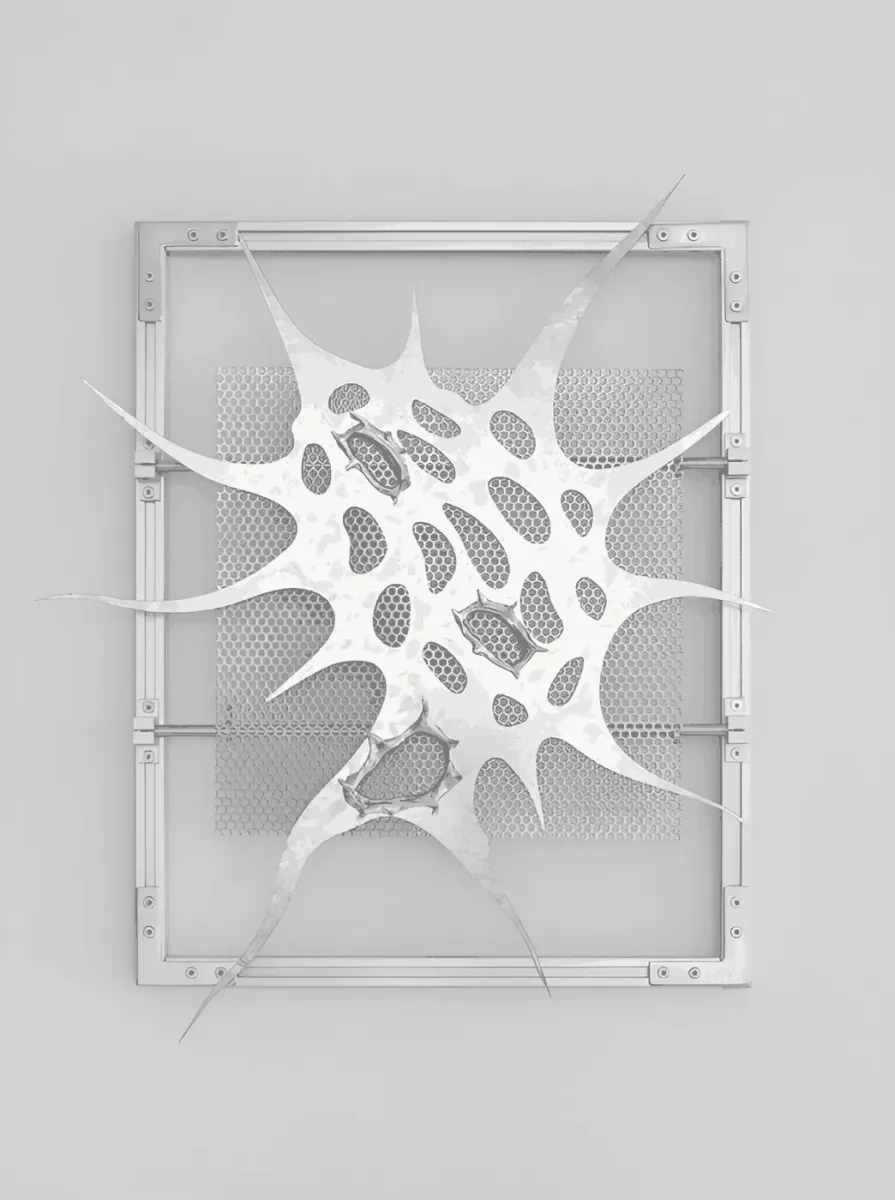
Shanghai / 2025
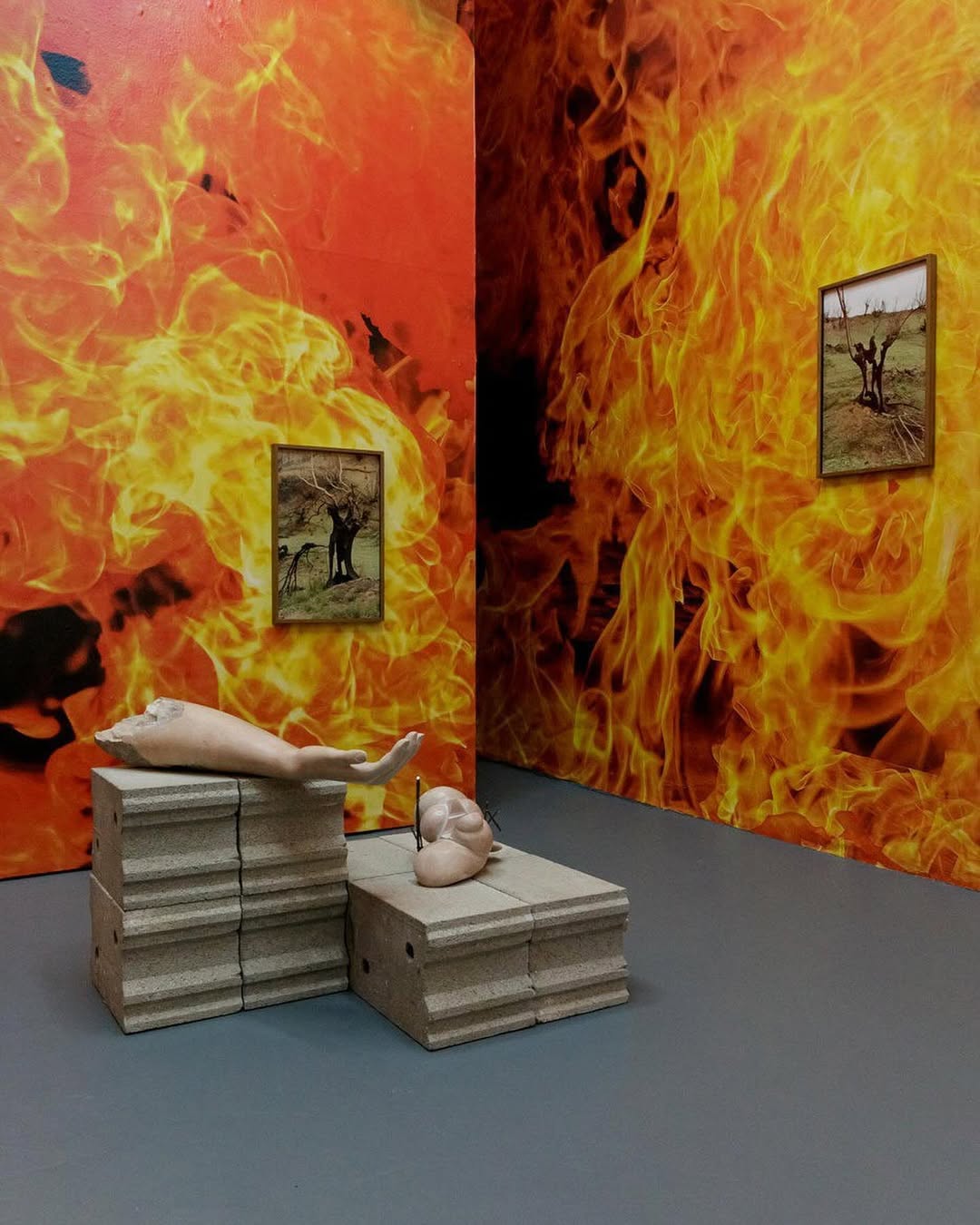
/ 2023
/ 2024
Vilnius / 2024
Wroclaw / 2024
Jung-gu, Seoul / 2025
Geneva / 2024
Bratislava / 2025
Santiago / 2025
Bratislava / 2025
Milan / 2025
/photo_1_2026-05-23_19-26-42.jpg)
Milan / 2025
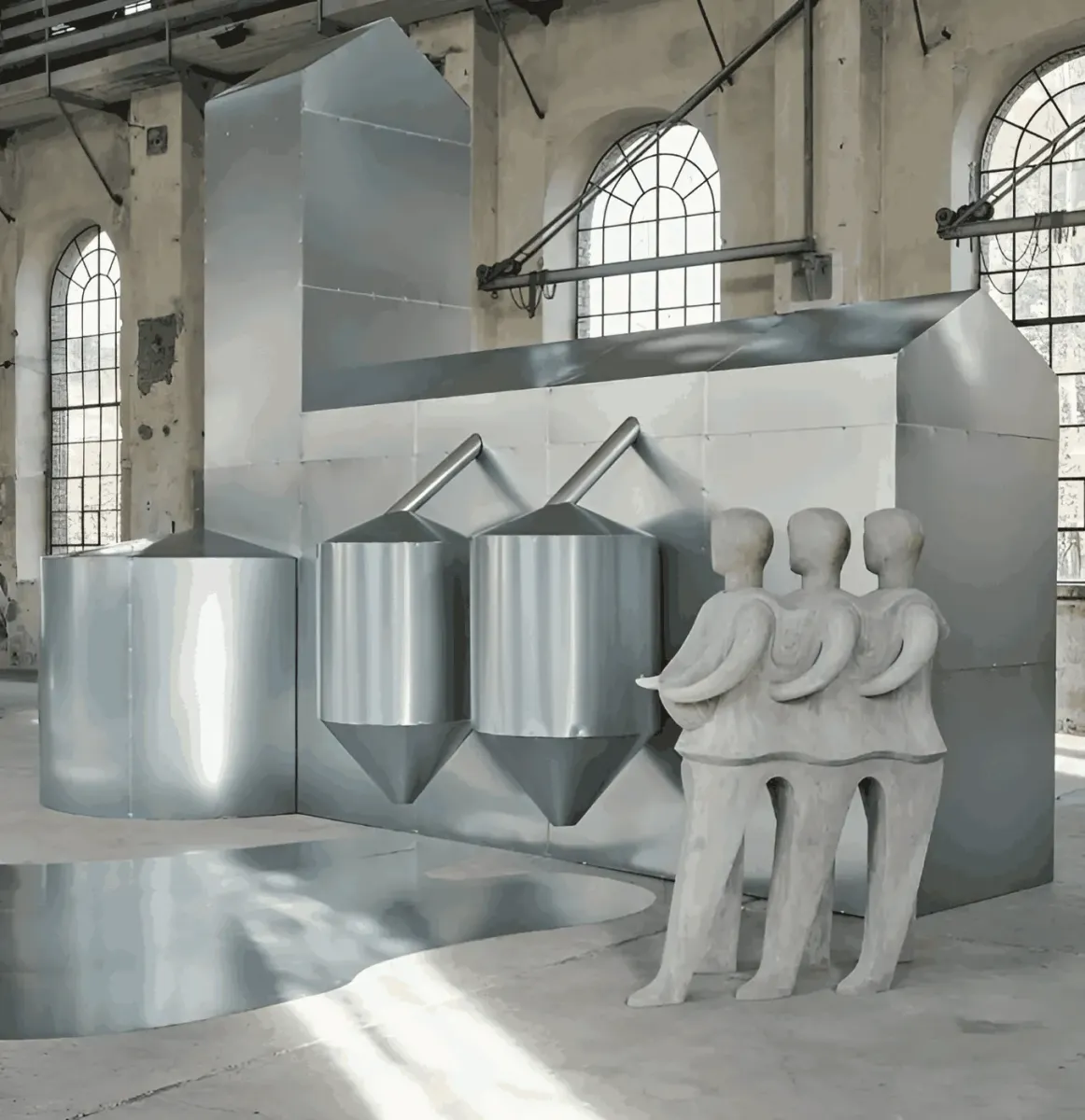
Dornbirn / 2026
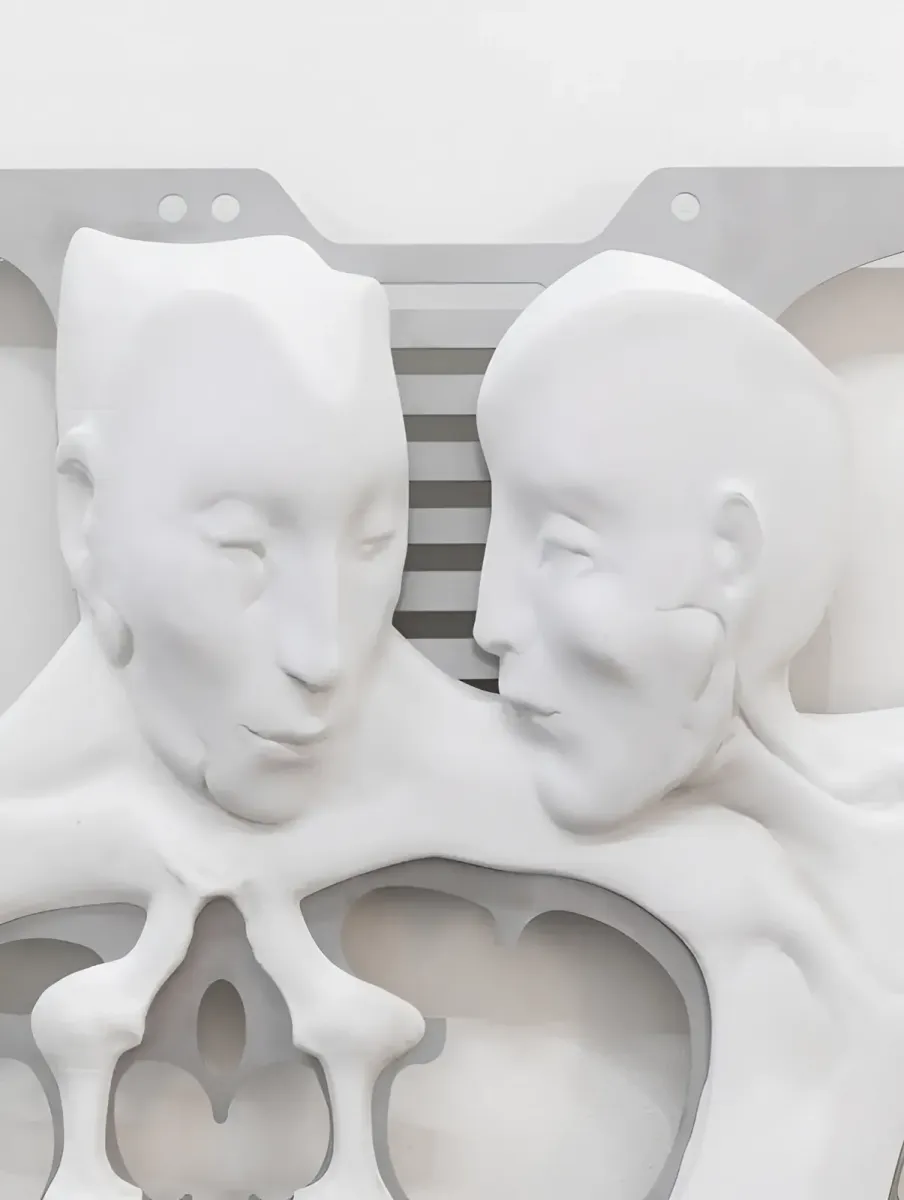
Prague / 2026
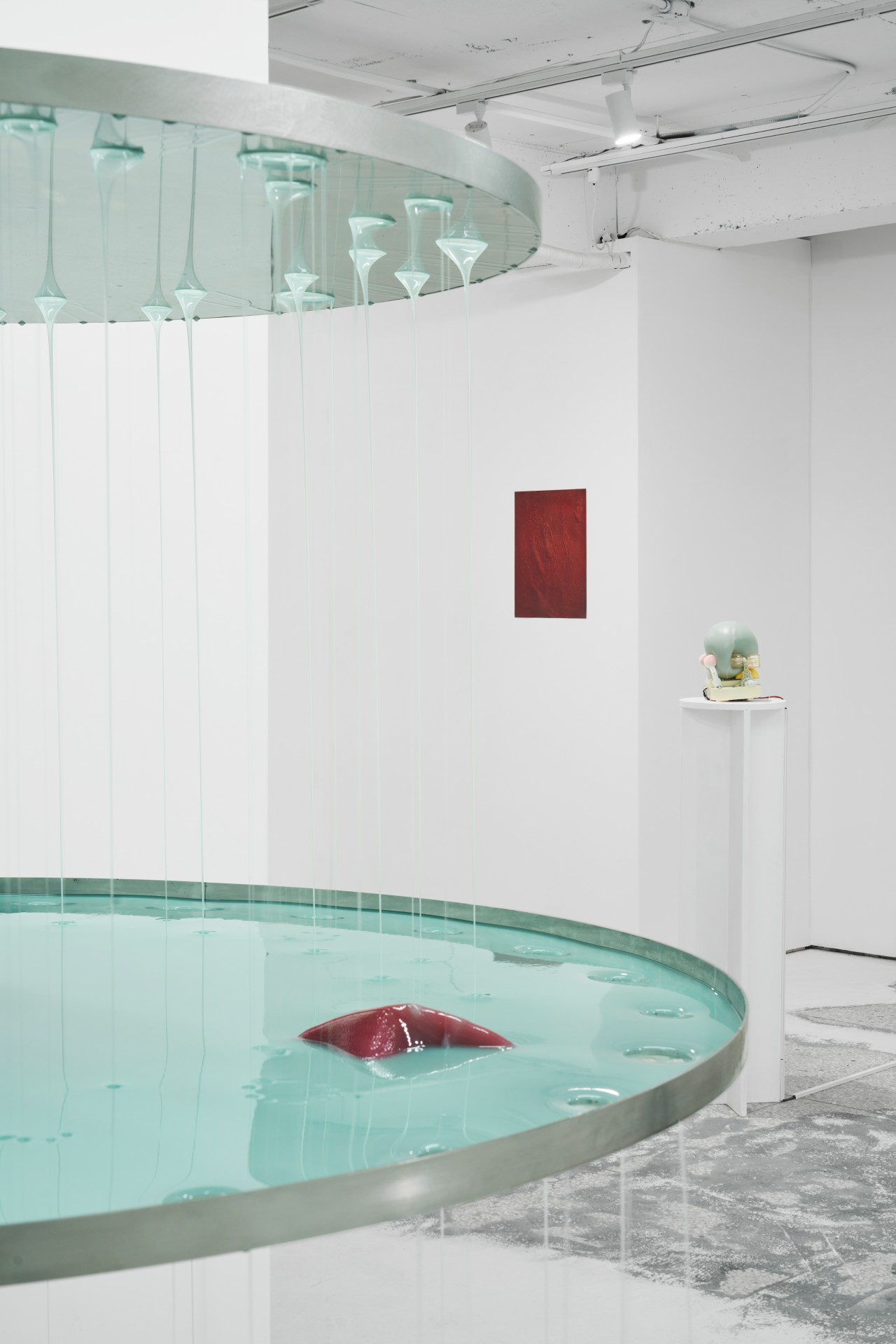
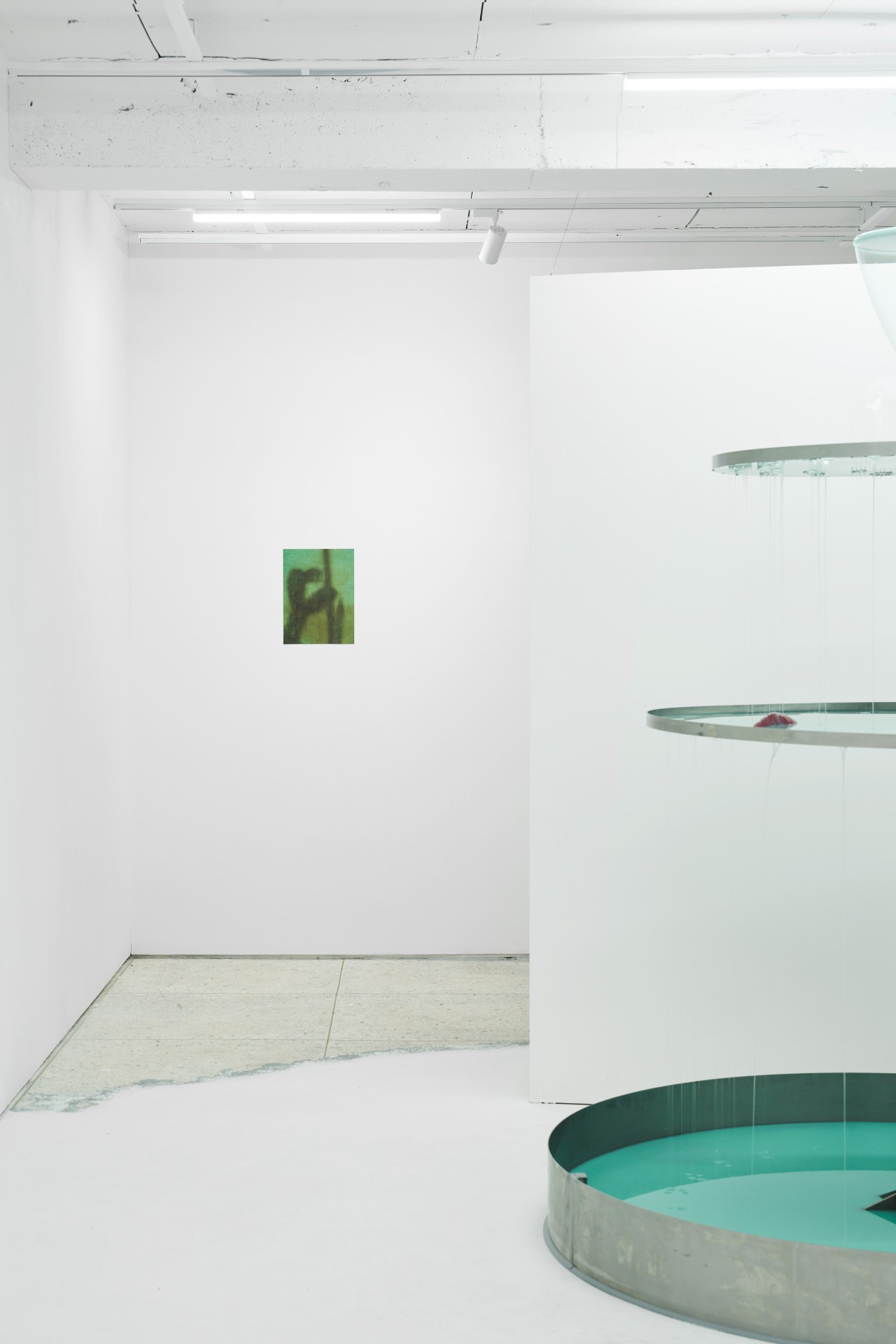
Seoul / 2025
Buenos Aires / 2026
Seoul / 2026
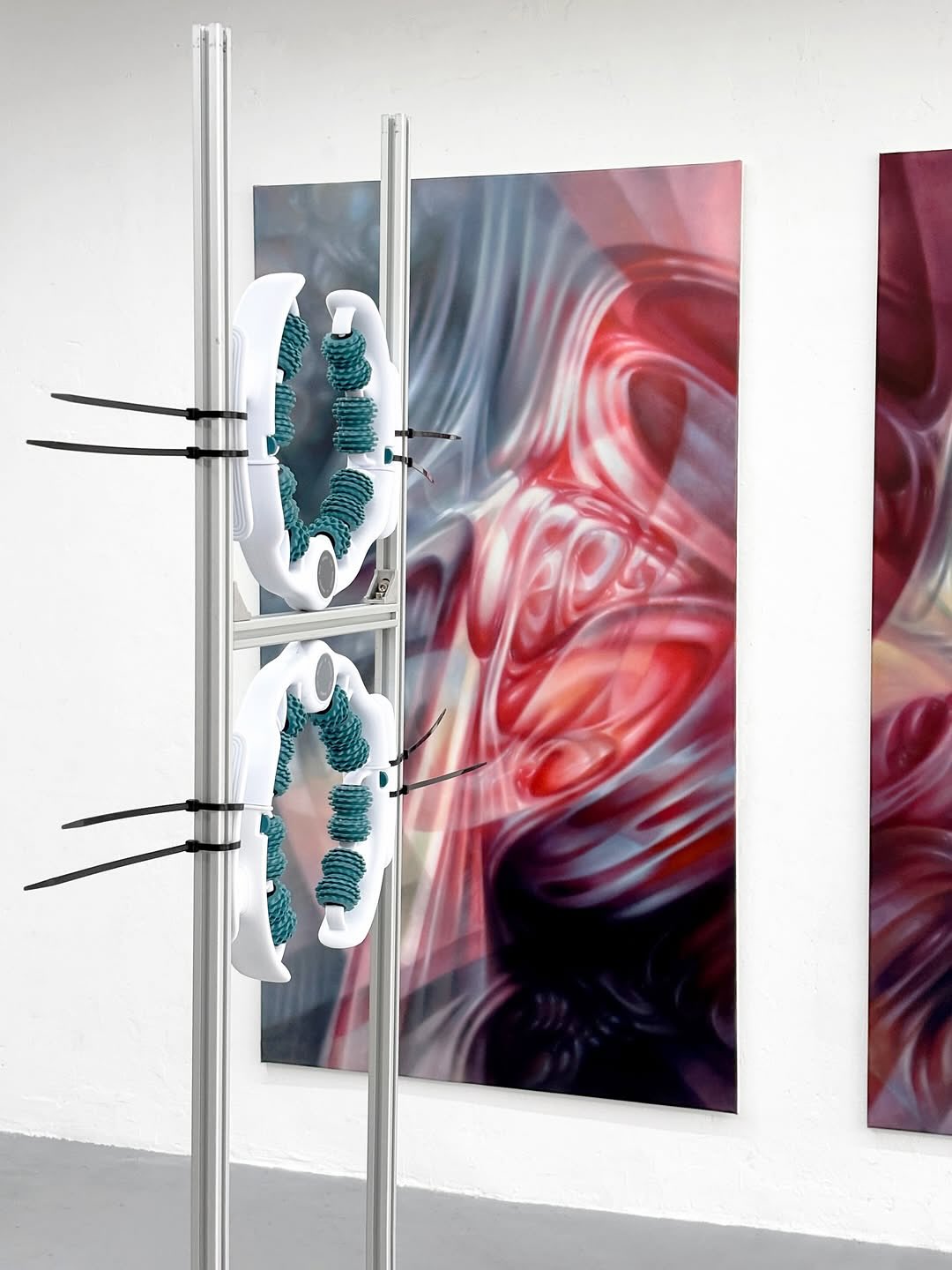
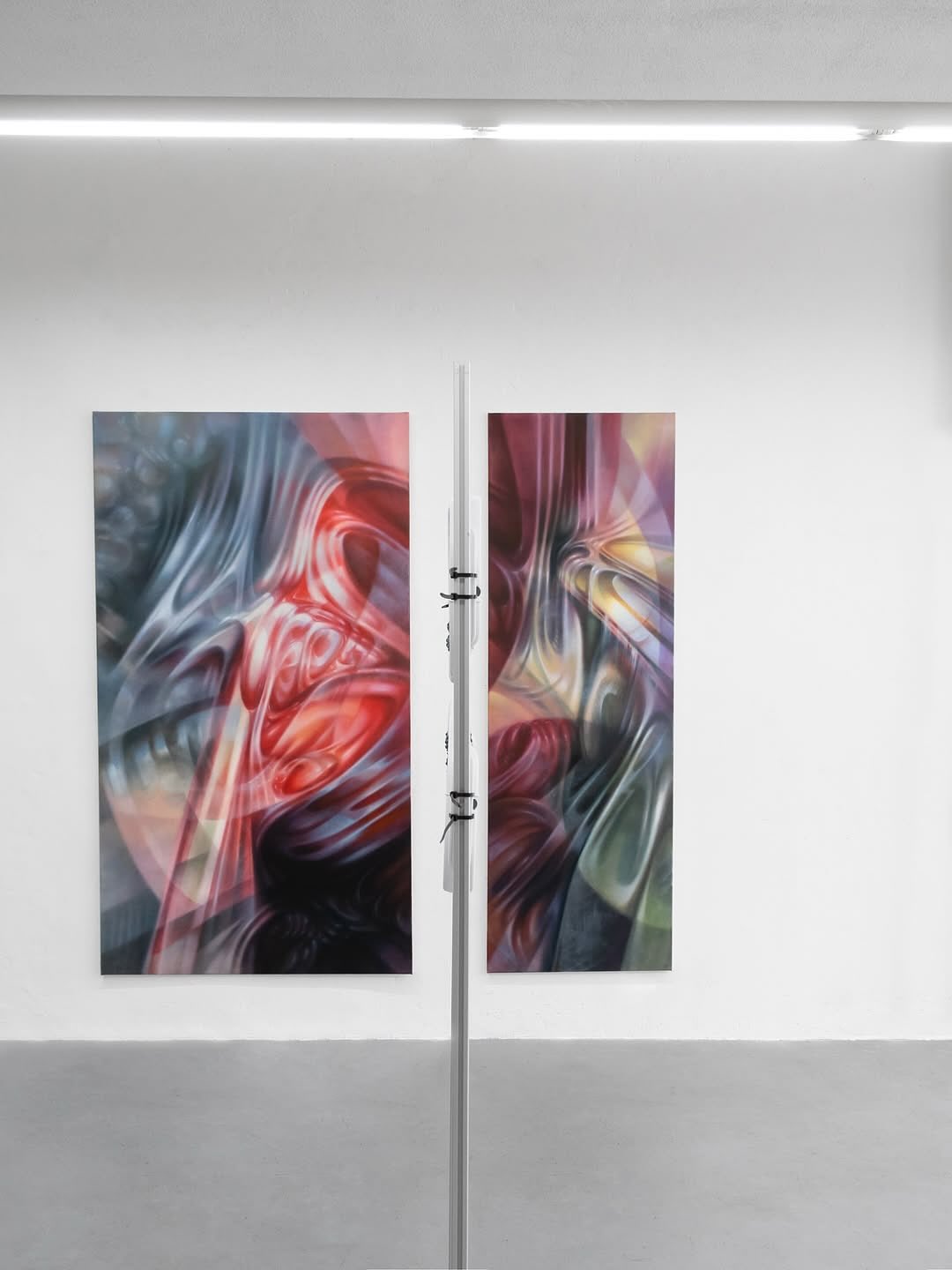
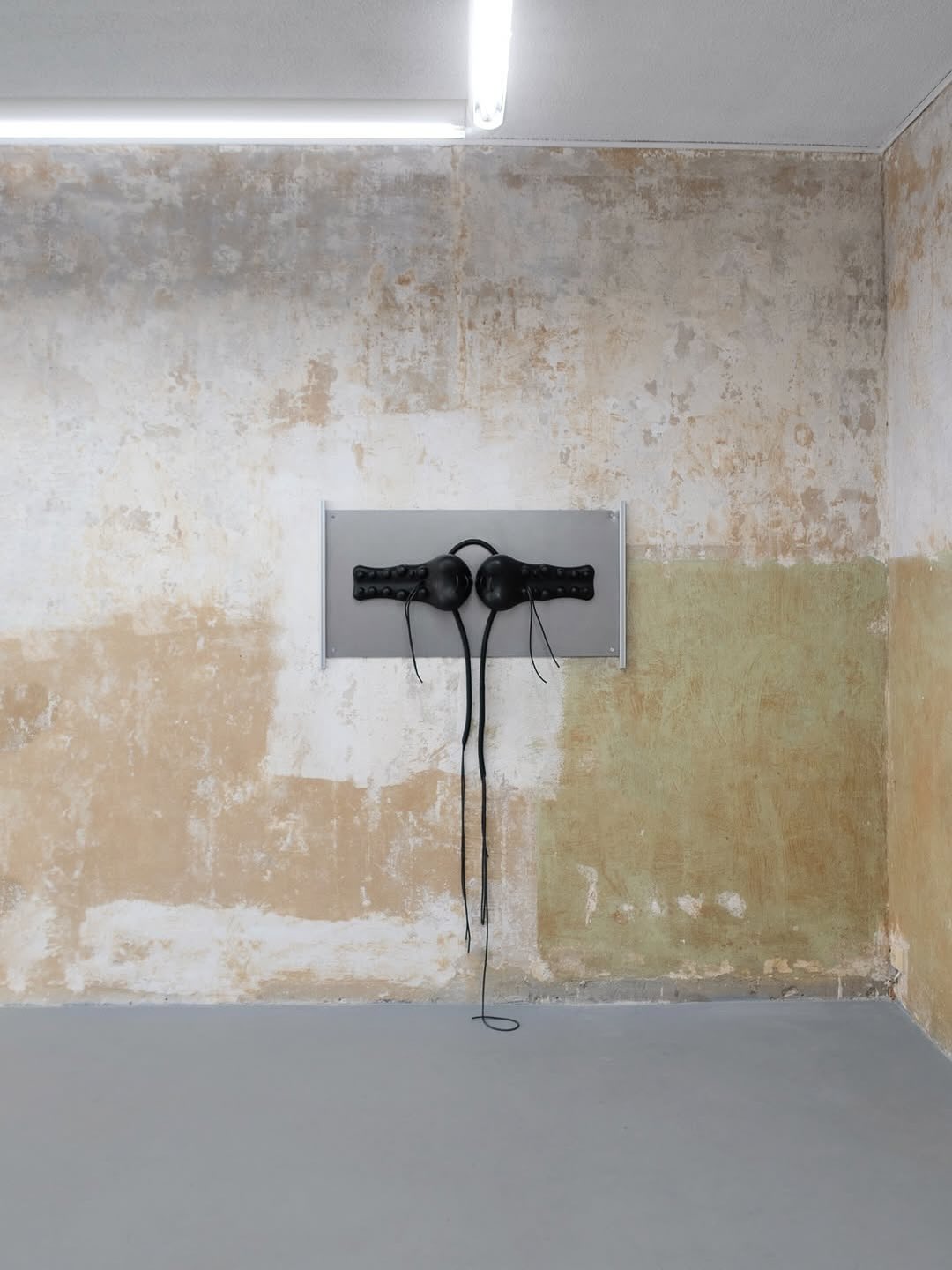
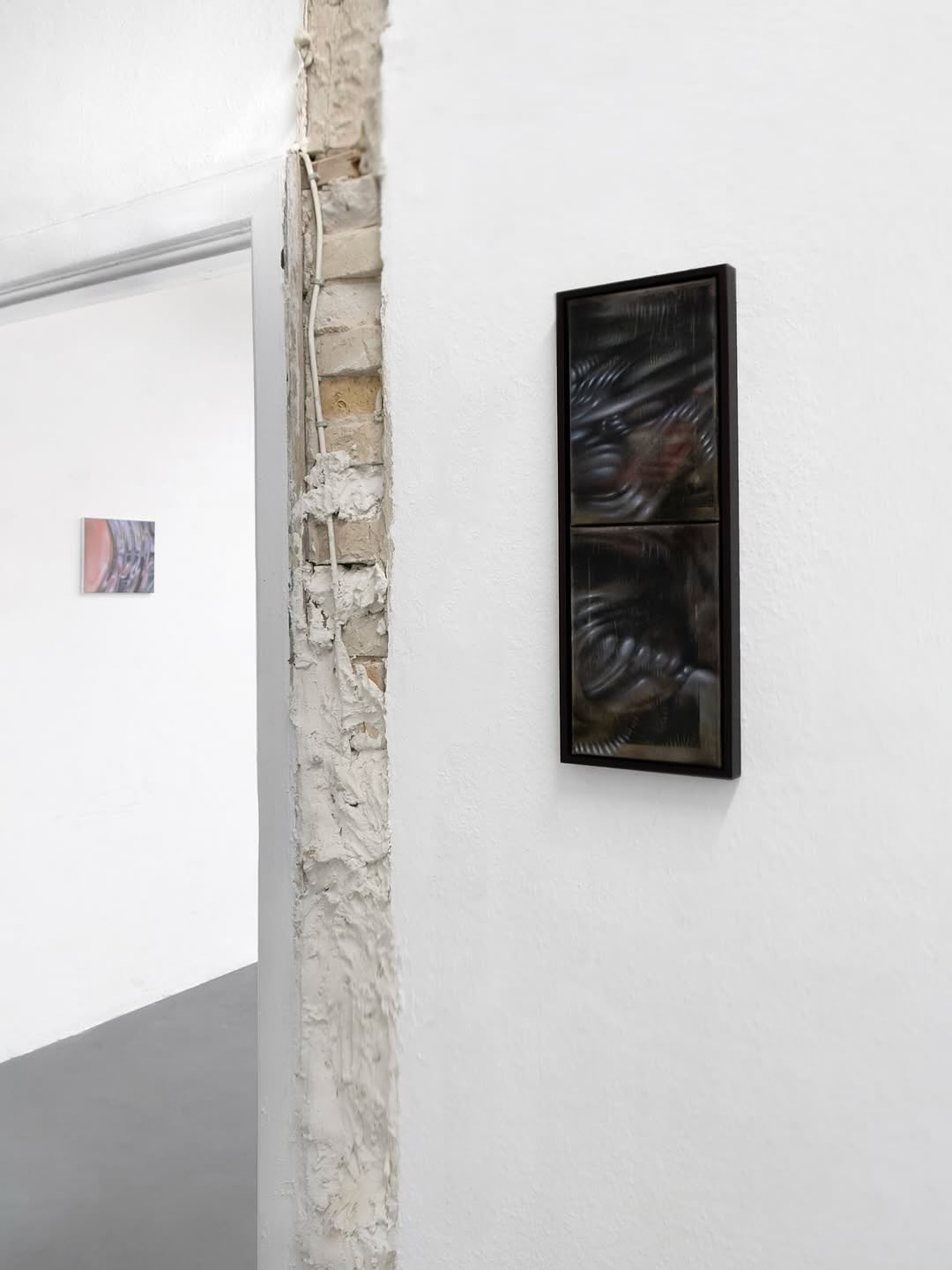
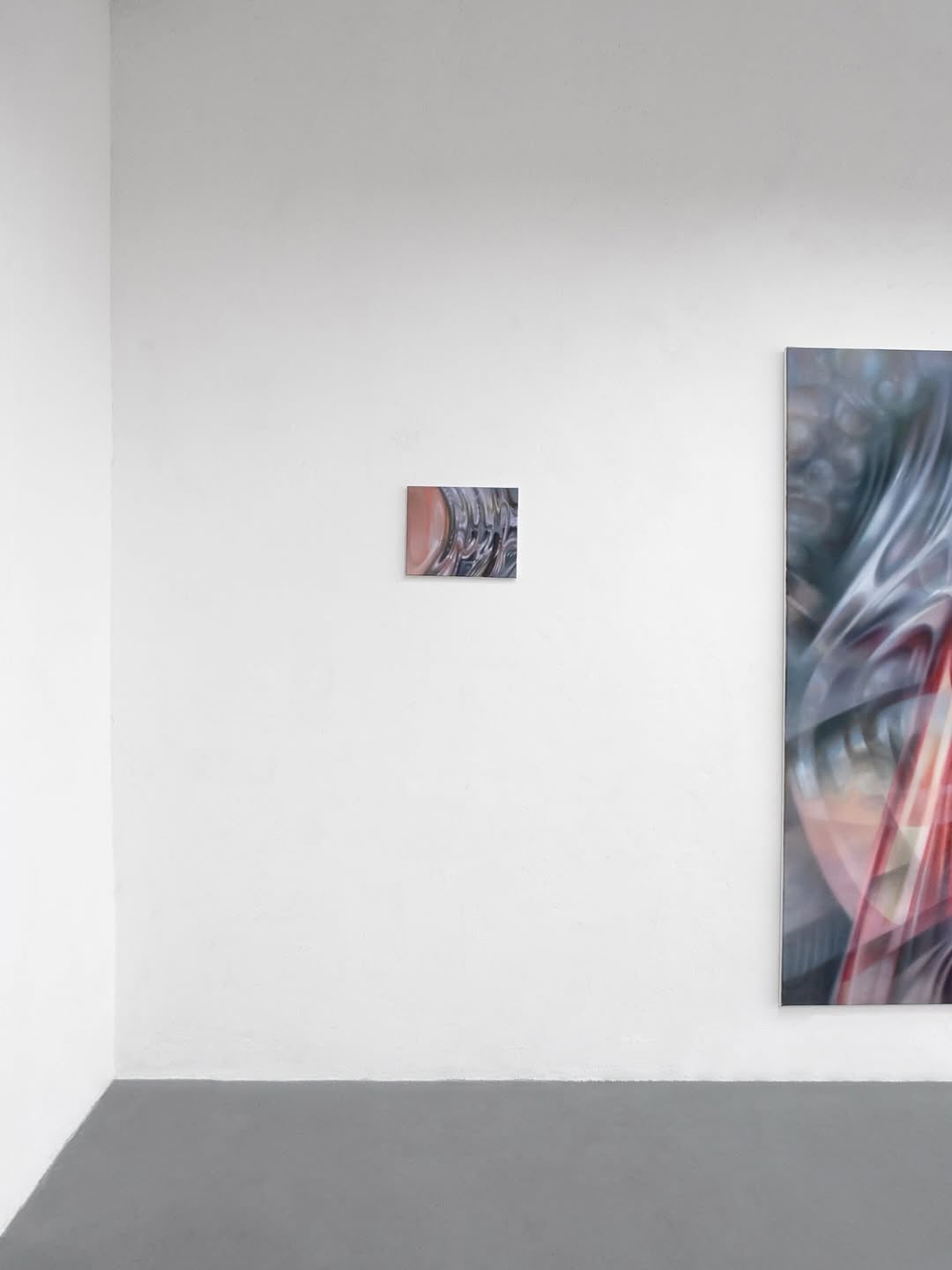
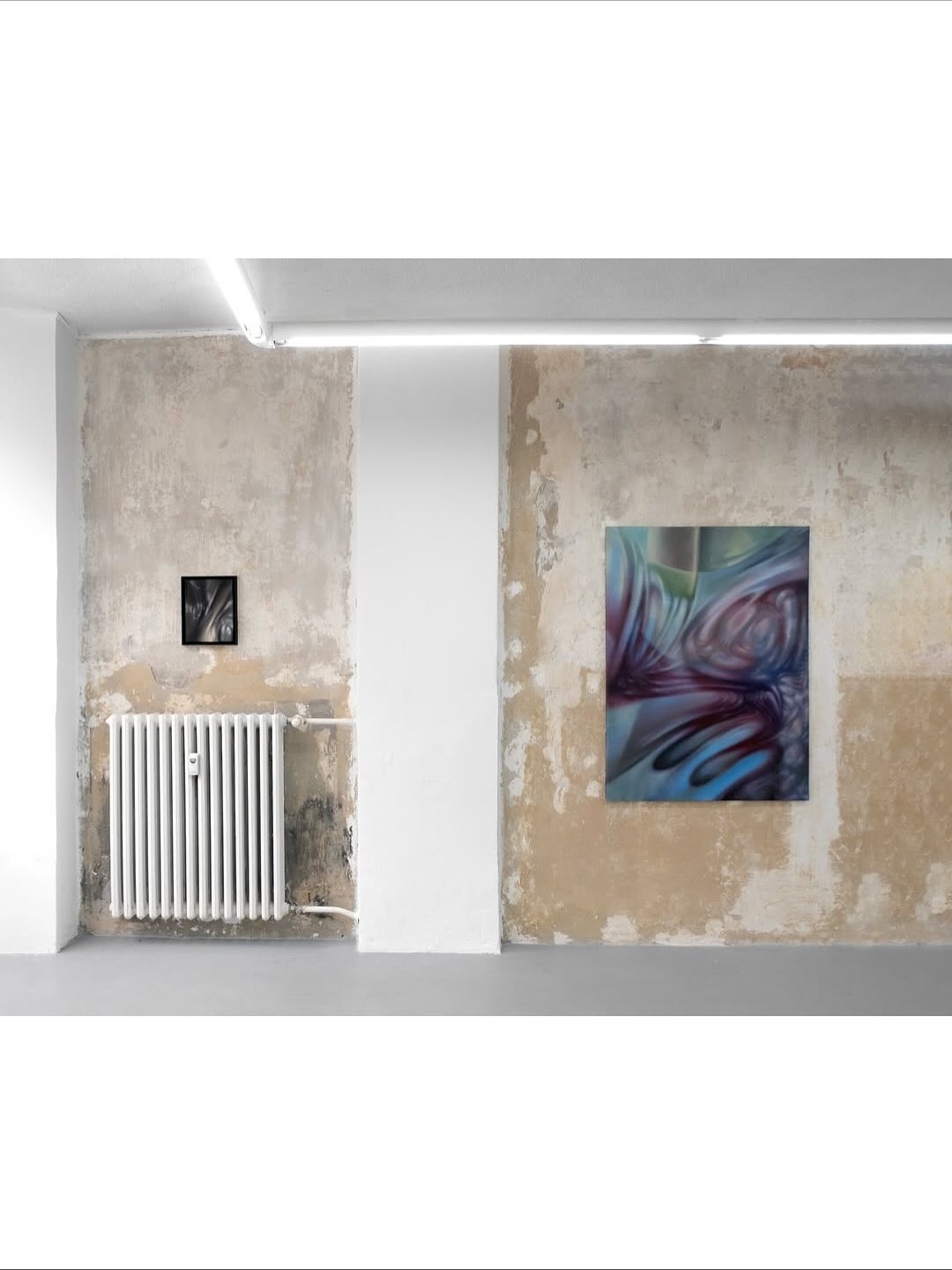
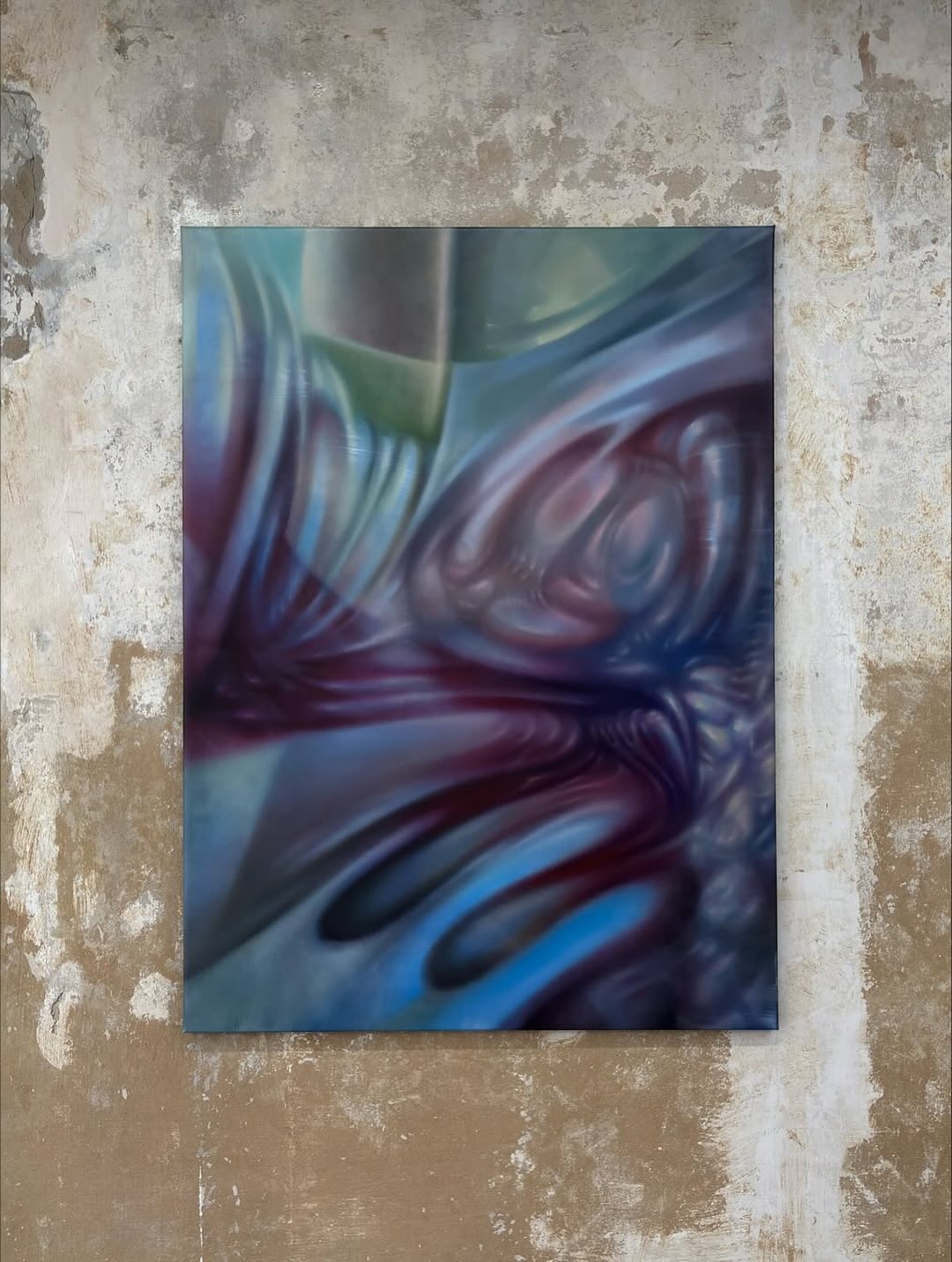
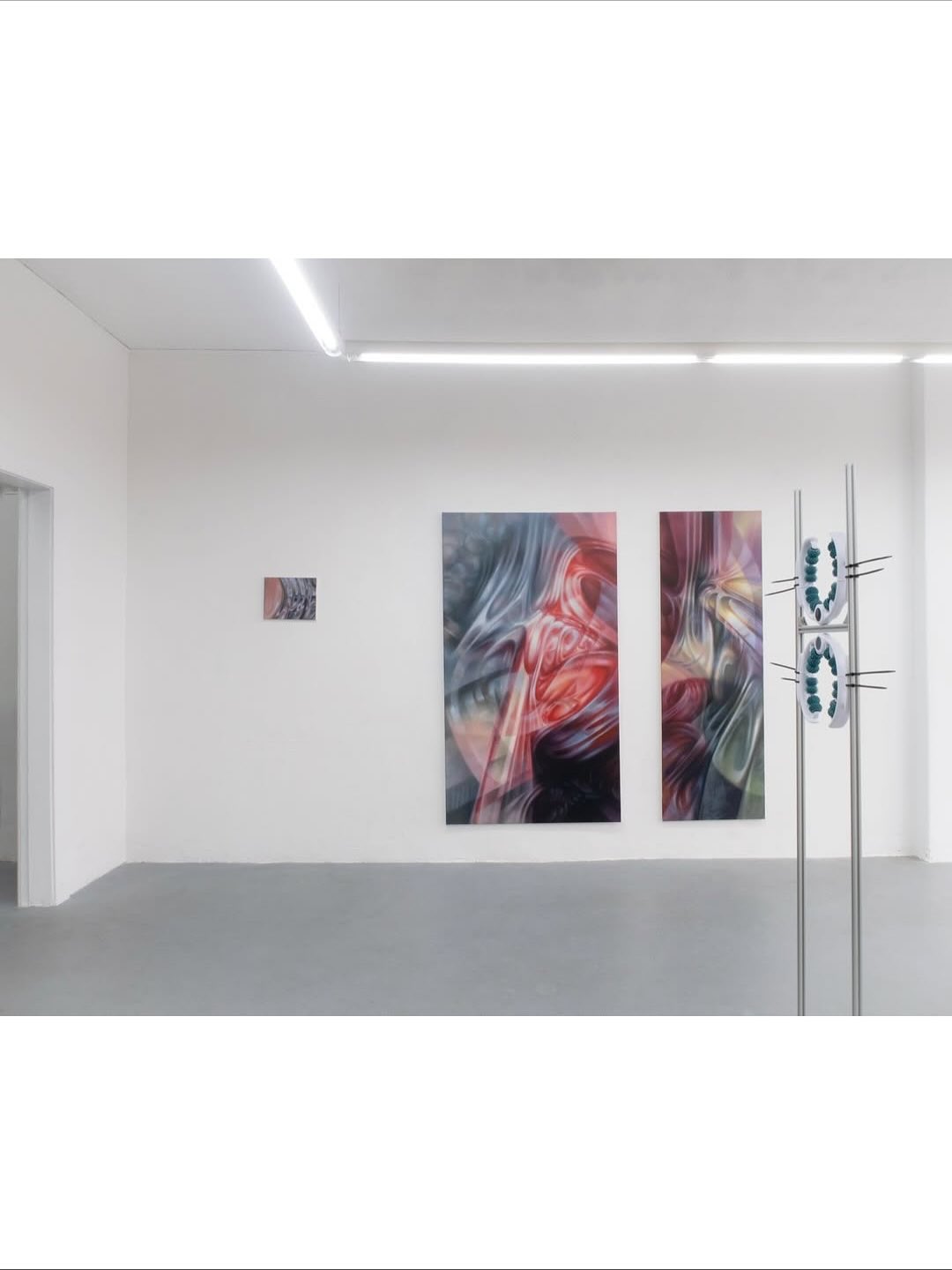
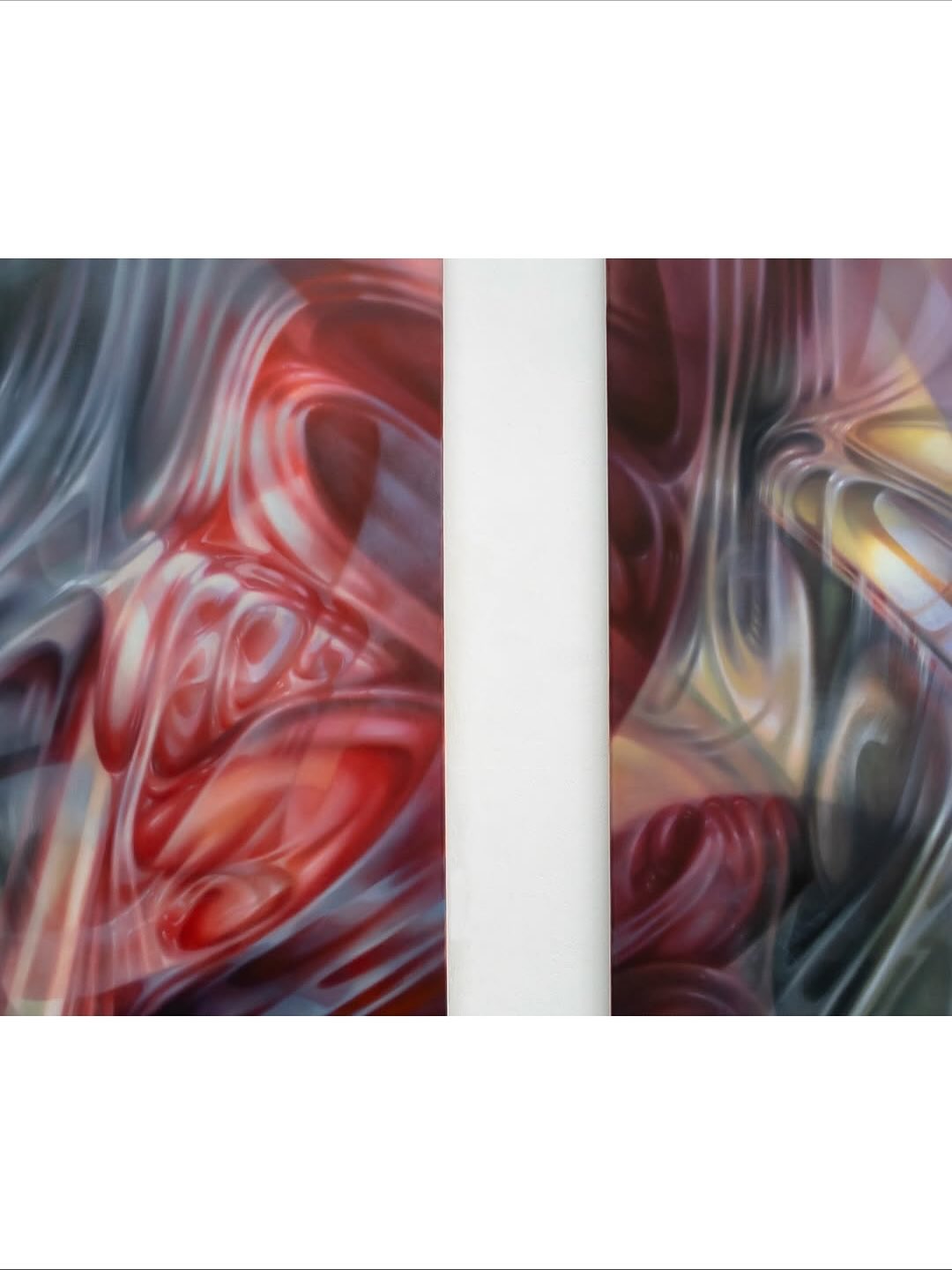
Berlin-Schöneberg / 2025
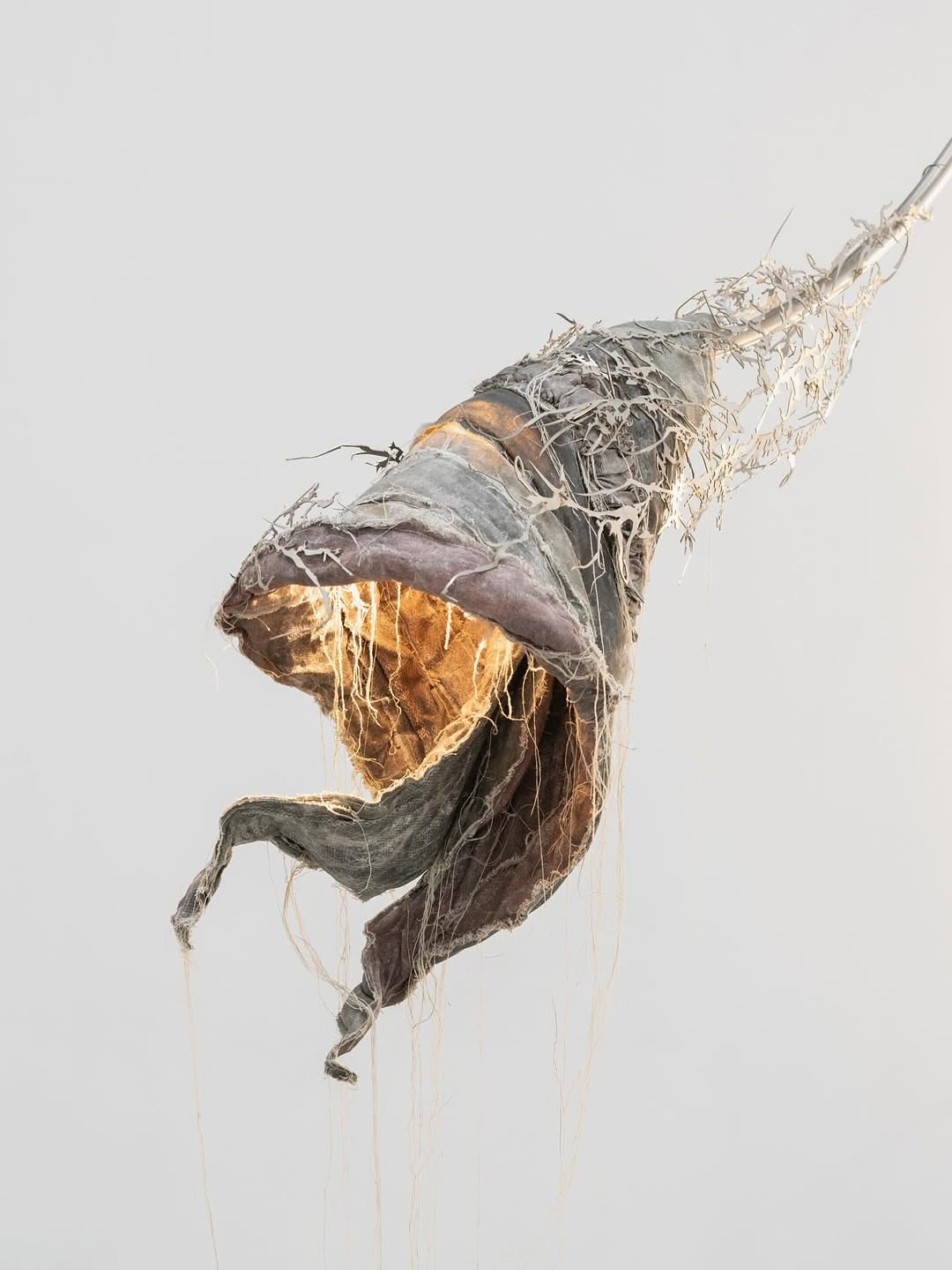
Białystok / 2025
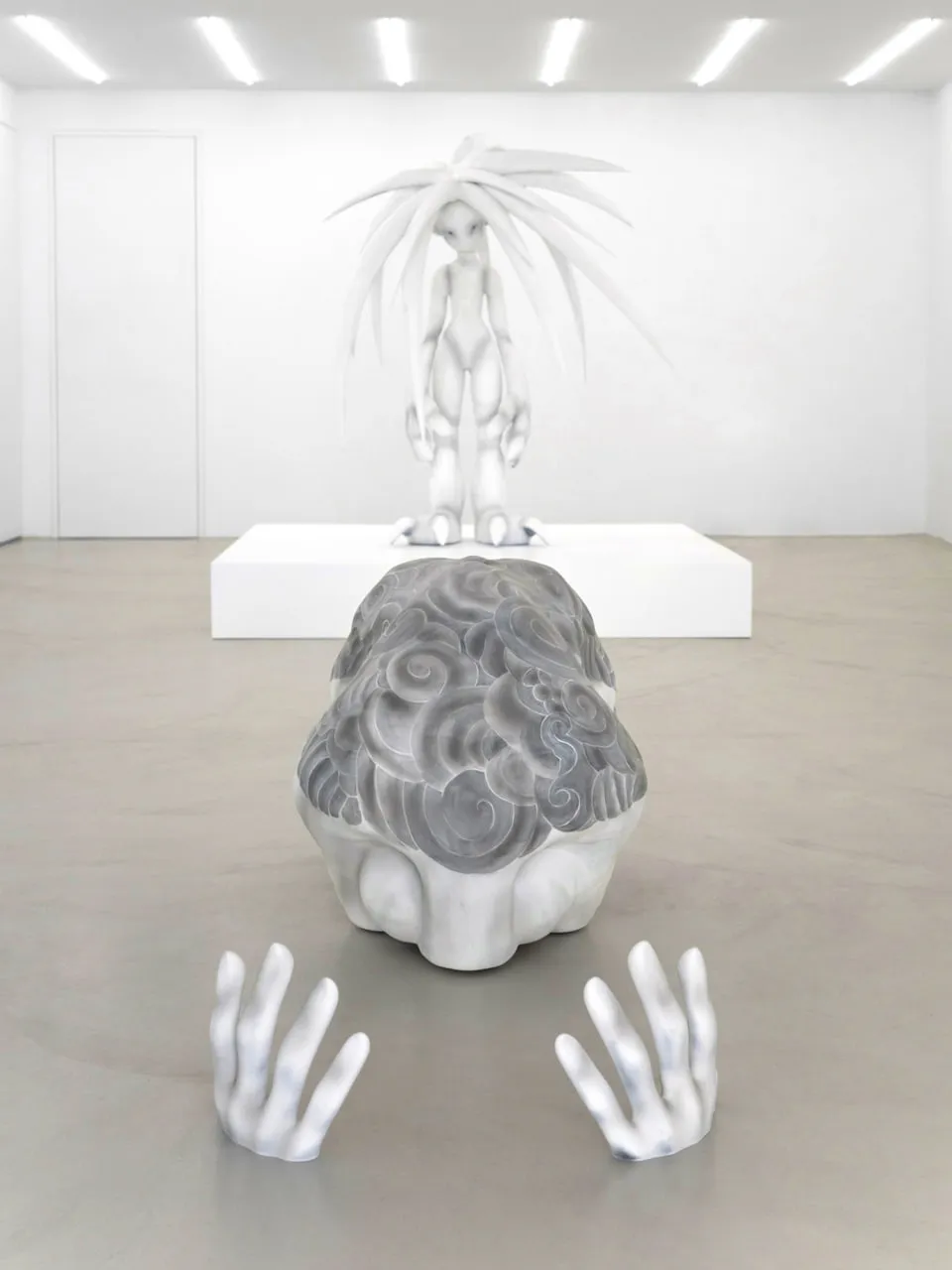
Seoul / 2026
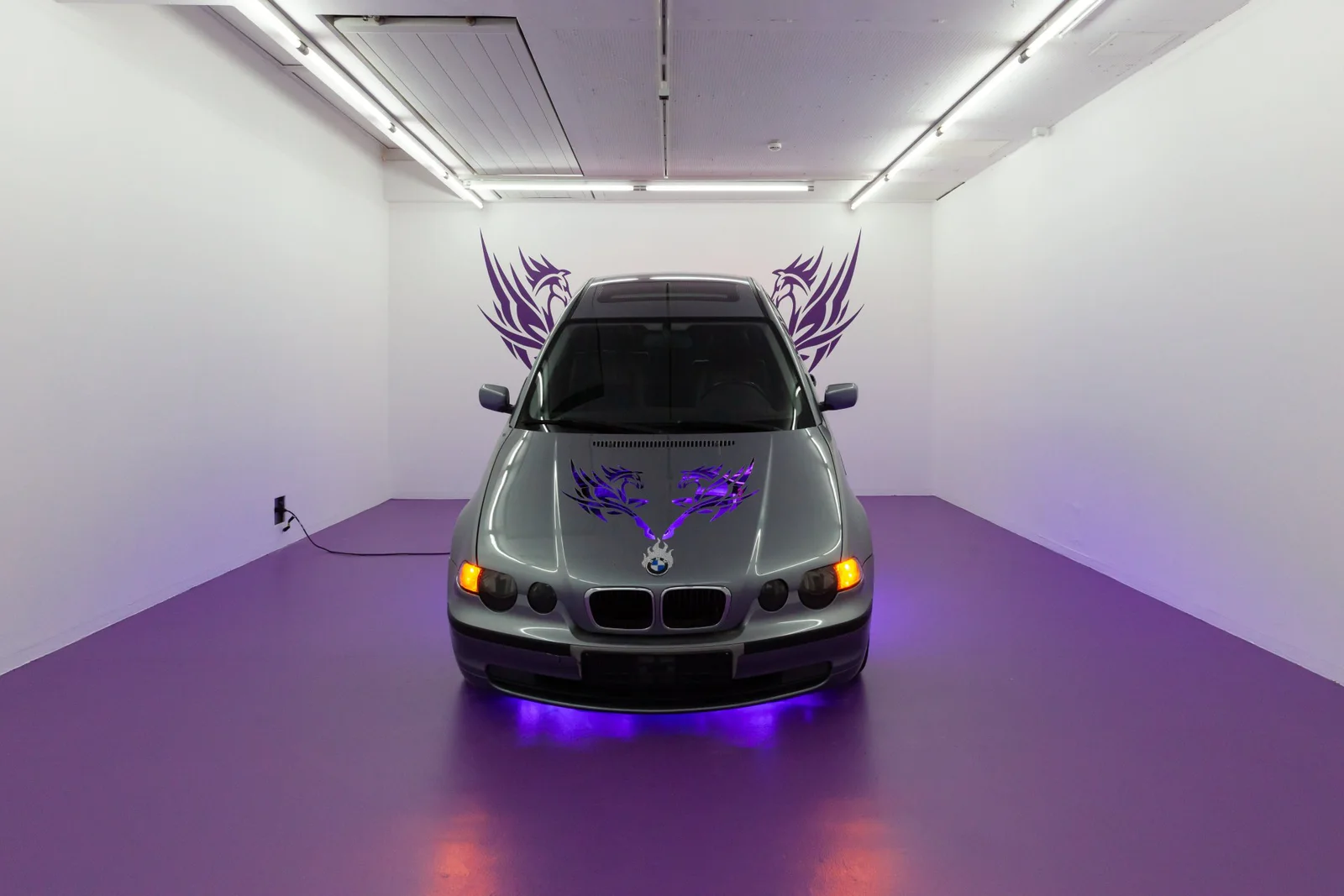
Münster / 2026
Vilnius / 2026
Warsaw / 2026
Avigliana / 2026
Brussels / 2026
Copenhagen / 2026
Paris / 2026
Angers / 2026
London / 2026
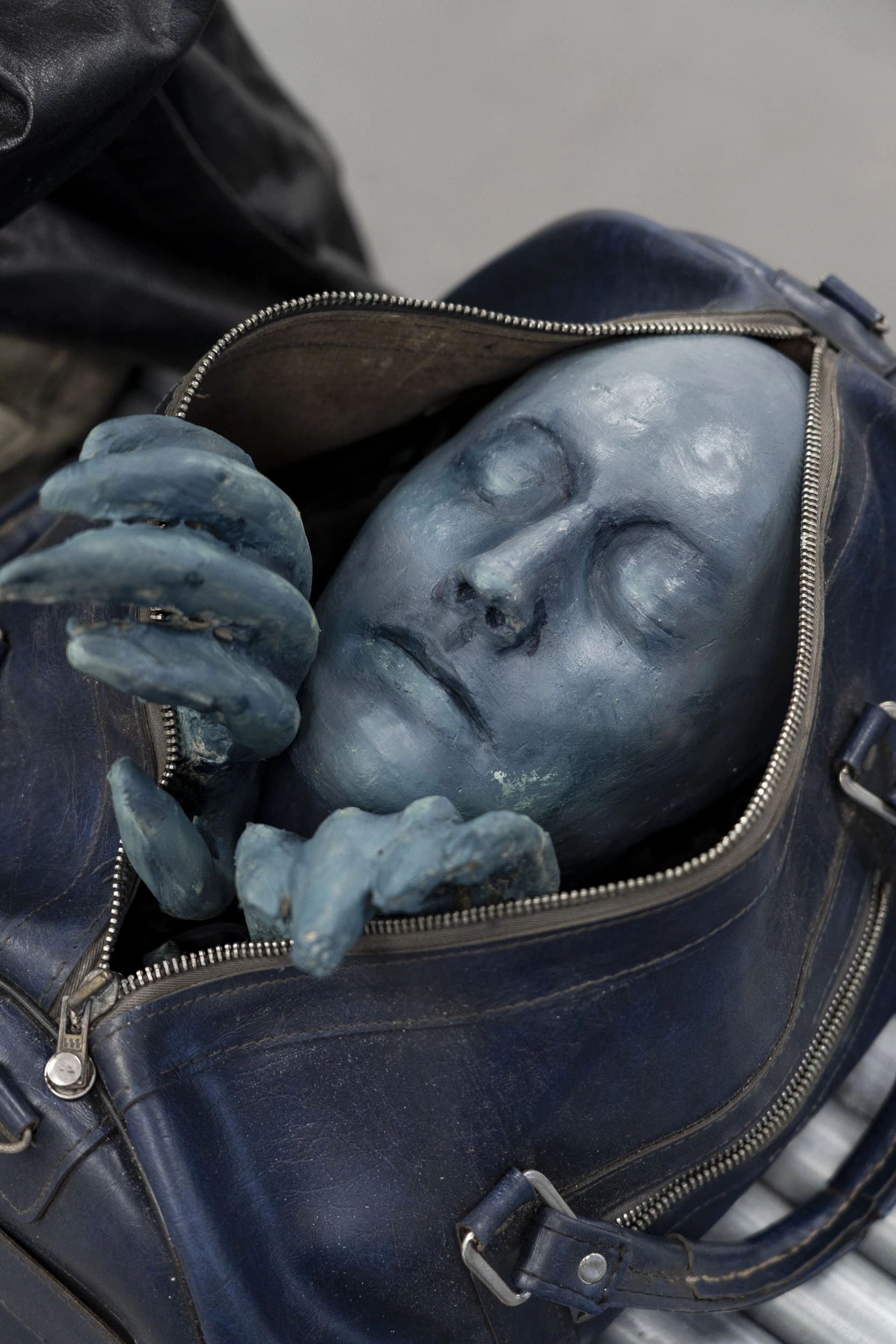
Kraków / 2026
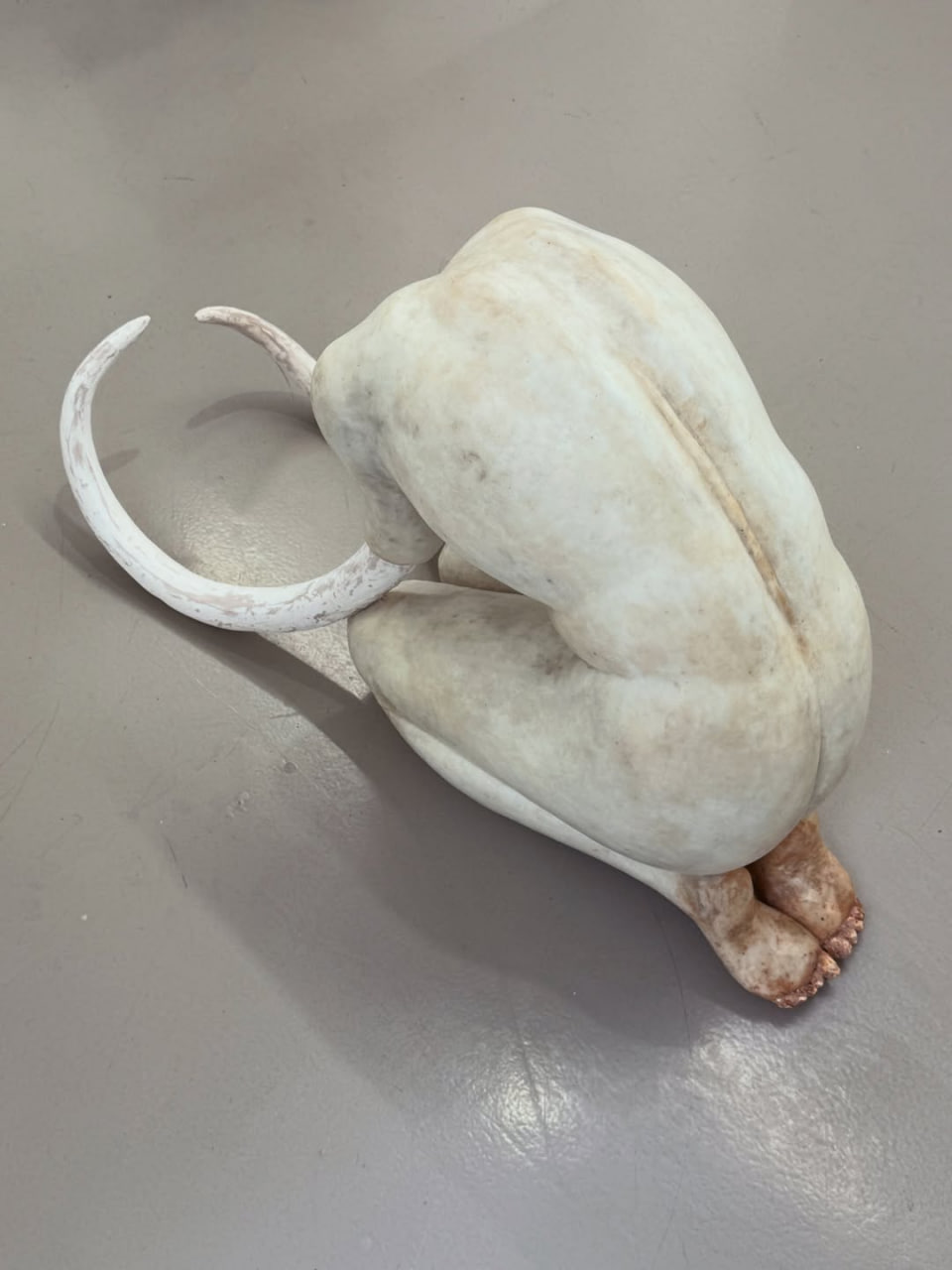
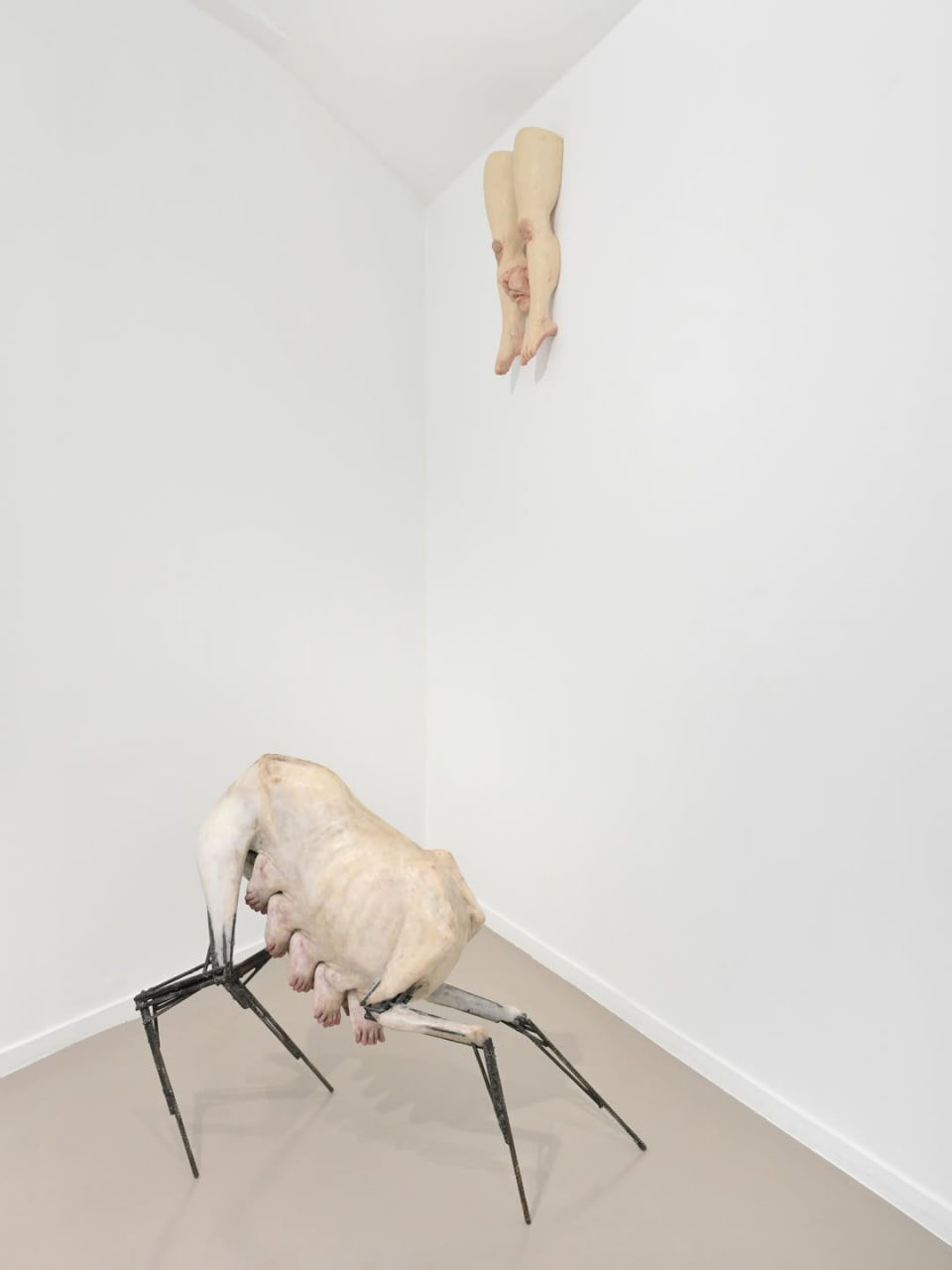
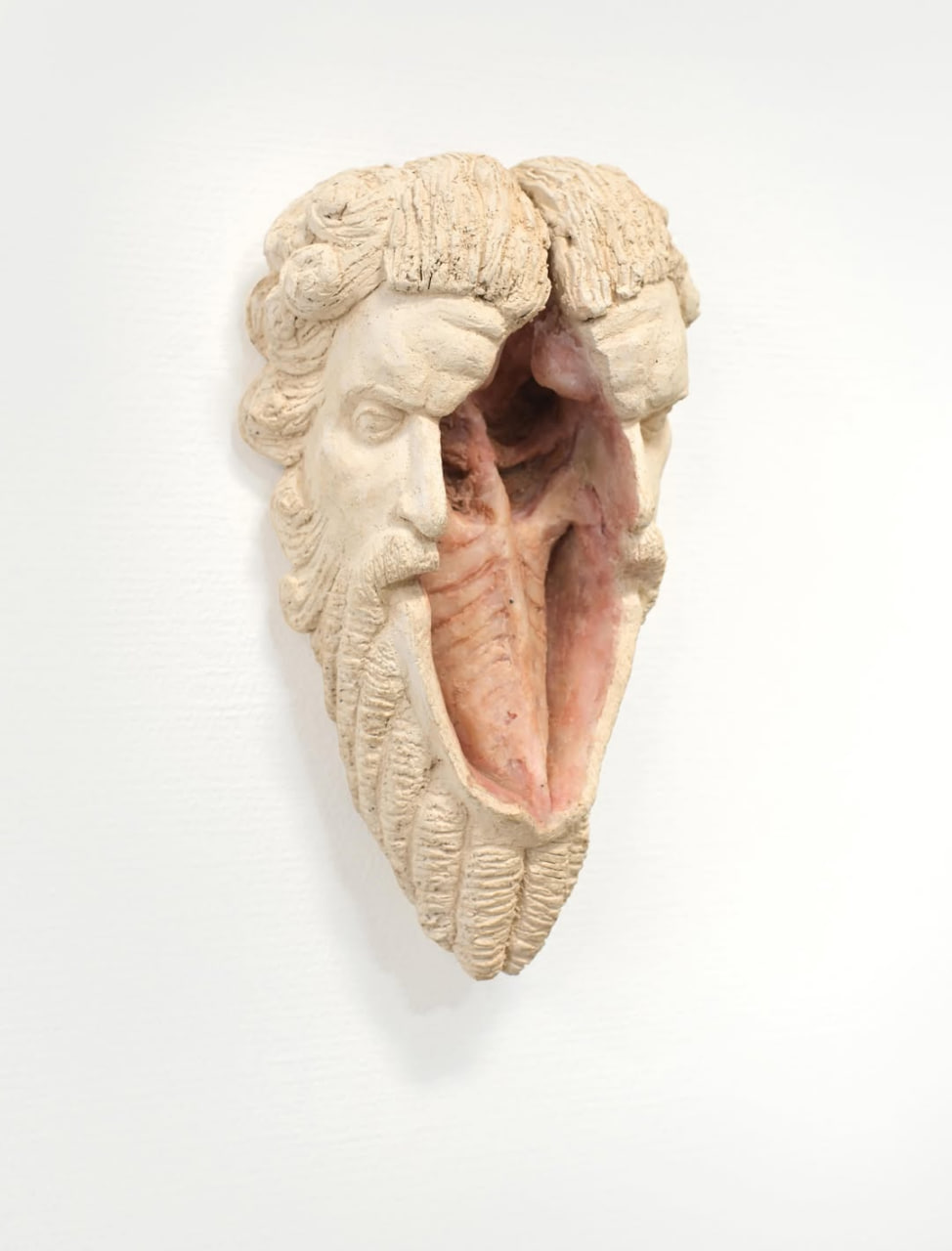
Paris / 2026
Poznań / 2026
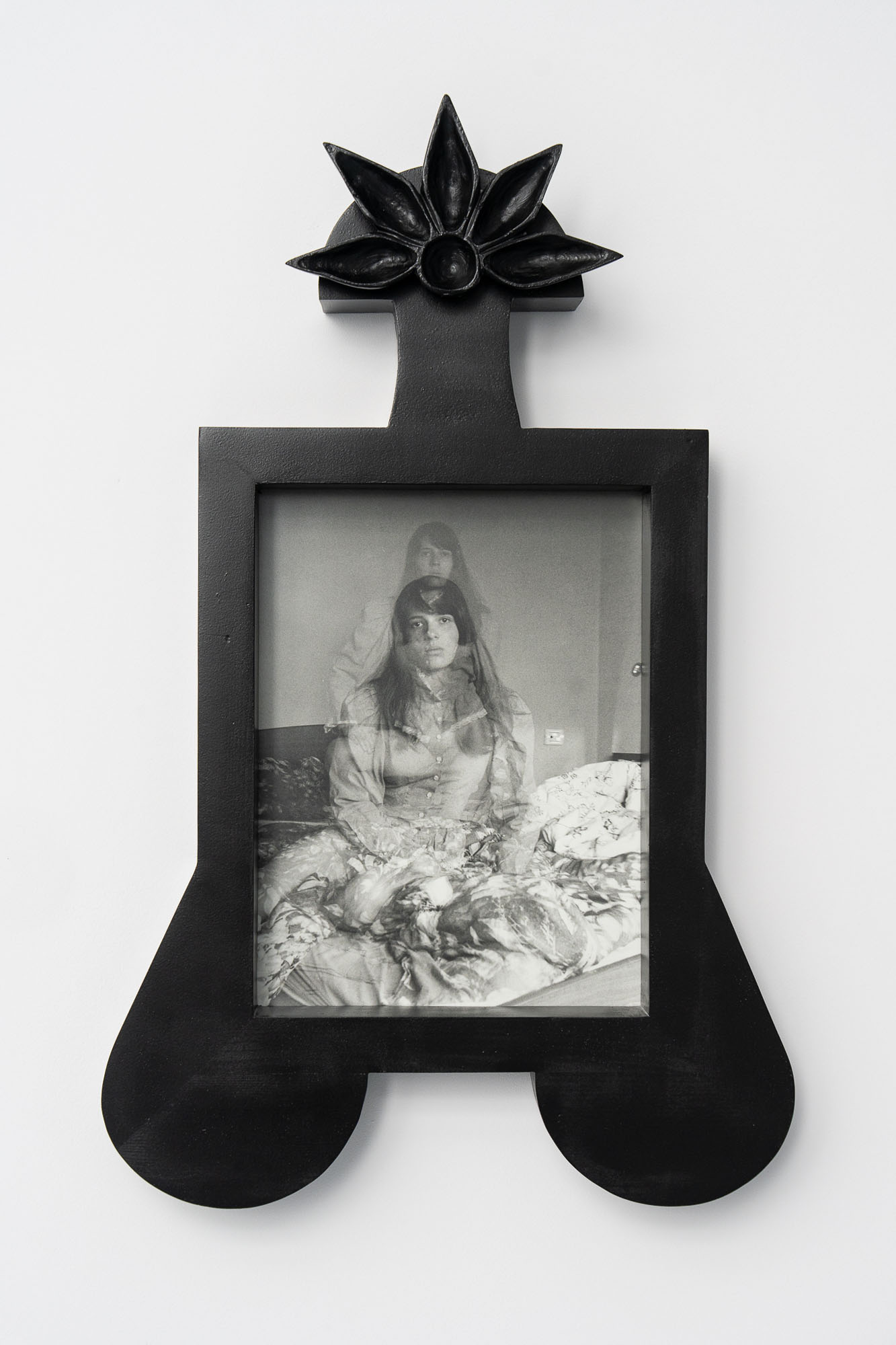
Bucharest / 2026
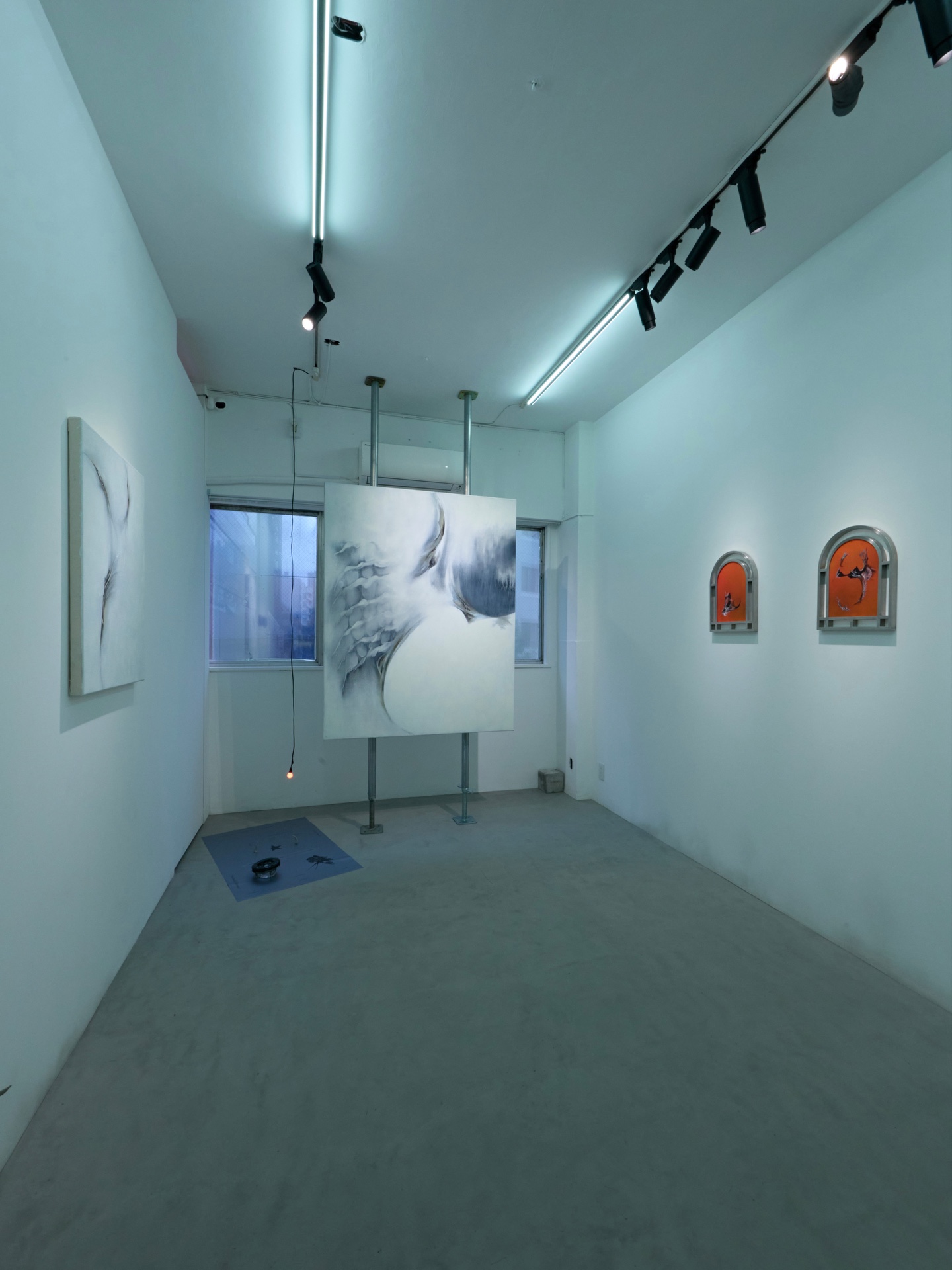
Tokyo / 2026
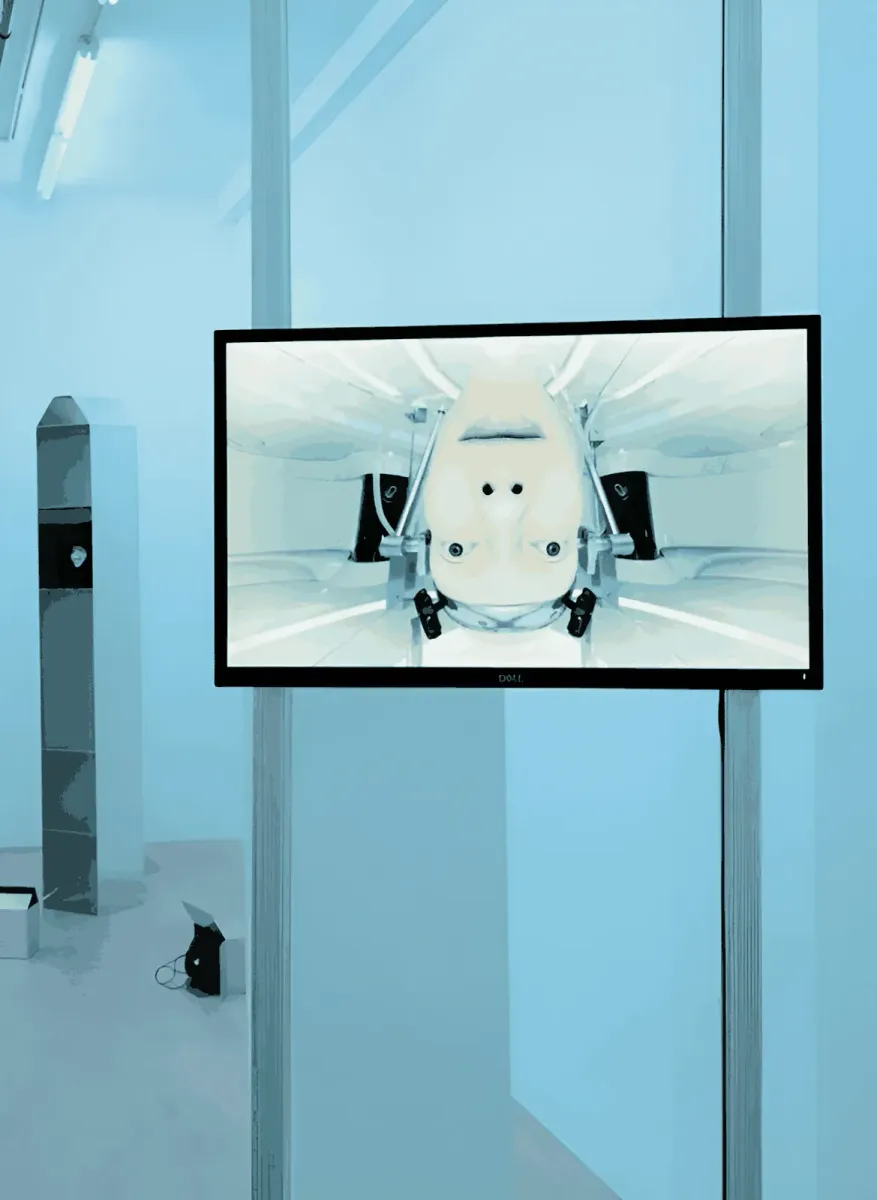
New York City (NY) / 2025
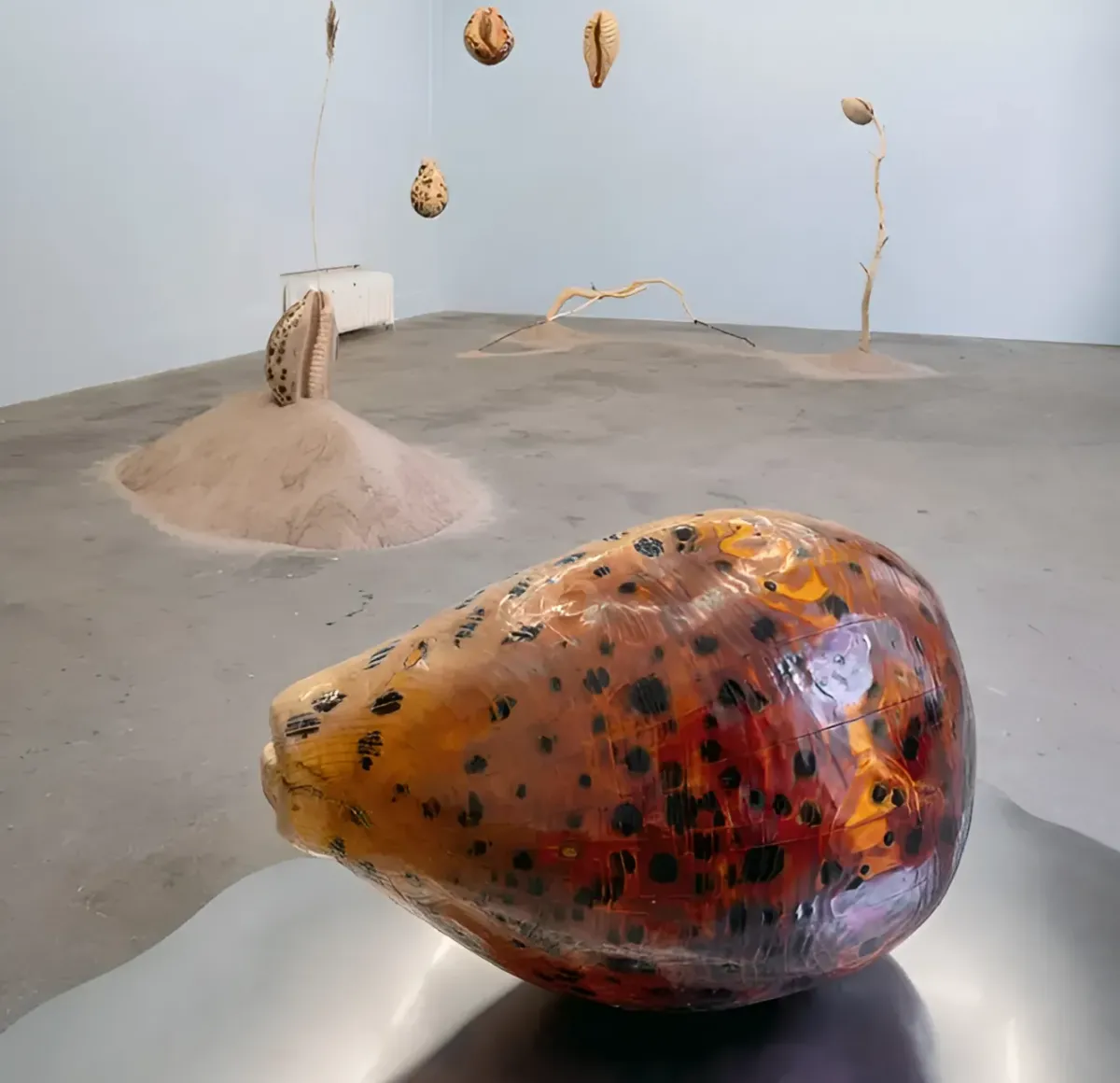
Göteborg / 2025
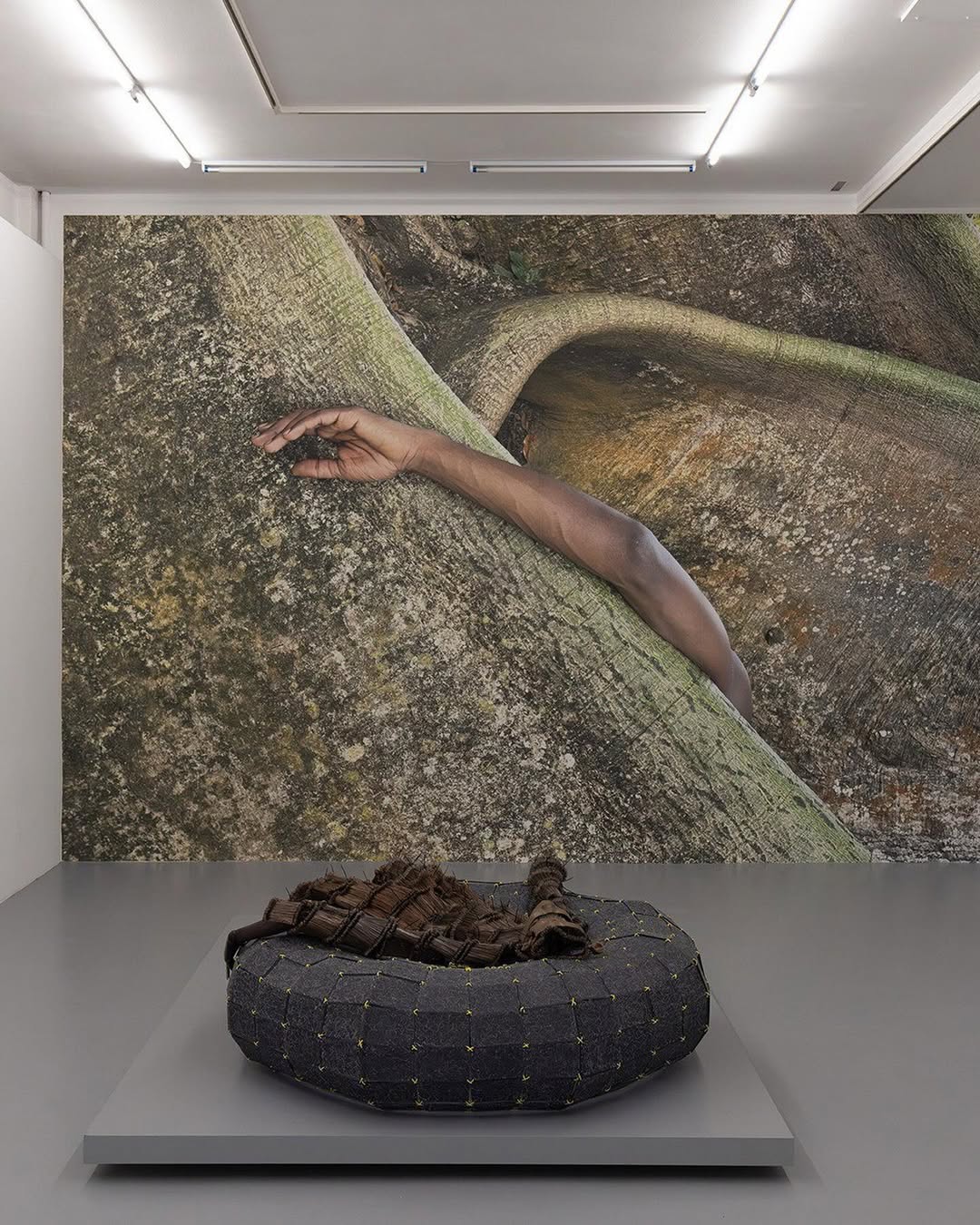
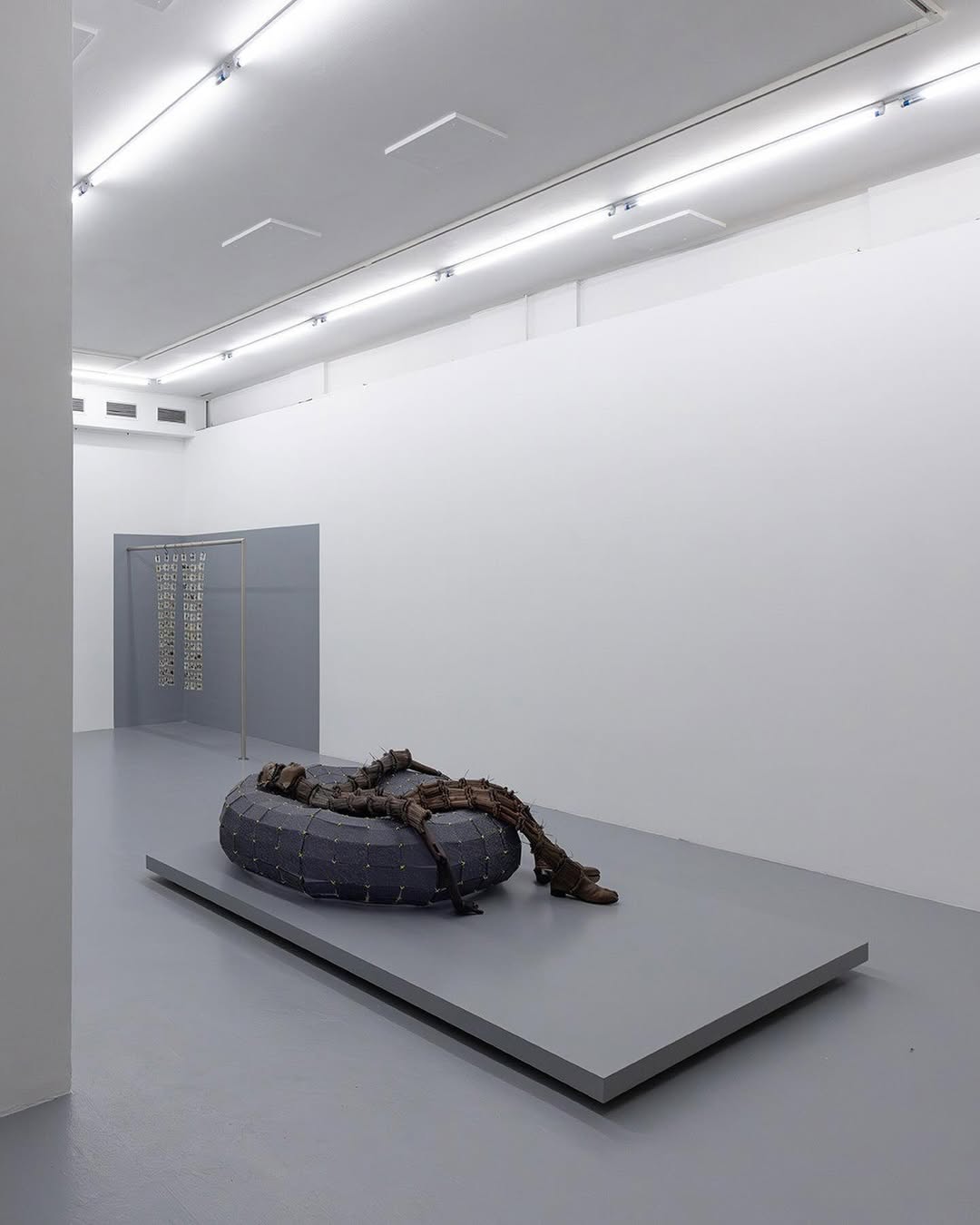
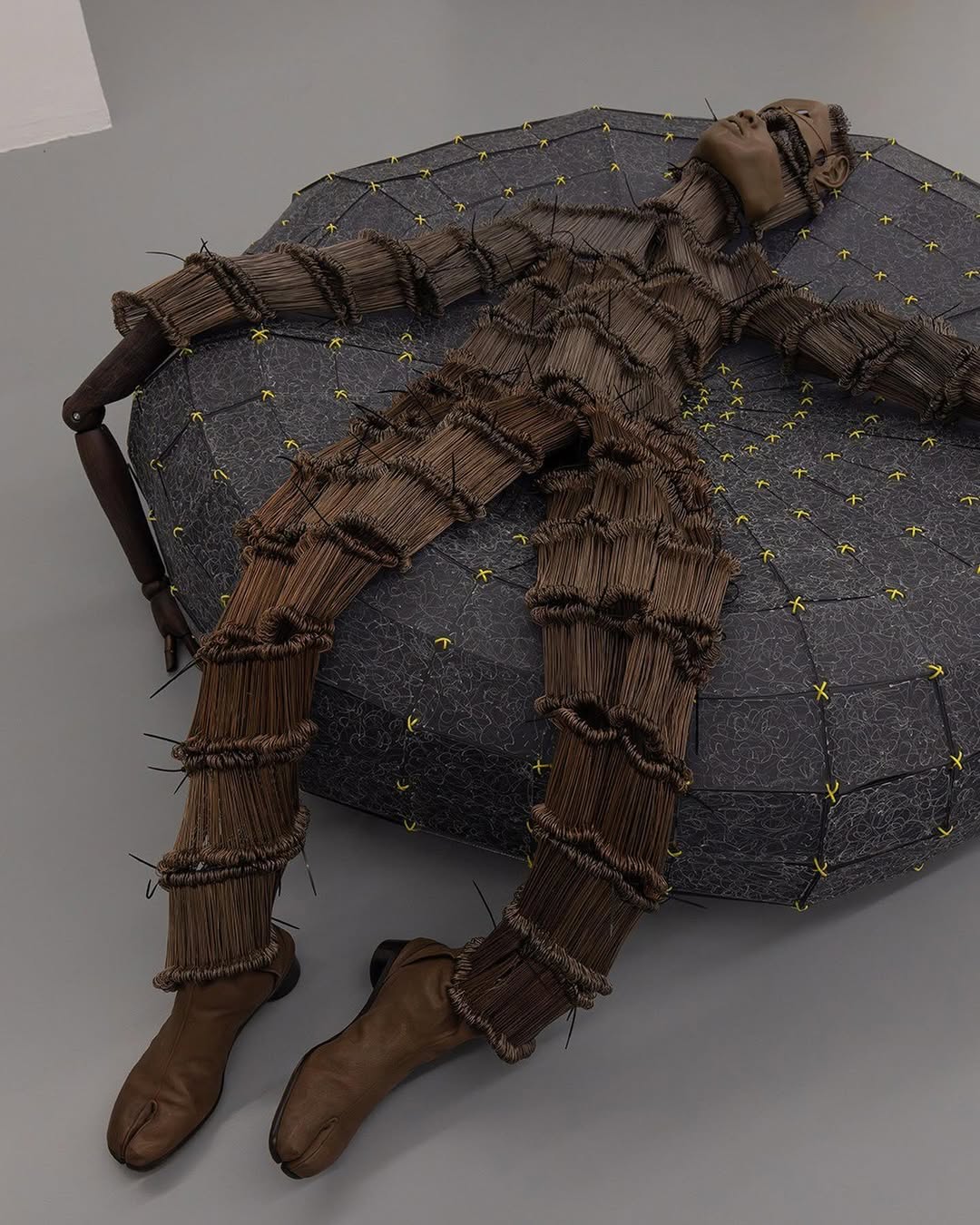
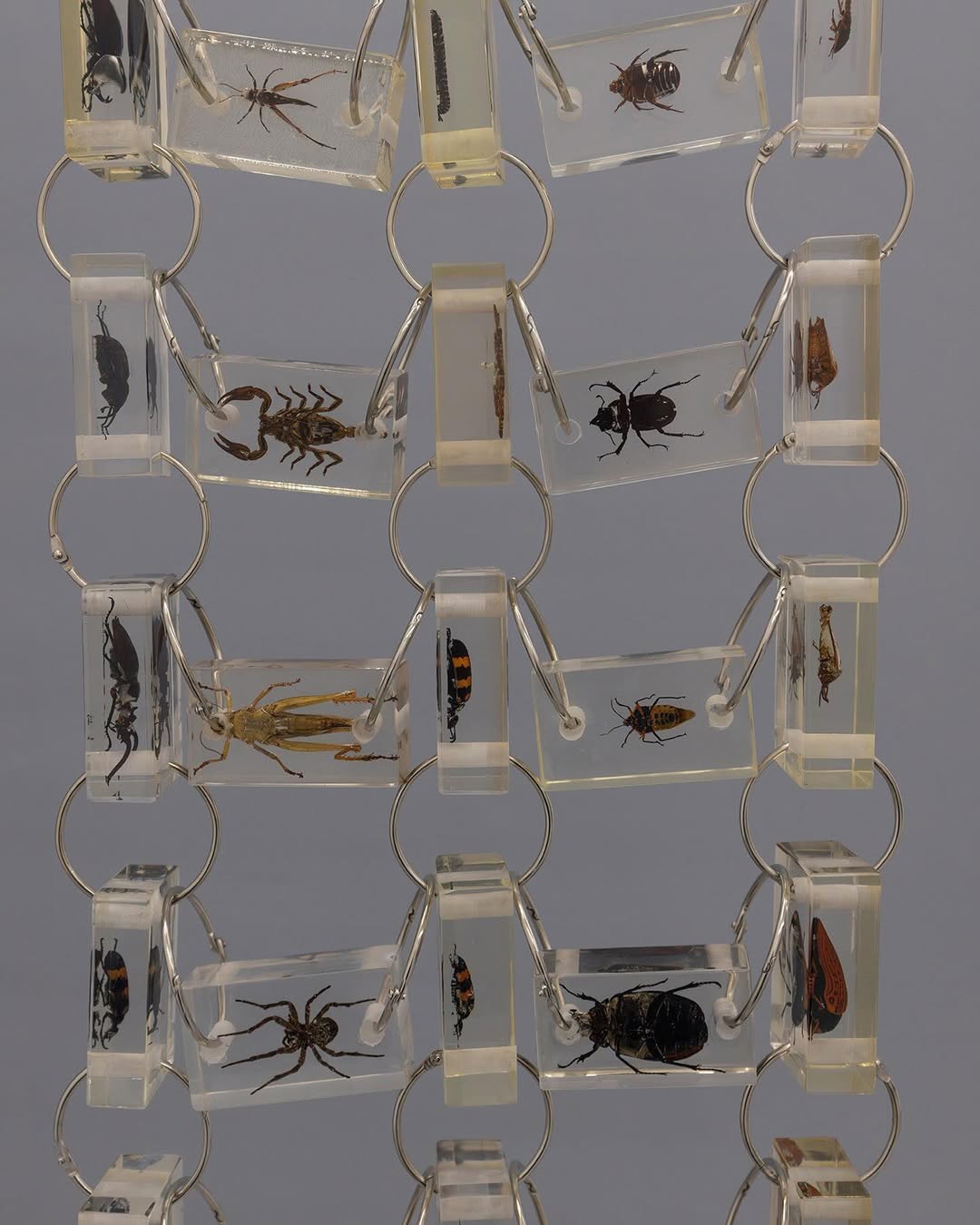
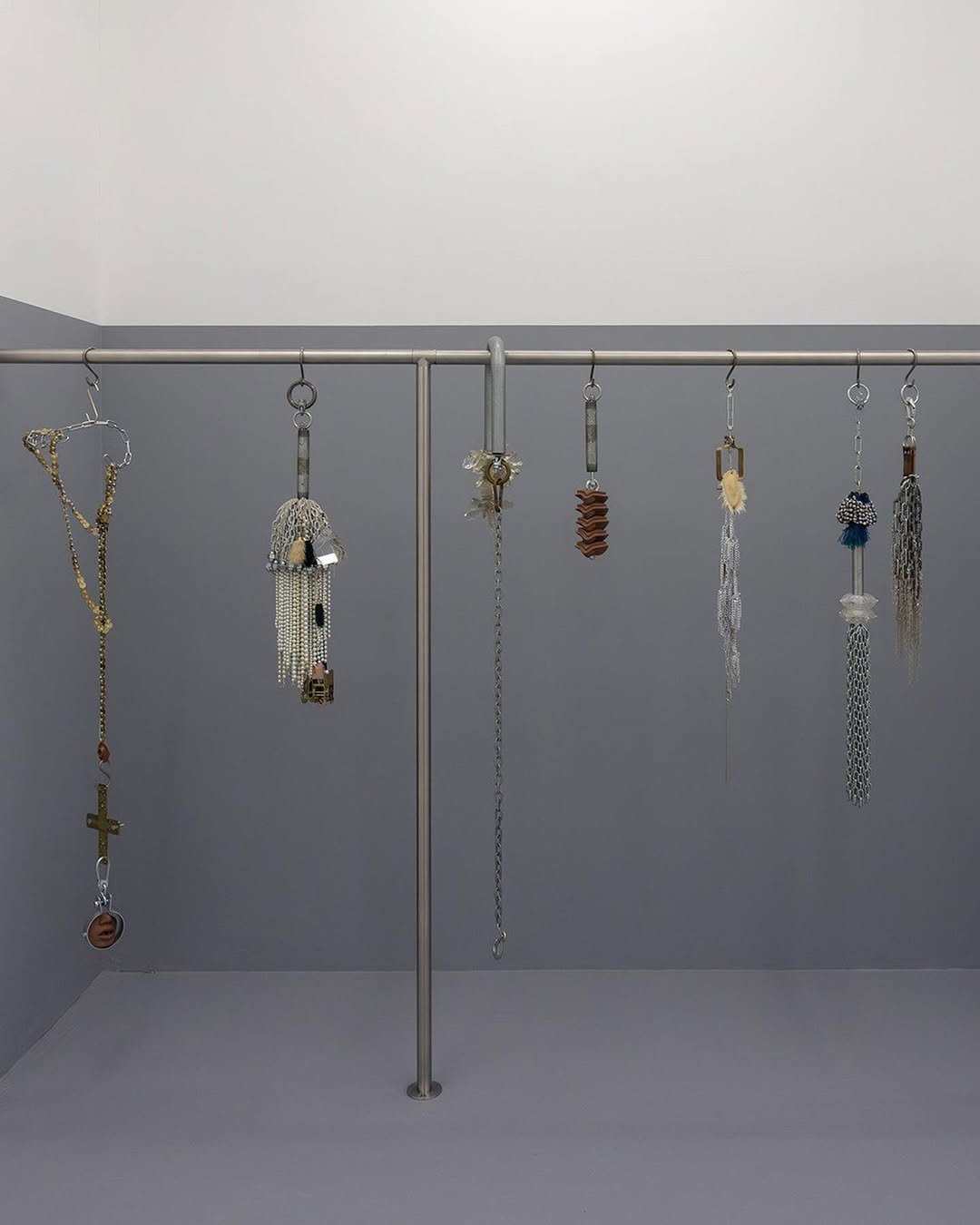
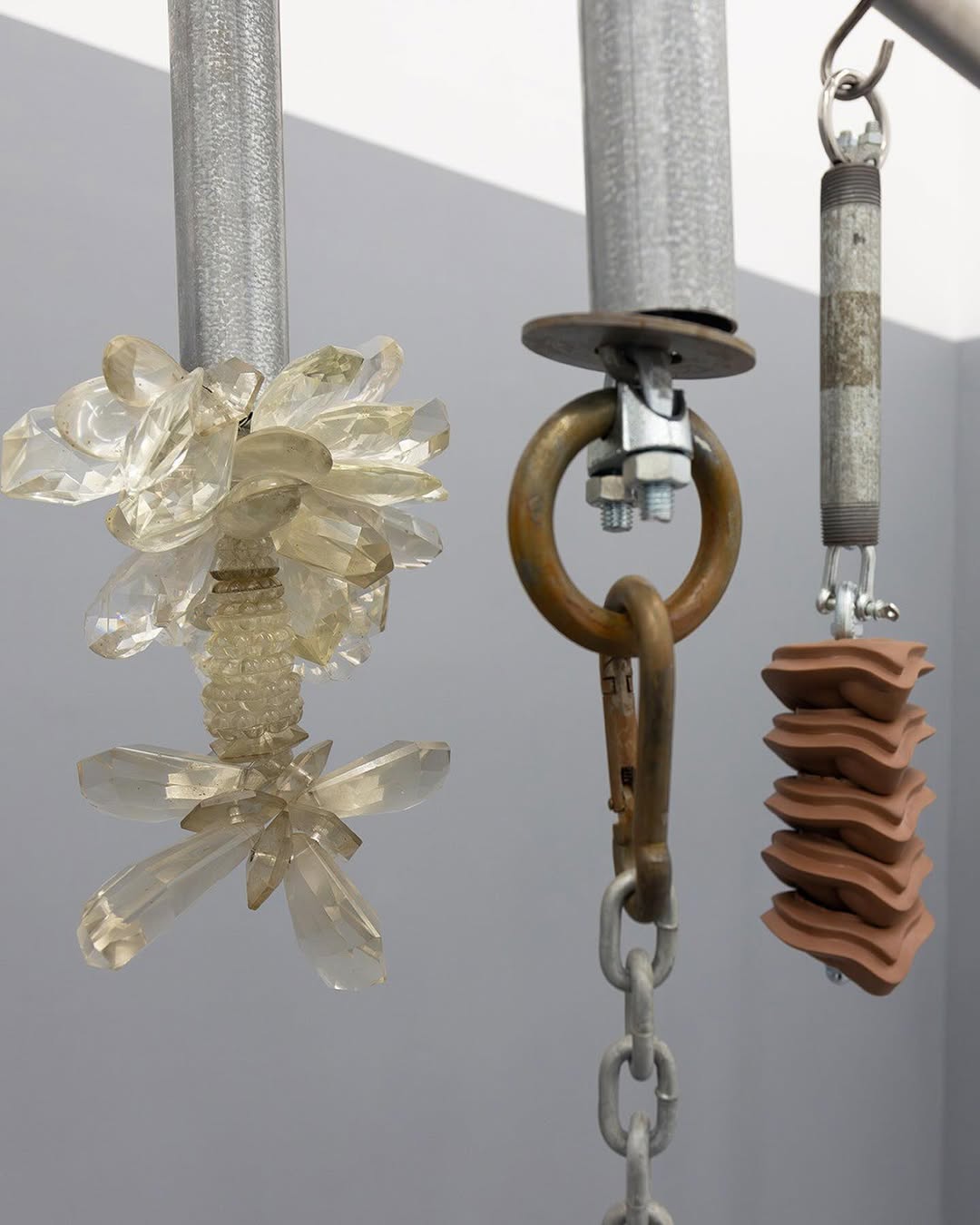
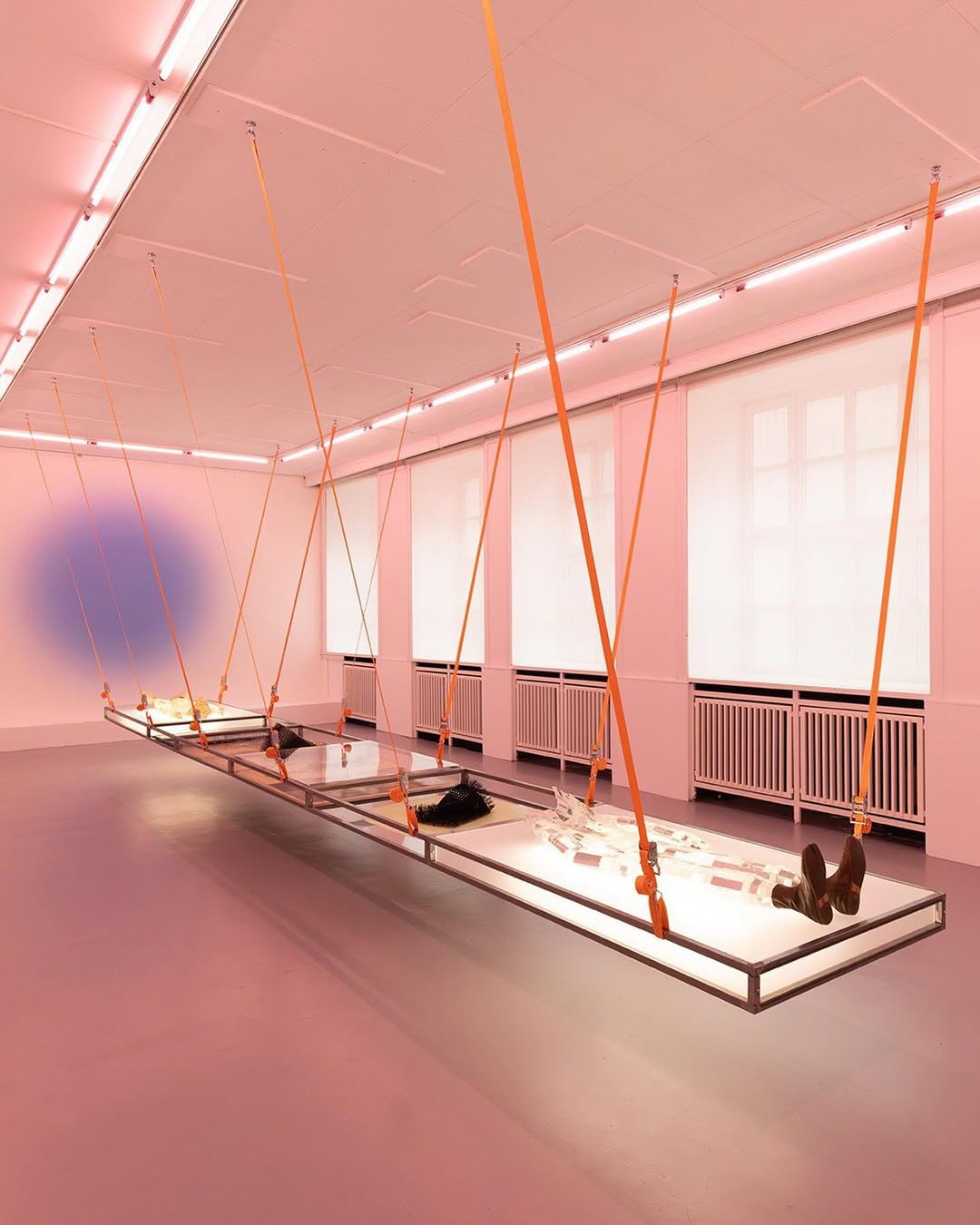
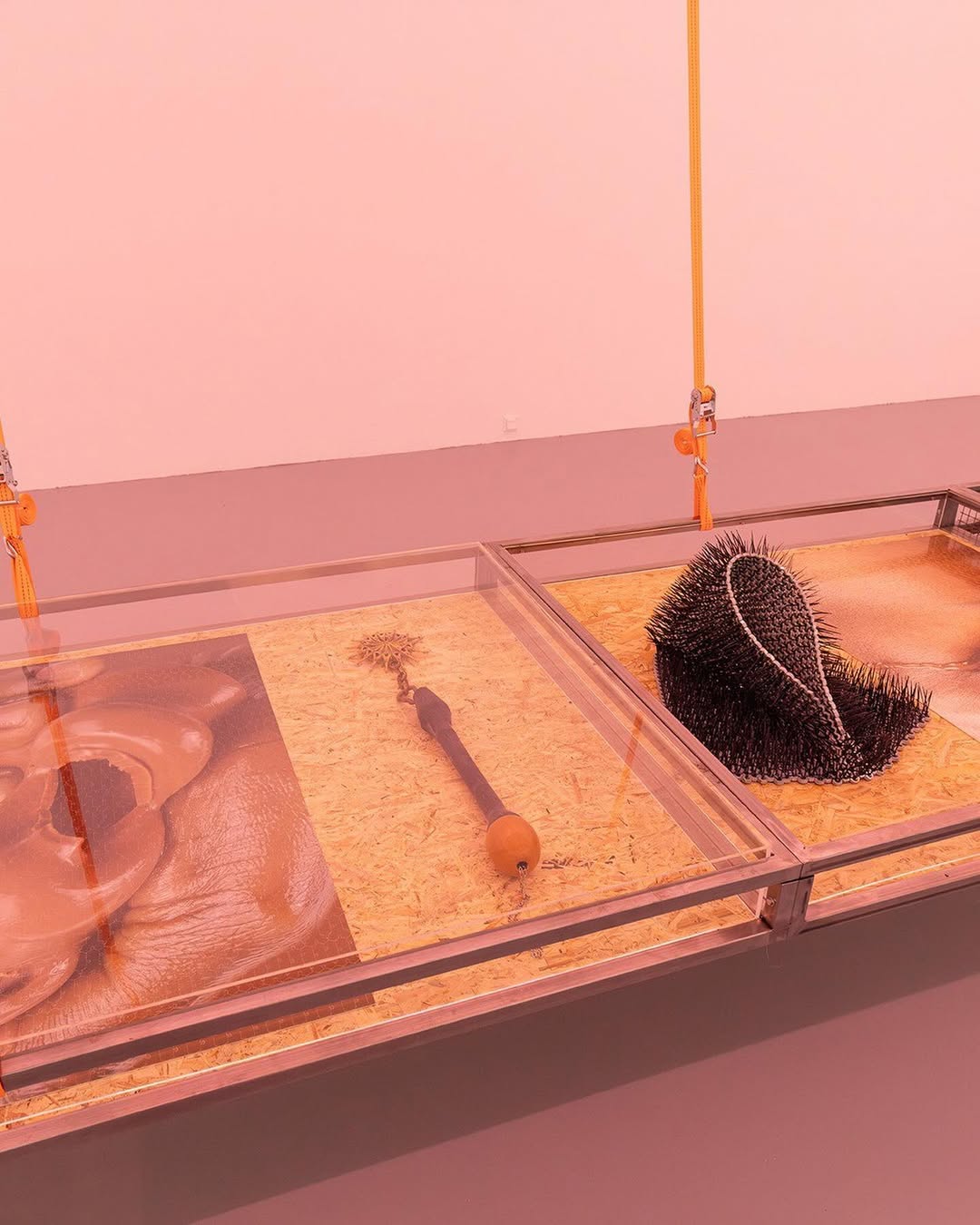
/ 2024
Lisboa / 2023
Budapest / 2024
Prague / 2024
/photo_1_2026-05-24_00-42-04.jpg)
Milan / 2025
Ljubljana / 2025
Milan / 2025
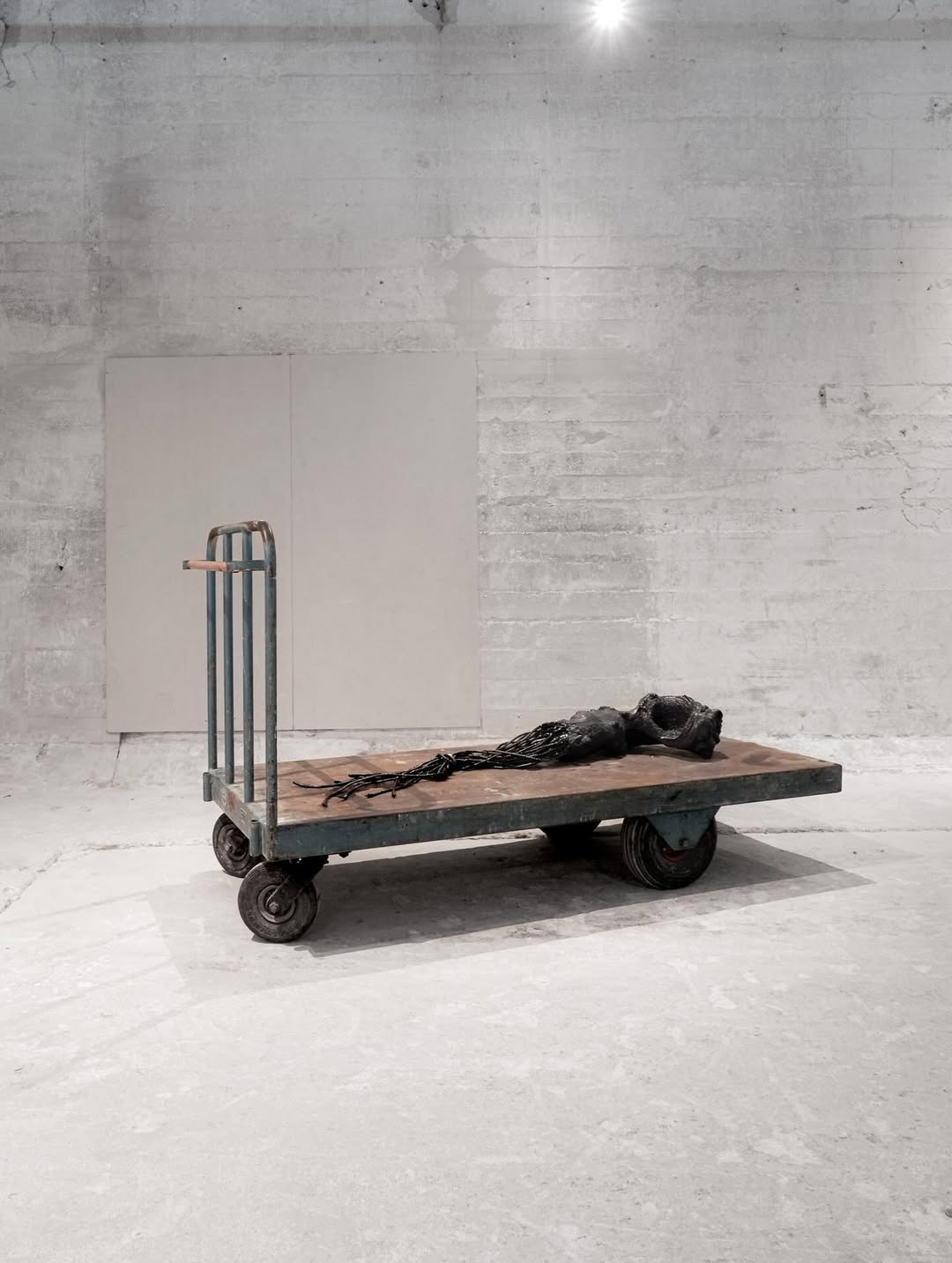
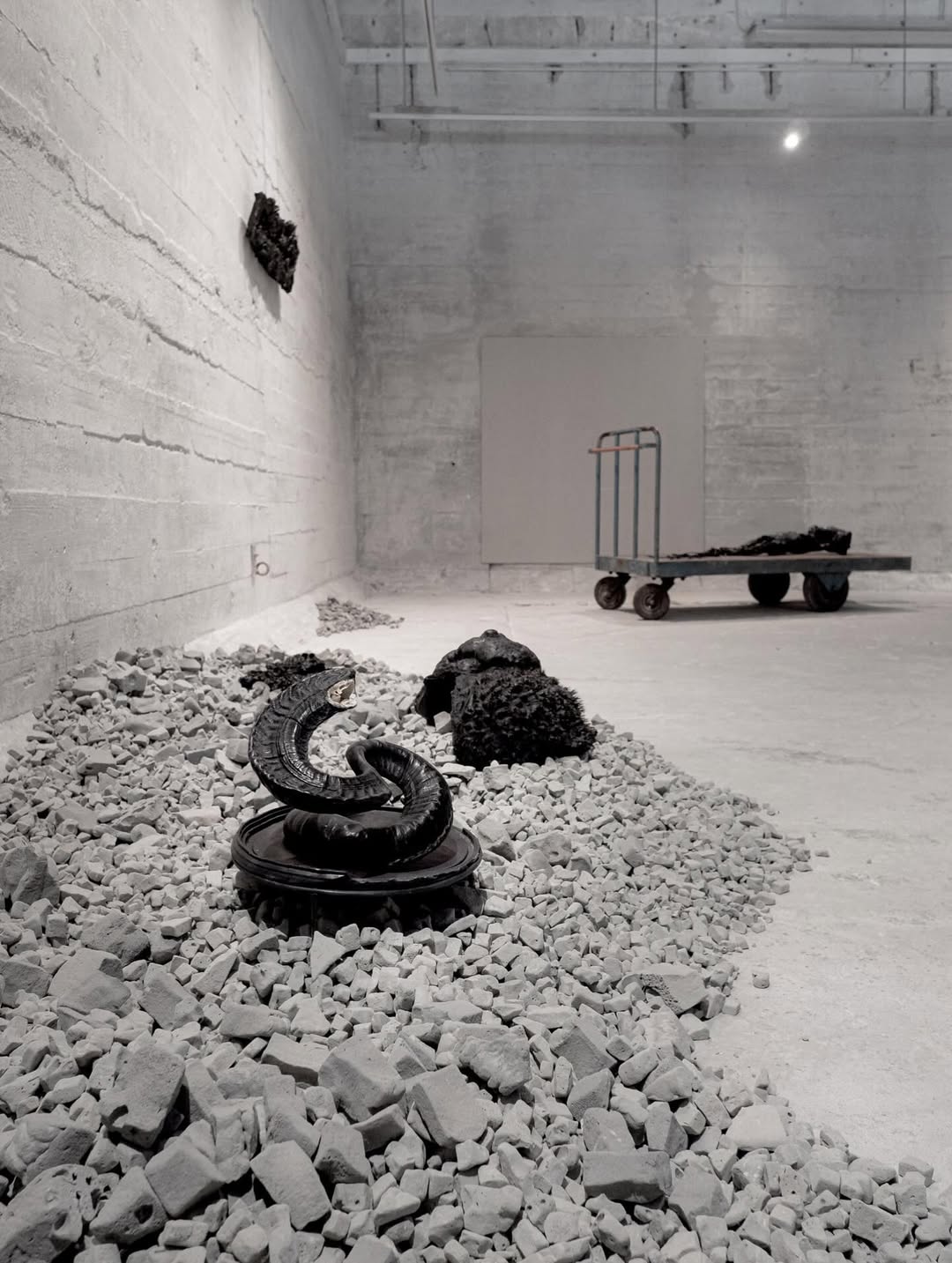
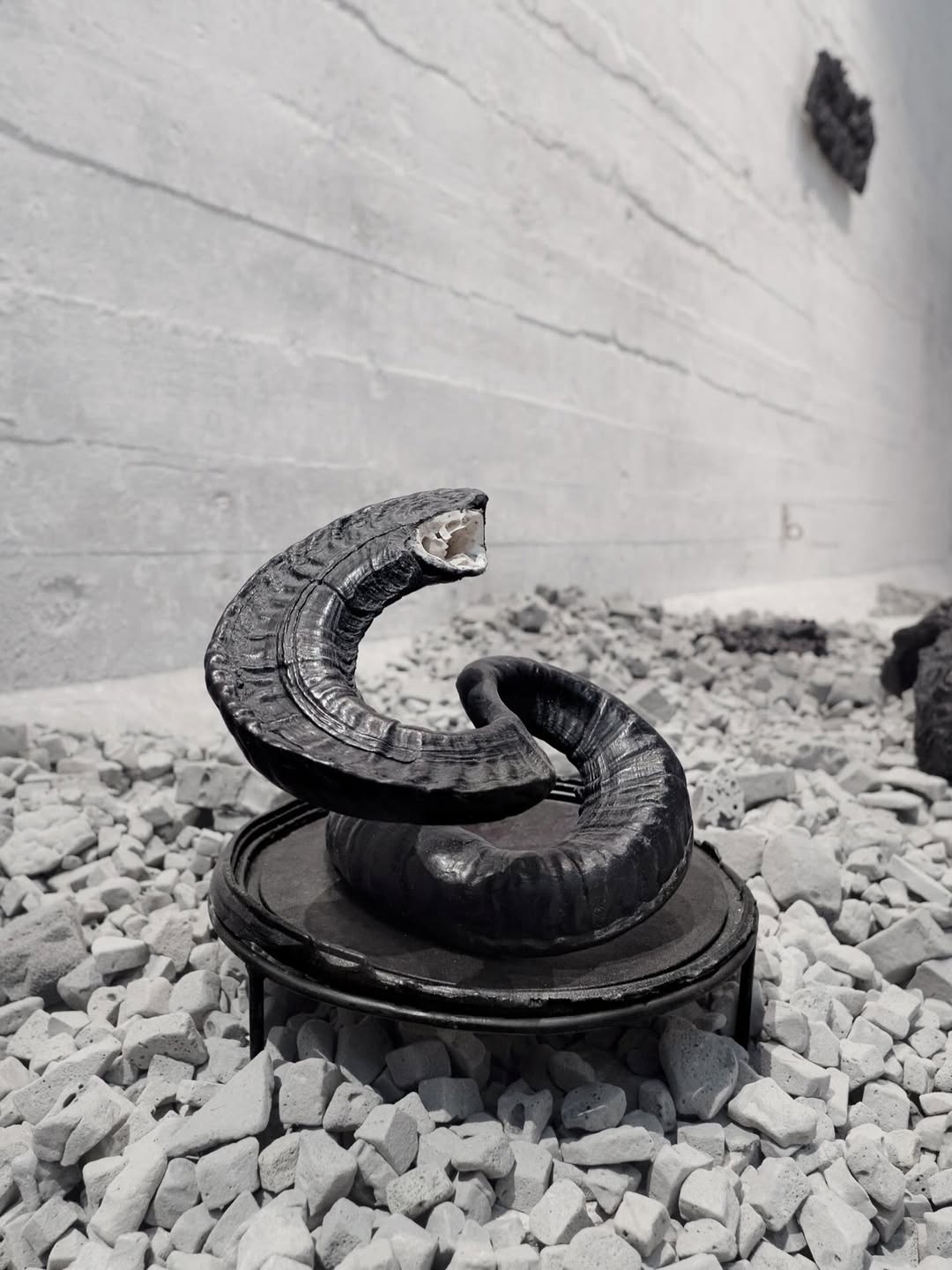
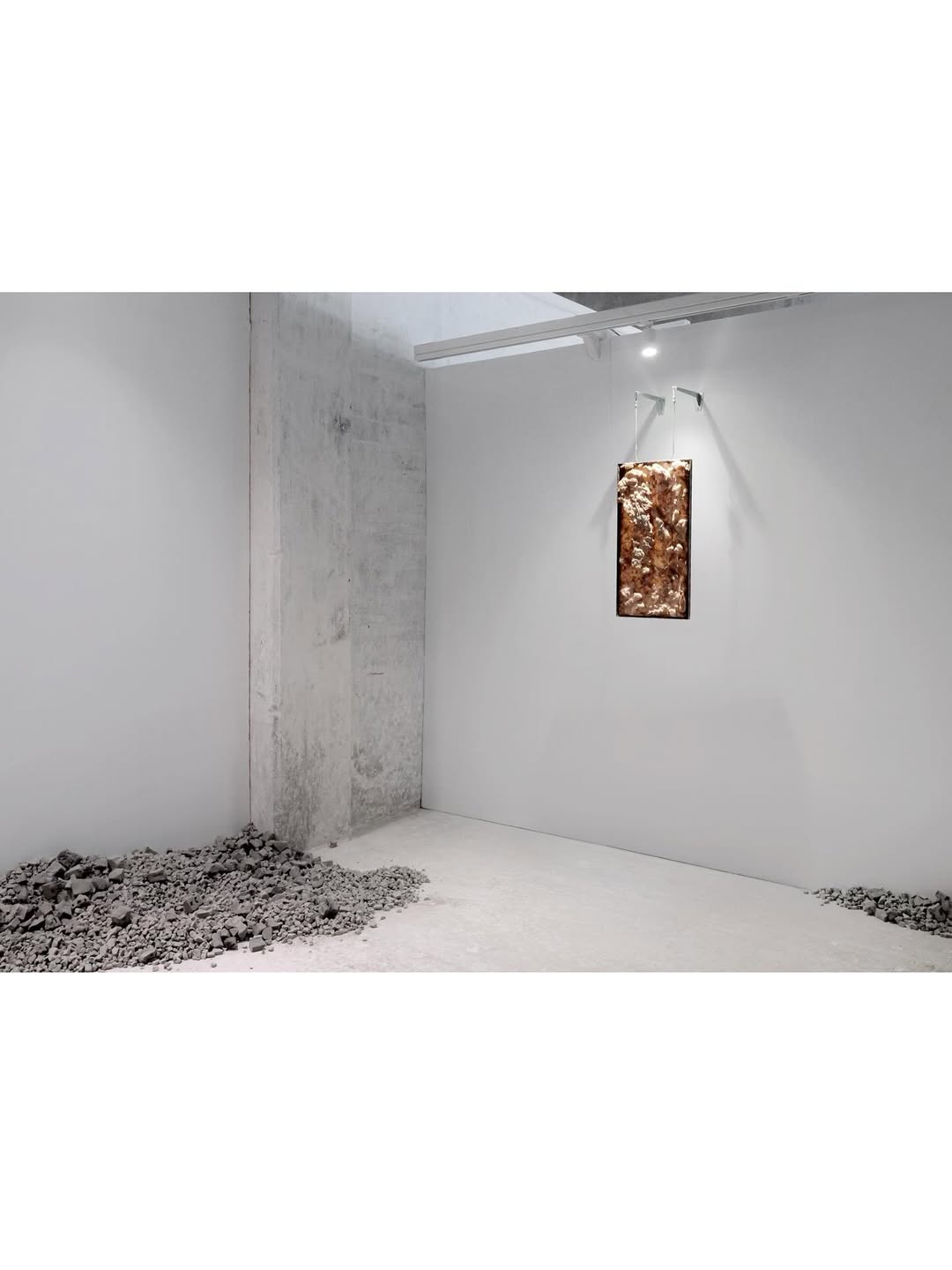
/ 2025
Århus / 2025
Kraków / 2025
Berlin / 2025
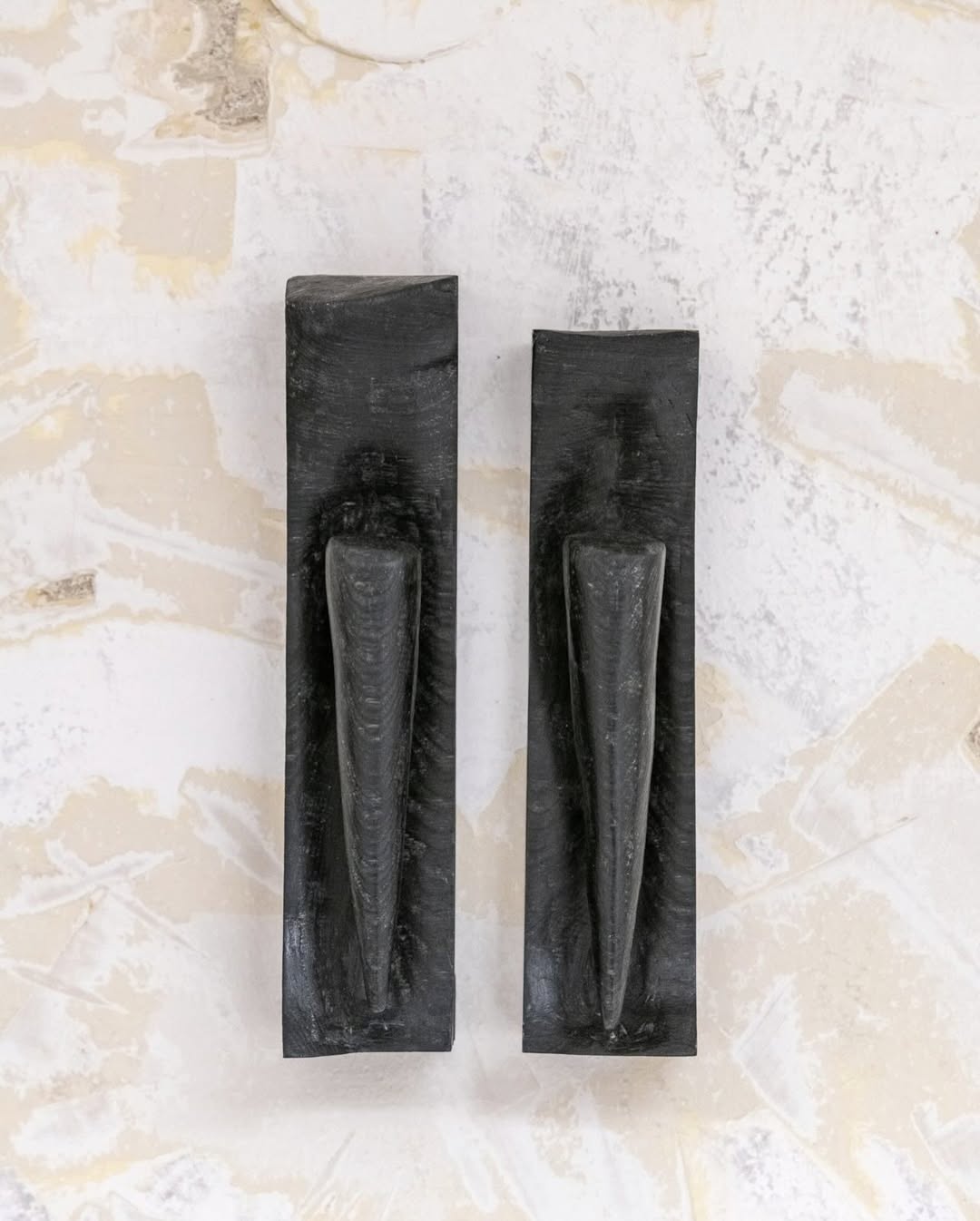
Graz / 2026
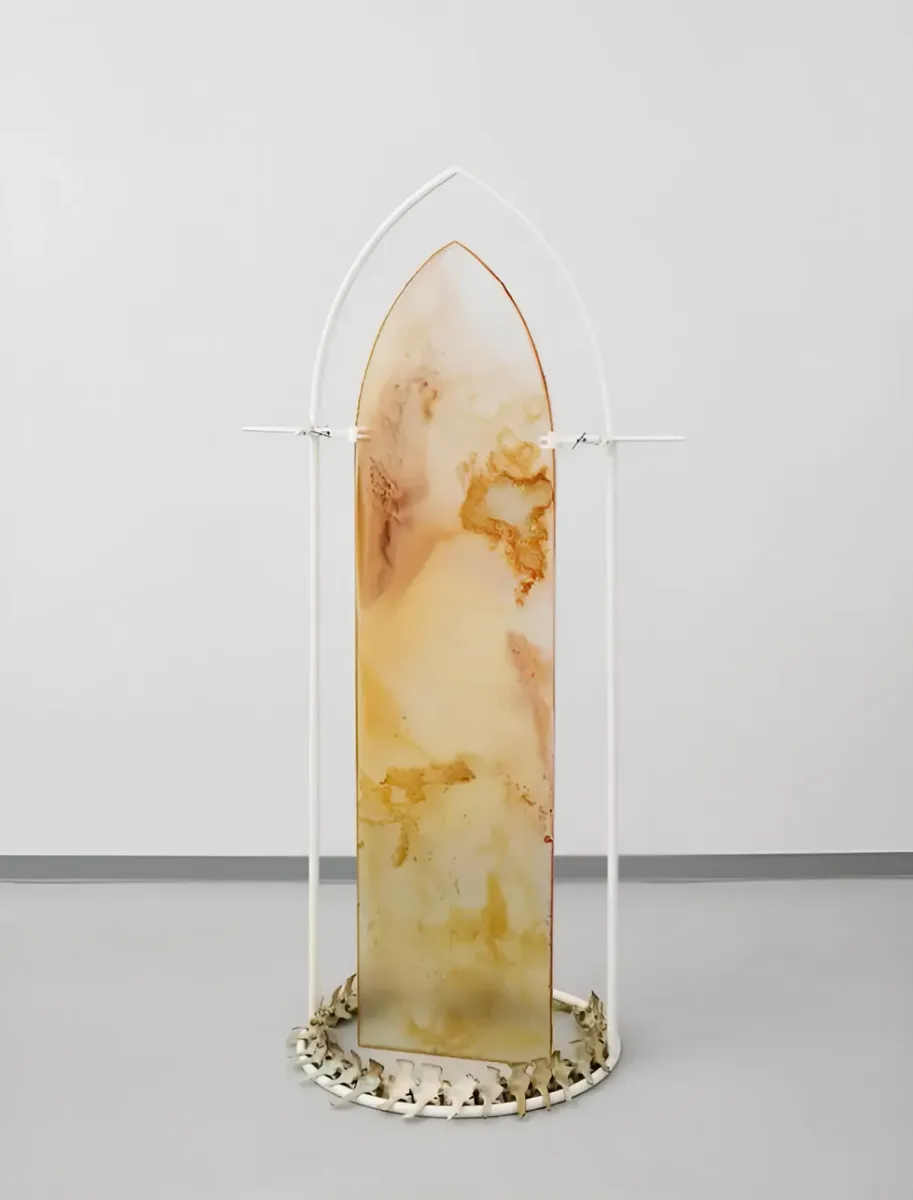
Leipzig / 2026
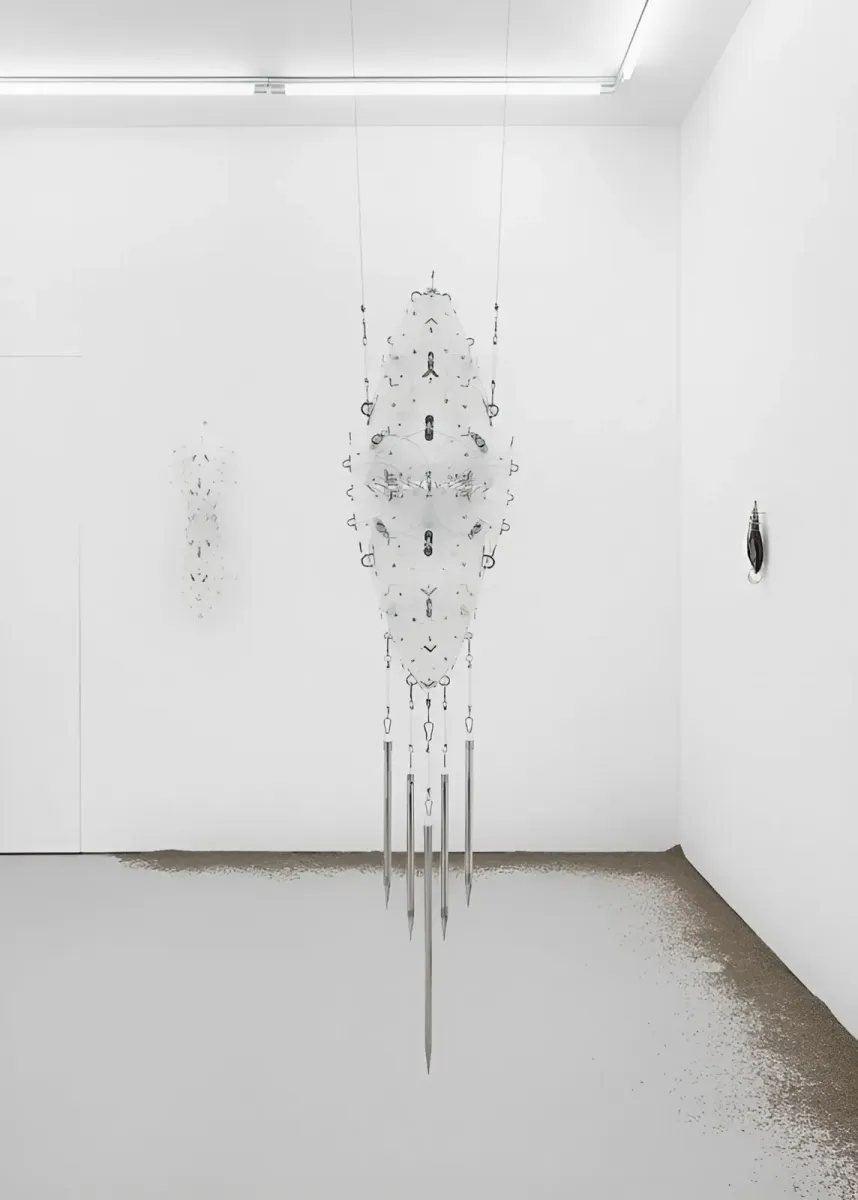
London / 2026
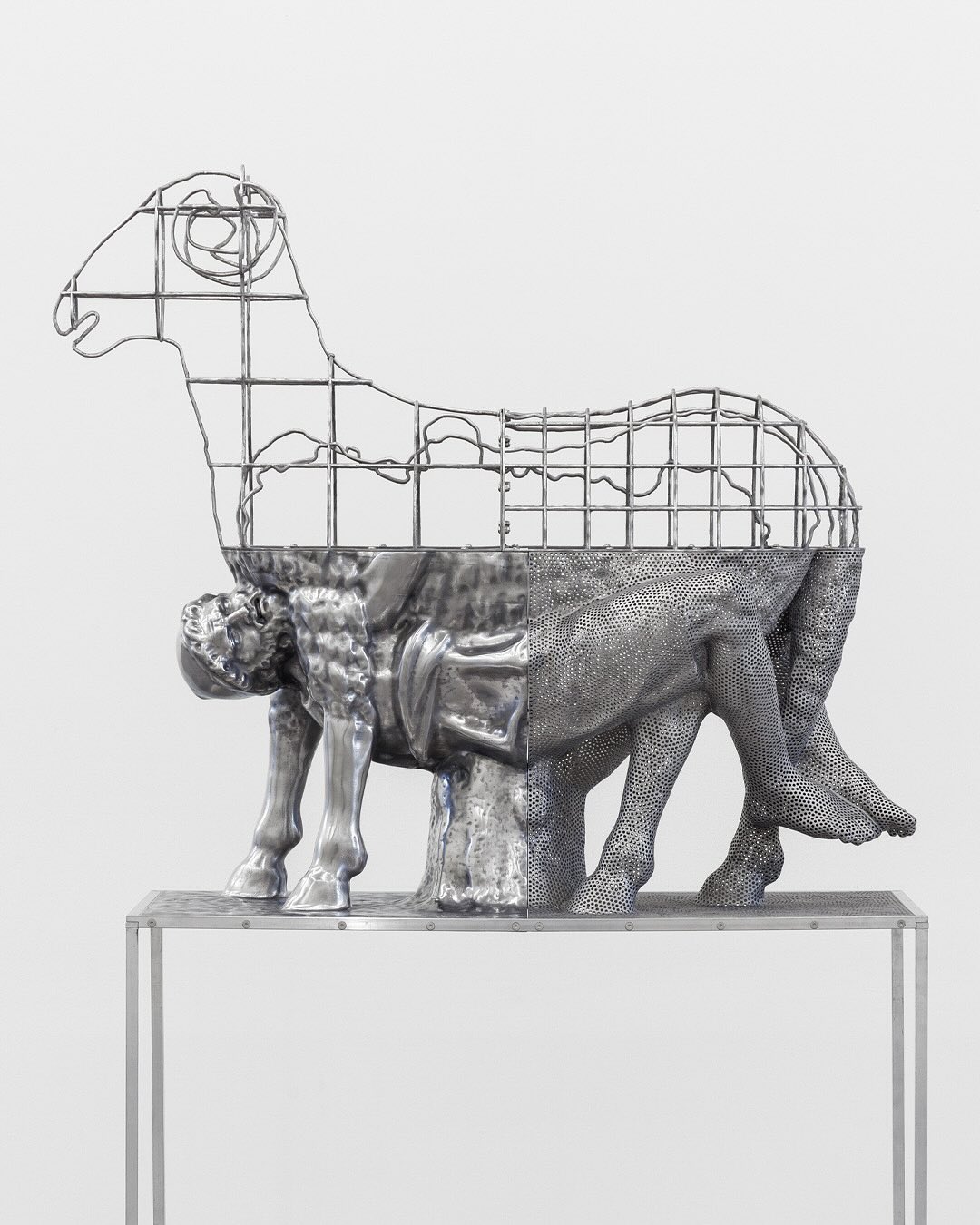
Vorarlberg / 2026
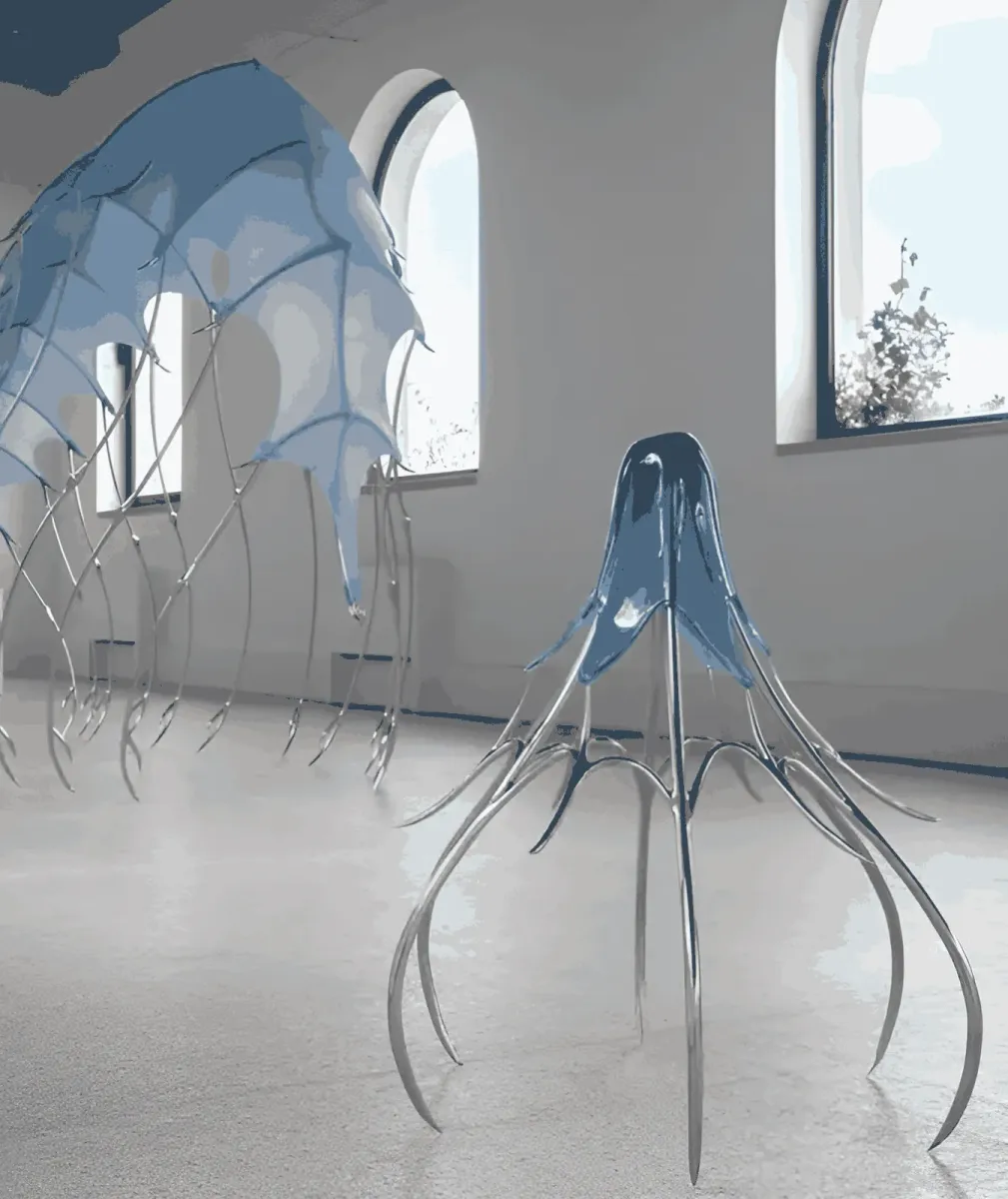
Sardinia / 2026
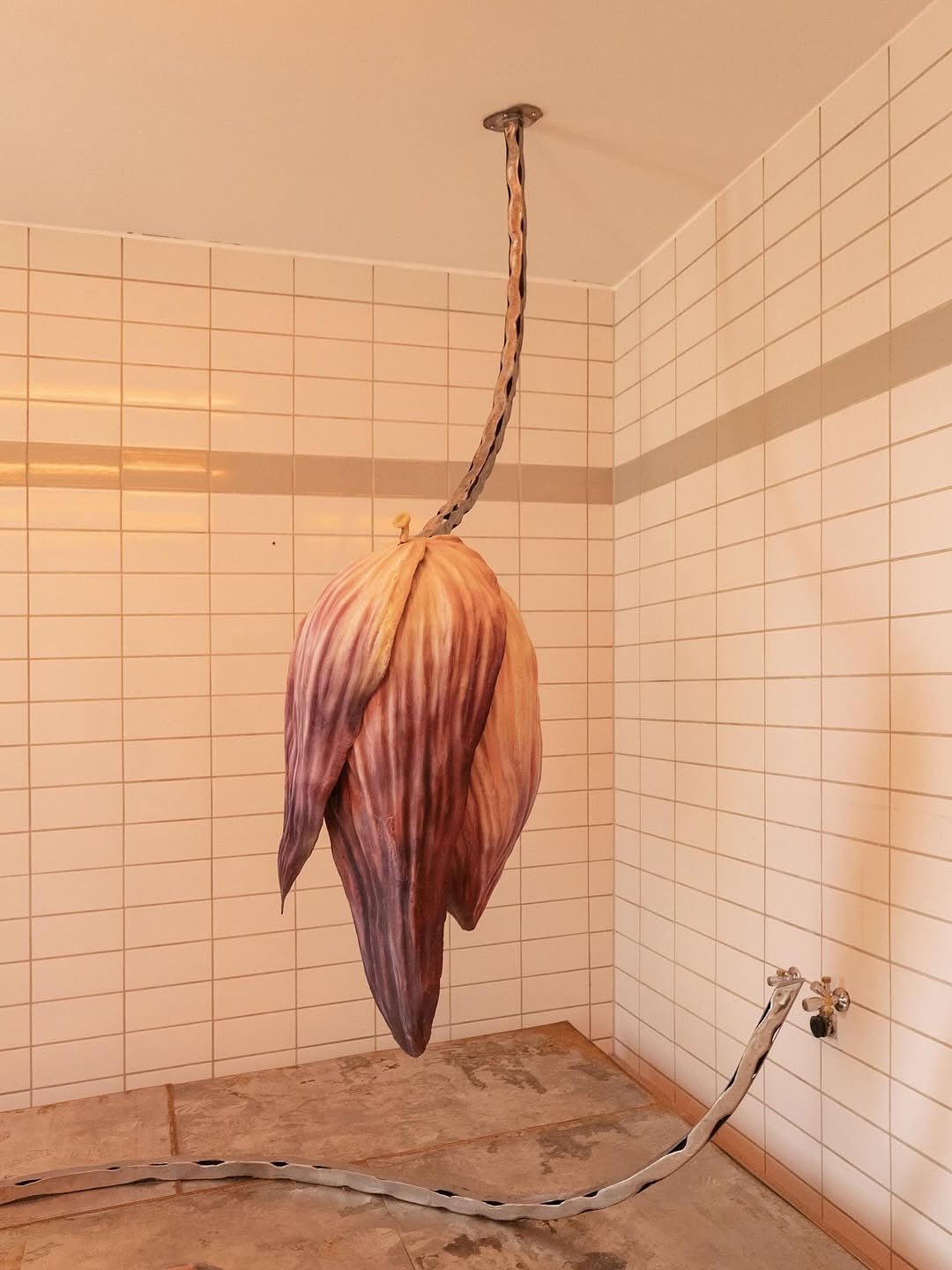
/ 2025
.webp)
Seoul / 2025
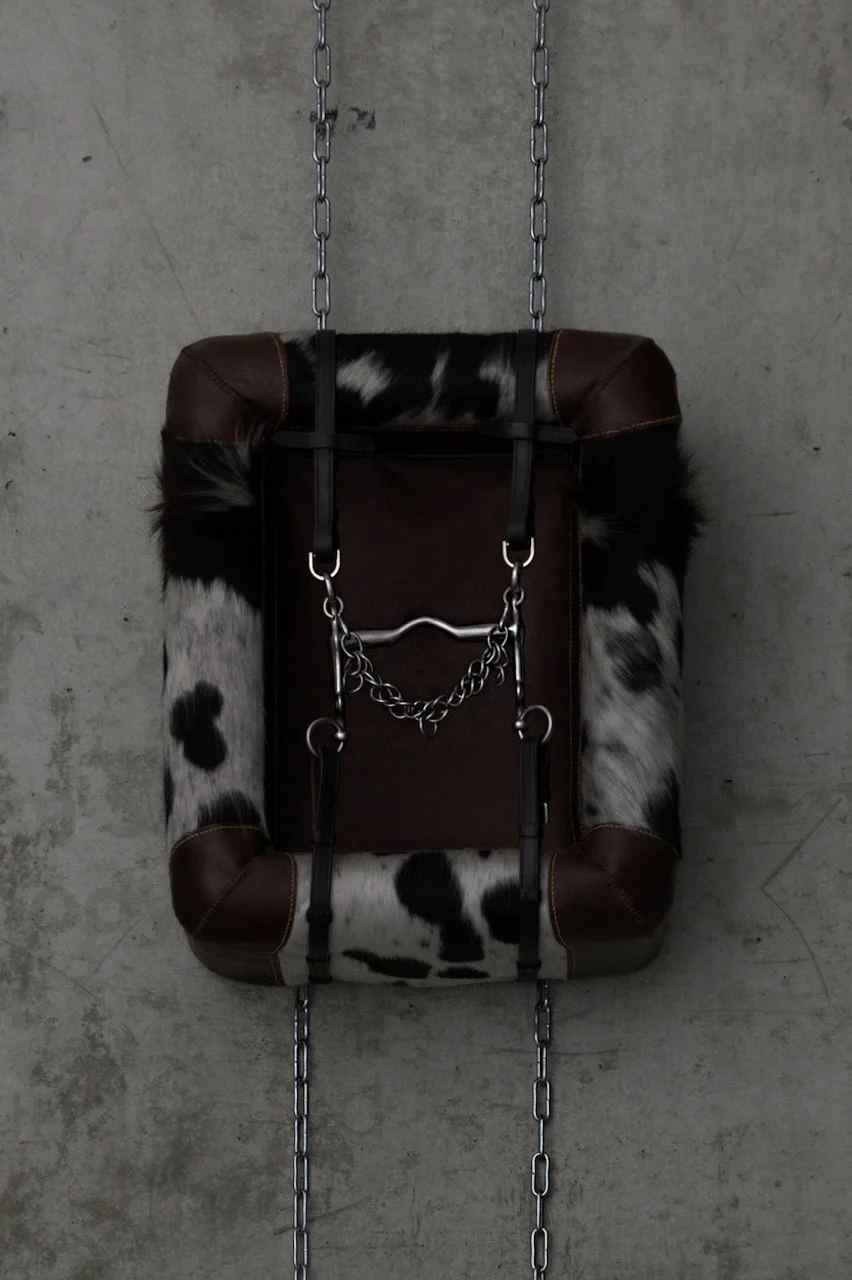
Berlin / 2026
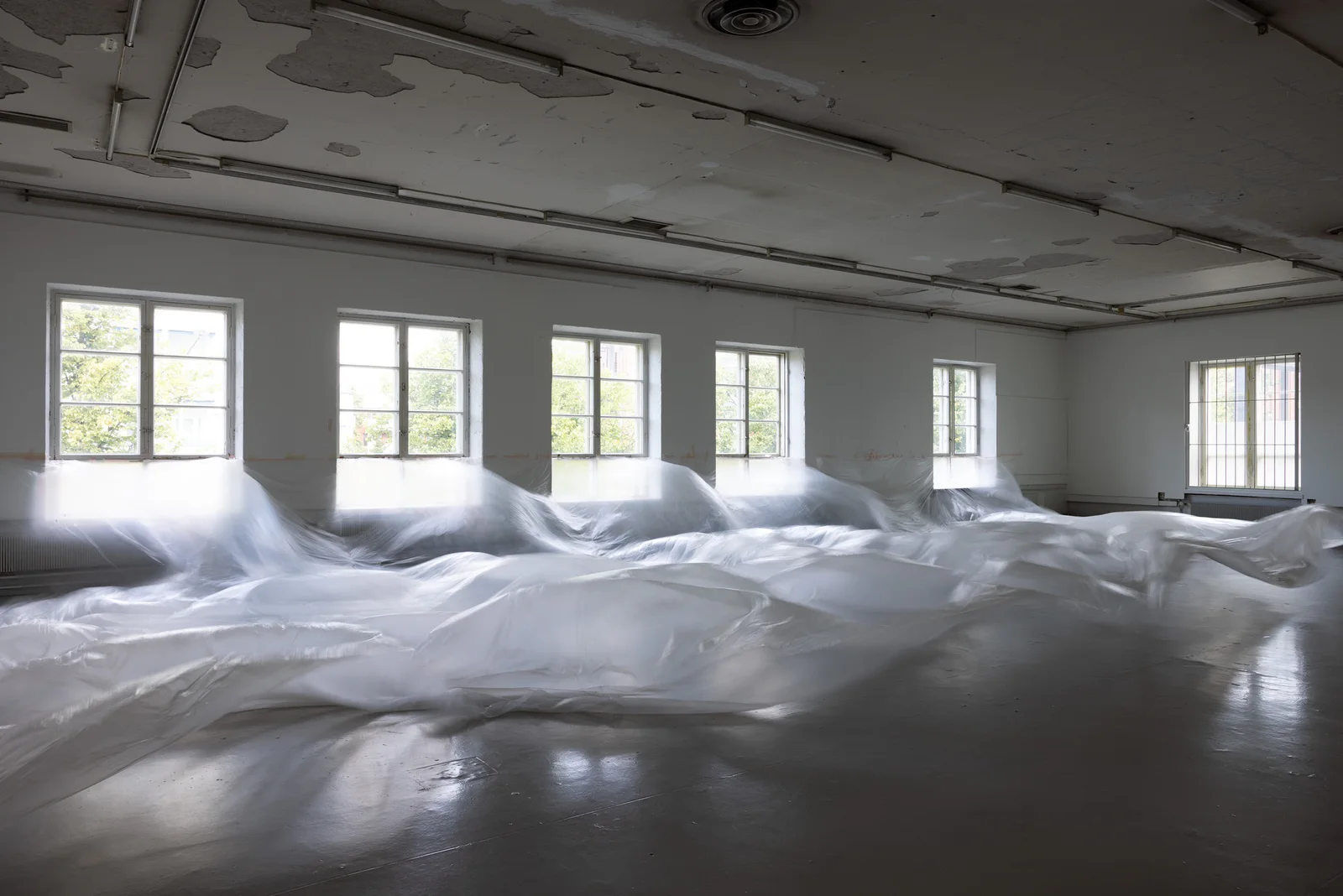
Helsinki / 2026
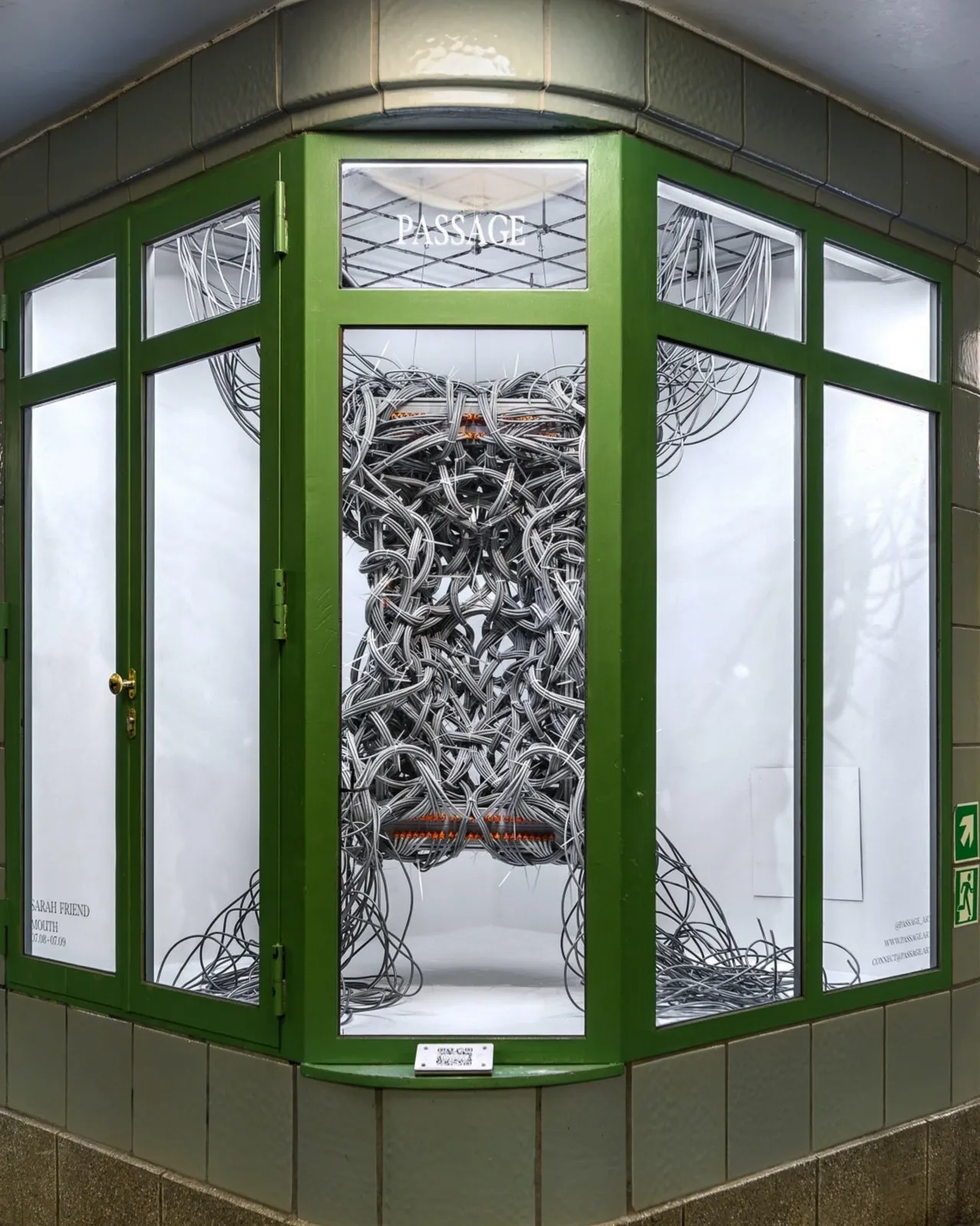
/ 2026
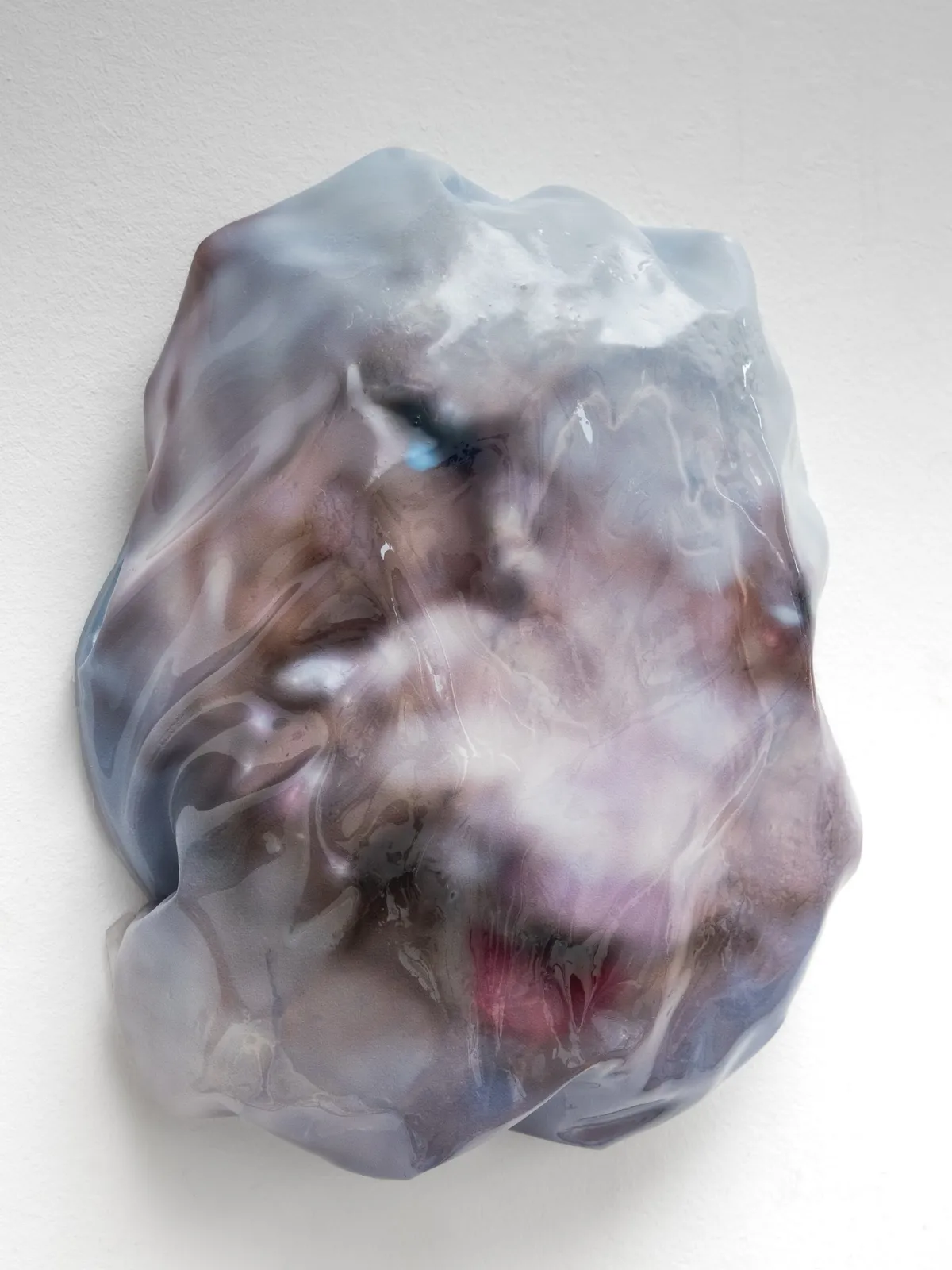
/ 2026
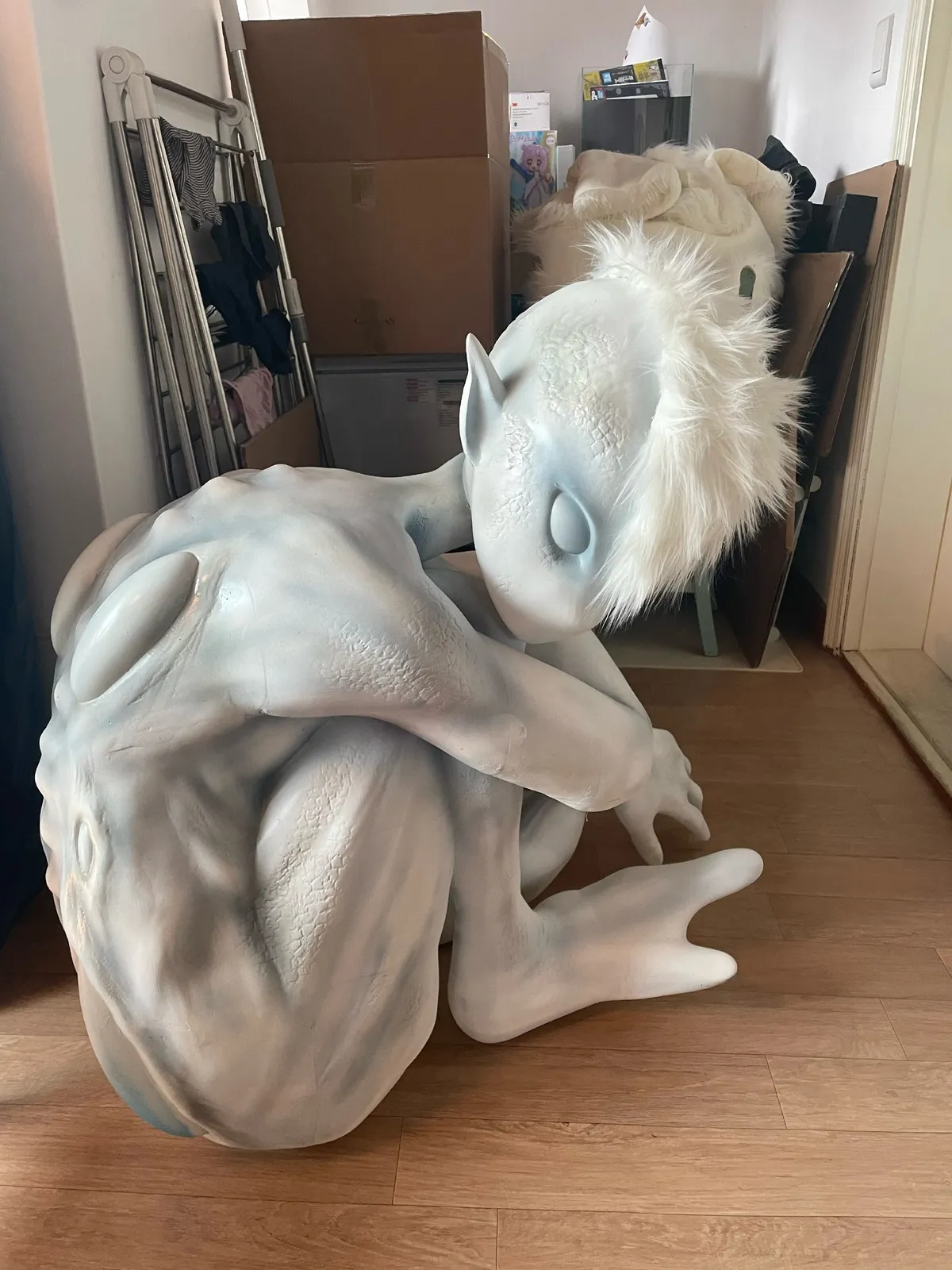
Seoul / 2026
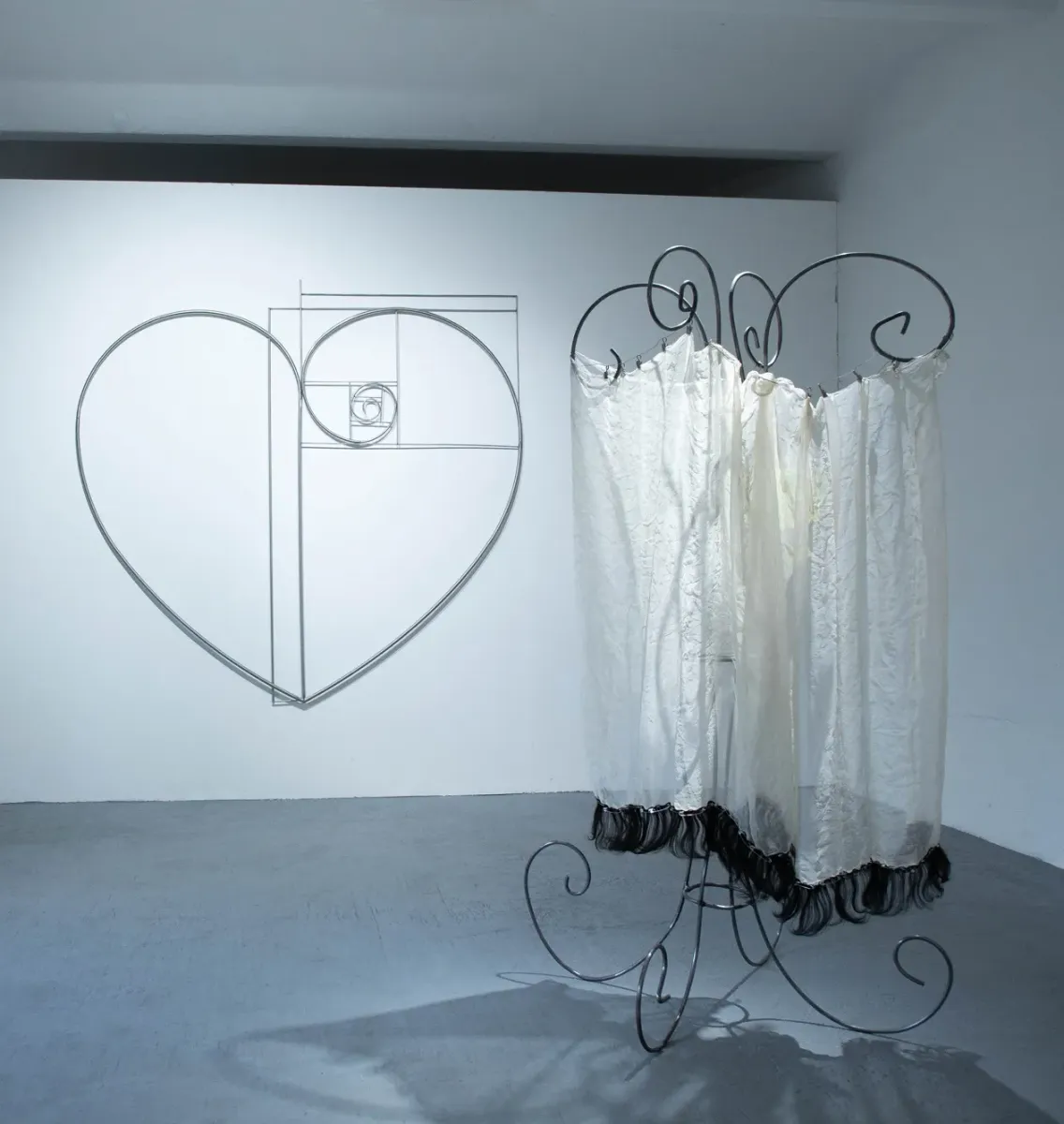
Prague / 2026
Seoul / 2026
Słupsk / 2026
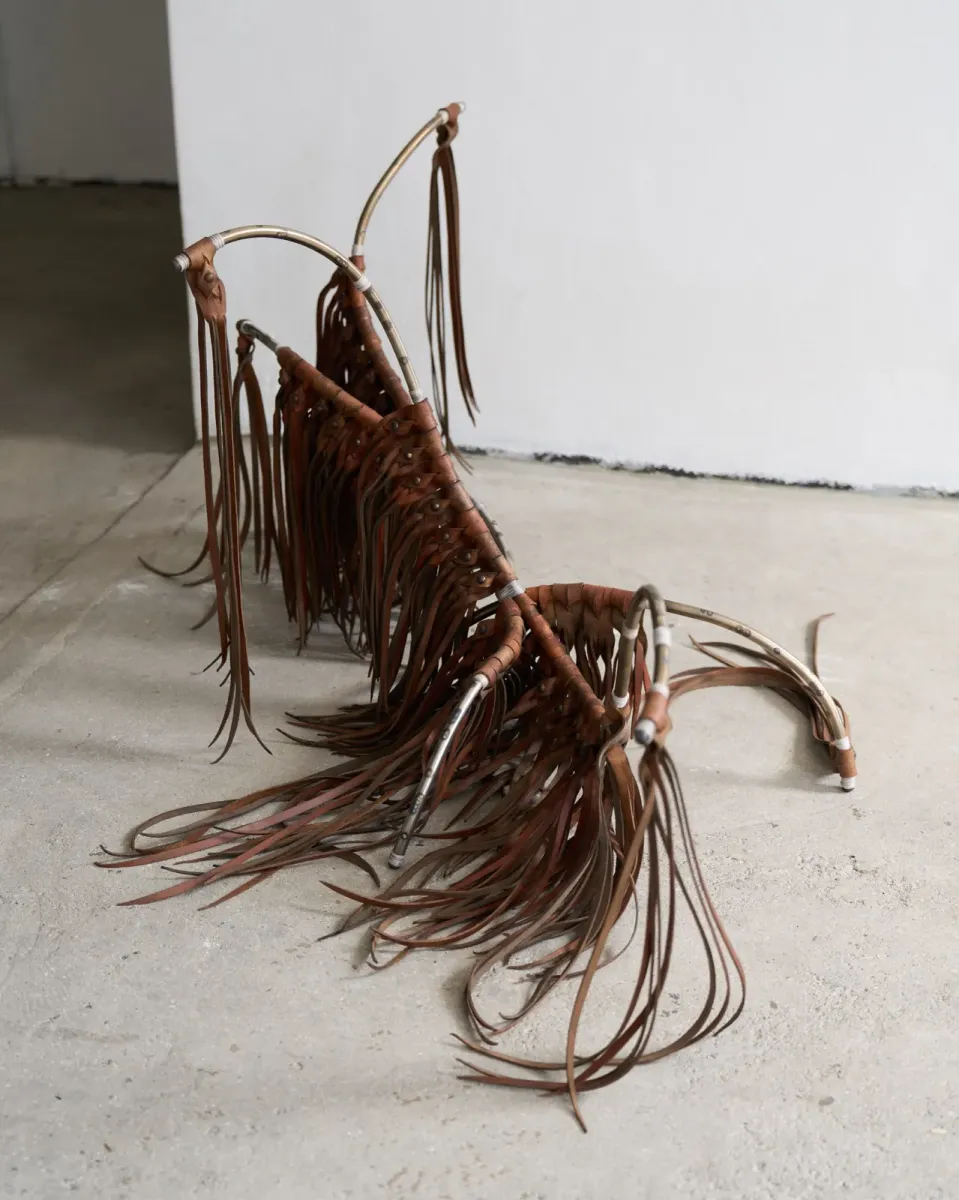
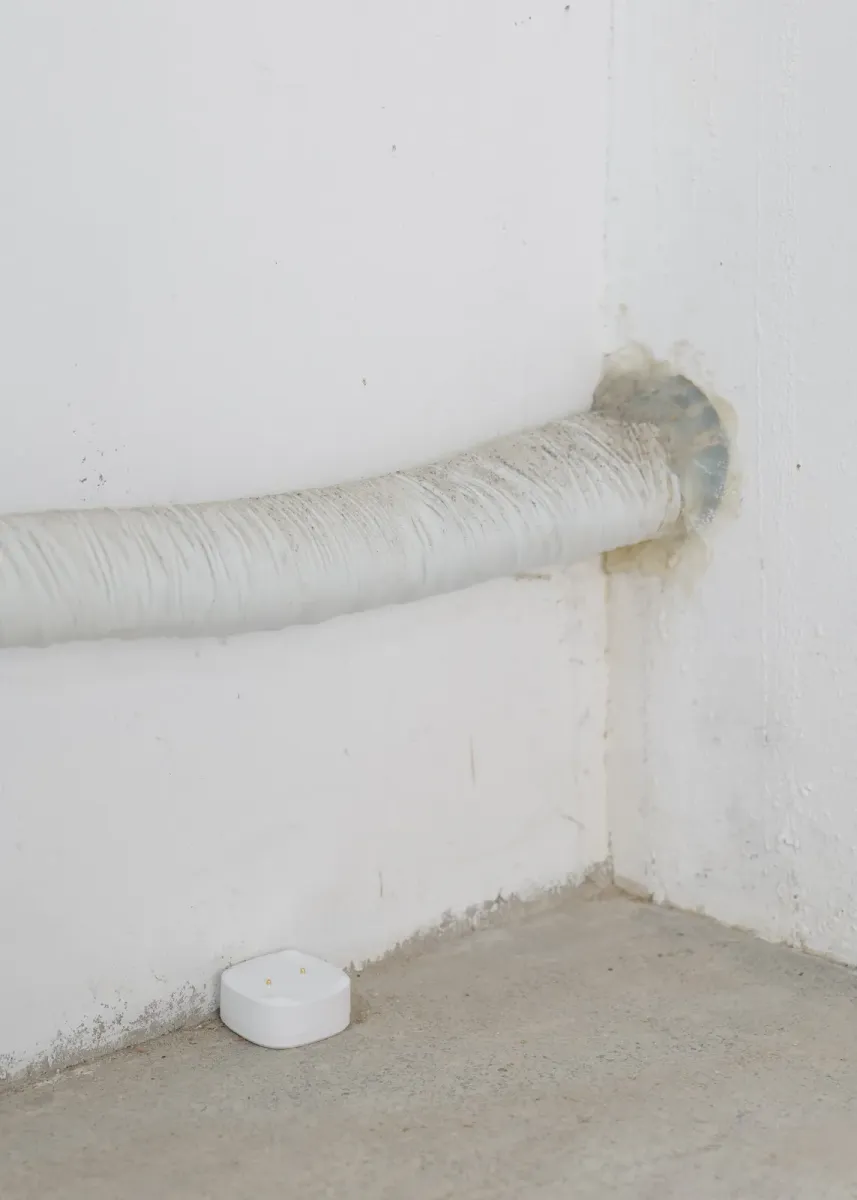
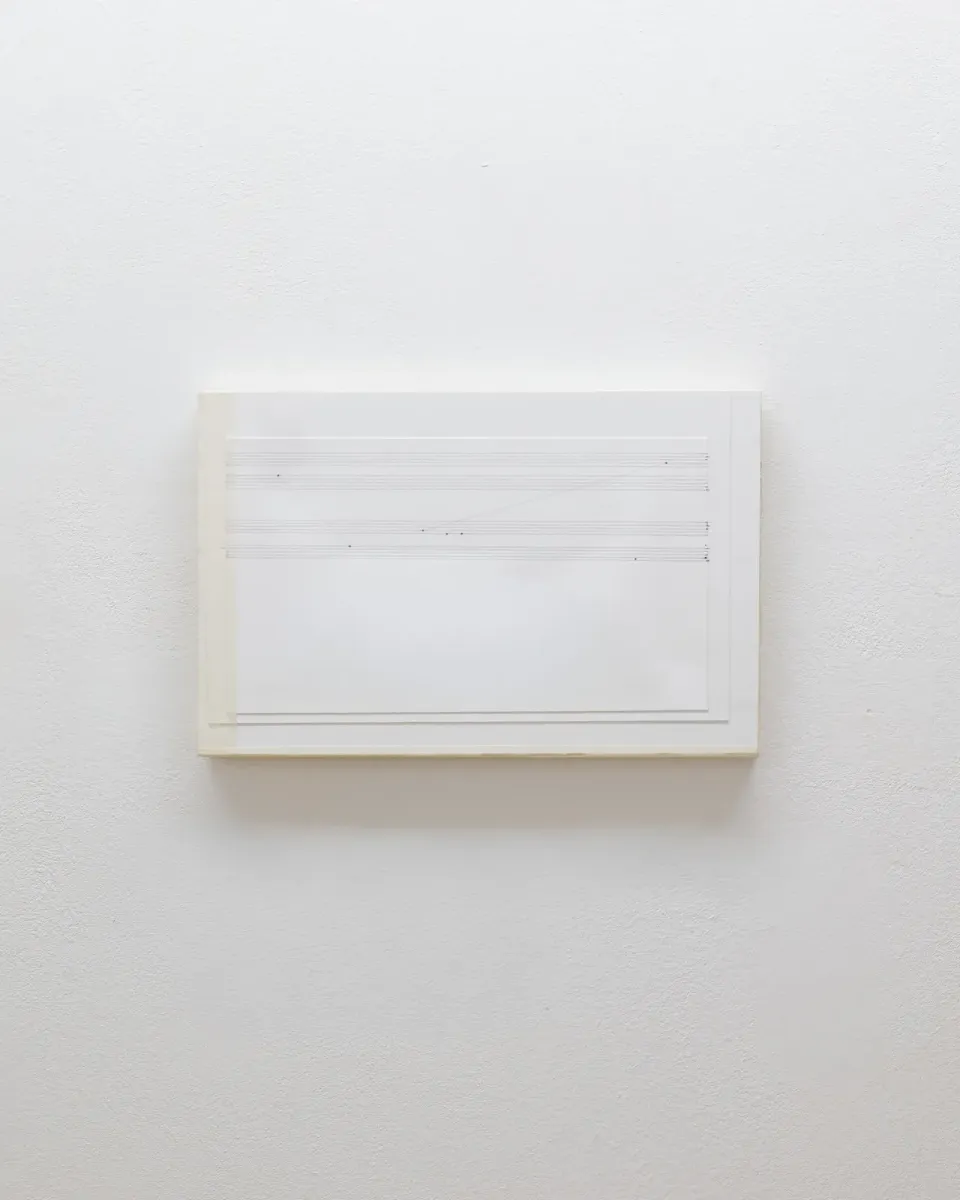
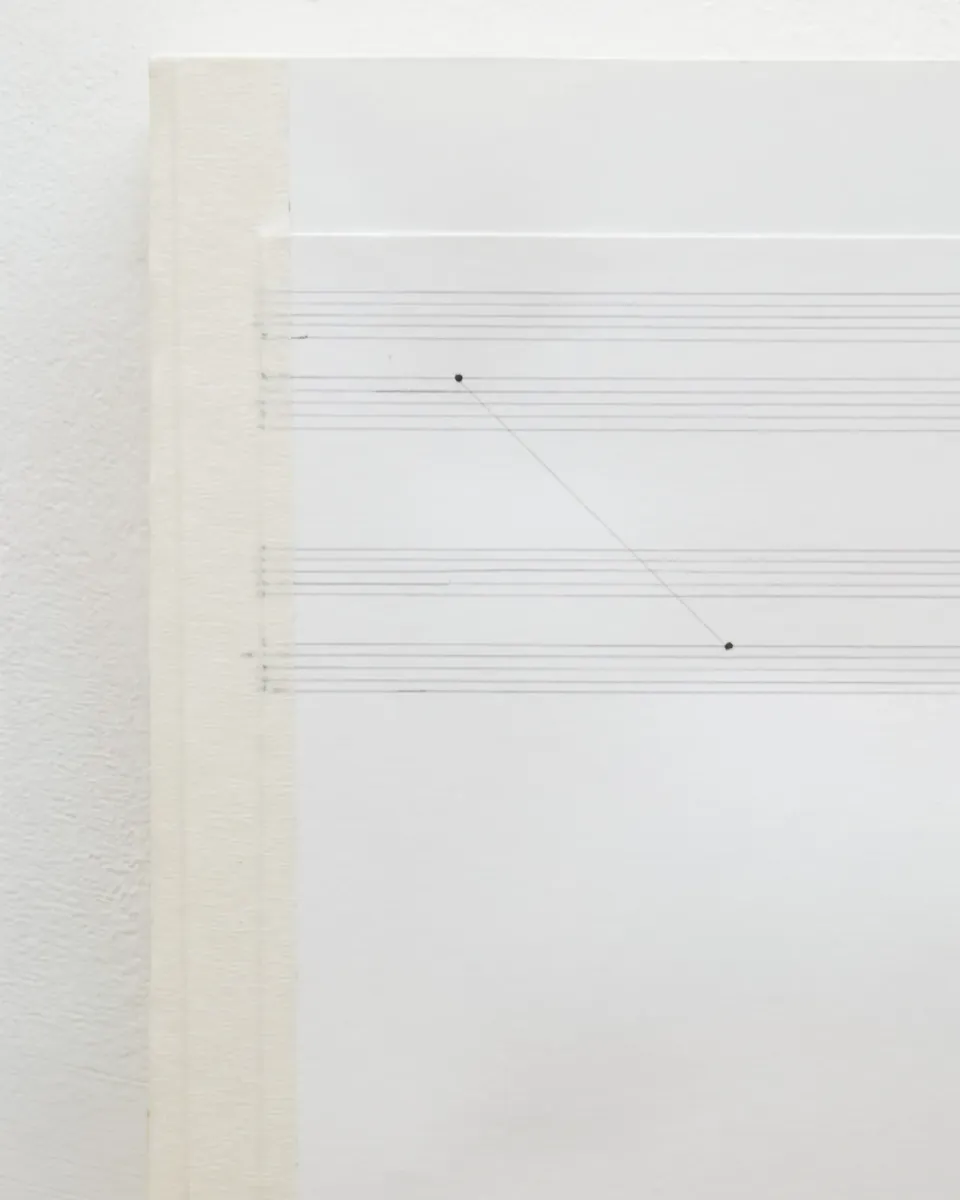
Seoul / 2026
Poznań / 2026
.webp)
.webp)
.webp)
.webp)
.webp)
.webp)
.webp)
.webp)
Vienna / 2026
Berlin / 2026
Munich / 2026
Ljubljana / 2026
Warsaw / 2024-2025
London / 2025
Brescia / 2025-2026
/ 2024
/photo_1_2026-05-24_00-50-58.jpg)
/ 2023
/photo_1_2026-05-24_00-47-49.jpg)
Berlin / 2023
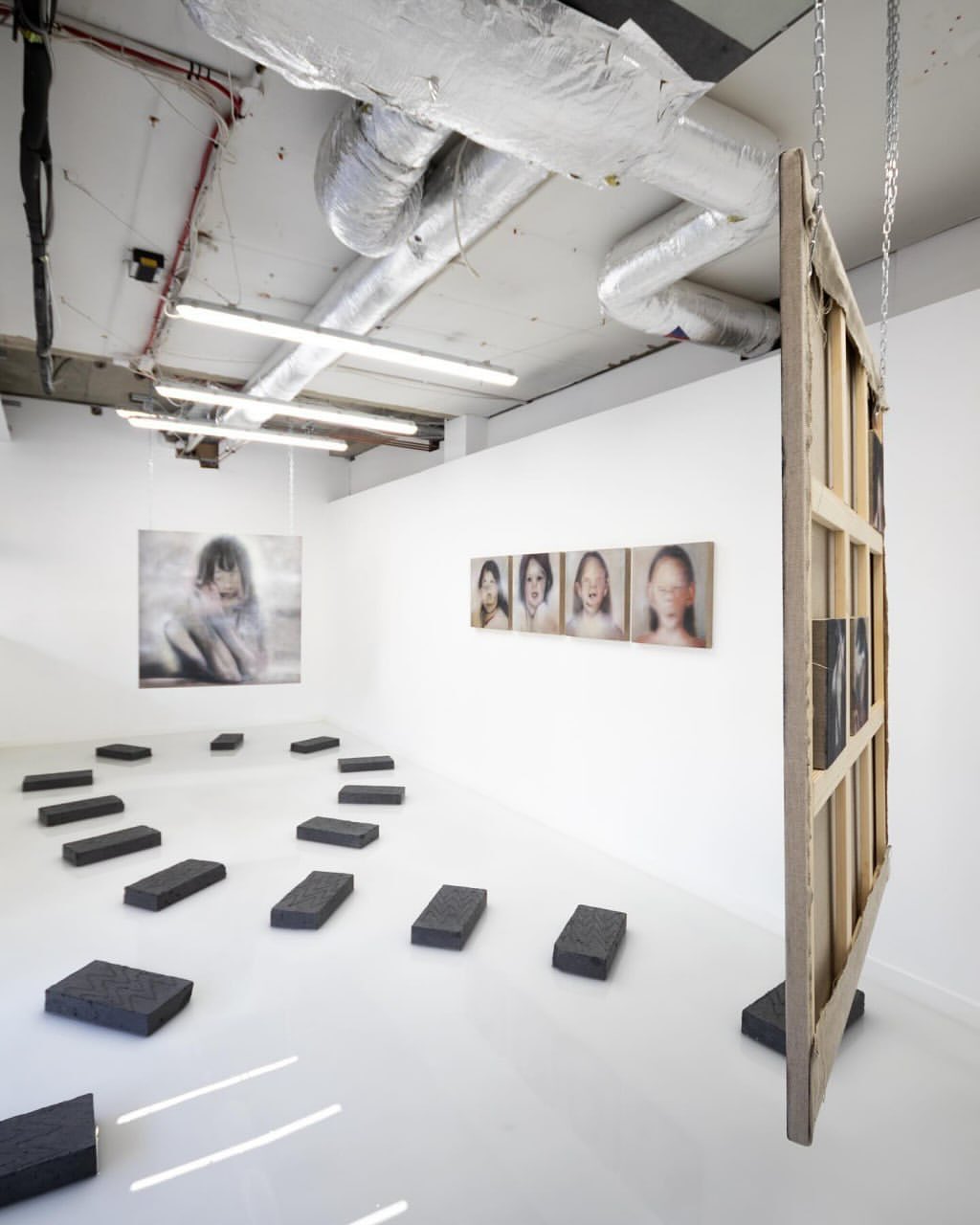
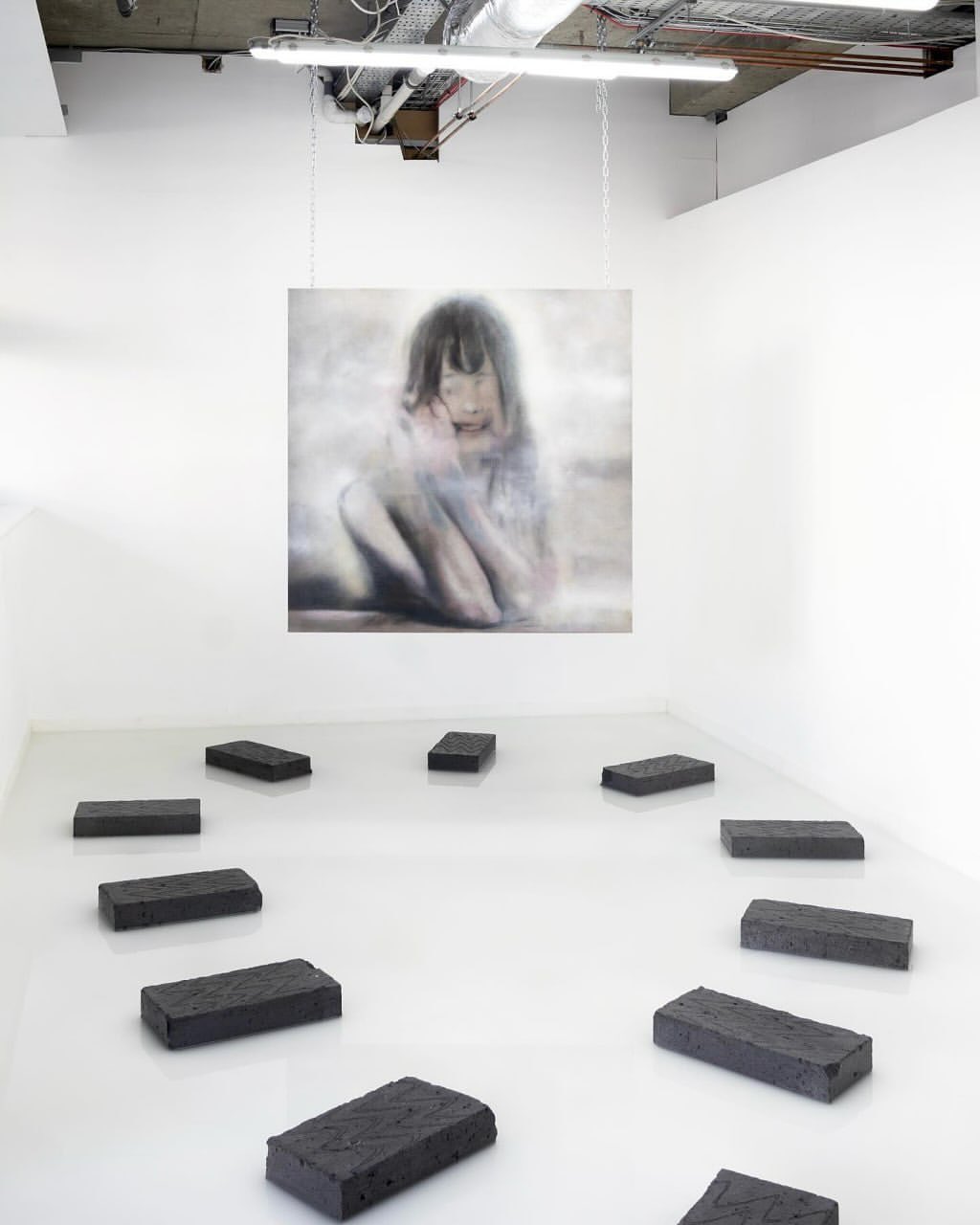
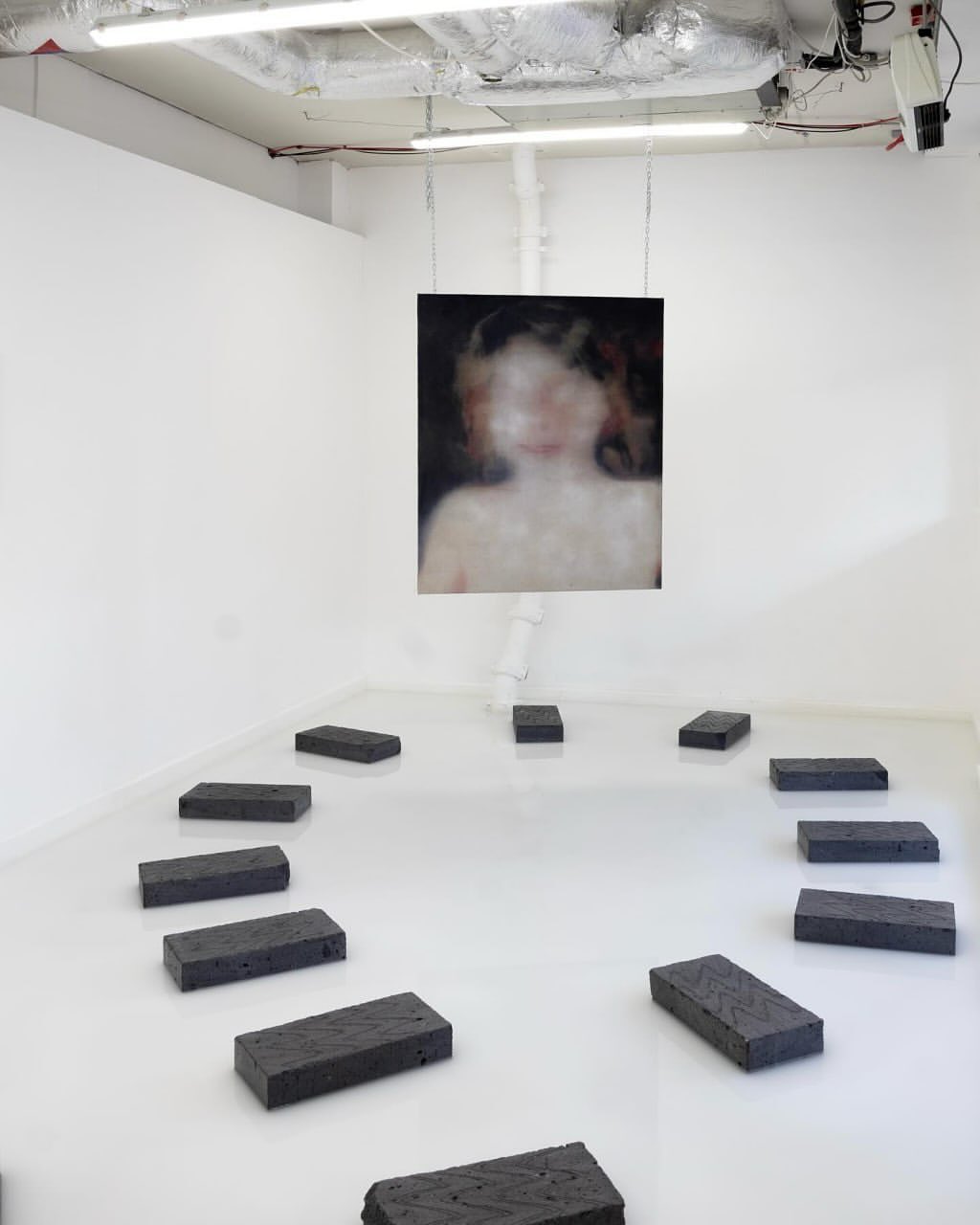
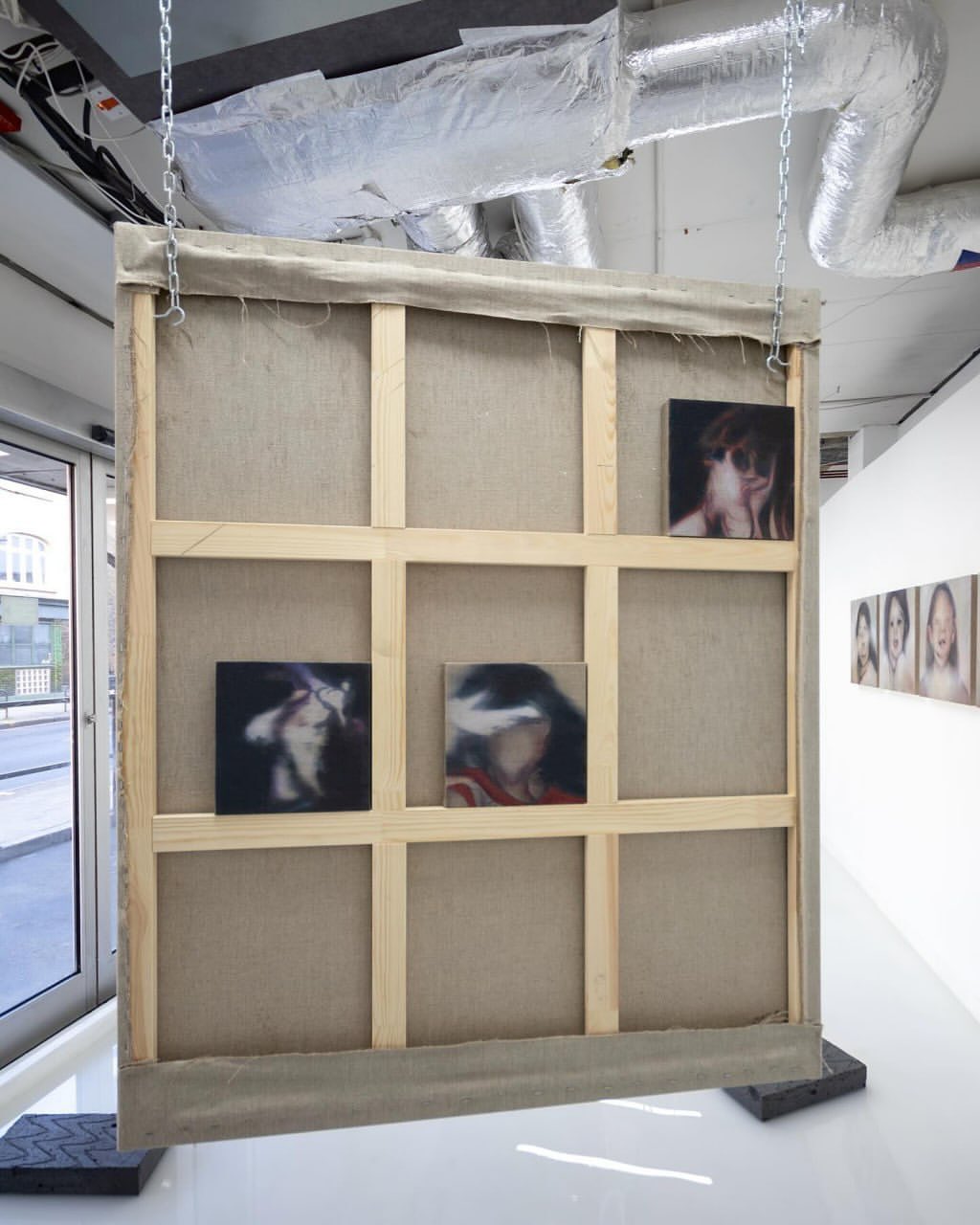
London / 2024
/photo_1_2026-05-24_00-41-28.jpg)
Berlin / 2025
Barcelona / 2024-2025
Arnsberg / 2025
Berlin / 2025
Prague / 2025
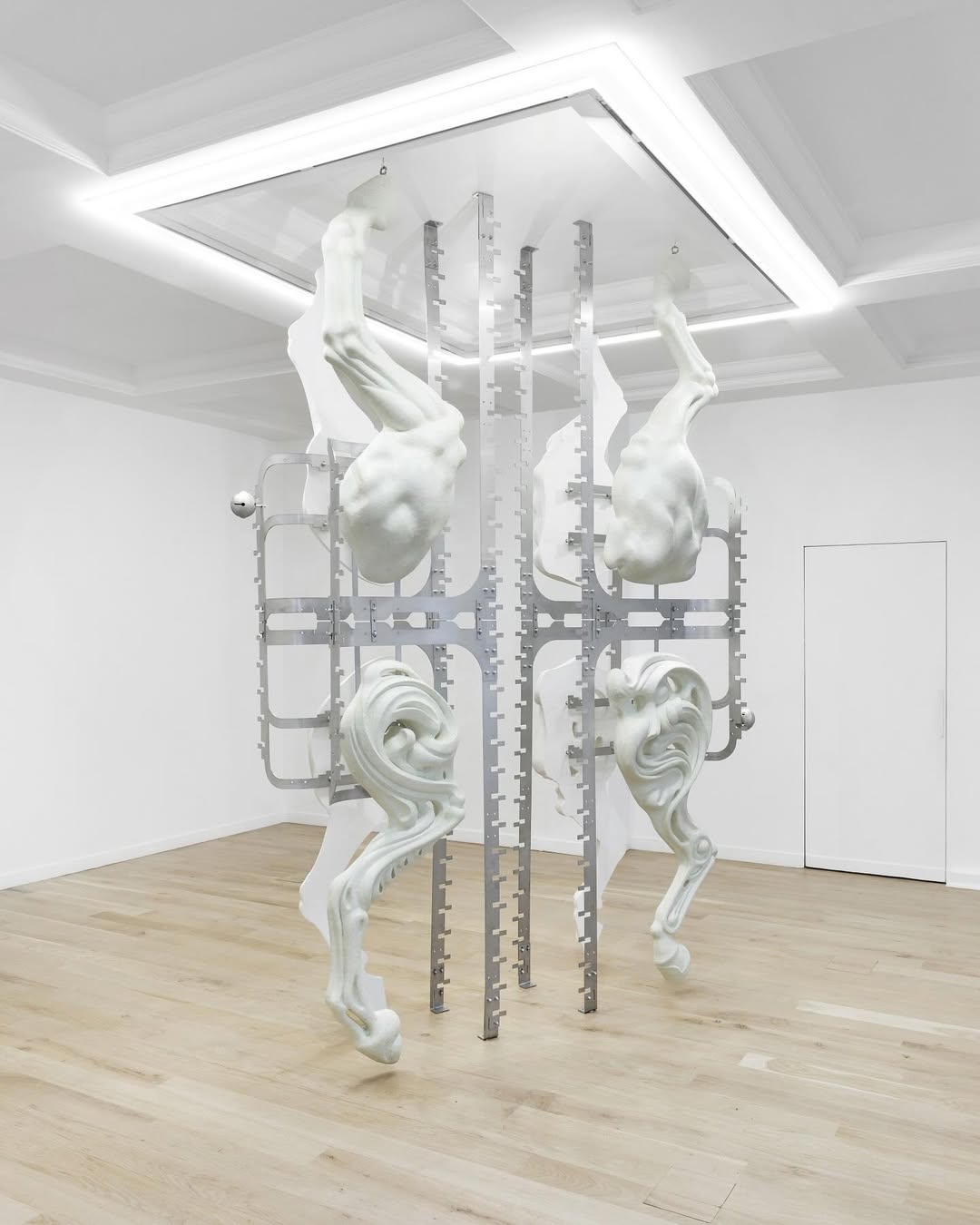
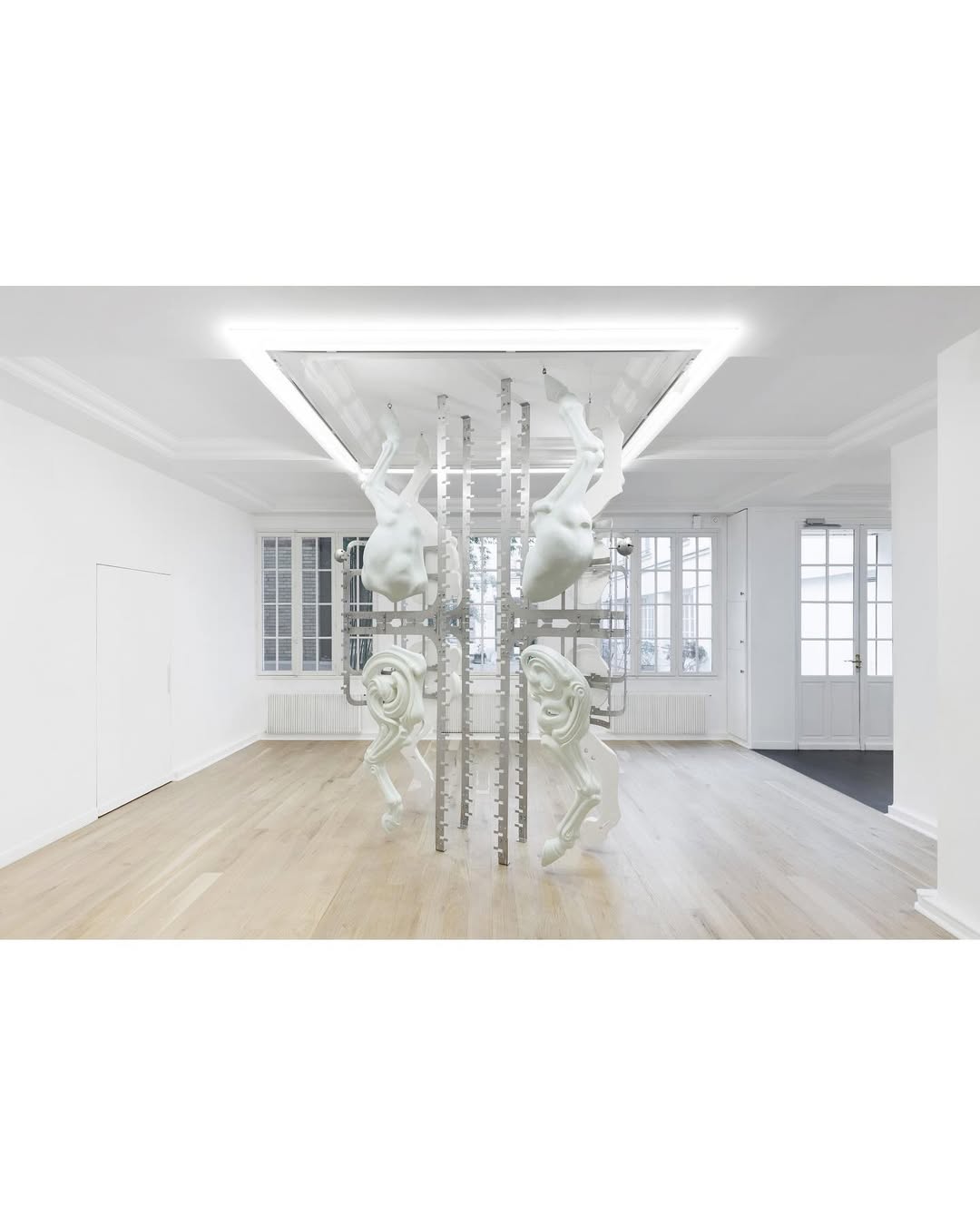
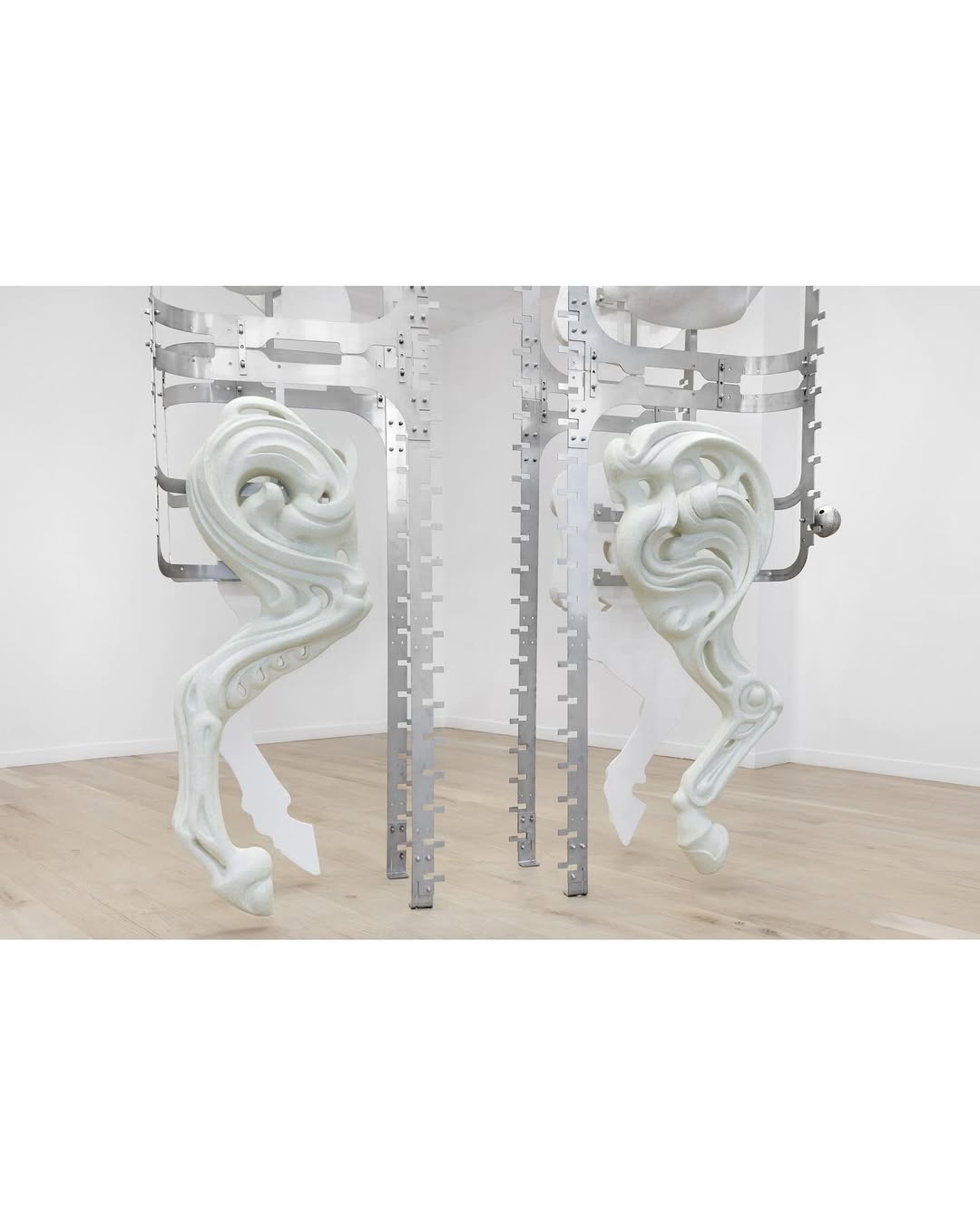
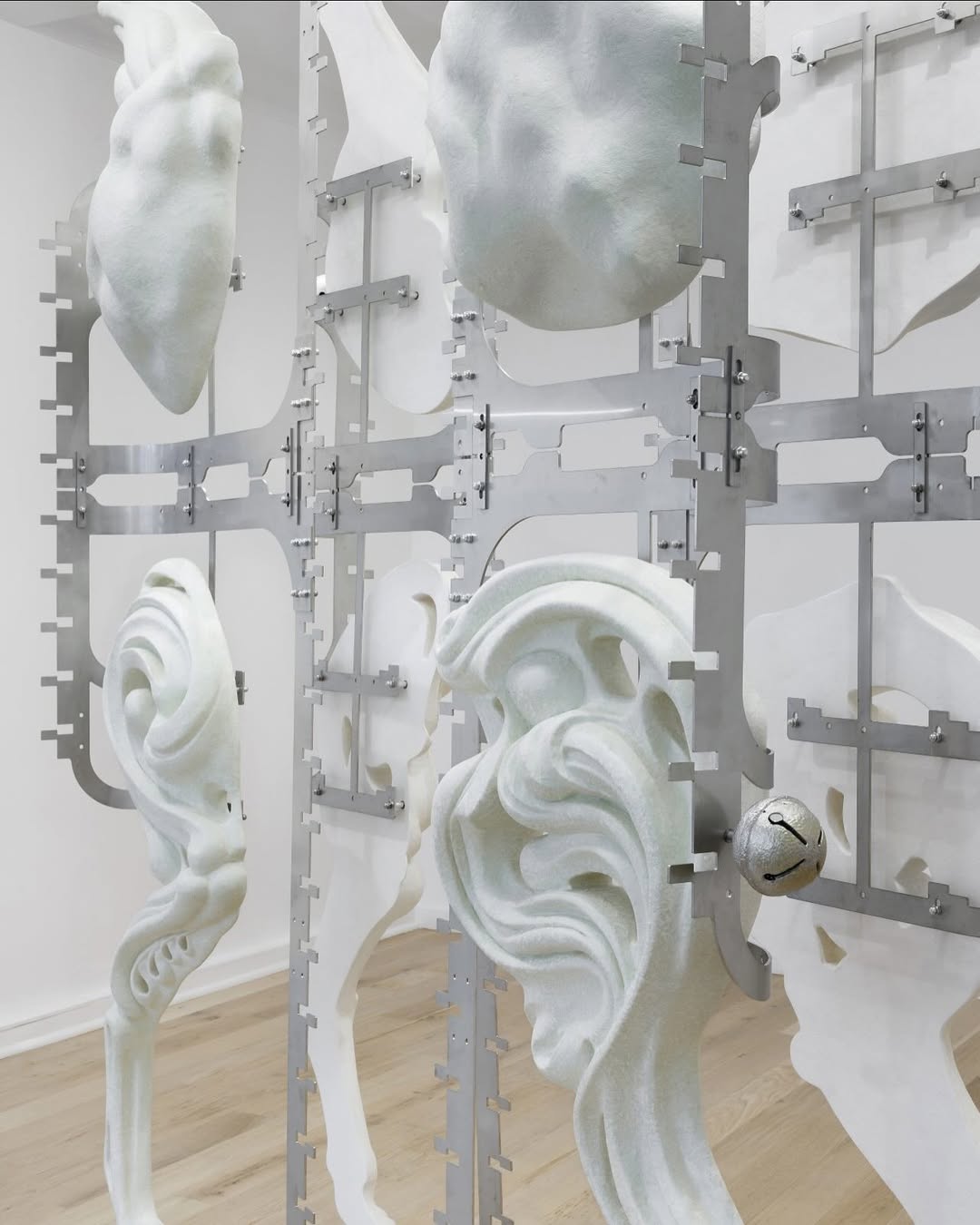
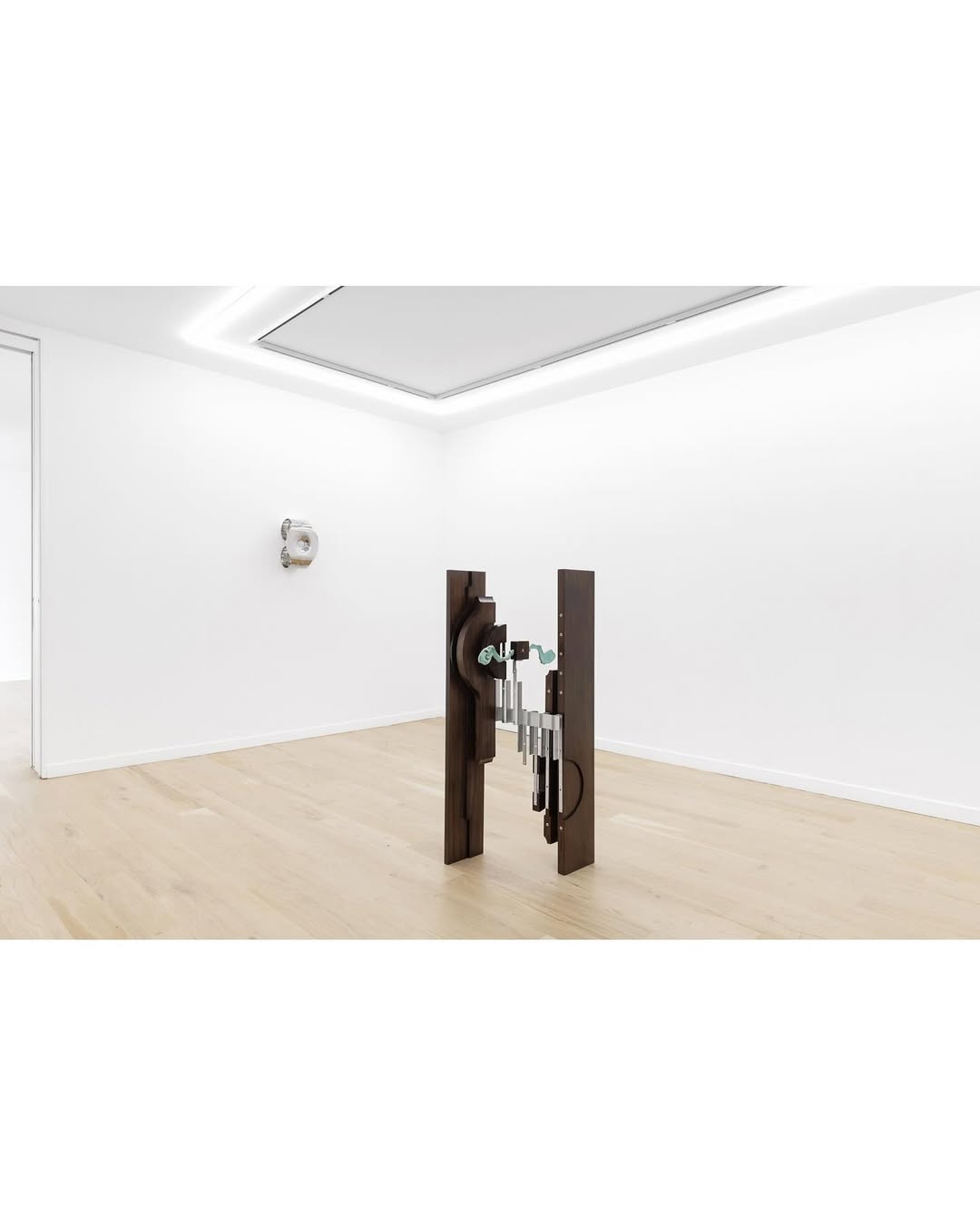
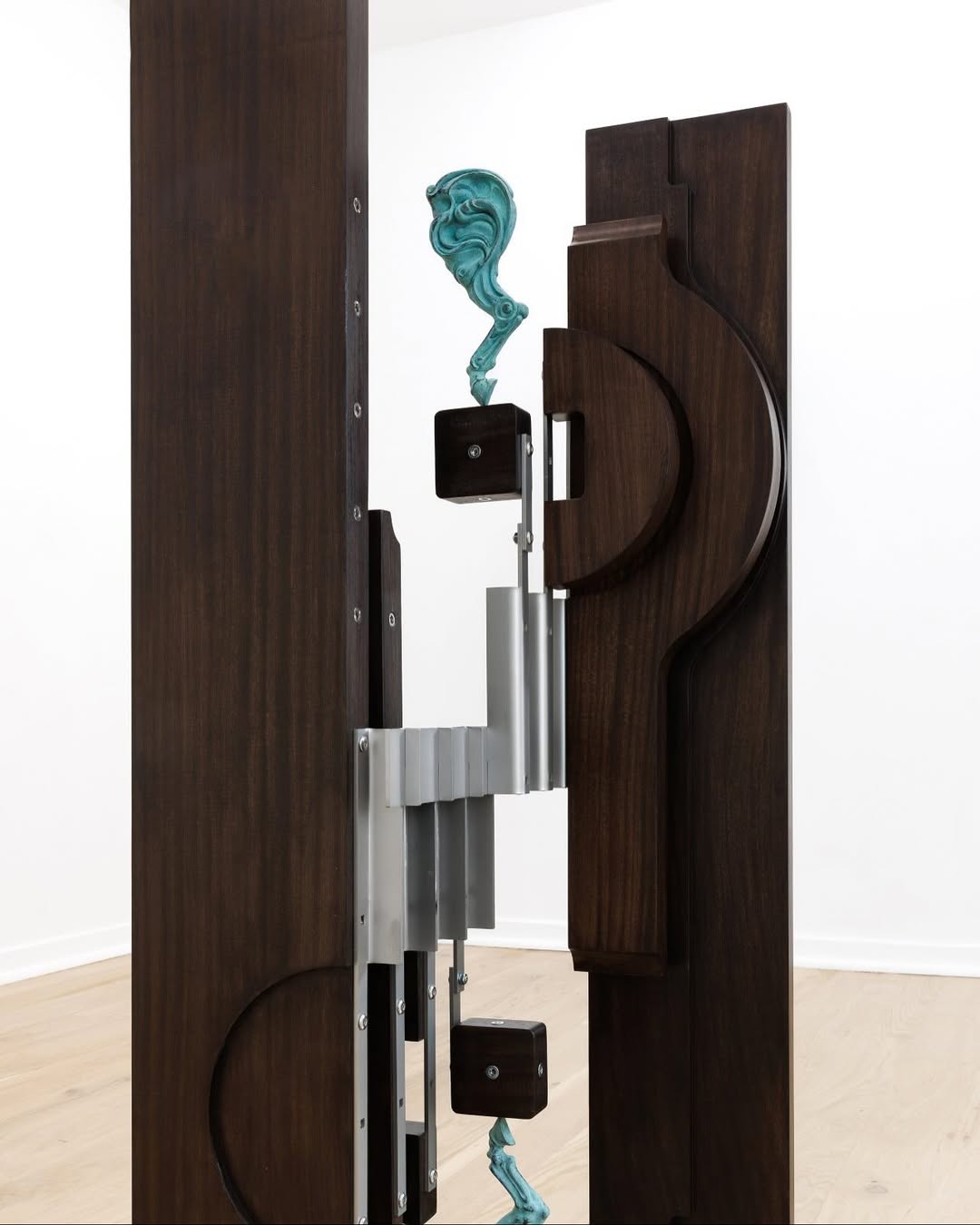
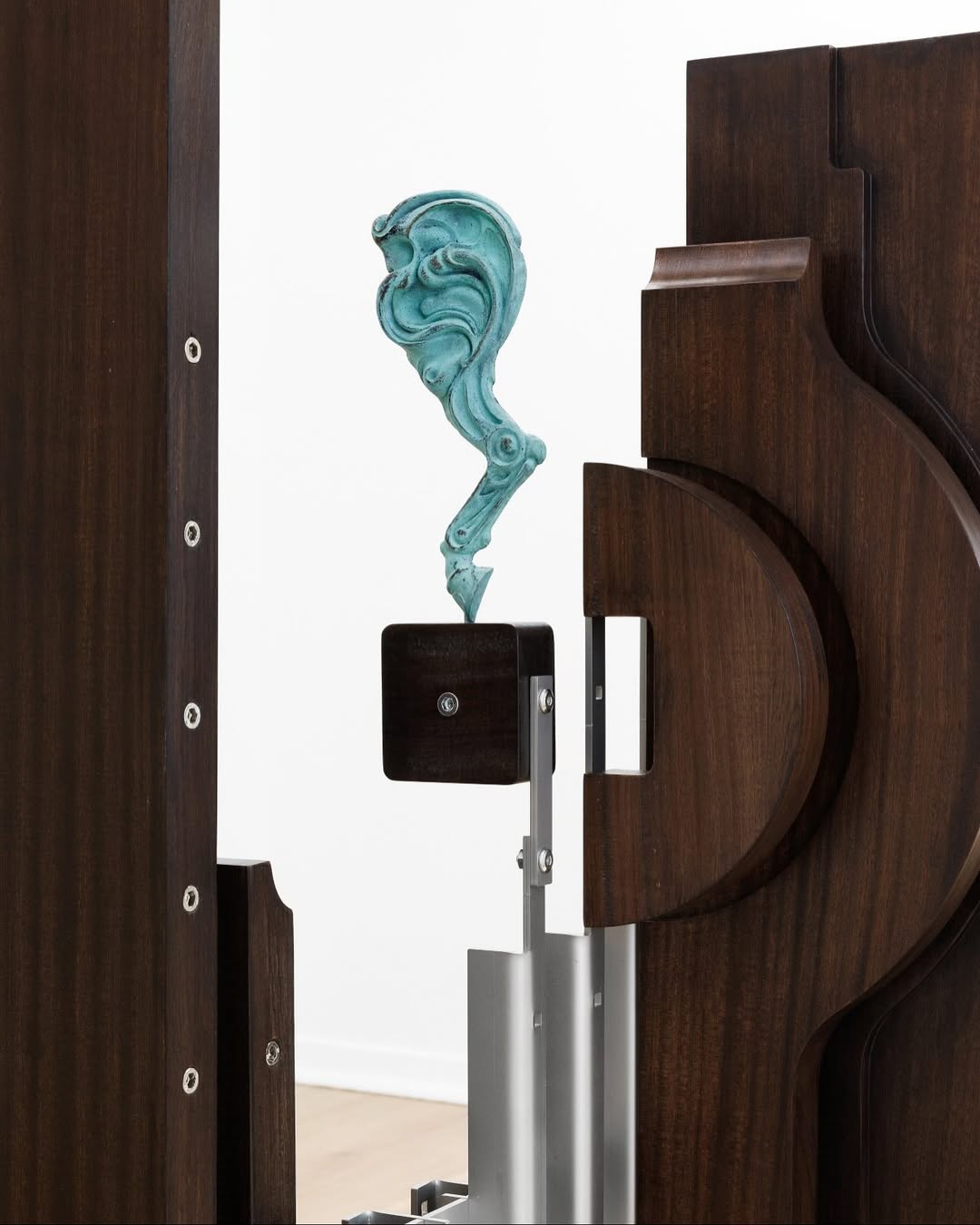
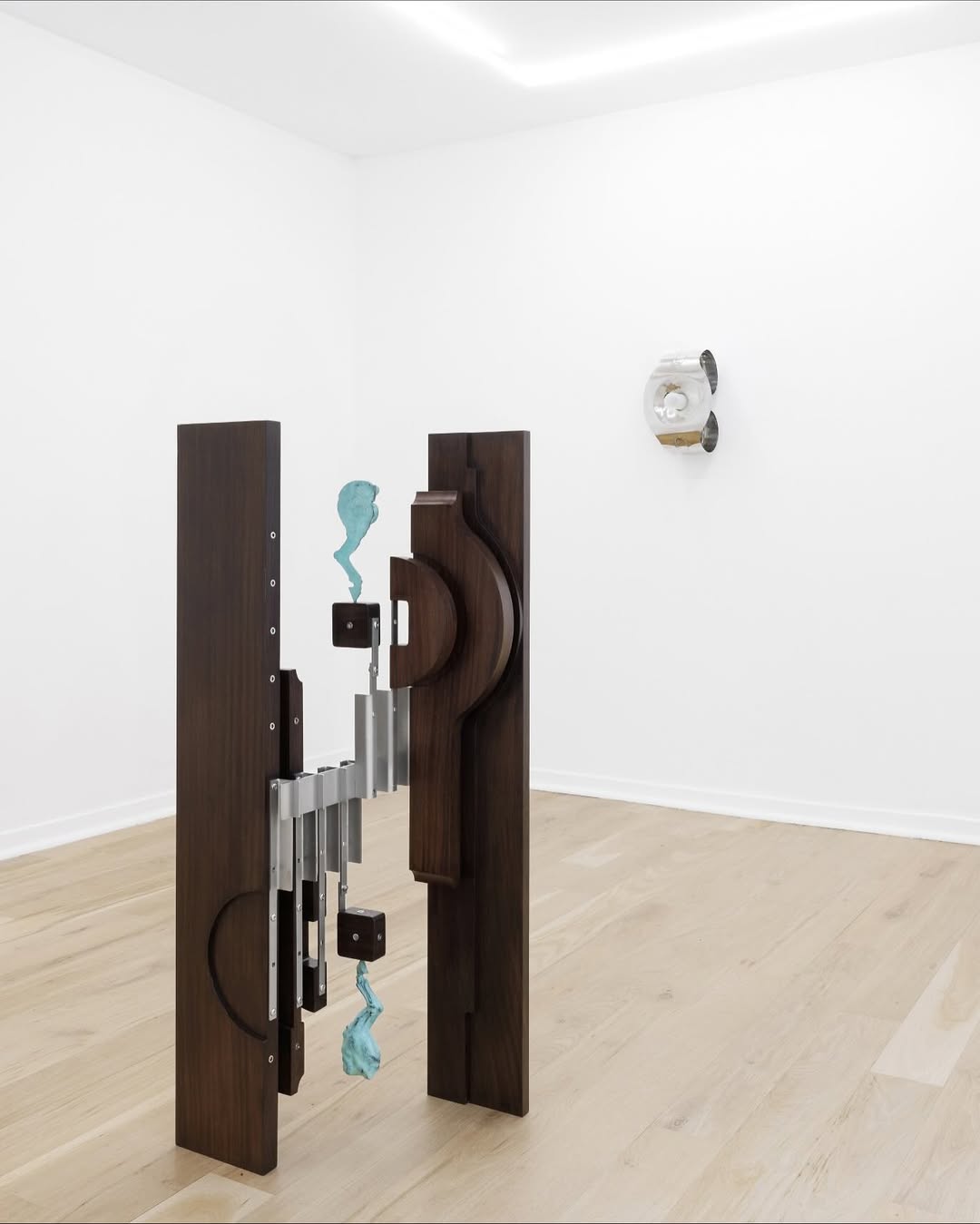
Paris / 2025
/photo_1_2026-05-23_19-24-35.jpg)
London / 2025
/photo_1_2026-05-23_19-20-38.jpg)
Seoul / 2026
Dortmund / 2026

Dornbirn / 2026
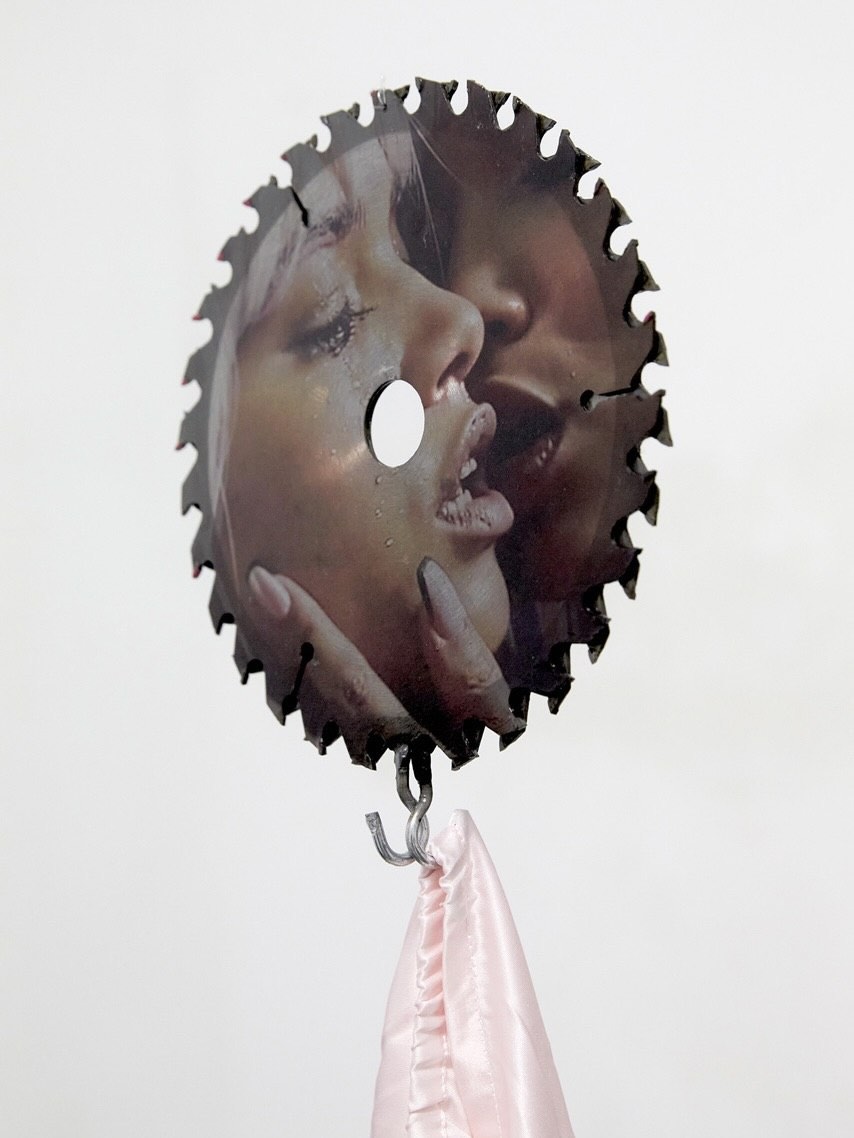
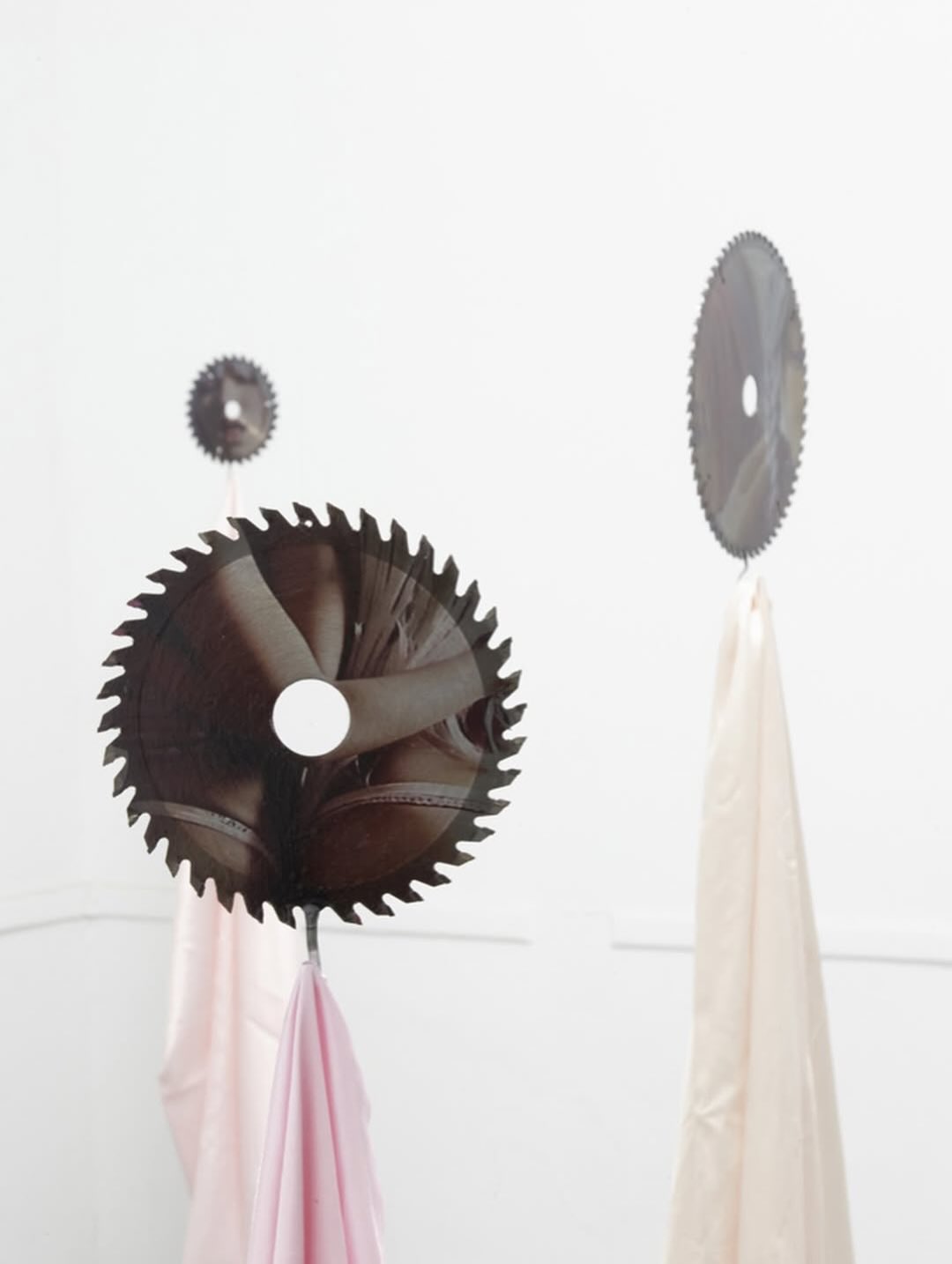
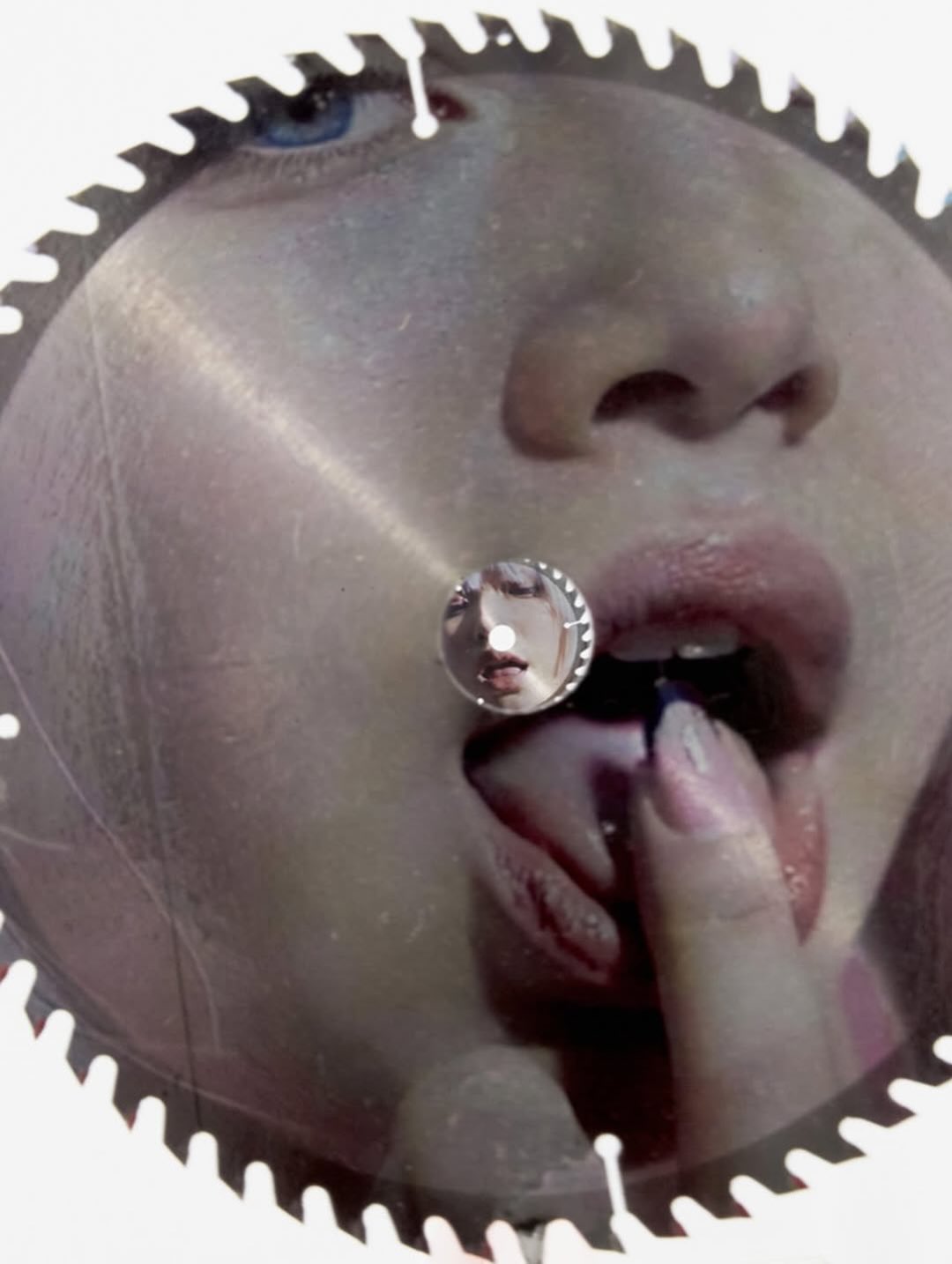
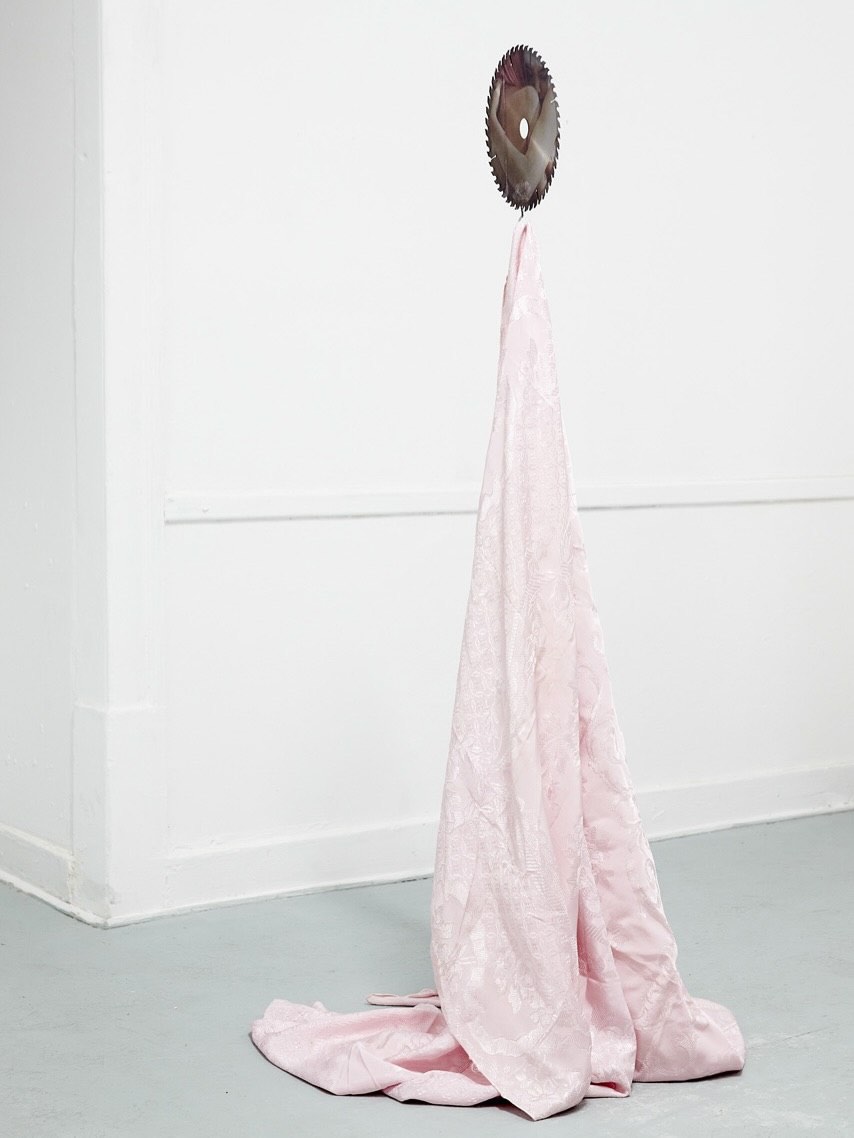
Lisbon / 2026
Paris / 2026
Paris / 2025
Seoul / 2025
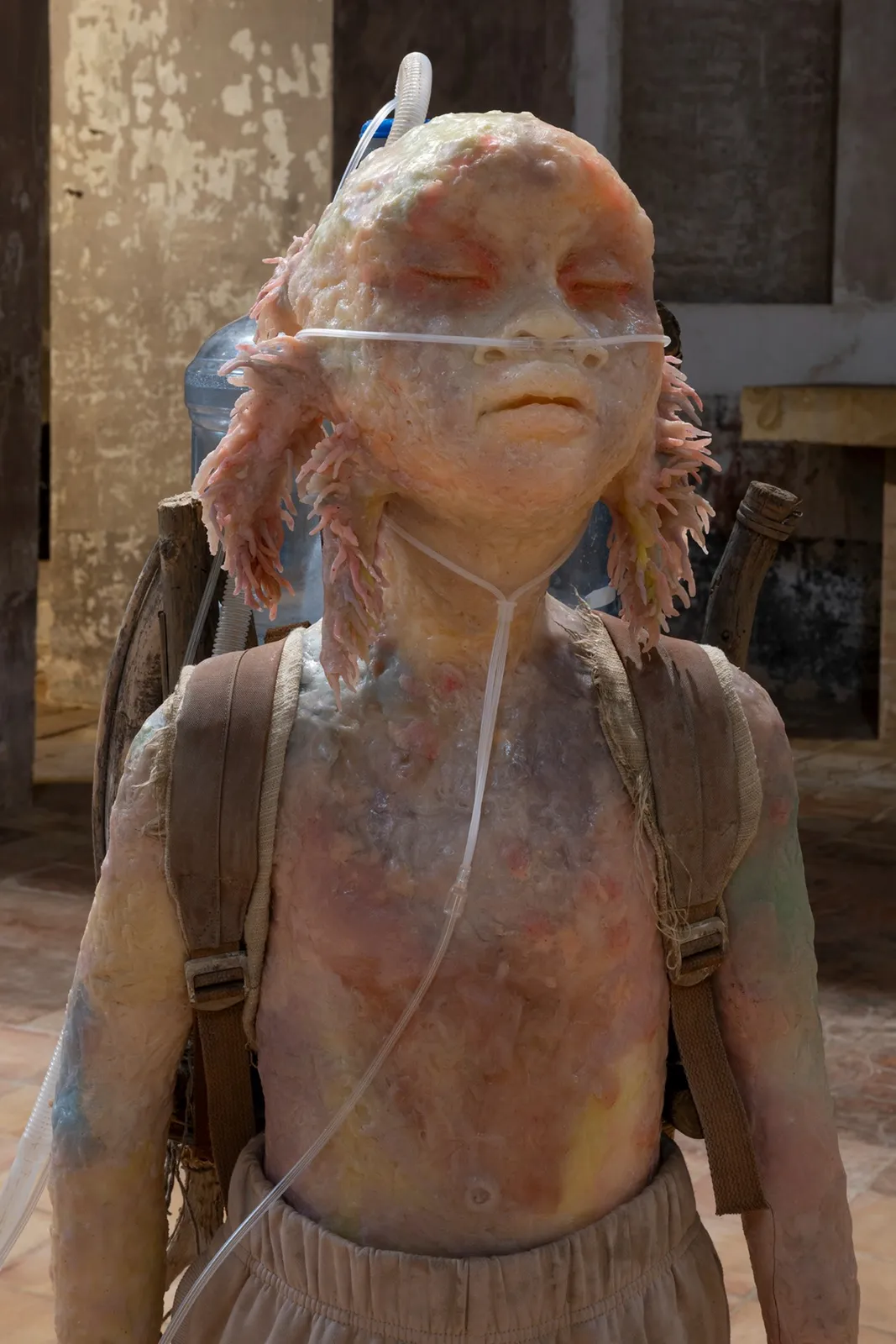
Lladó / 2026
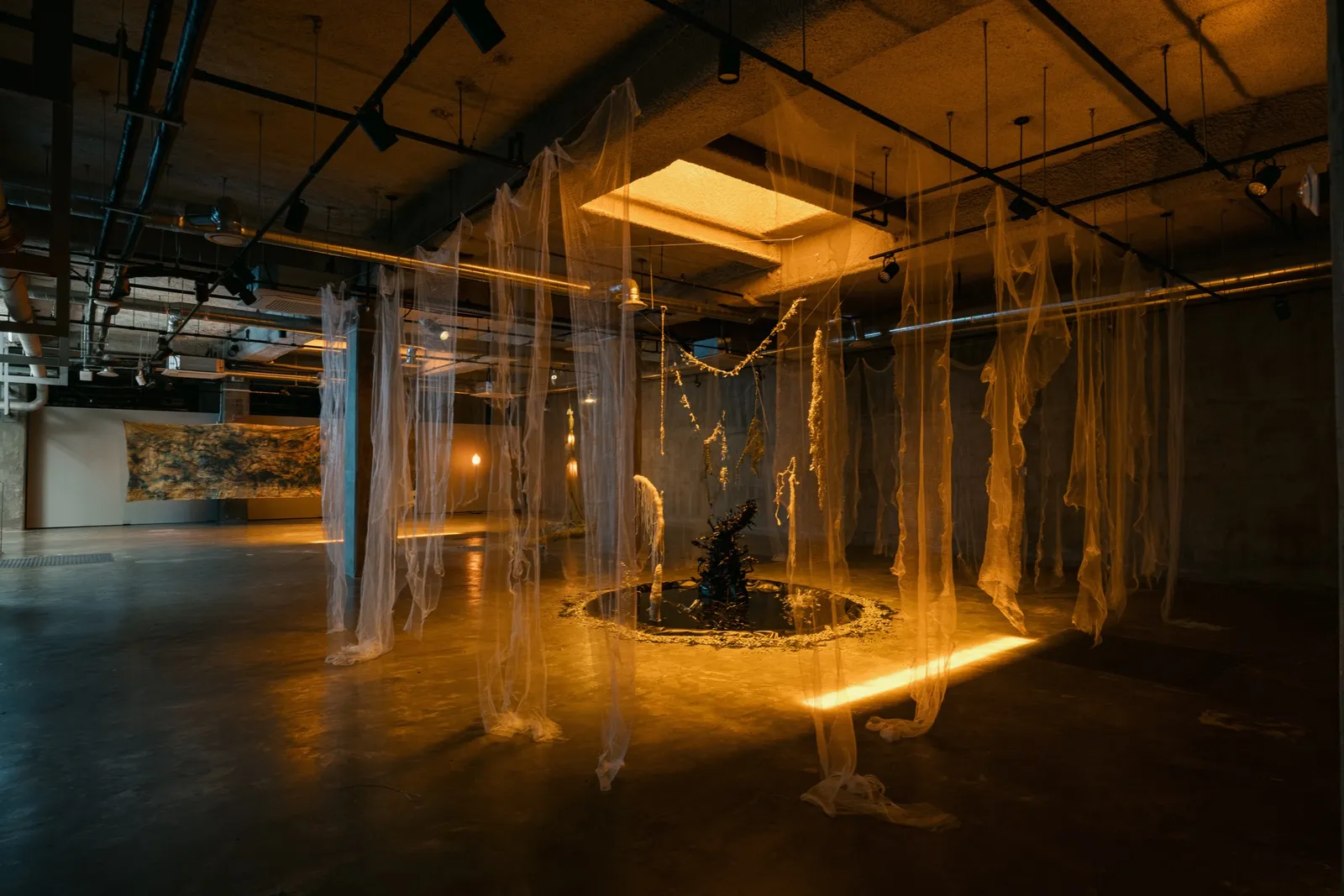
Suwon / 2026
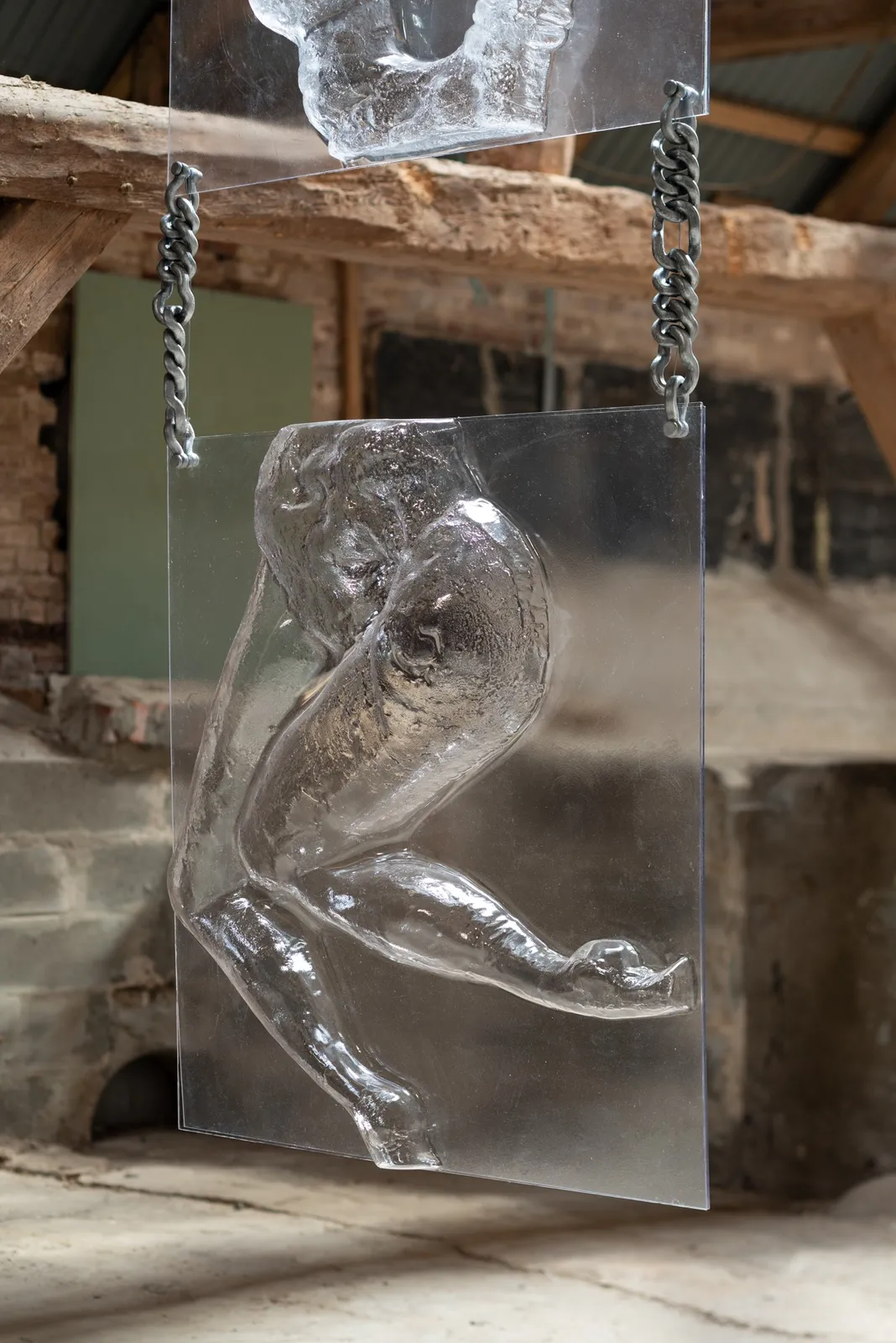
Hurup / 2026
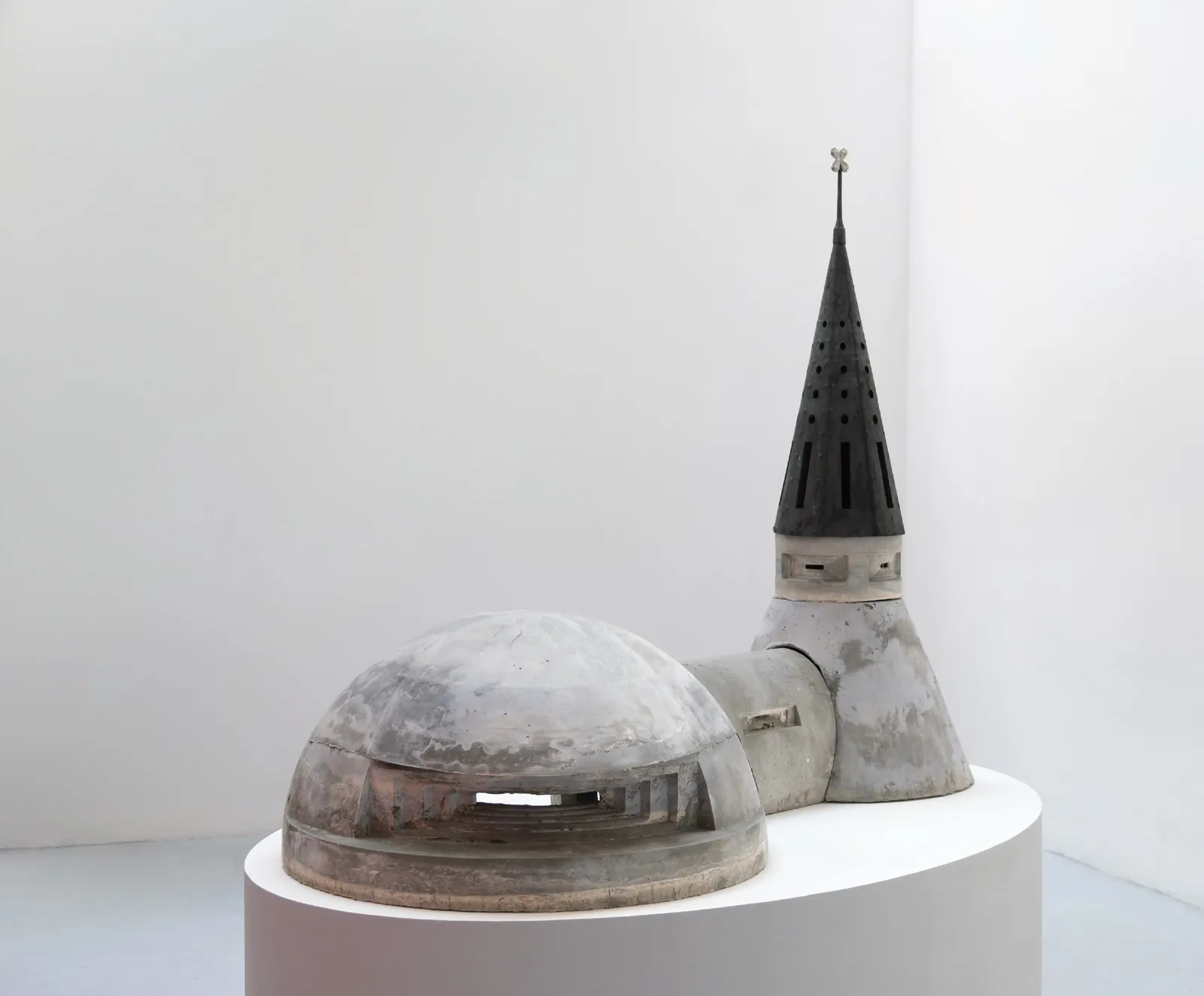
/ 2026
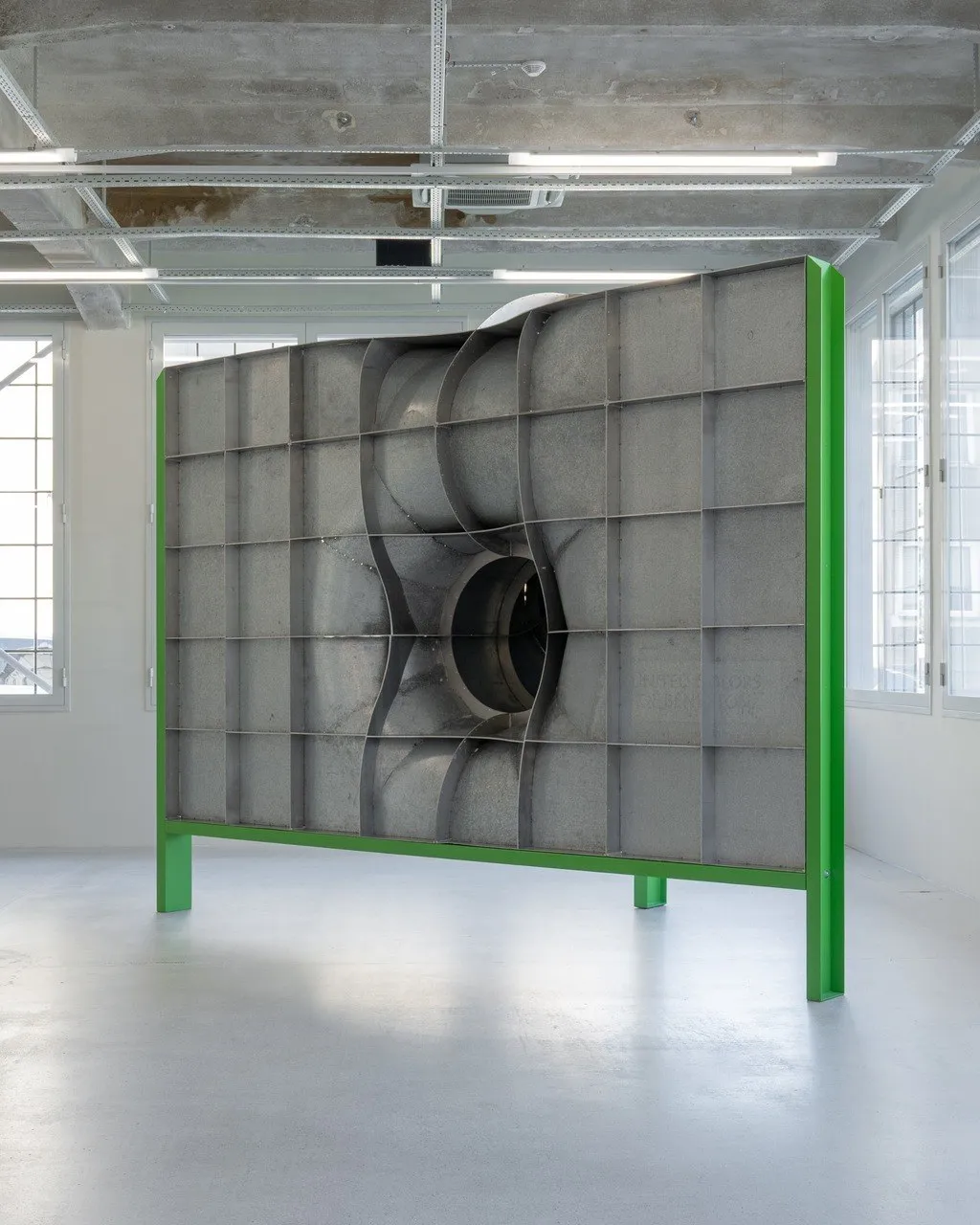
Olomouc / 2026
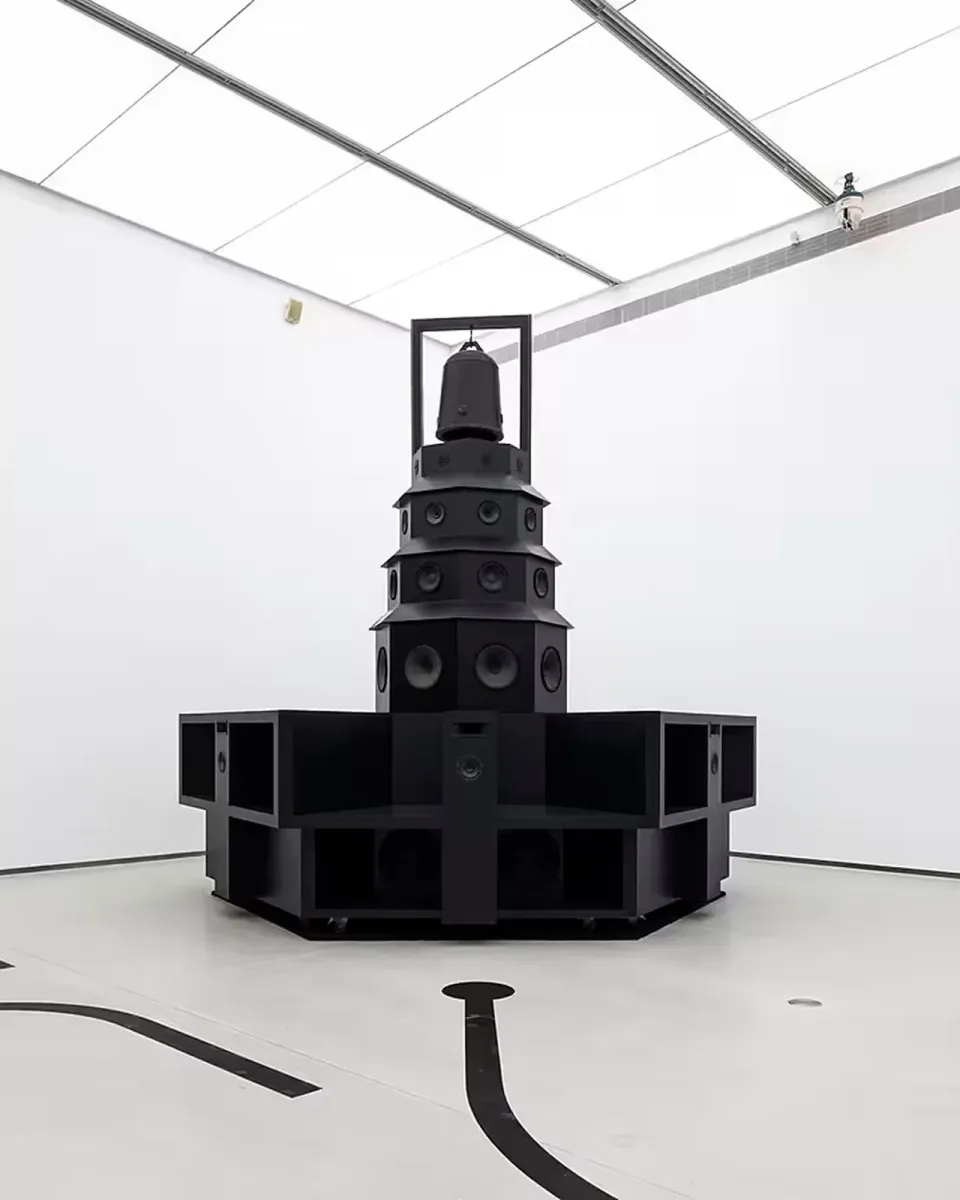
Shanghai / 2026
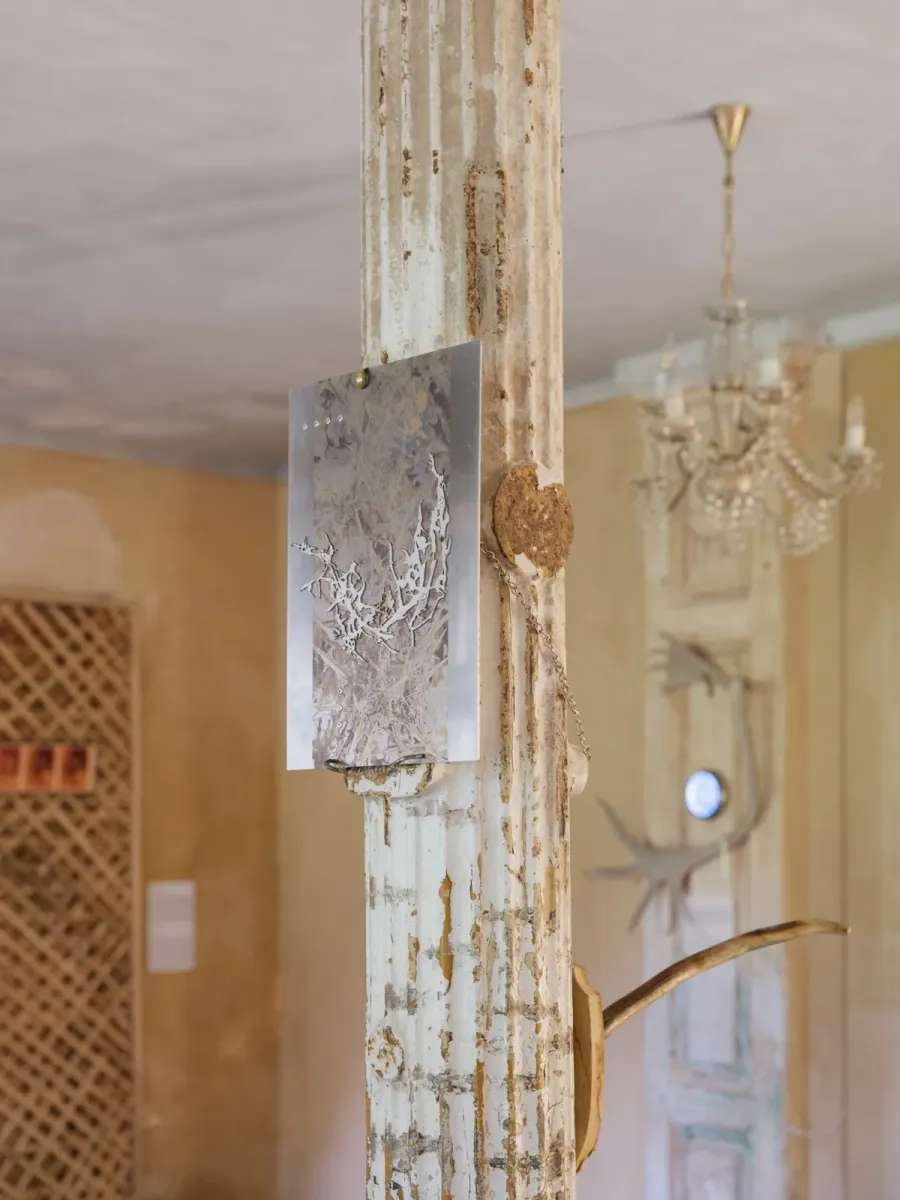
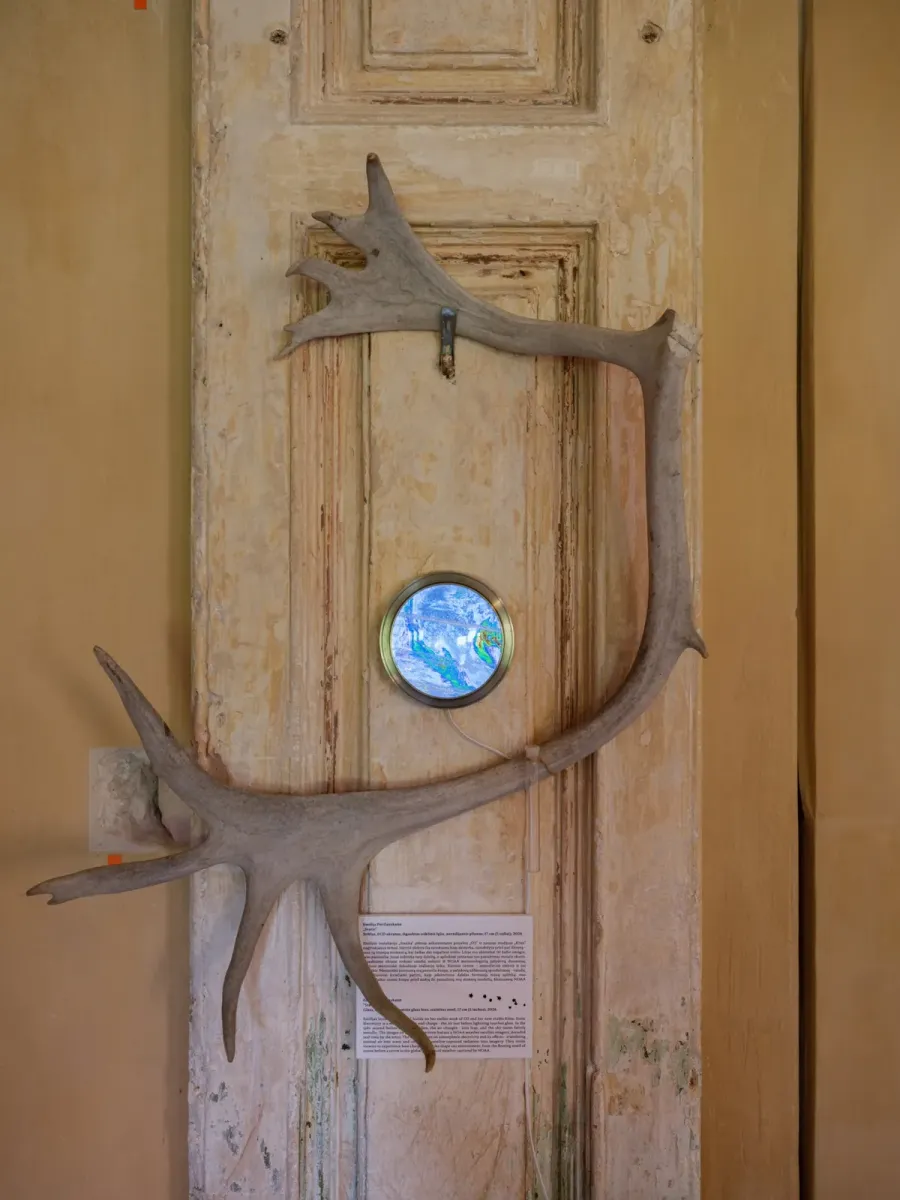
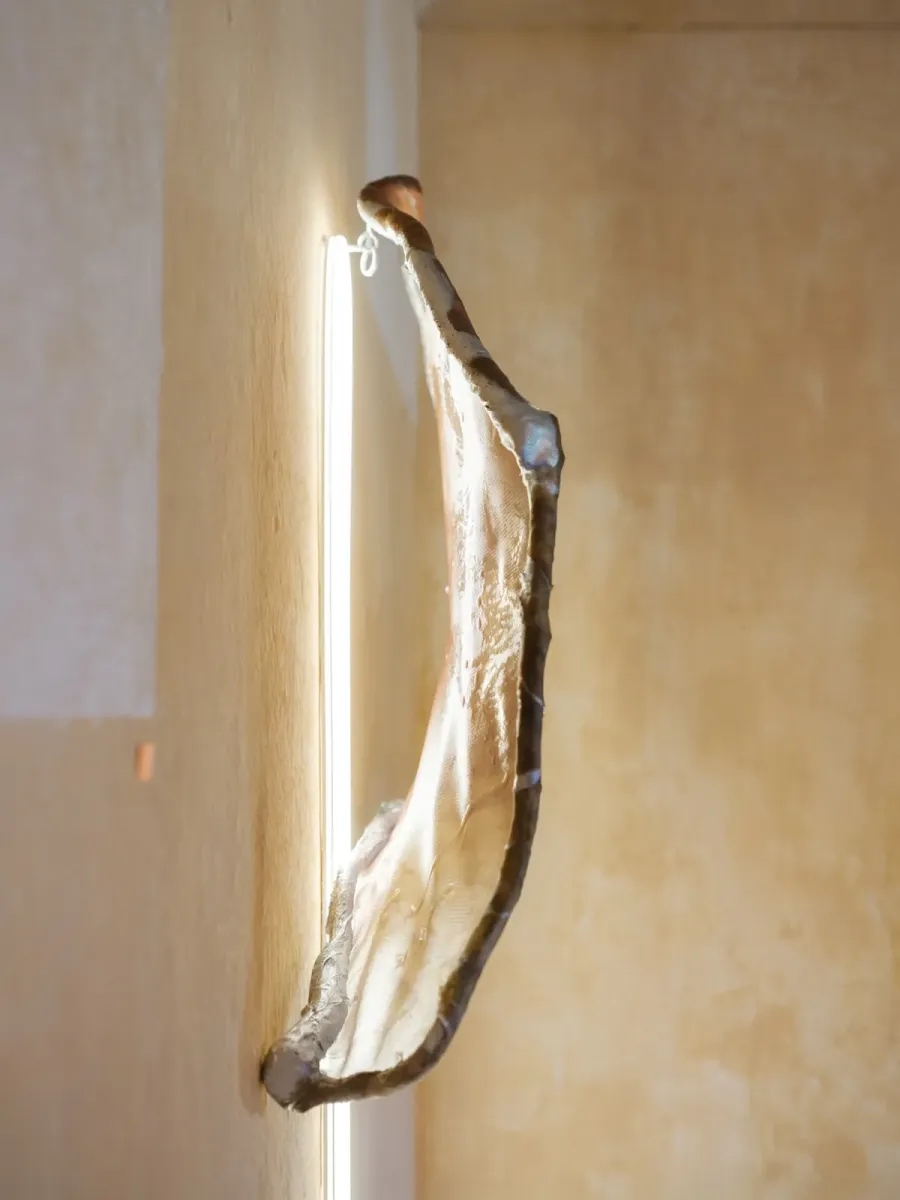
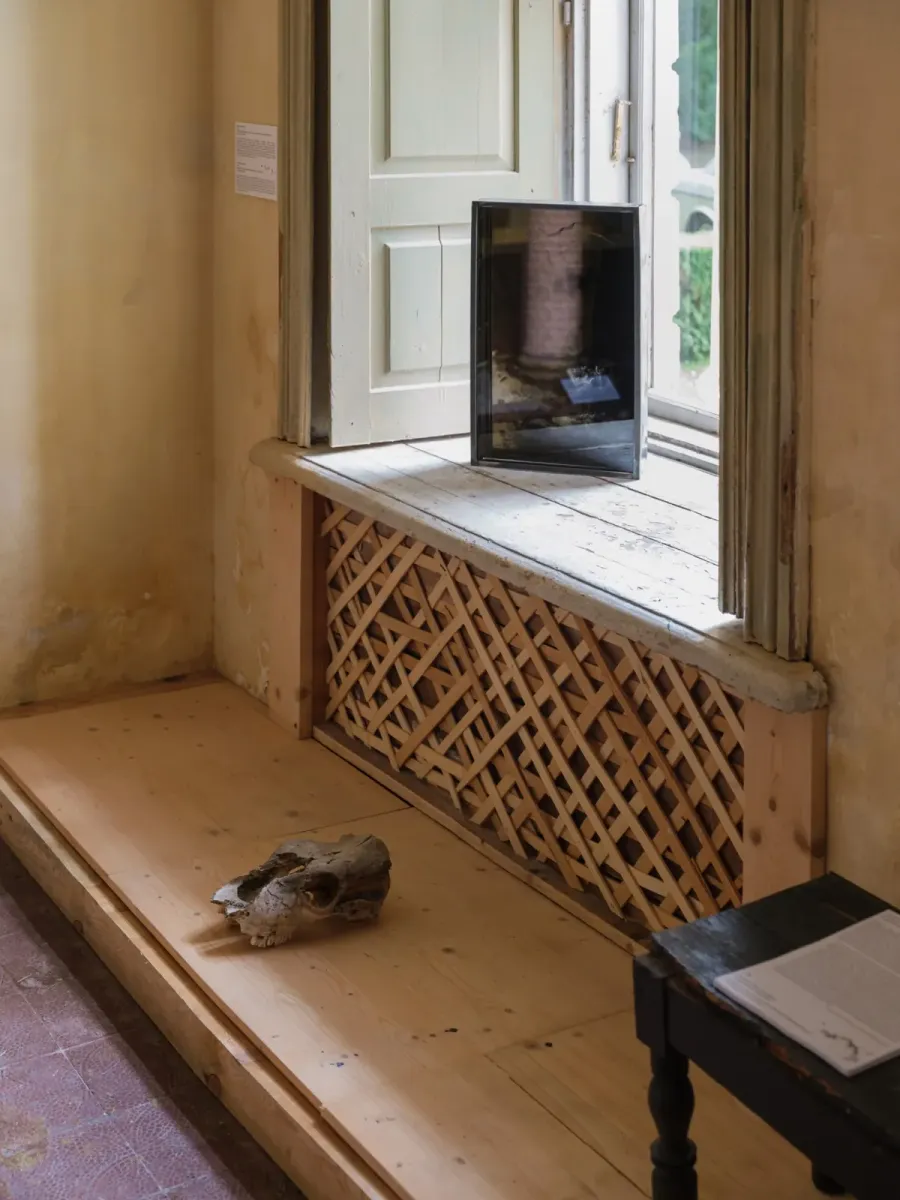
Vilnius District Municipality / 2026
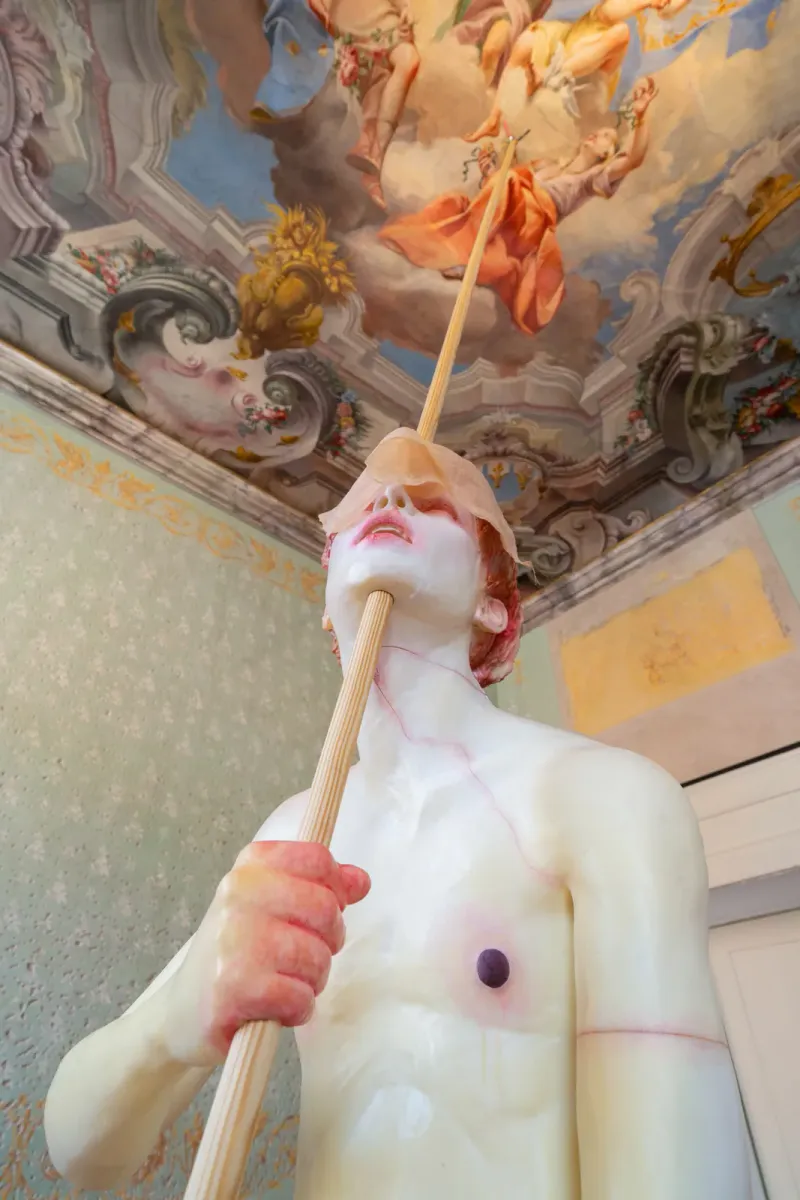
Brescia / 2026
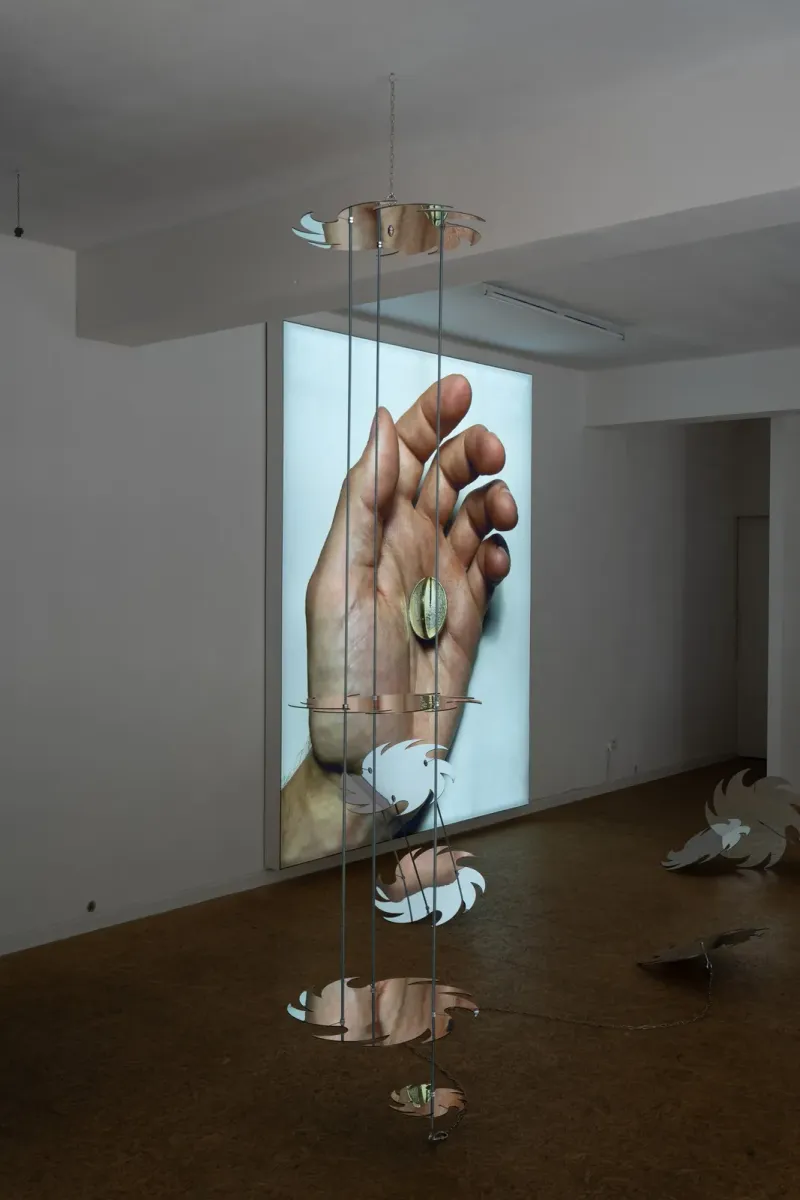
Poznań / 2026
Lima / 2026
Brussels / 2026
.webp)
Cergy / Paris / 2026
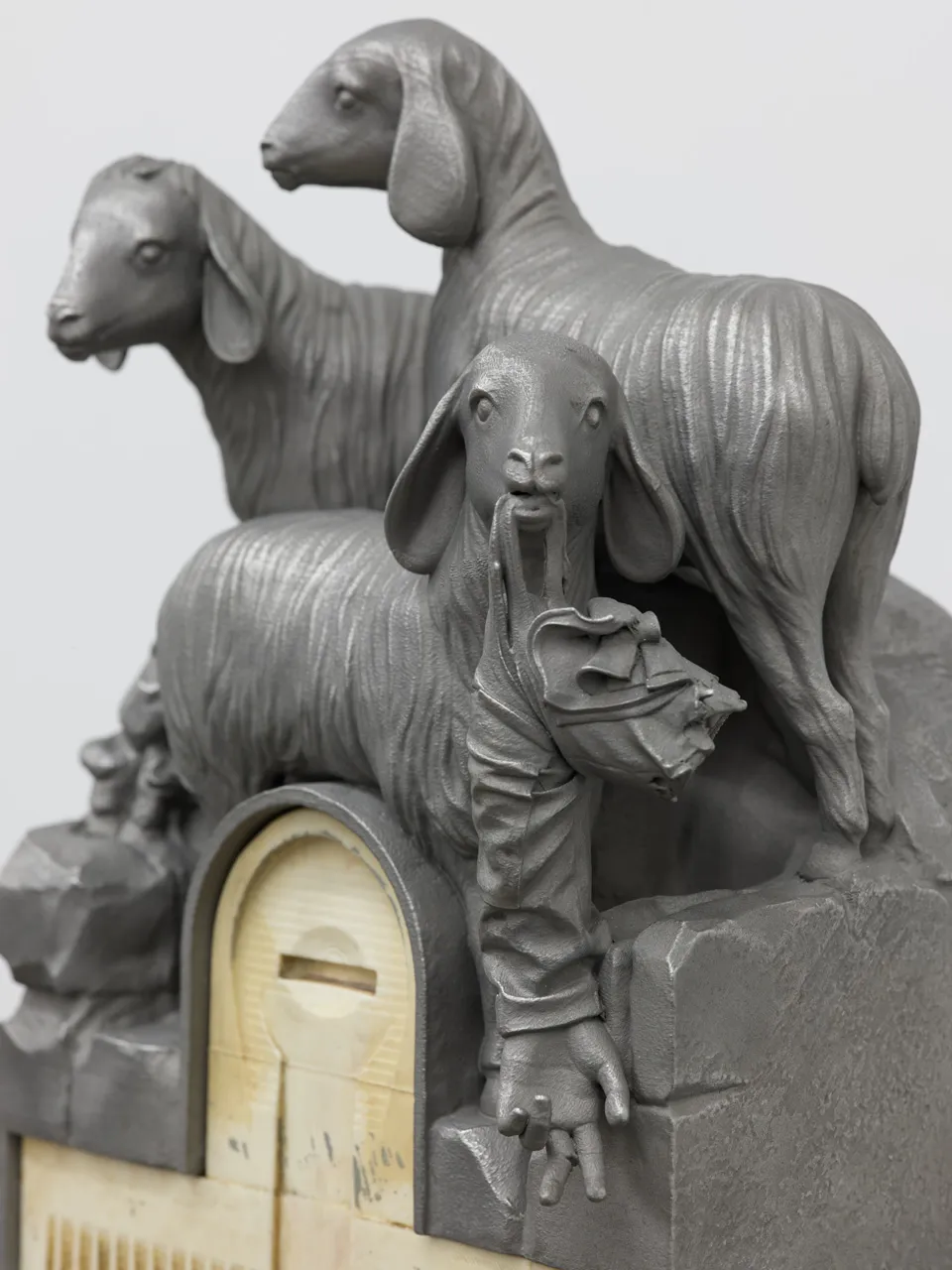
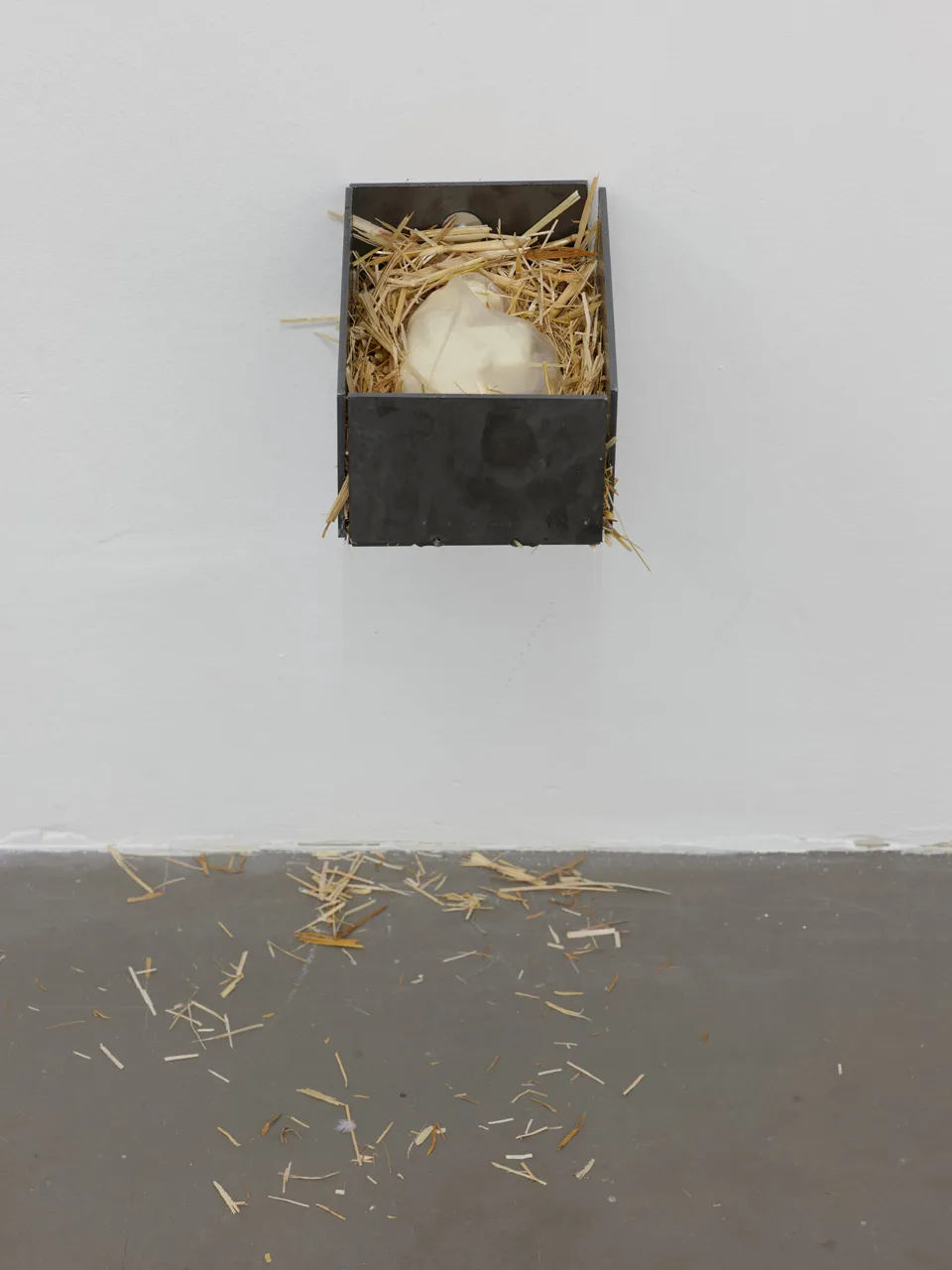
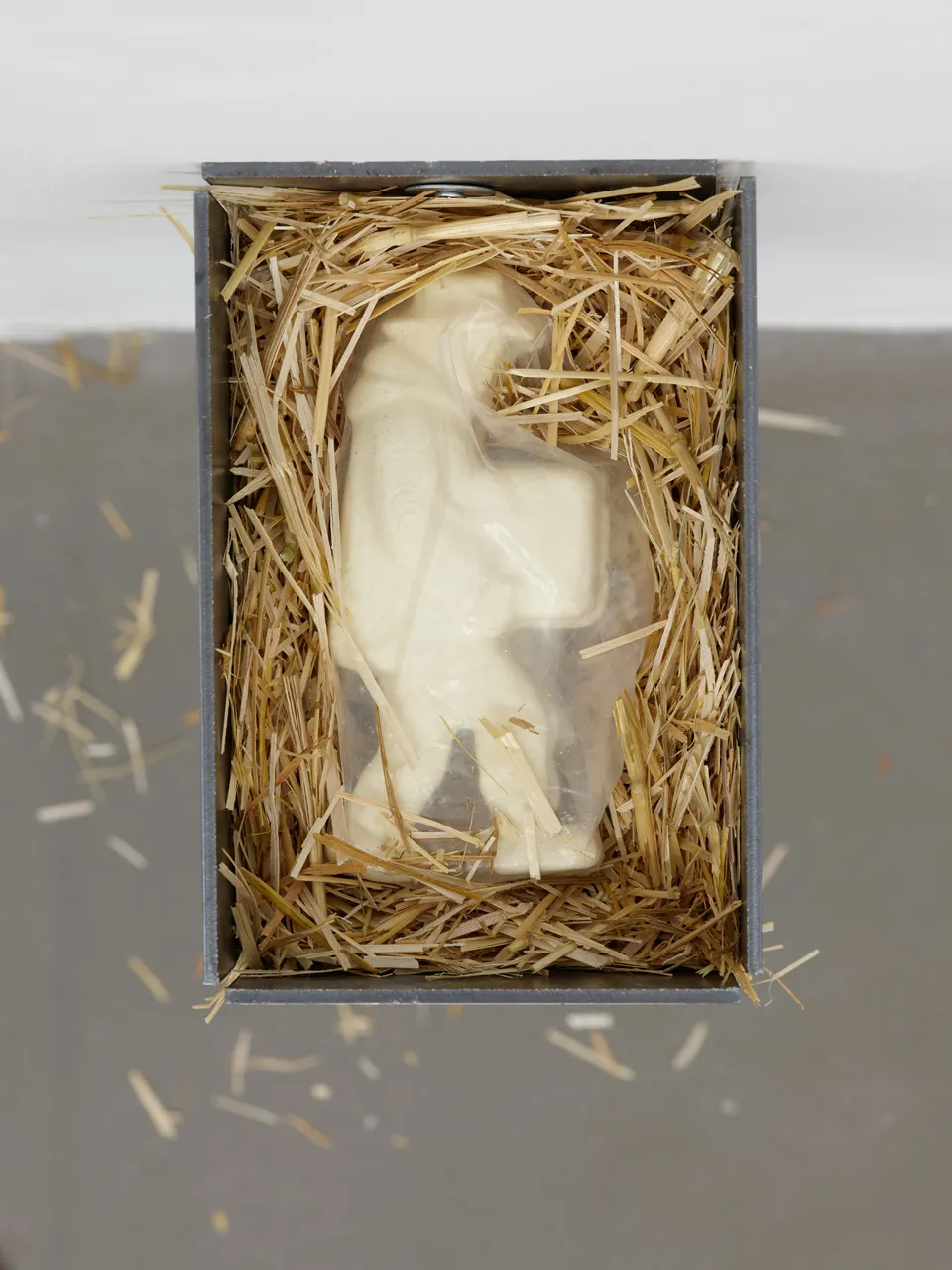
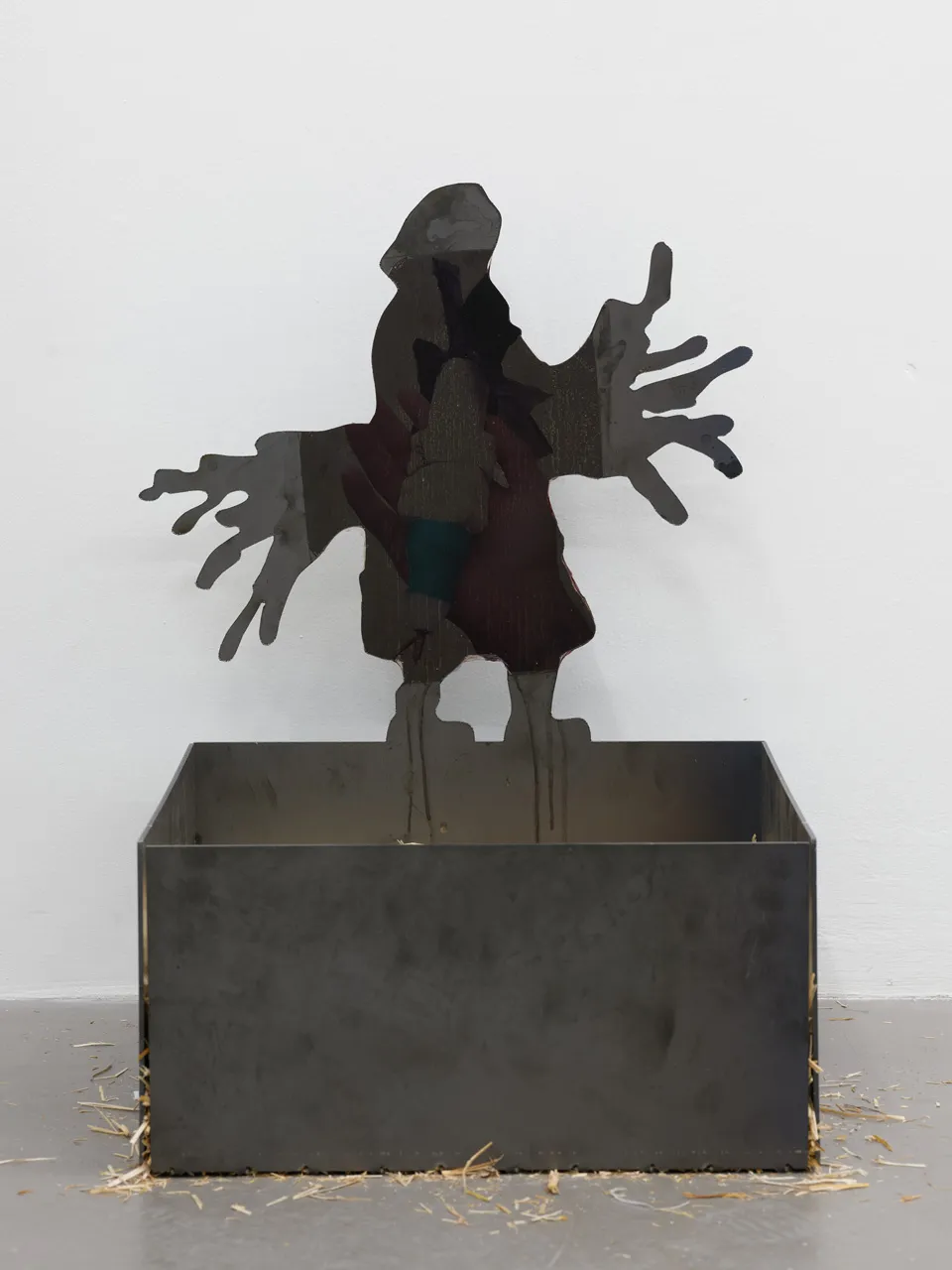
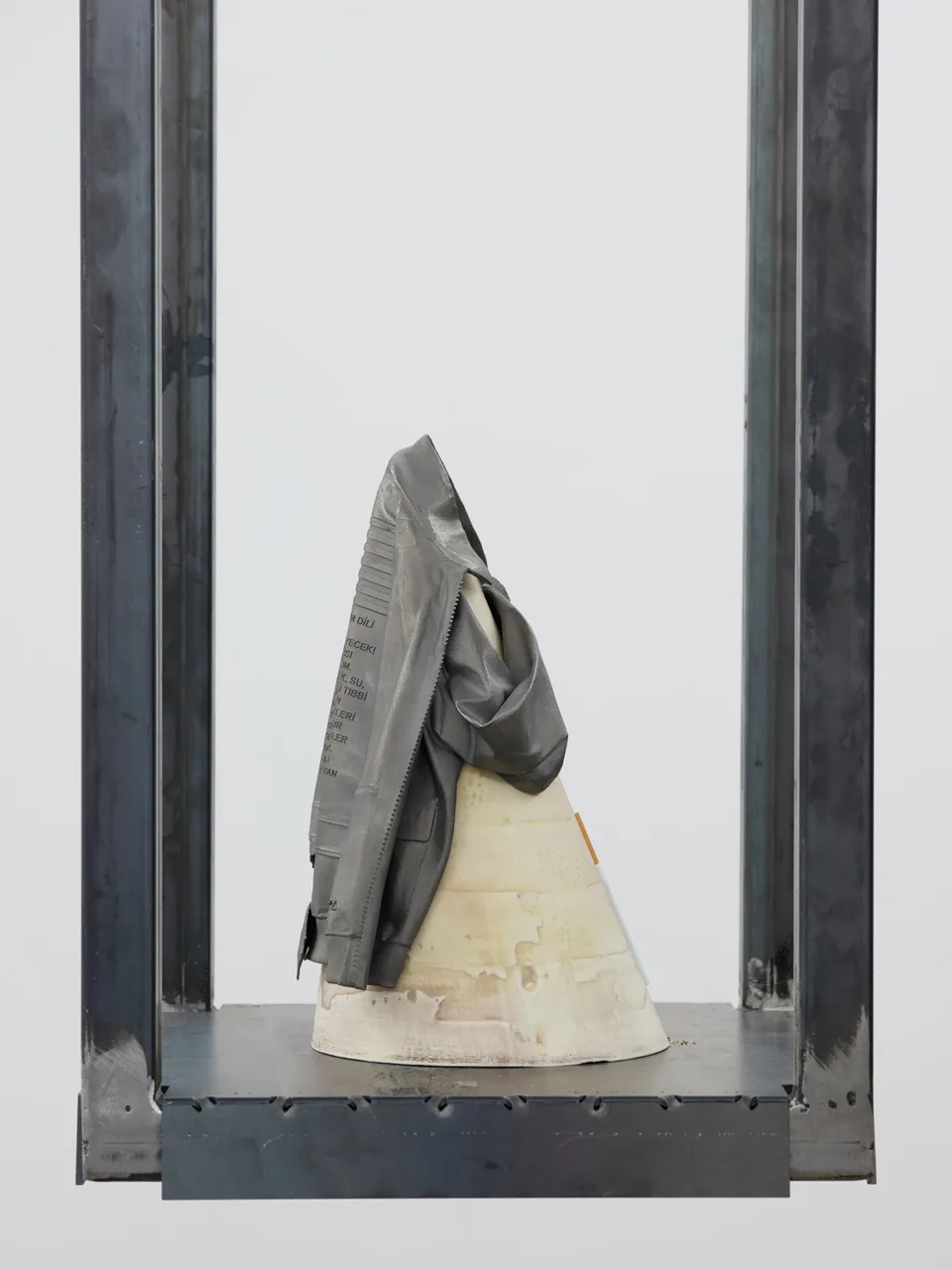
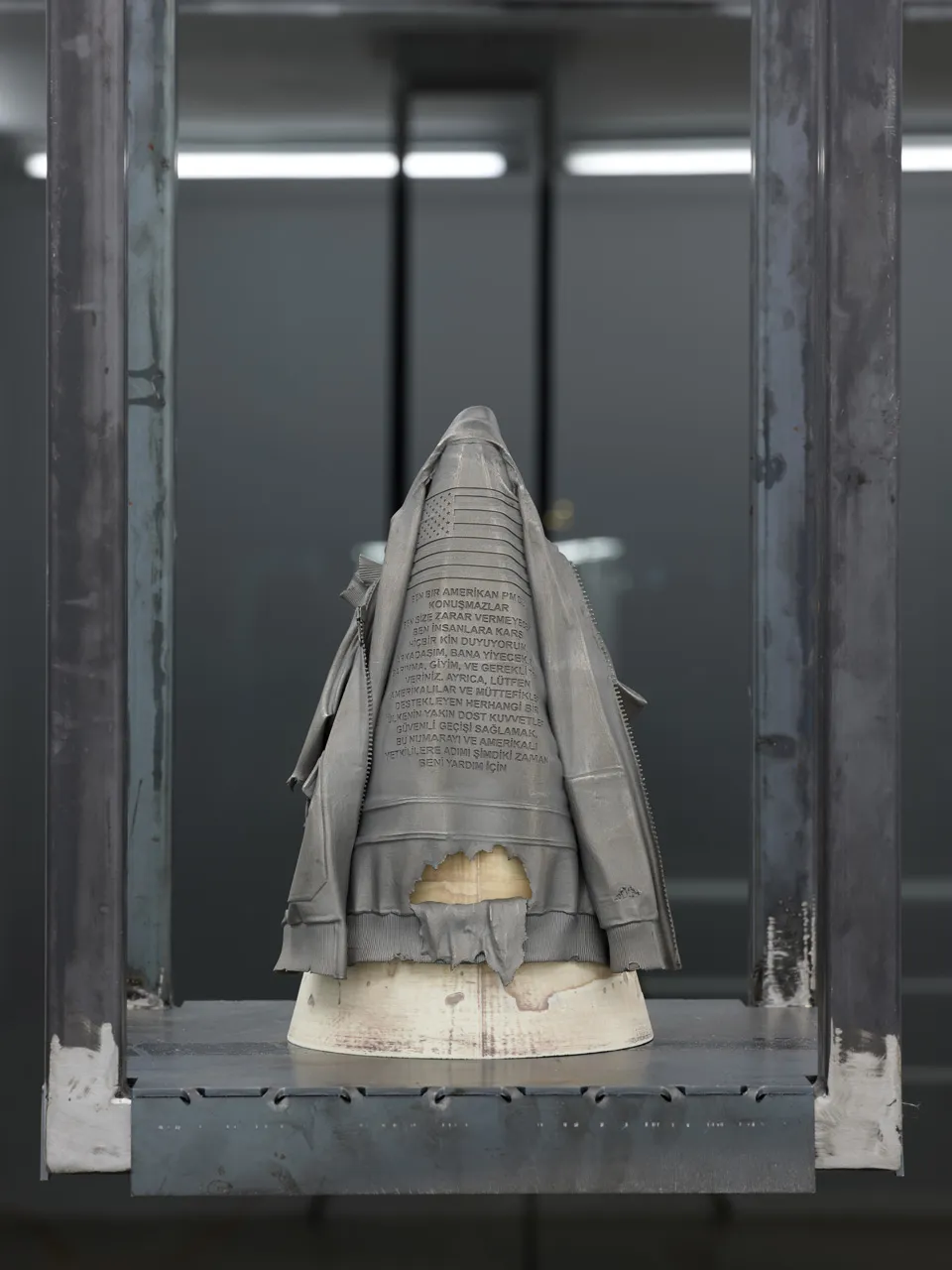
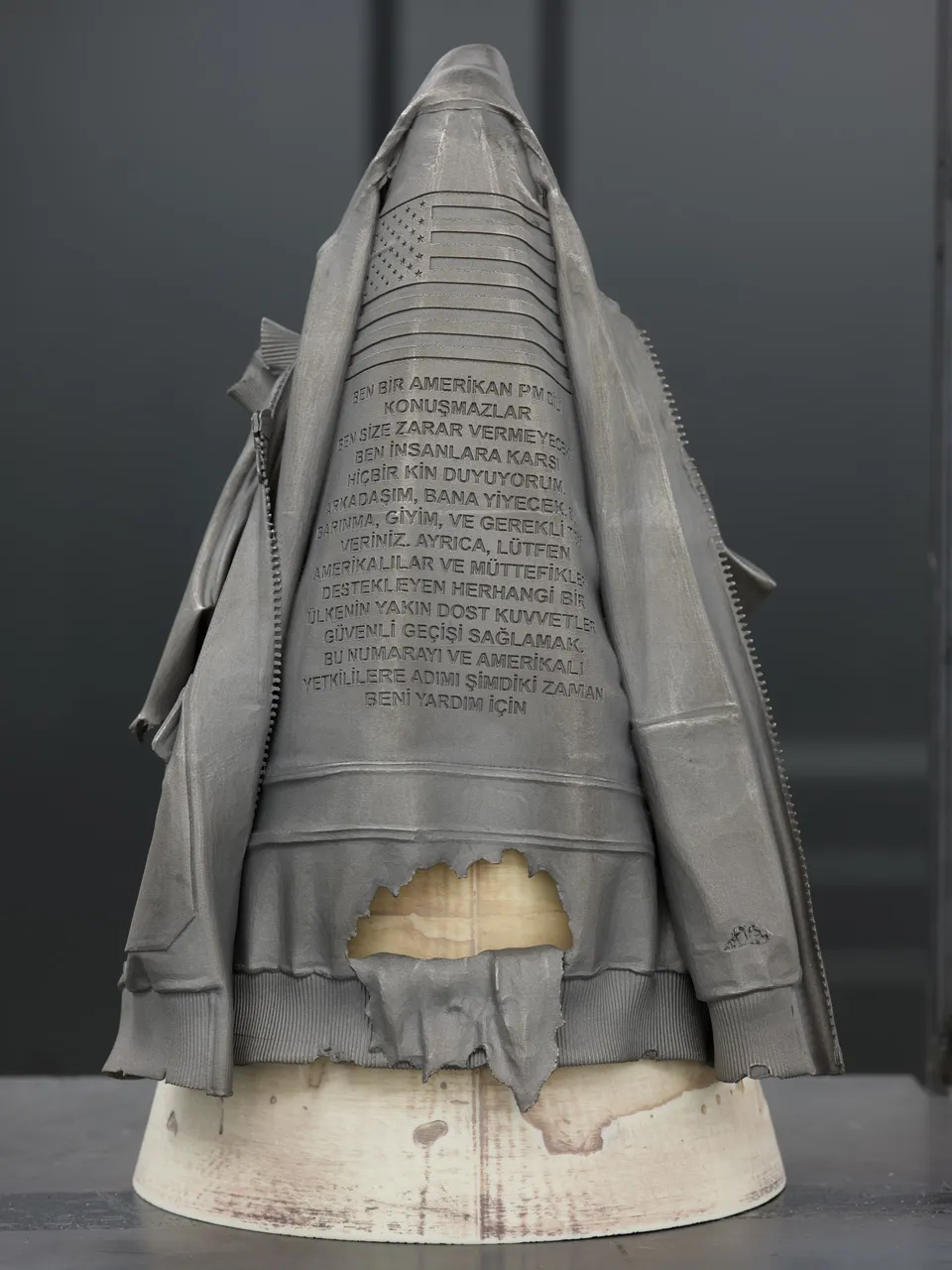
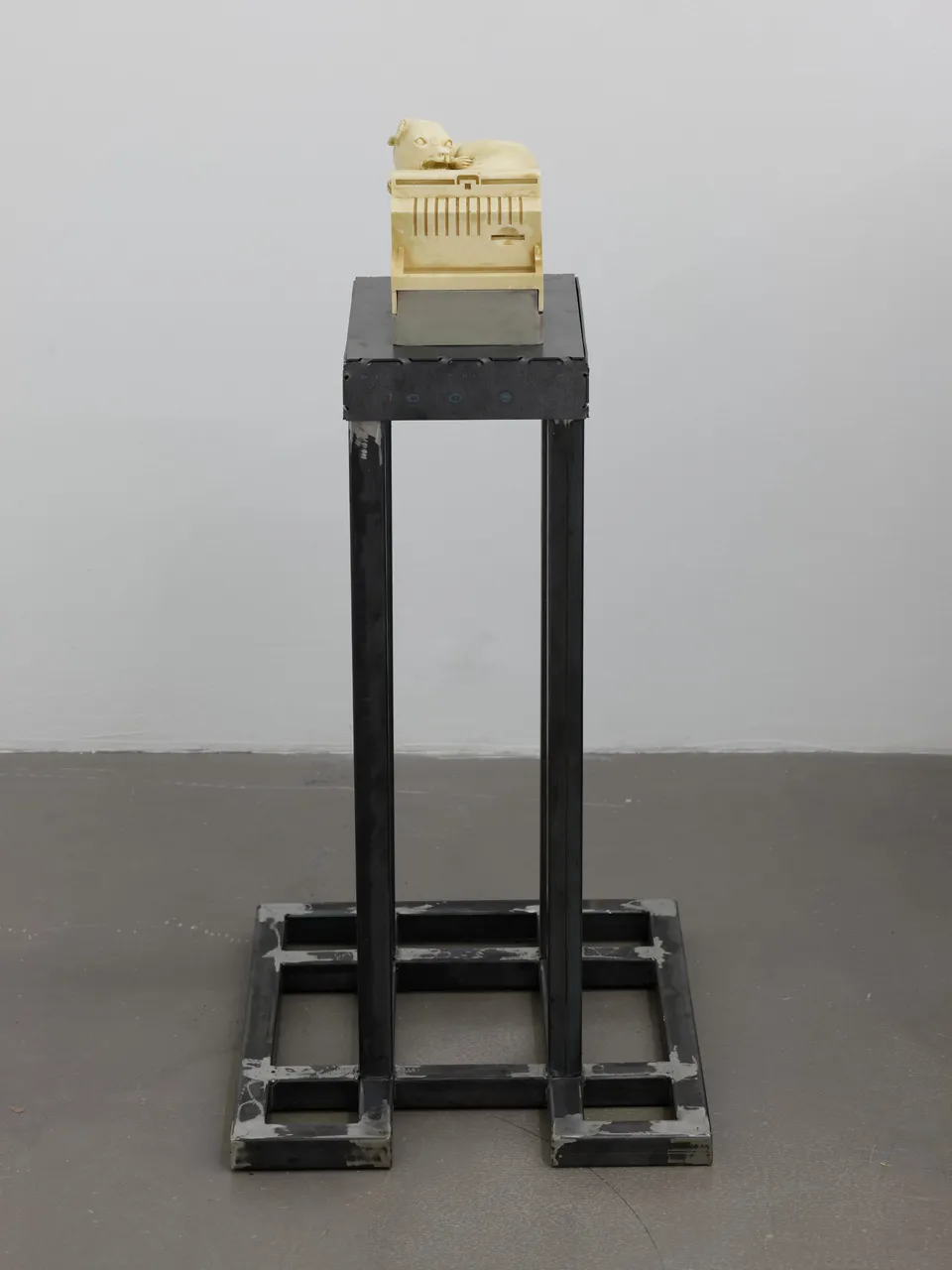
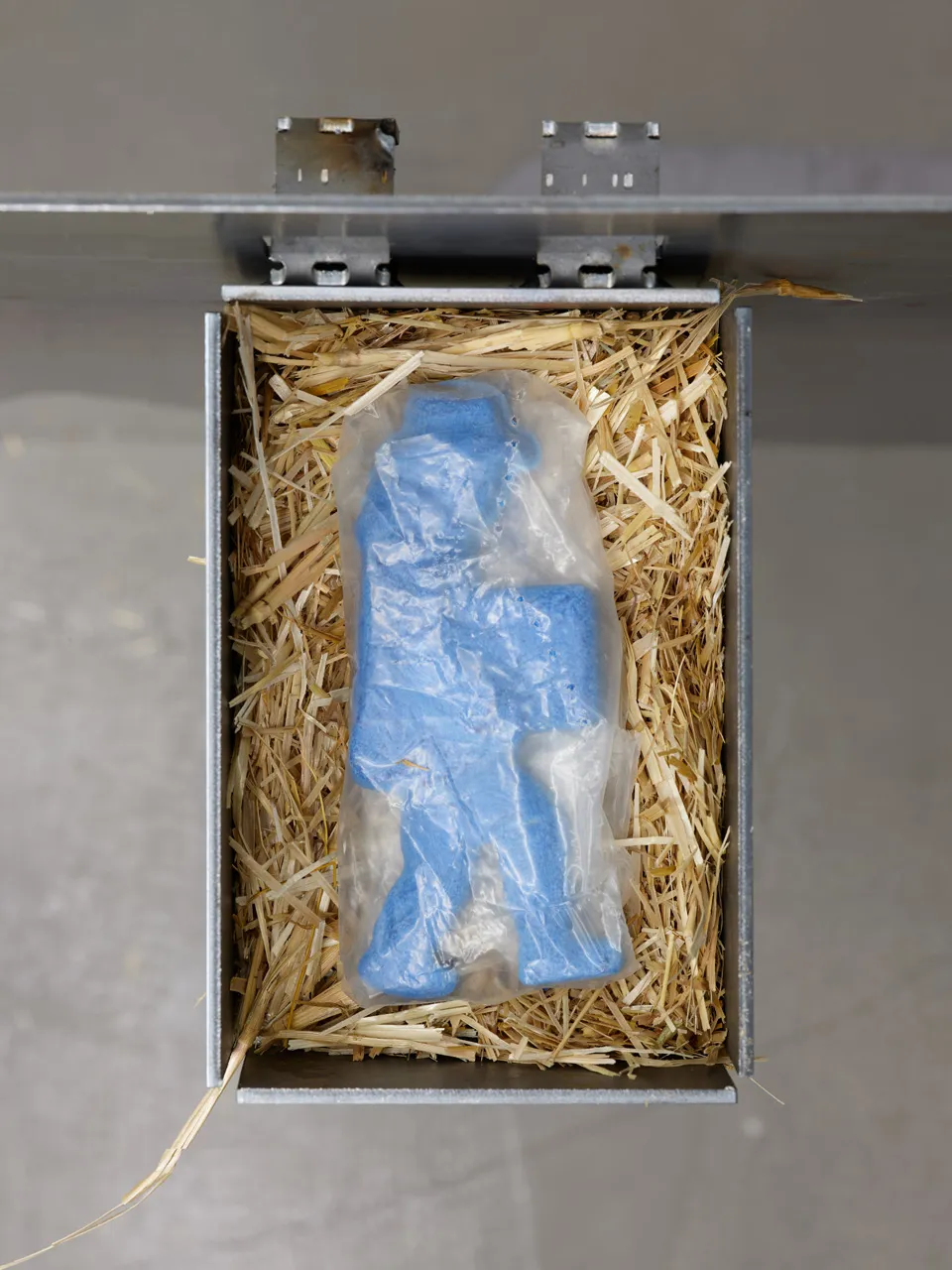
Istanbul / 2026
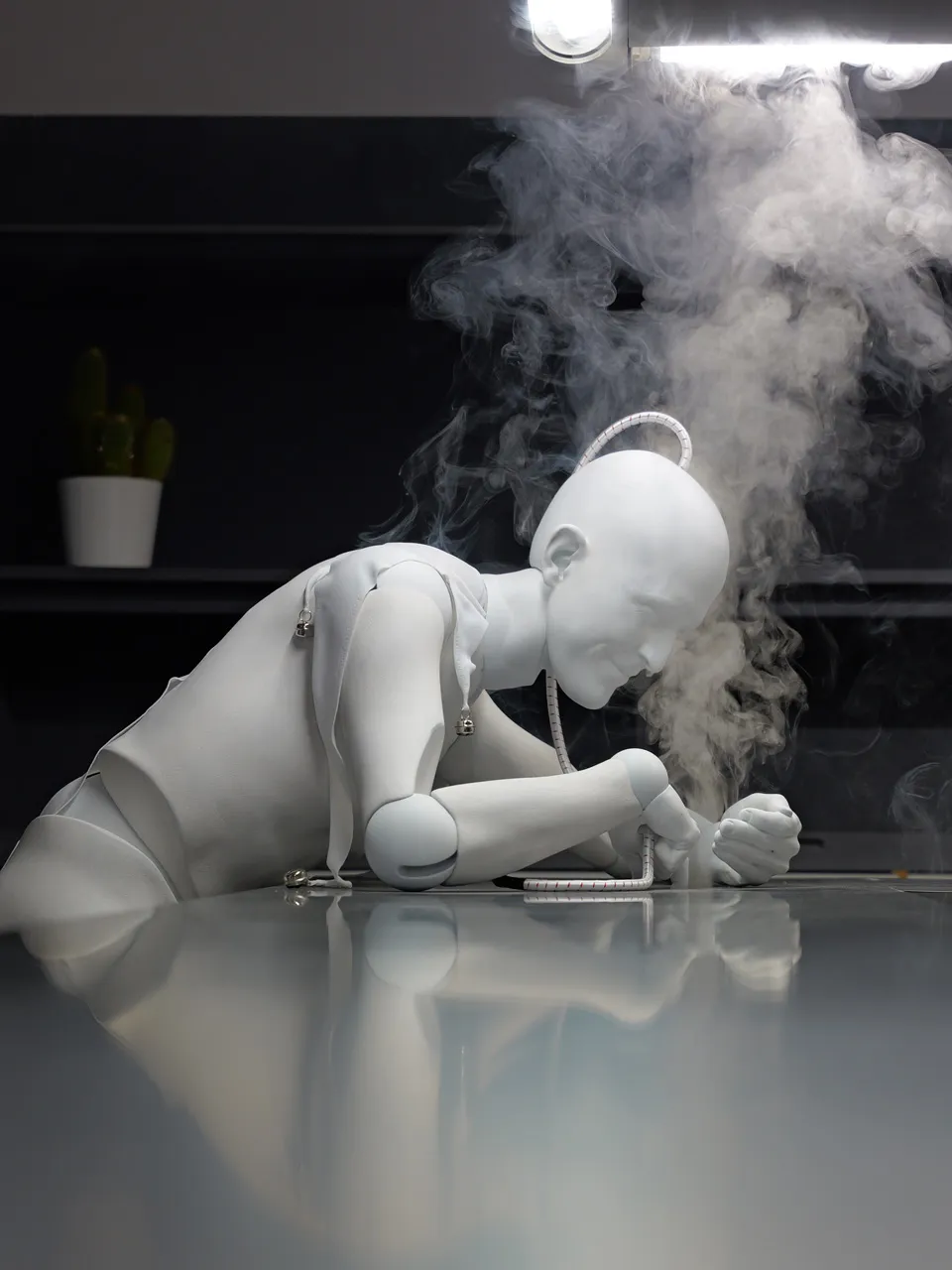
Düsseldorf / 2026
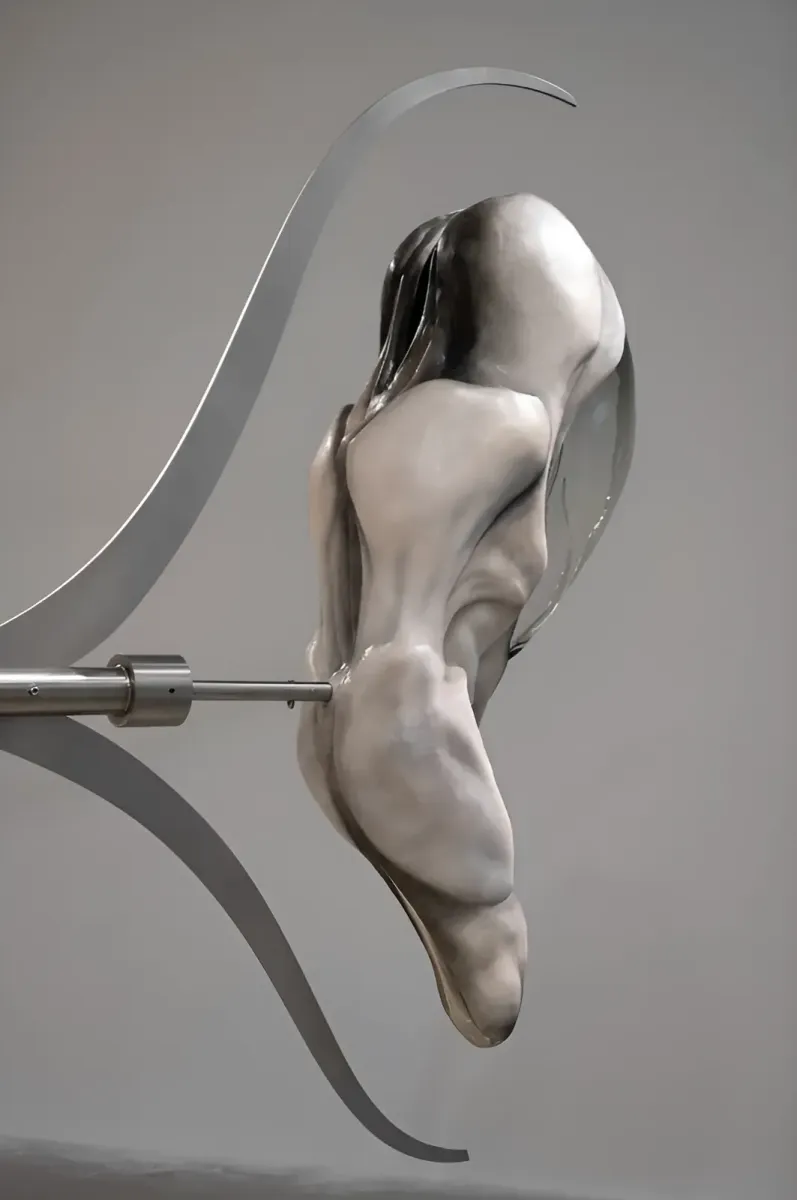
Montpellier / 2025
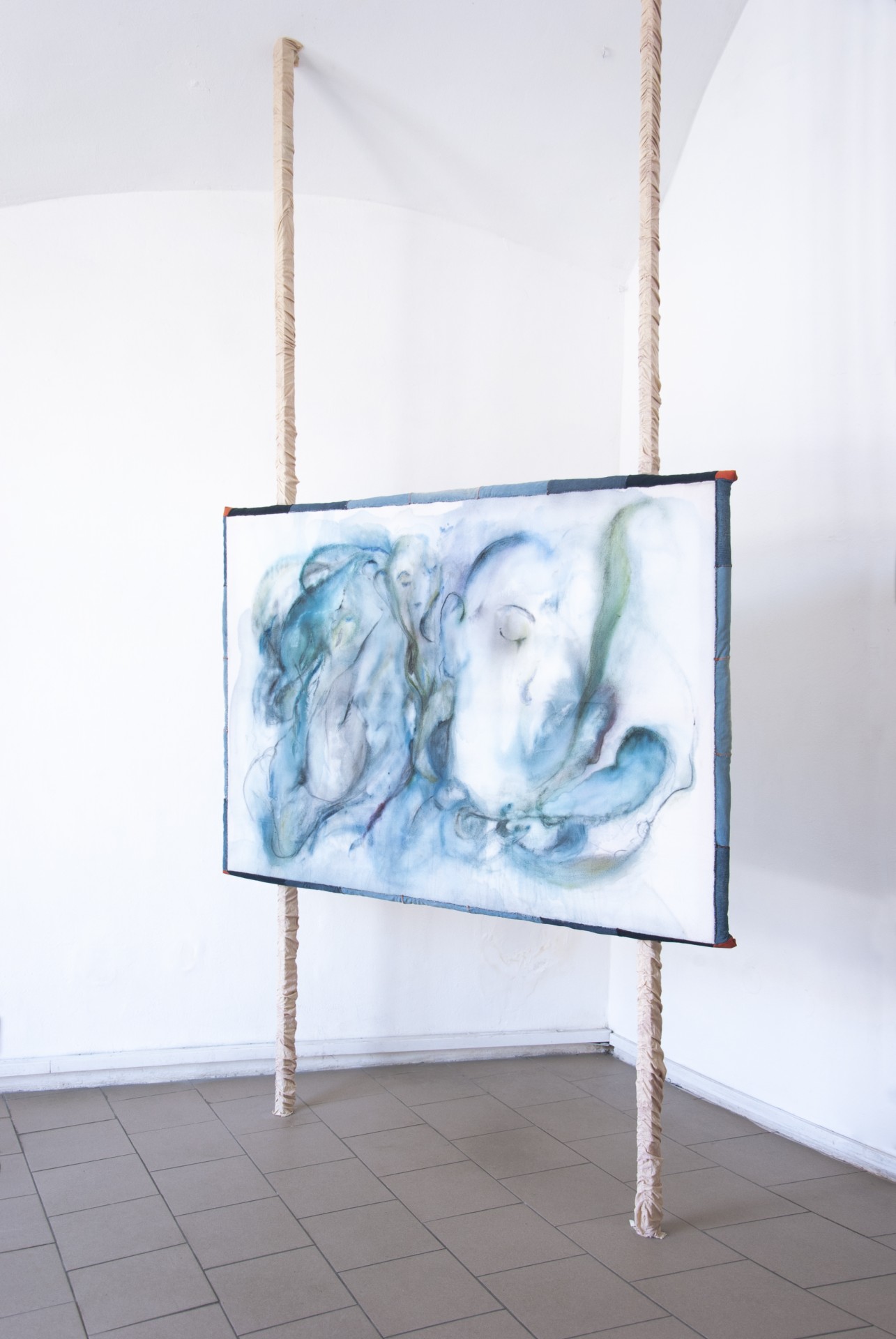
Brno / 2025
Lisbon / 2025
/ 2024
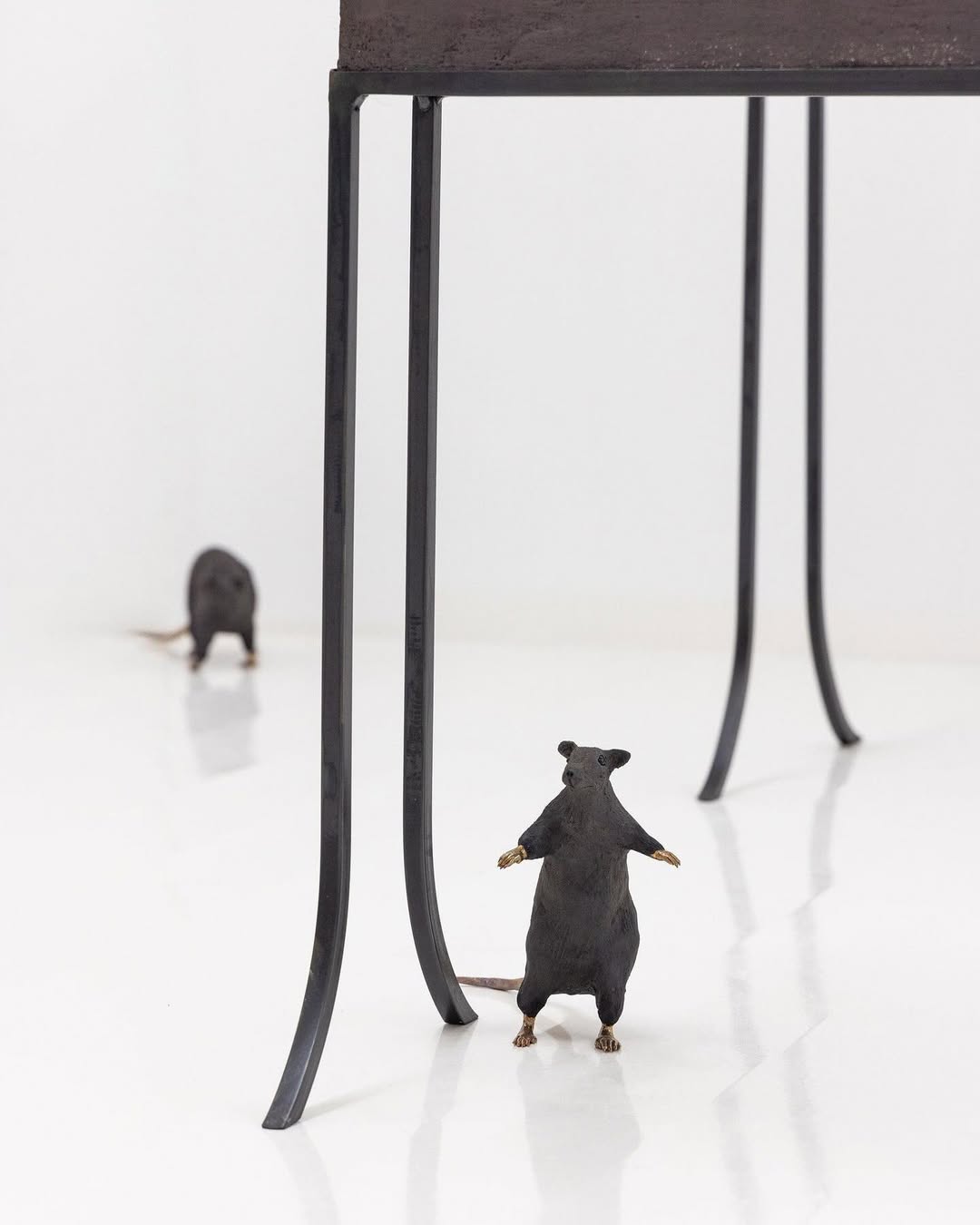
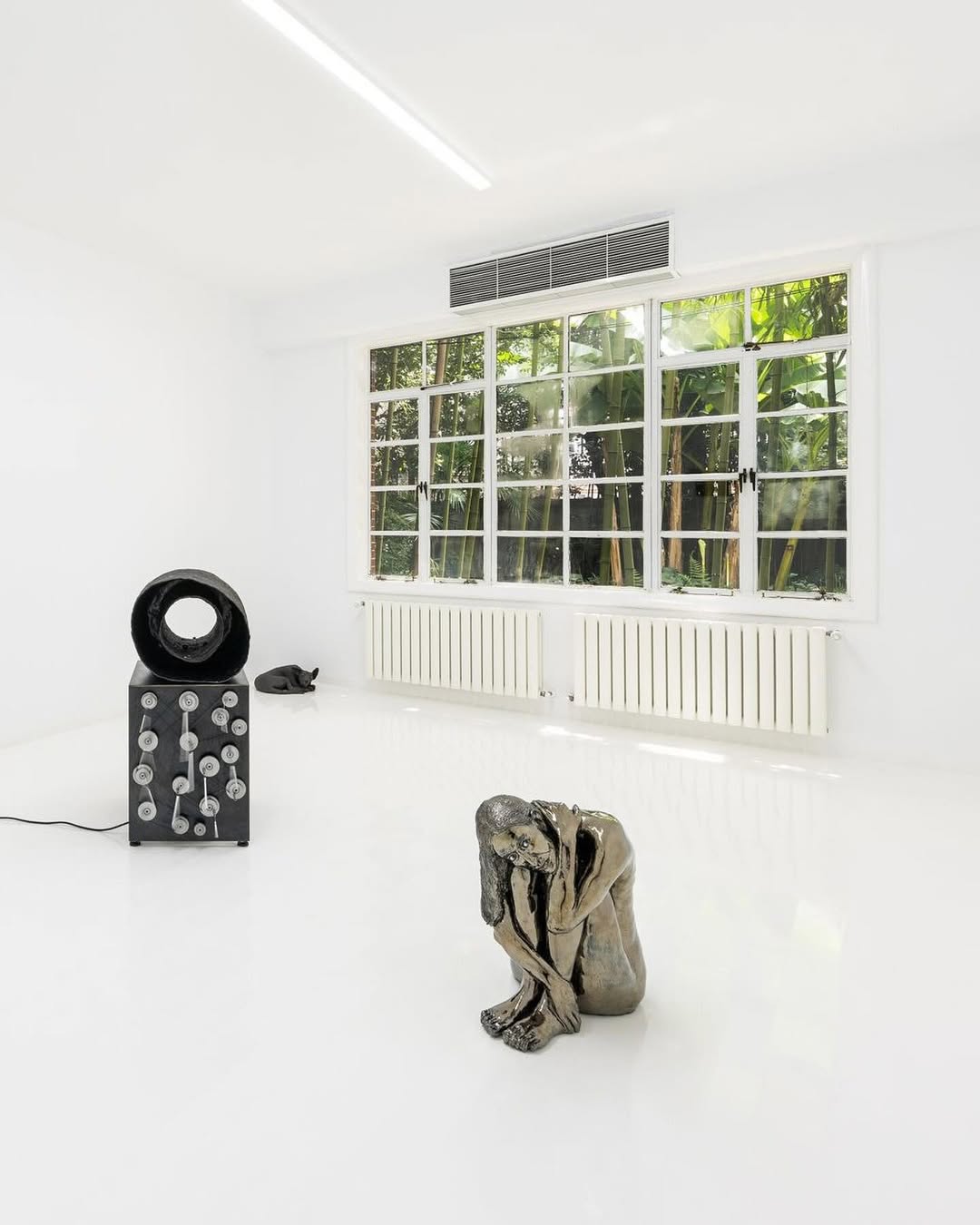
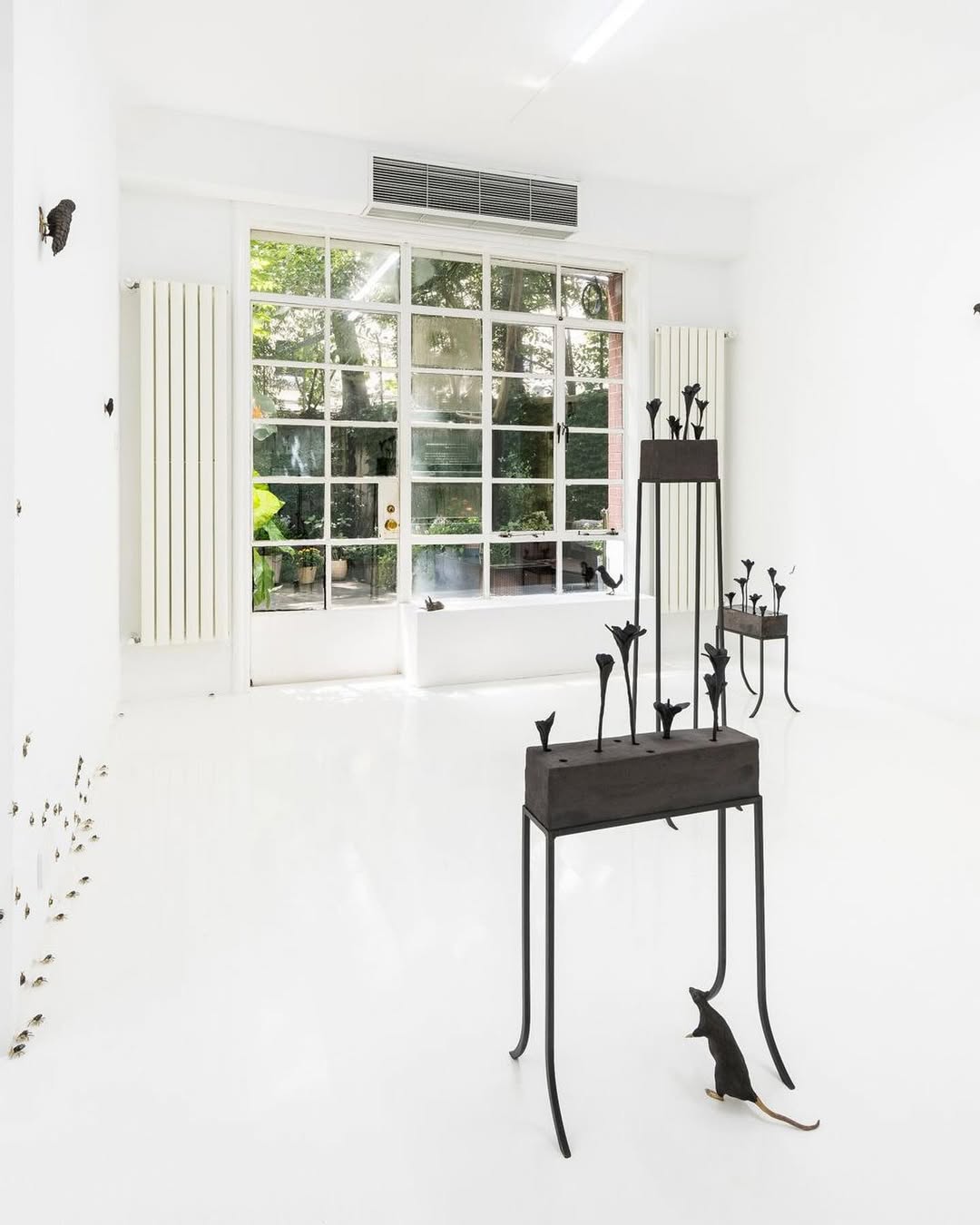
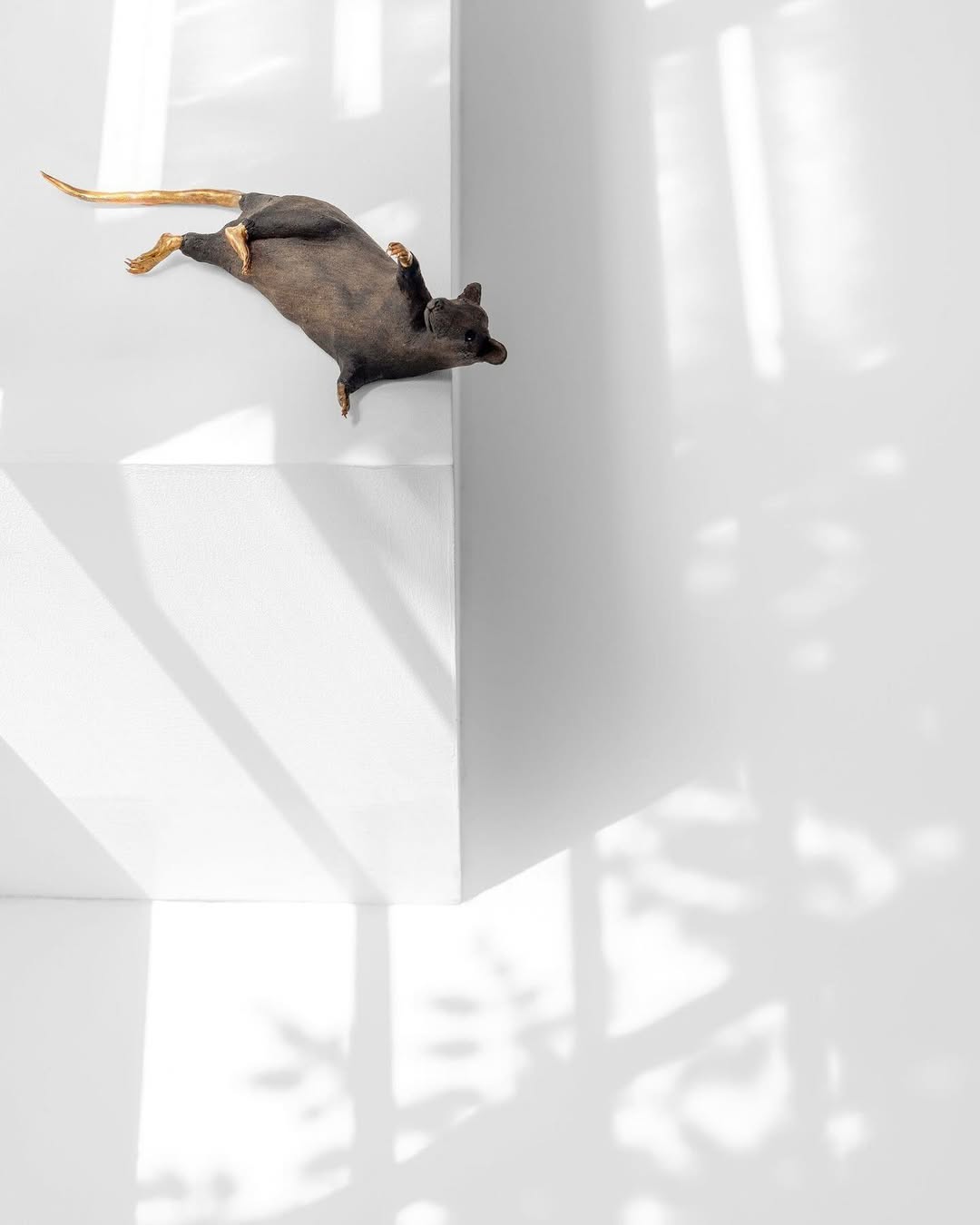
Shanghai / 2024
London / 2024
/ 2025
Innsbruck / 2025
Vienna / 2025
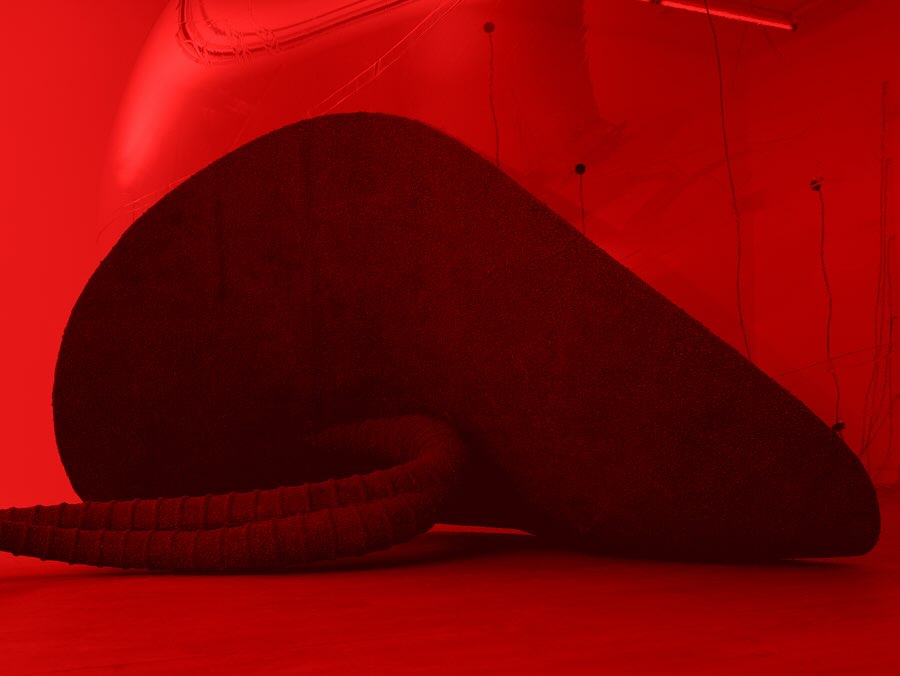
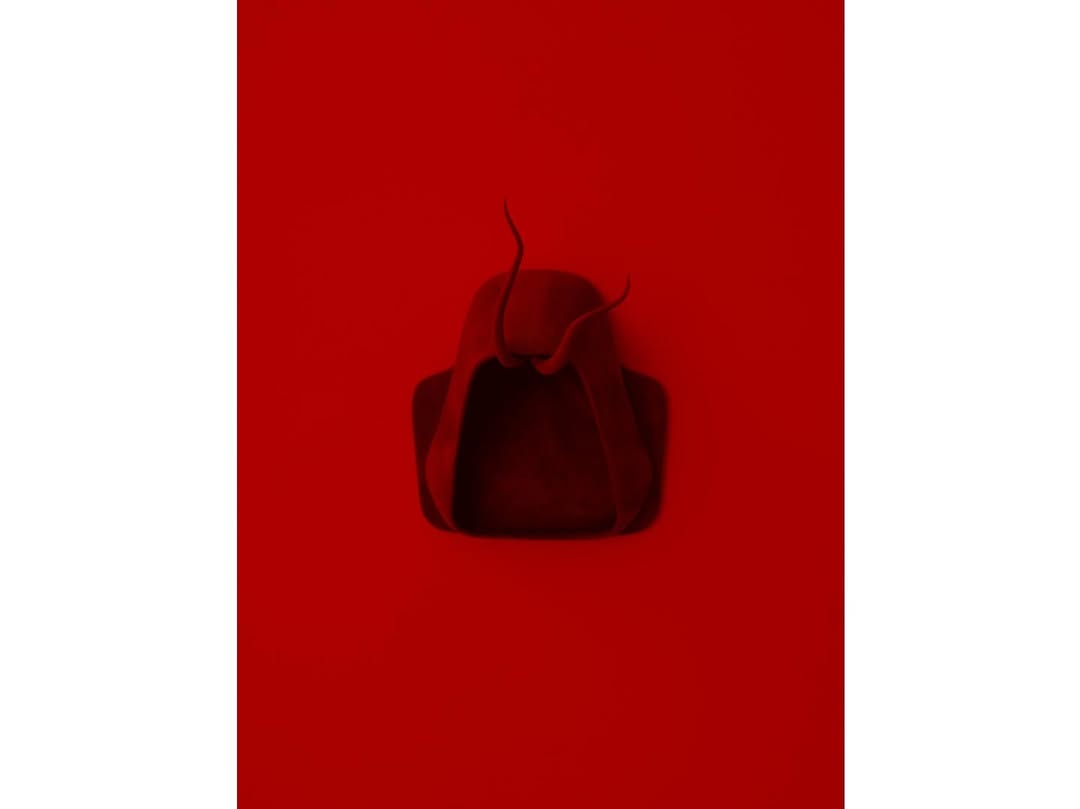
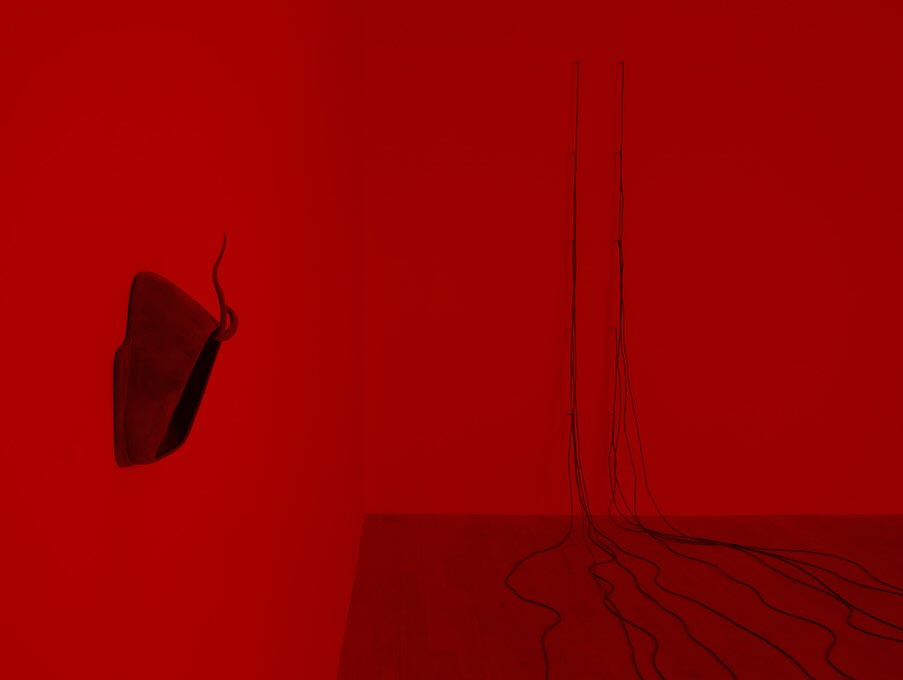
New York / 2025
Hamburg / 2025
Busan / 2025
Seoul / 2026
/photo_1_2026-05-23_19-23-24.jpg)
Munich / 2026
 (GROUP SHOW).webp)
Berlin / 2026
Paris / 2026
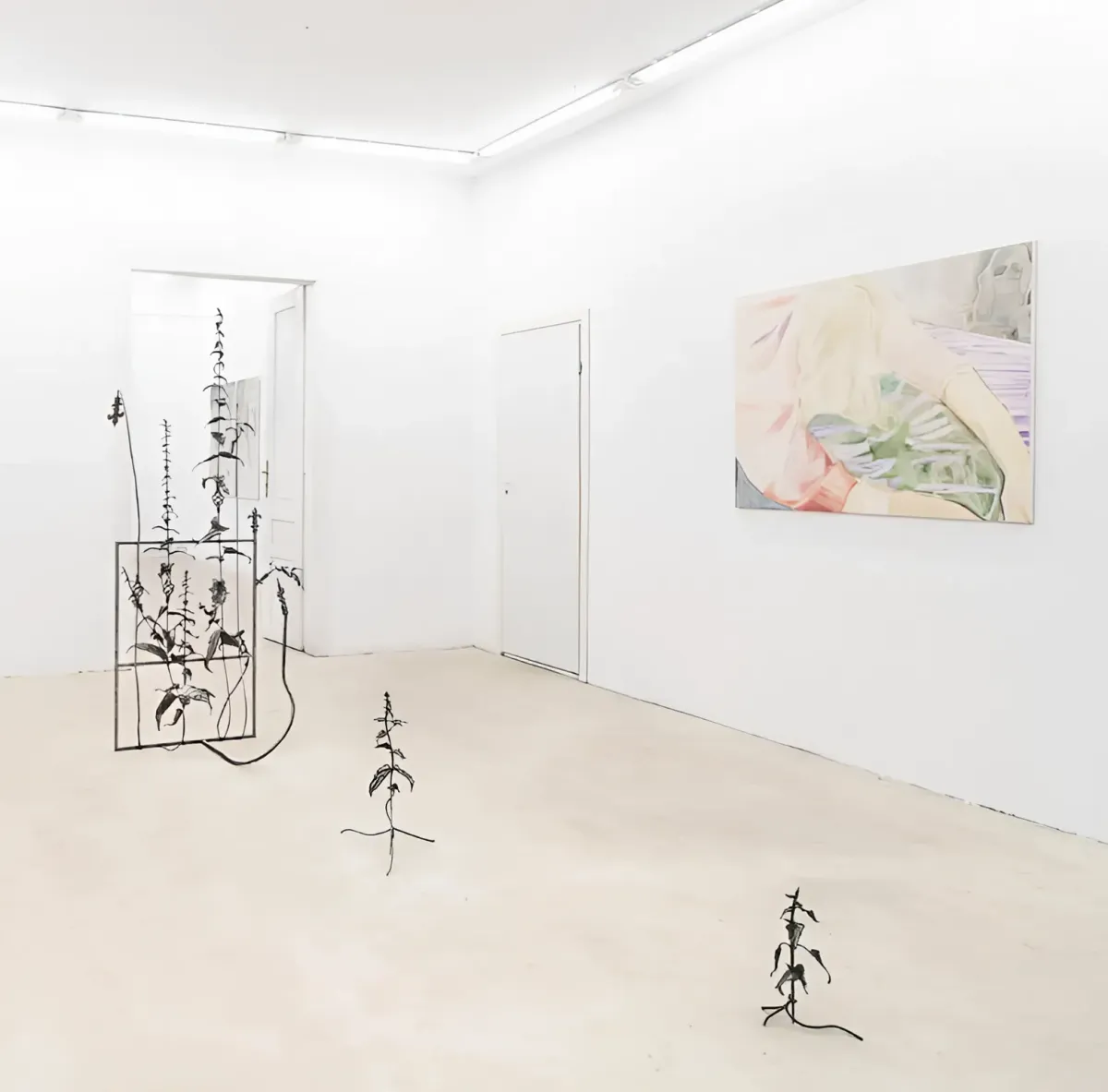
Kraków / 2026
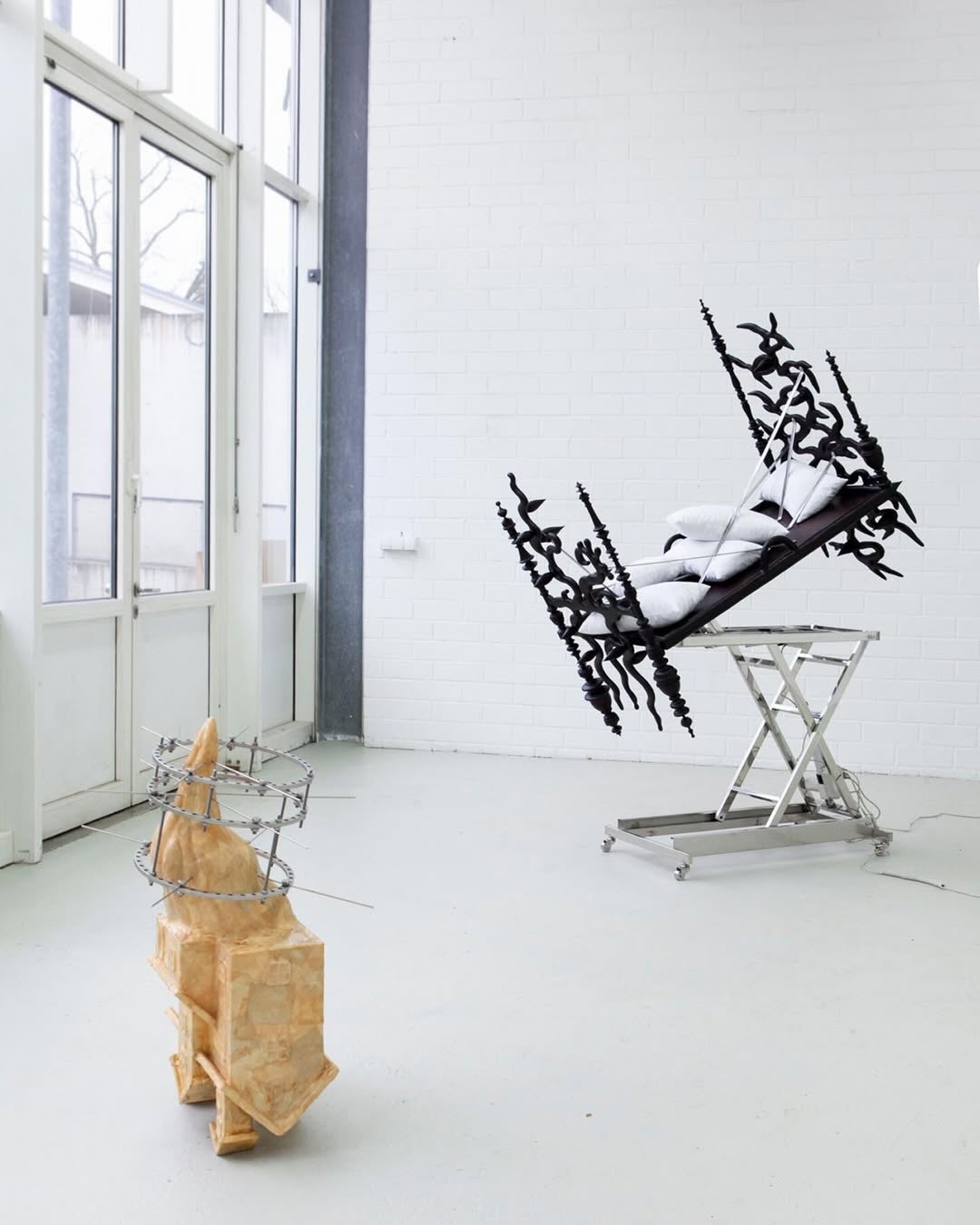
Nurnberg / 2026
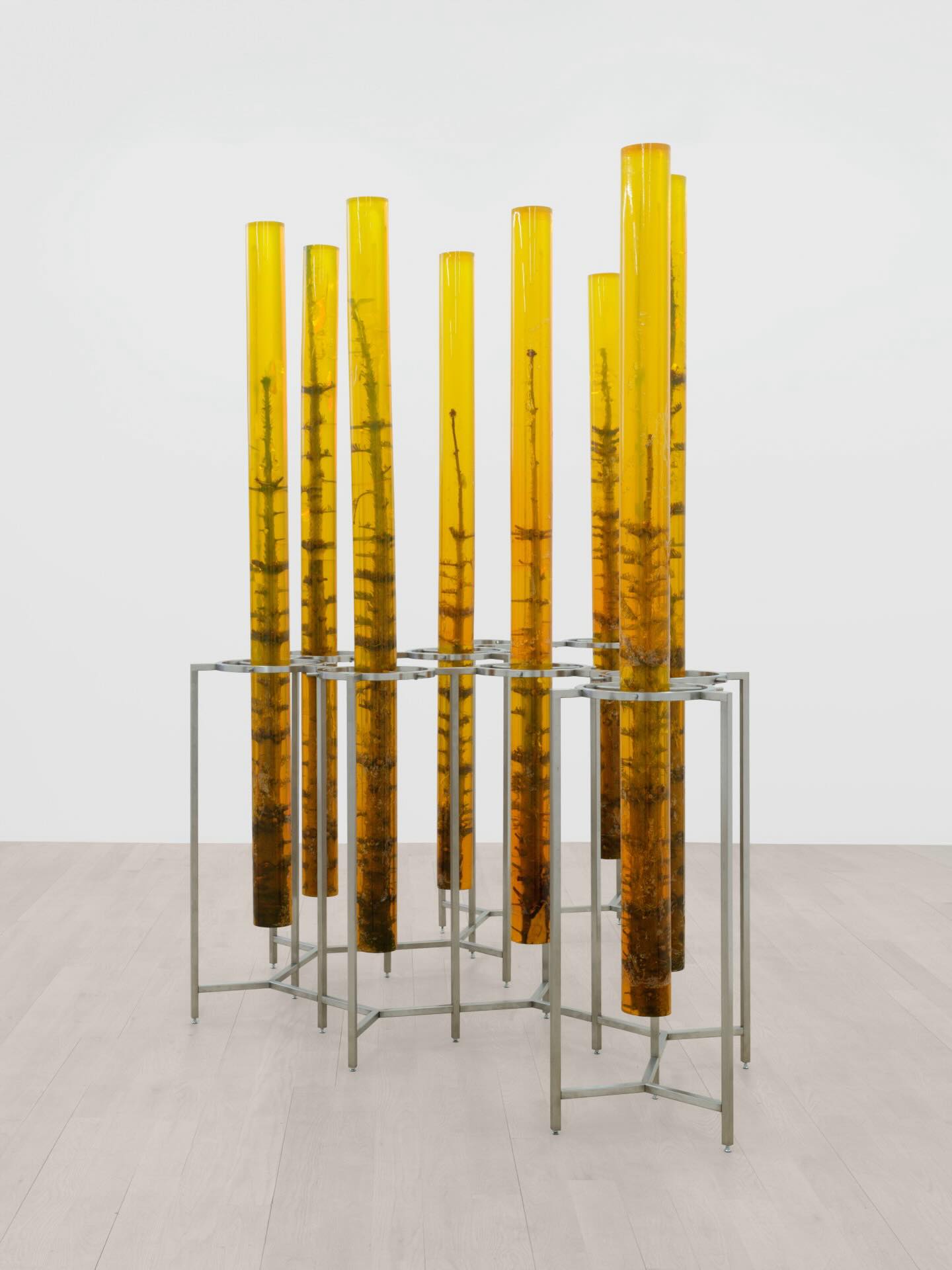
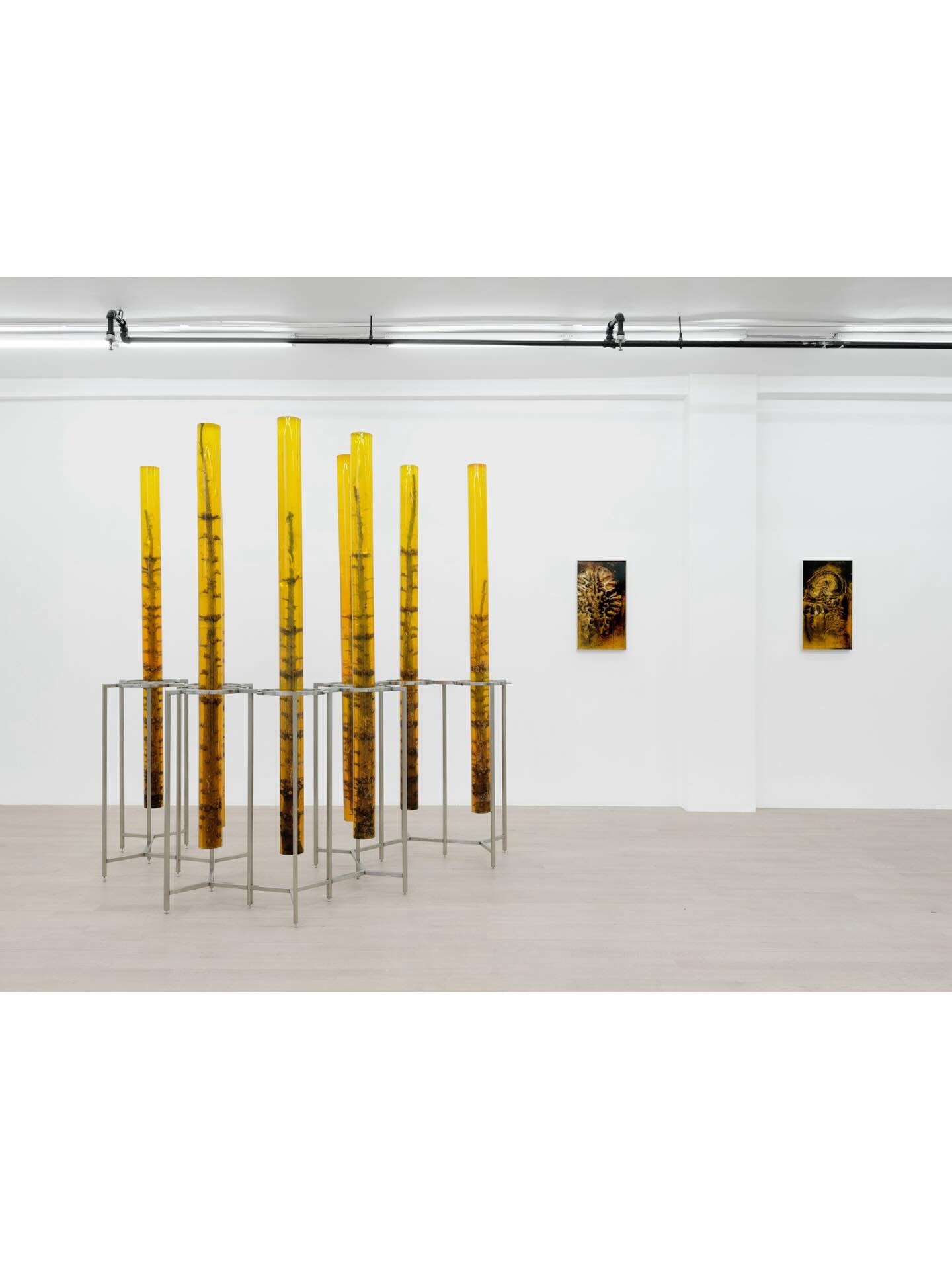
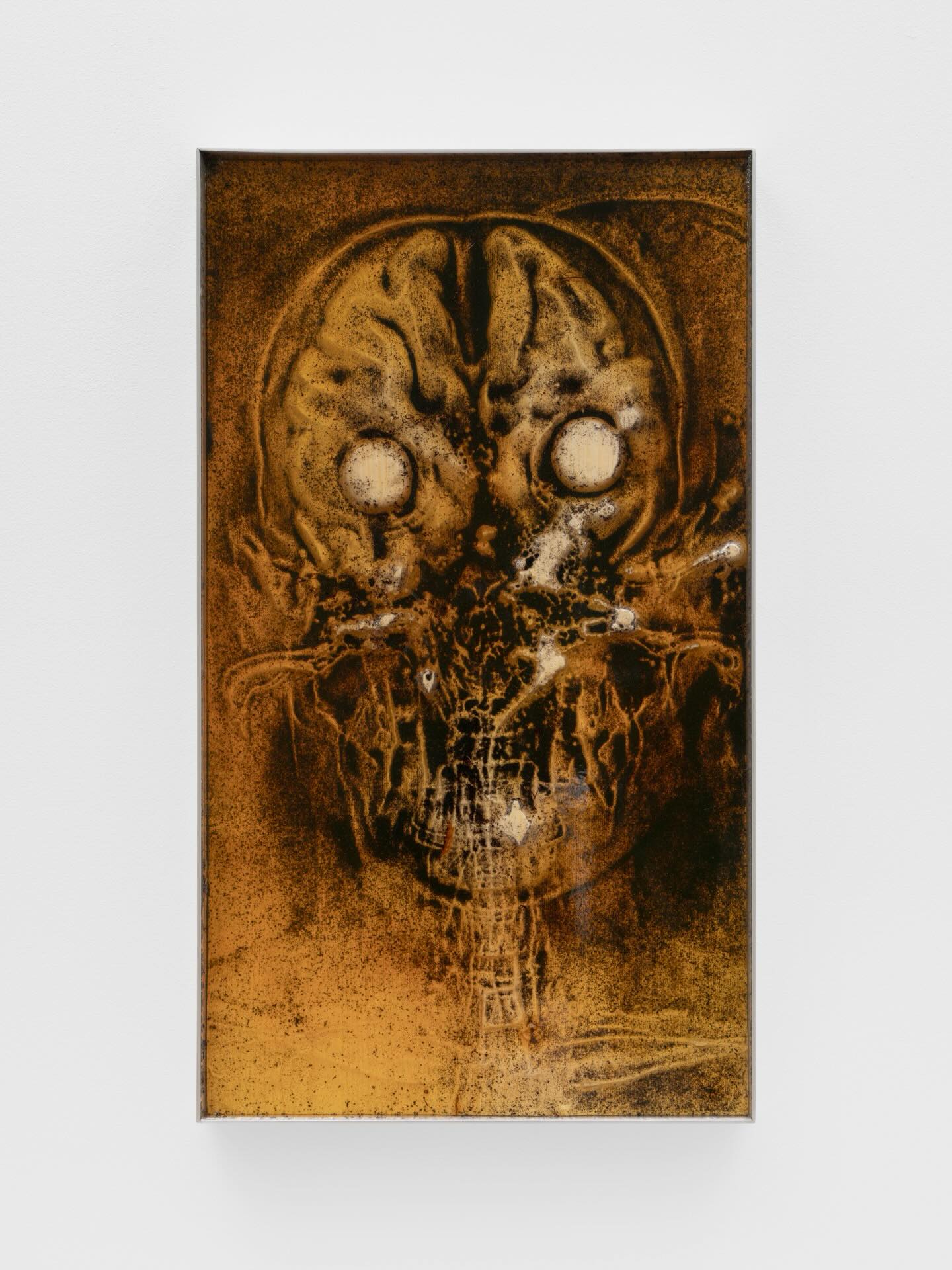
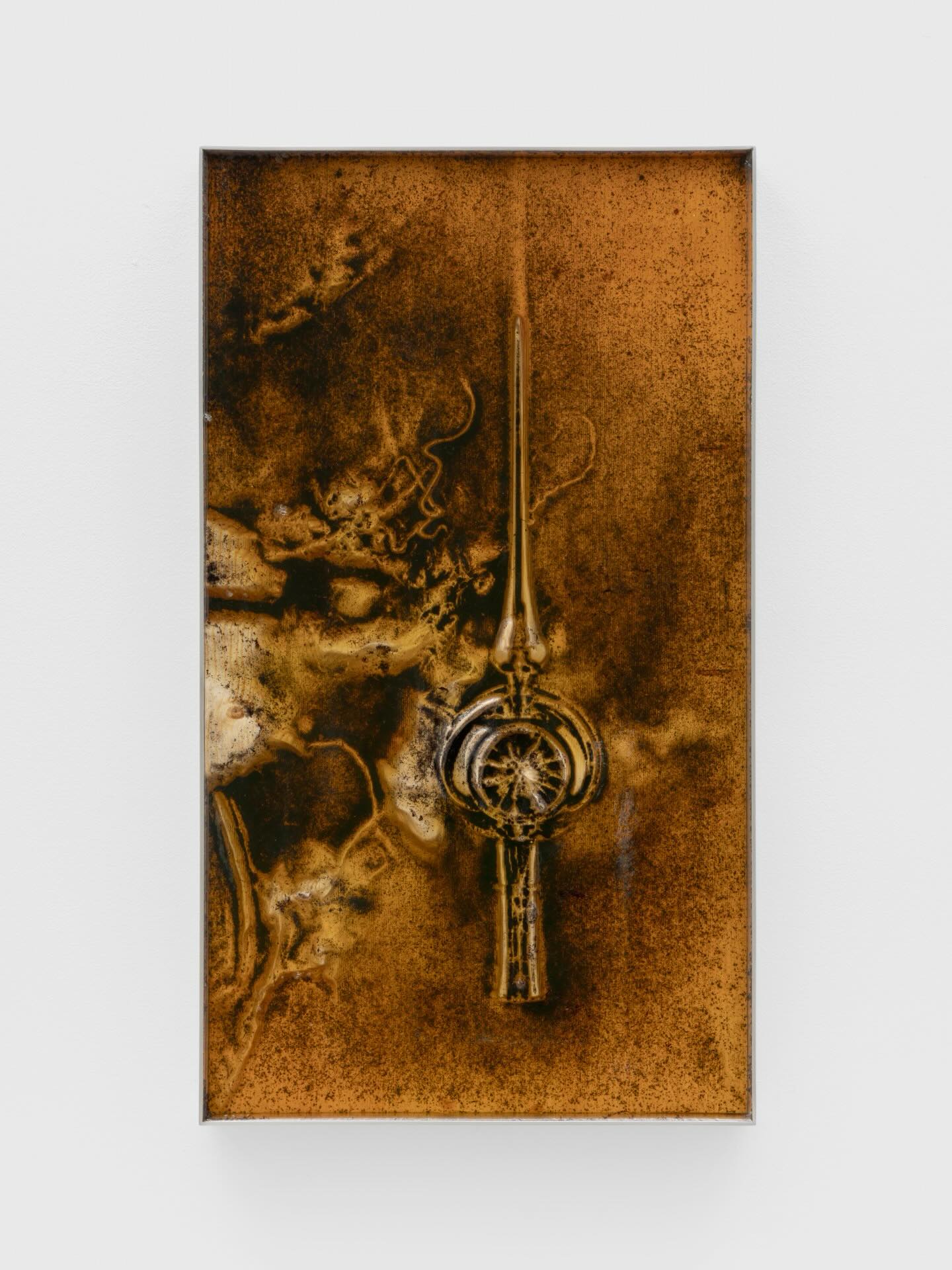
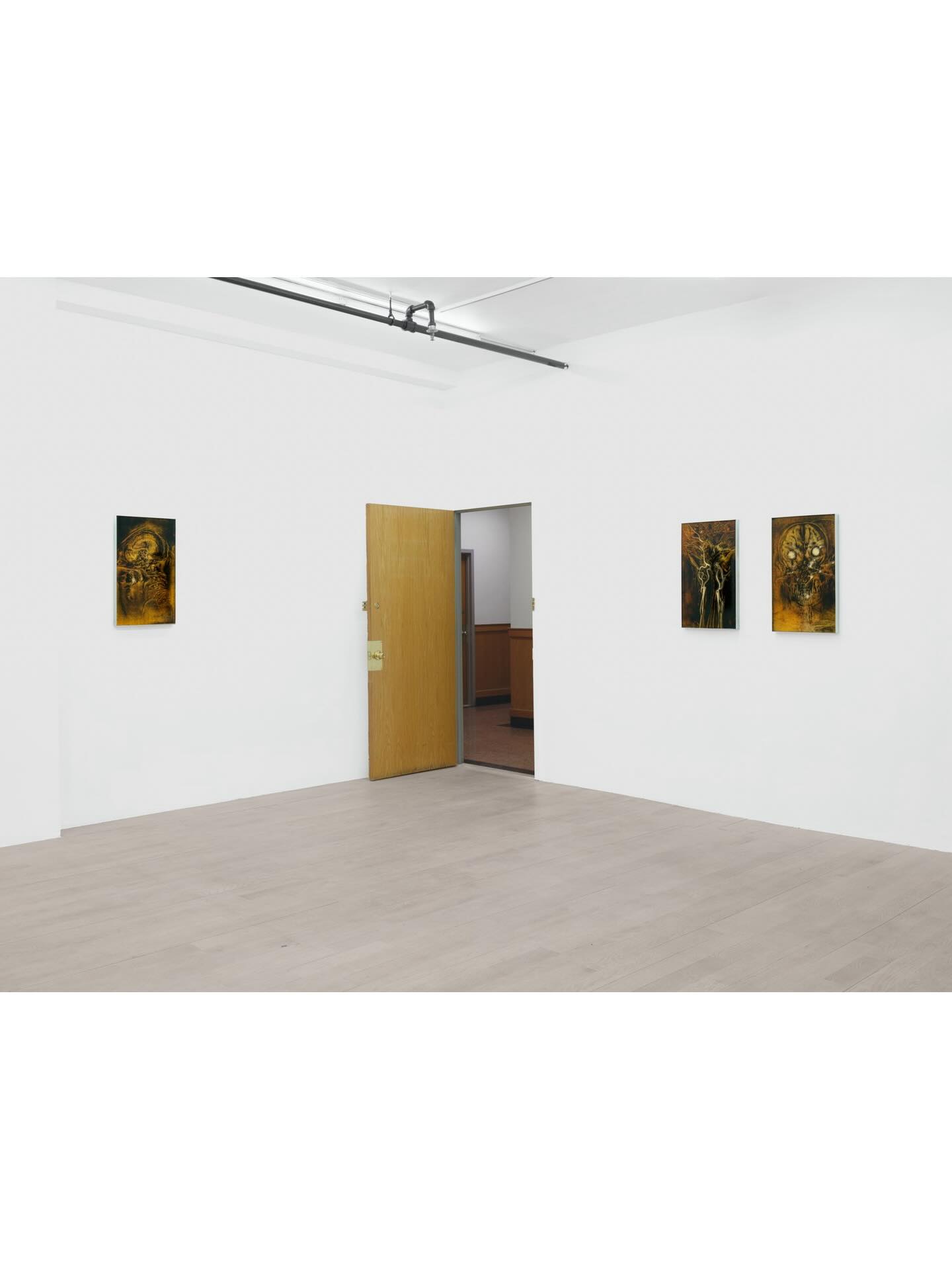
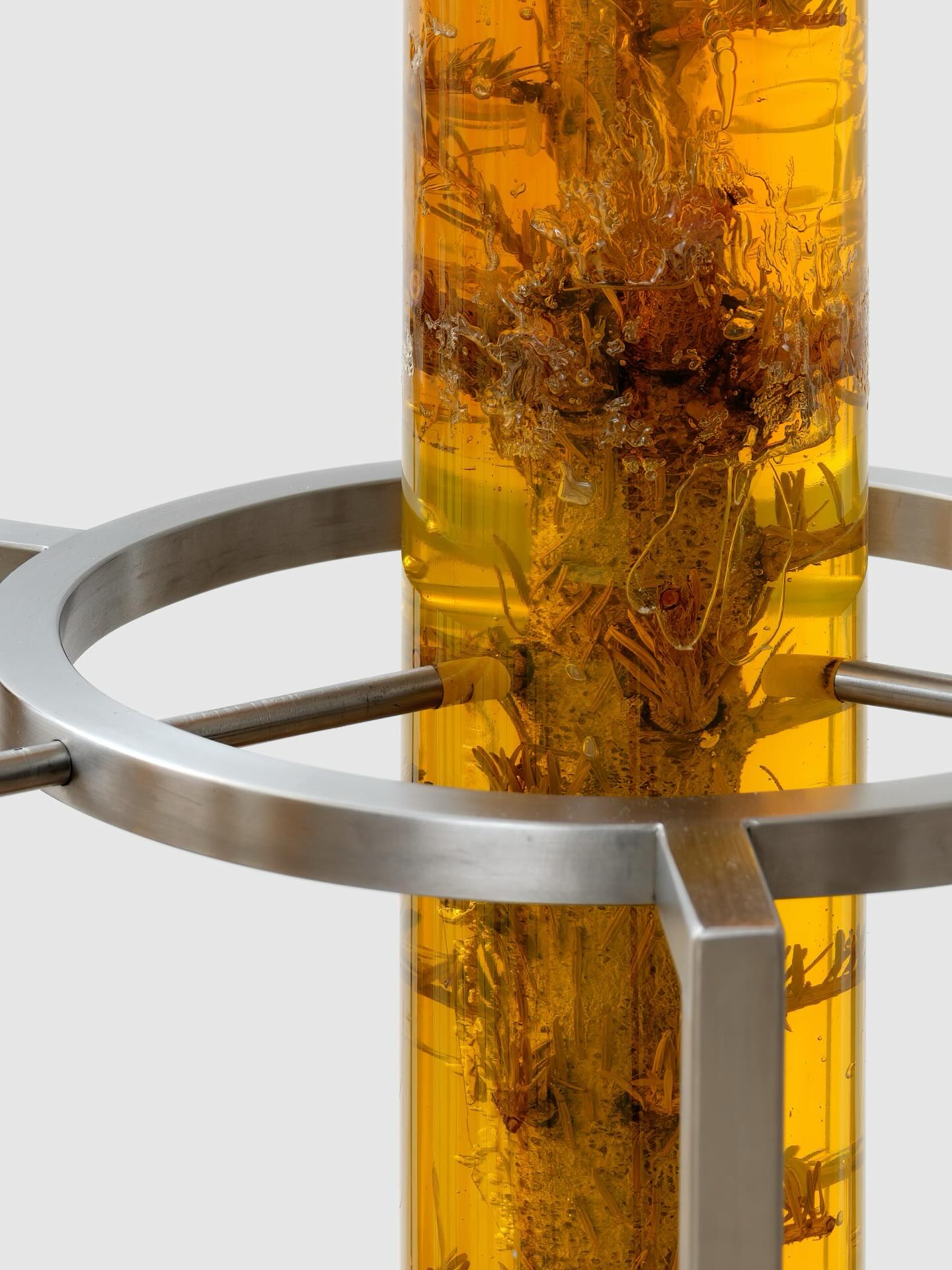
New York City / 2026
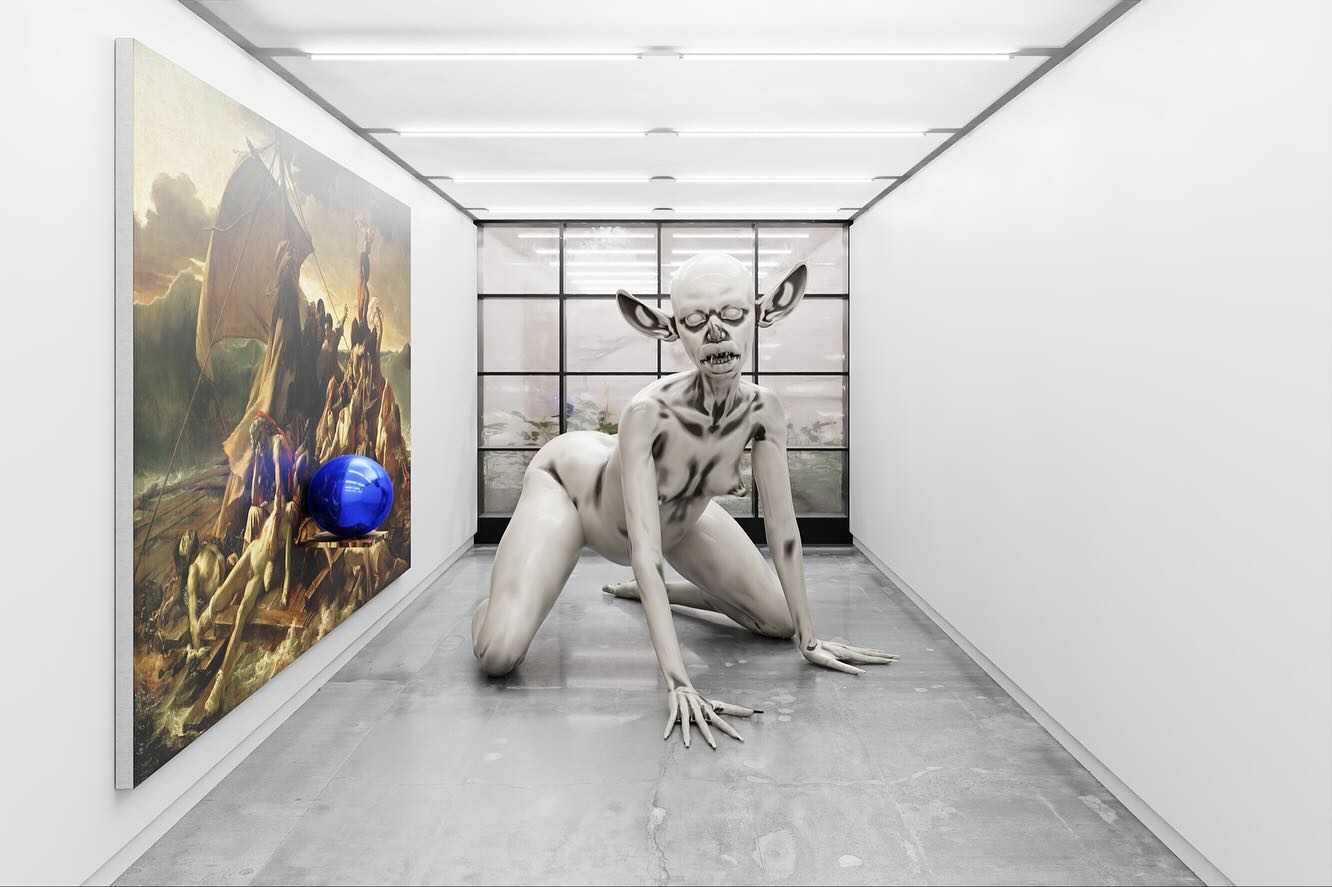
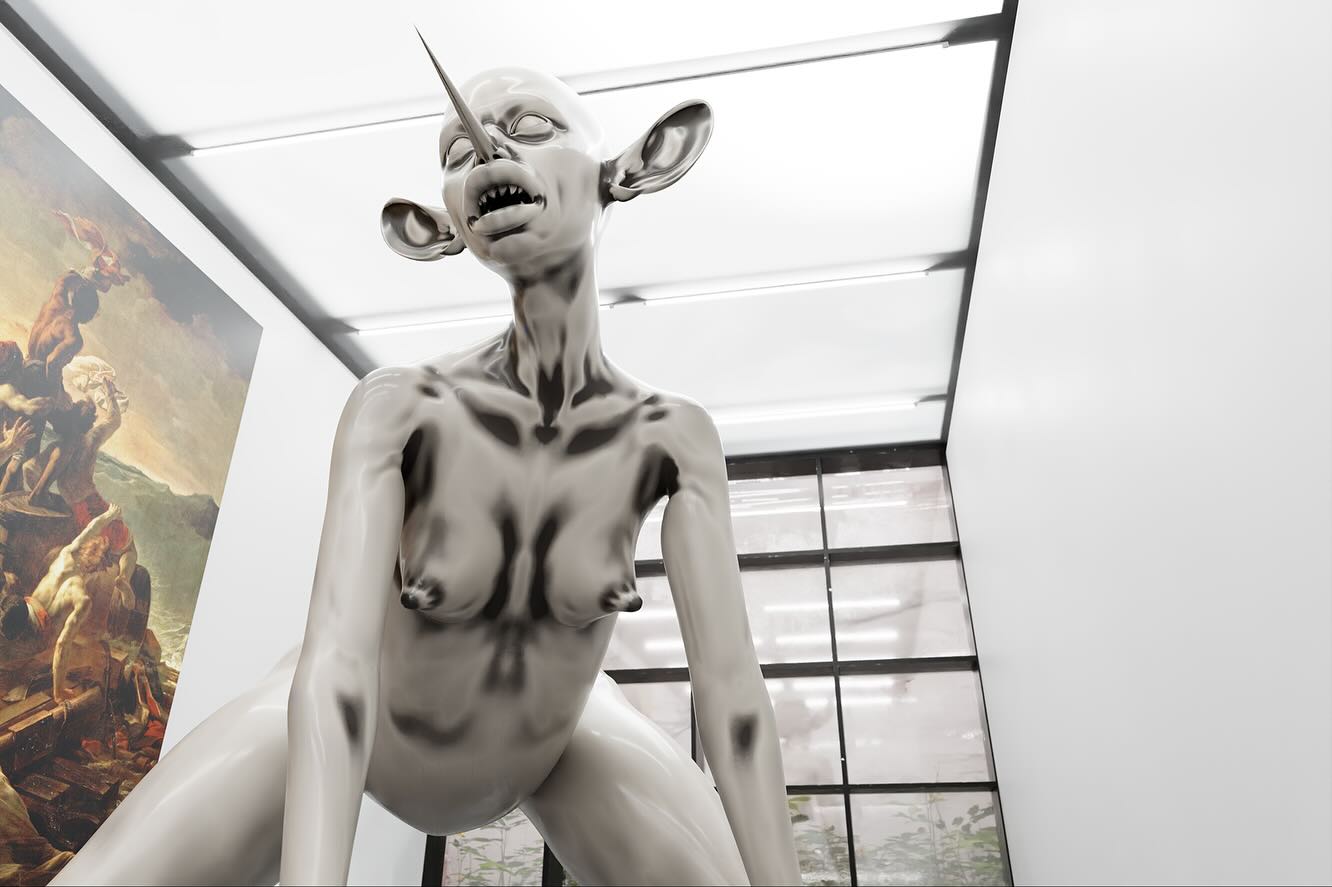
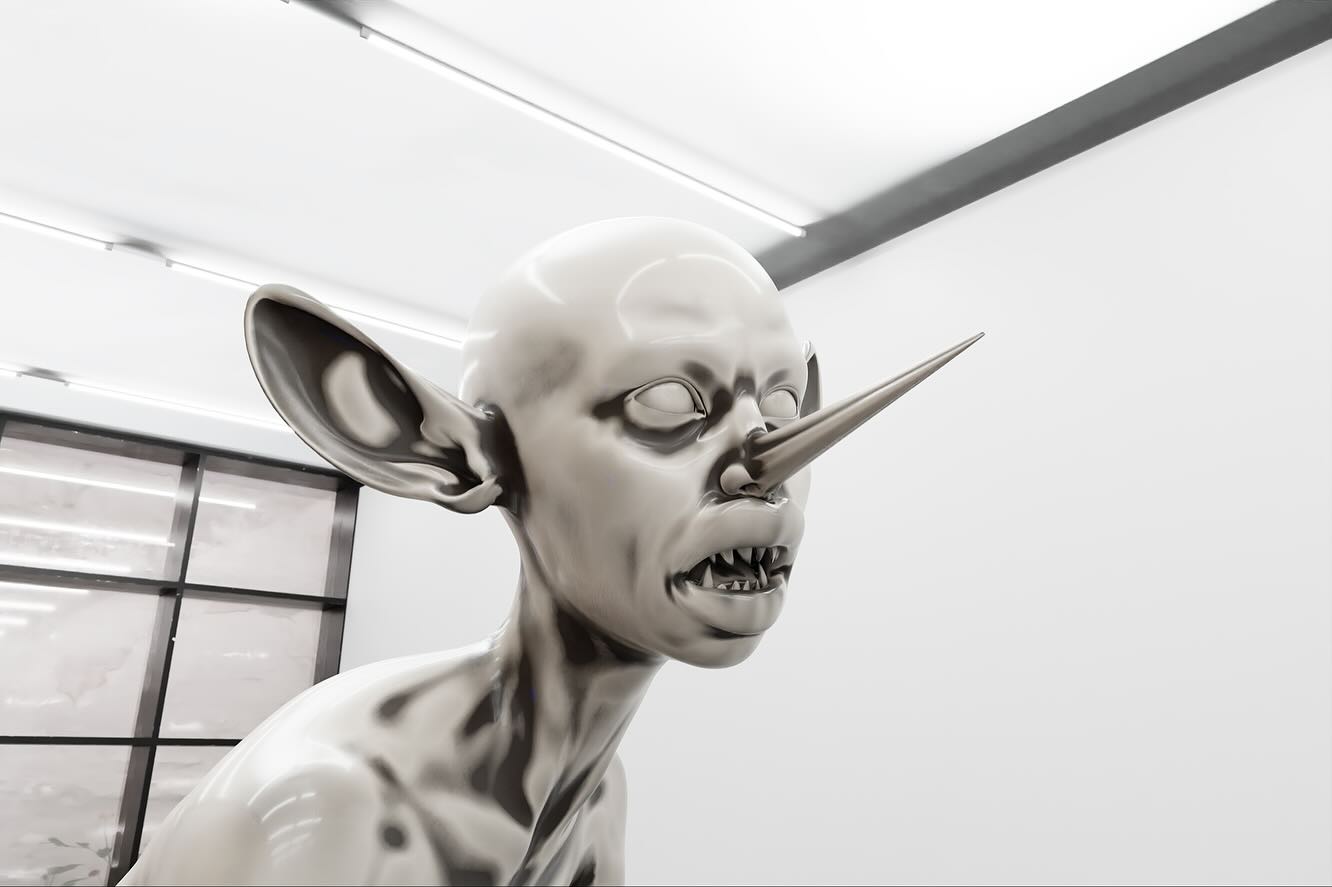
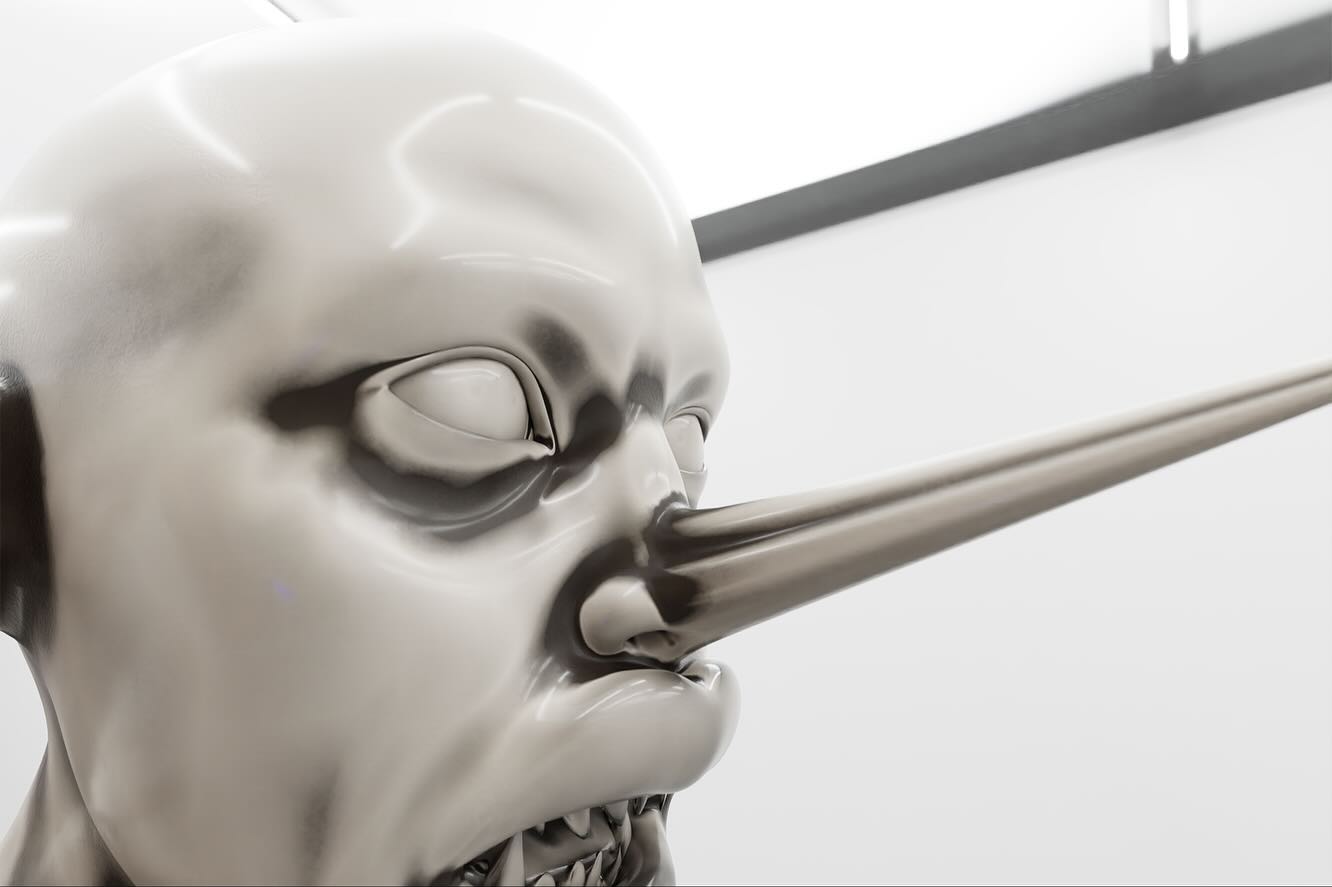
/ 2025
Madrid / 2025
Cukrarna / Yein Lee
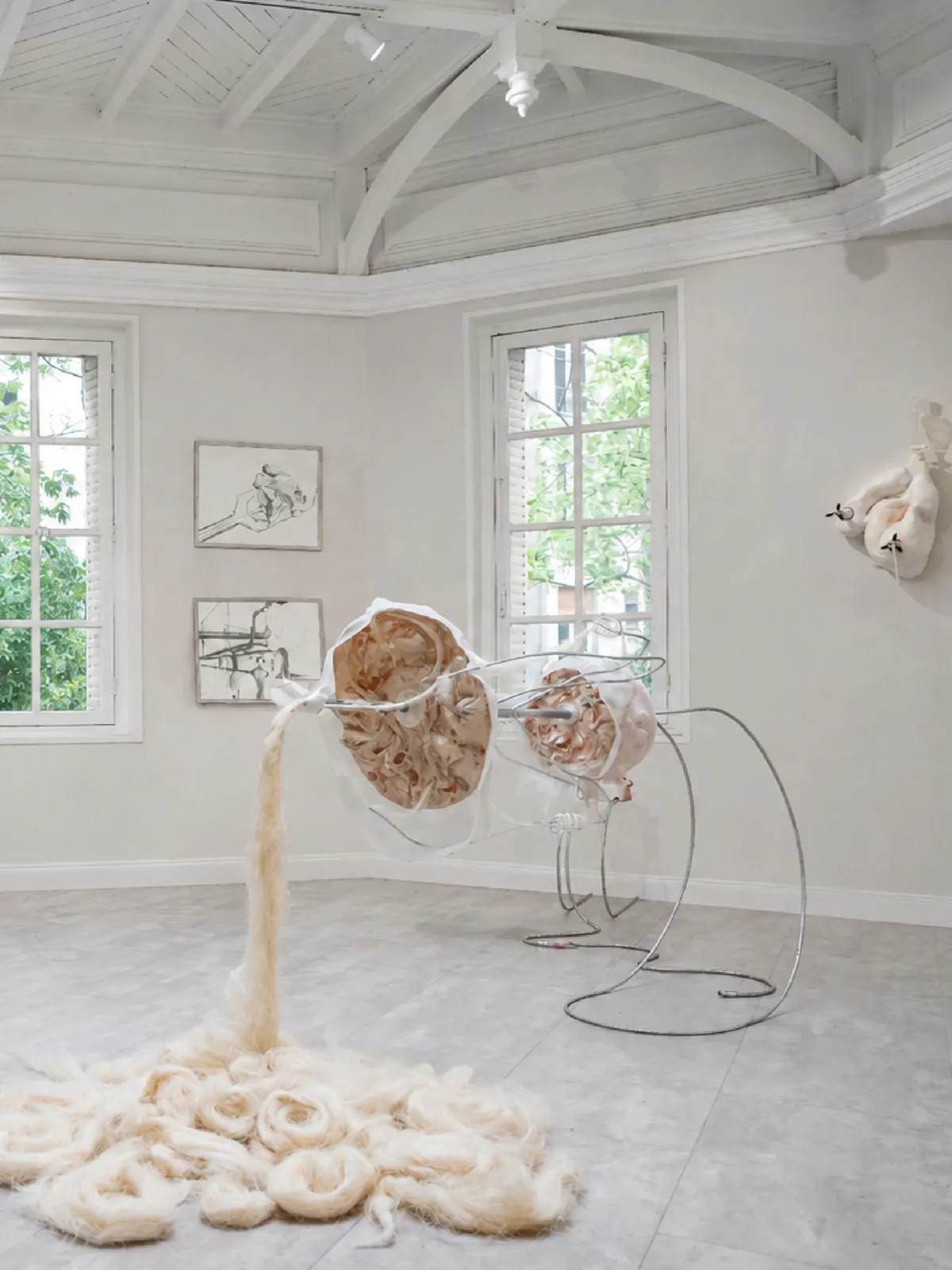
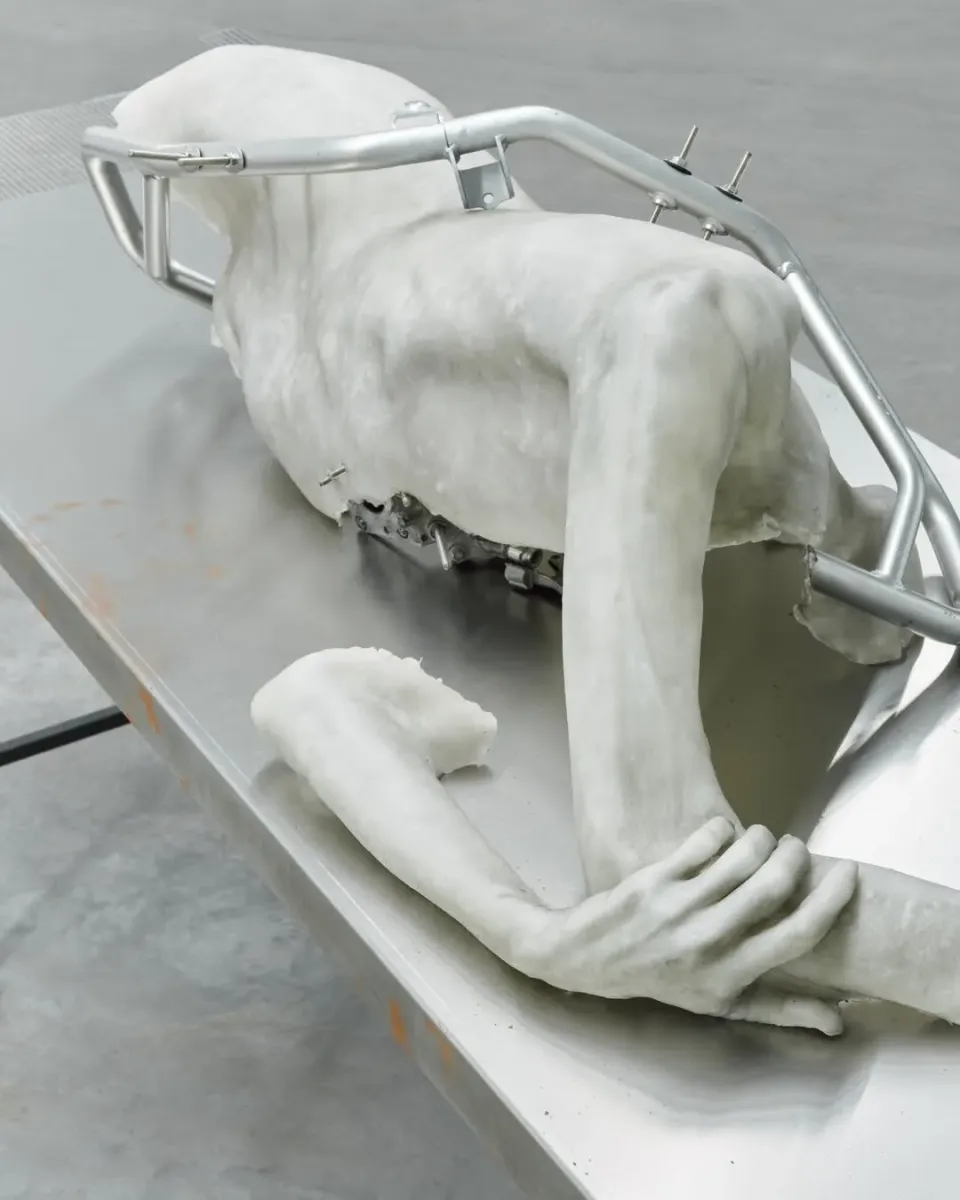
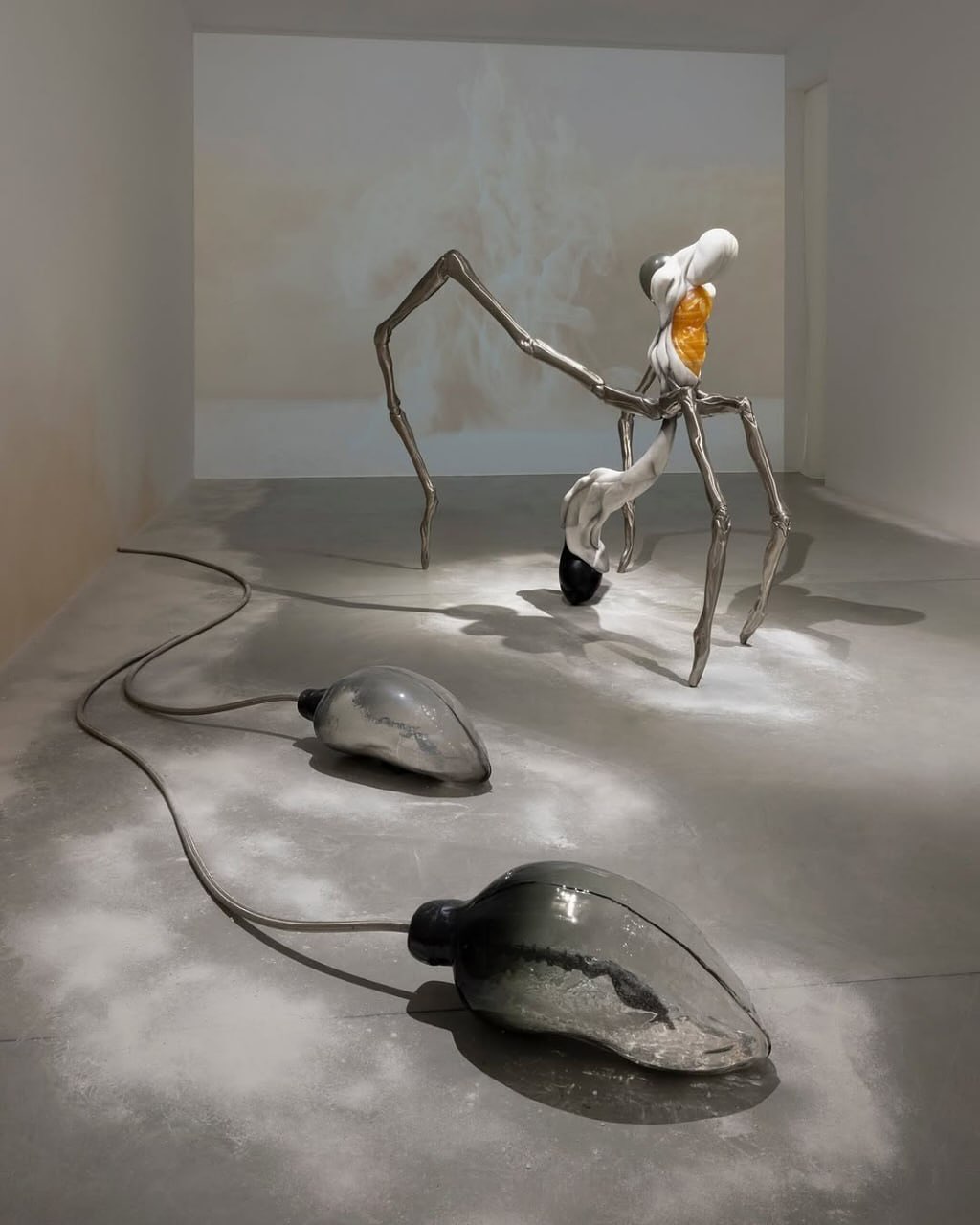
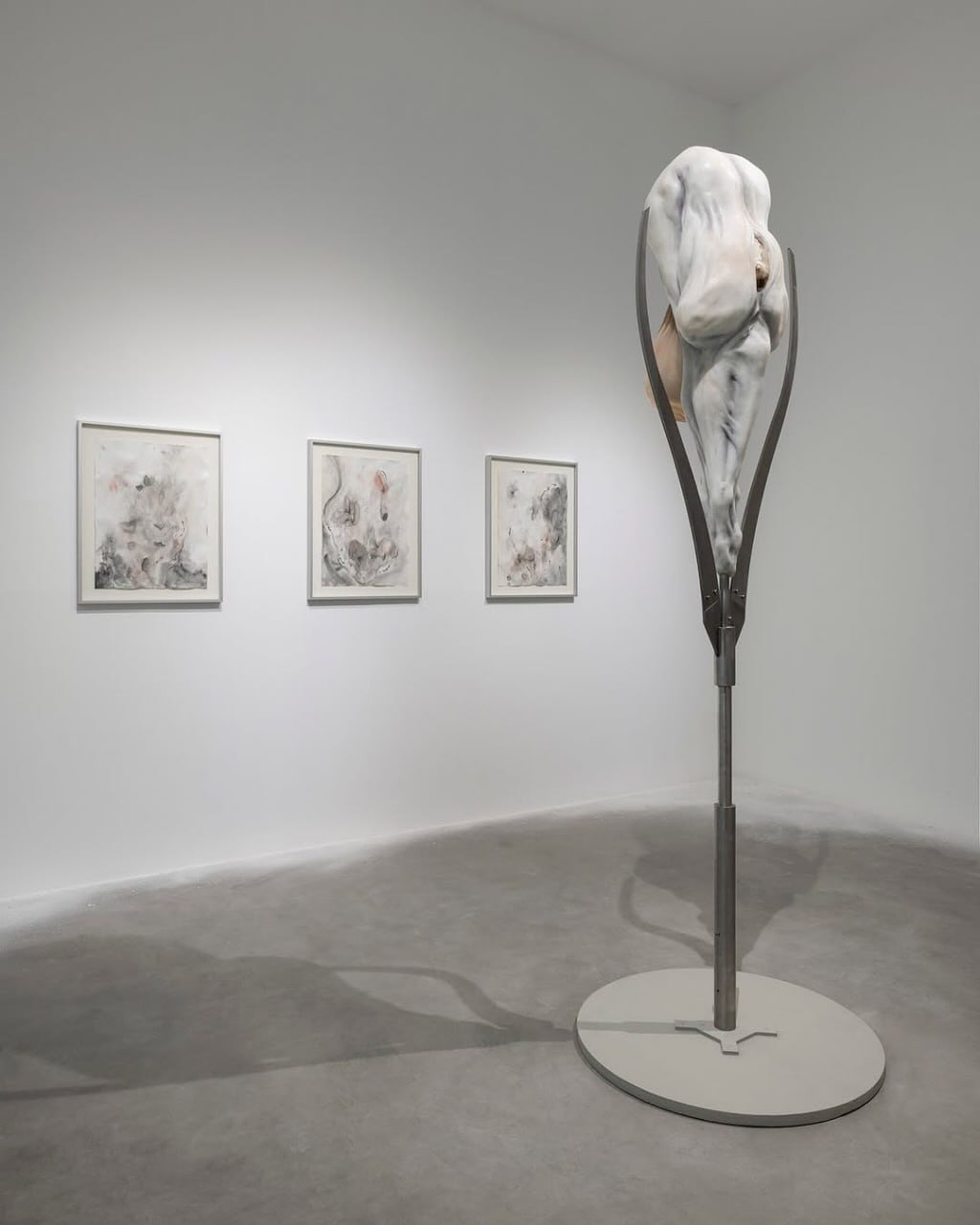
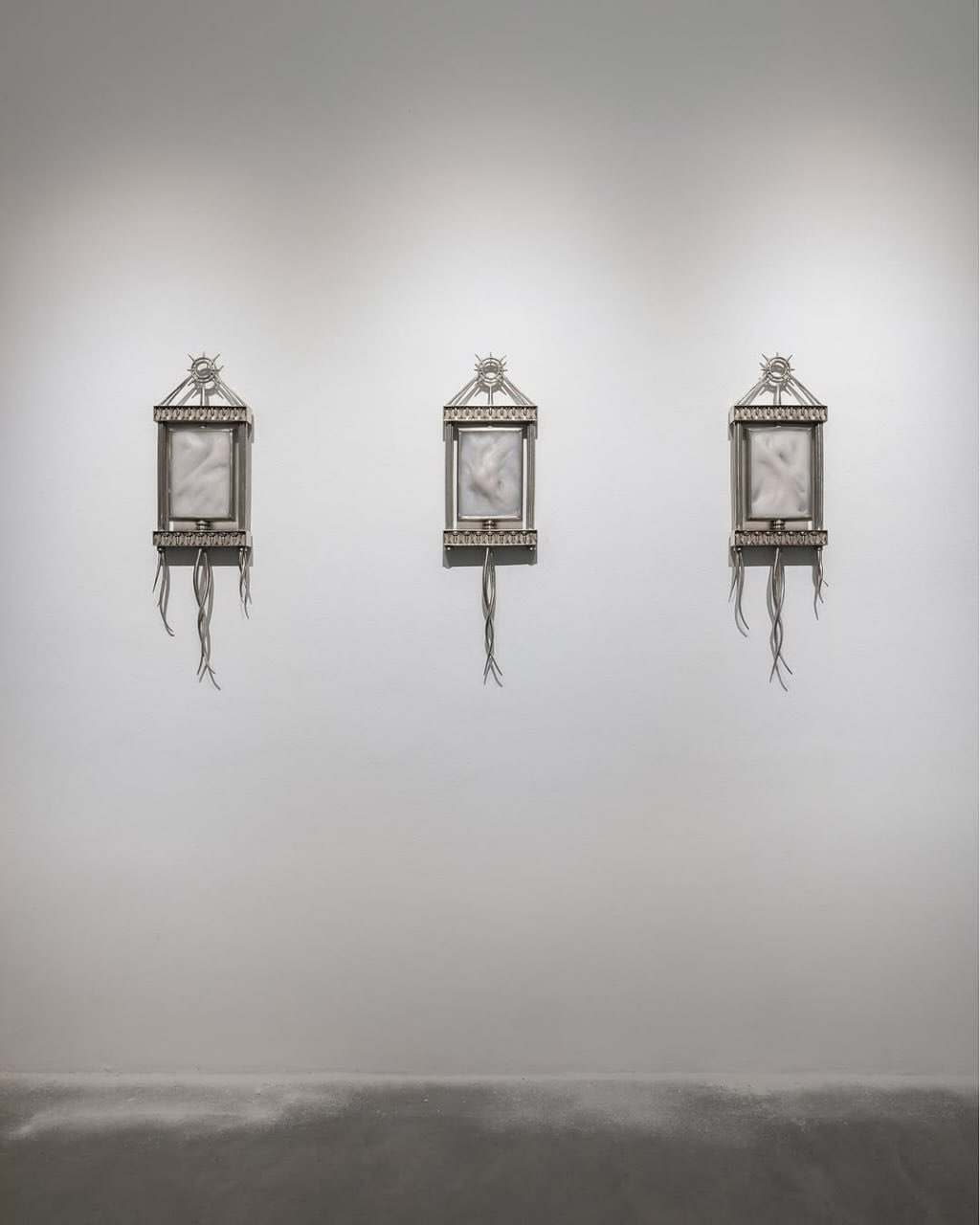
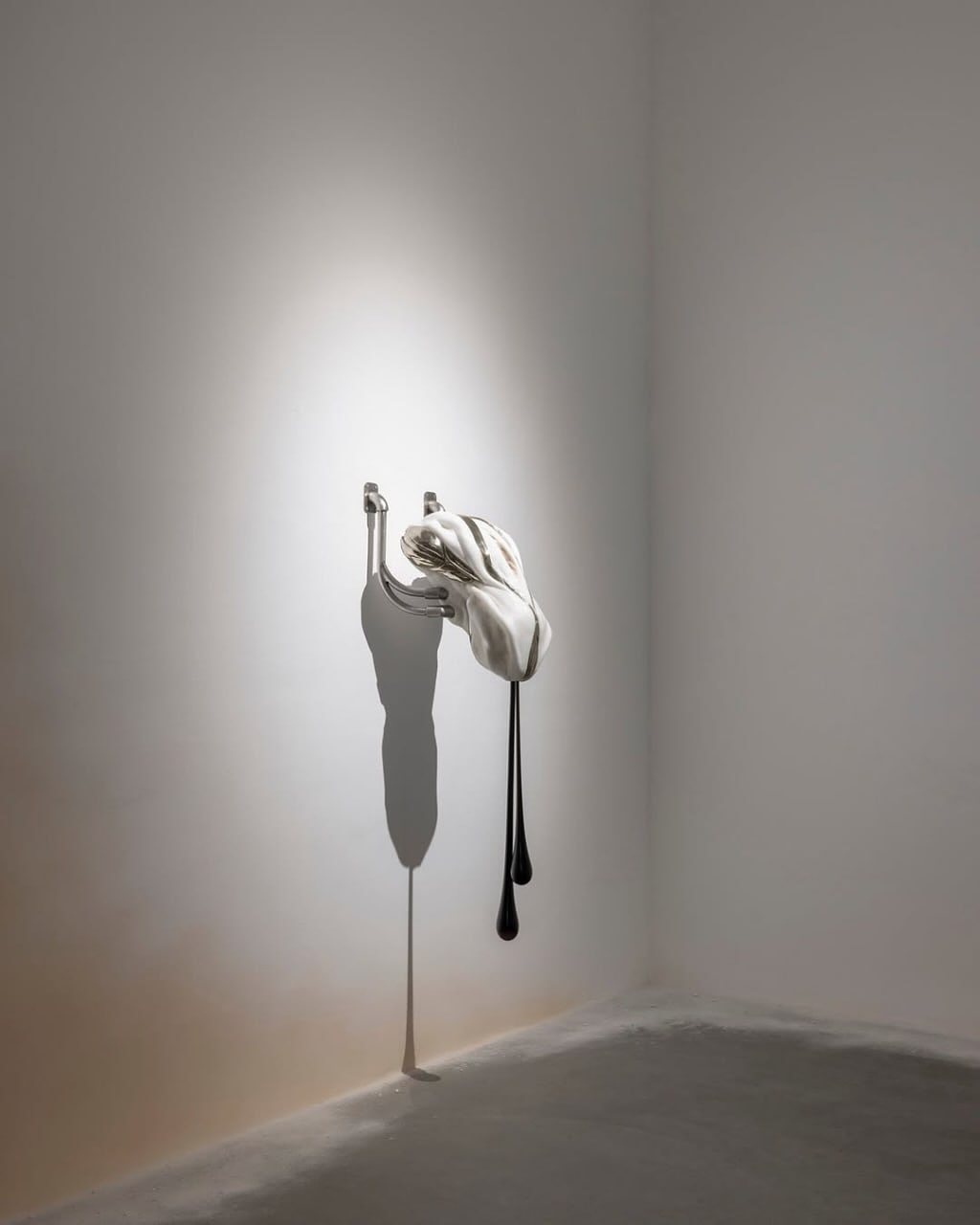
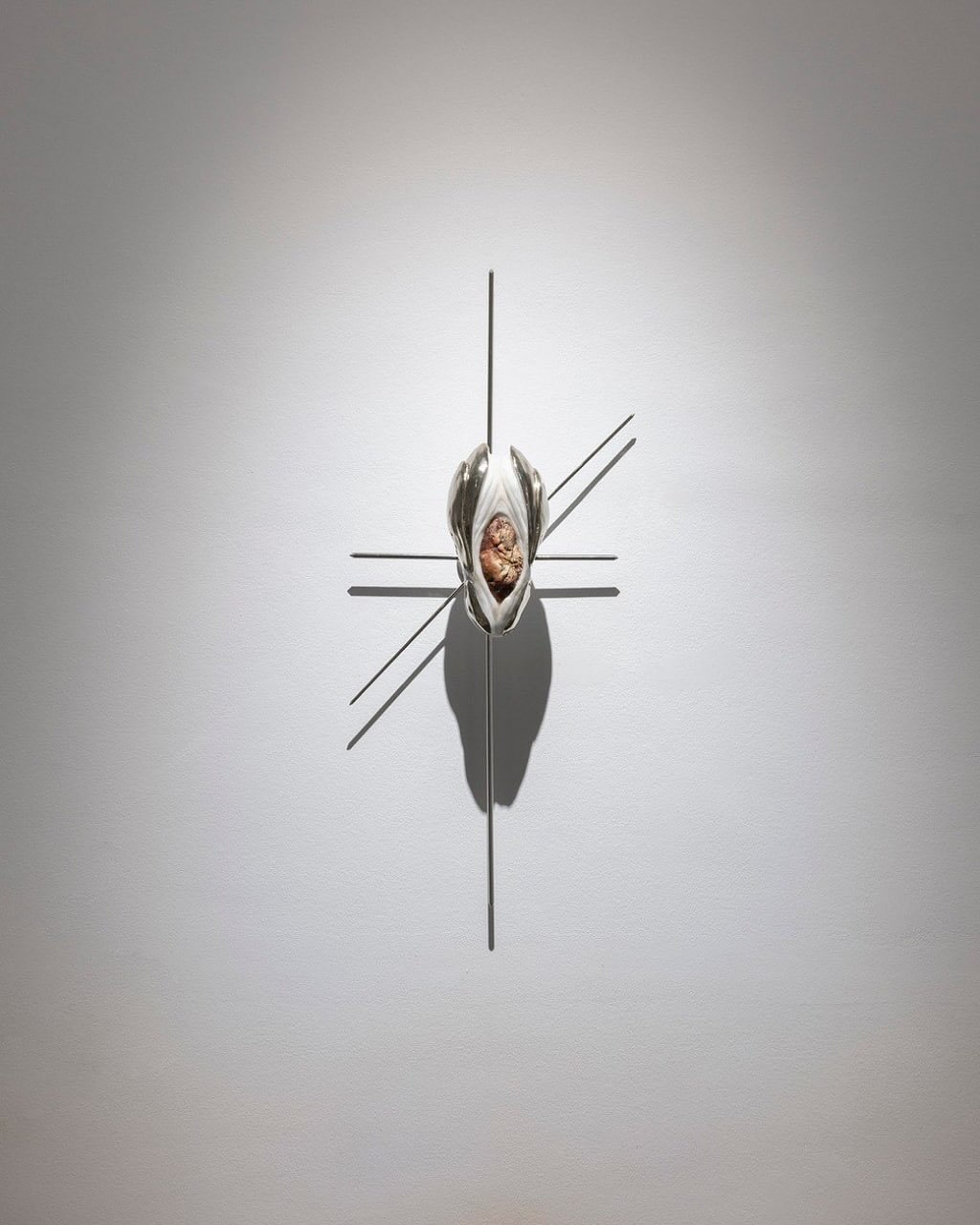
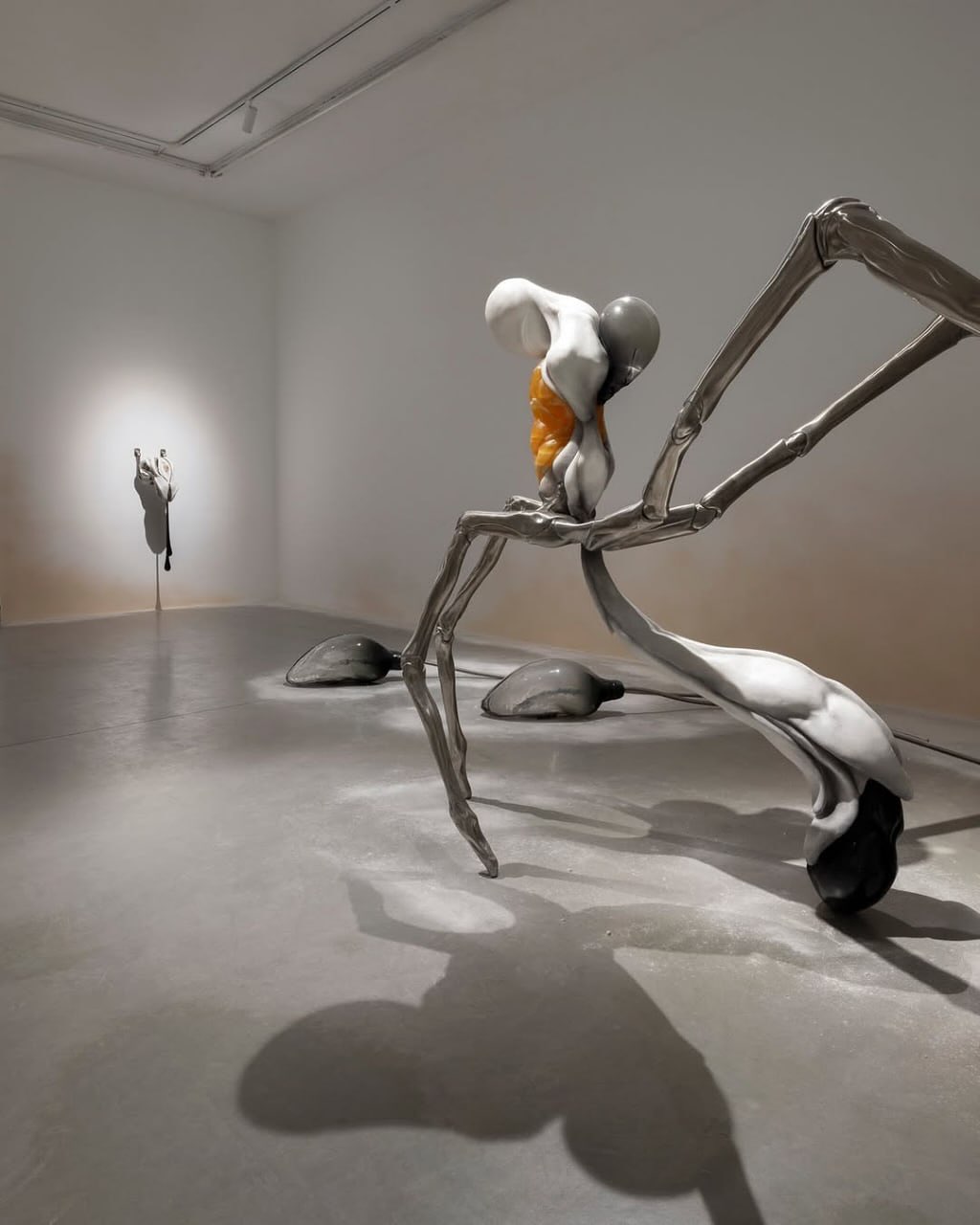
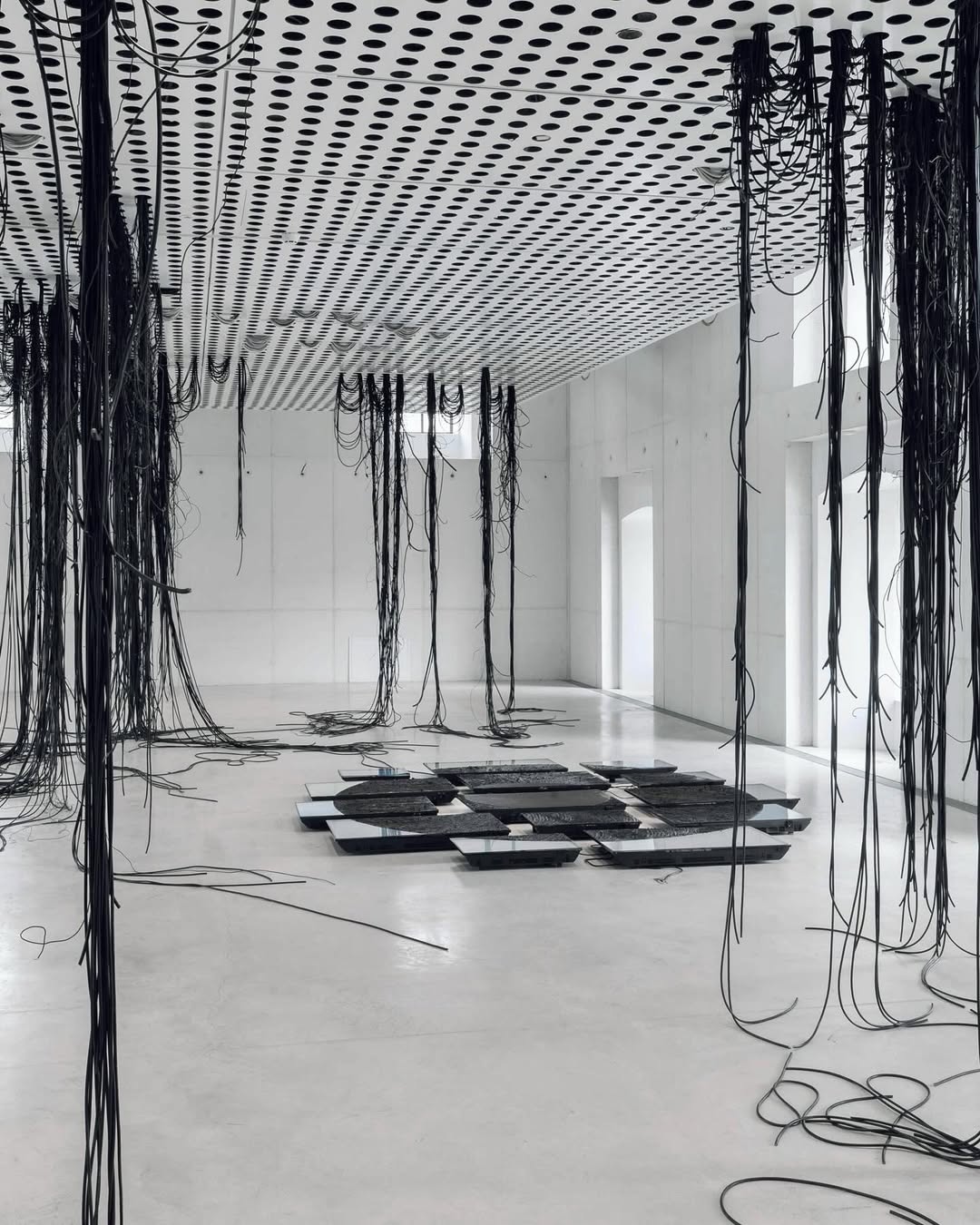
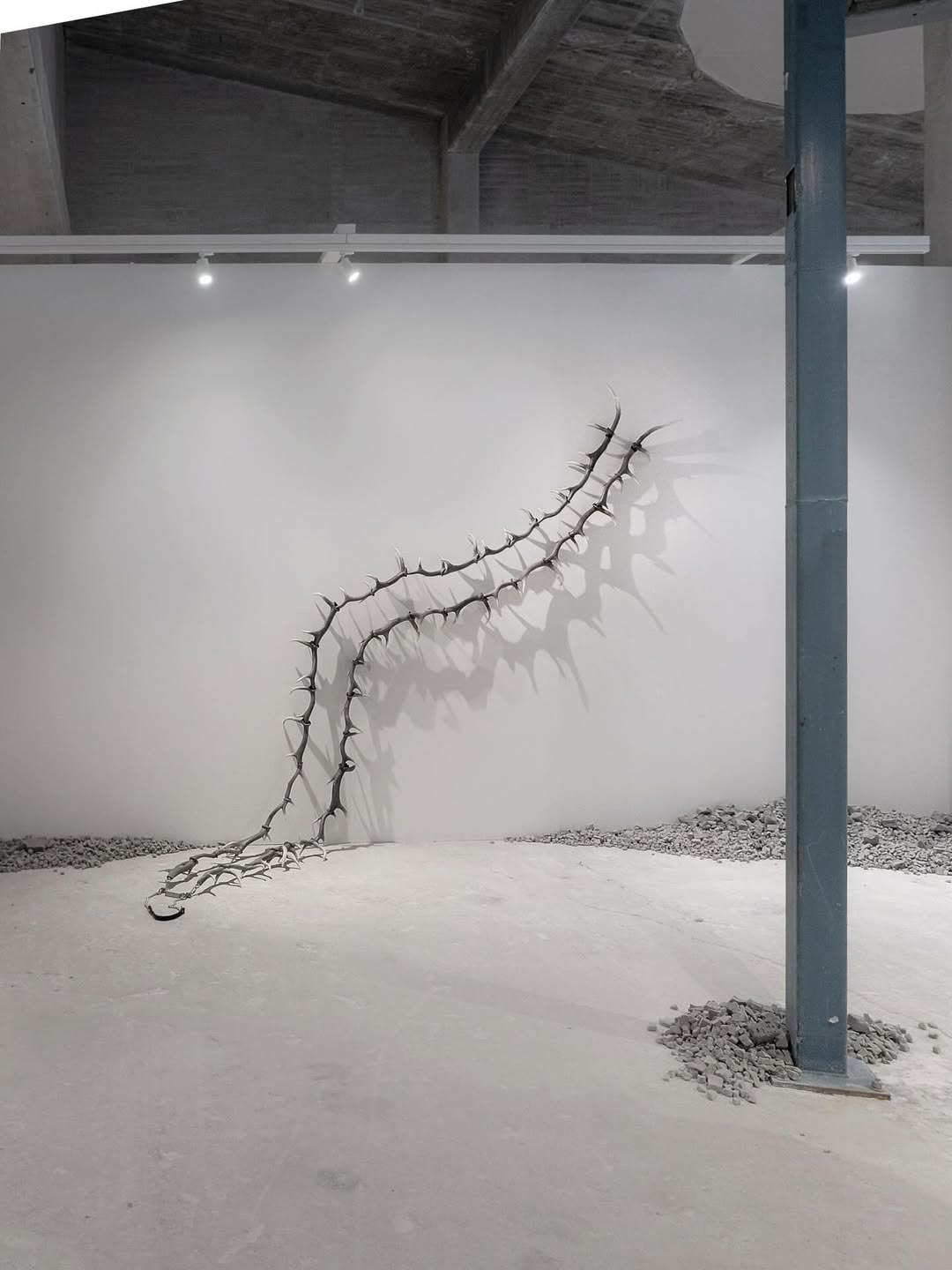
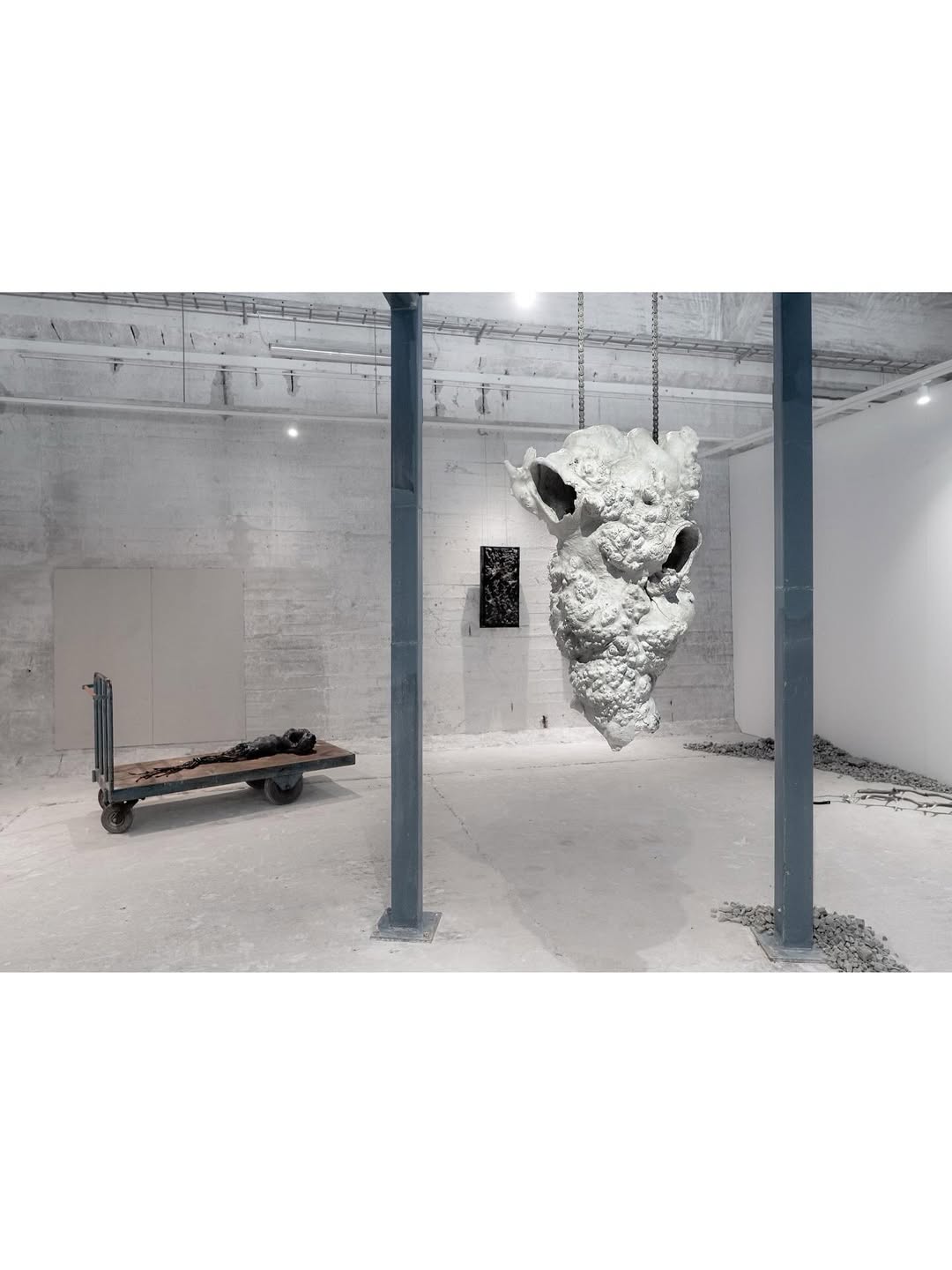
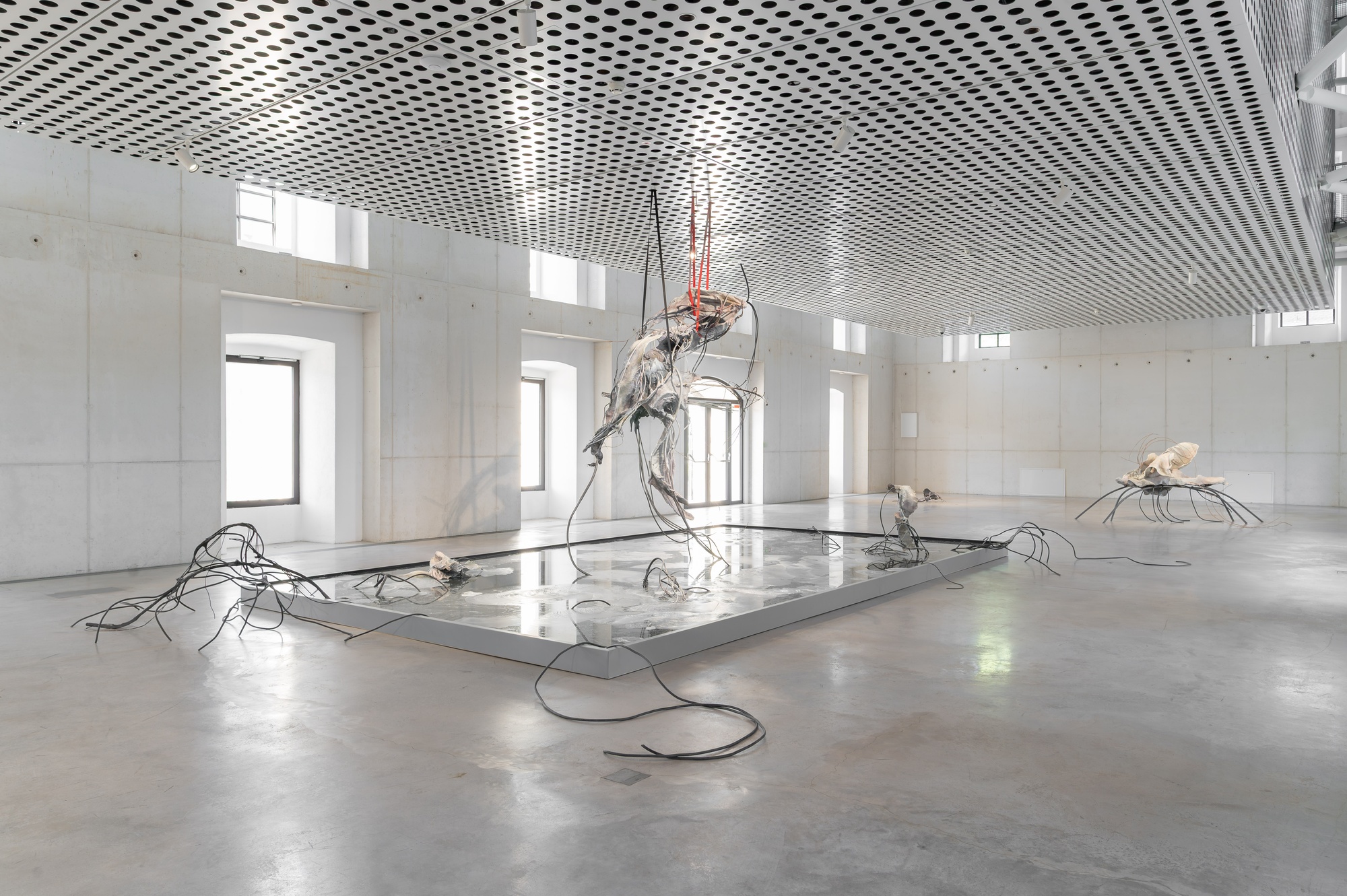
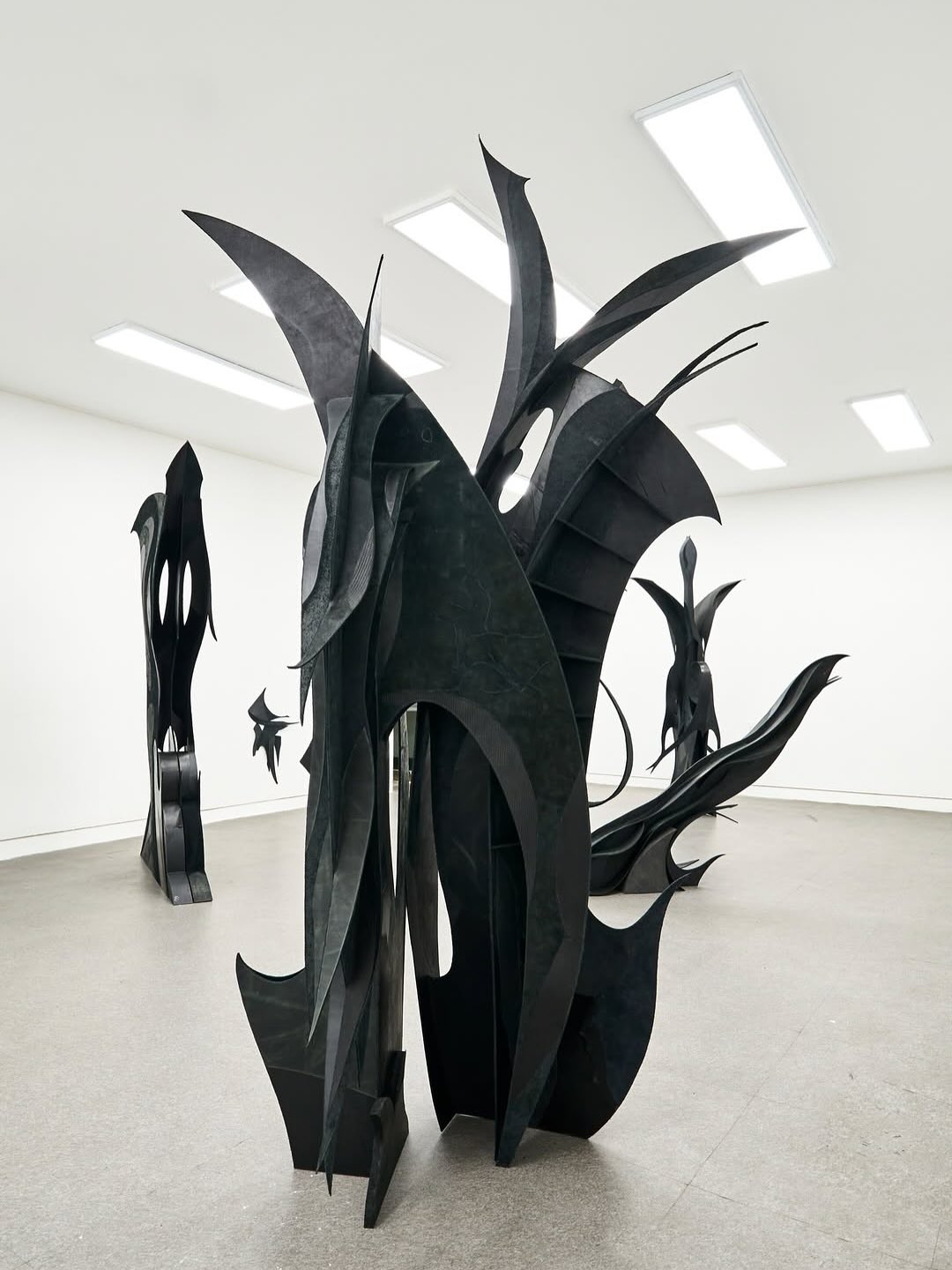
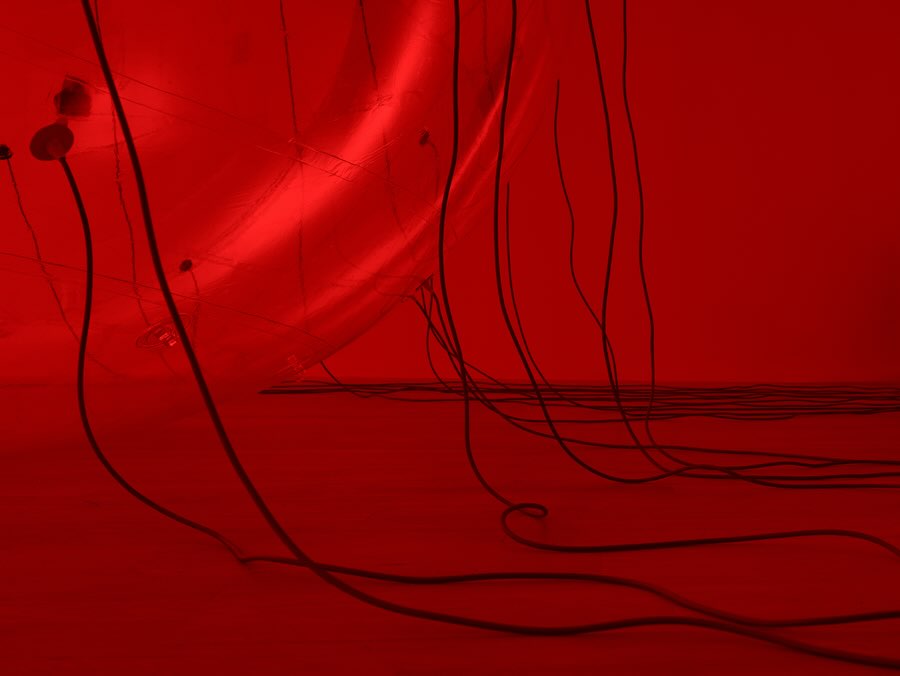
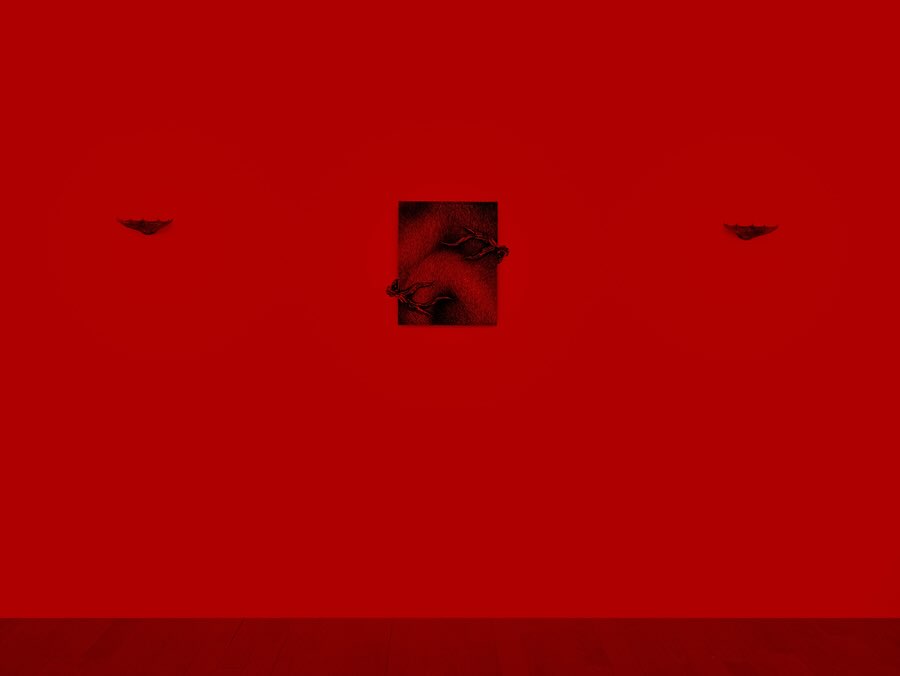
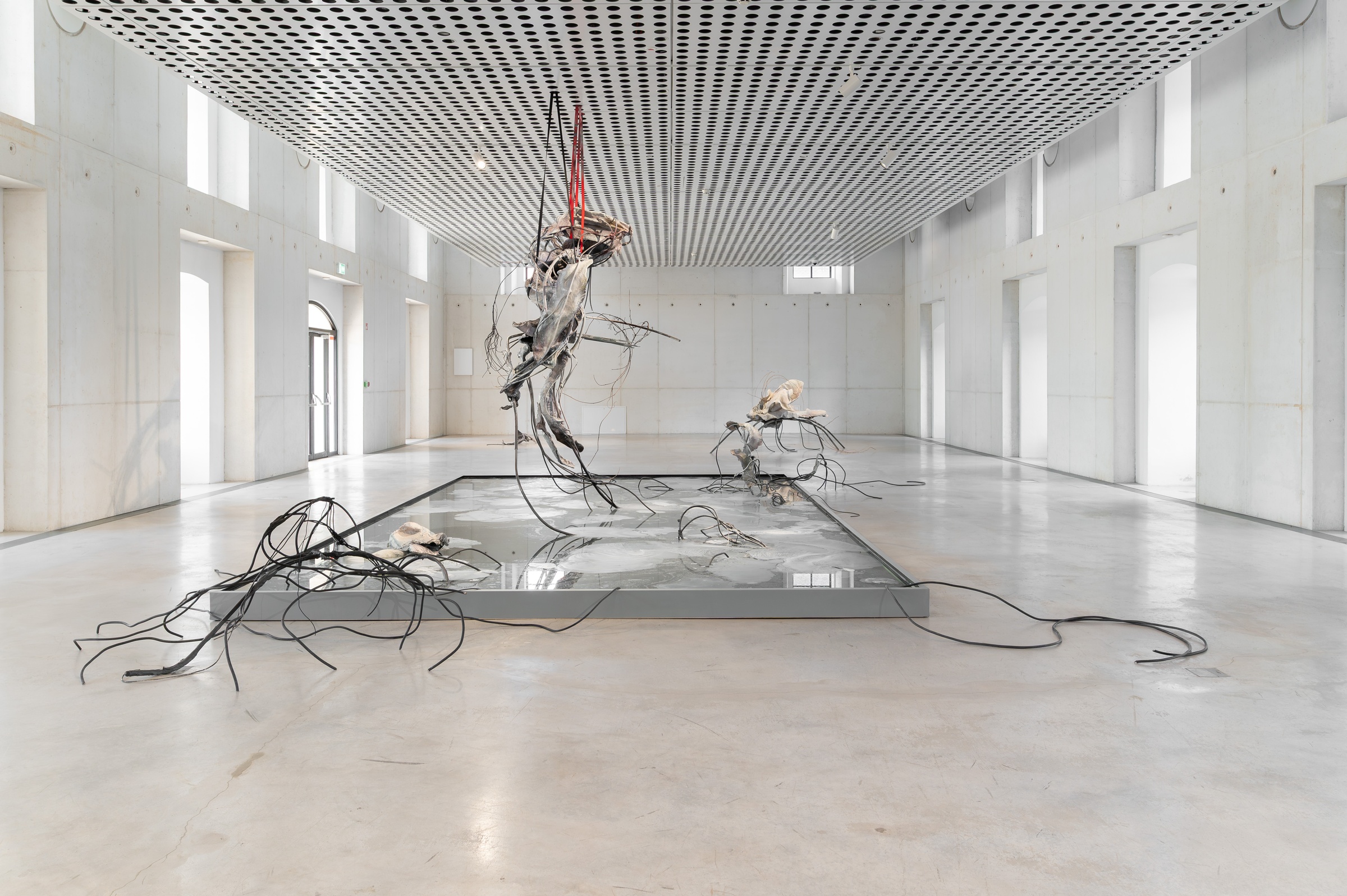
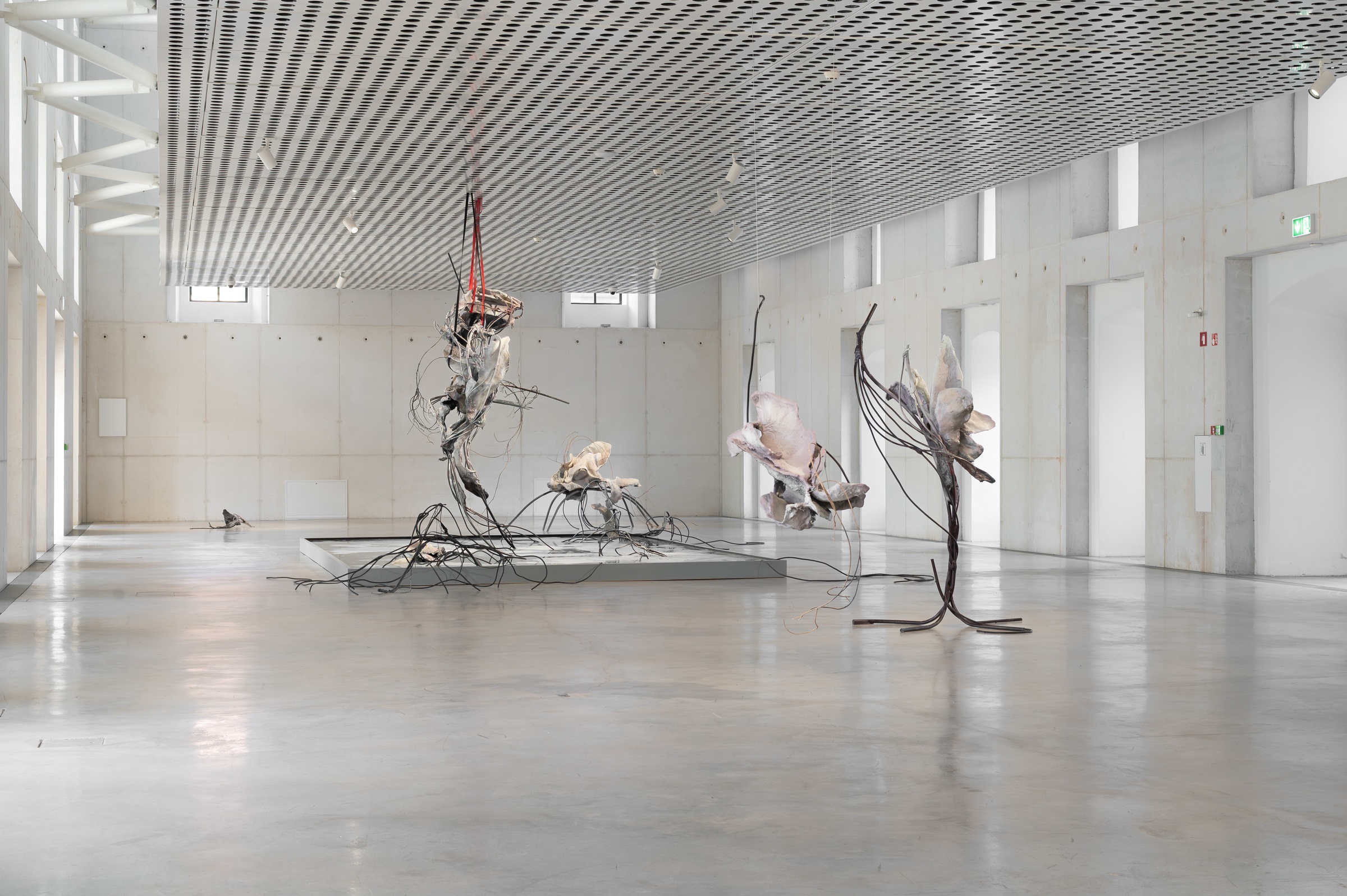
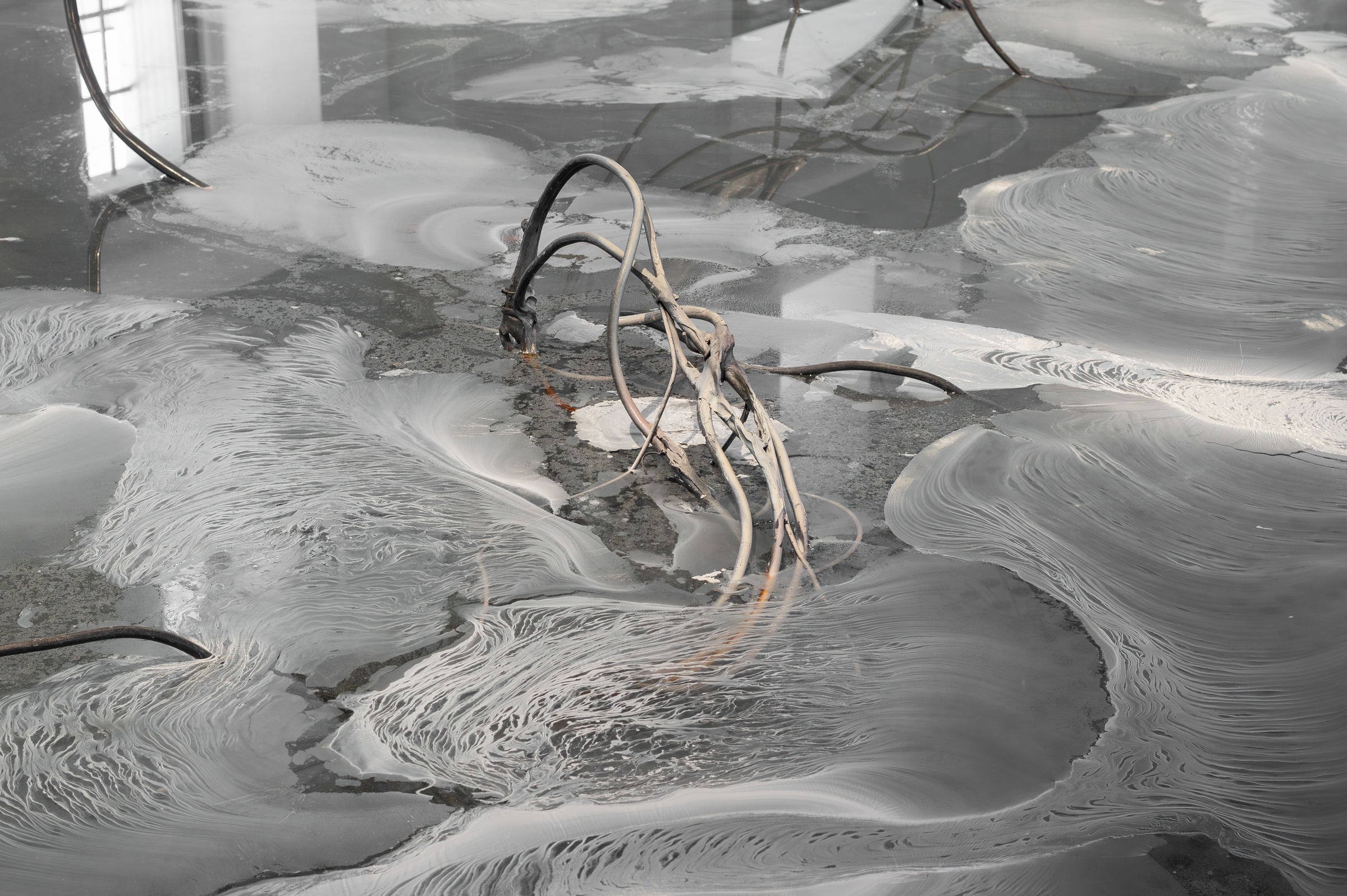
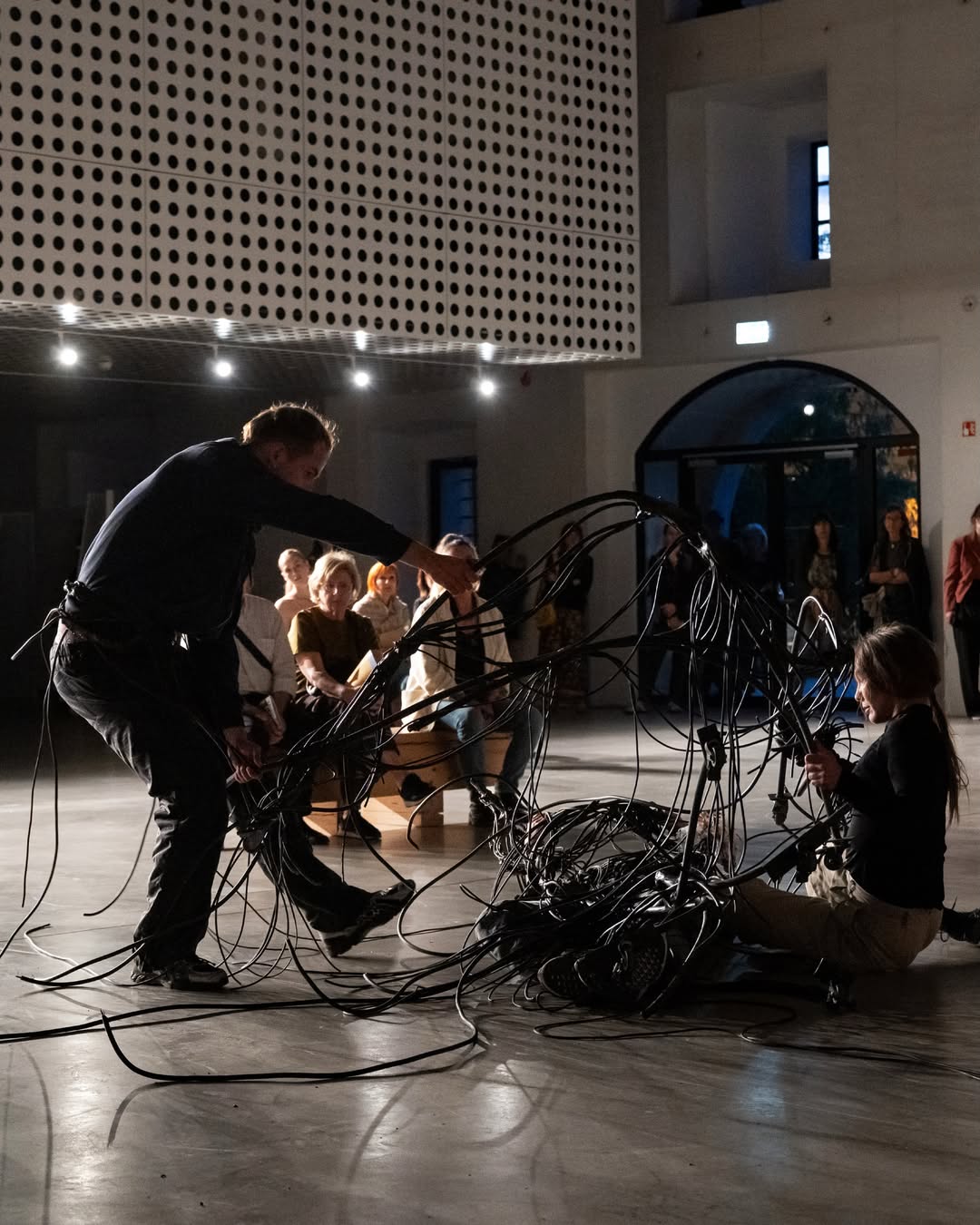
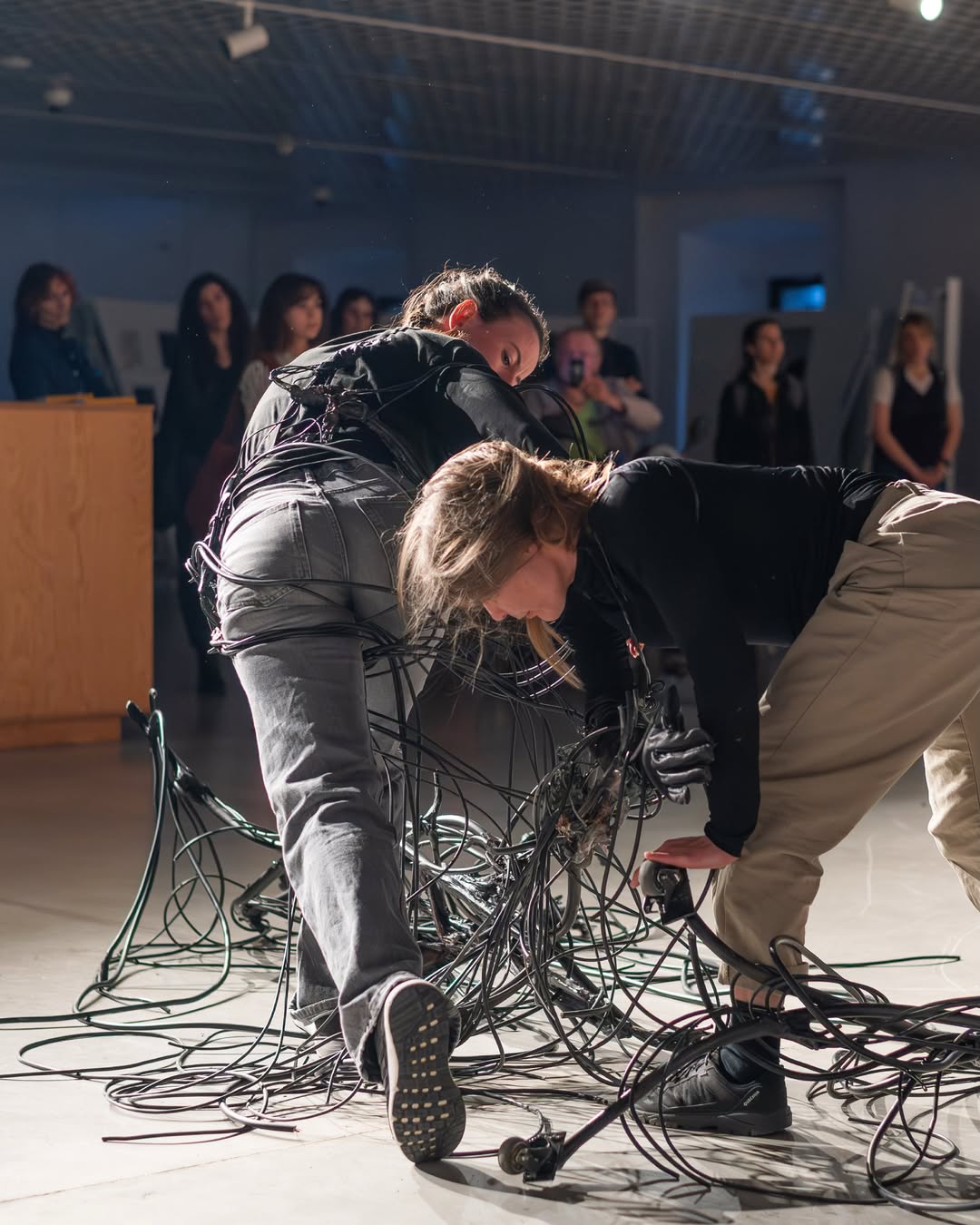
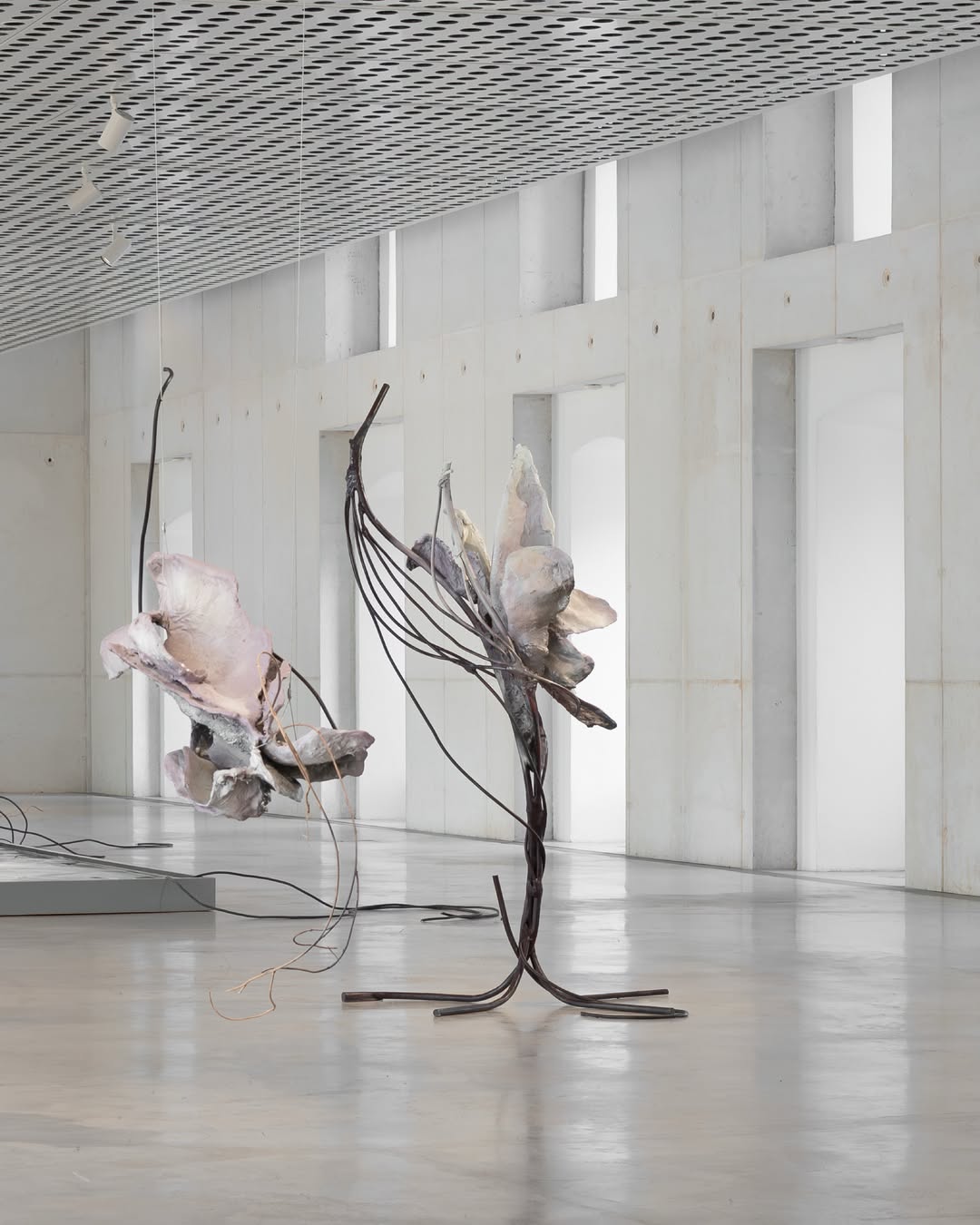
Accomplice brings together a new series of sculptural works by Vienna-based South Korean artist Yein Lee. Developed specifically for the Parterre Gallery, the exhibition consists of five sculptures and a ground-based pool installation. Extending into the architecture of the gallery, the works form a landscape of precarious relations that explores conditions of material instability and spatial uncertainty.
At the centre of Yein Lee's sculptures and installations lies a condition of material becoming. The artist approaches form and matter not as fixed entities but as sites of continual negotiation, shaped by forces that exceed stable control. Within Lee's practice, processes that transform, deform, and adapt resonate with broader conditions of ecological stress and geopolitical volatility, in which environments, infrastructures, and bodies are increasingly exposed to pressure and fatigue, causing instability. Rather than presenting matter as passive or inert, the works foreground its capacity to respond, shift, and reorganise under strain. Material thus appears as active and relational - continuously transforming in response to the tensions and uncertainties that structure contemporary environmental and political realities.
Within this framework, Lee's works emerge through processes of abrasion, accumulation, and provisional balance. Surfaces appear fractured, material elements lean or suspend themselves in precarious alliances, and the sculptural field unfolds as a landscape of tensions.
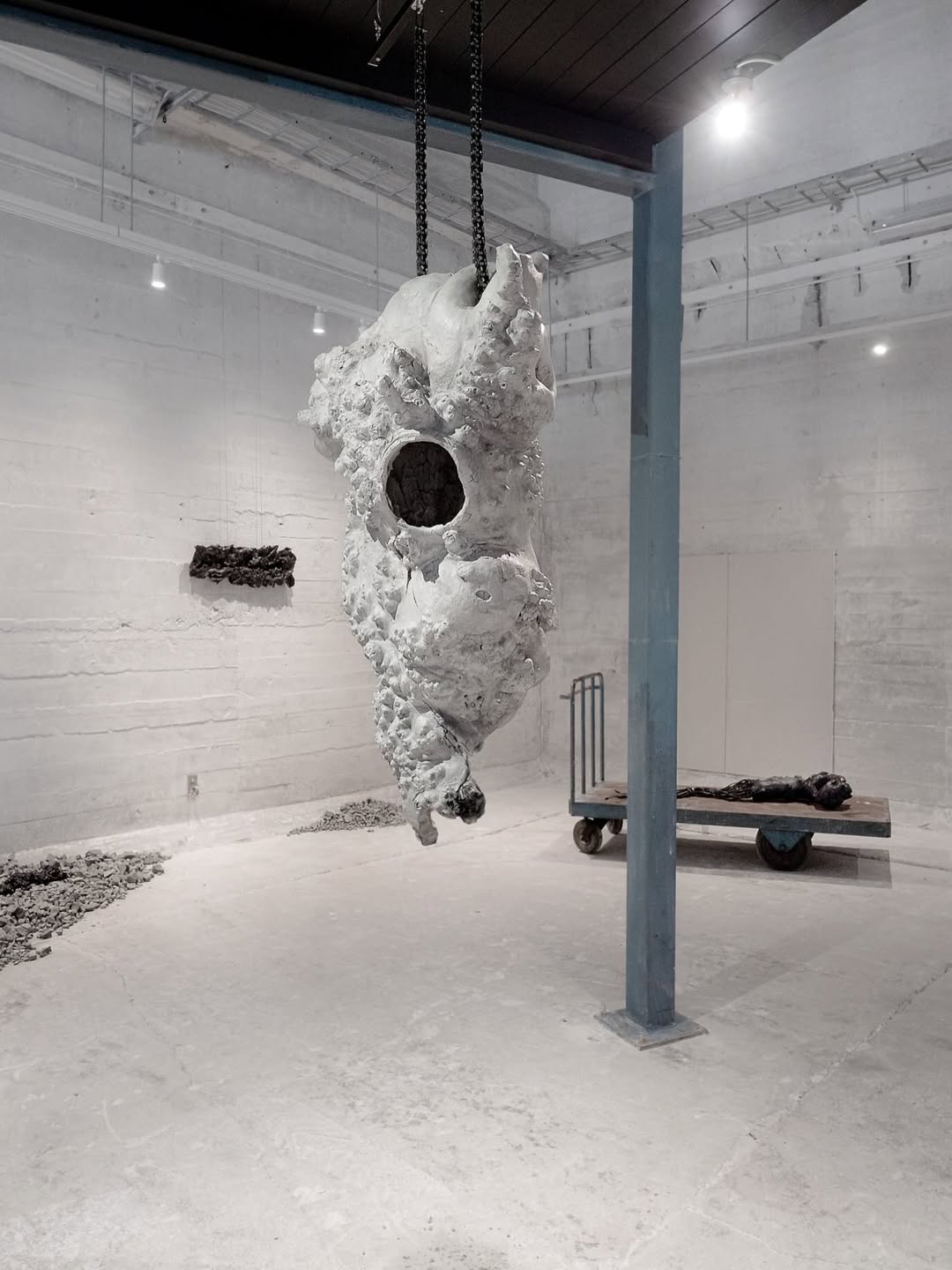
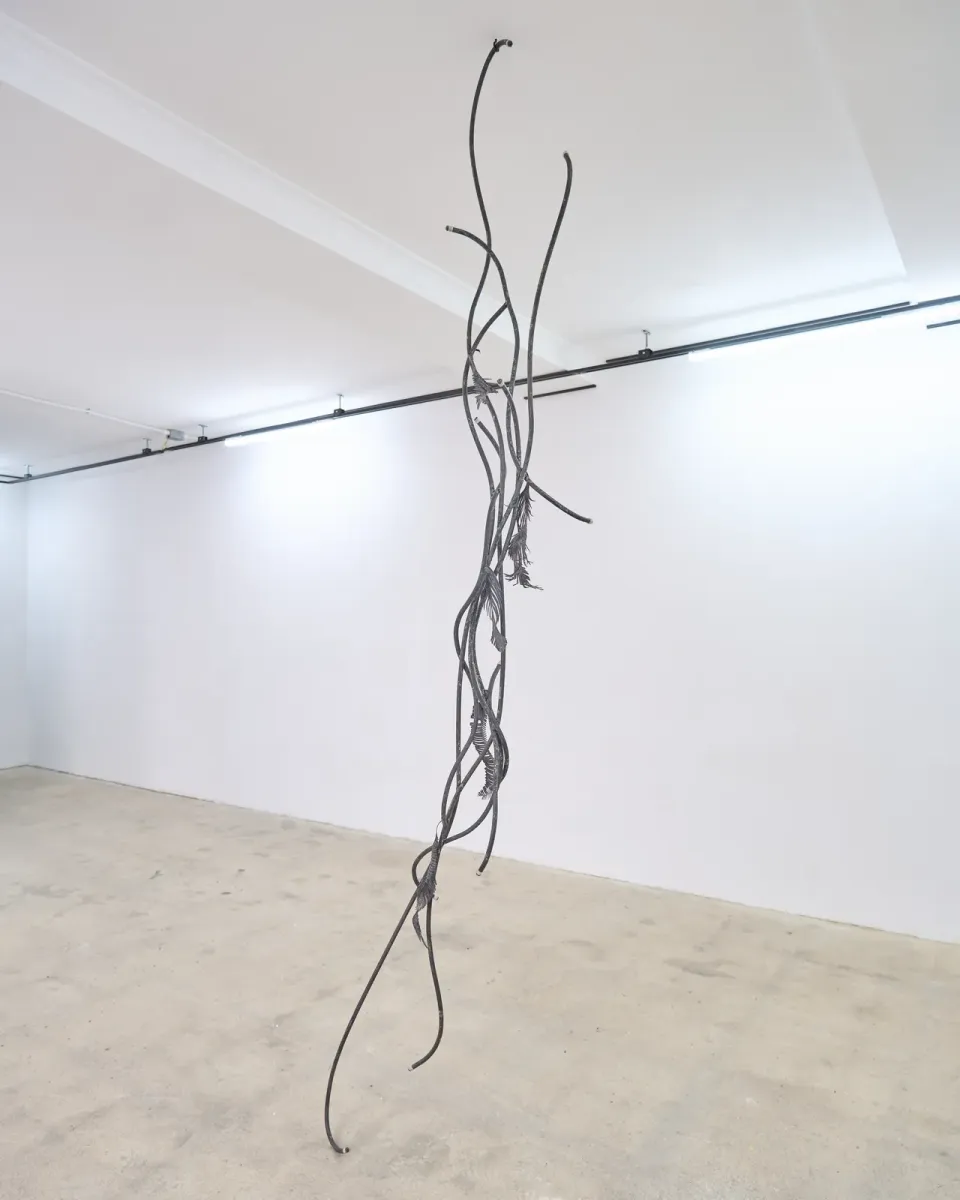
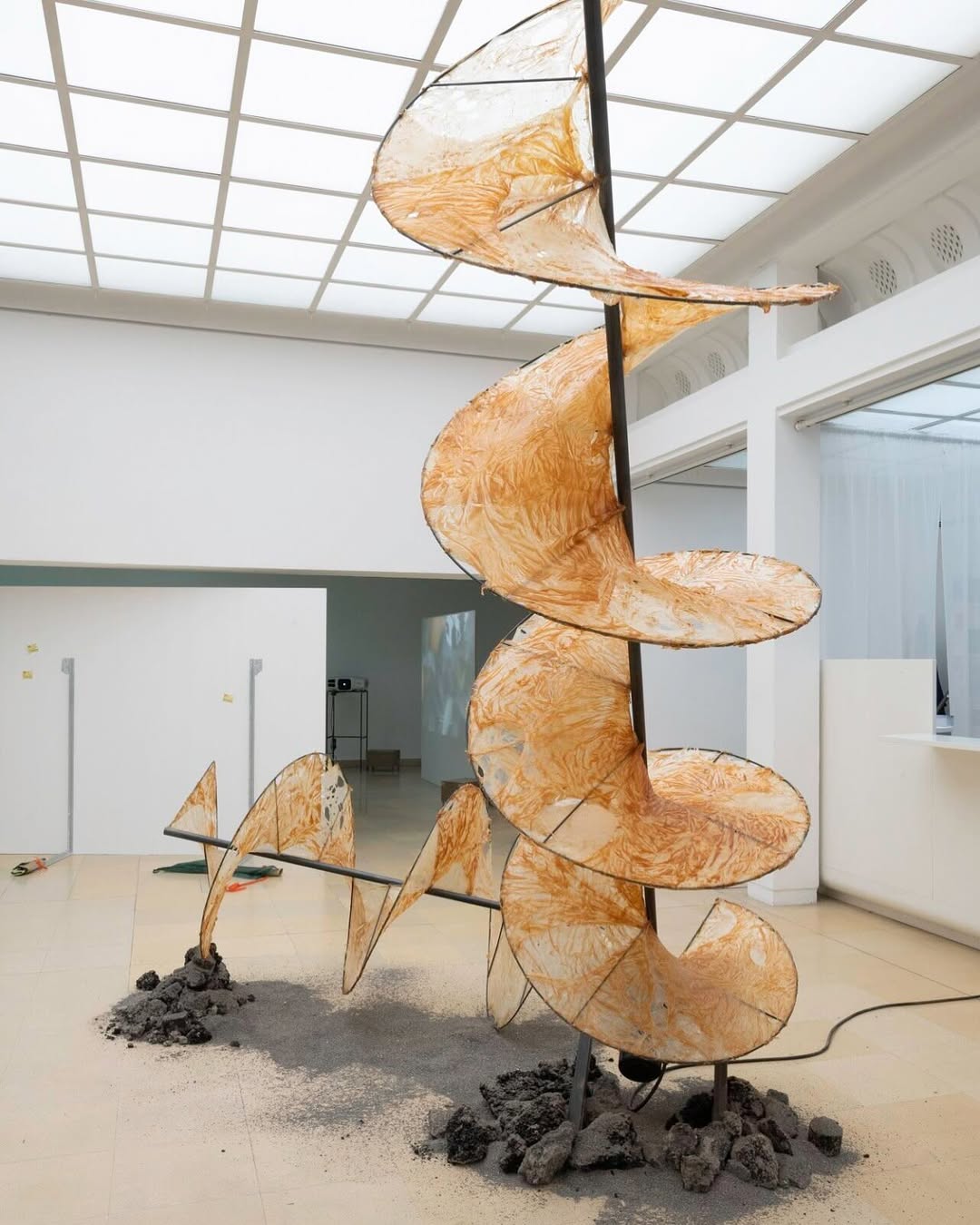
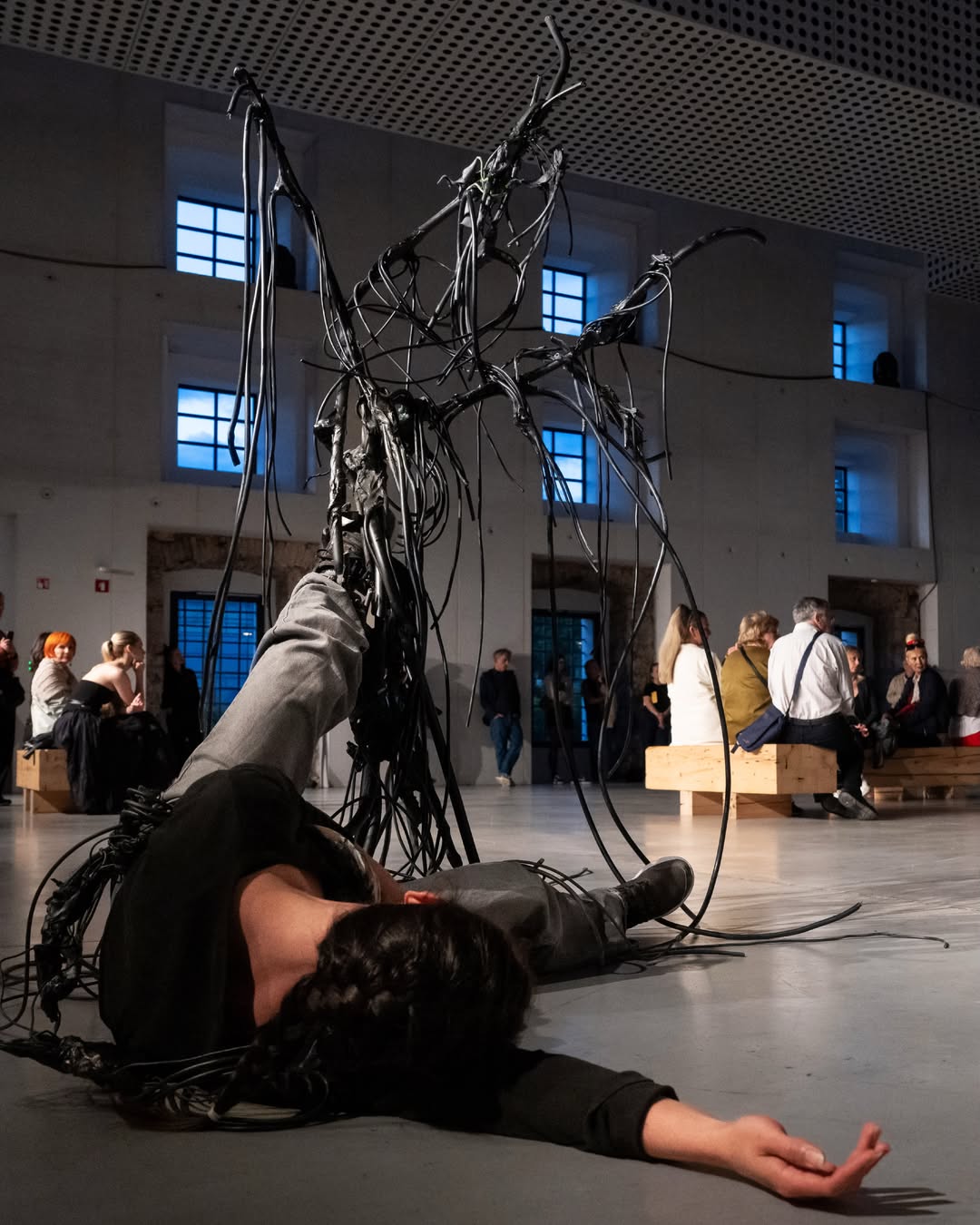
The five sculptures are distributed across the Parterre Gallery without forming a fixed pattern or centralised arrangement. Varying in scale, some works stand independently while others gather into loose clusters, creating shifting points of attention throughout the space. A larger sculptural element descends from the ceiling, its form mirrored in the reflective surface of the pool below. The reflection establishes a vertical axis that connects the suspended sculpture to the mirrored geometries of the surrounding space.
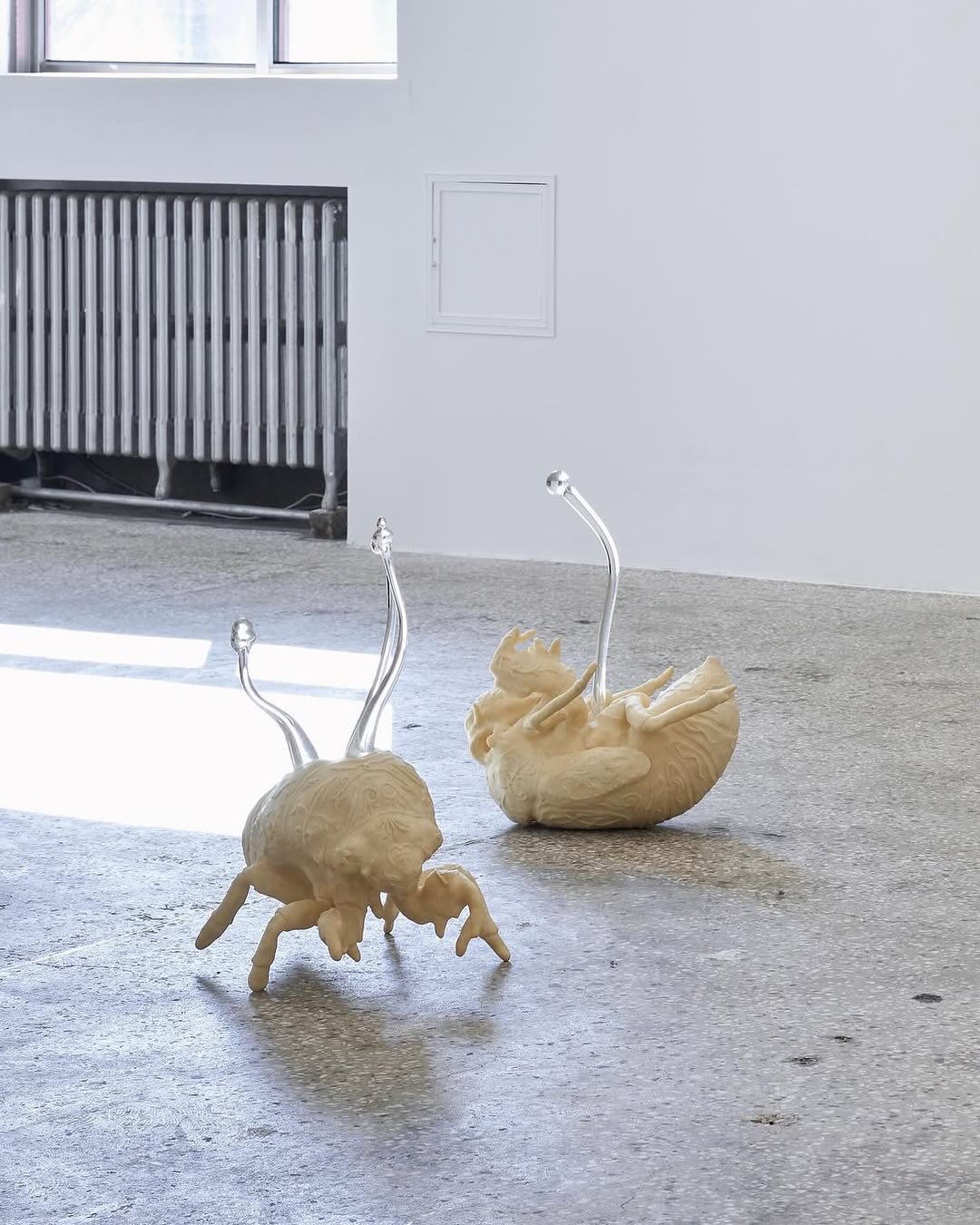
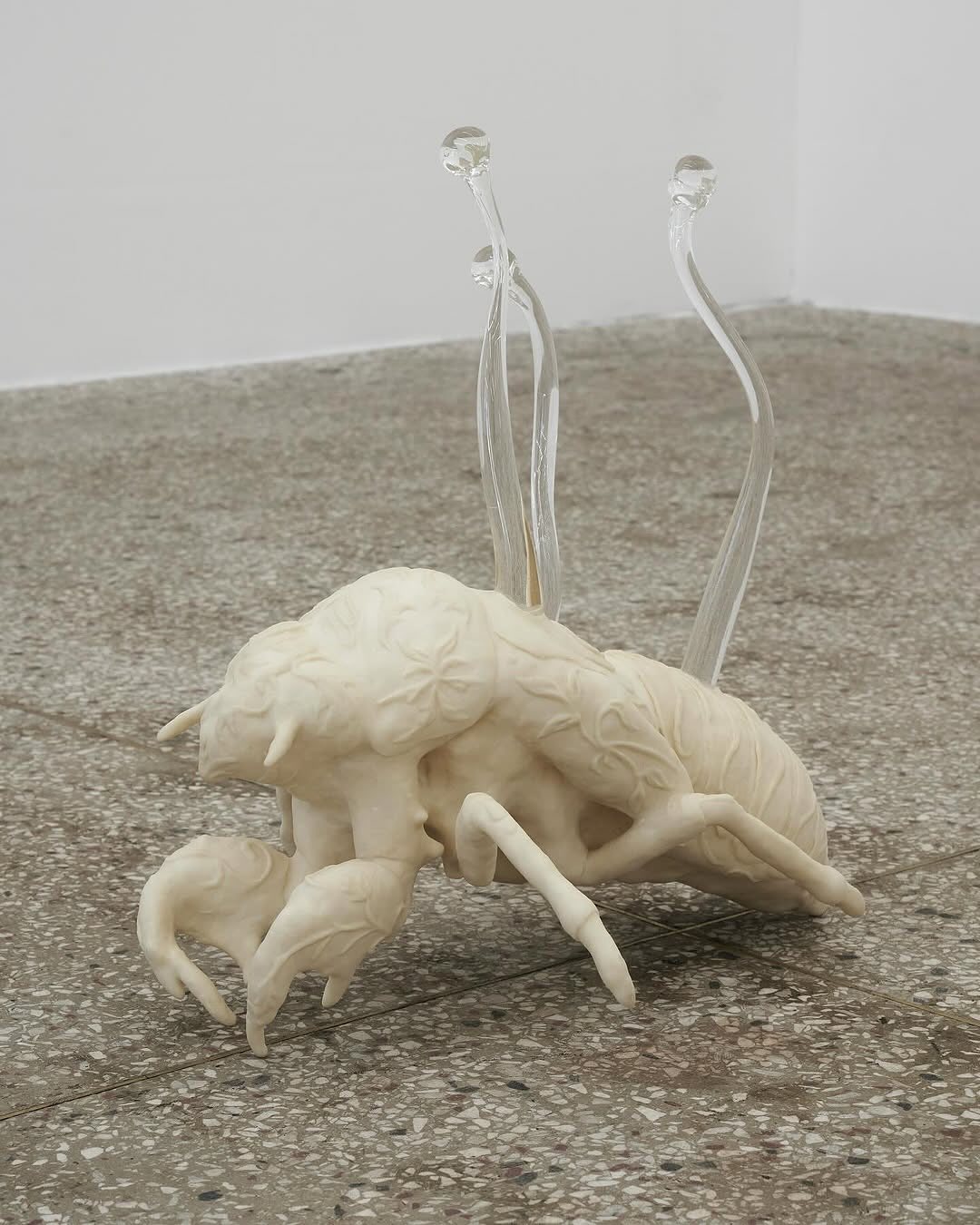
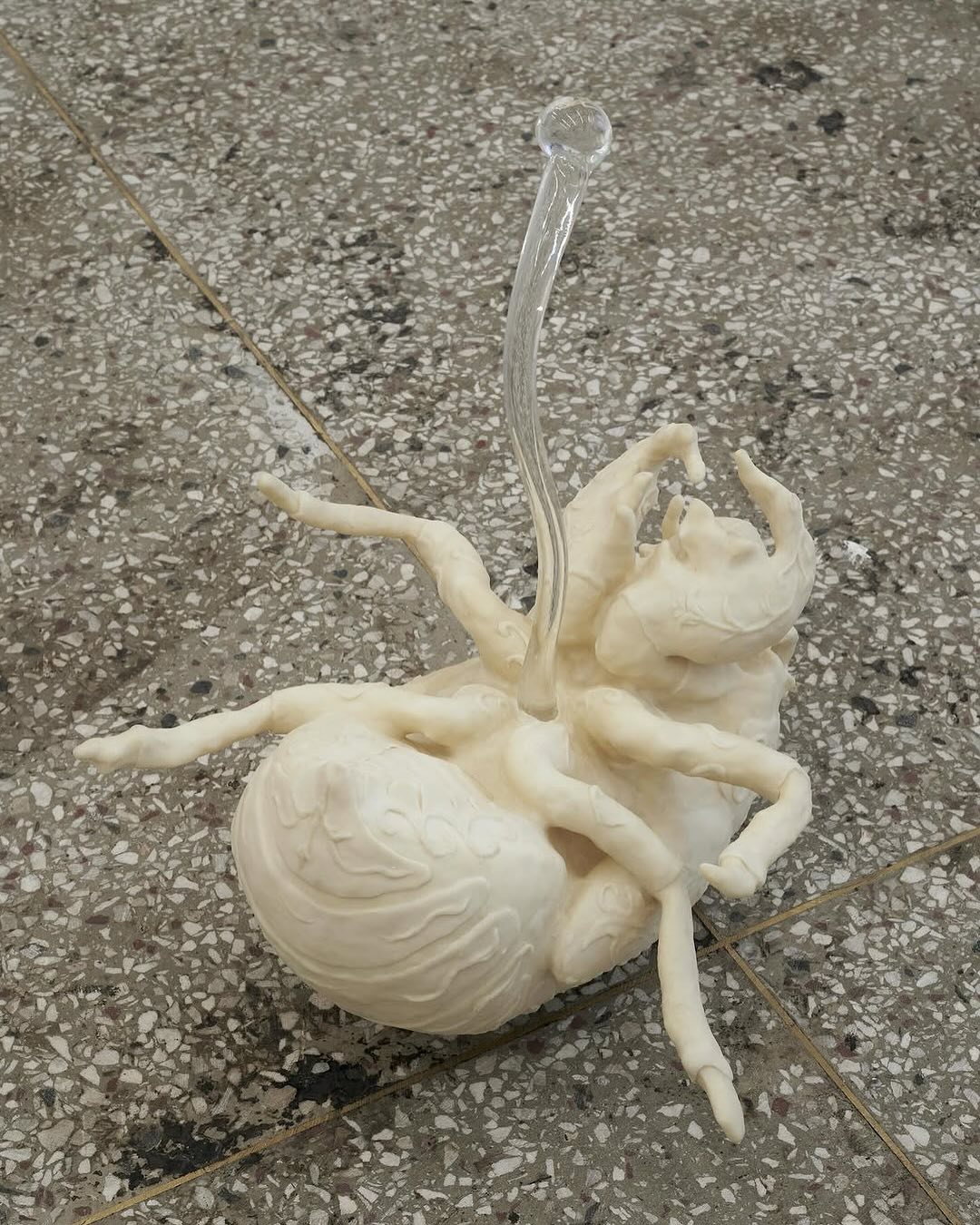
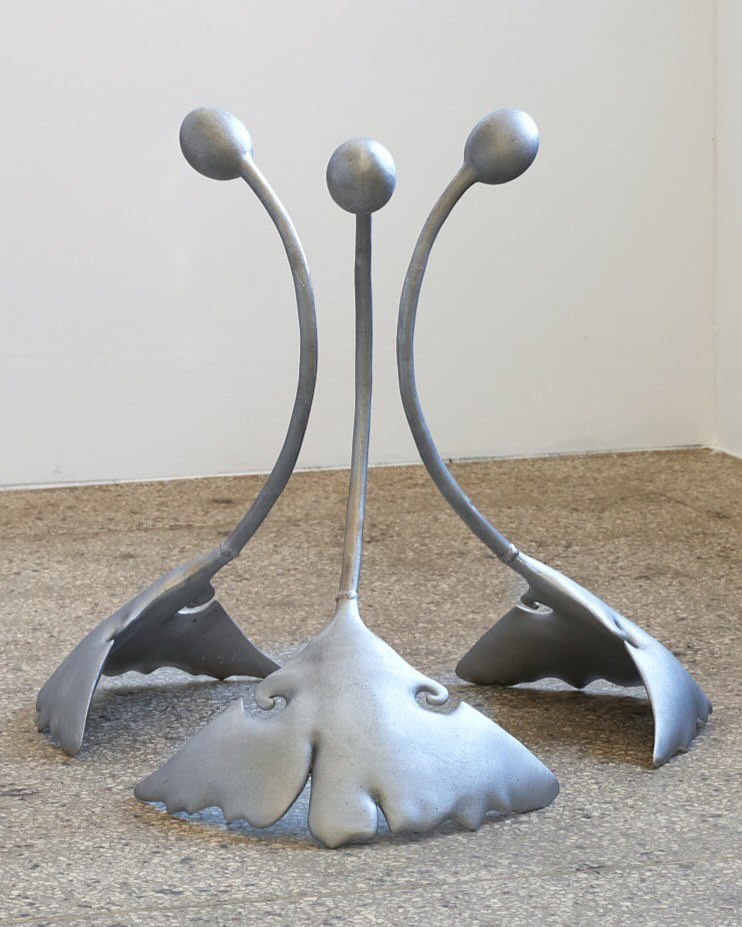
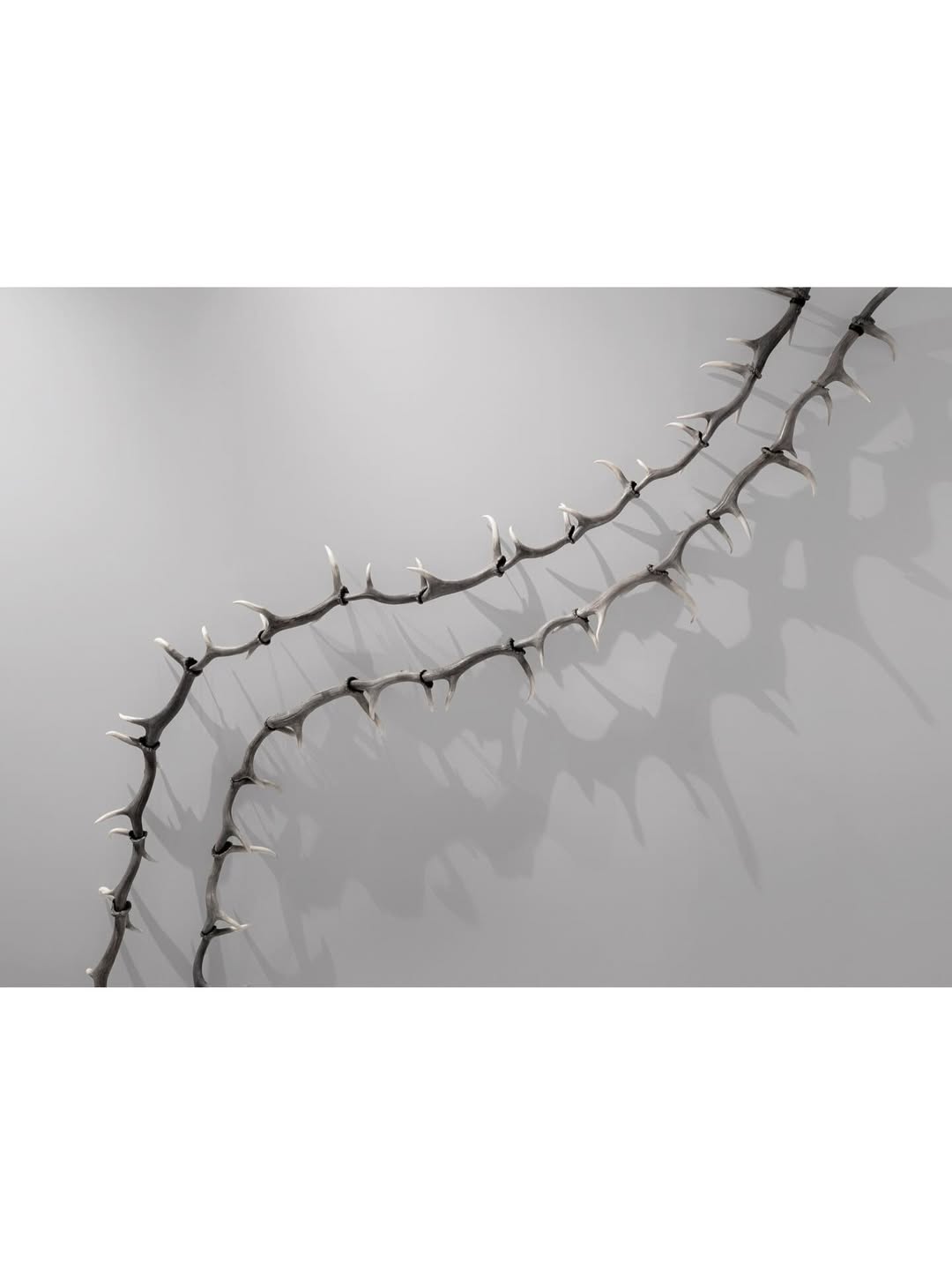
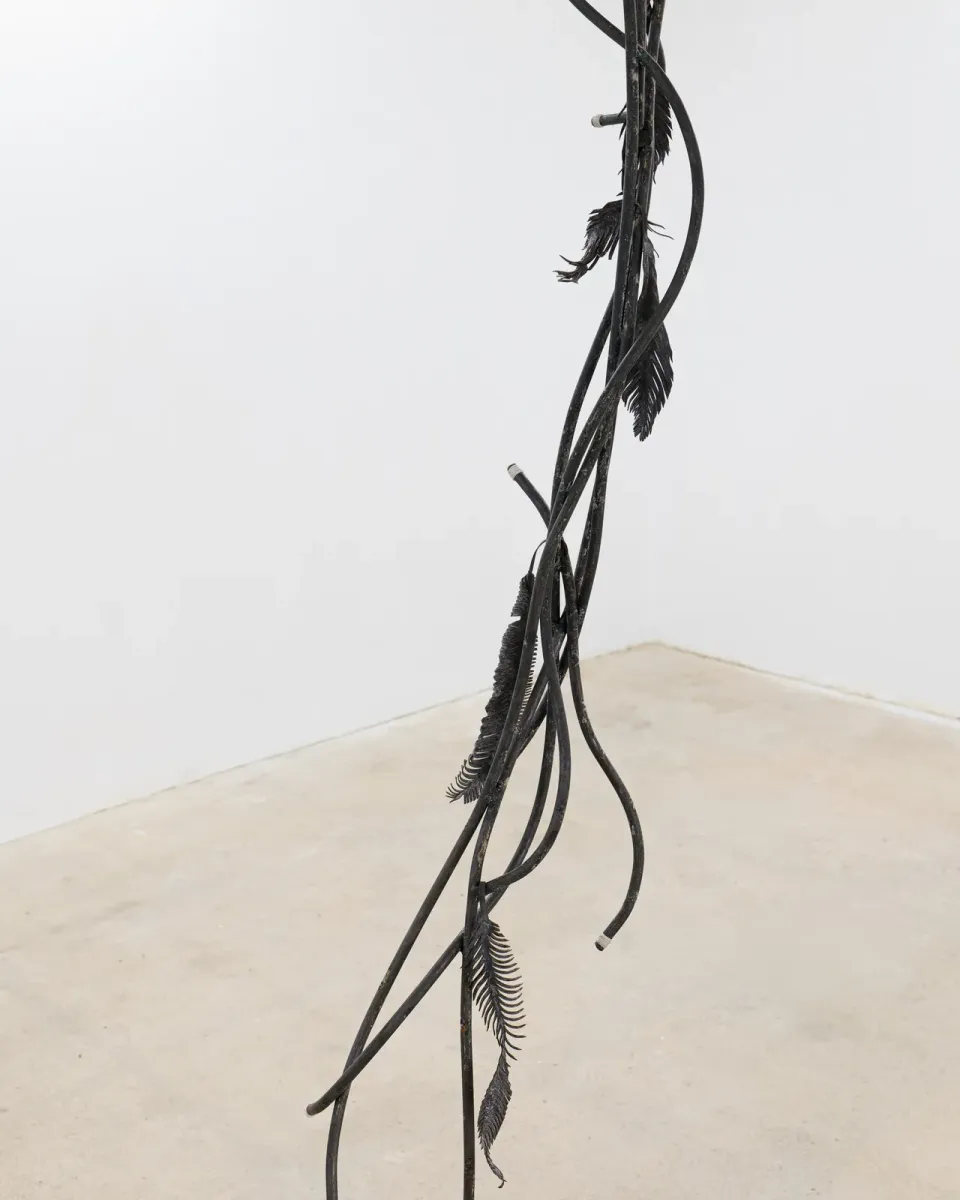
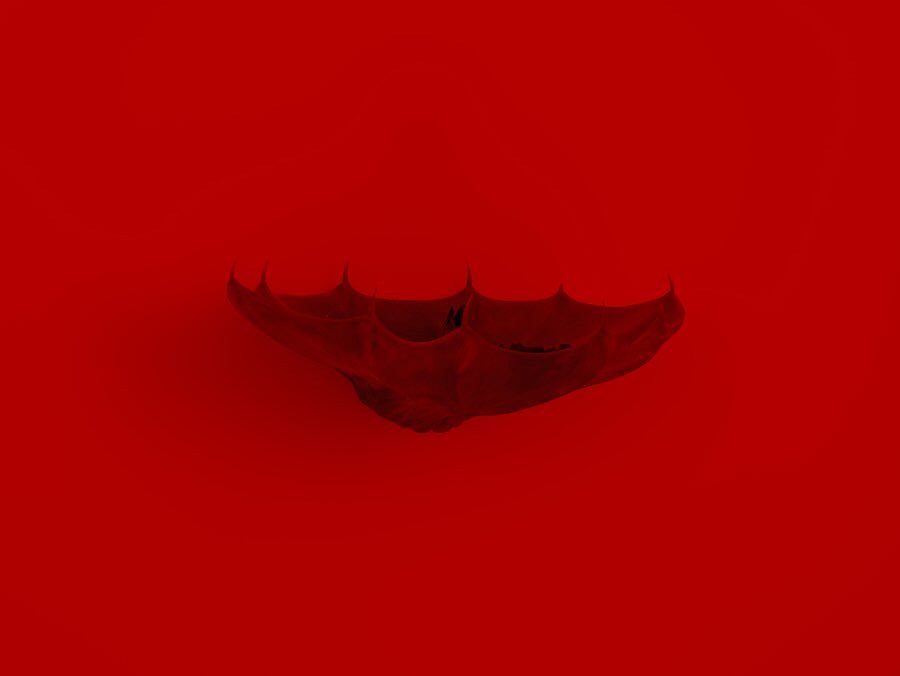
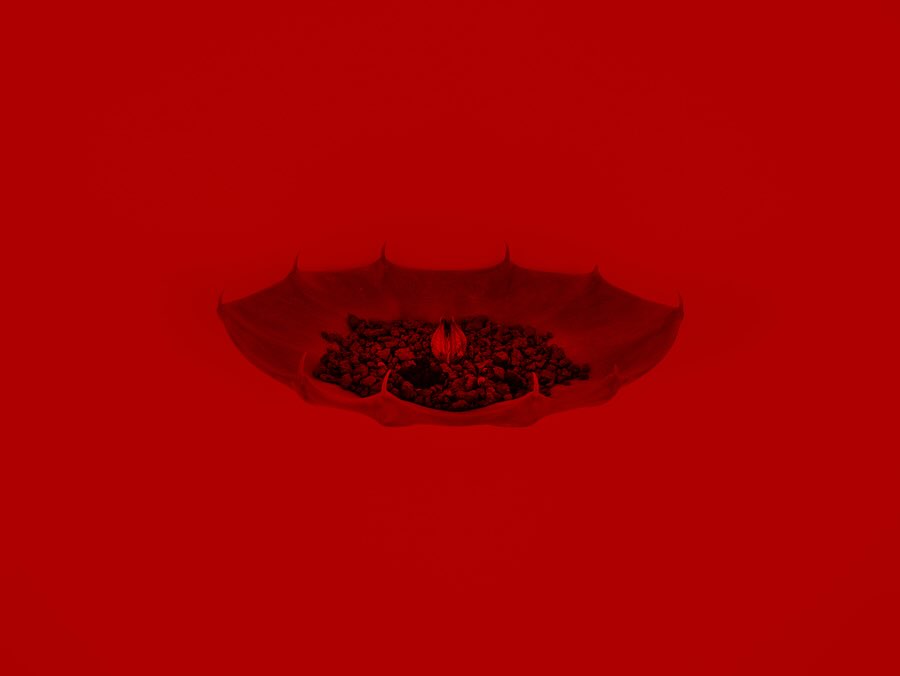
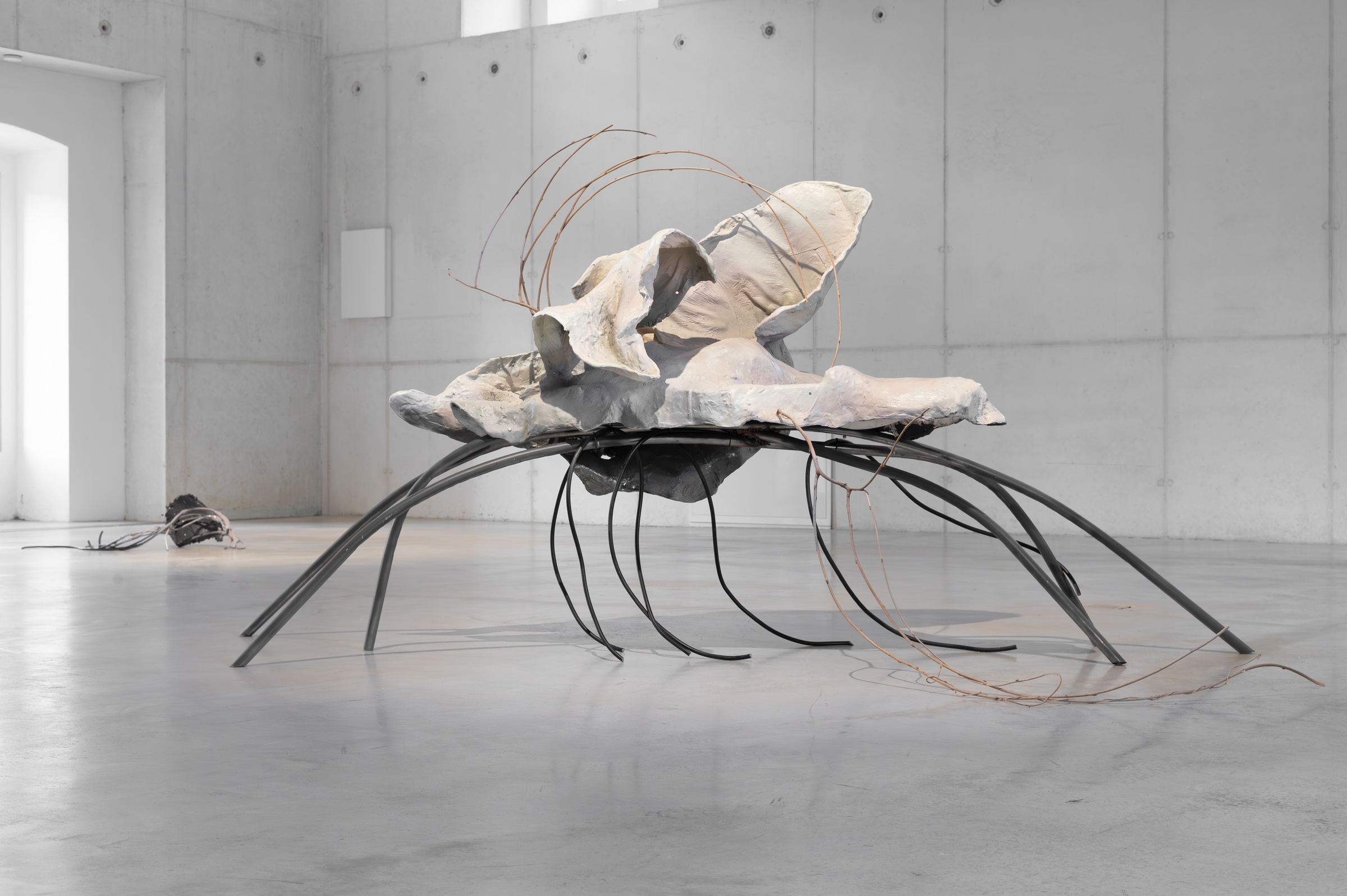
Each sculpture is characterised by biomorphic forms that evoke structural features found in foliage and twigs, such as veins and vascular systems that transport nutrients through plant bodies. At the same time, these forms recall elements of industrial infrastructure - cables, wires, and steel pipes that channel energy, information, or fluids through technological networks. By deliberately bringing these visual and structural references into proximity, Lee foregrounds formal correspondences between botanical and industrial bodies, tracing the shared structural logics that traverse natural and manufactured systems.
The artist works with polymer gypsum, epoxy putty, and found steel. Gypsum casts are taken from materials and surfaces in unstable or transitional states, carrying their instability and transience as imprints. The casts register moments of pressure, erosion, or displacement, allowing processes of transformation to remain visible within the sculptural form. As such, they can be understood as trace bodies: forms that retain the marks of their making and emerge less as pure authorial expressions than as the result of ongoing exchanges between artist and material.
As the artist notes: "The works protrude out of my own form and into their own. There is an inversion, a turning over, or an exposing of their underbelly. I am drawn to the tension that holds them; the quiet strength and ambivalence between what is fragile and what is rigid, between what yields softly and what resists."
These roles extend into the exhibition space, as the viewer does not simply observe but navigates a field of tensions. Movement and shifting vantage points continually recompose the constellation of the works, drawing the viewer into the same dynamic relations that shape their formation. In this way, the sculptures appear to expand beyond their physical boundaries, reflecting both the material processes from which they emerged and the broader conditions that shape the environments they inhabit.
Artists in this exhibition
More at Cukrarna
More in Ljubljana
Related topics
.webp)