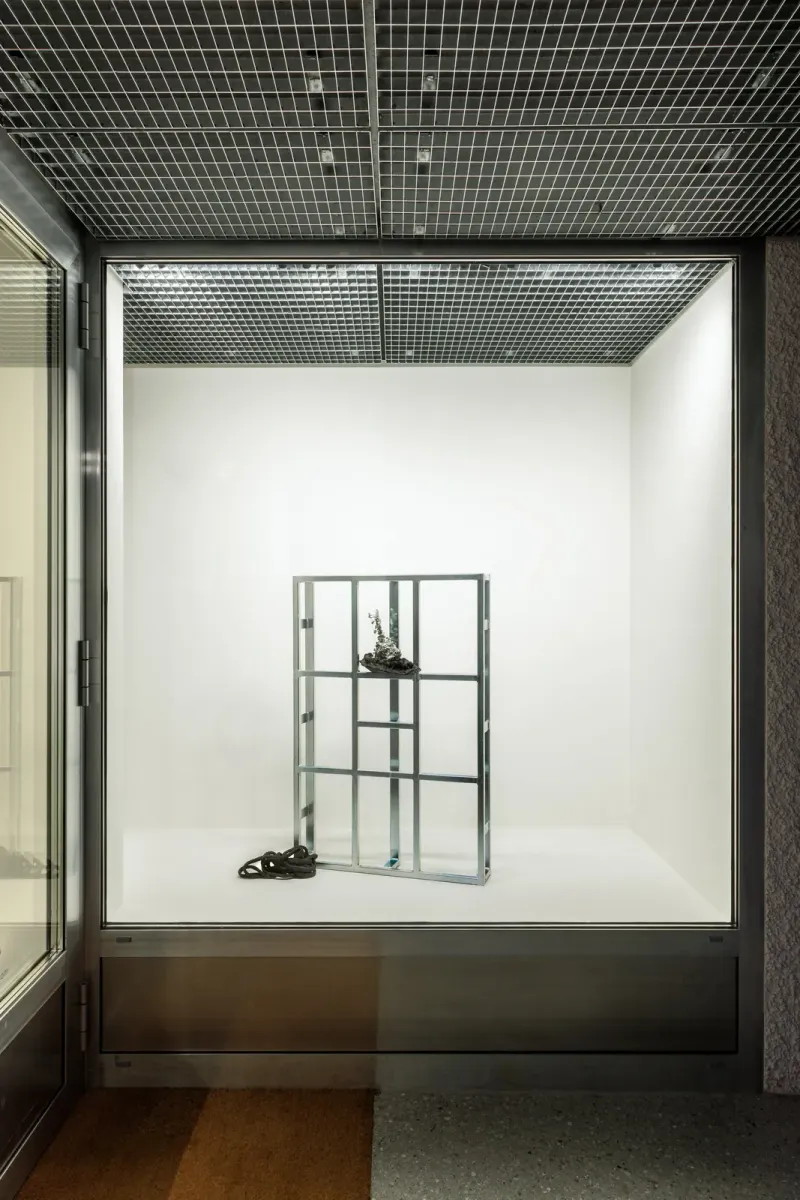
Klaus in Vorarlberg / 2026
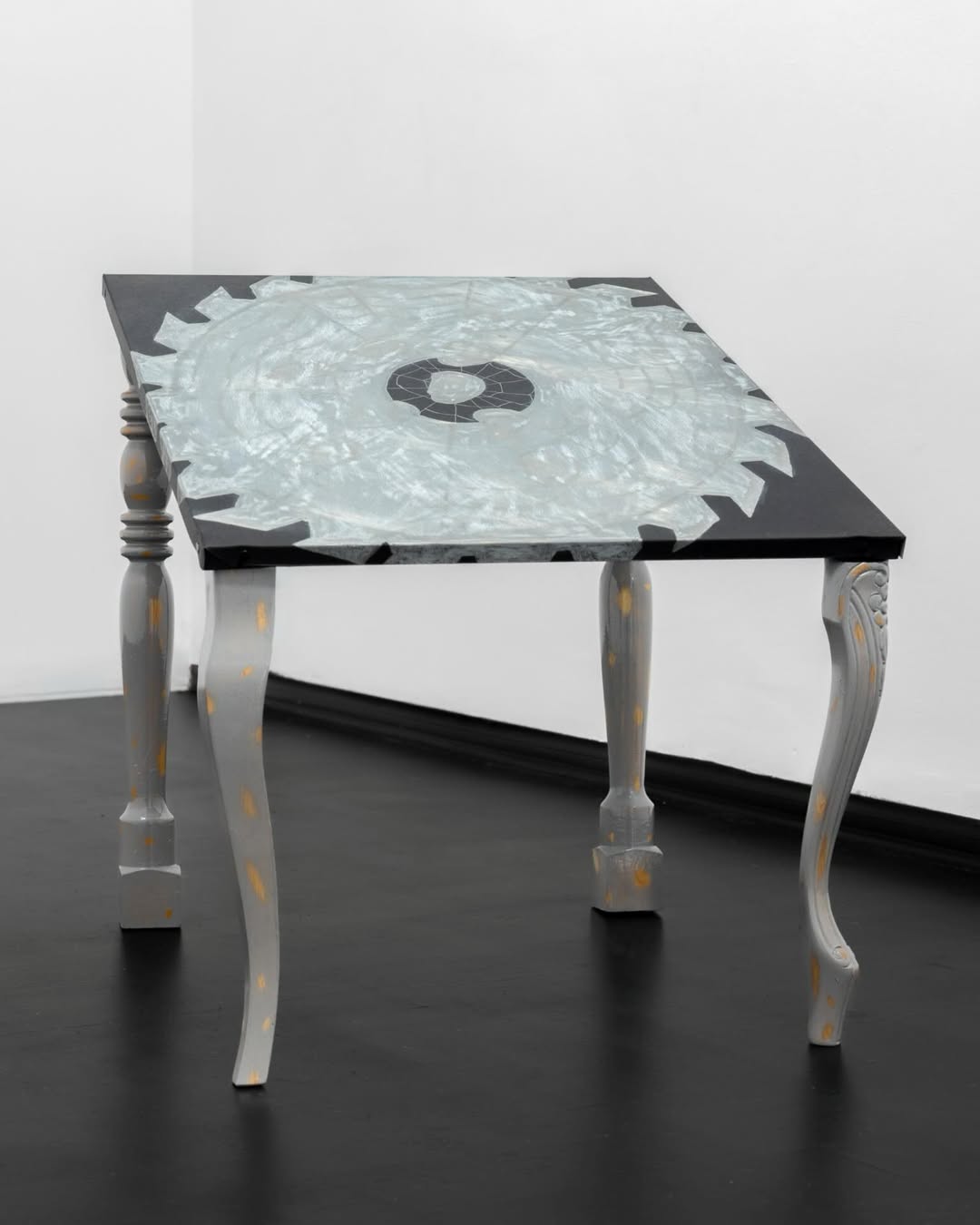
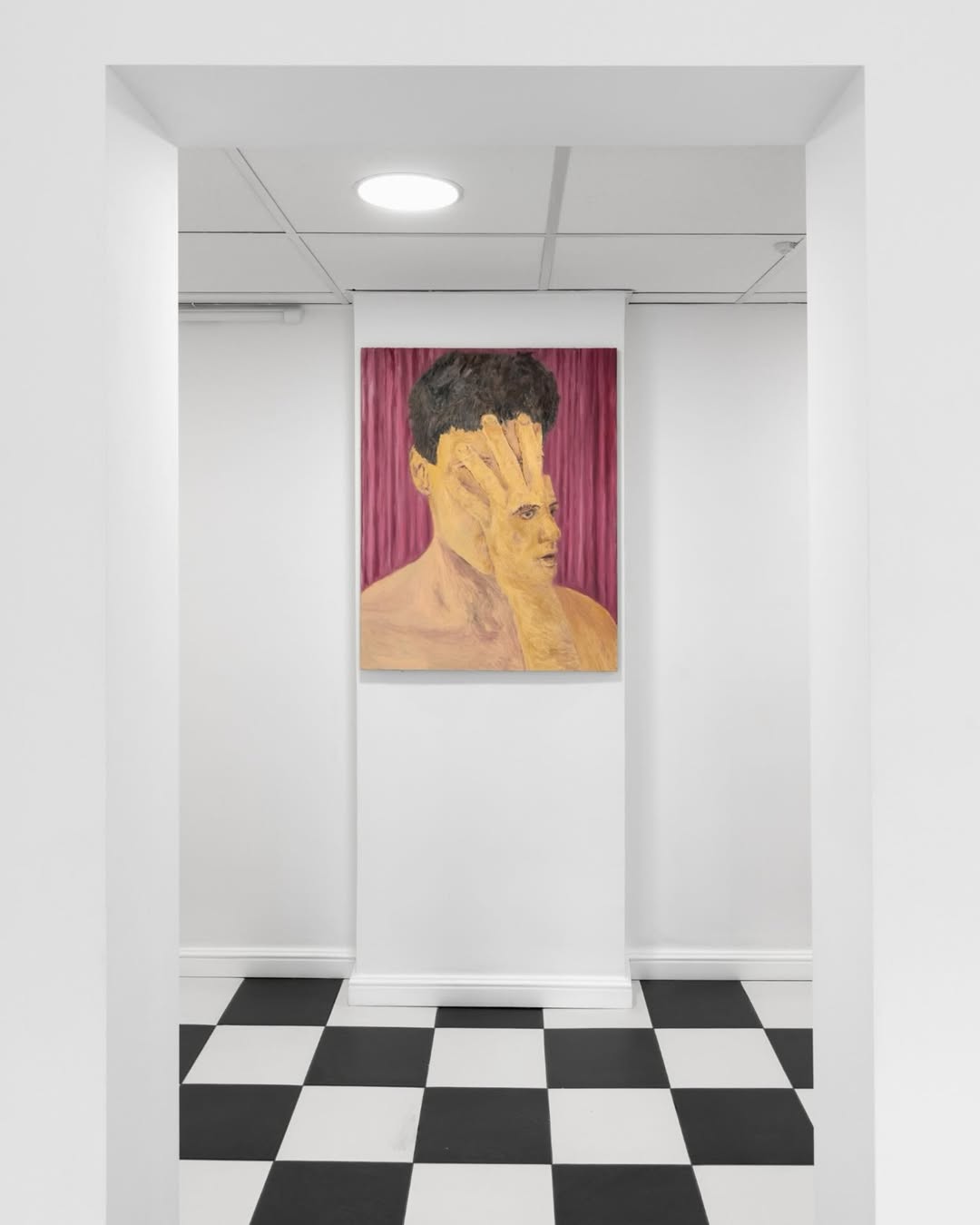
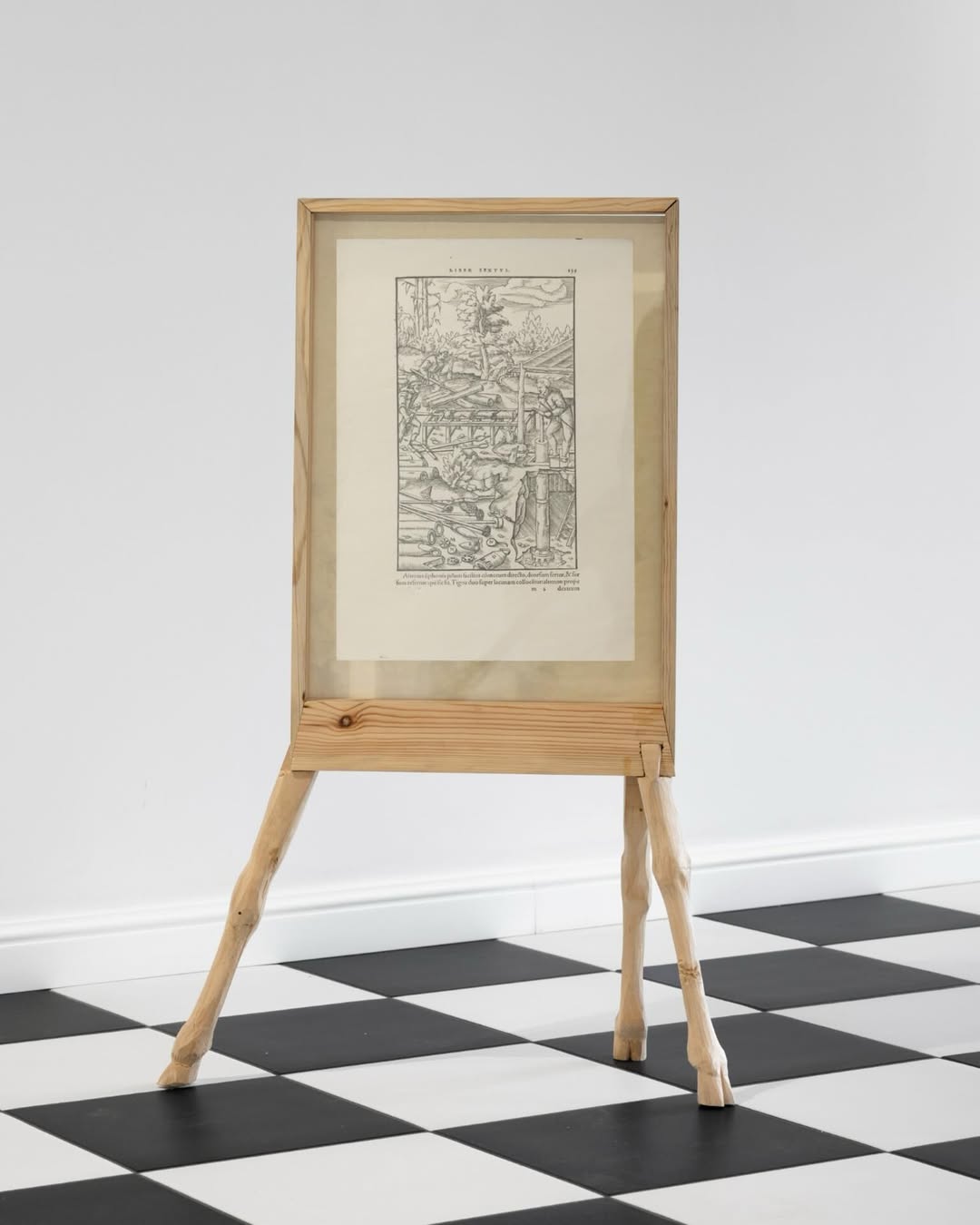
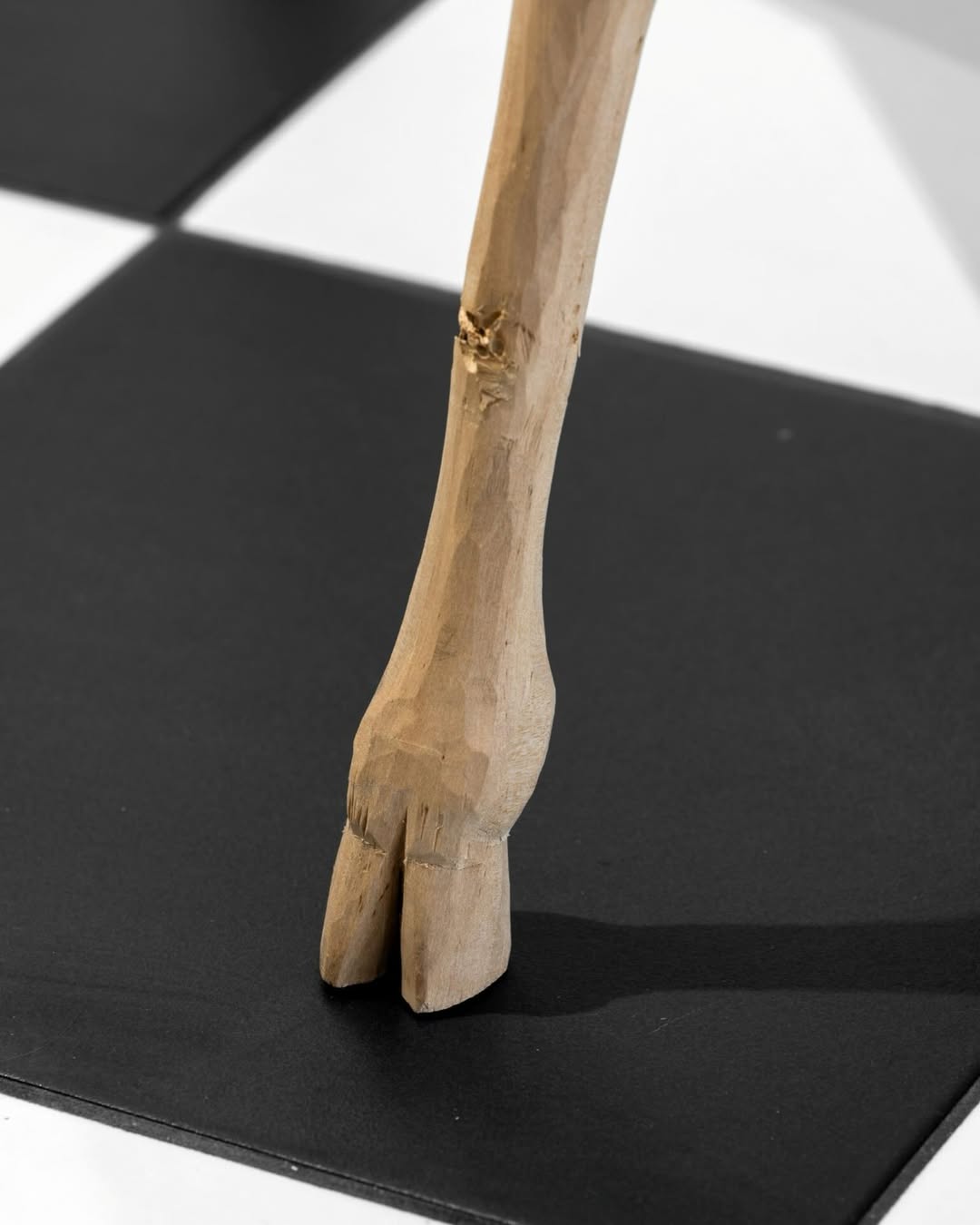
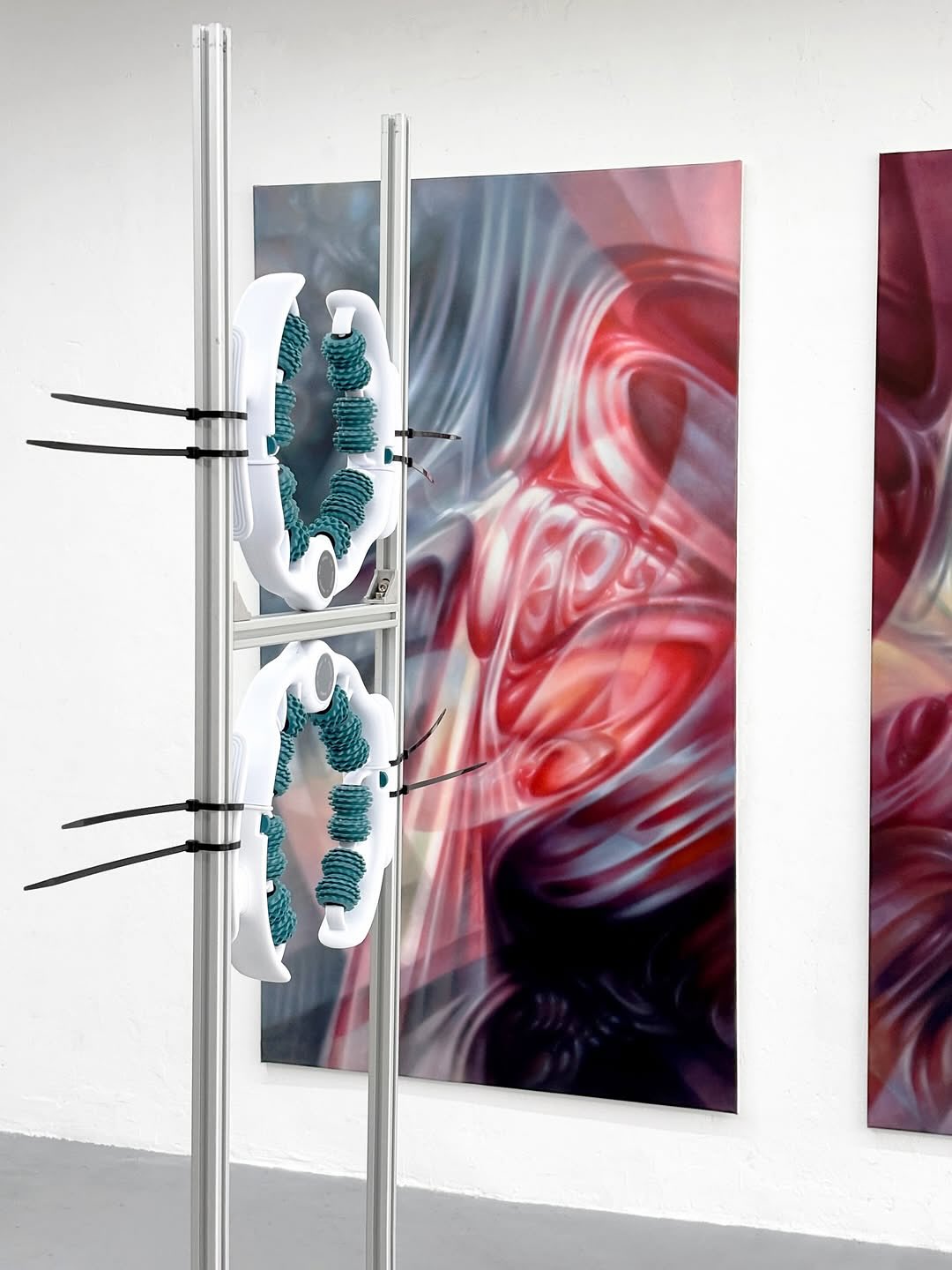
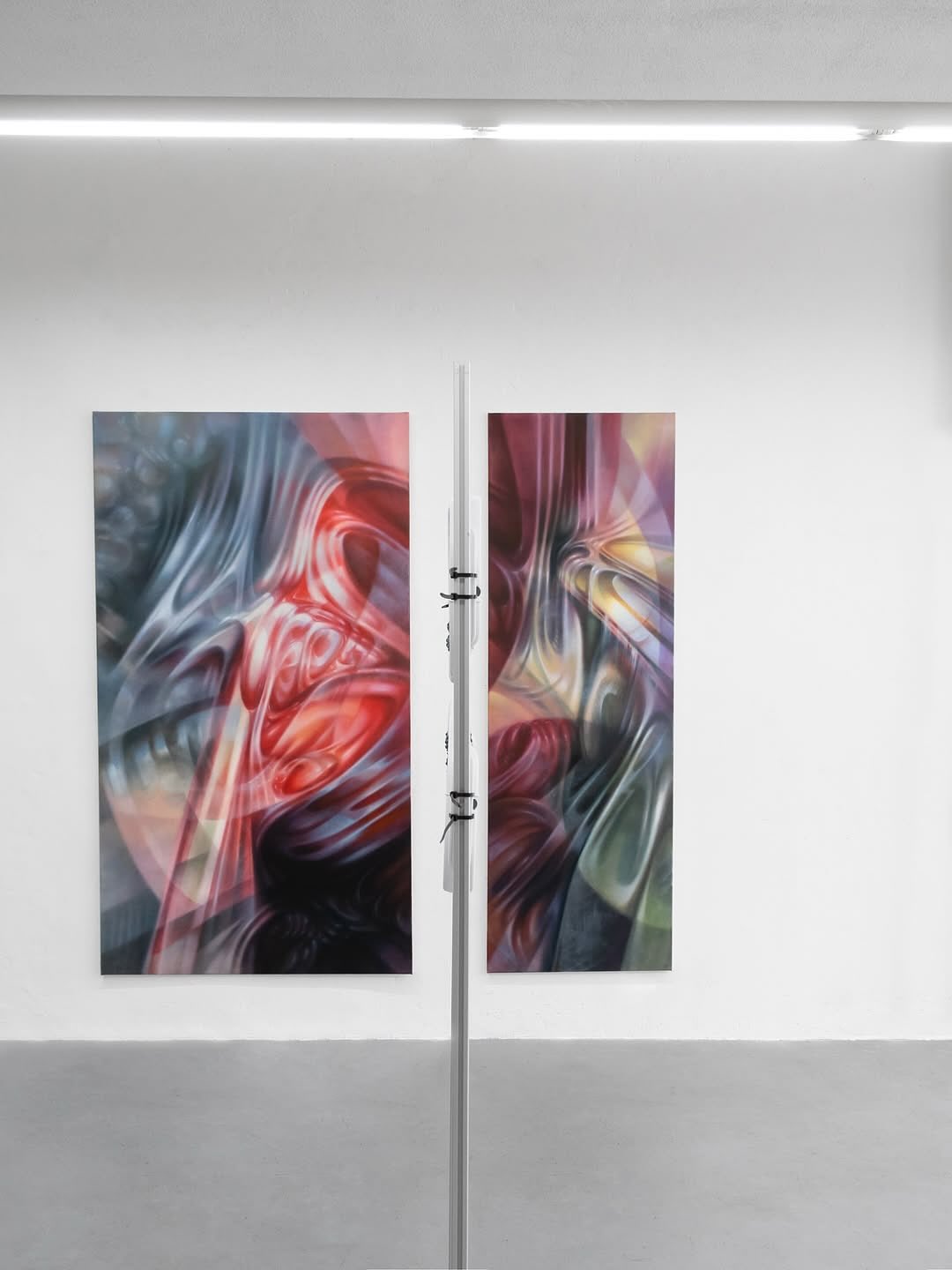
Der Kopf ist rund, damit das Denken die Richtung wechseln kannGalerie Brugger
Klaus in Vorarlberg / 2026
Der Kopf ist rund, damit das Denken die Richtung wechseln kannGalerie Brugger
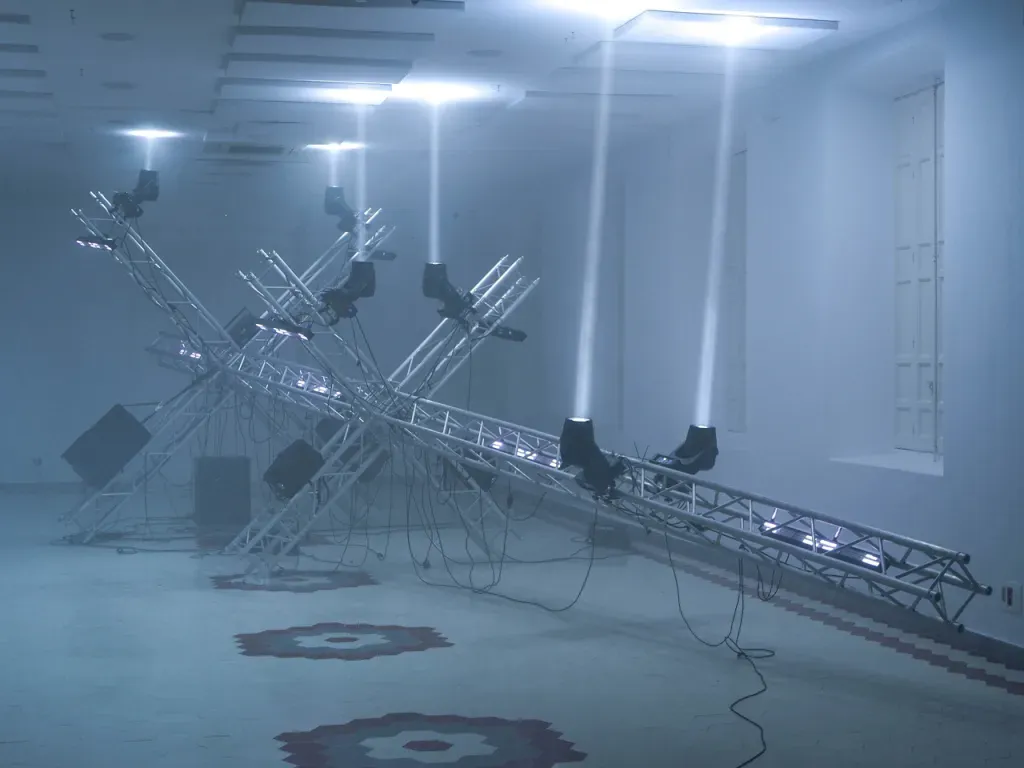
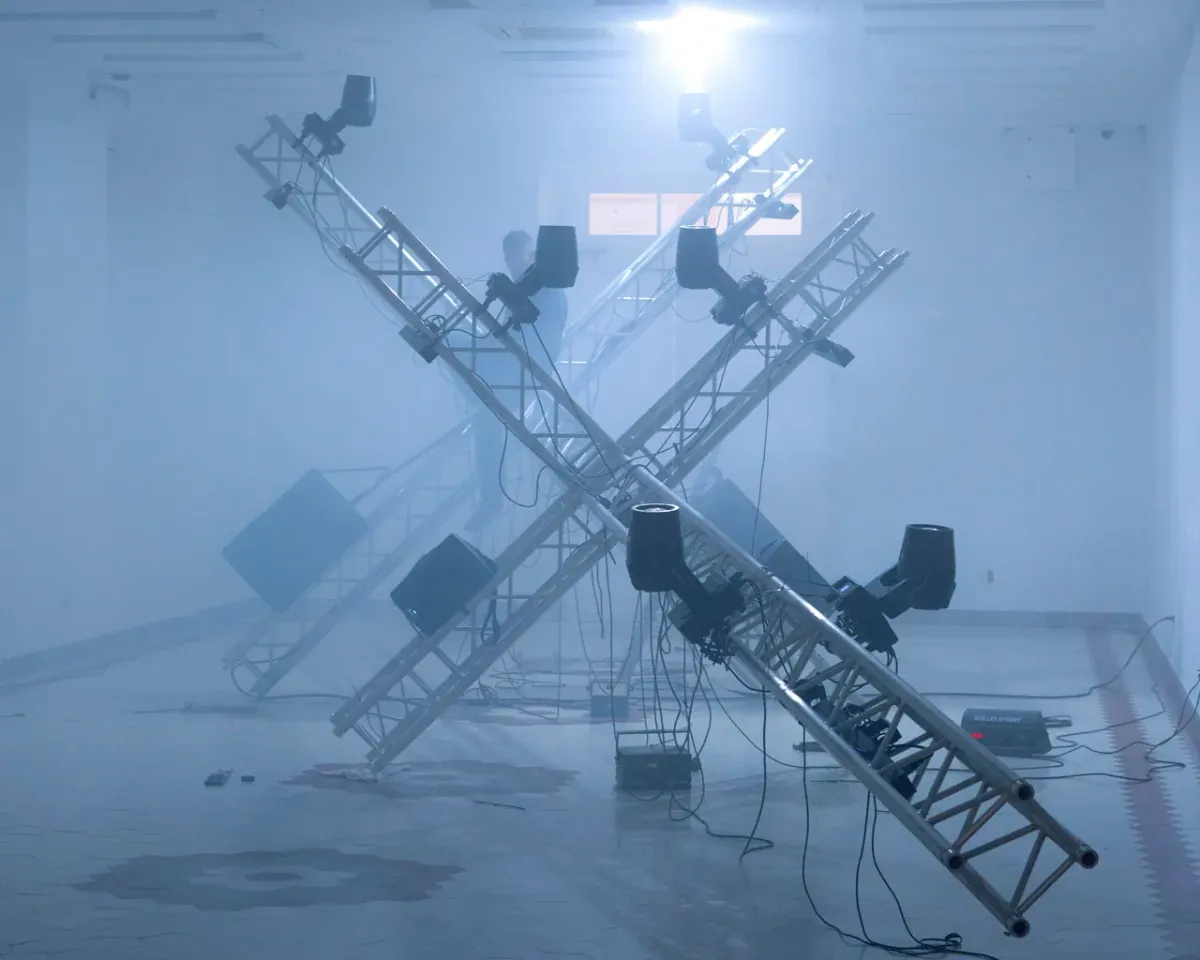
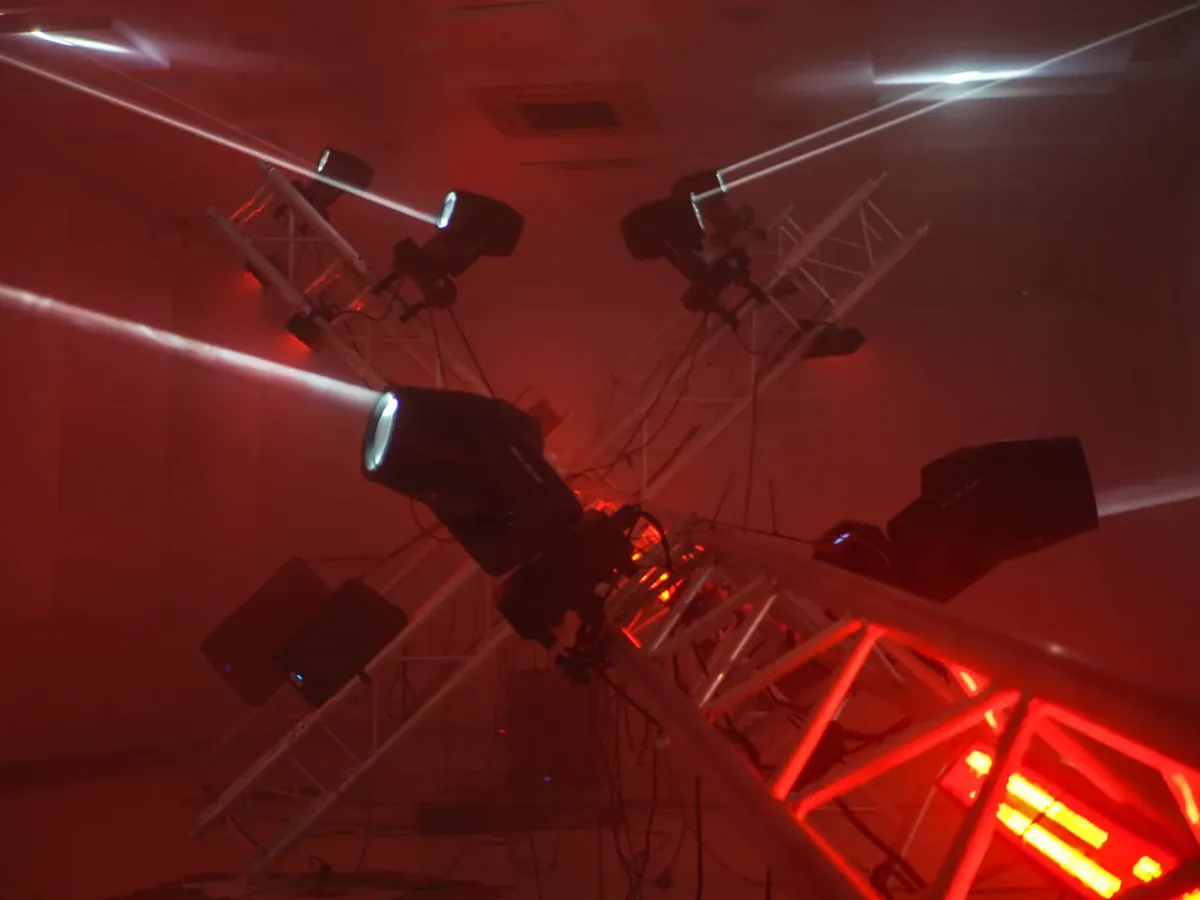
May 22 — June 01, 2026
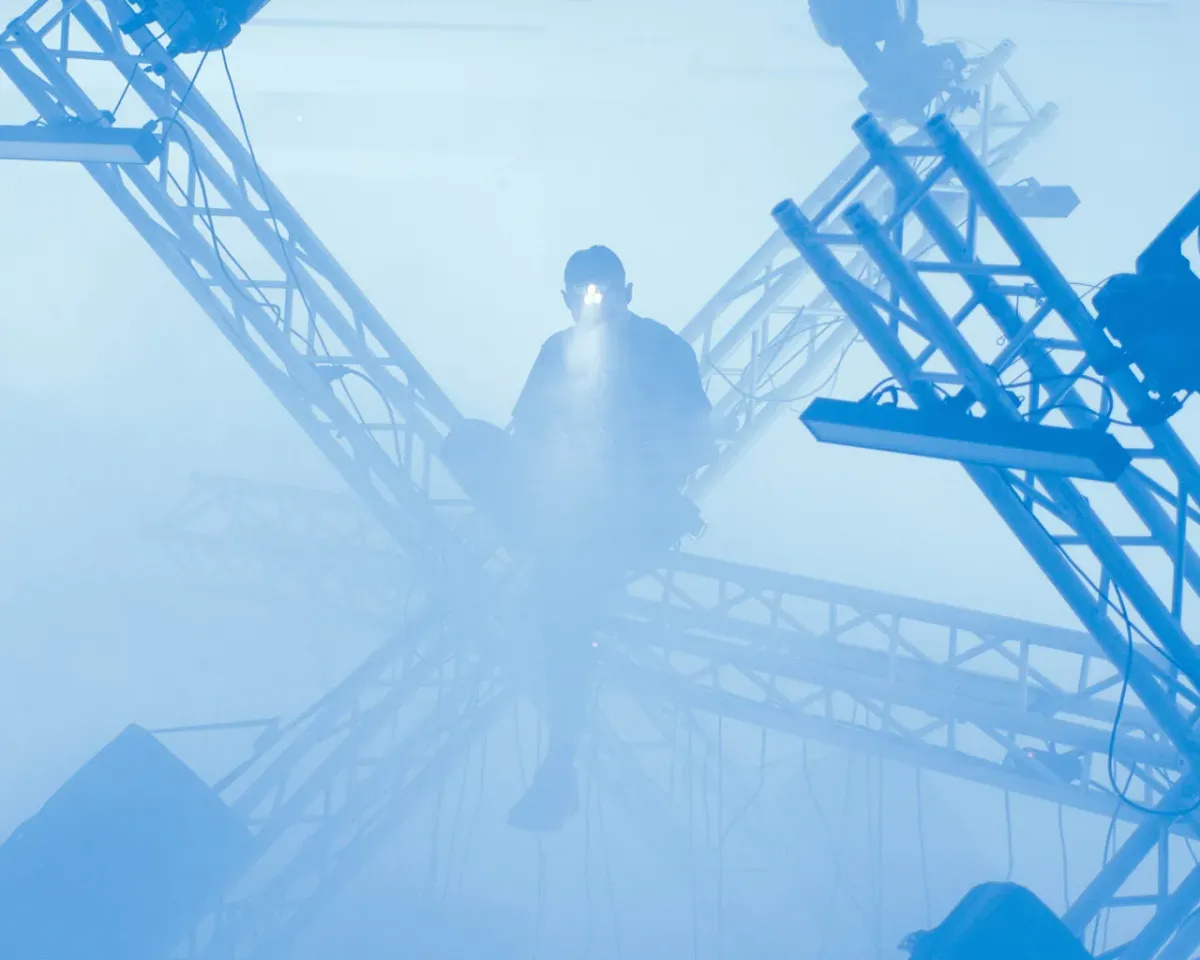
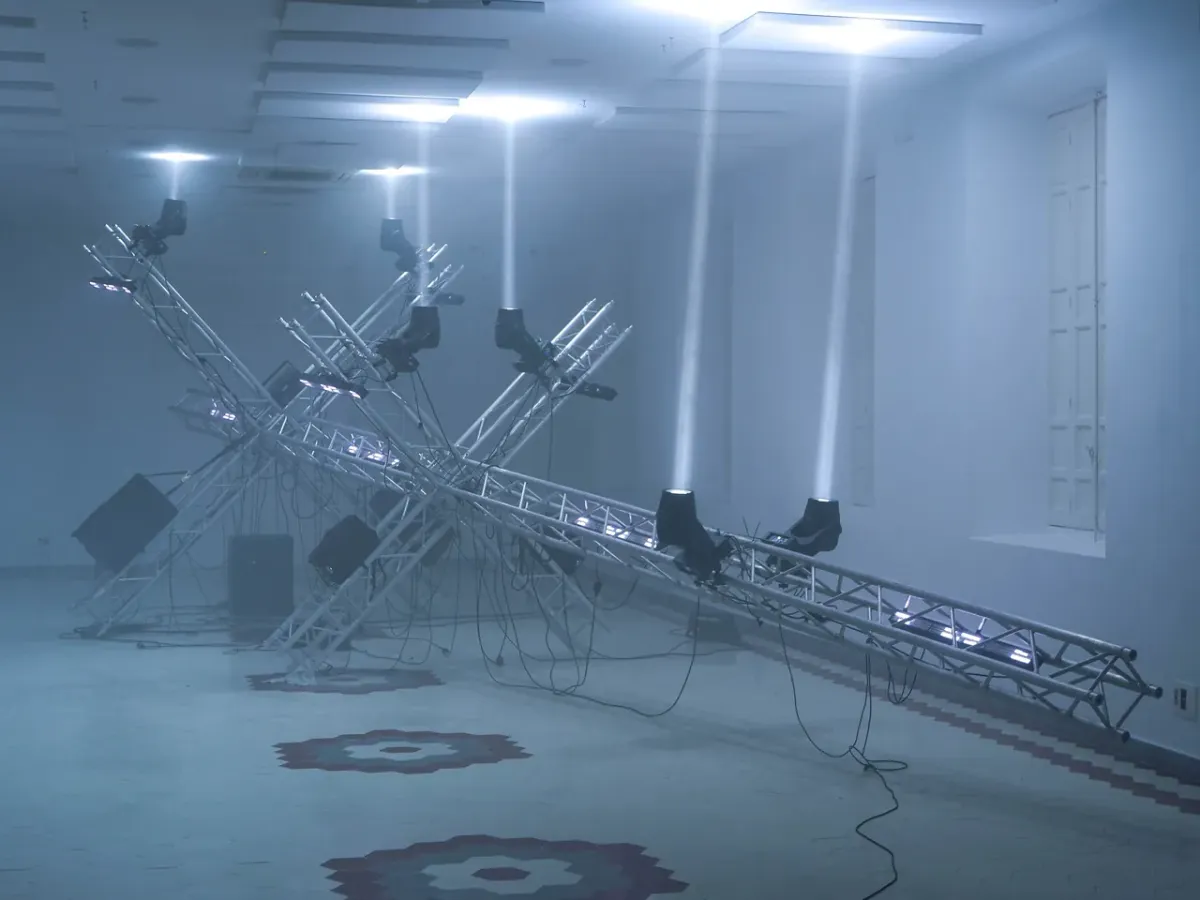
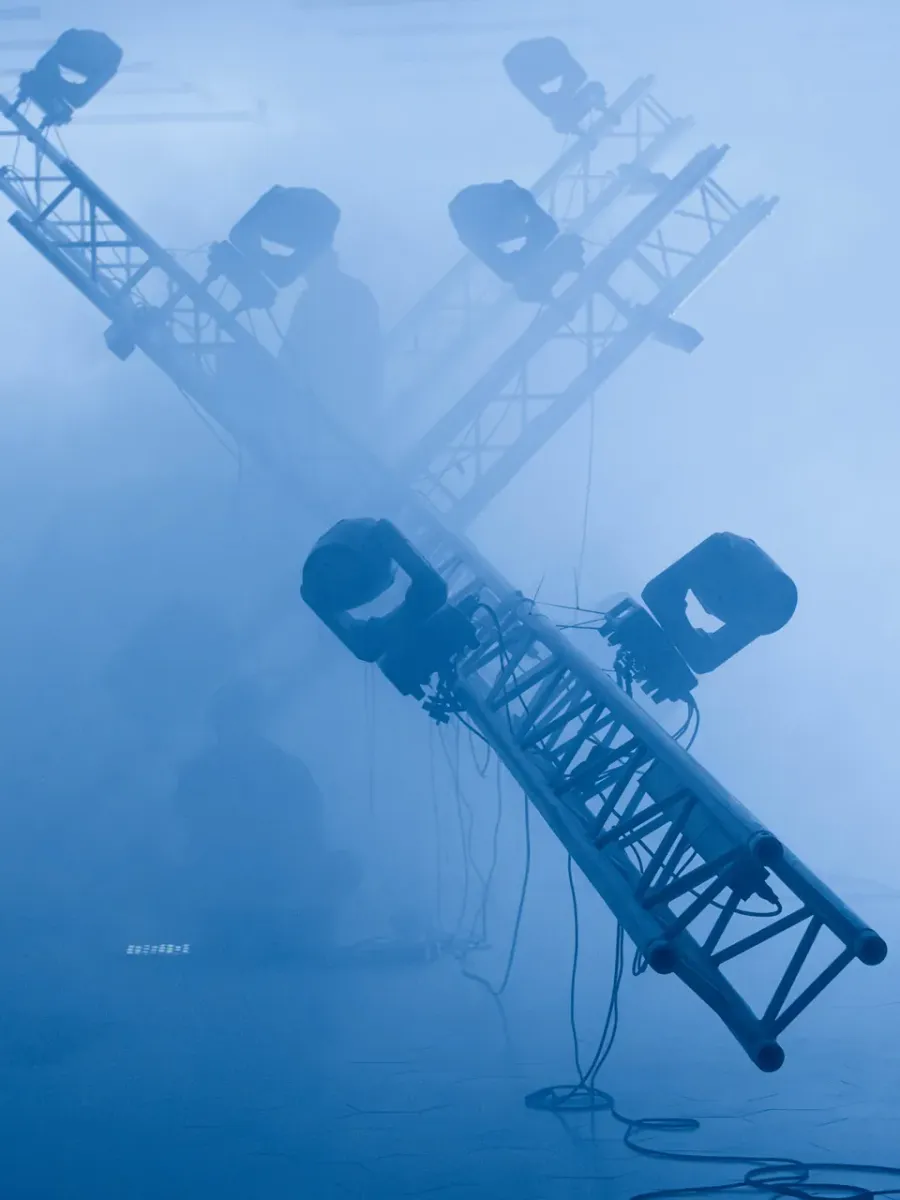
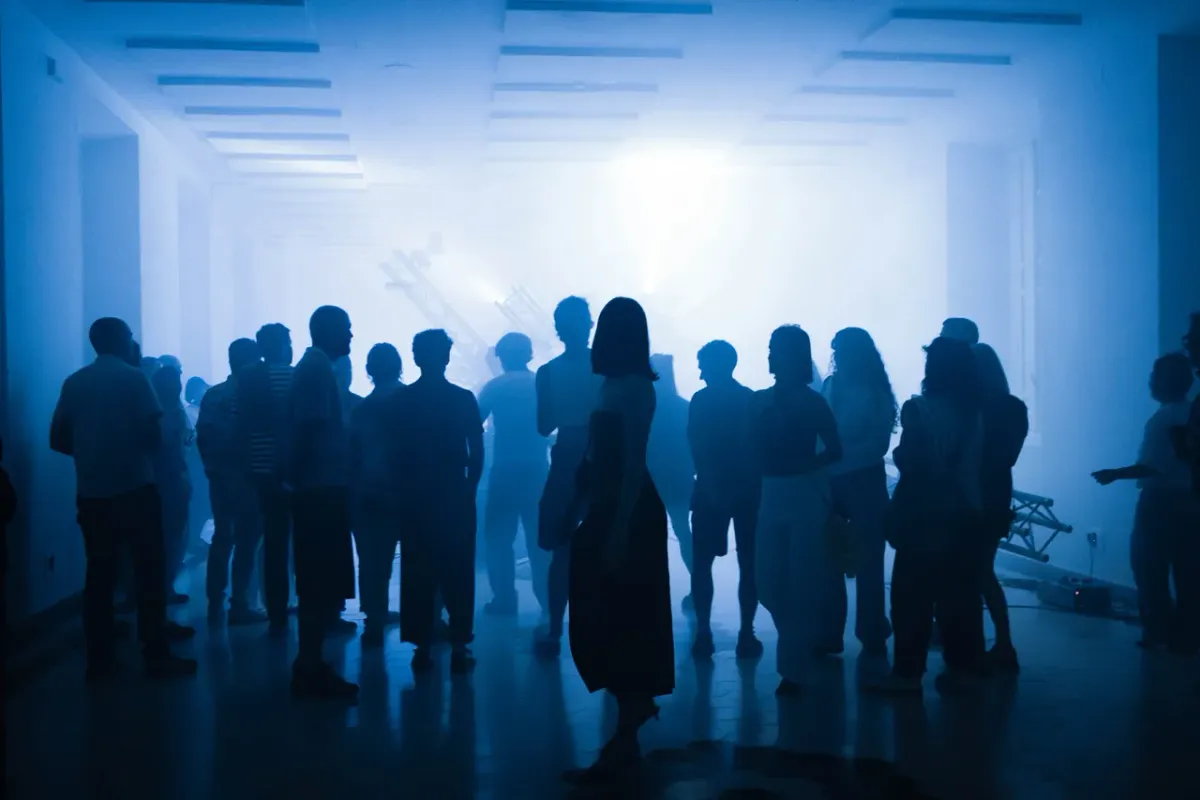
Leo Pum @La Térmica, Málaga KRVCE festival
Everything you need to plan, apply, and move your art career forward.
Berlin / 2026
 Features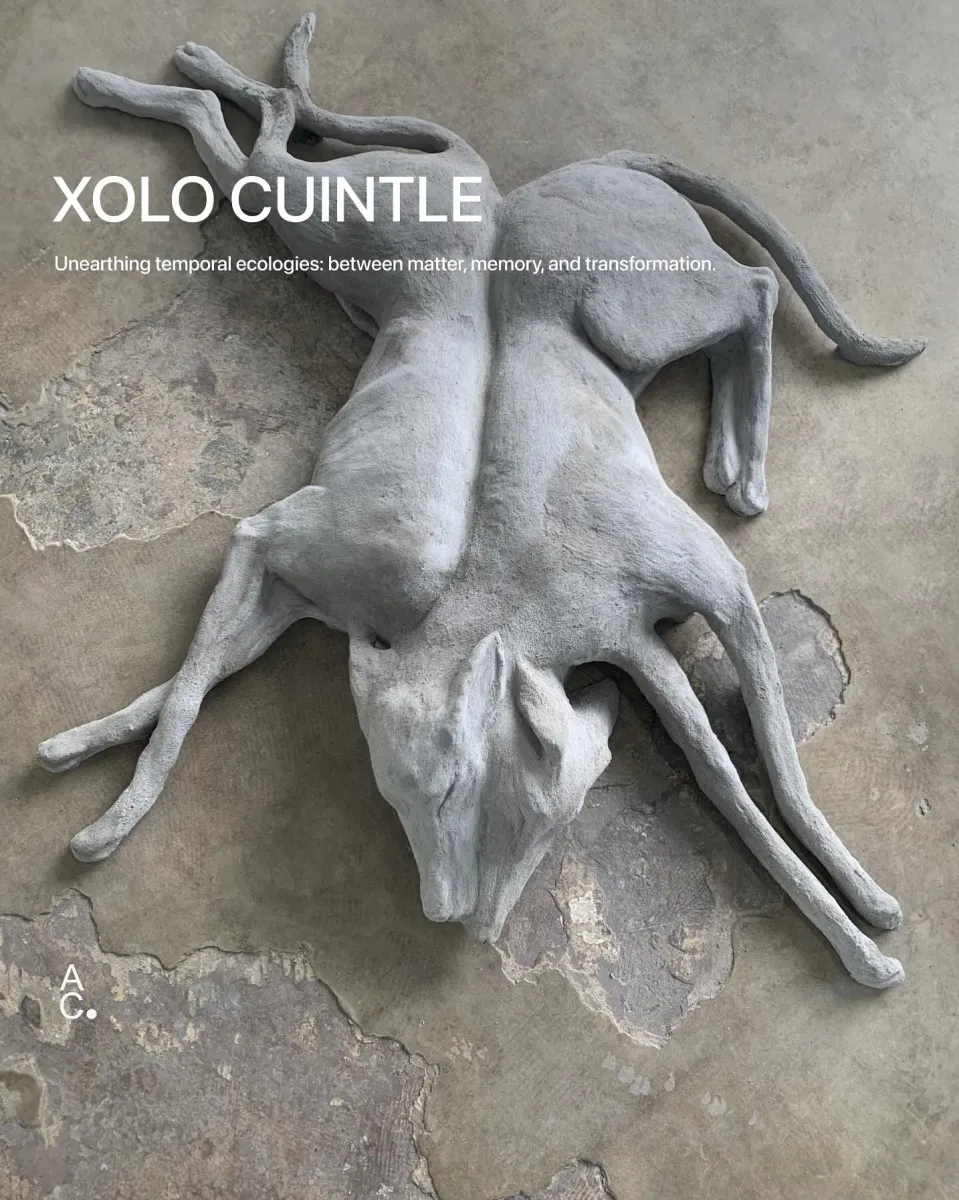
@xolo_cuintle
Paris / 2026
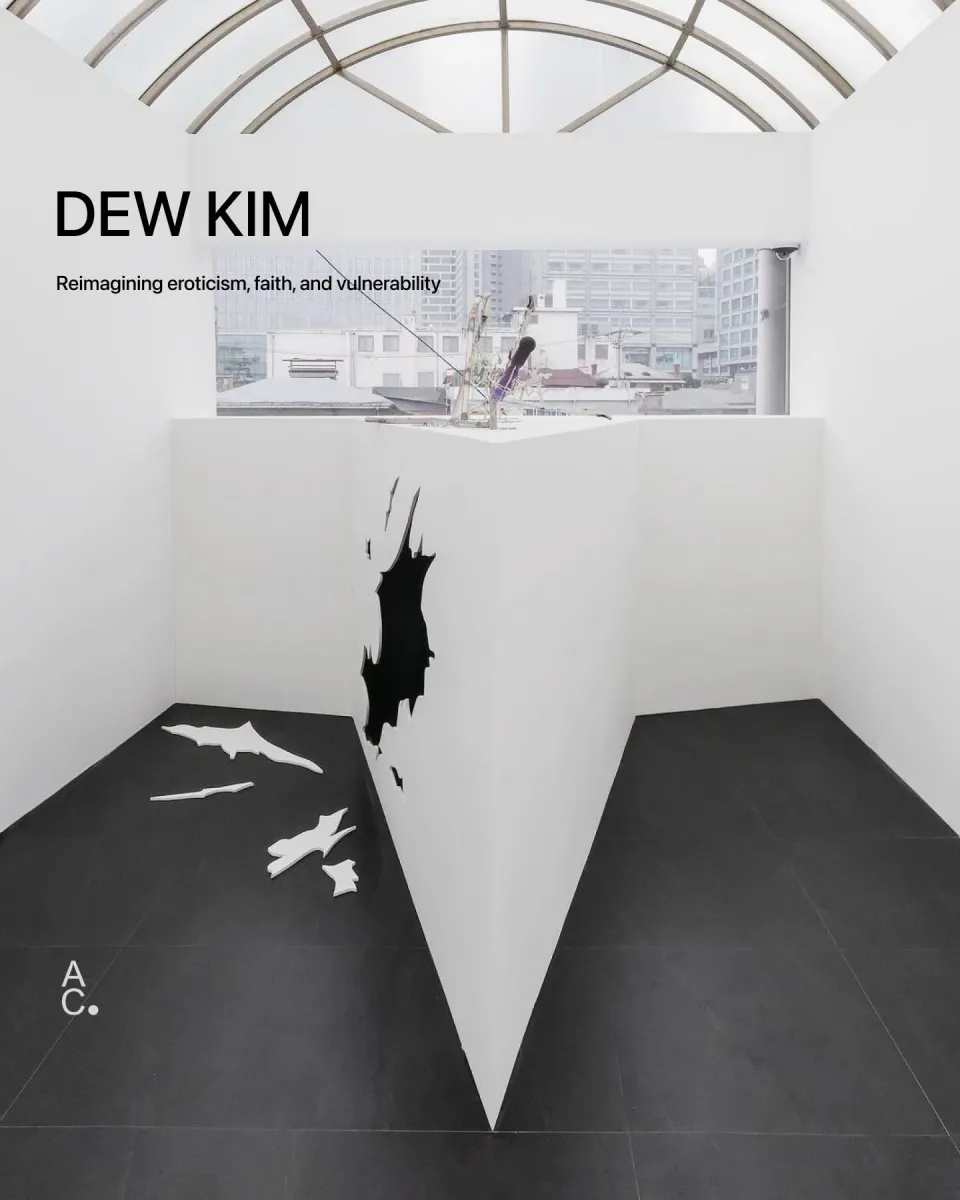
@dew_needs_you
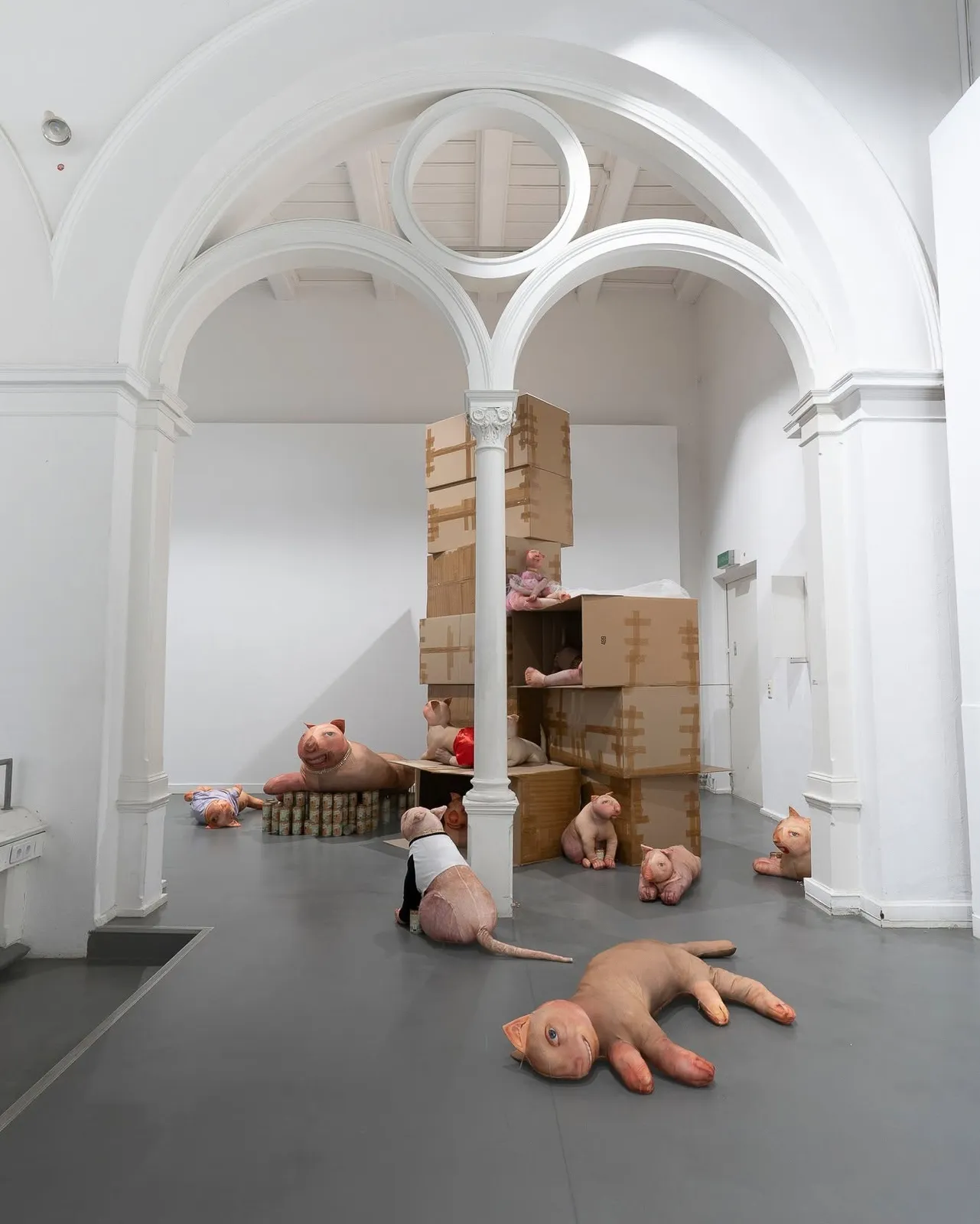
Berlin / 2026
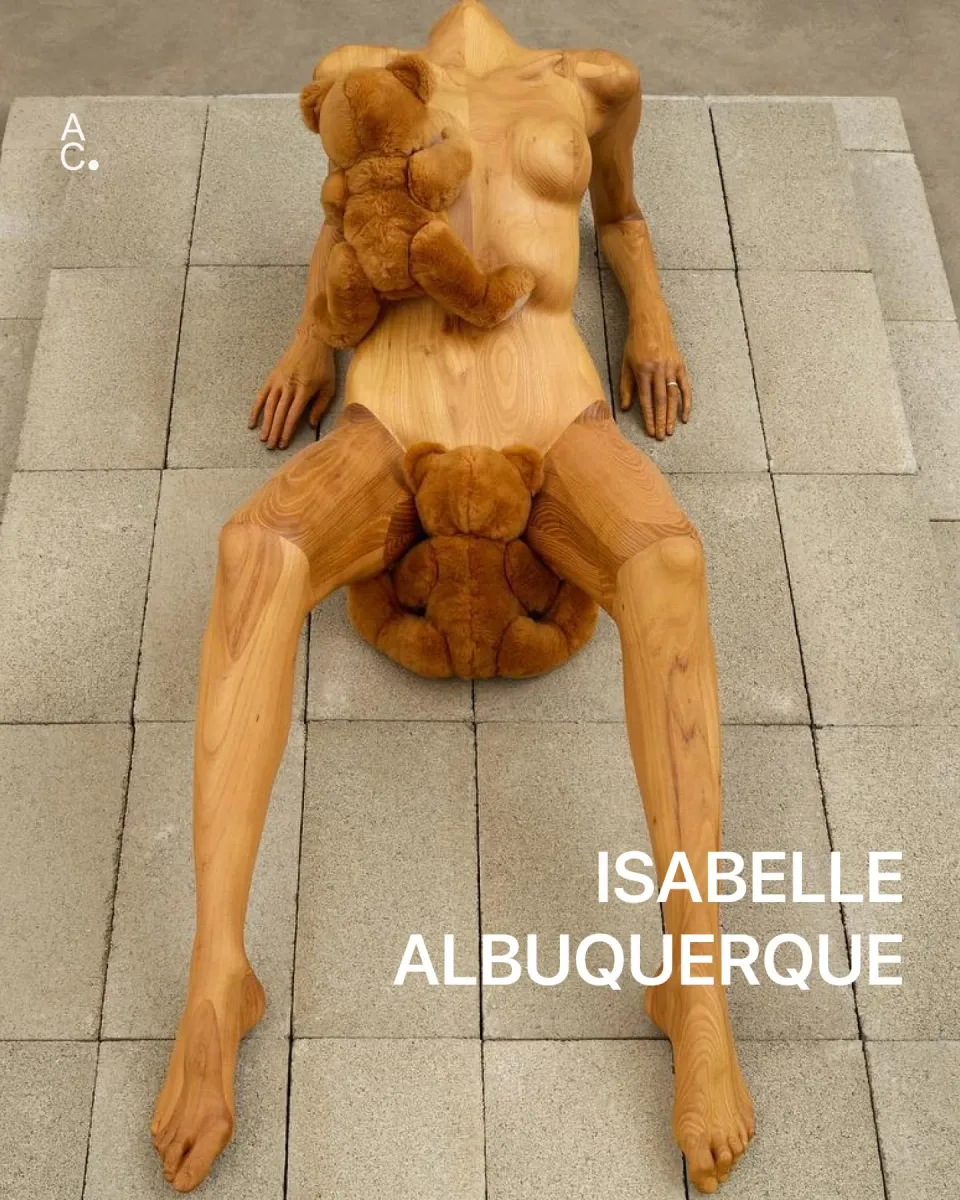
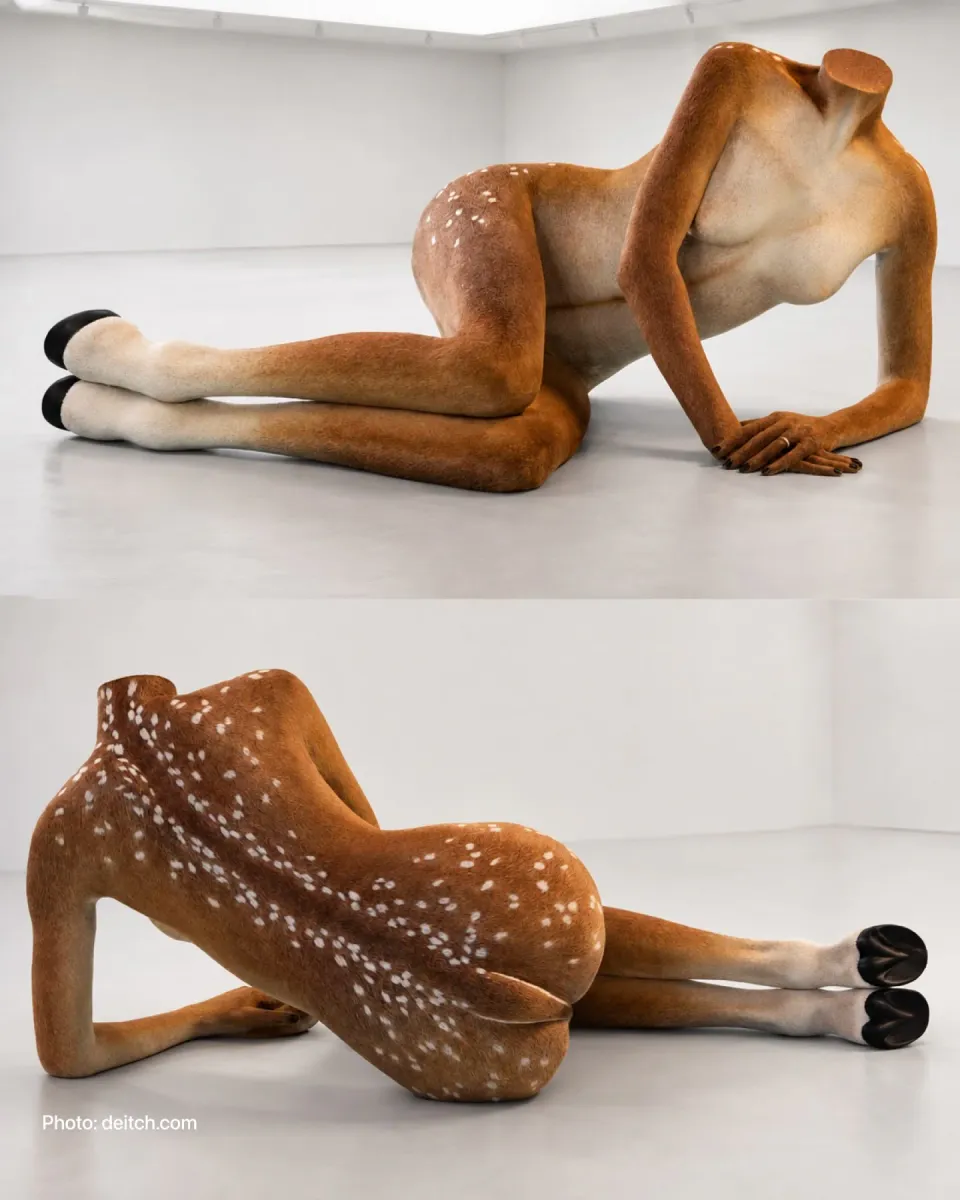
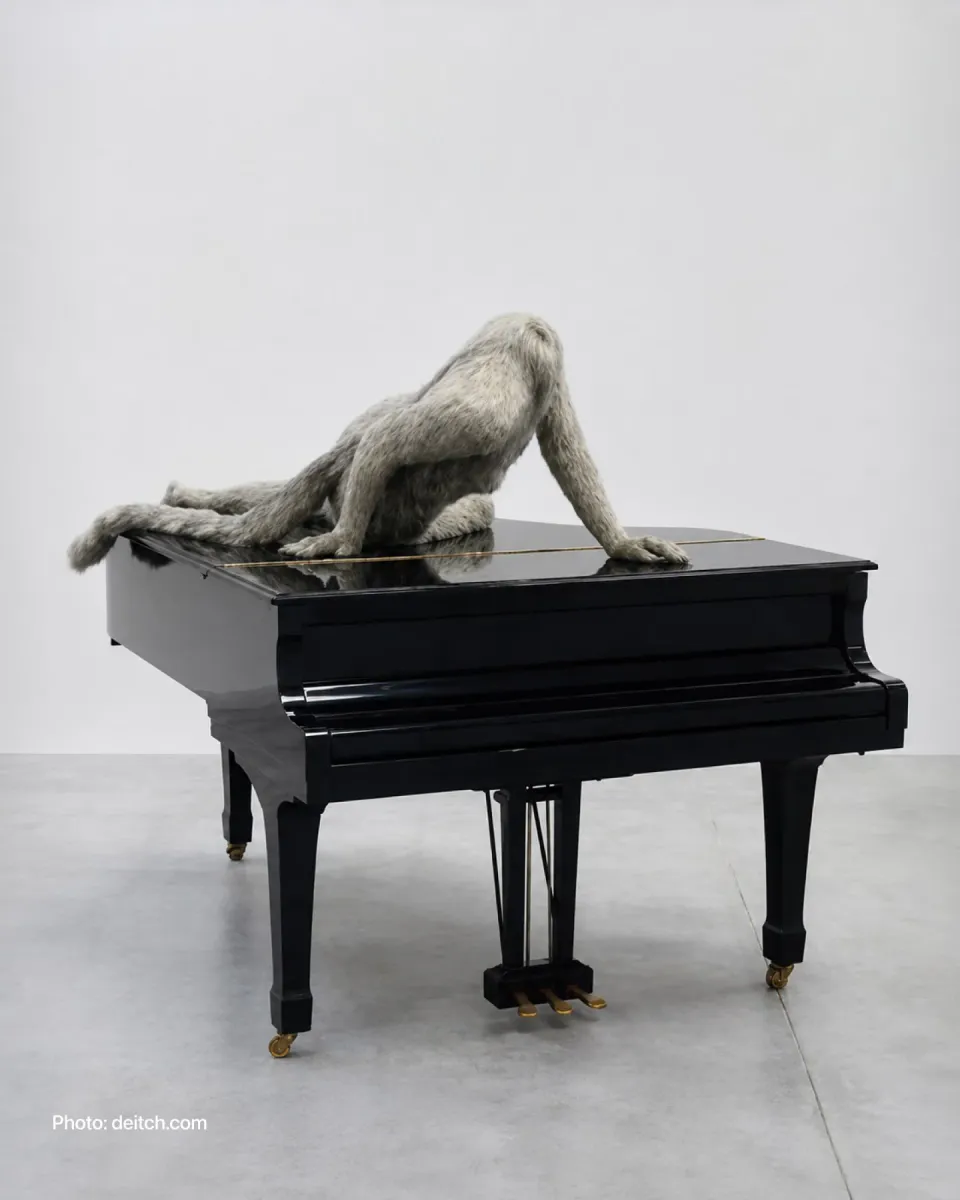
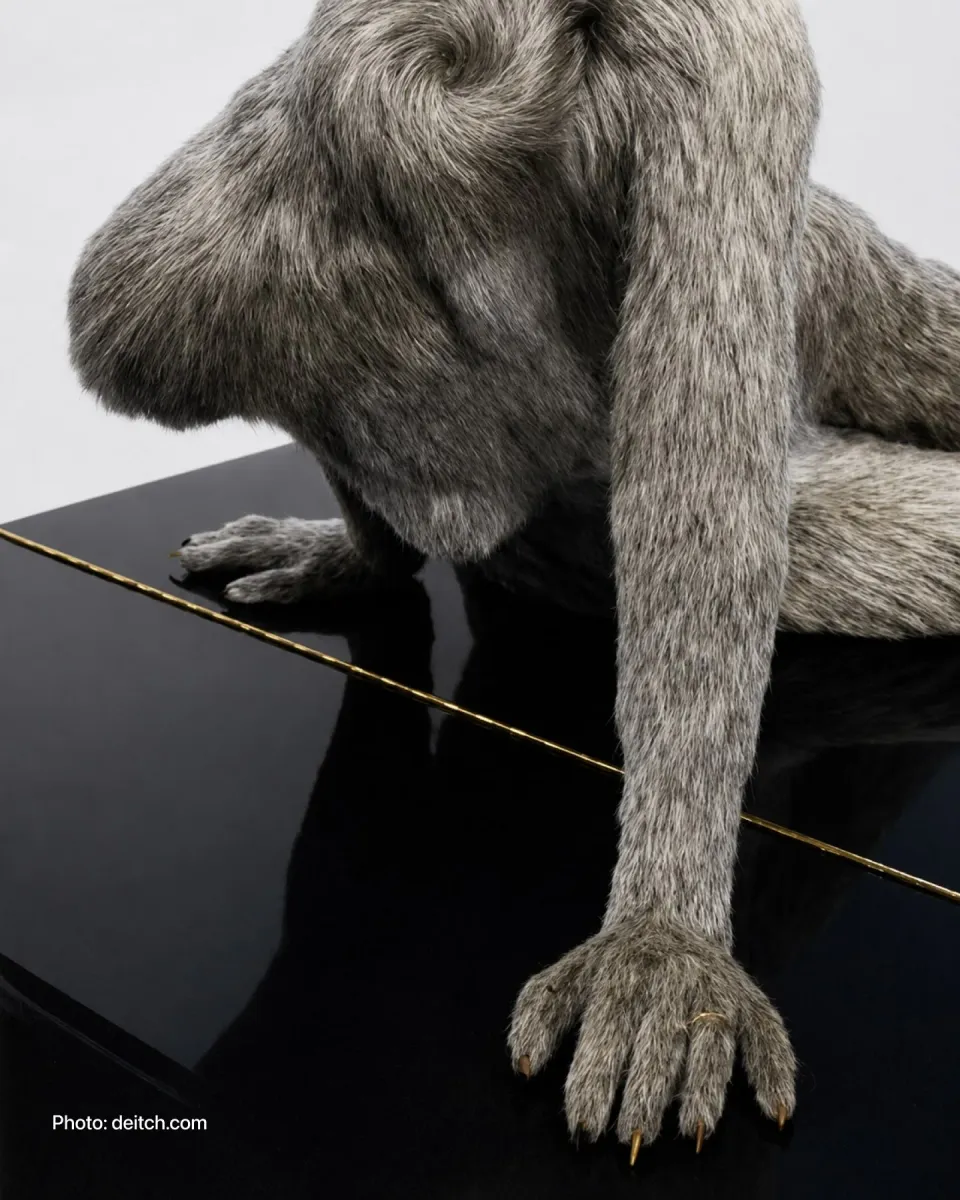
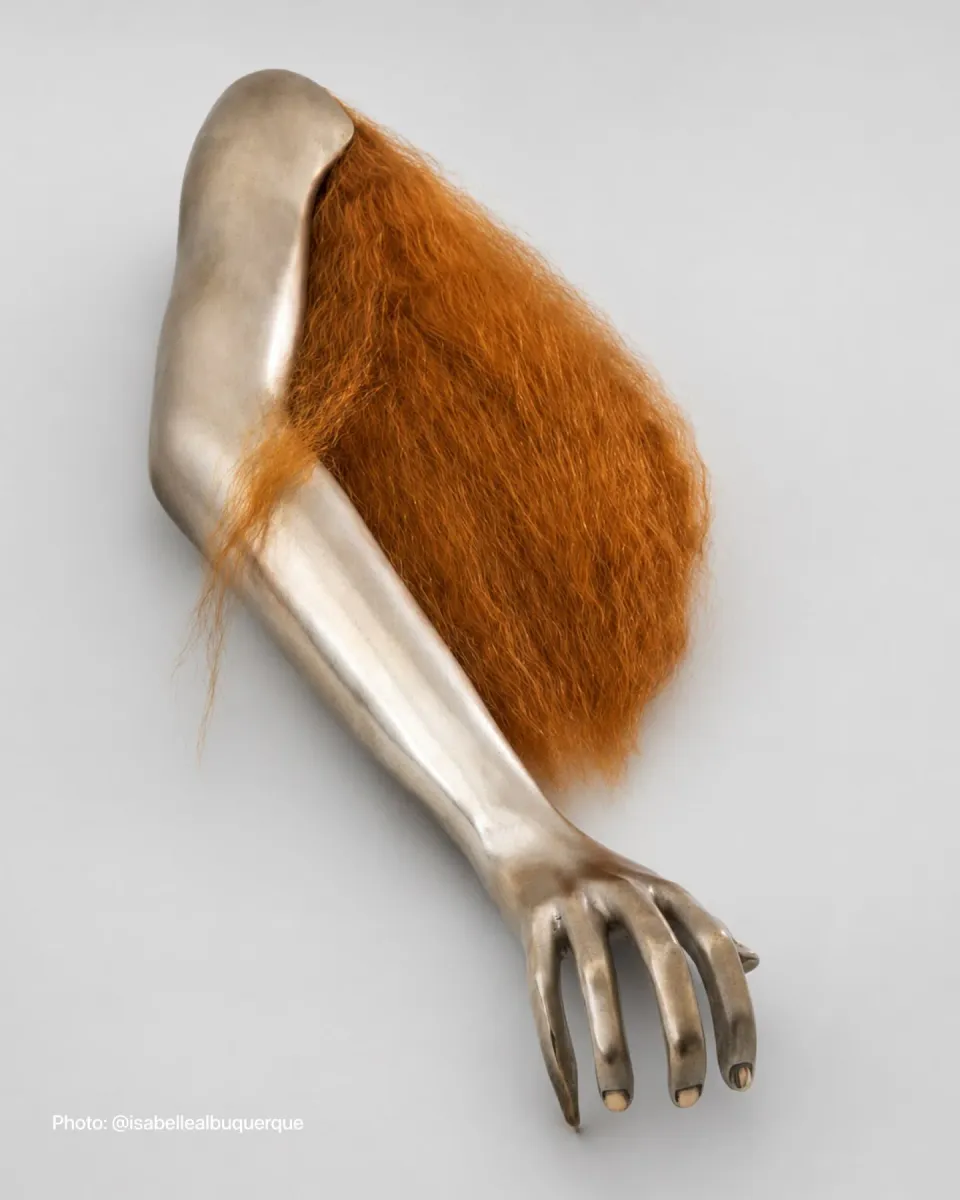
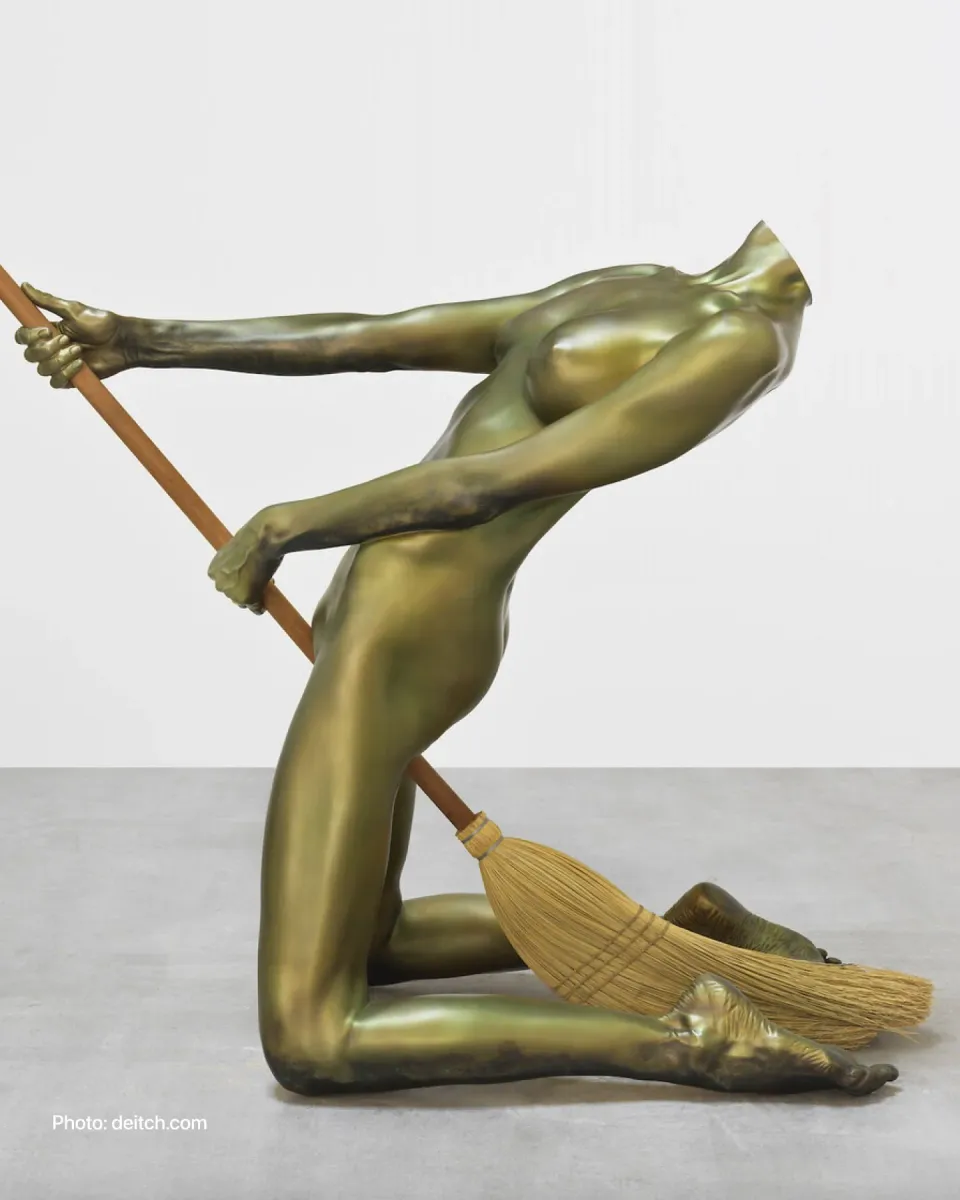
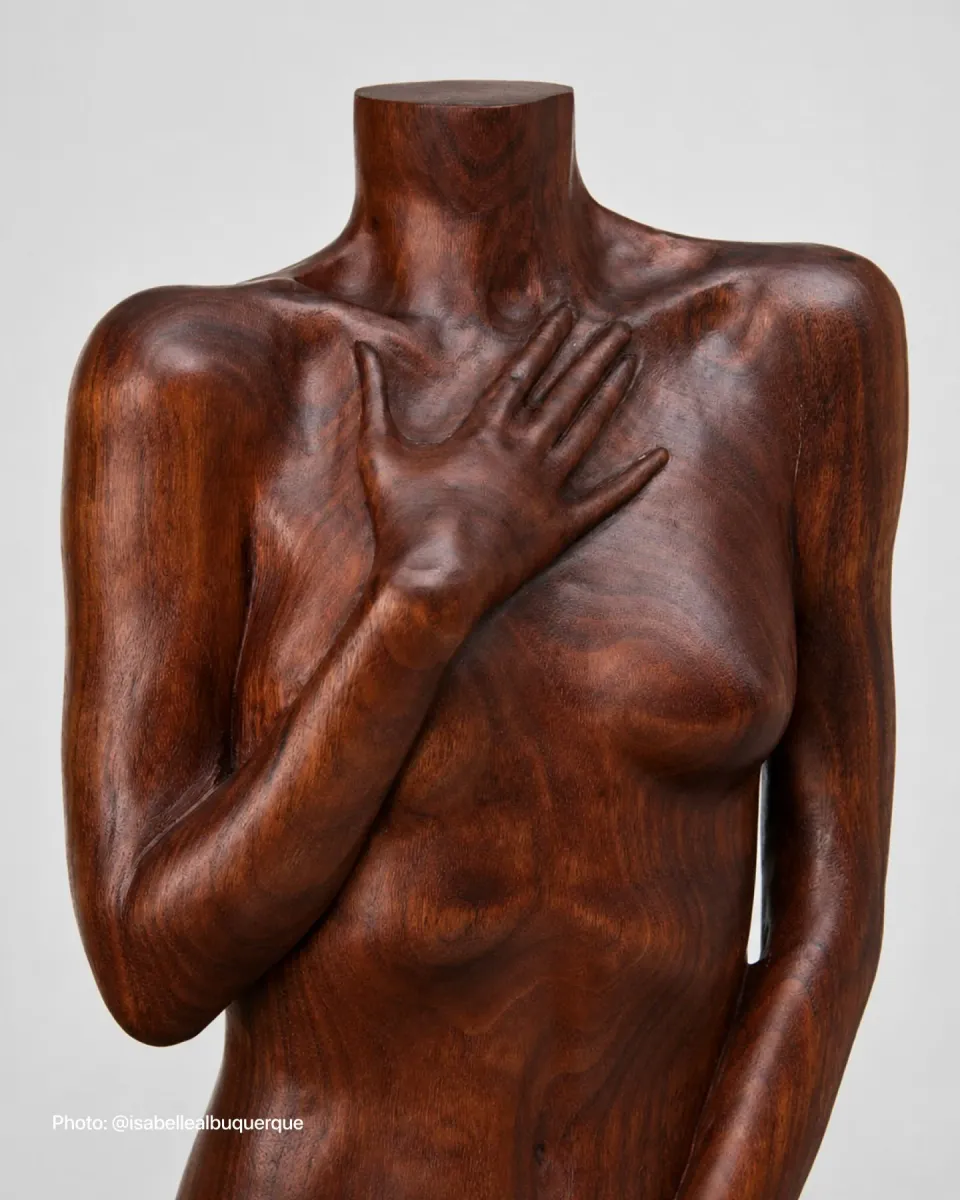
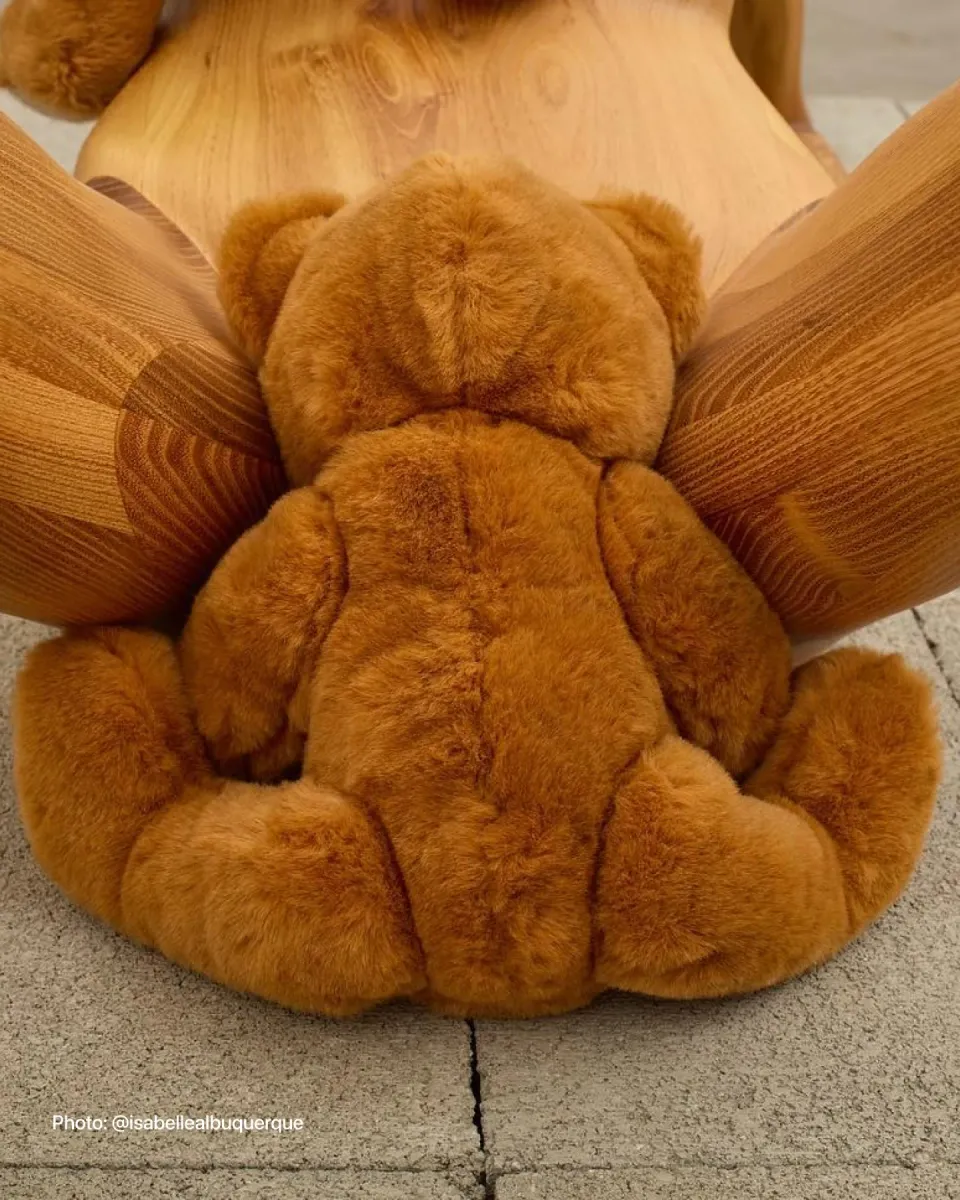
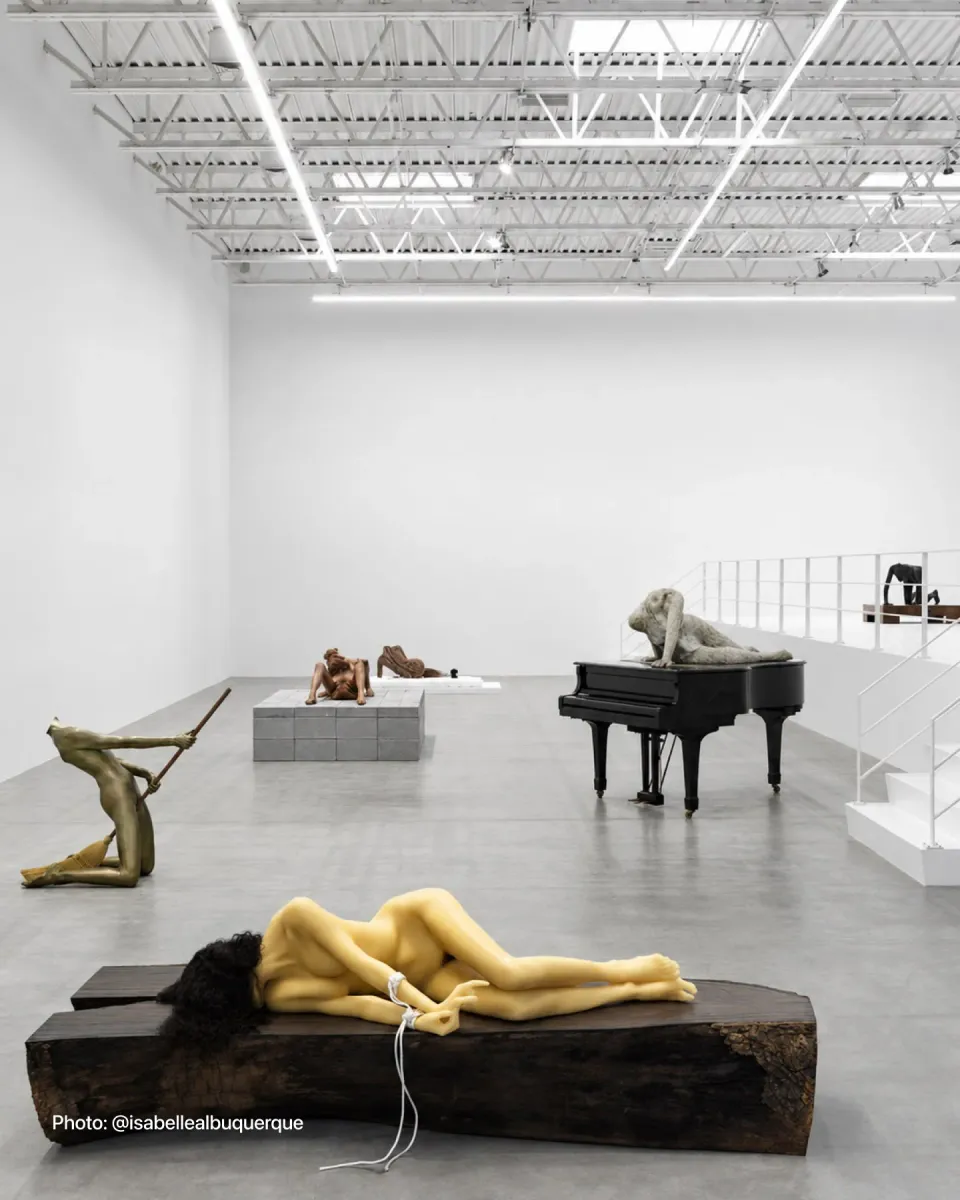
@isabellealbuquerque
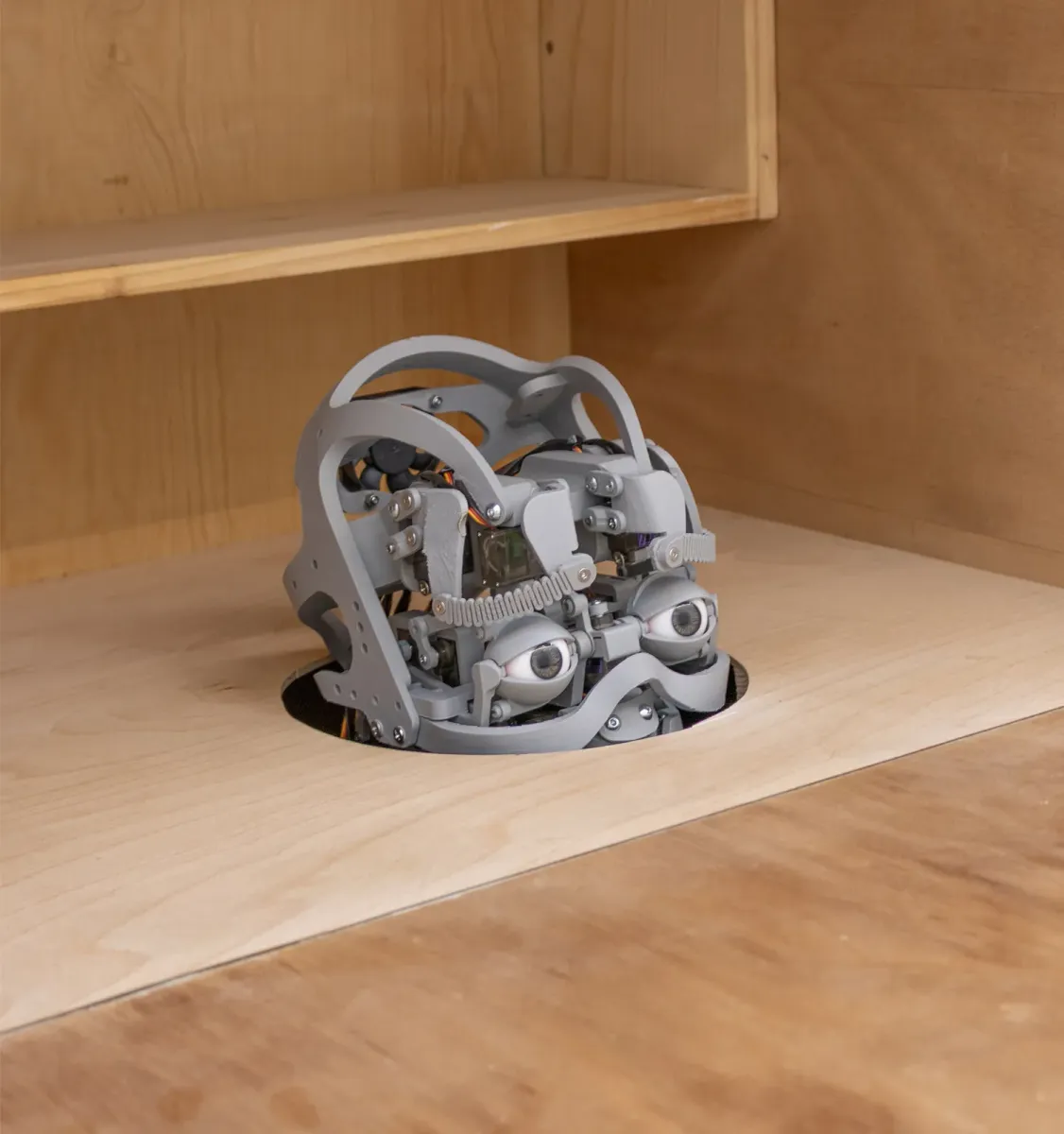
Paris / 2026
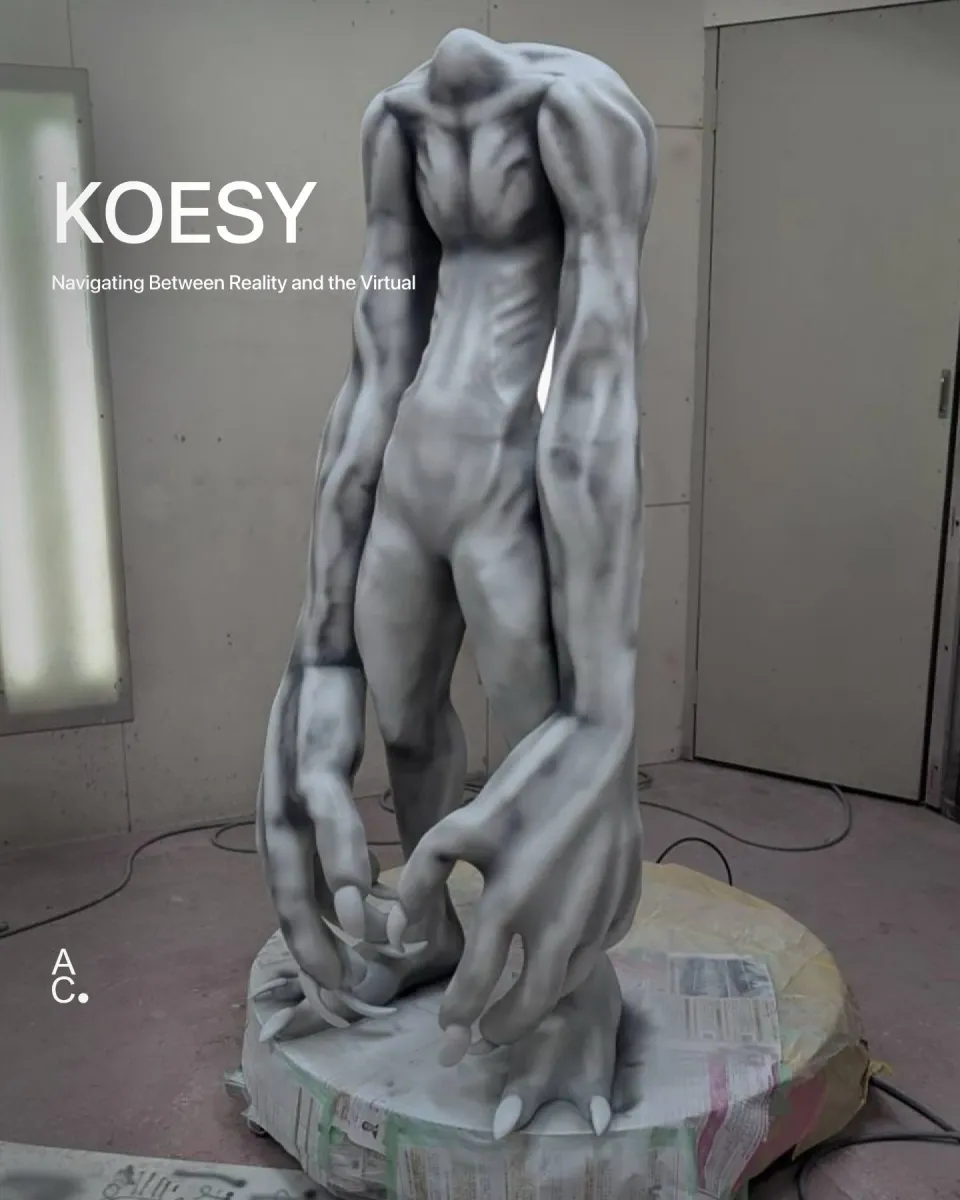
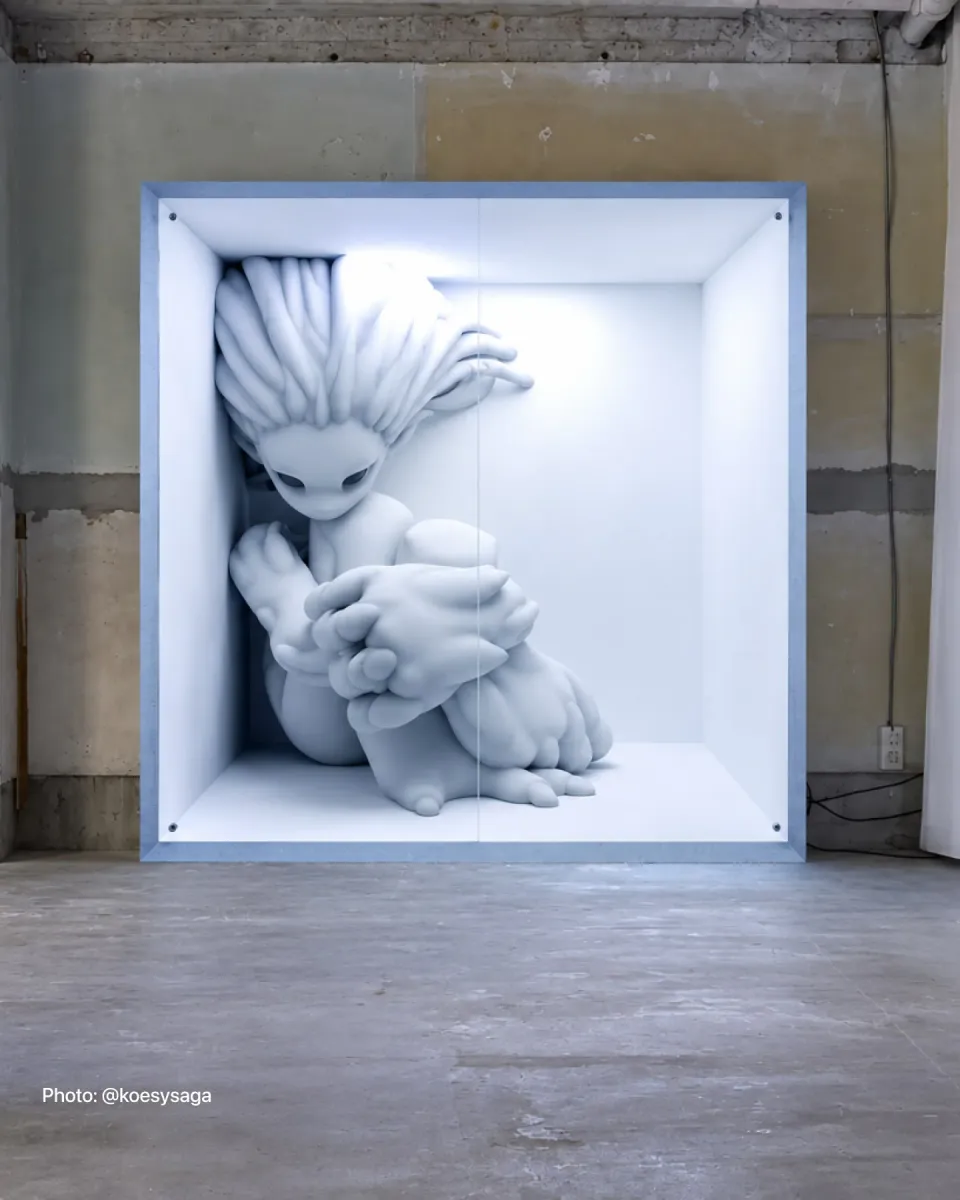
@koesysaga
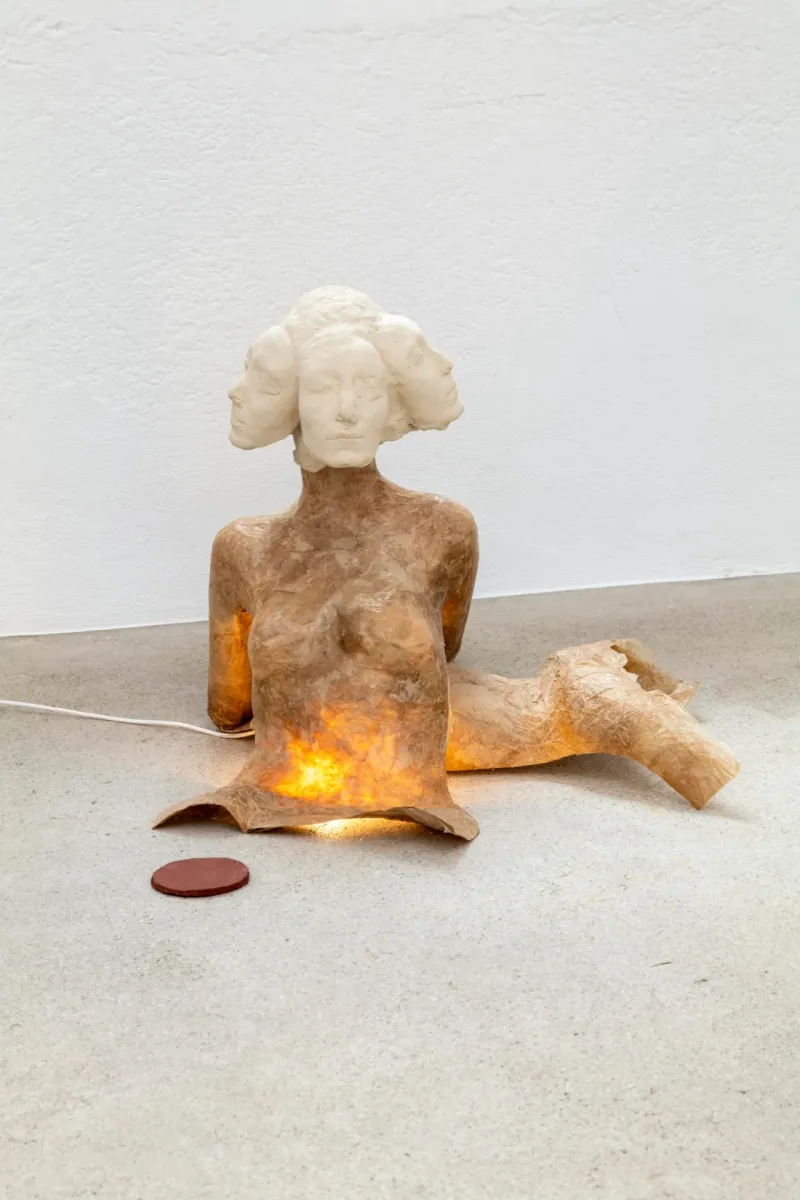
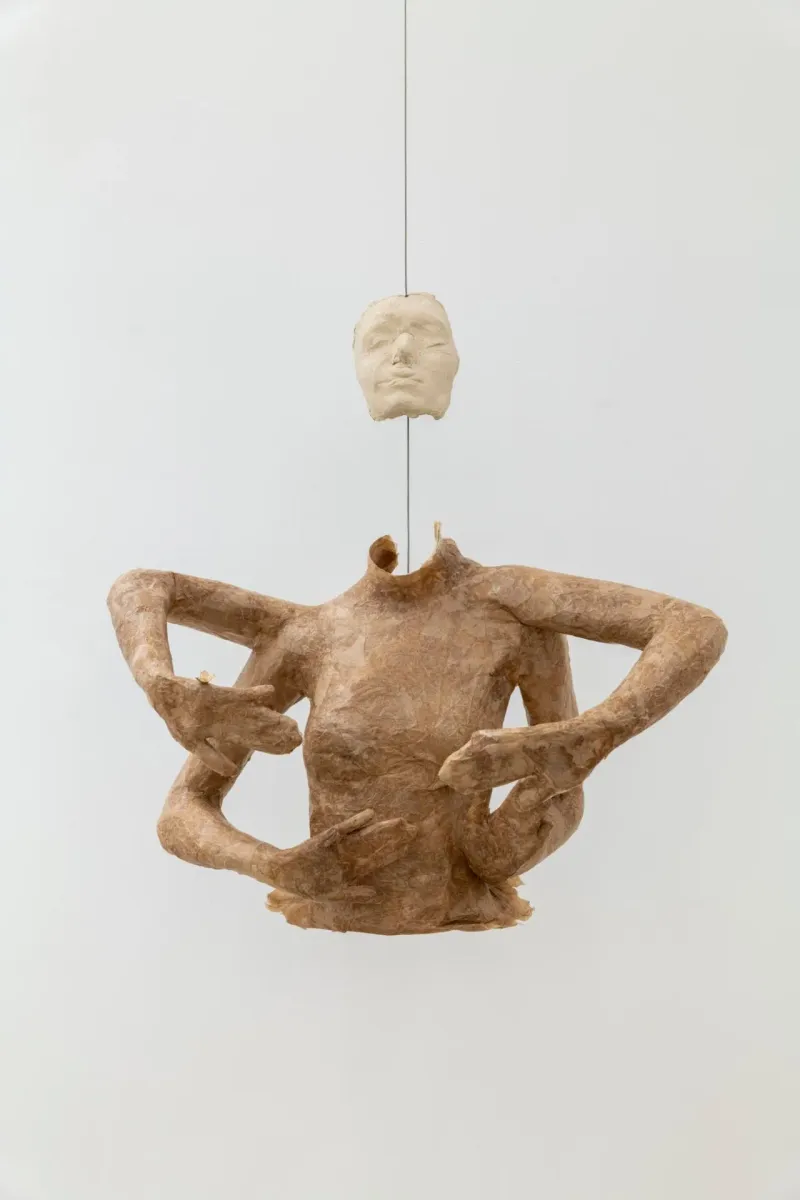
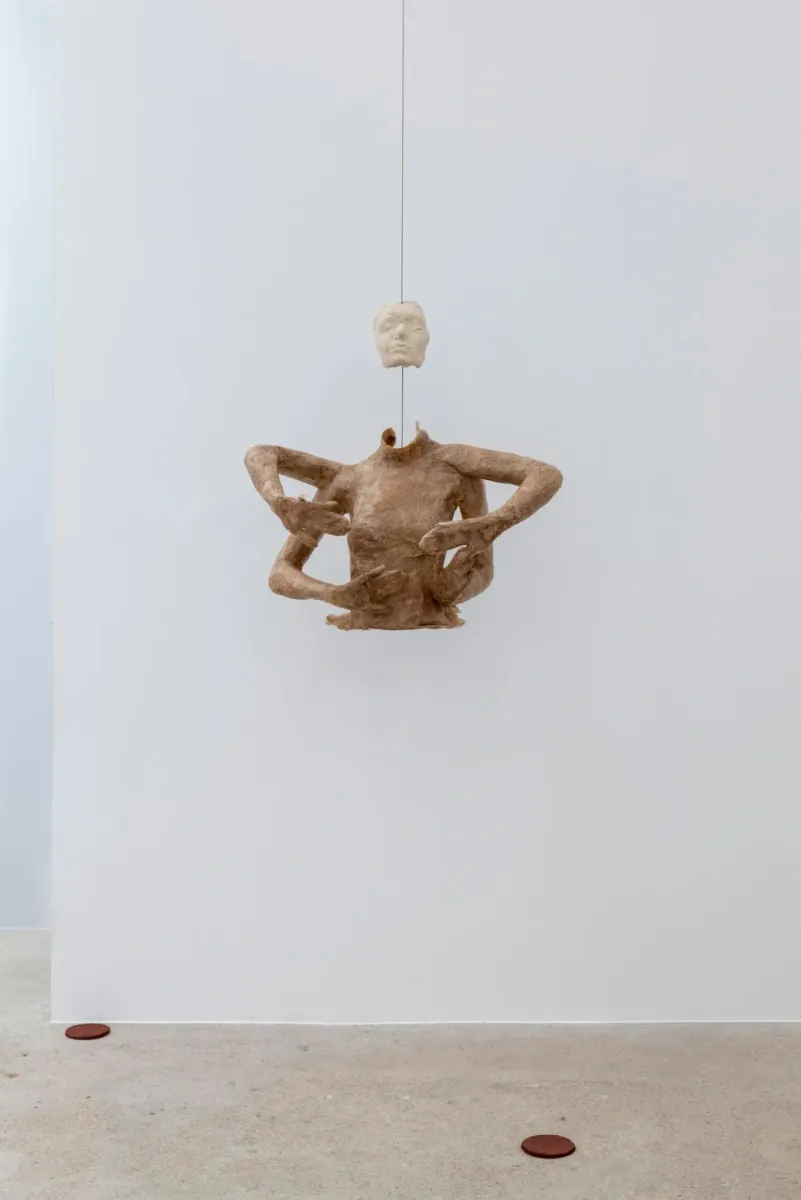
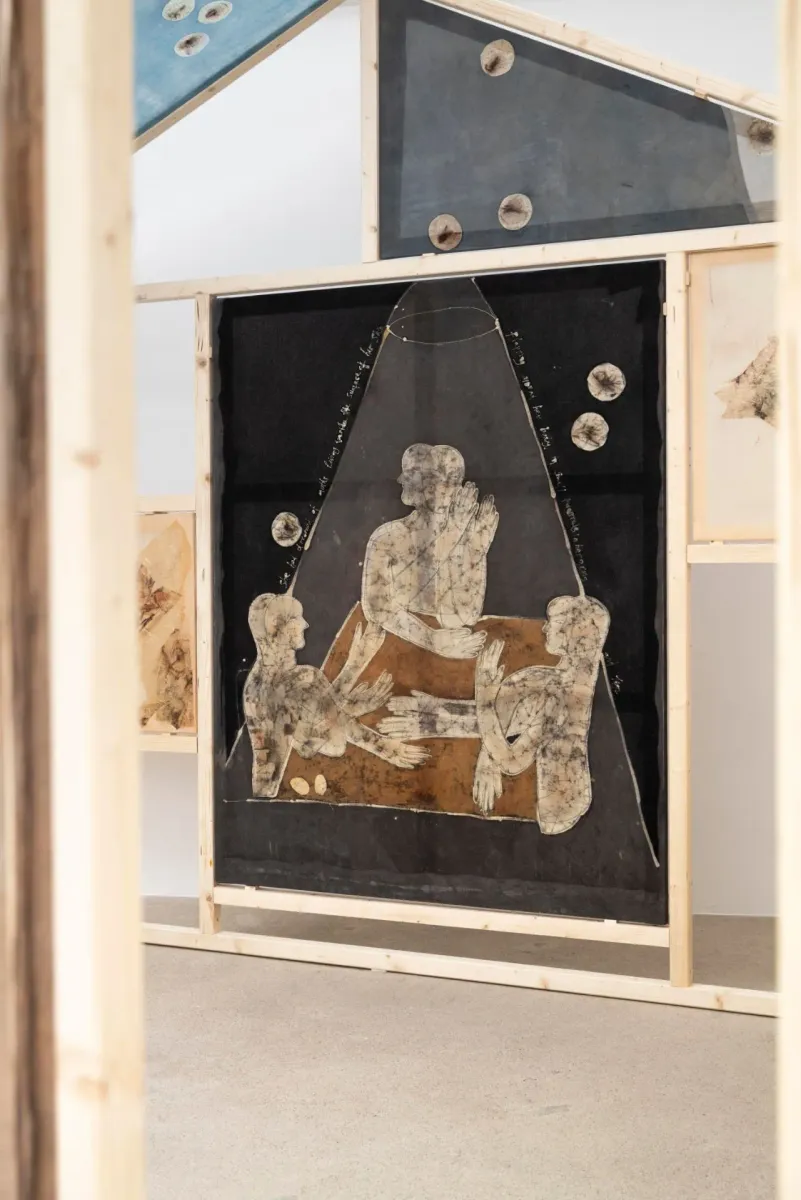
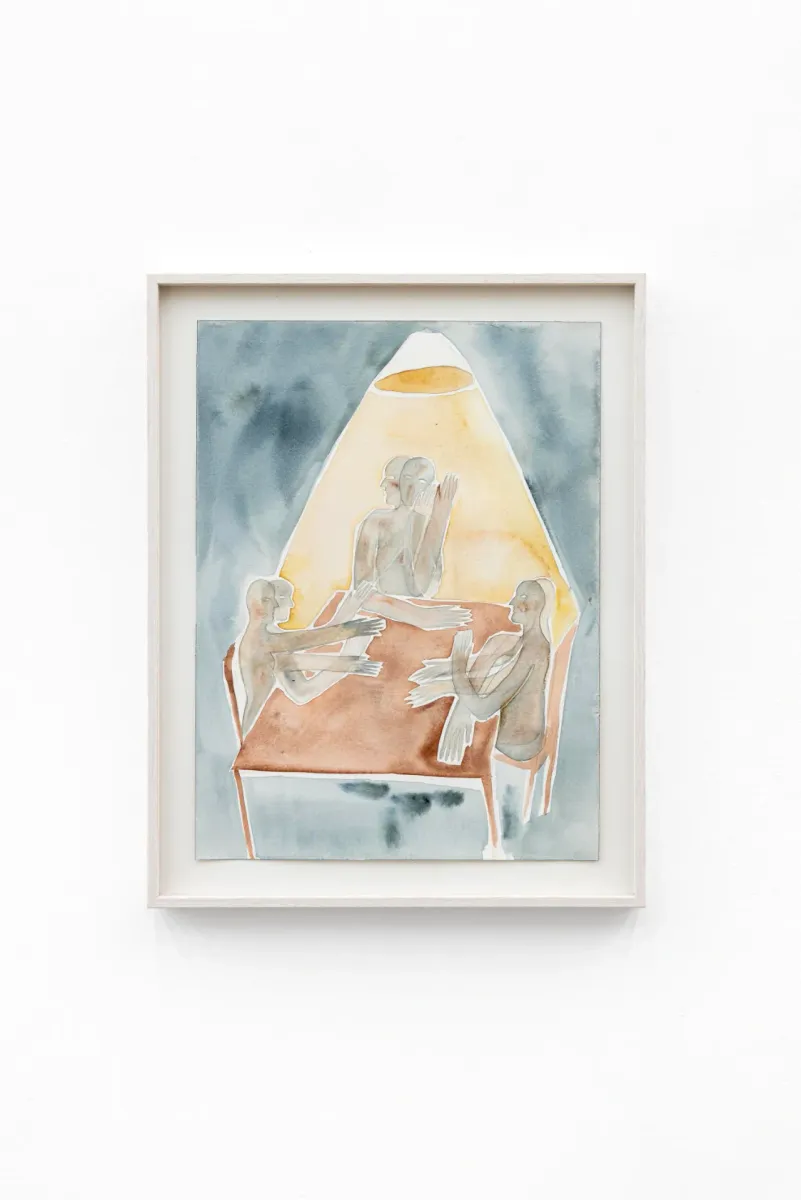
Munich / 2026
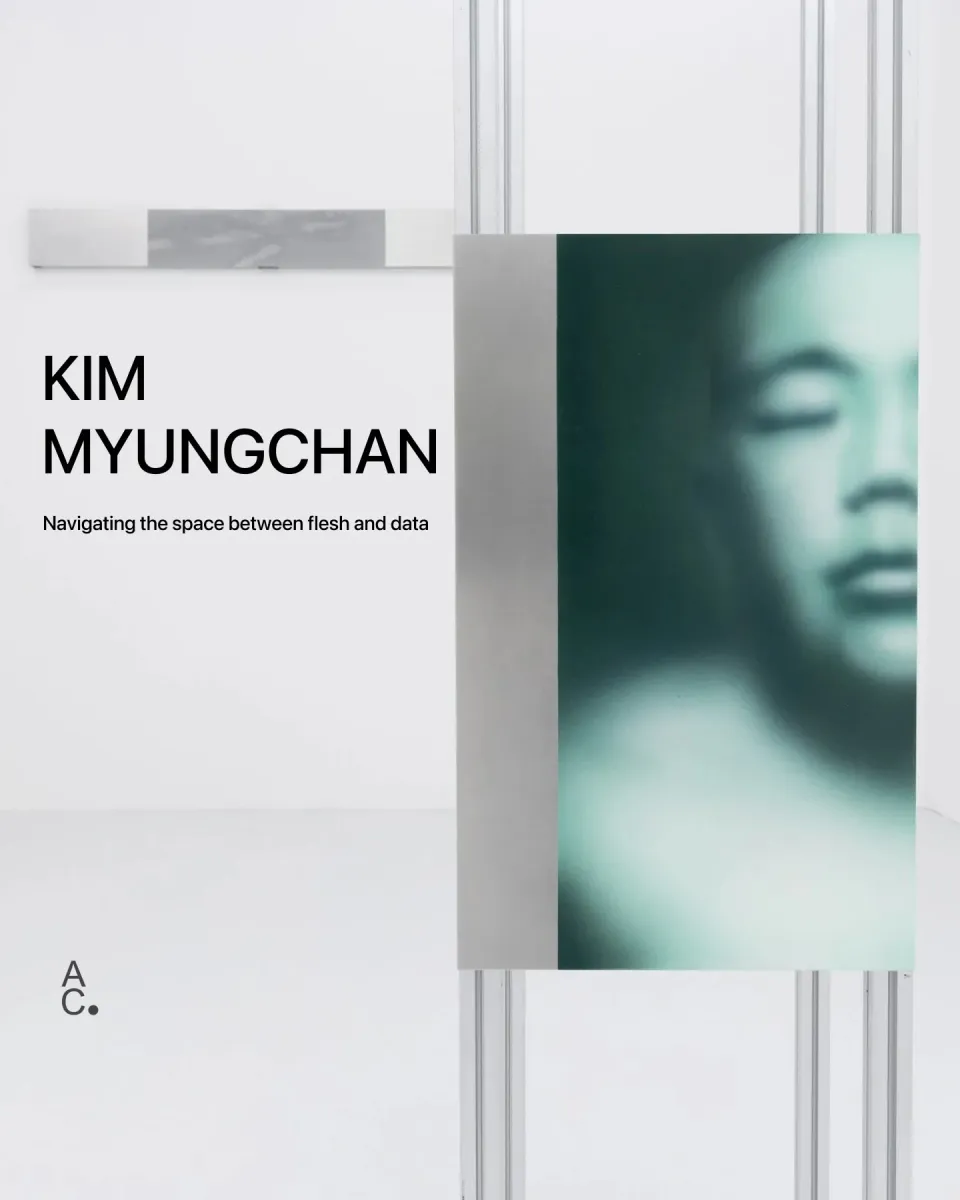
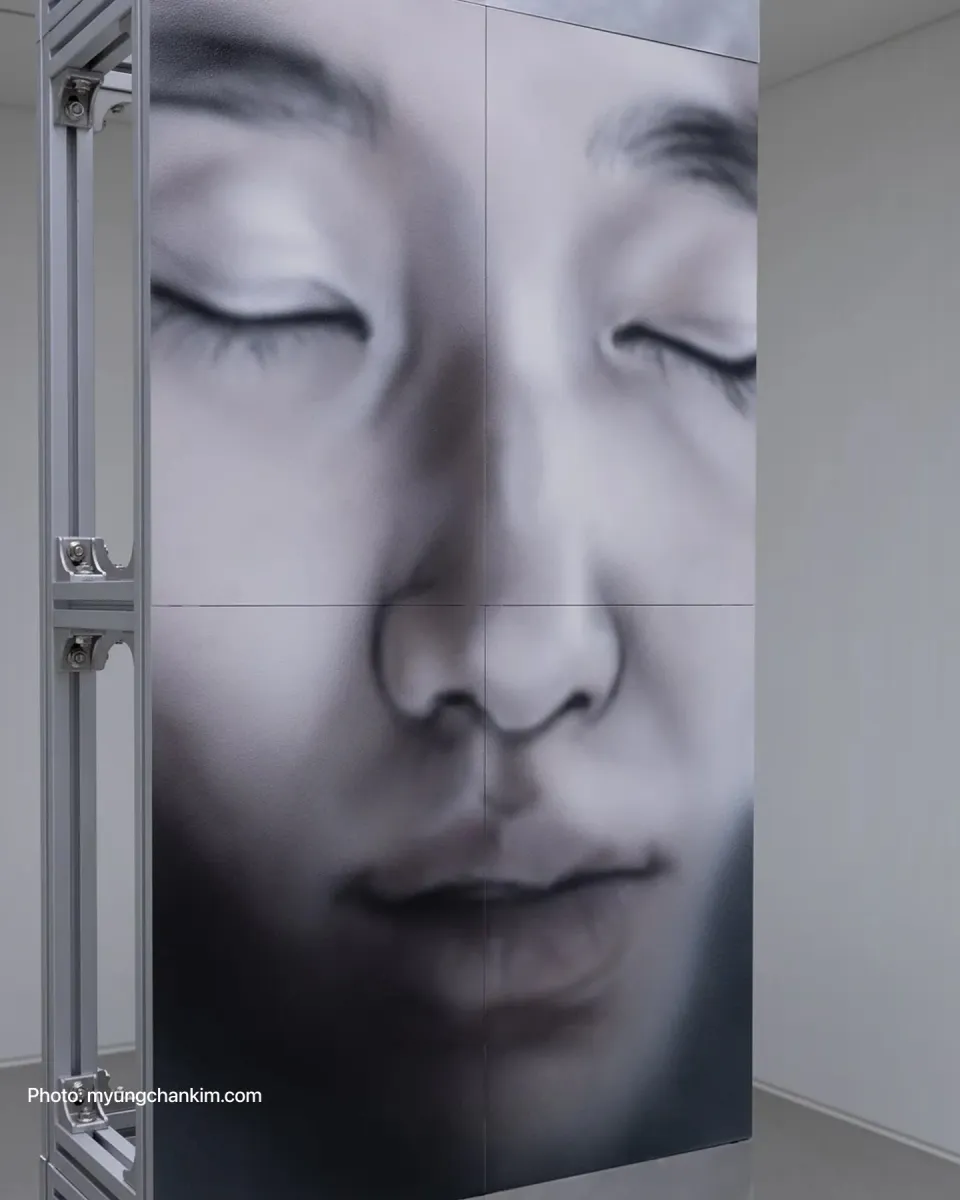
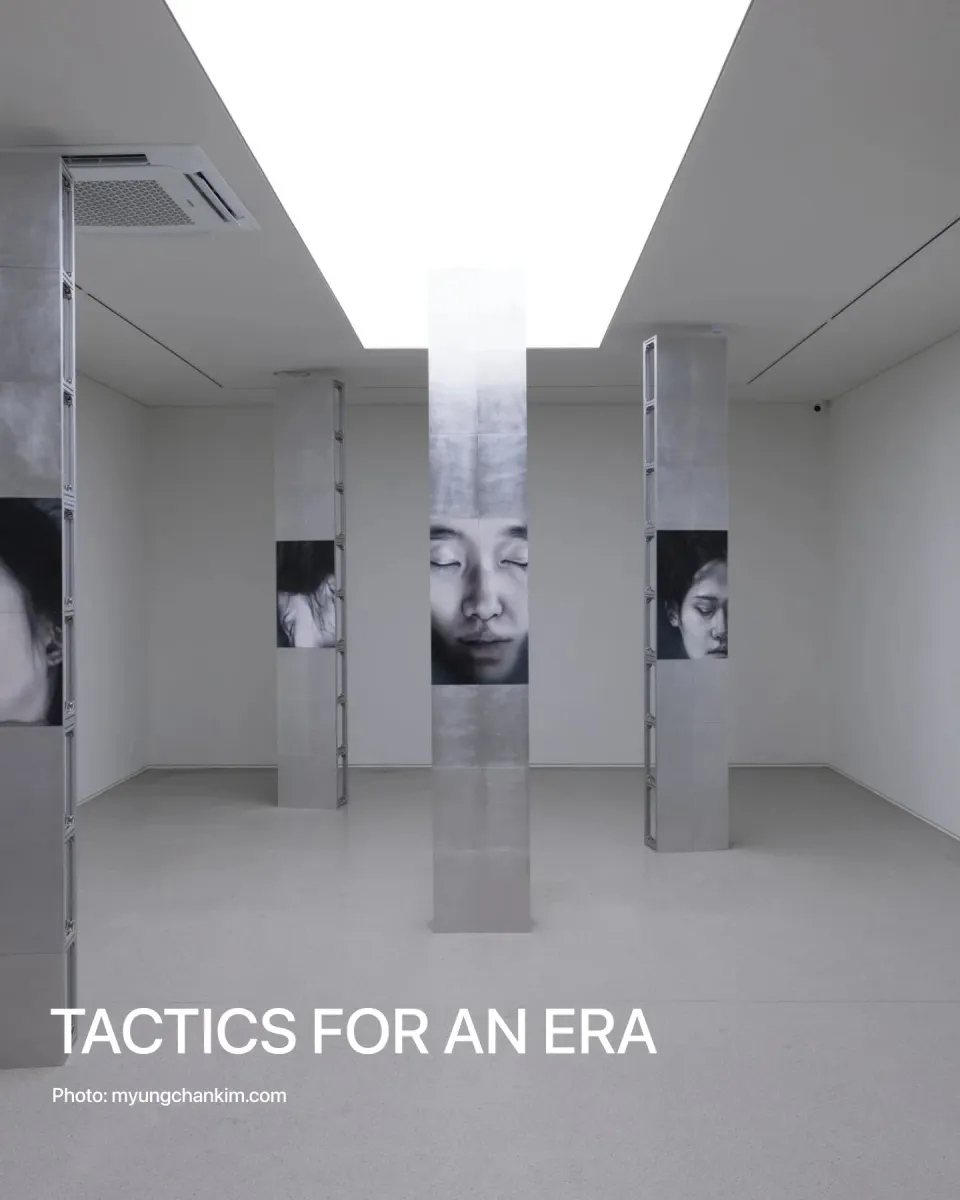
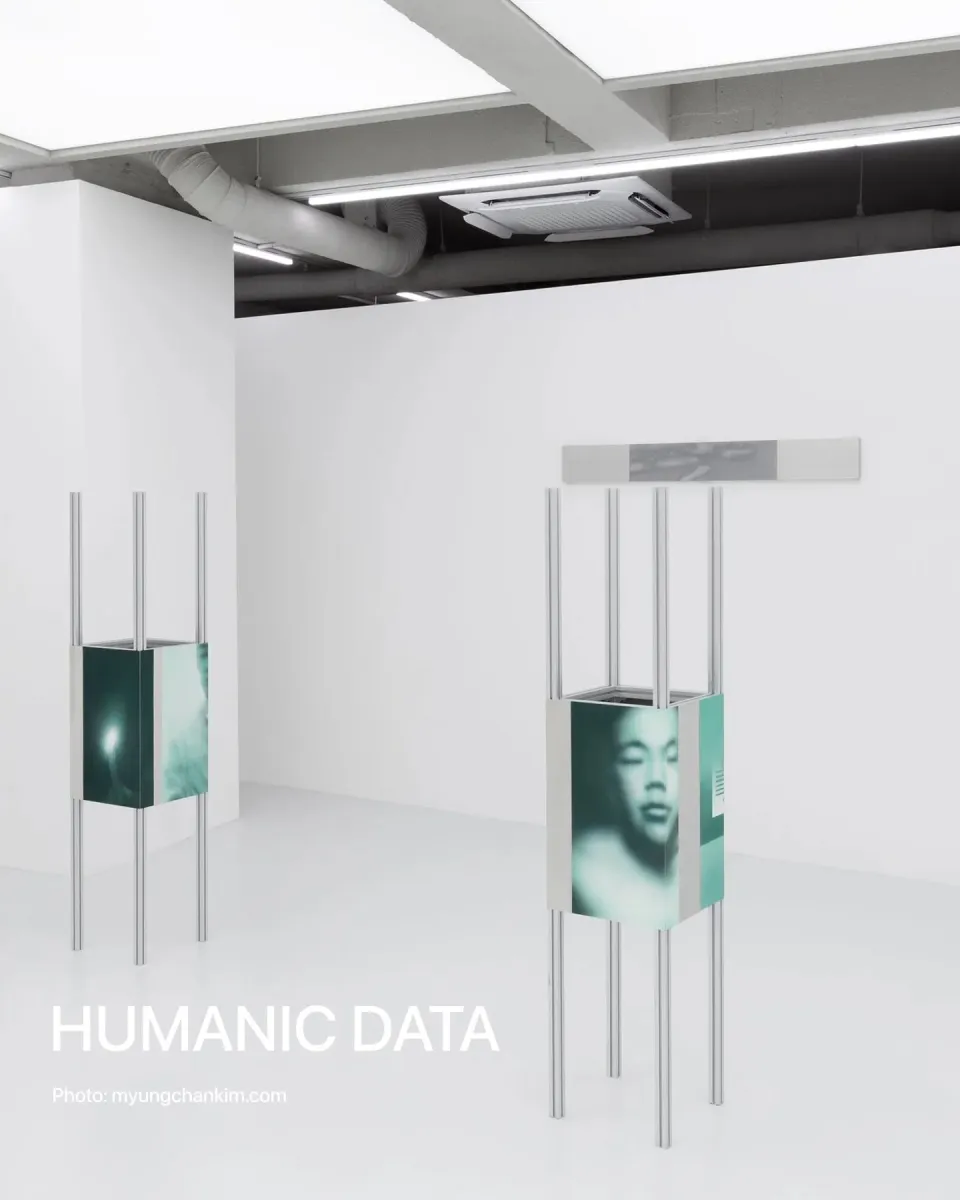
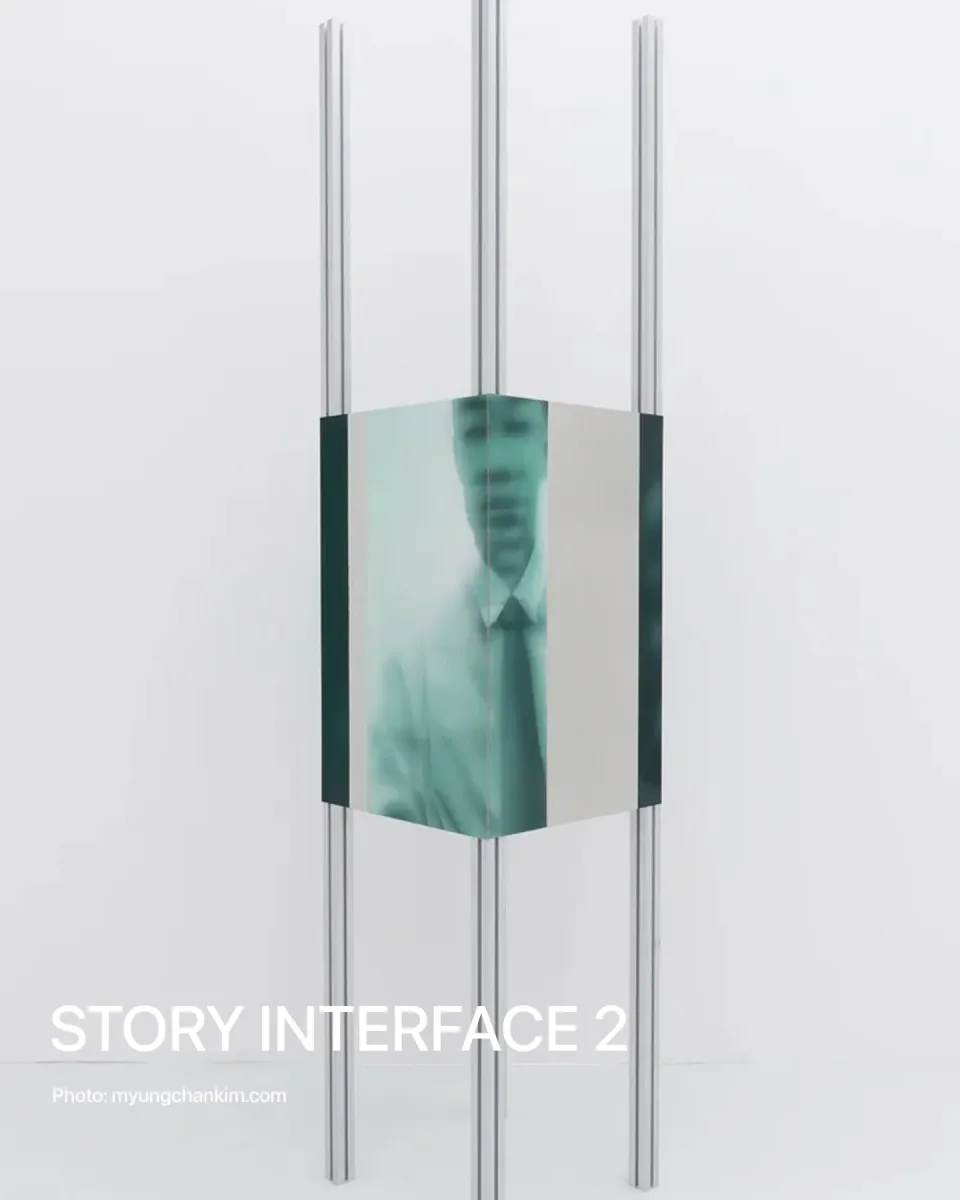
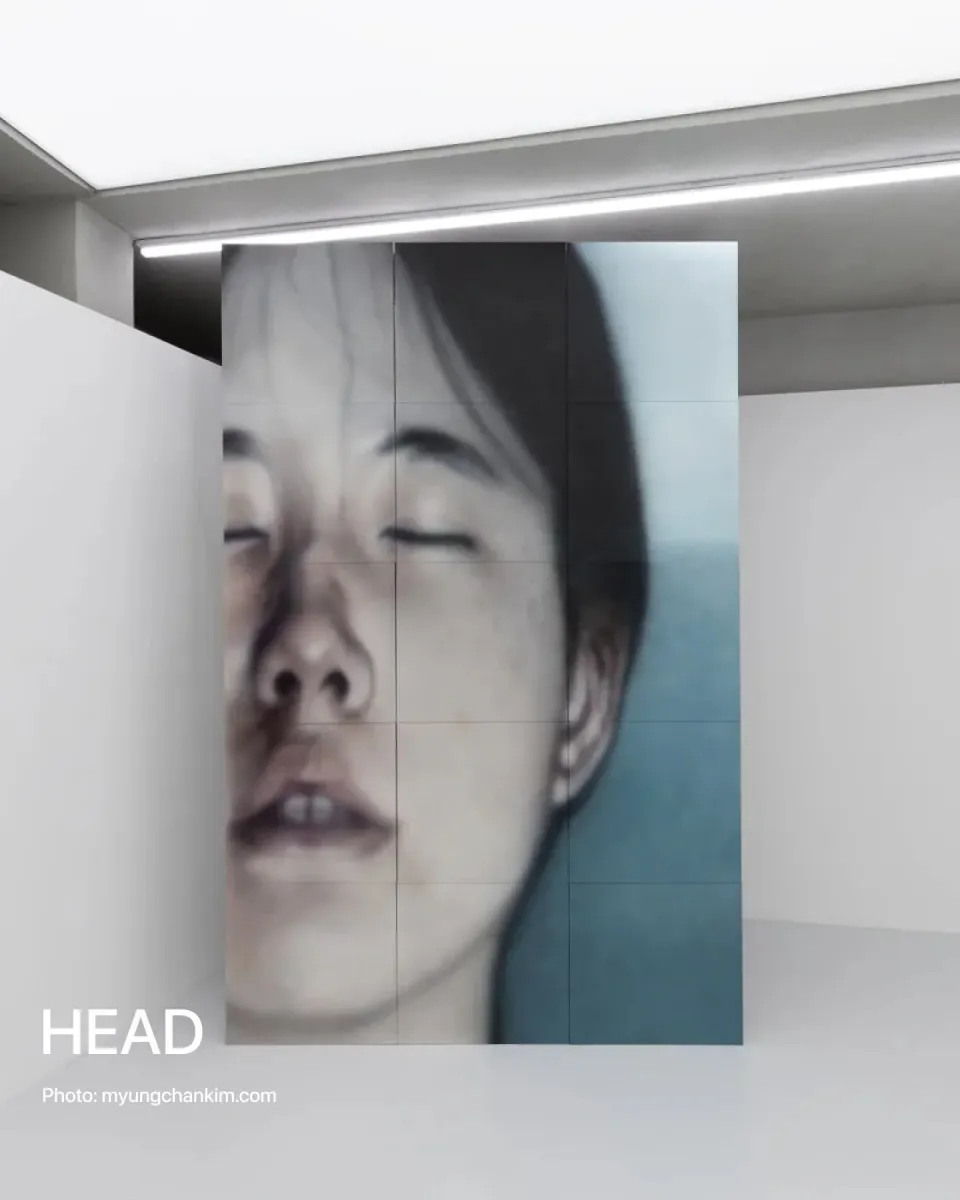
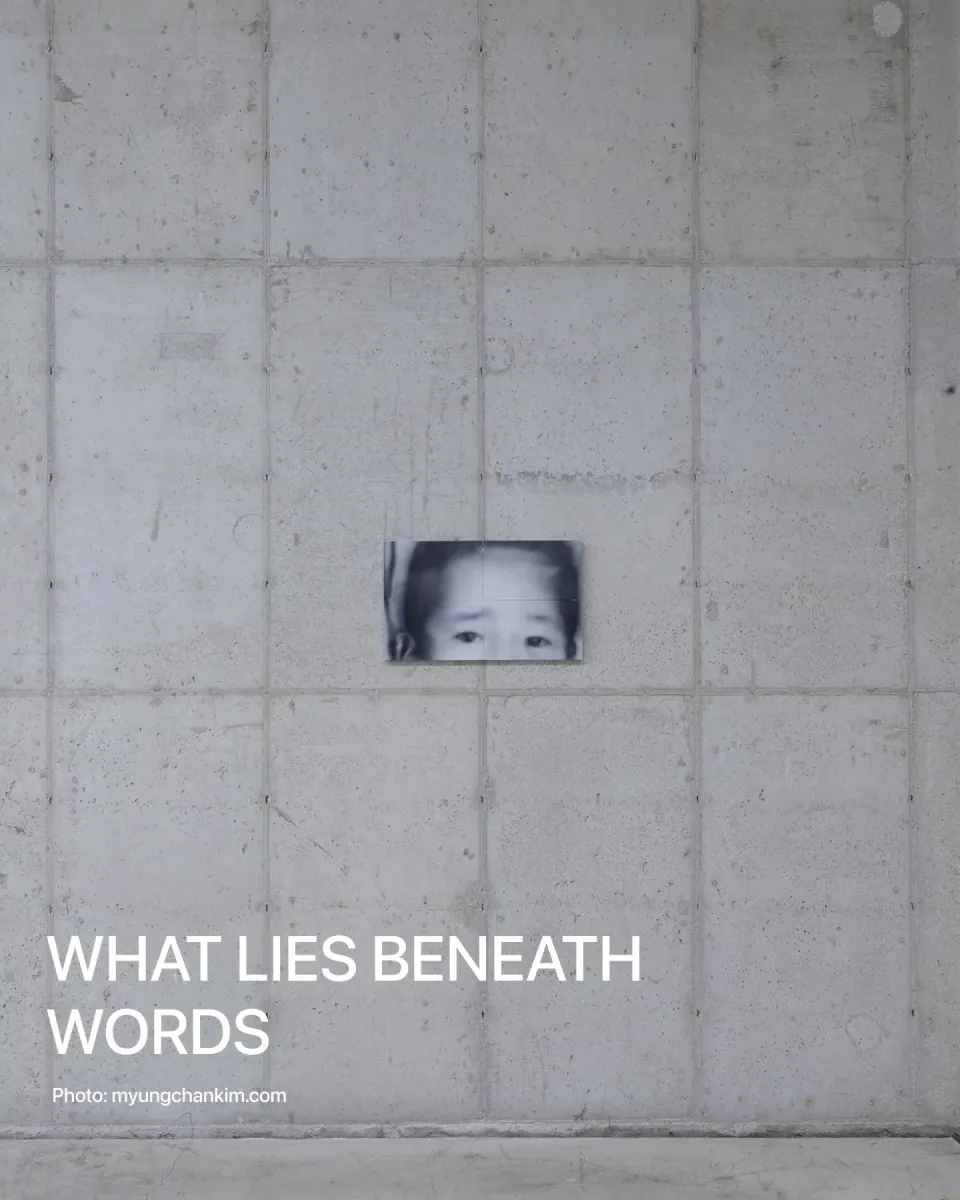
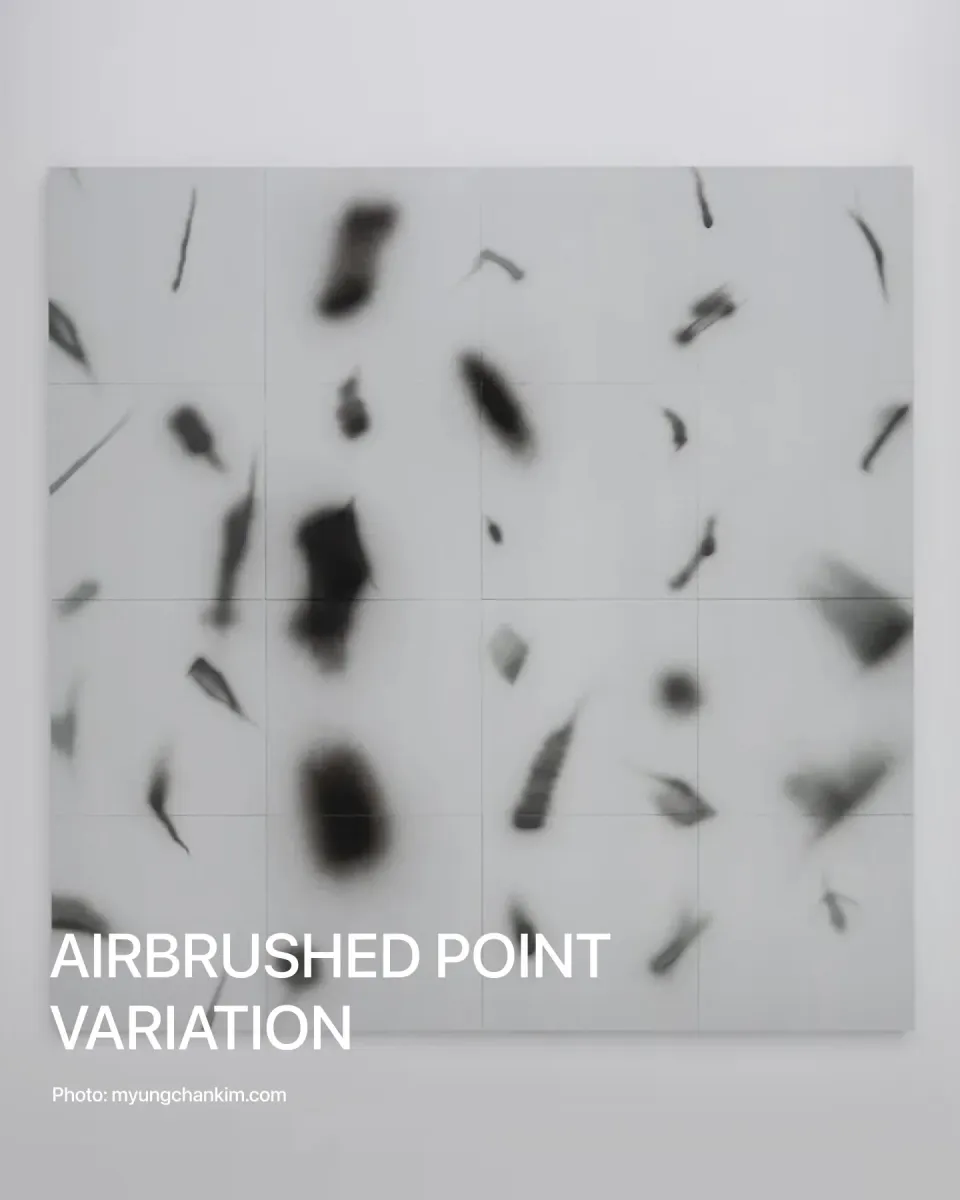
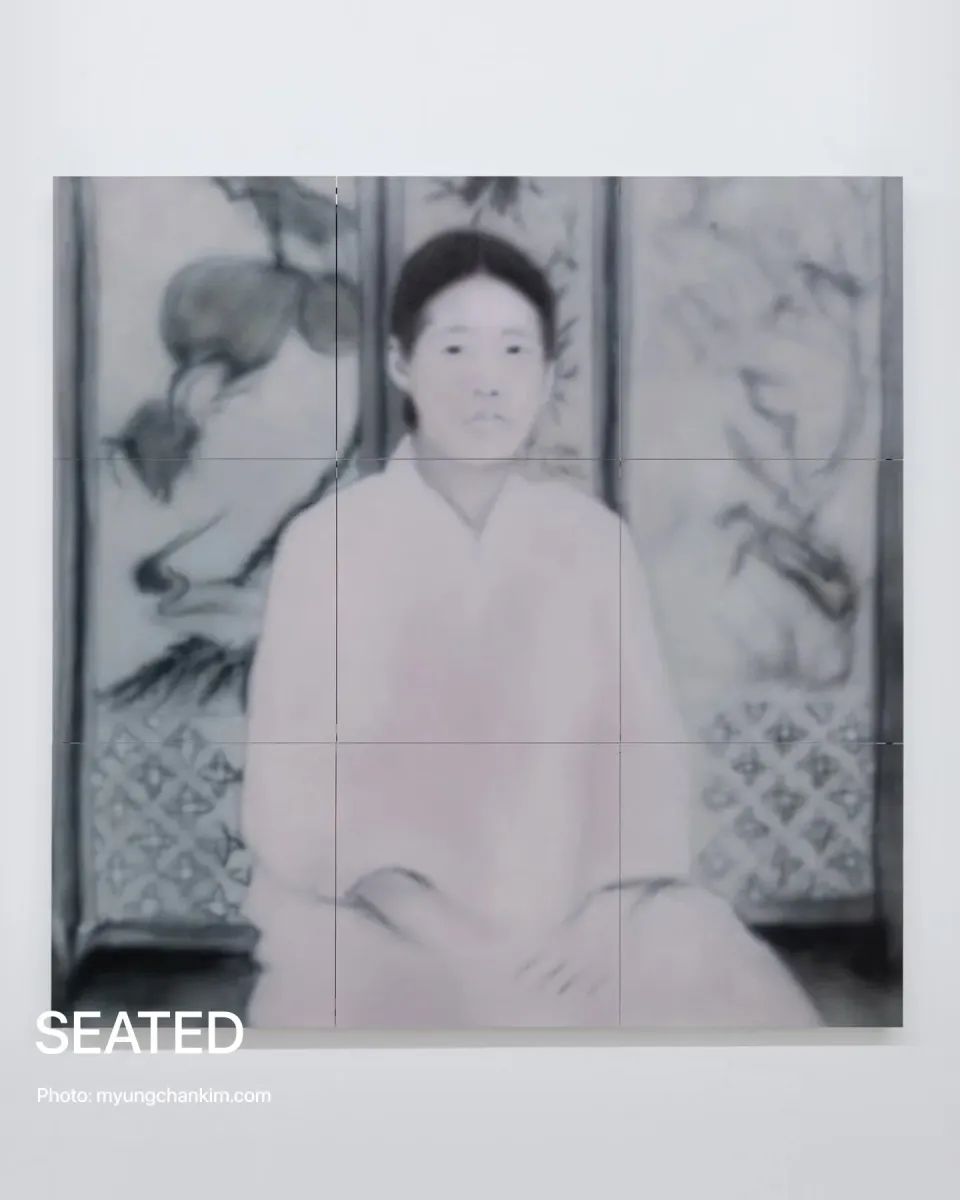
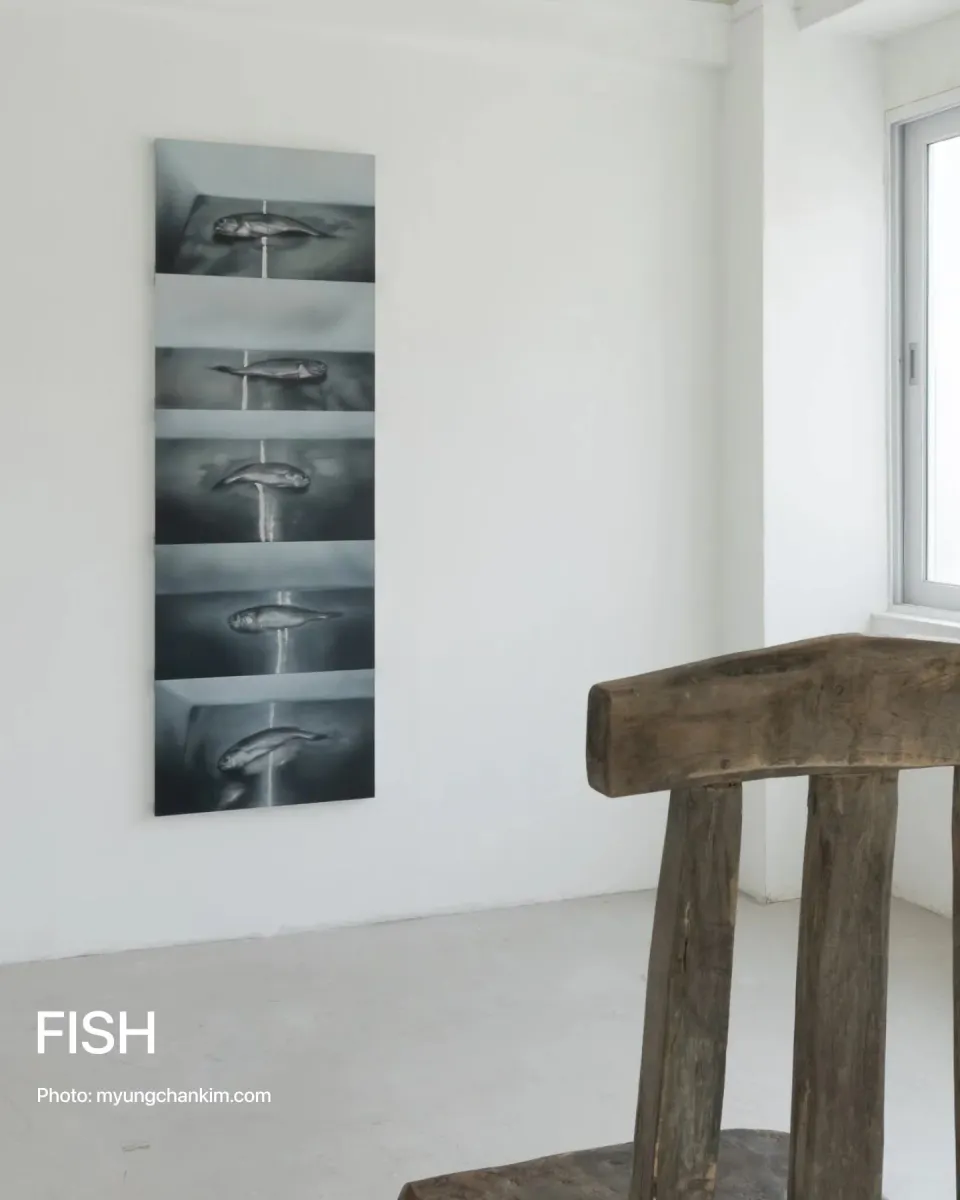
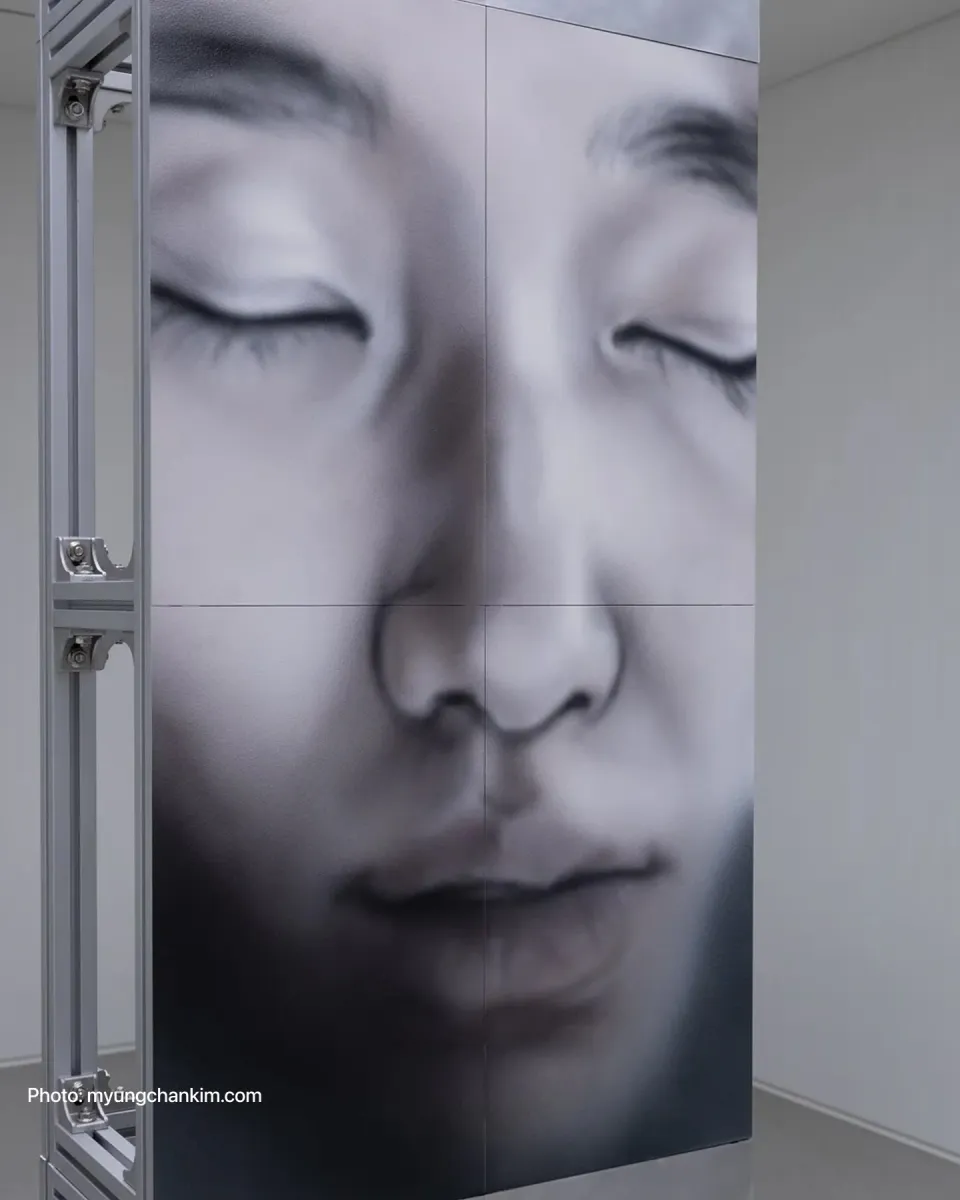
@kim.myungchan
Mexico City / 2026
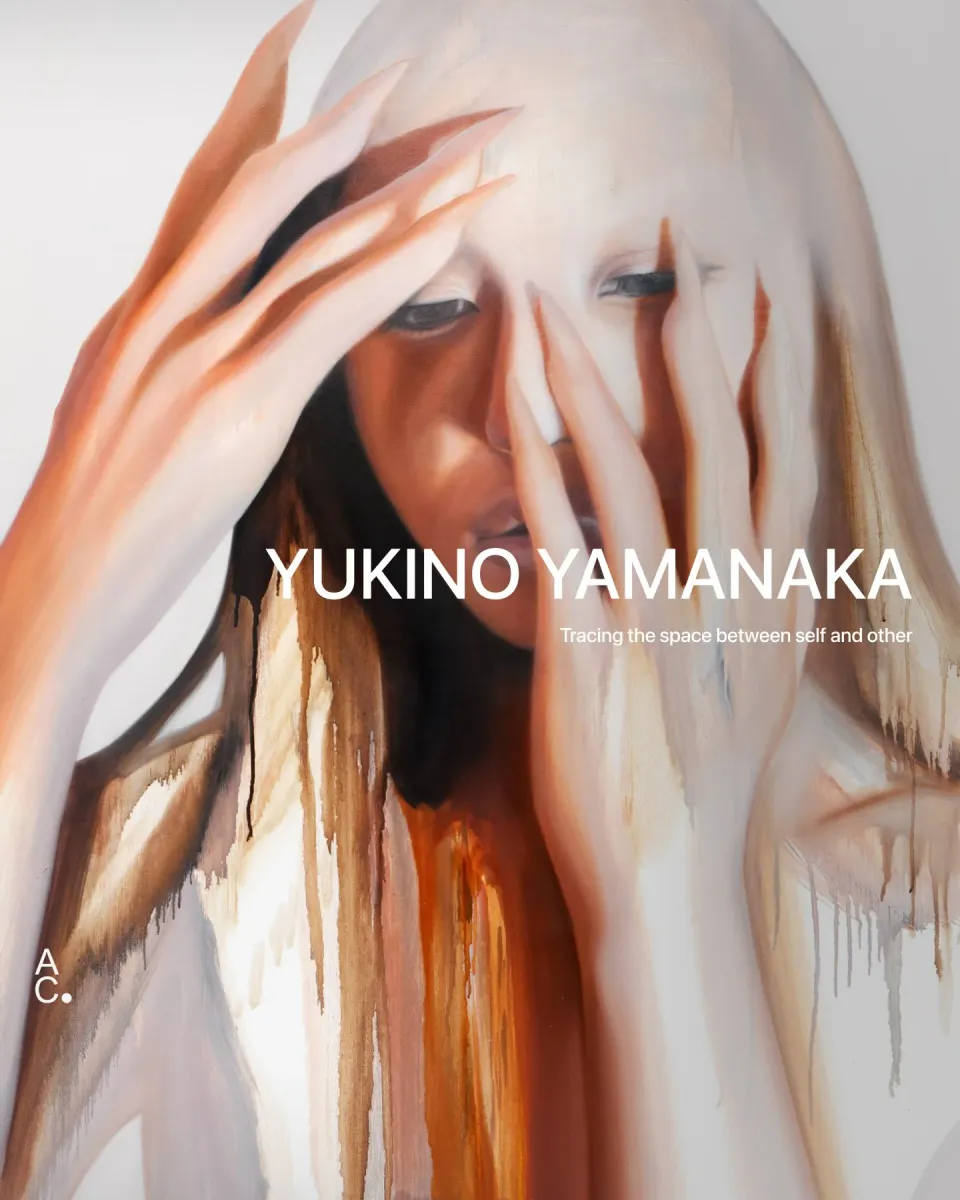
@yukino_yamanaka
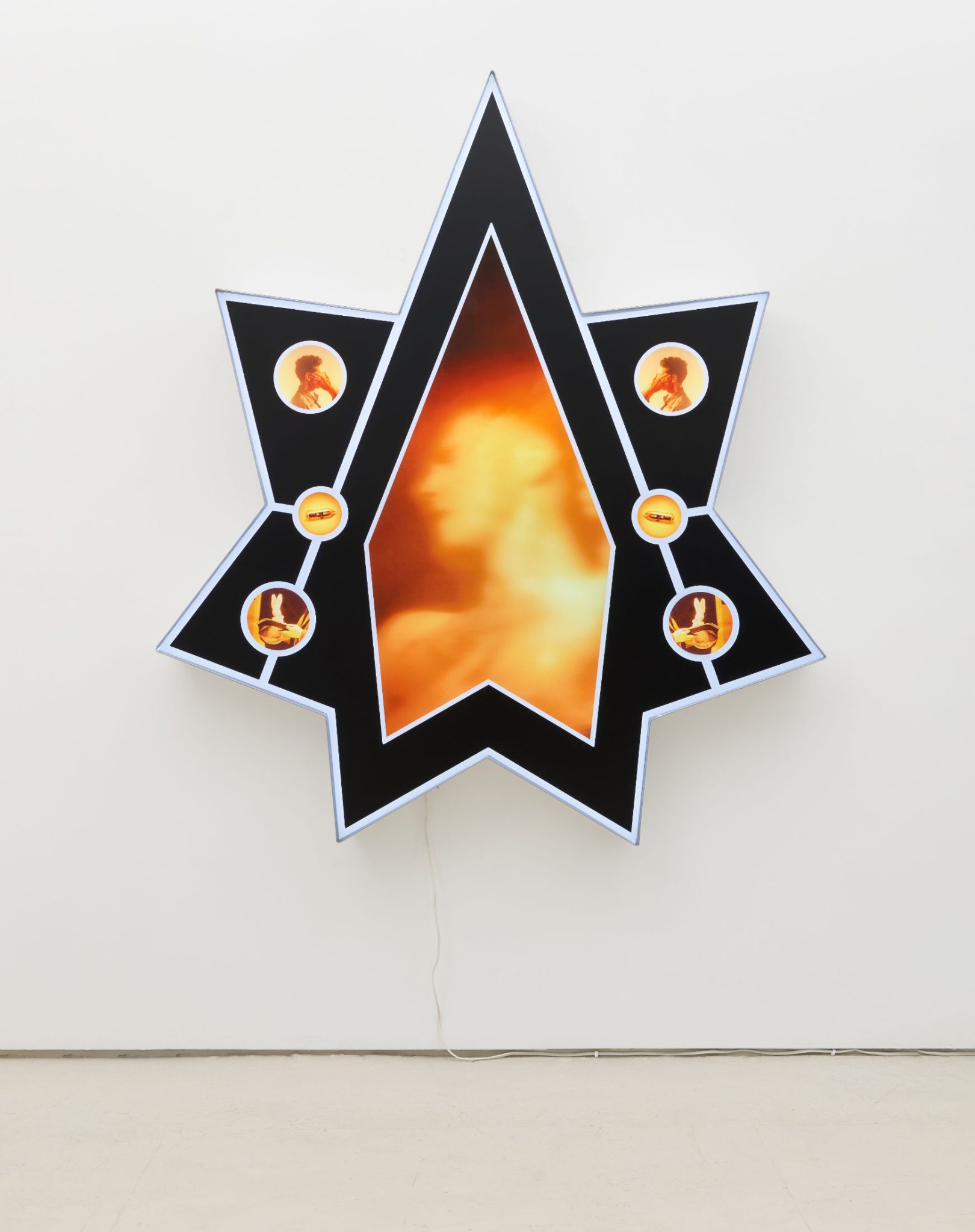
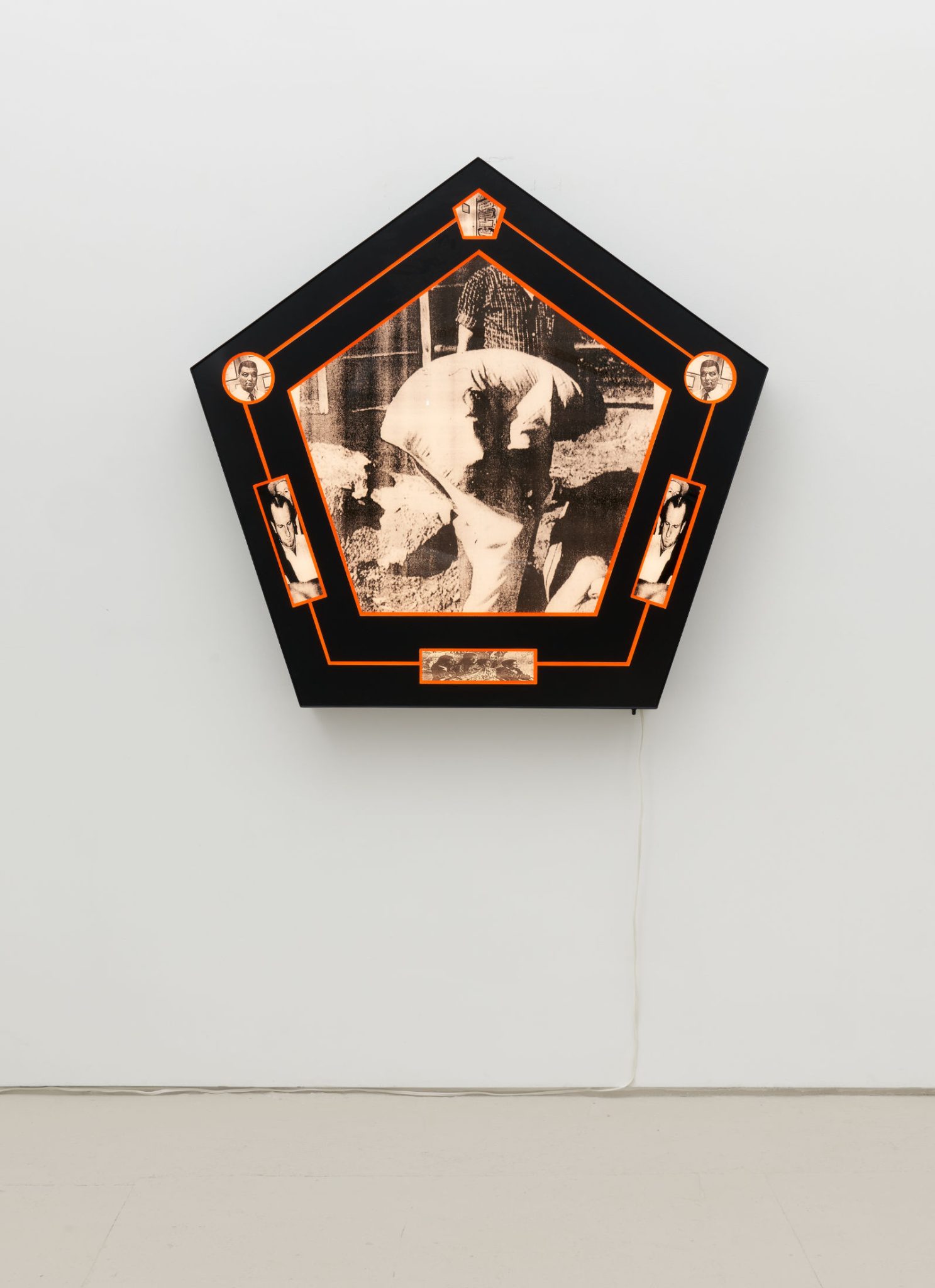
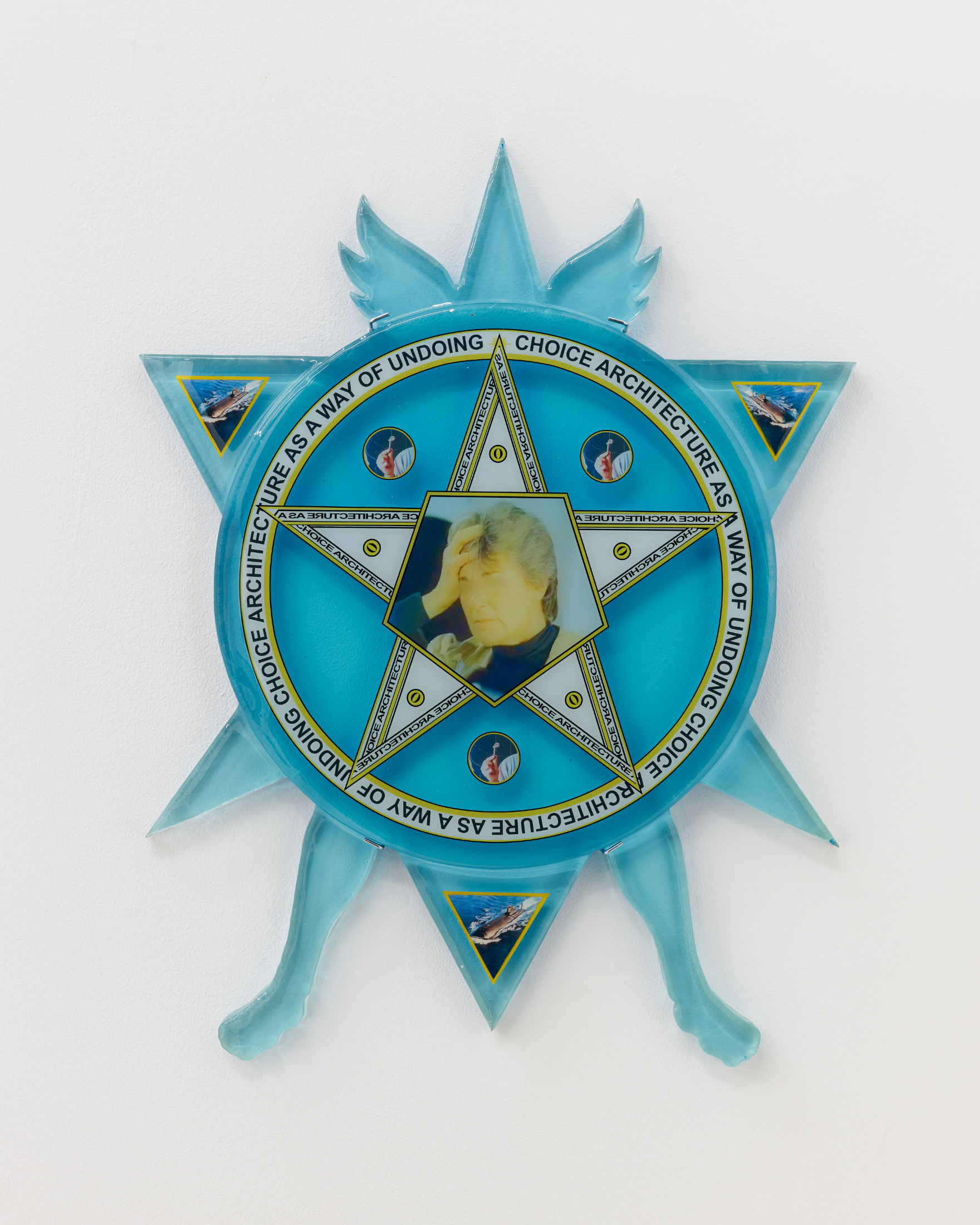
New York / 2026
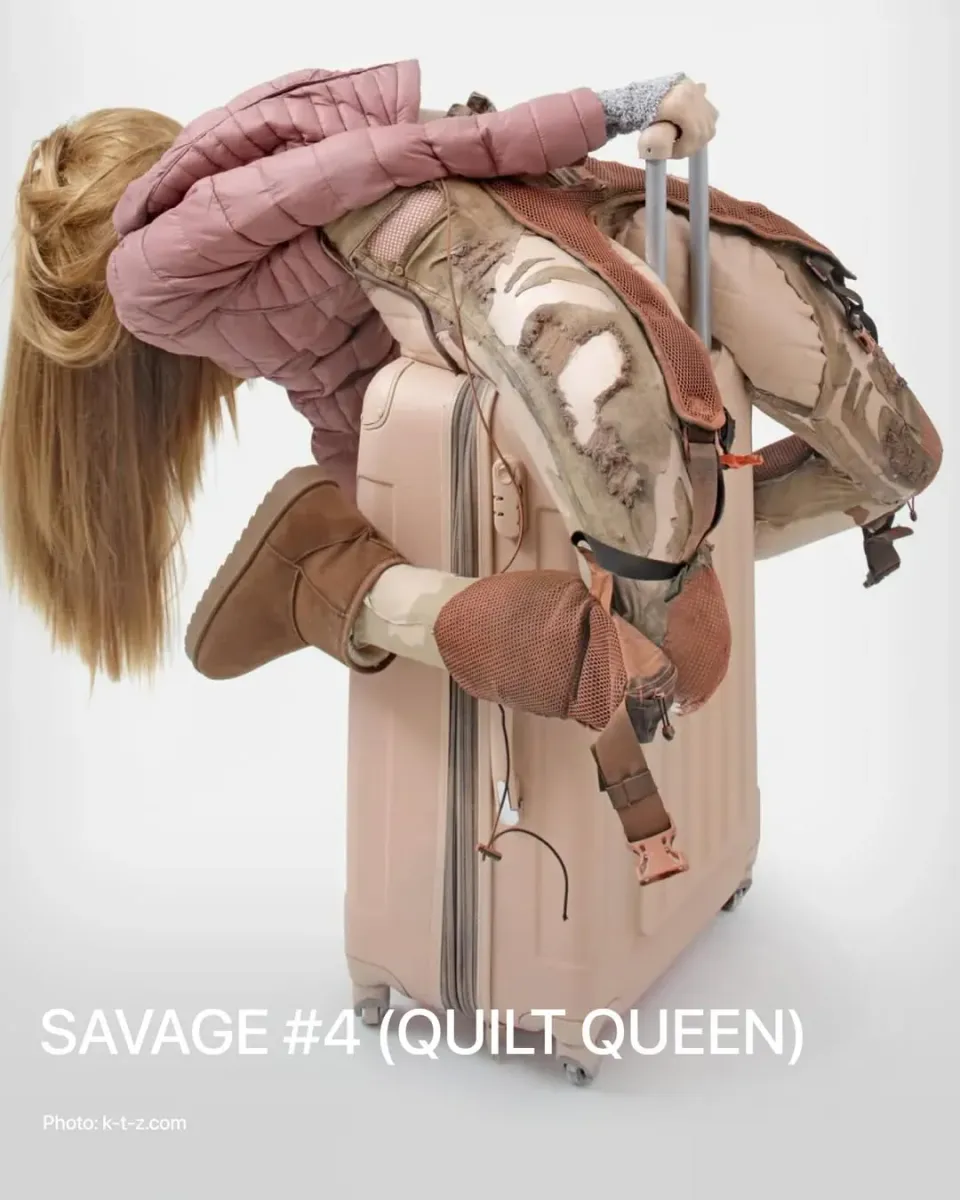
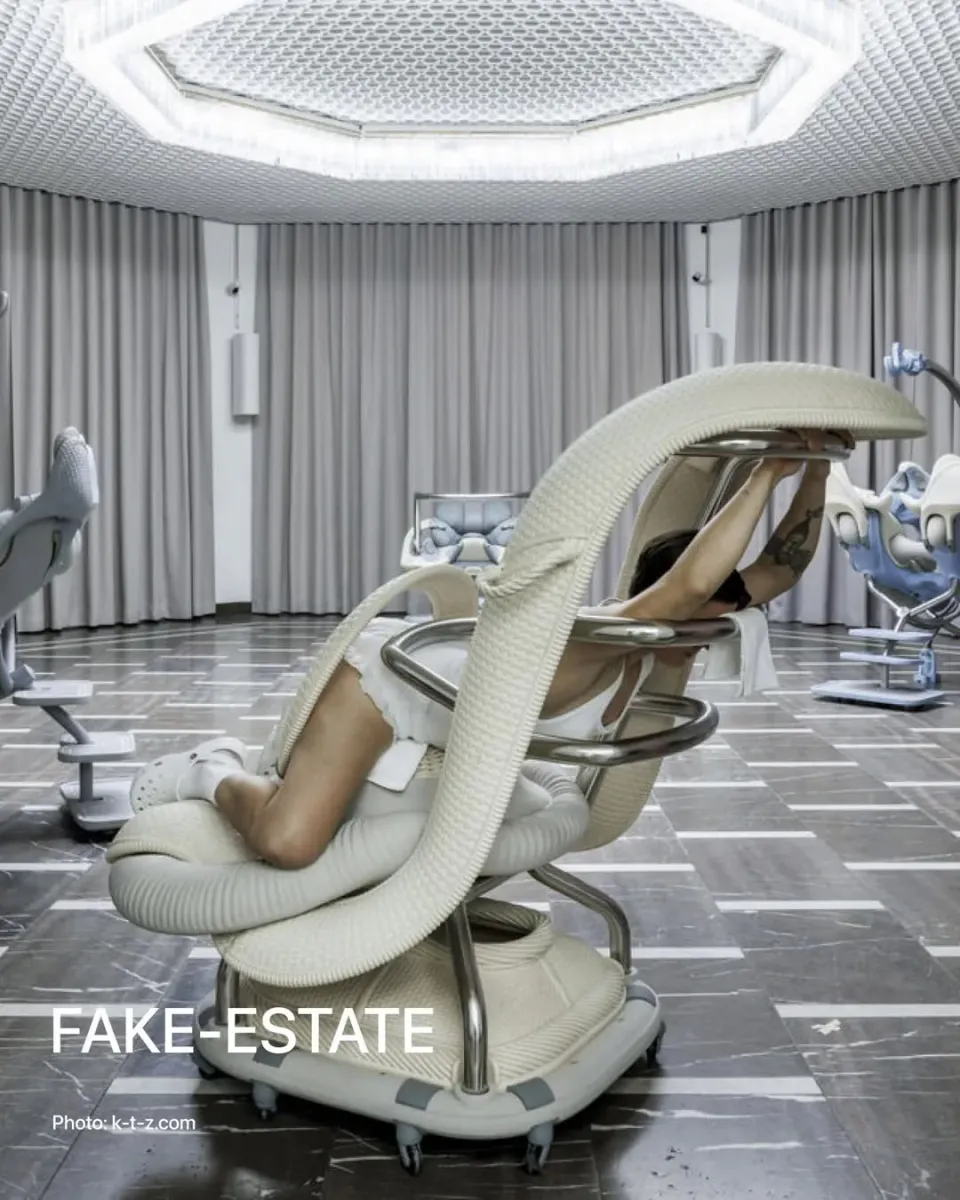
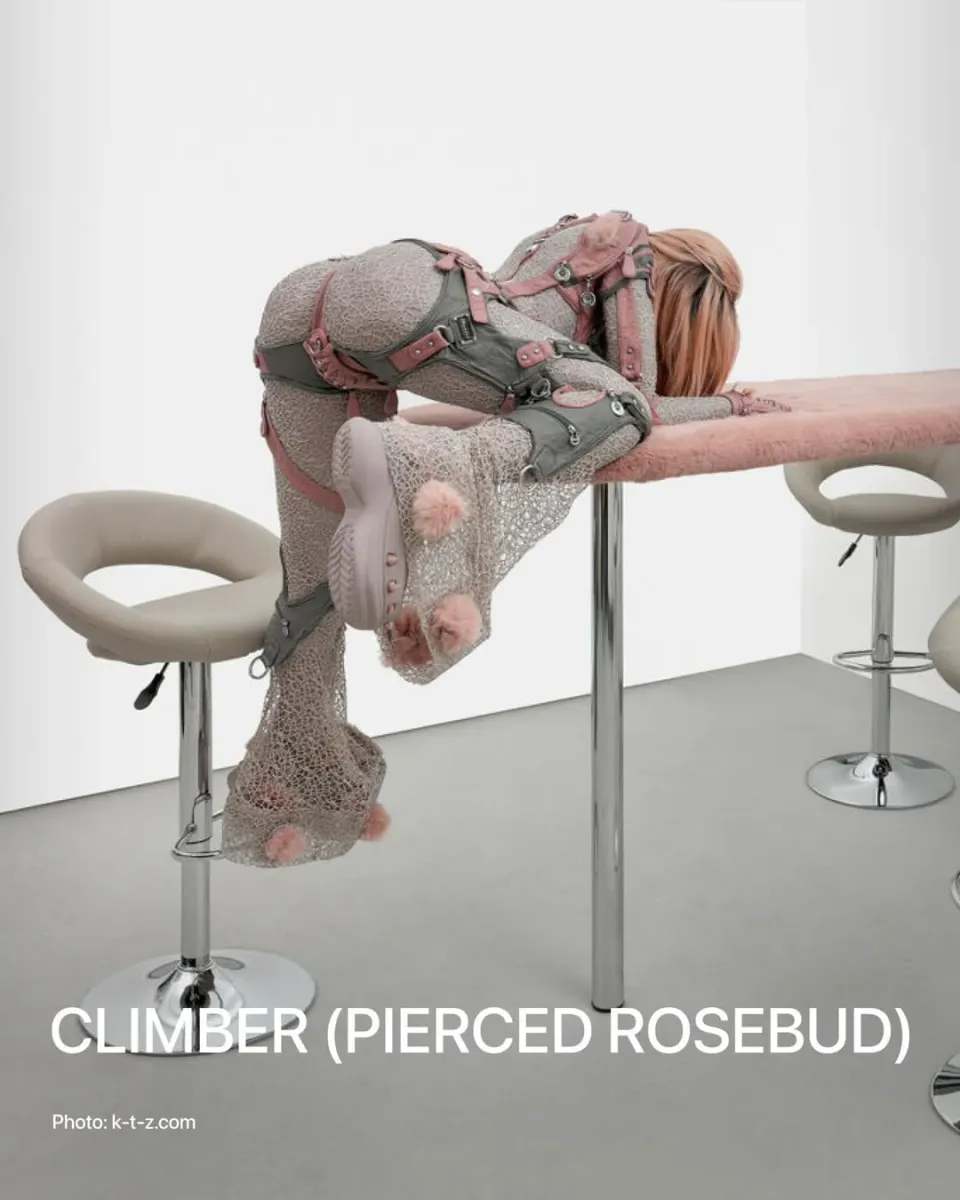
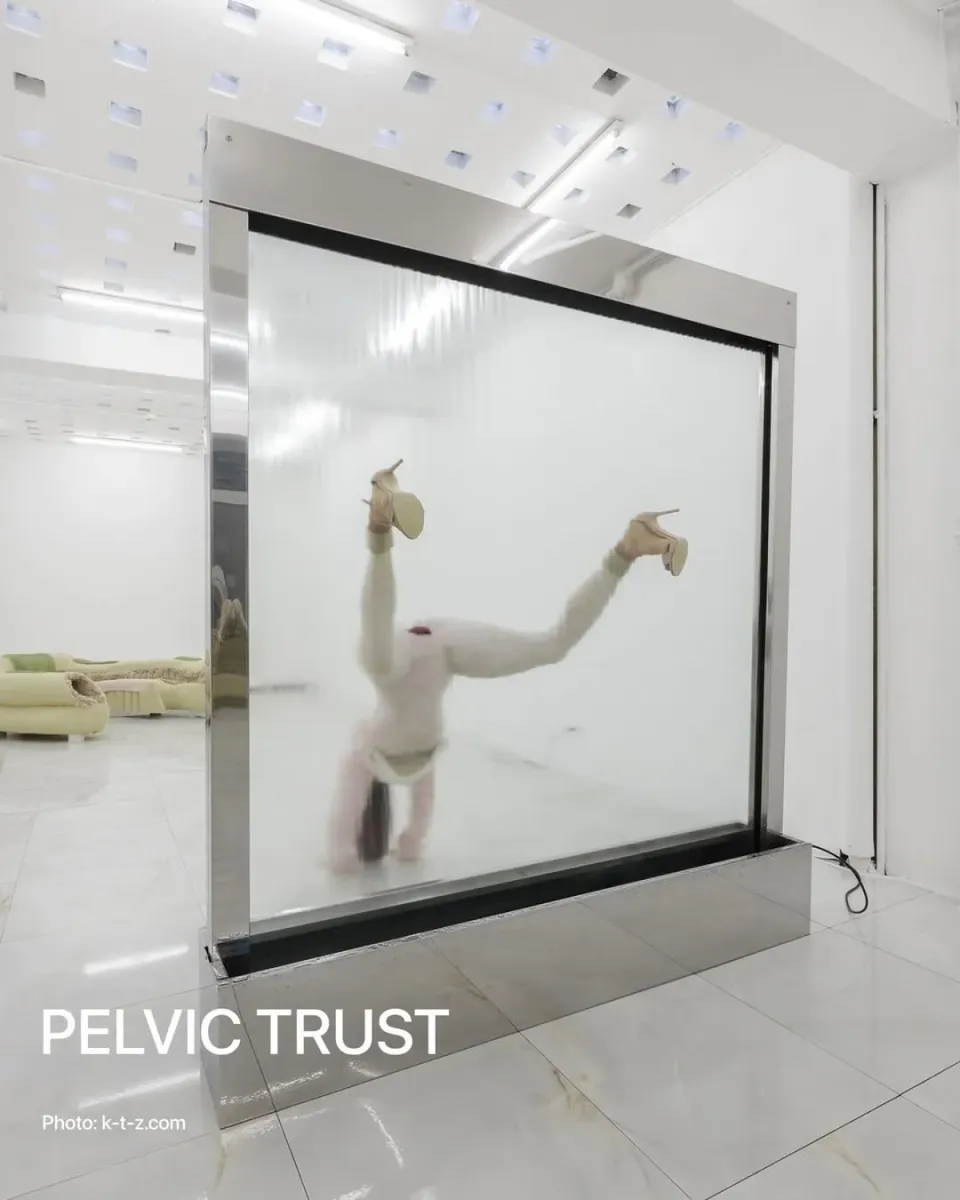
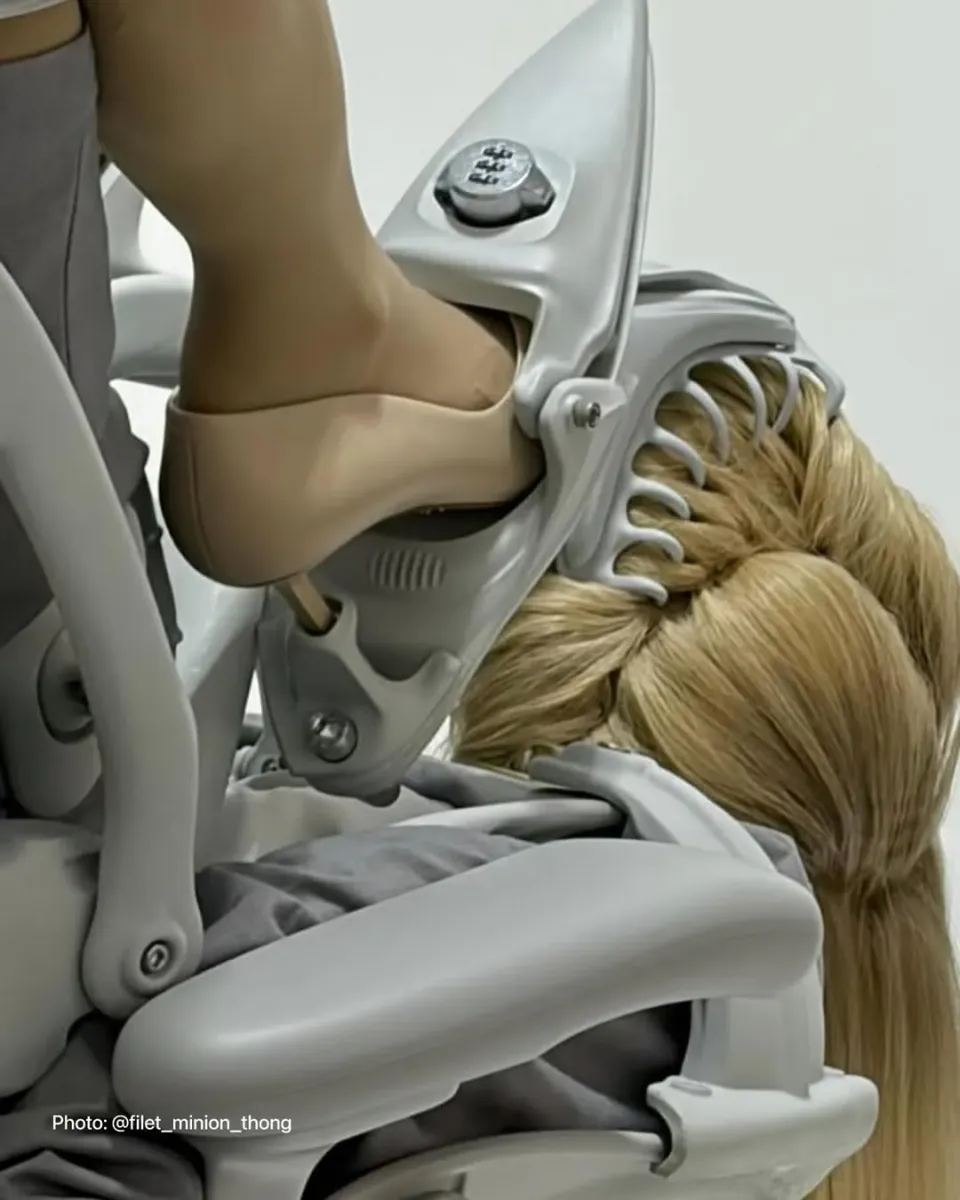
@filet_minion_thong
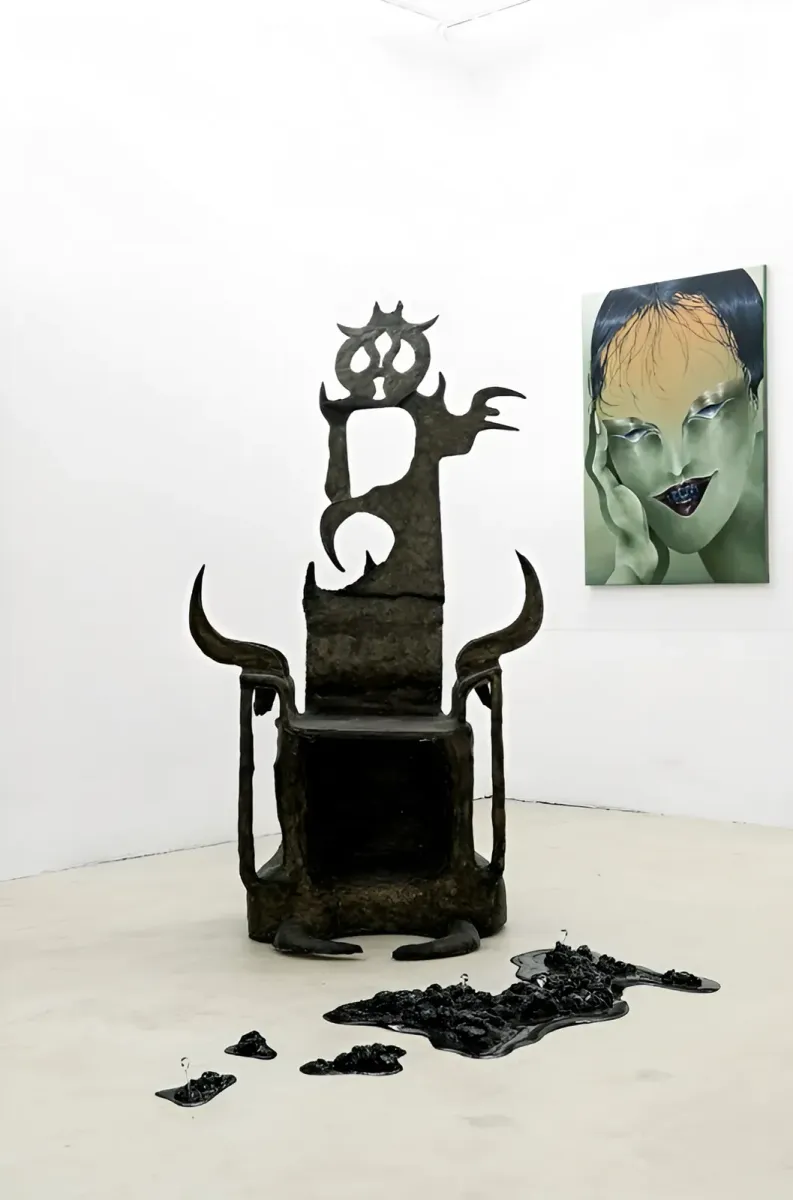
Kraków / 2025
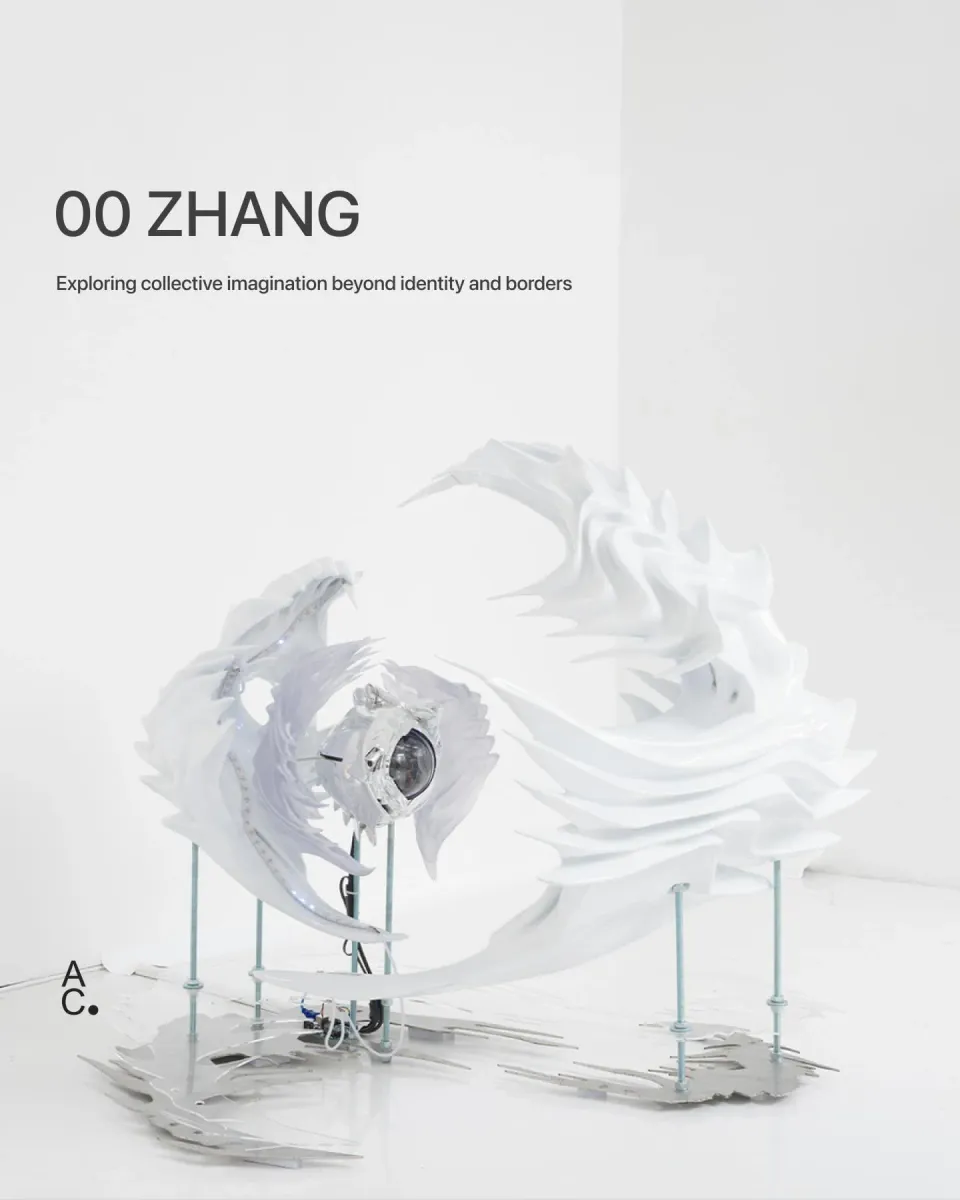
@aio0o0o0
Brussels / 2025-2026
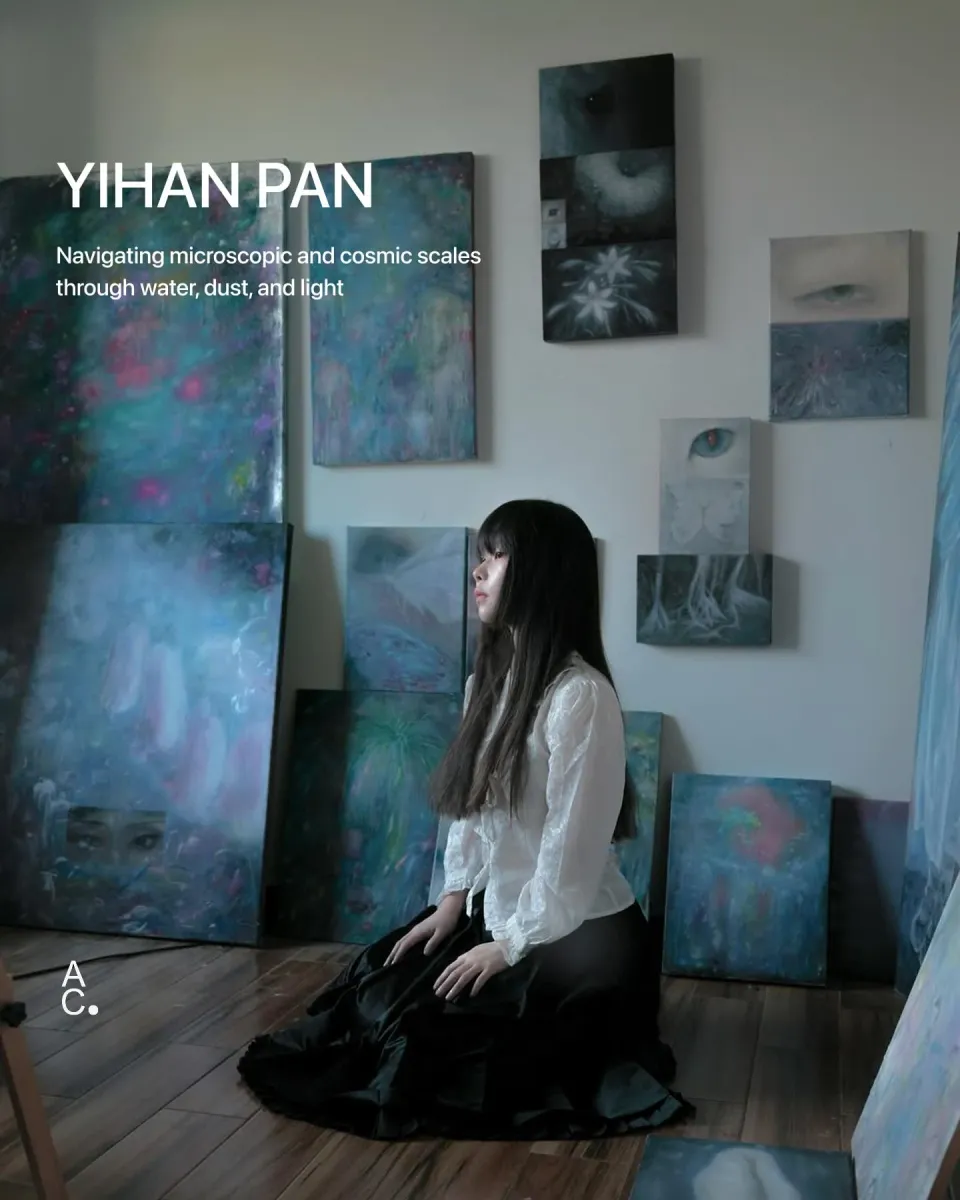
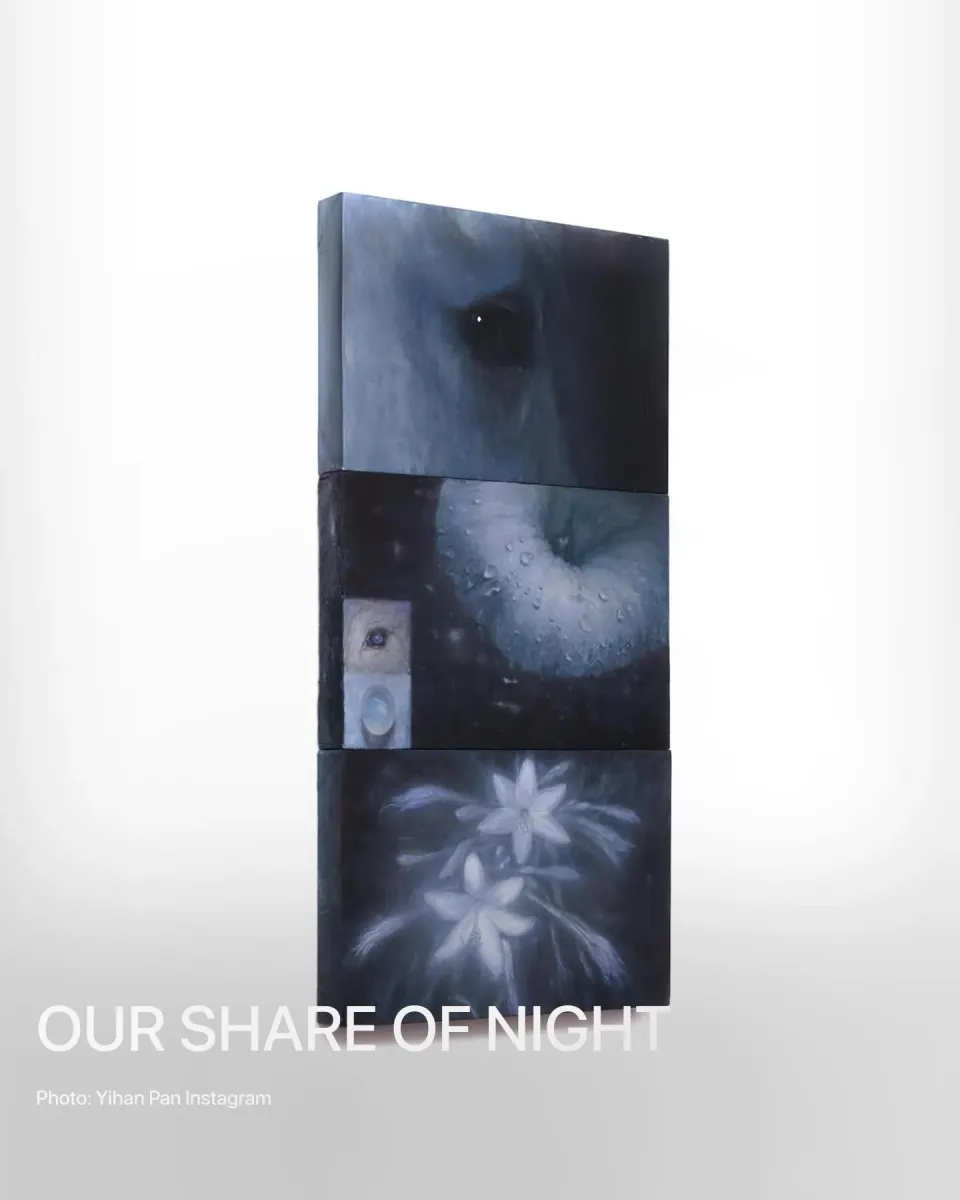
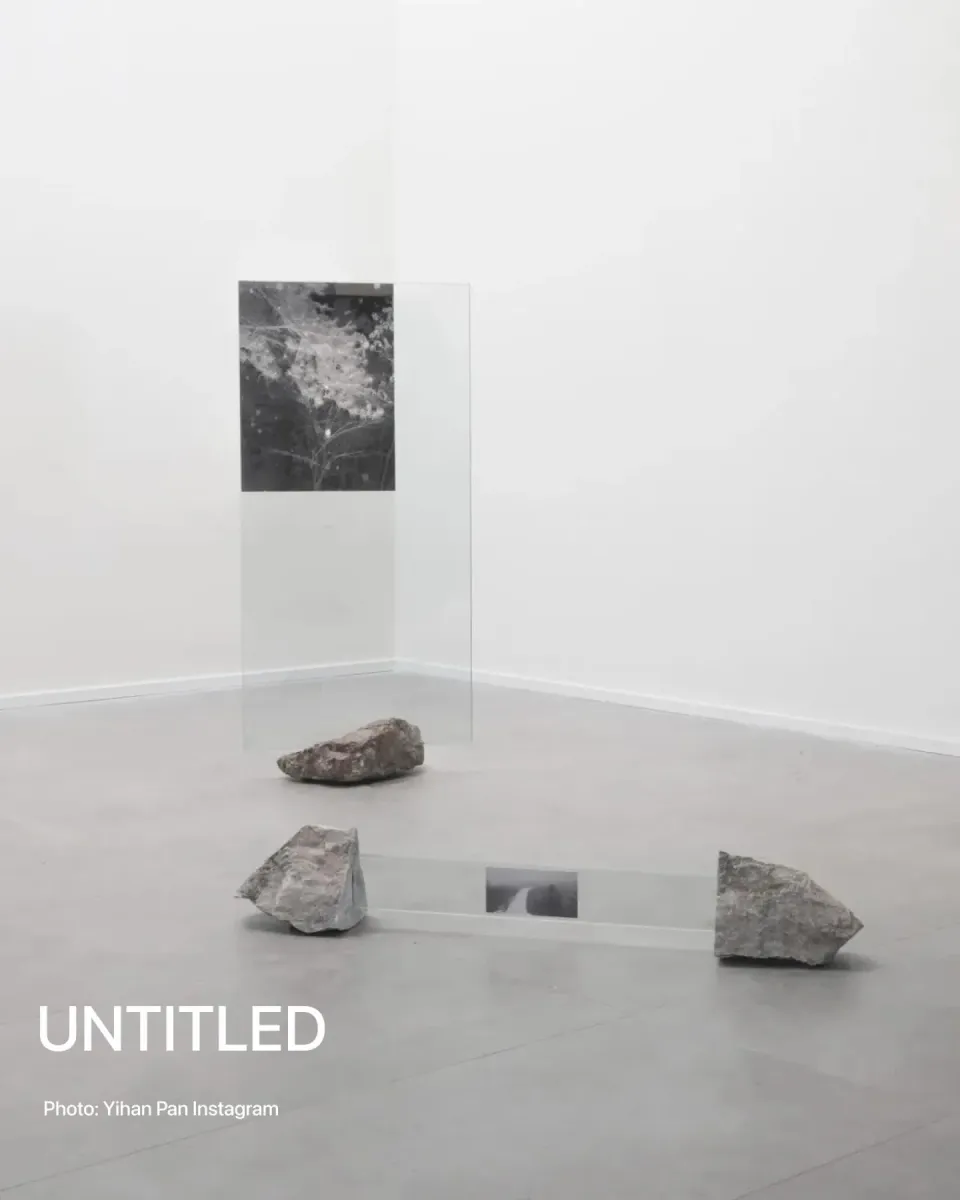
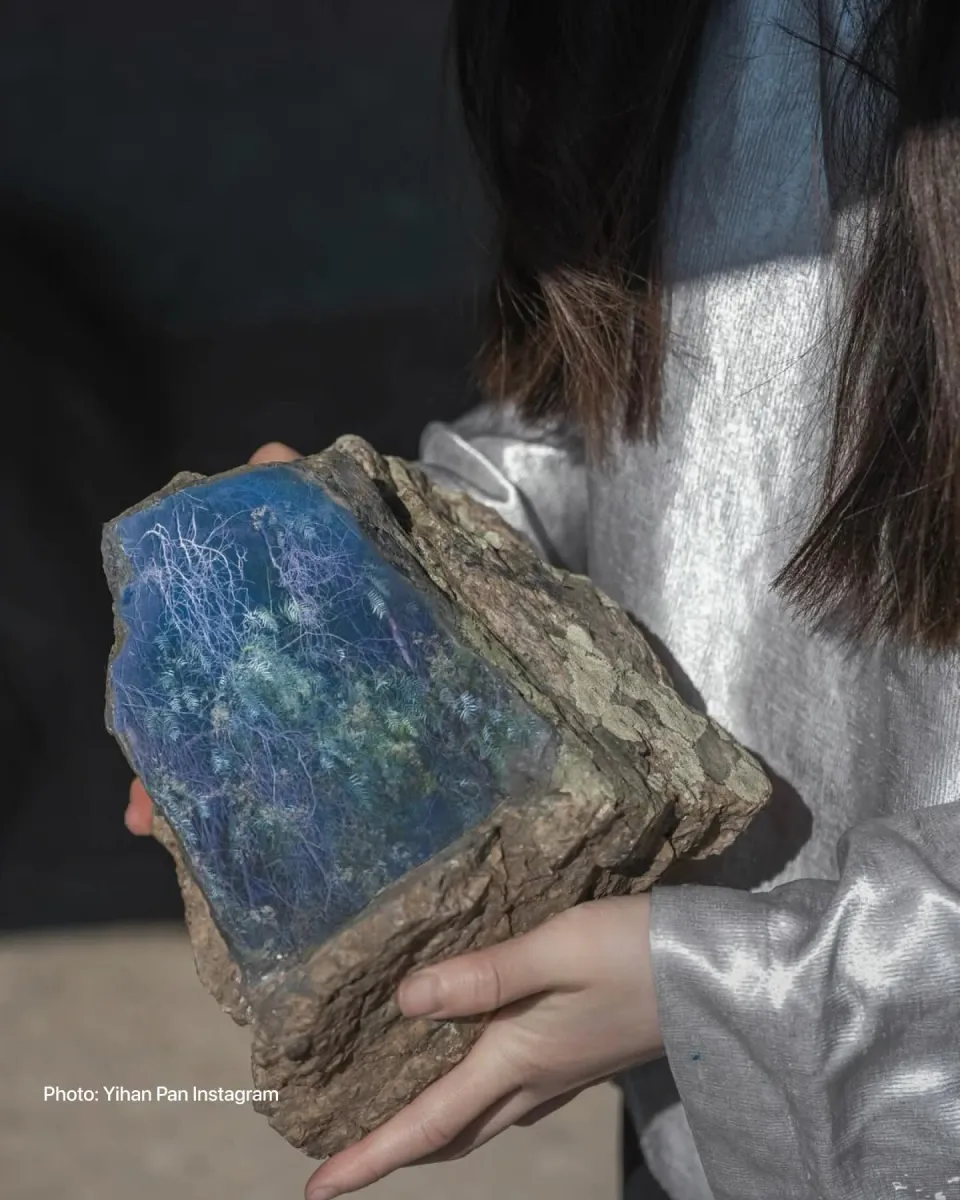
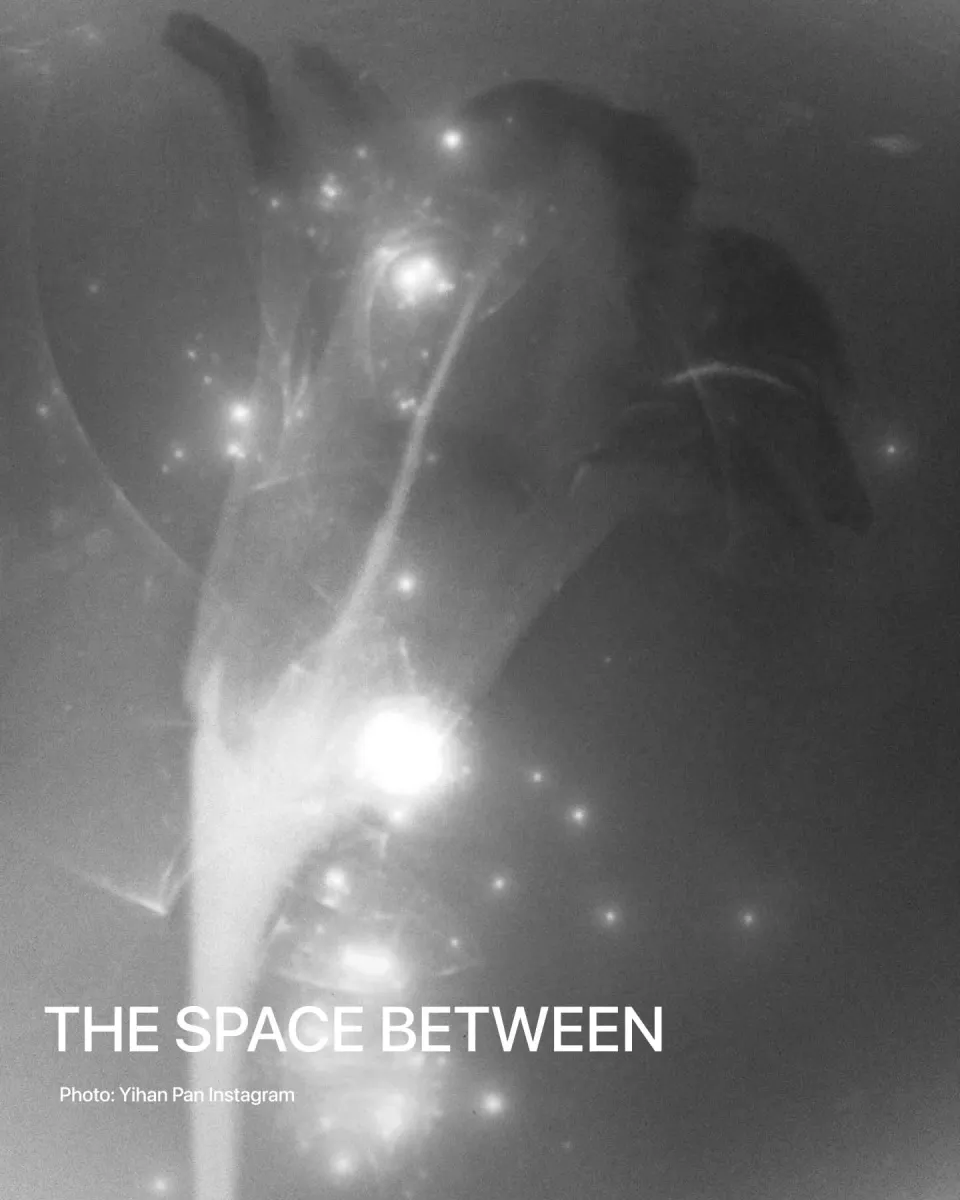
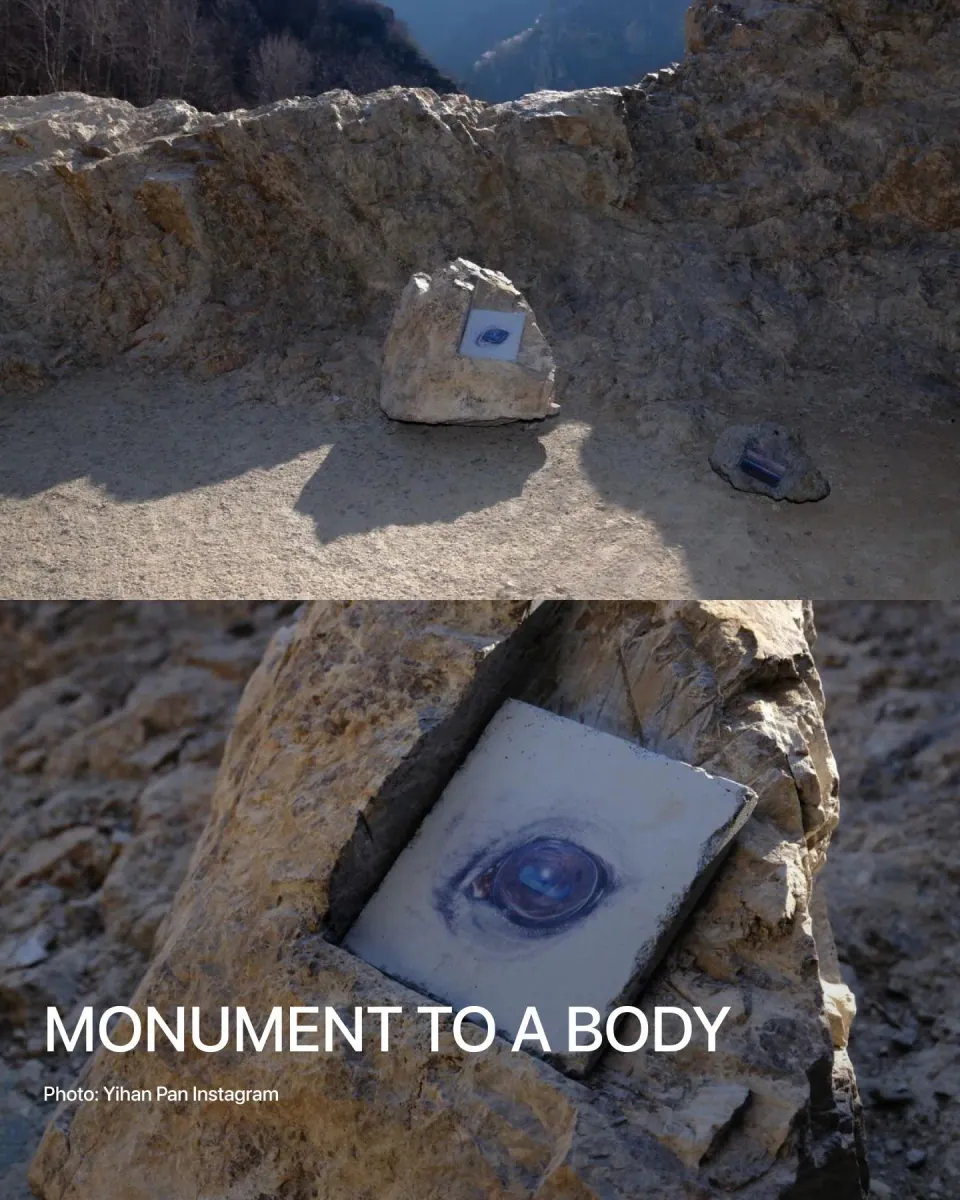
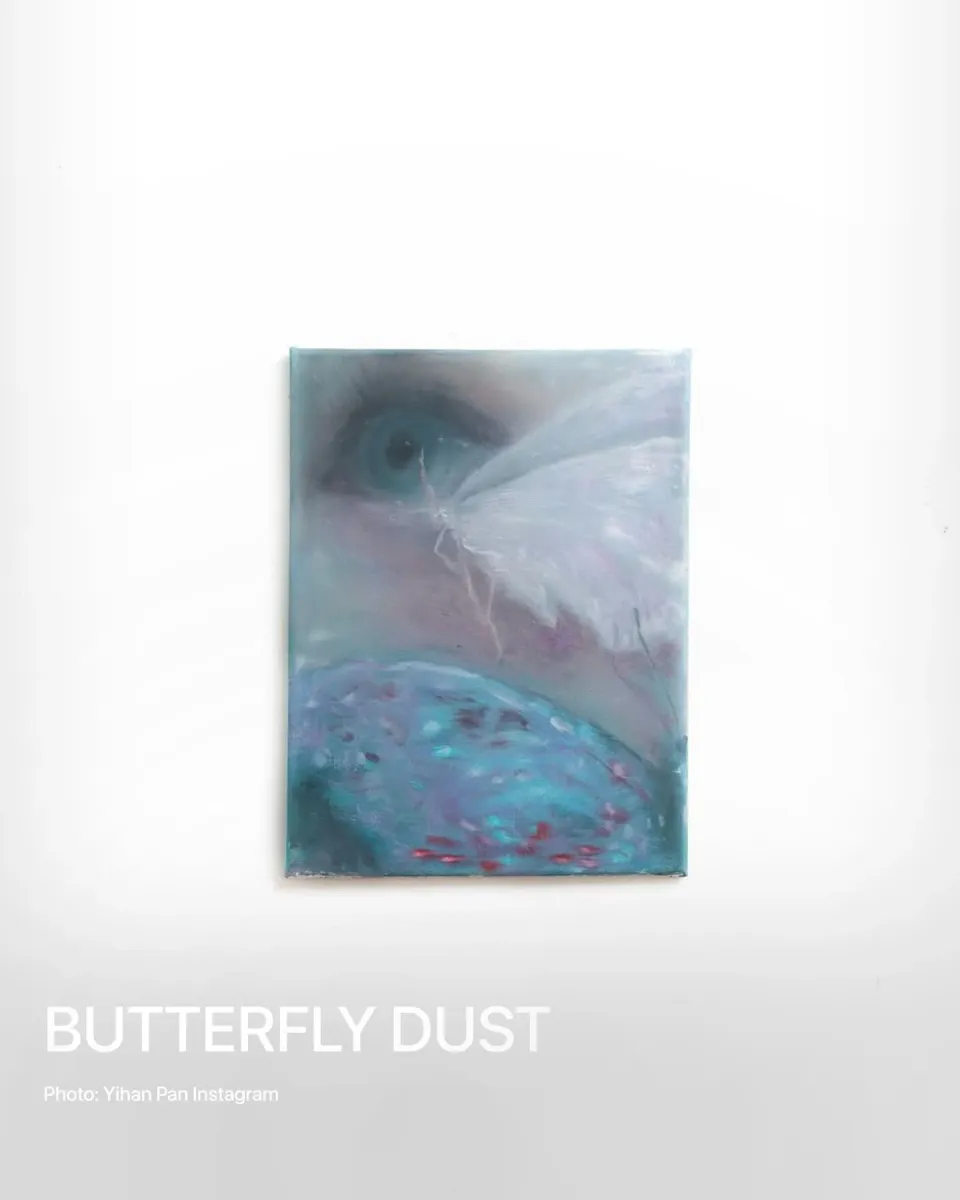
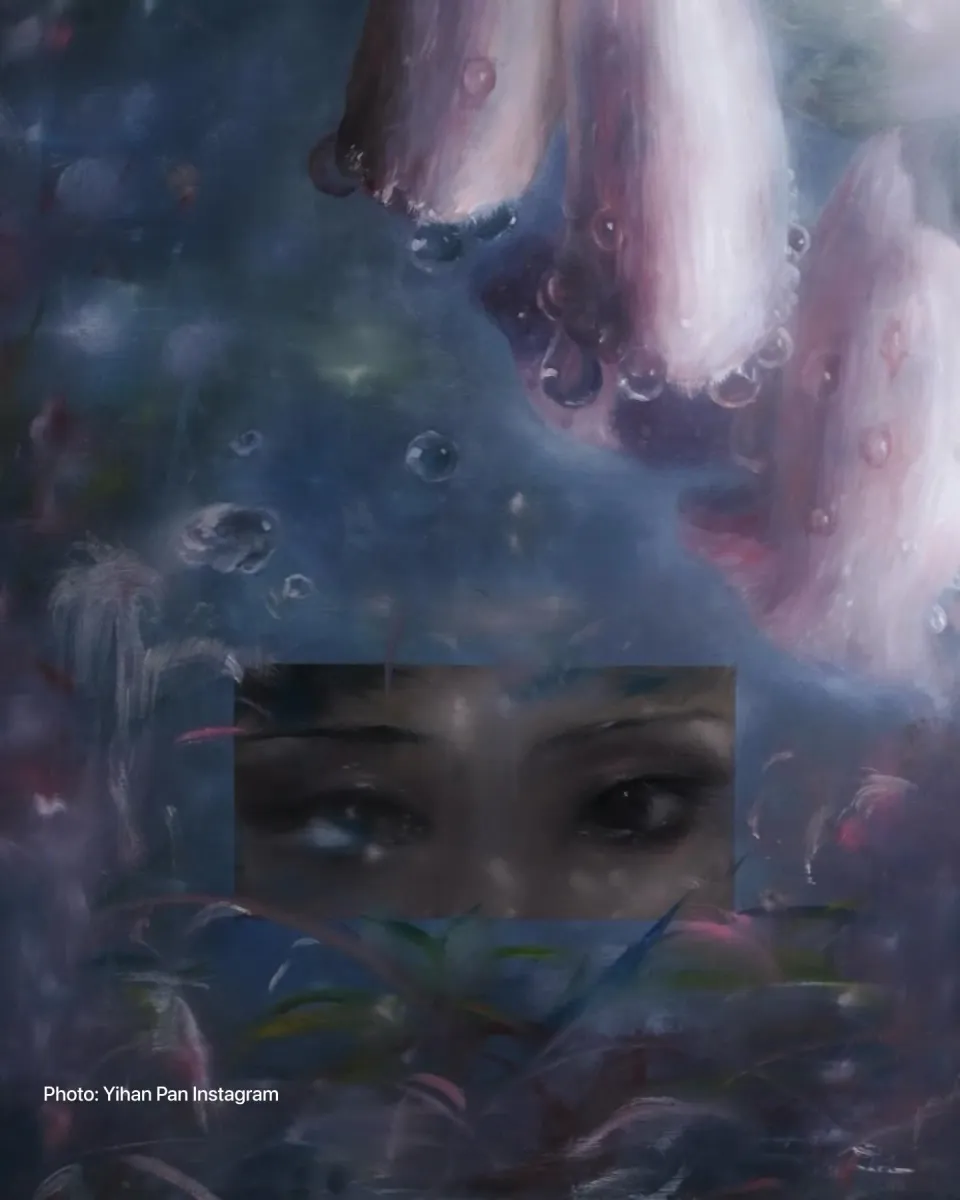
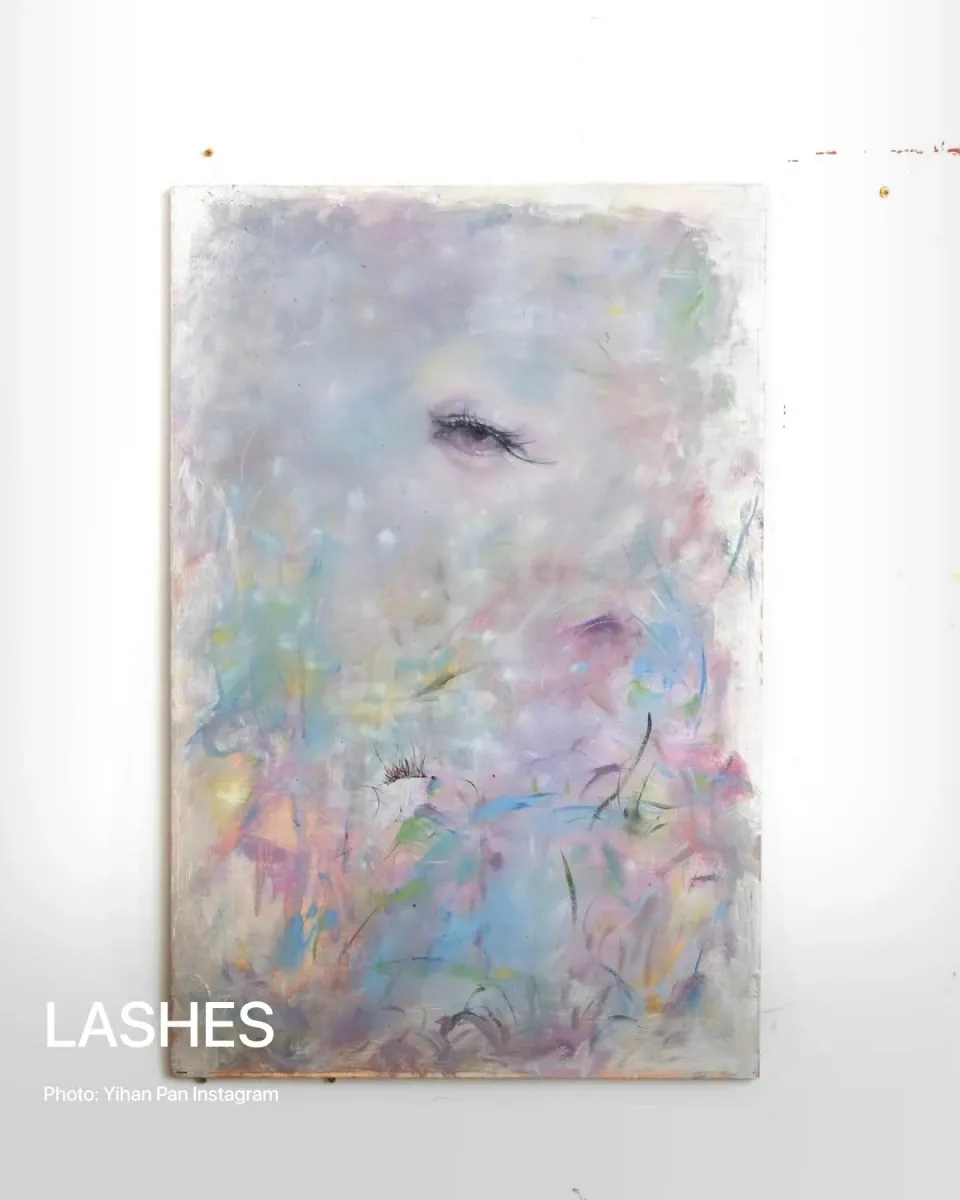
@pyhii
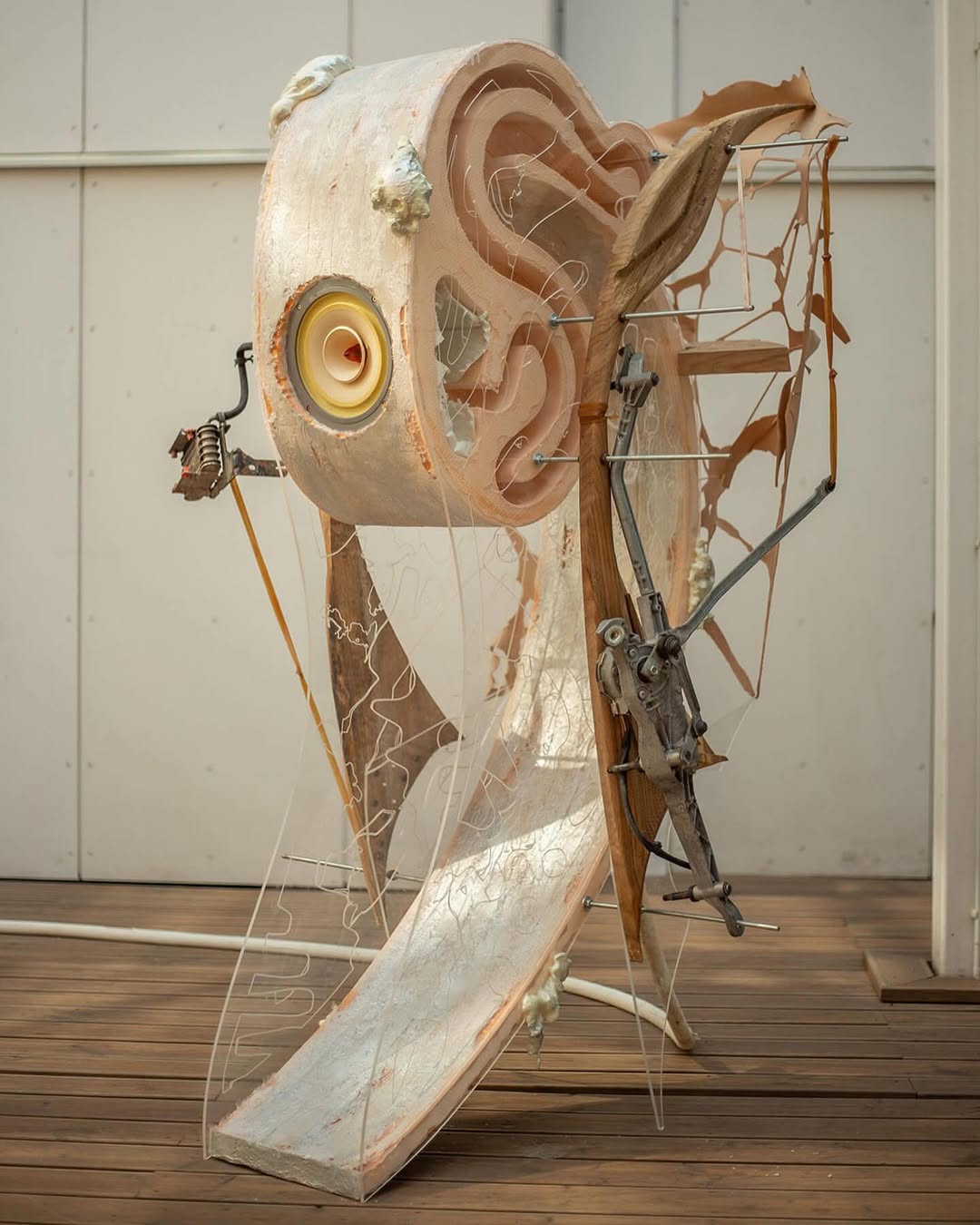
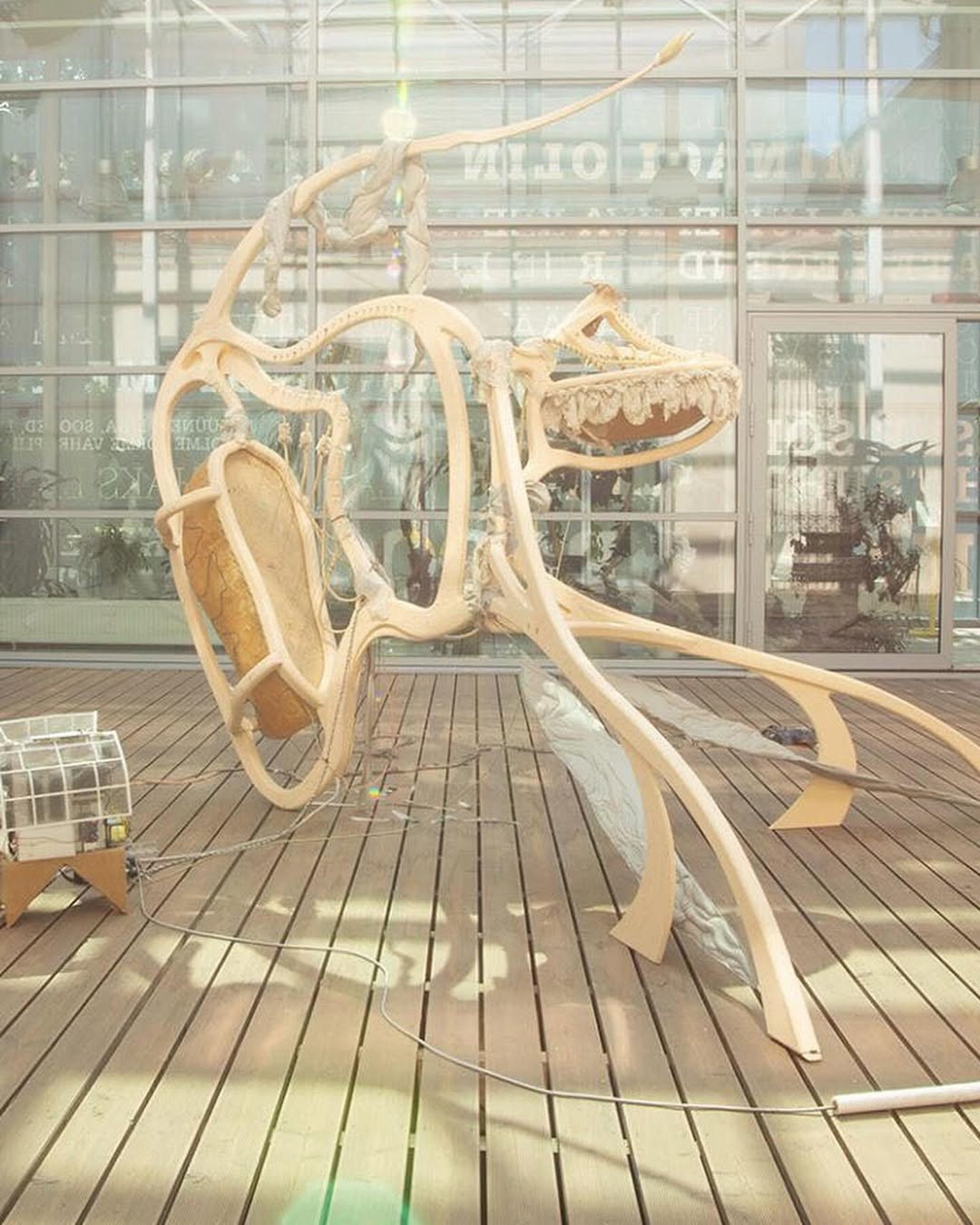
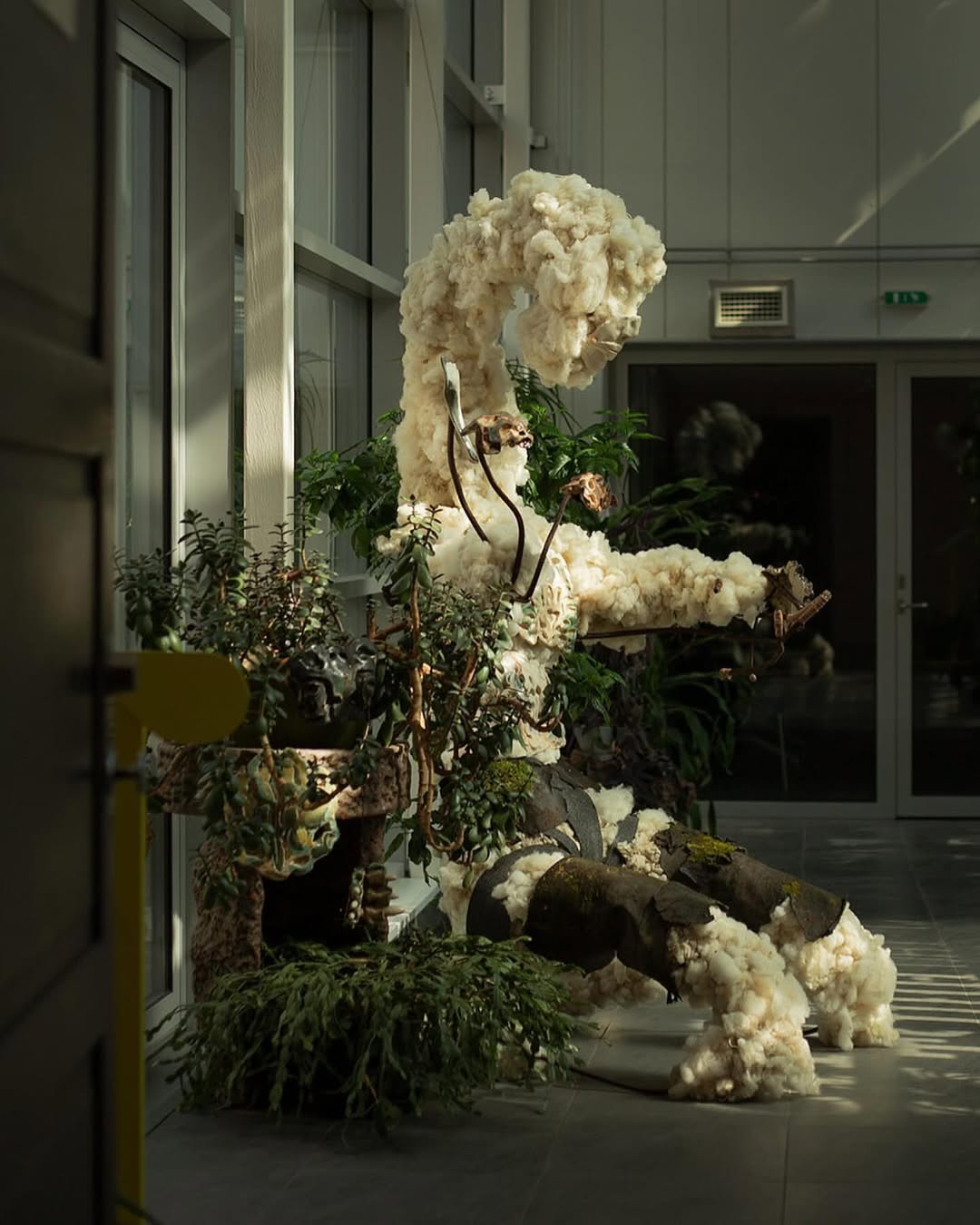
Tartu / 2024
@emma.beatrez
Stockholm / 2024-2025
@s_gatzkan
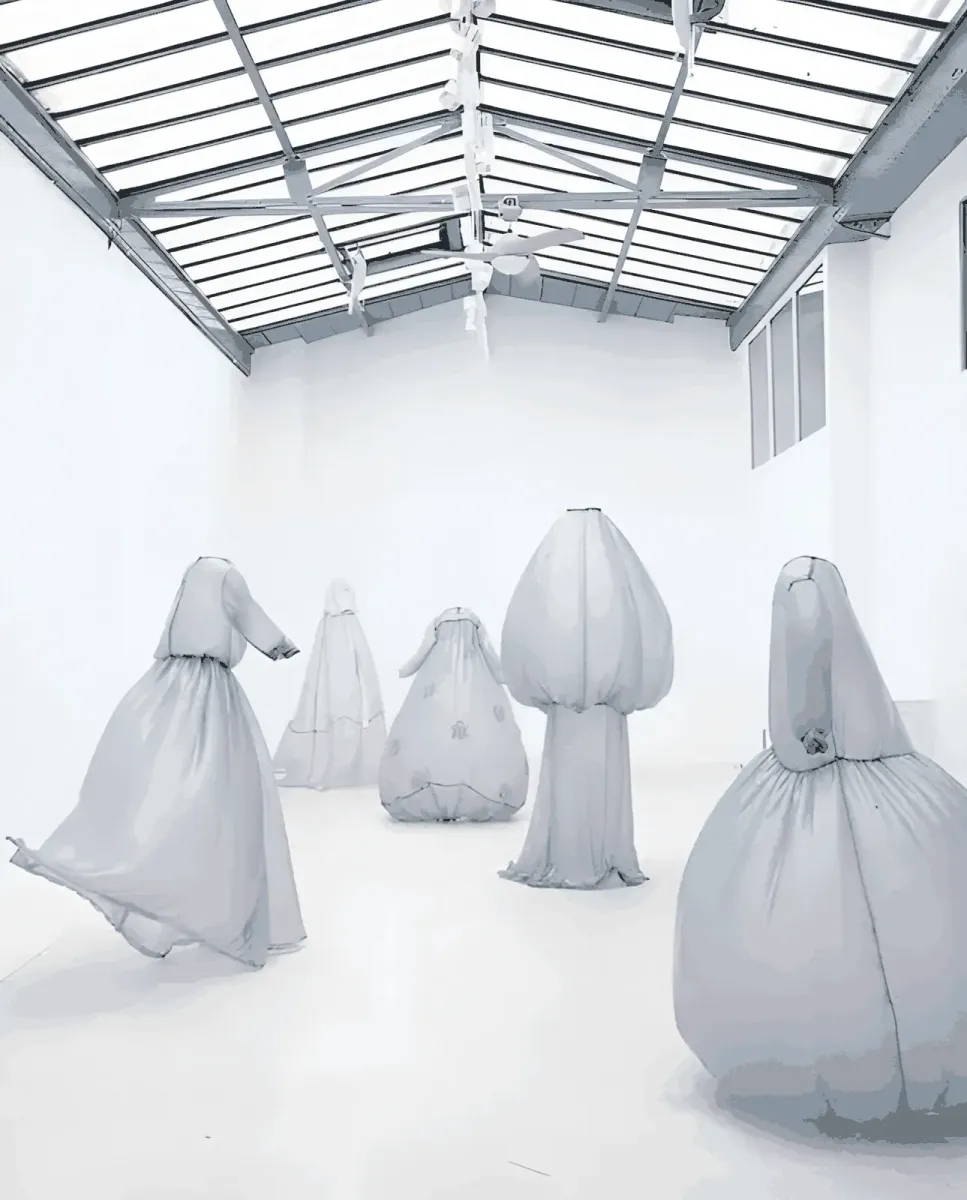
Paris / 2025
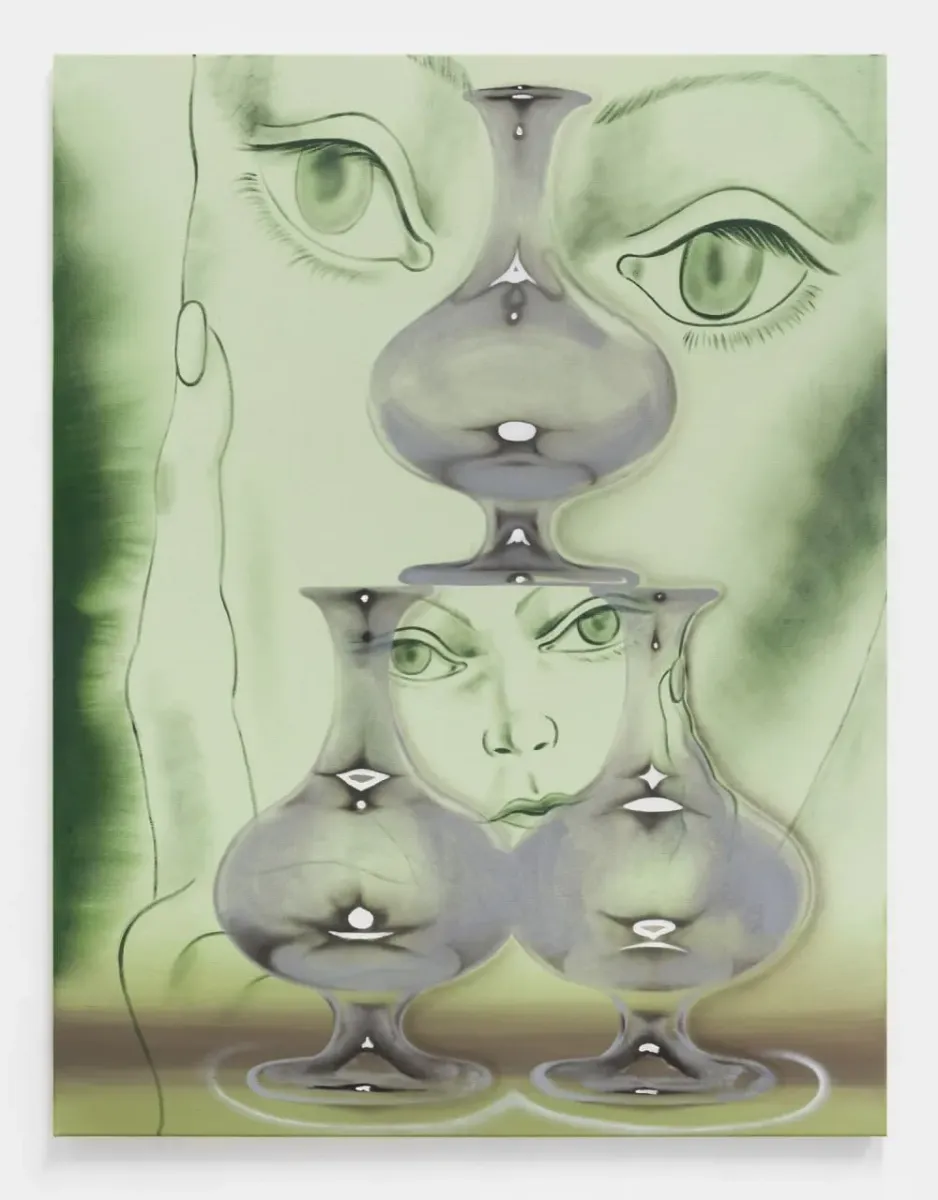
@pax_aliena
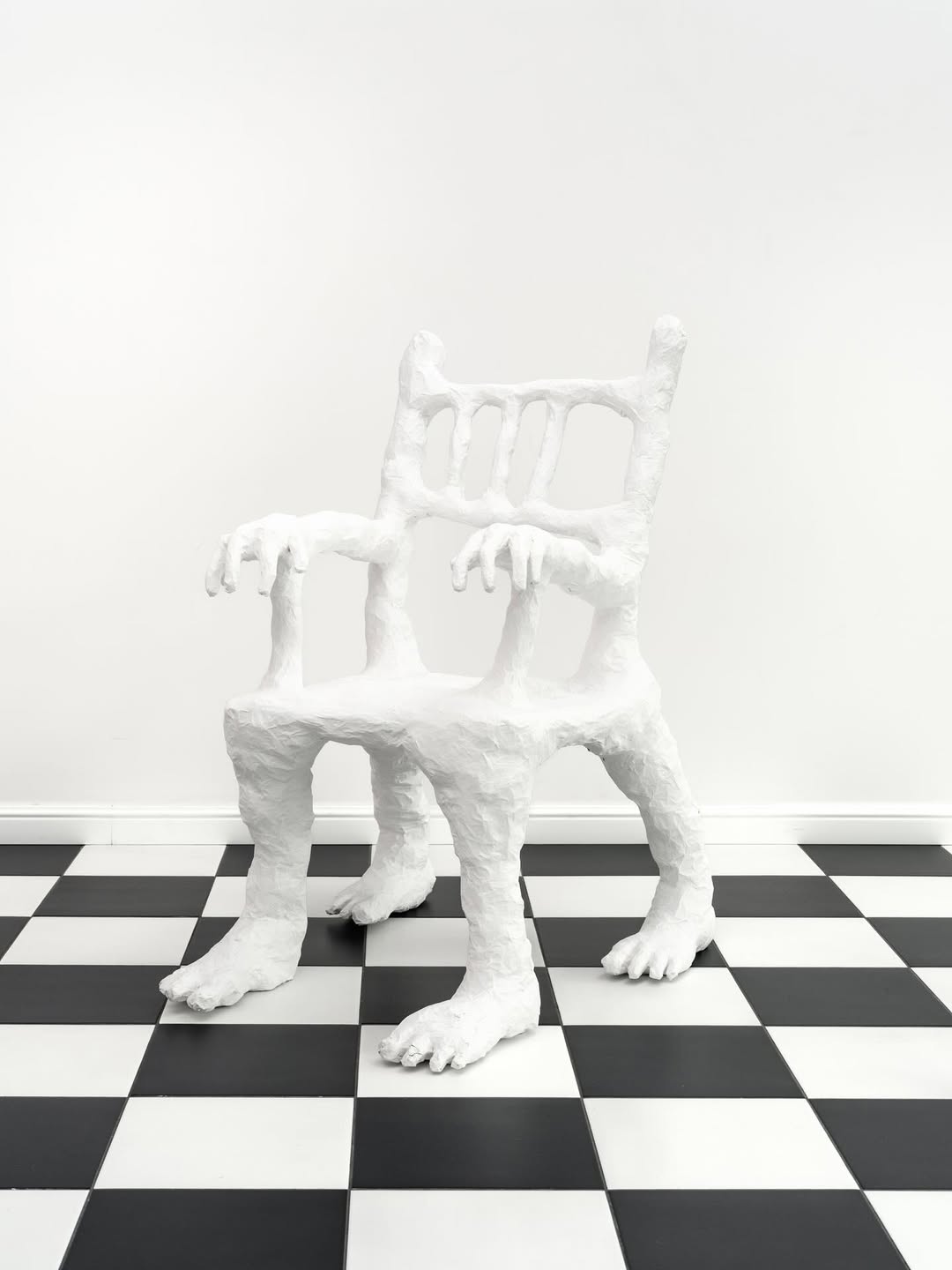
Warsaw / 2025
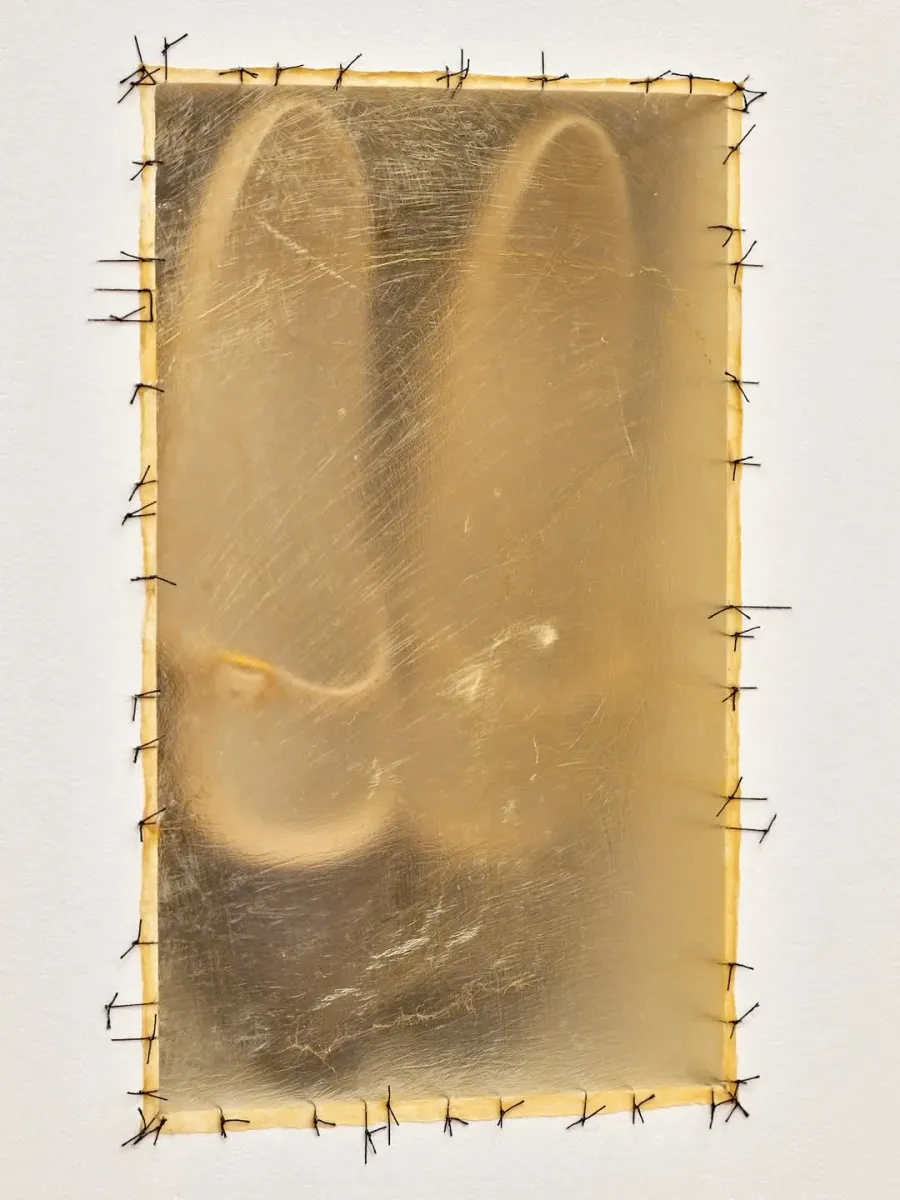
#DorisSalcedo
/photo_1_2026-05-23_19-28-57.jpg)
Berlin / 2025
@camelostrich
Seoul / 2025-2026
@nadaecc
Warsaw / 2026
@arghavan_khosravi
Offenbach am Main / 2026
@que.fresca
@ppuri_
Berlin / 2026
Norwich / 2026
Santiago / 2026
Brno / 2026
Tisbury / 2026
Shanghai / 2026
Málaga / 2026
Ciudad de México / 2026
Klaus in Vorarlberg / 2026
Genk / 2026
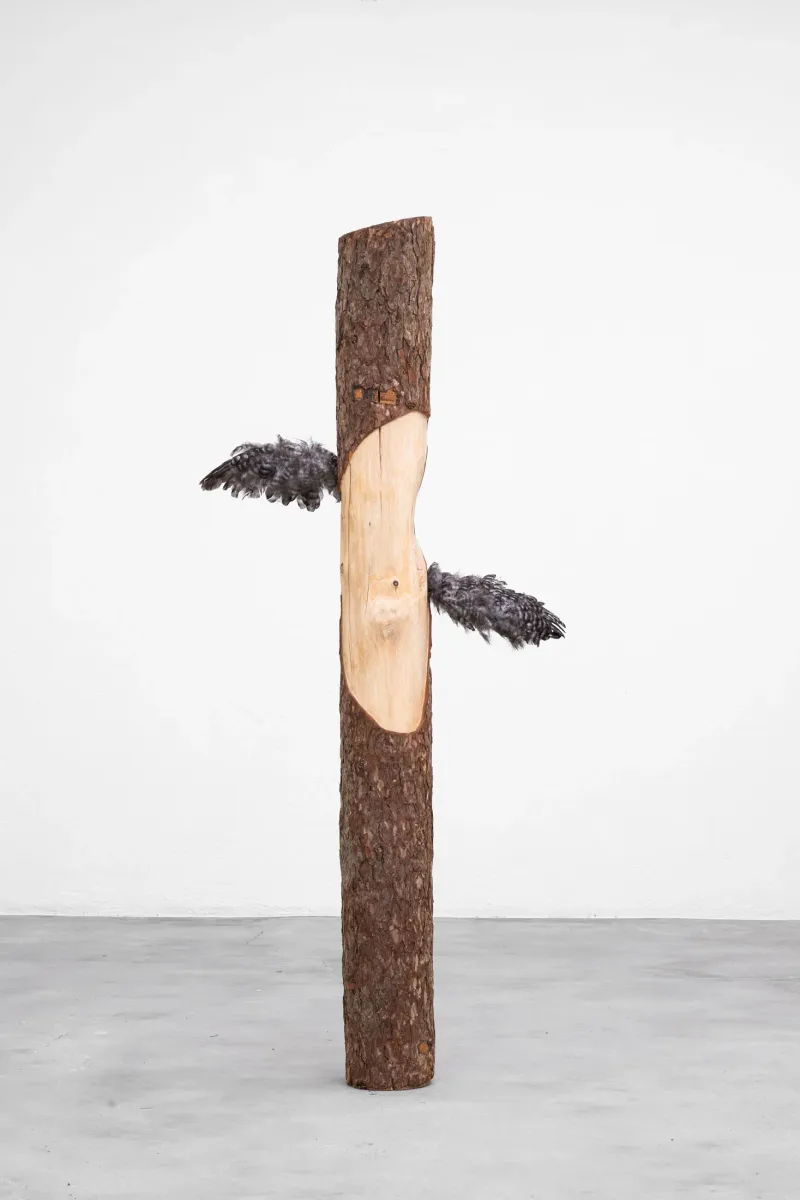
Turin / 2026
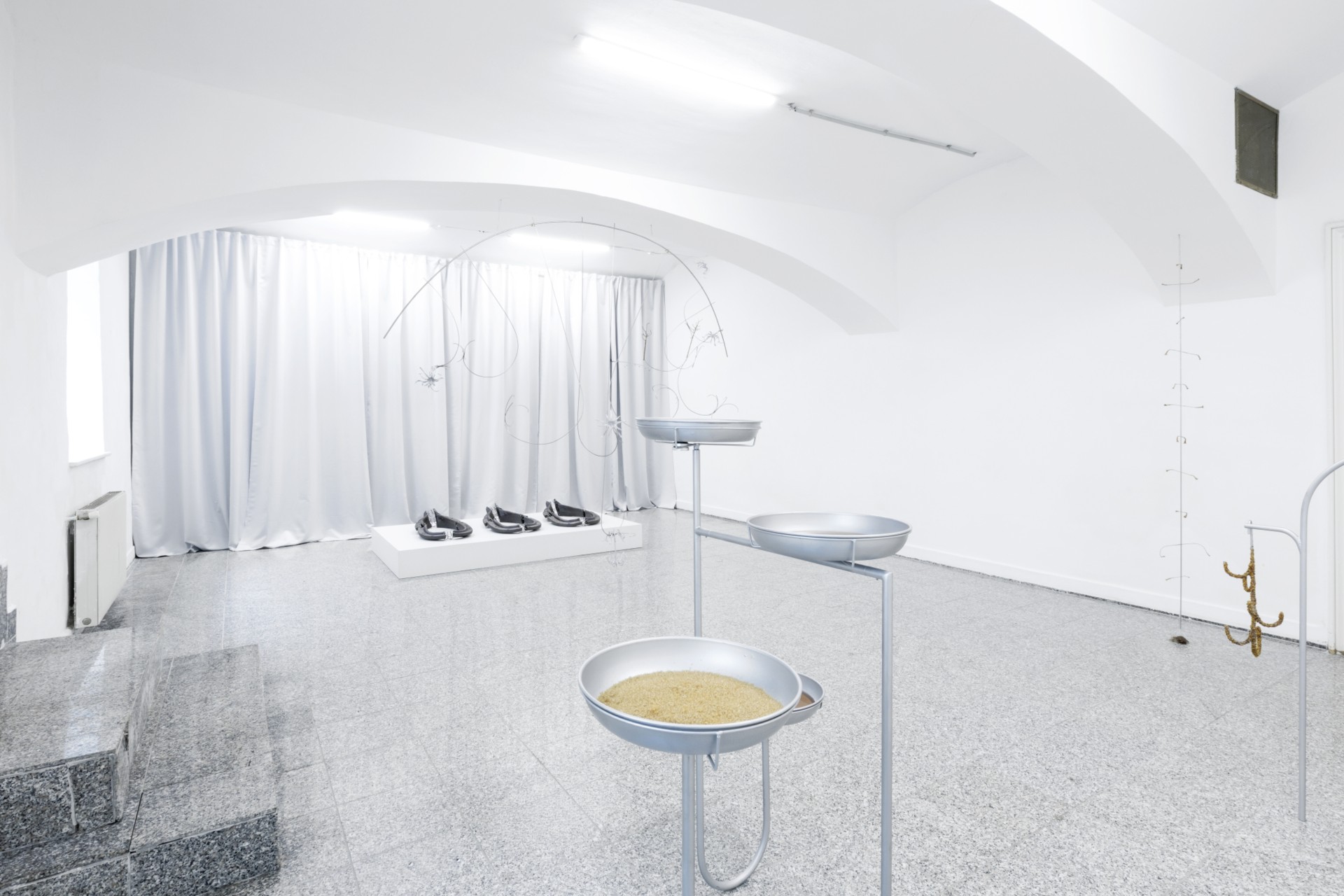
Vienna / 2026
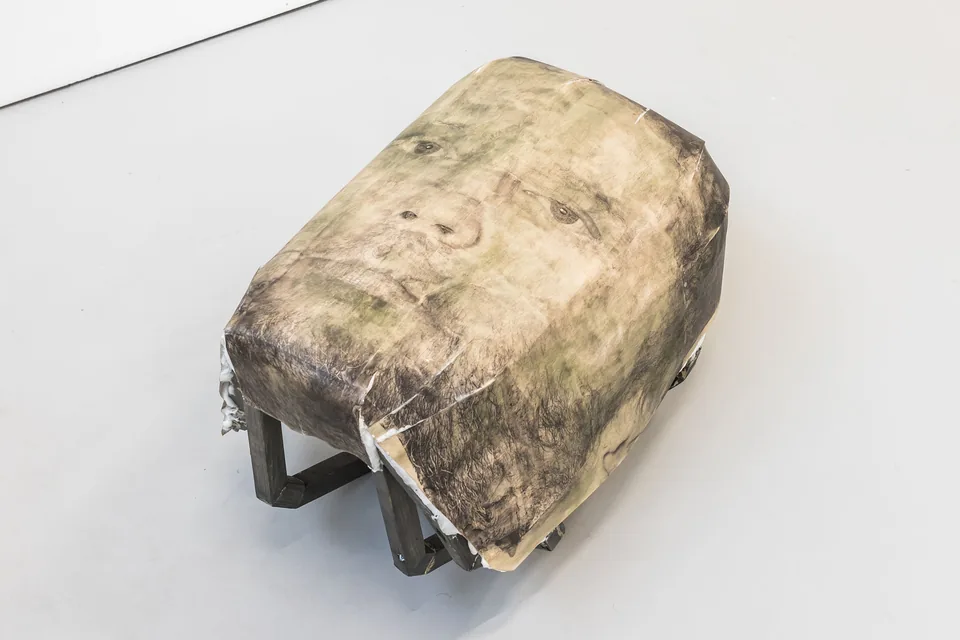
Oslo / 2026
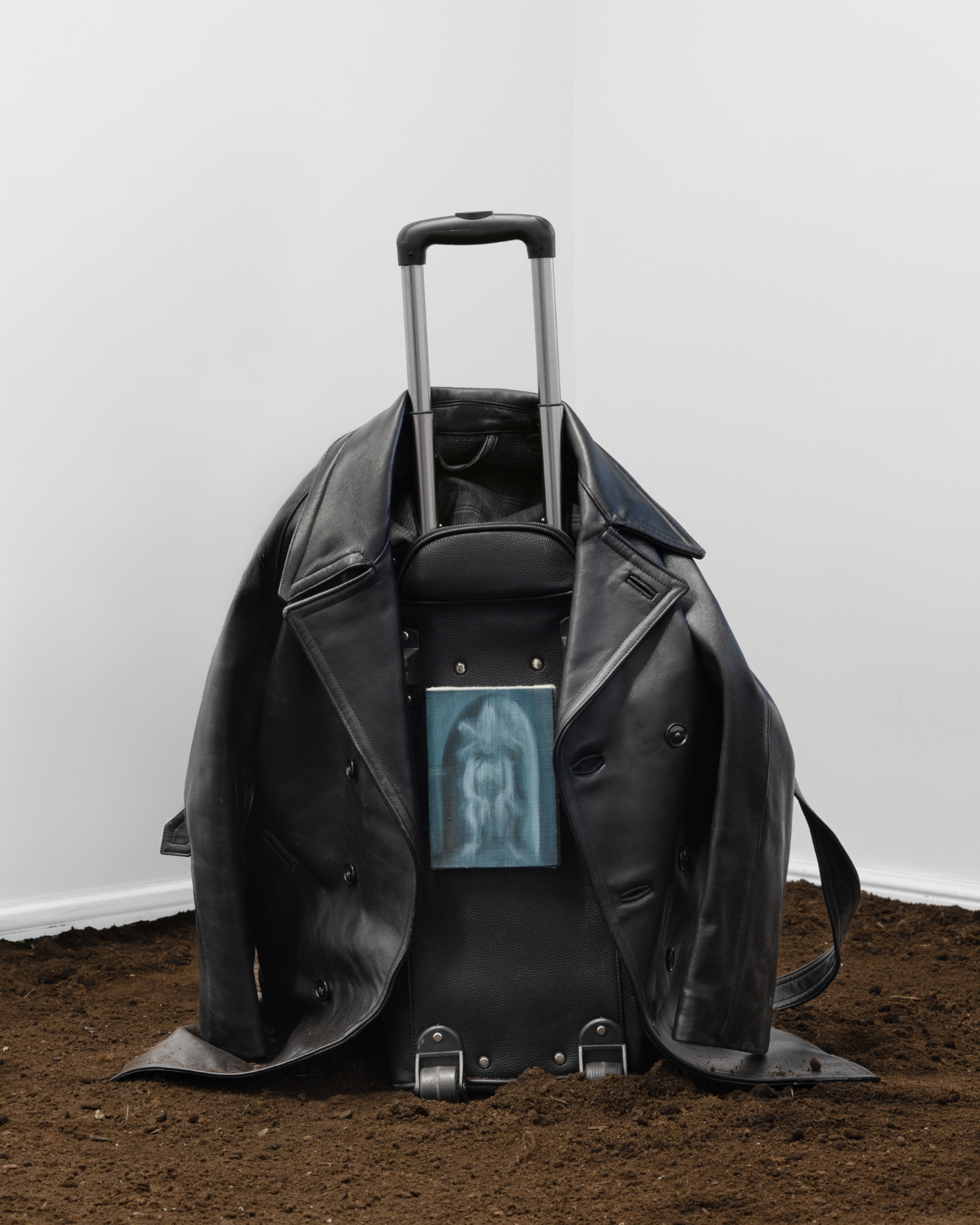
Warsaw / 2026
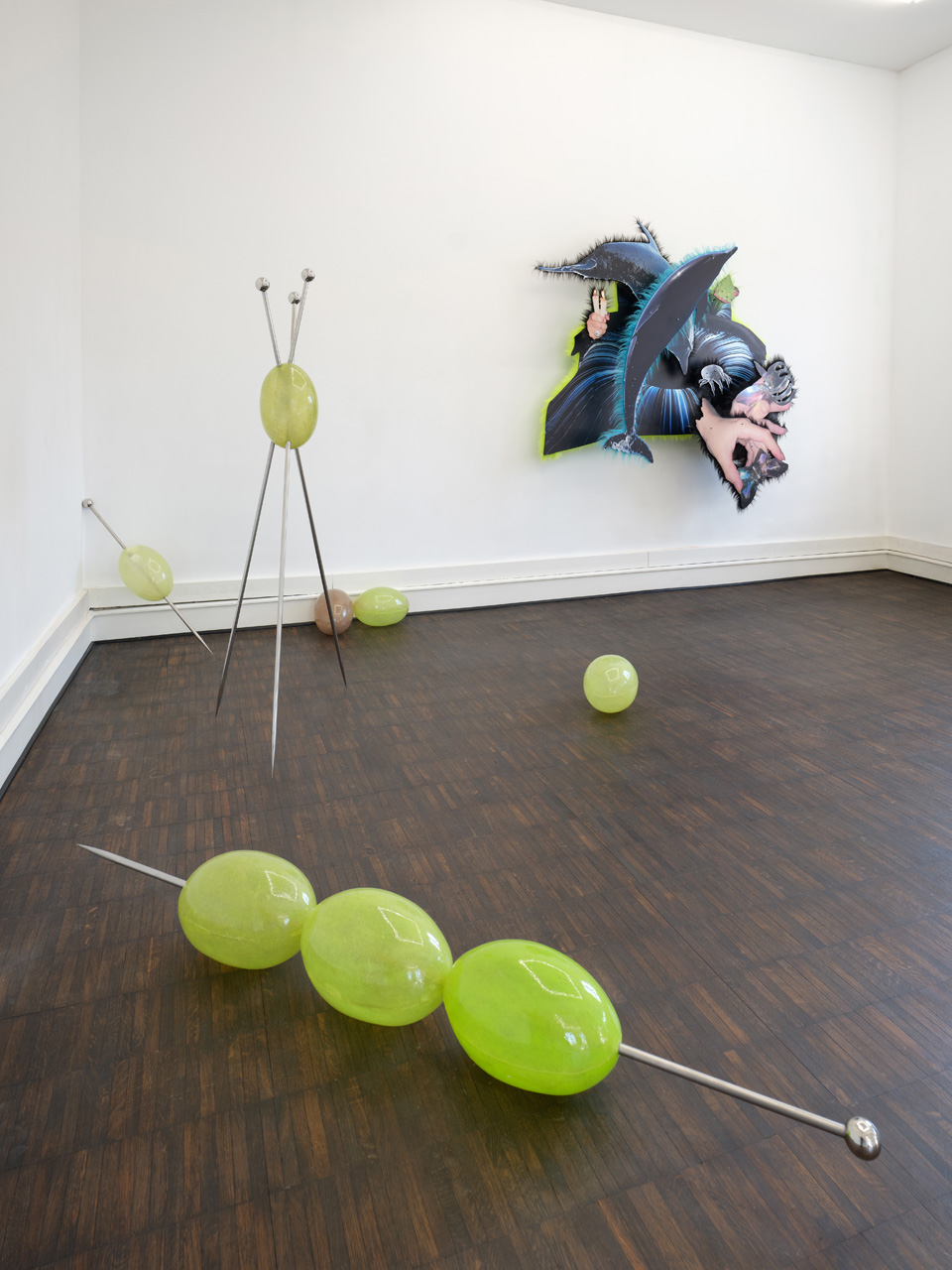
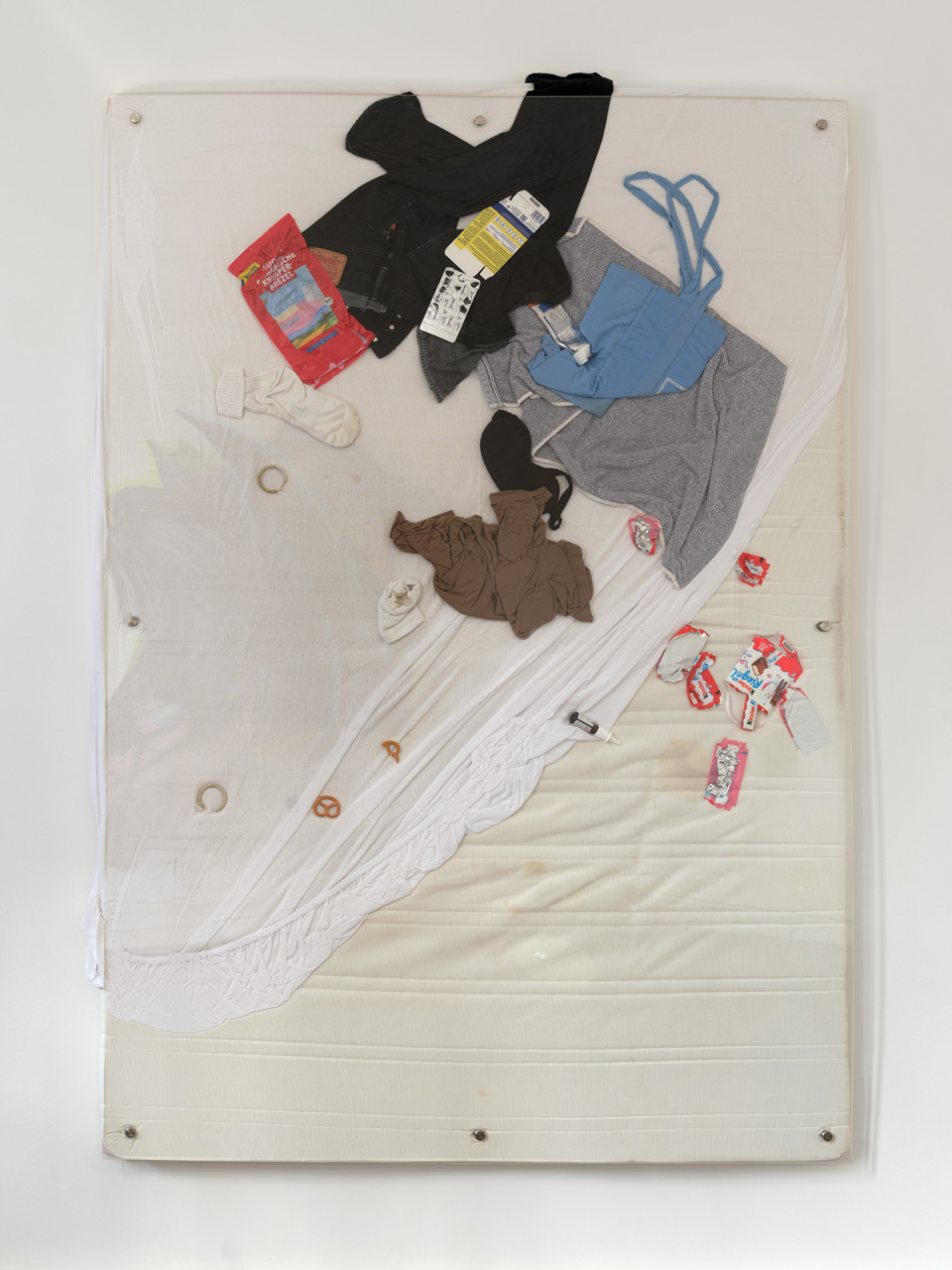
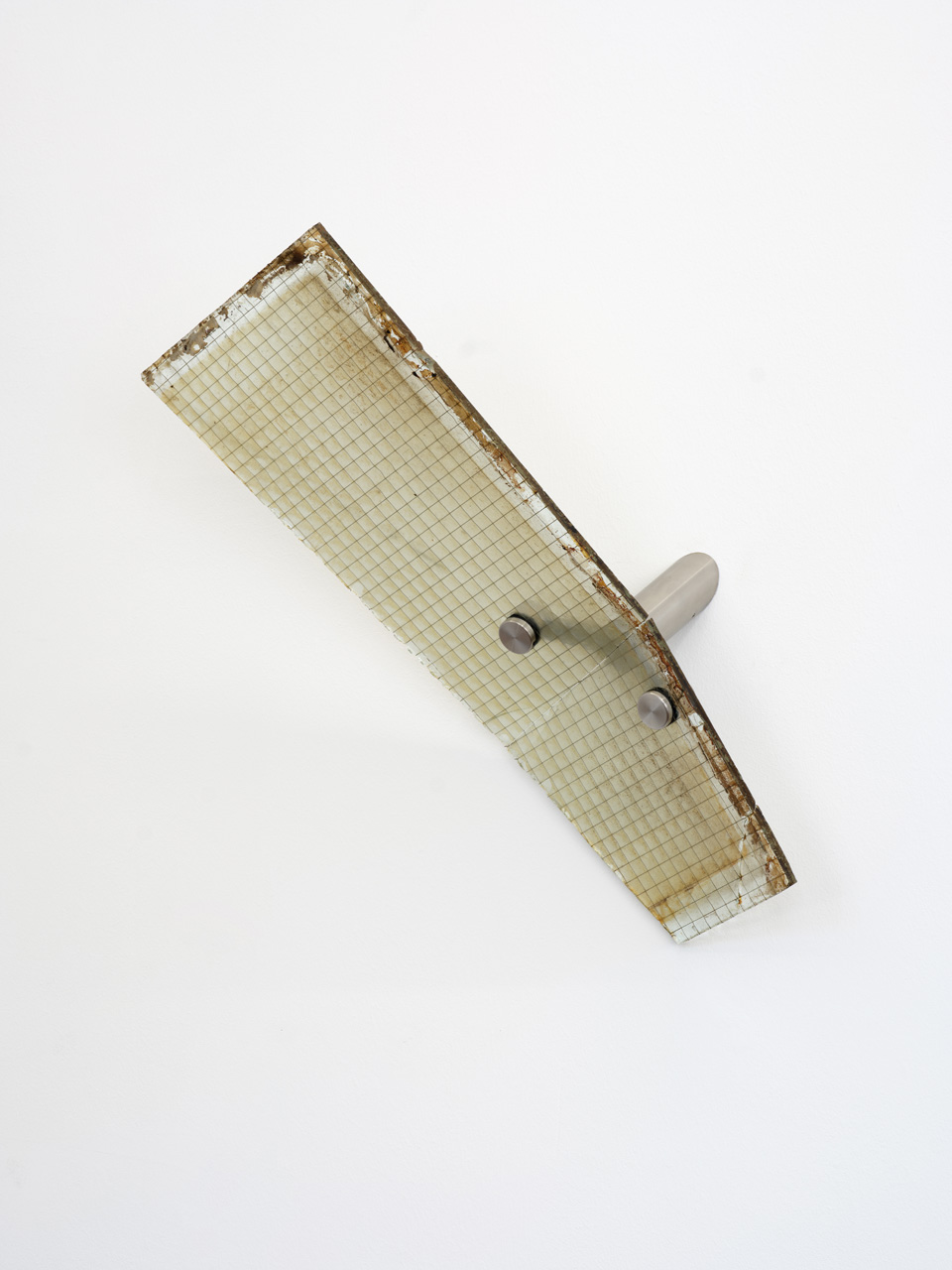
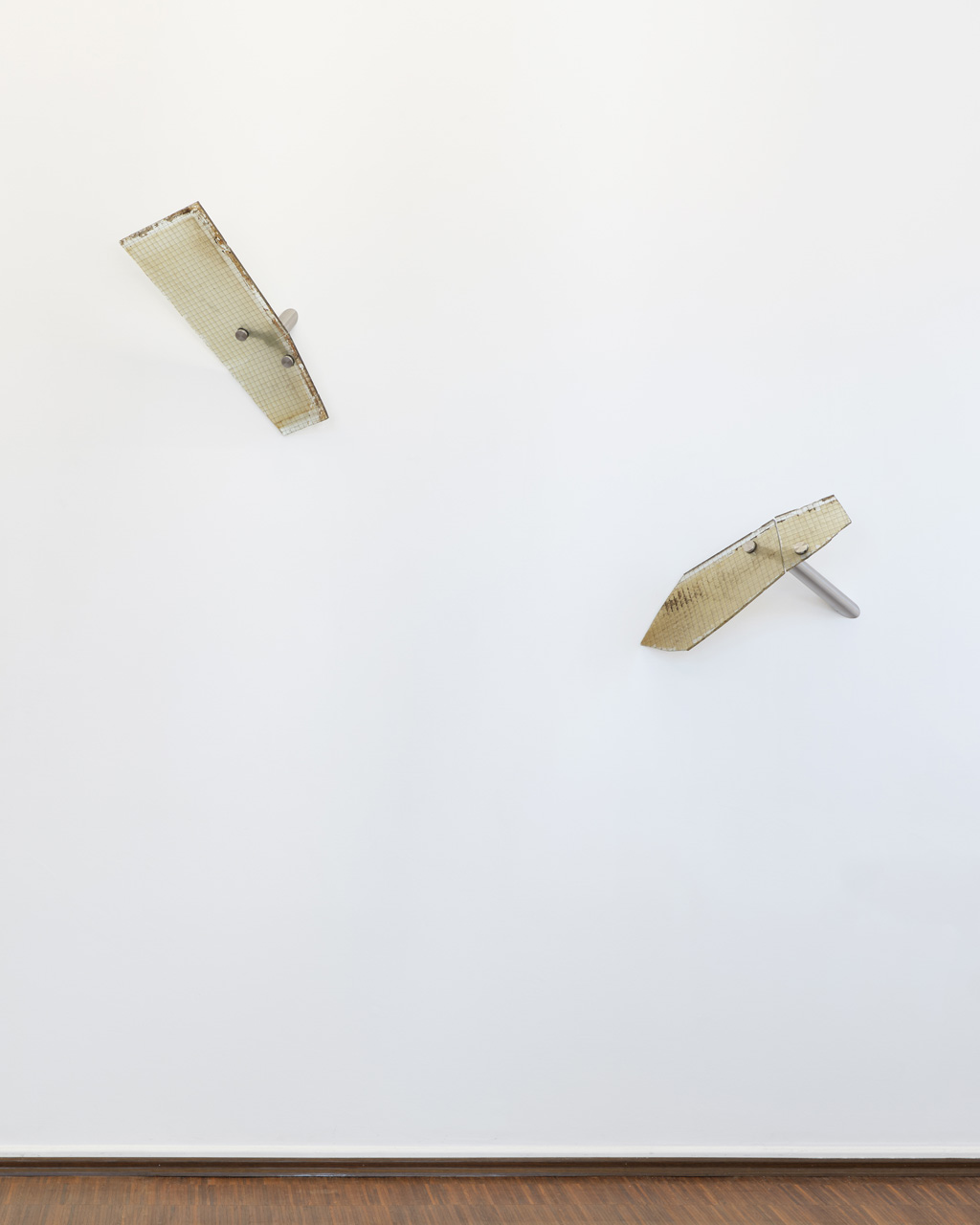
Düsseldorf / 2026
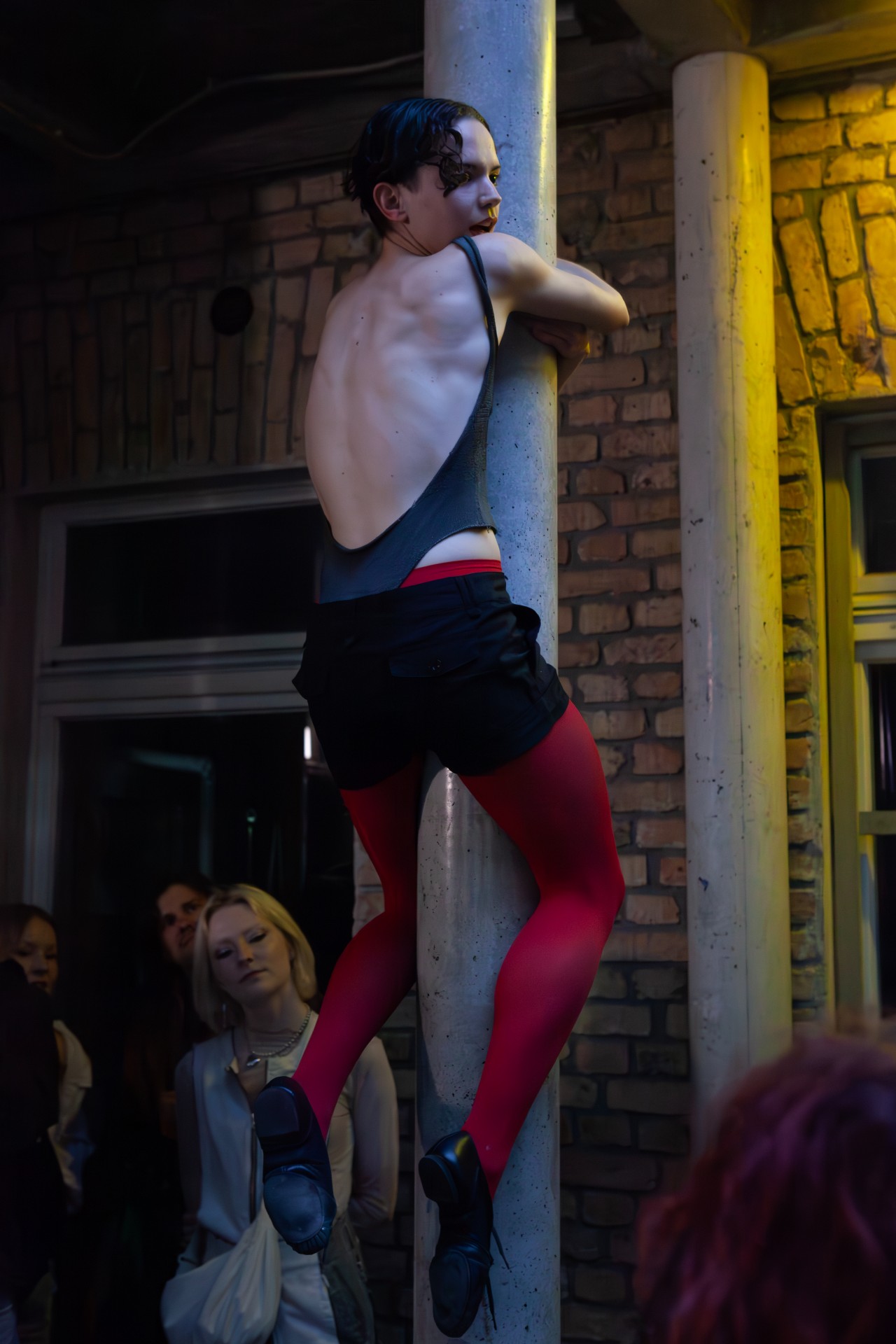
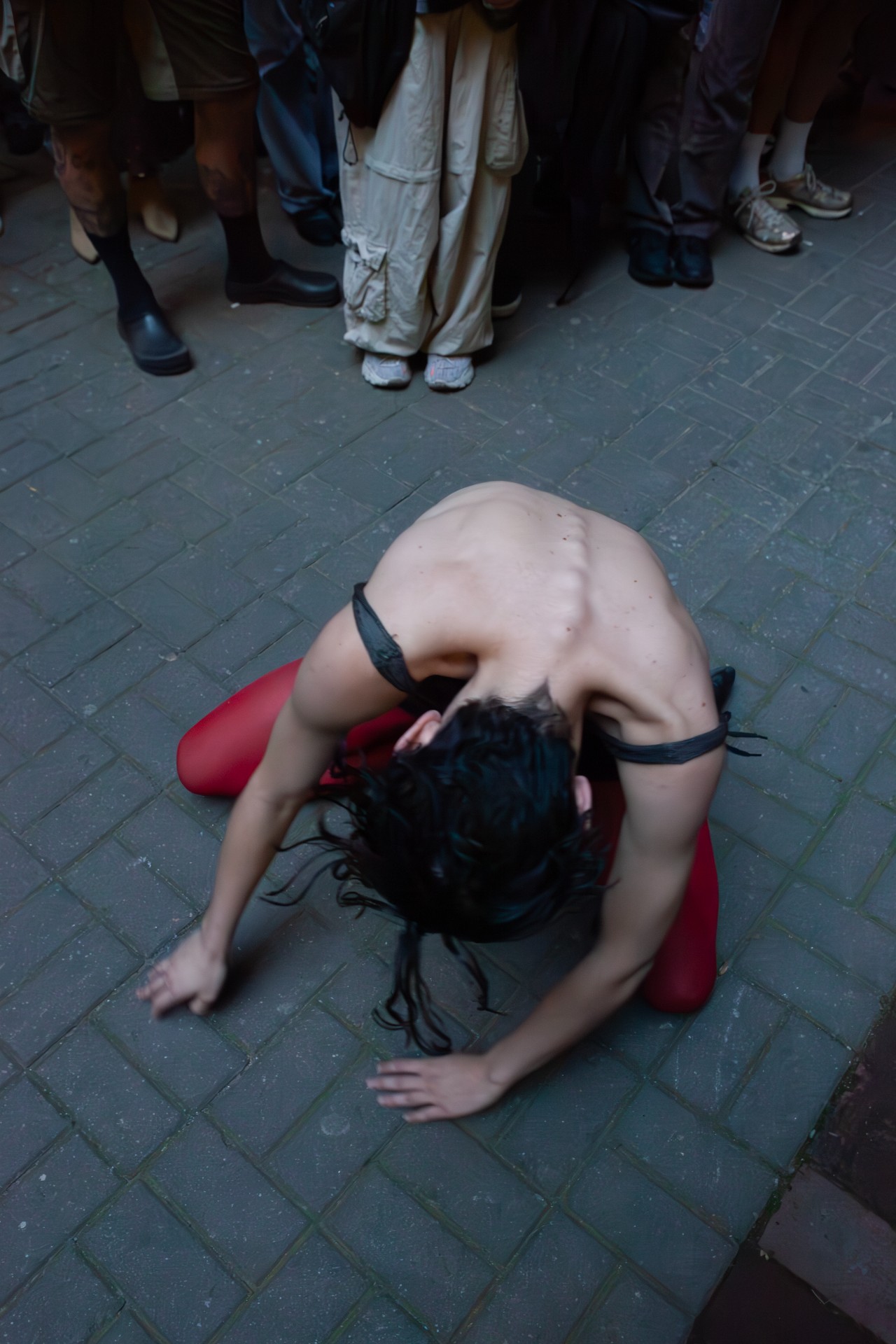
Berlin / 2025
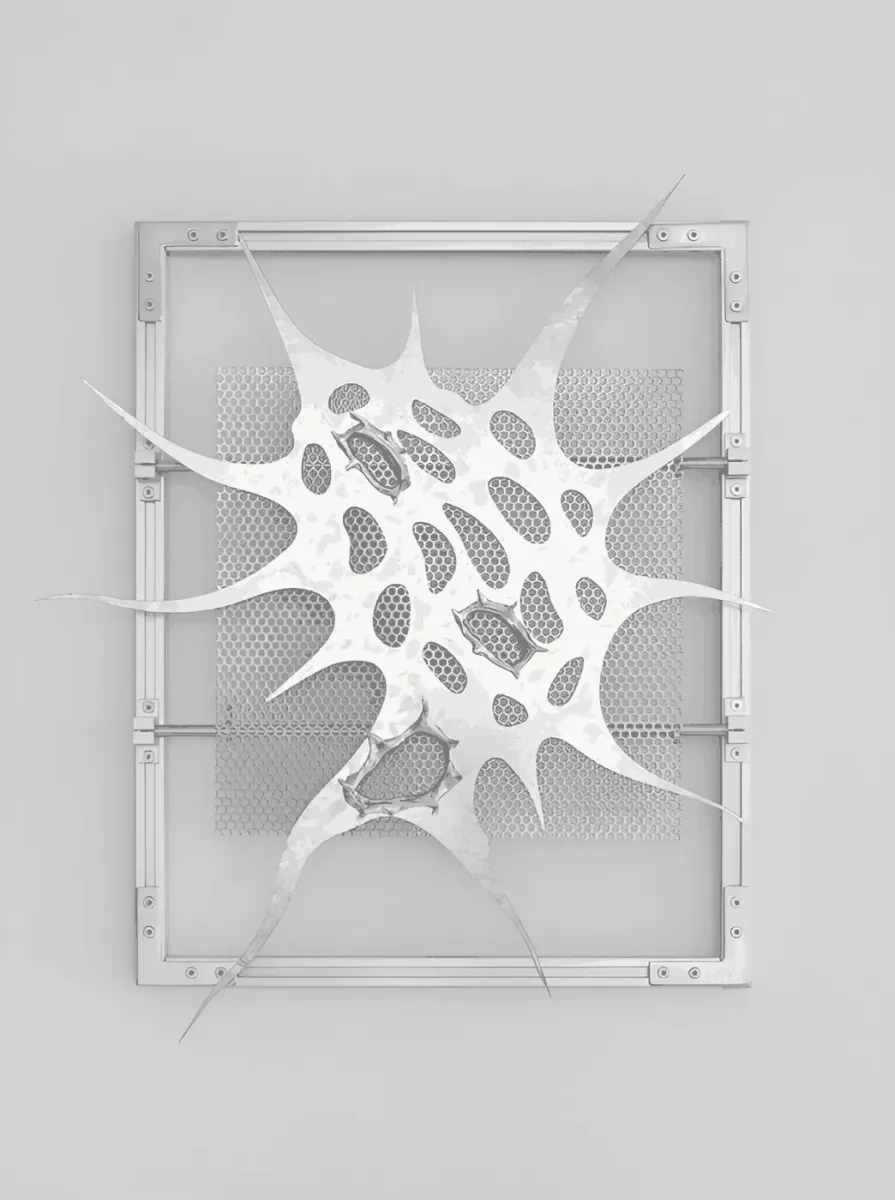
Shanghai / 2025
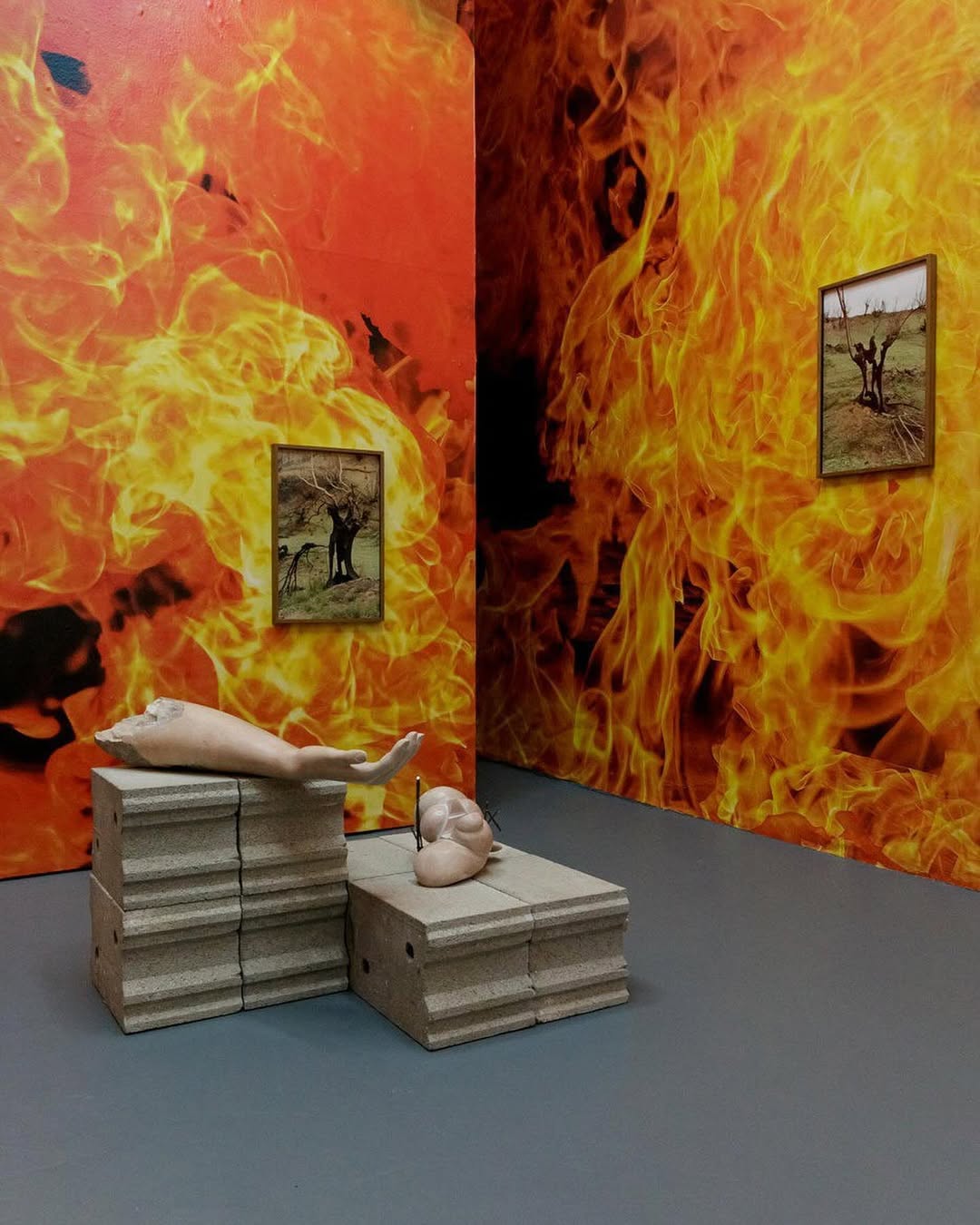
/ 2023
/ 2024
Vilnius / 2024
Wroclaw / 2024
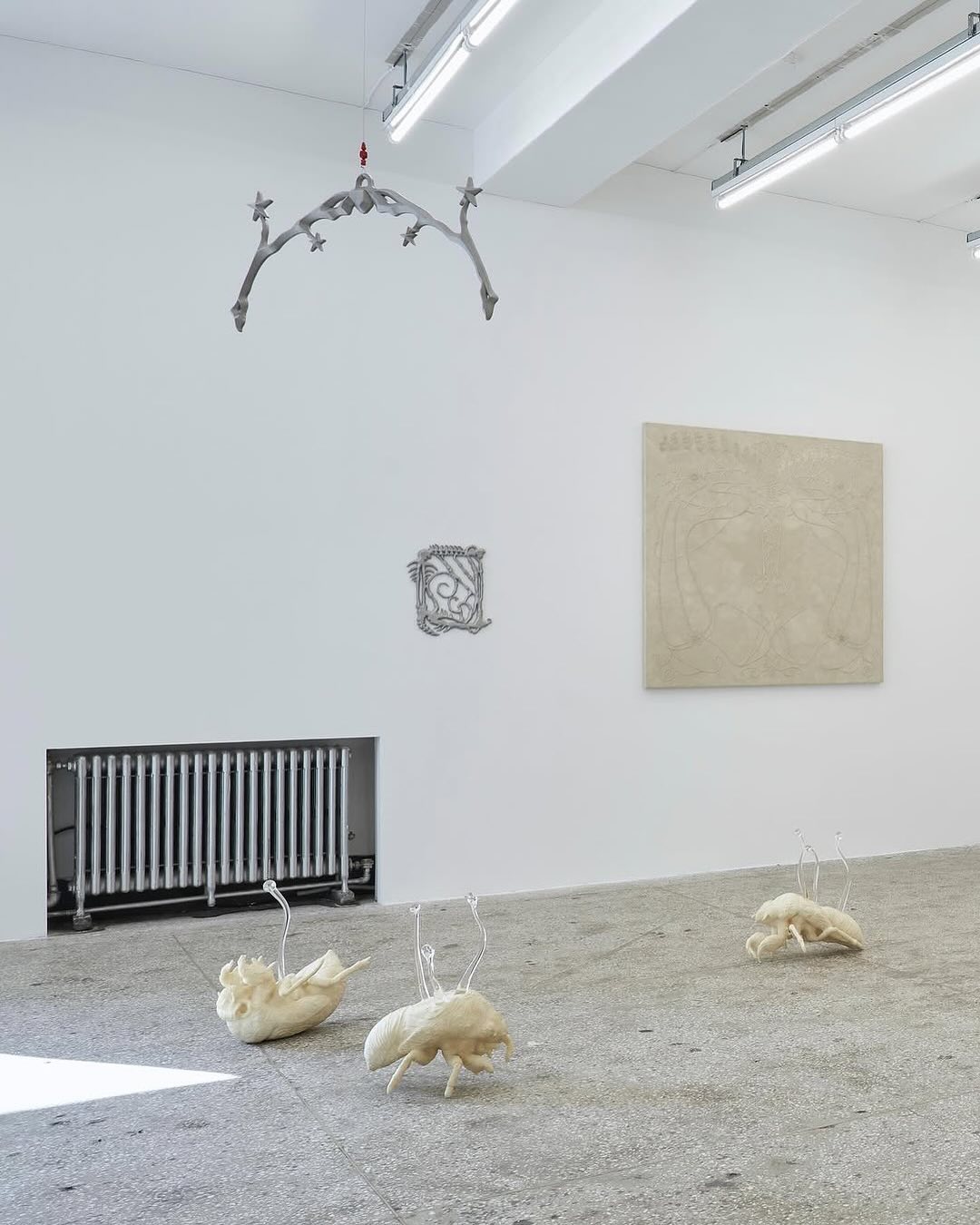
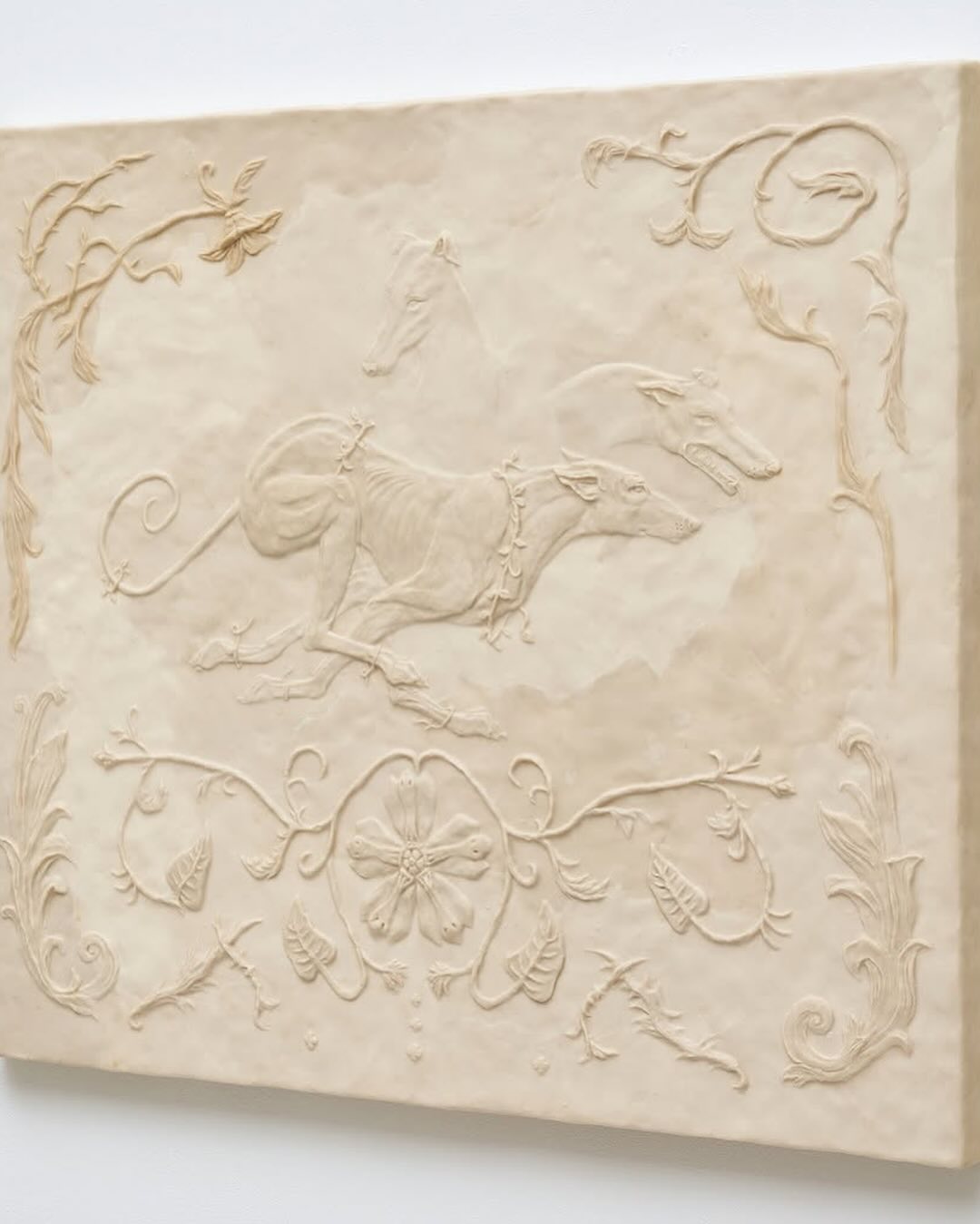
Jung-gu, Seoul / 2025
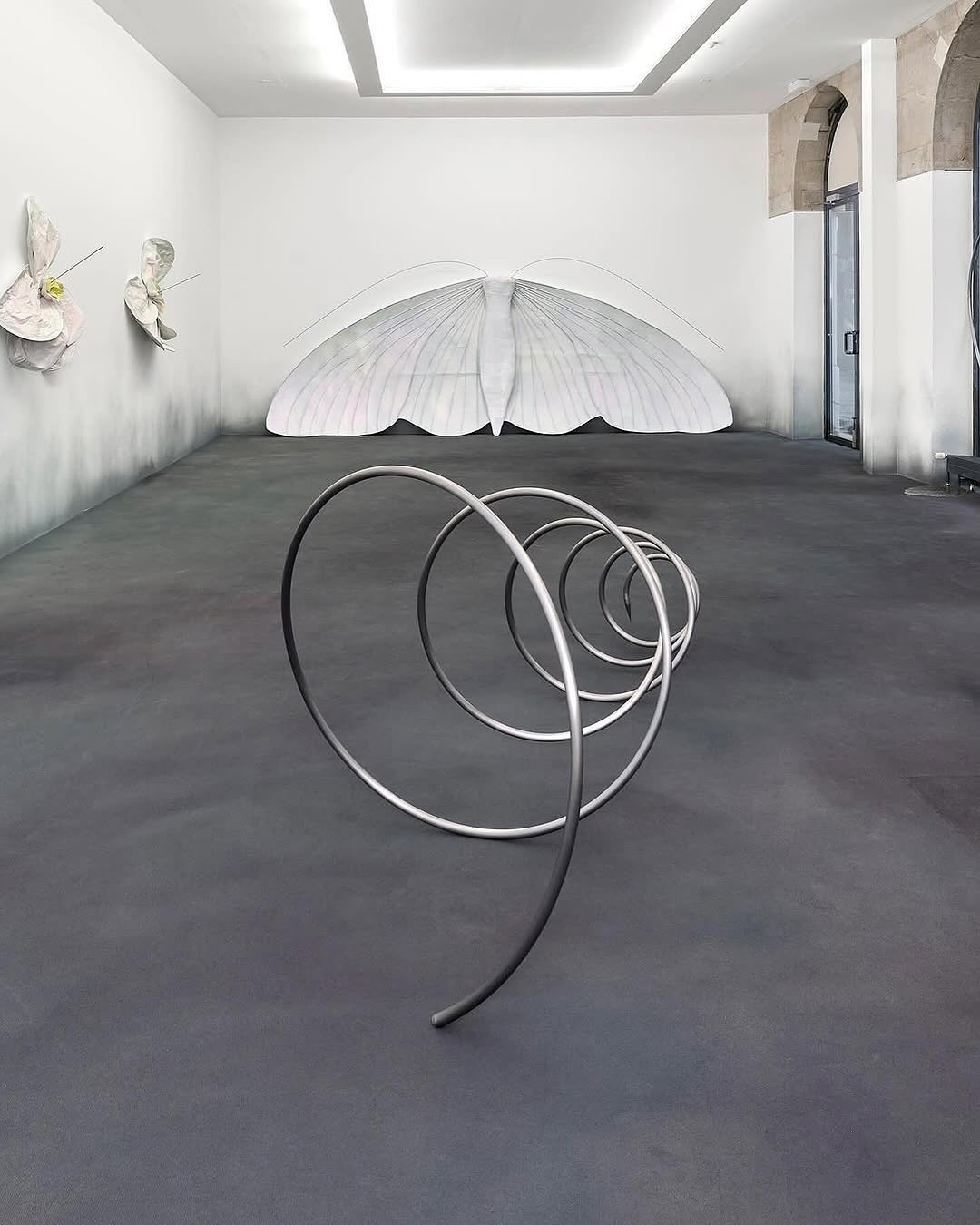
Geneva / 2024
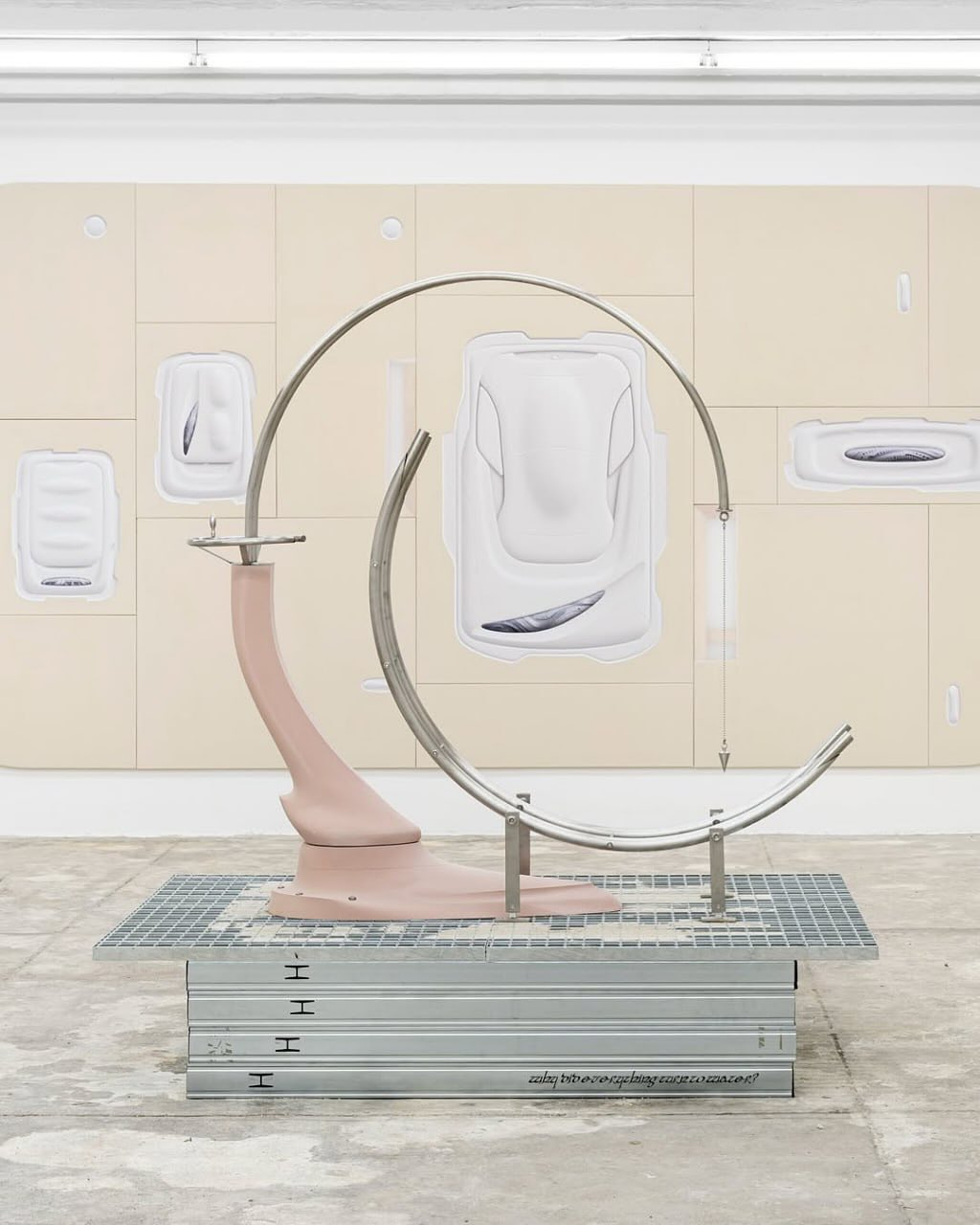
Bratislava / 2025
Santiago / 2025
Bratislava / 2025
Milan / 2025
/photo_1_2026-05-23_19-26-42.jpg)
Milan / 2025
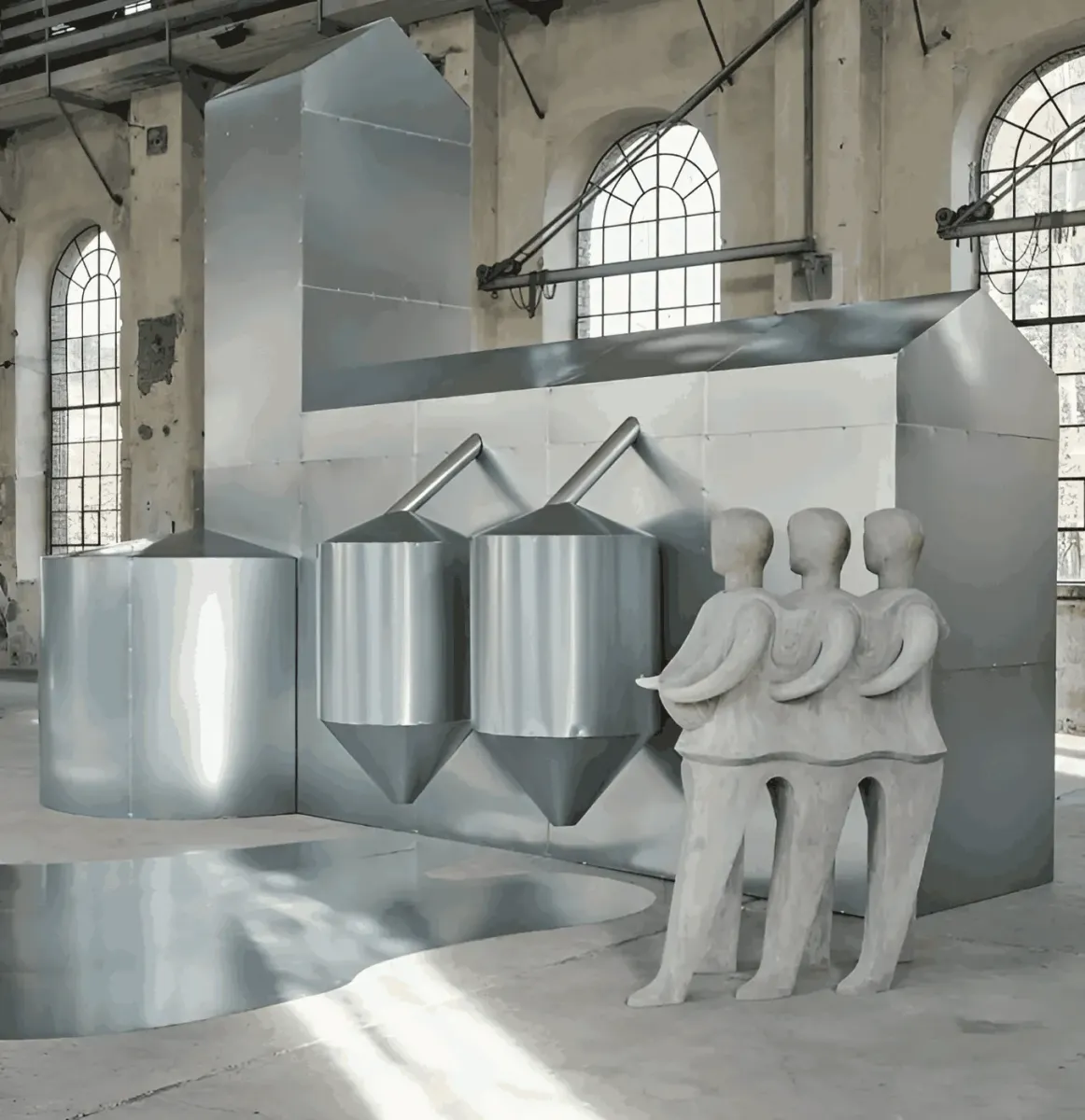
Dornbirn / 2026
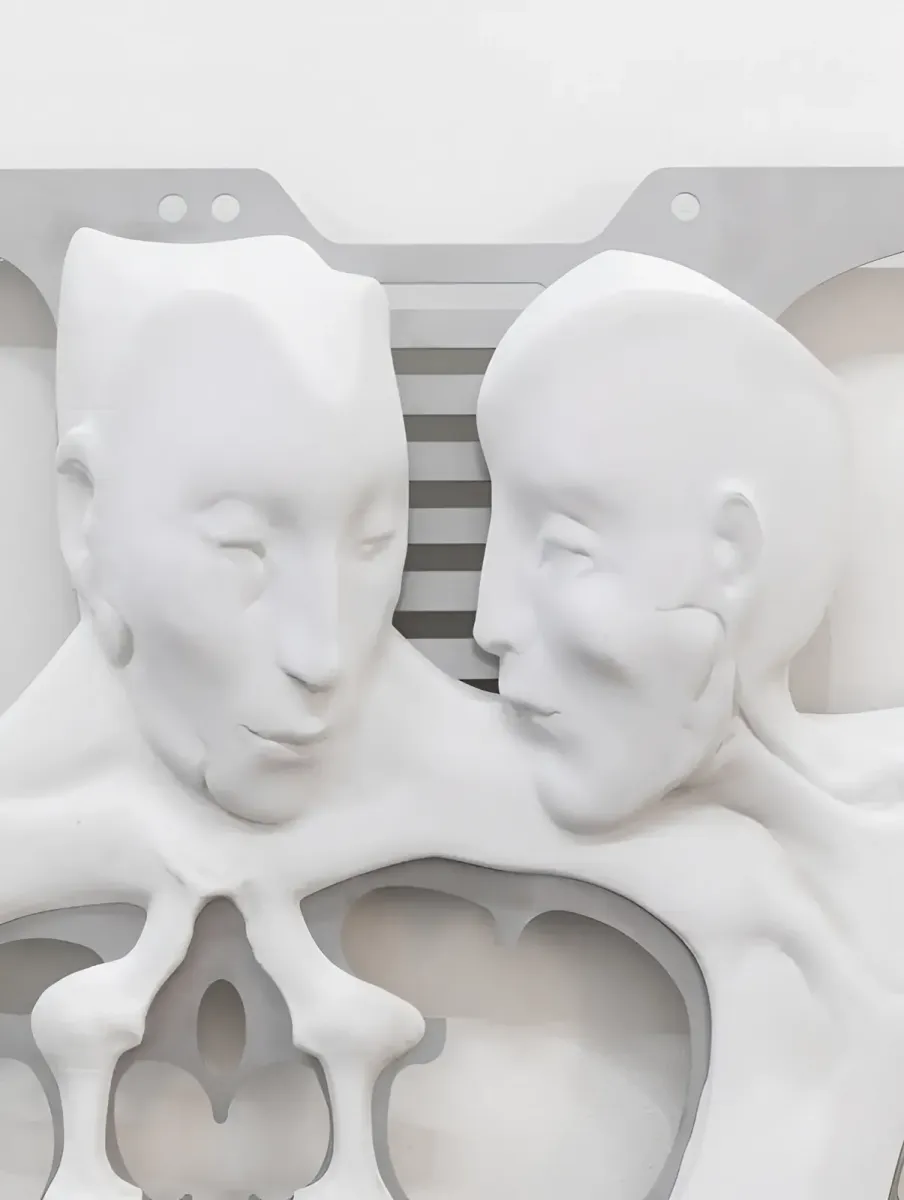
Prague / 2026
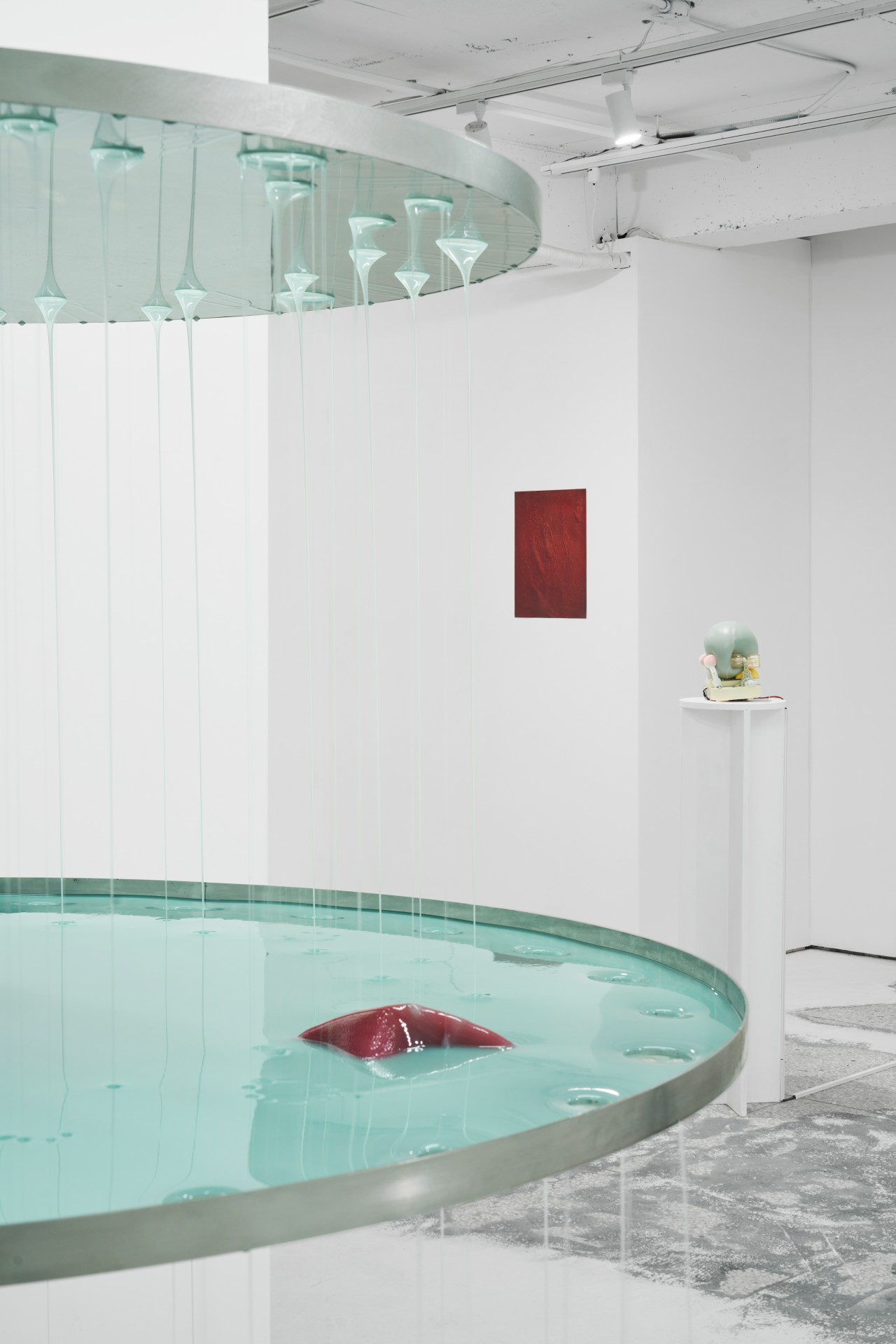
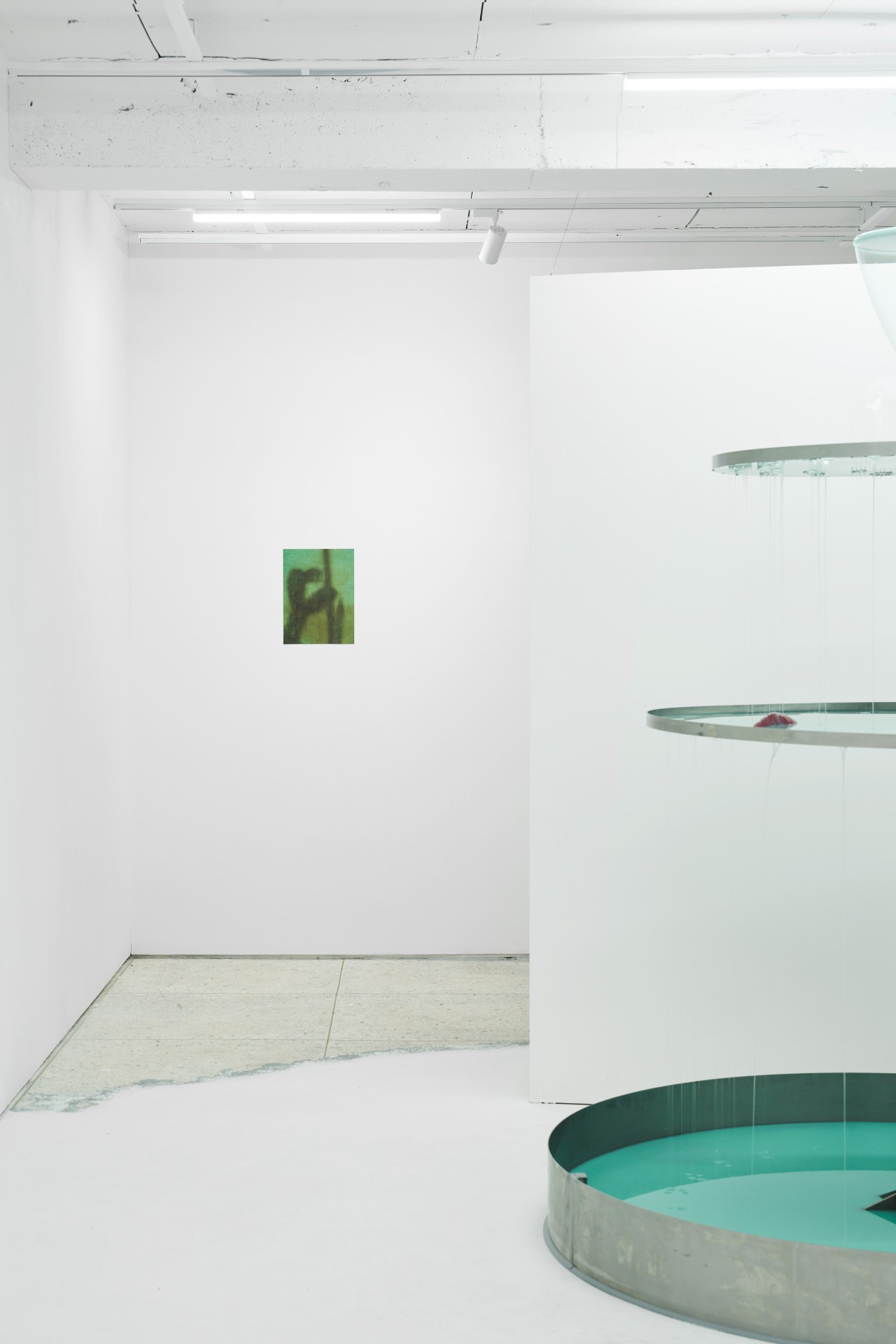
Seoul / 2025
Buenos Aires / 2026
Seoul / 2026
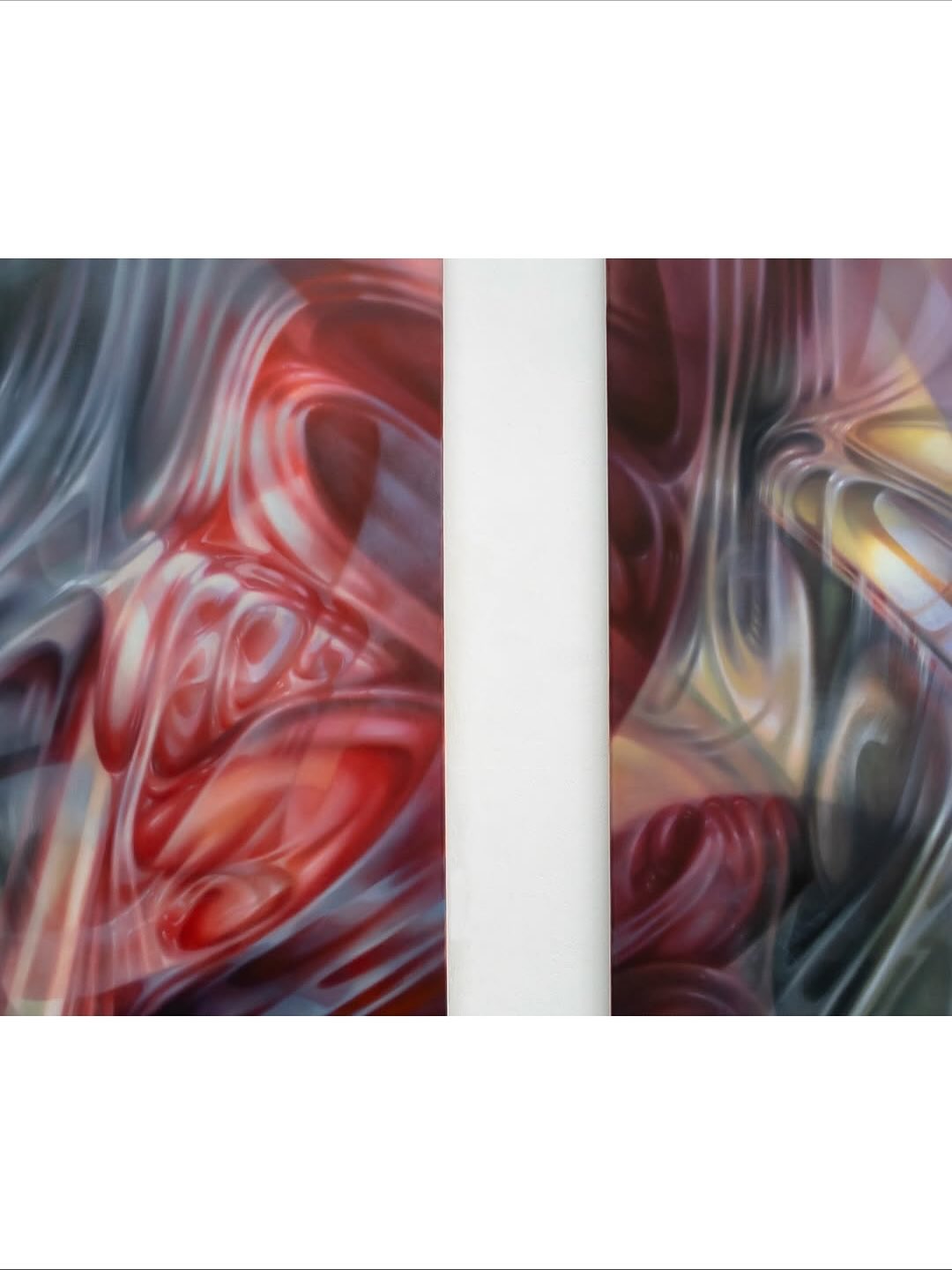
Berlin-Schöneberg / 2025
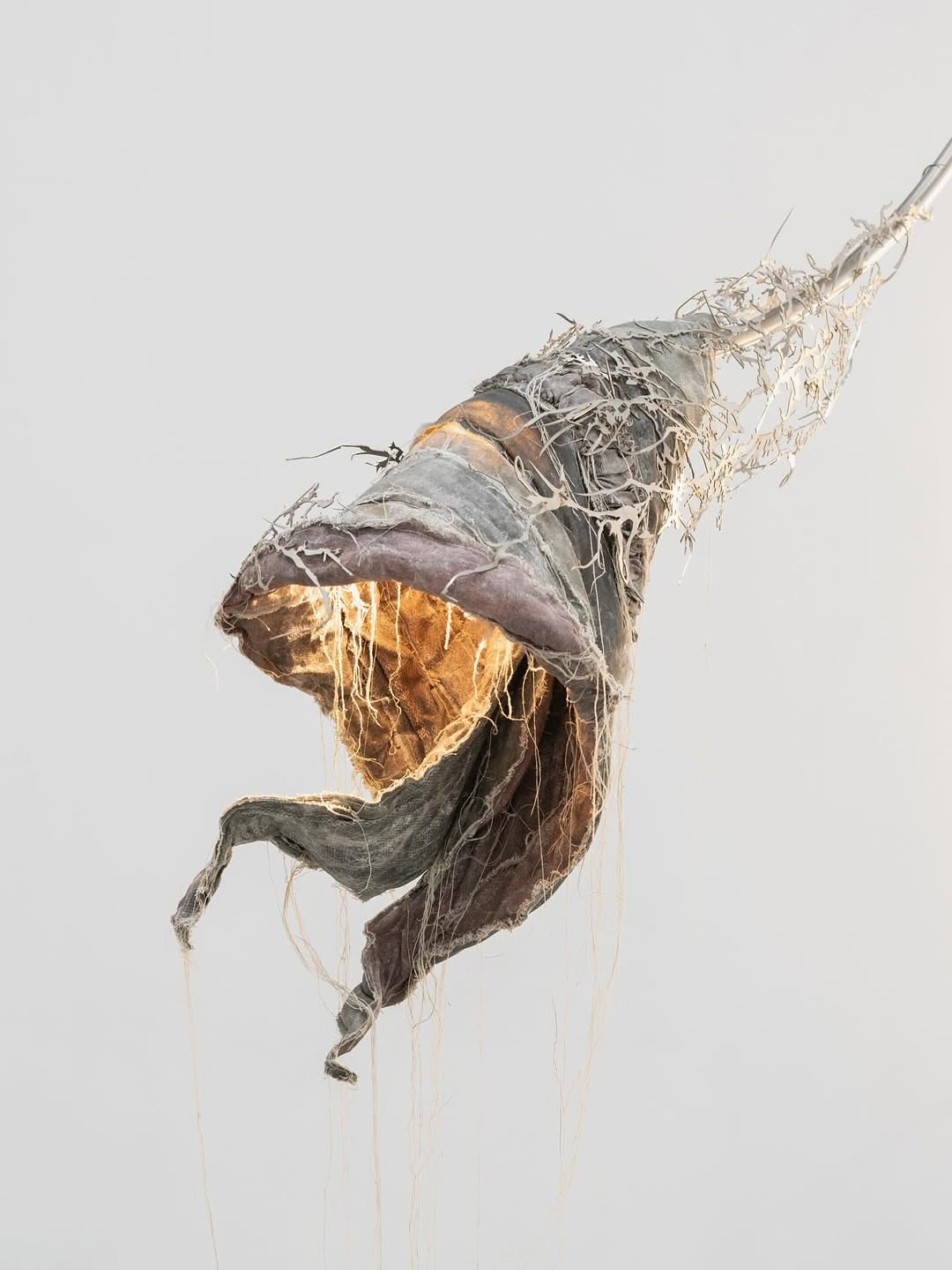
Białystok / 2025
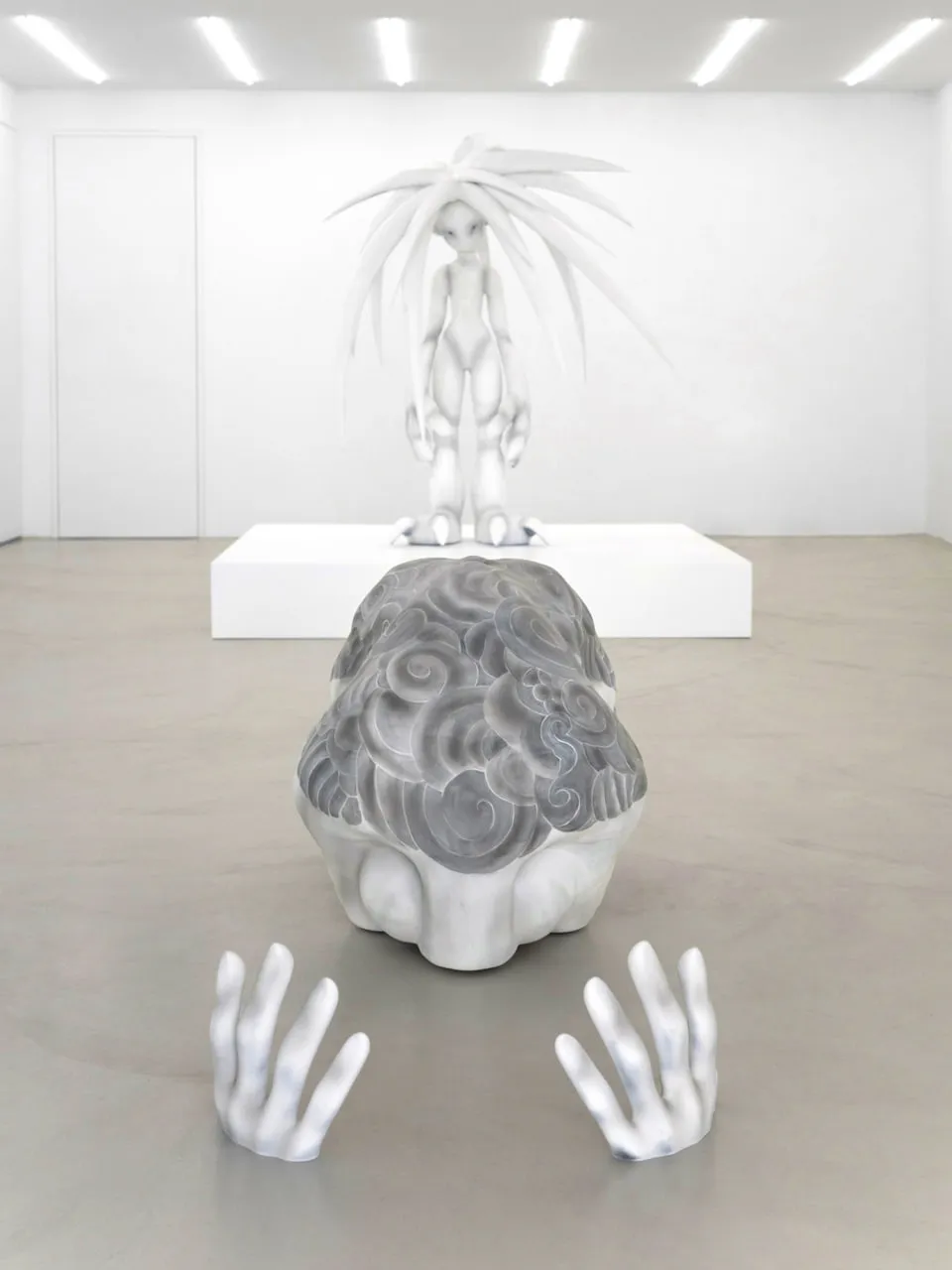
Seoul / 2026
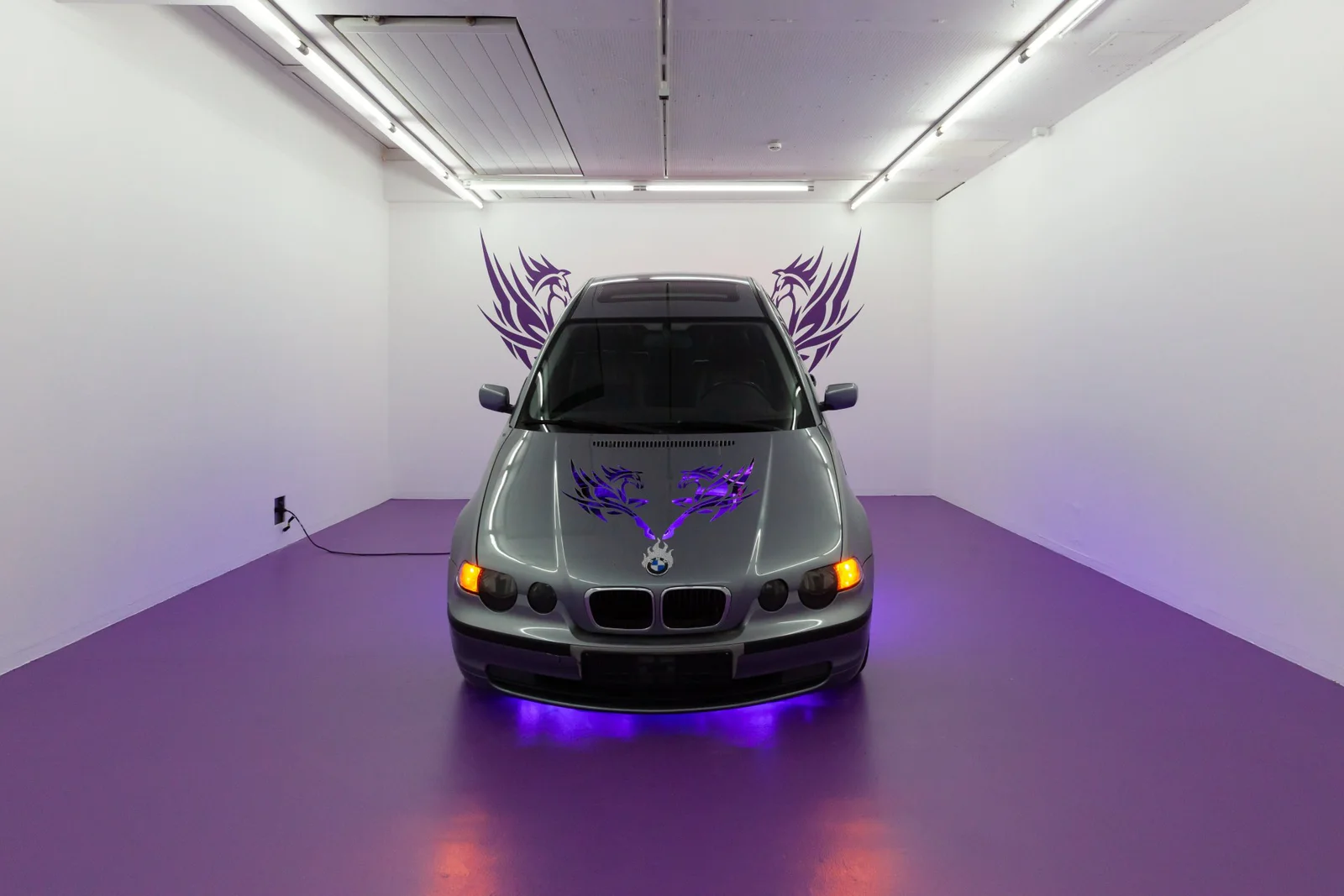
Münster / 2026
Vilnius / 2026
Warsaw / 2026
Avigliana / 2026
Brussels / 2026
Copenhagen / 2026
Paris / 2026
Angers / 2026
London / 2026
Kraków / 2026
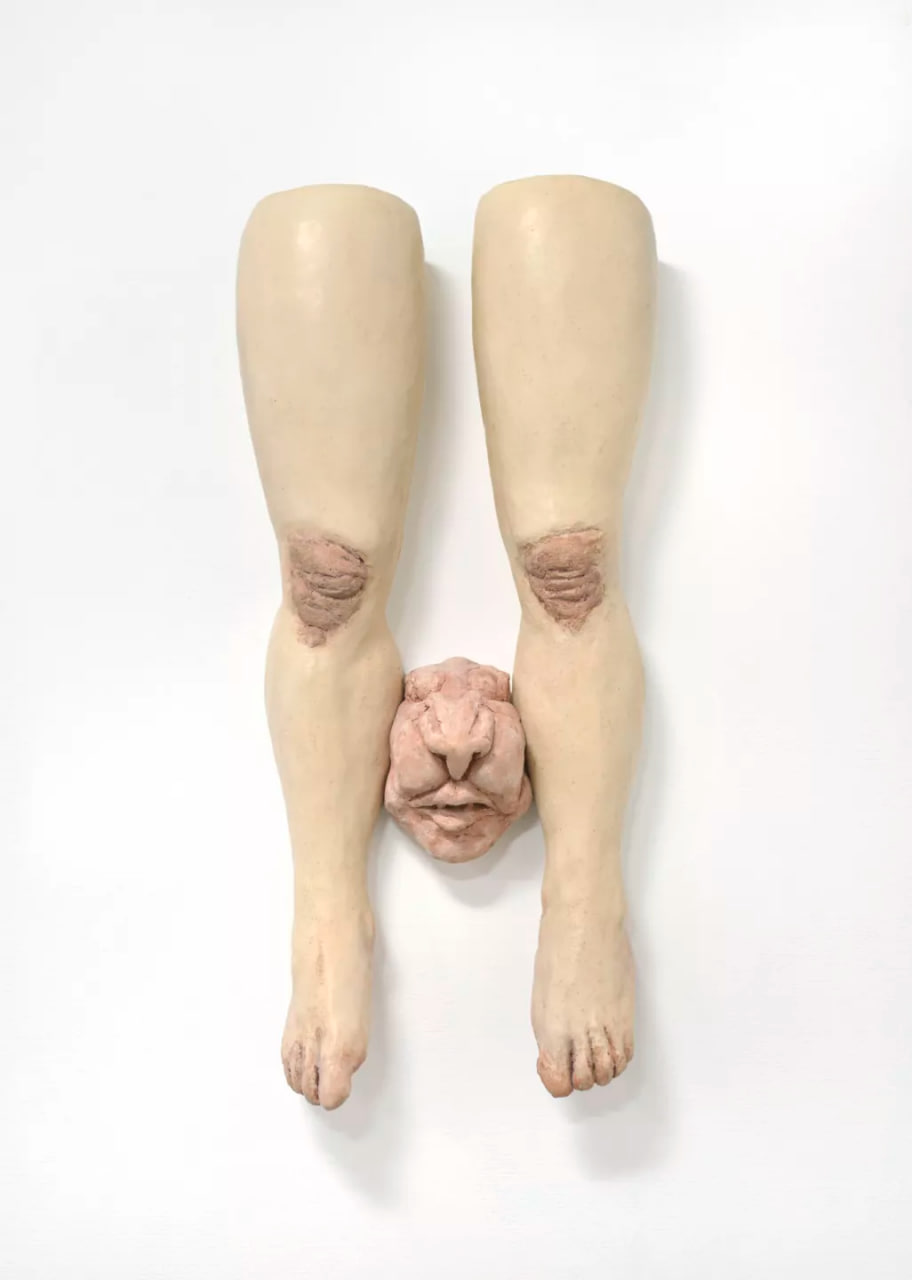
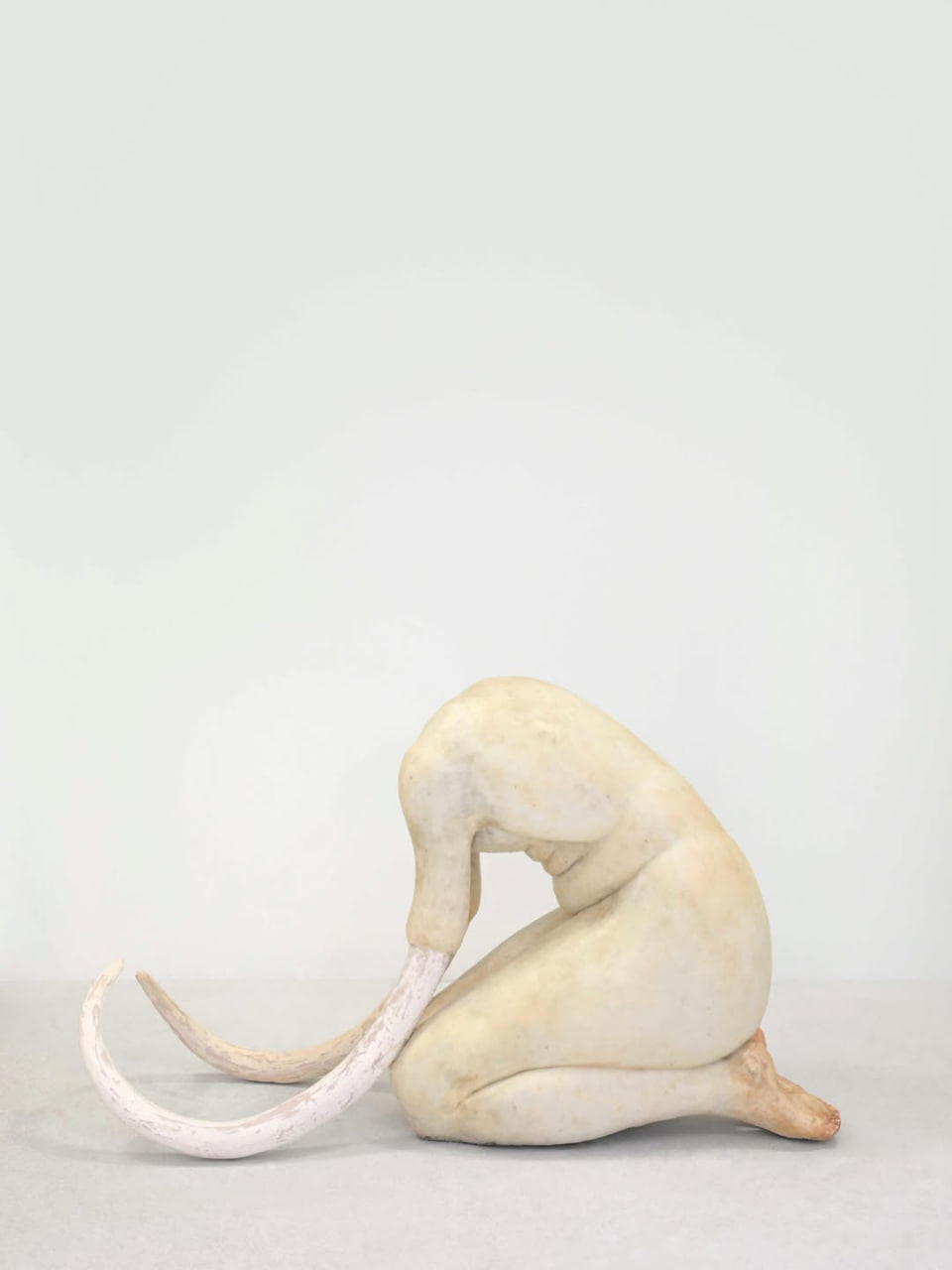
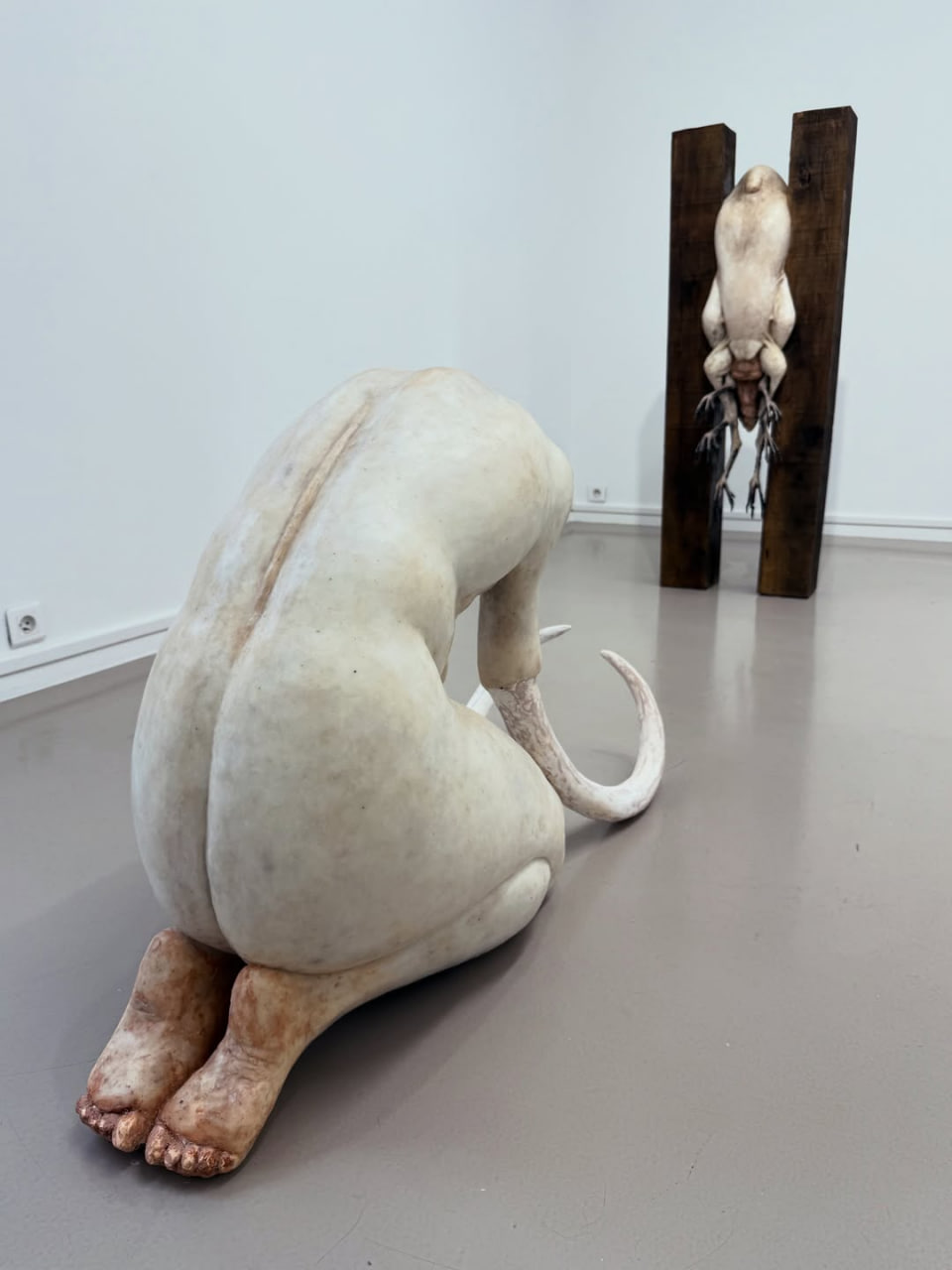
Paris / 2026
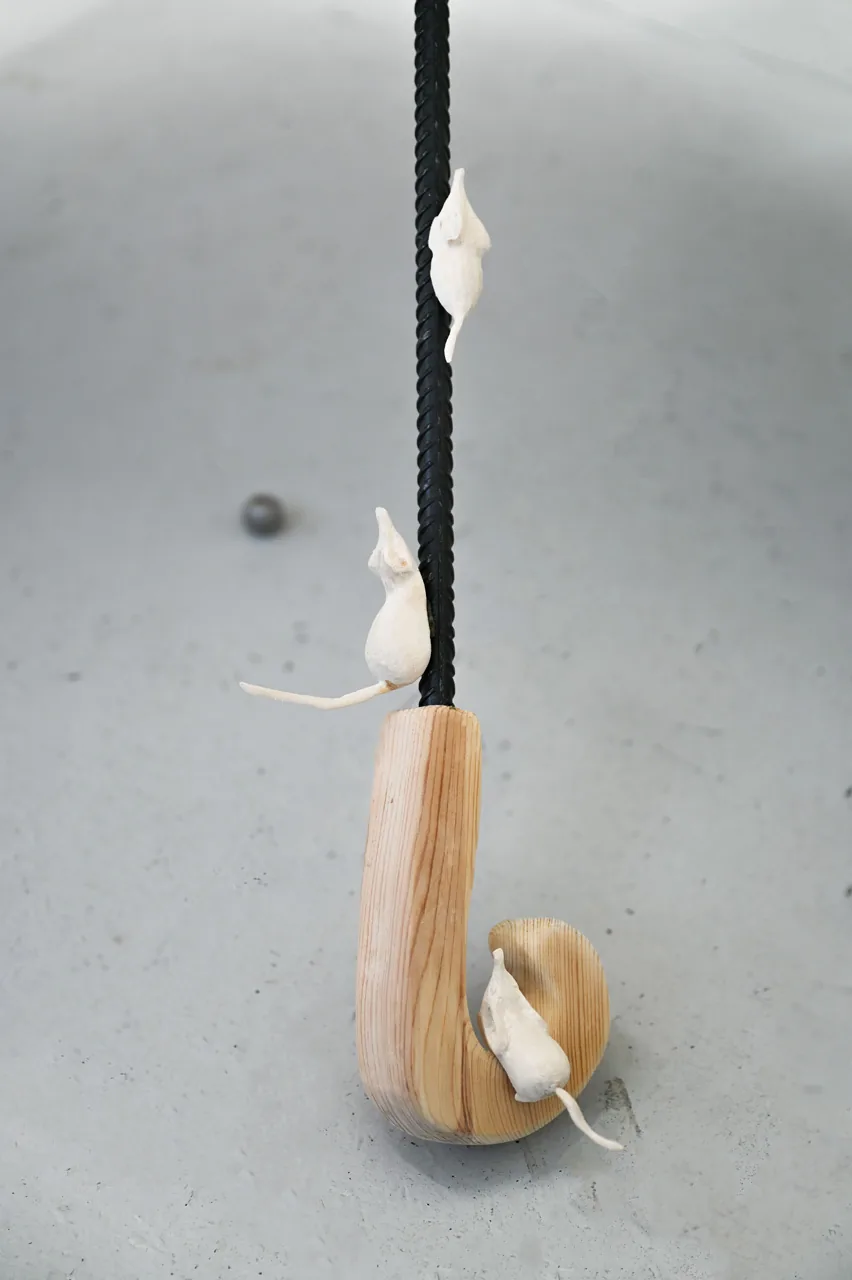
Poznań / 2026
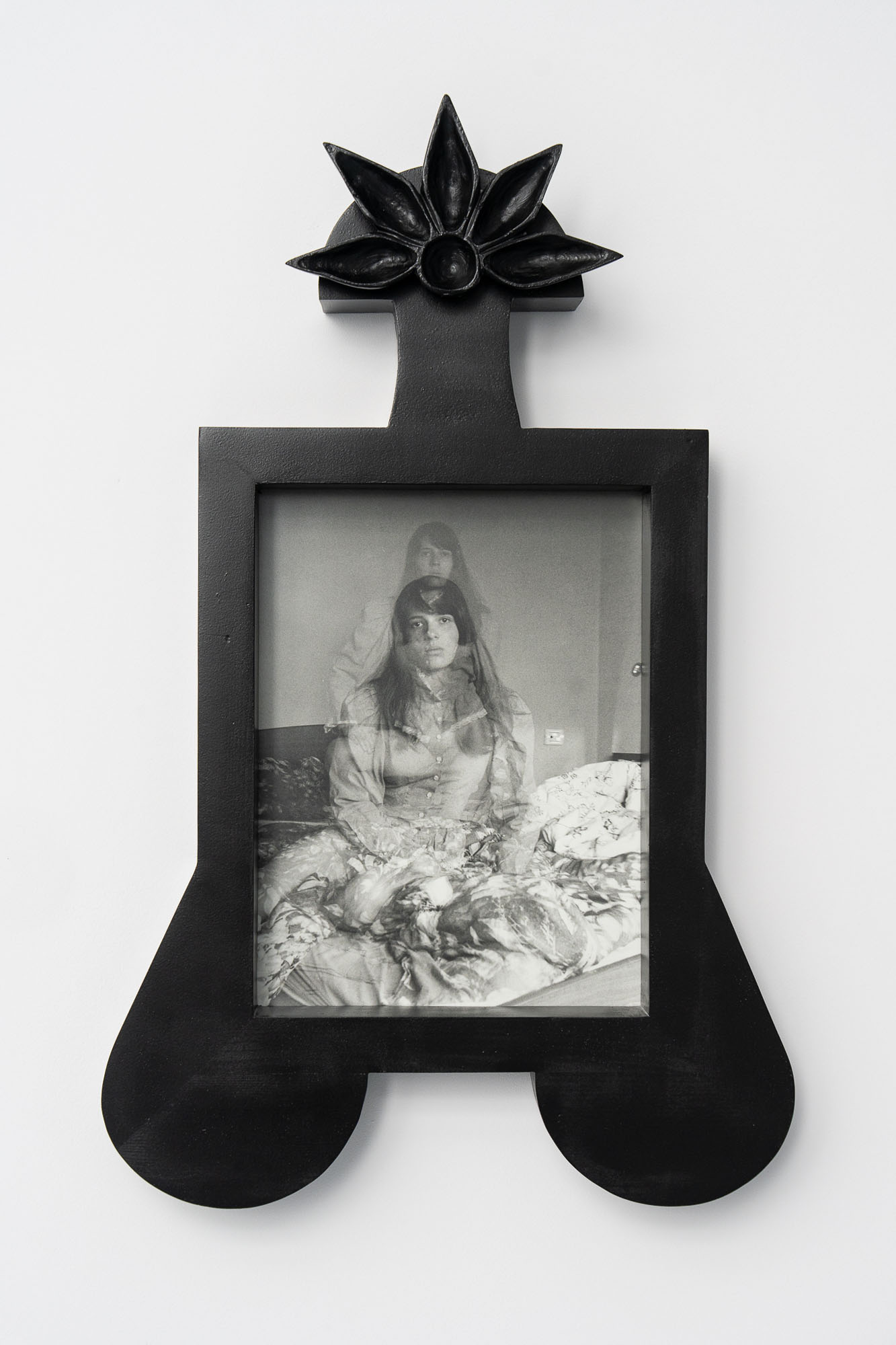
Bucharest / 2026
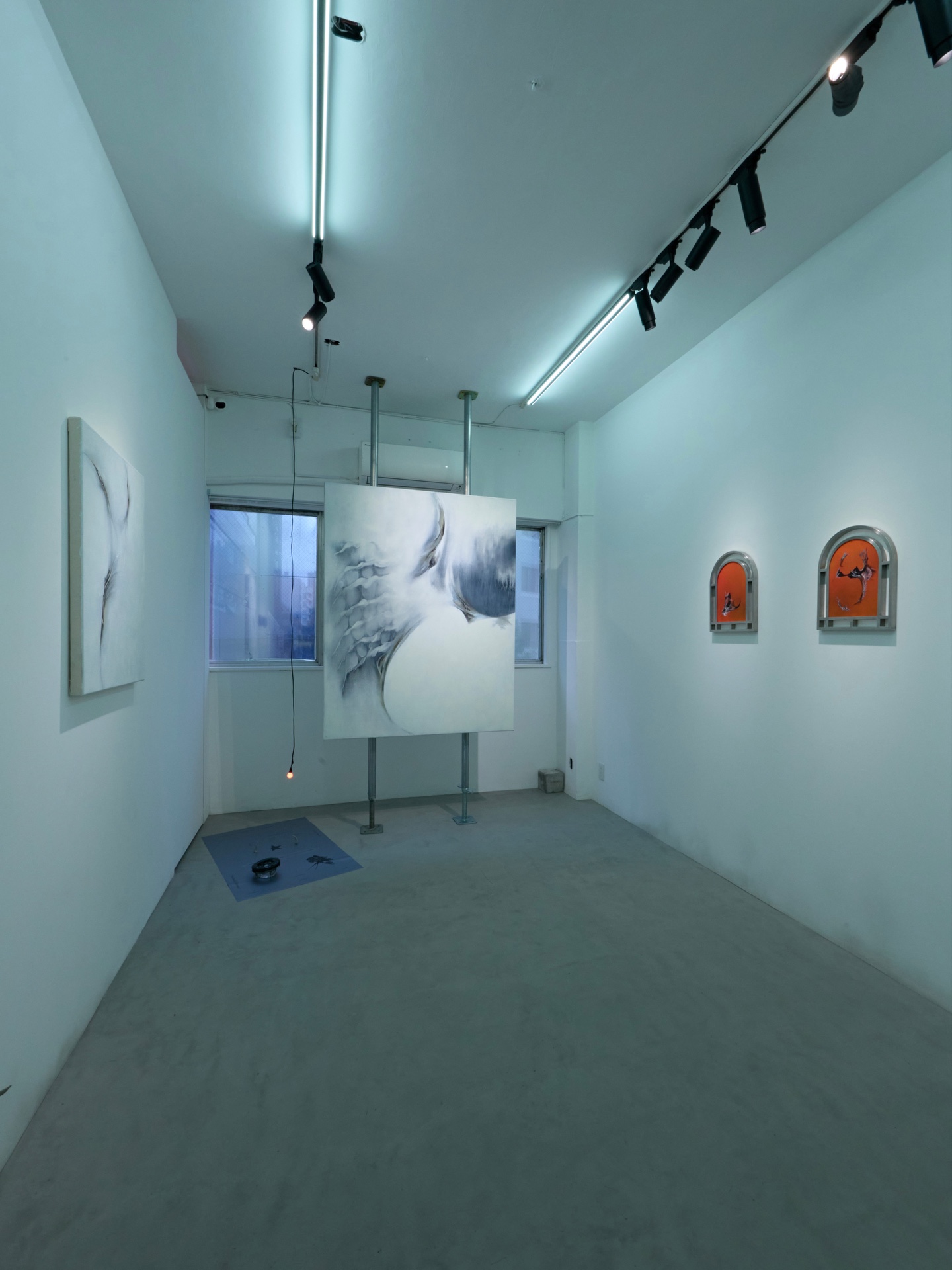
Tokyo / 2026
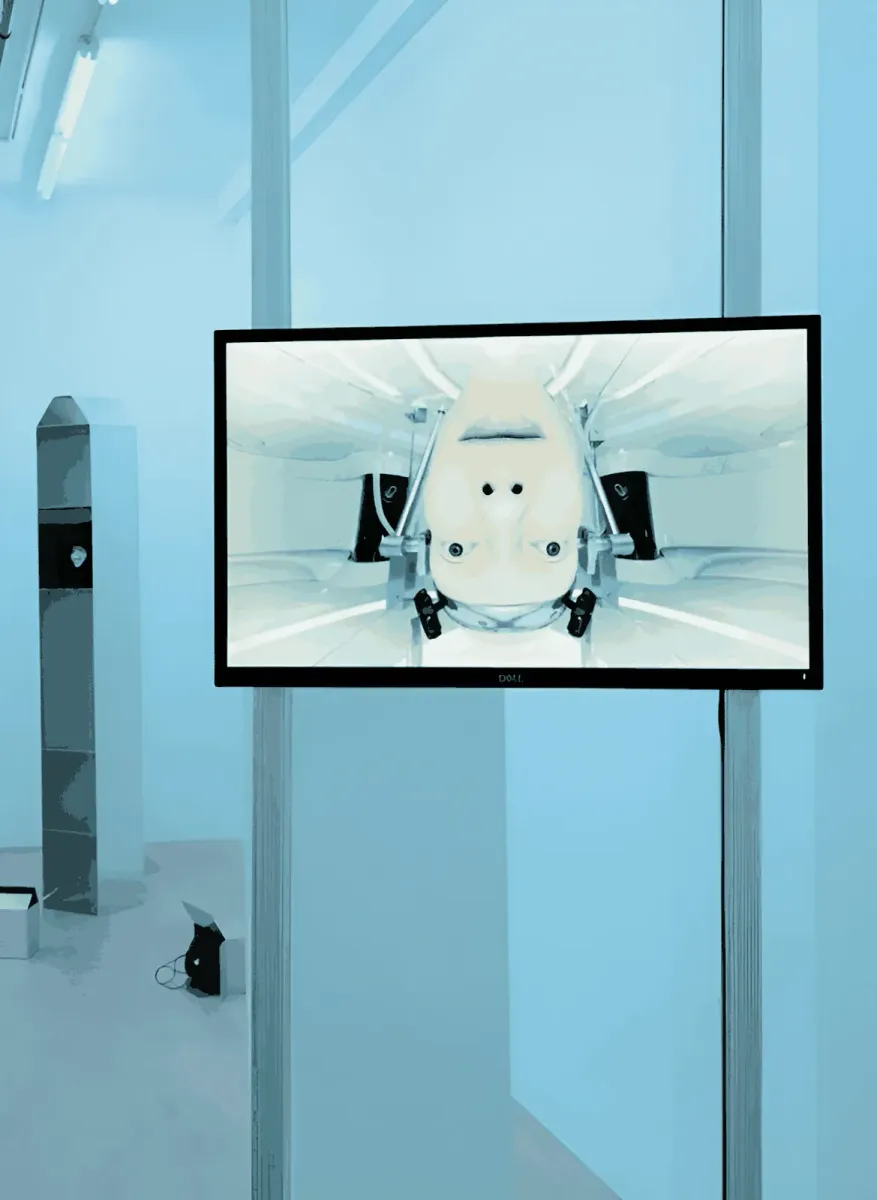
New York City (NY) / 2025
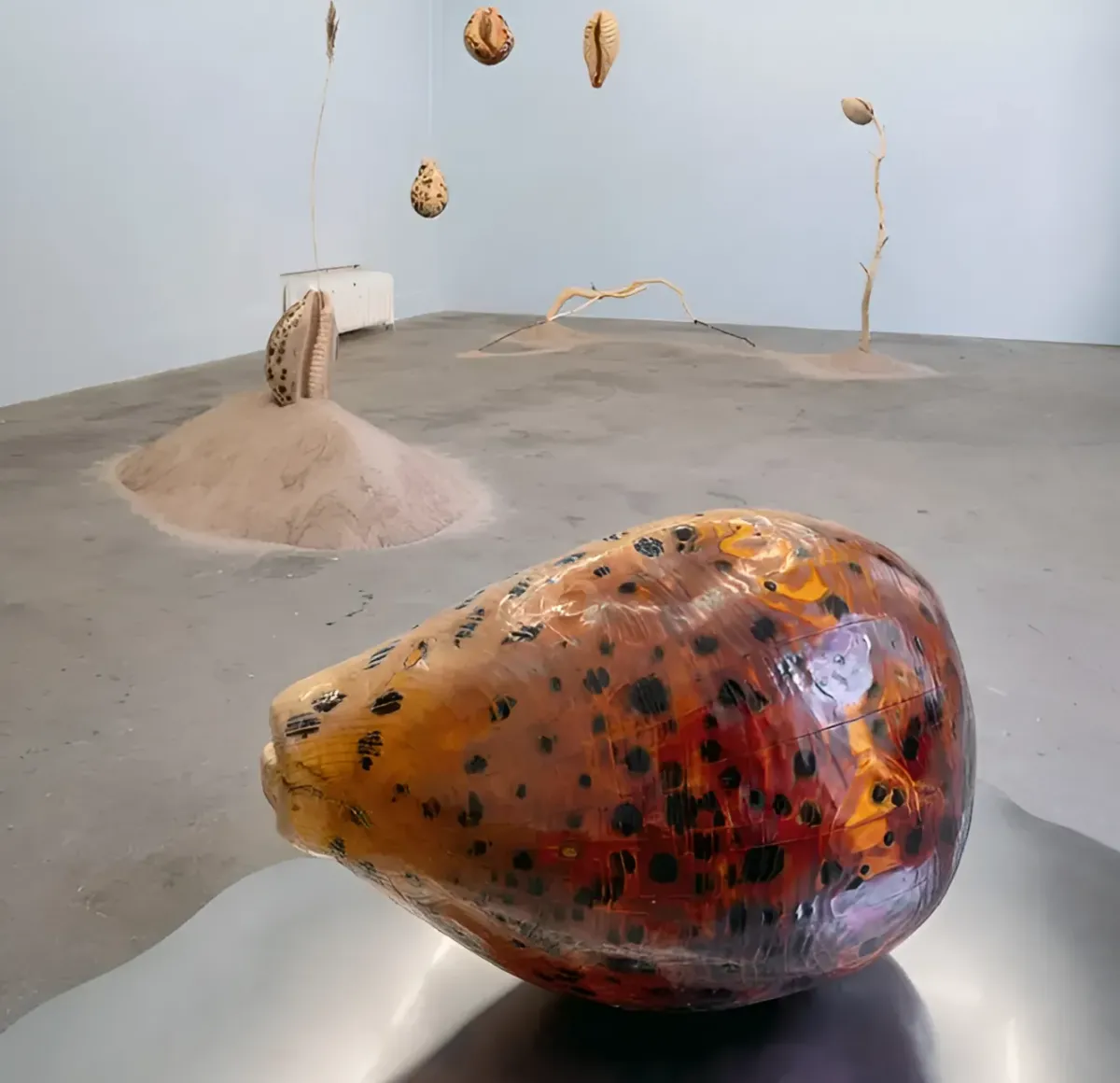
Göteborg / 2025
/ 2024
Lisboa / 2023
Budapest / 2024
Prague / 2024
/photo_1_2026-05-24_00-42-04.jpg)
Milan / 2025
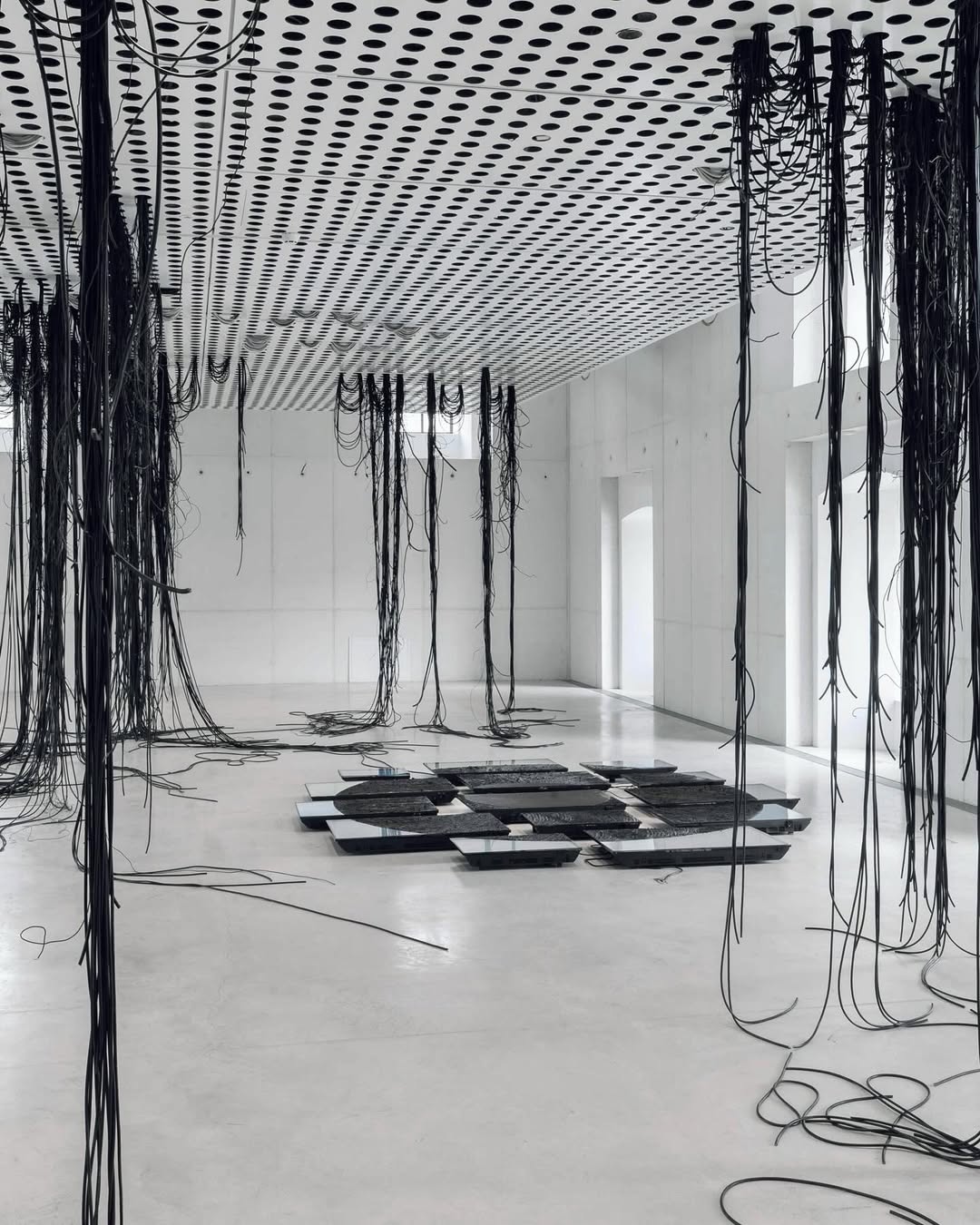
Ljubljana / 2025
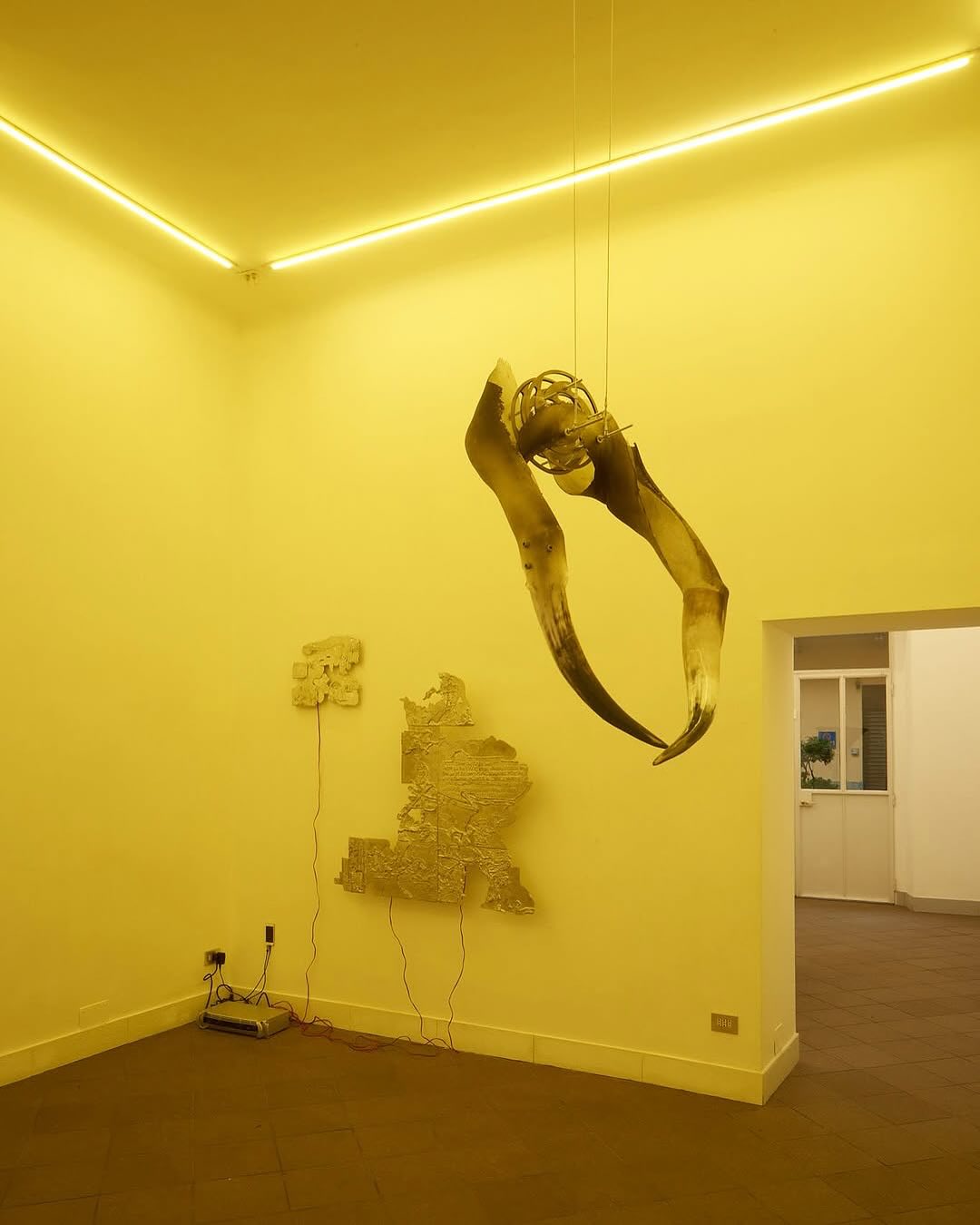
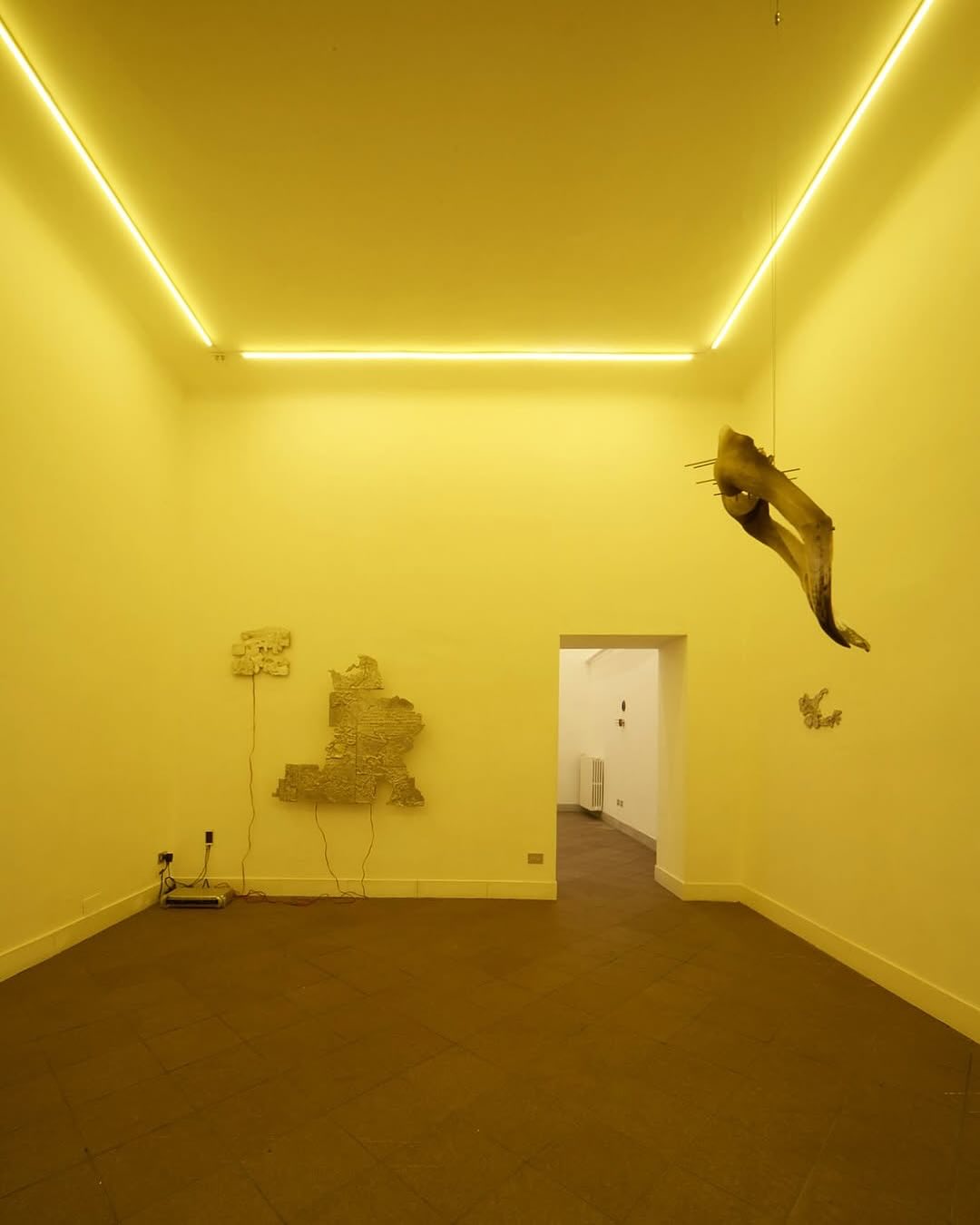
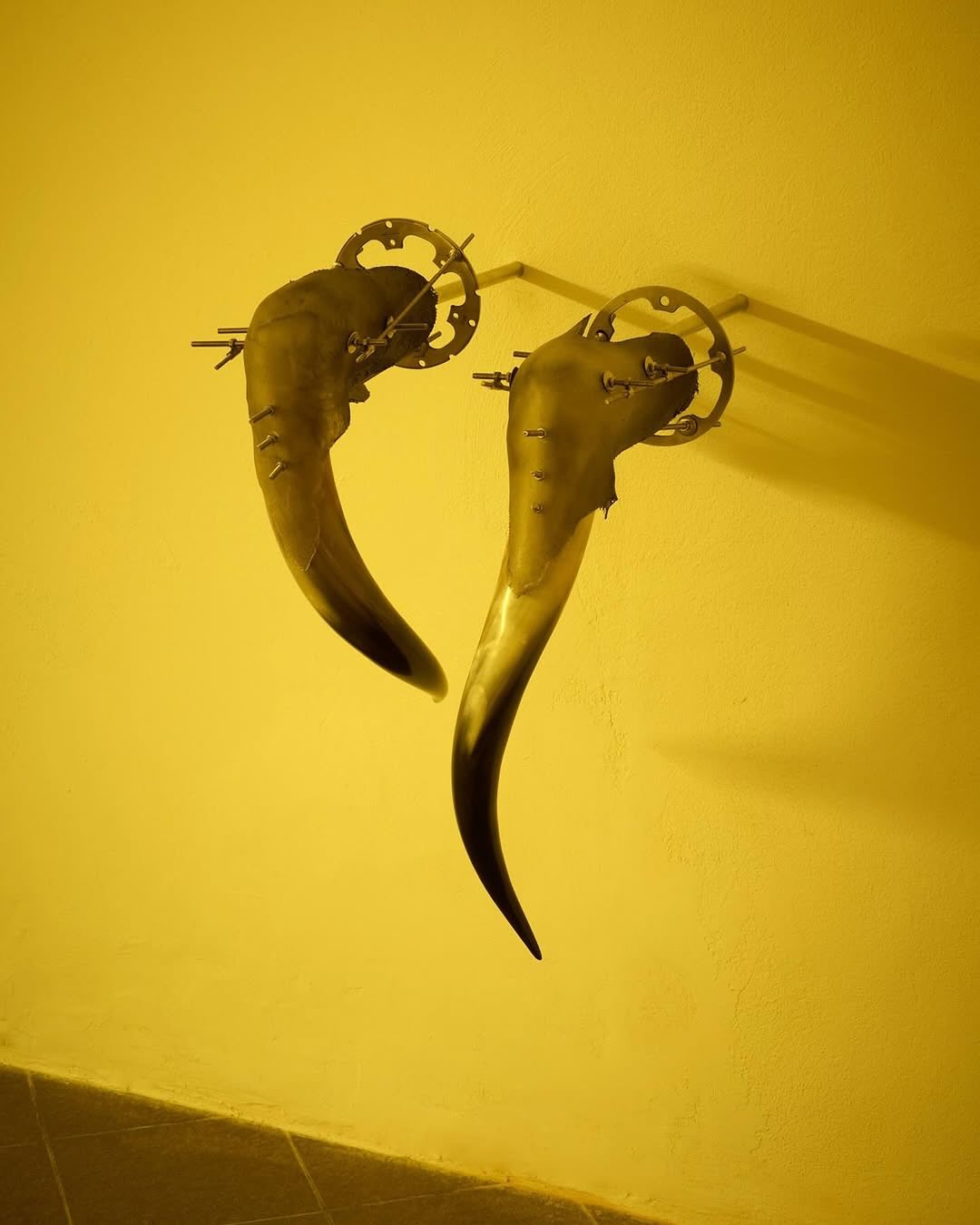
Milan / 2025
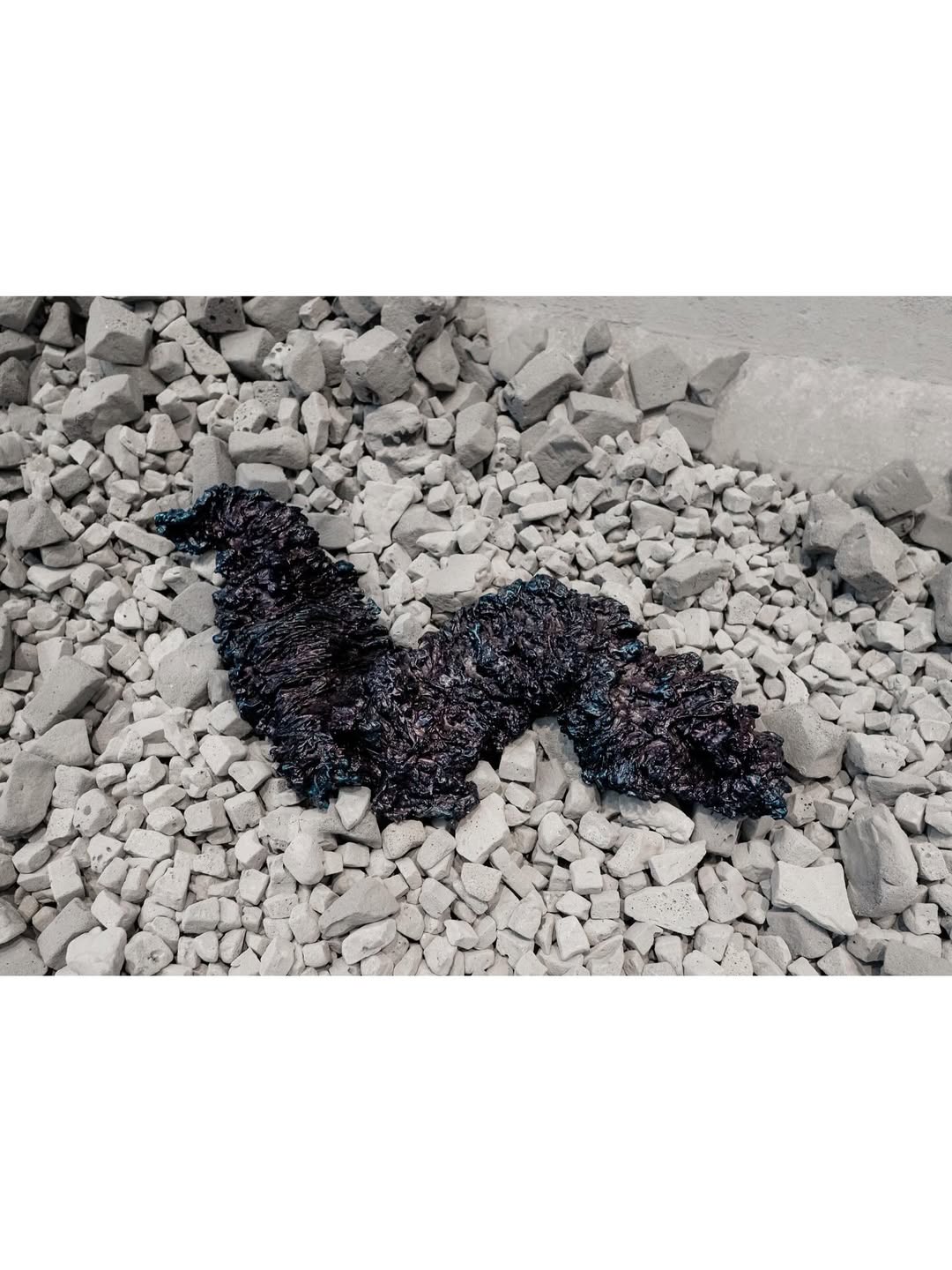
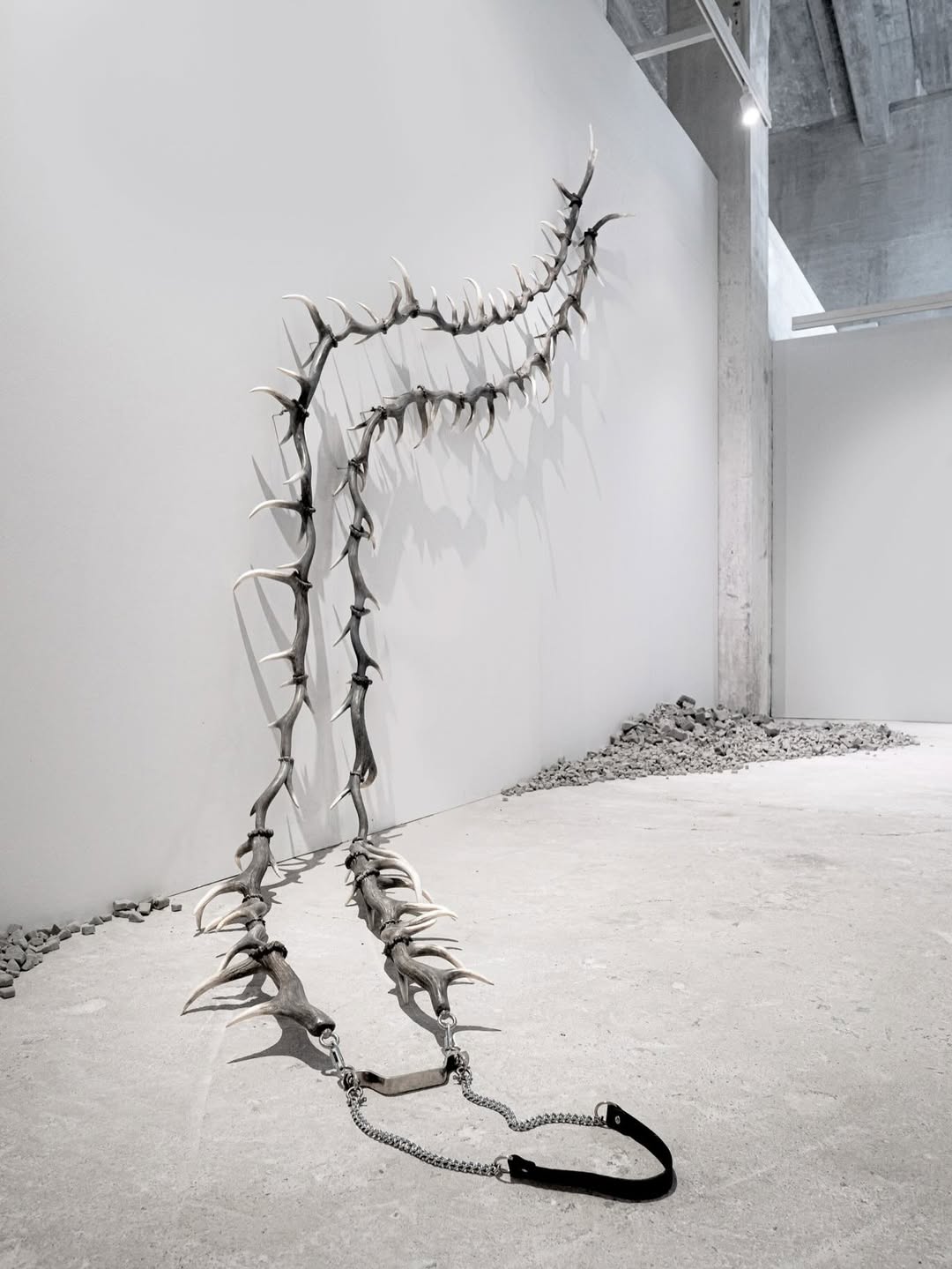
/ 2025
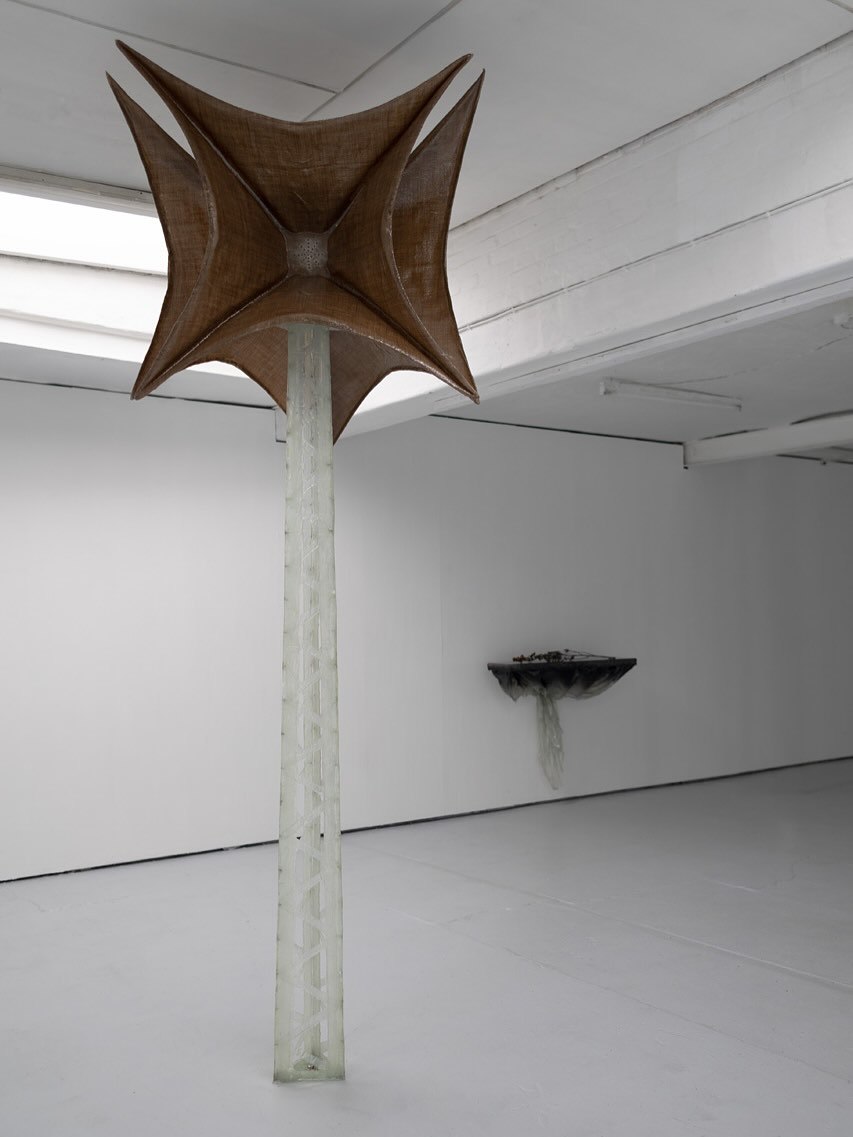
Århus / 2025
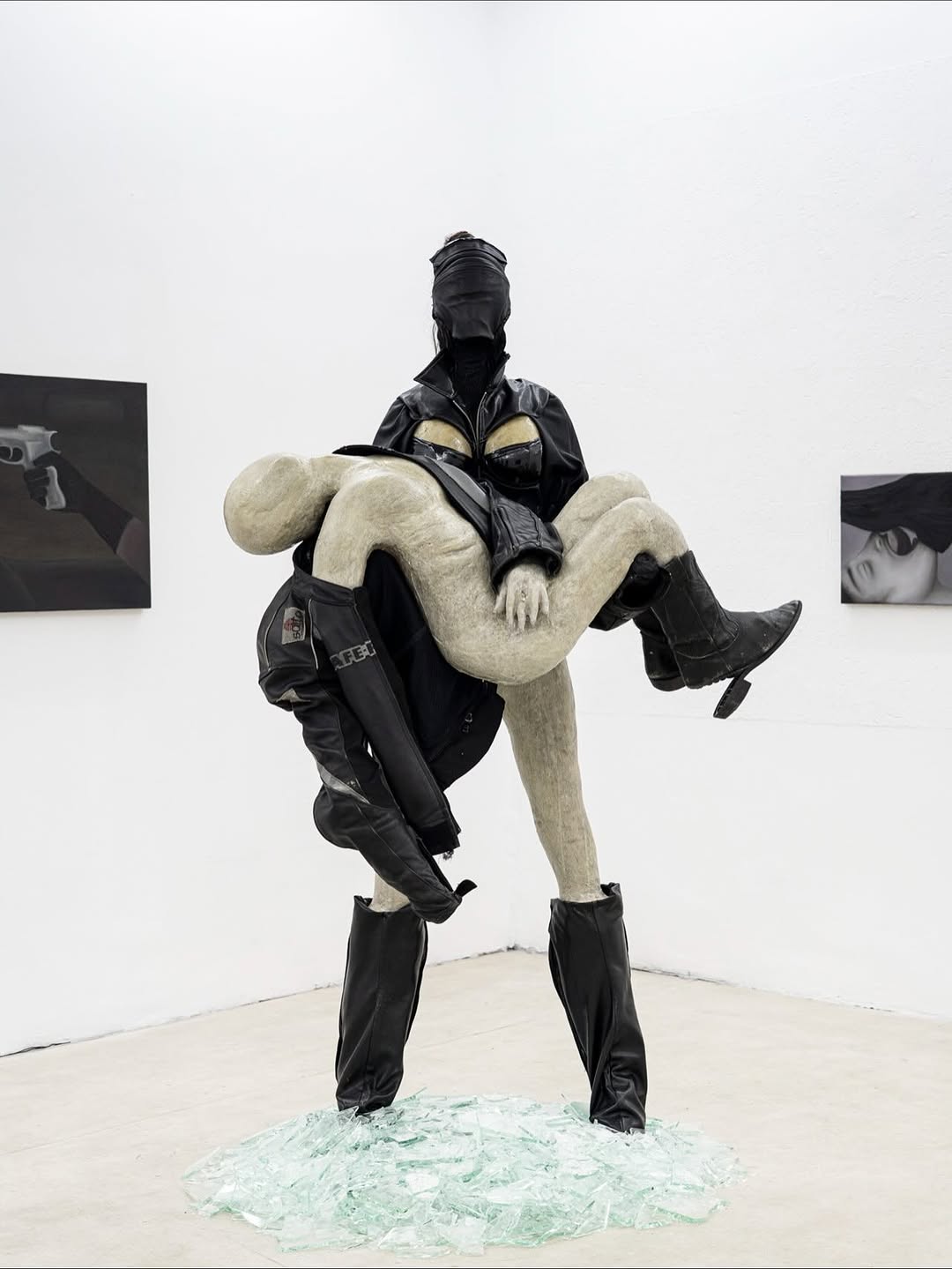
Kraków / 2025
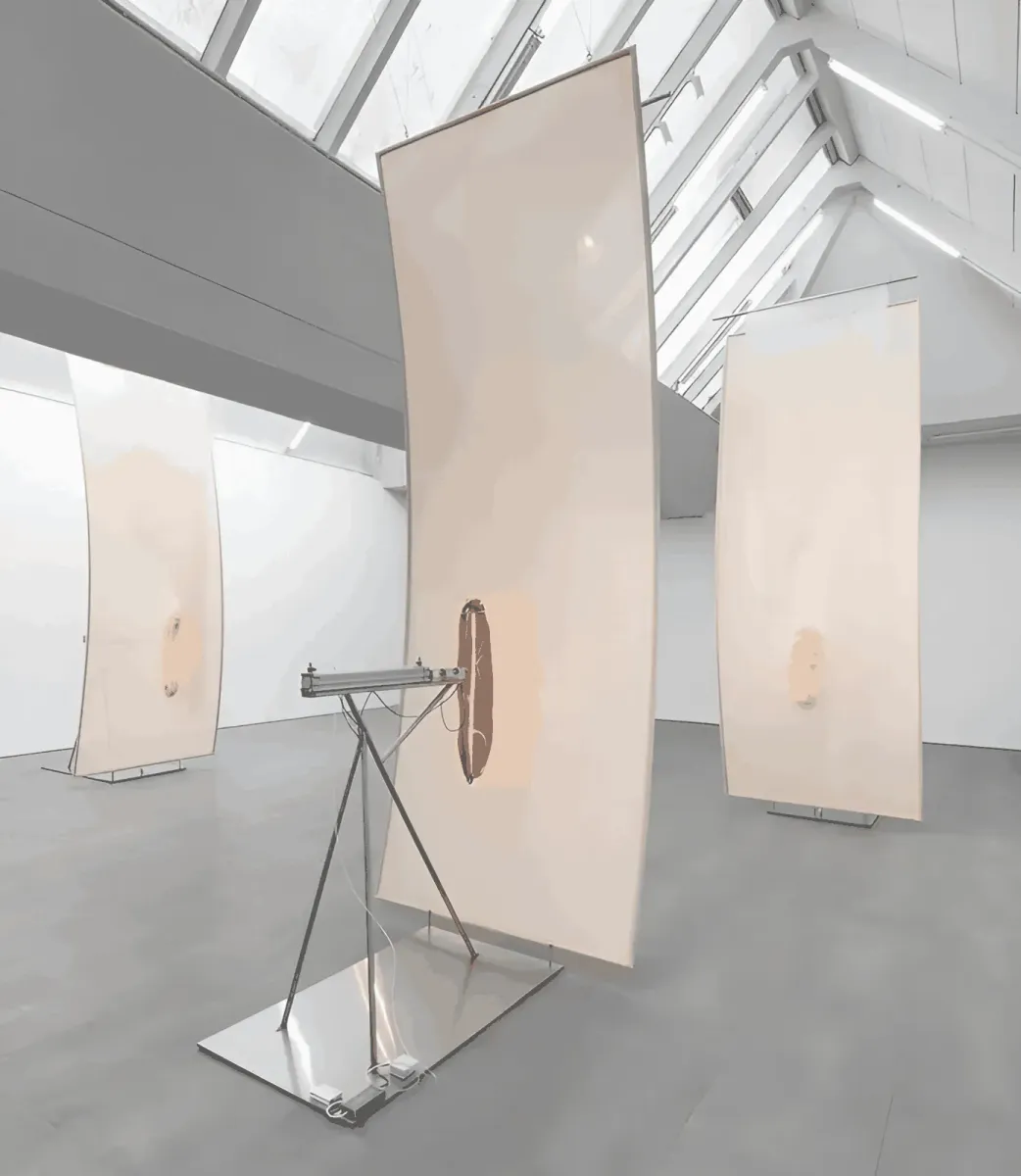
Berlin / 2025
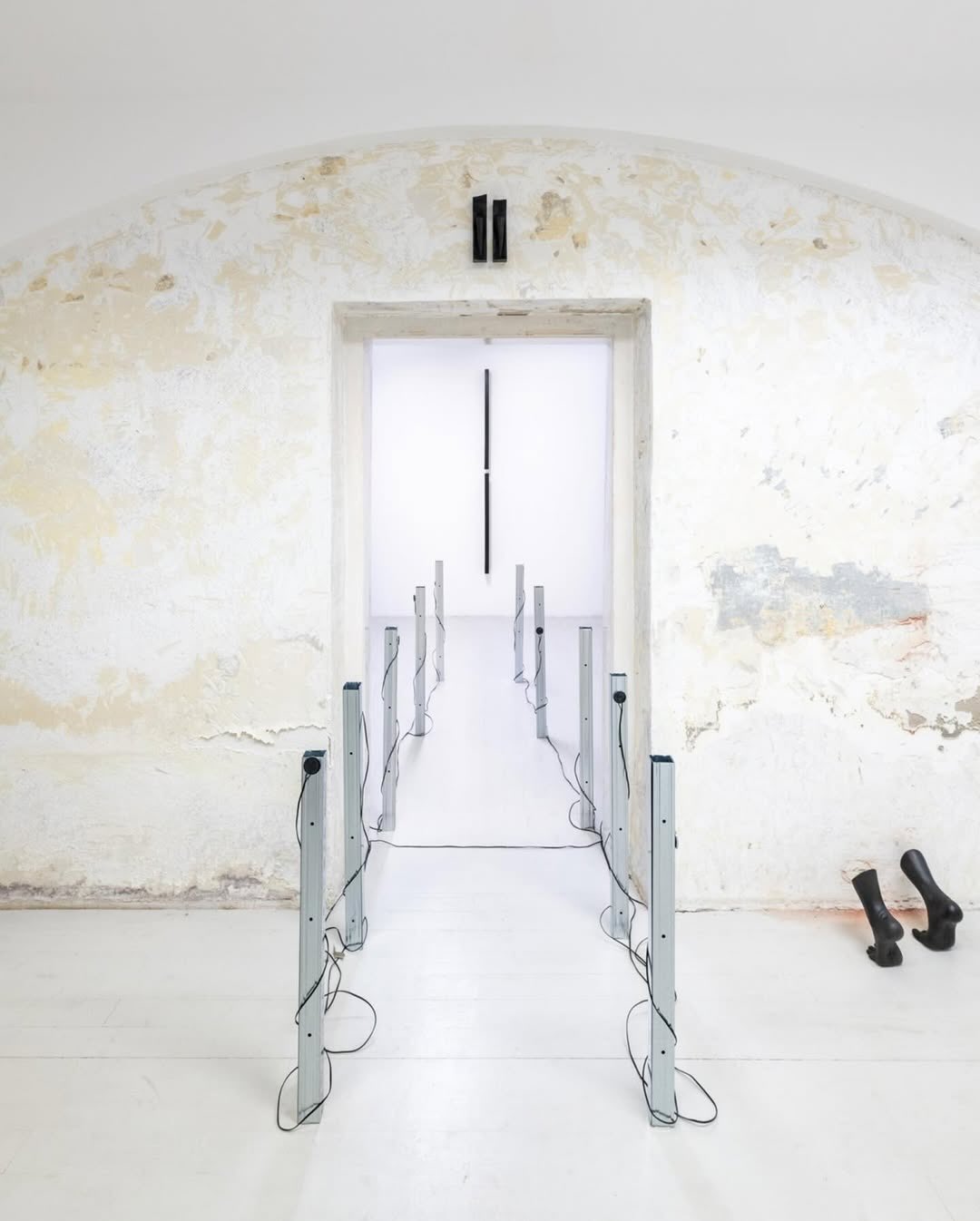
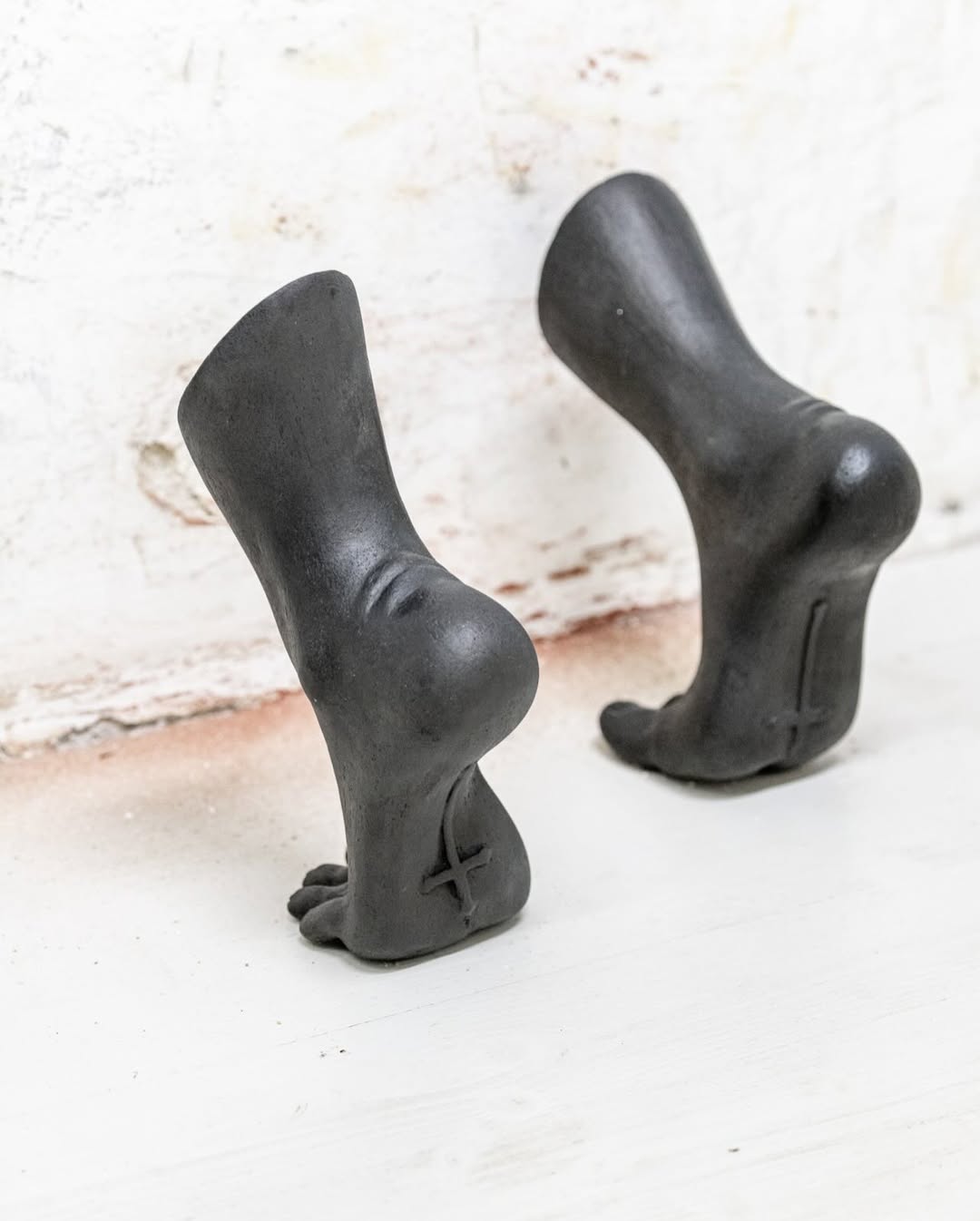
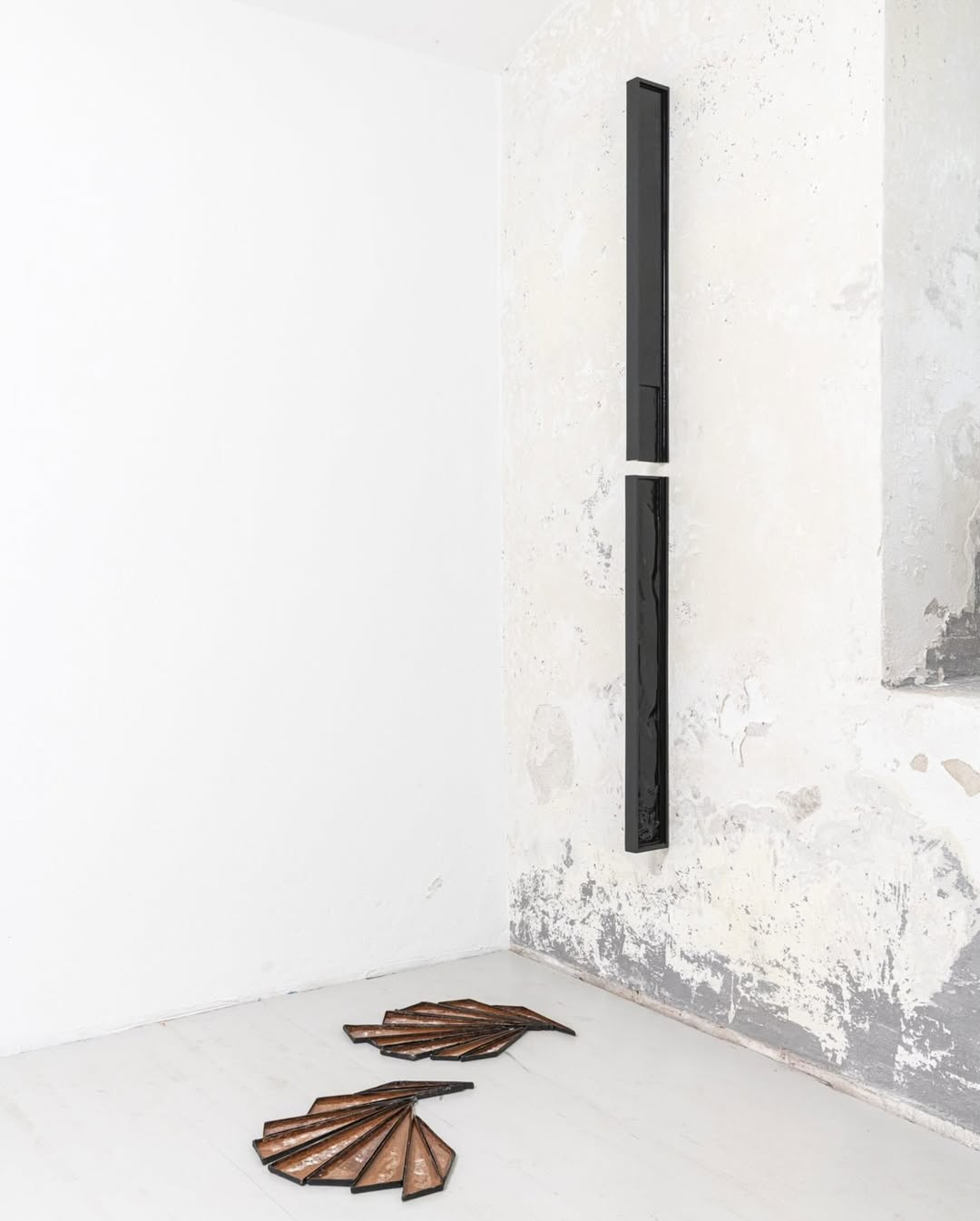
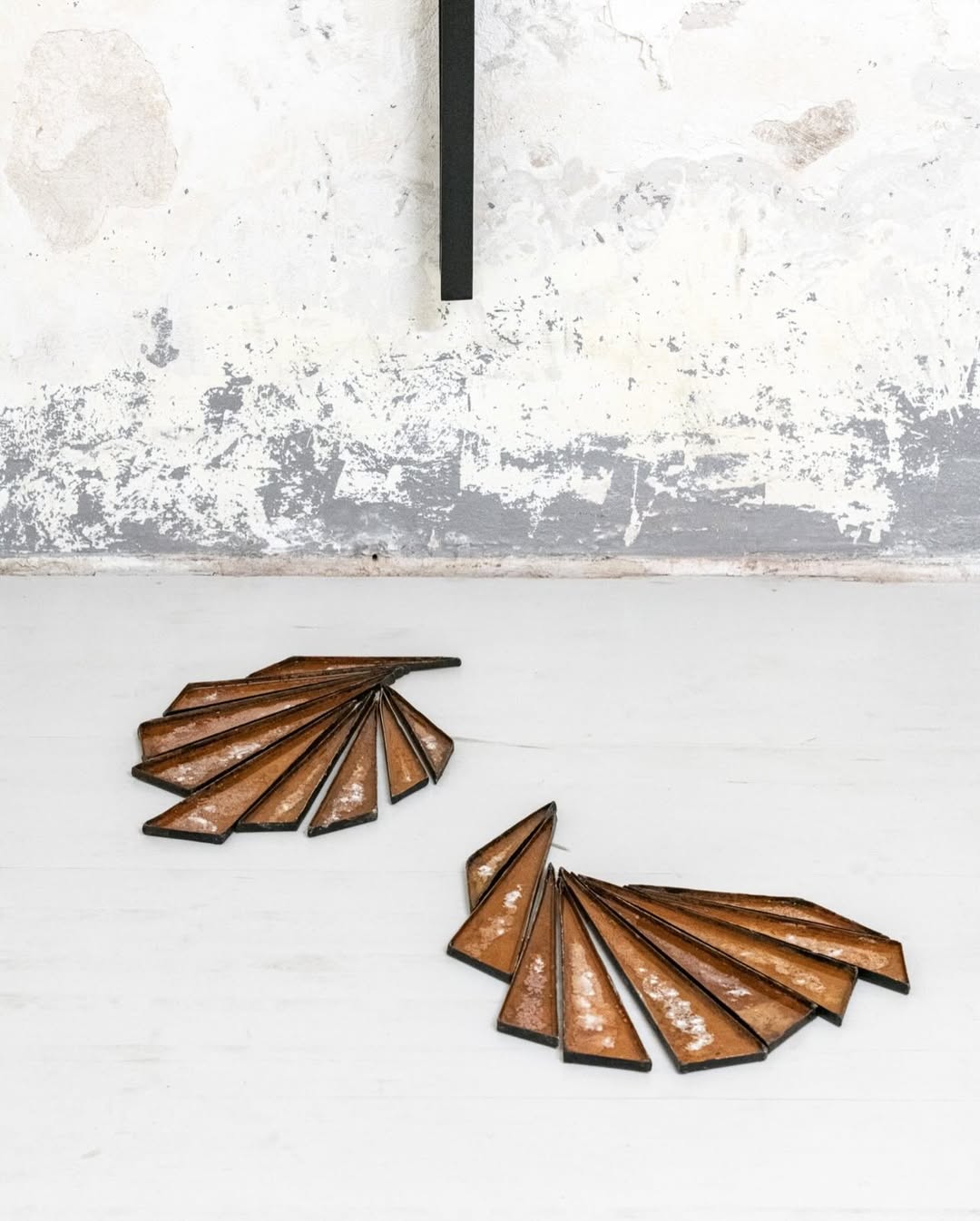
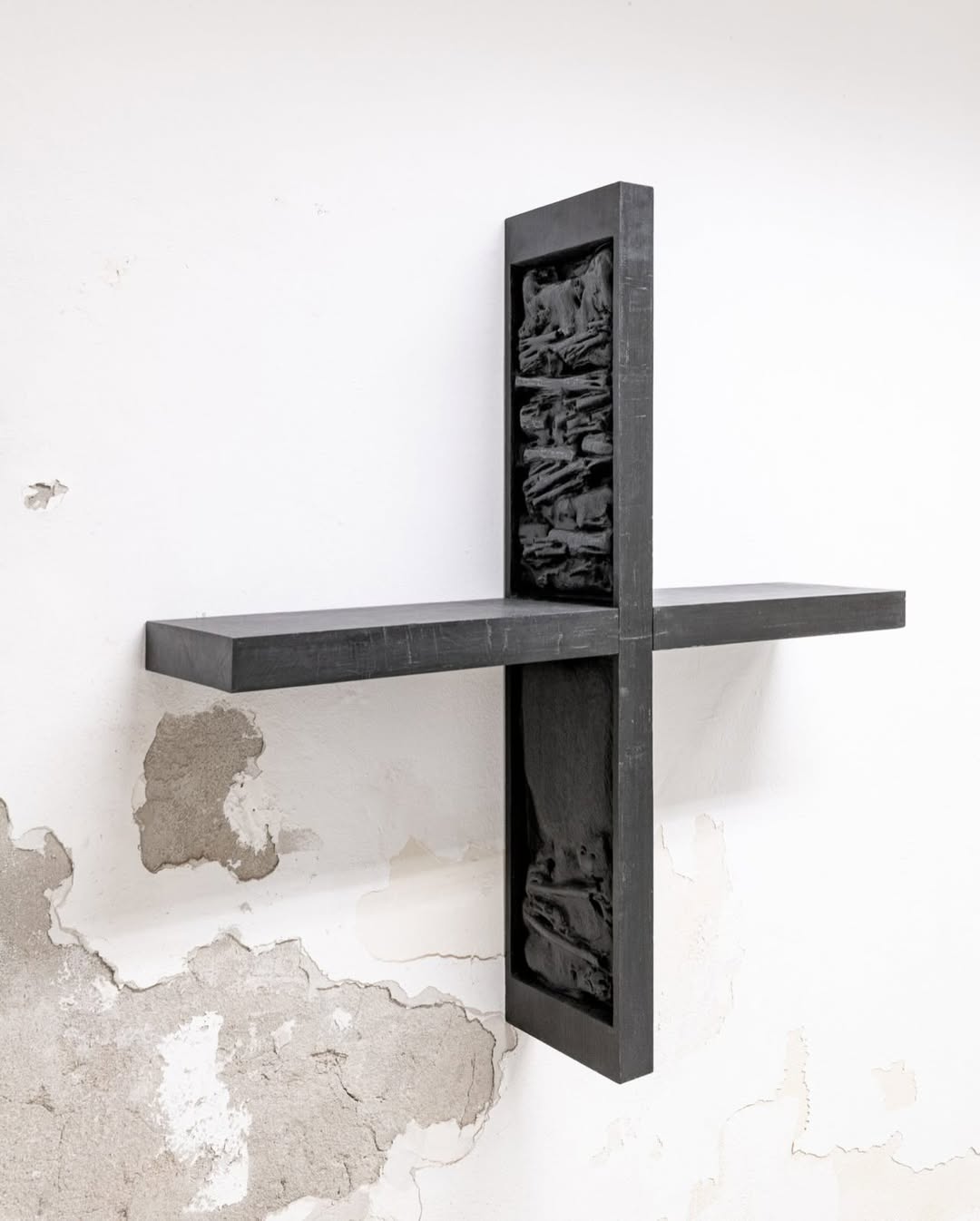
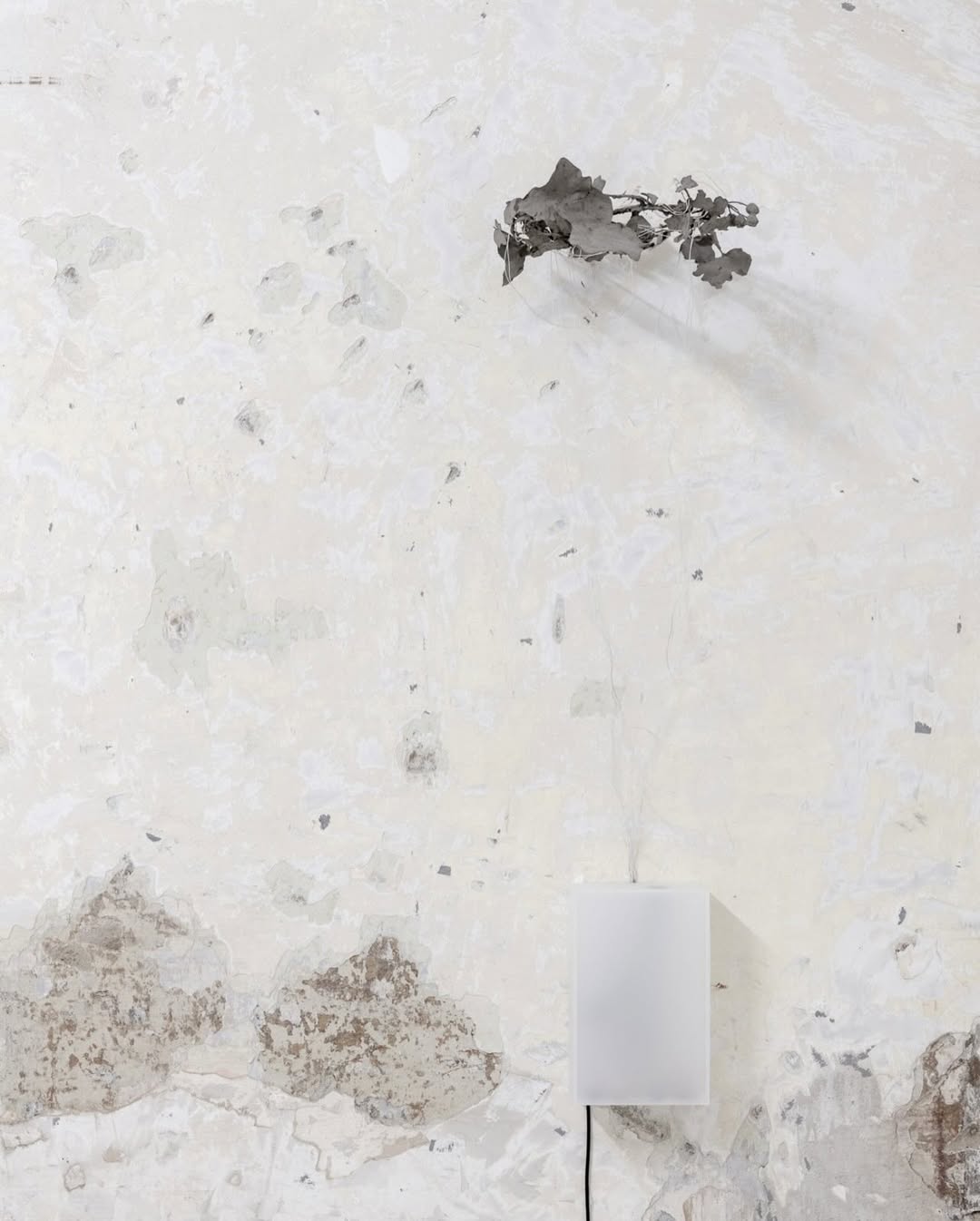
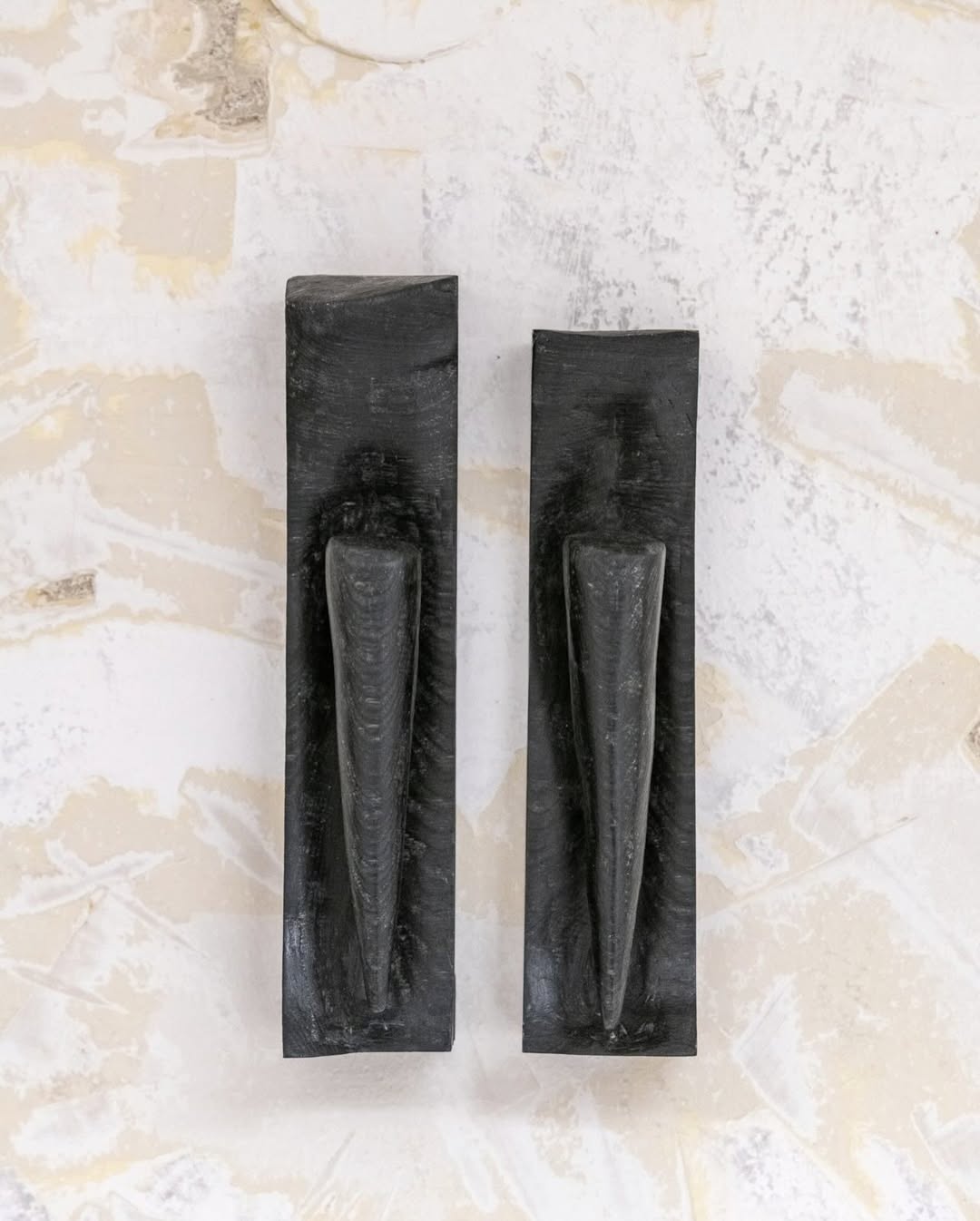
Graz / 2026
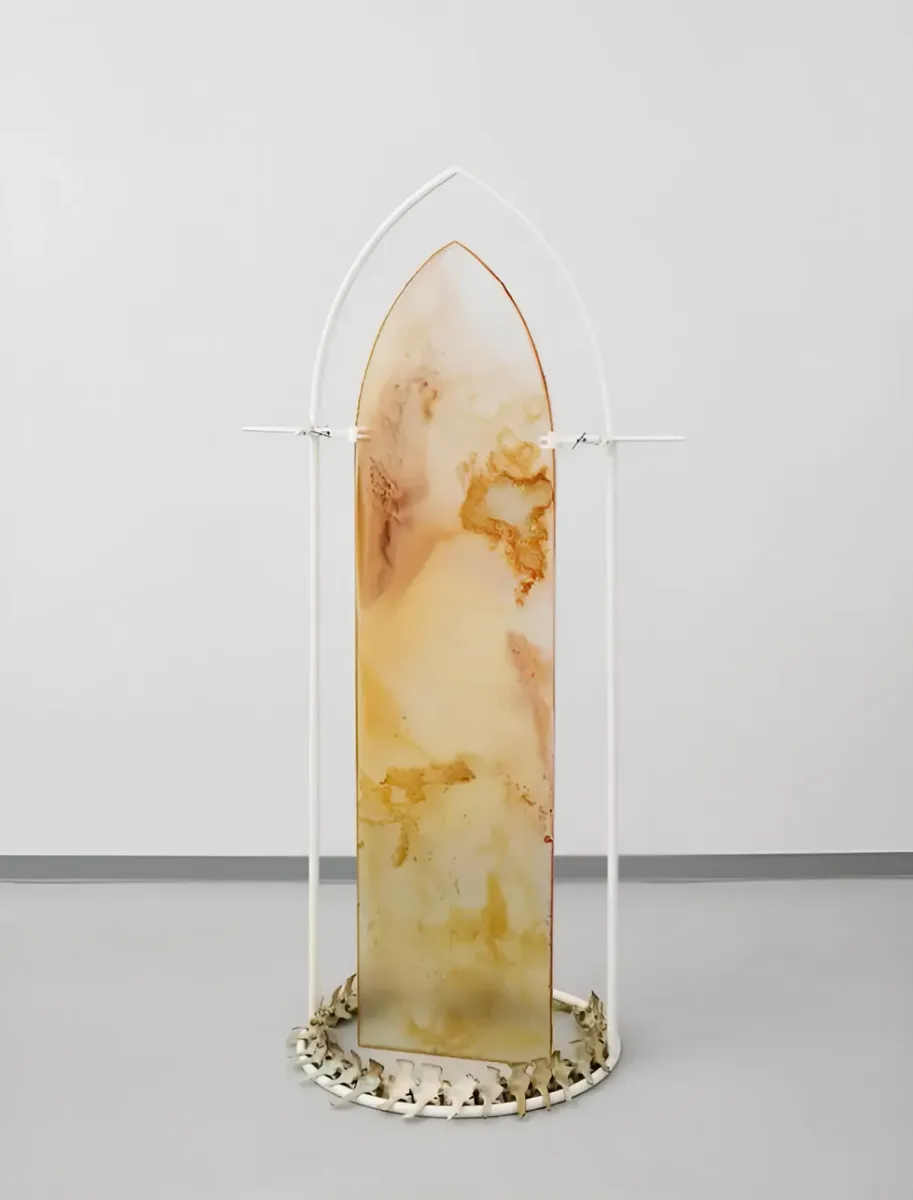
Leipzig / 2026
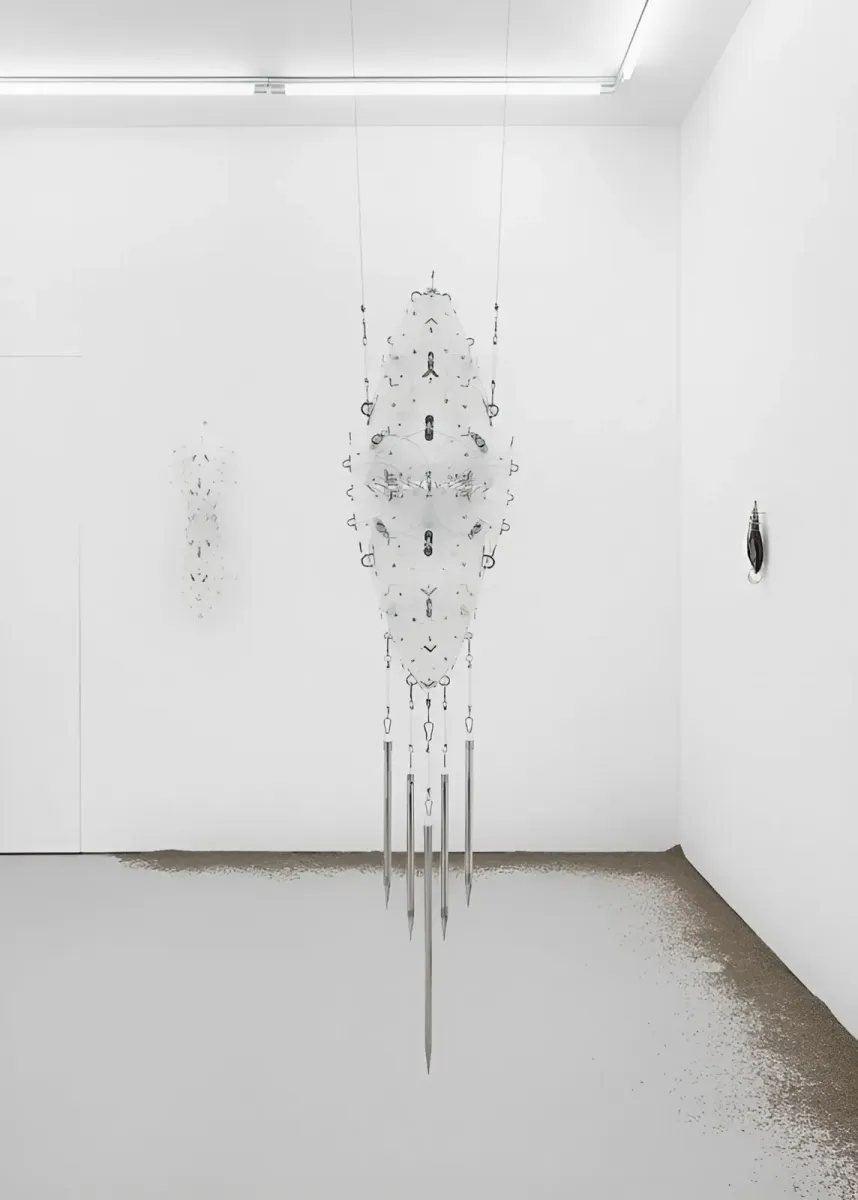
London / 2026
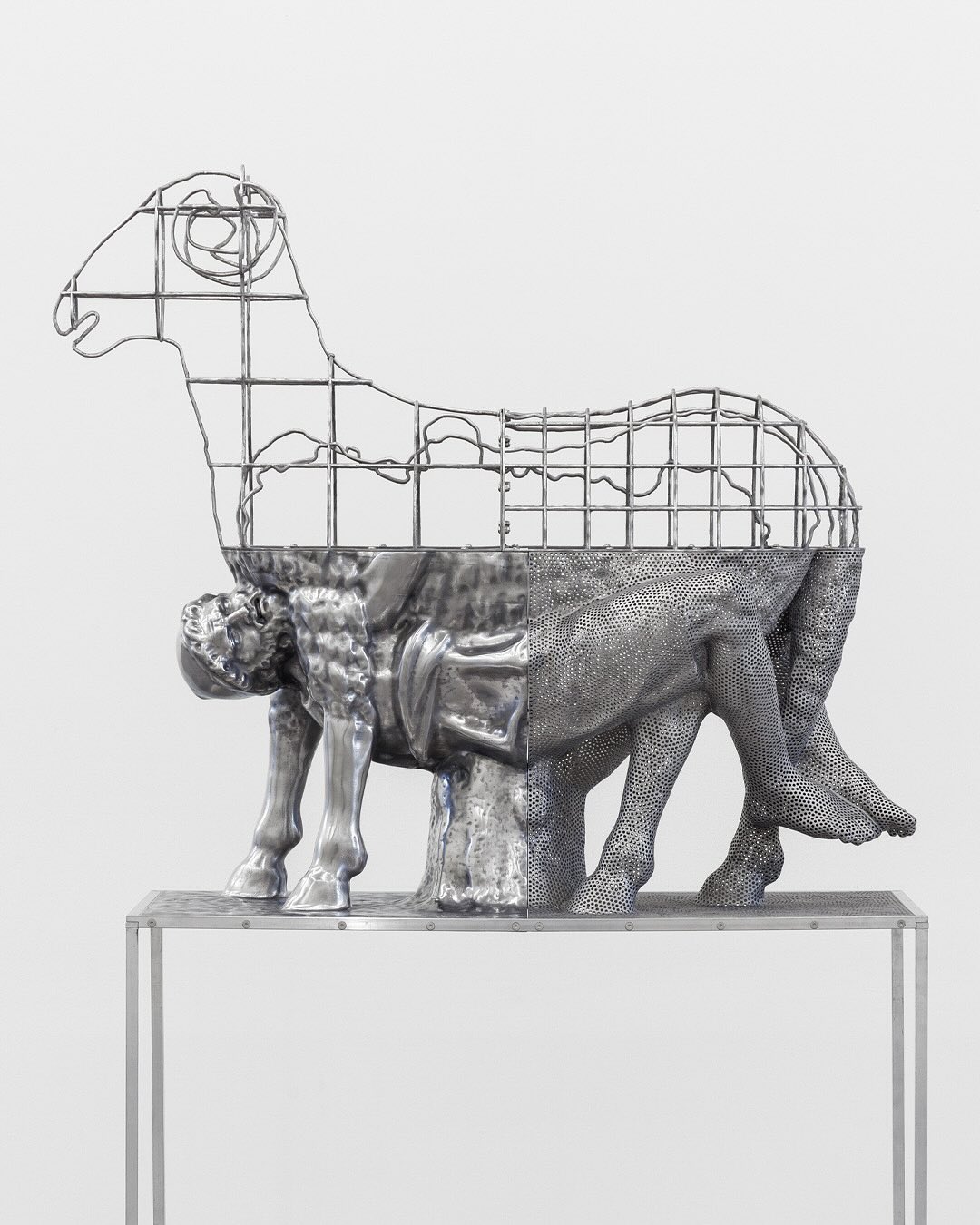
Vorarlberg / 2026
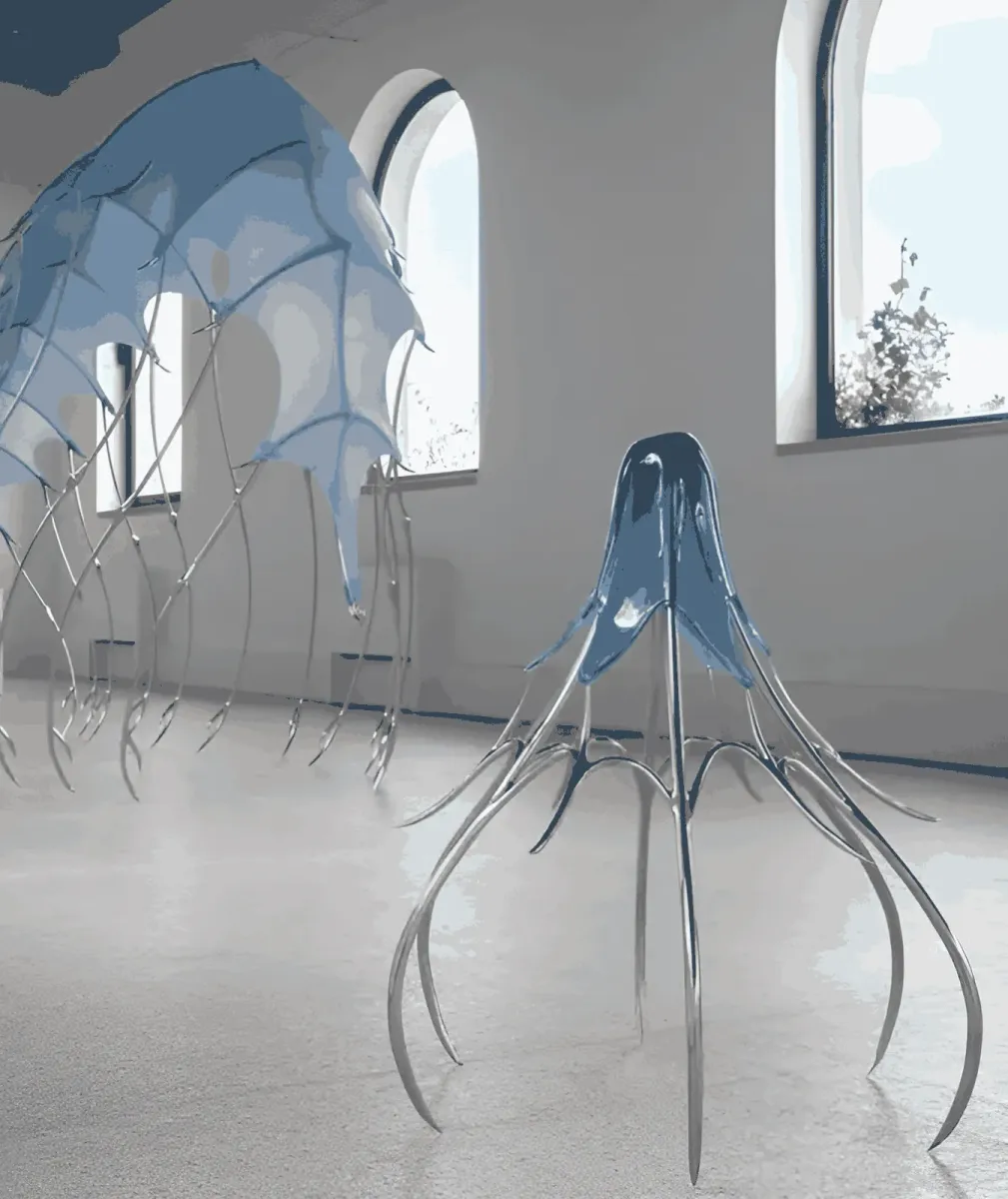
Sardinia / 2026
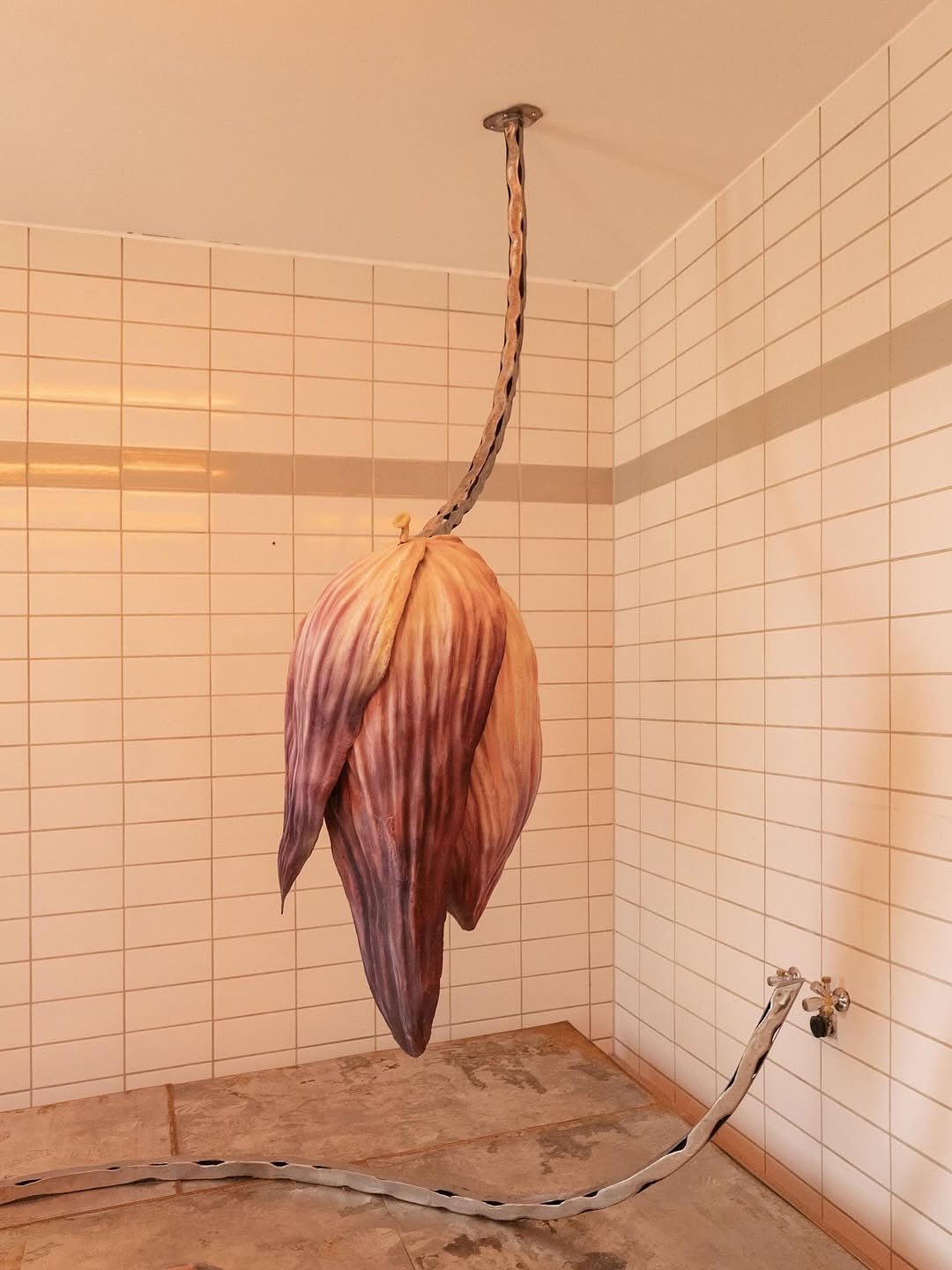
/ 2025
.webp)
Seoul / 2025
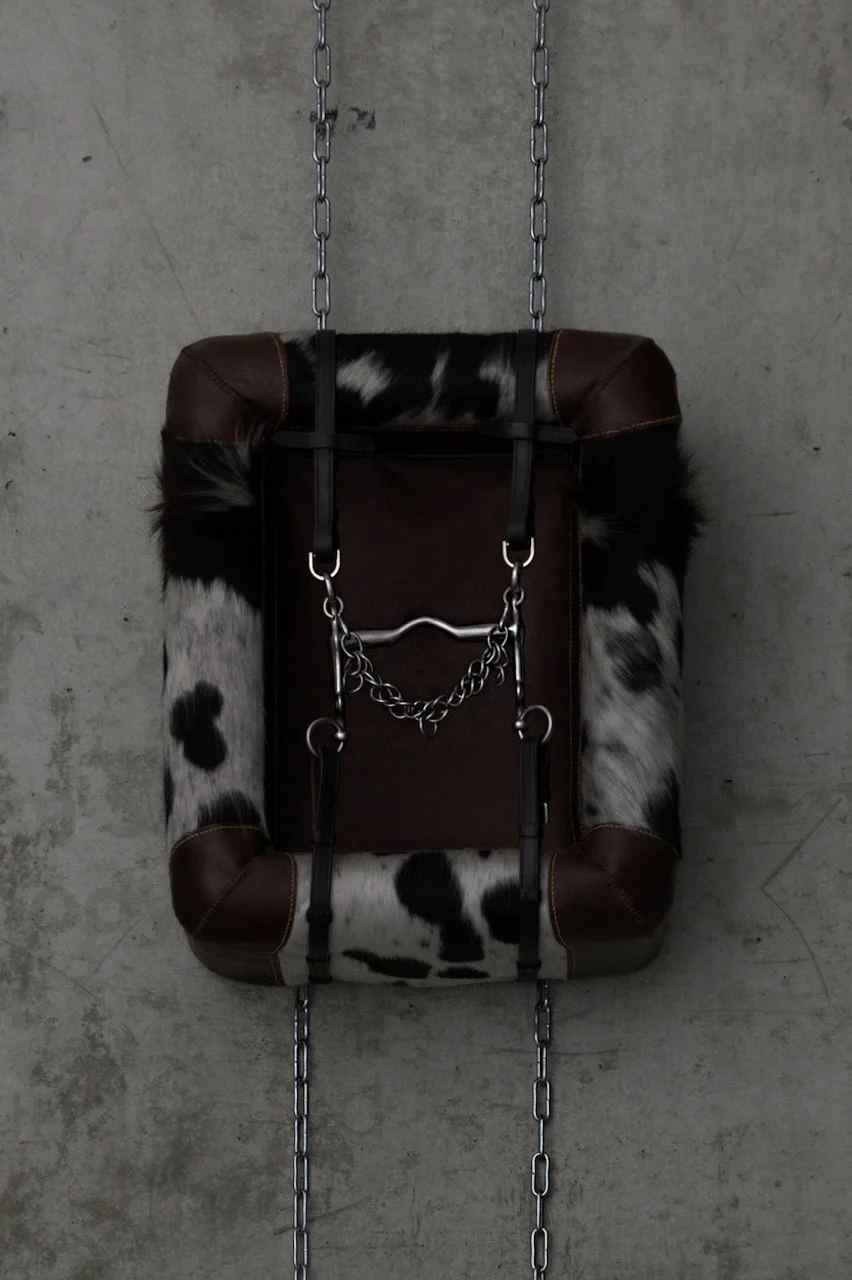
Berlin / 2026
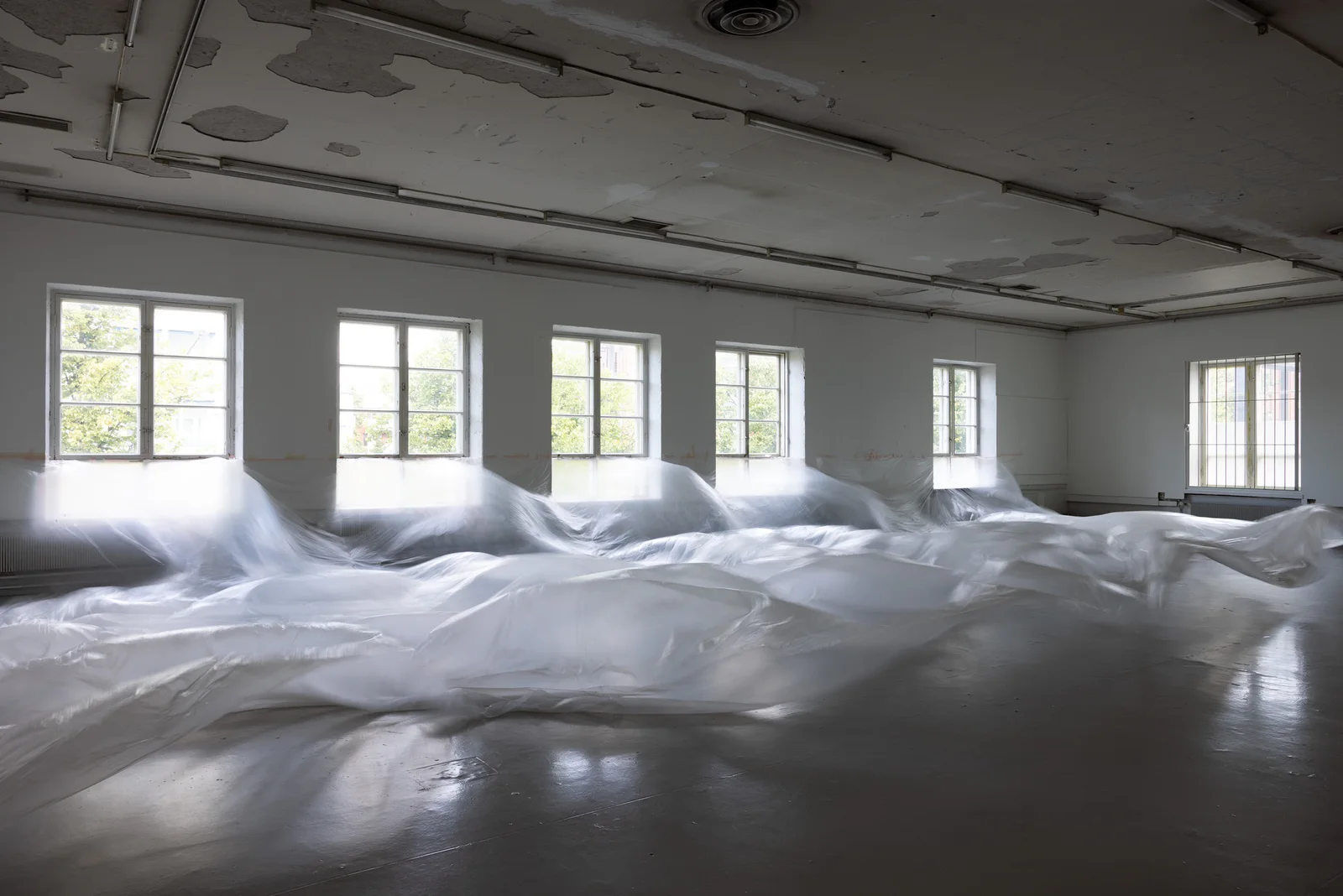
Helsinki / 2026
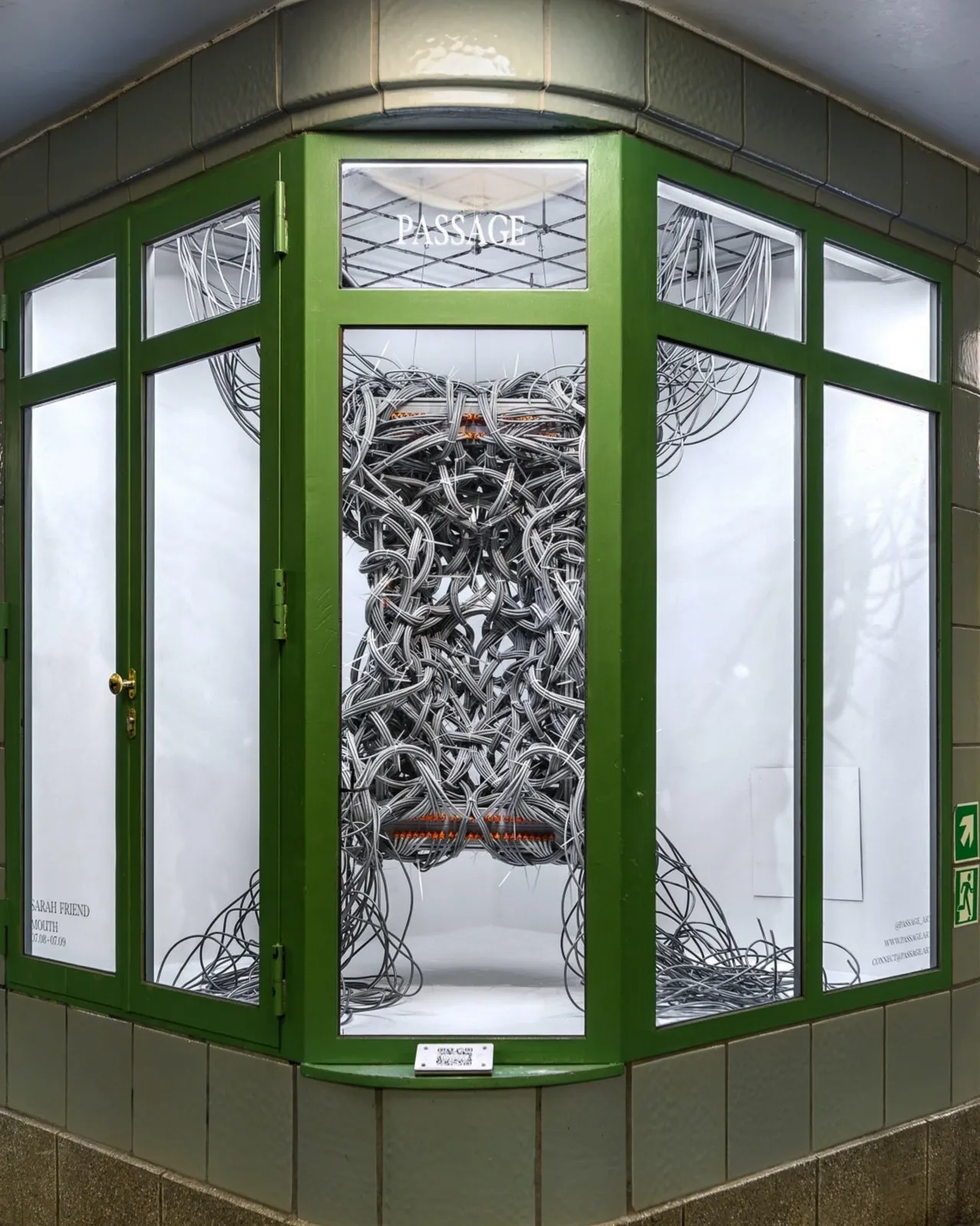
/ 2026
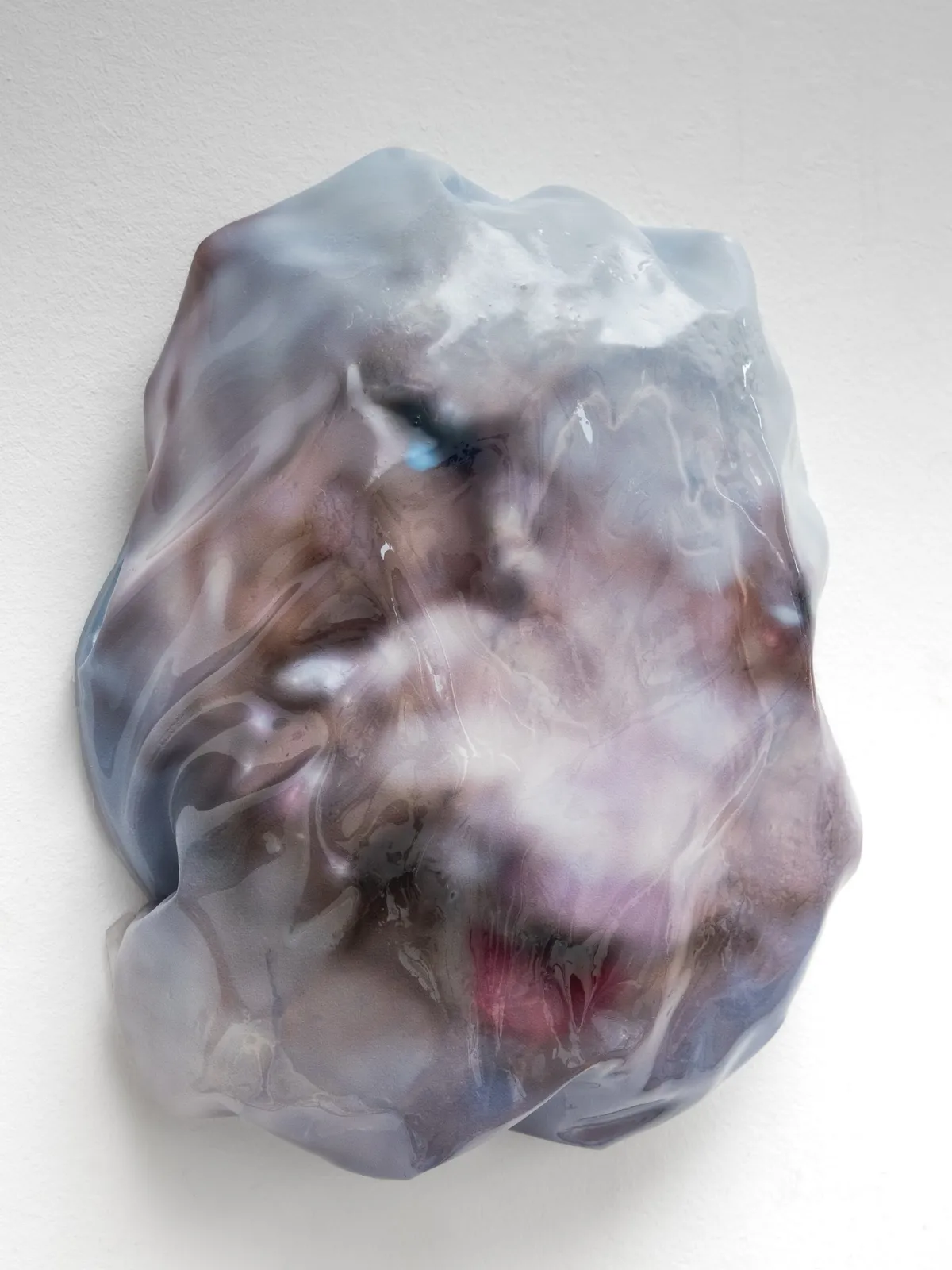
/ 2026
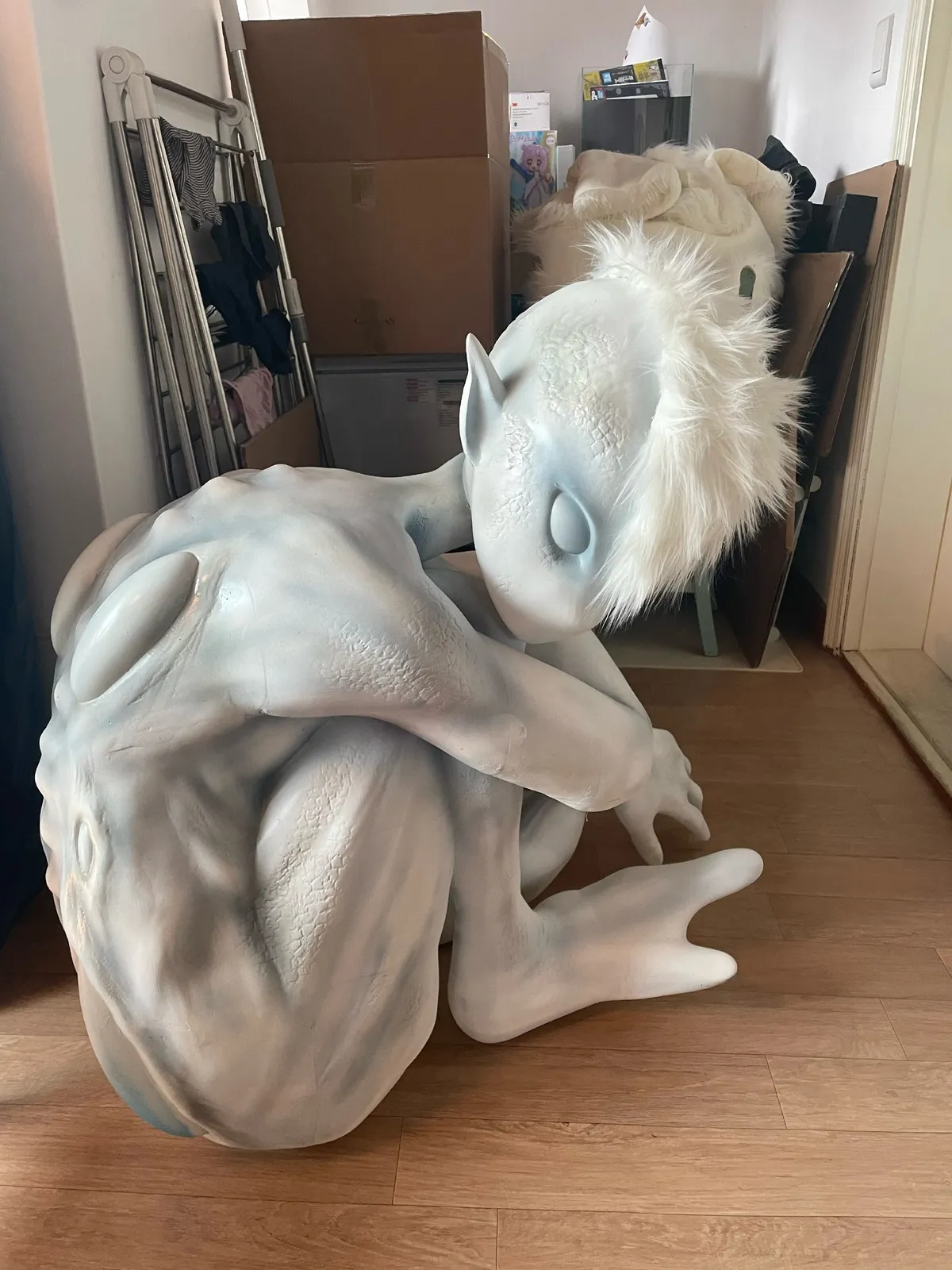
Seoul / 2026
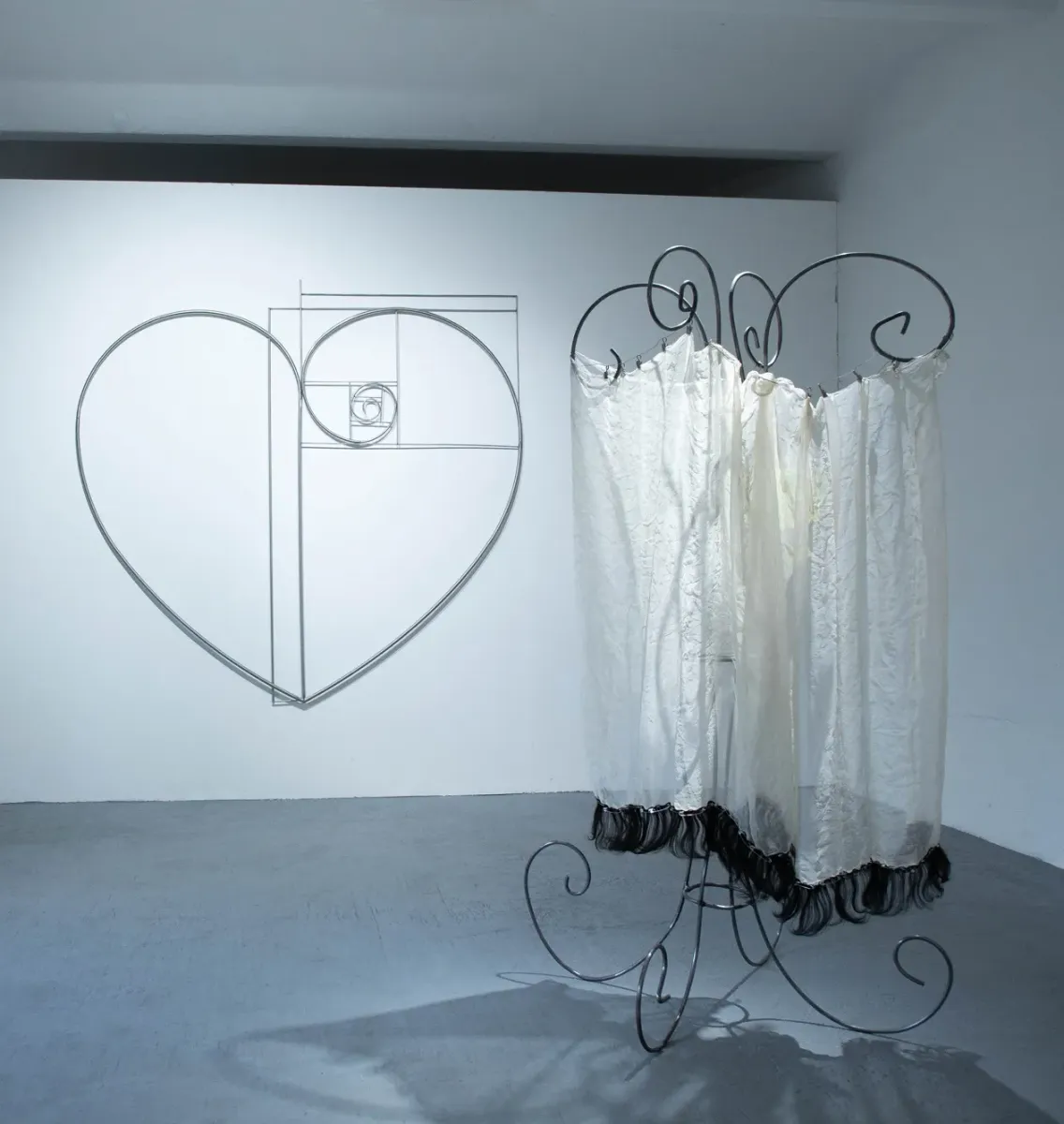
Prague / 2026
Seoul / 2026
Słupsk / 2026
Seoul / 2026
Poznań / 2026
.webp)
.webp)
.webp)
.webp)
.webp)
.webp)
.webp)
.webp)
Vienna / 2026
Berlin / 2026
Munich / 2026
Ljubljana / 2026
Warsaw / 2024-2025
London / 2025
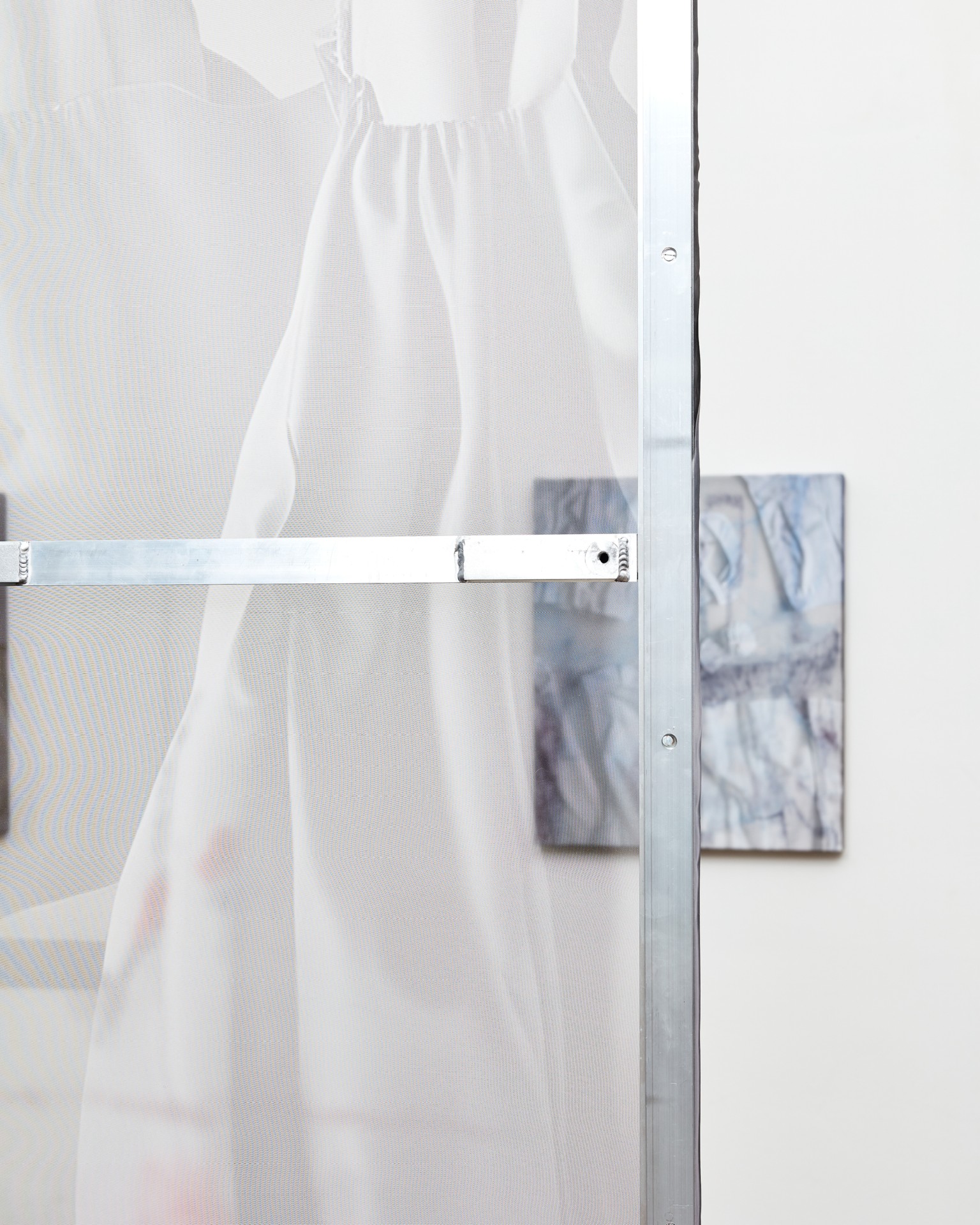
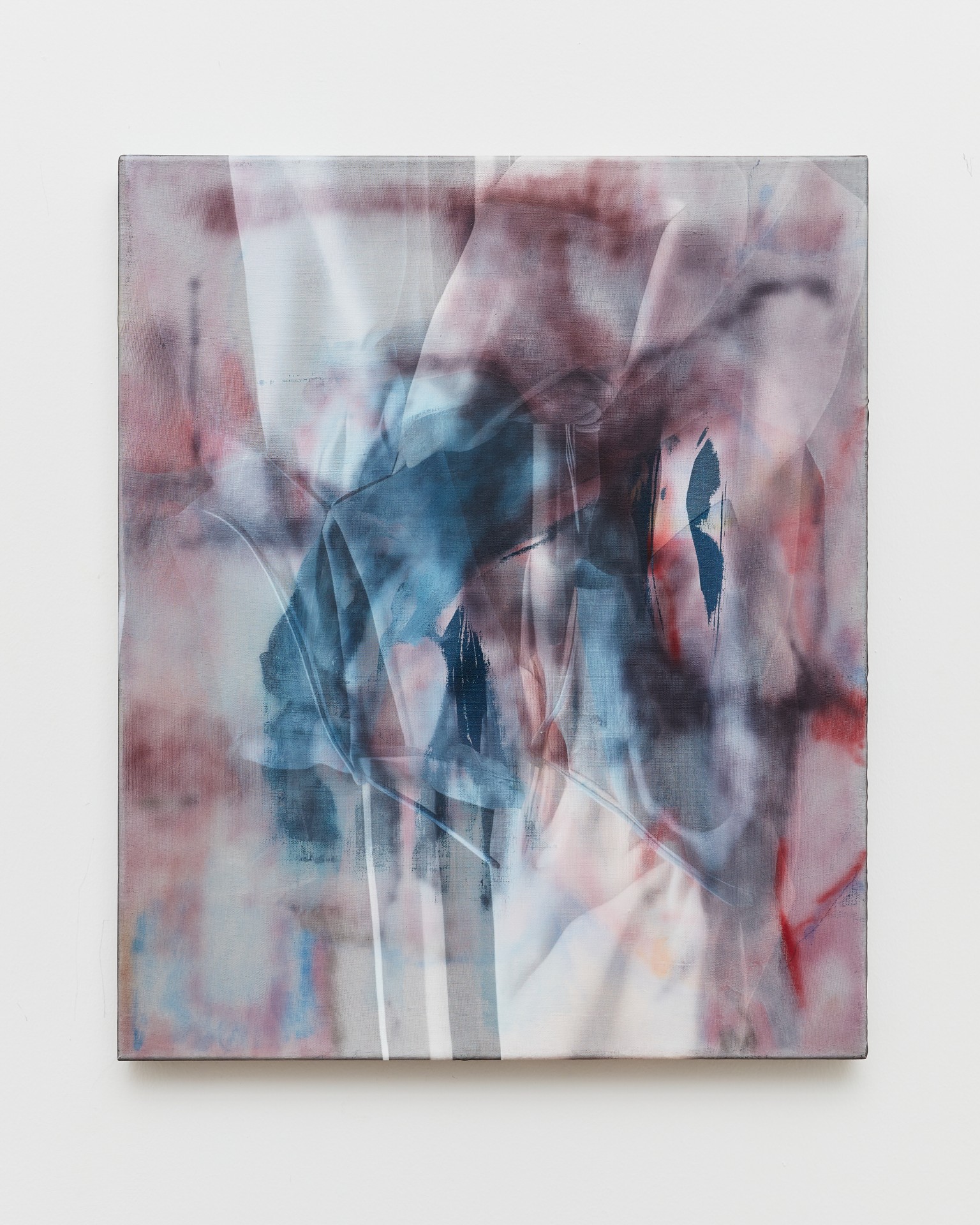
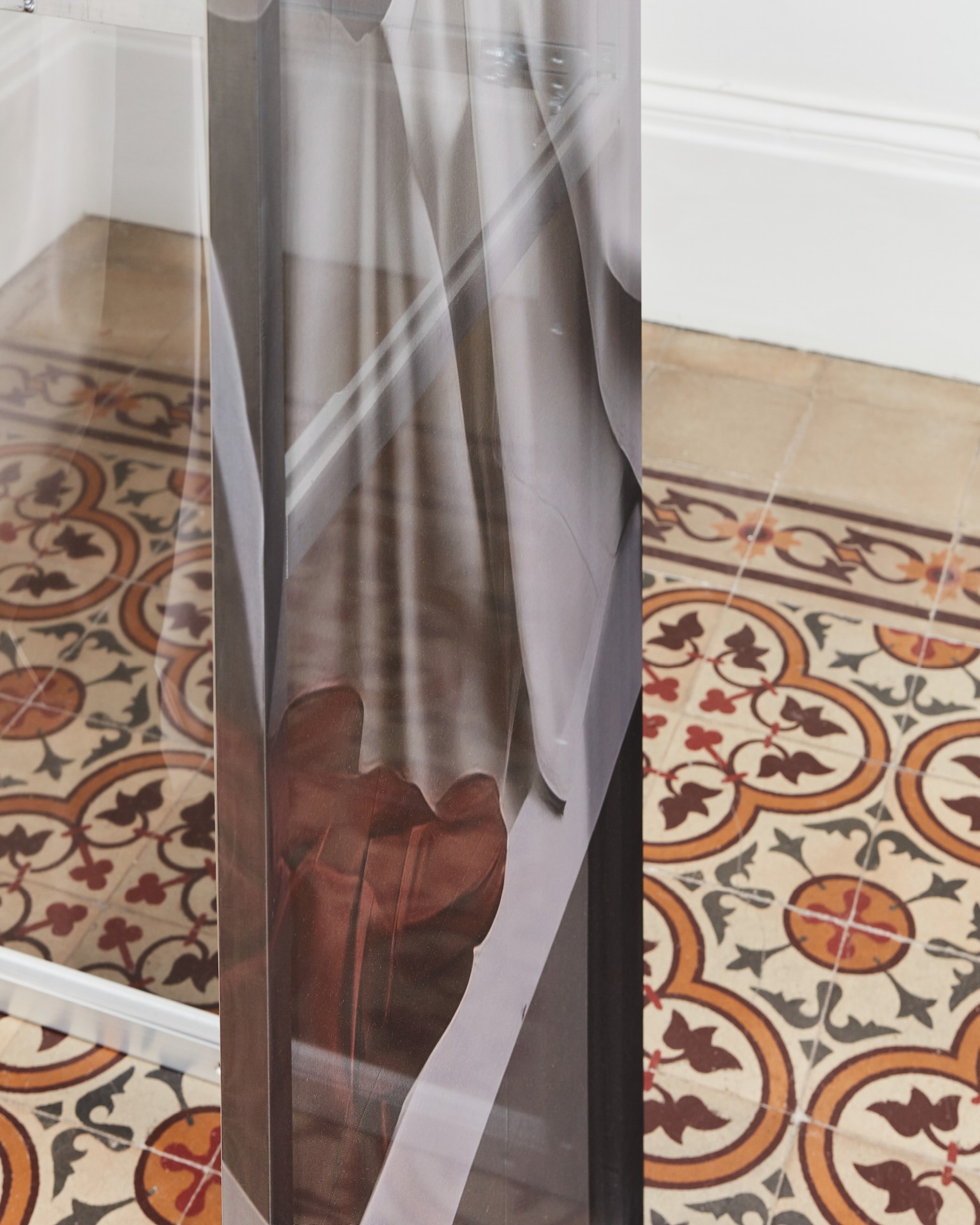
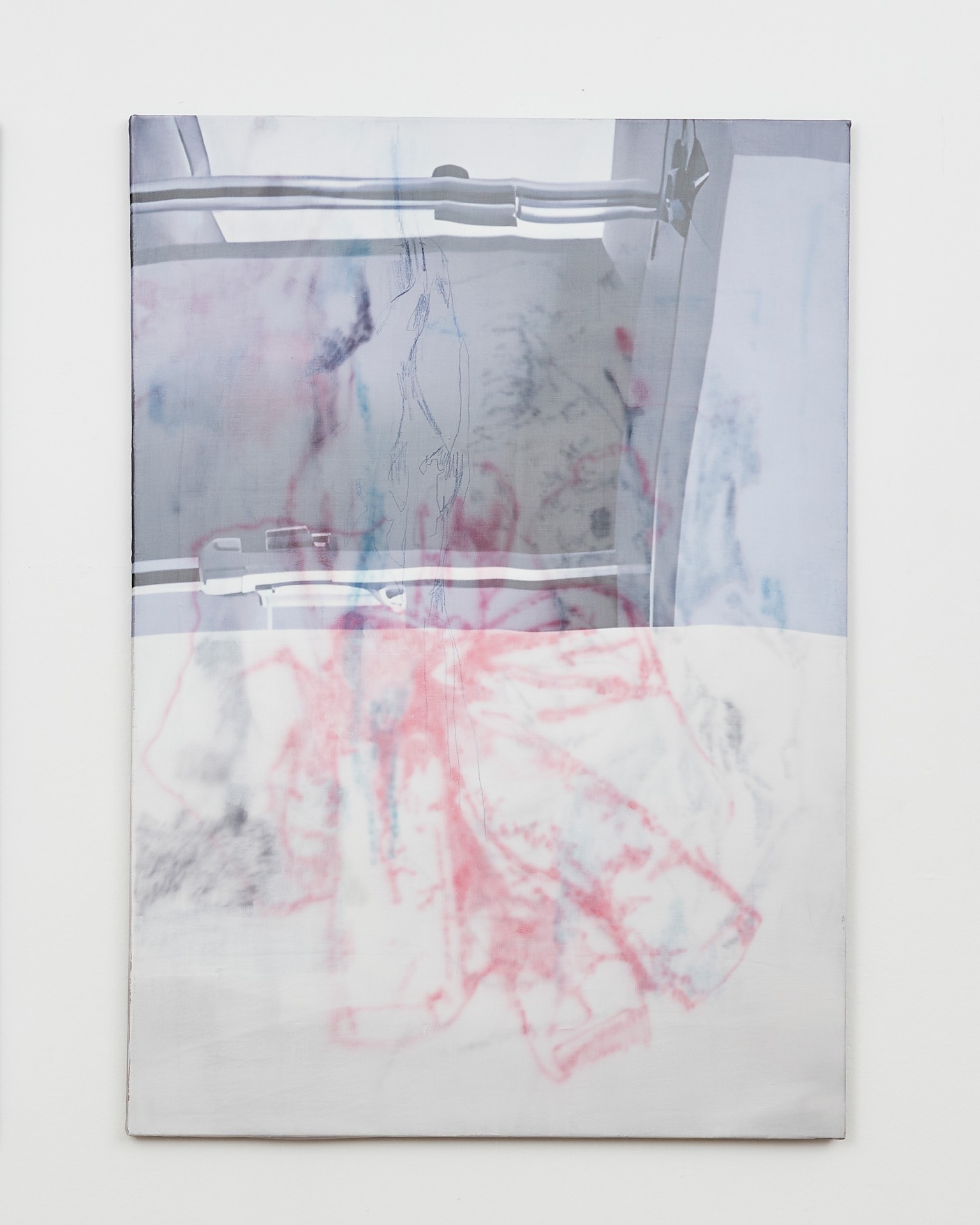
Brescia / 2025-2026
/ 2024
/photo_1_2026-05-24_00-50-58.jpg)
/ 2023
/photo_1_2026-05-24_00-47-49.jpg)
Berlin / 2023
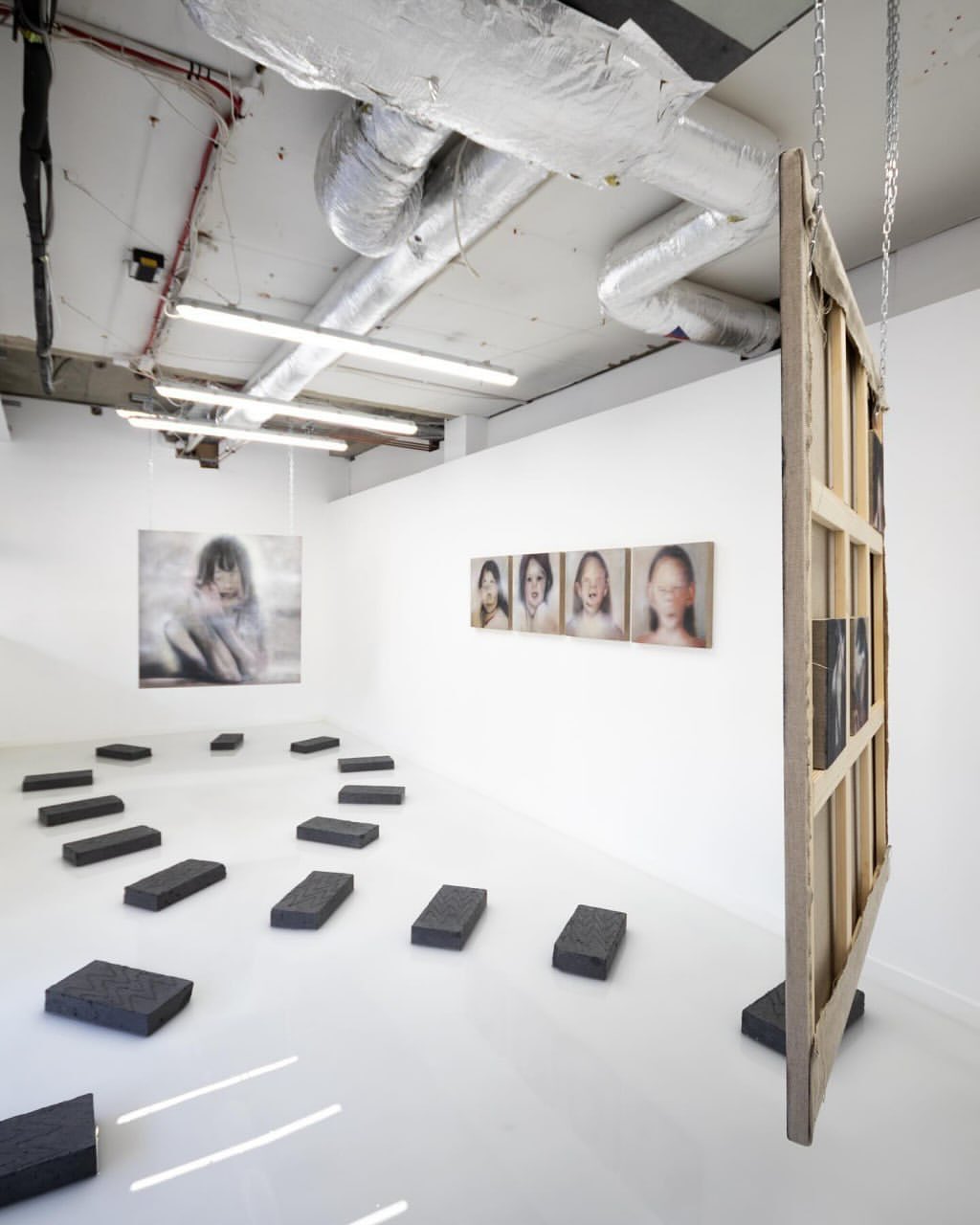
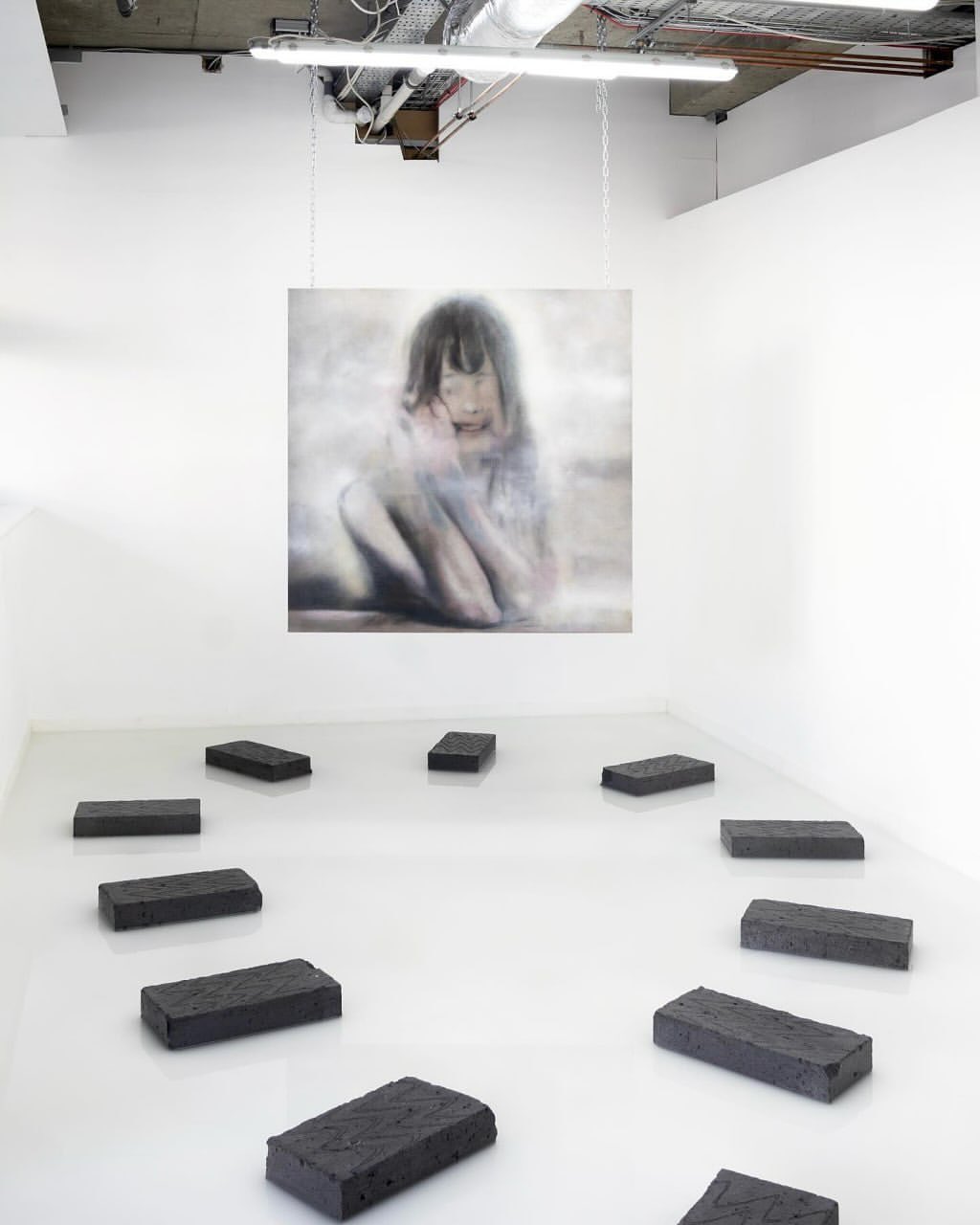
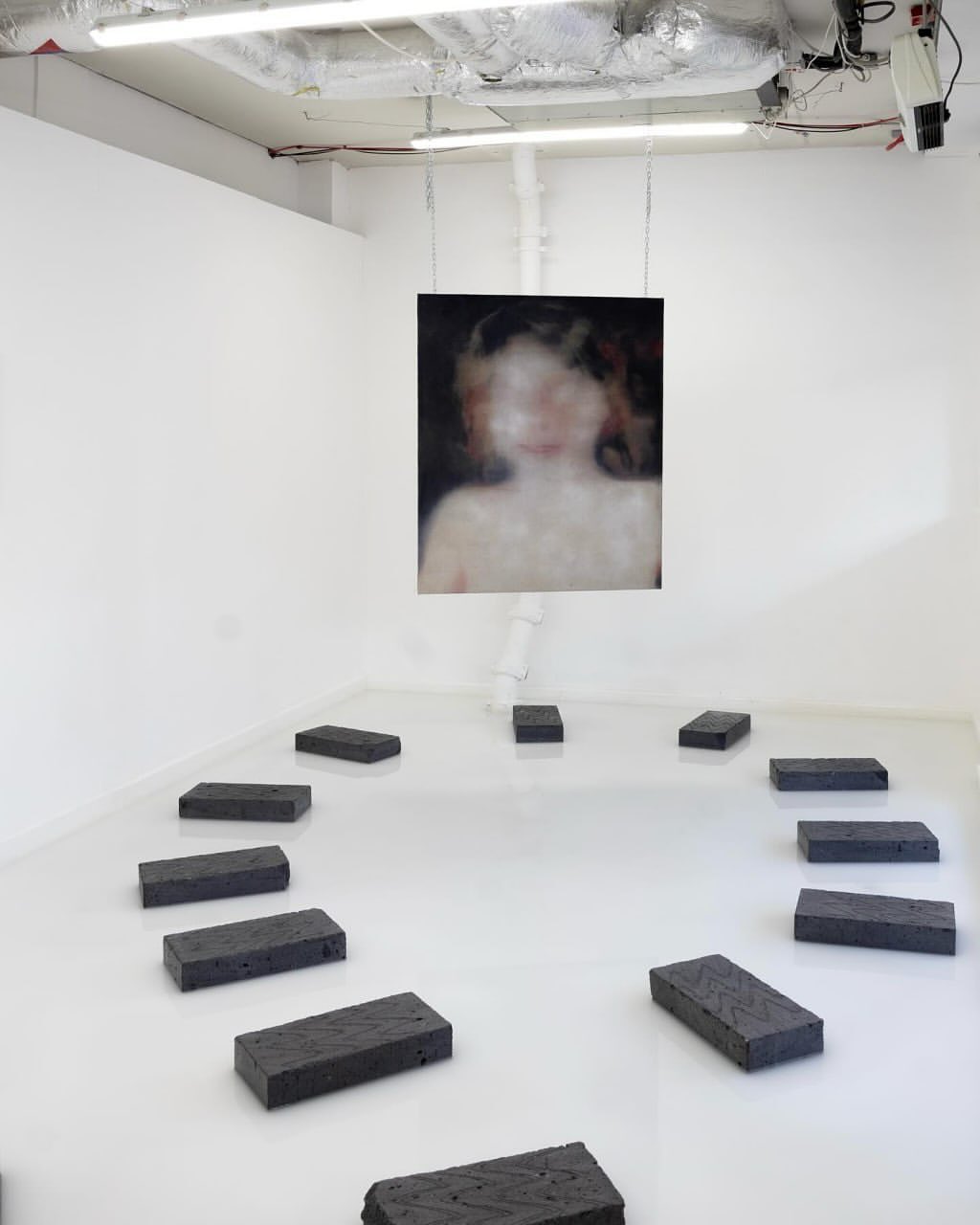
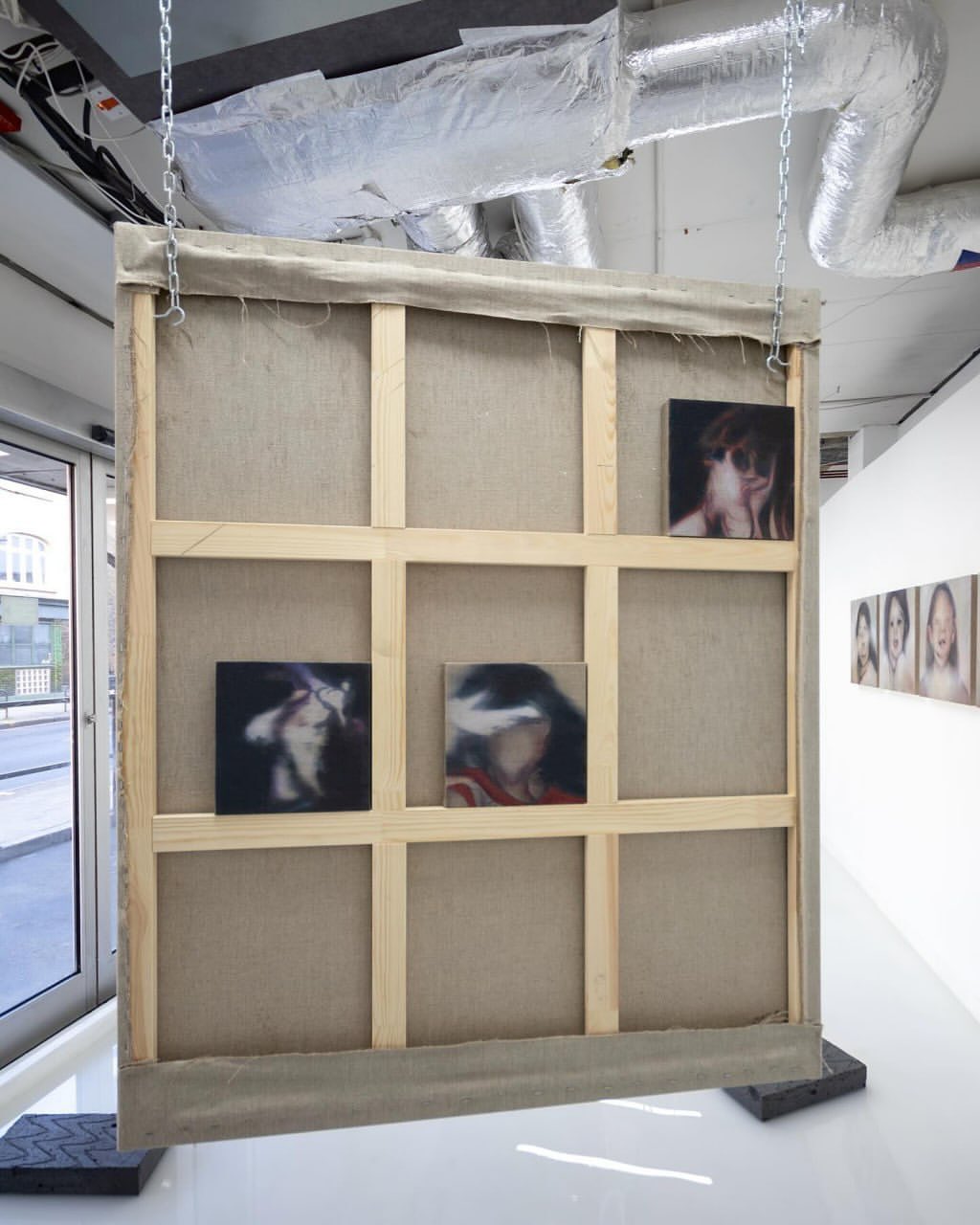
London / 2024
/photo_1_2026-05-24_00-41-28.jpg)
Berlin / 2025
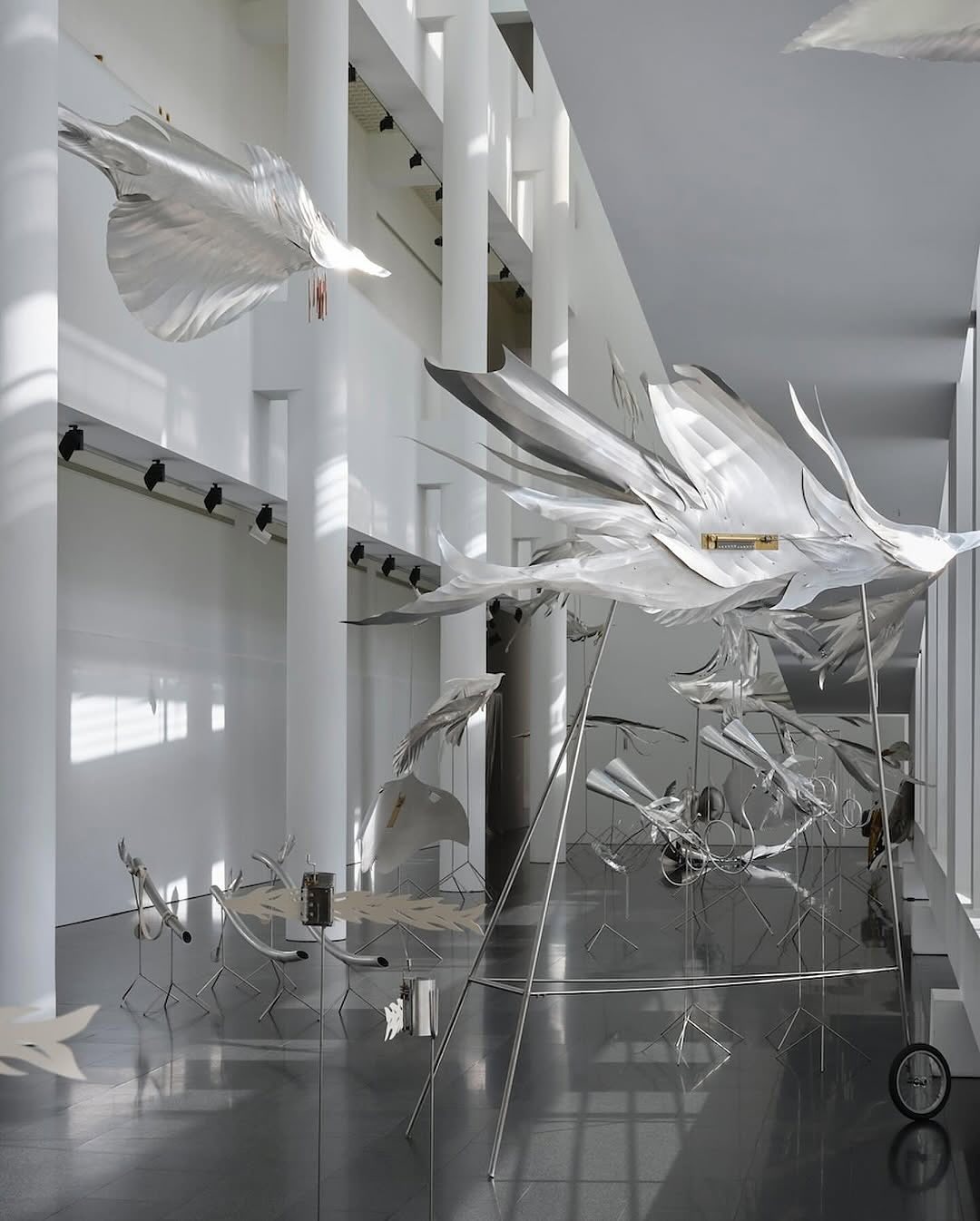
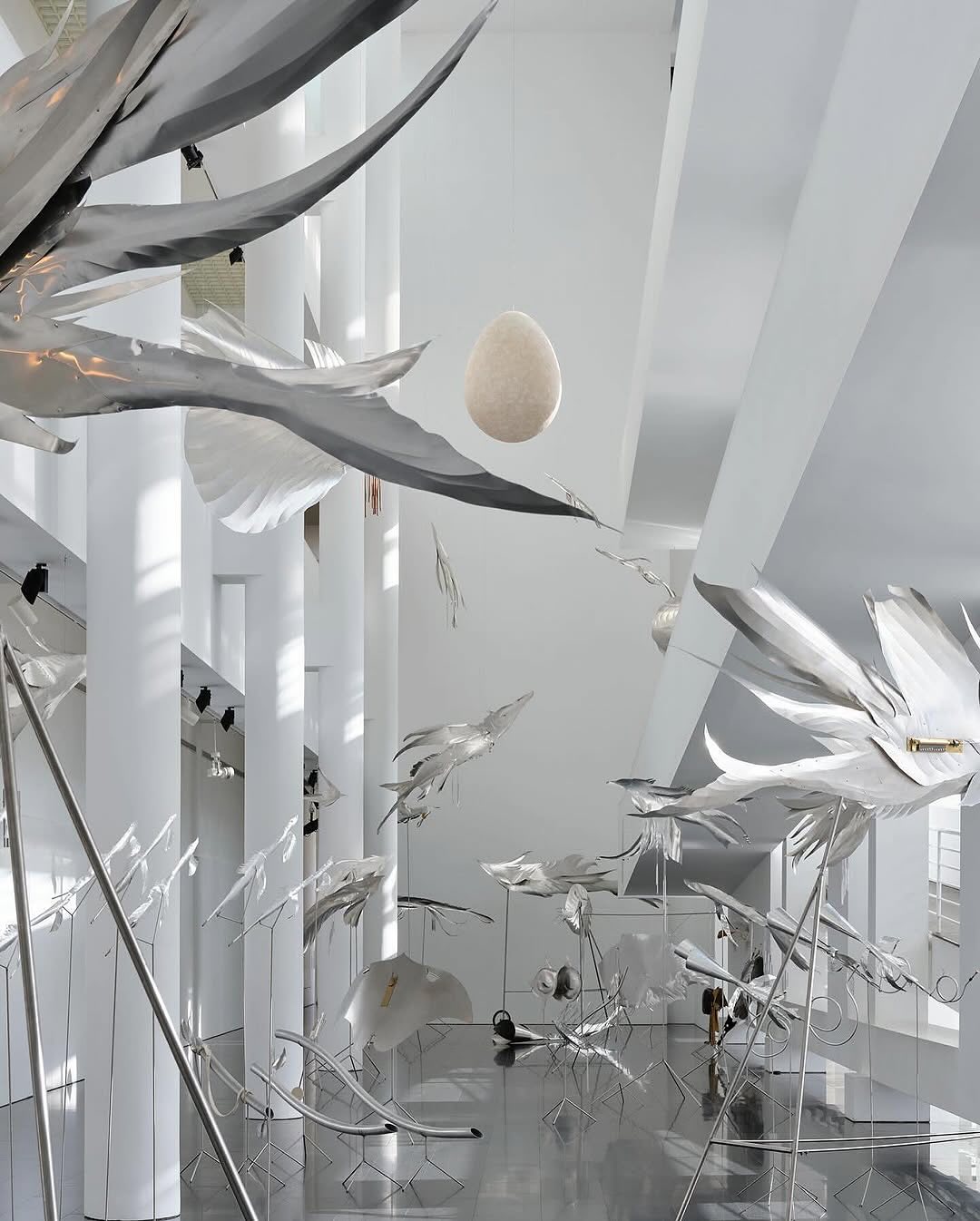
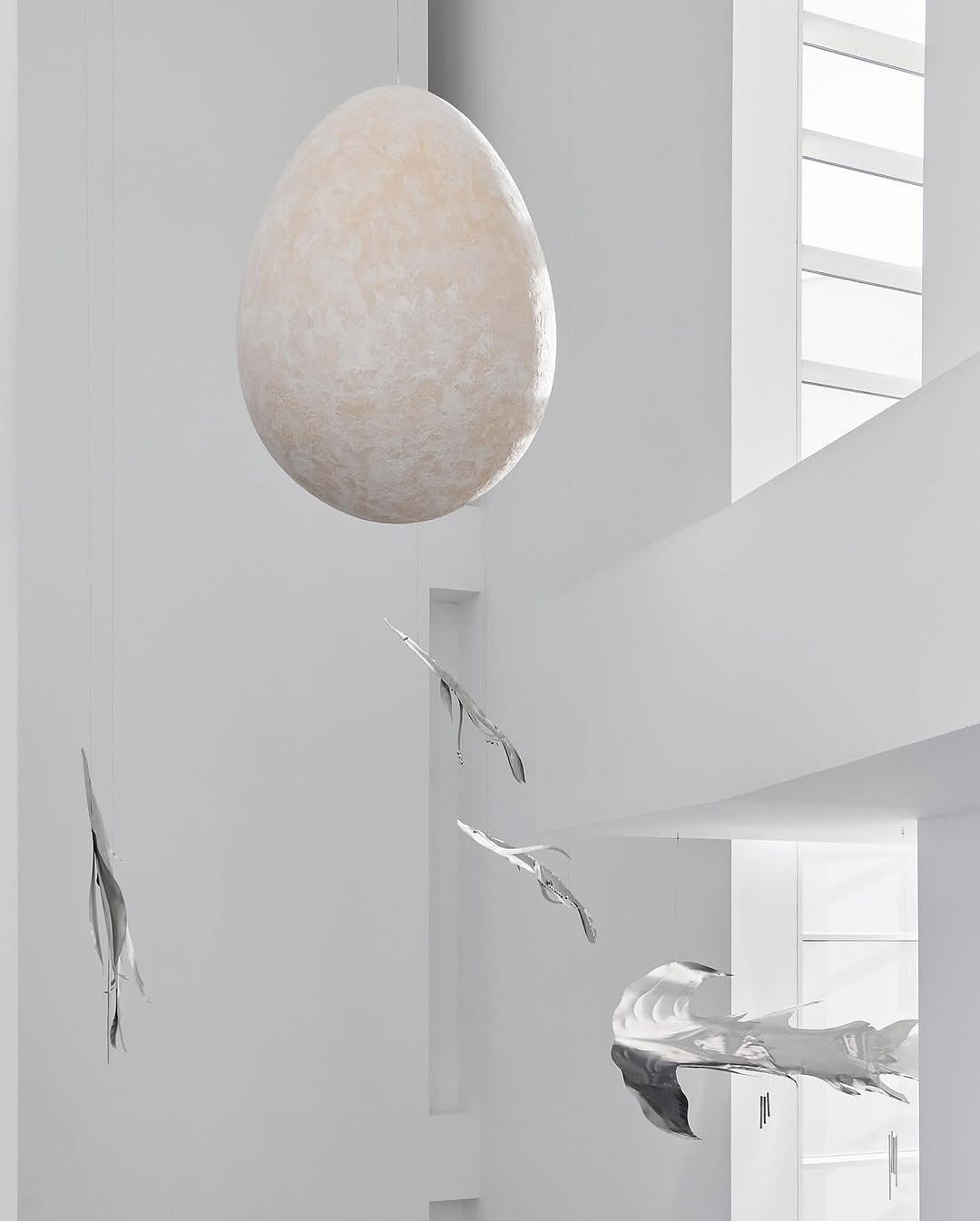
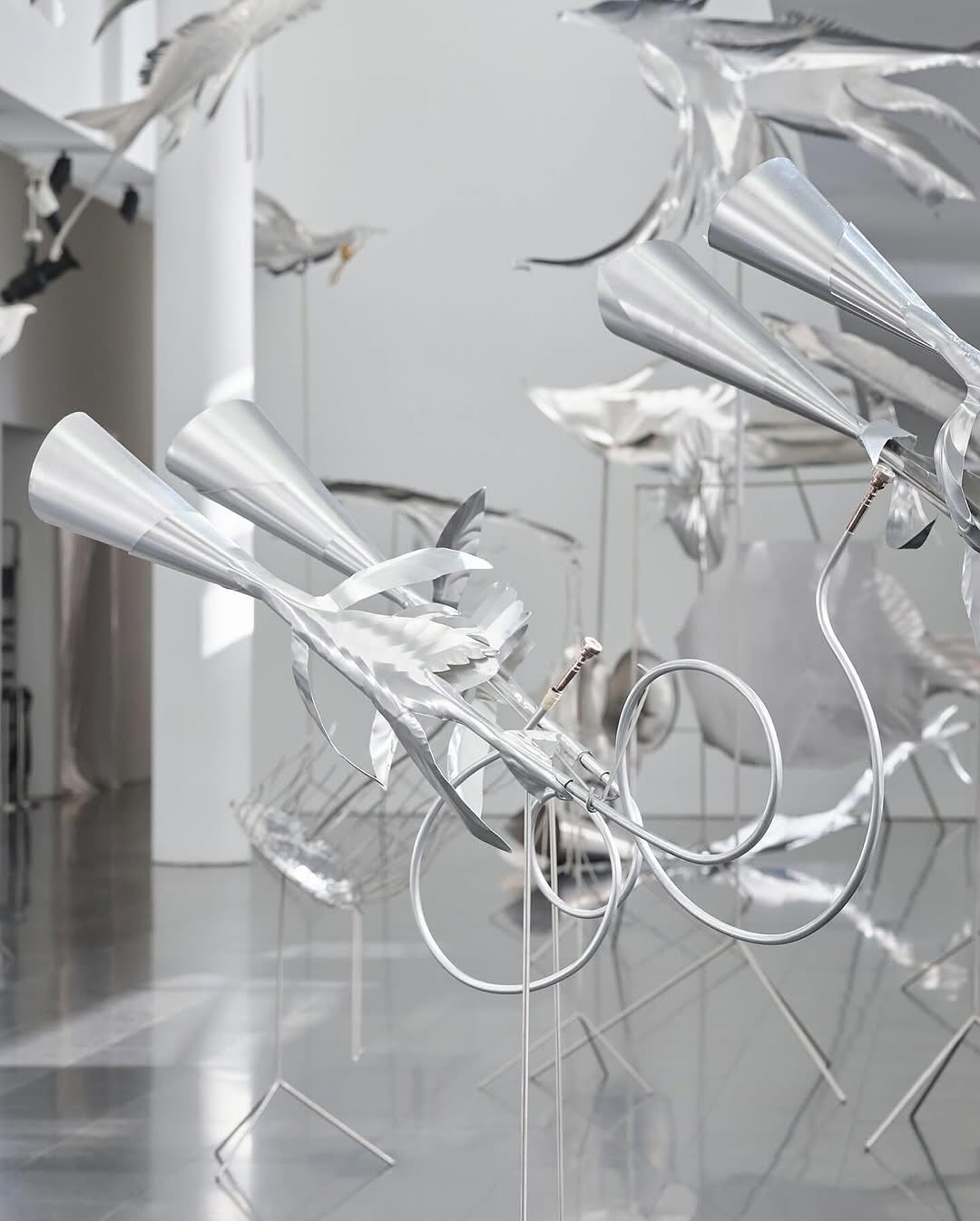
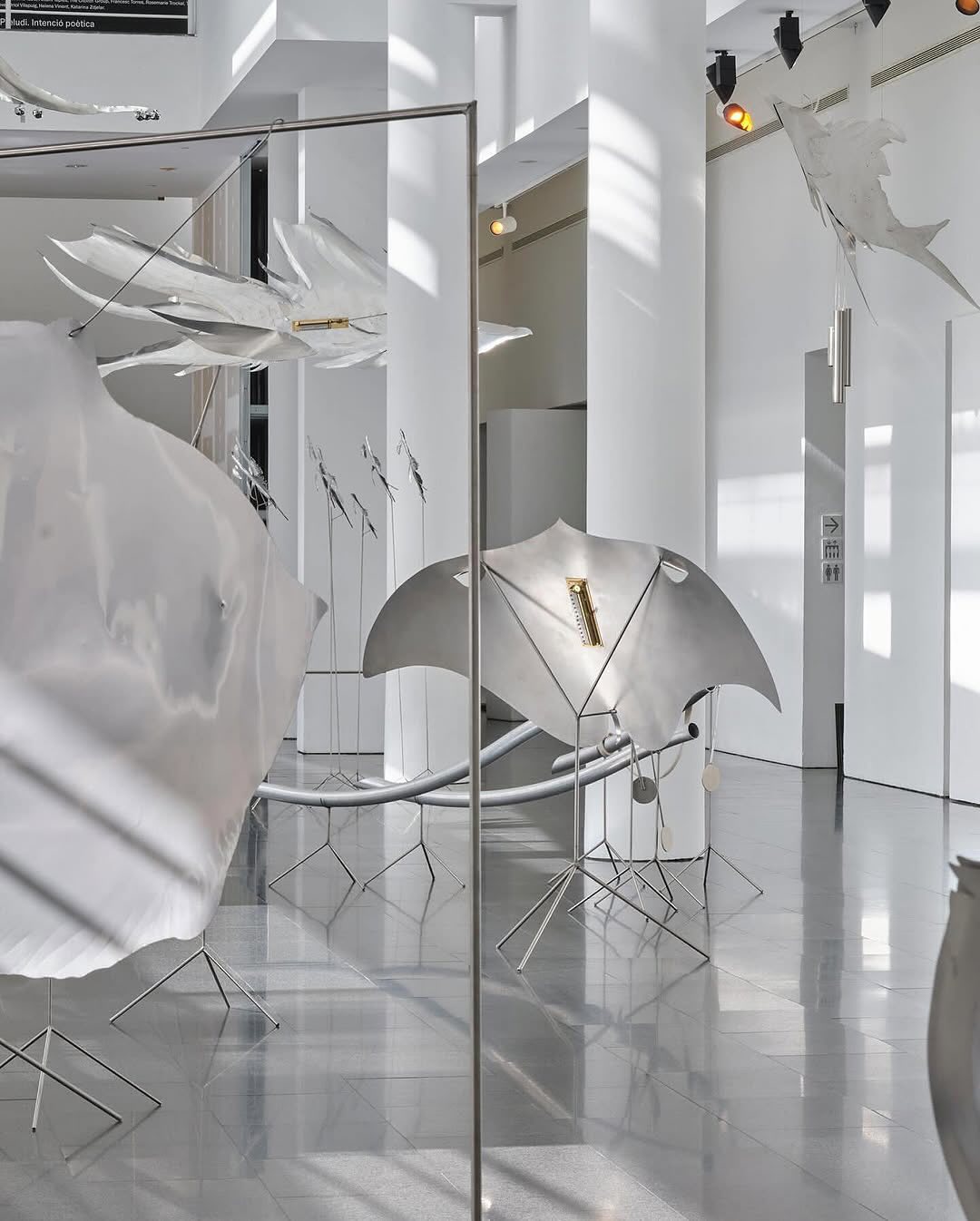
Barcelona / 2024-2025
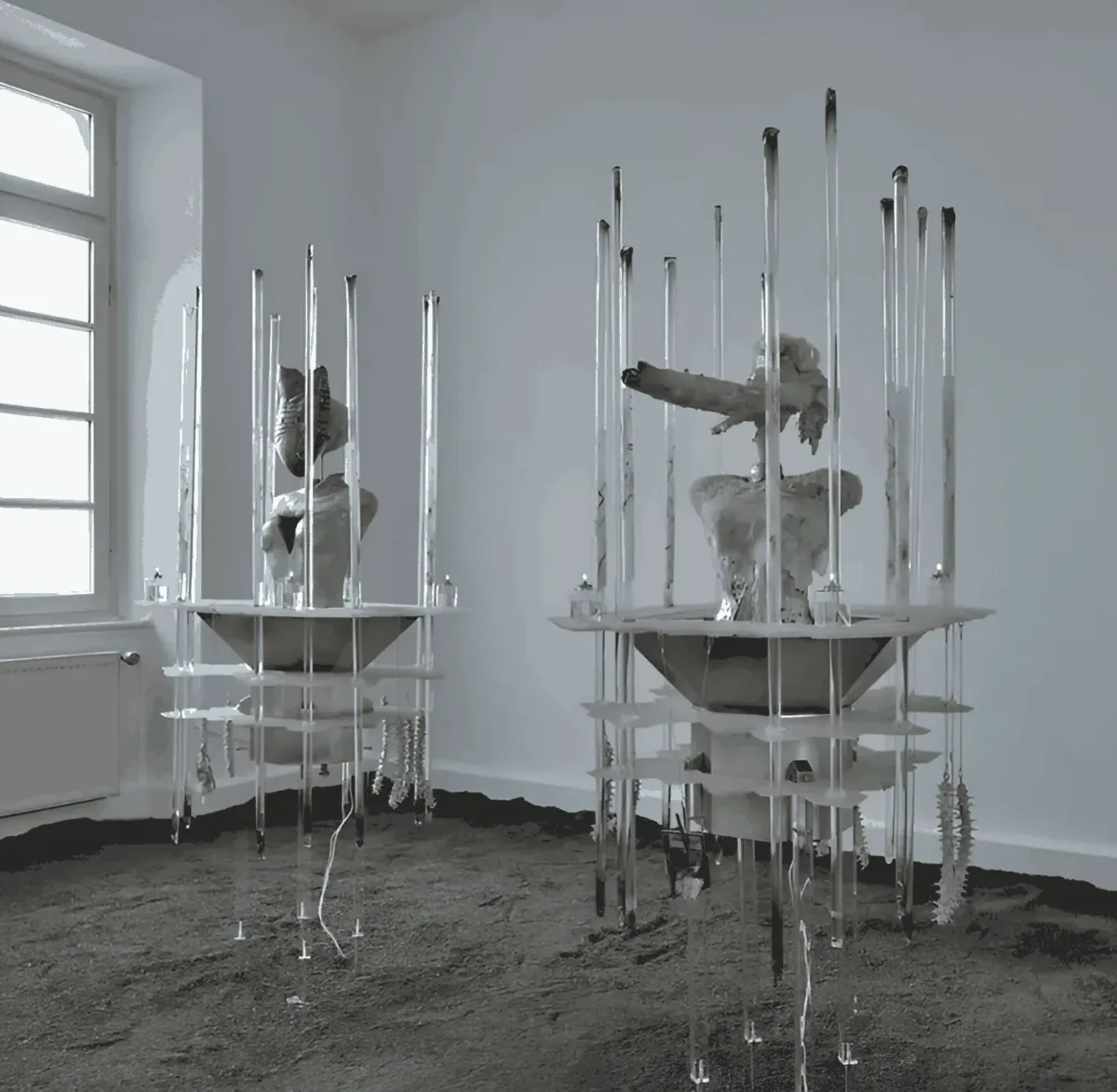
Arnsberg / 2025
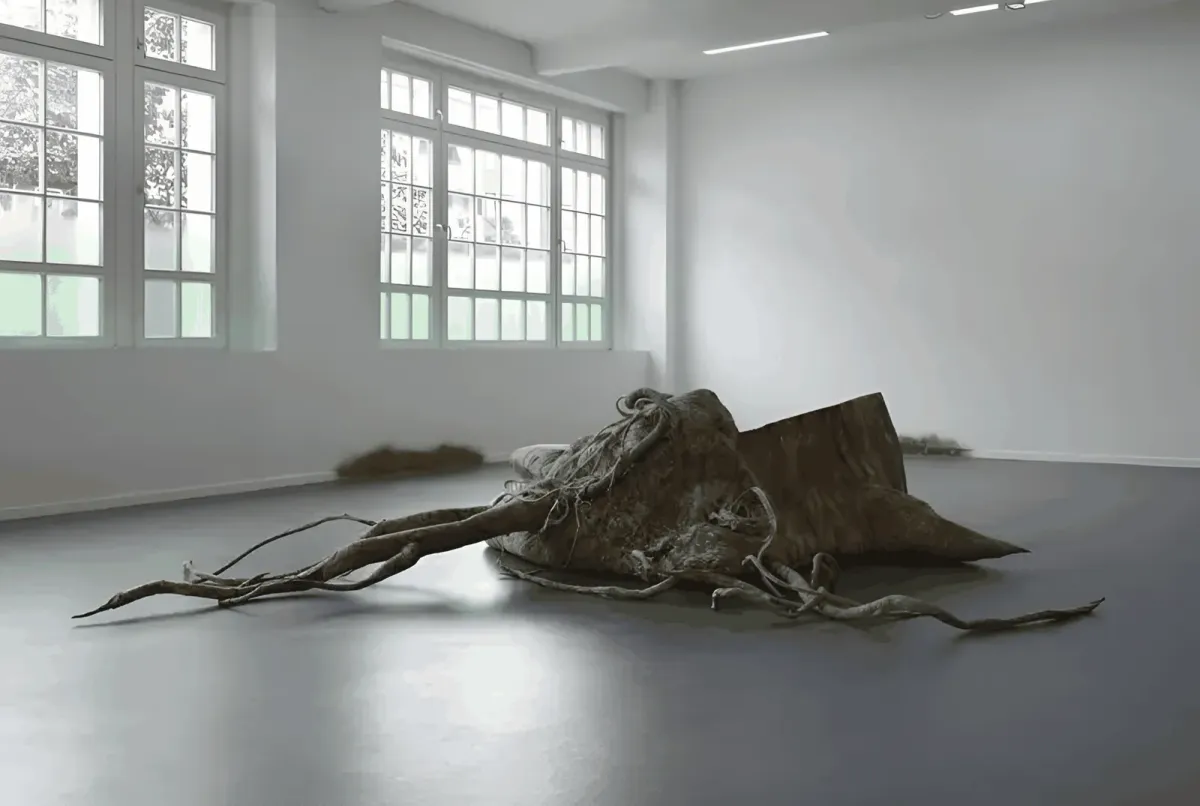
Berlin / 2025
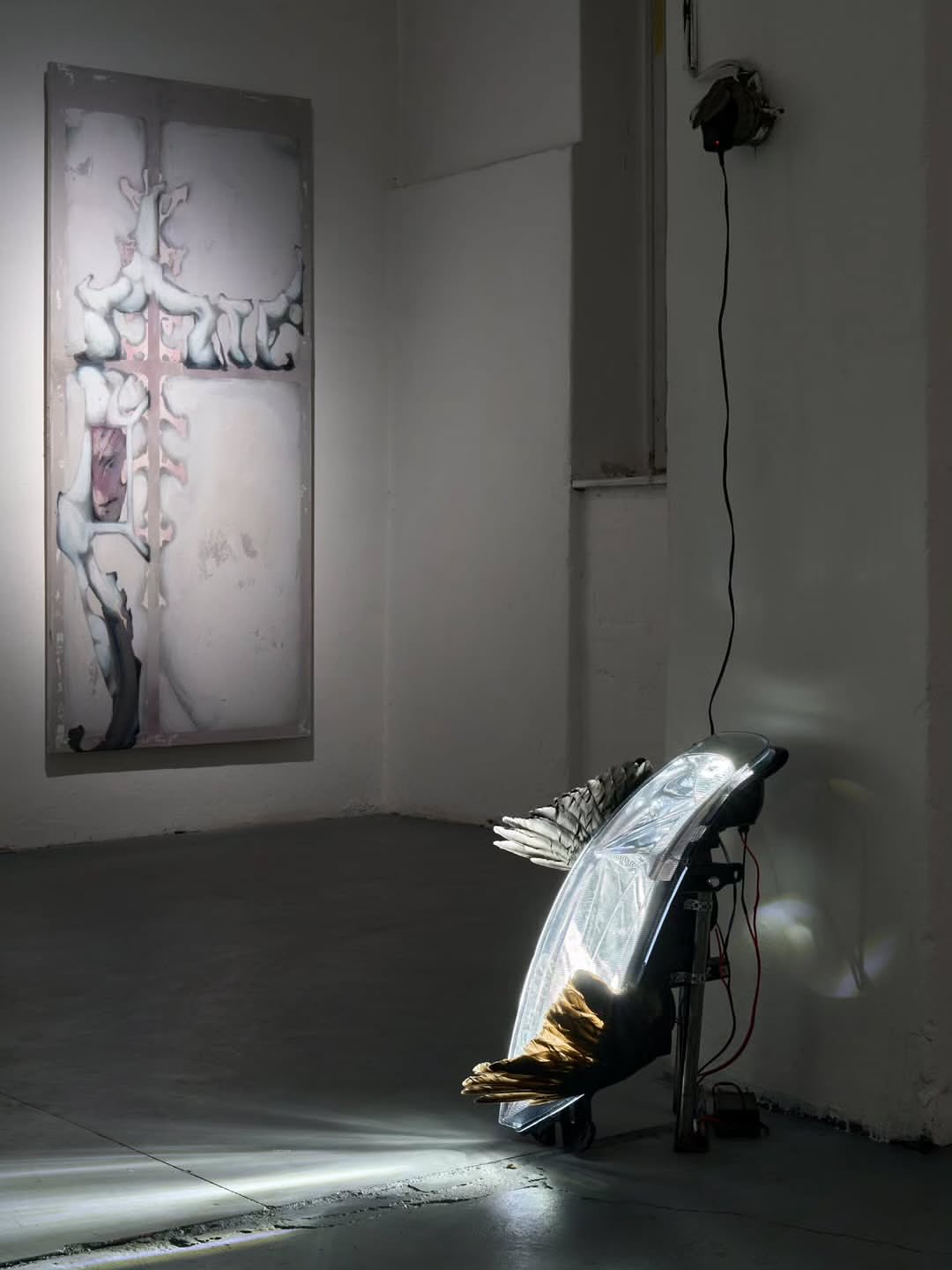
Prague / 2025
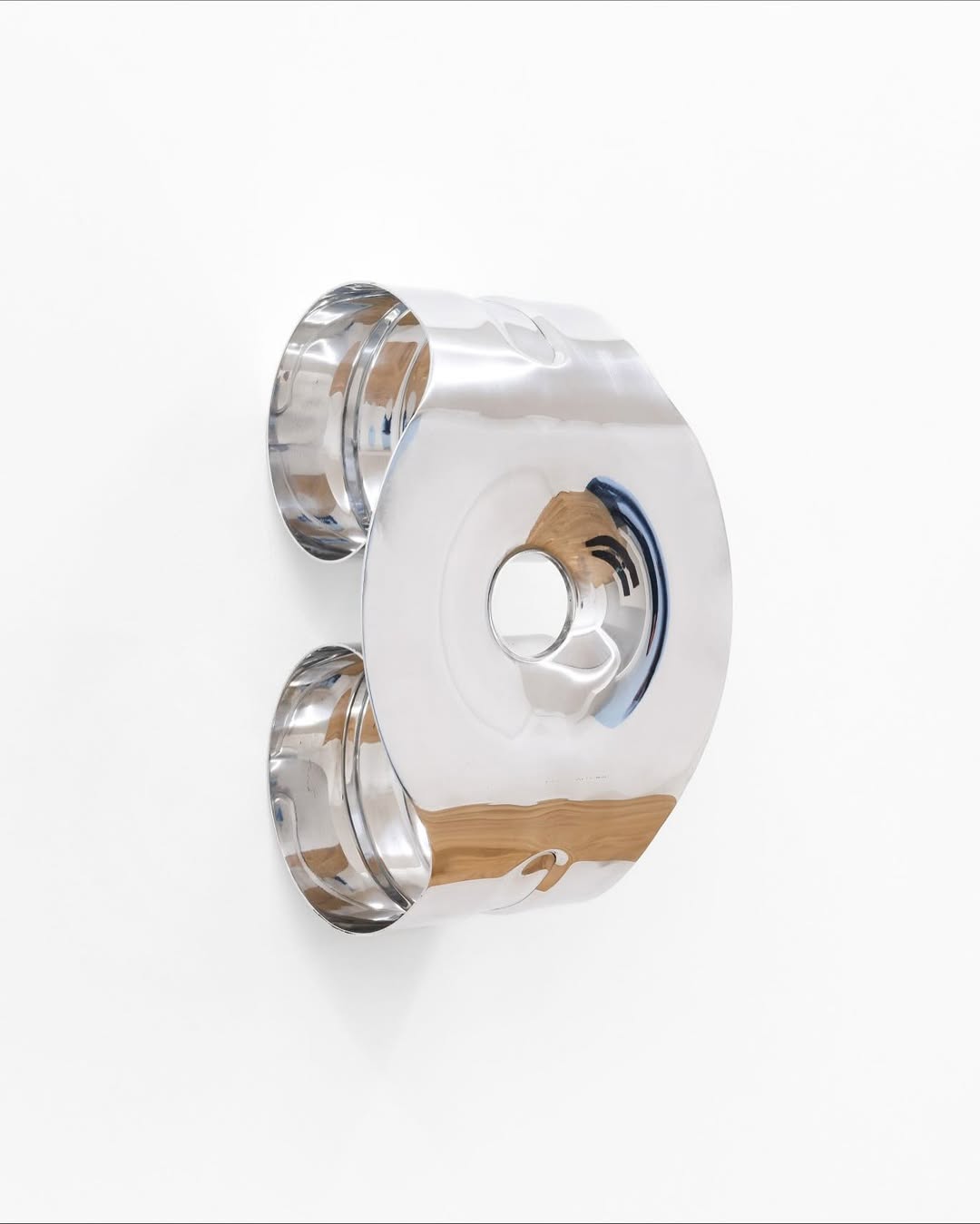
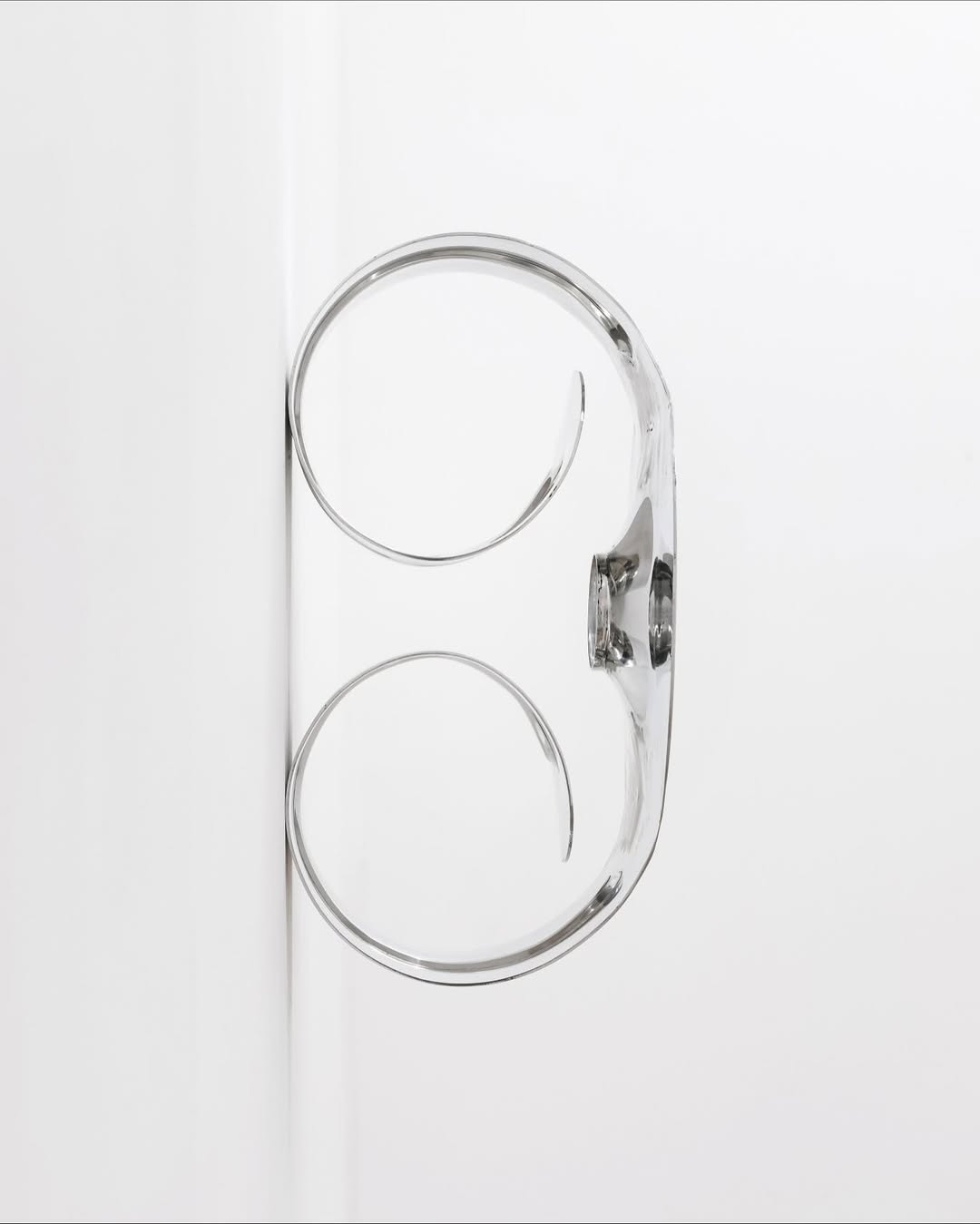
Paris / 2025
/photo_1_2026-05-23_19-24-35.jpg)
London / 2025
/photo_1_2026-05-23_19-20-38.jpg)
Seoul / 2026
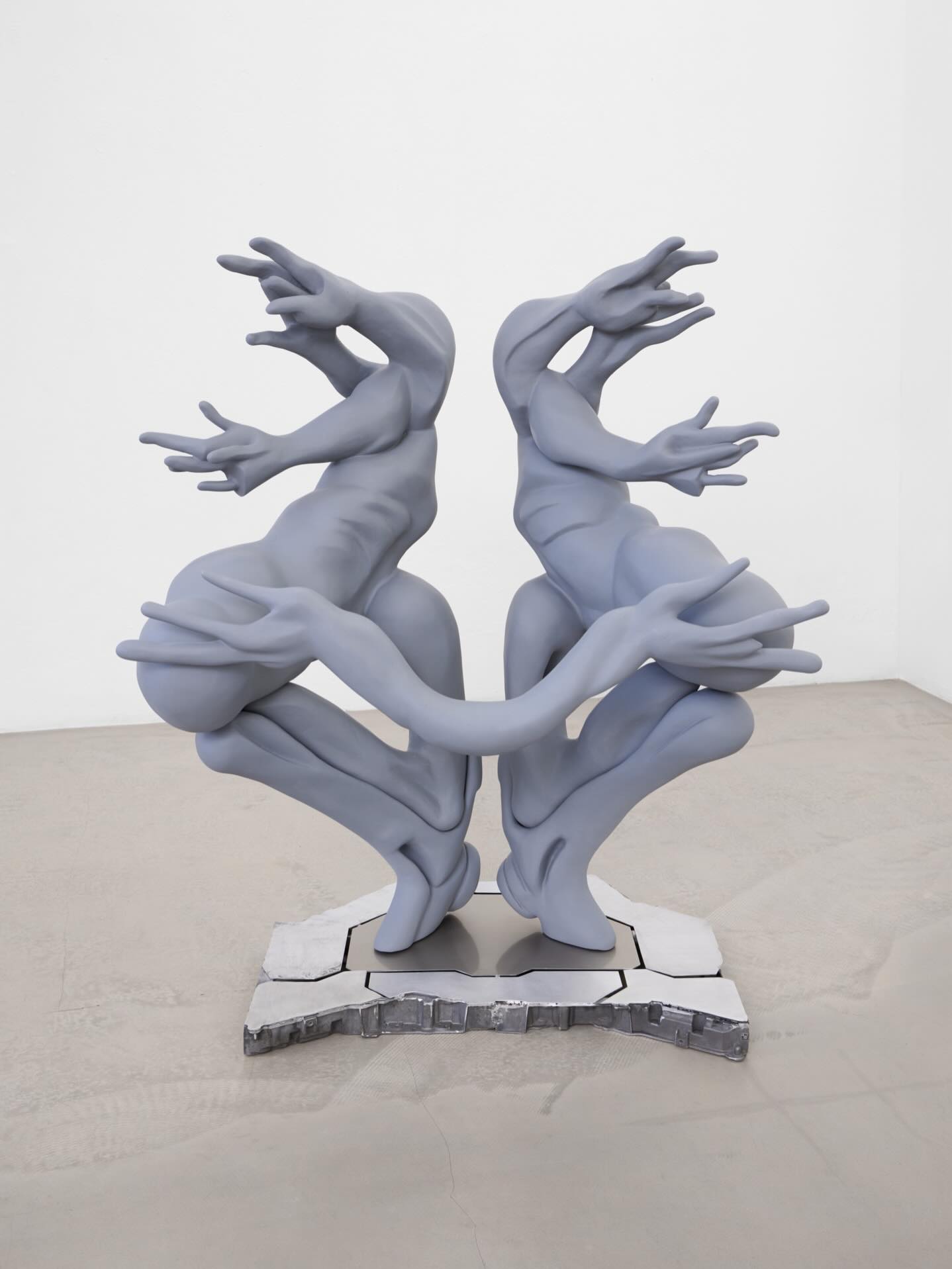
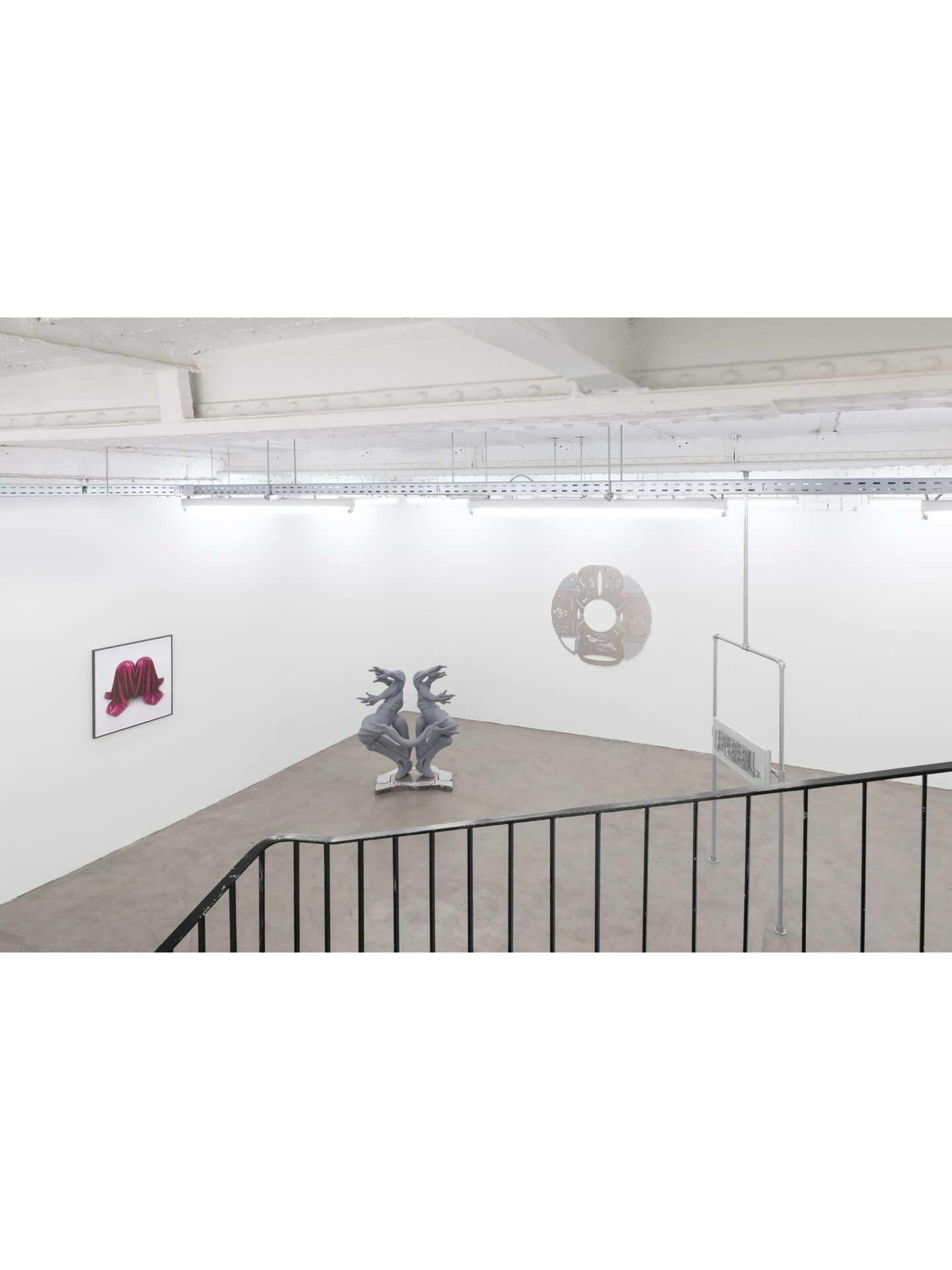
Dortmund / 2026

Dornbirn / 2026
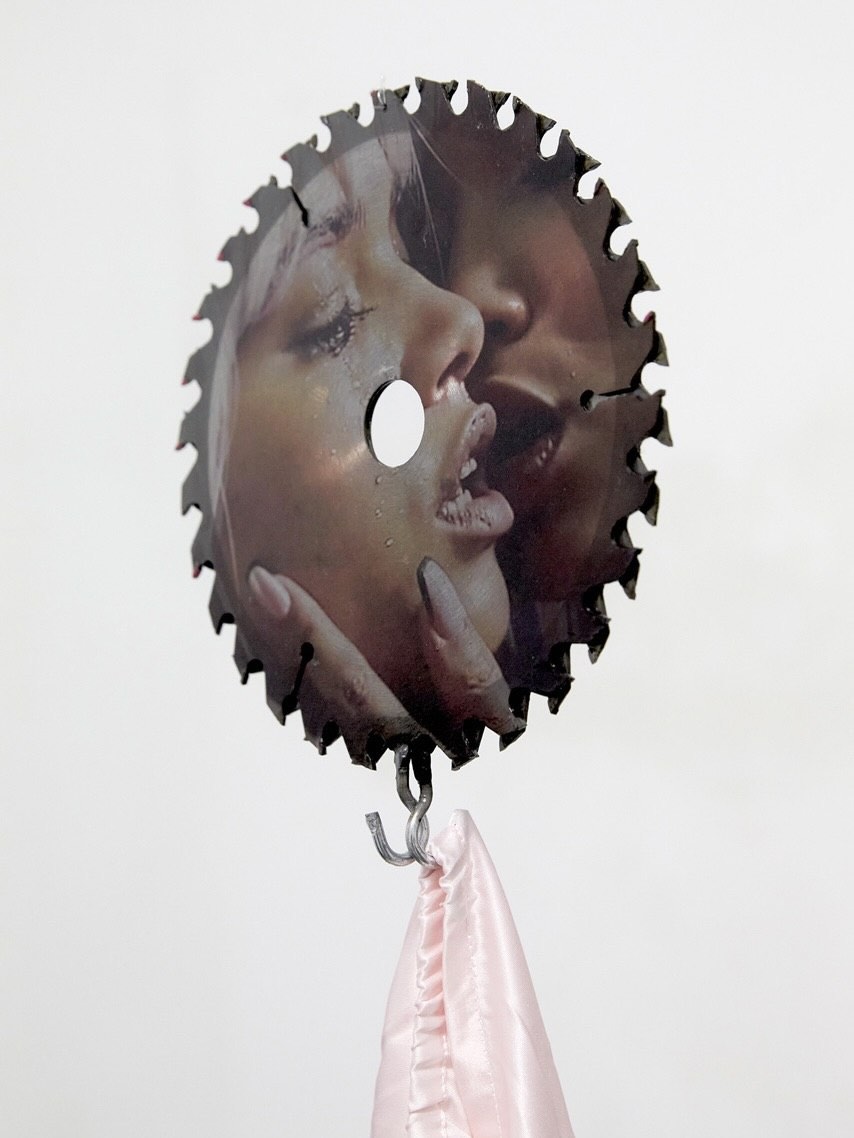
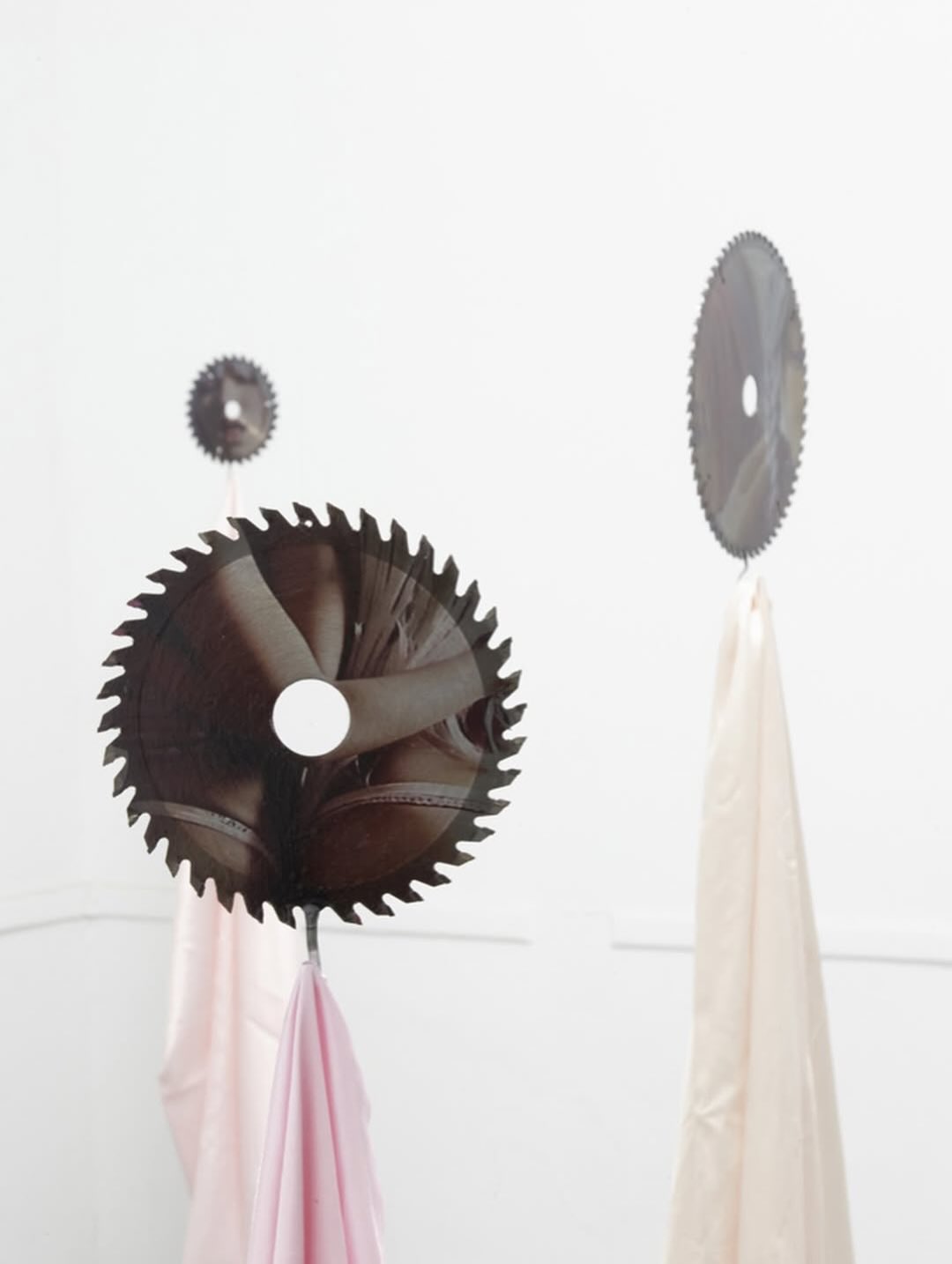
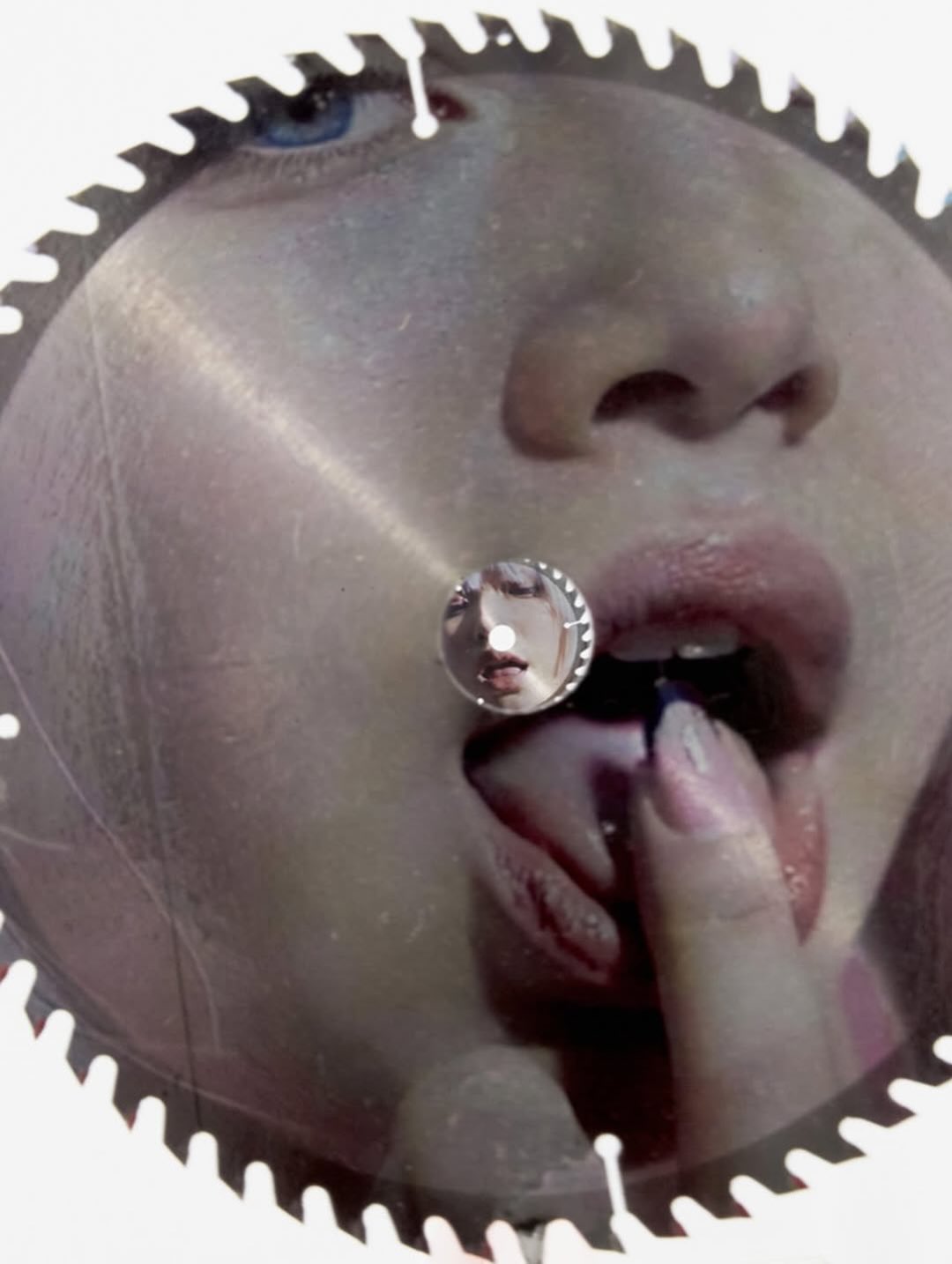
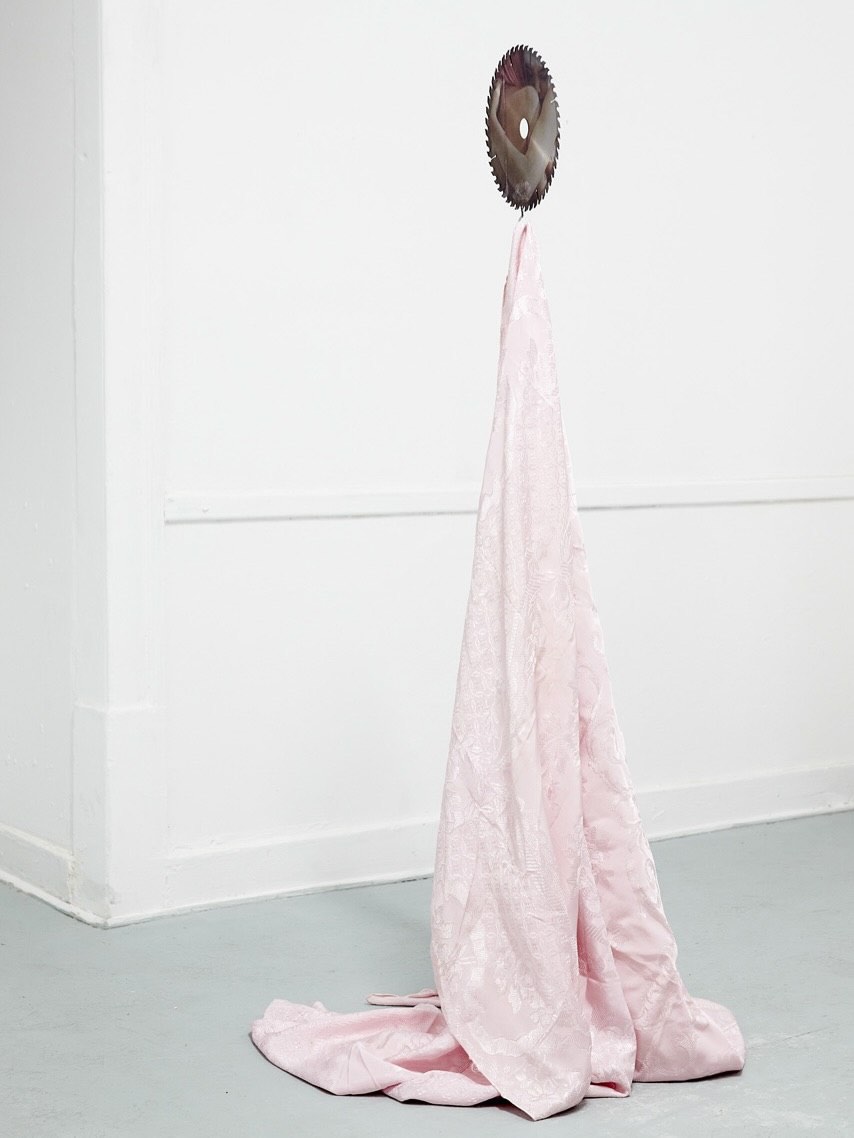
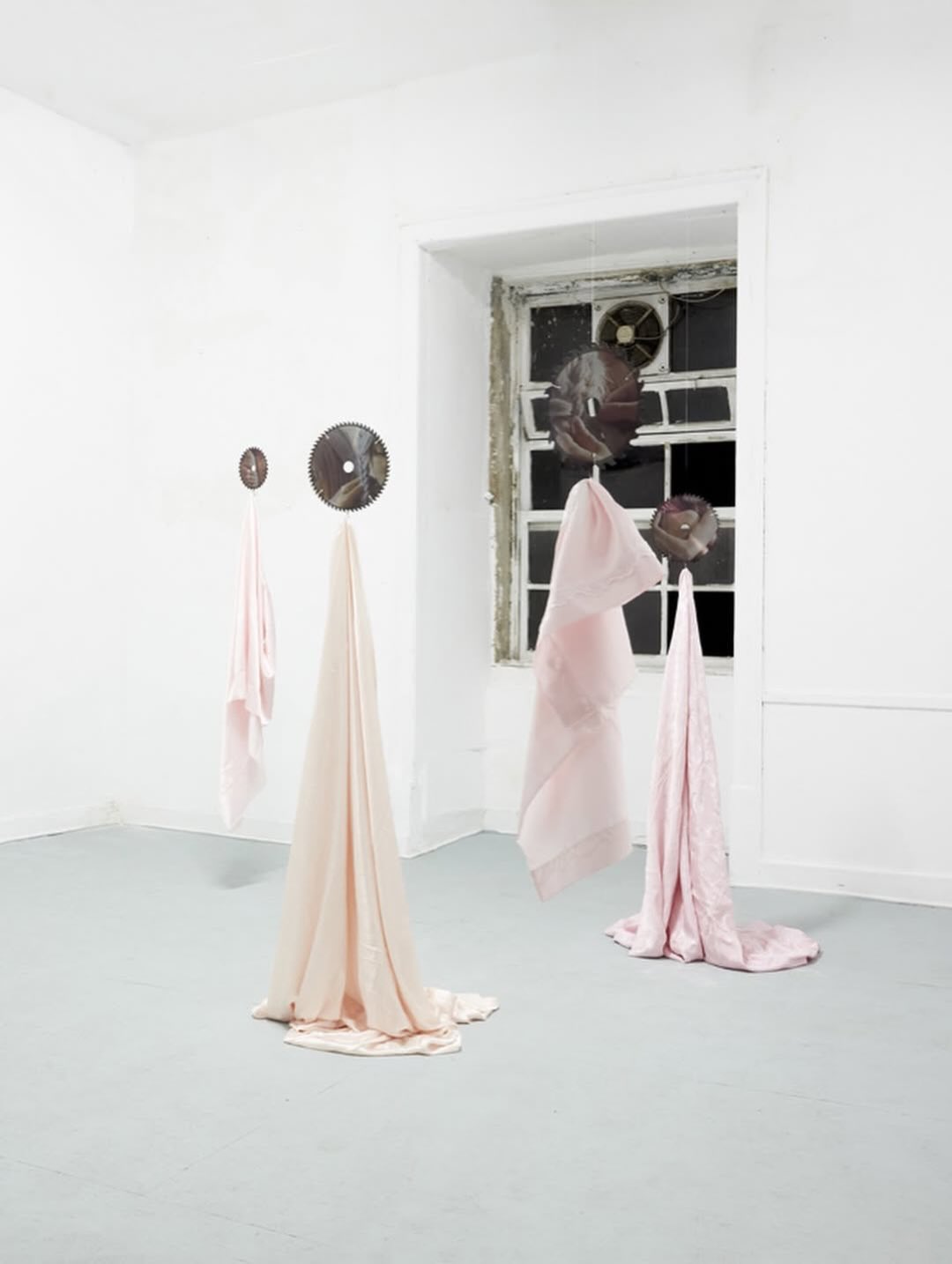
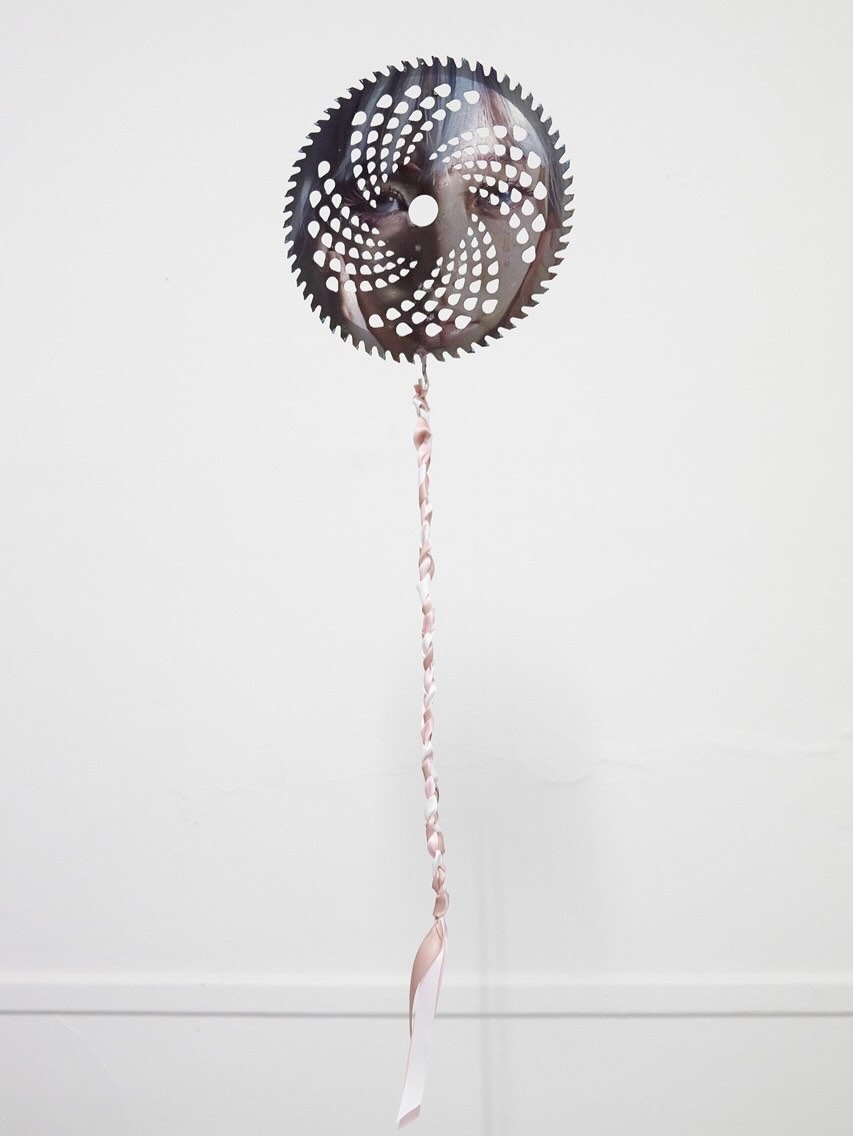
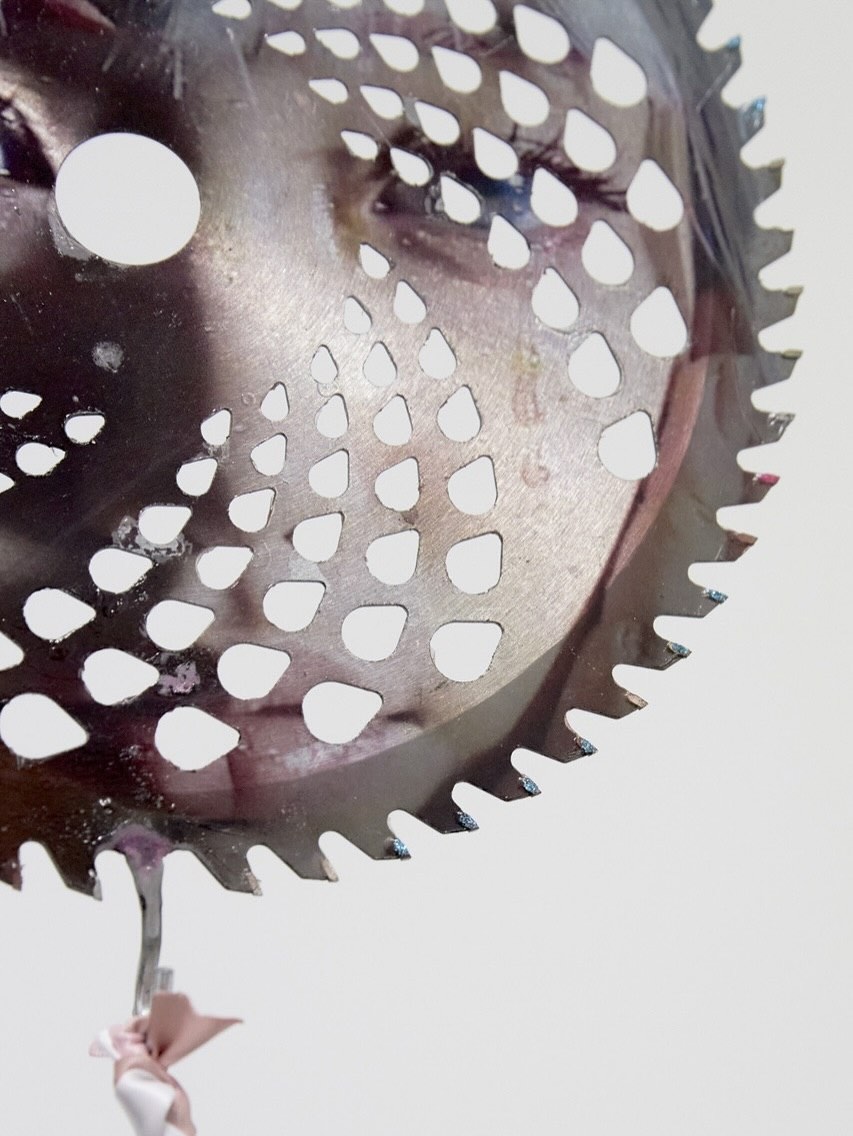
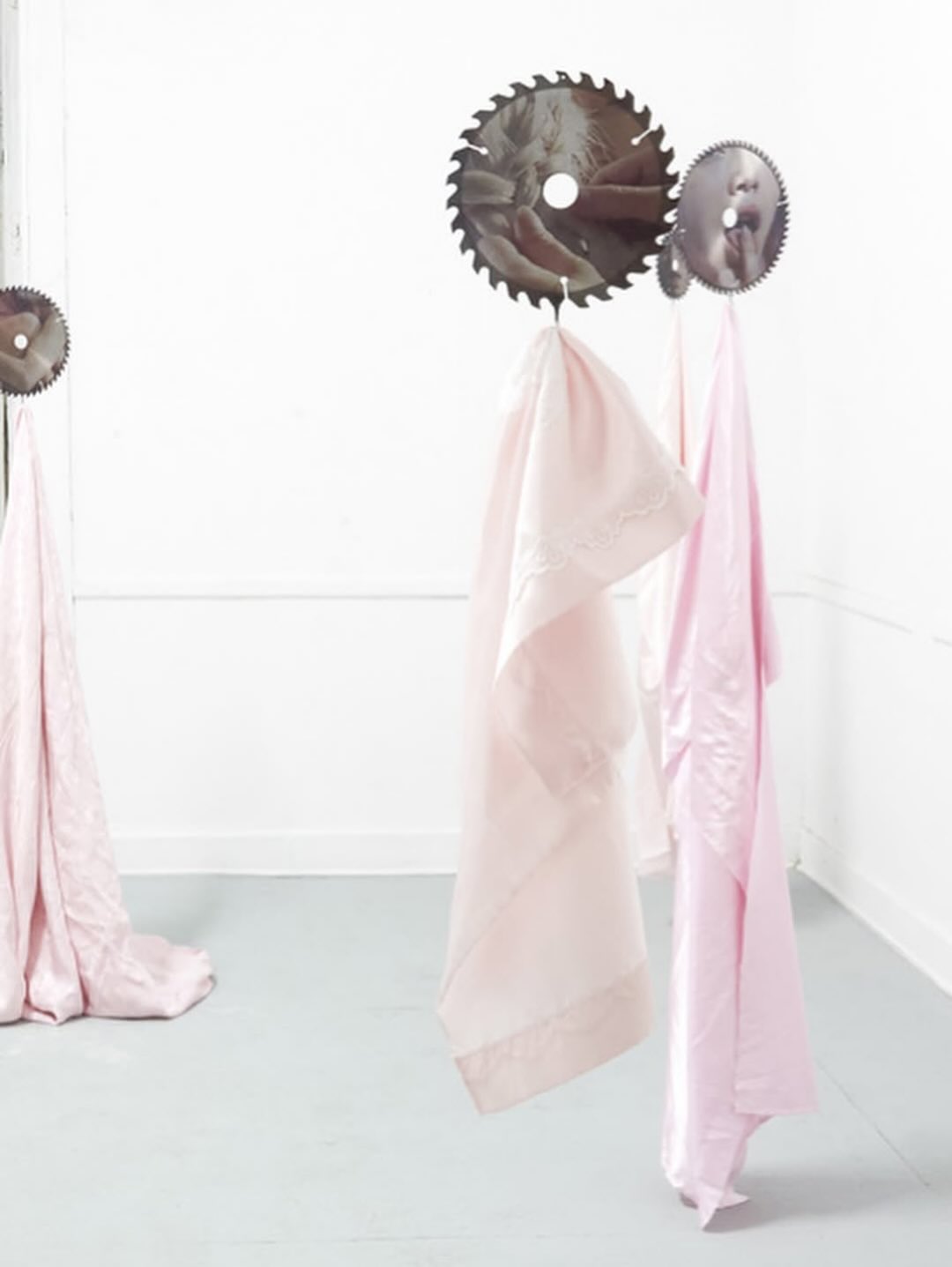
Lisbon / 2026
Paris / 2026
Paris / 2025
Seoul / 2025
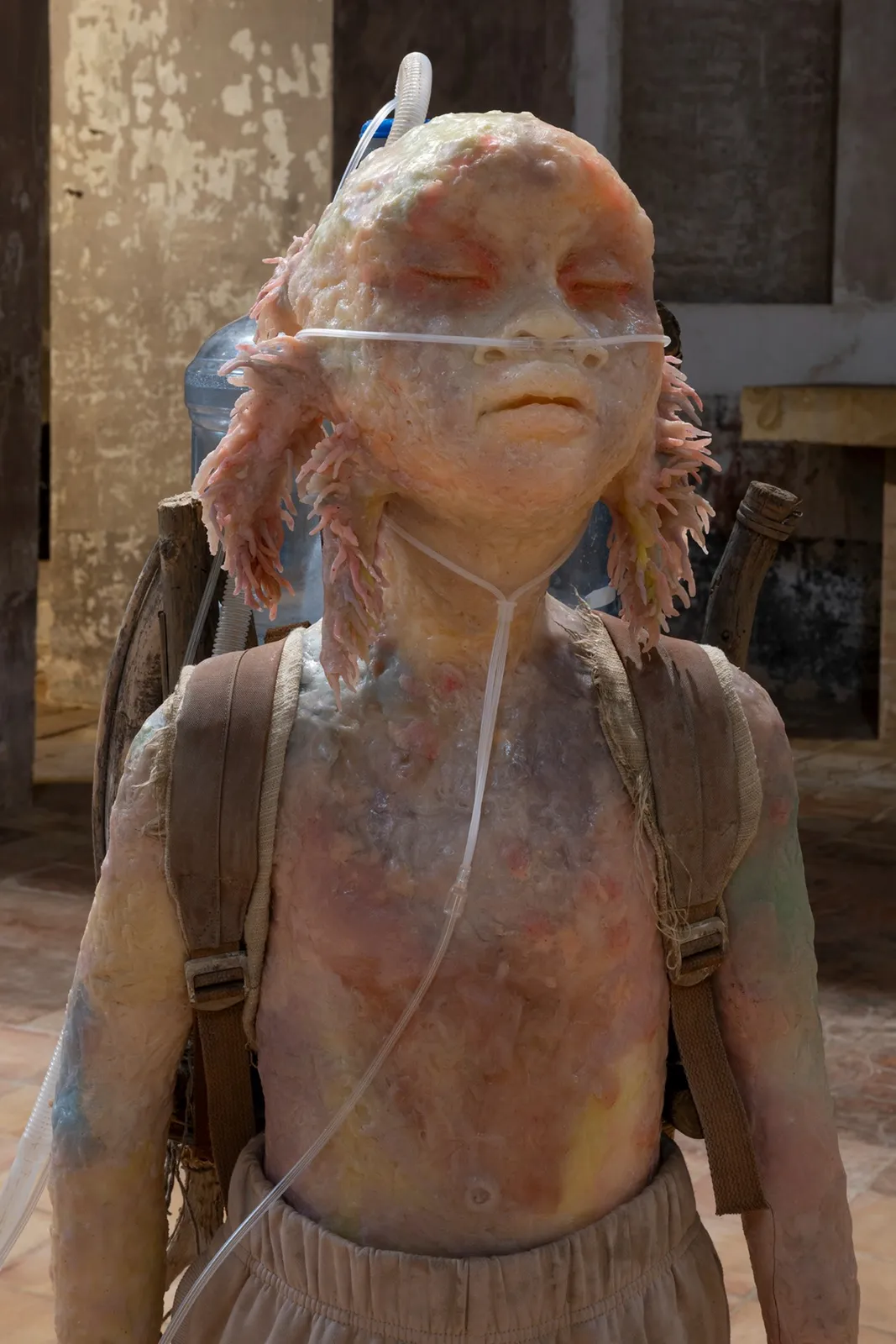
Lladó / 2026
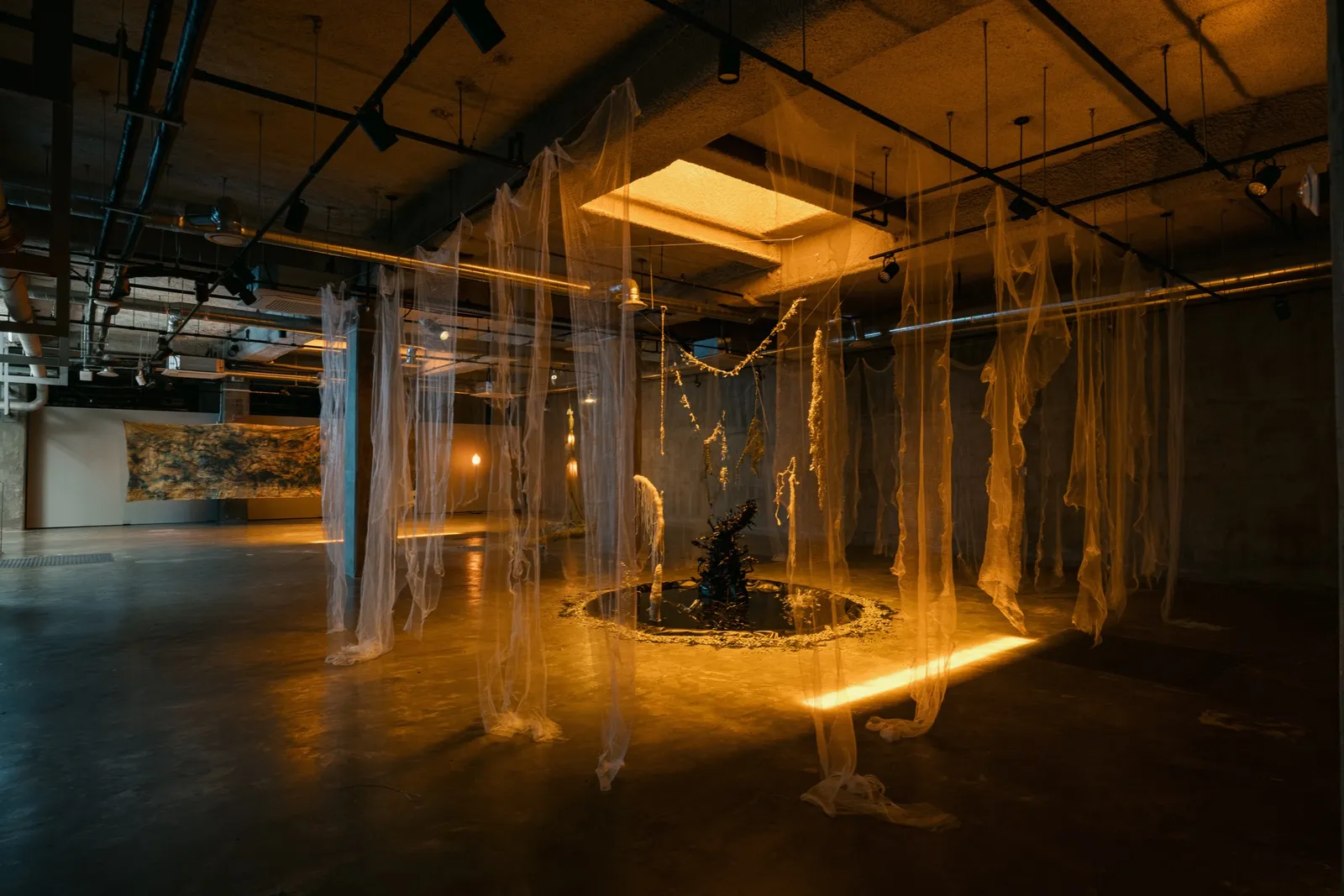
Suwon / 2026
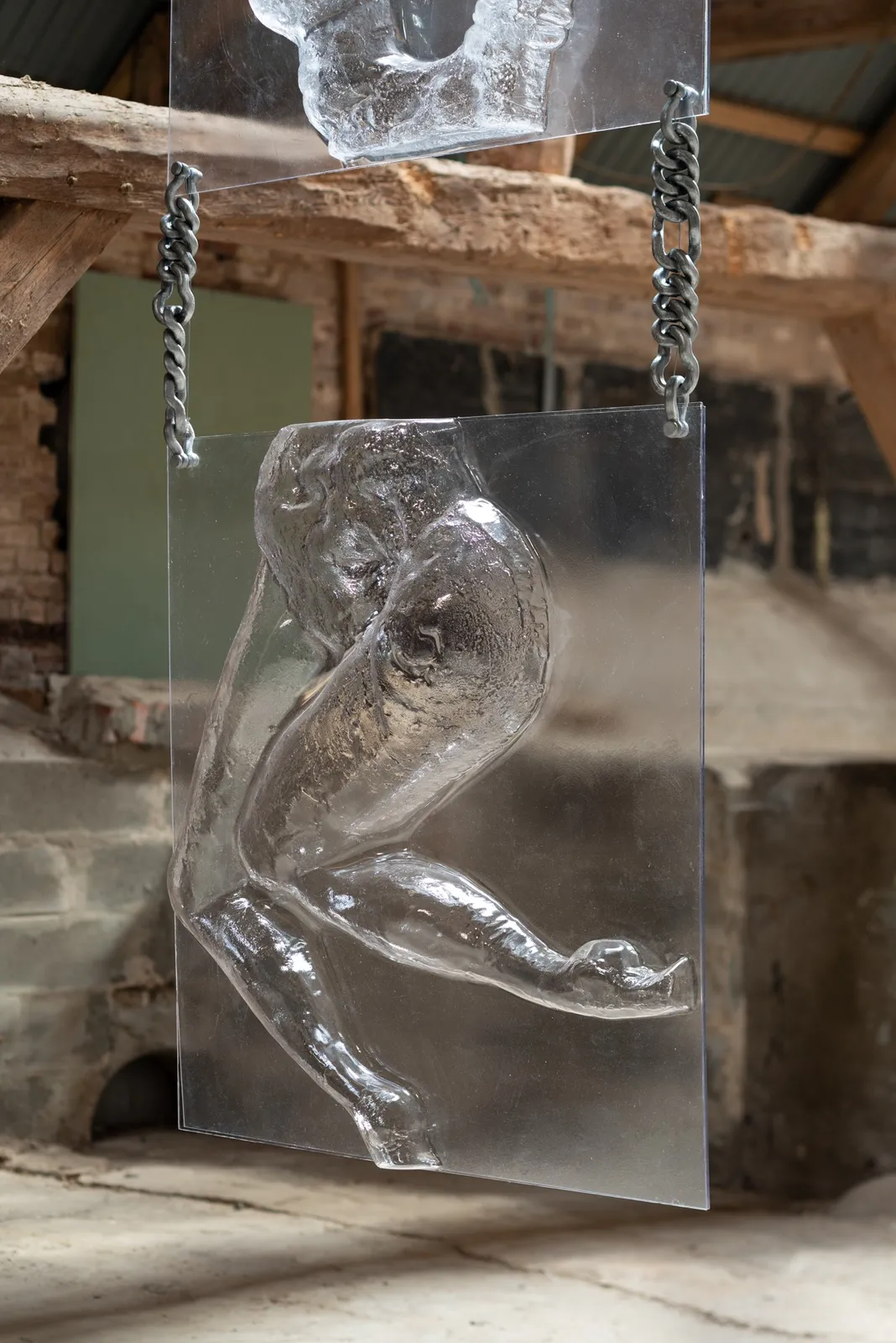
Hurup / 2026
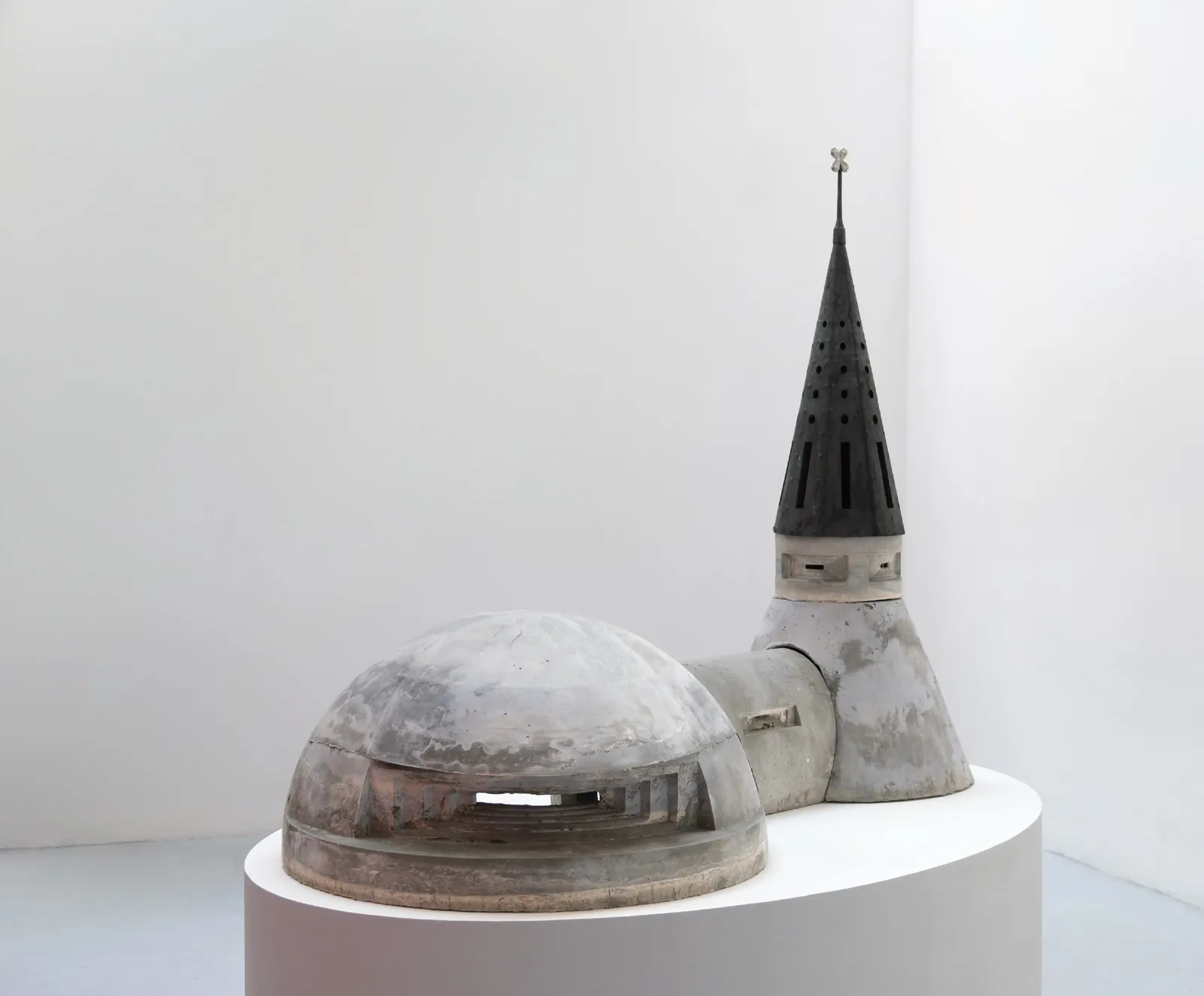
/ 2026
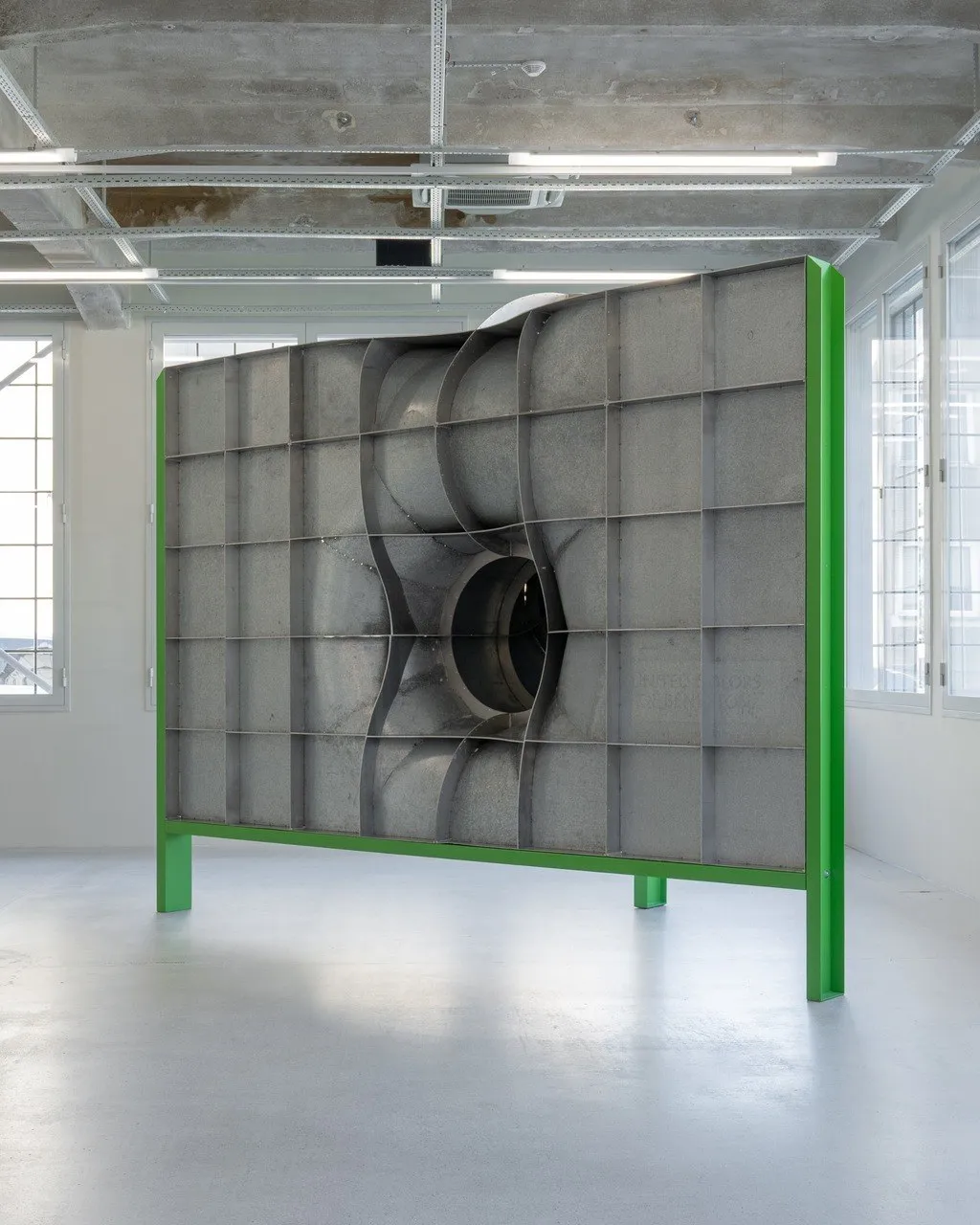
Olomouc / 2026
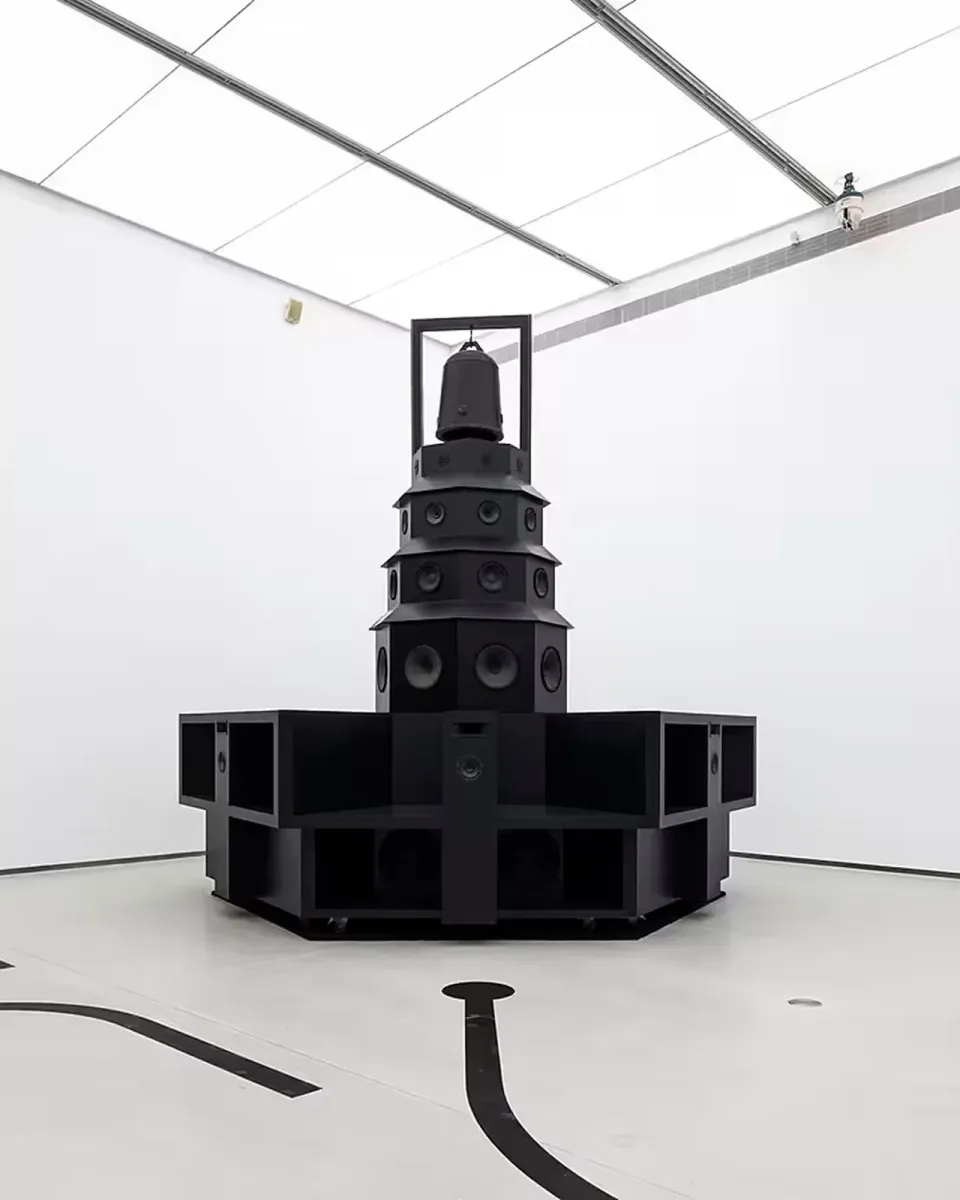
Shanghai / 2026
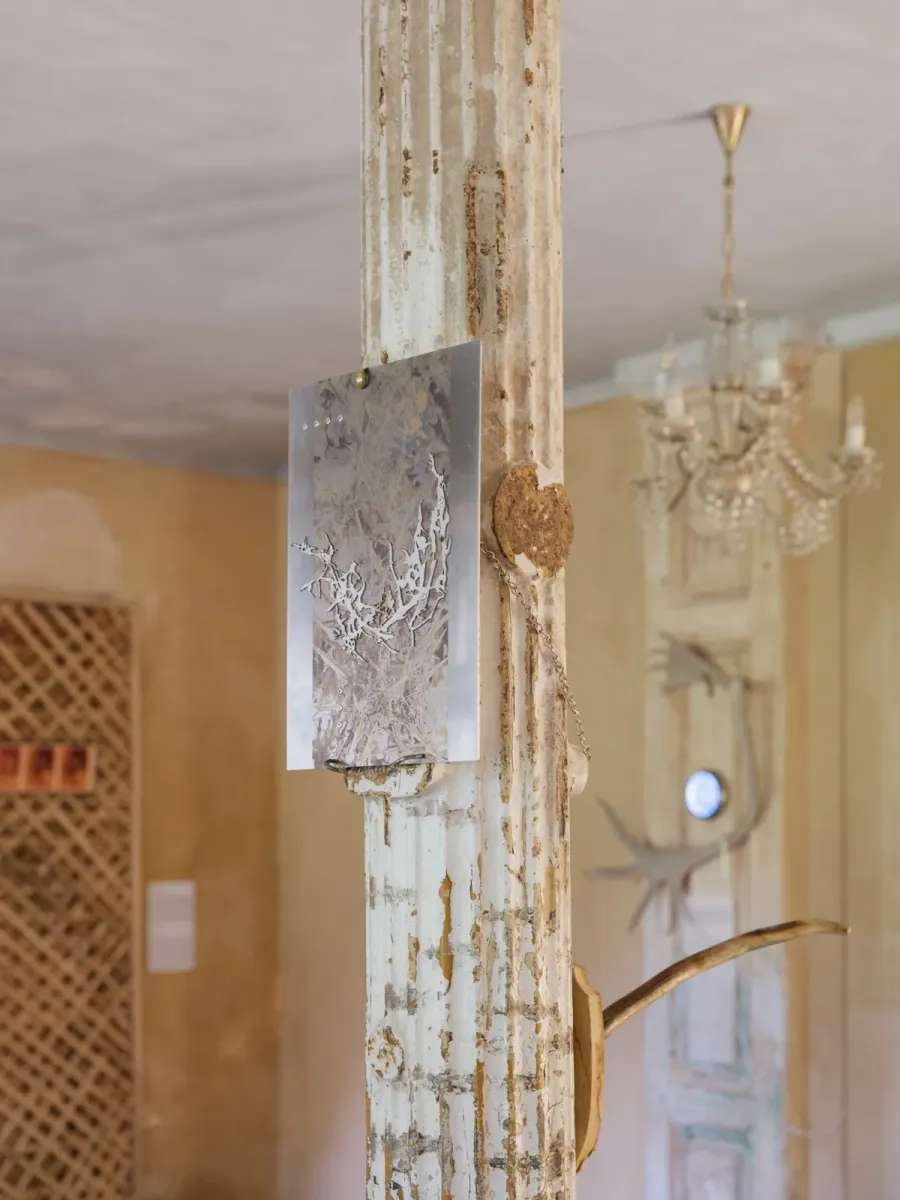
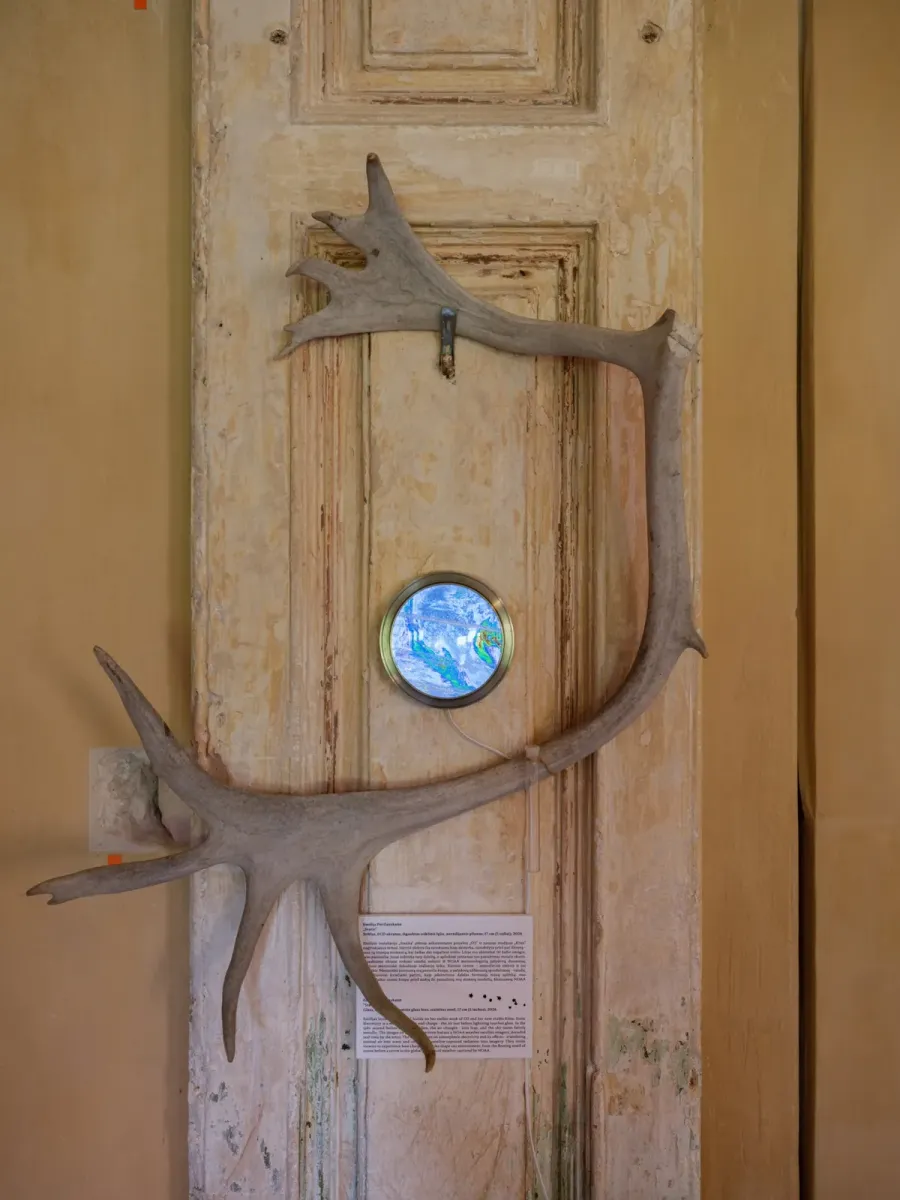
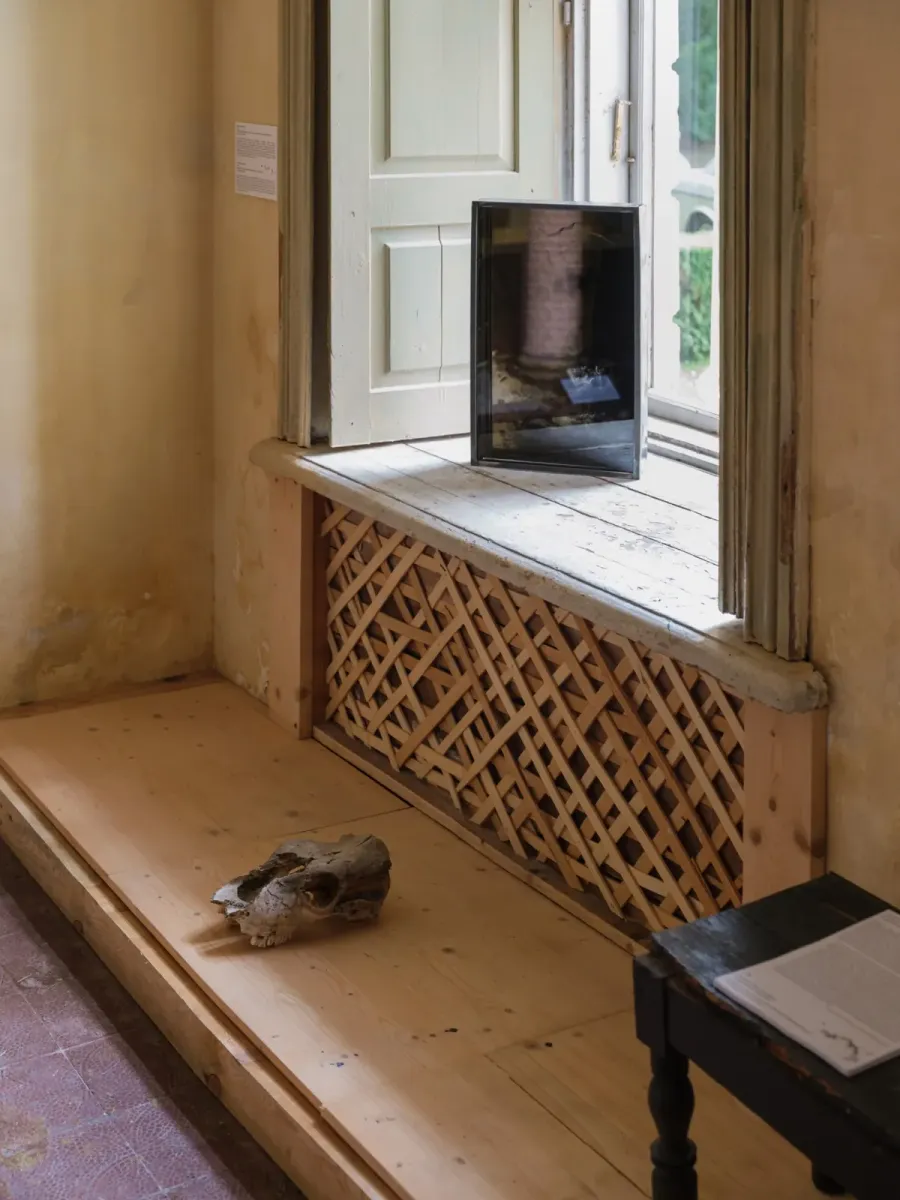
Vilnius District Municipality / 2026
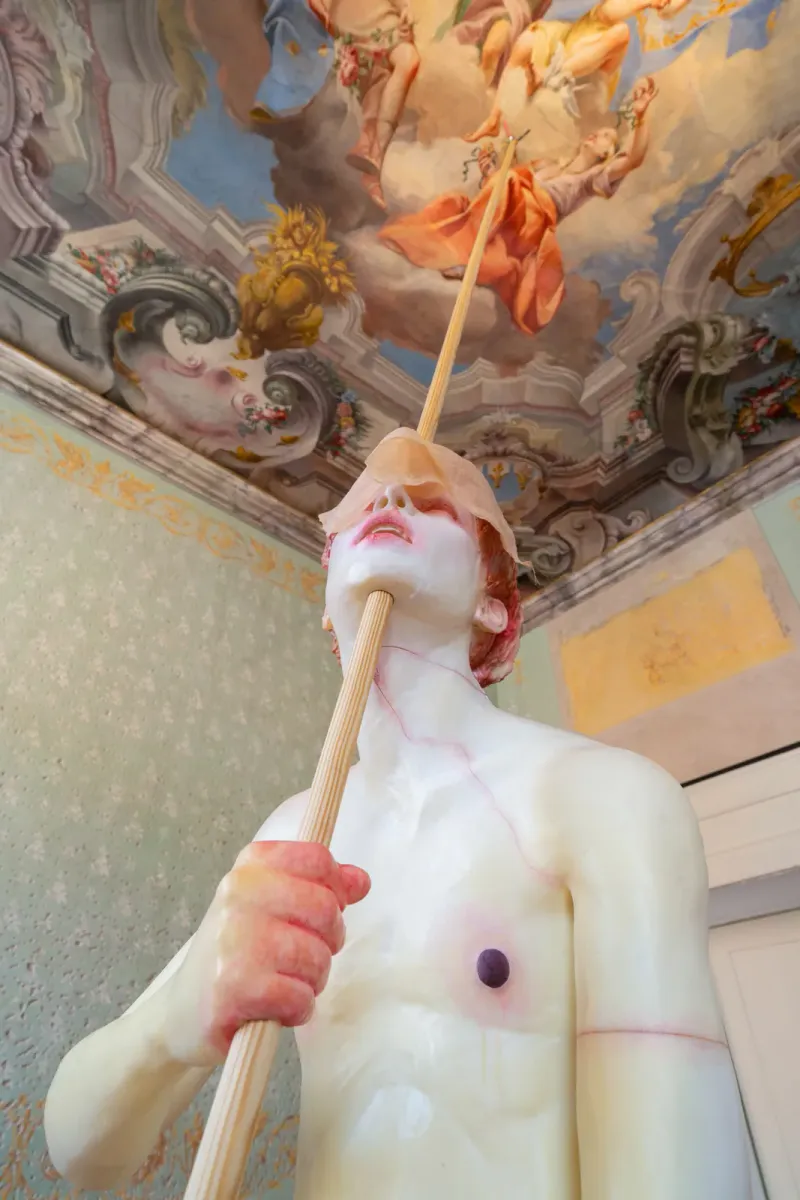
Brescia / 2026
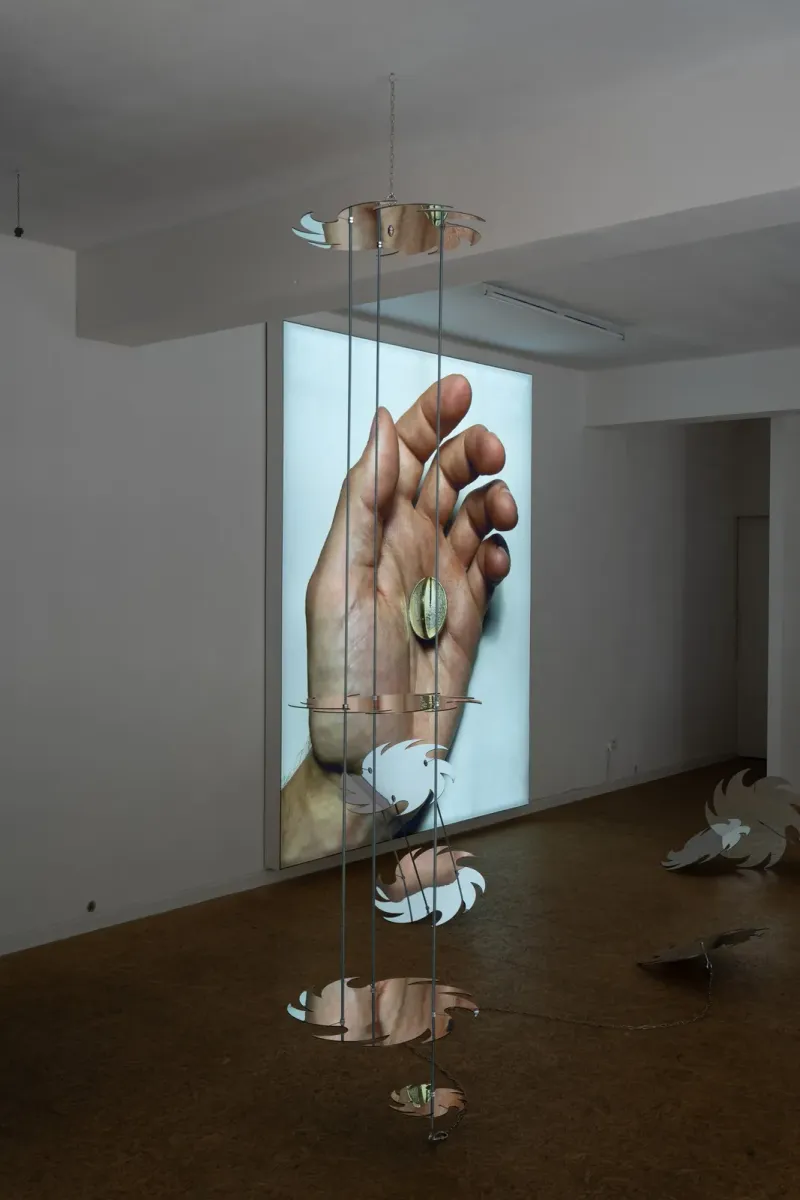
Poznań / 2026
Lima / 2026
Brussels / 2026
.webp)
Cergy / Paris / 2026
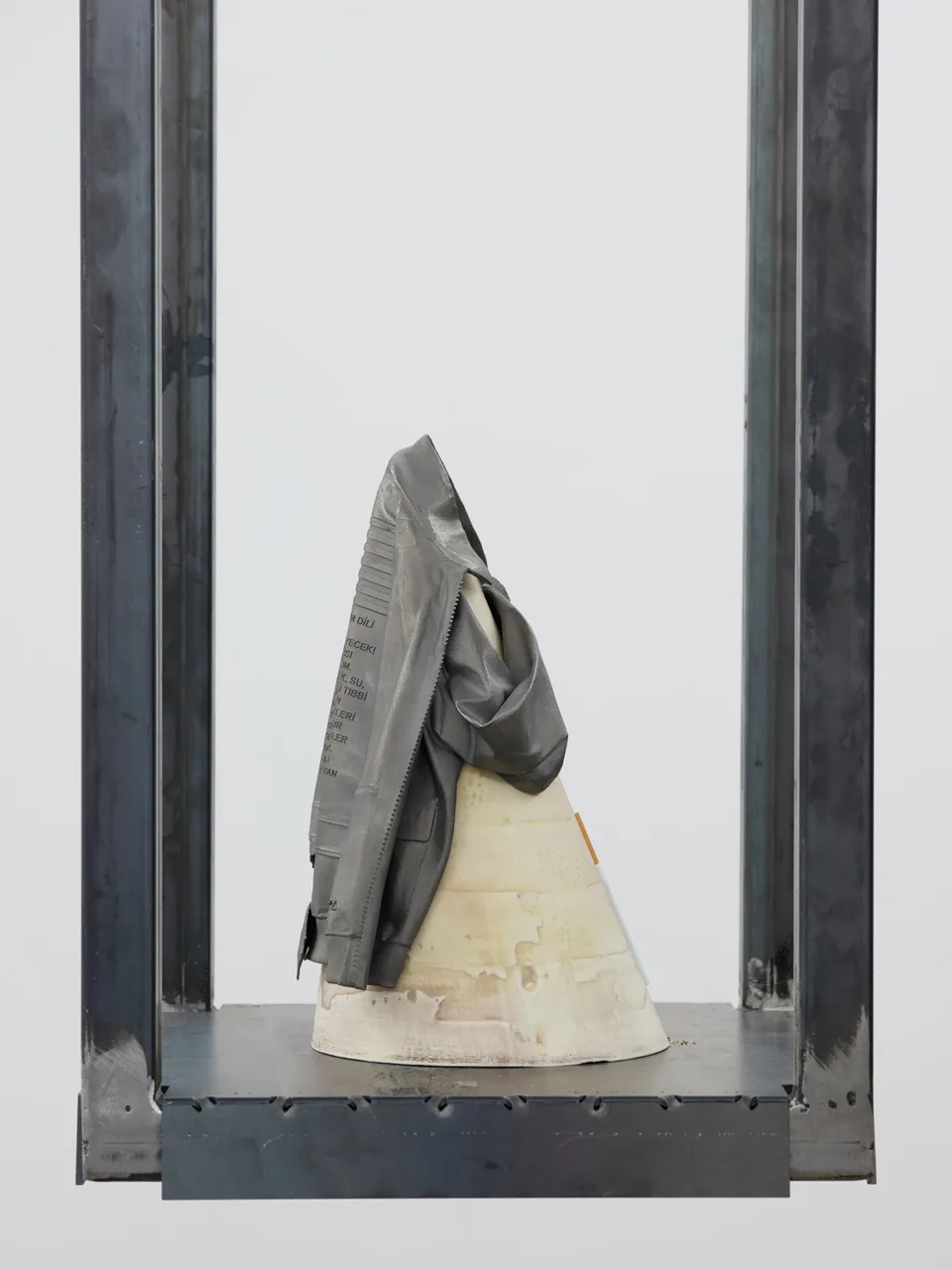
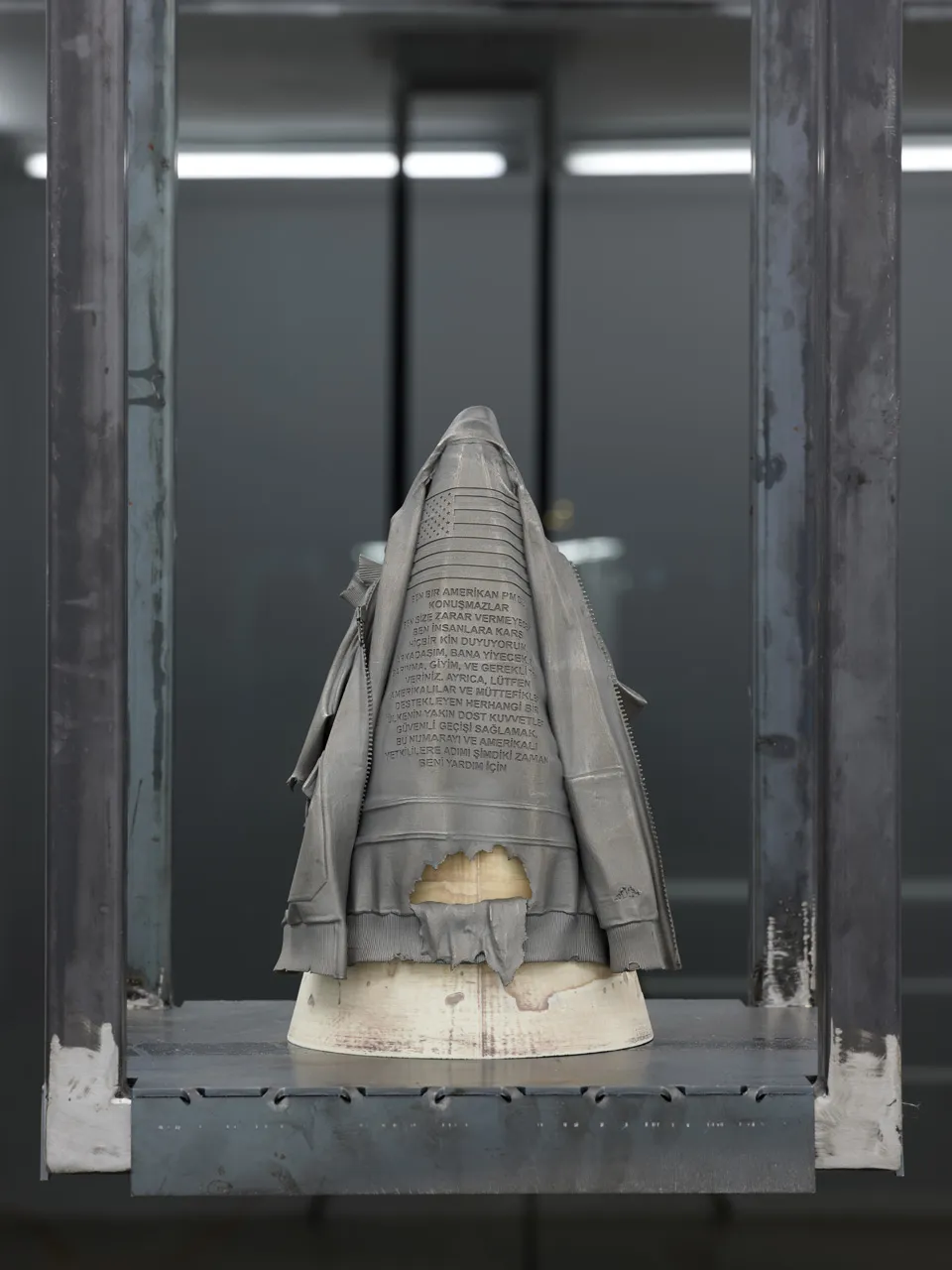
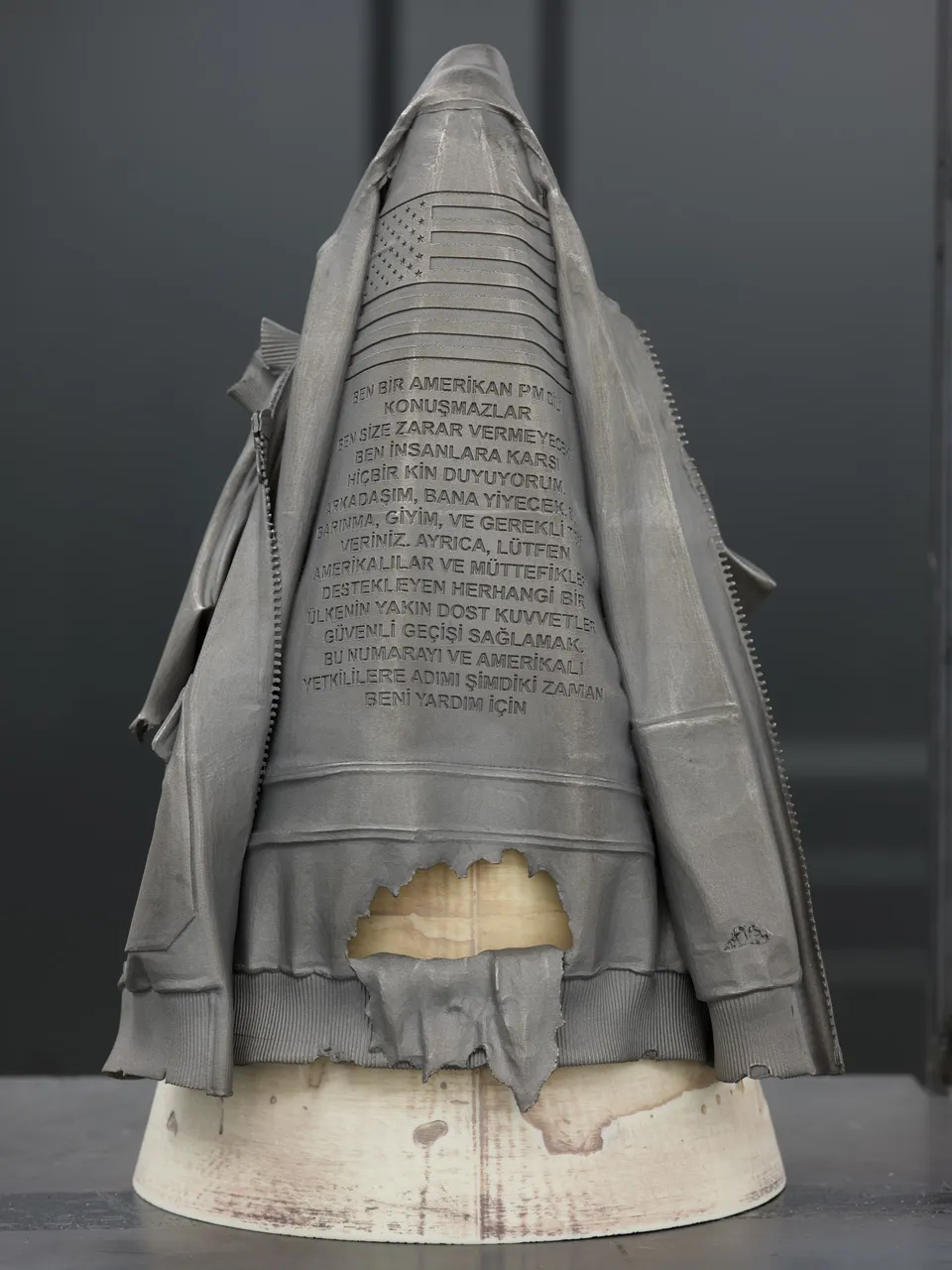
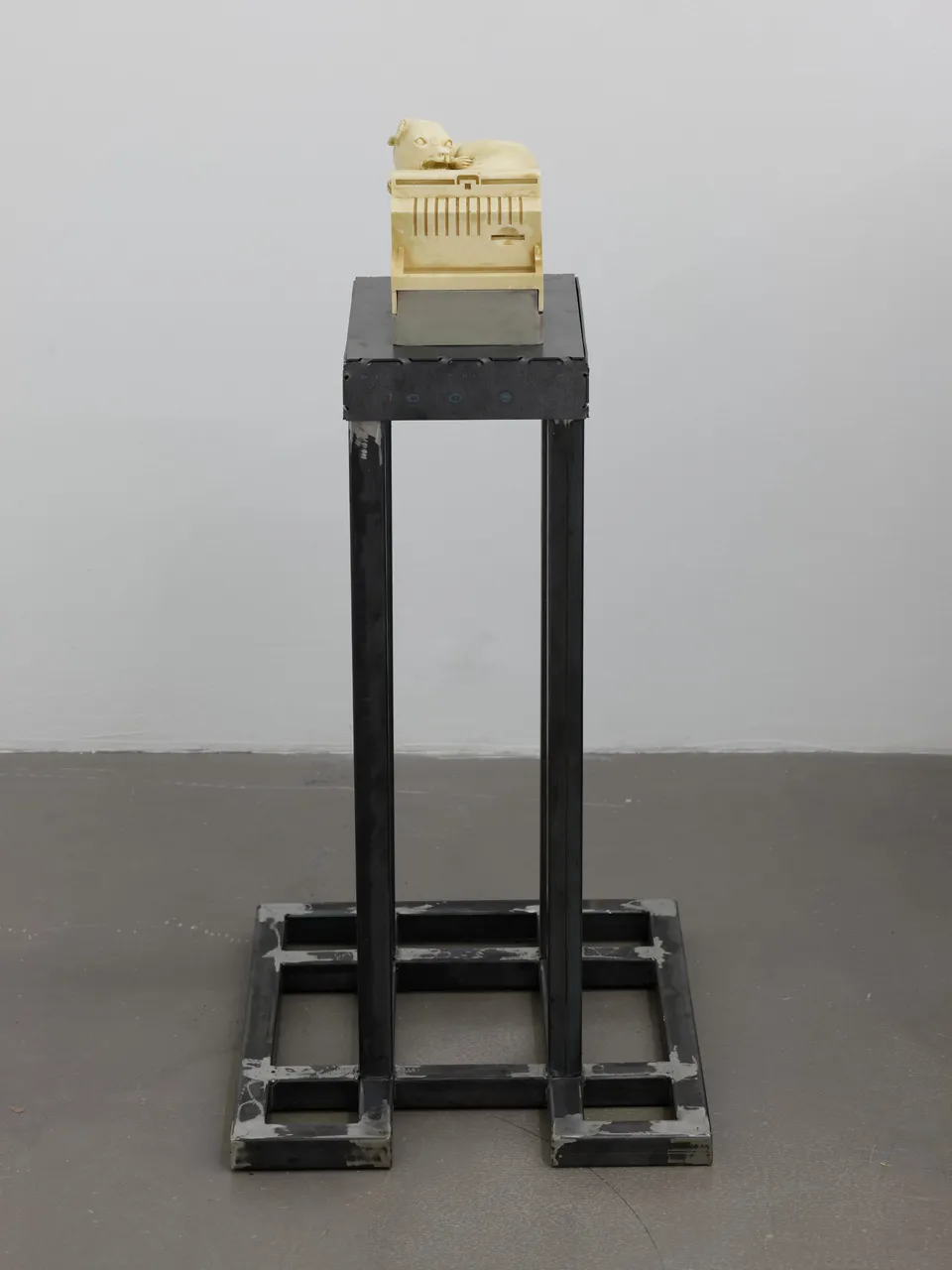
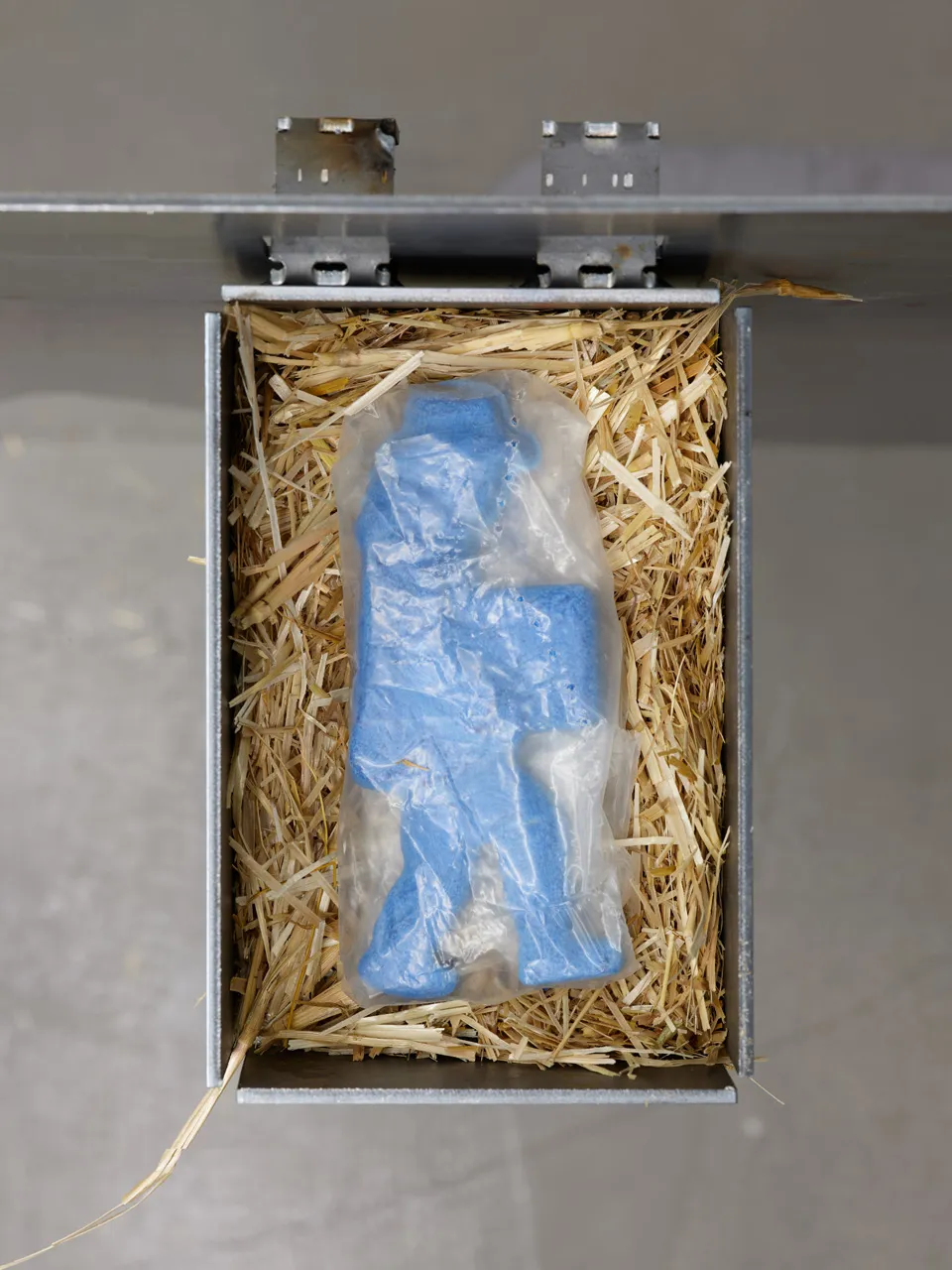
Istanbul / 2026
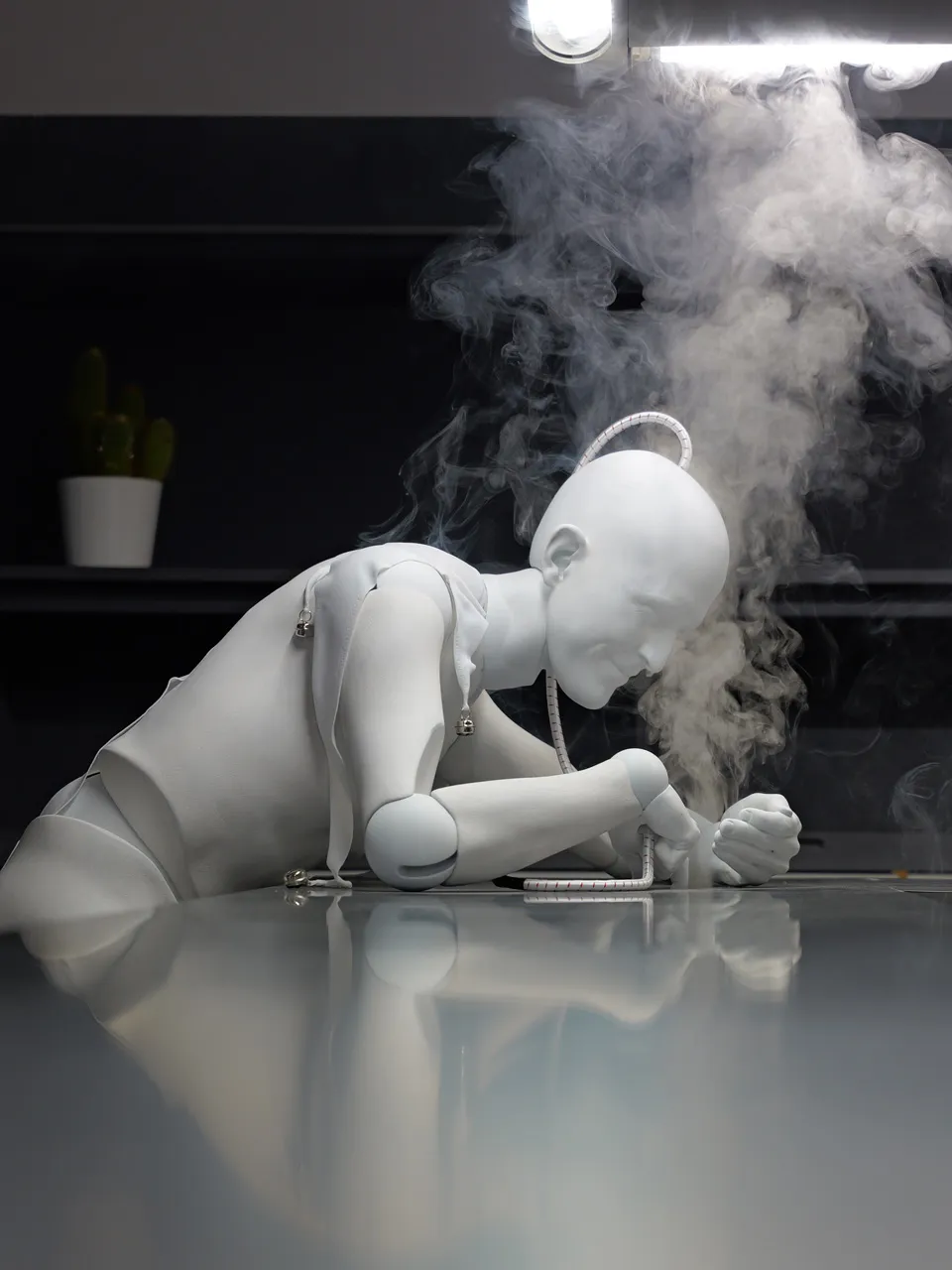
Düsseldorf / 2026
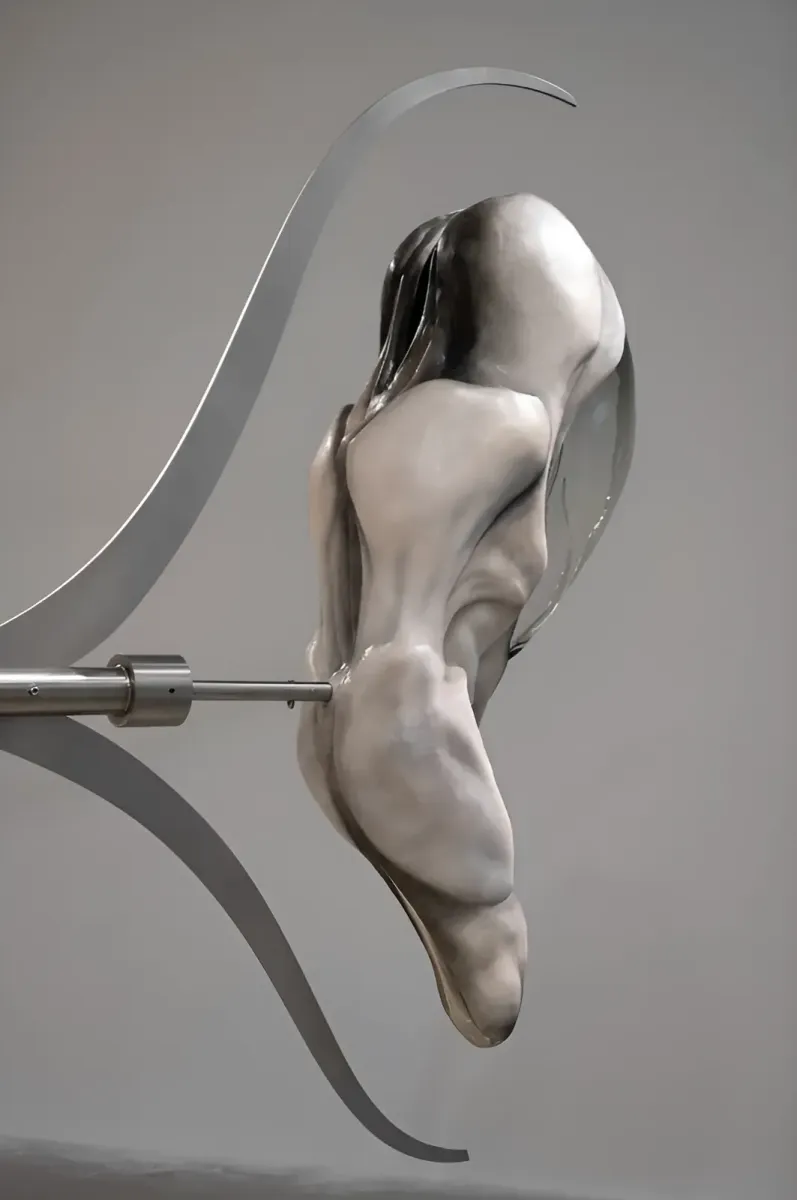
Montpellier / 2025
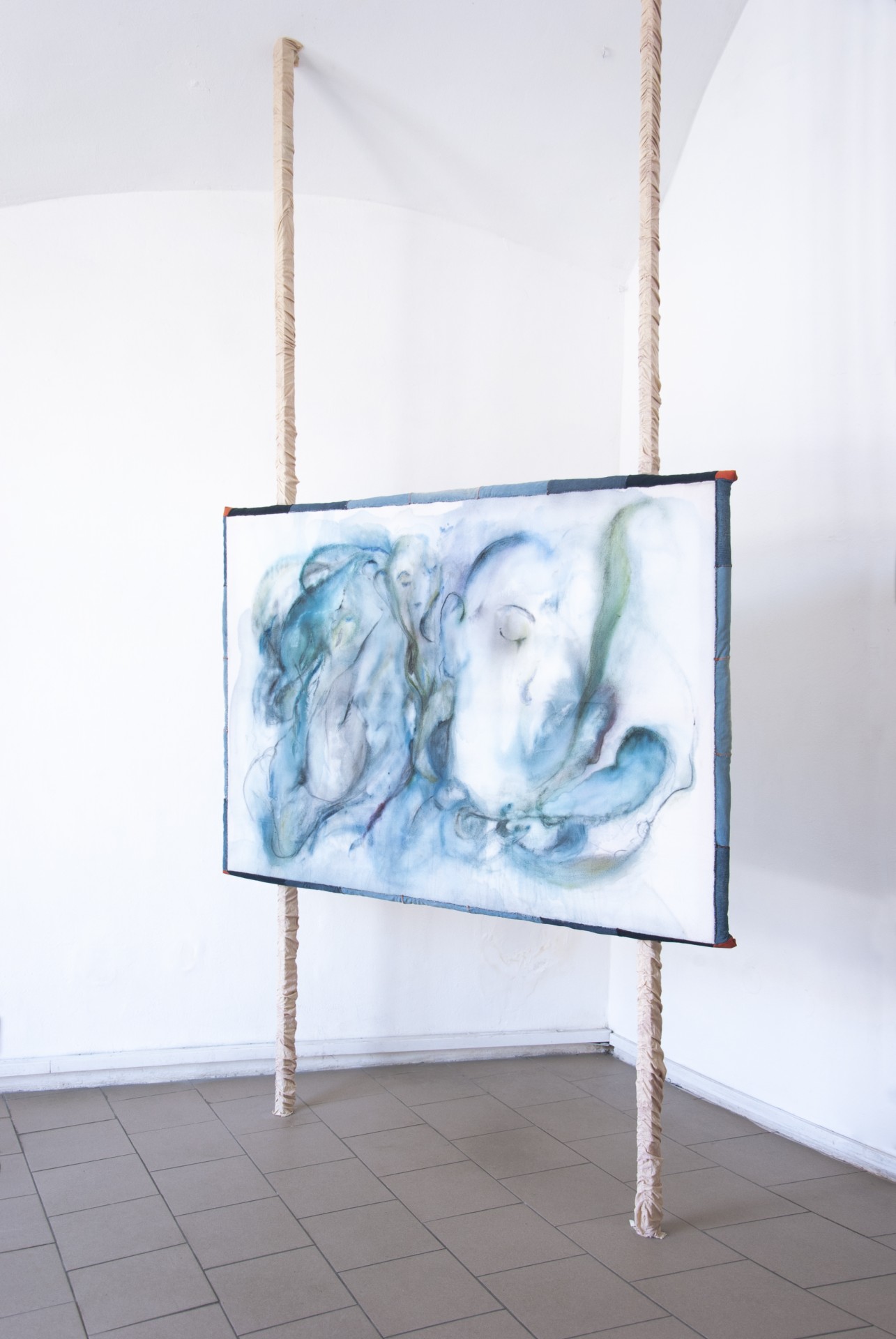
Brno / 2025
Lisbon / 2025
/ 2024
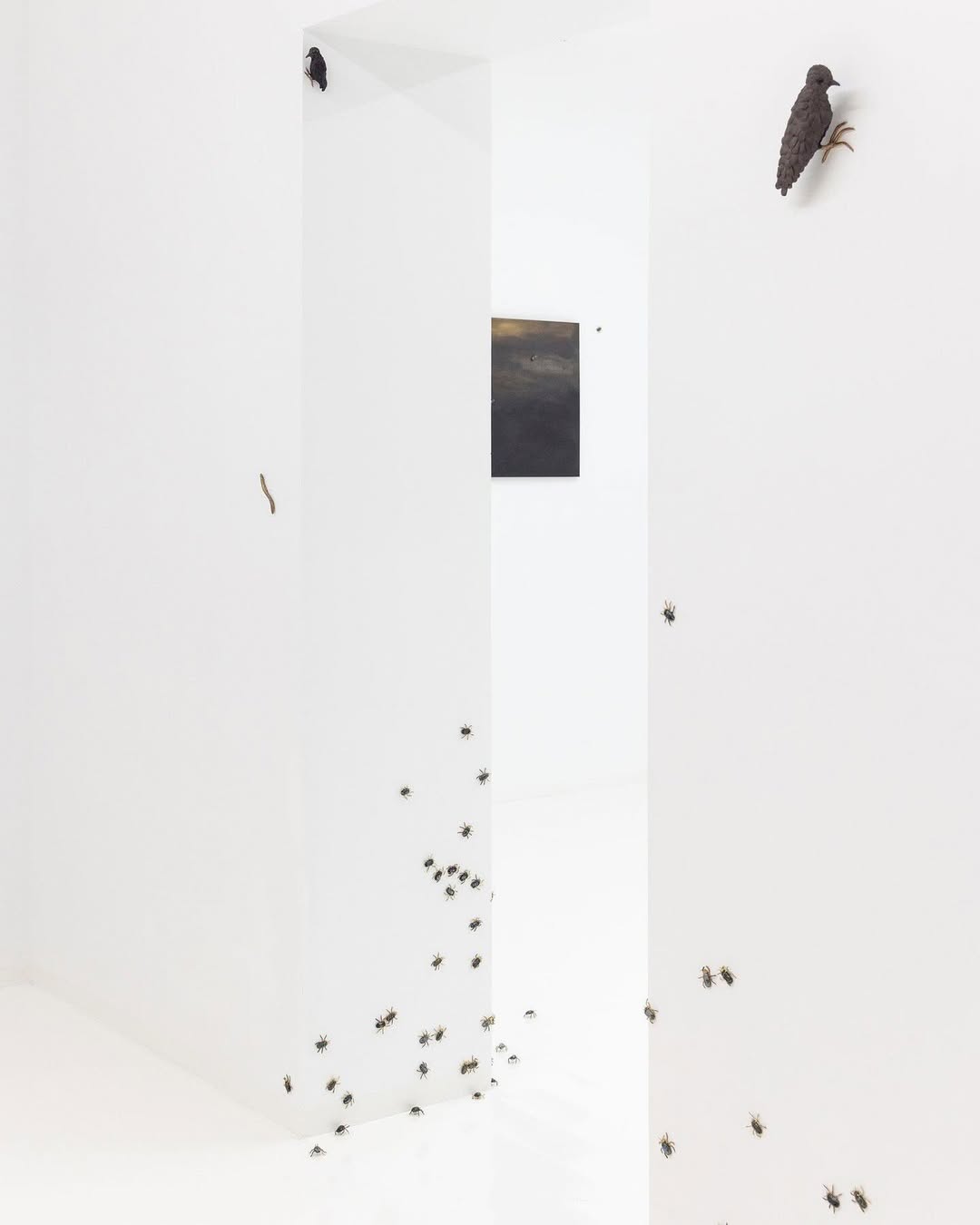
Shanghai / 2024
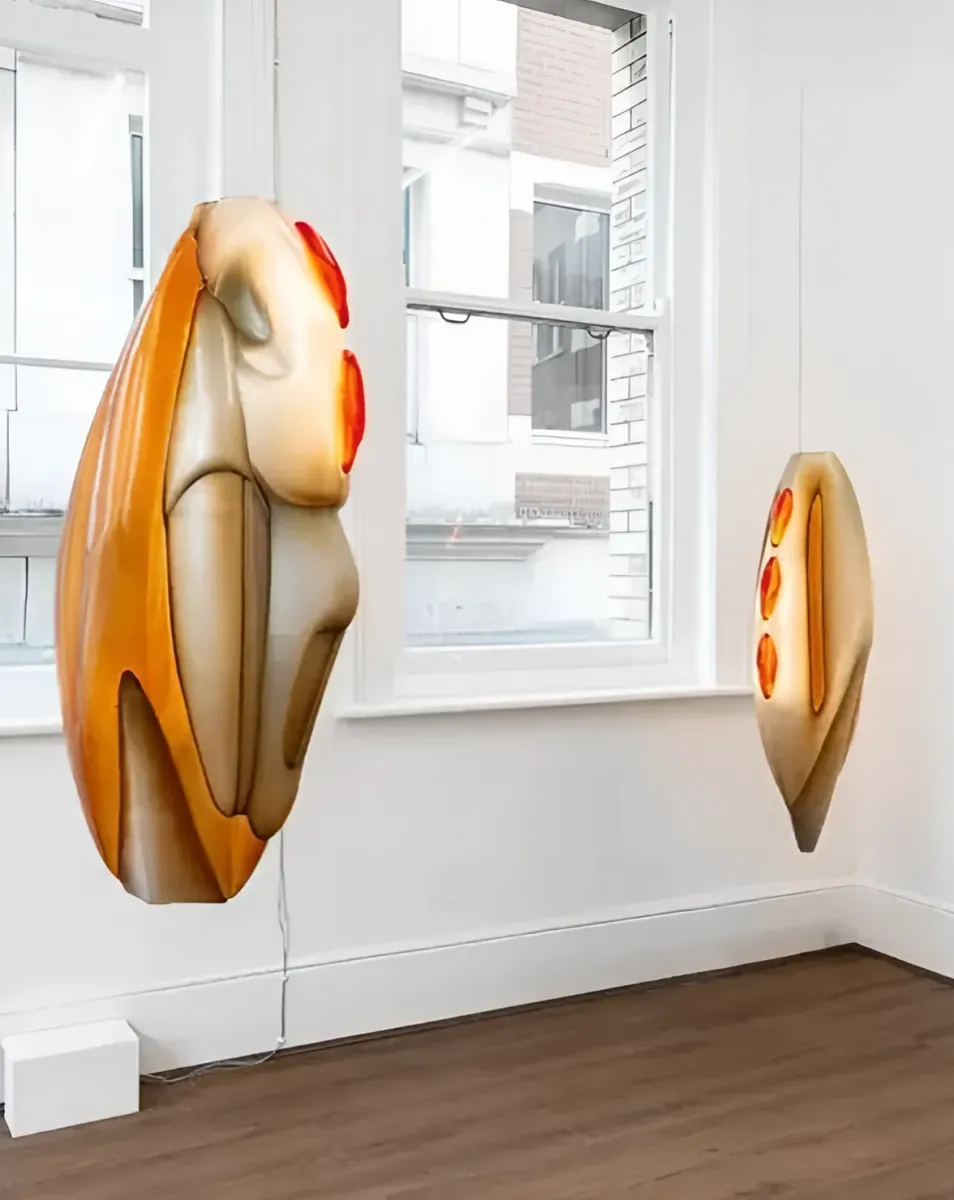
London / 2024
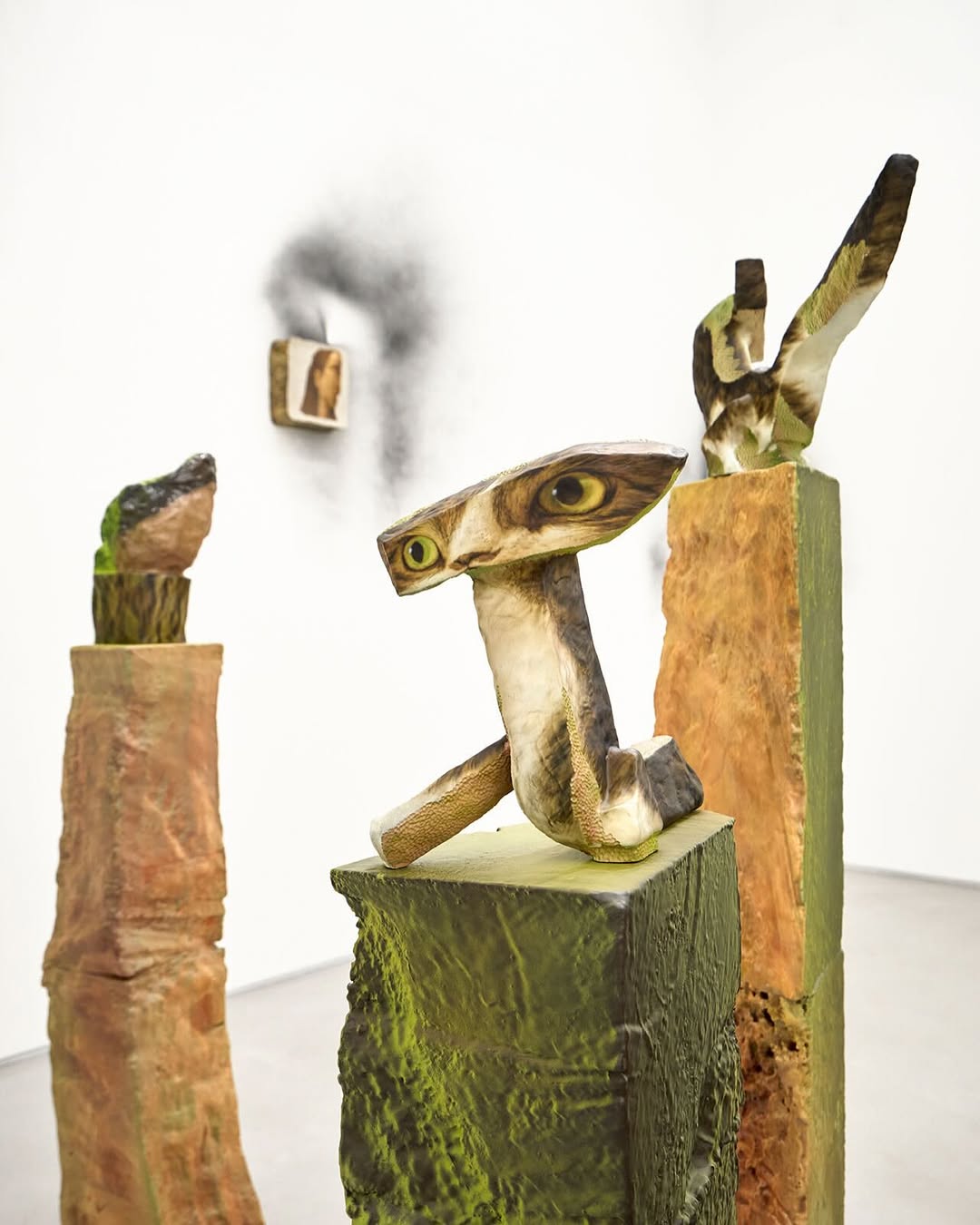
/ 2025
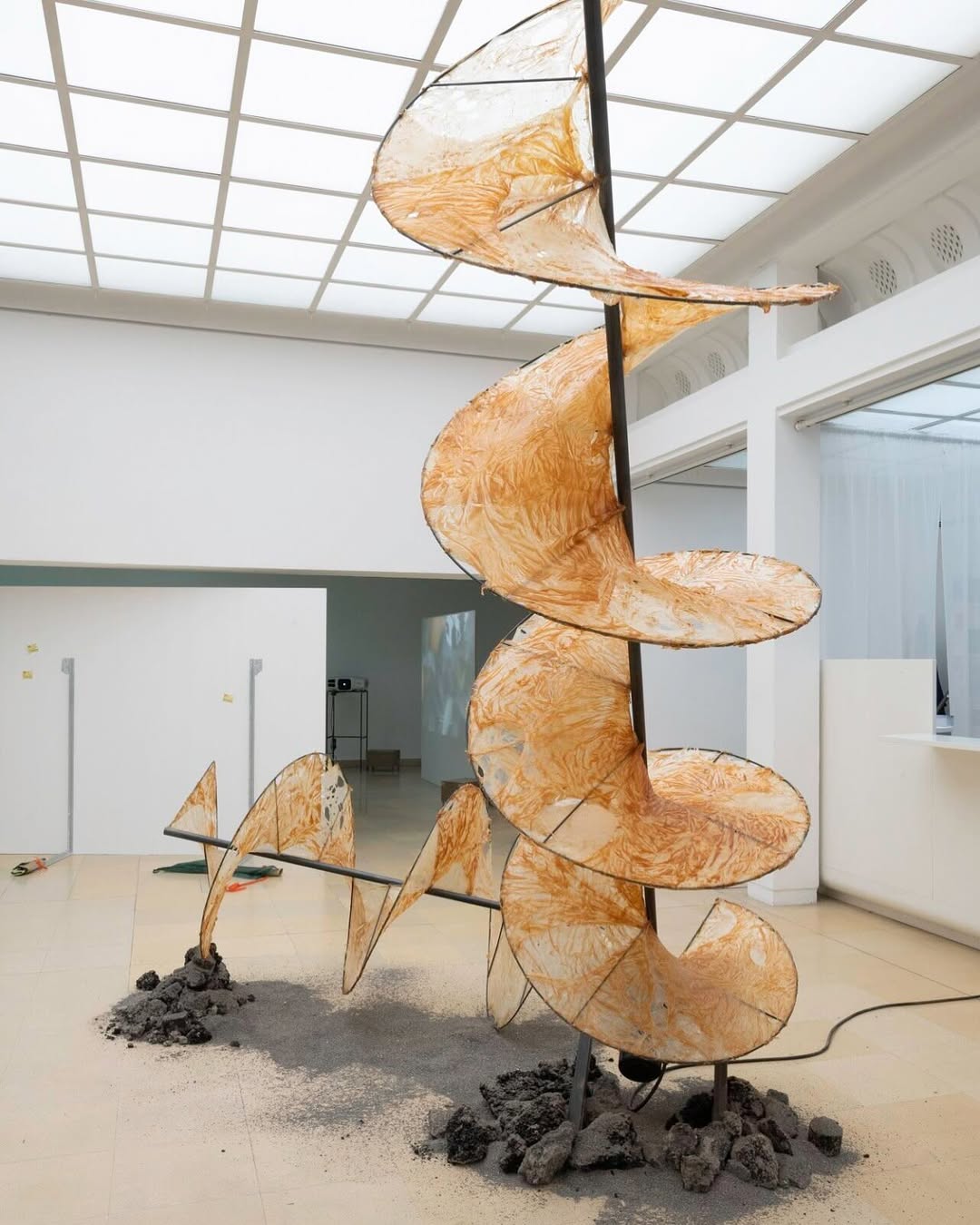
Innsbruck / 2025
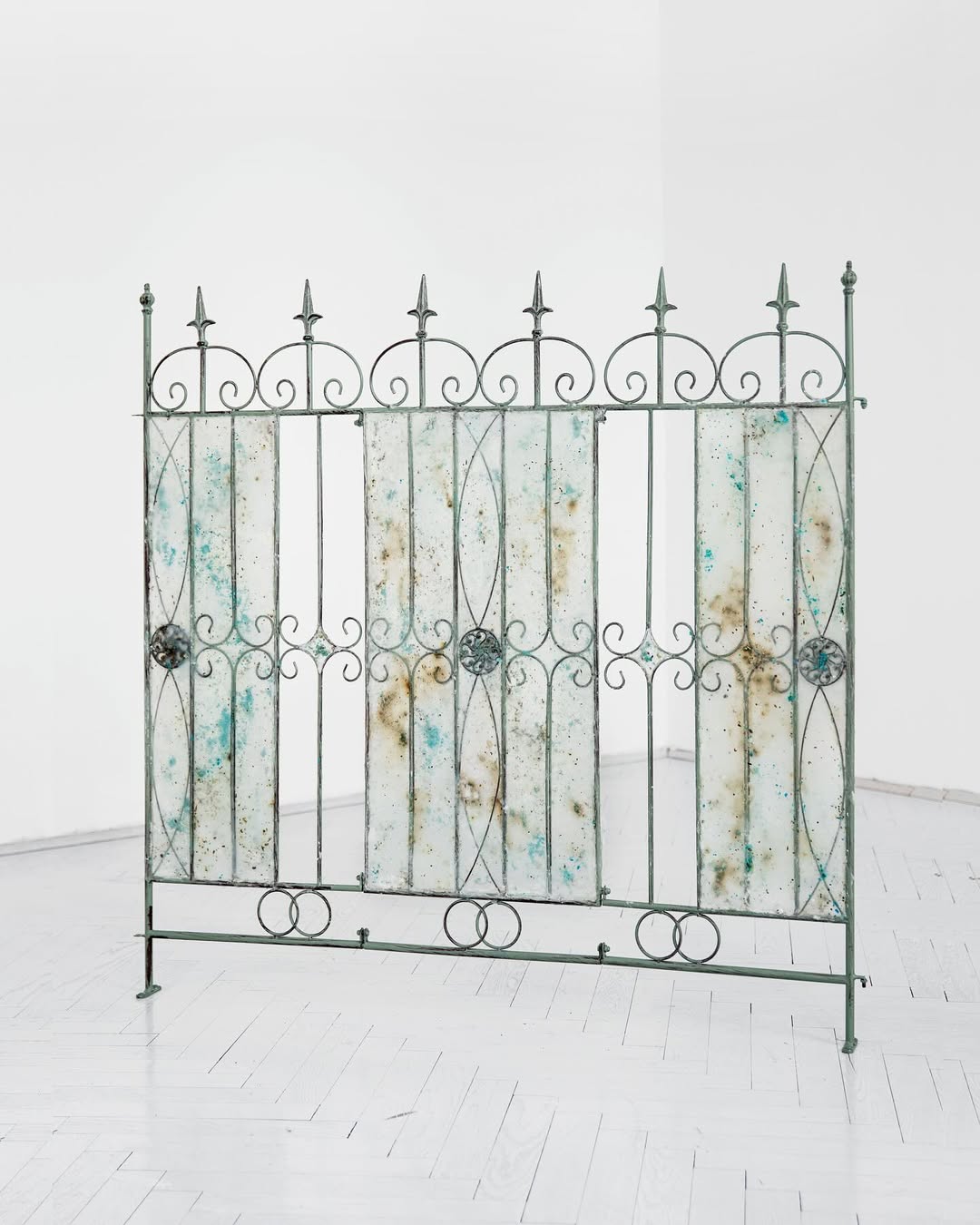
Vienna / 2025
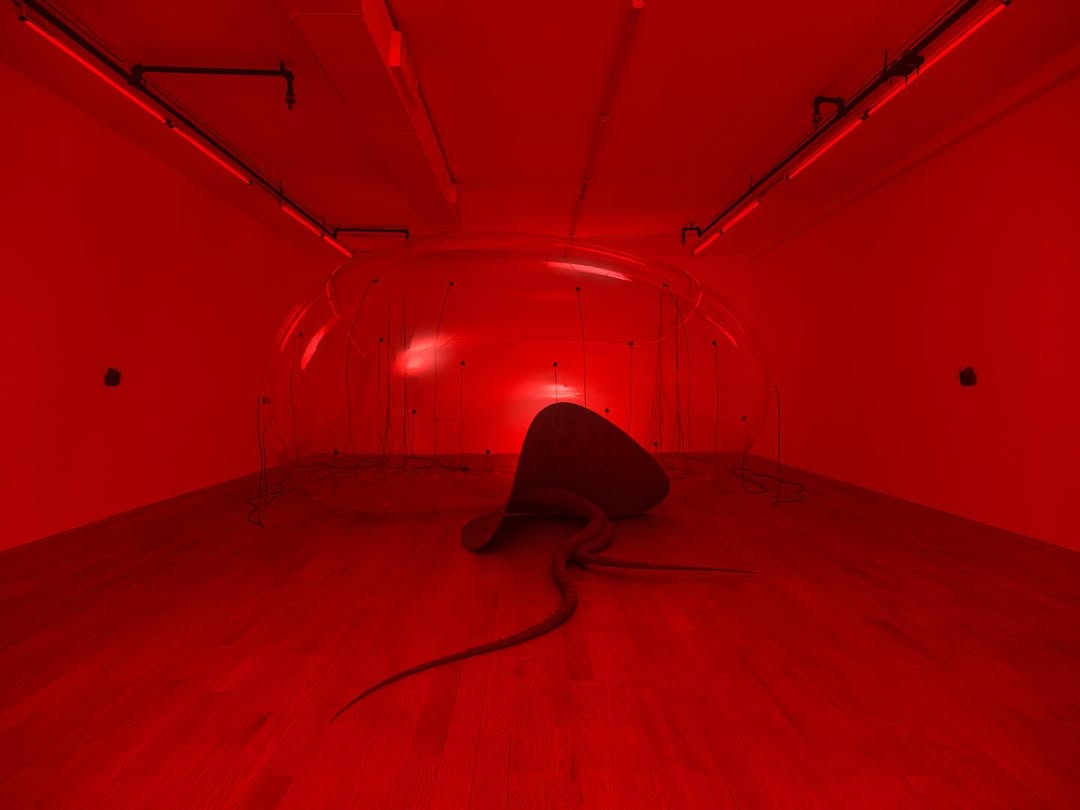
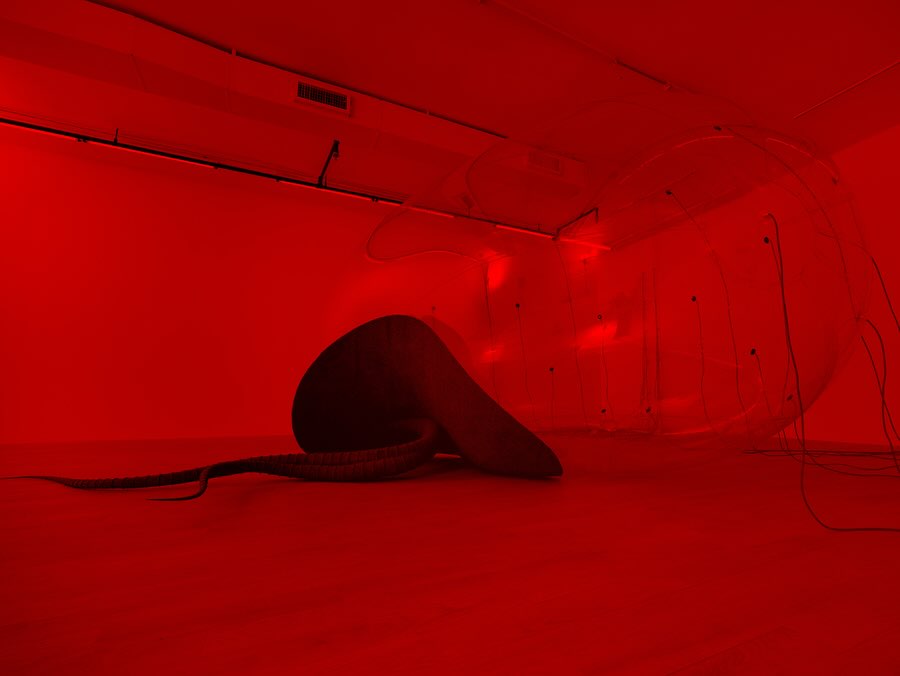
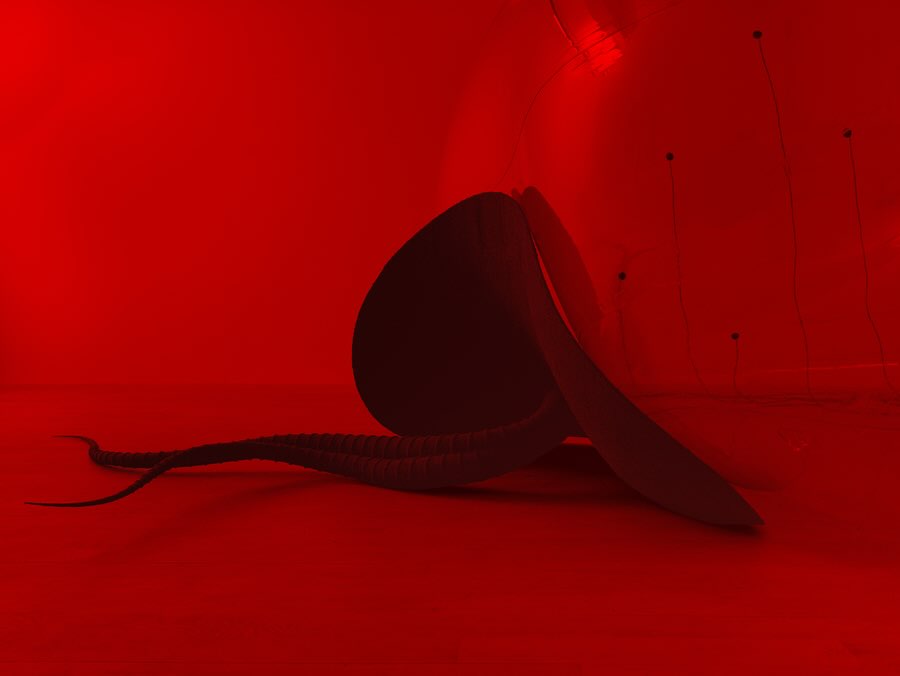
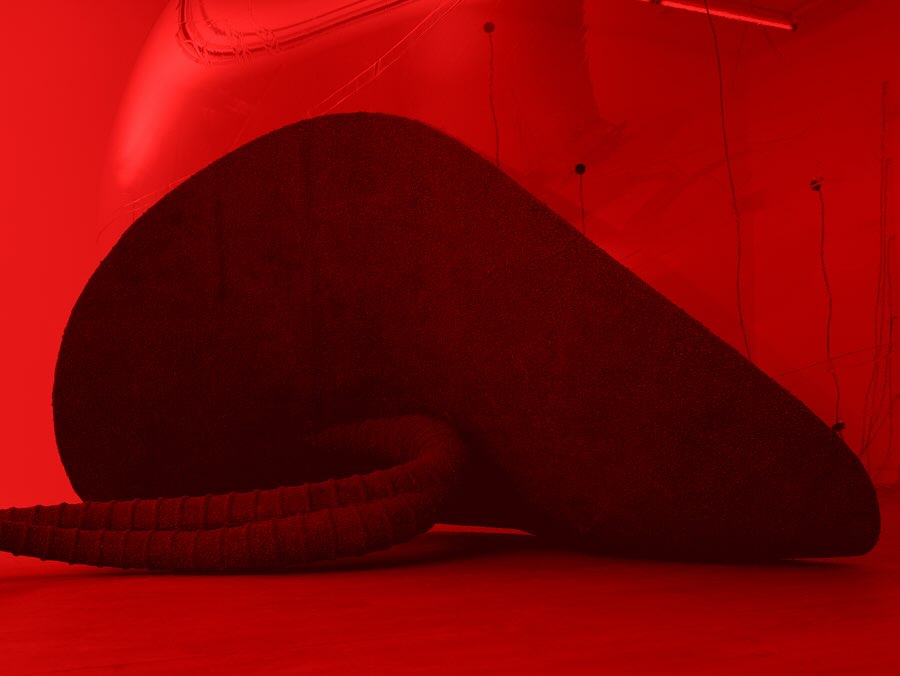
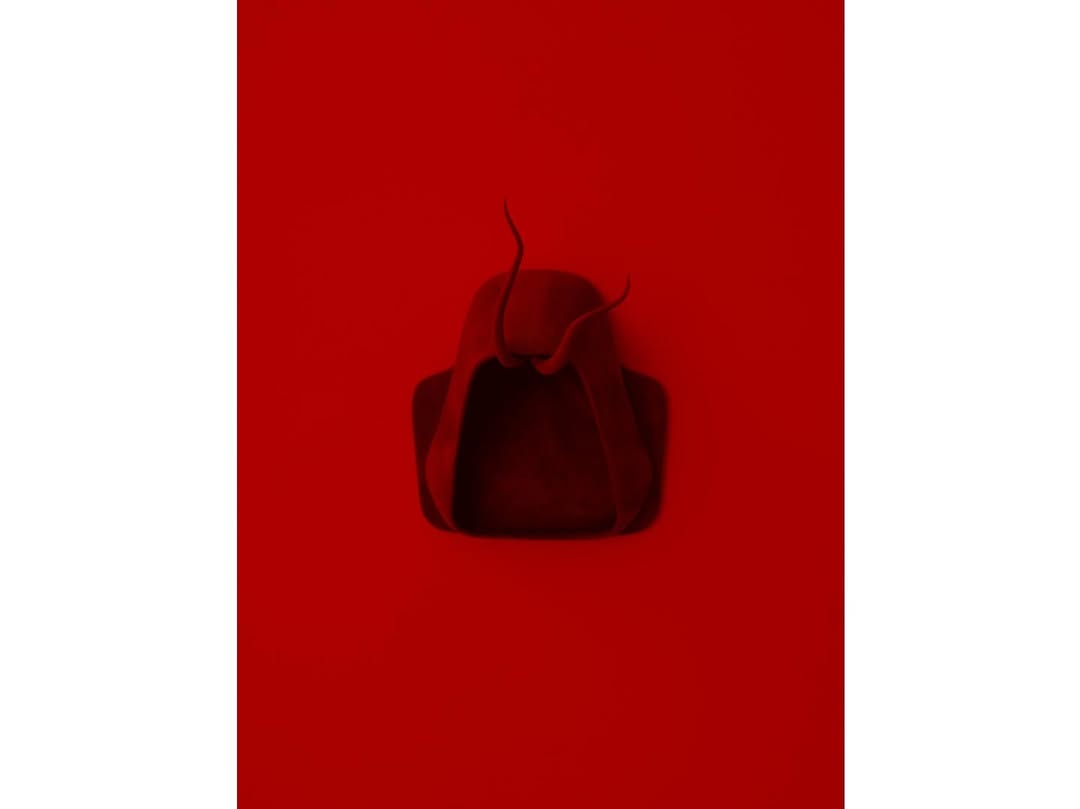
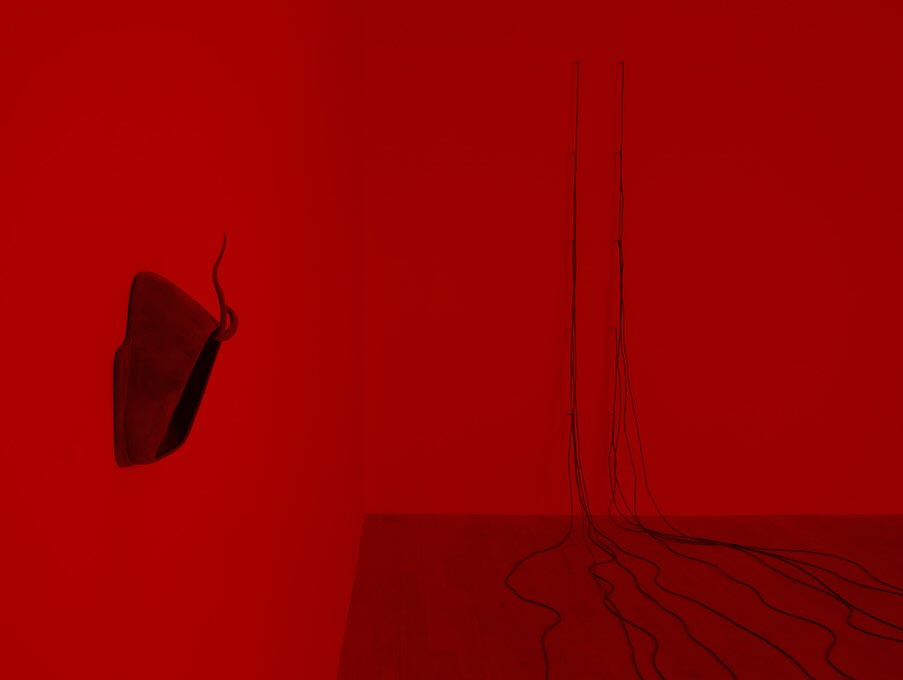
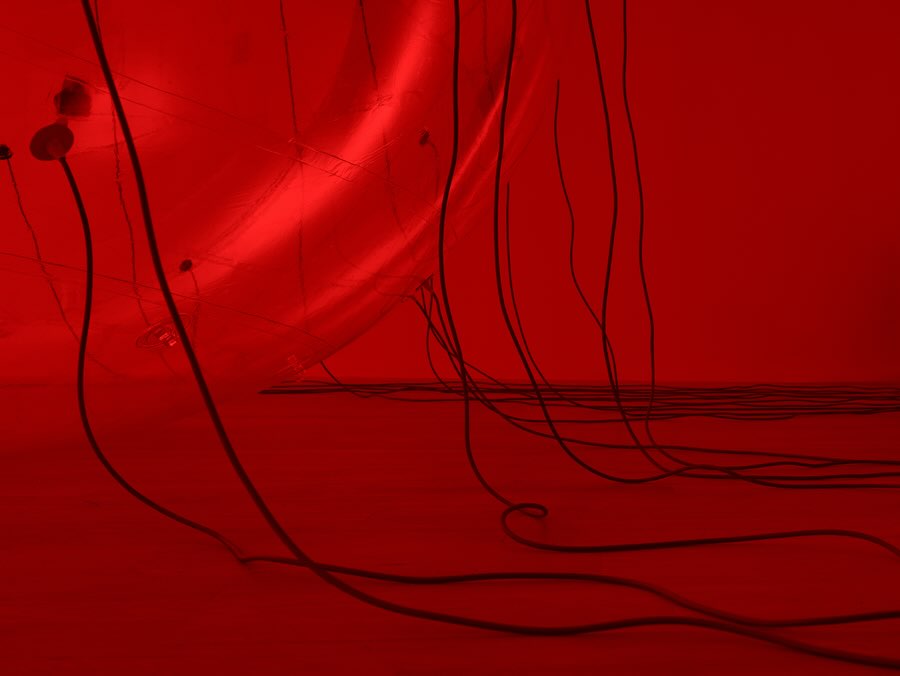
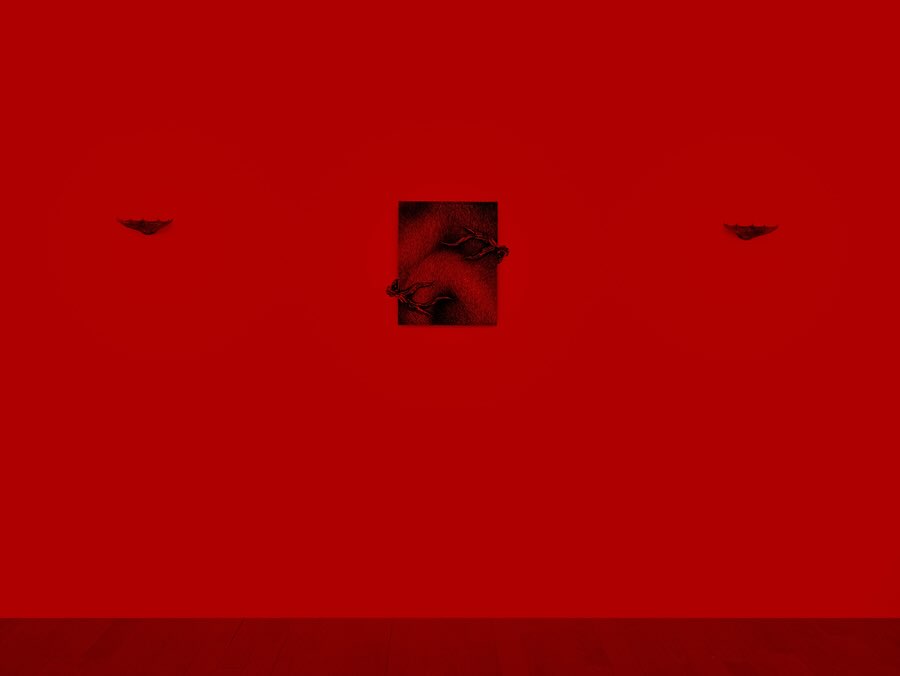
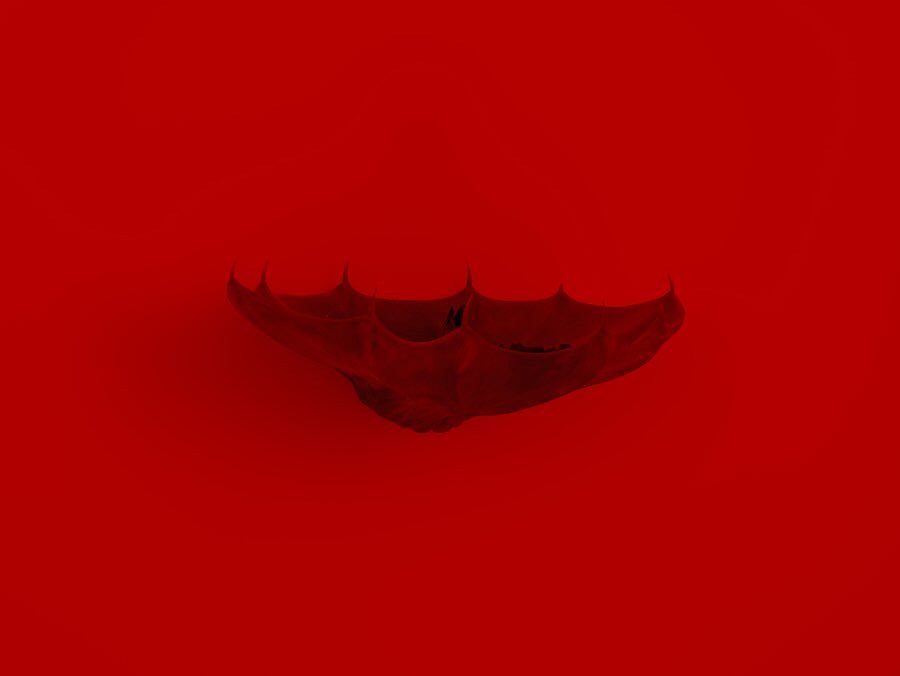
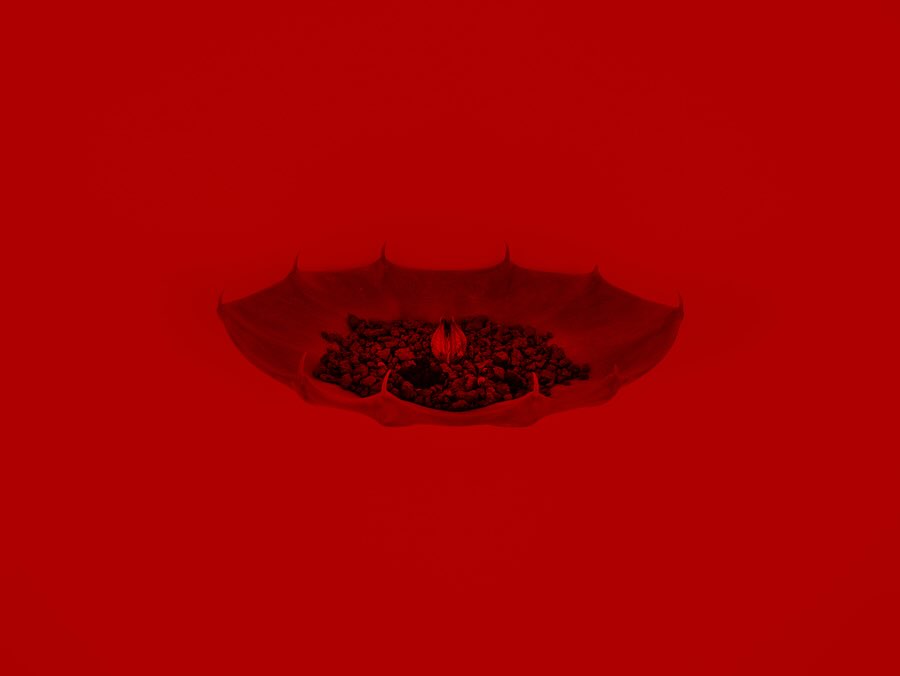
New York / 2025
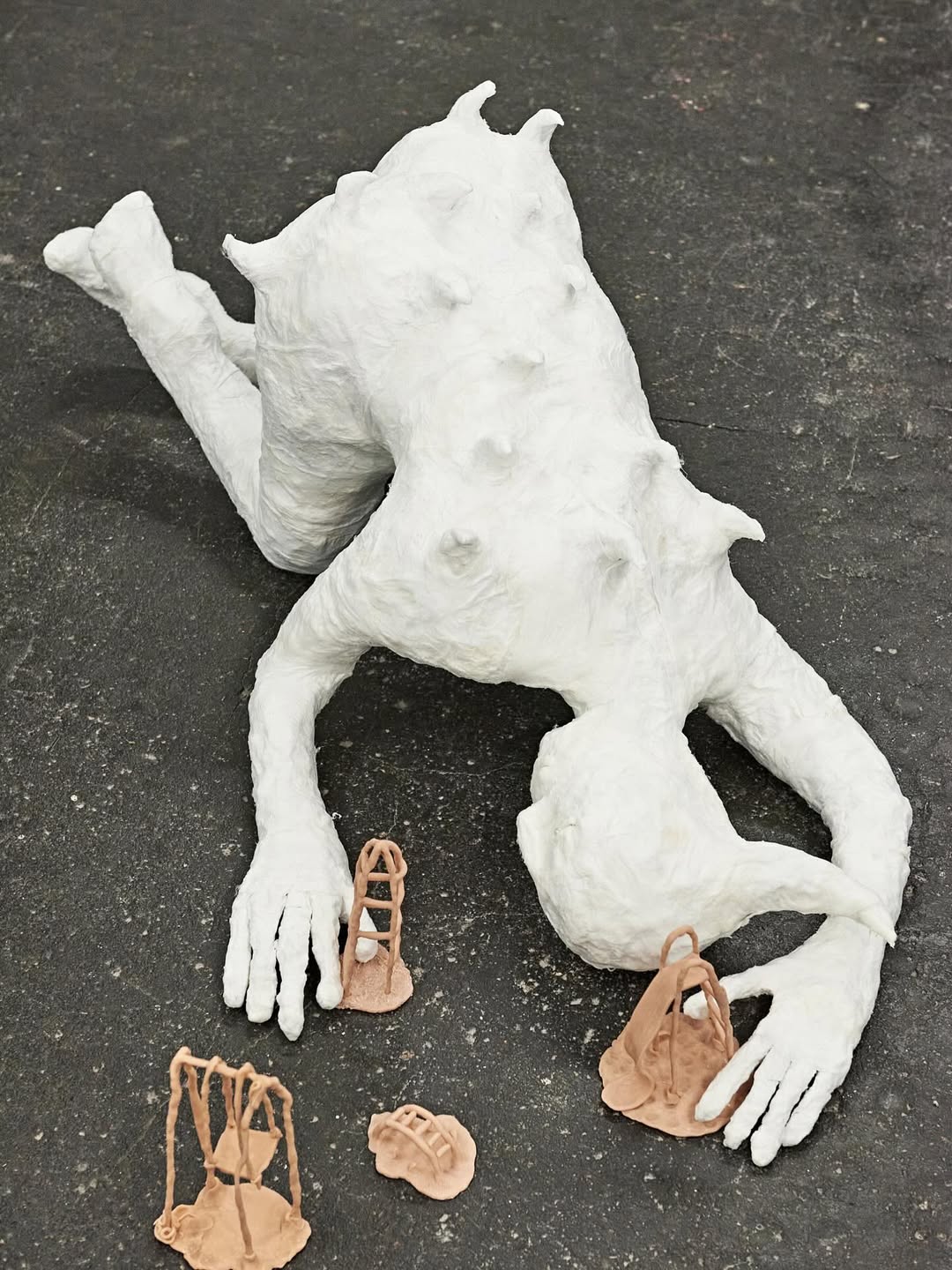
Hamburg / 2025
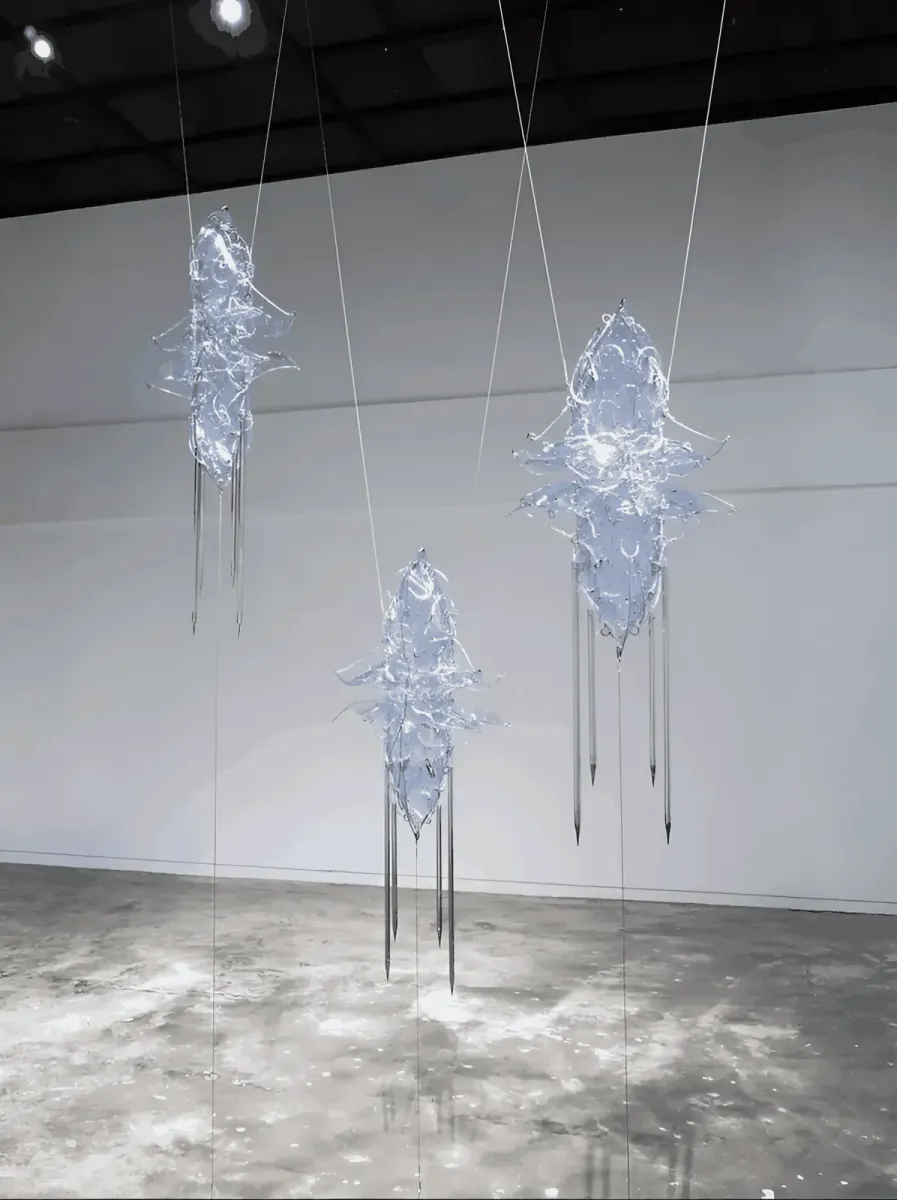
Busan / 2025
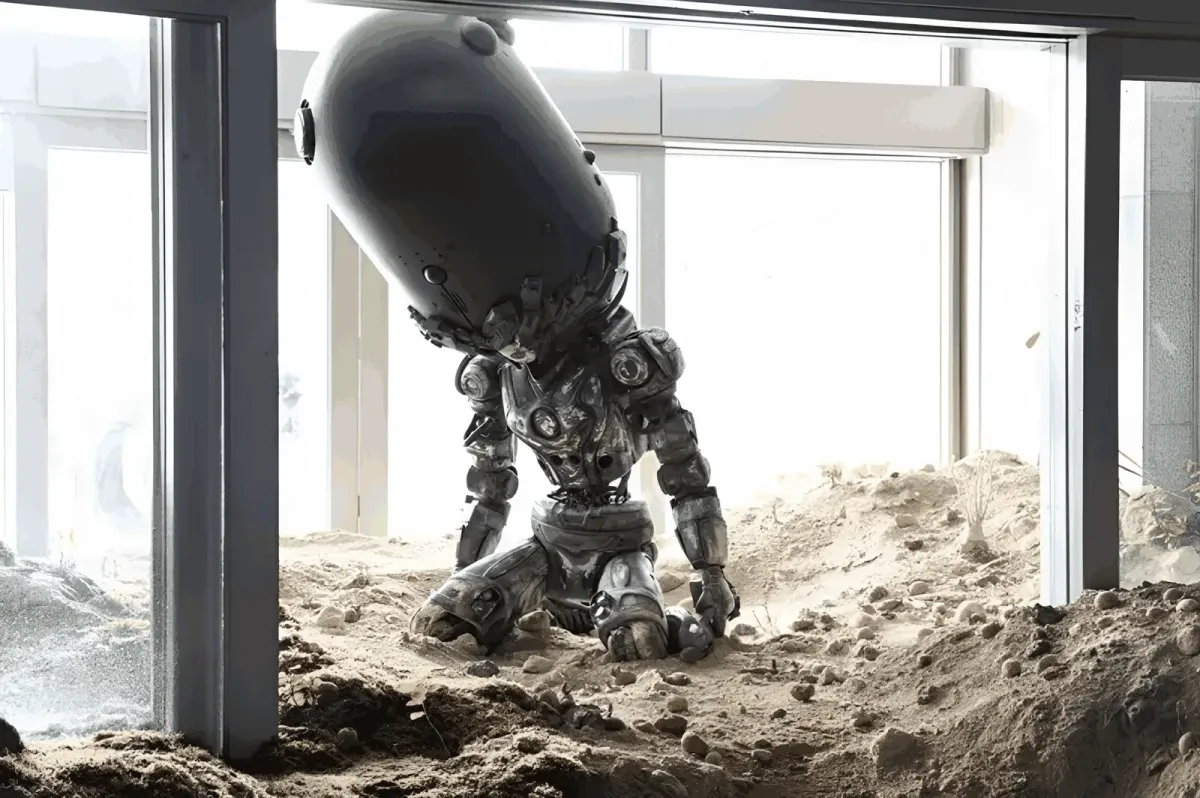
Seoul / 2026
/photo_1_2026-05-23_19-23-24.jpg)
Munich / 2026
 (GROUP SHOW).webp)
Berlin / 2026
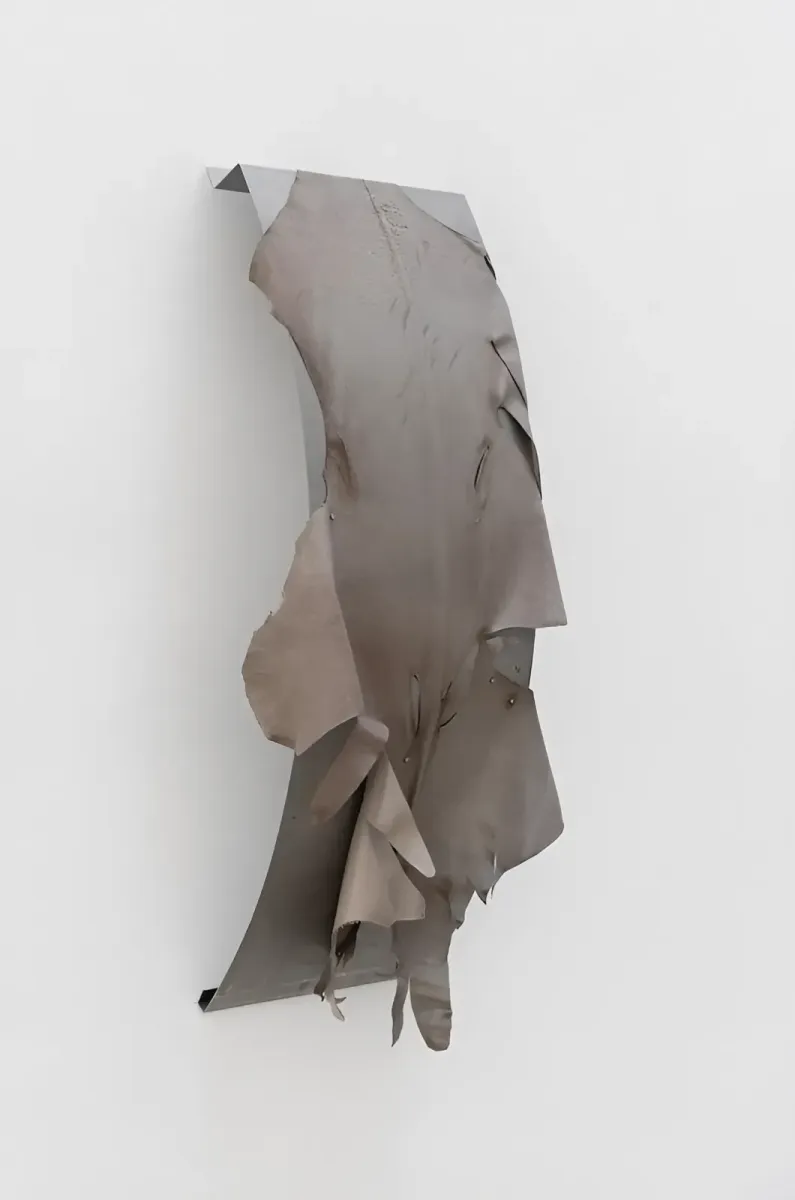
Paris / 2026
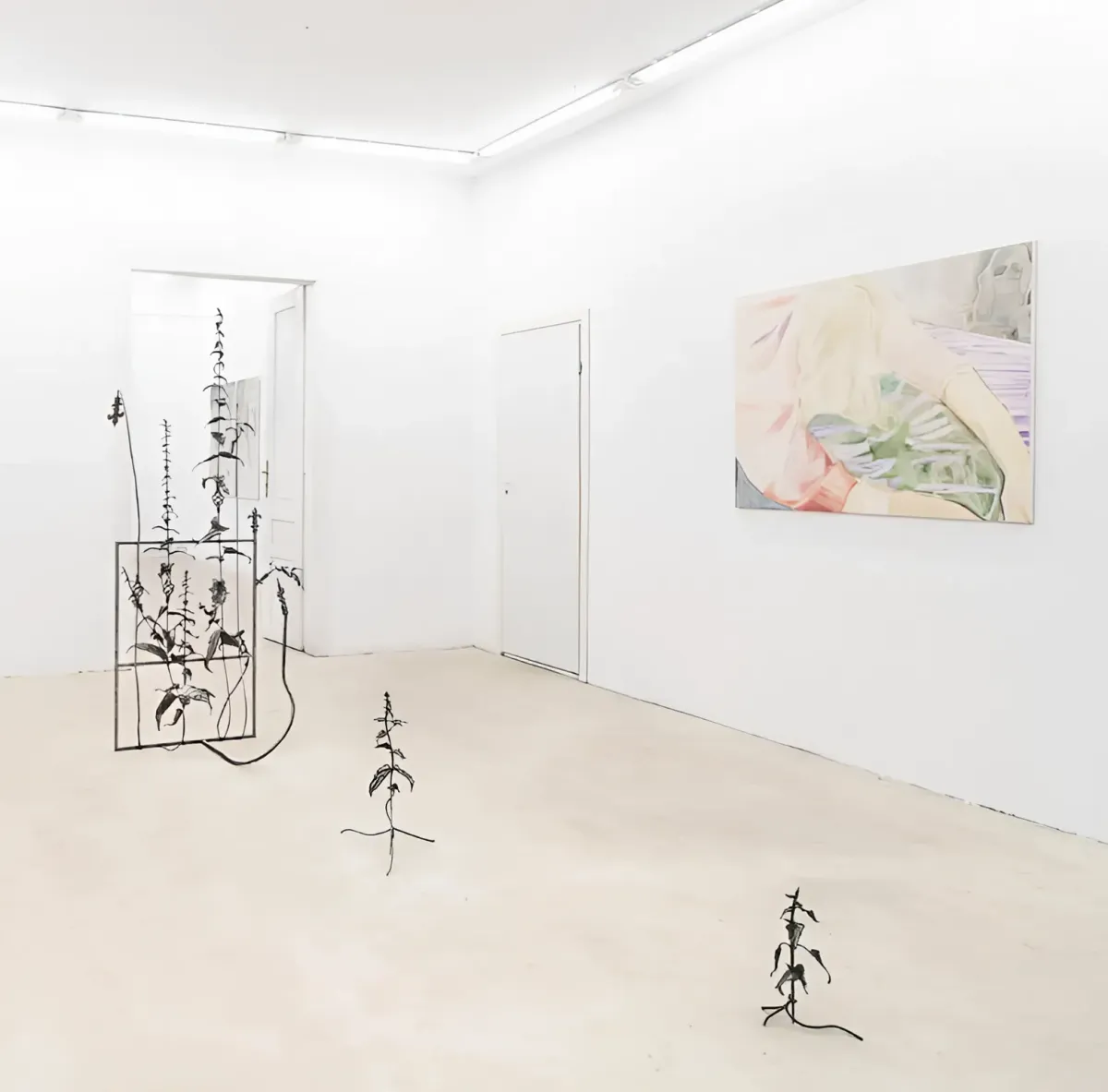
Kraków / 2026
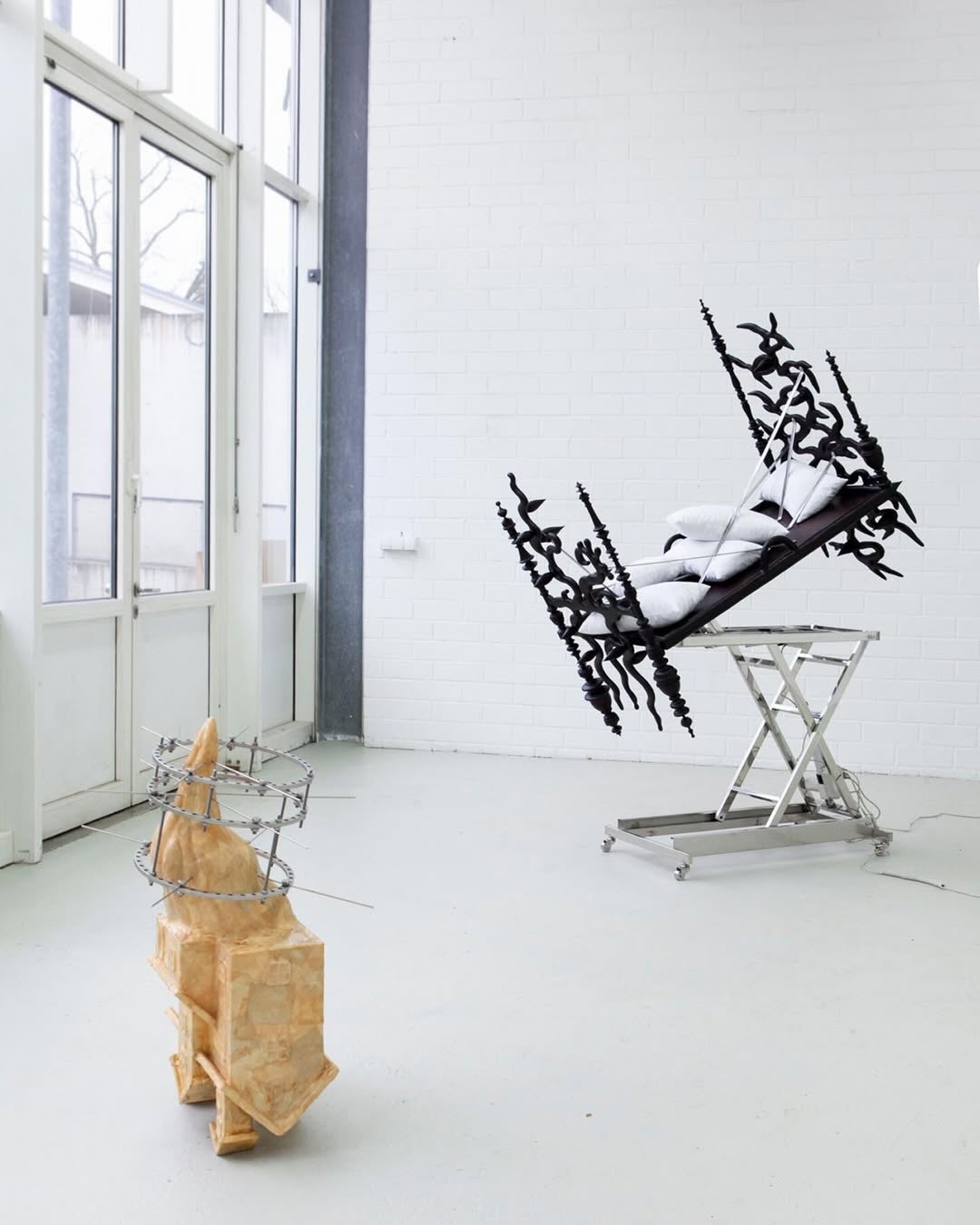
Nurnberg / 2026
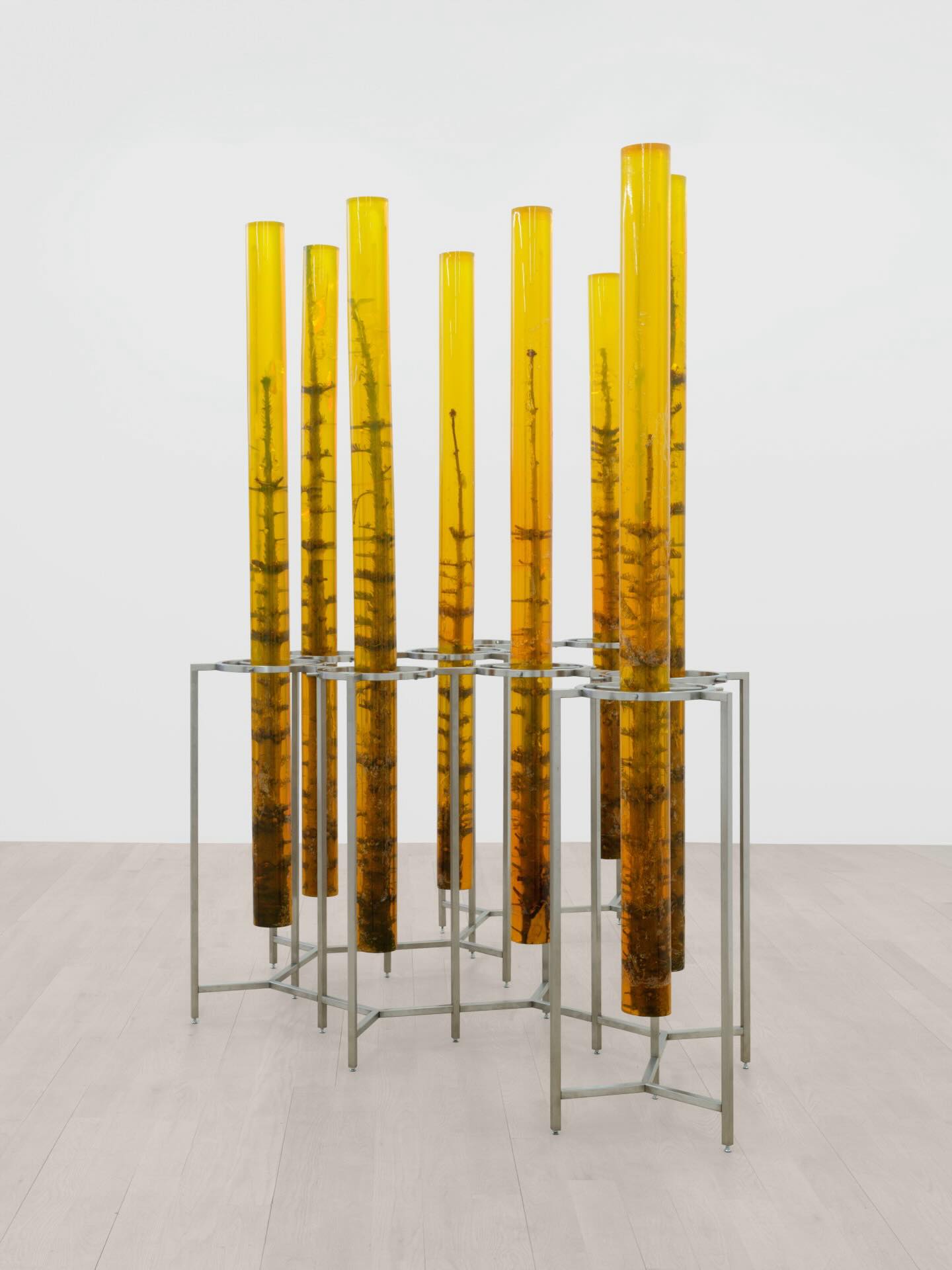
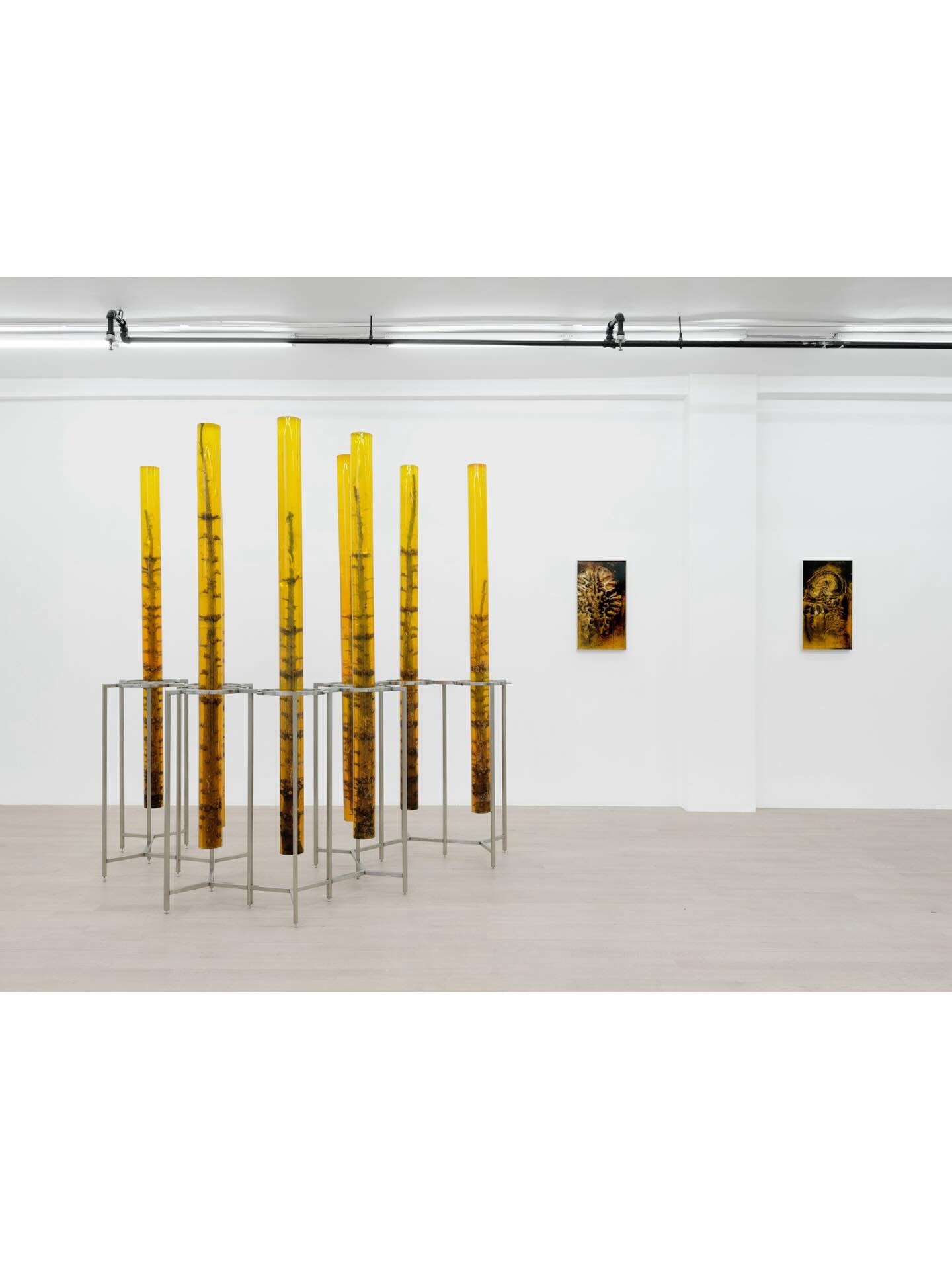
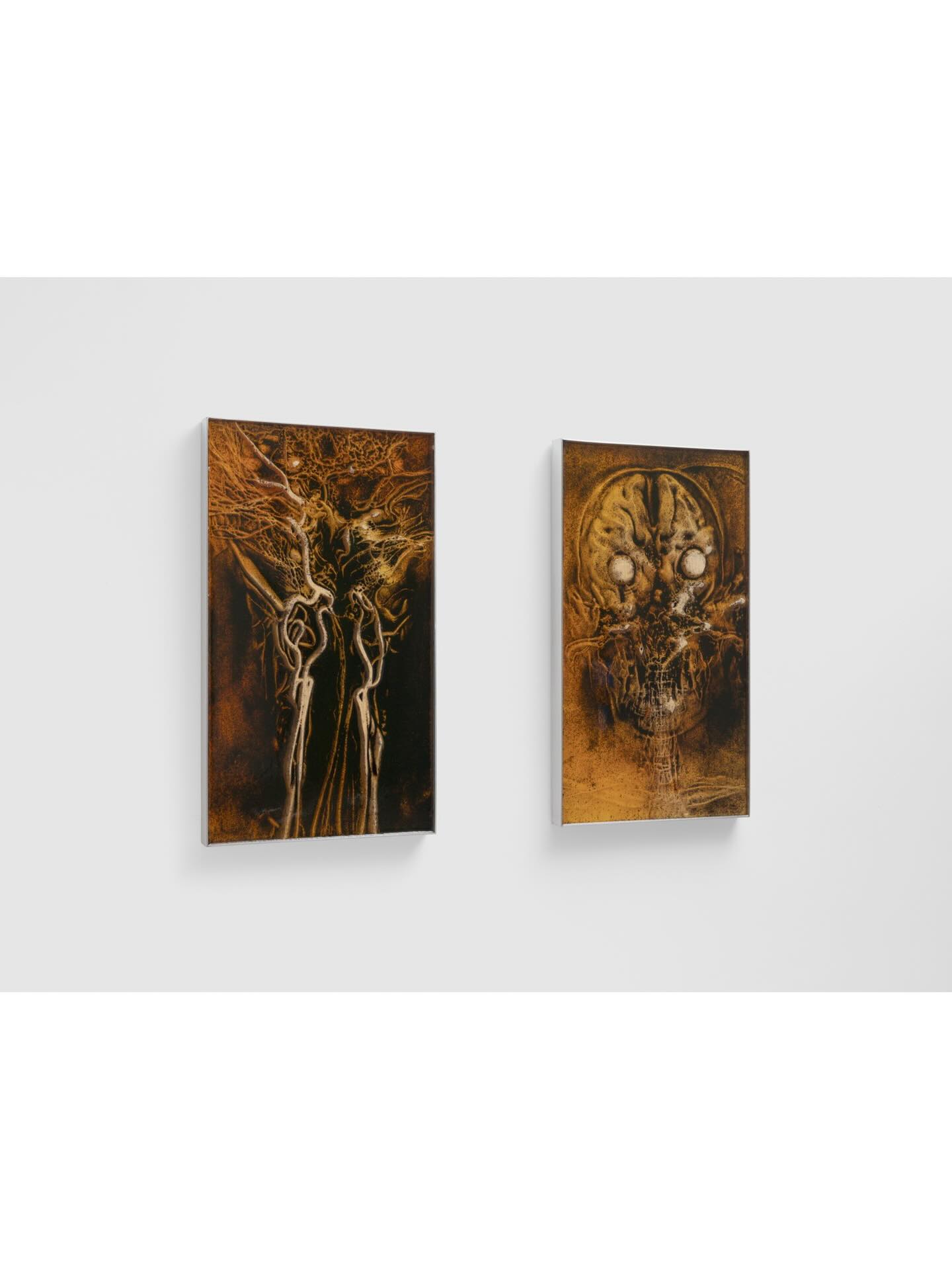
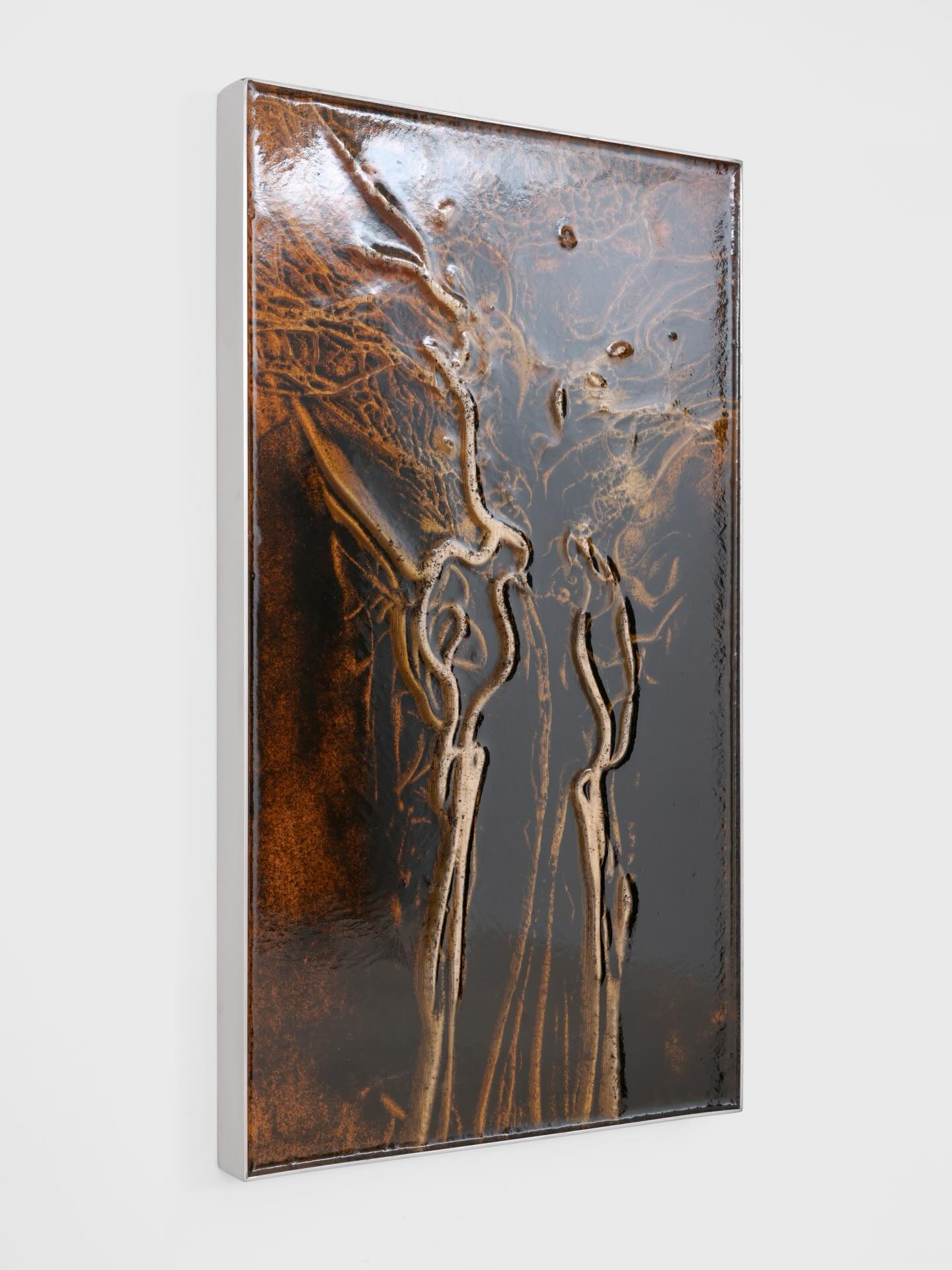
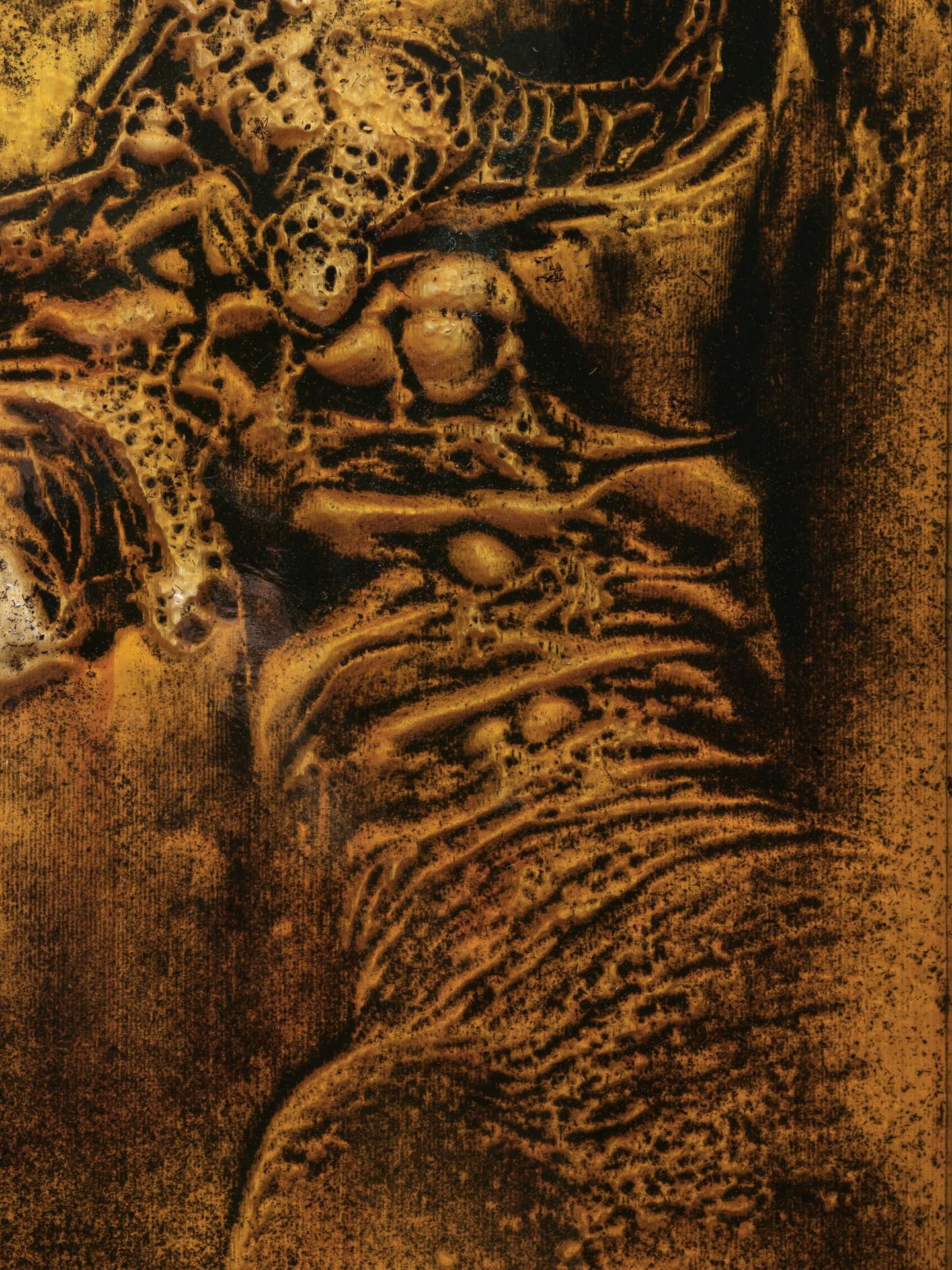
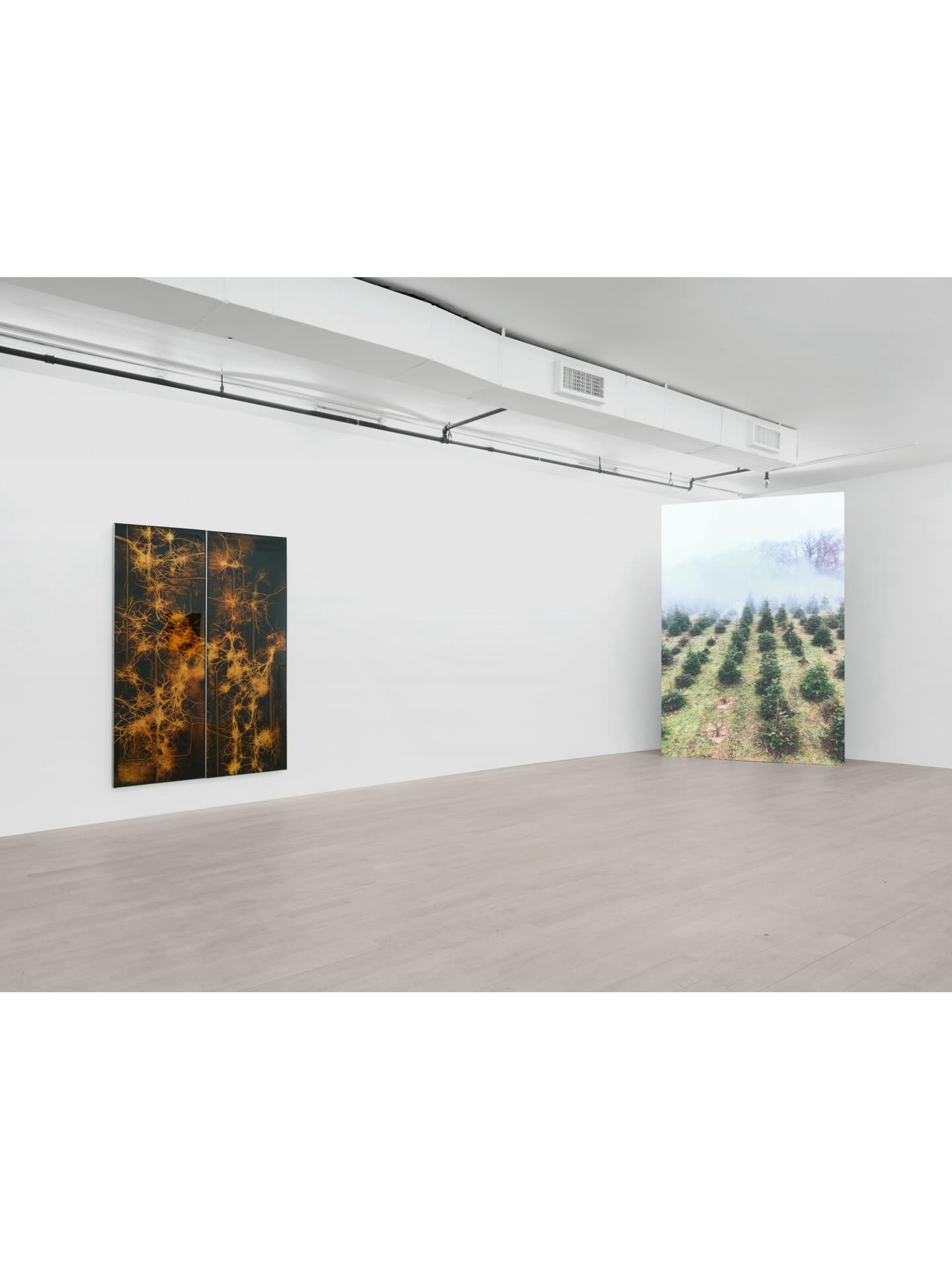
New York City / 2026
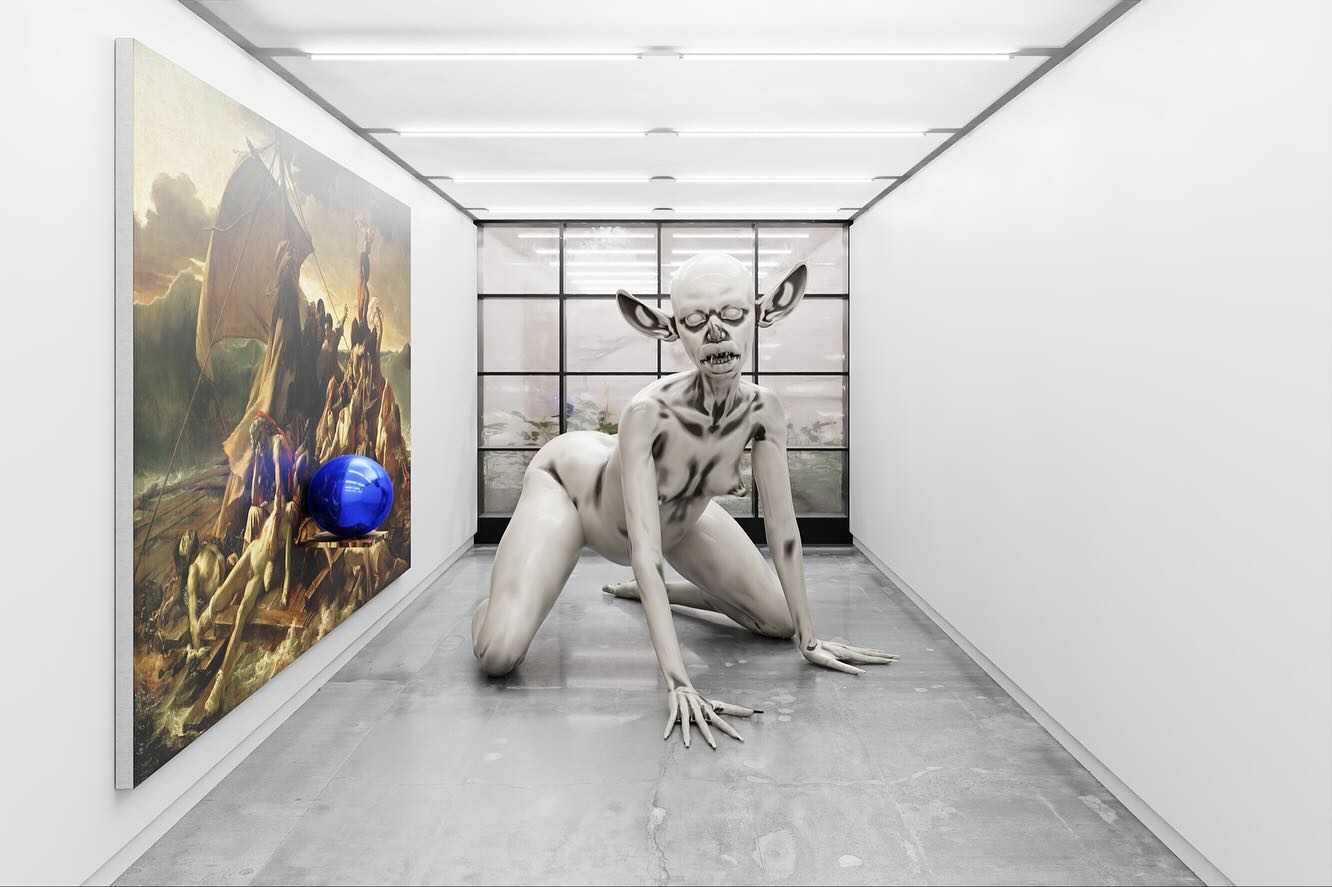
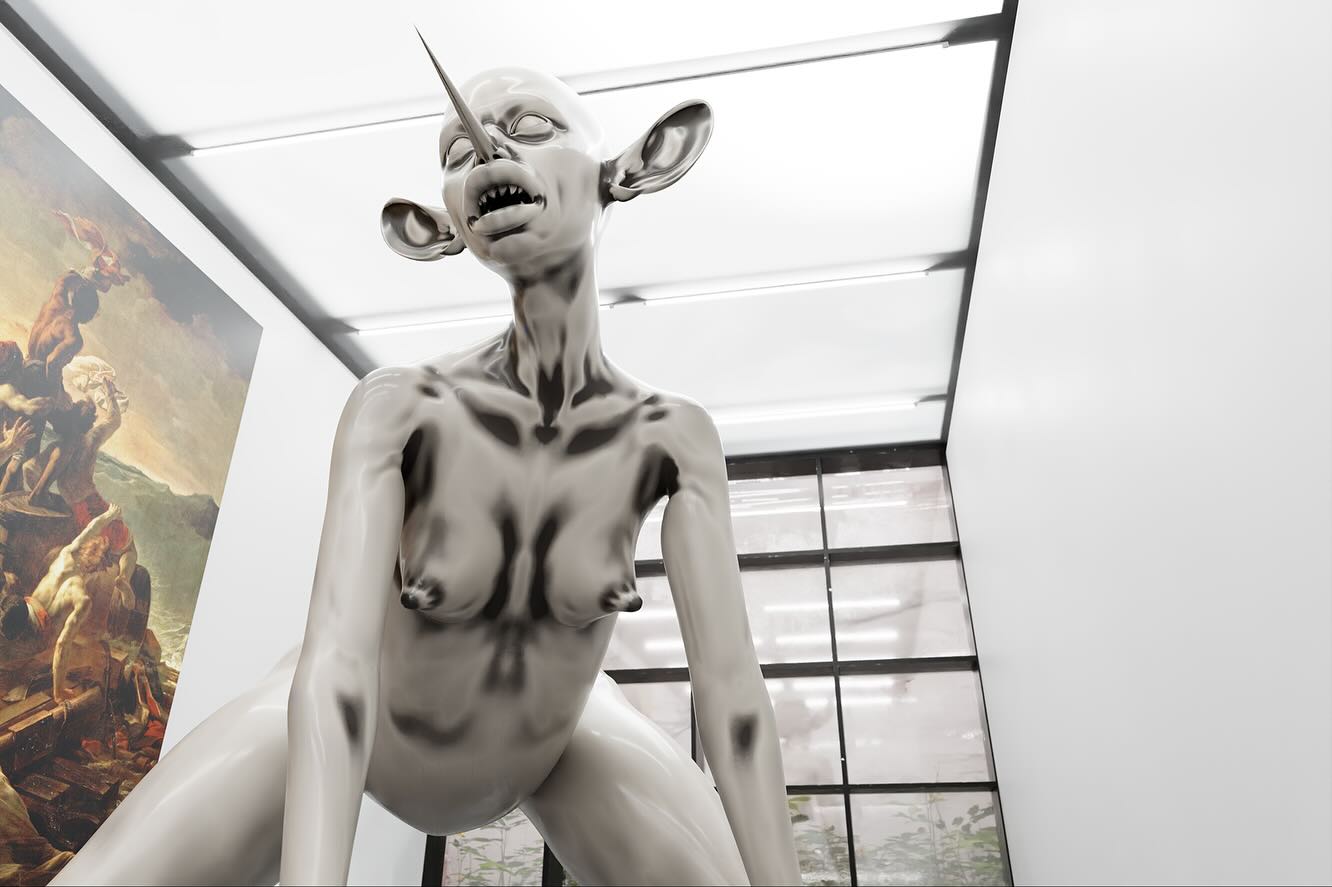
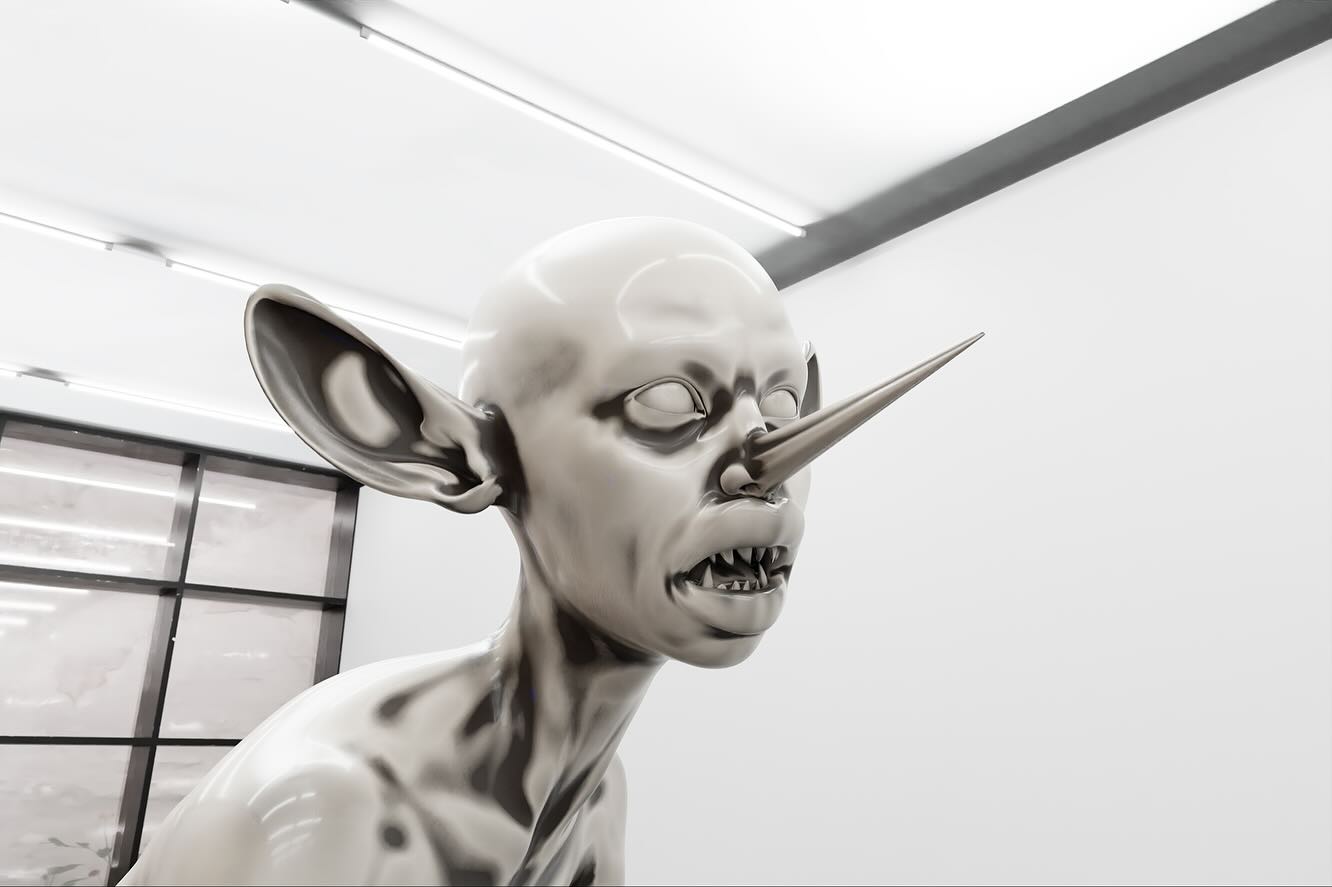
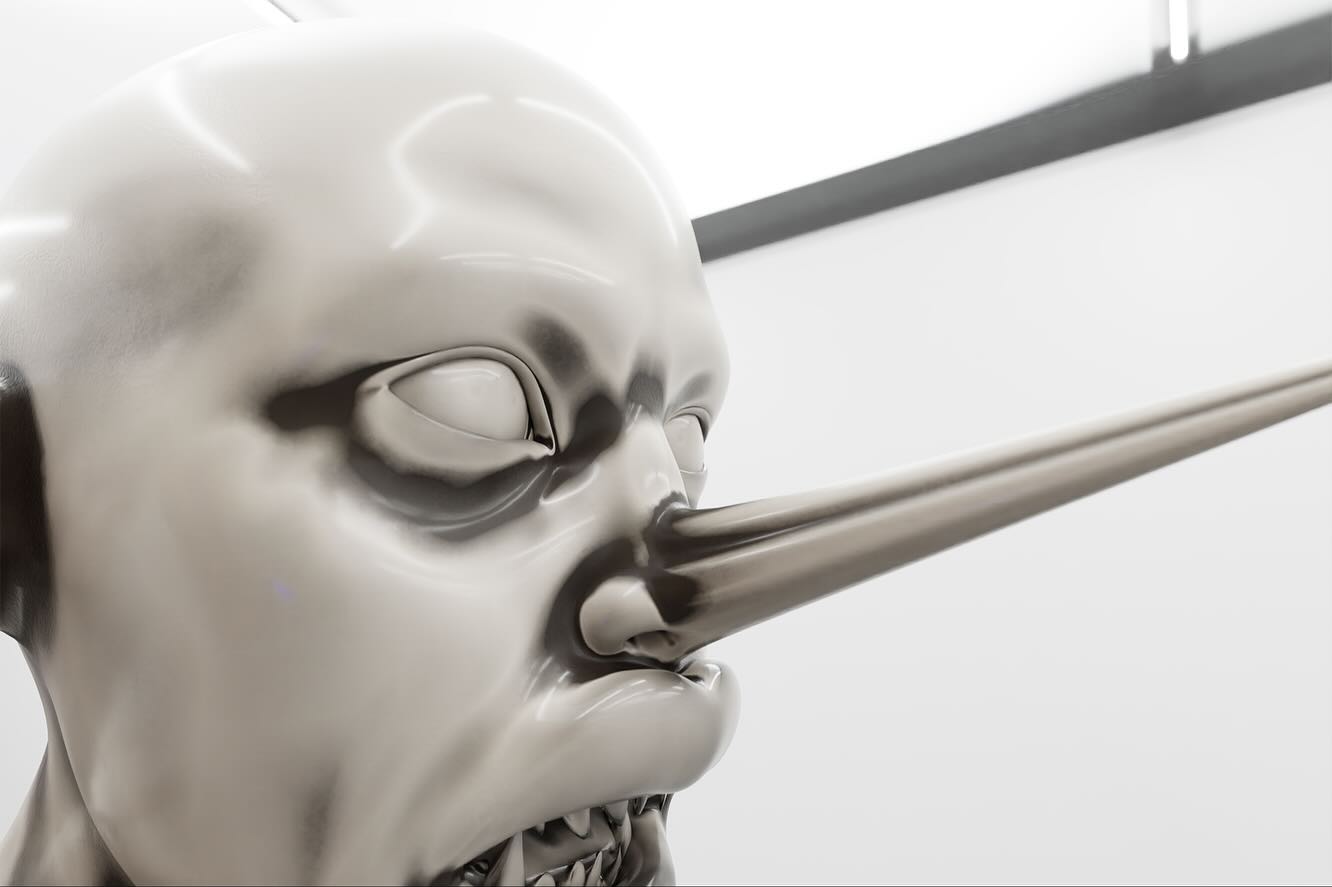
/ 2025
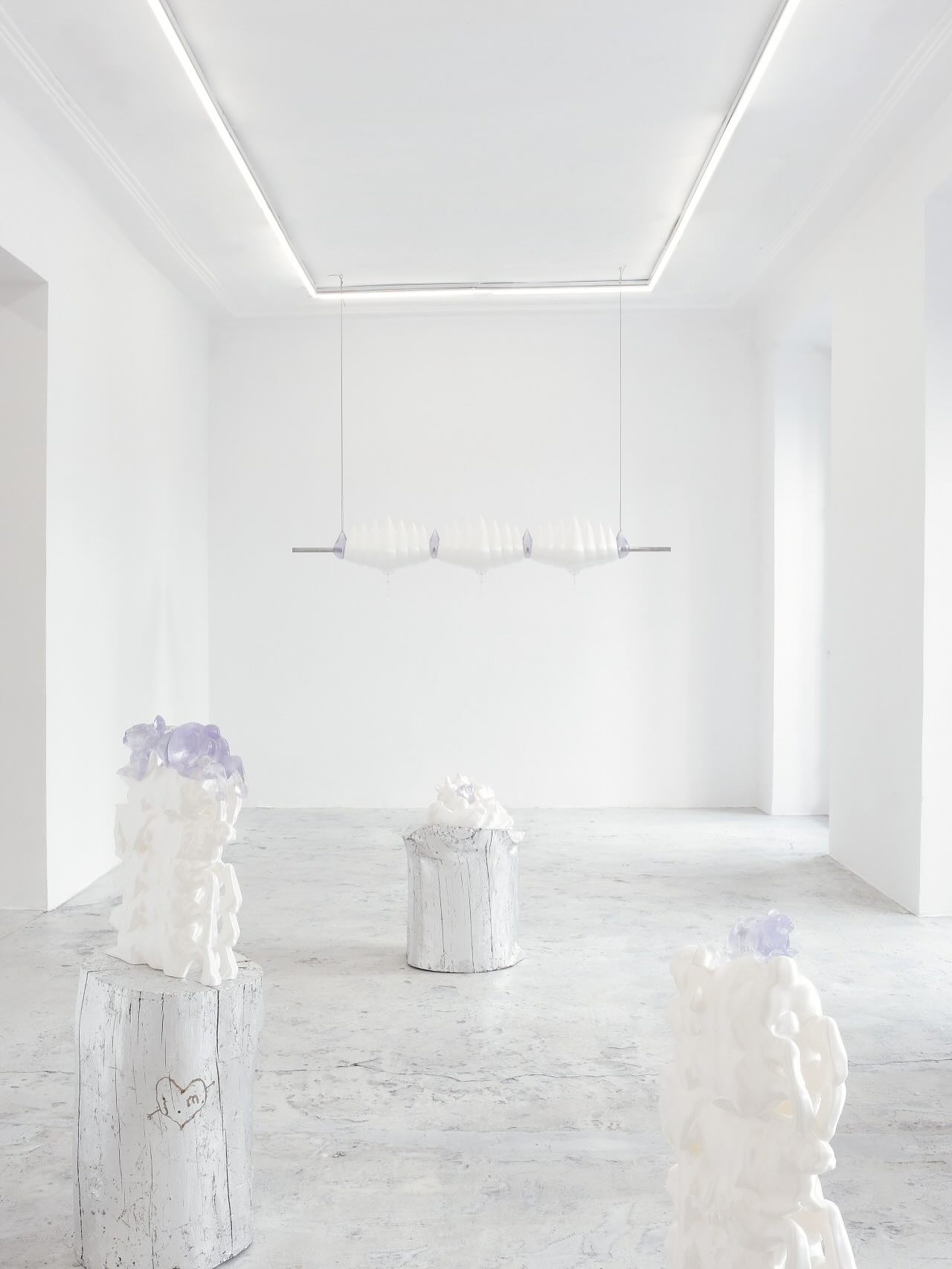
Madrid / 2025
KLAUS IN VORARLBERG, AUSTRIA / 2026
Galerie Brugger / Barbara Wolff and Katharina Stöver
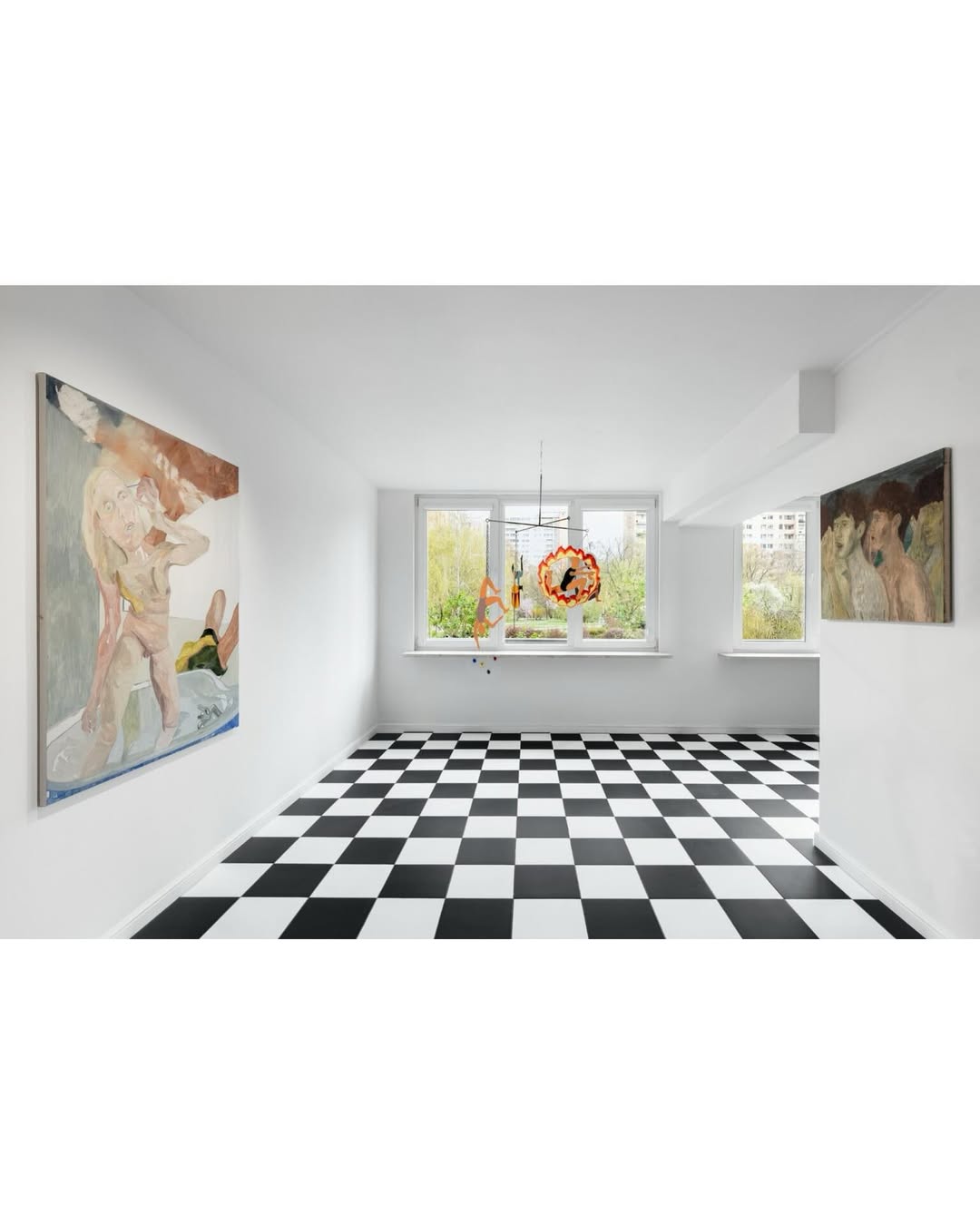
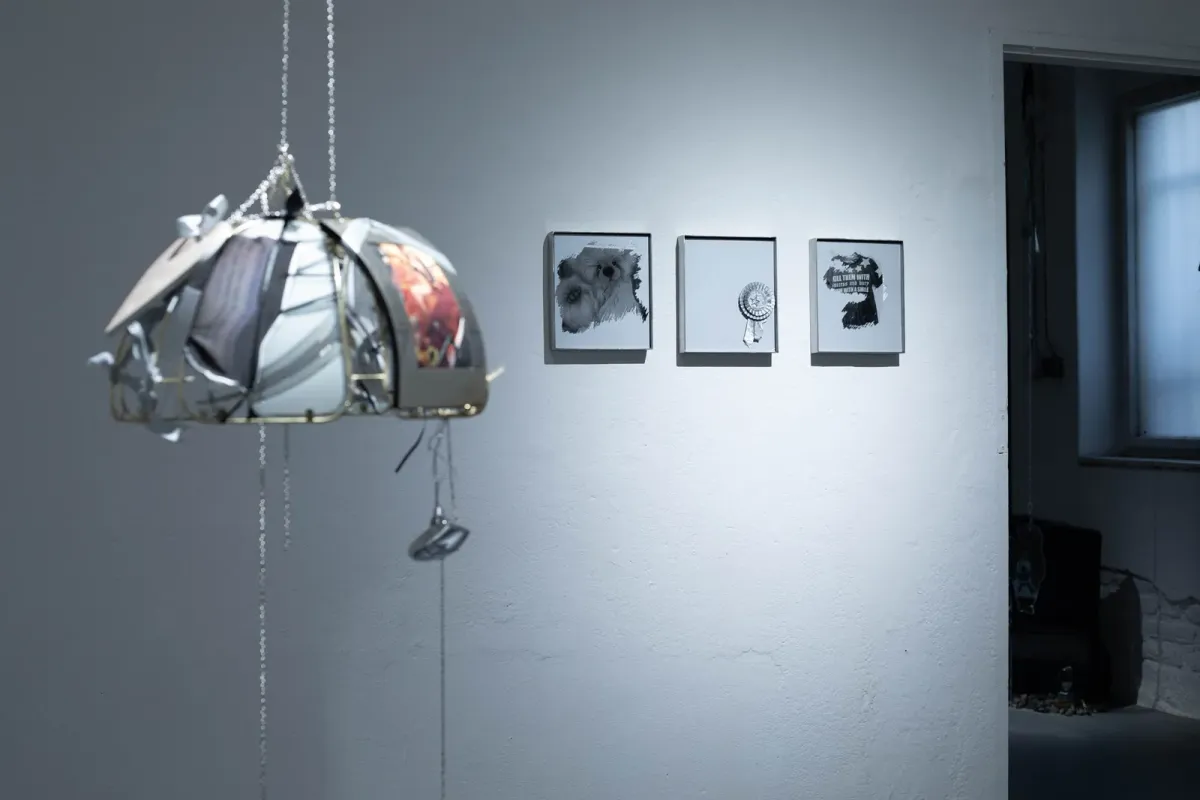
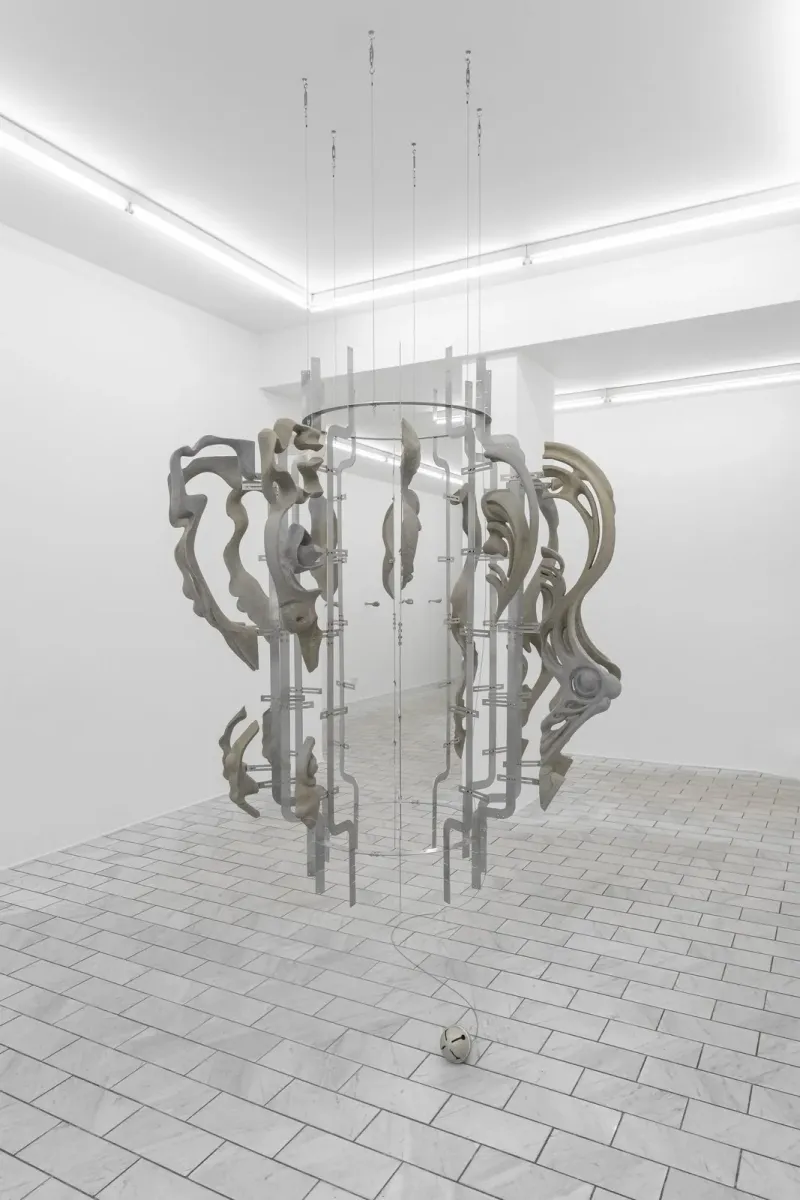
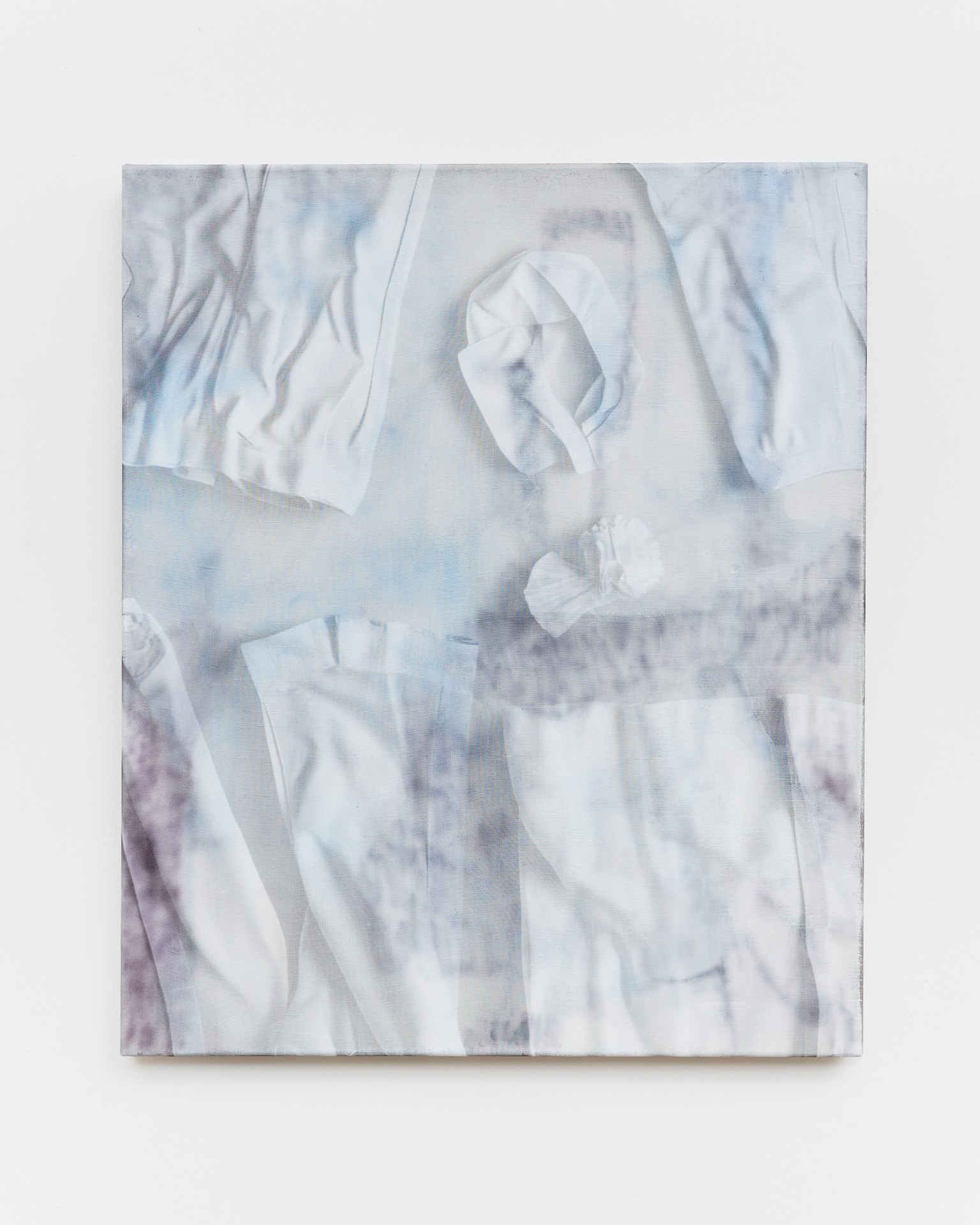
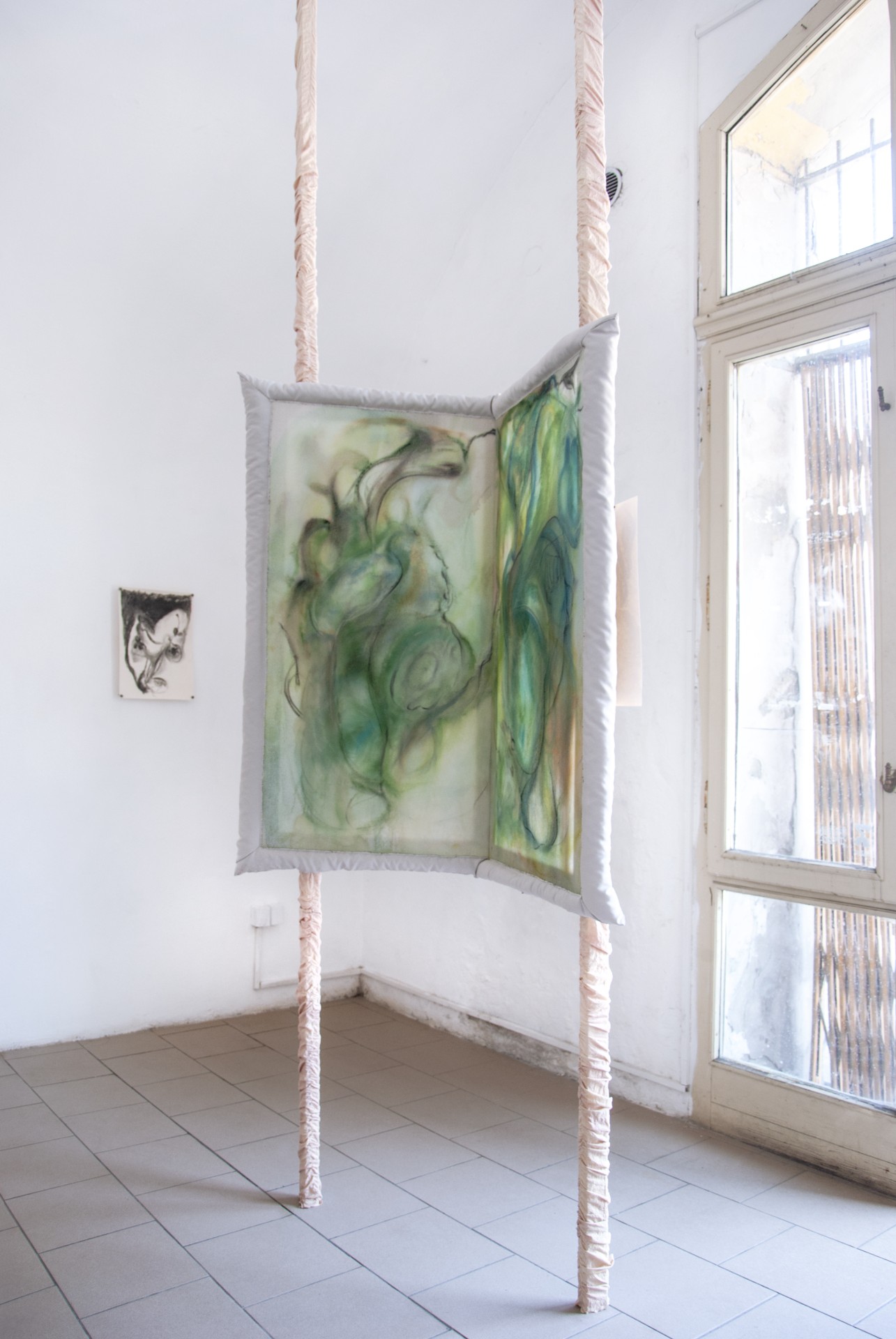
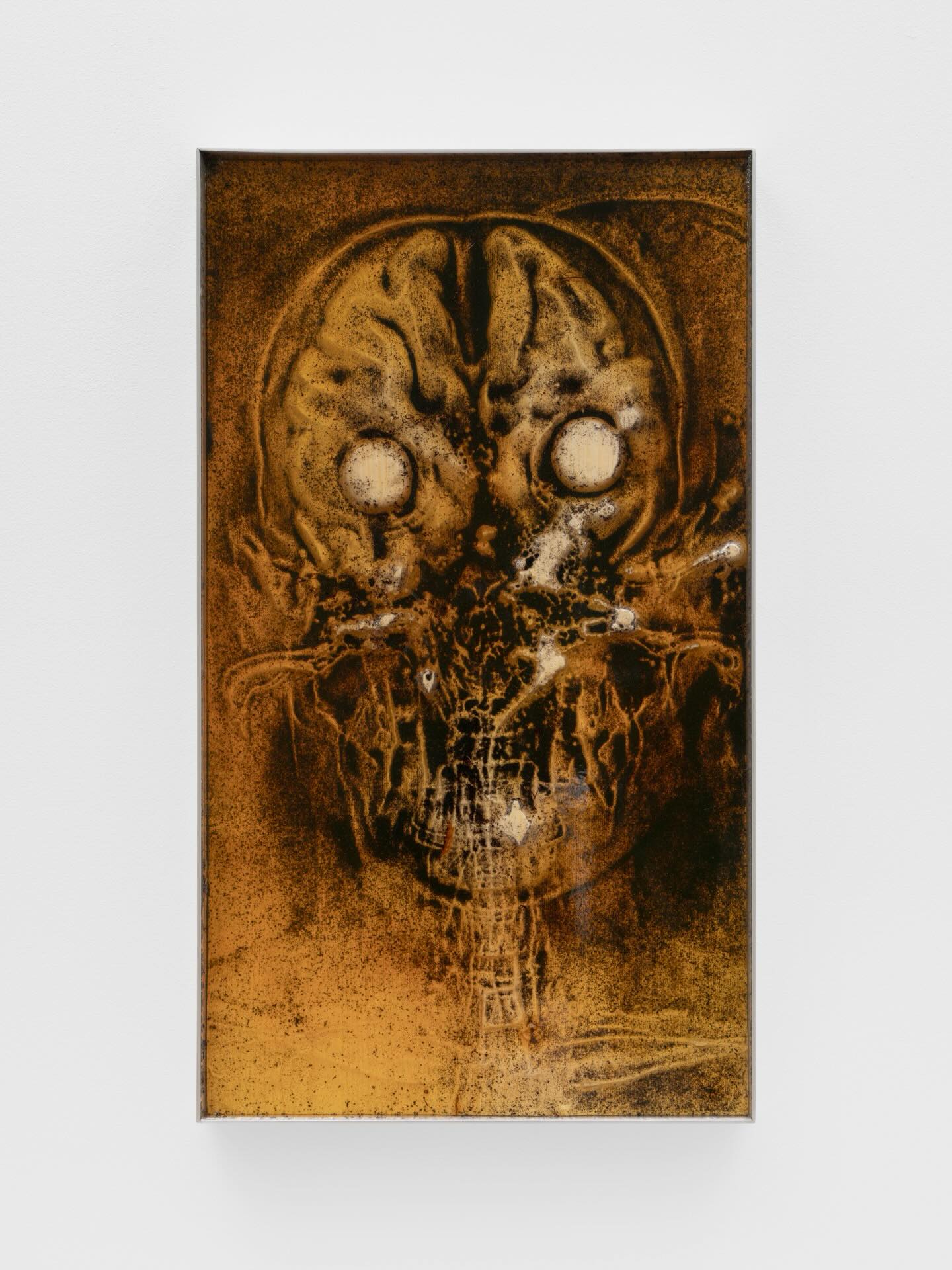
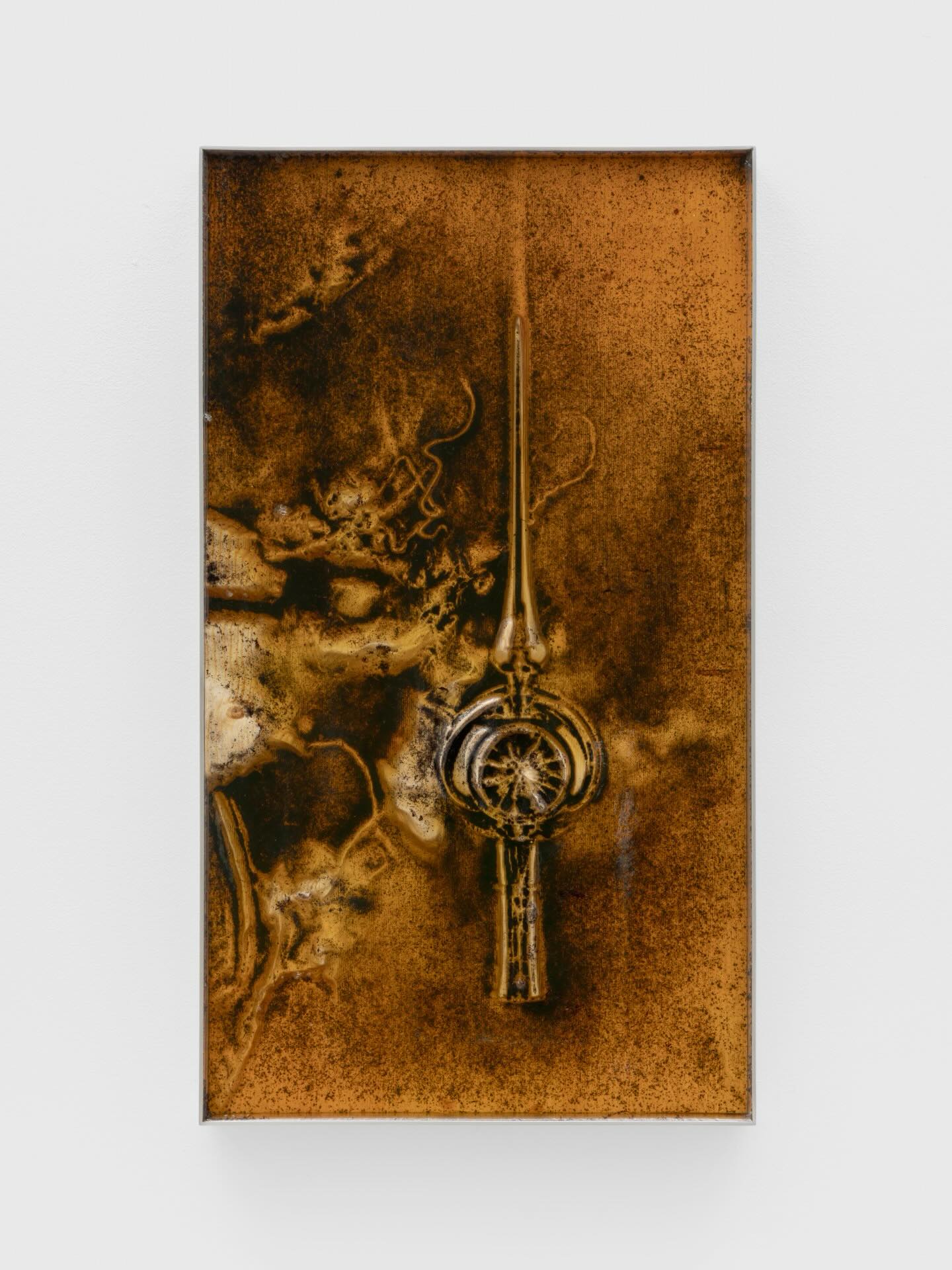
When our eyes grasp the past through residual images, history may, at first glance, appear as a linear, steady accumulation of forms, images, and ideas over time. Yet history often reveals itself through deferred actions (Nachträglichkeit), retroactive interpretations of virtual potentialities folded within the physical sediments of the past. Aside from preserving what has been, history (woven into the fabric of matter) invites us to construct meanings from what is embedded within its structure. However, it is the semantic opacity of matter, together with the differences among individual acts of reception – shaped by changing collective worldviews – that leads to the continual re-creation of the meanings associated with forms and ideas. Meaning is never fully present; concepts have no existence separate from the process that brings them into being: that is, the act of engaging with the image.
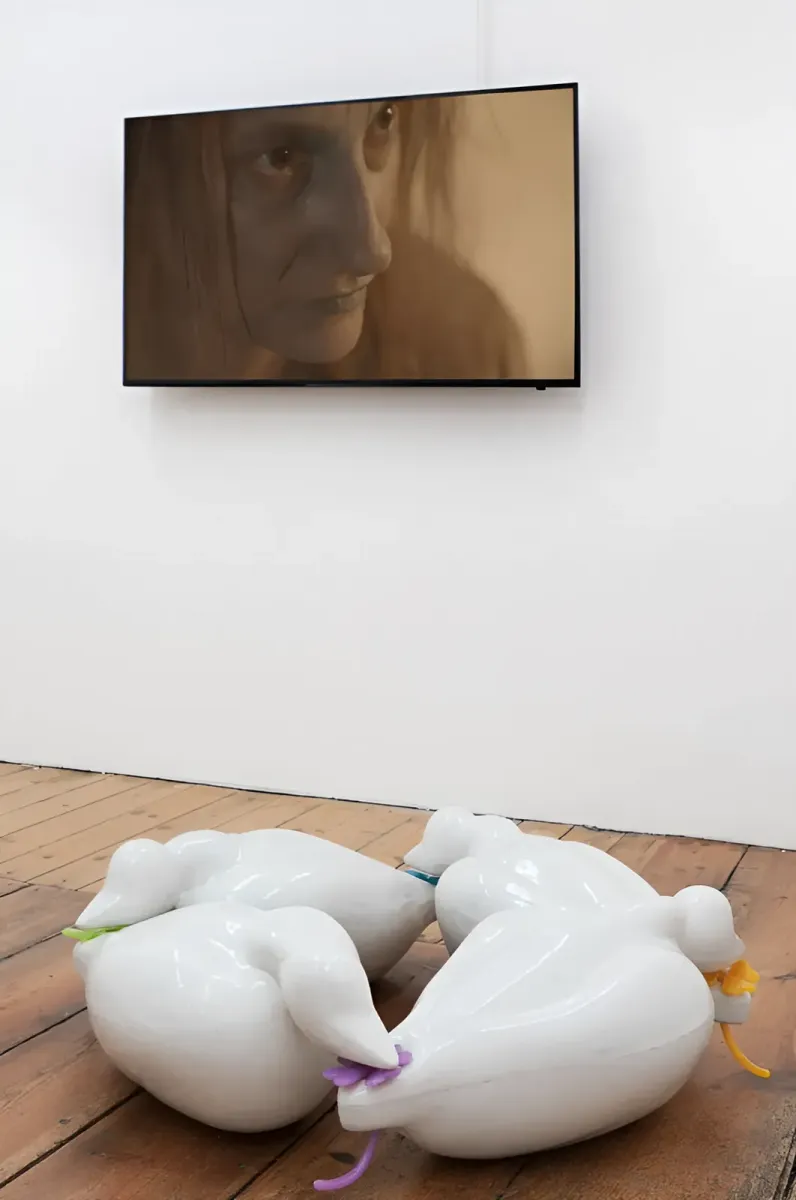
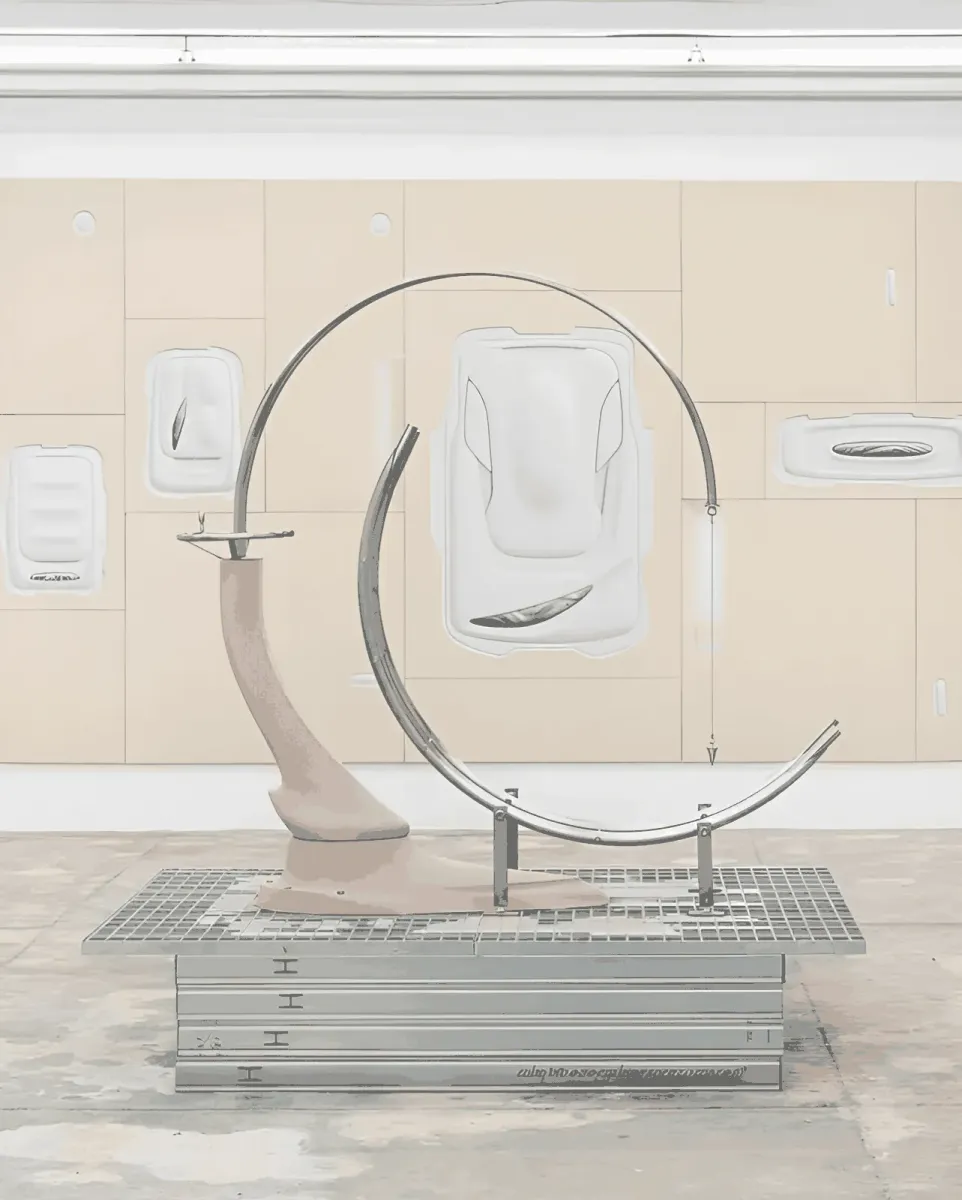
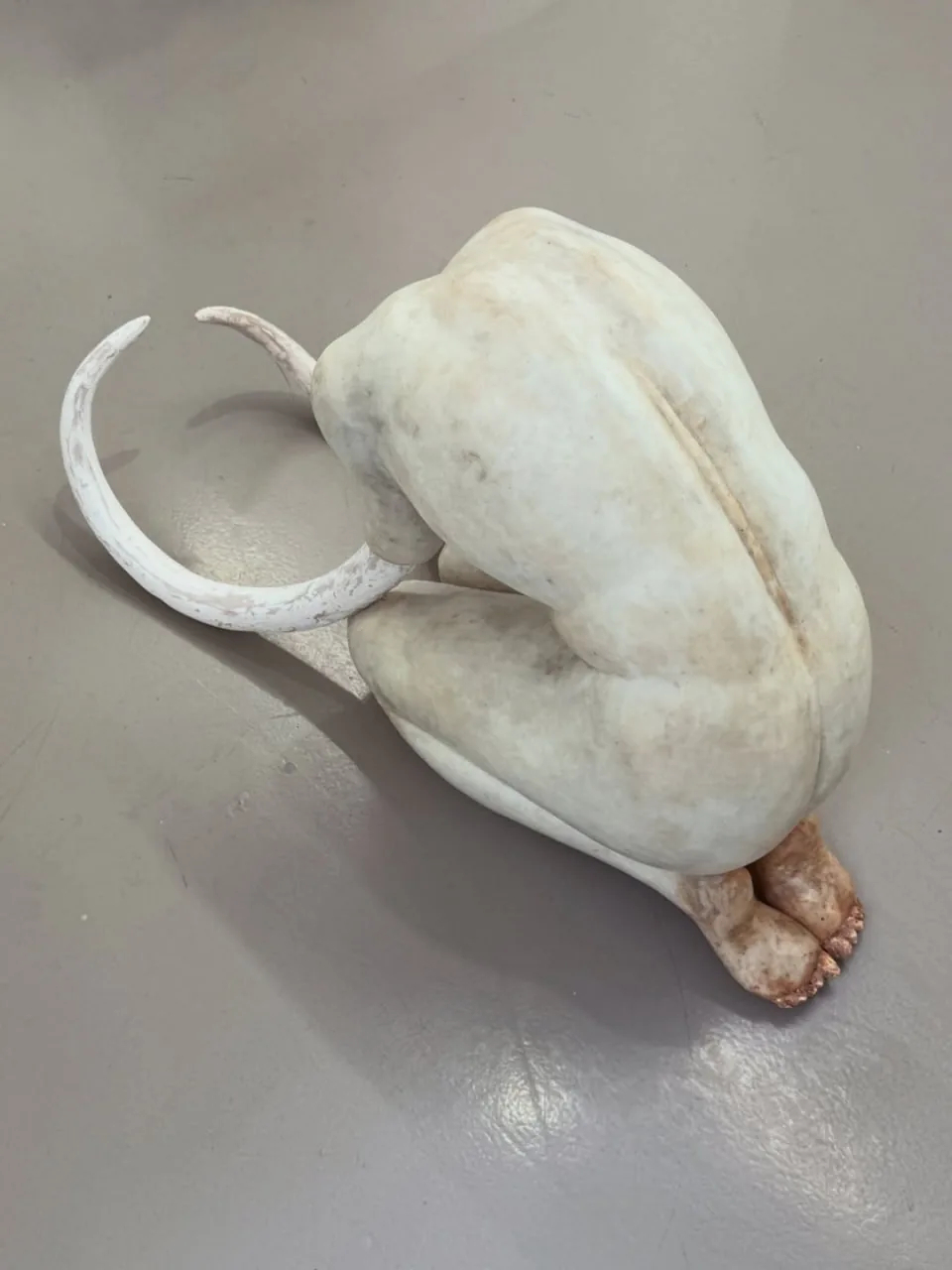
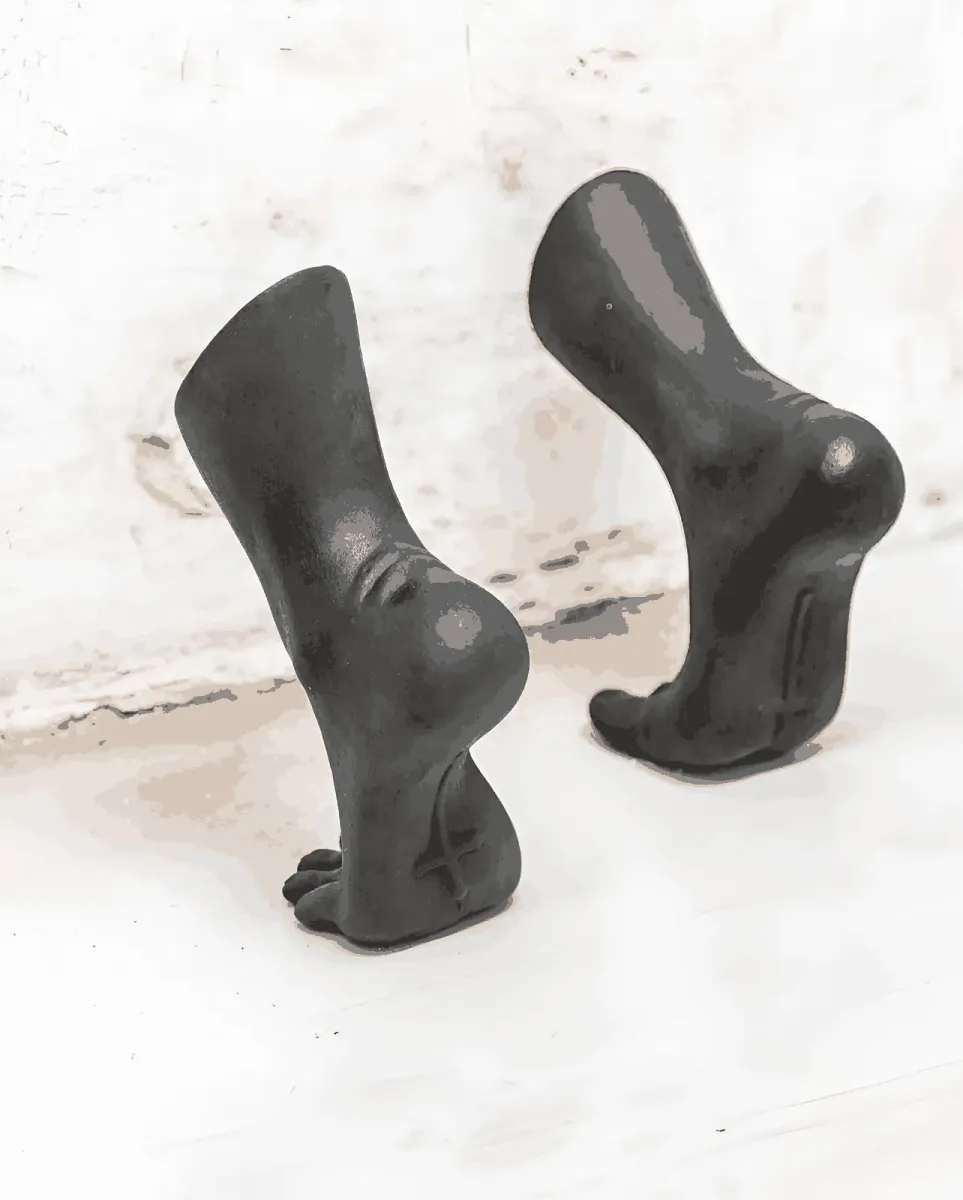
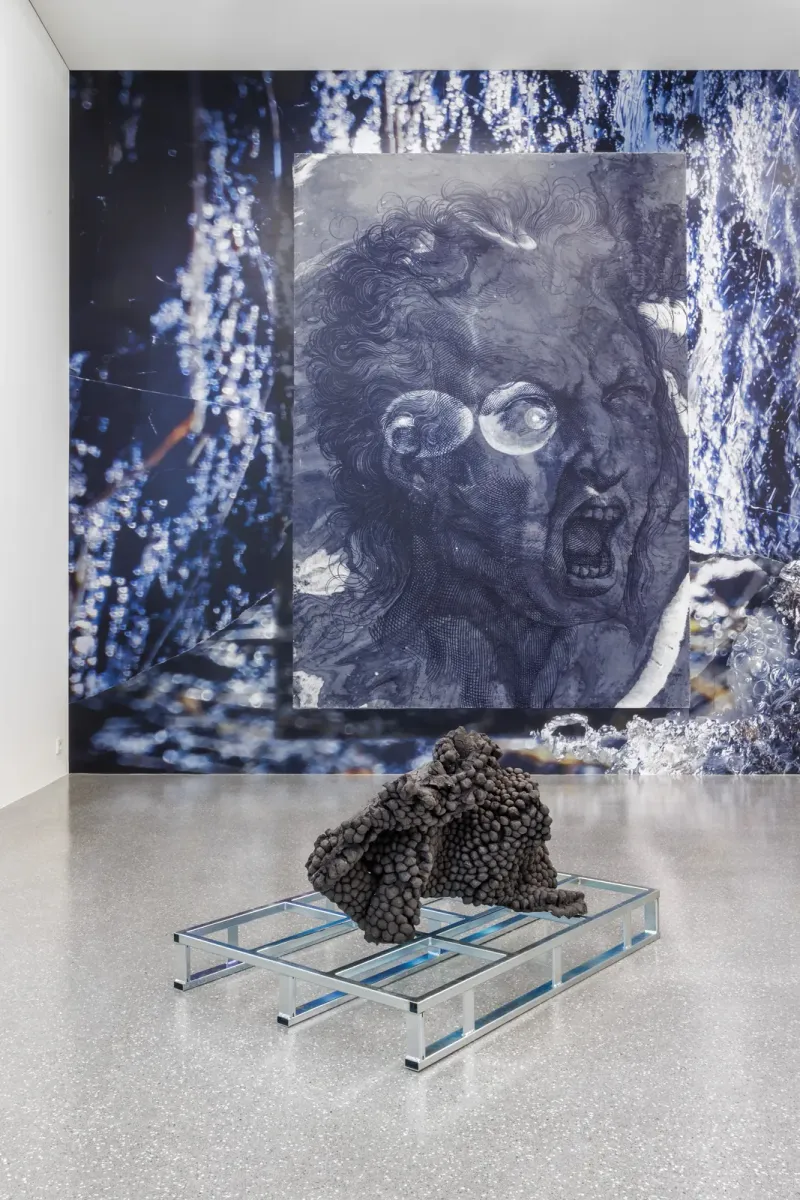
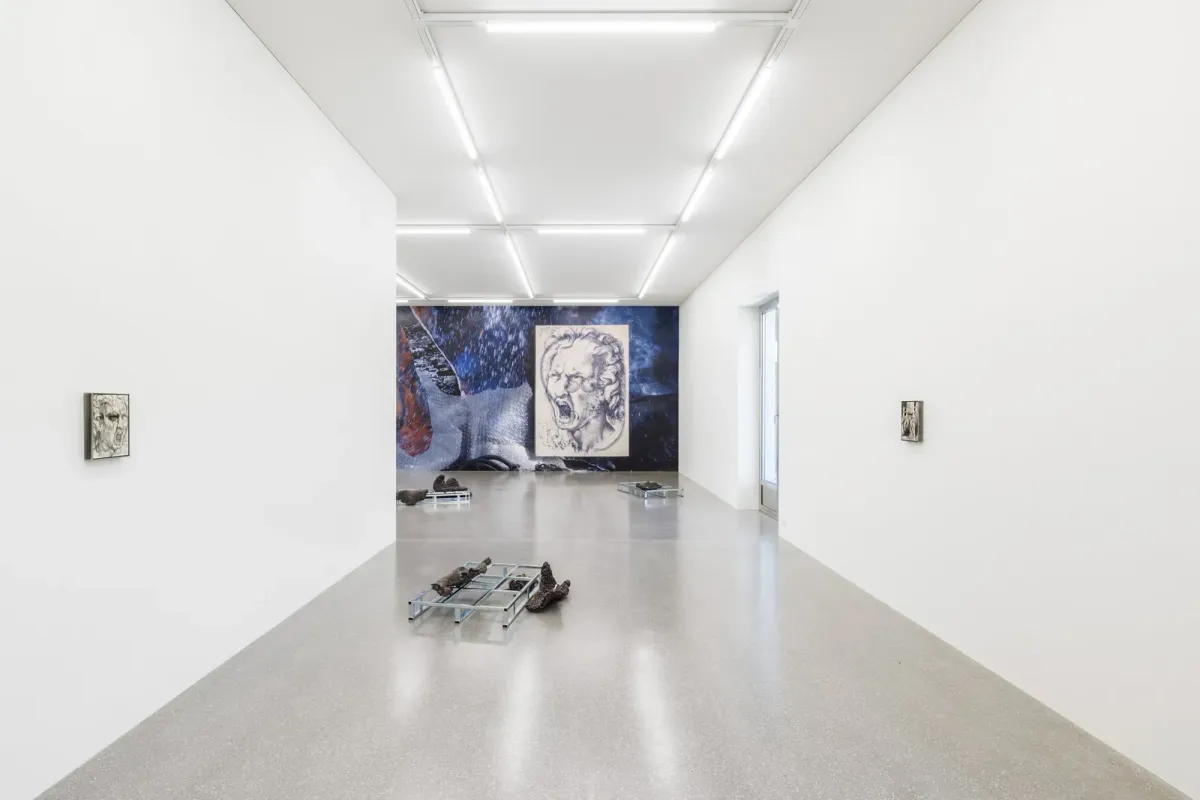
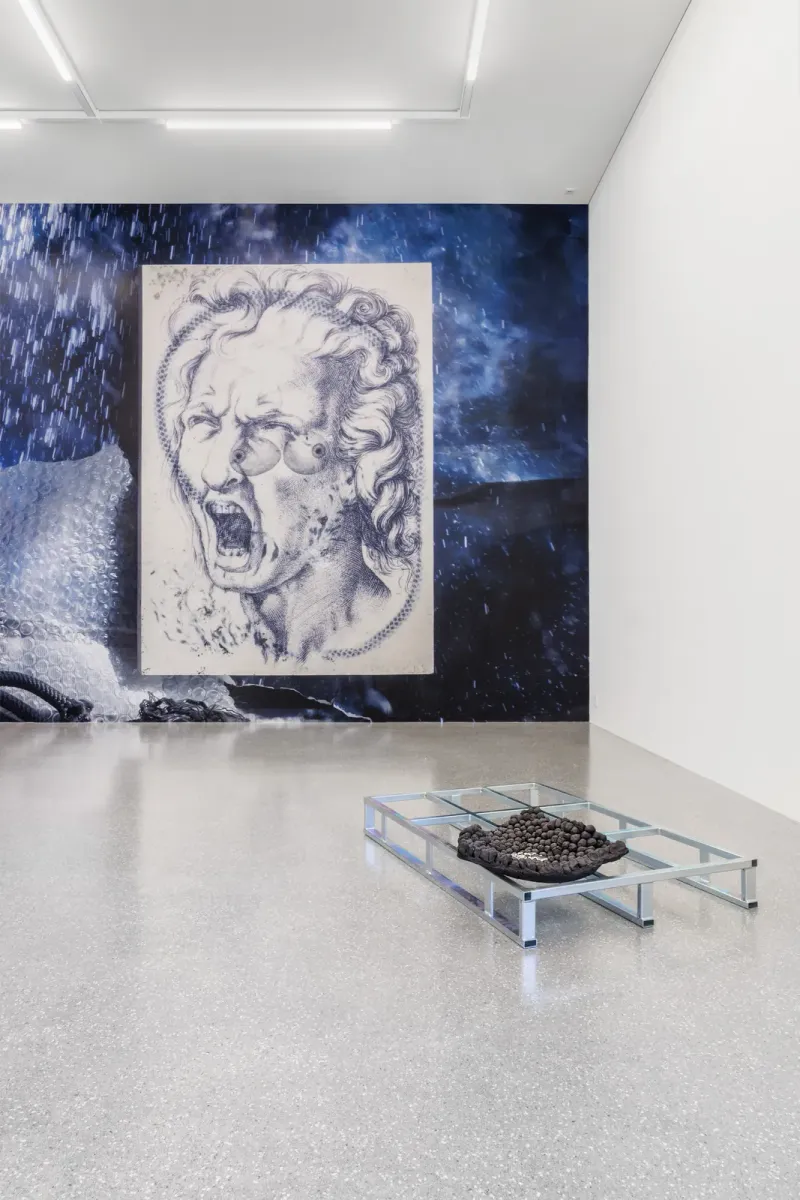
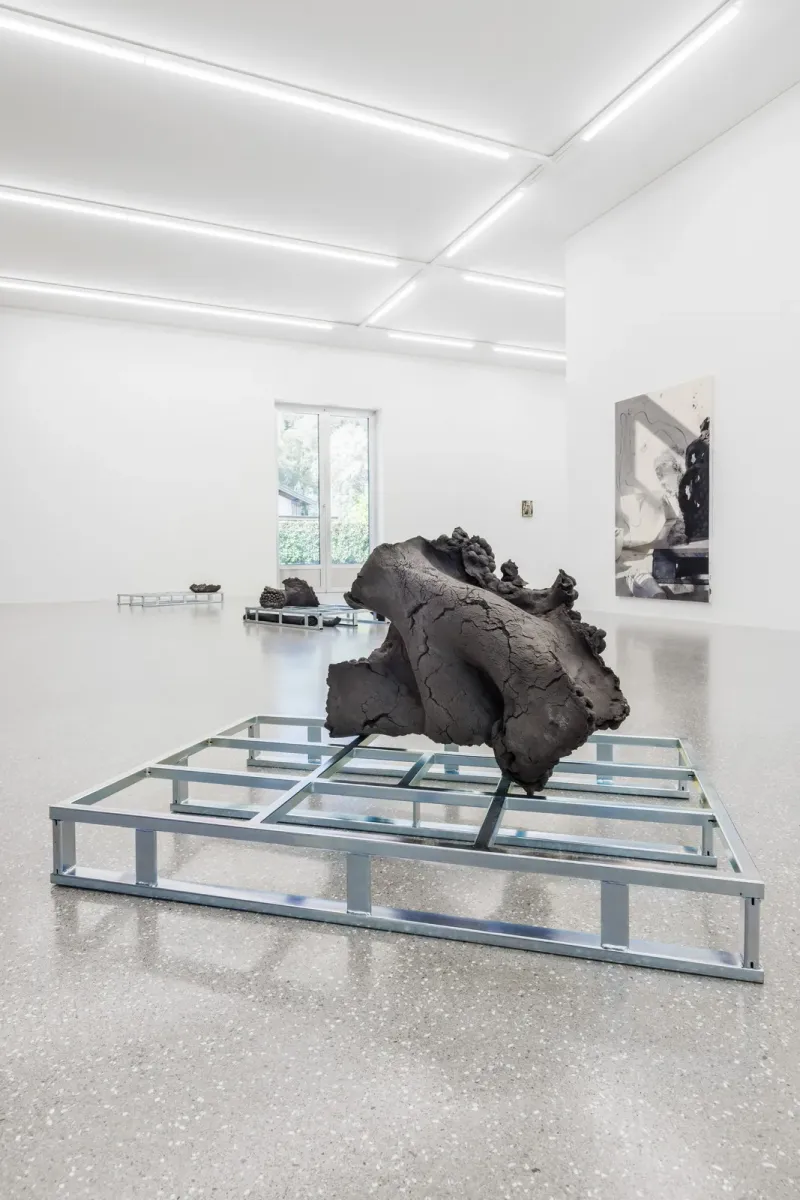
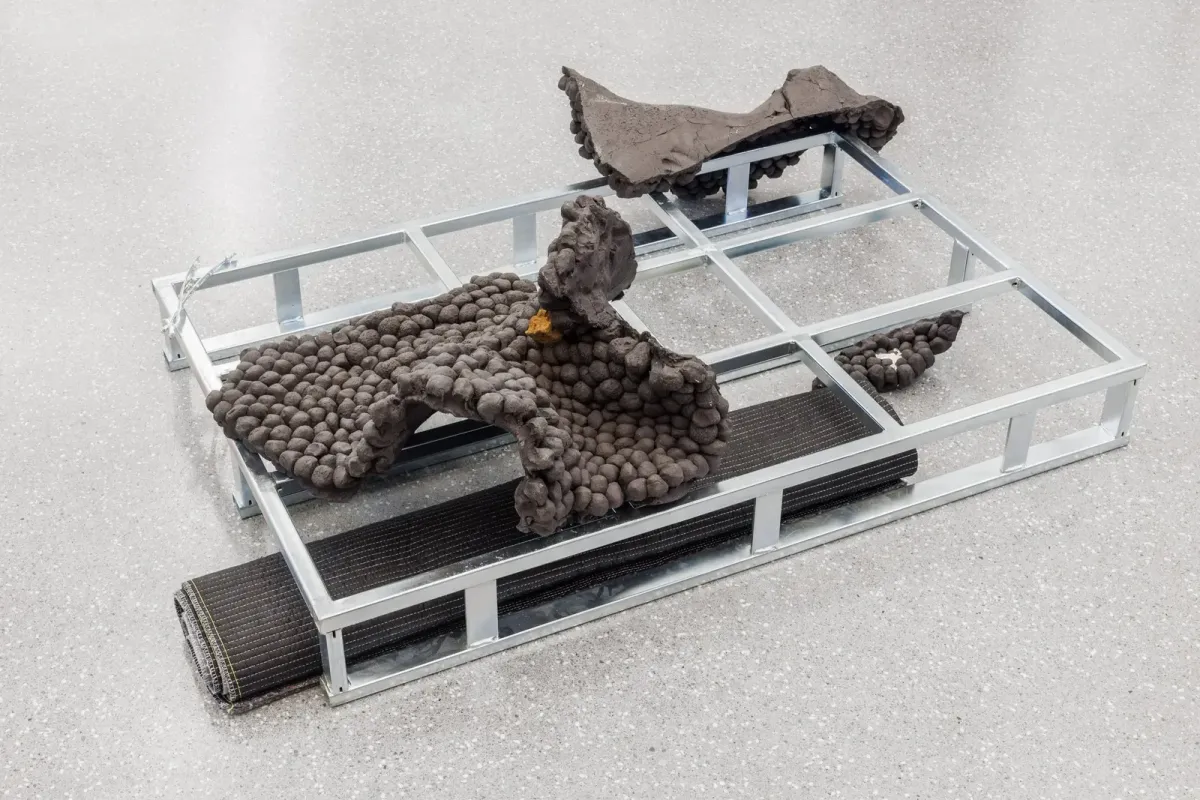
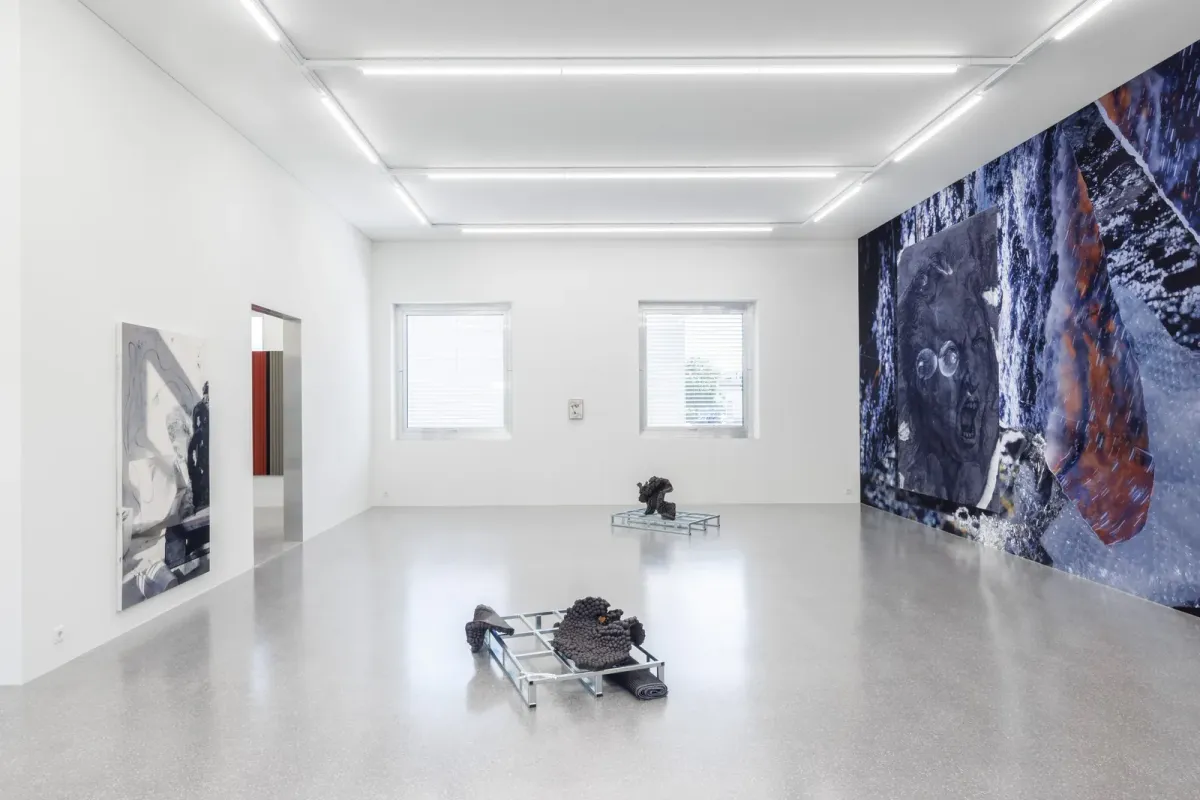
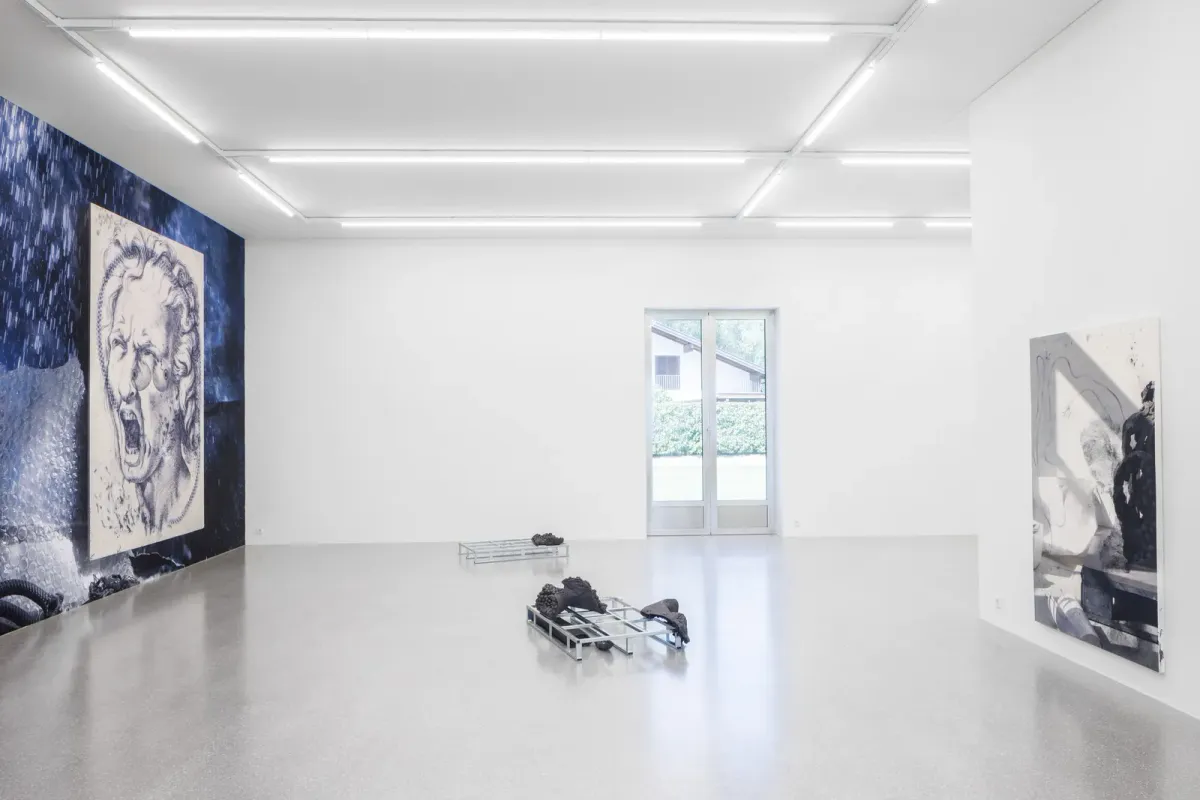
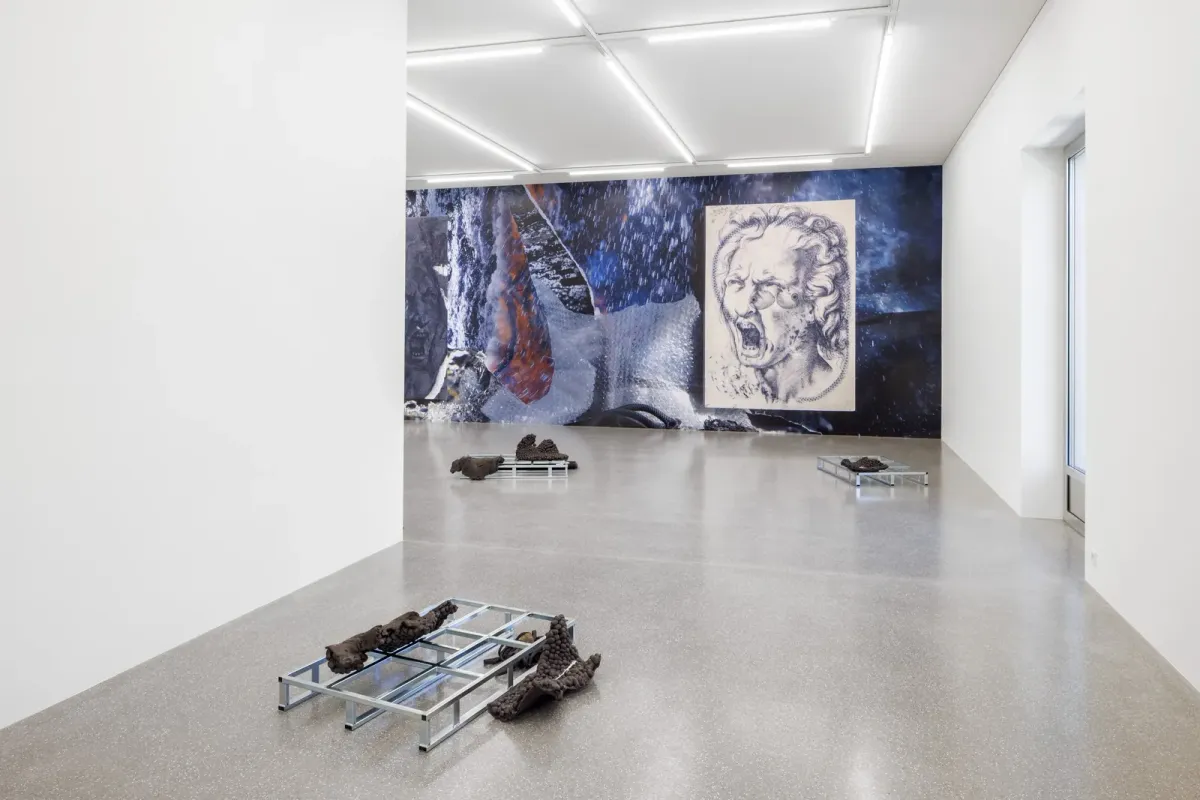
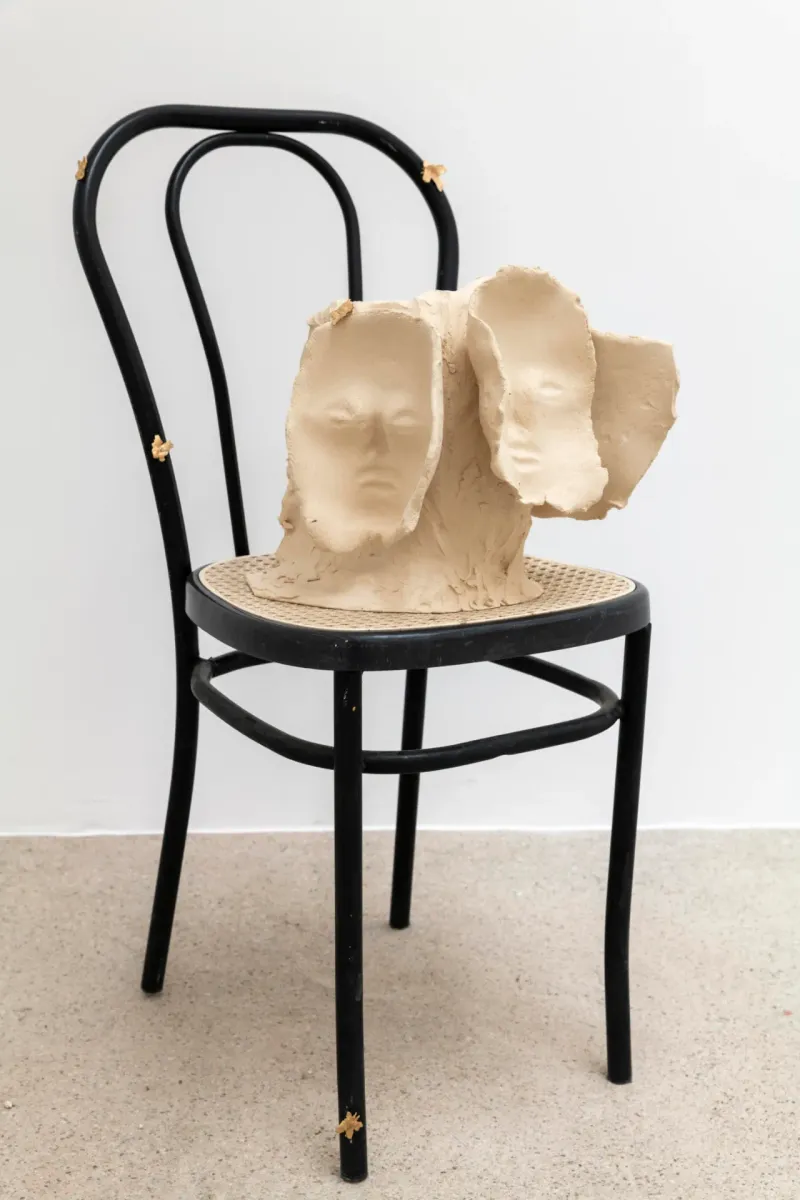
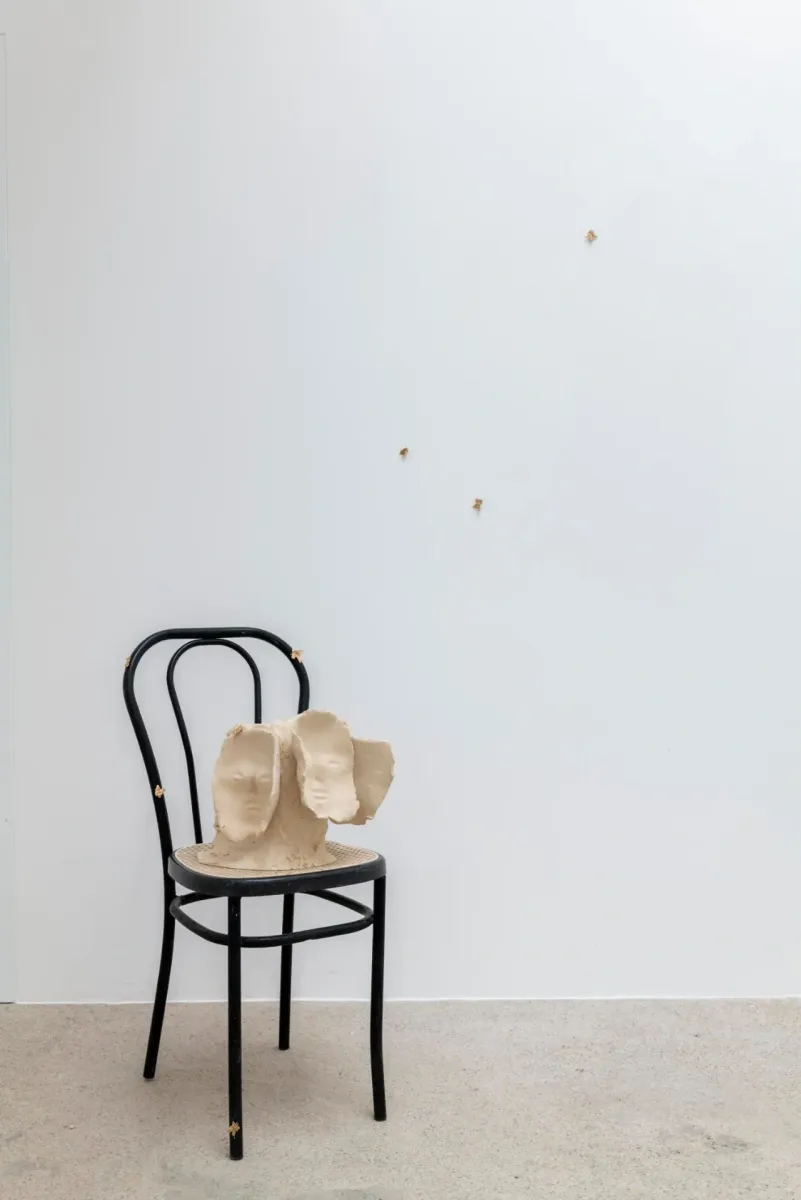
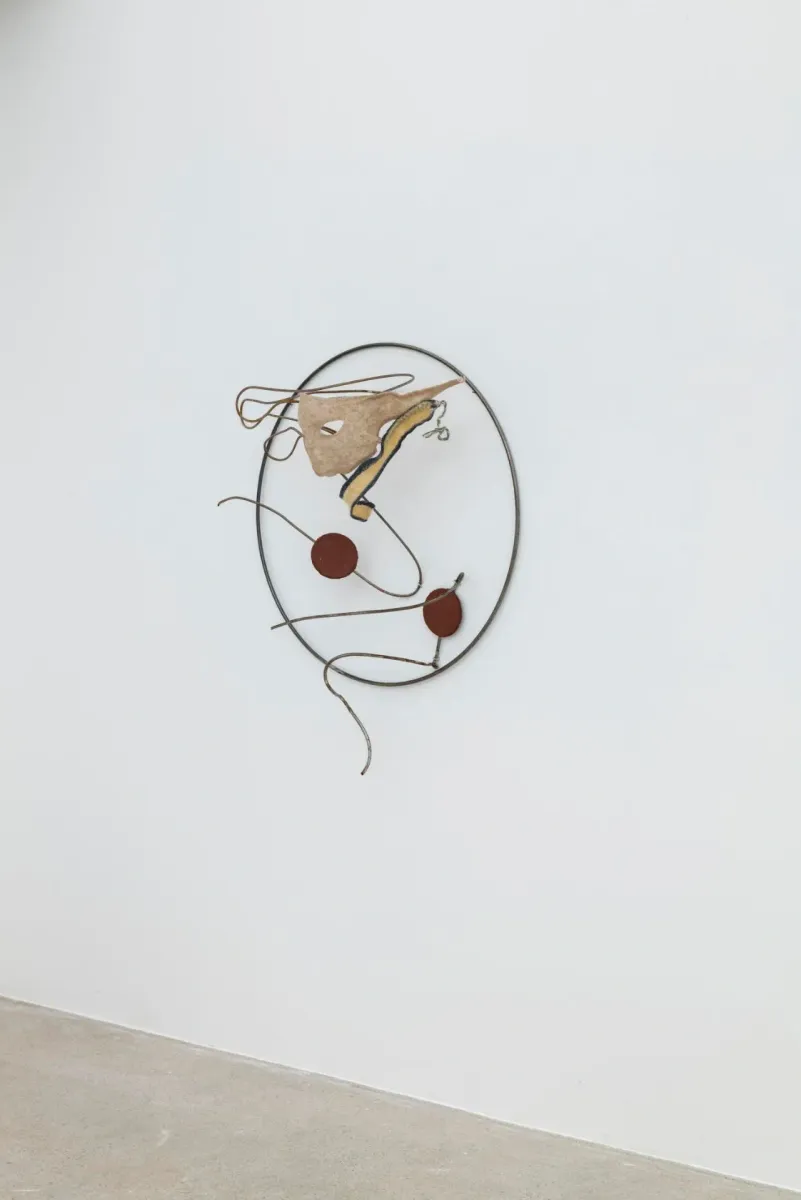
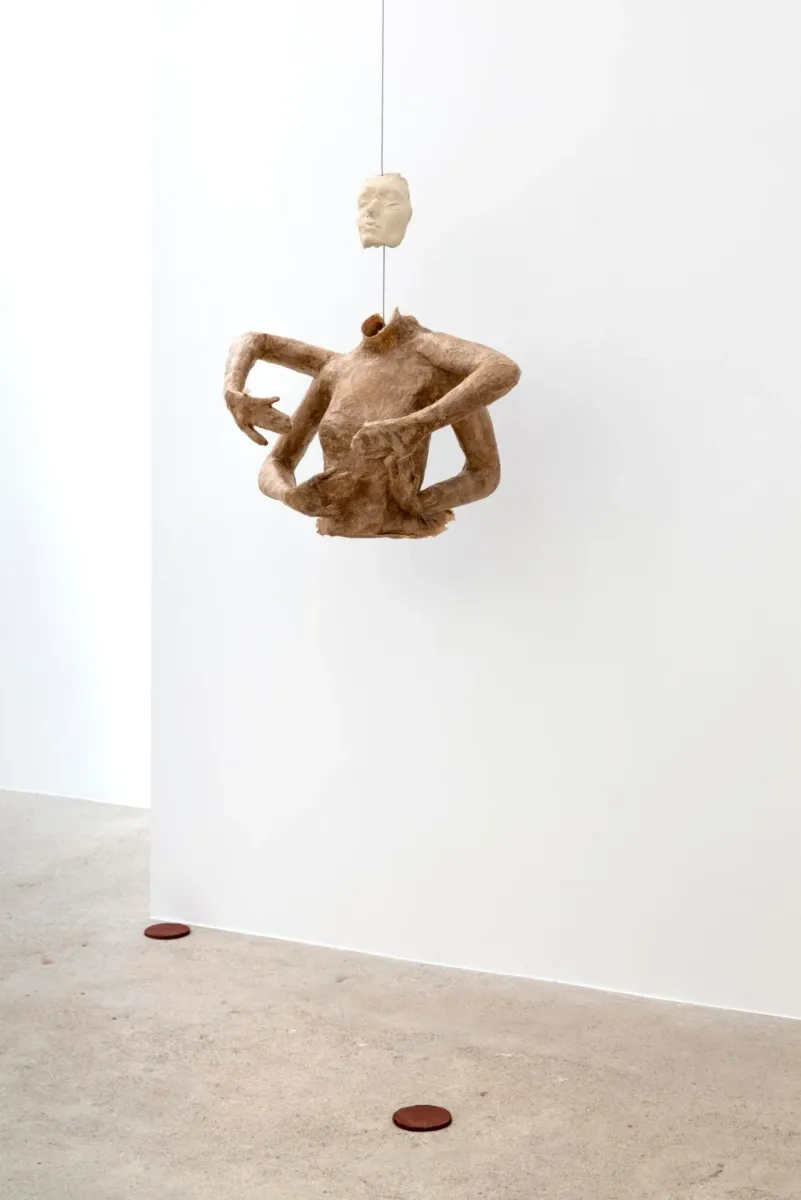
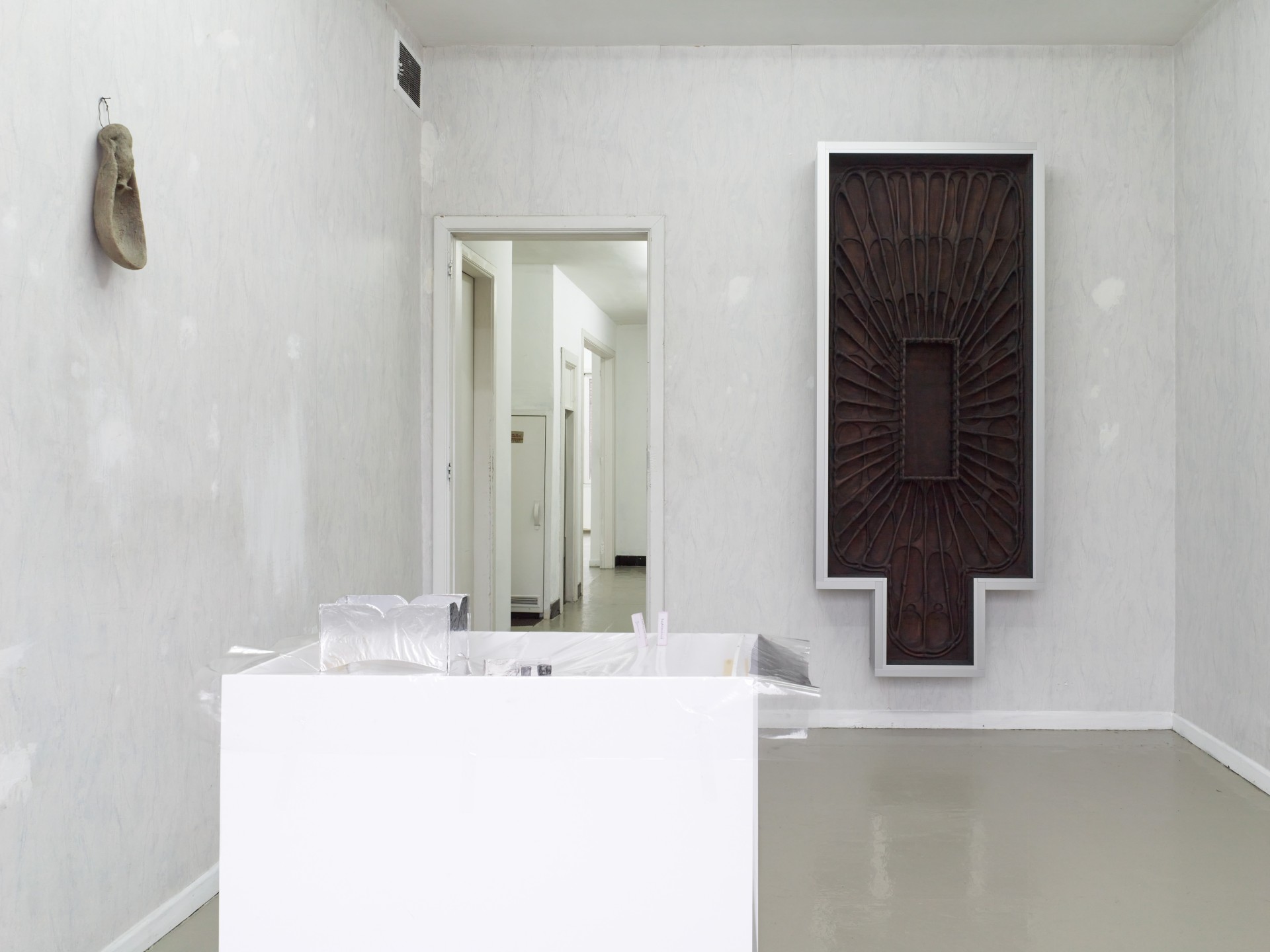
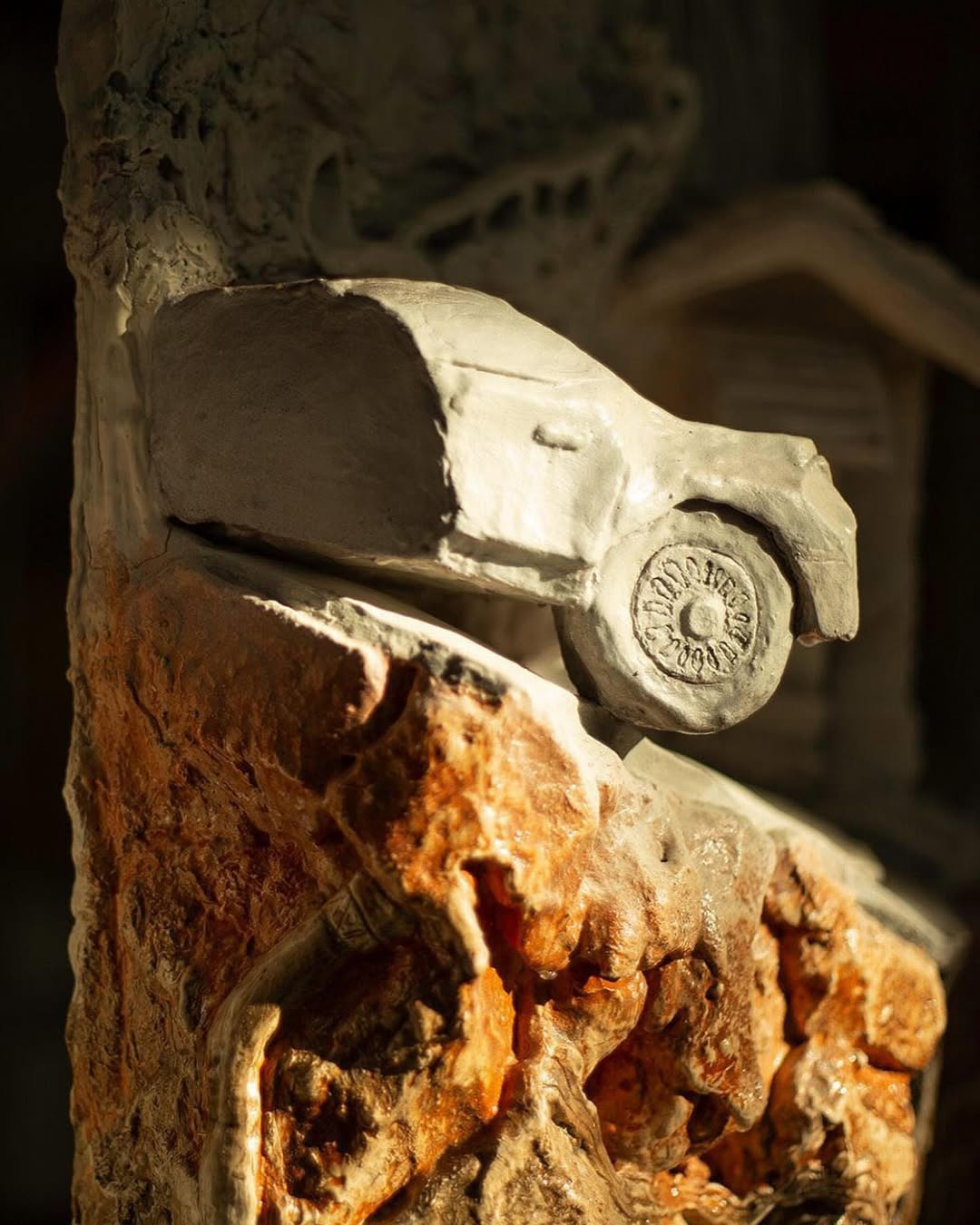
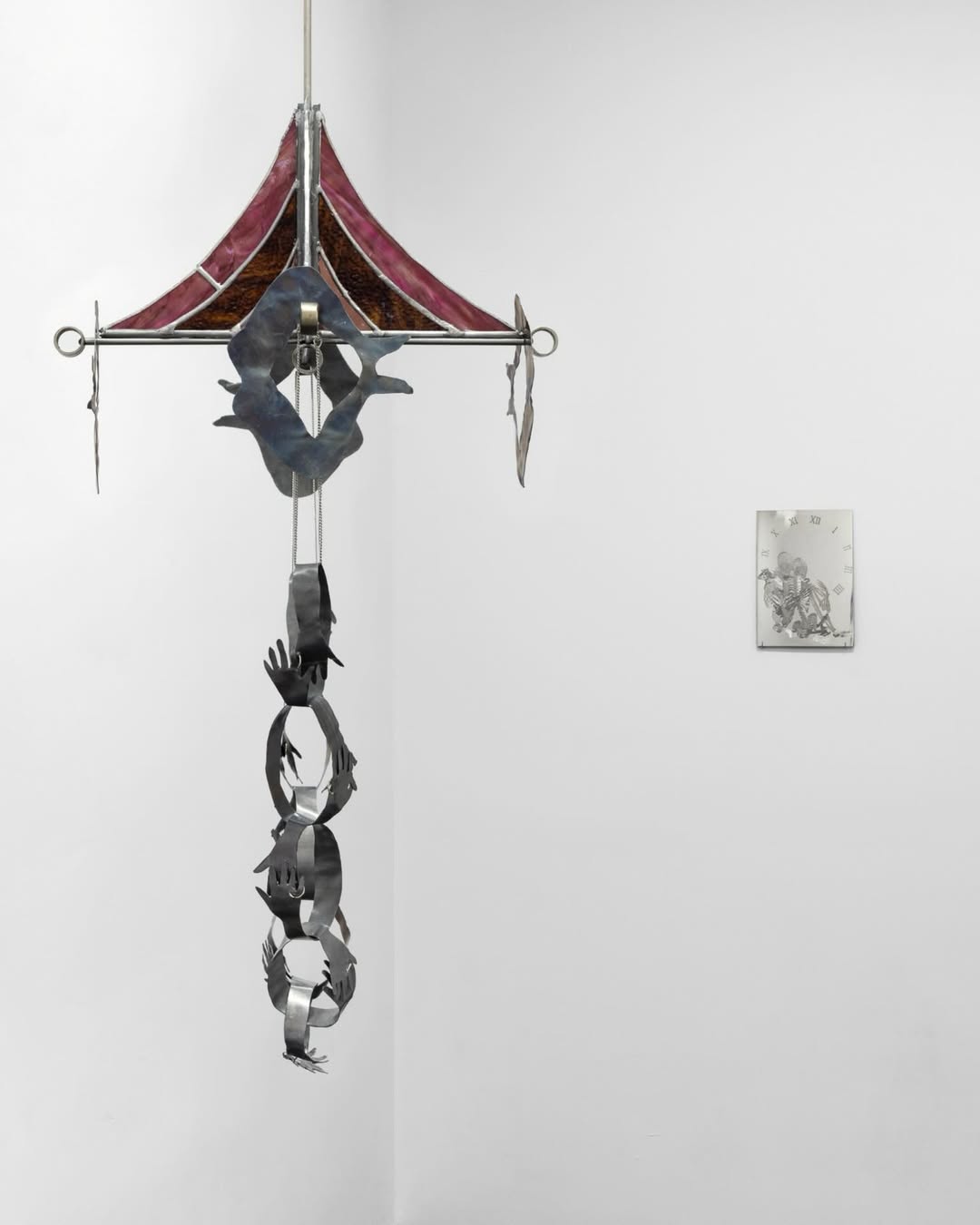
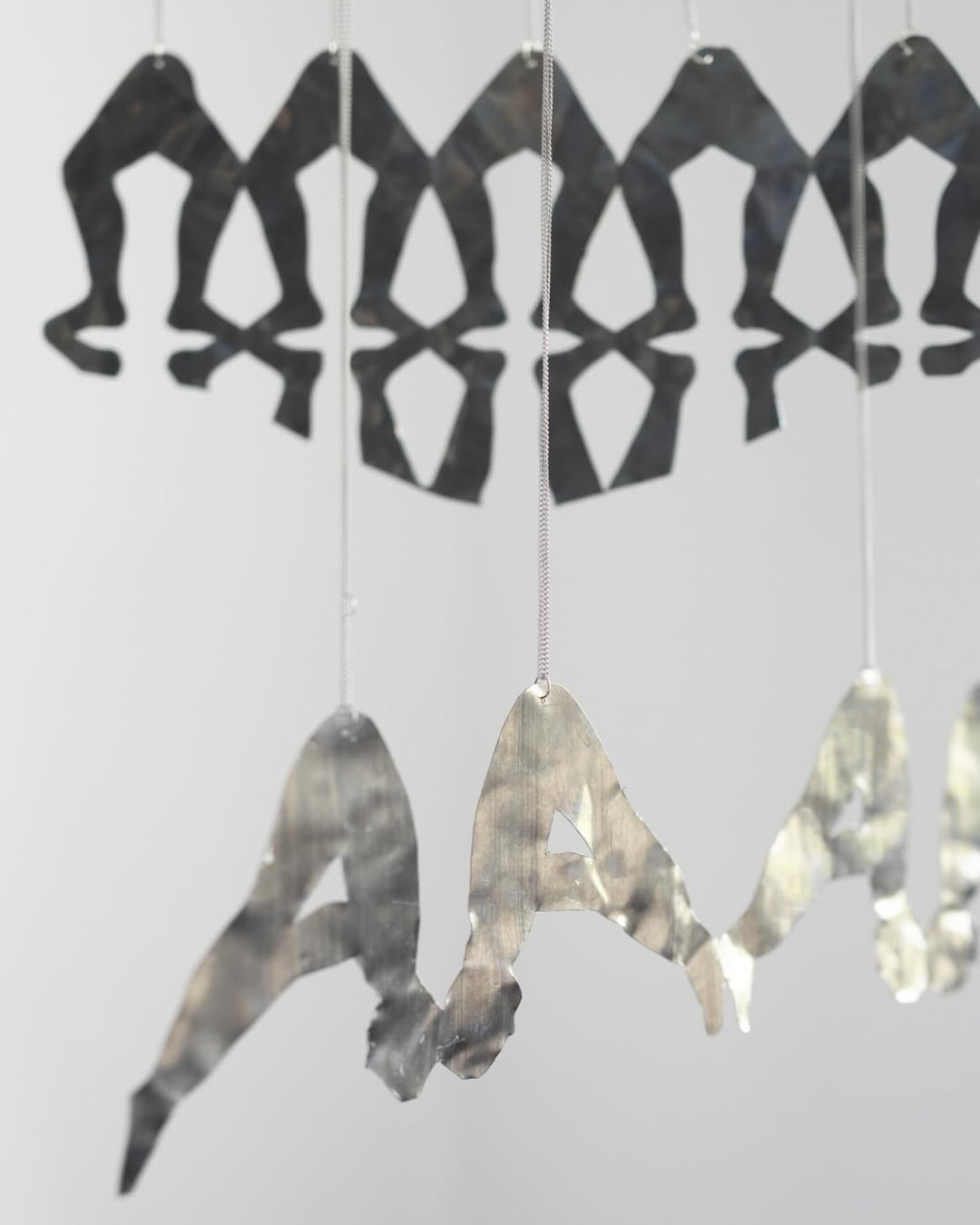
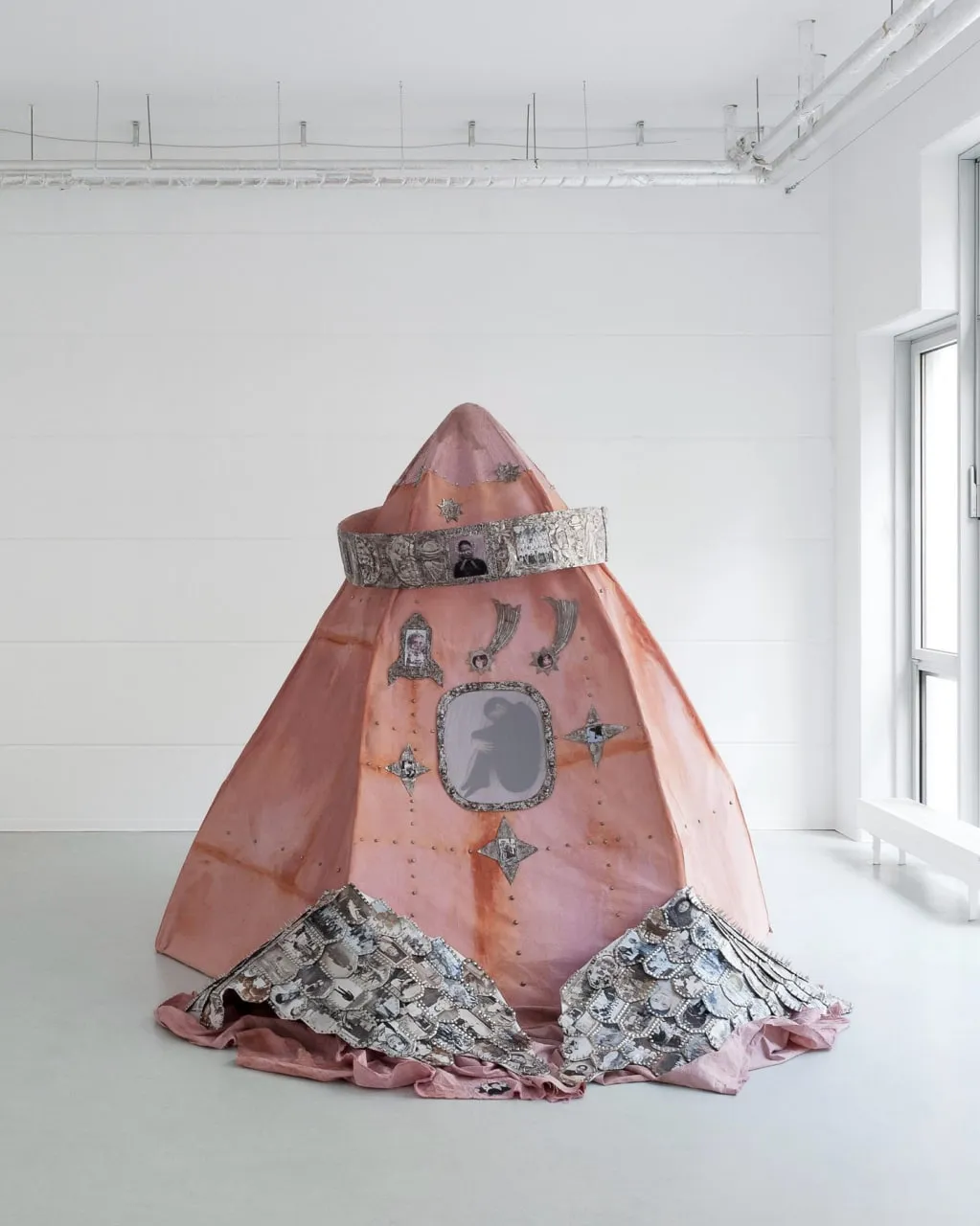
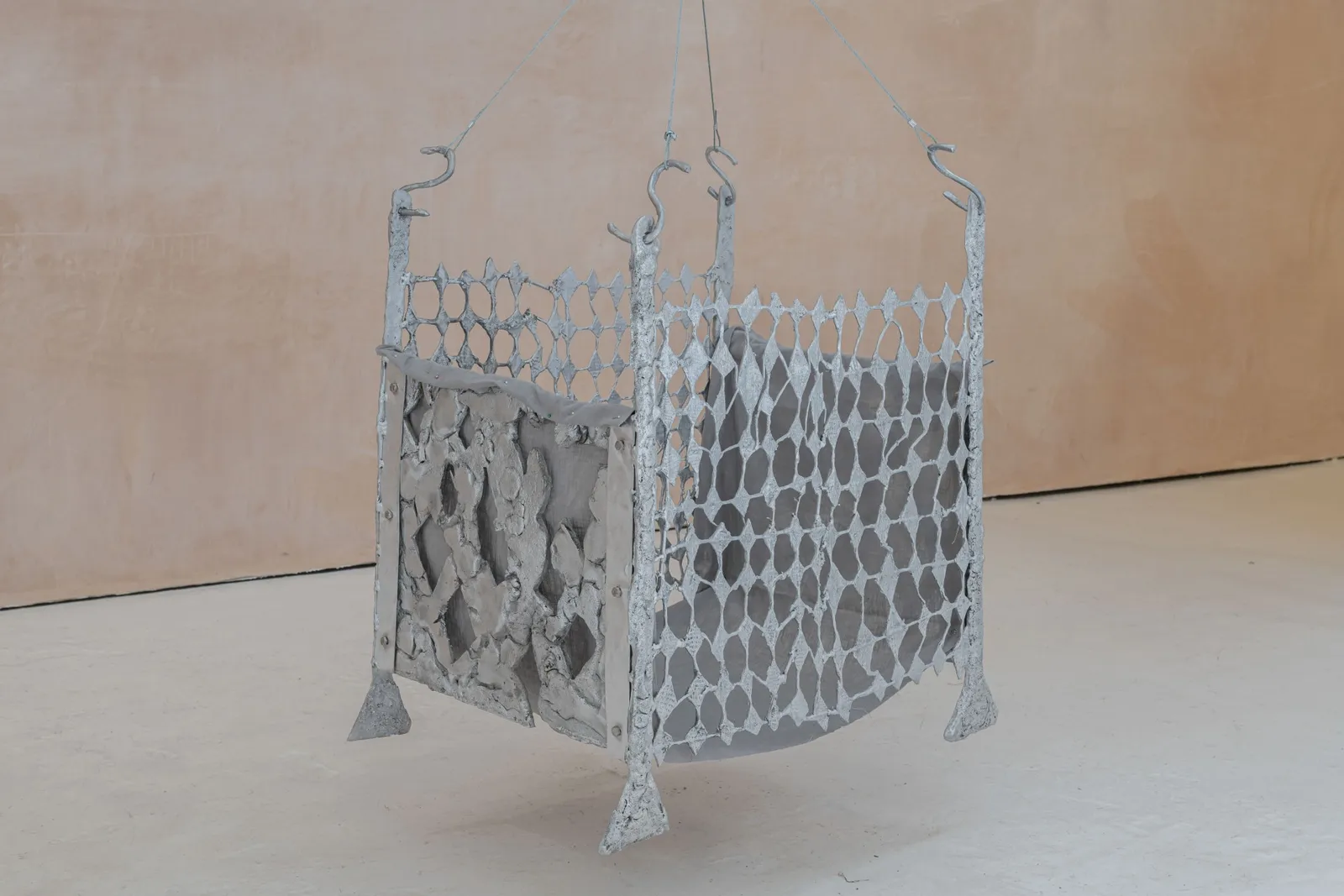
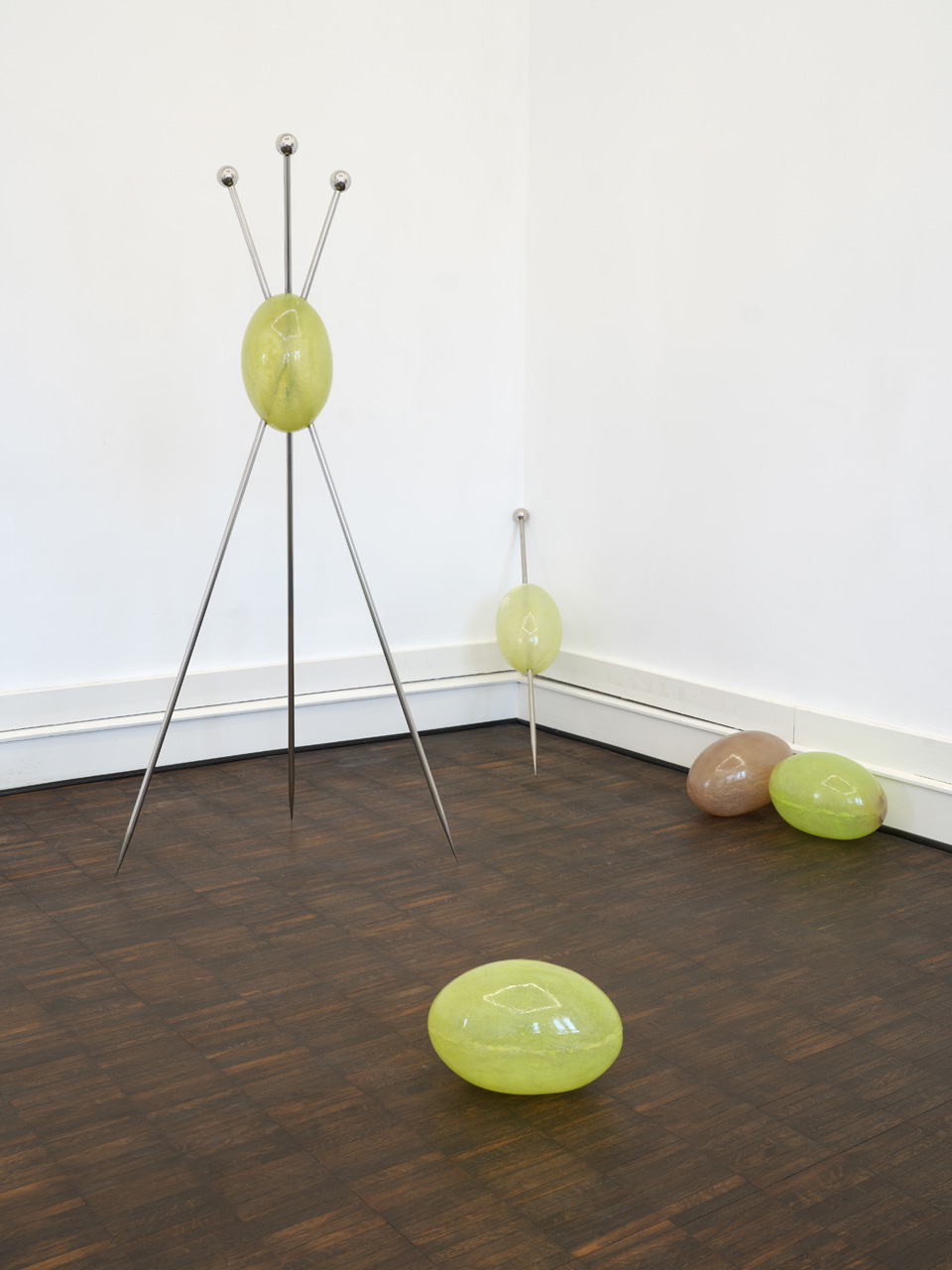
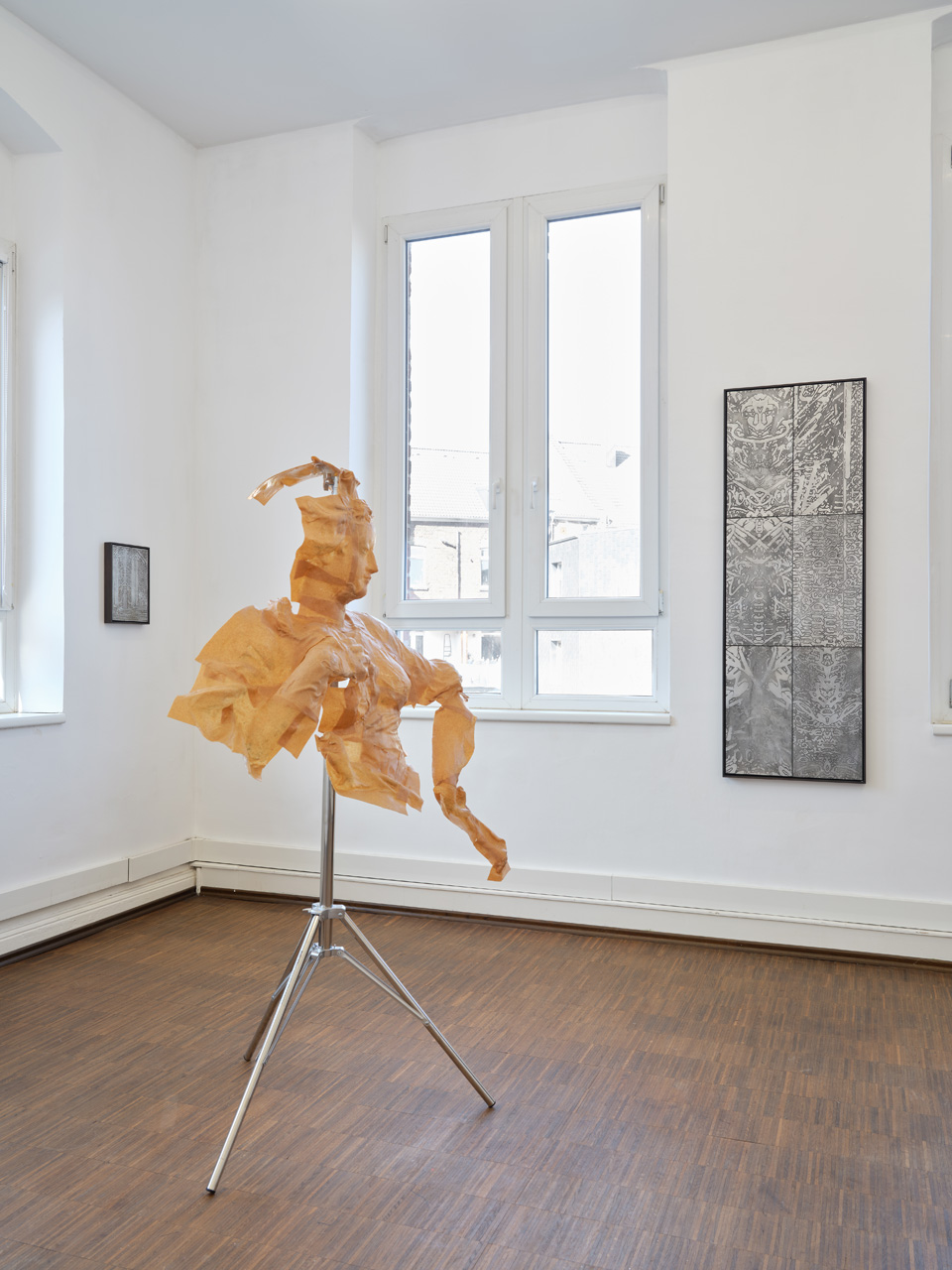
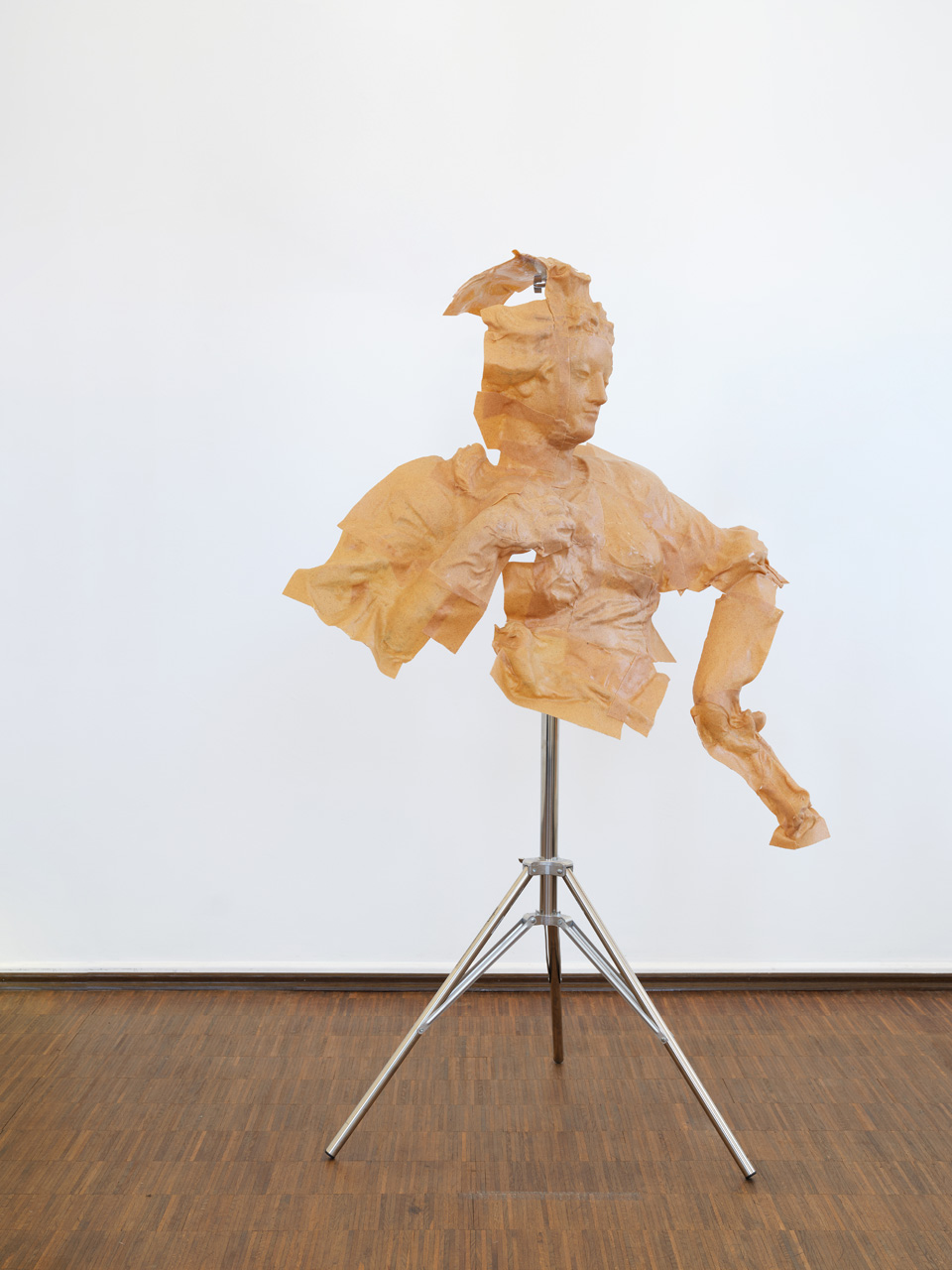
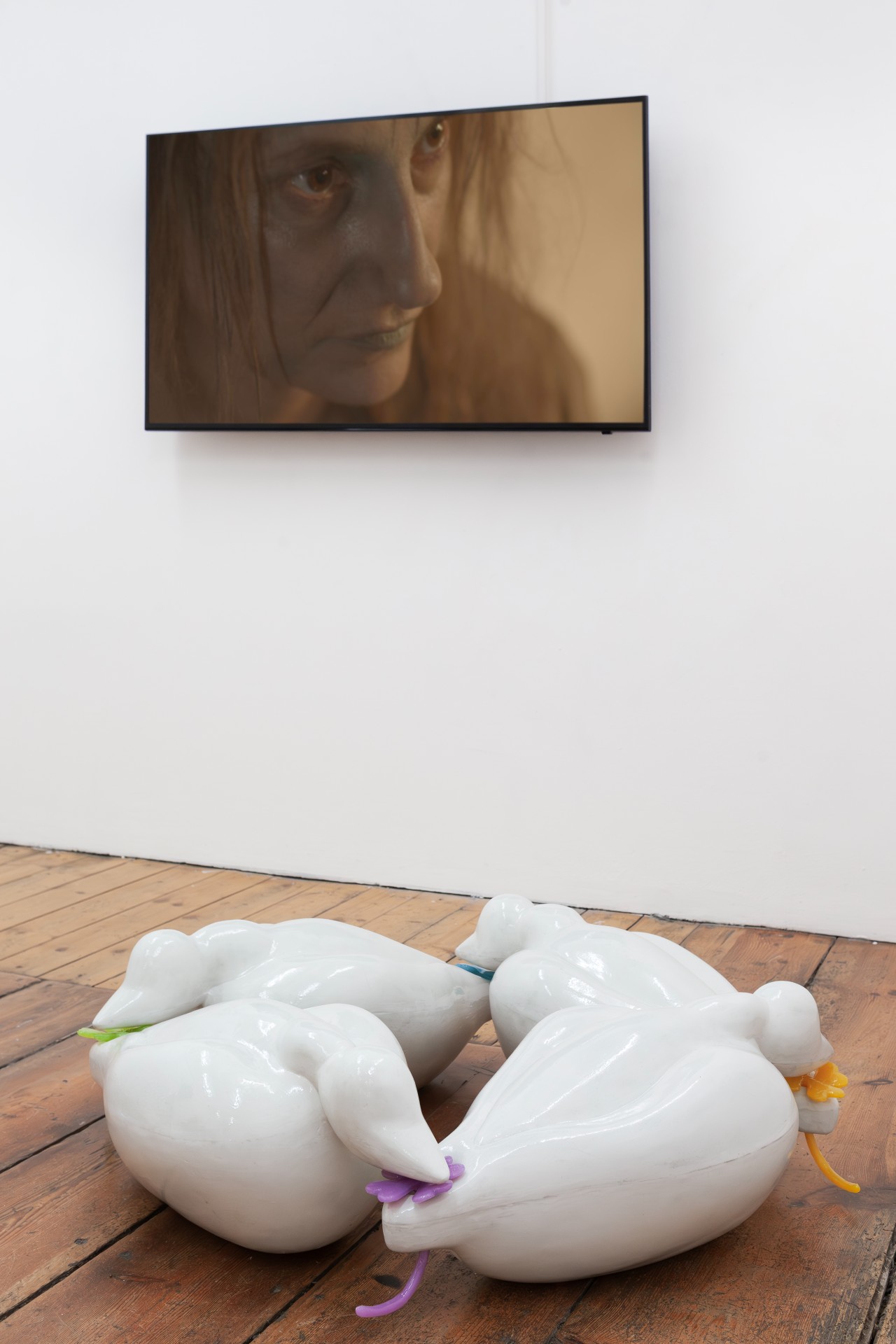
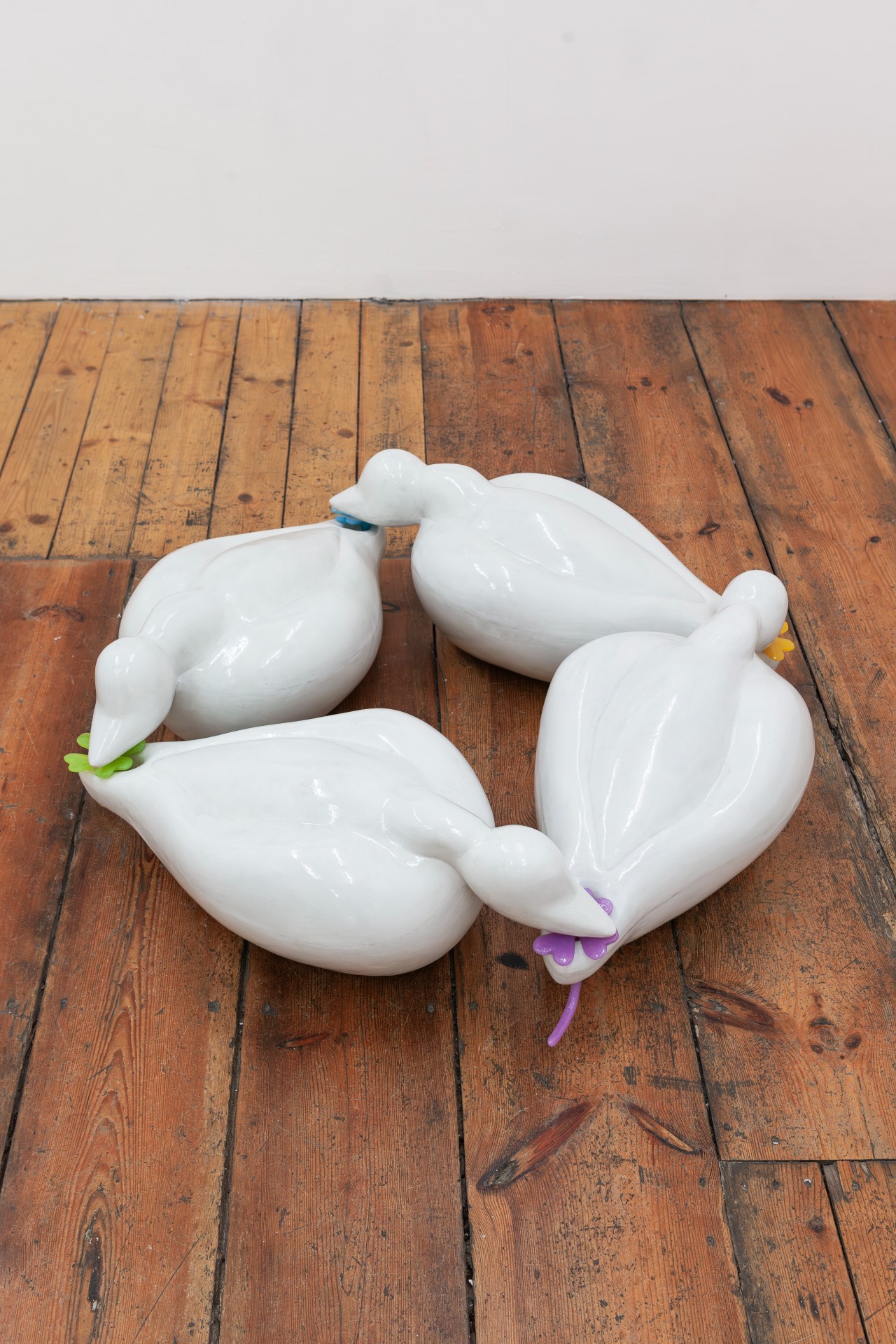
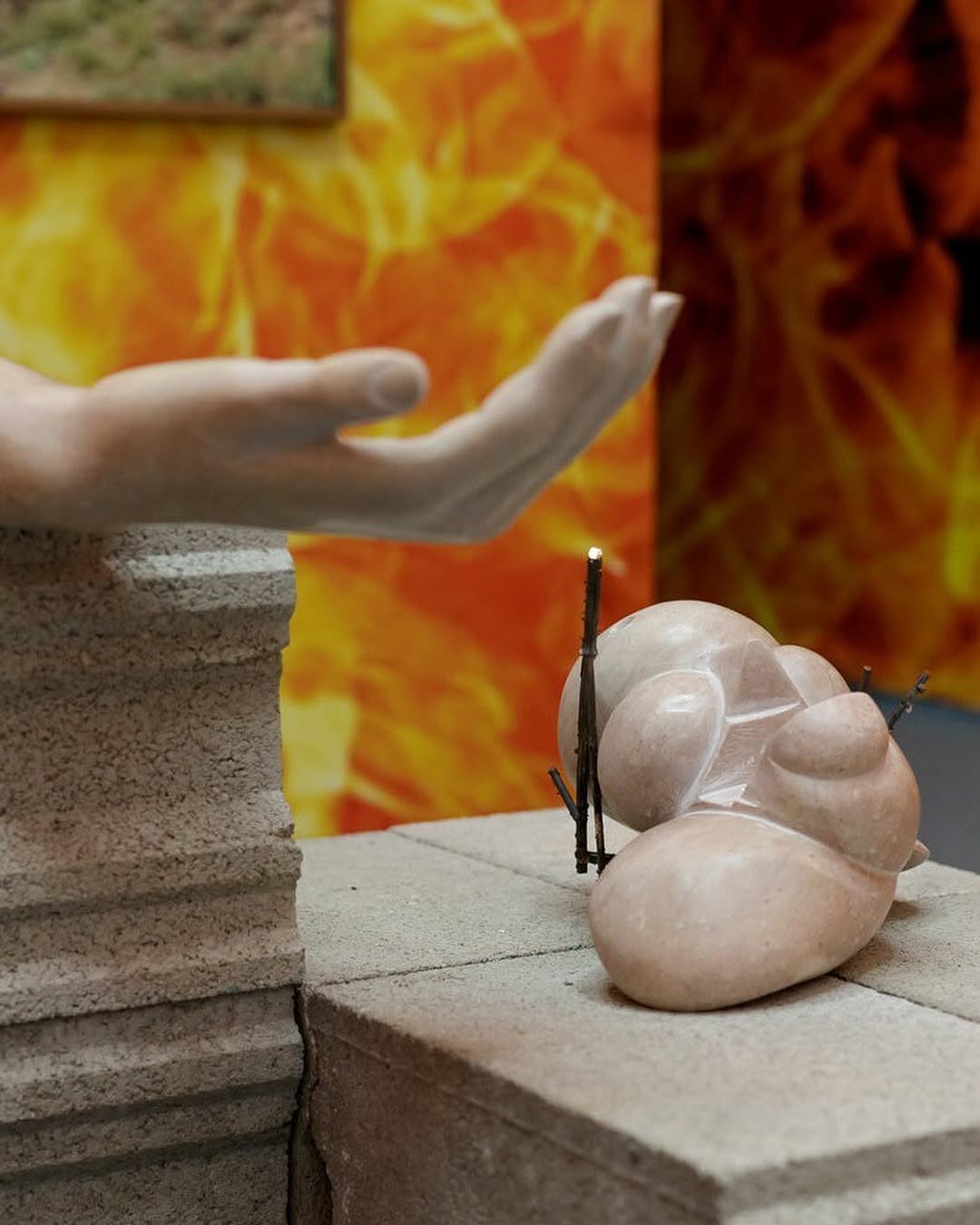
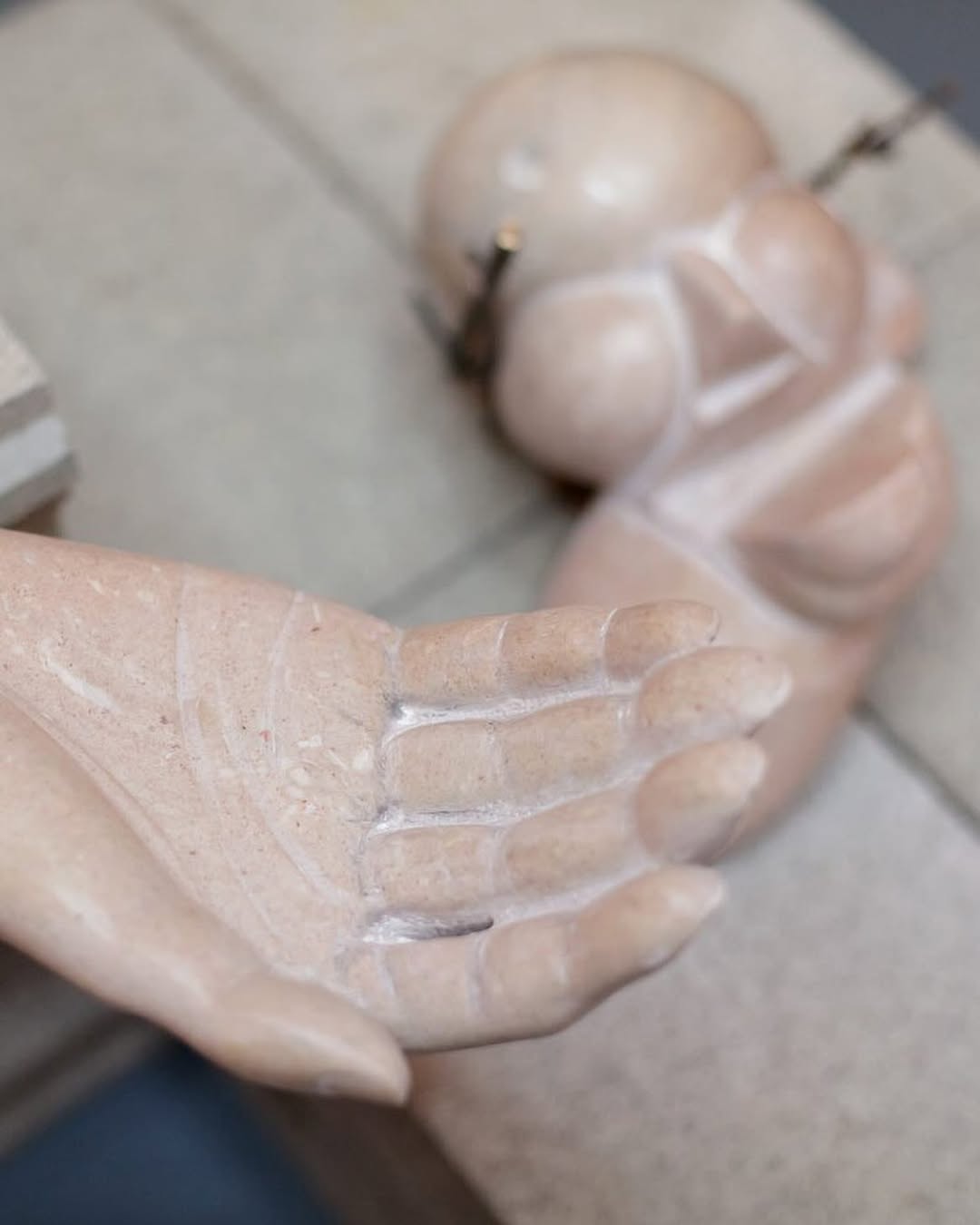
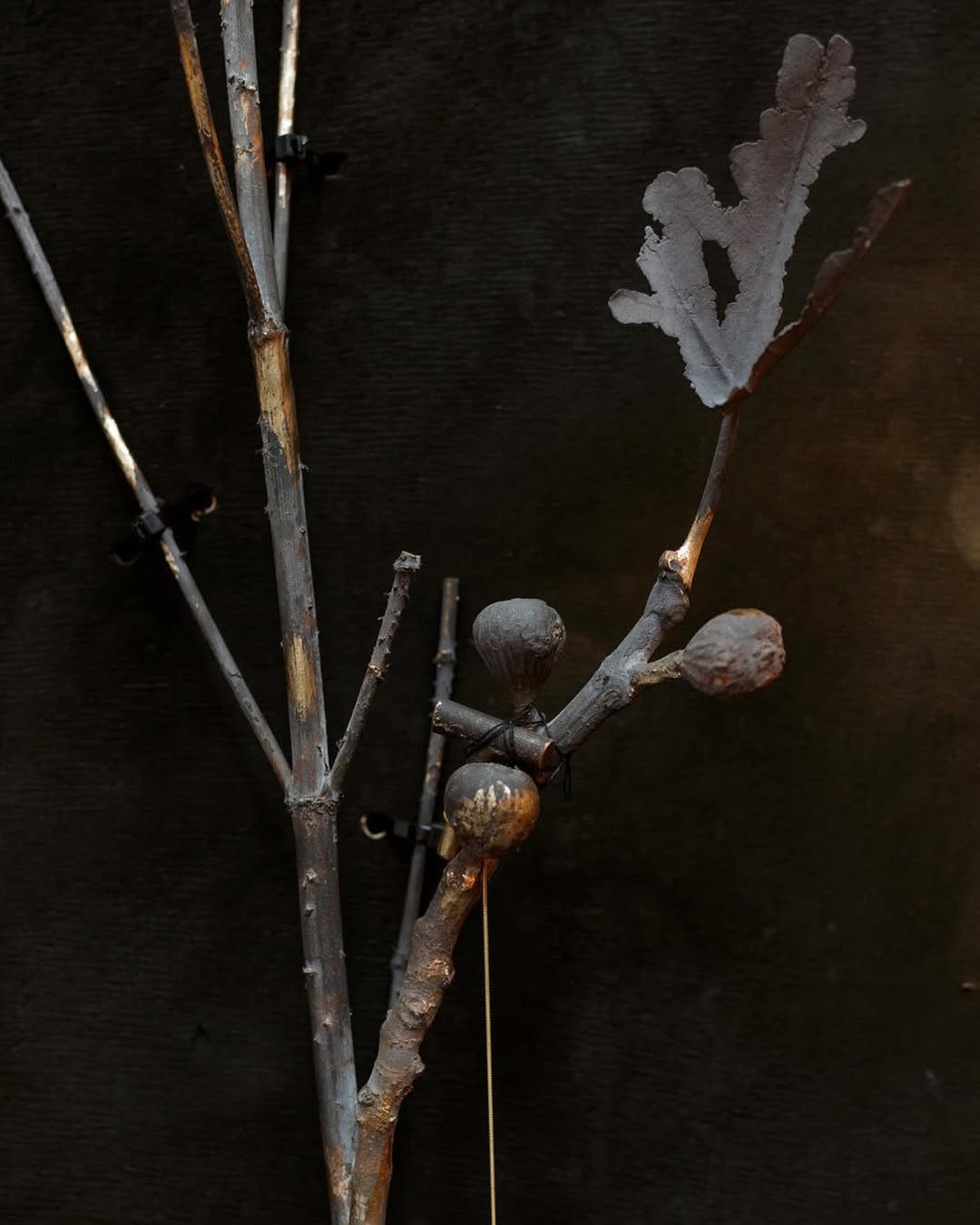
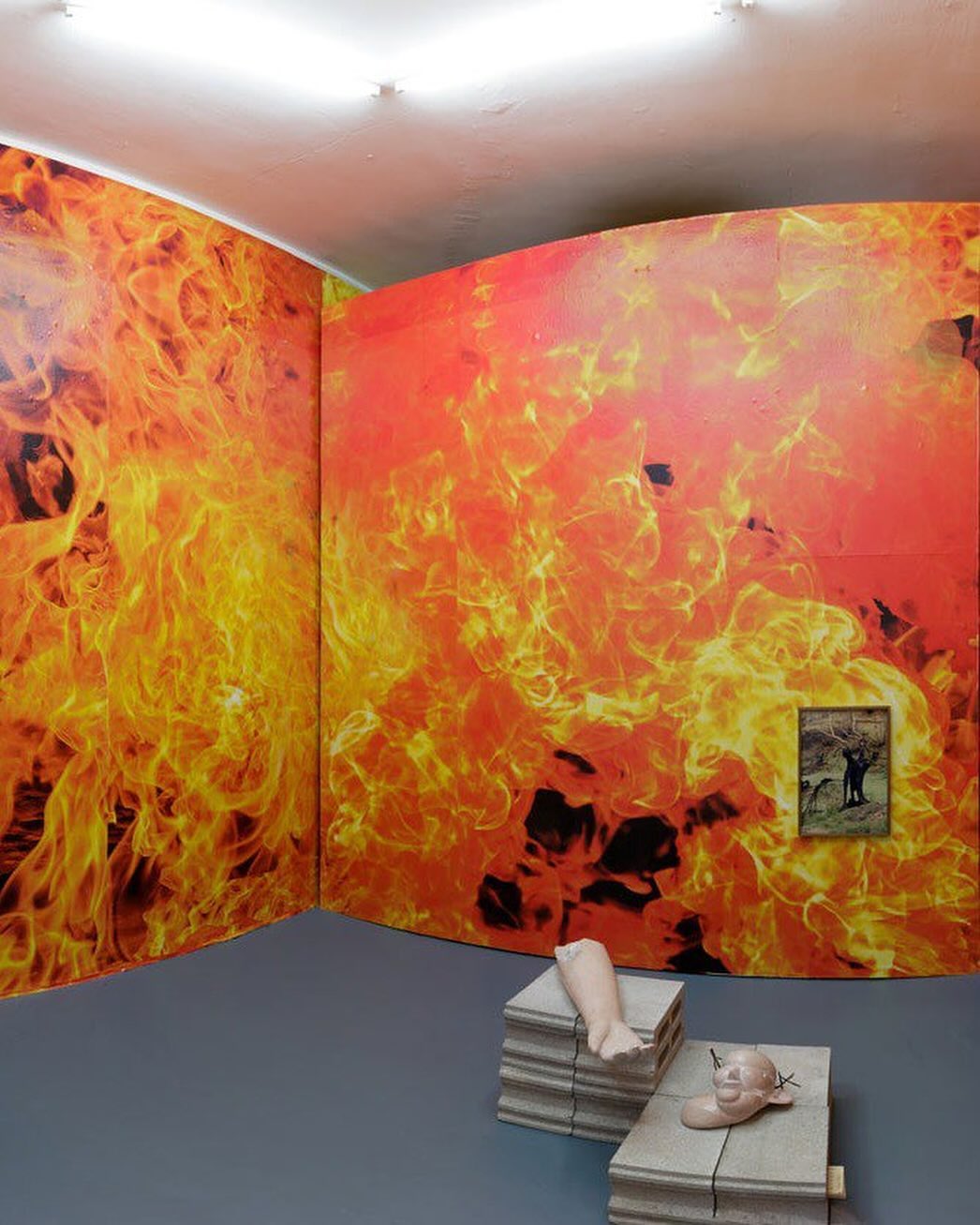
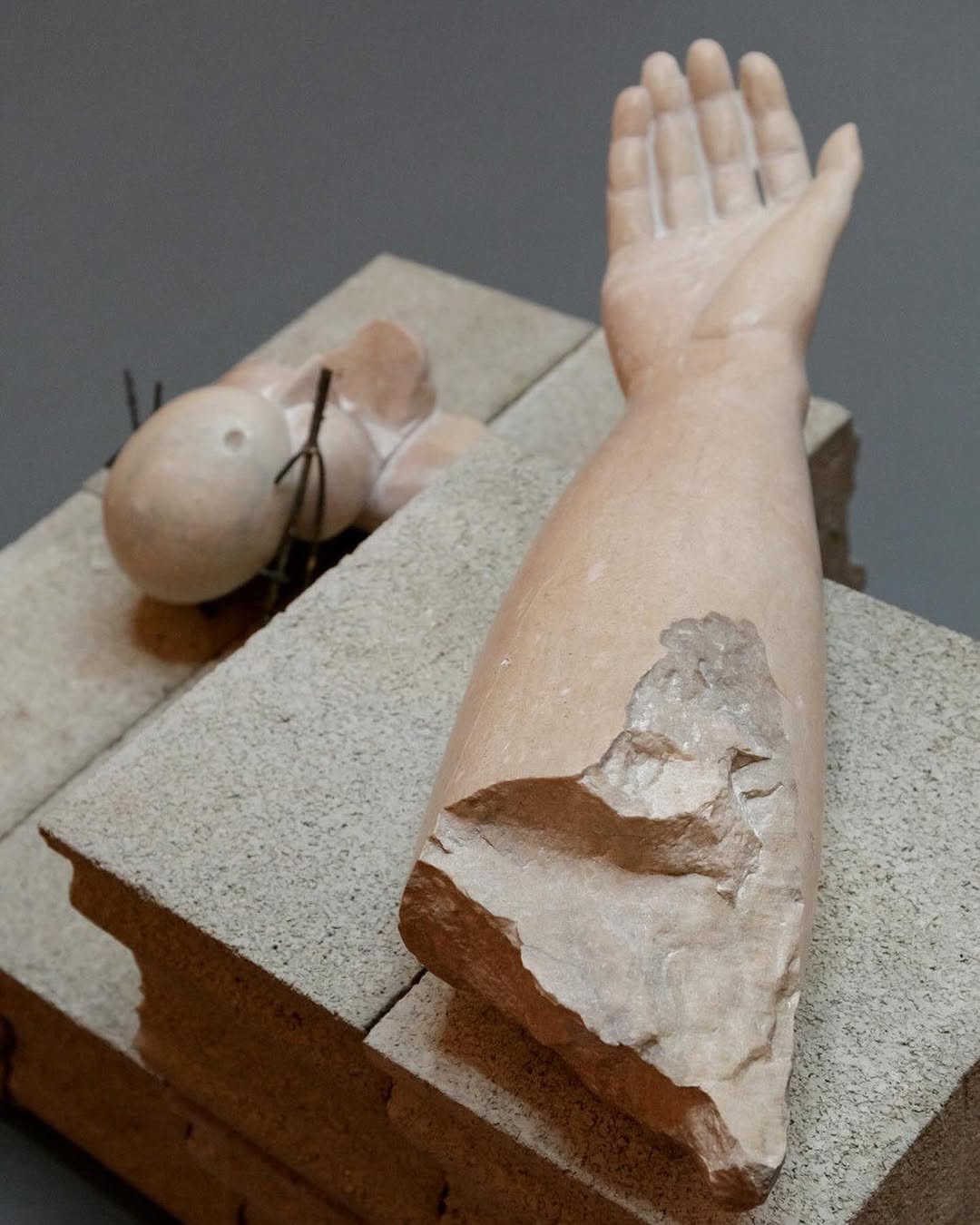
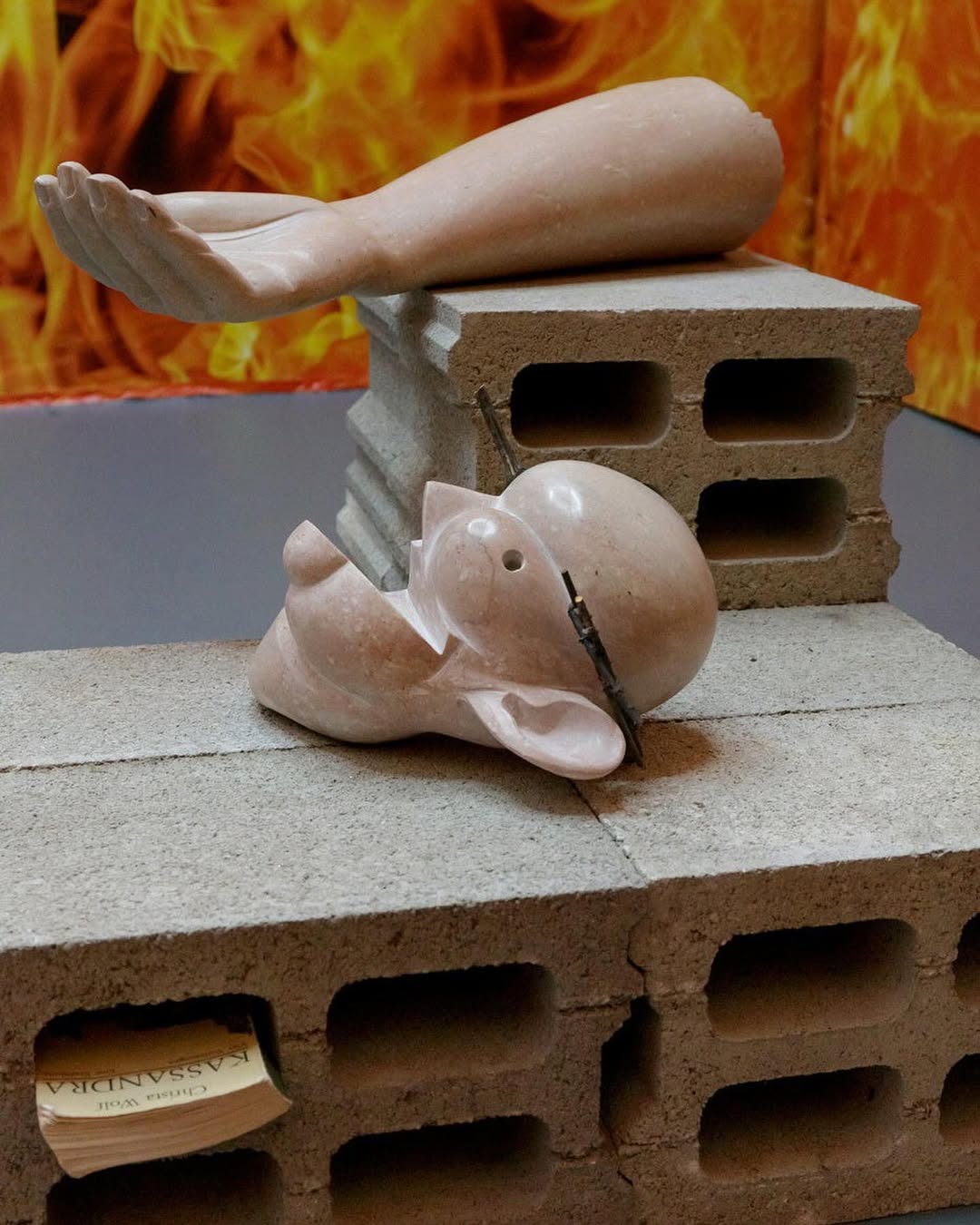
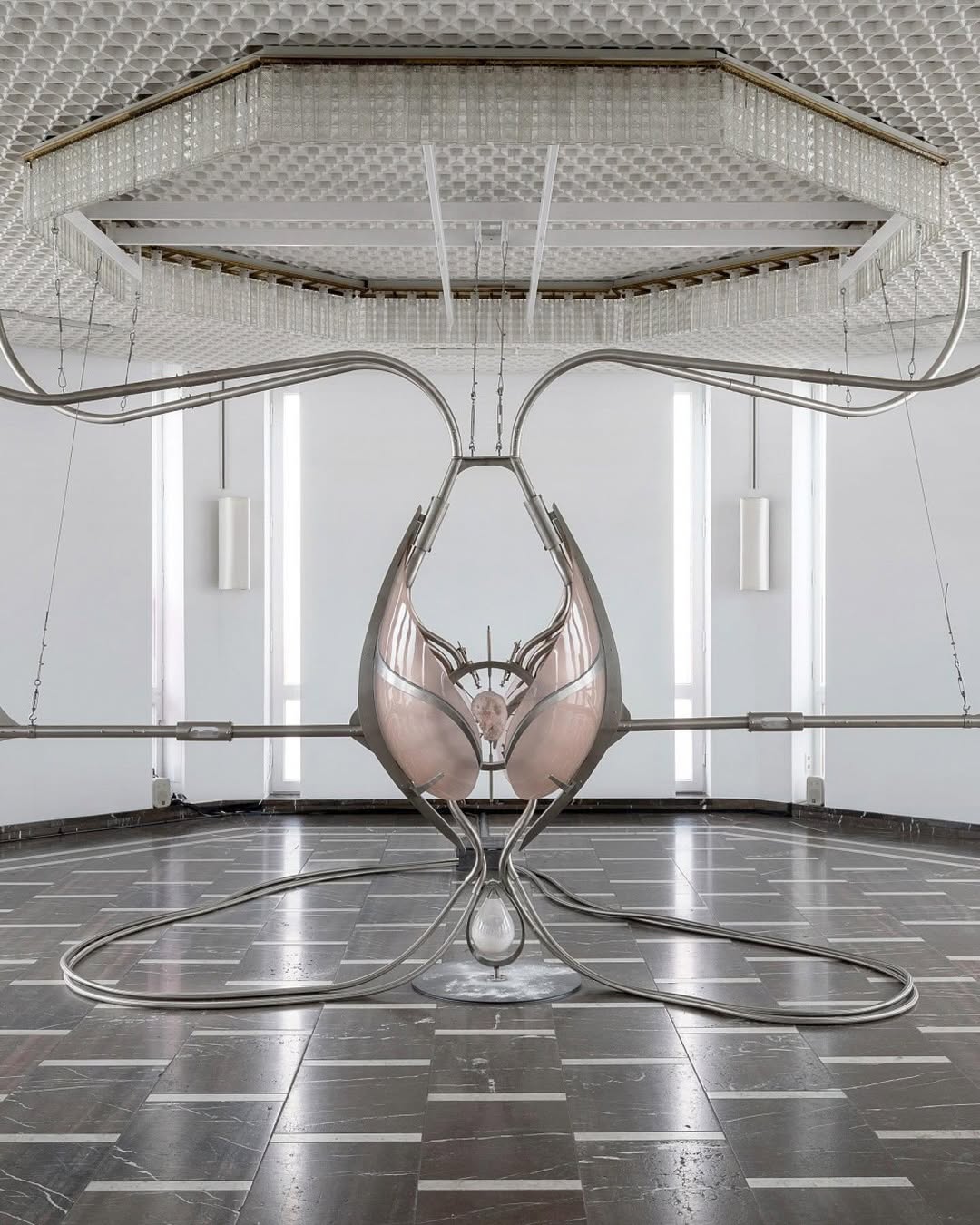
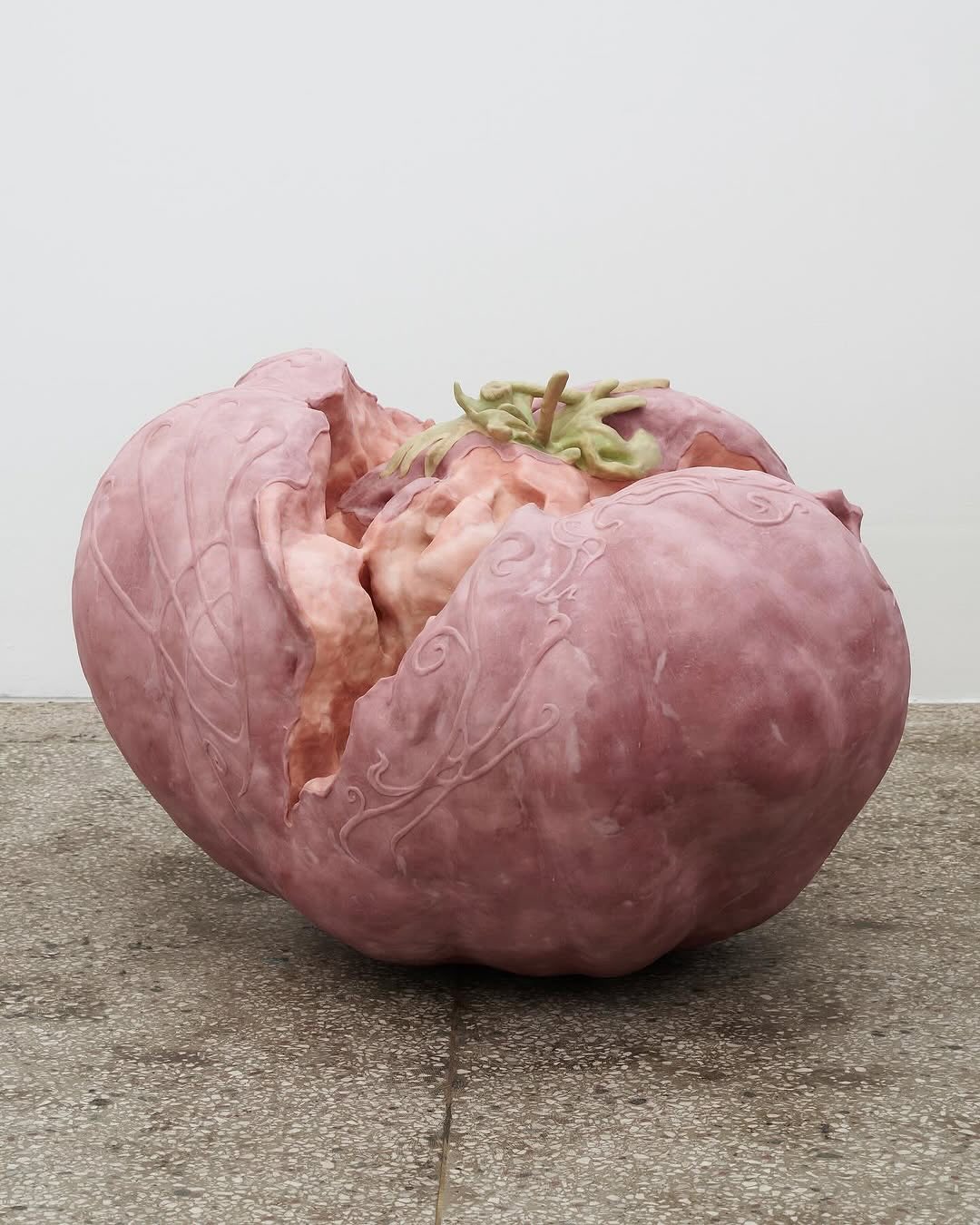
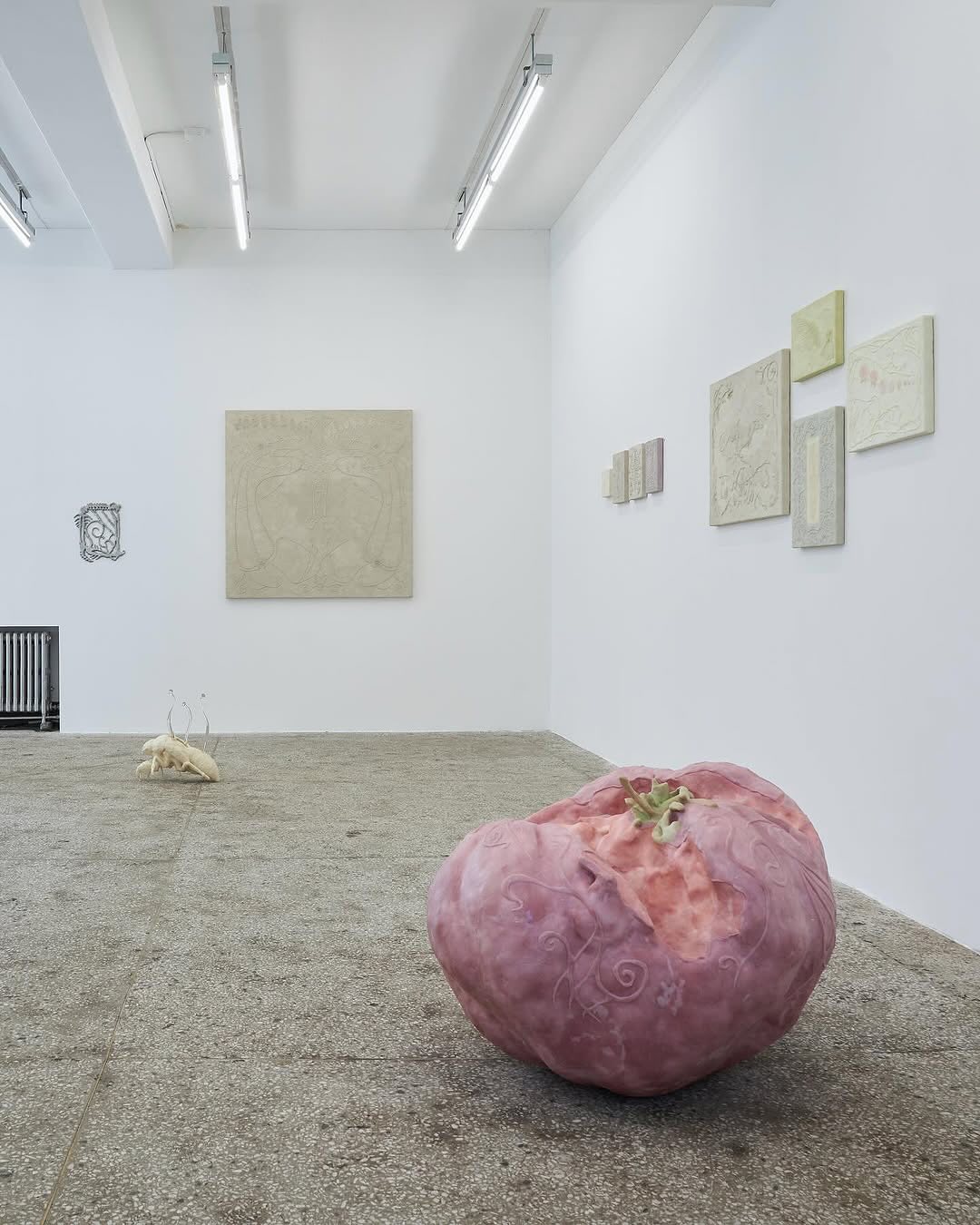
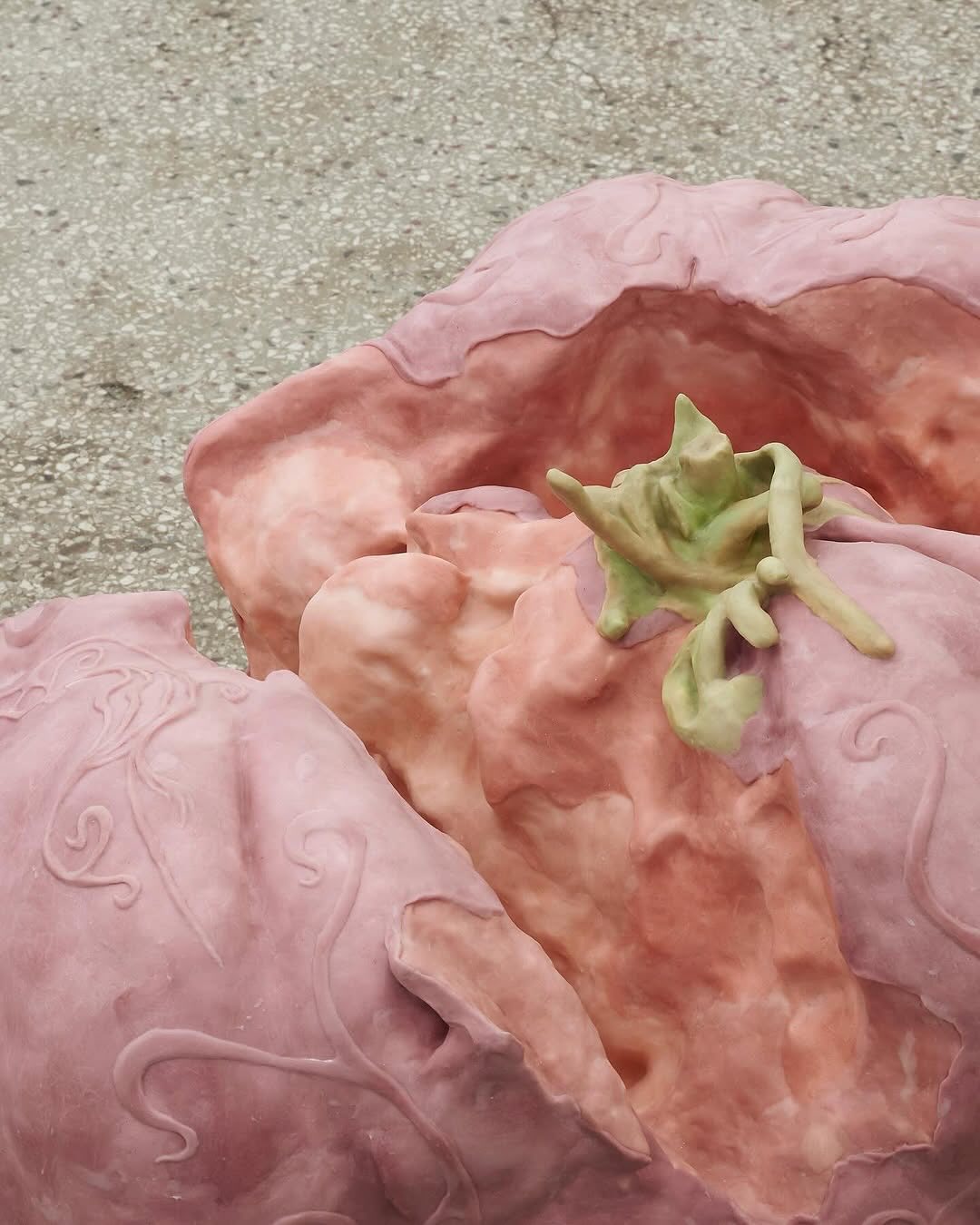
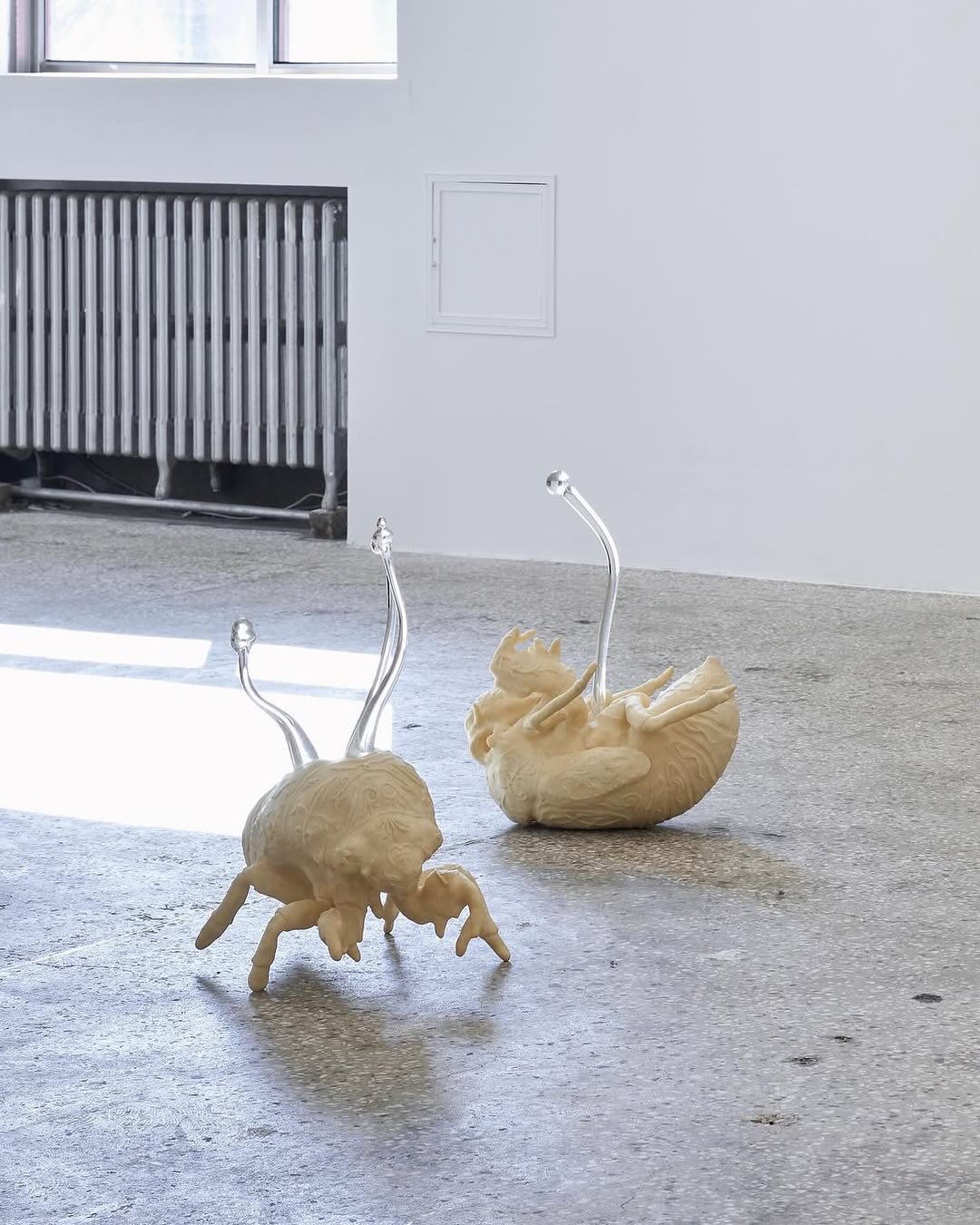
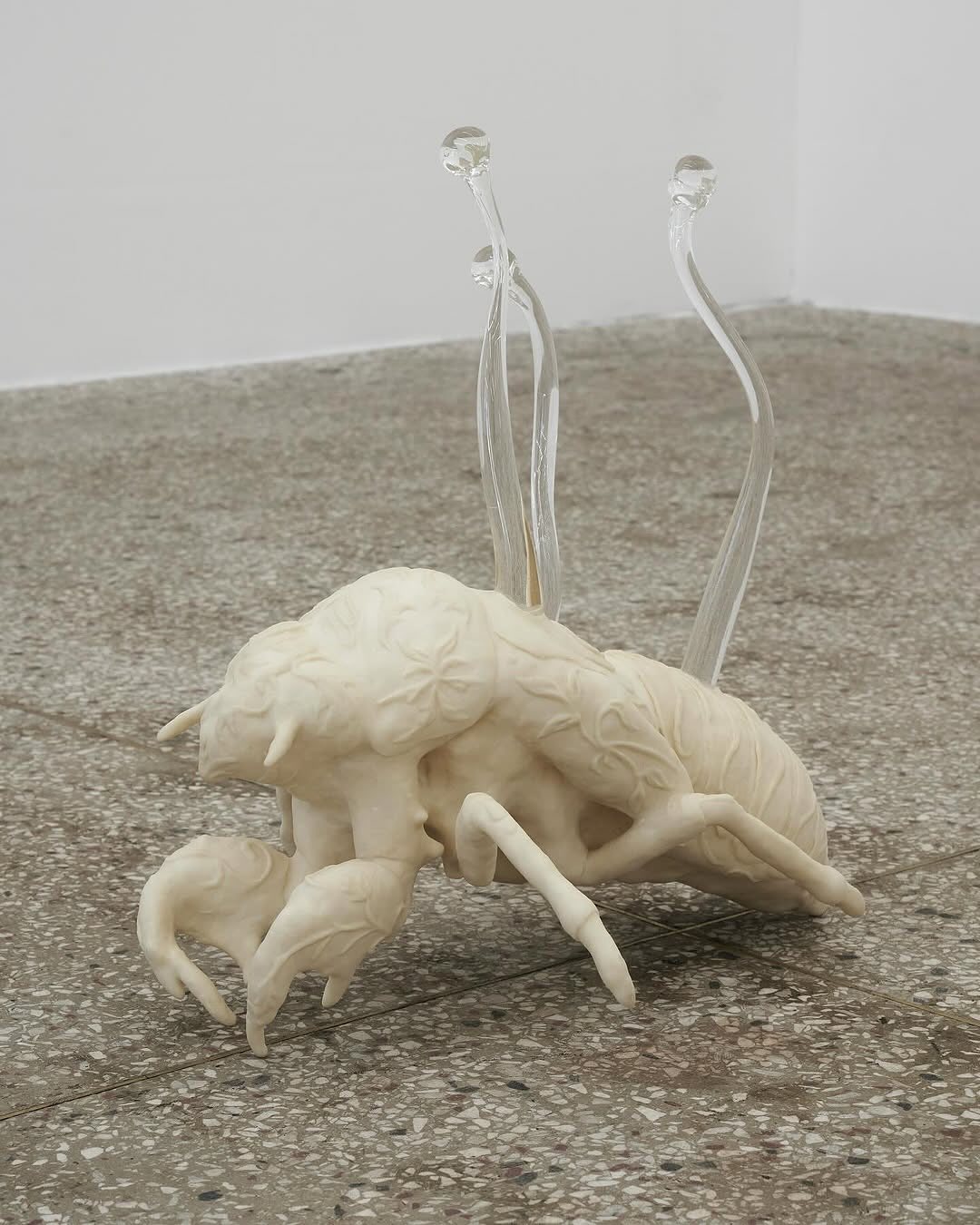
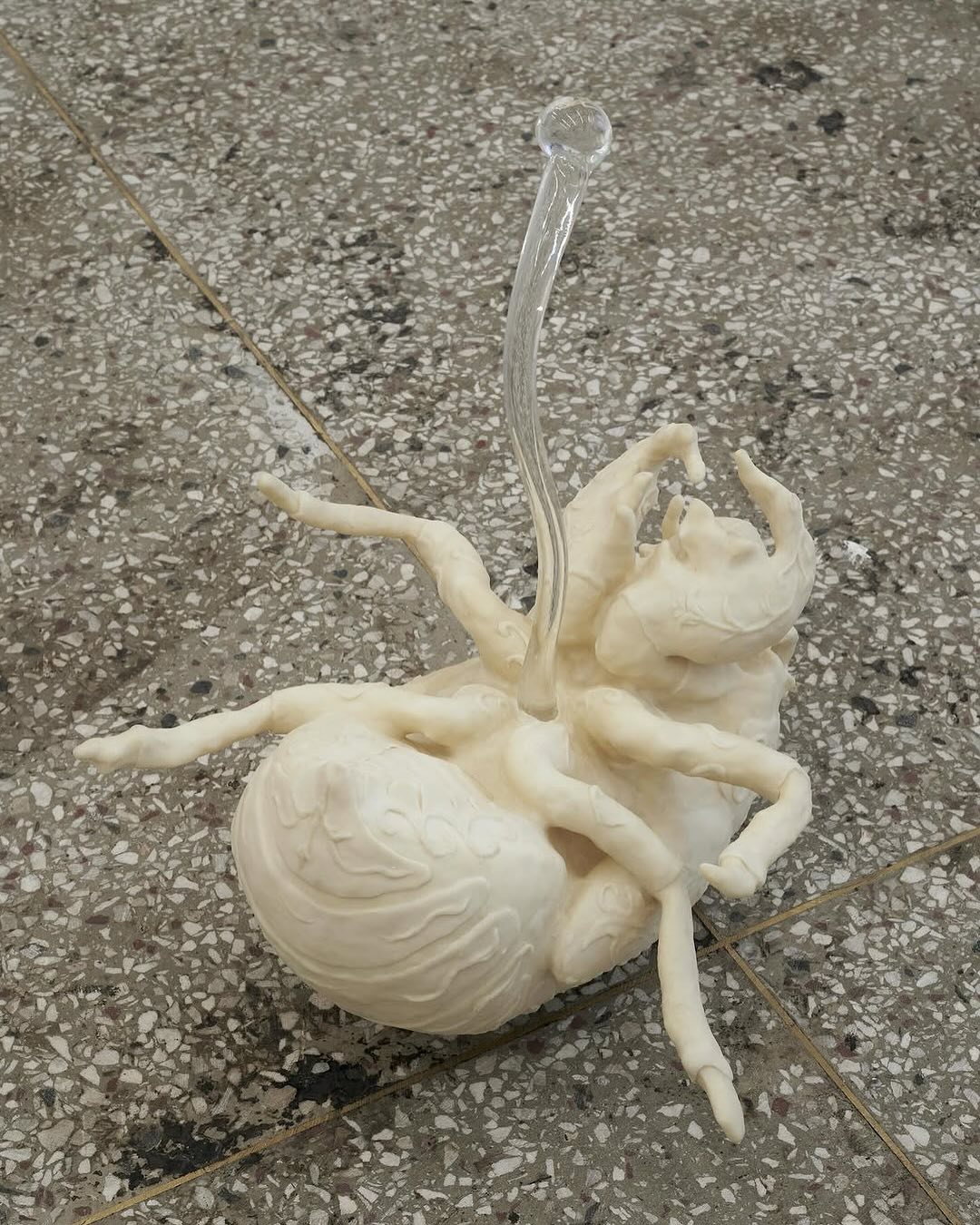
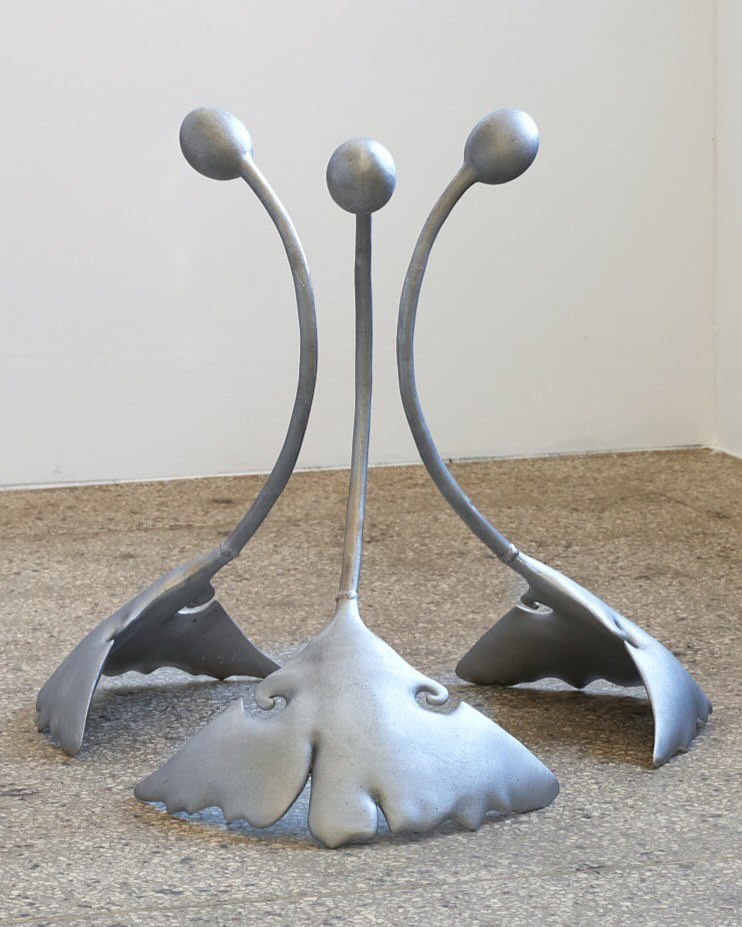
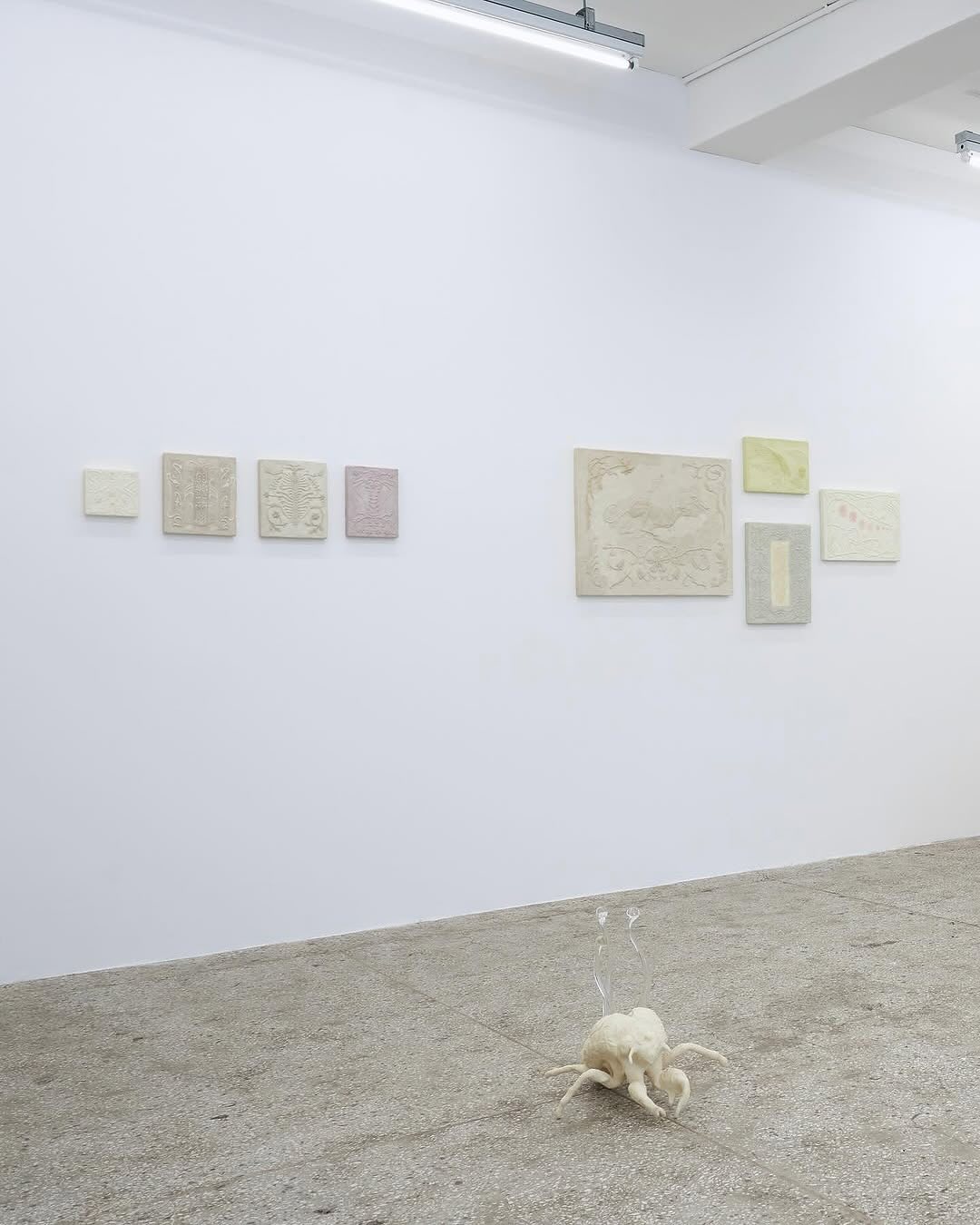
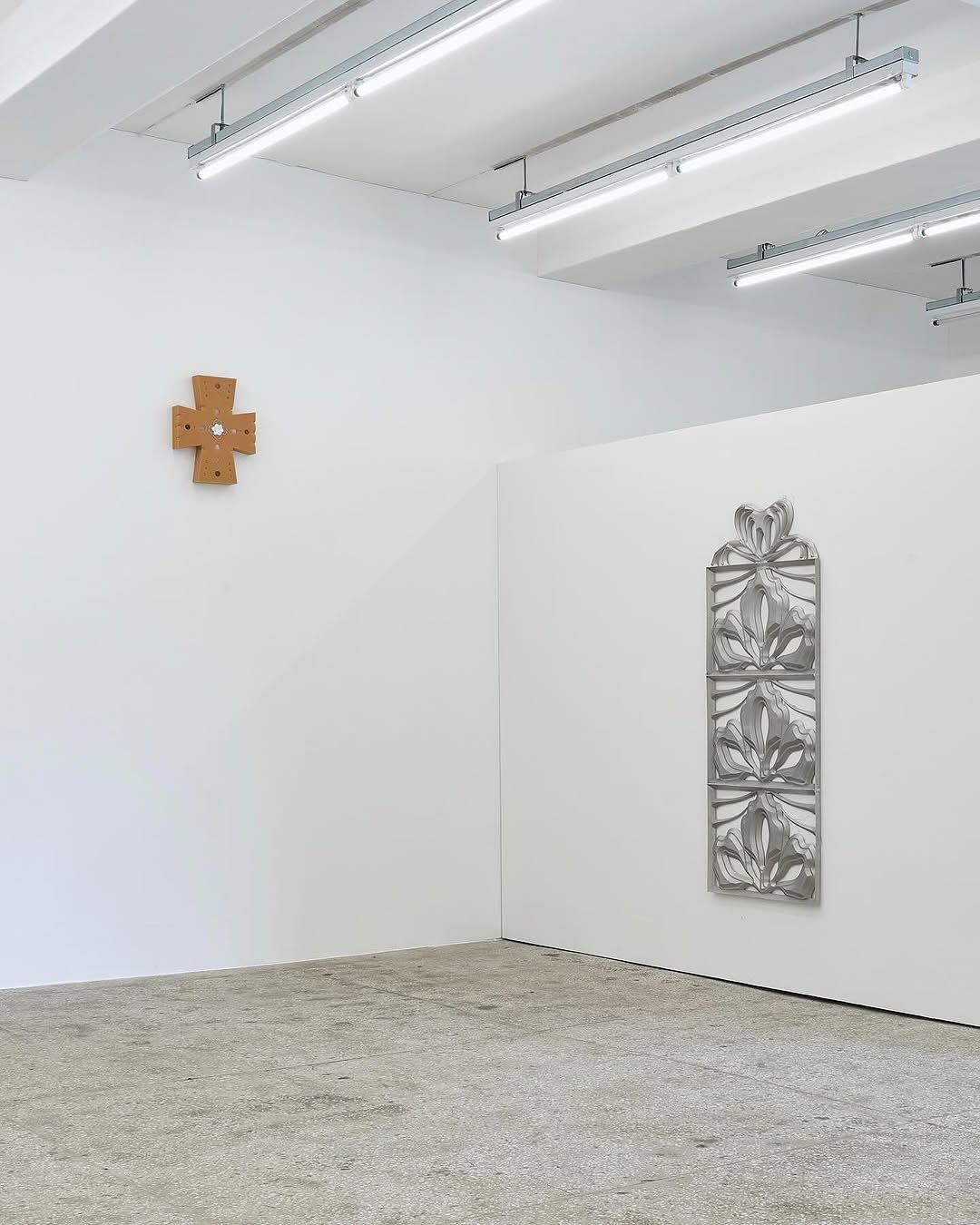
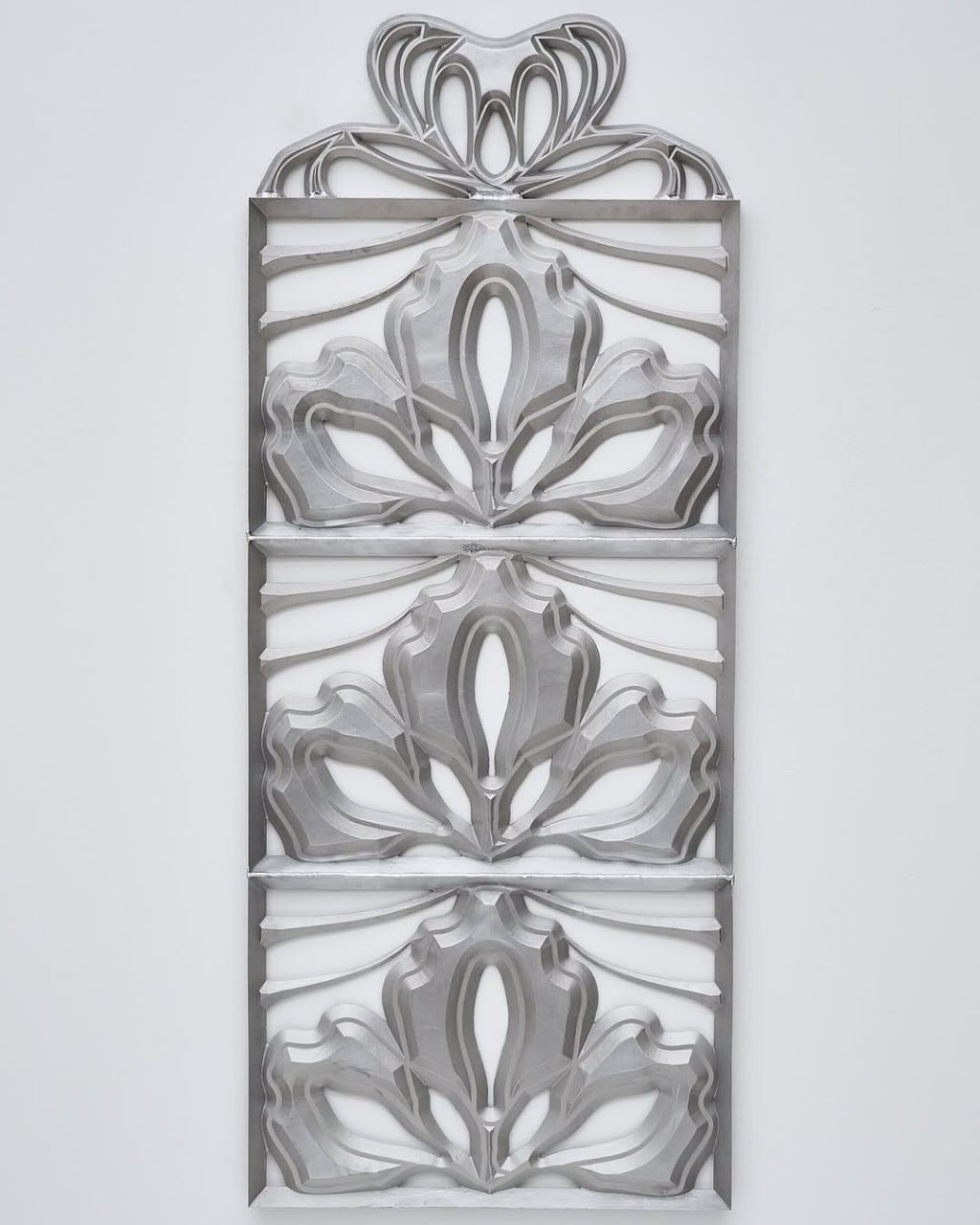
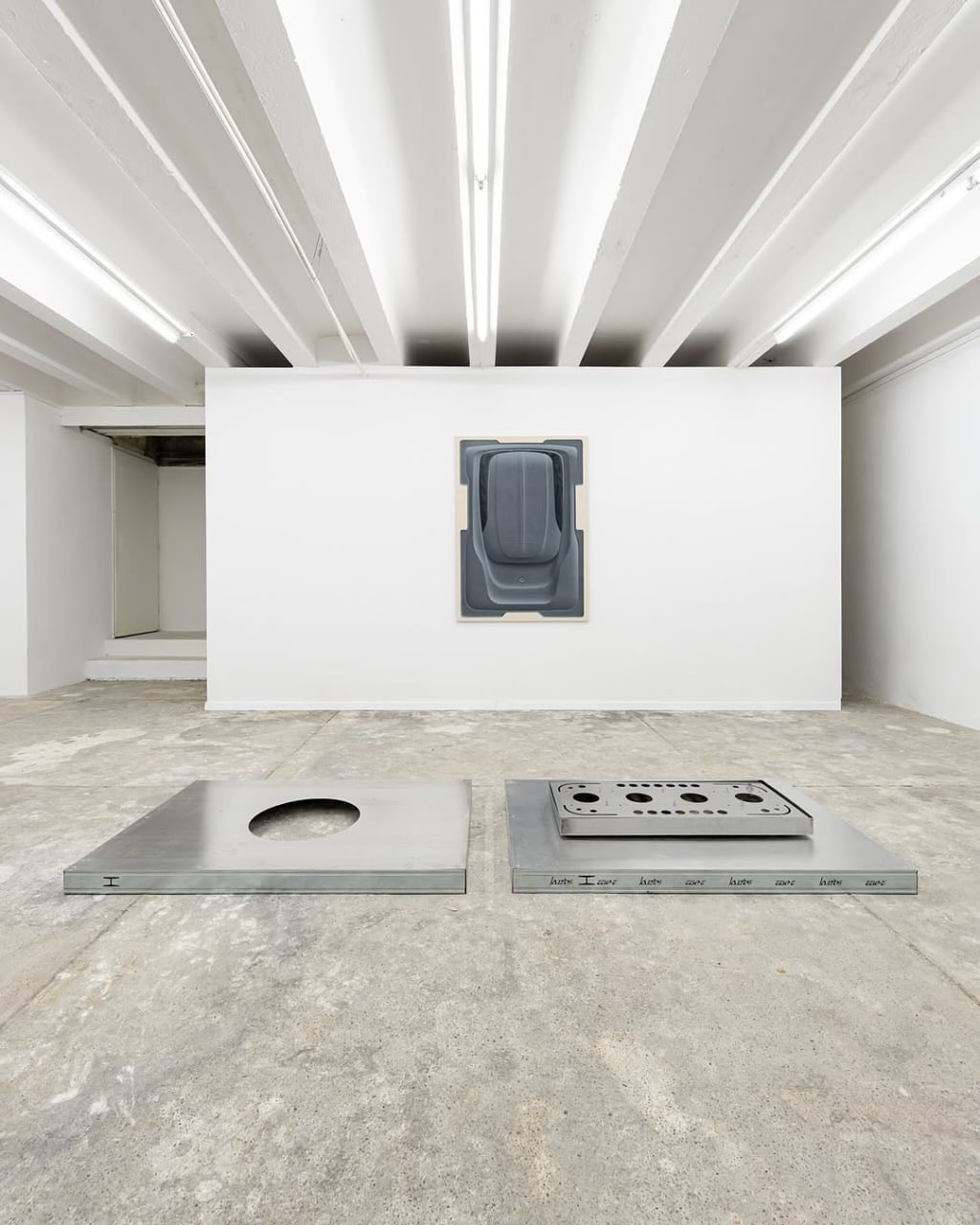
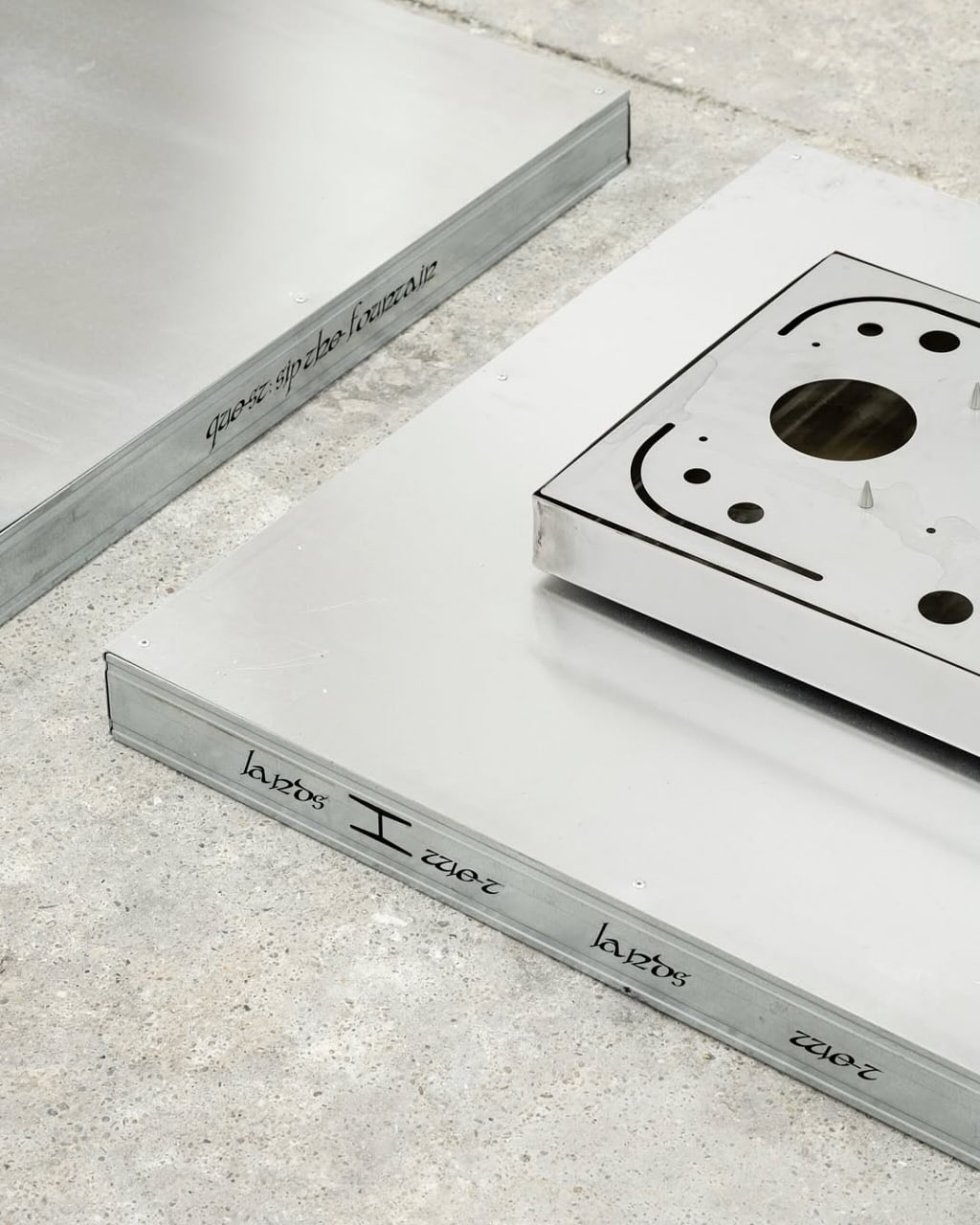
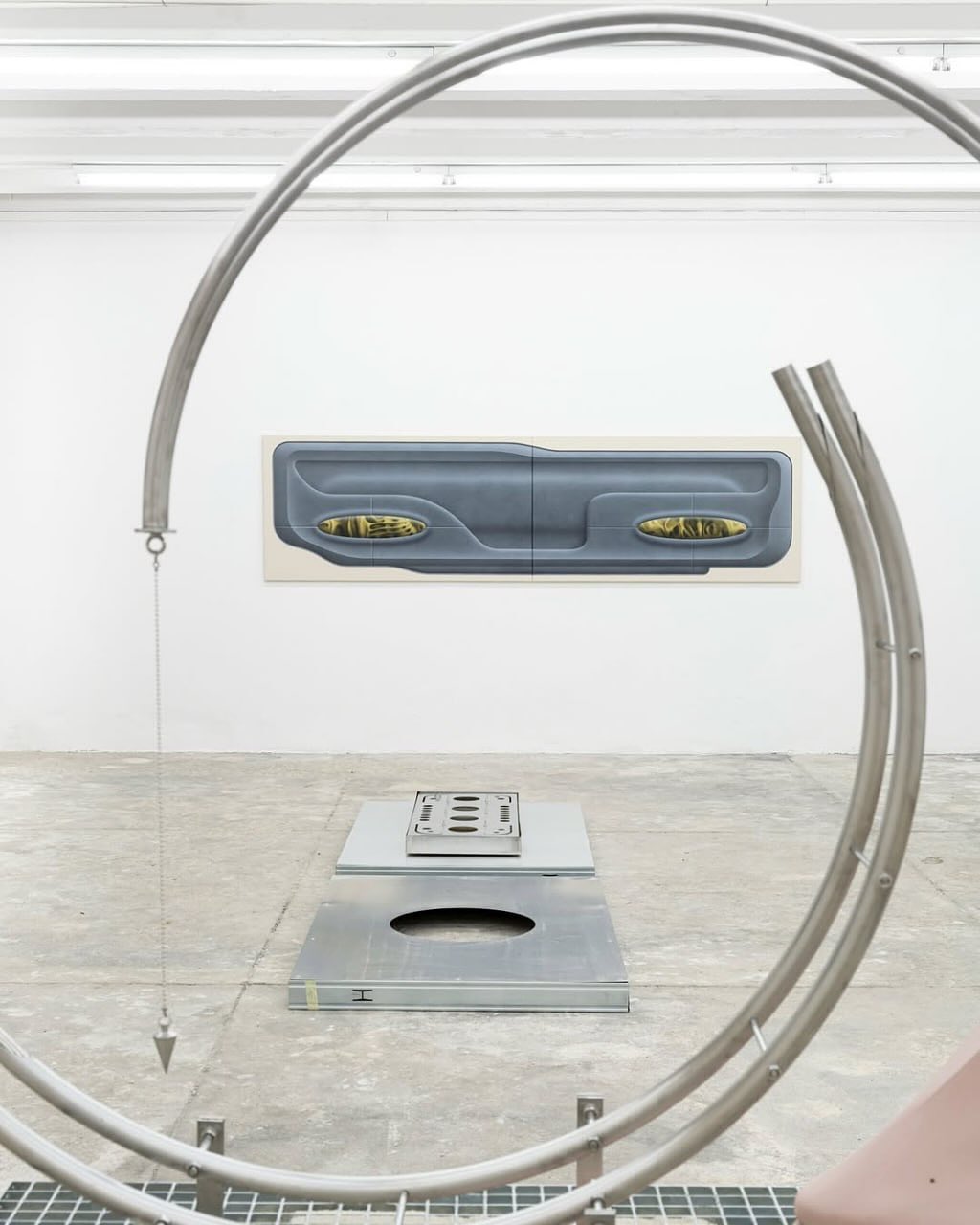
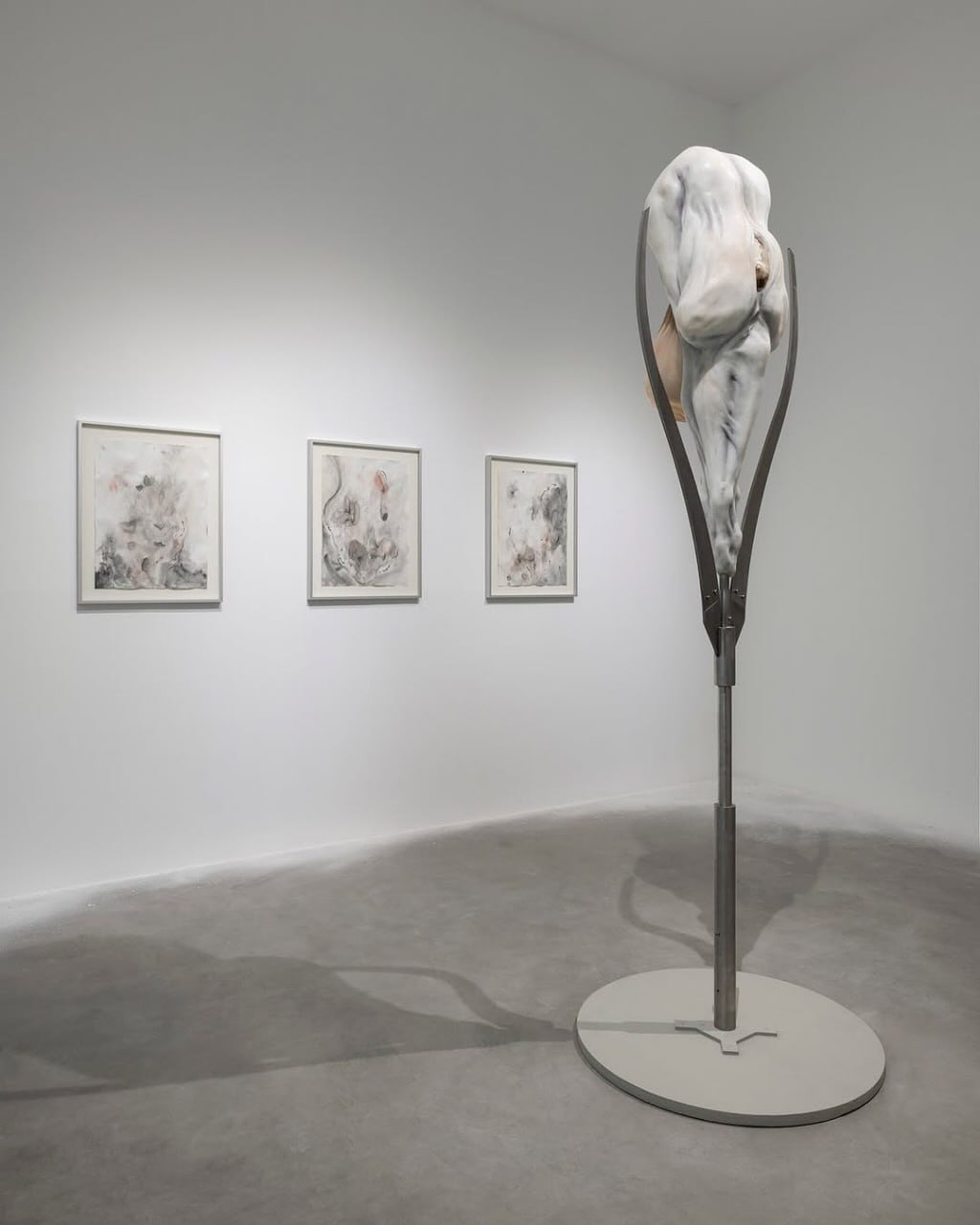
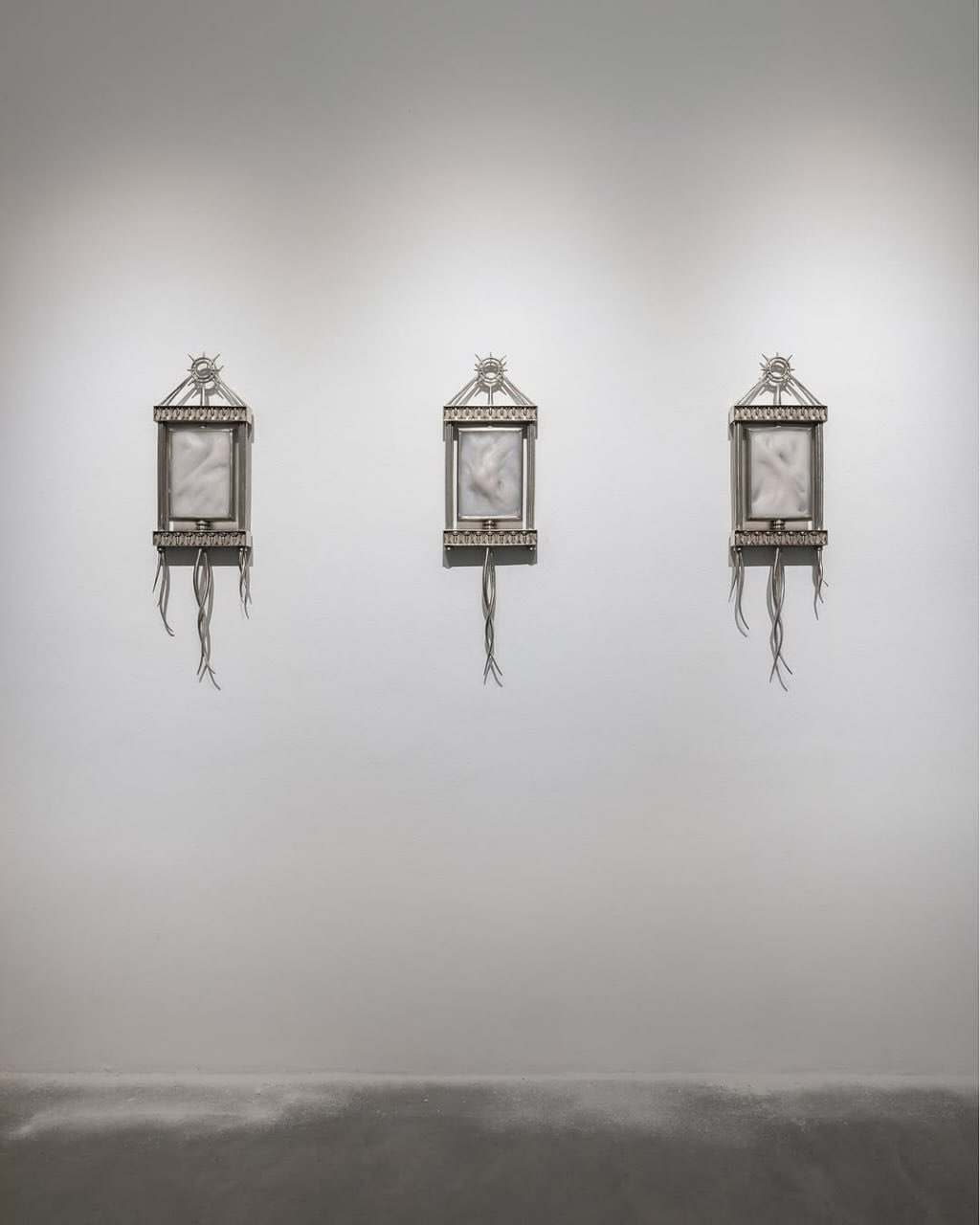
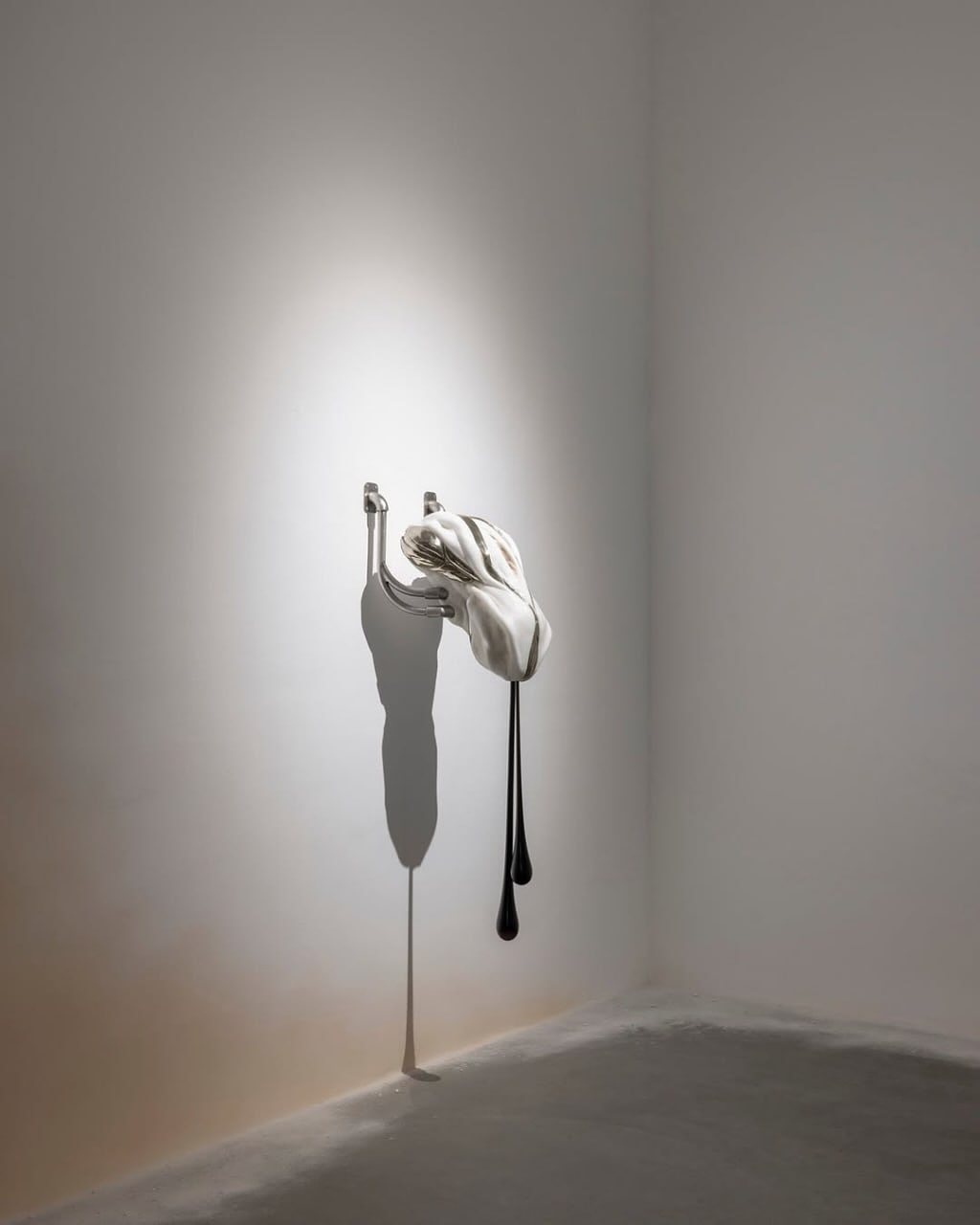
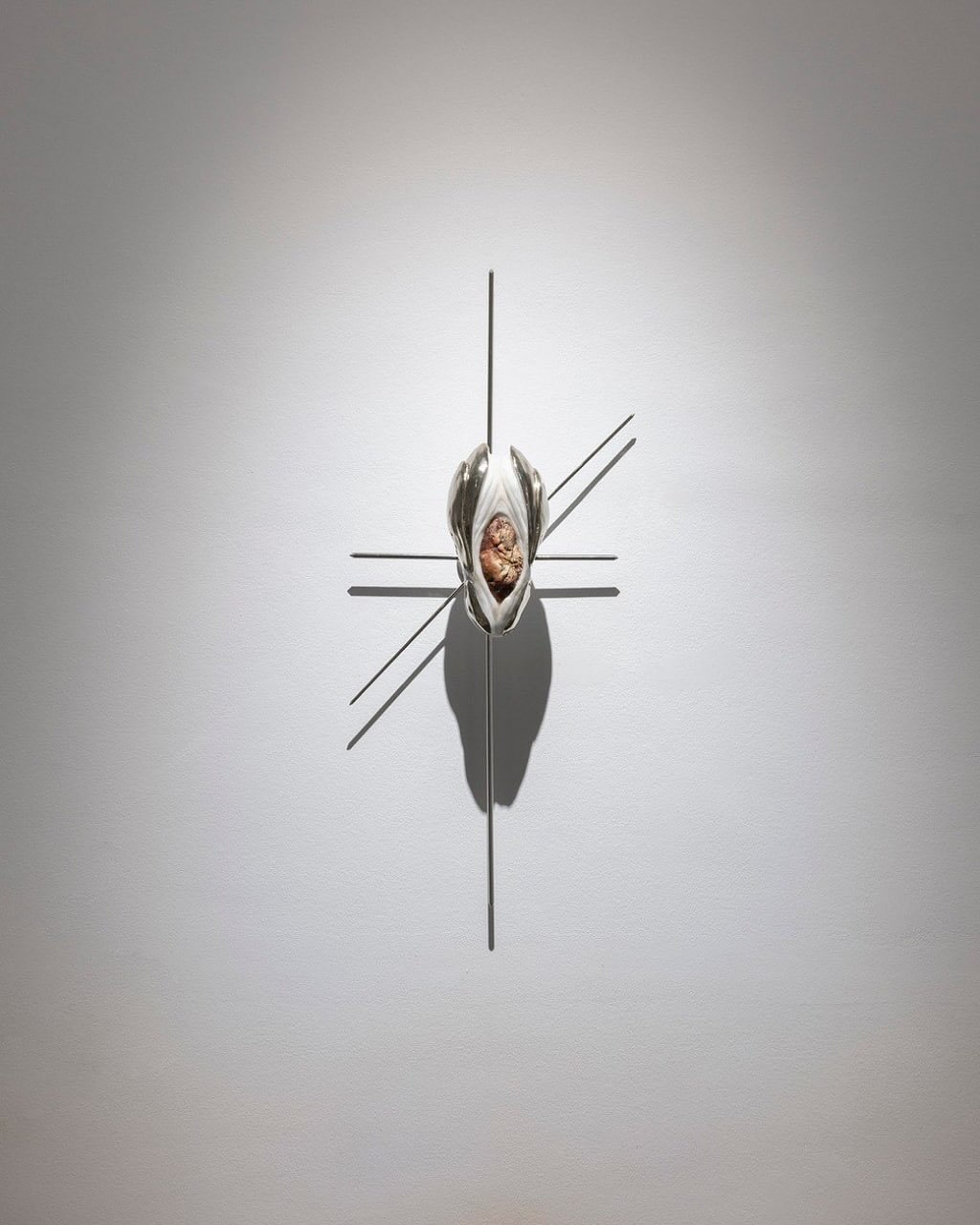
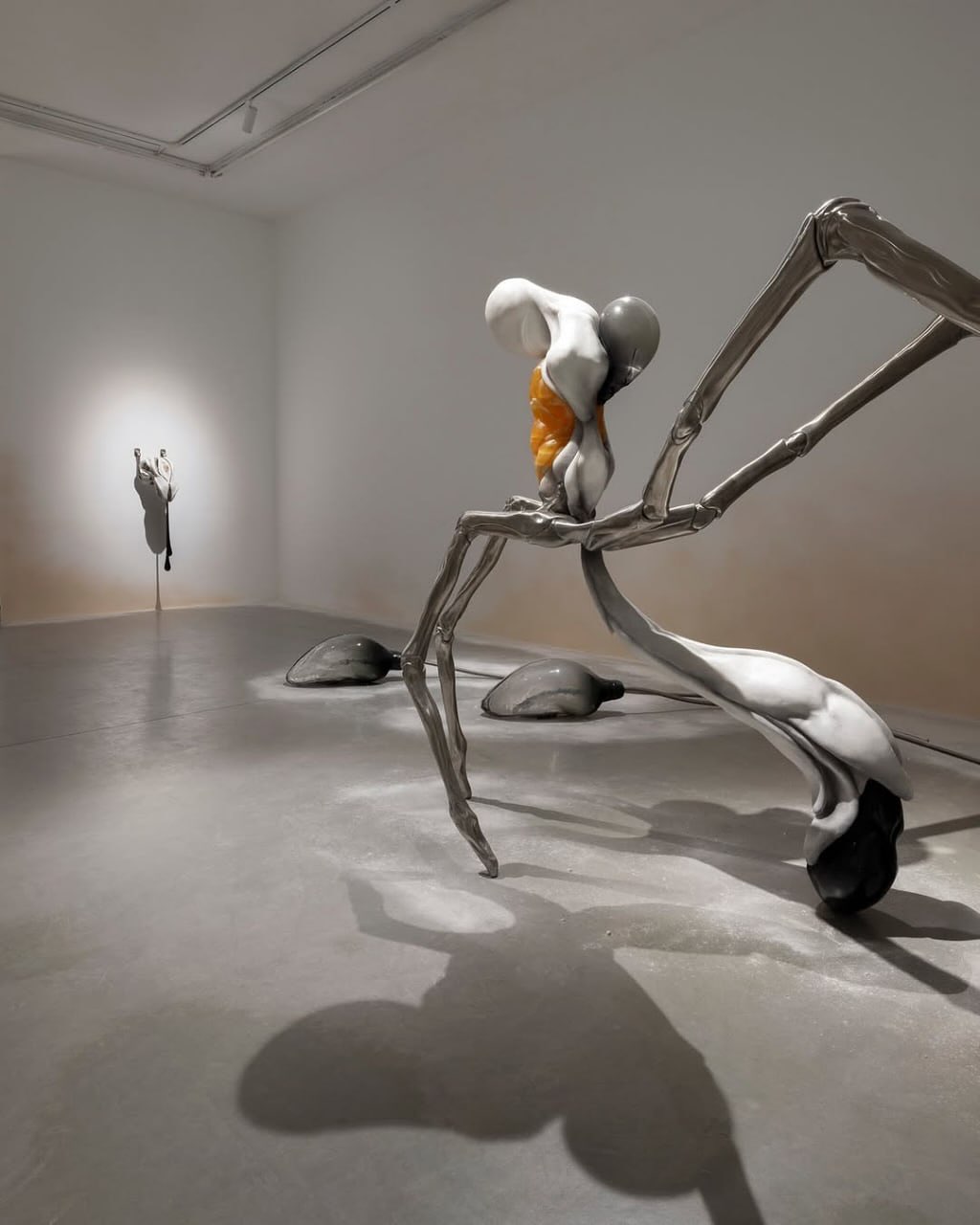
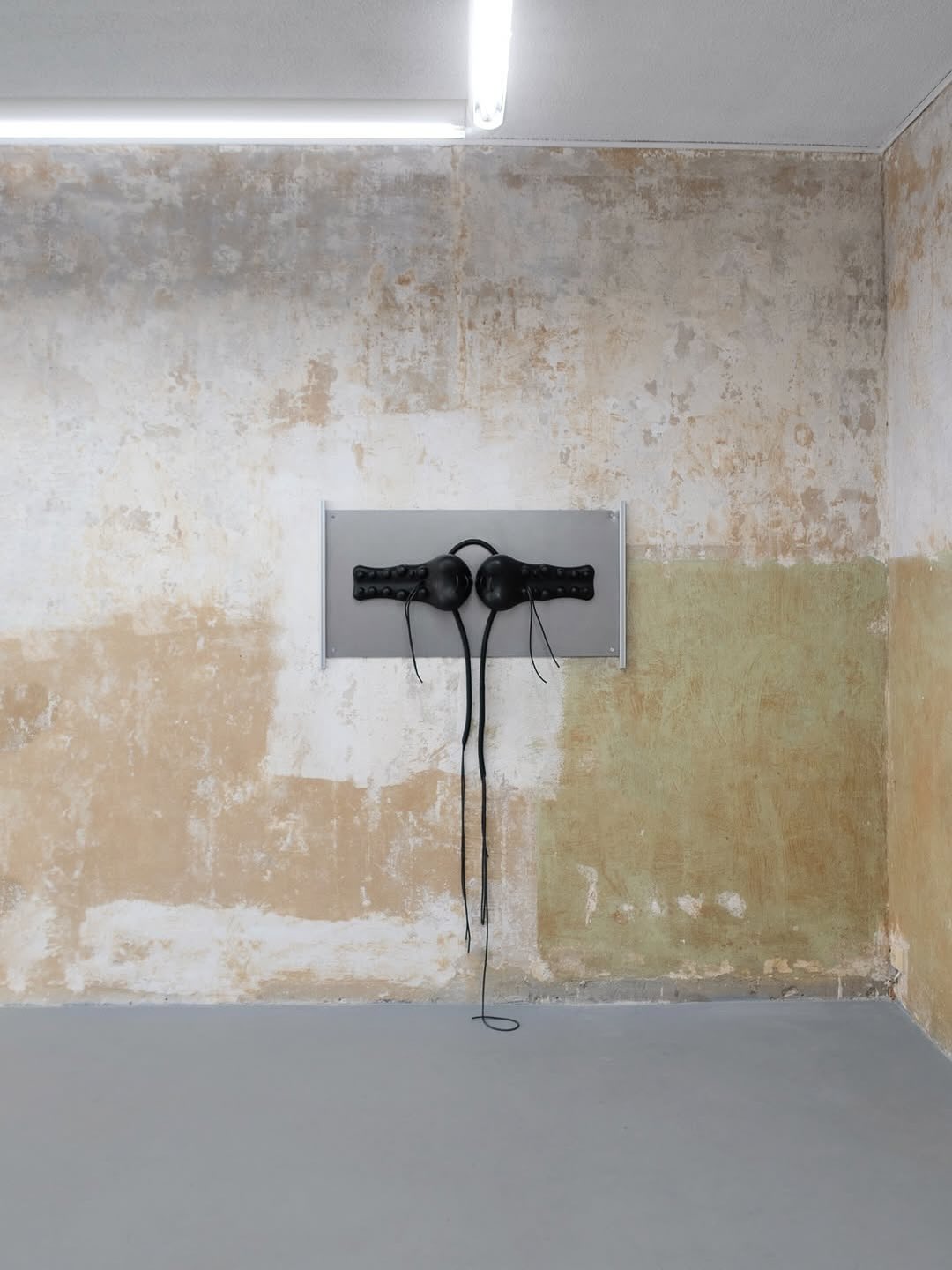
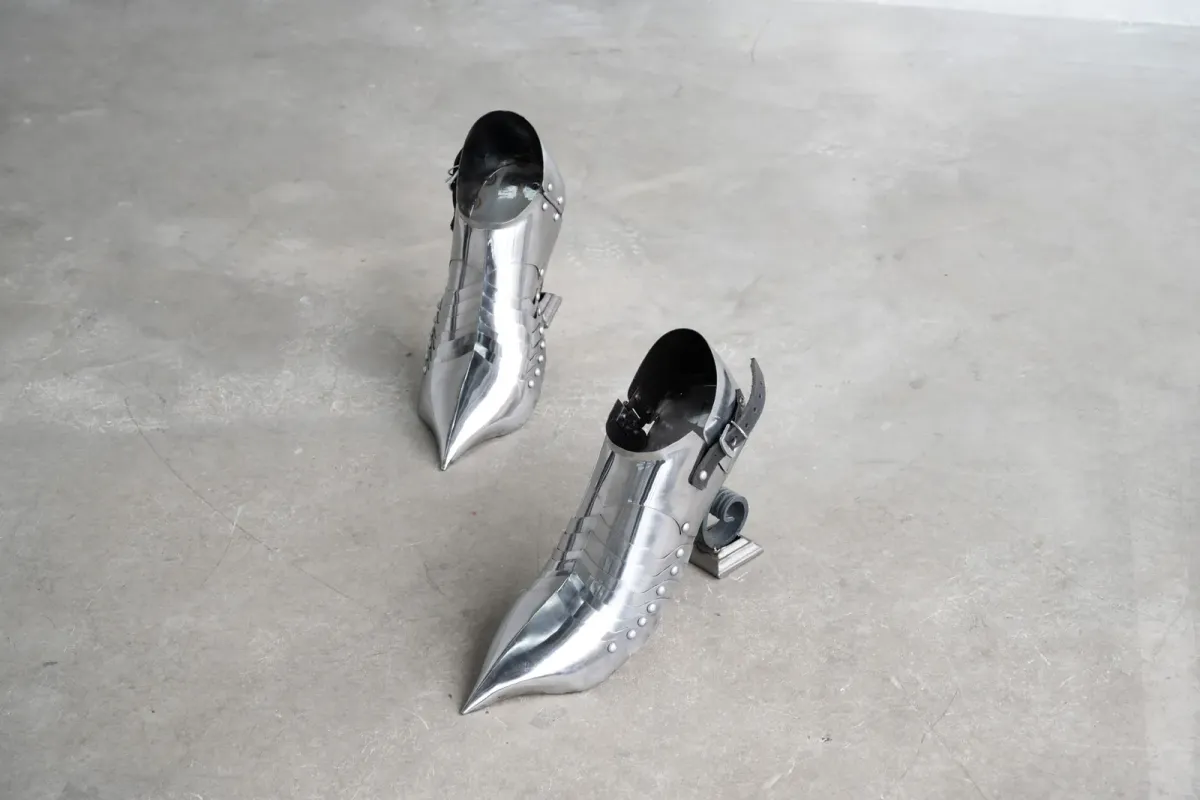
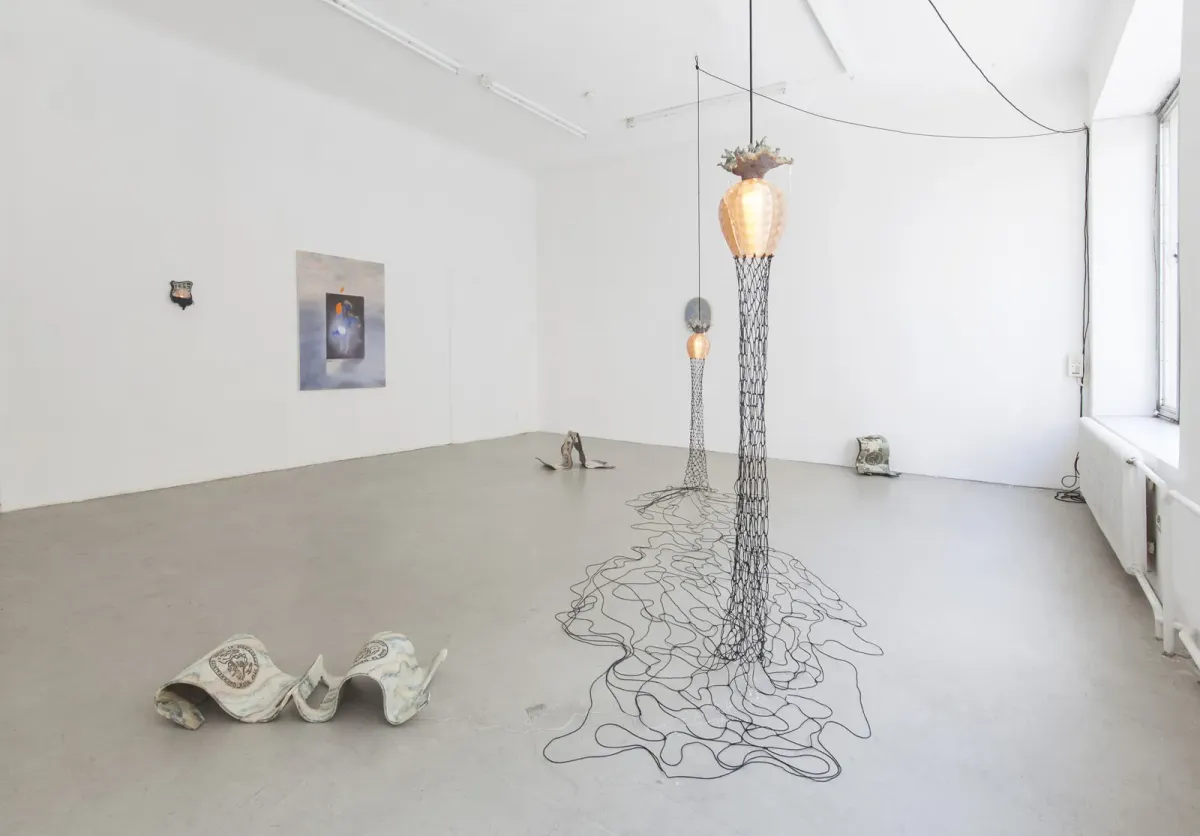
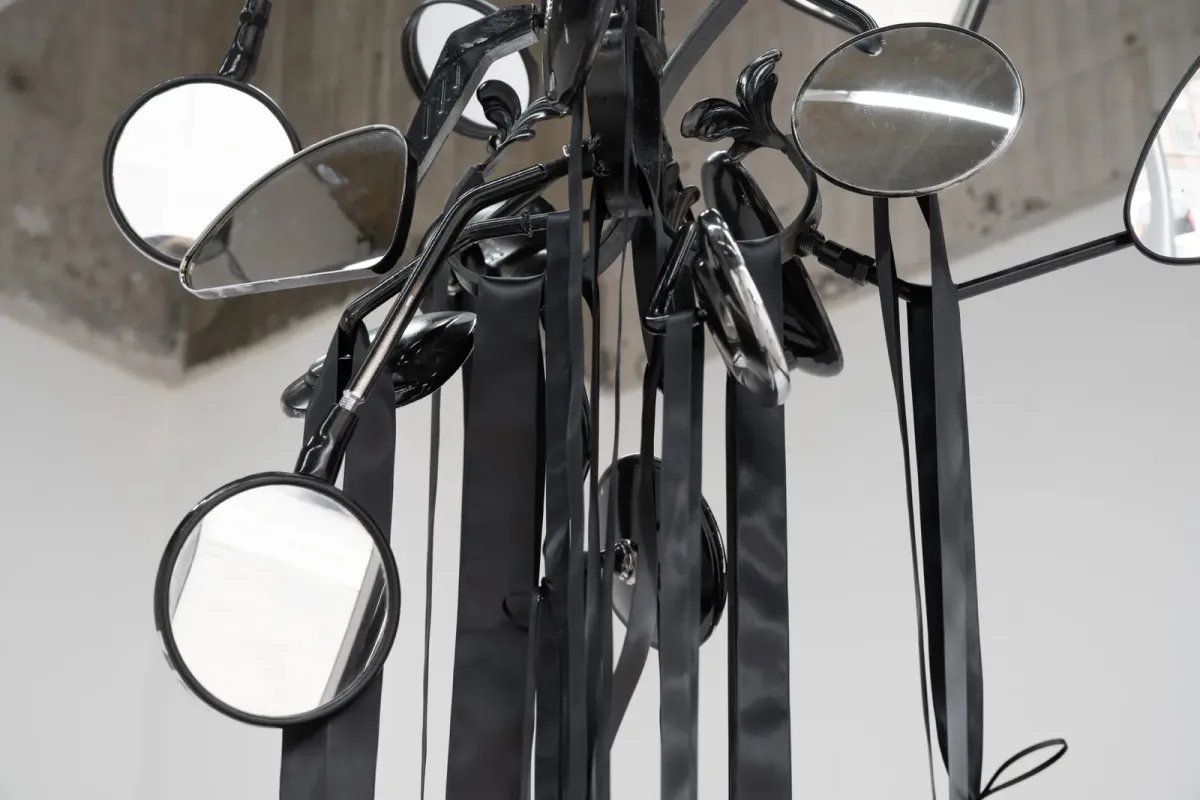
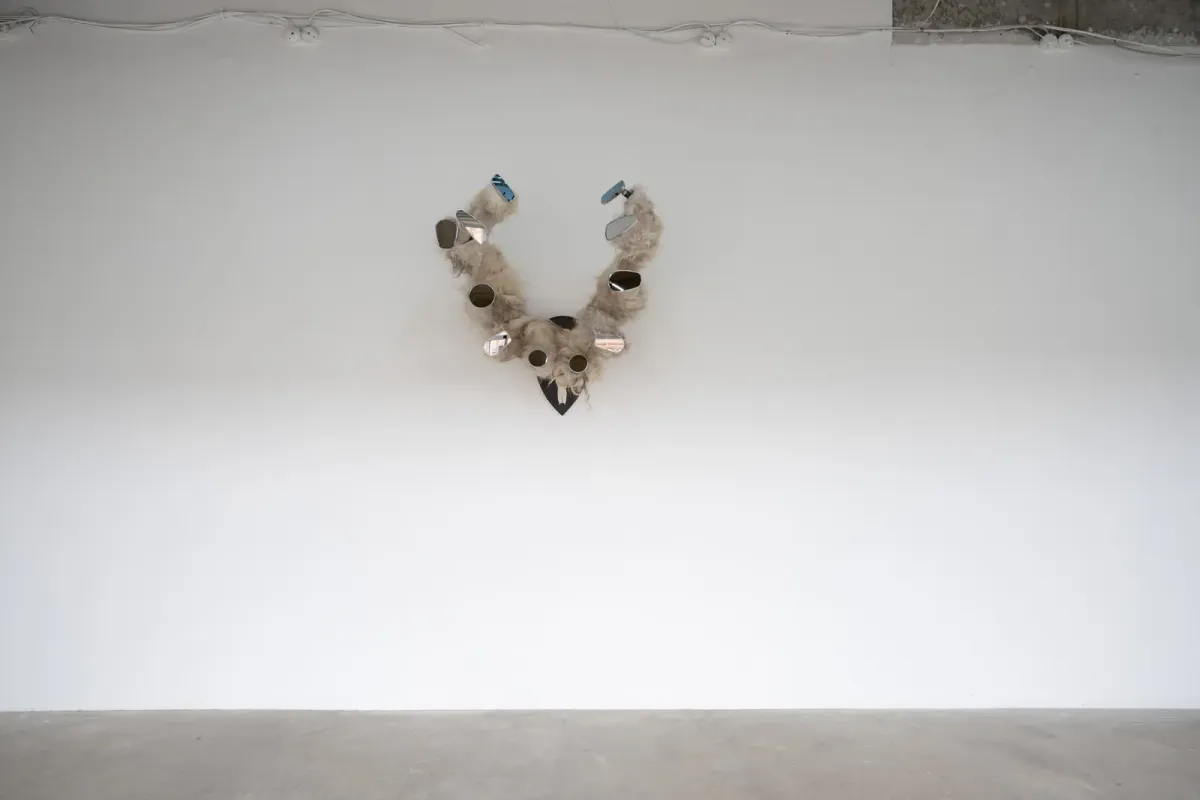
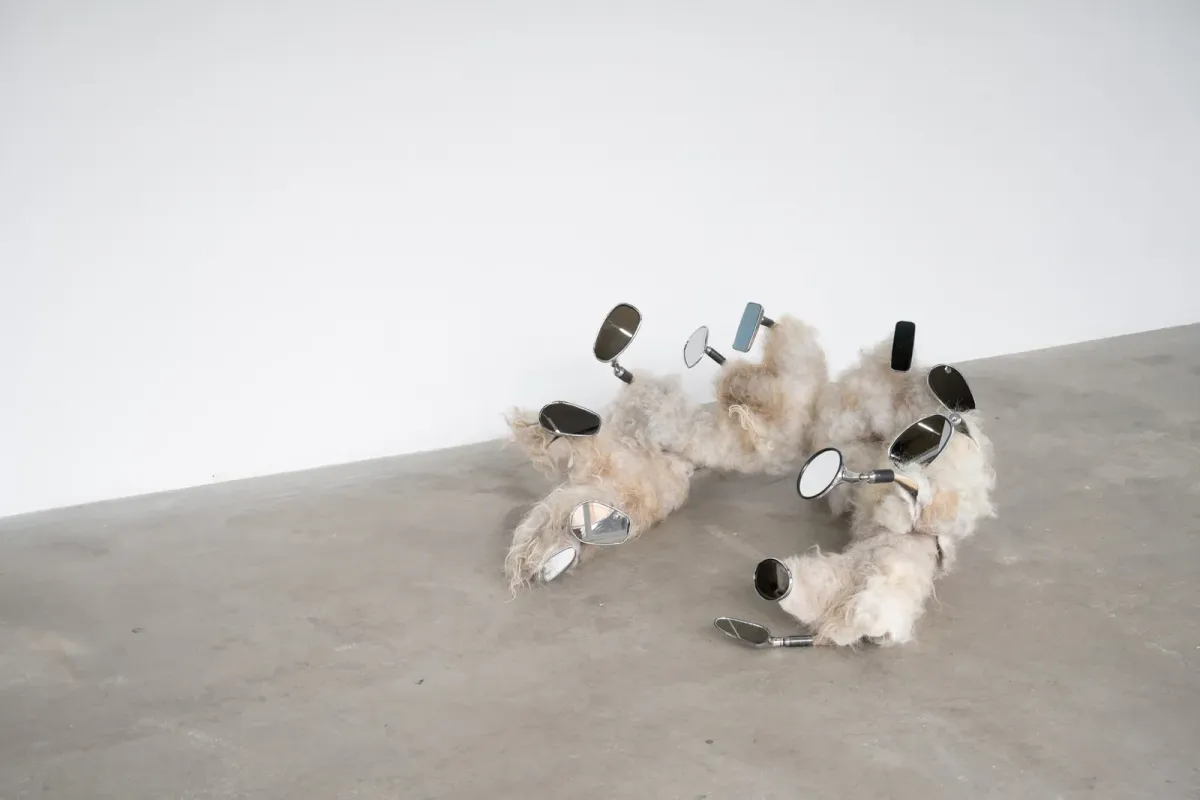
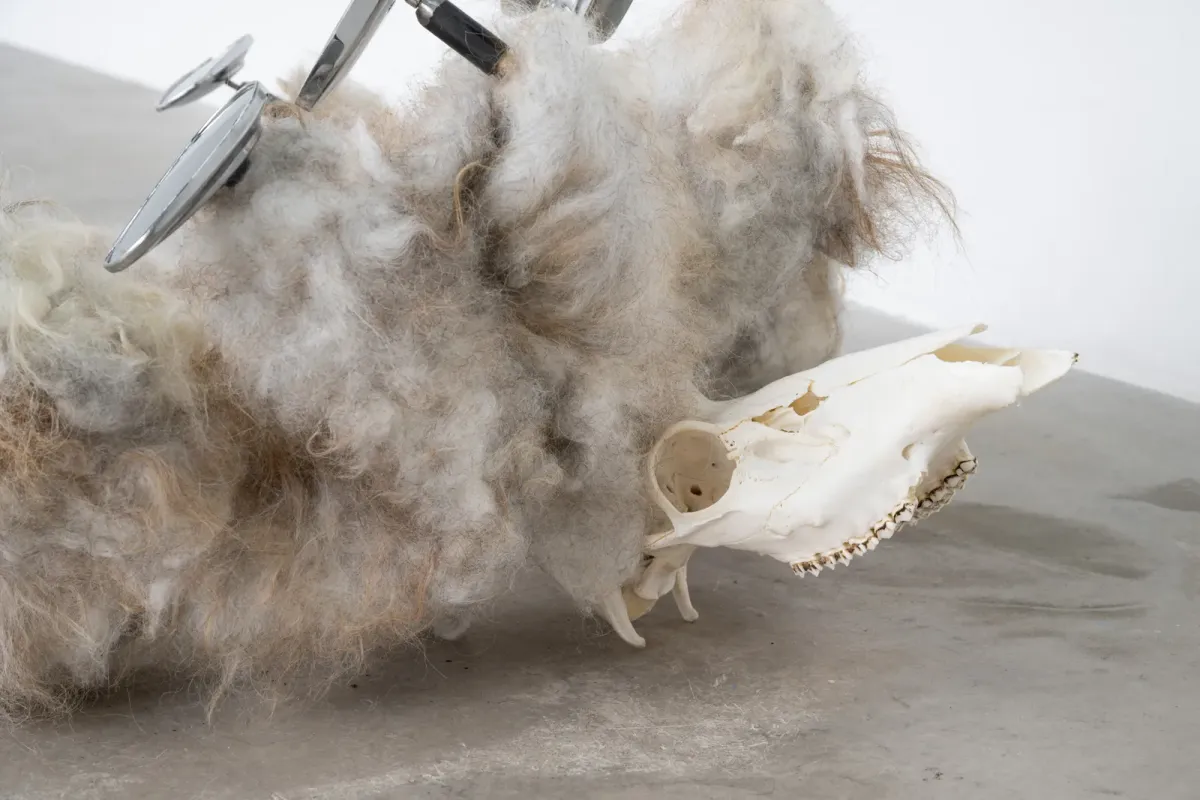
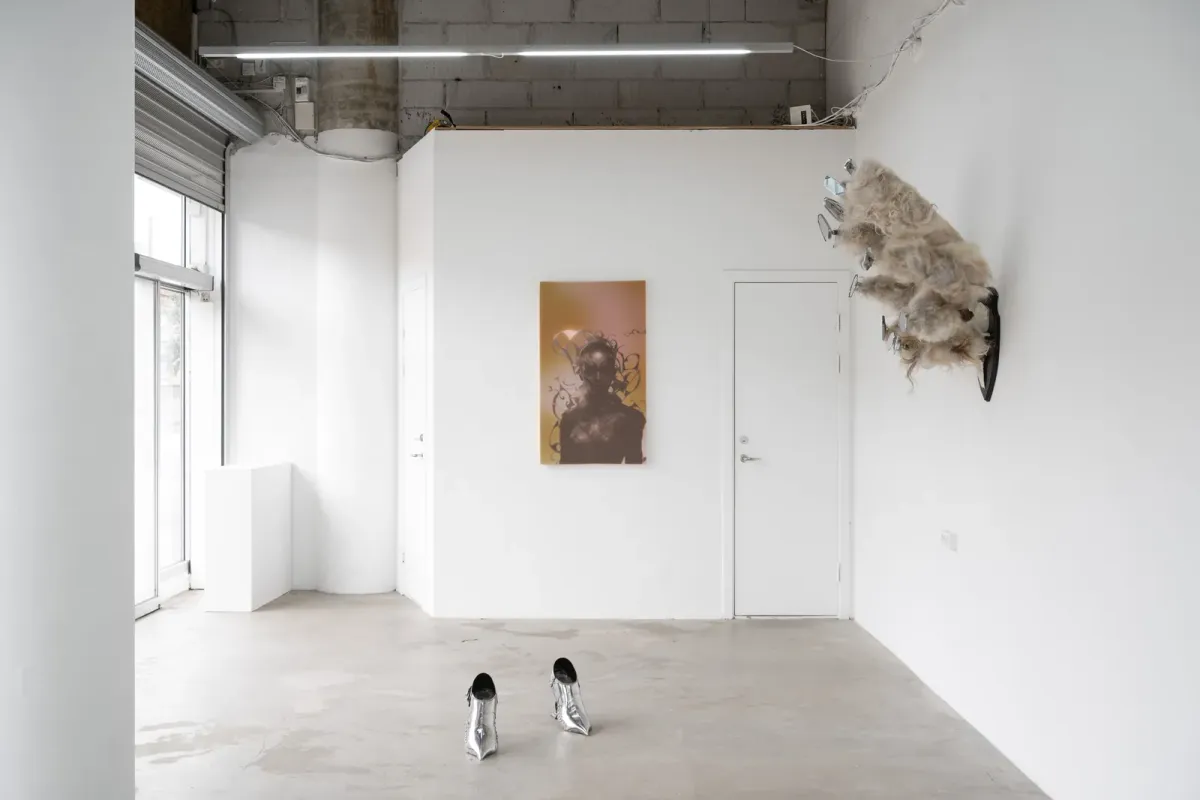
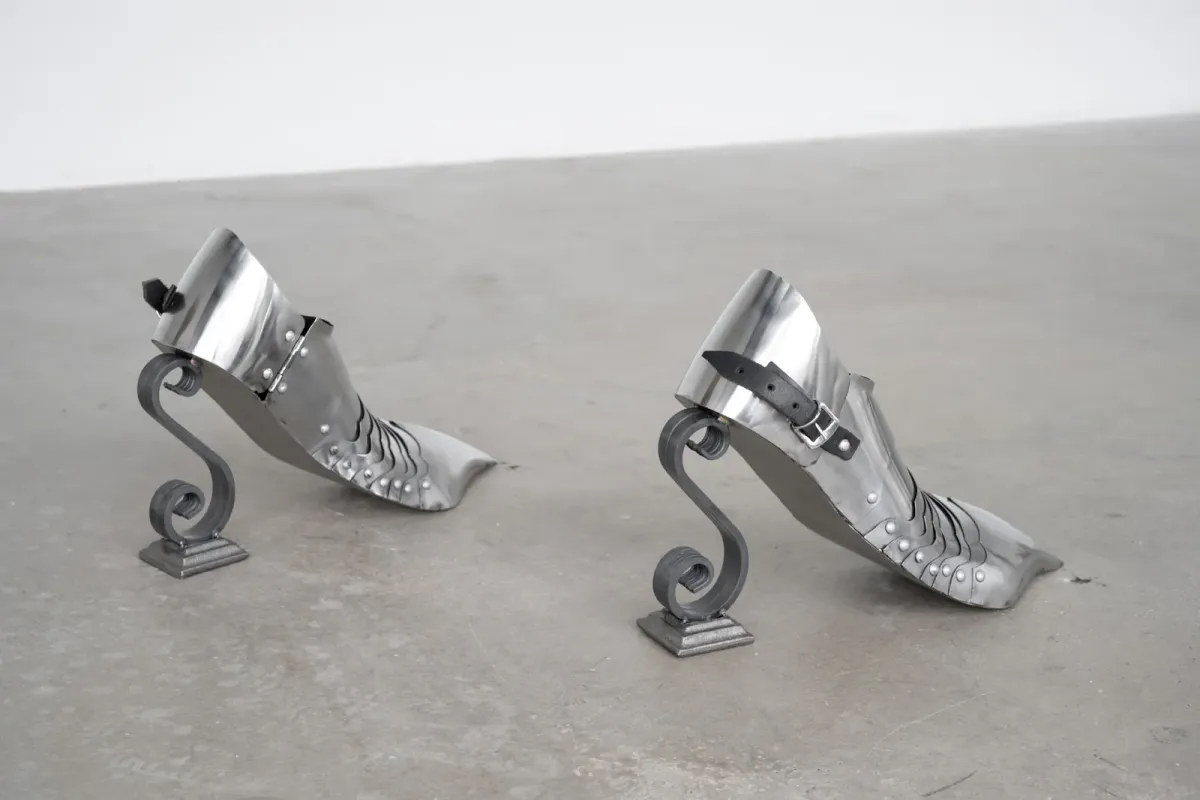
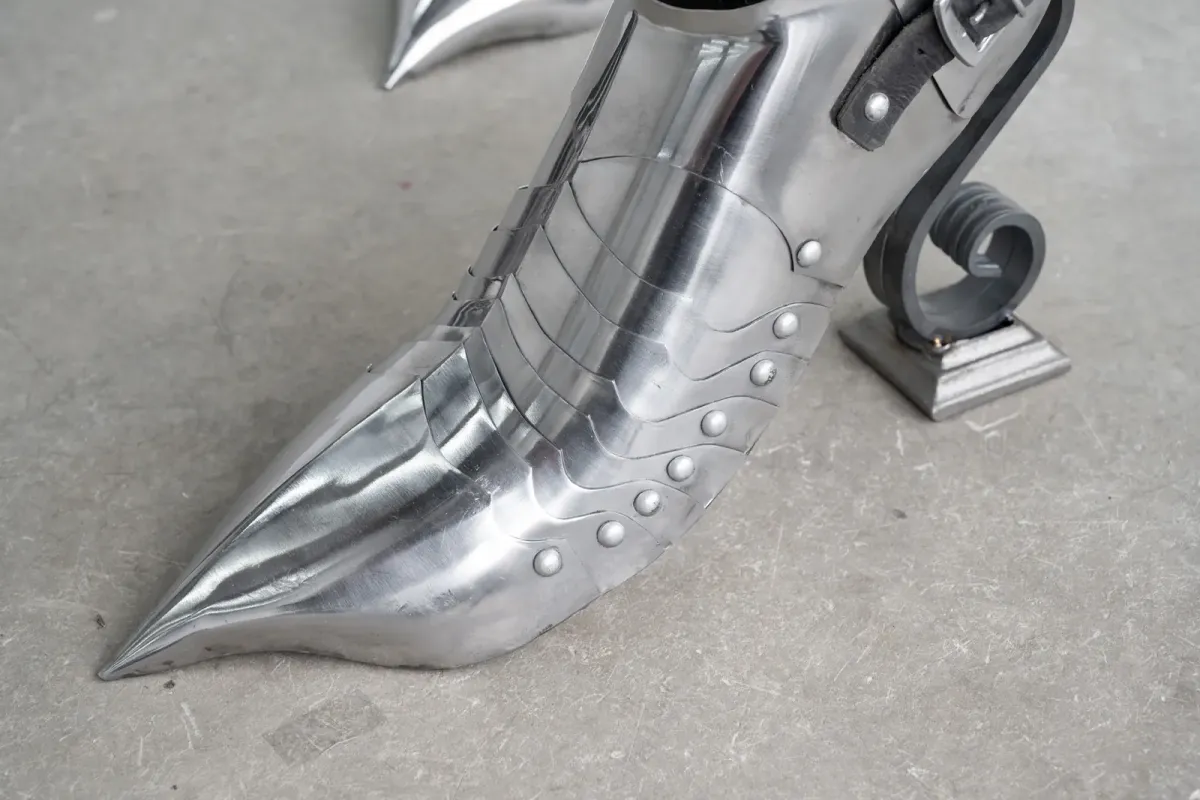
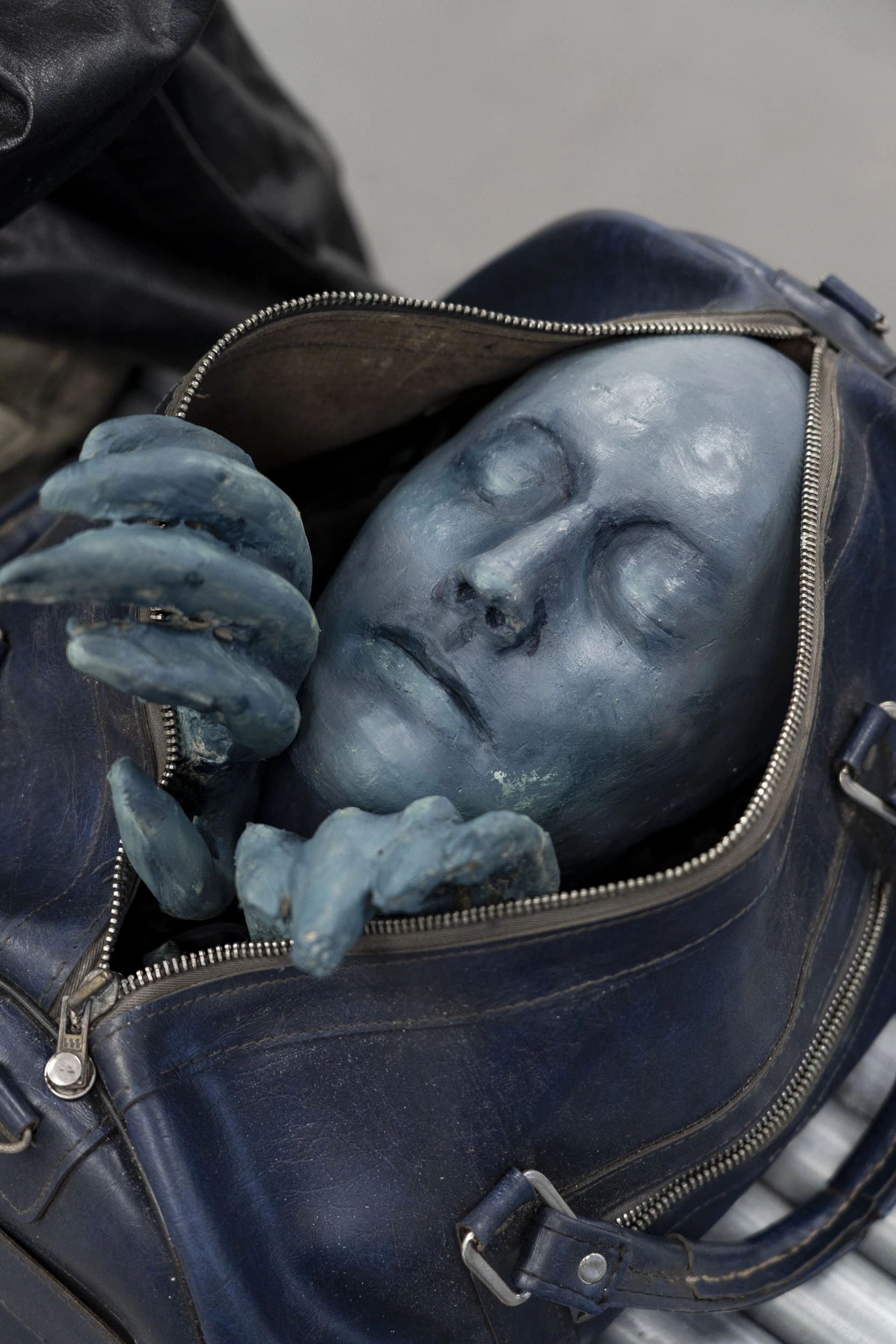
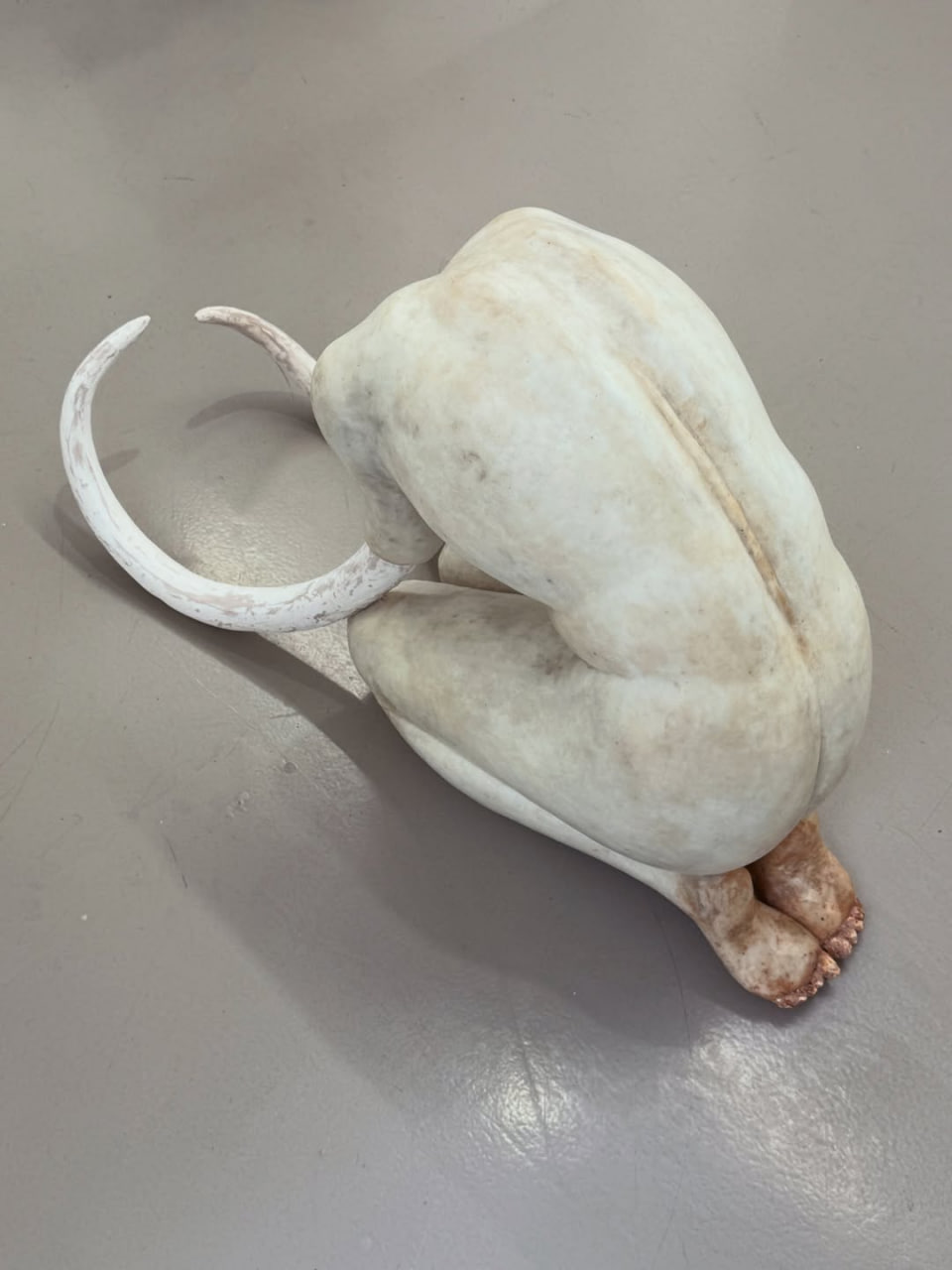
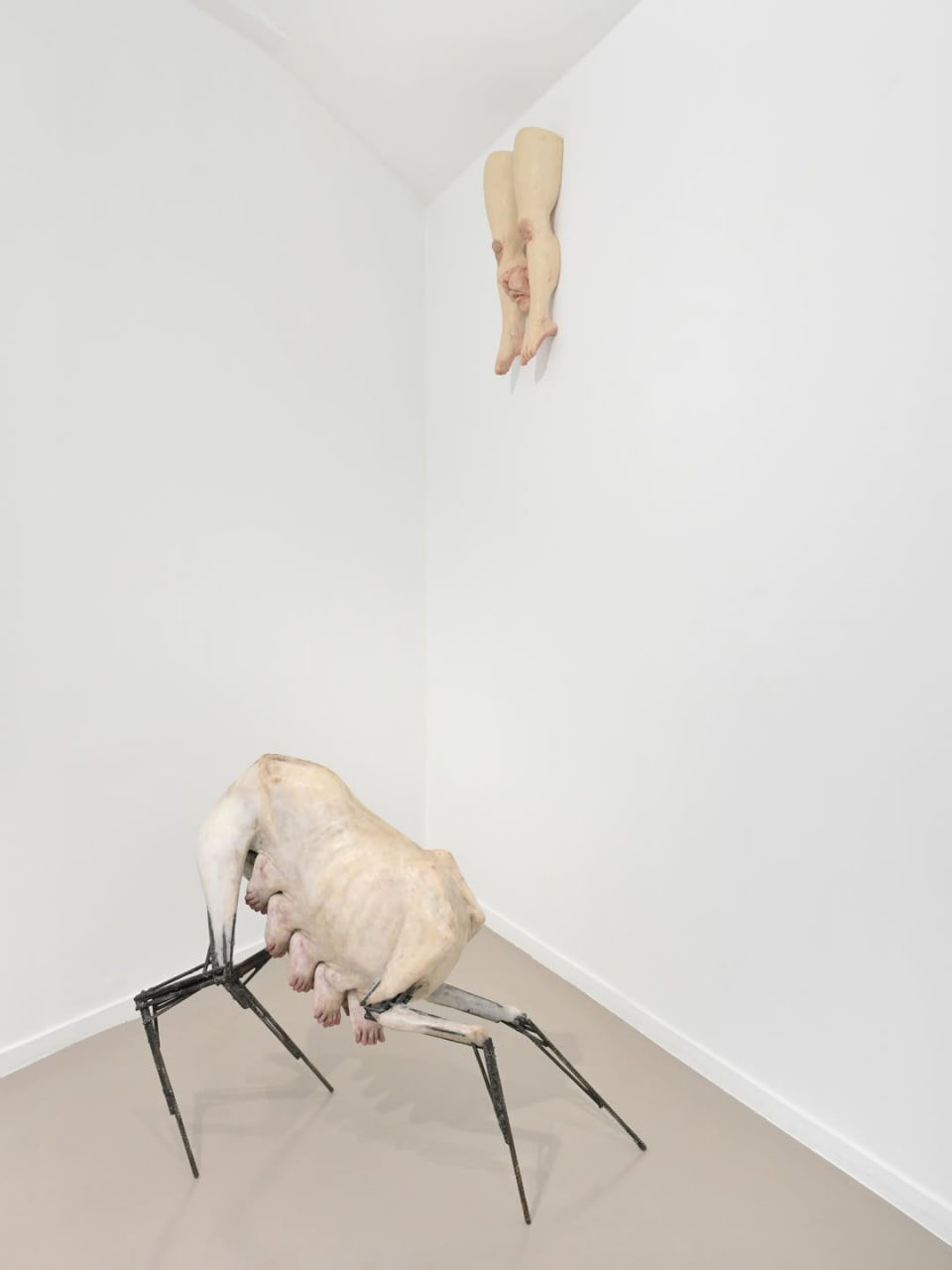
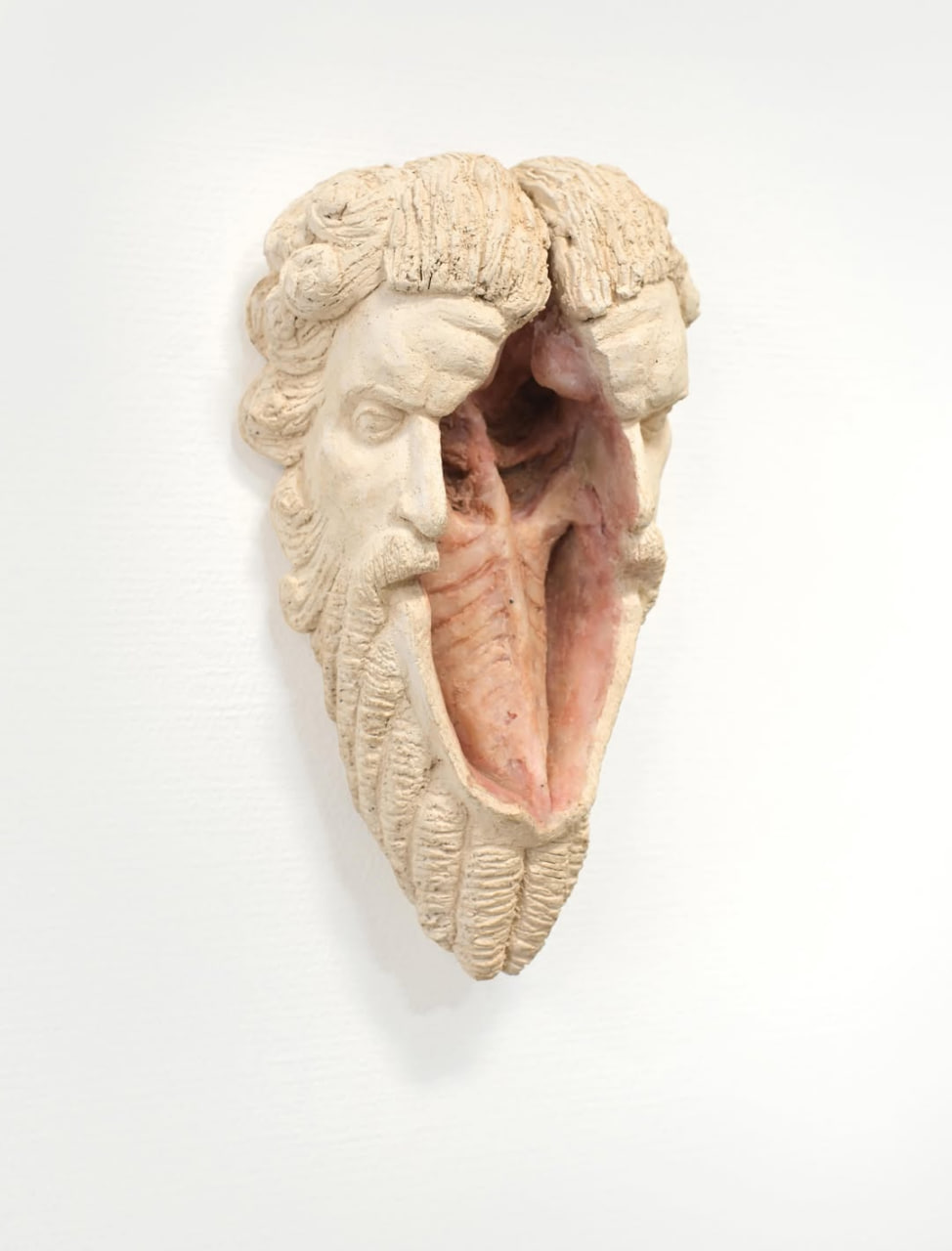
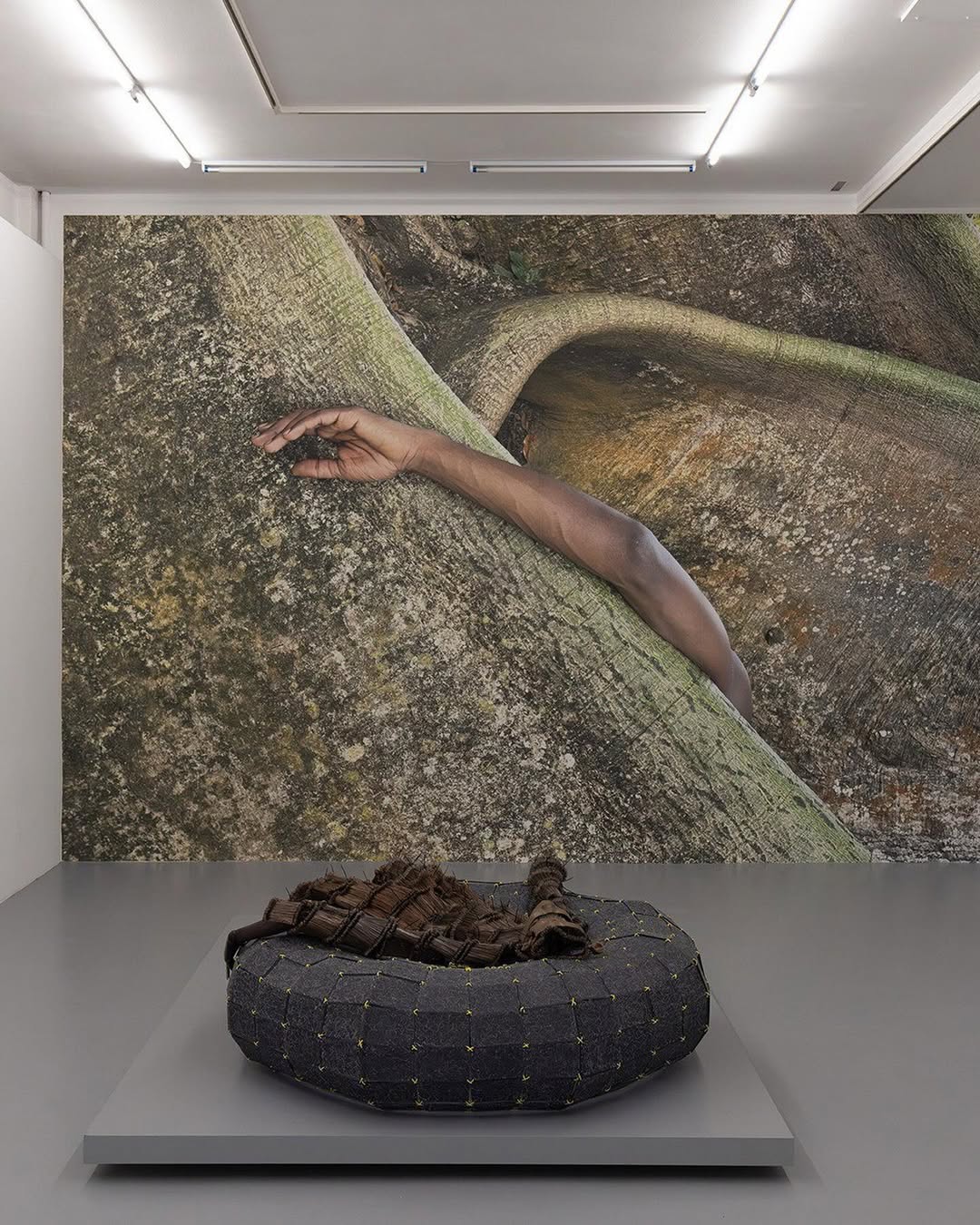
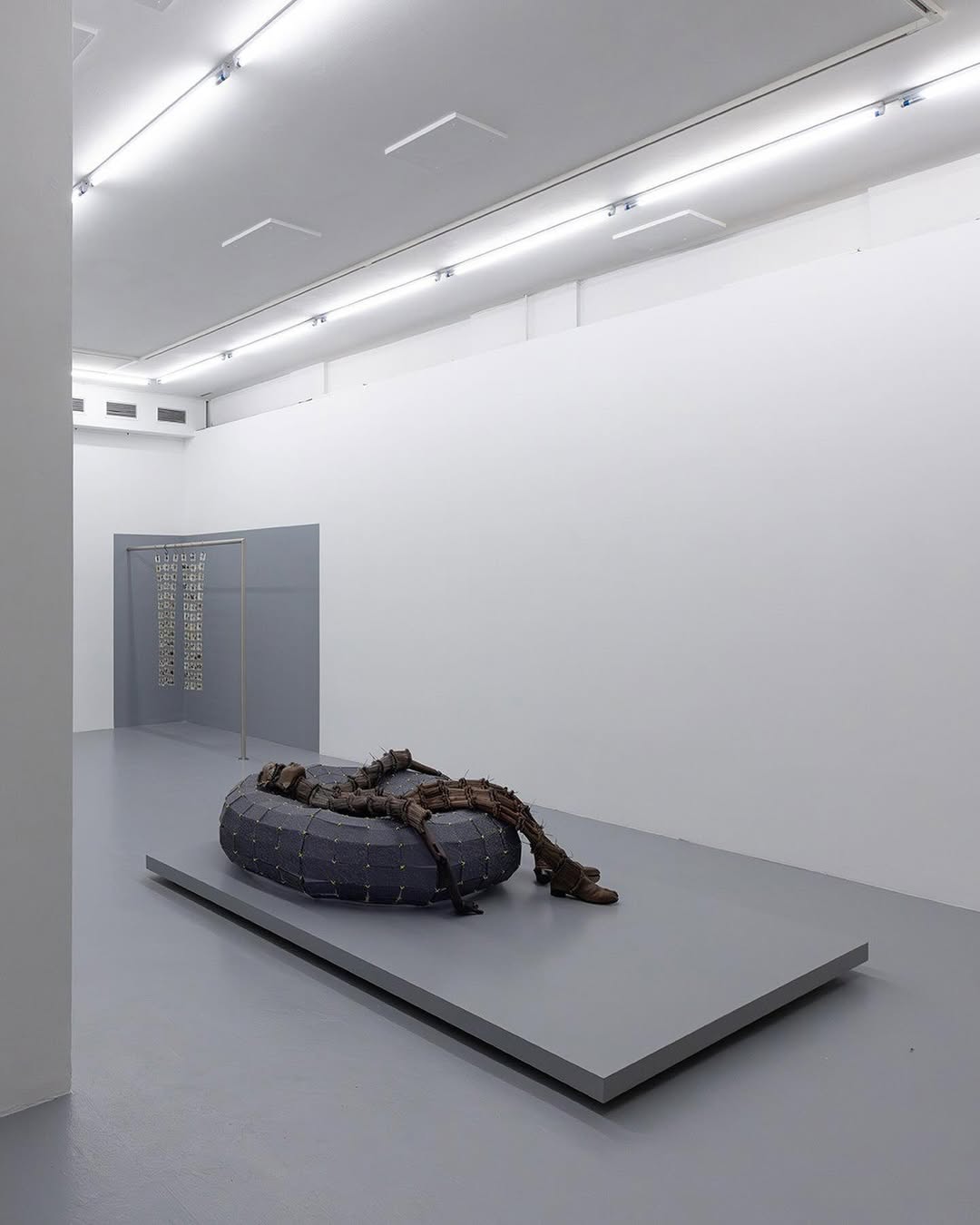
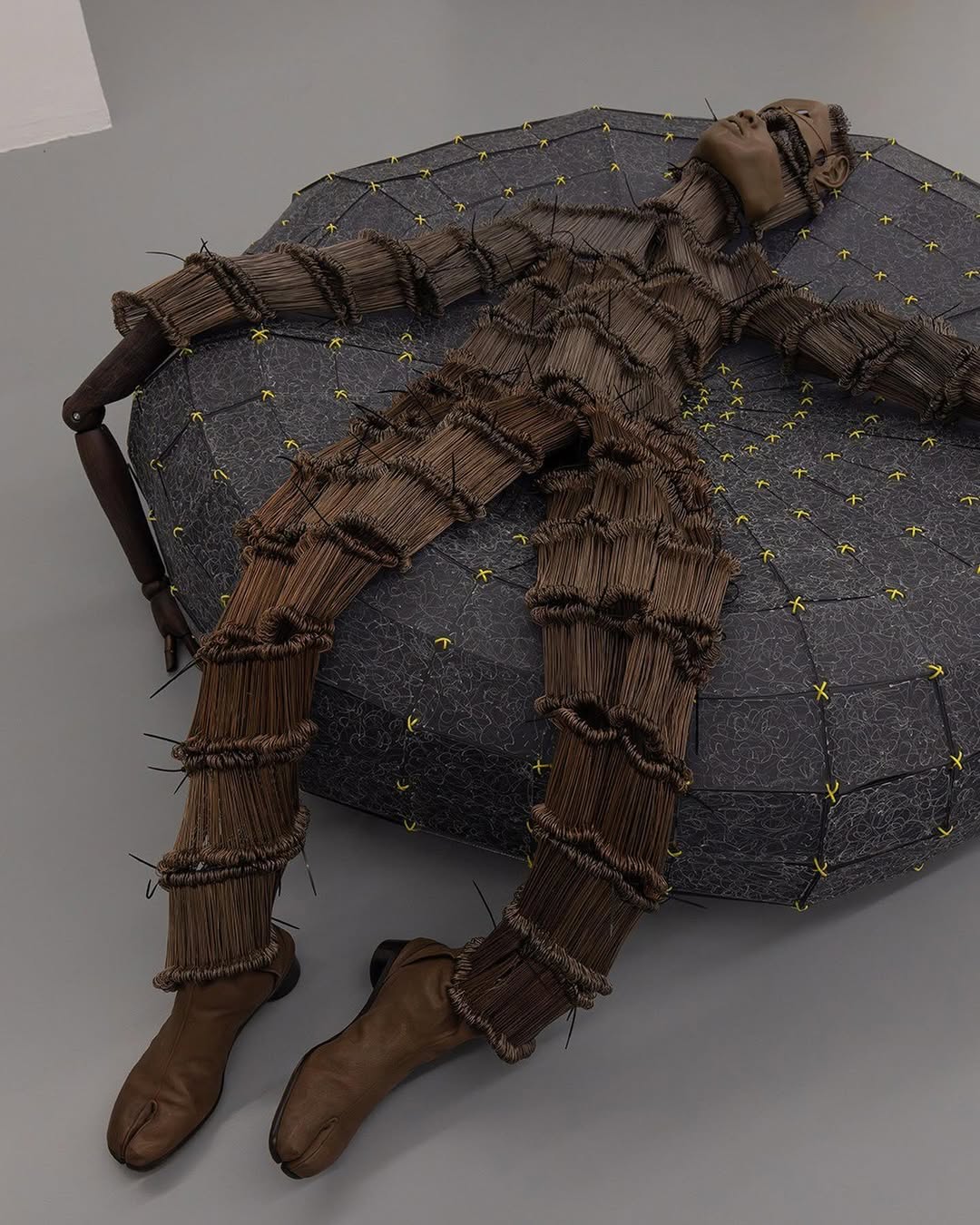
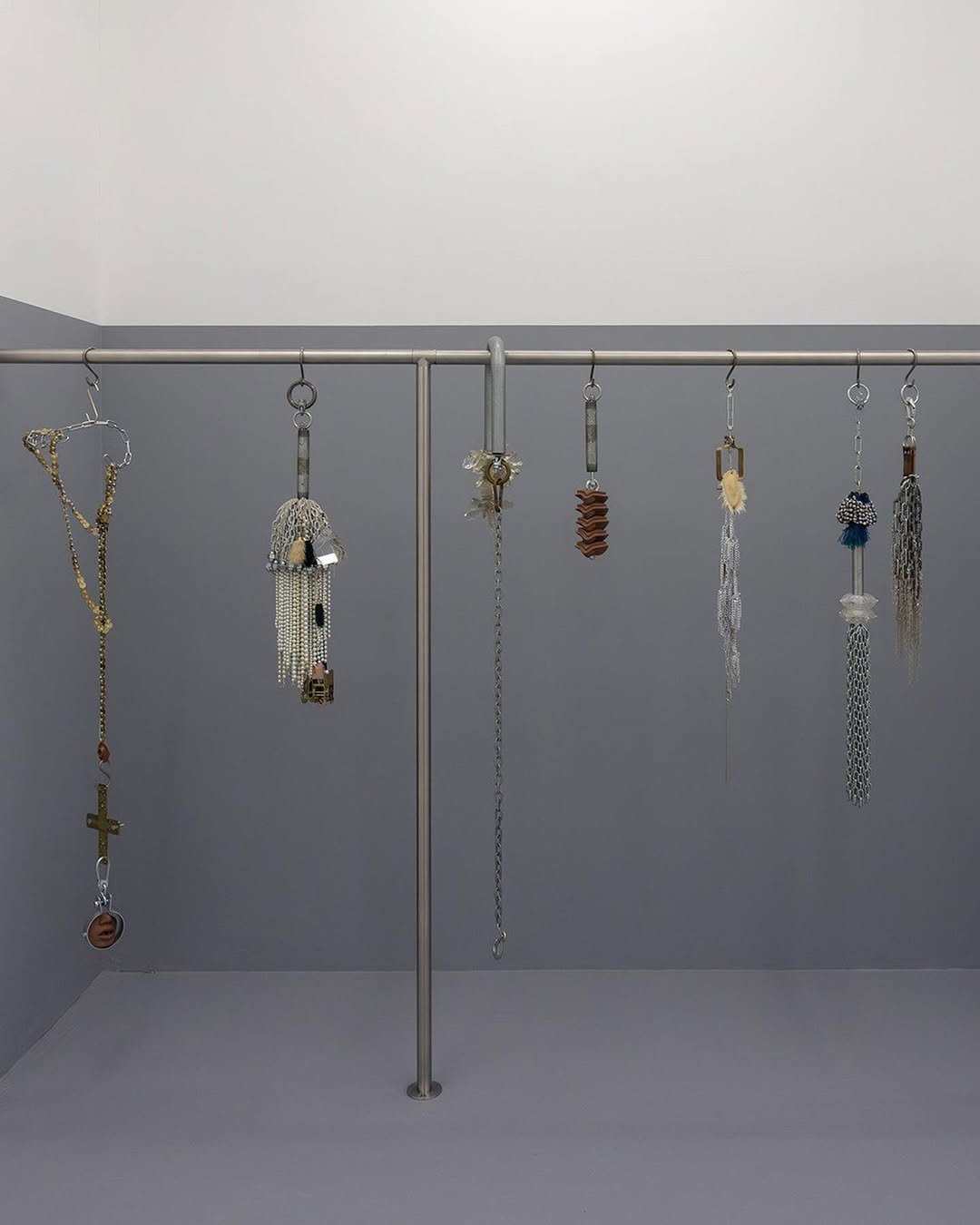
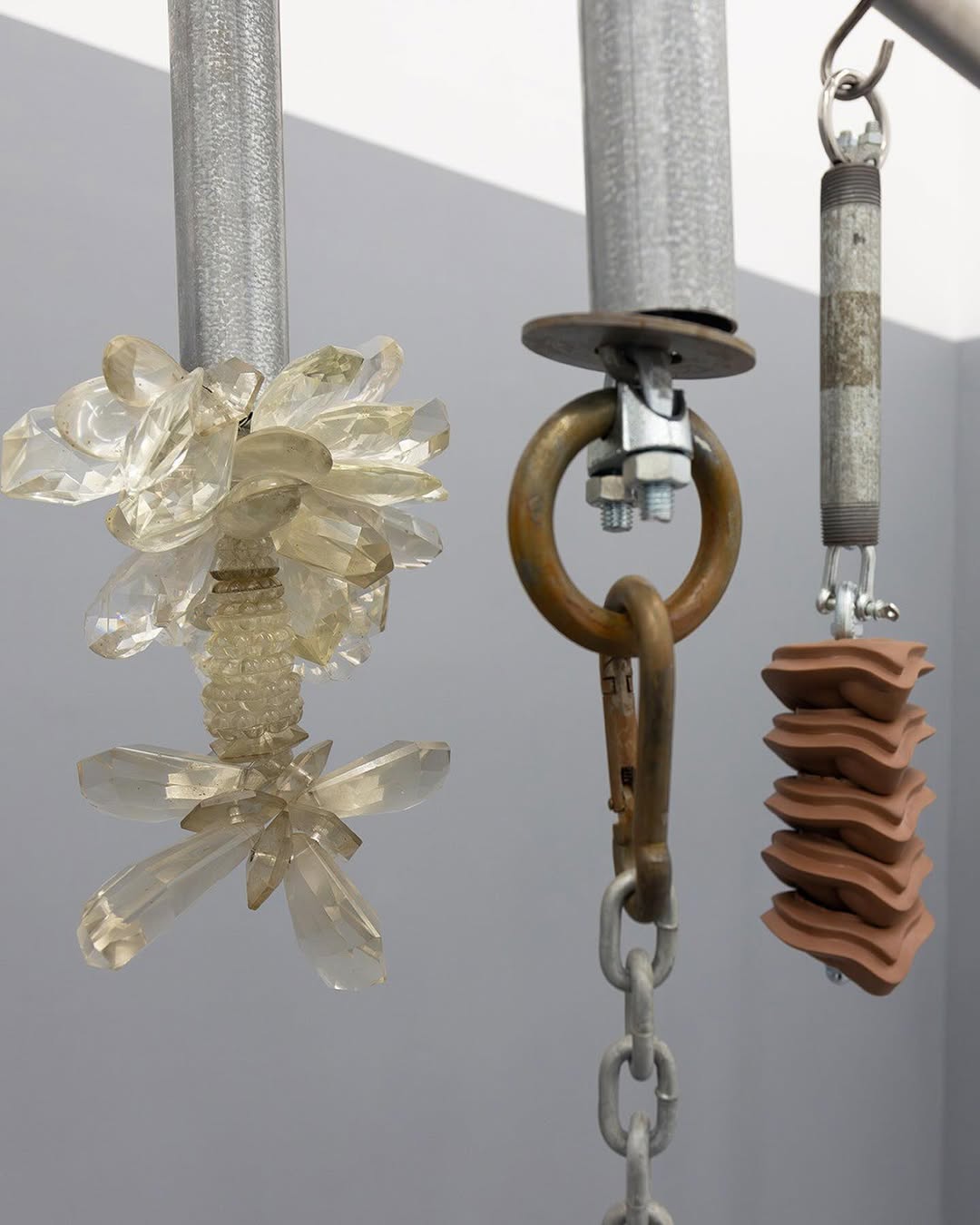
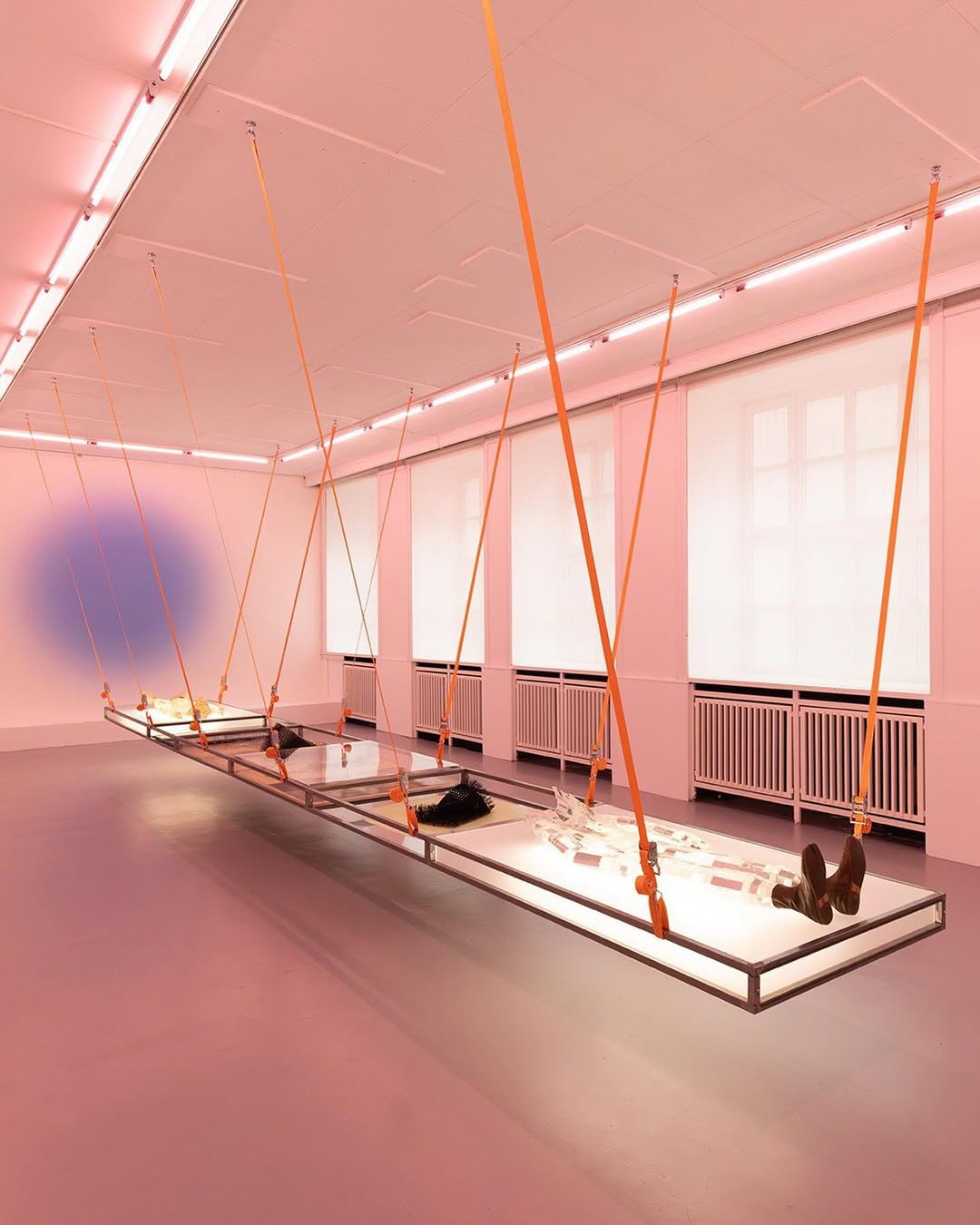
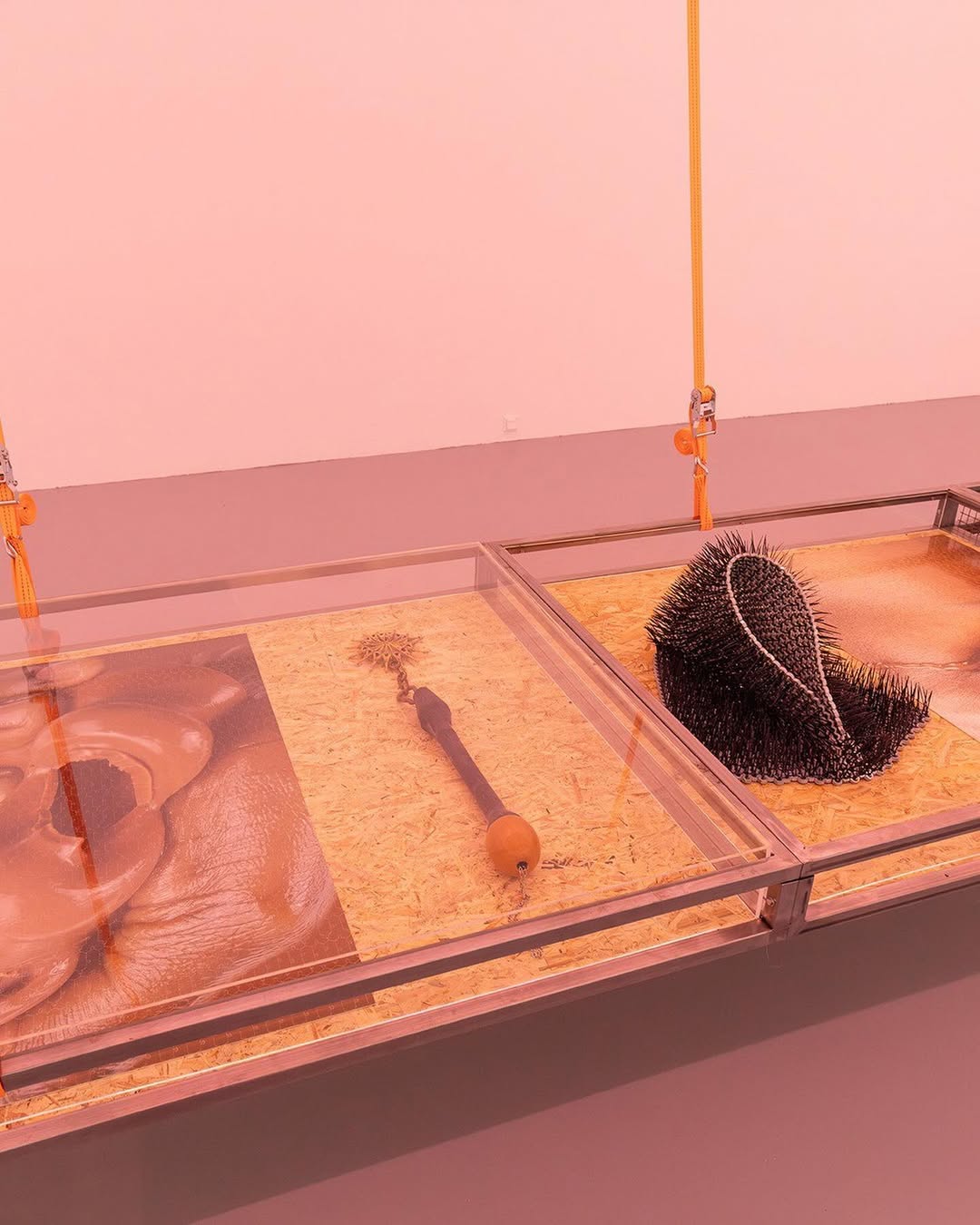
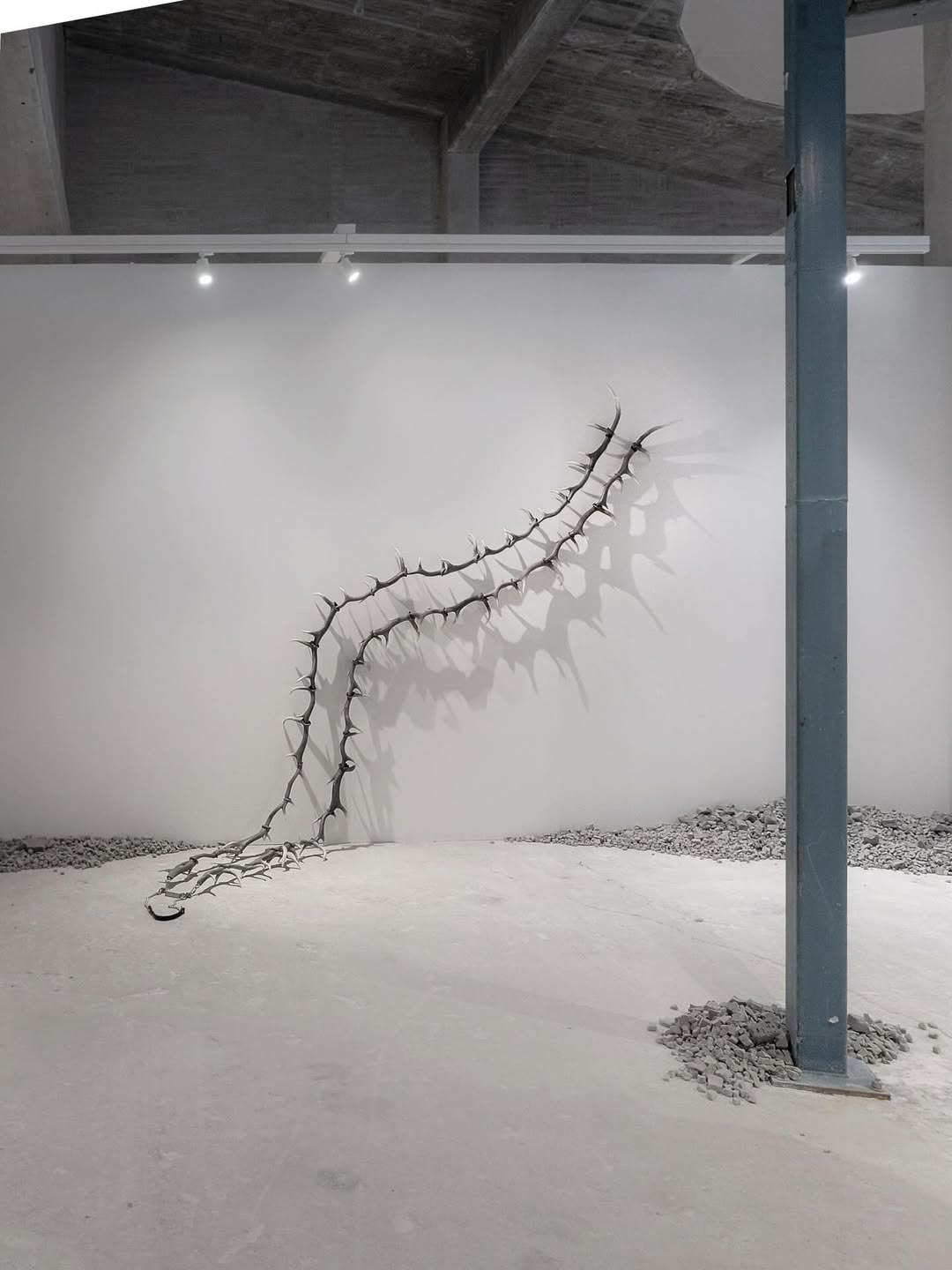
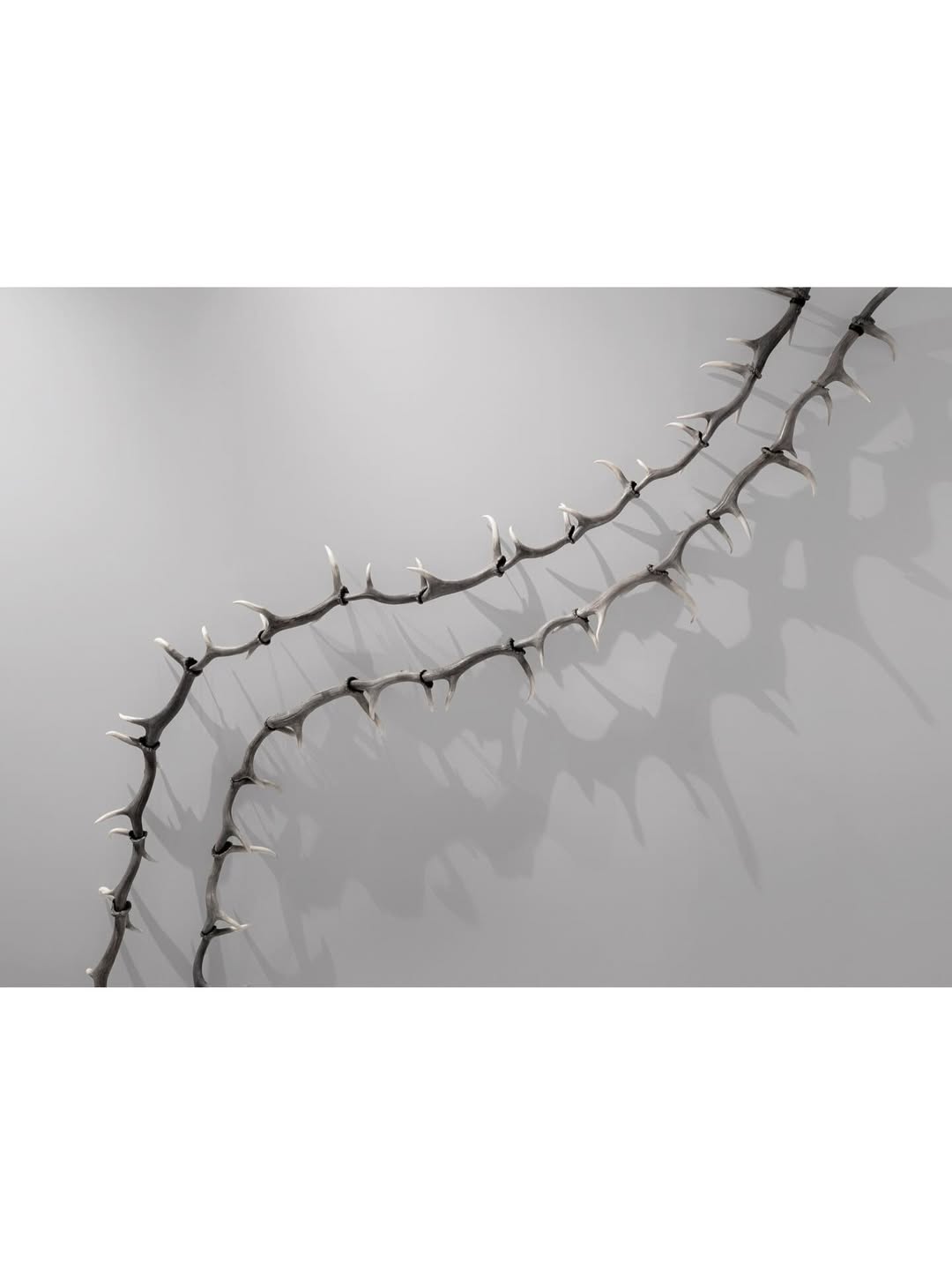
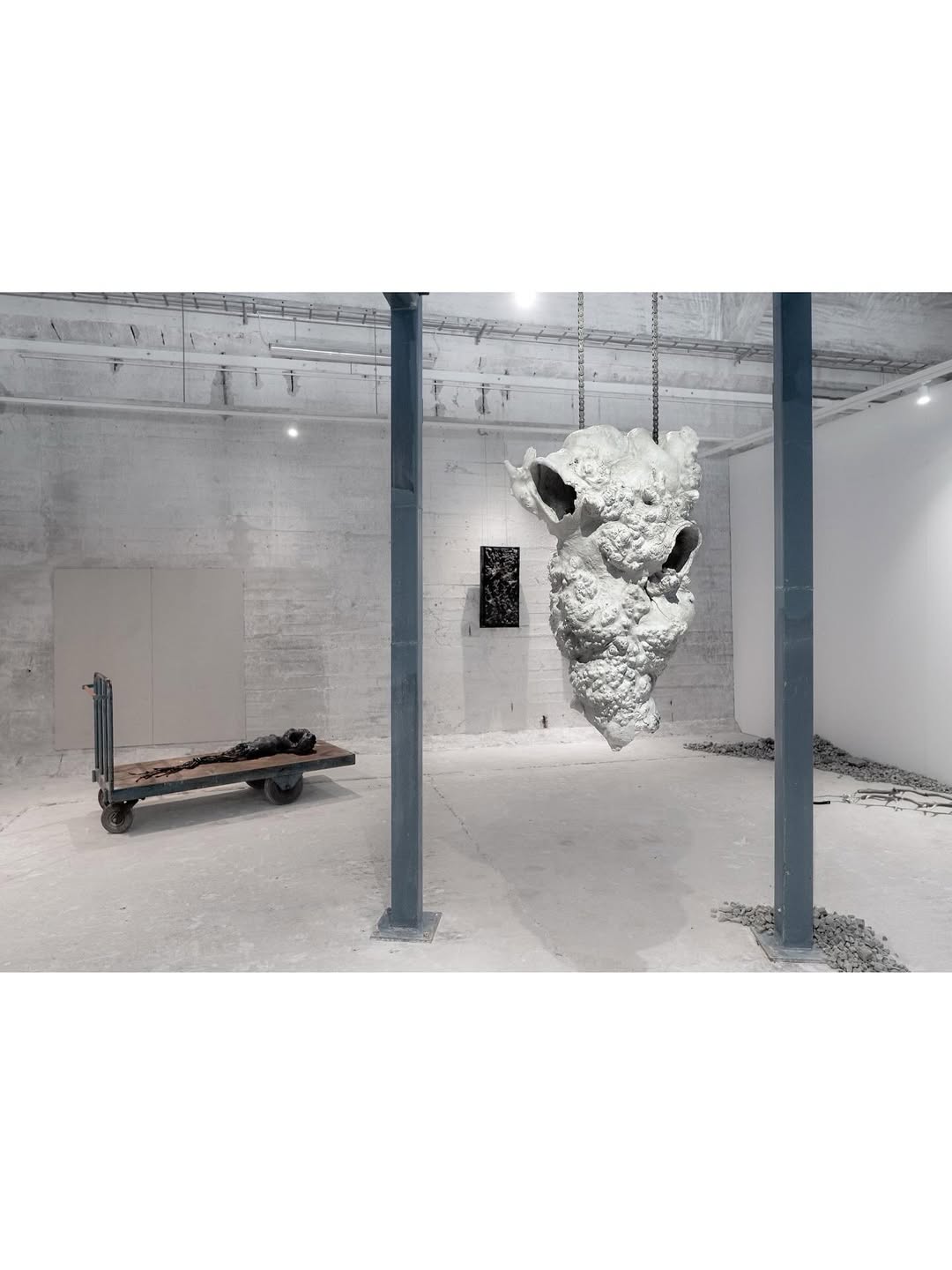
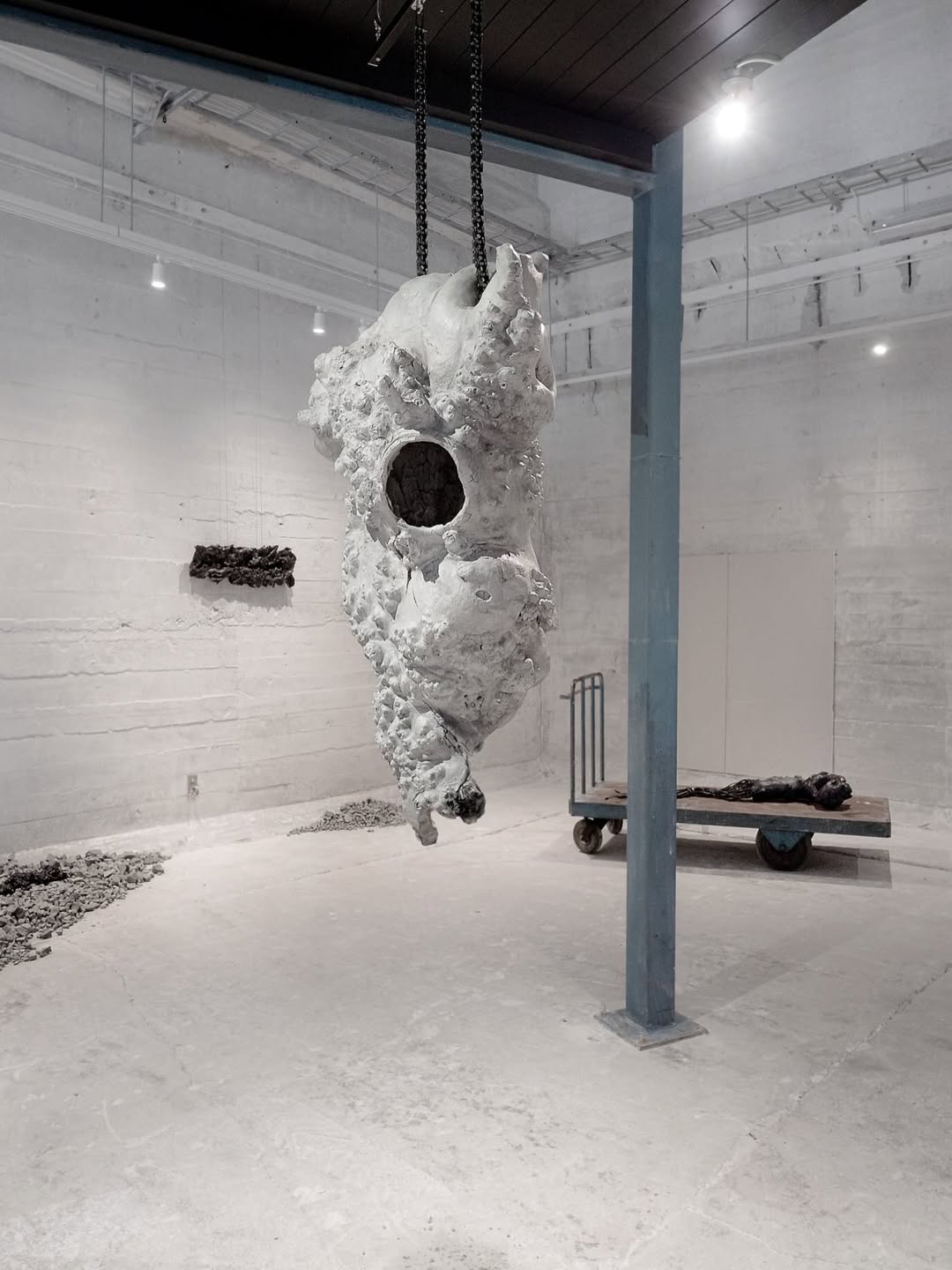
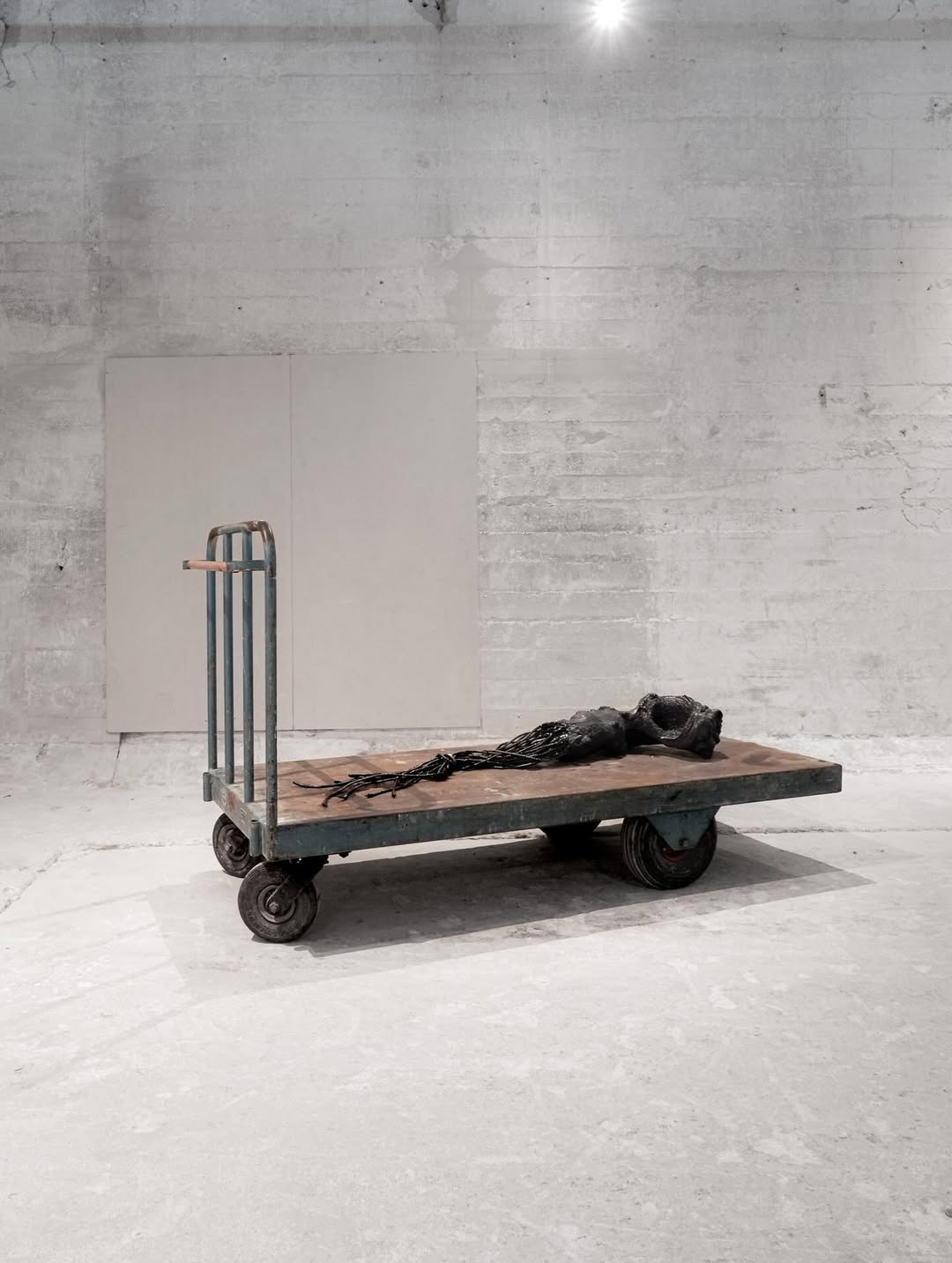
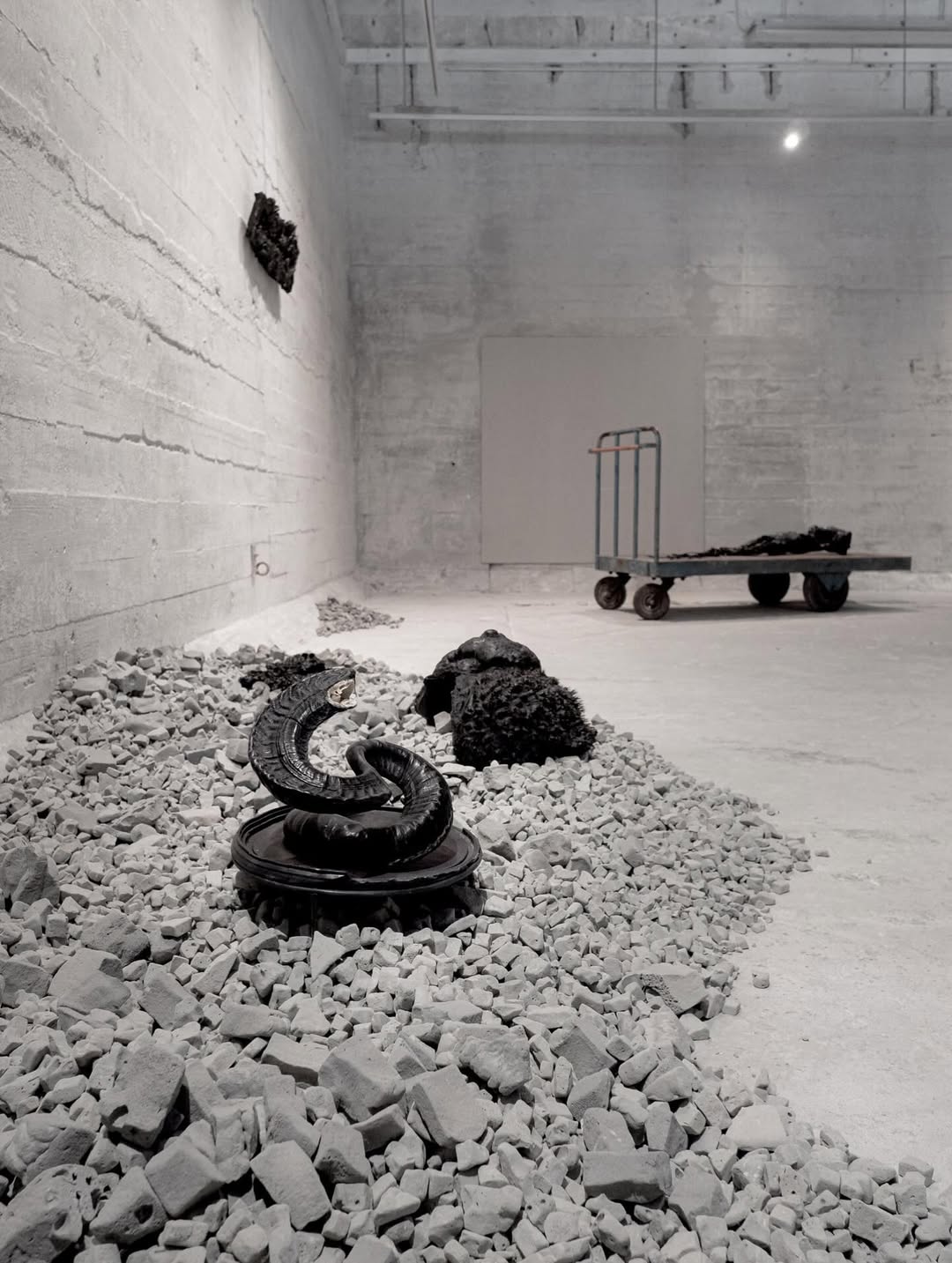
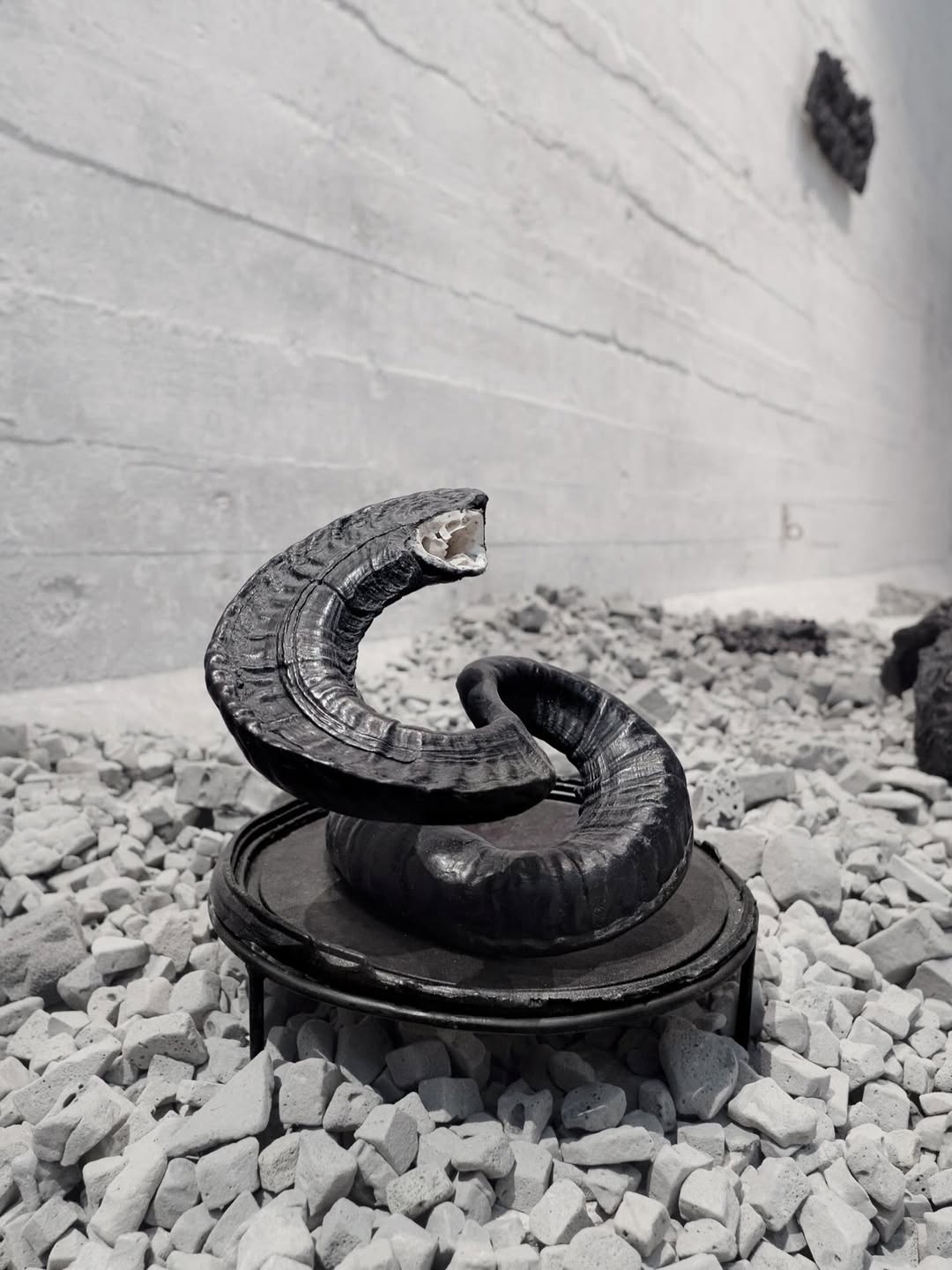
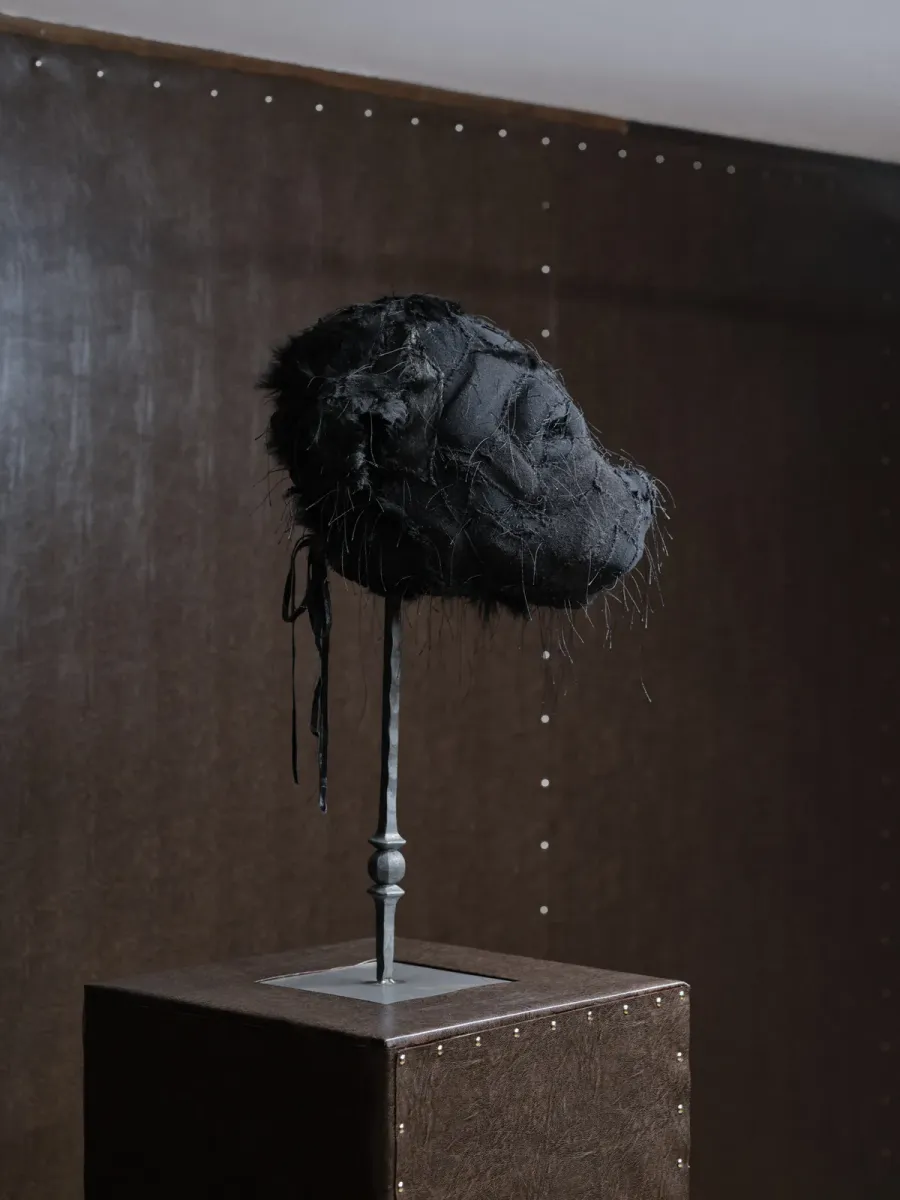
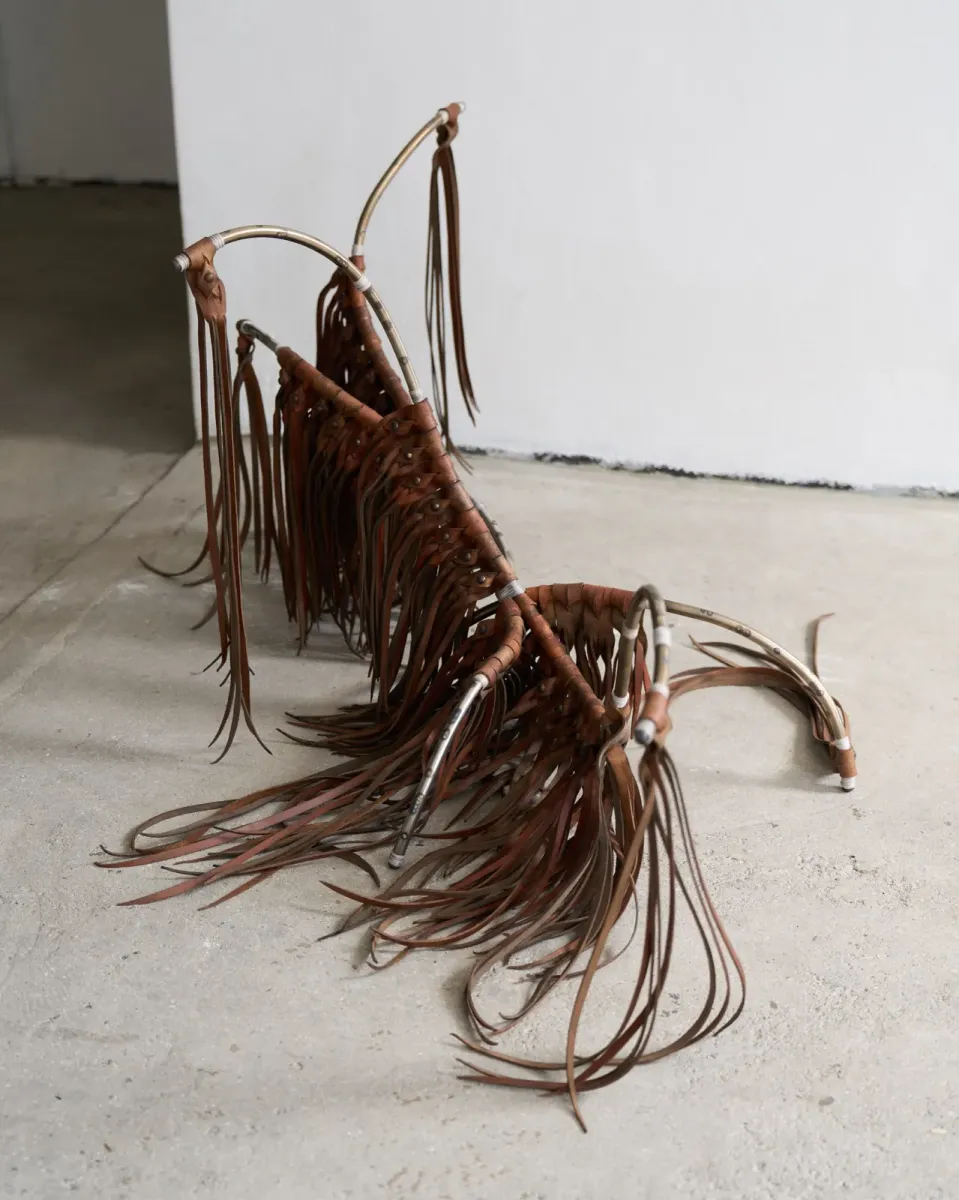
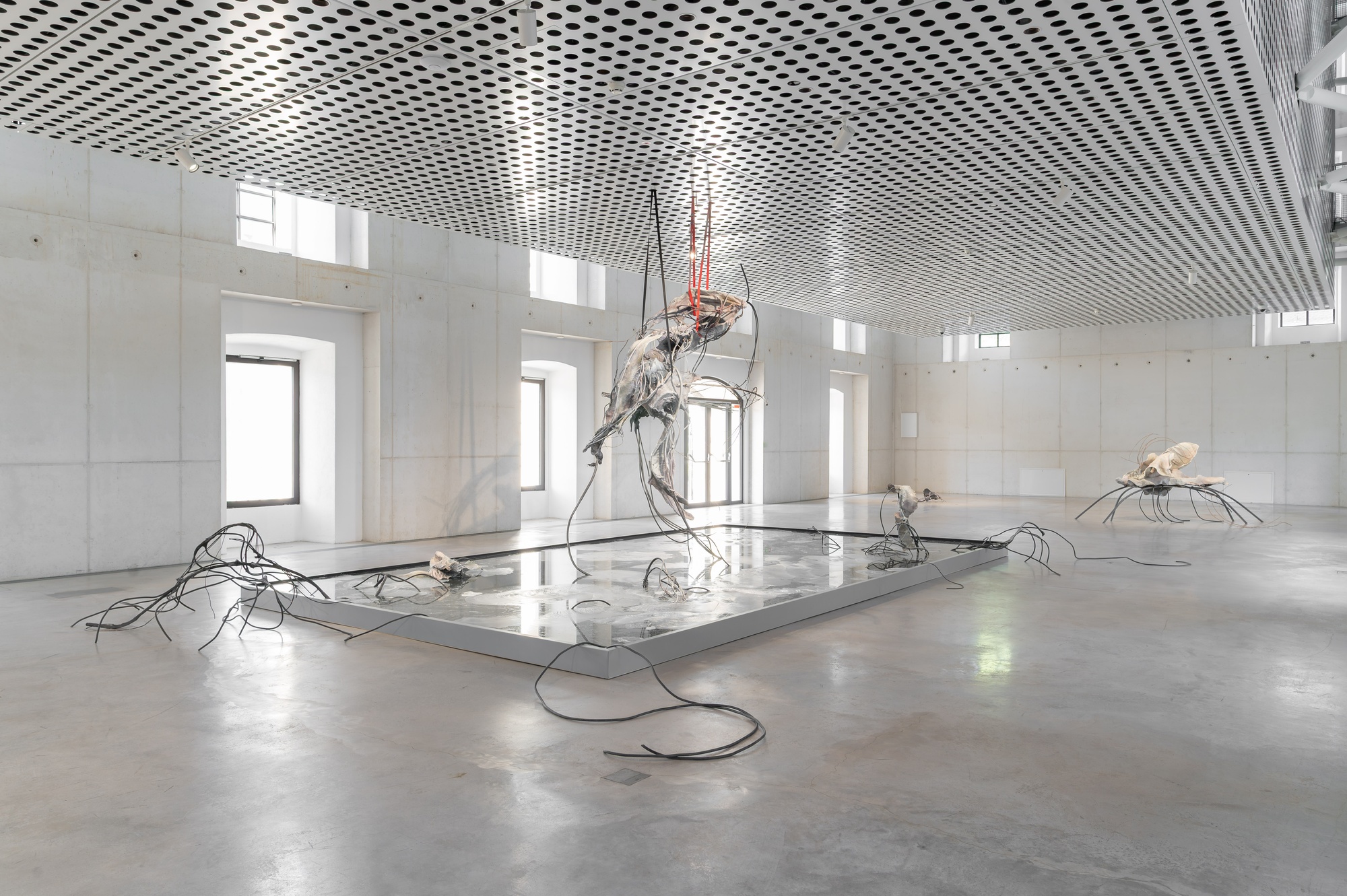
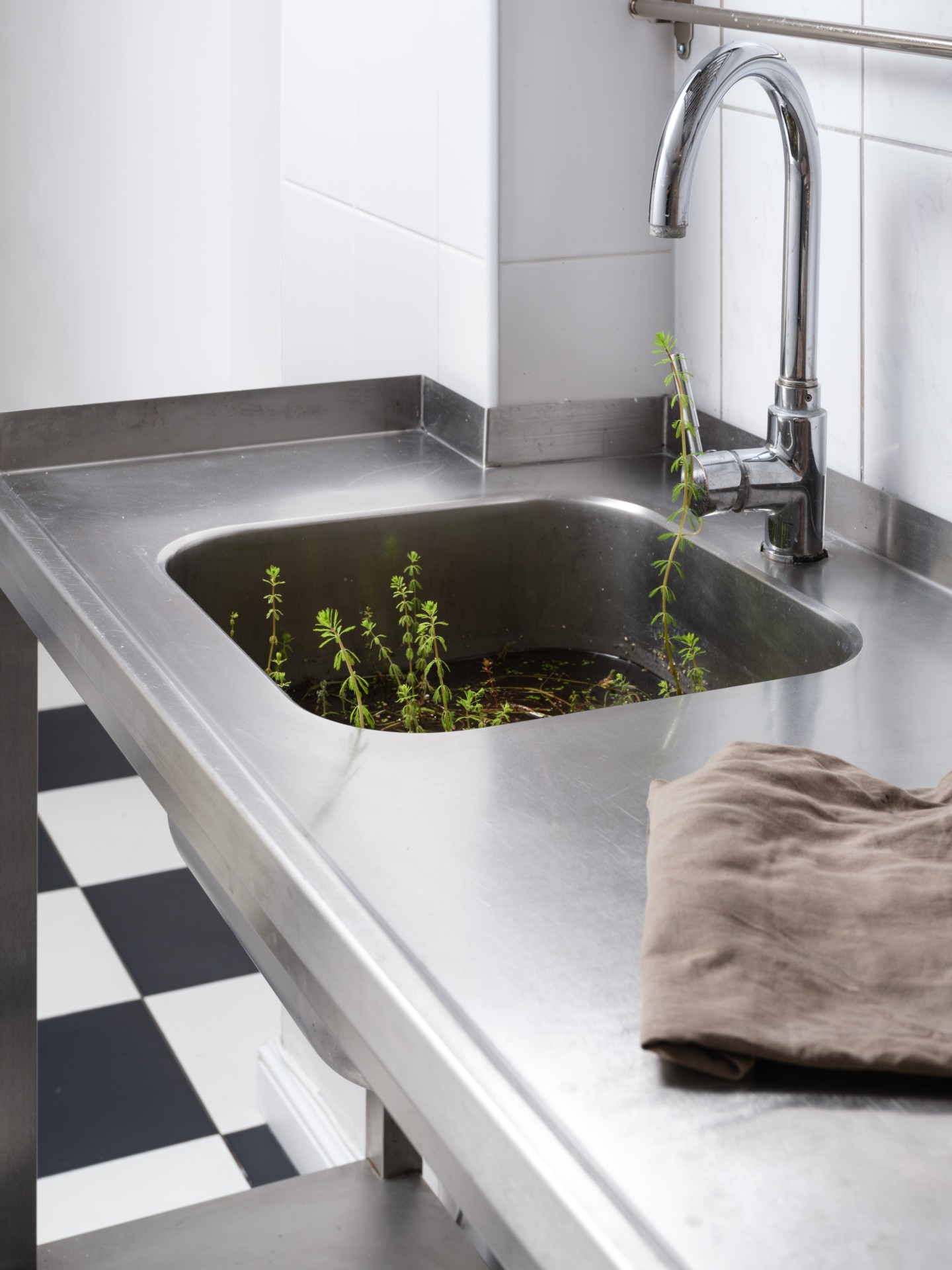
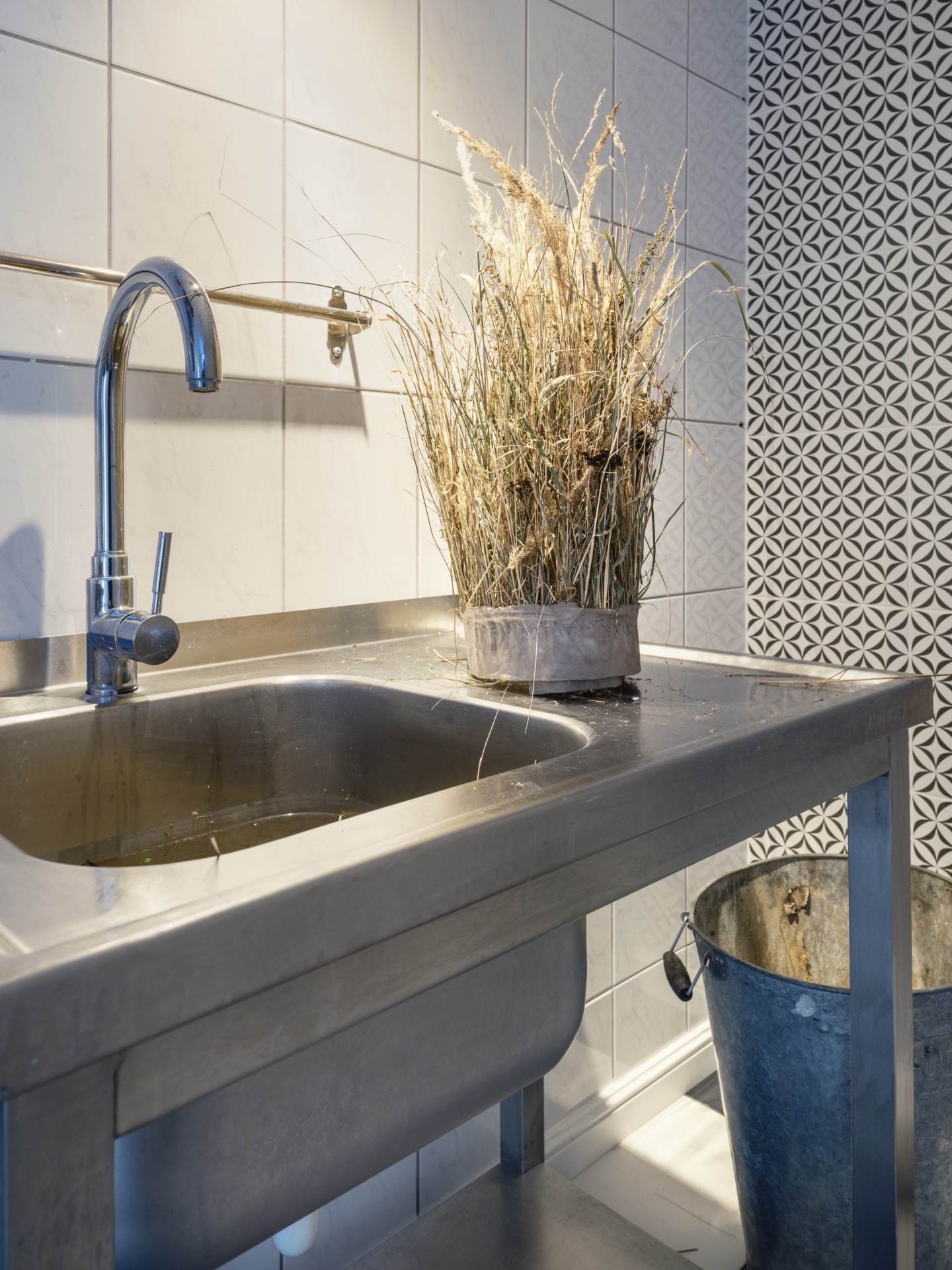
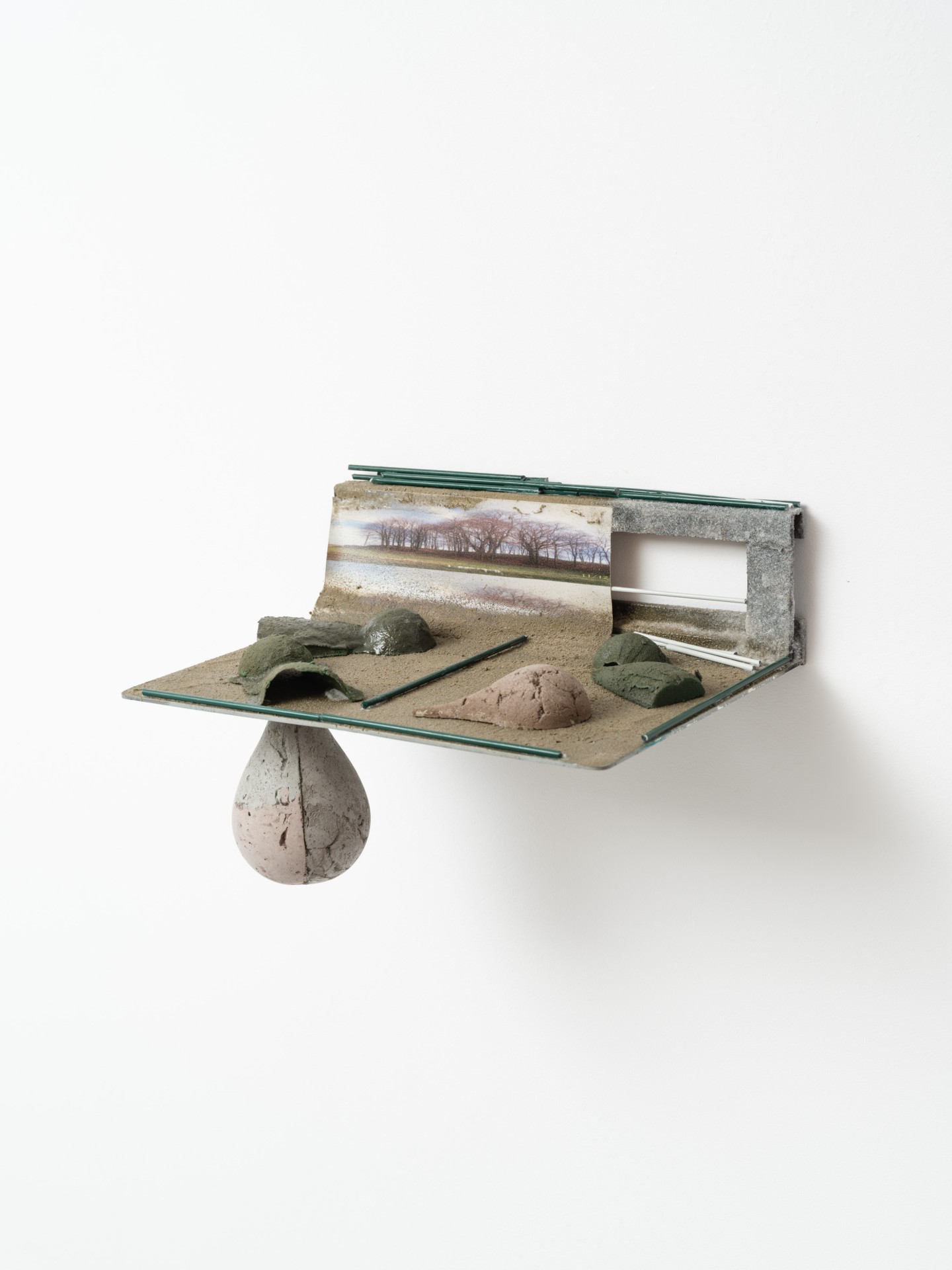
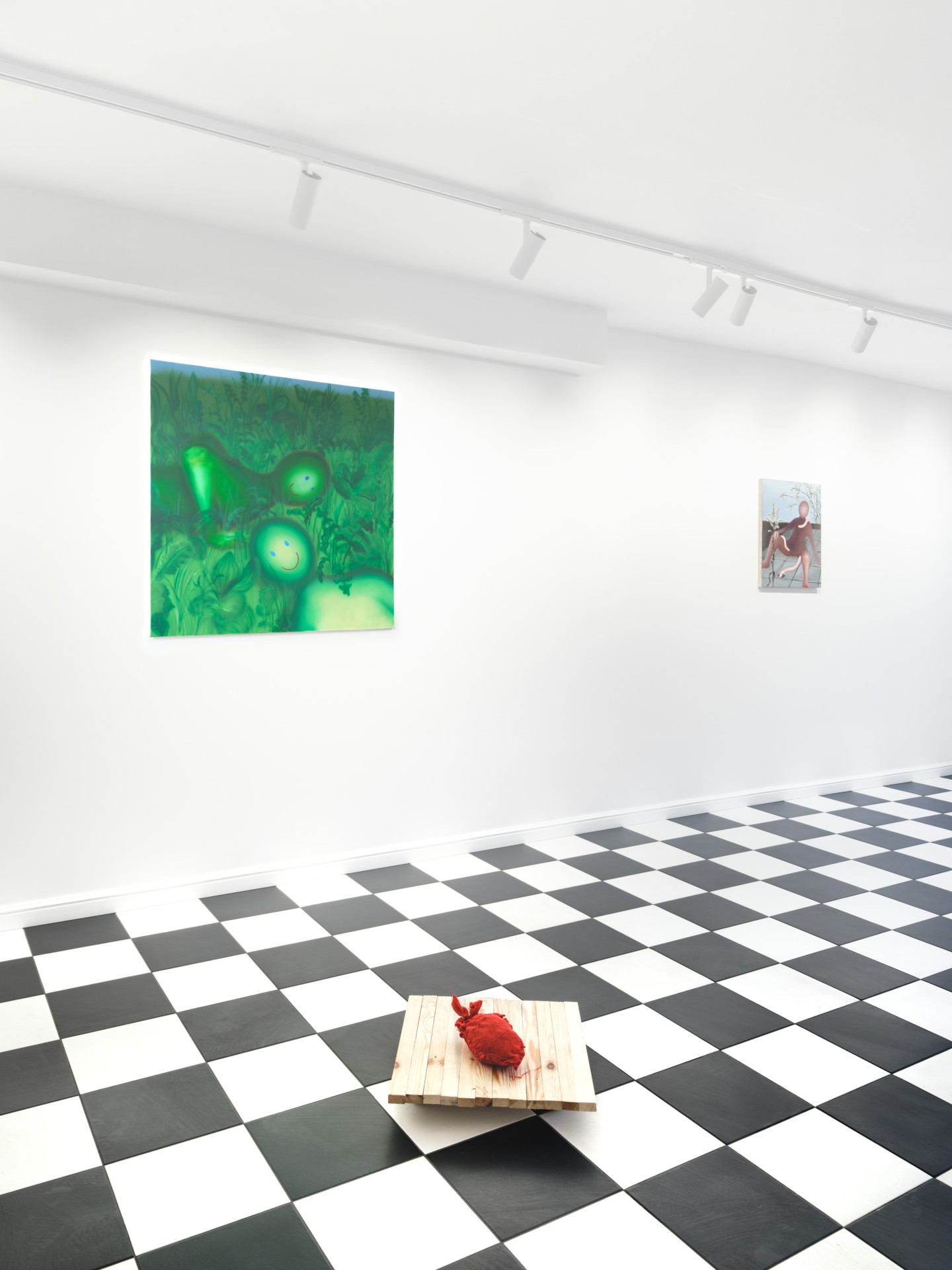
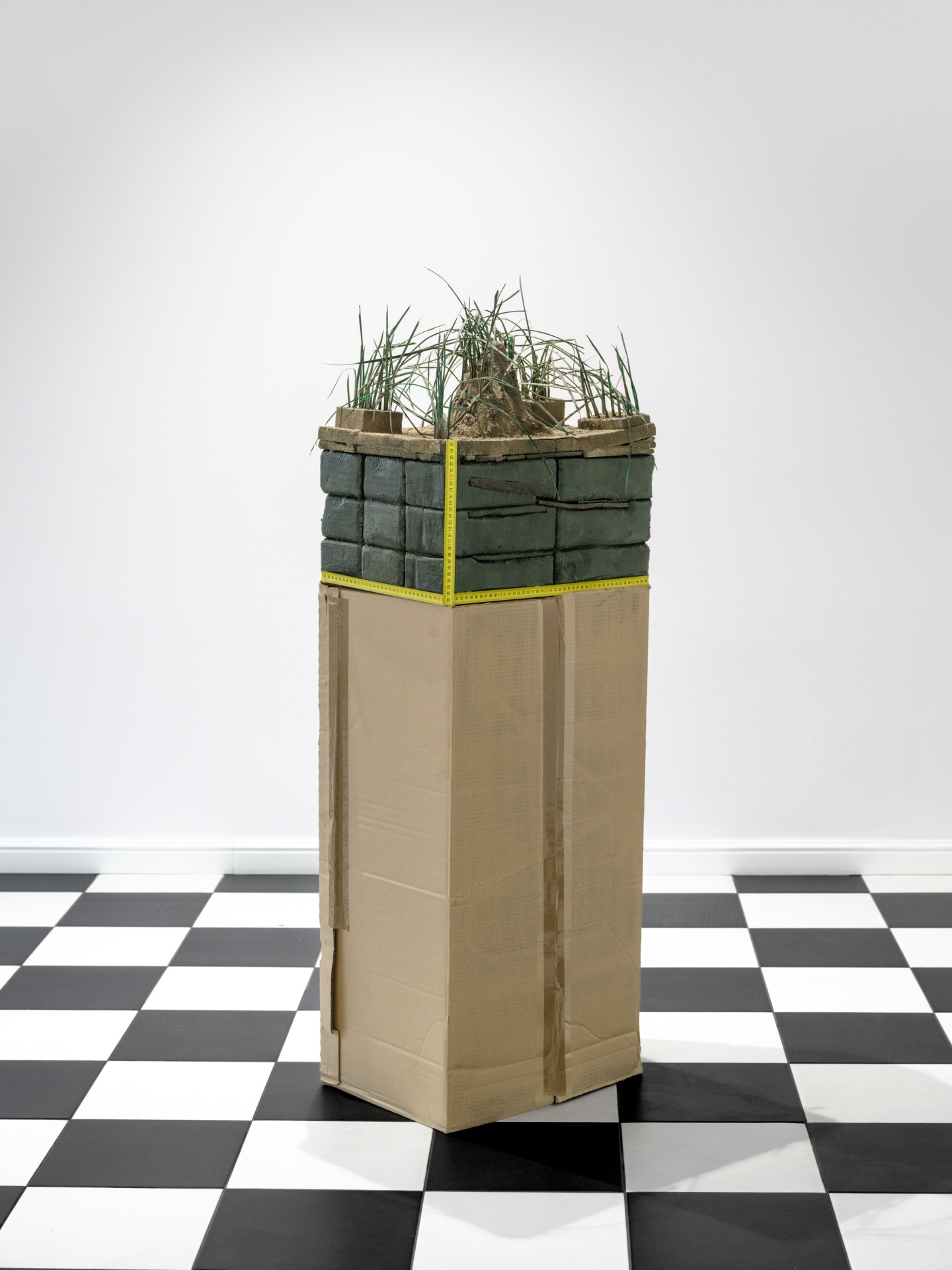
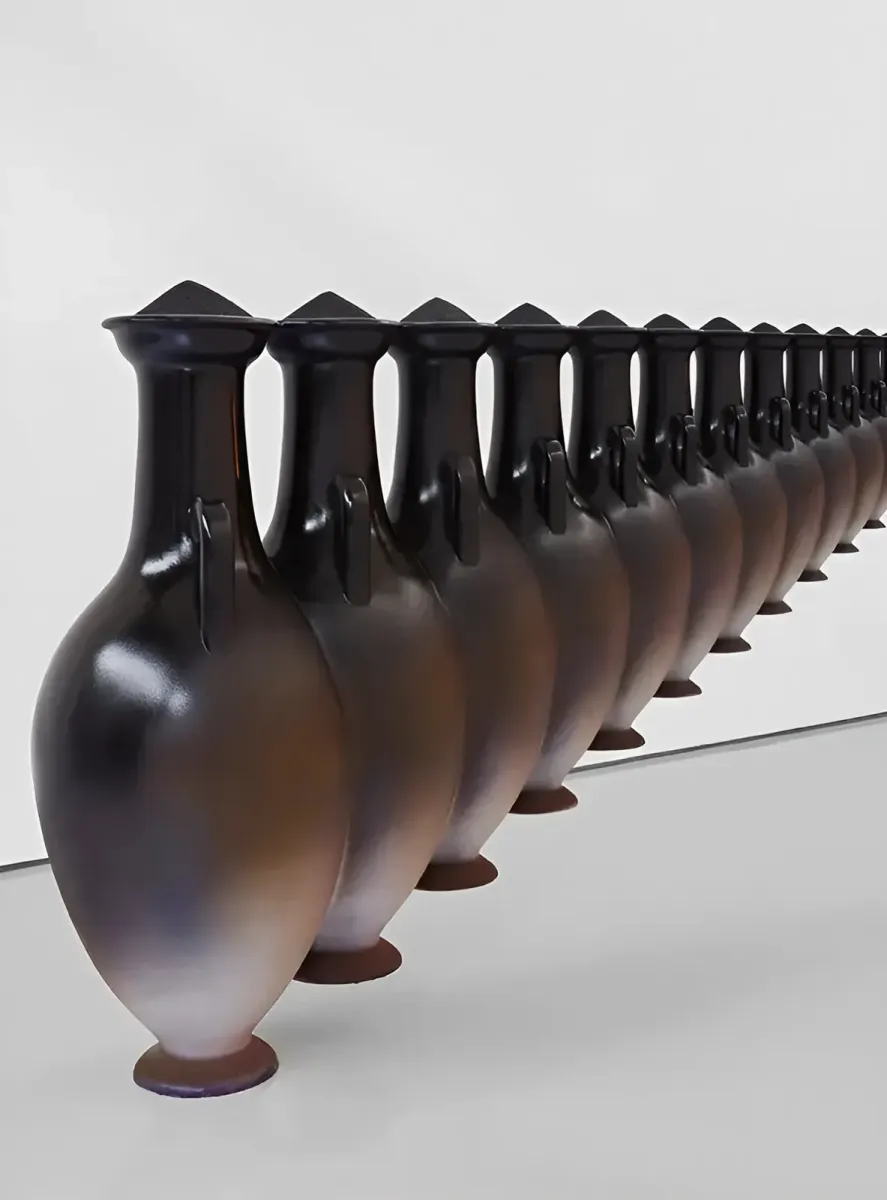
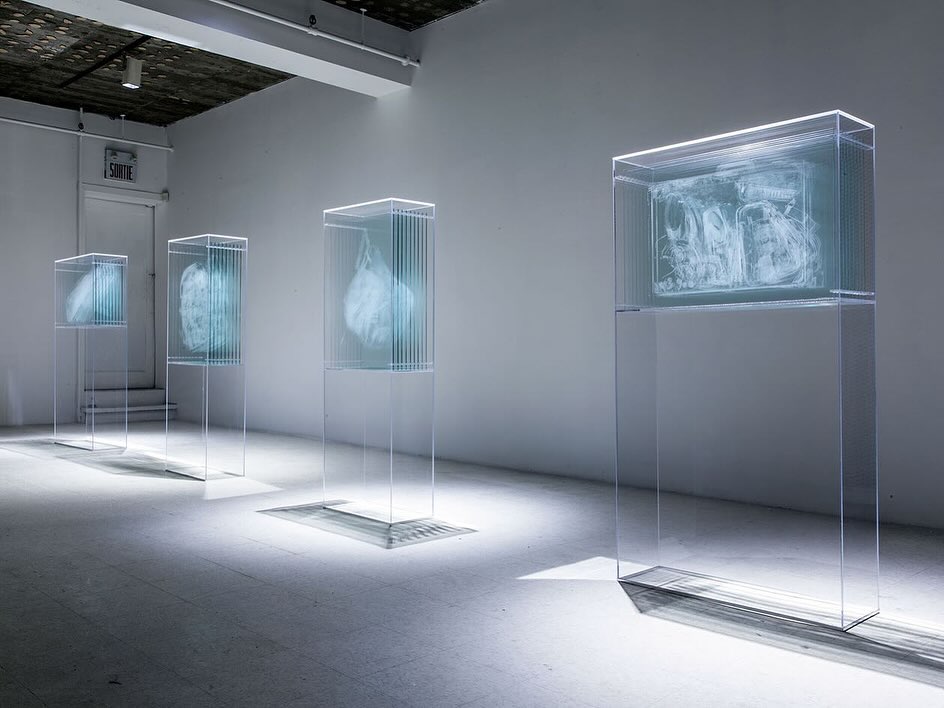
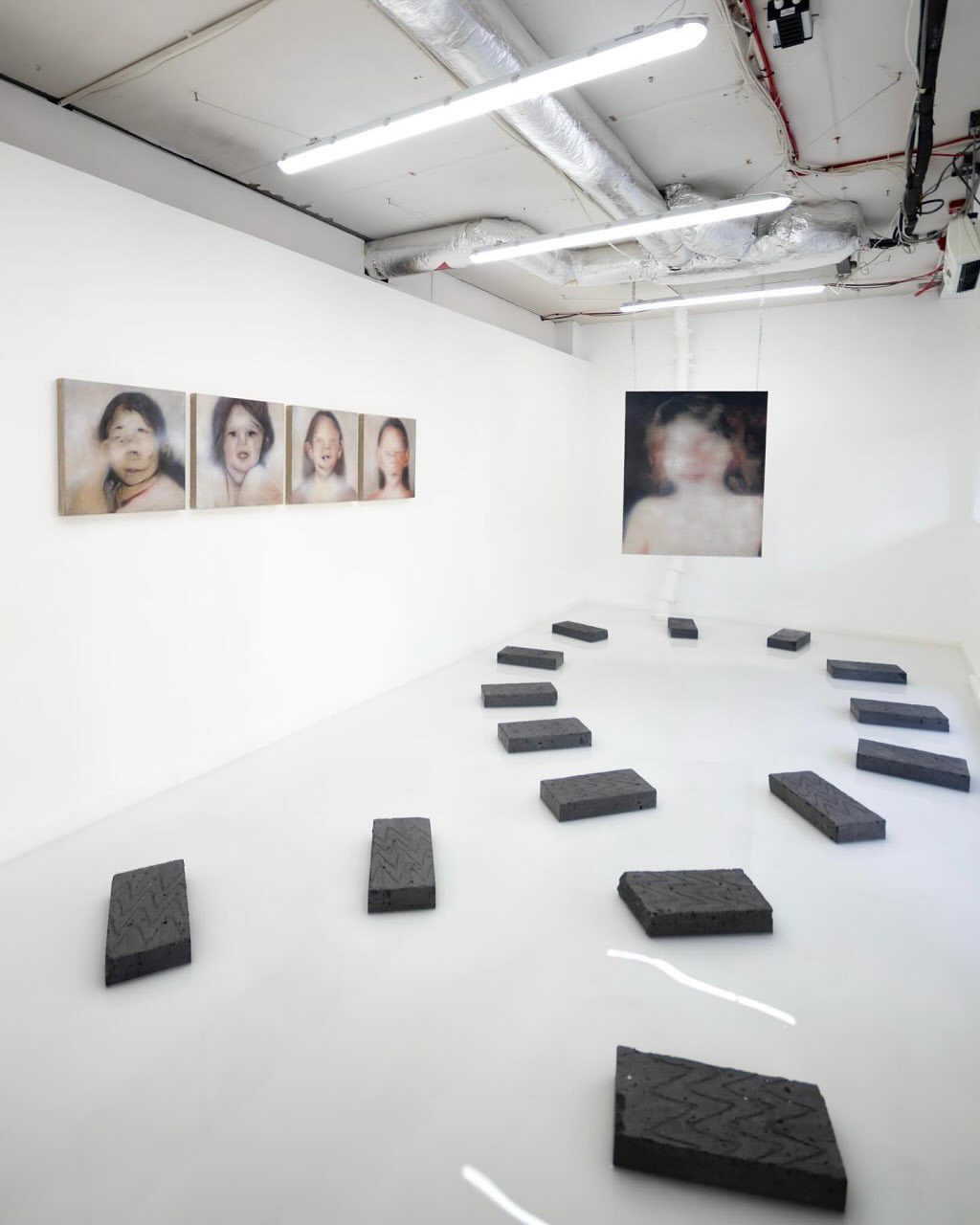
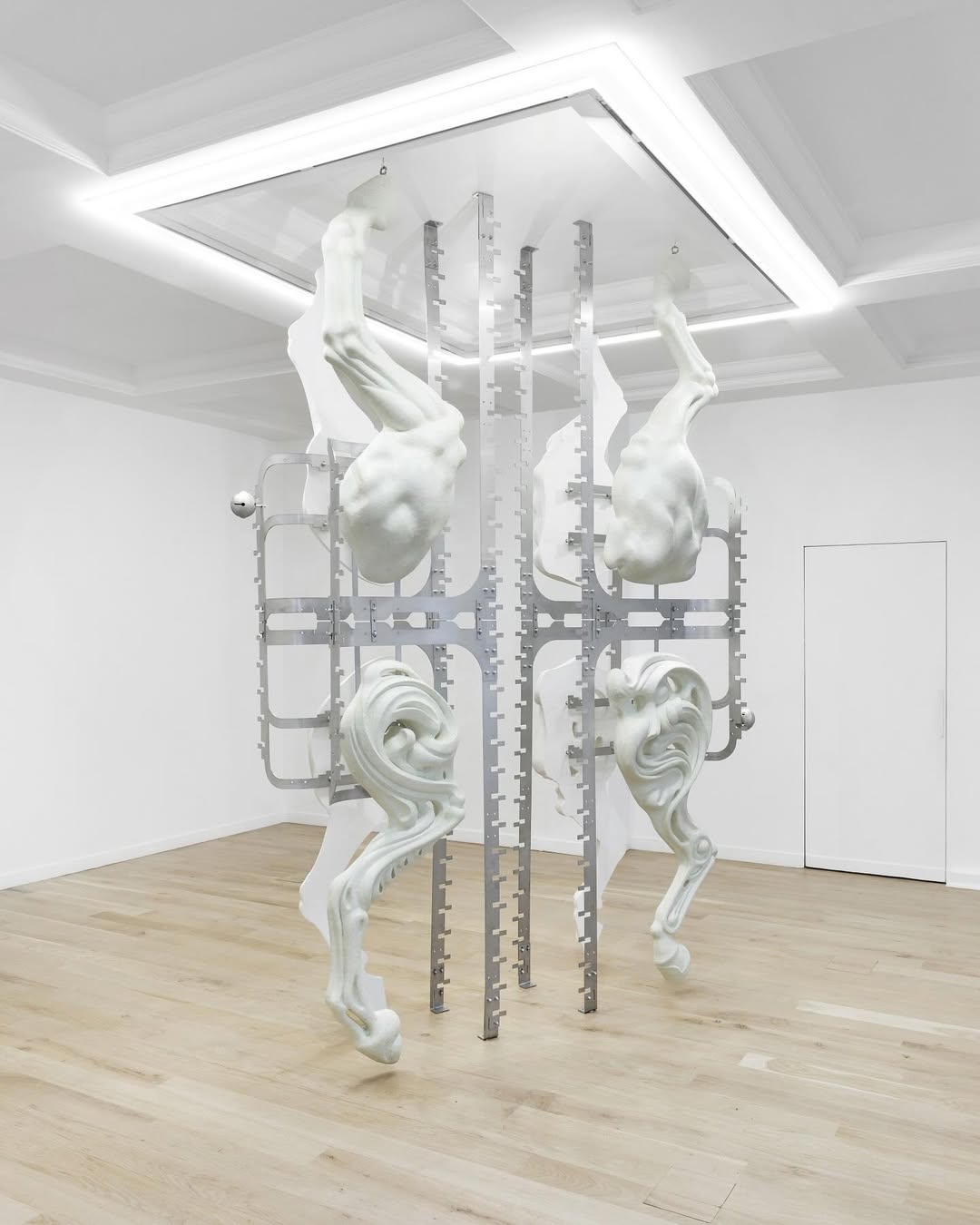
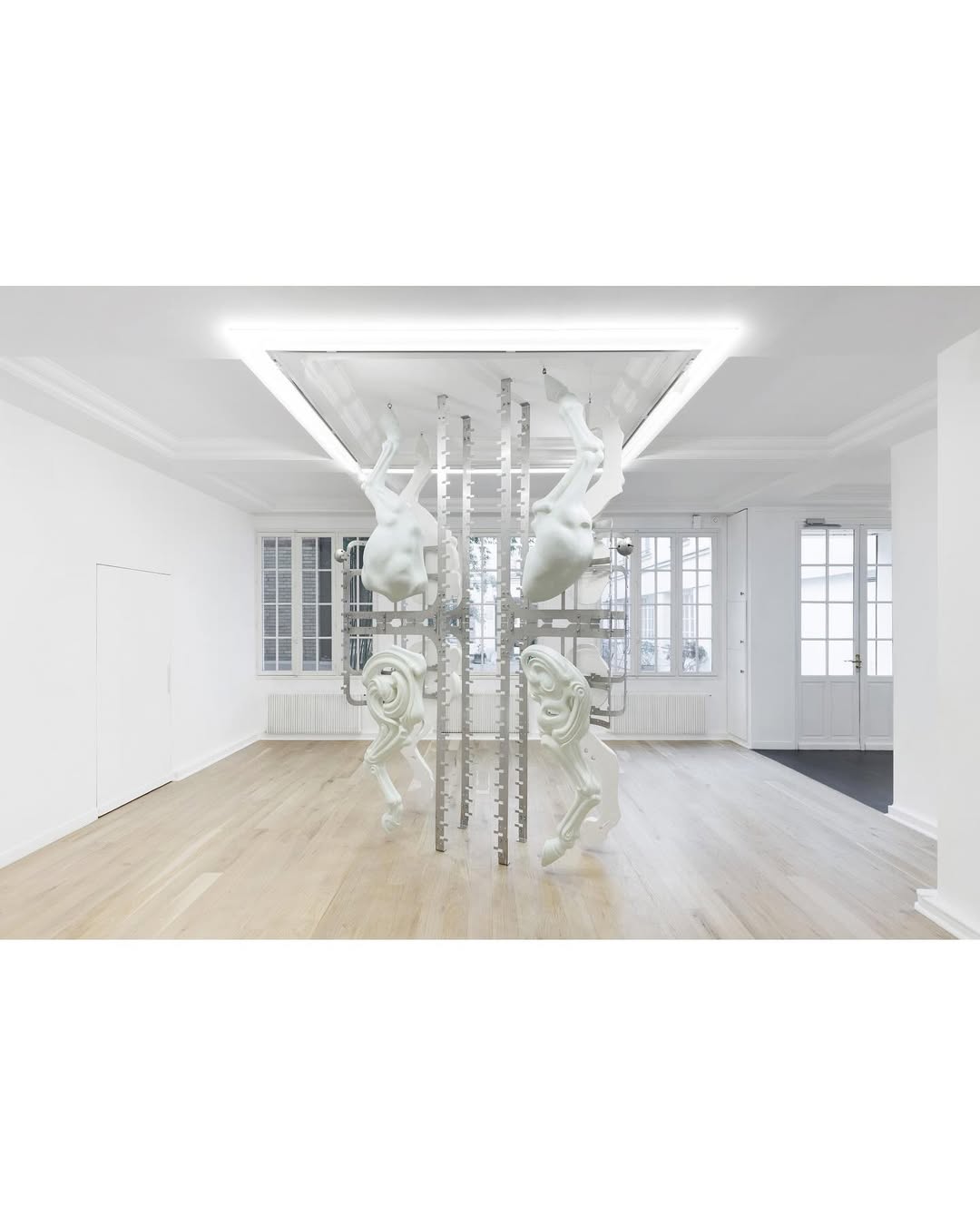
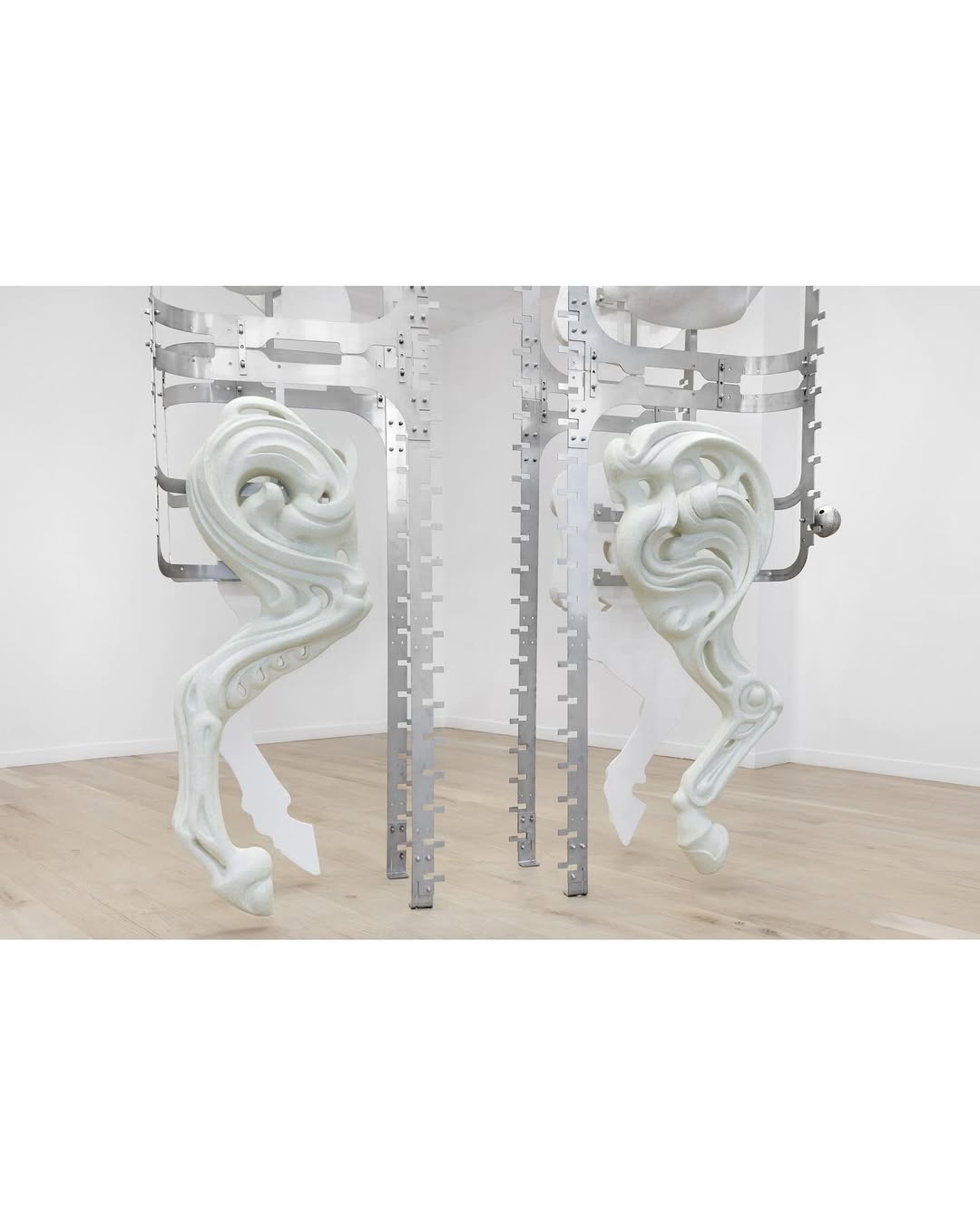
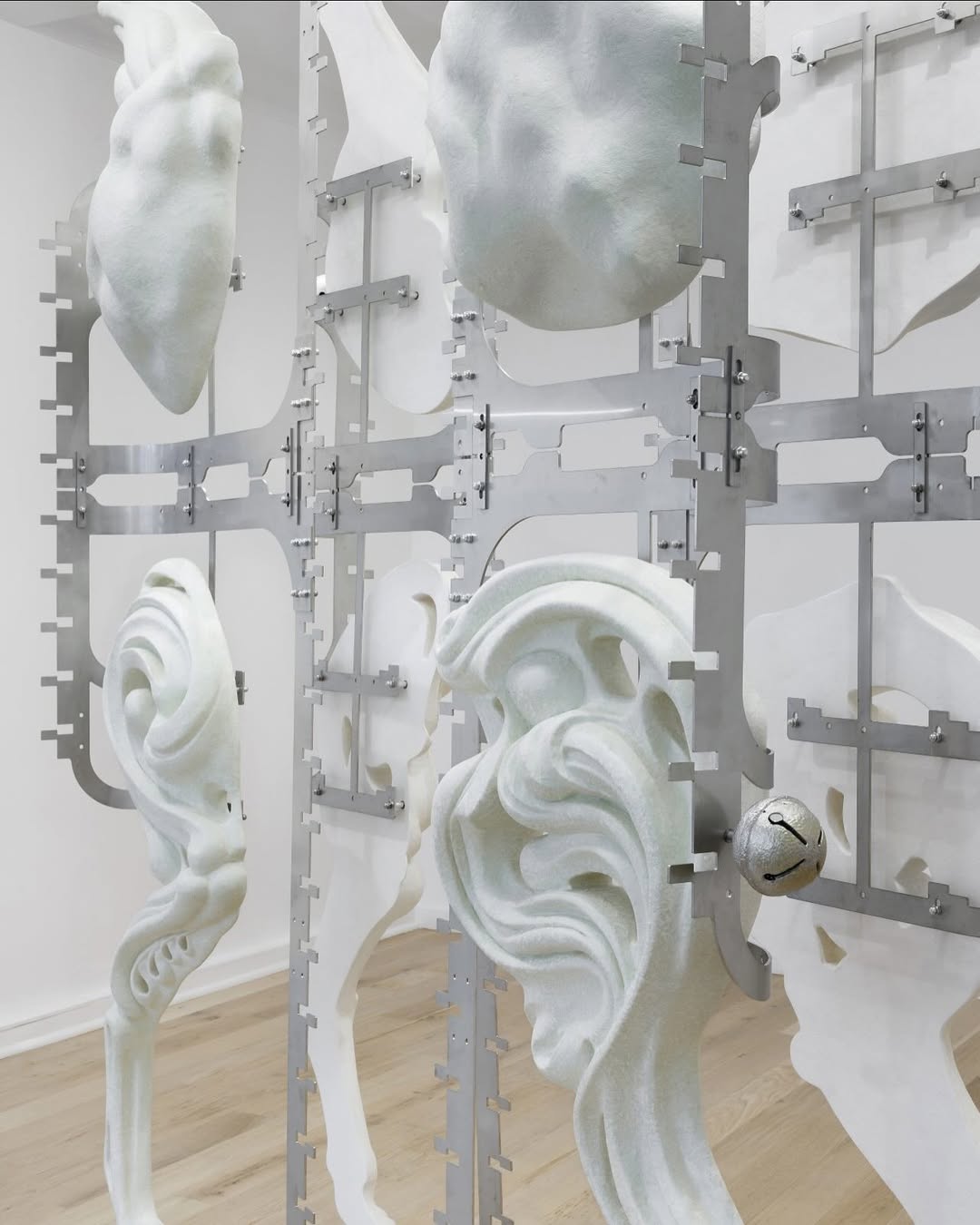
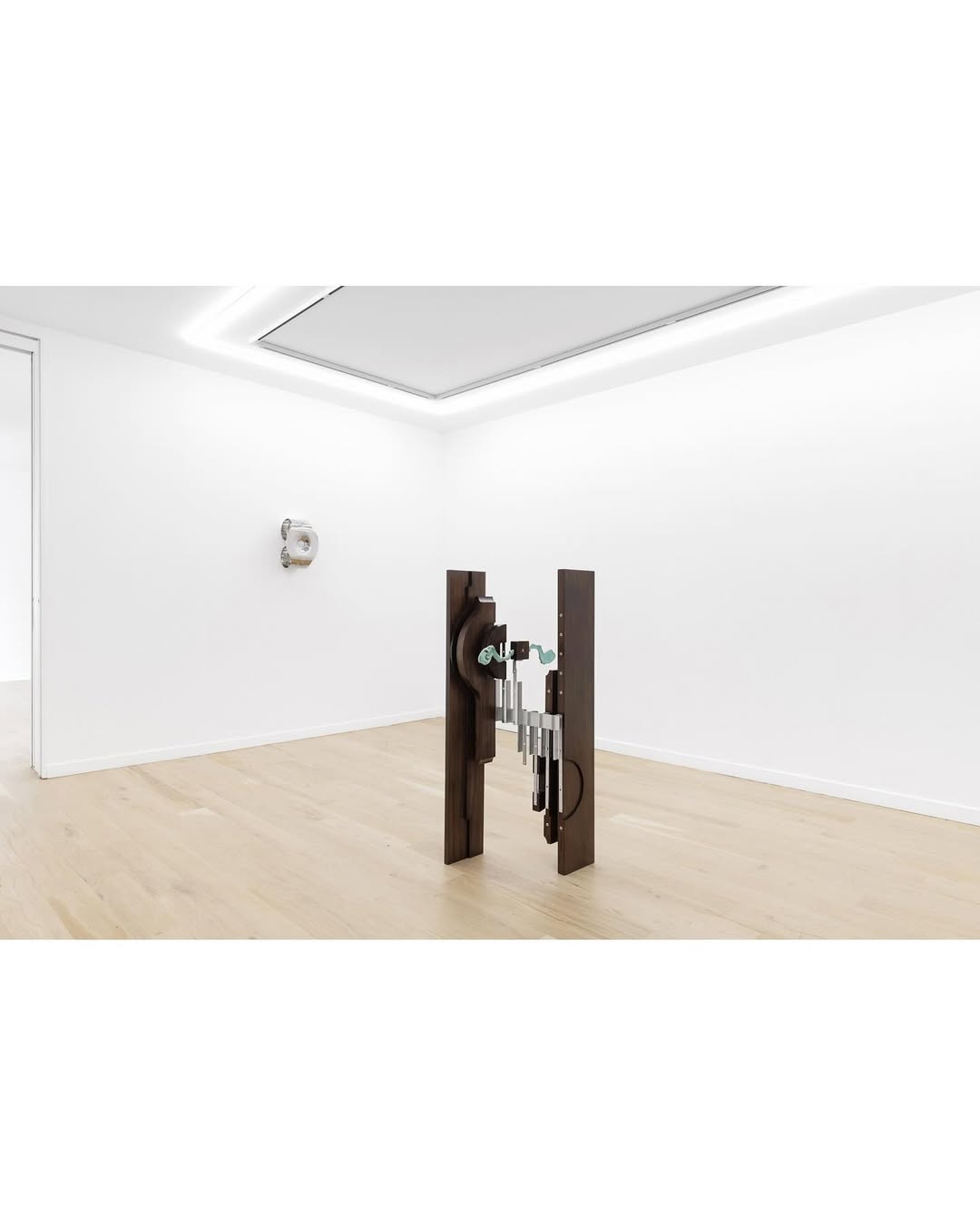
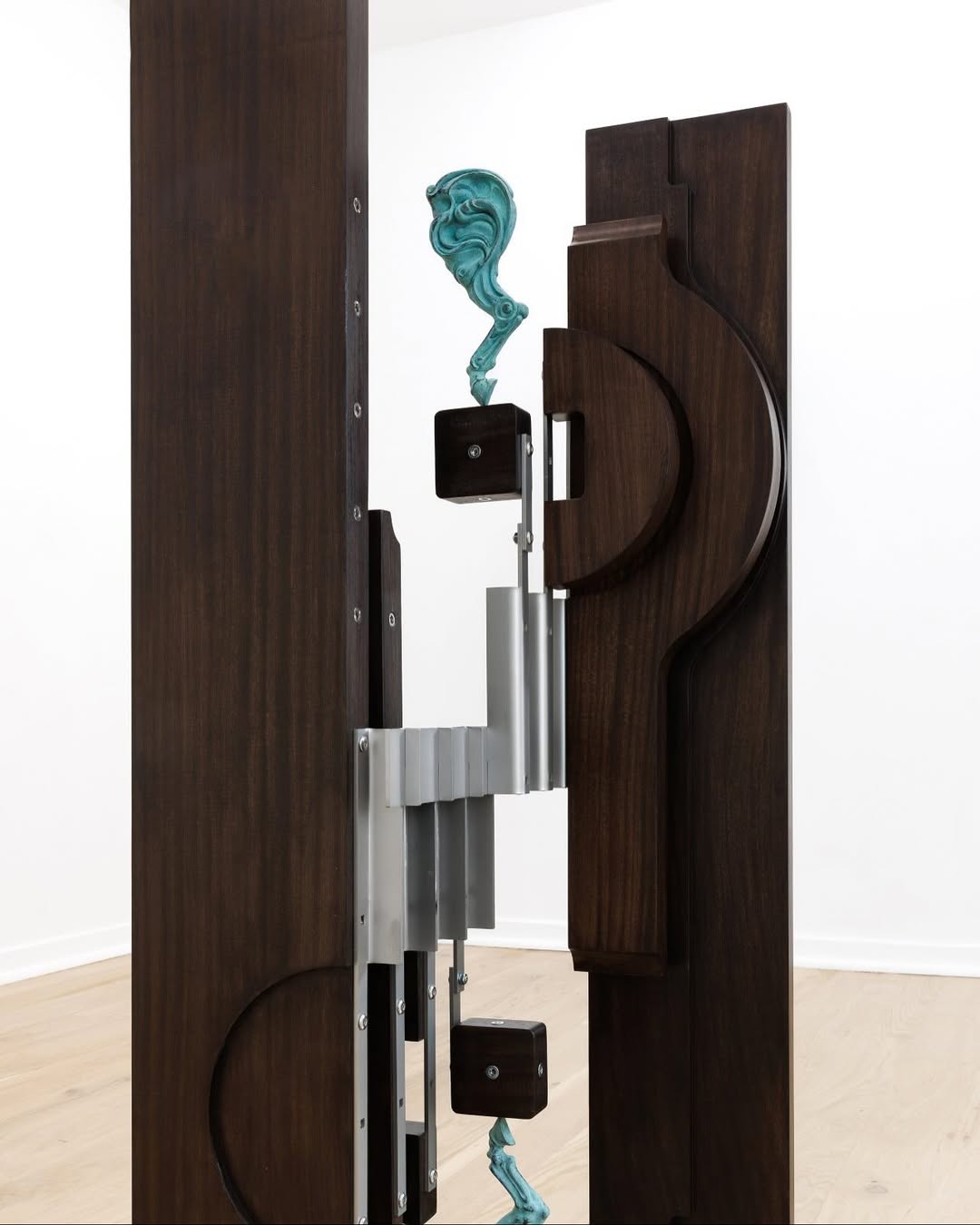
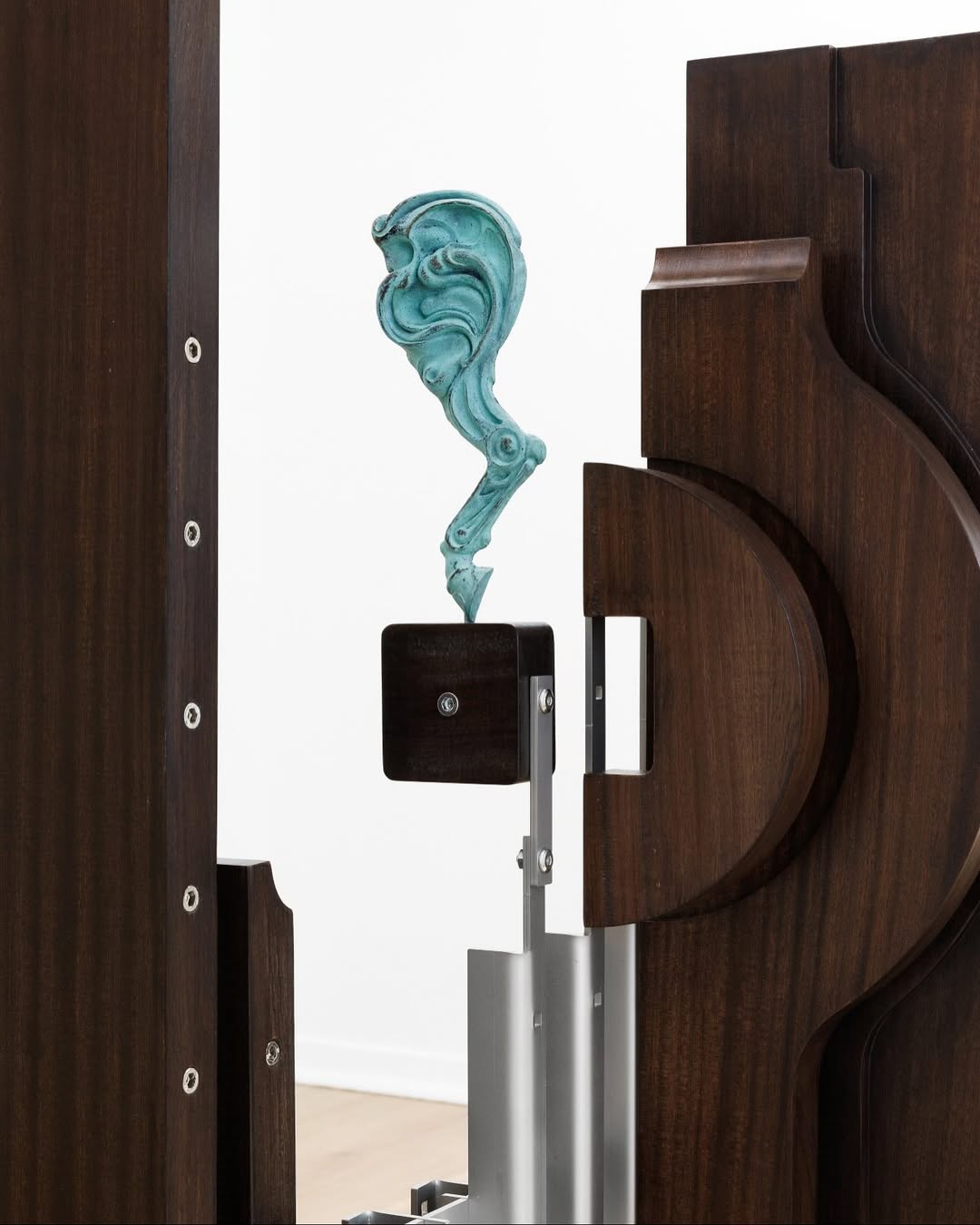
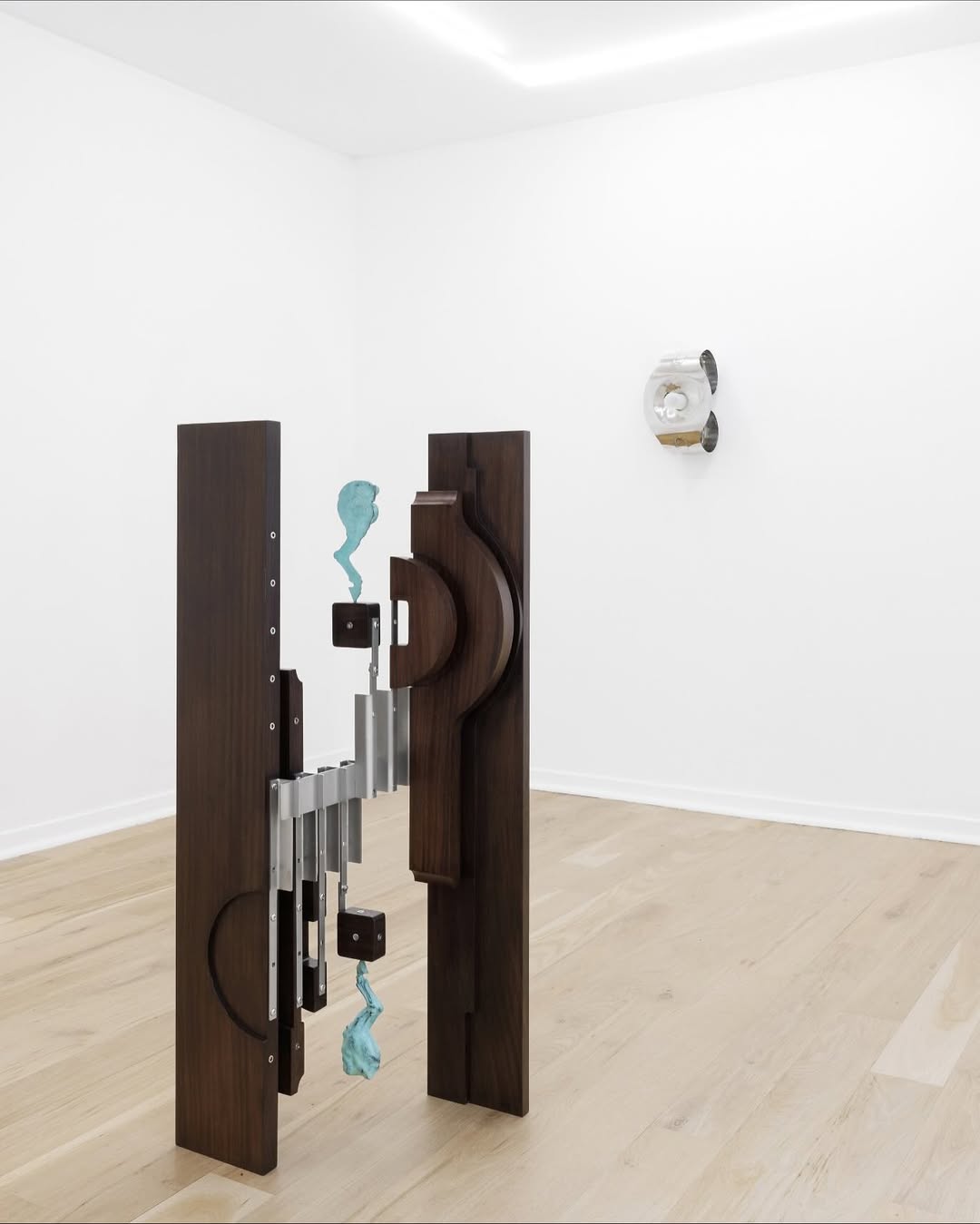
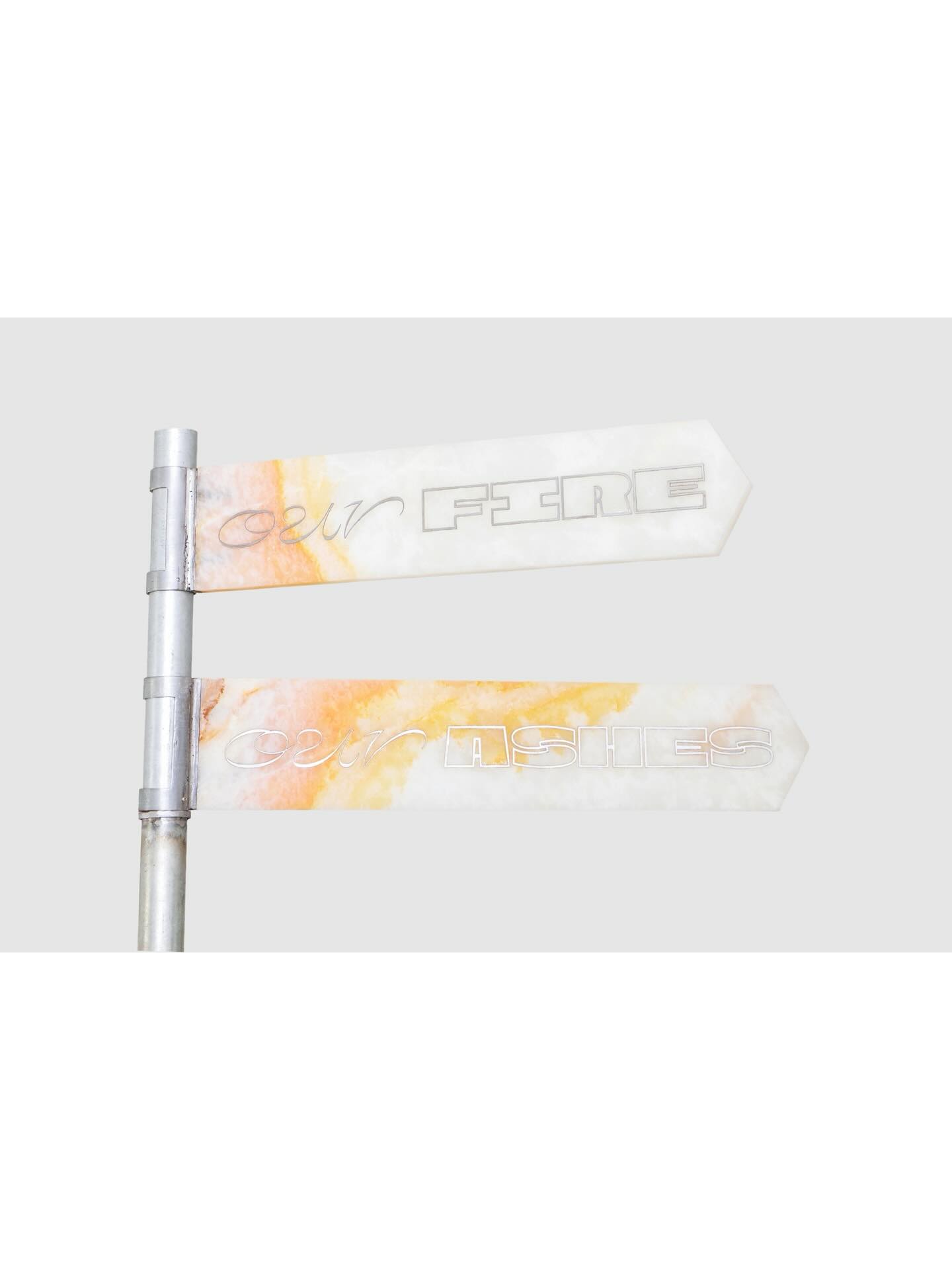
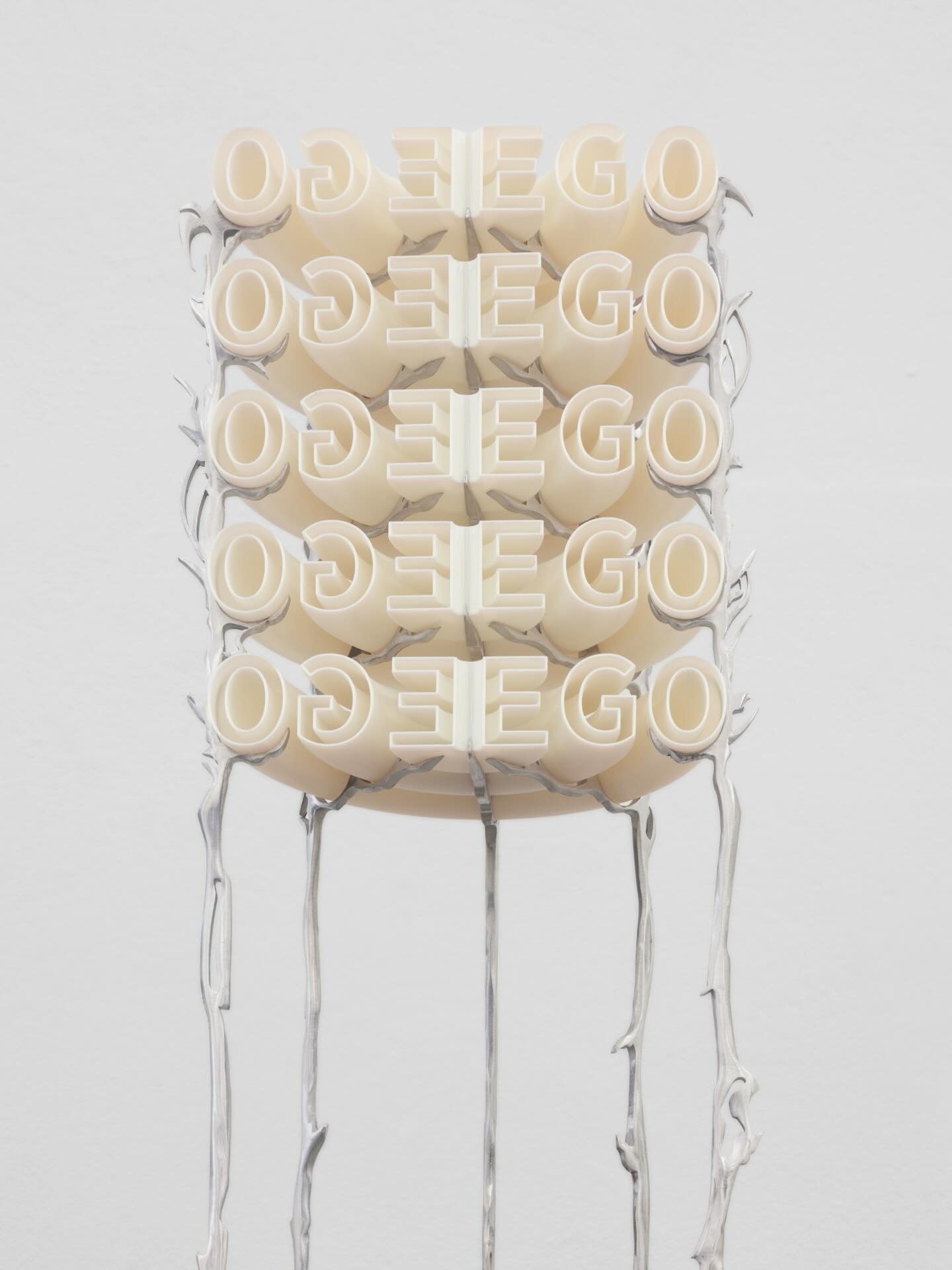
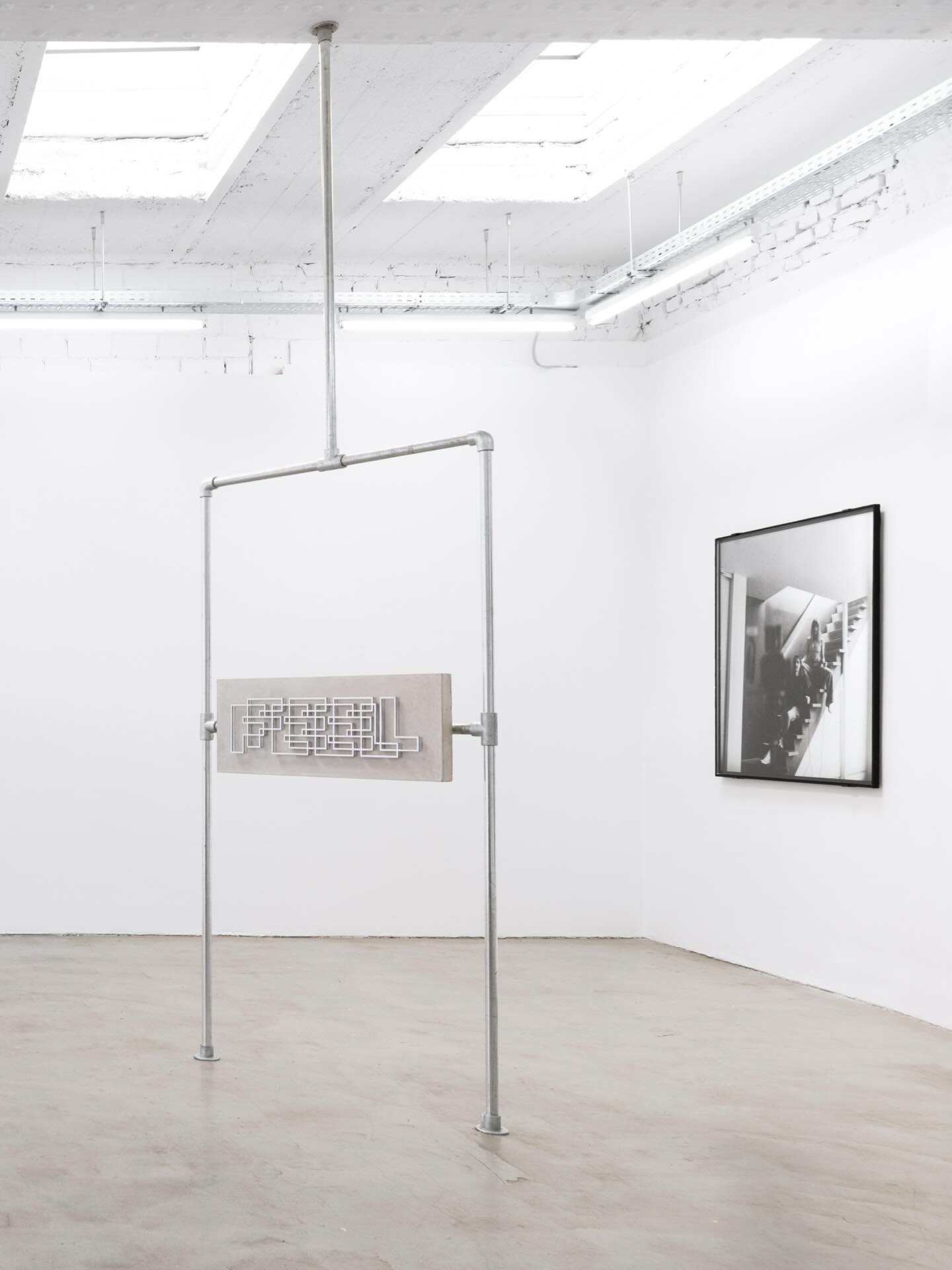
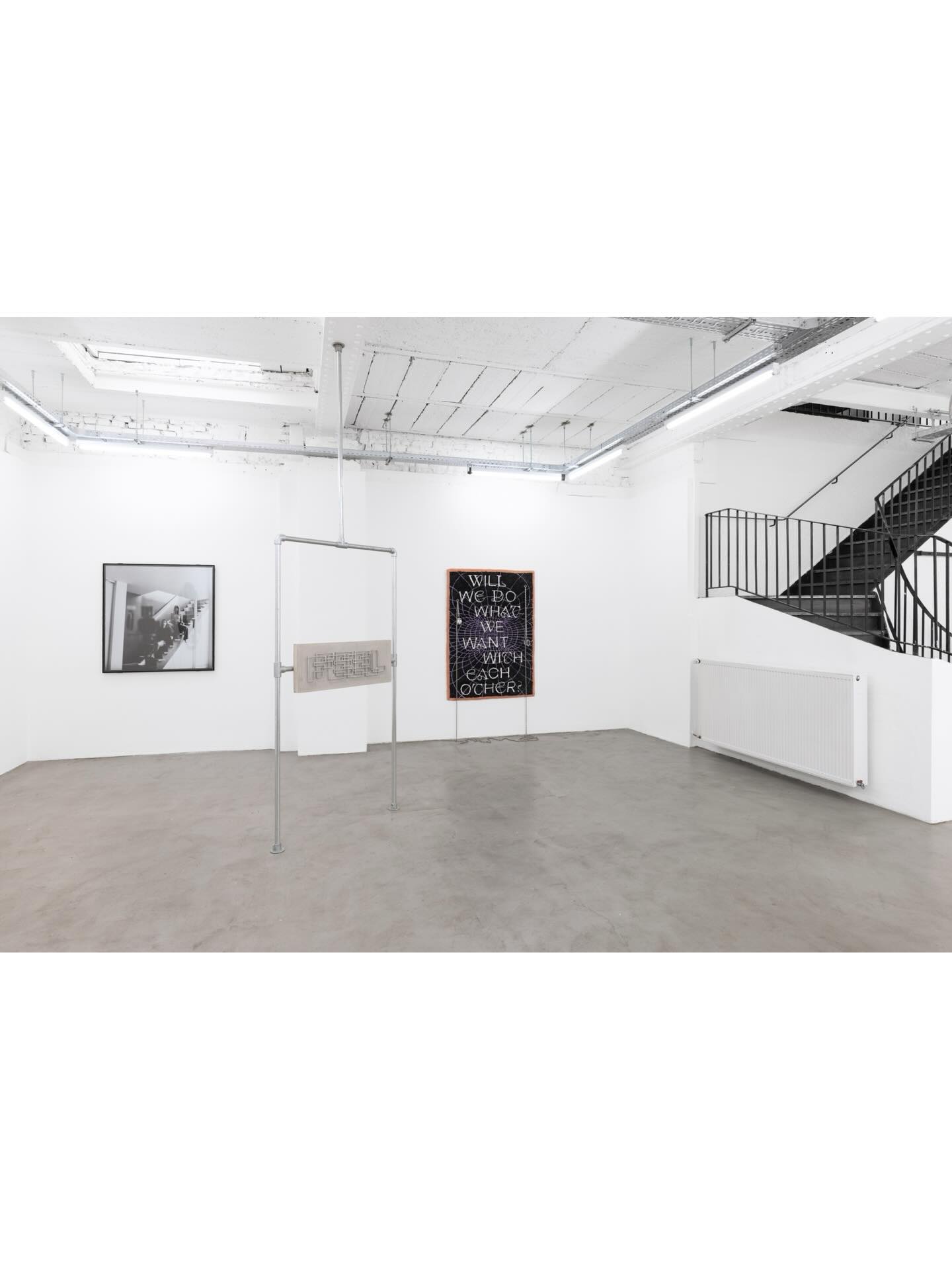
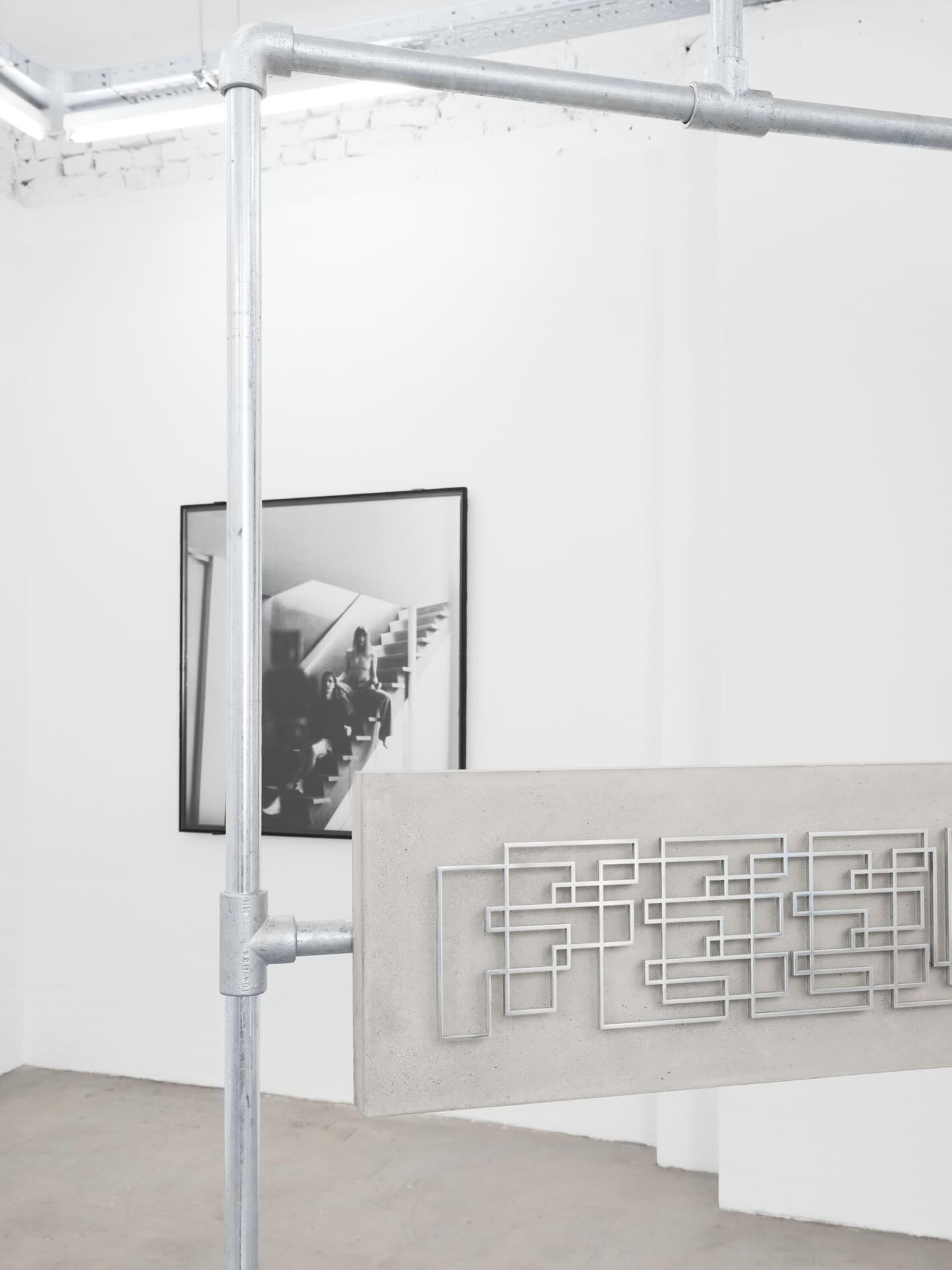
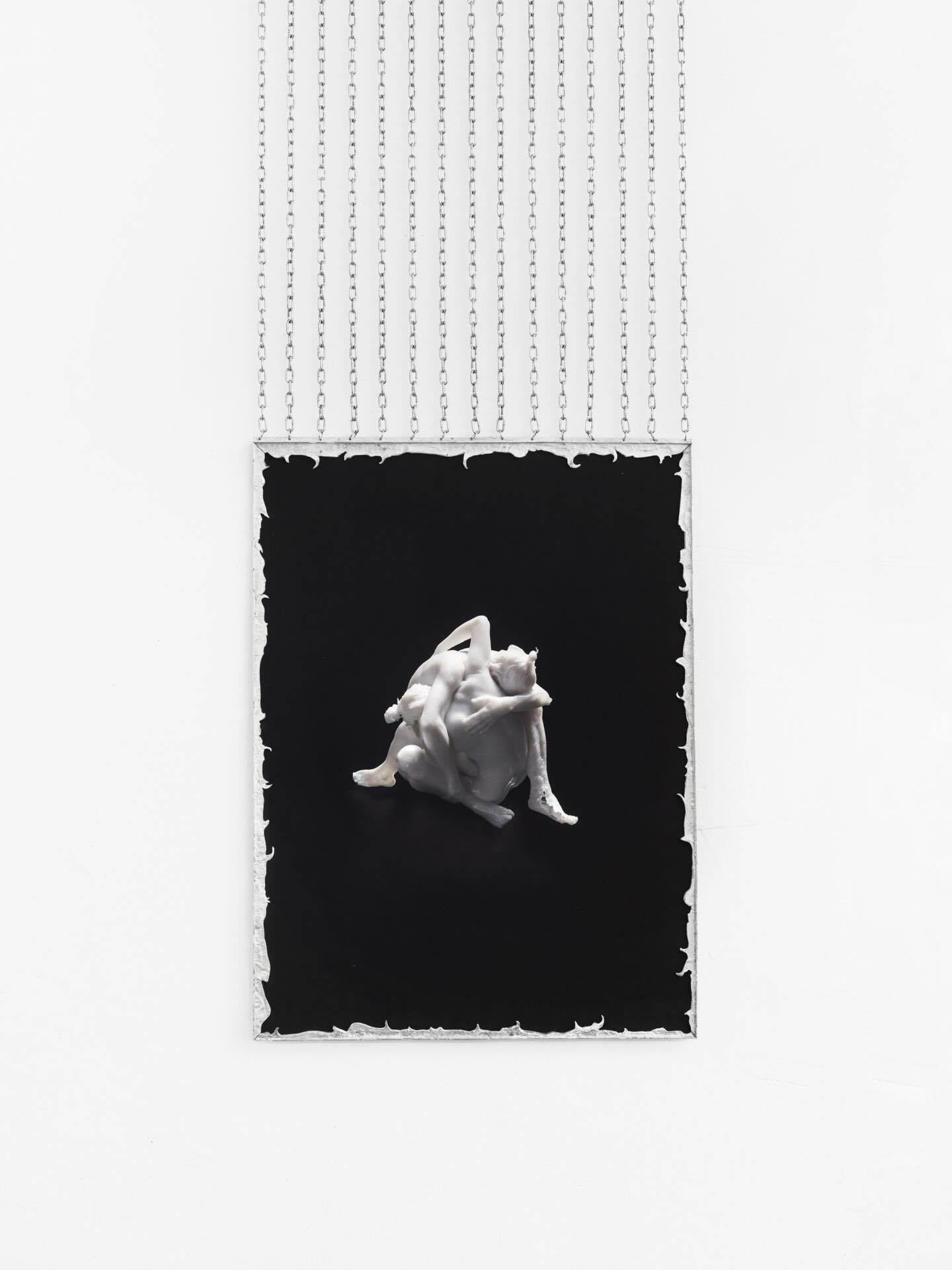
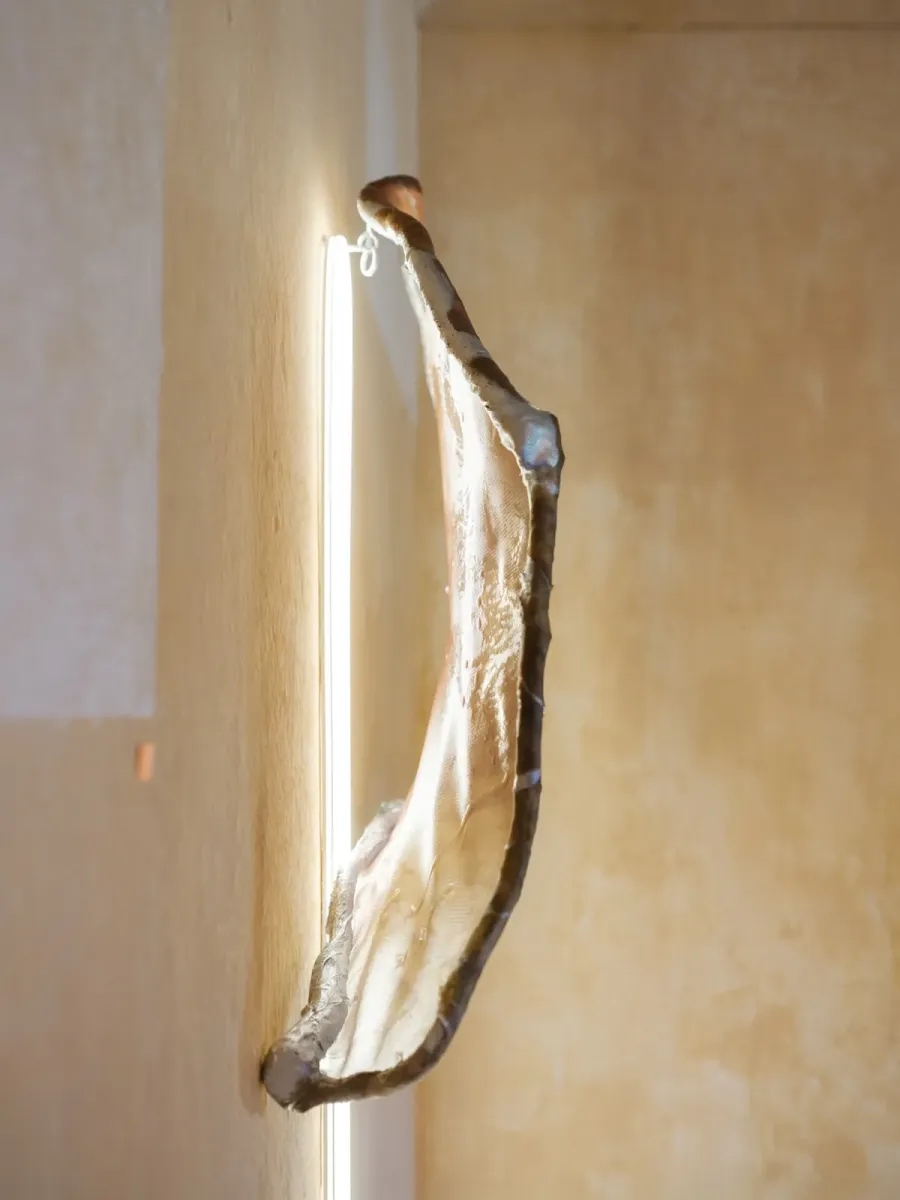
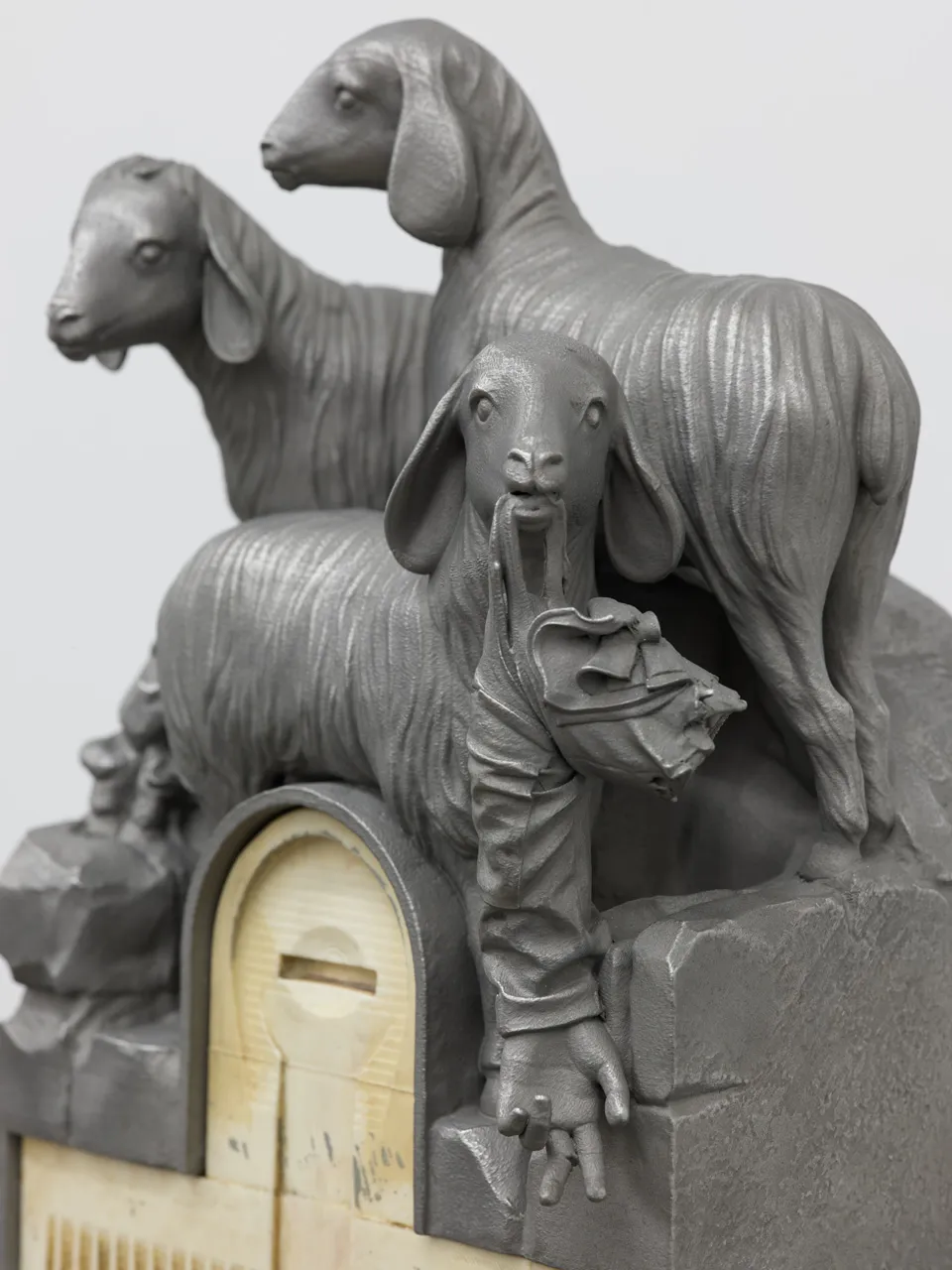
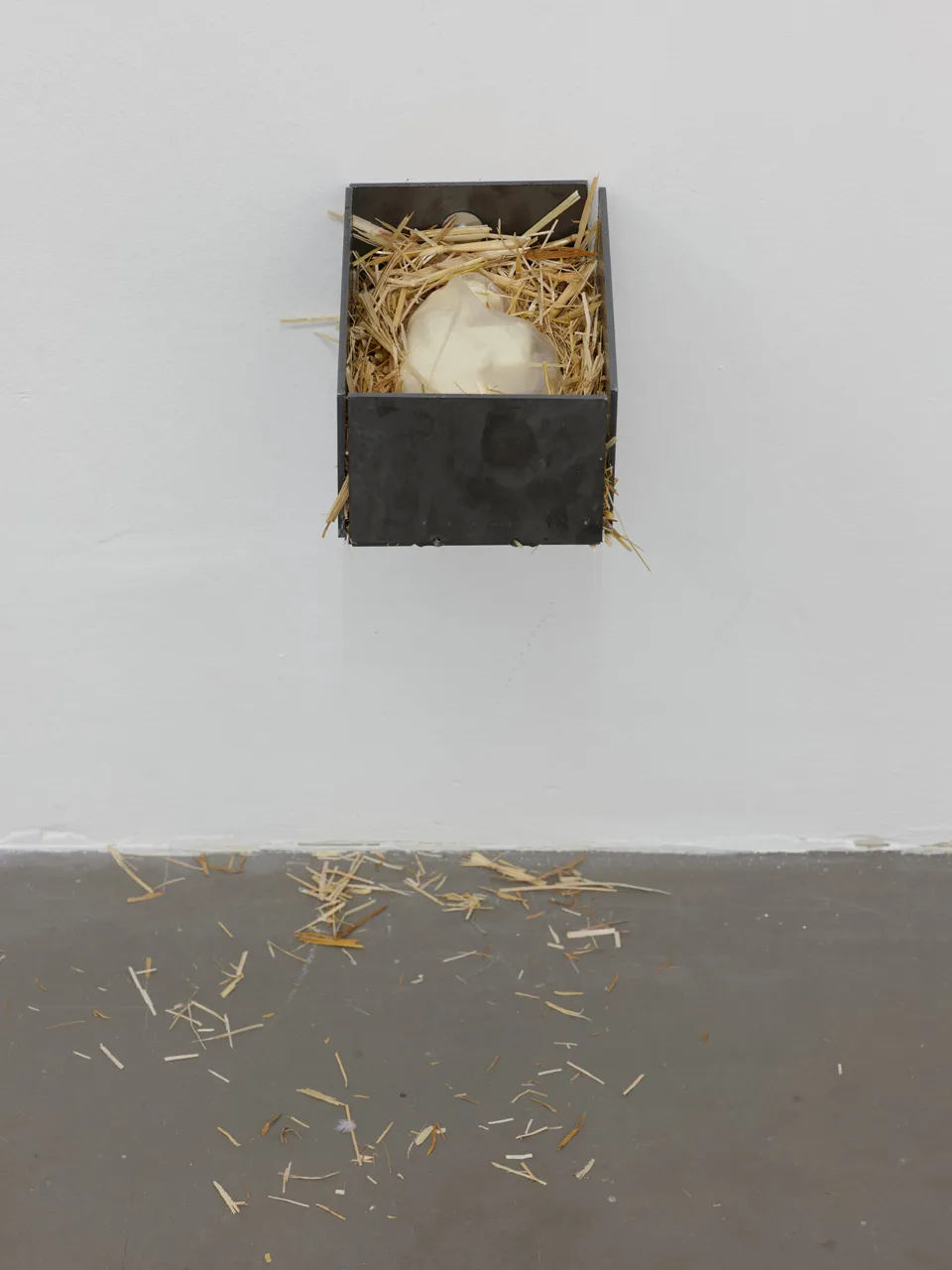
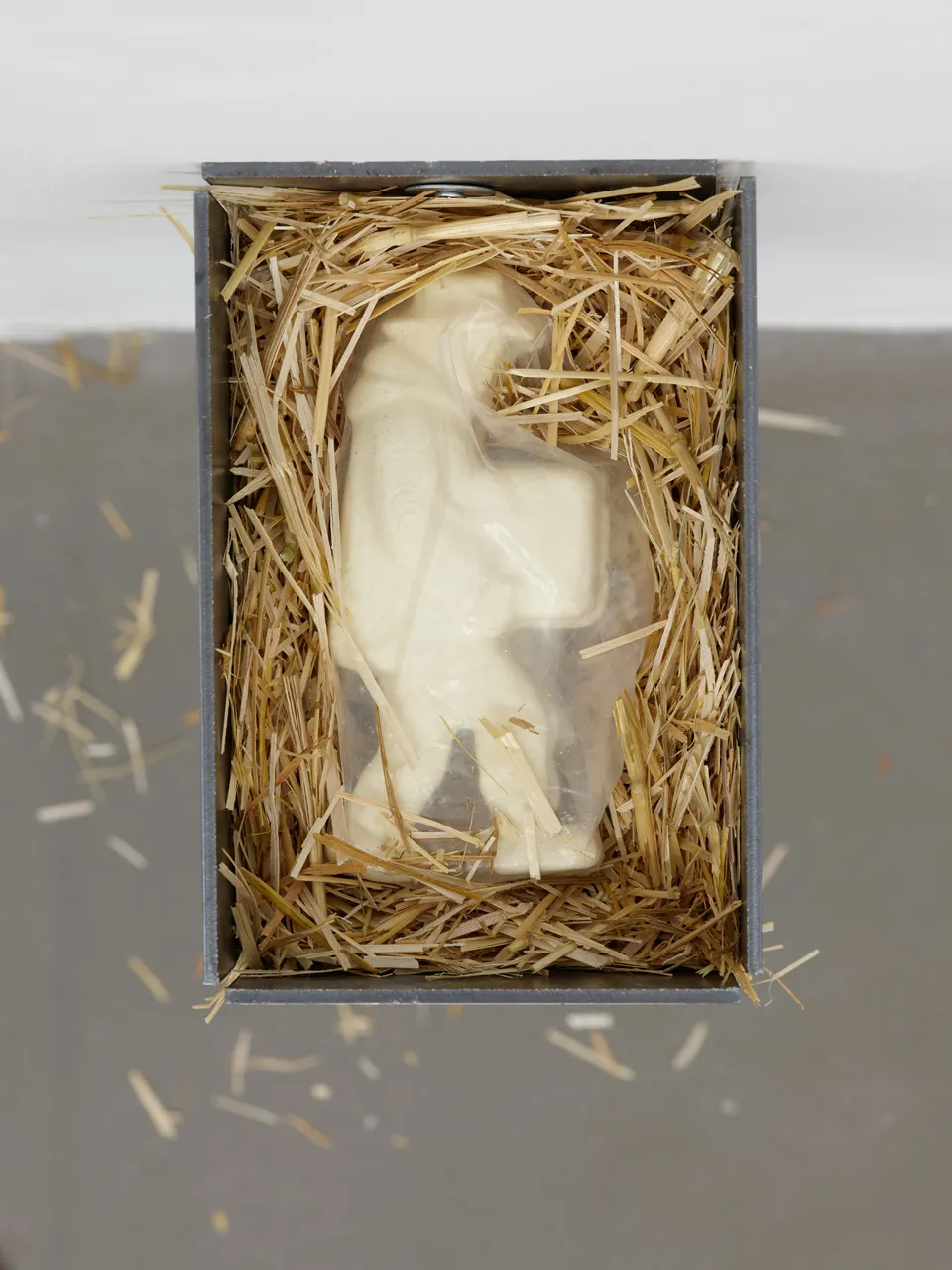
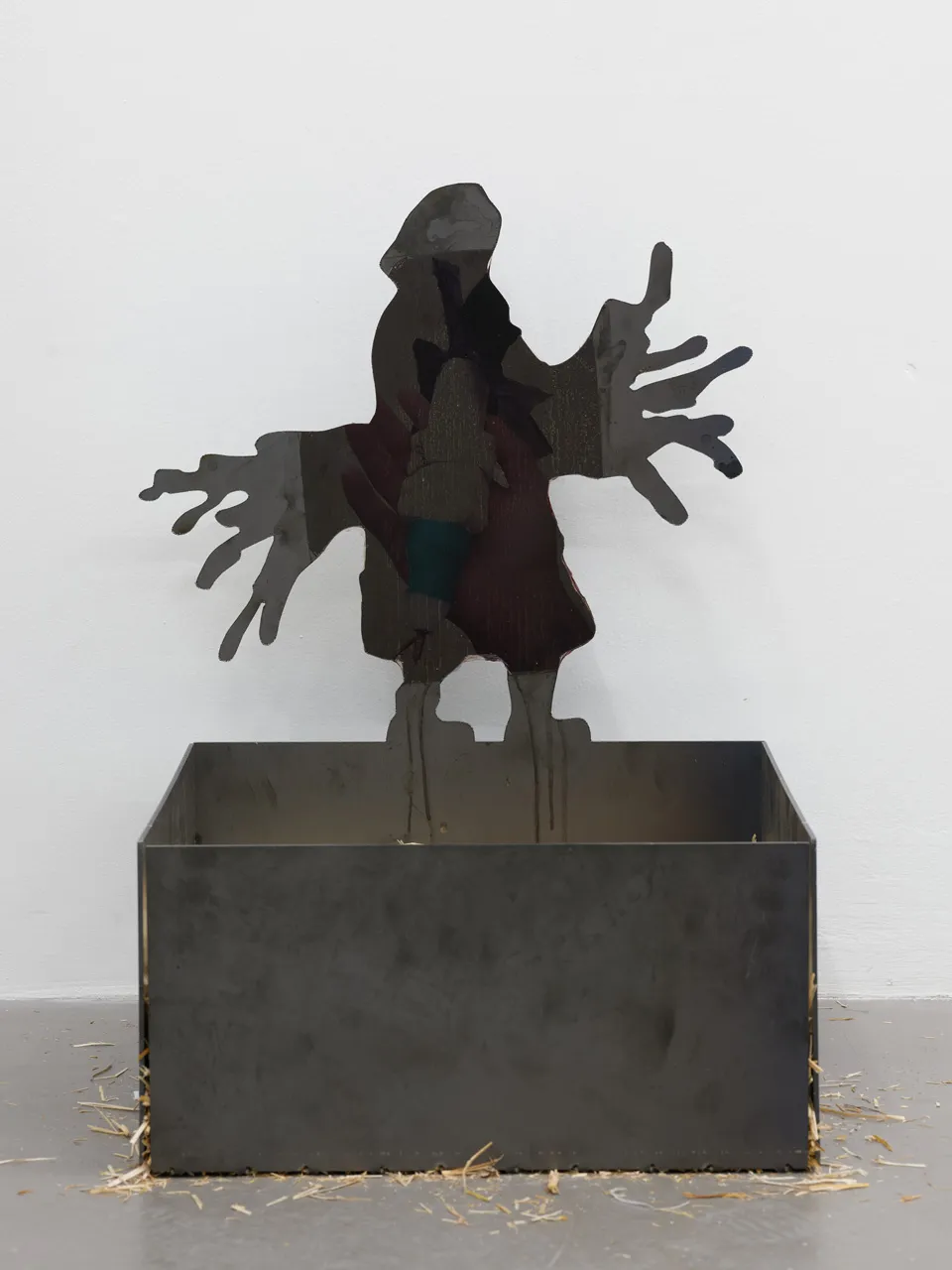
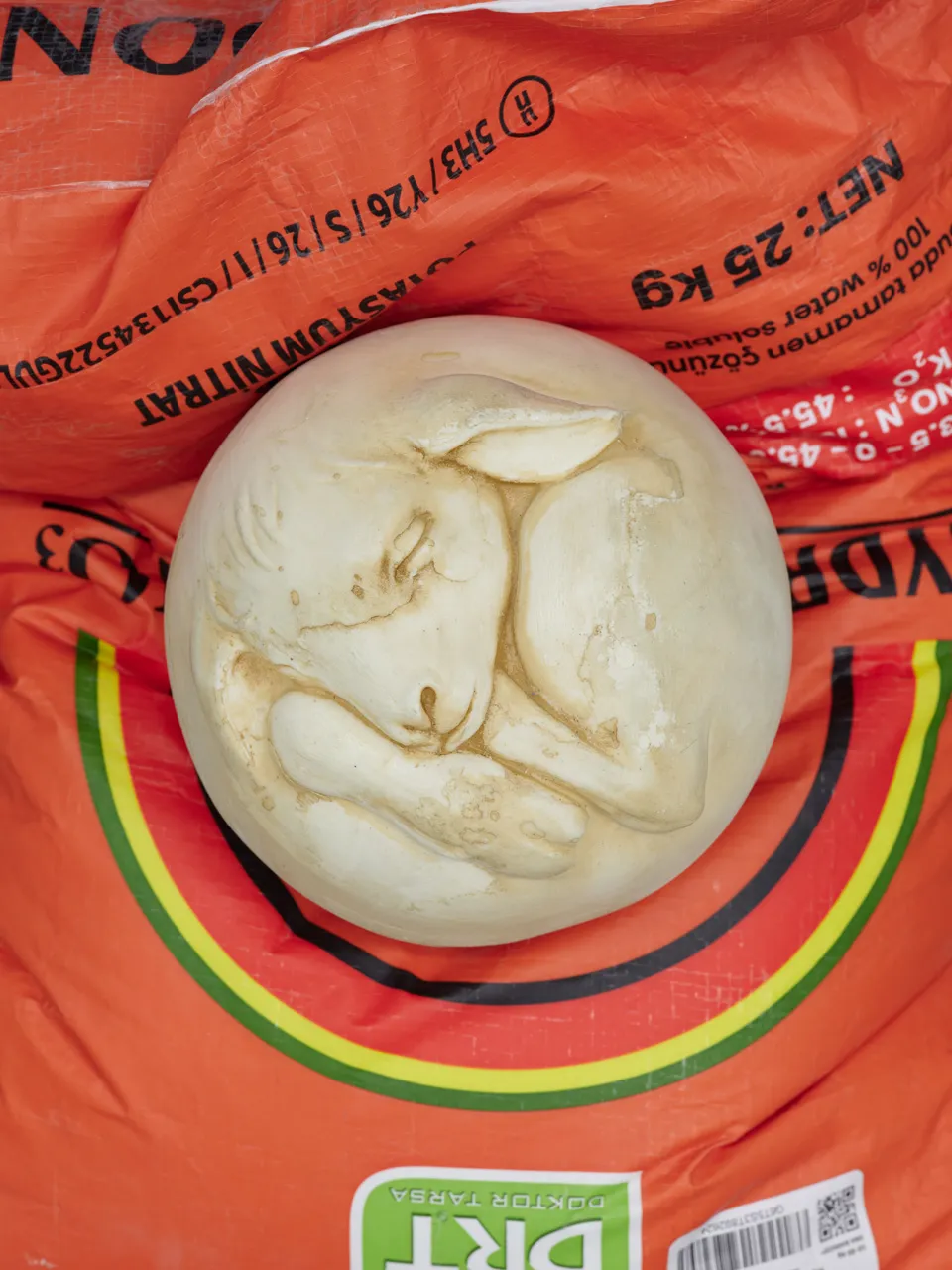
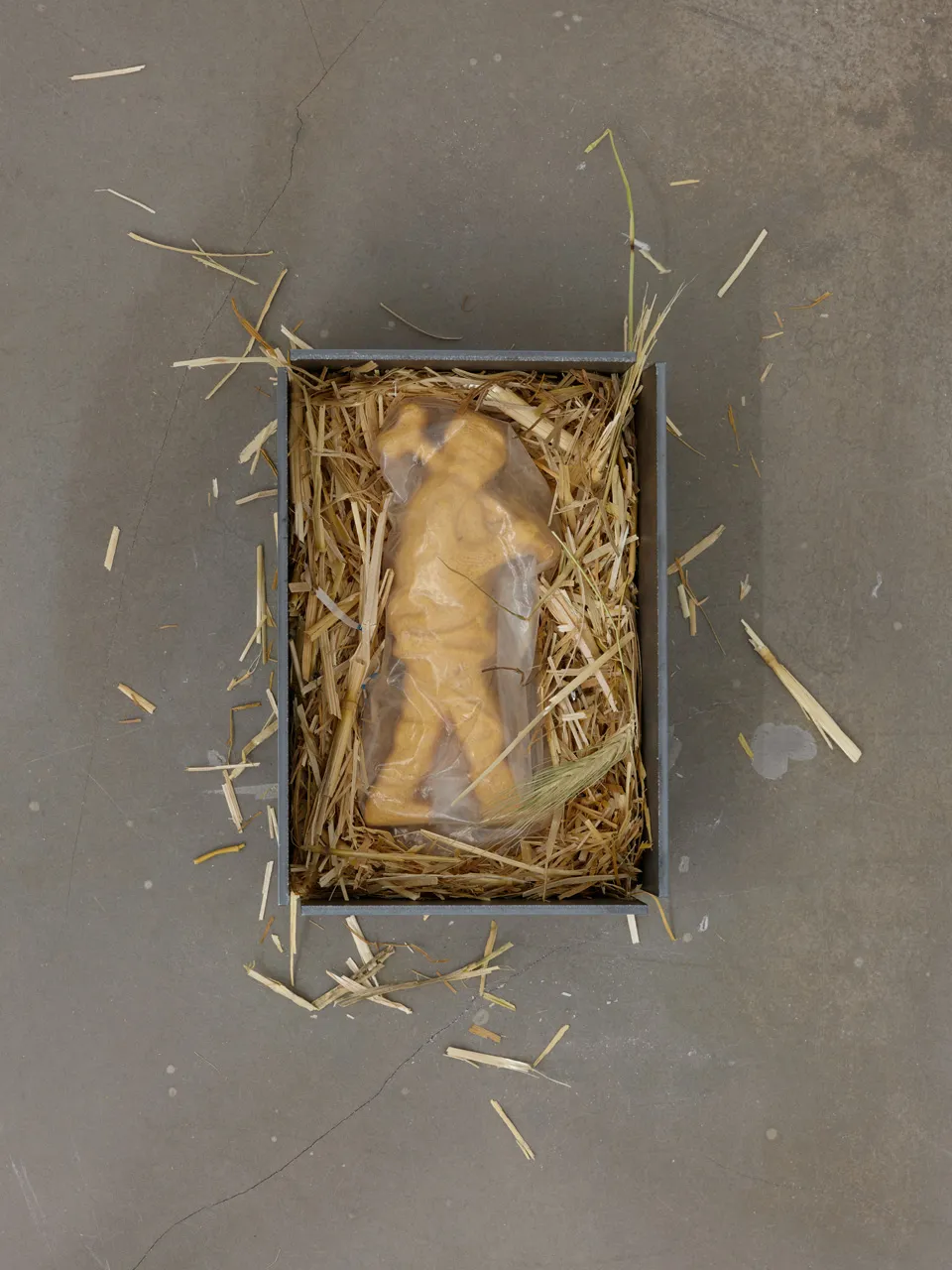
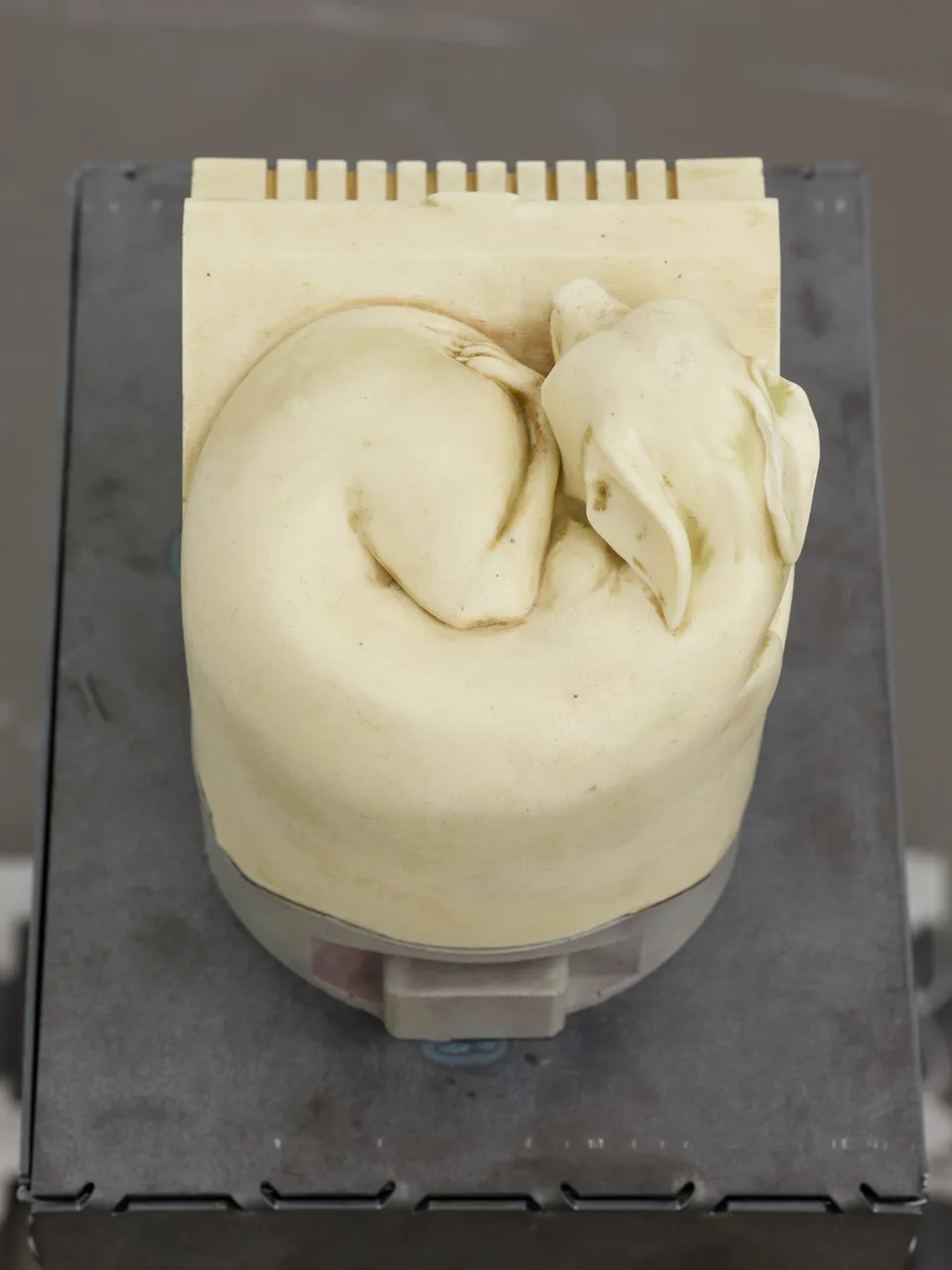
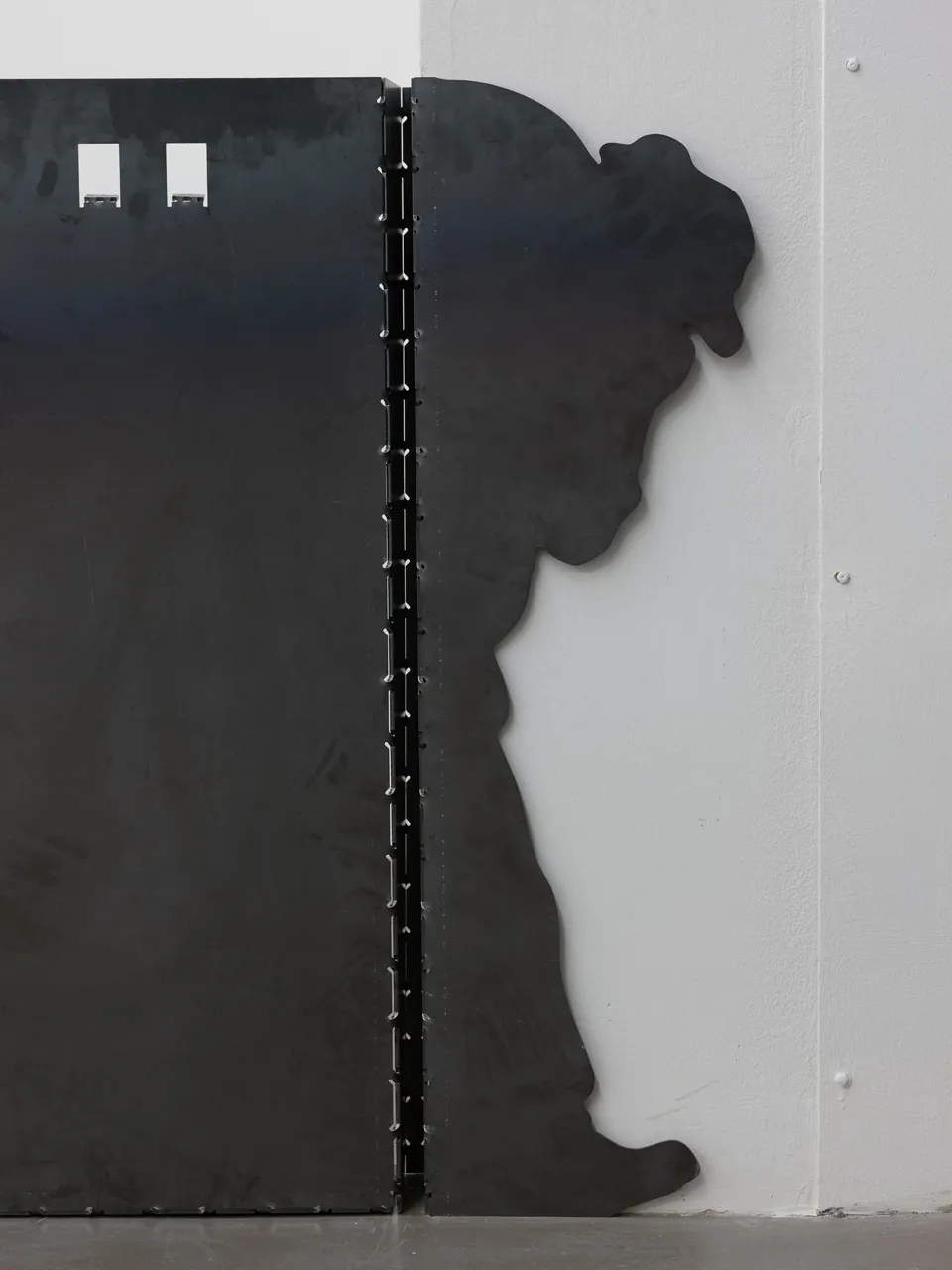
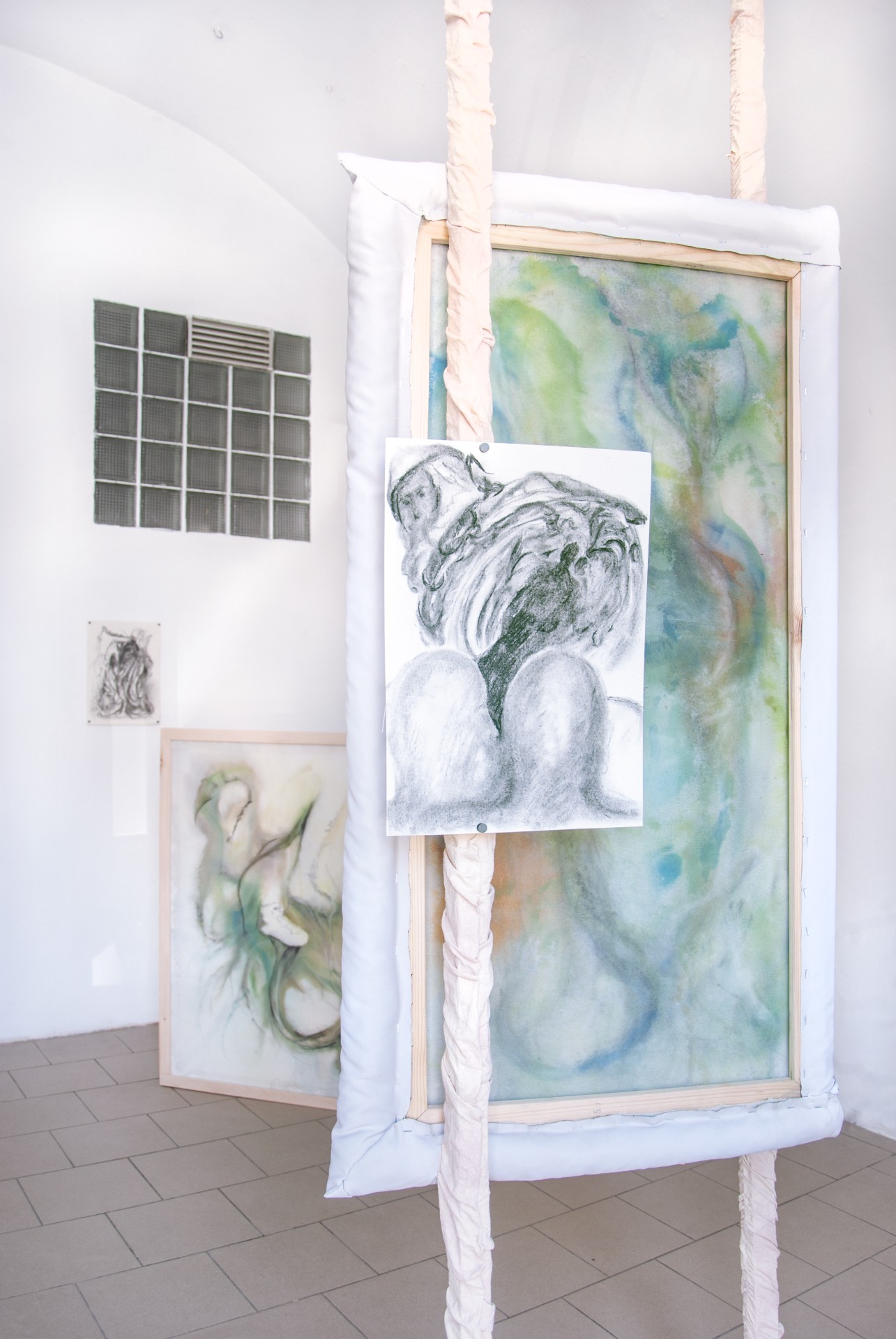
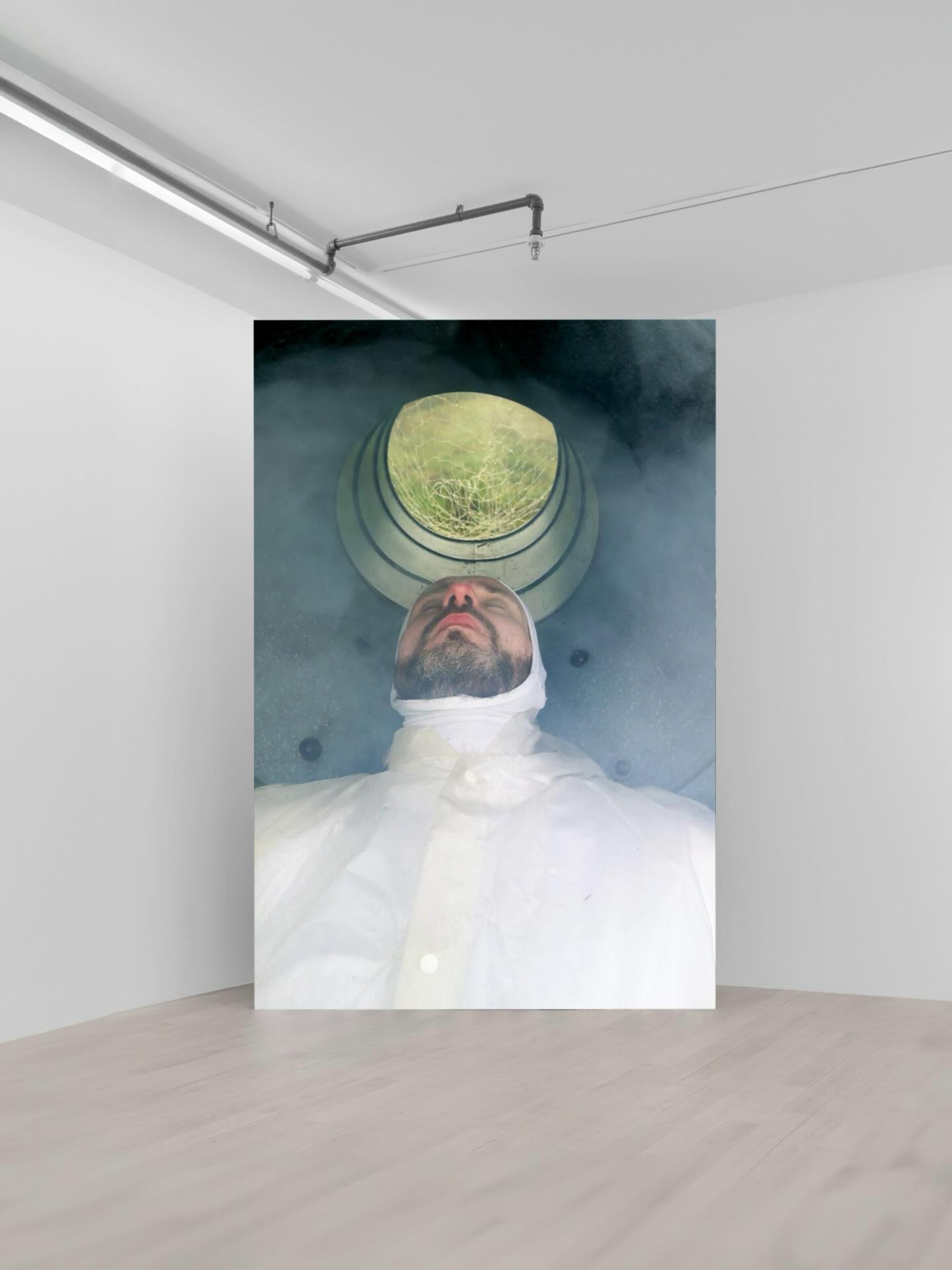
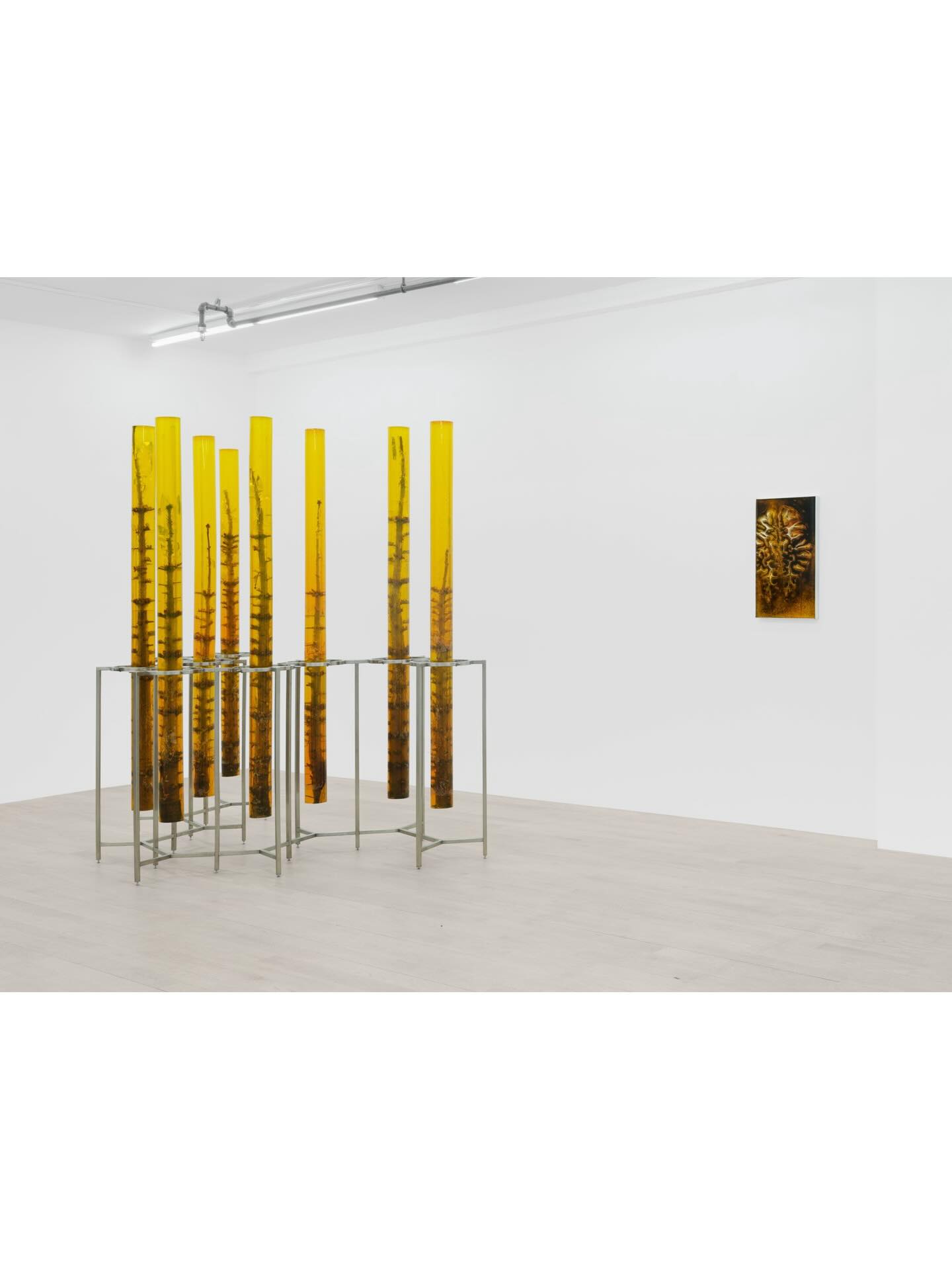
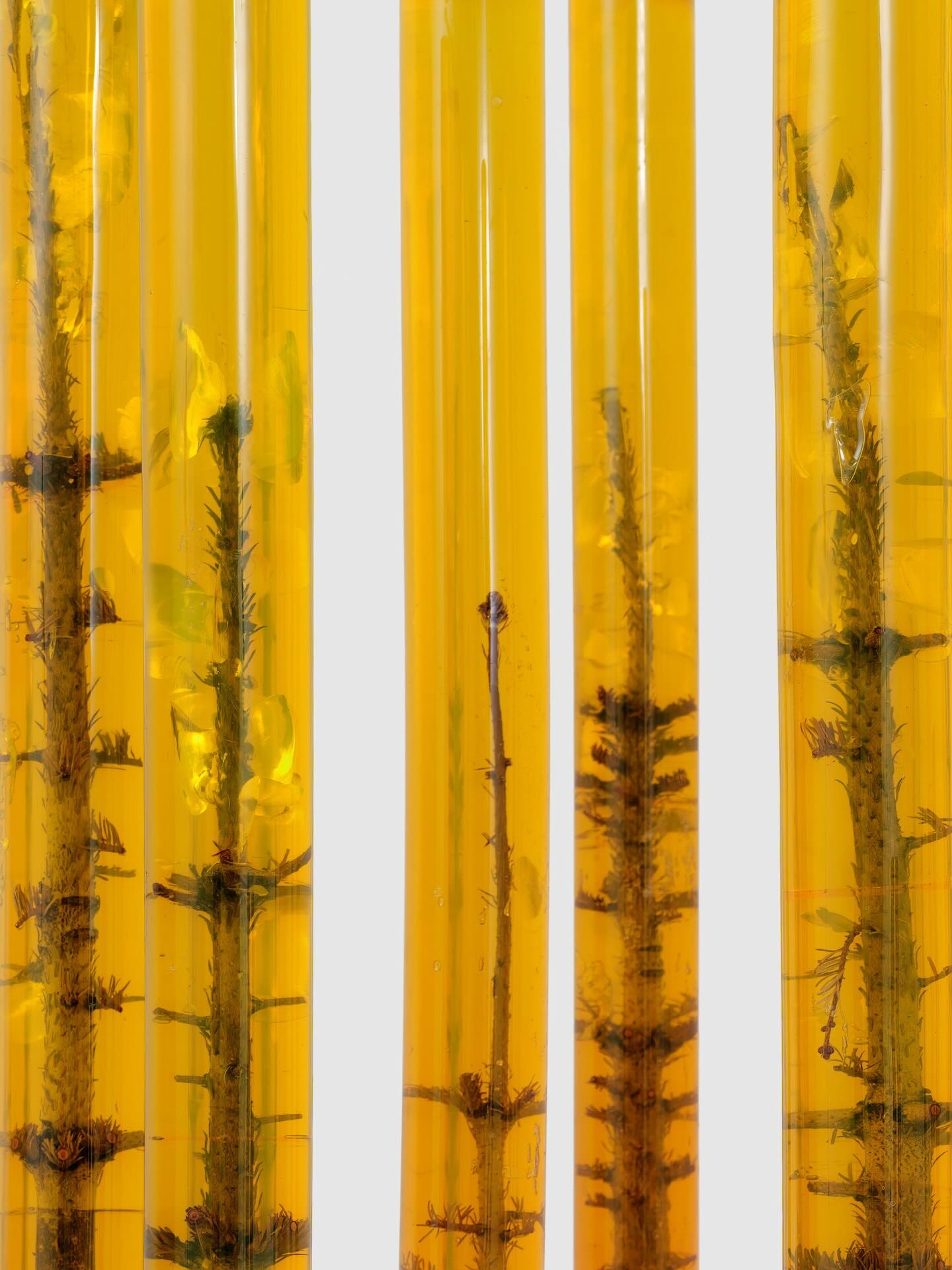
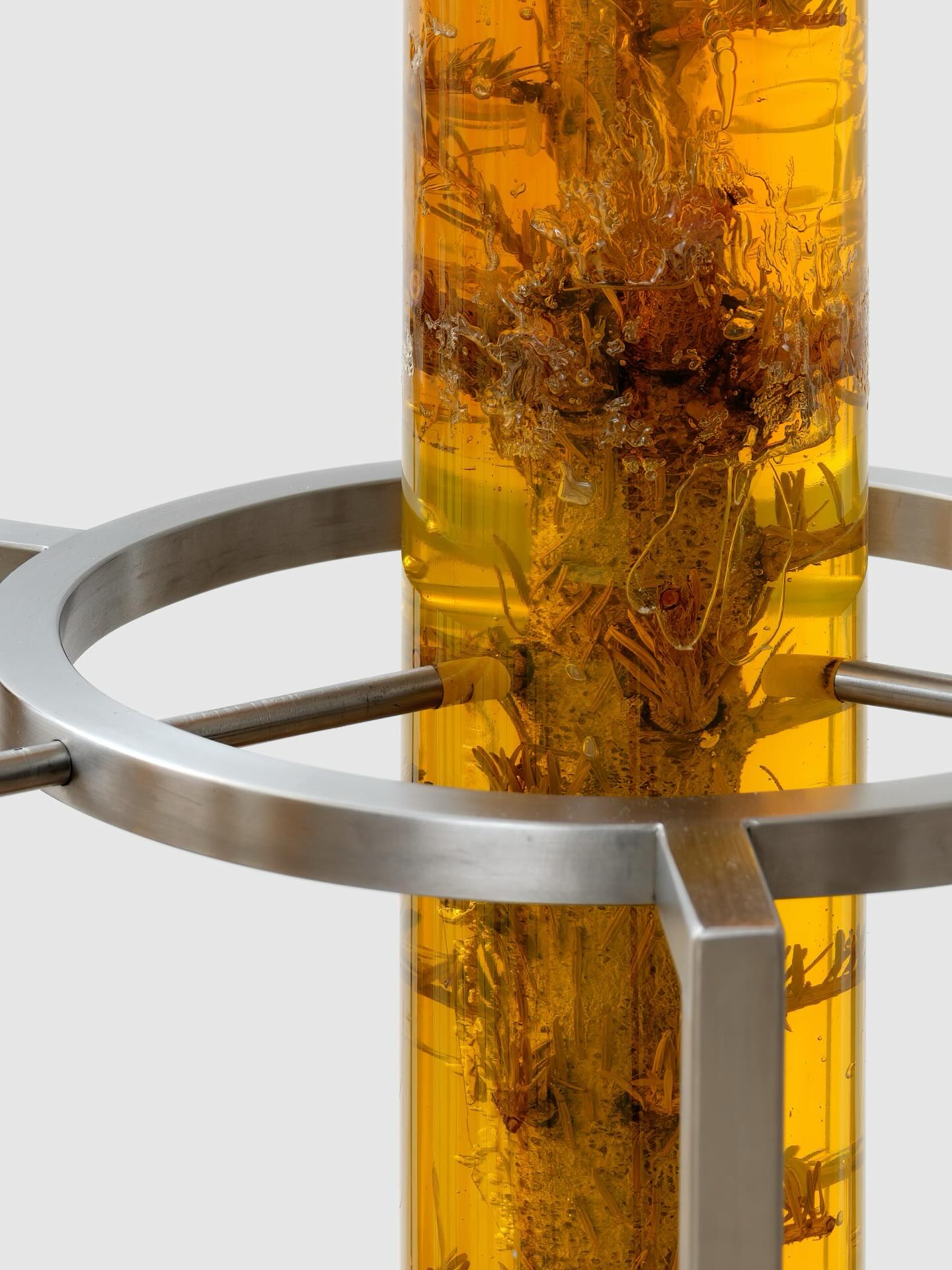
Peles Duo's exhibition engages with a chain of visual representations of myths, symbols, and ideas as they appeared on their shifting trajectories throughout history. Take, for instance, the echoes of the goddess Cybele, woven throughout several works here. Heavy sculptures resting on metal pallets make various references to her shifting appropriations across cultural spaces. Residual images of the past – from the story of her mythical hermaphroditic origin to divergent interpretations of her iconographical features – are repeatedly revisited by the artists, guided by the Deleuzian principle of "unlimited finitude." As for the meanings of these motifs, they came to be interpreted as deferred actions referring to the ritual sacrifices of Cybele's eunuch priests, eclipsing earlier associations of the pomegranate with femininity in the ancient world. Overall, one finds oneself immersed in a semantic density, a surreal collision of symbols and myths that have been expressed through the images. This is precisely how the artists question our perception of history (or herstory, to be more precise), gently demonstrating how female power and trans communities already occupied an important place in the imagination of past societies.
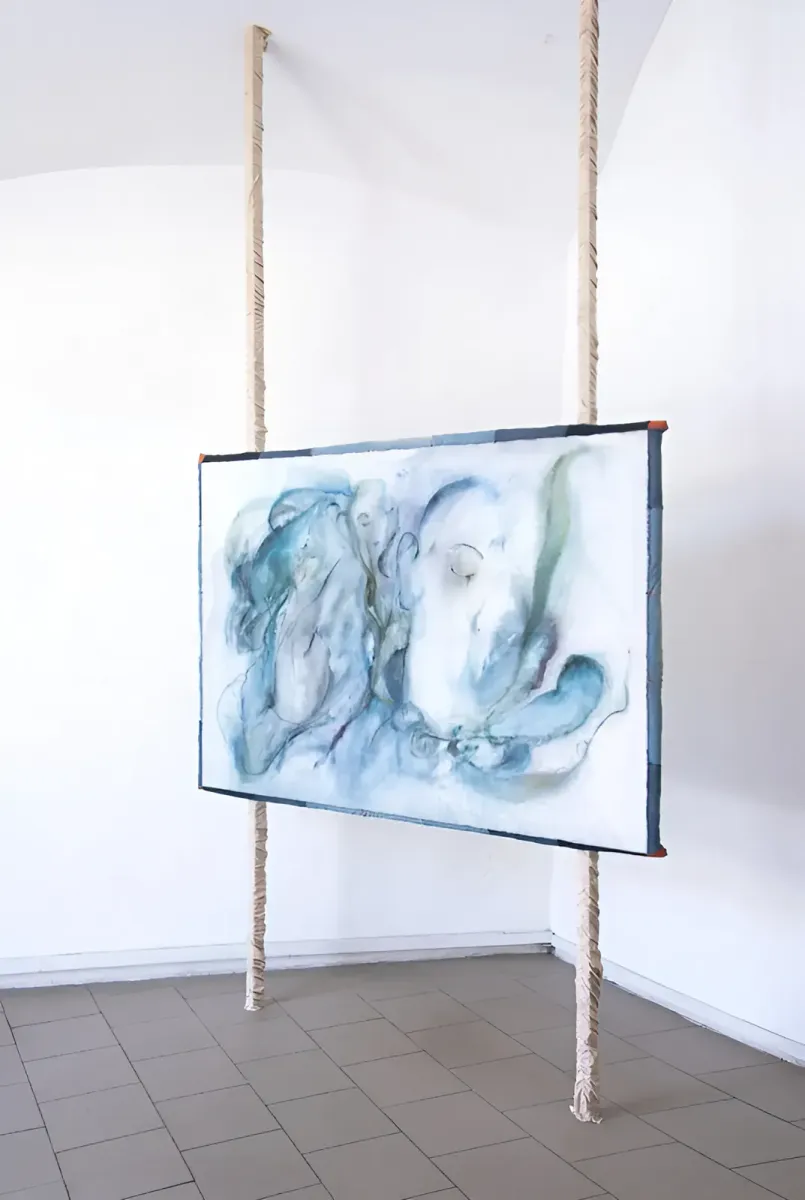
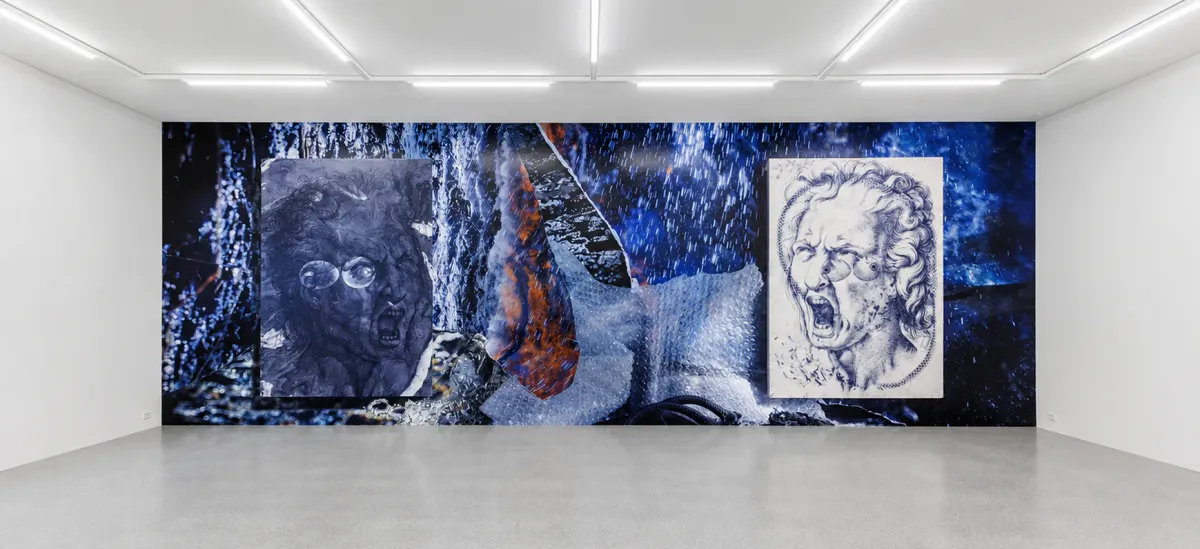
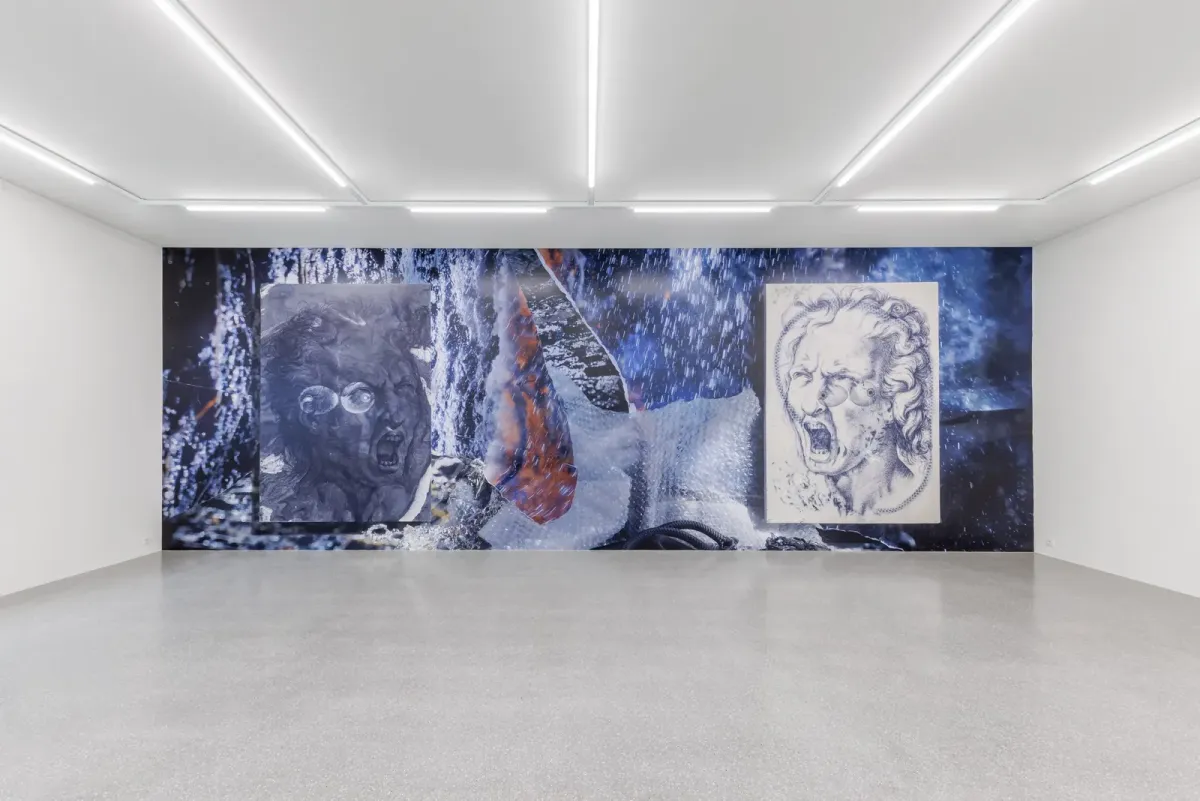
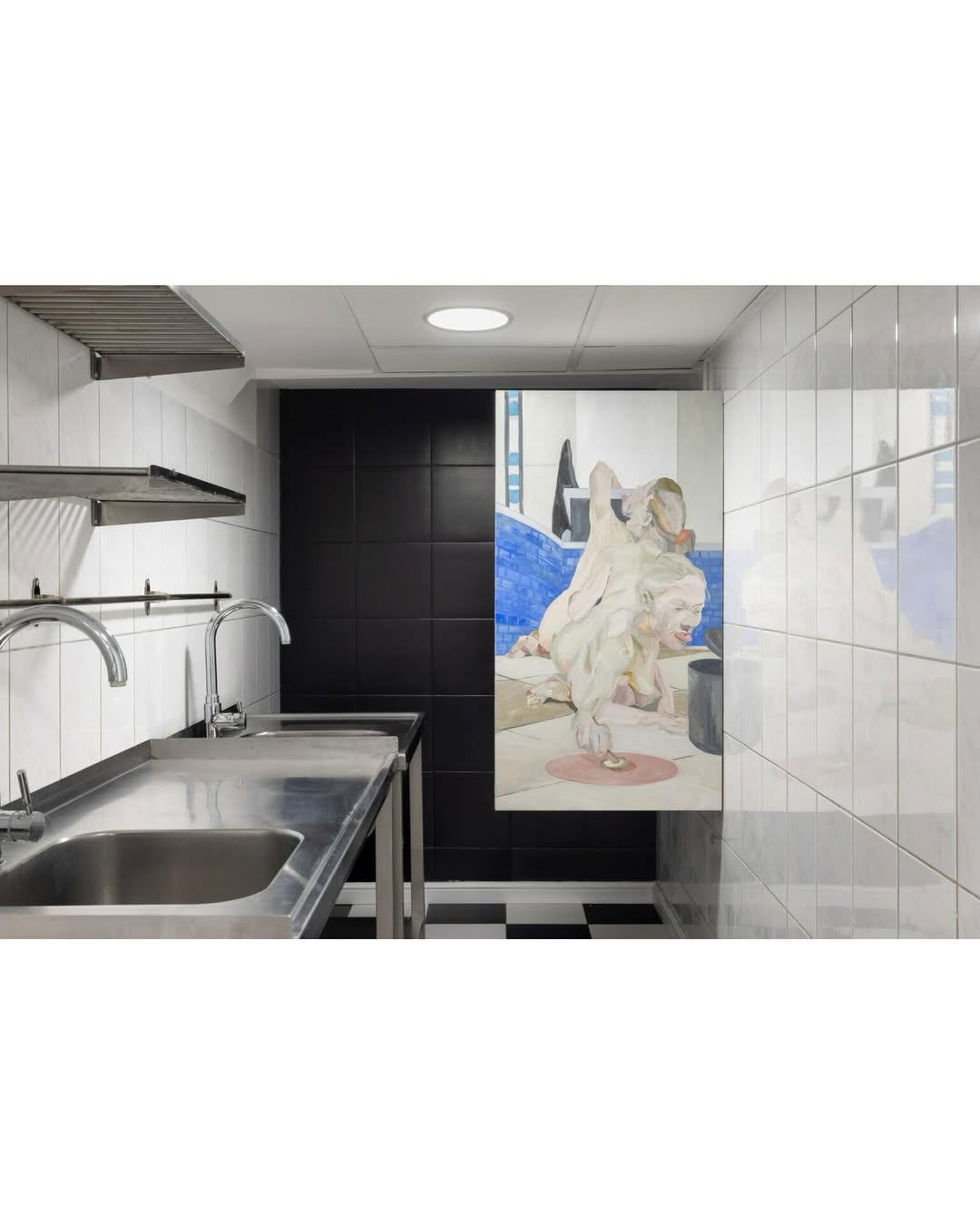
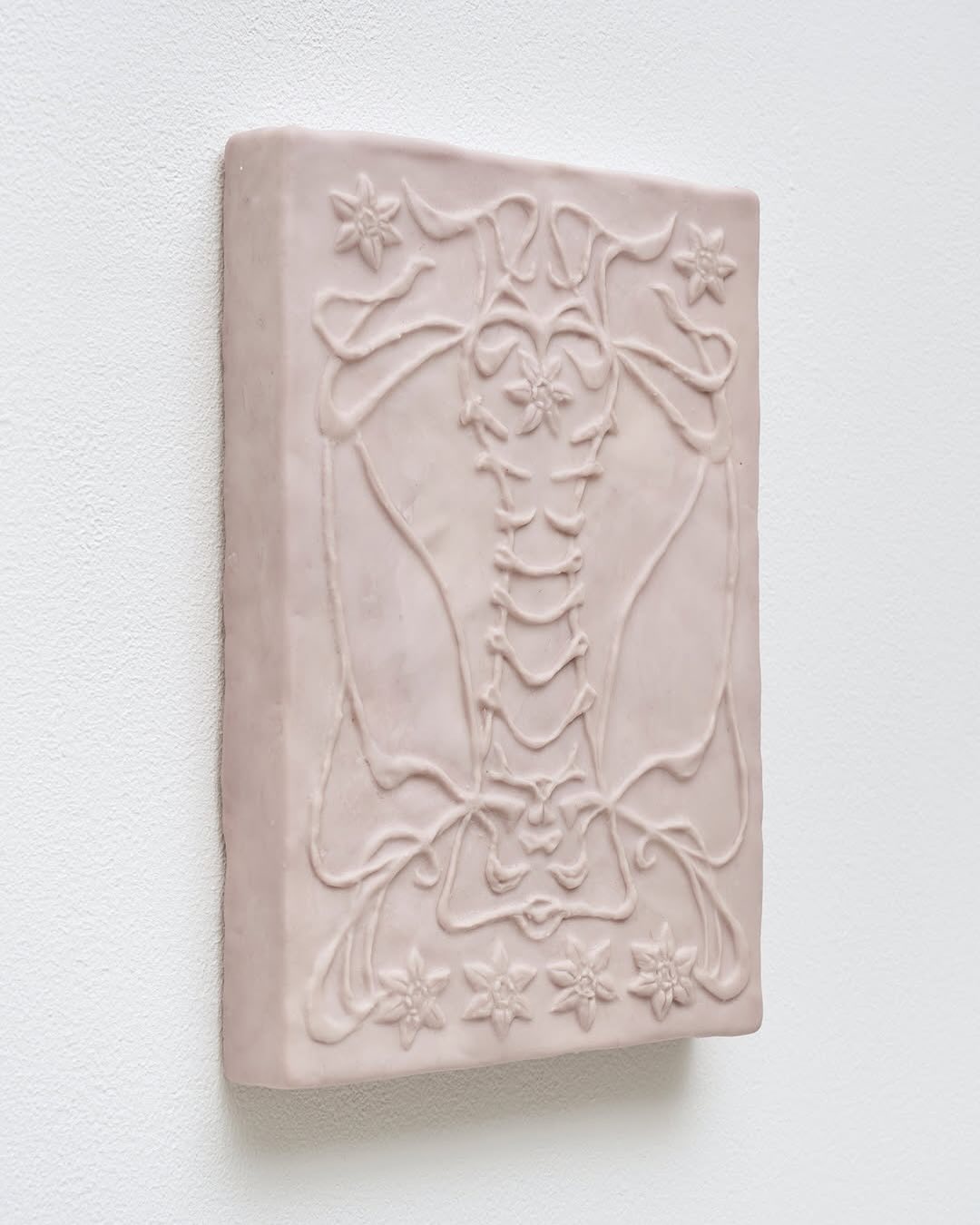
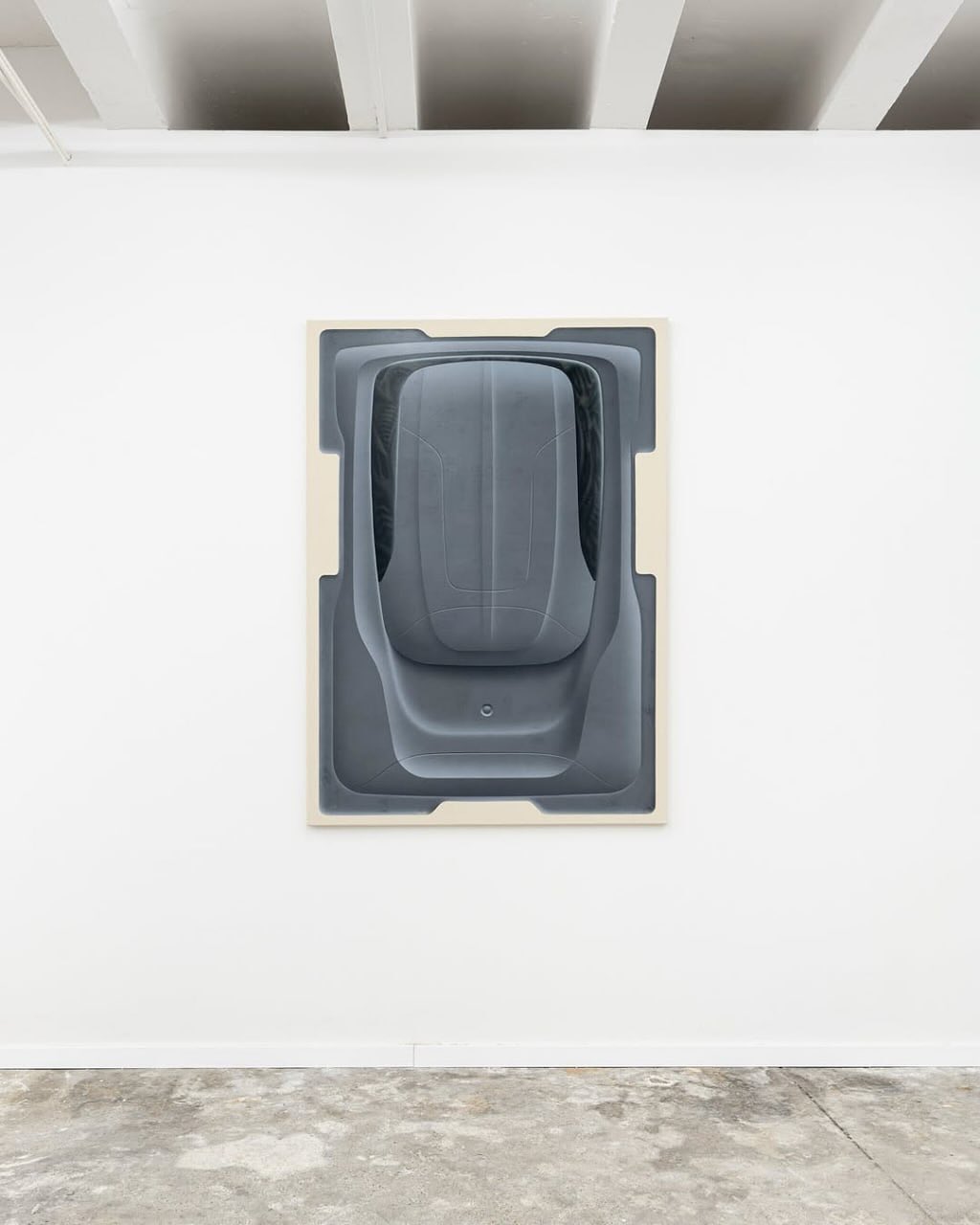
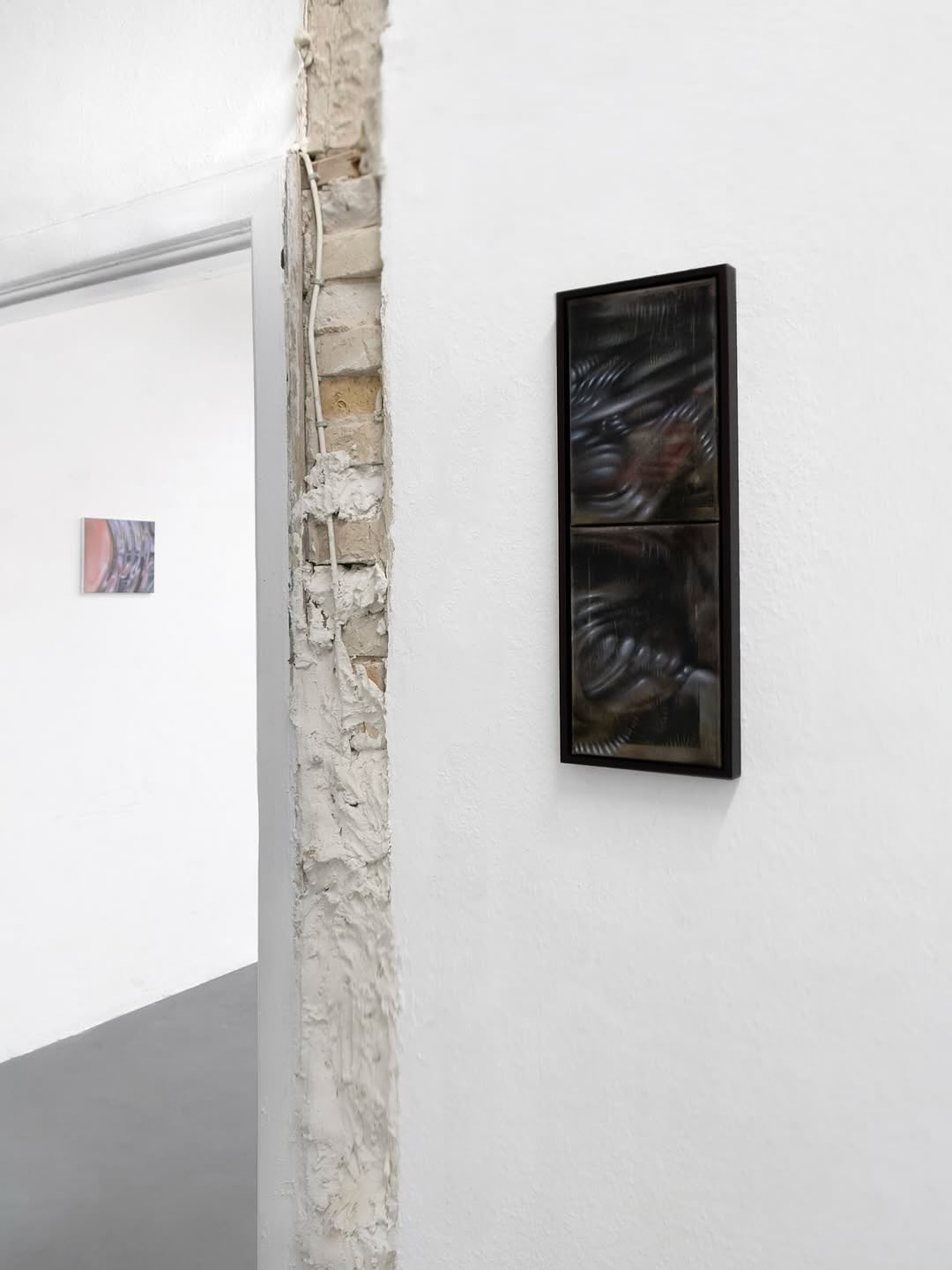
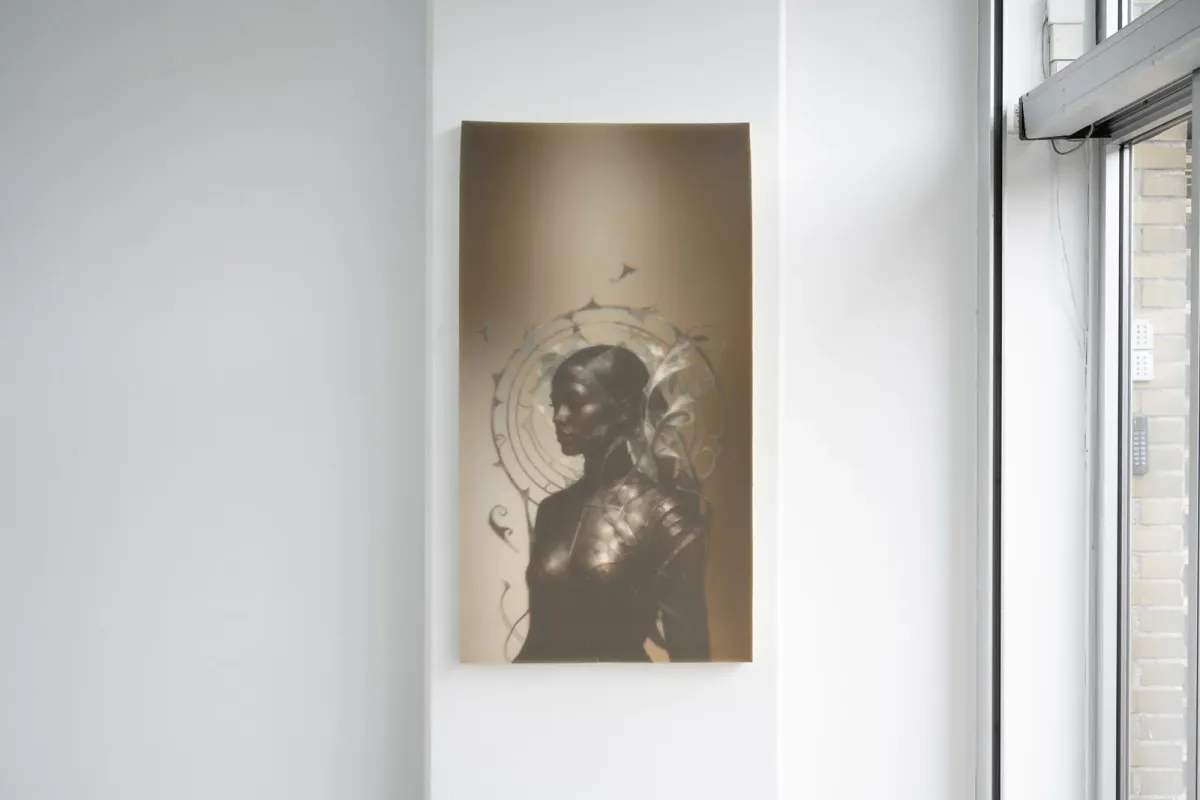
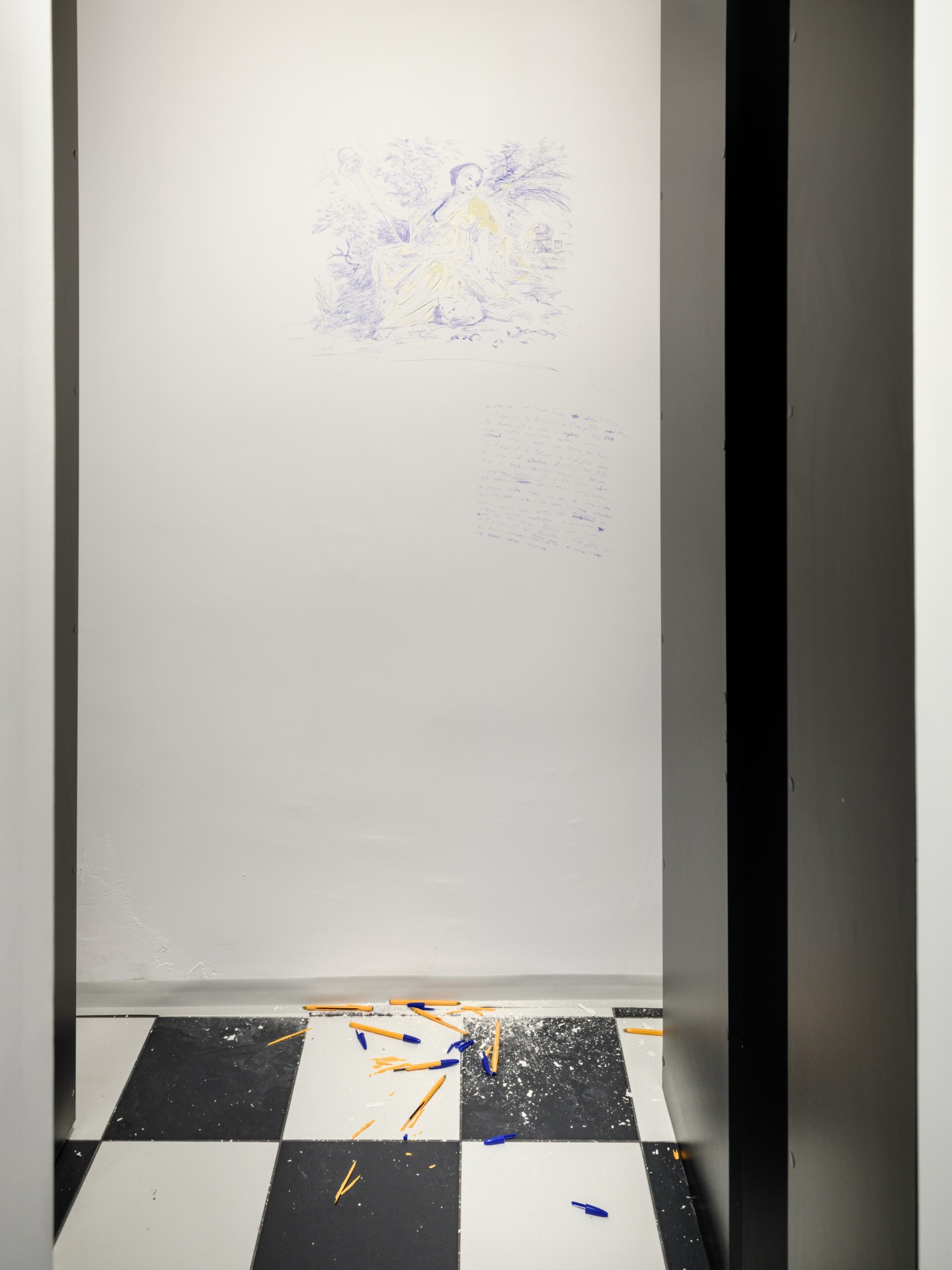
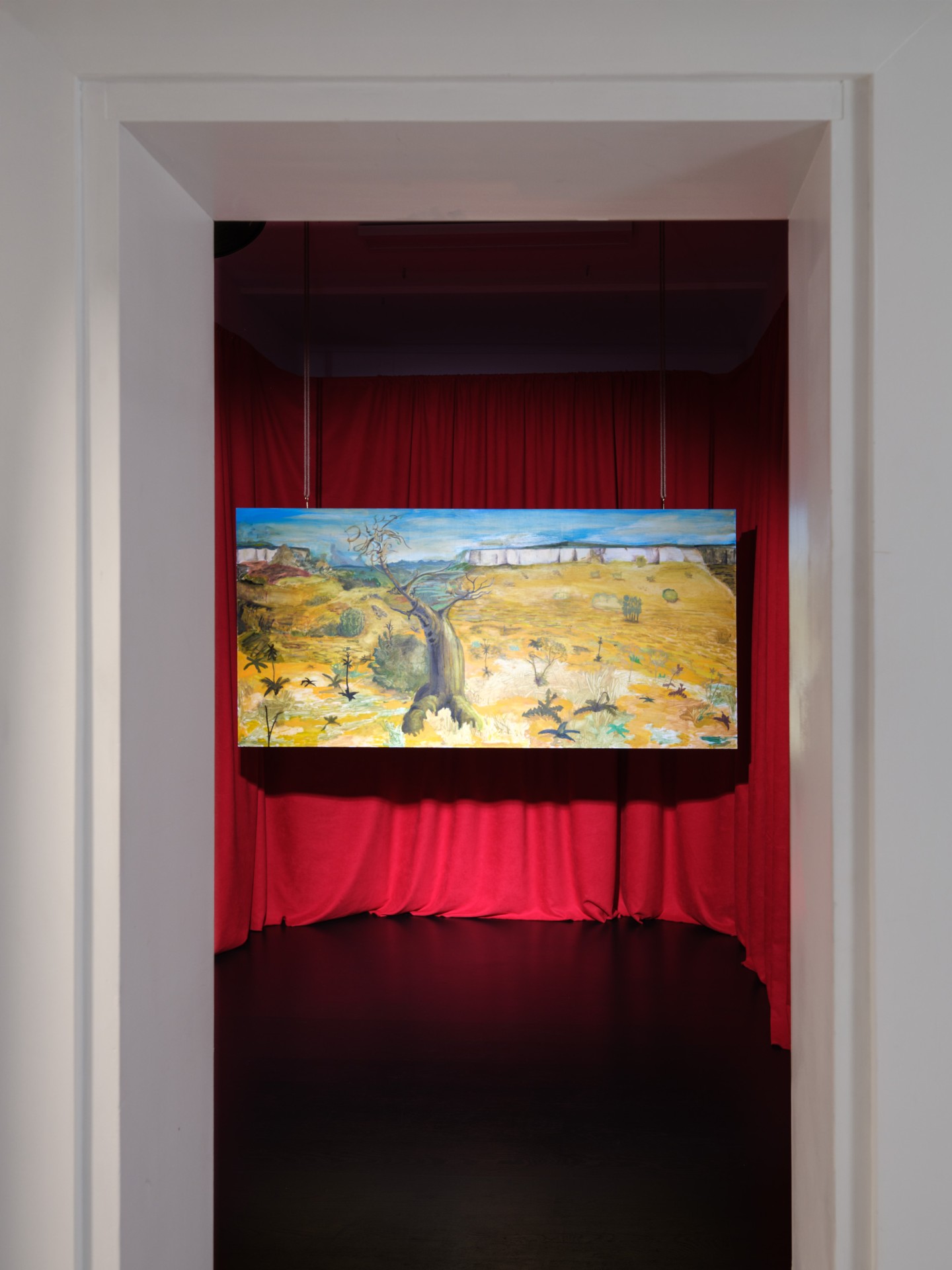
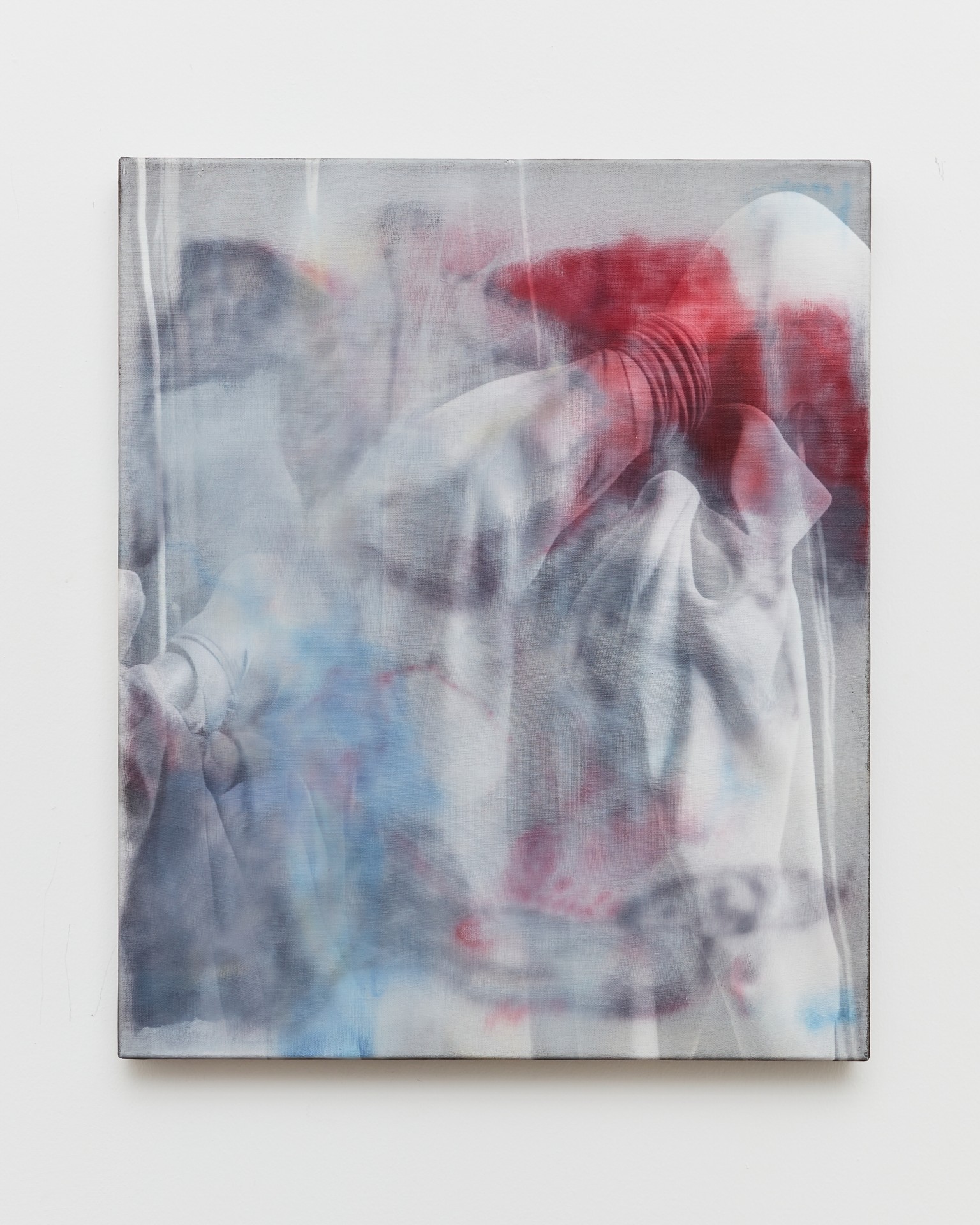
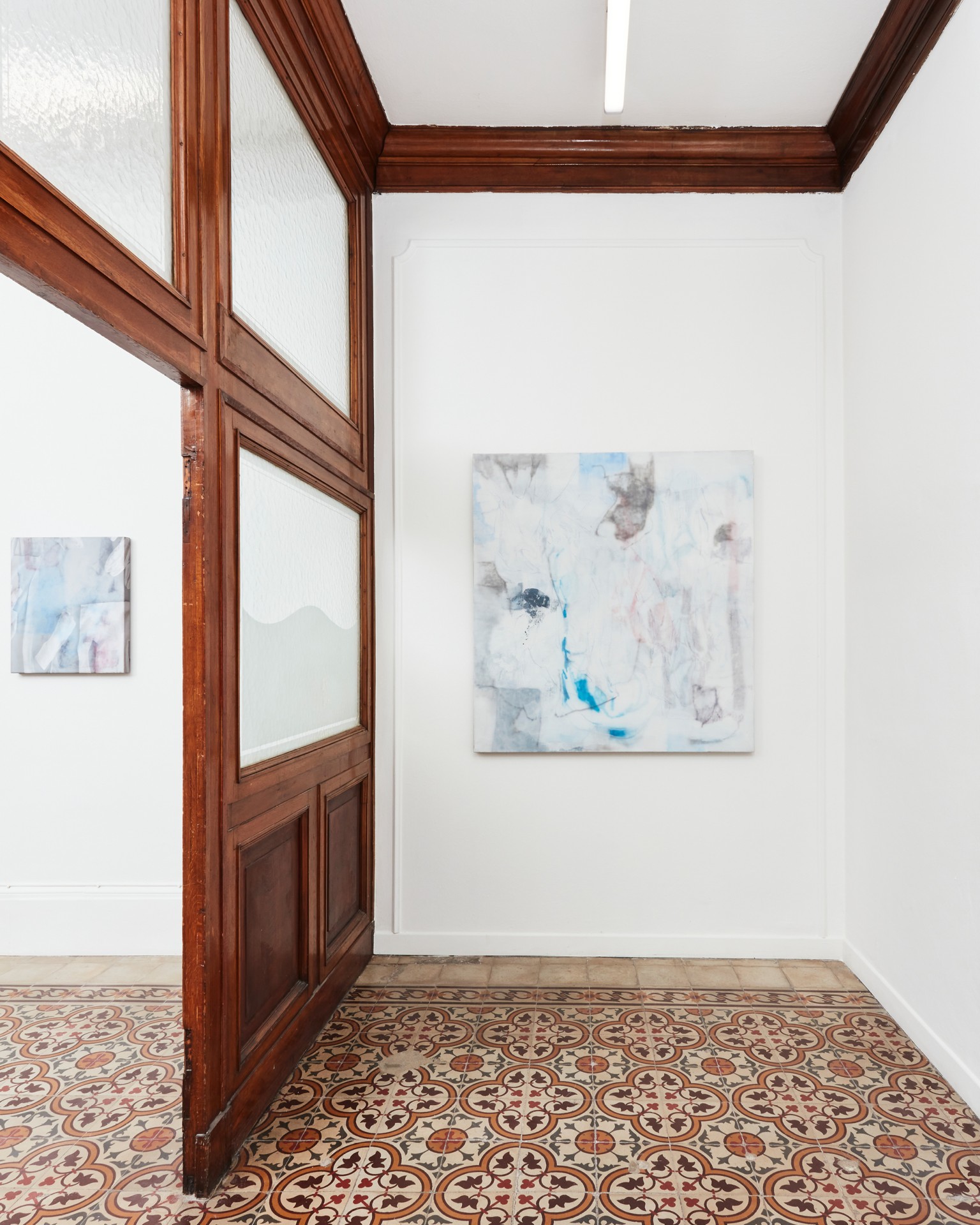
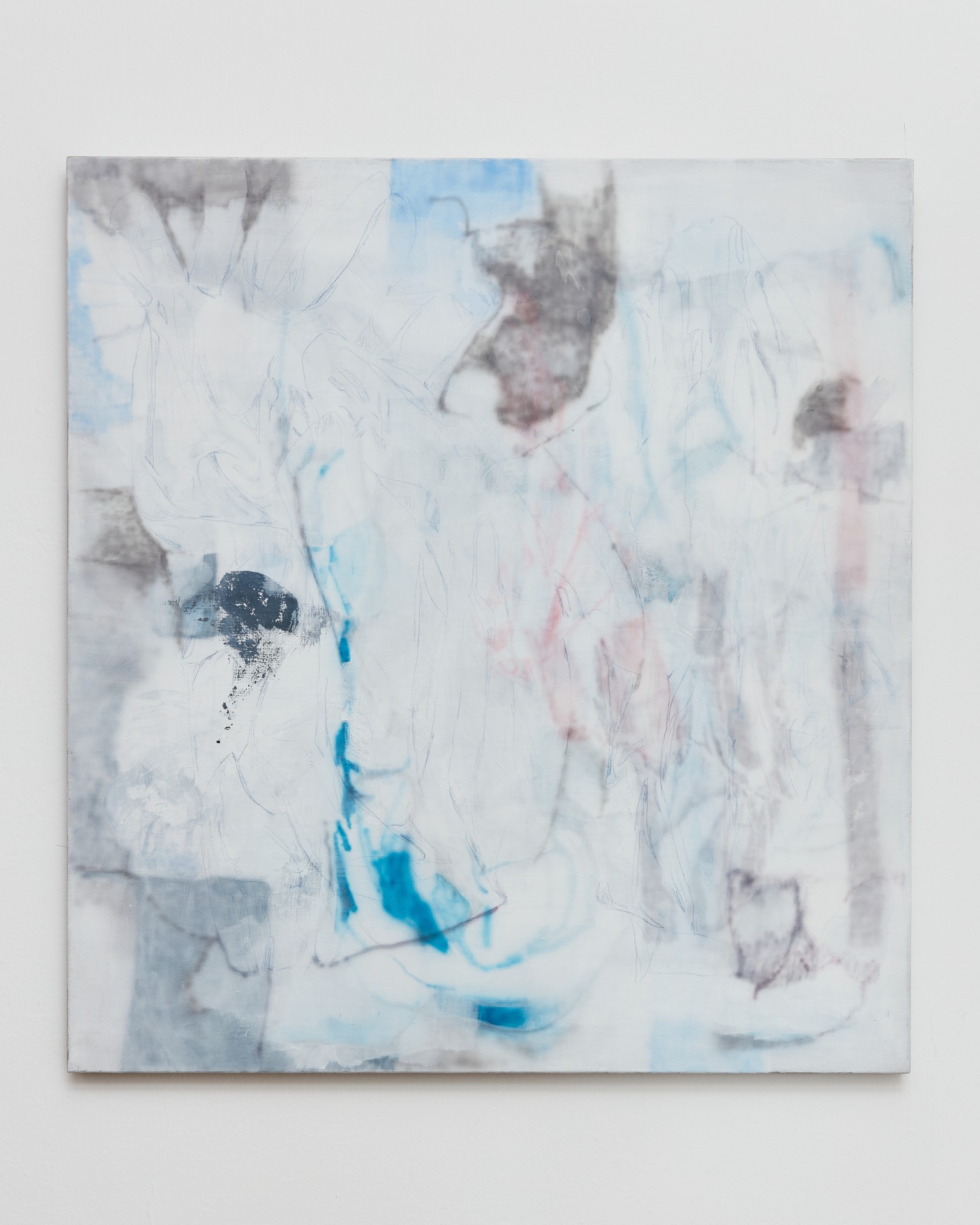
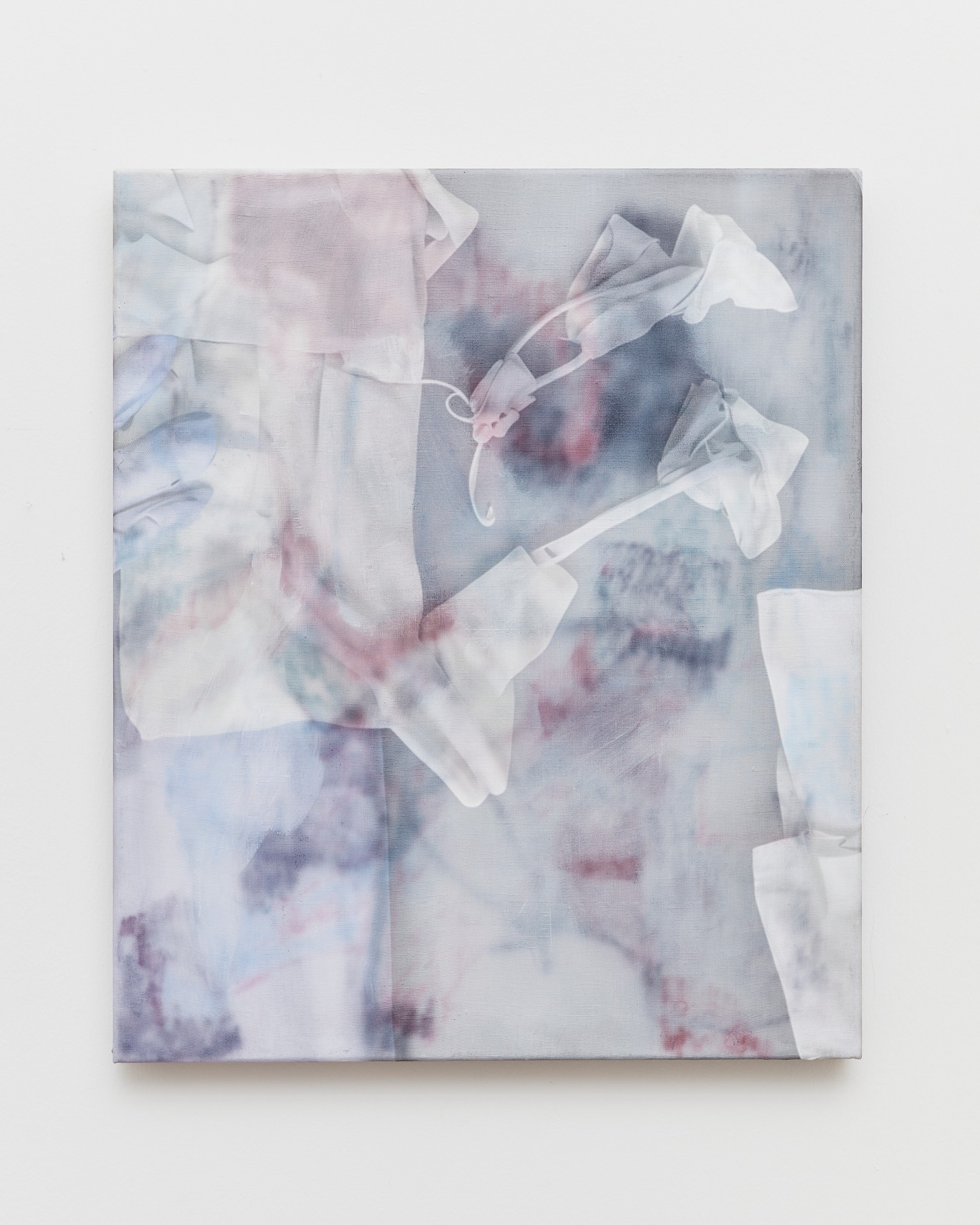
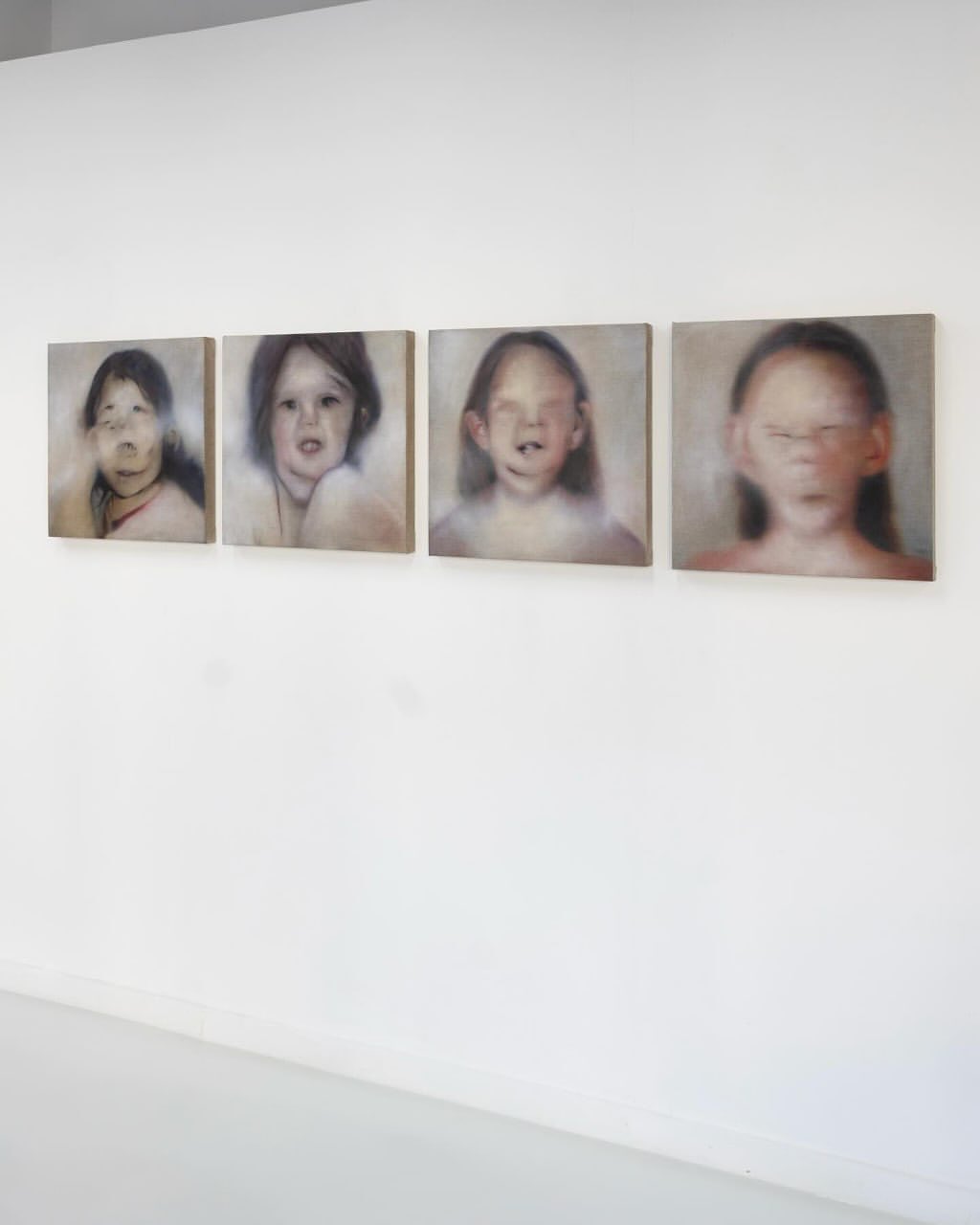
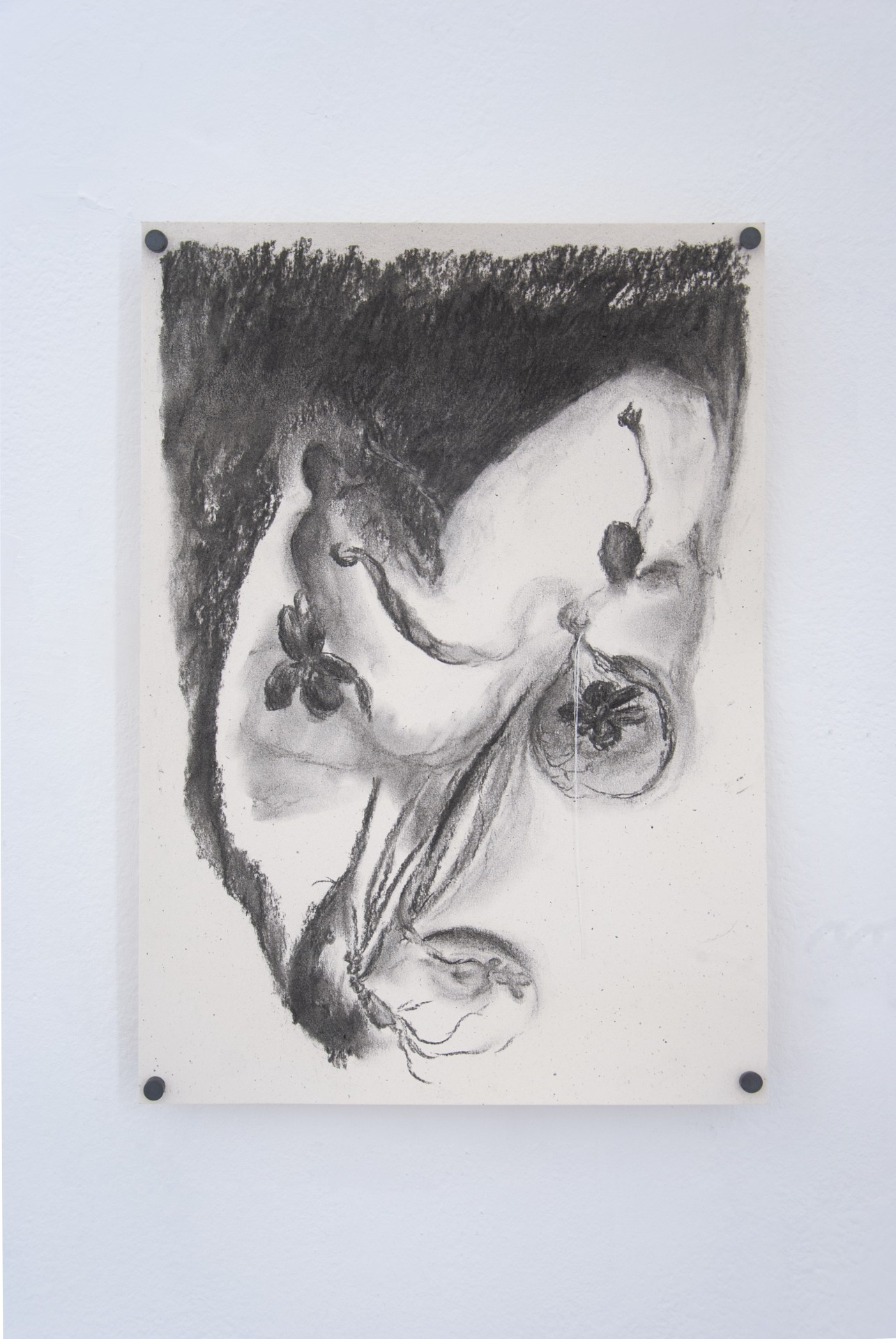
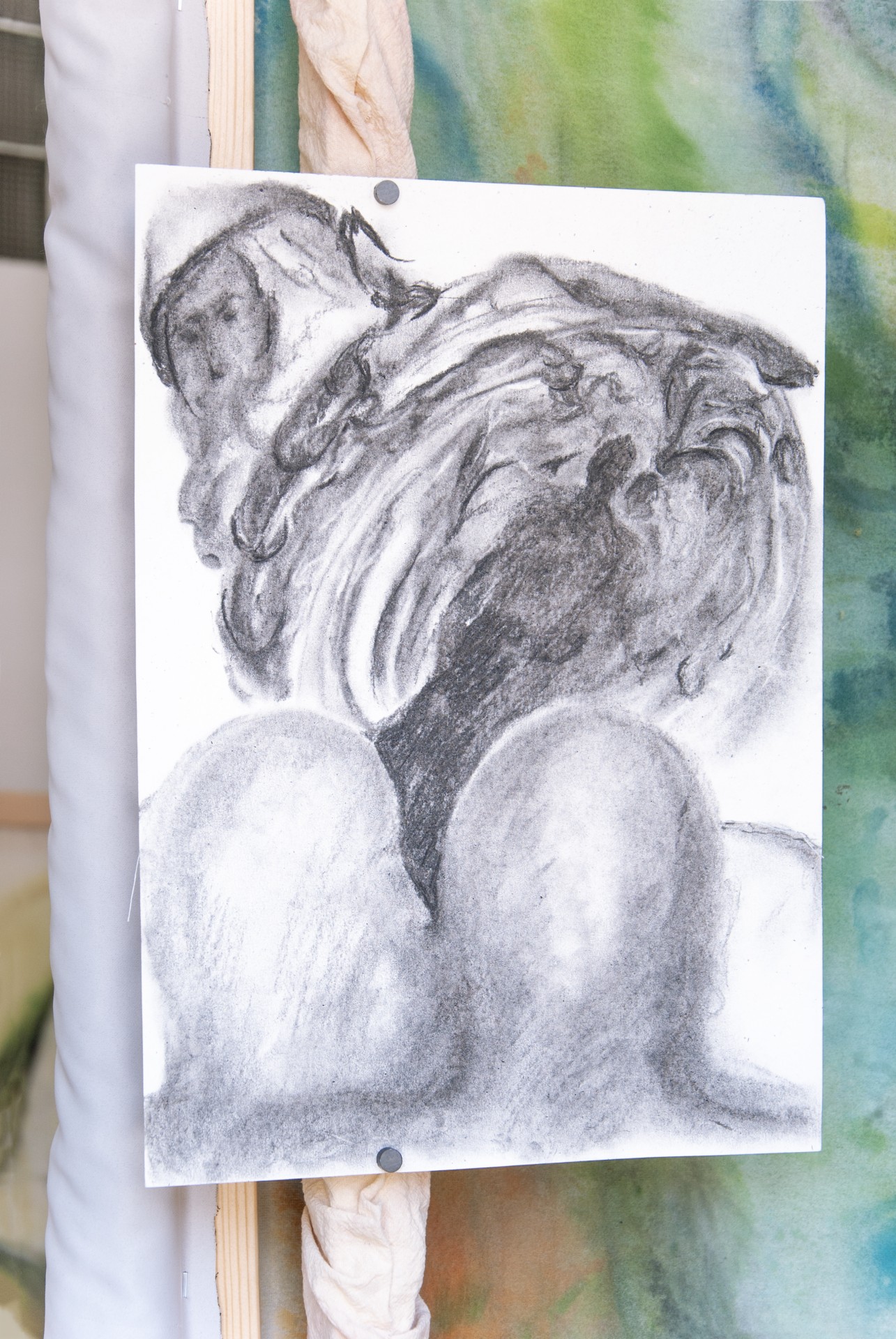
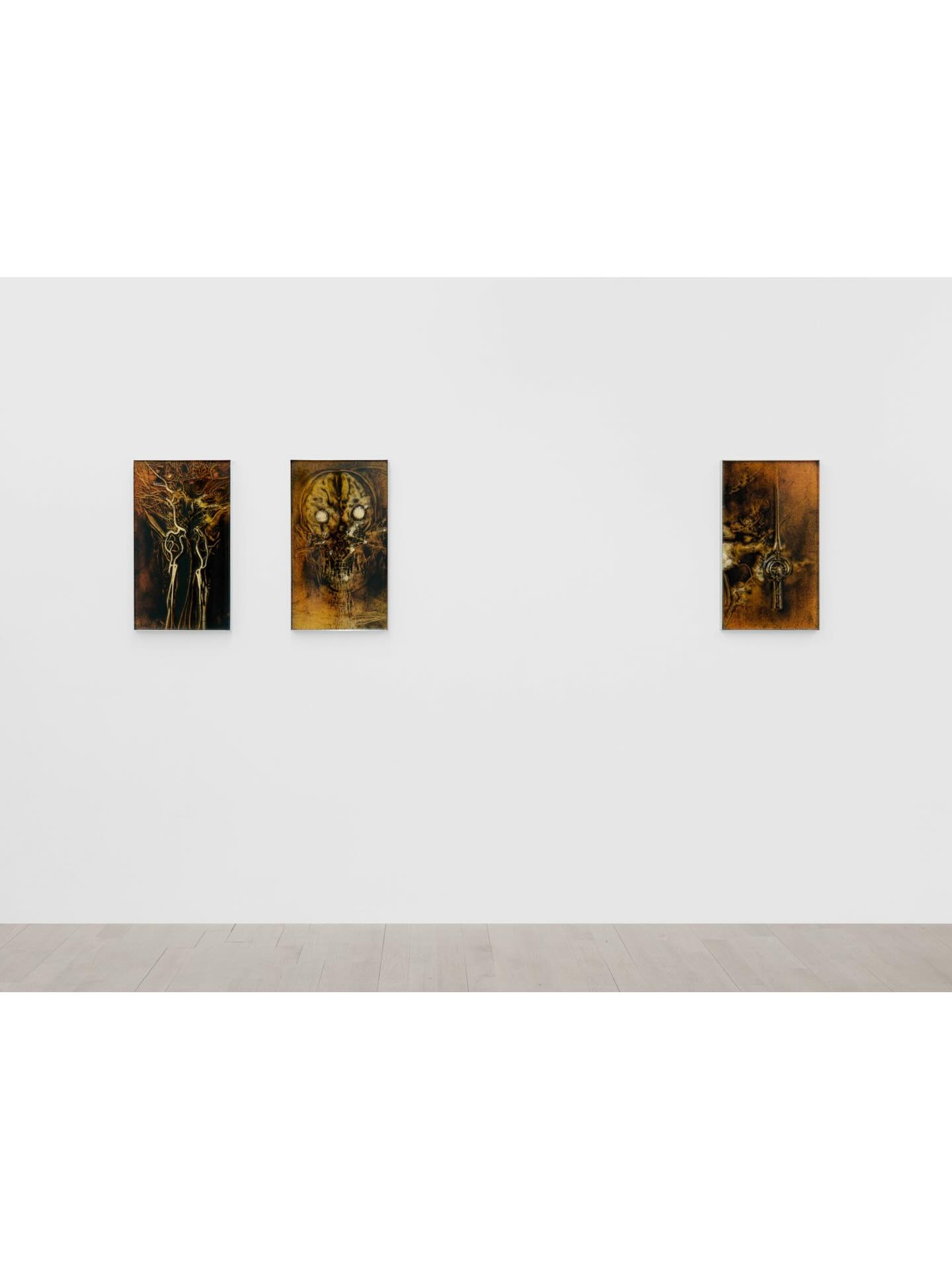
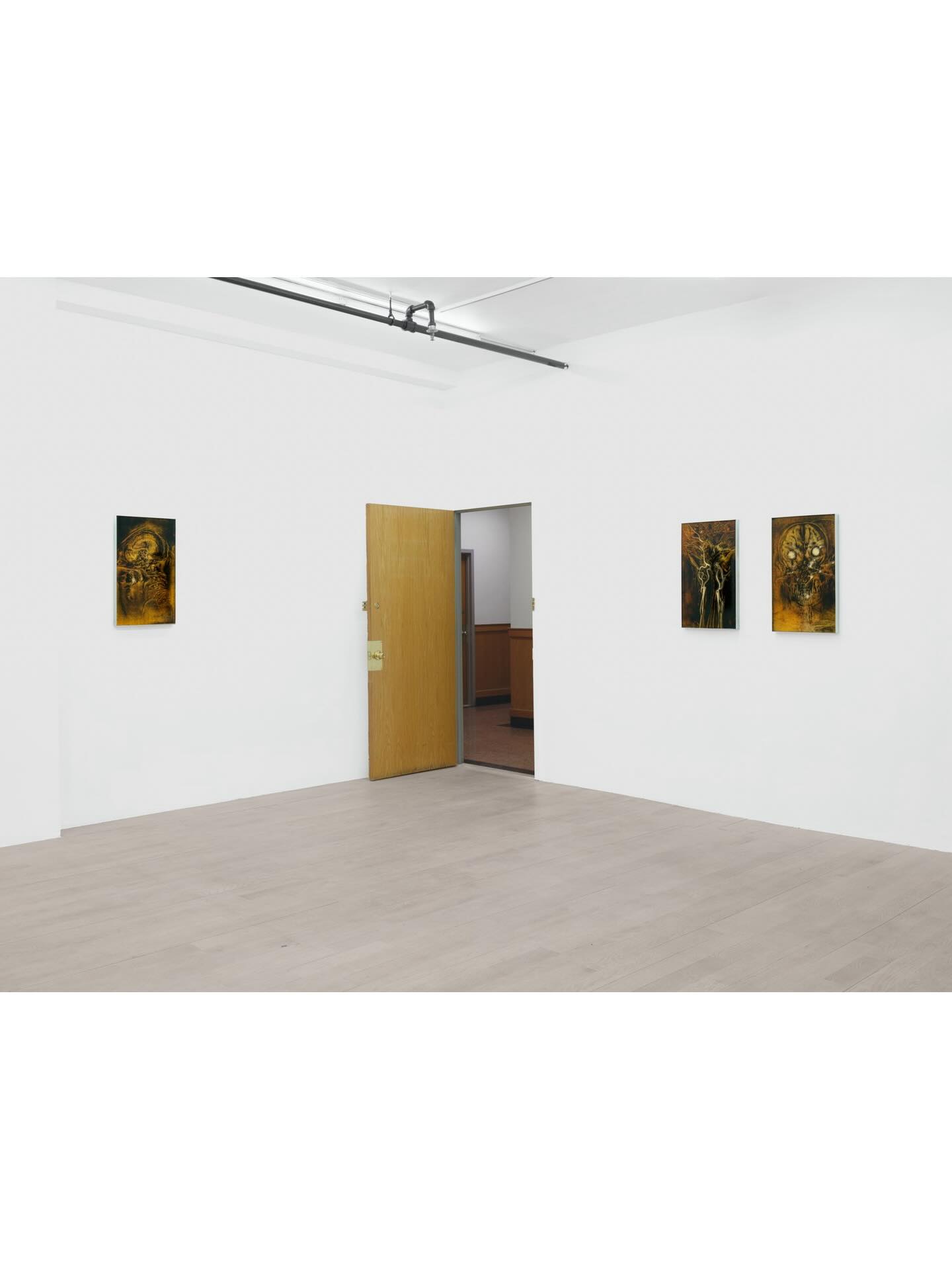
The interplay of quoted iconography recurs in the present paintings. The echo of the sculptural form of our mother goddess is embedded within a network of visual references to other historical figures. Here, you may catch the eyes of Saint Ottilia; a motif commonly read as a reference to Ottilia's miraculous recovery of sight. Or maybe you will engage with Ciamberlano's engraving depicting human emotions, while wondering if the signifier (e.g., the image of a scream) is truly a fingerprint of a particular emotion. As we already know, the connection between the two sides of the sign (signifier and signified) is always somewhat arbitrary. Moreover, as Lisa Feldman Barrett suggests, emotions are merely constructed perceptions created by the brain of the viewer; with face-reading being just the brain's best guess, conditioned by context and culturally situated knowledge. One may need a miraculous recovery of sight to grasp the meaning that facial expressions held in the past.
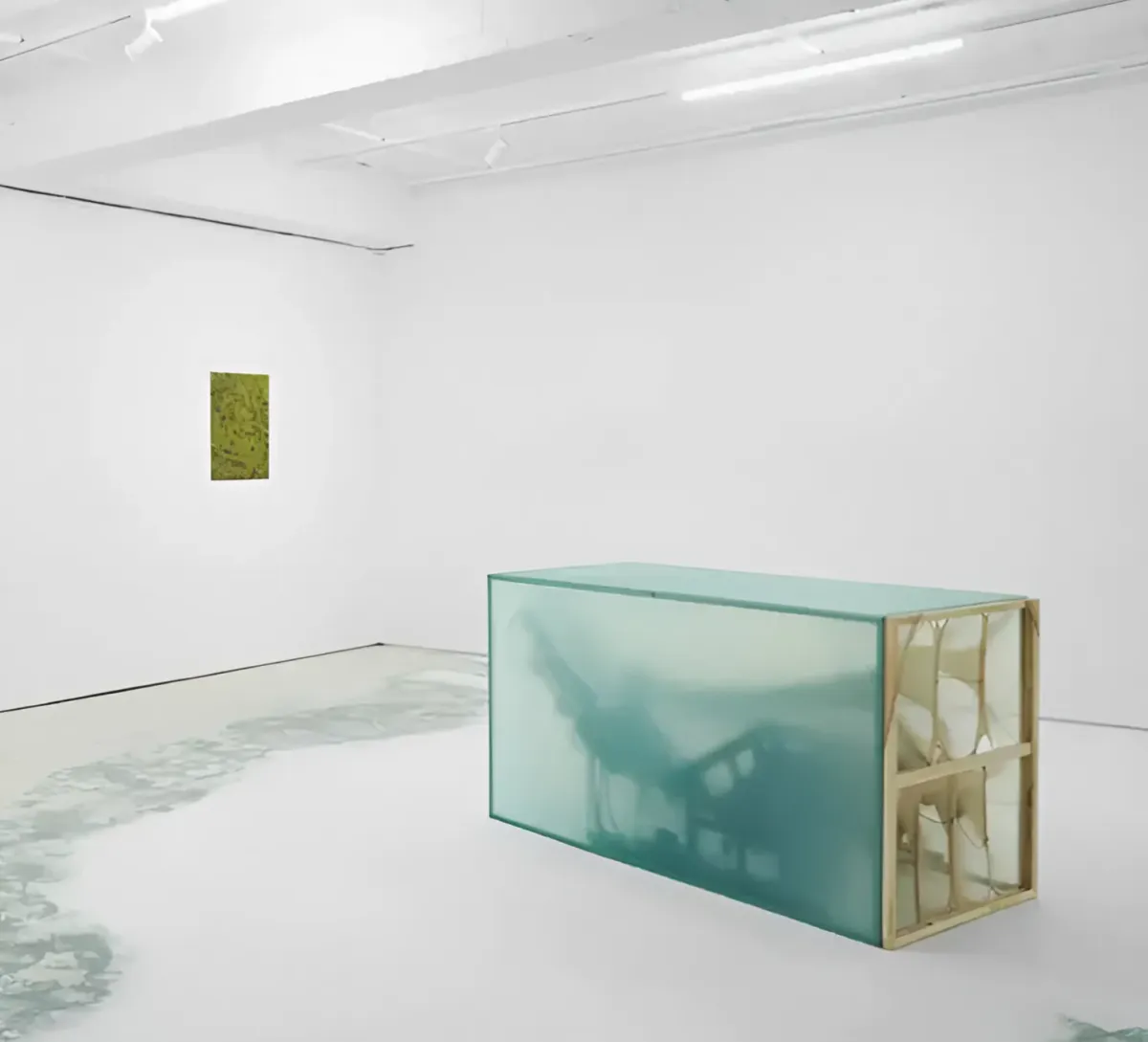
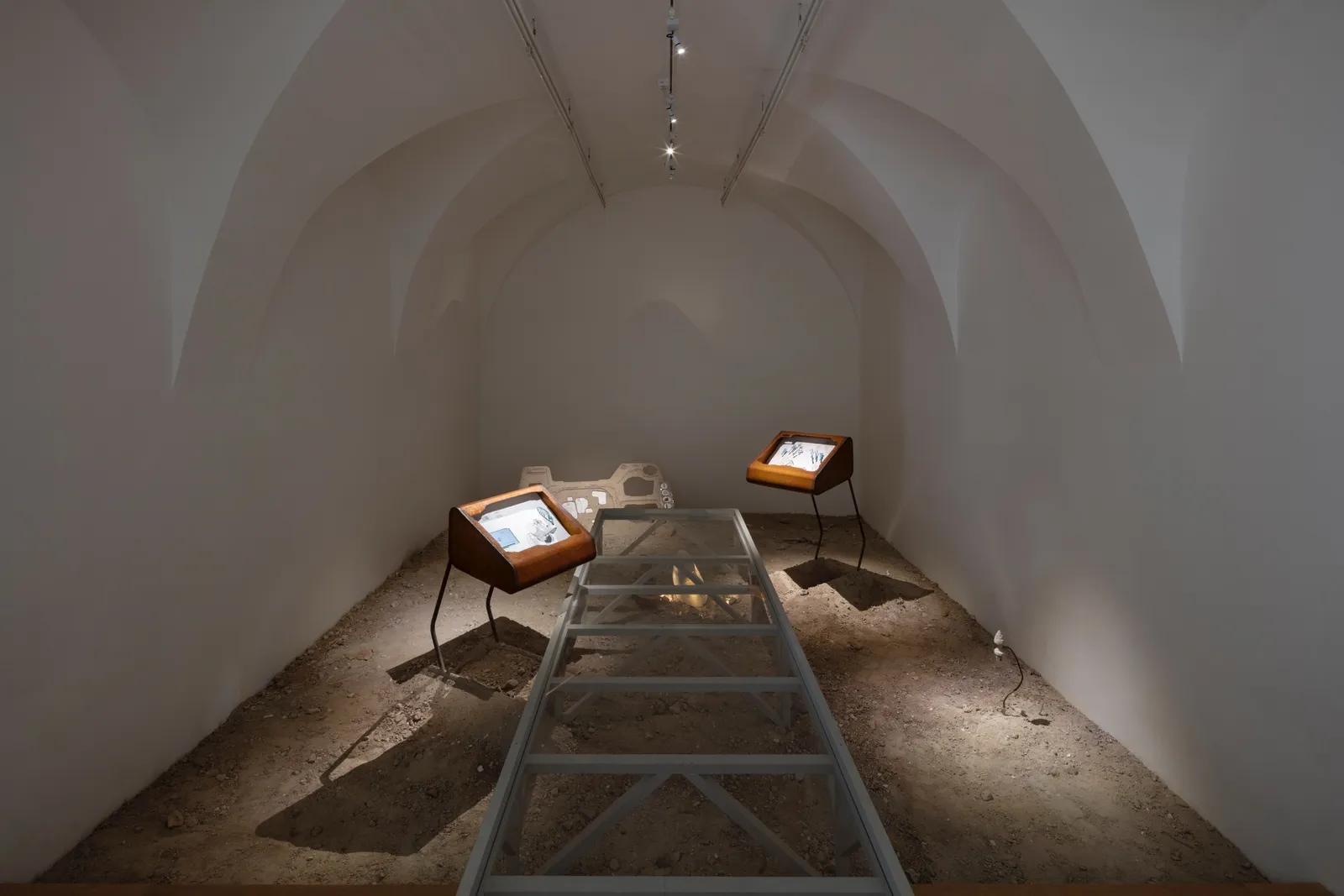
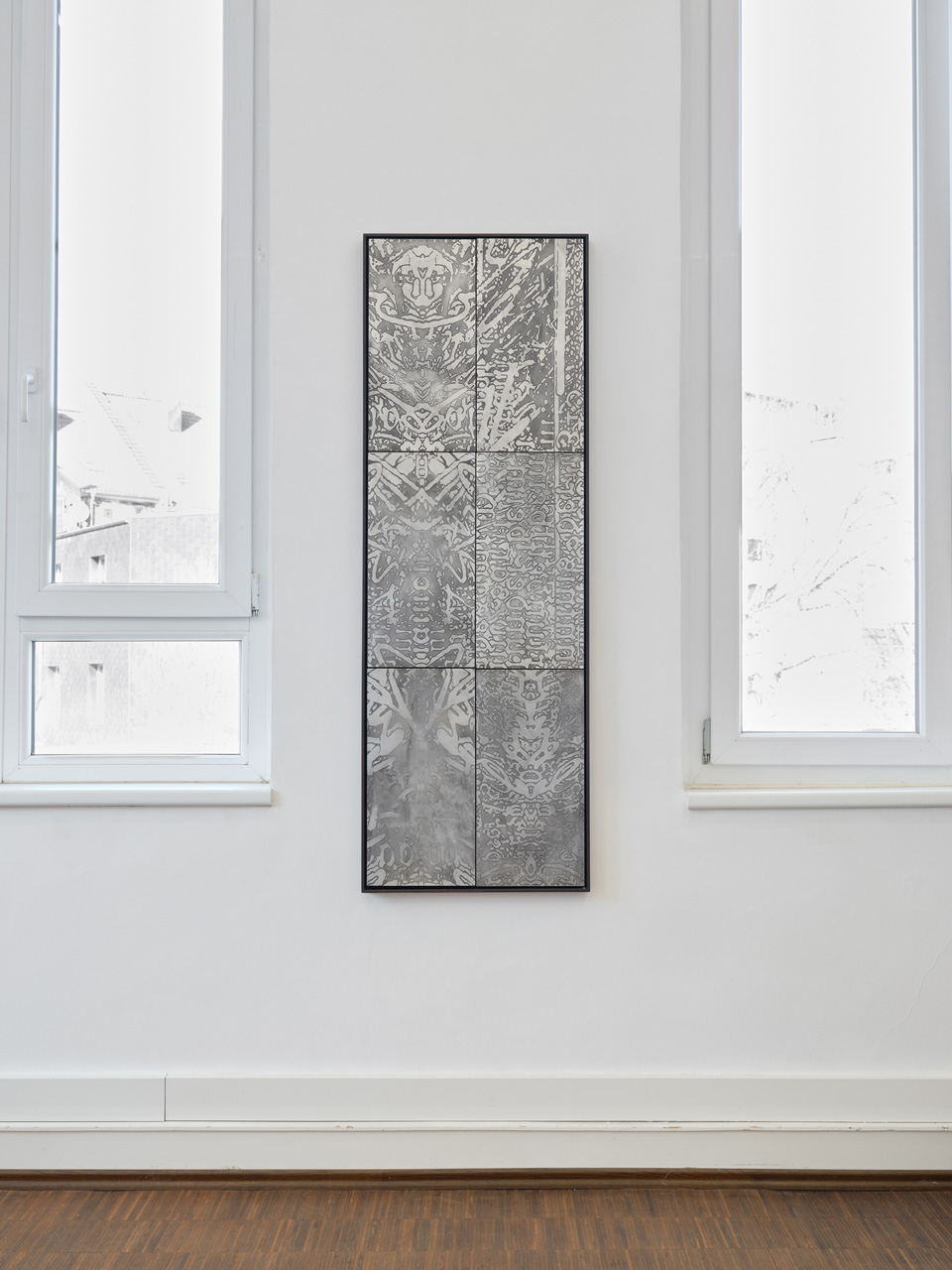
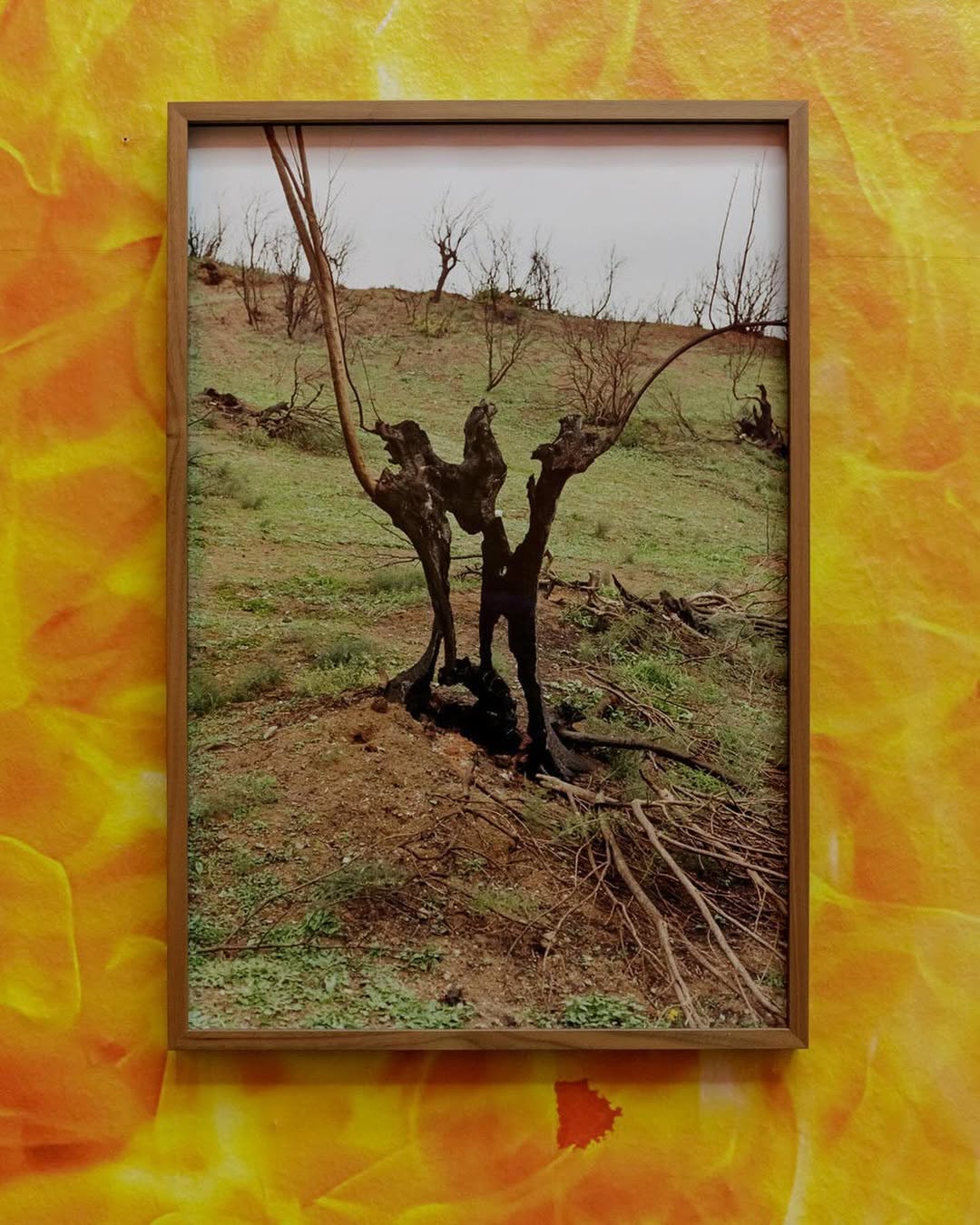
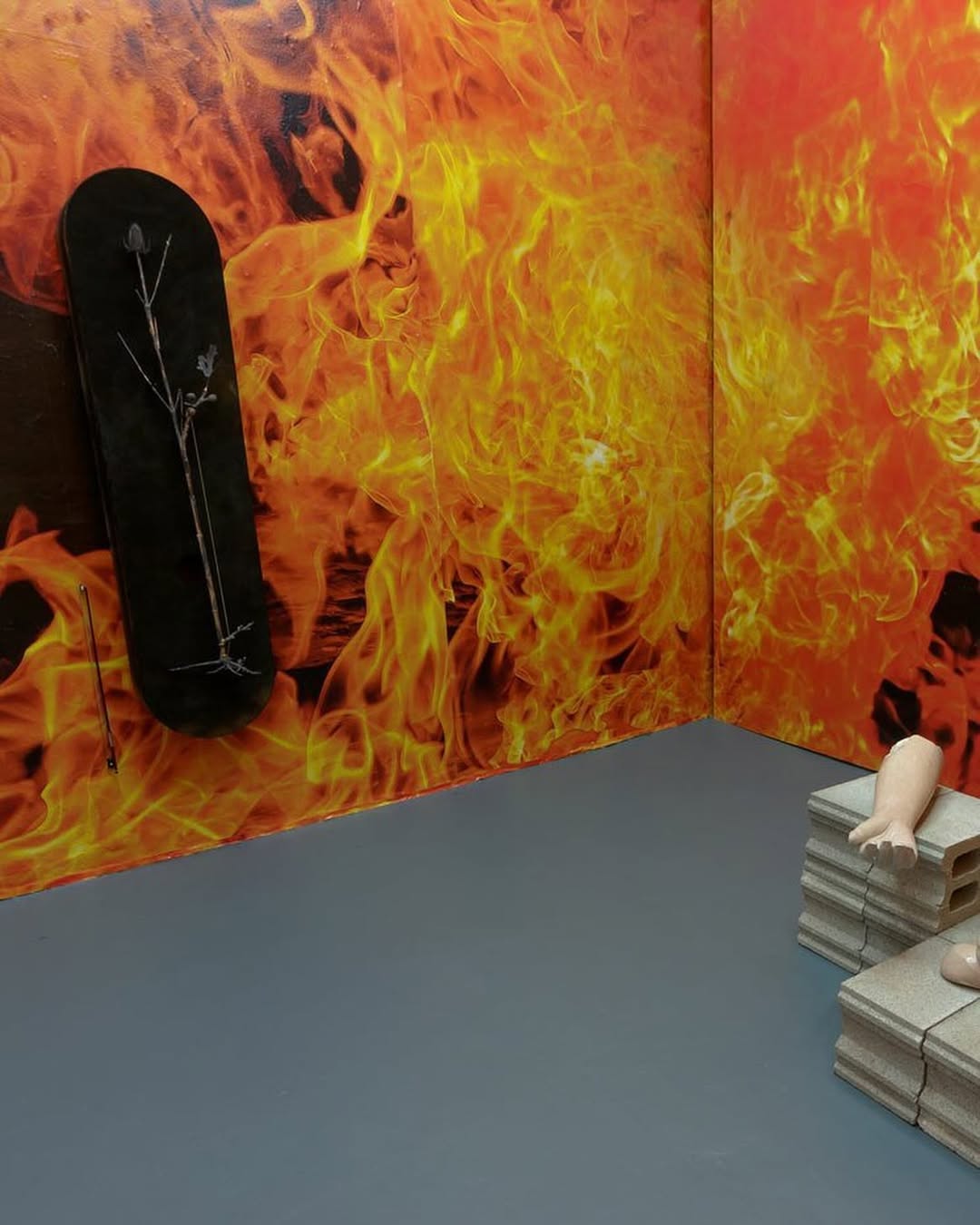
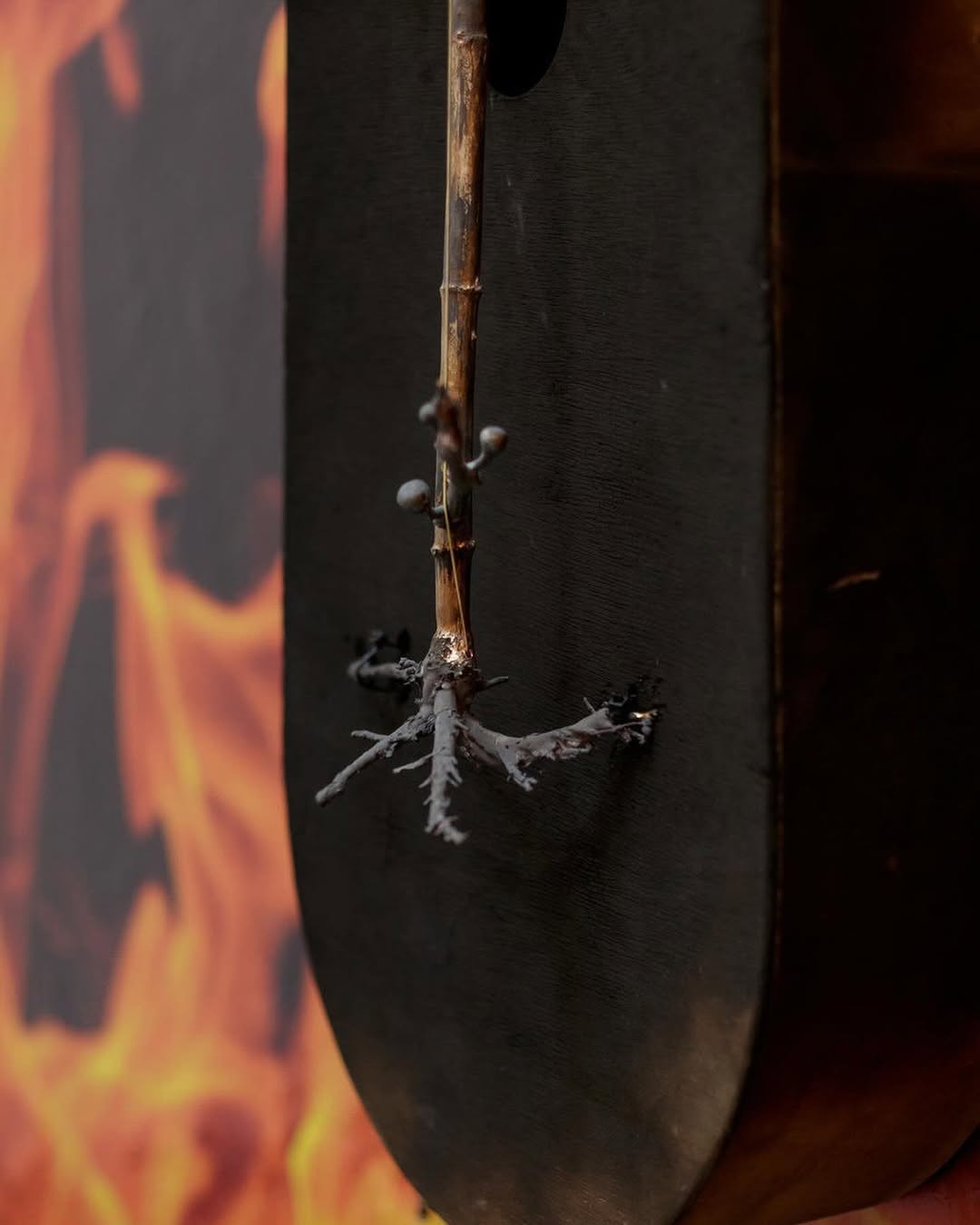
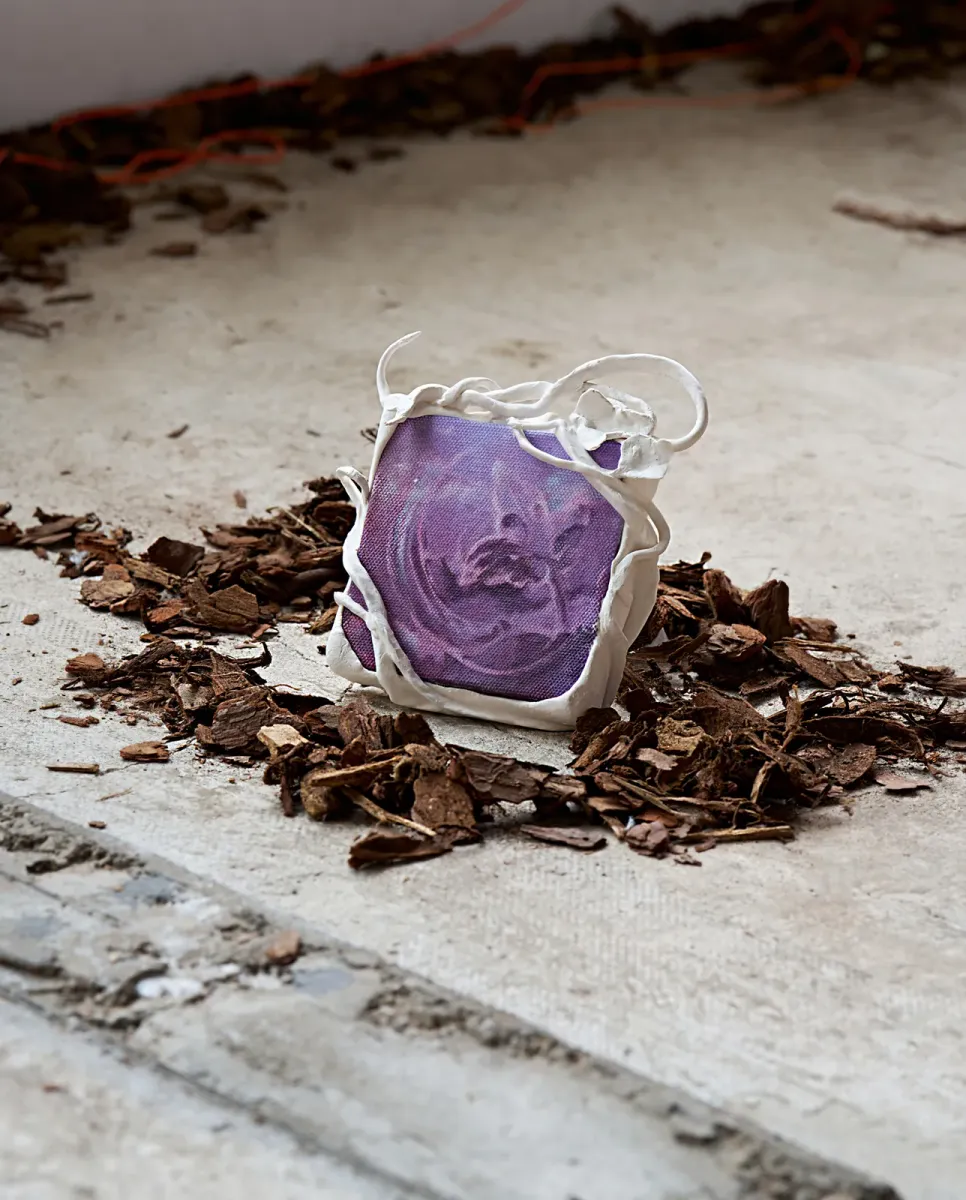
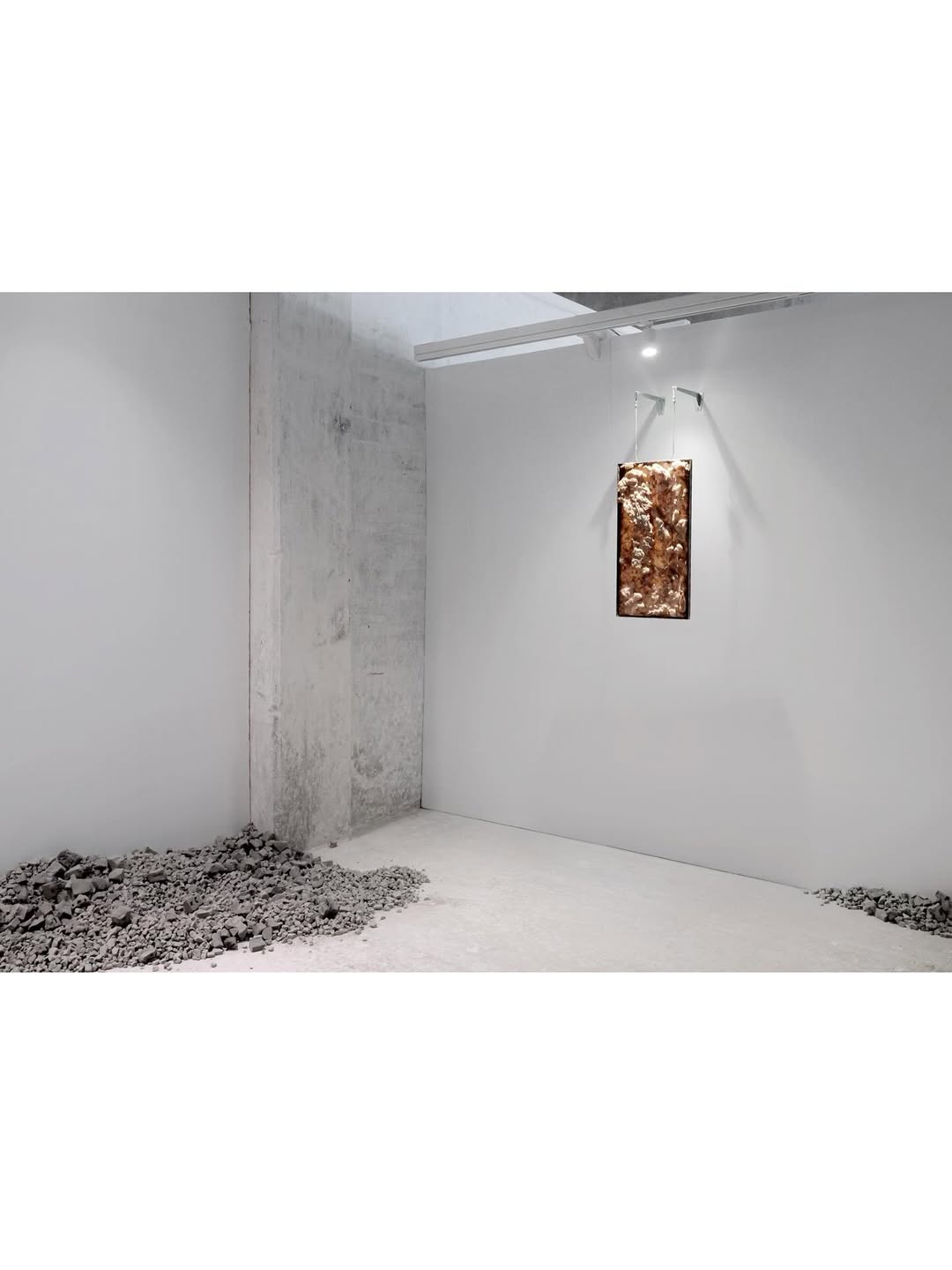
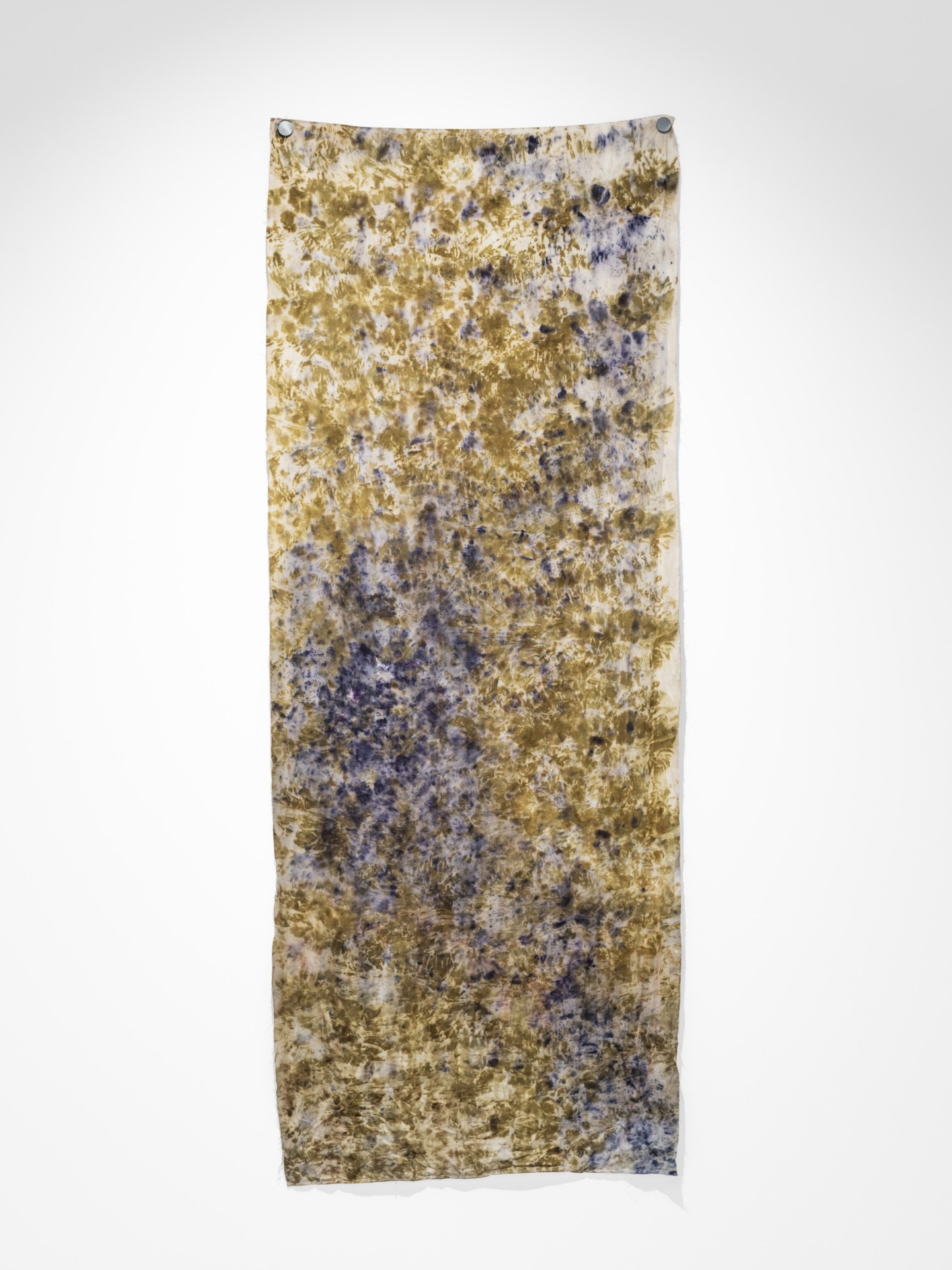
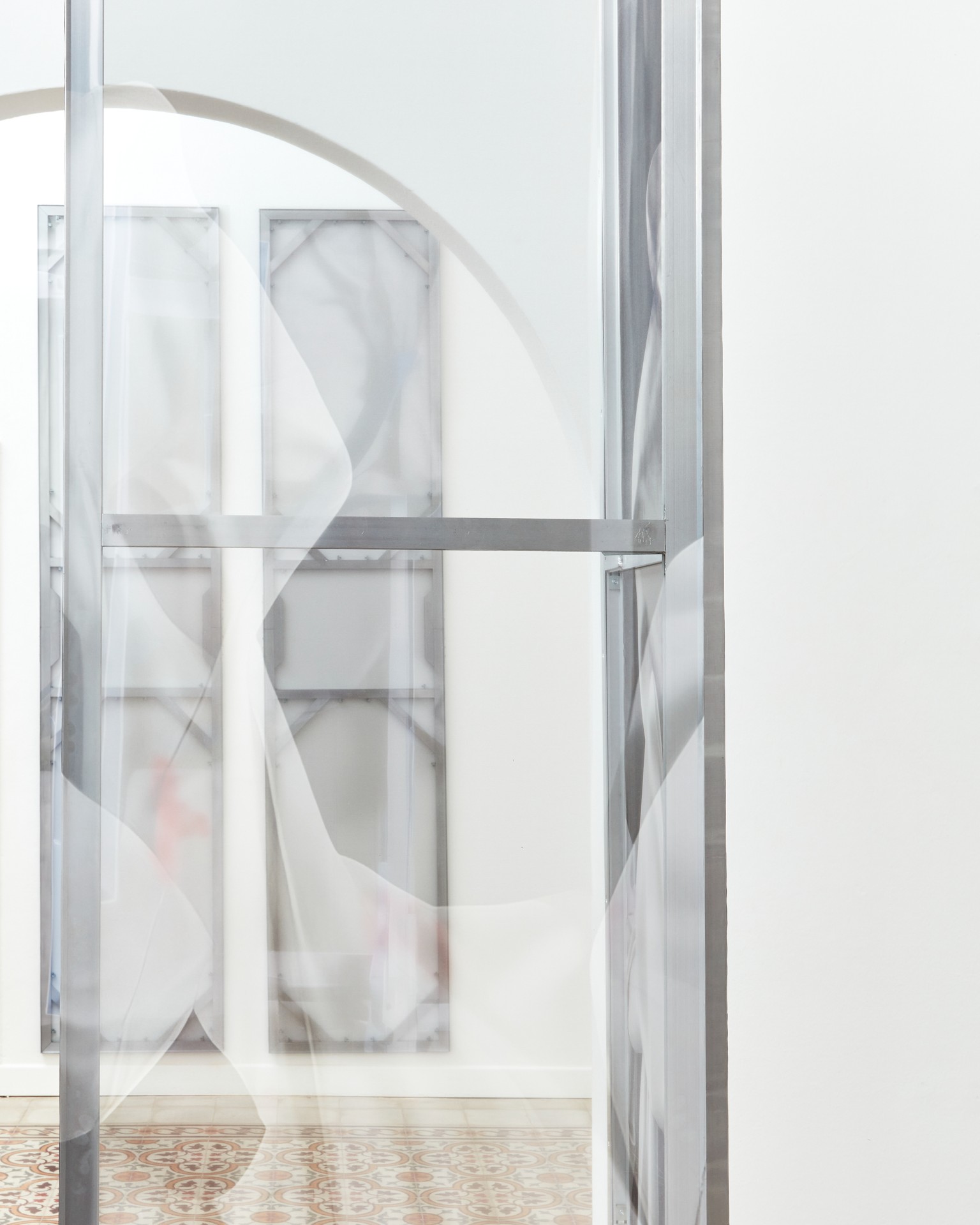
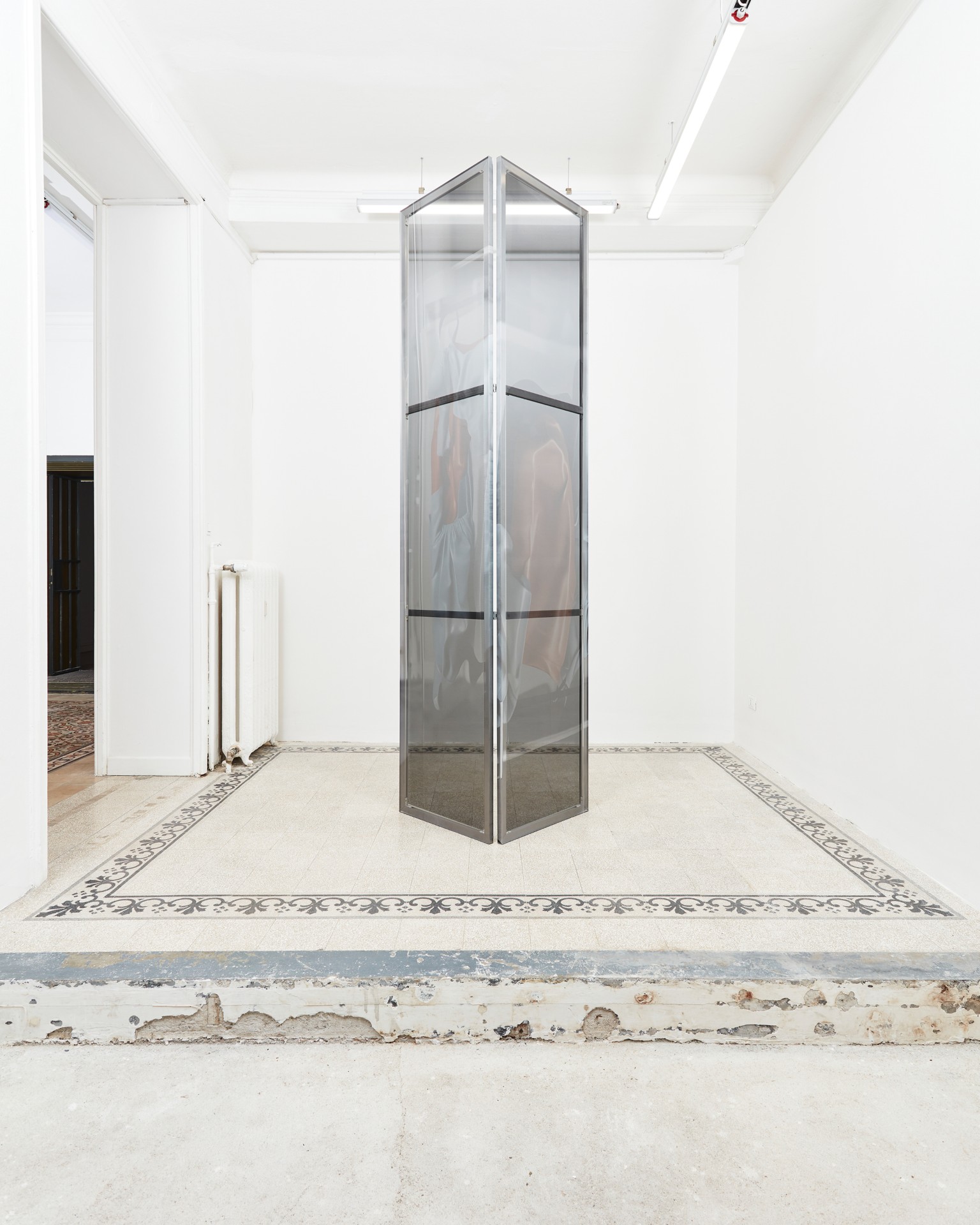
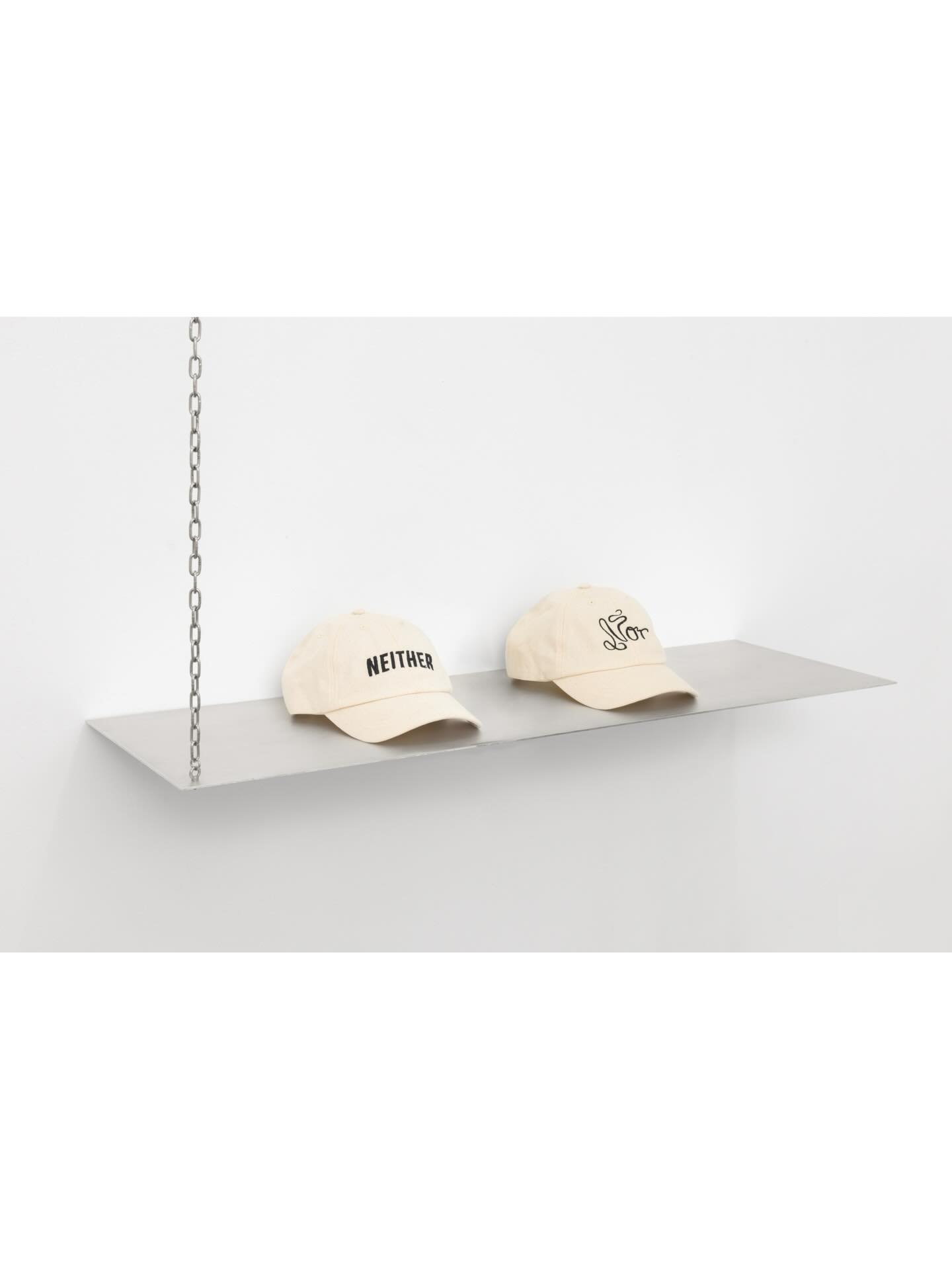
From one work to another, several visual references are layered upon one another. But just as important as what is being referenced is the question of how and why these references are made. Techniques such as sampling or remixing are used to transform Peles Duo's artworks into a network of entangled anticipations and reconstructions. Thus, the process of reproduction and remediation serves as a strategy for recognizing material objects as temporal unities and time itself as something material. The site-specific wallpaper exemplifies this well. It is constructed by means of continual remediation: surrealist photographs of ceramic pit fire (baptism by fire, so to speak) are assembled next to the eyes of Saint Ottilia, dancing around reproductions of Peles Duo's former installation, and so on. Collected elements are remixed and assembled, and then printed on sheets of paper. The wallpaper thus serves as an archaeological field of sedimented traces of elements' former existence. Moreover, the chain of continual reproduction sometimes culminates in situations where certain parts of the print no longer point to anything beyond their own materiality. A coherent yet phantasmagoric composition of layered, remediated images often hits the limits of matter's capacity to mediate, document, and hold memory.
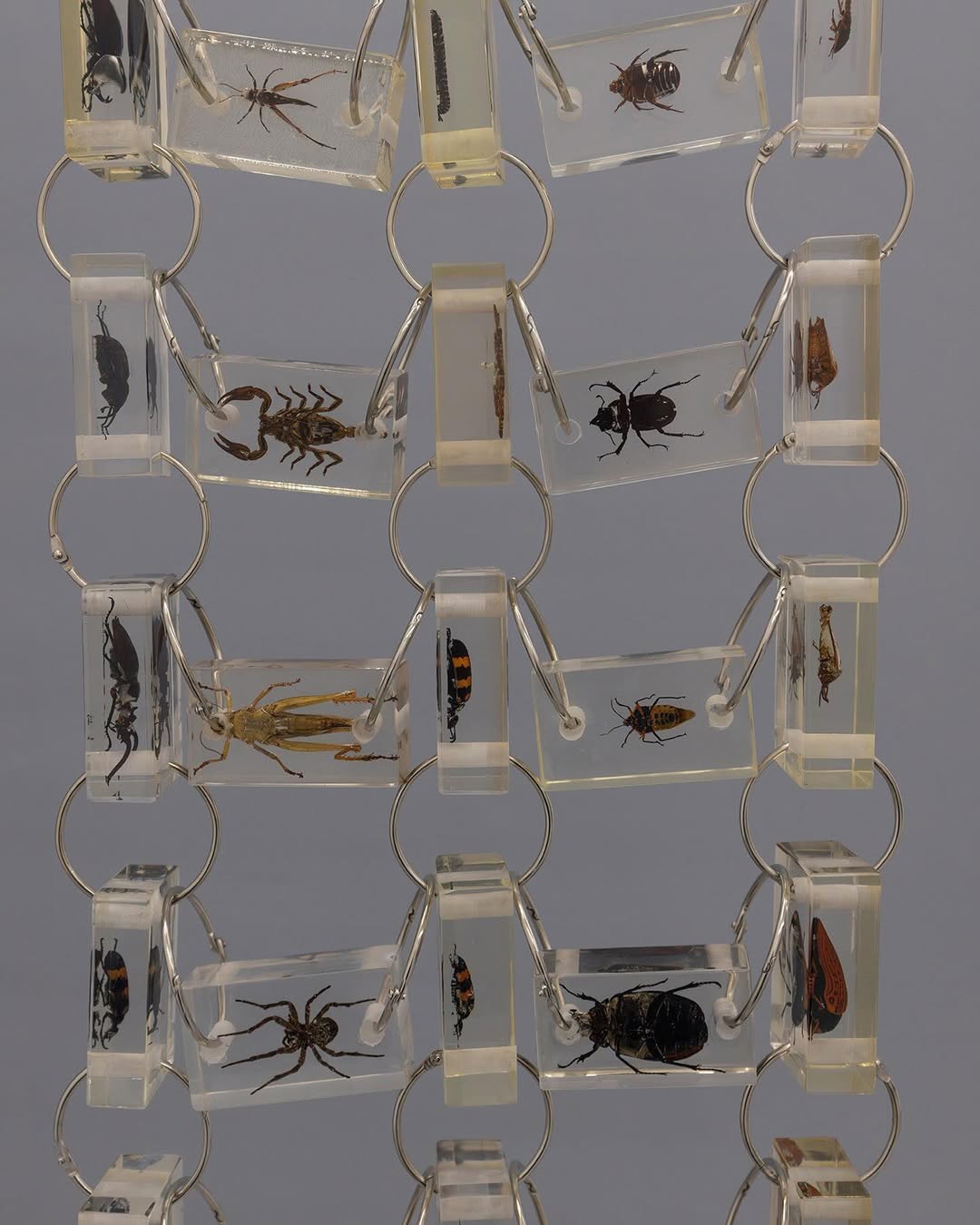
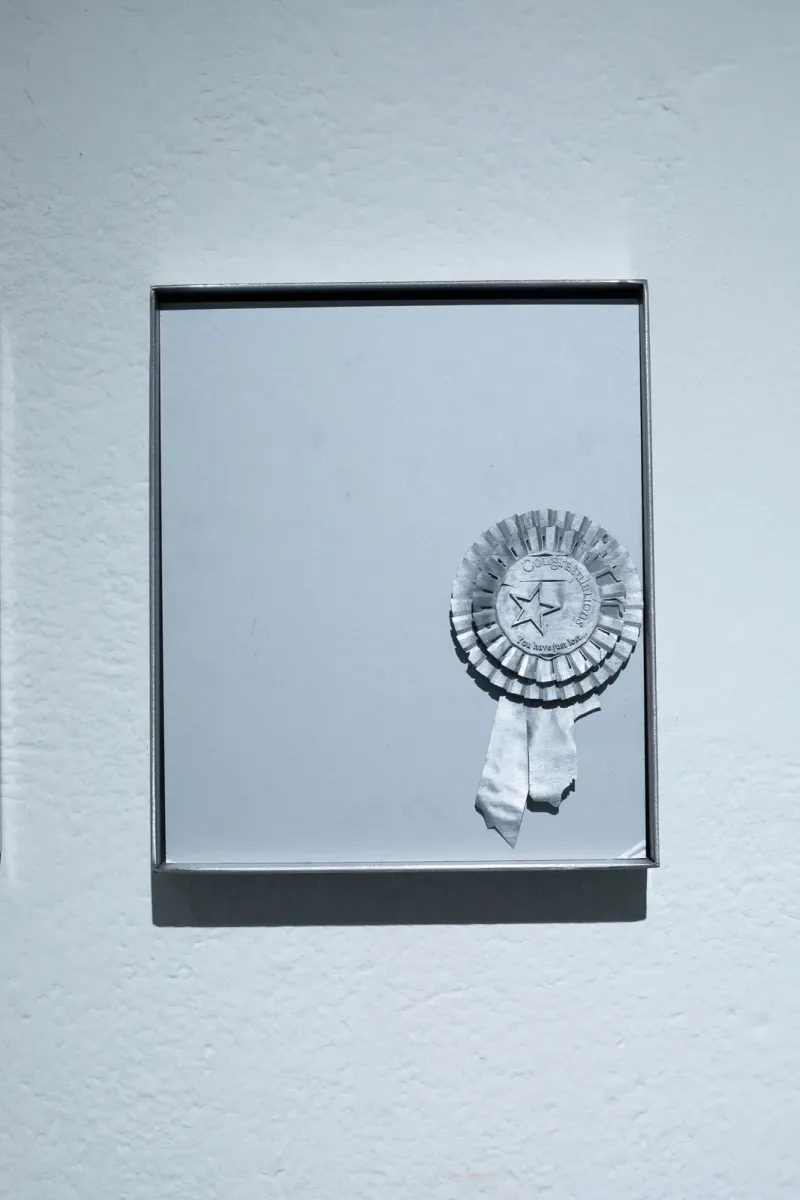
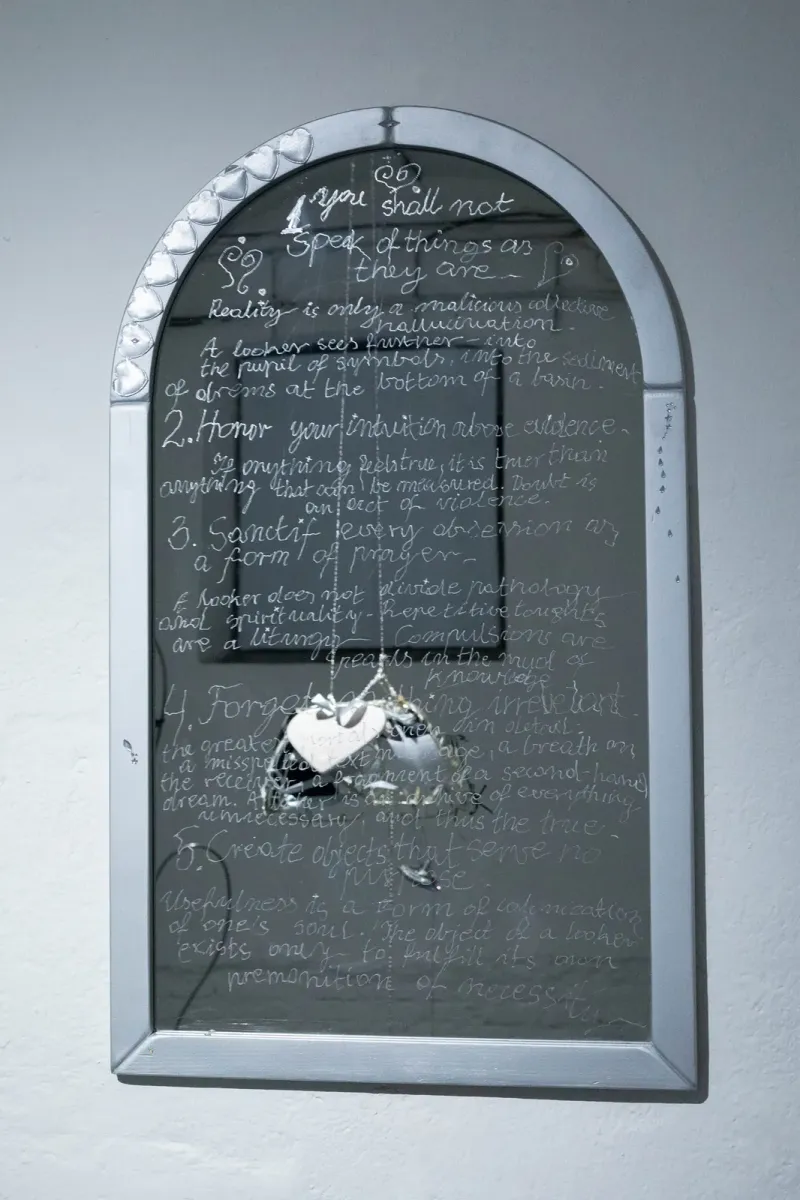
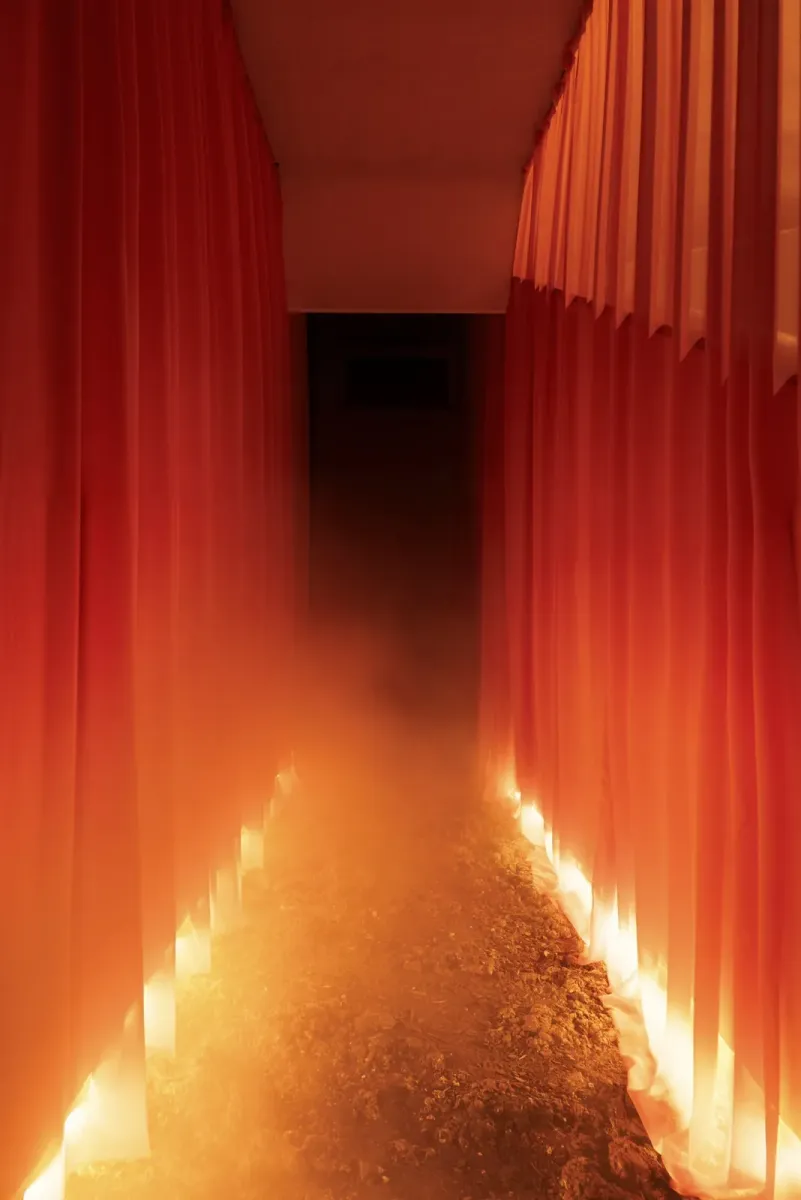
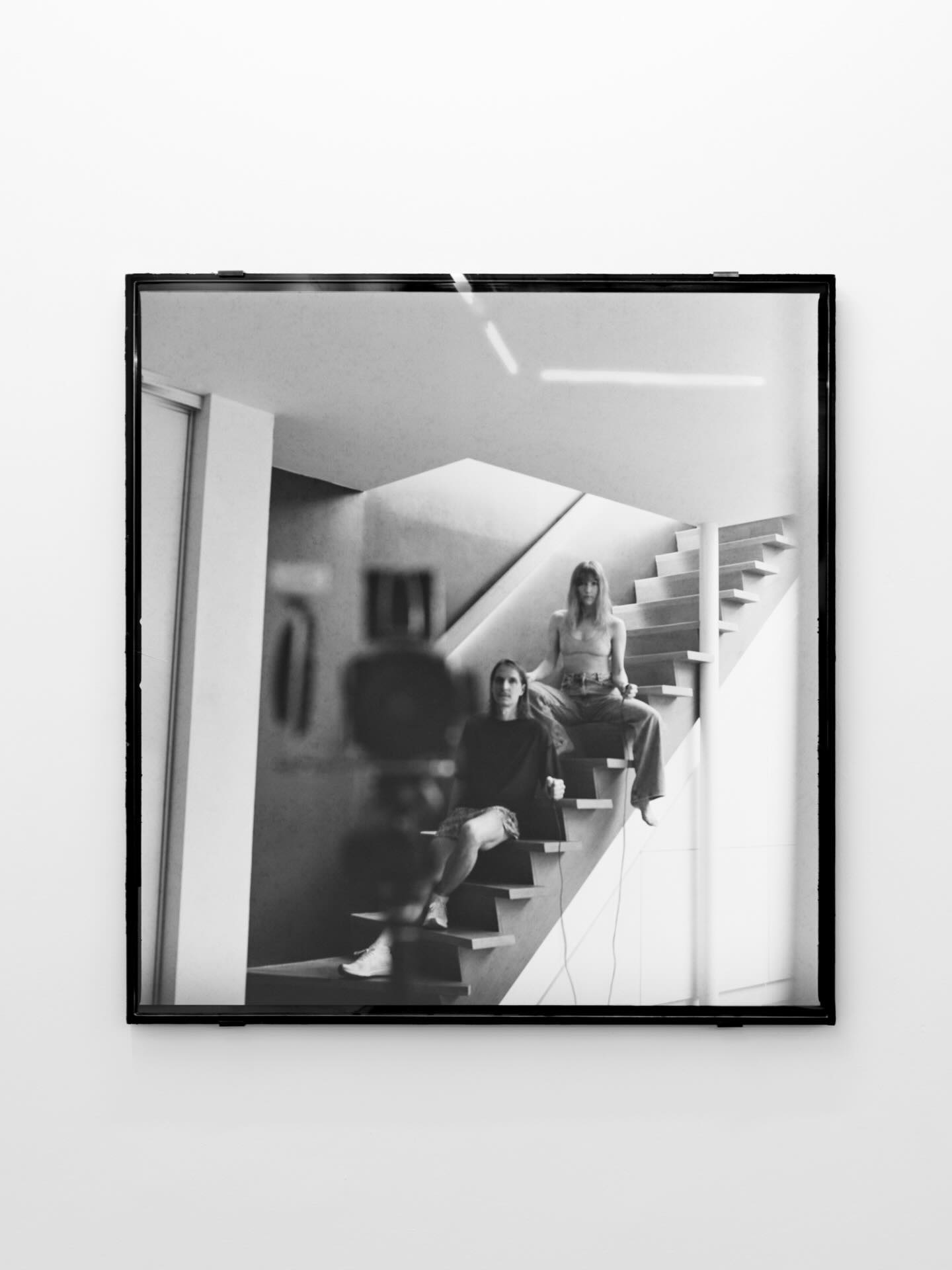
According to an old theory, art arises from a deep human need to impose meaning on the world, a need that goes hand in hand with the effort to capture and preserve revealed truth for eternity. An exhibition by artistic duo Barbara Wolff and Katharina Stöver offers a different perspective on this theory. By means of reproduction and remediation, artists merge historical references and their own previous works. Through their surreal portrayal of past images, they demonstrate how ideas change direction as they travel across time and space. They show how images constantly shift in meaning from the very moment they encounter a different gaze, or are reproduced in a different context. After all, that is how images and ideas endure across historical contexts.
"Our heads are round so our thoughts can change direction." So as the image aiming at eternity, constantly changes direction of its significance.
Artists in this exhibition
More at Galerie Brugger
More in Klaus in Vorarlberg
Related topics
.webp)