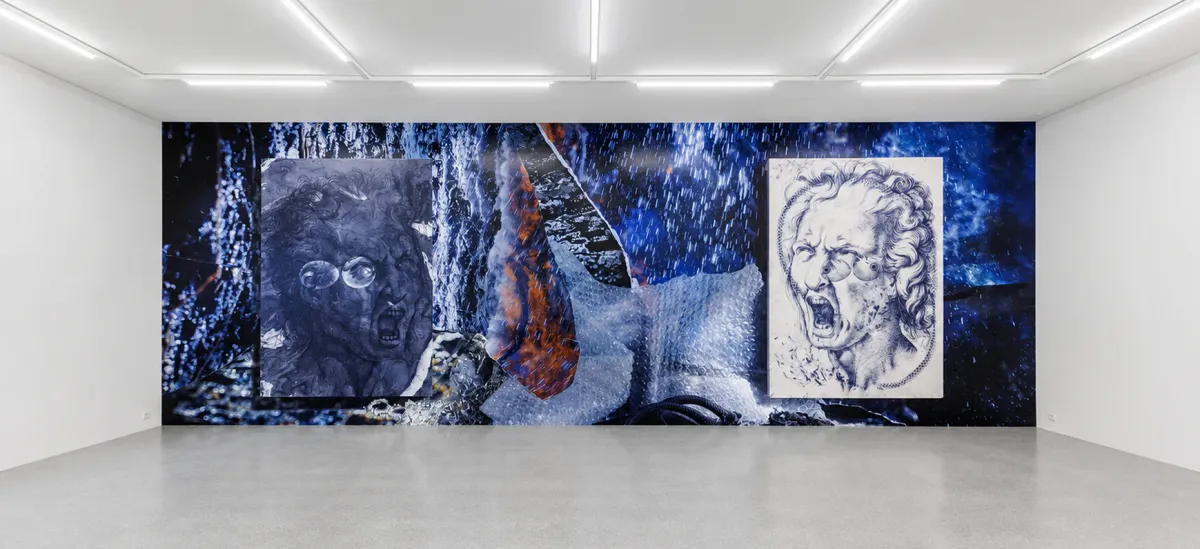
Klaus in Vorarlberg / 2026
Der Kopf ist rund, damit das Denken die Richtung wechseln kannGalerie Brugger
Klaus in Vorarlberg / 2026
Der Kopf ist rund, damit das Denken die Richtung wechseln kannGalerie Brugger
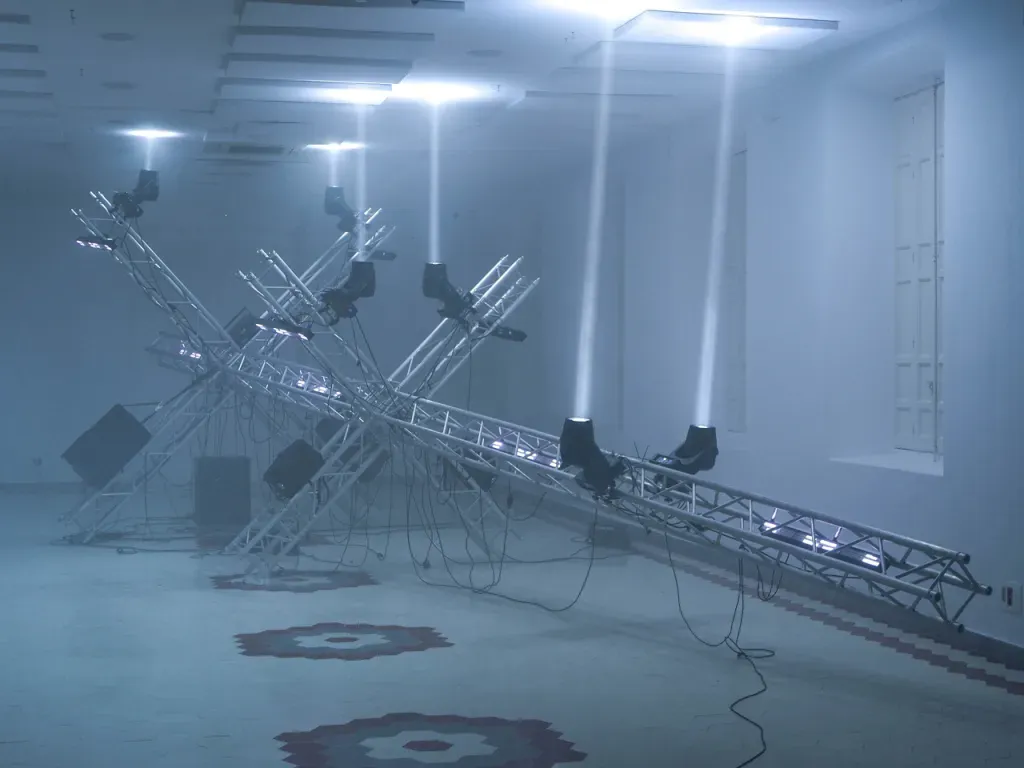
May 22 — June 01, 2026
Leo Pum @La Térmica, Málaga KRVCE festival
Everything you need to plan, apply, and move your art career forward.
Hamburg / 2026
London / 2026
Cologne / 2026
London / 2026
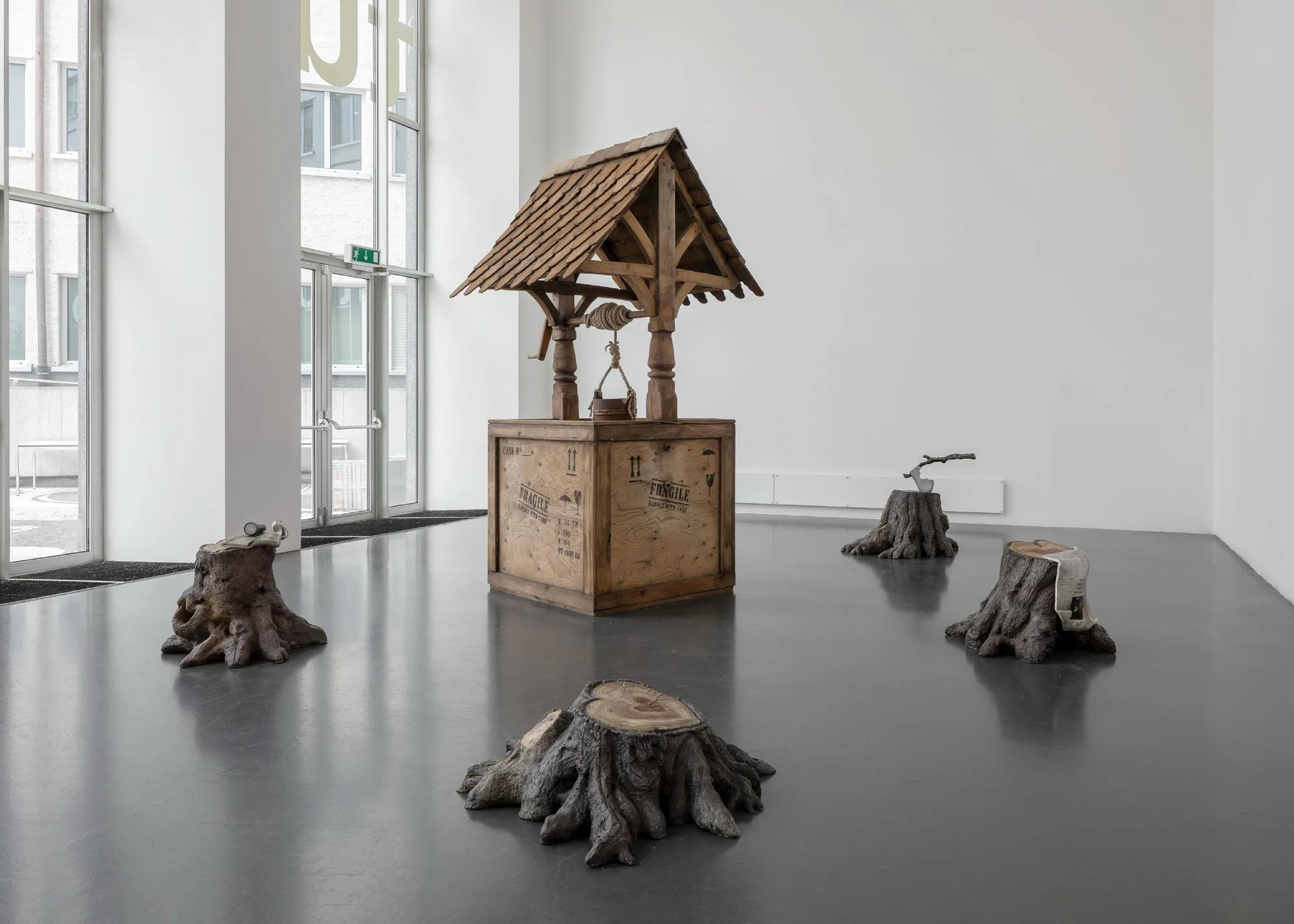
Milan / 2026
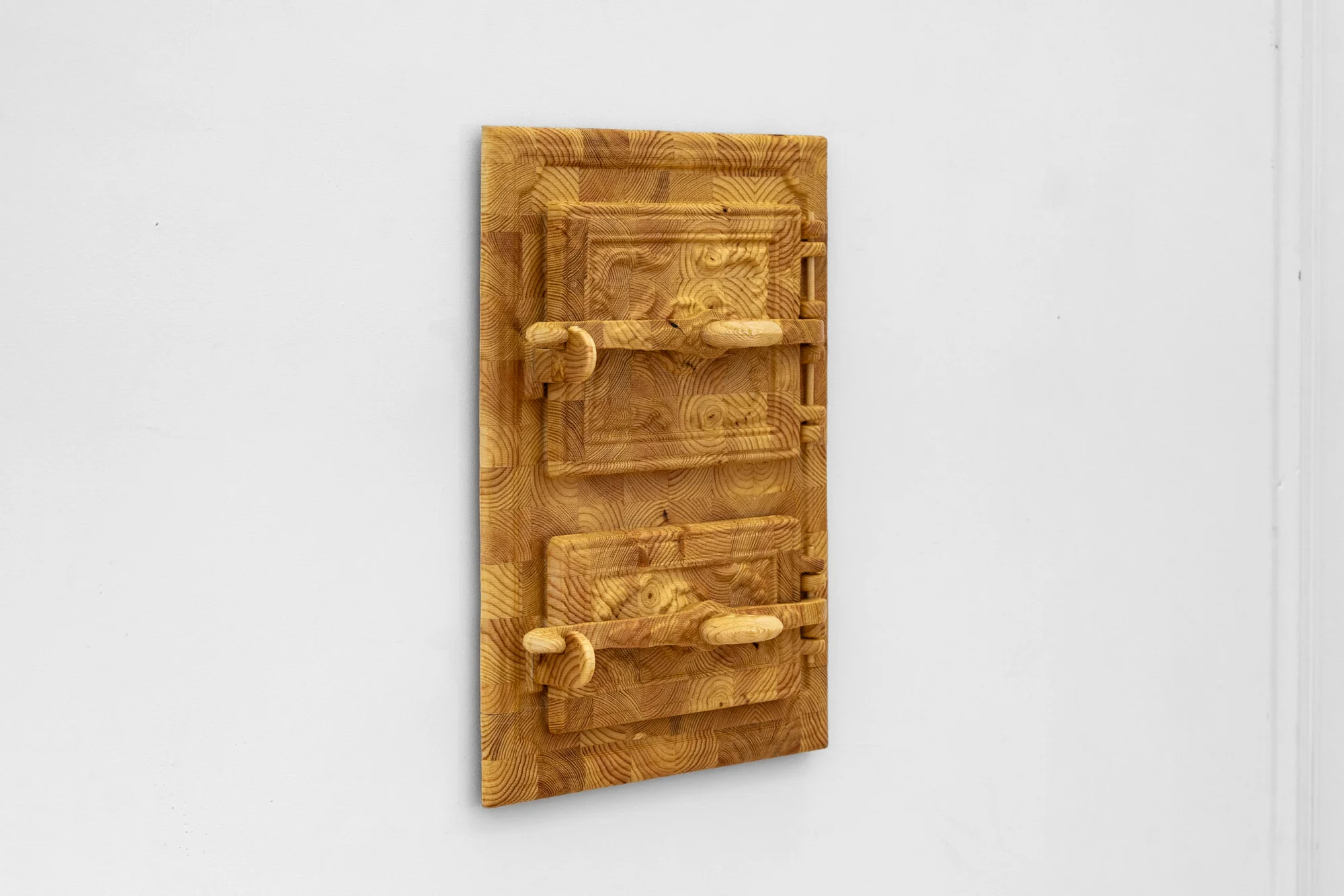
Oslo / 2026
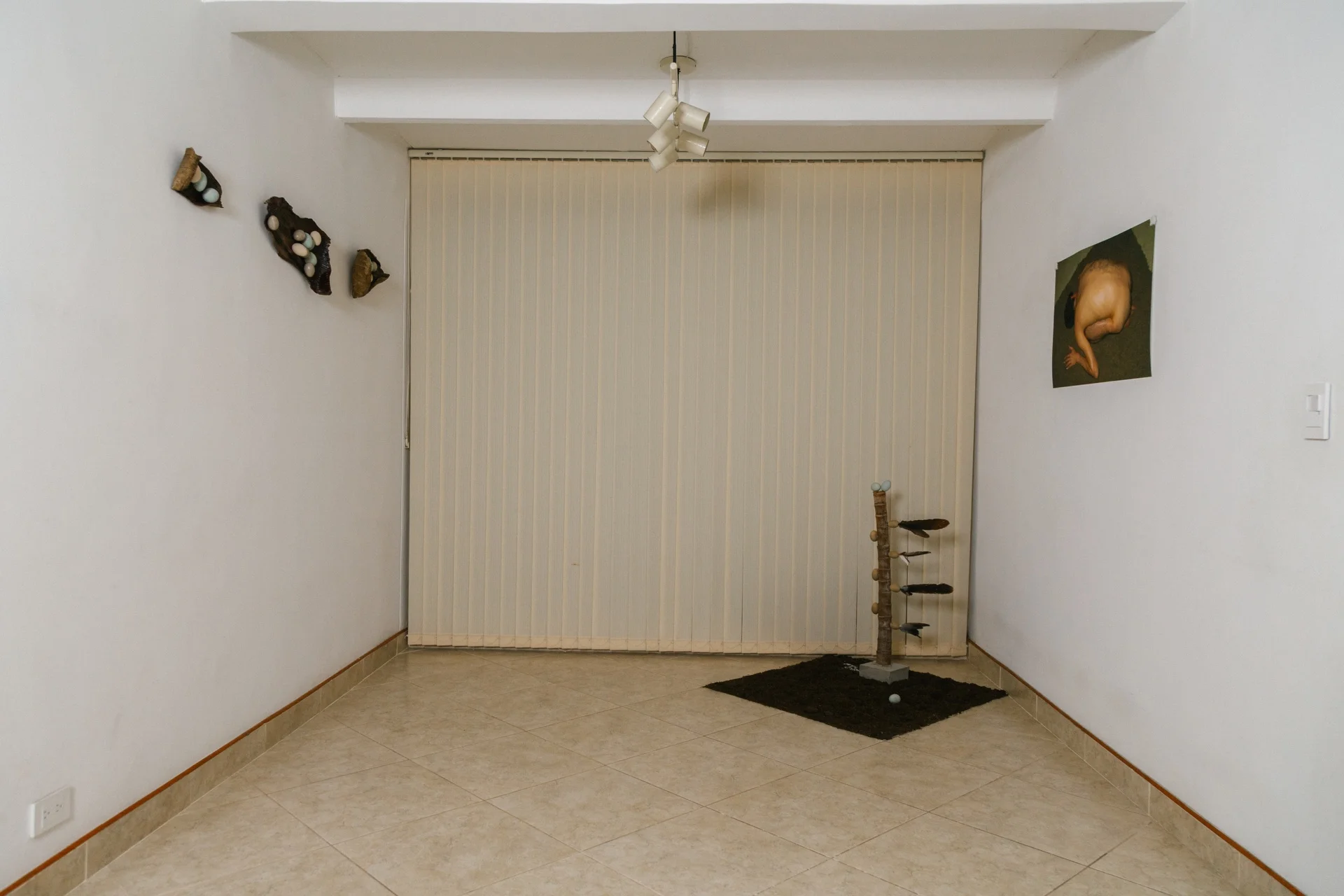
Medellín / 2026
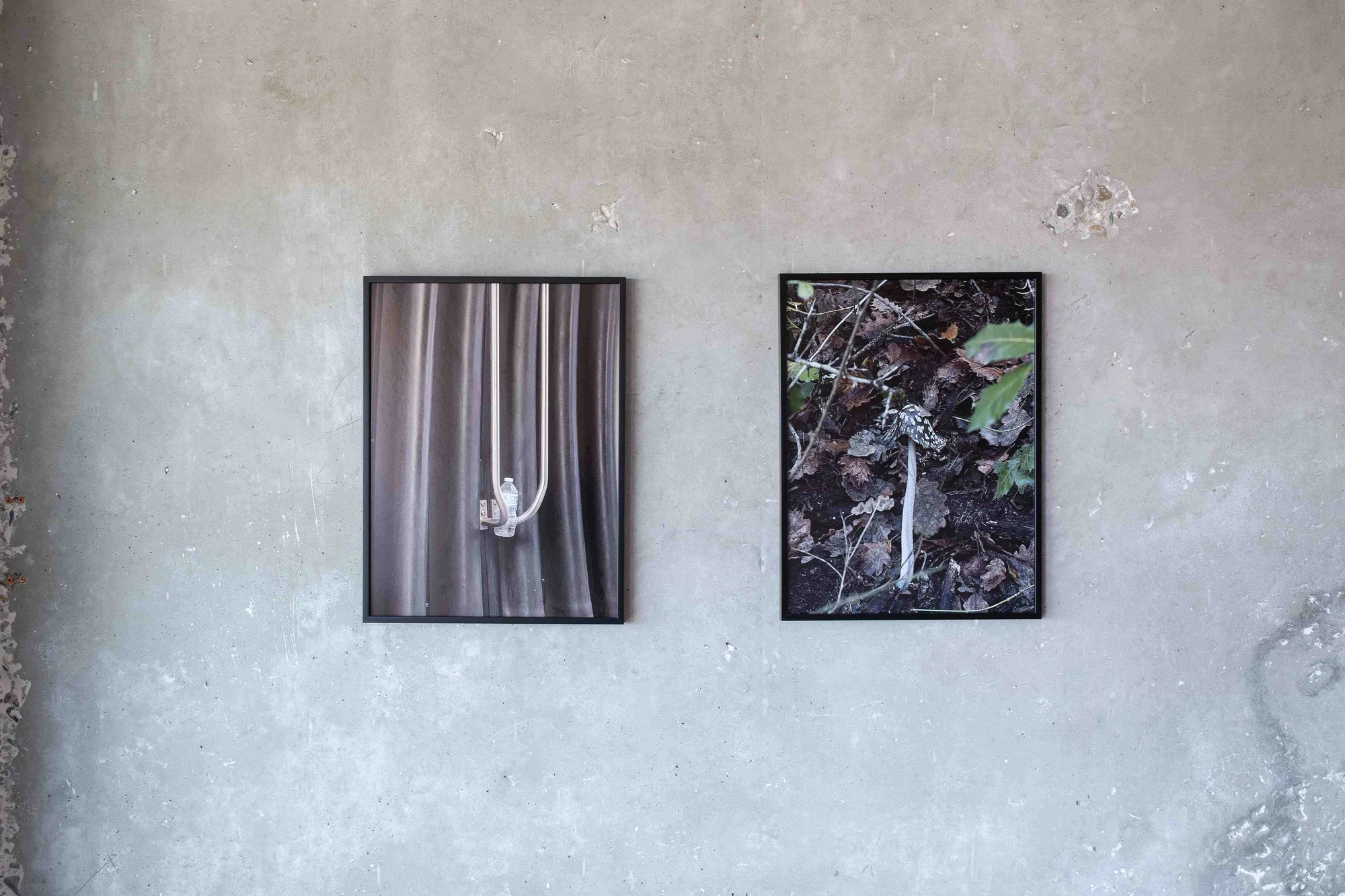
Bordeaux / 2026
 Features
Seoul / 2026
Helsinki / 2026
Prague / 2026
Bratislava / 2026
Paris / 2026
Prague / 2026
PADA Studios / George Turner
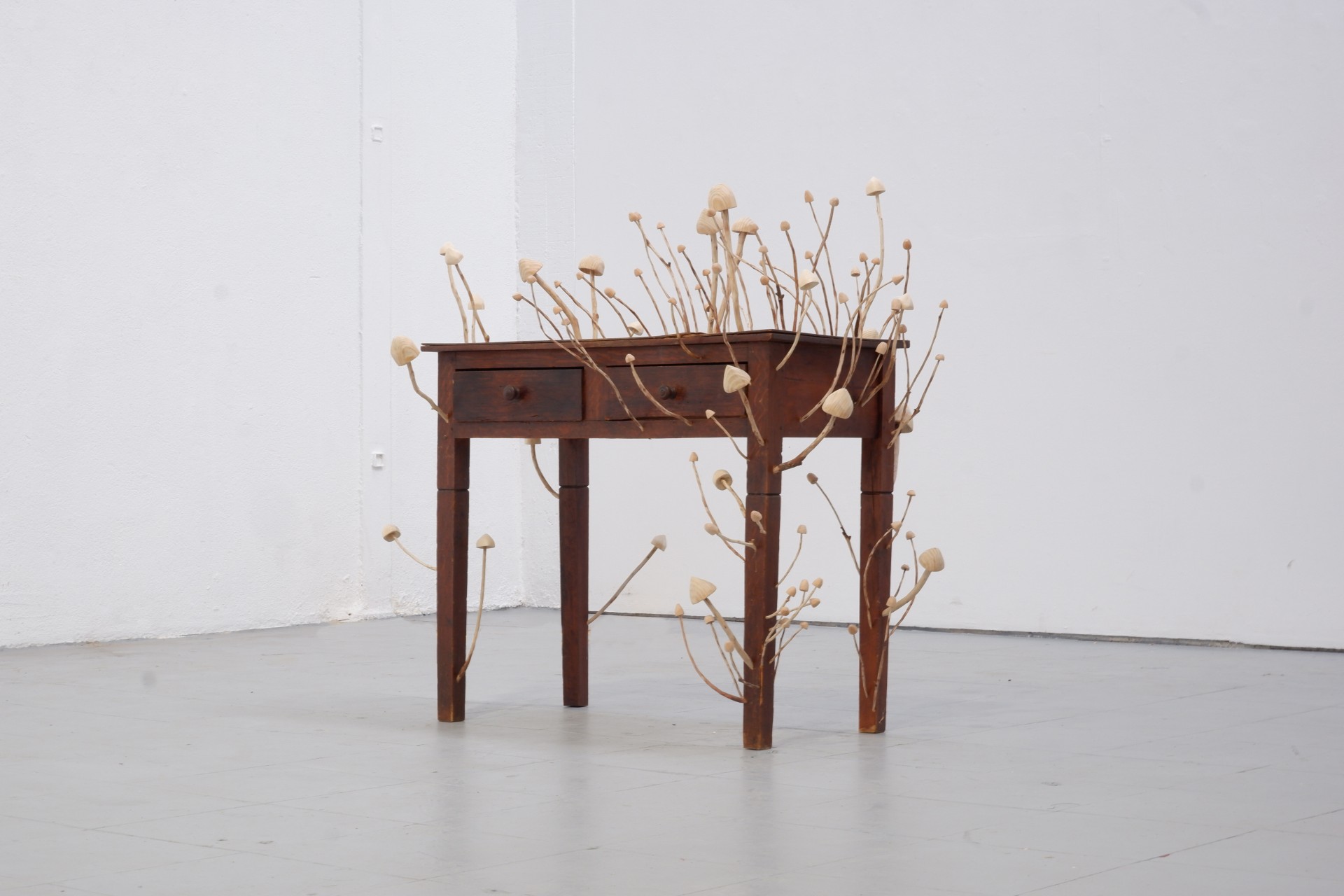
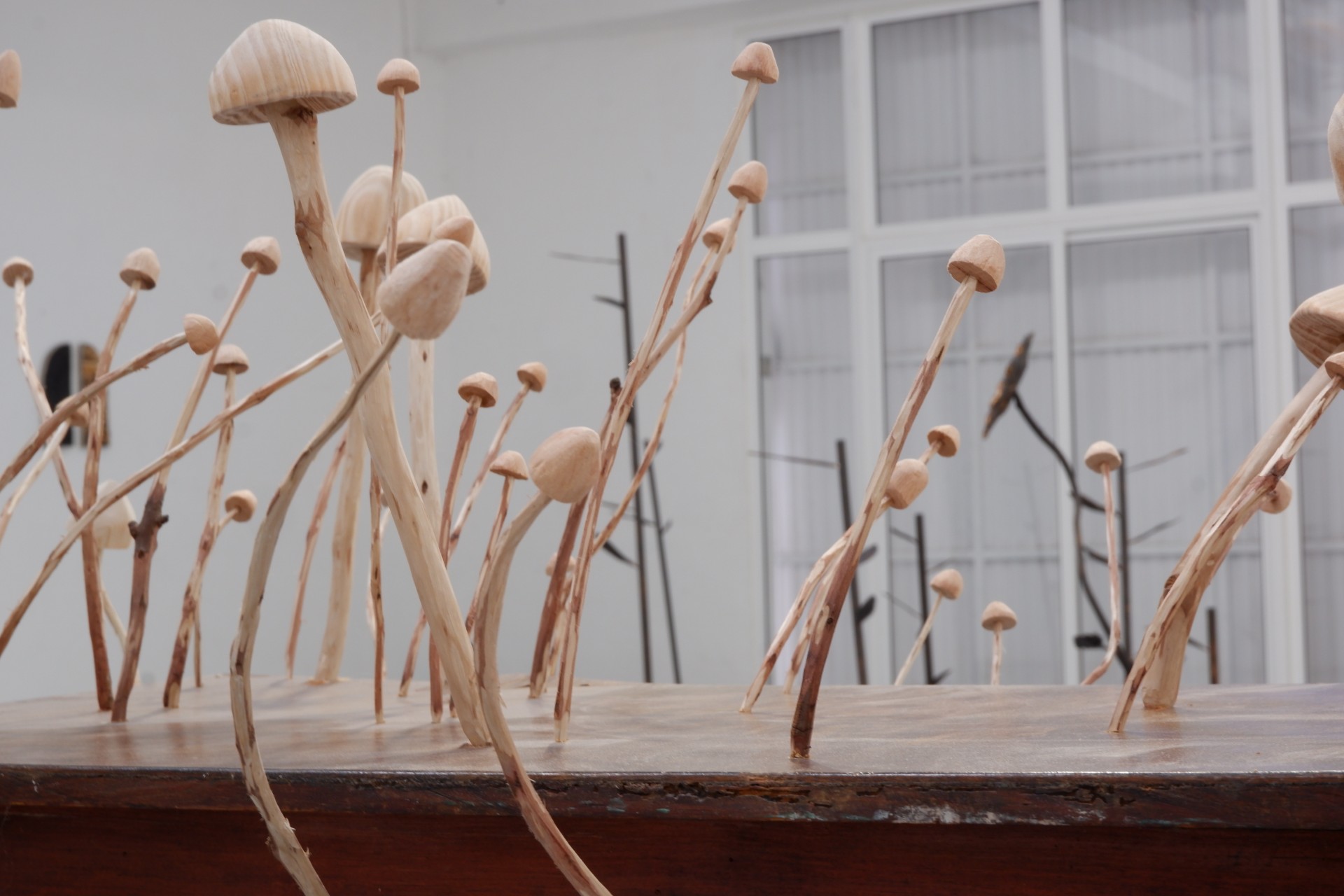
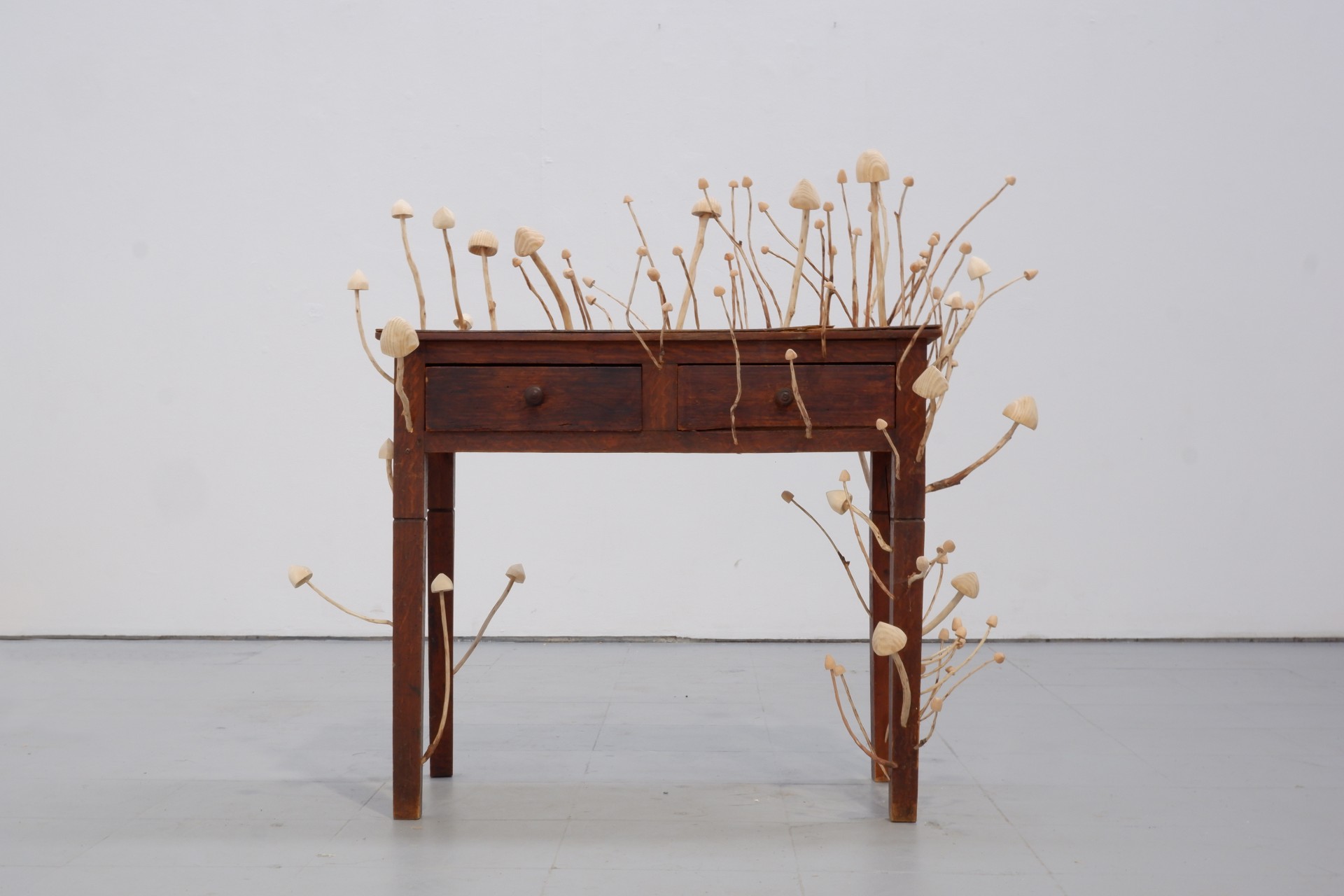
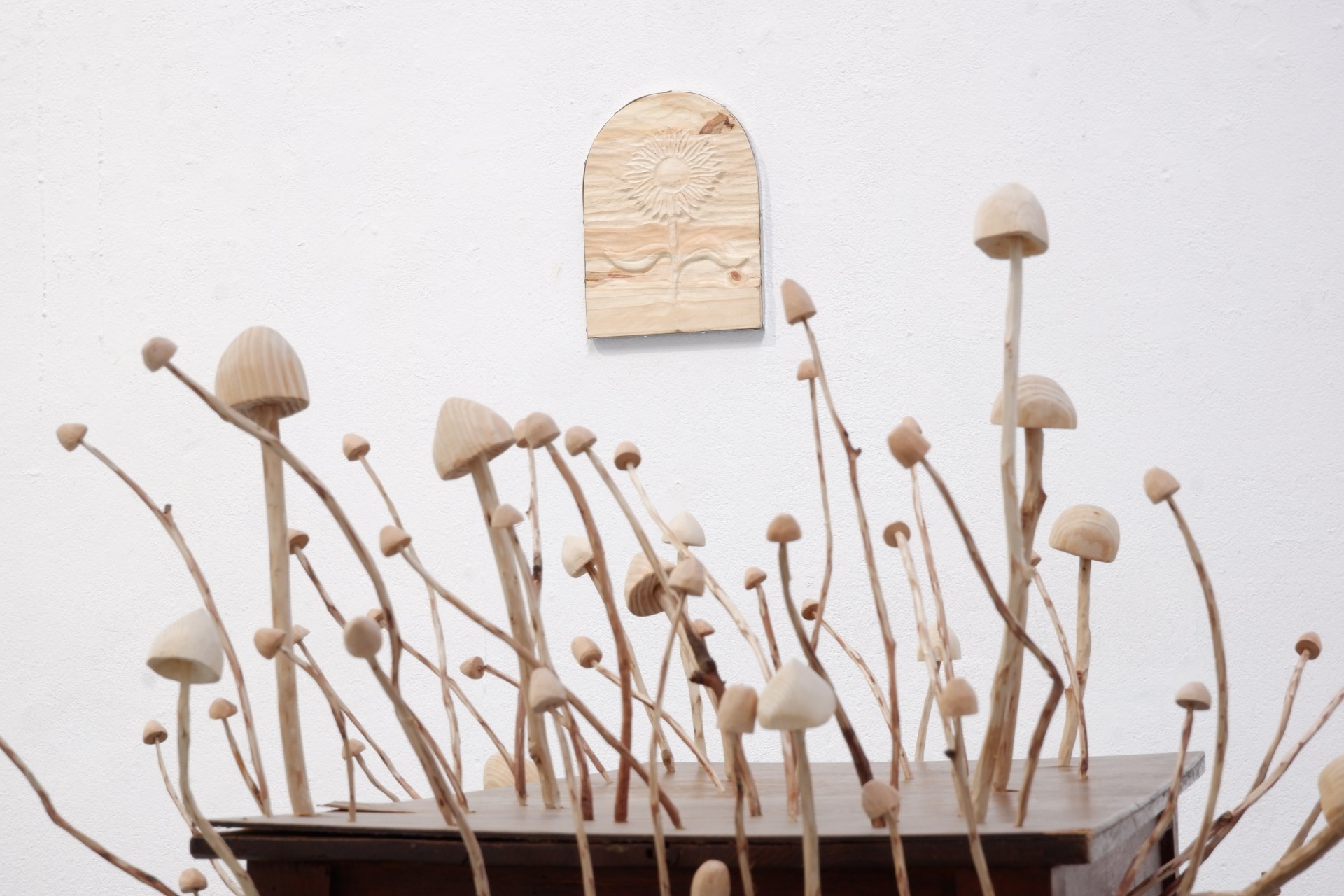
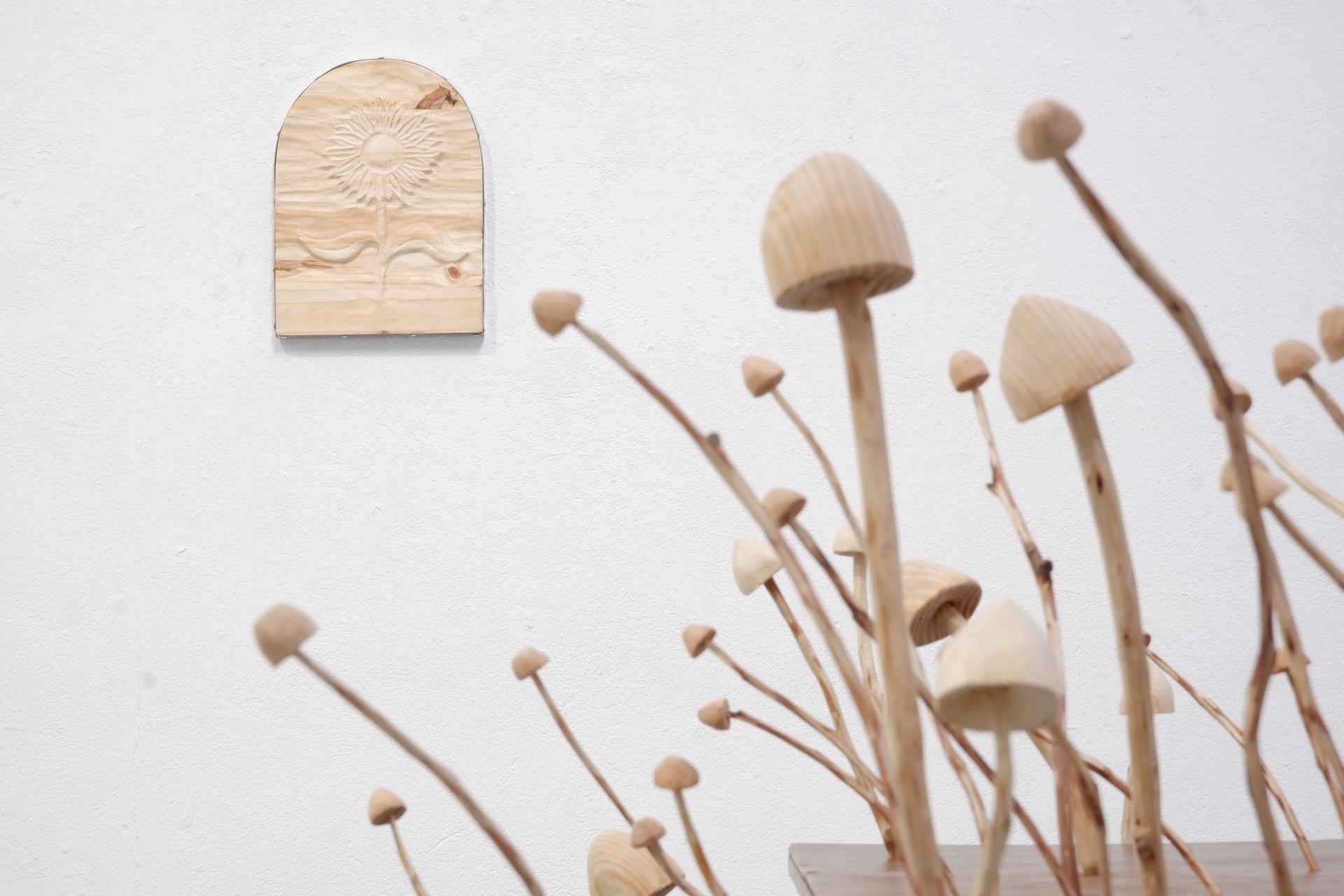
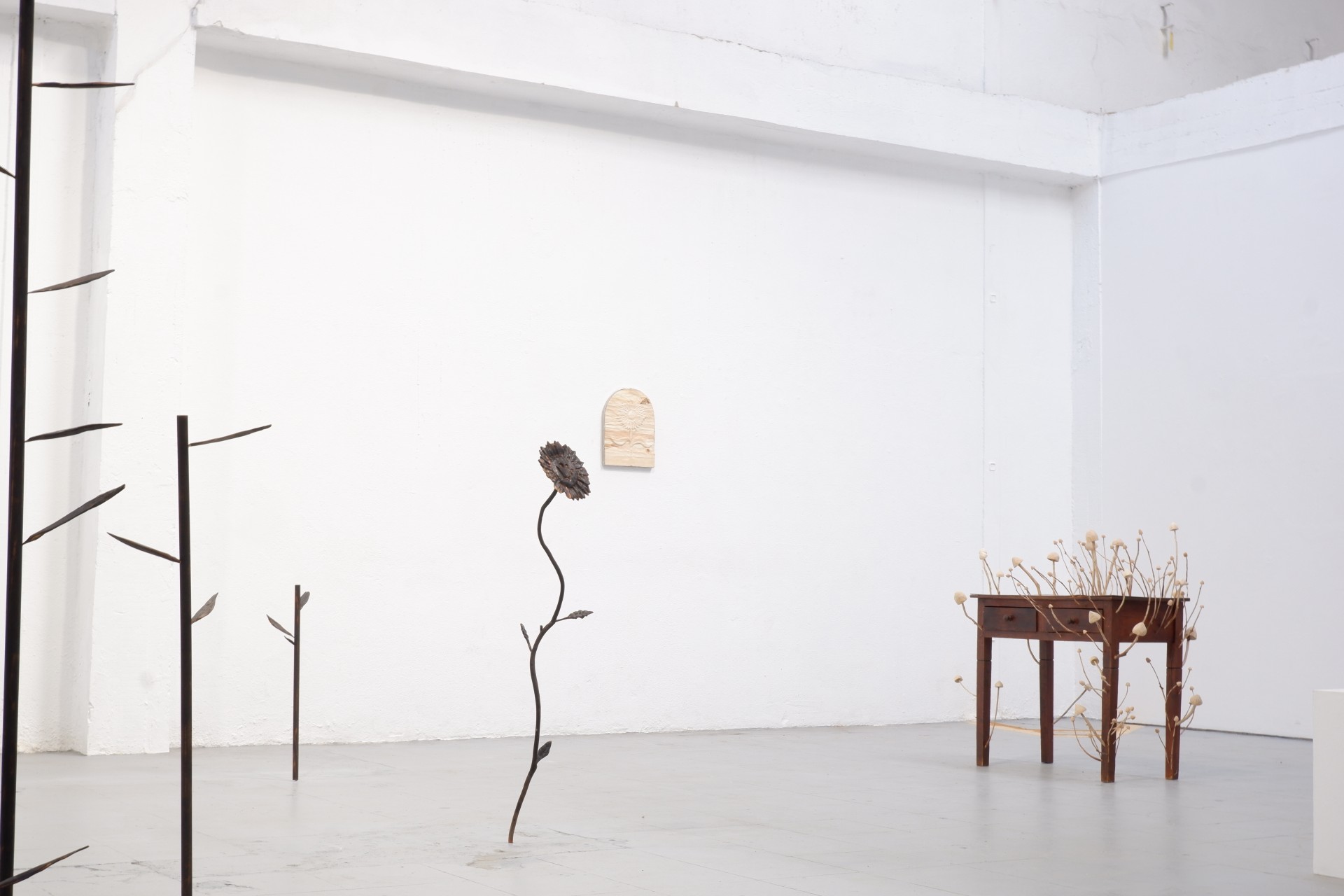
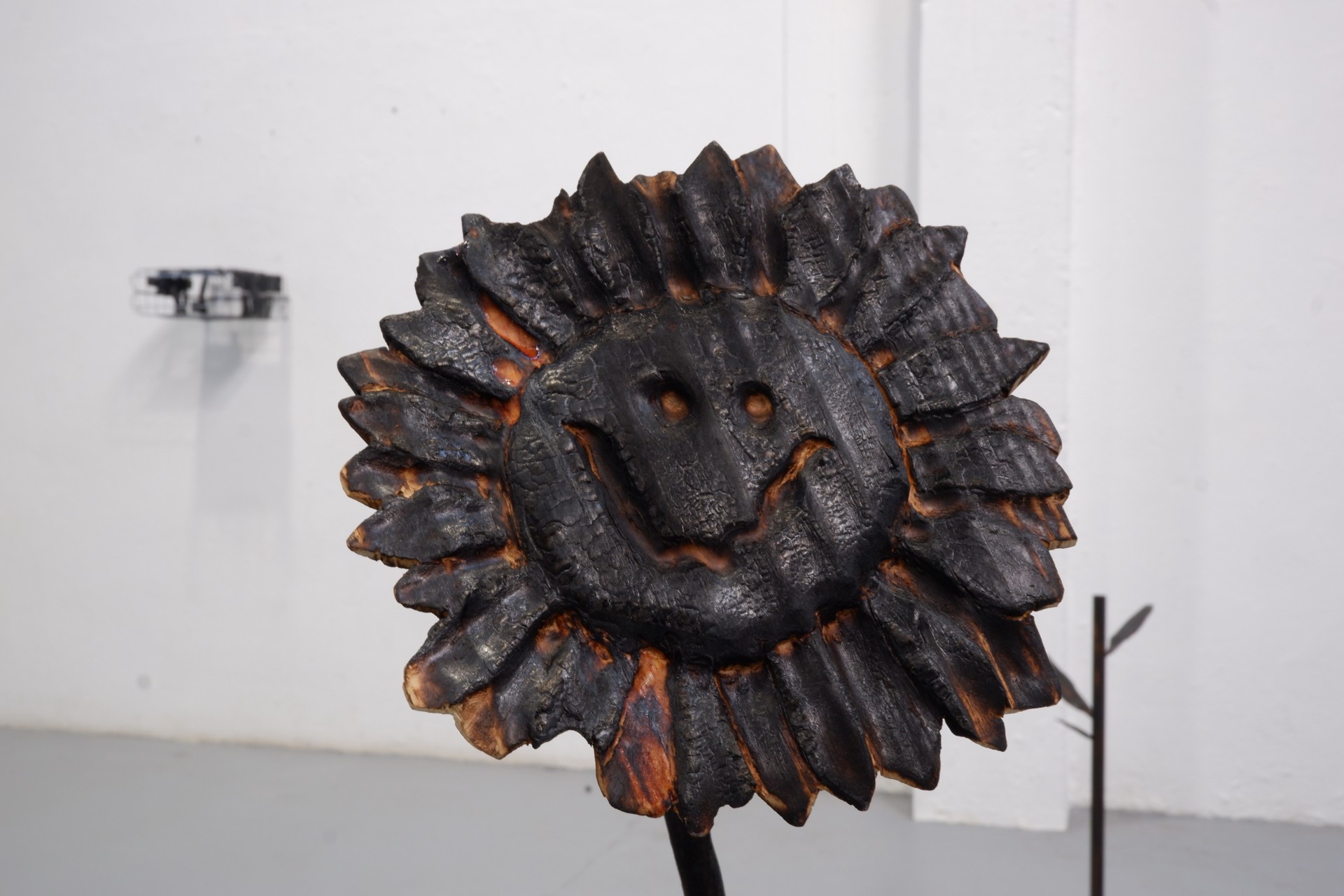
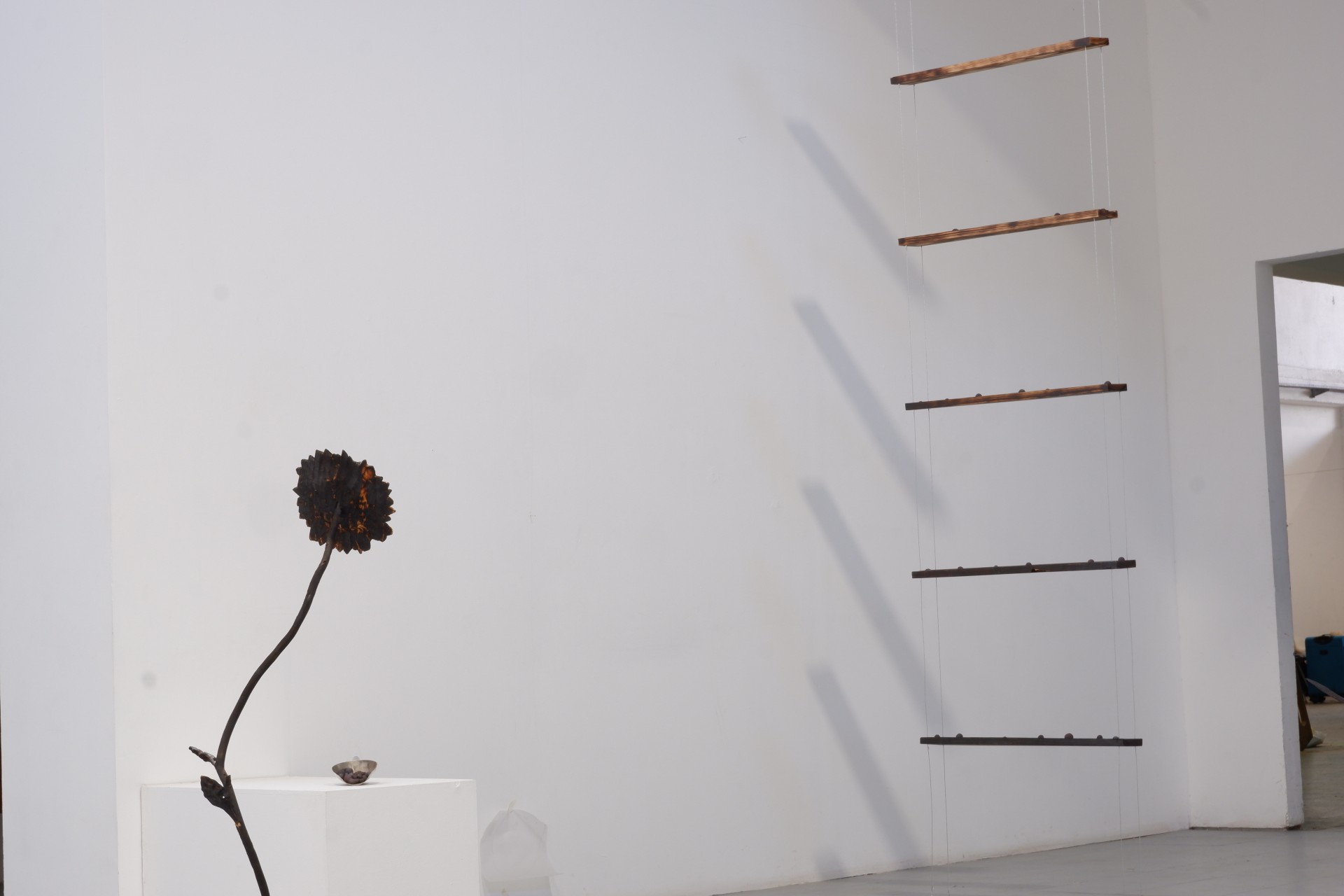
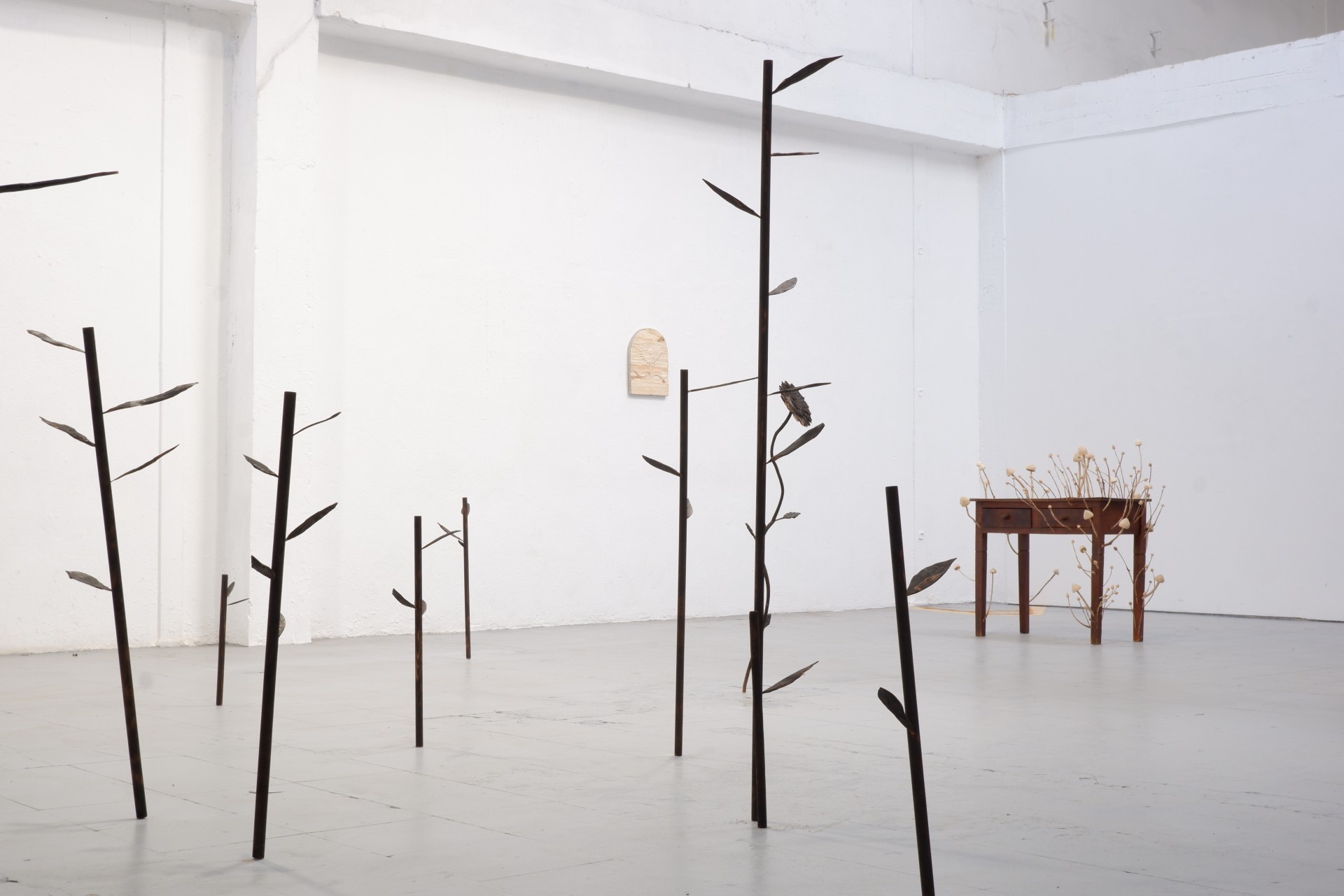
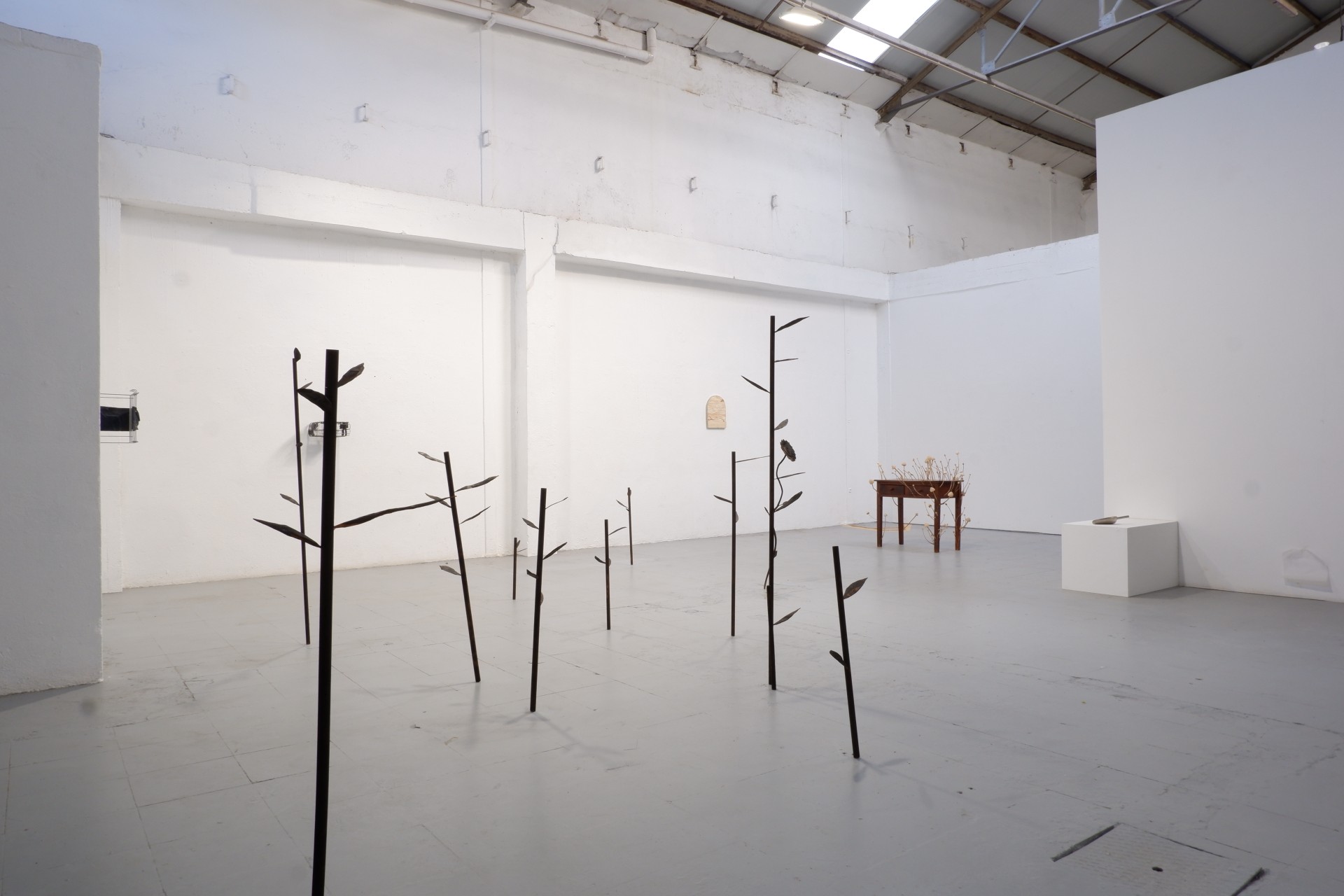
Across The Stages of Grief, a single gravitational field holds the exhibition together: a meditation on how matter carries history, how the residues of colonialism and industrial extraction persist within the world long after their initial systems collapse, and how nonhuman life responds with its own slow, corrective intelligence. Each object—ladder, desk, cane, triptych, and sunflower—functions as a site where the human and more-than-human encounter one another as forces rather than symbols. This is a world in which phytoremediation becomes more than a horticultural process; it becomes a dark ecological condition, where growth and decay operate simultaneously, and where the materials themselves—charred pine, iron pellets, invasive cane, fungal bodies—speak with the gravity of long histories. The works’ burned surfaces and warped forms register the violence of extraction and the exhaustion of human systems, while their emergent plants and spores enact quiet counterforces, subtle resistances against the weight of anthropocentric time. Each work stages a different articulation of material agency. The Shape of the Fall extends from floor to ceiling like an inverted geological record, the heaviest contamination settling at the base, the iron pellets collapsing its rungs as though gravity were a political force. A Place to Watch the World Rot converts the domesticity of a desk into a posthuman workstation, where mushrooms breach its surface not as whimsical intruders but as evidence of infrastructural failure and ecological return. Inherited From the Wound scatters burnt canes across the gallery, reconstructing the invasive geometry of colonial agriculture—an architecture that continues to grow, uninvited, long after its originating empire has vanished. These works operate less as metaphors and more as material enactments of what some describe as “slow violence”: temporalities in which contamination, labour, and ecological adaptation remain inseparable. The final works—Unintended Return (A Whisper) and The Weight of Gravity on the Surface of the Sun—fold these registers back onto the figure of the sunflower, a plant historically mobilised for phytoremediation and here rendered as both sentinel and witness. In the triptych, one unburnt bloom holds open the possibility of renewal while its scorched flanks register collapse; the 1.4-metre sunflower rising from the floor, pulled by an uncanny gravitational force, stands as a posthuman effigy of the Anthropocene—a body stretched between light, labour, and the toxic soils from which it grows. Together, the works propose a cosmology in which human significance is displaced by material entanglement: the sun’s pull, the weight of metals in the earth, the persistence of invasive species, the labour encoded in wooden surfaces, the slow intelligence of fungi. This is not a narrative of redemption but of entanglement—an acknowledgment that the world does not end but mutates, and that the future will be shaped as much by the dark growth beneath our feet as by the structures we once believed we controlled.
Artists in this exhibition
More at PADA Studios
More in Lisbon
Related topics