Klaus in Vorarlberg / 2026
Der Kopf ist rund, damit das Denken die Richtung wechseln kannGalerie Brugger
Klaus in Vorarlberg / 2026
Der Kopf ist rund, damit das Denken die Richtung wechseln kannGalerie Brugger
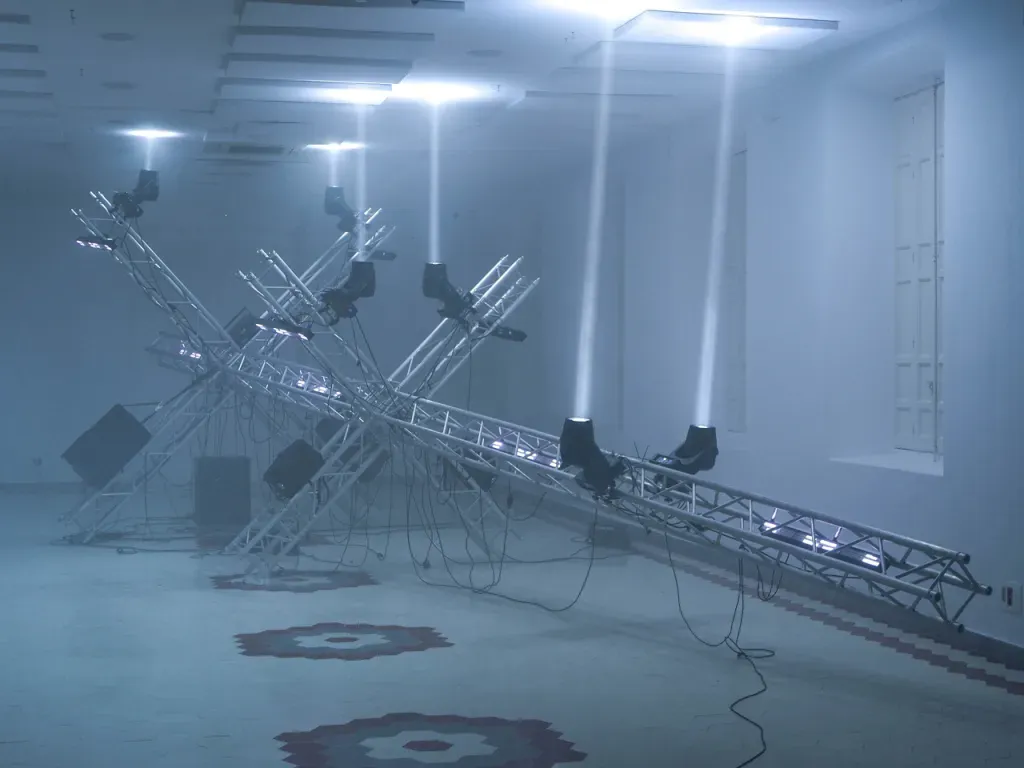
May 22 — June 01, 2026
Leo Pum @La Térmica, Málaga KRVCE festival
Everything you need to plan, apply, and move your art career forward.
Hamburg / 2026
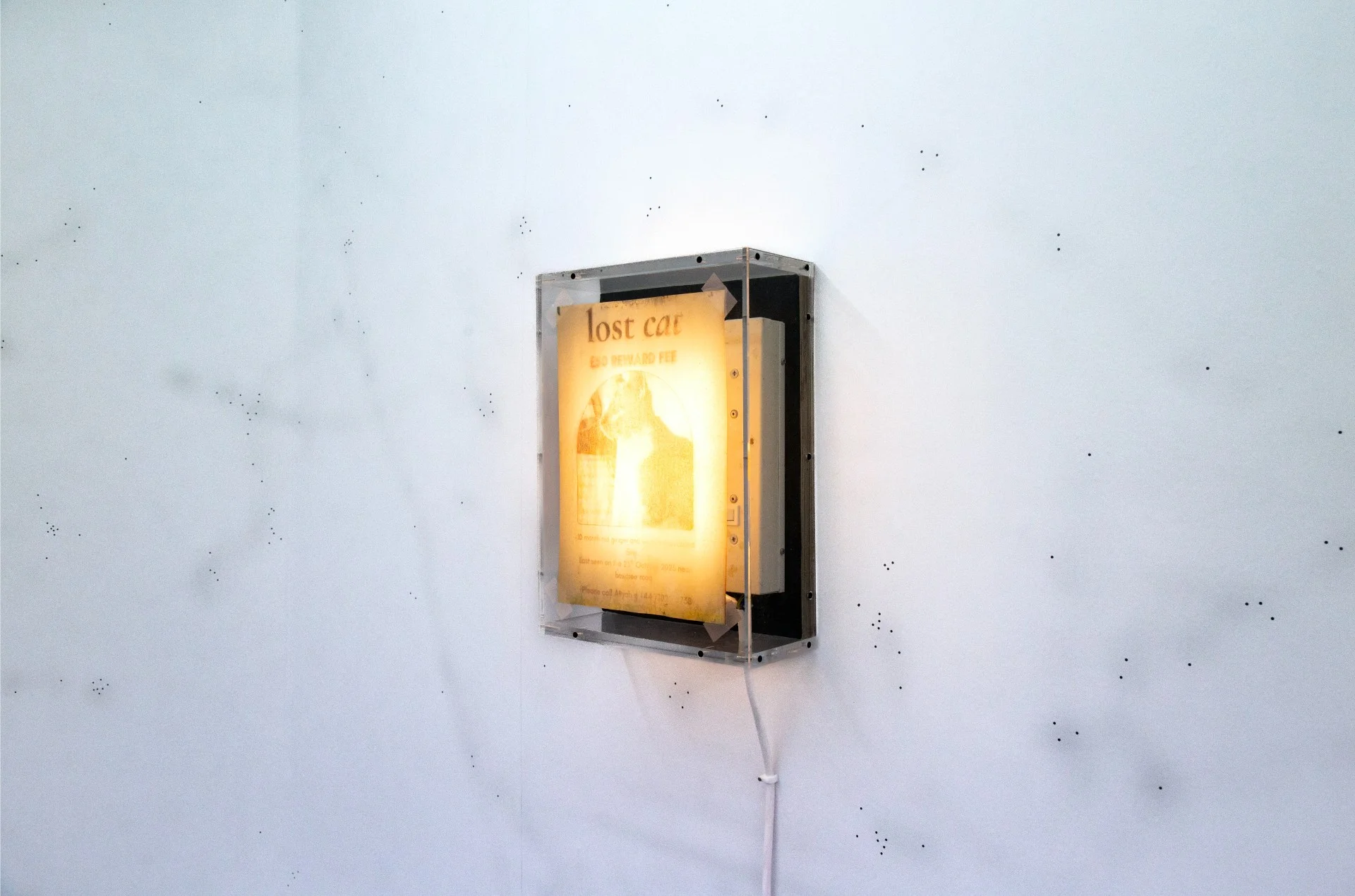
London / 2026
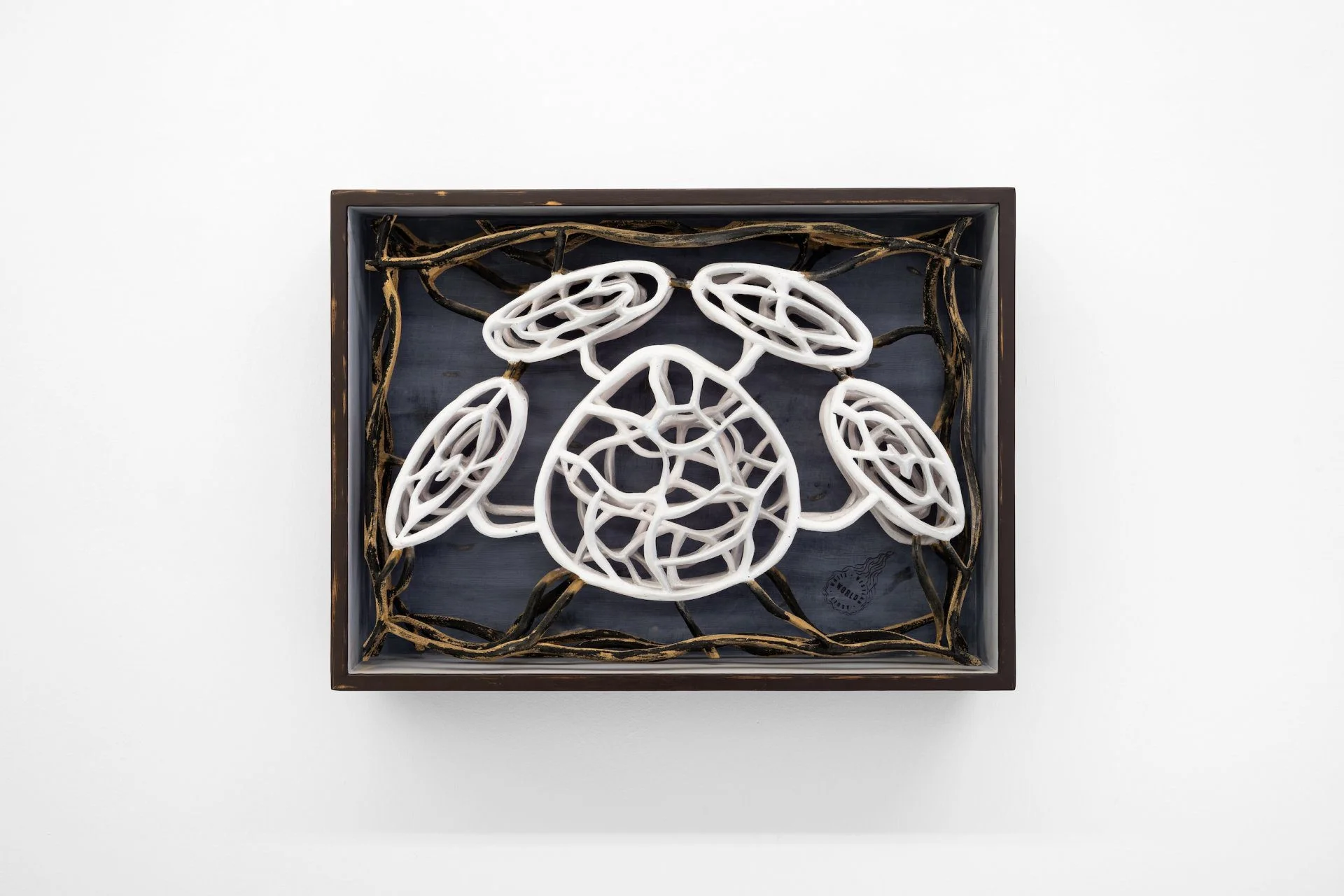
Cologne / 2026
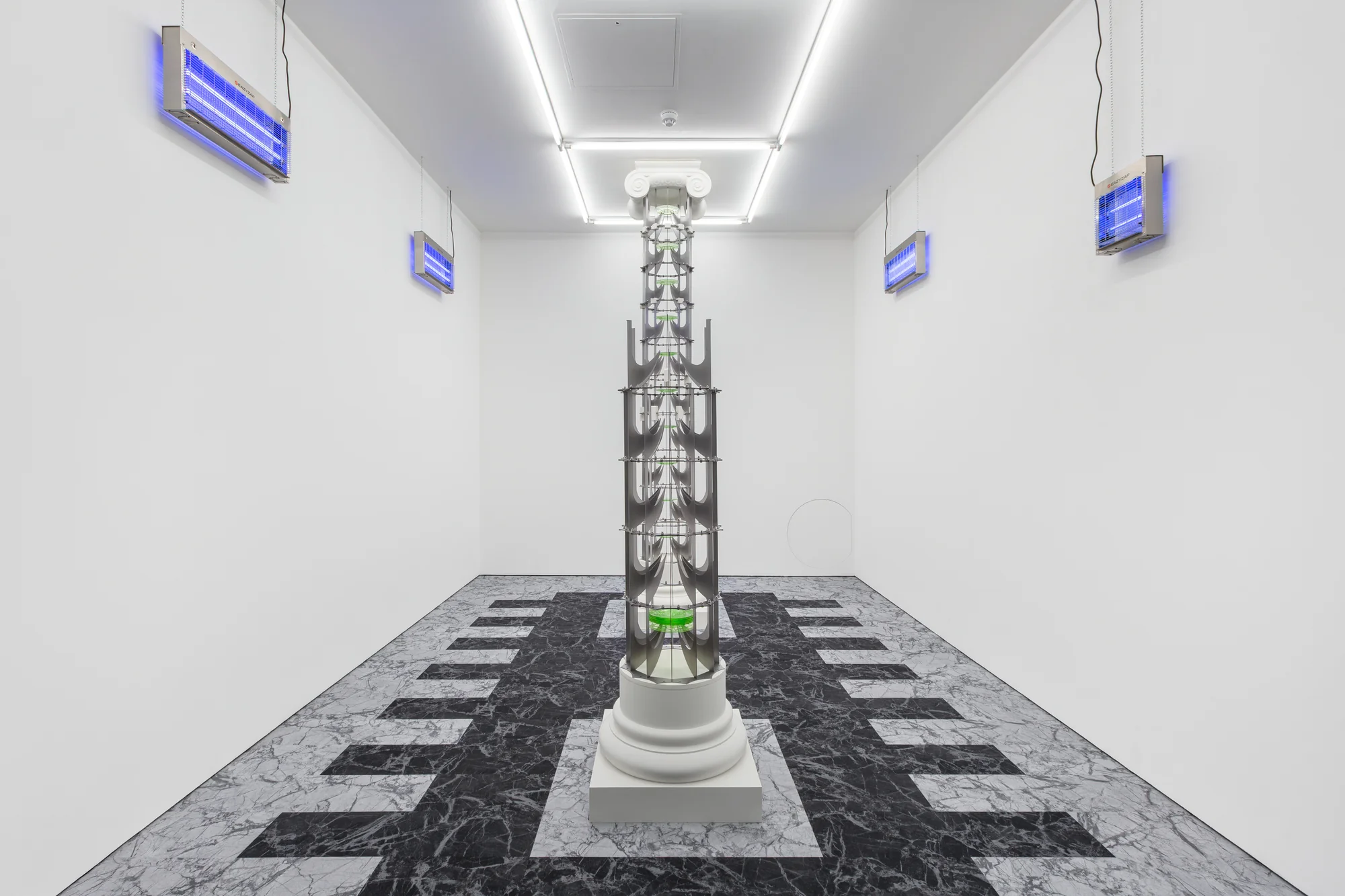
London / 2026
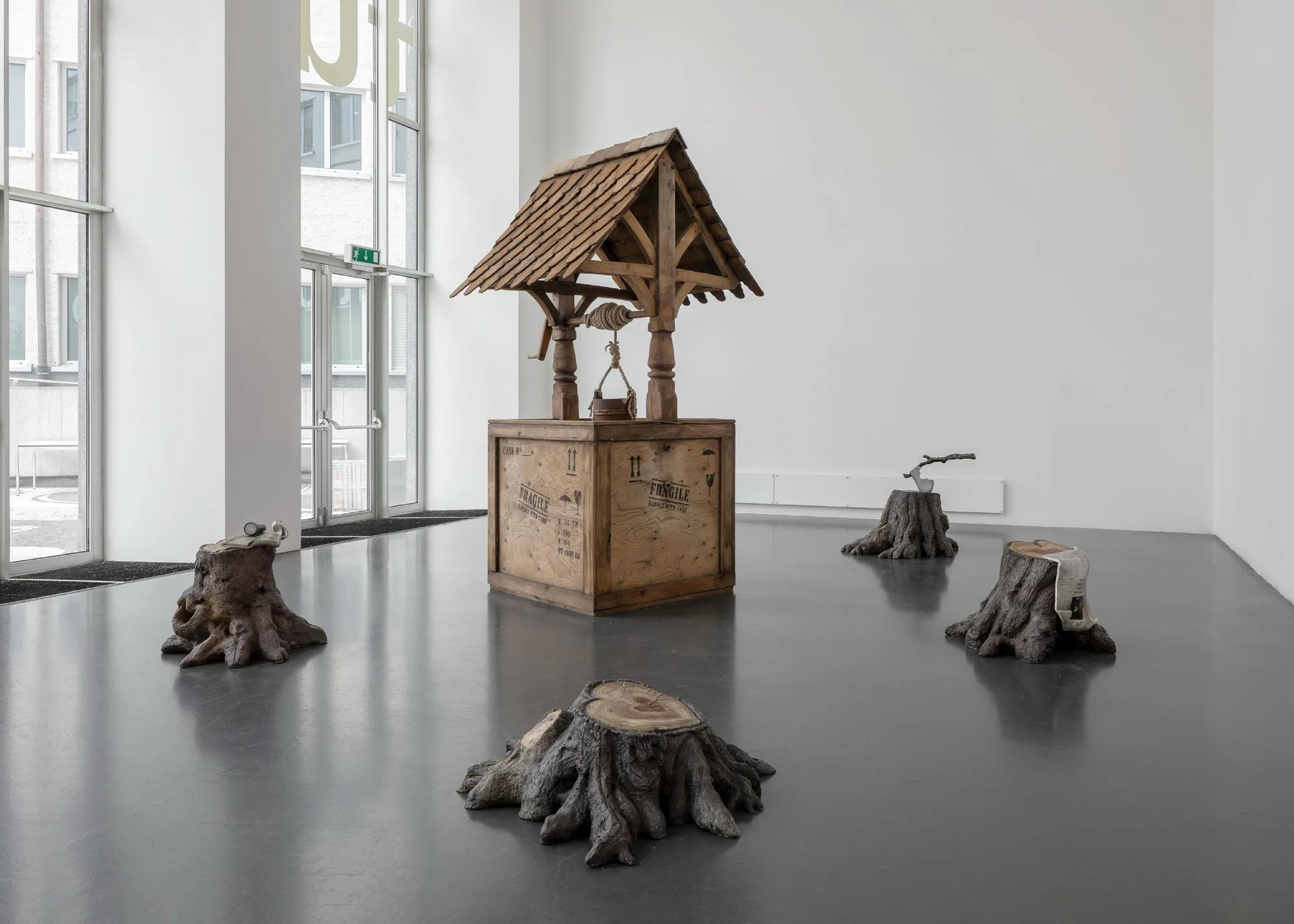
Milan / 2026
Oslo / 2026
Medellín / 2026
Bordeaux / 2026
 Features
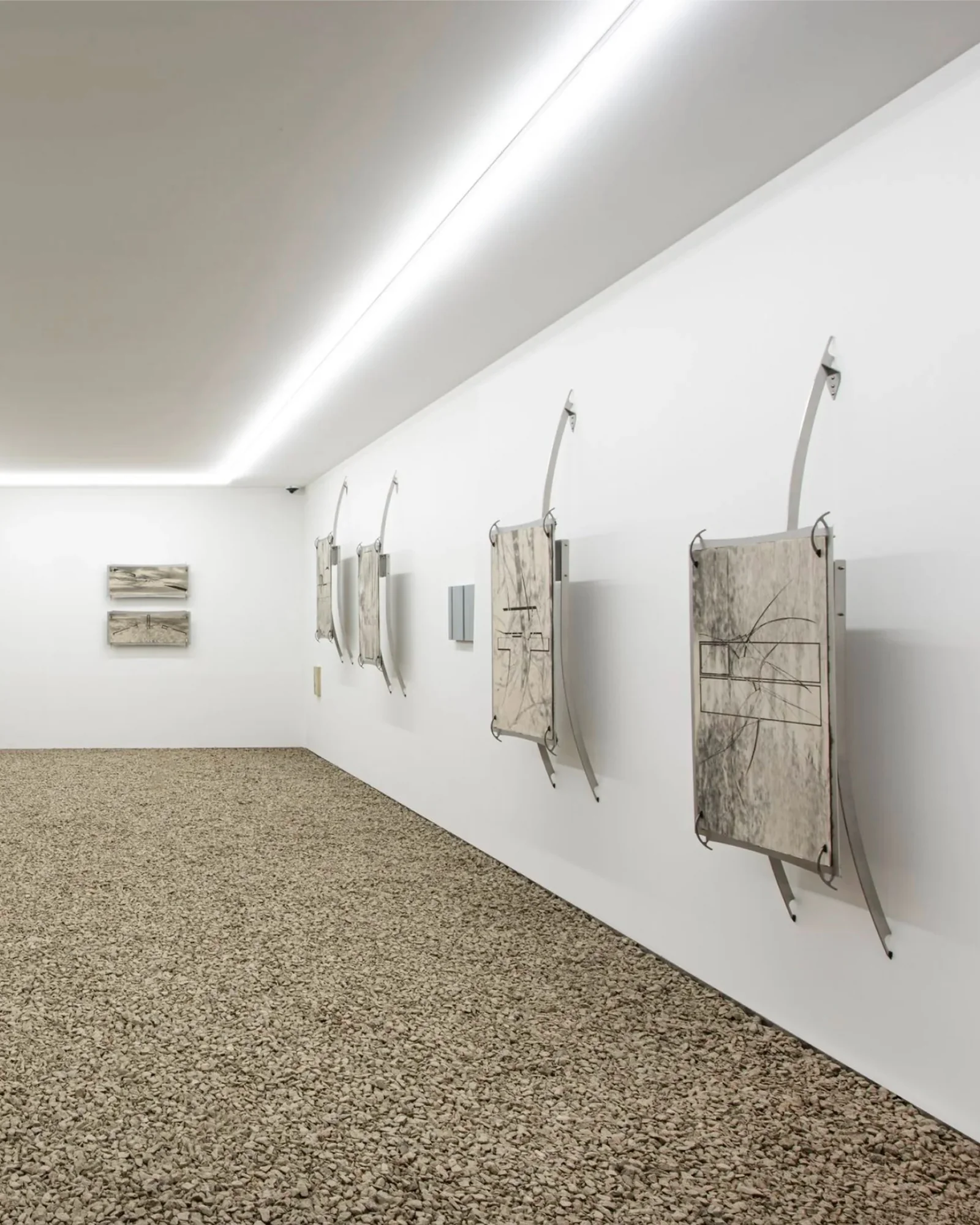
Seoul / 2026
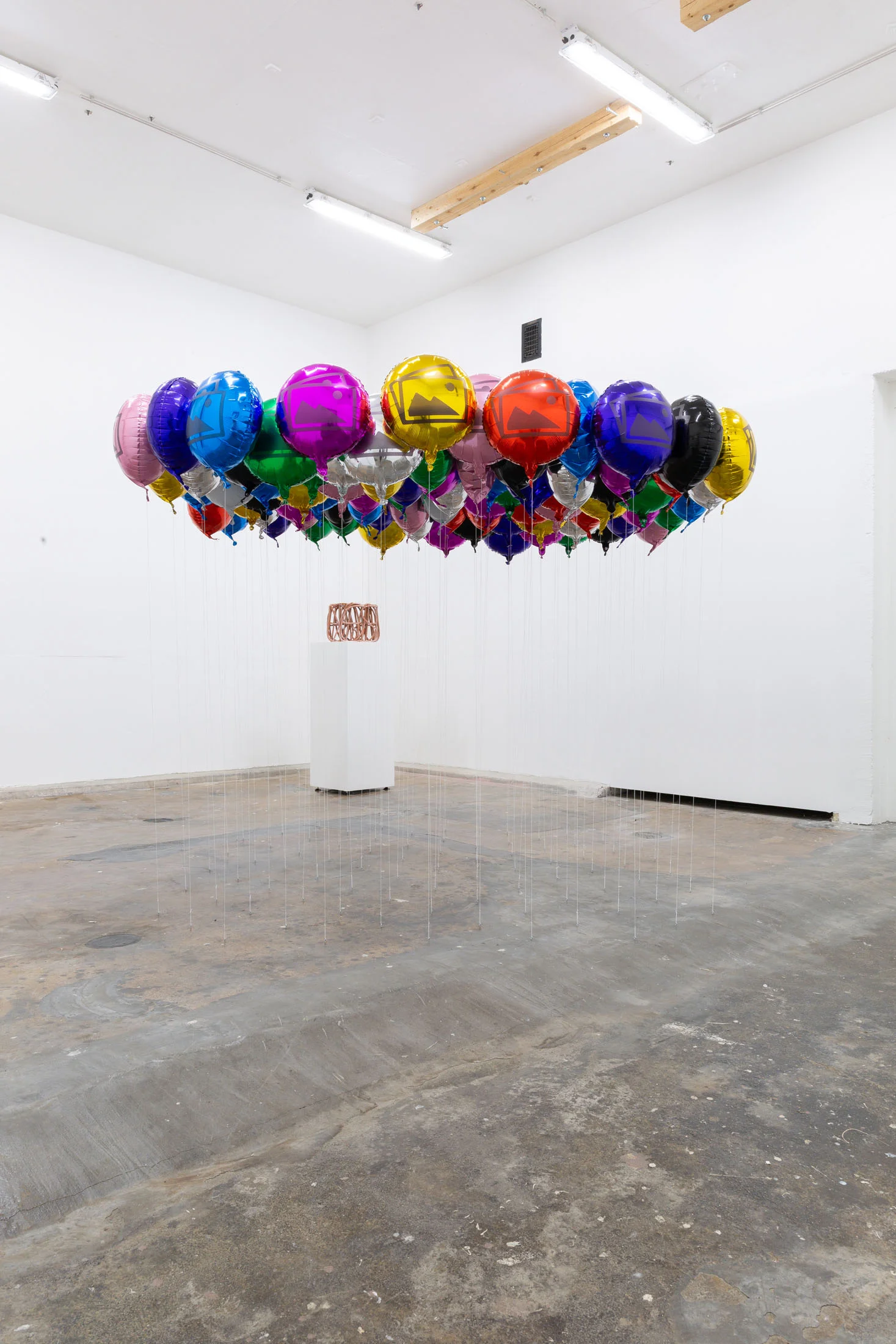
Helsinki / 2026
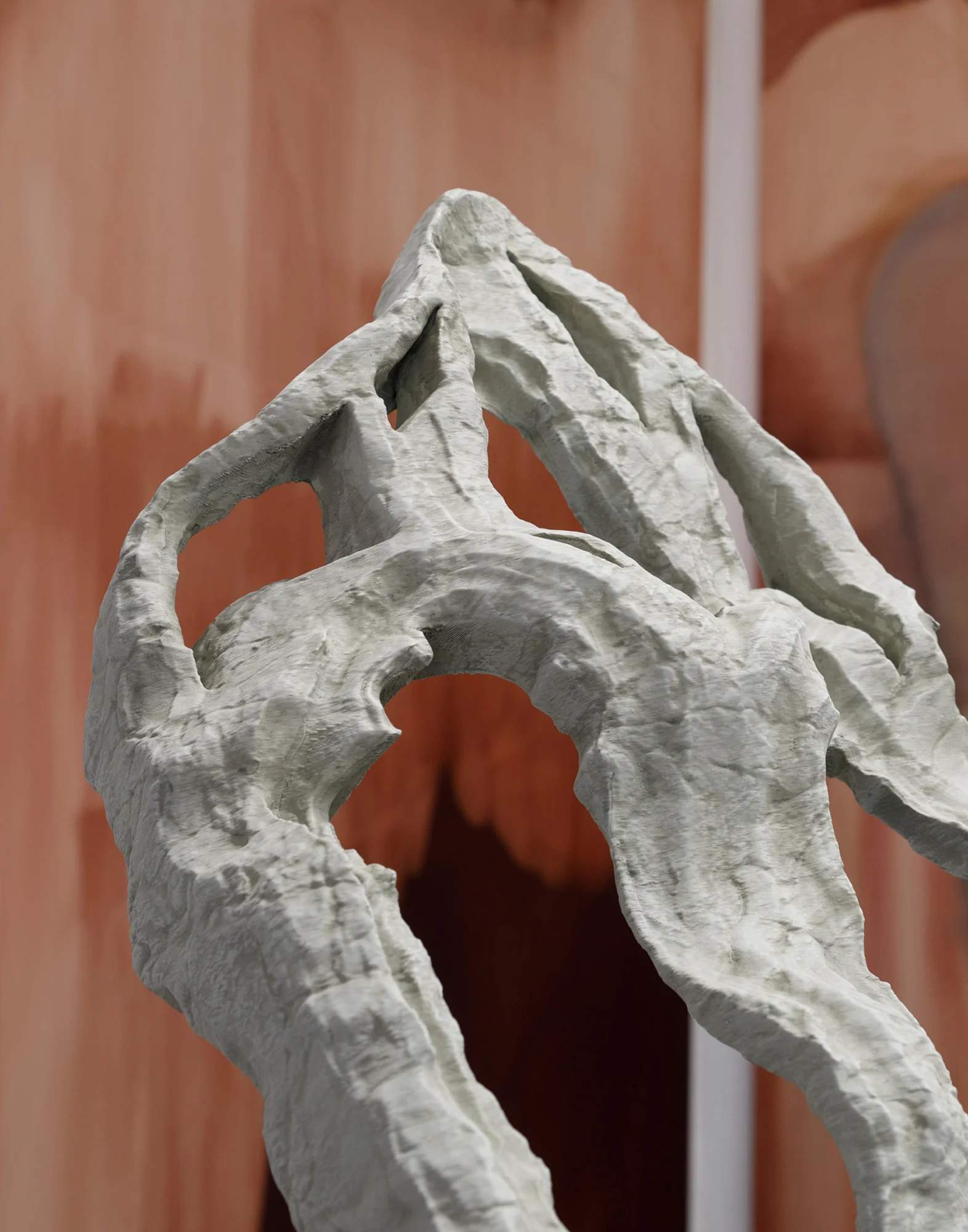
Prague / 2026
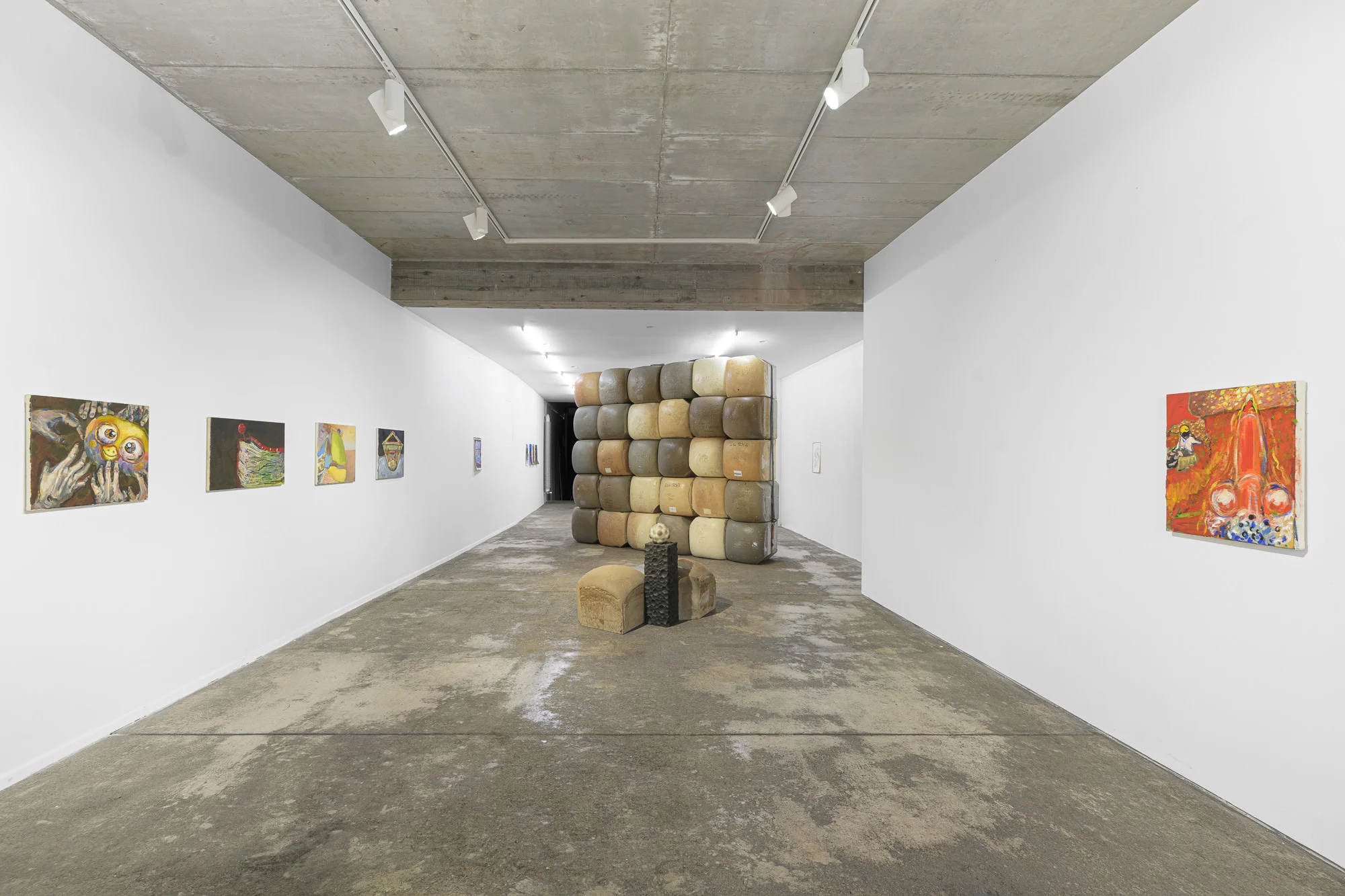
Bratislava / 2026
Paris / 2026
Prague / 2026
SEOUL, SOUTH KOREA / 2025
Shower / Sojung park and Yorgos Agrotes
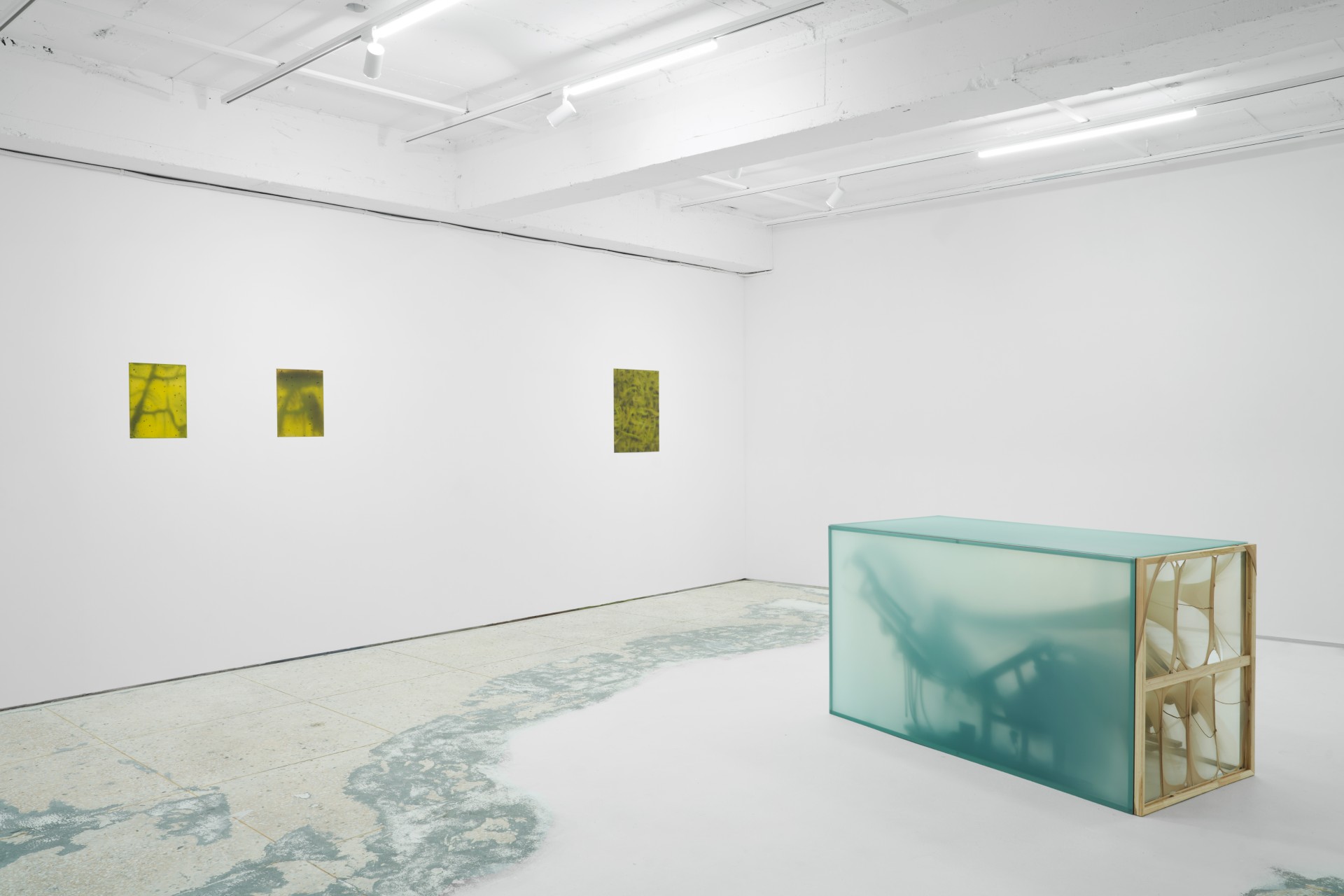
Relaxation is difficult to pin down. Even in those rare moments when we believe ourselves to have experienced it, it remains merely fleeting. At those times when we sense ourselves relaxing briefly amid profound tension, there is a different layer of tension that pervades. The relaxation that once seemed granted to us as naturally as breathing now feels strange and unfamiliar. No longer something that visits us on its own, it is a state that can just barely be achieved through conscious training and repeated practice - drifting off toward a horizon of complete unattainability.
Today’s massage industry bills that receded sensation as a product available for immediate consumption. Expensive massage chairs and various other massage devices confidently promise us relaxation, but even that pledge remains trapped in a cyclical equation of “tension > resolution > returning.” The underlying assumption is that there is a predetermined “original” state that we should return to, where relaxation operates not as liberation but as a returning mechanism. The origin in question is a body capable of working, and “relaxation” is standardized amid the demands of the capitalist timetable and productivity.
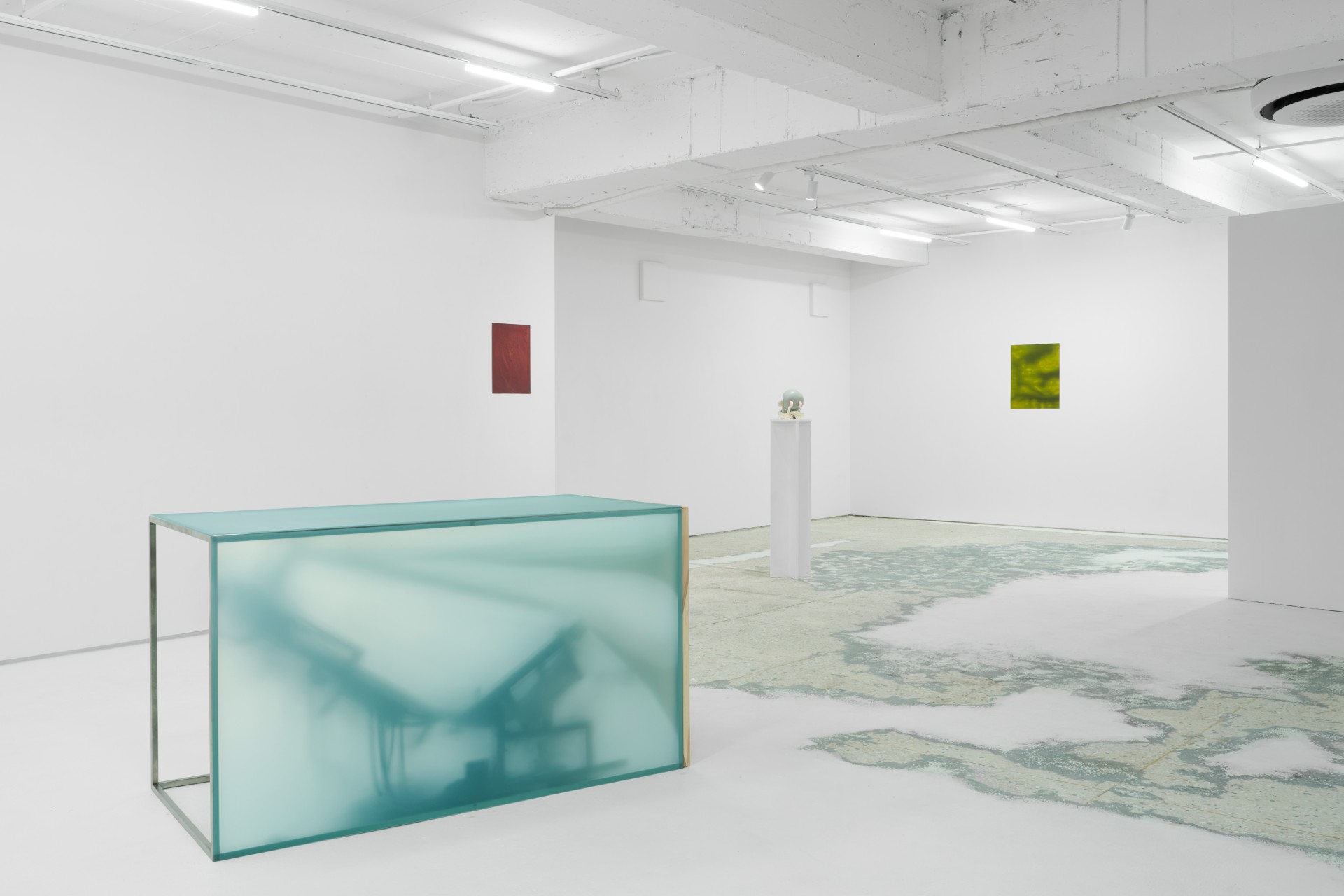
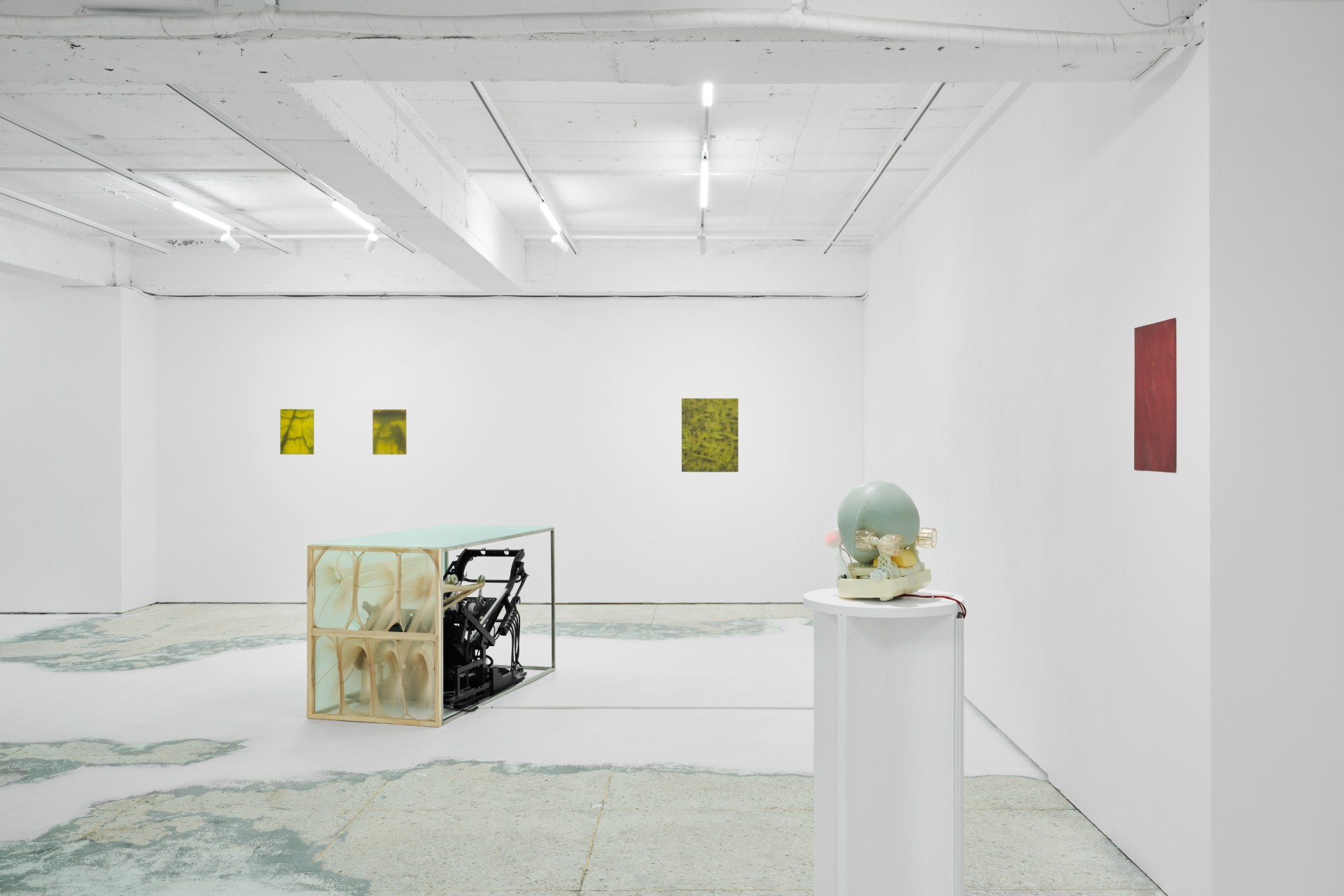
The exhibition Massage Platz aspires to the deconstruction of this narrow pathway. The “Platz” is a place where the individual can briefly set themselves down, as well as a provisional place for people to gather and scatter without purpose. Stripped of function and goals, this empty space harbors a sense of indeterminacy and pure potential, seeking a way of sliding outside the familiar order and stripping away the surfaces of schematized relaxation.
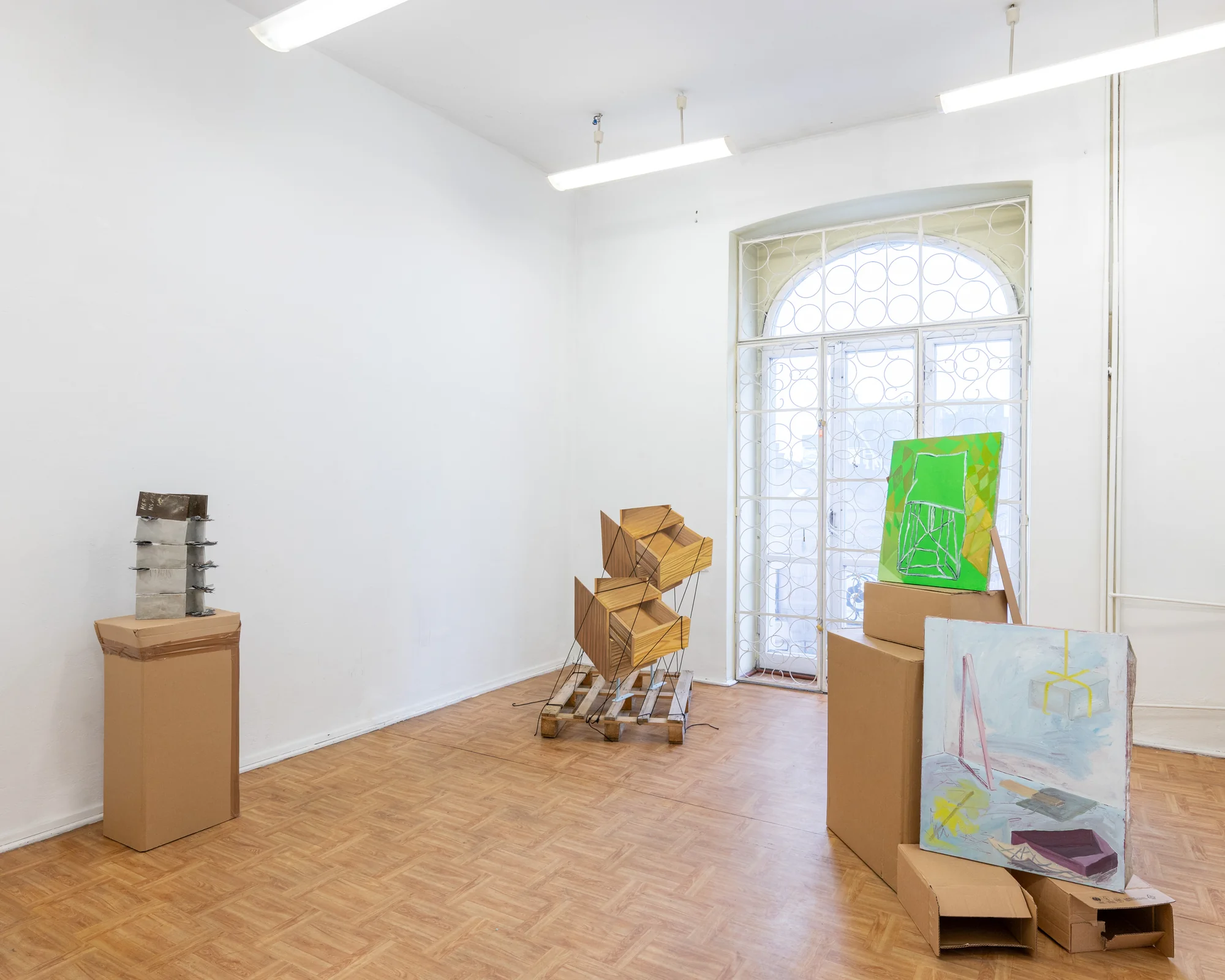
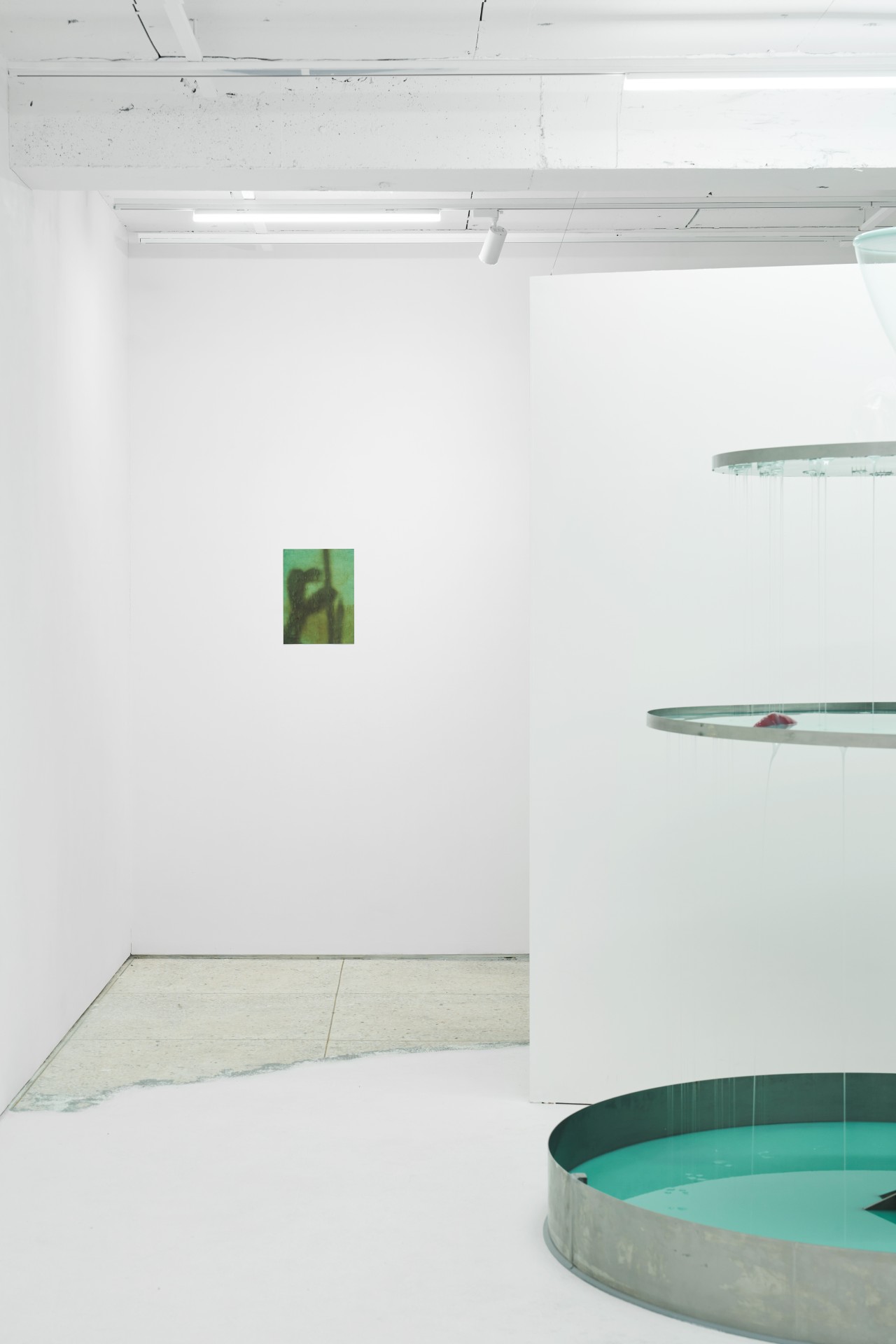
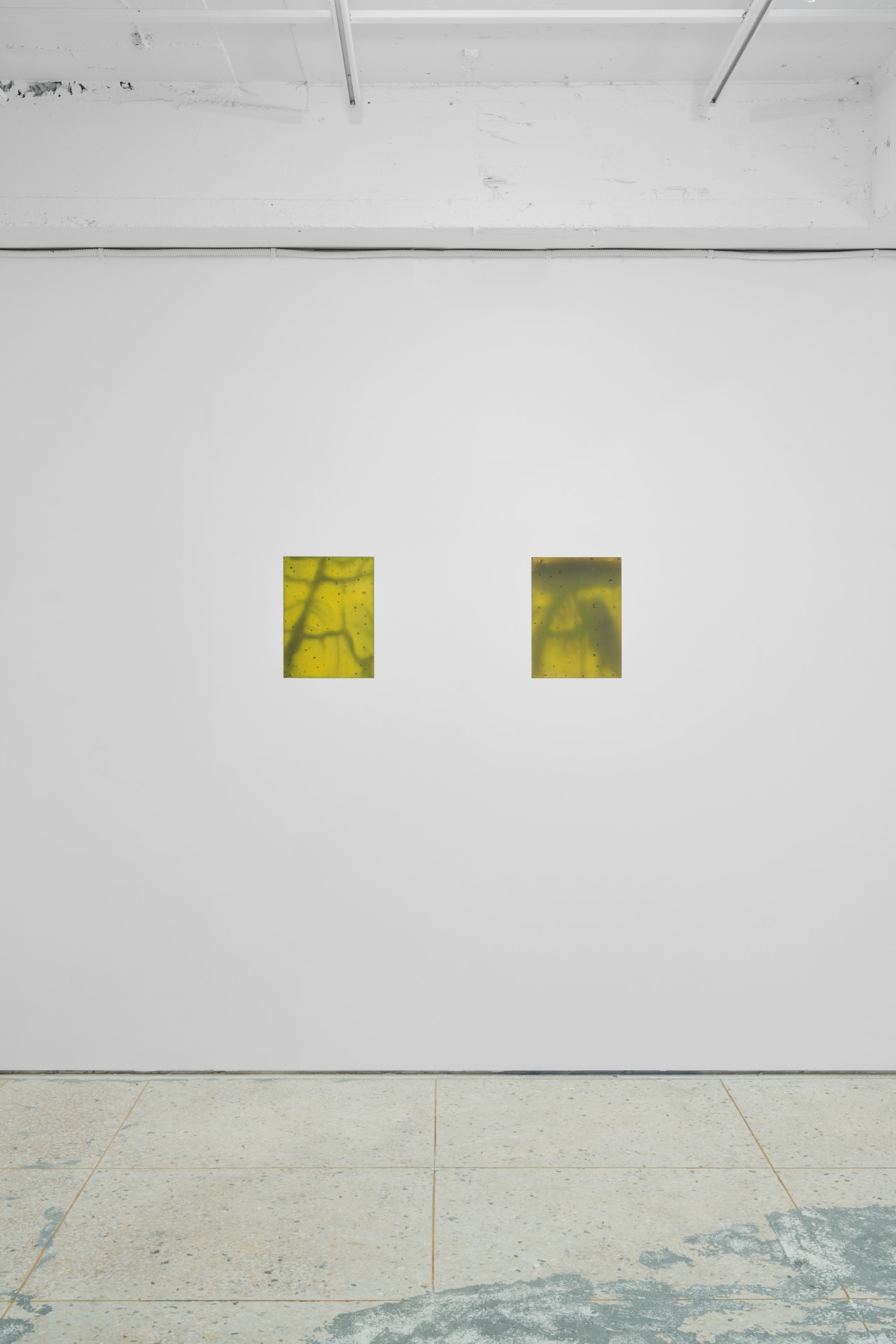
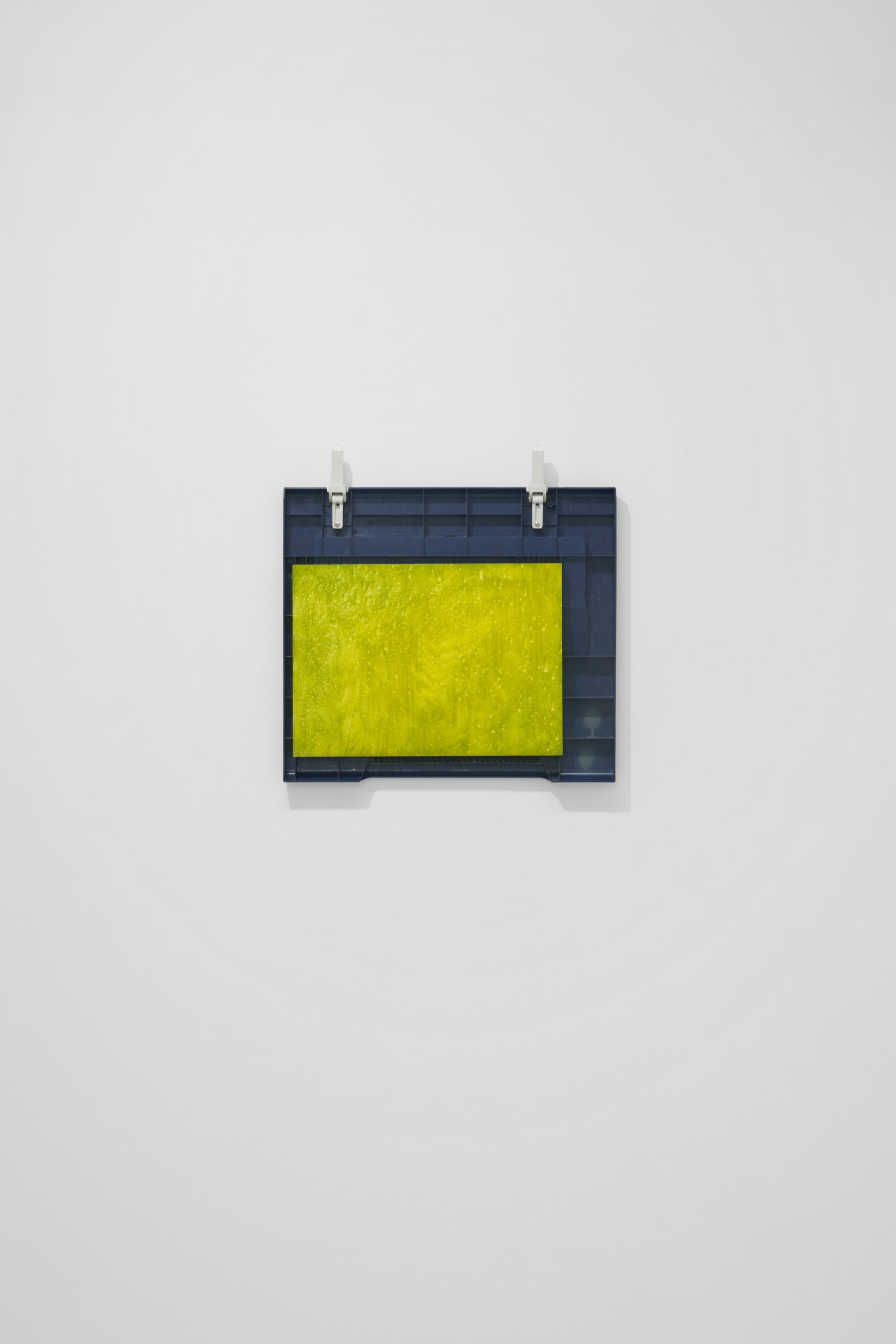
Rather than sidestepping the layers of tension and oppression that inhibit relaxation, Yorgos Agrotes confronts them directly. He looks at discomfort and pain not as things to be removed but as signs whose weight the living being is obliged to shoulder. His canvases are psychological landscapes formed through the layers left behind by the clashing of emotions, memories, and materials. Rejecting an immediate resolution of the tension here, he lingers instead in an indeterminate moment where choice, regret, bitterness, hesitation, and irony all intersect. This represents an act of observing the possibilities for change that are in the loose spaces formed by disorder. As Agrotes searches through the unfamiliar world pervading those spaces, he seeks out the new sense of relaxation that only emerges on the structure’s edges.
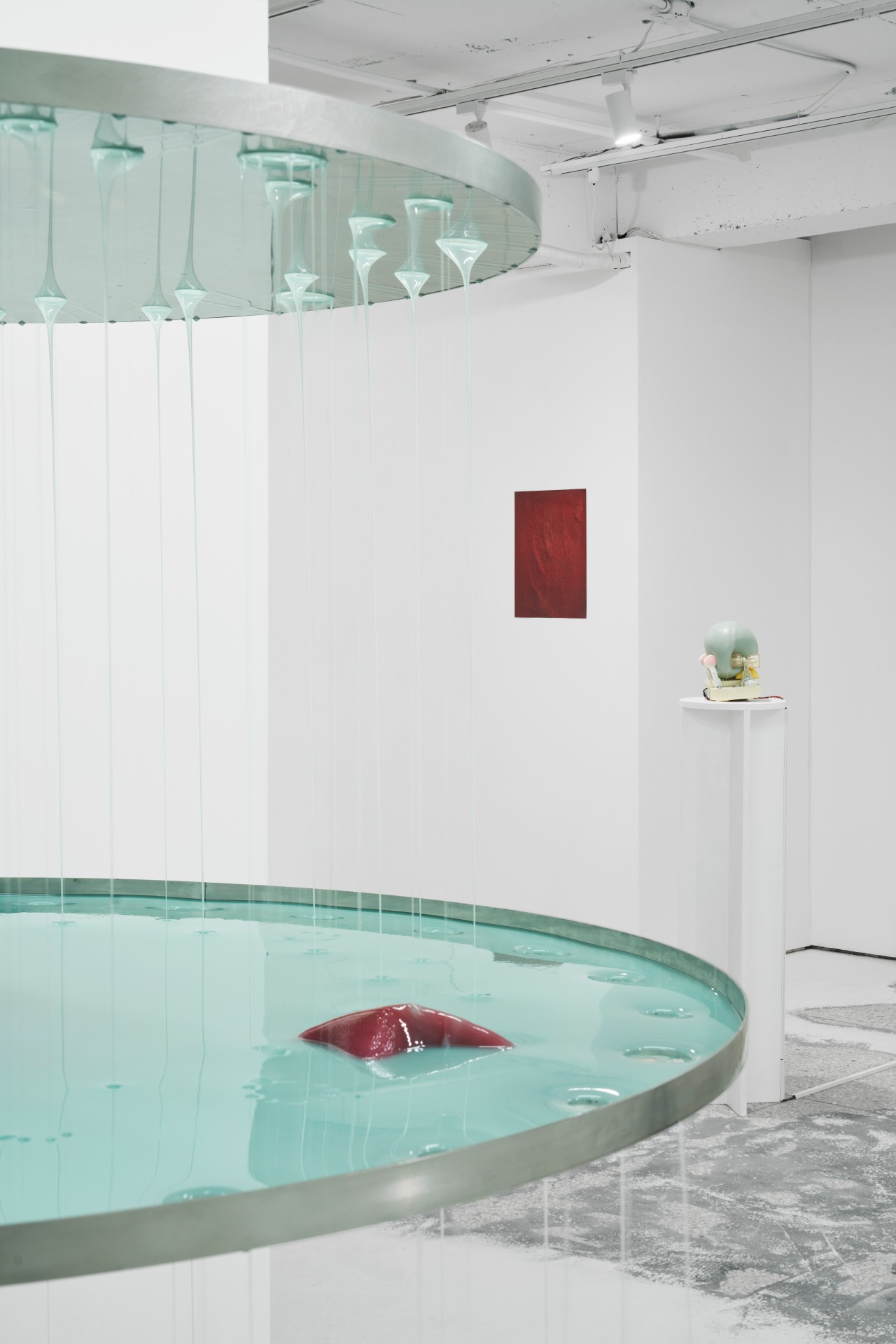
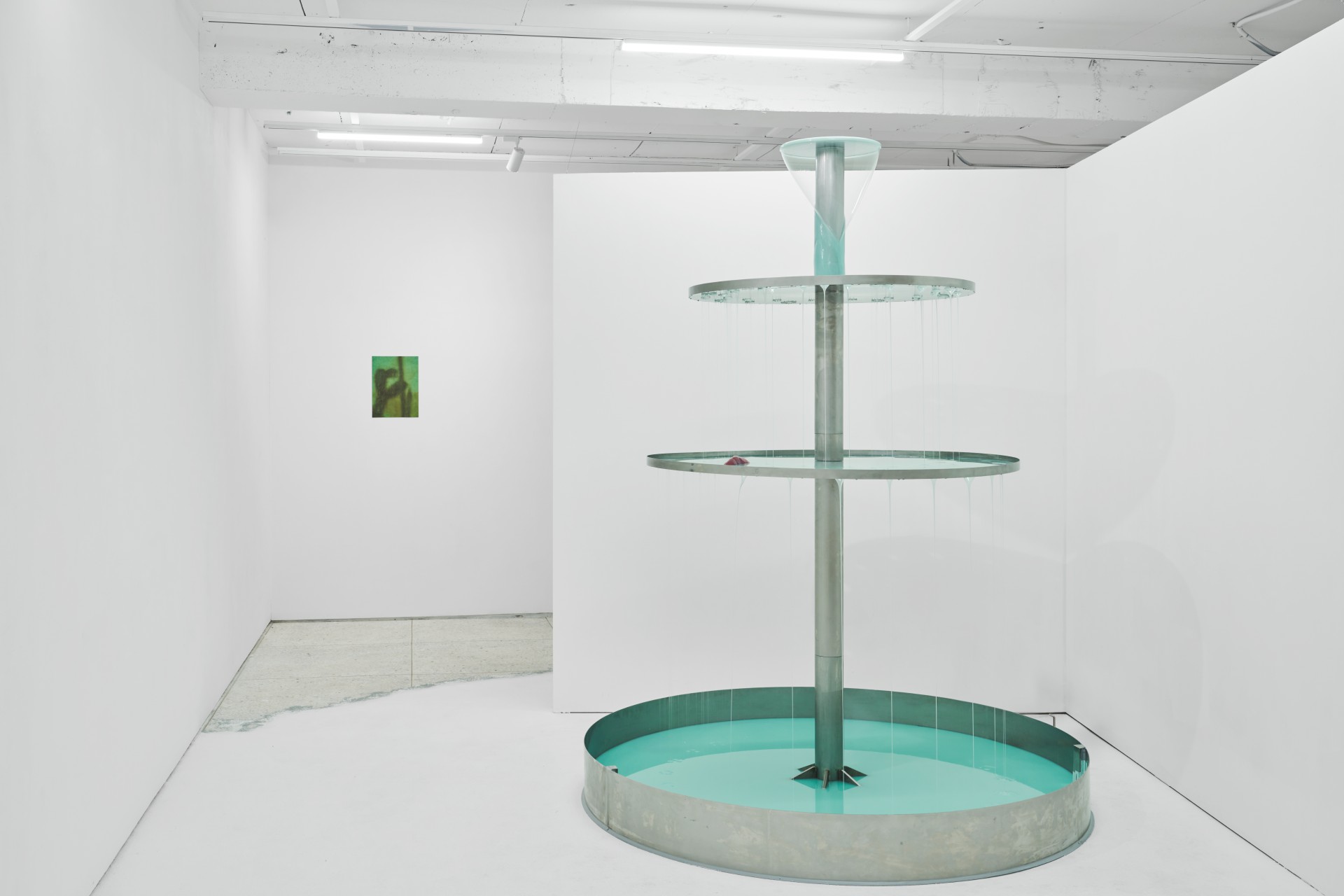
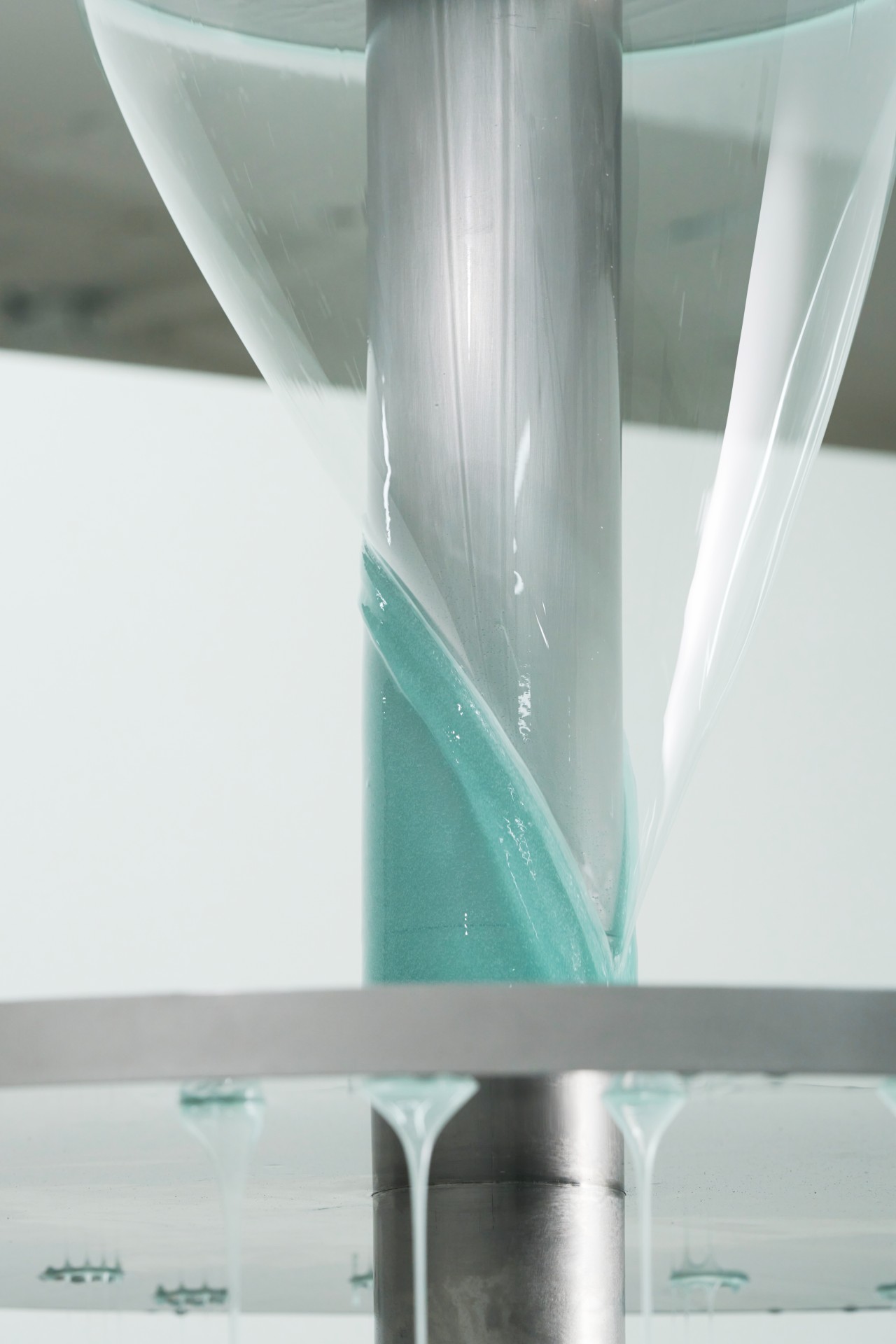
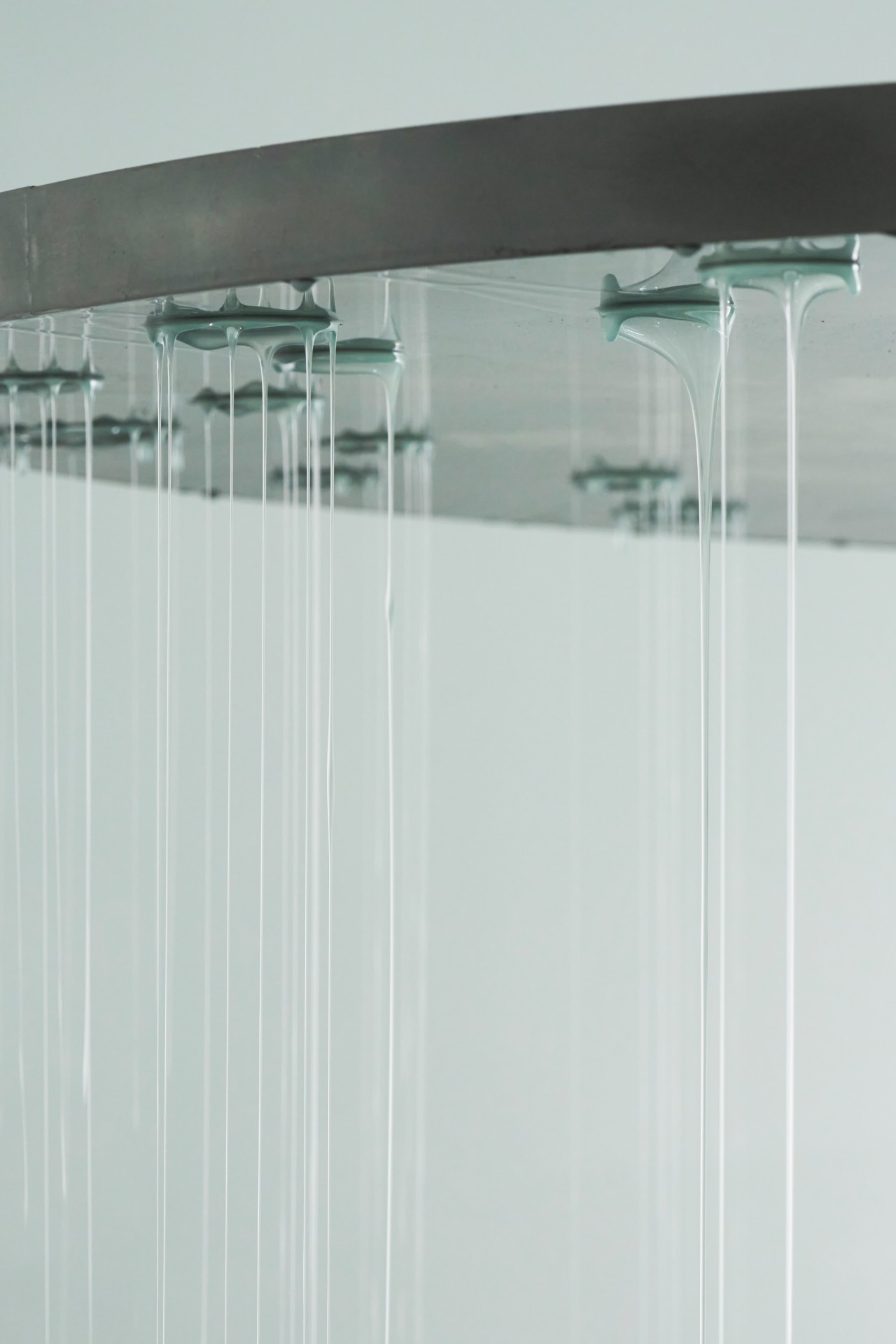
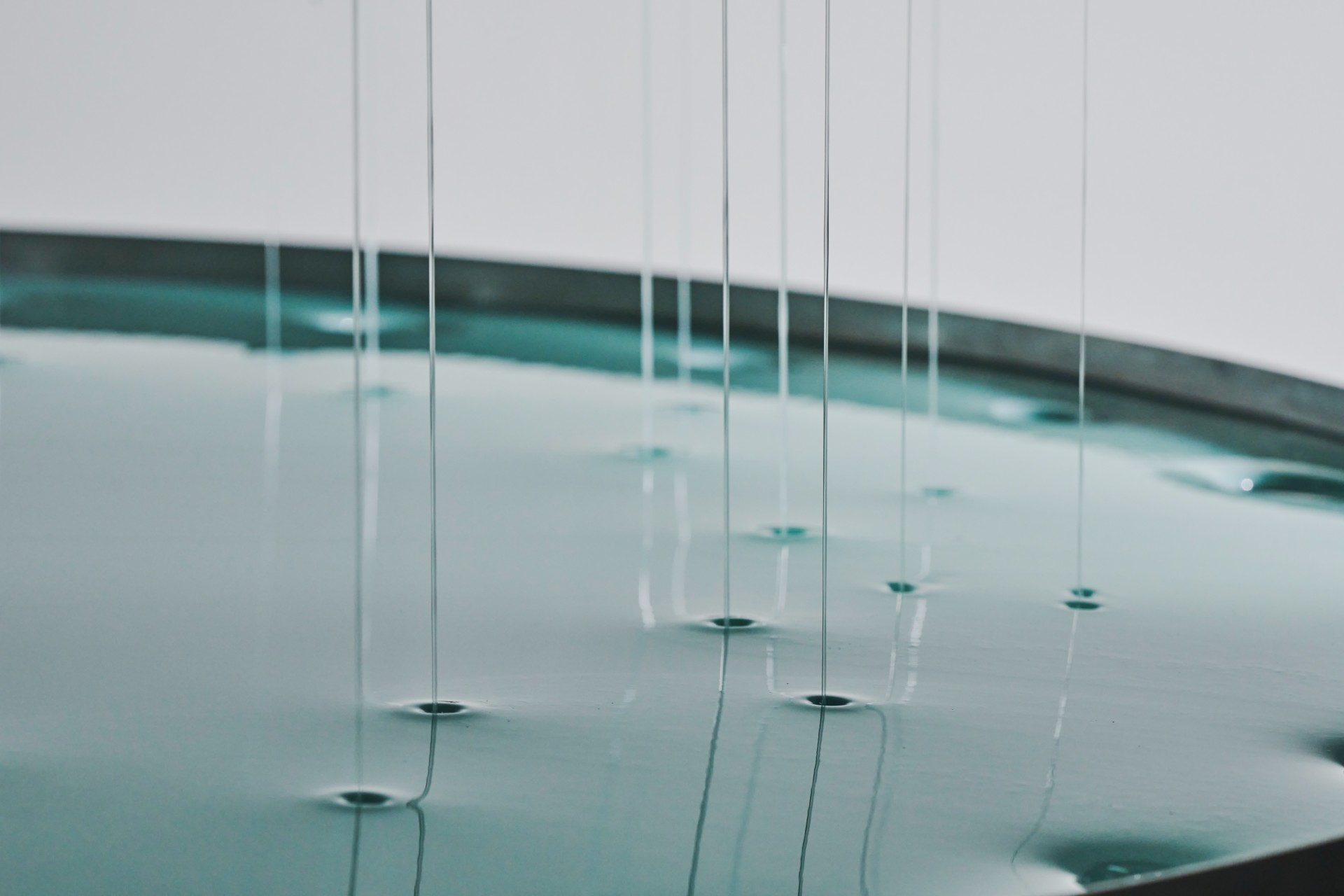
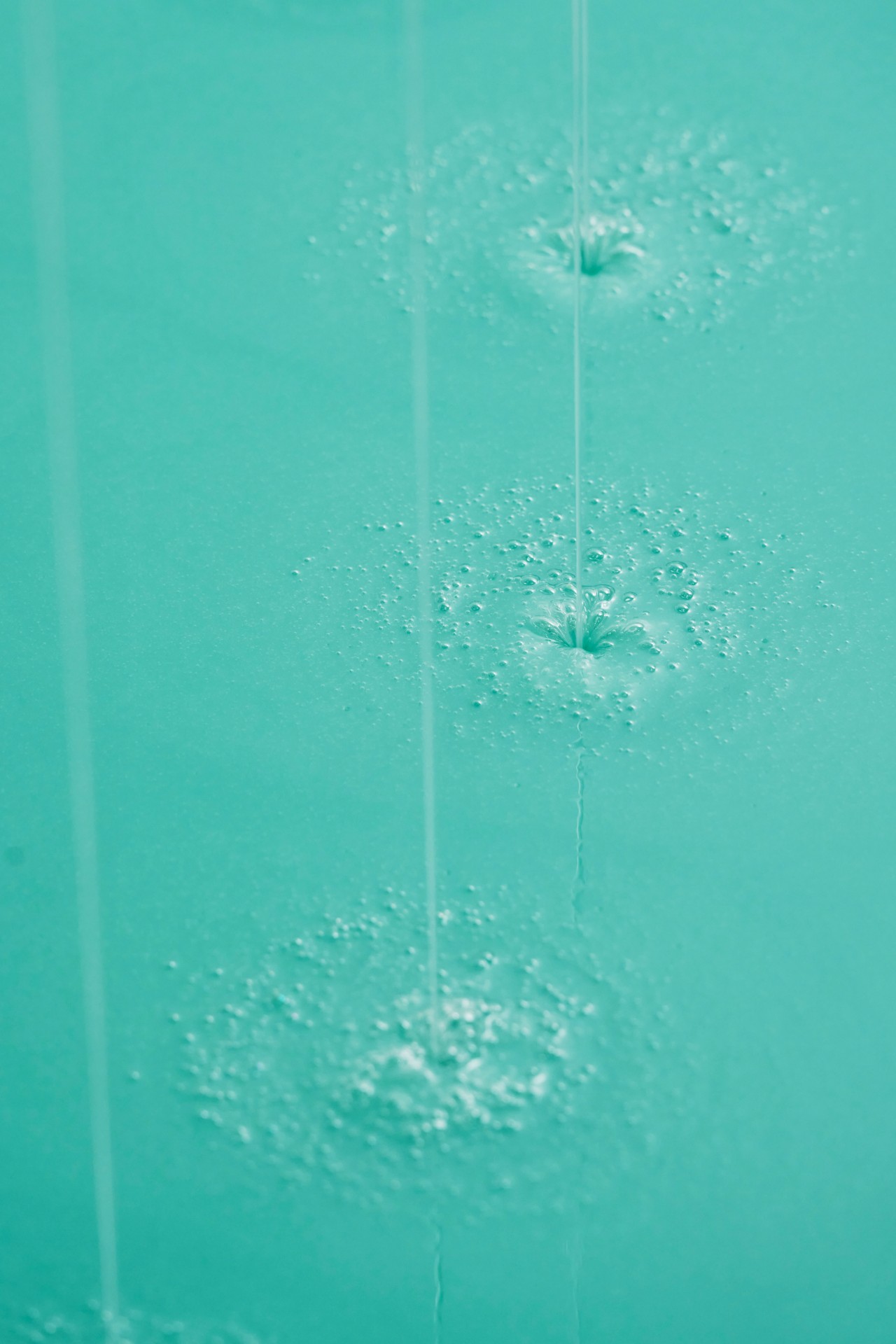
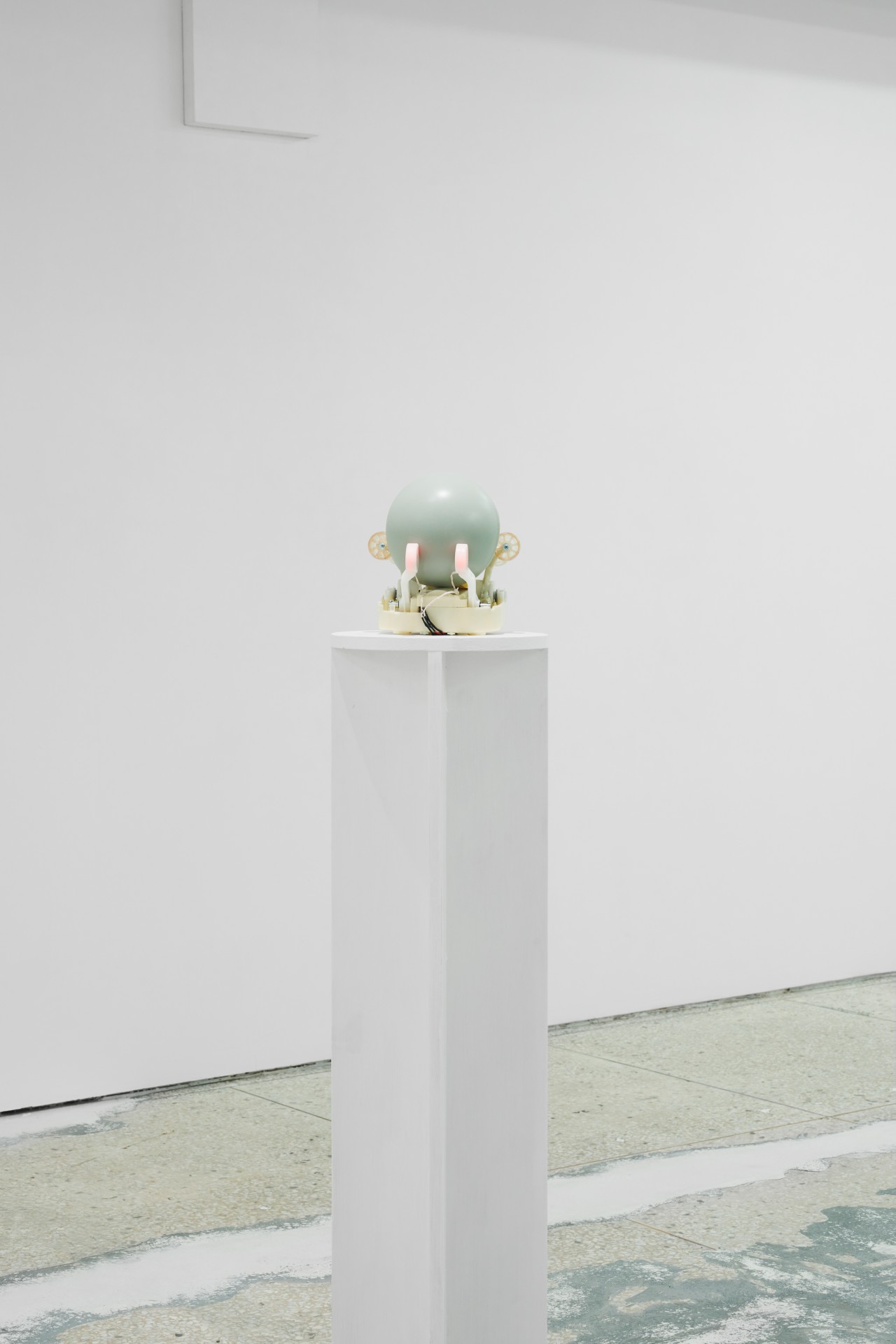
Park Sojeong experiences relaxation as an event amid flows that are revealed by materials themselves. She hangs her materials and then spends a long time observing the process as they flow, twist, and swell, perceiving the alternation between balance and imbalance. Materiality manifests here not through simple objects but through unpredictable events that unfold across time and space. In her encounters with these materials, the artist yields the place of the subject and summons inner memories and images based on sensory strata that cannot be captured in language. In this exhibition, she makes active use of machine devices and pressure-generating mechanisms. Instruments designed to pressure the body at regular intervals are decontextualized and transformed into media where the materials define their own rhythms. Through this approach, she experiments with relaxation as an event that expands through repeated connections and changes.
Agrotes and Park share similarities in that they do not strip away tension or instability but instead trace the trembling and flows that emerge through them. One of them explores the signs of relaxation that appear with trembling under the weight of pressure; the other welcomes relaxation as an event as she yields herself to matter’s indeterminate flows. Their work rejects restoration to a better functional existence, as it inquires into the meaning of life that only arises amid tension and transformation. This shakes our trust in fixed forms and defined subjects, revealing the conditions of a world that is constantly forming and disappearing.
As a result, relaxation is no longer simply a moment of rest or recovery. As familiar orders are upended, fixed boundaries are loosened, and unfamiliar rhythms permeate us, we find ourselves at the threshold to a different way of being. What Massage Platz ultimately seeks to show is not a frozen moment of relaxation but relaxation as a liberating and transformative experience. These are the foundations for a new life that blossoms amid indeterminacy - the possibility of encountering the truest self while straying the farthest.
Artists in this exhibition
More at Shower
More in Seoul
Related topics