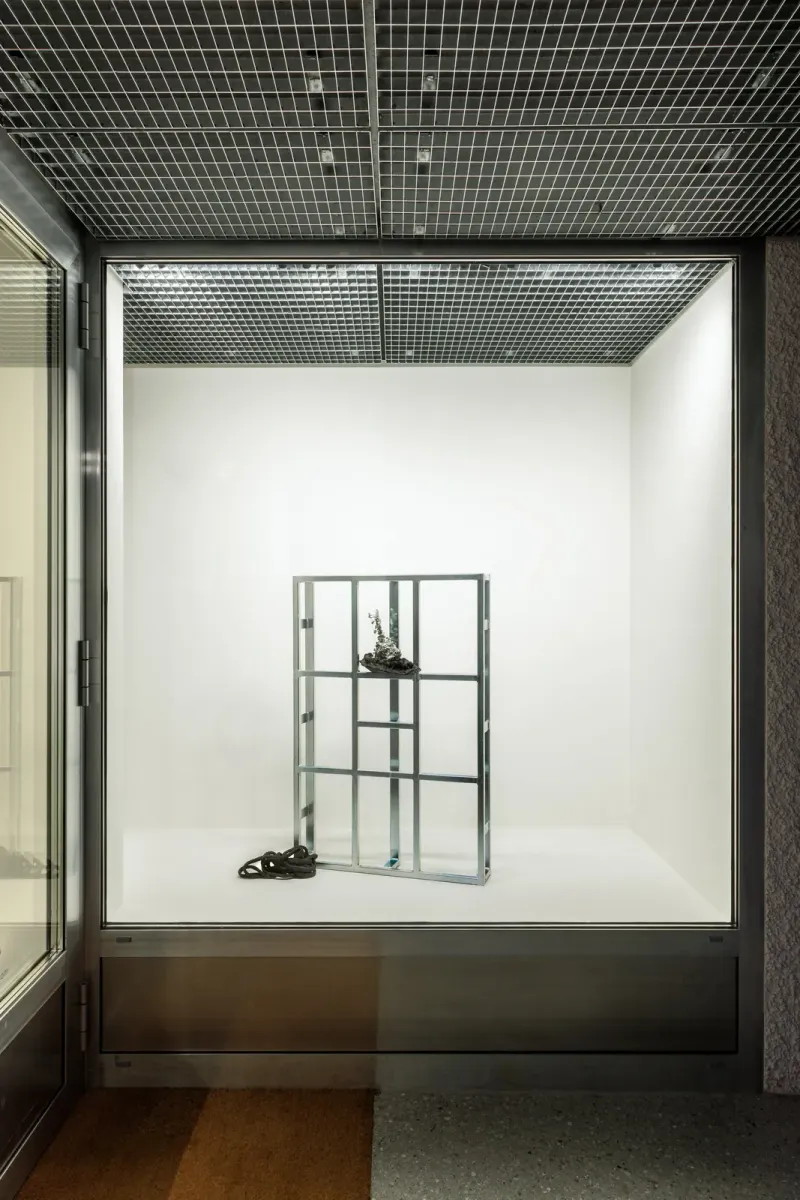
Klaus in Vorarlberg / 2026
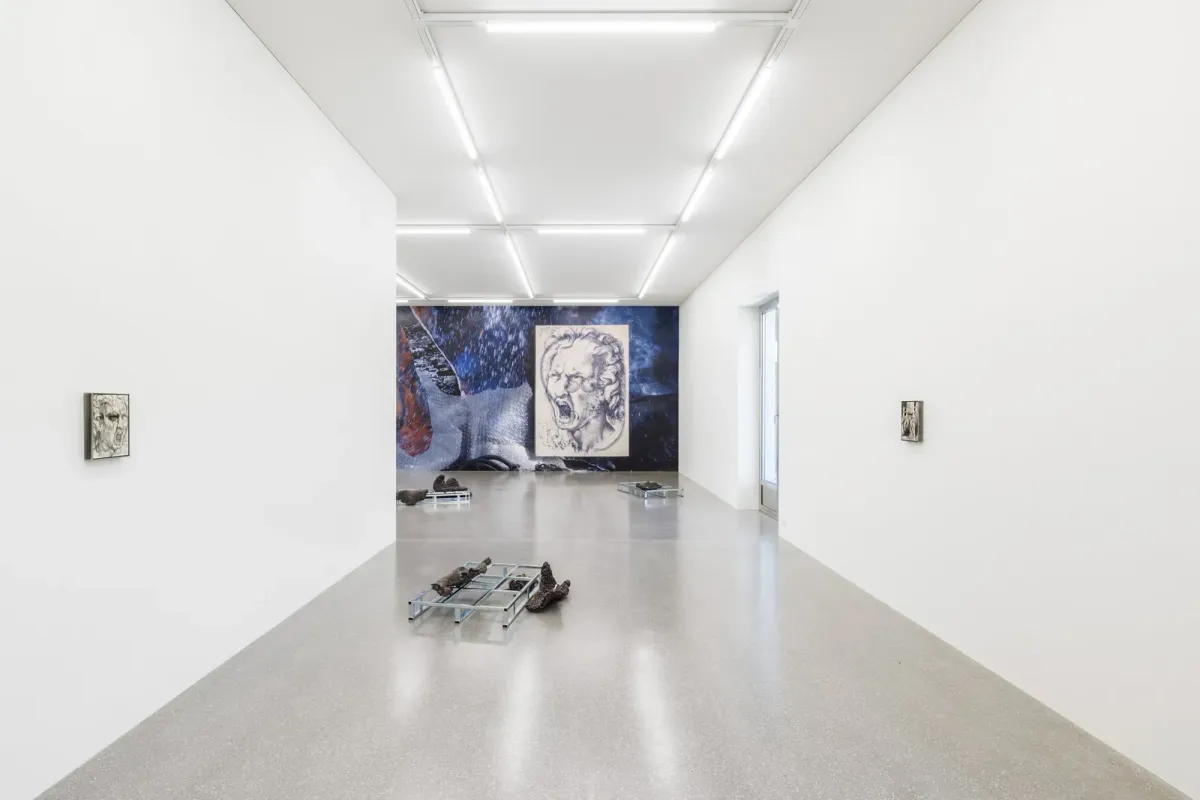
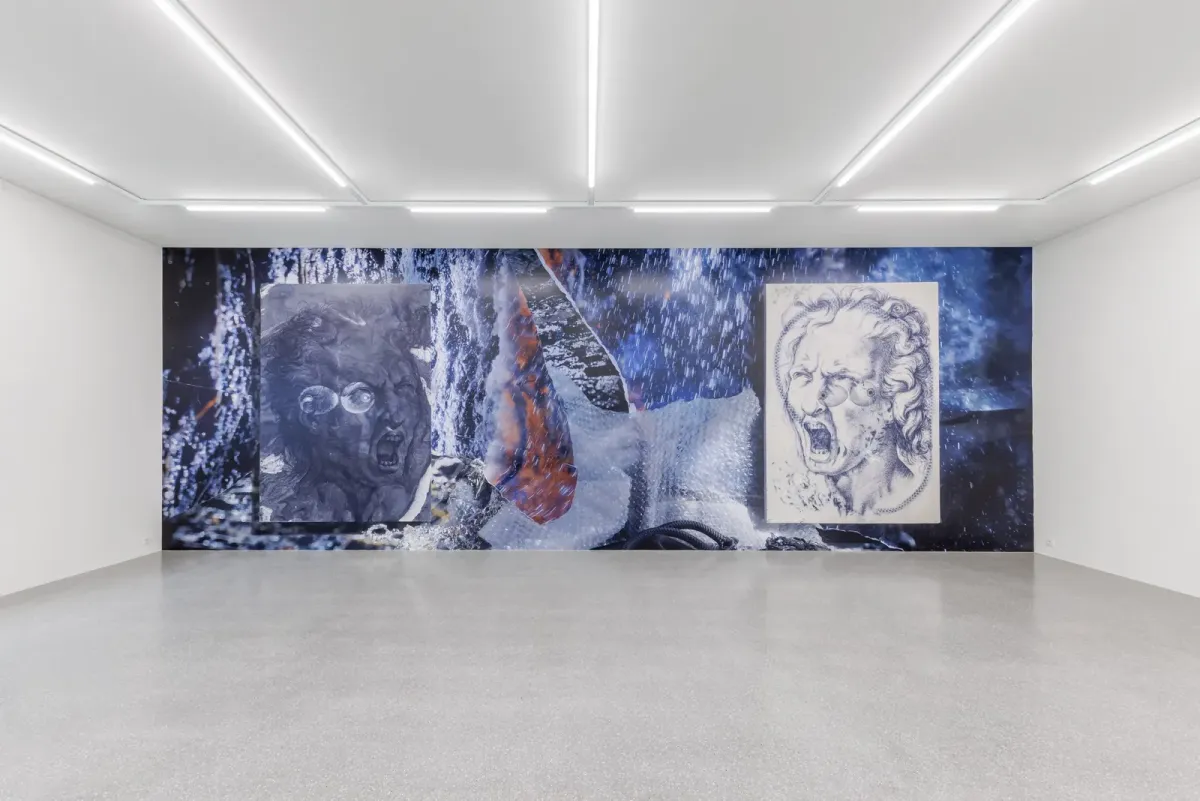
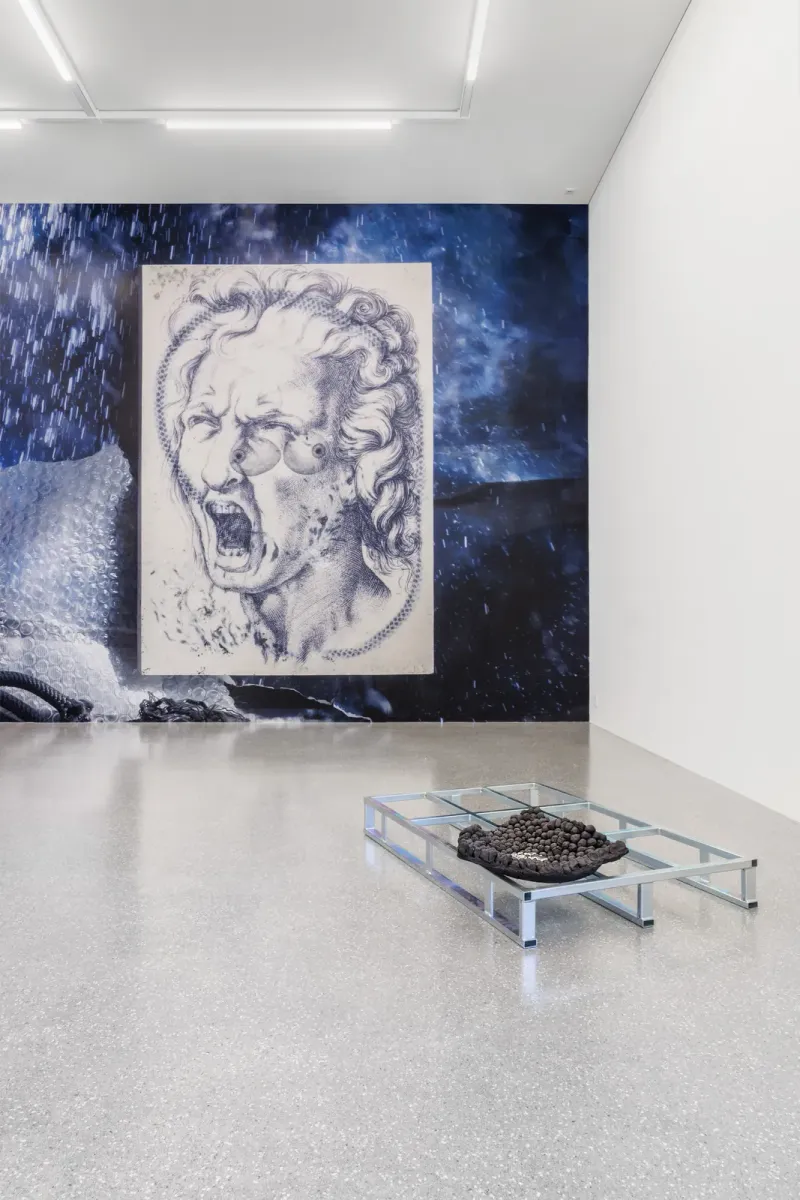
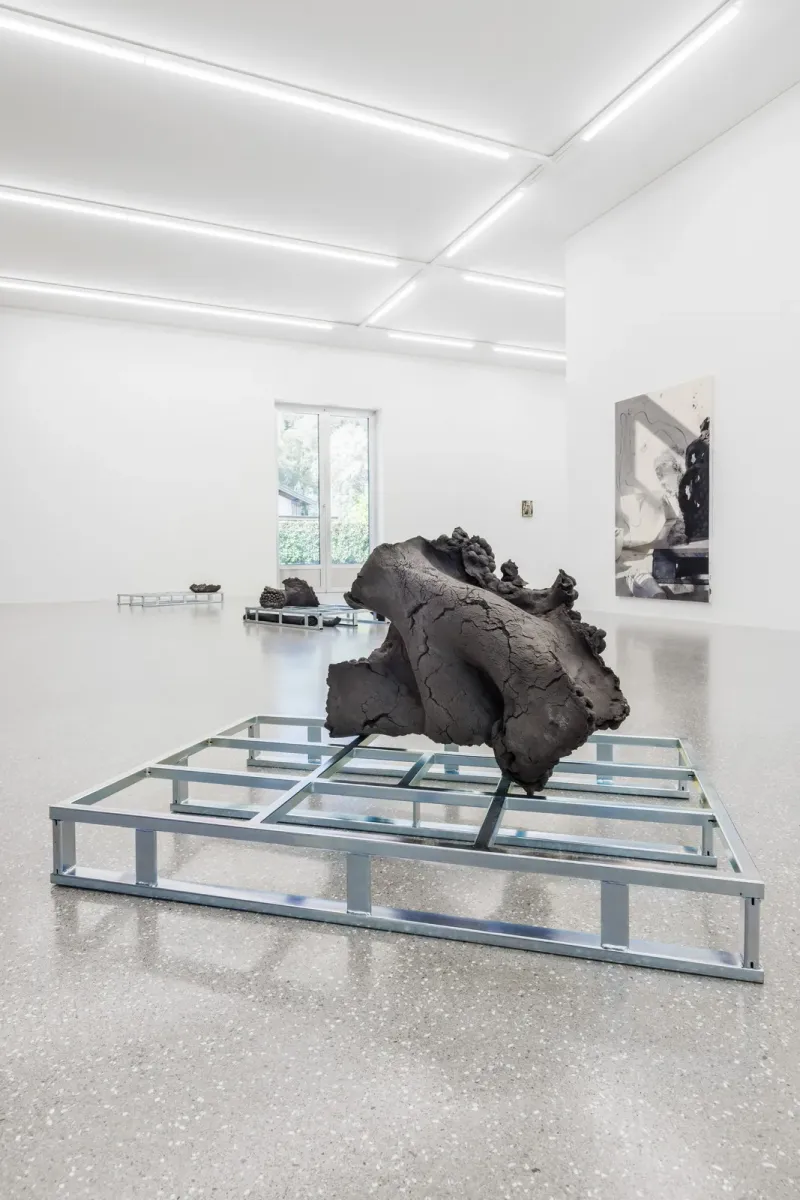
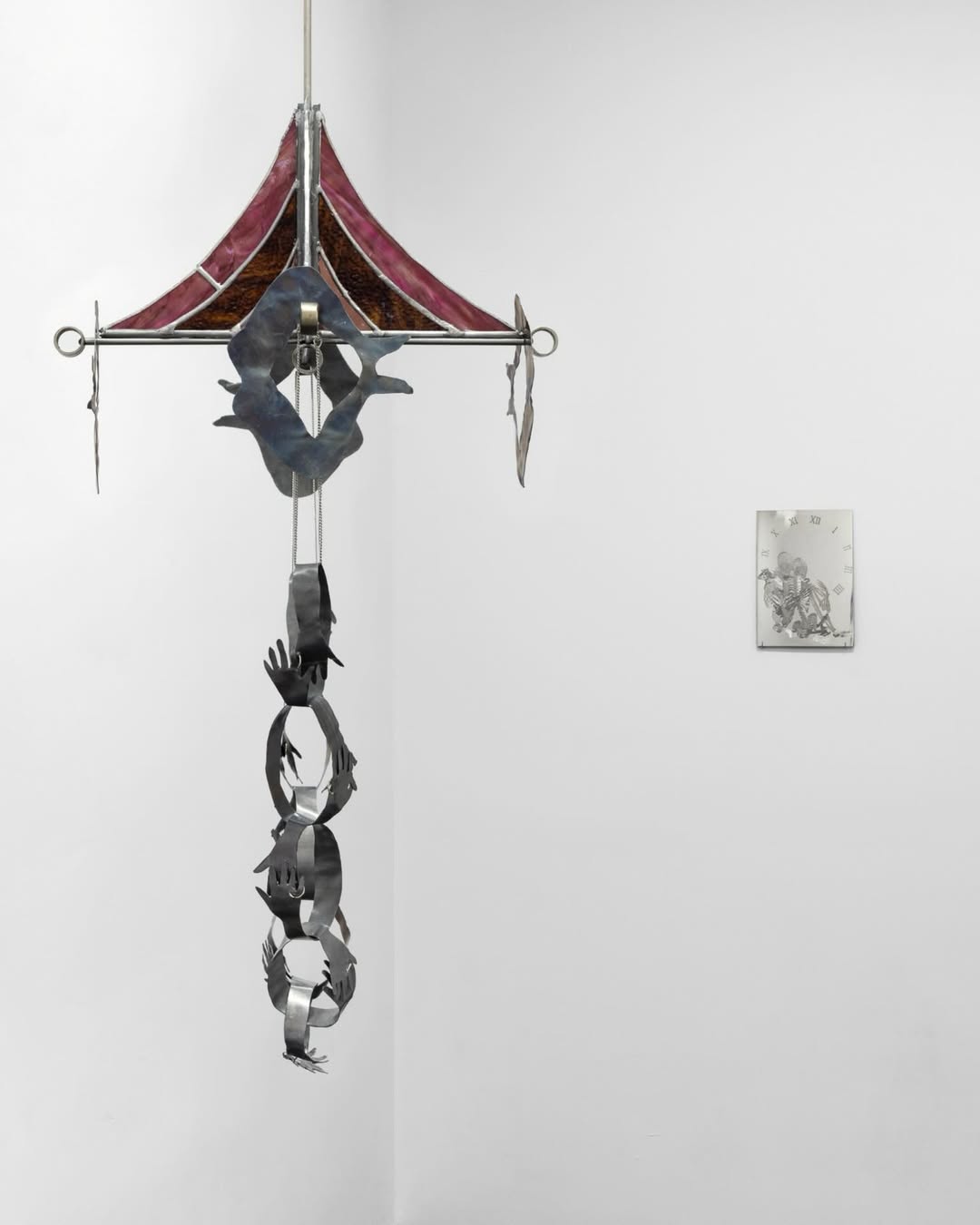
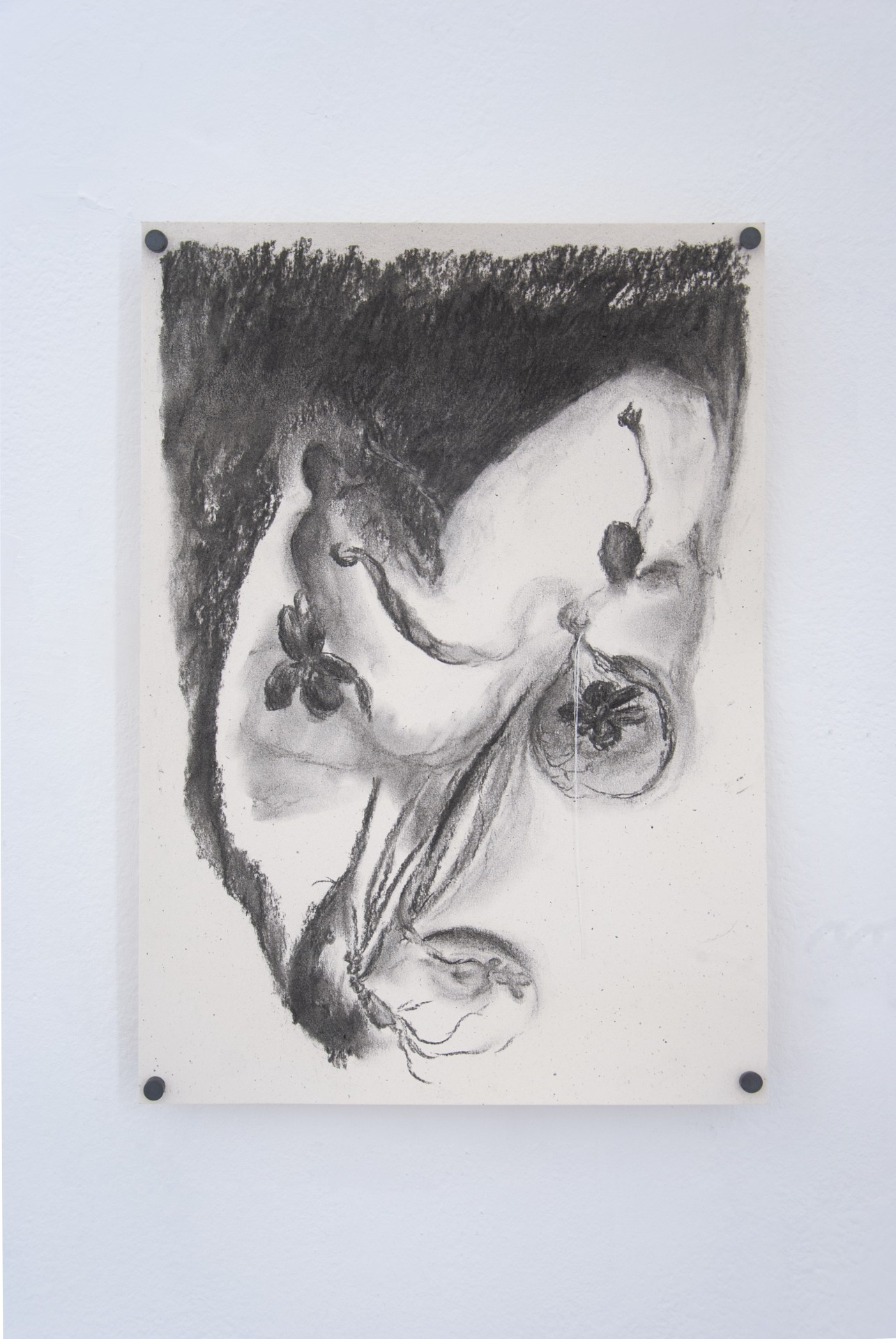
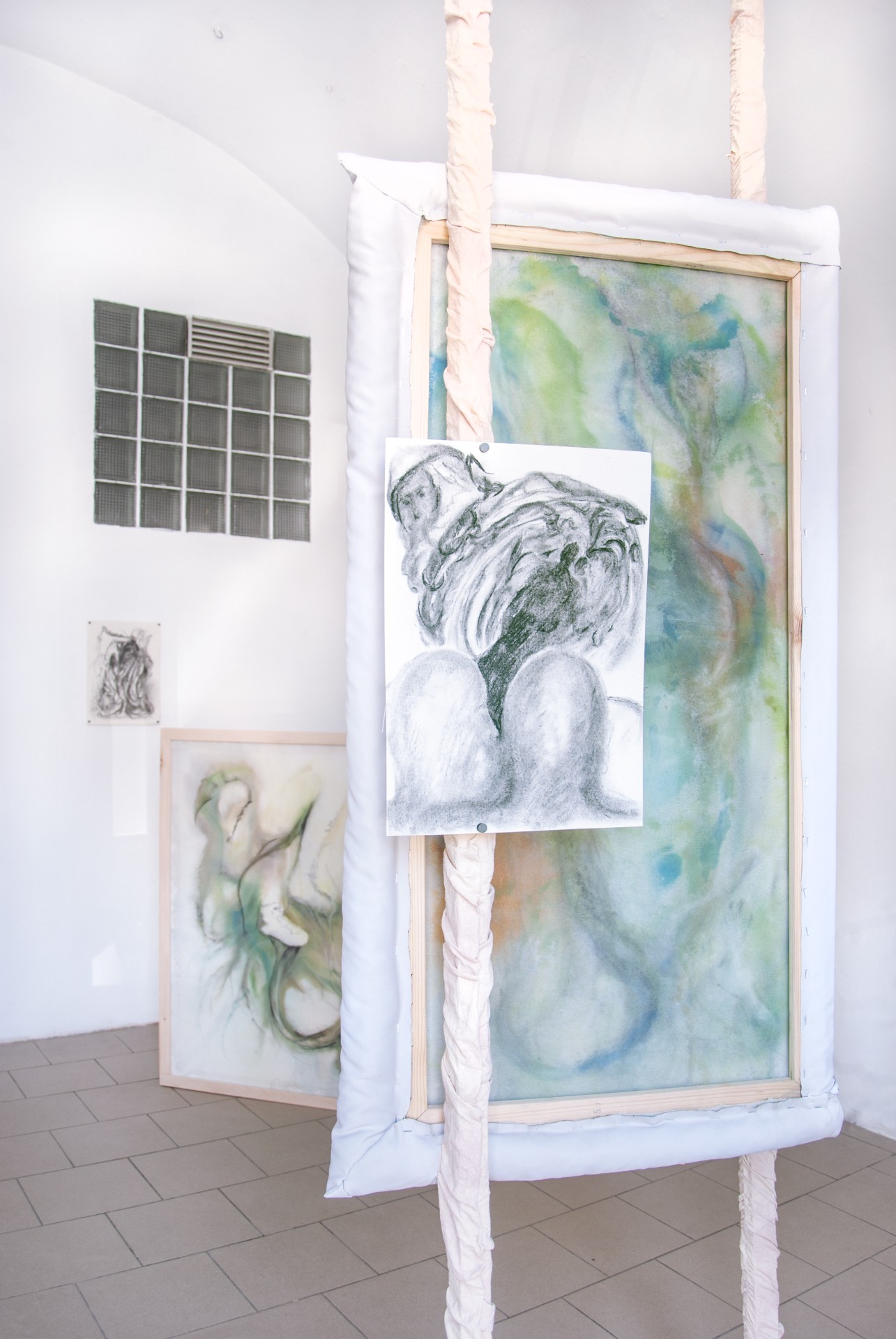
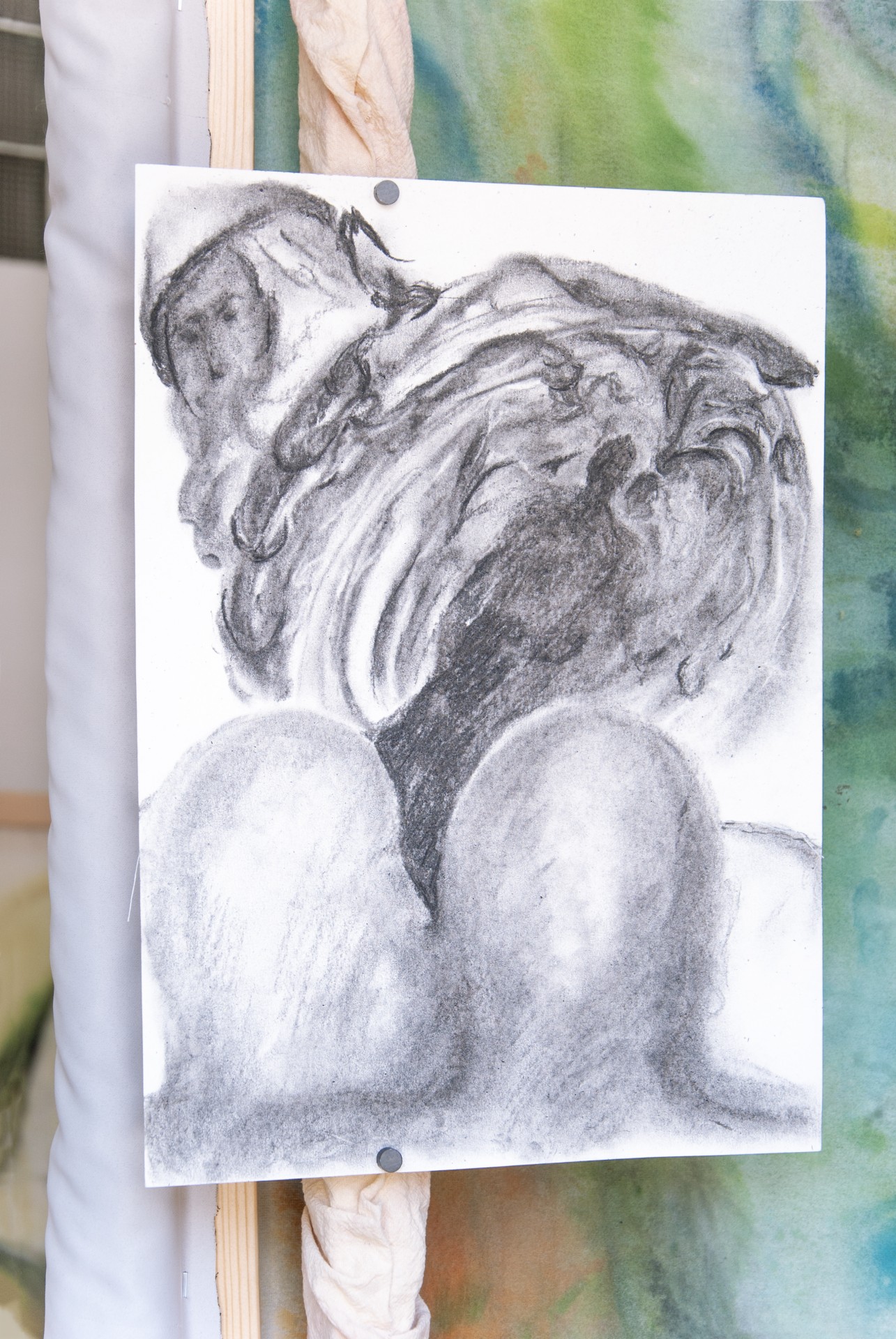
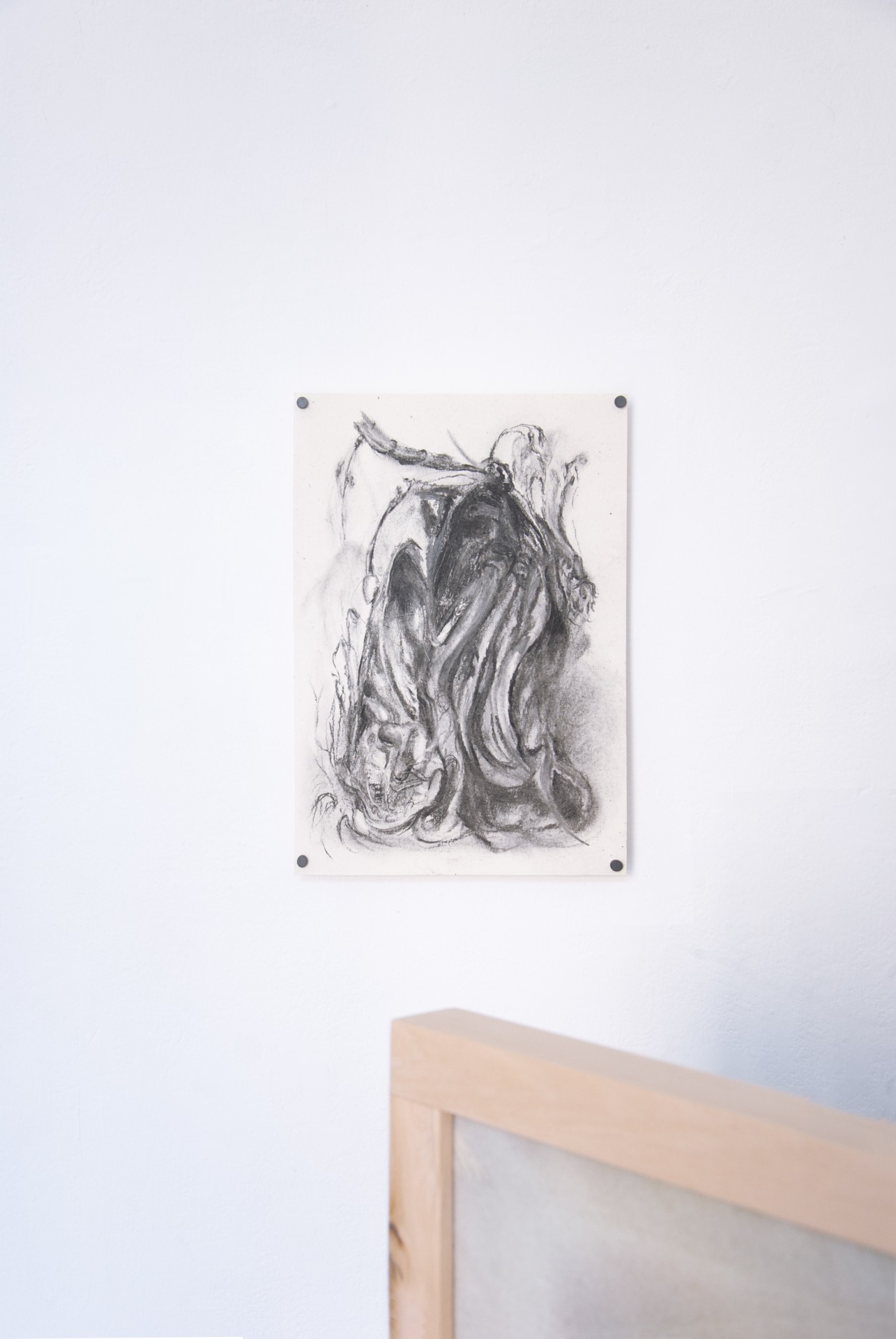
Der Kopf ist rund, damit das Denken die Richtung wechseln kannGalerie Brugger
Klaus in Vorarlberg / 2026
Der Kopf ist rund, damit das Denken die Richtung wechseln kannGalerie Brugger
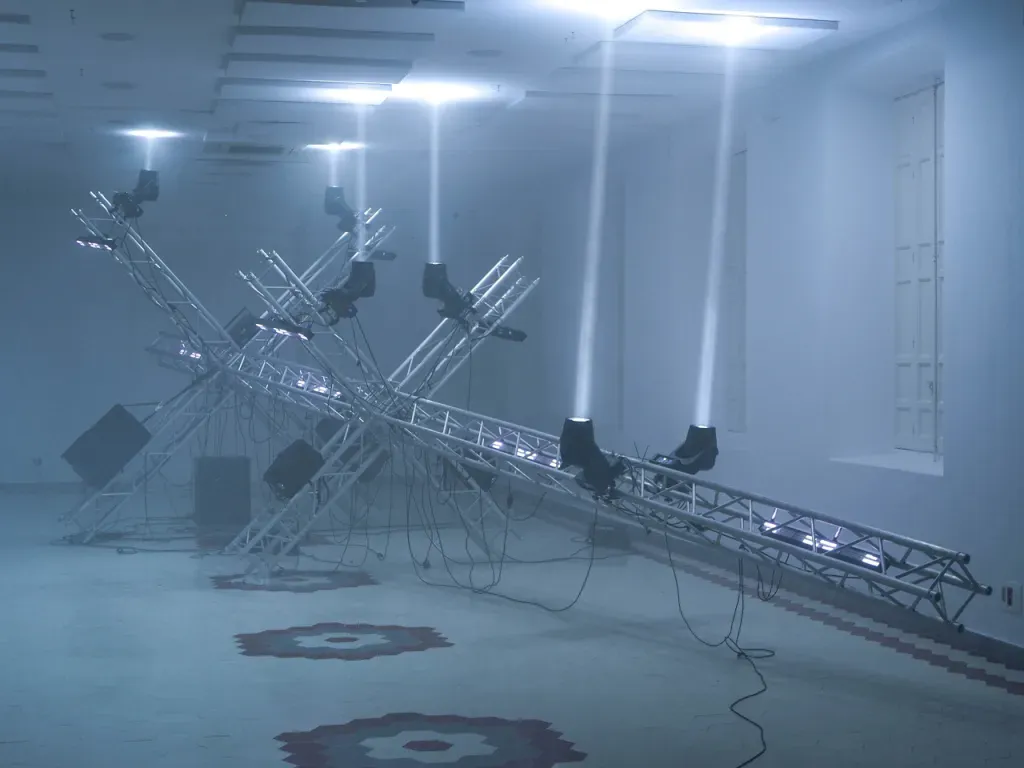
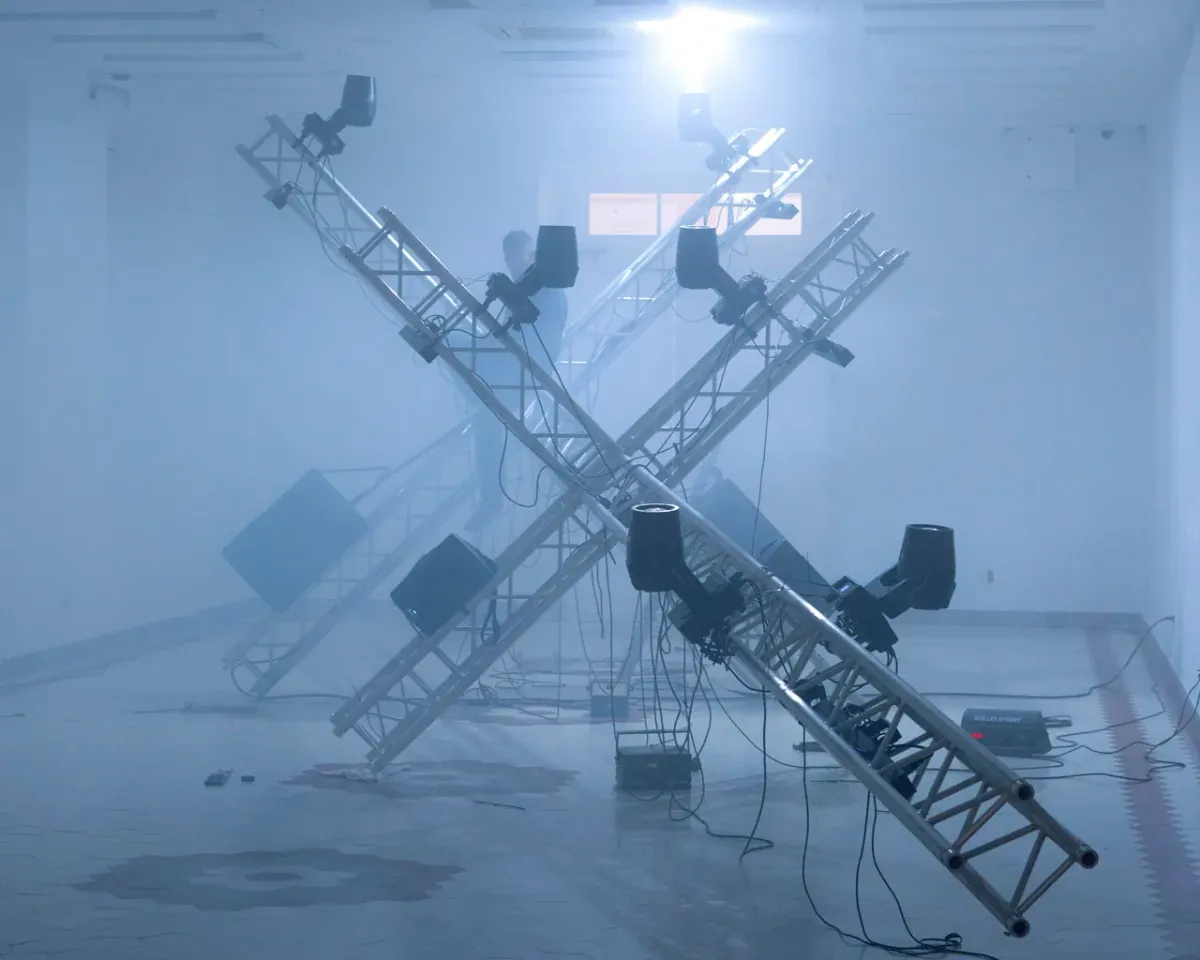
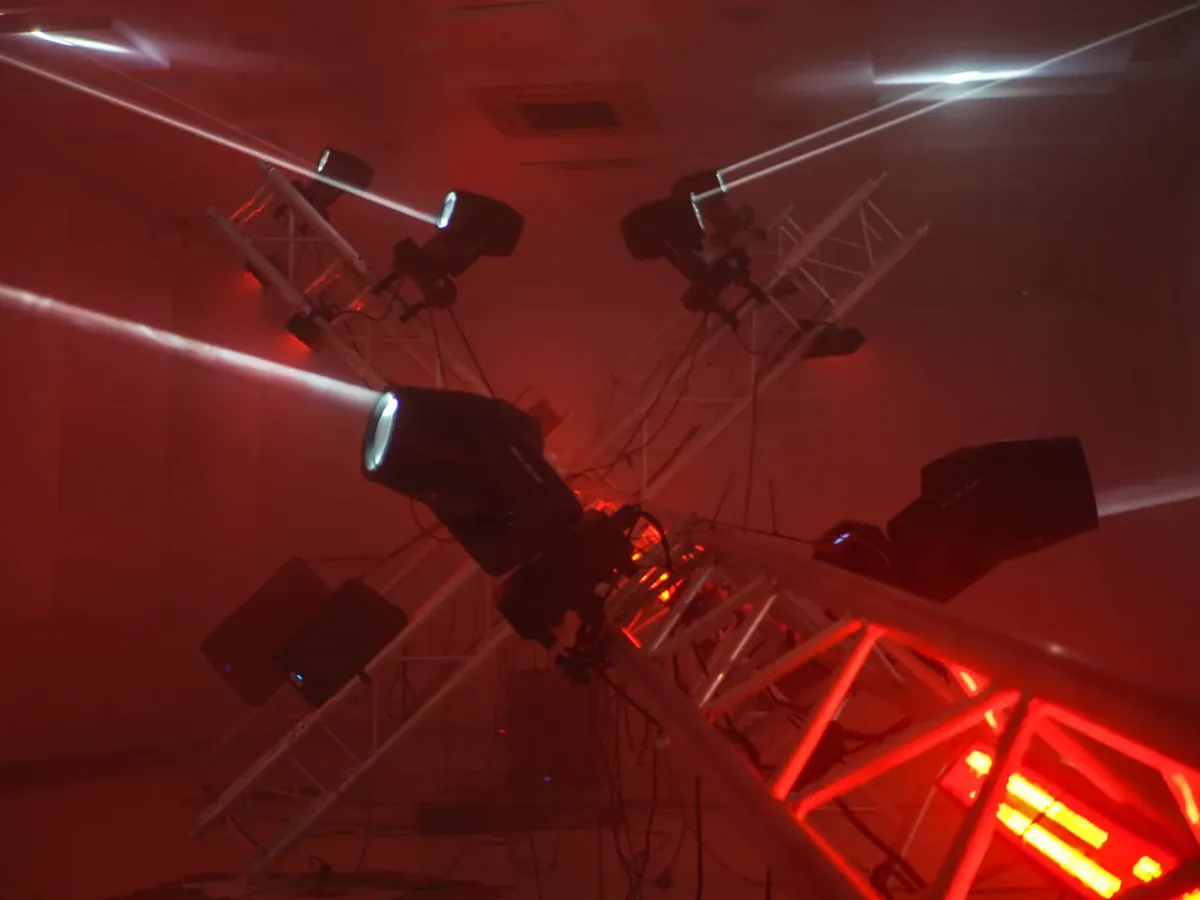
May 22 — June 01, 2026
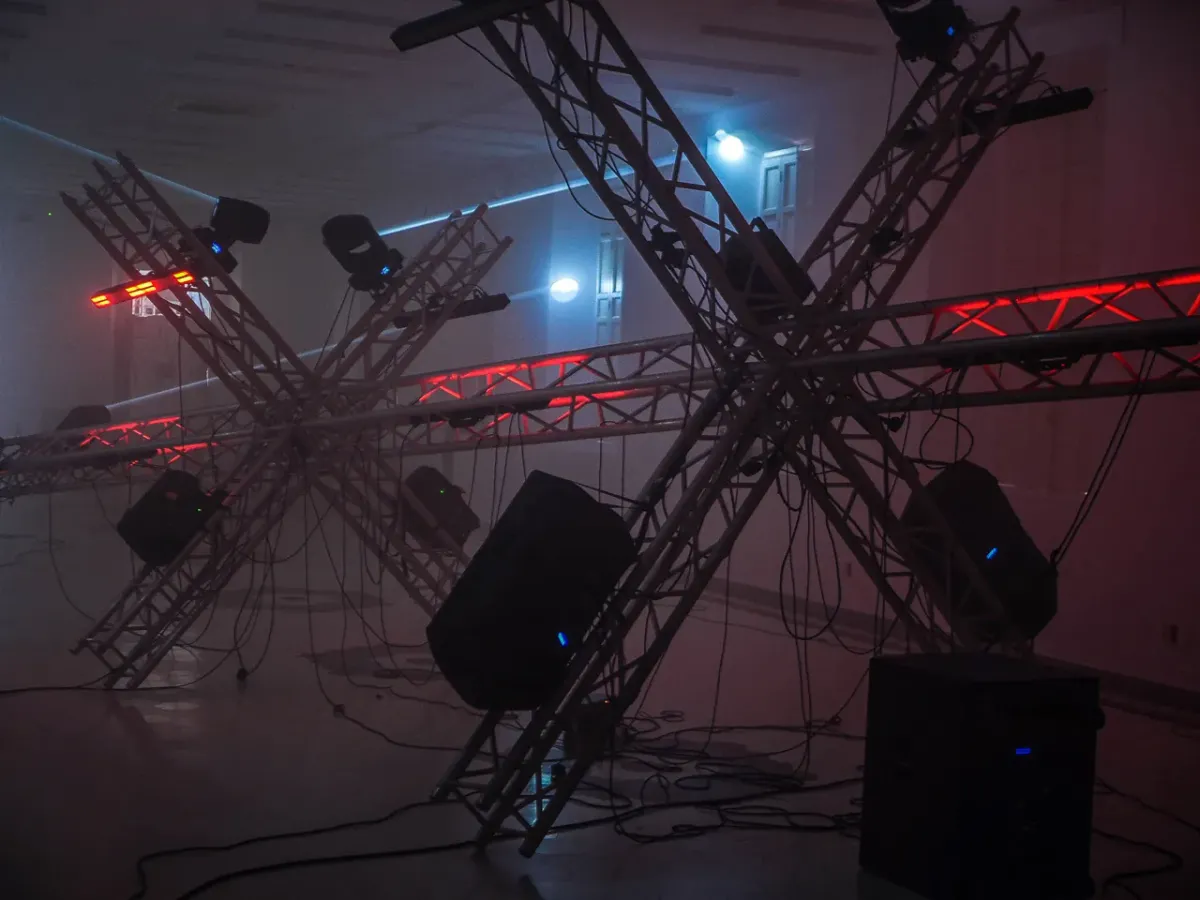
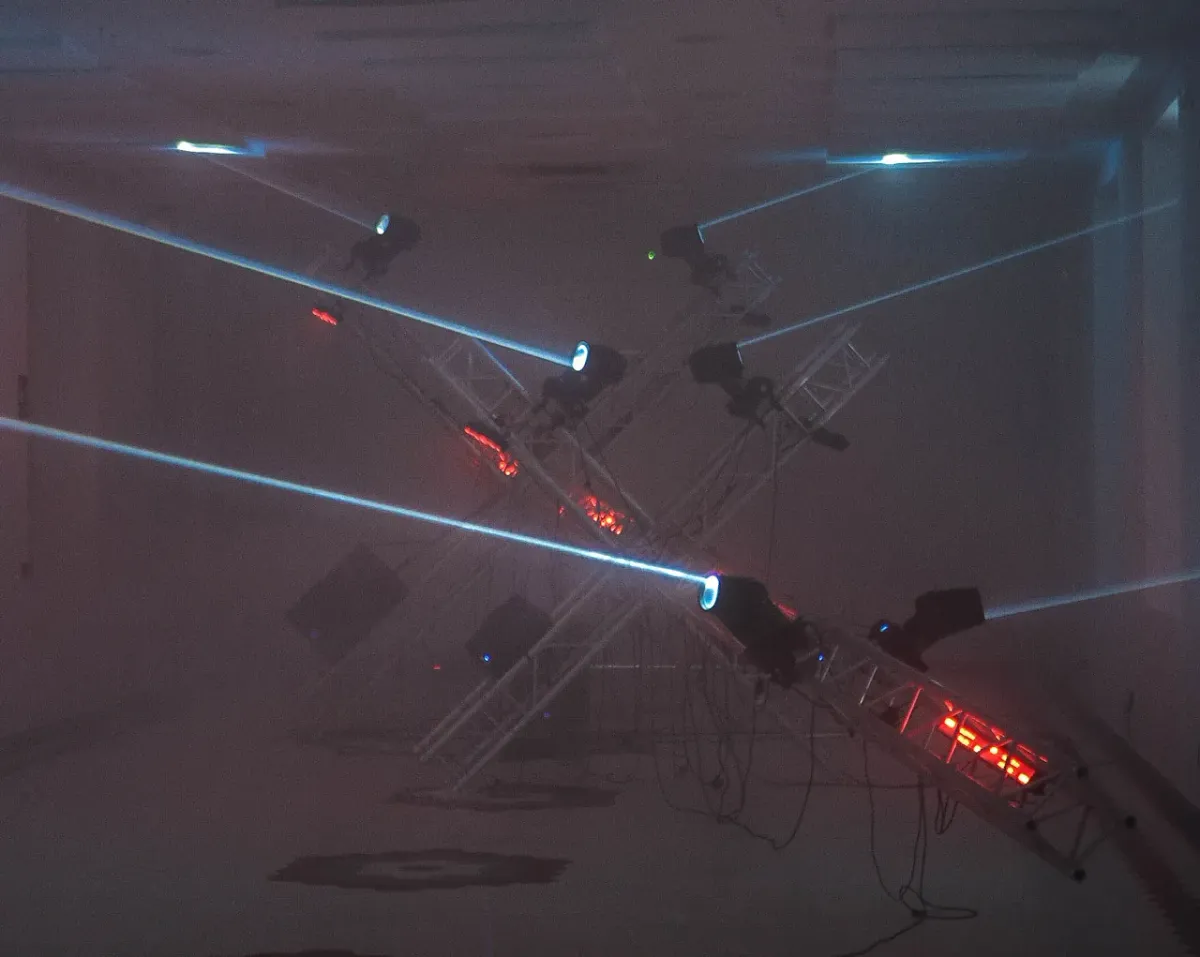
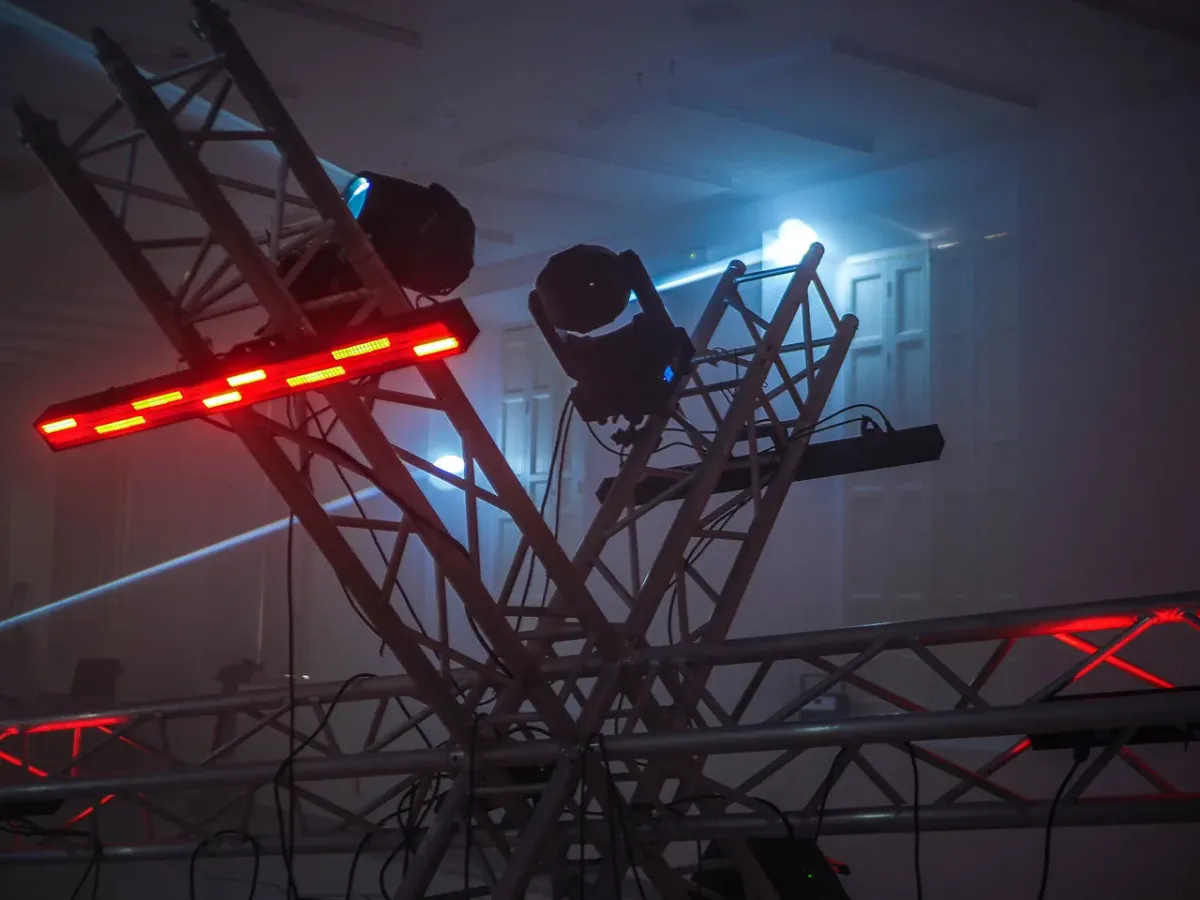
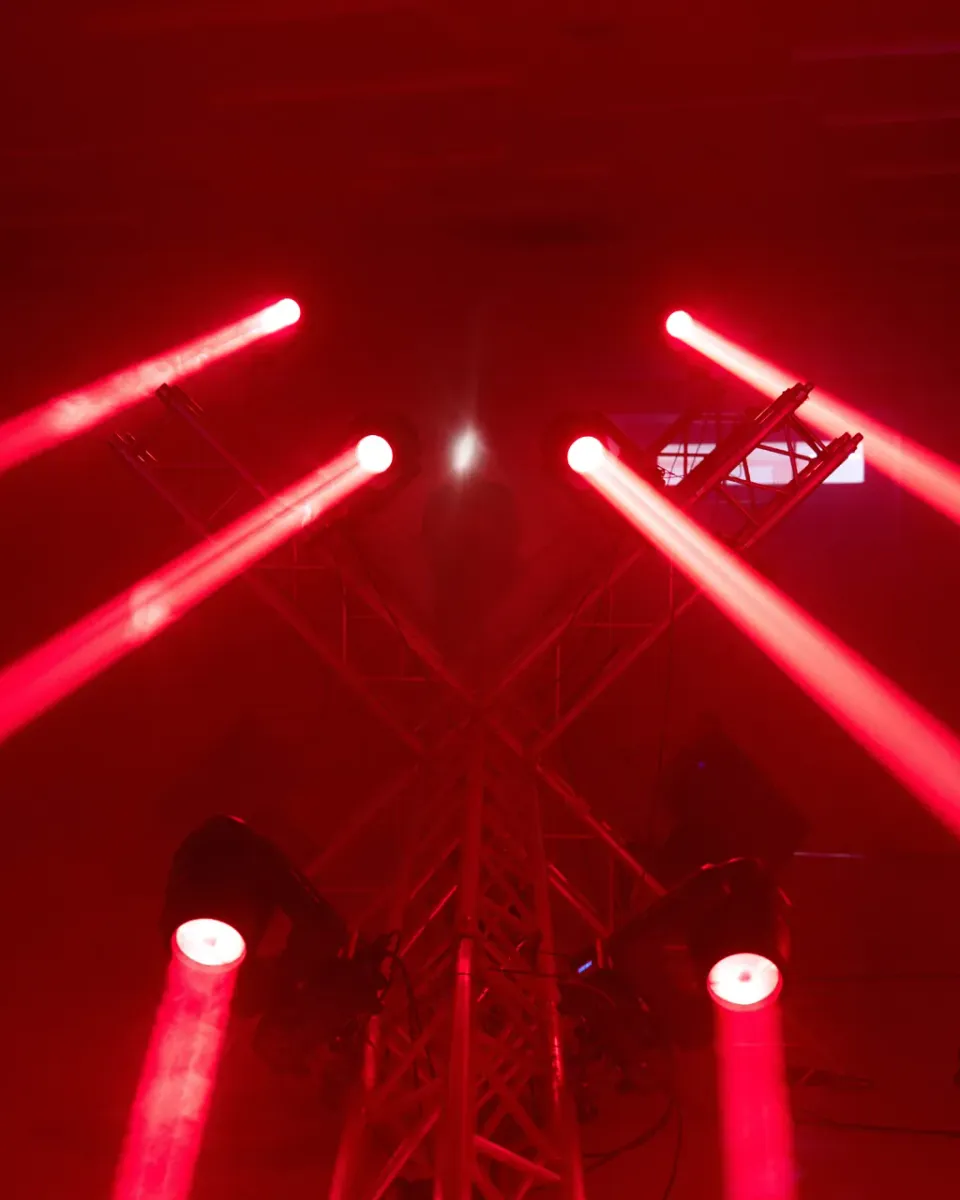
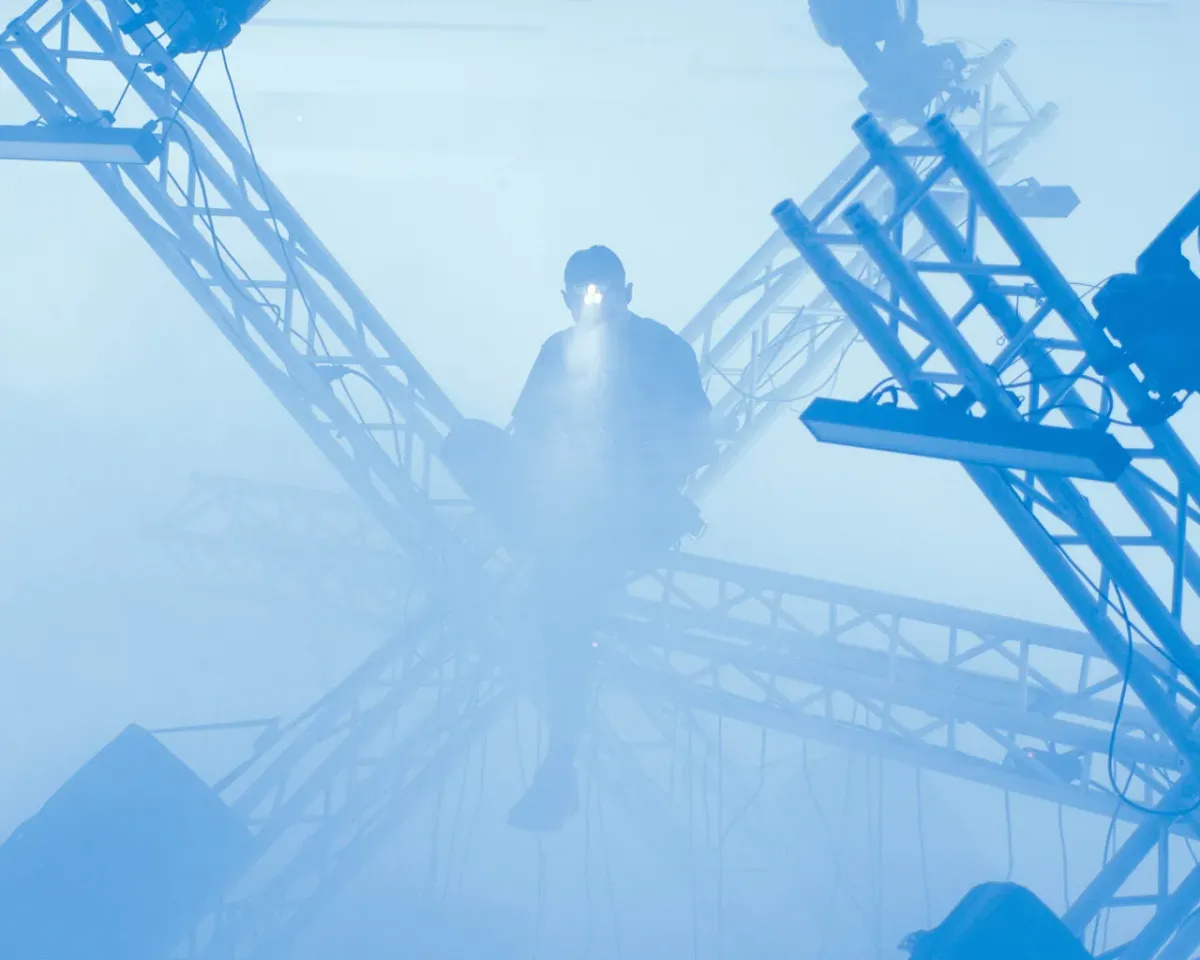
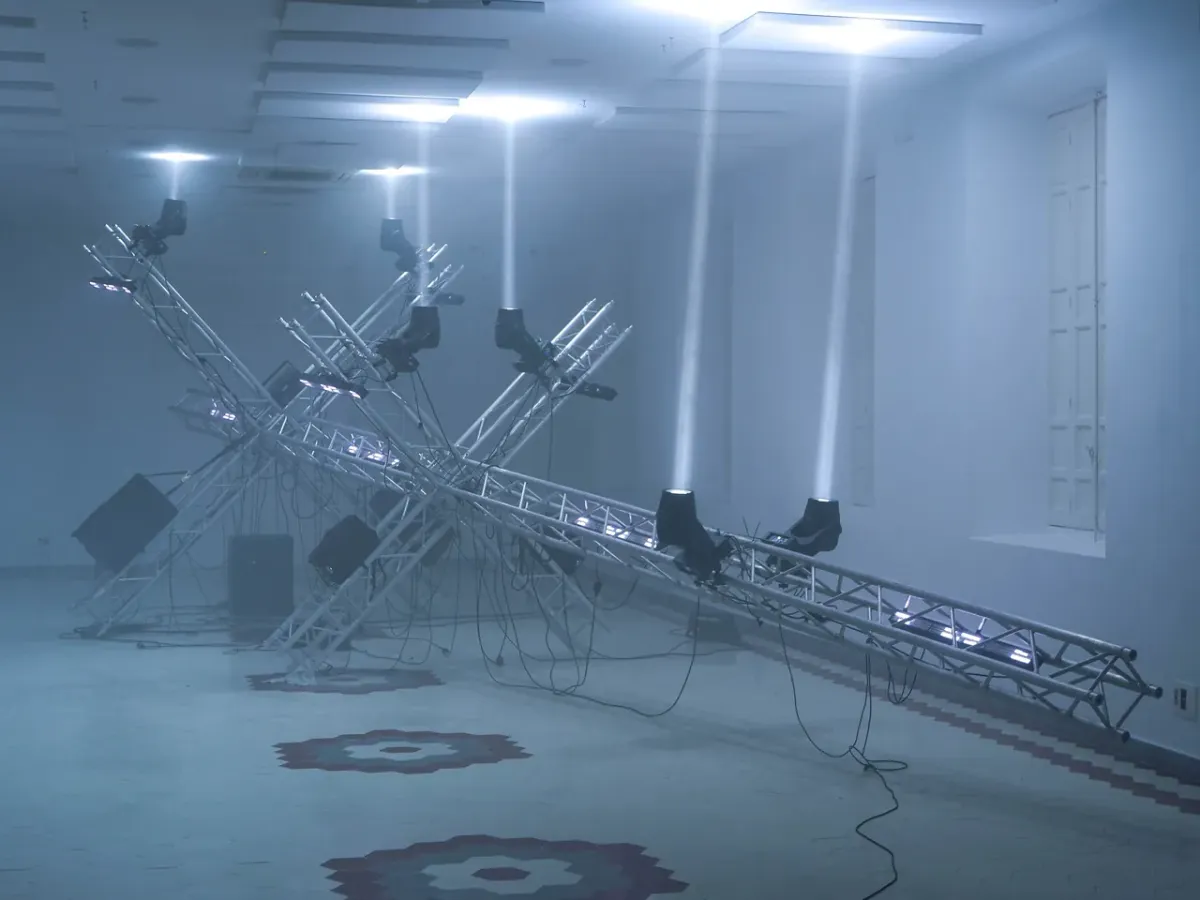
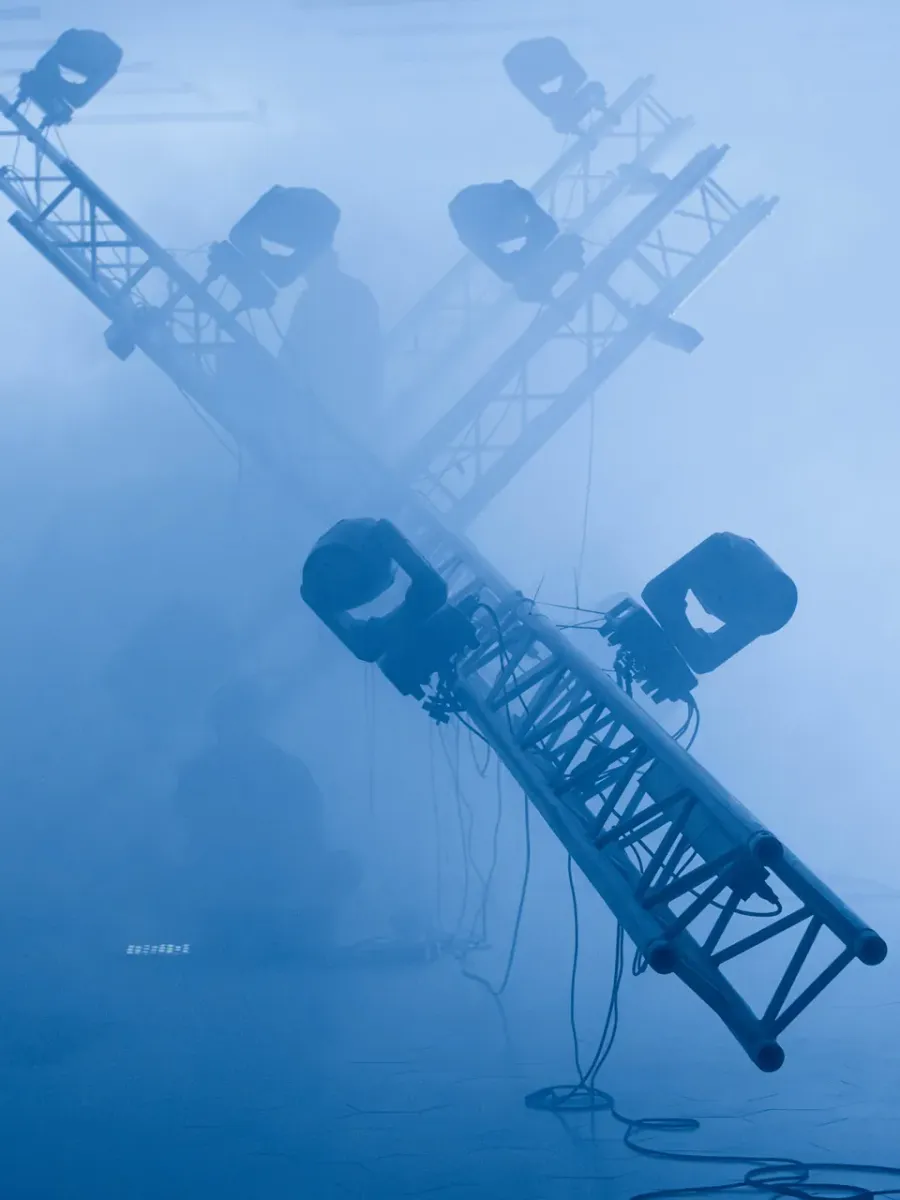
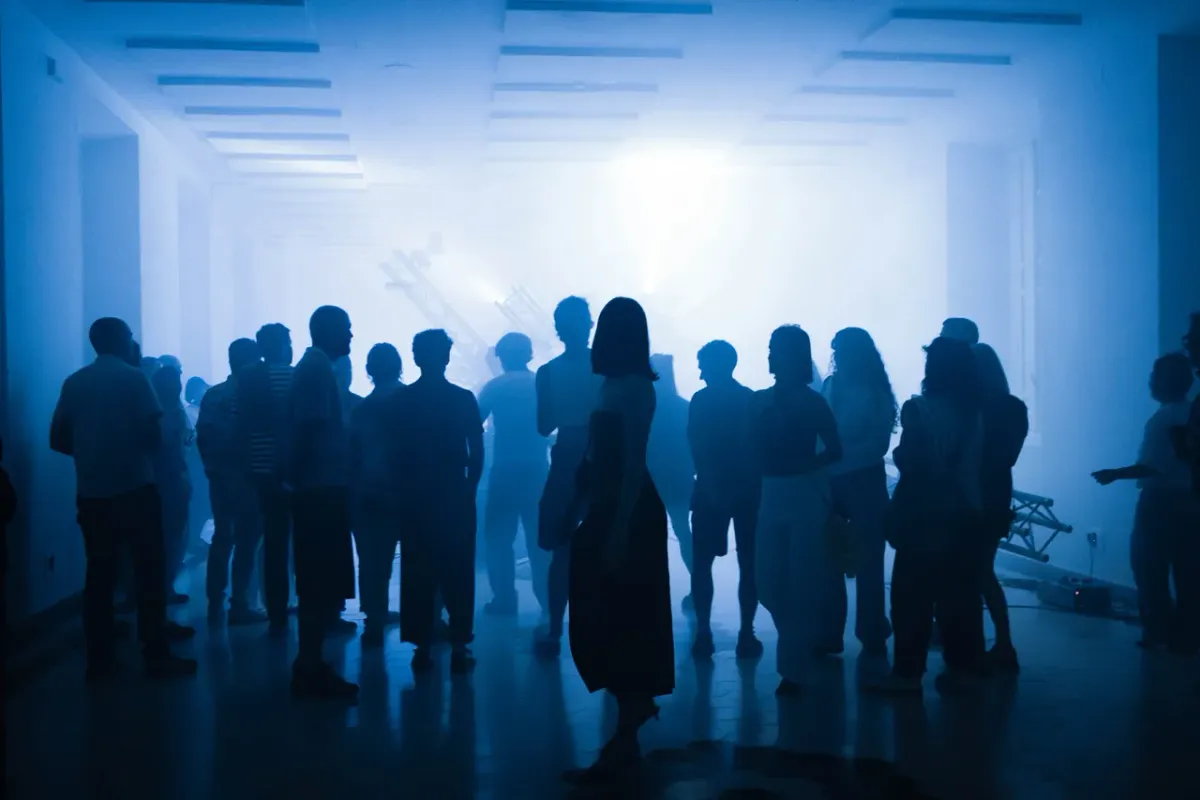
Leo Pum @La Térmica, Málaga KRVCE festival
Everything you need to plan, apply, and move your art career forward.
Berlin / 2026
 Features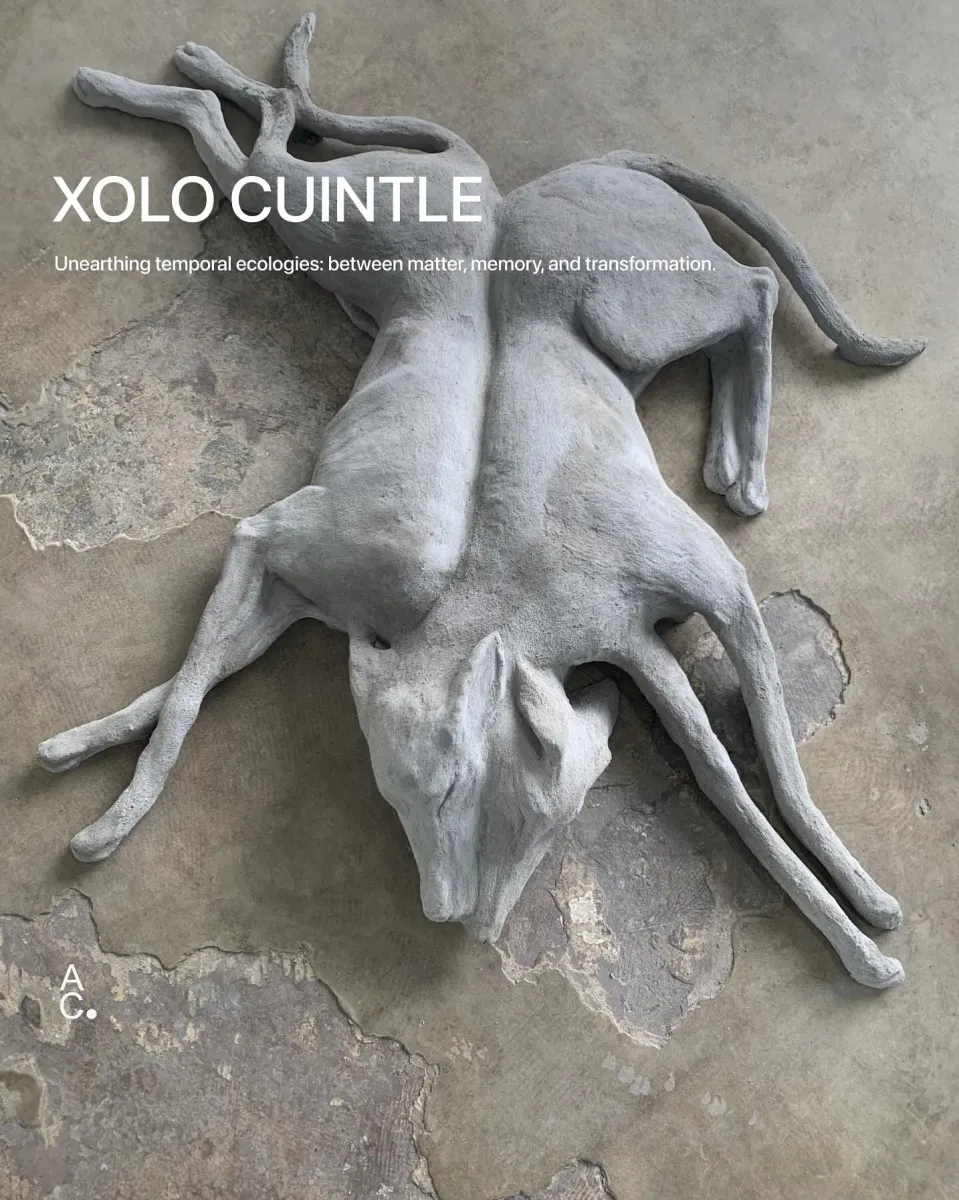
@xolo_cuintle
Paris / 2026
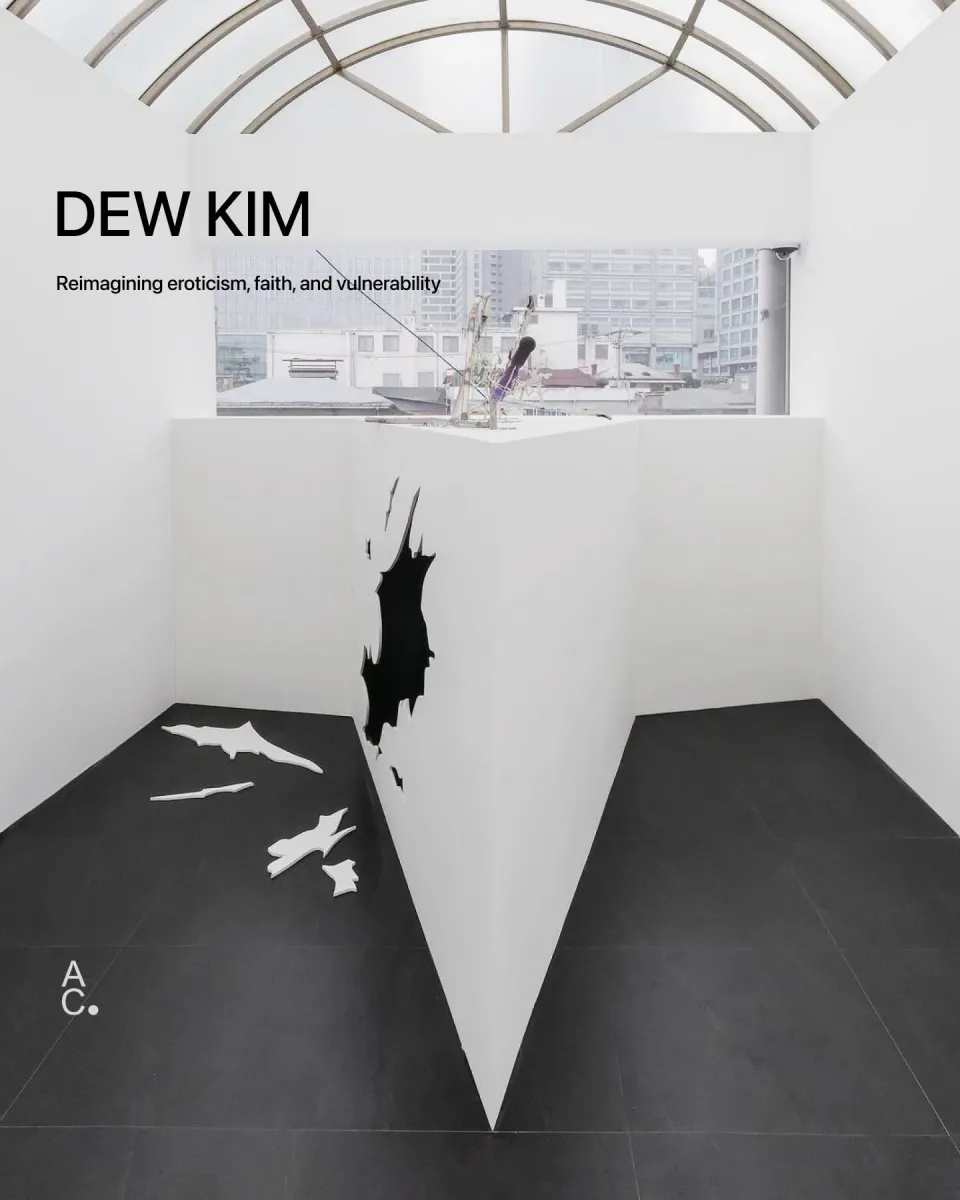
@dew_needs_you
Berlin / 2026
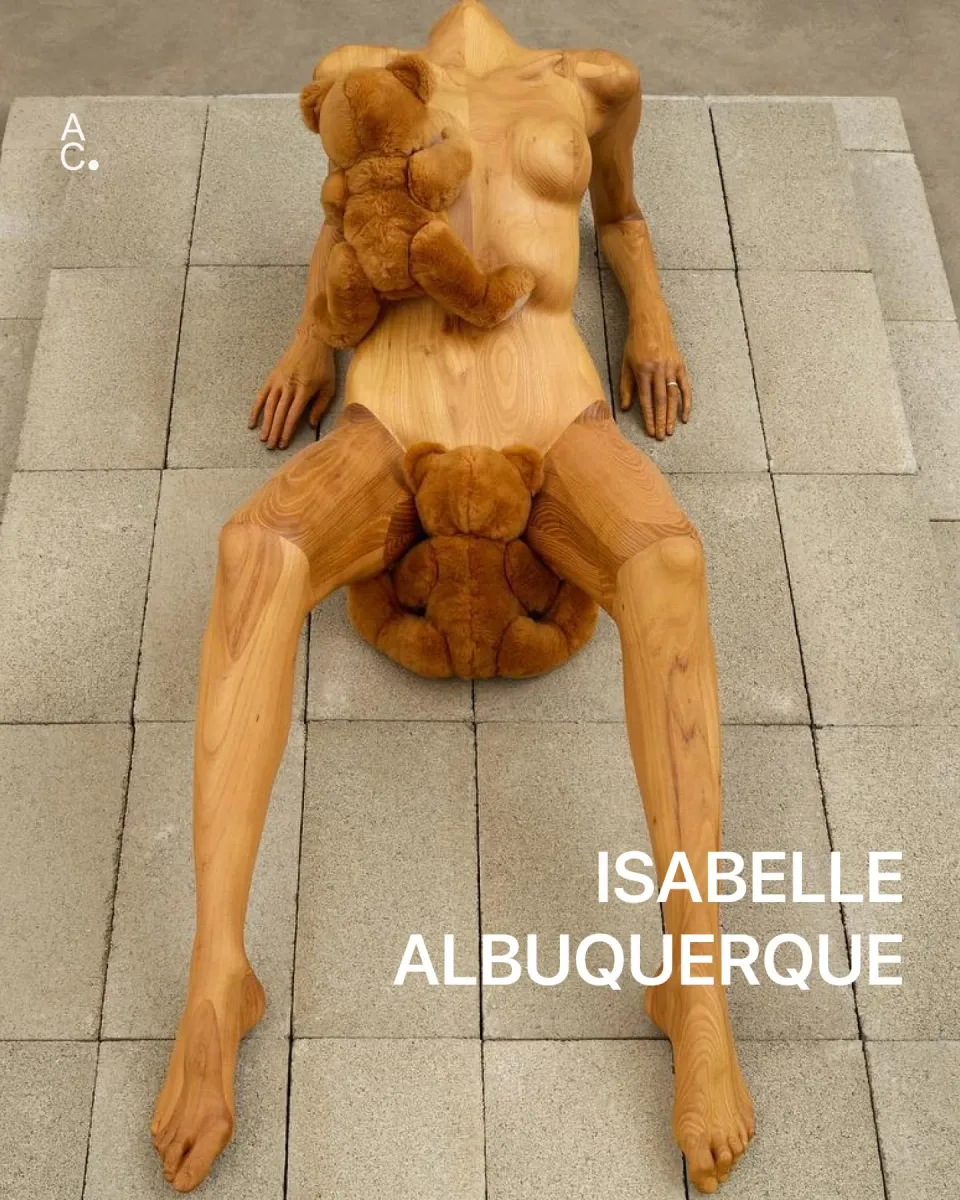
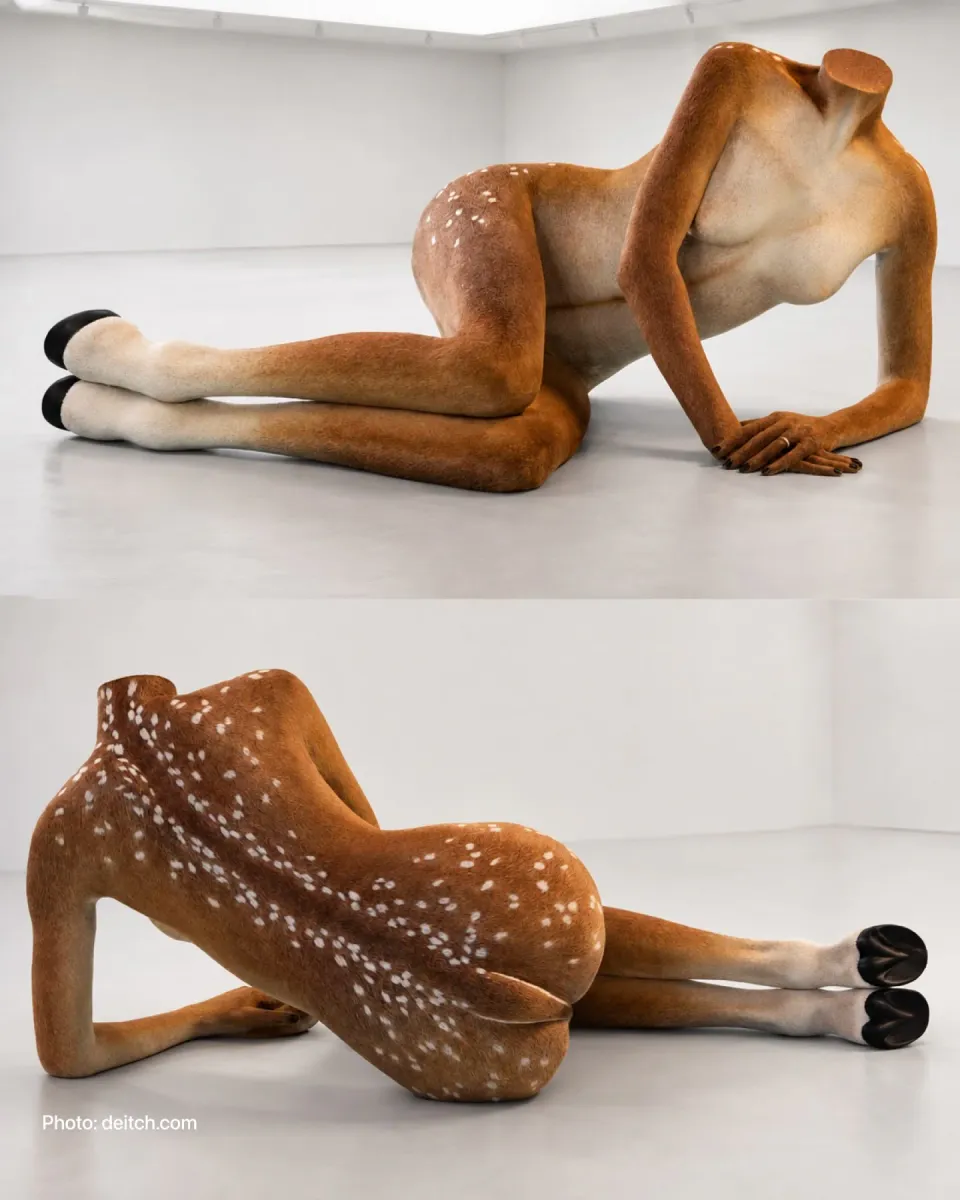
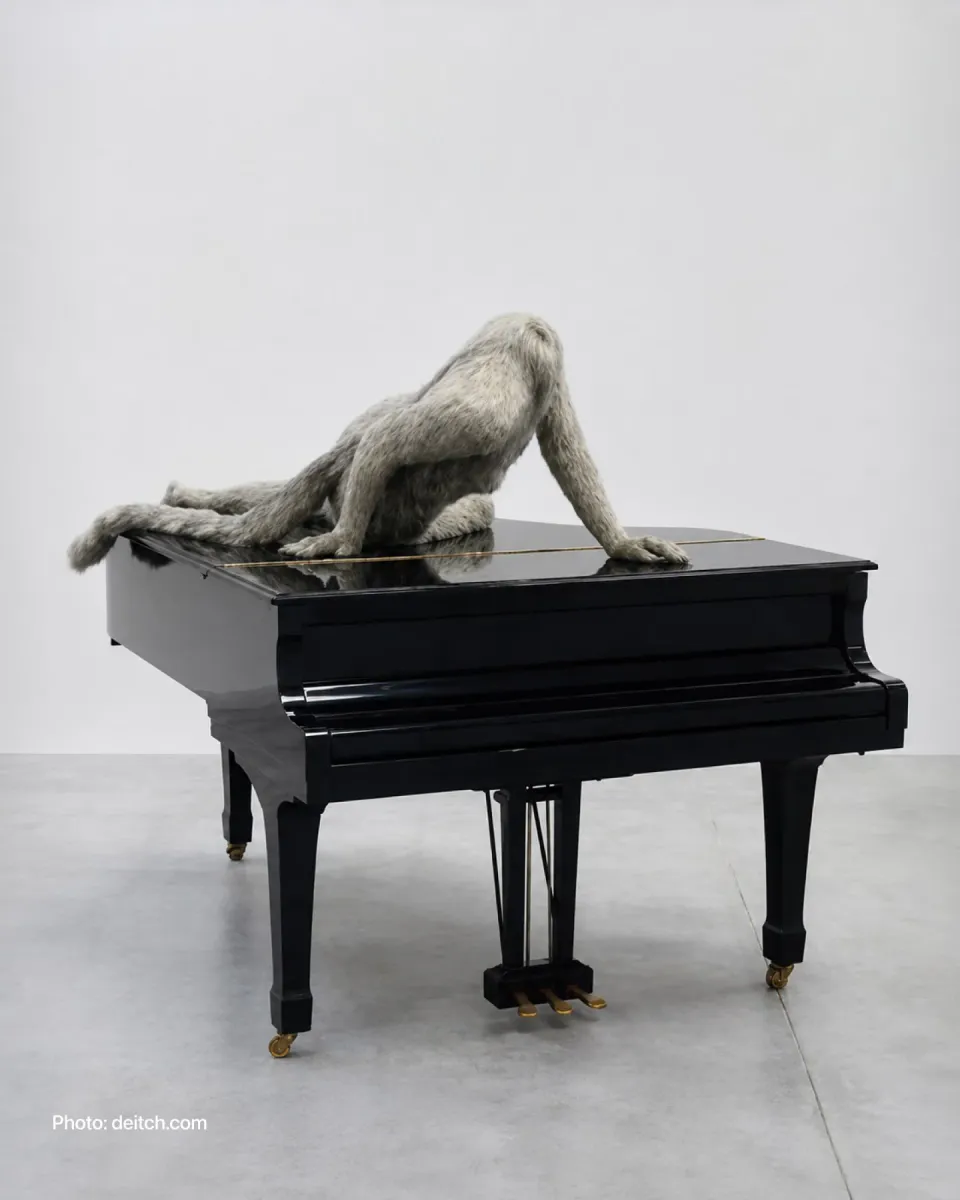
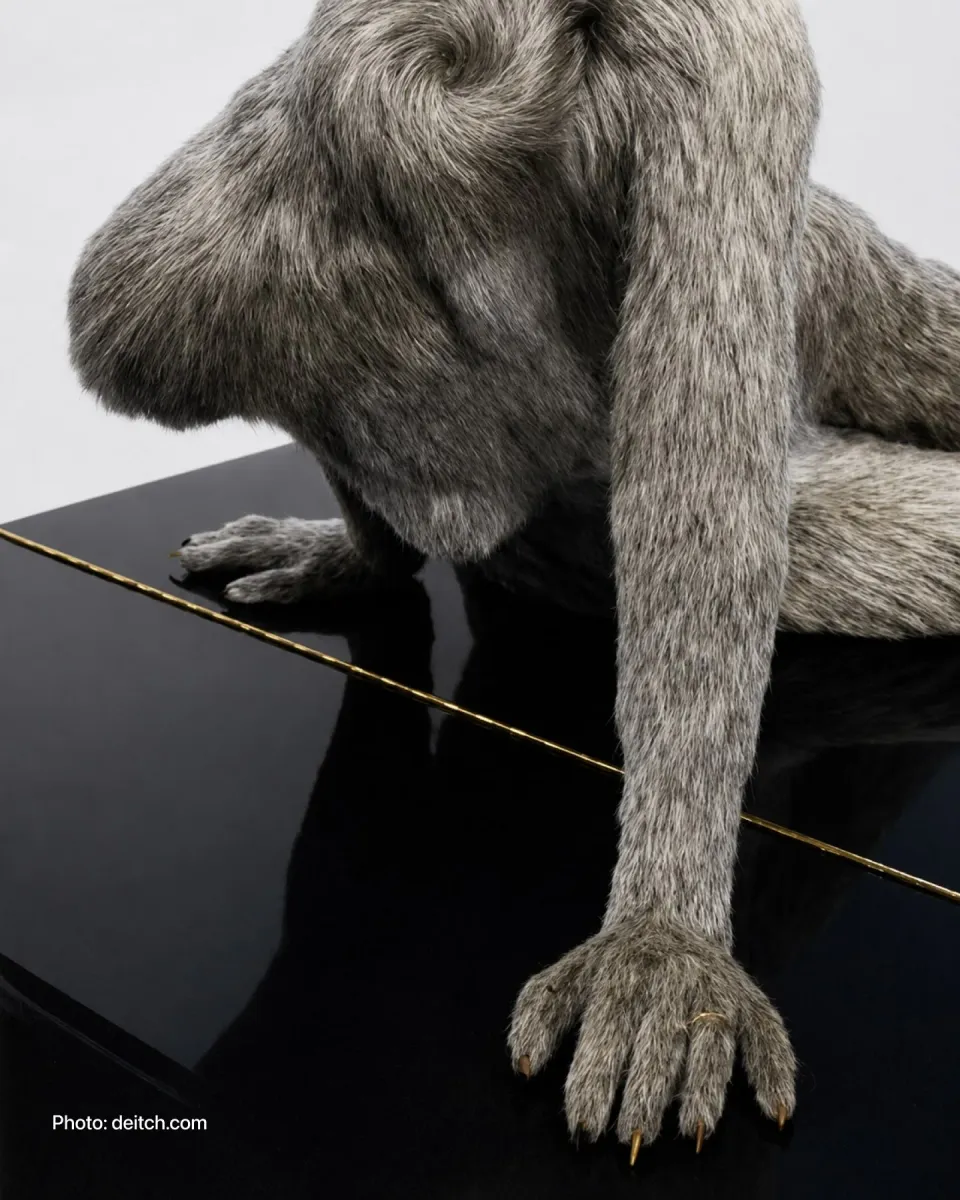
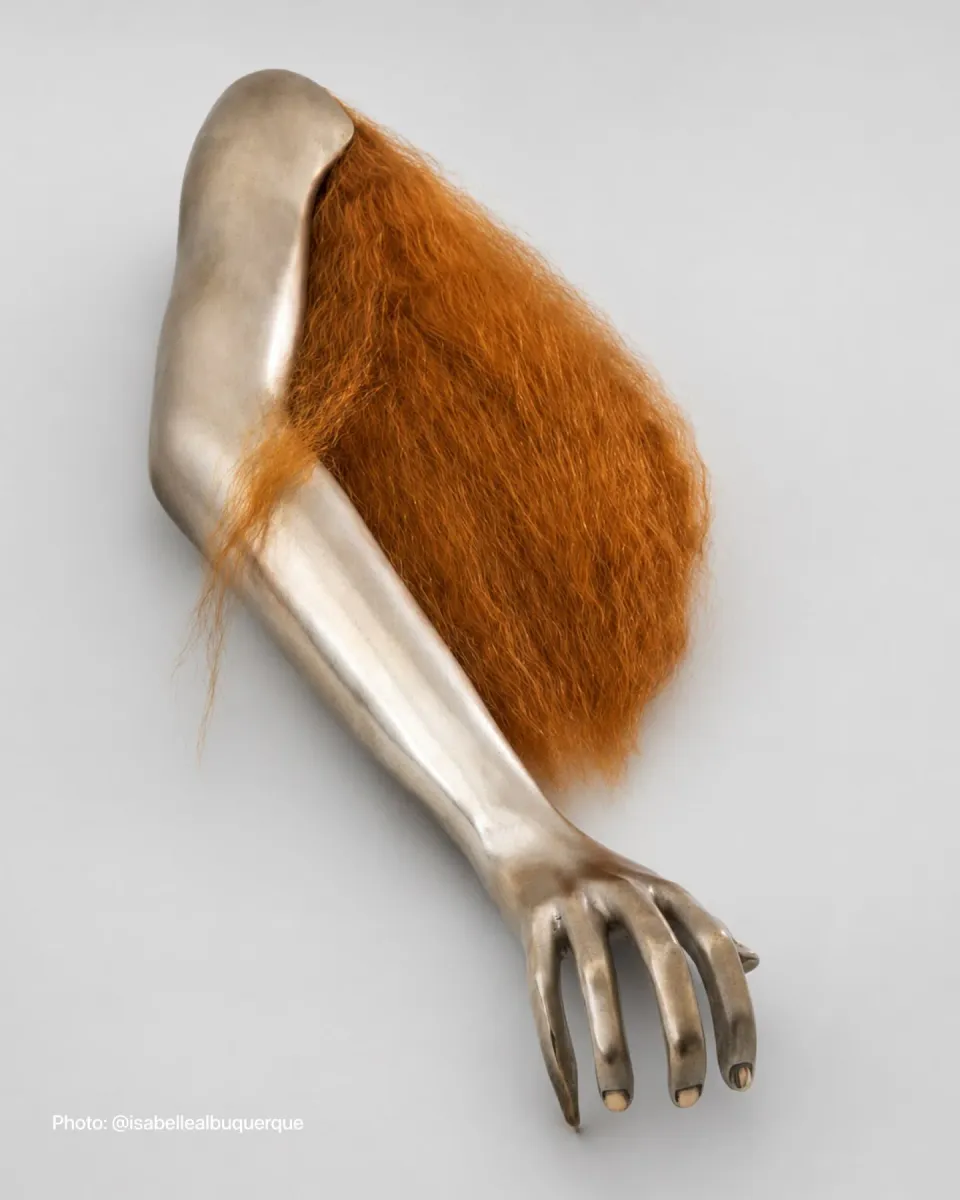
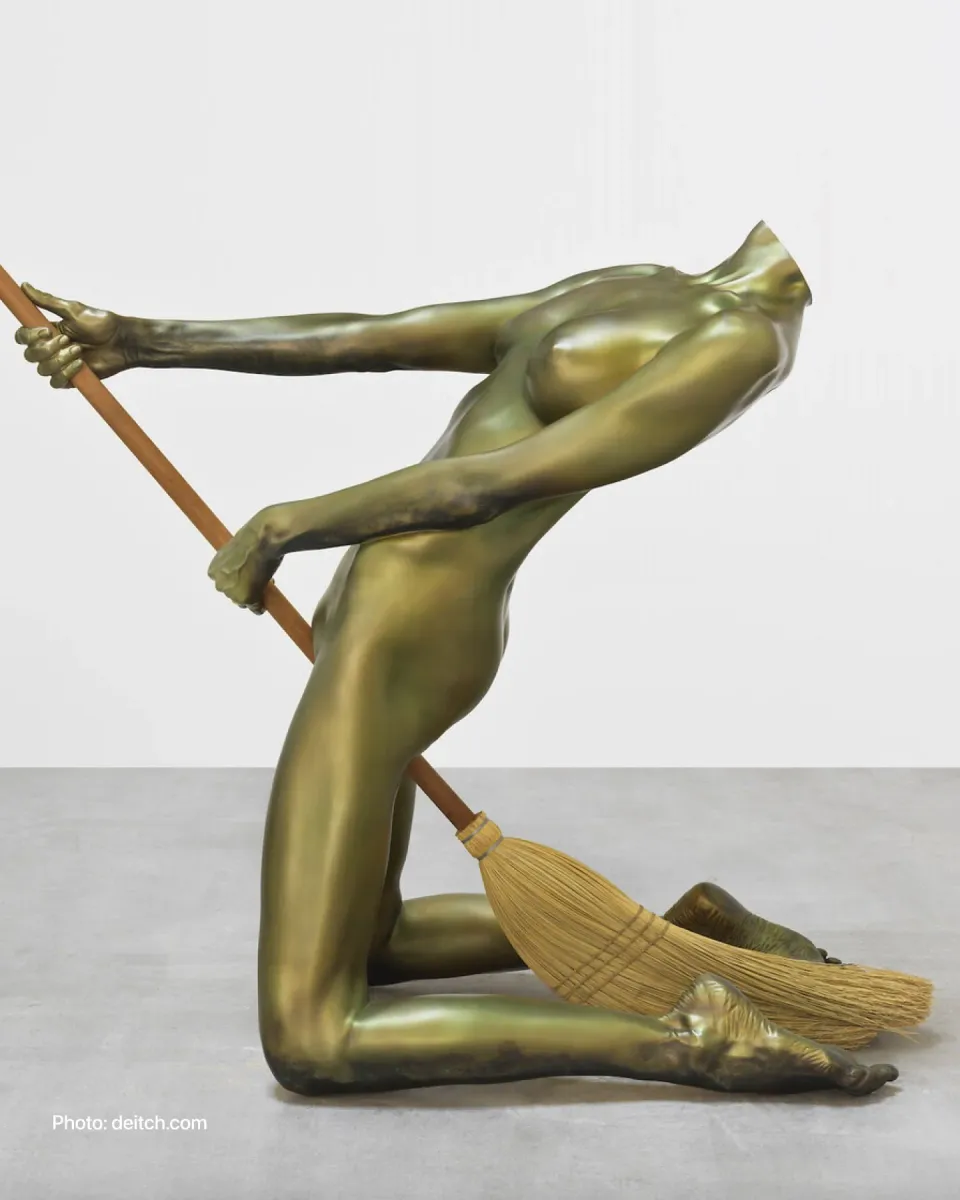

@isabellealbuquerque
Paris / 2026
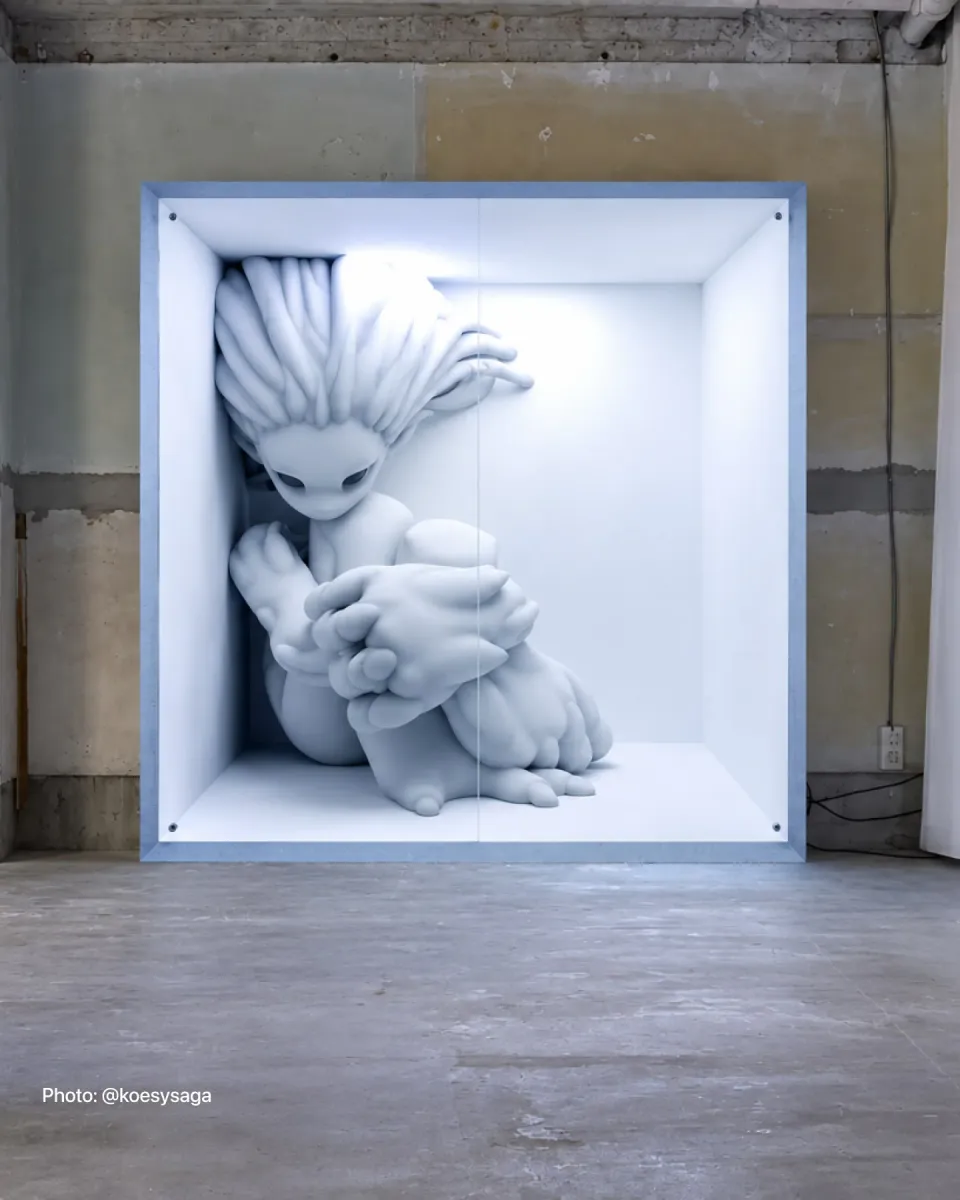
@koesysaga
Munich / 2026
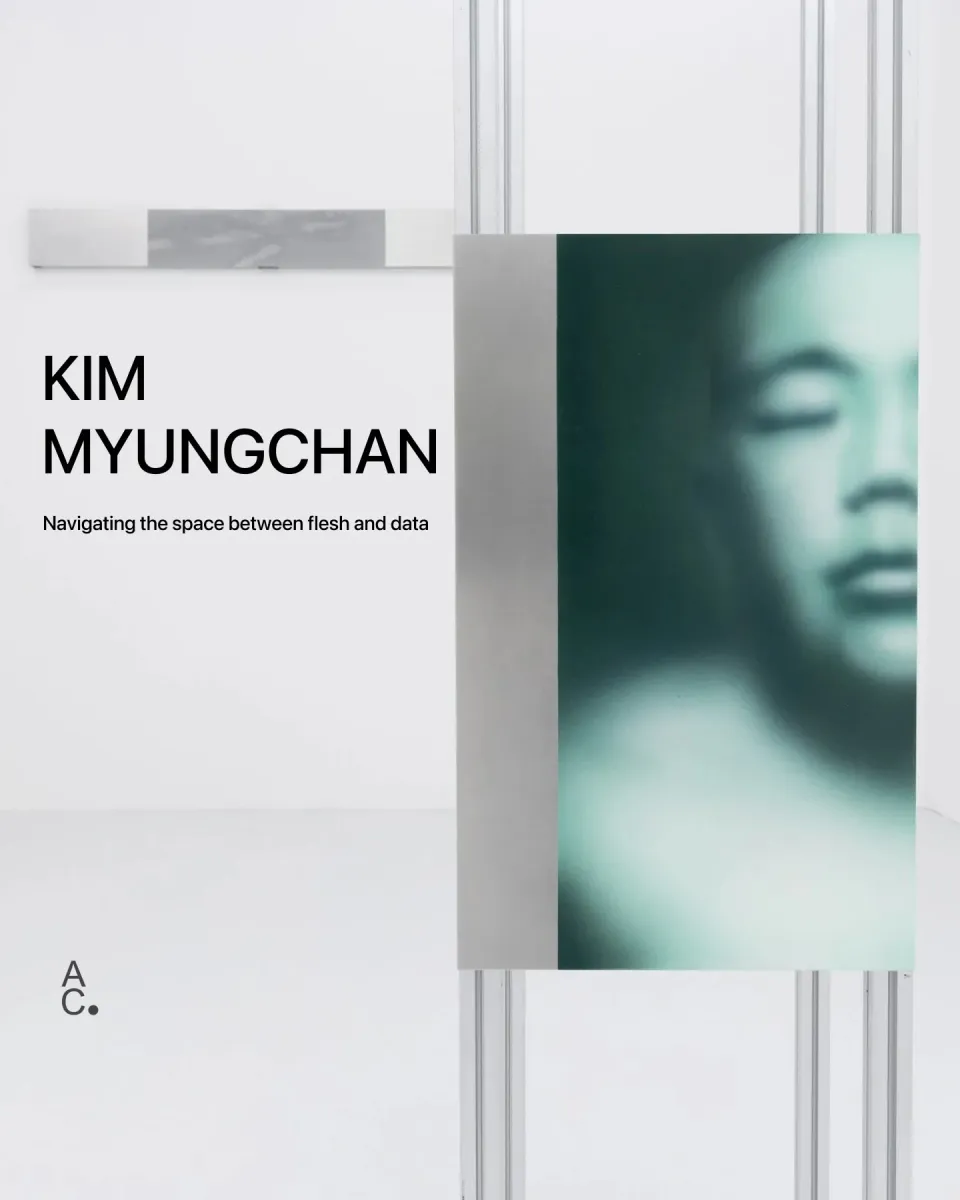
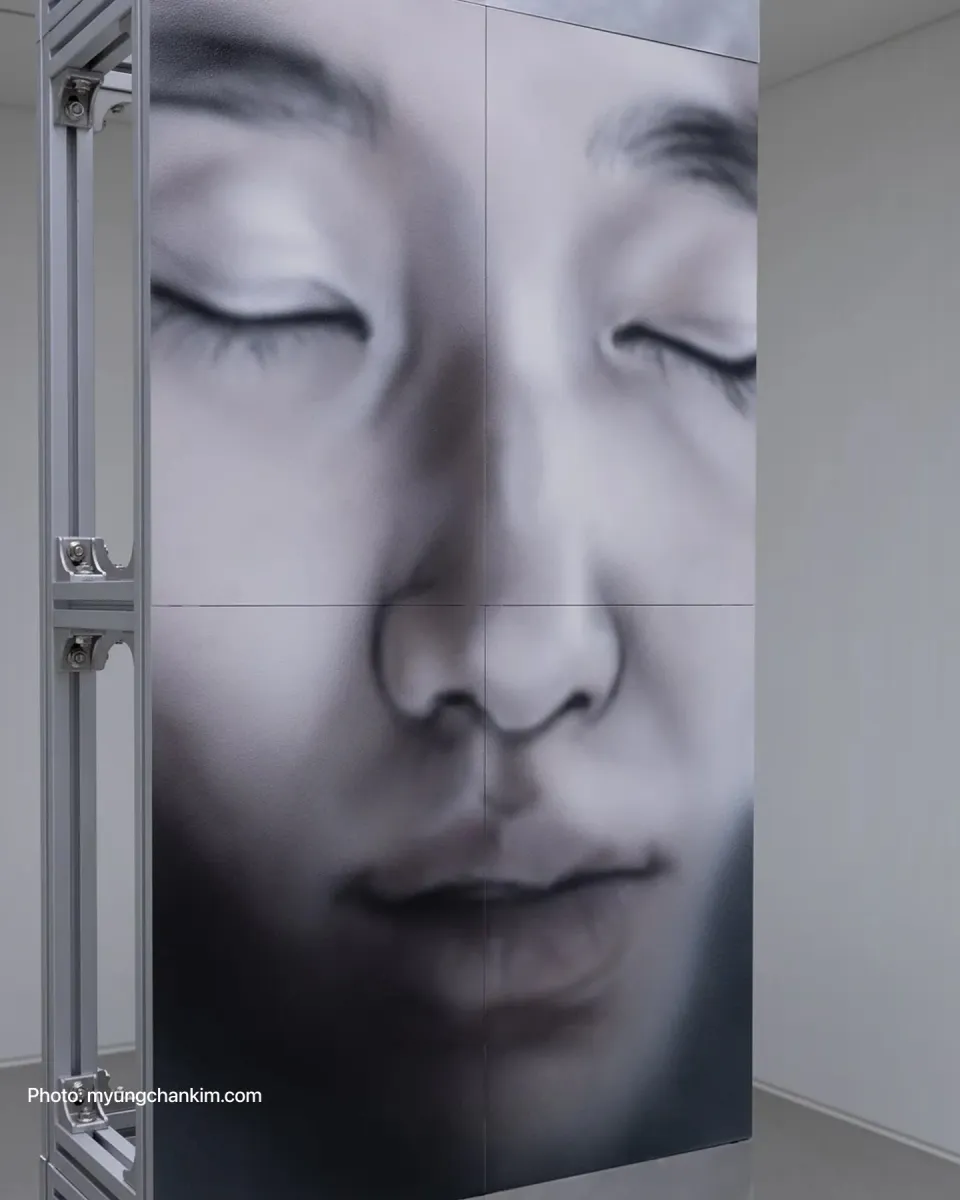
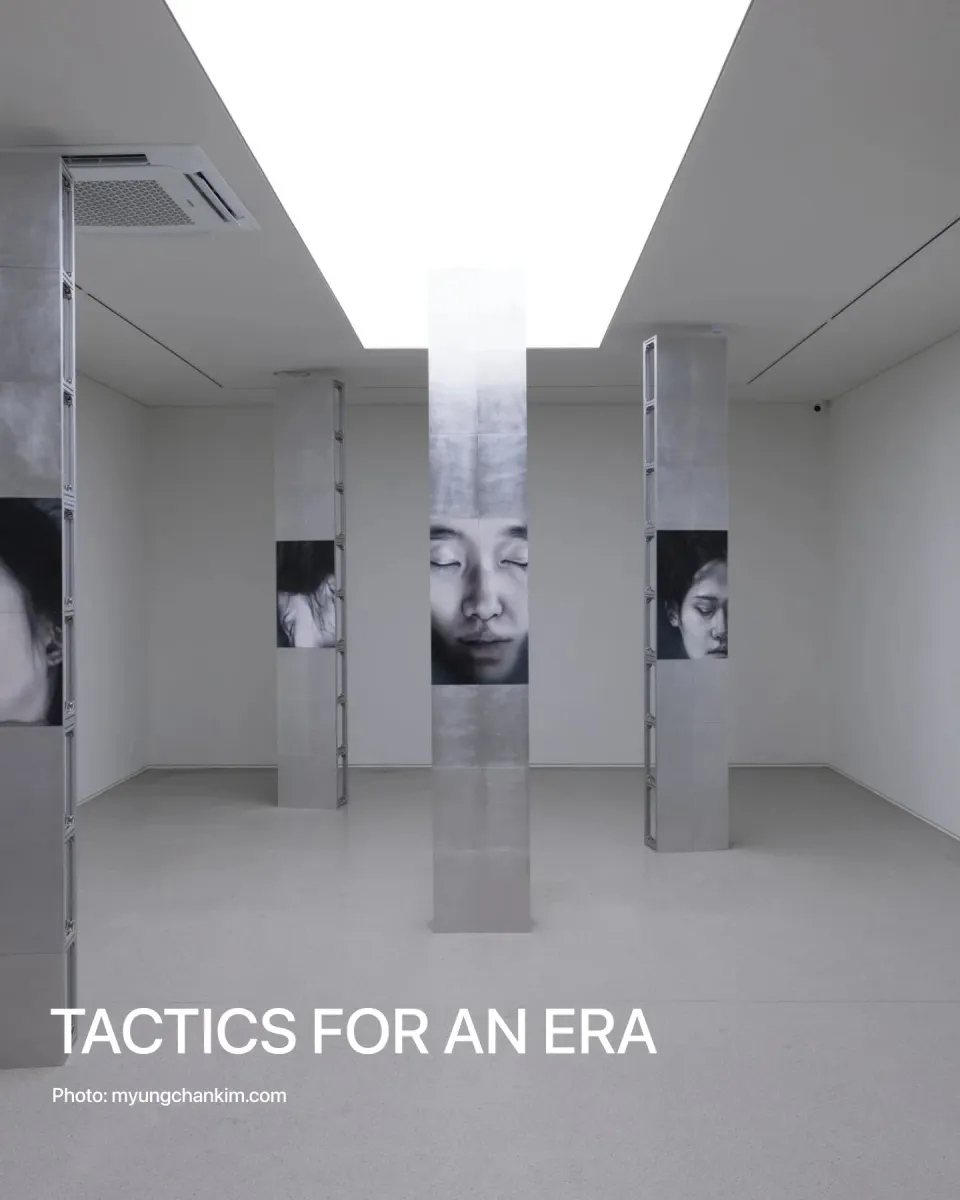
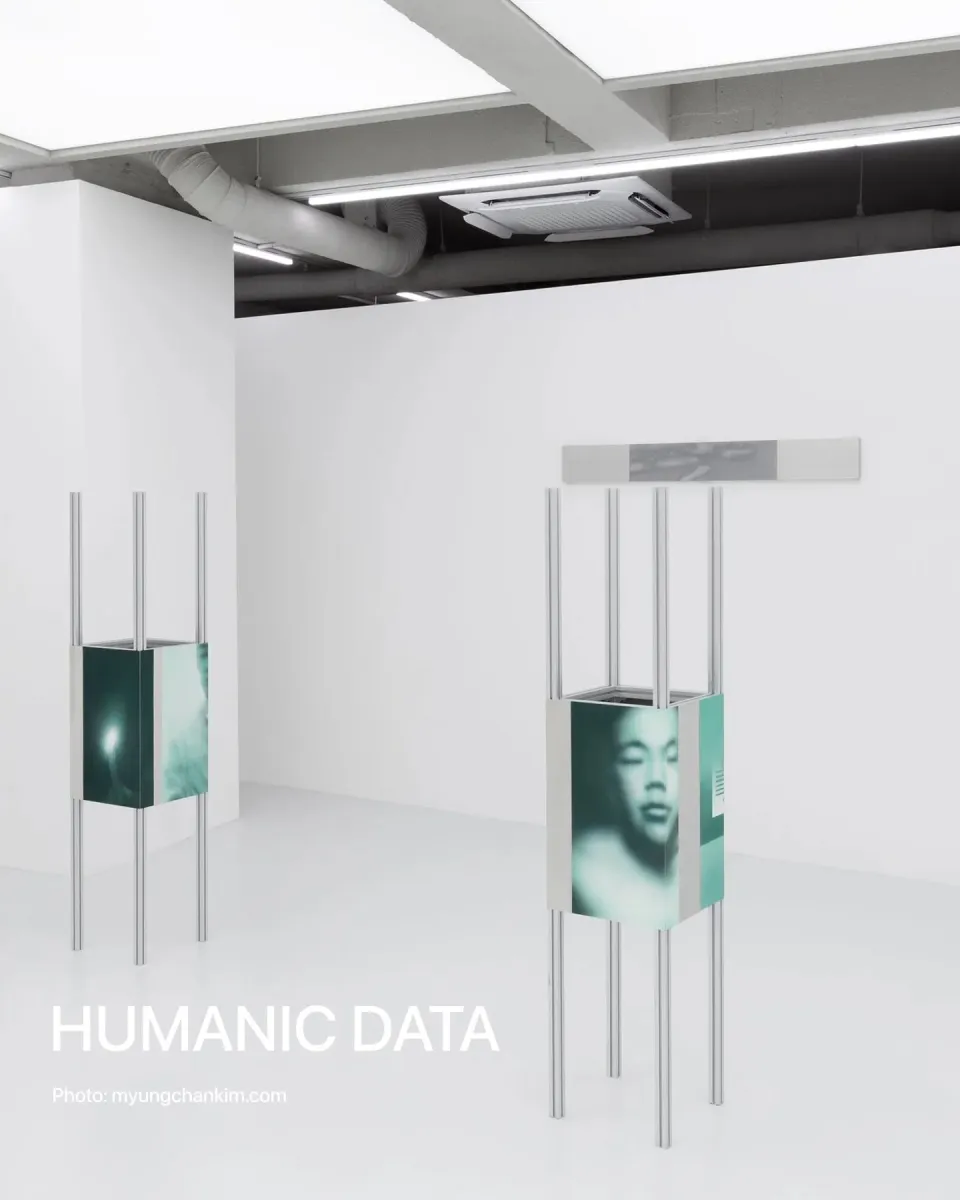
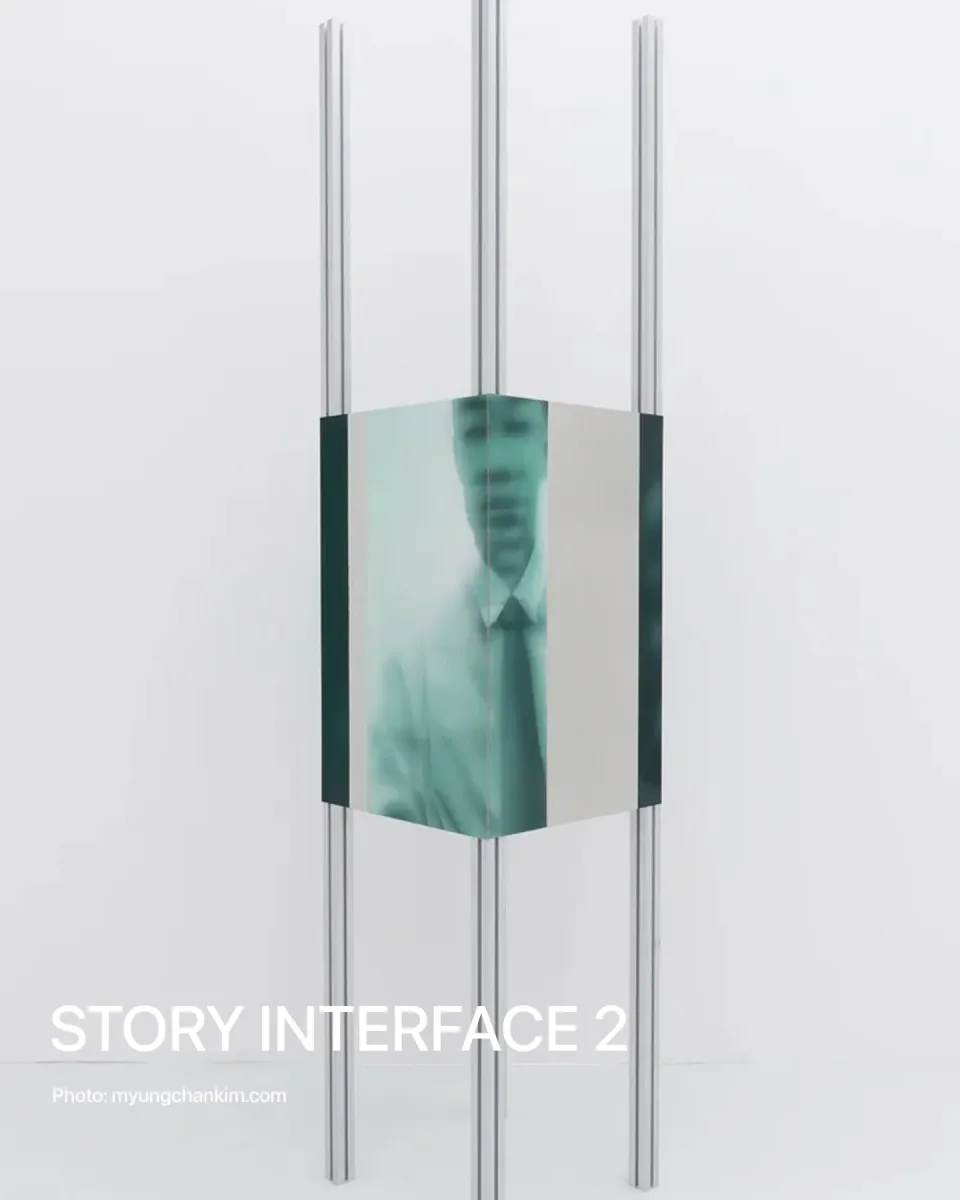
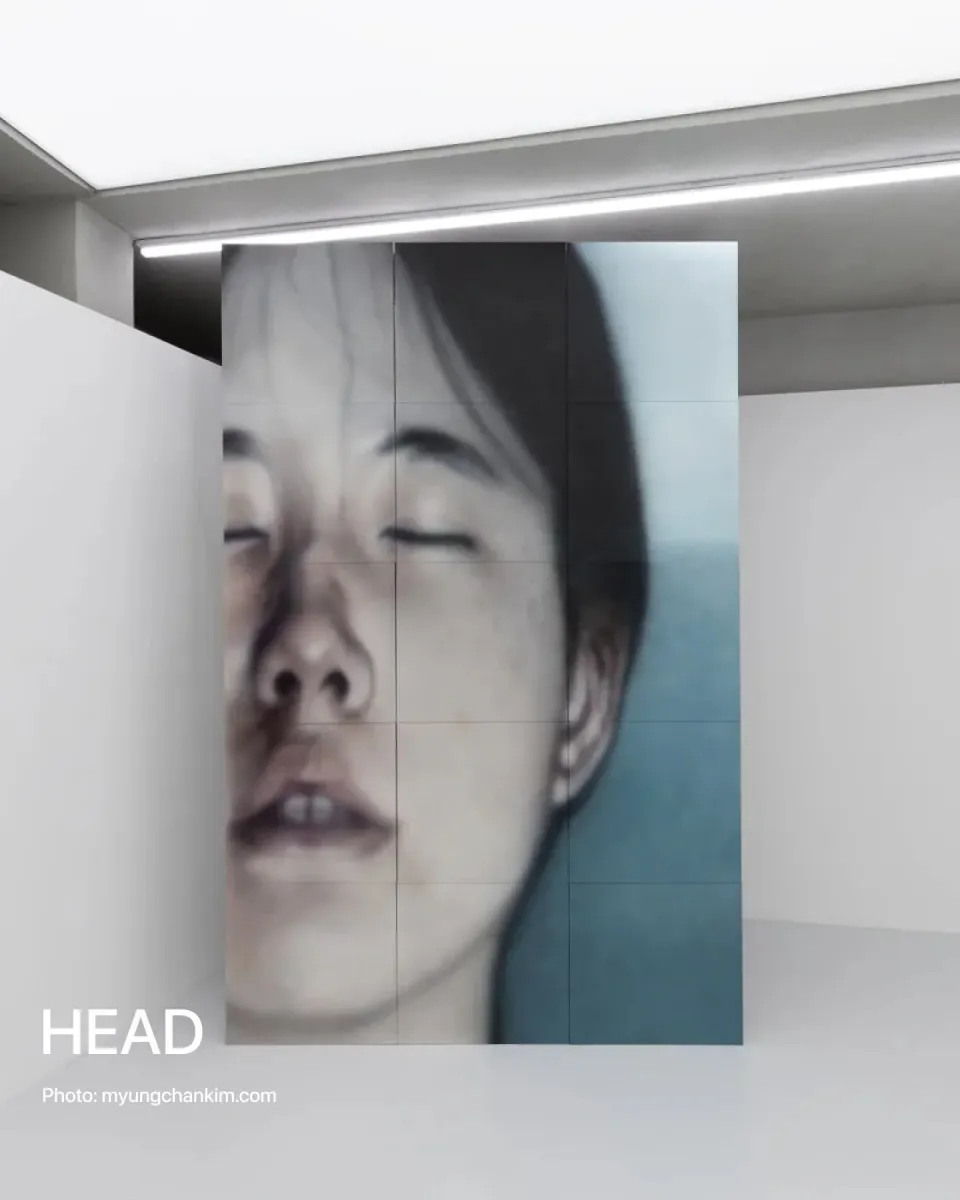
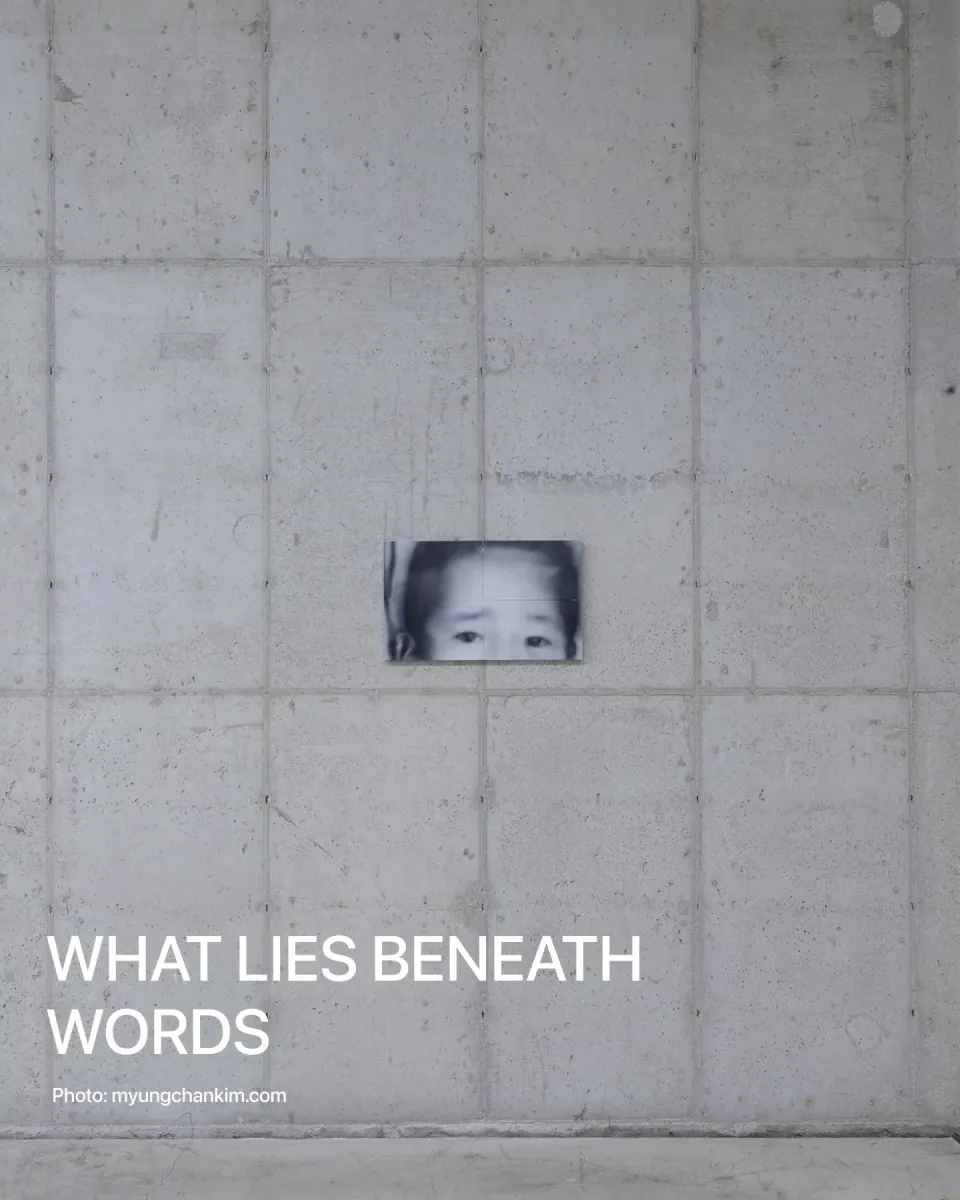
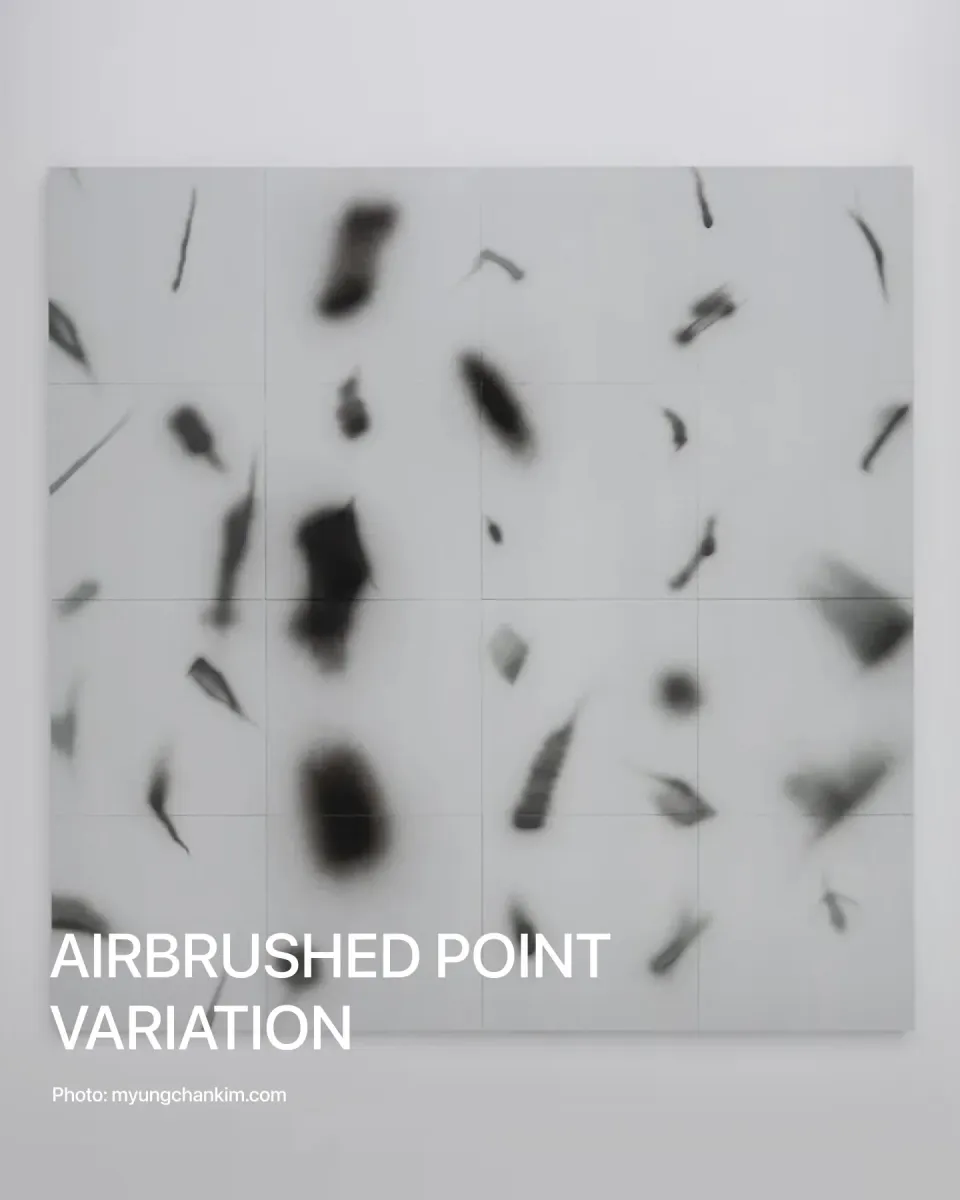
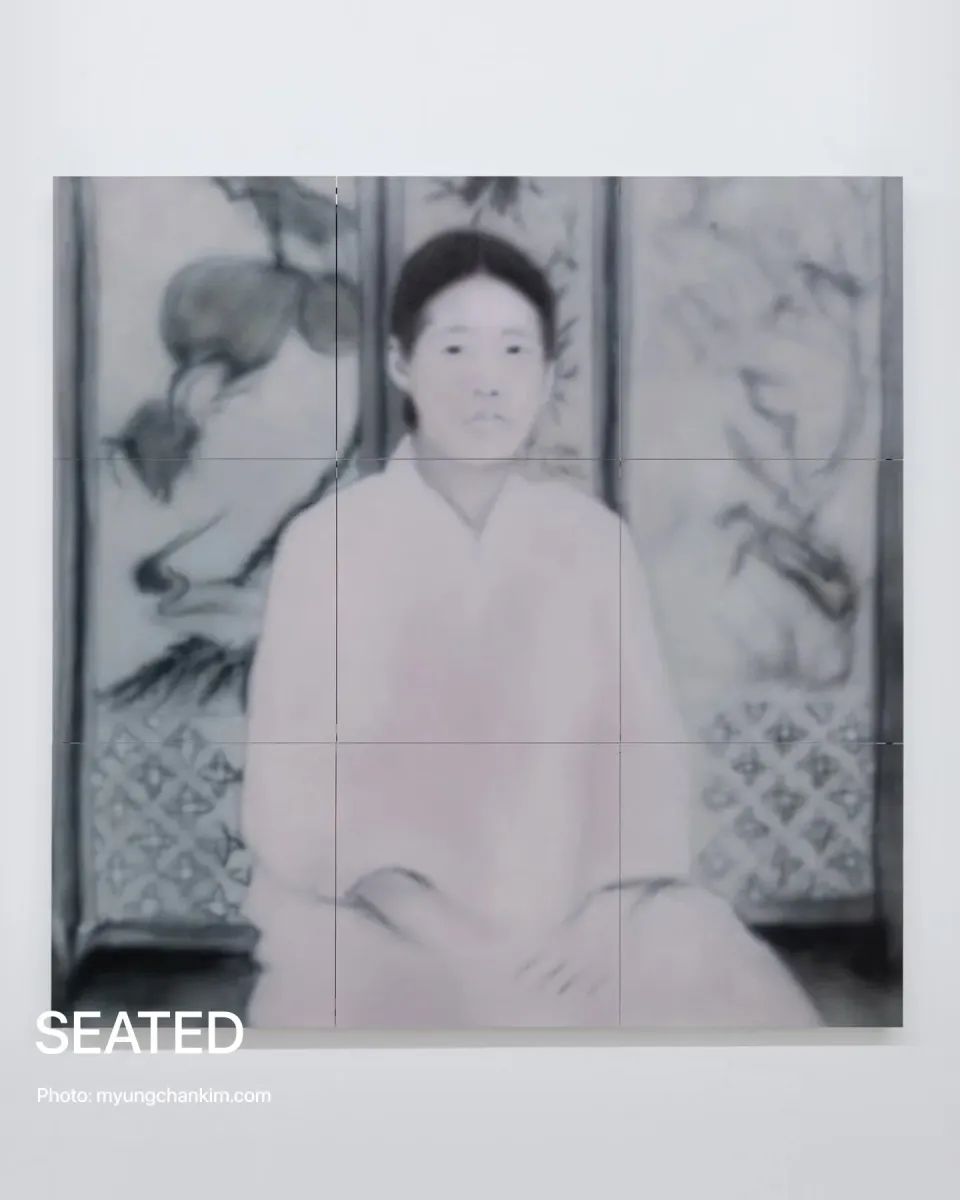
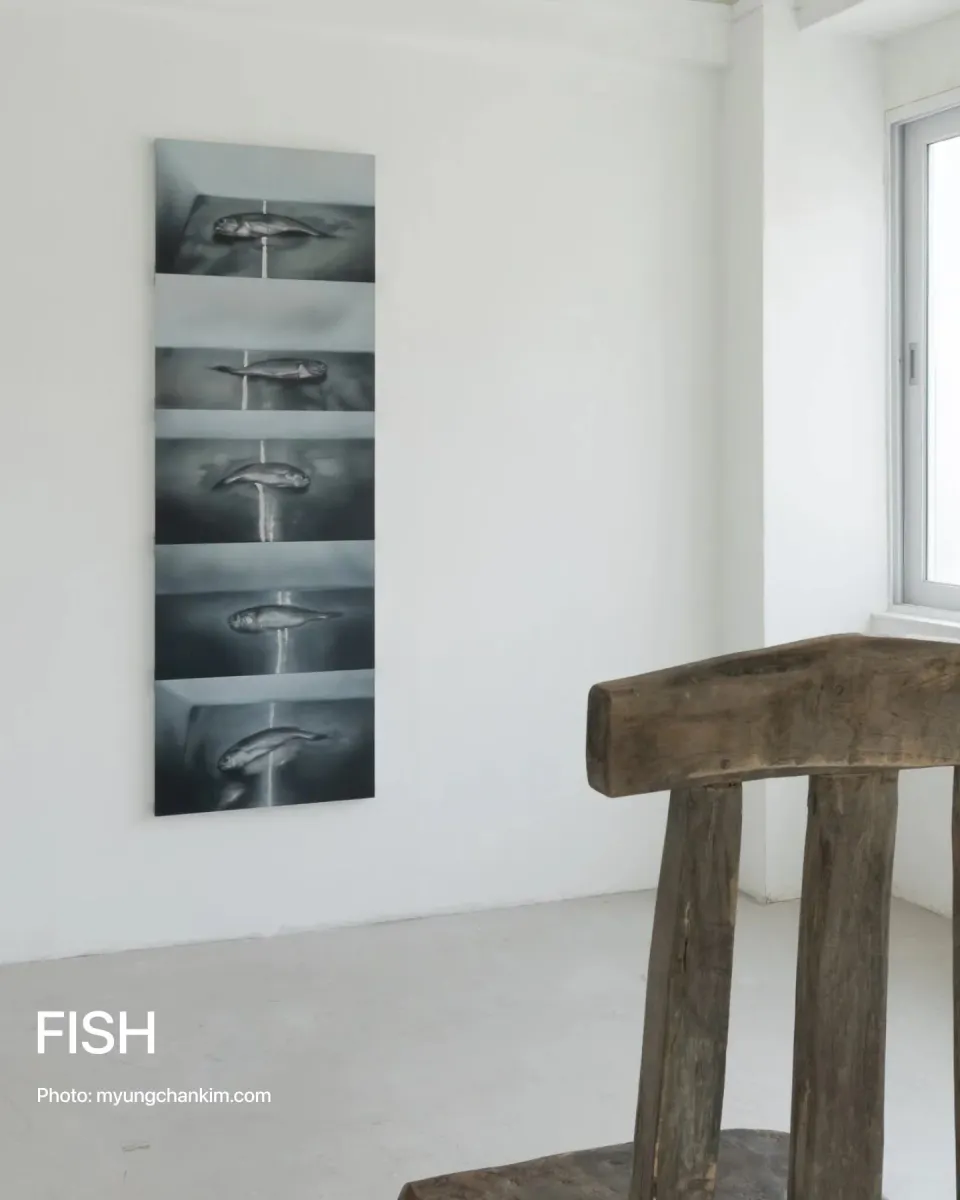
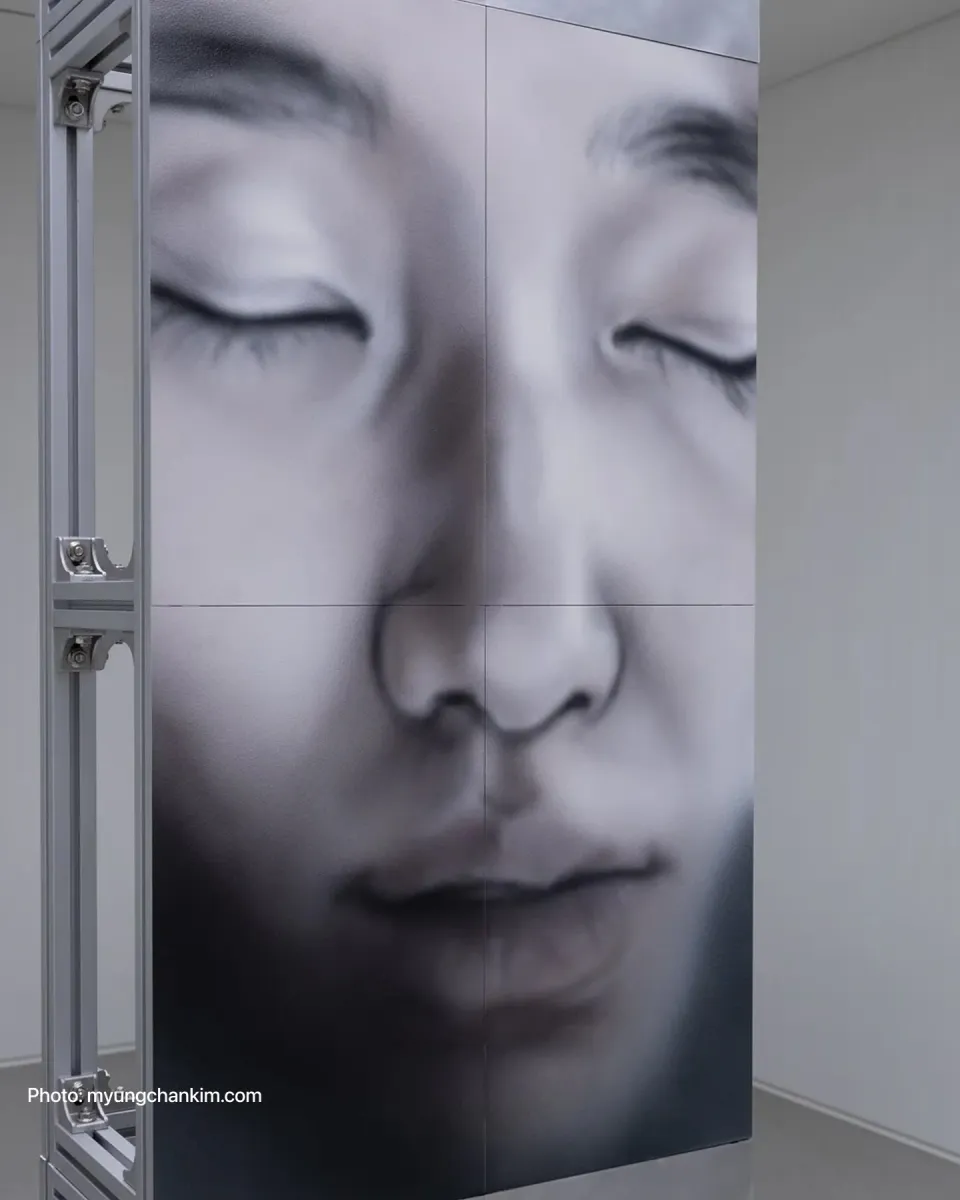
@kim.myungchan
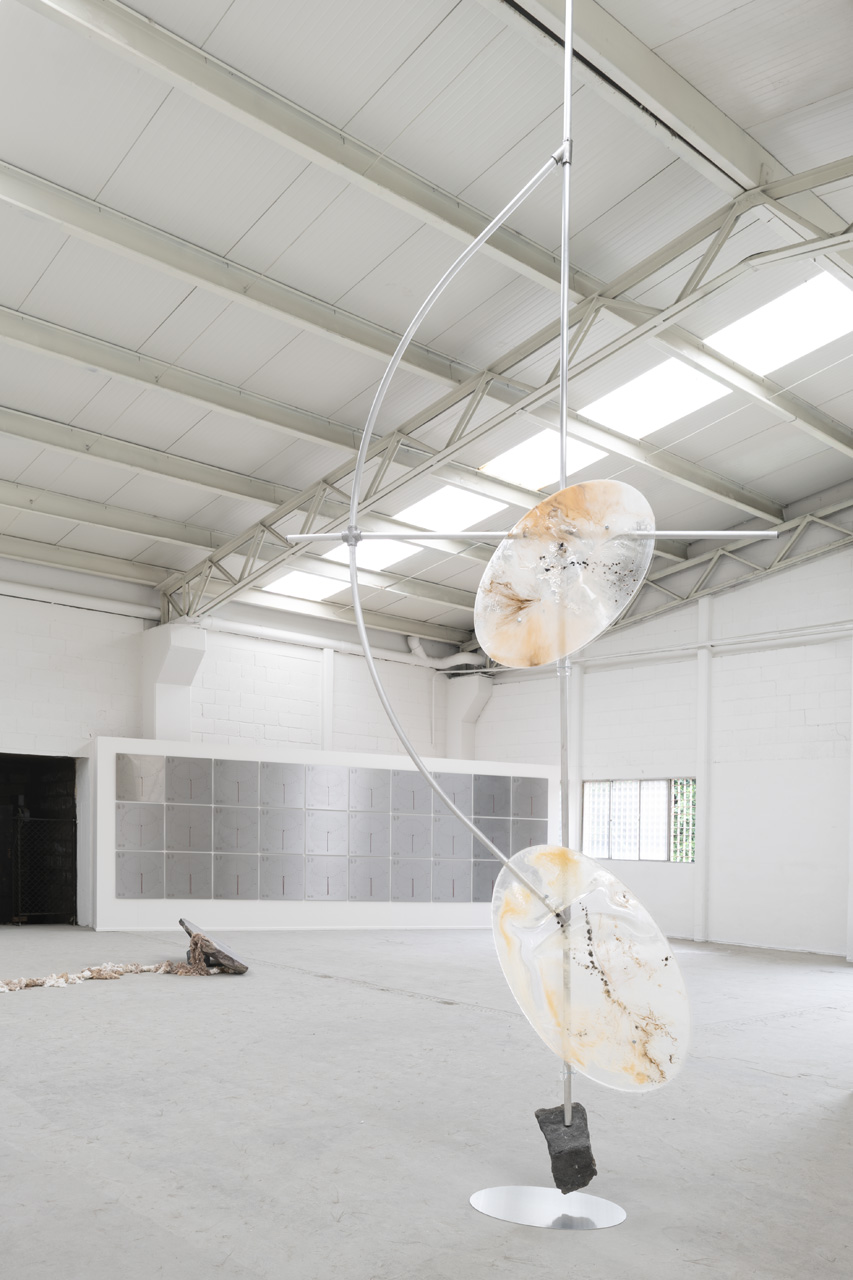
Mexico City / 2026

@yukino_yamanaka

New York / 2026
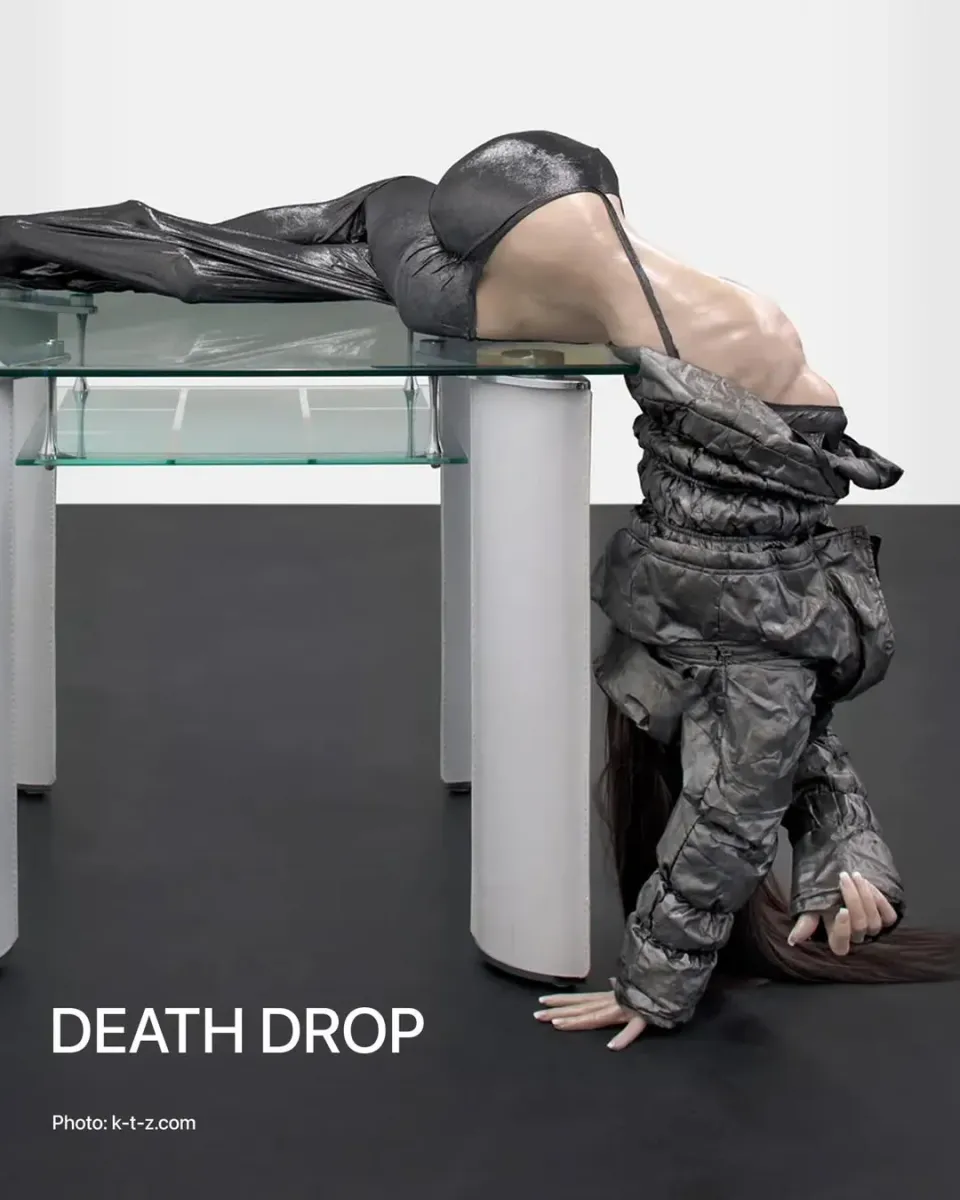

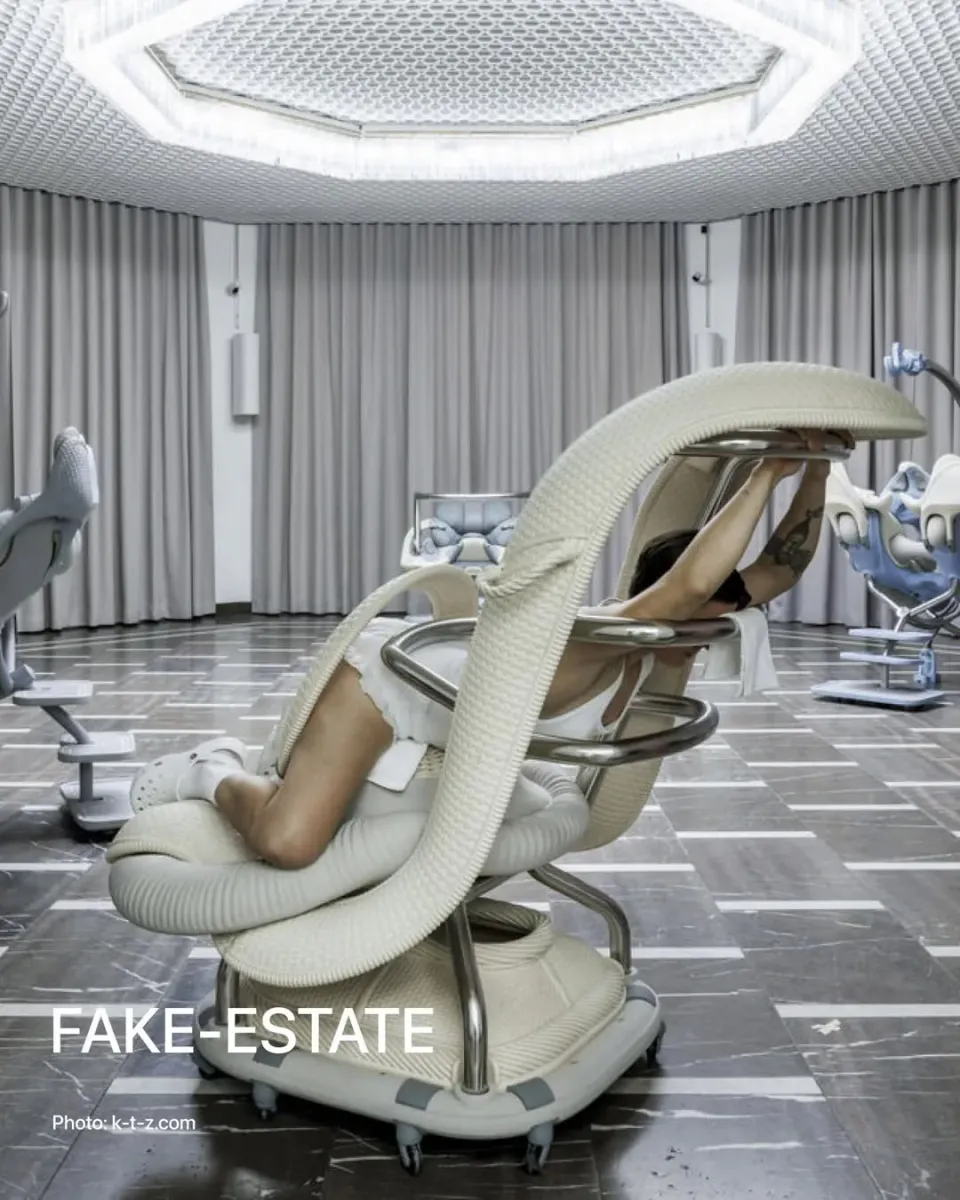
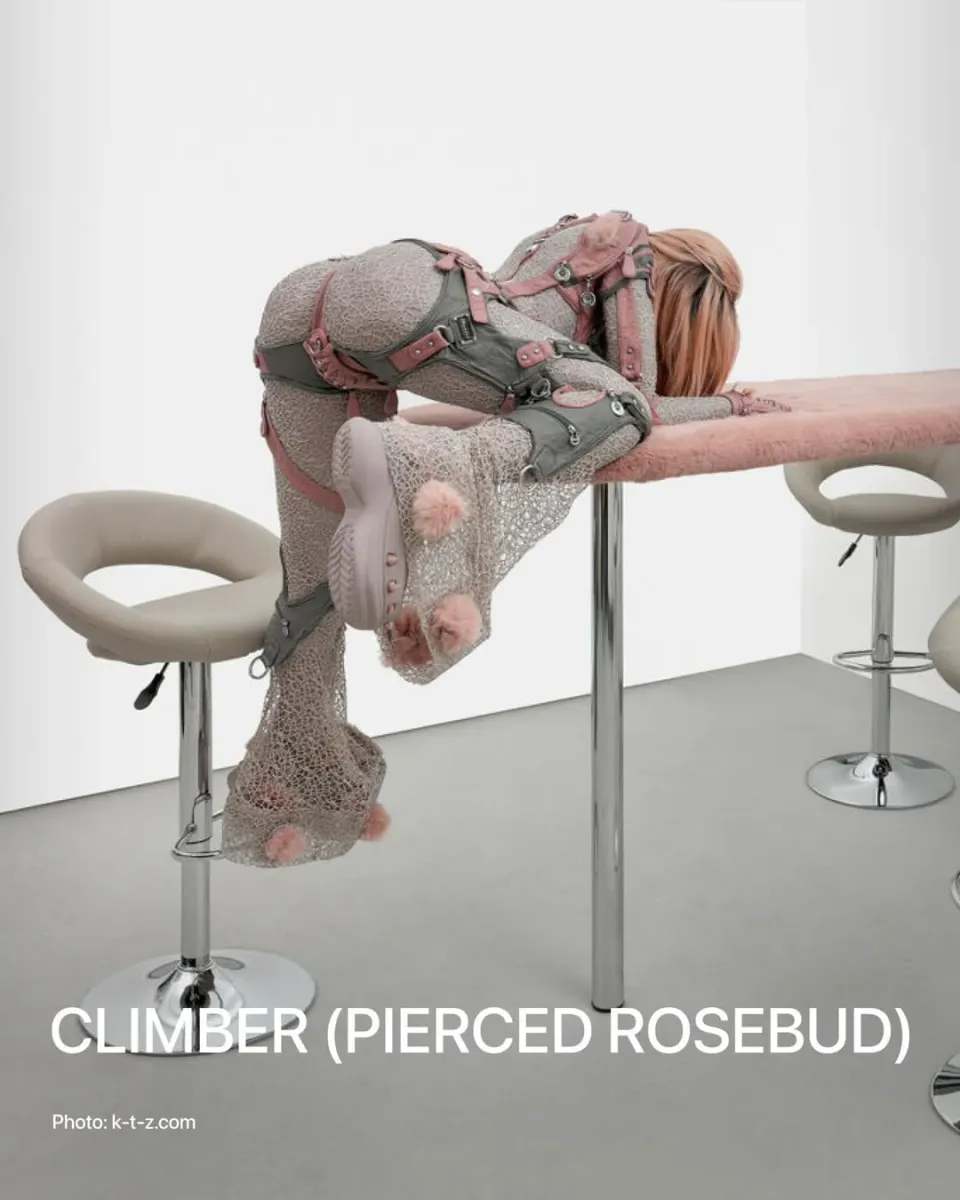
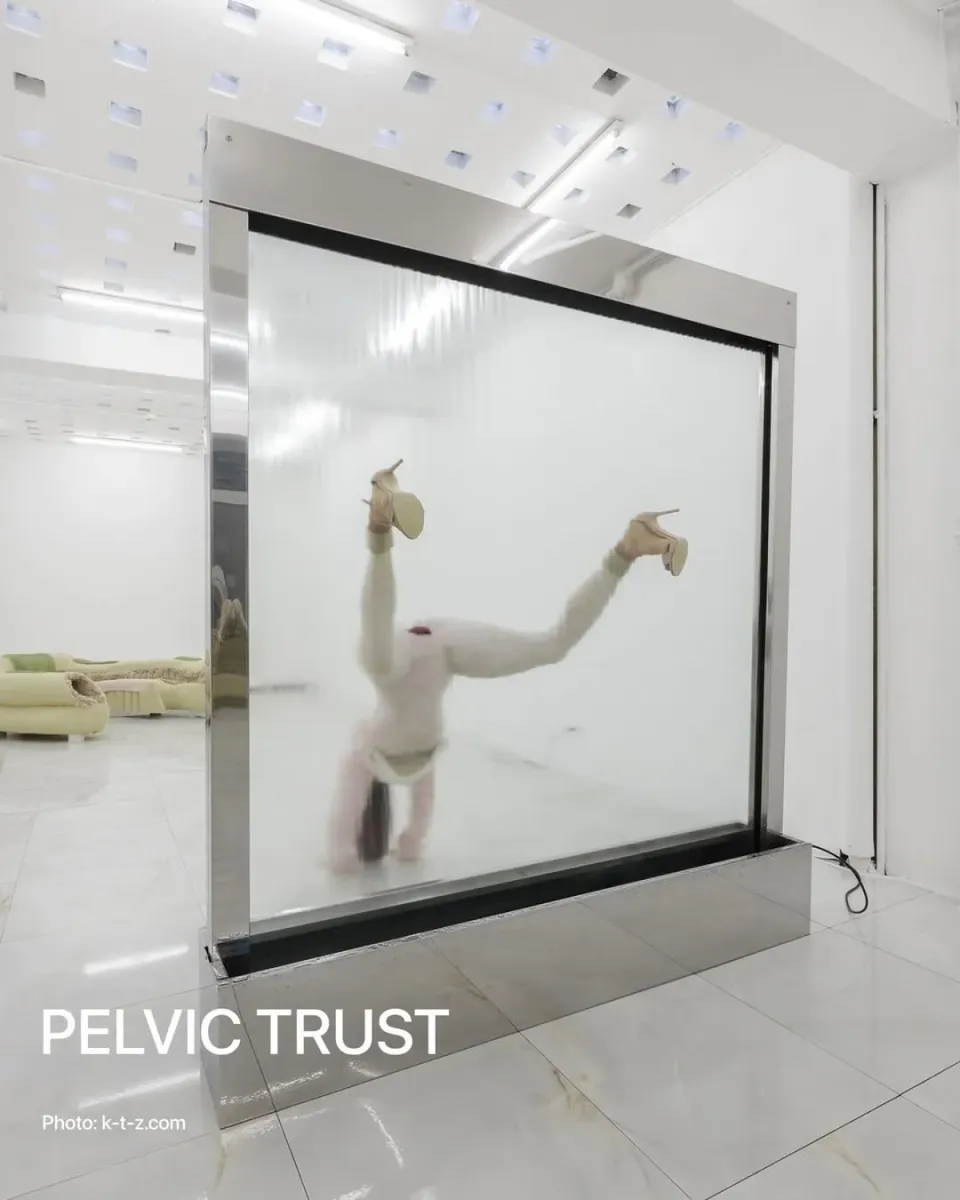
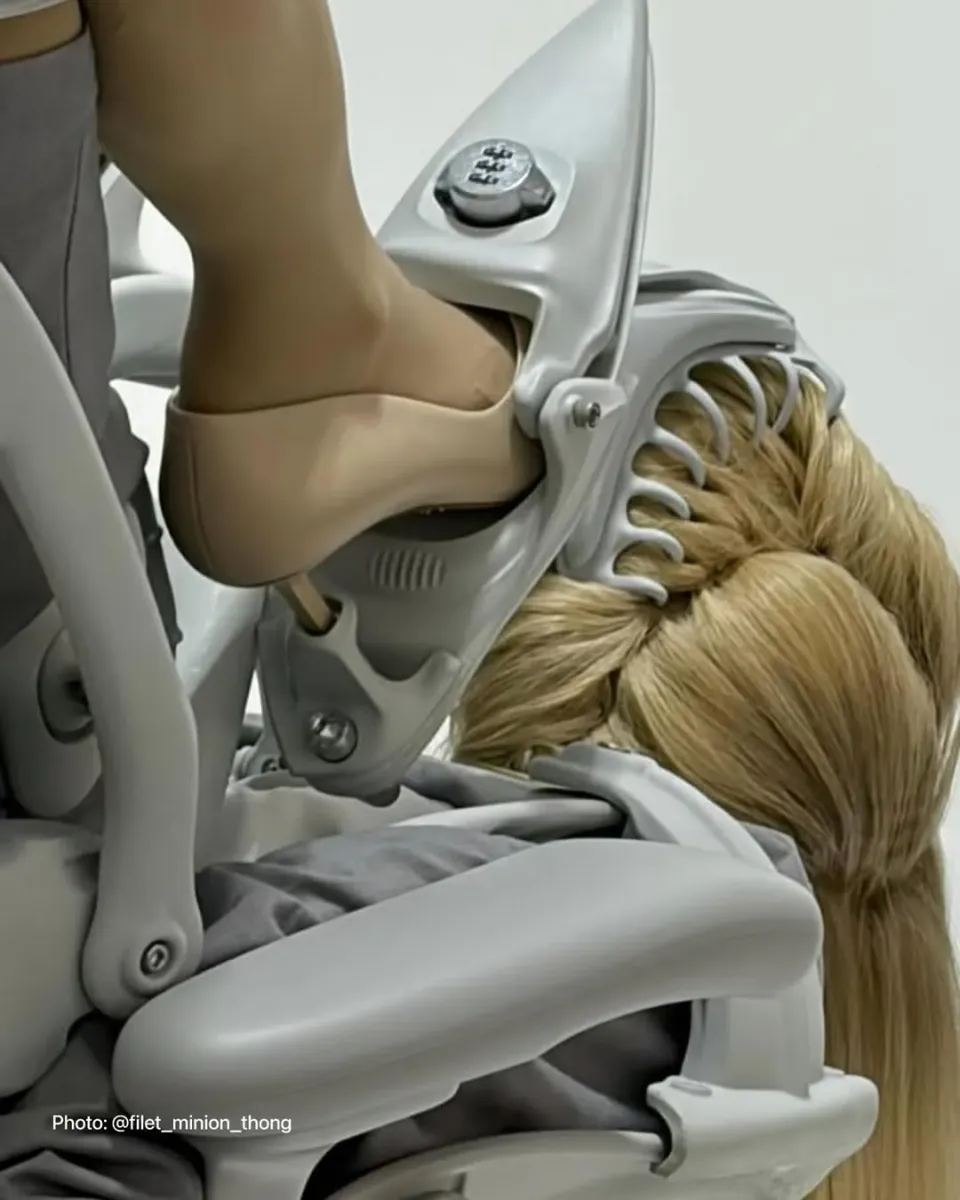
@filet_minion_thong
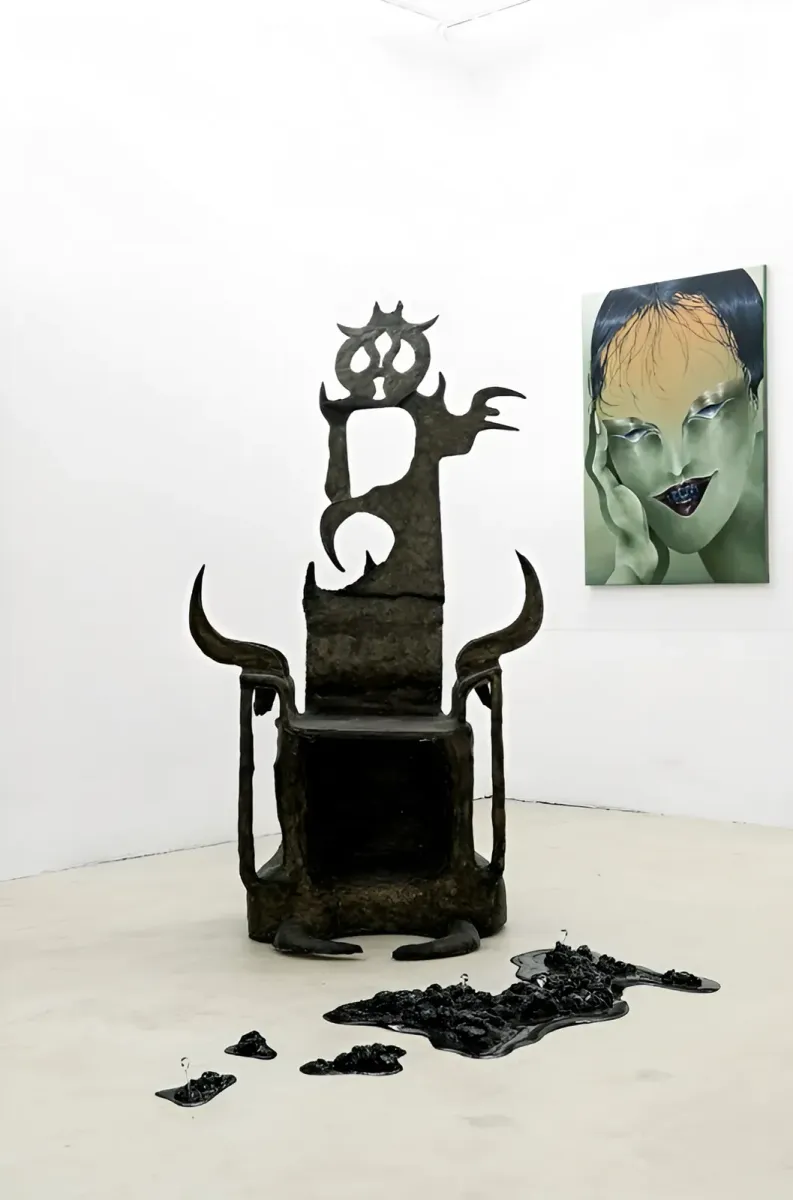
Kraków / 2025
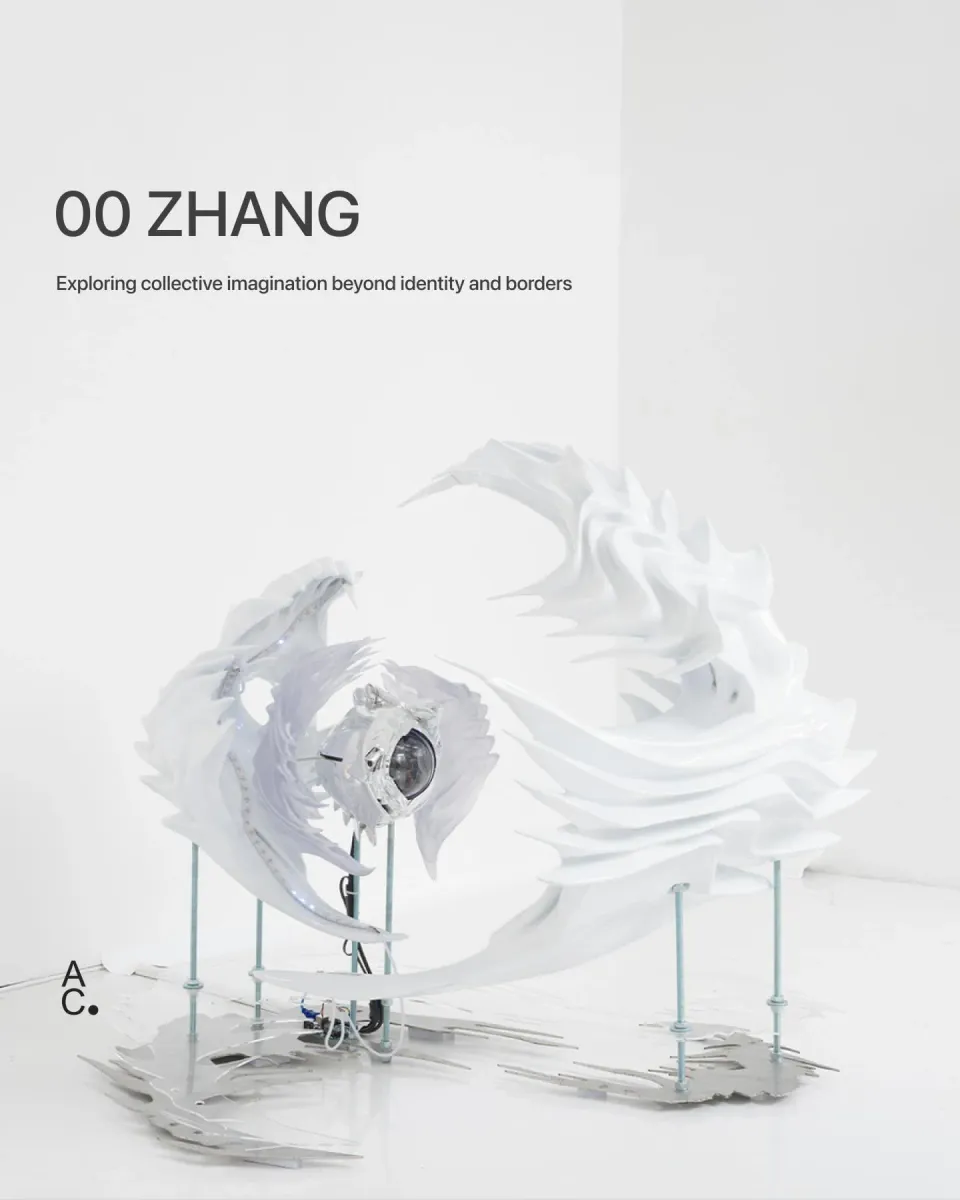
@aio0o0o0
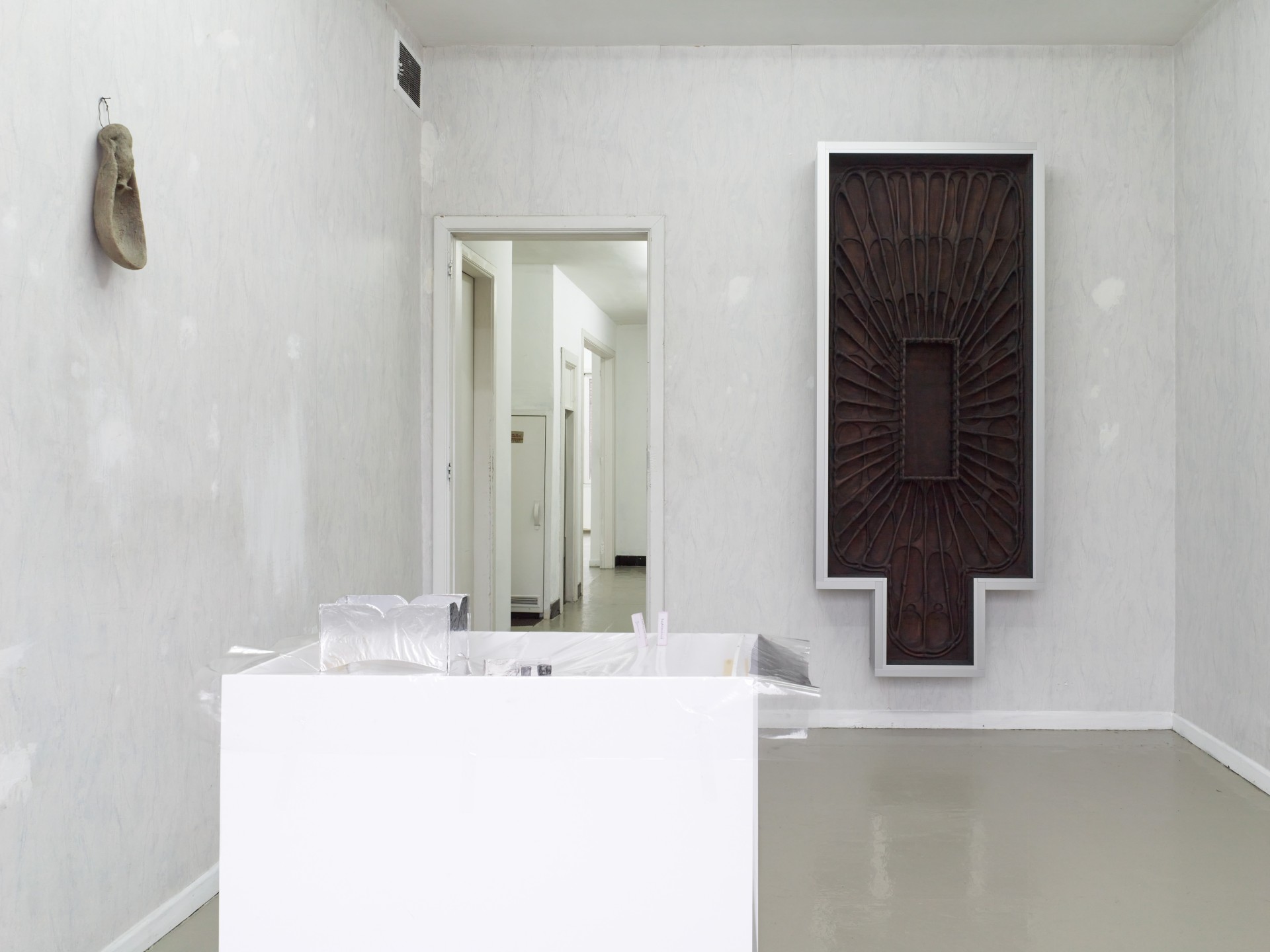
Brussels / 2025-2026
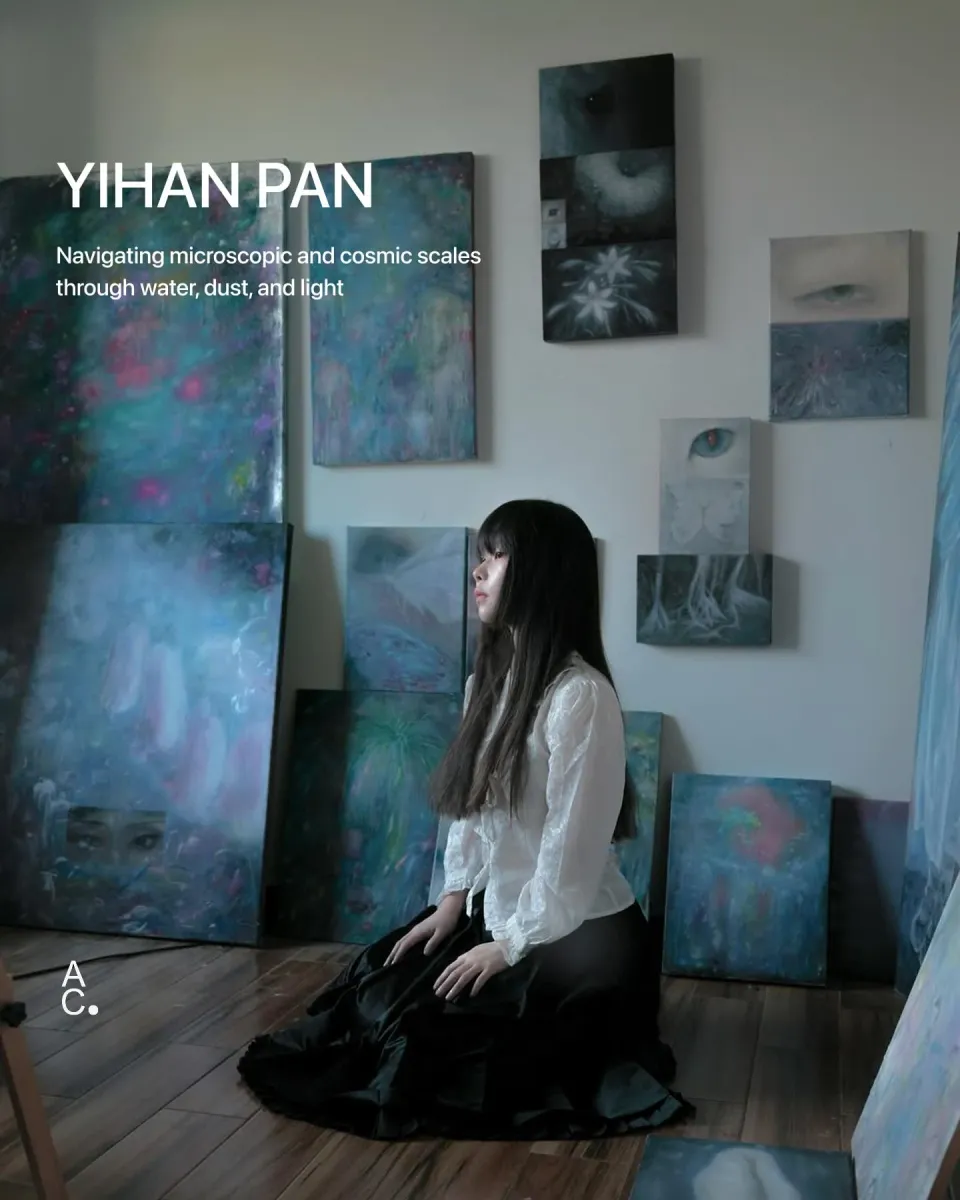
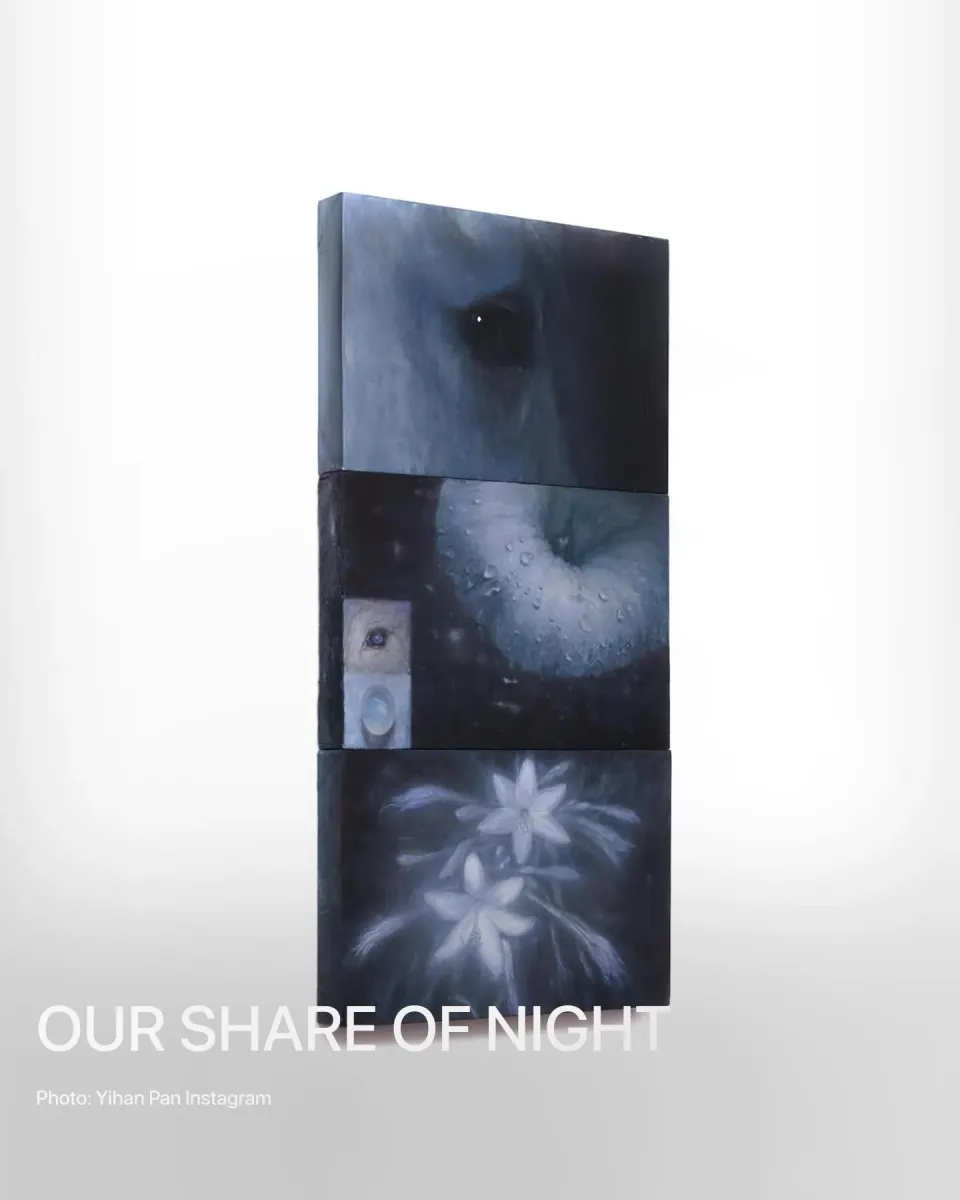
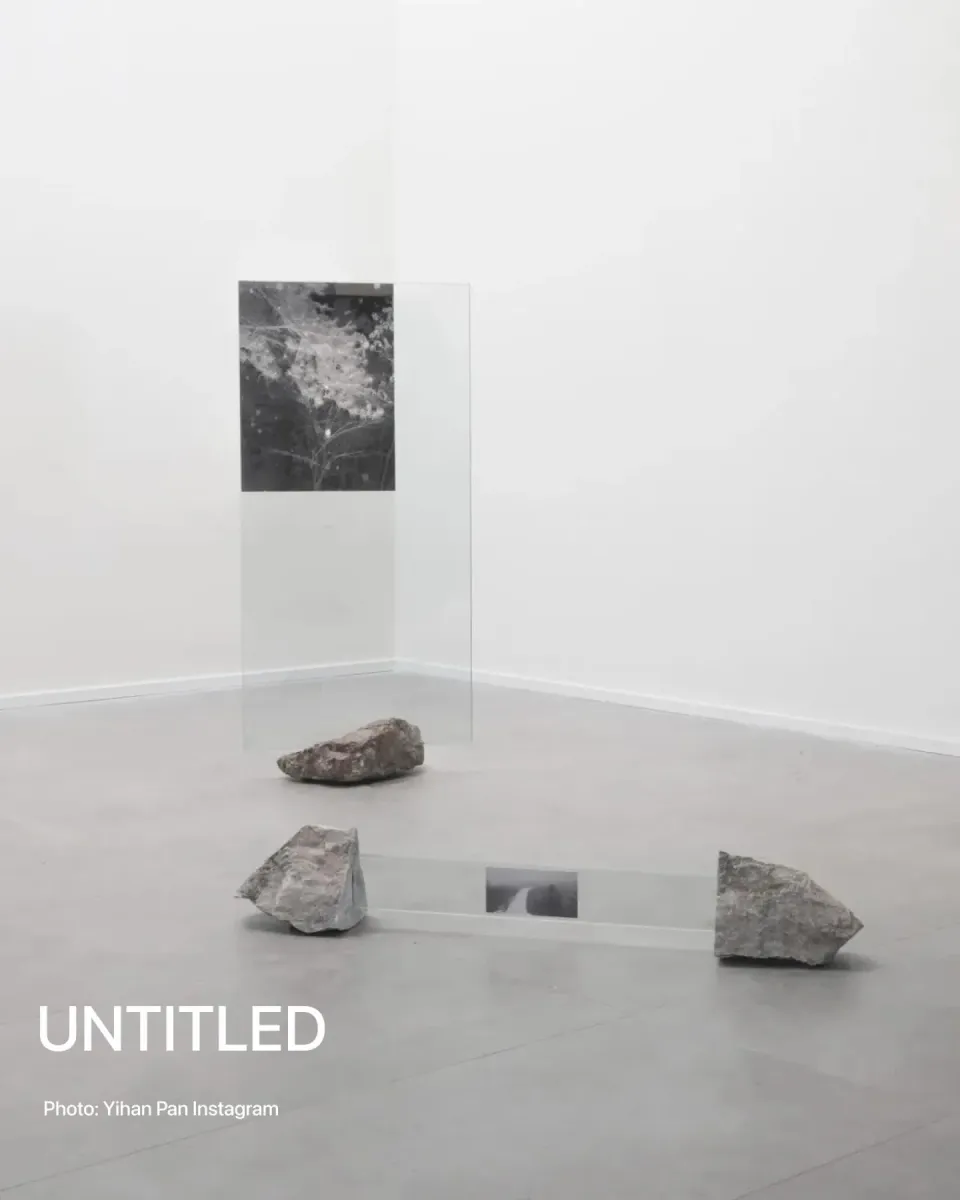
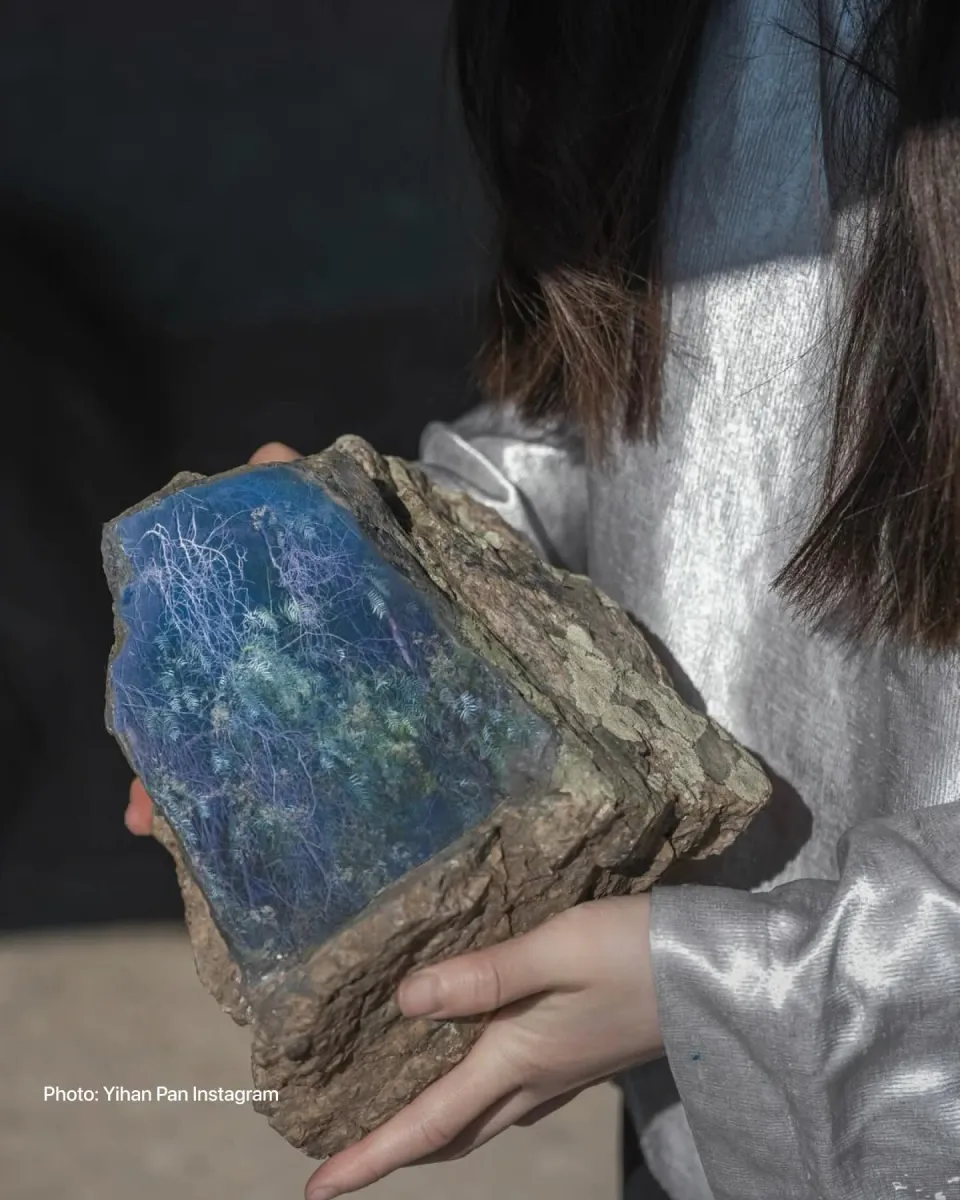
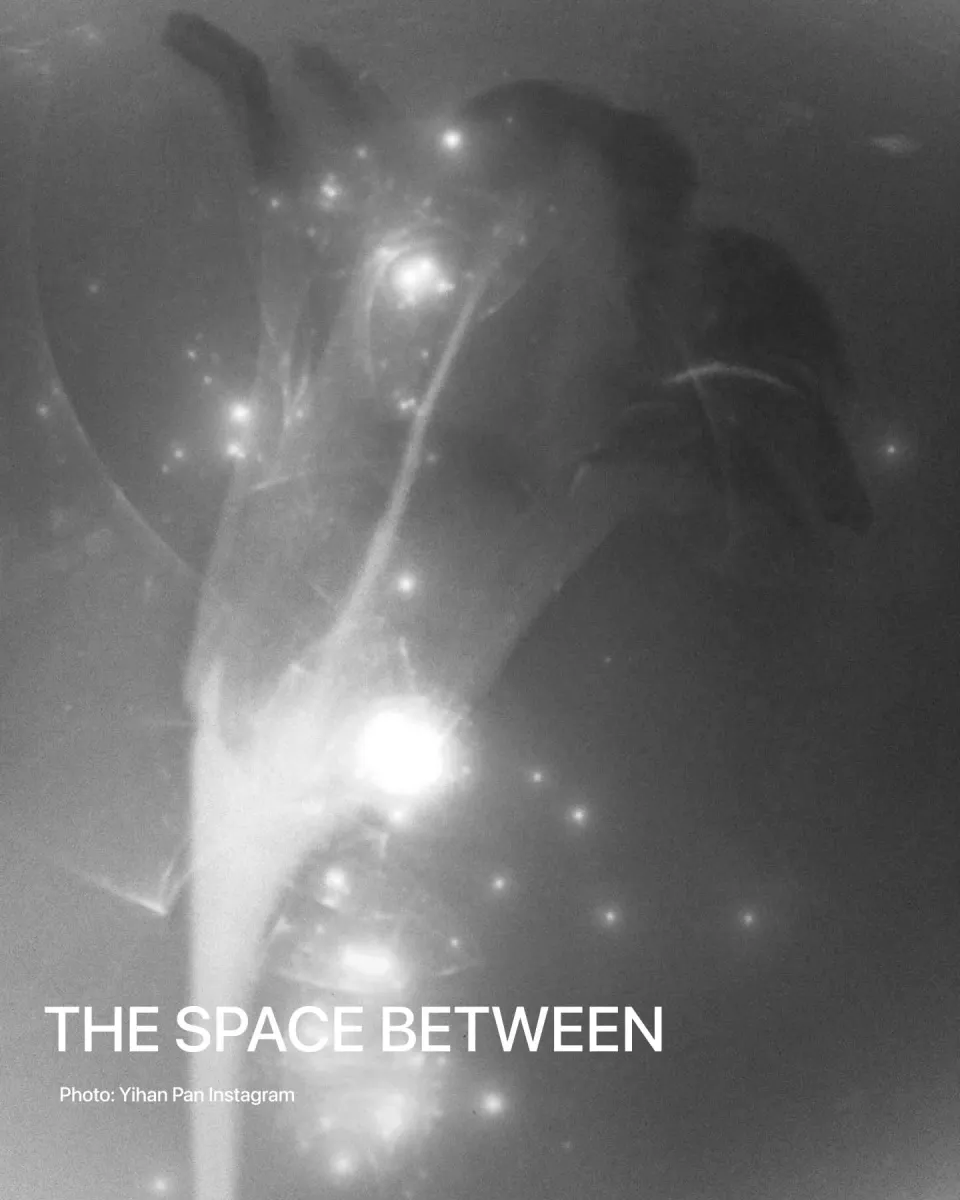
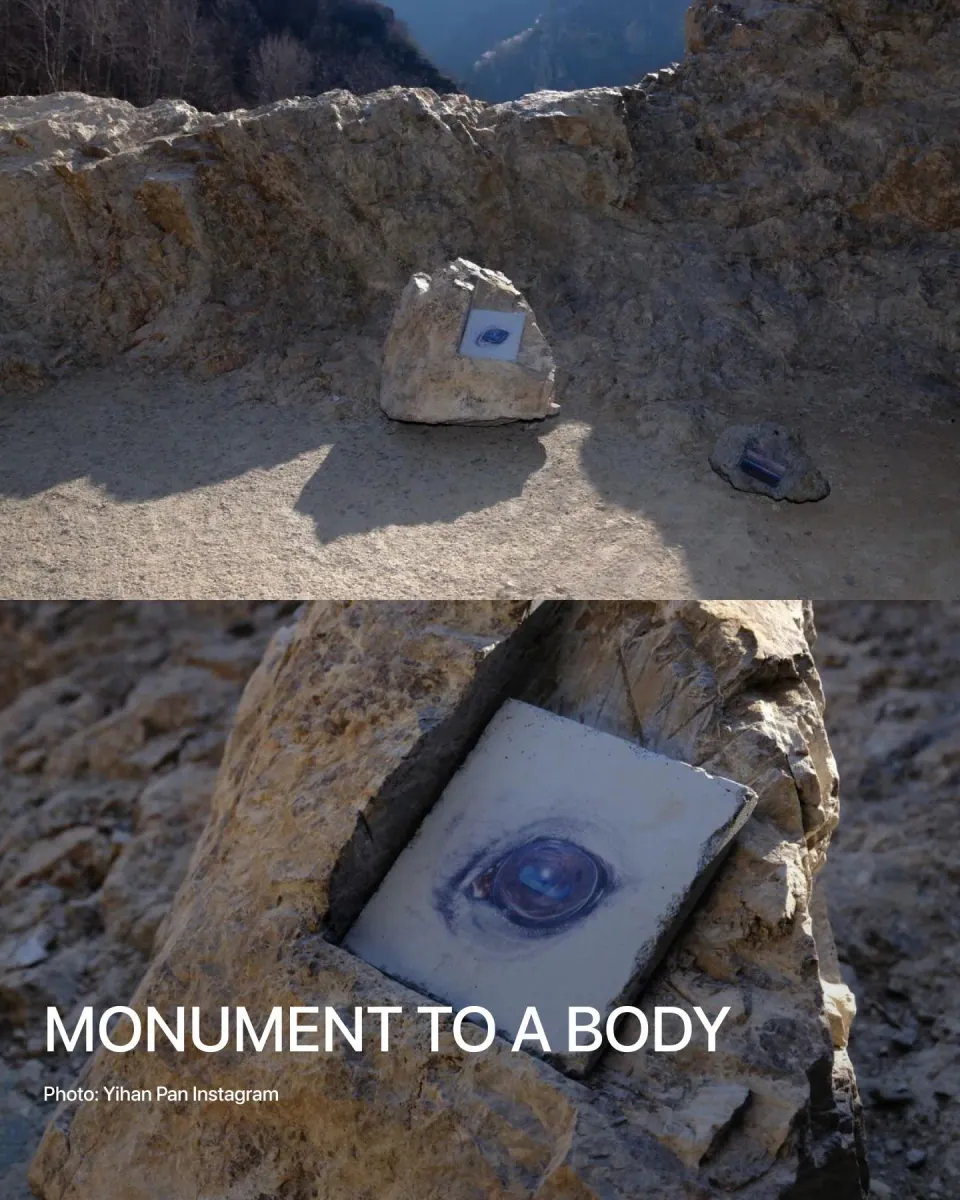
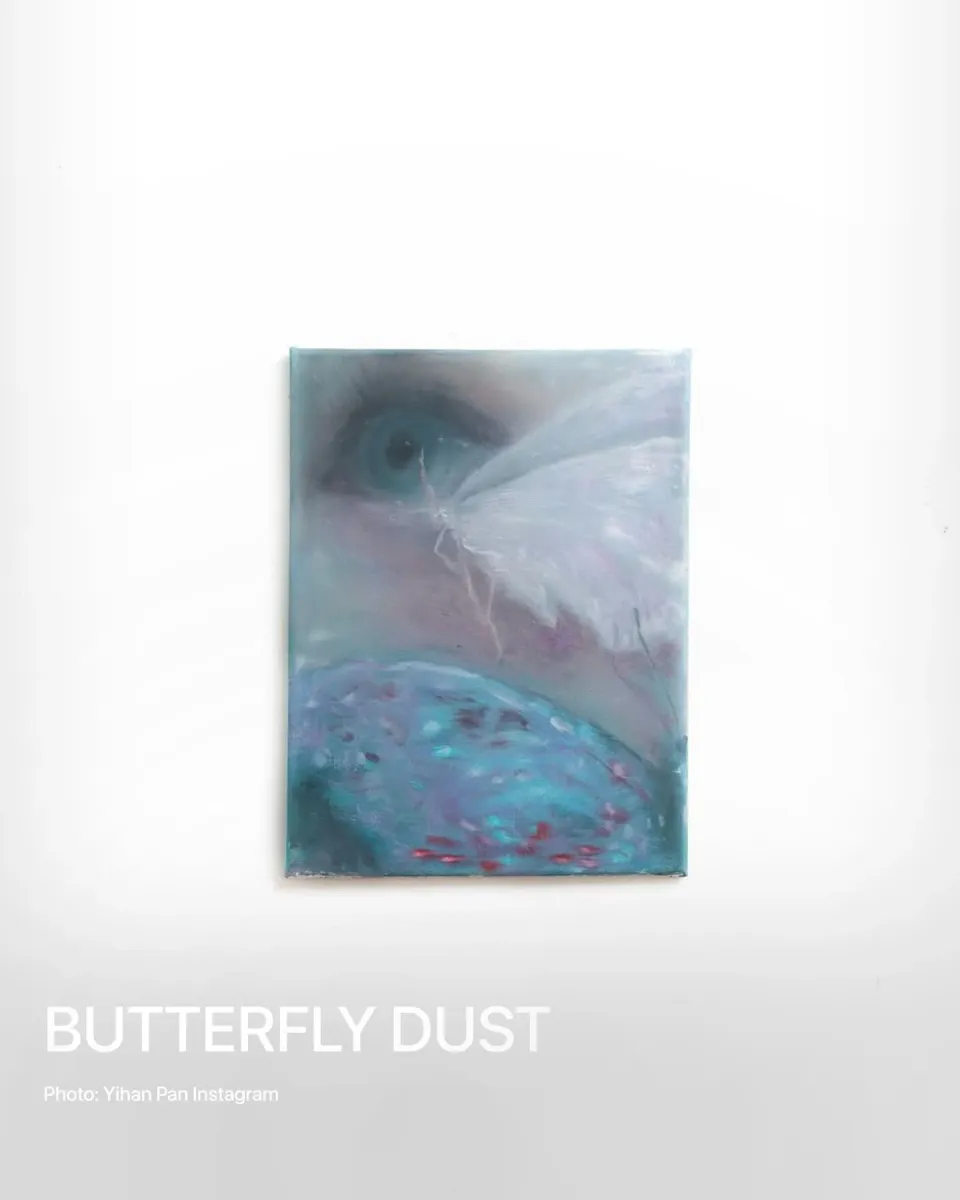
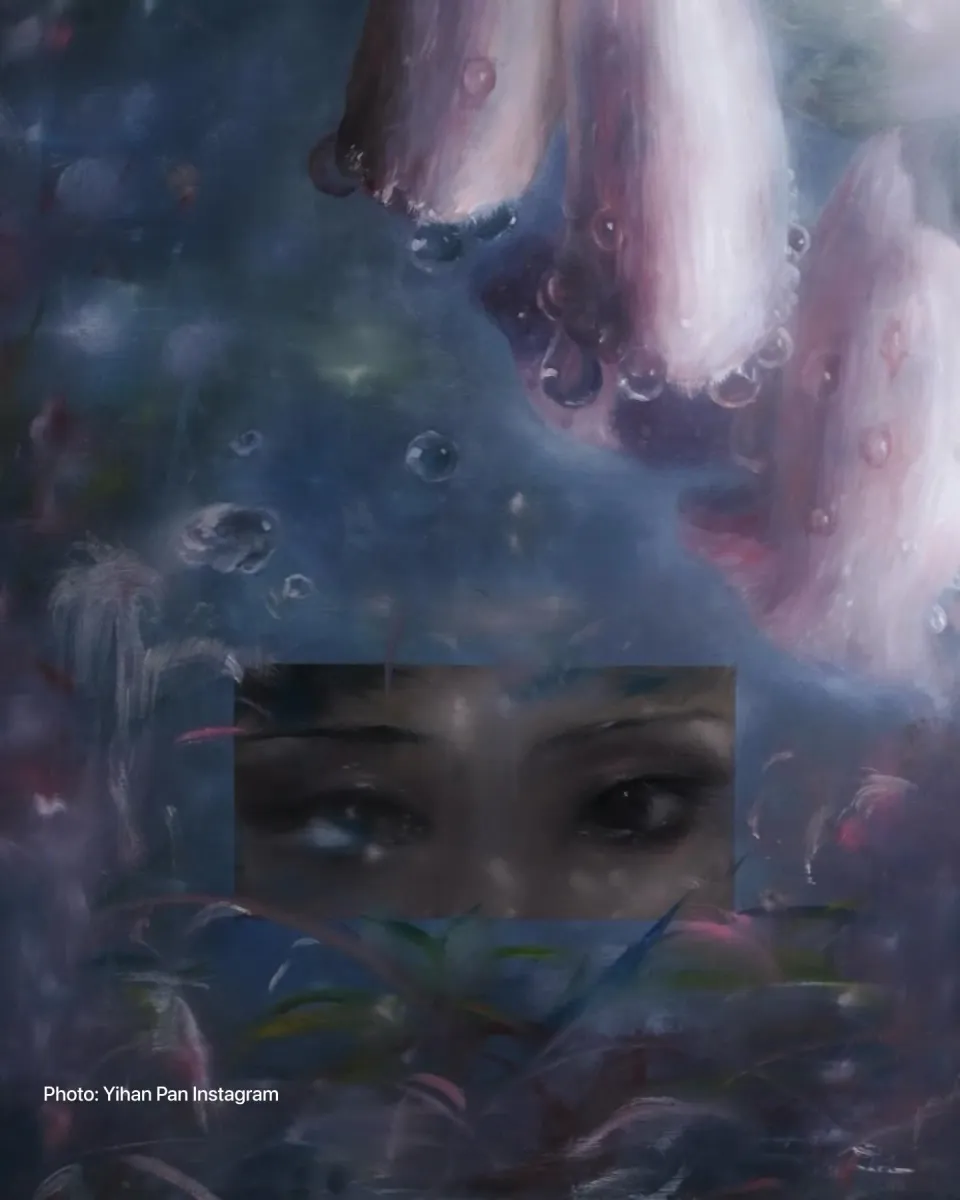

@pyhii
Tartu / 2024
@emma.beatrez
Stockholm / 2024-2025
@s_gatzkan
Paris / 2025
@pax_aliena
Warsaw / 2025
#DorisSalcedo
/photo_1_2026-05-23_19-28-57.jpg)
Berlin / 2025
@camelostrich
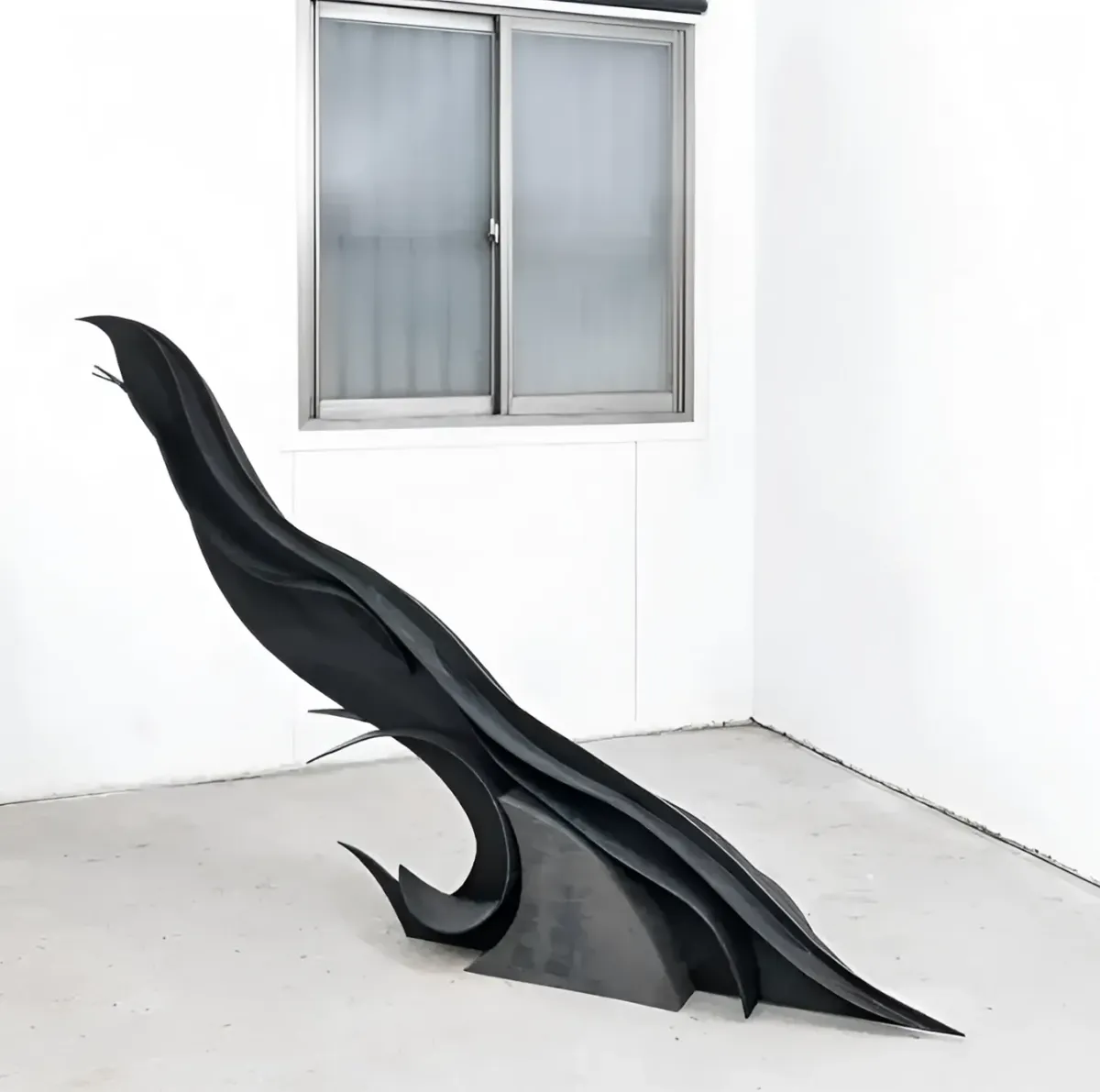
Seoul / 2025-2026
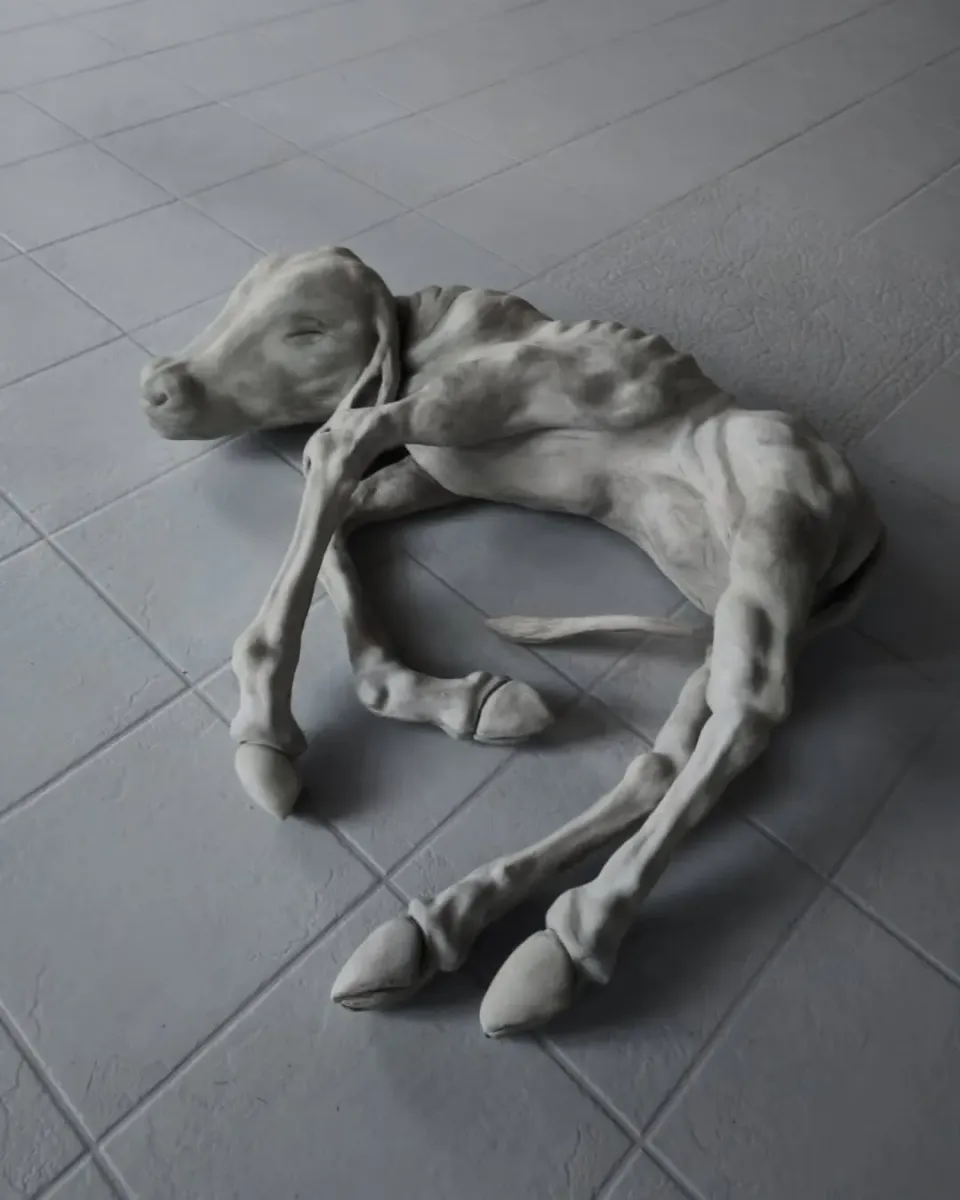
@nadaecc
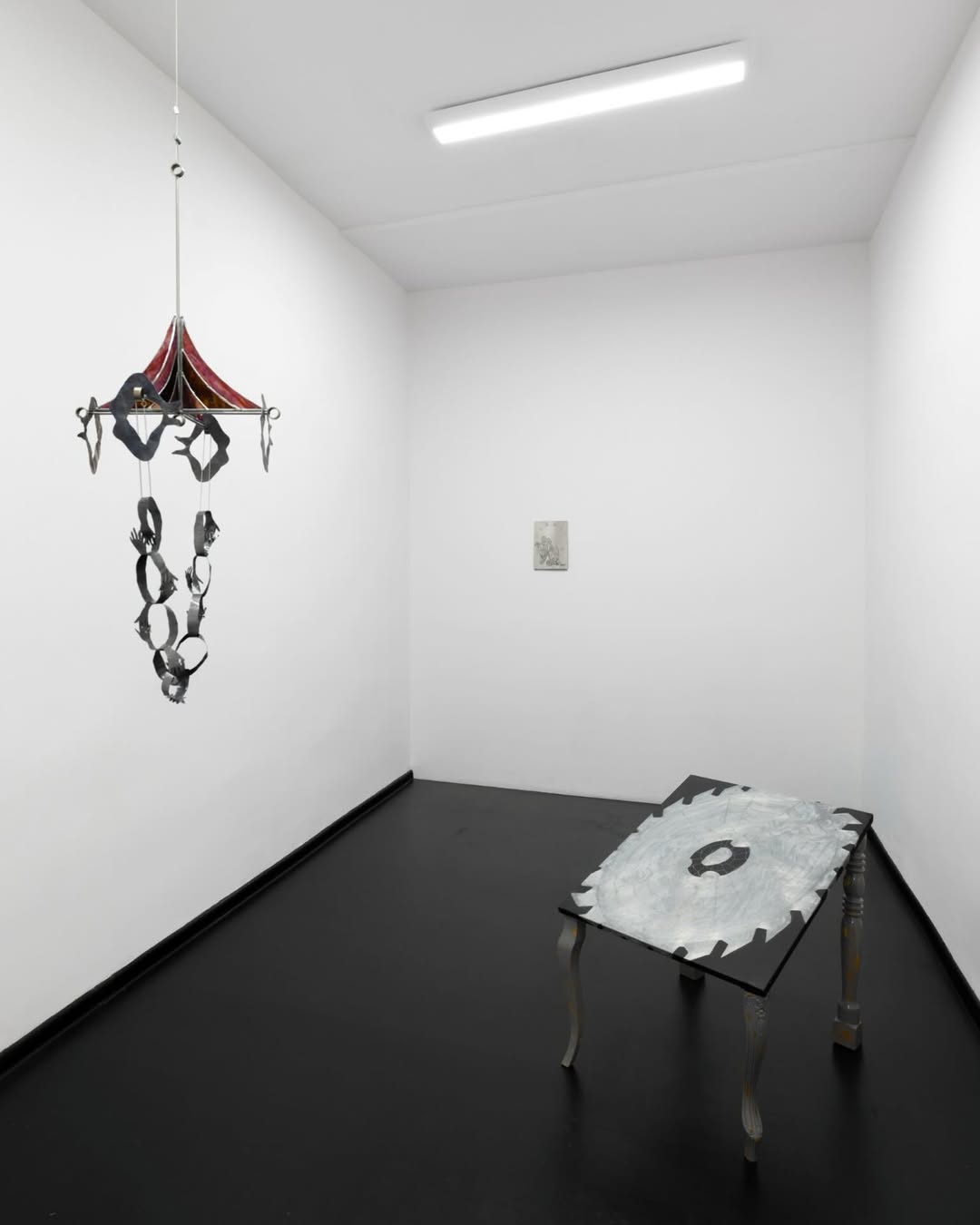
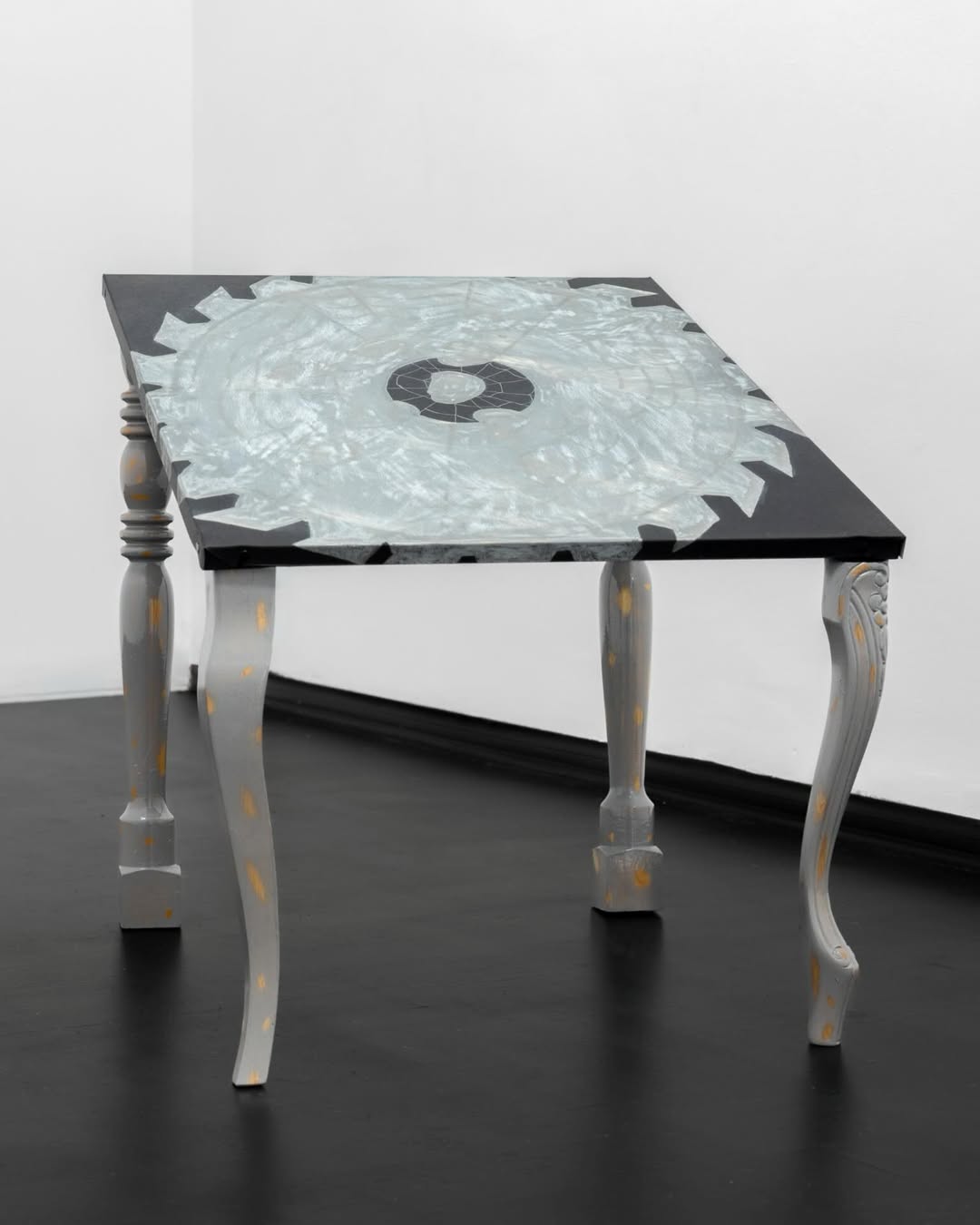
Warsaw / 2026
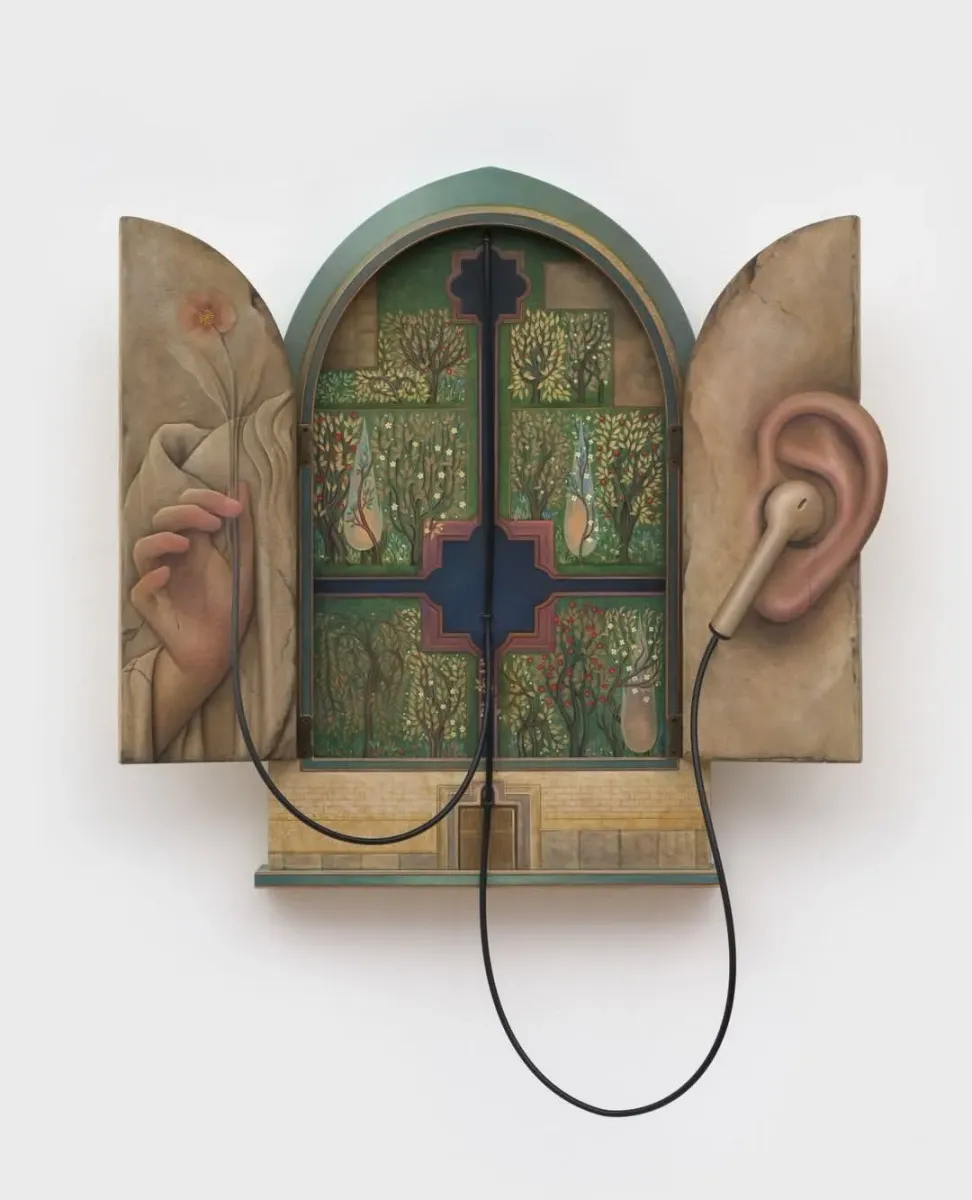
@arghavan_khosravi
Offenbach am Main / 2026
@que.fresca
@ppuri_
Berlin / 2026
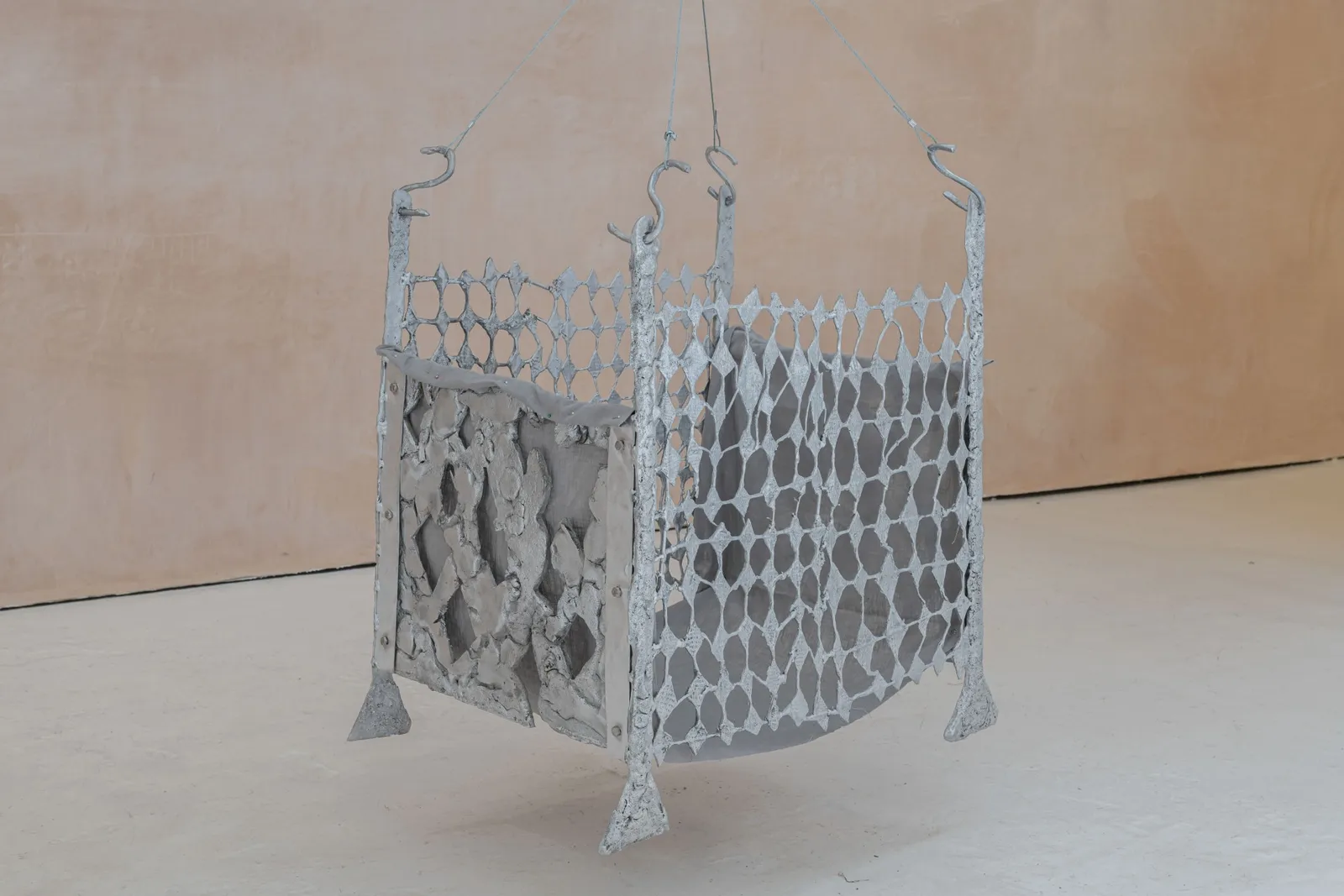
Norwich / 2026
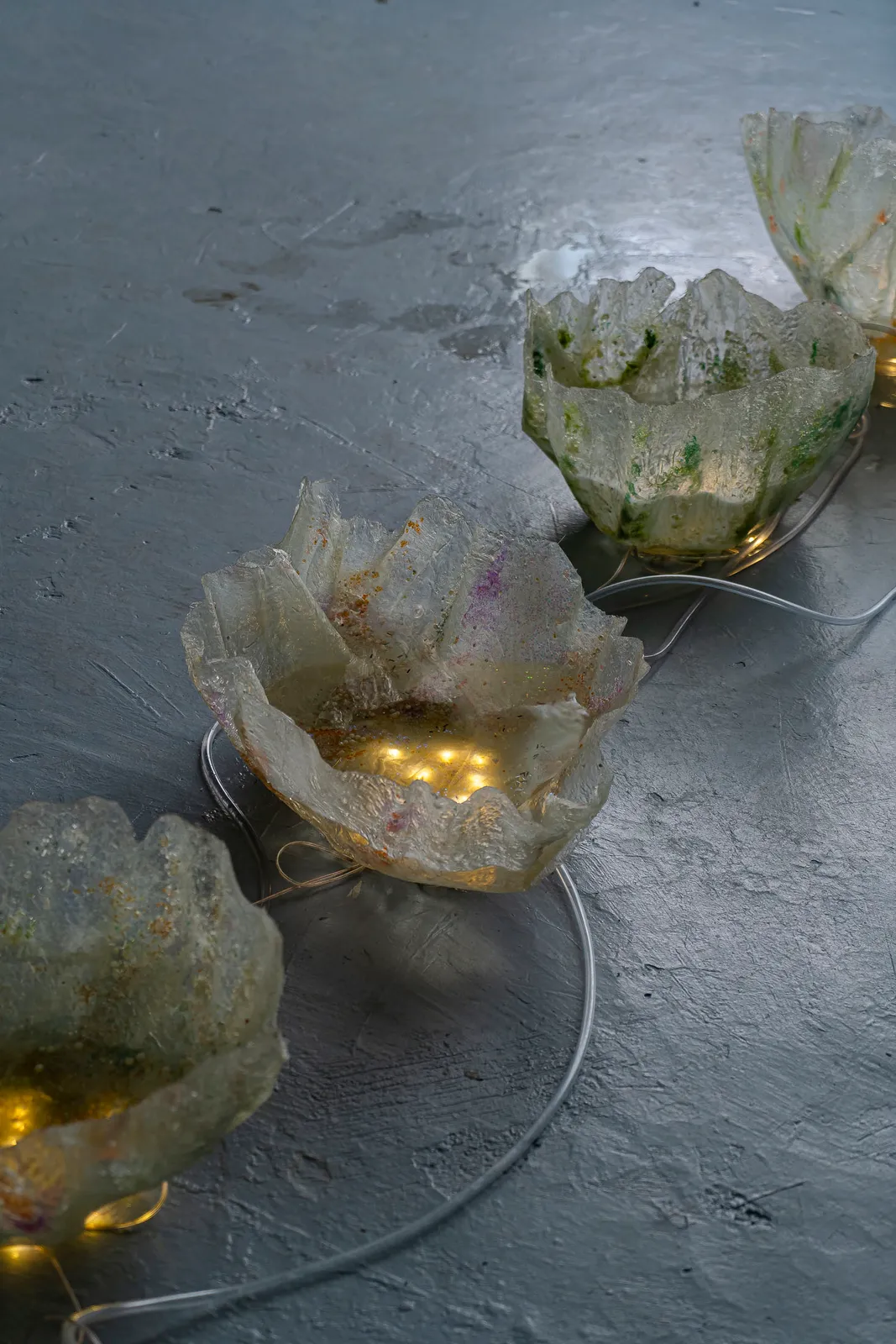
Santiago / 2026
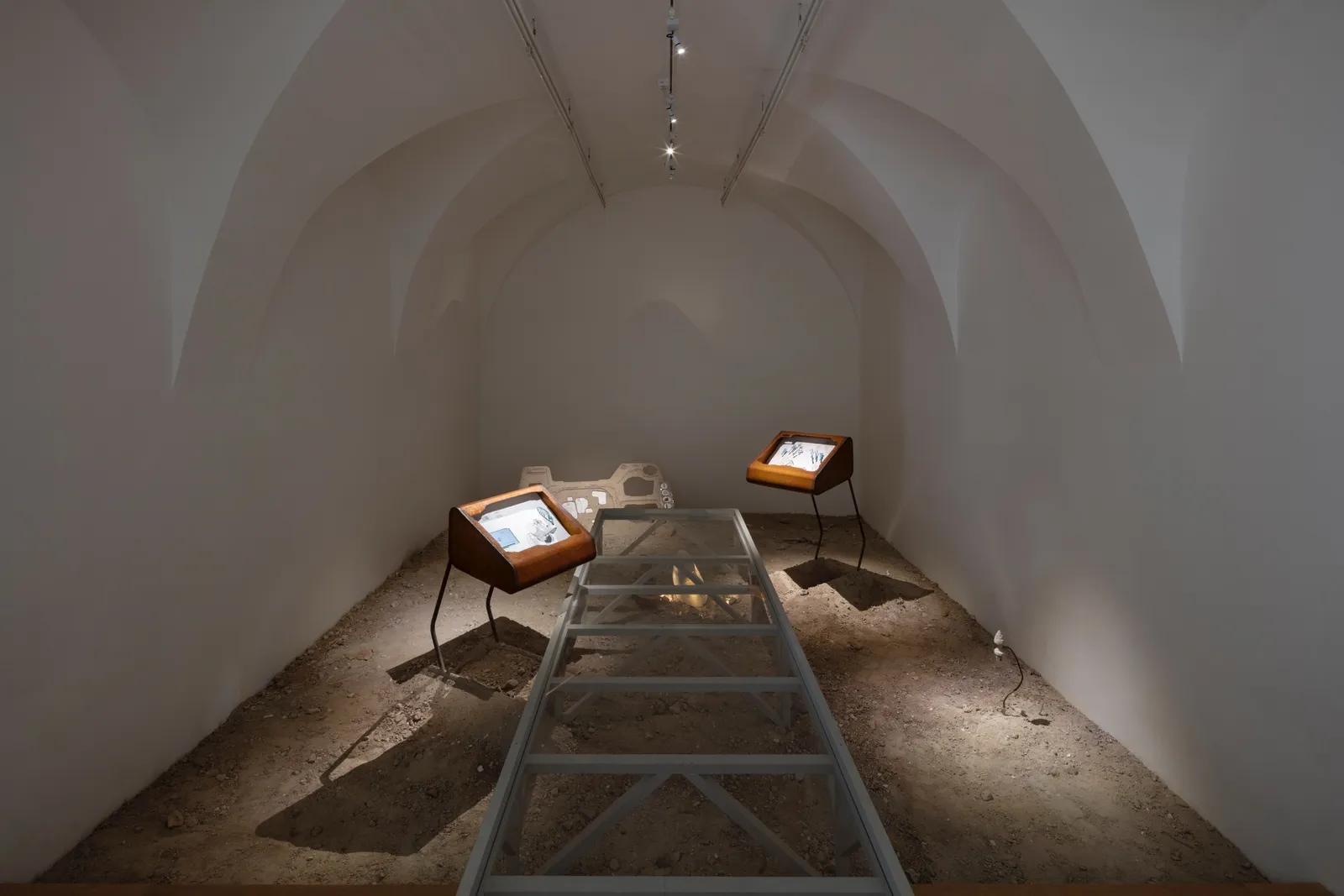
Brno / 2026
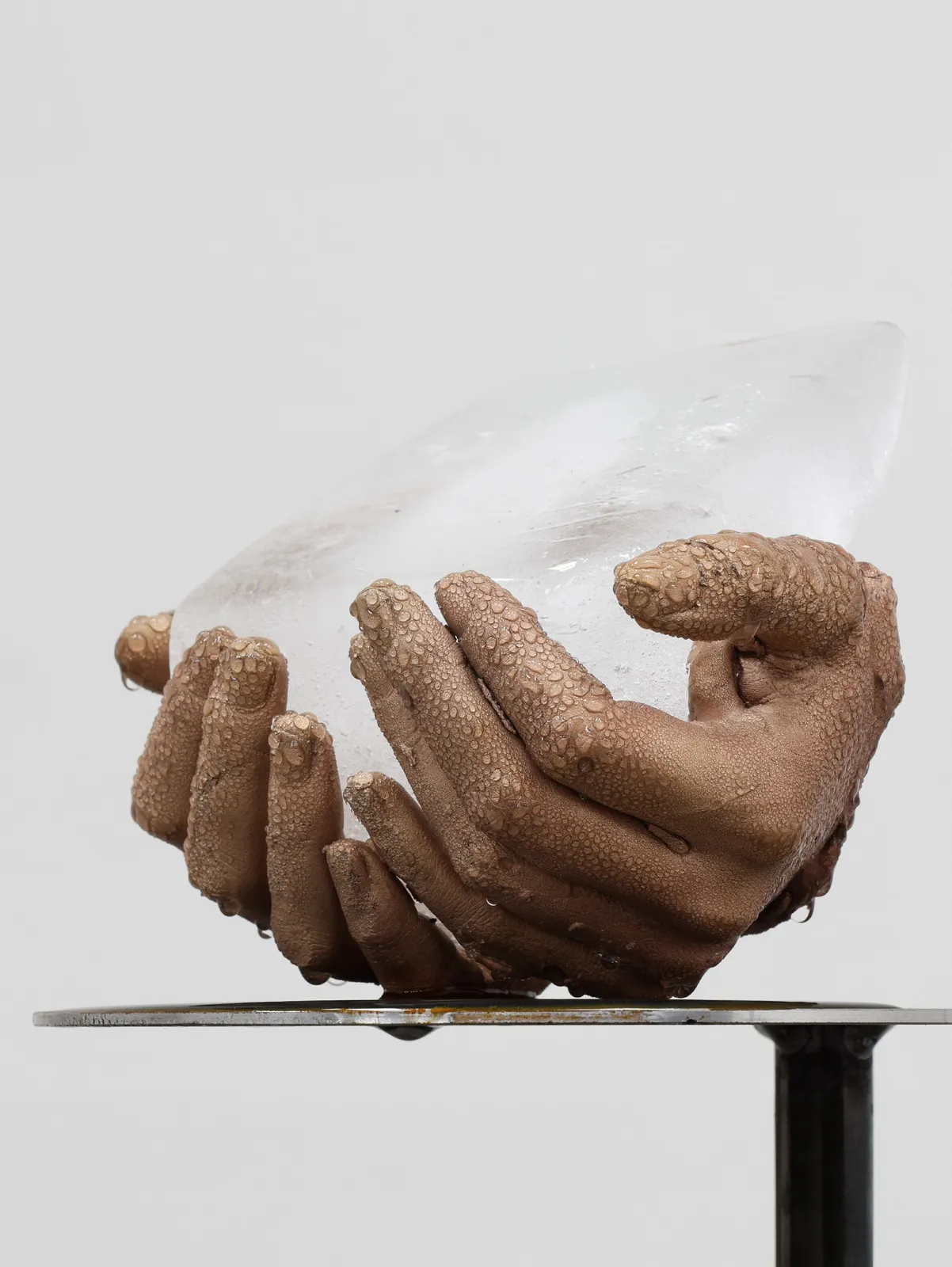
Tisbury / 2026
Shanghai / 2026
Málaga / 2026
Ciudad de México / 2026
Klaus in Vorarlberg / 2026
Genk / 2026
Turin / 2026
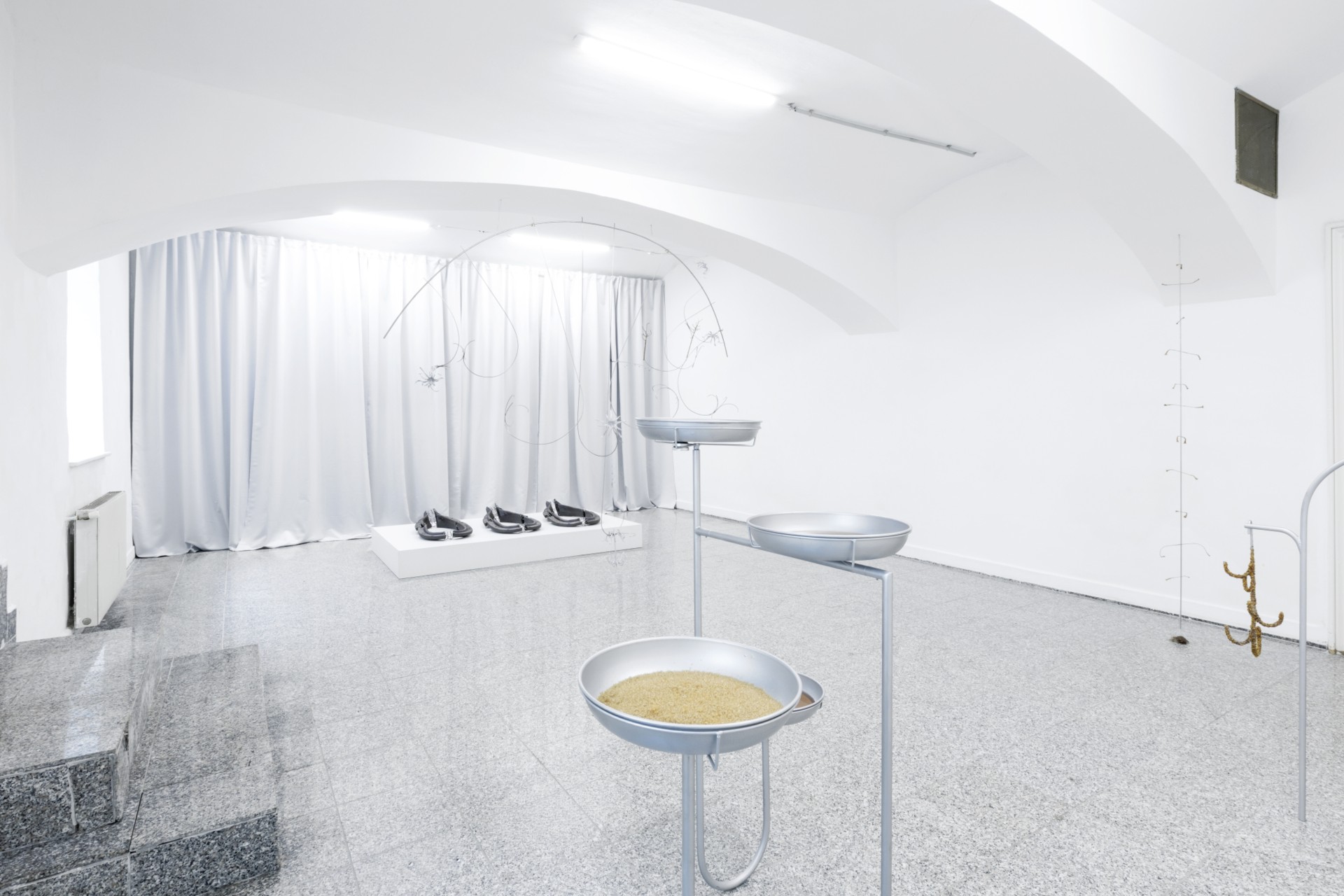
Vienna / 2026
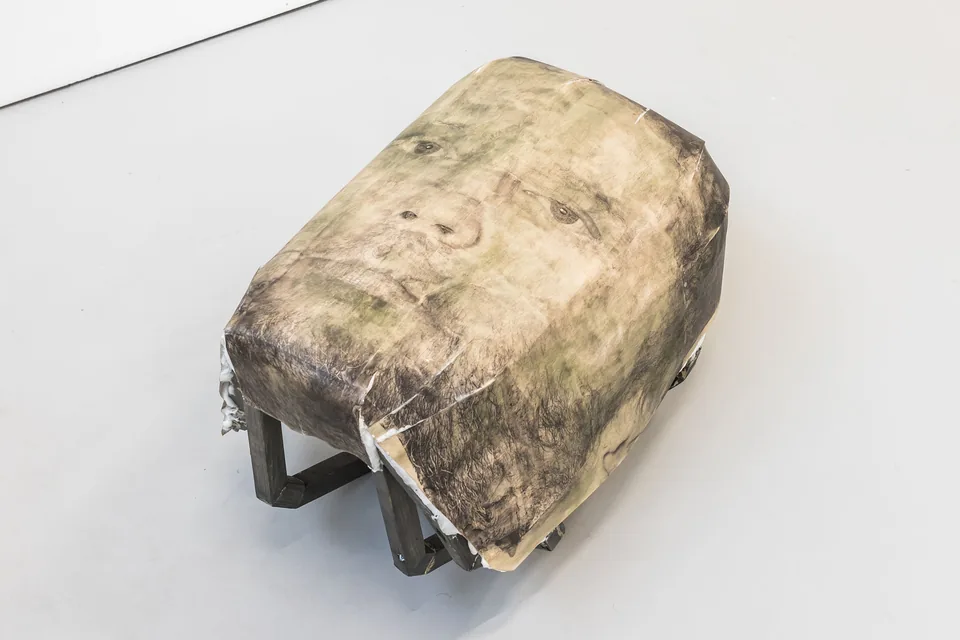
Oslo / 2026
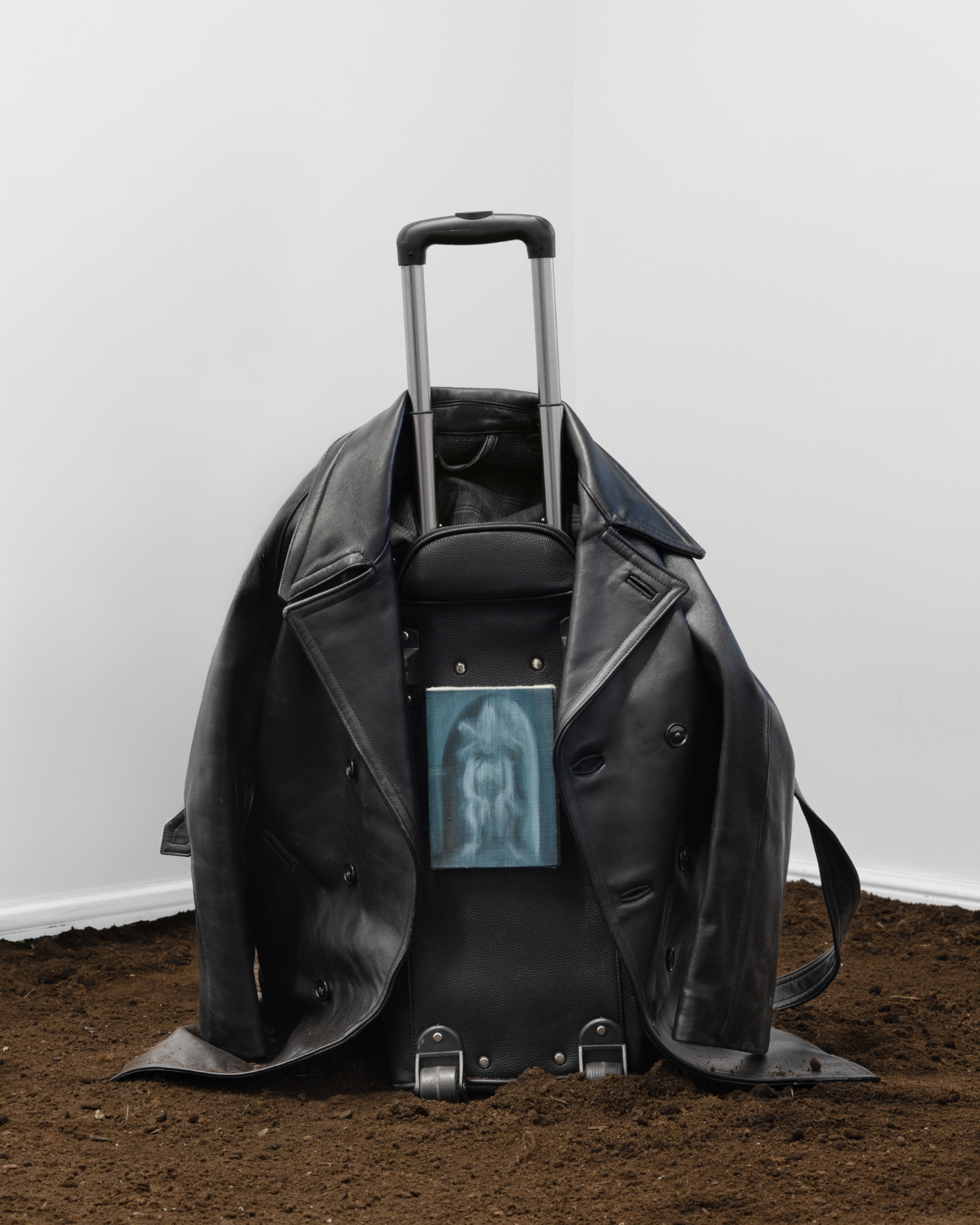
Warsaw / 2026
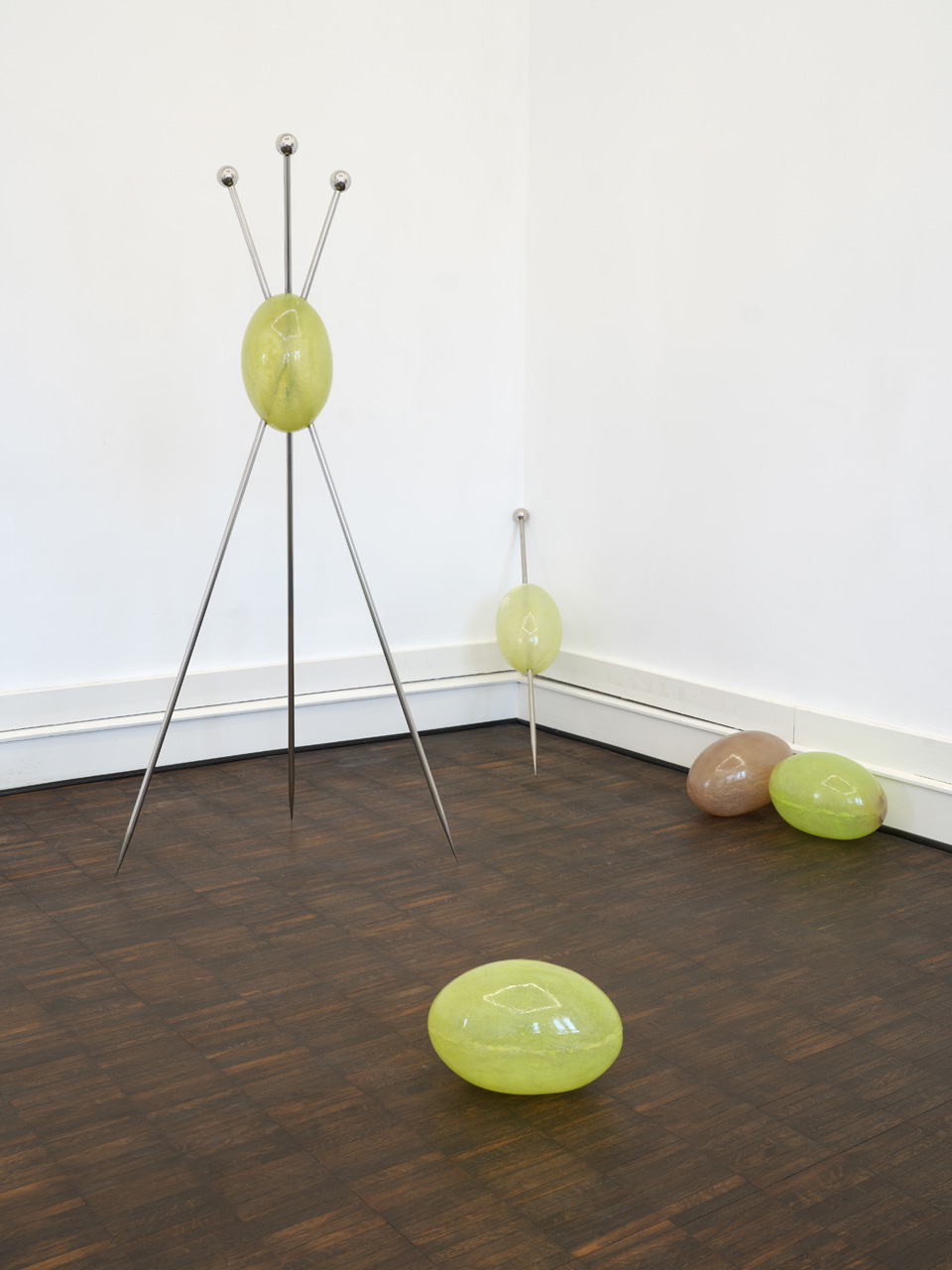
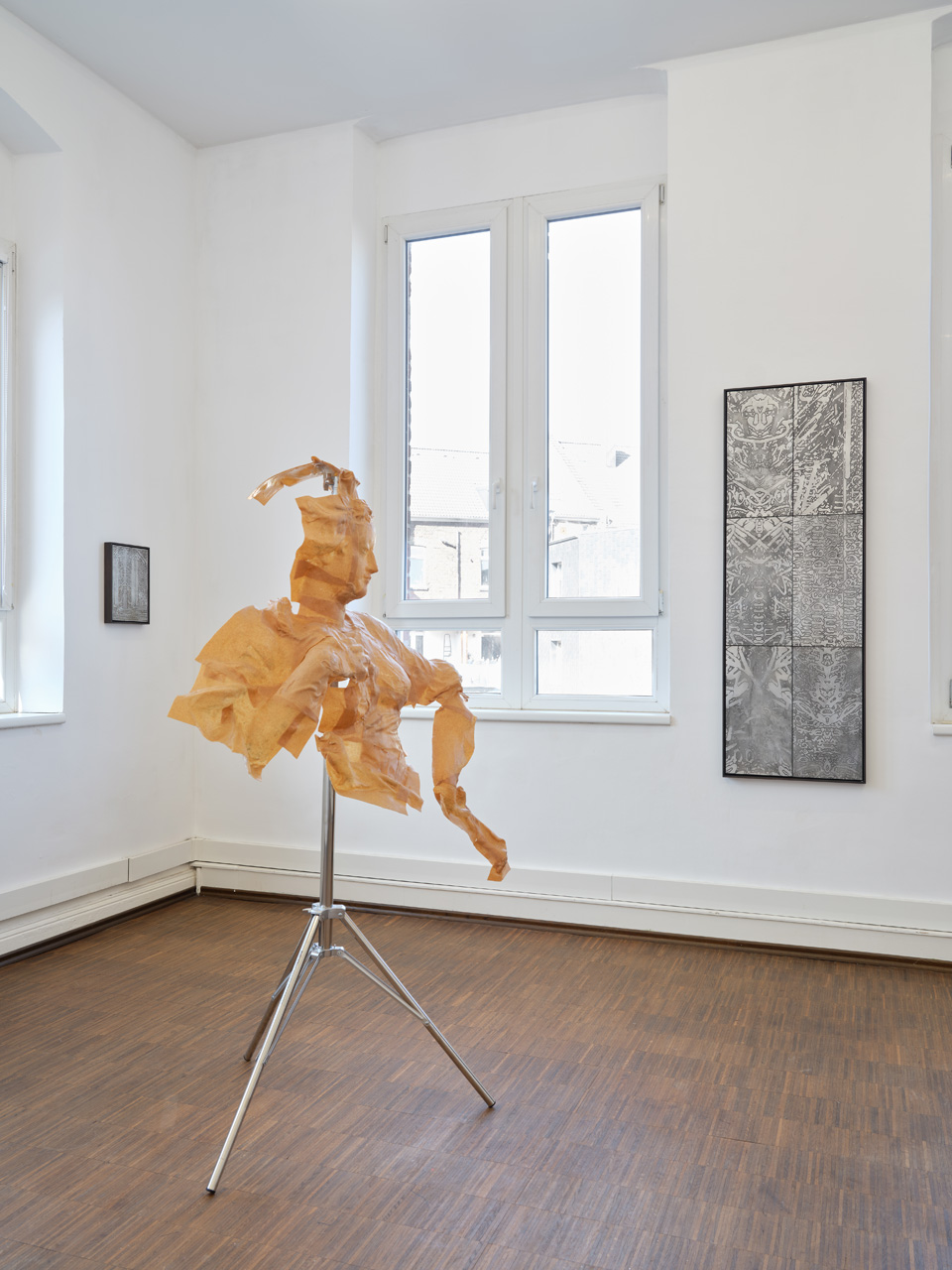
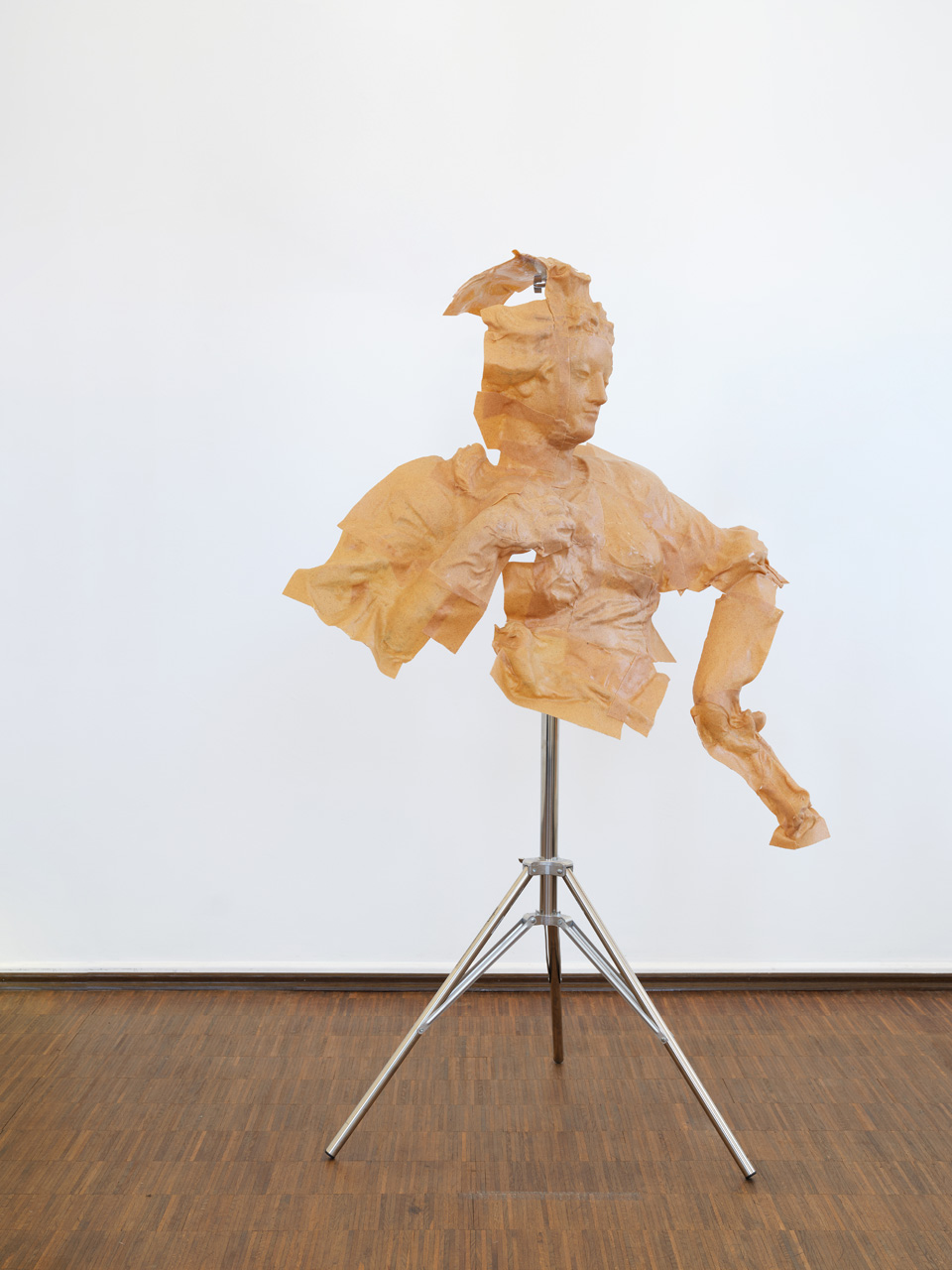
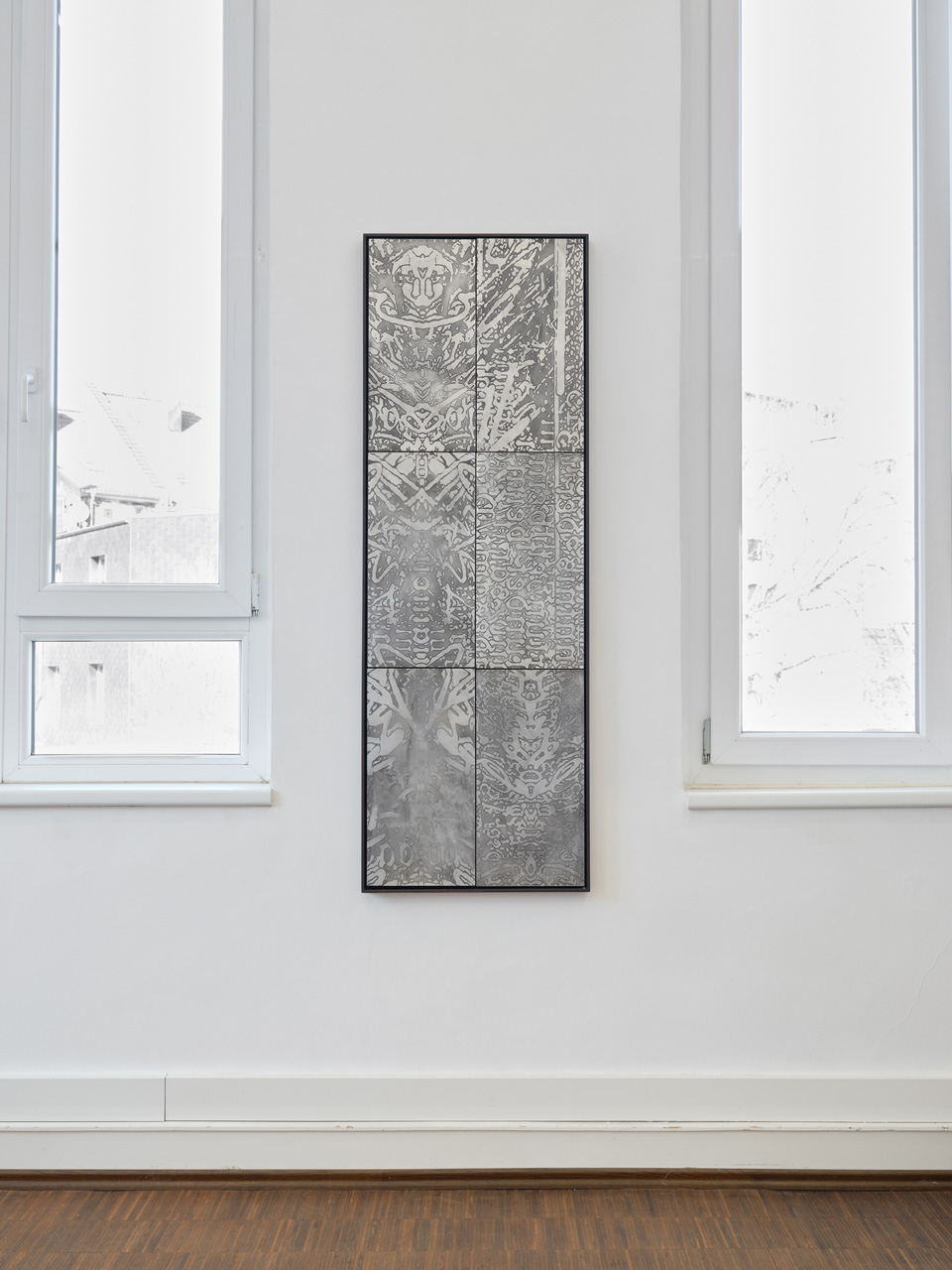
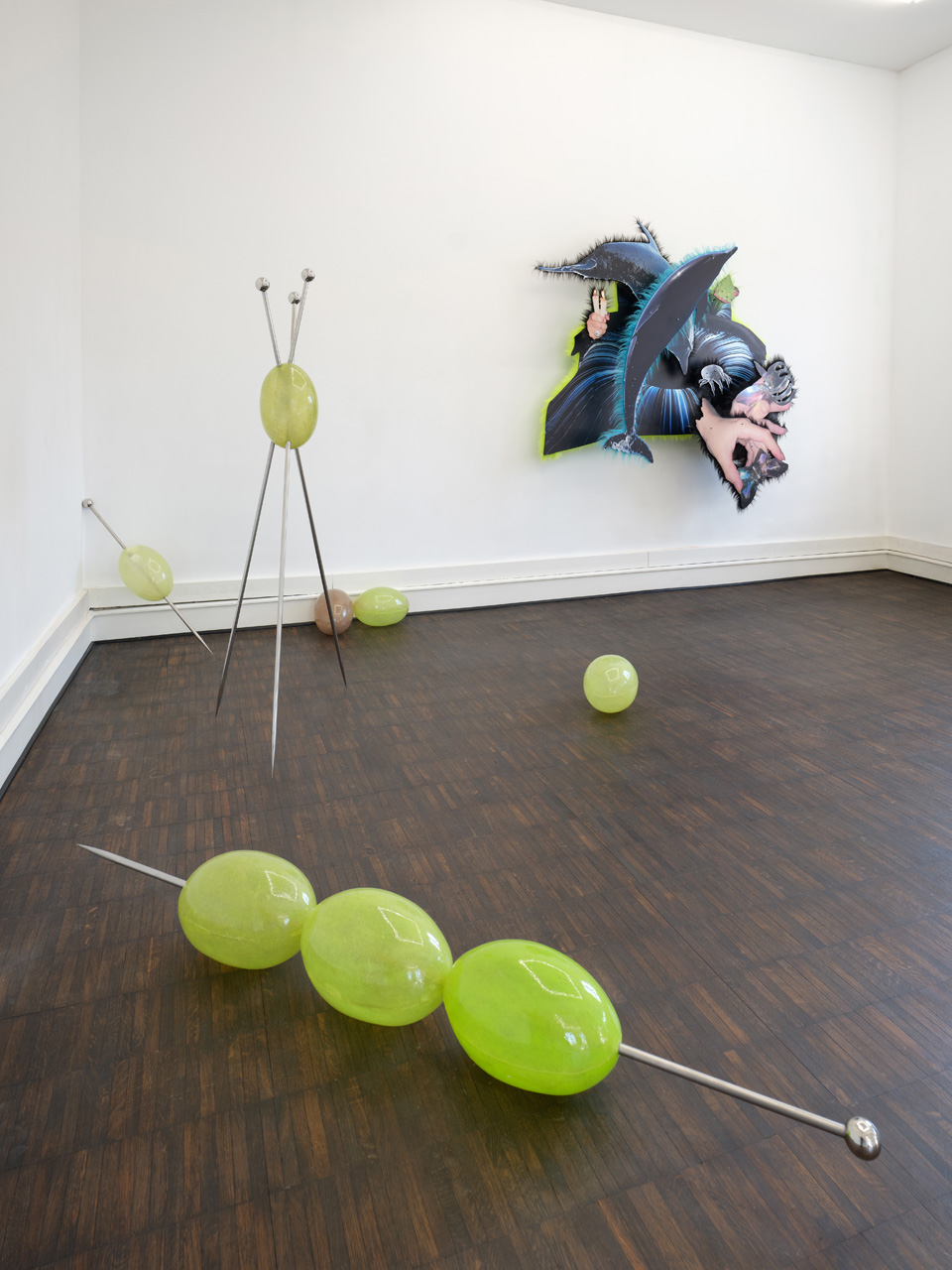
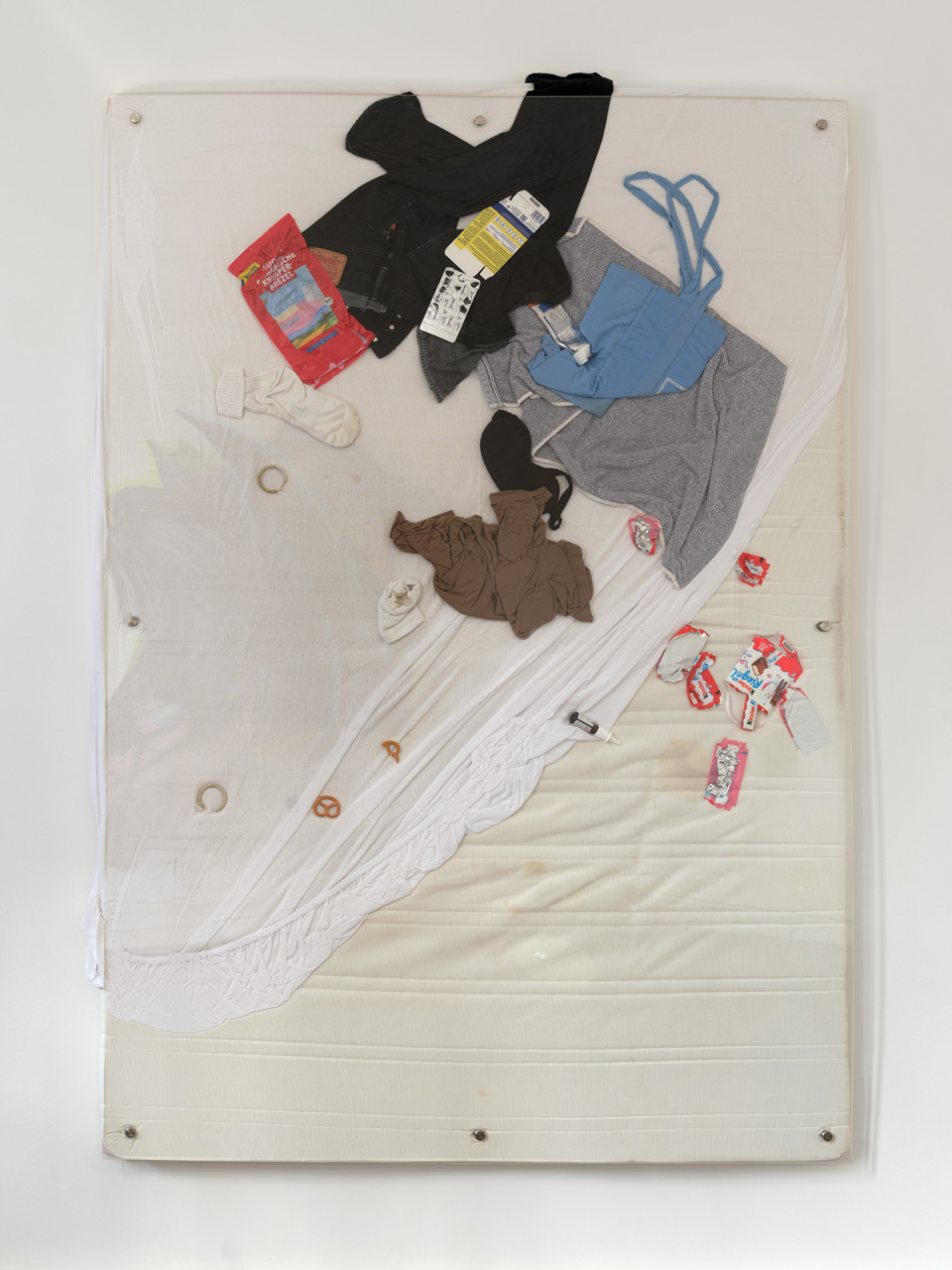
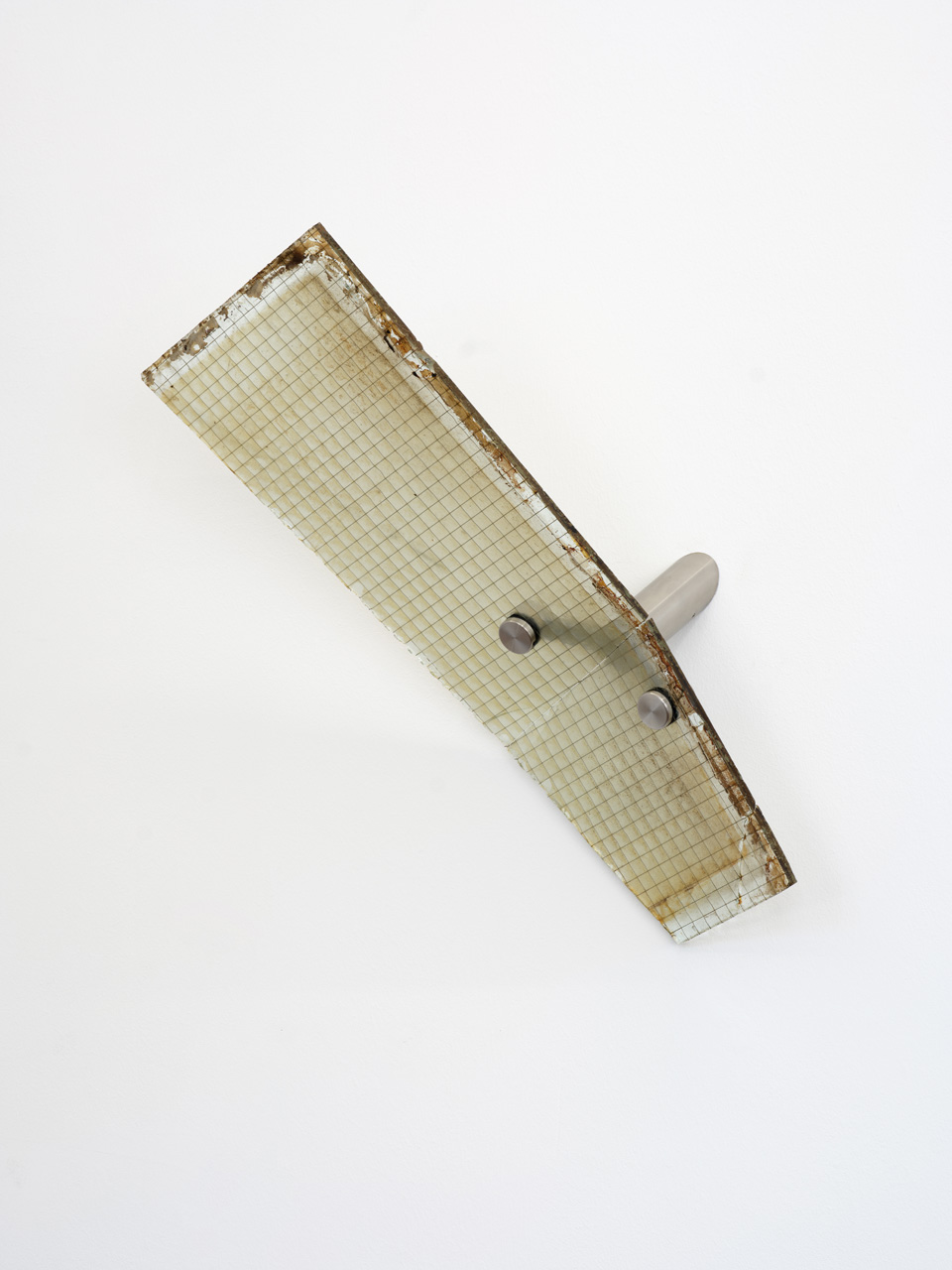
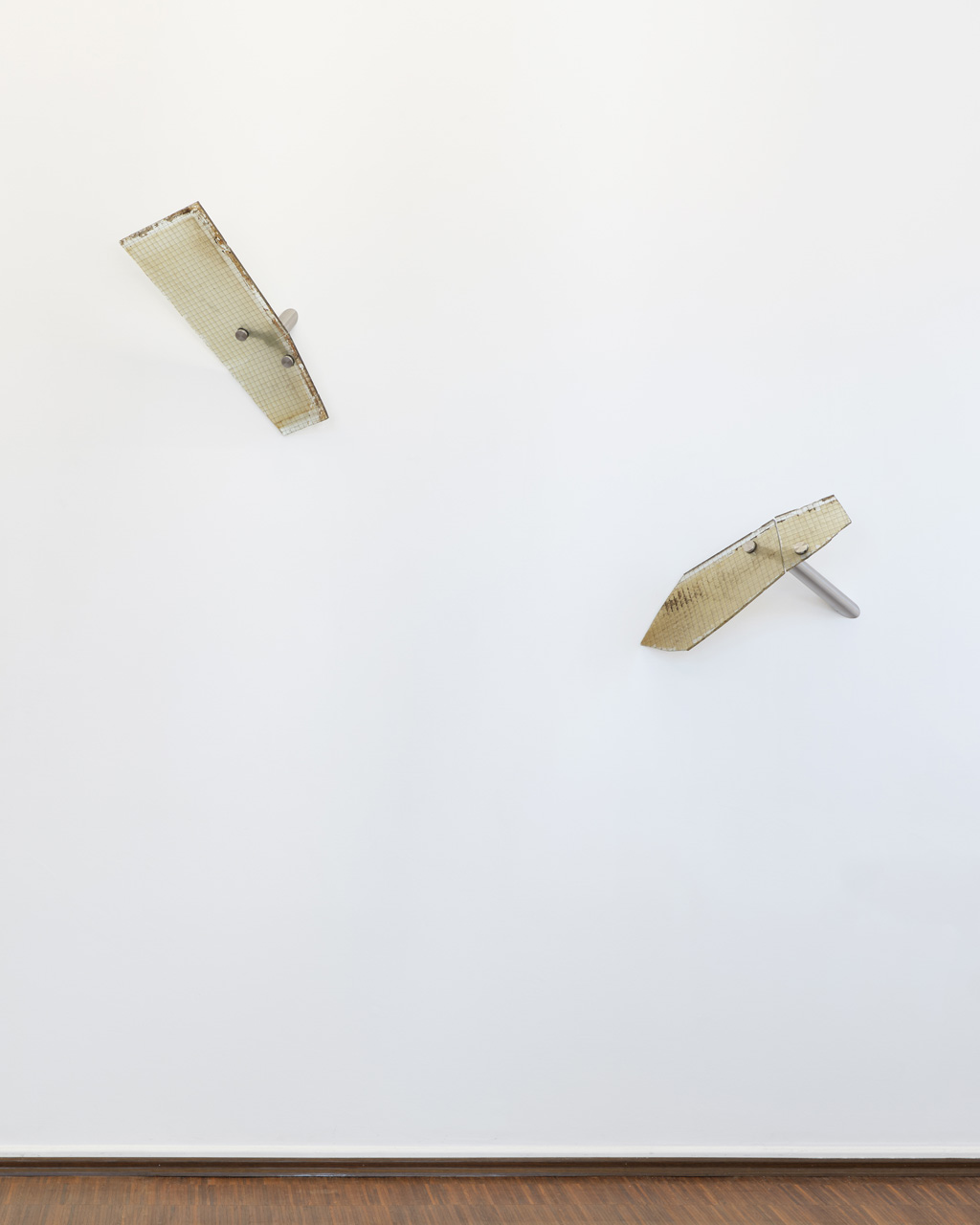
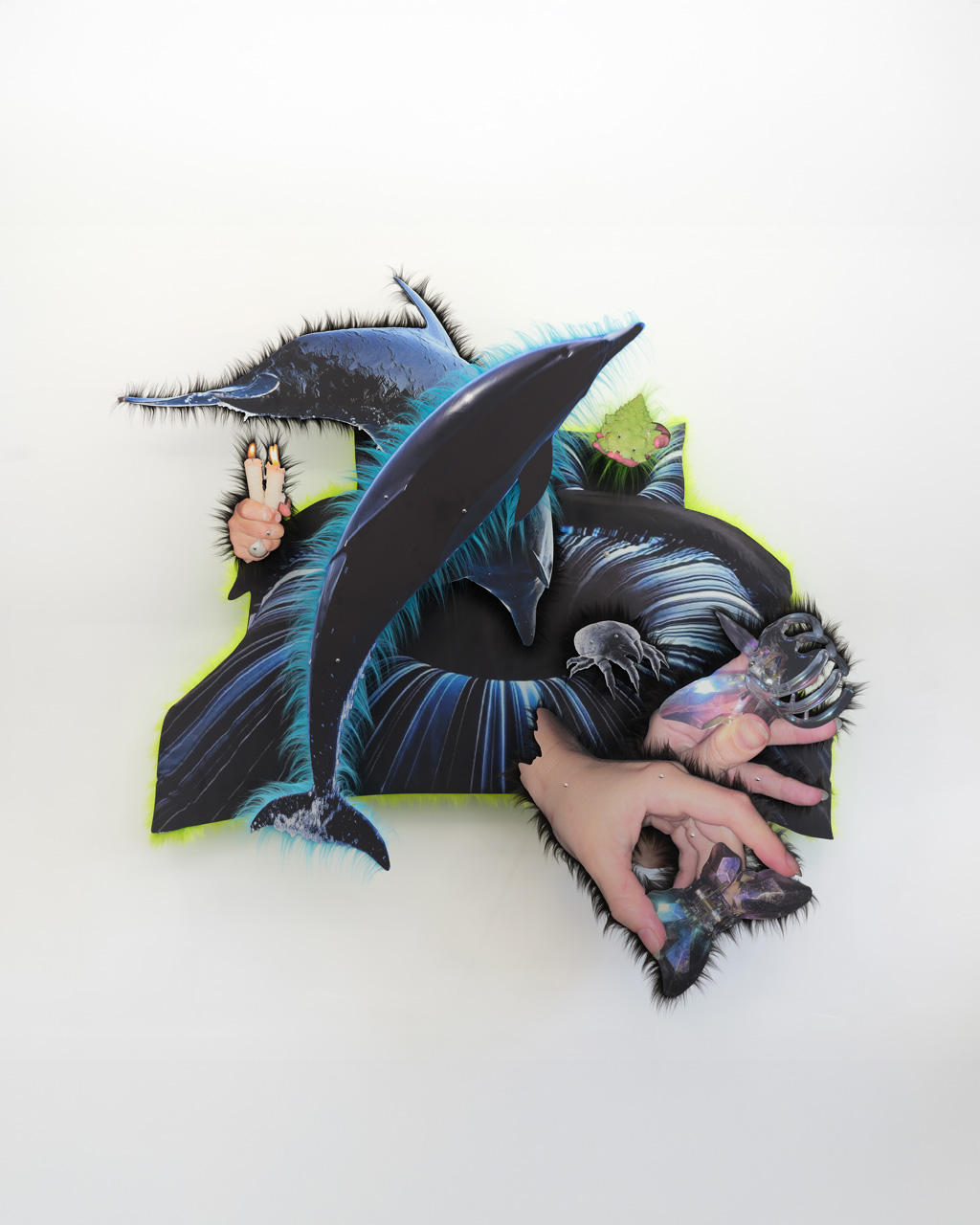
Düsseldorf / 2026
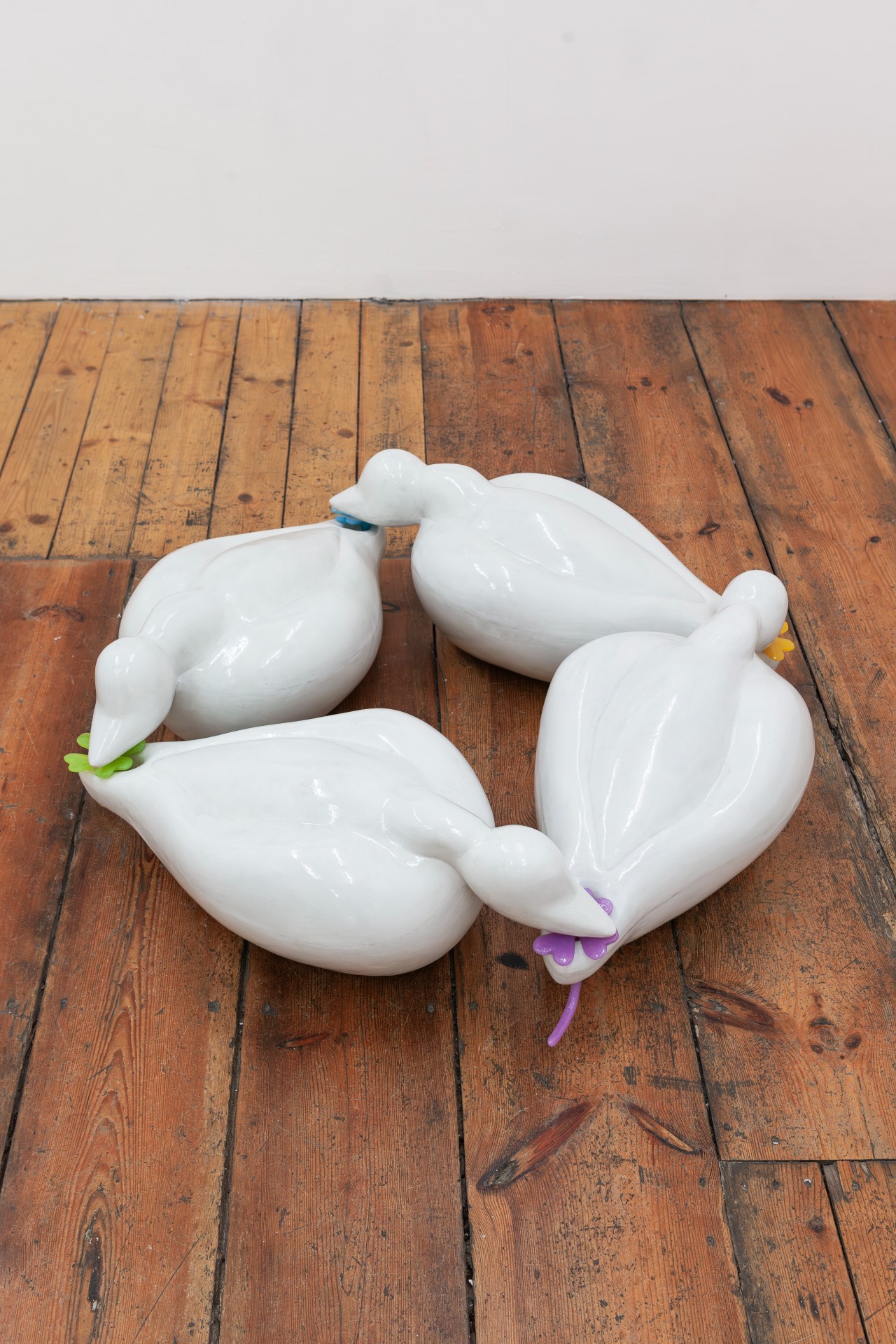
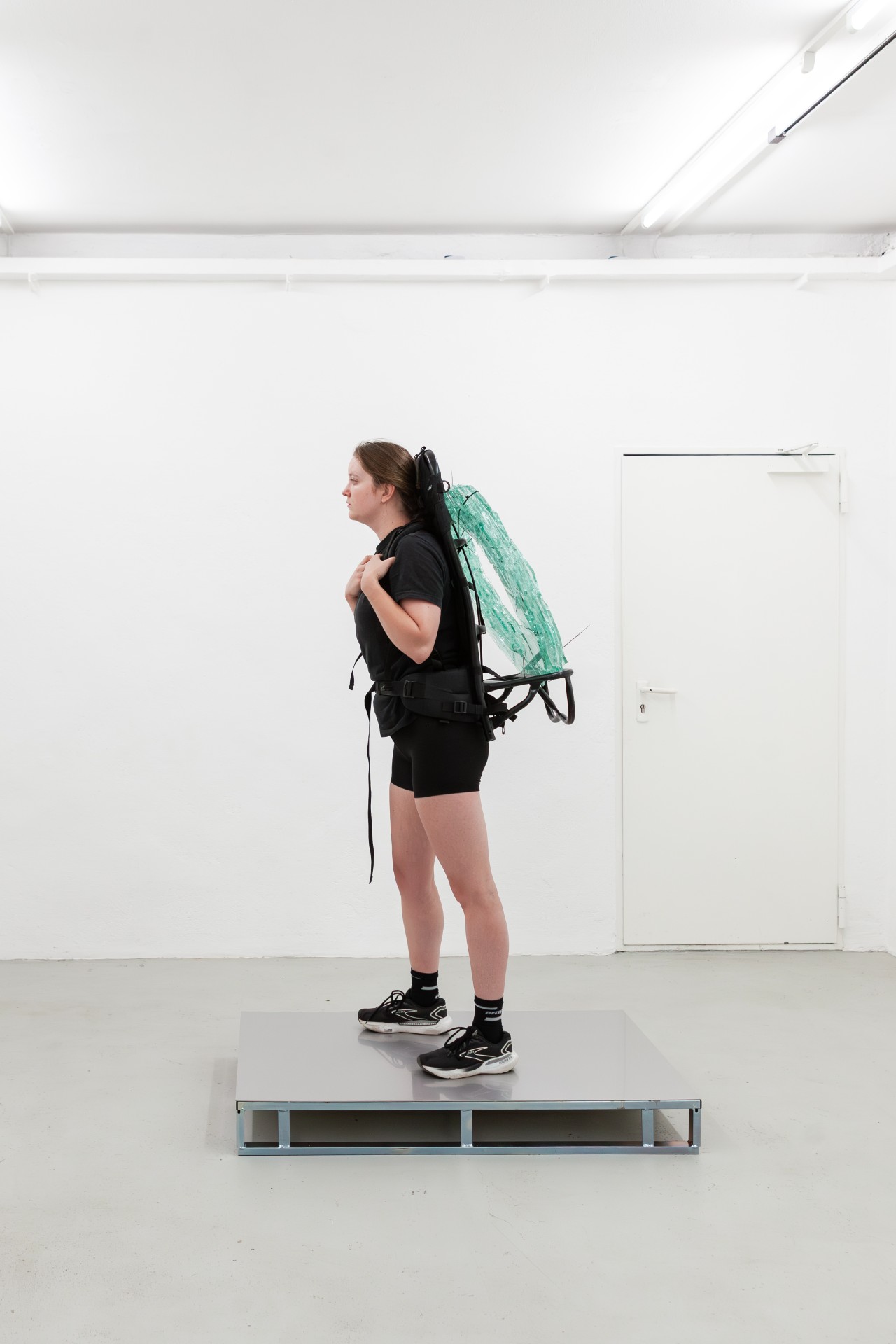
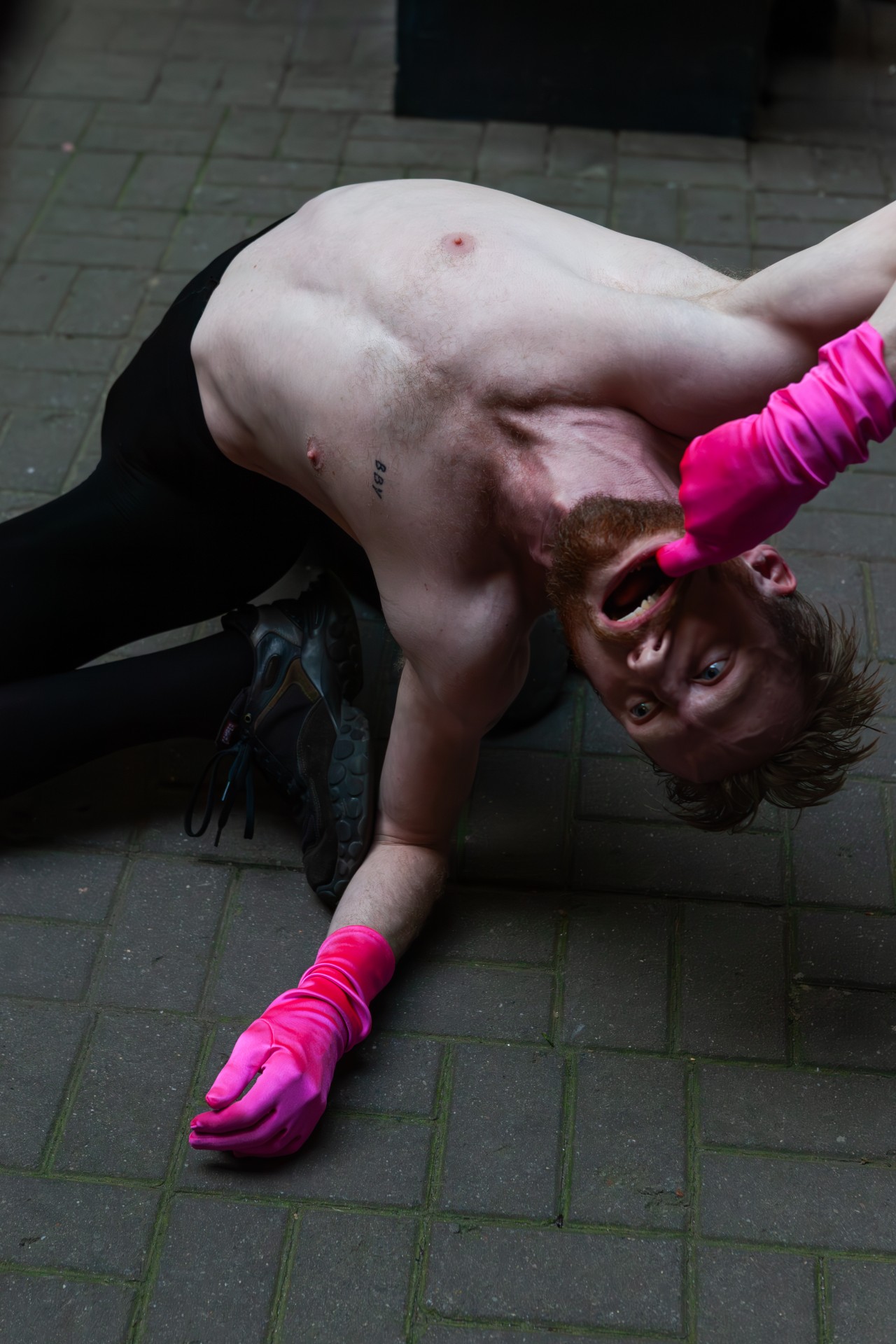

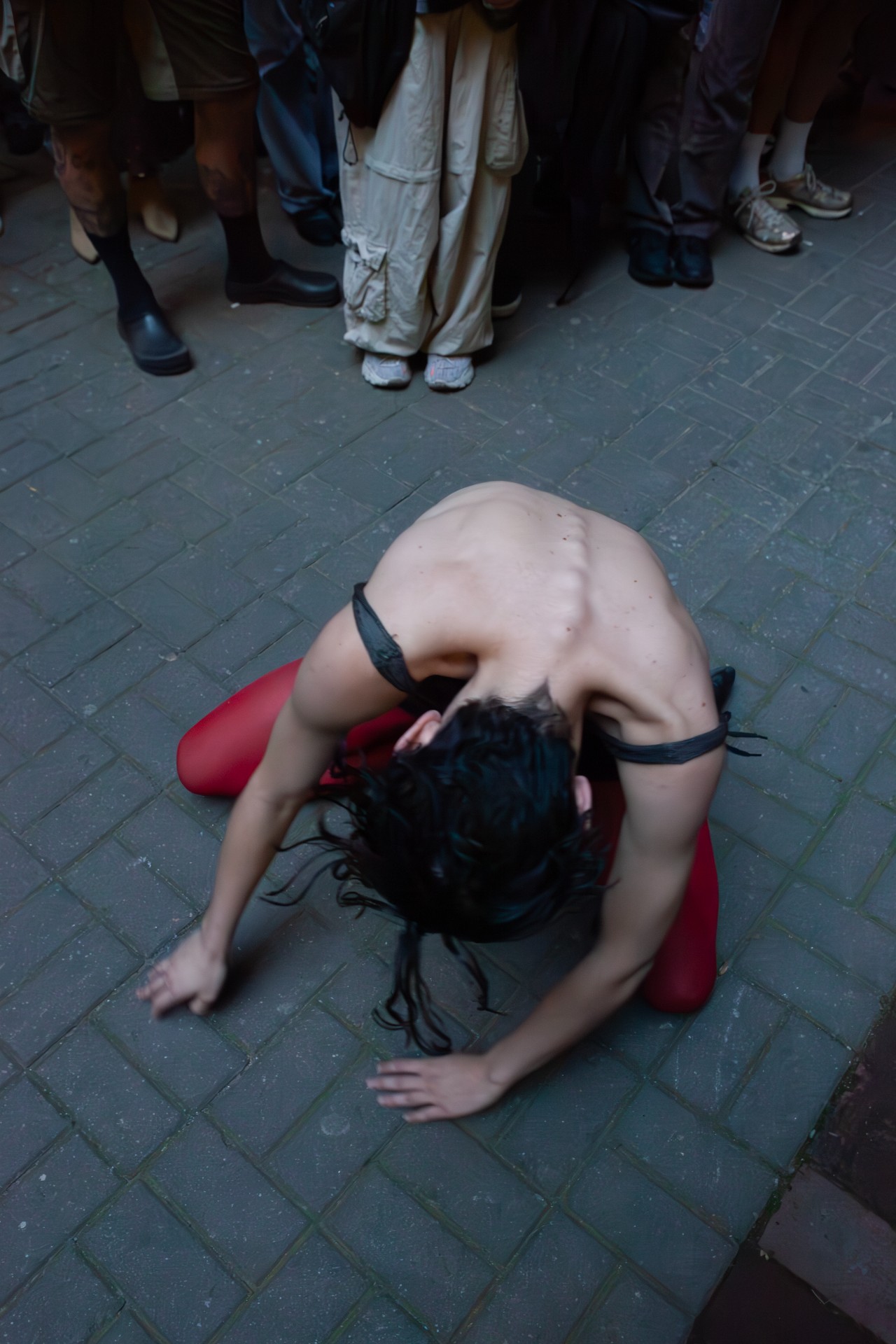
Berlin / 2025
Shanghai / 2025
/ 2023
/ 2024
Vilnius / 2024
Wroclaw / 2024
Jung-gu, Seoul / 2025
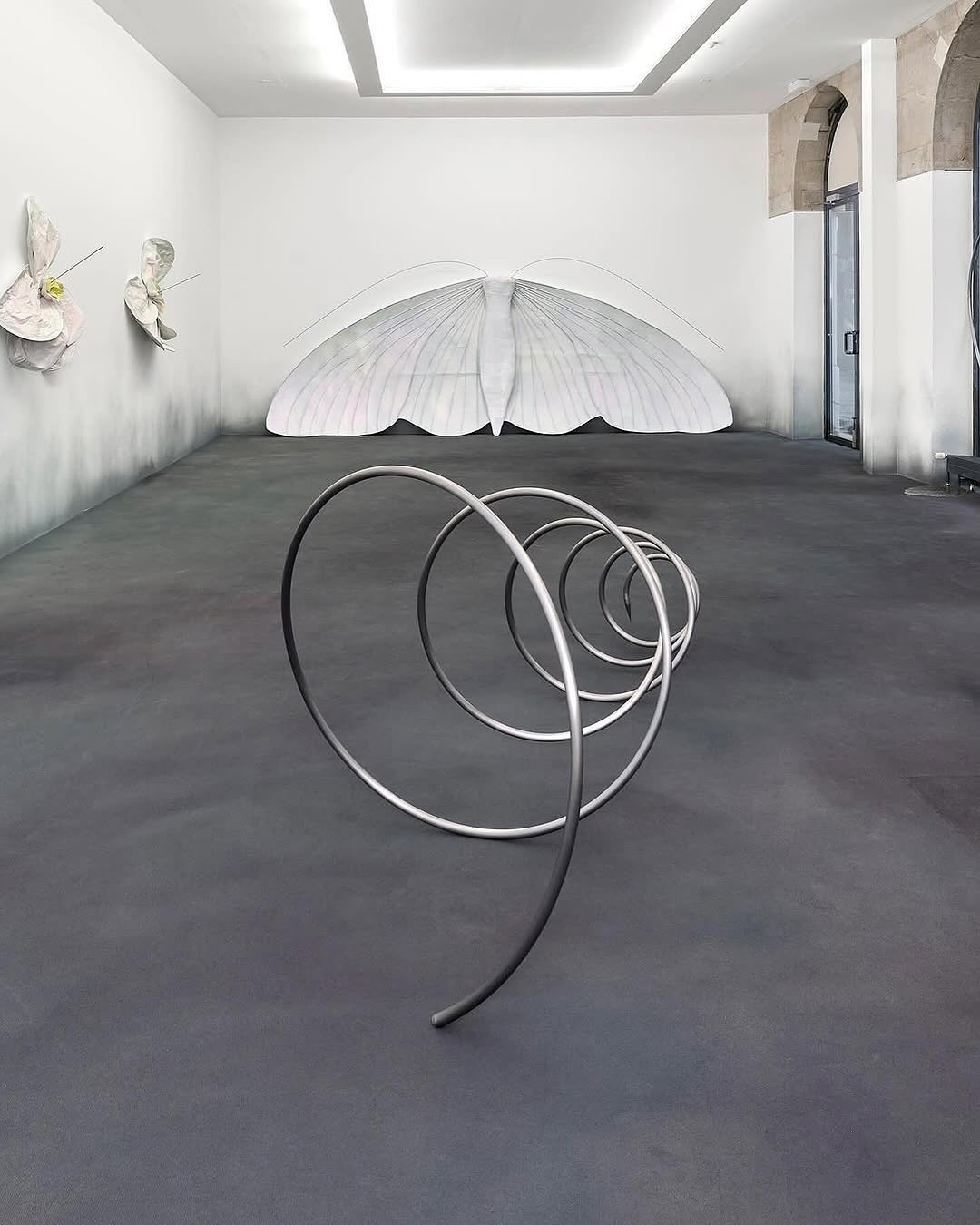
Geneva / 2024
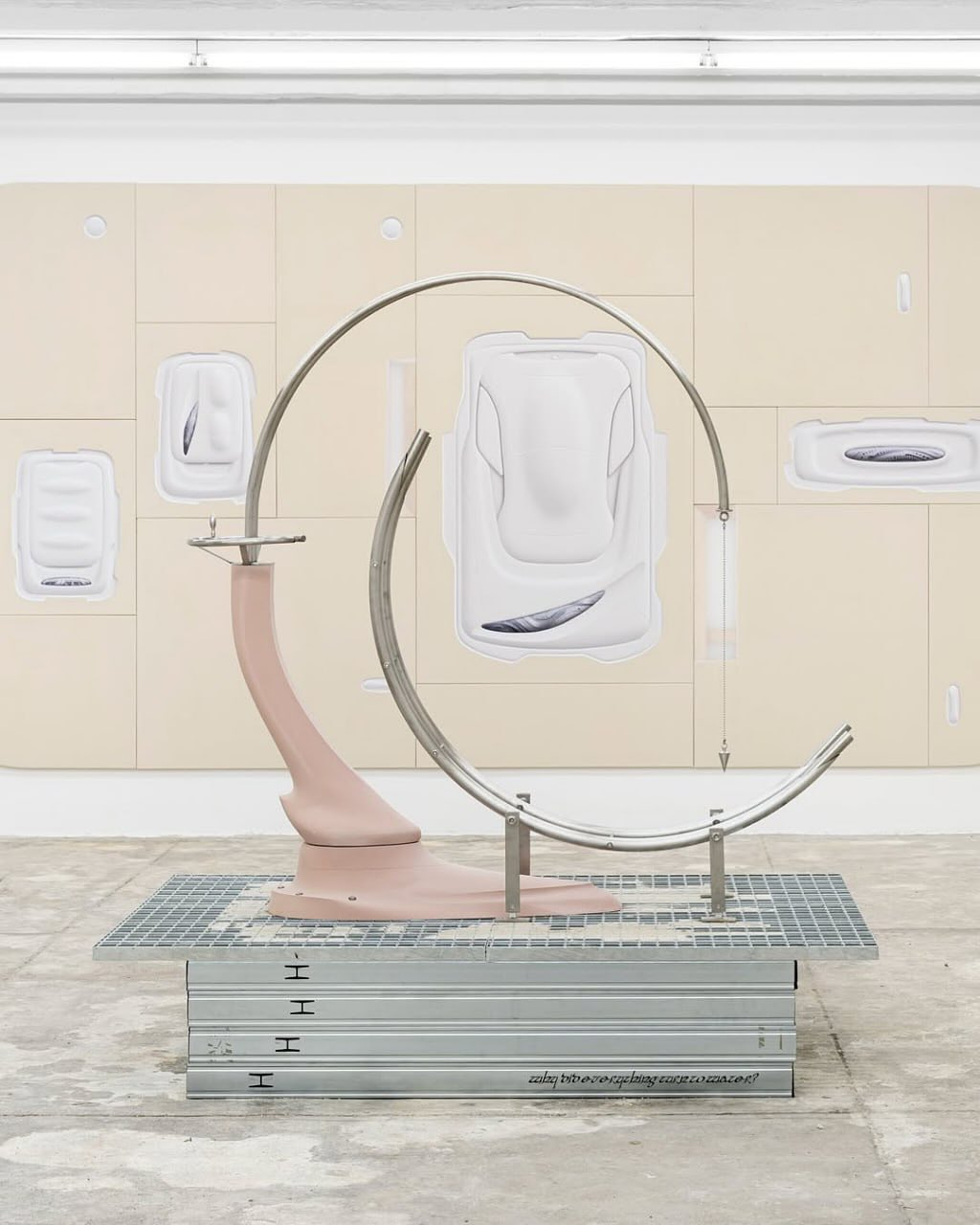
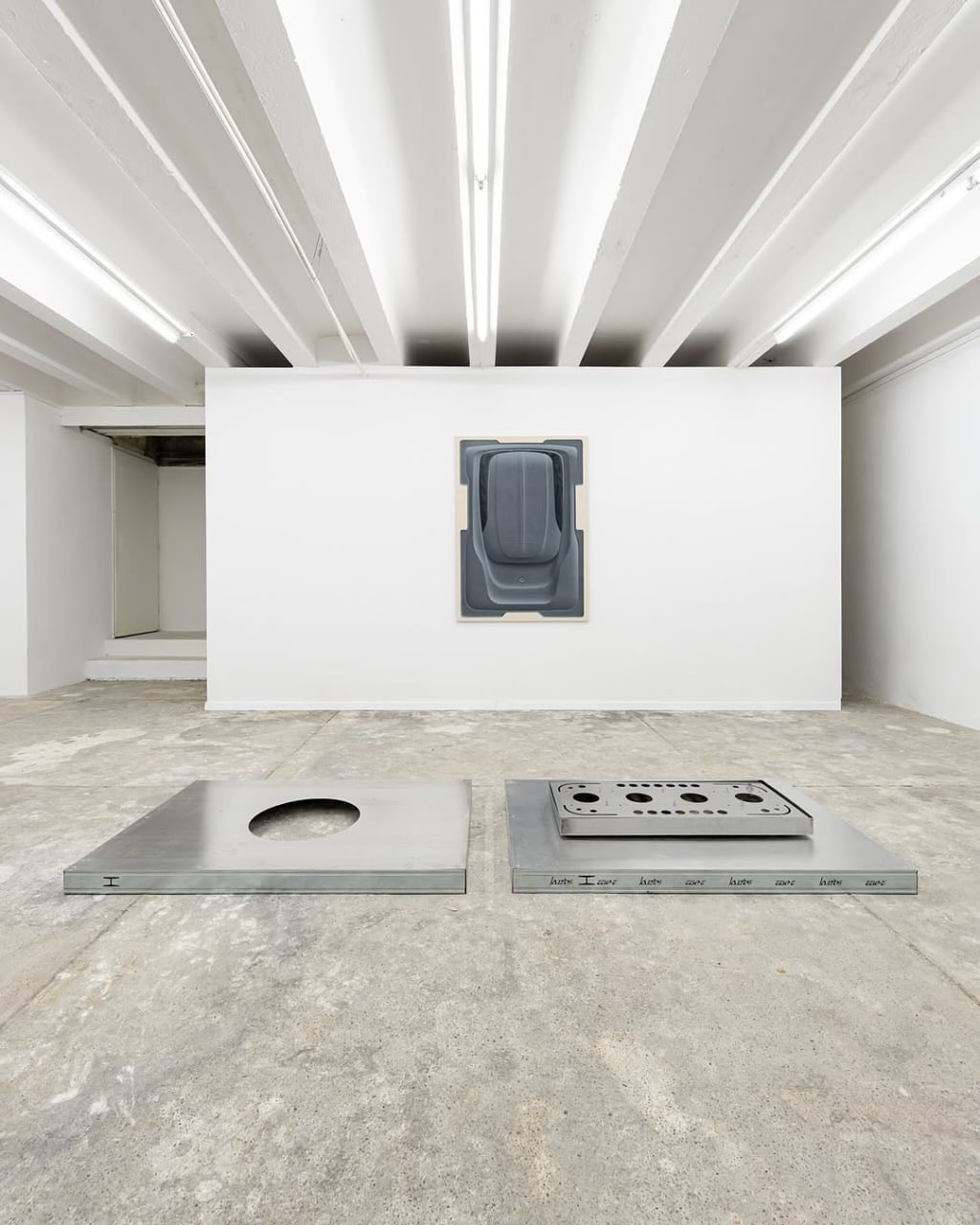
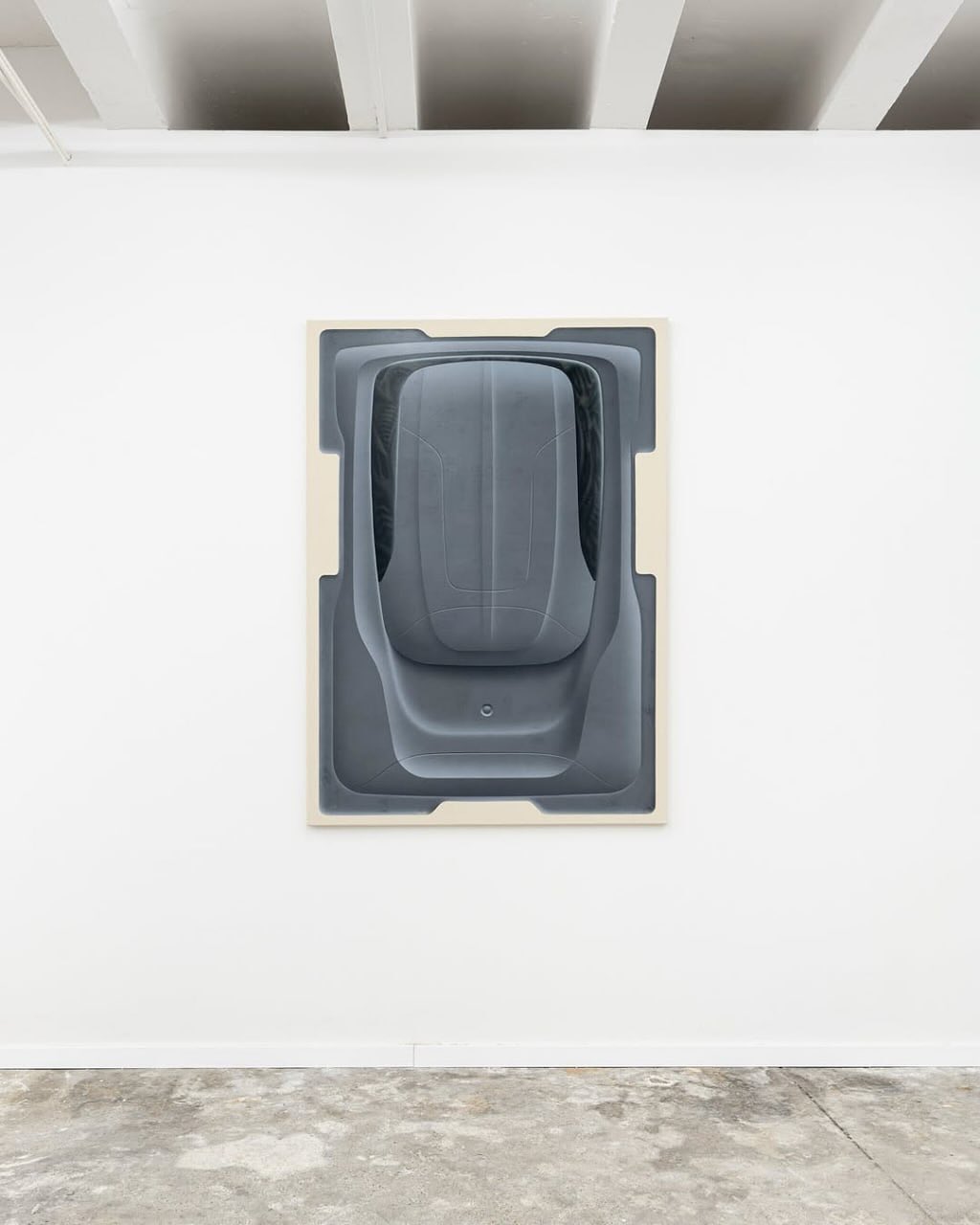
Bratislava / 2025
Santiago / 2025
Bratislava / 2025
Milan / 2025
/photo_1_2026-05-23_19-26-42.jpg)
Milan / 2025
Dornbirn / 2026
Prague / 2026
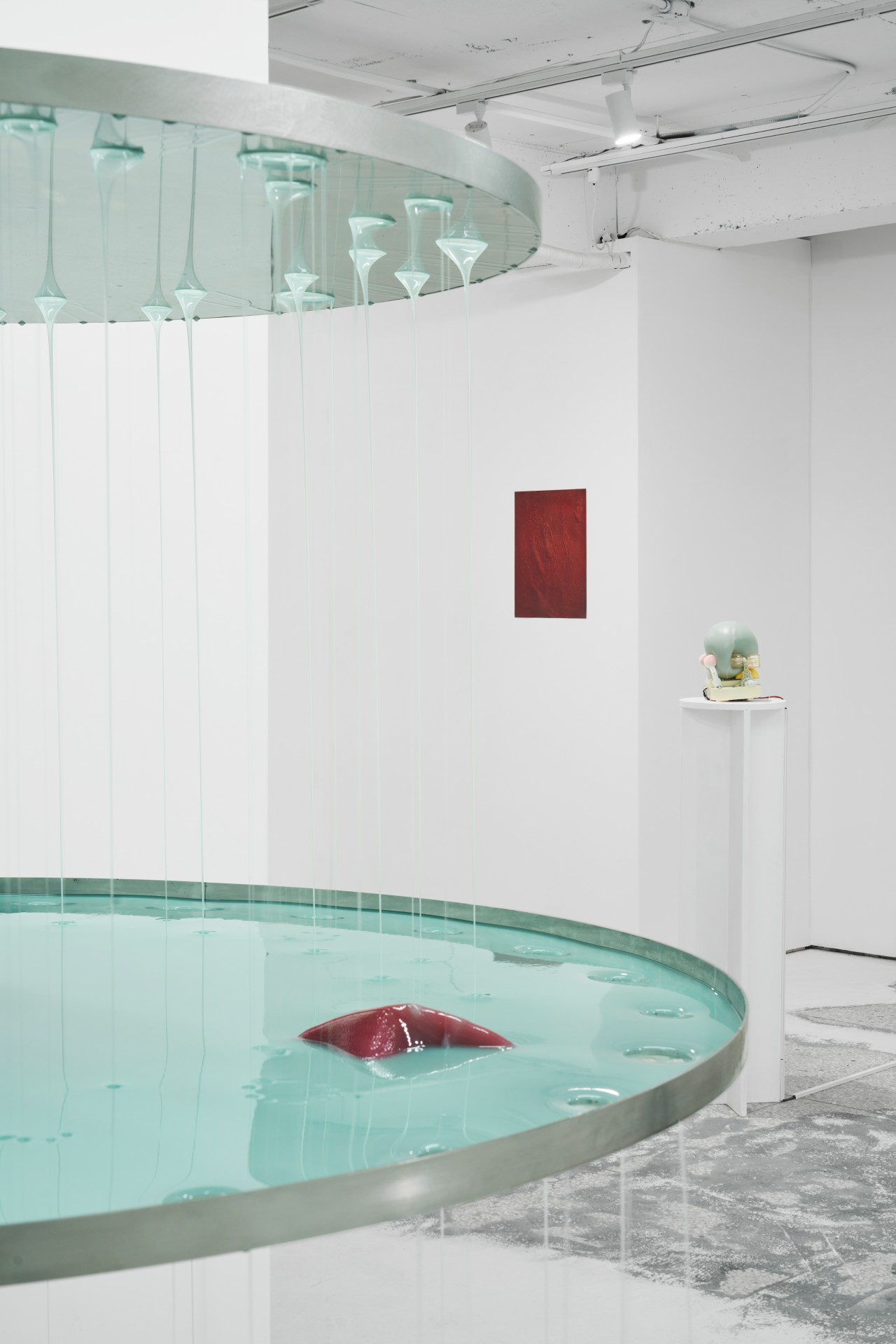
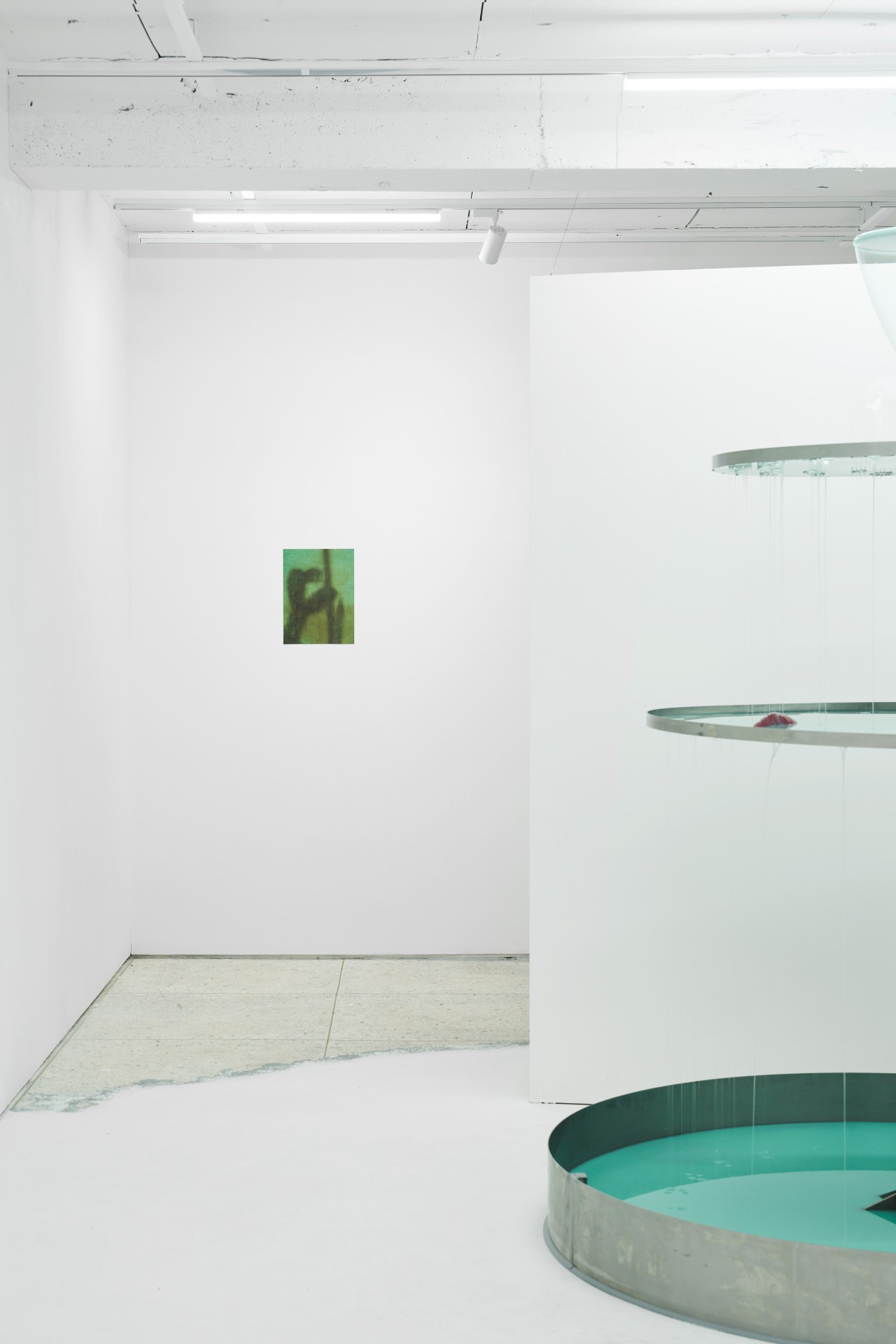
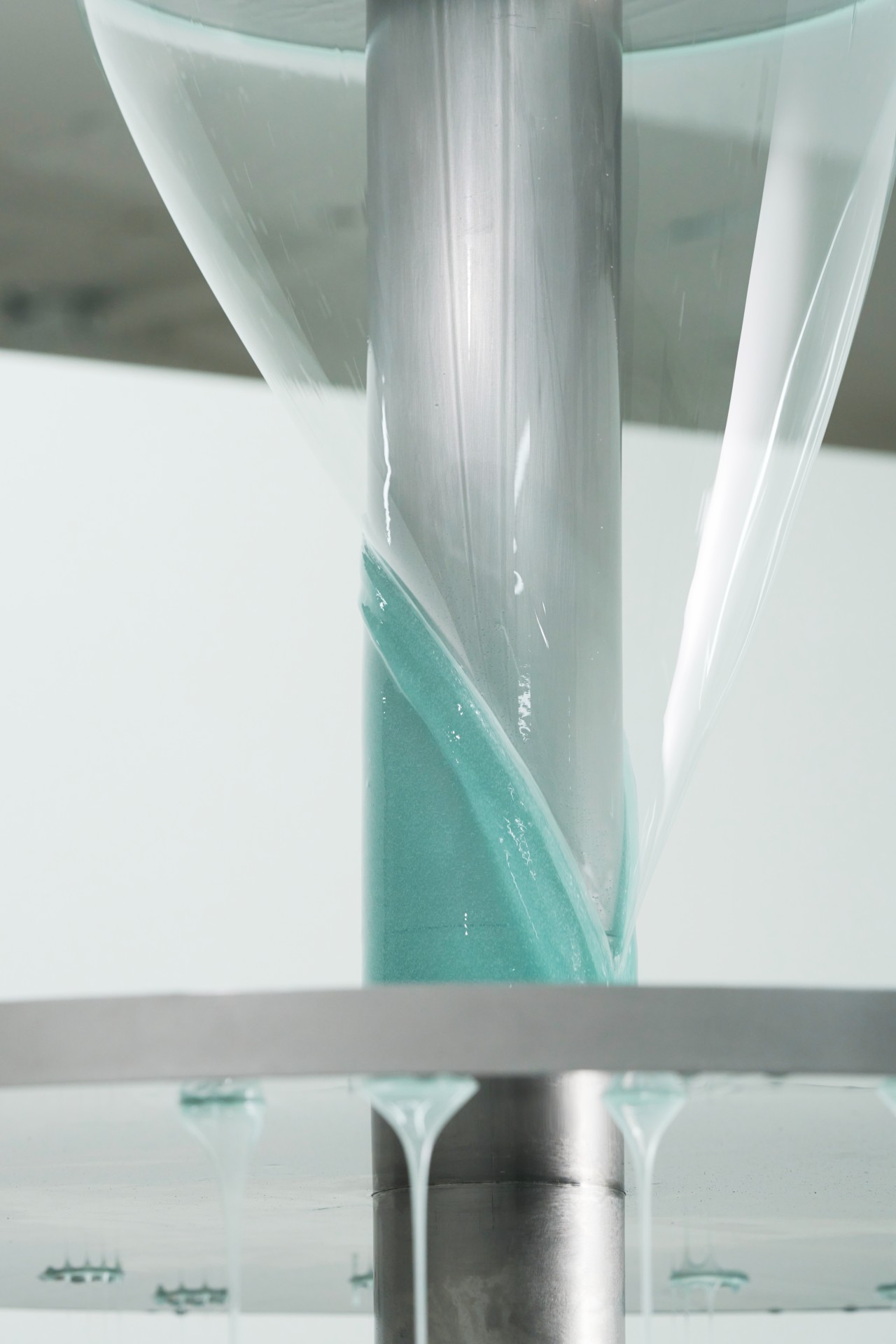
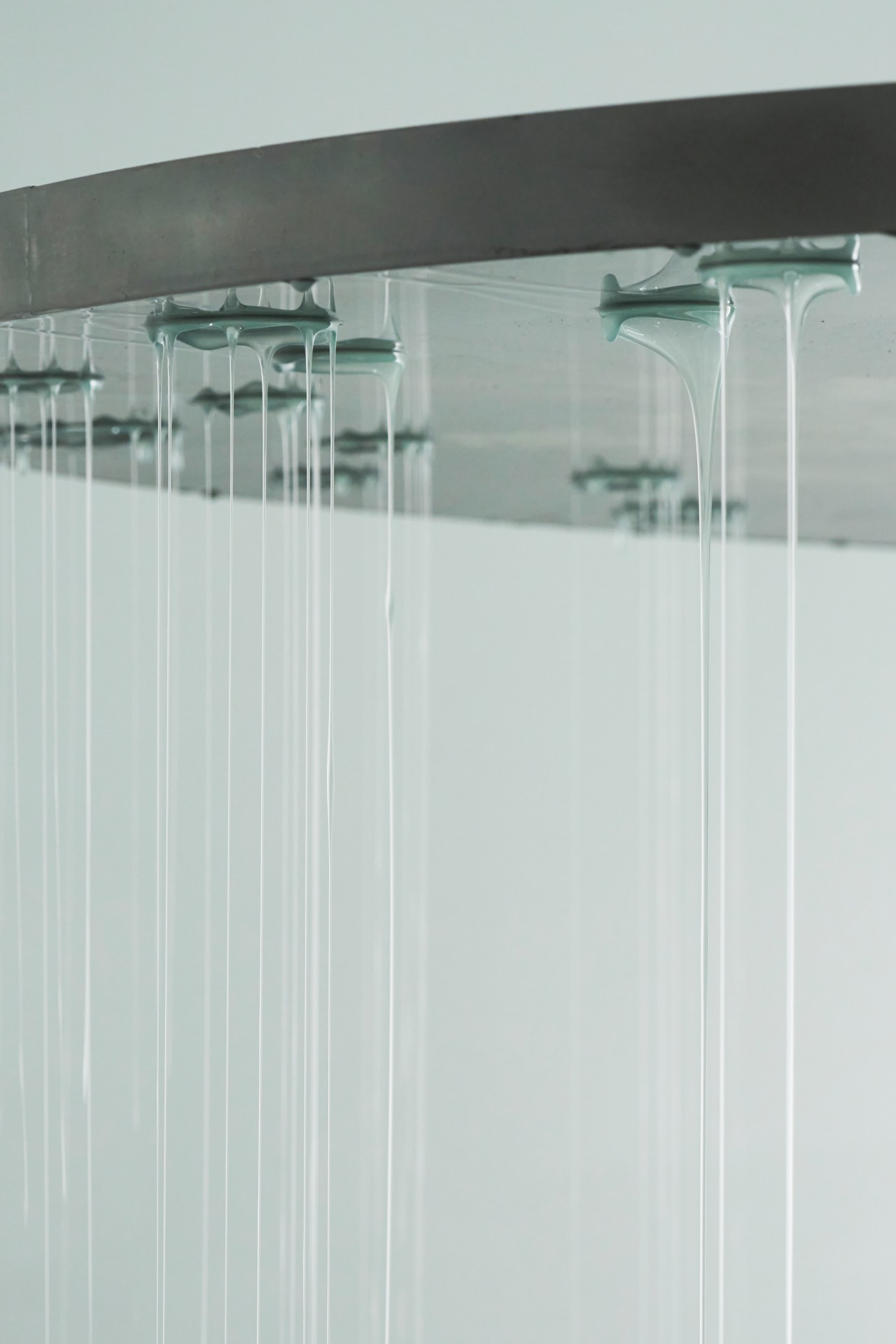

Seoul / 2025
Buenos Aires / 2026
Seoul / 2026
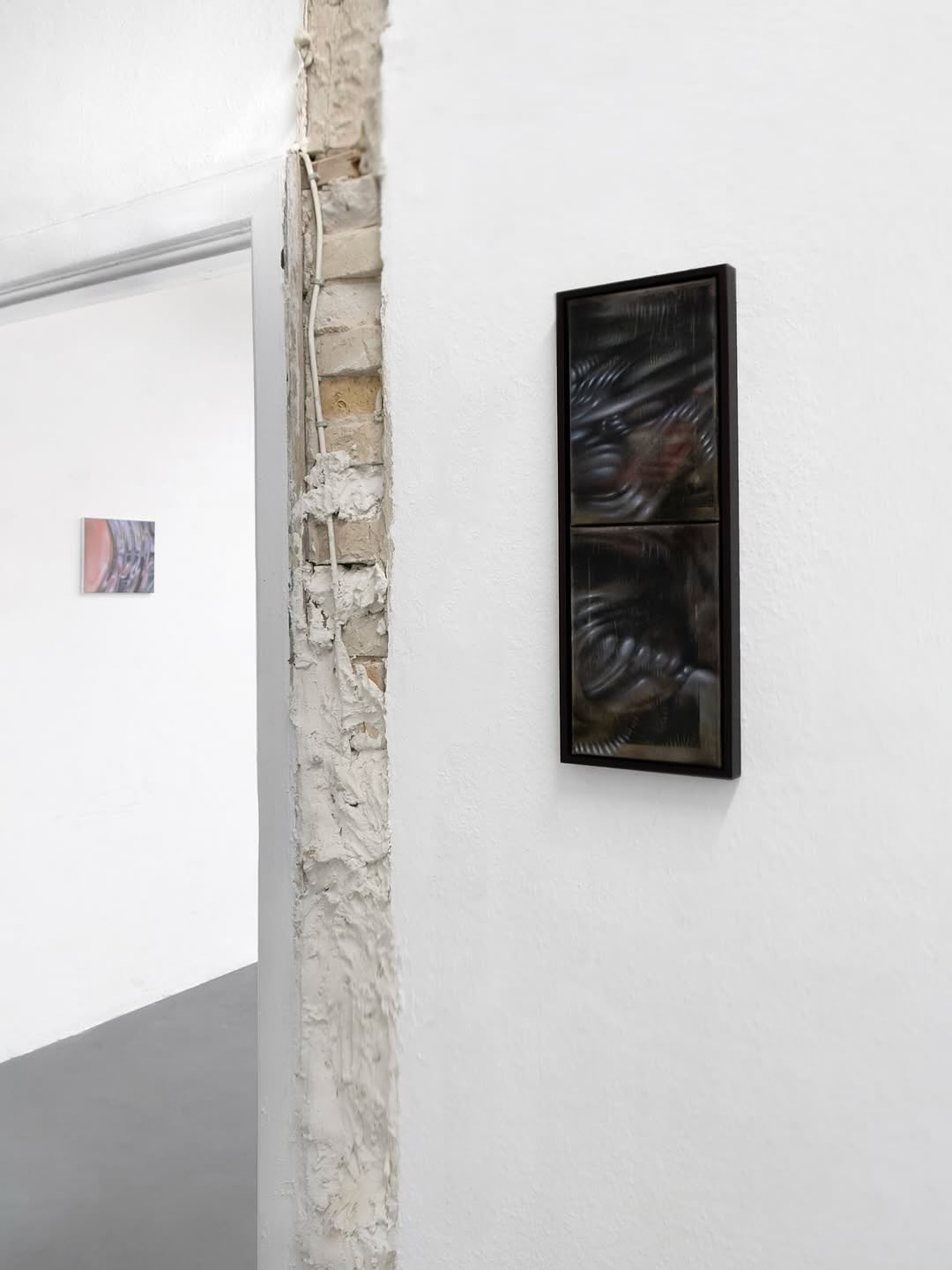
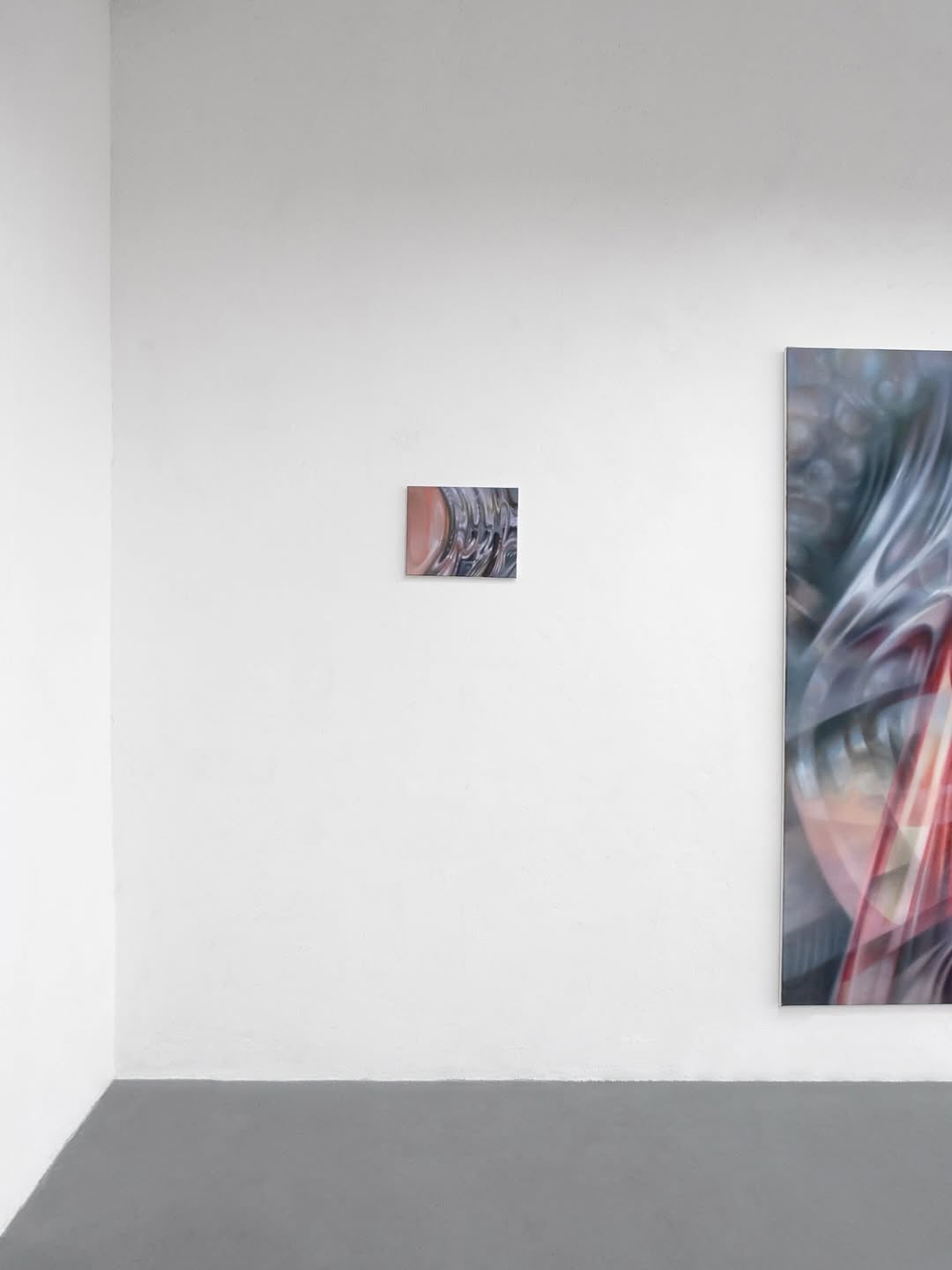
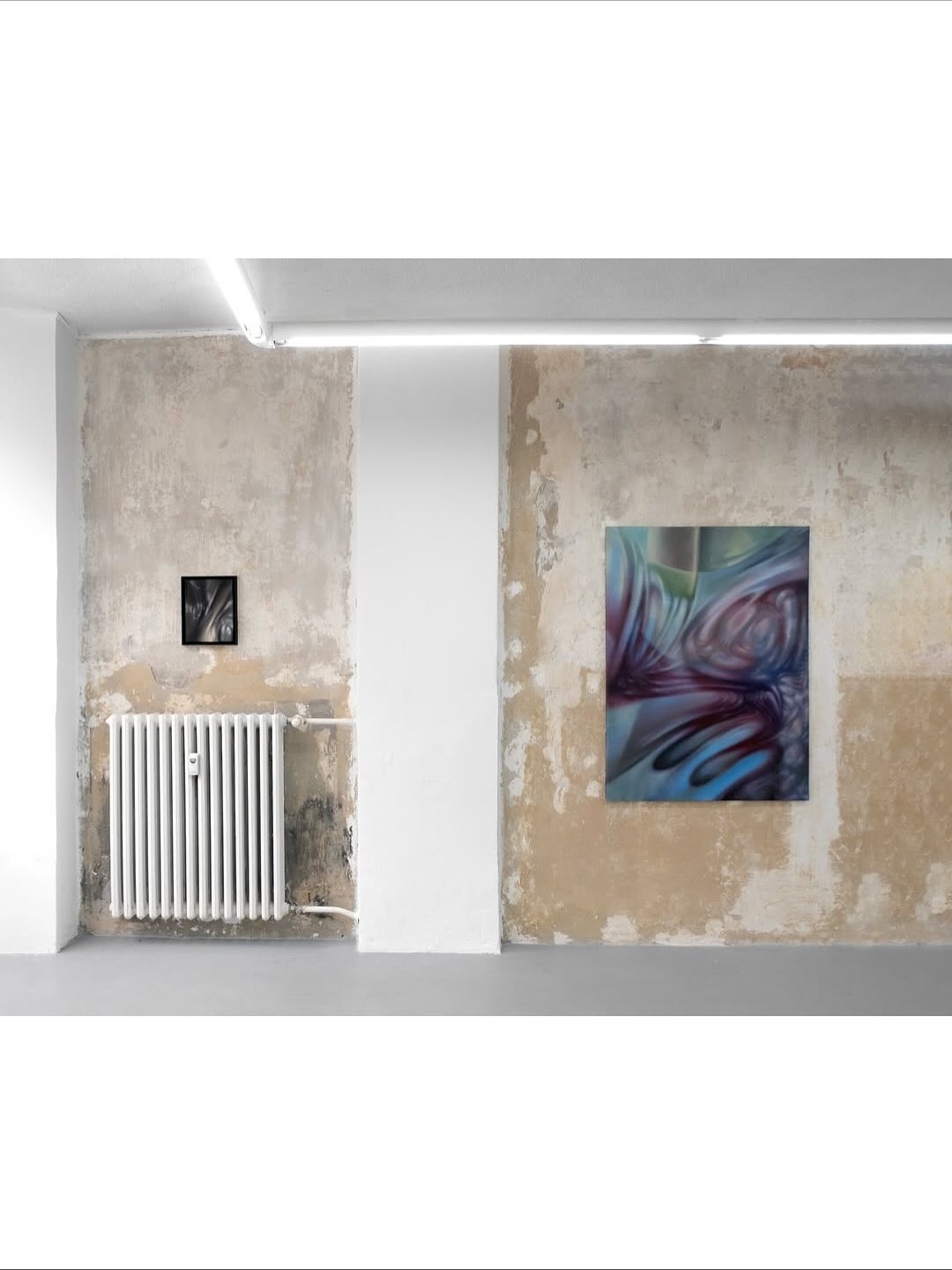
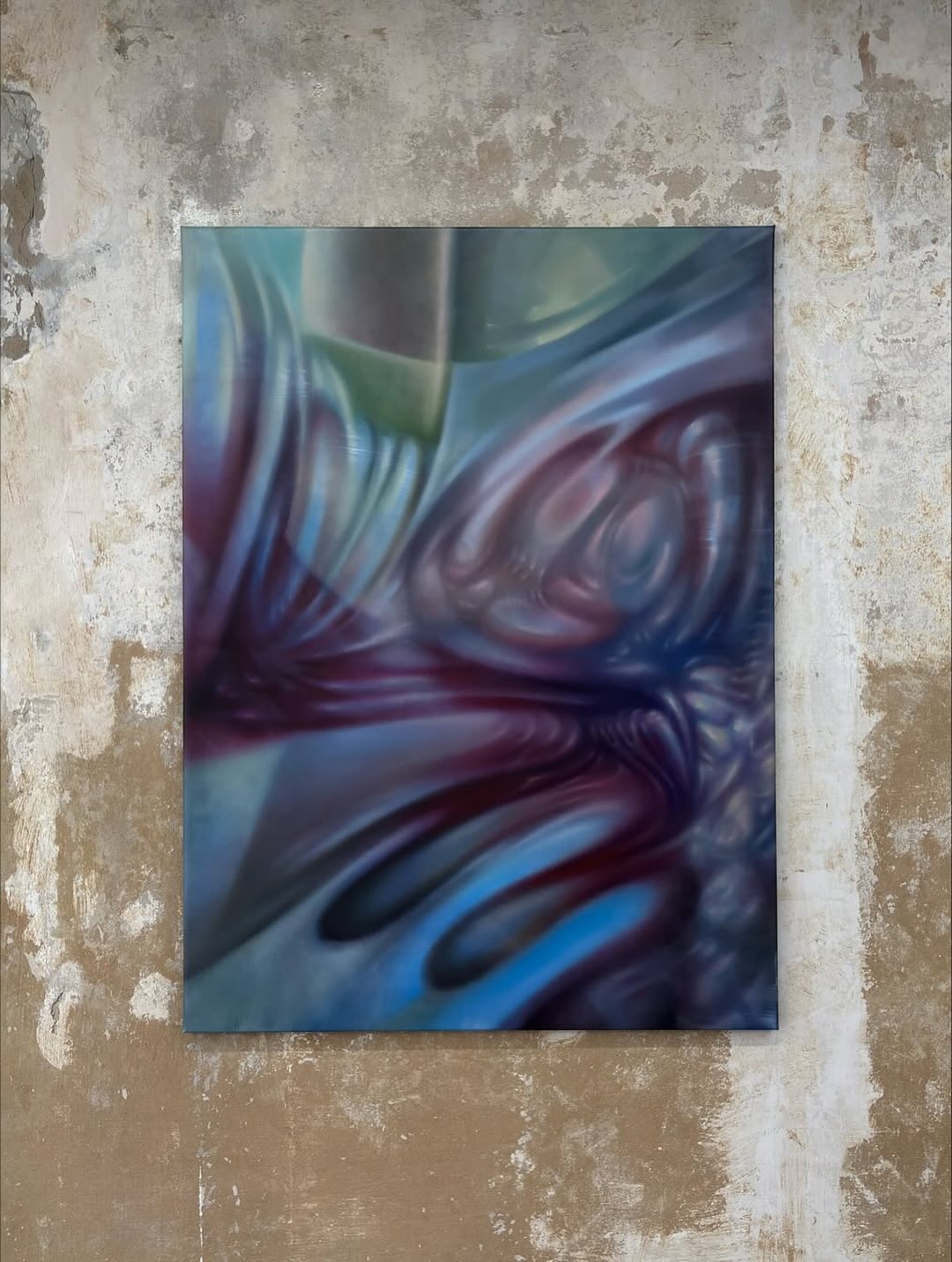
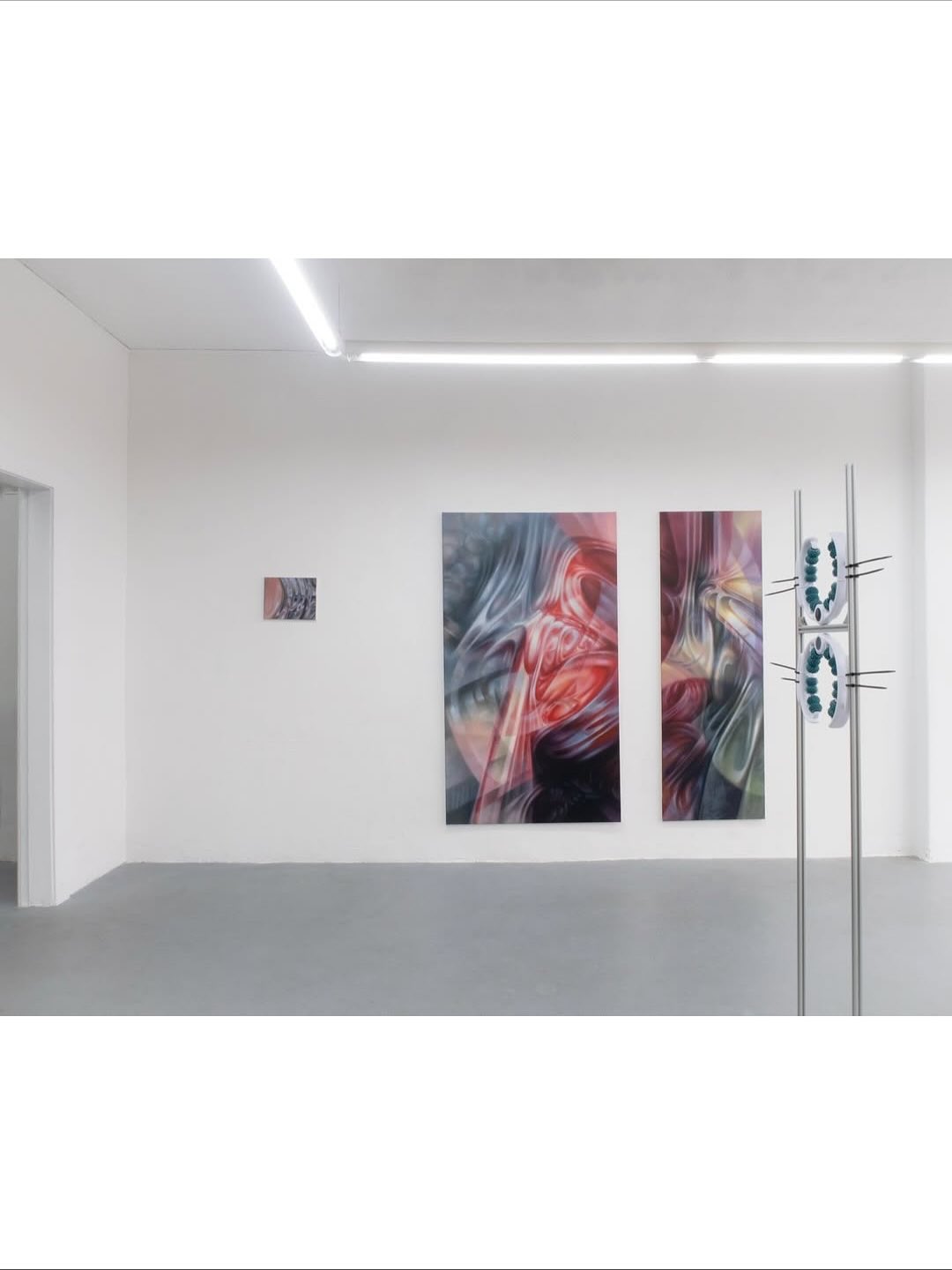
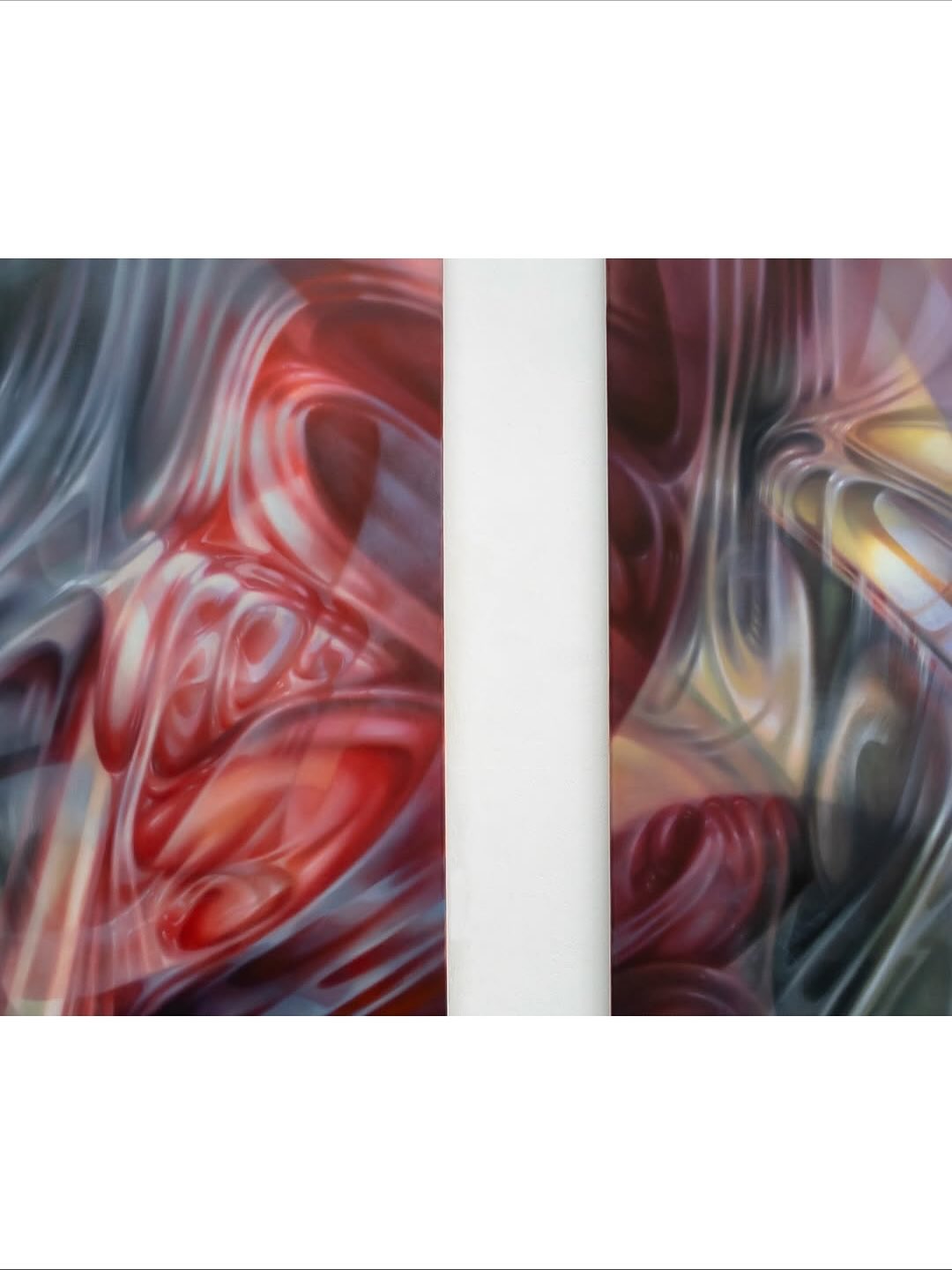
Berlin-Schöneberg / 2025
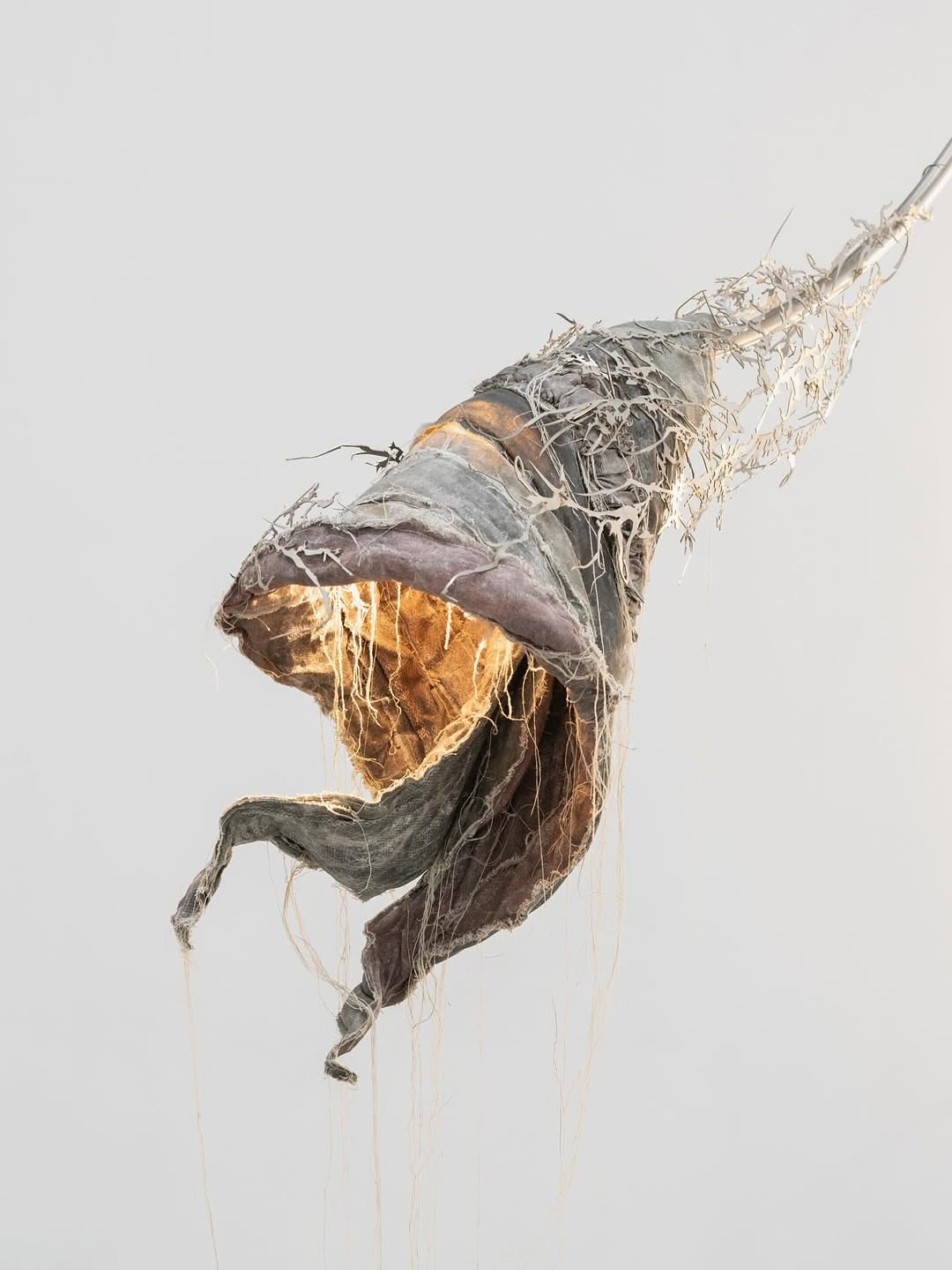
Białystok / 2025
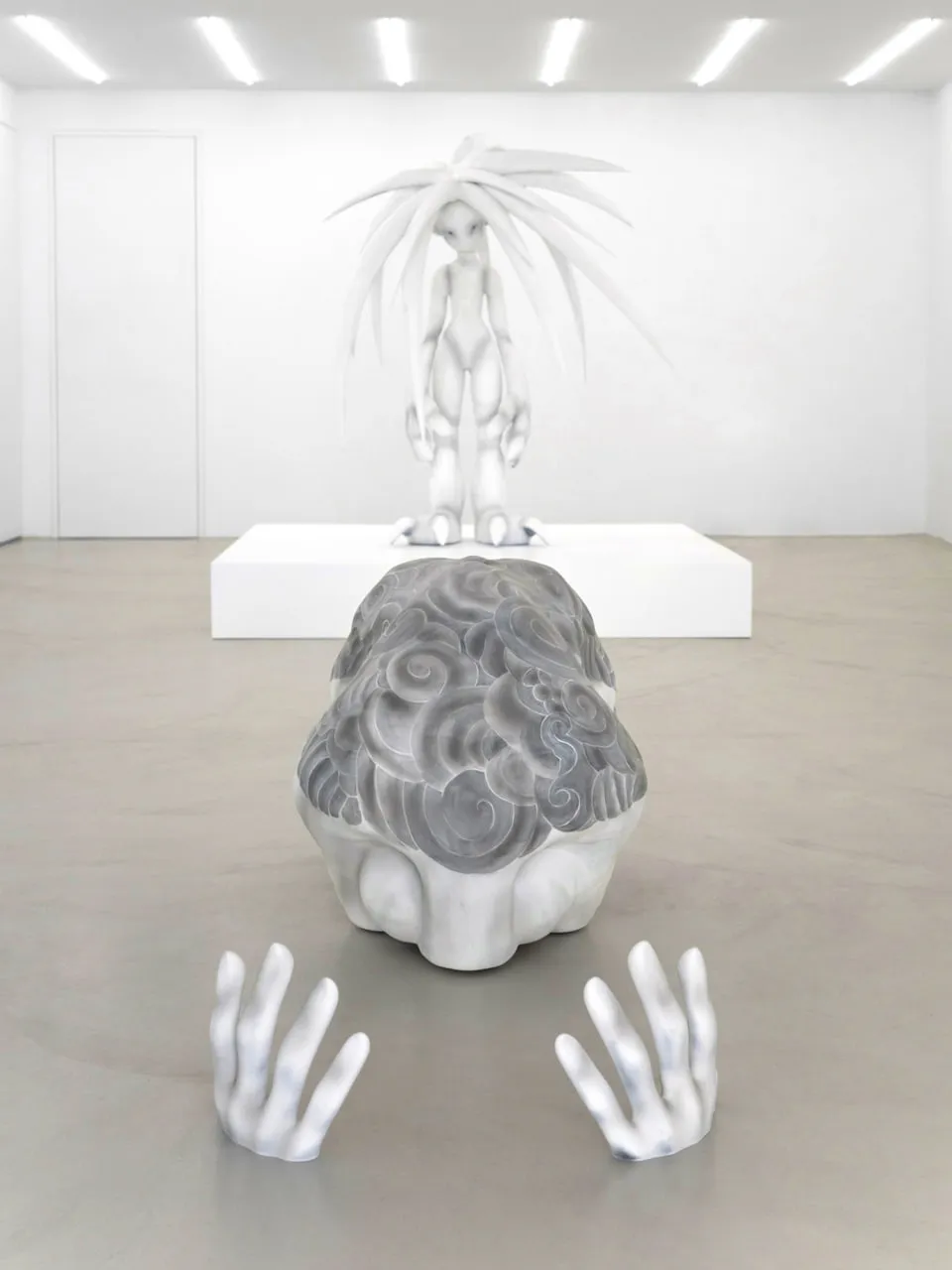
Seoul / 2026

Münster / 2026
Vilnius / 2026
Warsaw / 2026

Avigliana / 2026
Brussels / 2026
Copenhagen / 2026
Paris / 2026
Angers / 2026
London / 2026
Kraków / 2026
Paris / 2026
Poznań / 2026
Bucharest / 2026
Tokyo / 2026
New York City (NY) / 2025
Göteborg / 2025
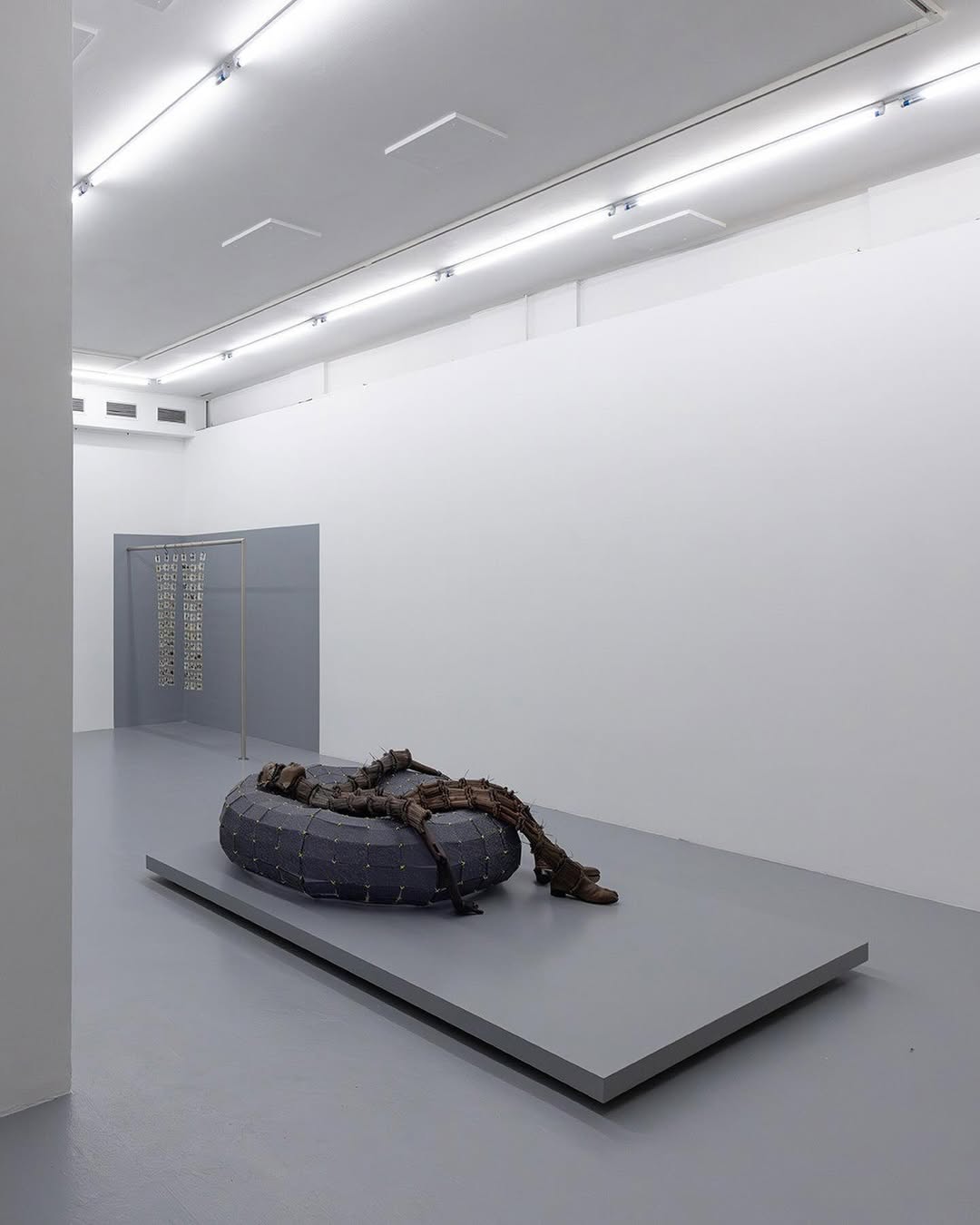
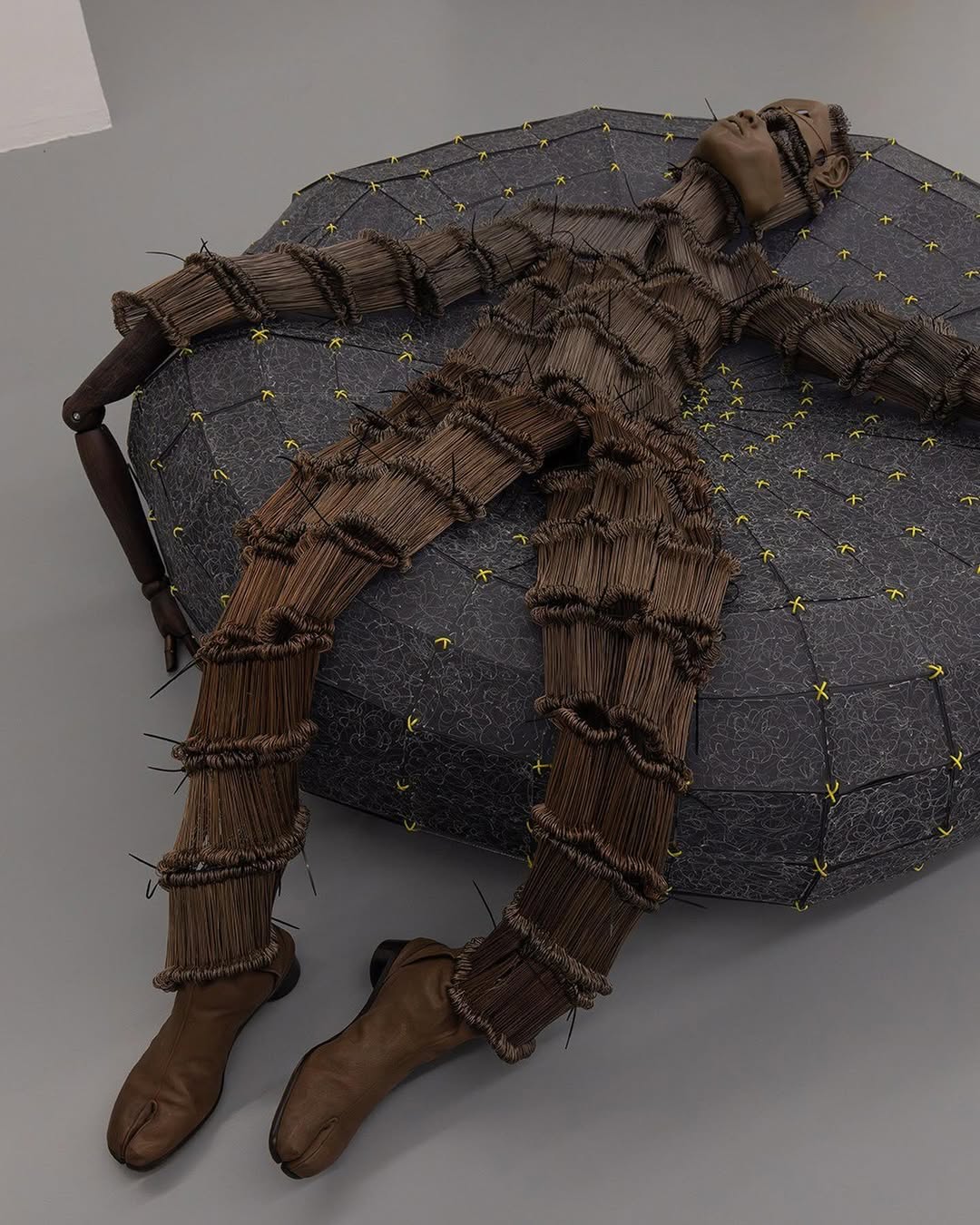
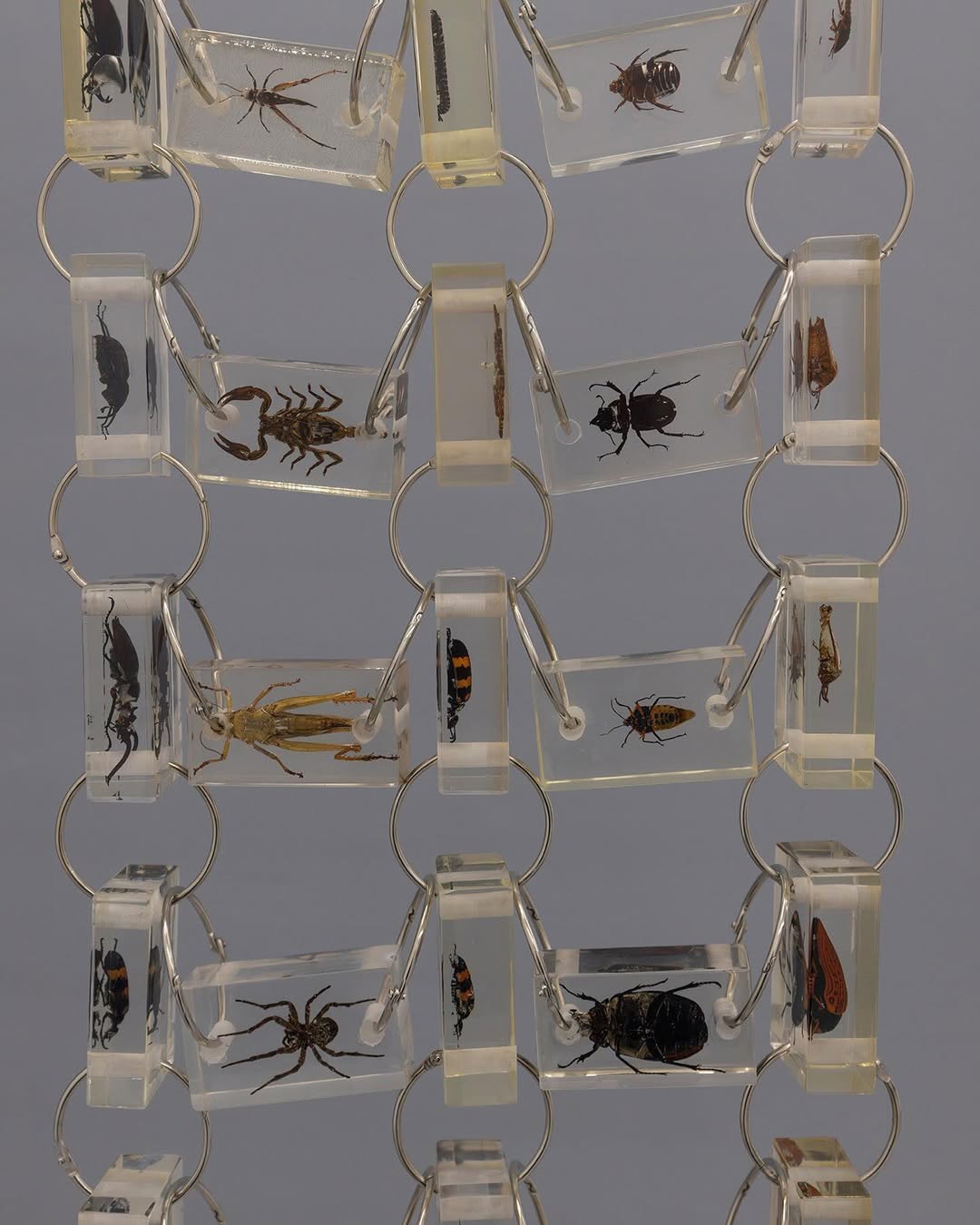
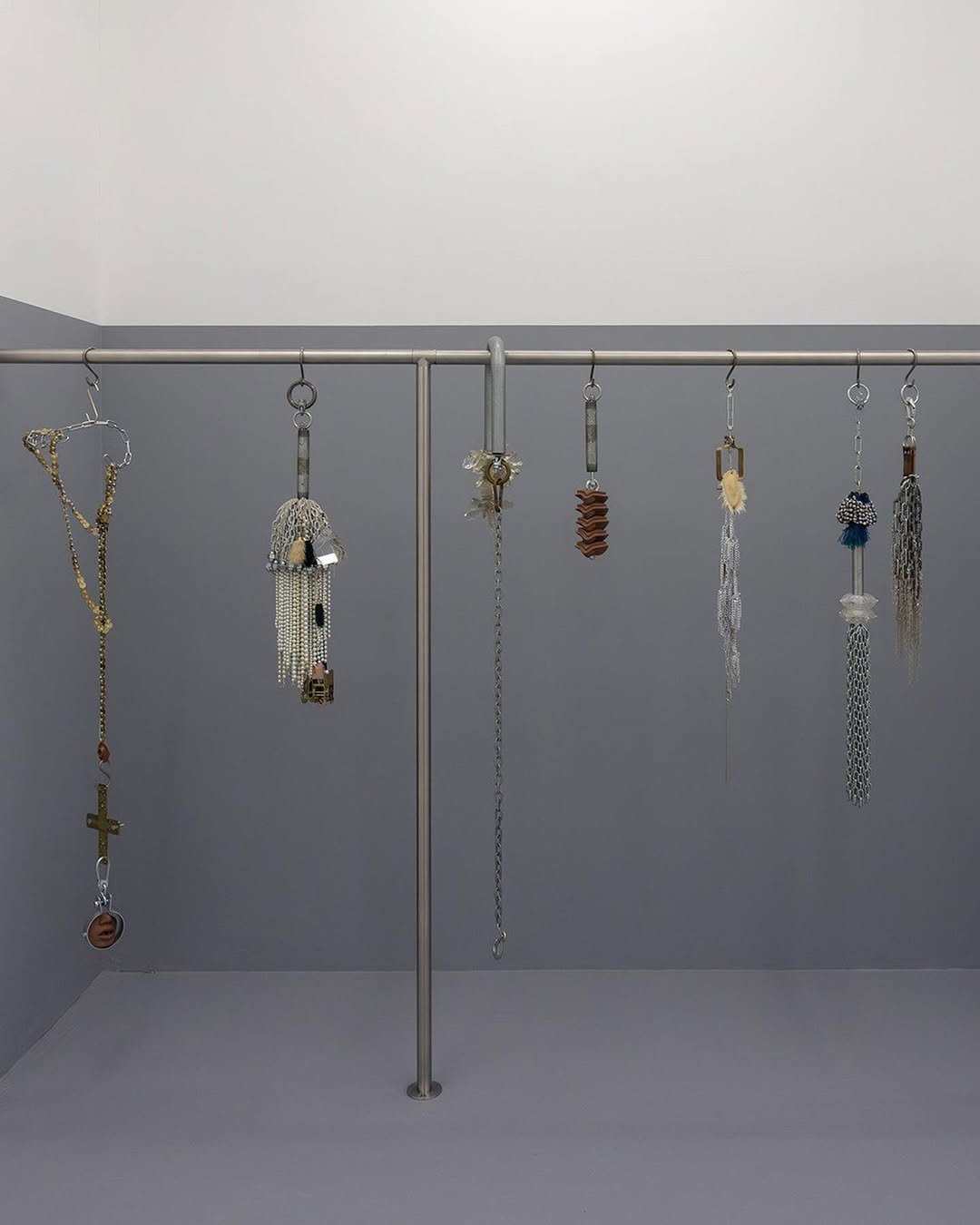
/ 2024
Lisboa / 2023
Budapest / 2024

Prague / 2024
/photo_1_2026-05-24_00-42-04.jpg)
Milan / 2025
Ljubljana / 2025
Milan / 2025
/ 2025
Århus / 2025
Kraków / 2025
Berlin / 2025
Graz / 2026
Leipzig / 2026
London / 2026
Vorarlberg / 2026
Sardinia / 2026
/ 2025
.webp)
Seoul / 2025

Berlin / 2026
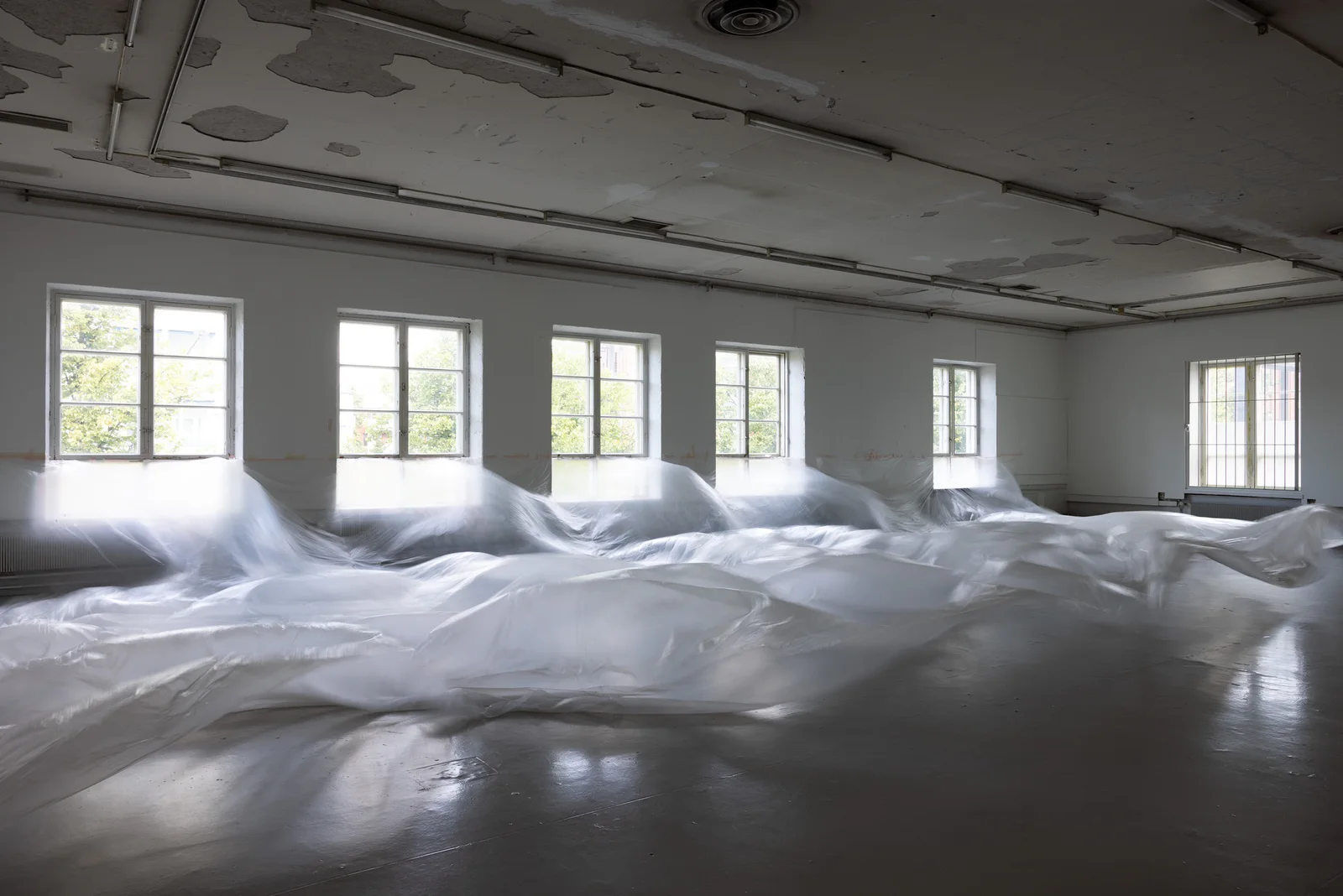
Helsinki / 2026
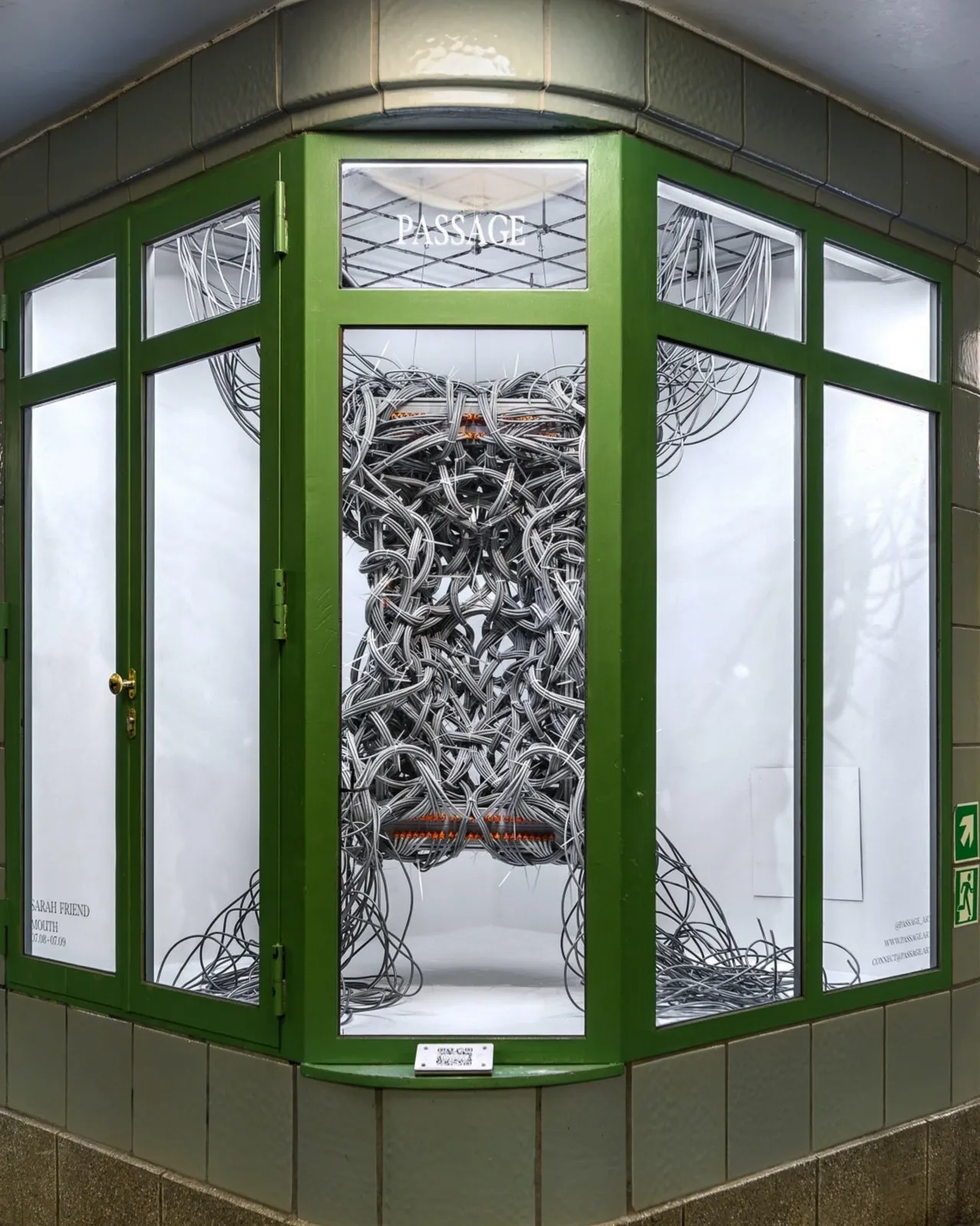
/ 2026
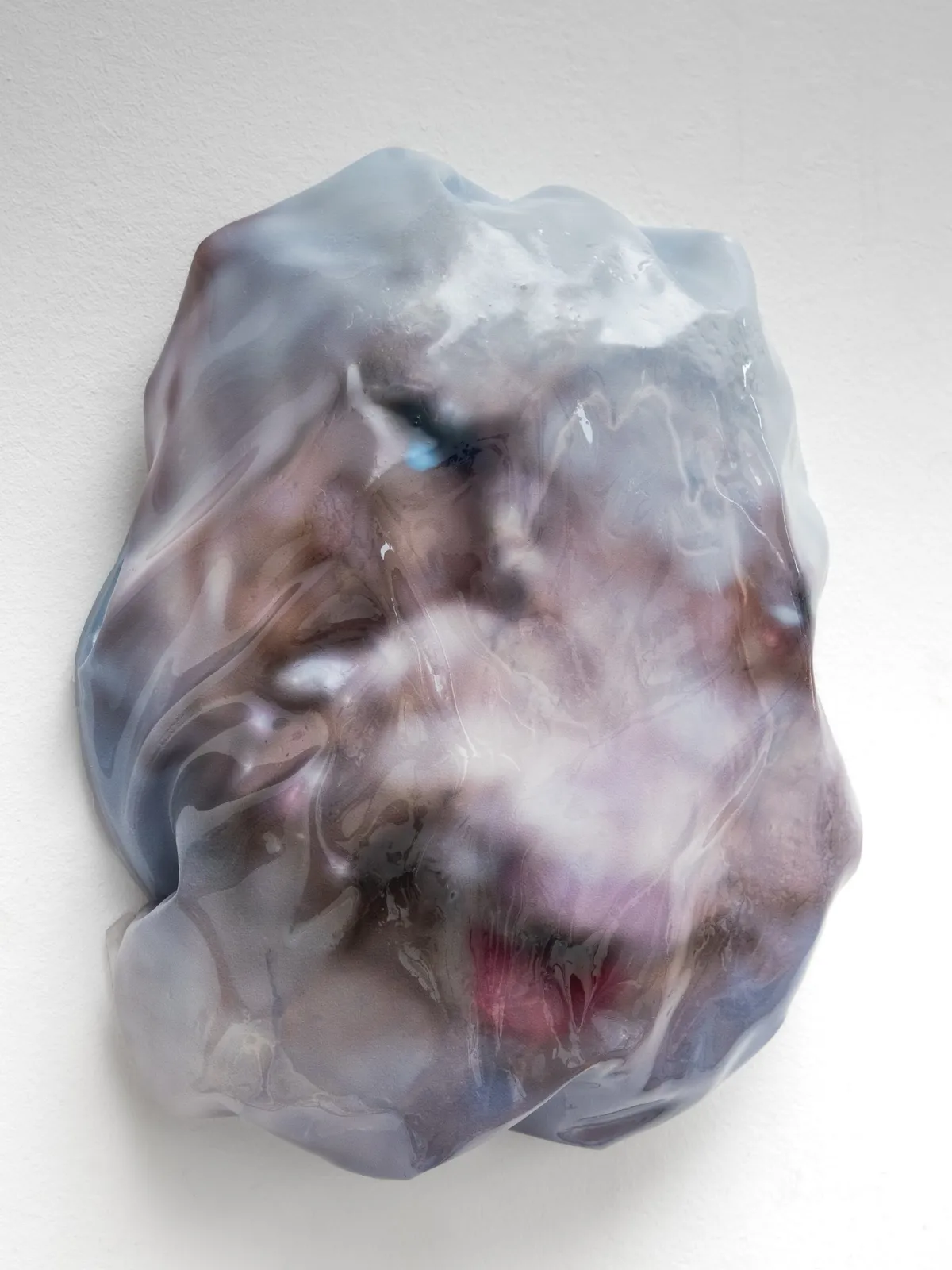
/ 2026
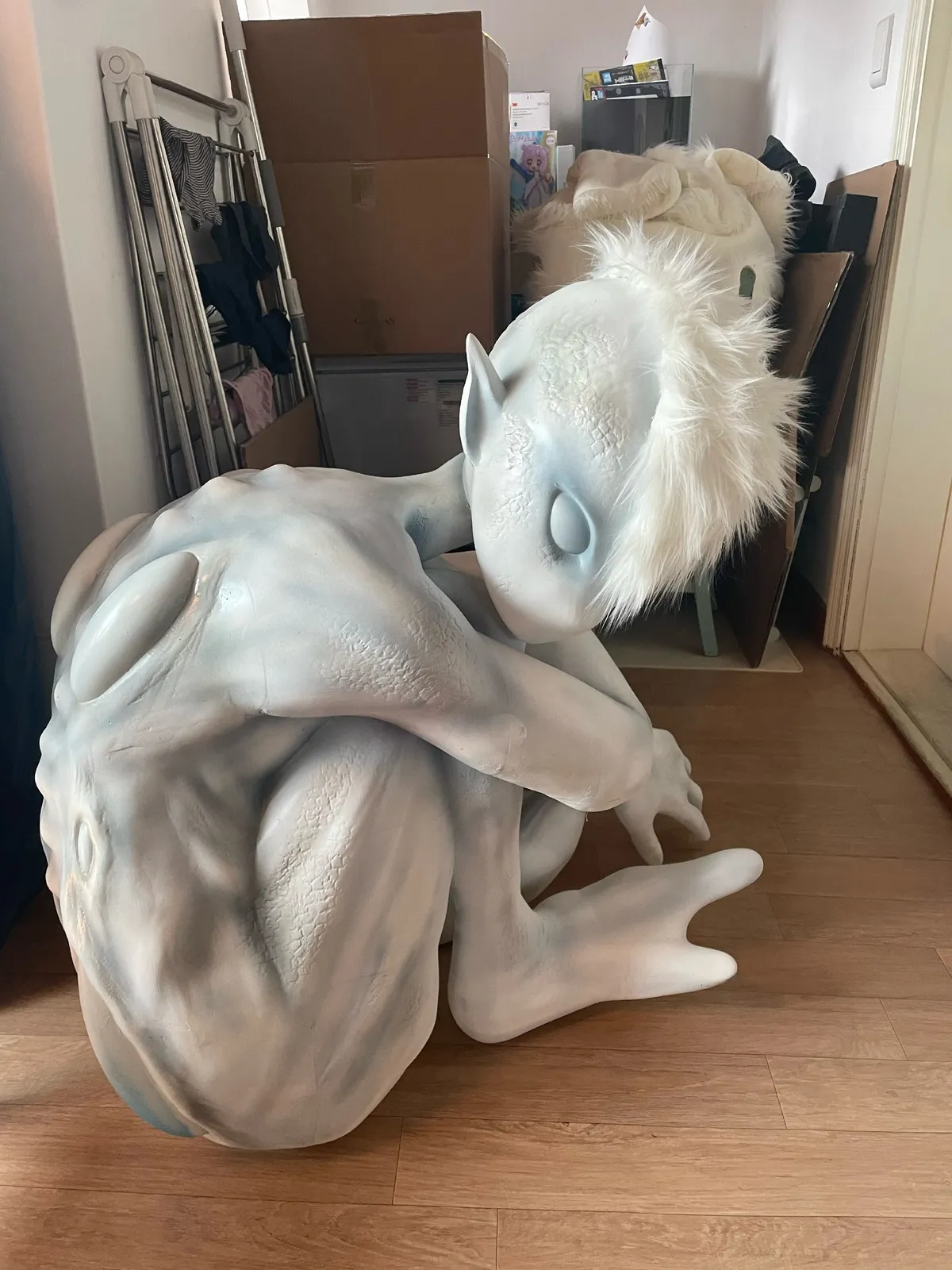
Seoul / 2026
Prague / 2026
Seoul / 2026
Słupsk / 2026


Seoul / 2026
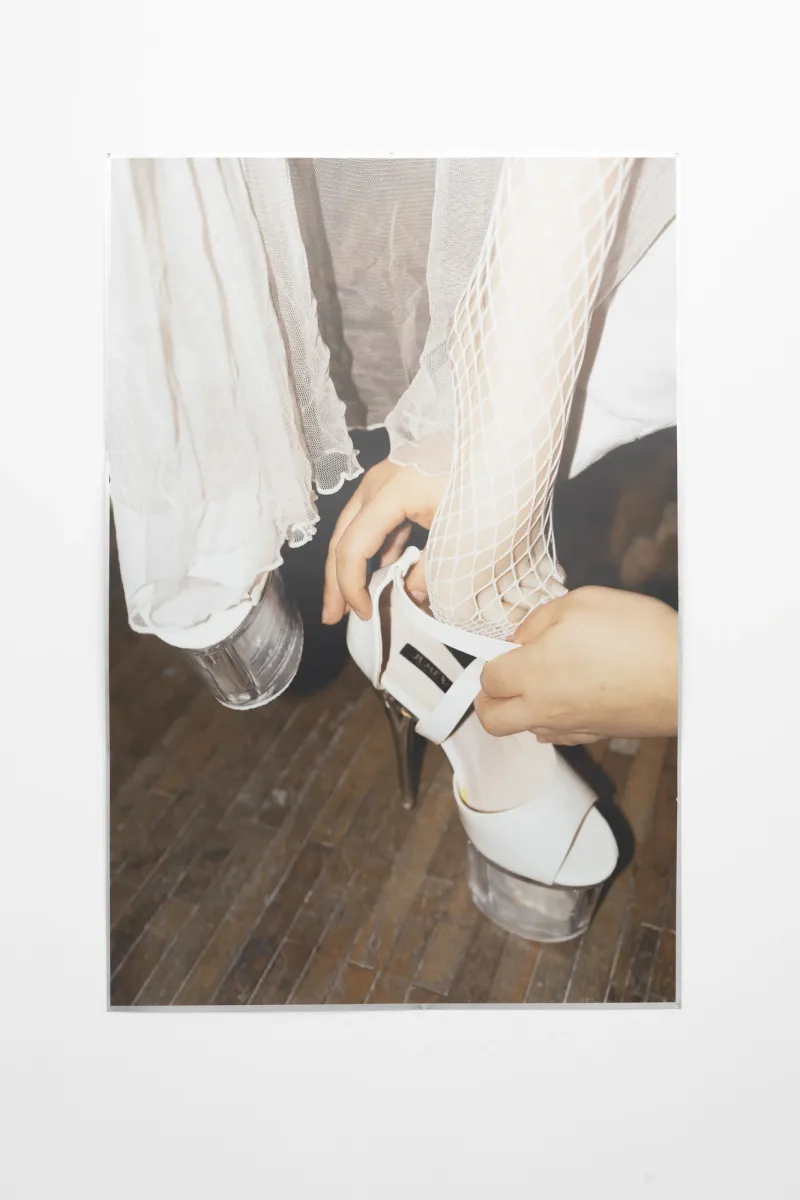
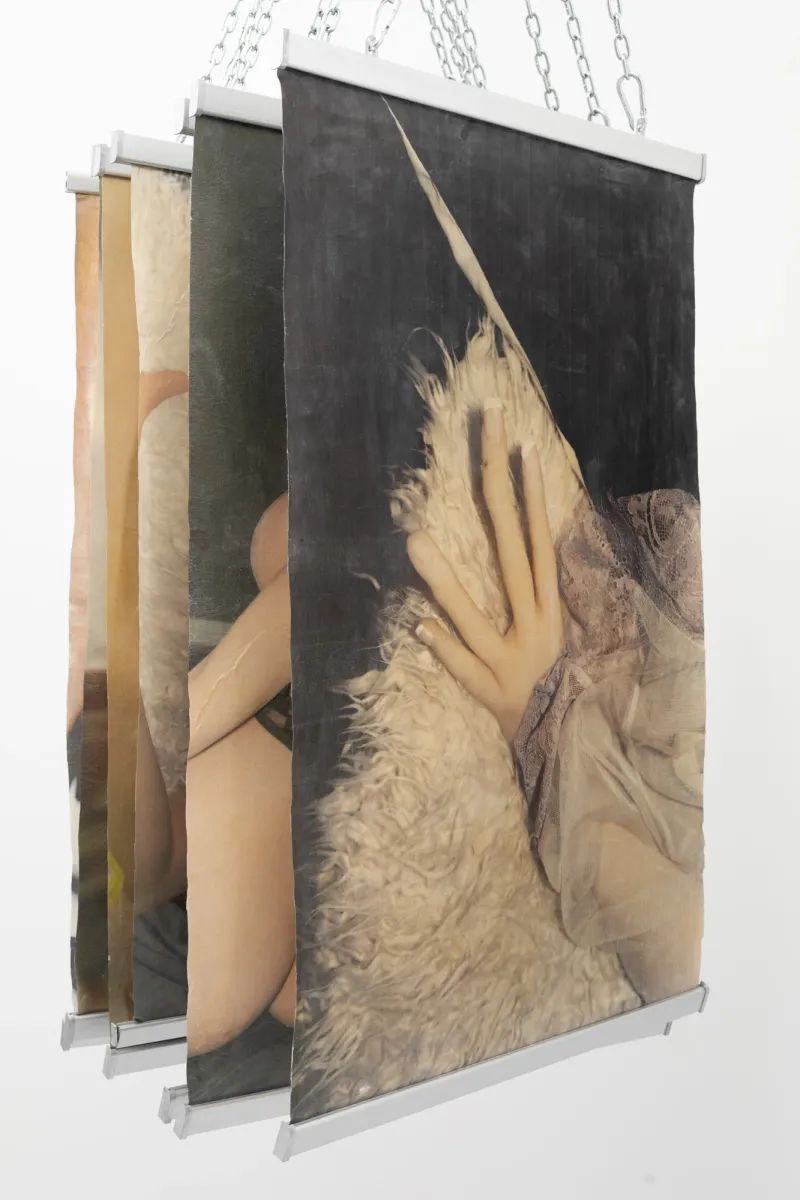
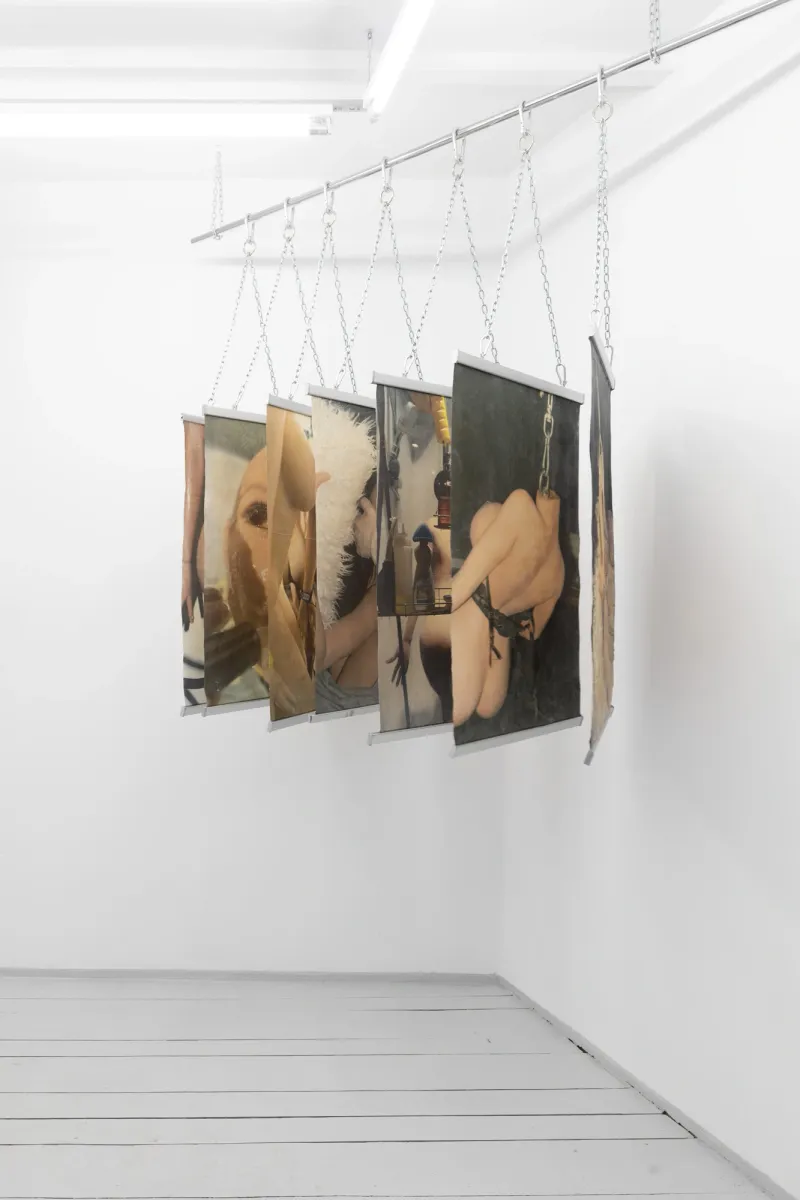
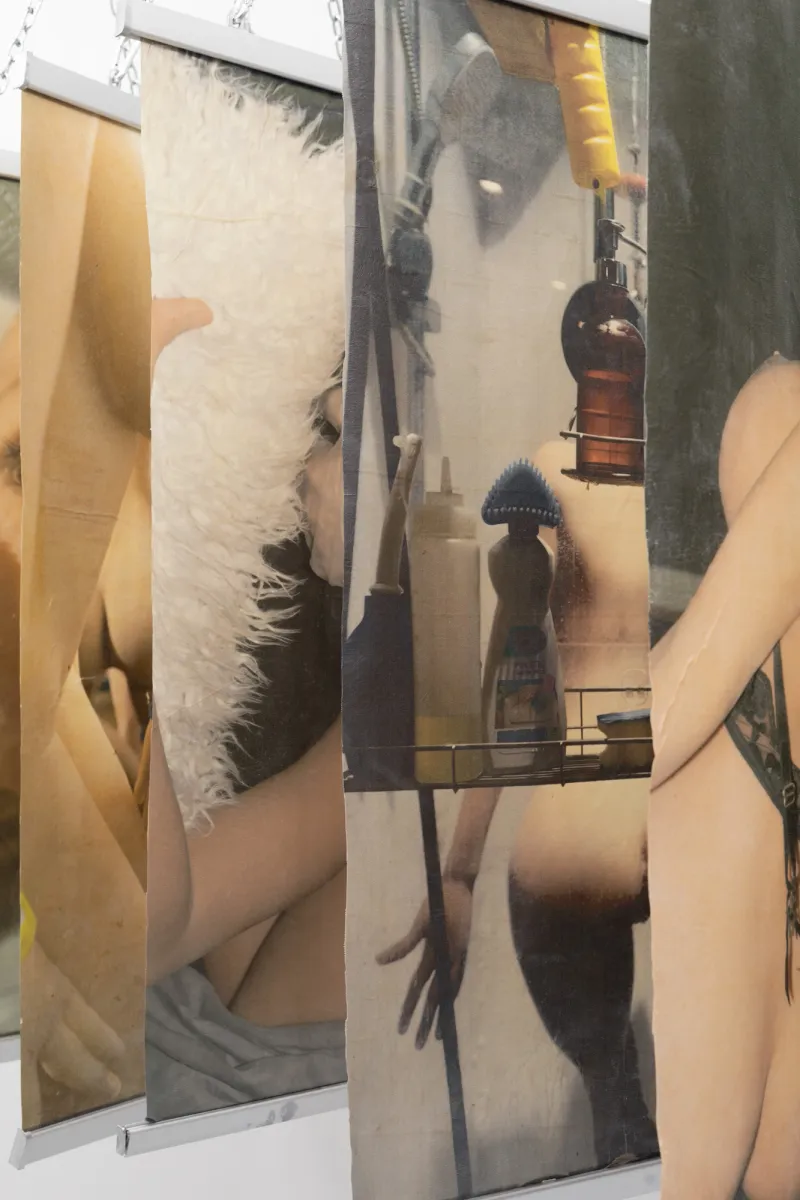
Poznań / 2026
.webp)
.webp)
.webp)
.webp)
.webp)
.webp)
.webp)
.webp)
Vienna / 2026
Berlin / 2026
Munich / 2026
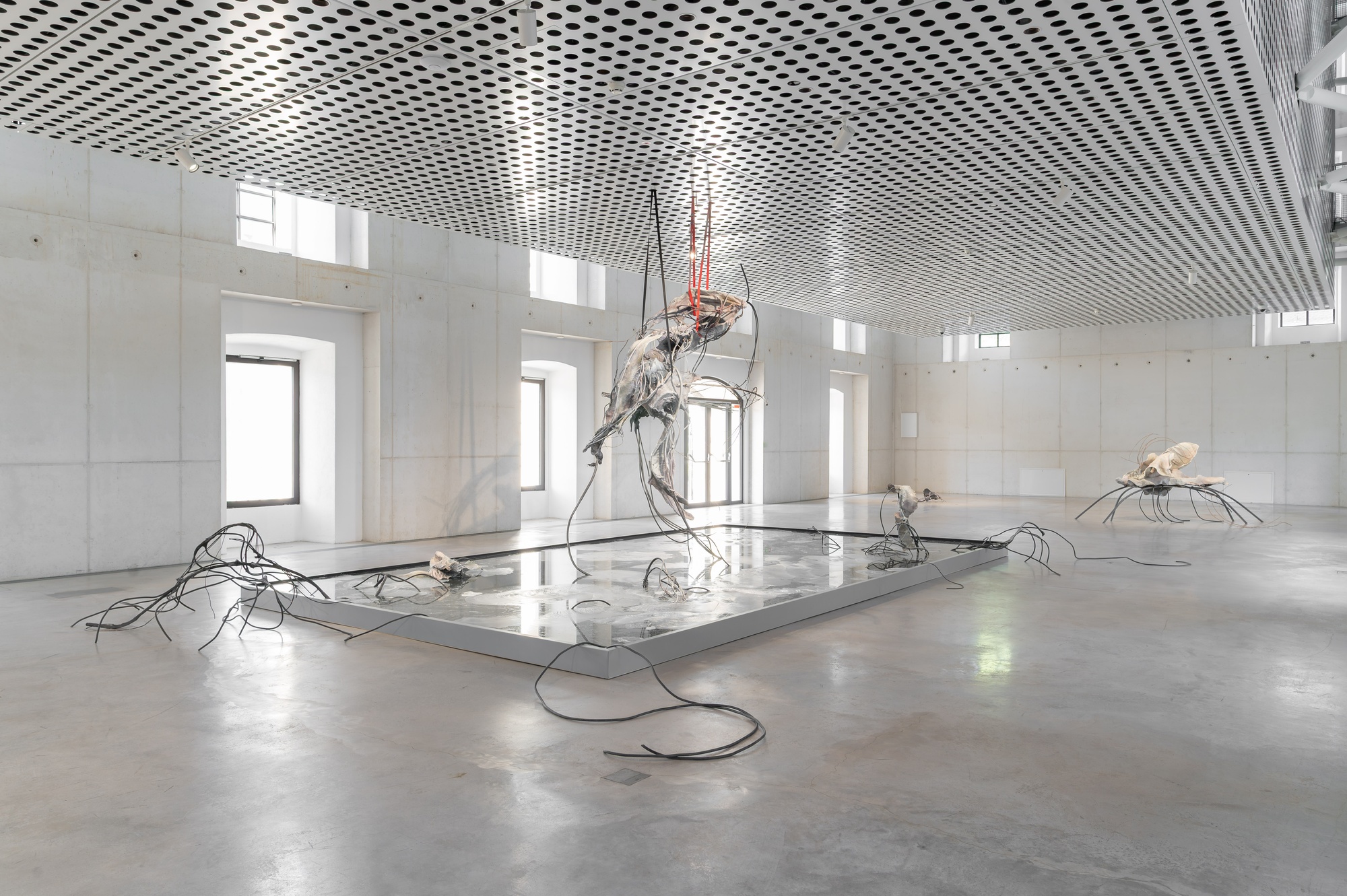
Ljubljana / 2026
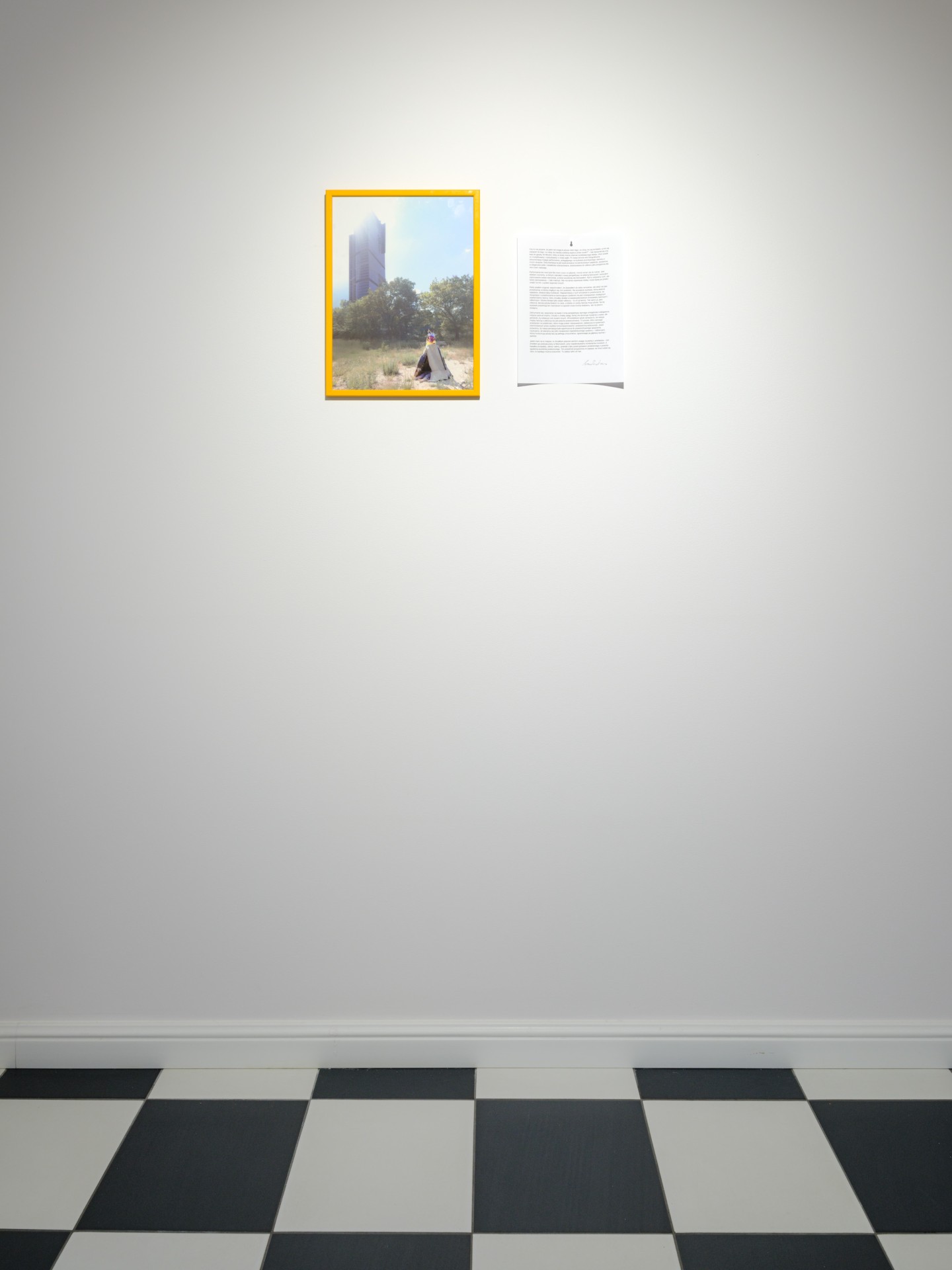
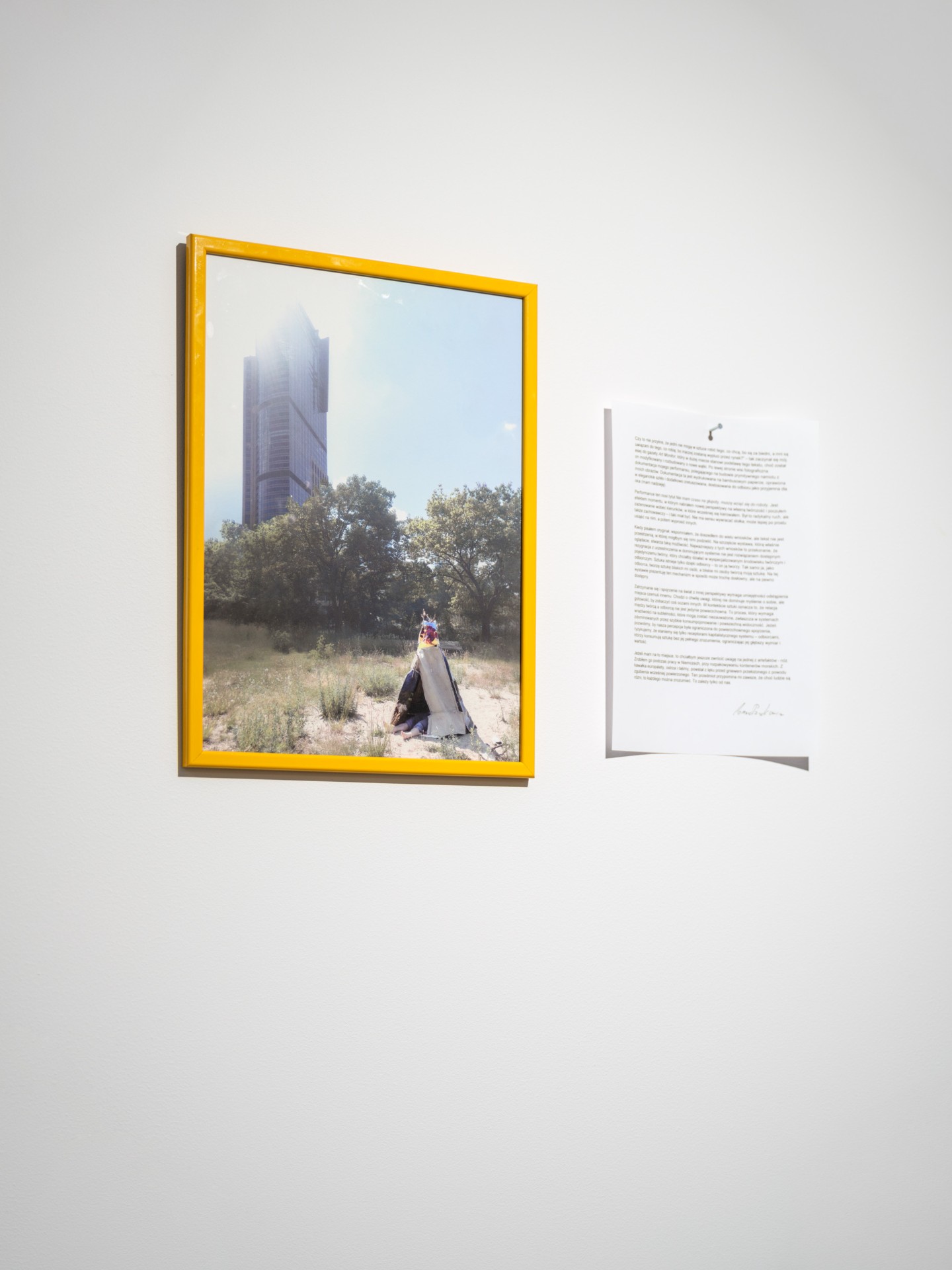
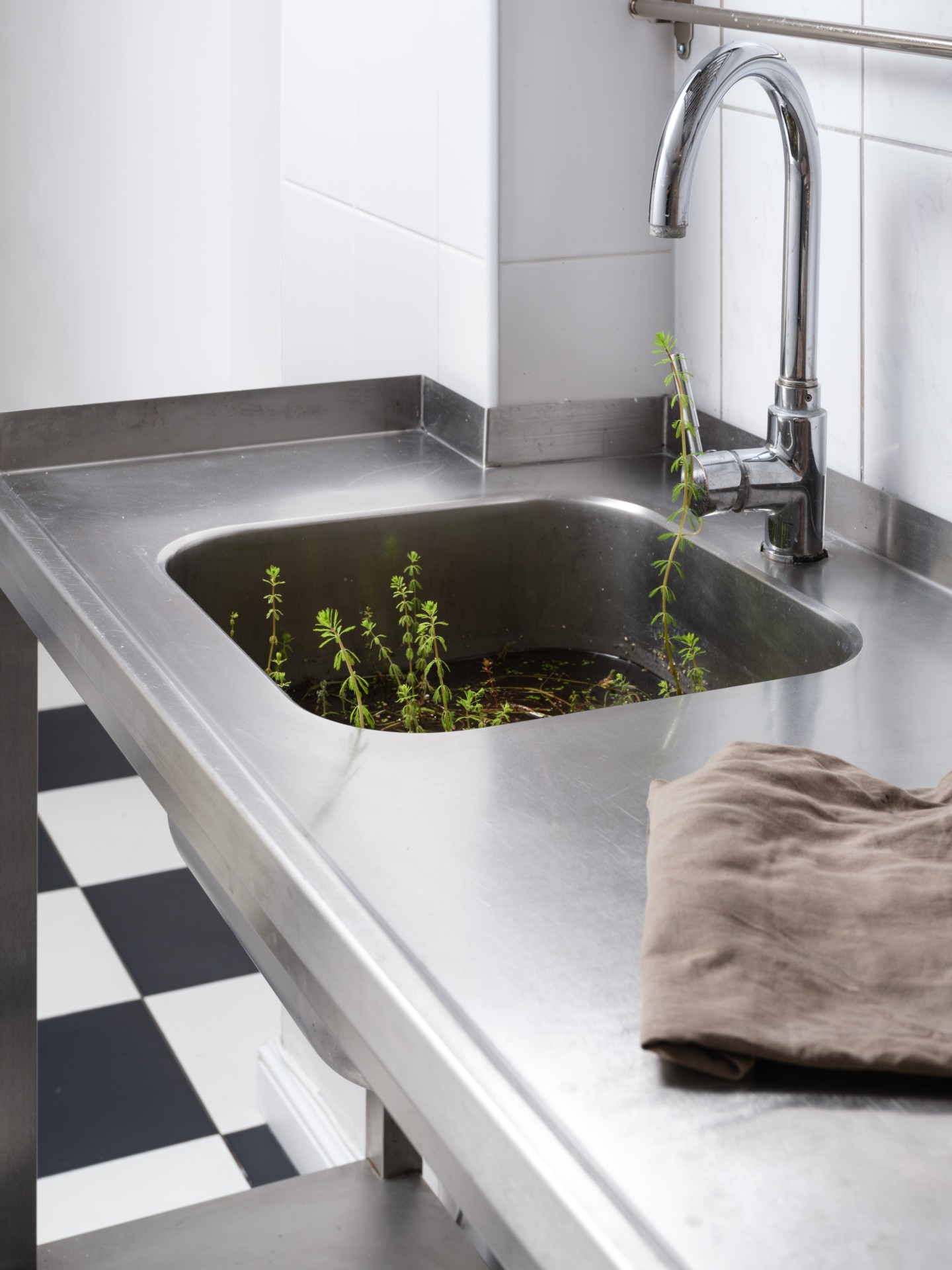
Warsaw / 2024-2025
London / 2025
Brescia / 2025-2026
/ 2024
/photo_1_2026-05-24_00-50-58.jpg)
/ 2023
/photo_1_2026-05-24_00-47-49.jpg)
Berlin / 2023
London / 2024
/photo_1_2026-05-24_00-41-28.jpg)
Berlin / 2025
Barcelona / 2024-2025
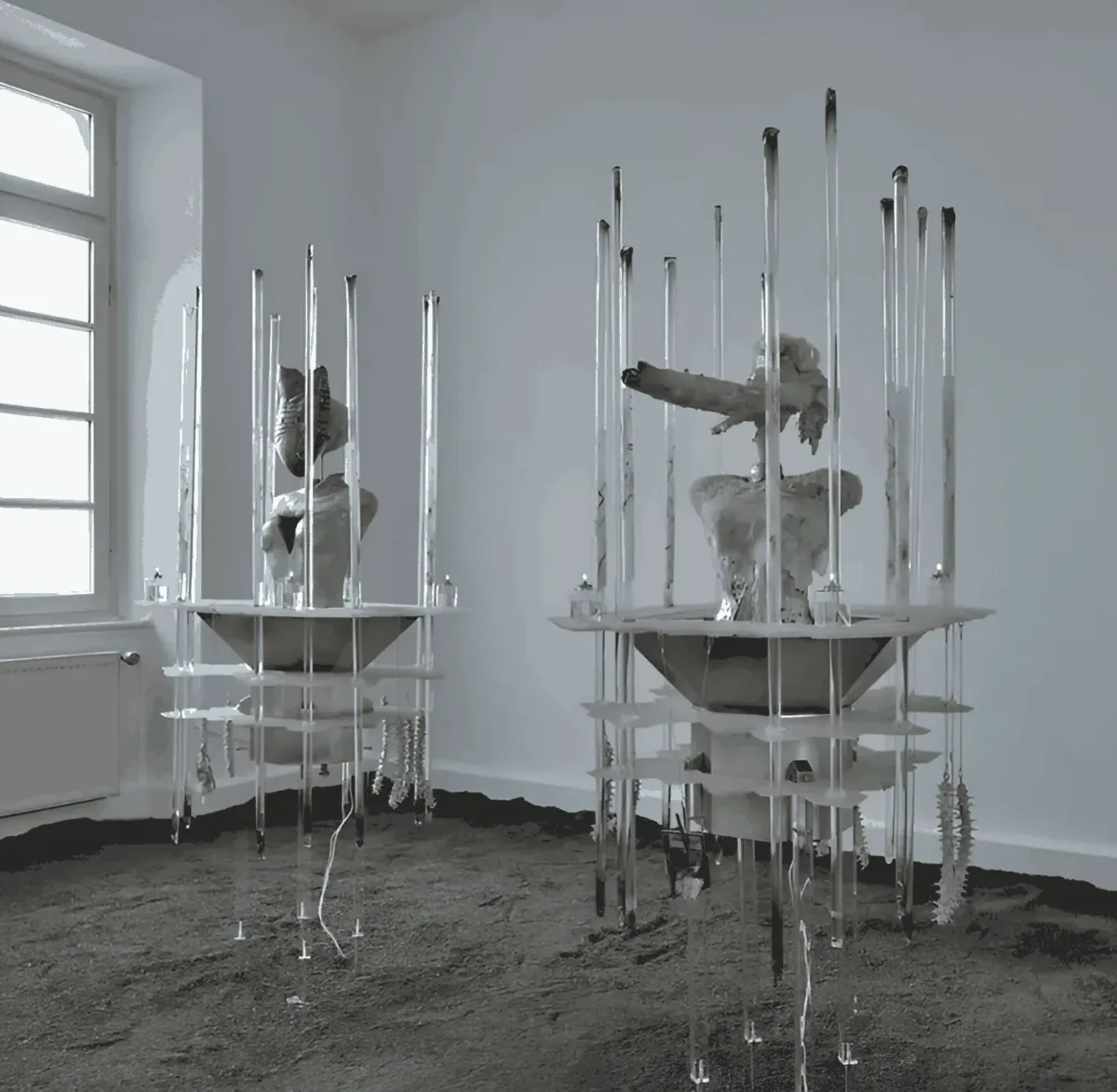
Arnsberg / 2025
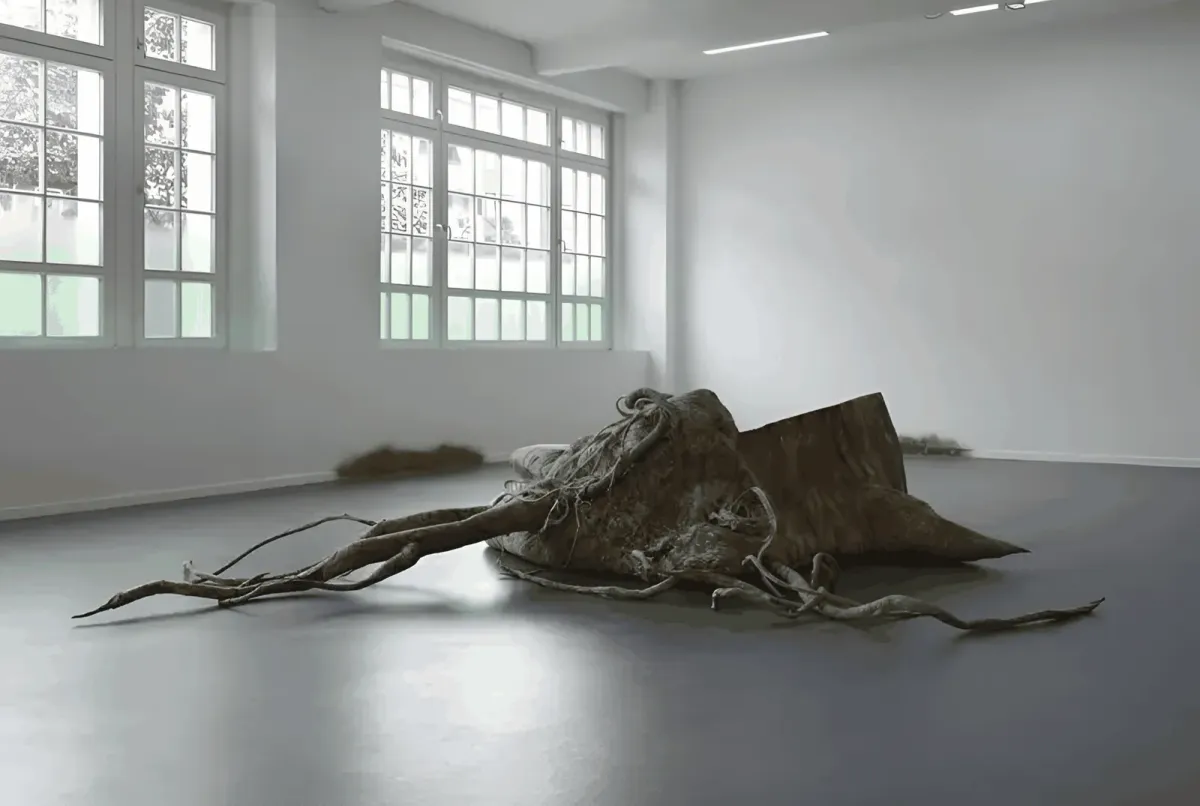
Berlin / 2025
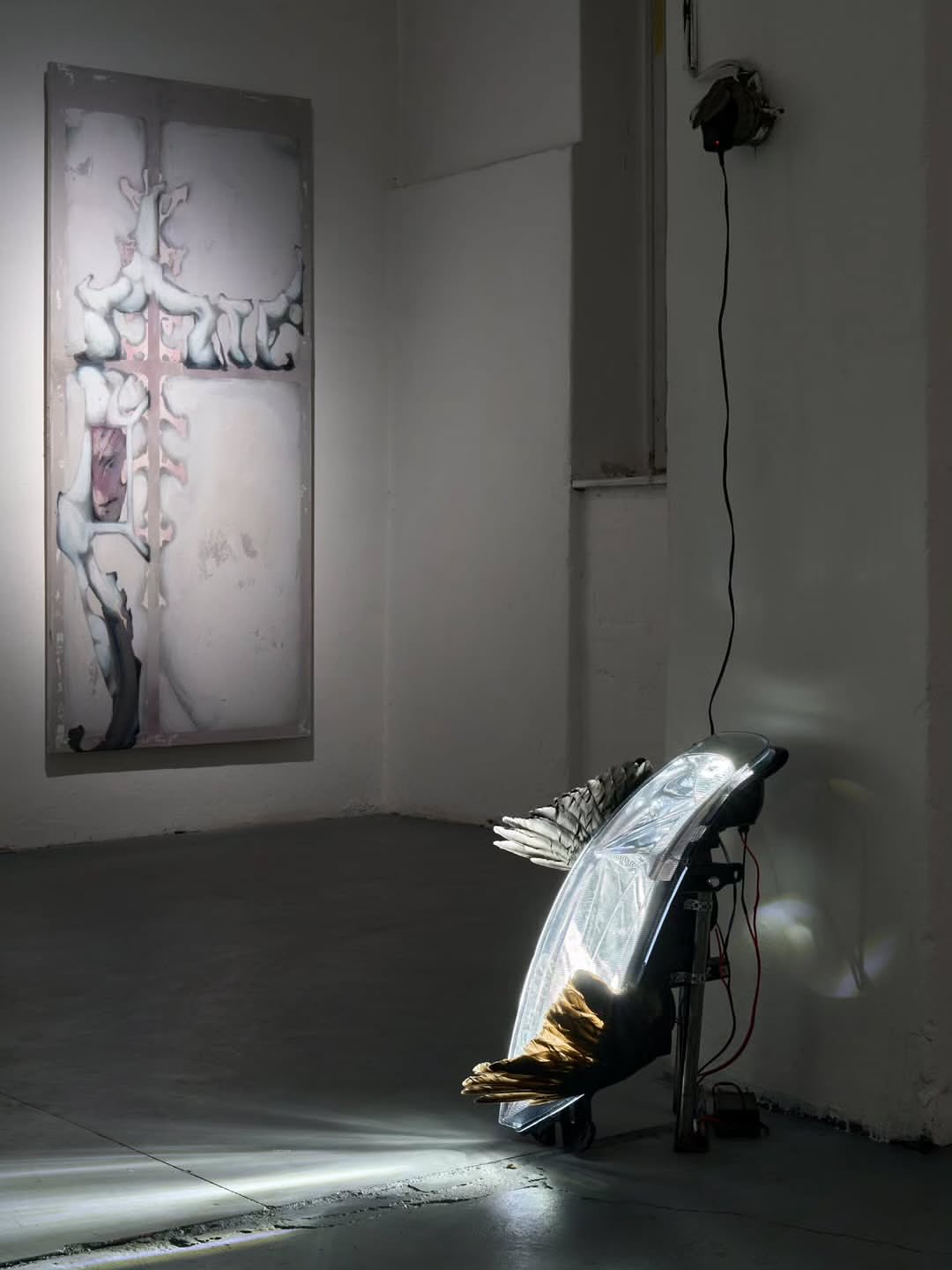
Prague / 2025
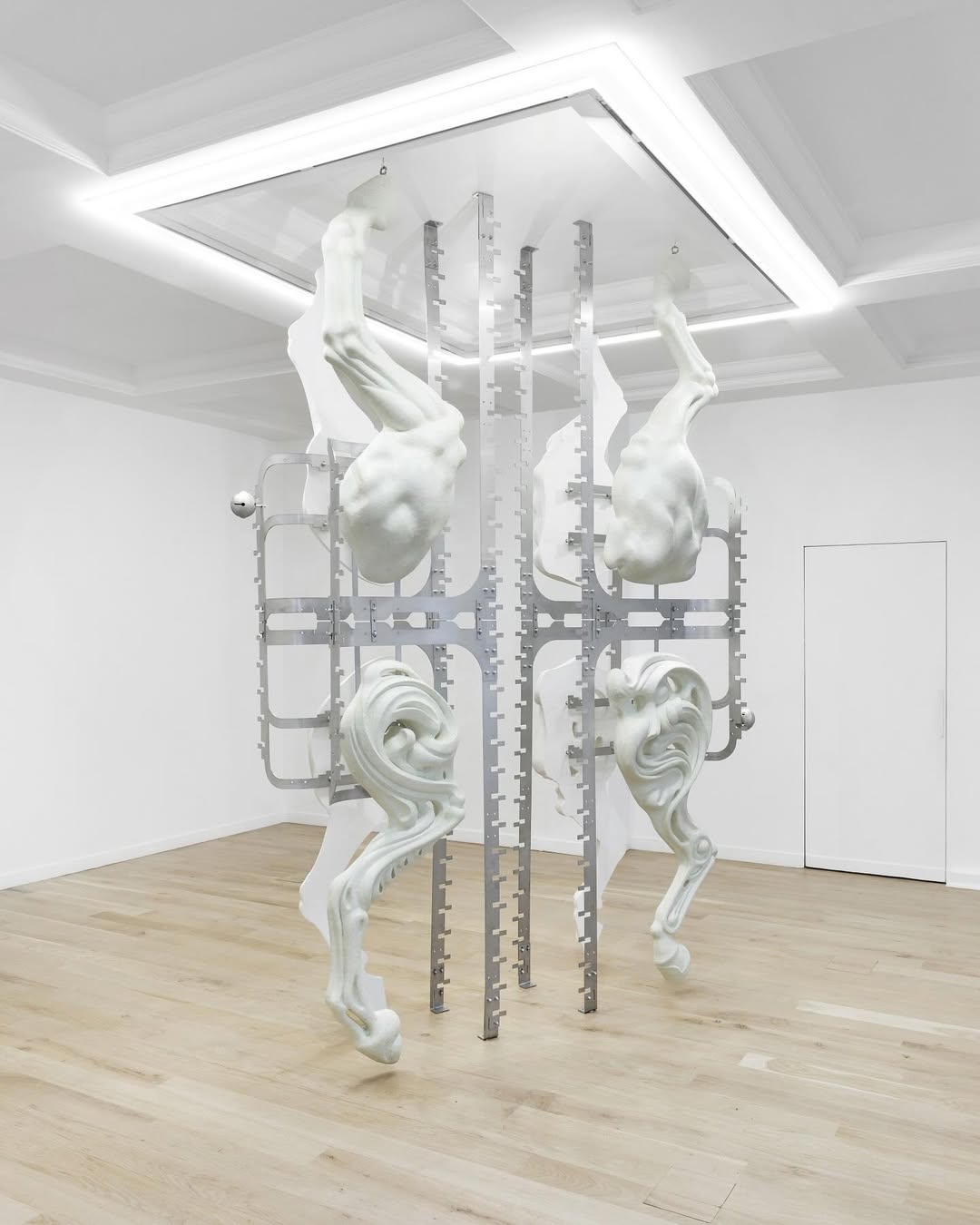
Paris / 2025
/photo_1_2026-05-23_19-24-35.jpg)
London / 2025
/photo_1_2026-05-23_19-20-38.jpg)
Seoul / 2026
Dortmund / 2026

Dornbirn / 2026
Lisbon / 2026
Paris / 2026
Paris / 2025
Seoul / 2025
Lladó / 2026
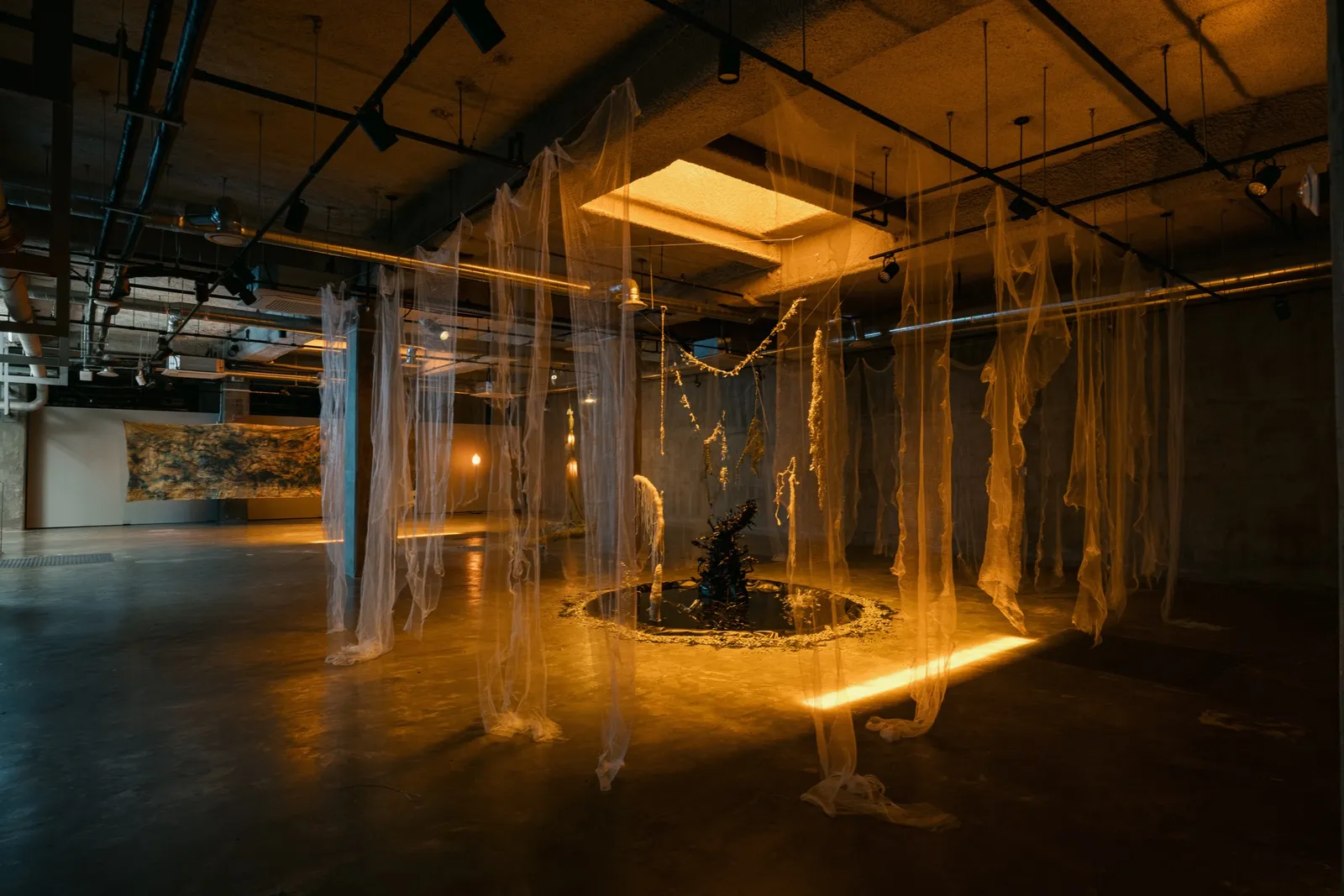
Suwon / 2026
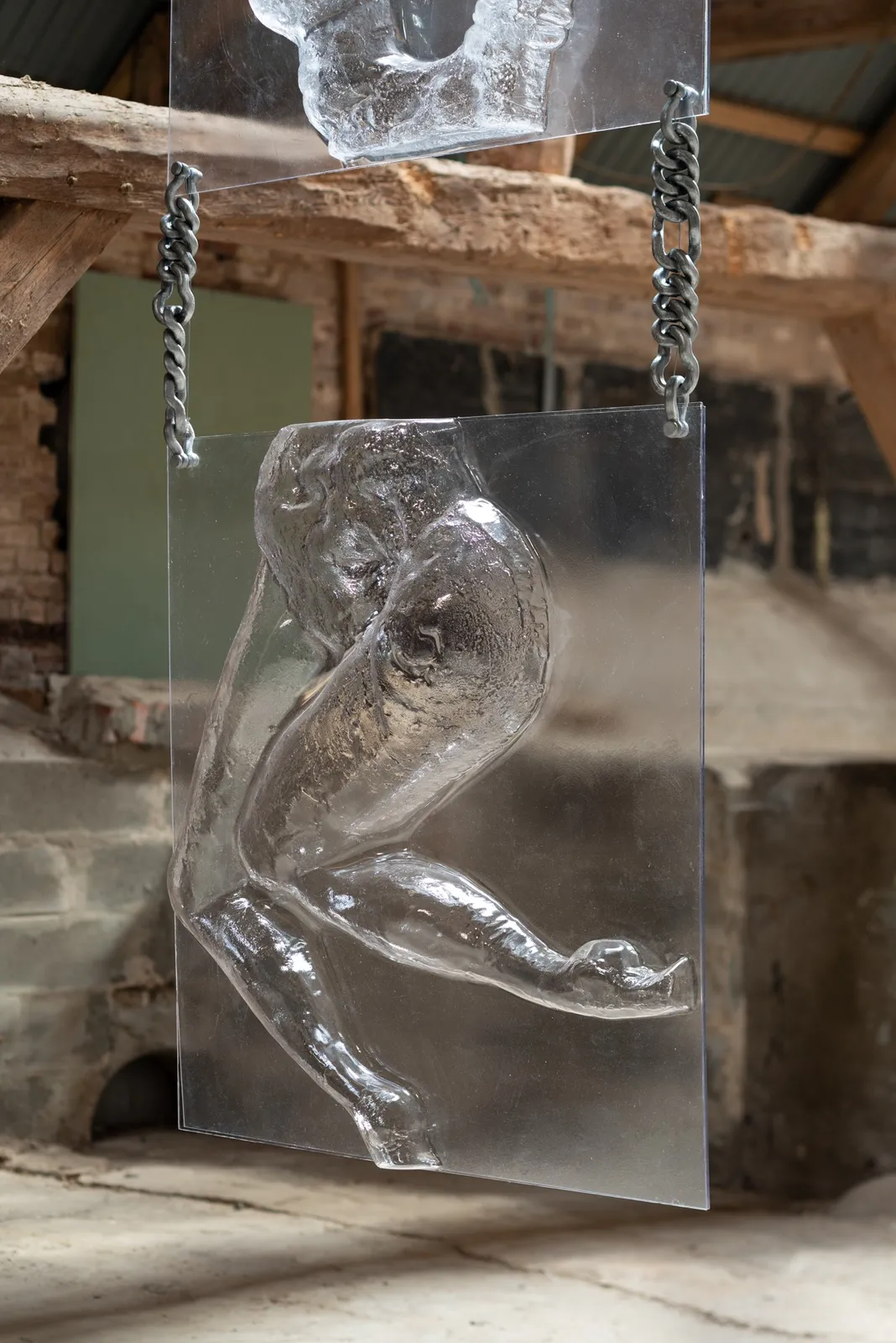
Hurup / 2026
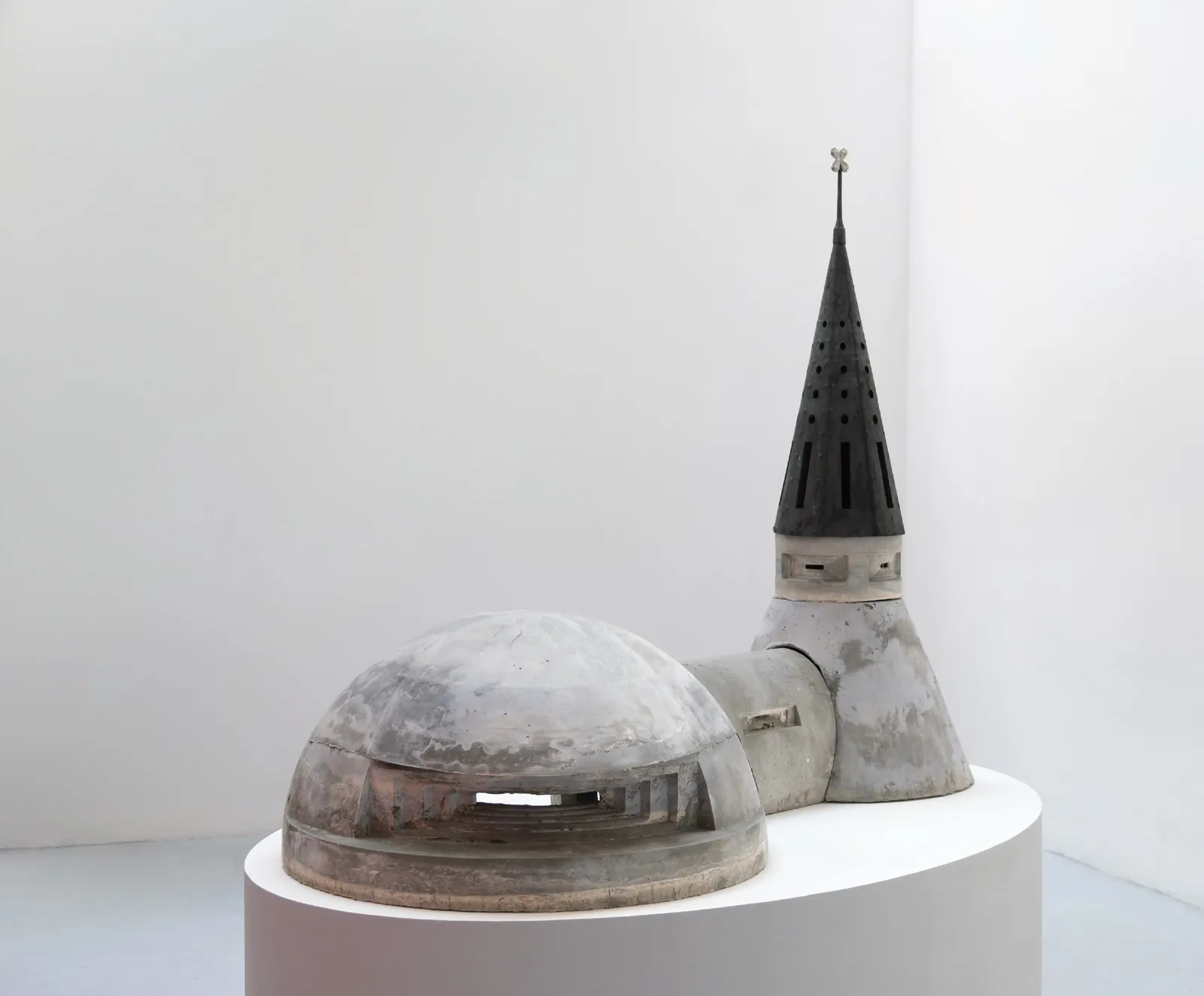
/ 2026
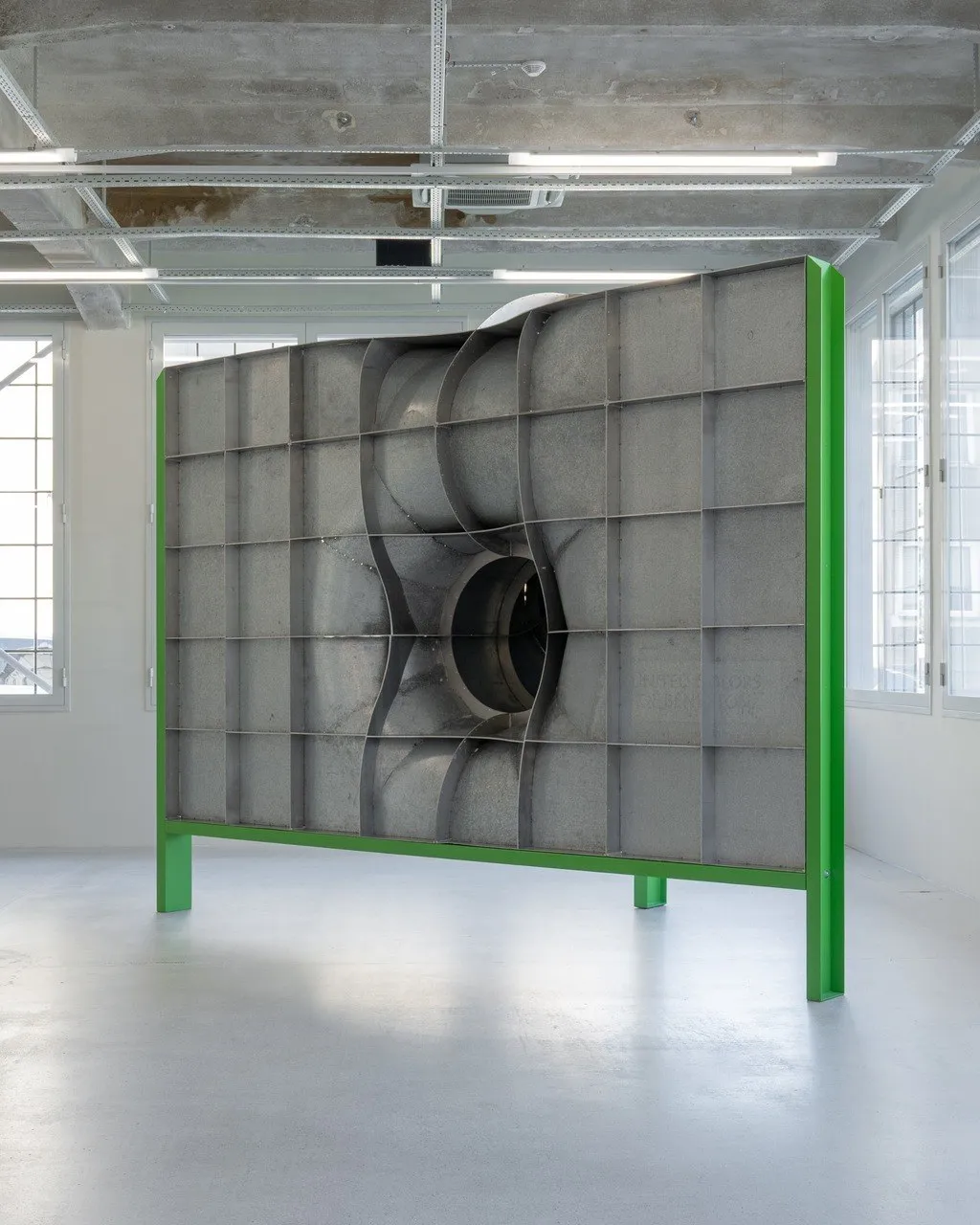
Olomouc / 2026
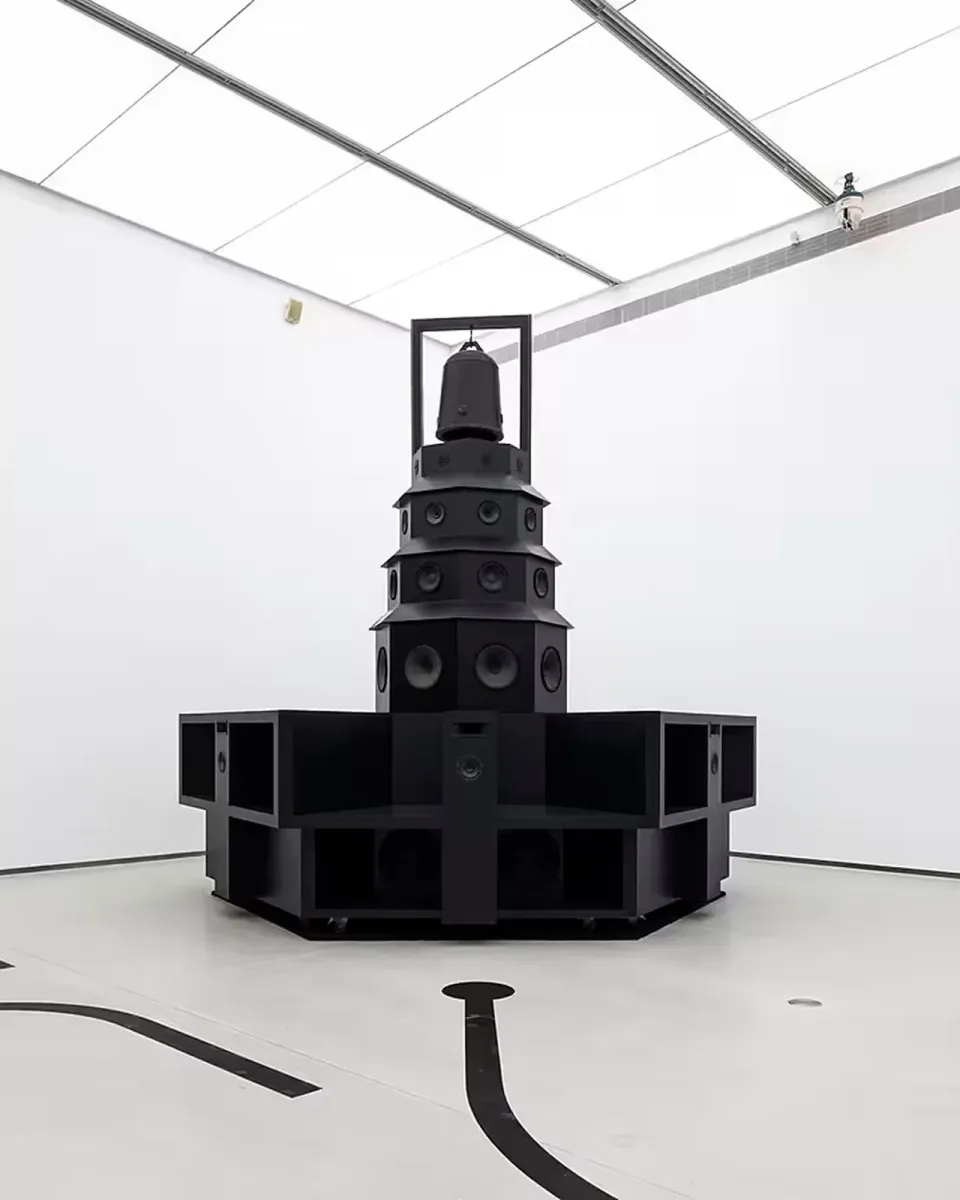
Shanghai / 2026
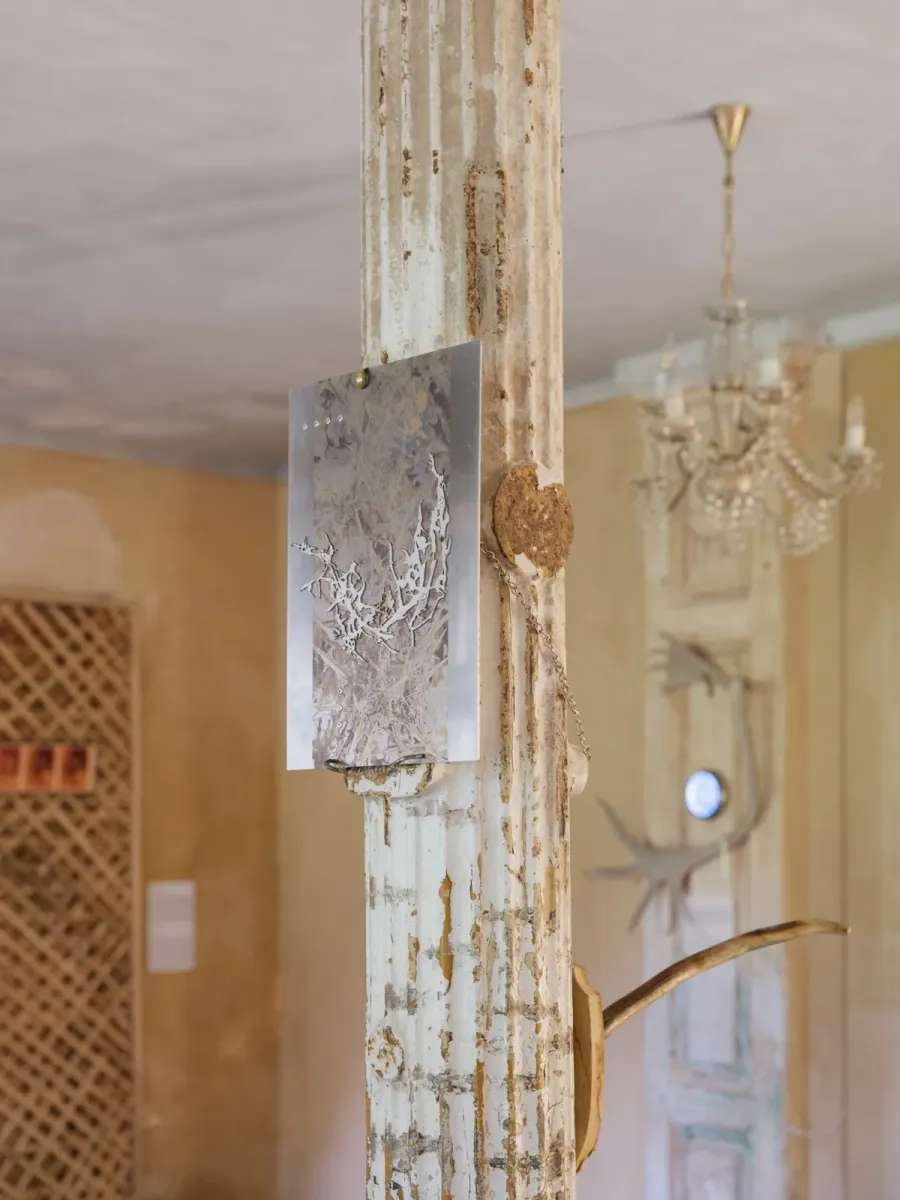
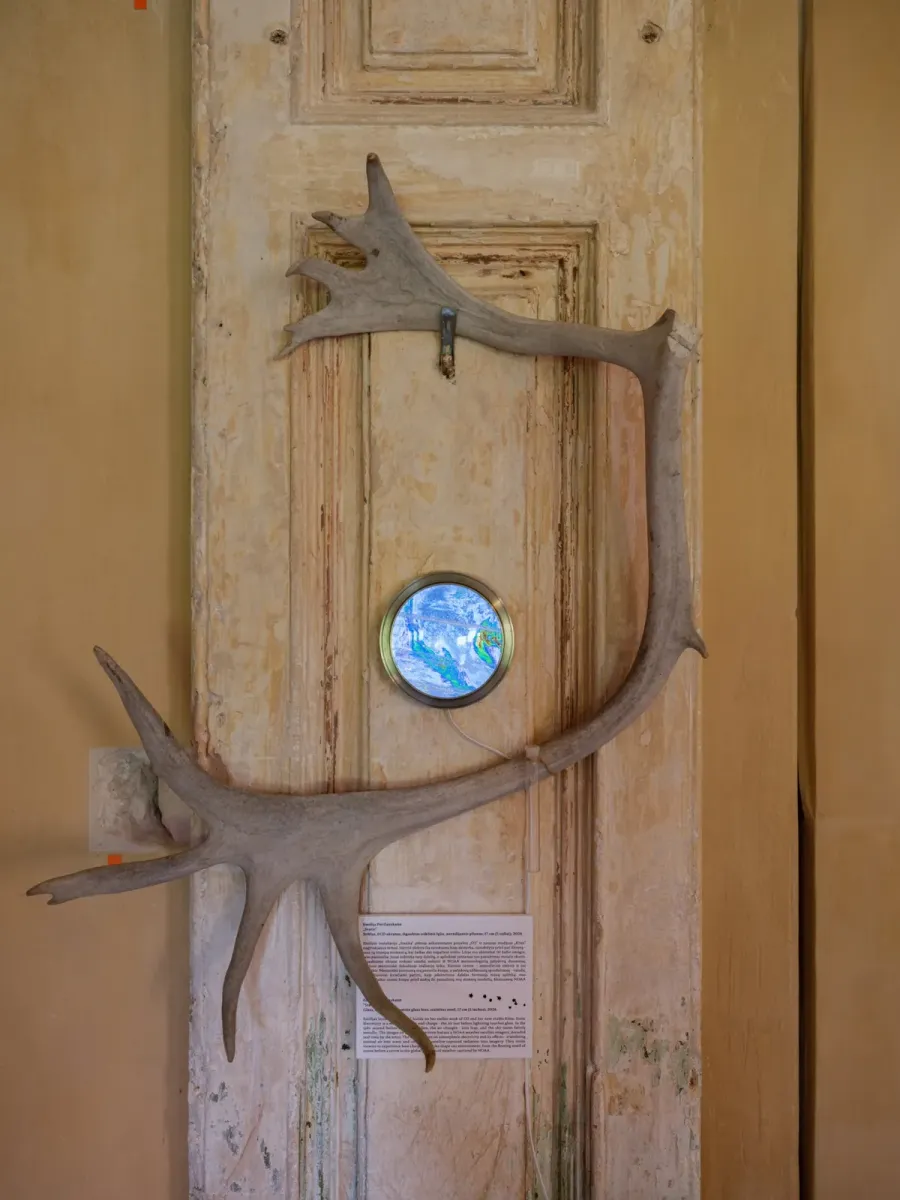
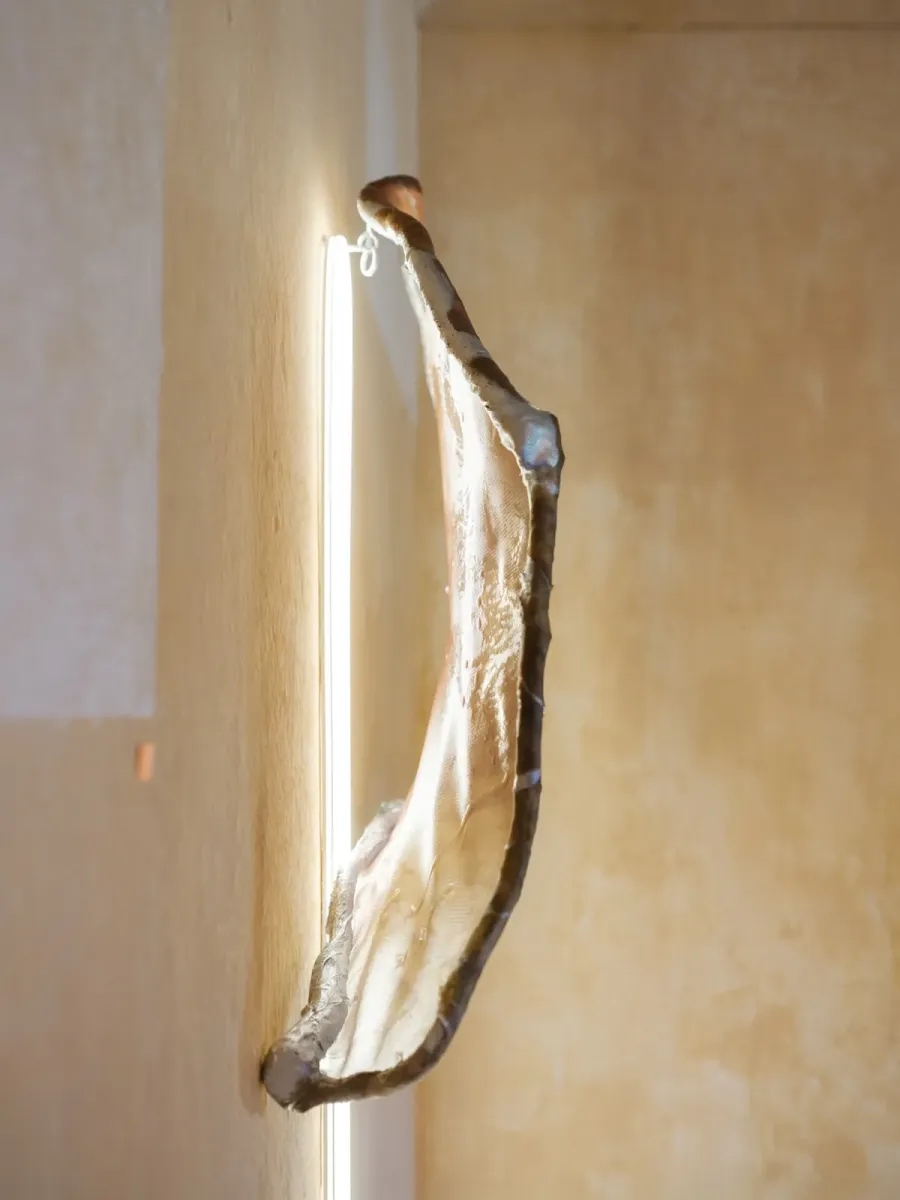
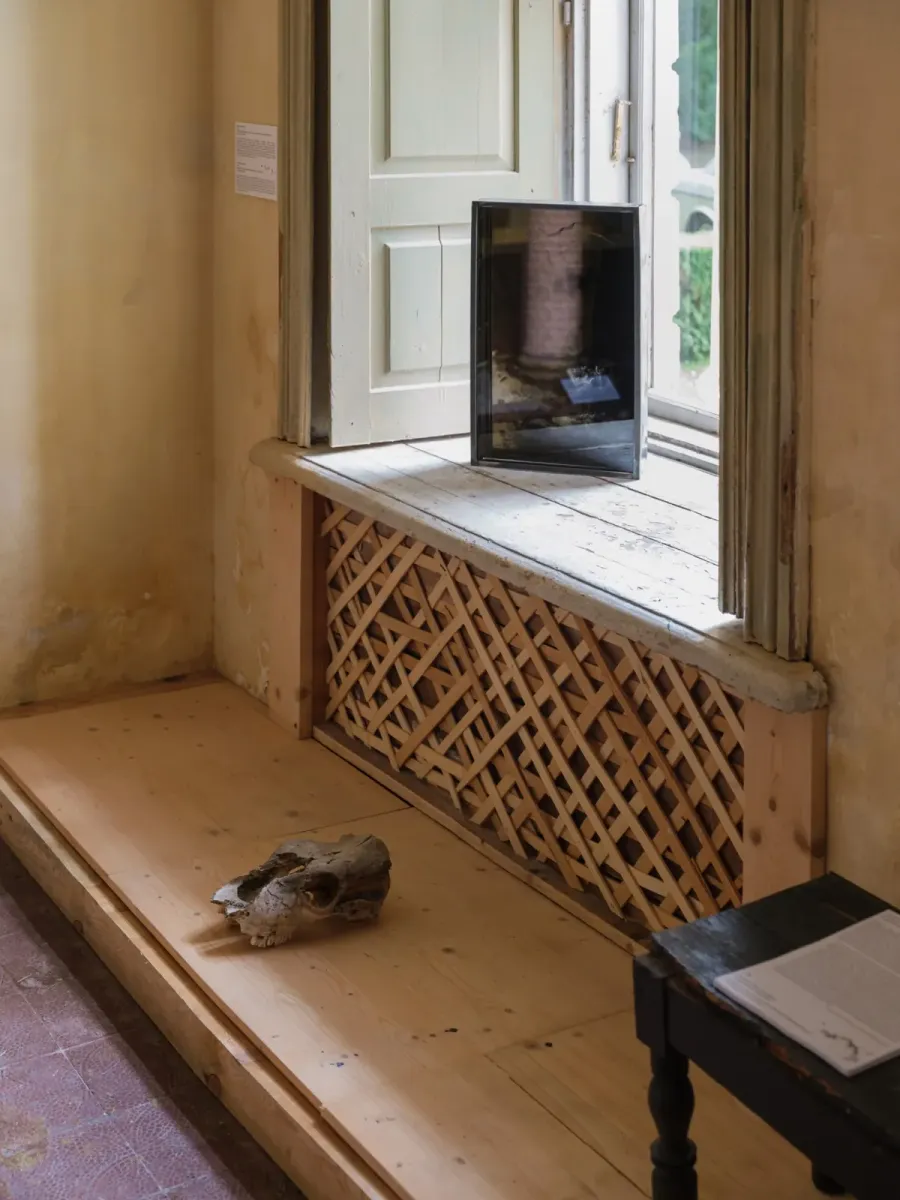
Vilnius District Municipality / 2026
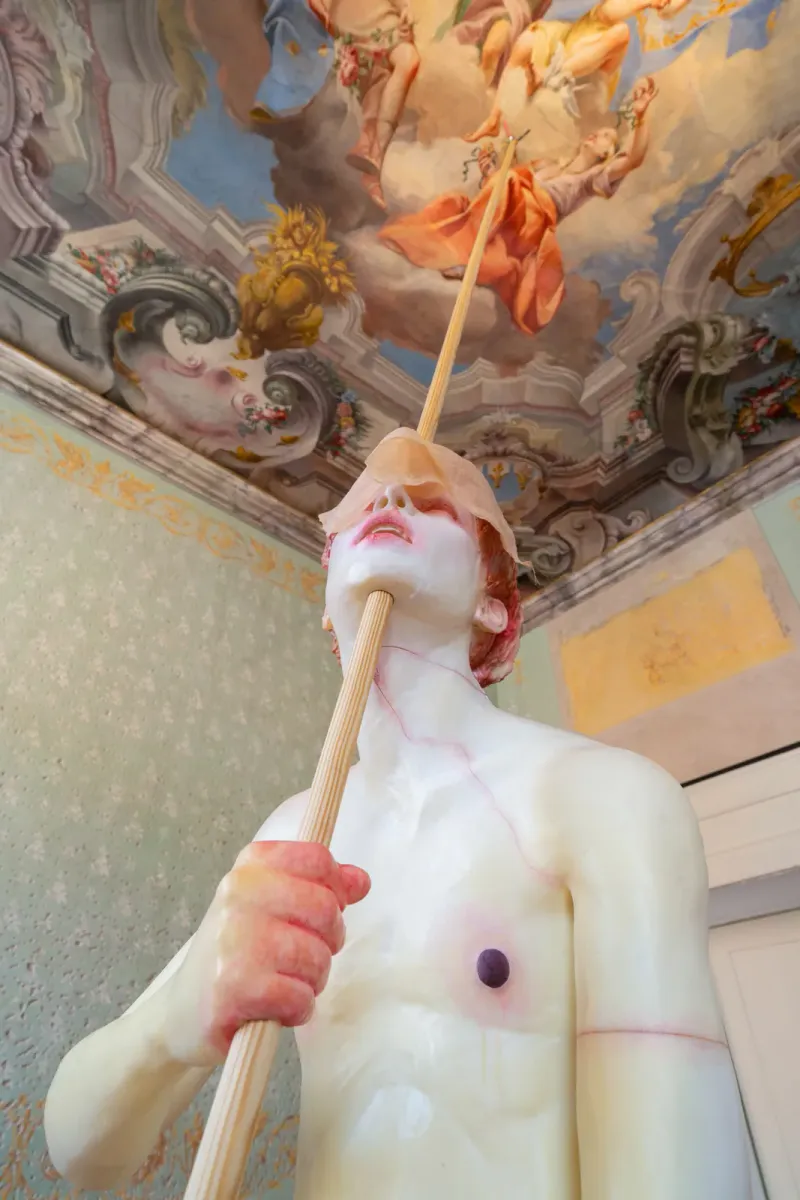
Brescia / 2026
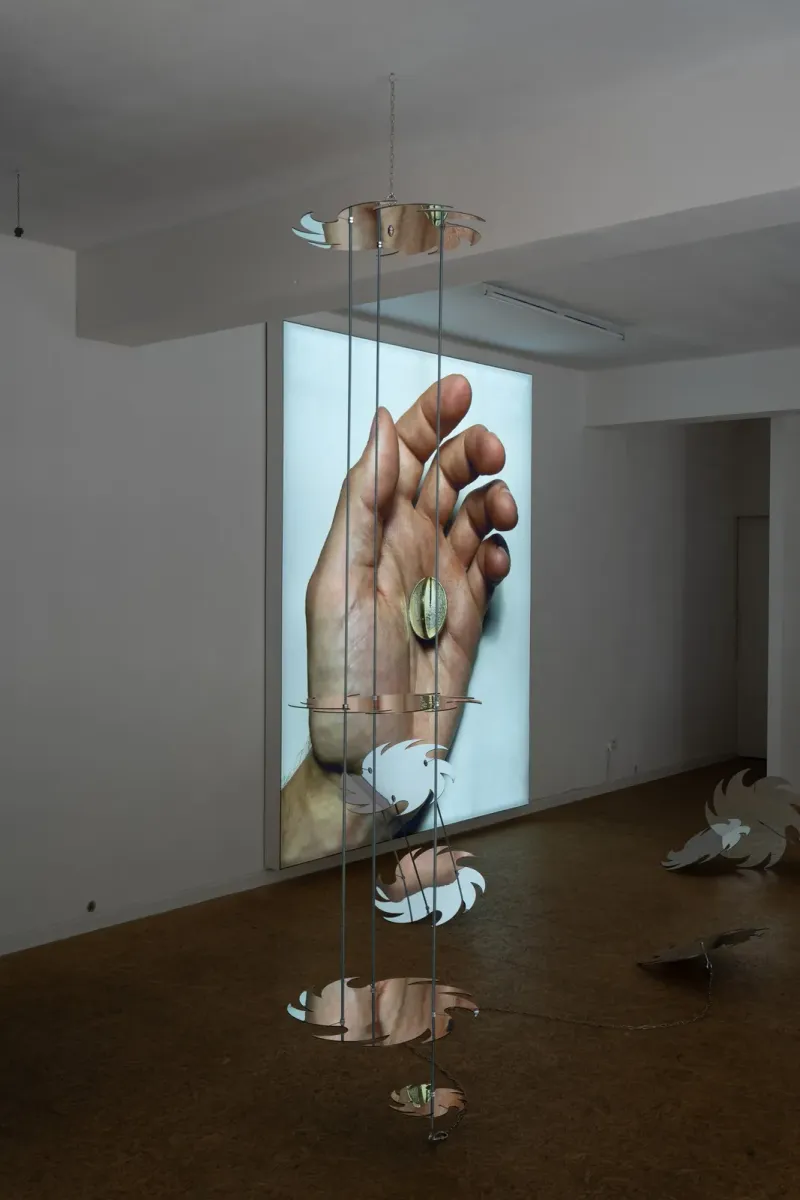
Poznań / 2026
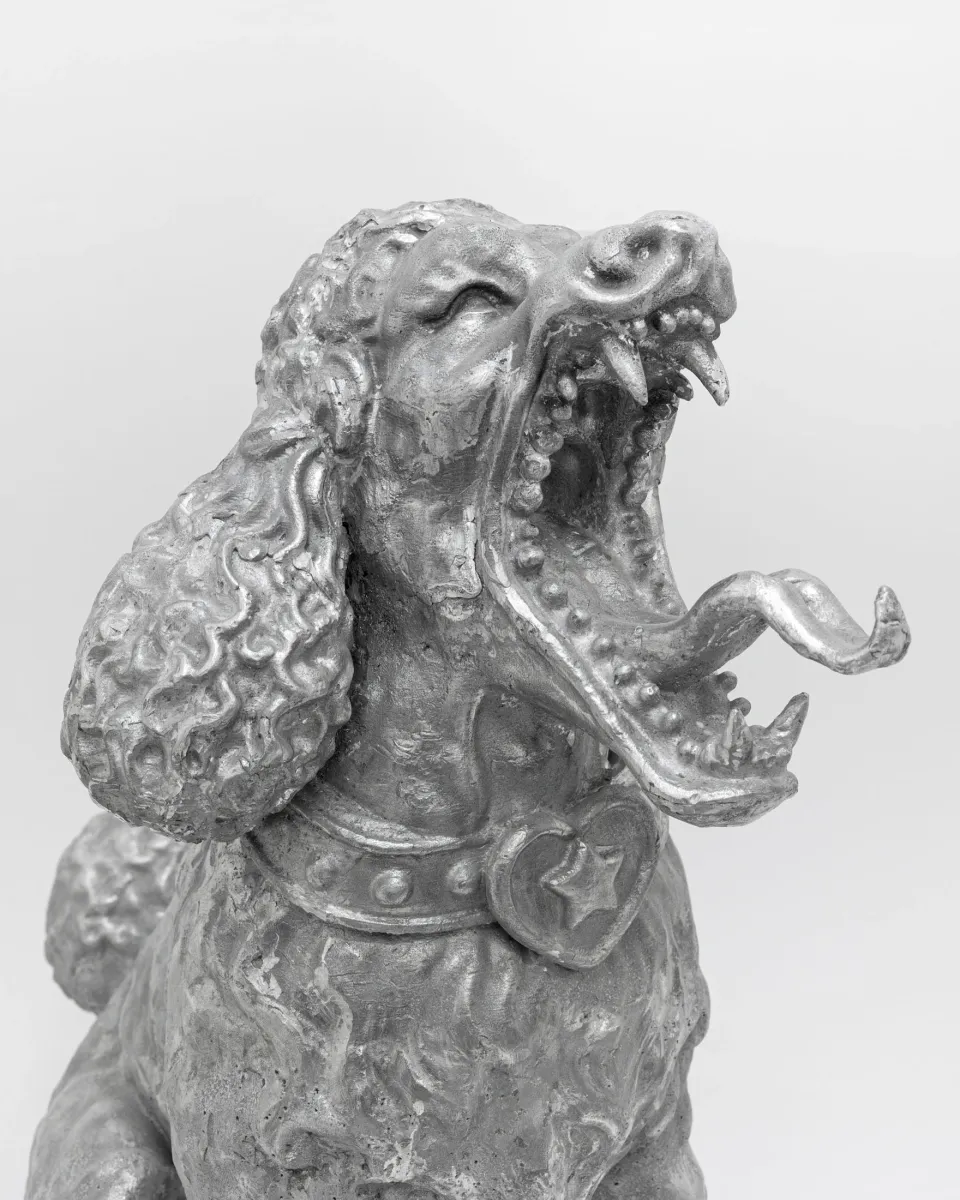
Lima / 2026
Brussels / 2026
.webp)
Cergy / Paris / 2026
Istanbul / 2026
Düsseldorf / 2026
Montpellier / 2025
Brno / 2025
Lisbon / 2025
/ 2024
Shanghai / 2024
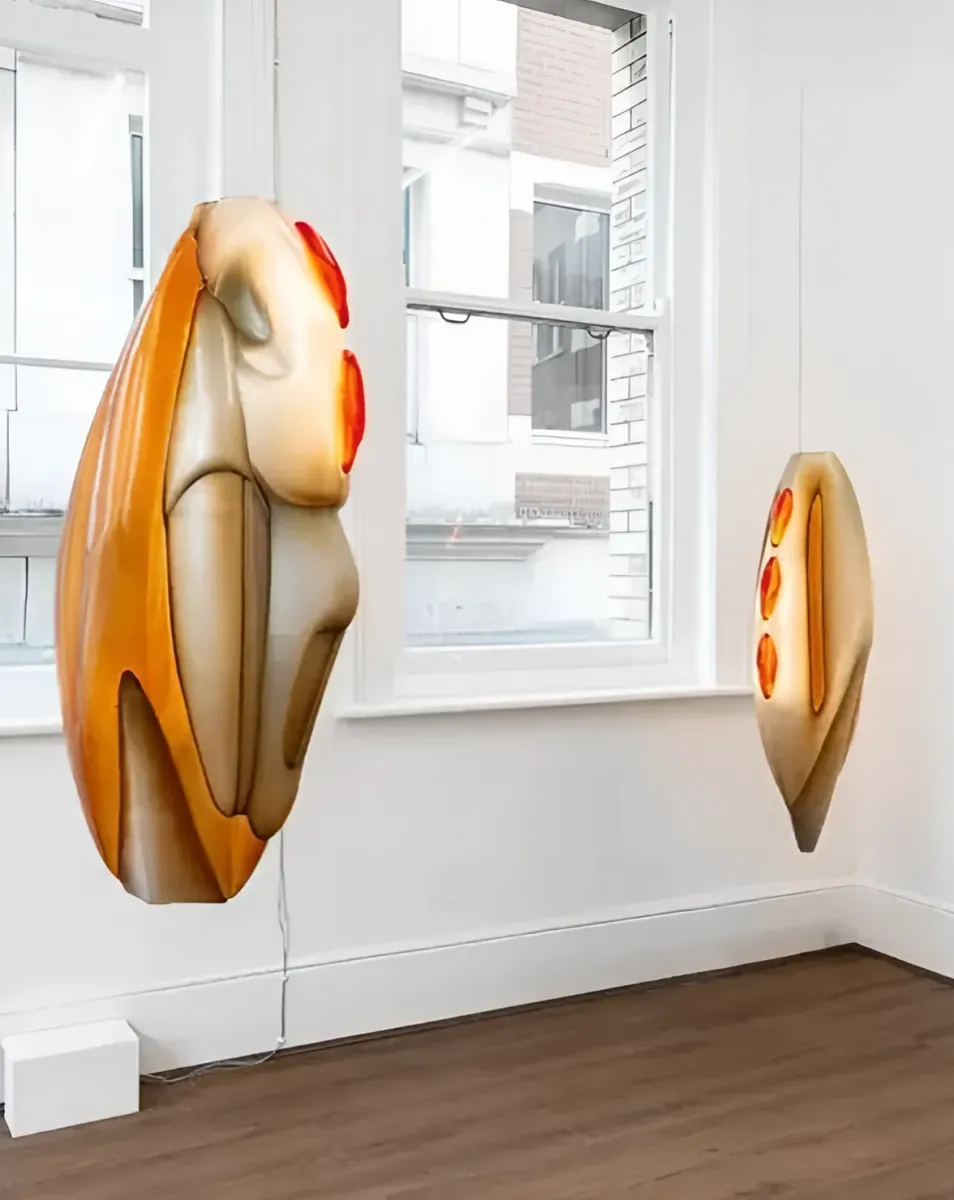
London / 2024
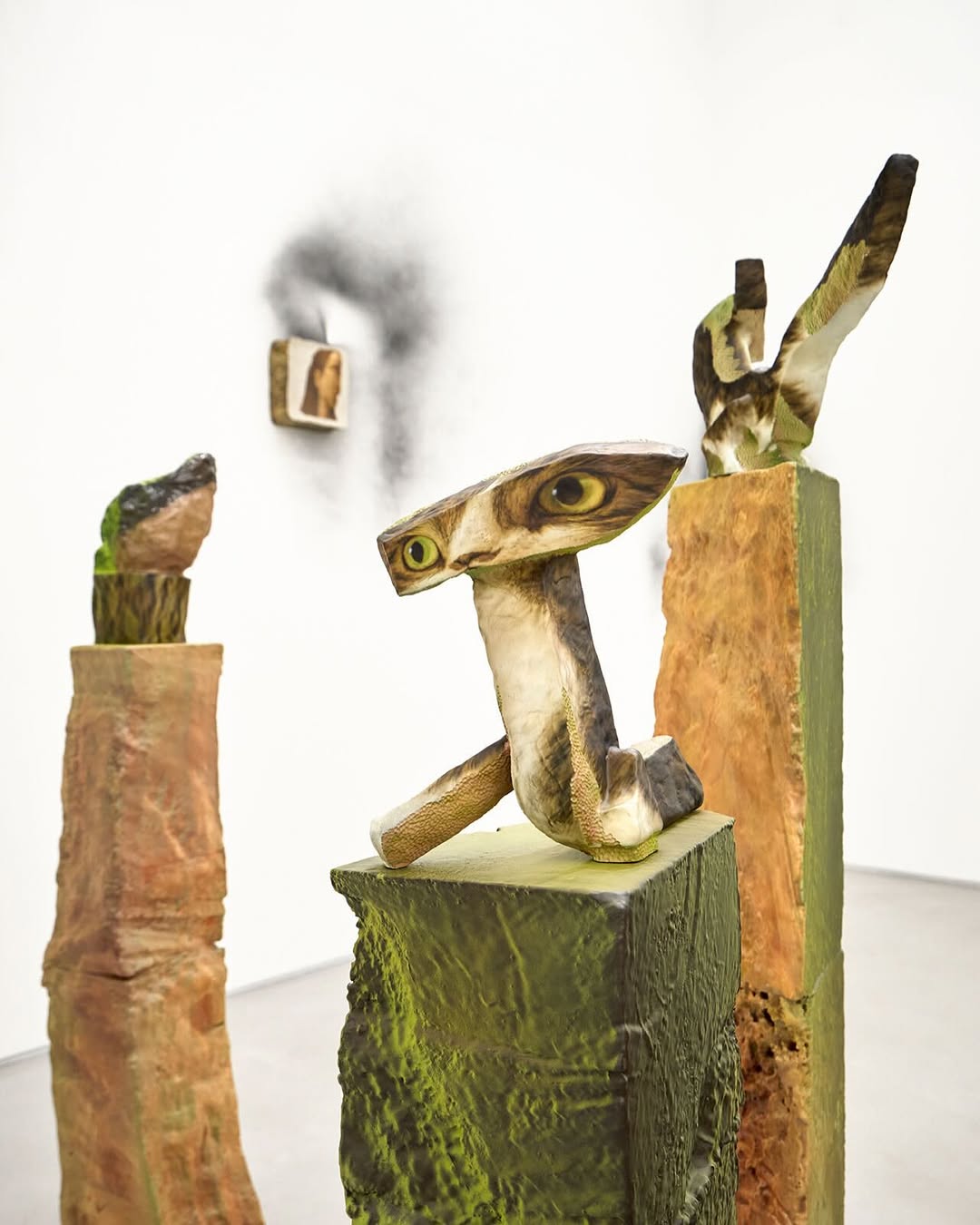
/ 2025
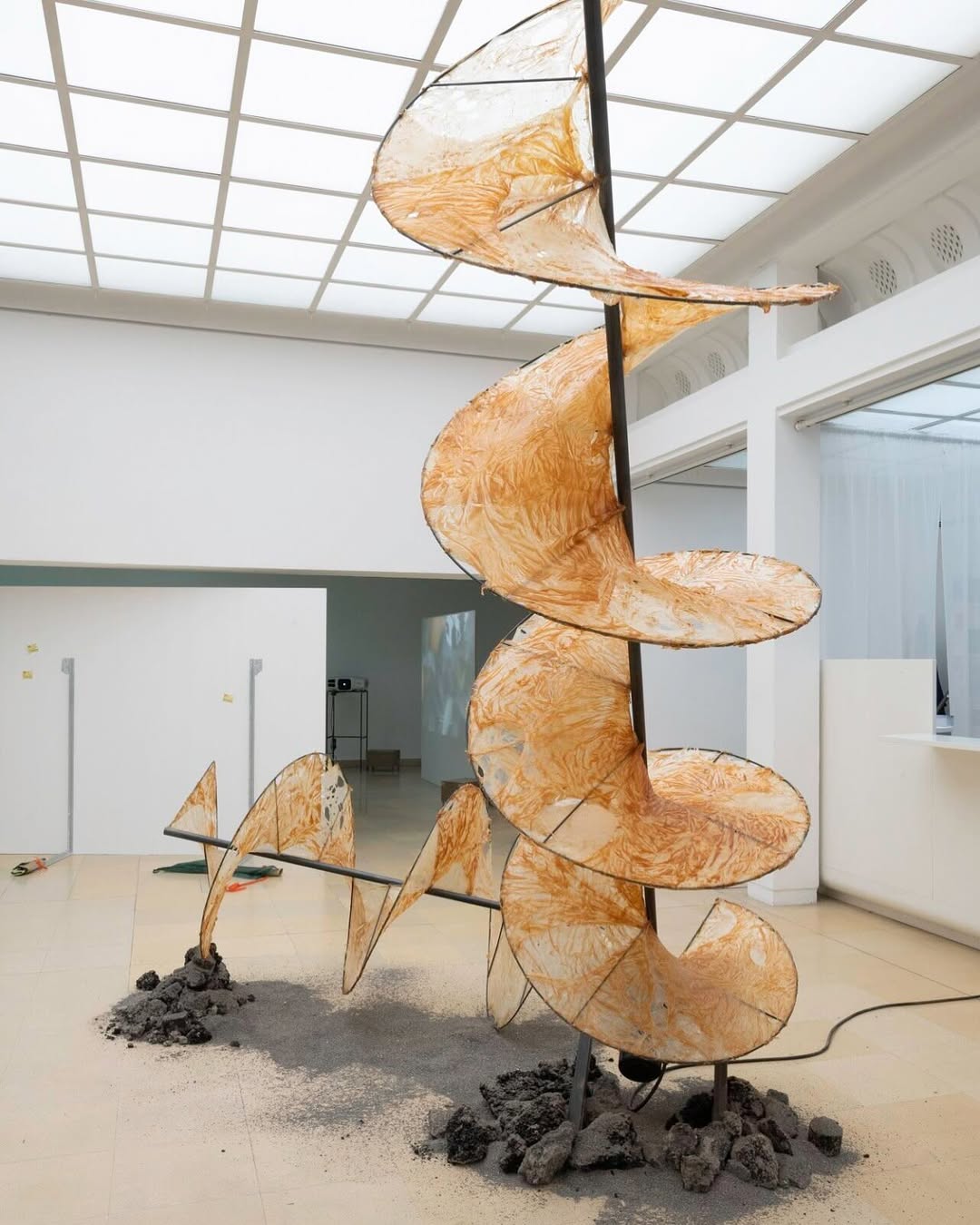
Innsbruck / 2025
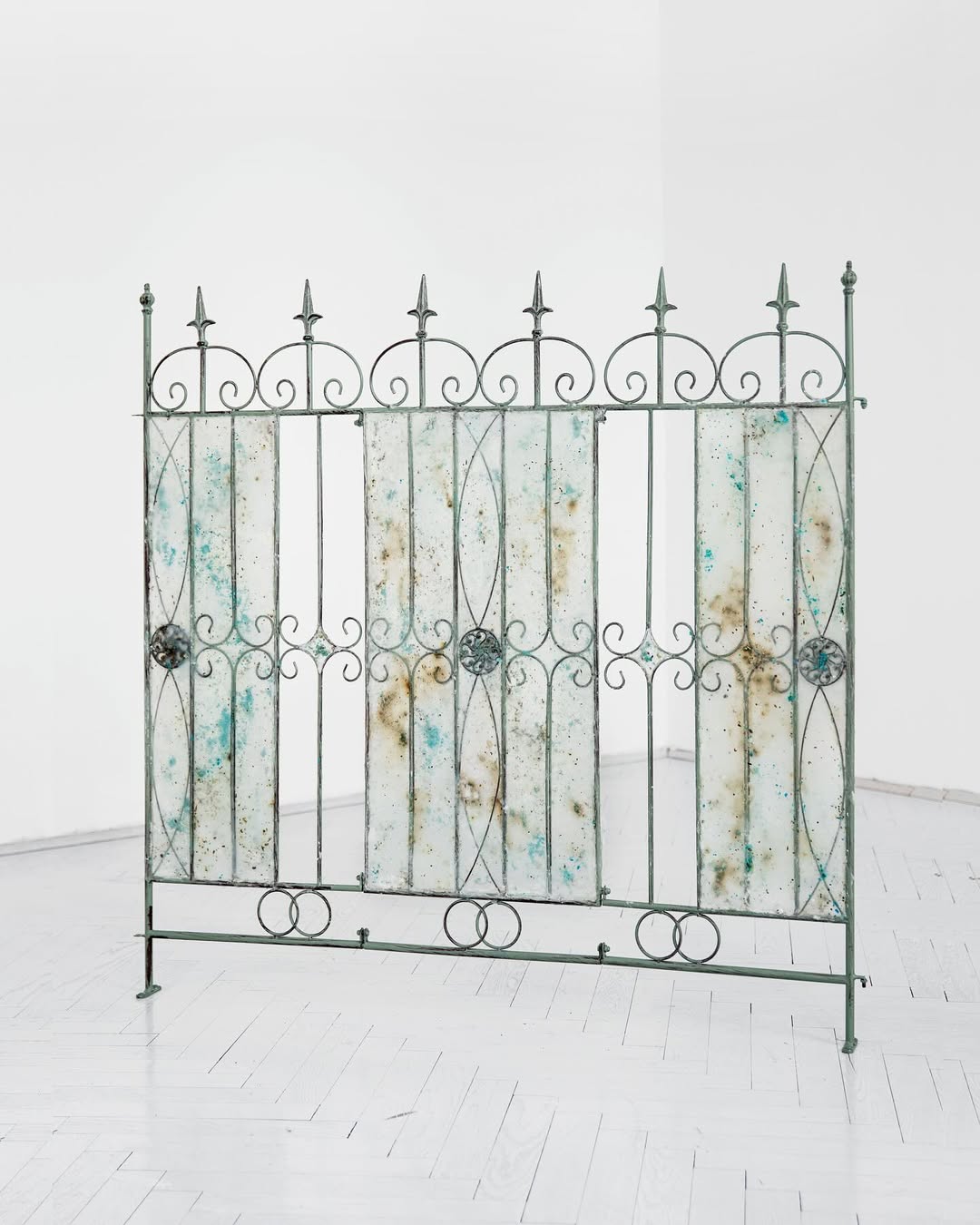
Vienna / 2025
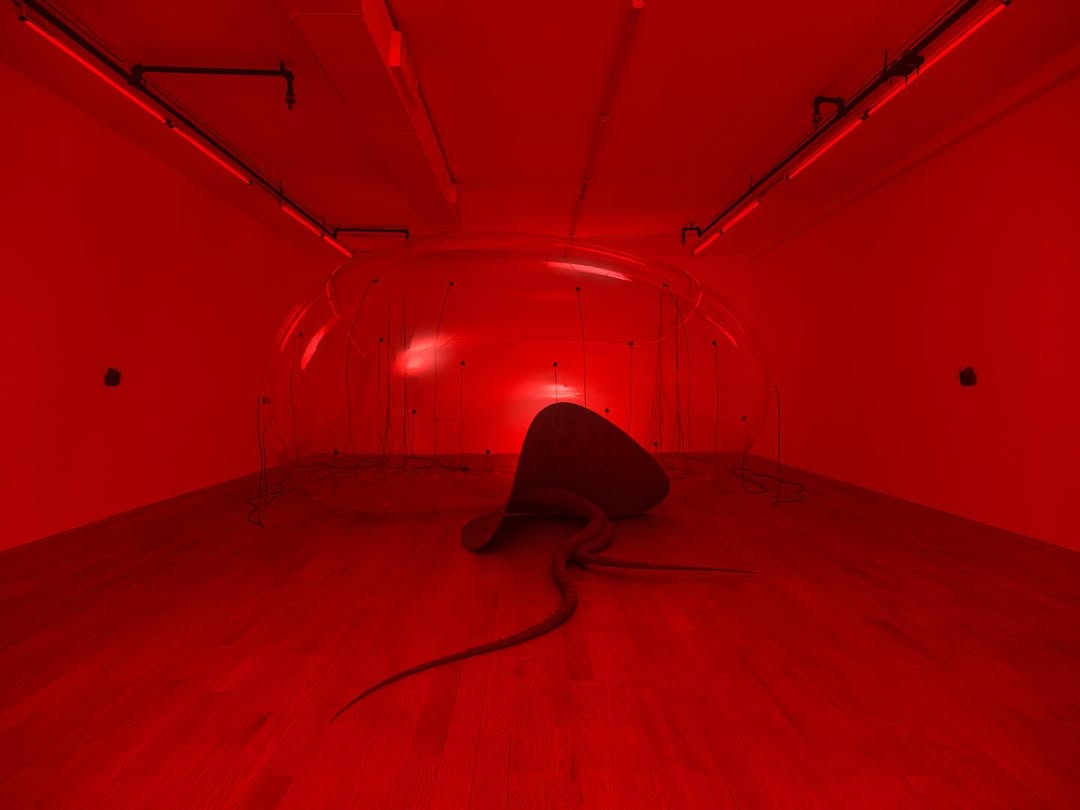
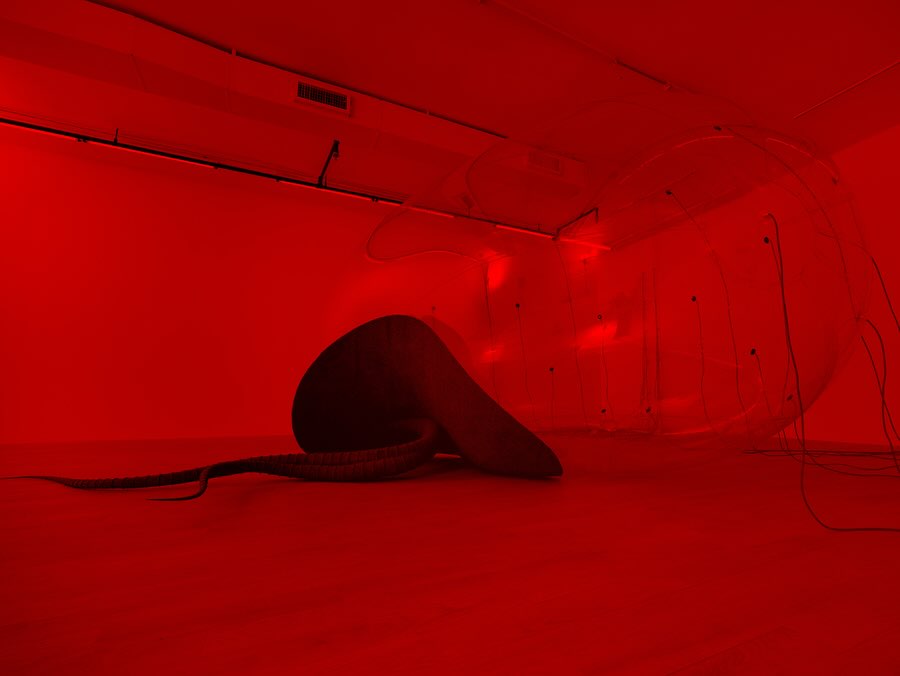
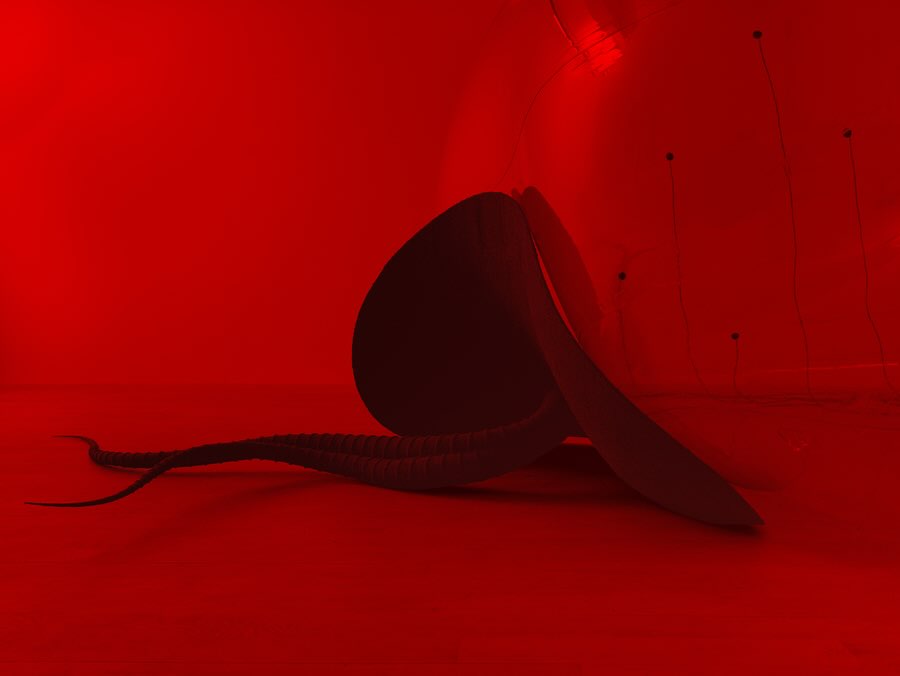
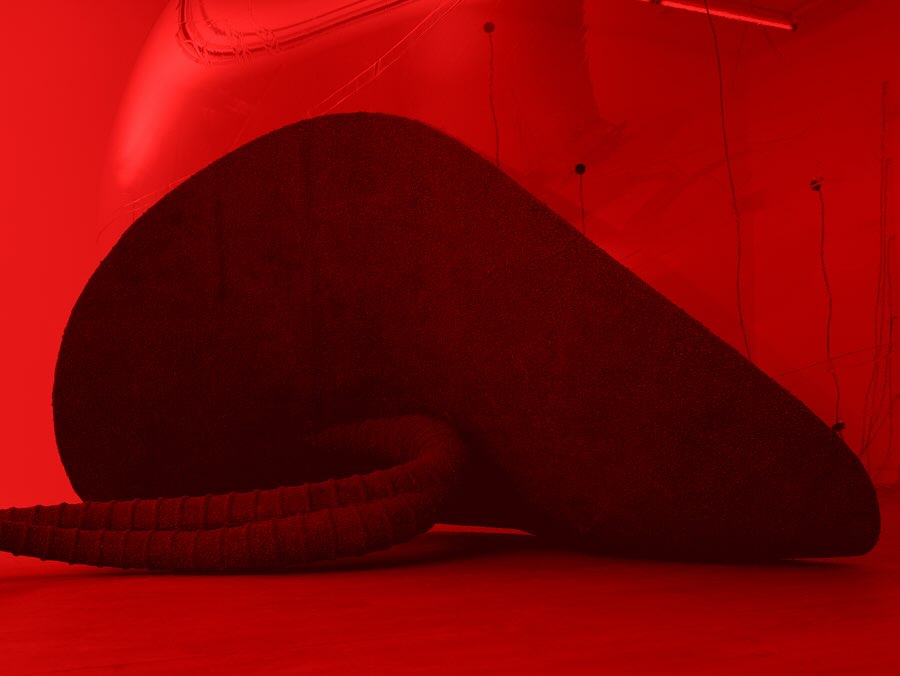





New York / 2025
Hamburg / 2025
Busan / 2025
Seoul / 2026
/photo_1_2026-05-23_19-23-24.jpg)
Munich / 2026
 (GROUP SHOW).webp)
Berlin / 2026
Paris / 2026
Kraków / 2026
Nurnberg / 2026
New York City / 2026
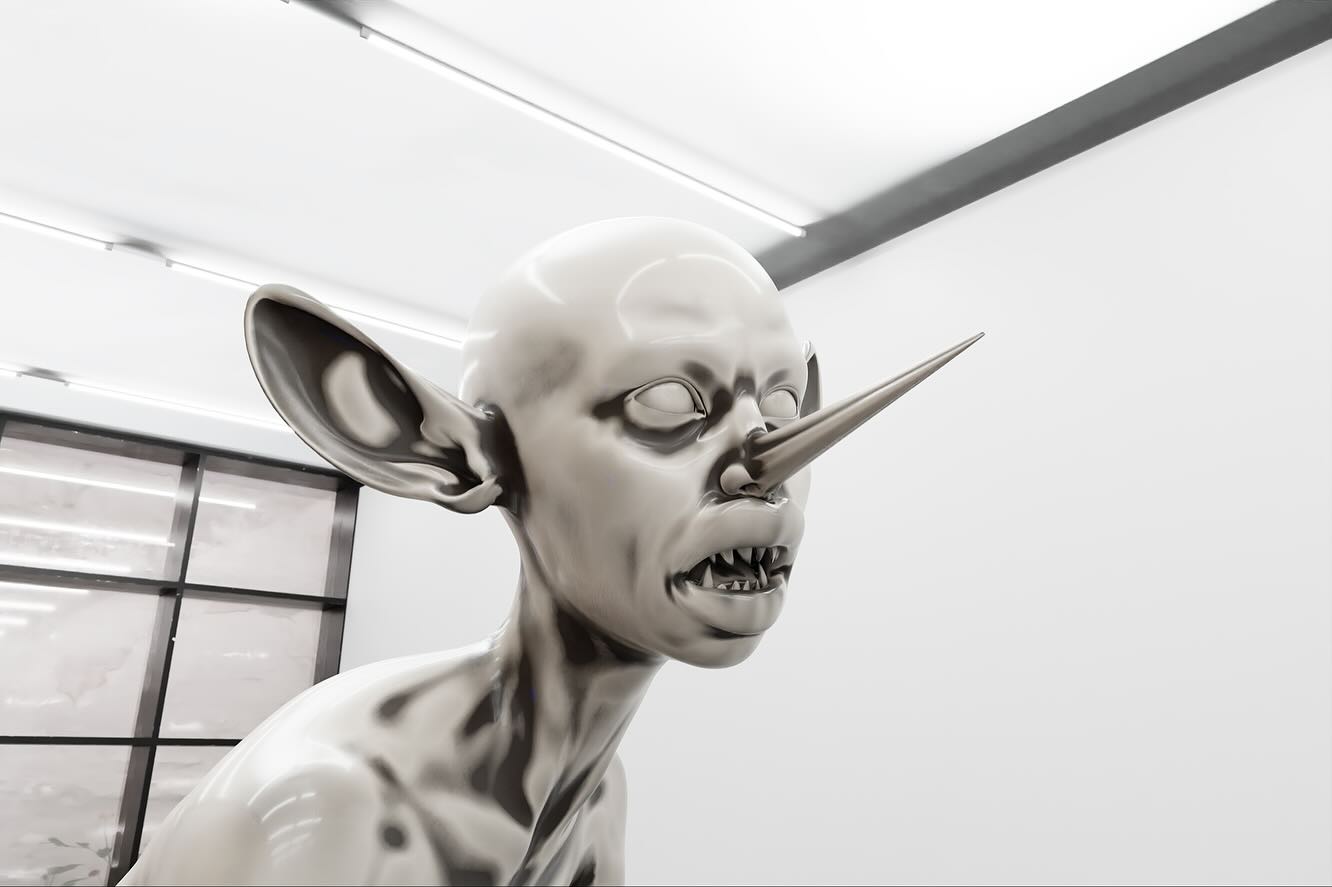
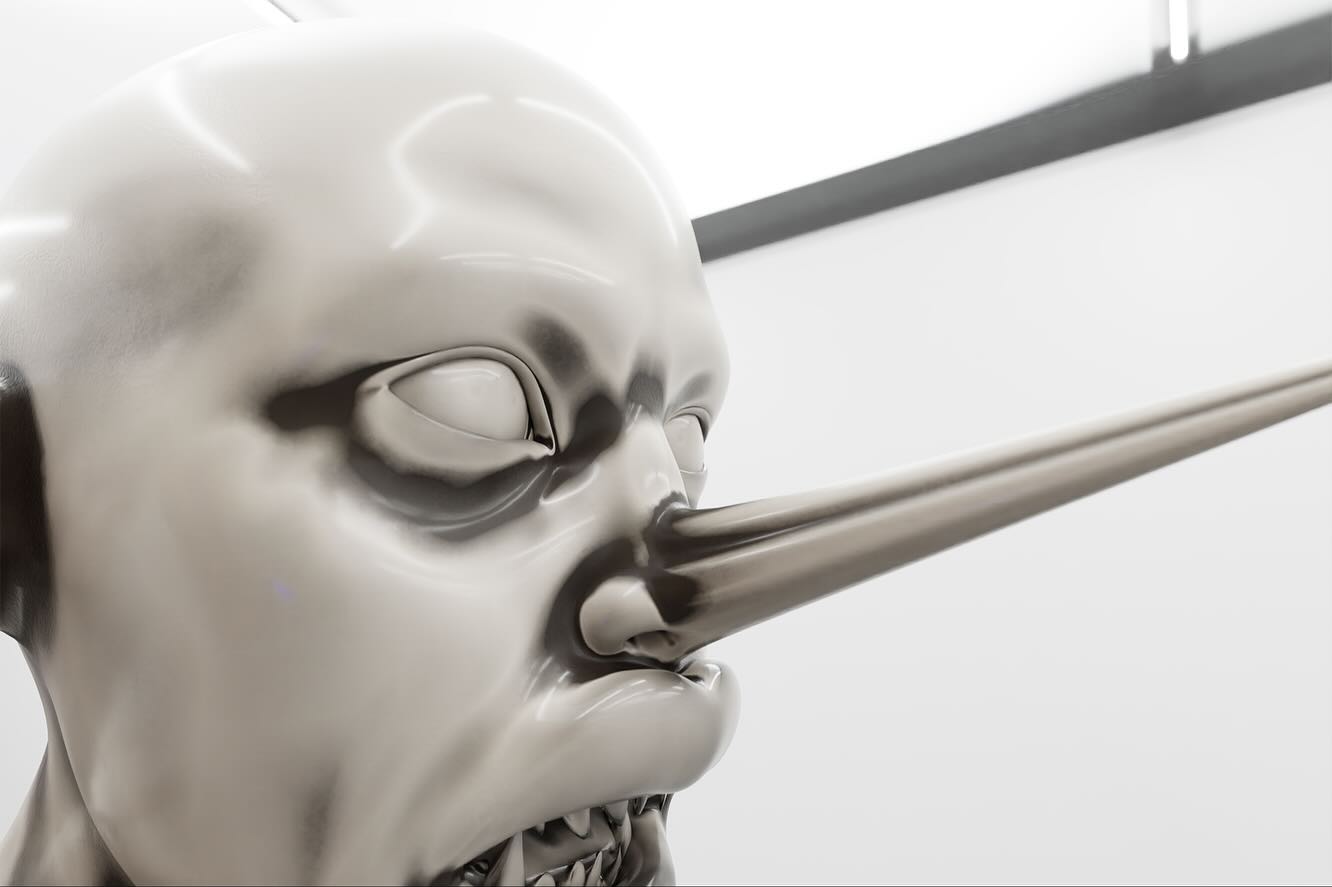
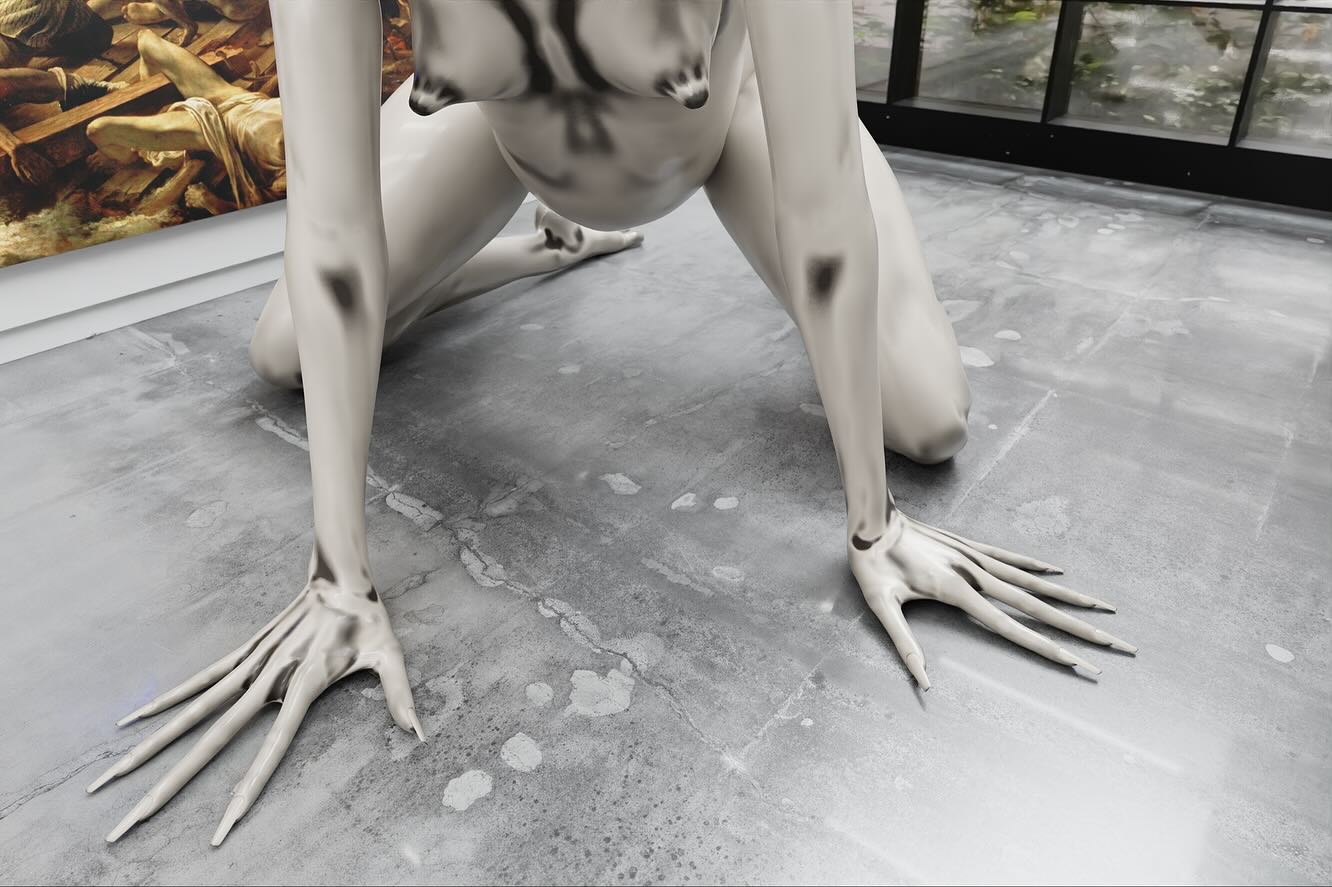
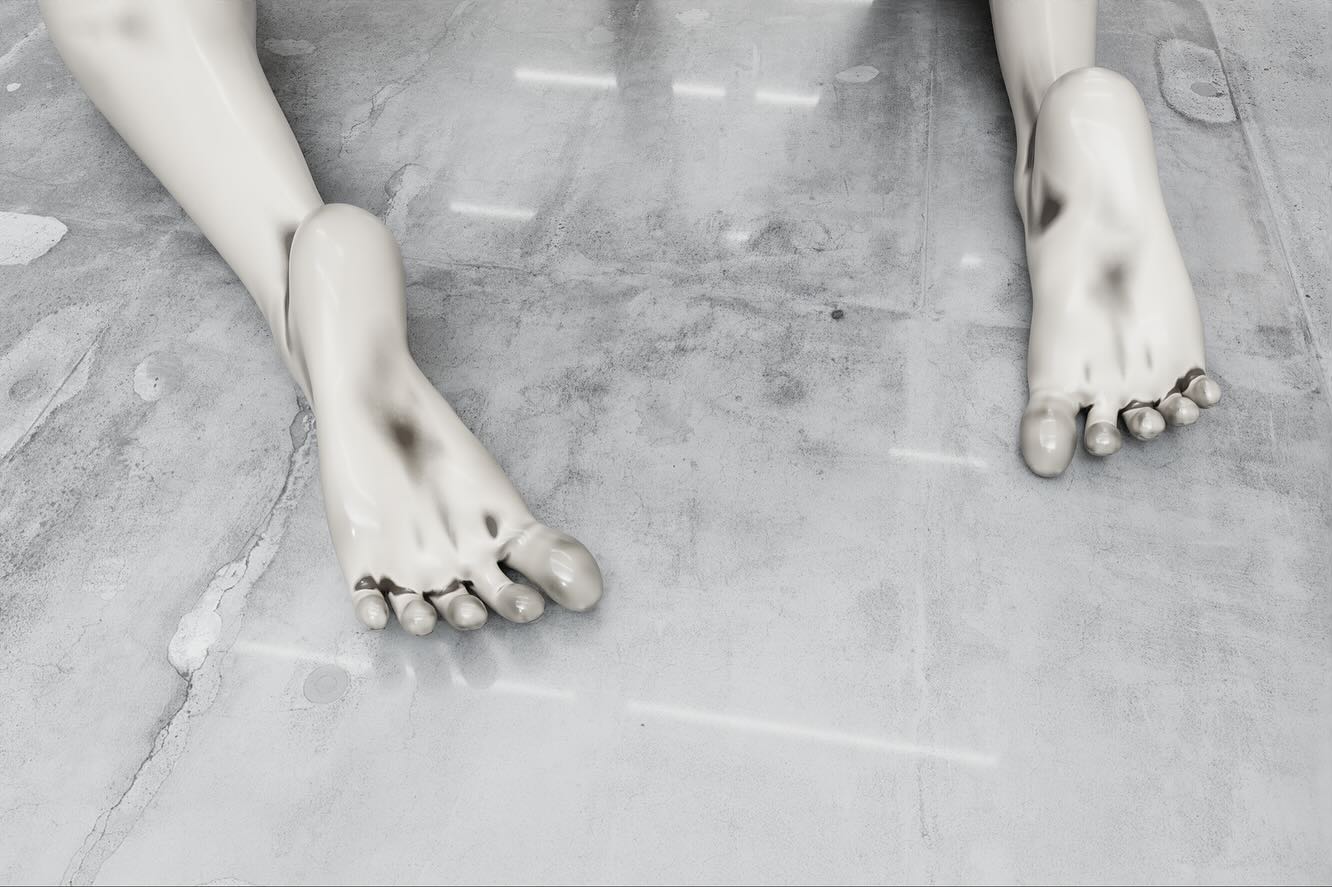
/ 2025
Madrid / 2025
NEW YORK CITY (NY), UNITED STATES / 2025
Management / Stine Deja and Mary-Audrey Ramirez
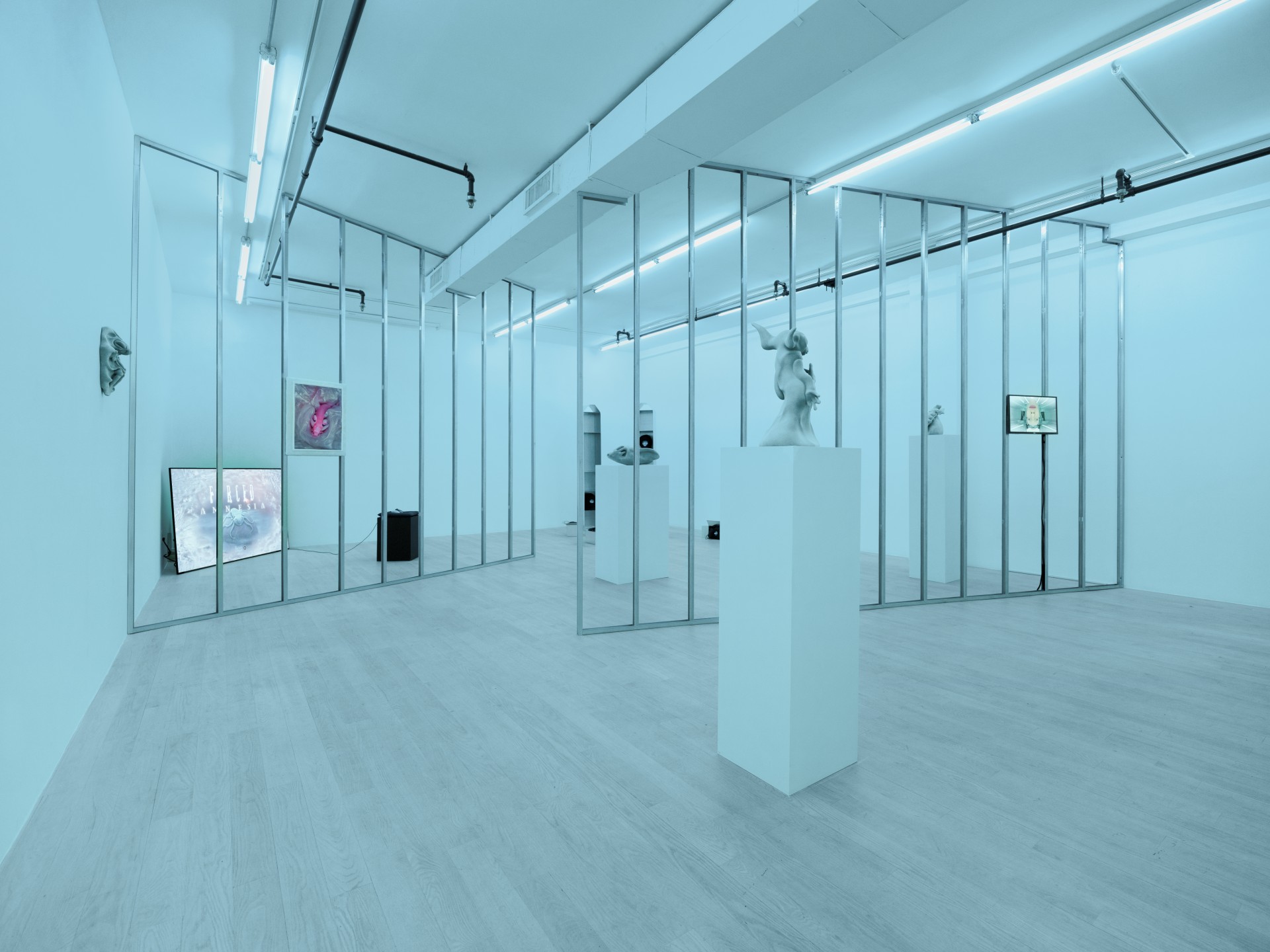
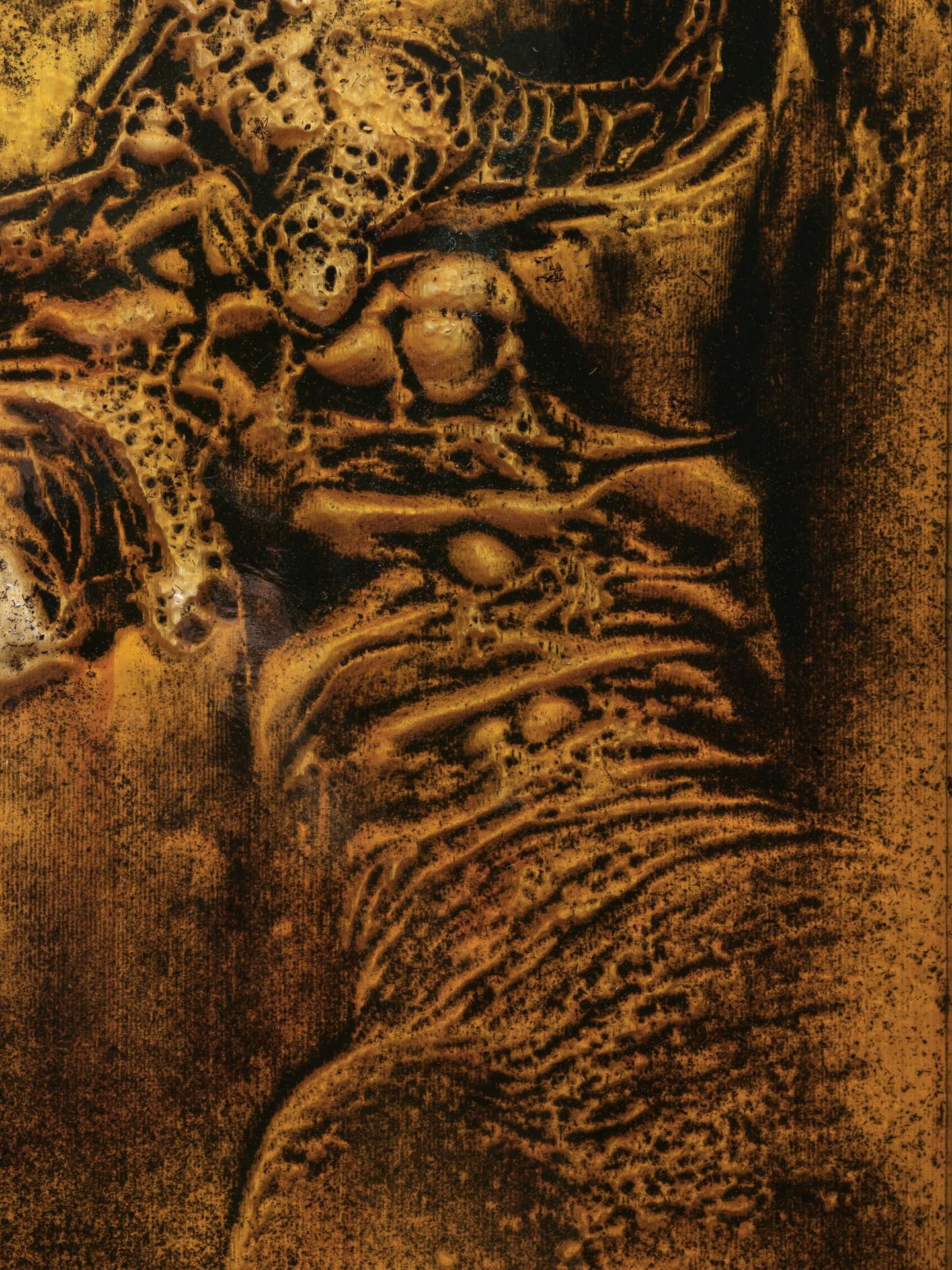
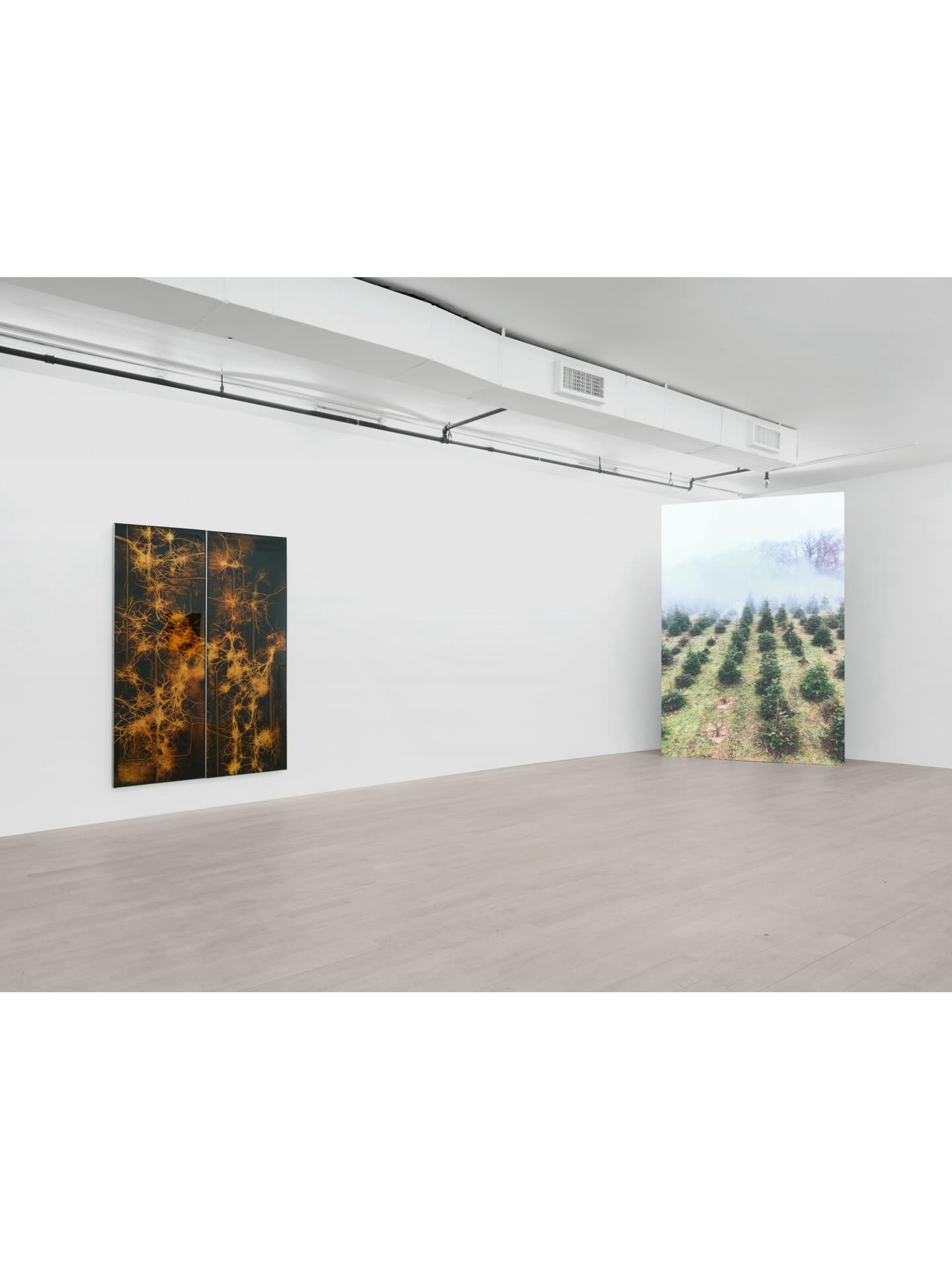
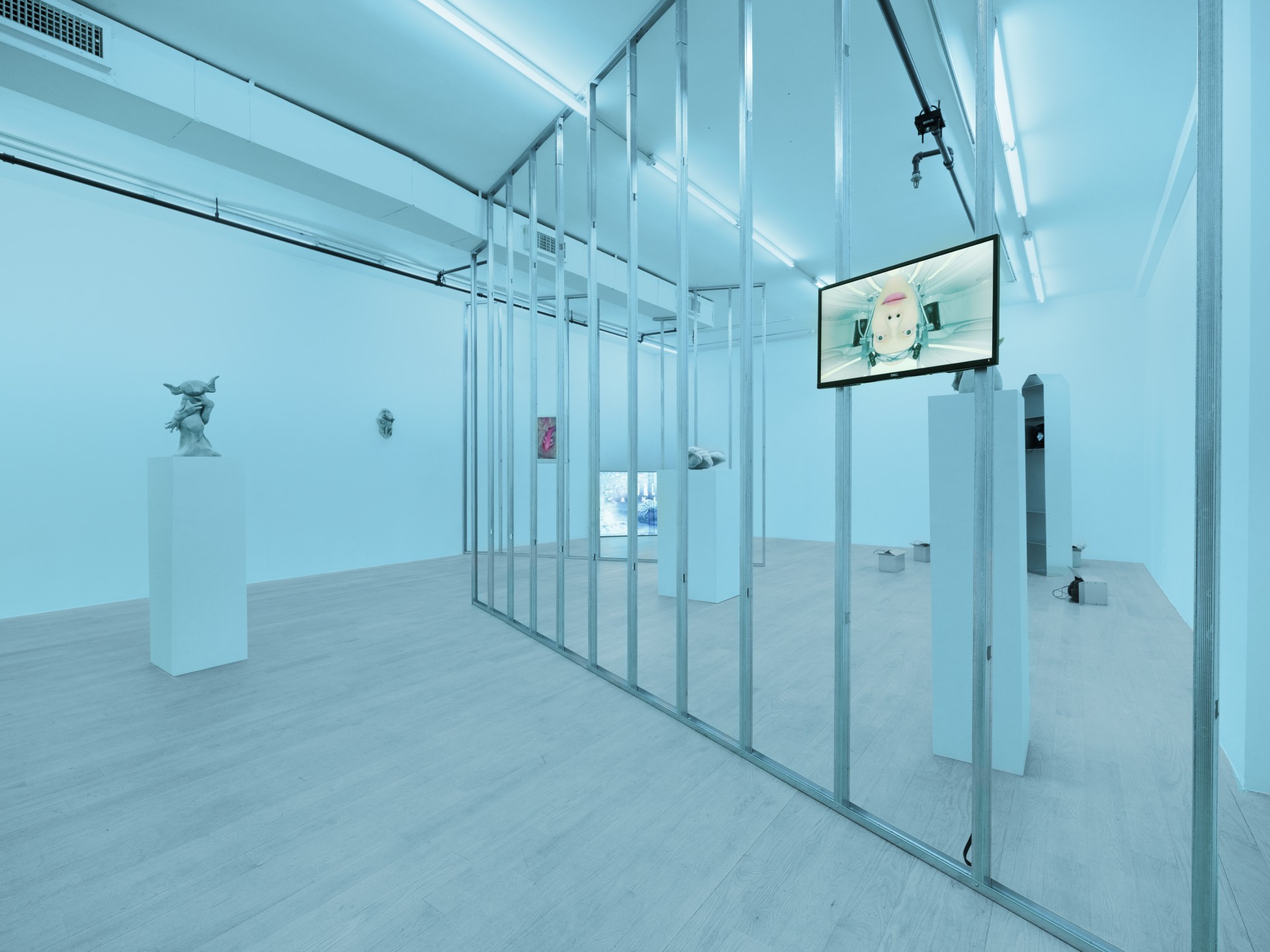
While exuviae doesn’t care much for linear time, it responds directly to the moment we’re in: one where human centrality is dissolving under ecological pressure and technological acceleration. As a viewer, you are thrown into a timeline where human history - on a species scale - has already fractured. Stepping into this world feels like studying the past from a far future, trying to piece together a cohesive narrative. Everything’s a little off, a little funny – but the kind of funny that leaves a pit in your stomach.
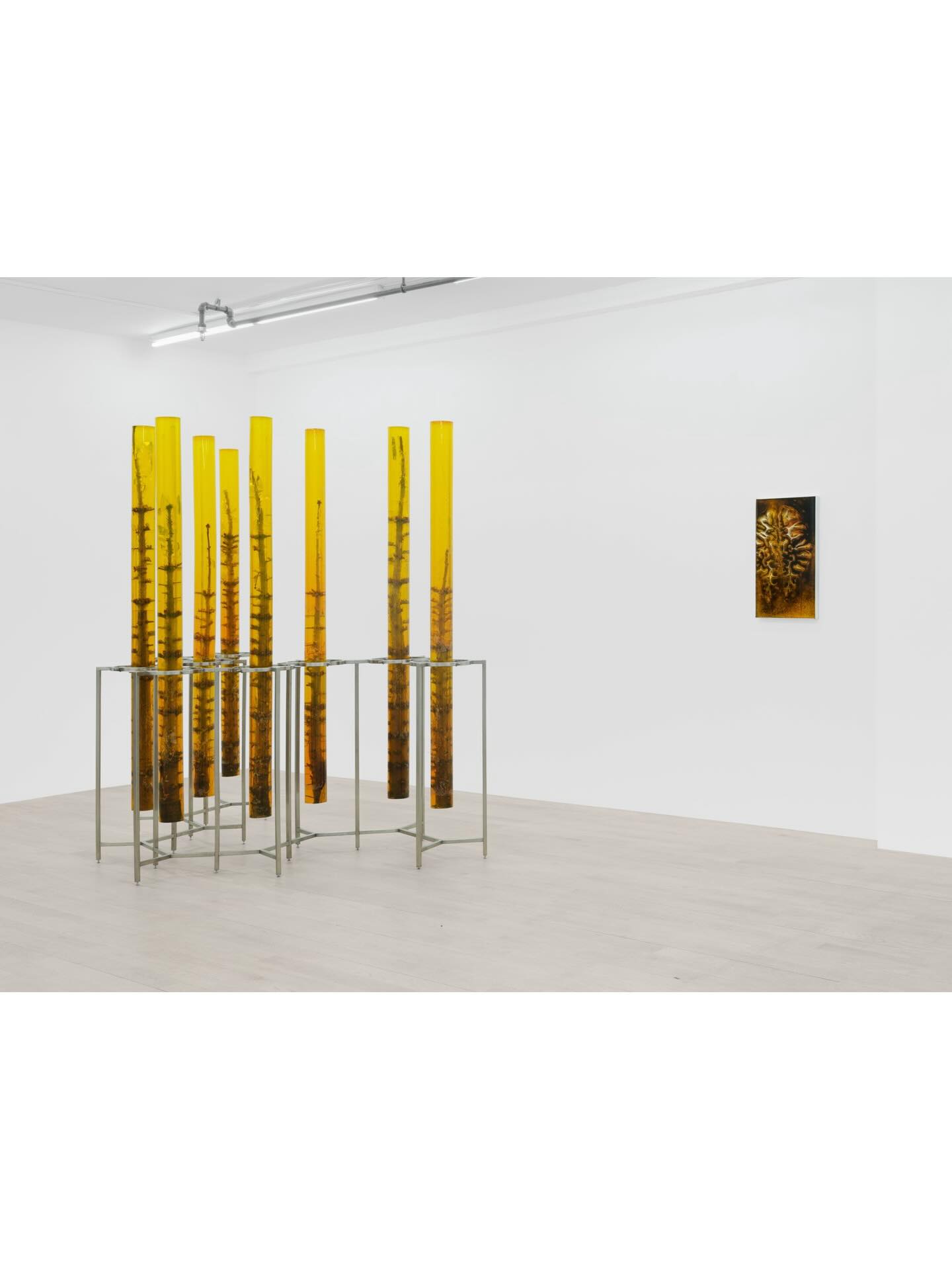
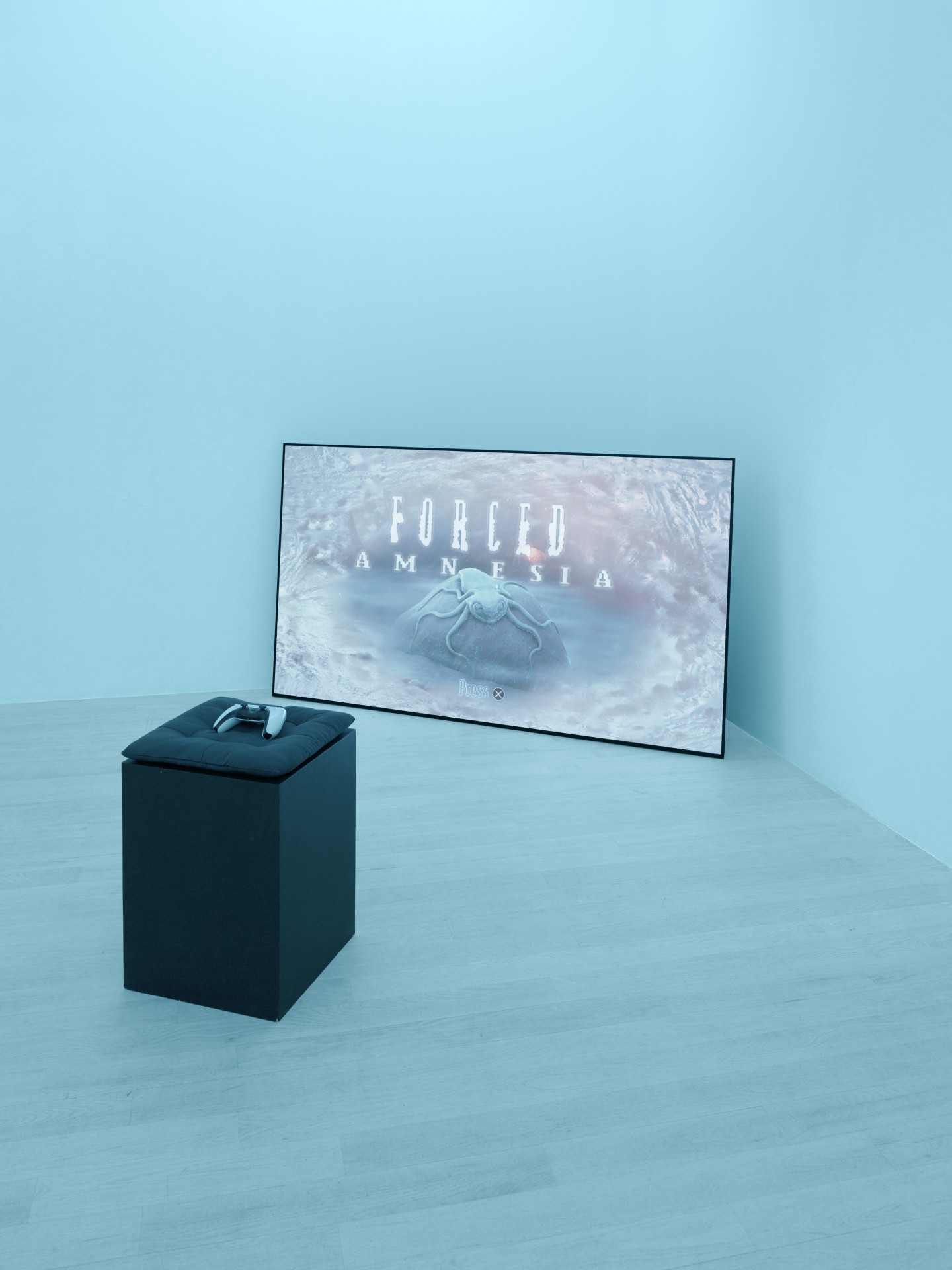
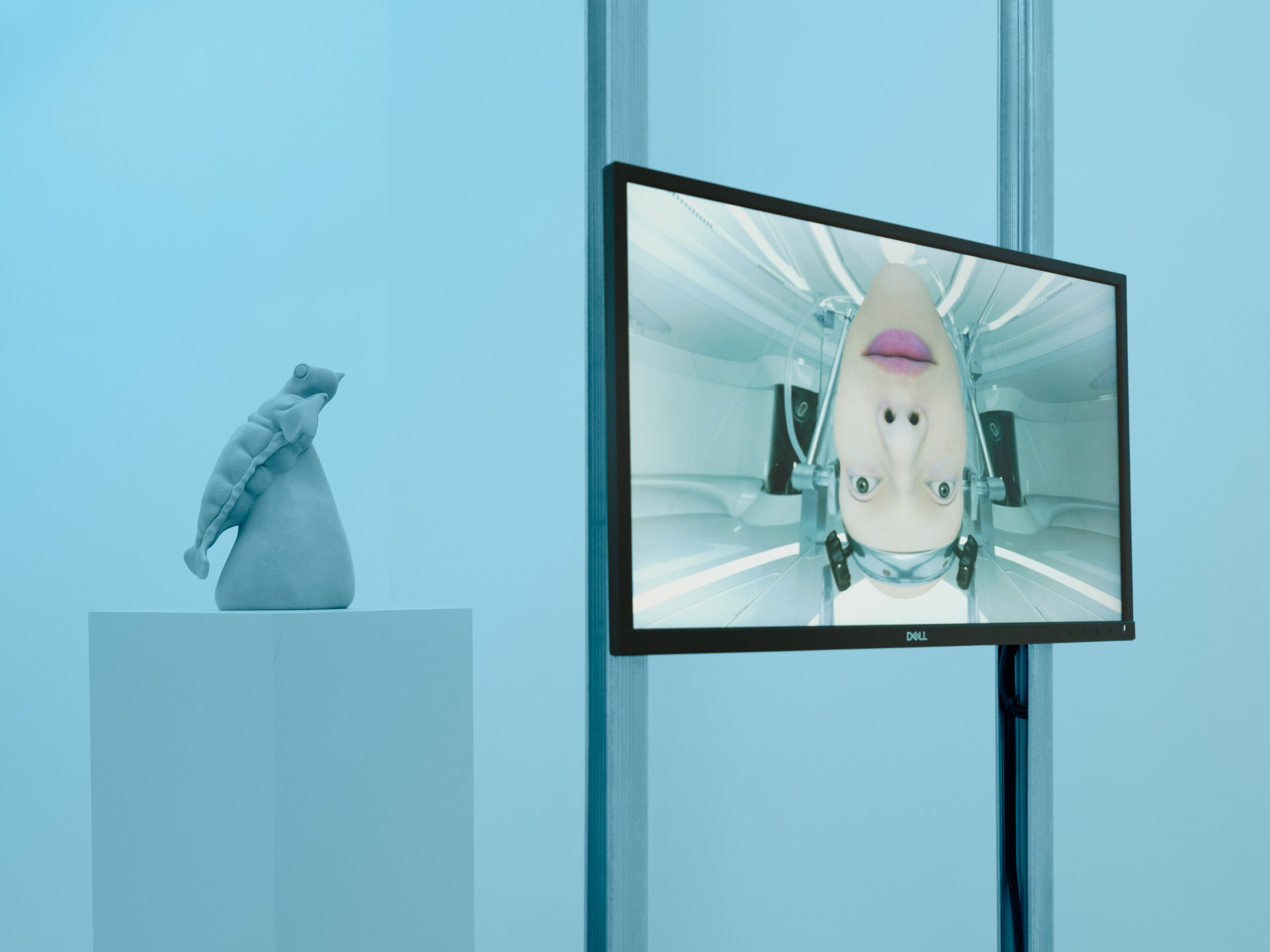
Artists Stine Deja and Mary-Audrey Ramirez, bring together two different species of speculation: Deja through suspended, digitized stasis; Ramirez through organic, erratic evolution. A dark thread of humor runs through both. Neither of them takes itself too seriously but both worlds seem to unfold in the long shadow of a humanity that no longer feels central, or even intact.
In what Claire Colebrook calls “twilight of the Anthropocene idols,” we face the crumbling of our species’ self-image - not as apex thinkers but as one adaptive system among others. Both artists work with this collapse, extending the legacy of post-internet aesthetics towards a kind of speculative anthropology, one that navigates the disorientation of non-centrality through hyper-rendered bodies and looping simulations.
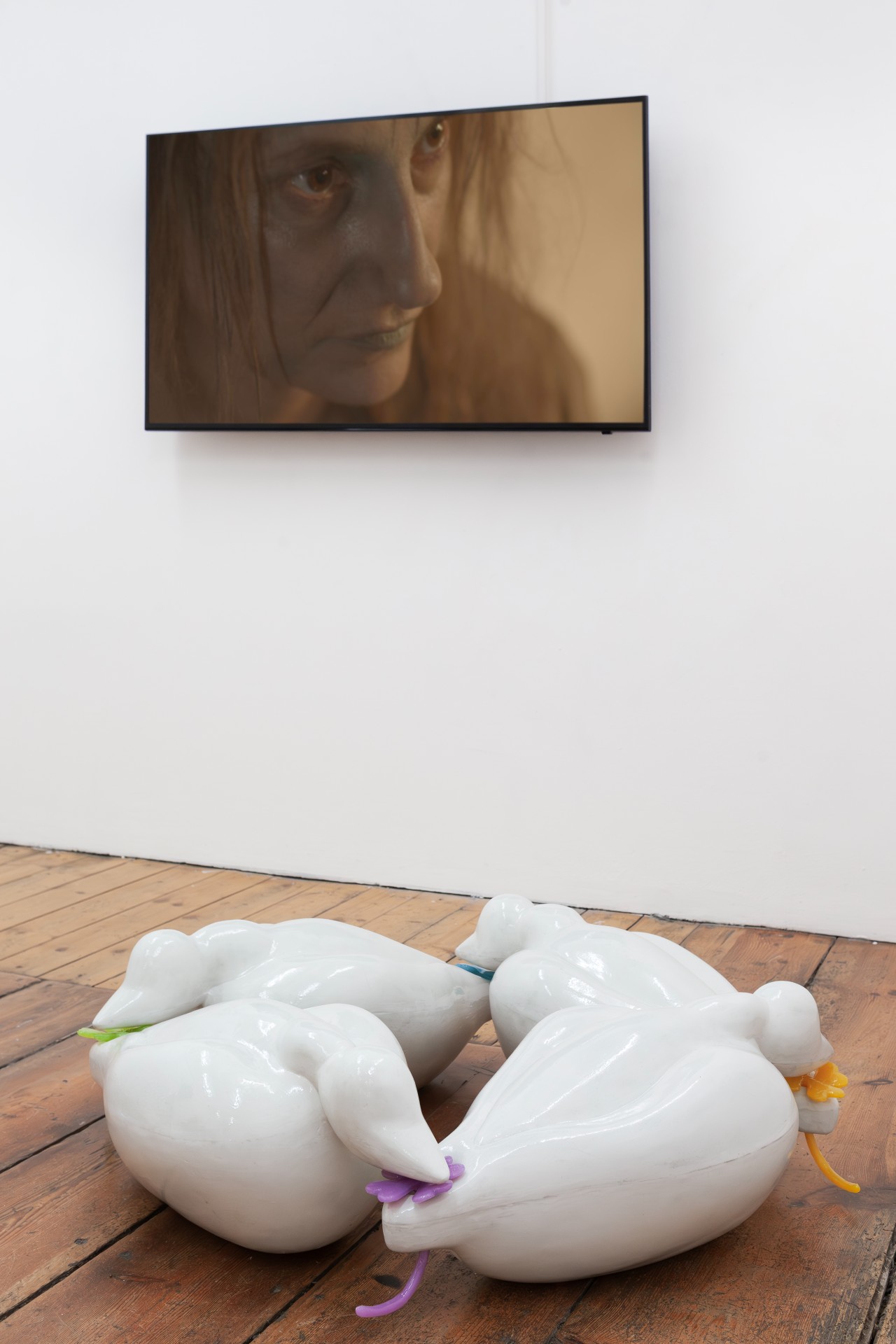
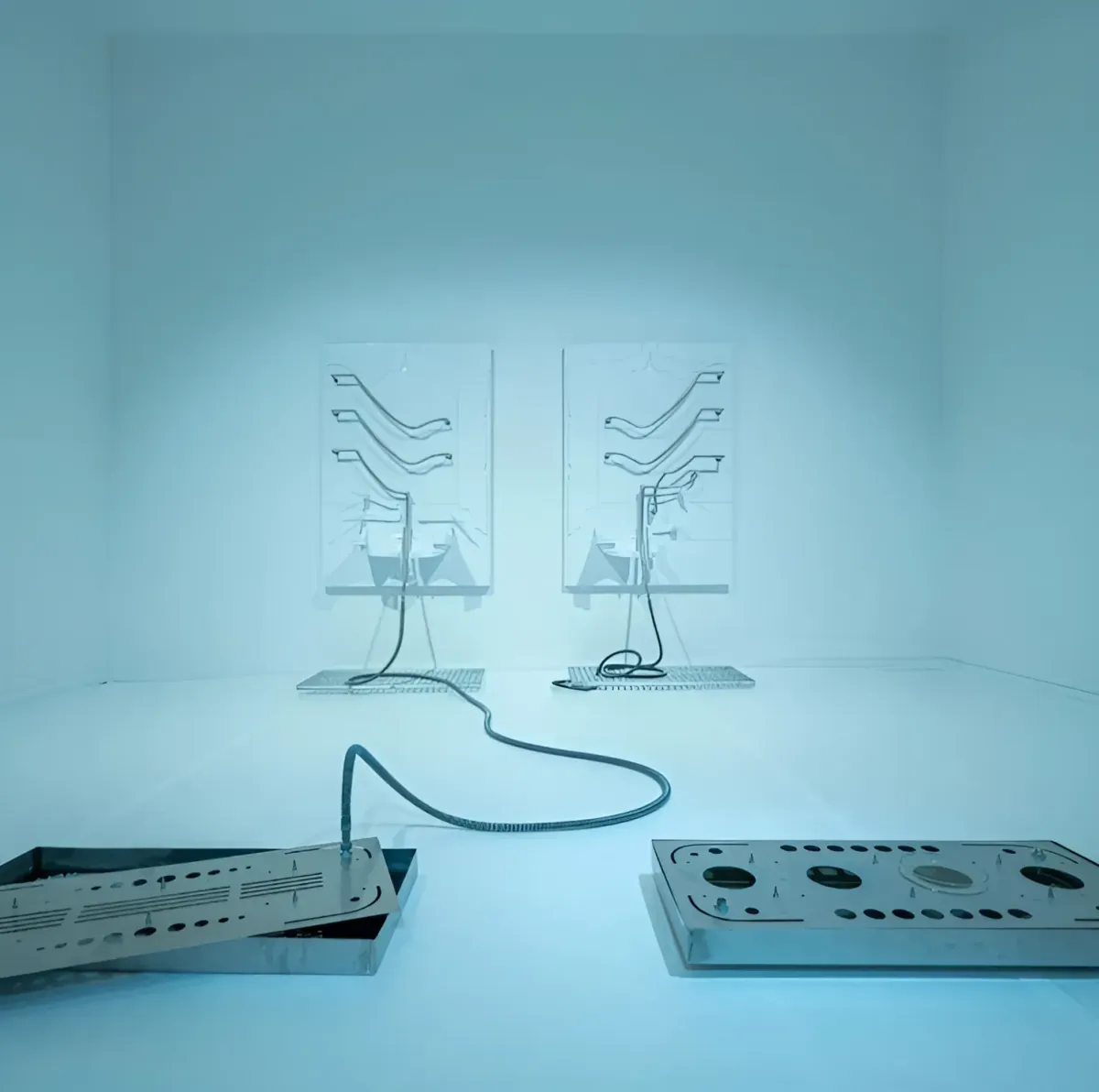
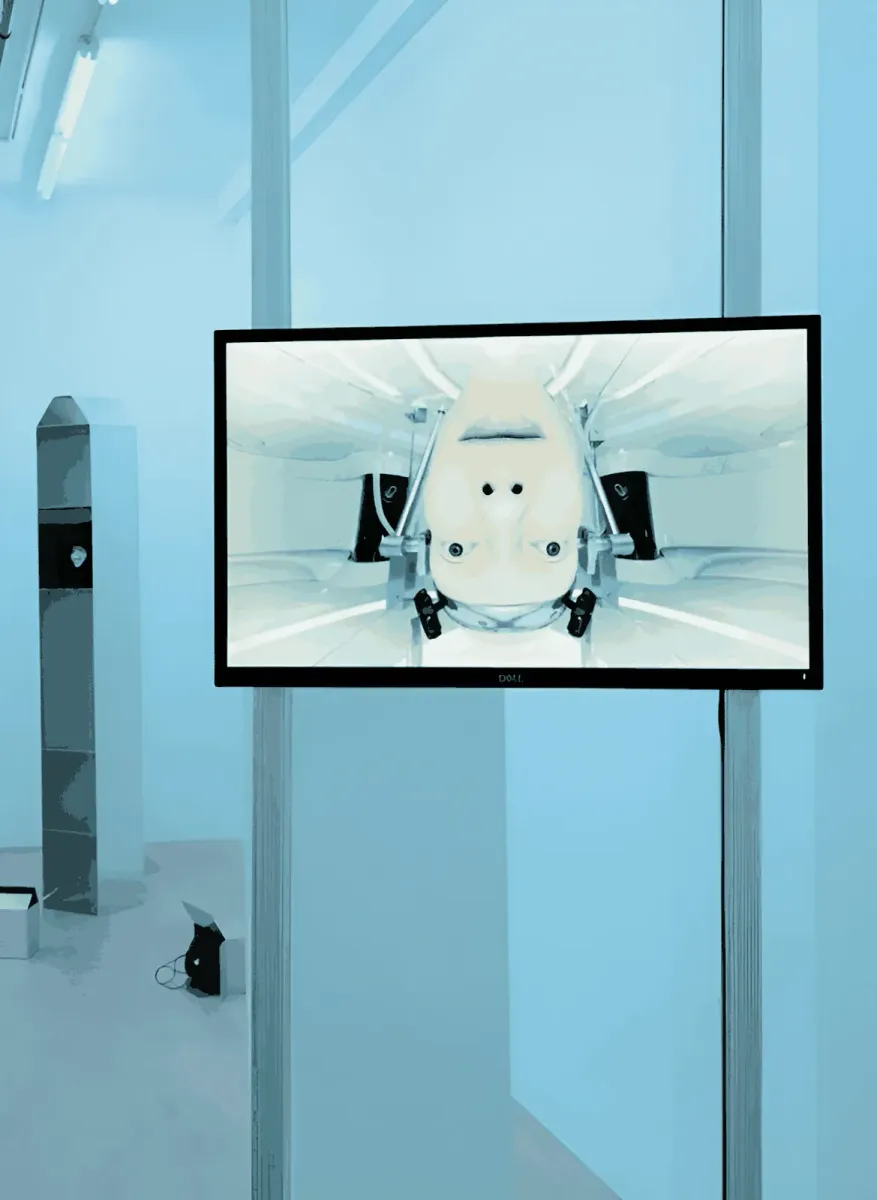
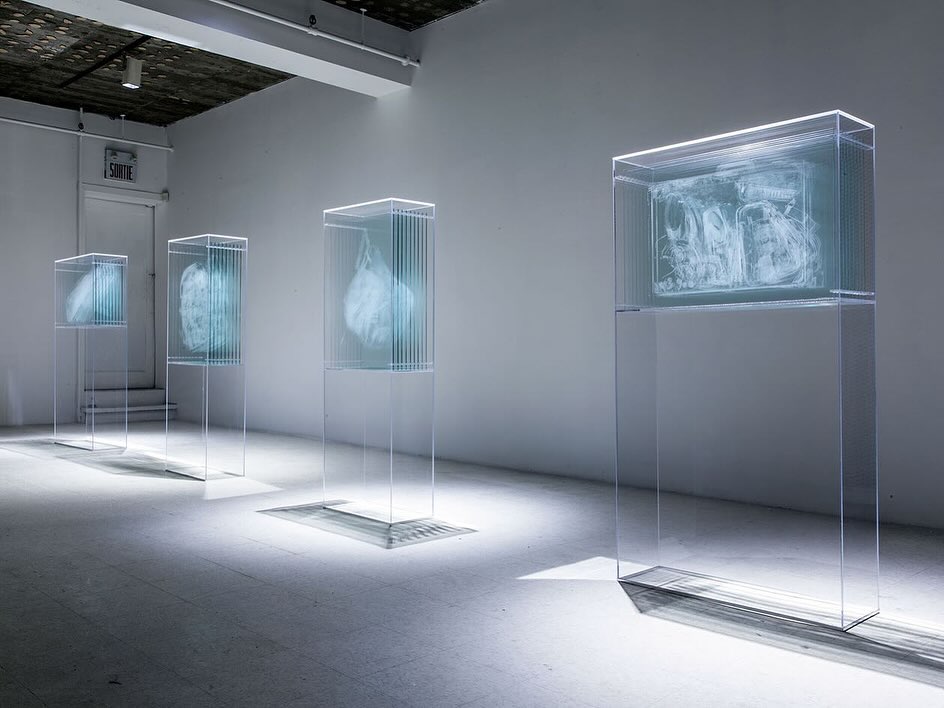
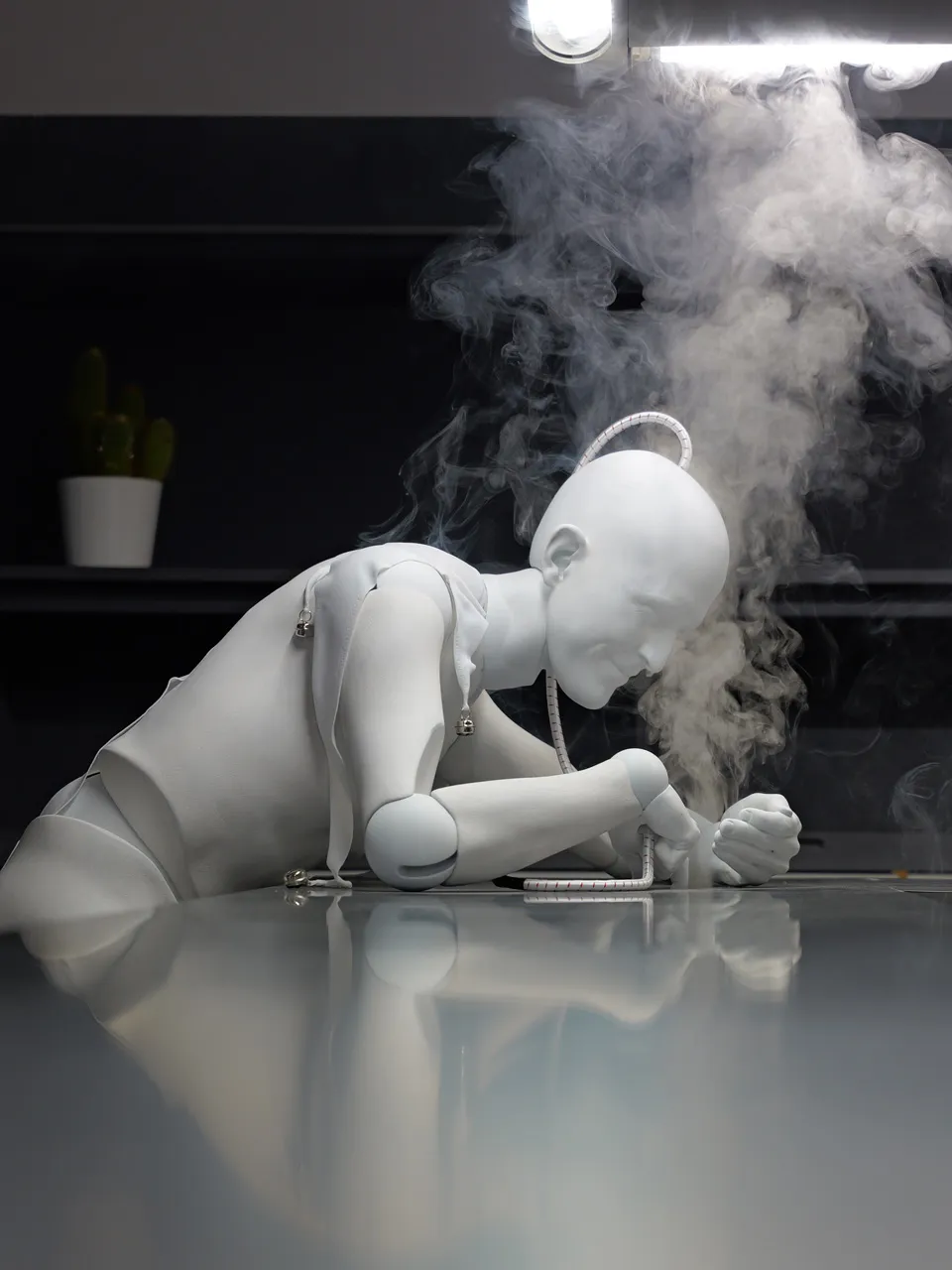
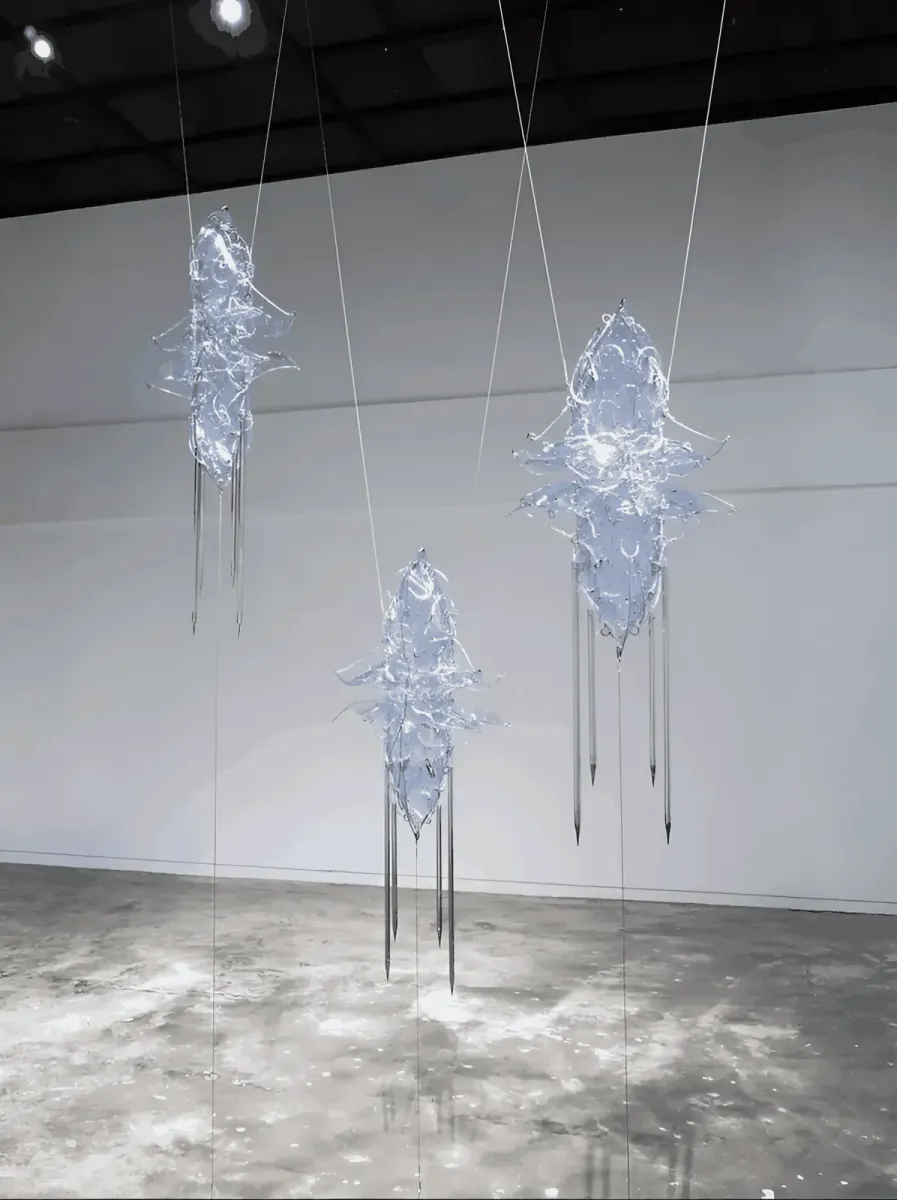
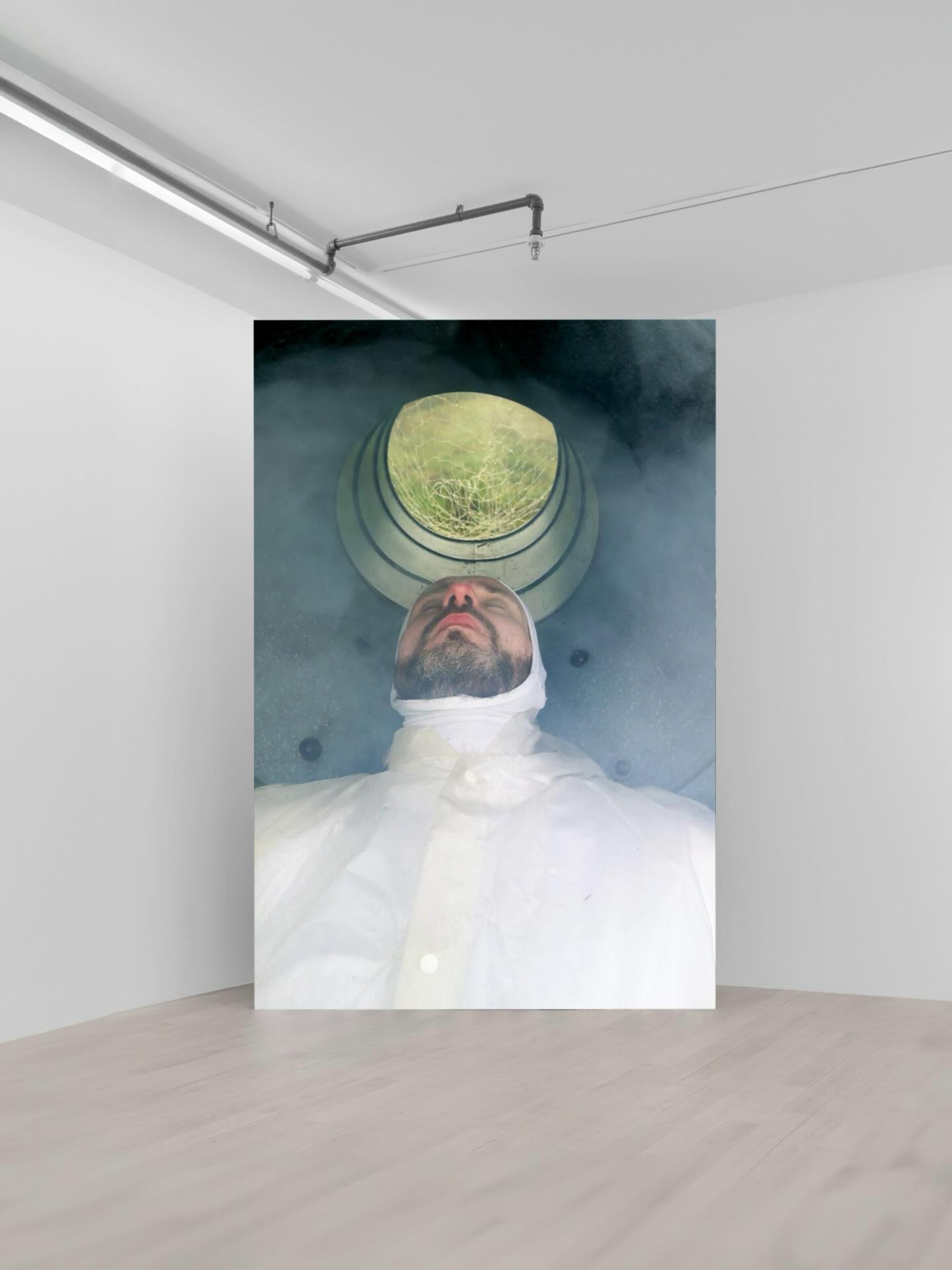
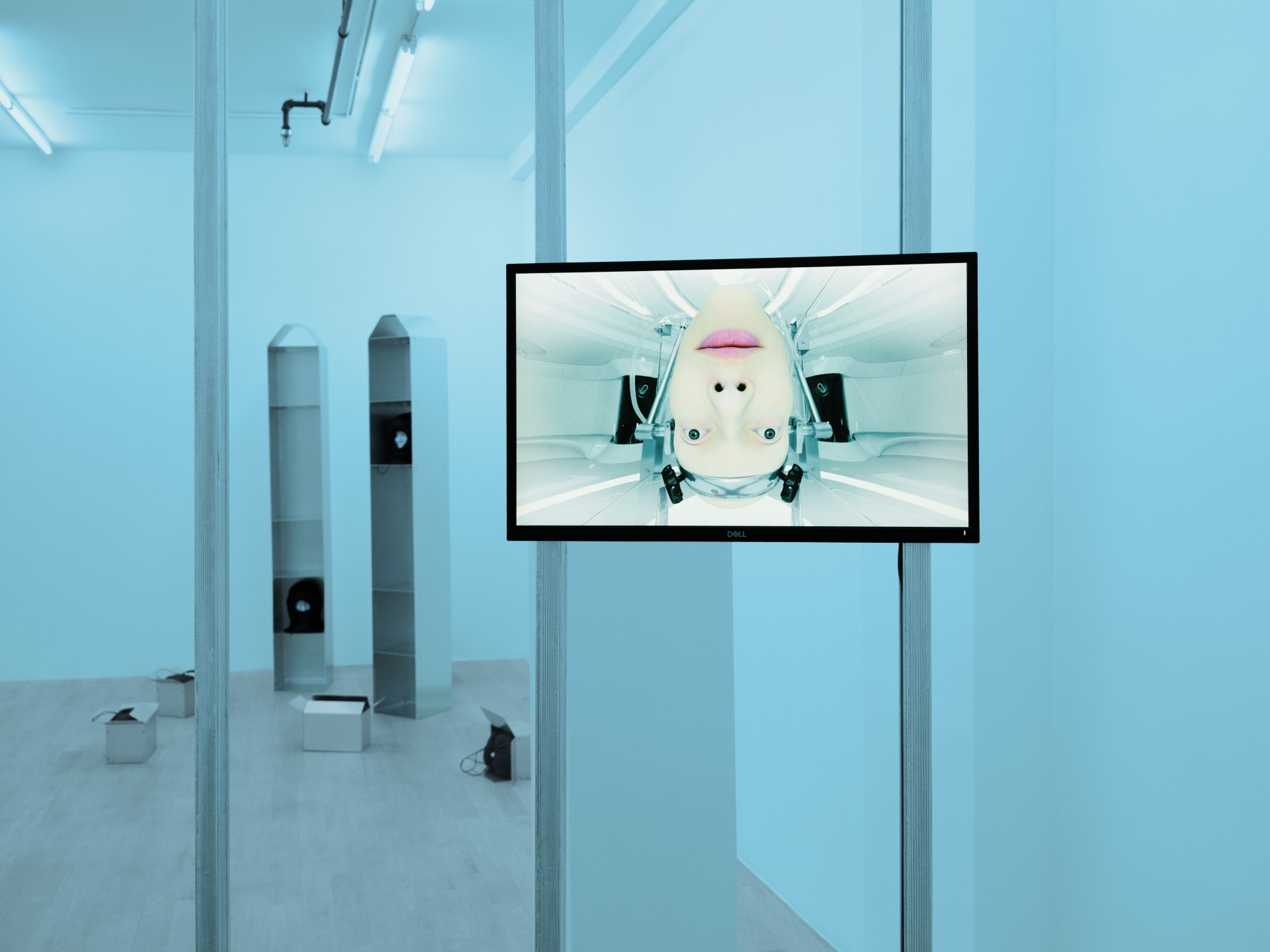
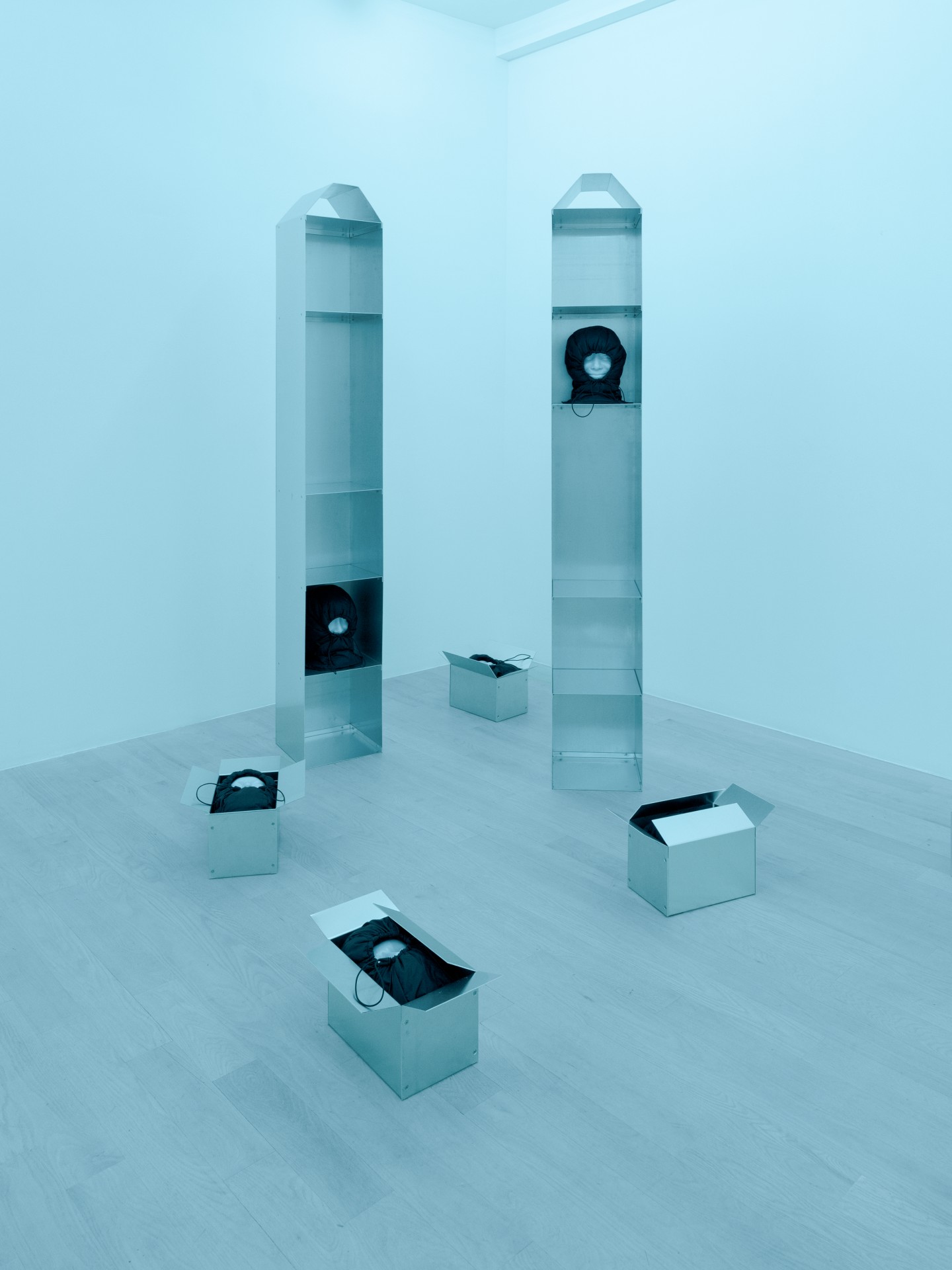
Deja’s work imagines a future where humanity decided to hit pause on life. Not completely stopped, just suspended. In Tomorrow’s Heads, made with Danish author Ida Marie Hede, human heads are stored for future use, cryogenically frozen, waiting for their second act. They are like any other organs in a freezer except they hold on to their consciousness.
This dream is as old as human civilization: cheat death. But Deja draws attention to the logistics of this fantasy: what is the way to get there? Who does the freezing? Who is cleaning the tanks? Who is paying the power bill? The tone is clinical and eerie, evoking a theatrical absurdity found in an Ionesco play. Deja’s world highlights the sleek contrasts between human and technological evolution. These aesthetic choices reflect a nervousness about how much we want to control and preserve.
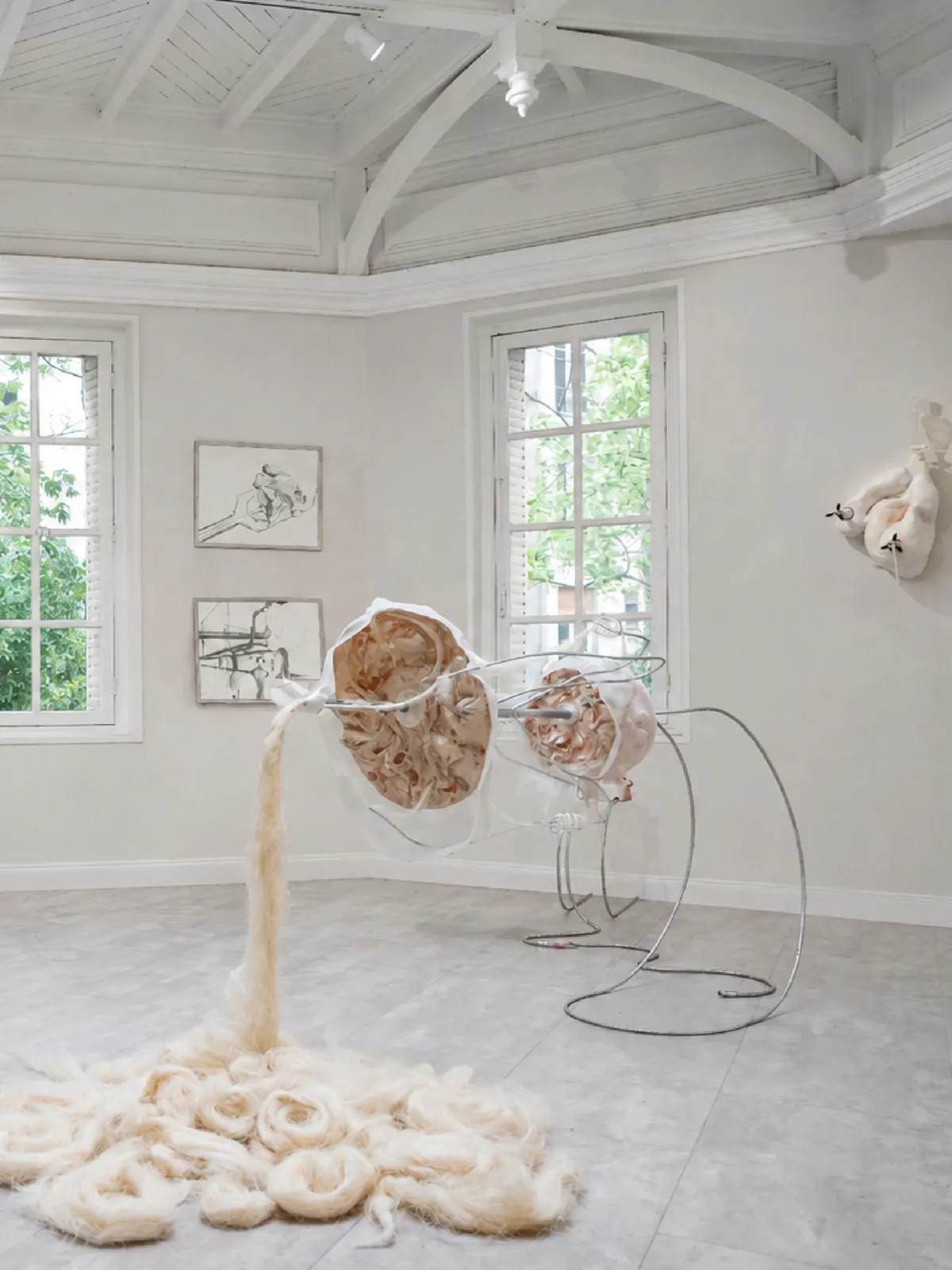
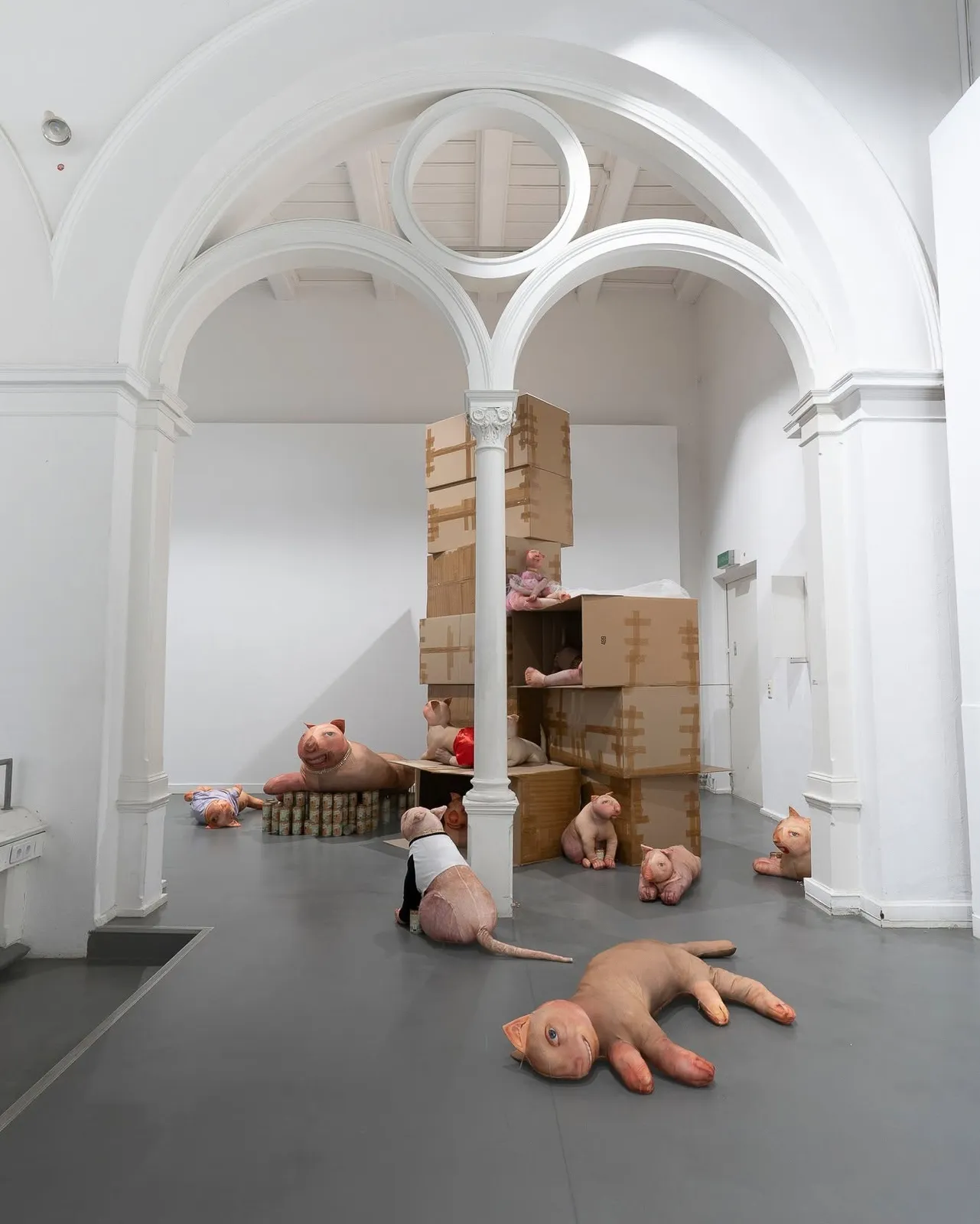
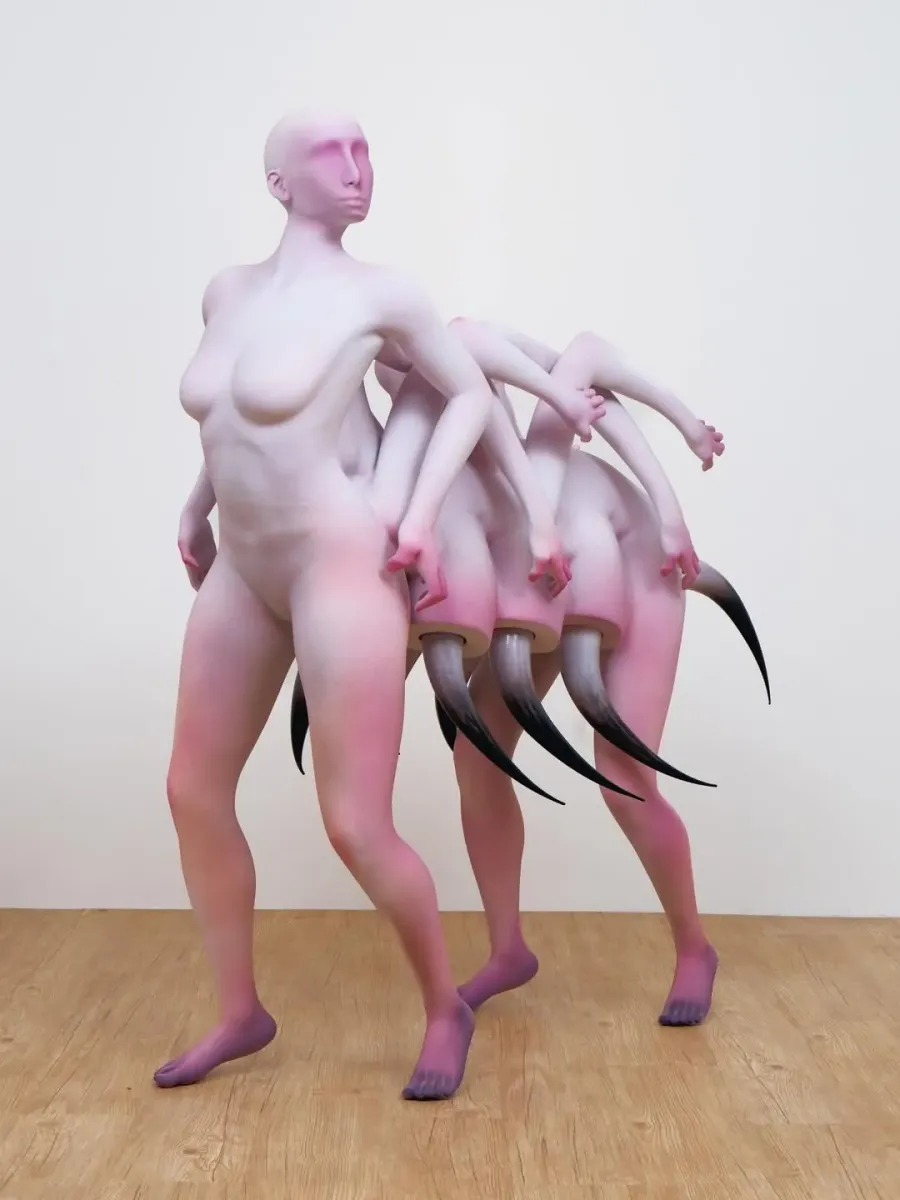
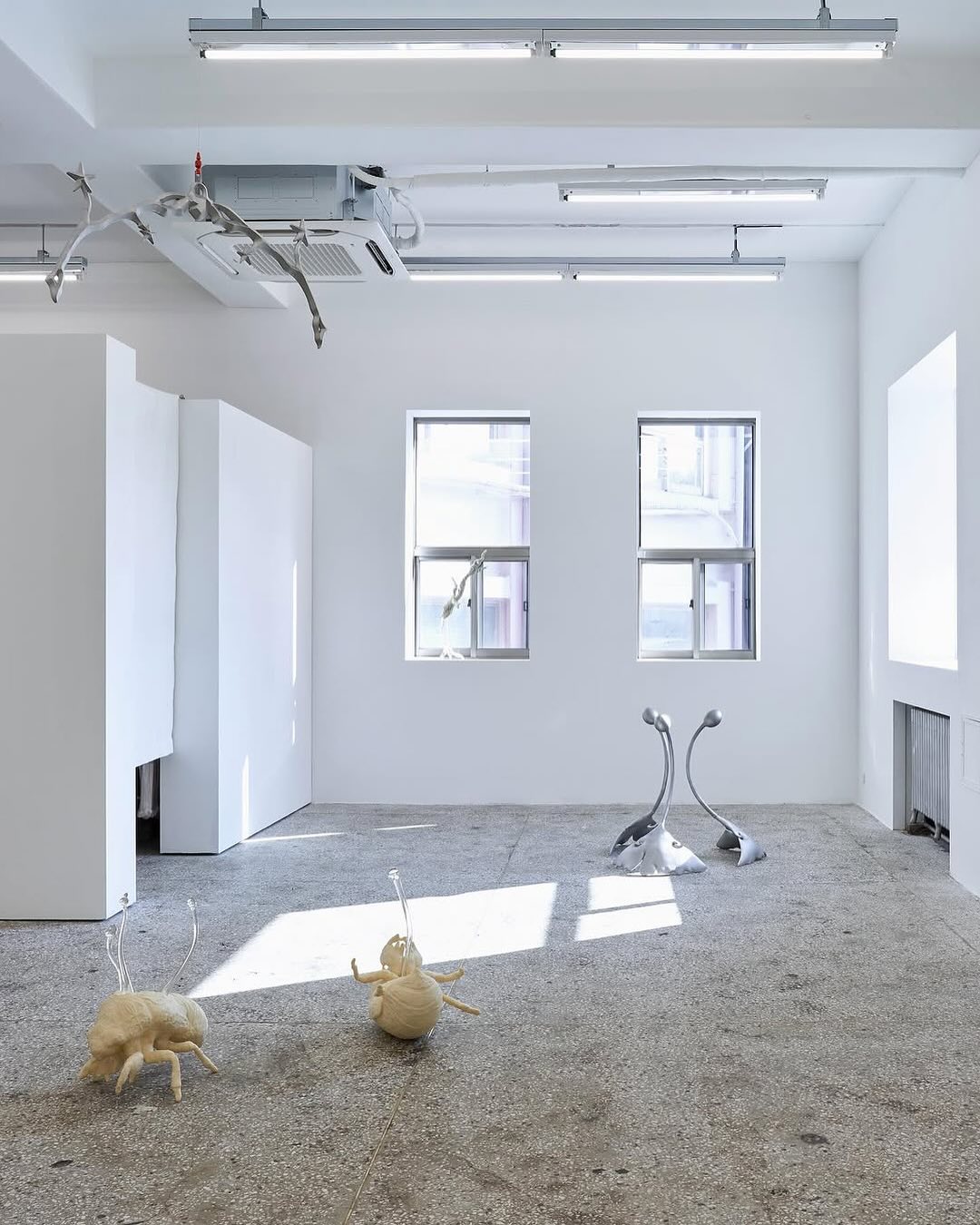
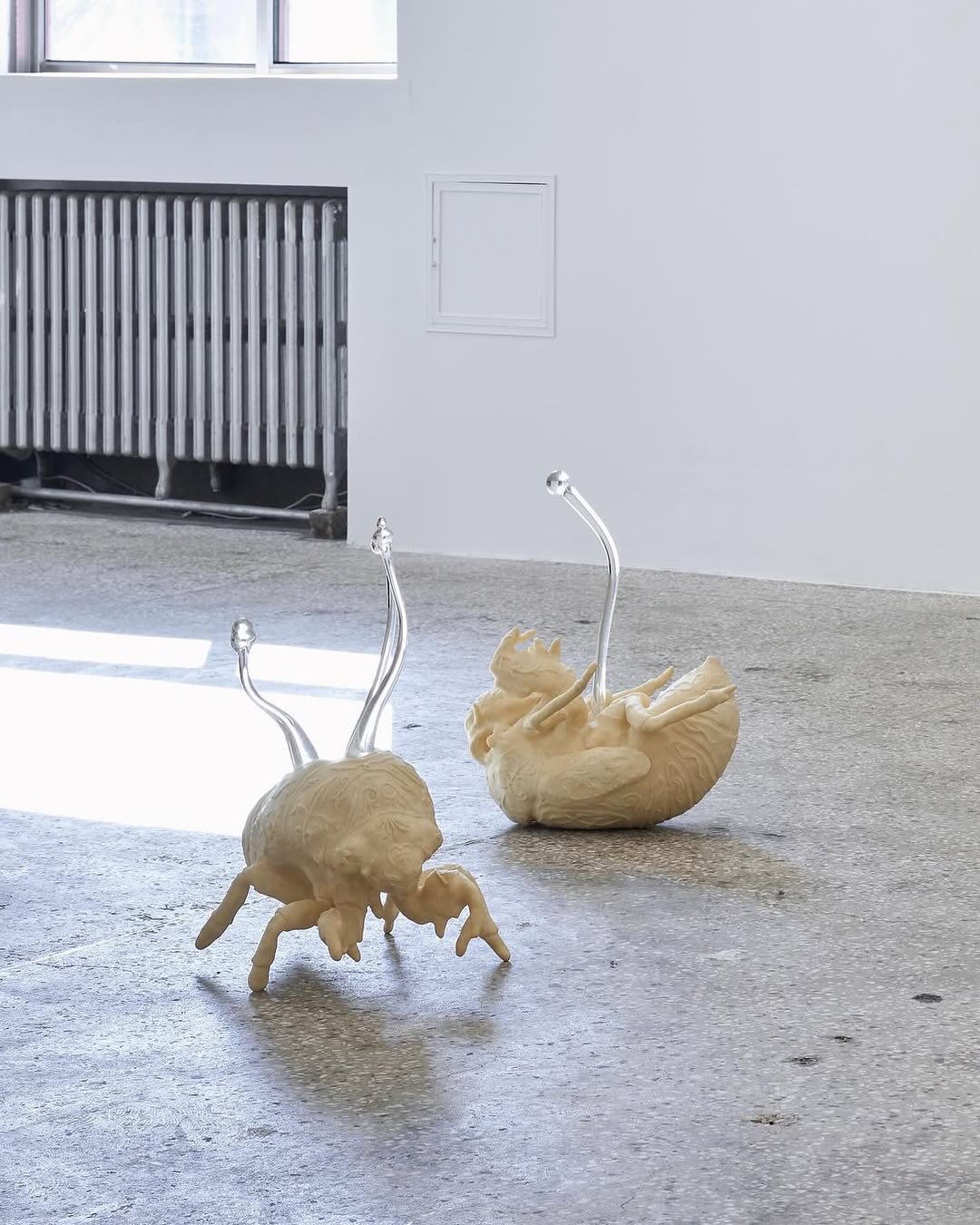
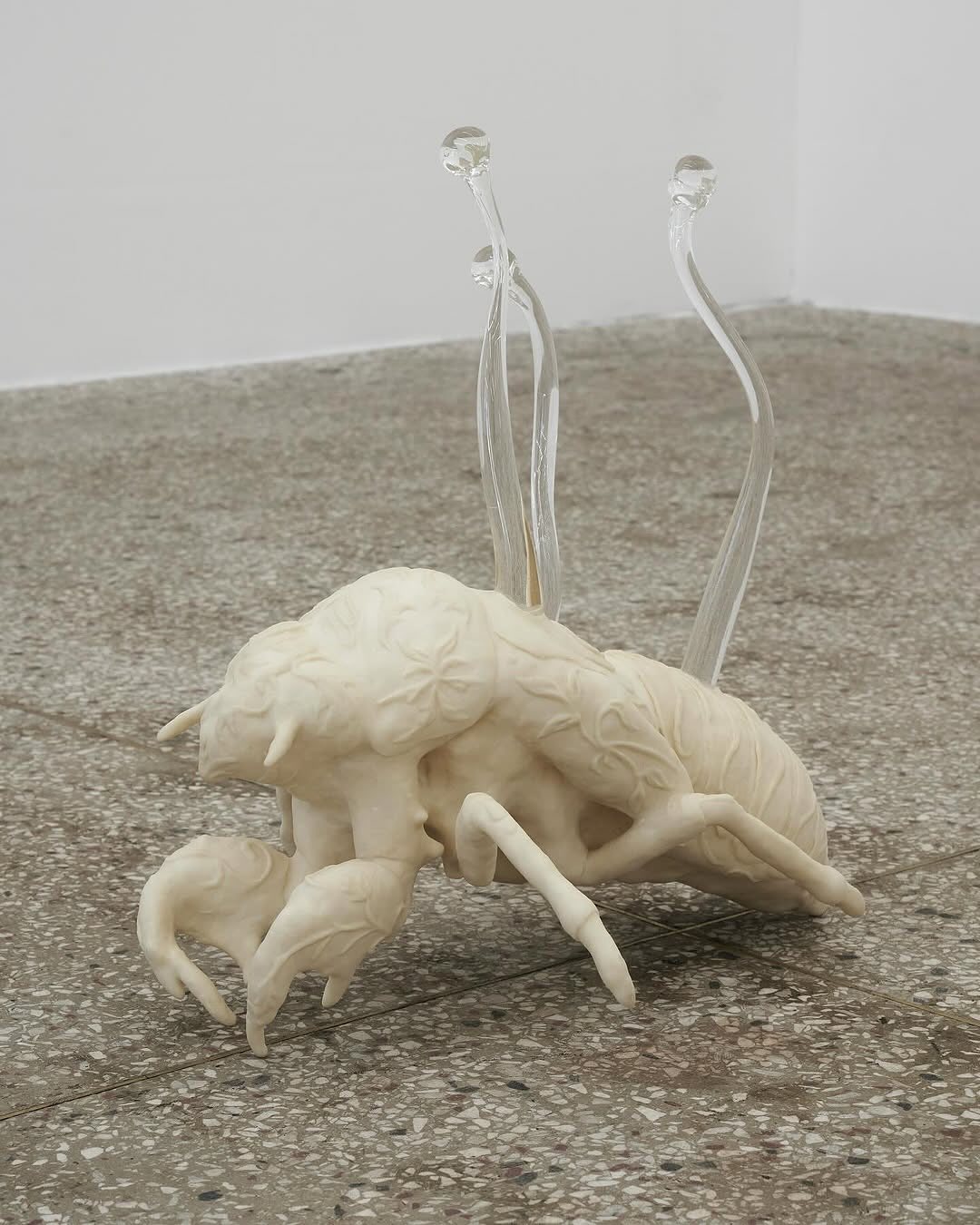
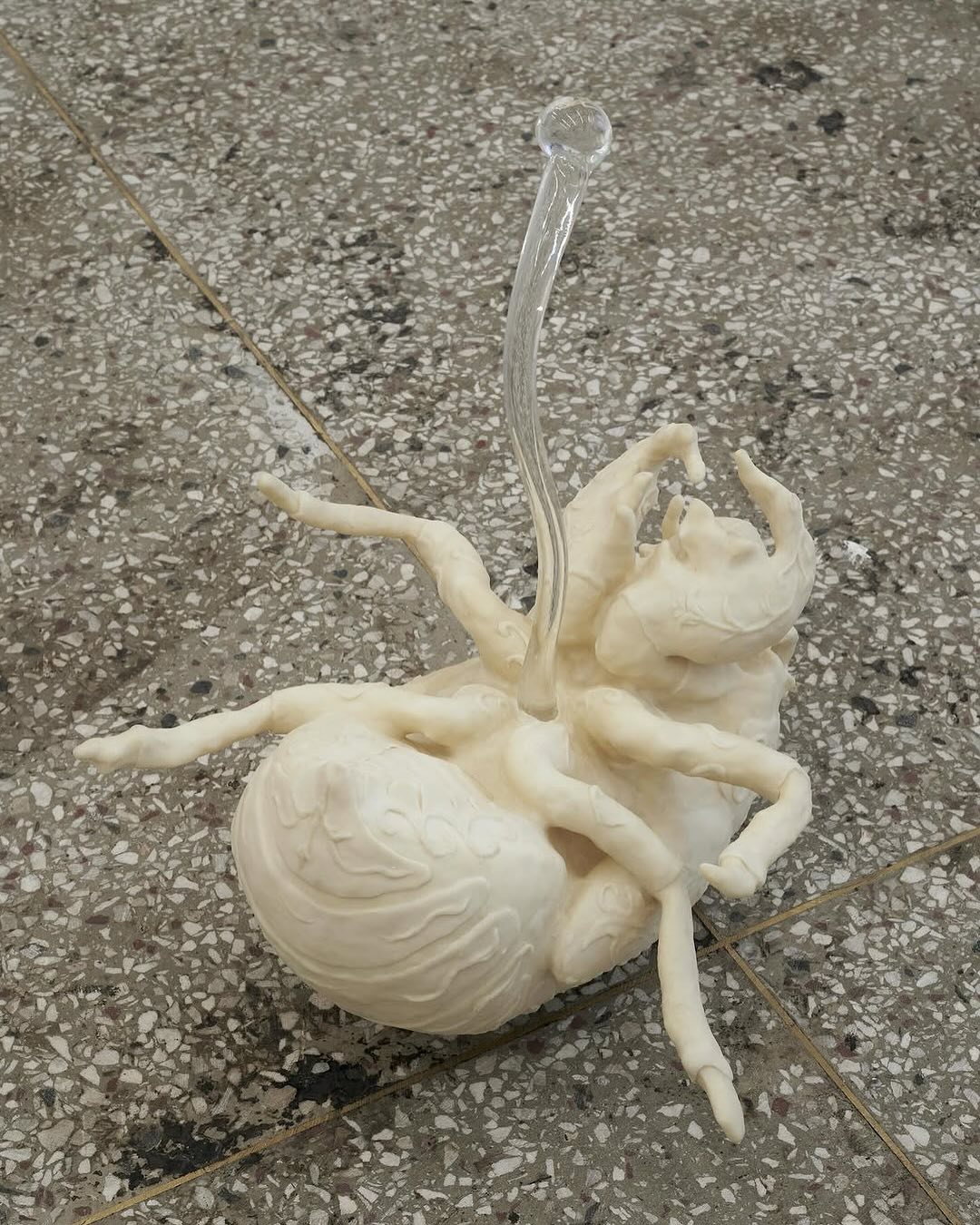
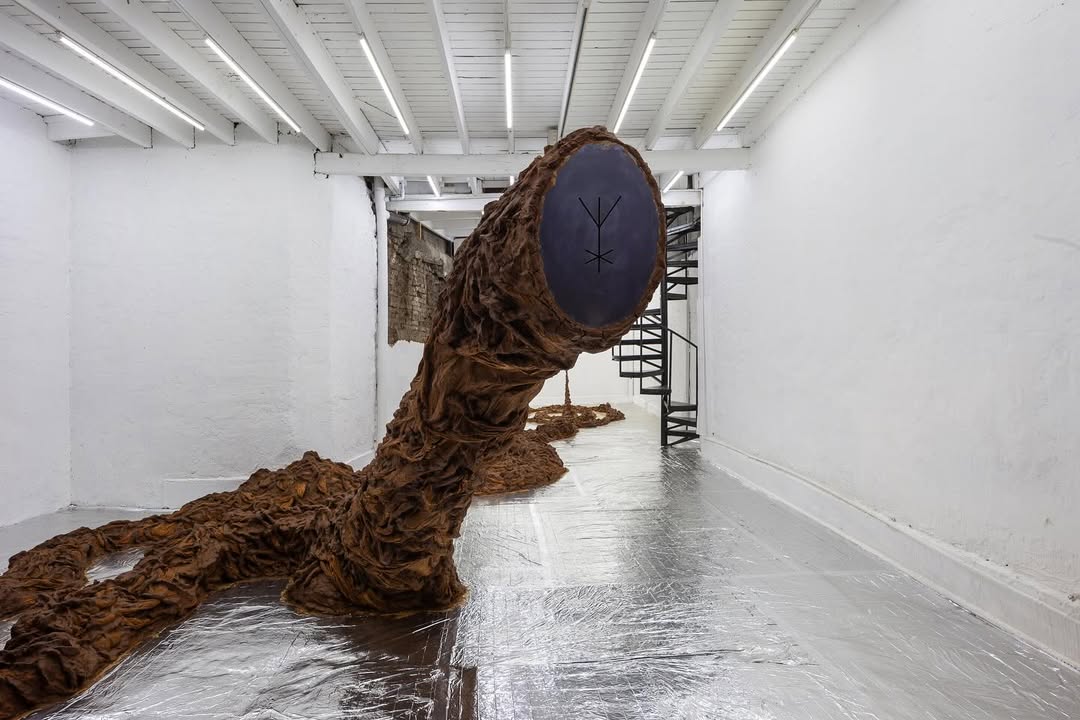
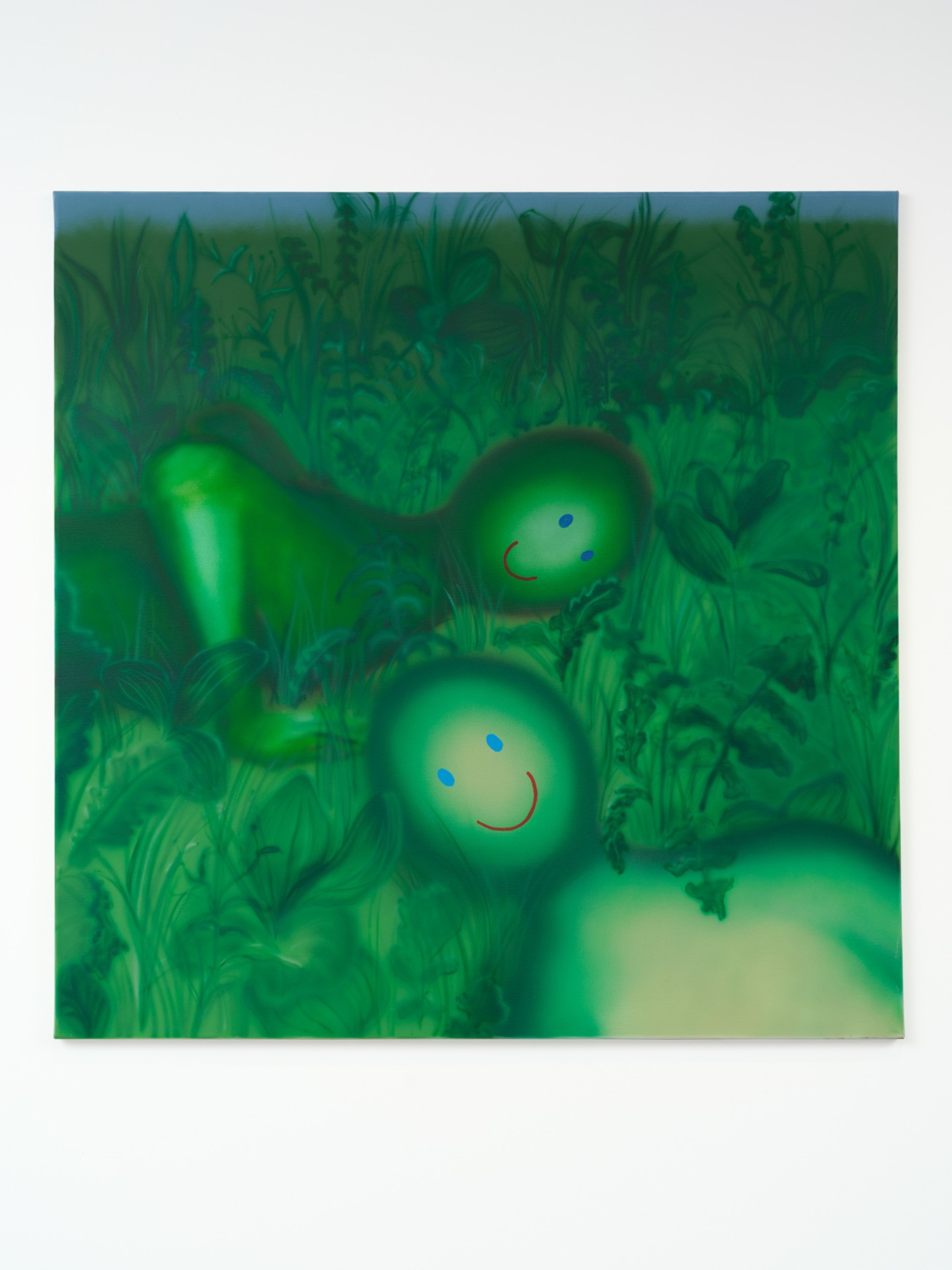
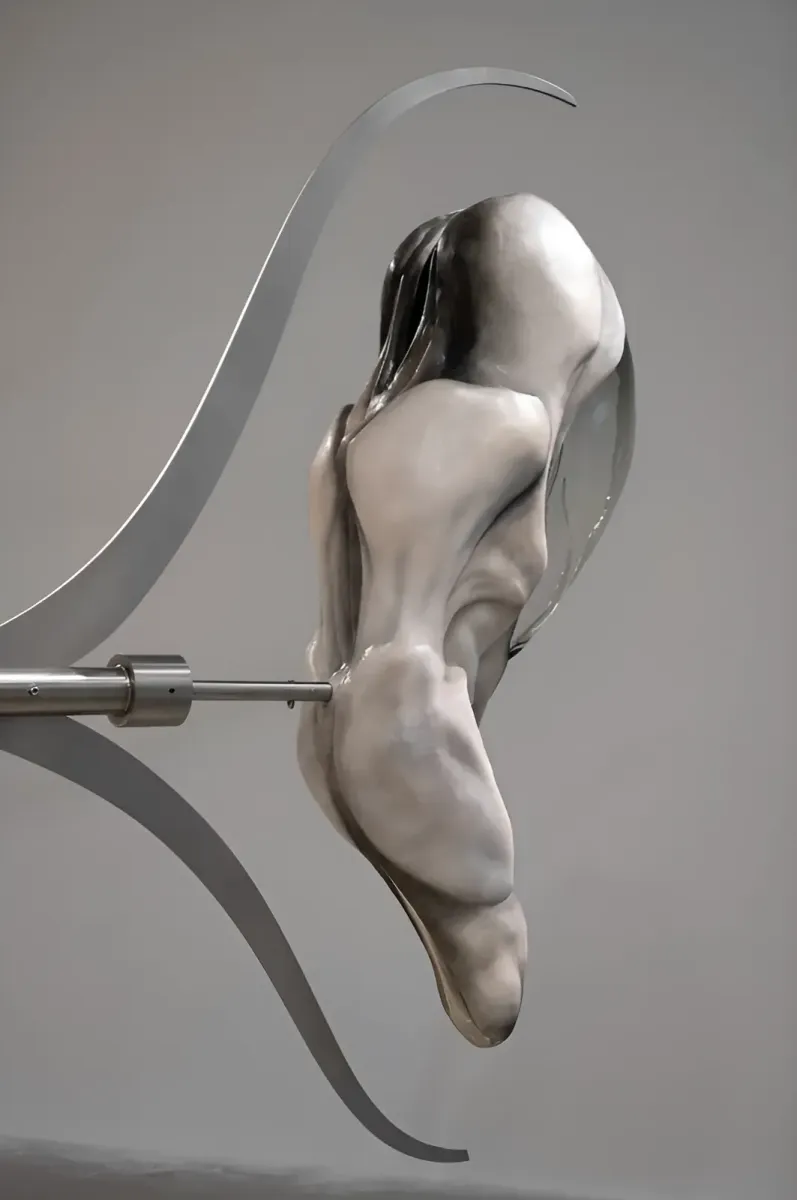
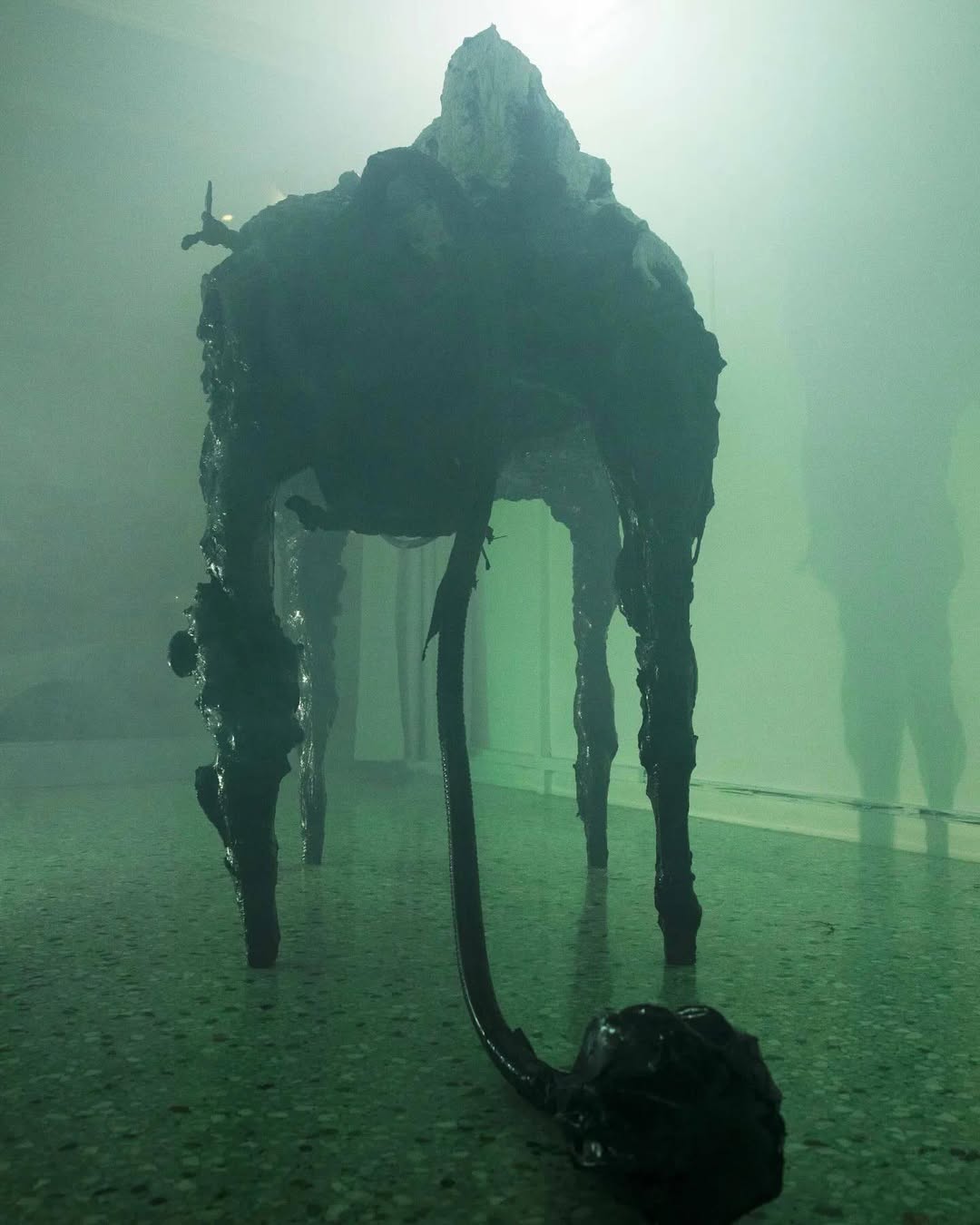
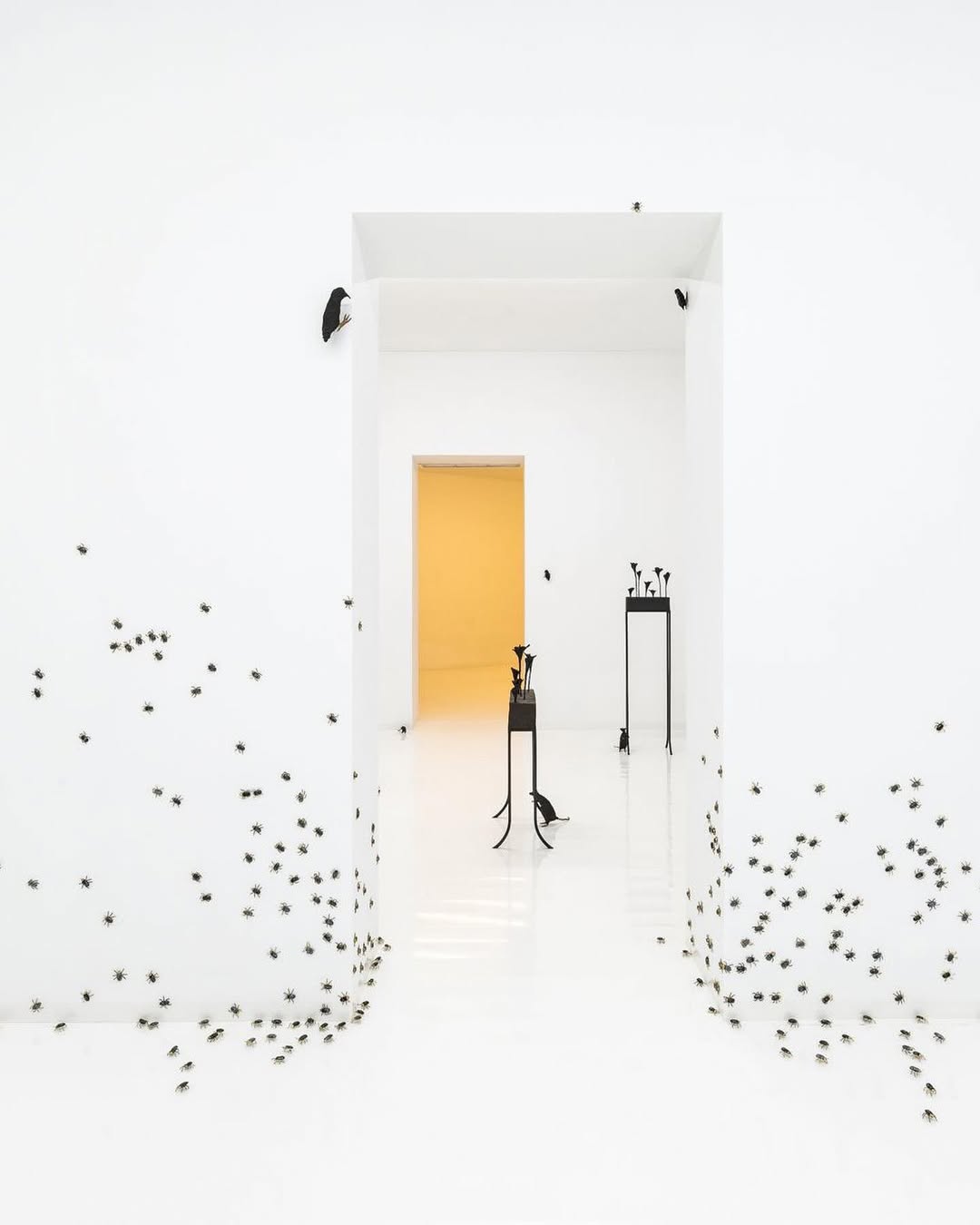
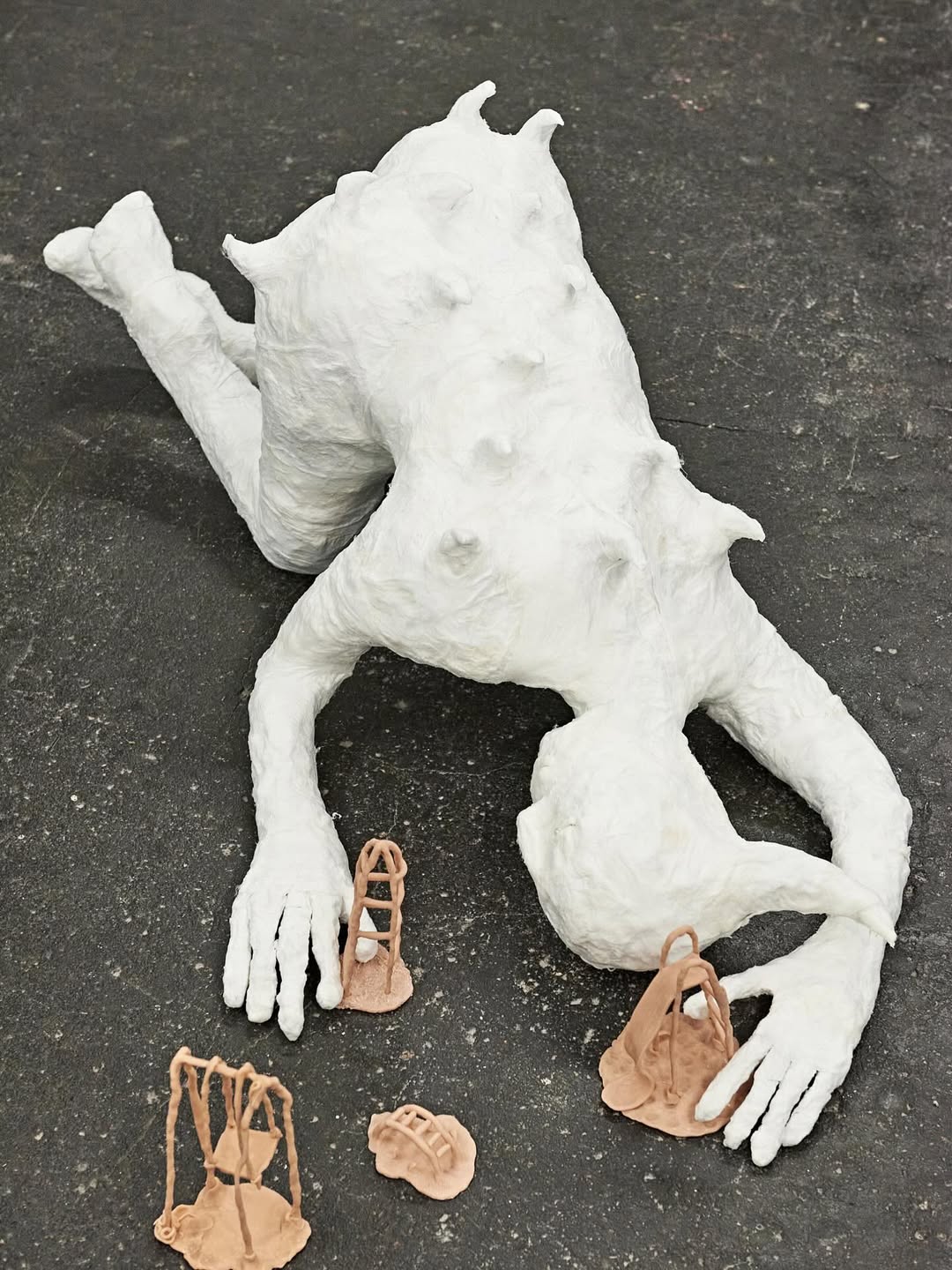
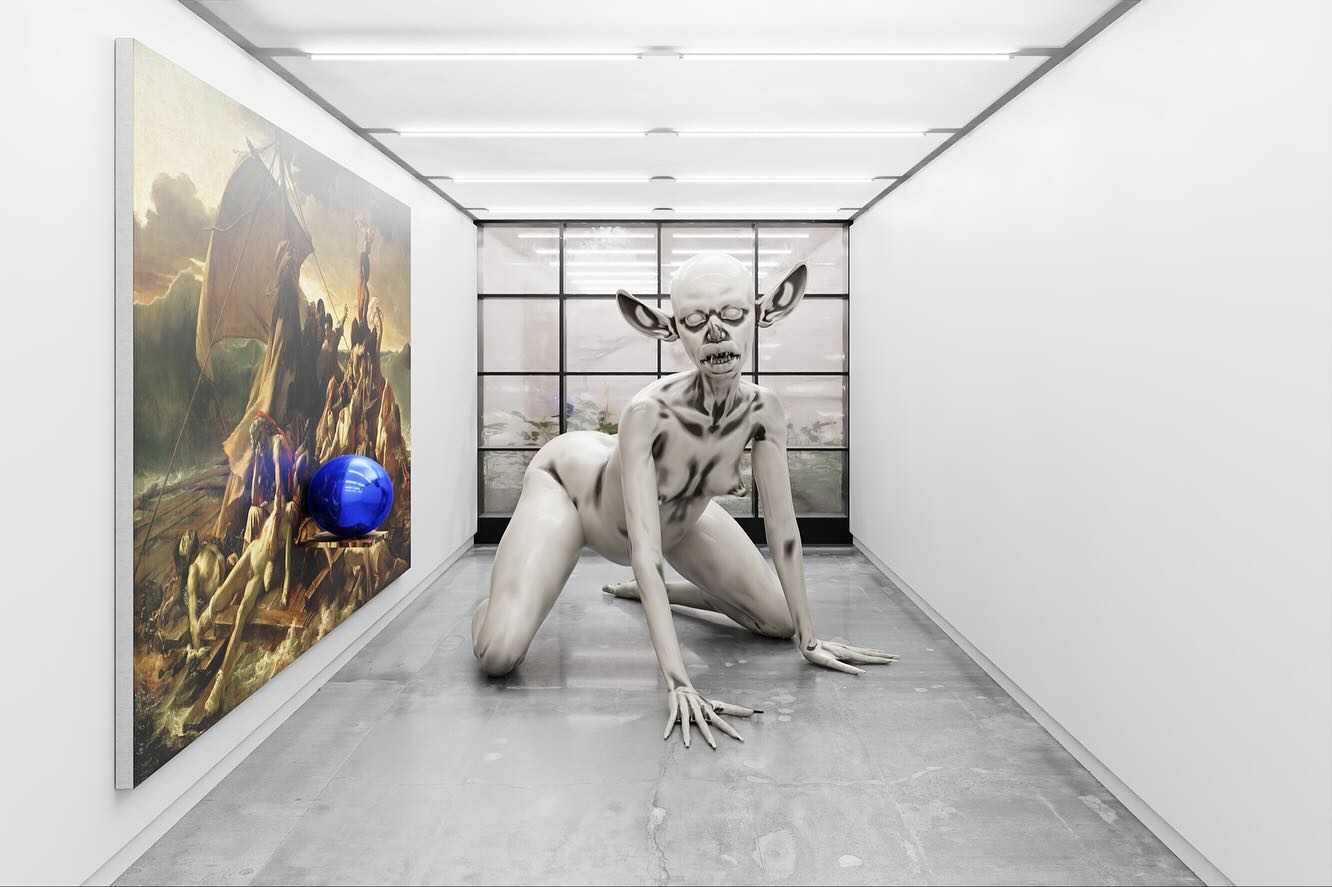
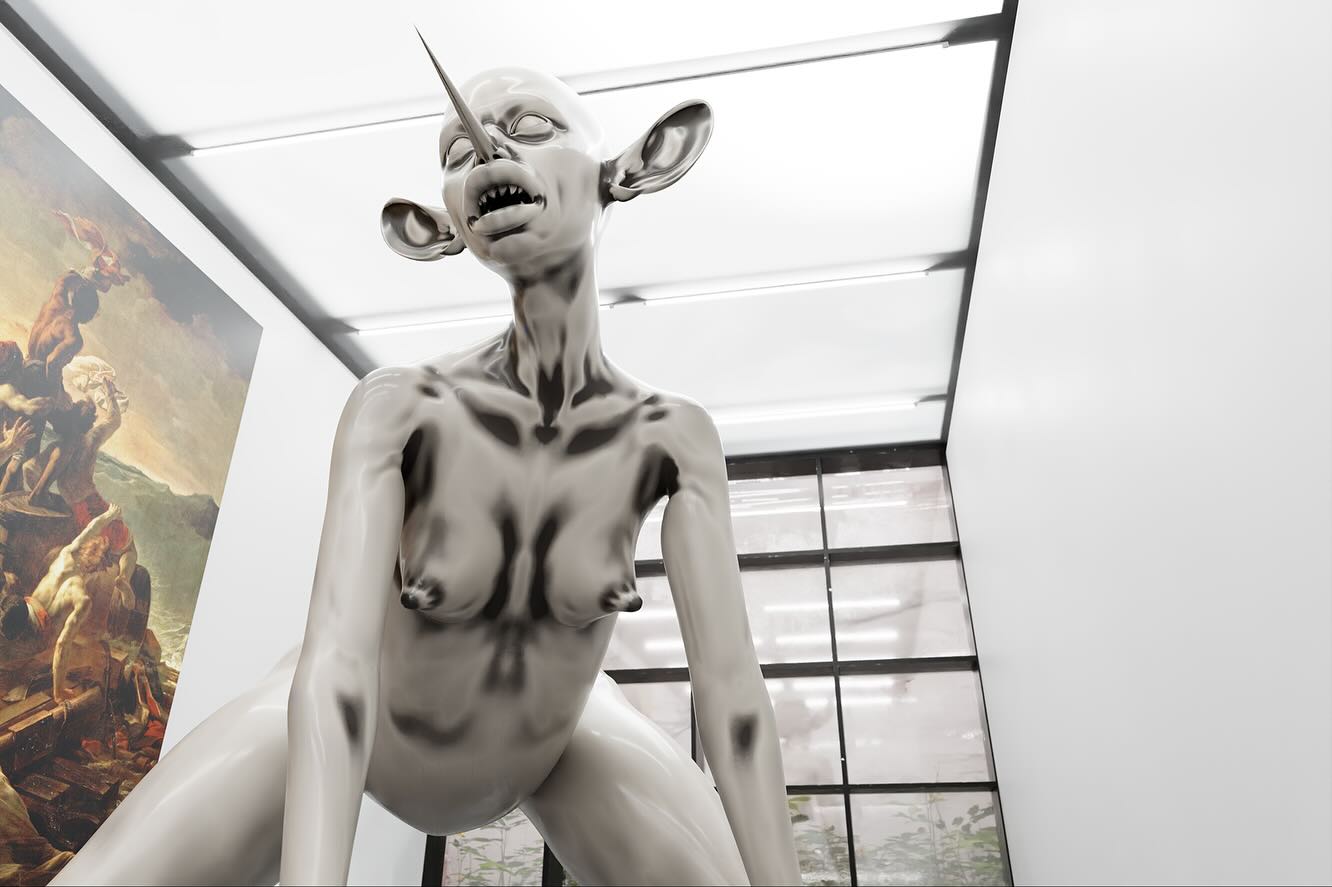
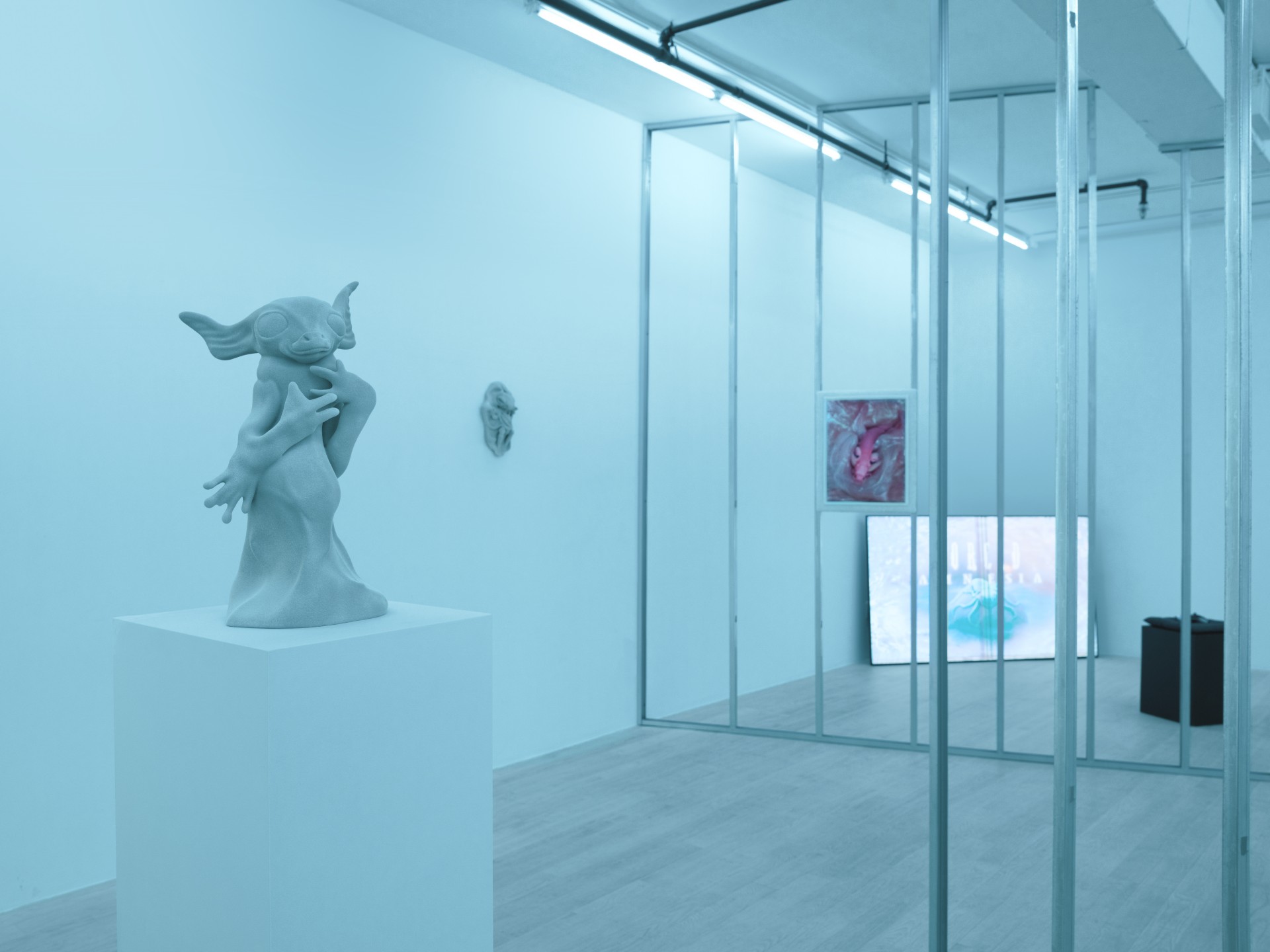
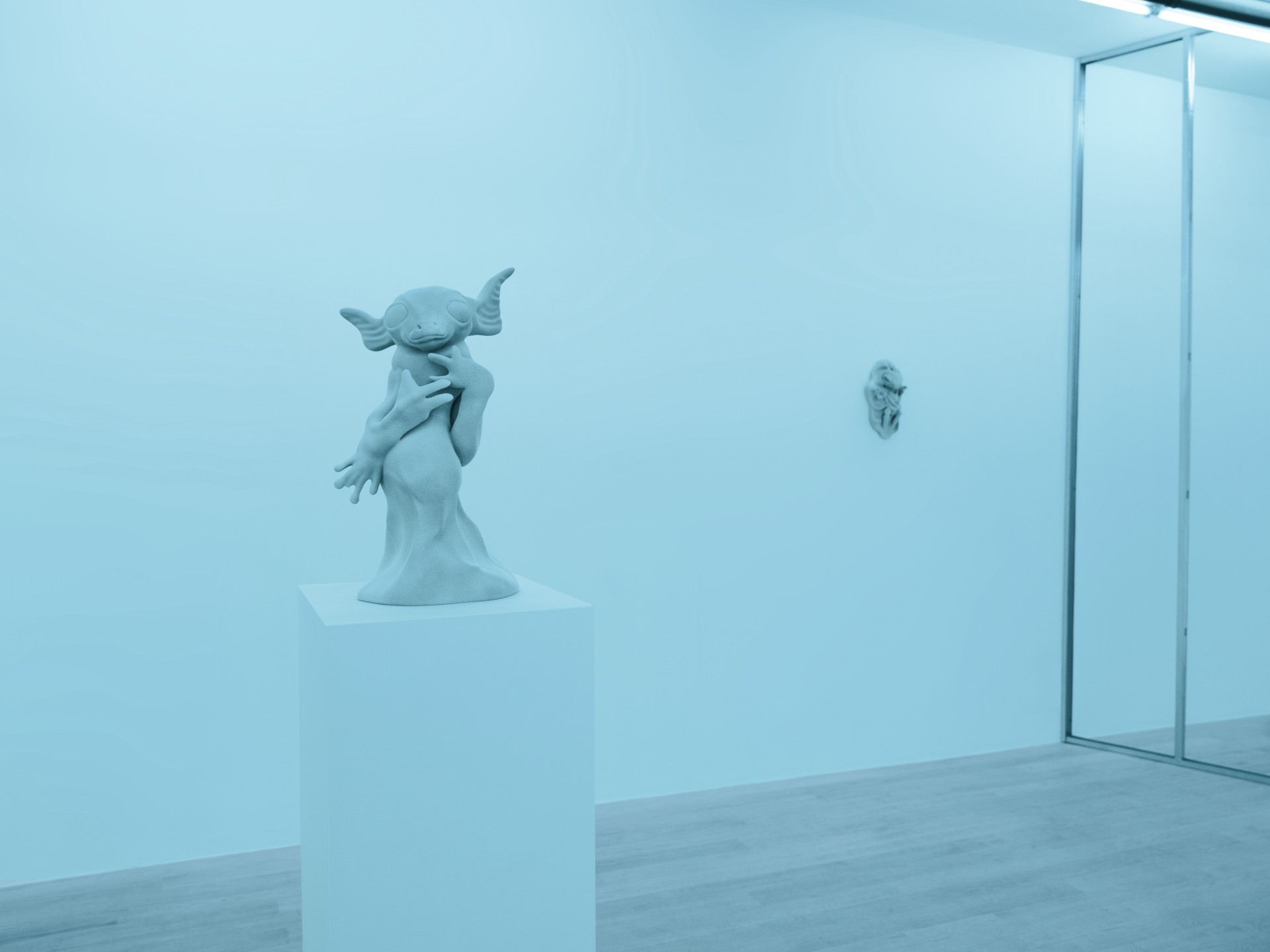
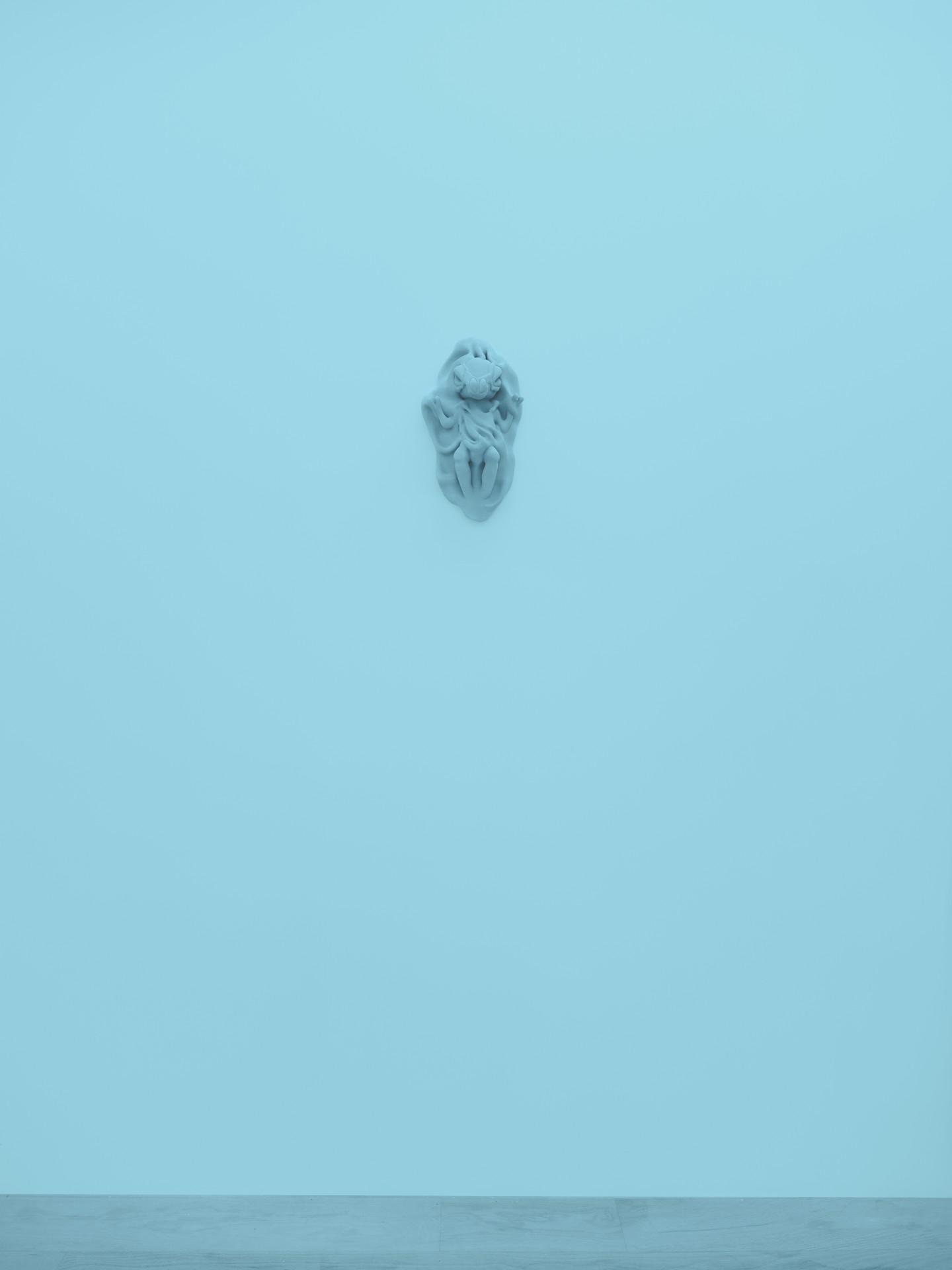
On the other hand, Ramirez’s world couldn’t care less about preservation or control. Her blobby, insectoid creatures - some recognizably cute, some totally unplaceable - aren’t waiting for any human timeline to fulfill their purpose. They’re constantly becoming. Their names – like Schminkie or Baby Jesus – suggest an anthropomorphic presence, but any sense of meaning dissolves just as quickly.
While they have strong cryptid energy, these creatures also echo real-world biological organisms: the indestructible Tardigrades, who can suspend their metabolism for years and survive exposure to space, yet otherwise live peacefully in mosses and lichens; or the Demodex mites—tiny worm-like beings buried in our pores and lashes, crawling out at night to mate, feast on sebum, and vanish before morning.
Ramirez’s creatures seem to be pulled from a dream, or from a footnote in a speculative biology journal. In this context, they appear as if they’ve been evolving alongside humanity the entire time, indifferent to its obsession with preserving and sustaining these cryogenic businesses. It’s implied that these creatures’ evolution remained unnoticeable, and perhaps took over completely when humans succumbed to their obsessive myth of self-preservation. Completely indifferent to us, they continued thriving in the margins, slowly taking over.
The works construct this exhibition like a mirror house built from broken glass, distorting a reflection just enough to feel familiar but awfully uncanny, a little grotesque, and strangely funny. Ramirez ripples where Deja freezes. If one holds time still, the other lets it slide sideways. Both seem to be asking the same core question: how do we relate to the unknown?
Forget monuments, archives, or passed-down stories. The future isn’t elsewhere - it’s already here, between these gallery walls, rendered in digital processes. Here, screens flicker, files are loading, and bodies do not breathe - they loop.
Stine Deja (b. 1986 in Denmark). Lives and works in Copenhagen) received an MA from Royal College of Art. Solo exhibitions include Grave Matter at Ringsted Galleriet, Ringsted, Full Circle at Florit Florit, Palma; Heavy Render at OTP Copenhagen; Dawn Chorus, Vestjyllands Kunstpavillion, Videbæk, Denmark Cold Sleep at Tranen, Gentofte; Last Resort at kim? Contemporary Art Centre, Riga; Hard Core, Soft Bodies at Schimmel Projects, Dresden, and has executed several site-specific projects internationally. Deja’s work has been published in Cura, Nasty Magazine, Coeval Magazine, Kunstforum, Overstandard and many other publications. Her work is included in the collections of Arken, The New Carlsberg Foundation, The Danish Arts Foundation, Esbjerg Art Museum.
Mary-Audrey Ramirez (b. 1990 Luxembourg-City, Luxembourg. Lives and works in Berlin) studied under Thomas Zipp at the University of the Arts in Berlin Germany from 2010 to 2016. In 2019 she was the recipient of the prestigious Edward Steichen Award in Luxembourg for her textile-based sculptural and pictorial works. Her works have been shown in both solo and group exhibitions at institutions such as Casino Luxembourg - forum d’art contemporain, Luxembourg, Triennale für Kleinplastik, Fellbach, Max-Ernst-Museum, Brühl, Kunsthalle Gießen, Gießen, Kunstpalast, Düsseldorf, Dortmunder Kunstverein, Dortmund, TRAUMA, Berlin, Kai10, Arthena Foundation, Düsseldorf, Haus Mödrath, Kerpen Polansky Gallery, Prag und MARTINETZ, Cologne, Esch2022+ARS ELECTRONICA, Luxembourg/Linz. Her work is included in the collections of Kunstpalais Erlangen, Kunstmuseum Heidenheim, LBBW Bank, and the Kai10/Arthena Foundation. Her public commissions include the Grundschule, Fehrbelliner Tor, Berlin, and GEOMAR, Centre for Ocean Research, Kiel, Germany. Ramirez’s work has been published in Cura, Kunstforum, Monopol, Artforum, Sleek Magazine, Kaleidoscope Magazine, and her monograph have been published by Distanz.
Artists in this exhibition
More at Management
More in New York City (NY)
Related topics
.webp)