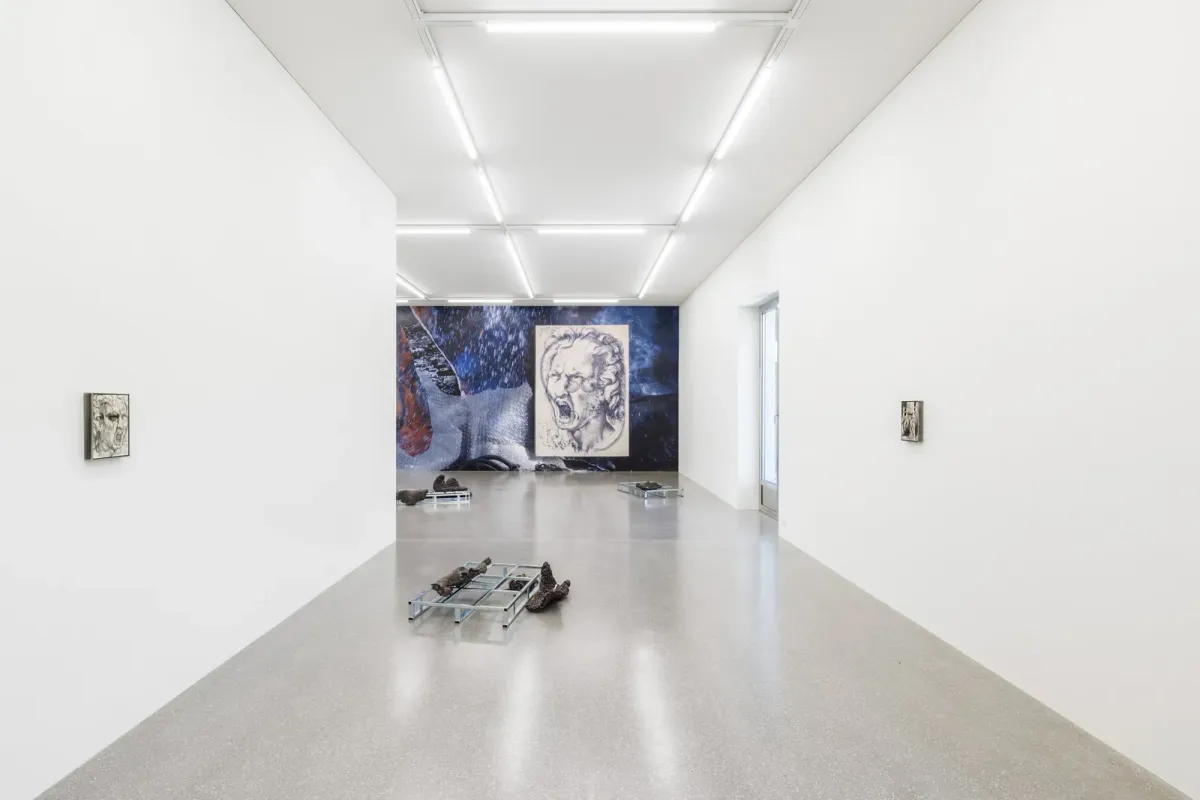
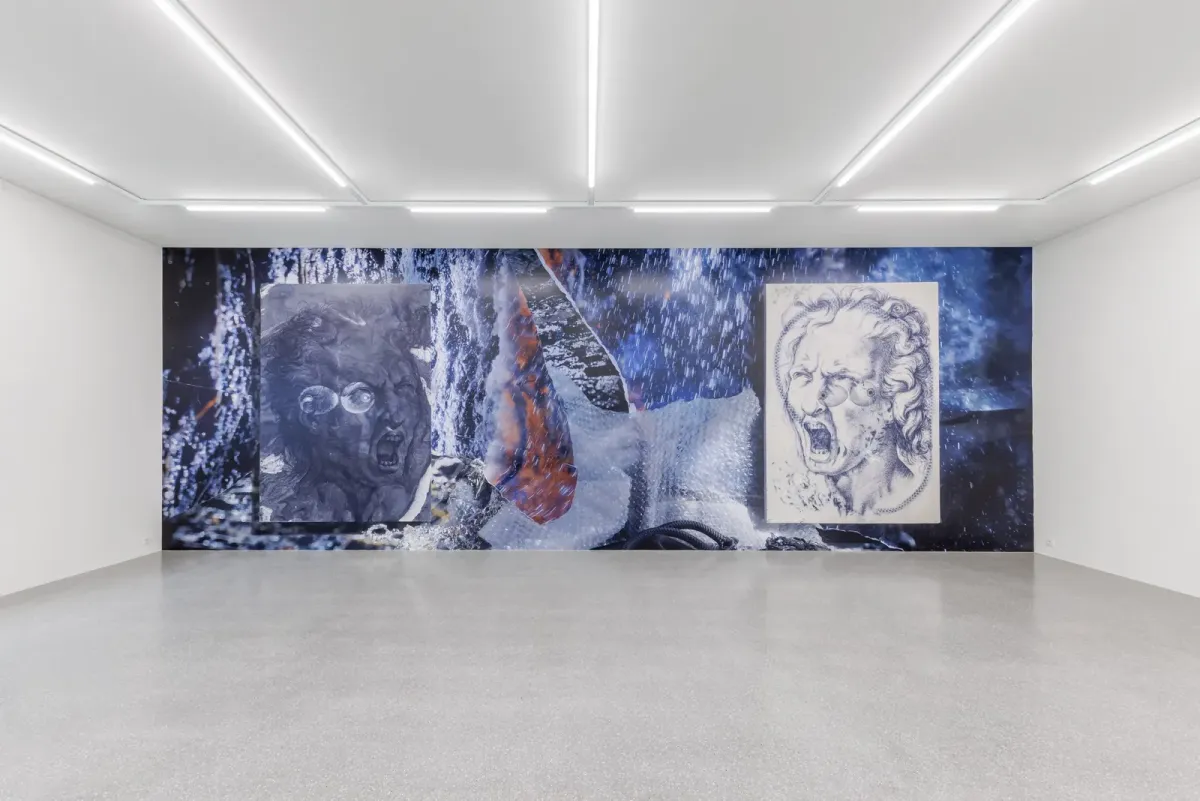
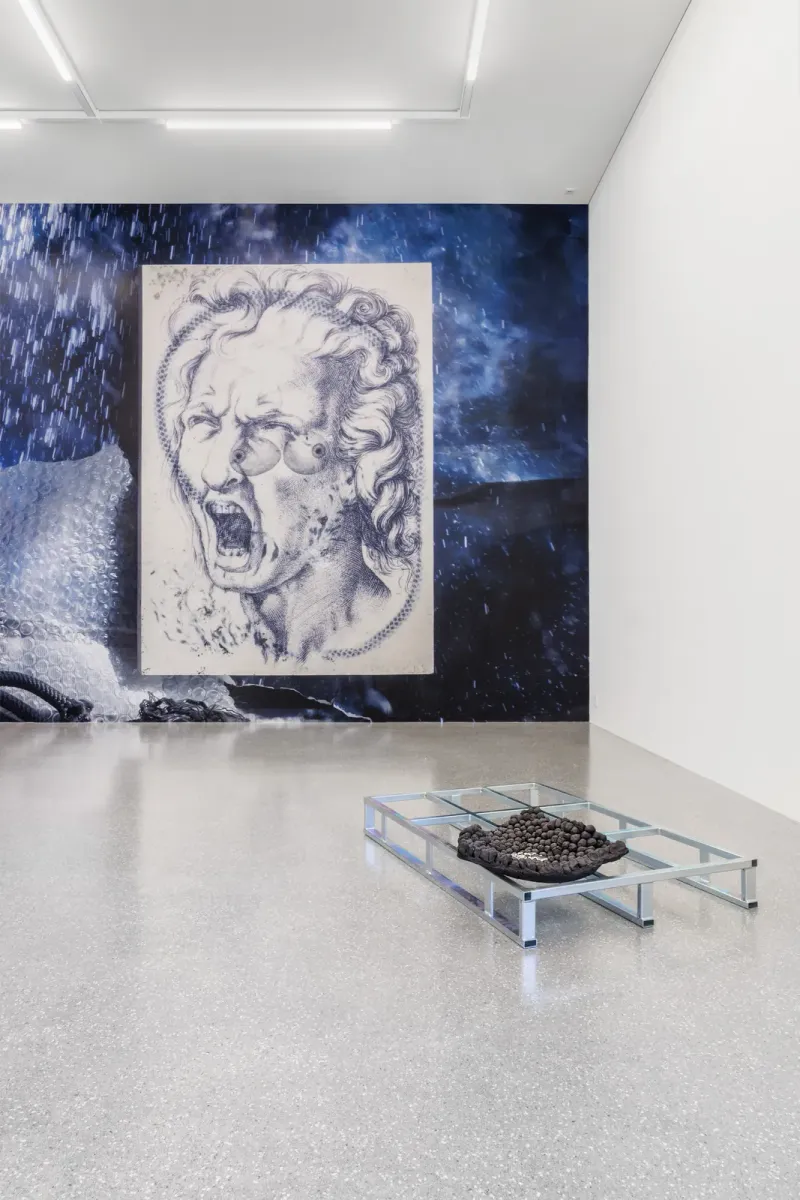
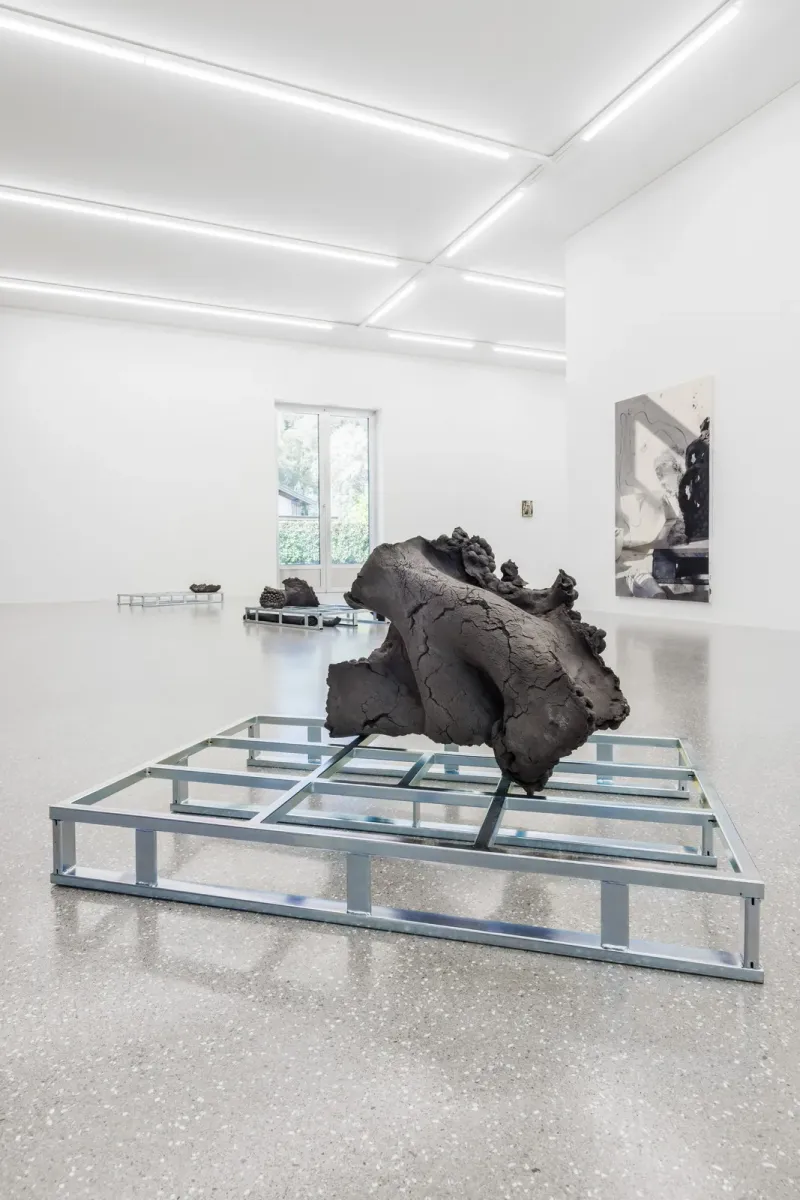
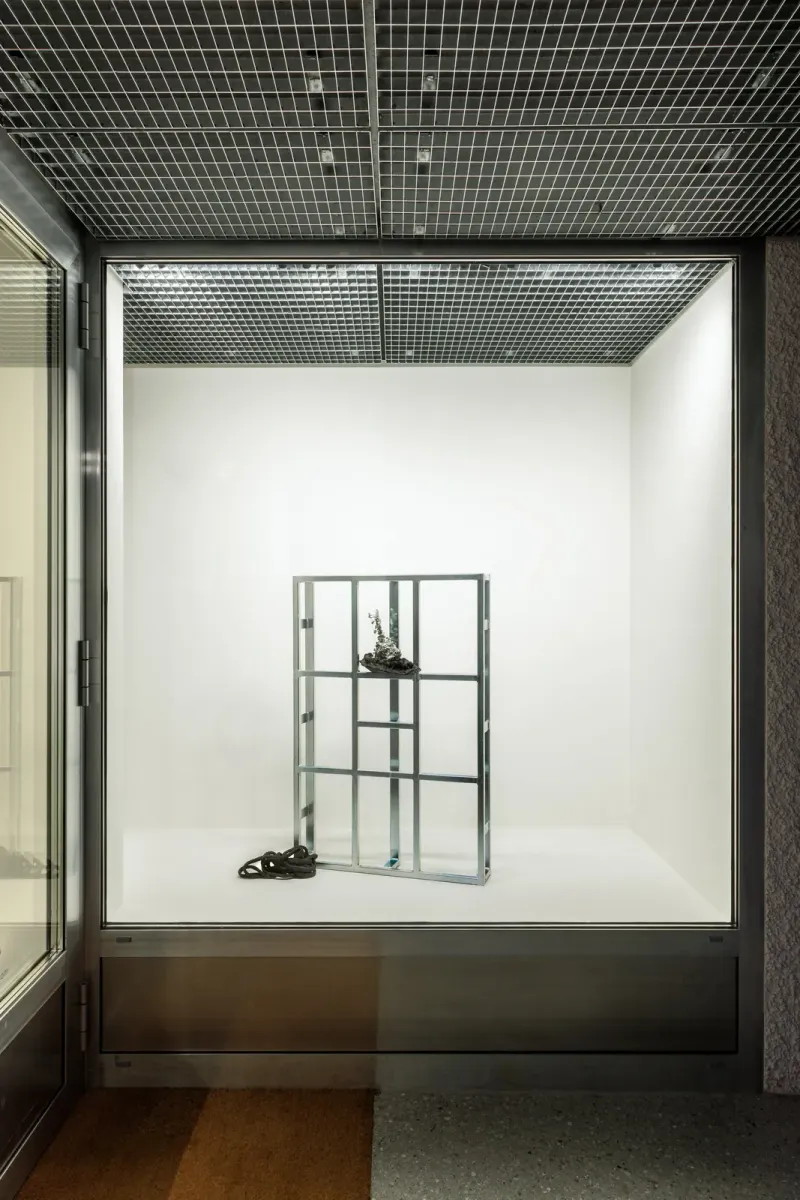
Klaus in Vorarlberg / 2026
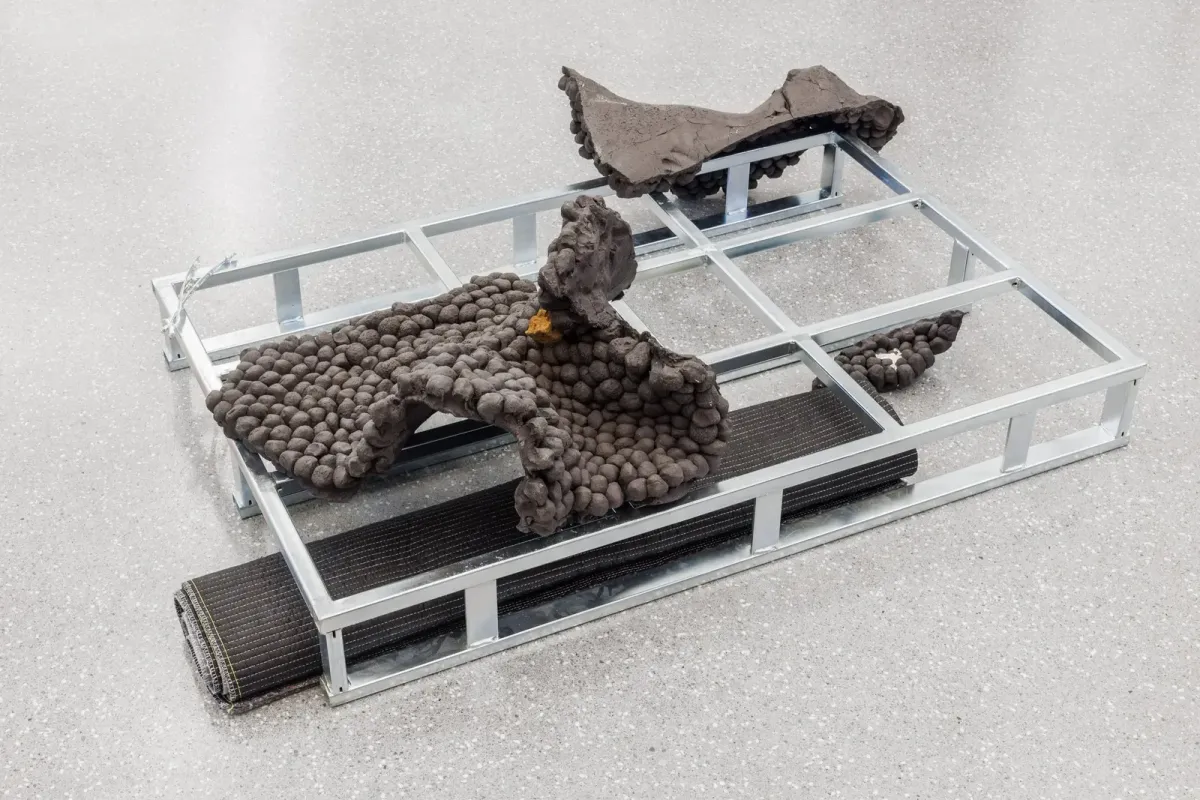
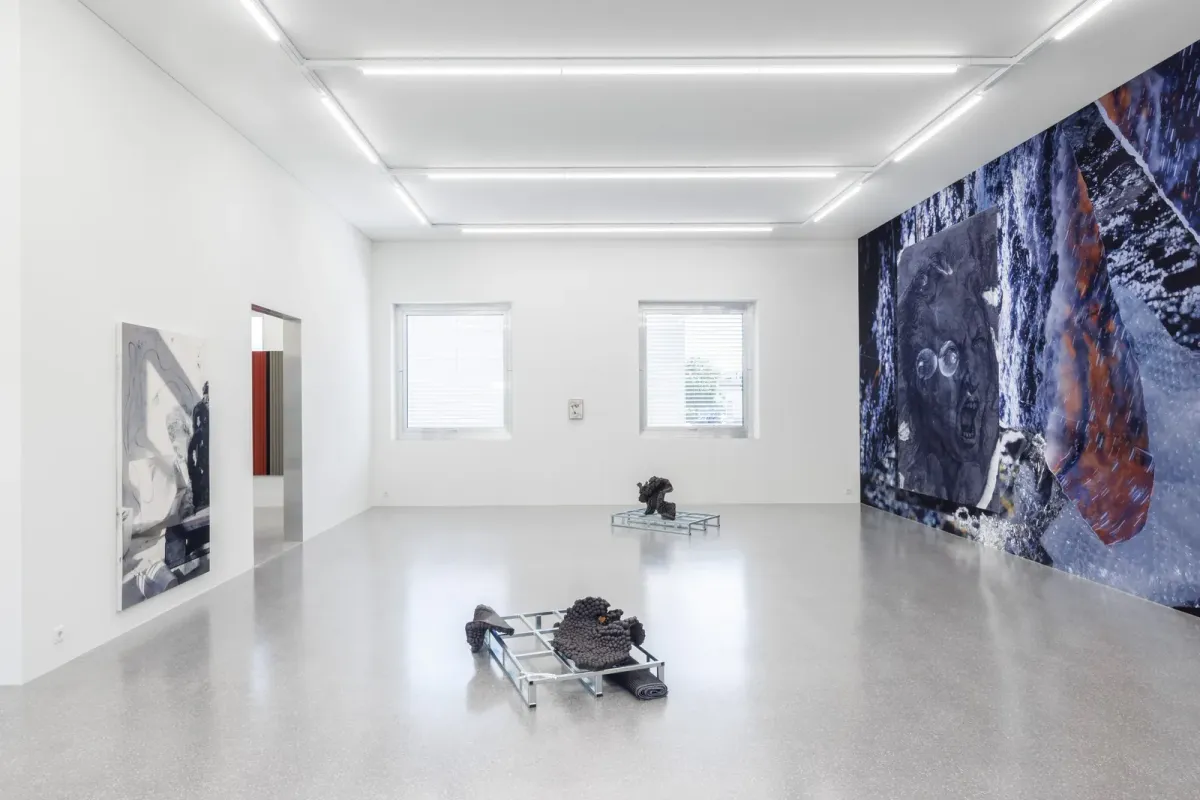
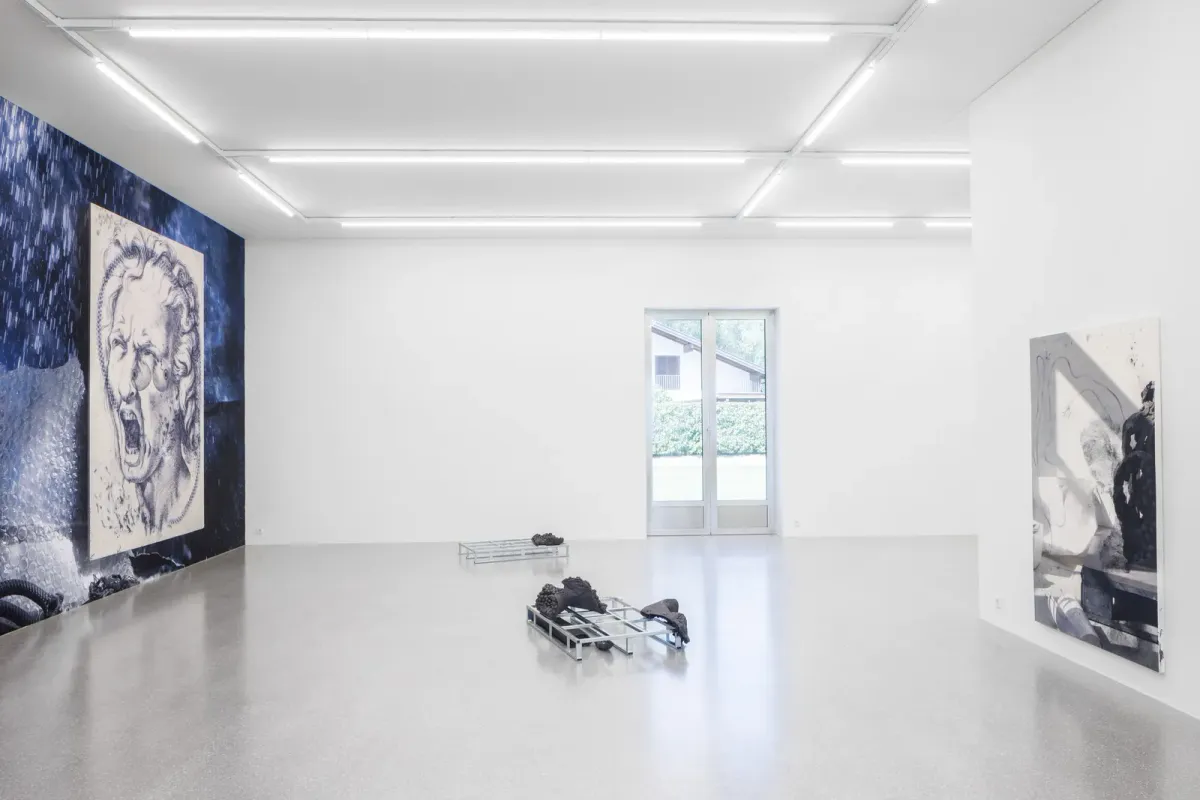
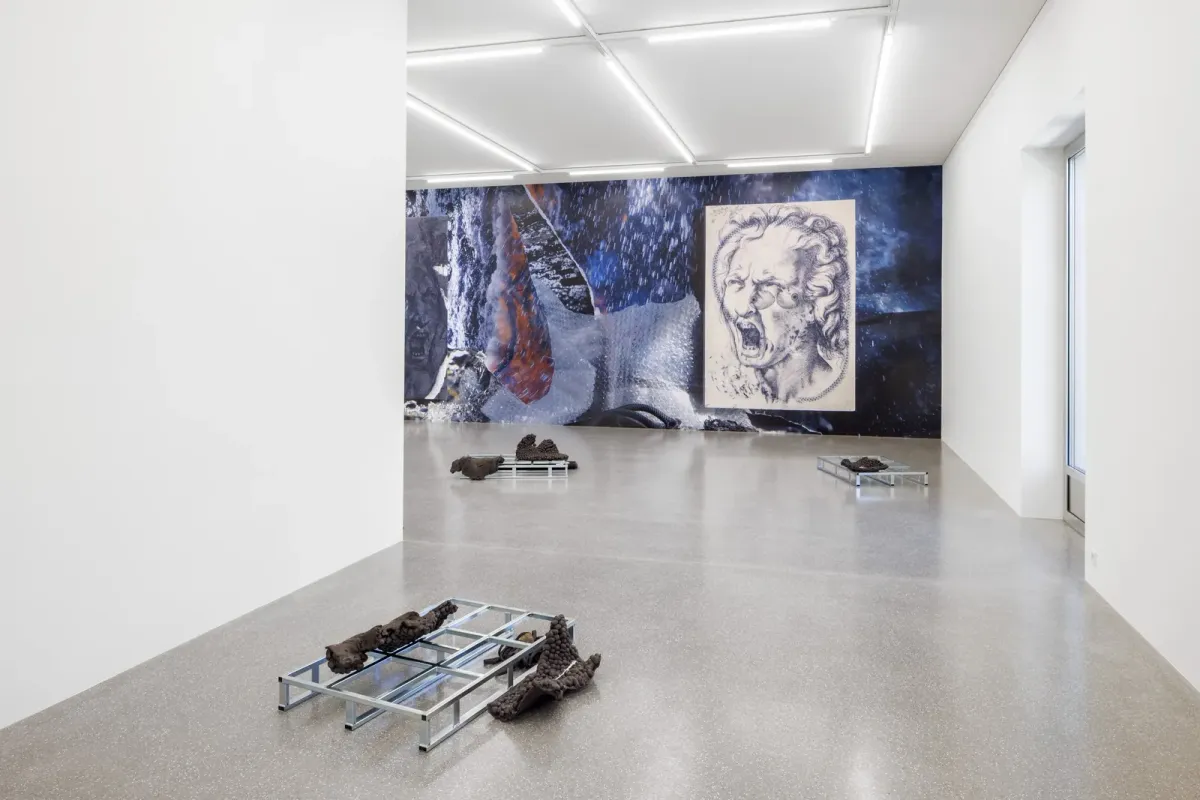
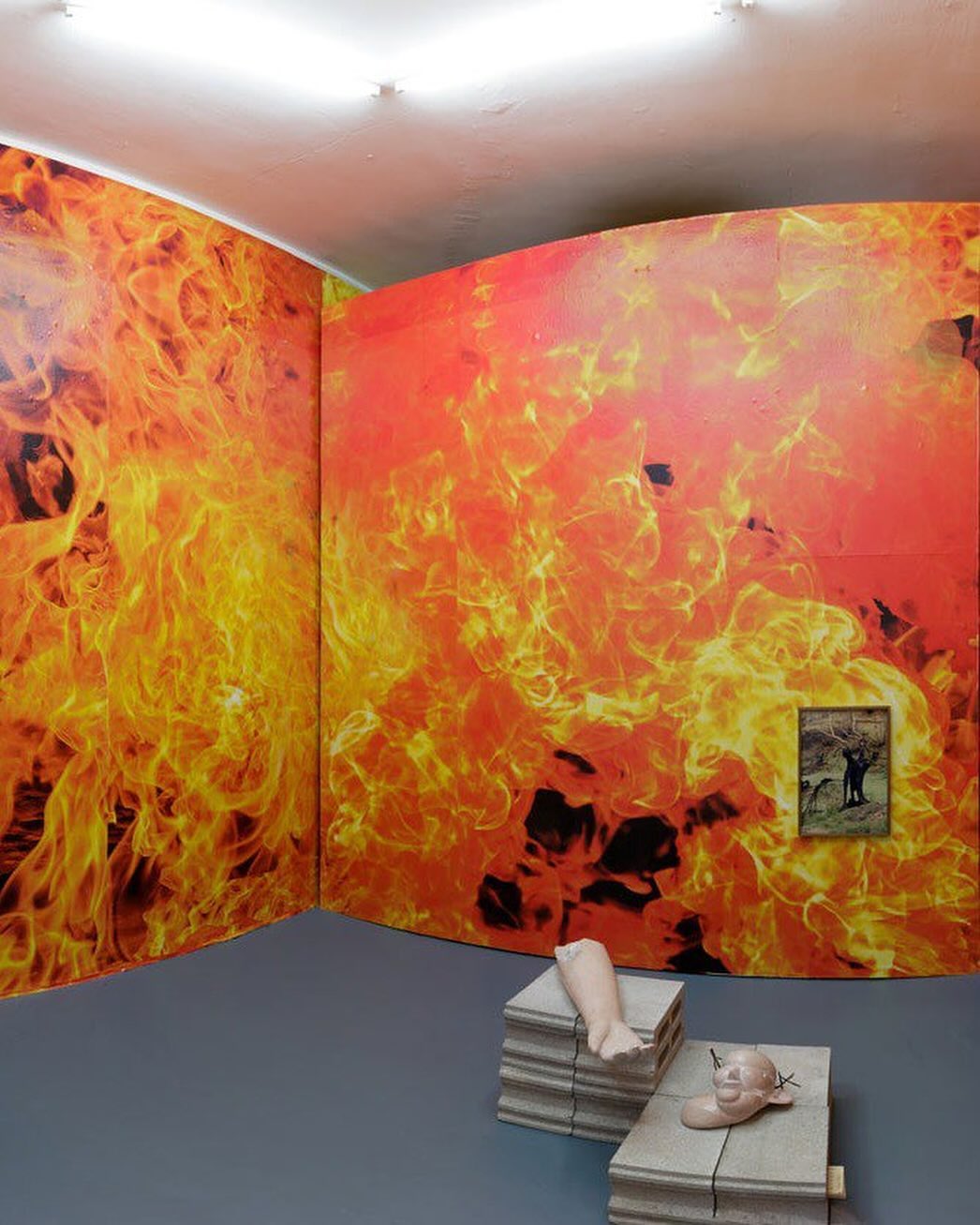
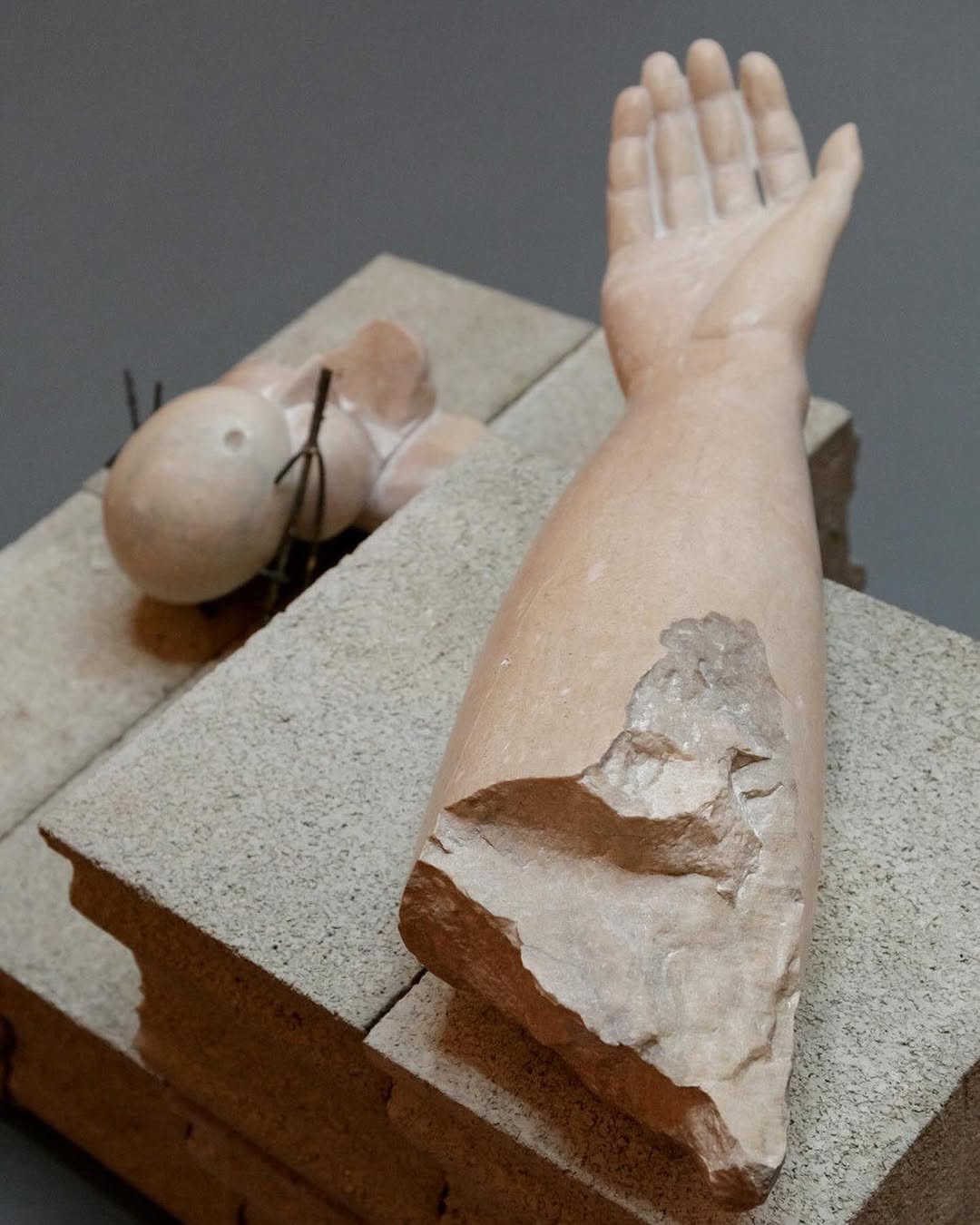
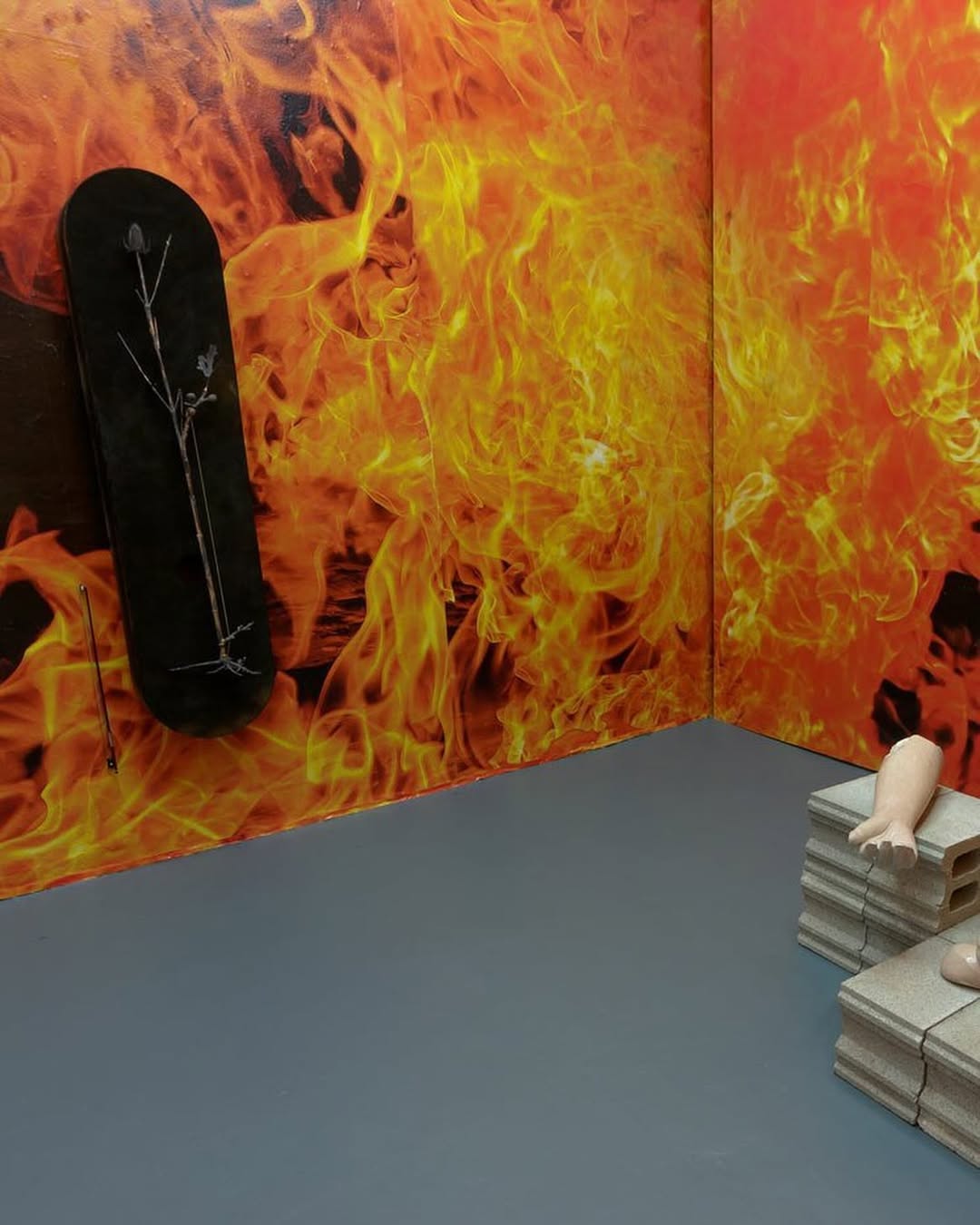
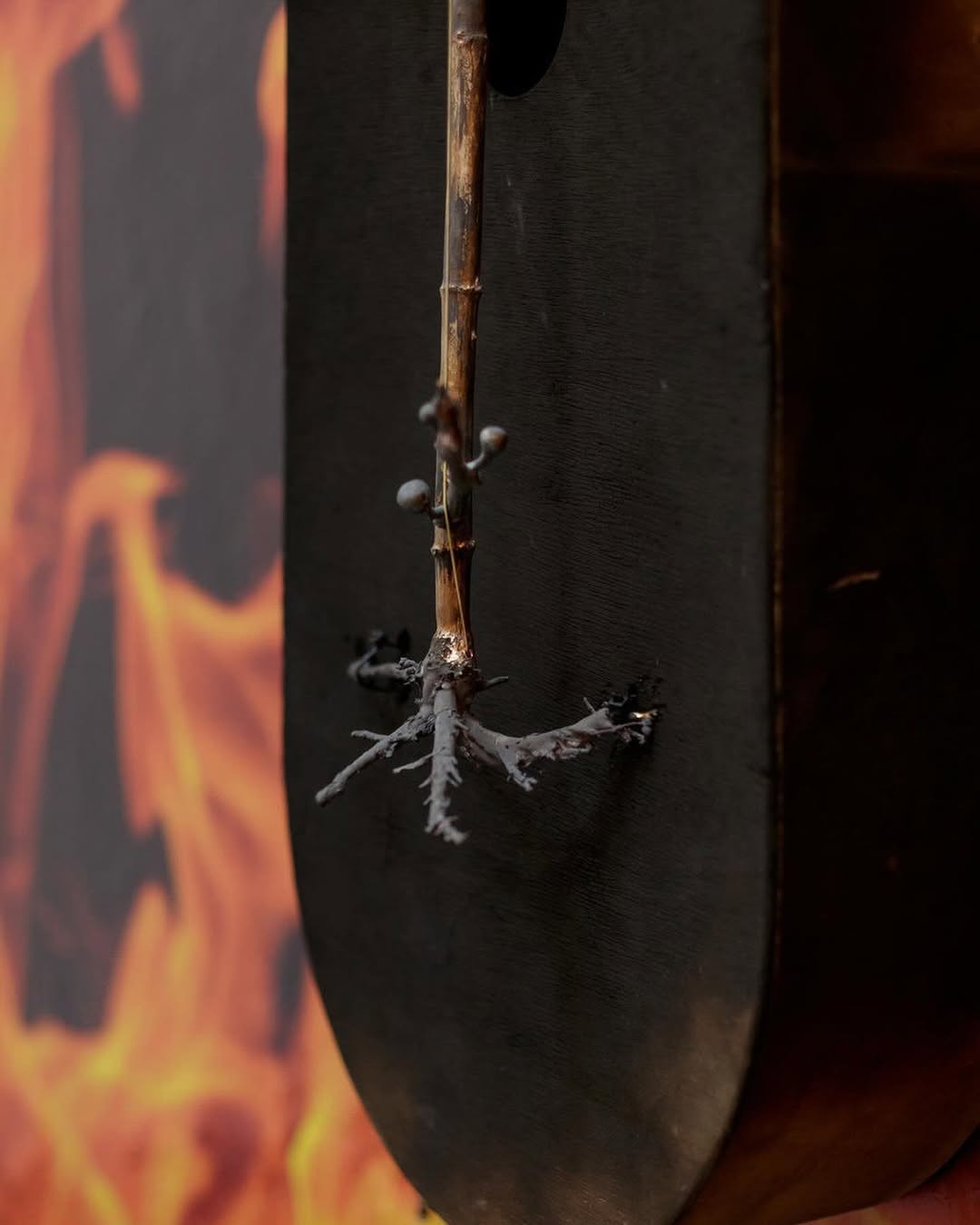
Der Kopf ist rund, damit das Denken die Richtung wechseln kannGalerie Brugger
Klaus in Vorarlberg / 2026
Der Kopf ist rund, damit das Denken die Richtung wechseln kannGalerie Brugger
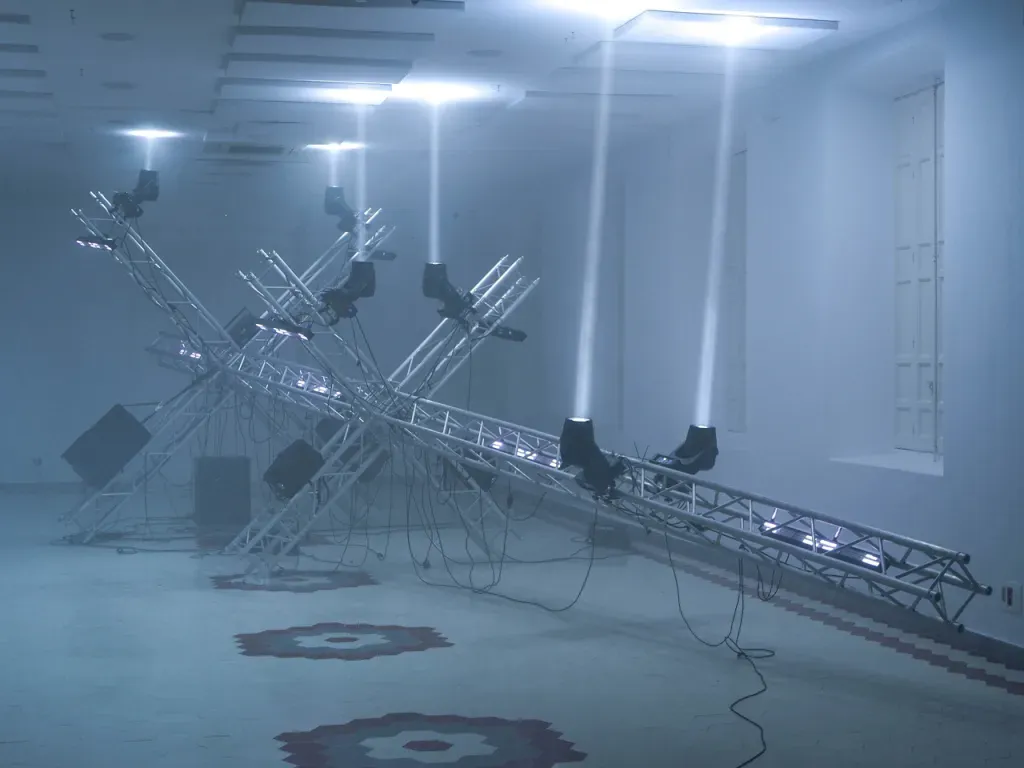
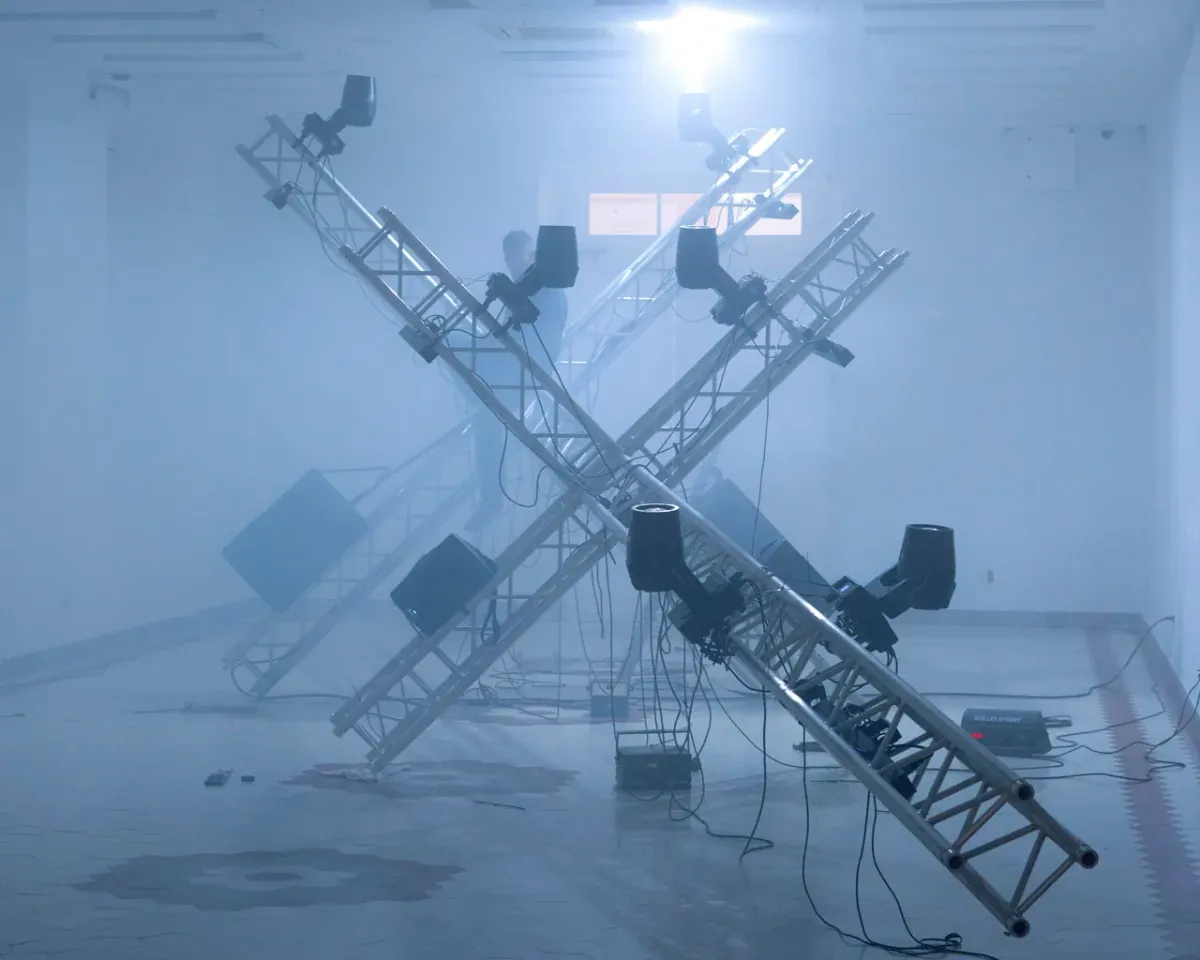
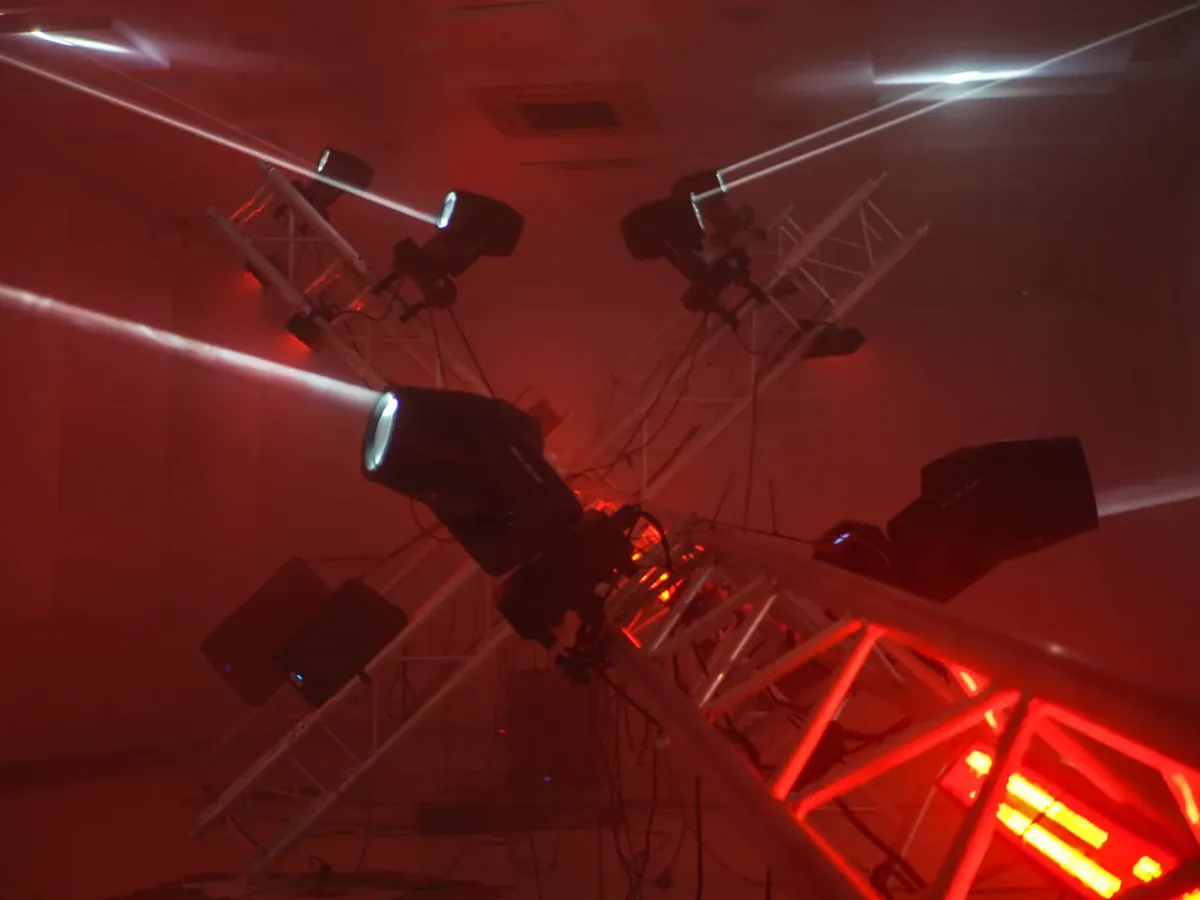
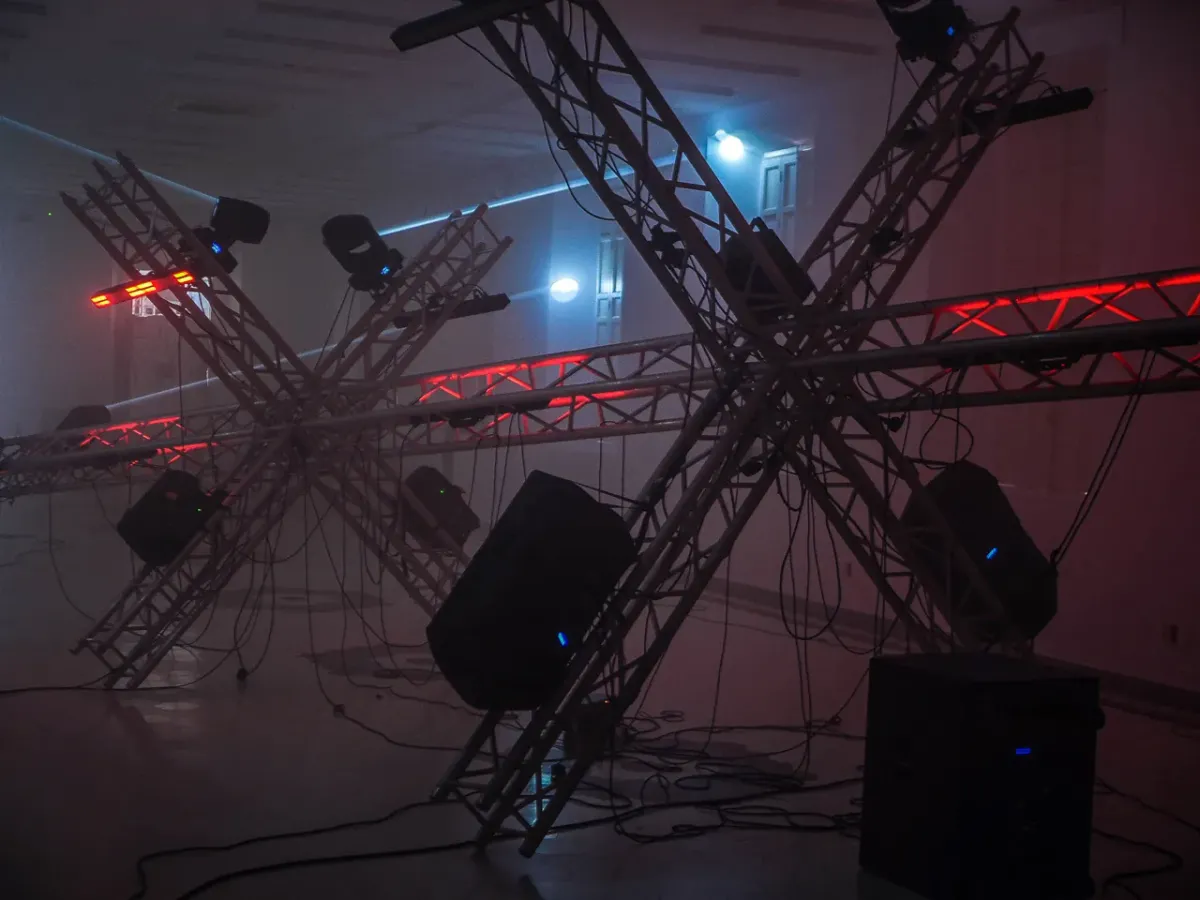
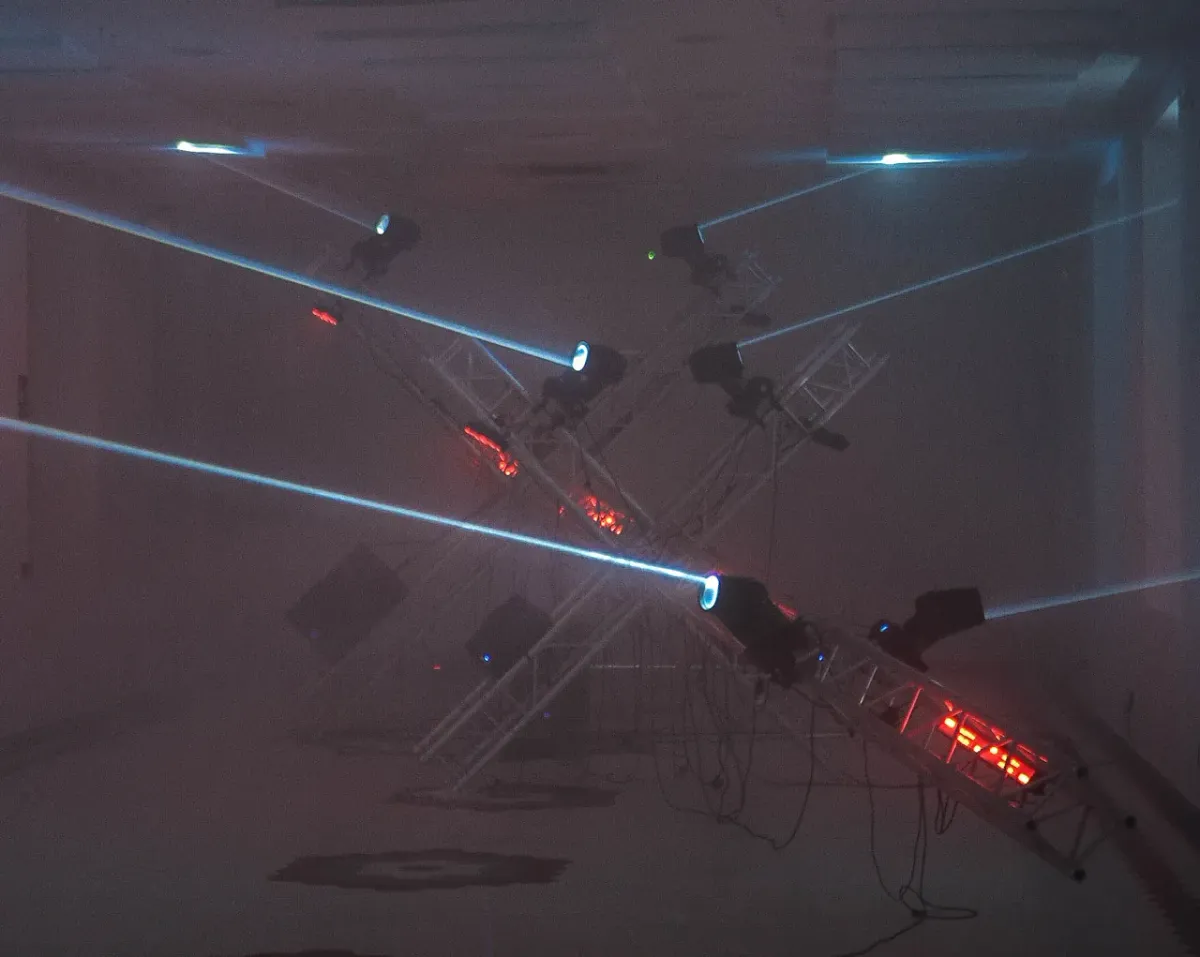
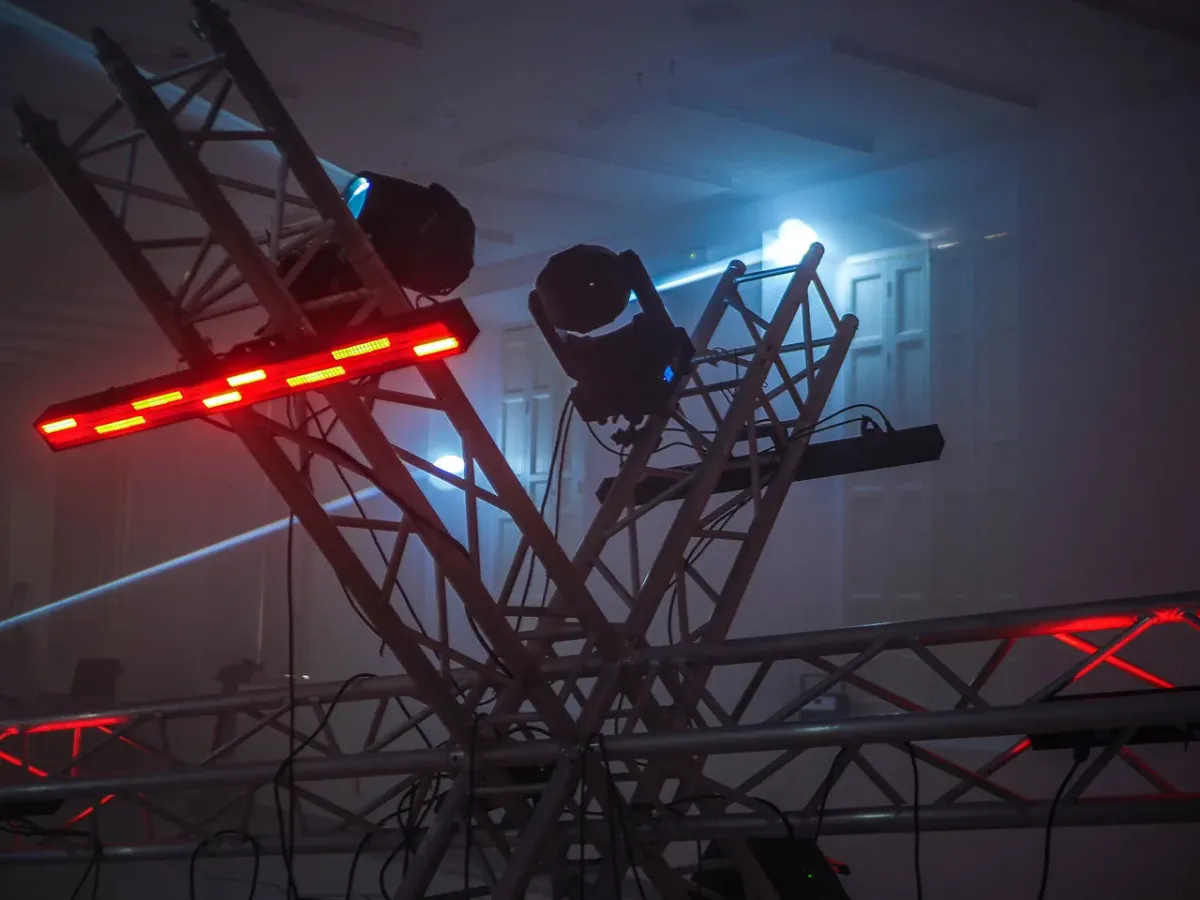
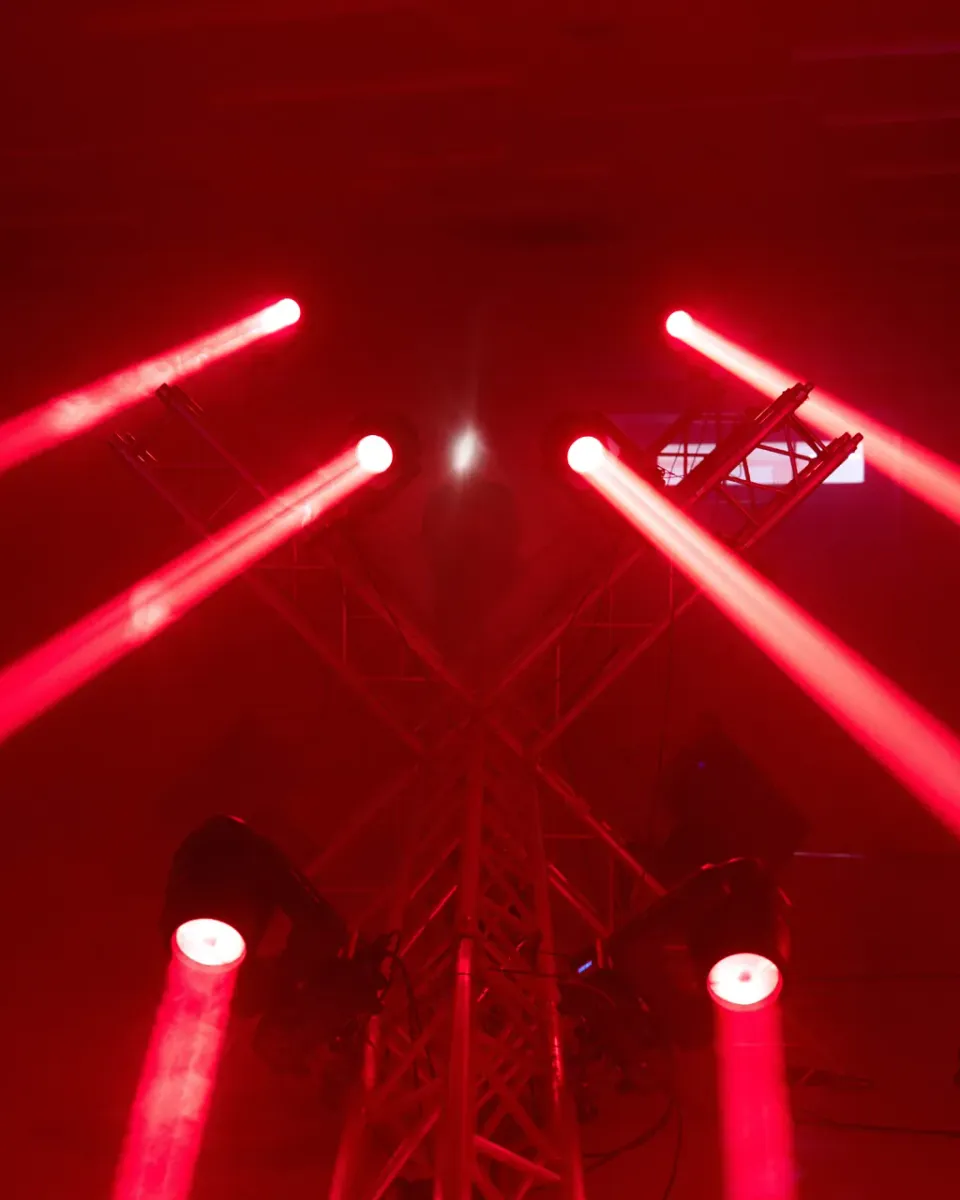
May 22 — June 01, 2026
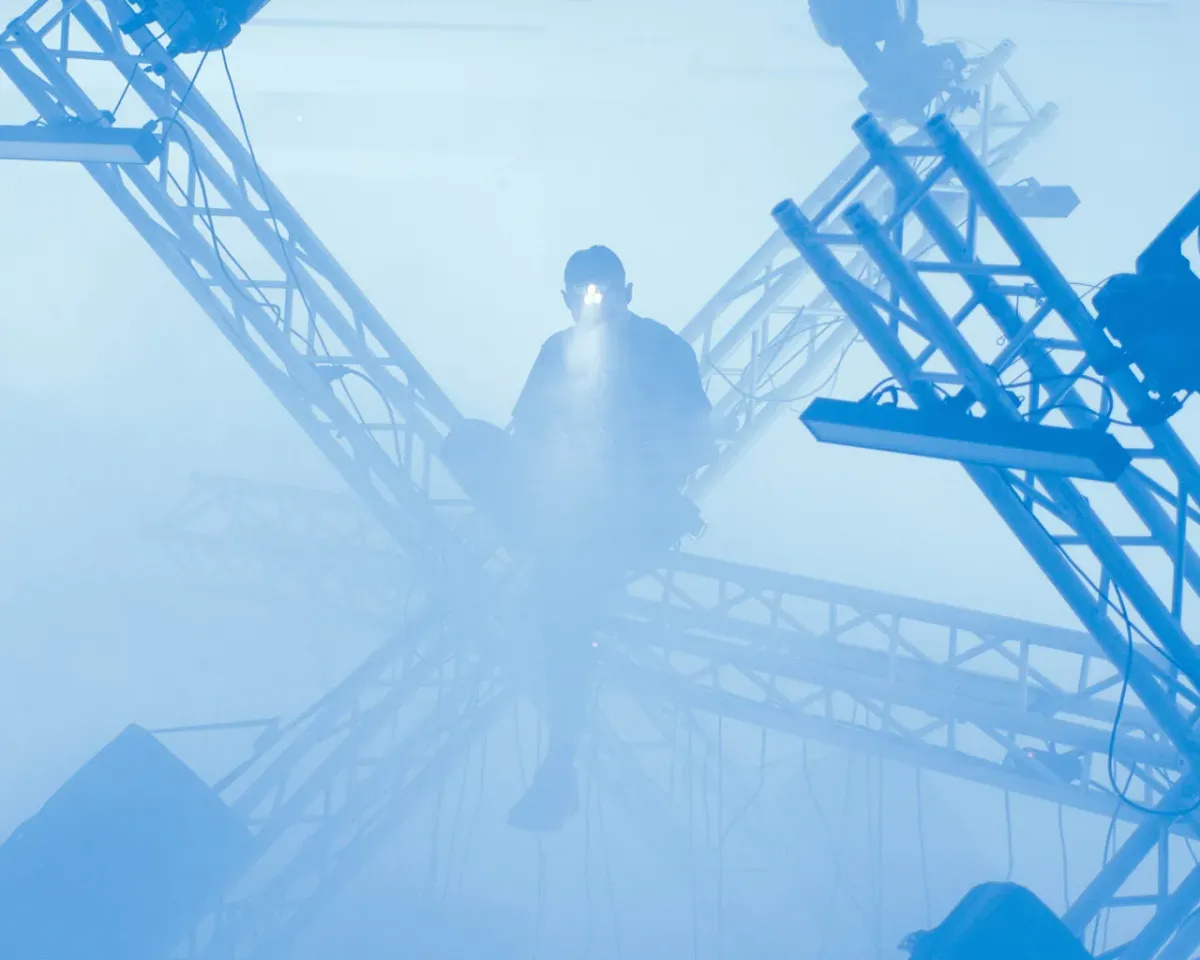
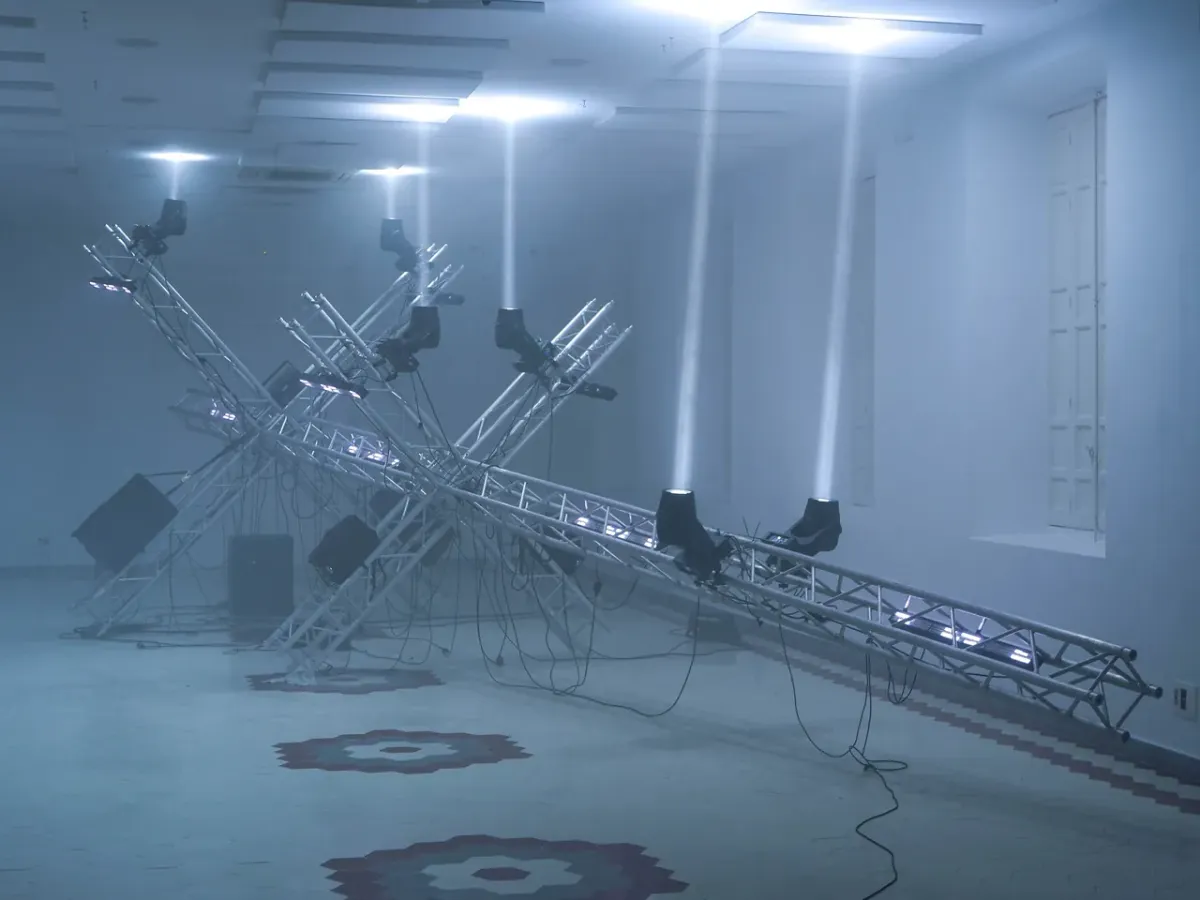
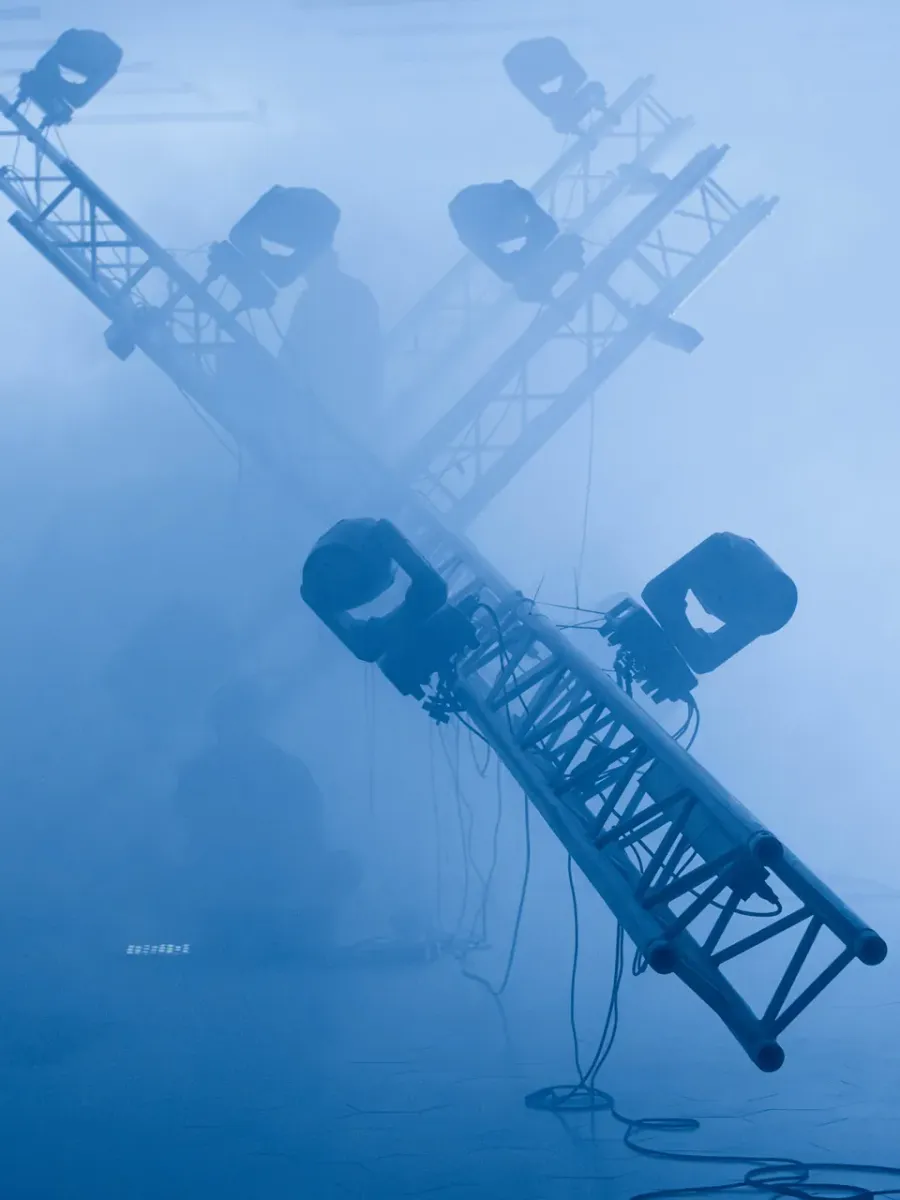
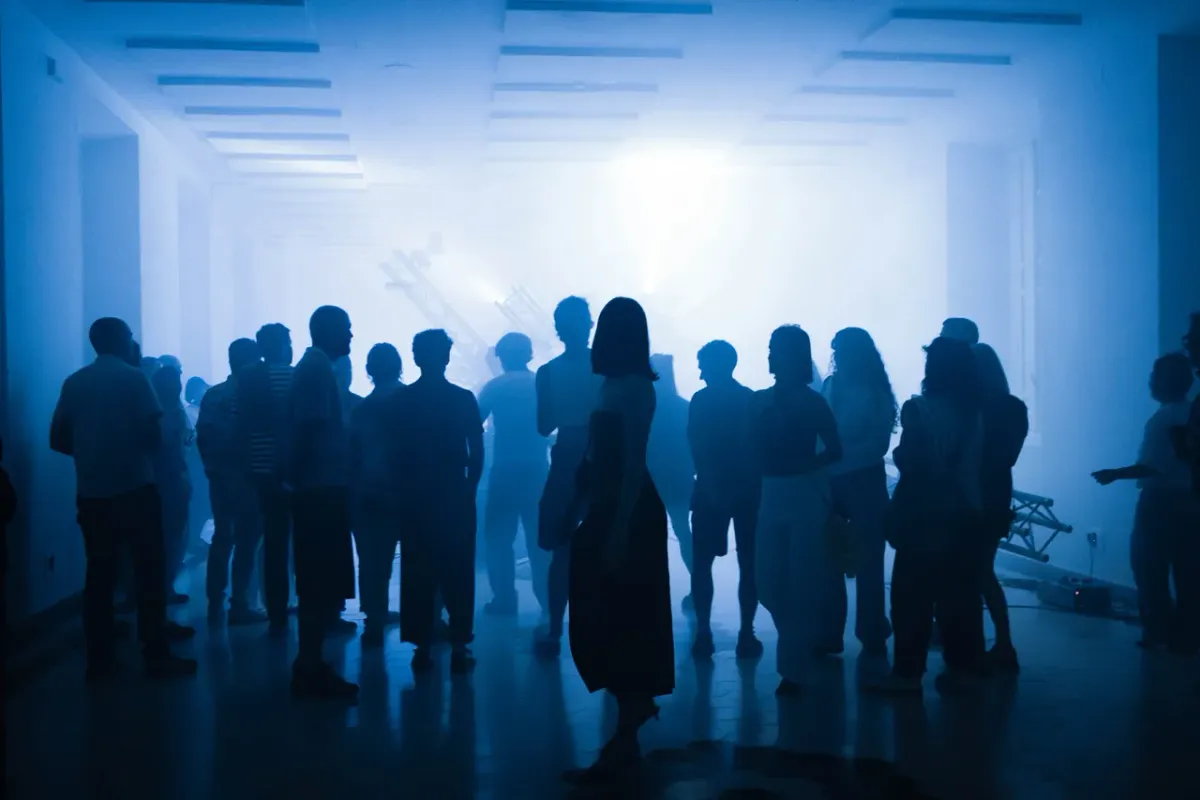
Leo Pum @La Térmica, Málaga KRVCE festival
Everything you need to plan, apply, and move your art career forward.
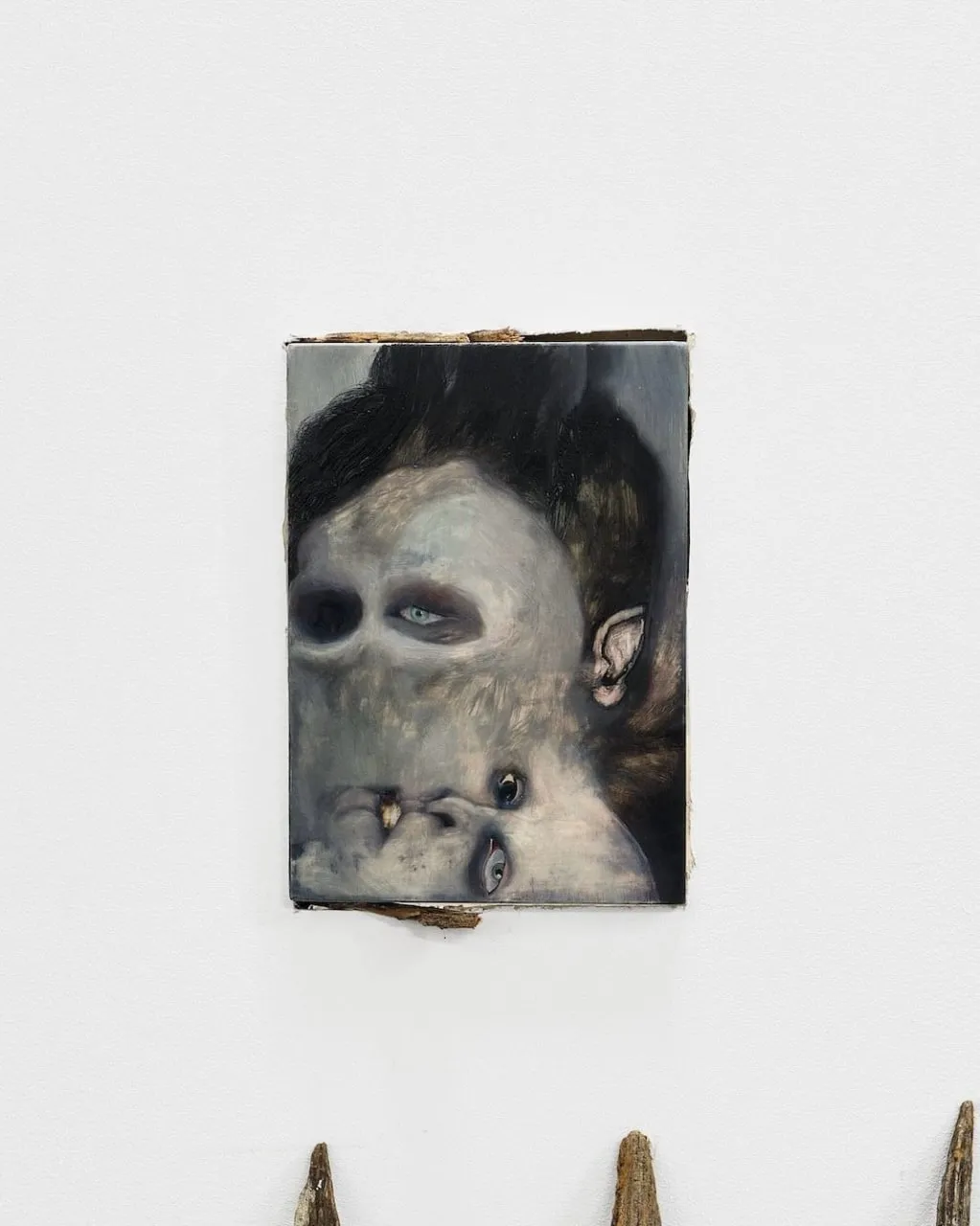
Berlin / 2026
 Features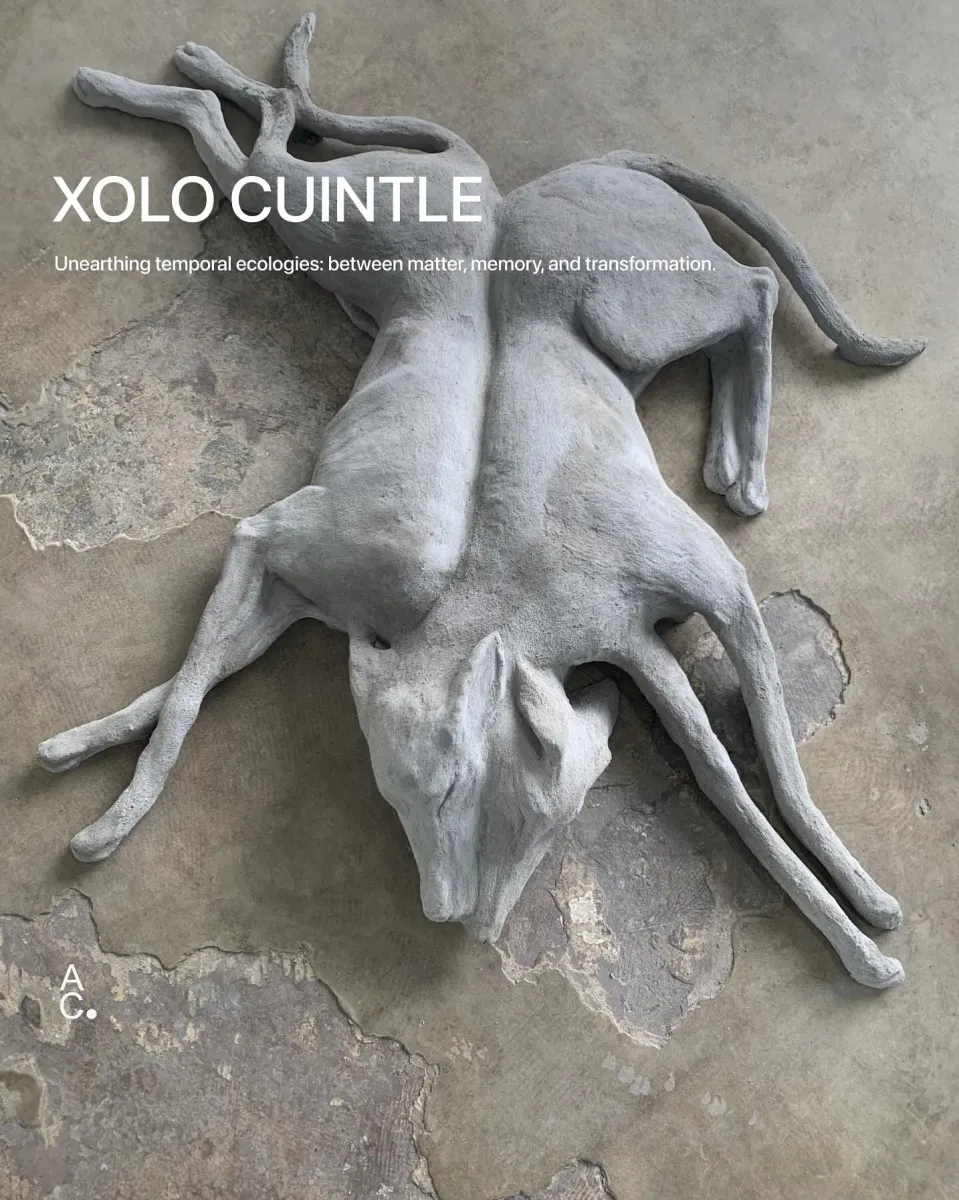
@xolo_cuintle
Paris / 2026
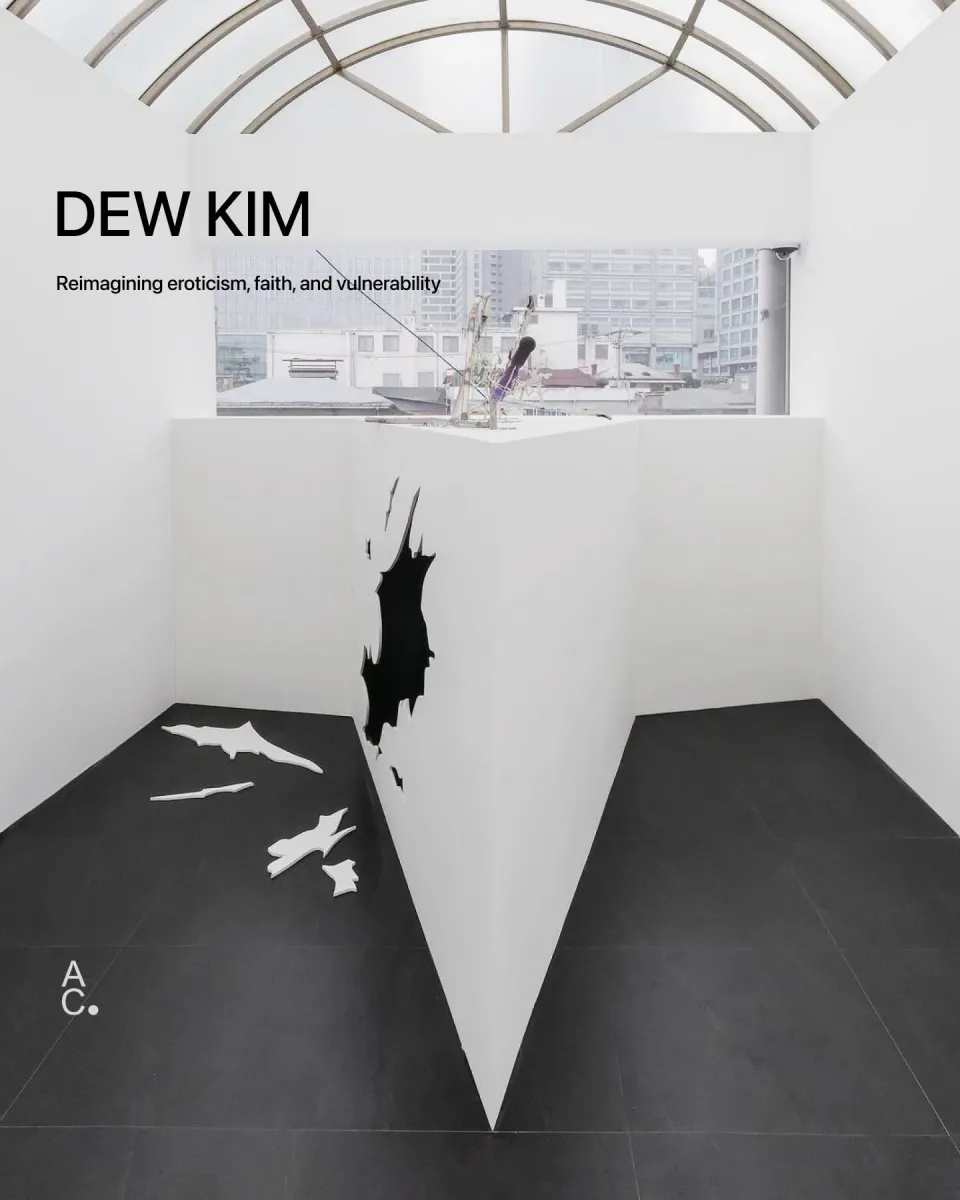
@dew_needs_you
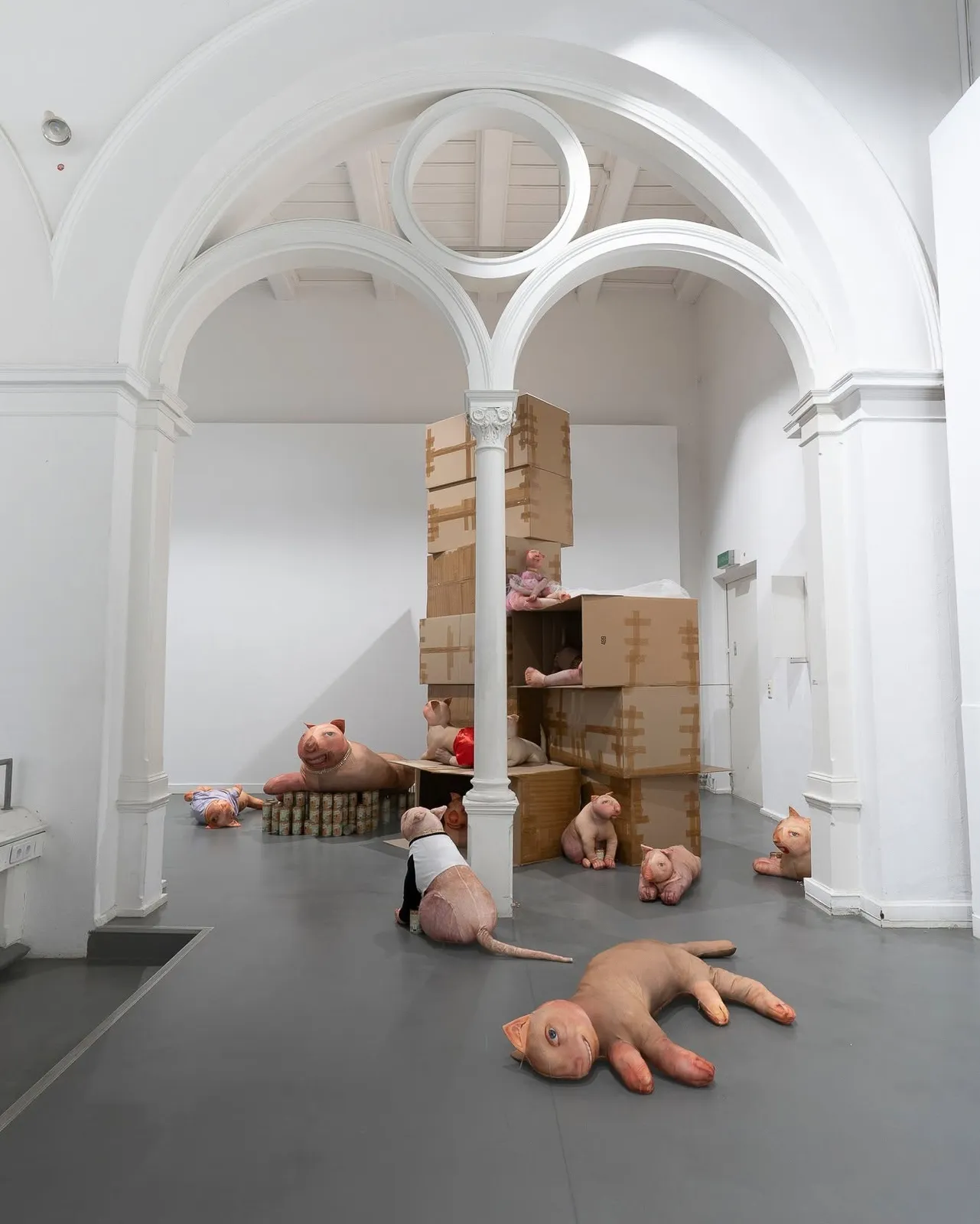
Berlin / 2026
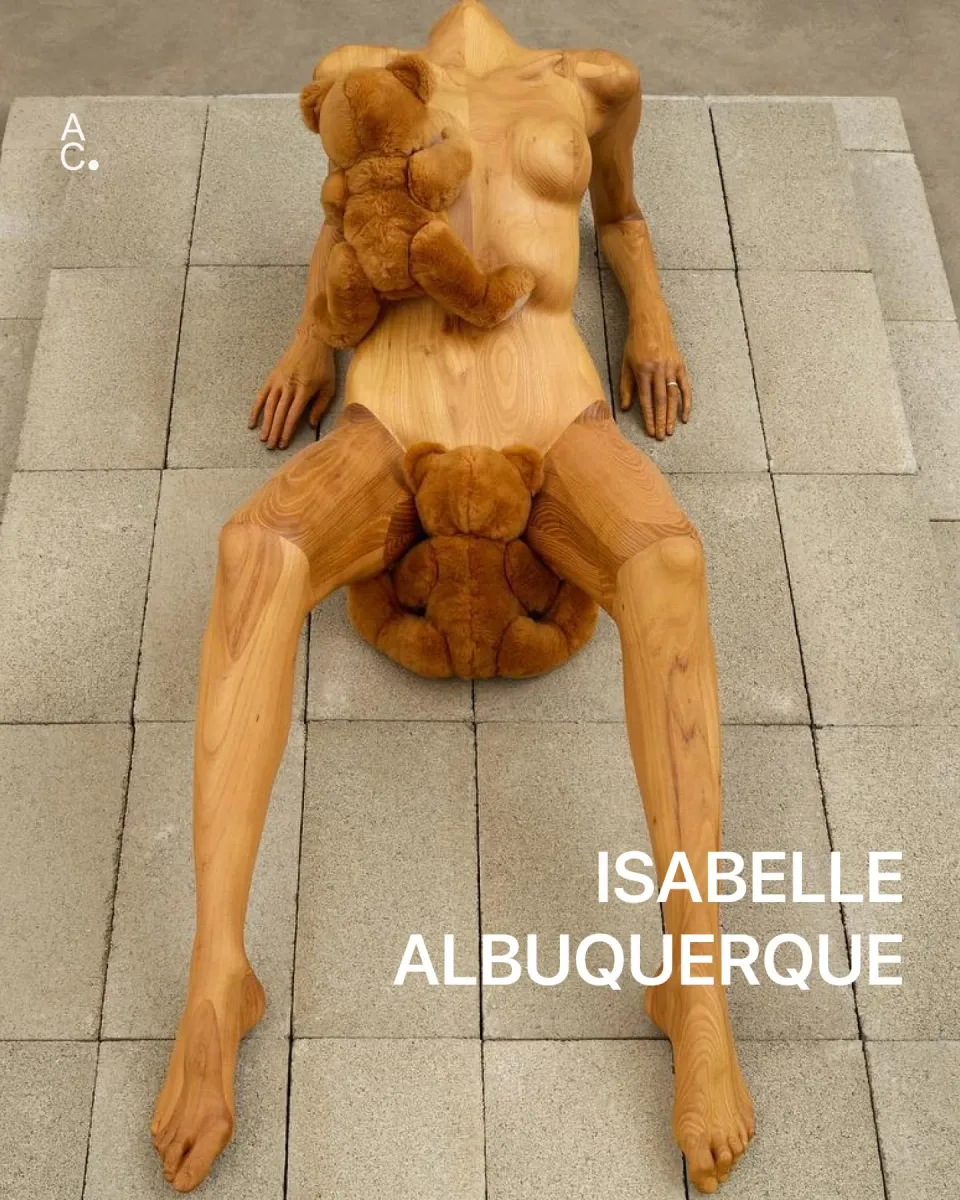
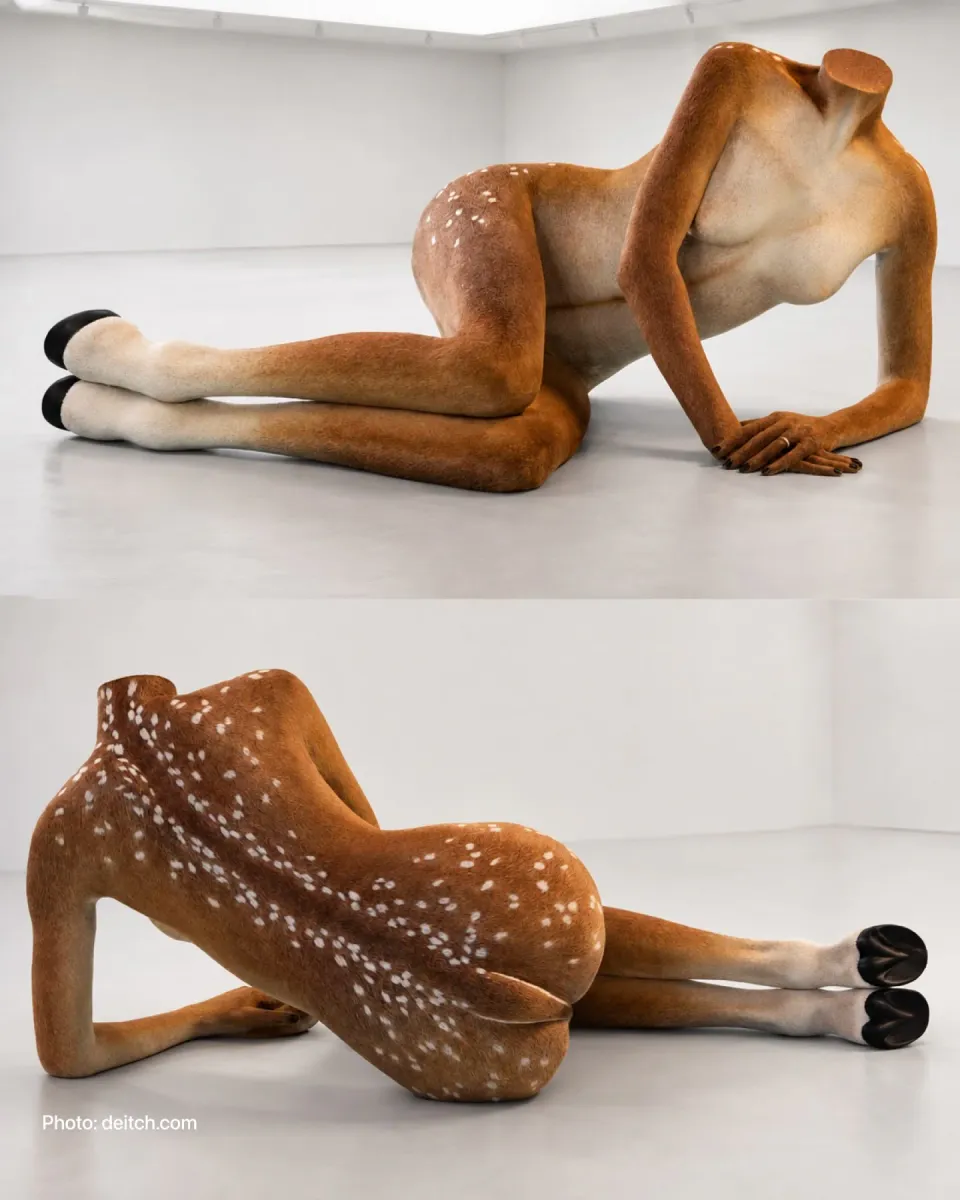
@isabellealbuquerque
Paris / 2026
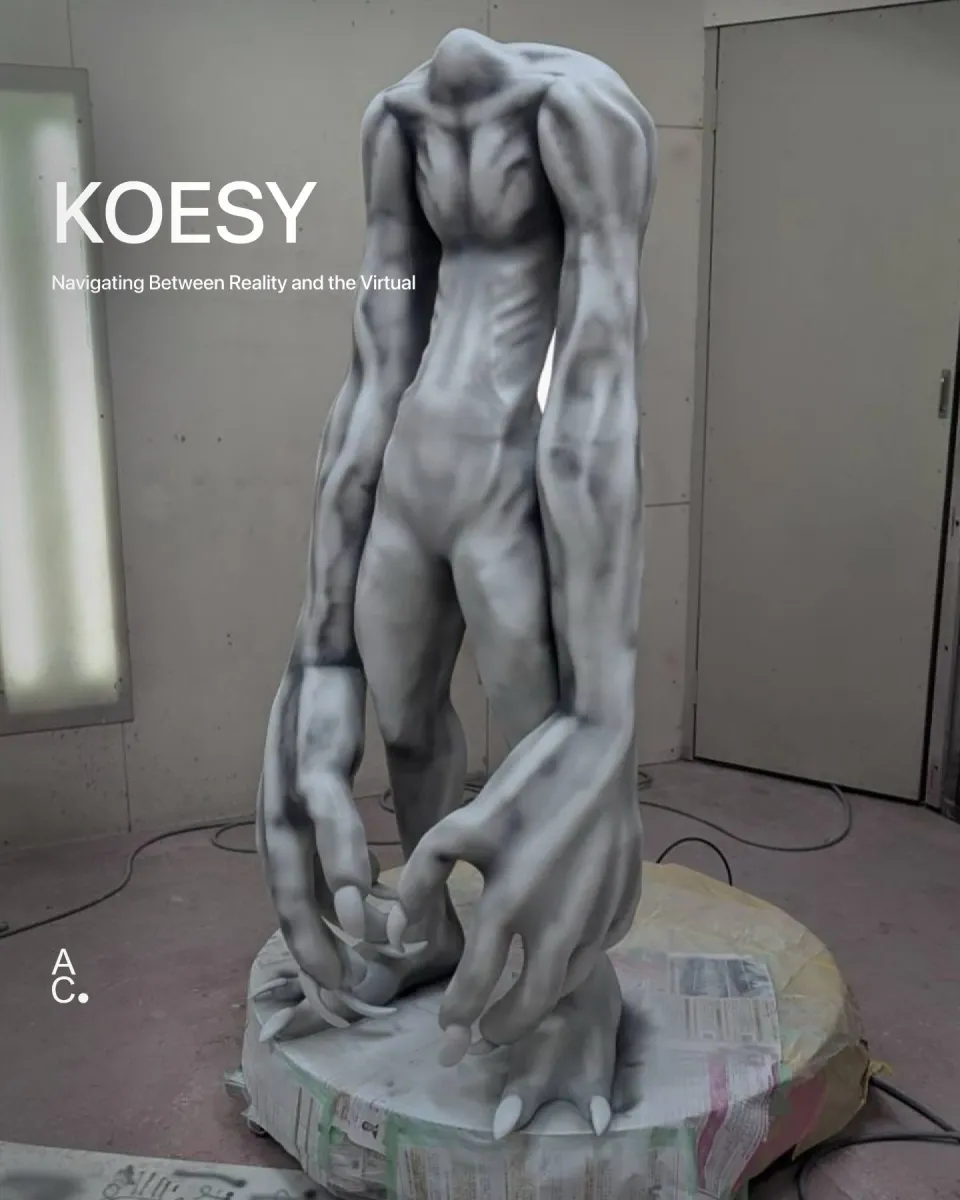
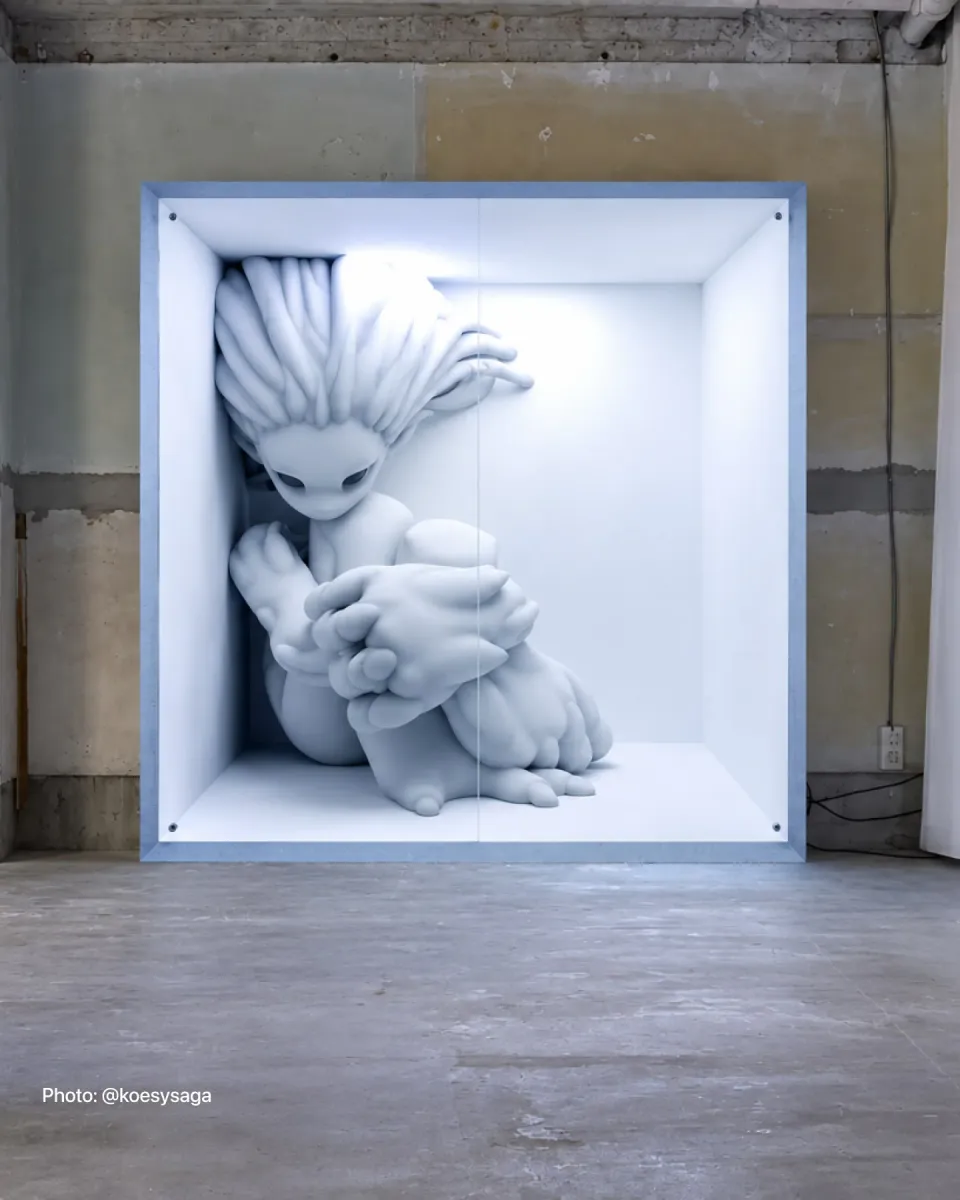
@koesysaga
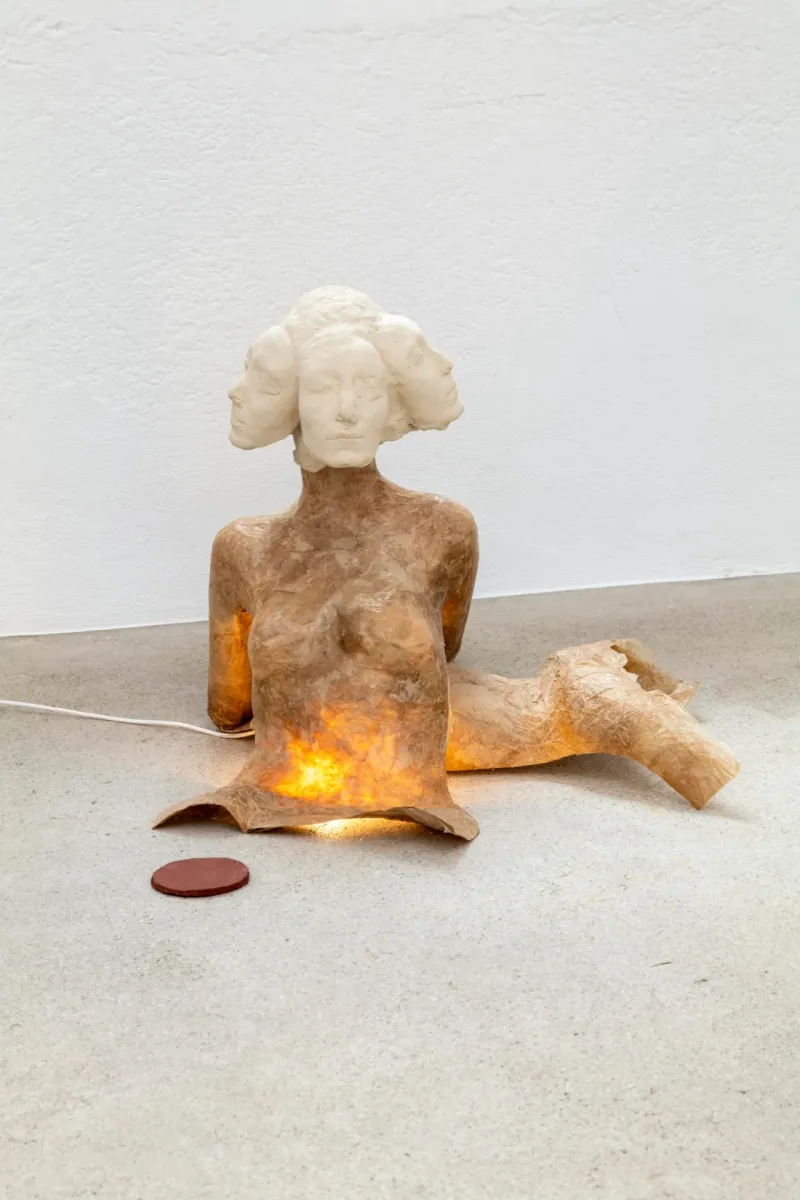
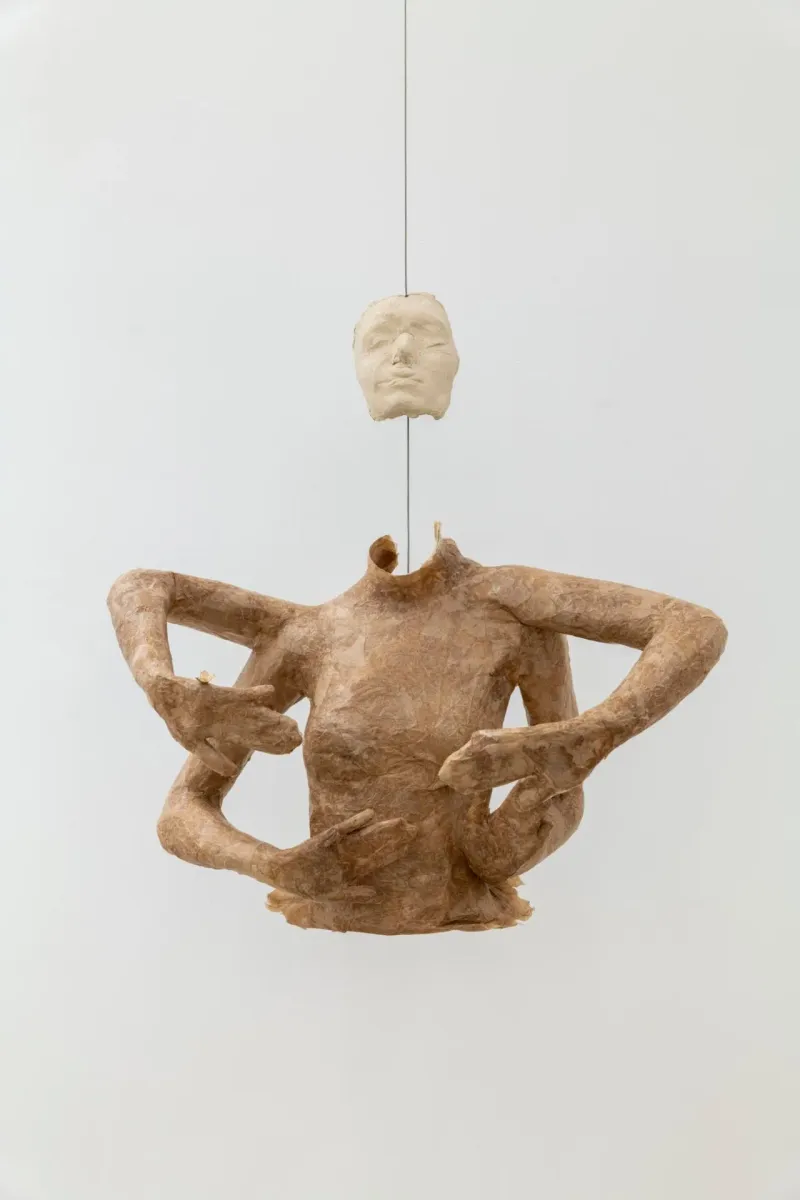
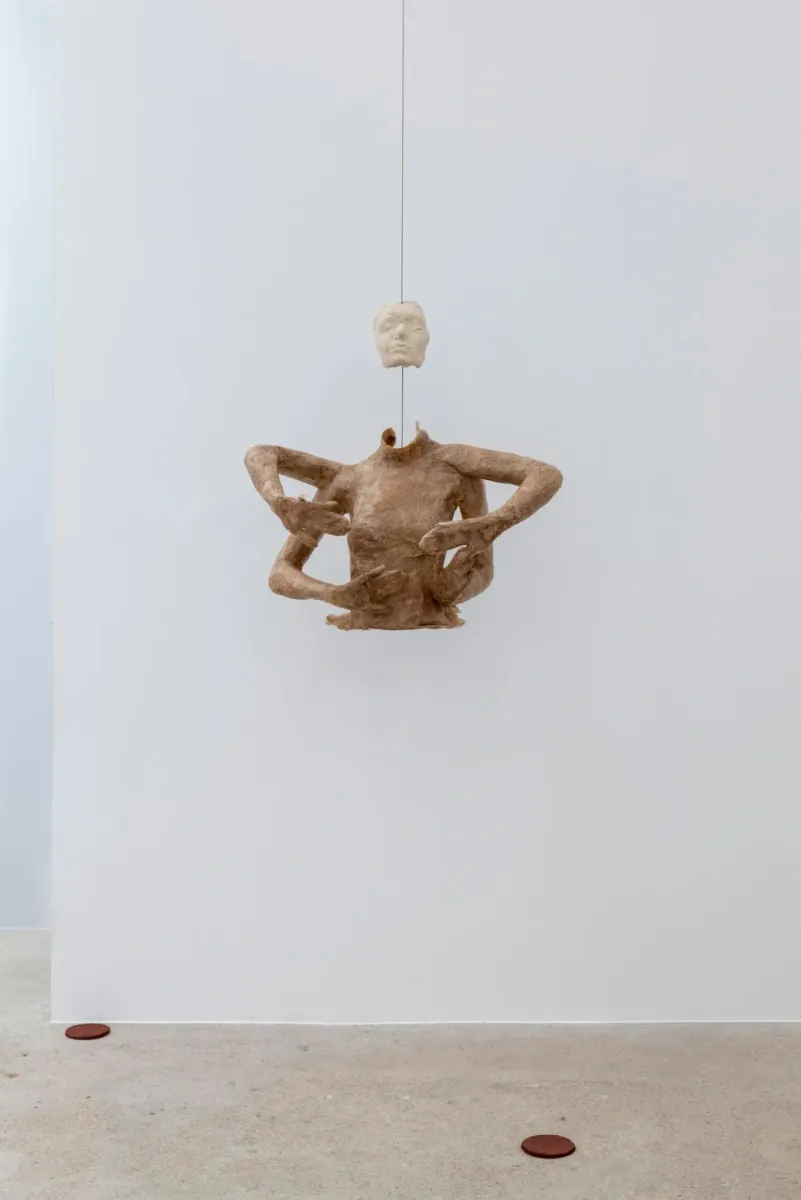
Munich / 2026
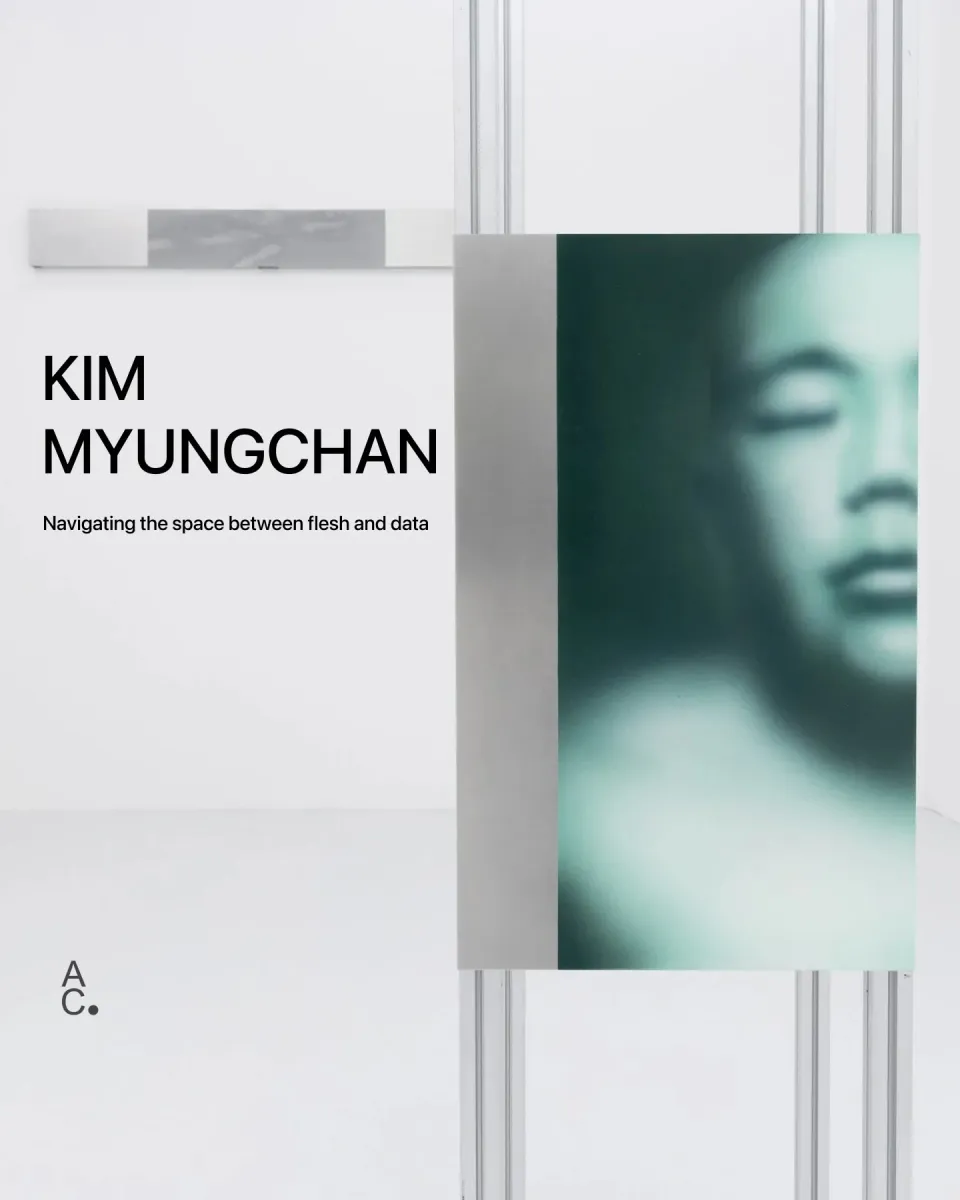
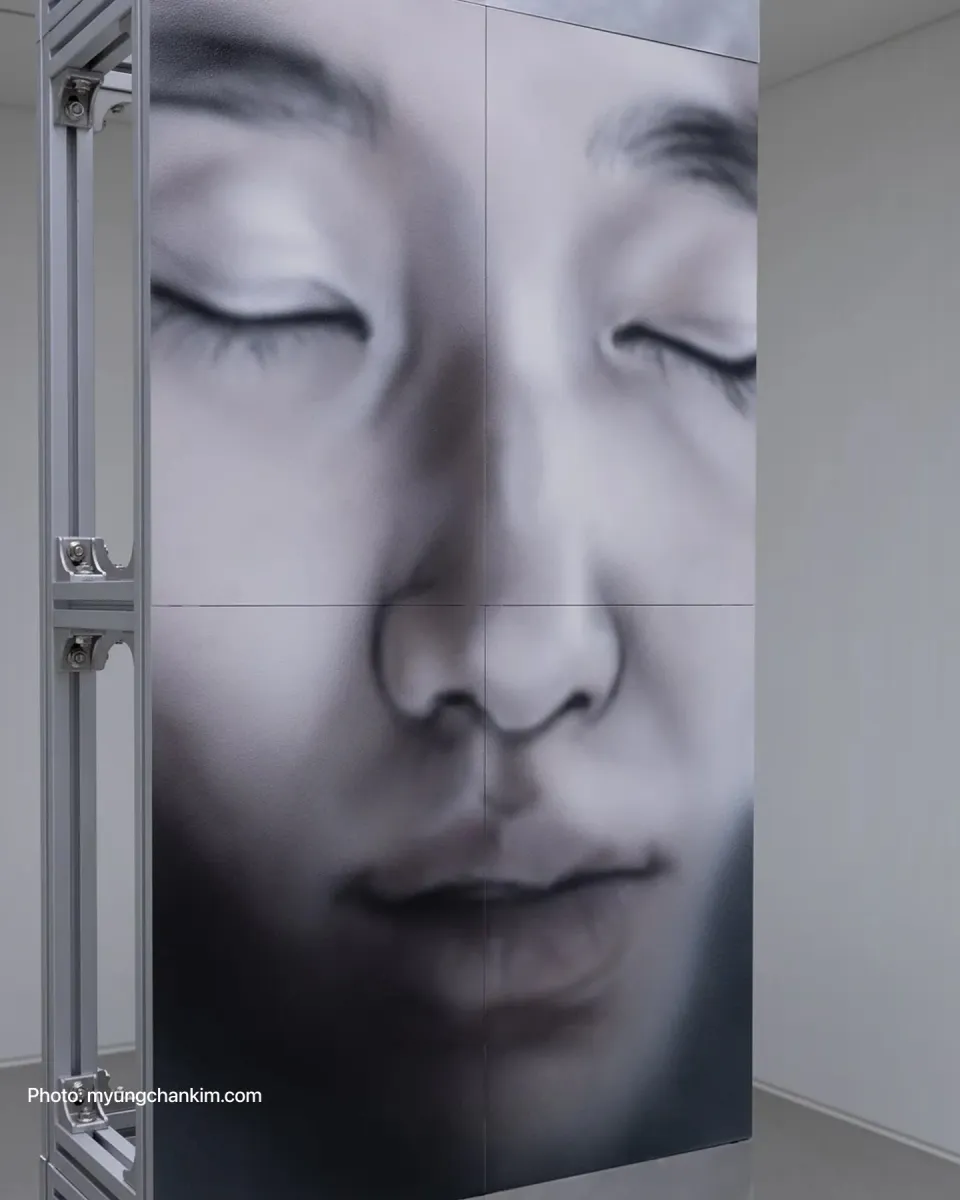
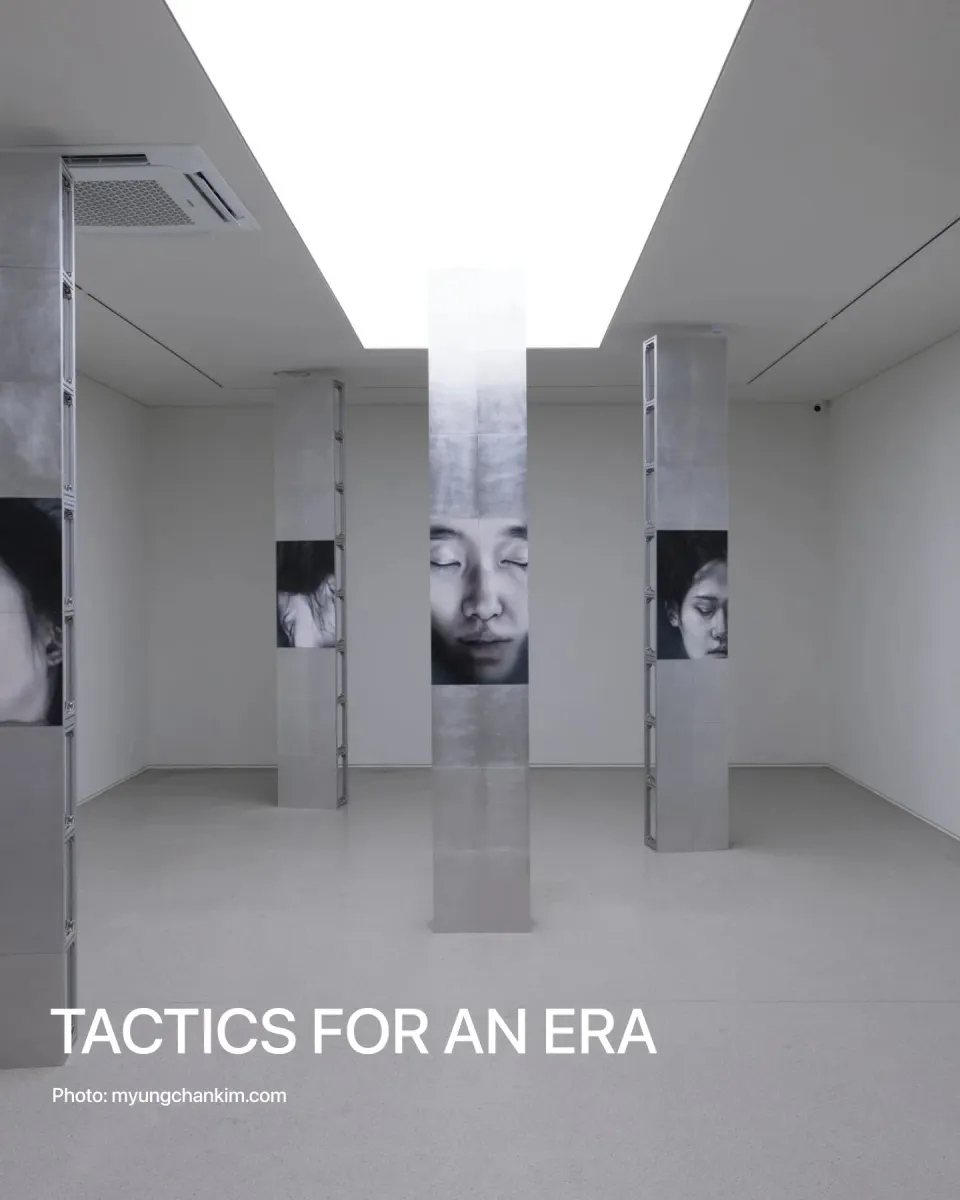
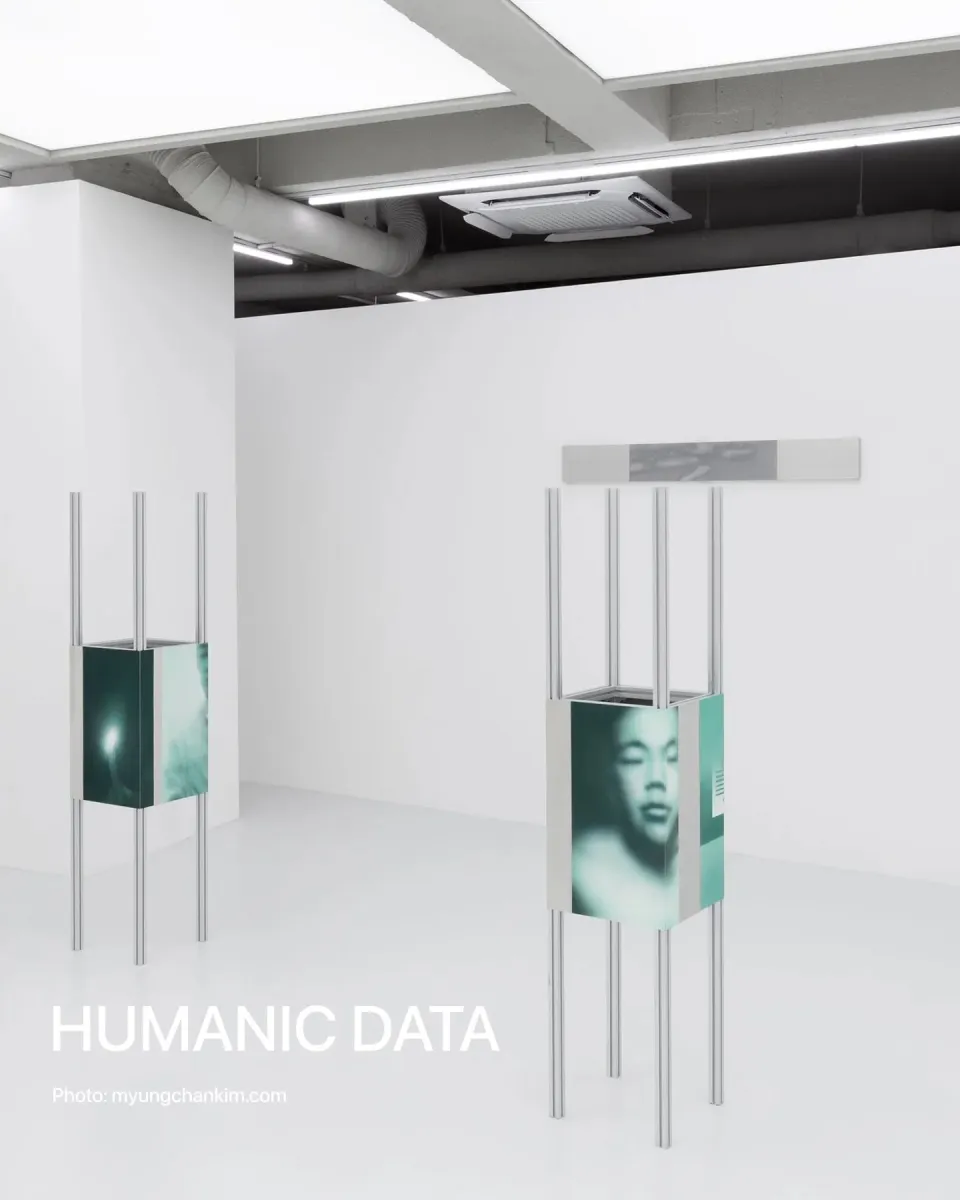
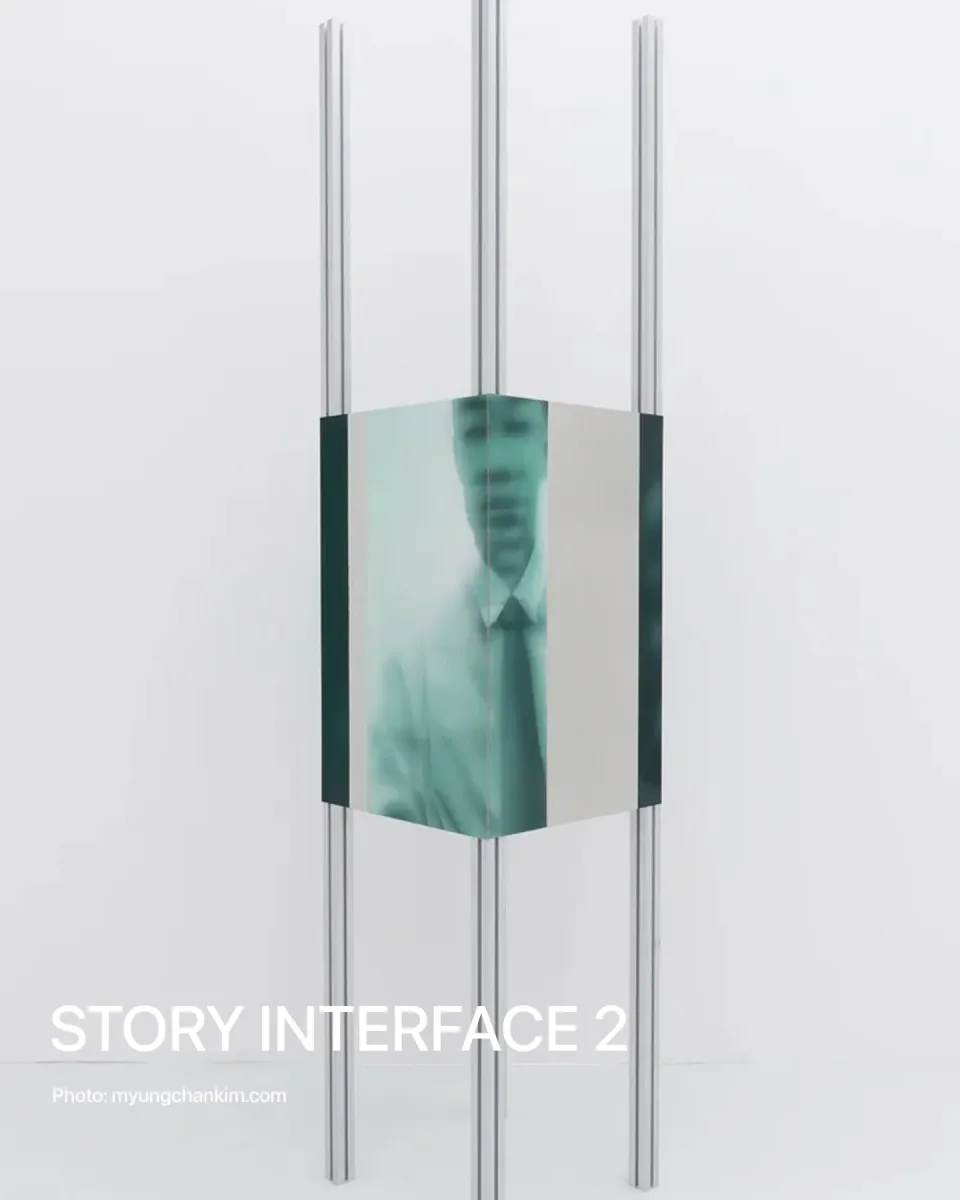
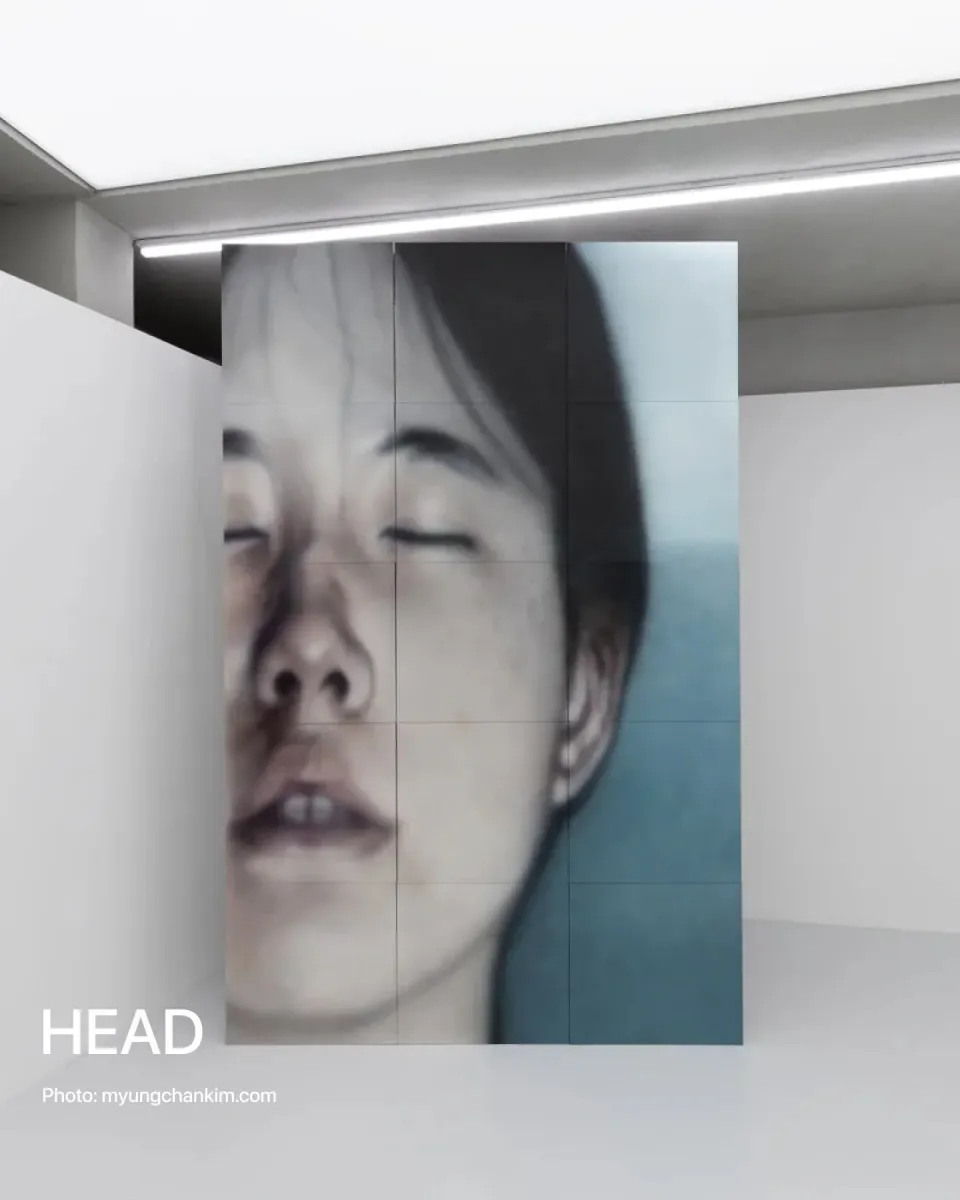
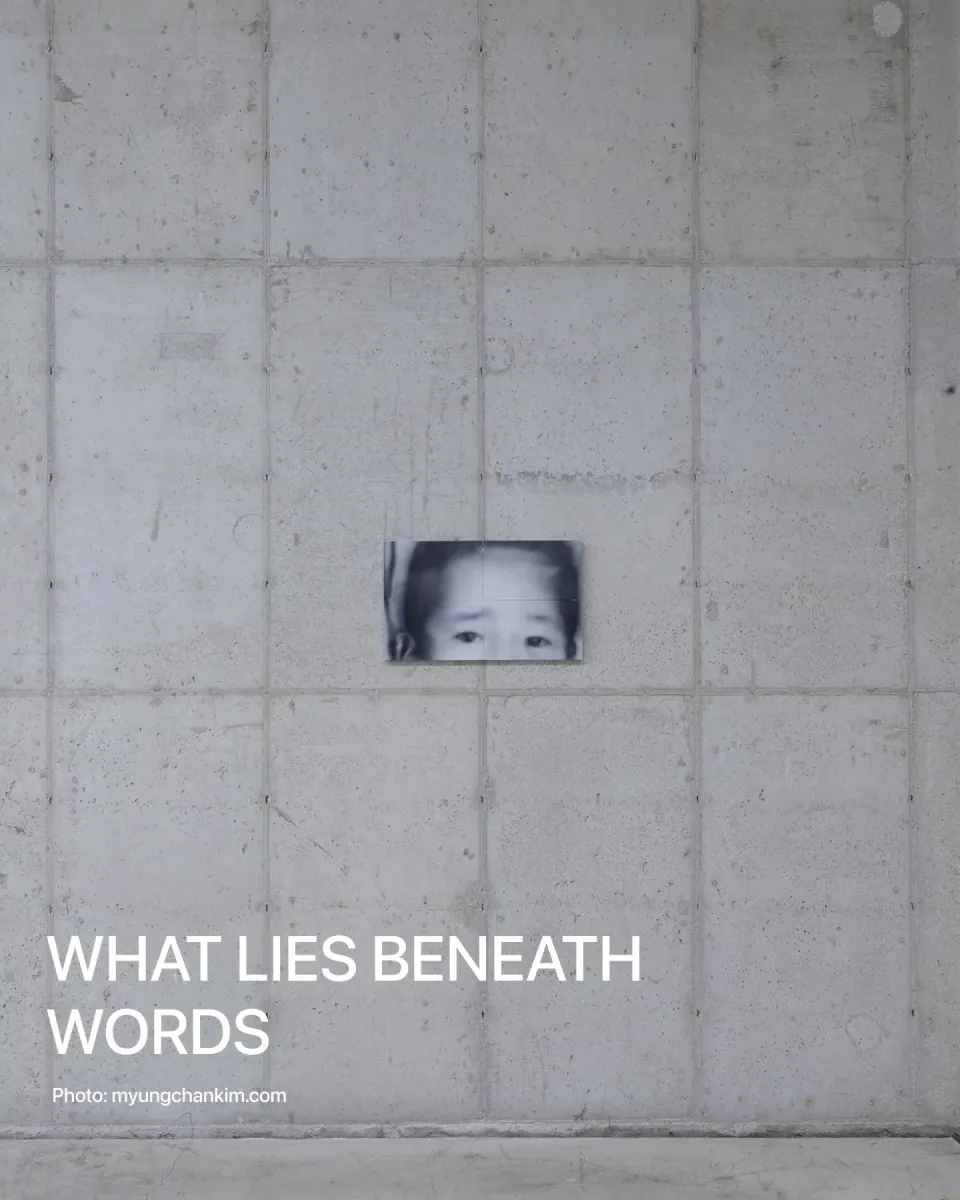
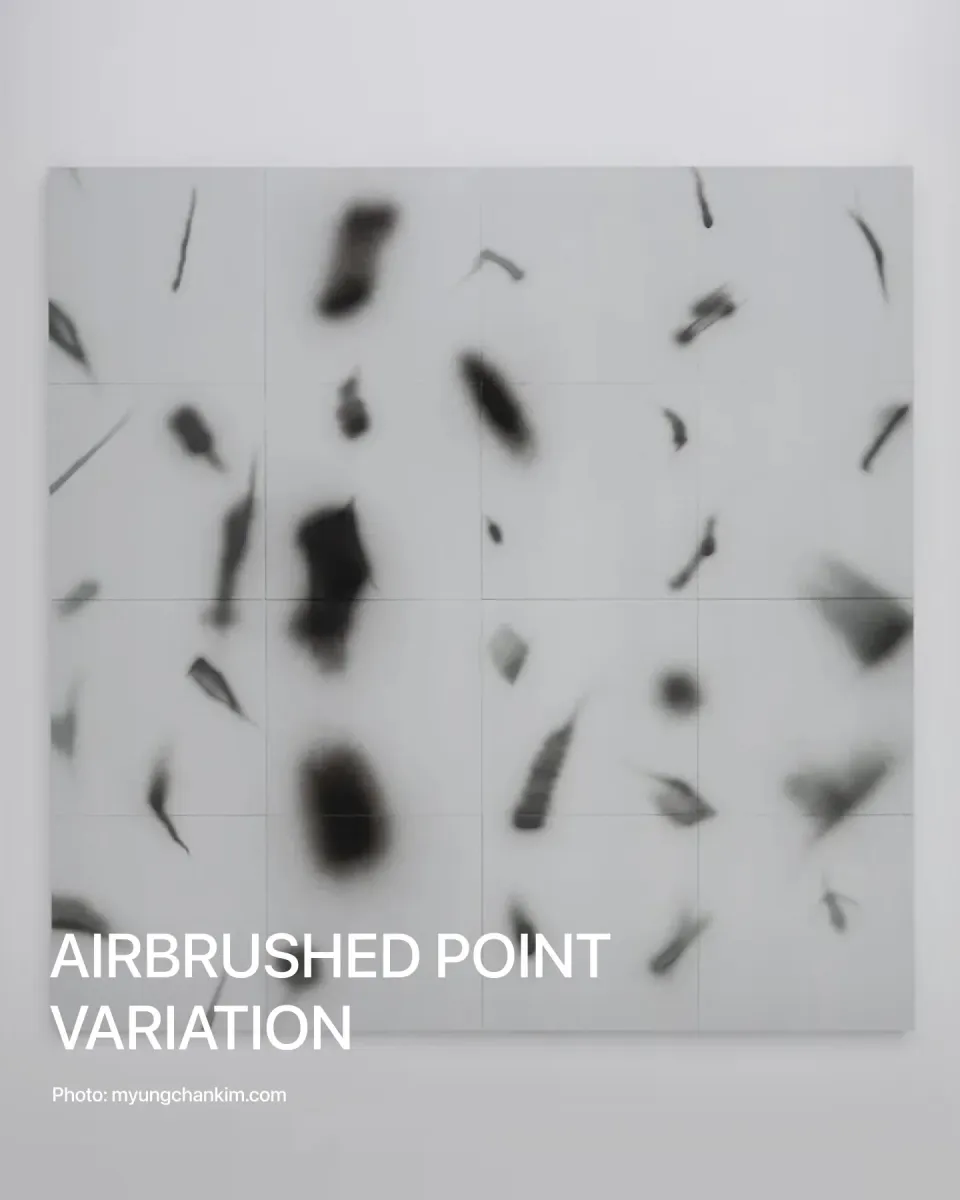
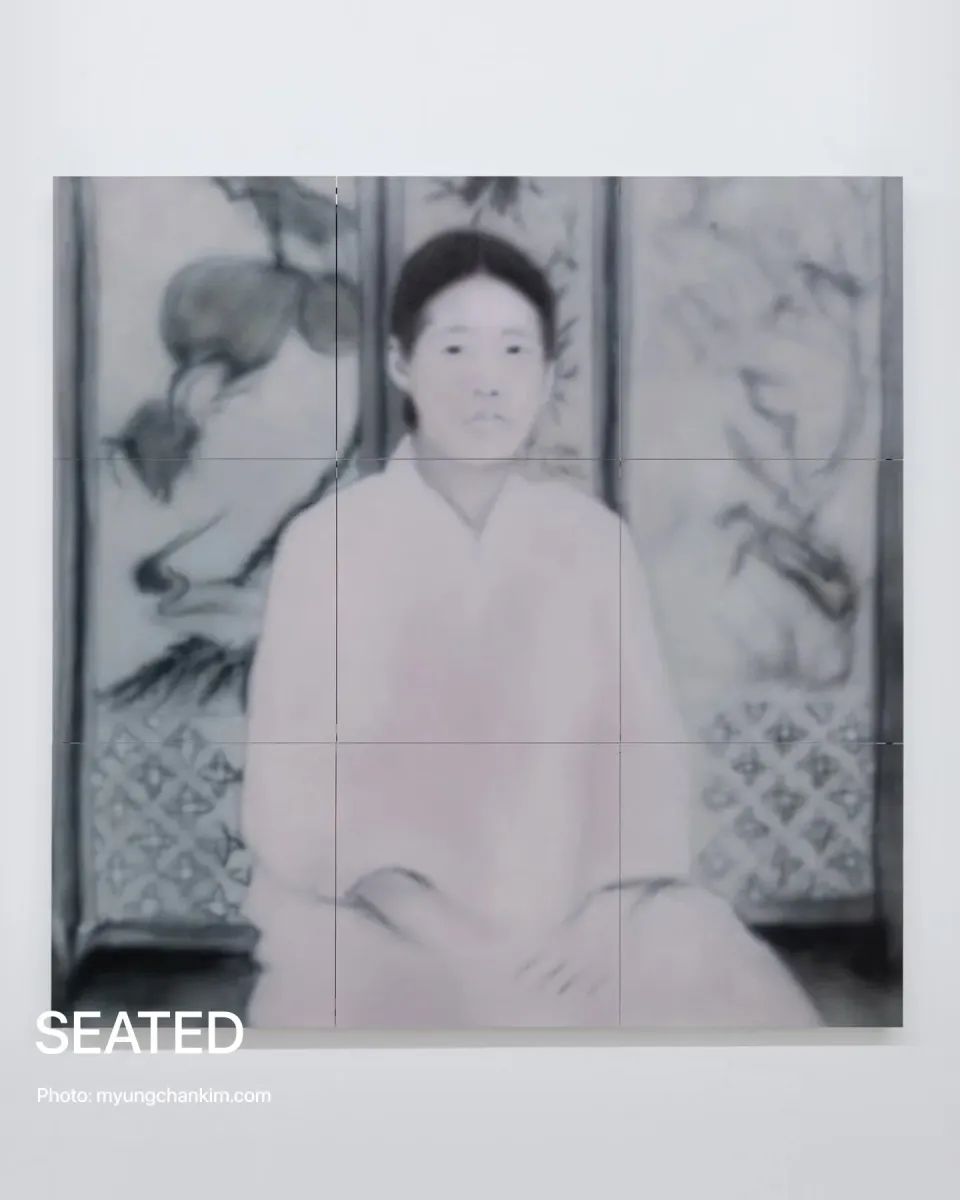
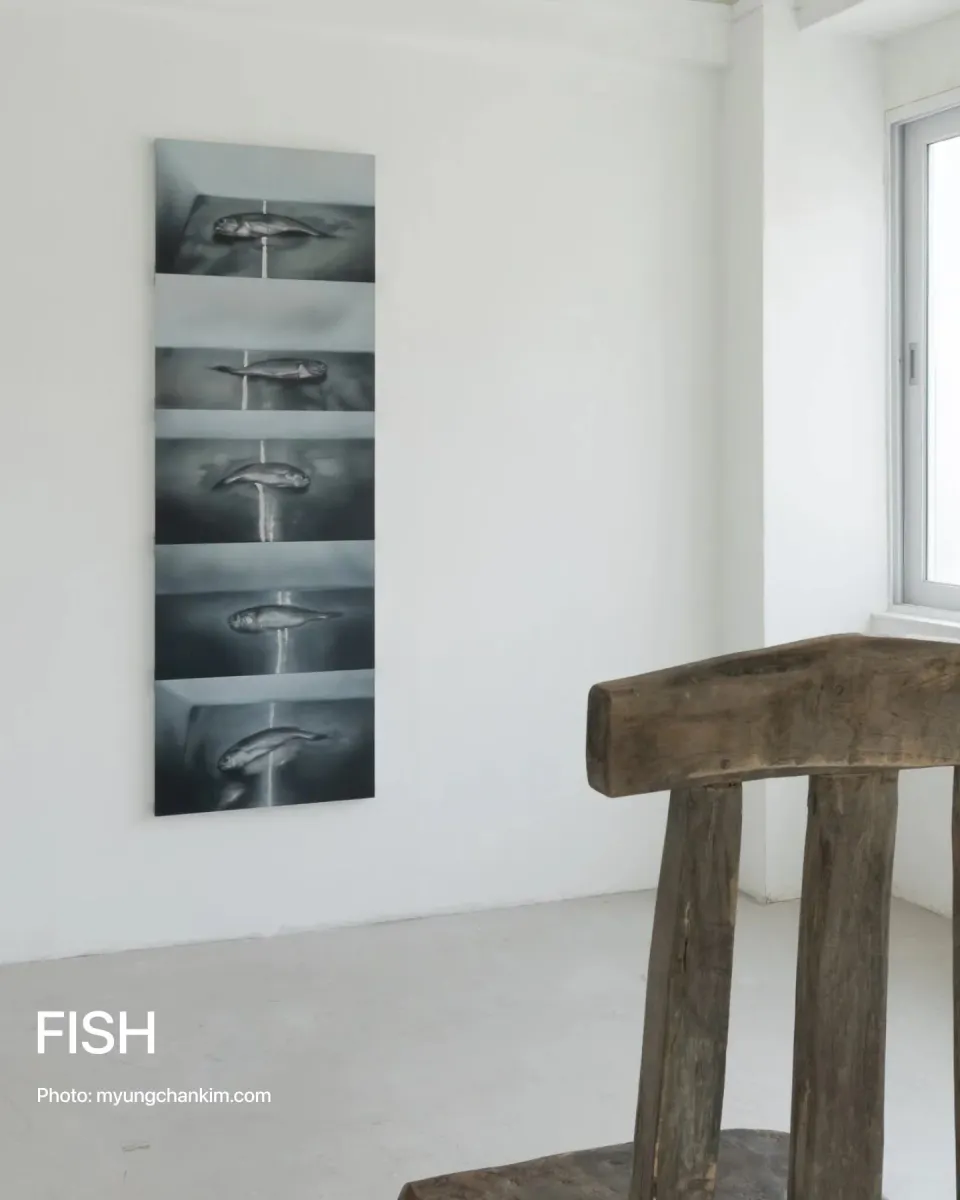
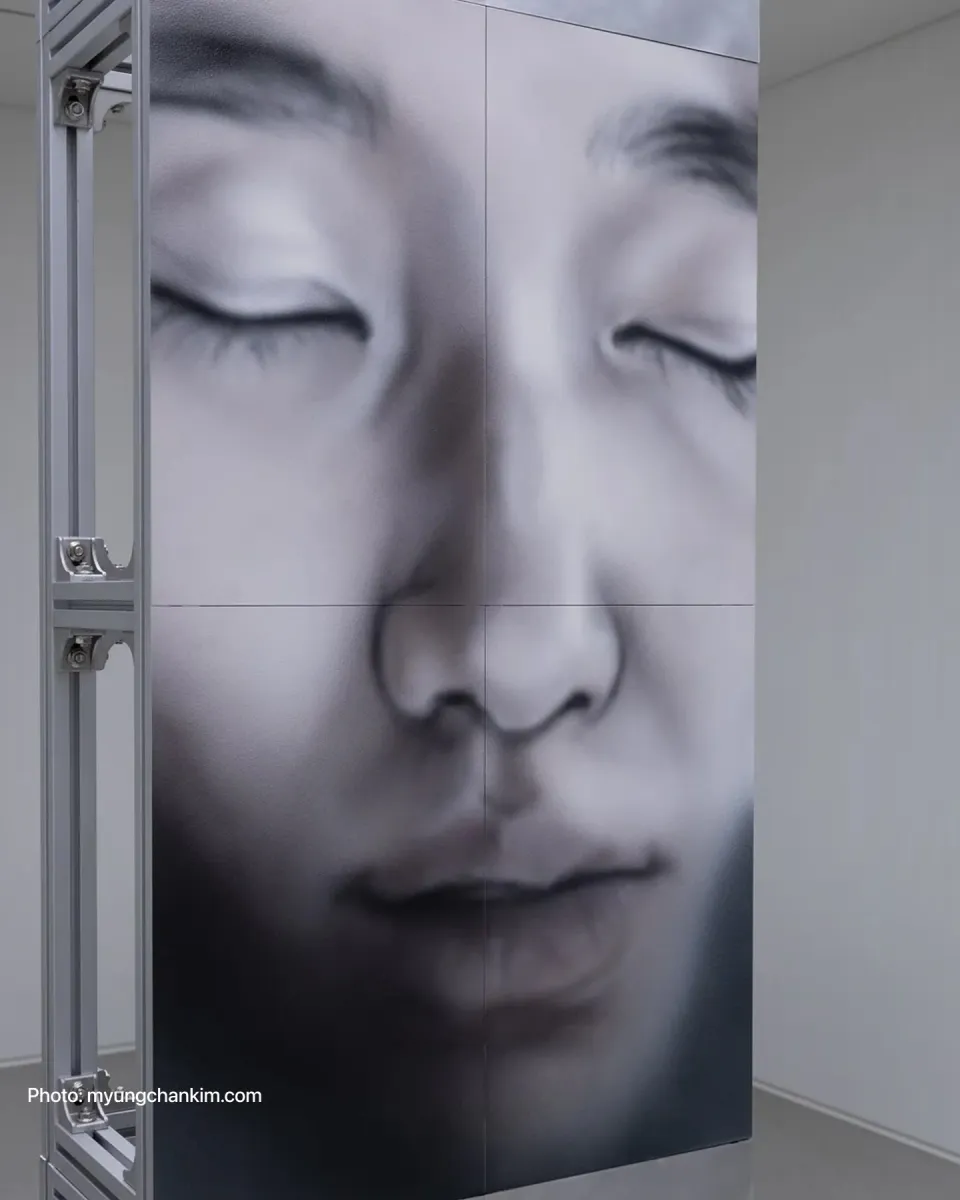
@kim.myungchan
Mexico City / 2026
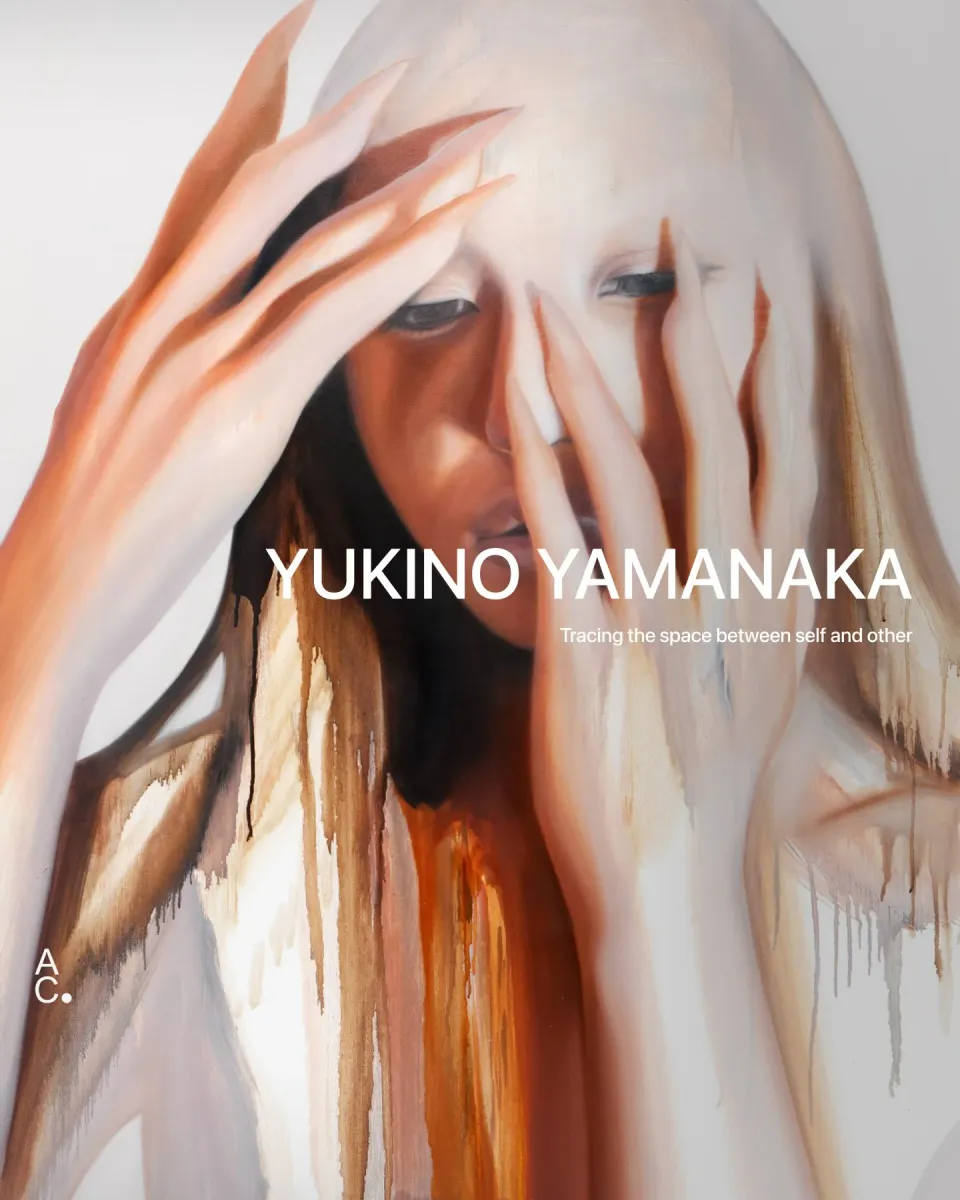
@yukino_yamanaka
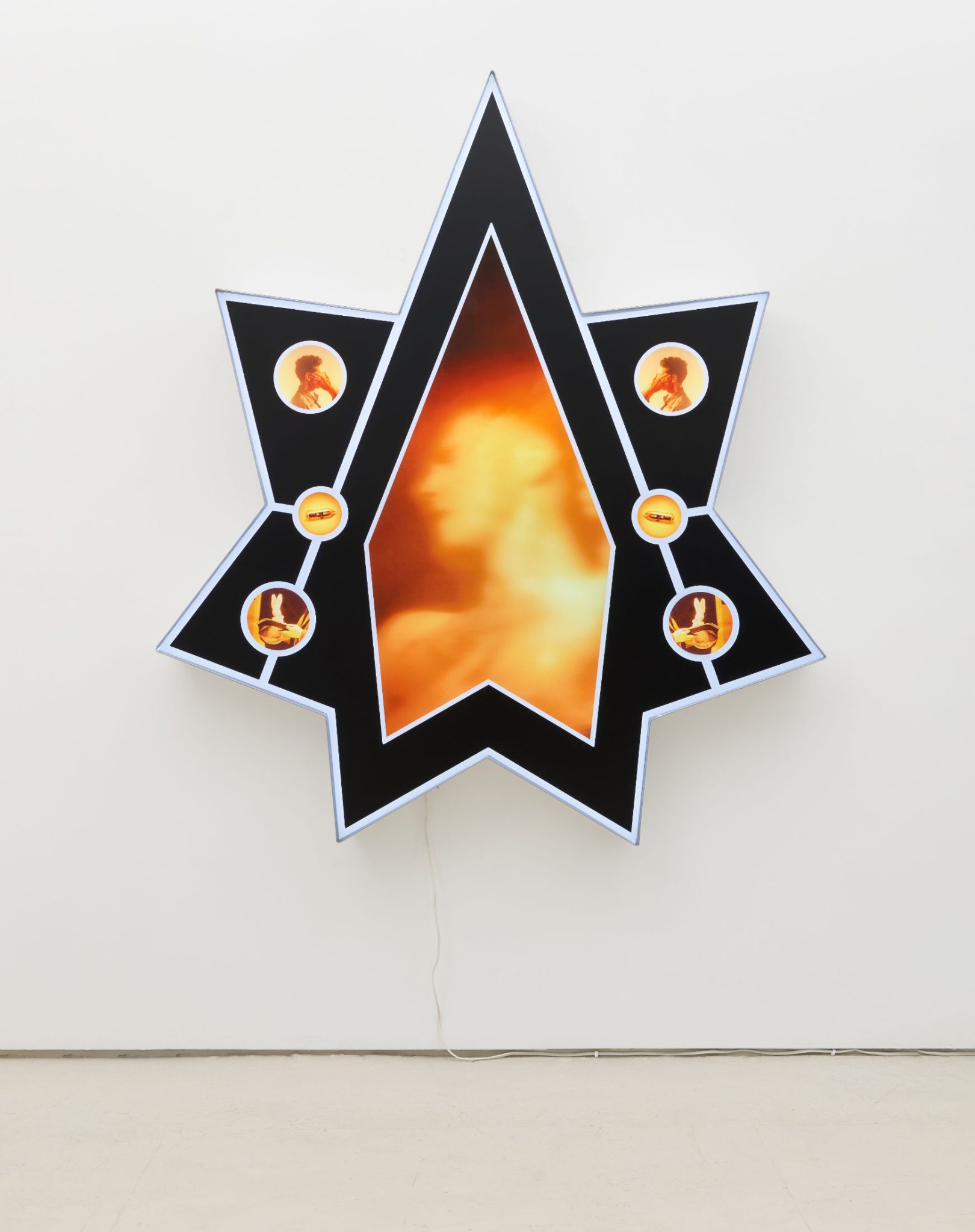
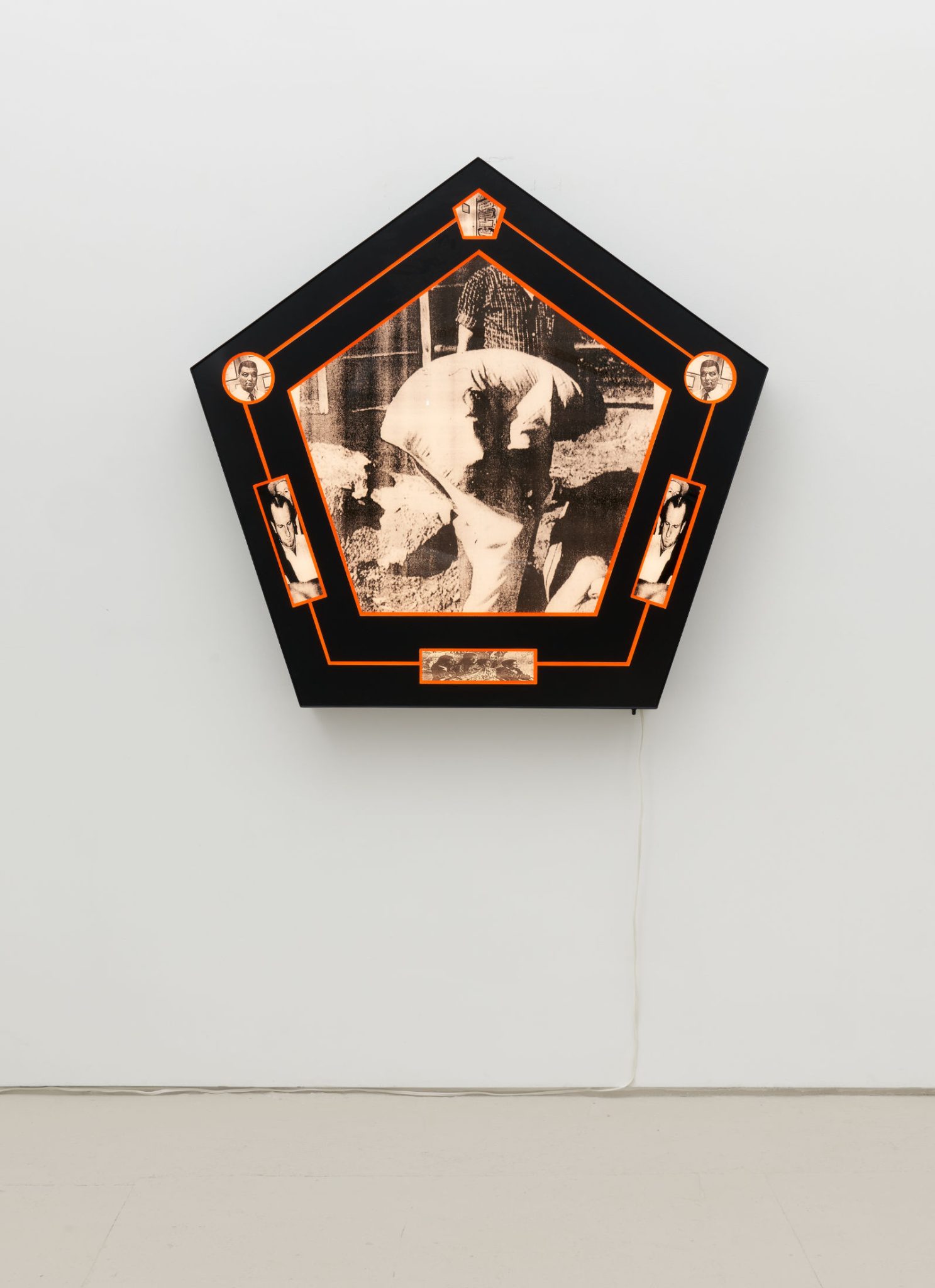
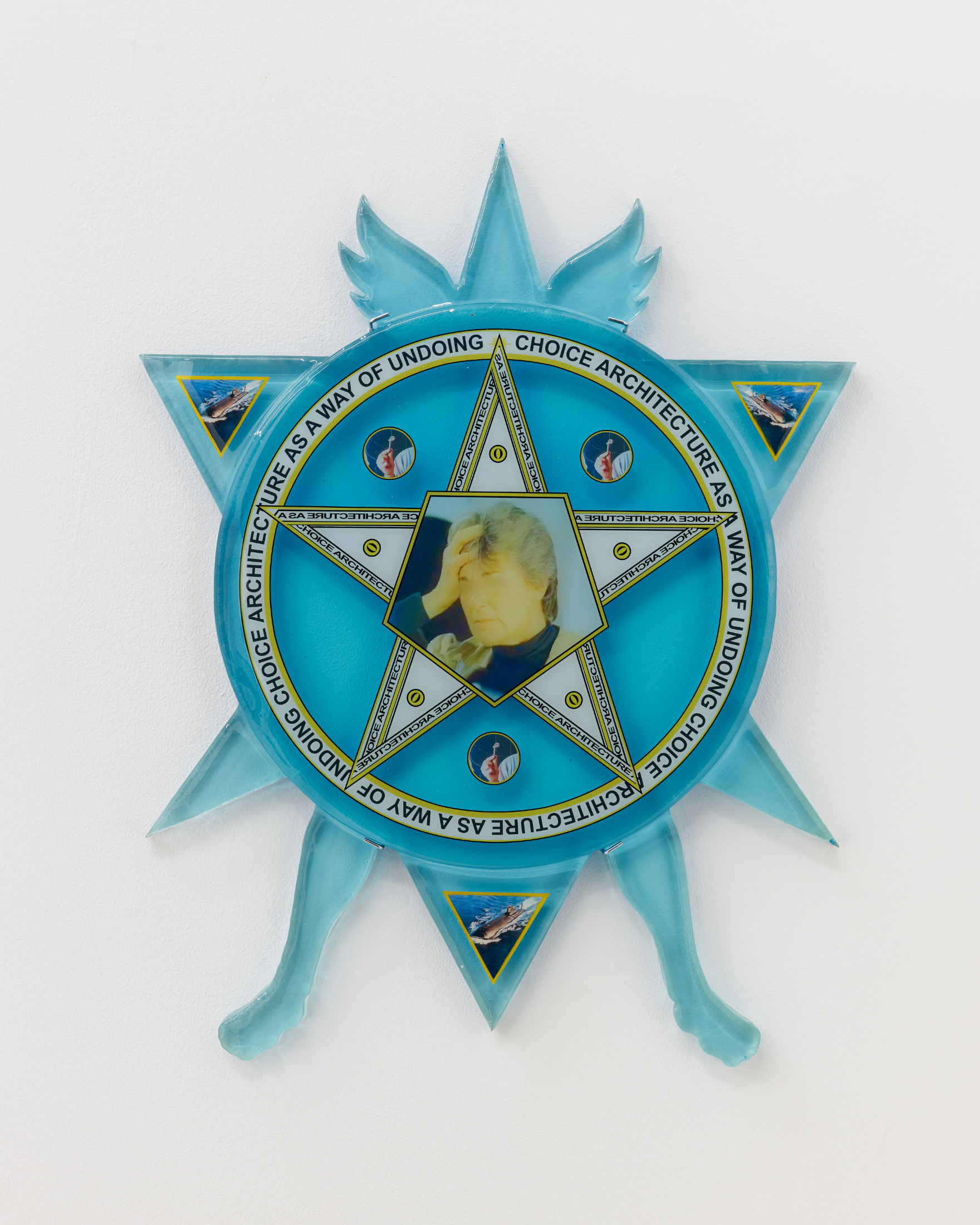
New York / 2026
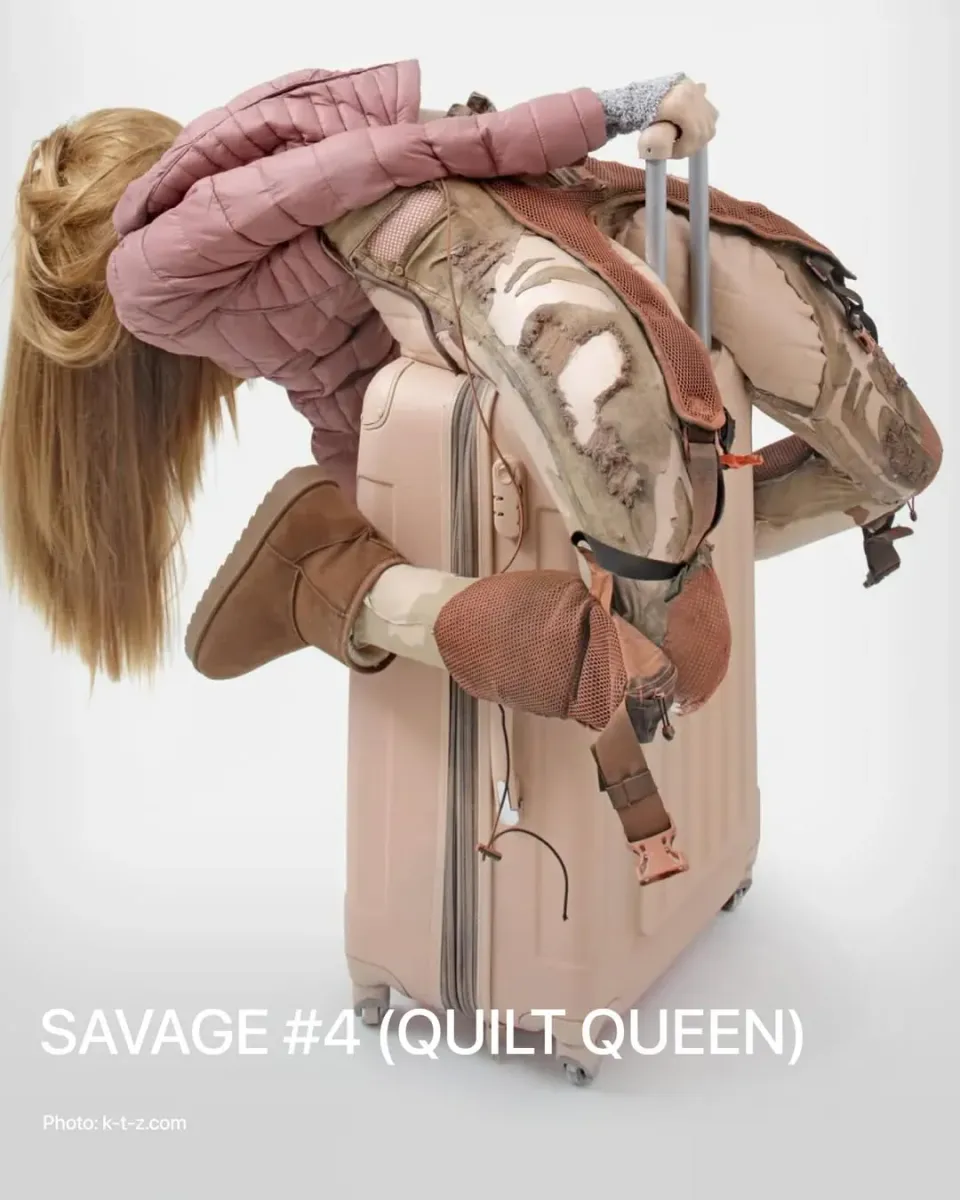
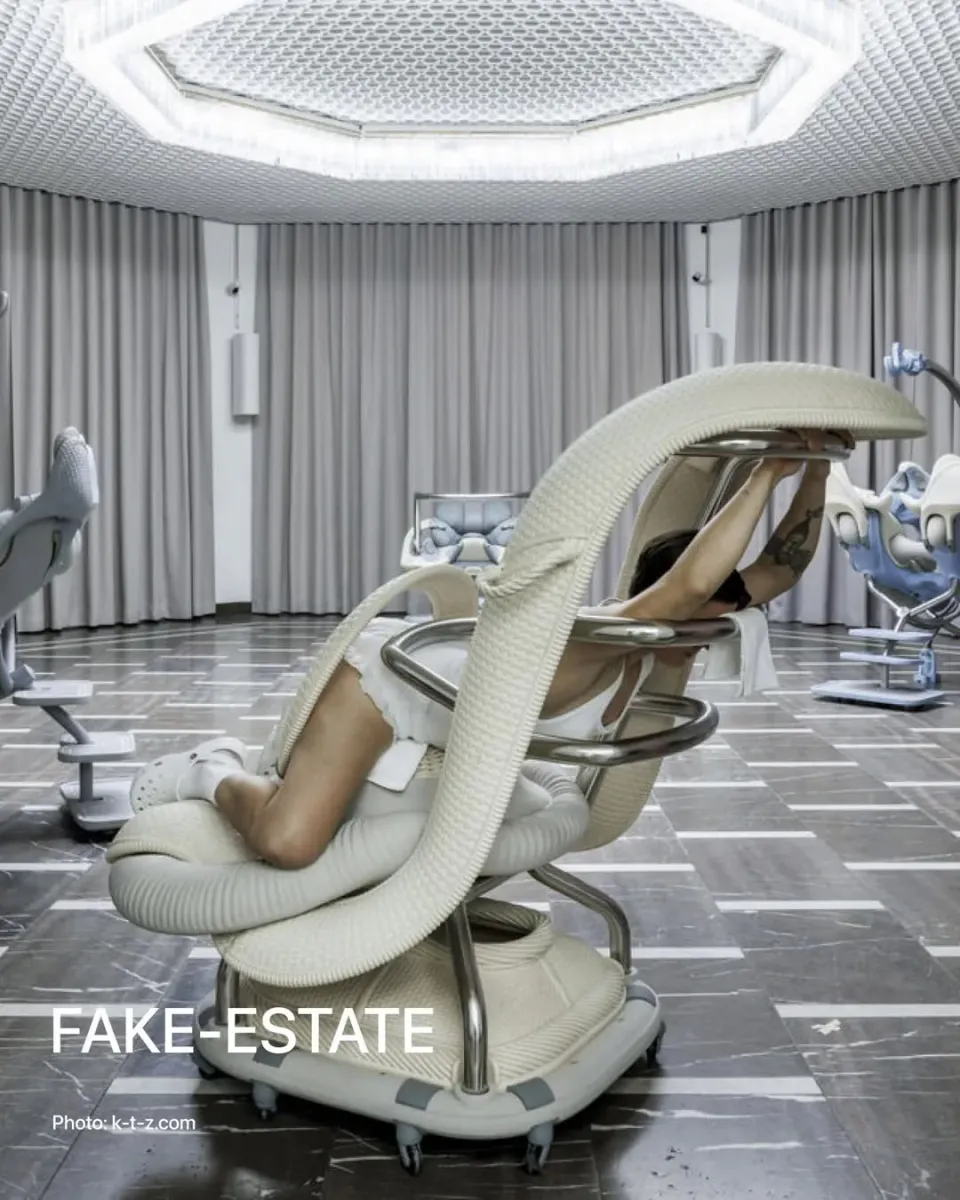
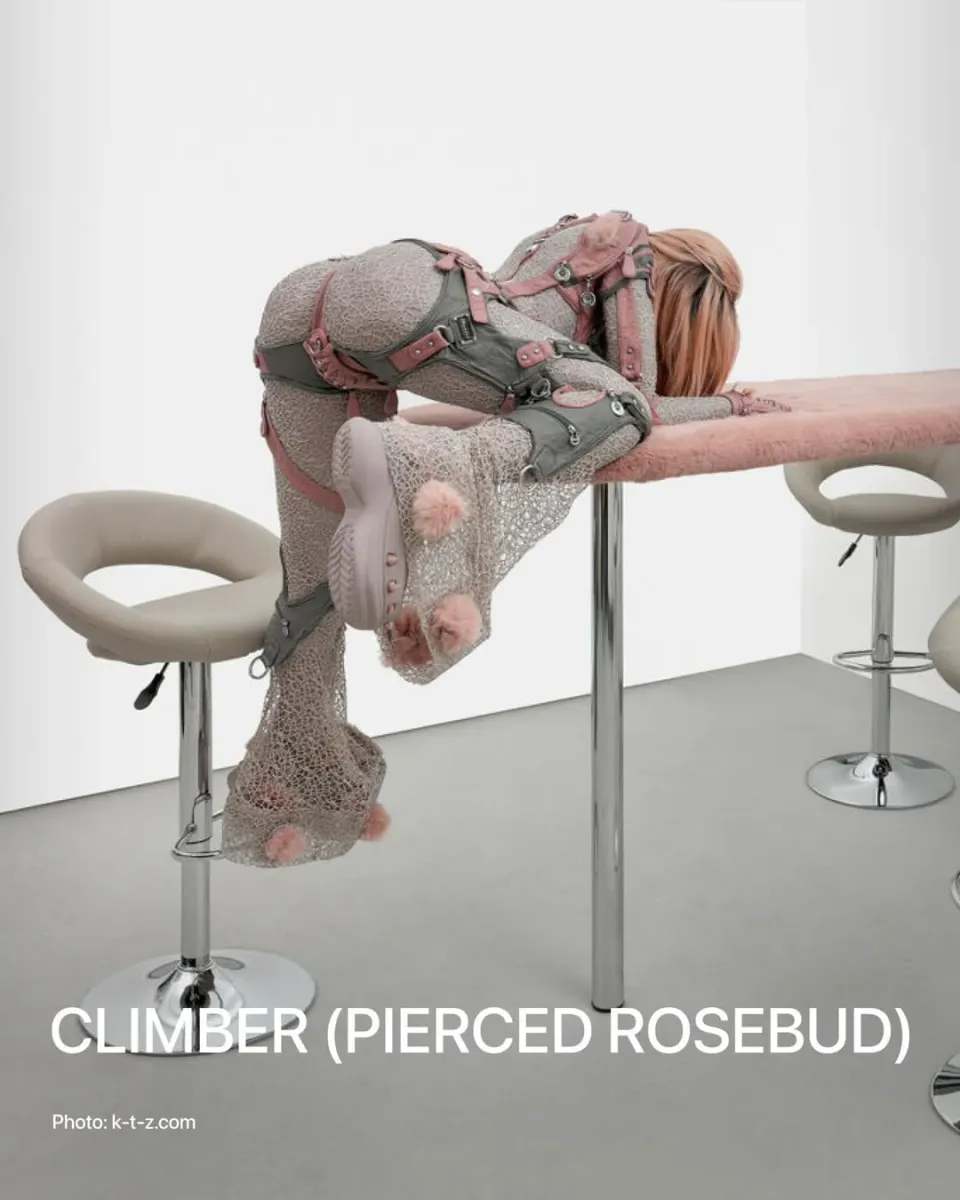
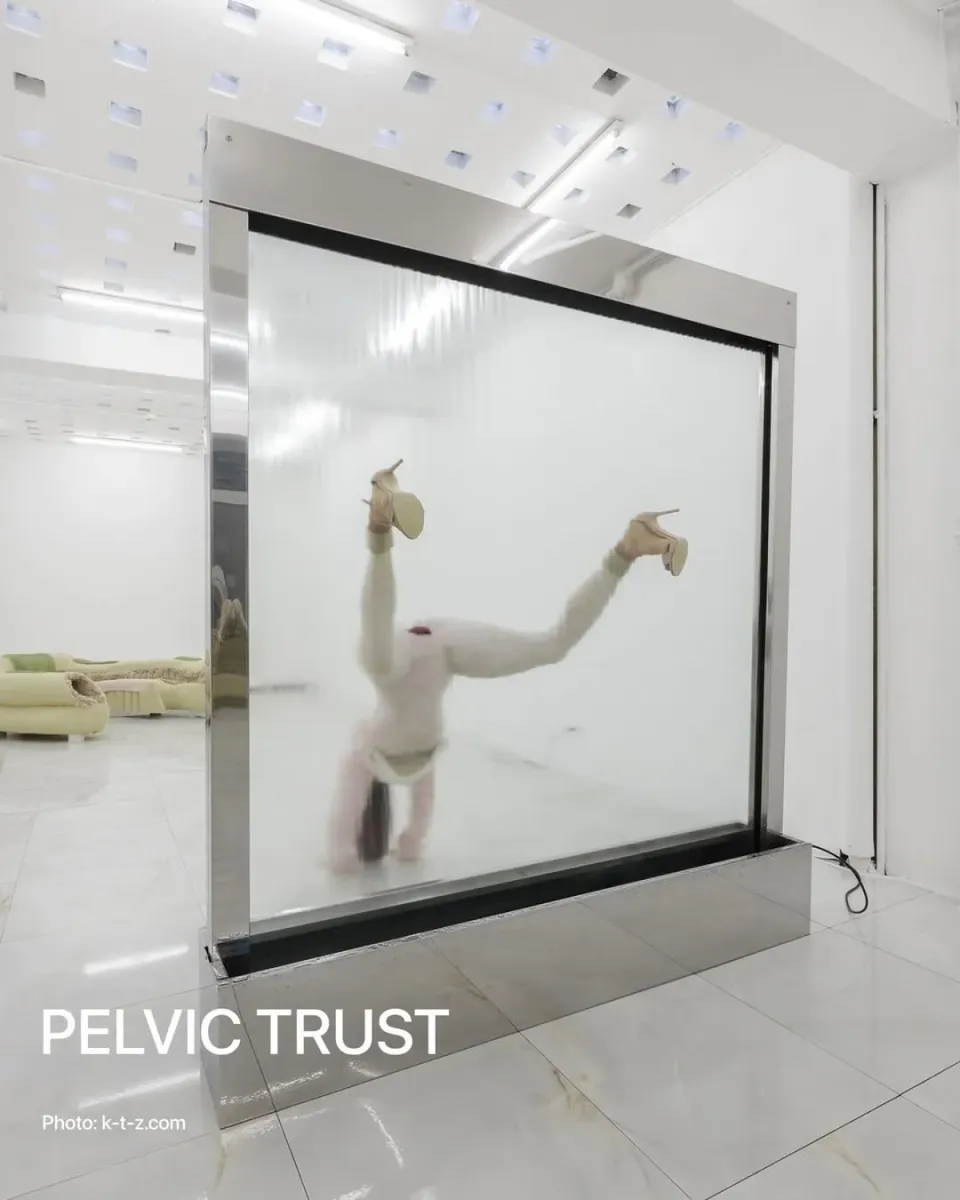
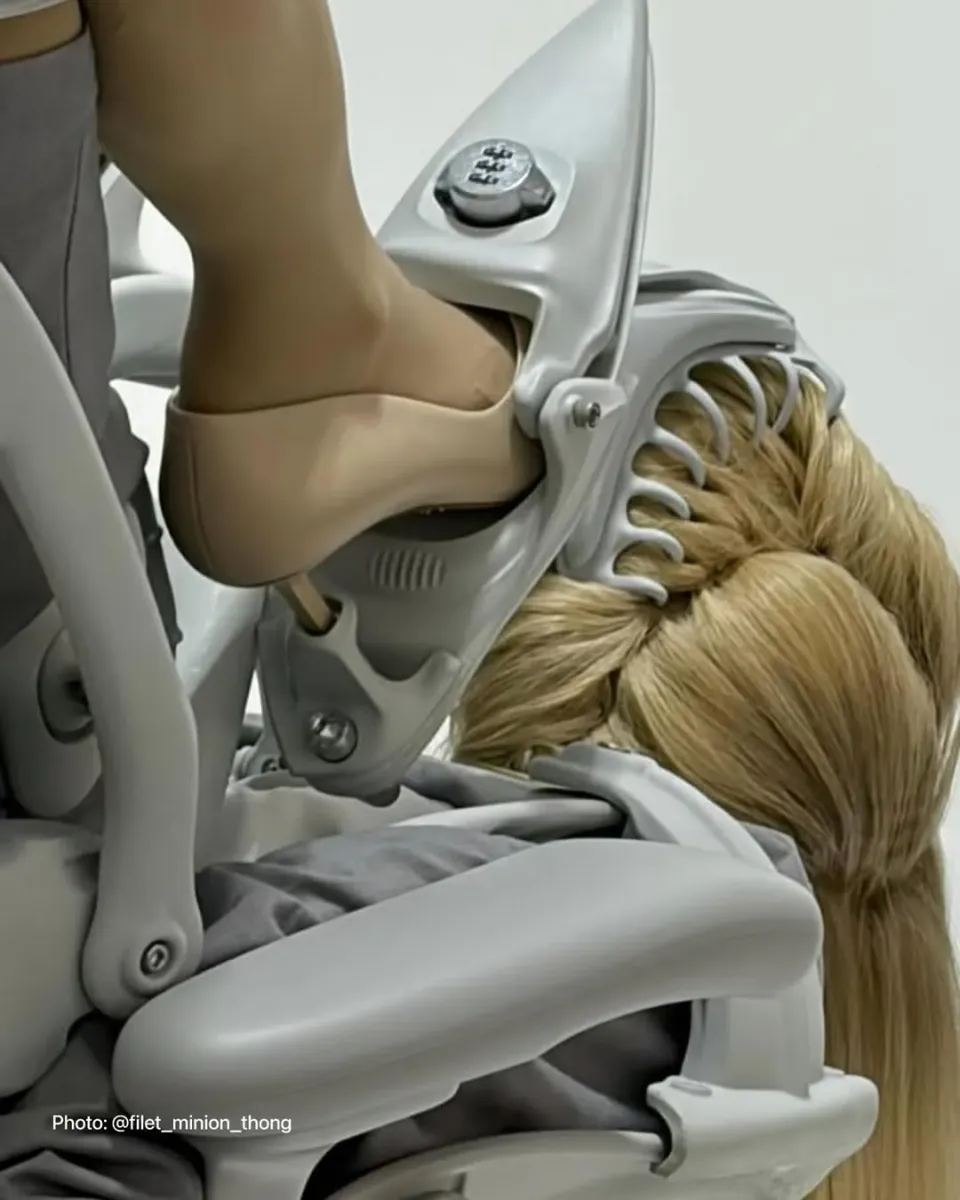
@filet_minion_thong
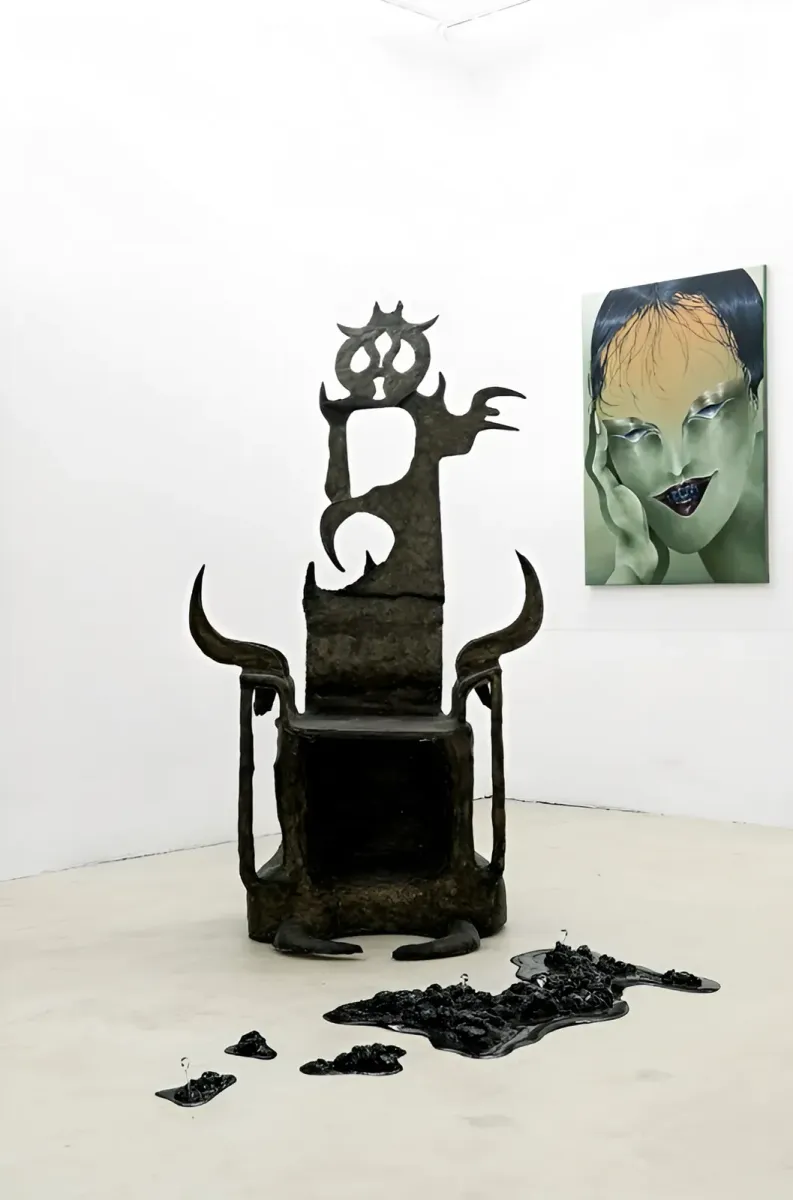
Kraków / 2025
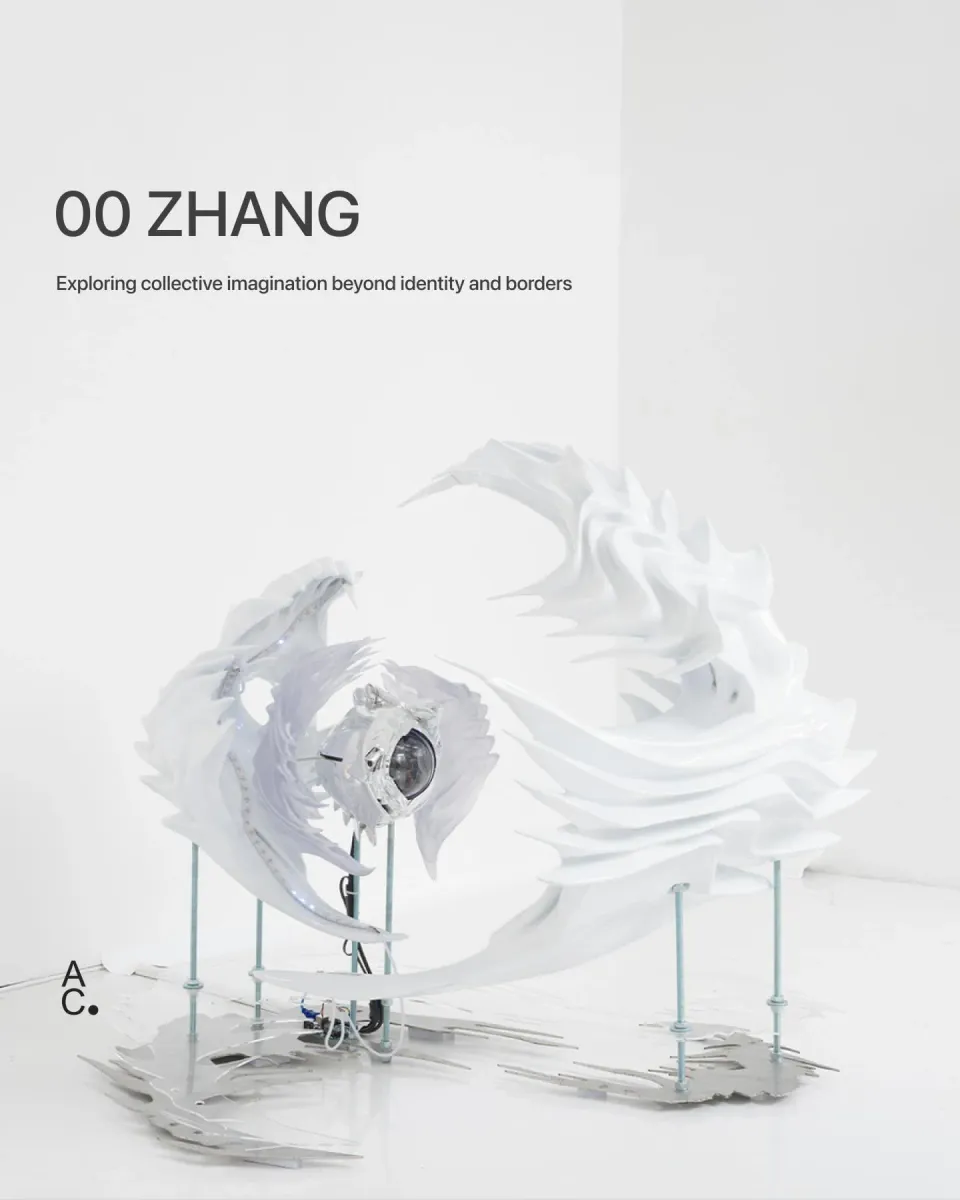
@aio0o0o0
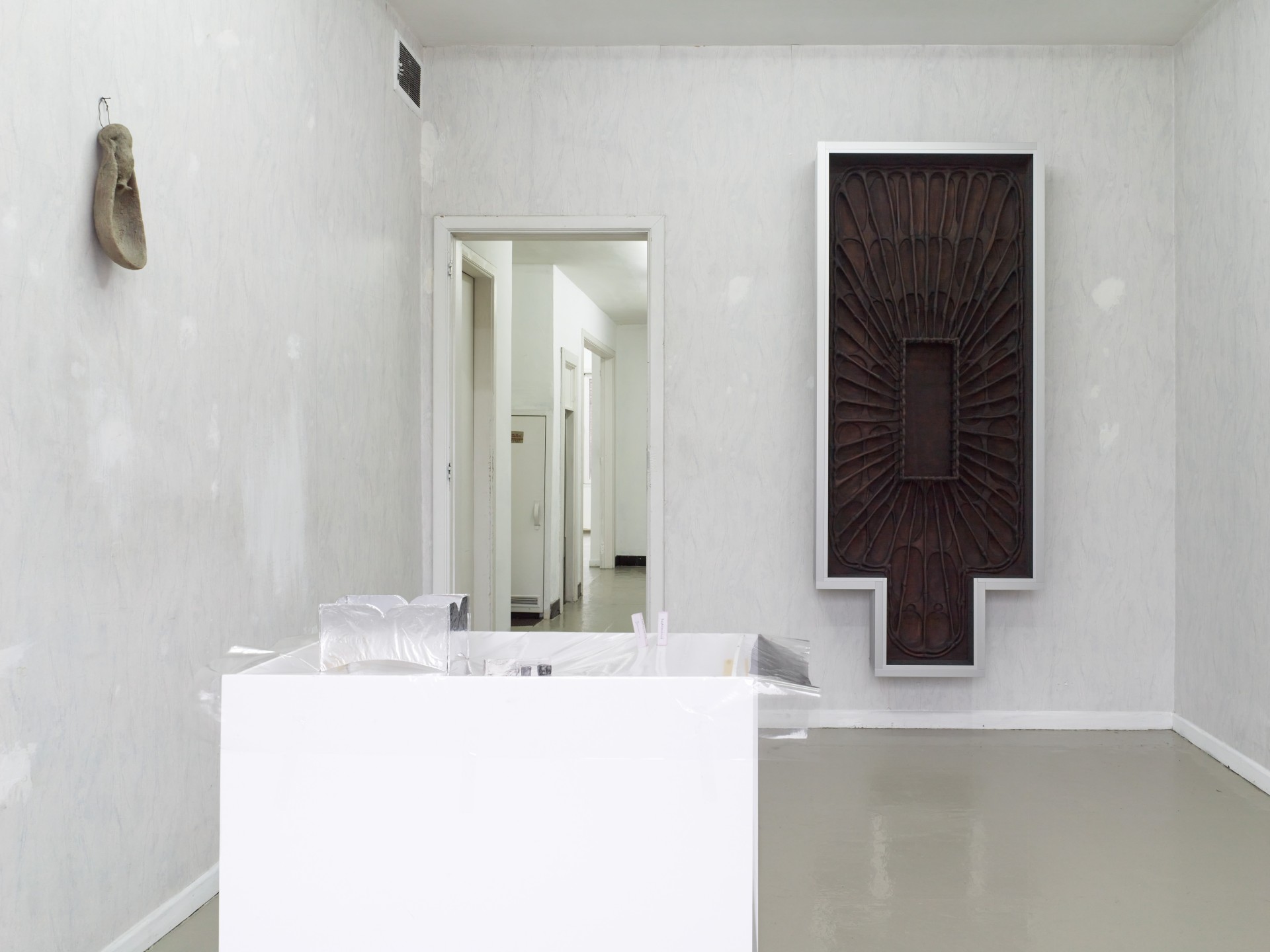
Brussels / 2025-2026
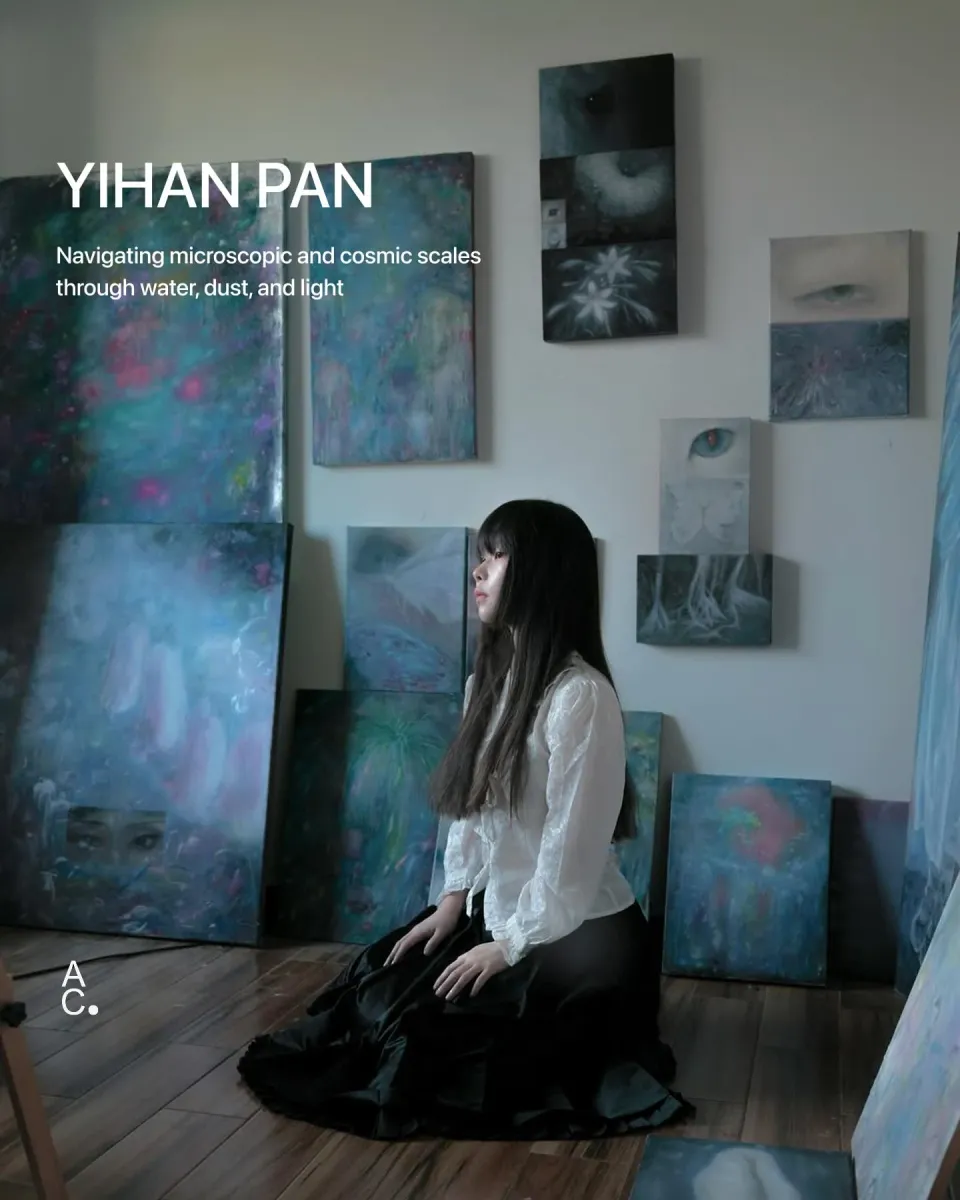
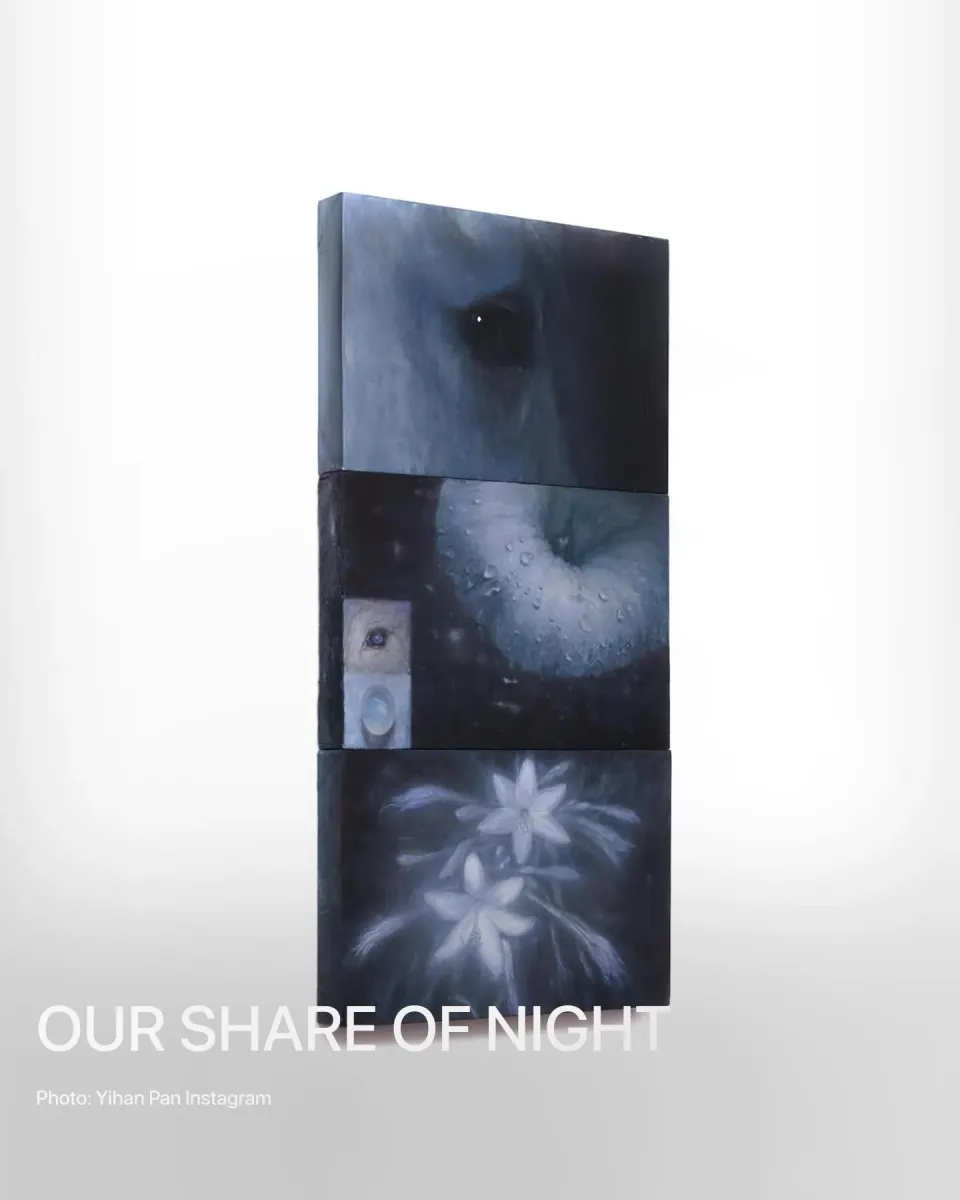
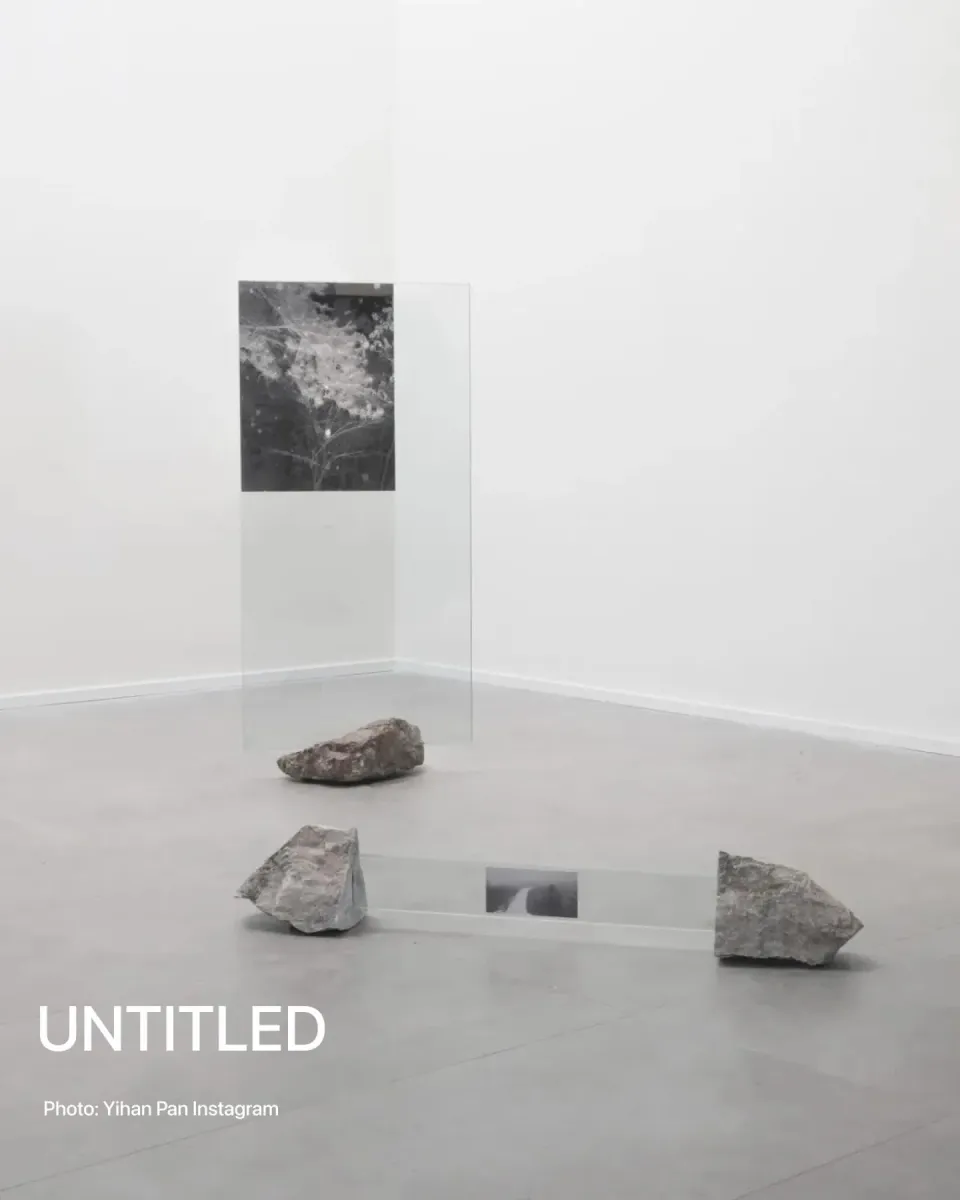
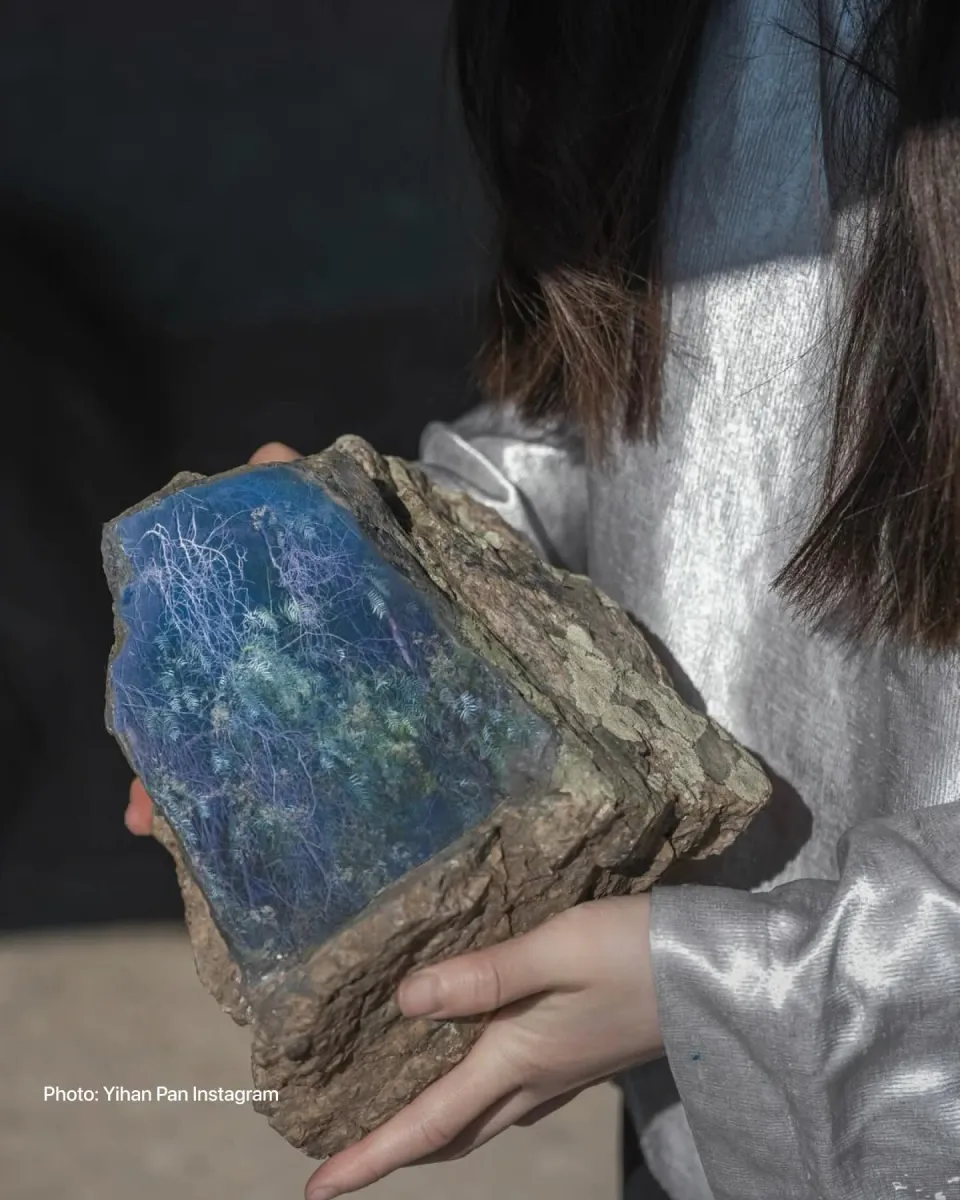
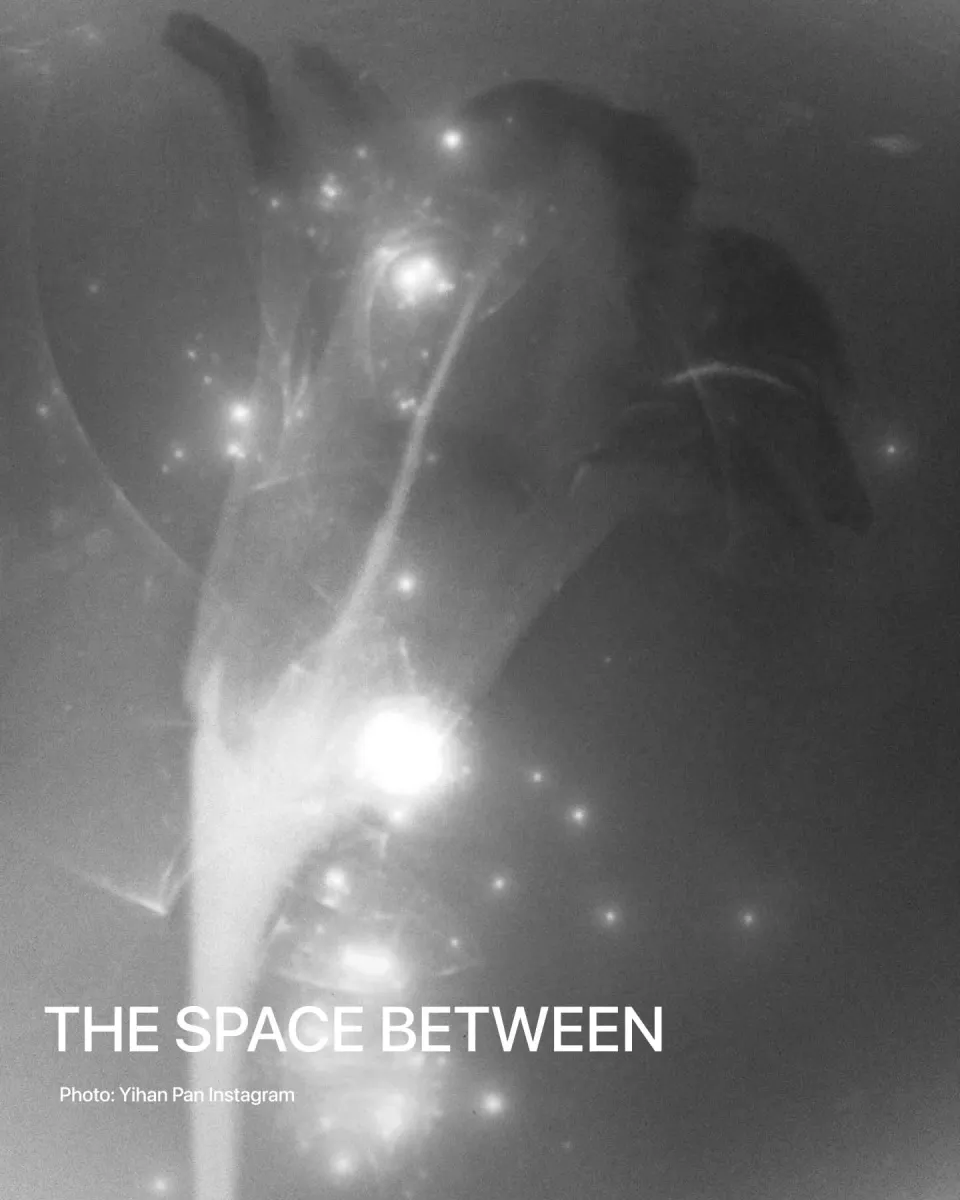
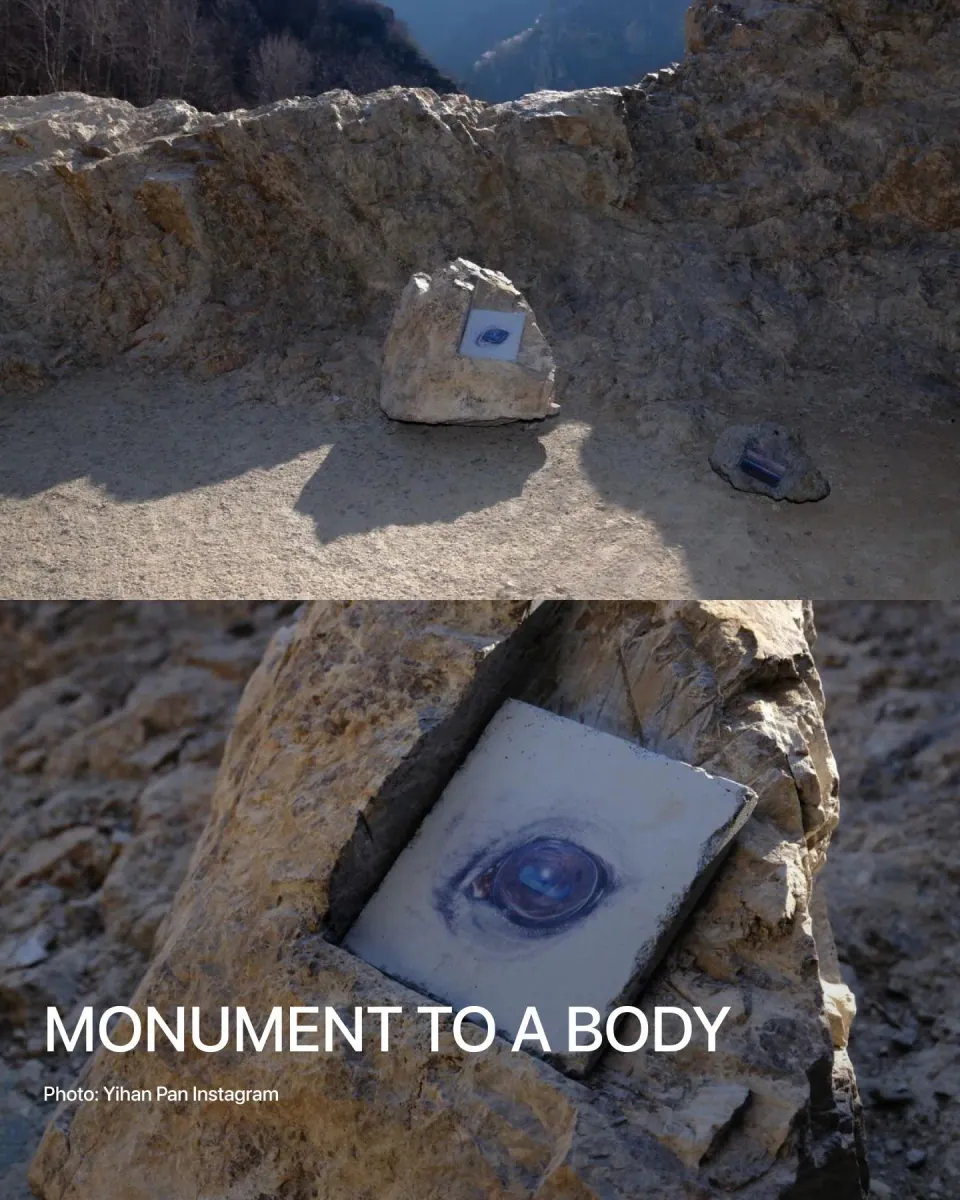
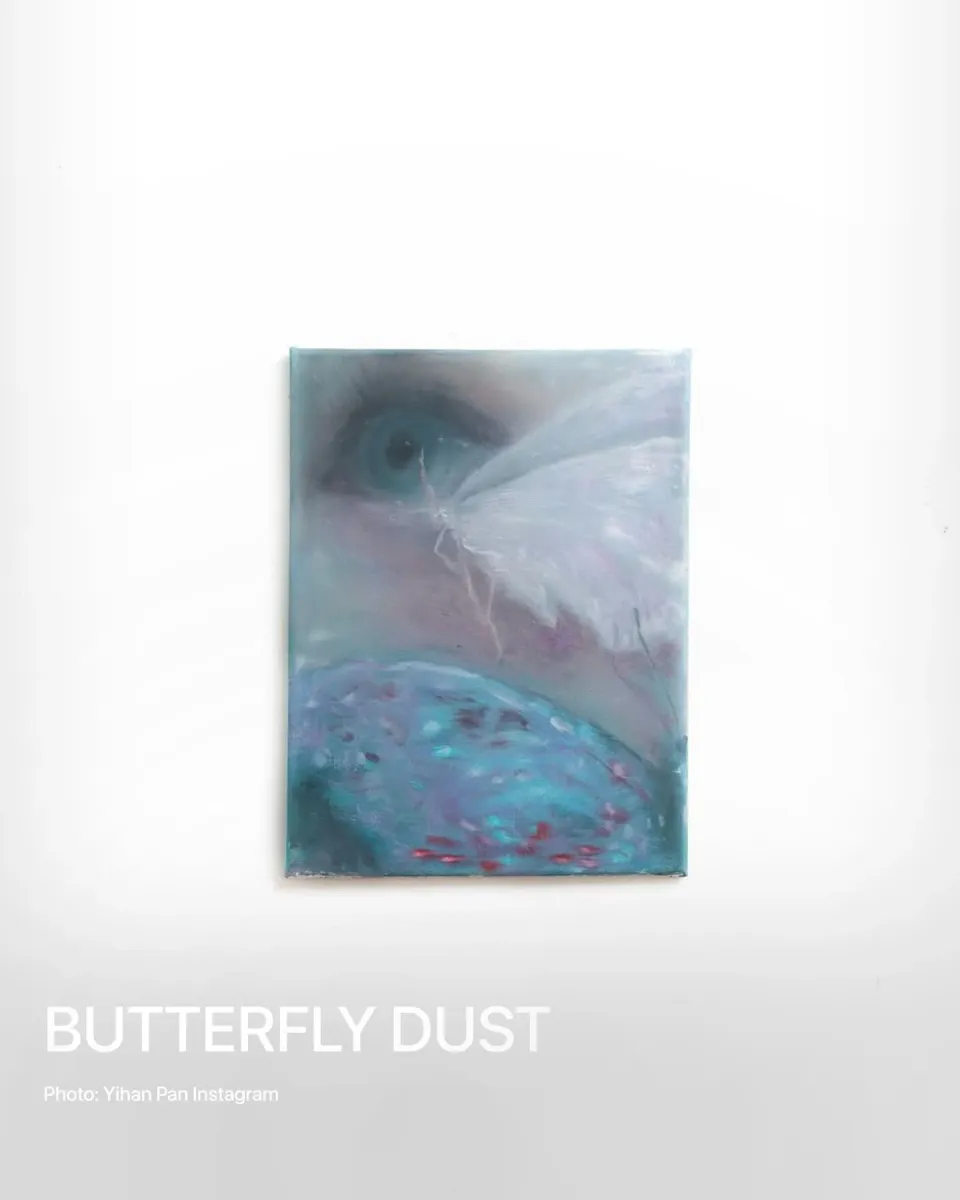
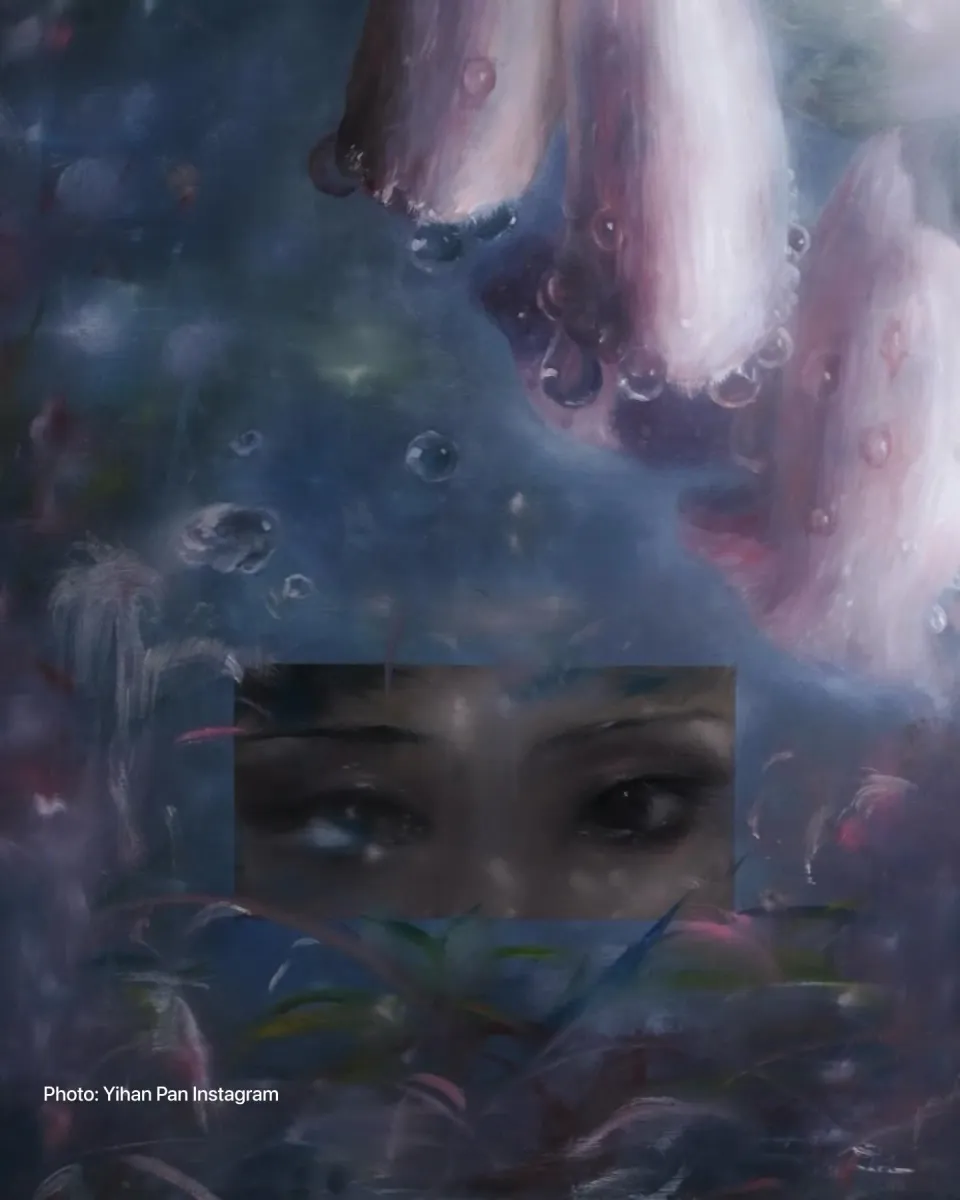
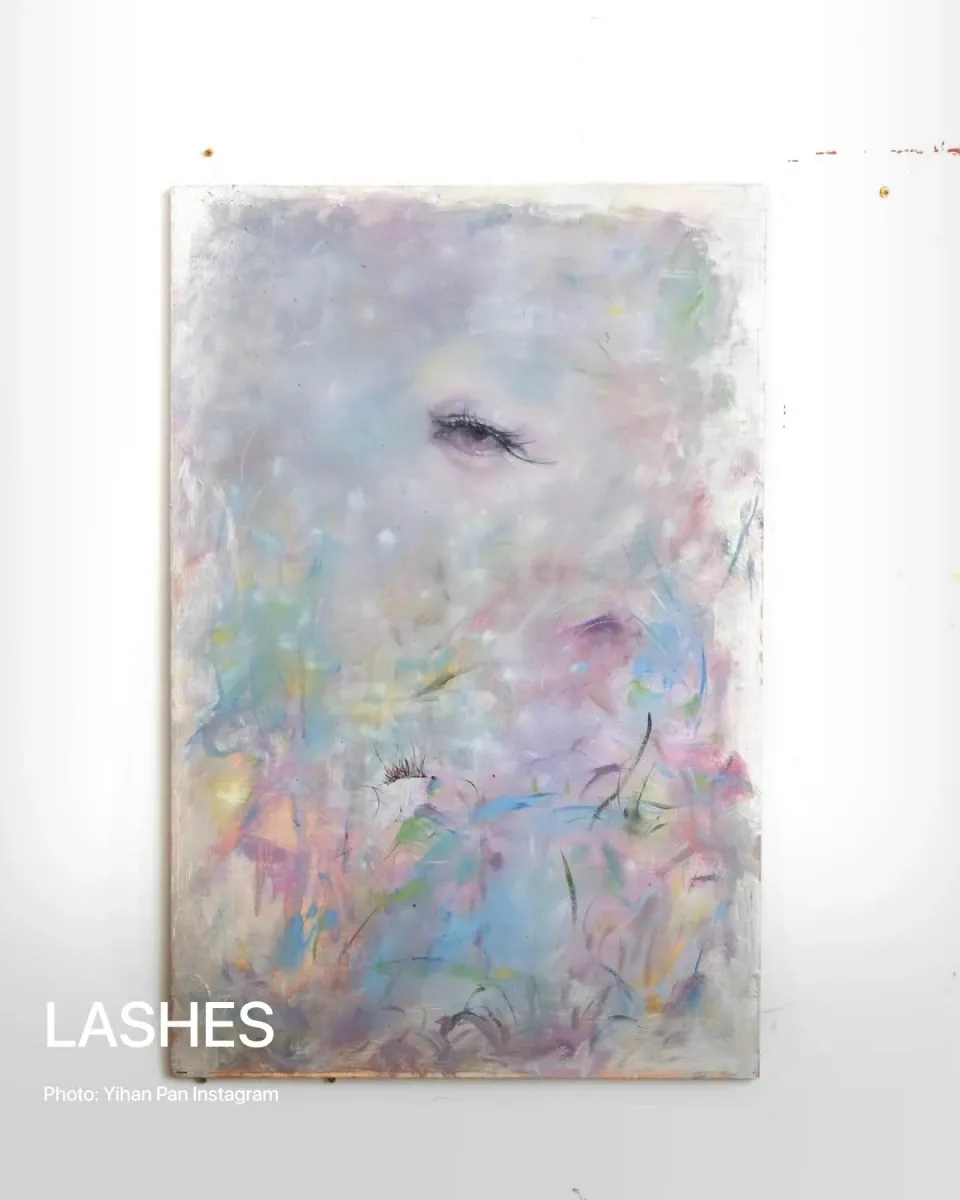
@pyhii
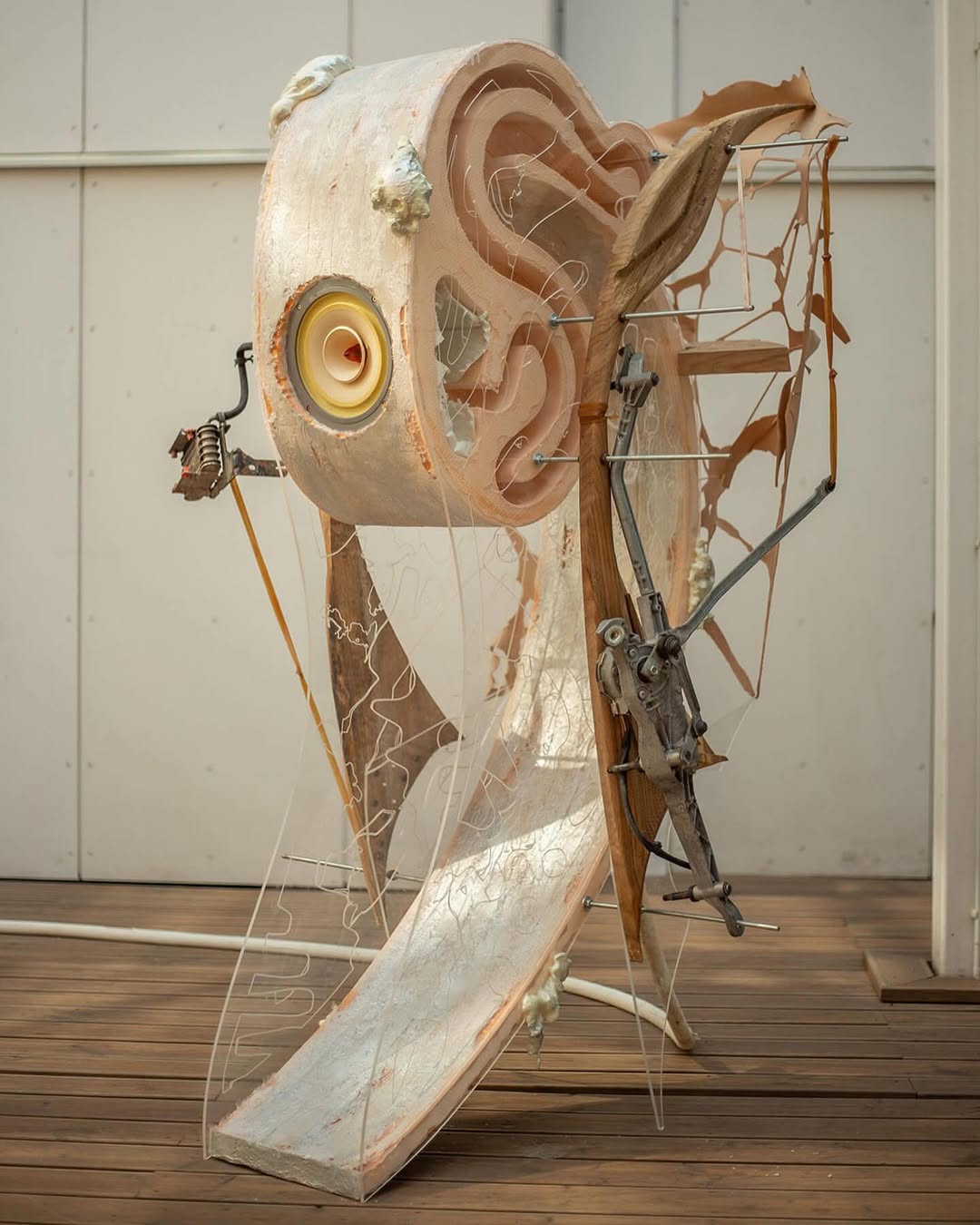
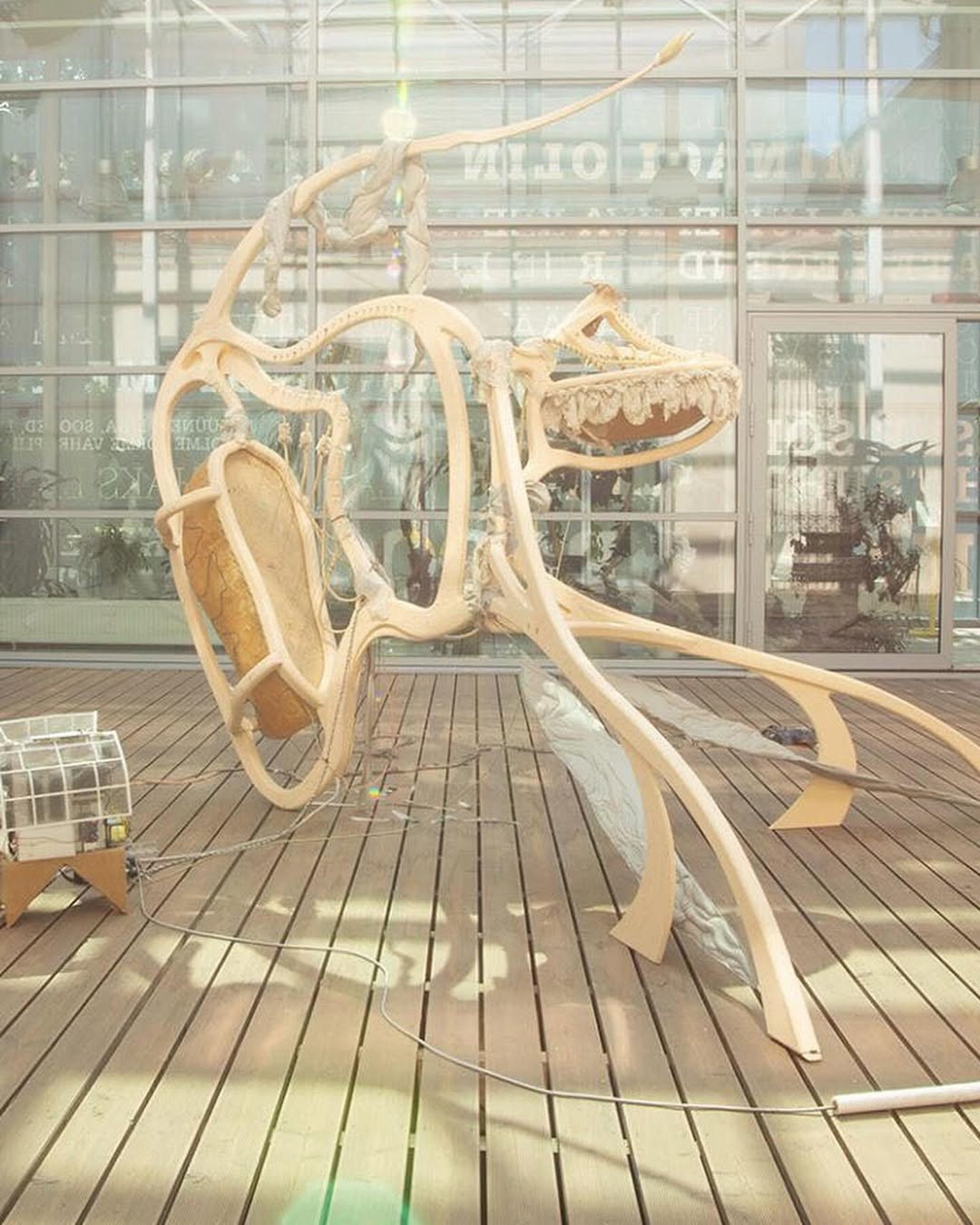
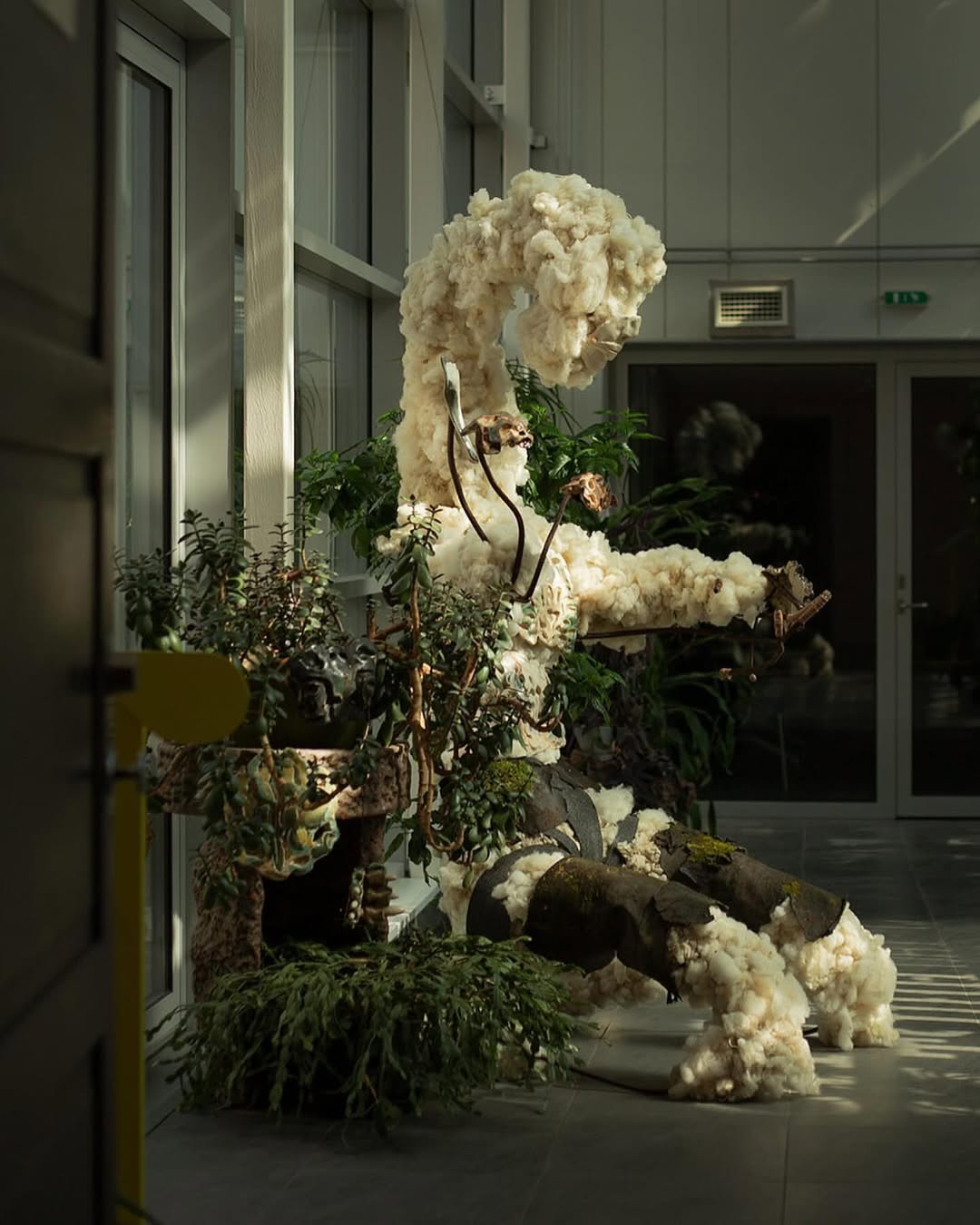
Tartu / 2024
@emma.beatrez
Stockholm / 2024-2025
@s_gatzkan
Paris / 2025
@pax_aliena
Warsaw / 2025
#DorisSalcedo
/photo_1_2026-05-23_19-28-57.jpg)
Berlin / 2025
@camelostrich
Seoul / 2025-2026
@nadaecc
Warsaw / 2026
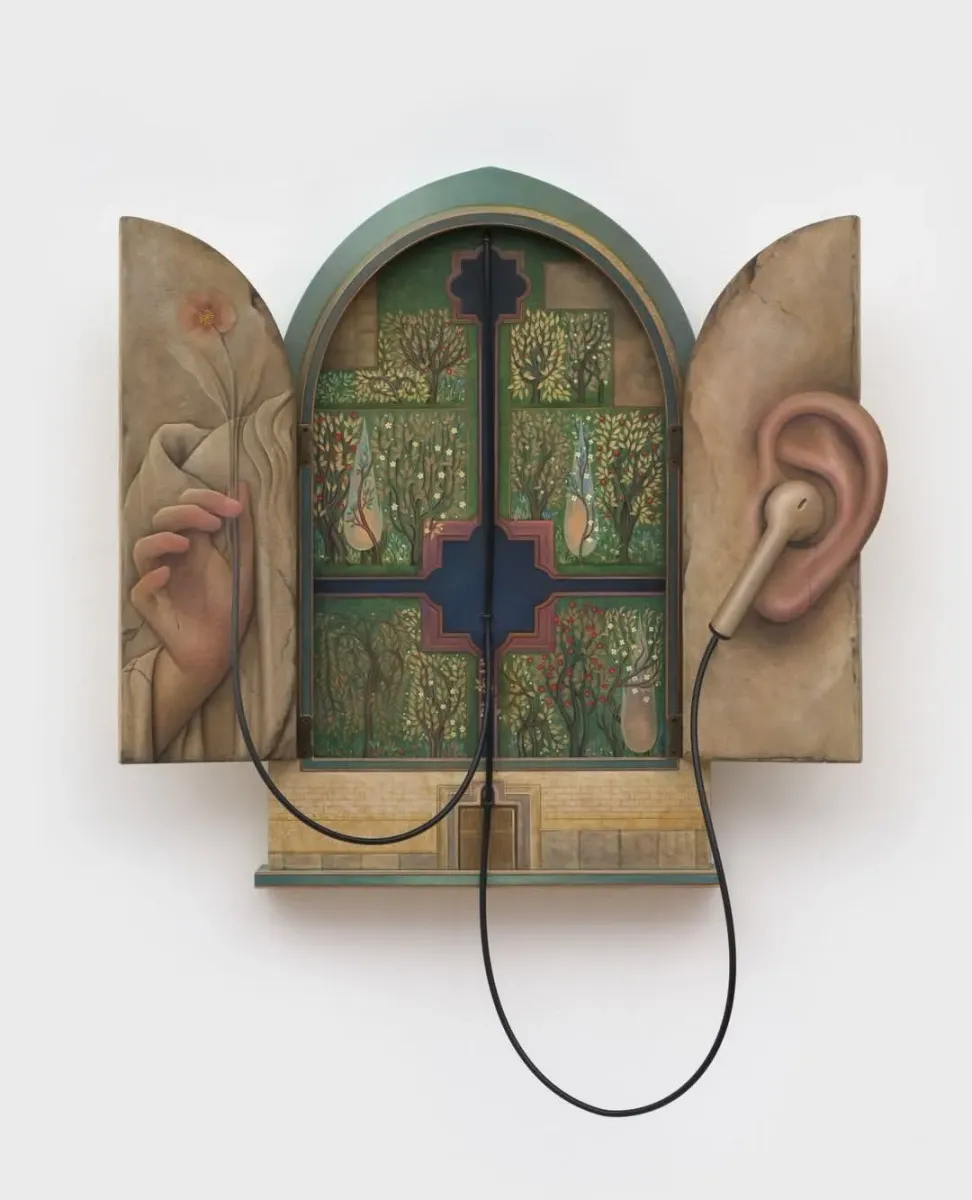
@arghavan_khosravi
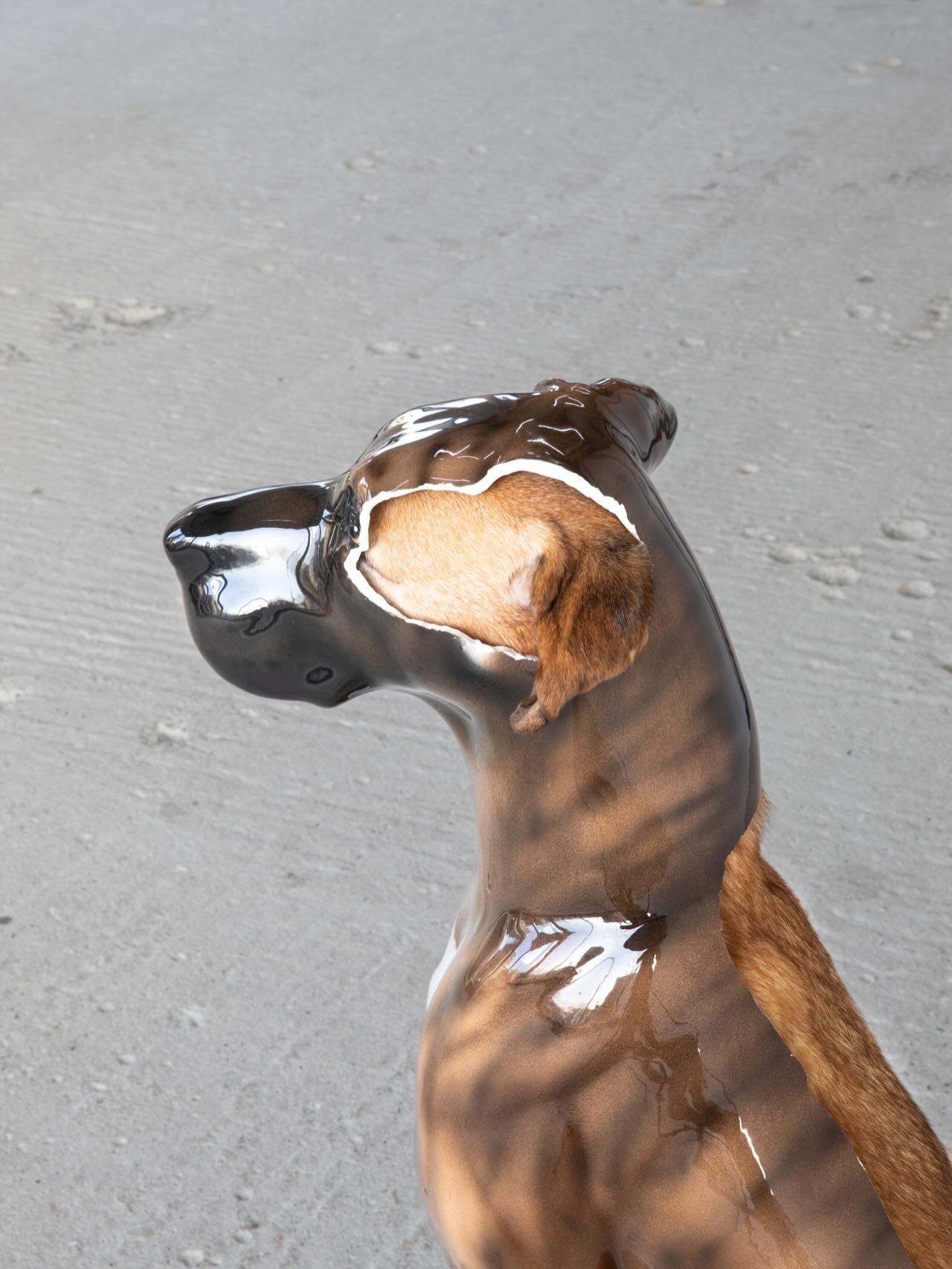
Offenbach am Main / 2026
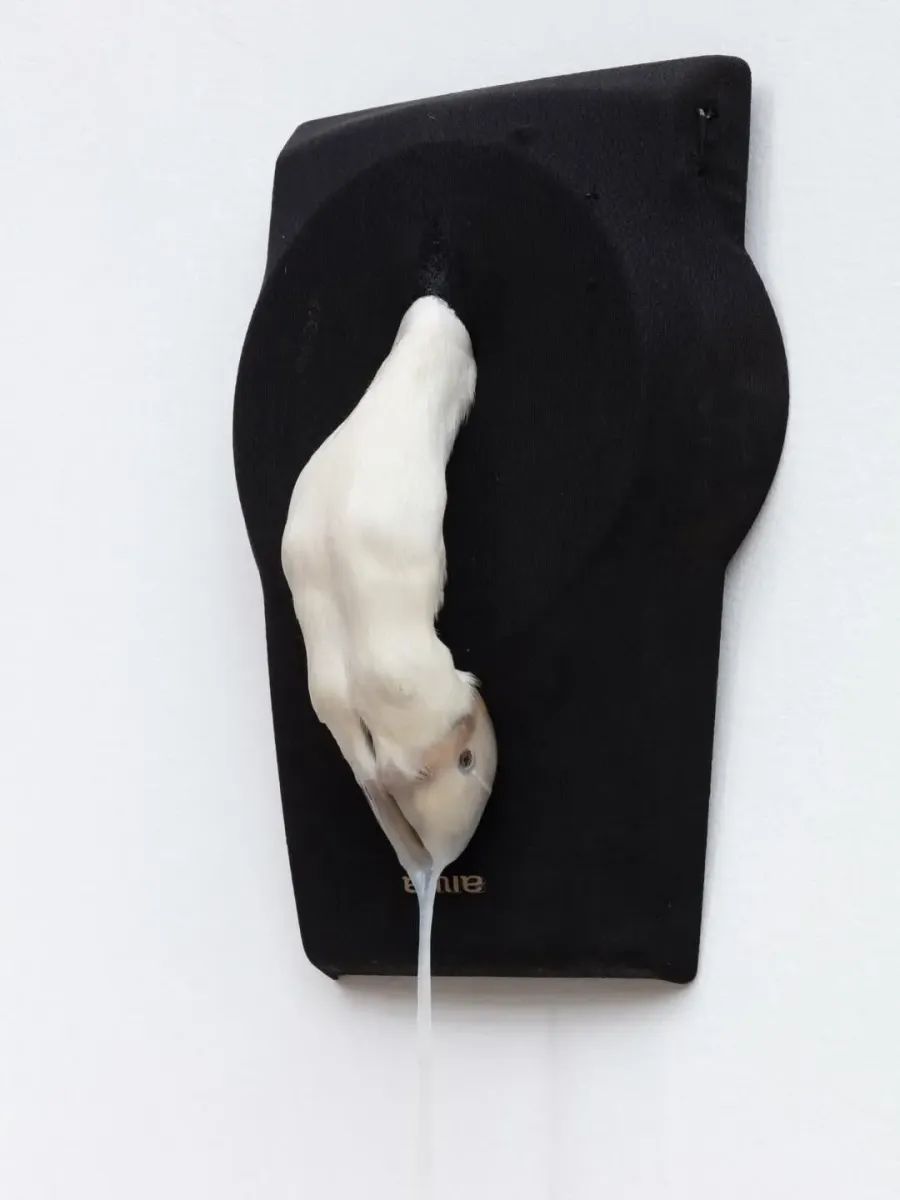
@que.fresca
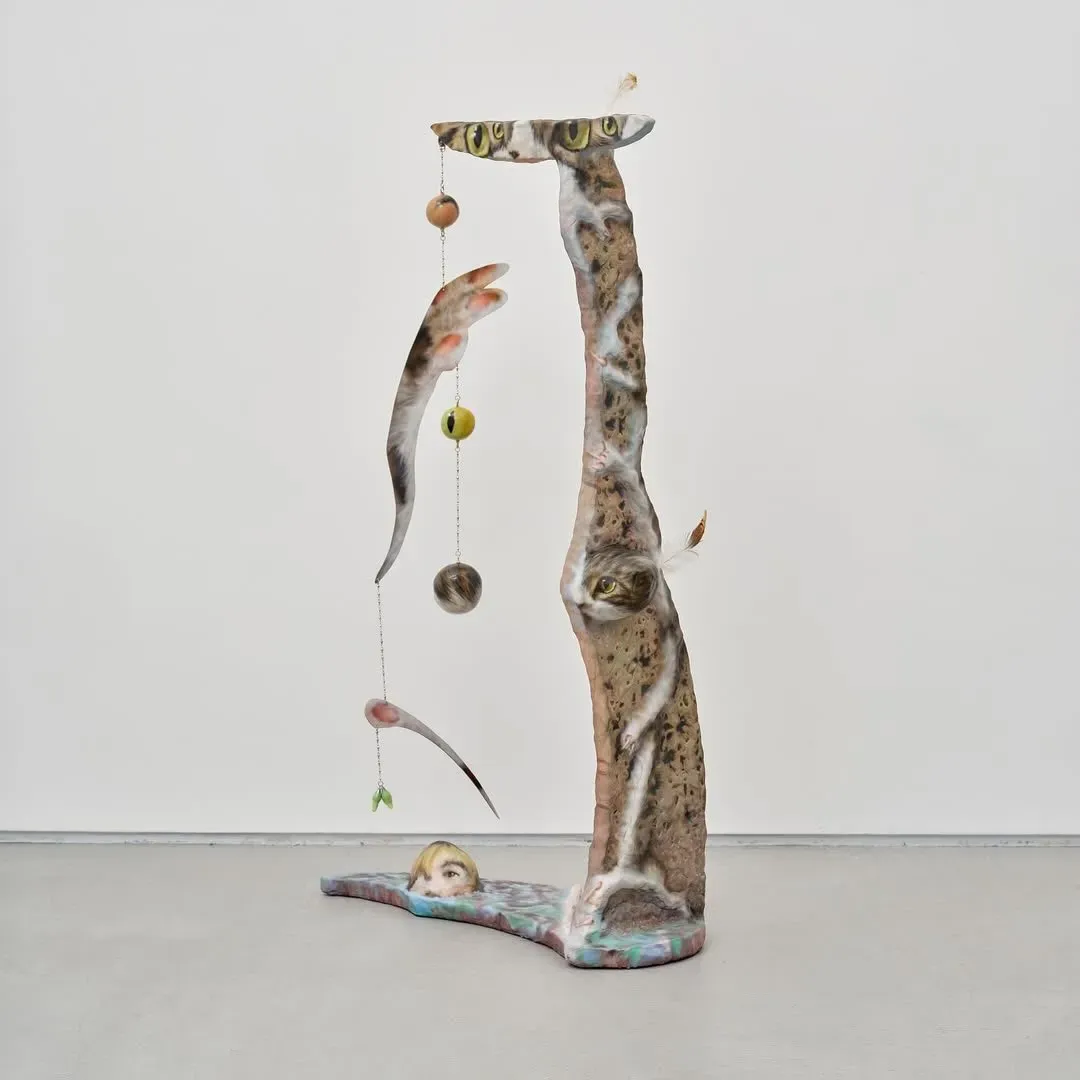
@ppuri_
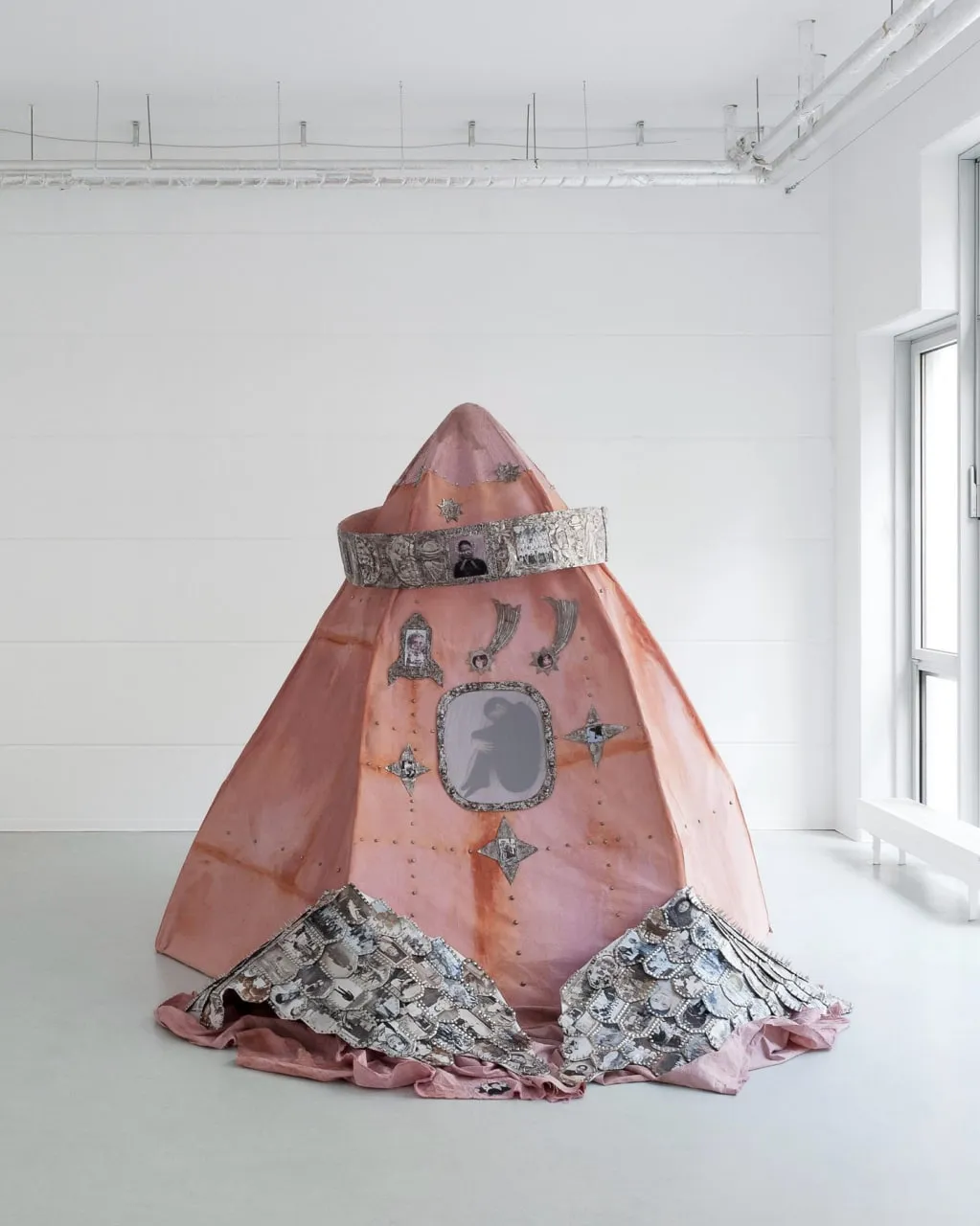
Berlin / 2026
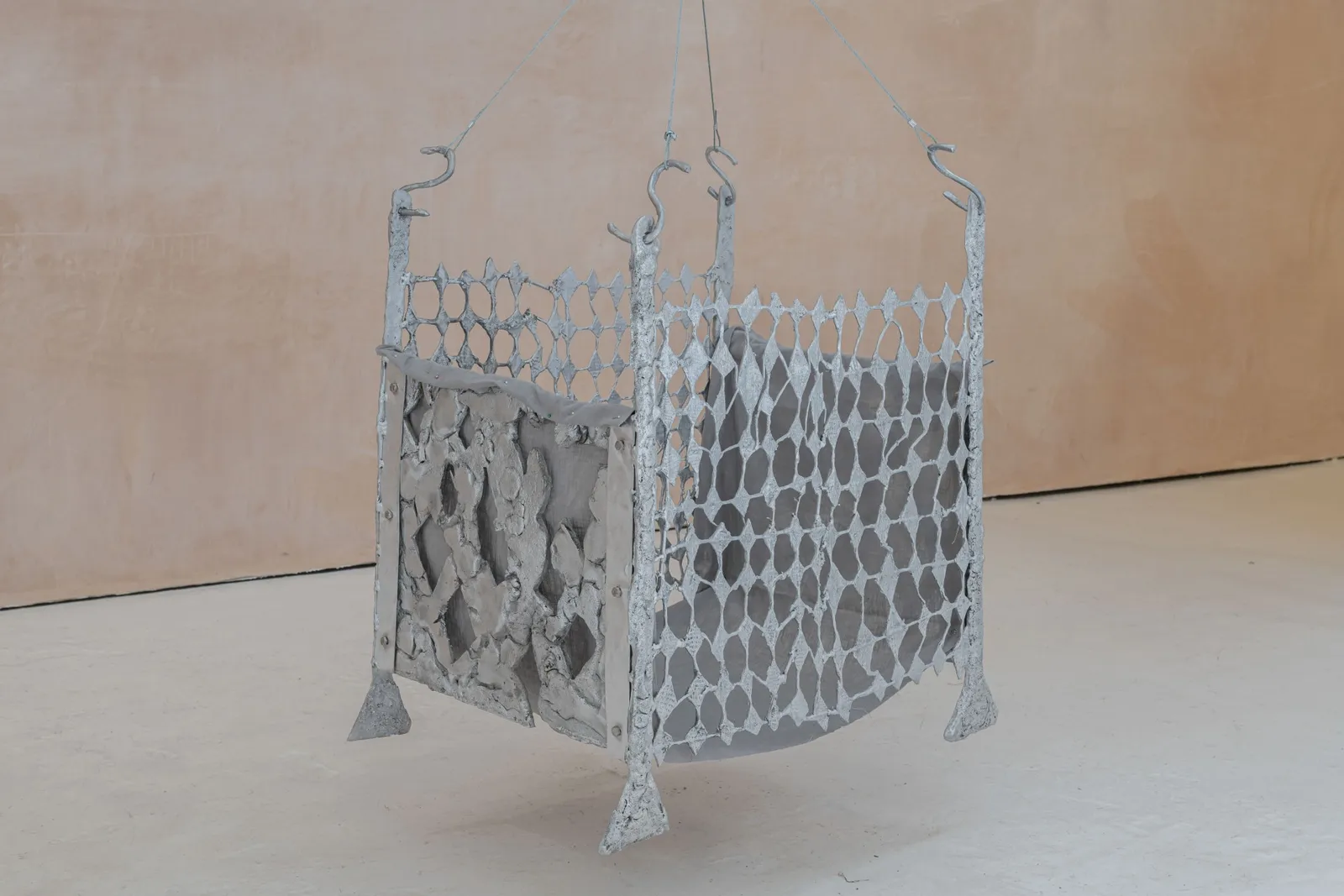
Norwich / 2026
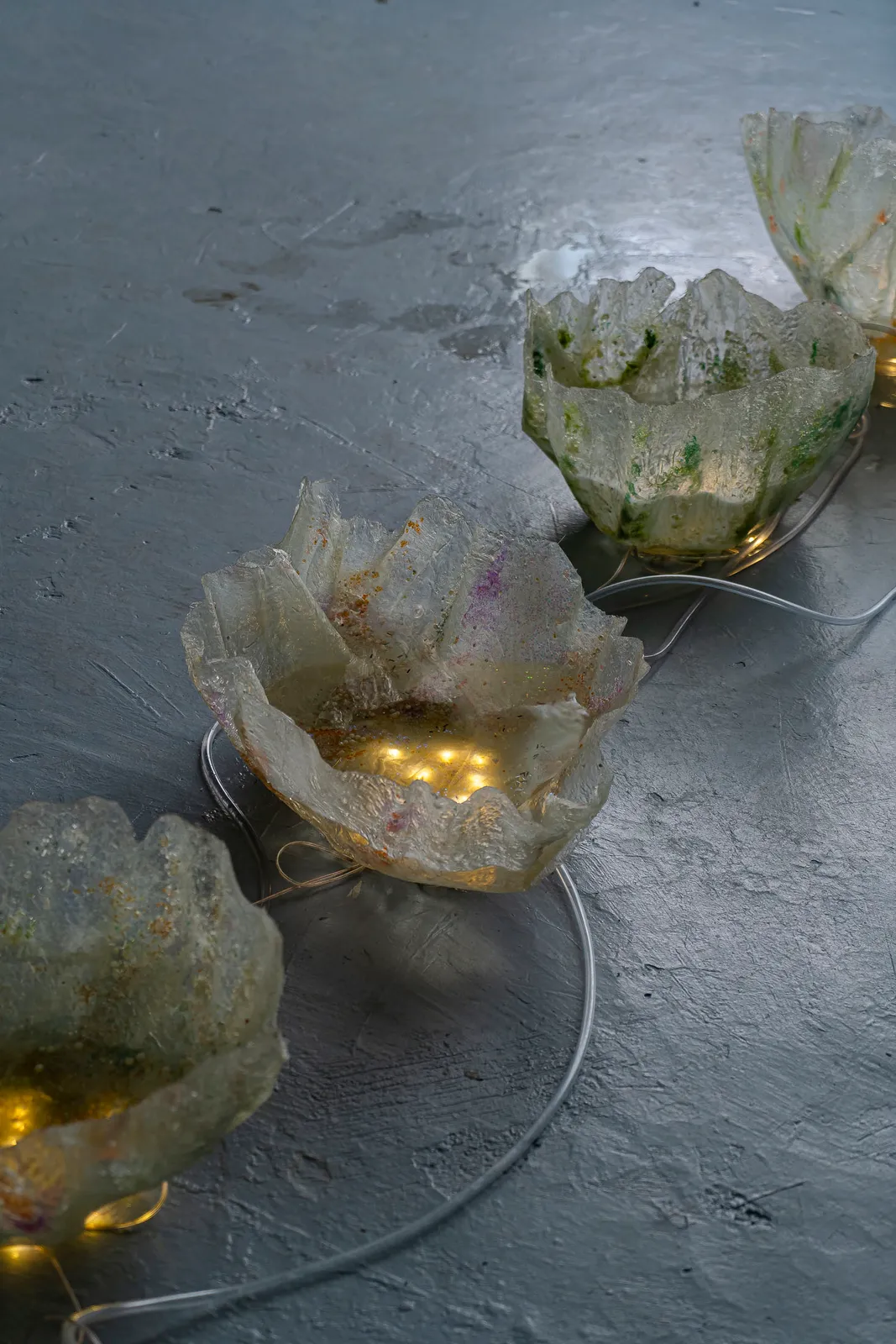
Santiago / 2026
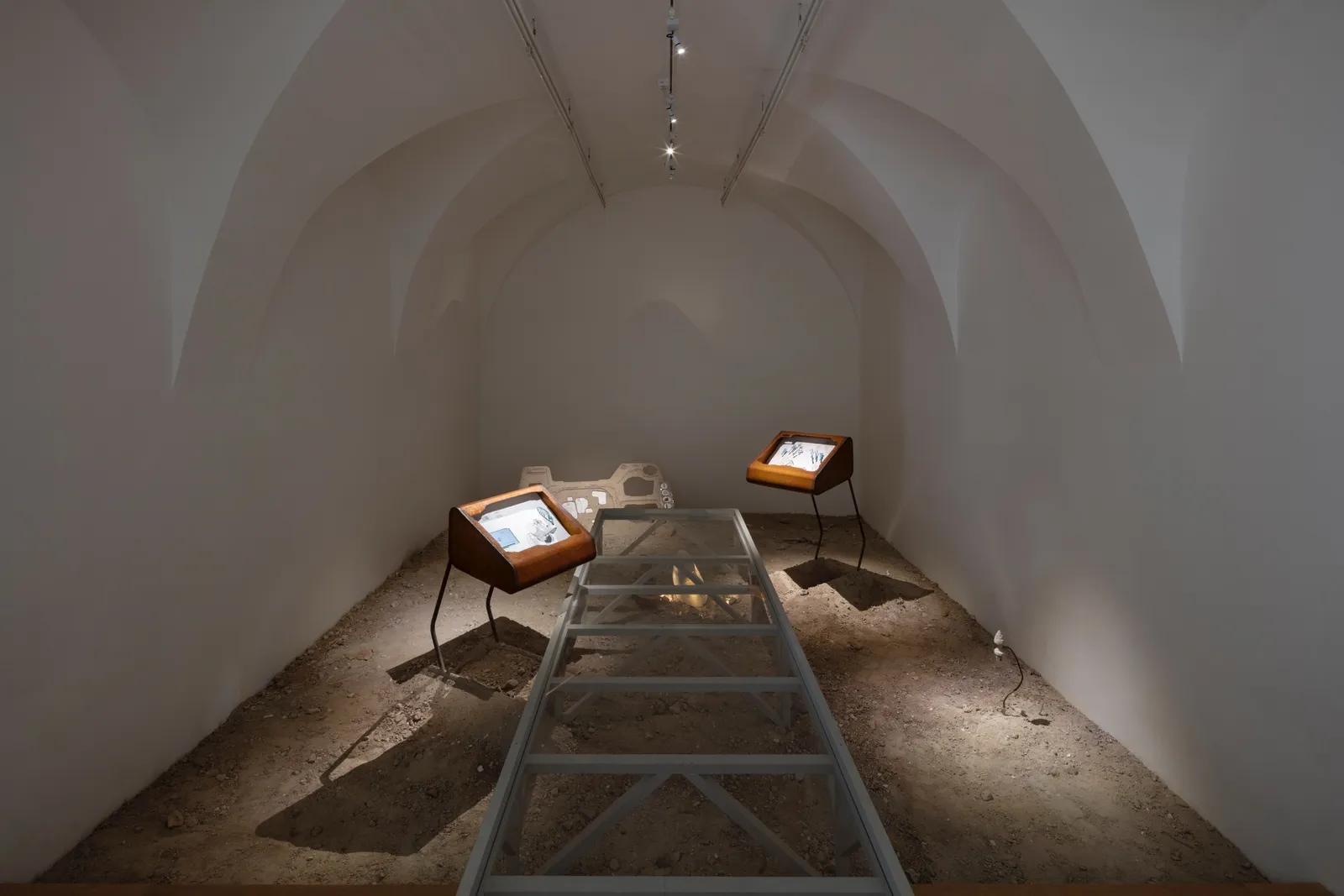
Brno / 2026
Tisbury / 2026
Shanghai / 2026
Málaga / 2026
Ciudad de México / 2026
Klaus in Vorarlberg / 2026
Genk / 2026
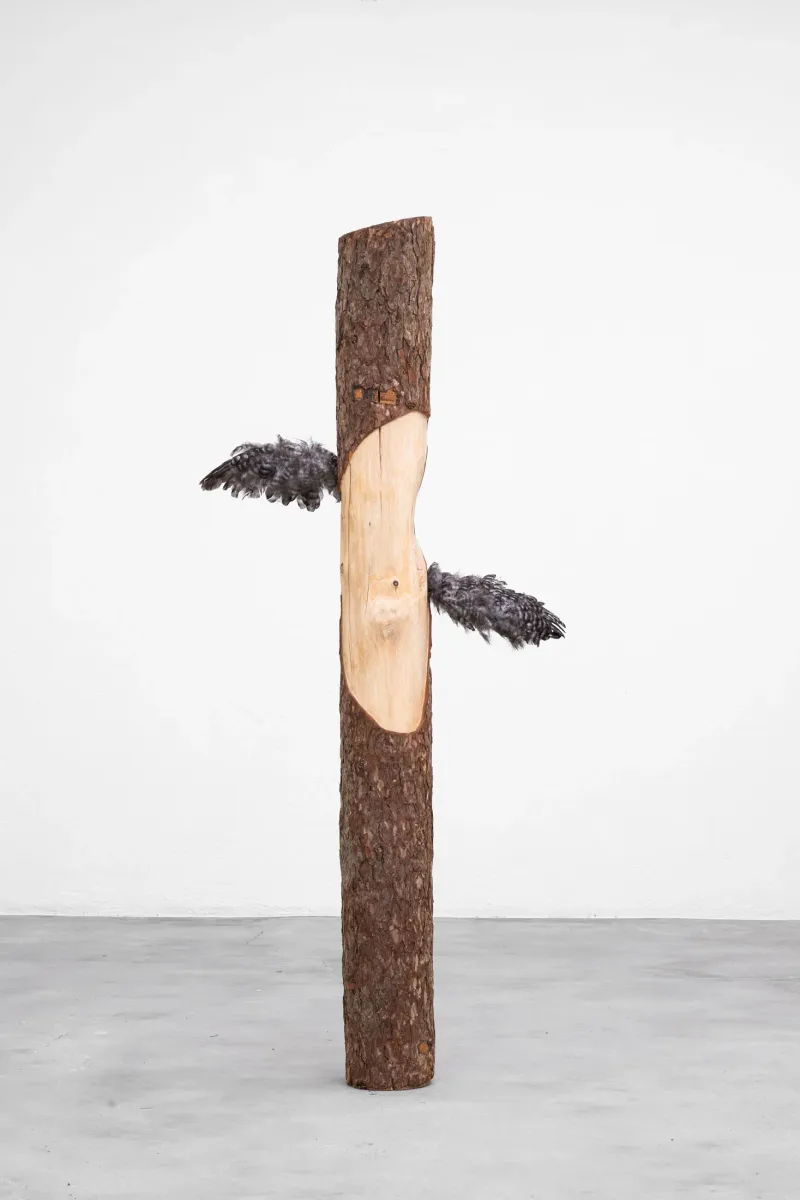
Turin / 2026
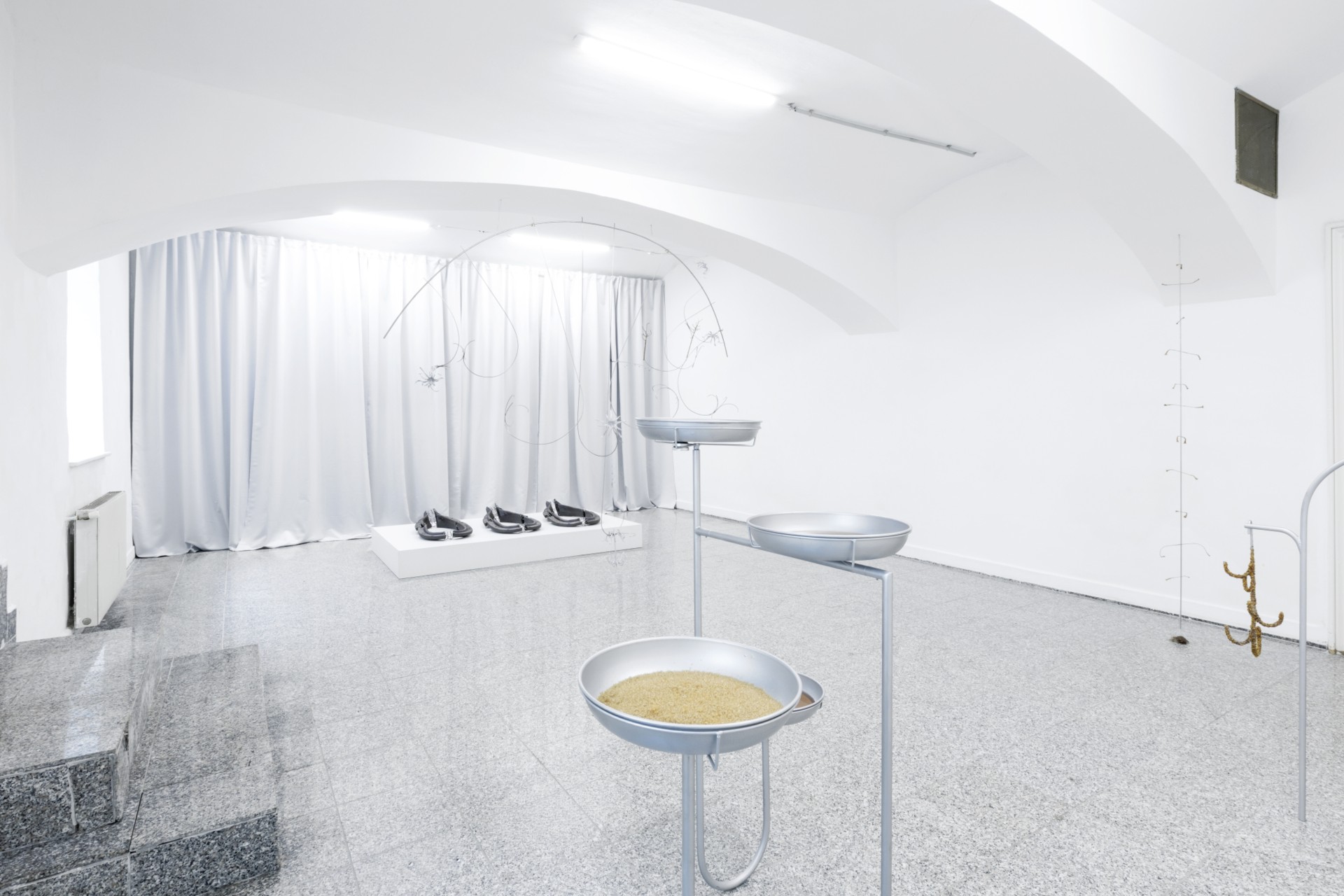
Vienna / 2026
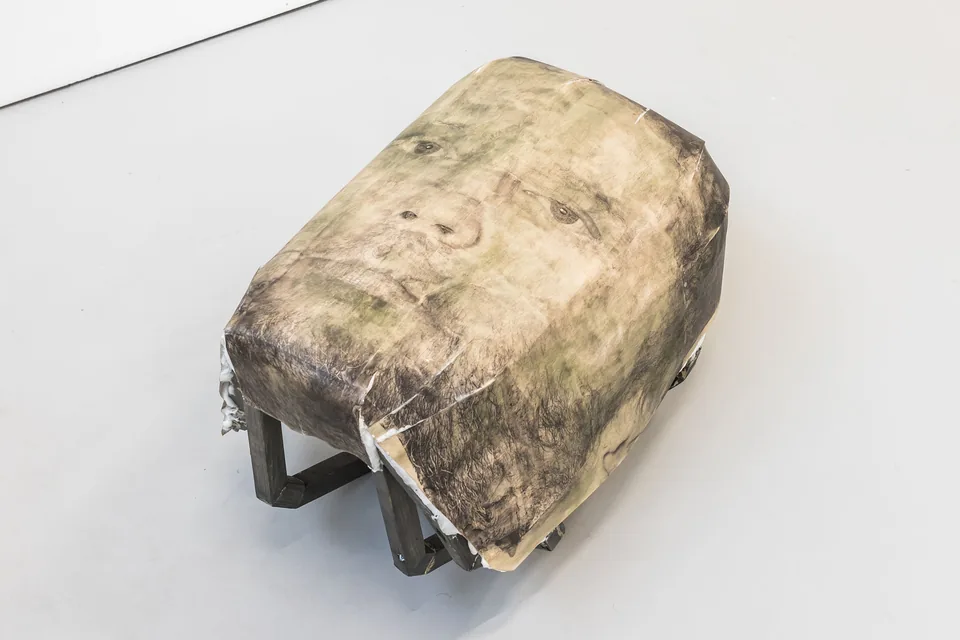
Oslo / 2026
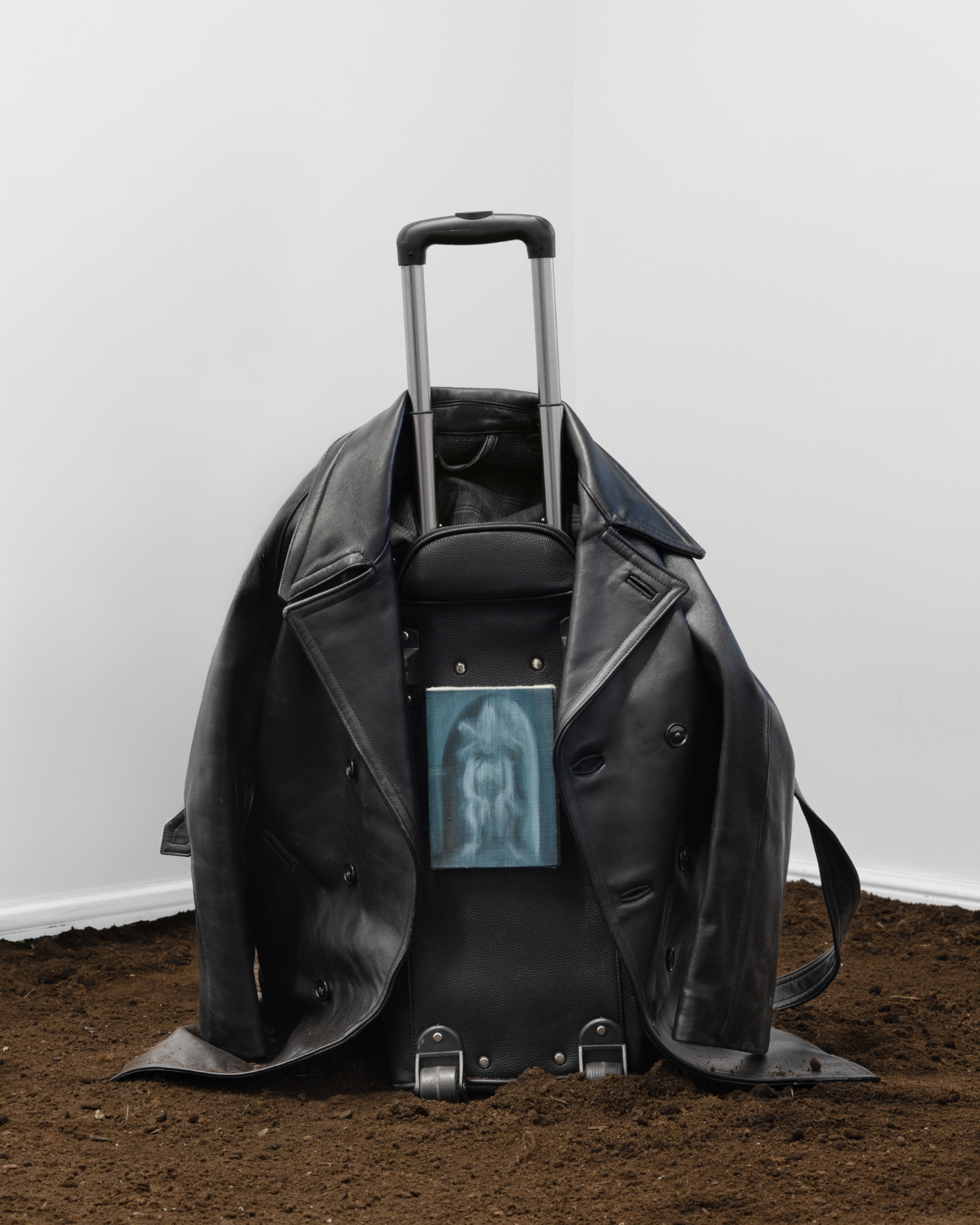
Warsaw / 2026
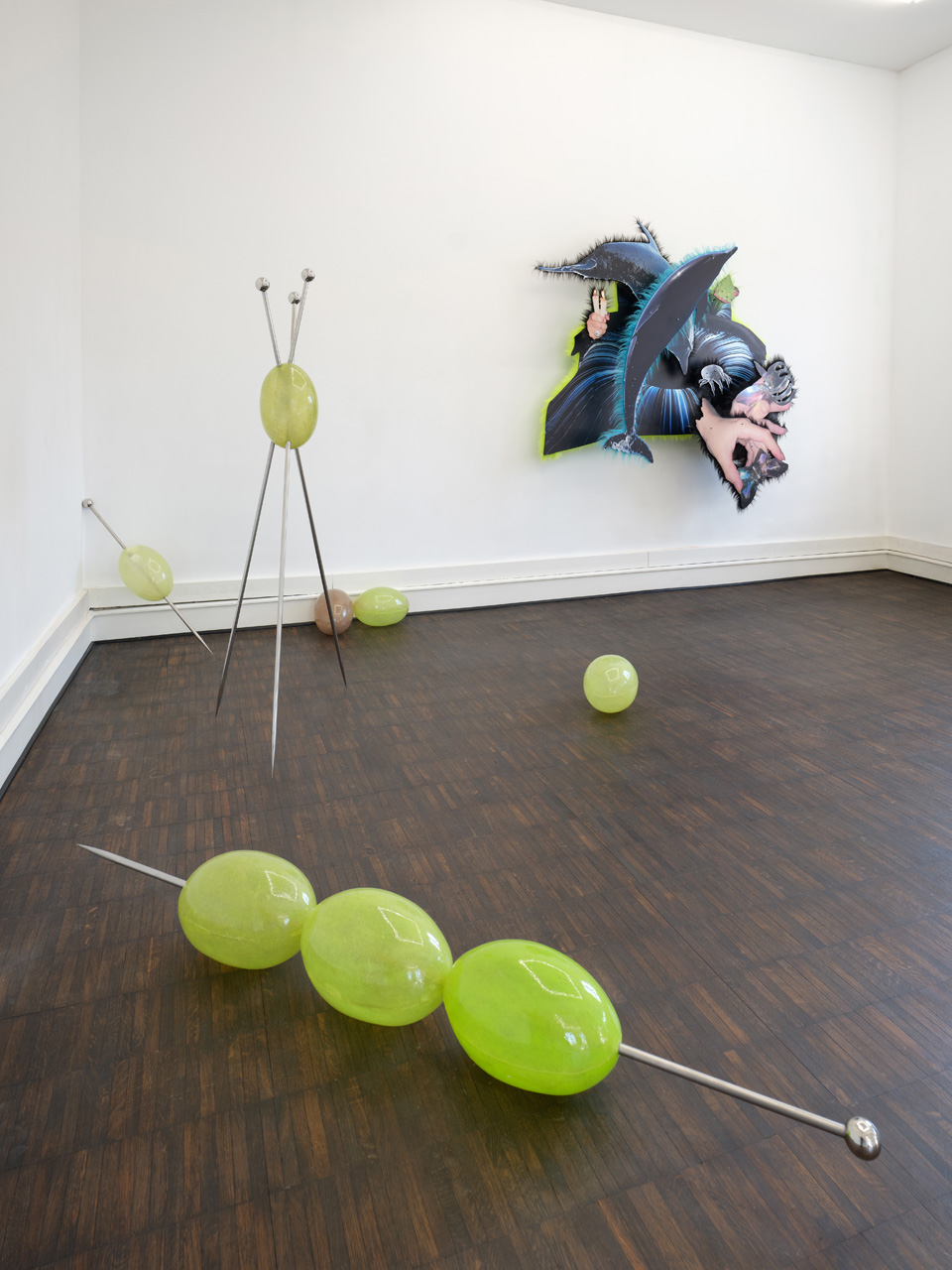
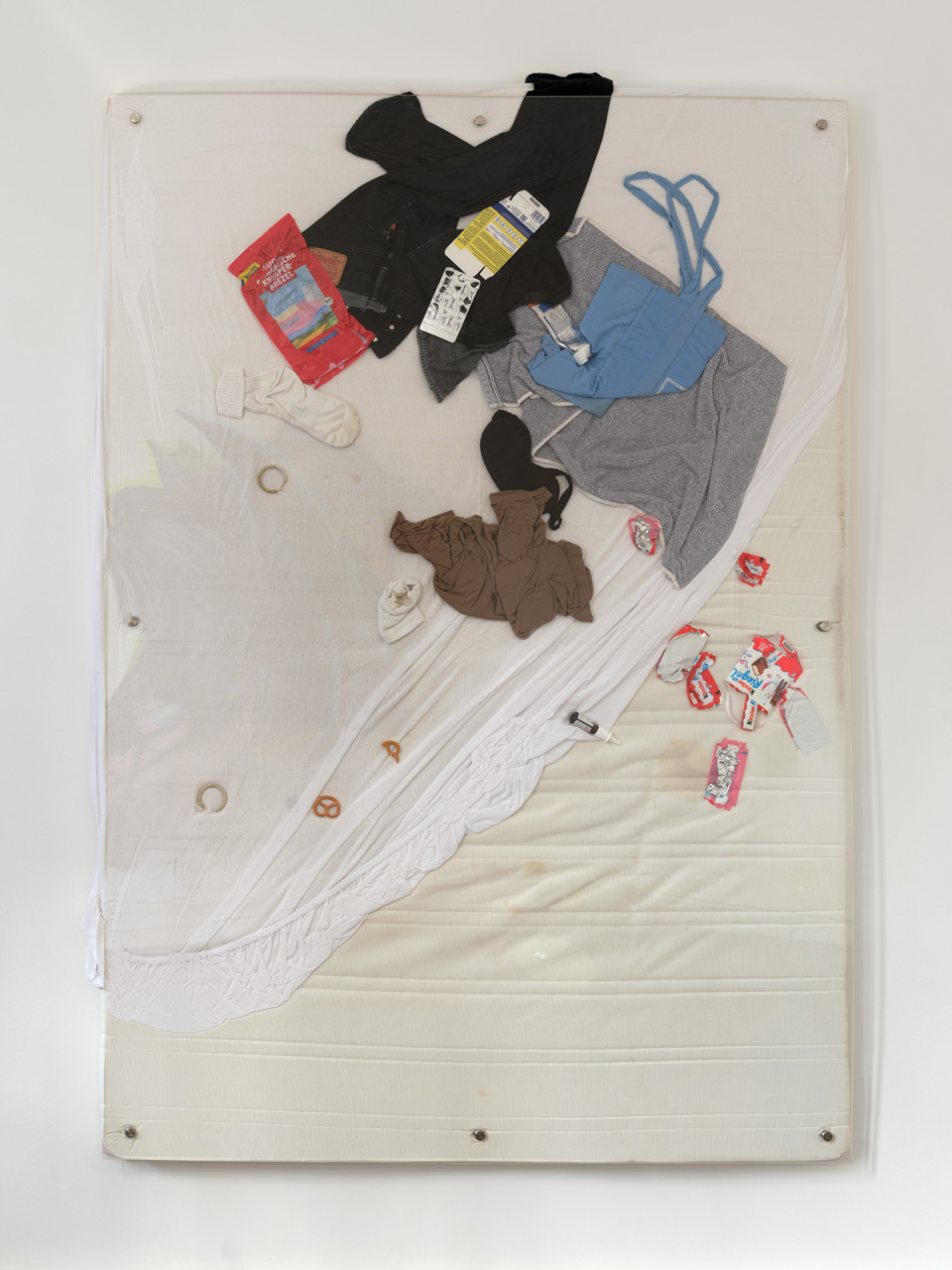
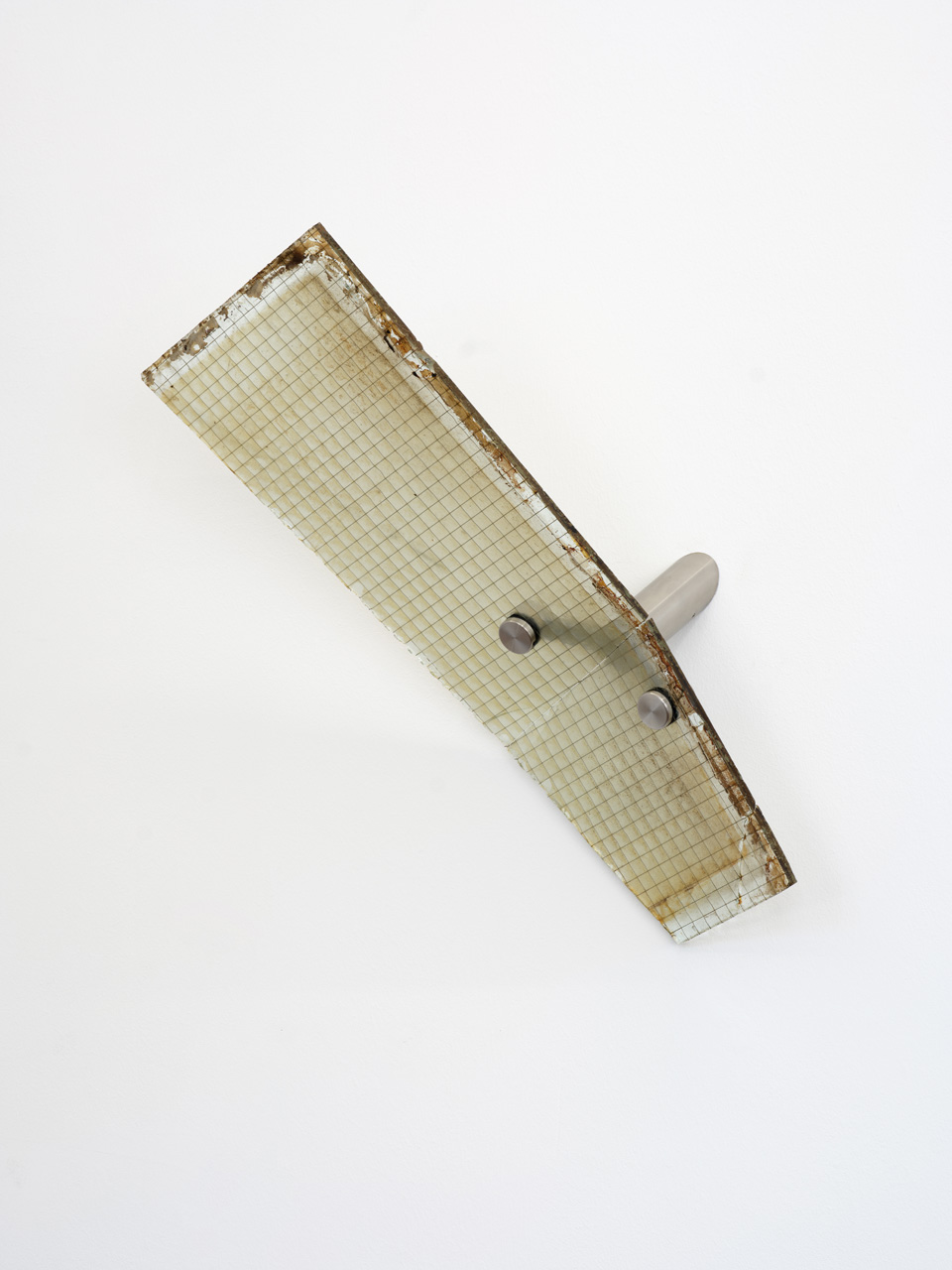
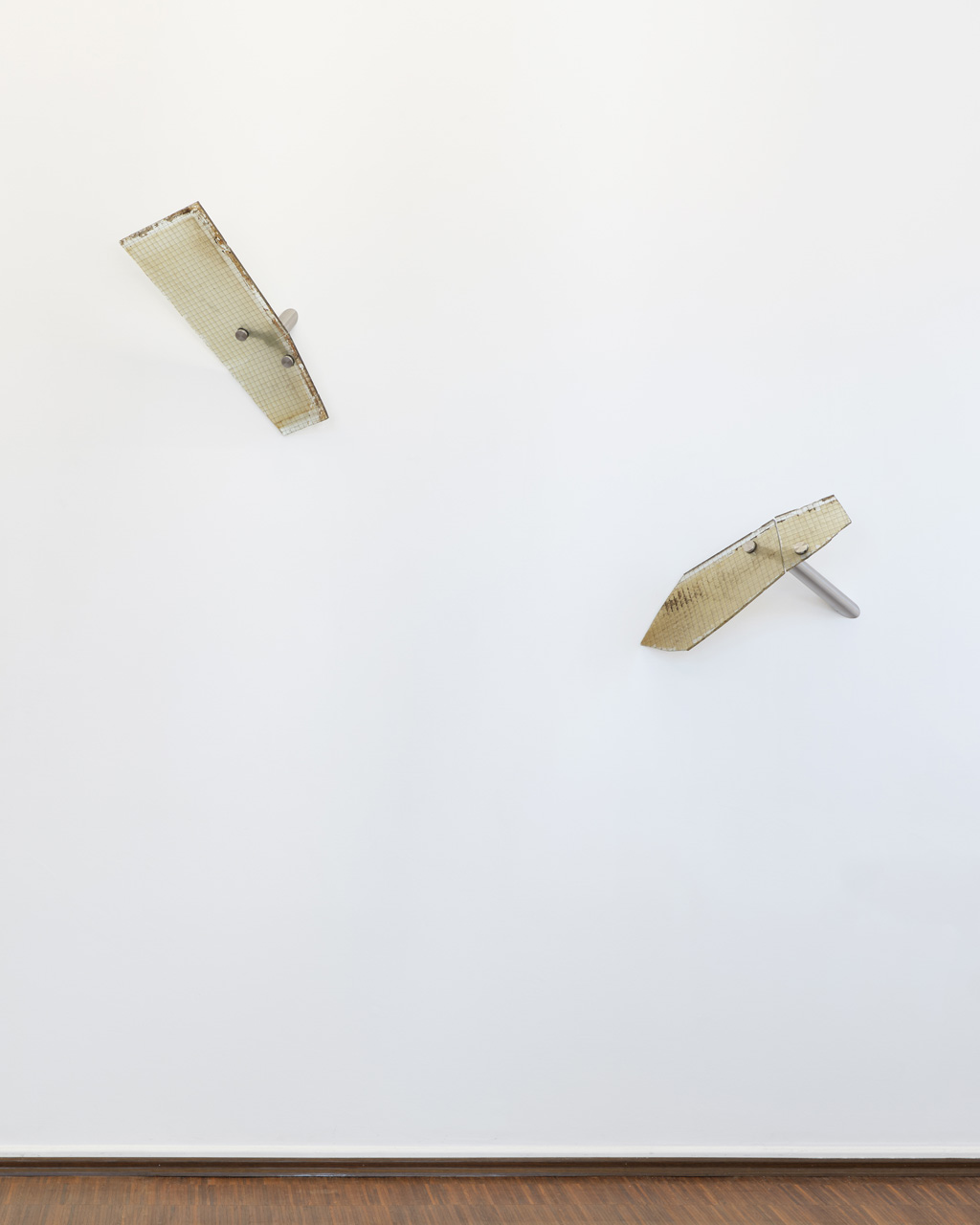
Düsseldorf / 2026
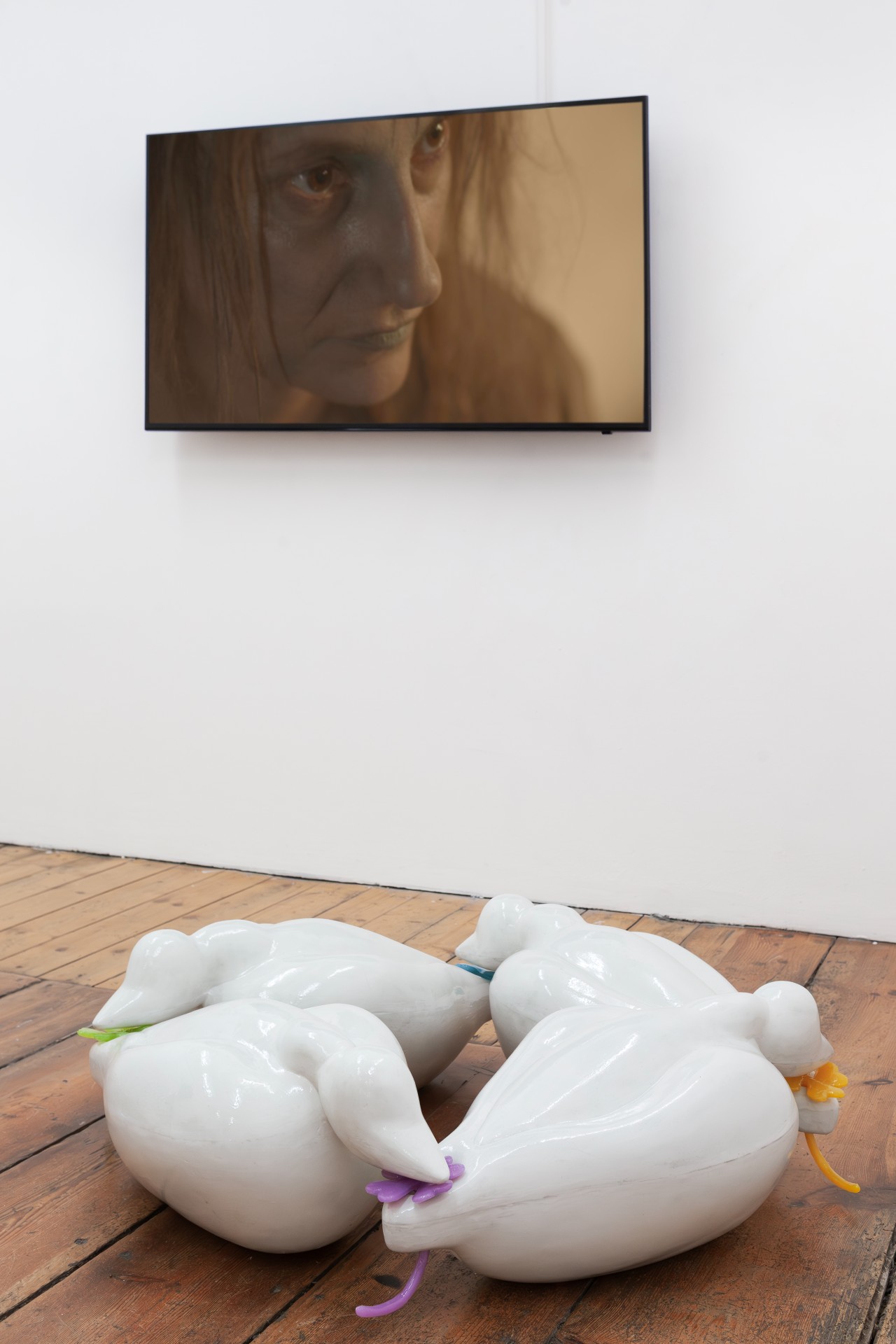
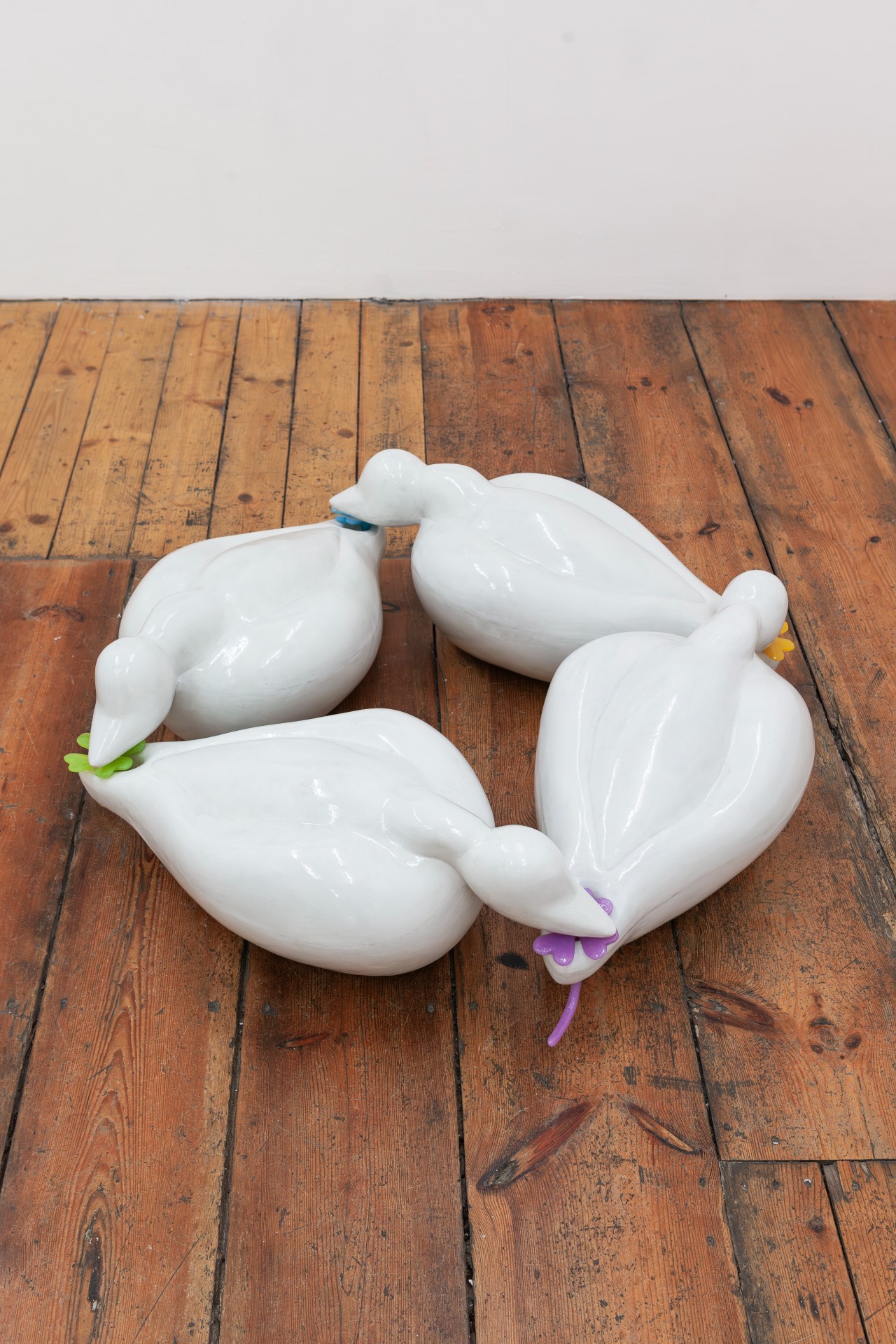
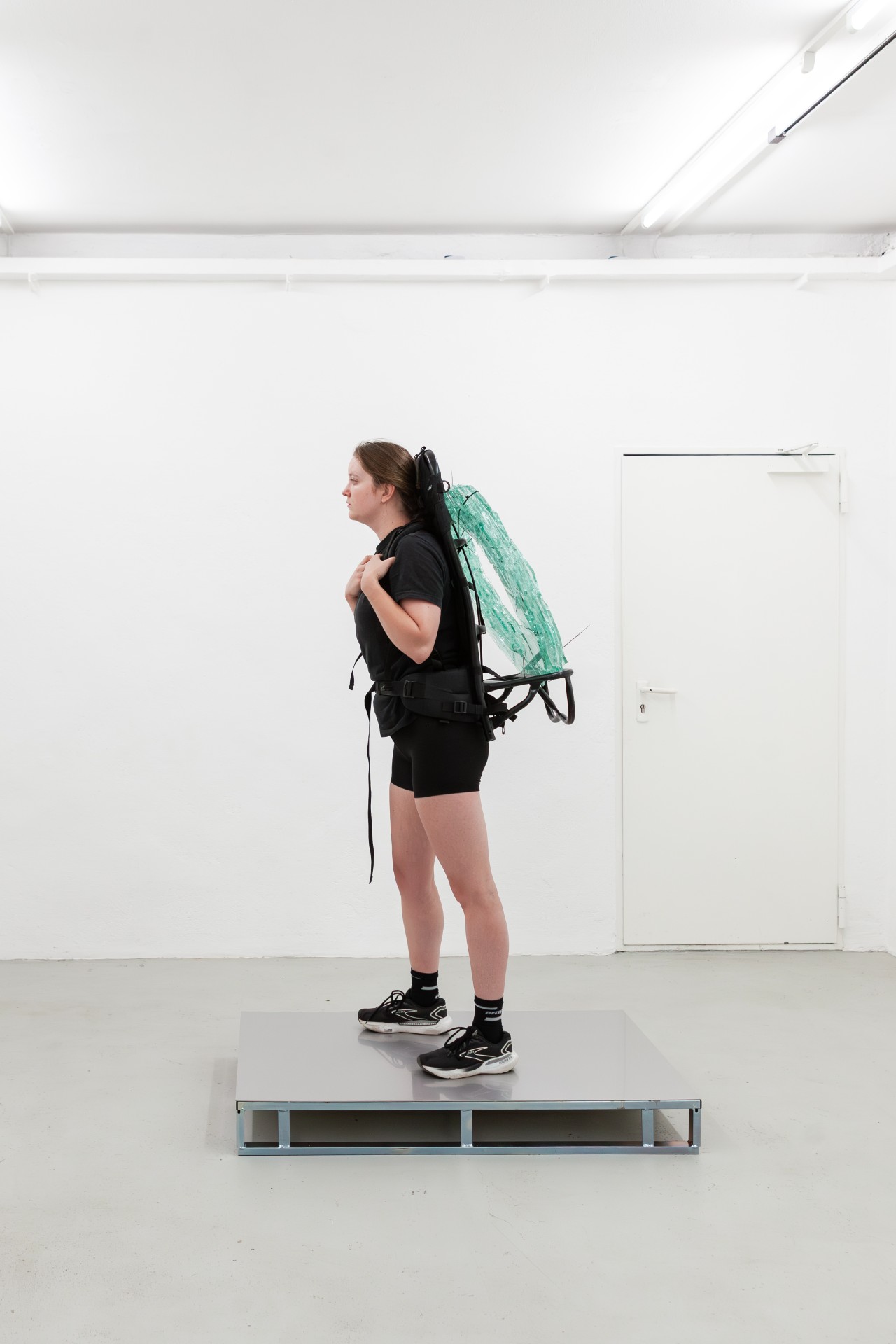
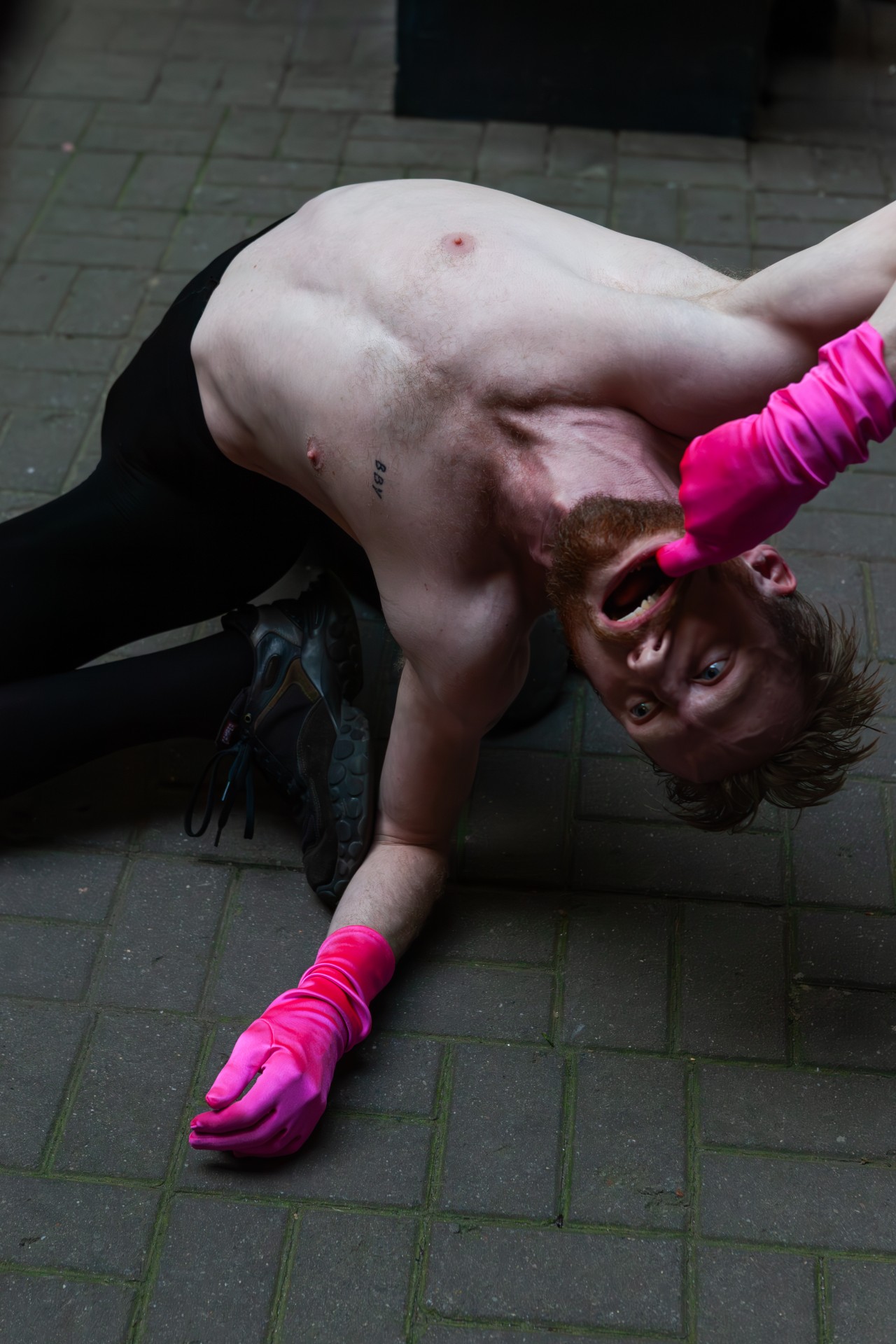
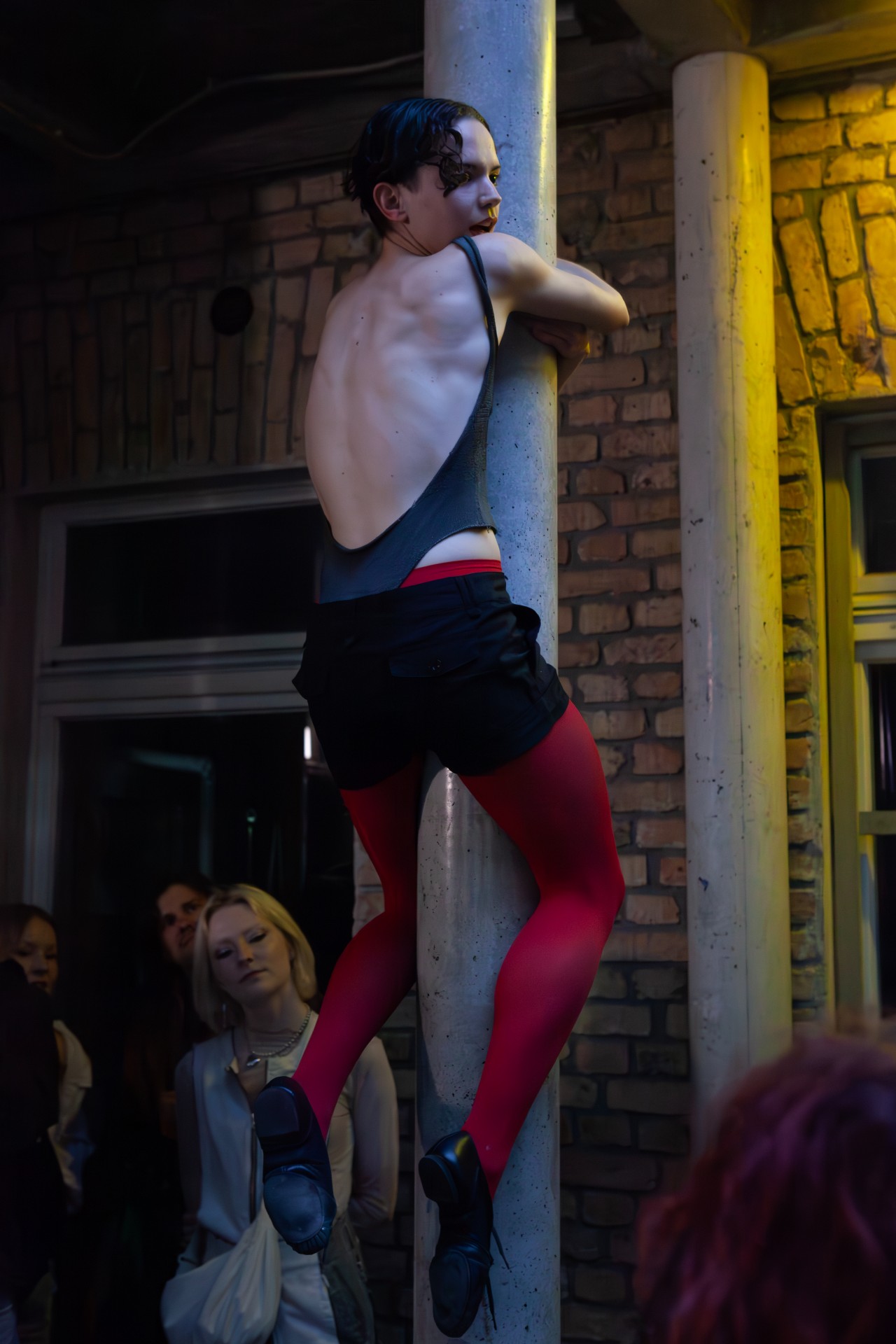
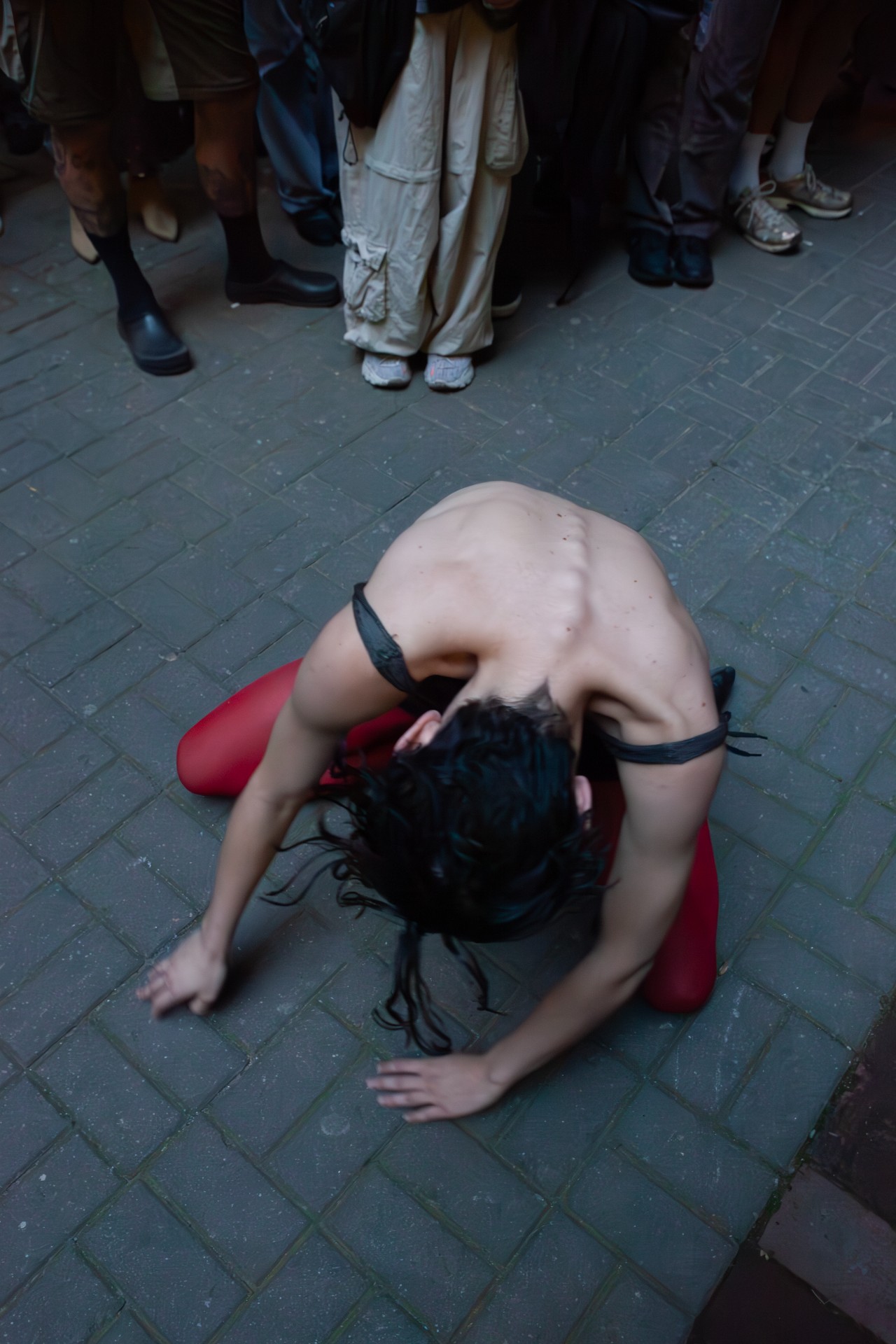
Berlin / 2025
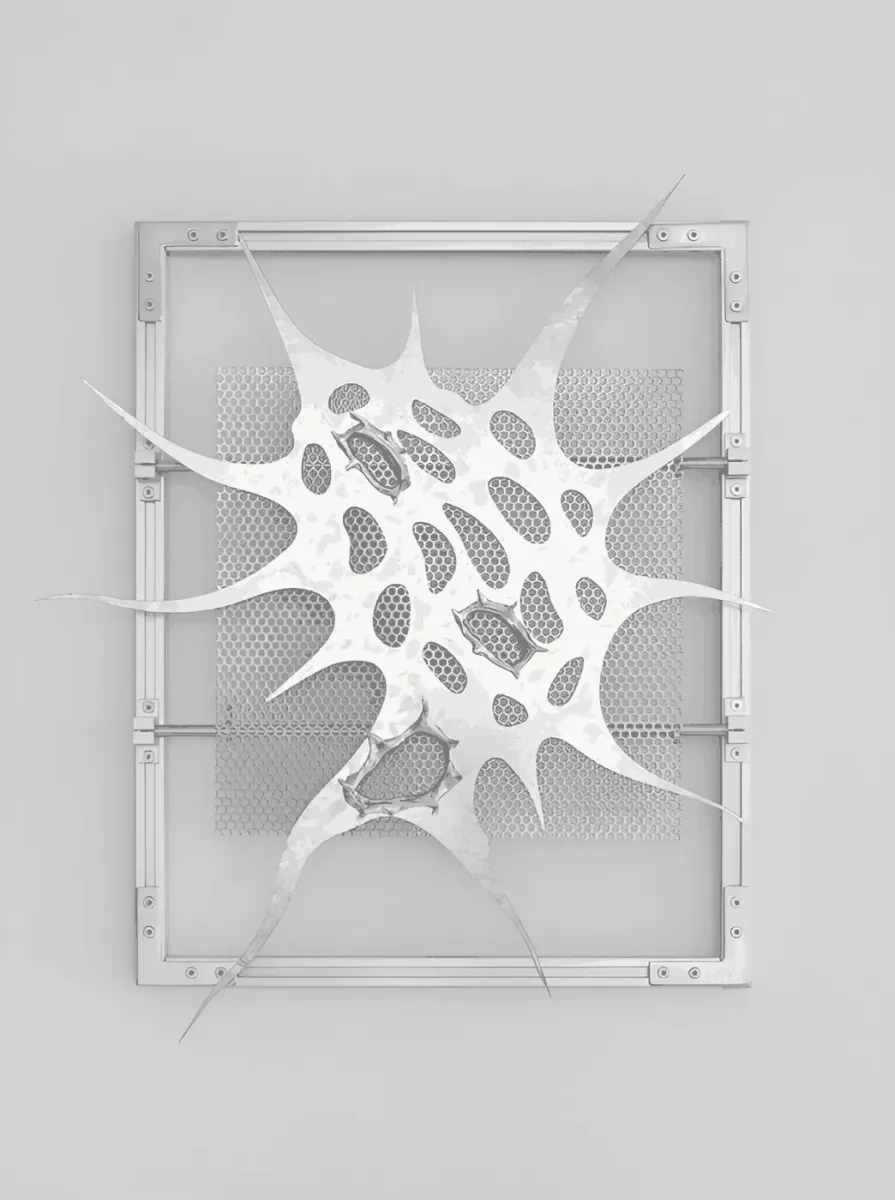
Shanghai / 2025
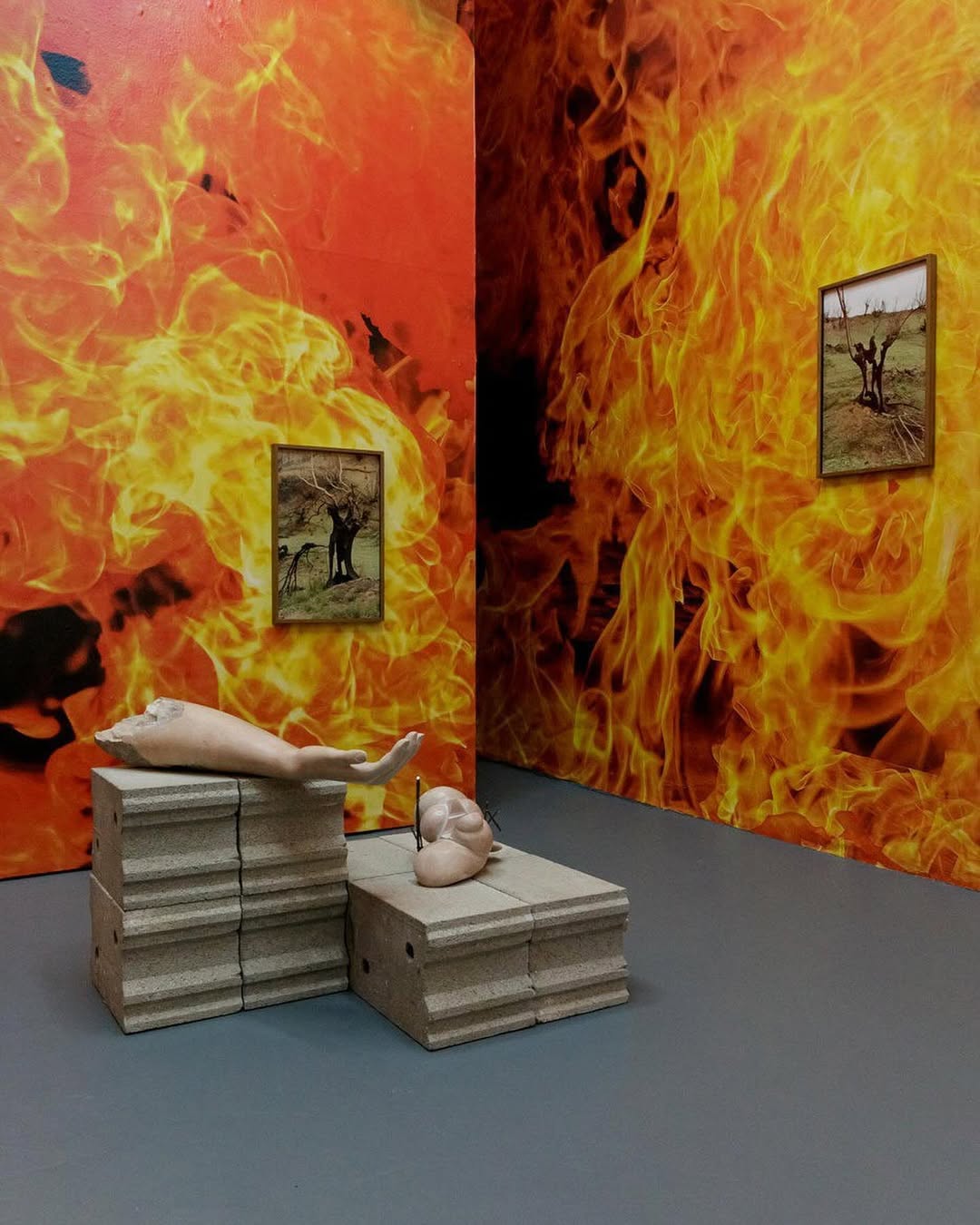
/ 2023
/ 2024
Vilnius / 2024
Wroclaw / 2024
Jung-gu, Seoul / 2025
Geneva / 2024
Bratislava / 2025
Santiago / 2025
Bratislava / 2025
Milan / 2025
/photo_1_2026-05-23_19-26-42.jpg)
Milan / 2025
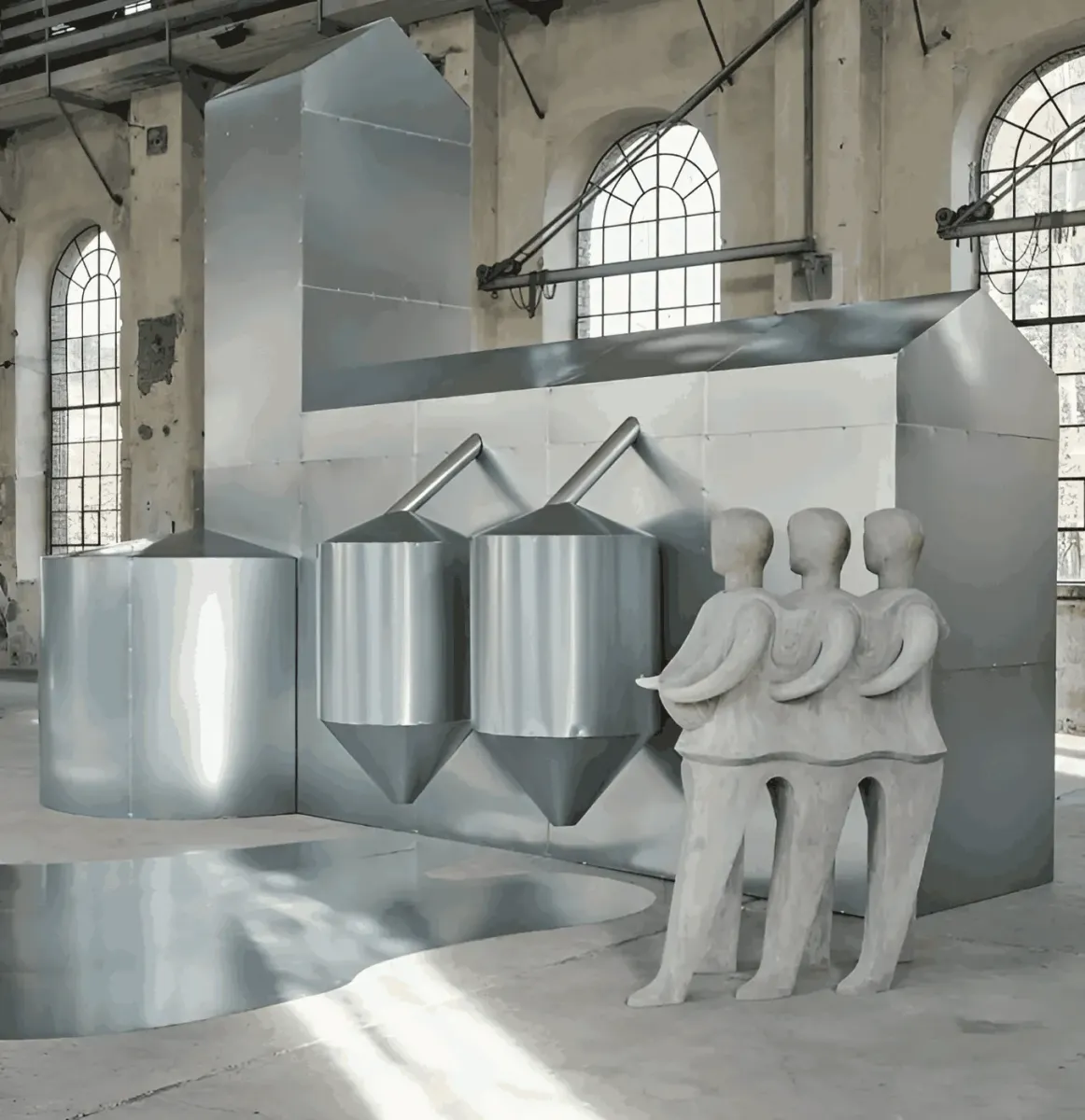
Dornbirn / 2026
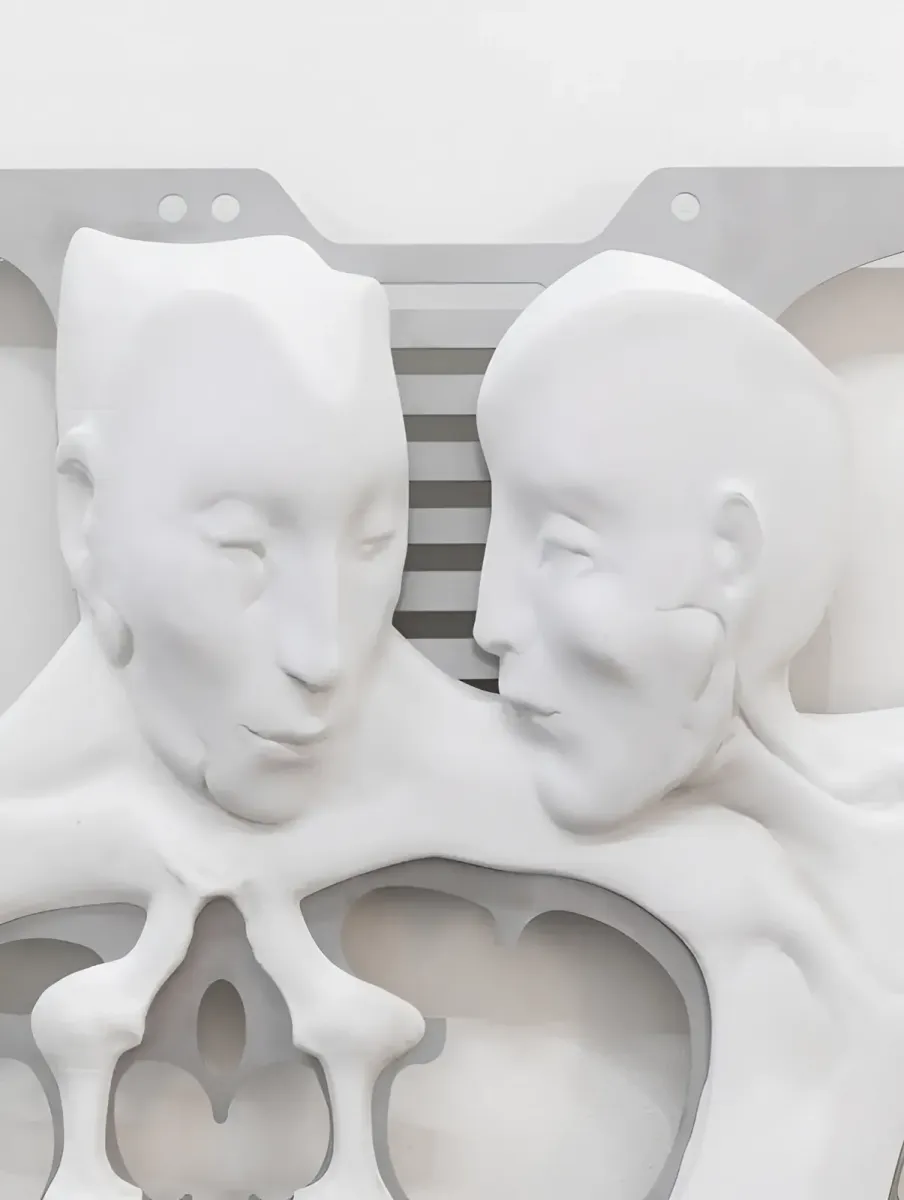
Prague / 2026
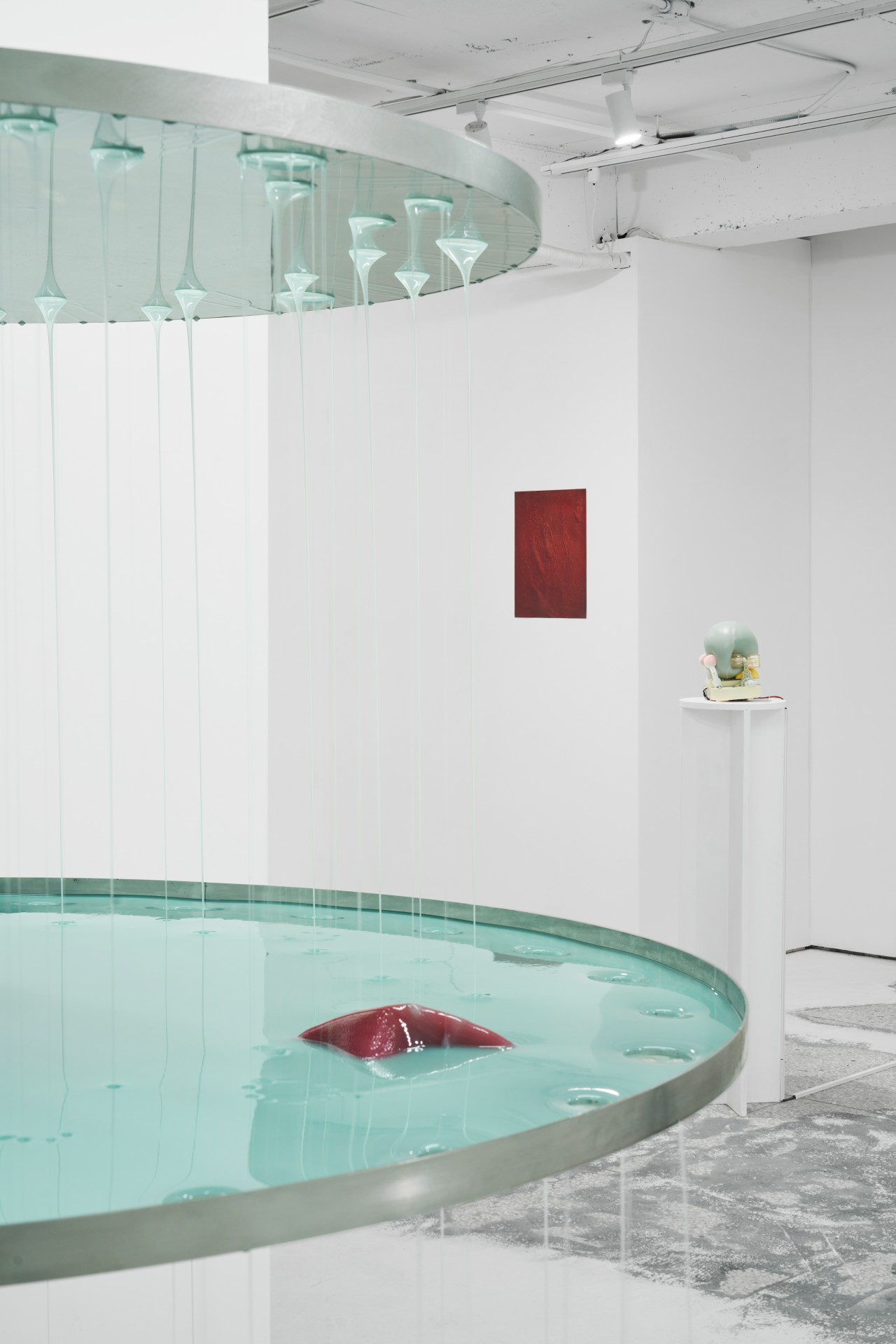
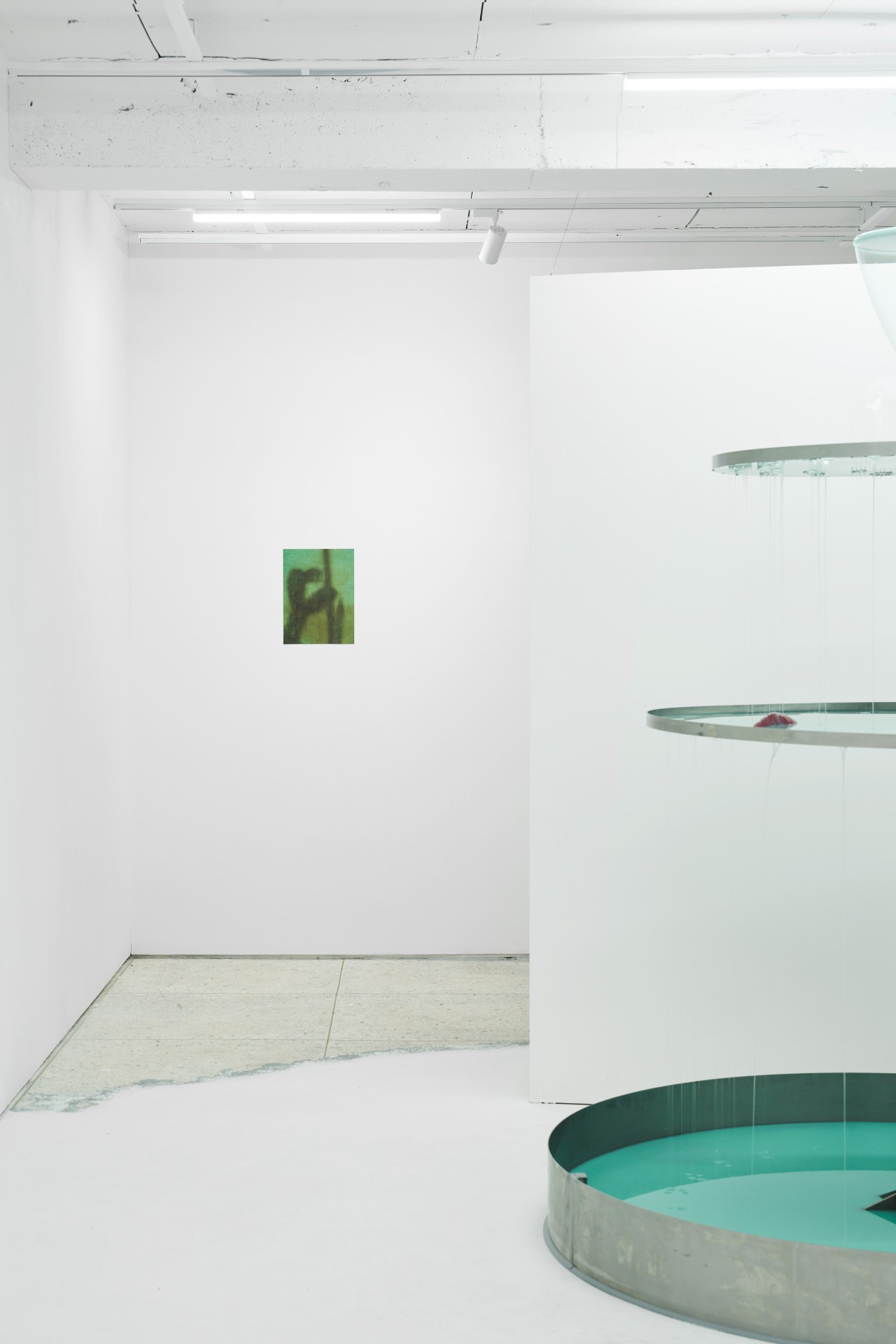
Seoul / 2025
Buenos Aires / 2026
Seoul / 2026
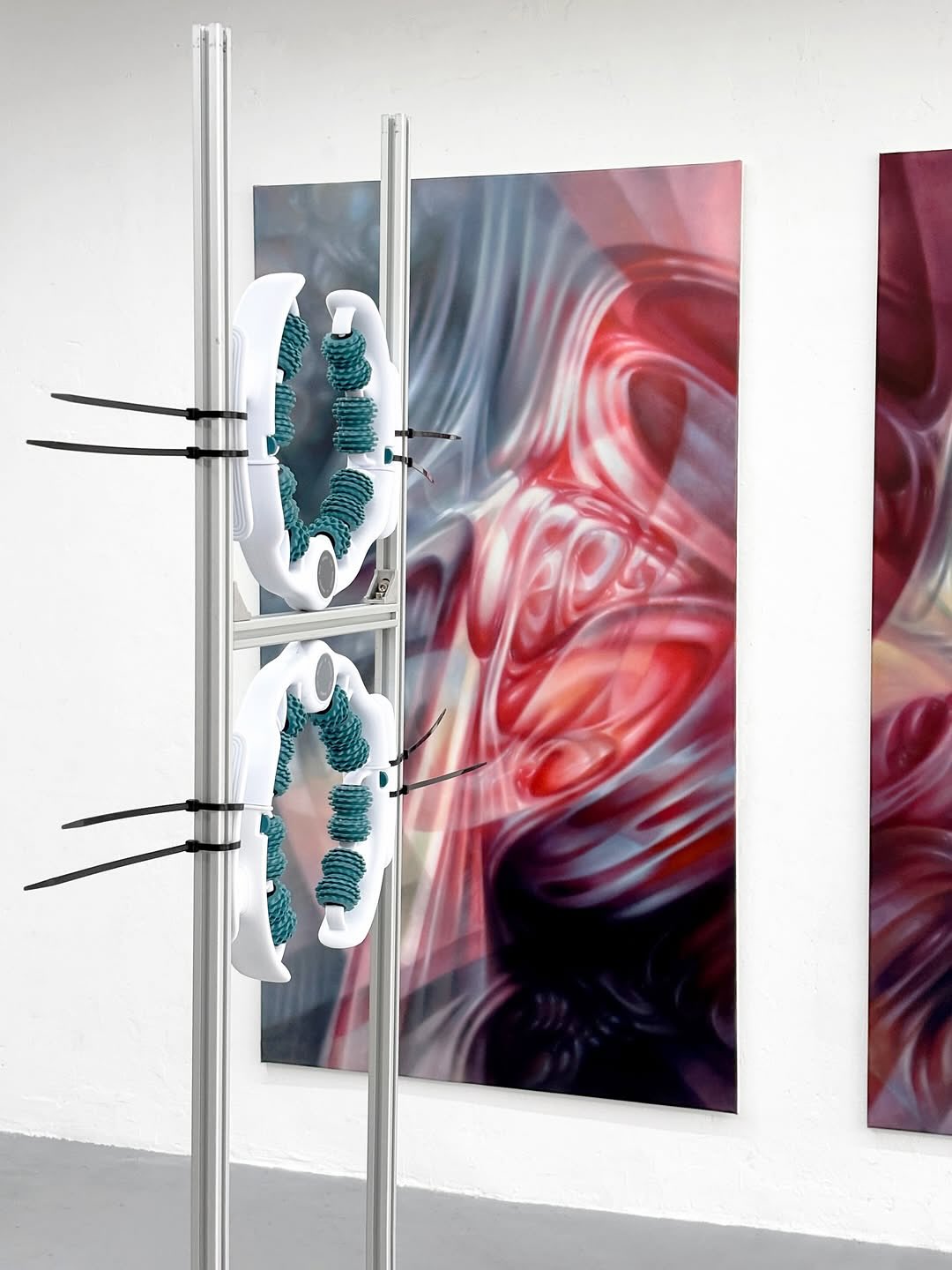
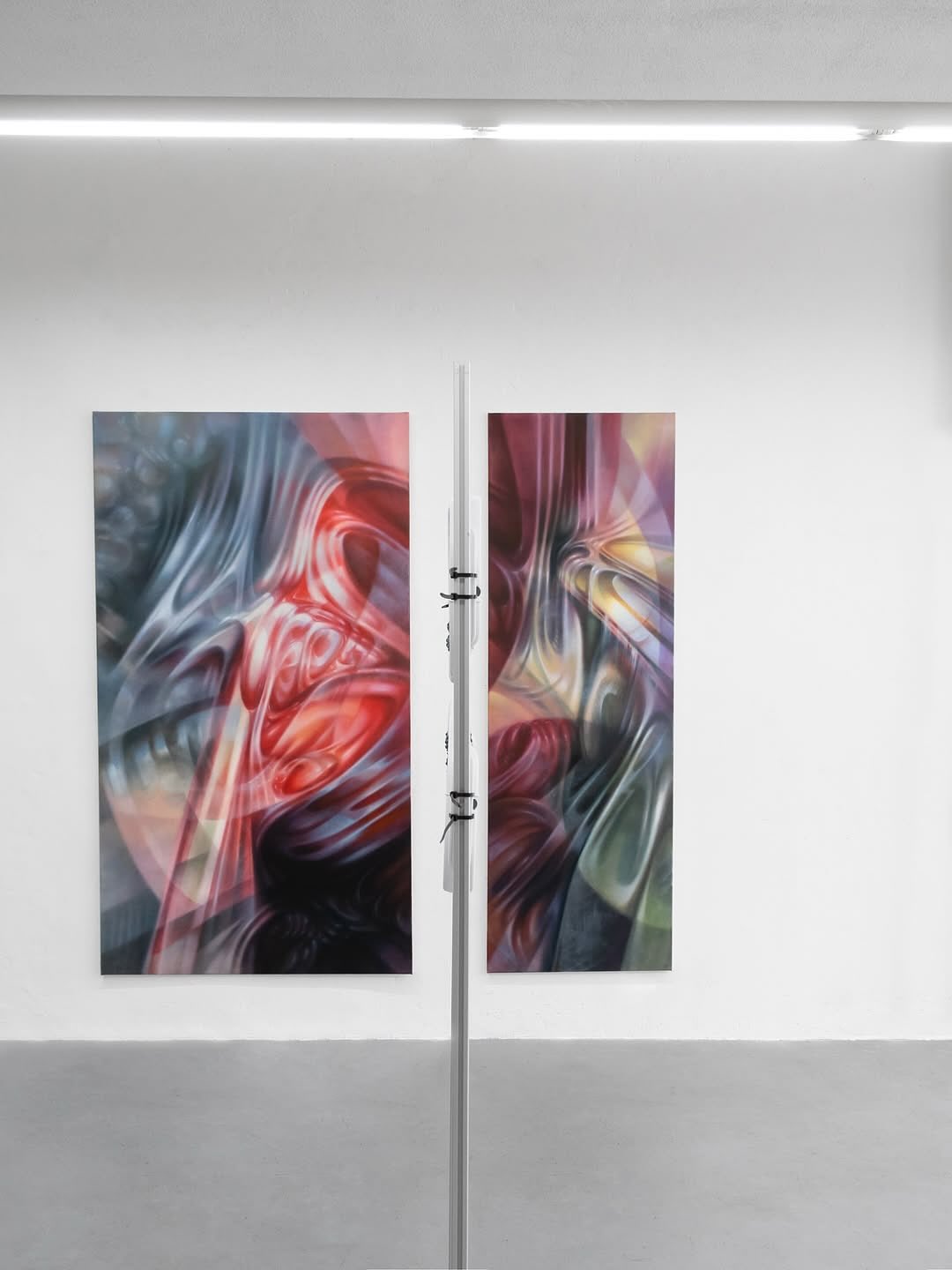
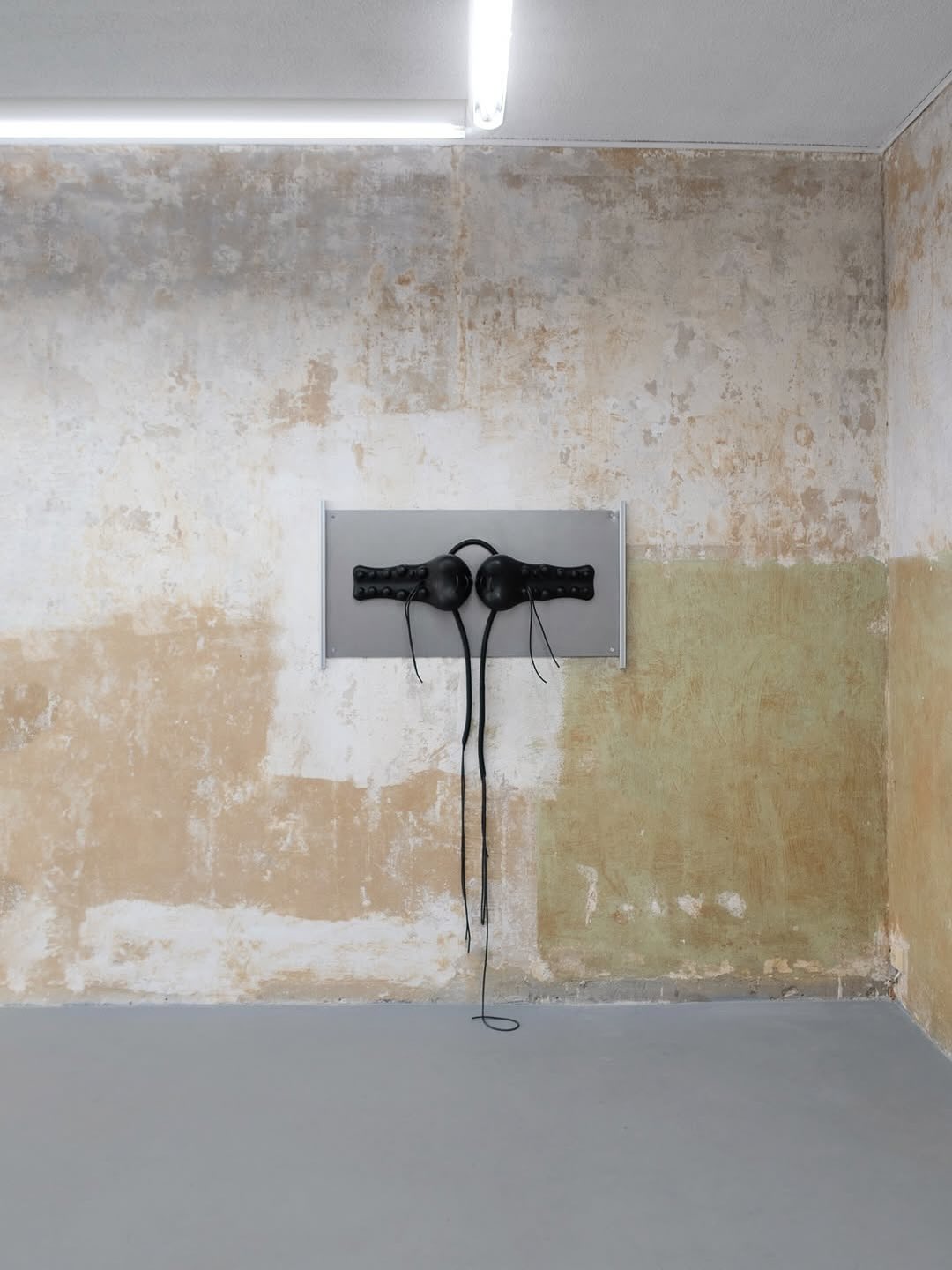
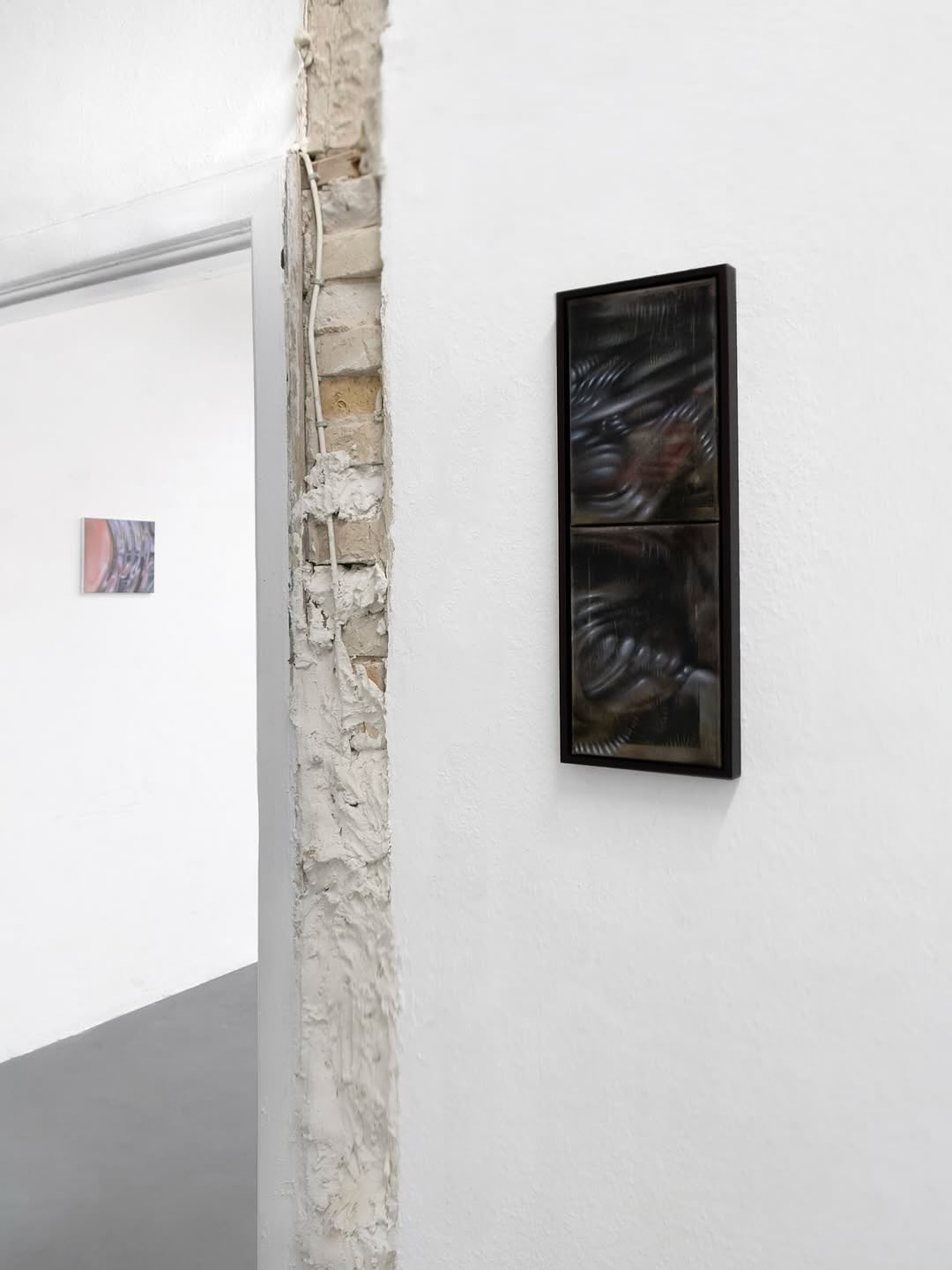
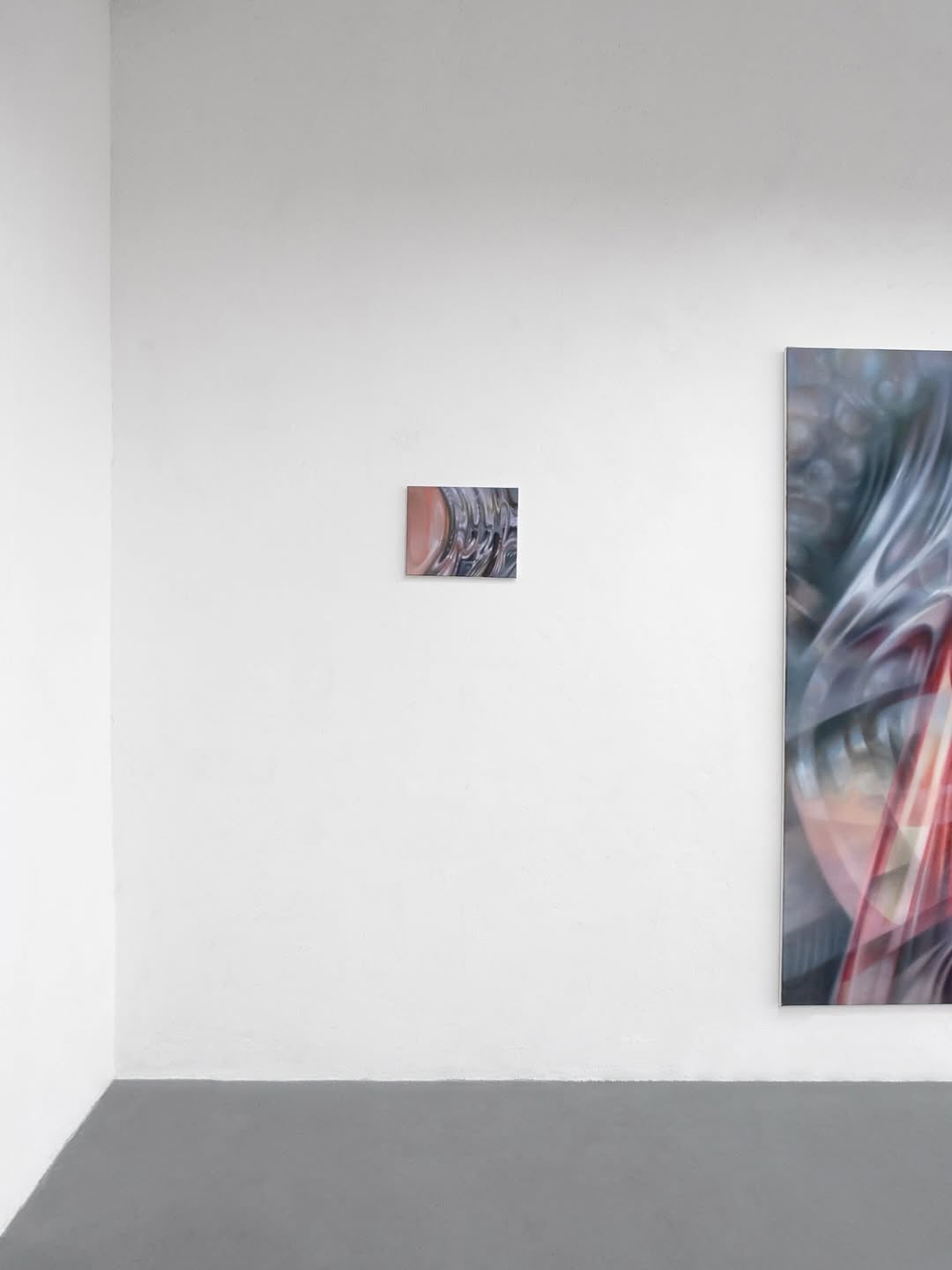
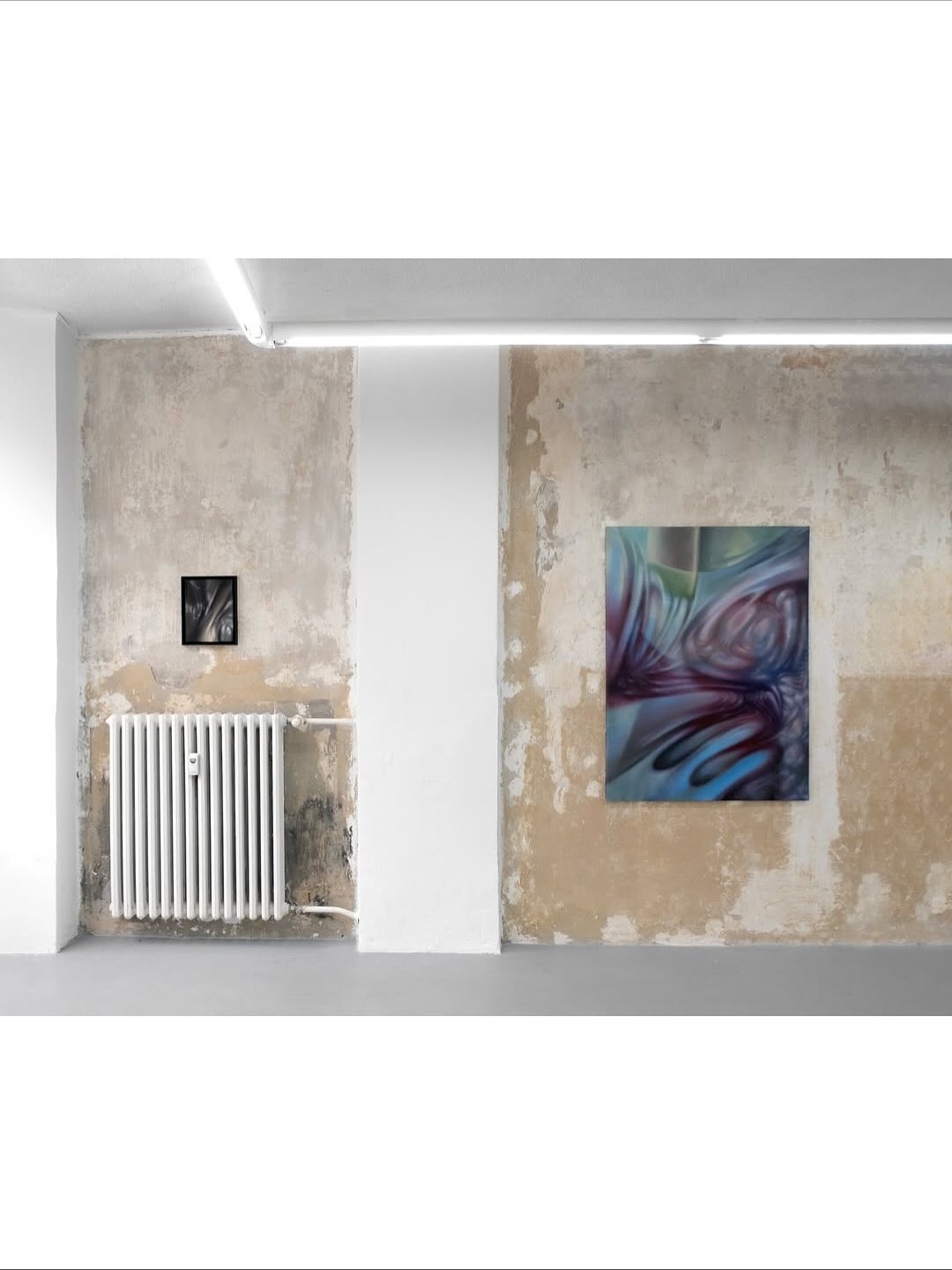
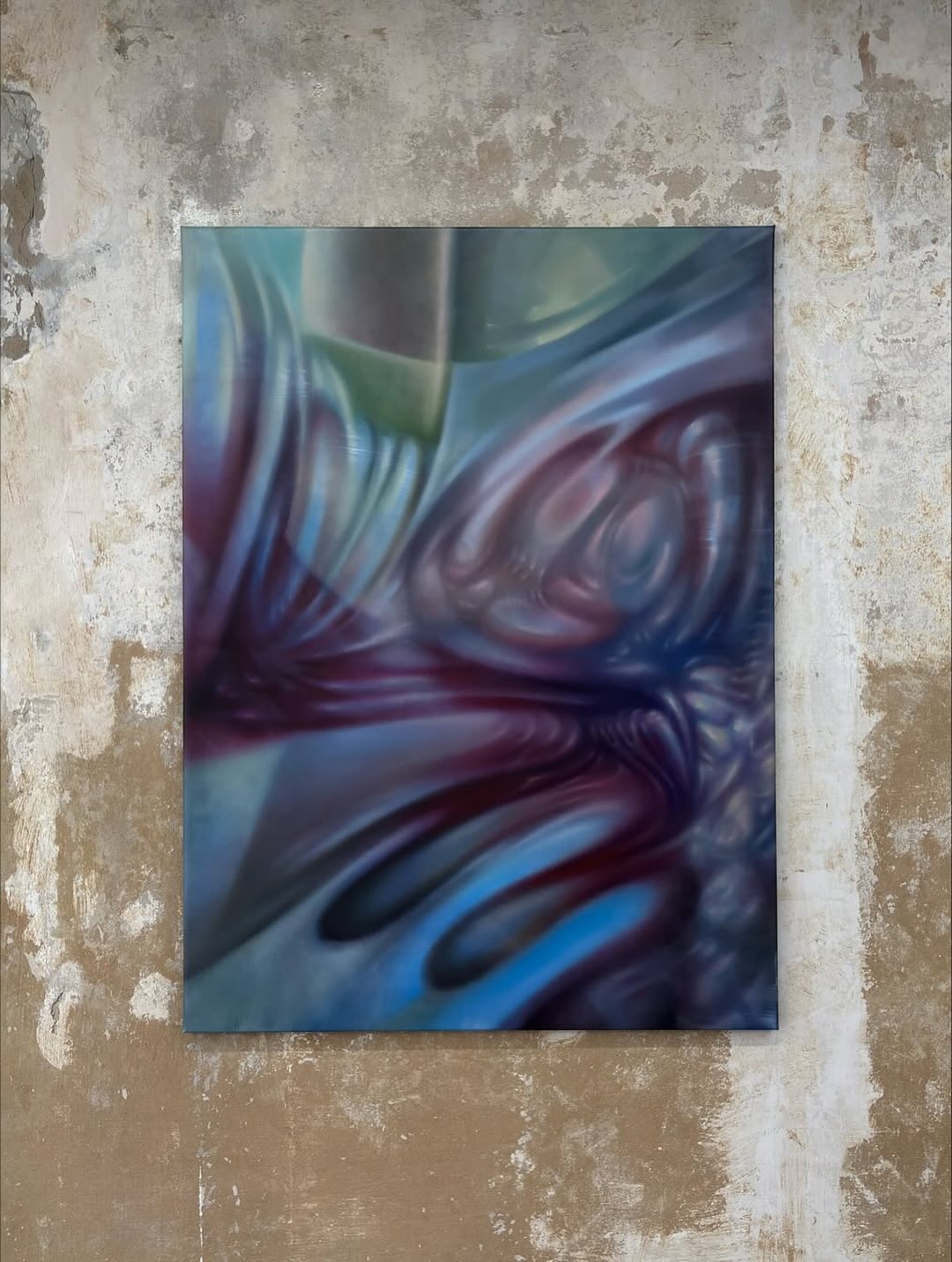
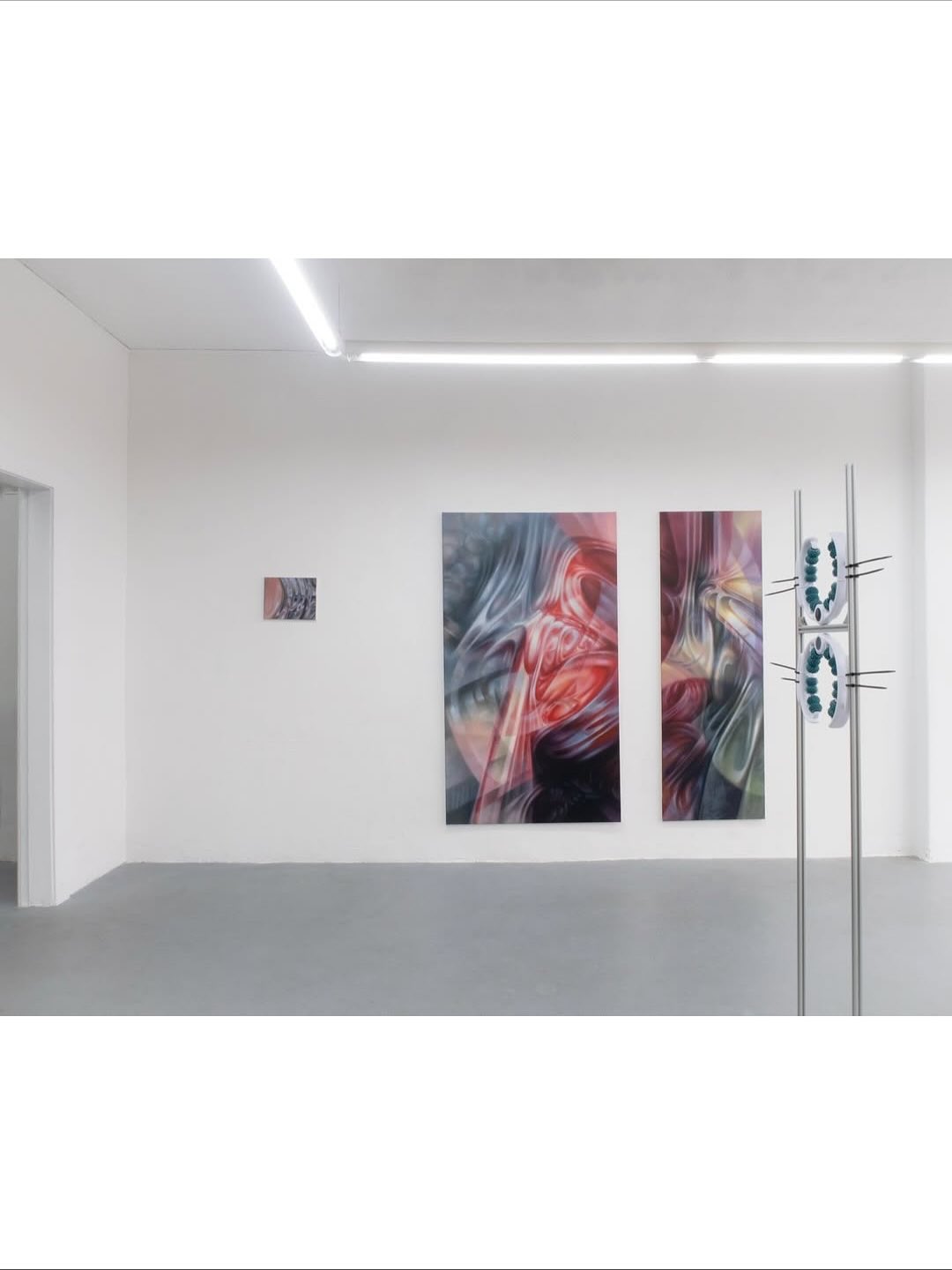
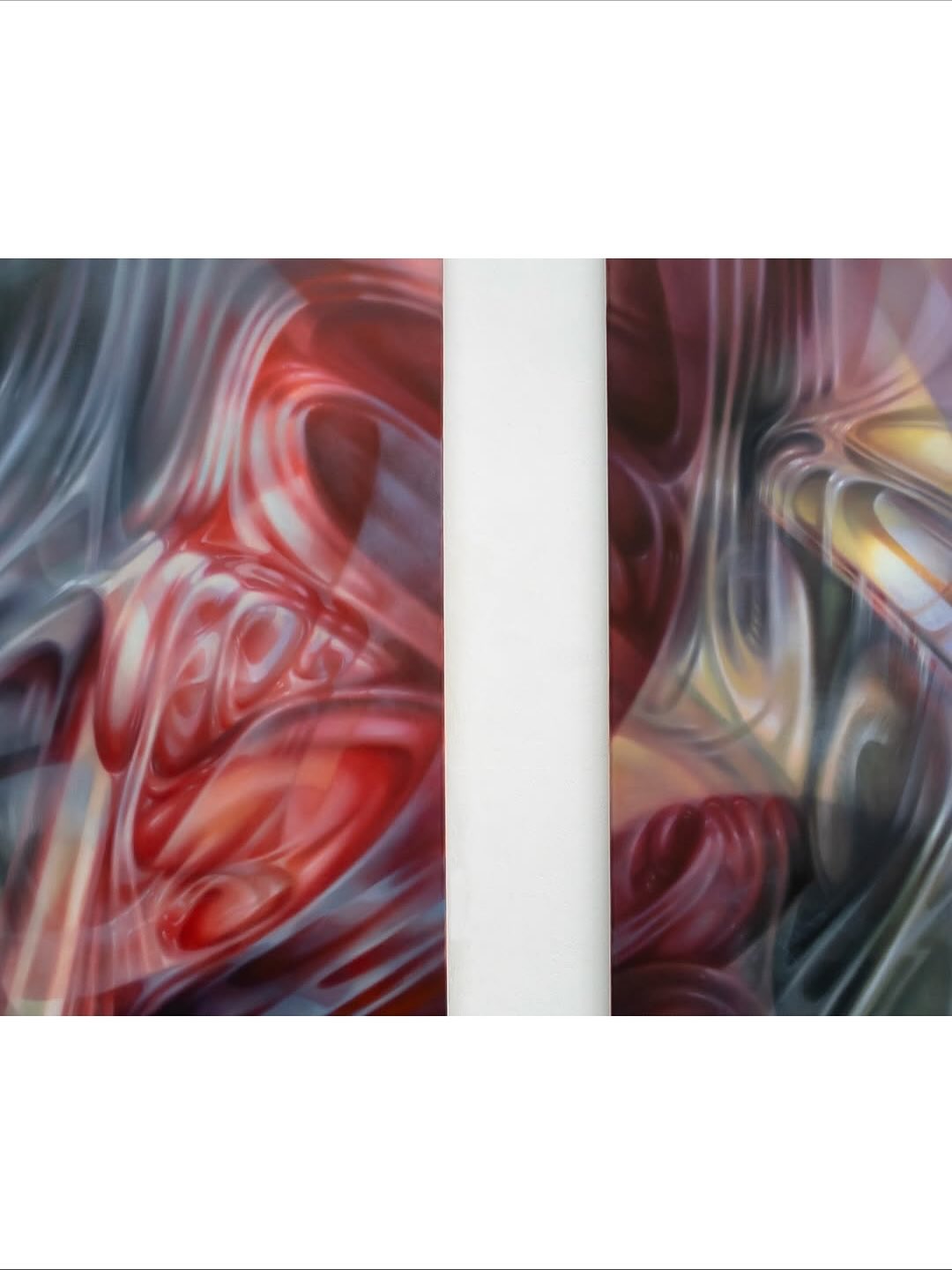
Berlin-Schöneberg / 2025
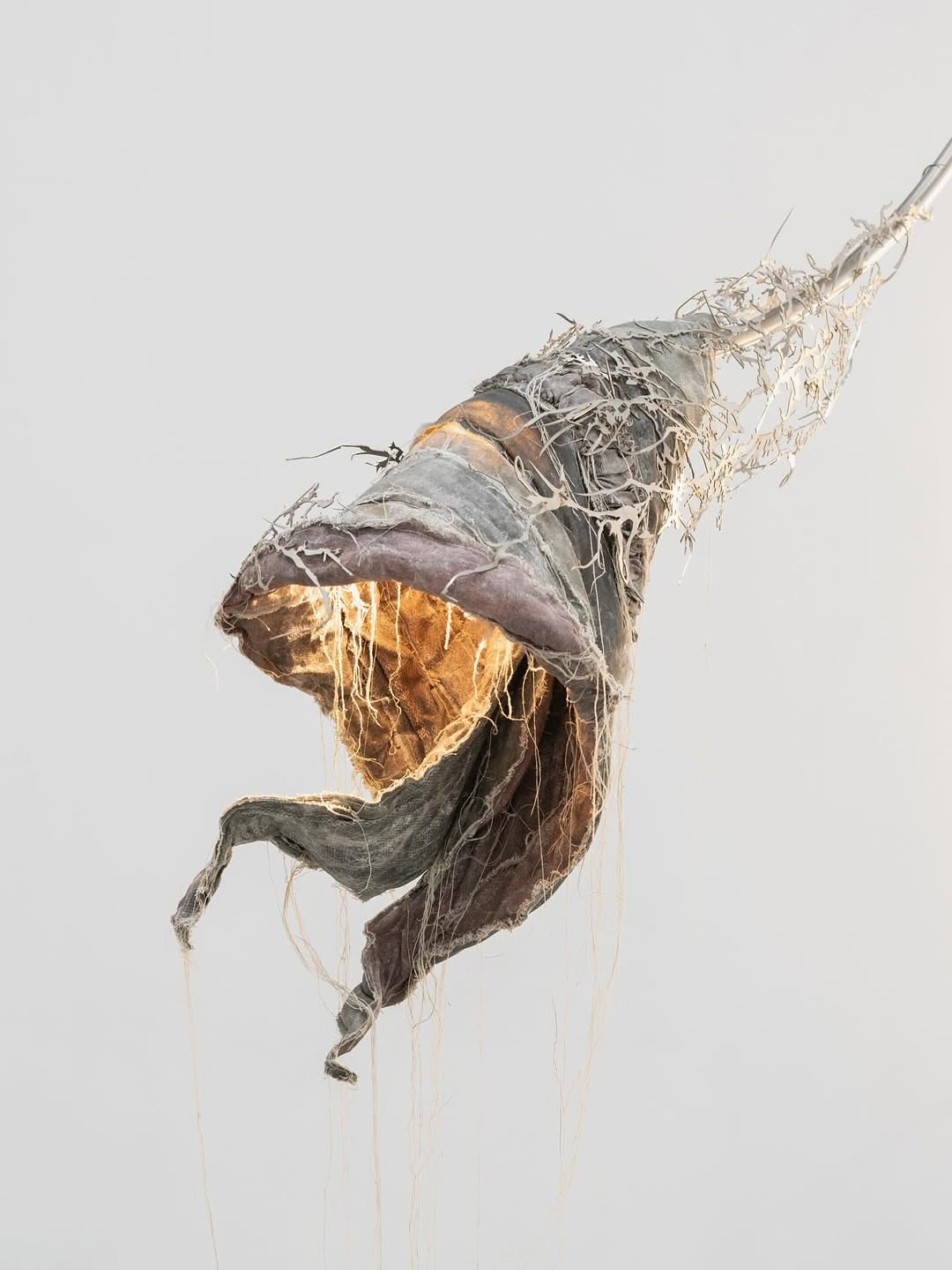
Białystok / 2025
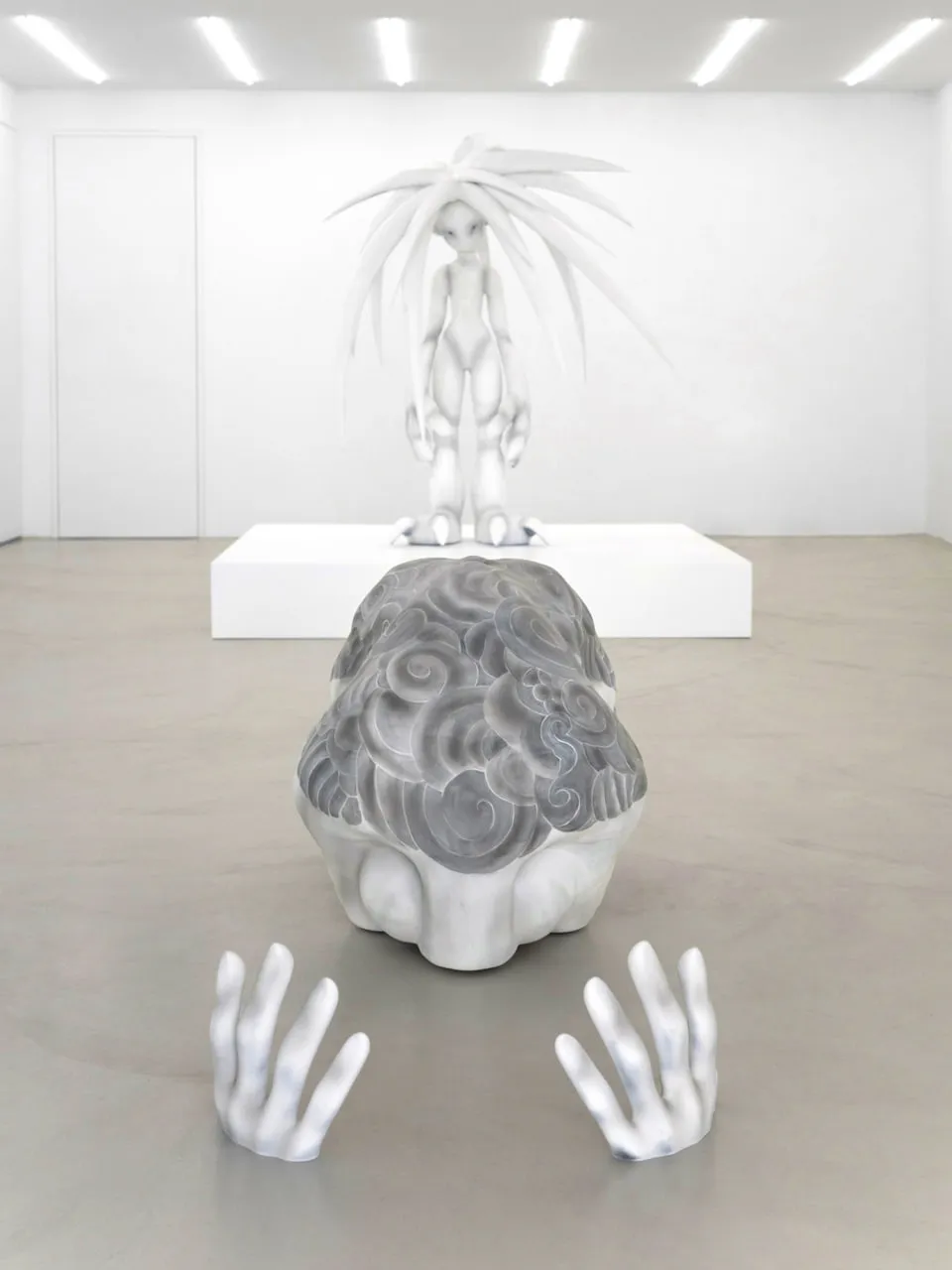
Seoul / 2026
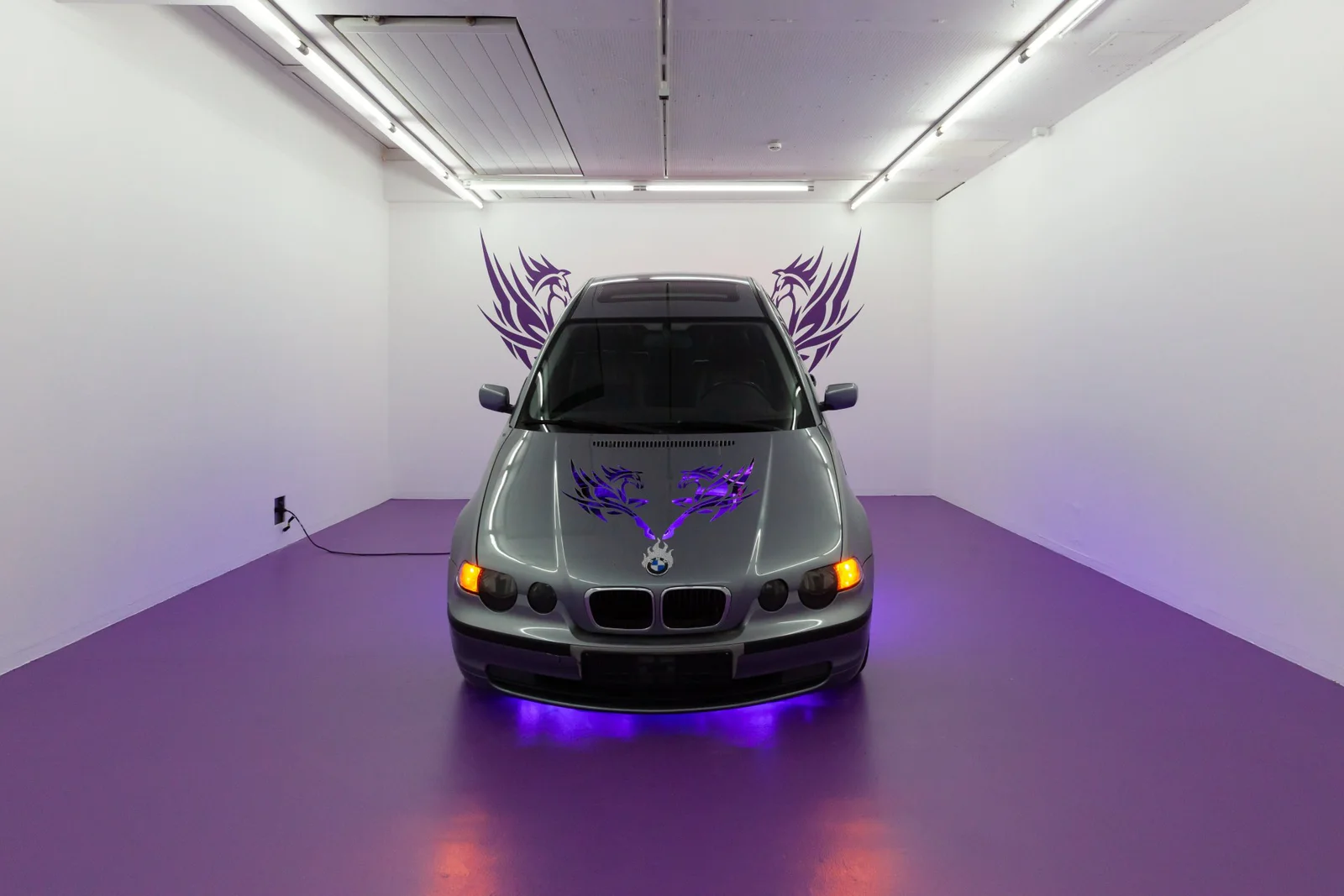
Münster / 2026
Vilnius / 2026
Warsaw / 2026
Avigliana / 2026
Brussels / 2026
Copenhagen / 2026
Paris / 2026
Angers / 2026
London / 2026
Kraków / 2026
Paris / 2026
Poznań / 2026
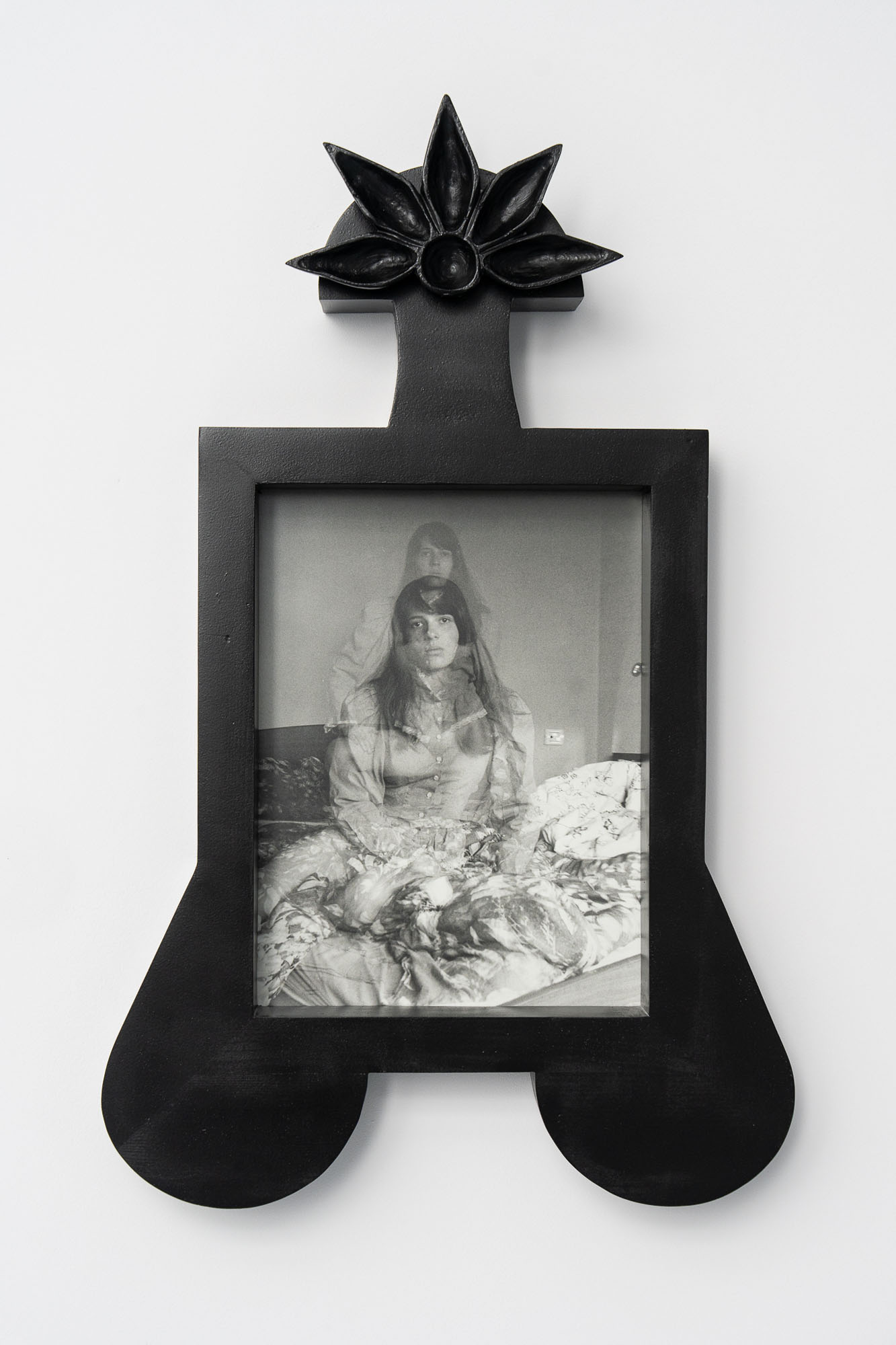
Bucharest / 2026
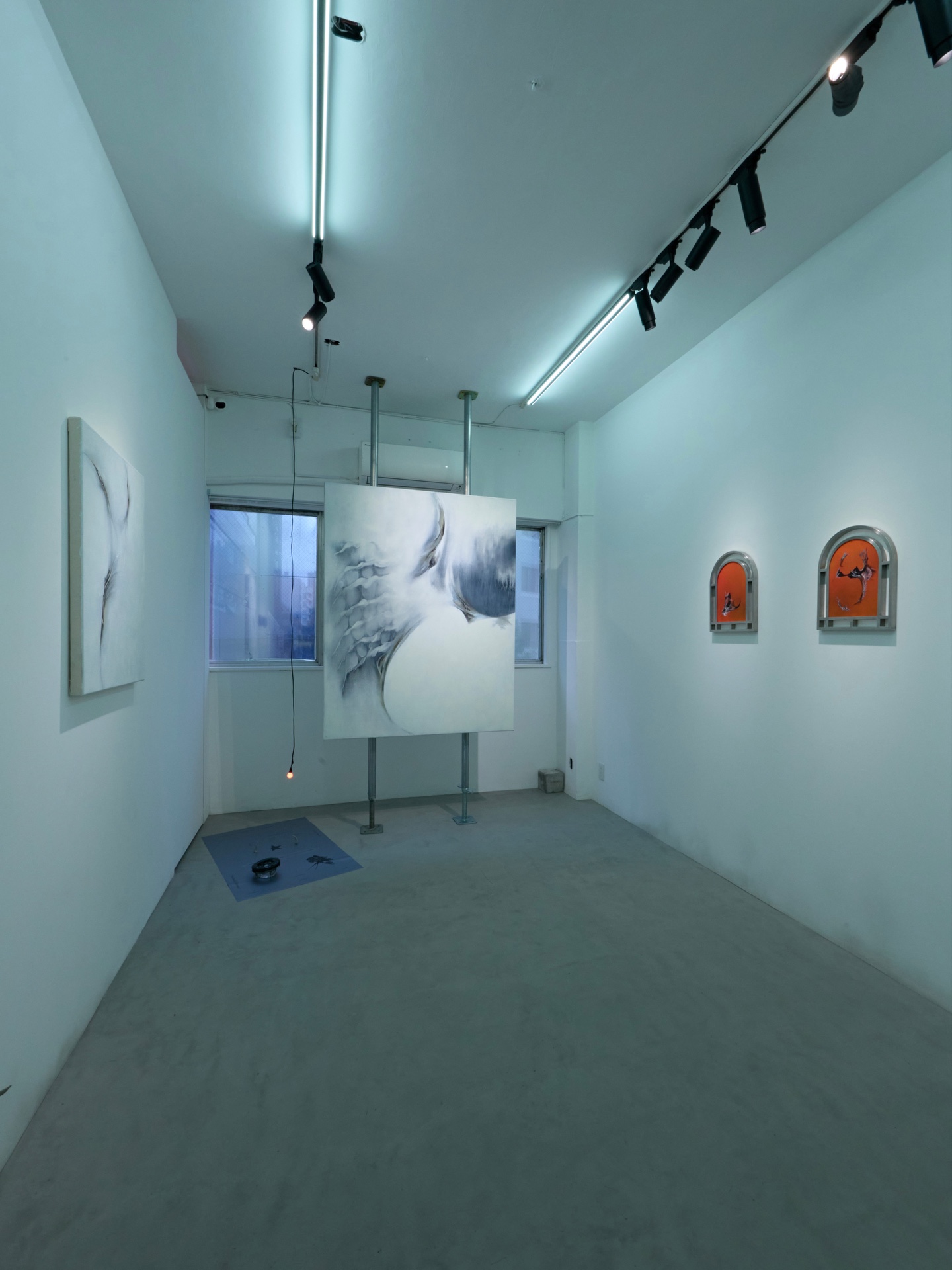
Tokyo / 2026
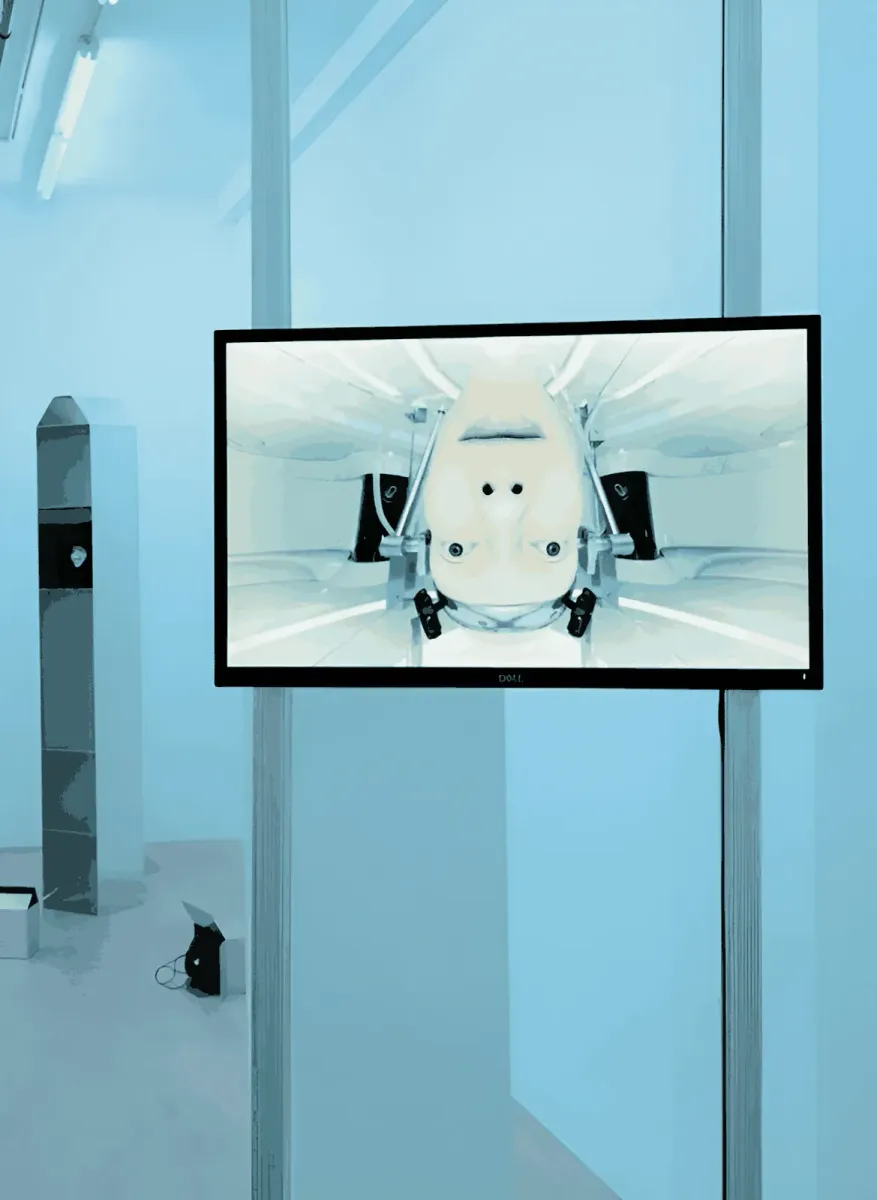
New York City (NY) / 2025
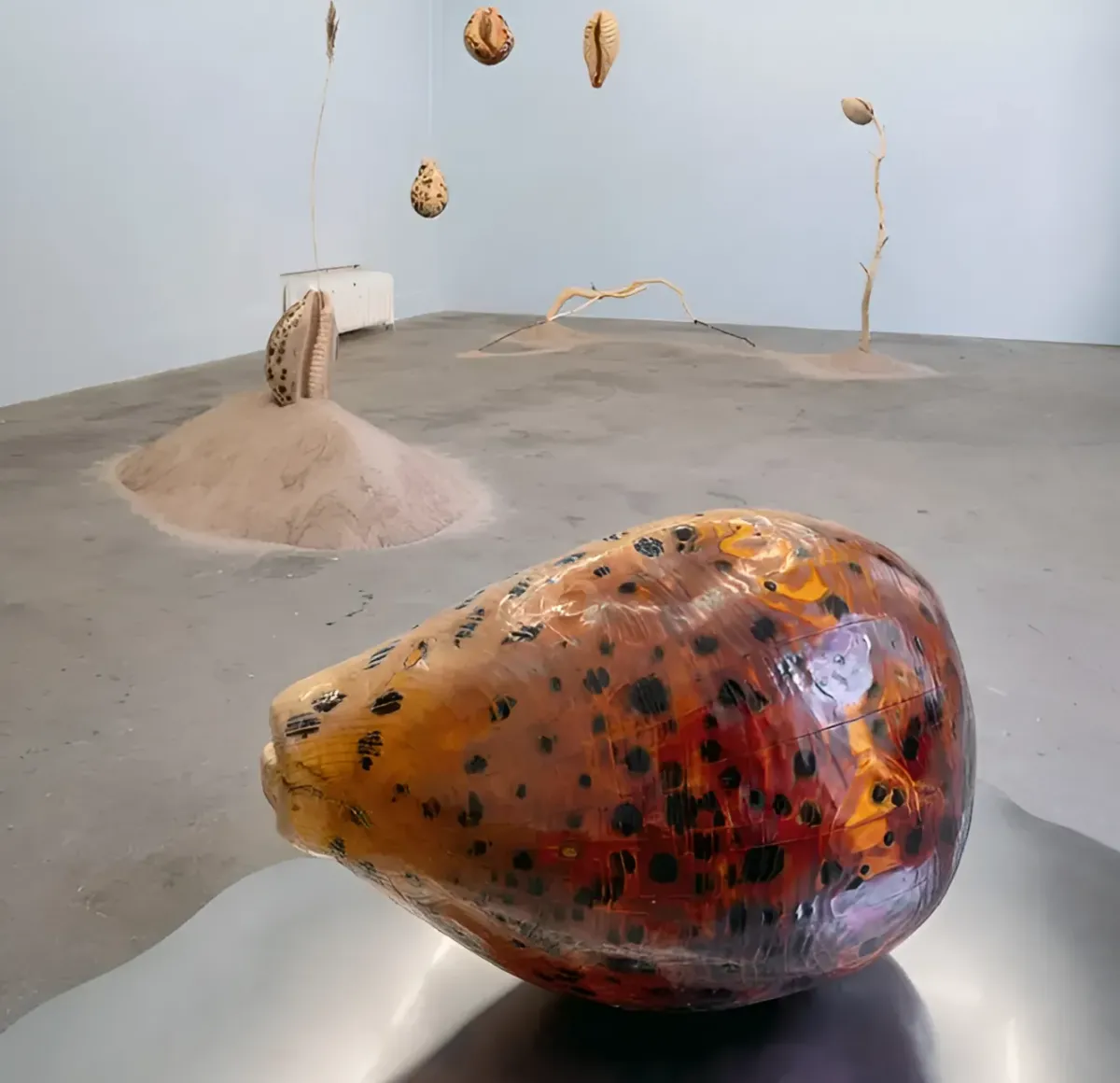
Göteborg / 2025
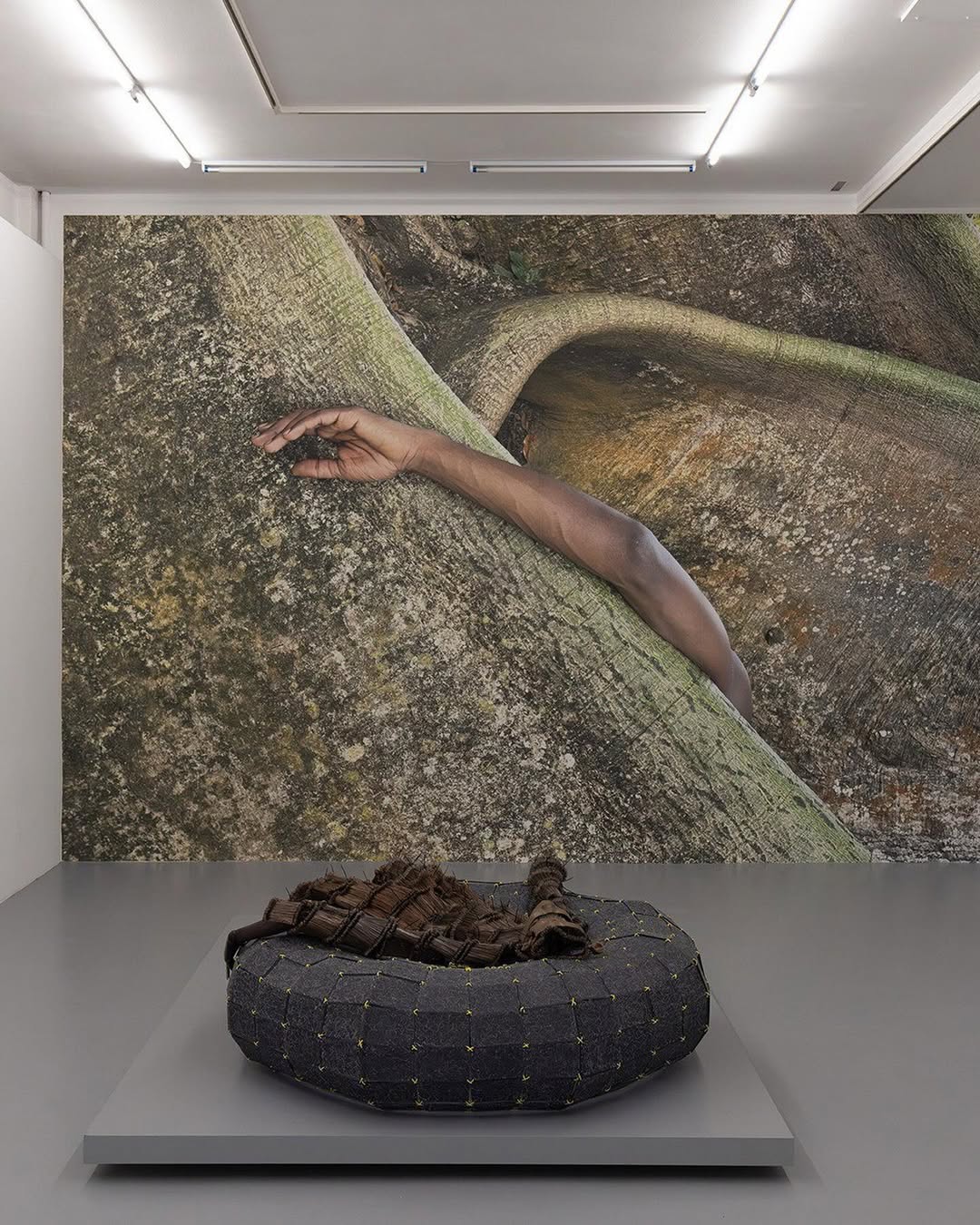
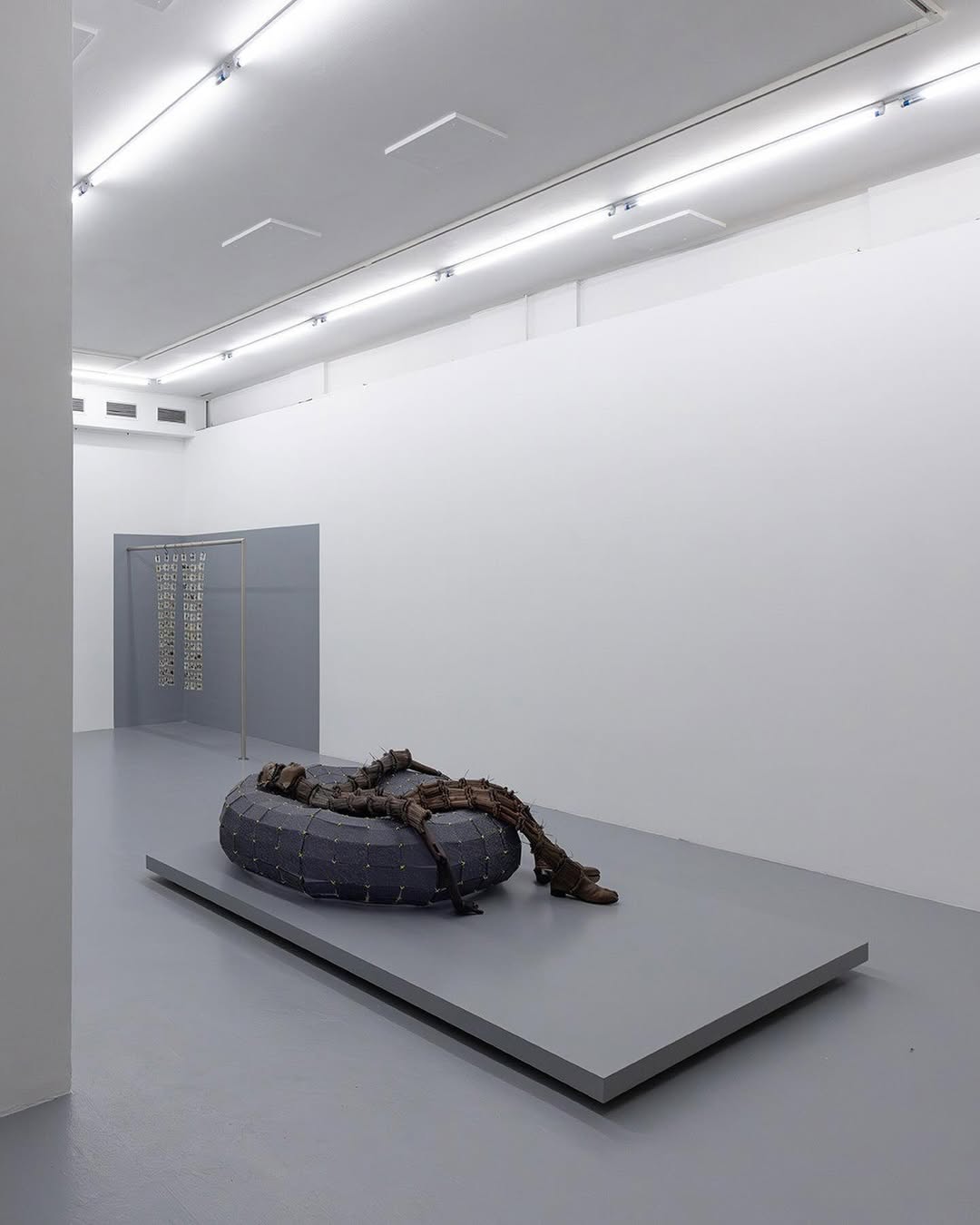
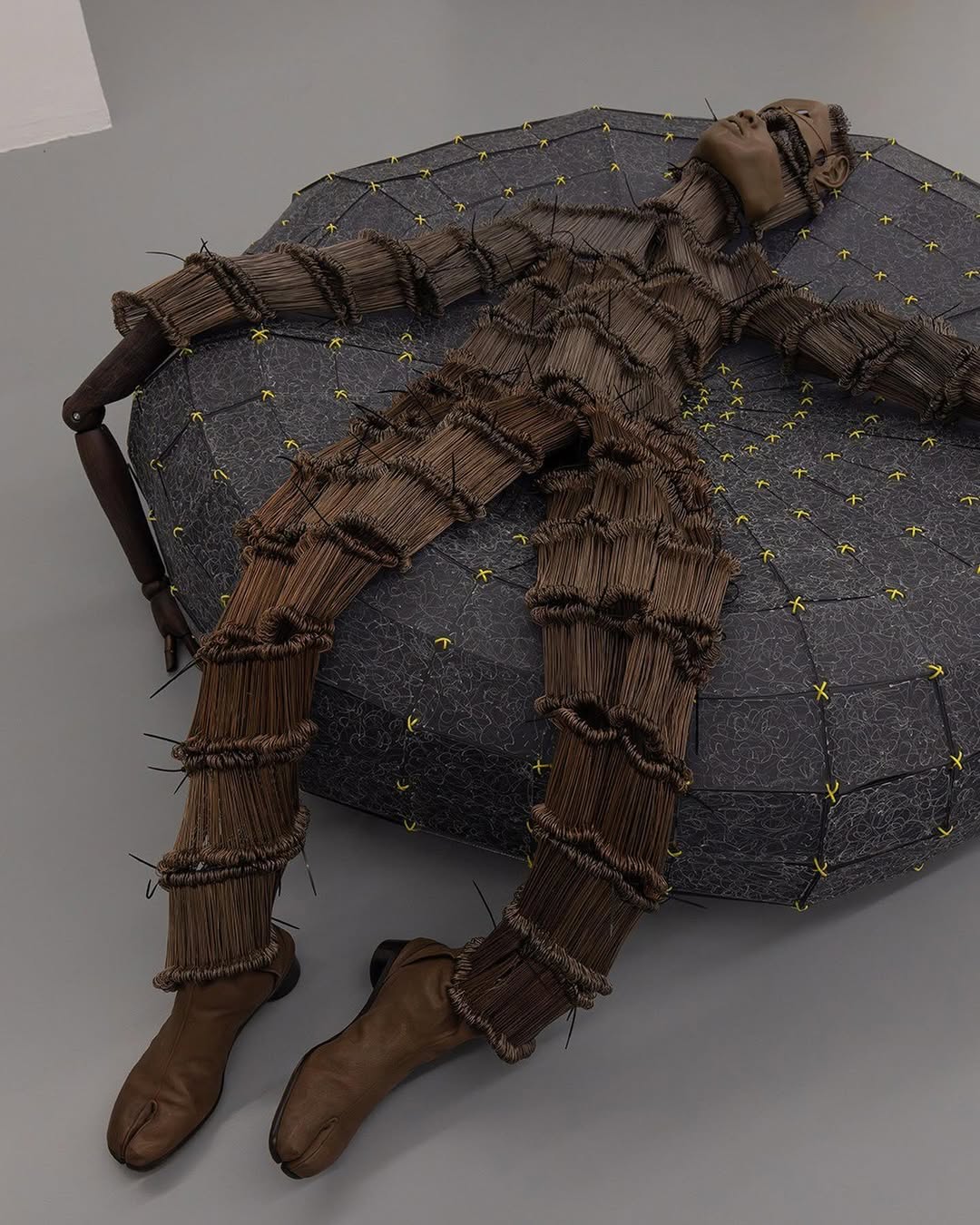
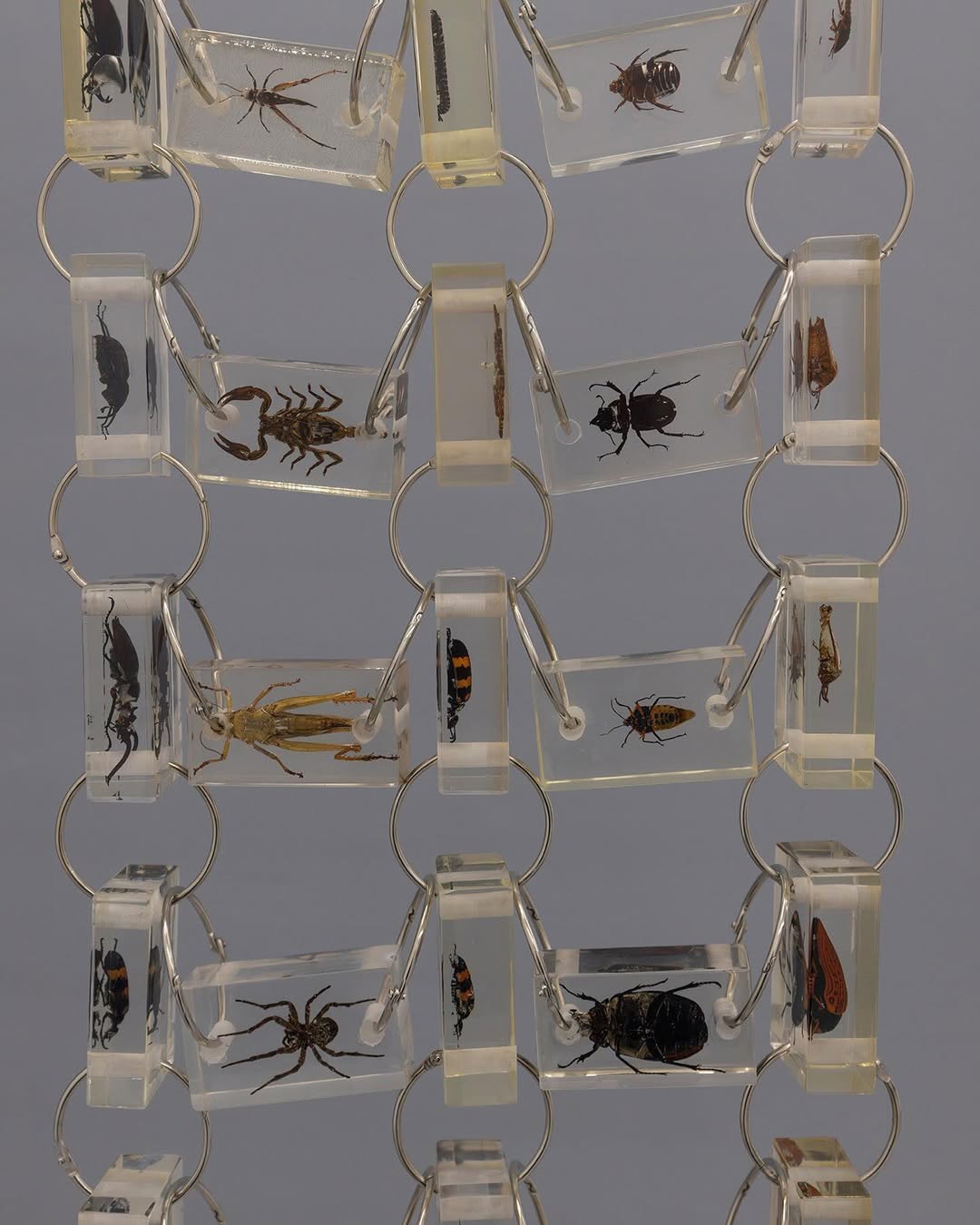
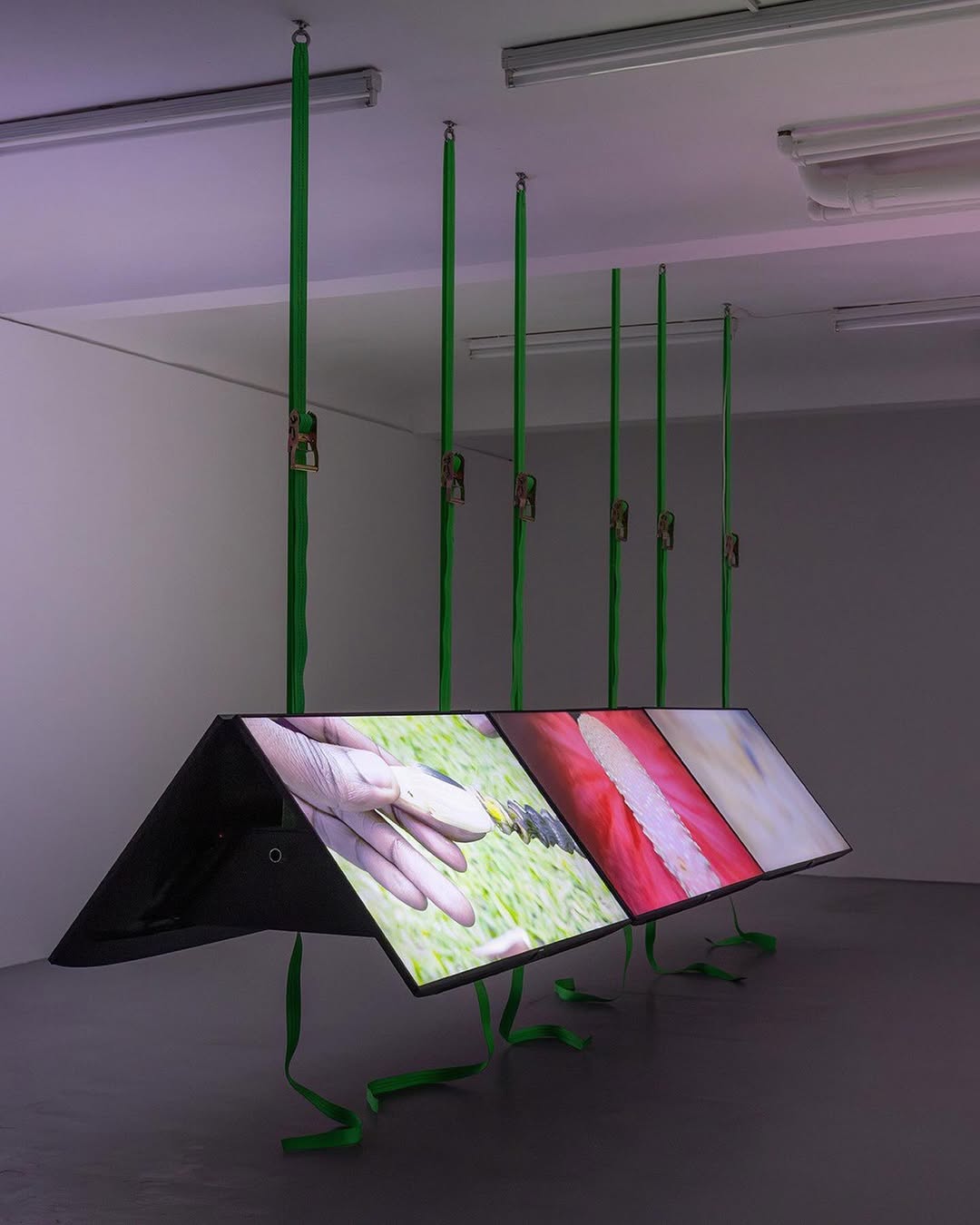
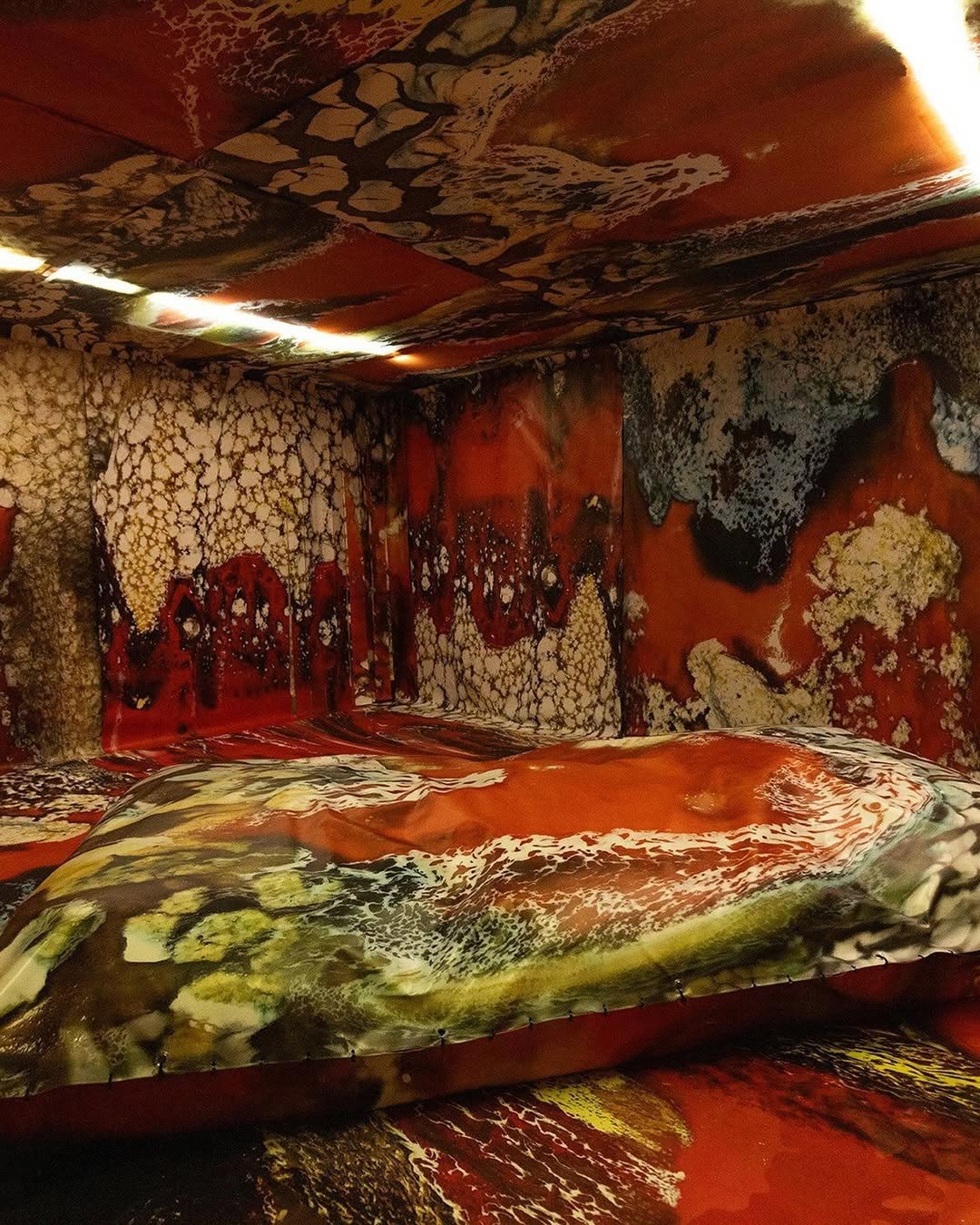
/ 2024
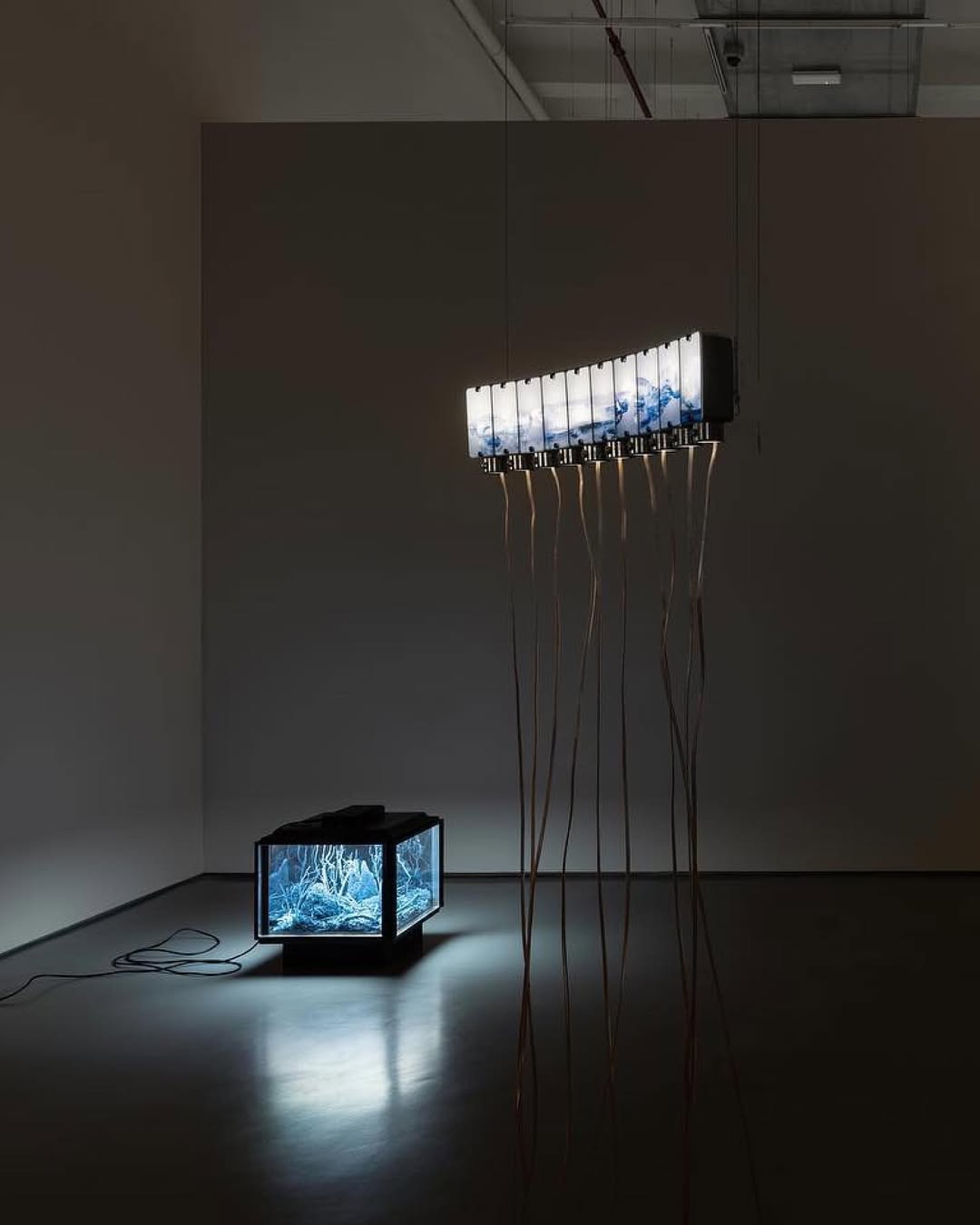
Lisboa / 2023
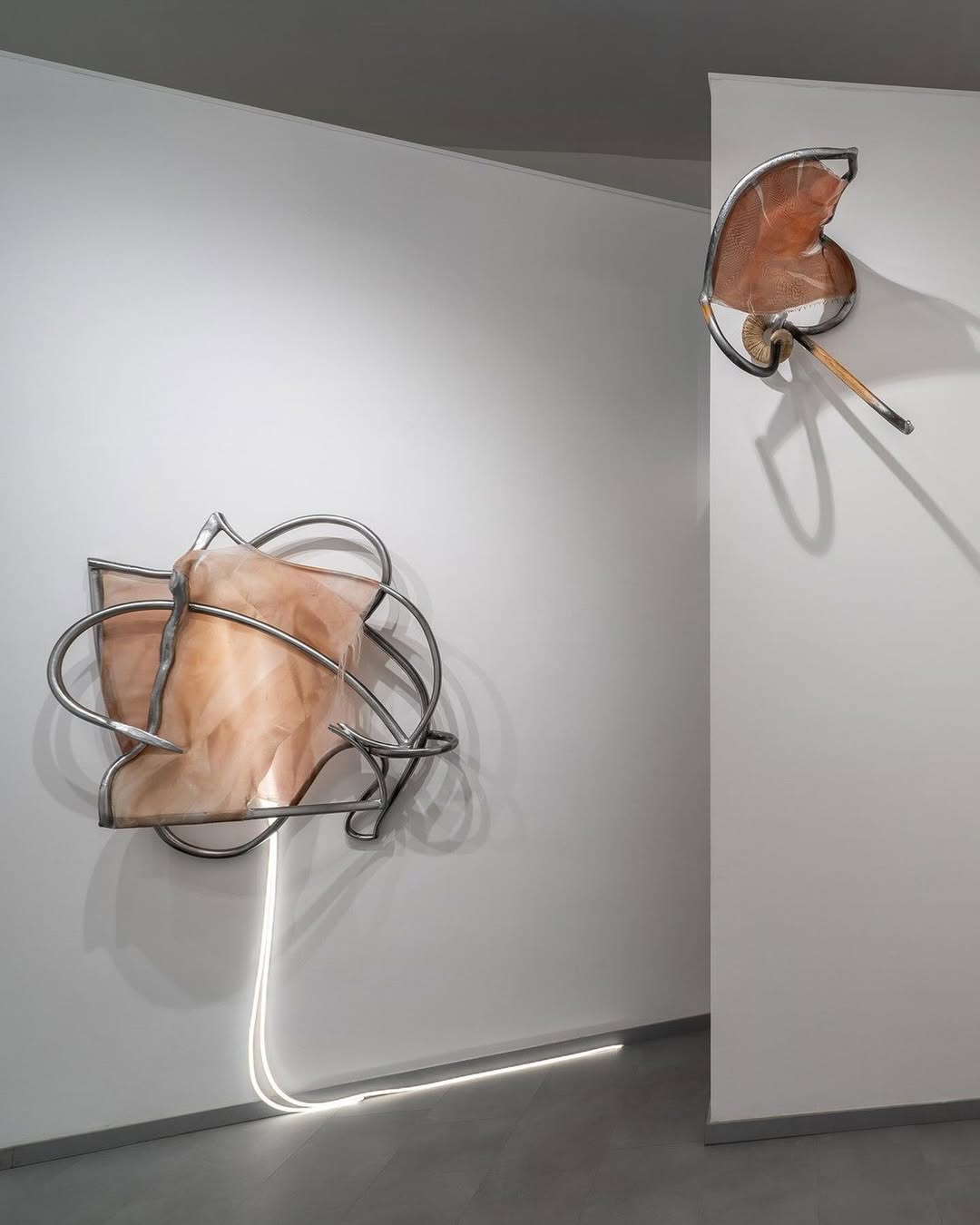
Budapest / 2024

Prague / 2024
/photo_1_2026-05-24_00-42-04.jpg)
Milan / 2025
Ljubljana / 2025
Milan / 2025
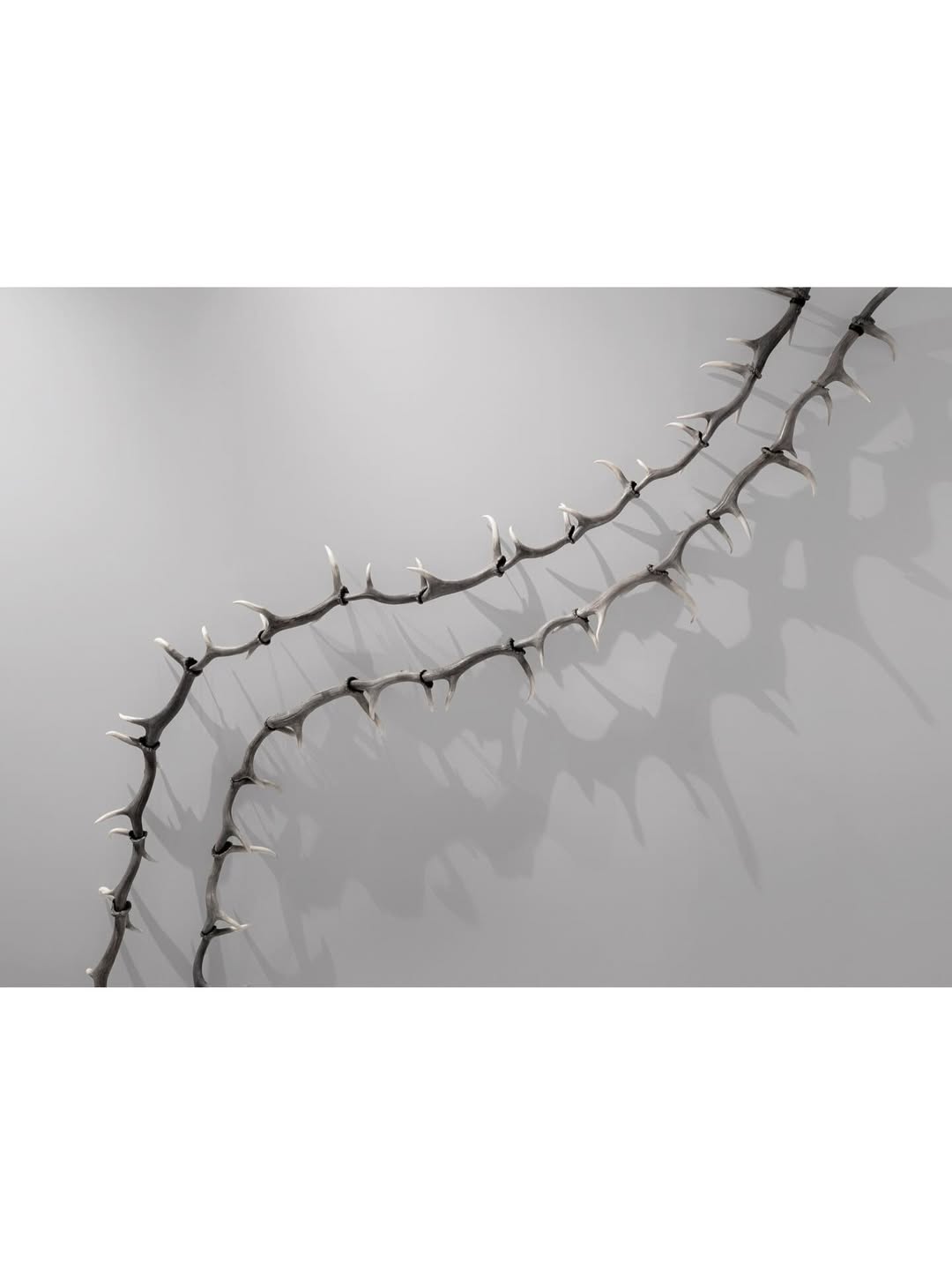
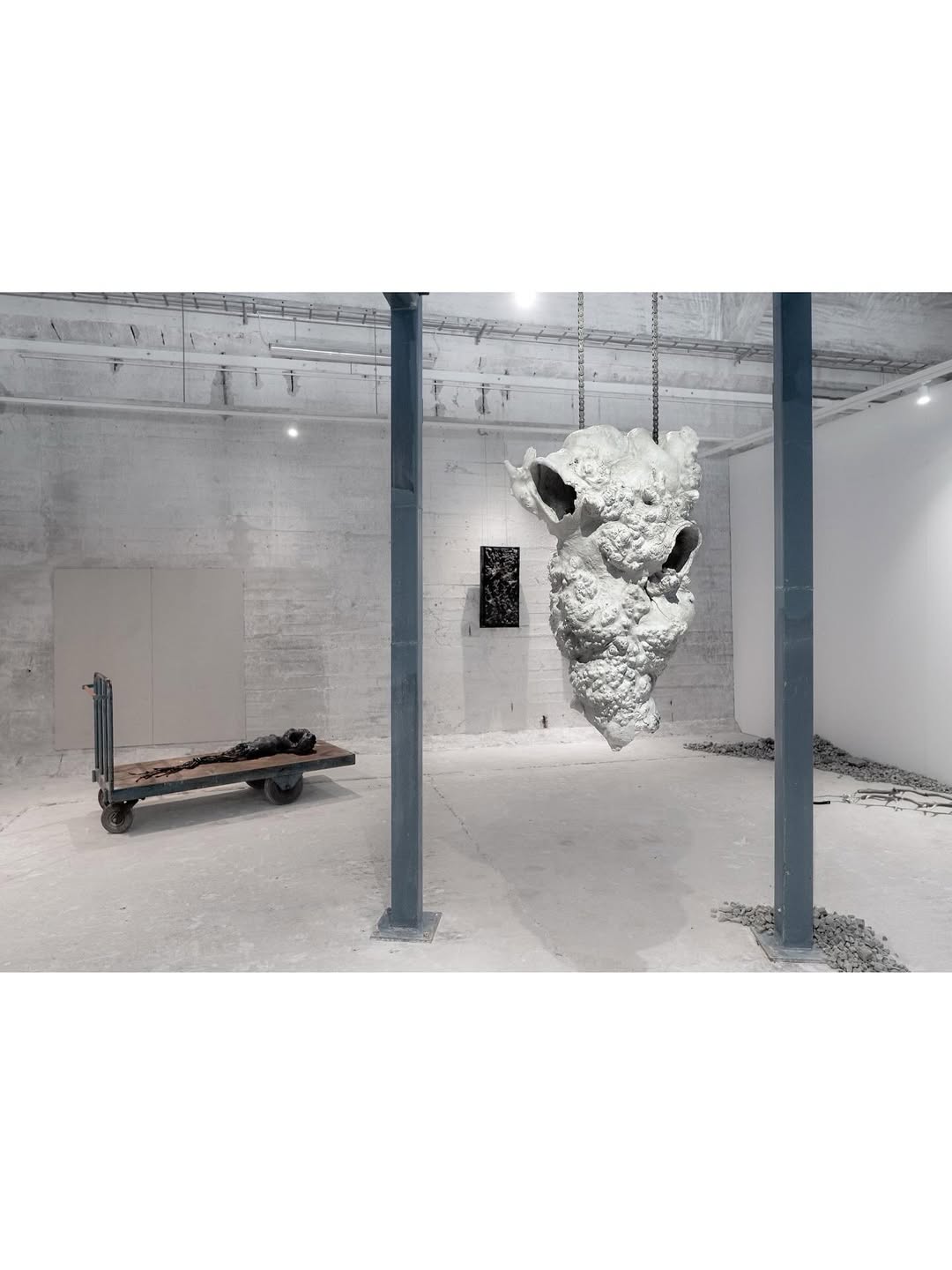
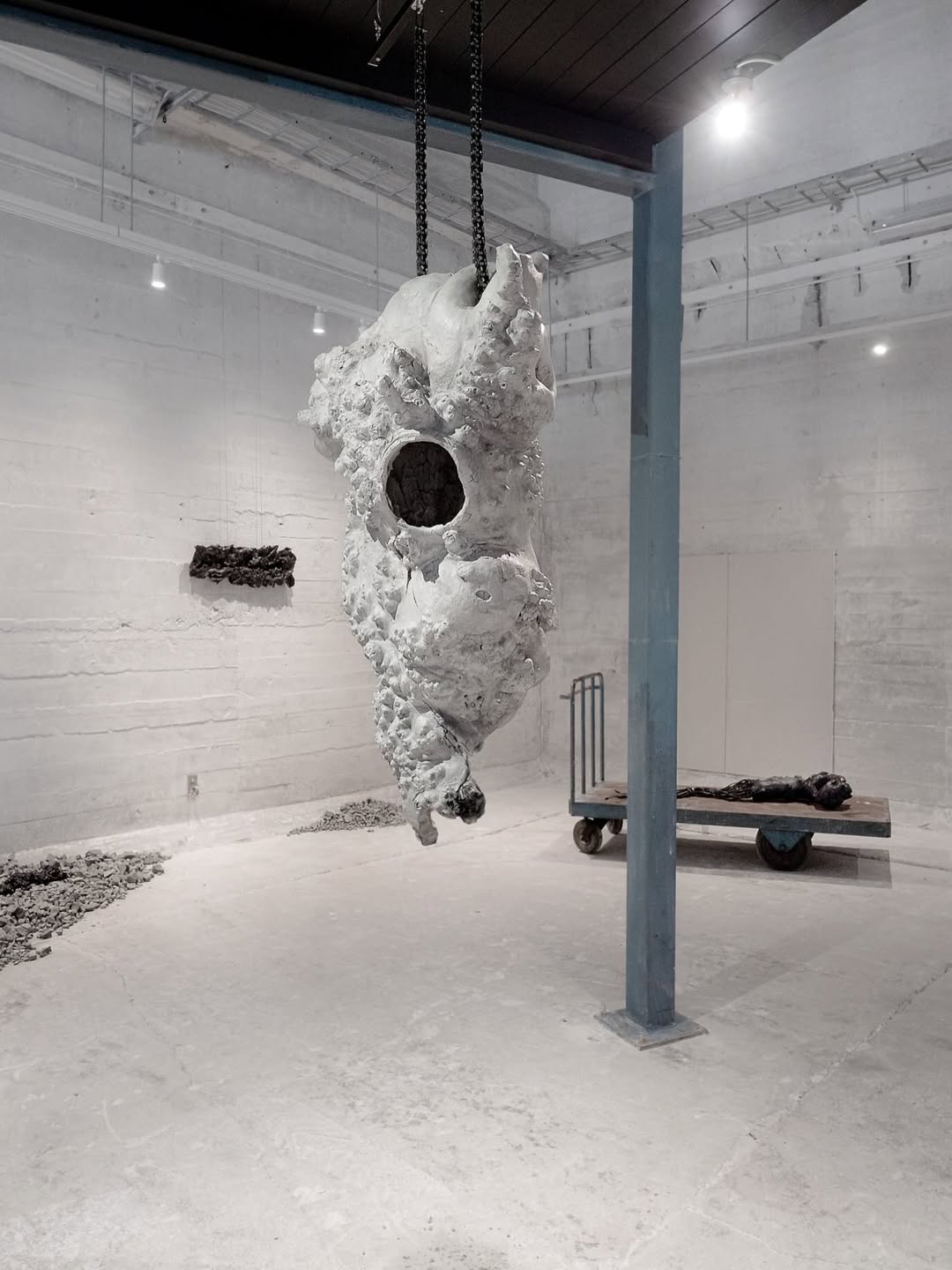
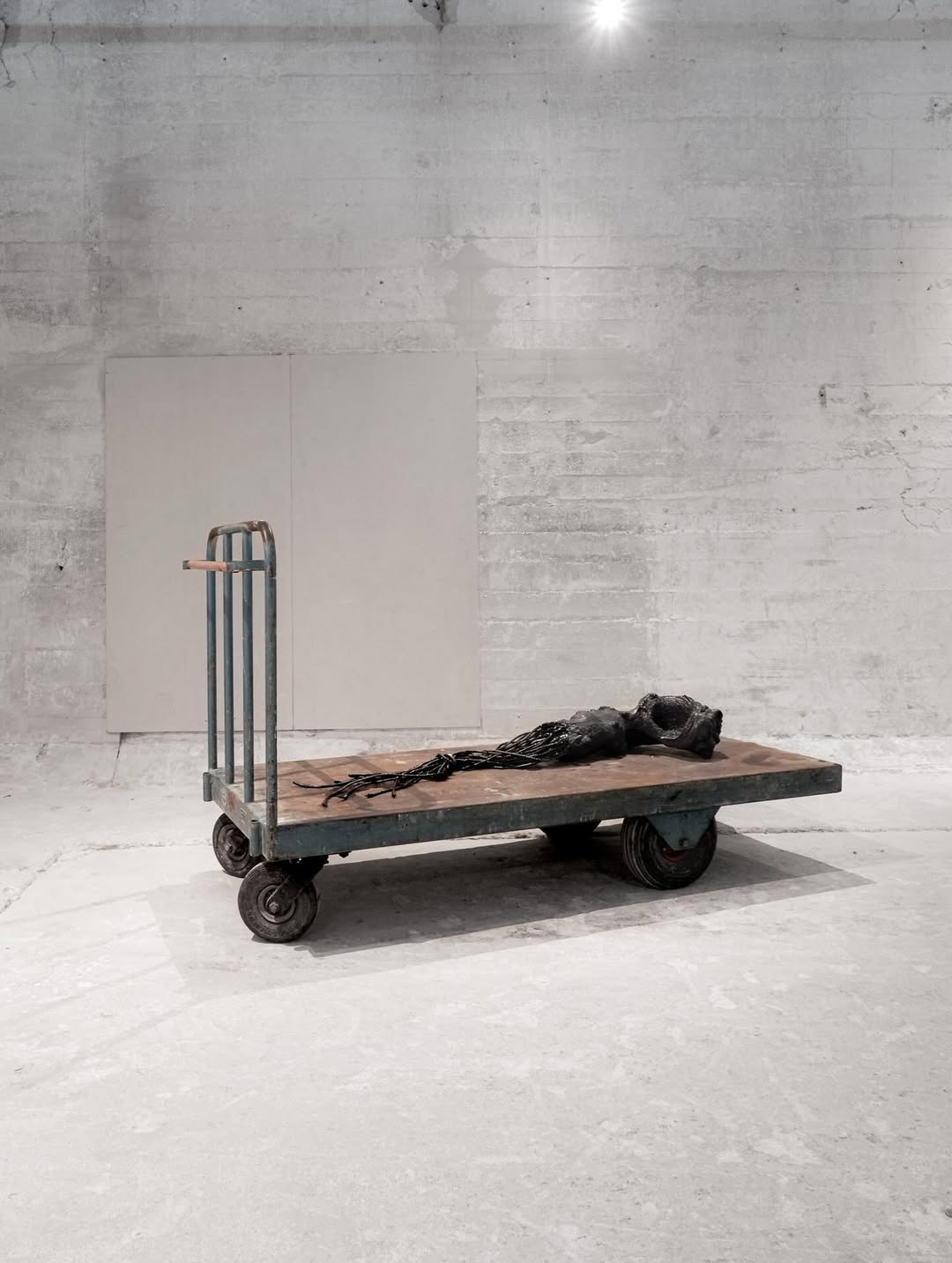
/ 2025
Århus / 2025
Kraków / 2025
Berlin / 2025
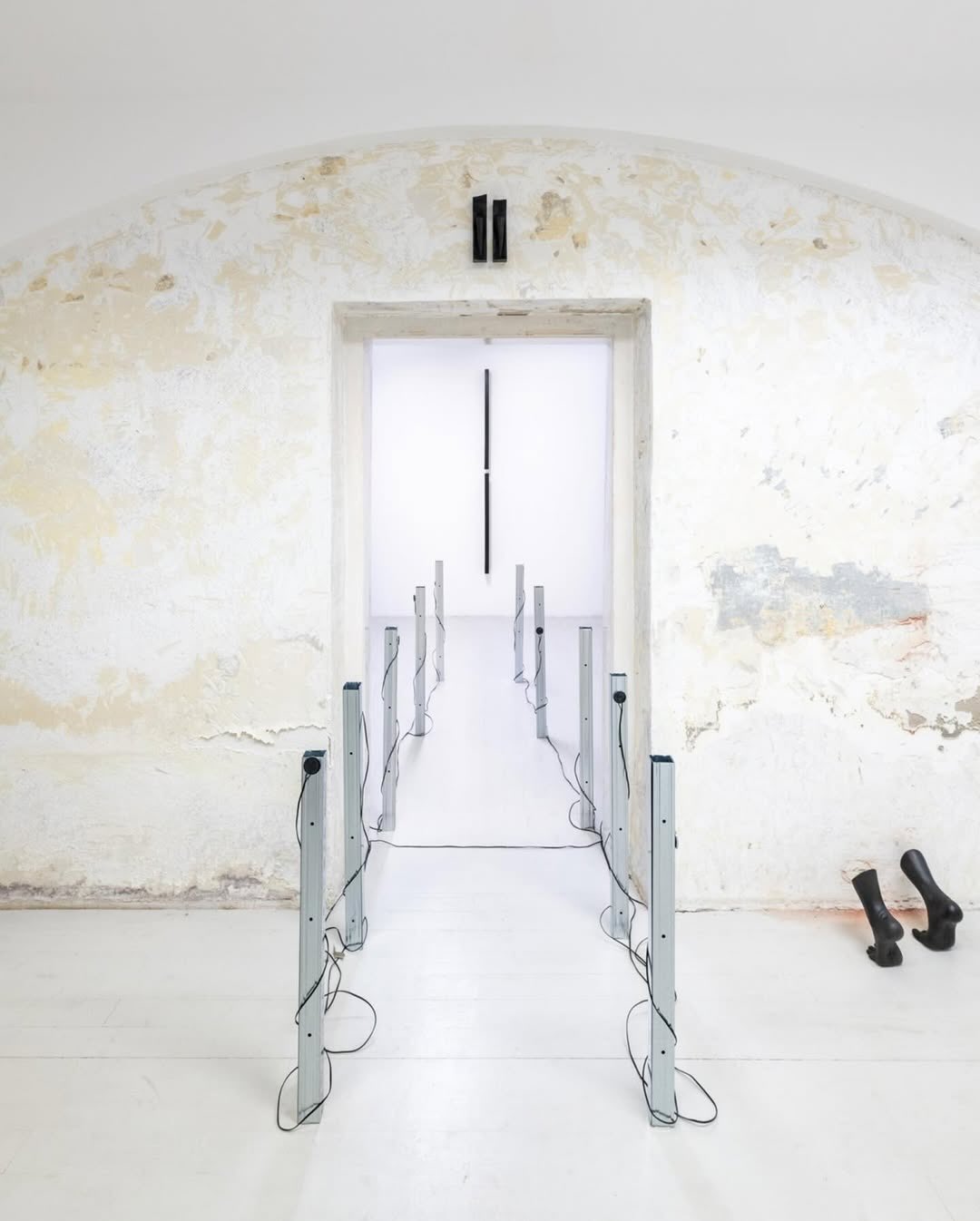
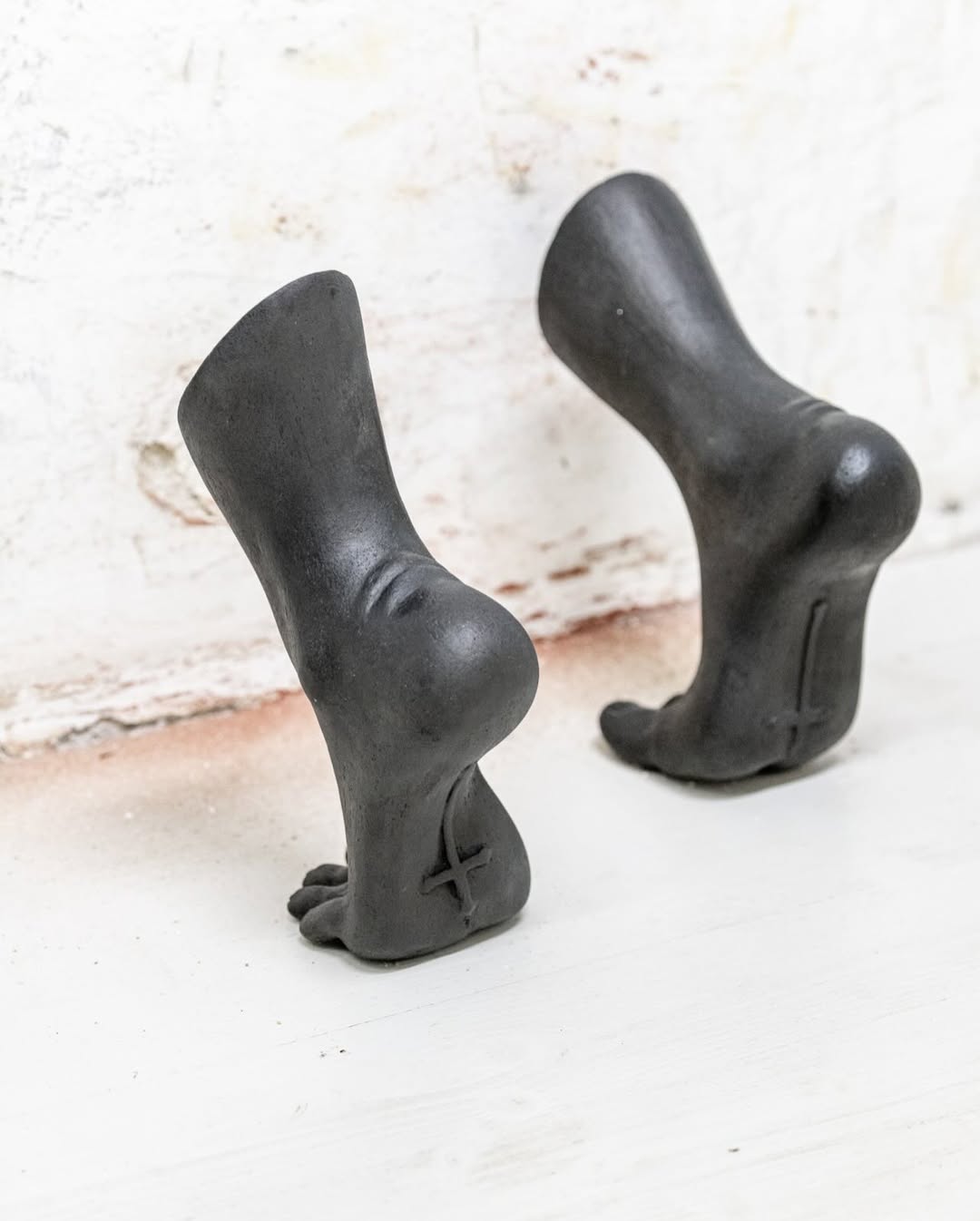
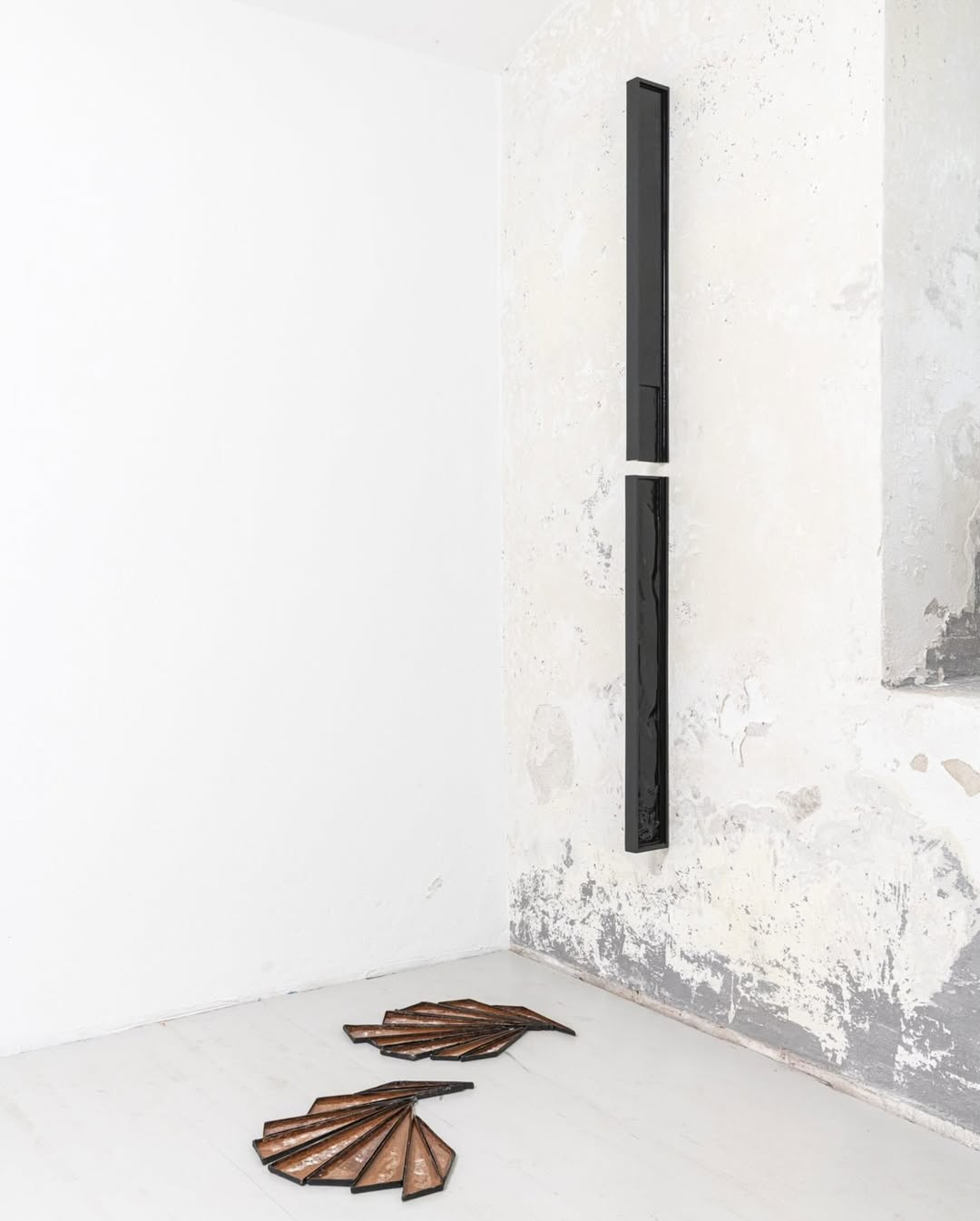
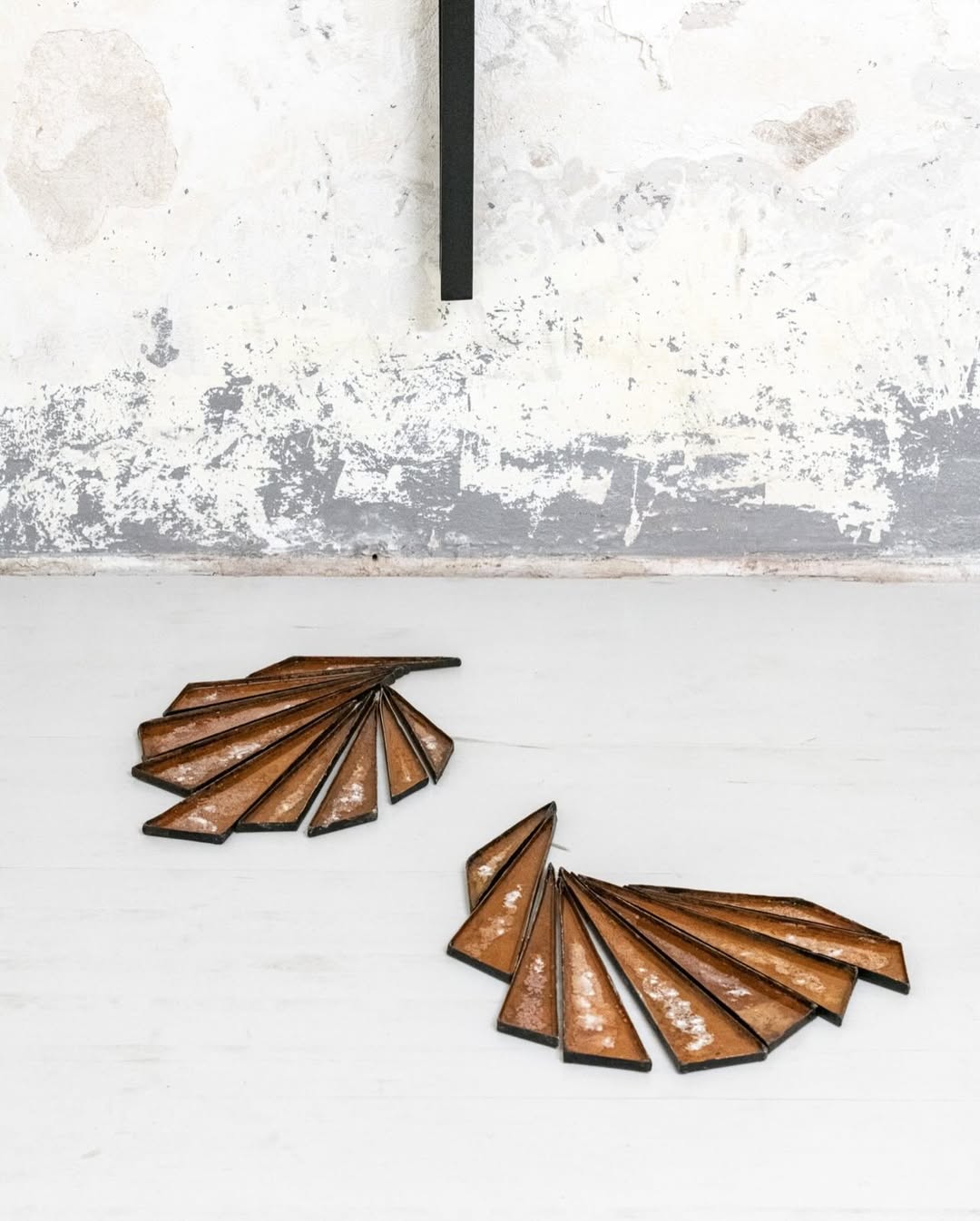
Graz / 2026
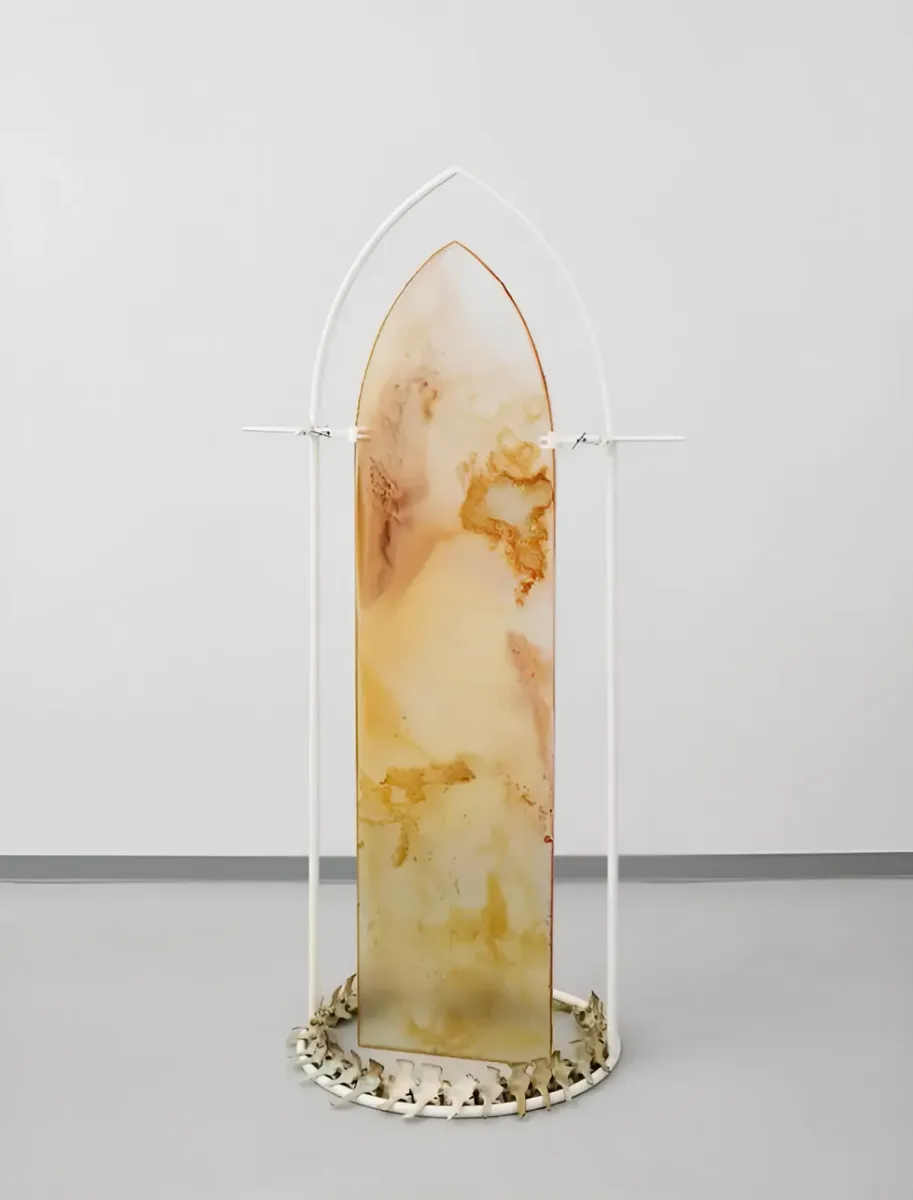
Leipzig / 2026
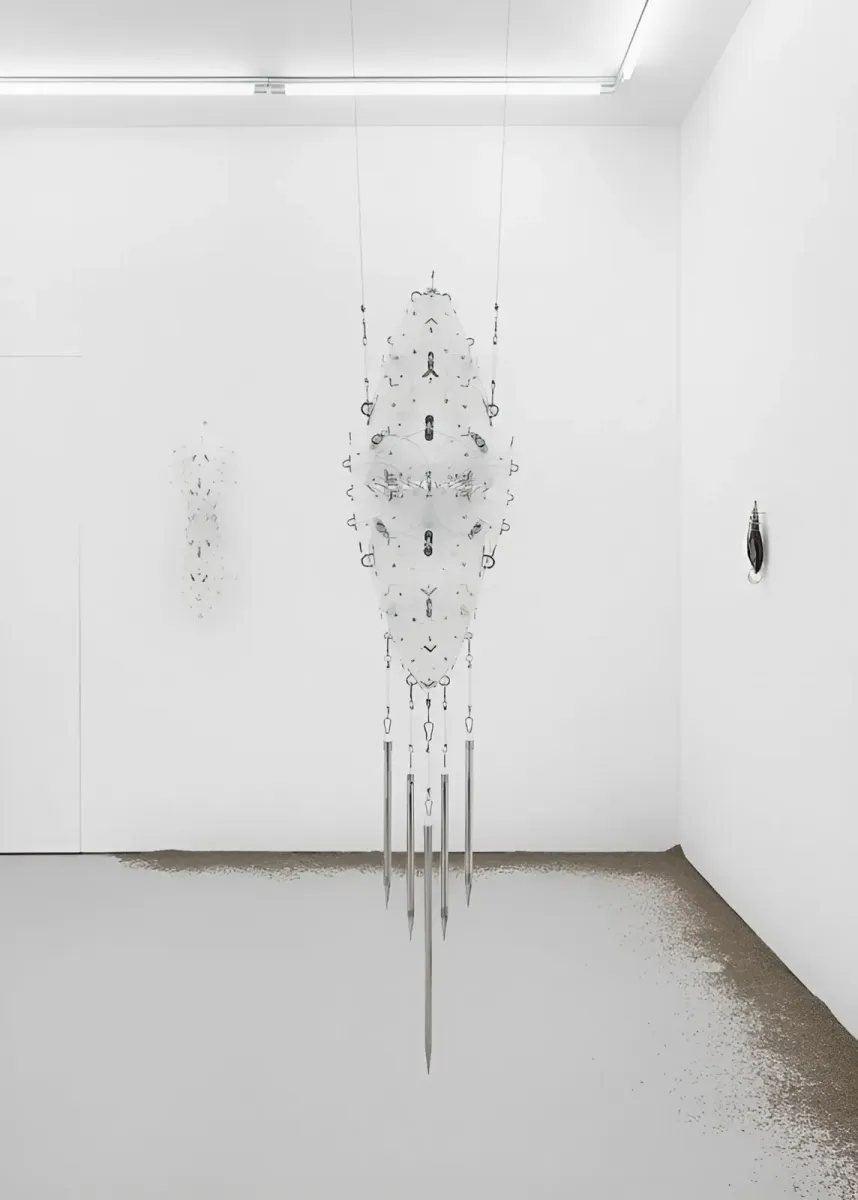
London / 2026
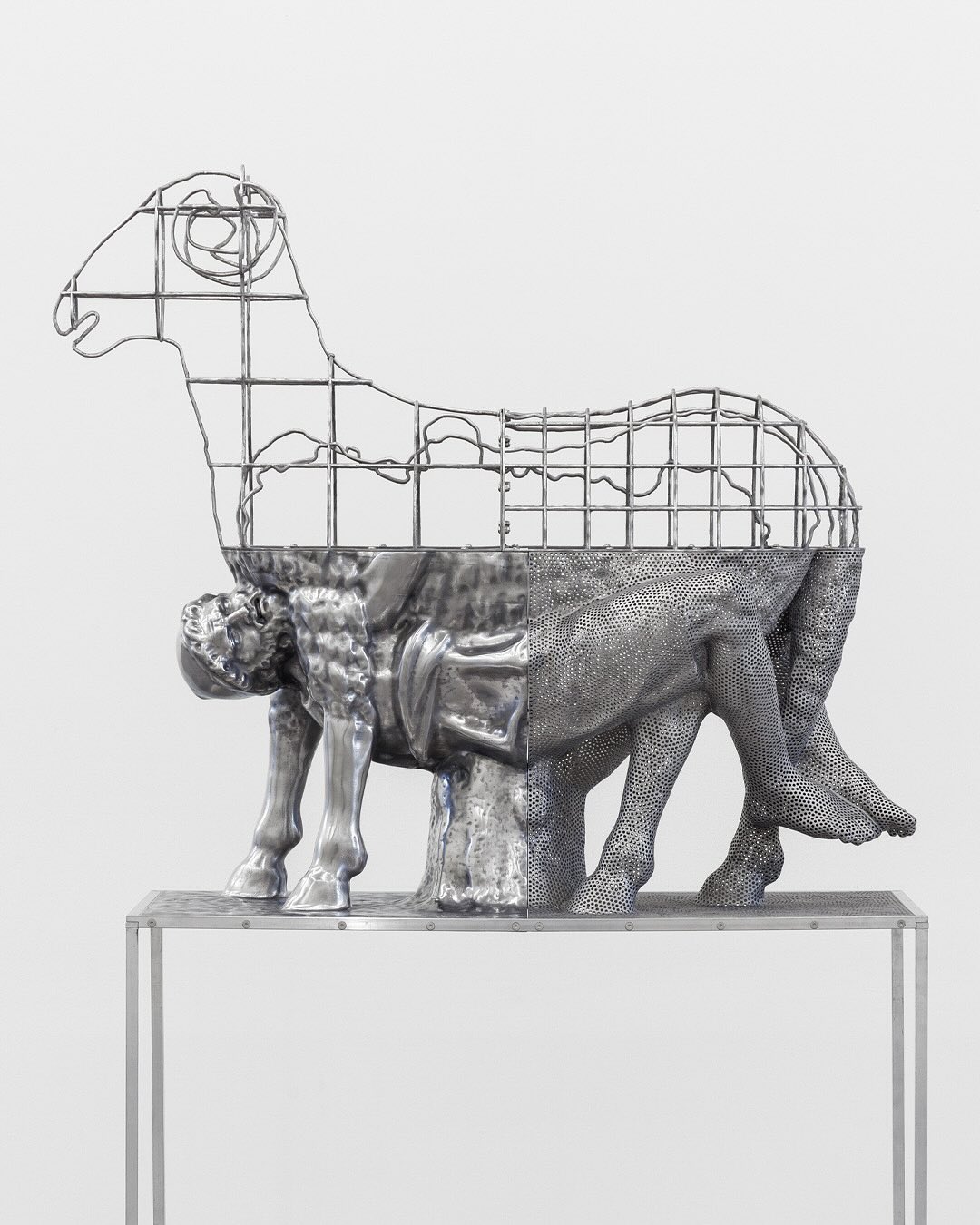
Vorarlberg / 2026
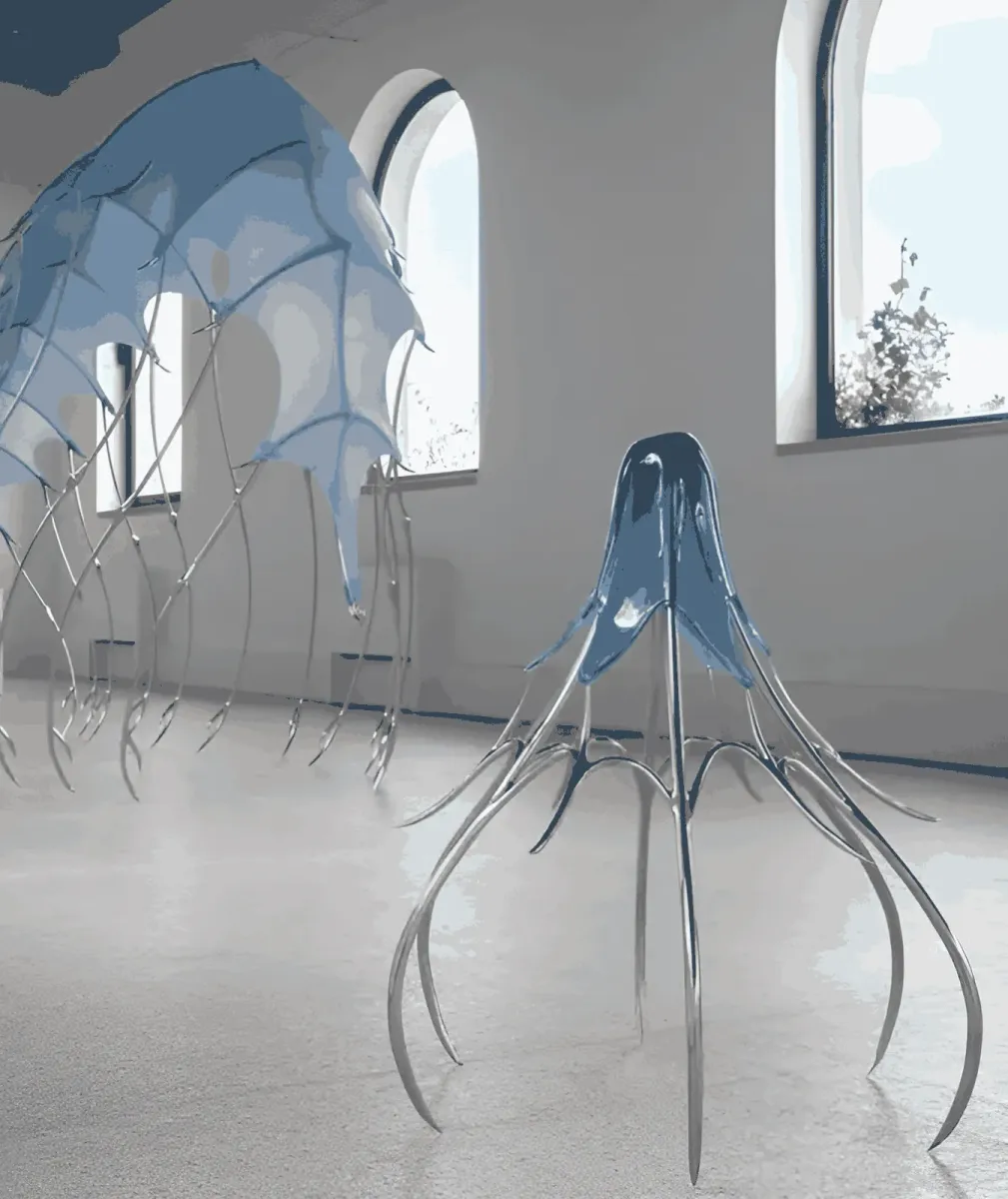
Sardinia / 2026
/ 2025
.webp)
Seoul / 2025
Berlin / 2026
Helsinki / 2026
/ 2026
/ 2026
Seoul / 2026
Prague / 2026
Seoul / 2026
Słupsk / 2026
Seoul / 2026
Poznań / 2026
.webp)
.webp)
.webp)
.webp)
.webp)
.webp)
.webp)
.webp)
Vienna / 2026
Berlin / 2026
Munich / 2026
Ljubljana / 2026
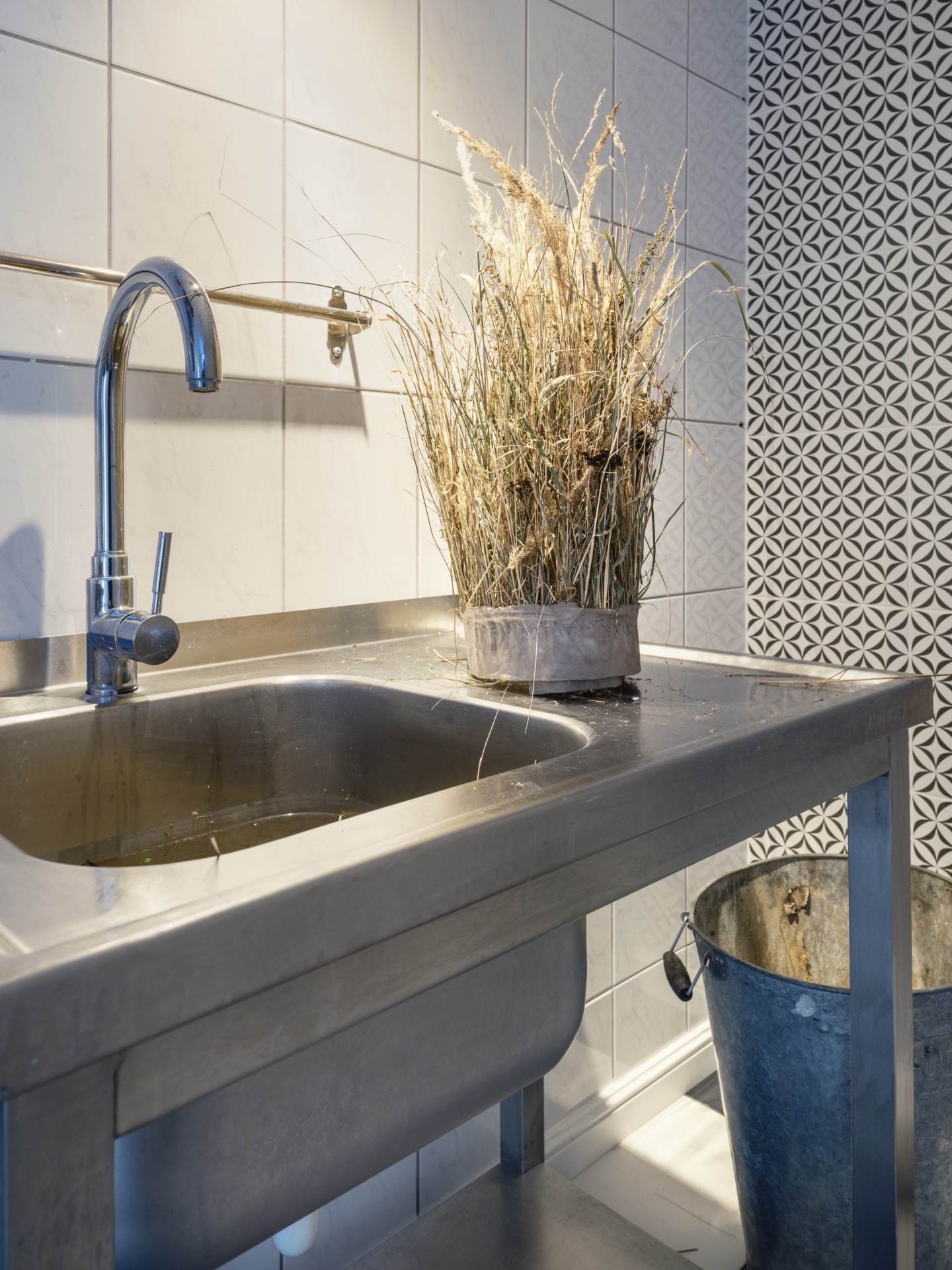
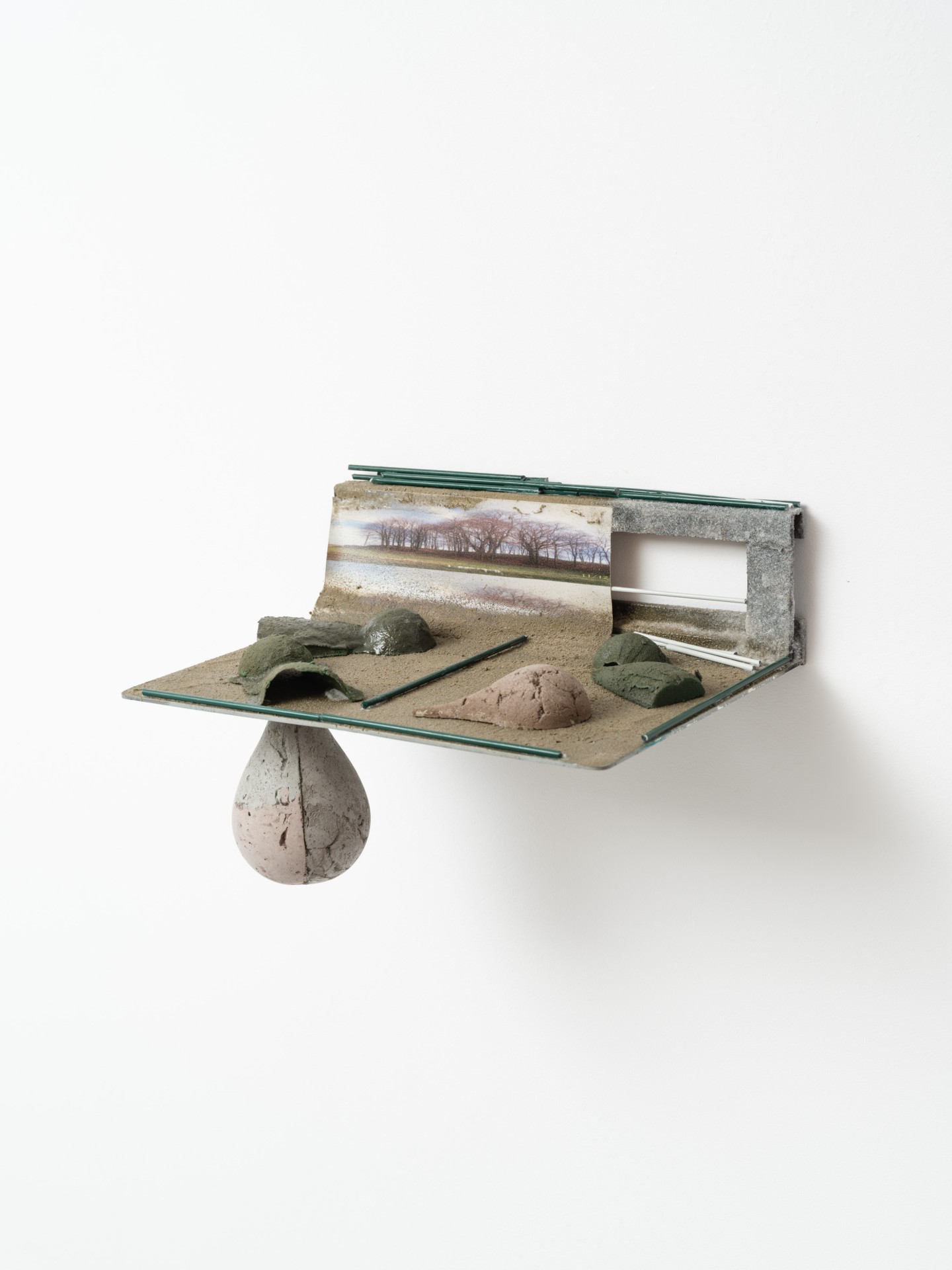
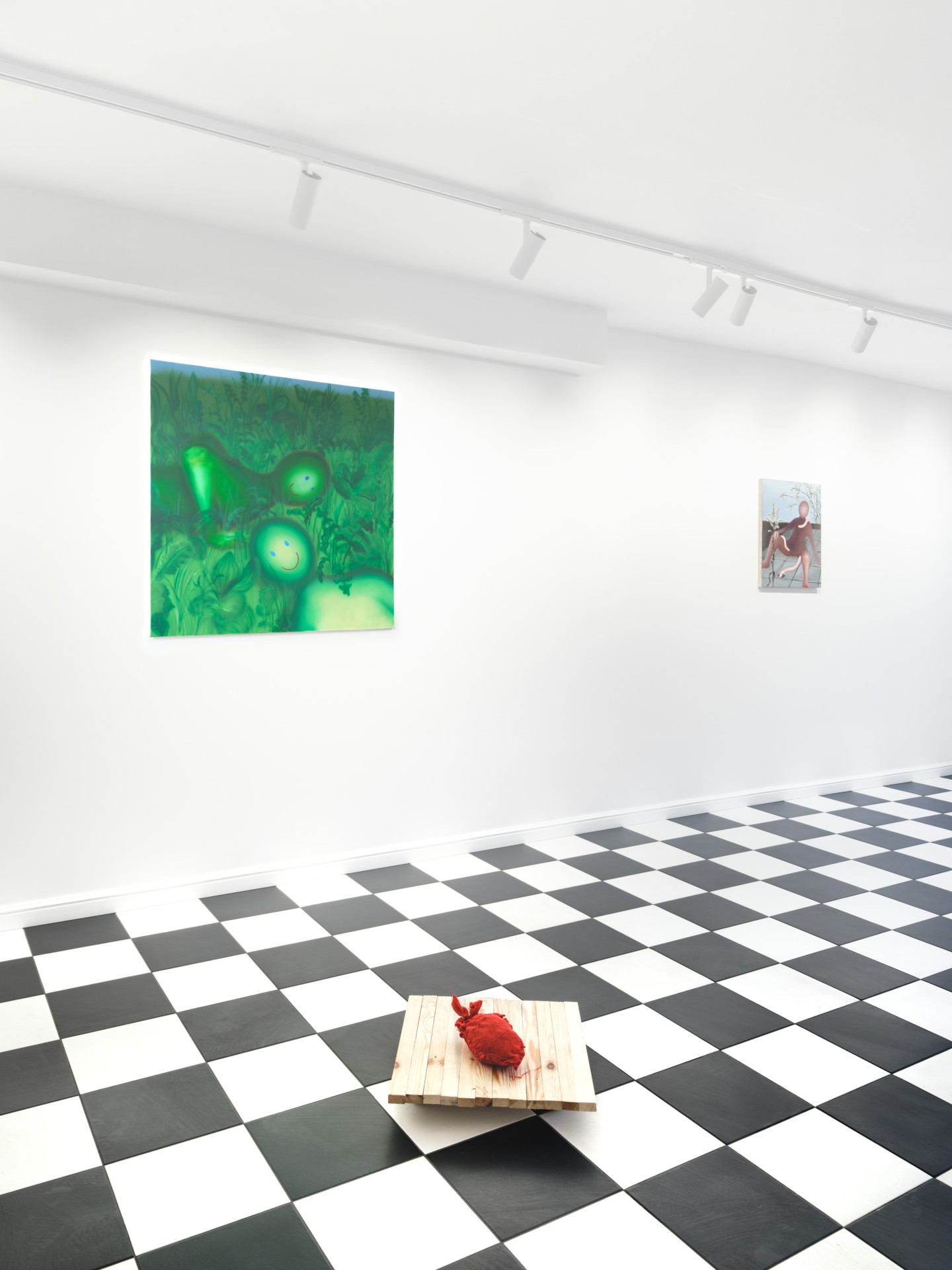
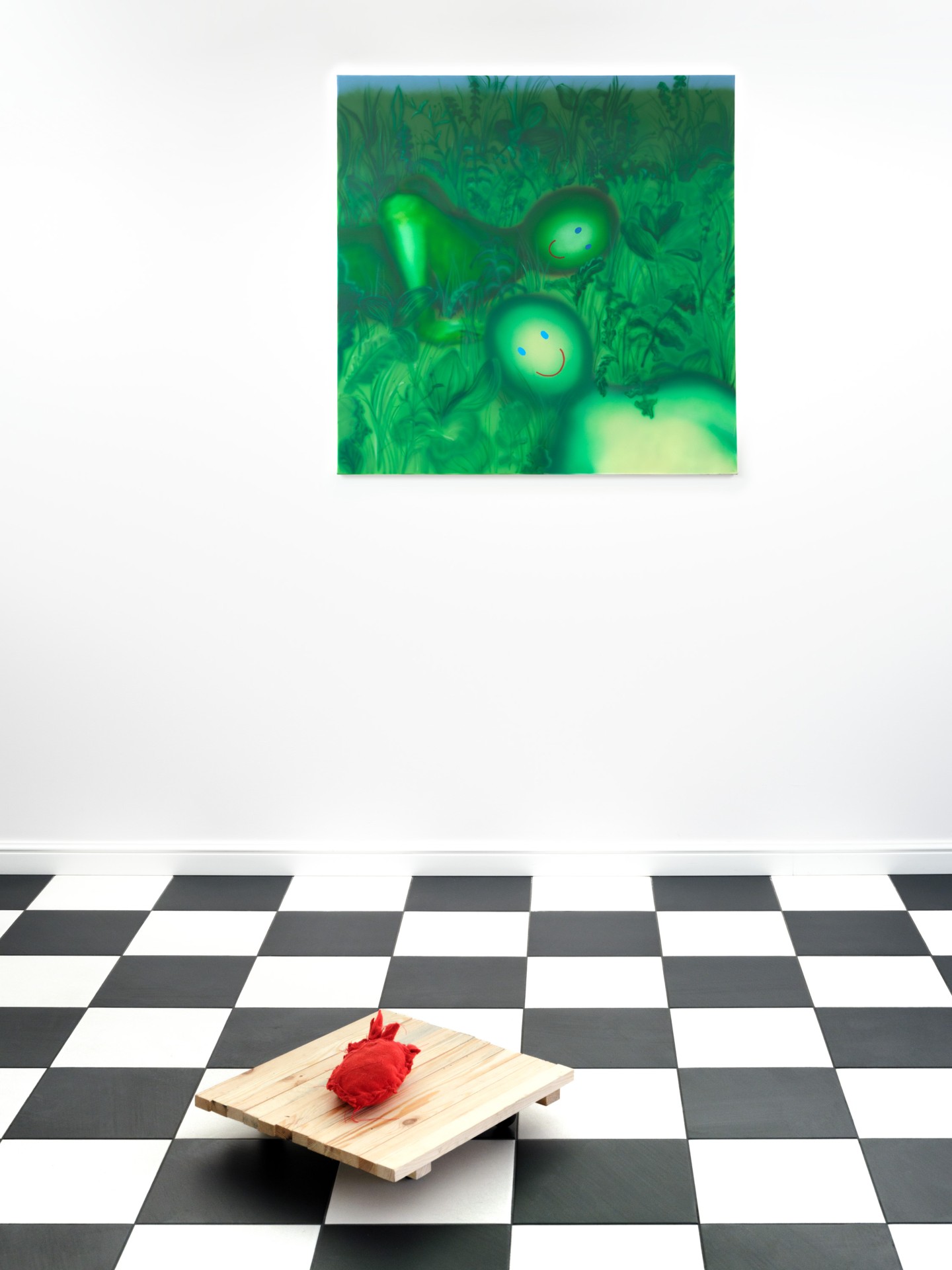
Warsaw / 2024-2025
London / 2025
Brescia / 2025-2026
/ 2024
/photo_1_2026-05-24_00-50-58.jpg)
/ 2023
/photo_1_2026-05-24_00-47-49.jpg)
Berlin / 2023
London / 2024
/photo_1_2026-05-24_00-41-28.jpg)
Berlin / 2025
Barcelona / 2024-2025
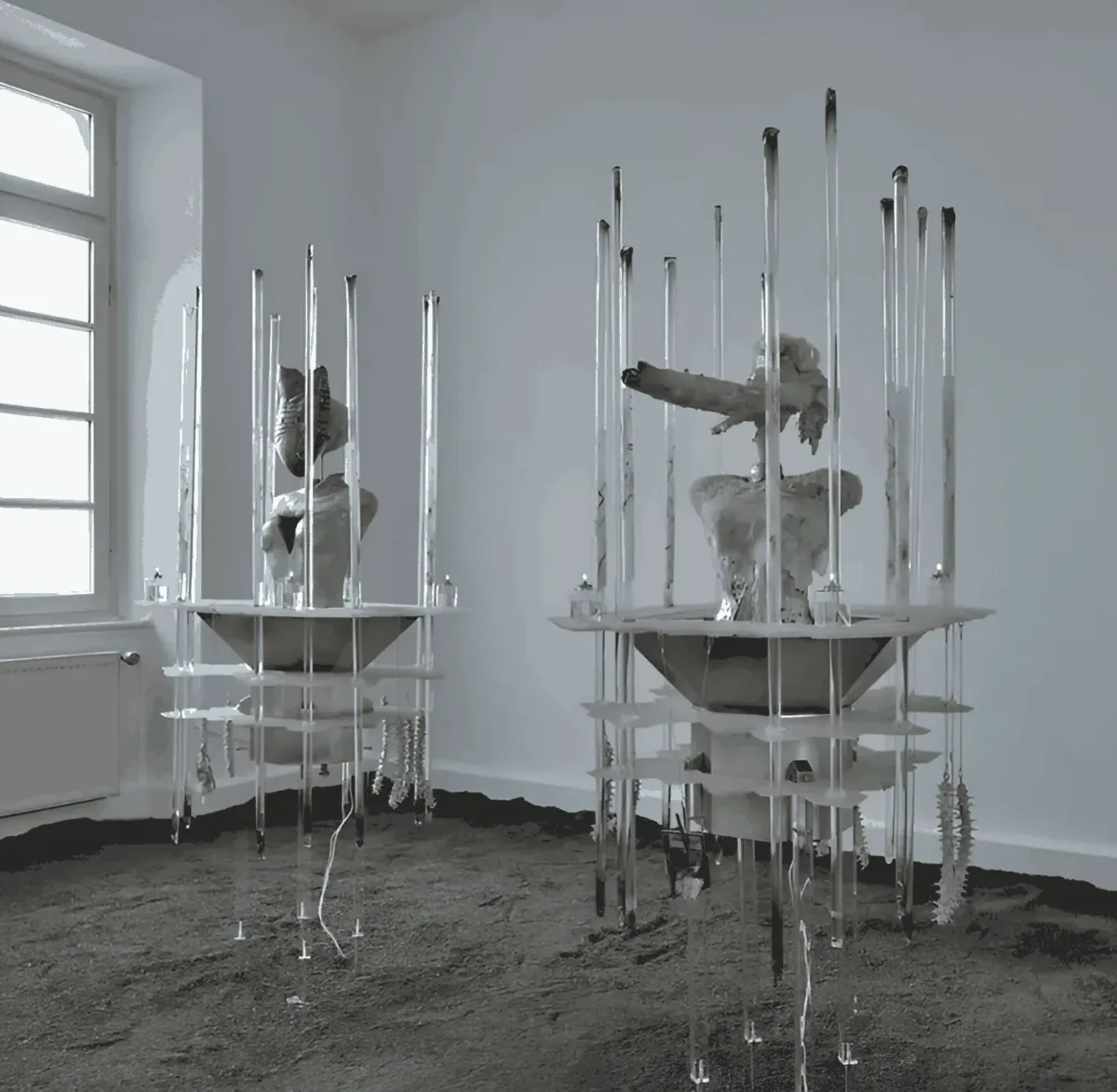
Arnsberg / 2025
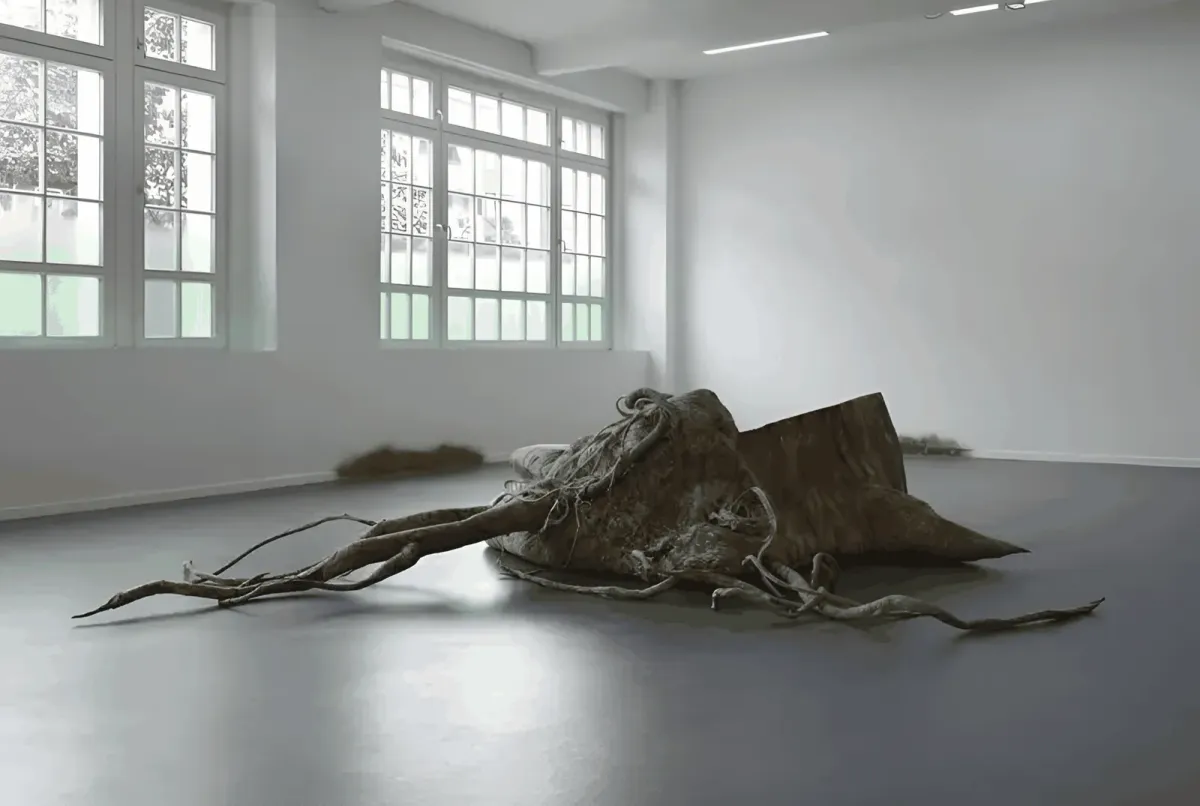
Berlin / 2025
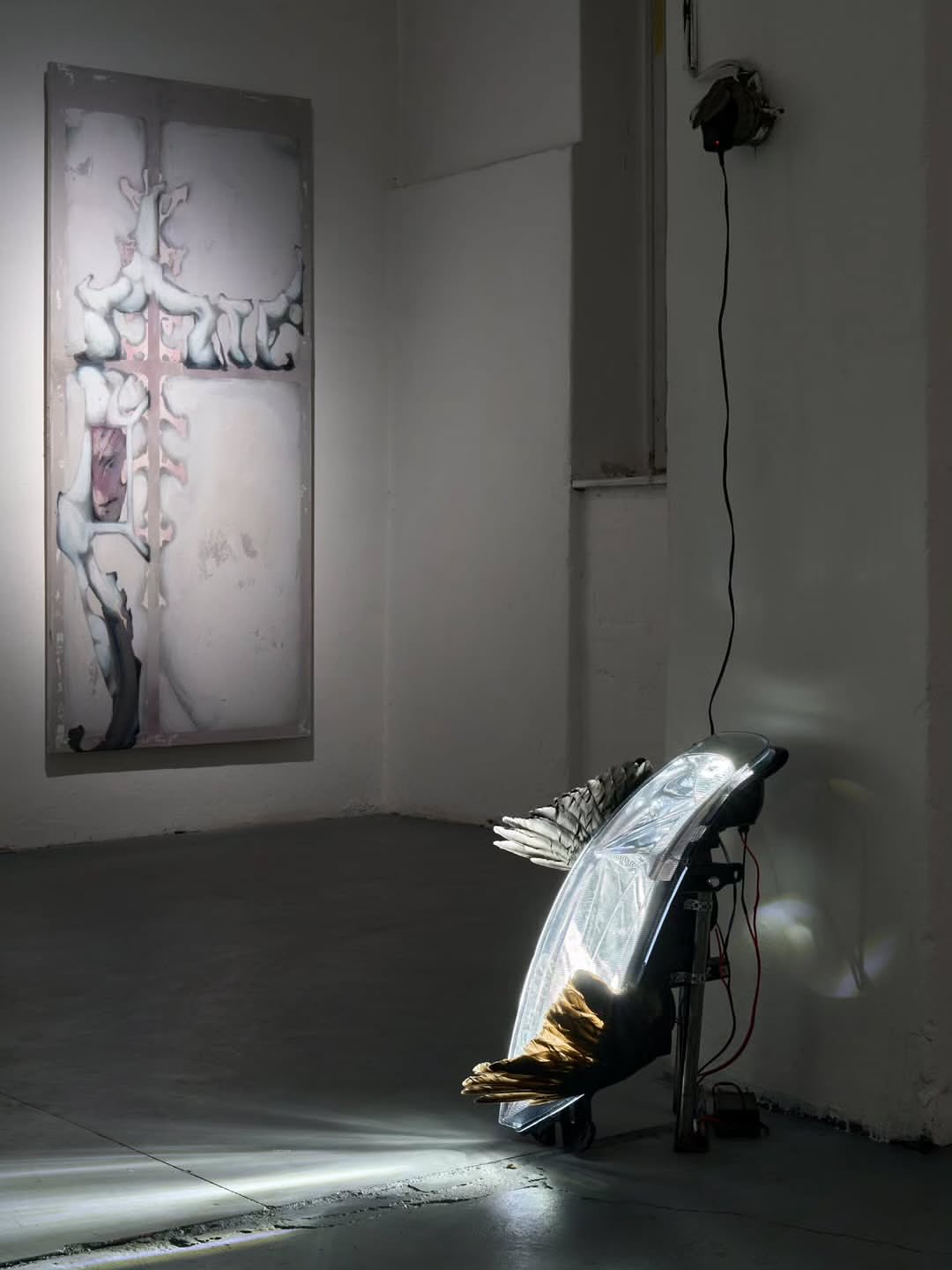
Prague / 2025
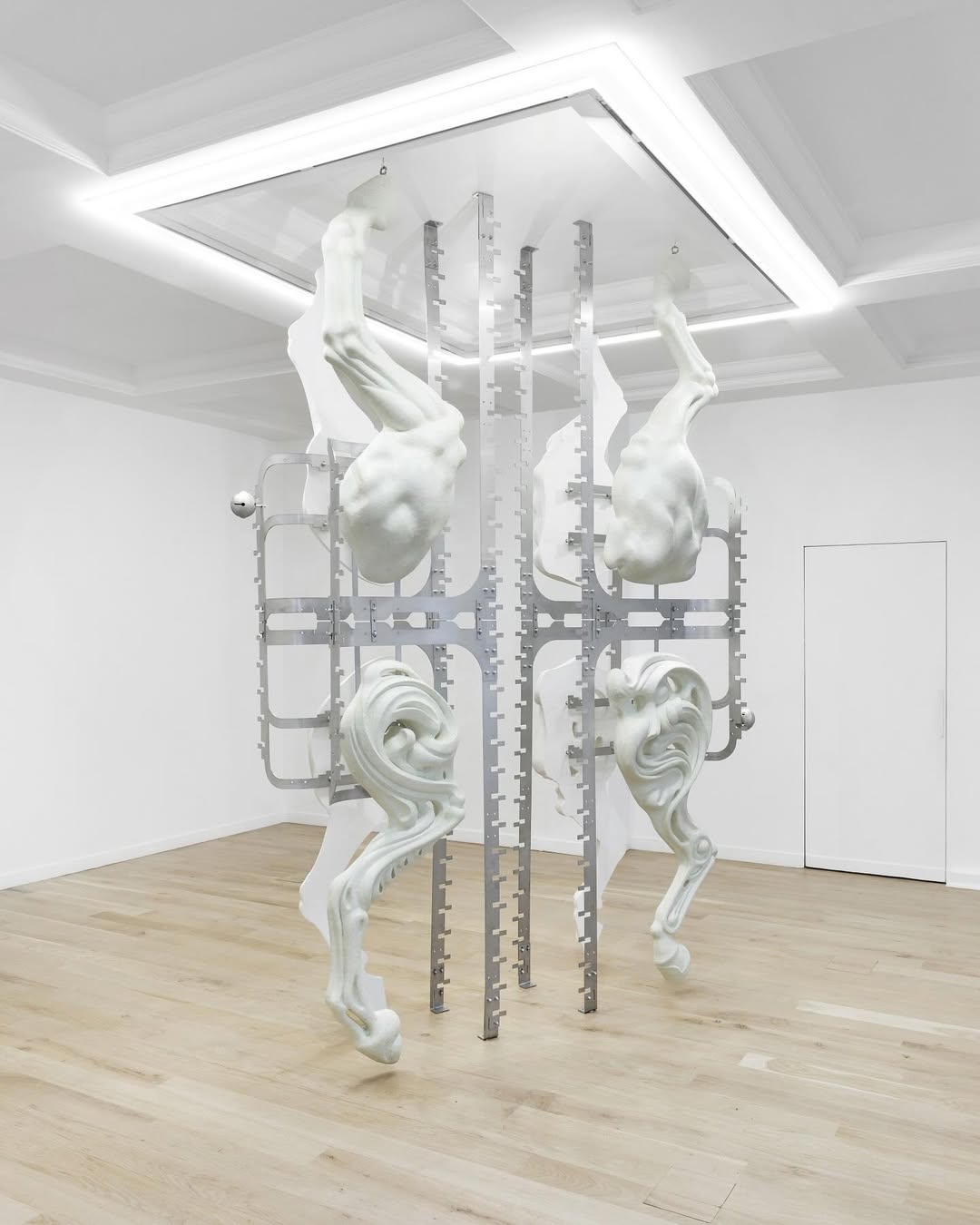
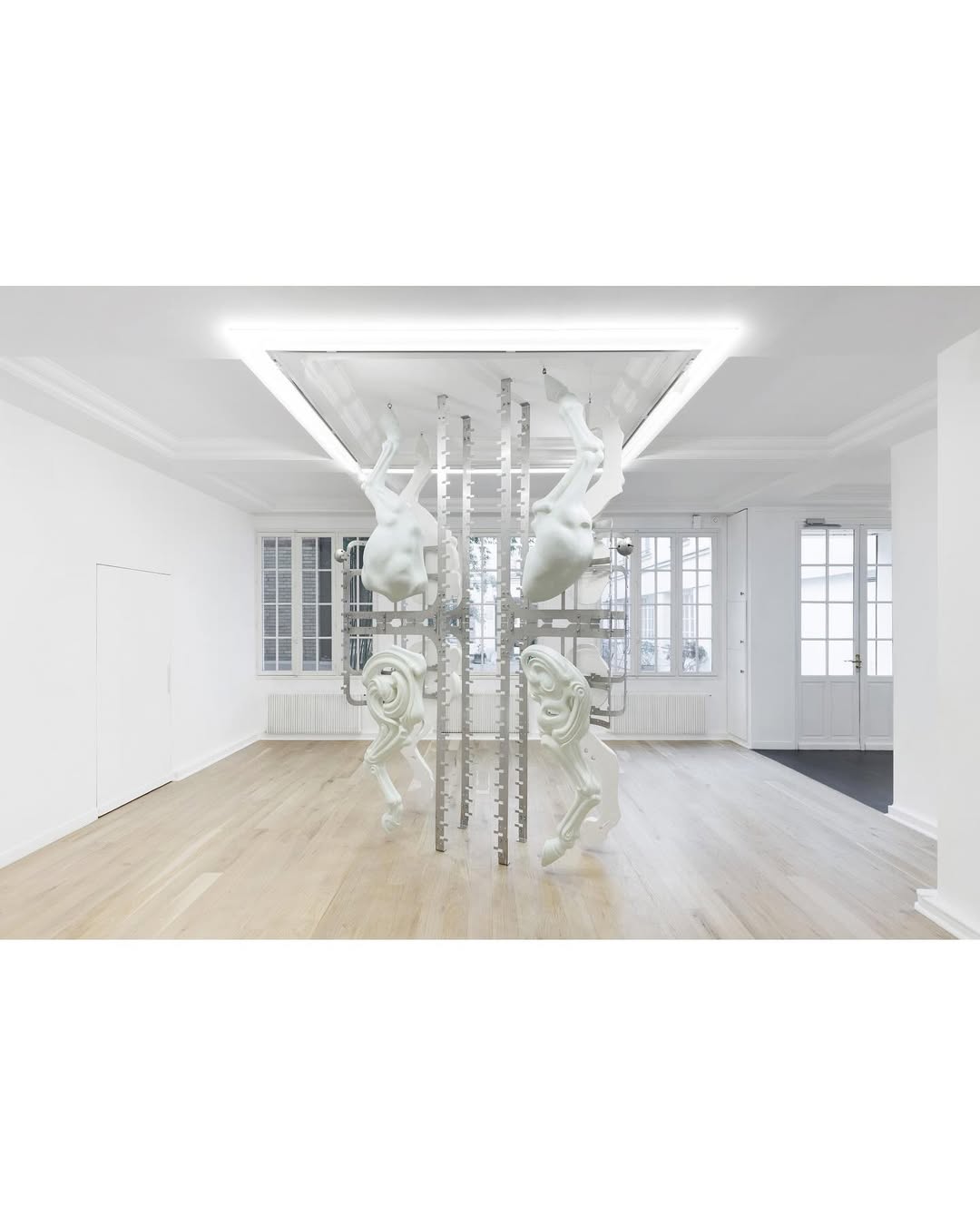
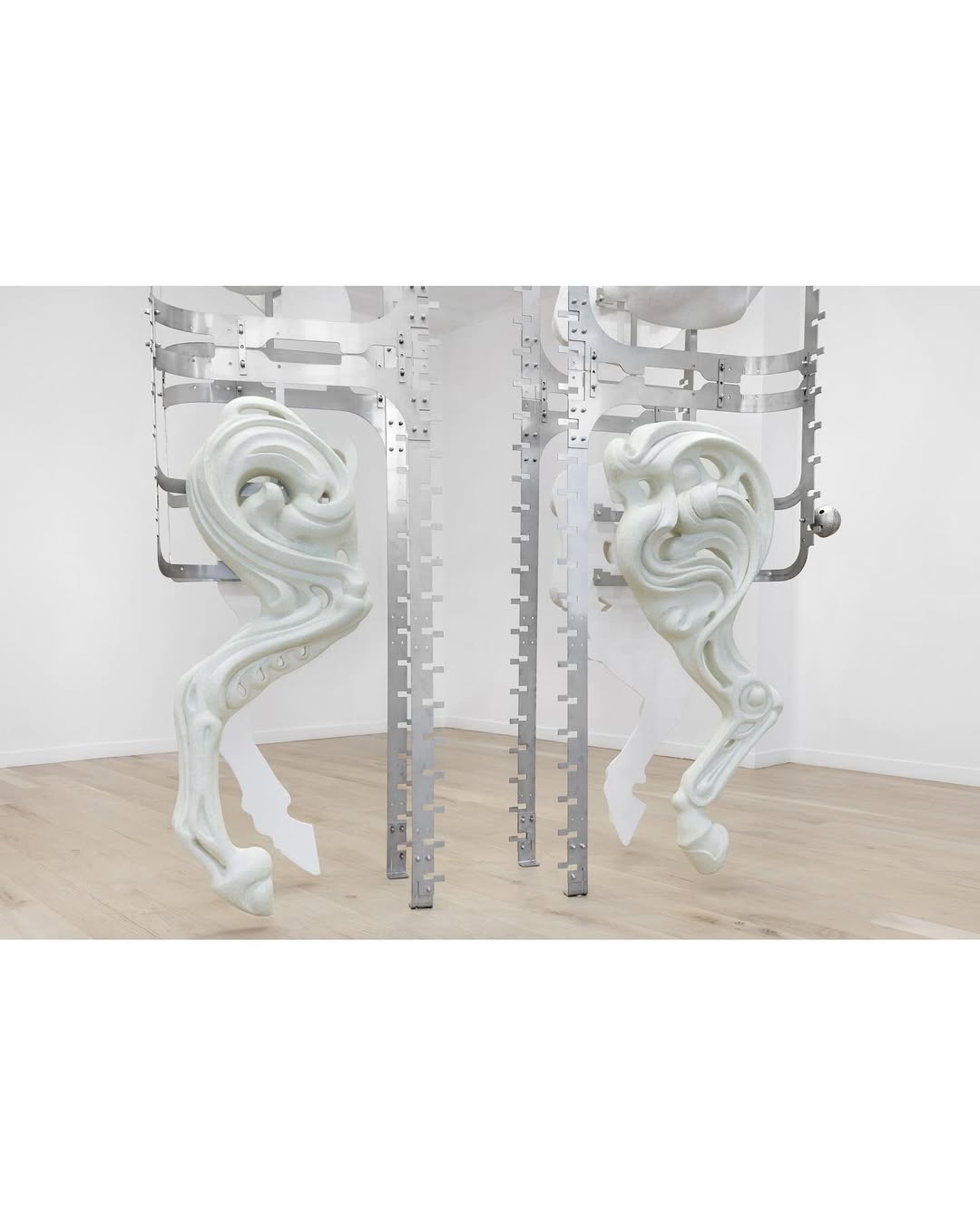
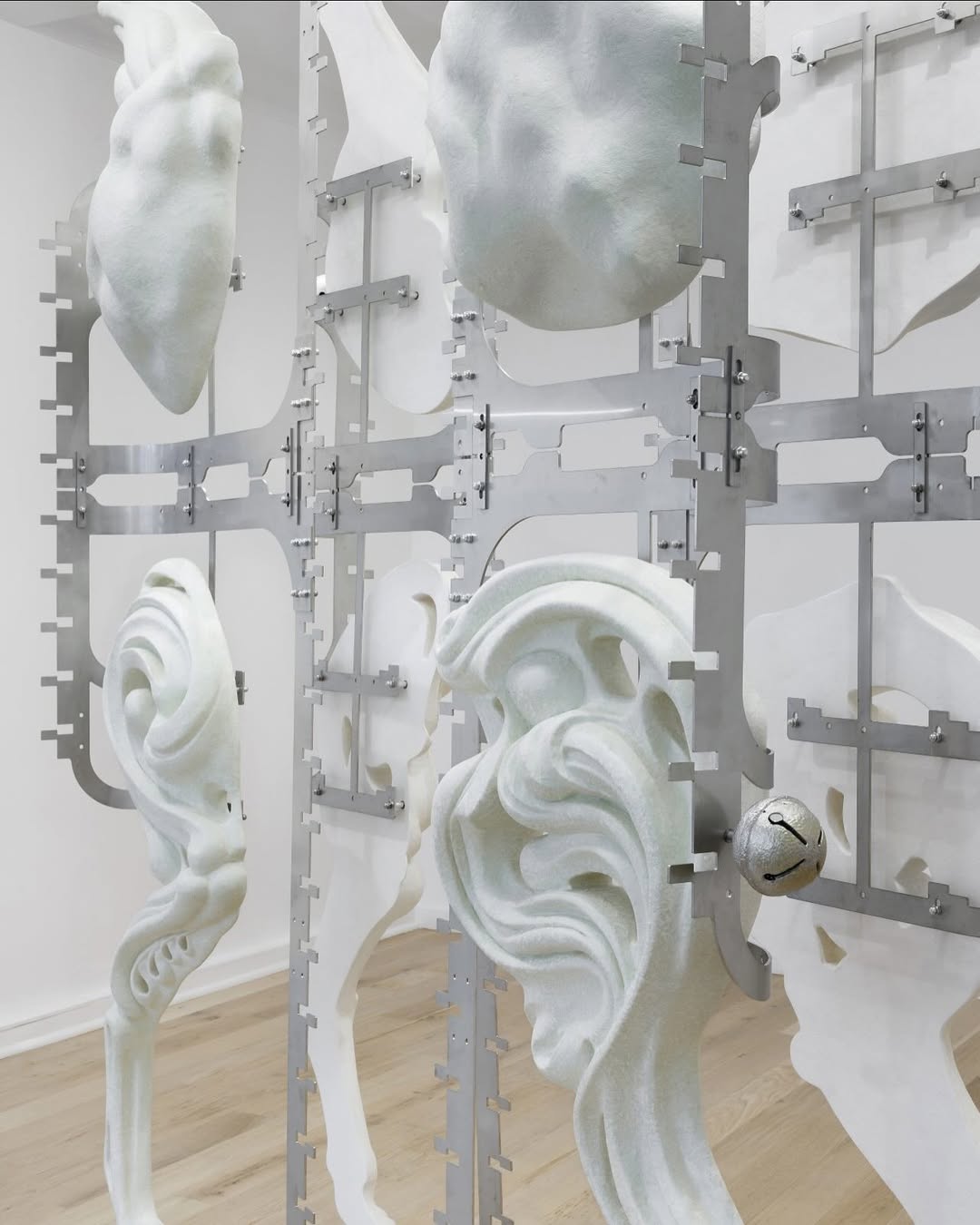
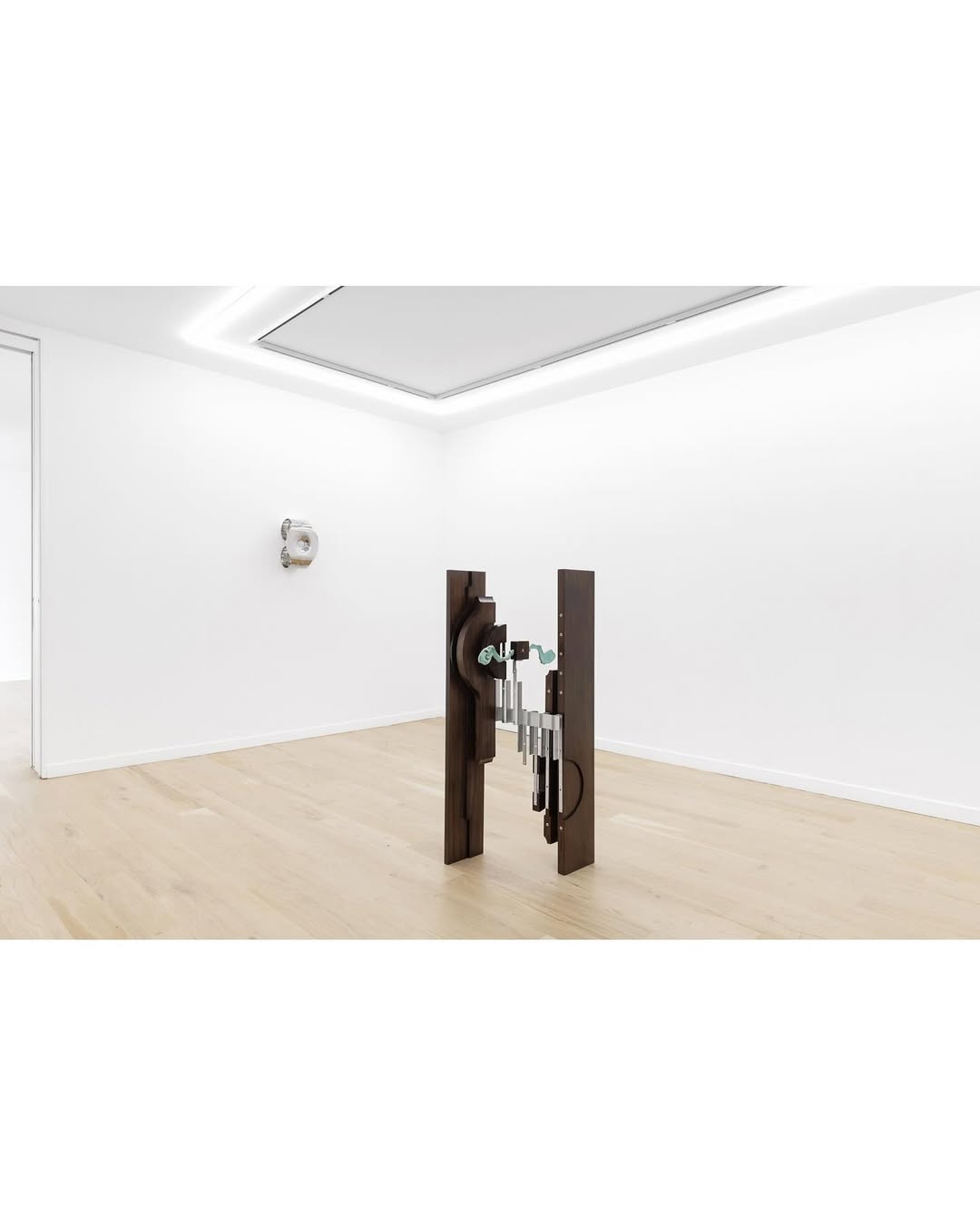
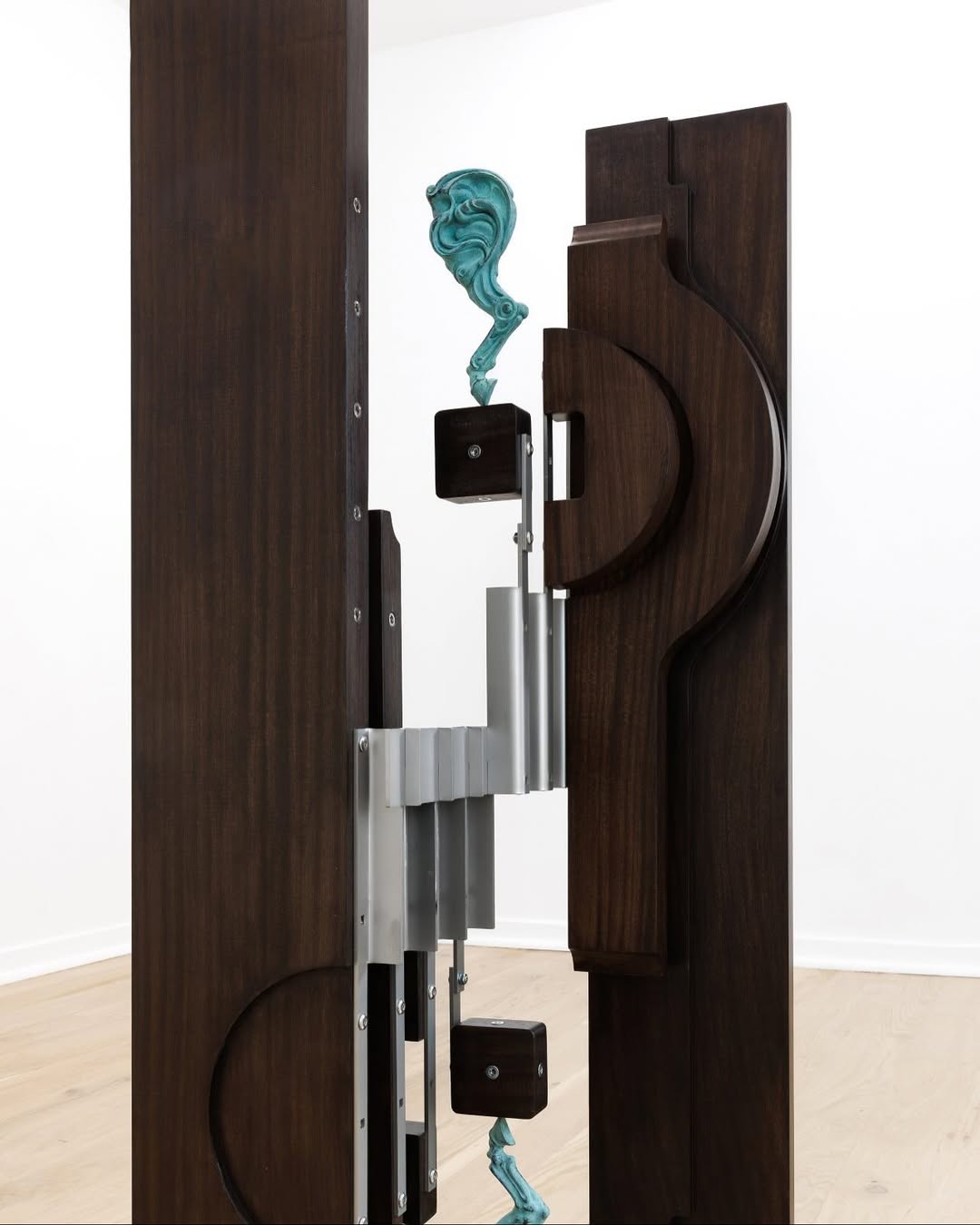
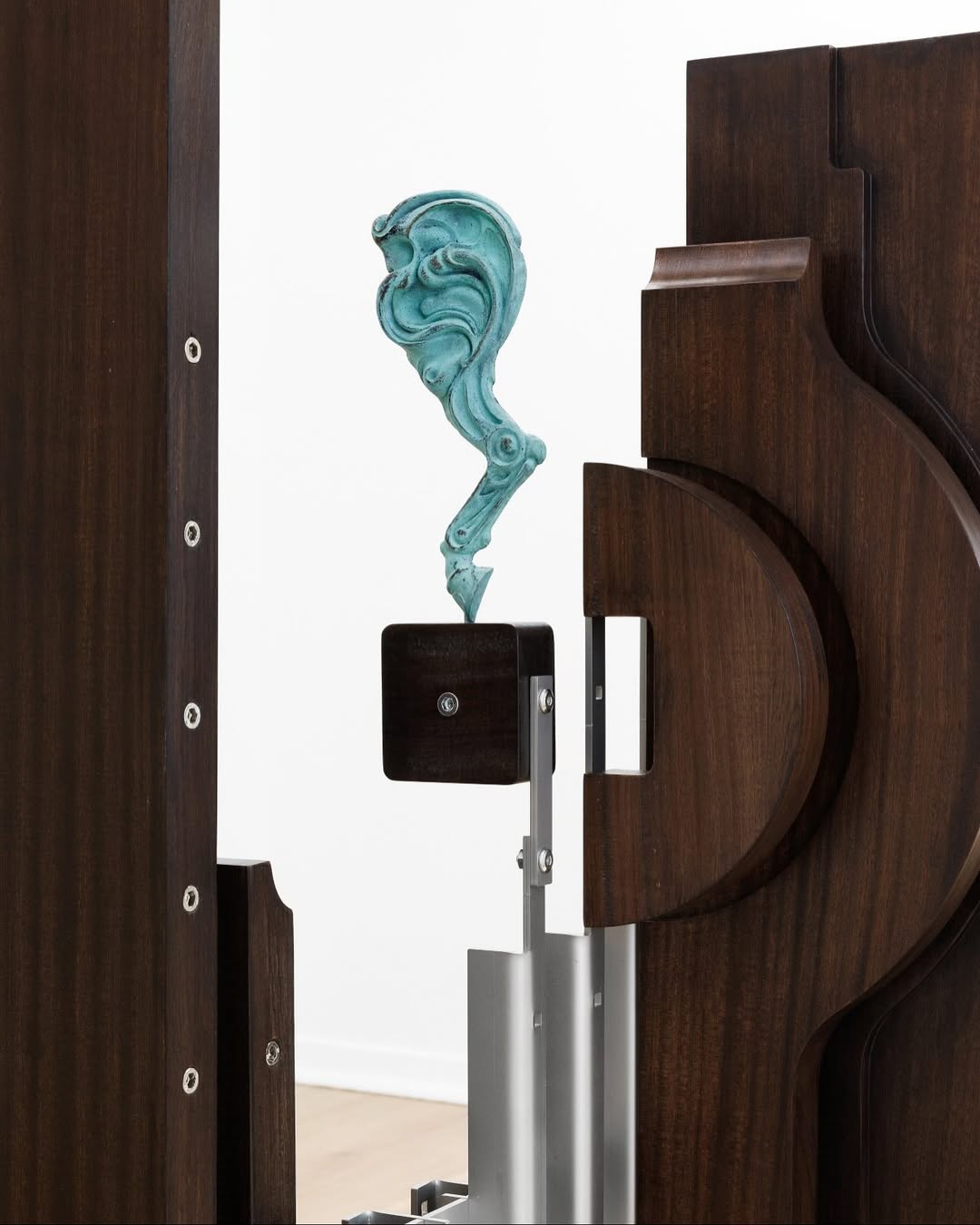
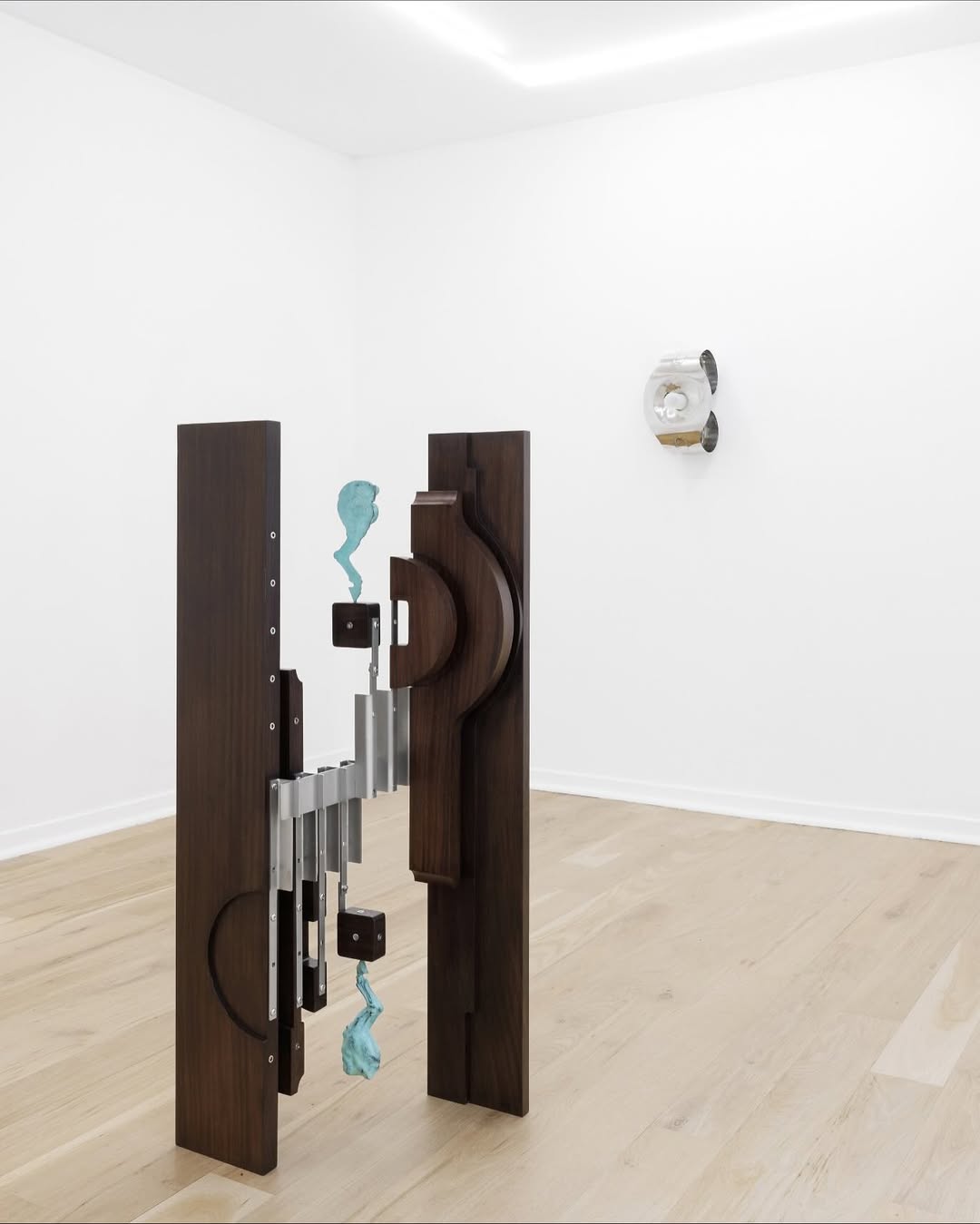
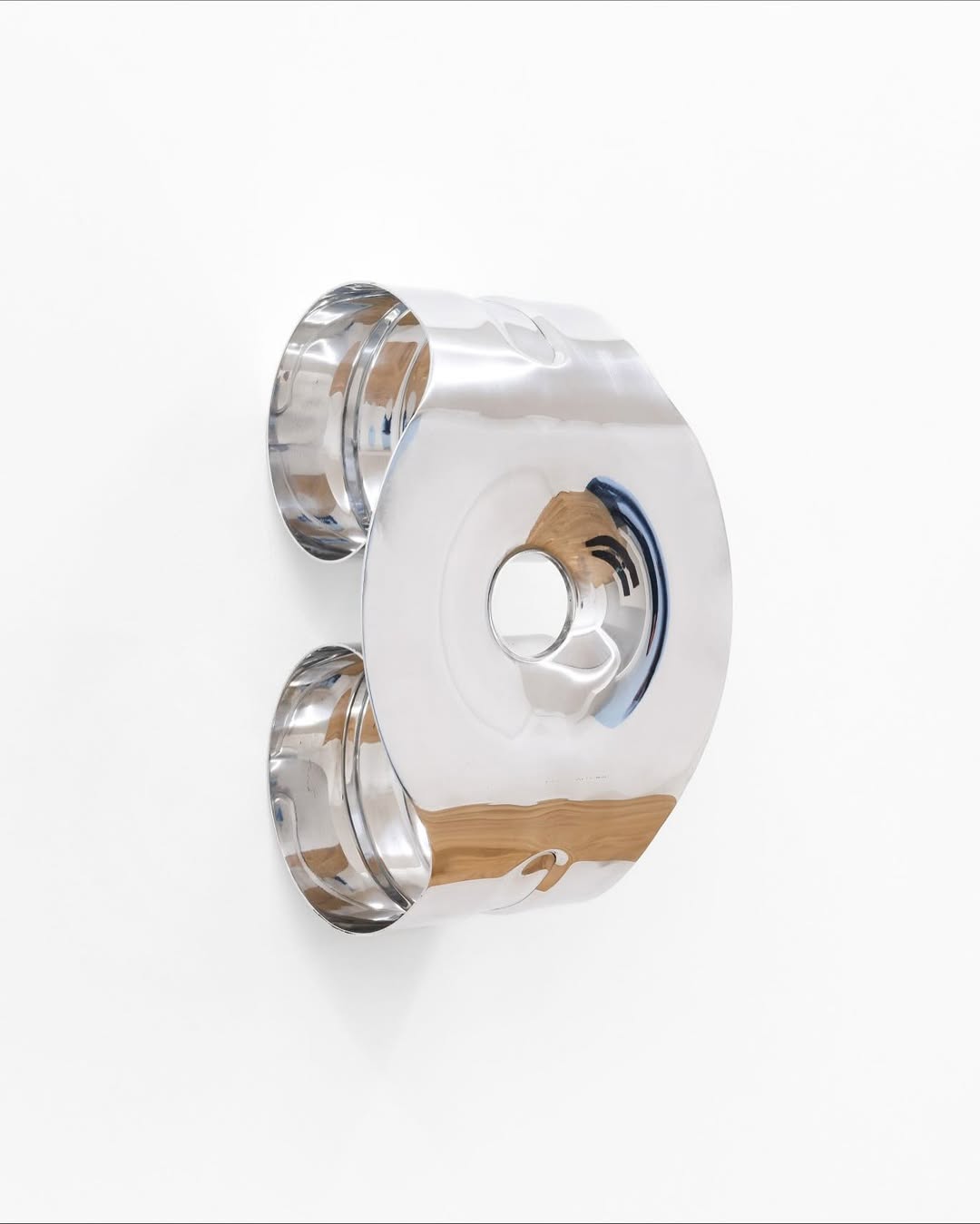
Paris / 2025
/photo_1_2026-05-23_19-24-35.jpg)
London / 2025
/photo_1_2026-05-23_19-20-38.jpg)
Seoul / 2026
Dortmund / 2026

Dornbirn / 2026
Lisbon / 2026
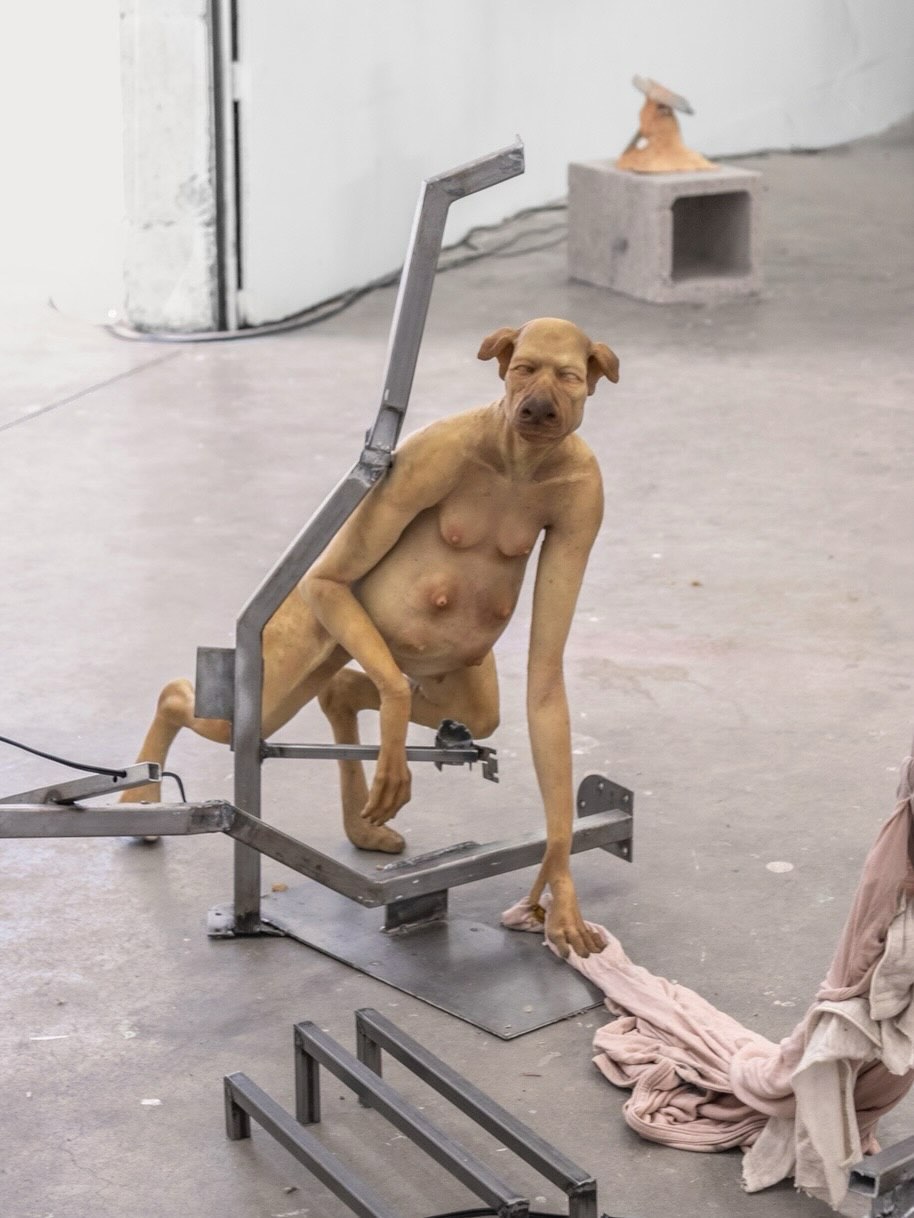
Paris / 2026
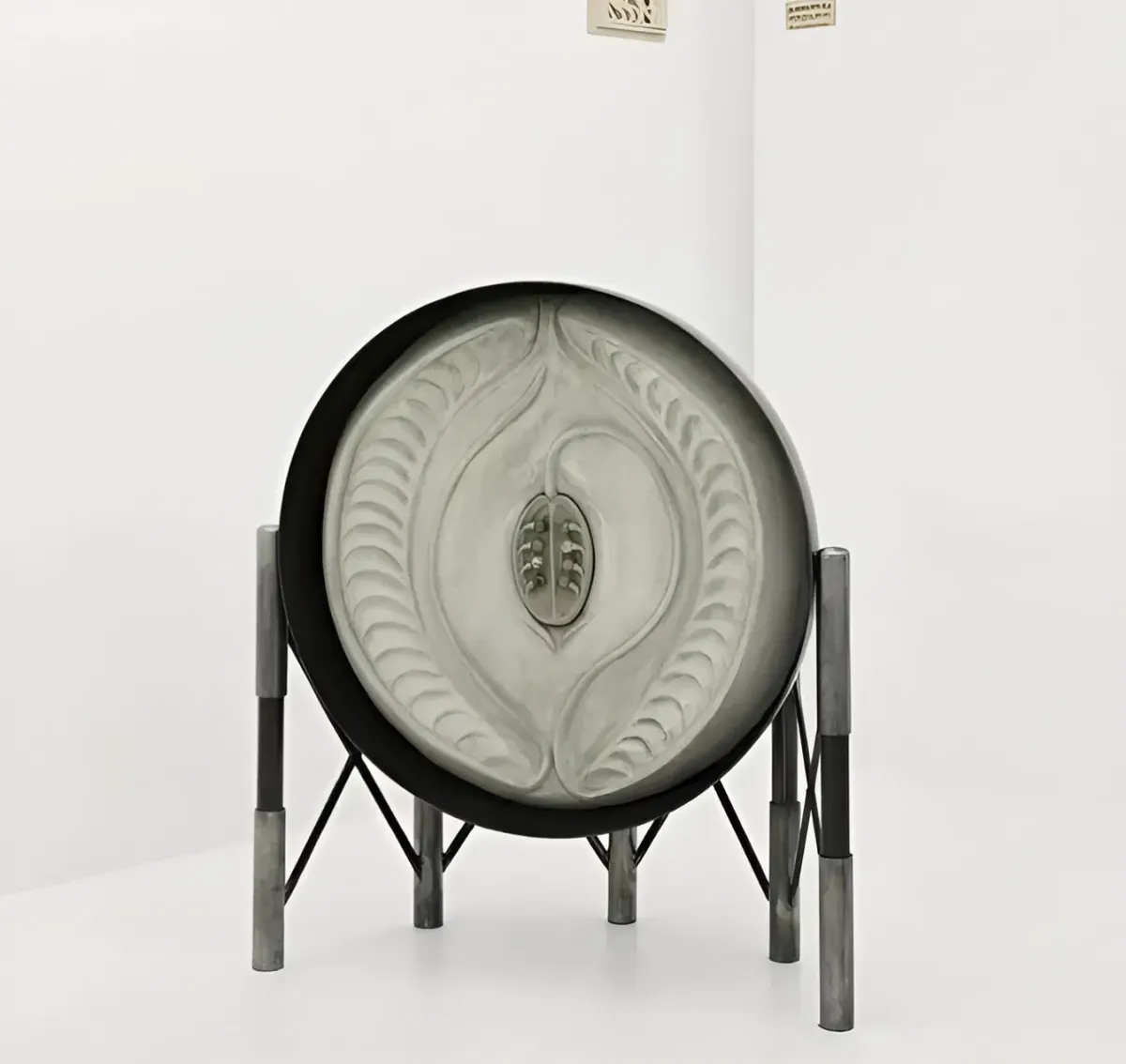
Paris / 2025
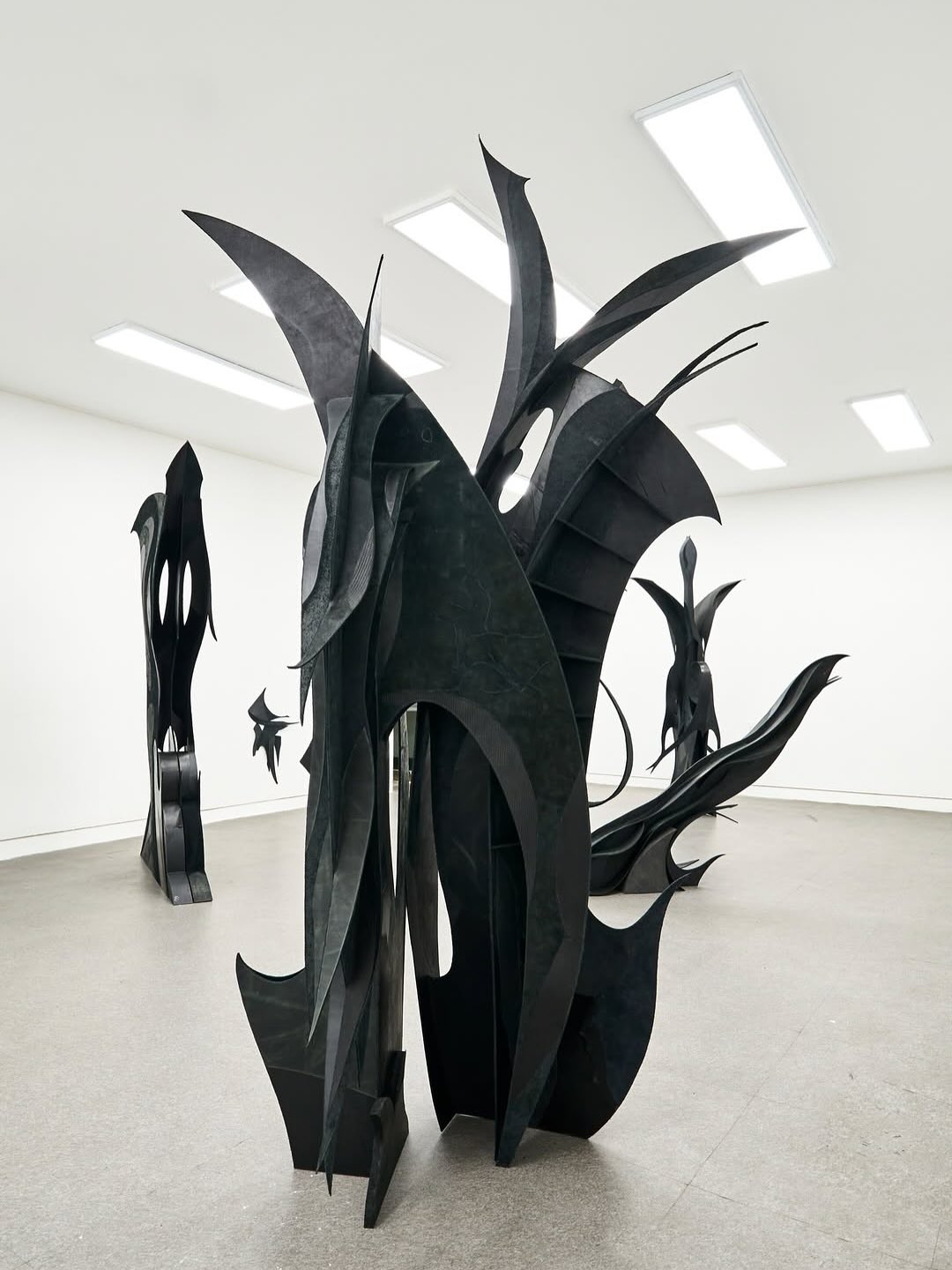
Seoul / 2025
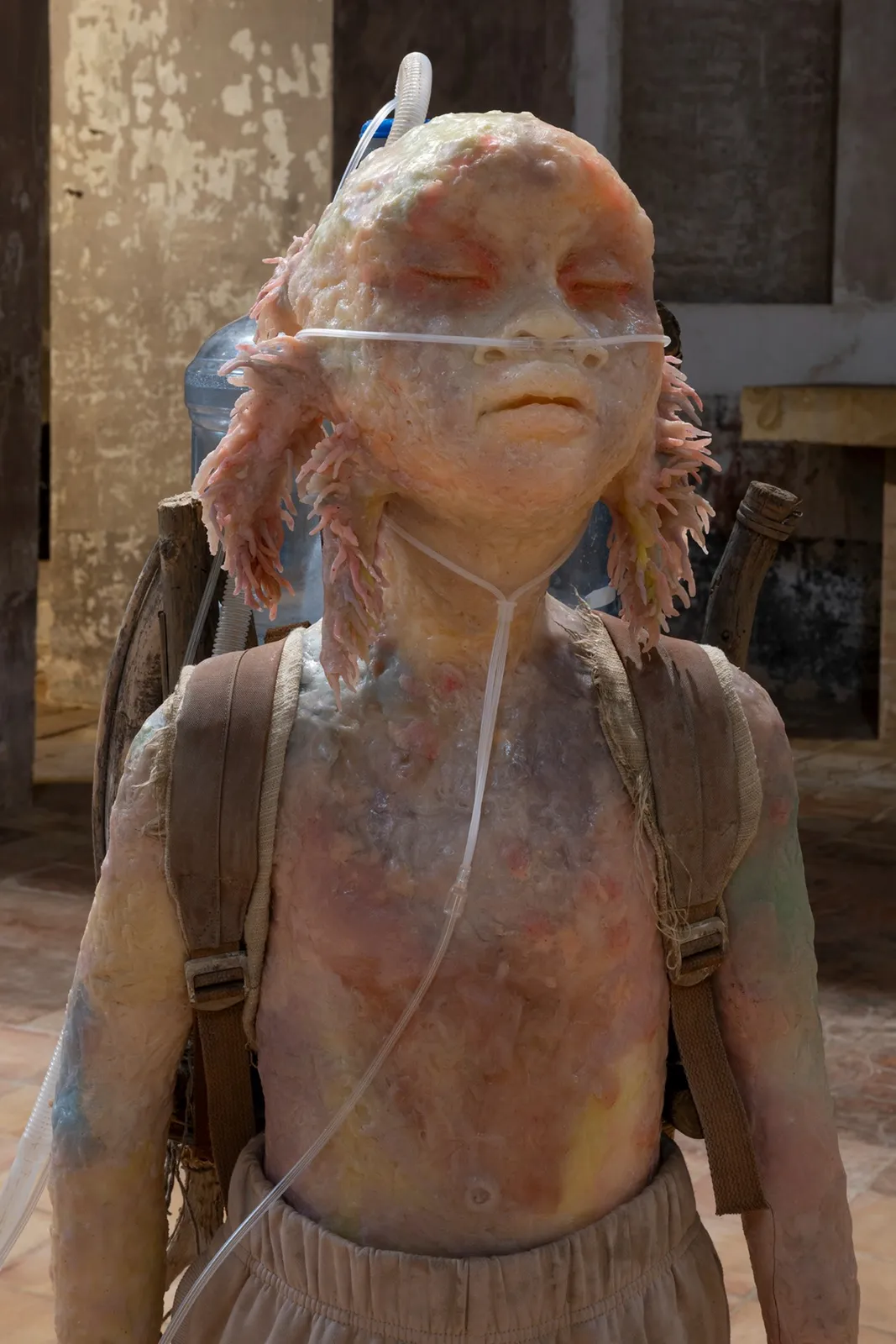
Lladó / 2026
Suwon / 2026
Hurup / 2026
/ 2026
Olomouc / 2026
Shanghai / 2026
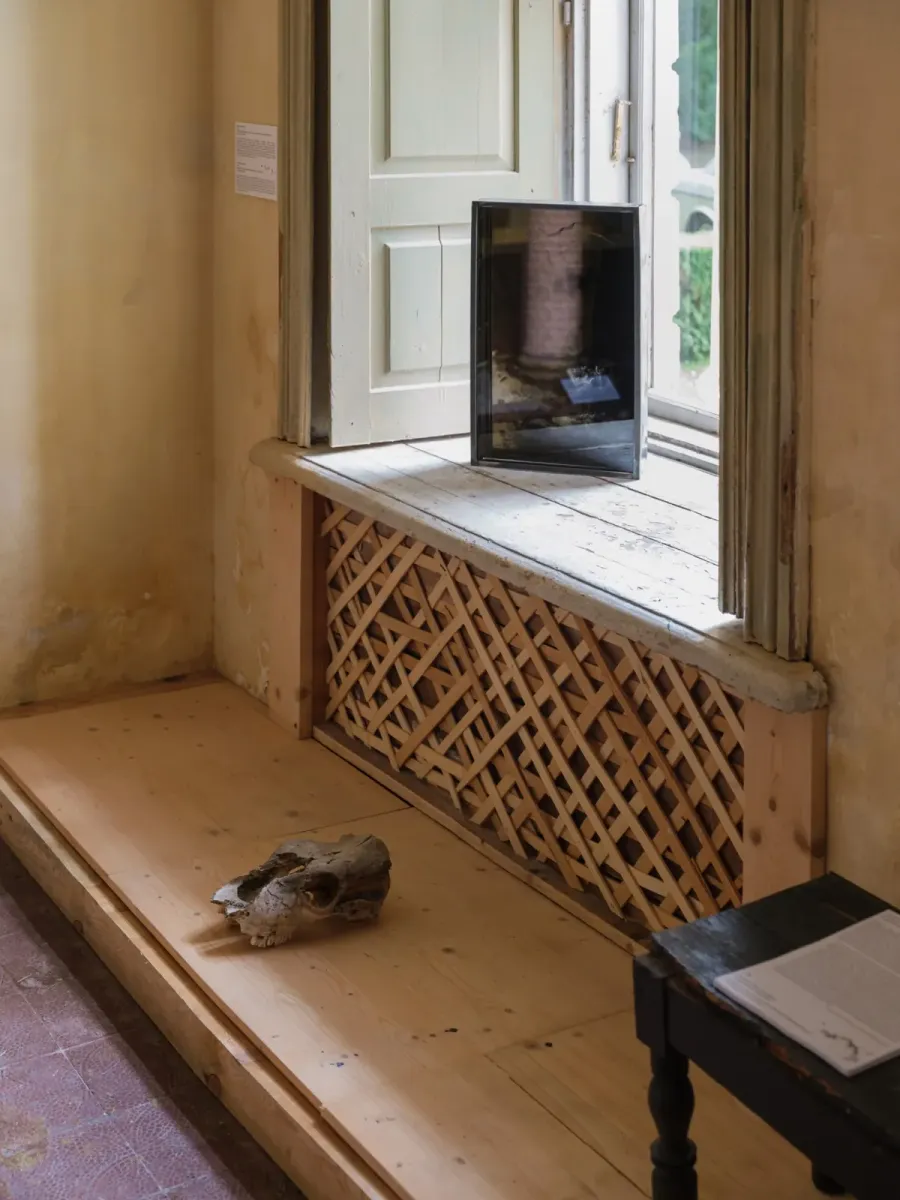
Vilnius District Municipality / 2026
Brescia / 2026
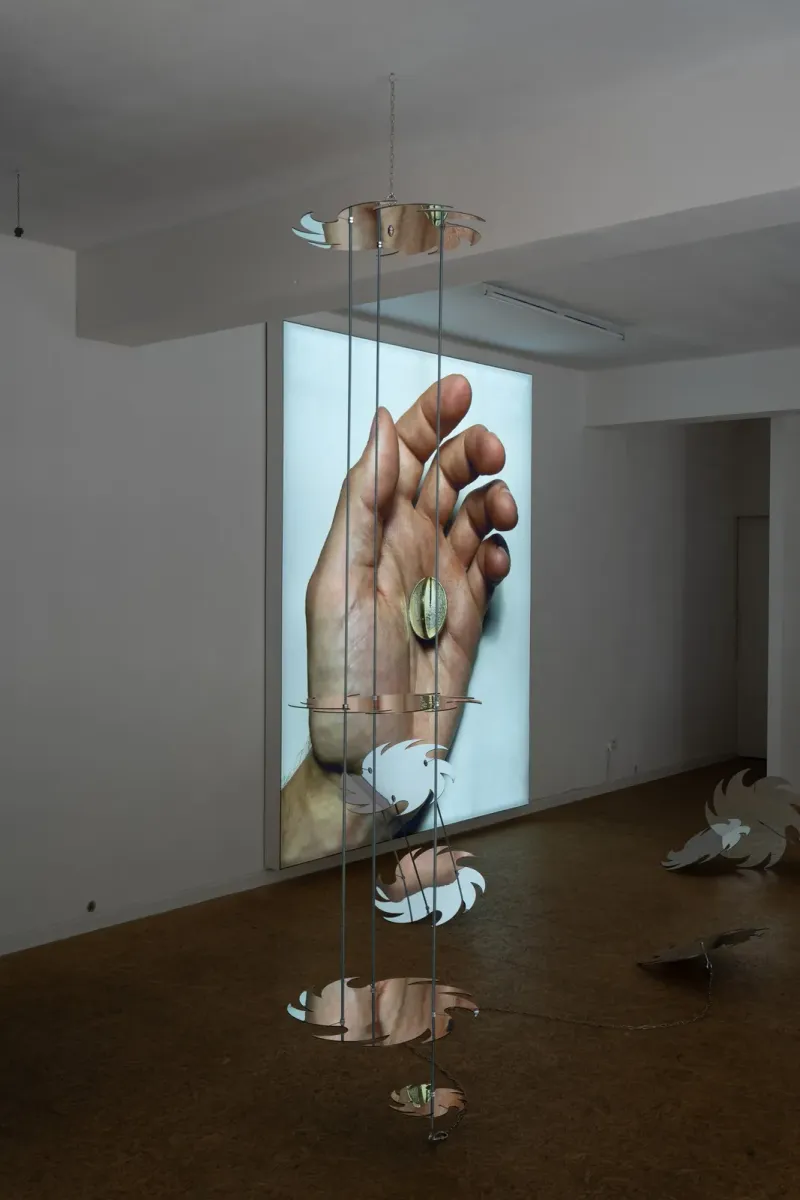
Poznań / 2026
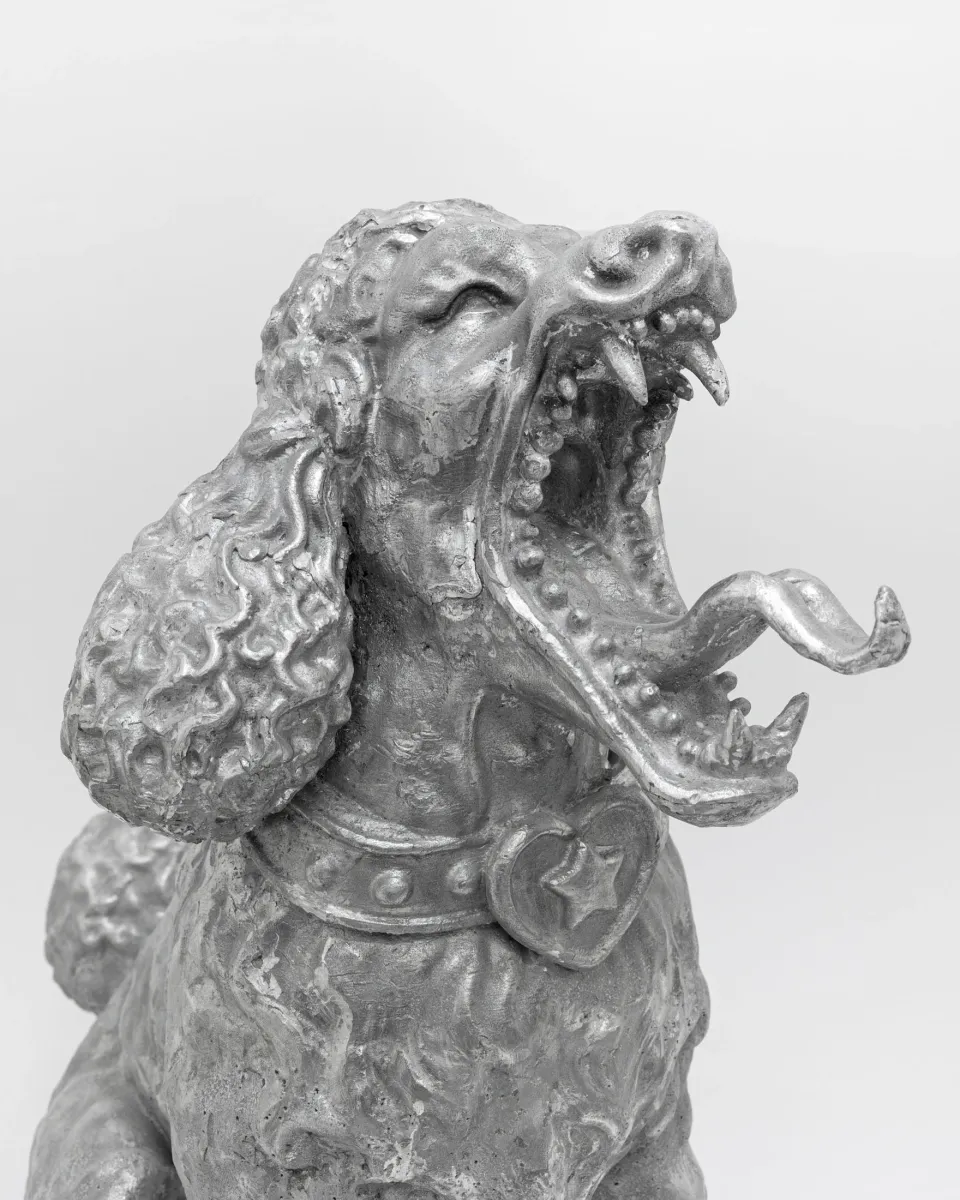
Lima / 2026
Brussels / 2026
.webp)
Cergy / Paris / 2026
Istanbul / 2026
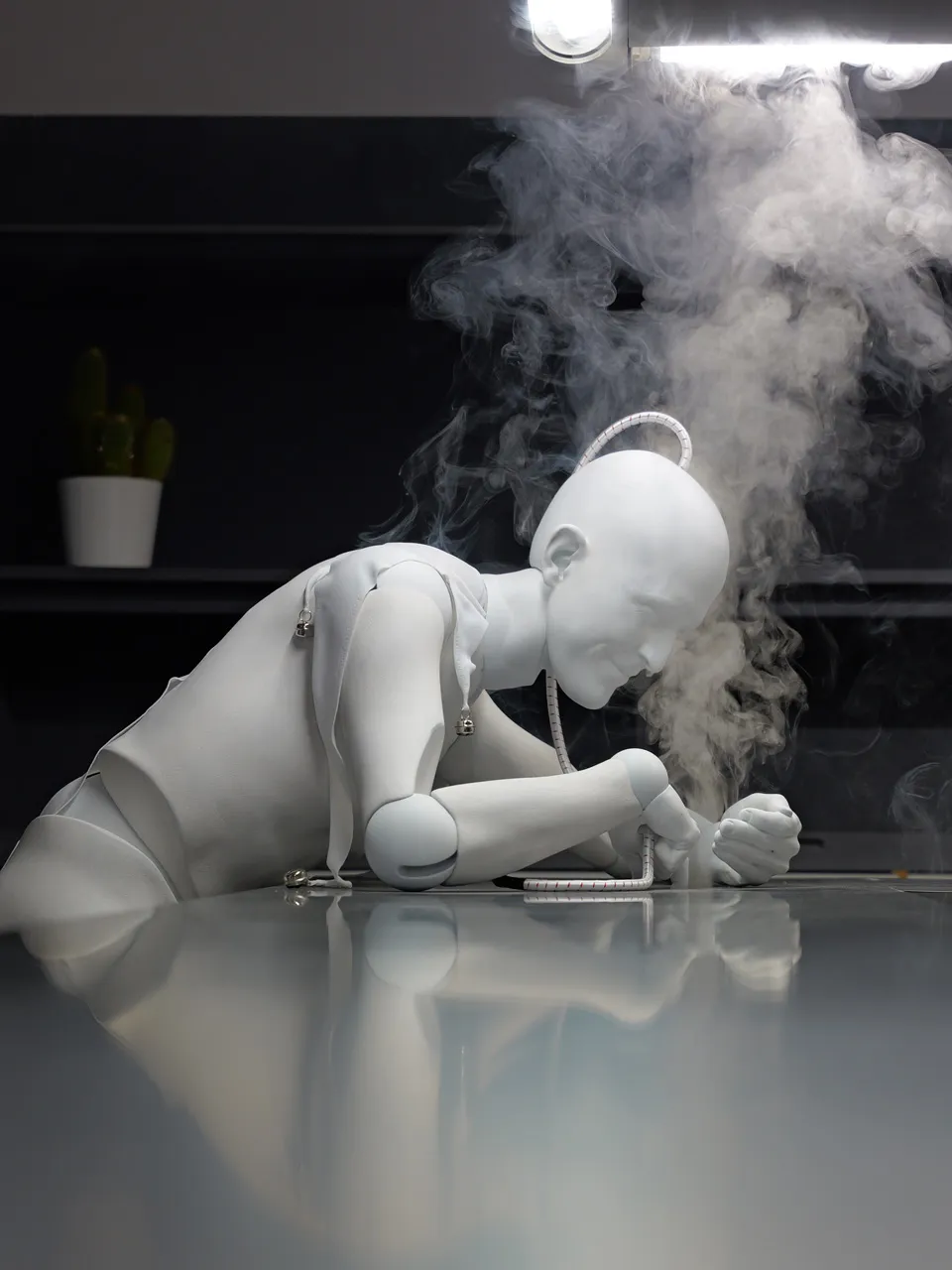
Düsseldorf / 2026
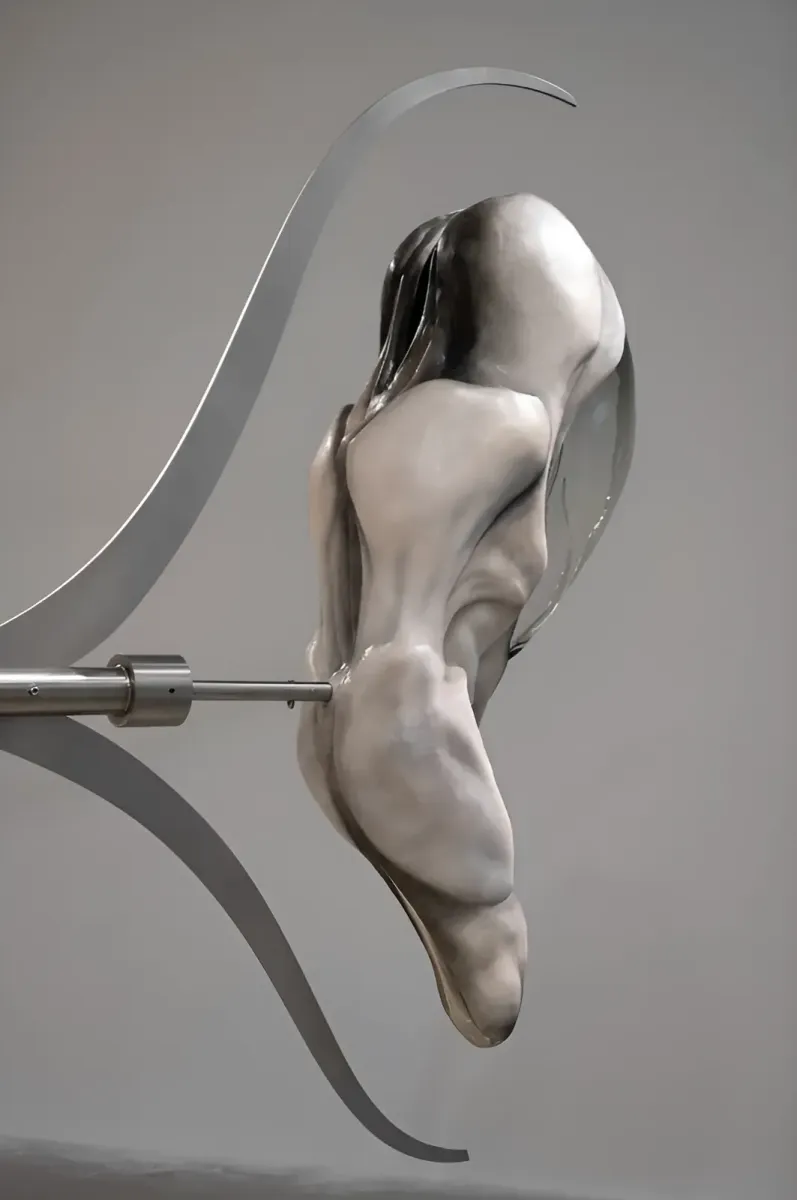
Montpellier / 2025
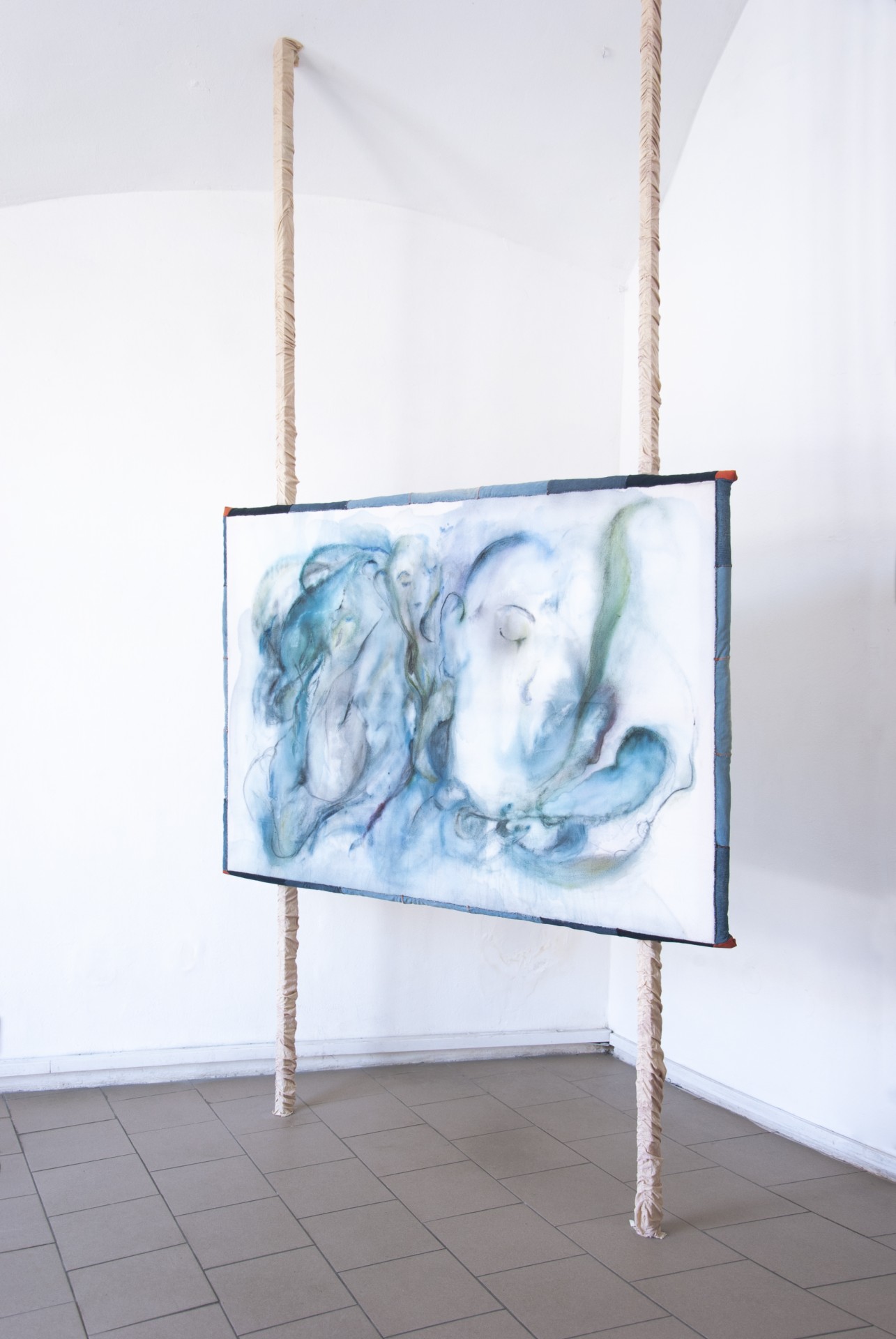
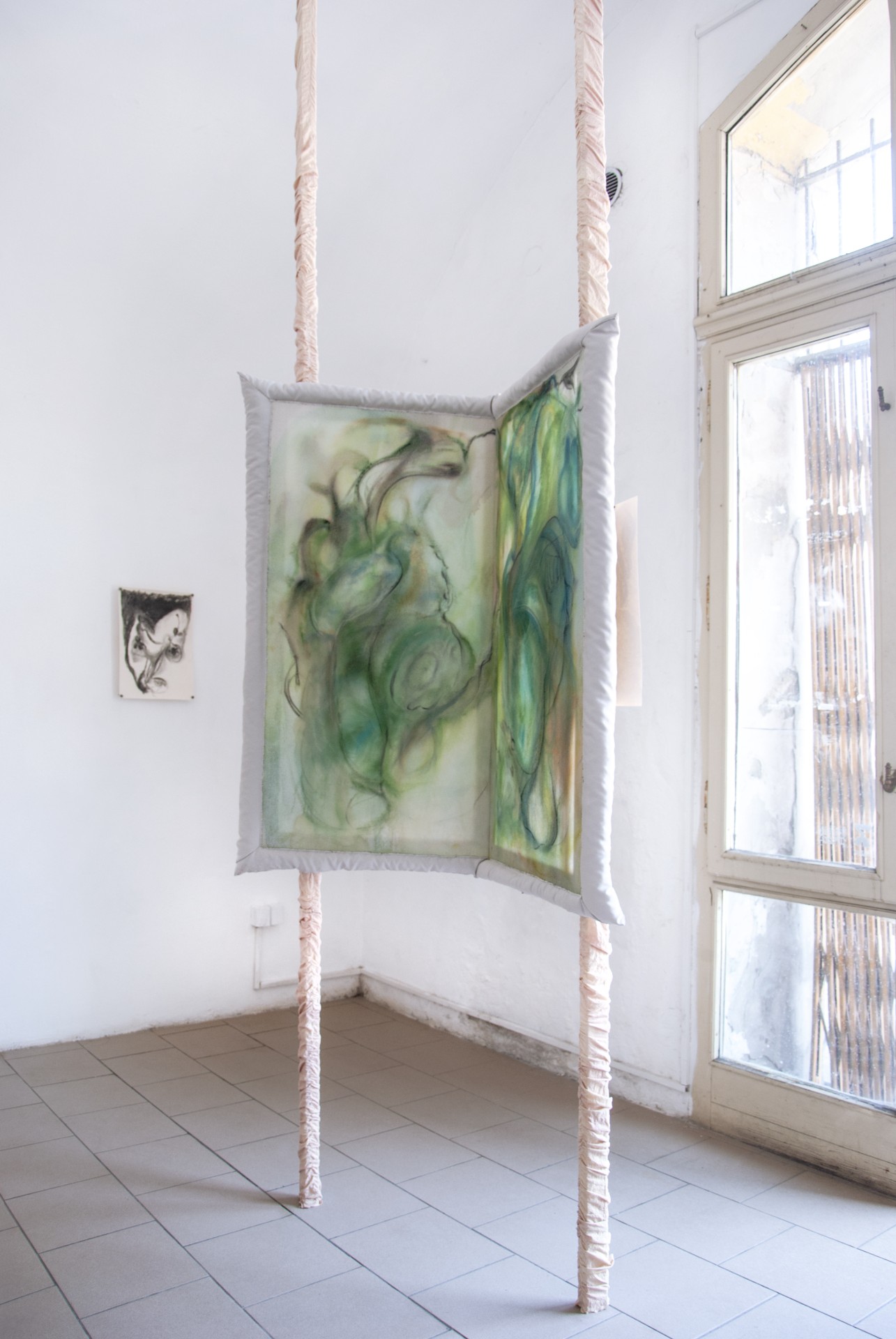
Brno / 2025
Lisbon / 2025
/ 2024
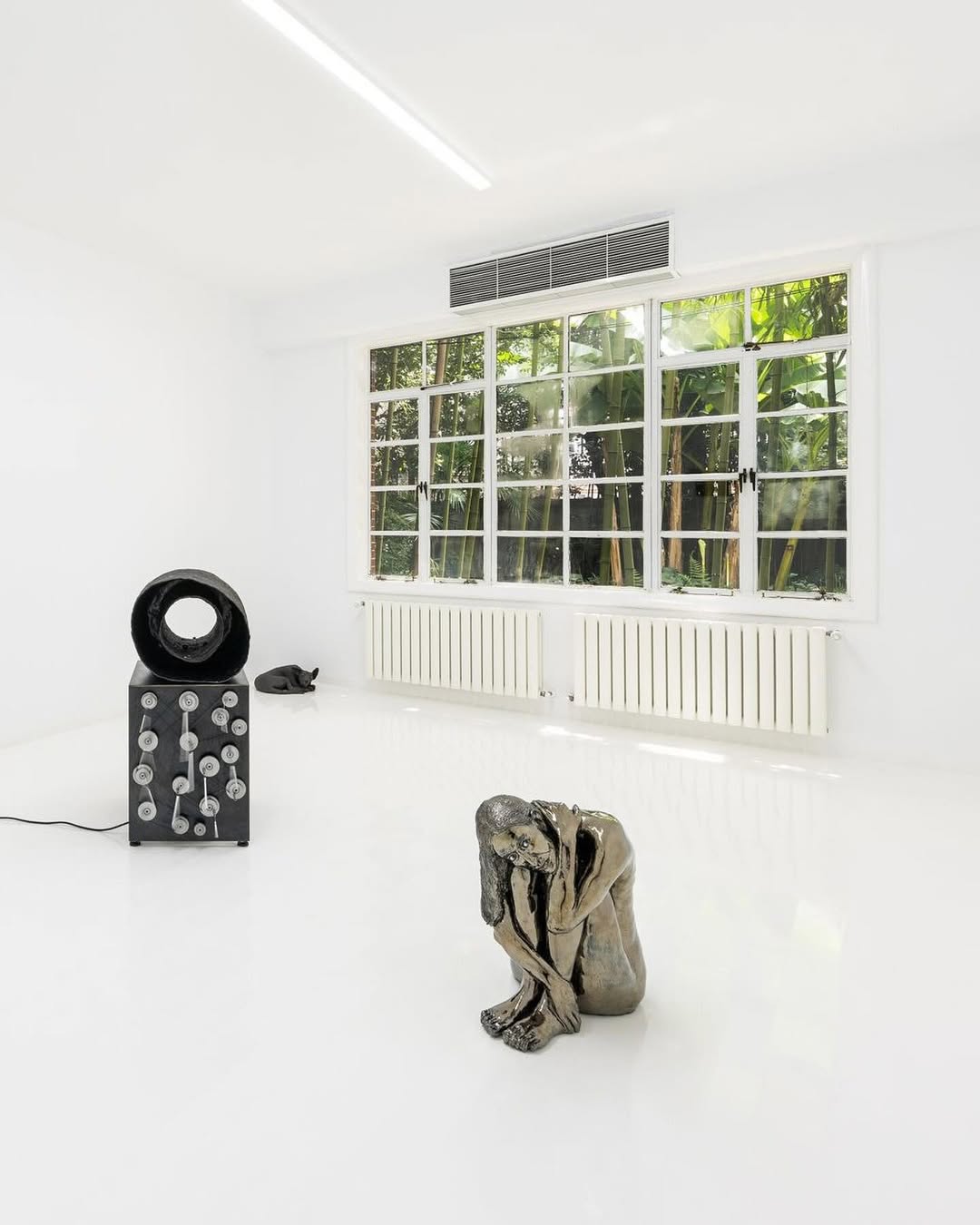
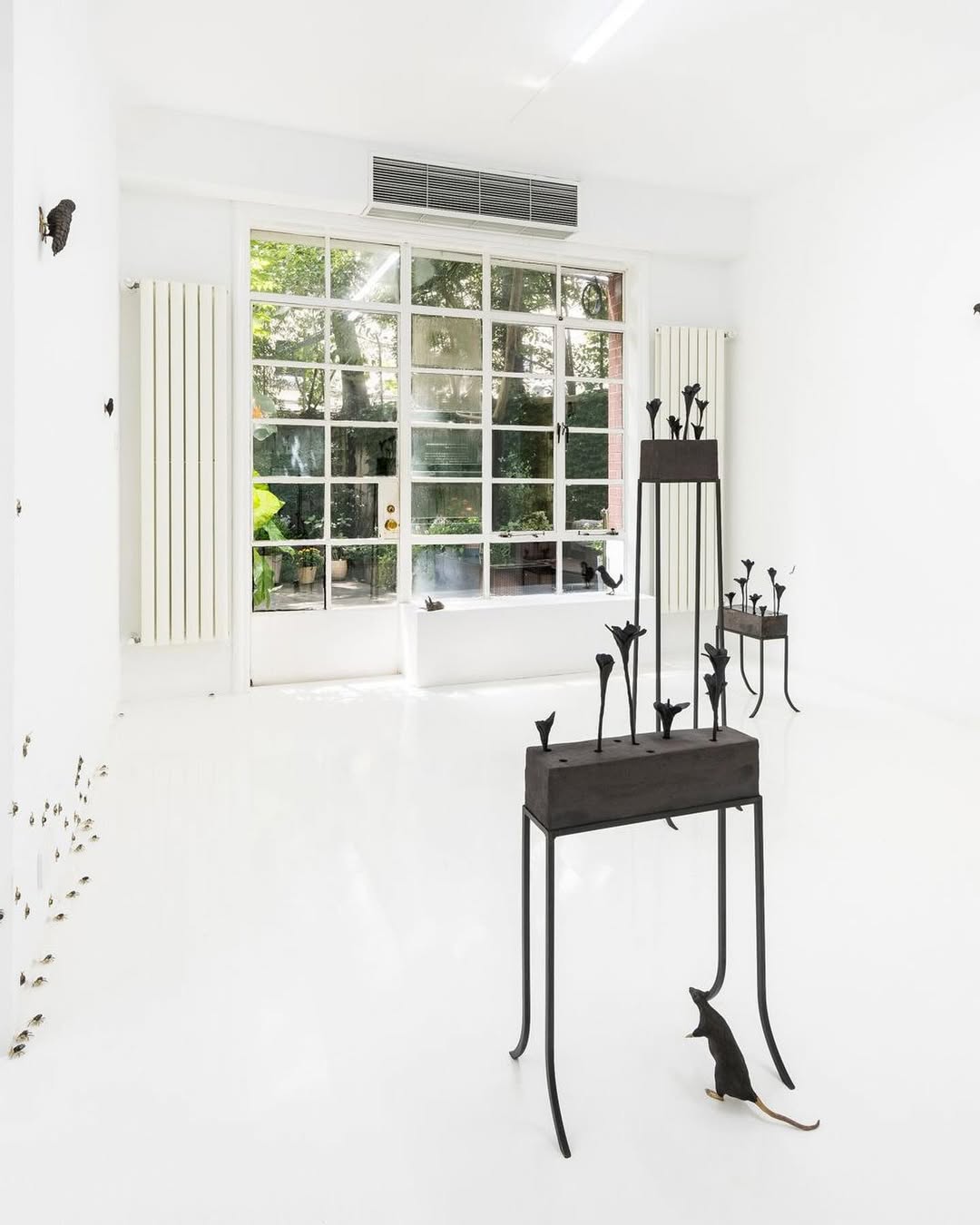
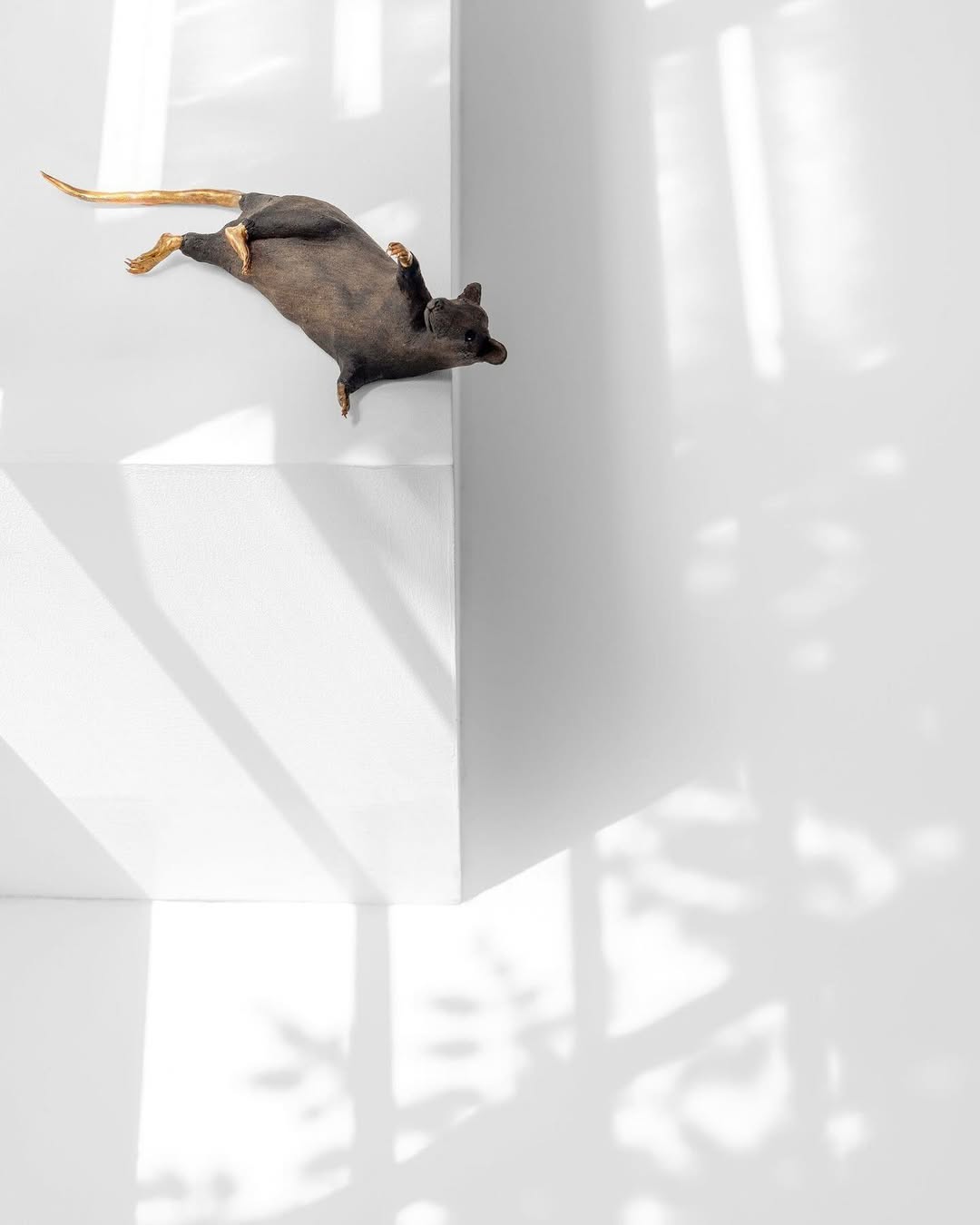
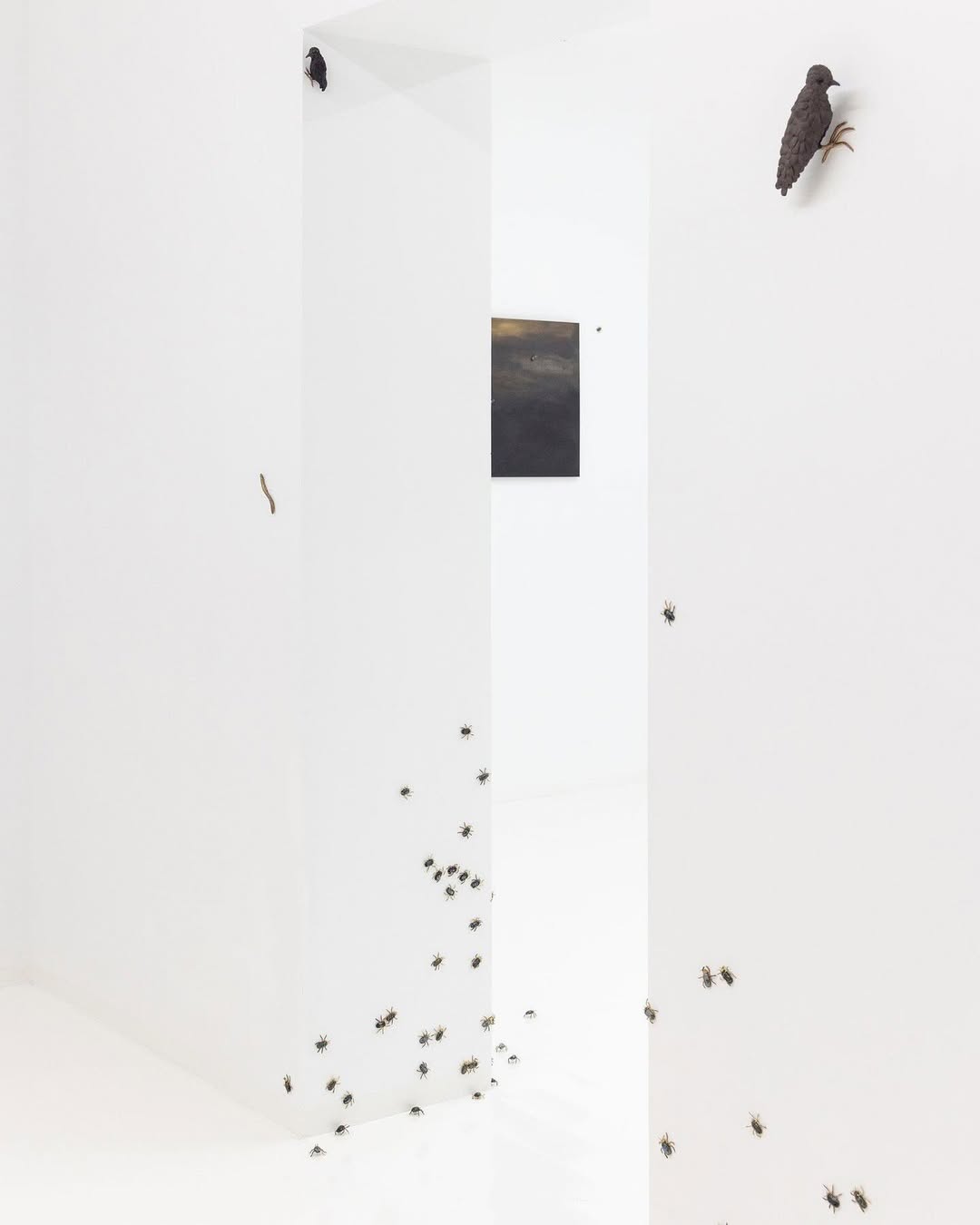
Shanghai / 2024
London / 2024
/ 2025
Innsbruck / 2025
Vienna / 2025
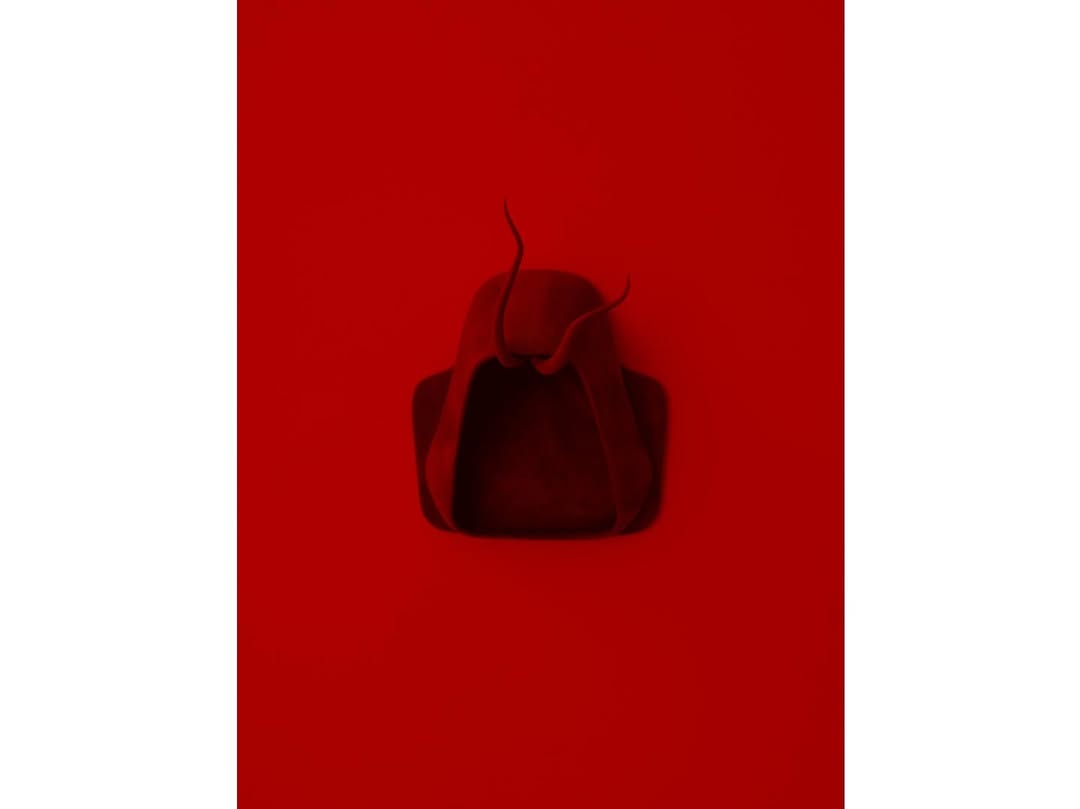
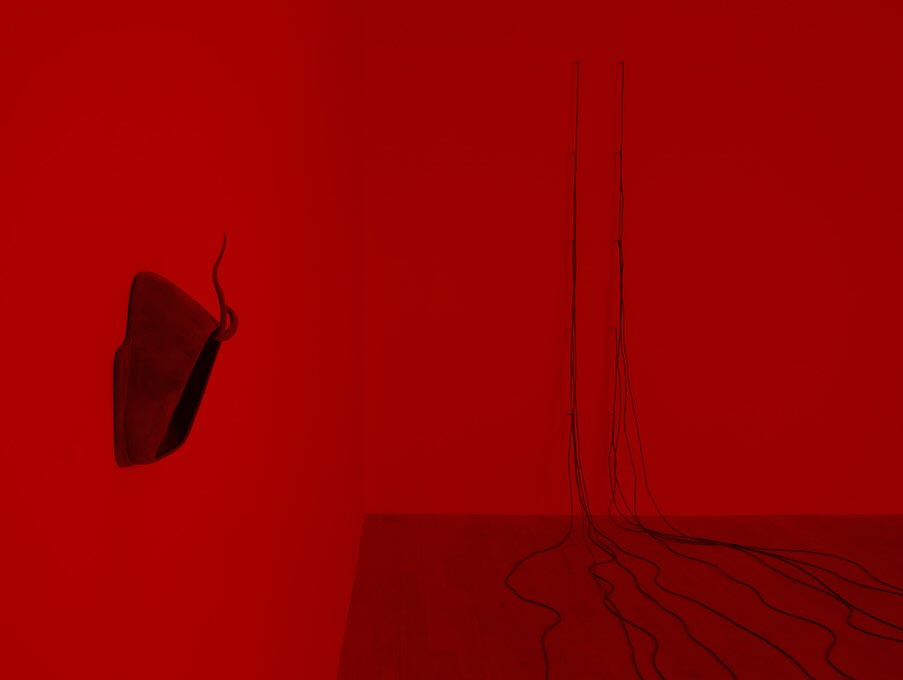
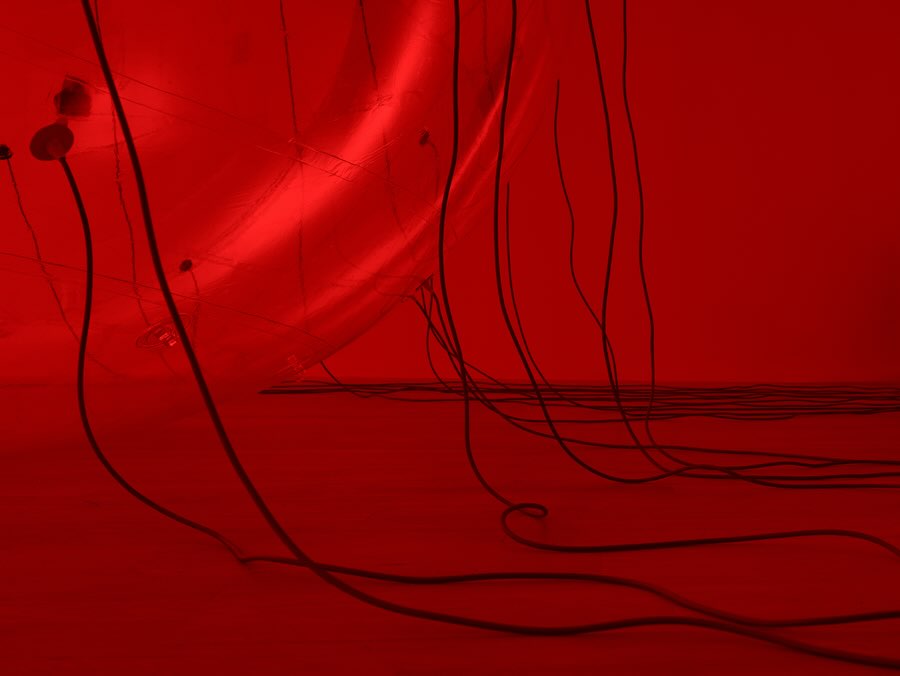
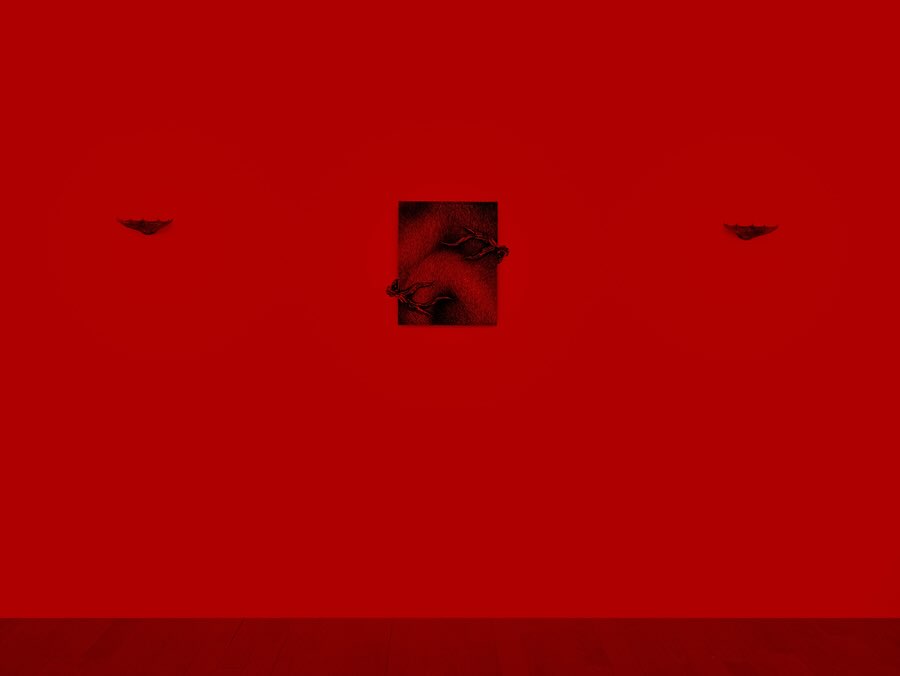
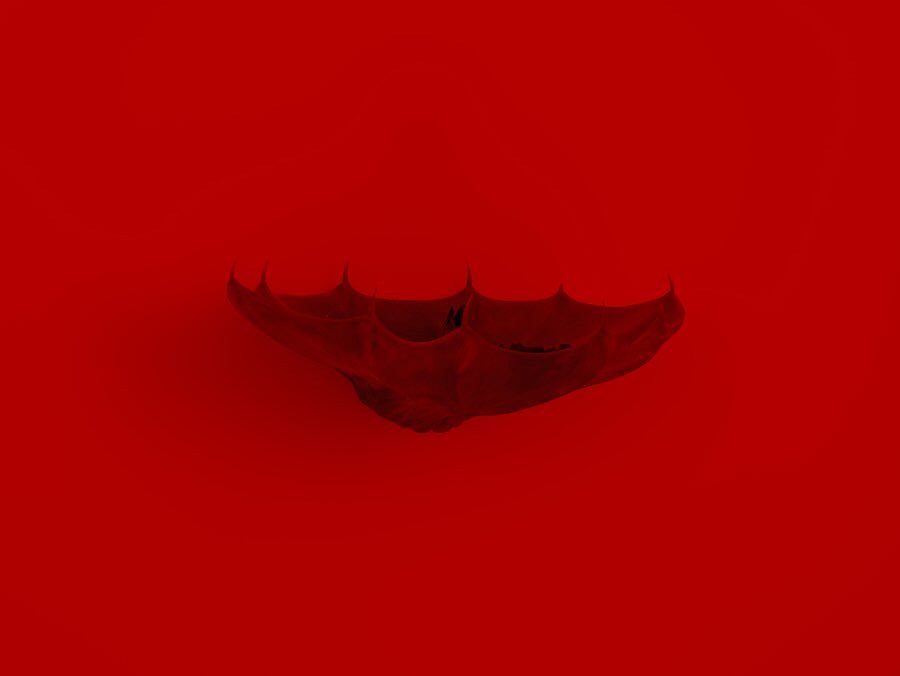
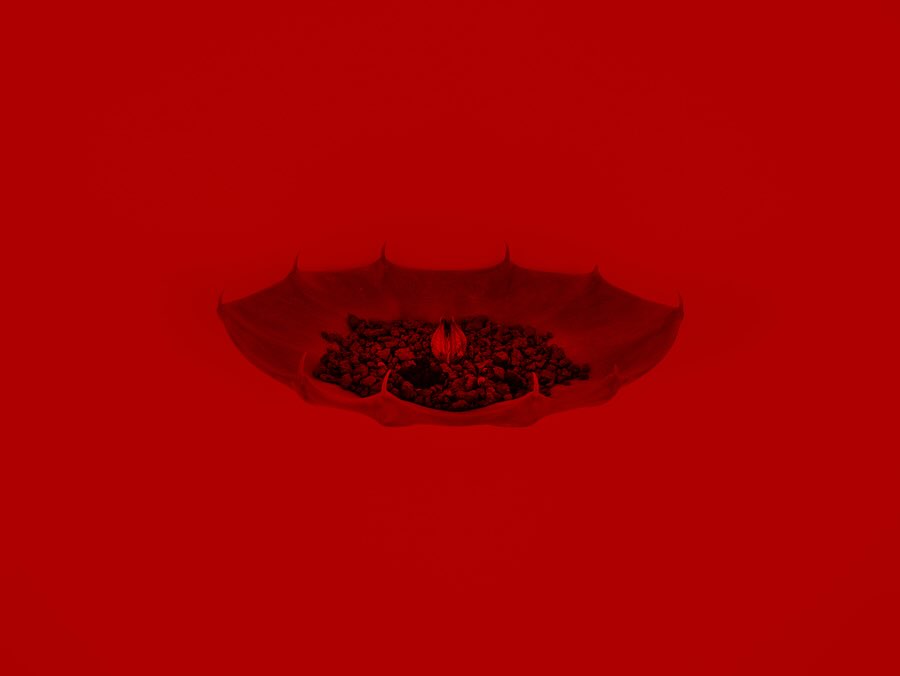
New York / 2025
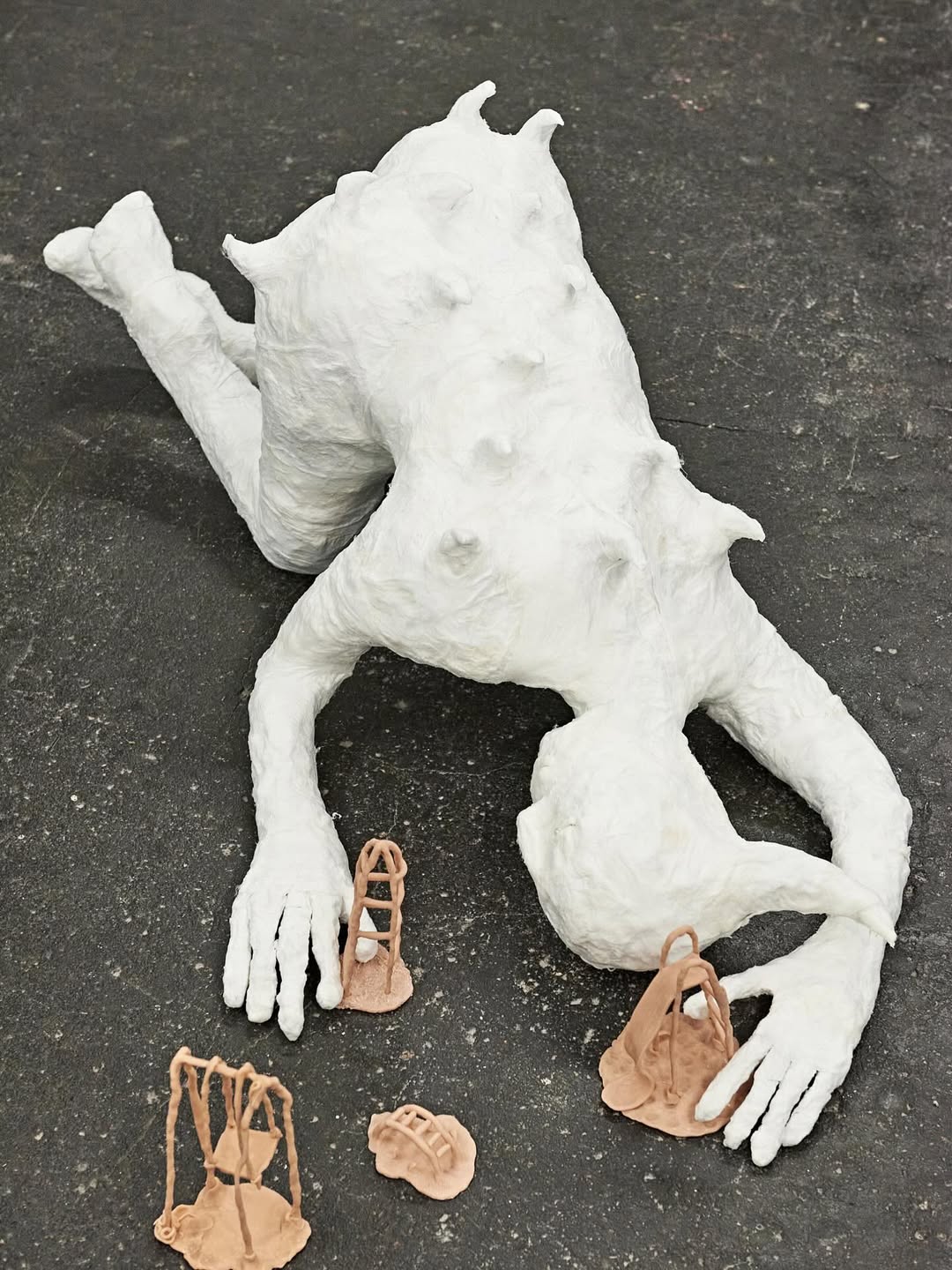
Hamburg / 2025
Busan / 2025
Seoul / 2026
/photo_1_2026-05-23_19-23-24.jpg)
Munich / 2026
 (GROUP SHOW).webp)
Berlin / 2026
Paris / 2026
Kraków / 2026
Nurnberg / 2026
New York City / 2026
/ 2025
Madrid / 2025
Palazzo Monti / Uffe Isolotto
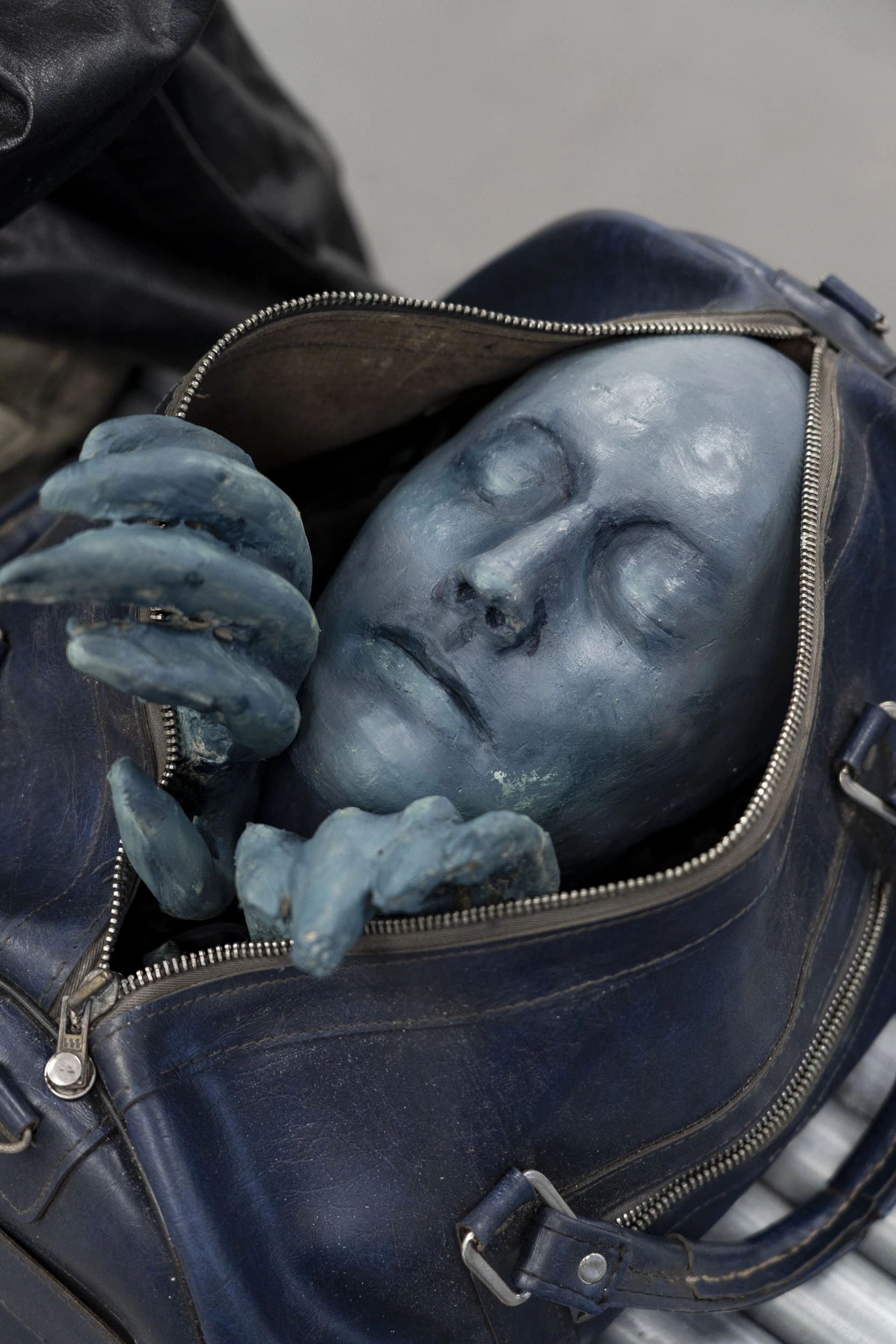
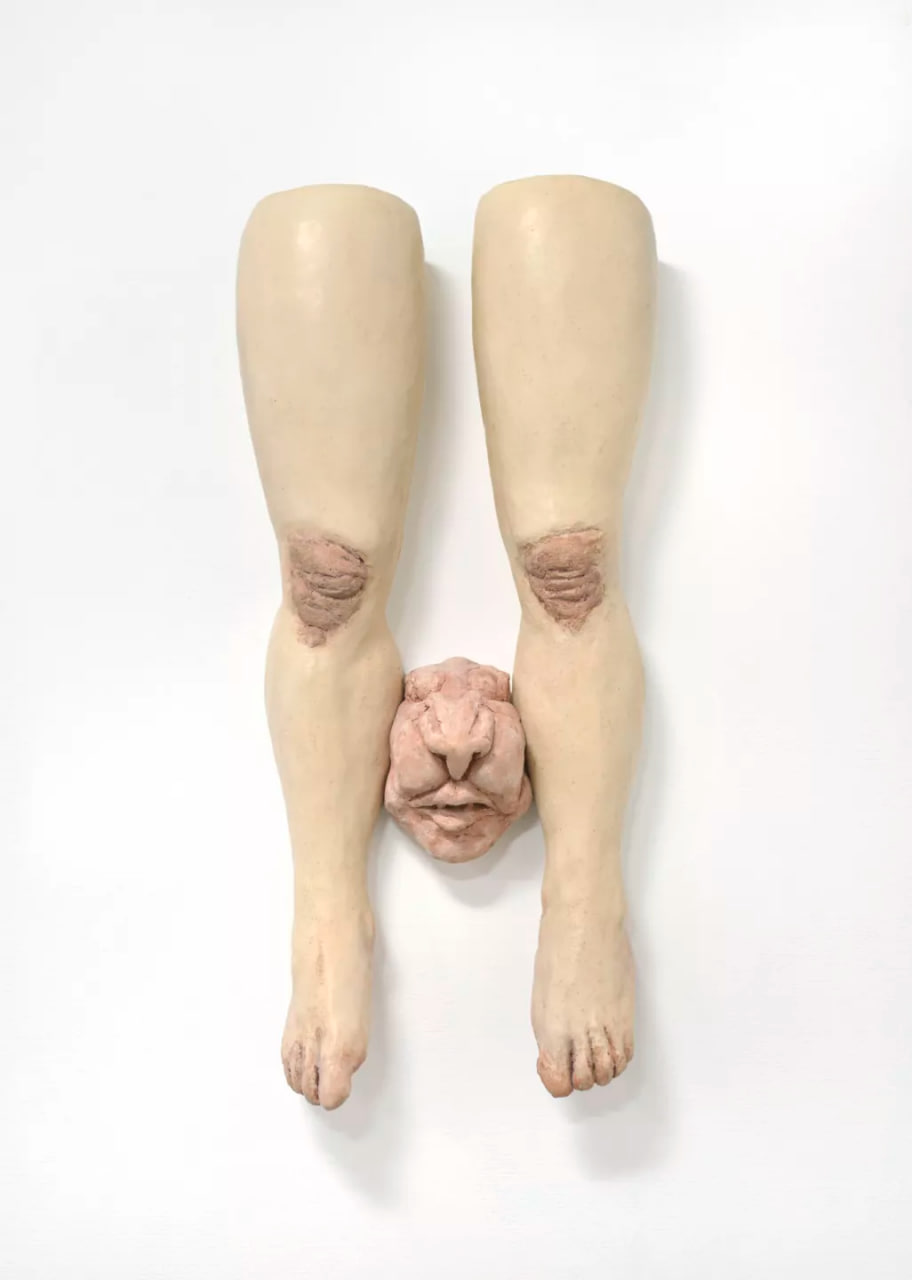
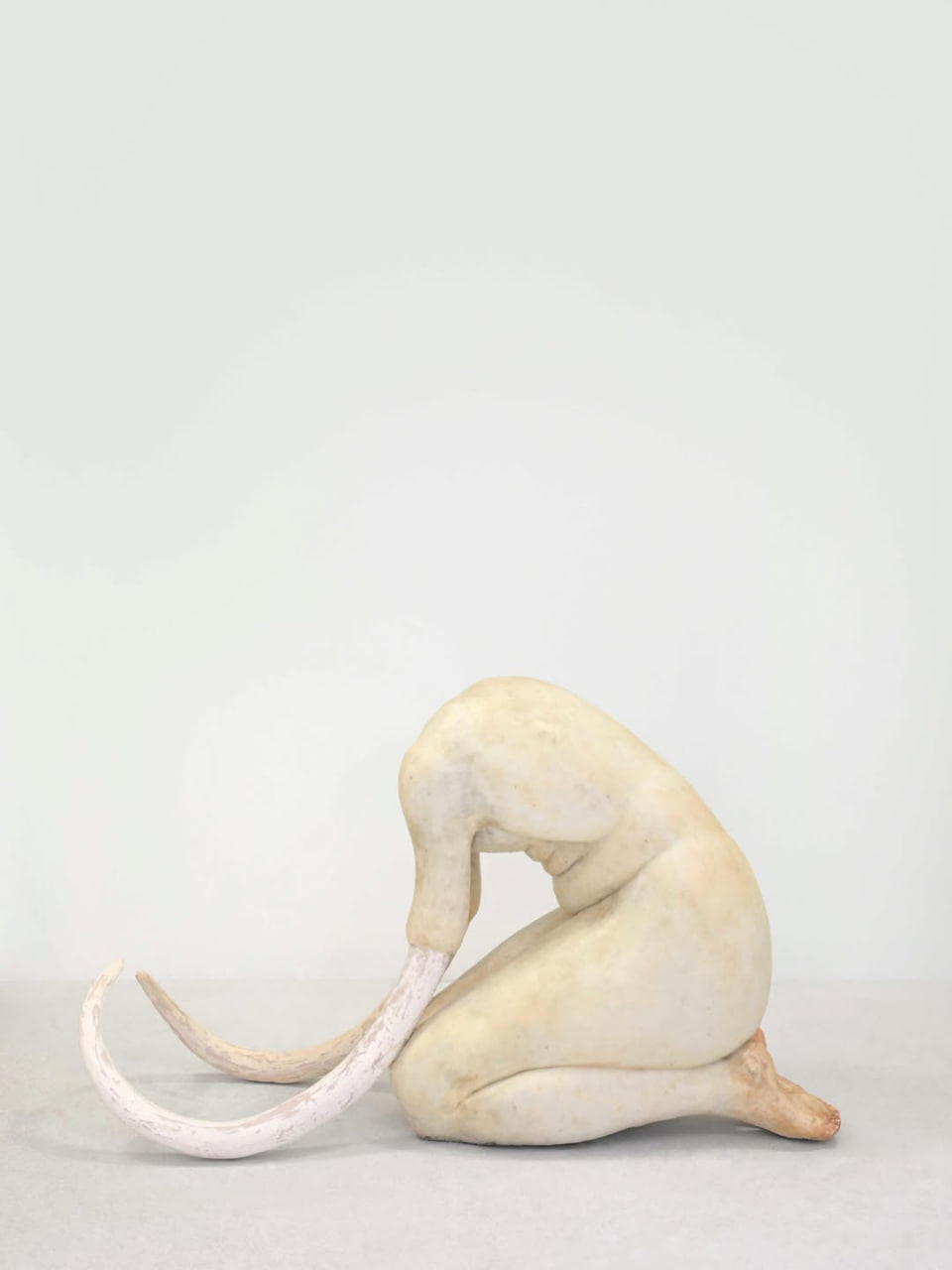
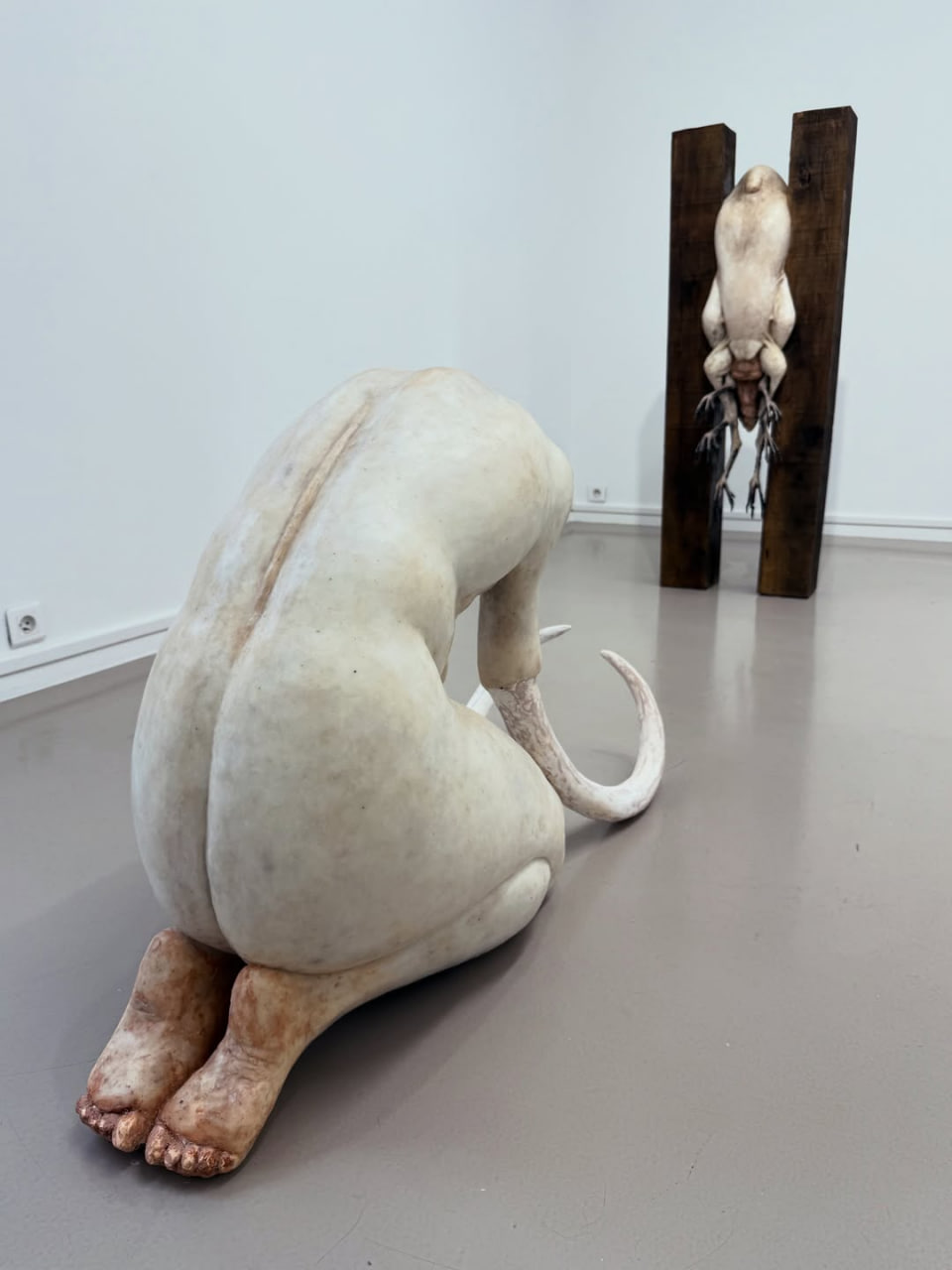
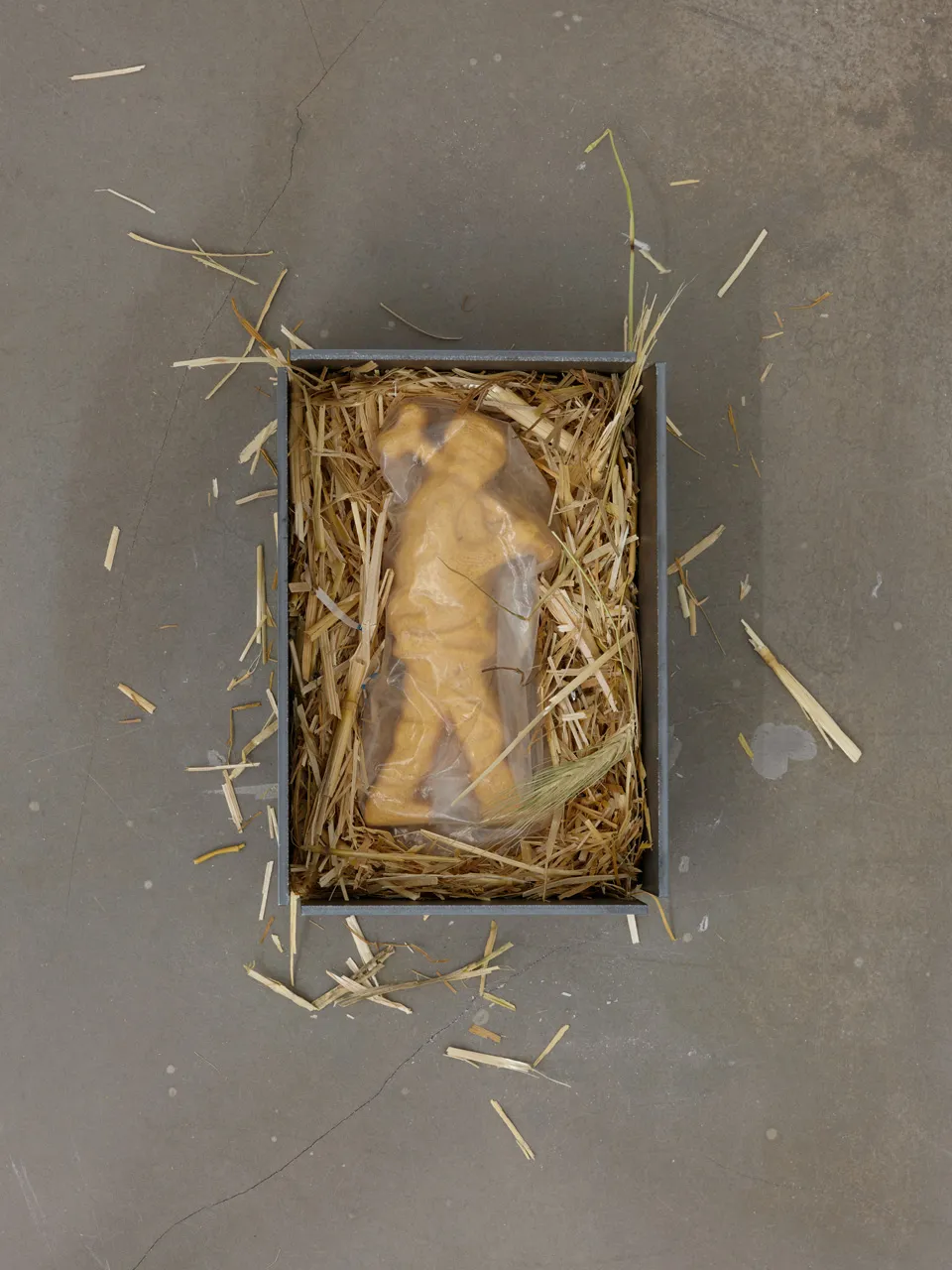
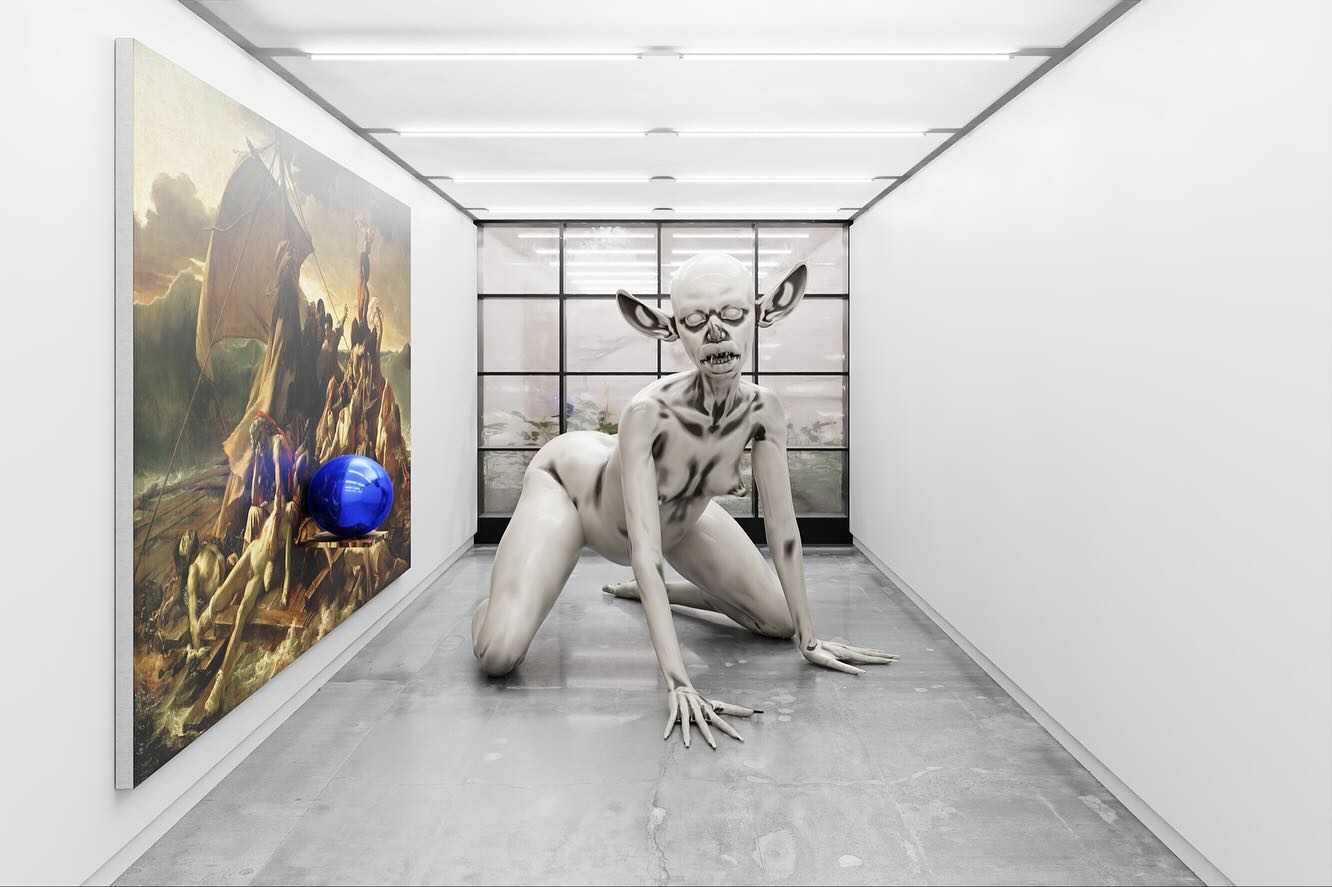
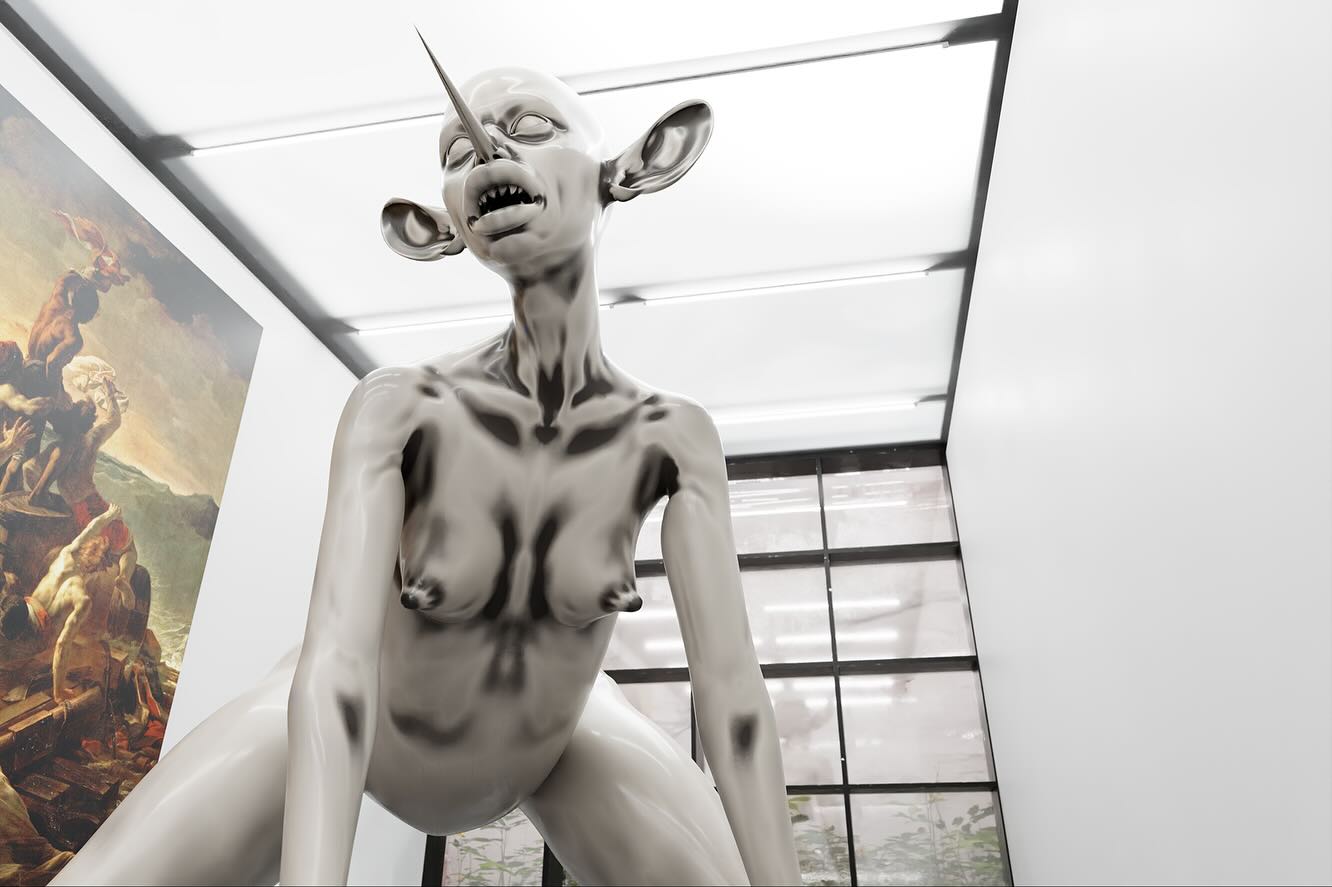
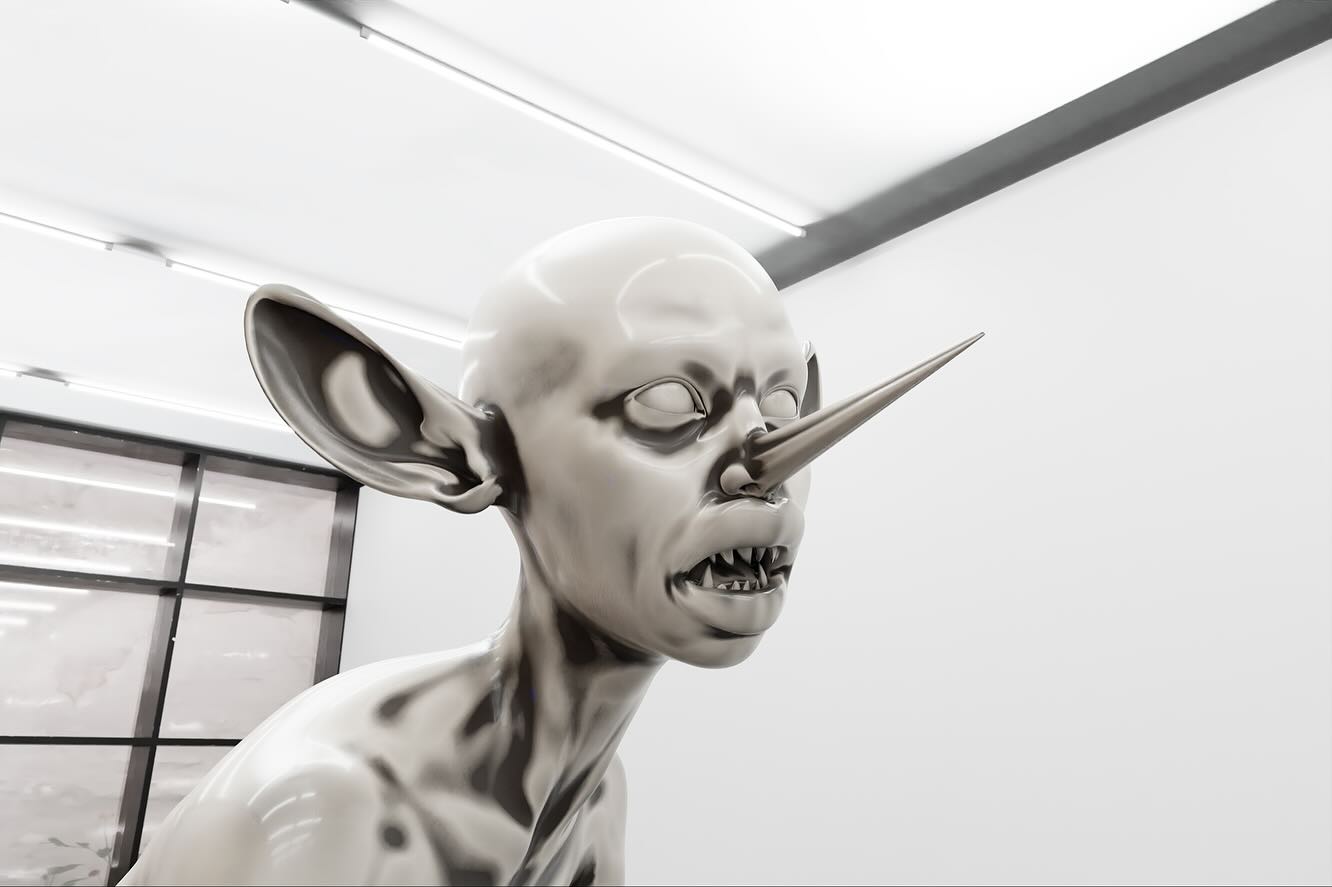
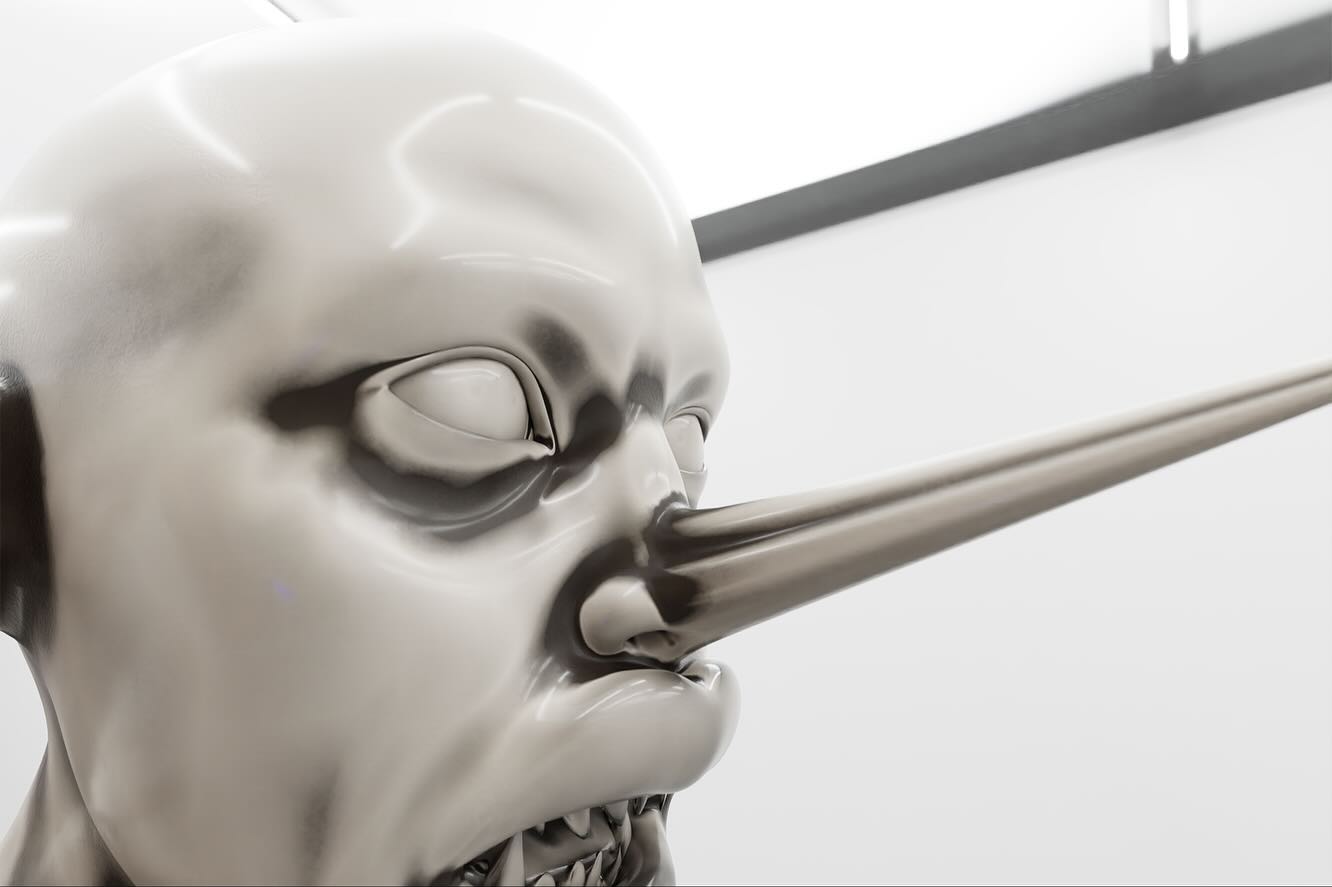
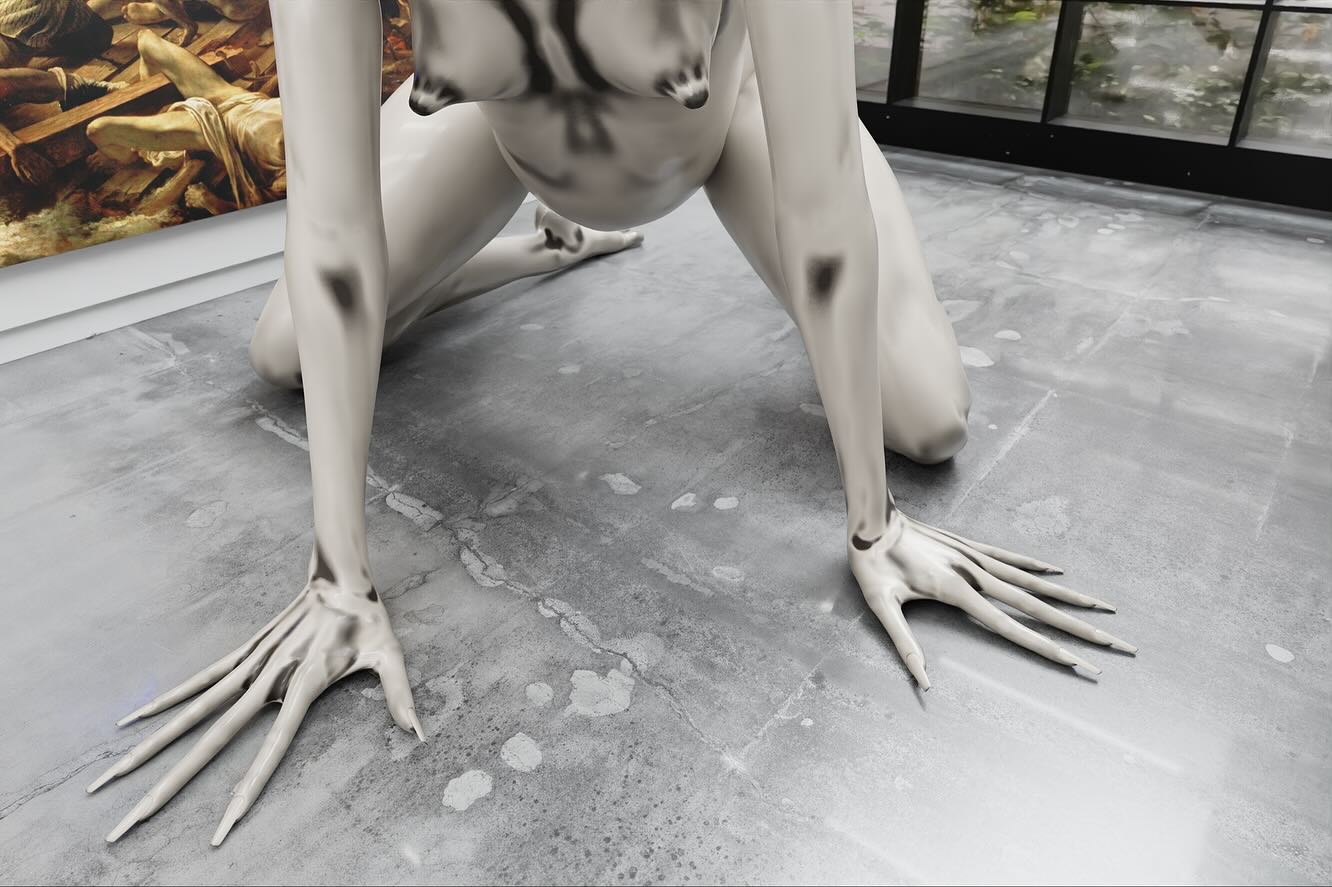
Four years after representing Denmark at the Venice Biennale with We Walked the Earth—an ambitious and technically complex installation that transformed the Danish Pavilion into a speculative ecosystem inhabited by hyperreal hybrid beings—Uffe Isolotto returns with what might initially appear as its opposite.
If the Biennale project embodied a condition of overwhelming capability, a demonstration of what artistic production can achieve through the coordinated expertise of fabricators, artisans, technicians and specialists, Impotenza begins from a radically different premise. The title suggests not only the absence of power, but a state of insufficiency, vulnerability and frustrated aspiration. It names a condition familiar to every artist: the distance between imagination and execution, between what one hopes to create and what one's hands are actually capable of producing.
In many ways, Impotenza emerges from a conscious reversal of artistic progression. Contemporary art often measures success through expansion: larger productions, broader collaborations, increasingly sophisticated technologies and ever more specialised forms of labour. Isolotto himself has been deeply associated with this trajectory. His celebrated installations have relied on extraordinary networks of expertise to achieve their uncanny realism and emotional intensity. Yet here, rather than moving further toward mastery, he deliberately retreats from it.
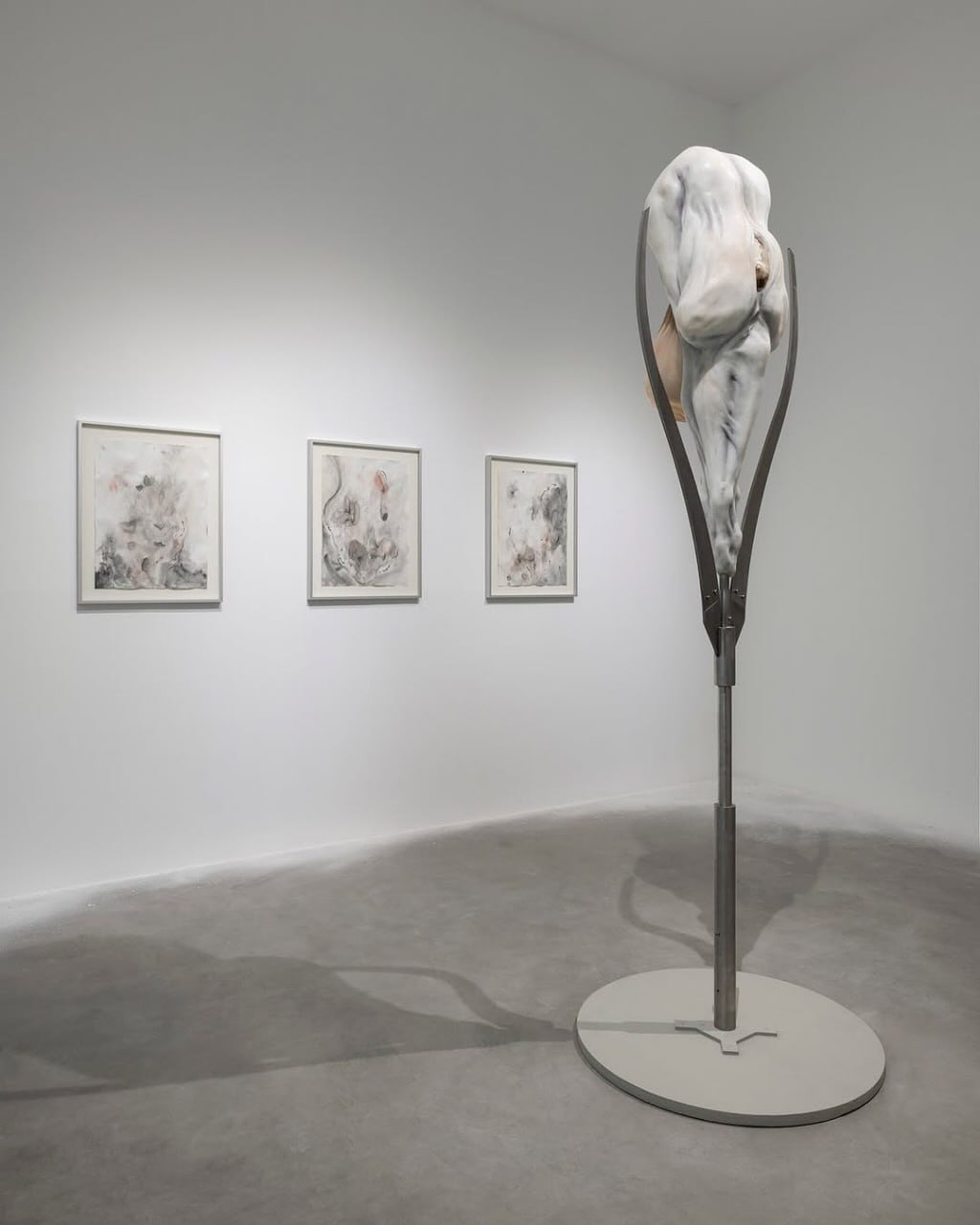
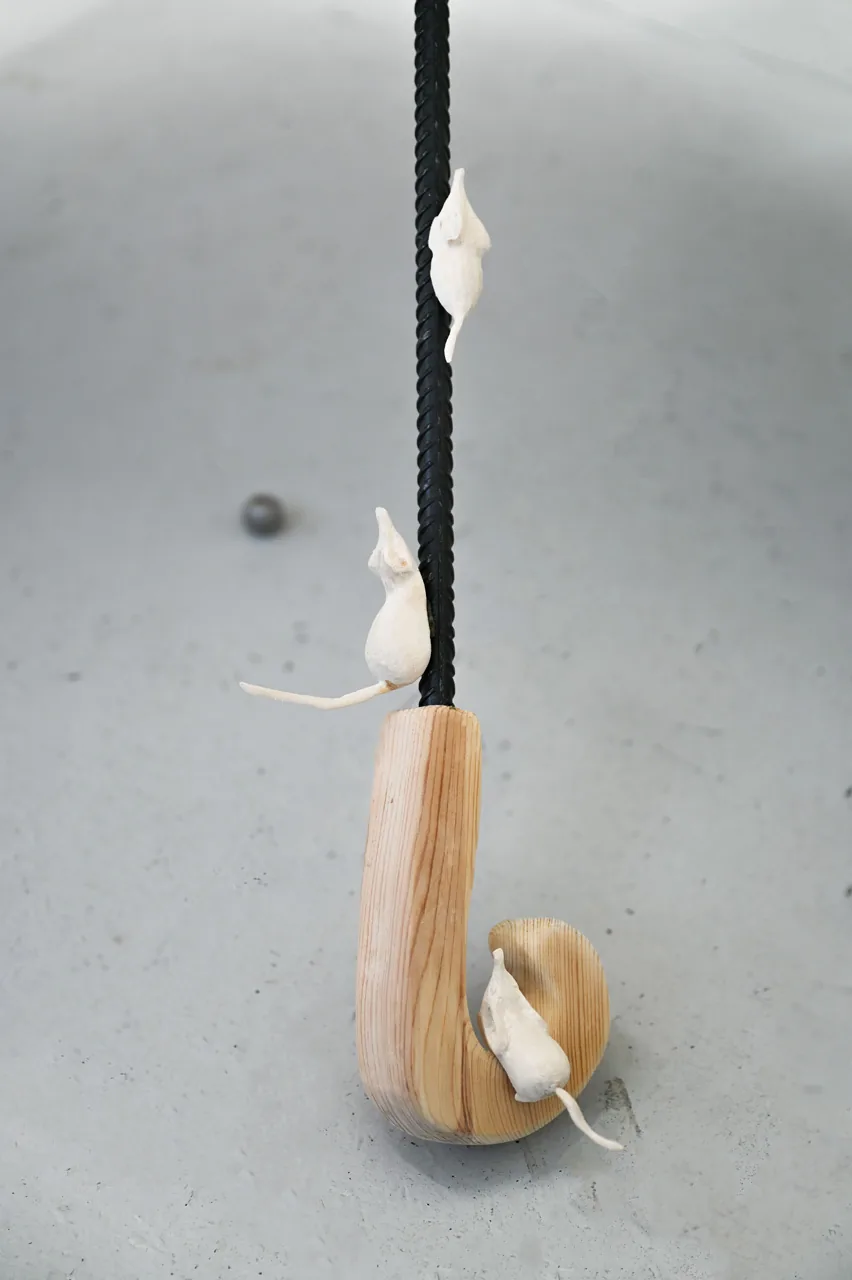
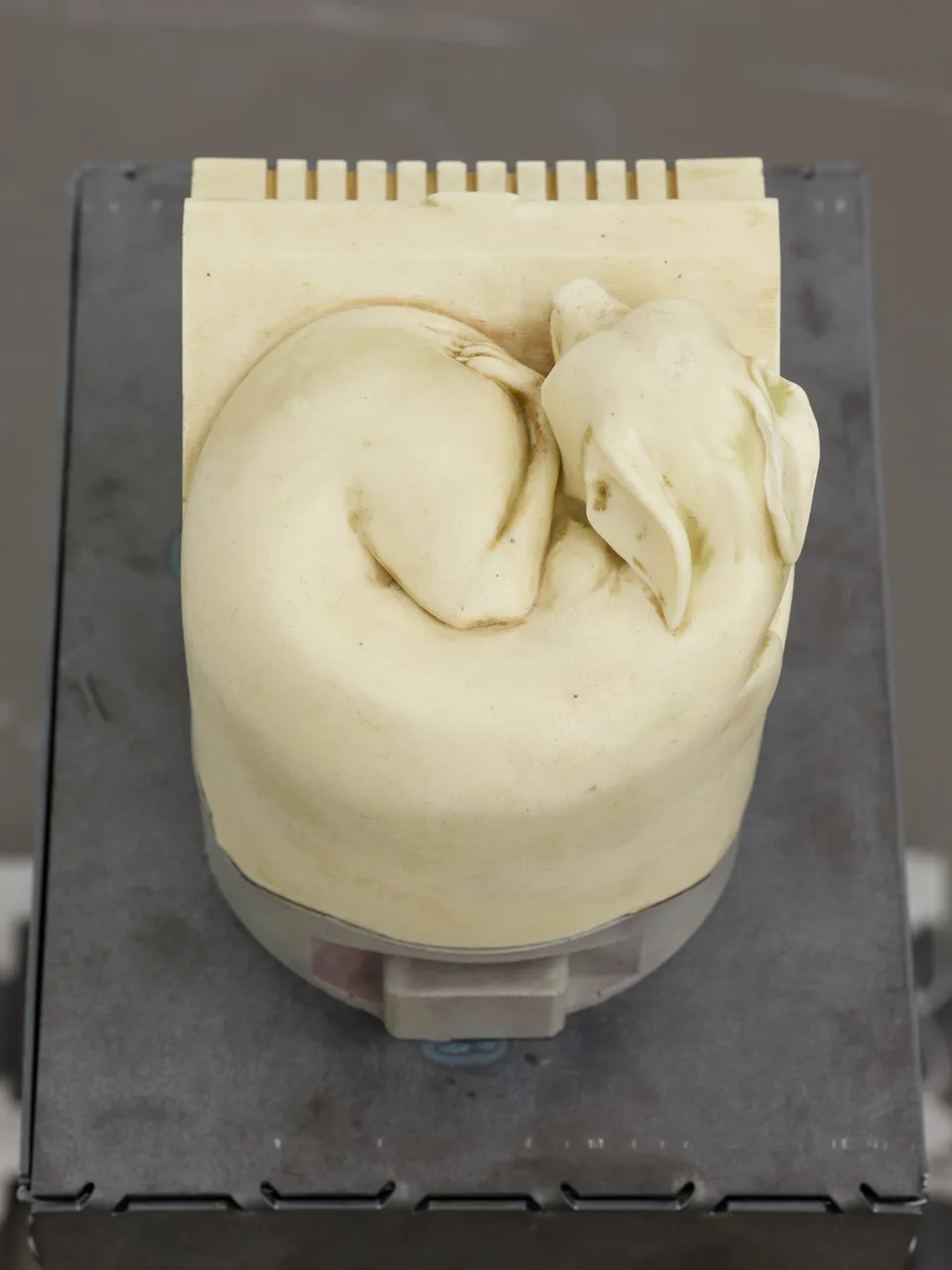
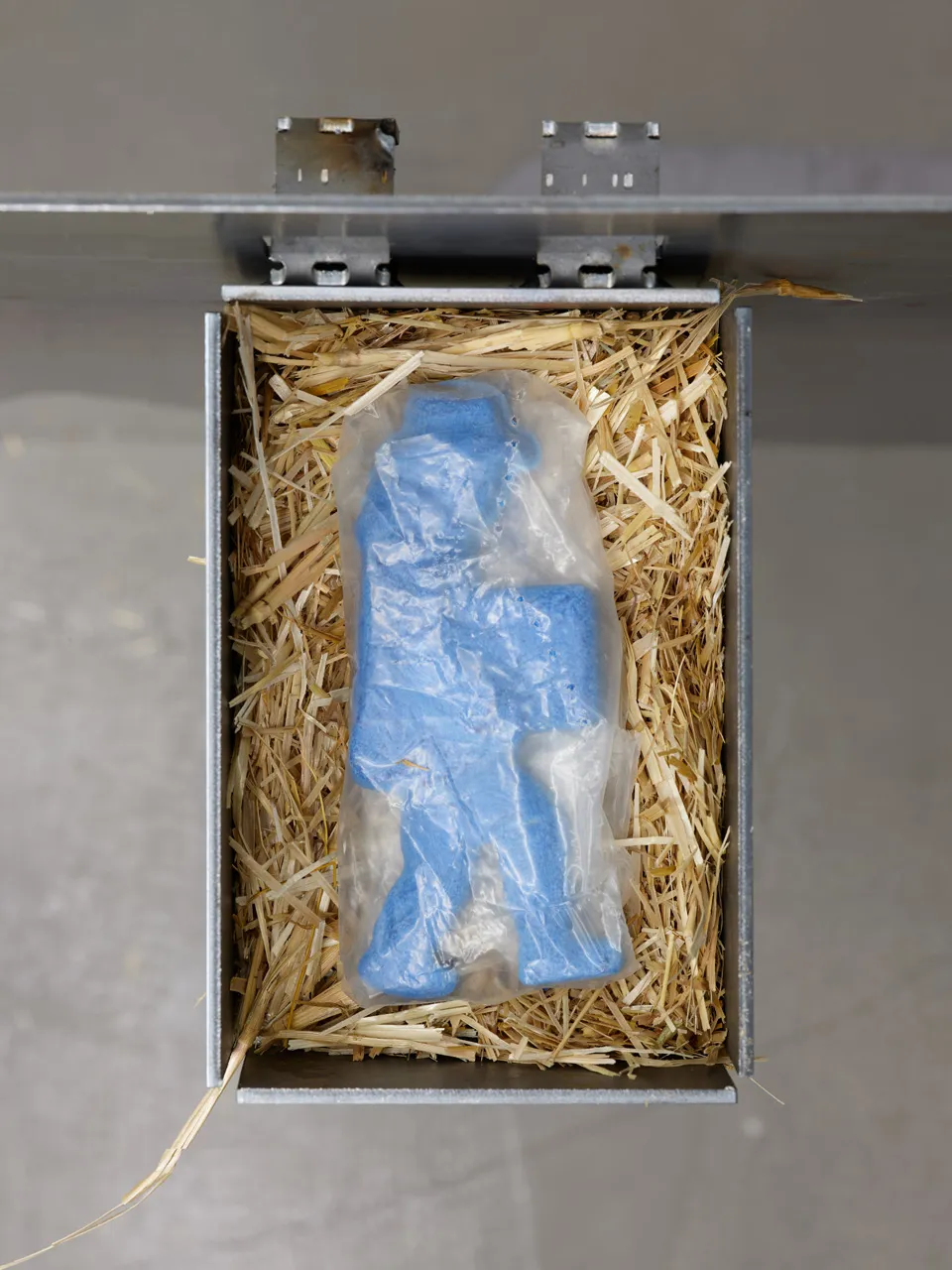
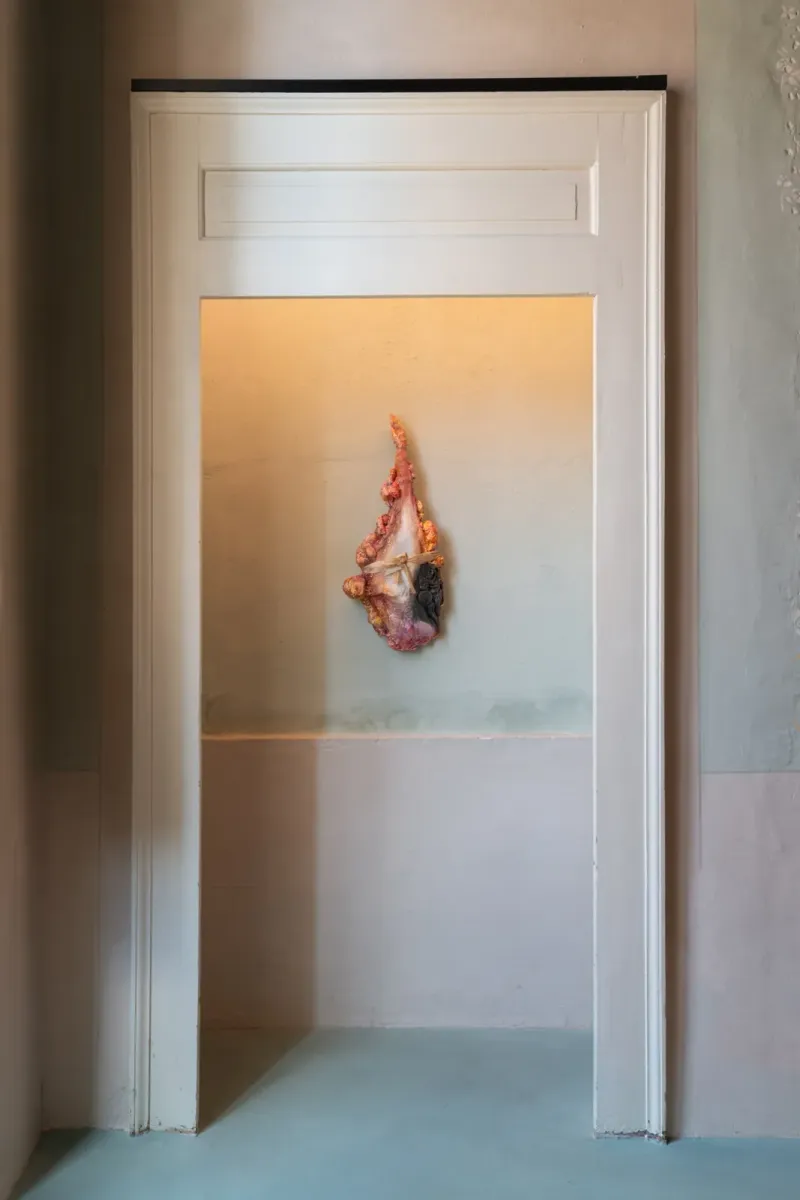
At Palazzo Monti, the artist reclaims direct physical authorship over the works. Third-party intervention is reduced to a minimum. The sculptures bear the marks of a slower, less mediated process, one in which uncertainty and approximation are not hidden but exposed. The exhibition becomes a return—not to origins exactly, but to a more fragile relationship between artist and object, where making is once again entangled with limitation.
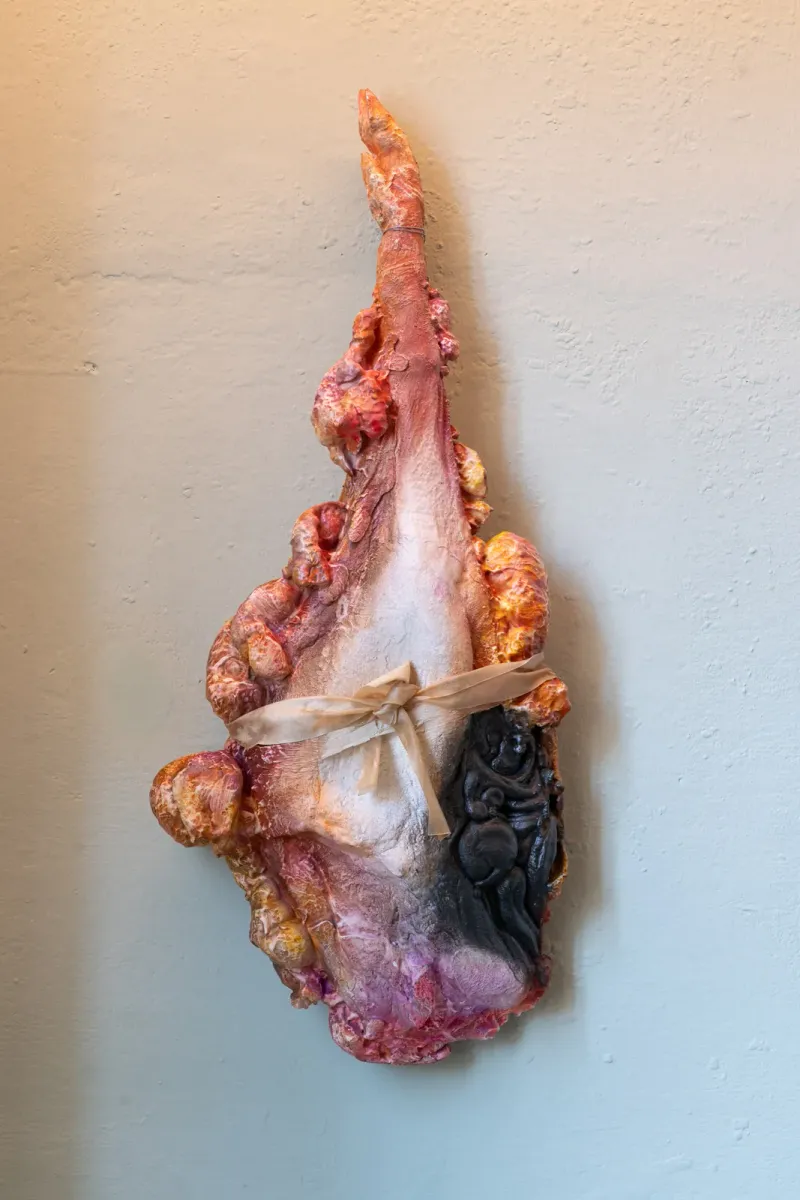
This condition of incompleteness extends beyond the artist's process and into the status of the works themselves. Several sculptures derive from earlier works by Isolotto or function as models for future realisations in bronze or marble. Rather than presenting finished objects, Impotenza inhabits a space between what has been and what might yet become. The works remain open, provisional and unresolved, suggesting that impotence is not only a condition of limitation, but also one of potentiality.
The contrast becomes particularly striking when considered alongside We Walked the Earth. There, potency appeared as an active force: generative, expansive, capable of transforming desire into form. Impotenza, by contrast, inhabits the moment when such confidence begins to falter. Yet rather than presenting impotence as mere failure, Isolotto approaches it as a productive state—a condition from which new forms of artistic sincerity might emerge.
If potency concerns the capacity to act, impotence concerns the awareness of one's inability to fully realise that capacity. The two conditions are less opposites than interdependent forces, each revealing the limits and possibilities of the other.
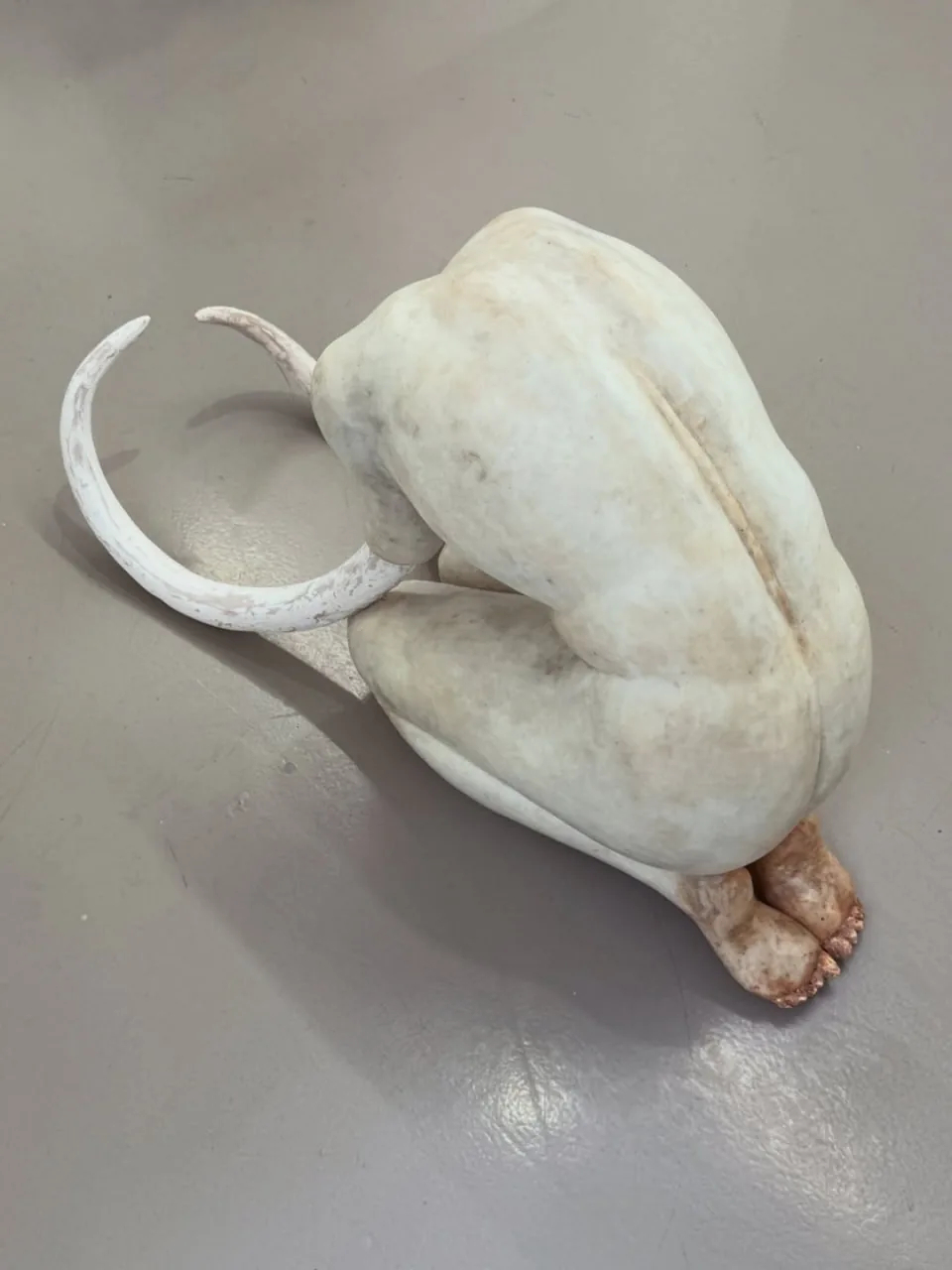
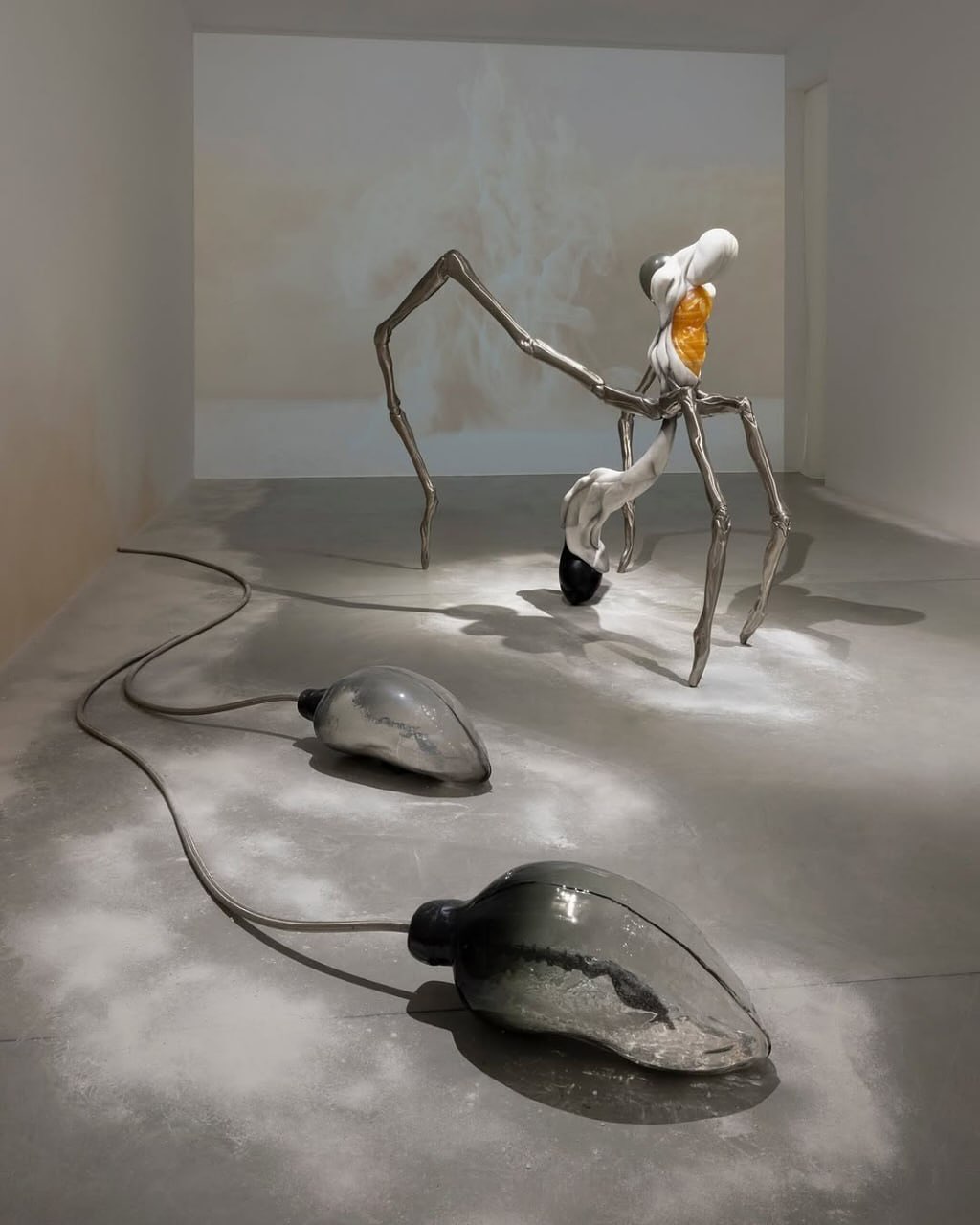
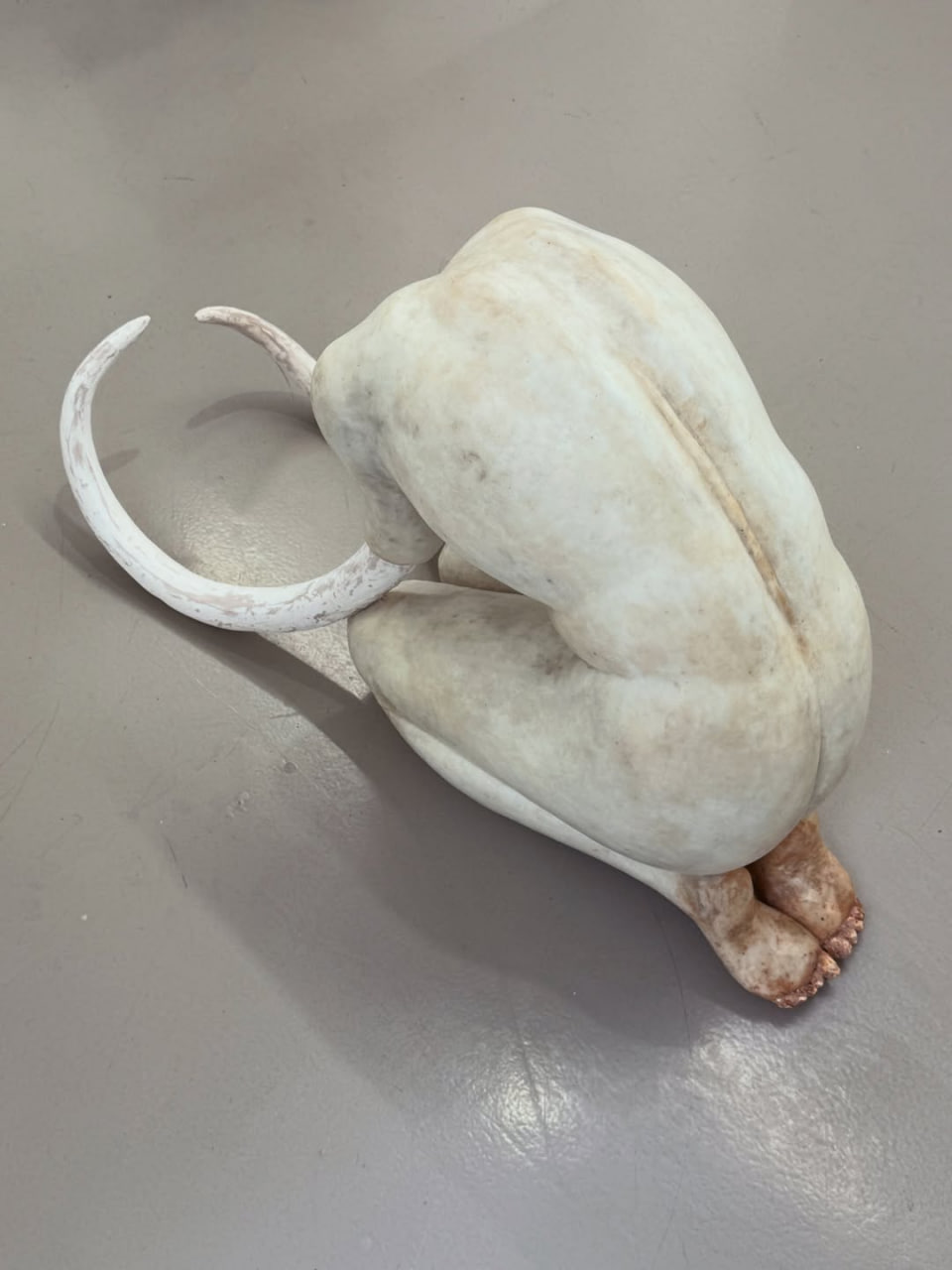
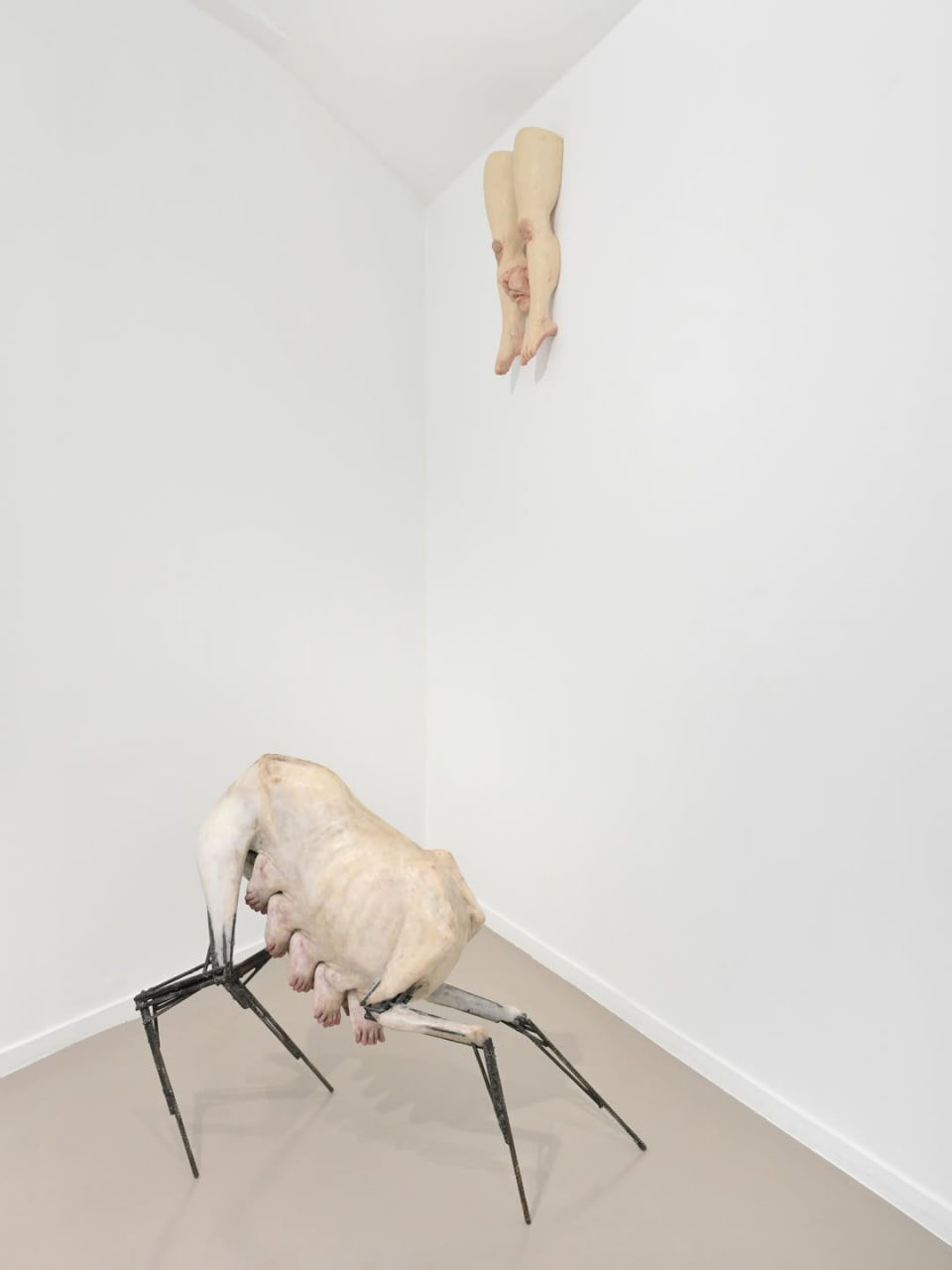
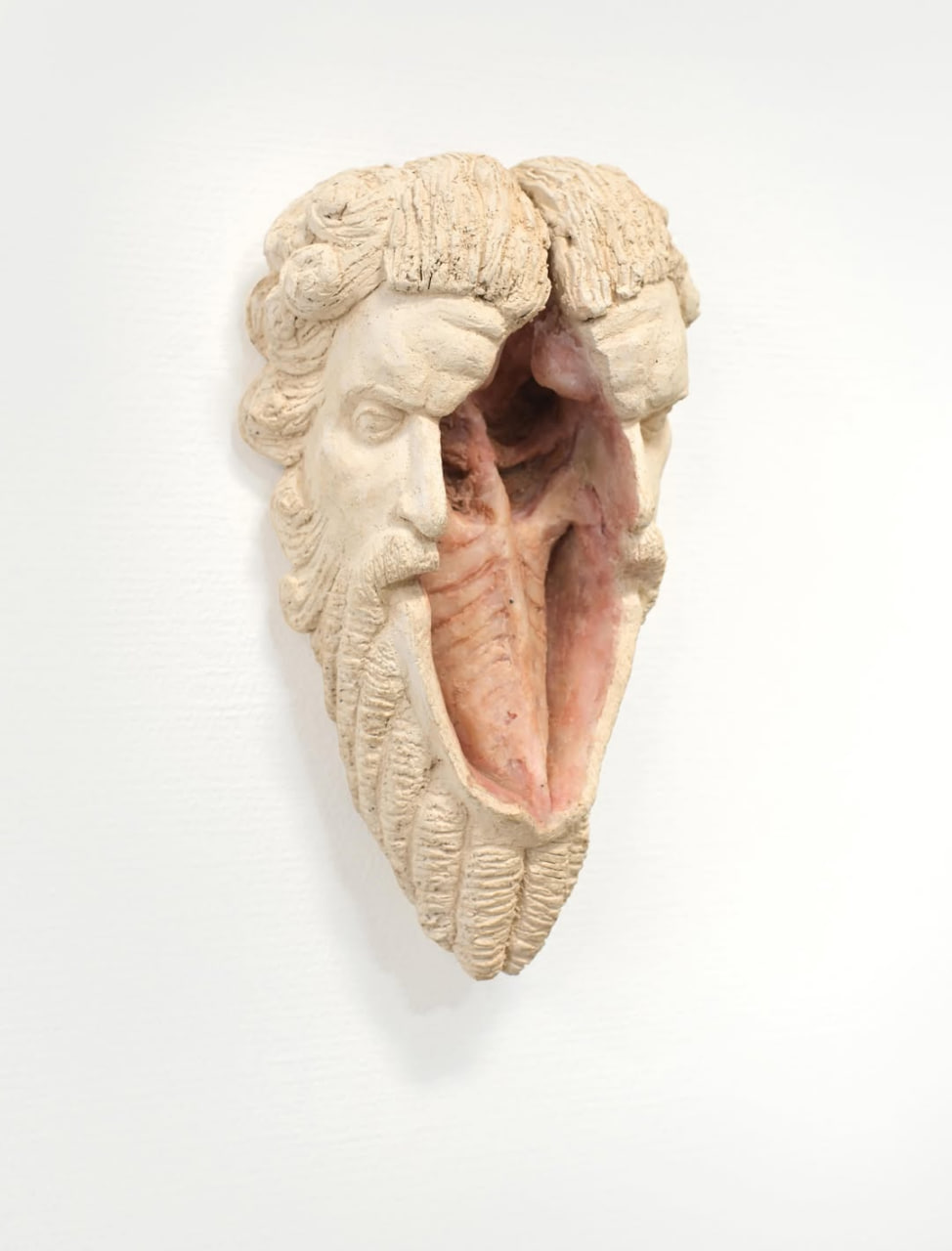
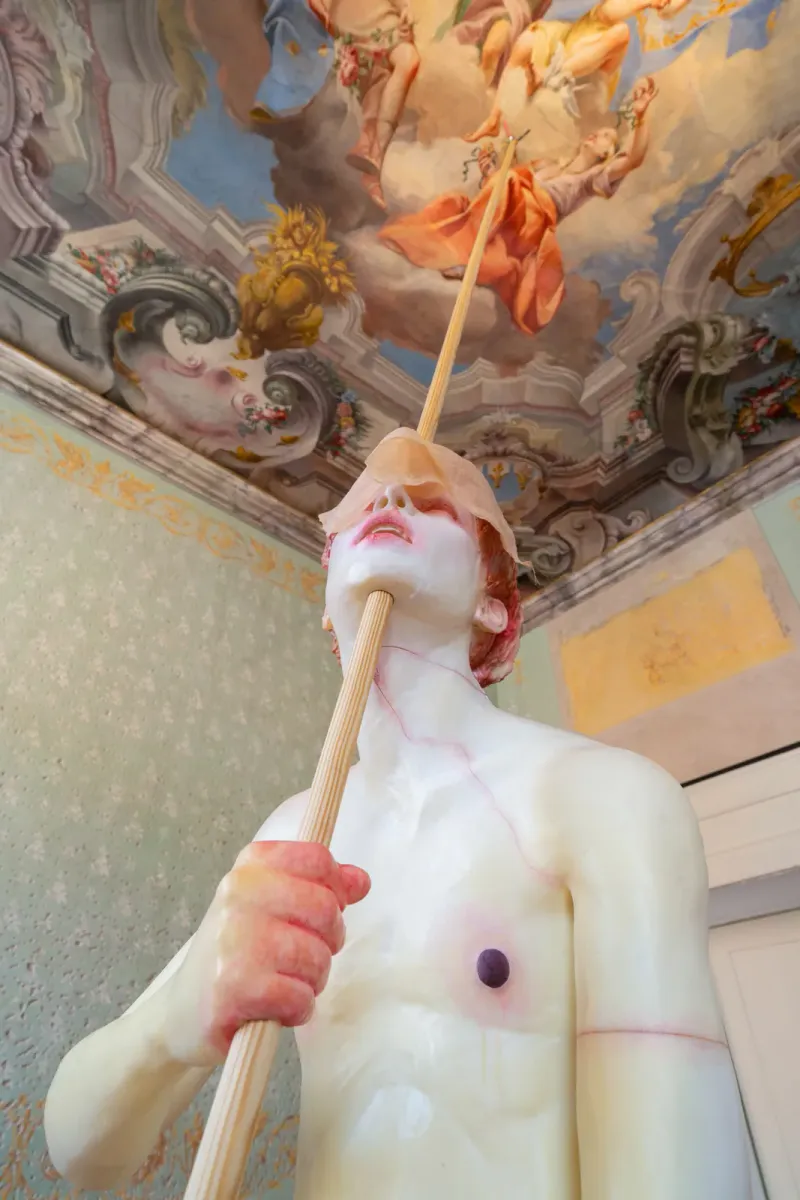
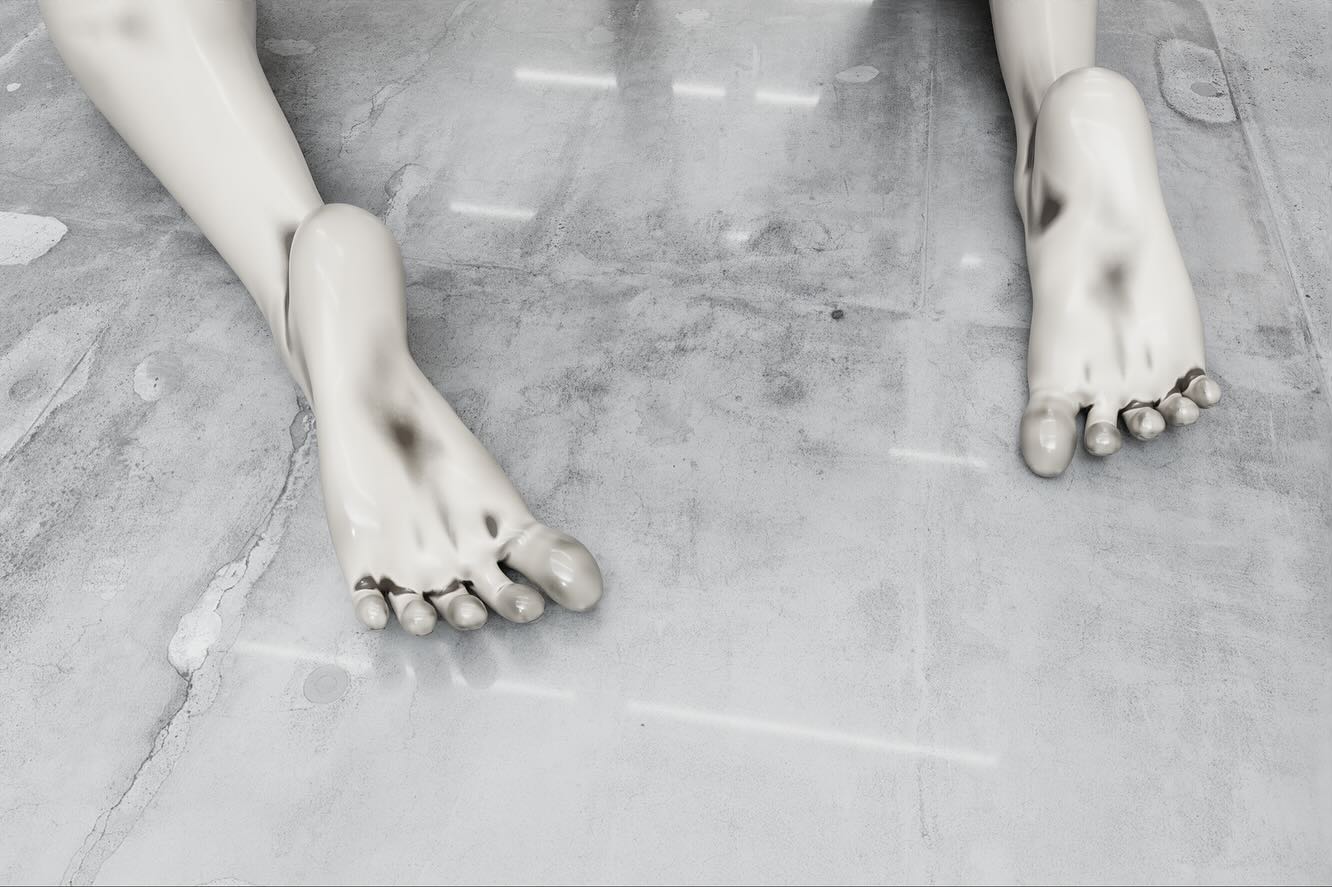
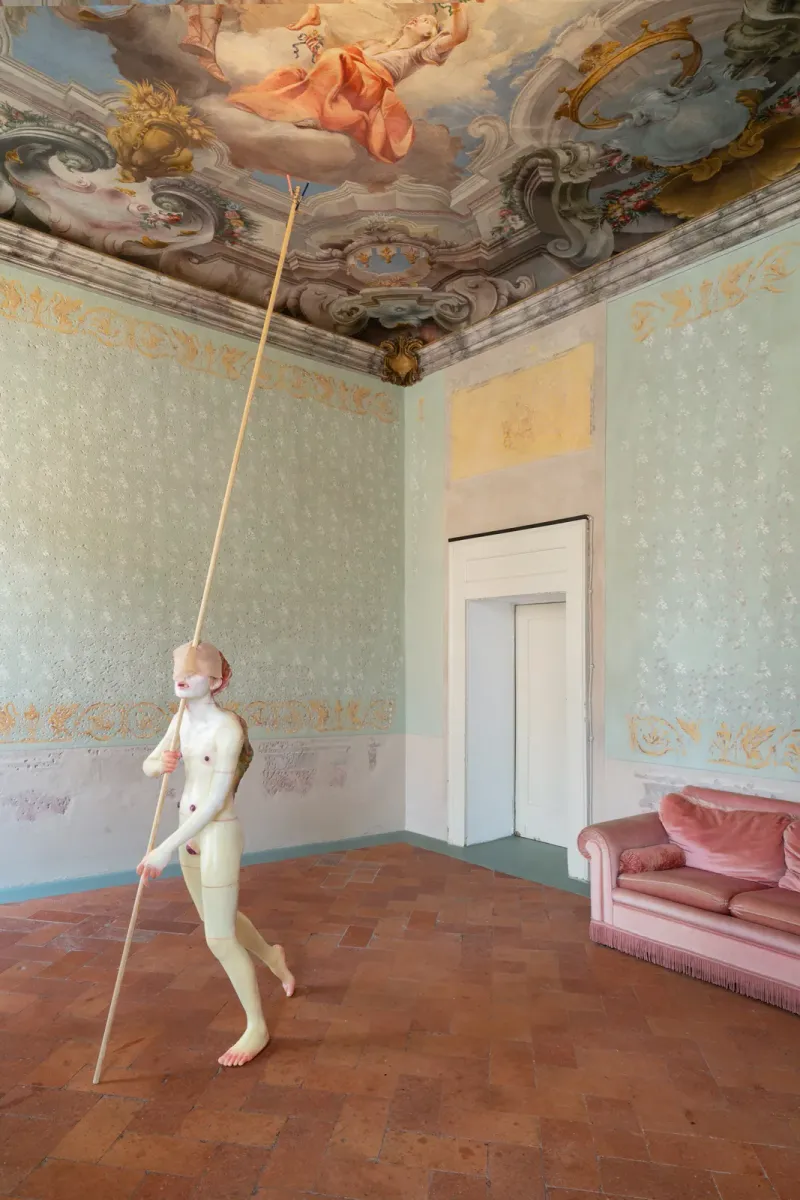
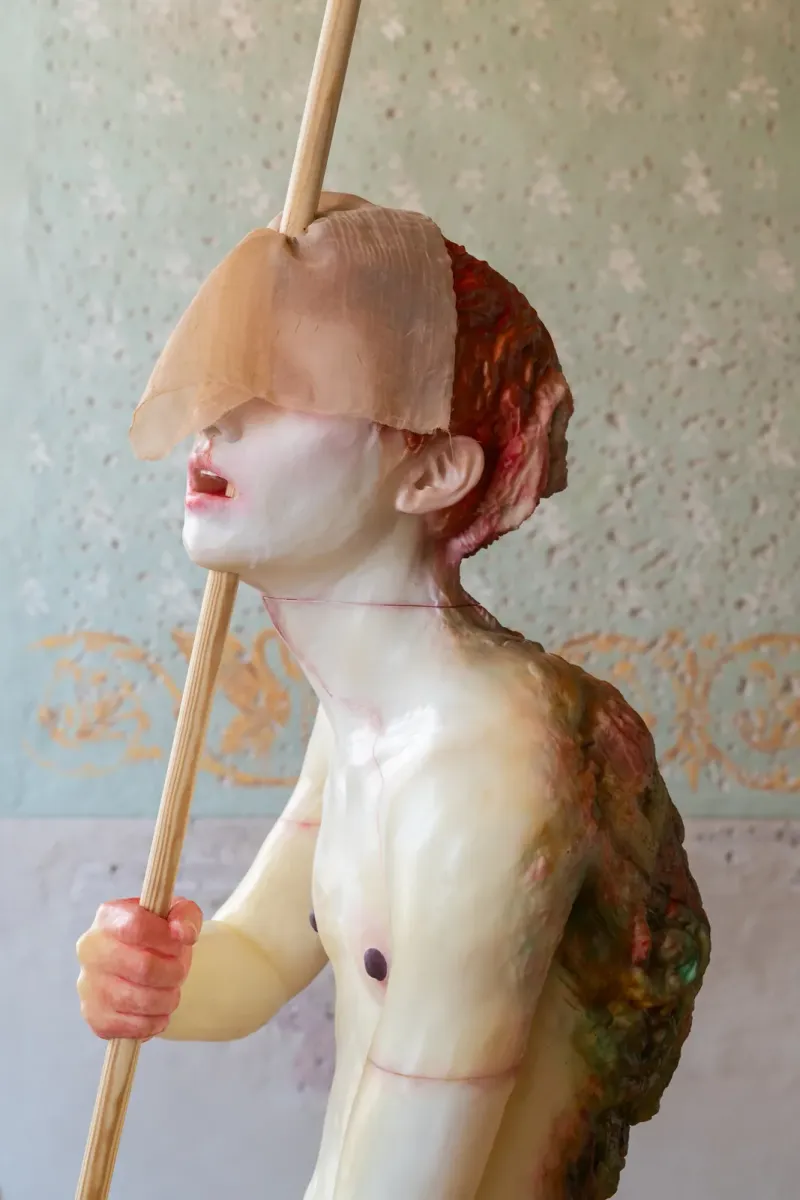
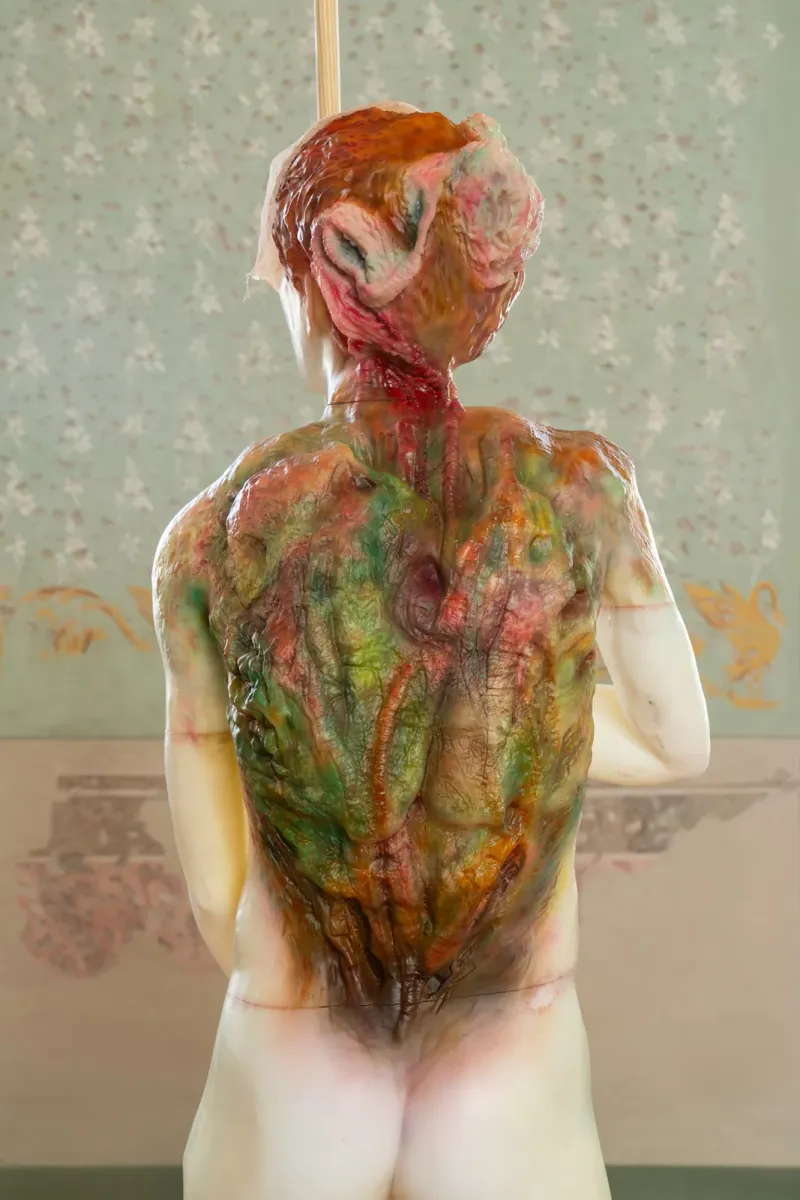
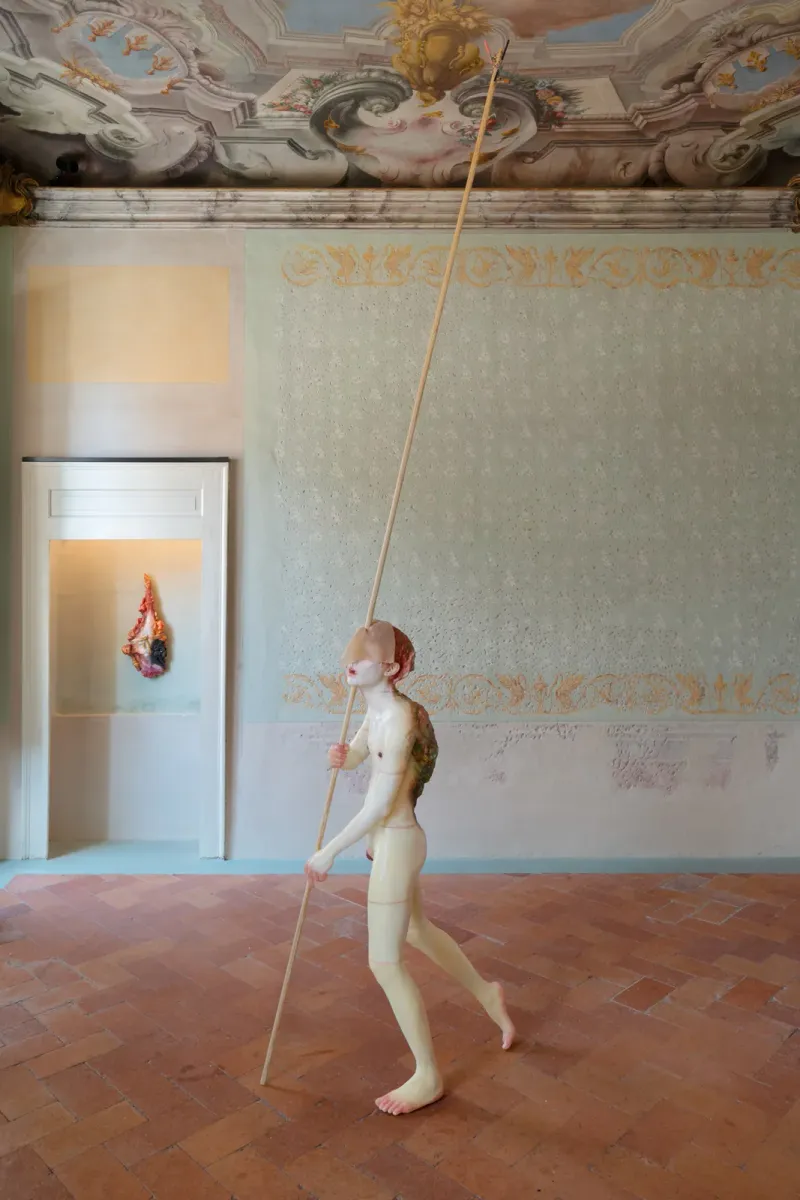
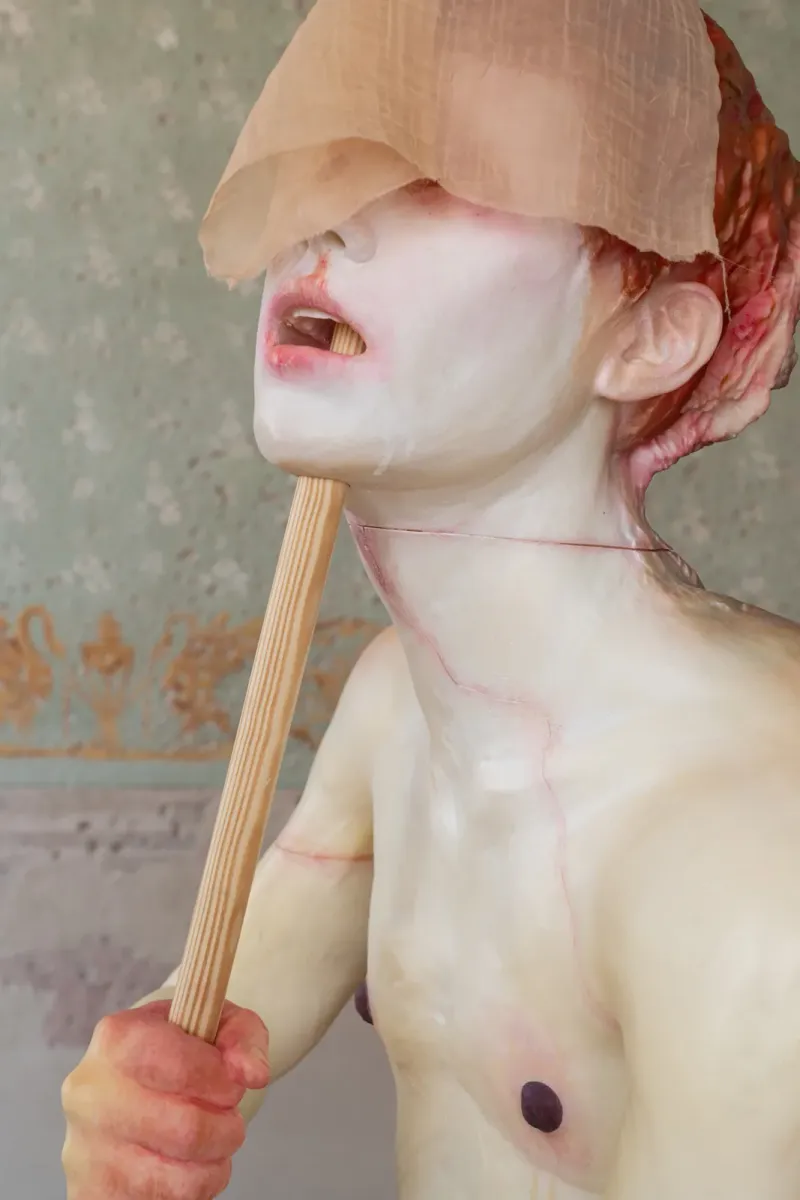
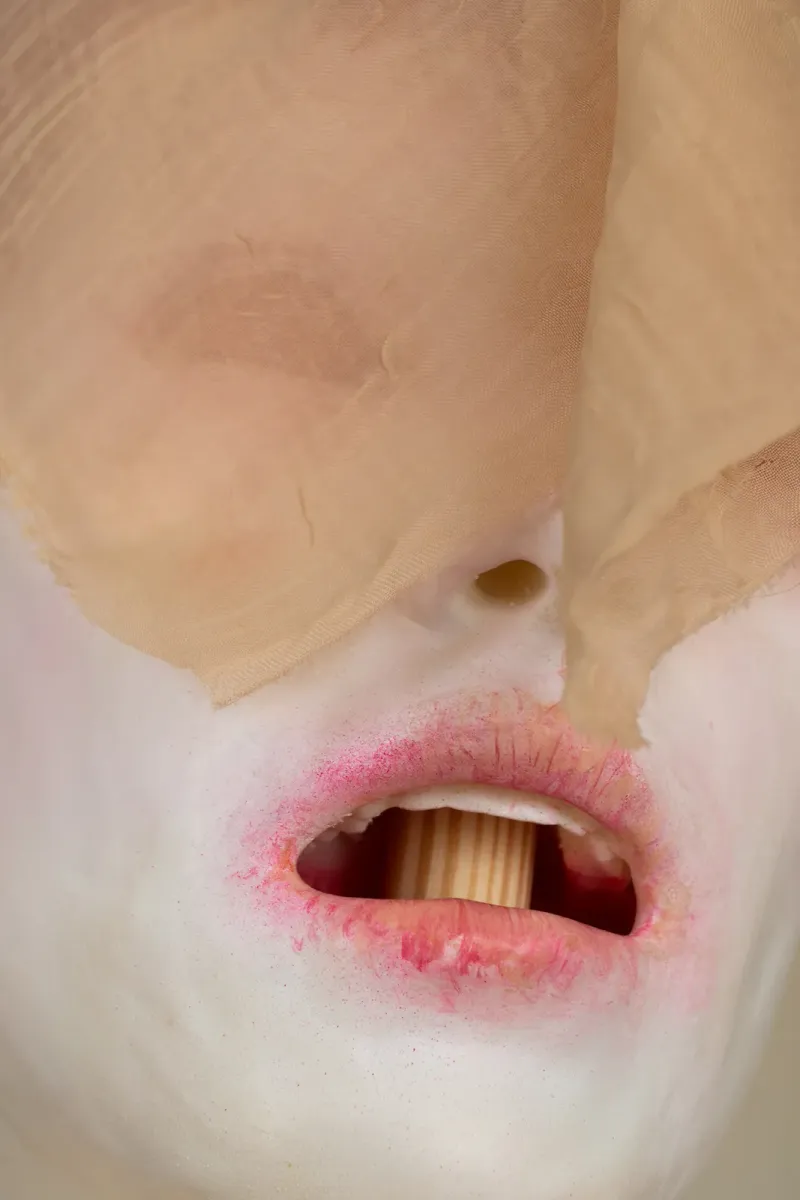
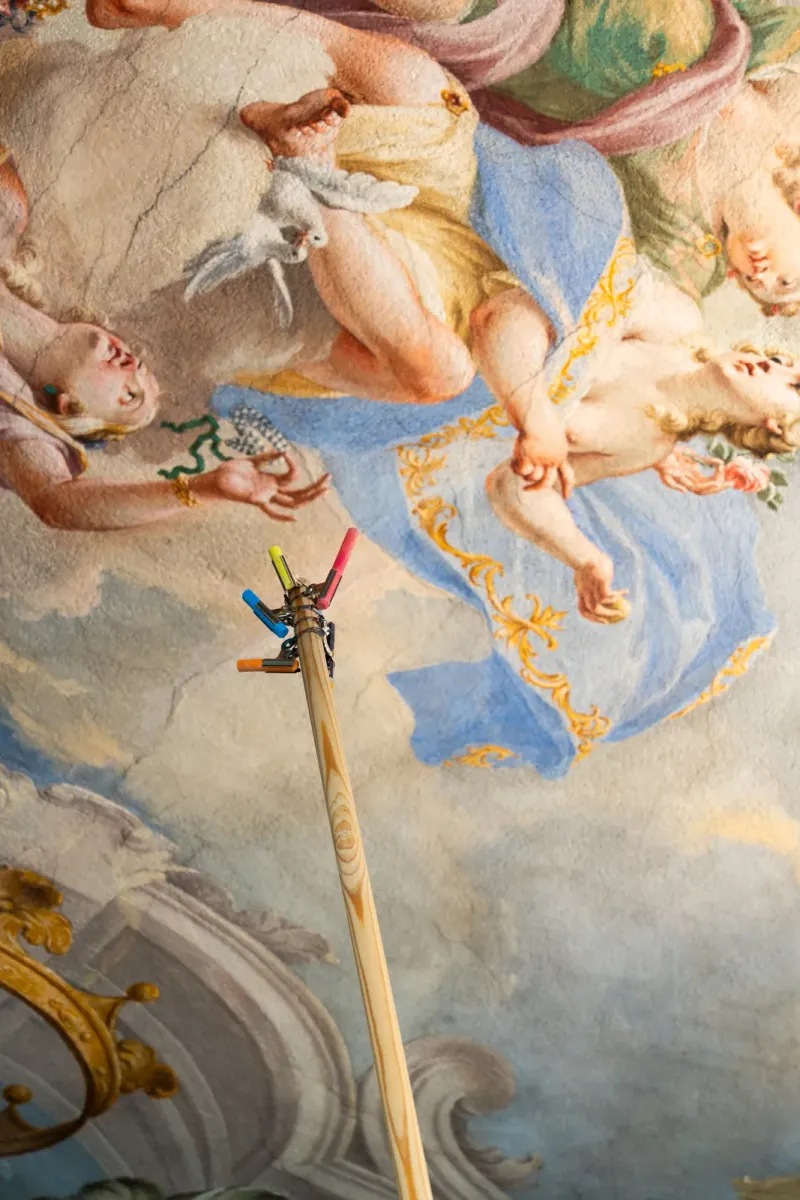
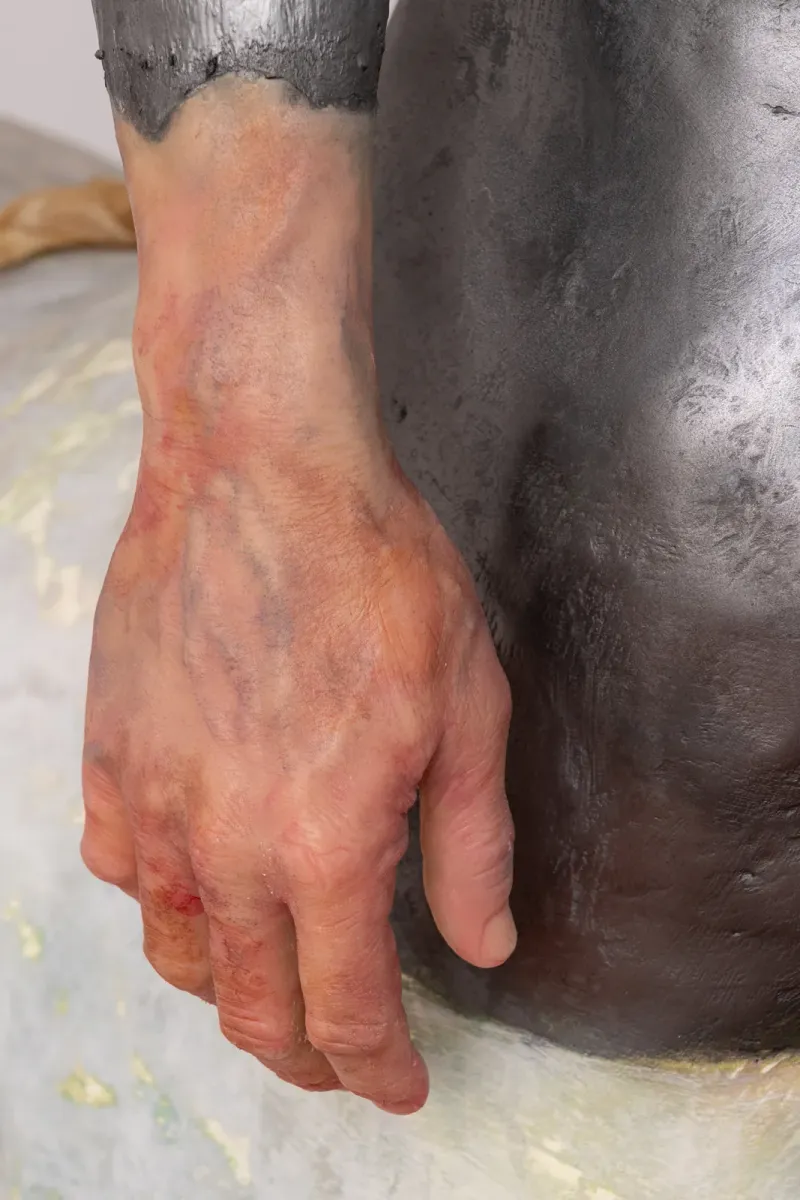
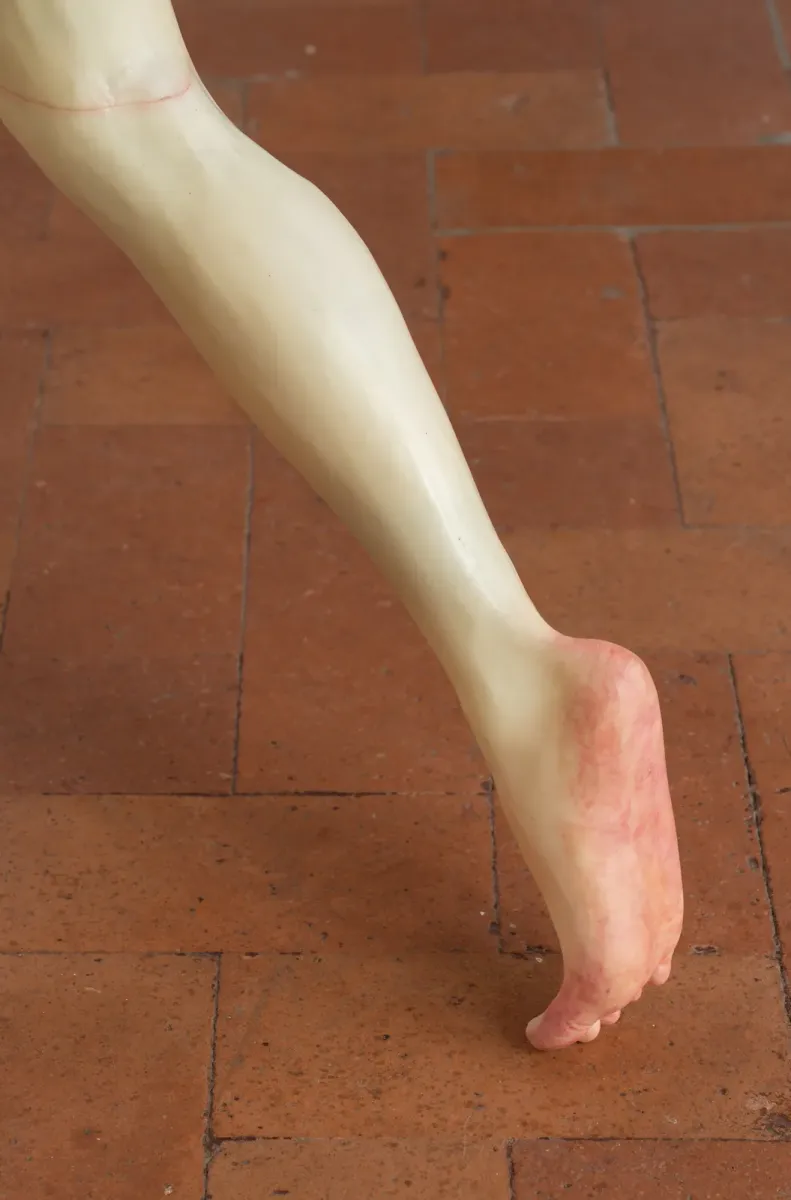
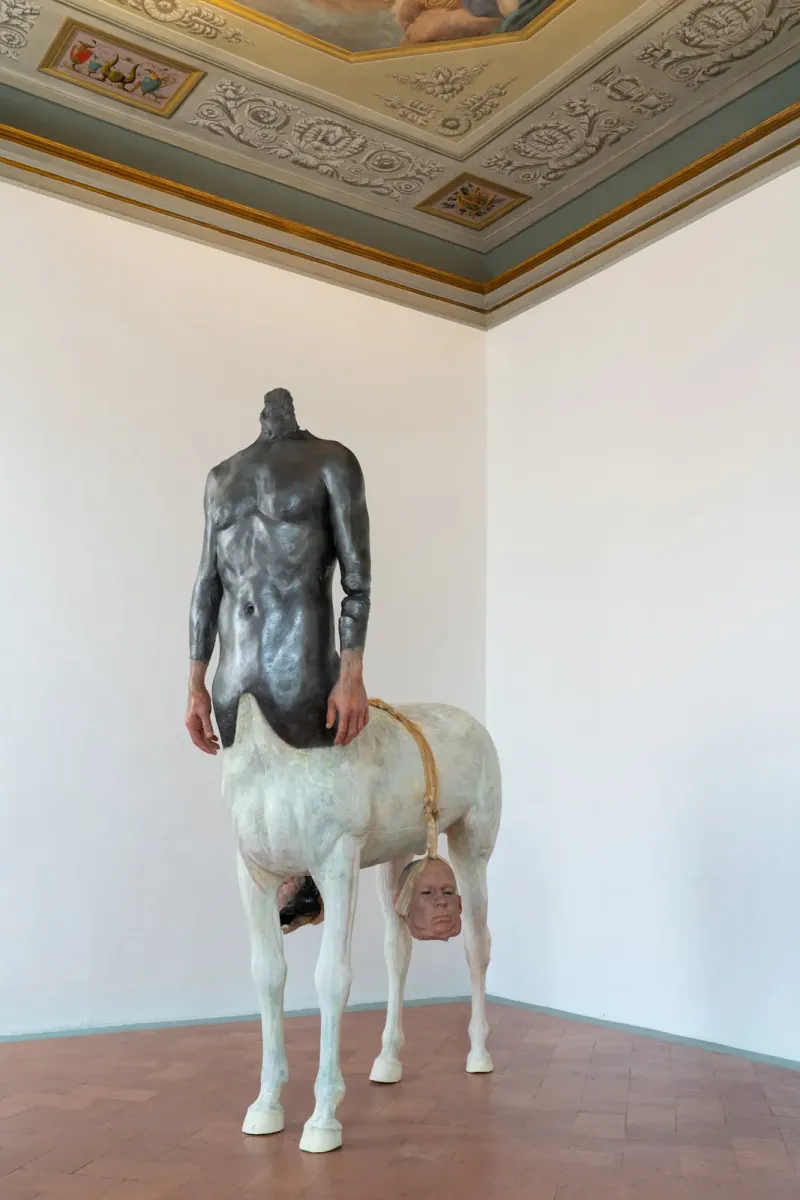
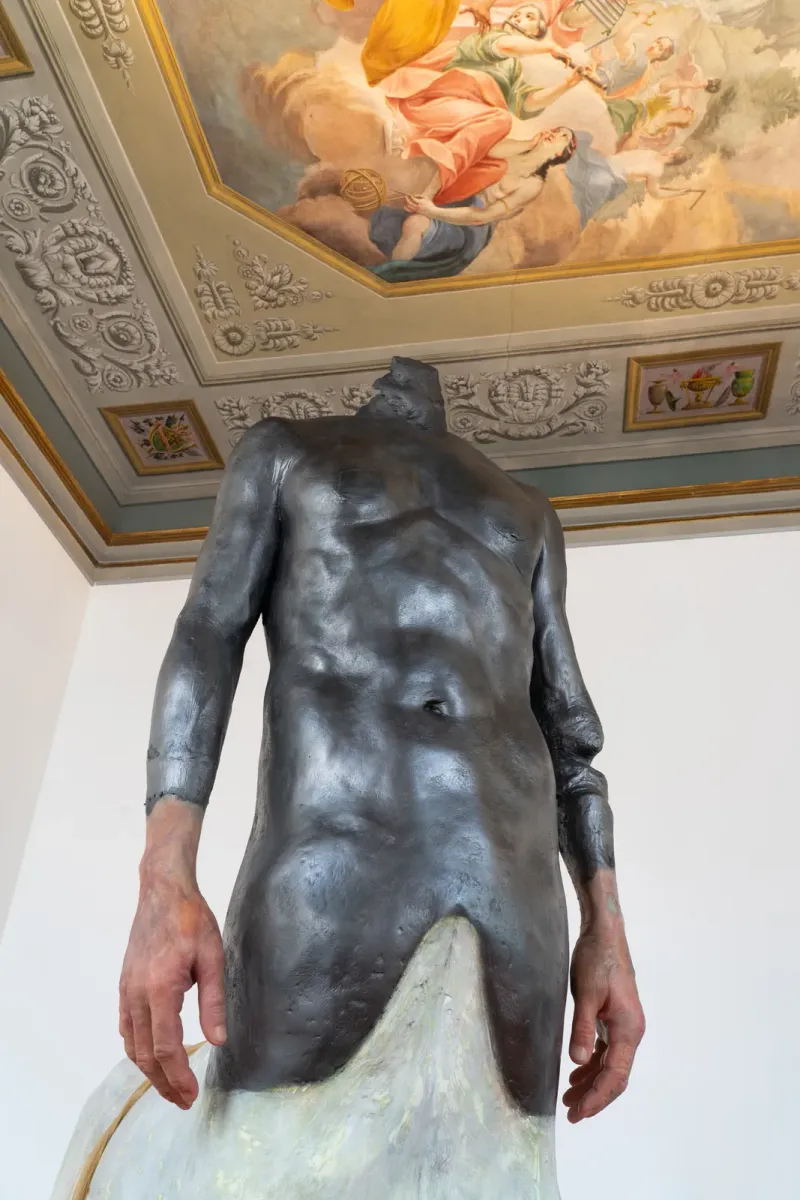
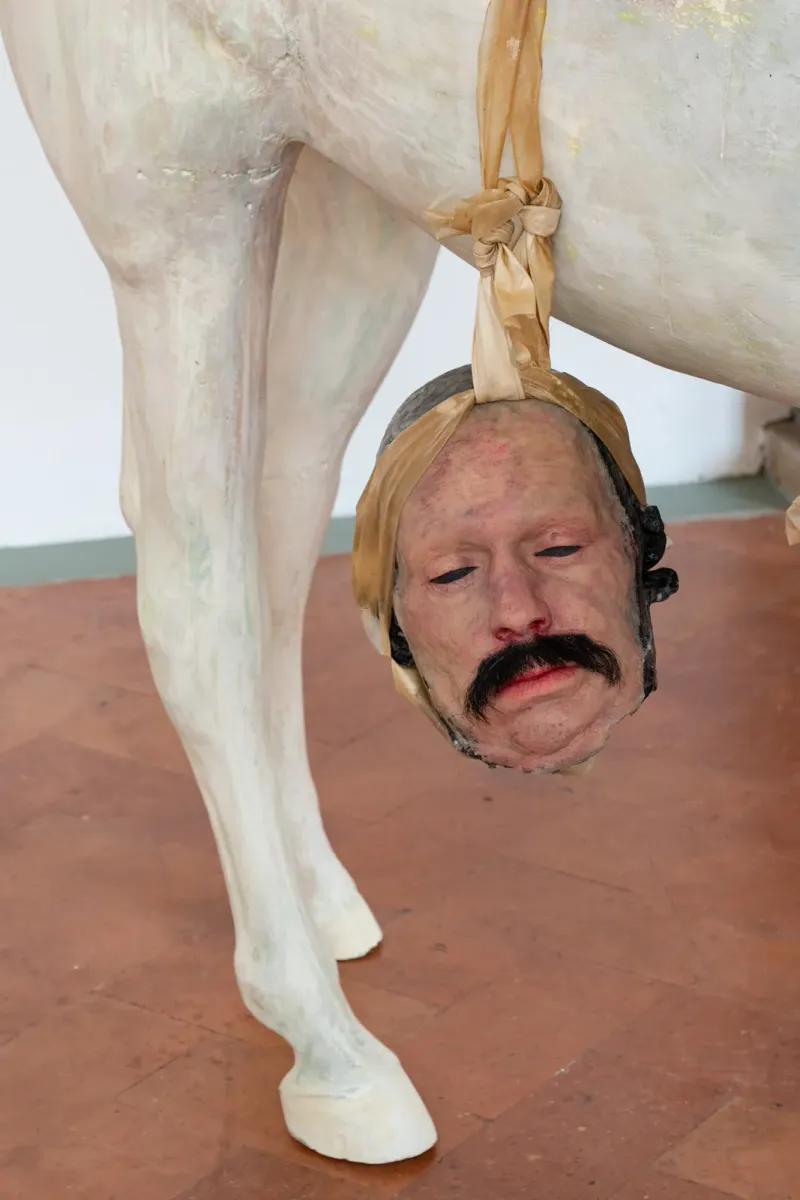
Throughout the exhibition, bodies appear caught between aspiration and inadequacy. A headless centaur-like figure carries two human heads in a sling across its torso, as if burdened by multiple identities, histories or consciousnesses. These soft silicone appendages hang where virility, authority or mythological power might traditionally be asserted, transforming heroic symbolism into something vulnerable, ambiguous and faintly absurd. Nearby, a young boy balances precariously on his toes, his body traversed by a crude wooden rod that enters through his jaw, passes through his skull, and continues upward toward the frescoed ceilings above. The same rod anchors him to the floor, functioning simultaneously as support, spine and conduit. The gesture oscillates between aspiration and dependence: the child reaches toward centuries of artistic achievement only by means of the very structure that holds him upright. The work stages ambition as an inherently unstable condition, suggesting that elevation is inseparable from vulnerability. Yet the figure is not defeated.
Suspended between effort and collapse, it remains animated by the stubborn persistence of desire itself.
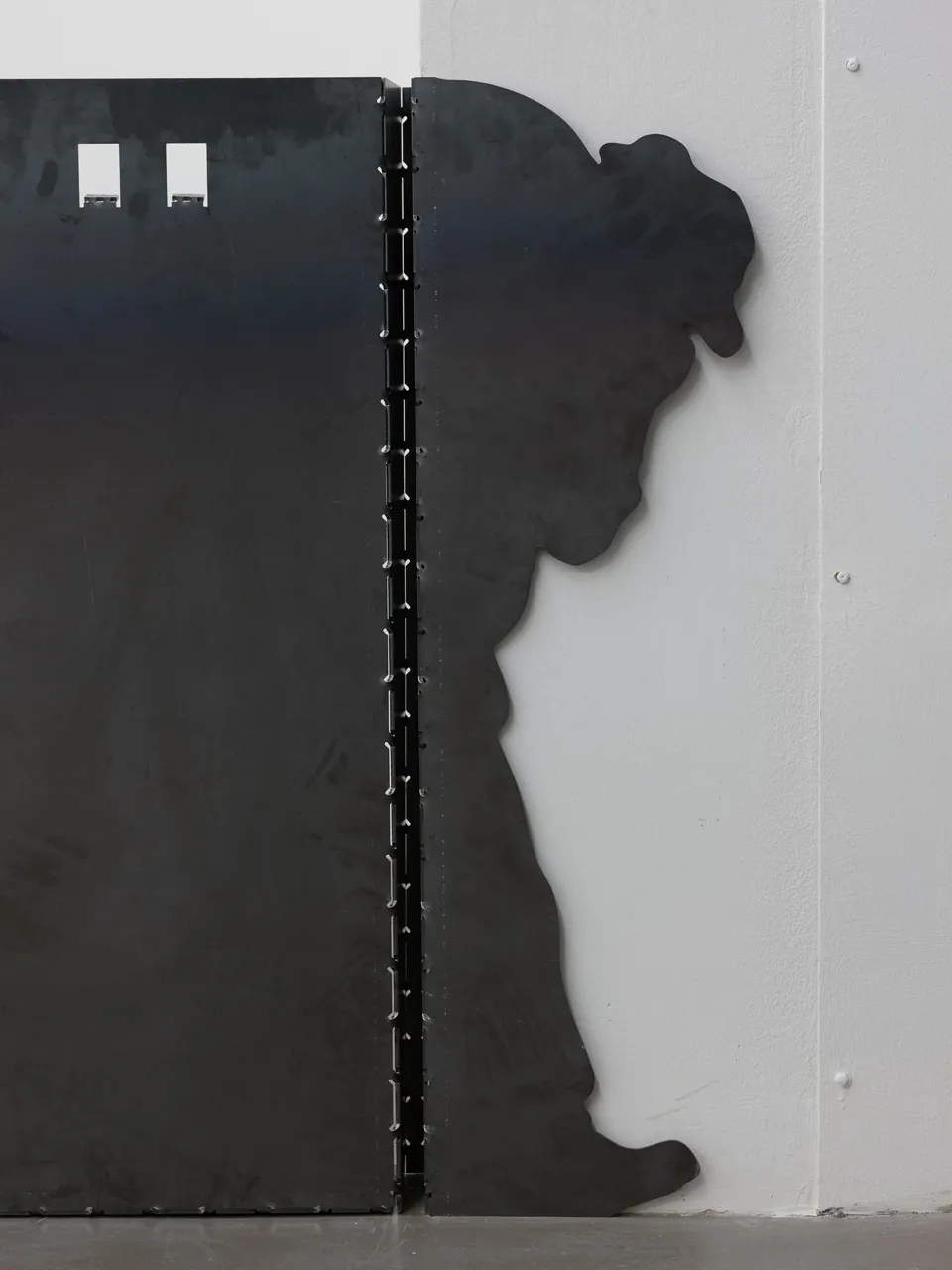
Installed within the historic interiors of Palazzo Monti, these figures enter into dialogue with a building shaped by generations of patronage, cultivation and artistic inheritance. Frescoes, marble surfaces and architectural grandeur become active participants in the exhibition, embodying standards of excellence accumulated across centuries. Against this backdrop, Isolotto's sculptures appear intentionally precarious. Bronze, marble and fresco encounter silicone, readymades and provisional interventions. Mastery meets hesitation. Permanence confronts experimentation.
The works unfold less as stable allegories than as uncertain propositions. Meaning emerges through proximity, association and emotional resonance rather than through symbolic clarity. Their language is bodily, theatrical and archaic, yet somehow unable—or unwilling—to fully stabilise into narrative. They seem to speak from a place just beyond certainty, where symbols continue to function despite the erosion of their authority.
What emerges is not a rejection of ambition but a reconsideration of its conditions. The exhibition suggests that artistic maturity may not consist in expanding one's means indefinitely, but in confronting the limits that remain regardless of success.
The artist who once mobilised an entire ecosystem of expertise now returns to the vulnerability of direct making, exposing the gap between intention and execution rather than attempting to erase it.
In Impotenza, gestures of mastery persist precisely where mastery appears impossible. Ambition survives beyond certainty. Desire continues after authority has begun to dissolve. Impotence is not romanticised as innocence, nor celebrated as failure. Instead, it is presented as a risky and profoundly human condition: the recognition that one may never fully achieve what one imagines, and the decision to continue nonetheless.
Artists in this exhibition
More at Palazzo Monti
More in Brescia
Related topics
.webp)