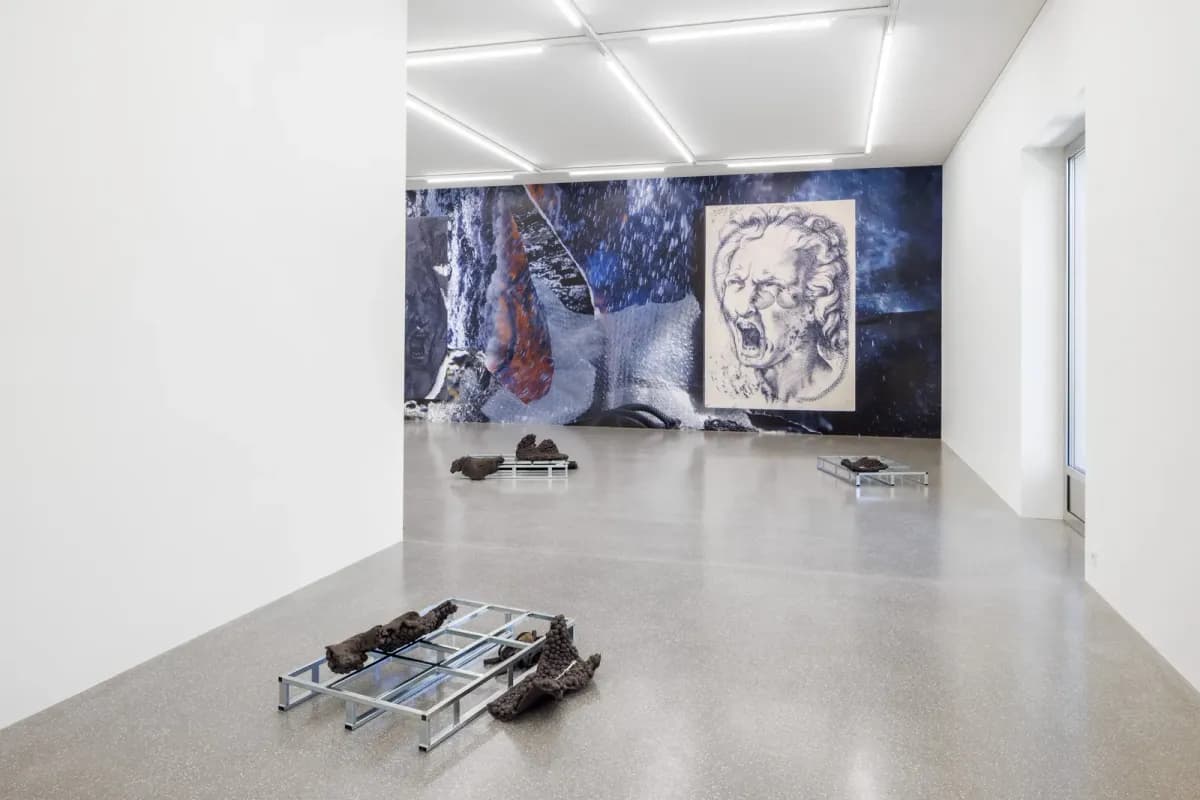
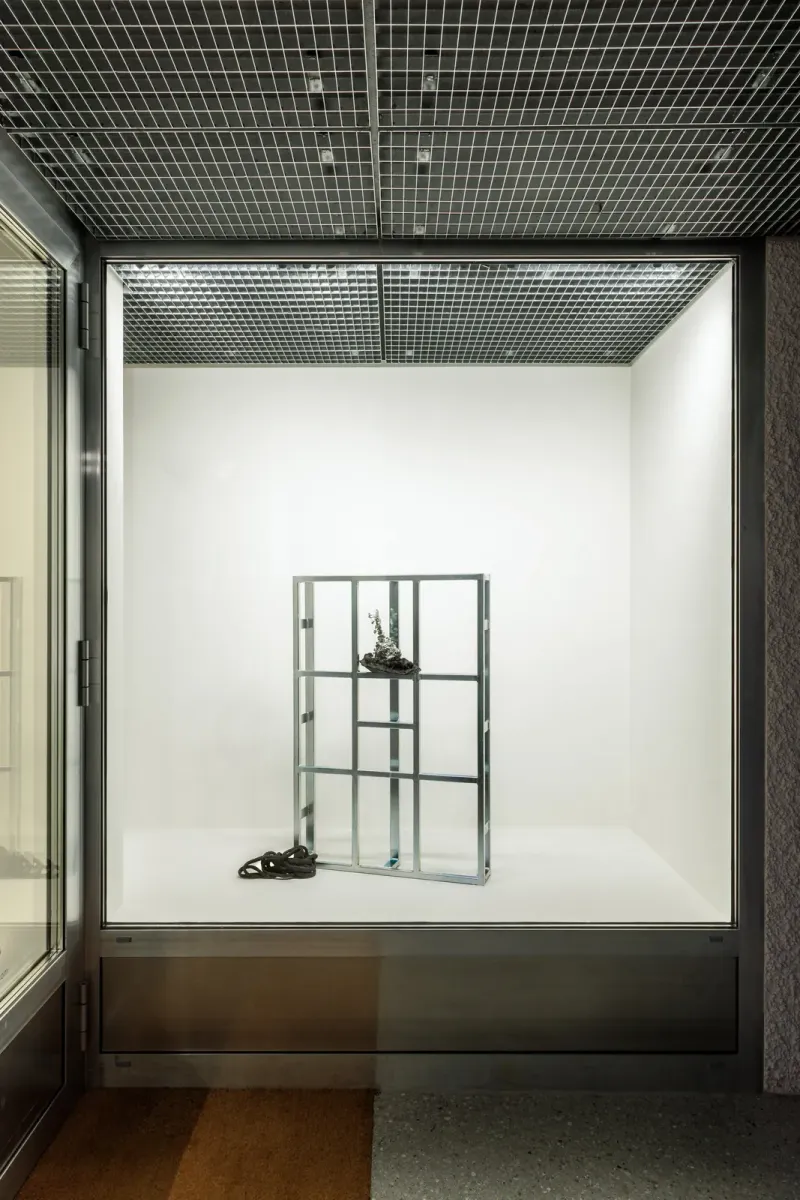
Klaus in Vorarlberg / 2026
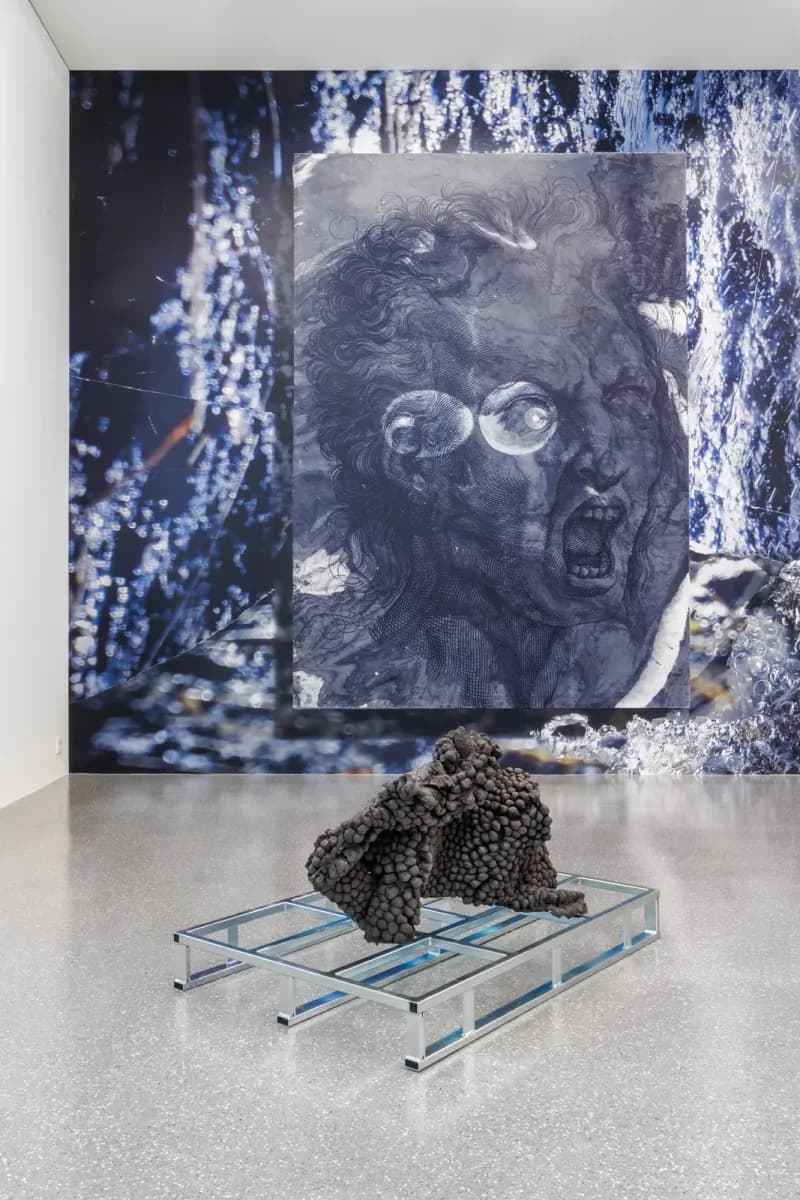
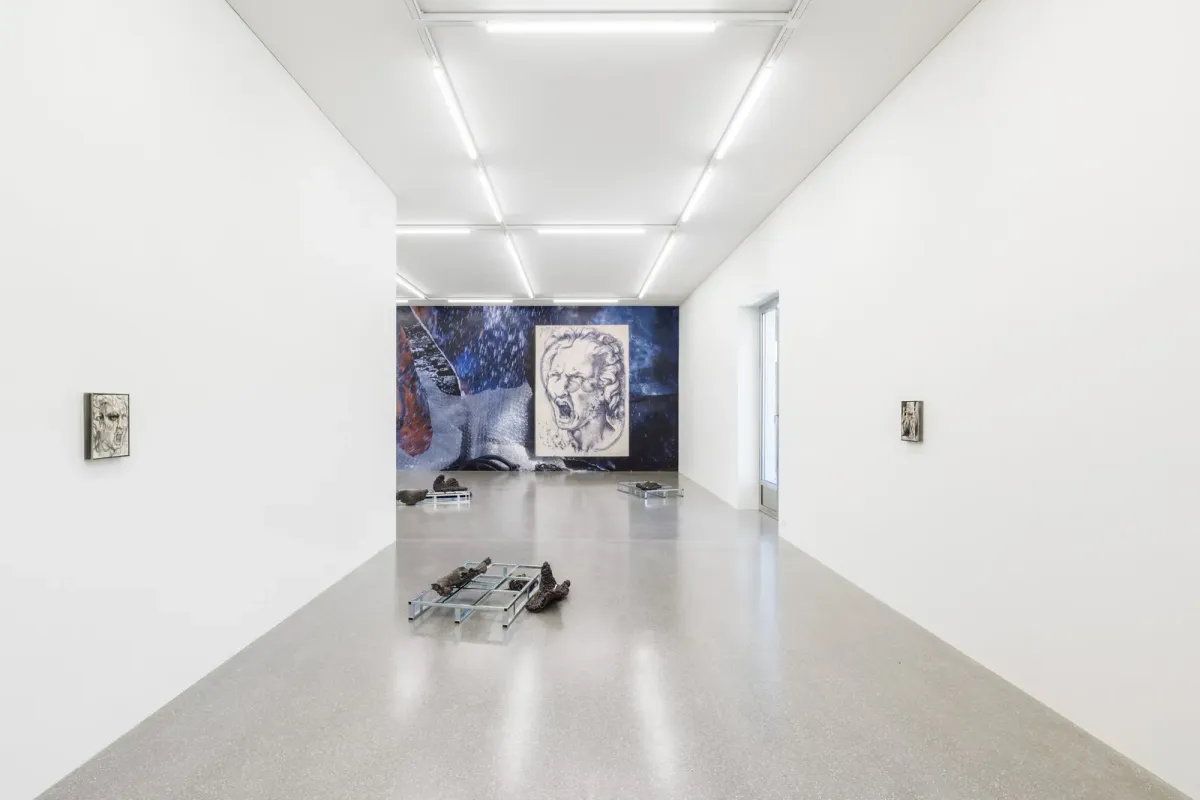
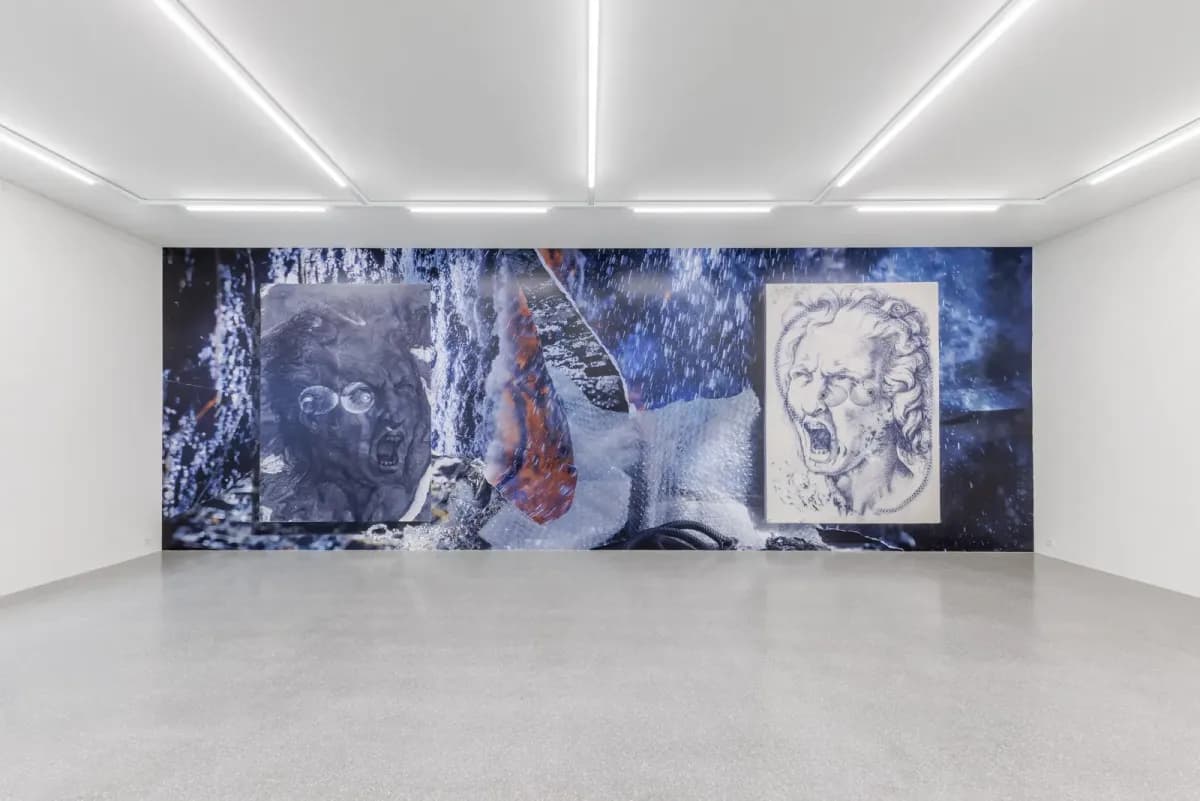
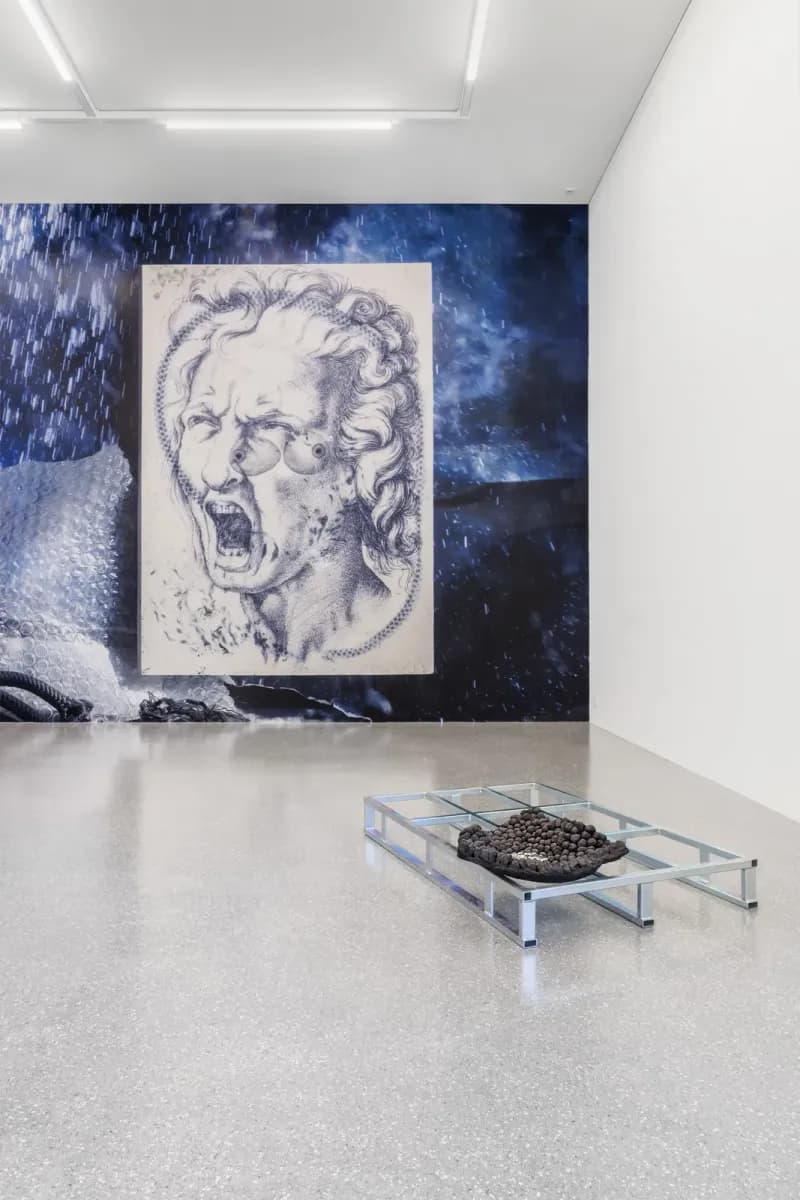
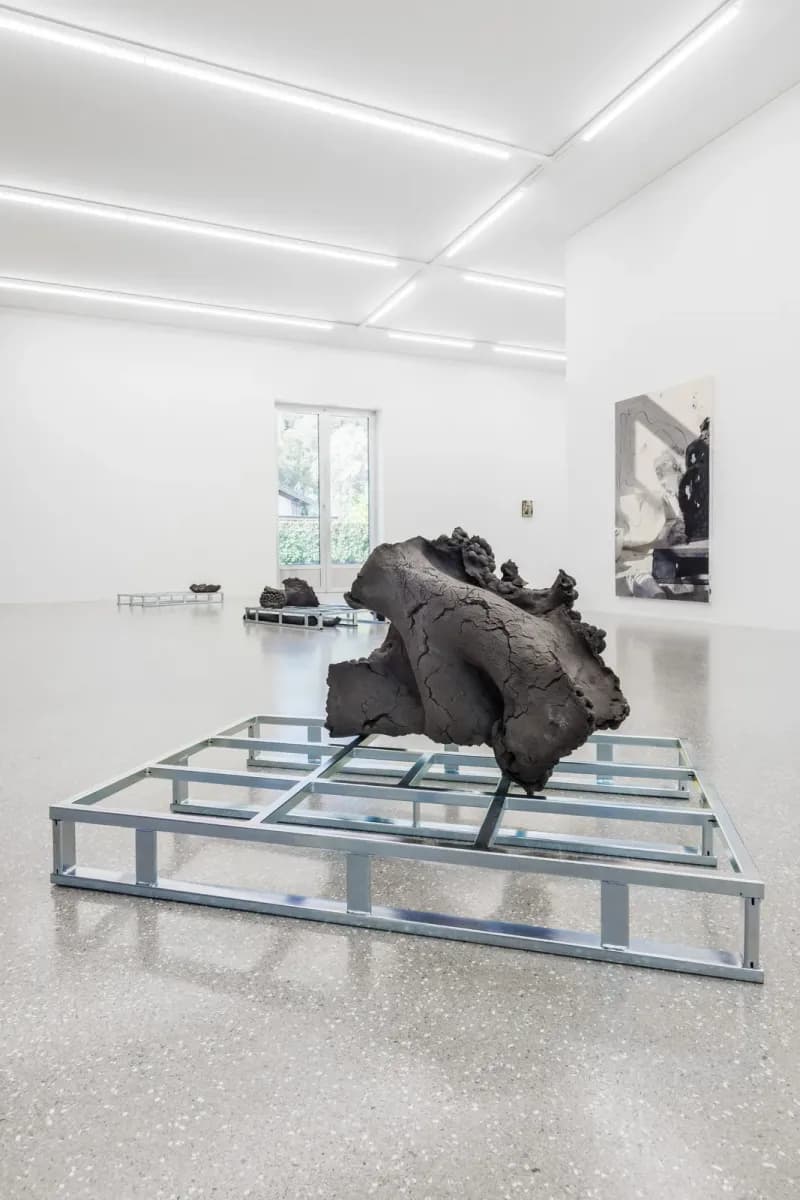
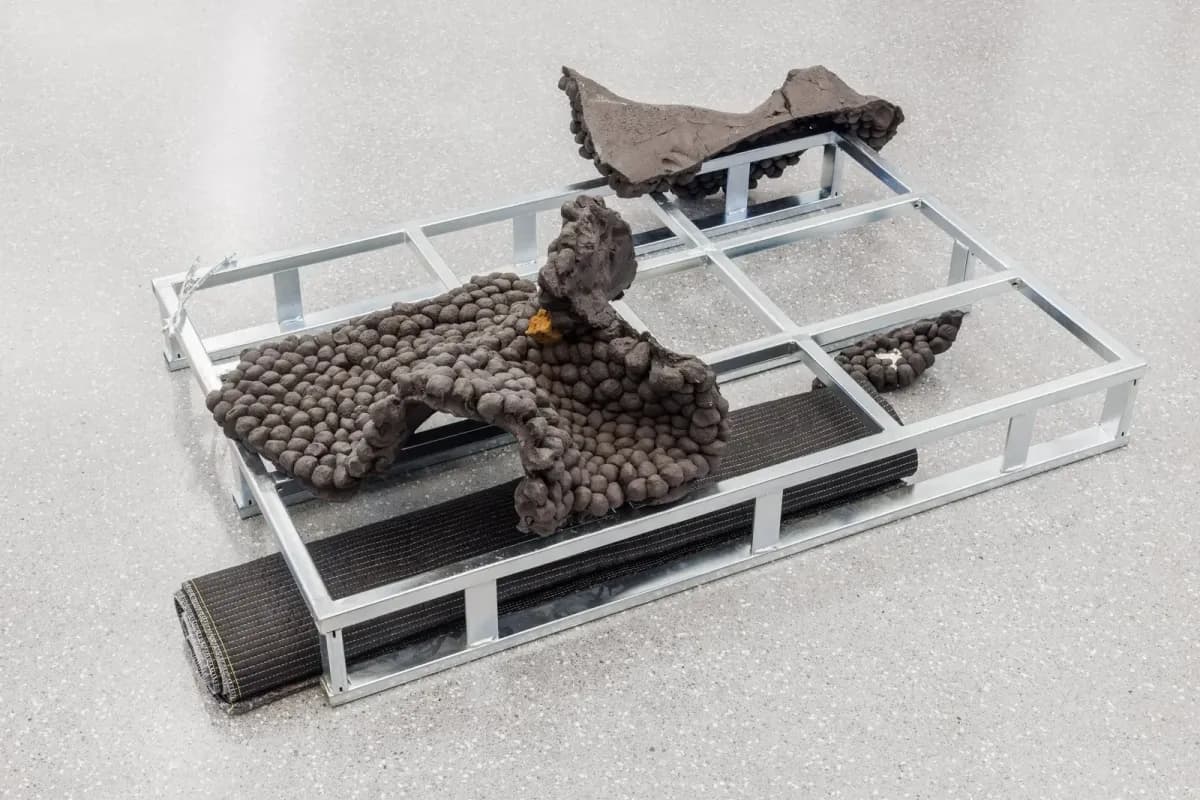
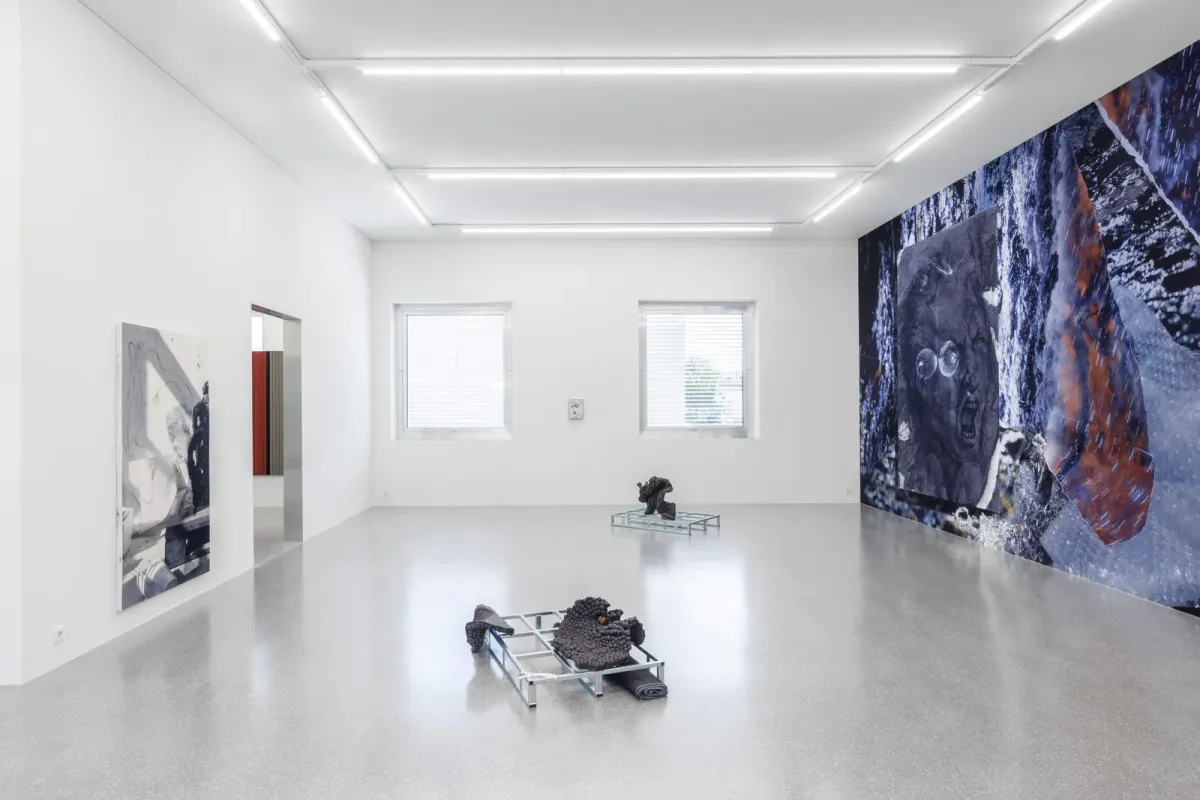
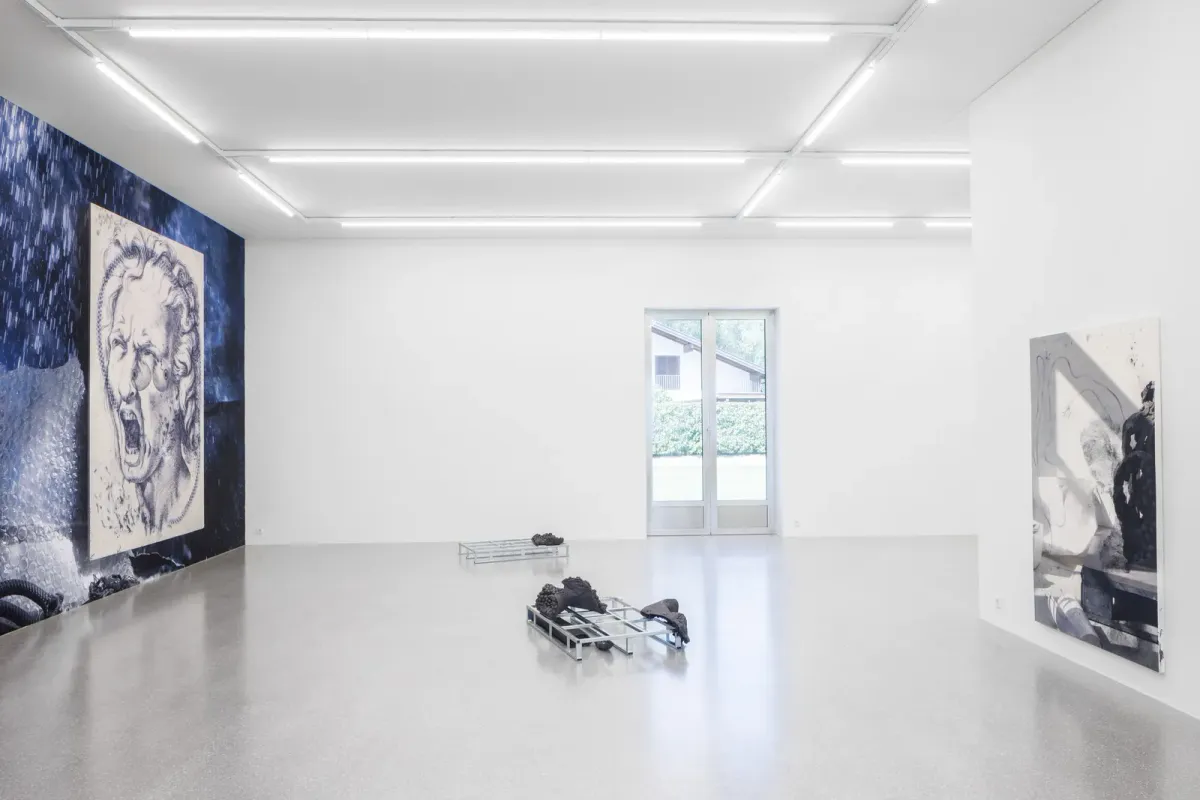
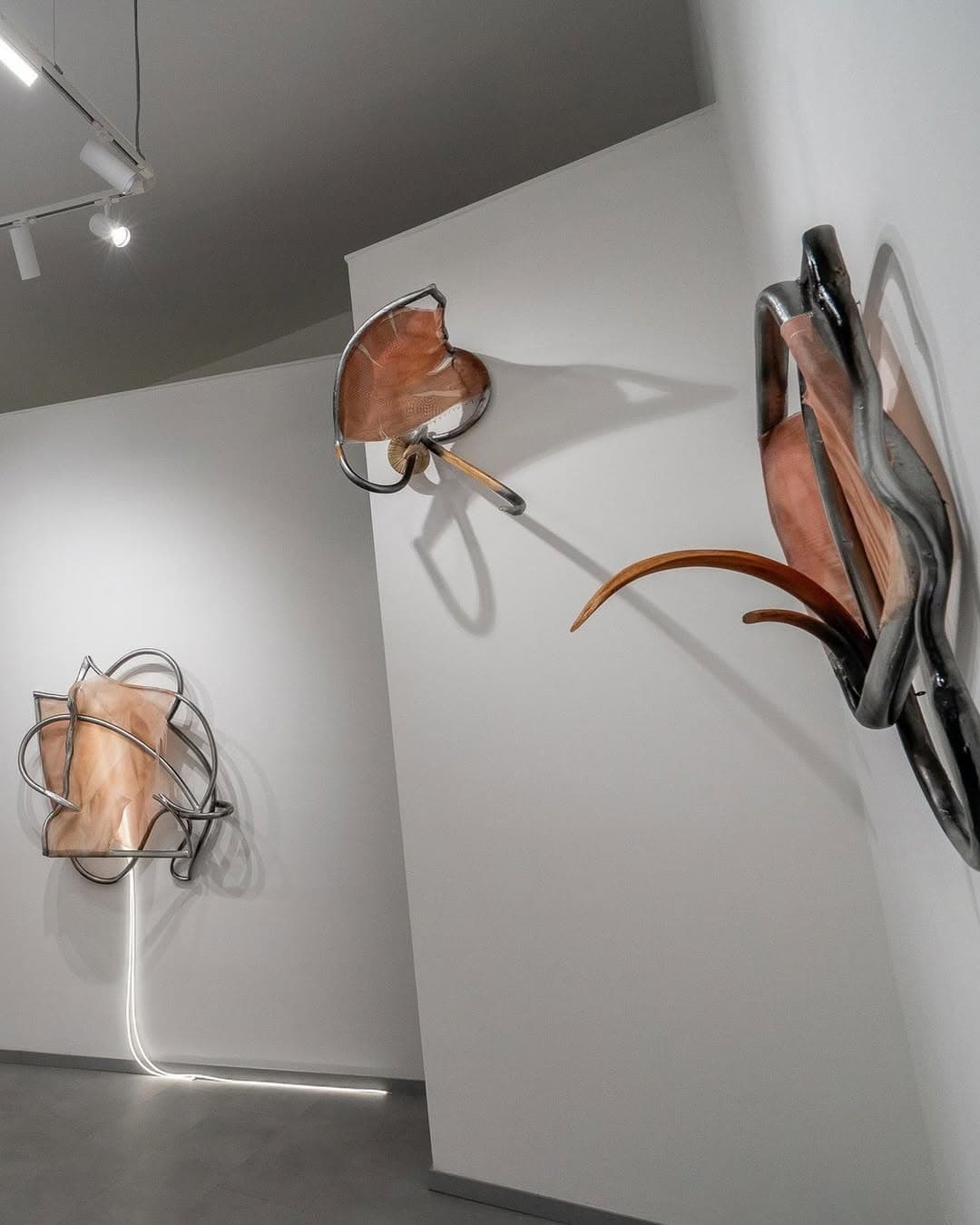
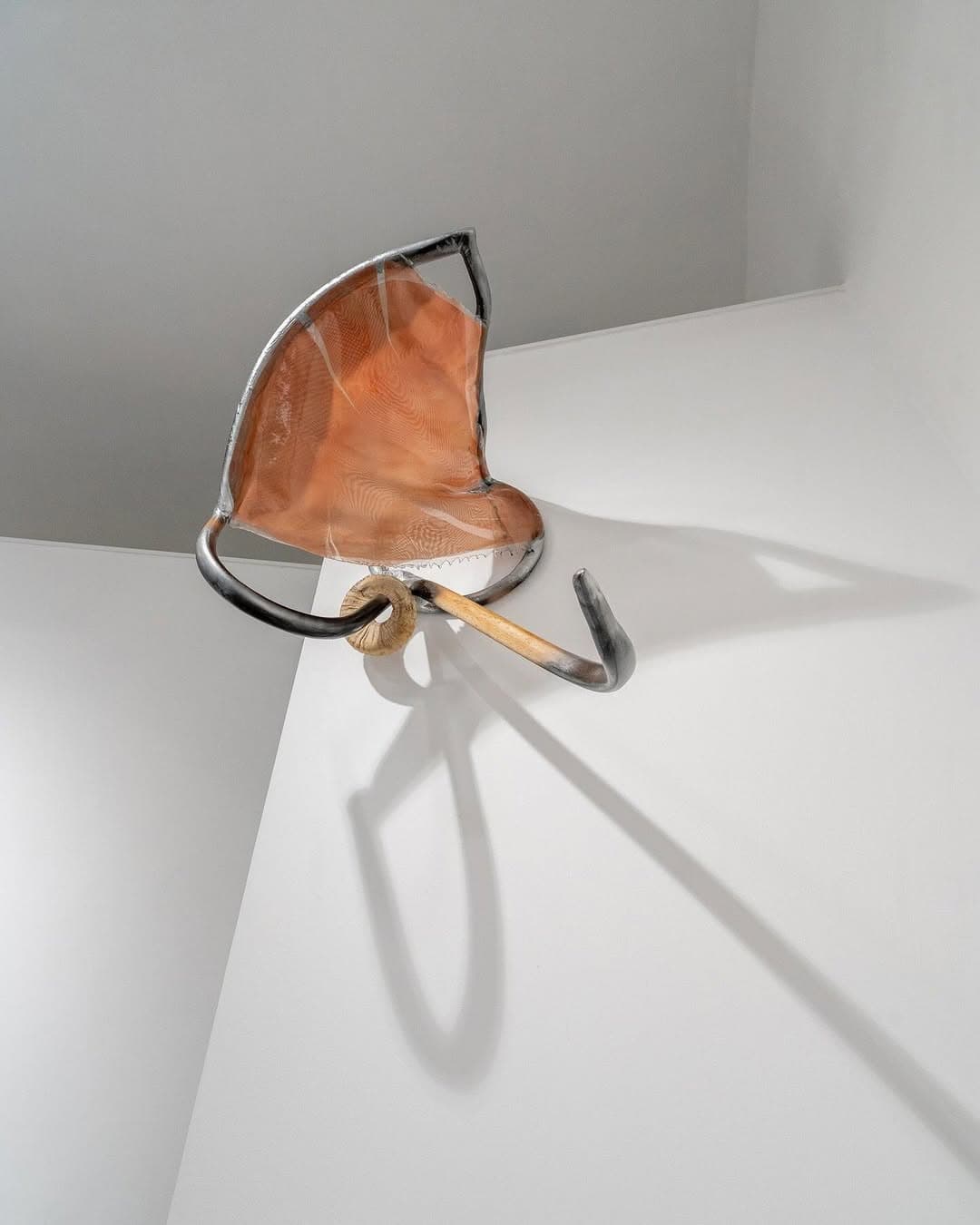
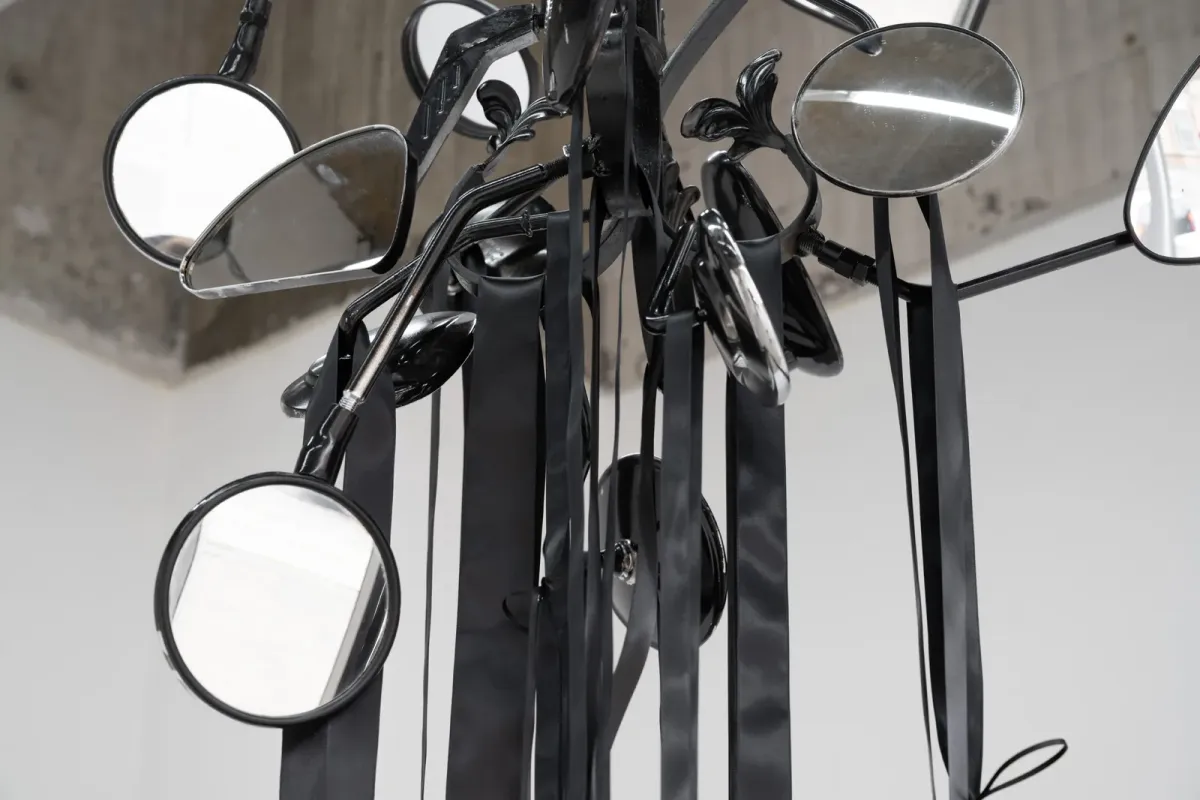
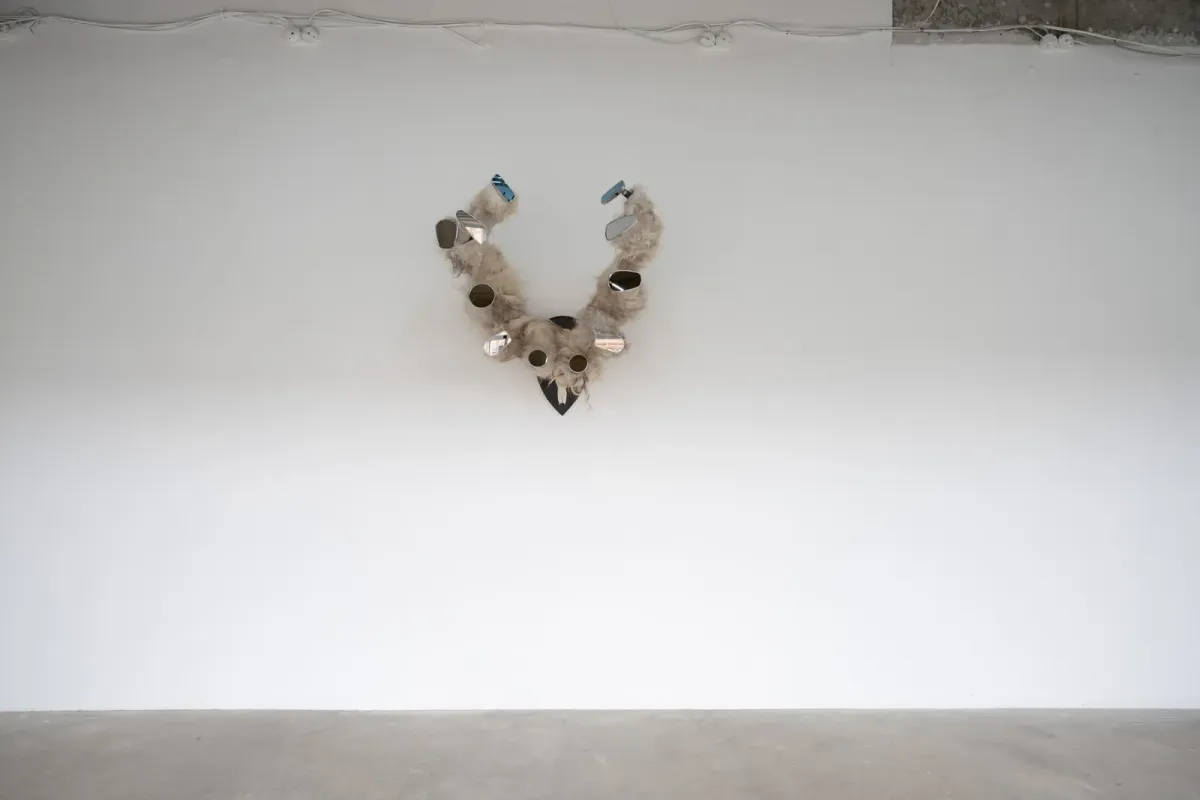
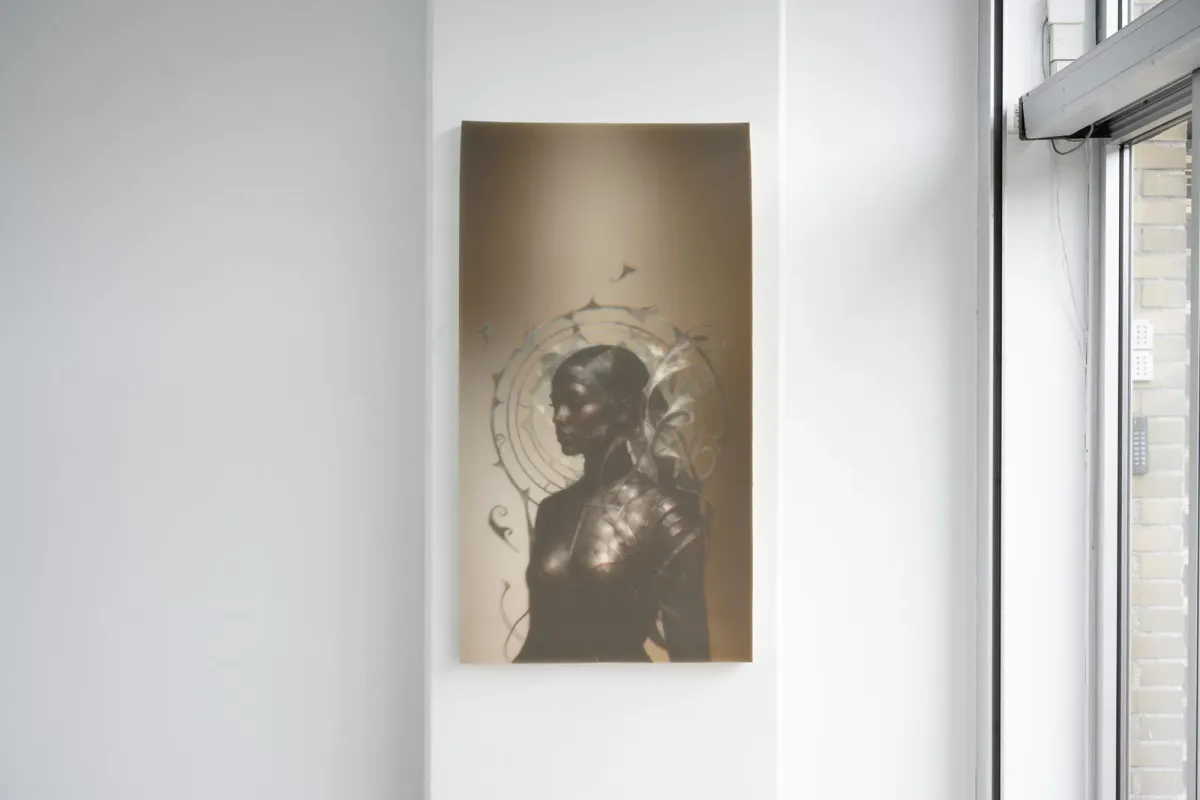
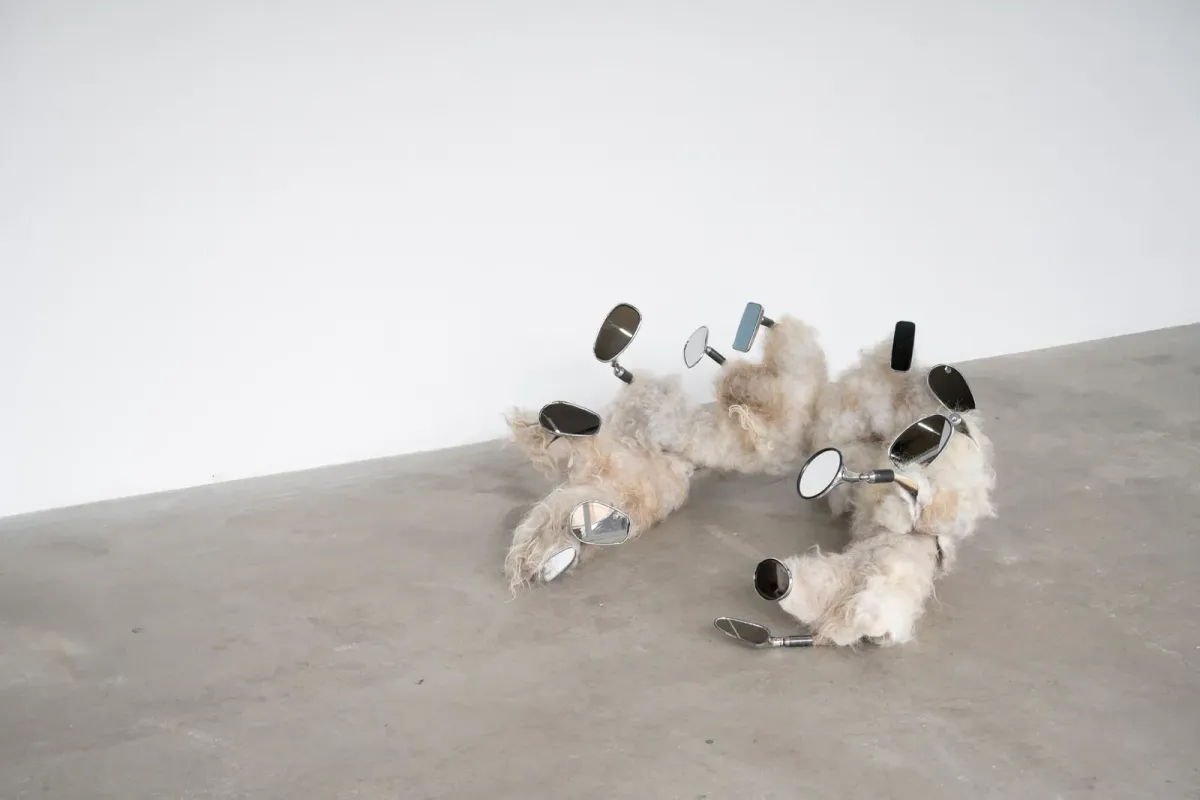
Der Kopf ist rund, damit das Denken die Richtung wechseln kannGalerie Brugger
Klaus in Vorarlberg / 2026
Der Kopf ist rund, damit das Denken die Richtung wechseln kannGalerie Brugger
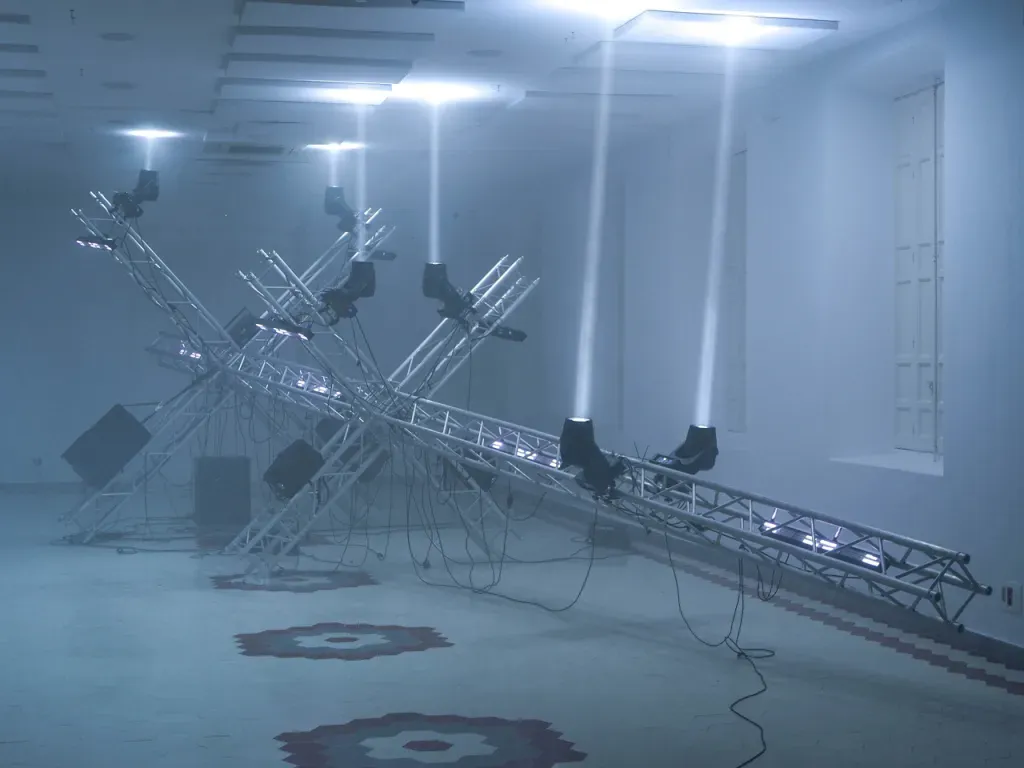
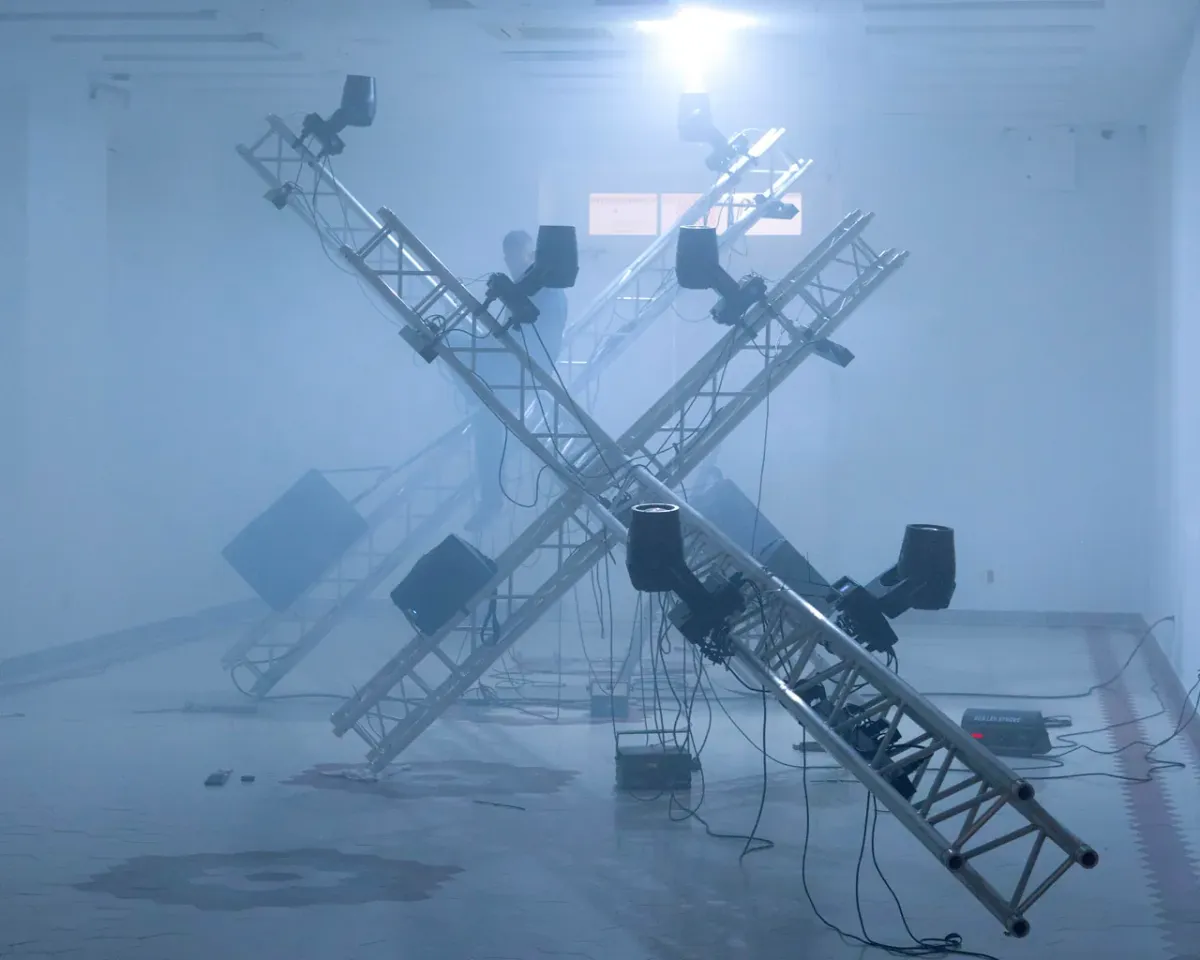
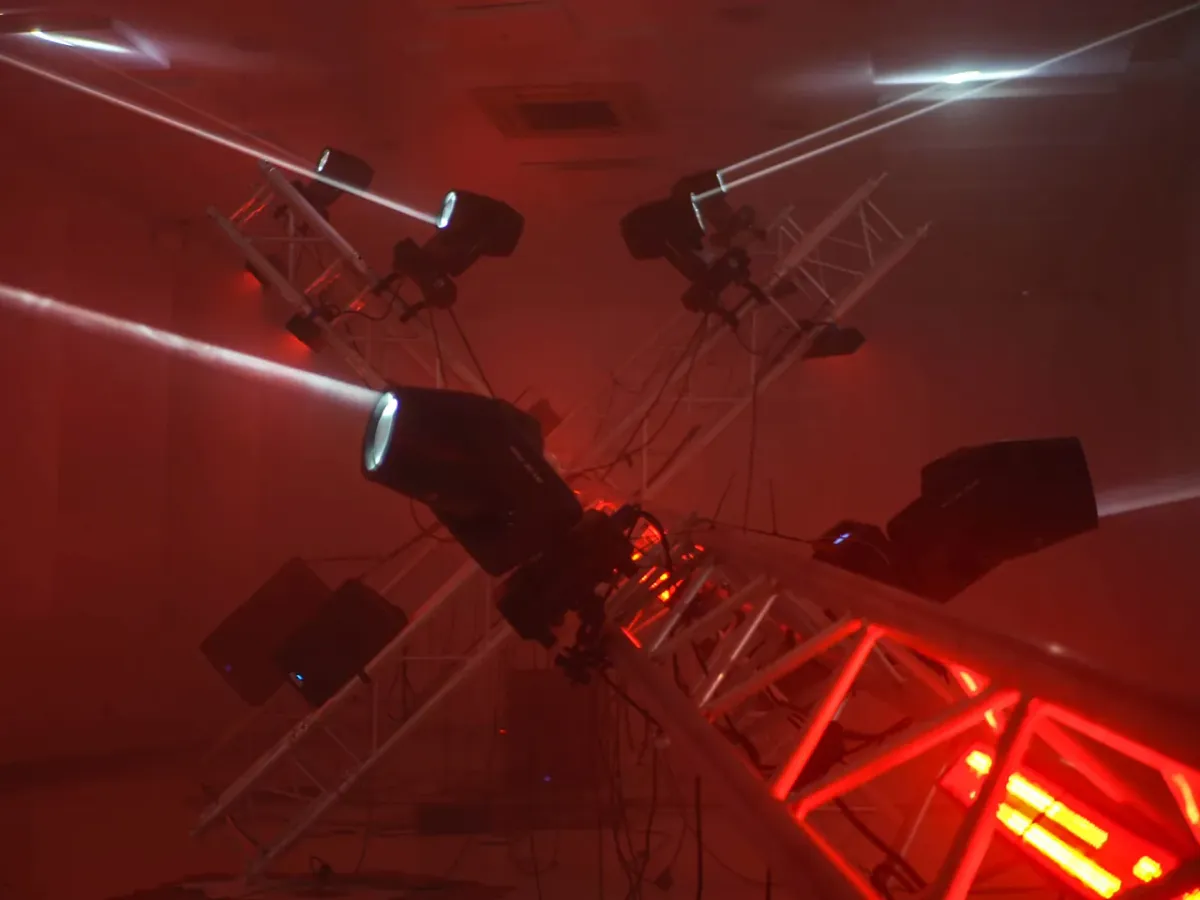
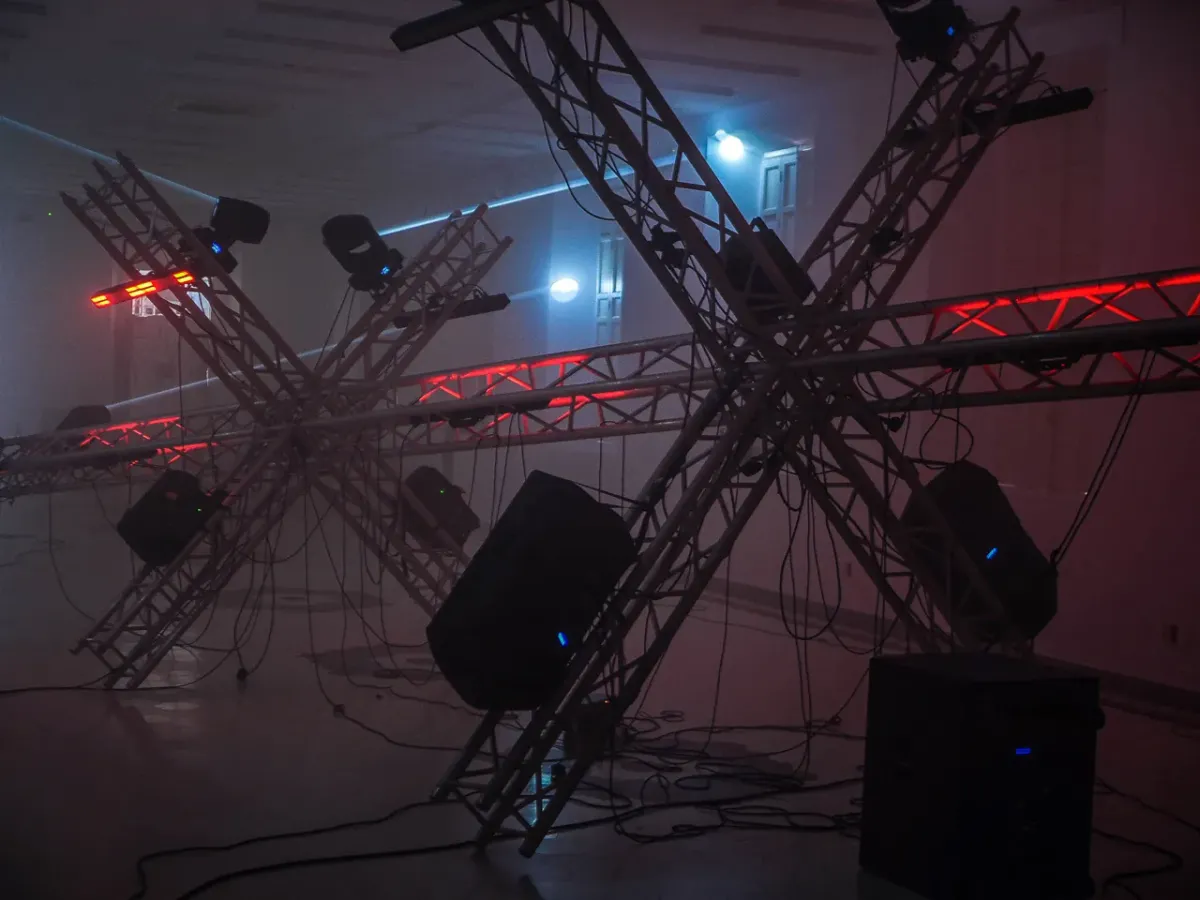
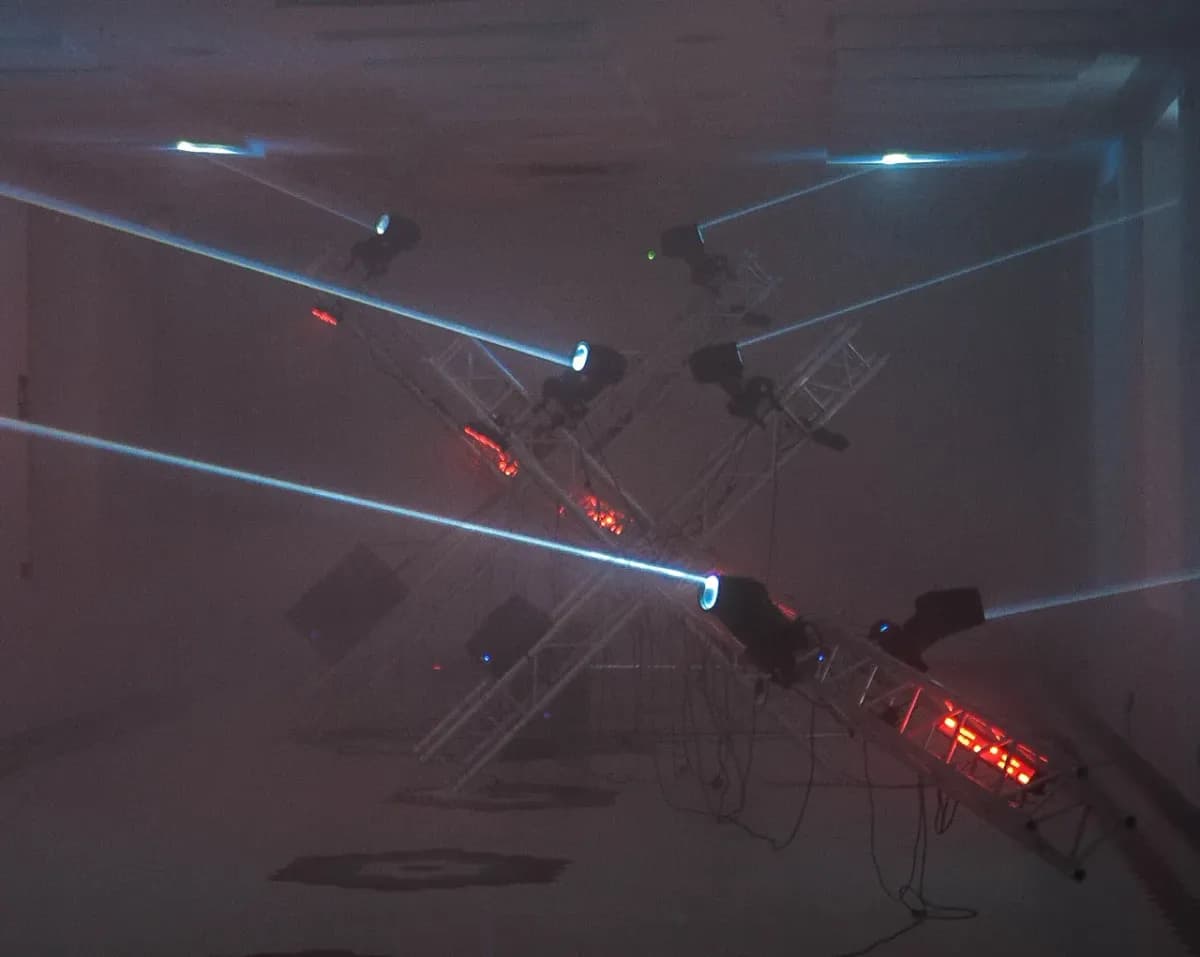
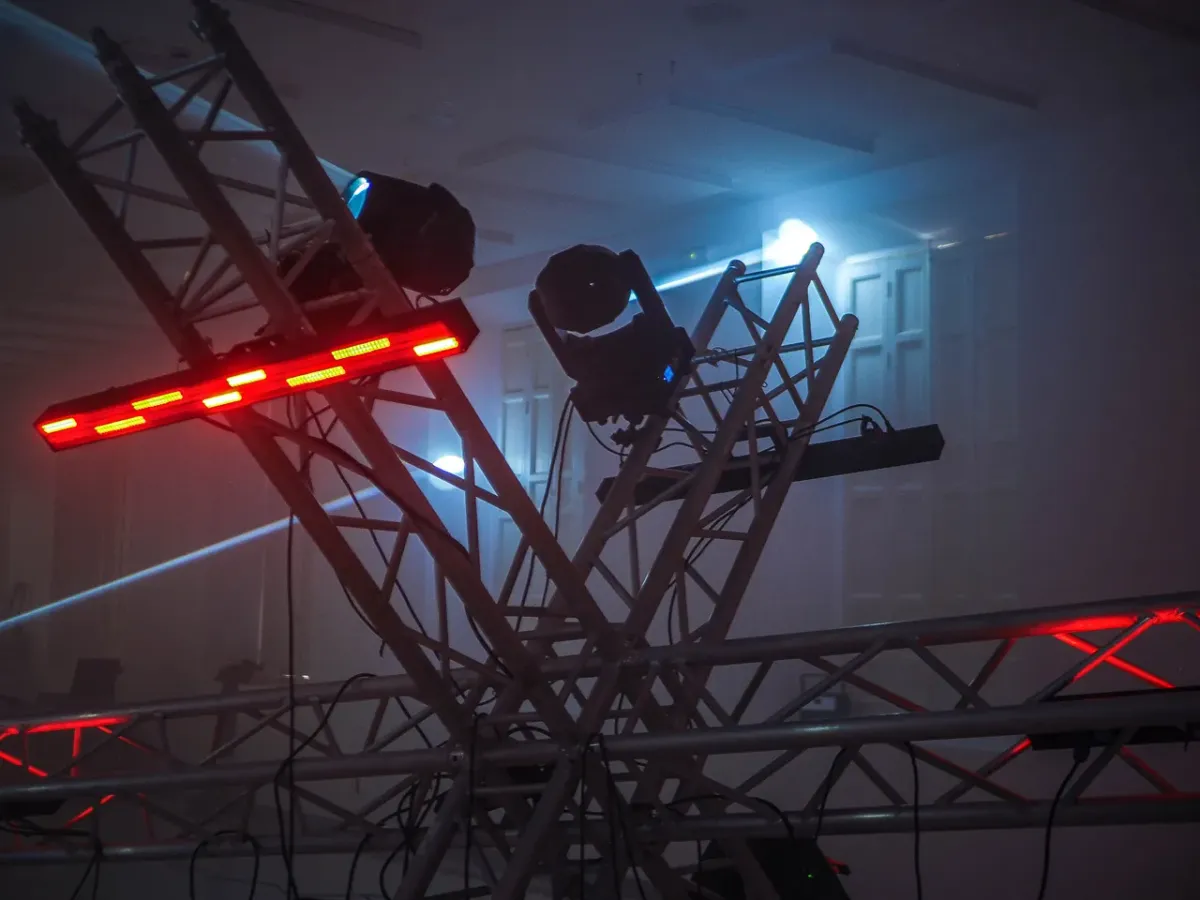
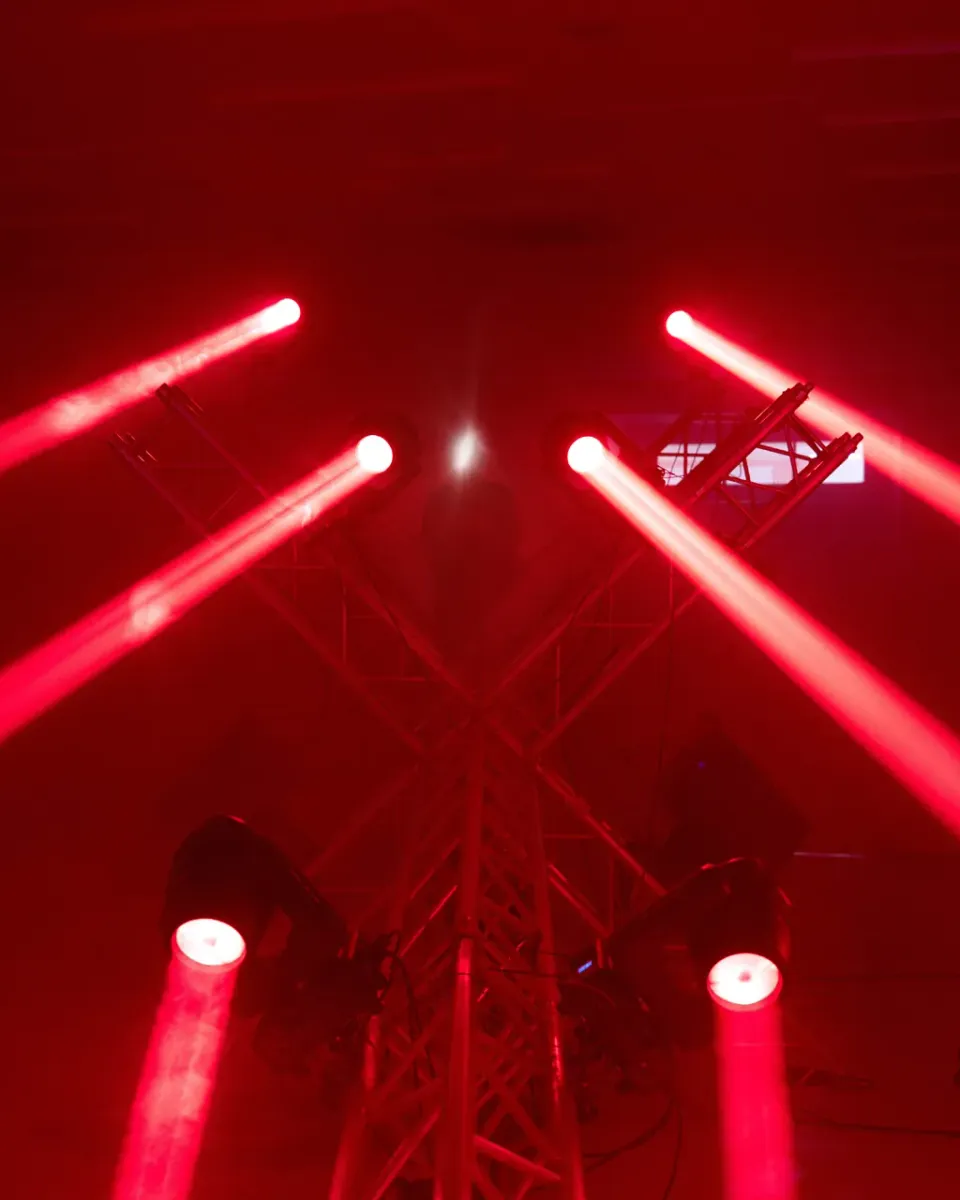
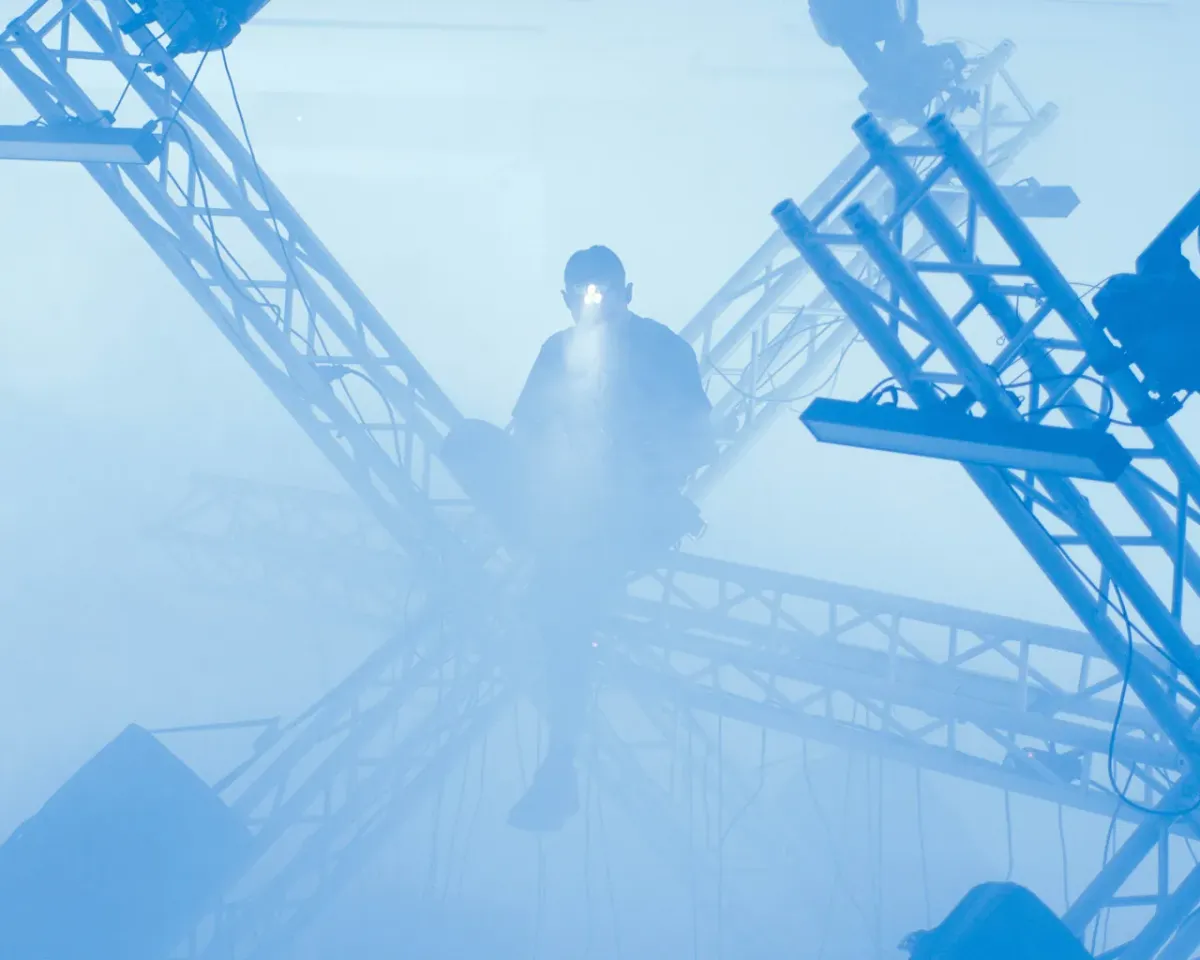
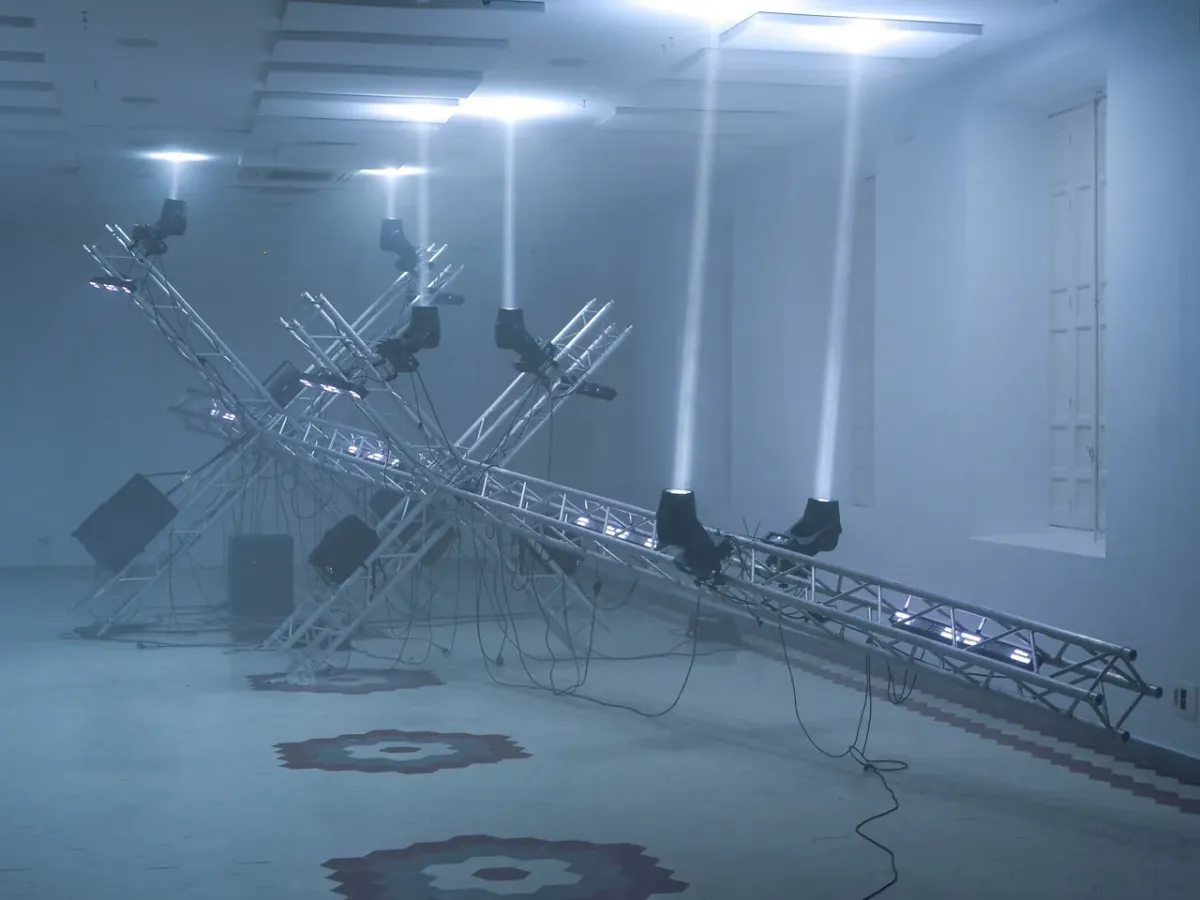
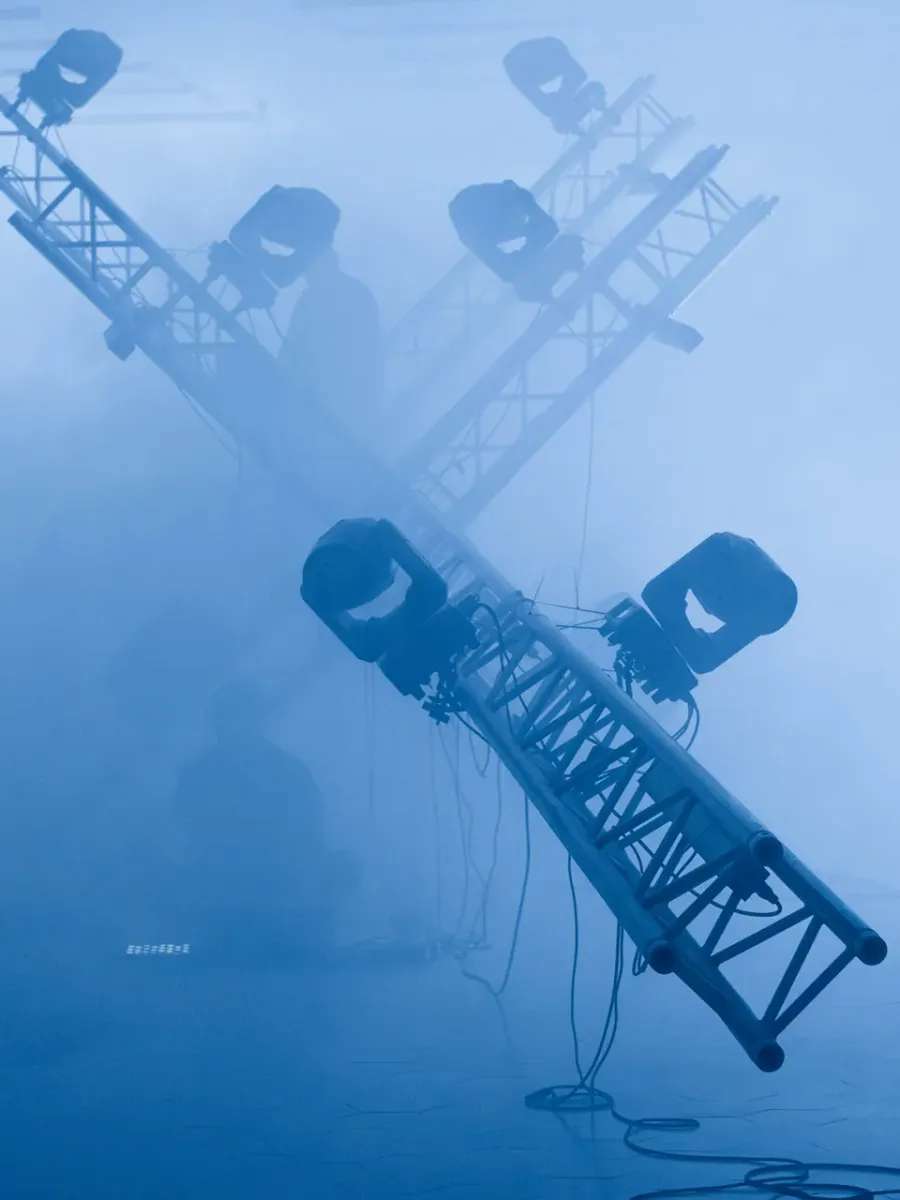
May 22 — June 01, 2026
Leo Pum @La Térmica, Málaga KRVCE festival
Everything you need to plan, apply, and move your art career forward.
Kraków / 2026
 Features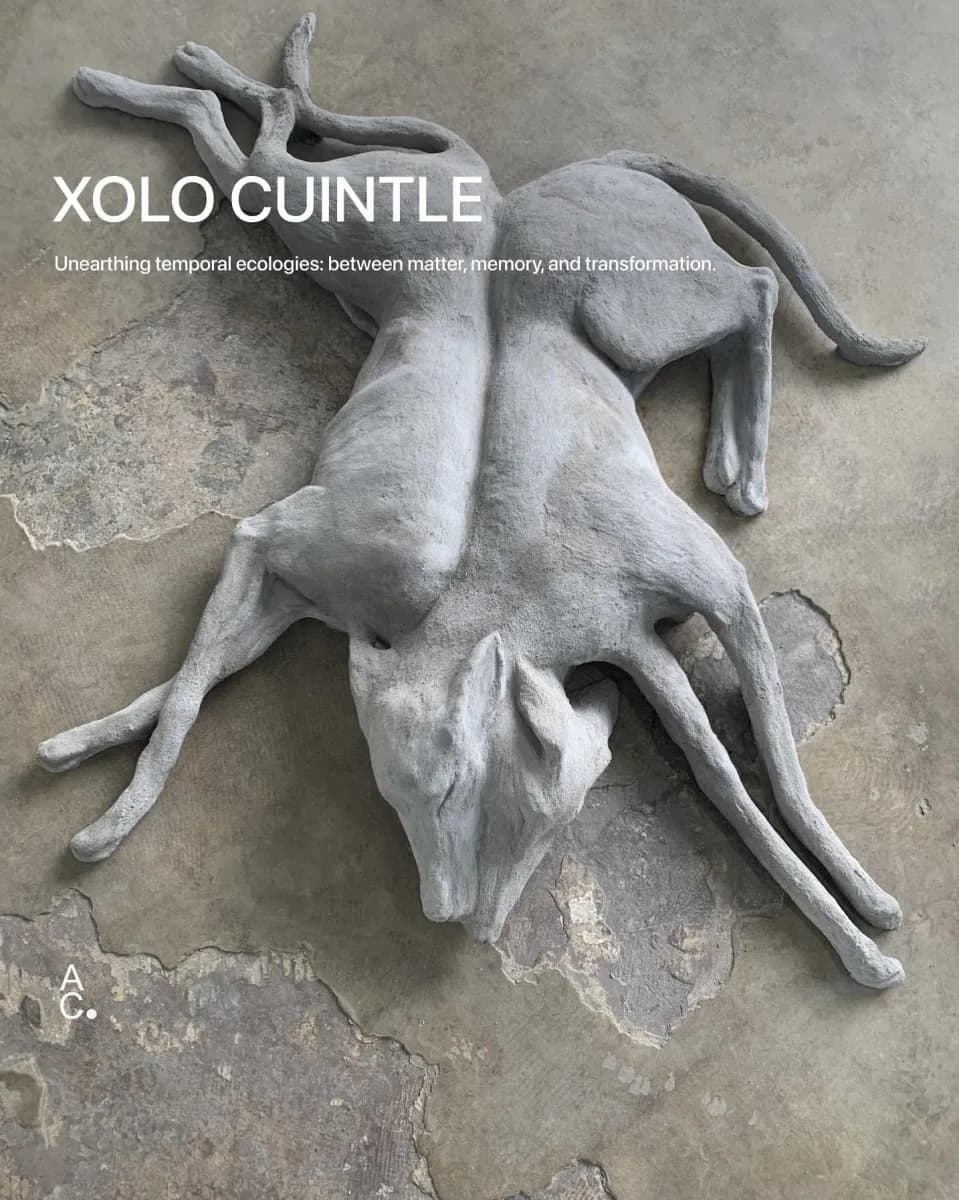
@xolo_cuintle
Warsaw / 2026
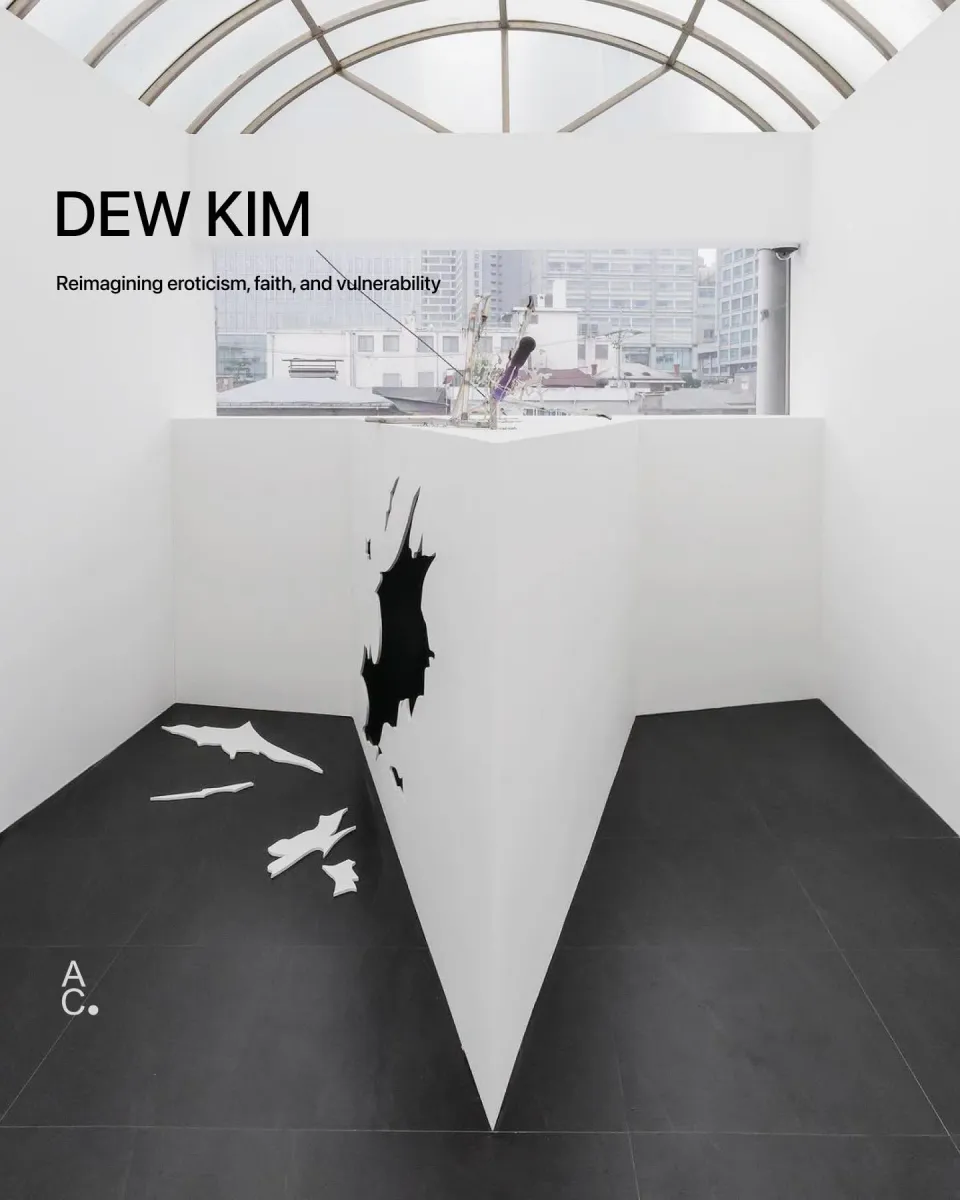
@dew_needs_you
Brussels / 2026
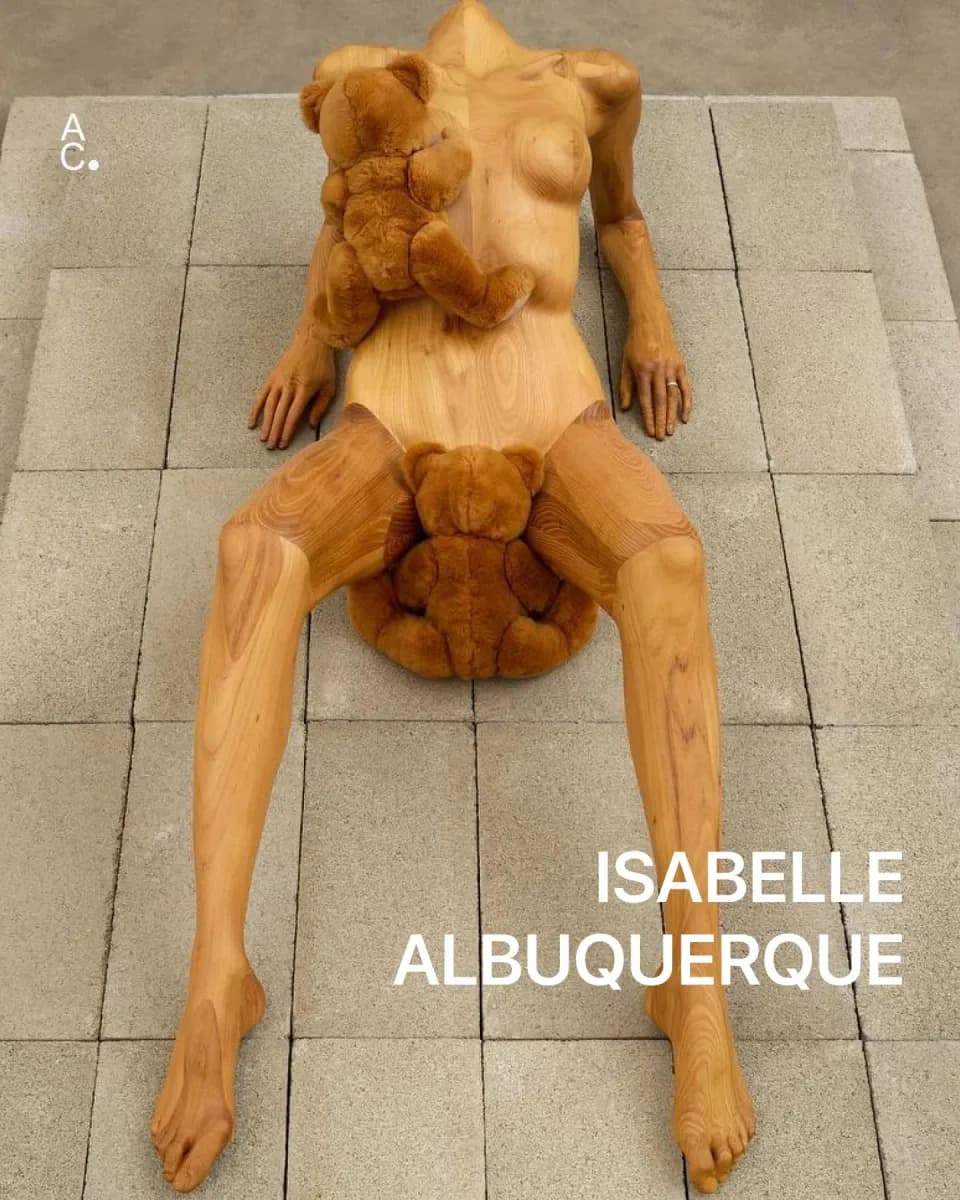
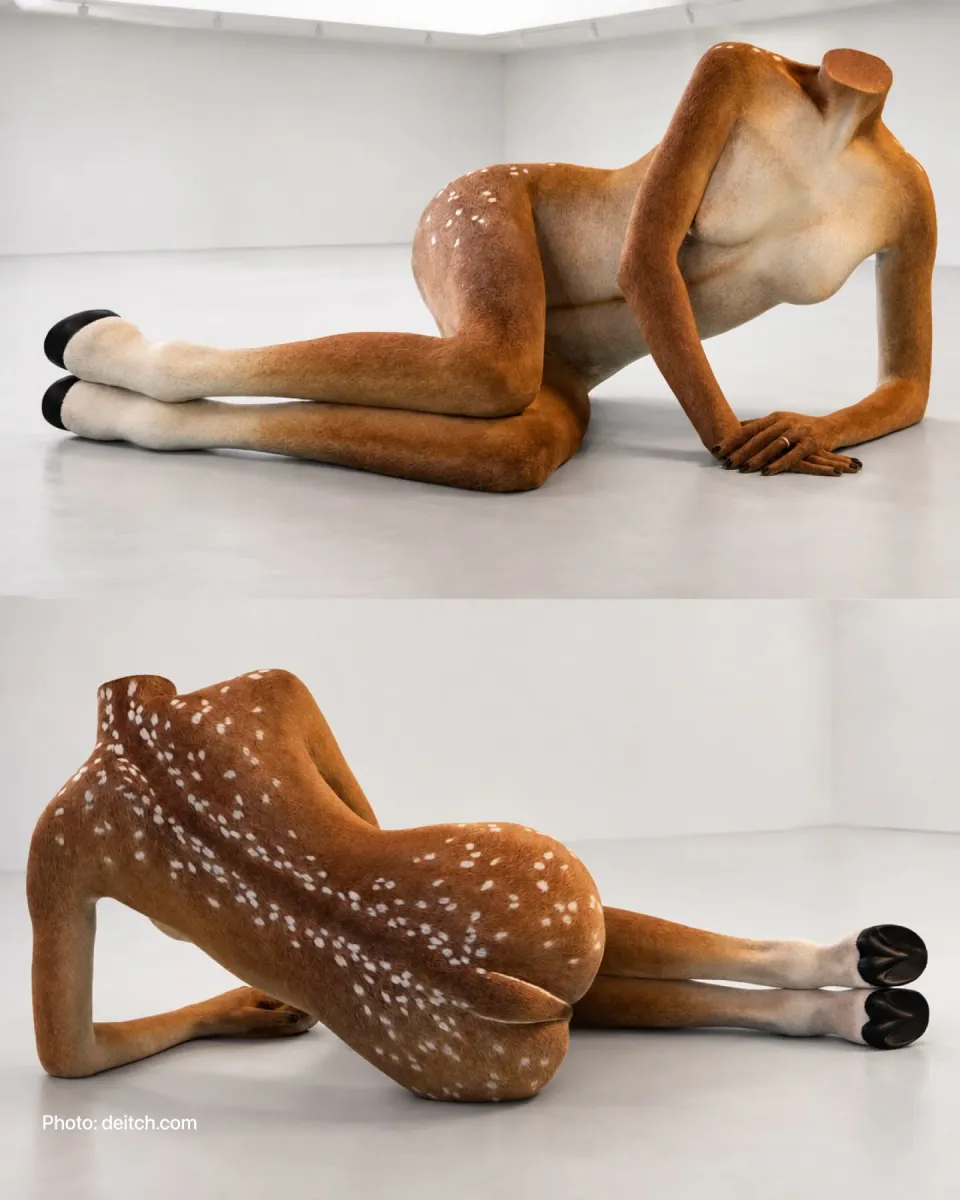
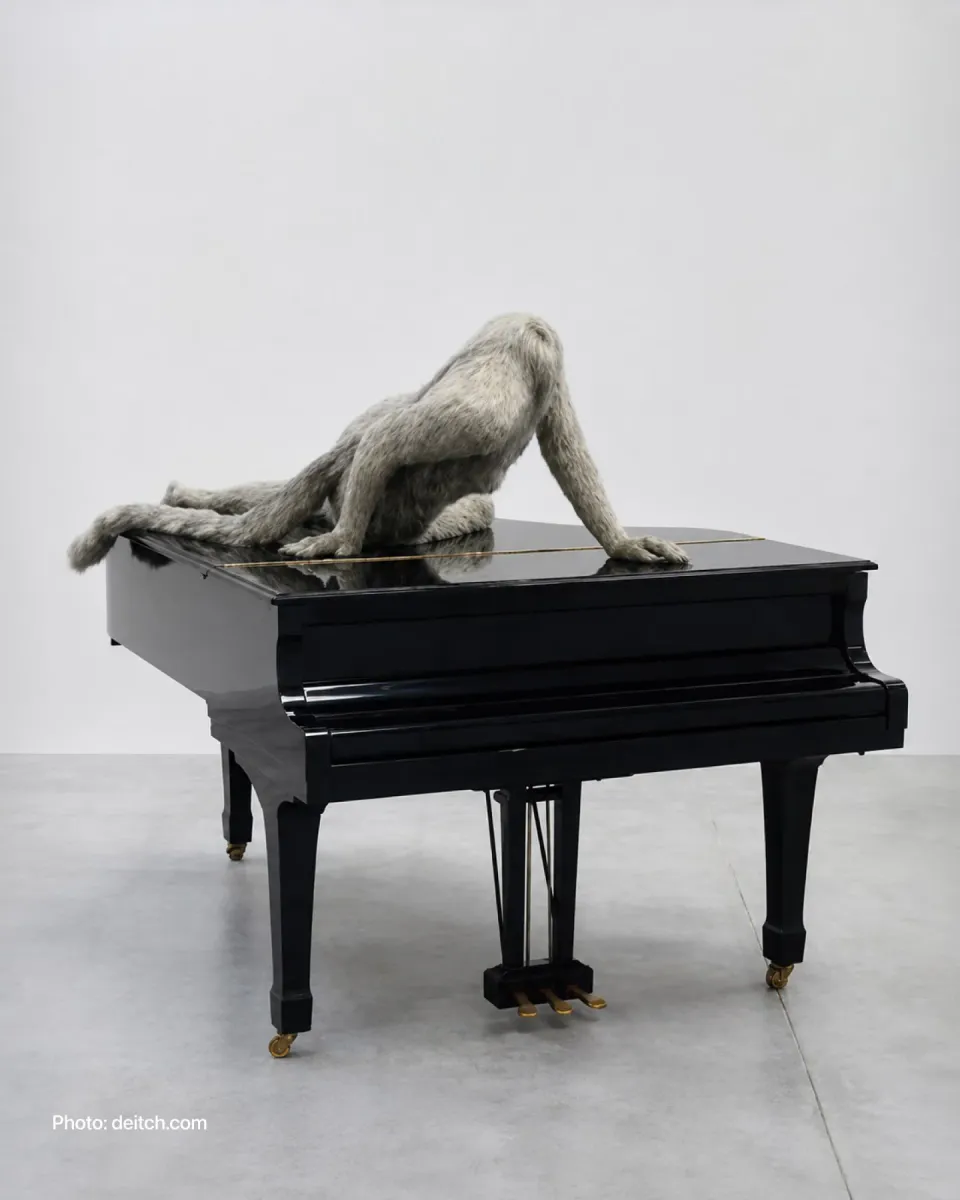
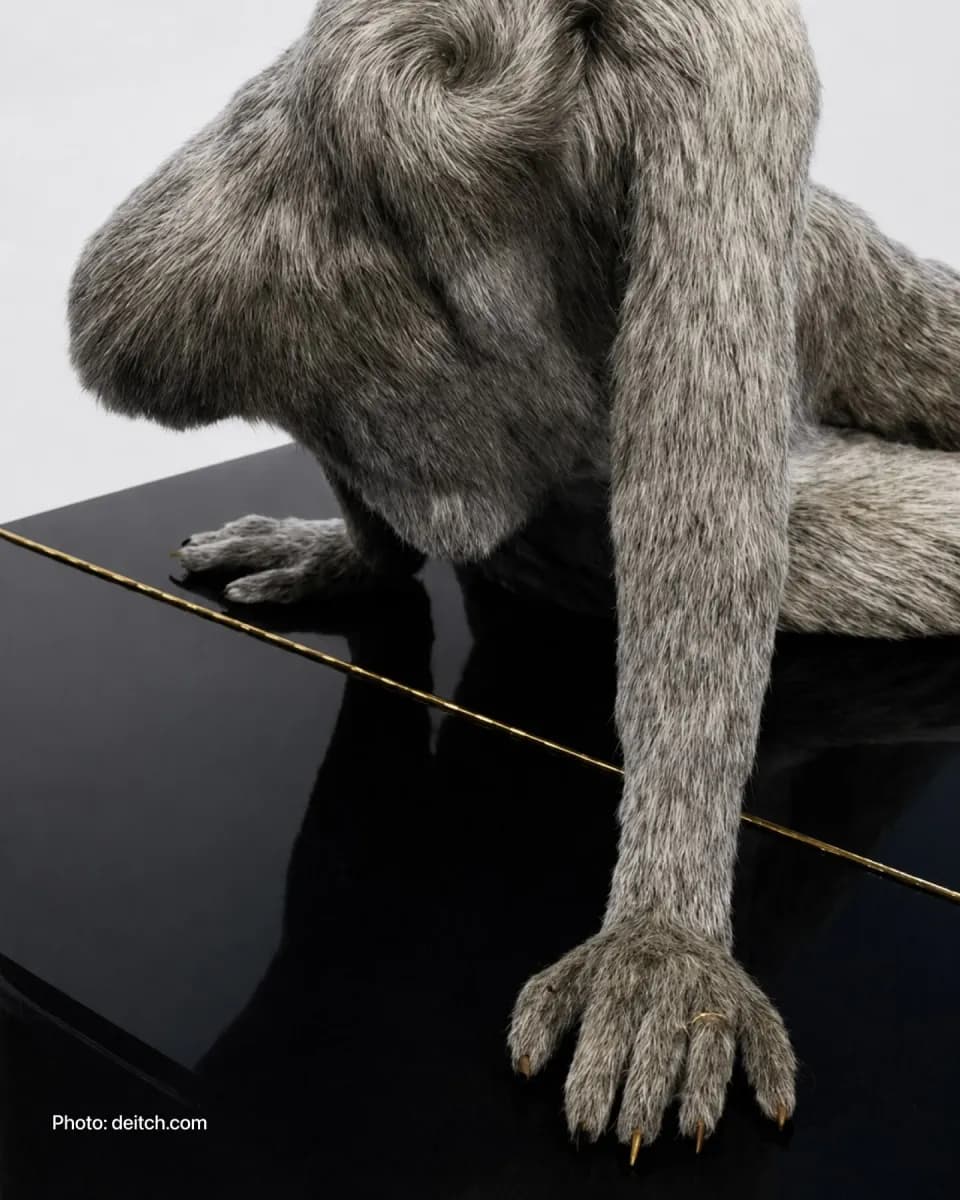
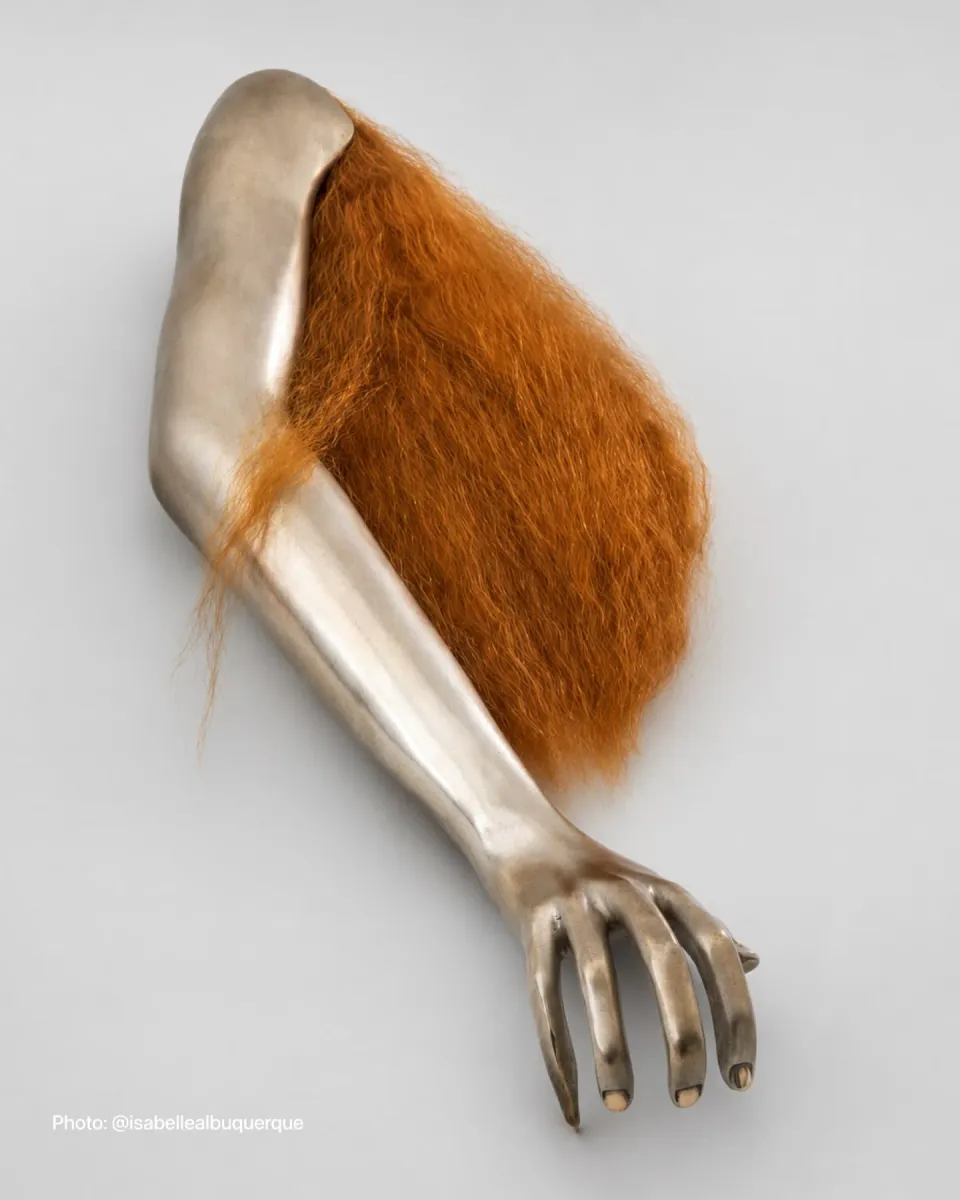
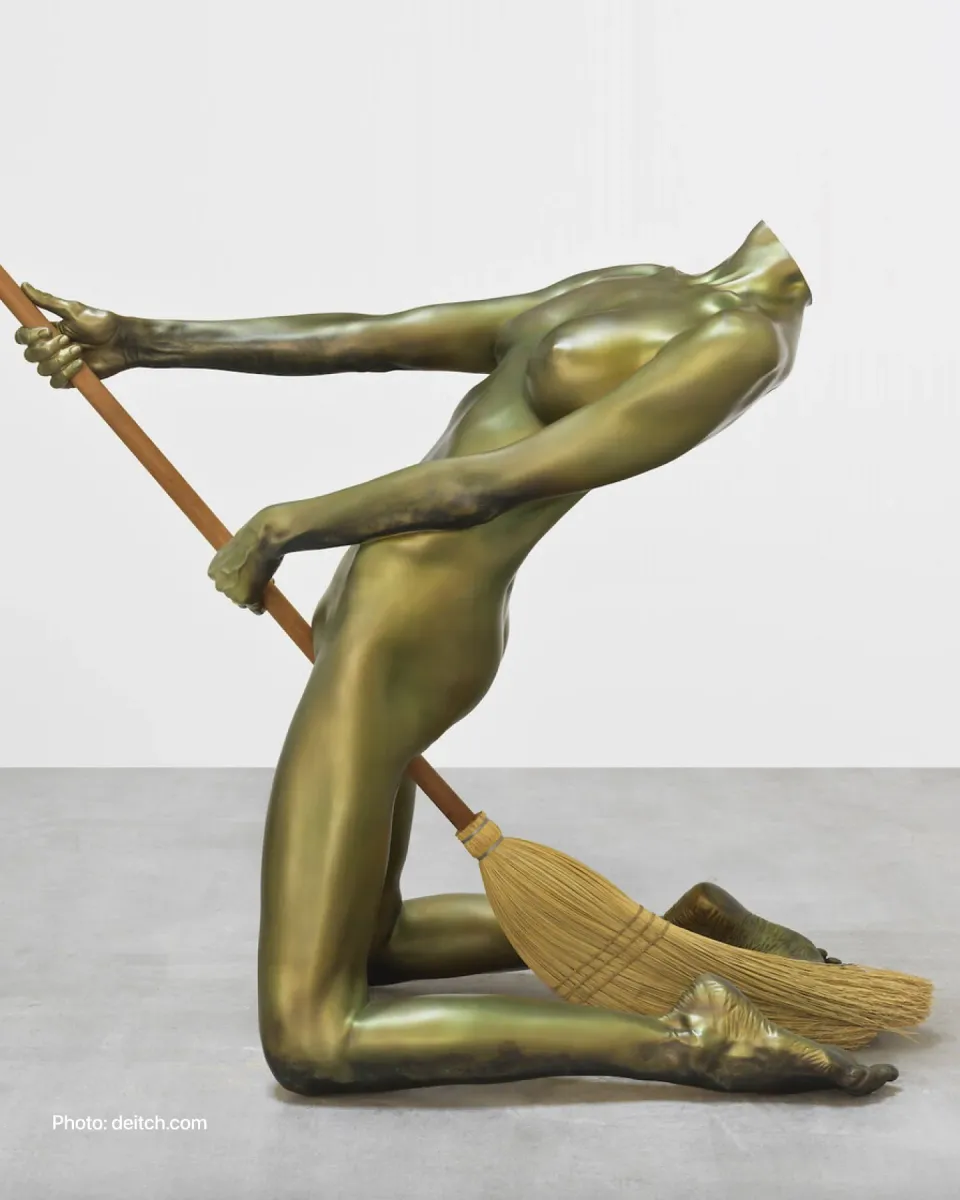
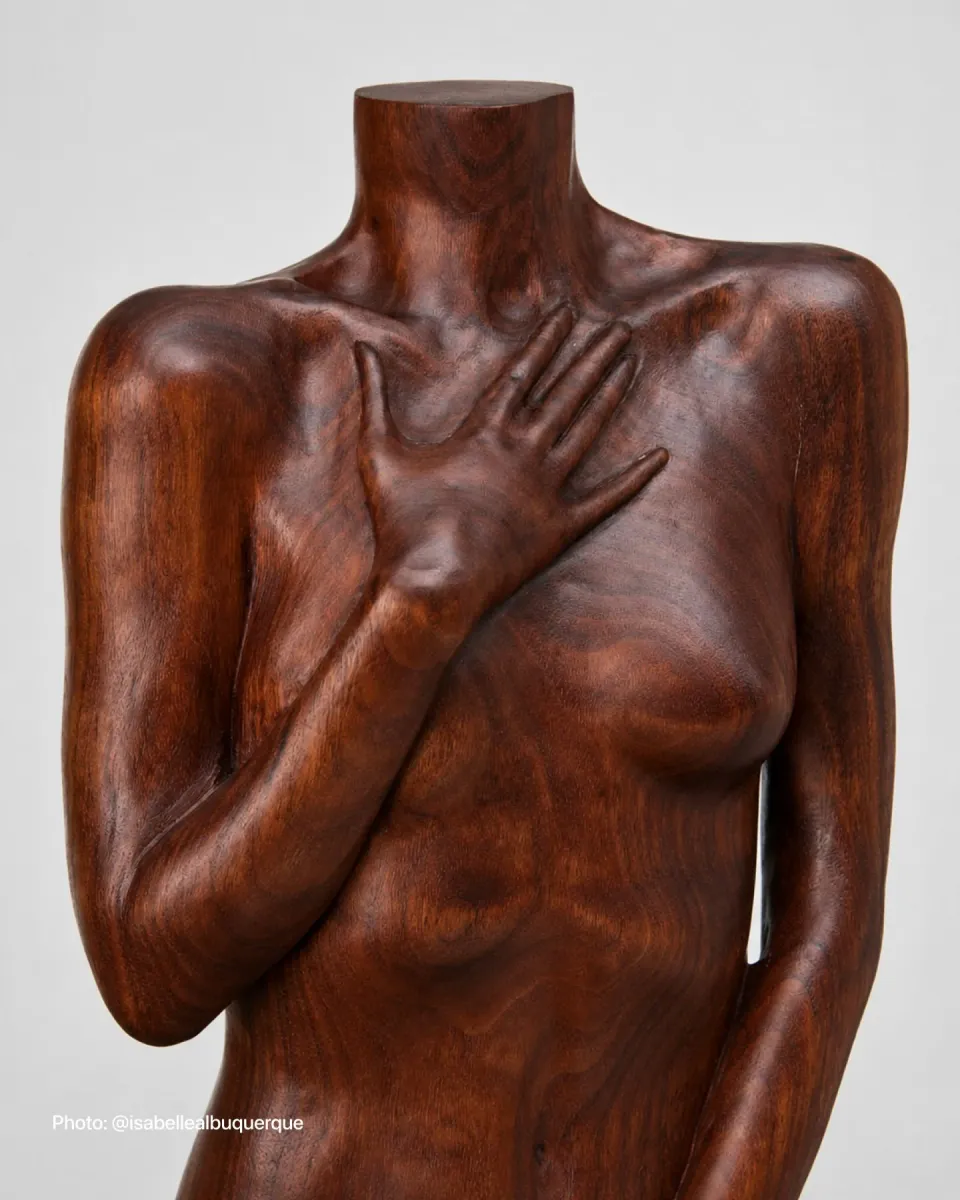
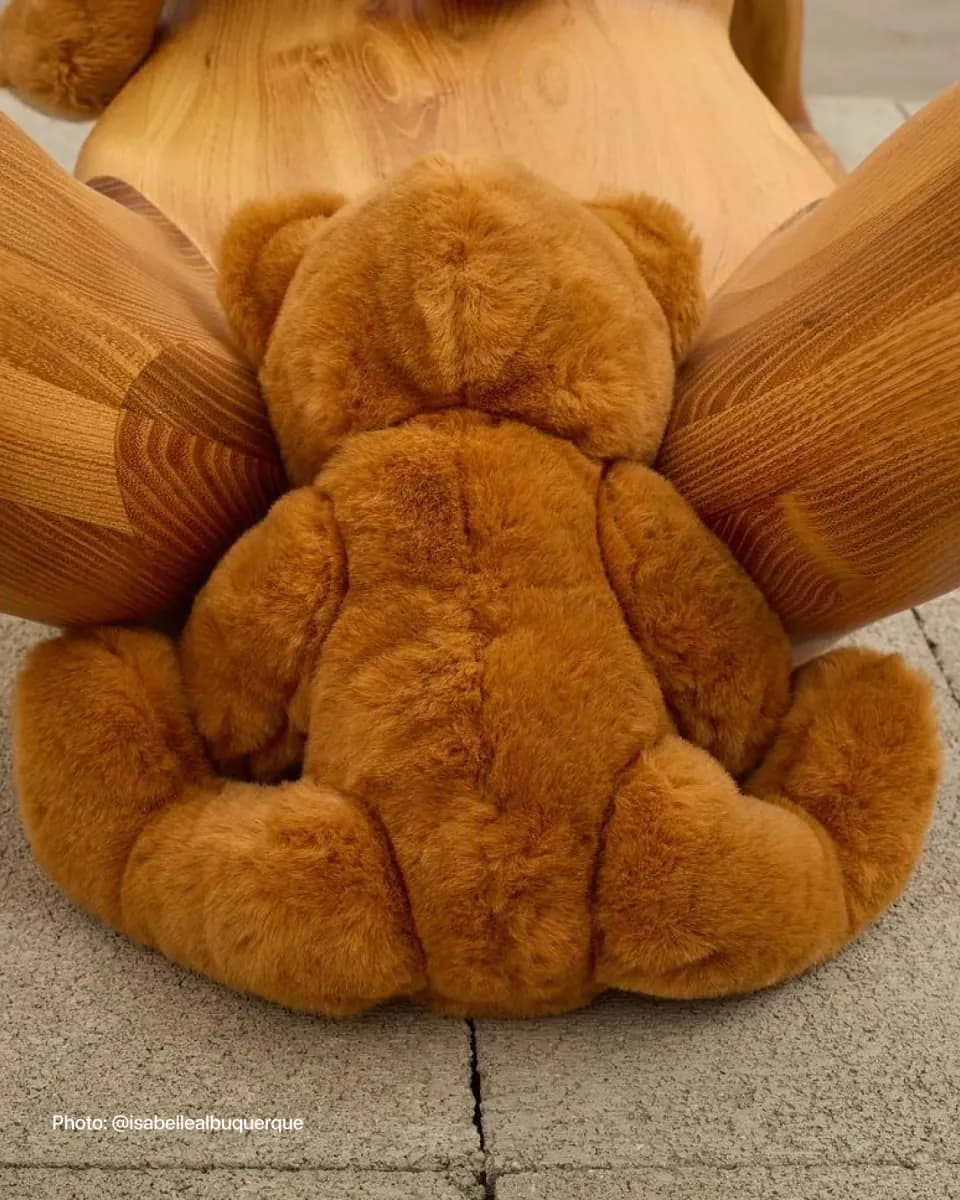
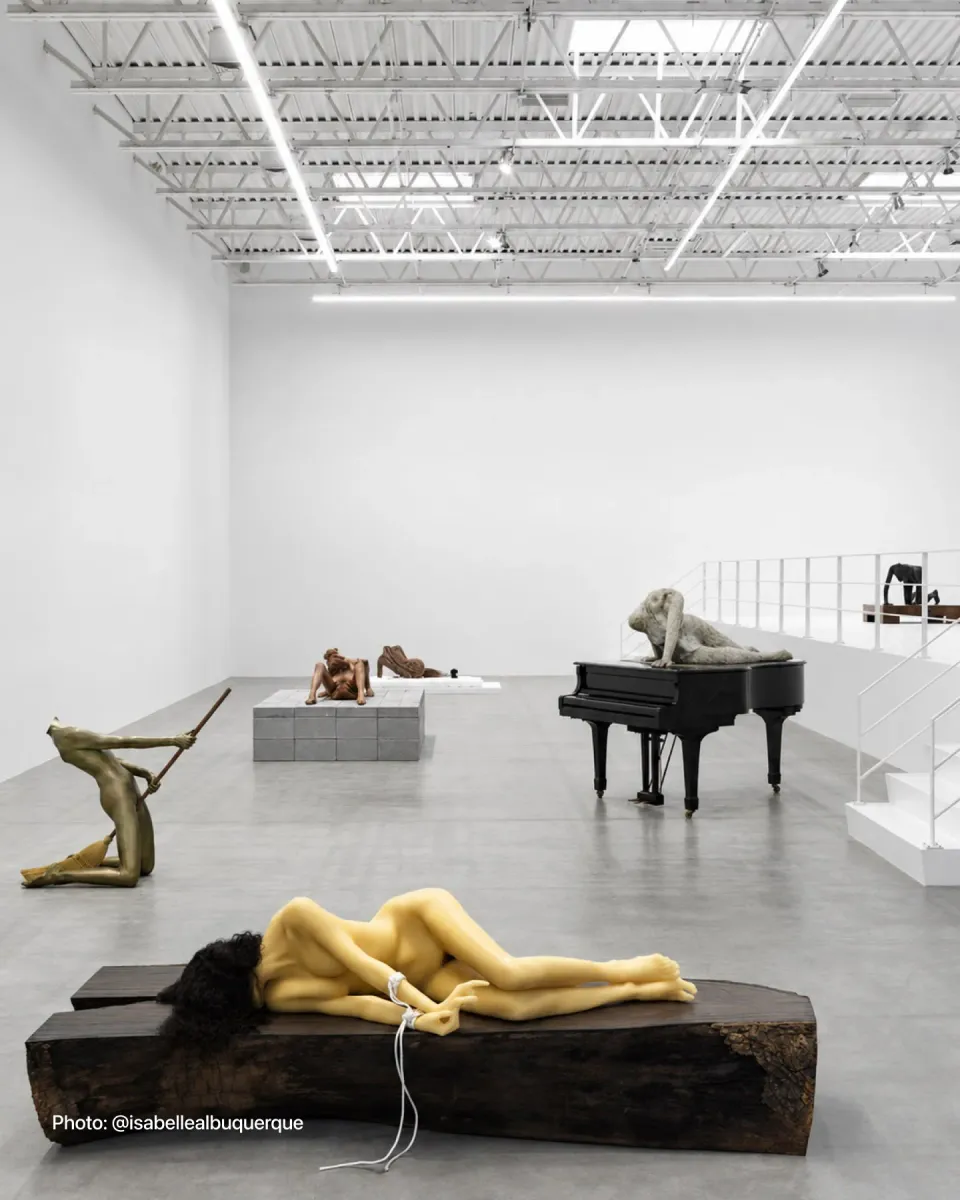
@isabellealbuquerque
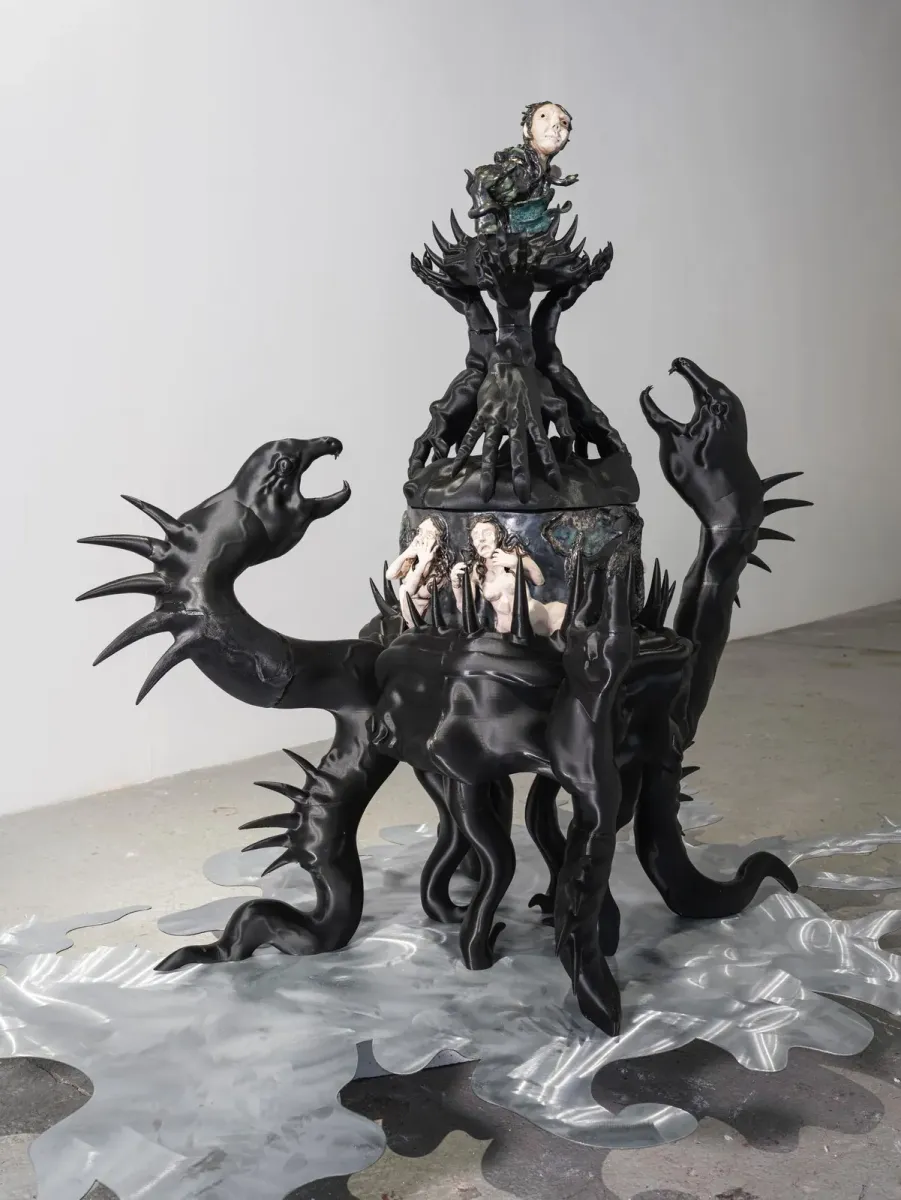
Paris / 2026
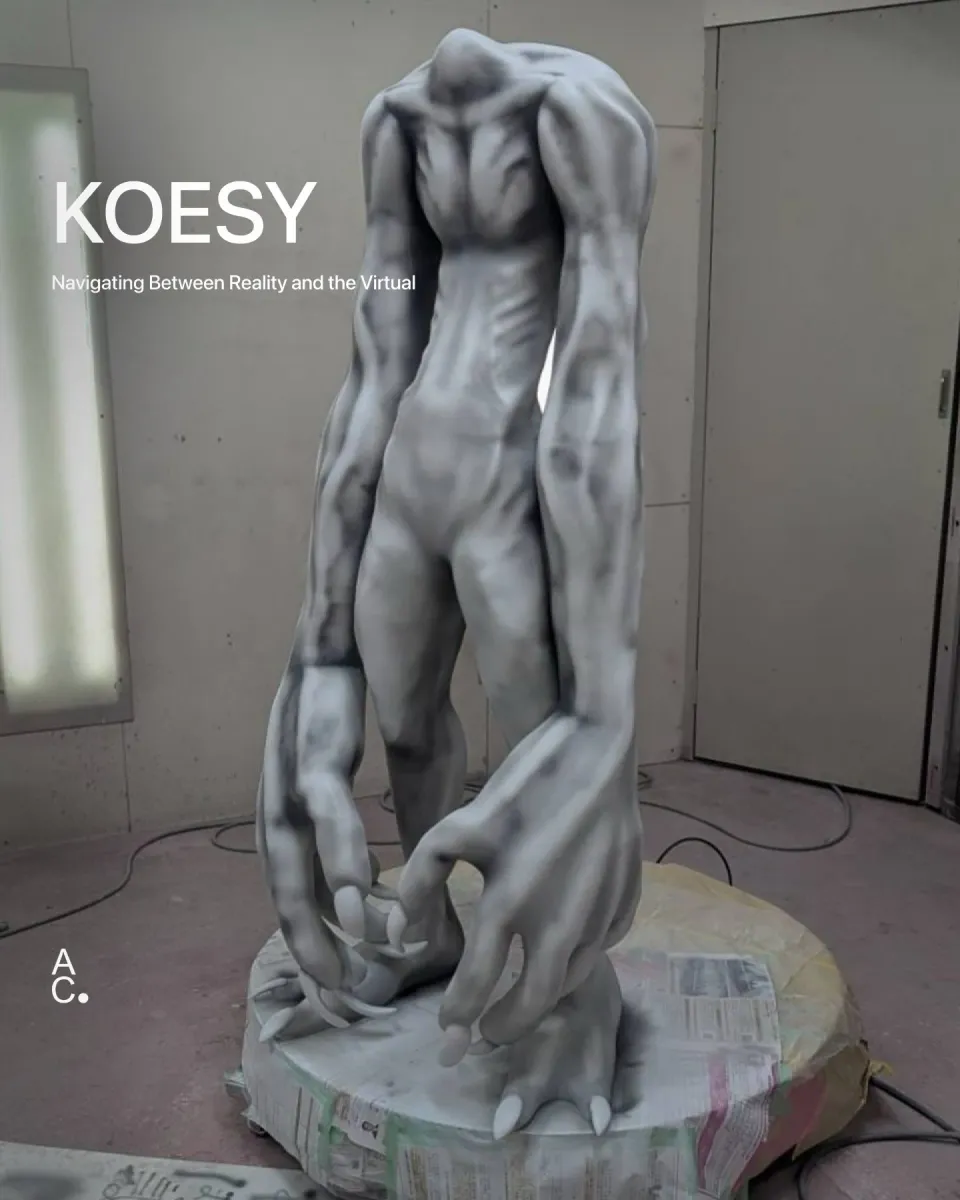
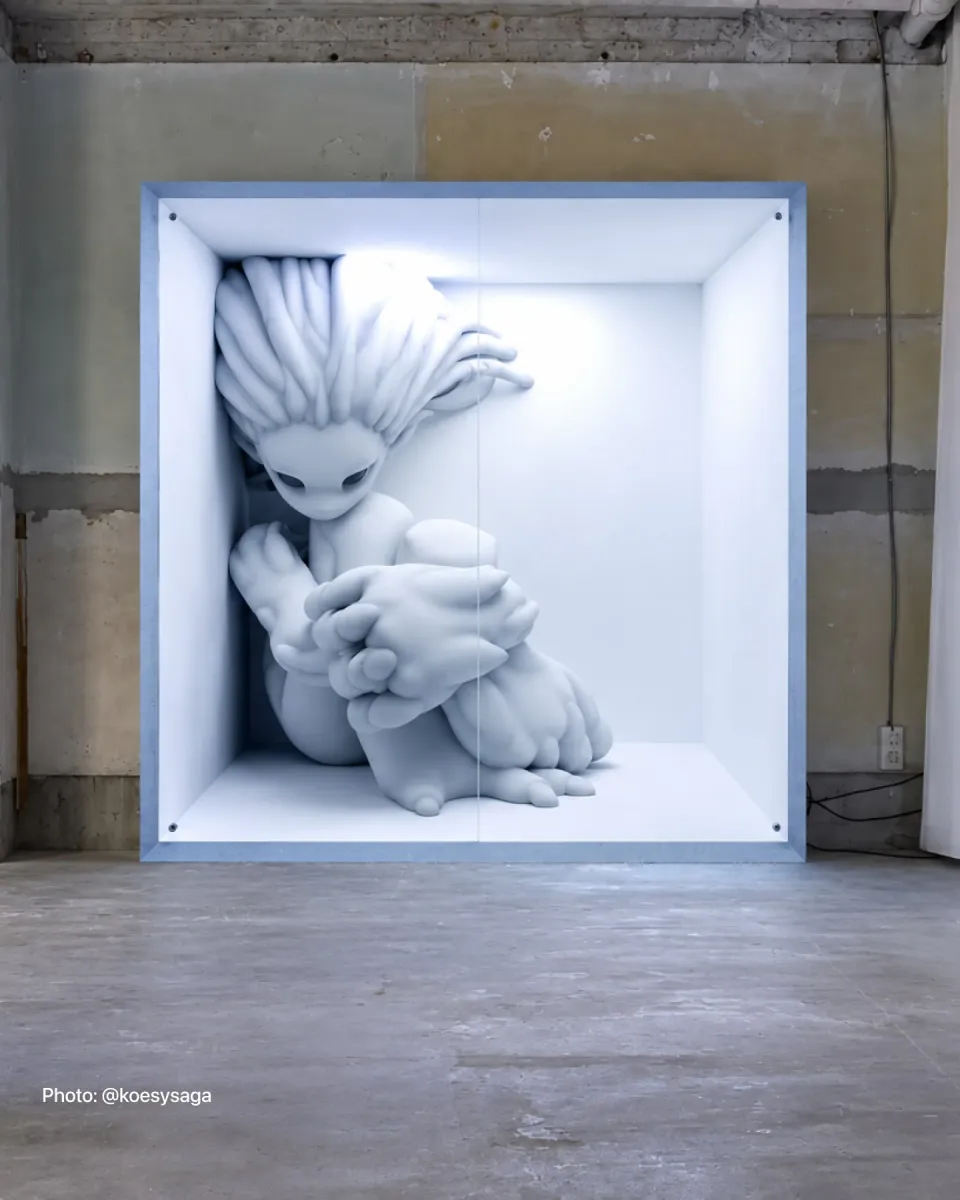
@koesysaga
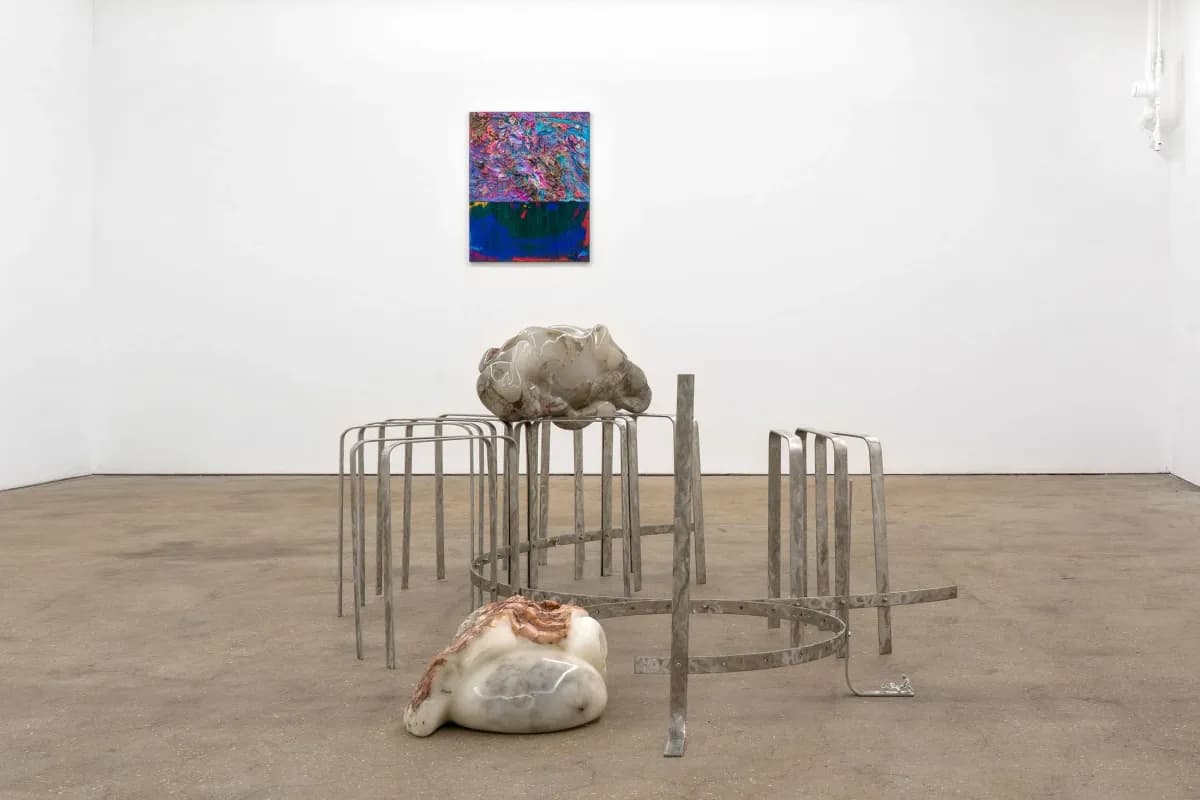
London / 2026
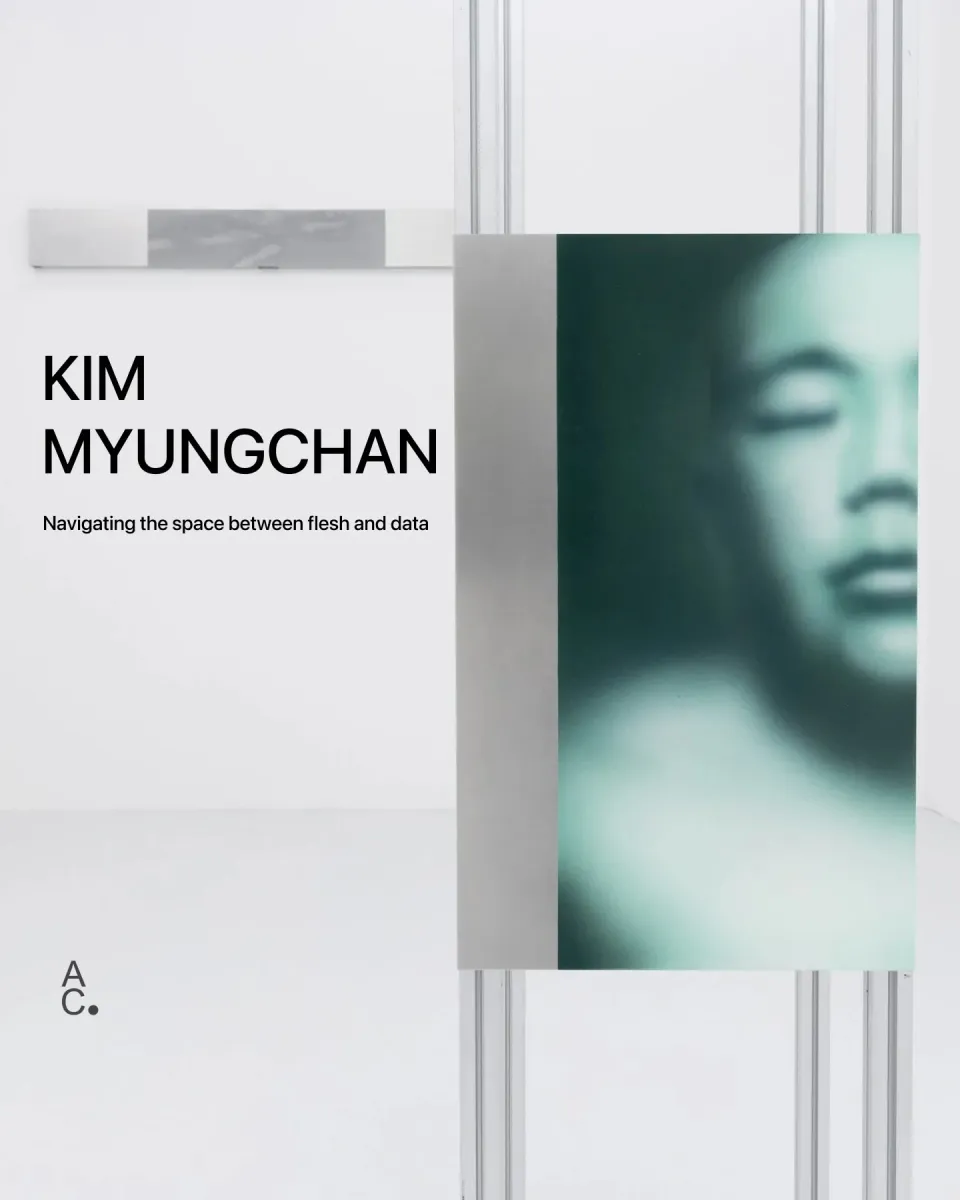
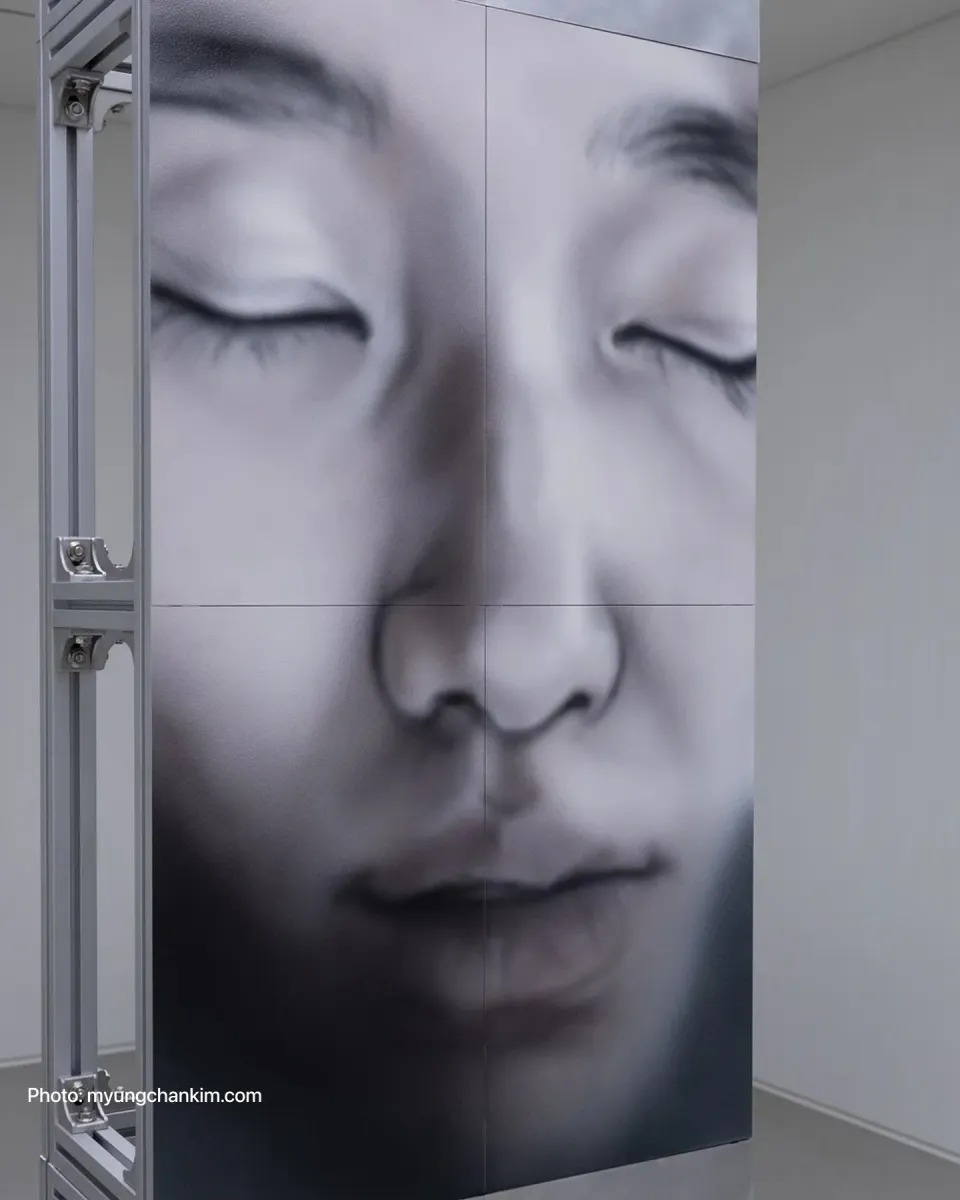
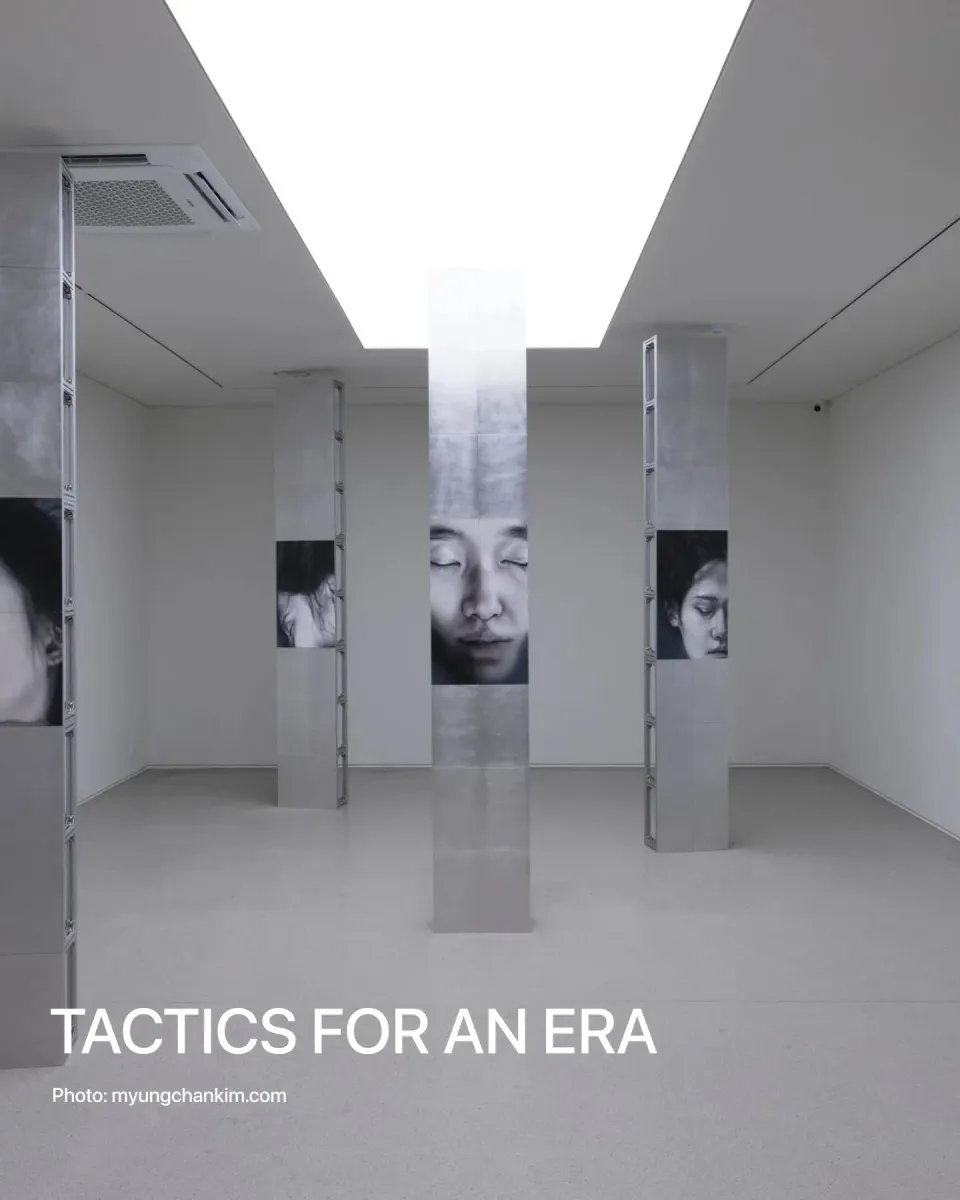
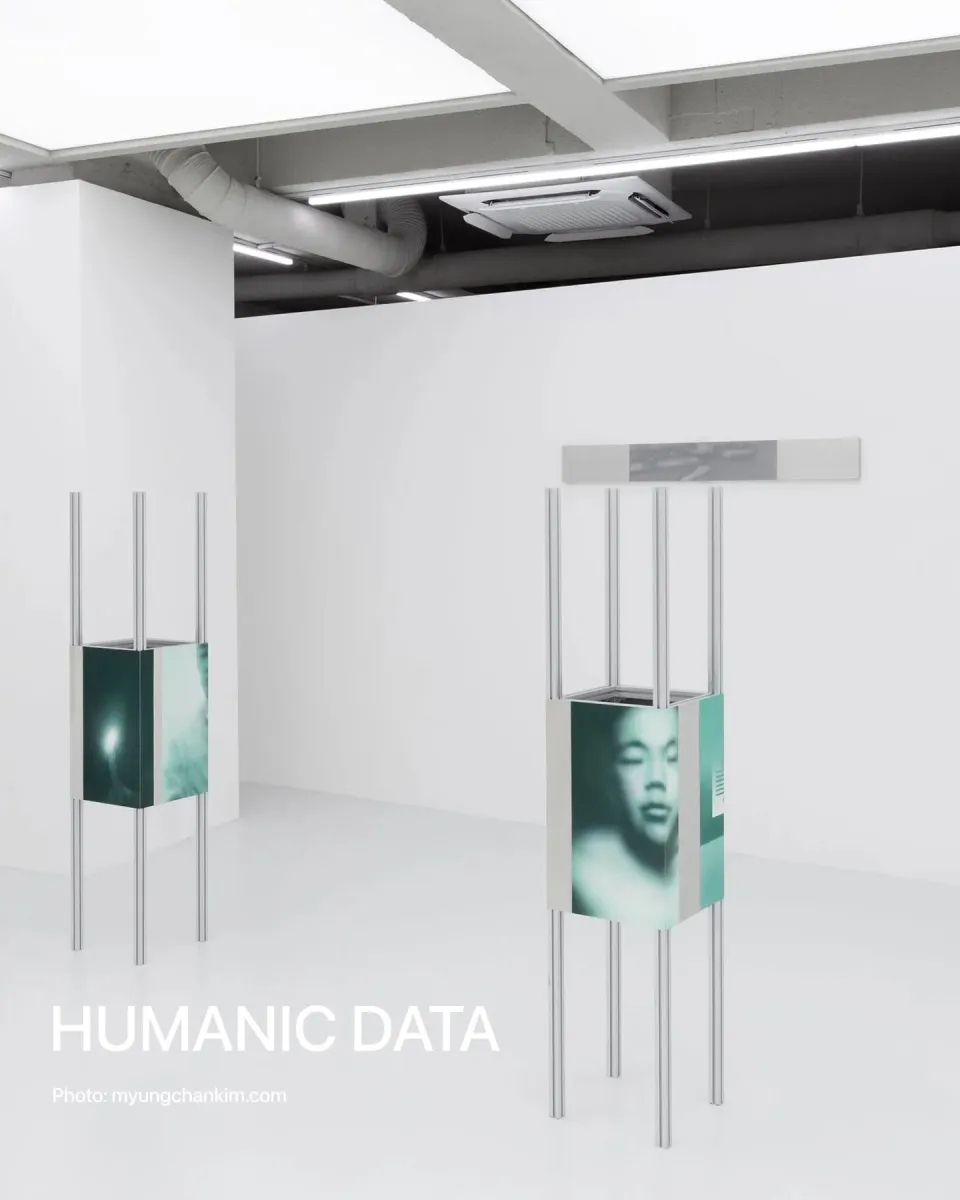
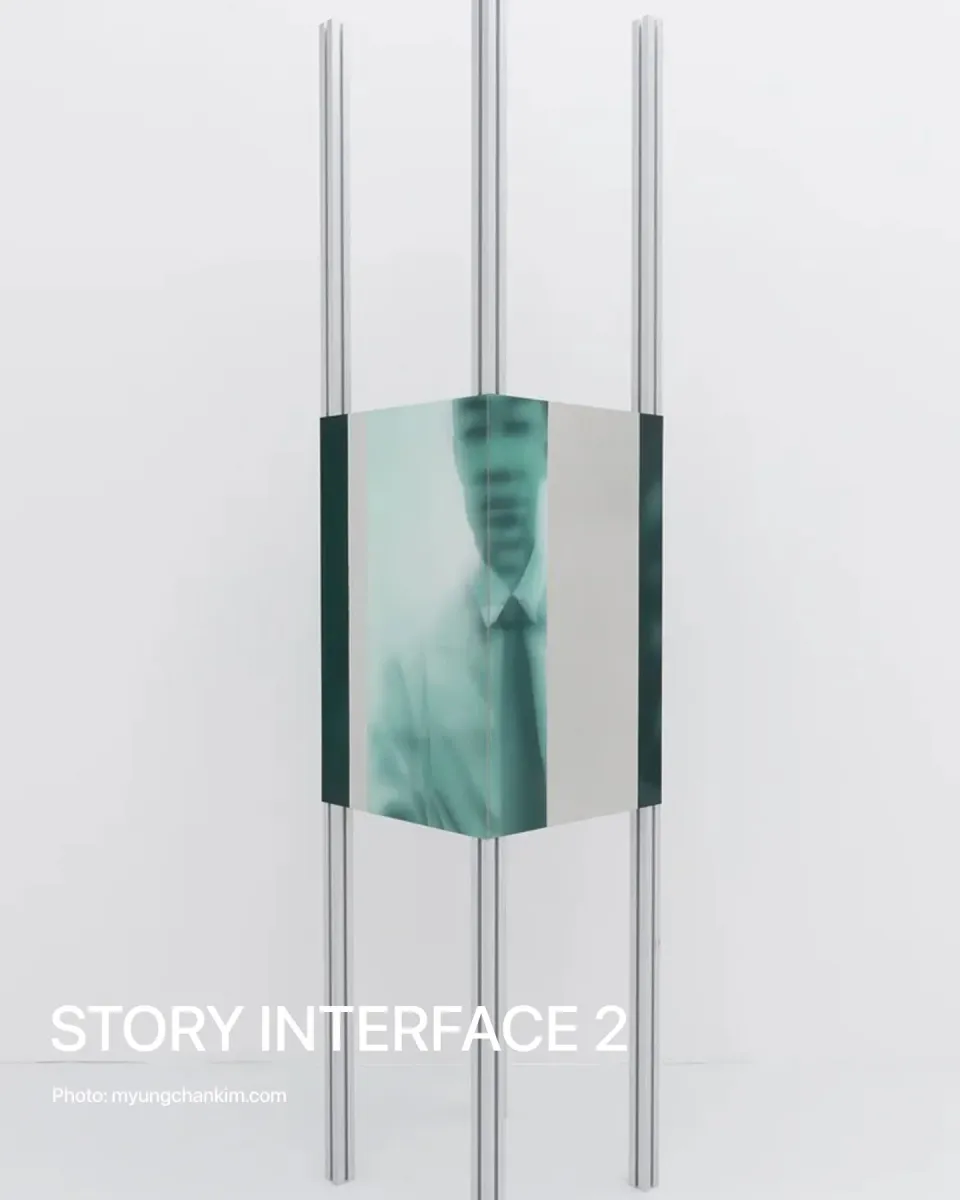
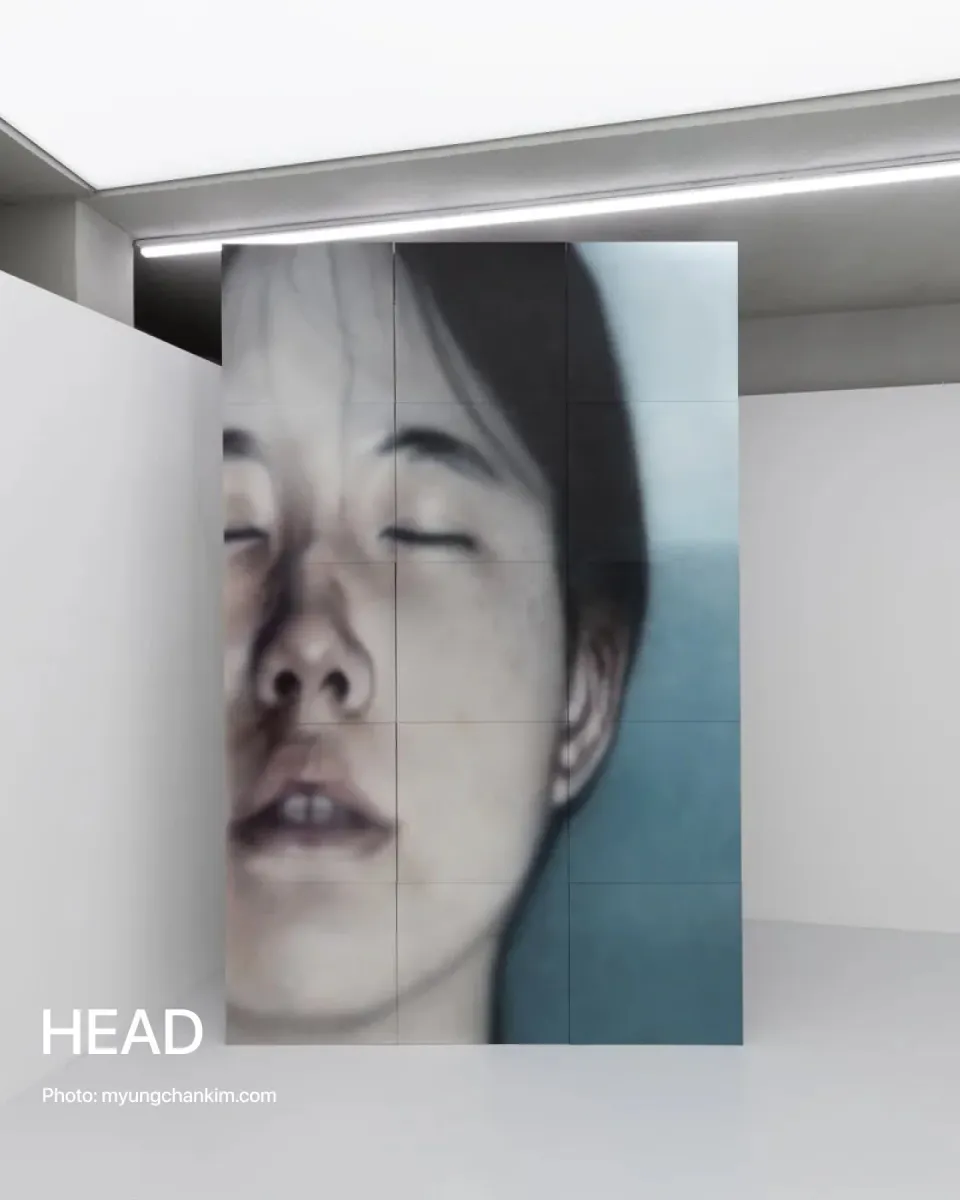
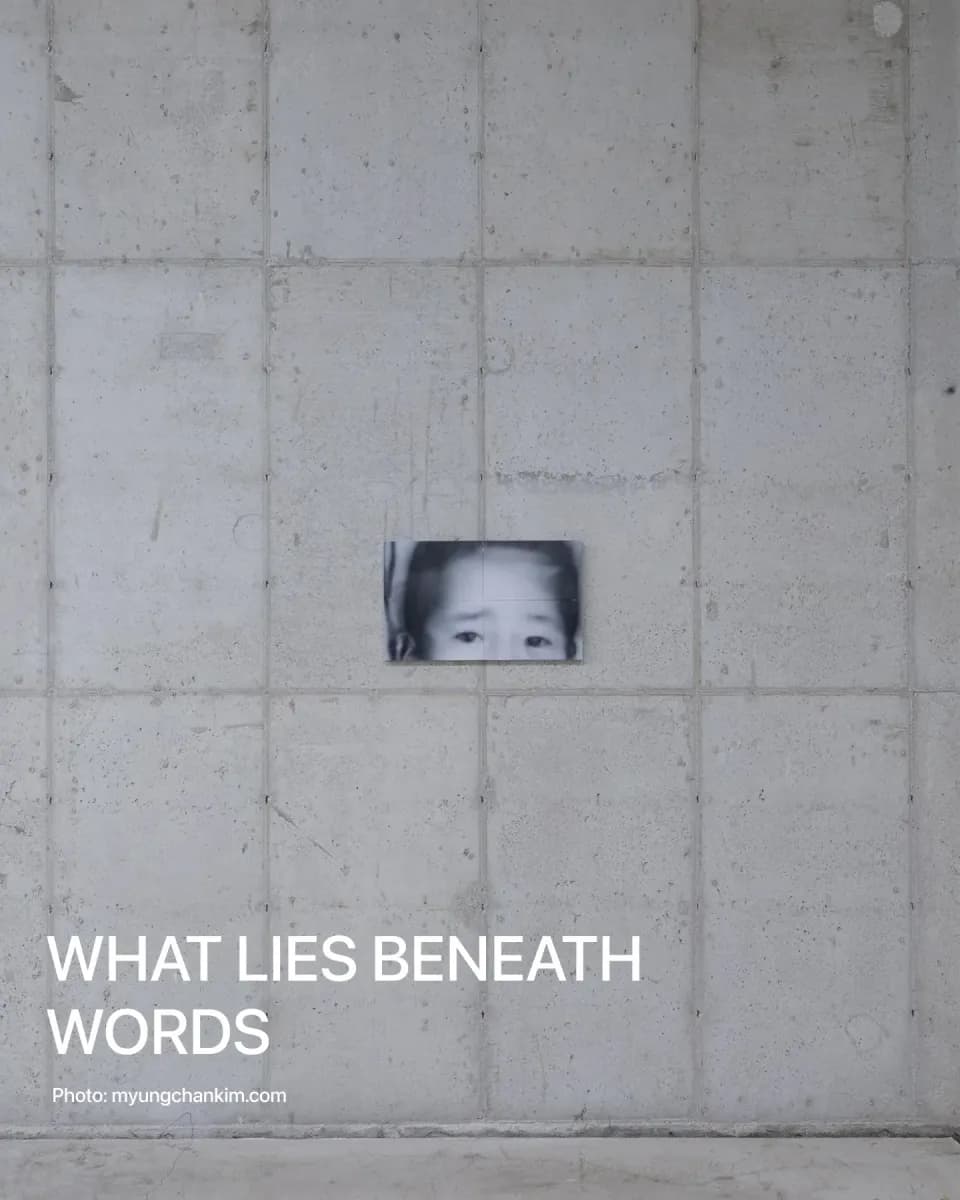
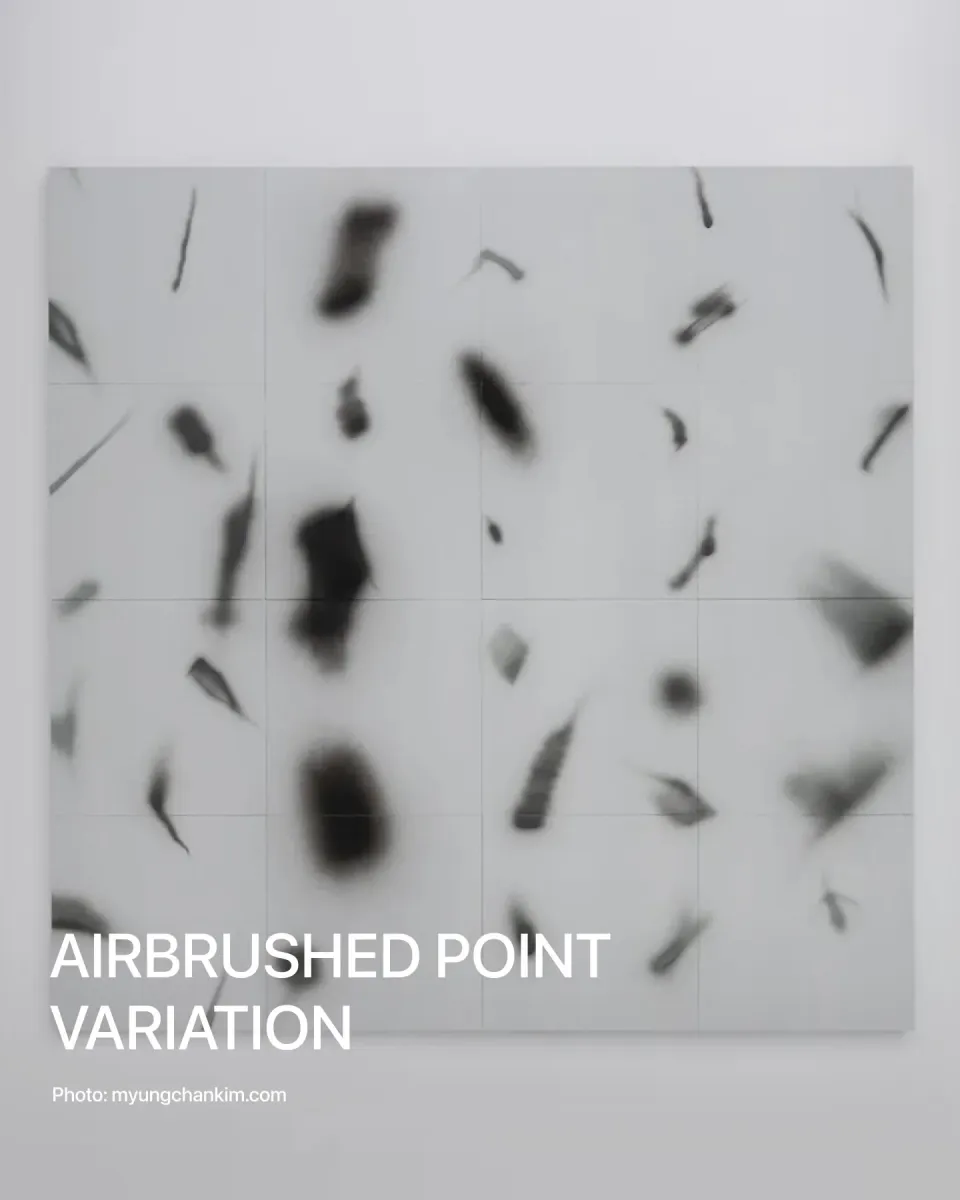
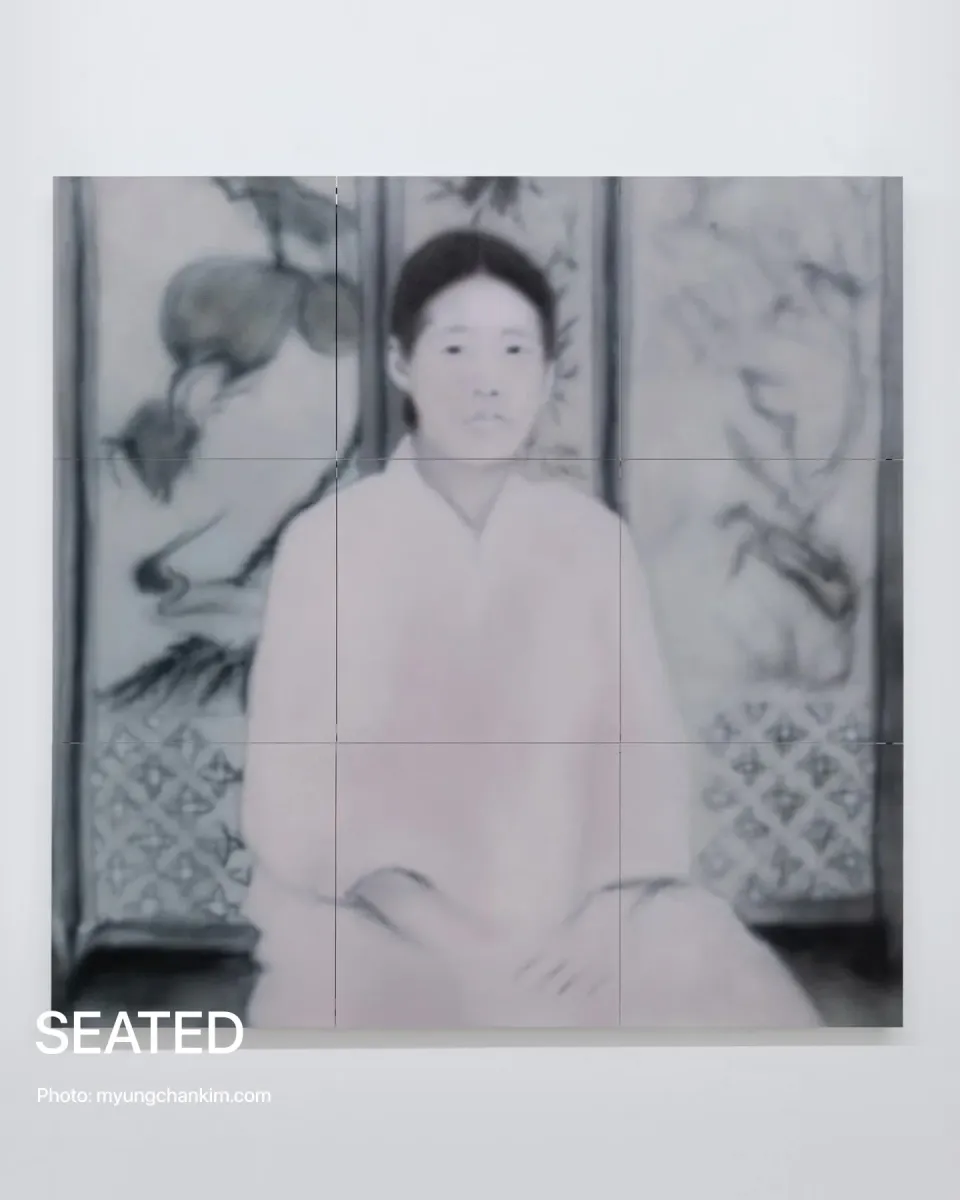
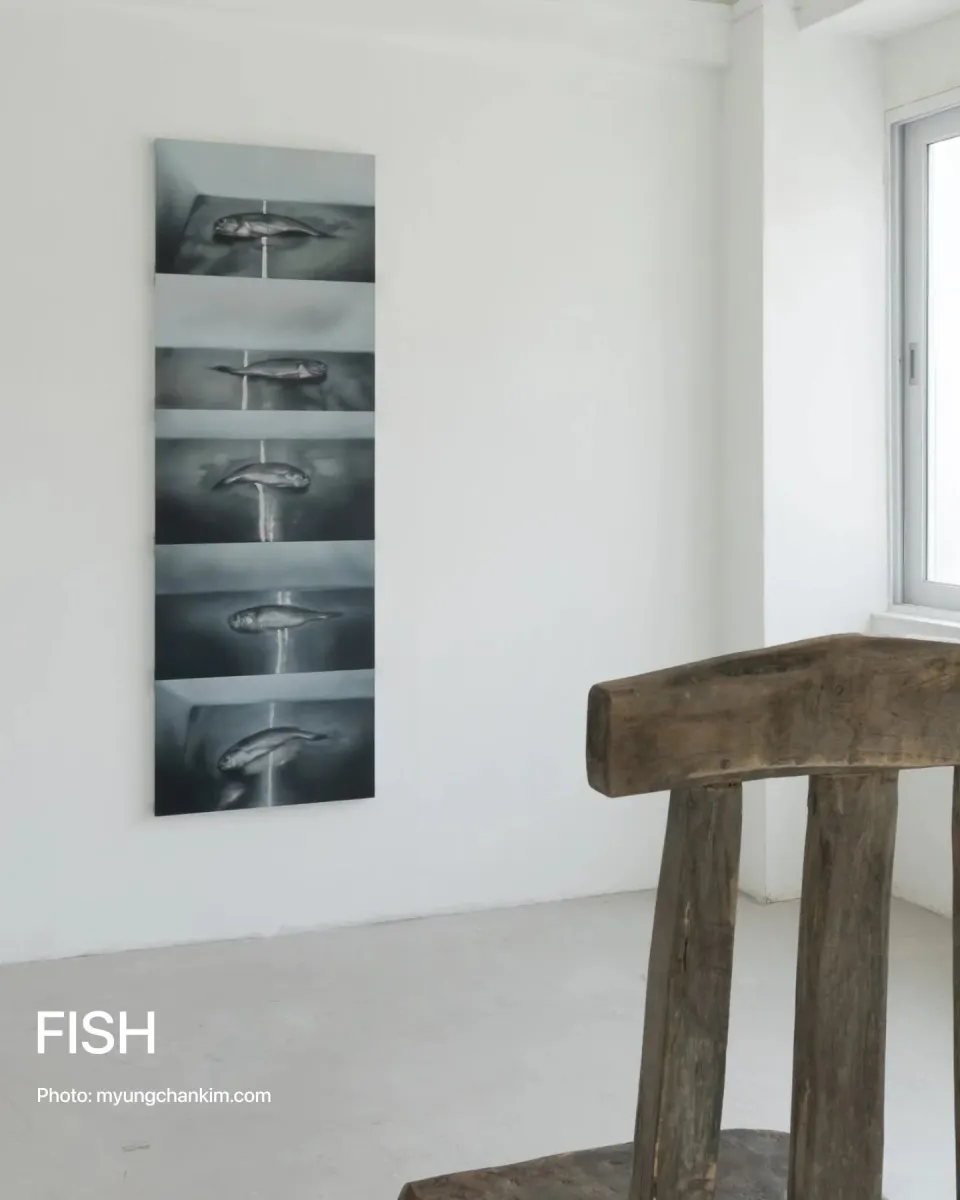
@kim.myungchan
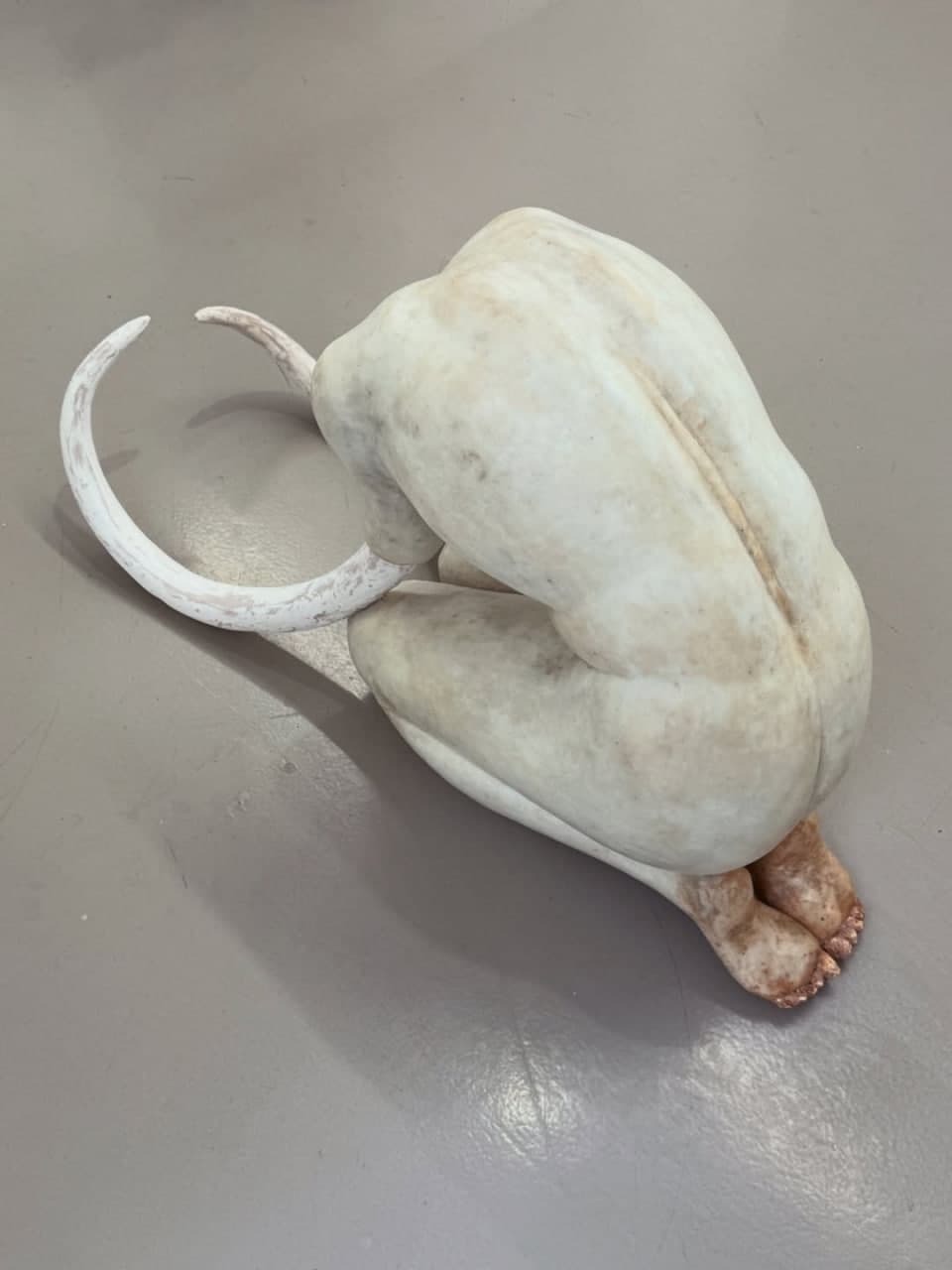
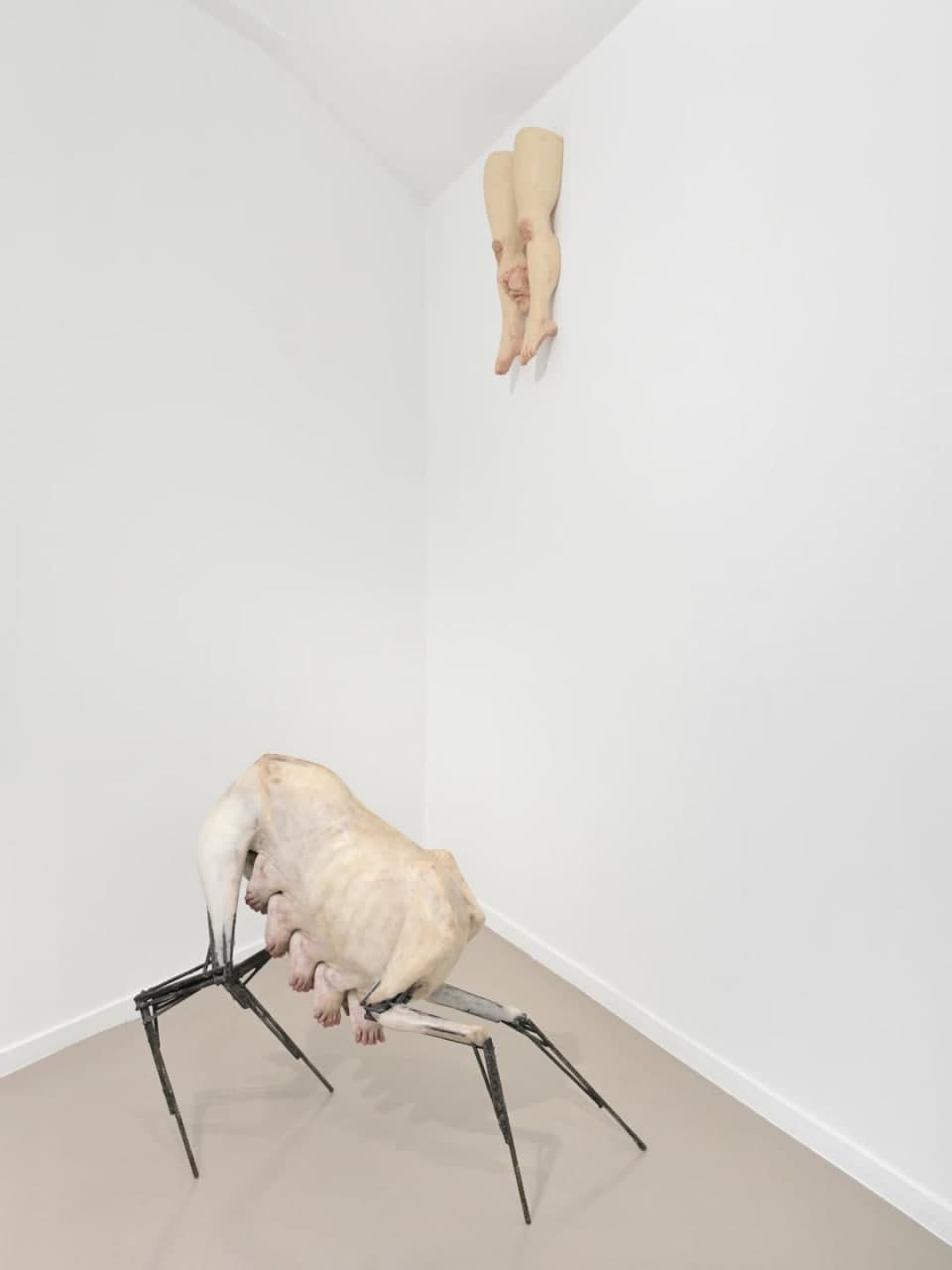
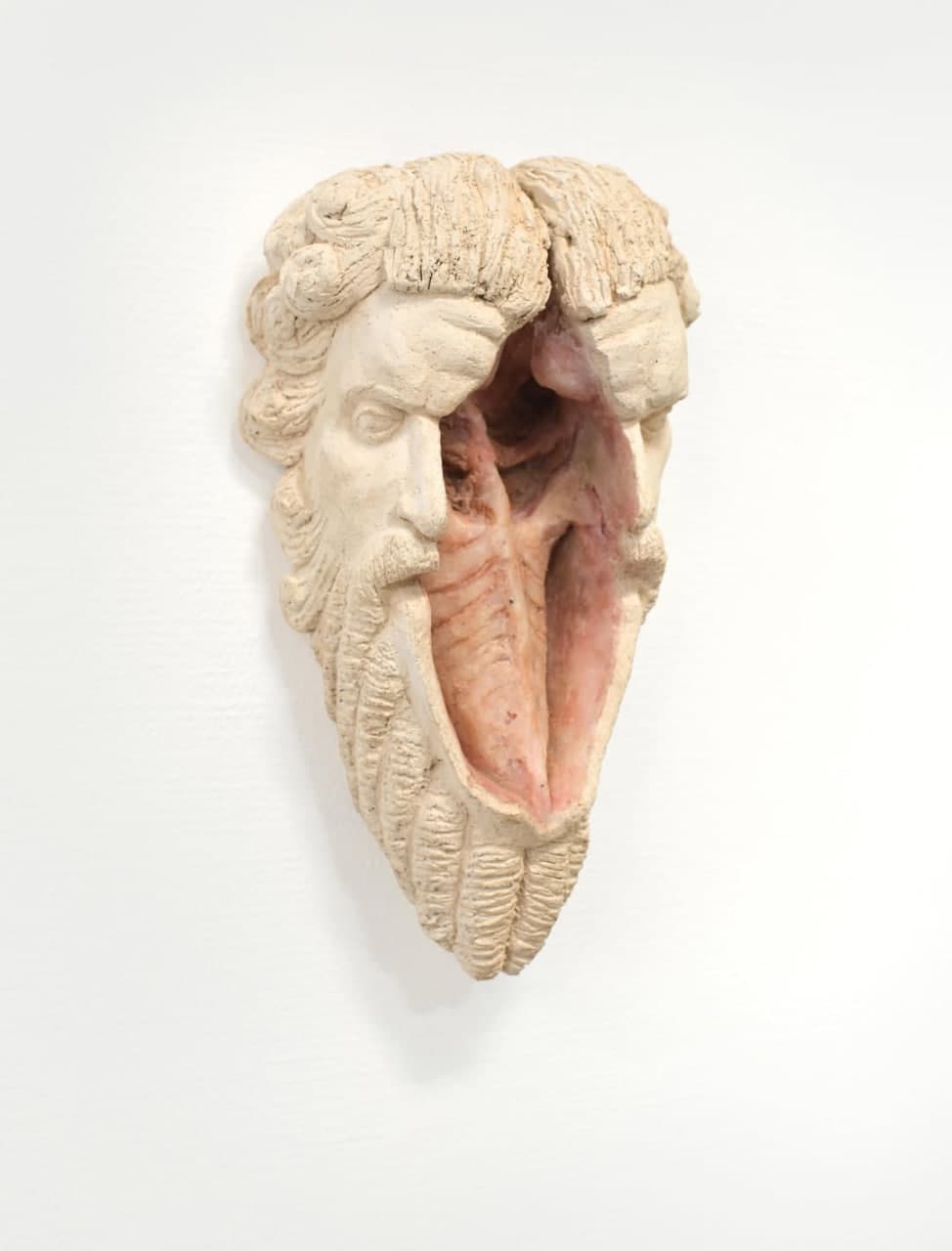
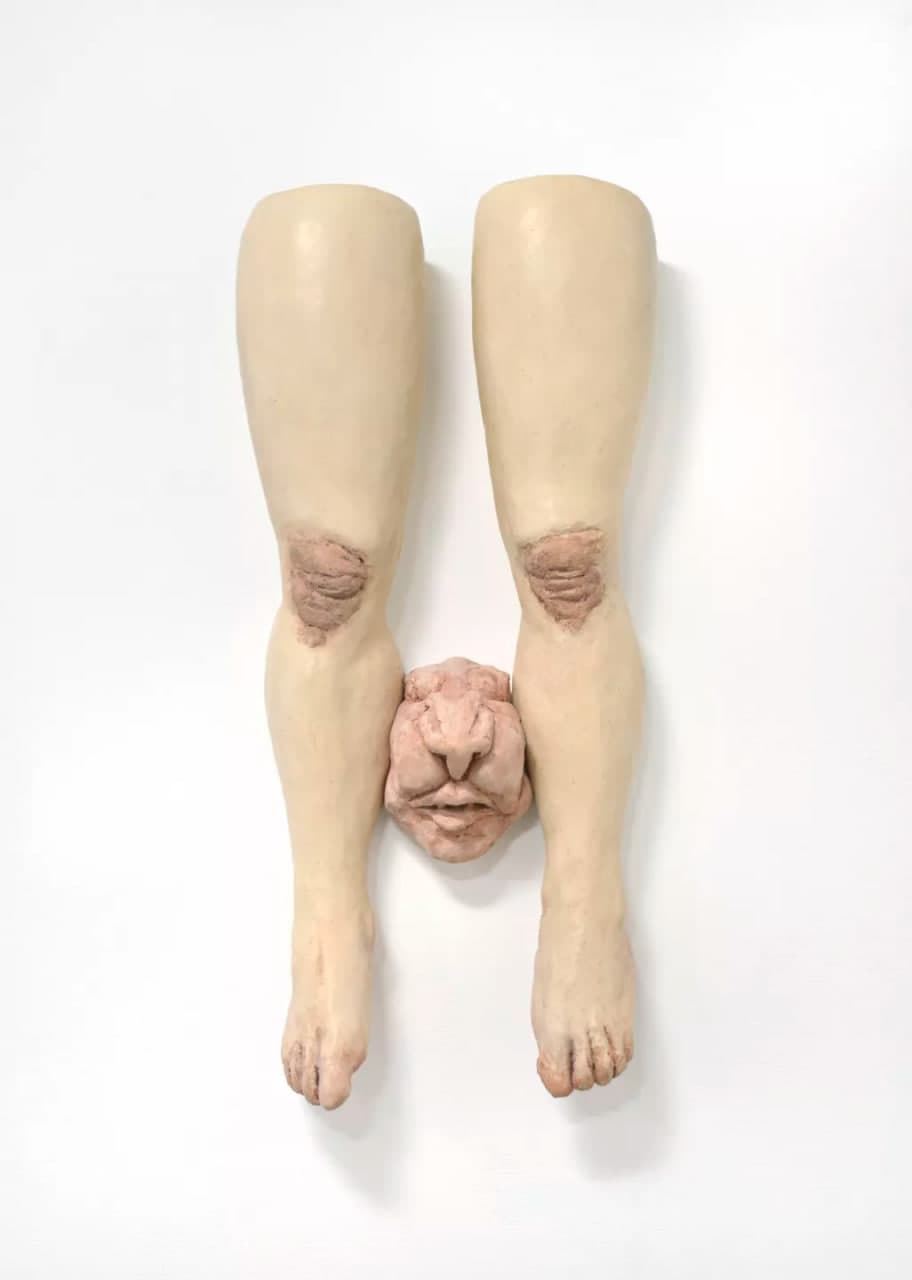
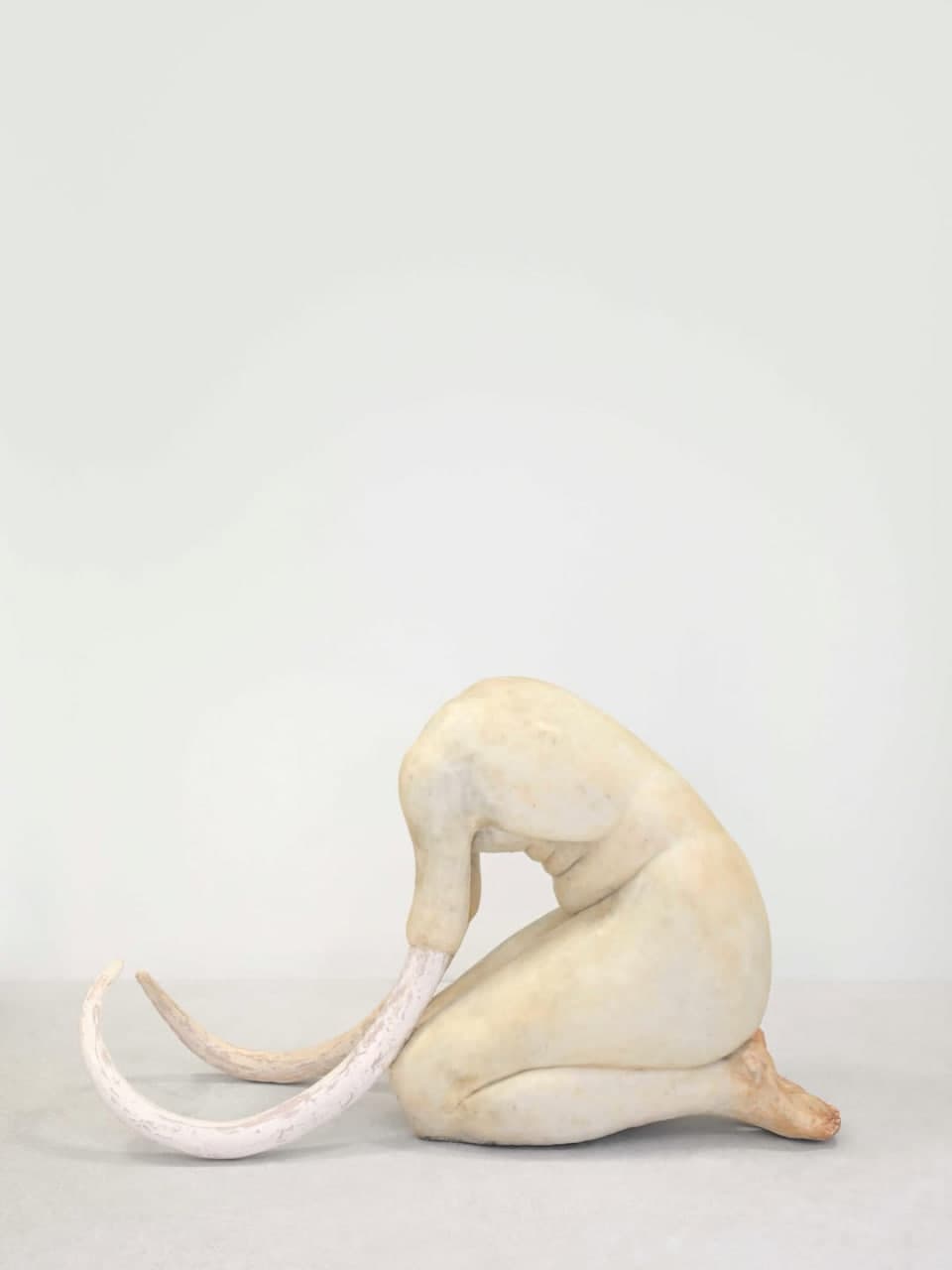
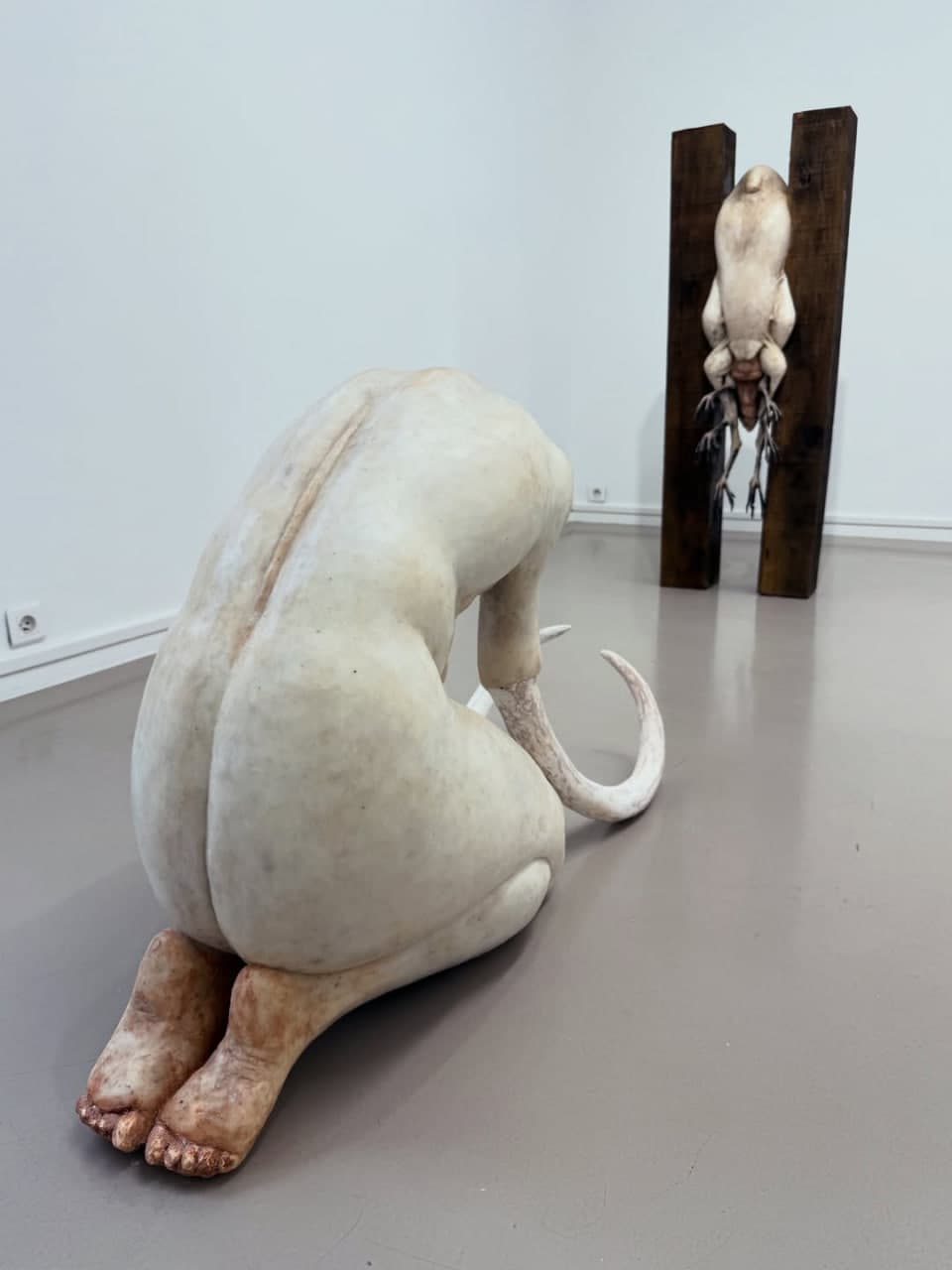
Paris / 2026
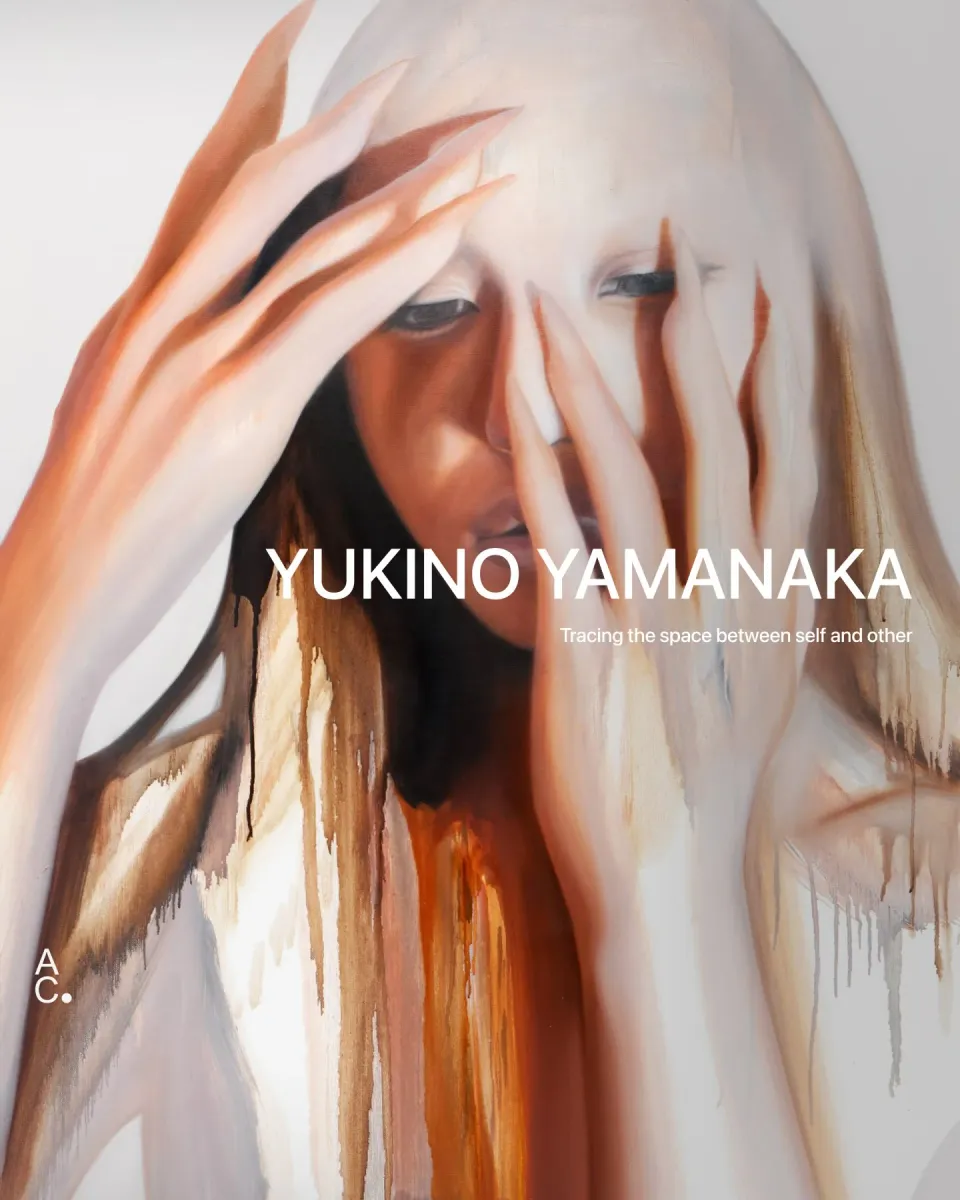
@yukino_yamanaka
Bucharest / 2026
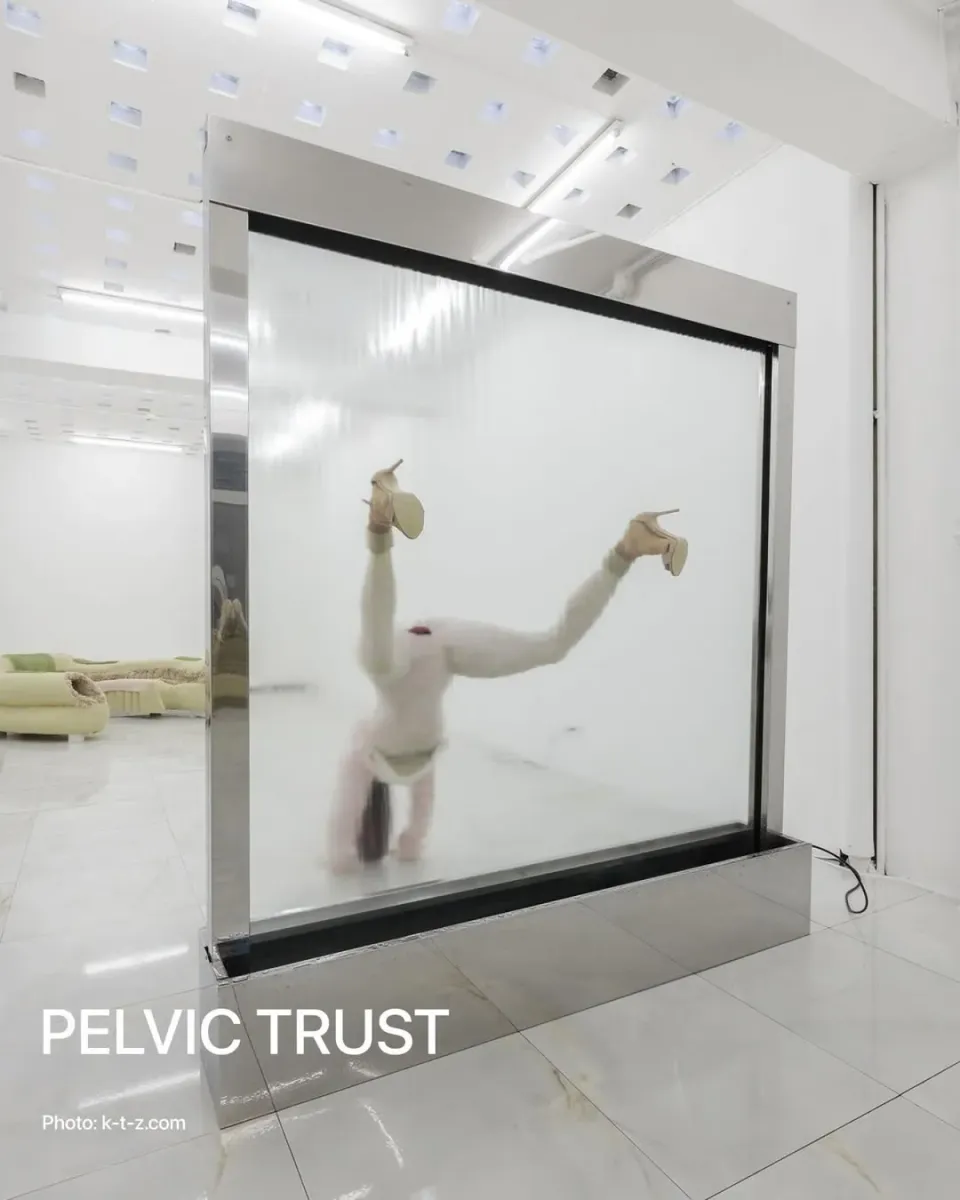
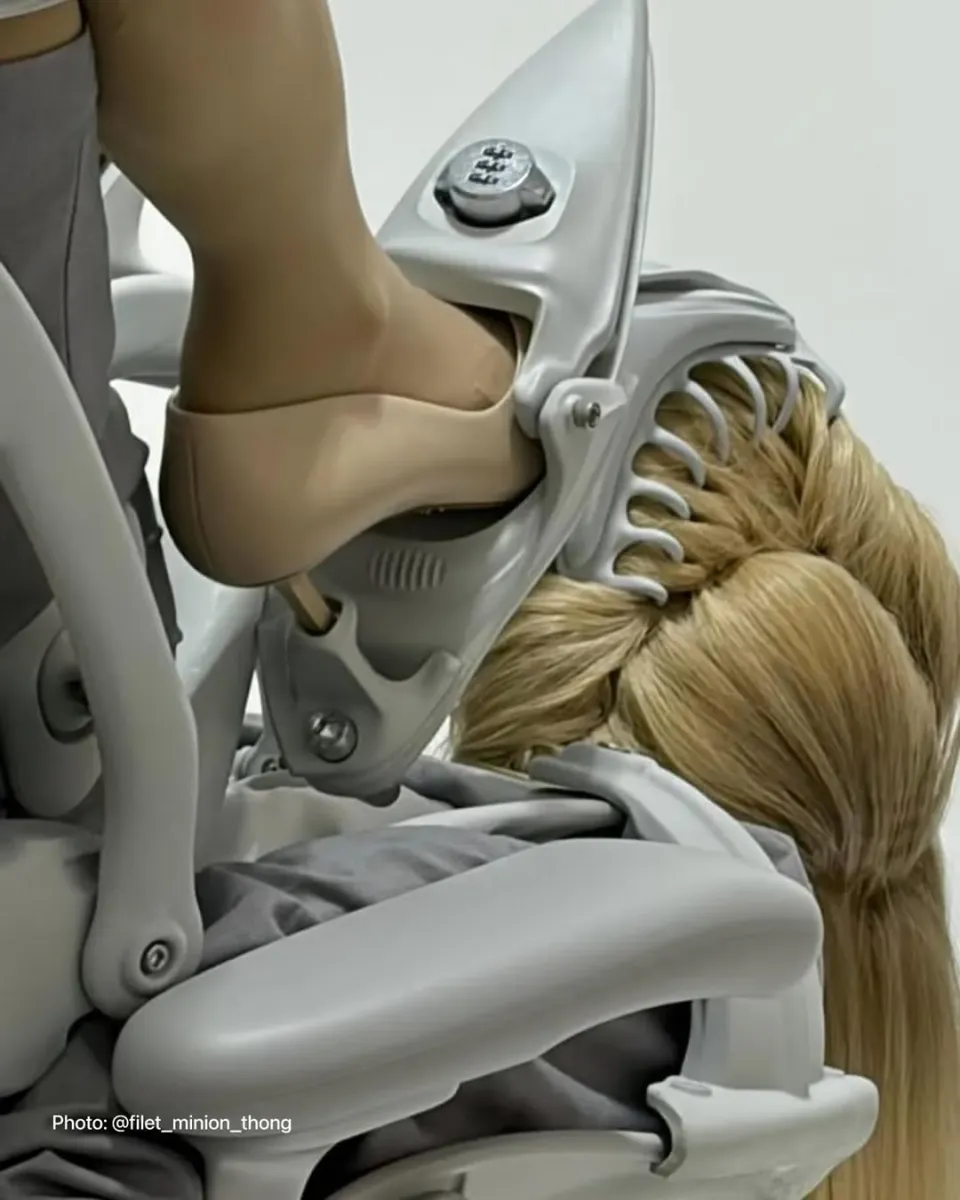
@filet_minion_thong
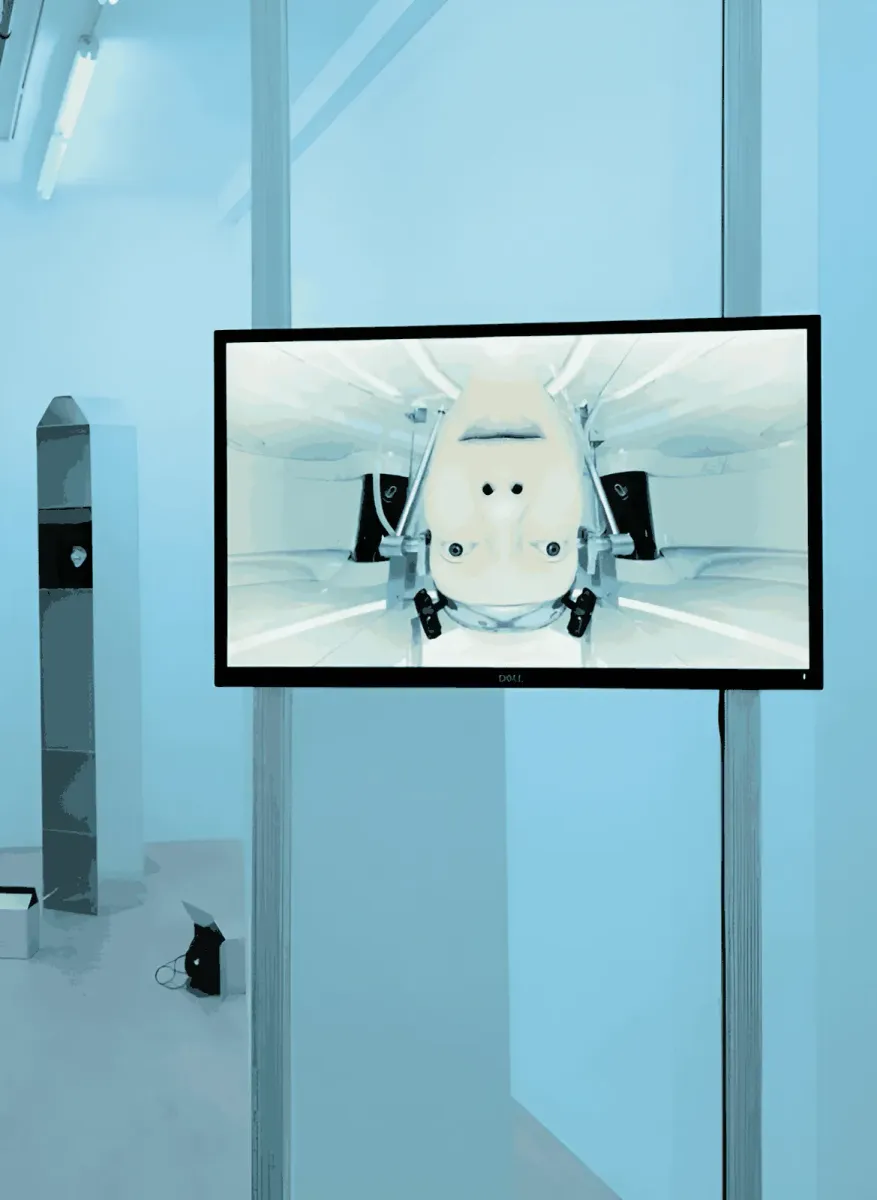
New York City (NY) / 2025
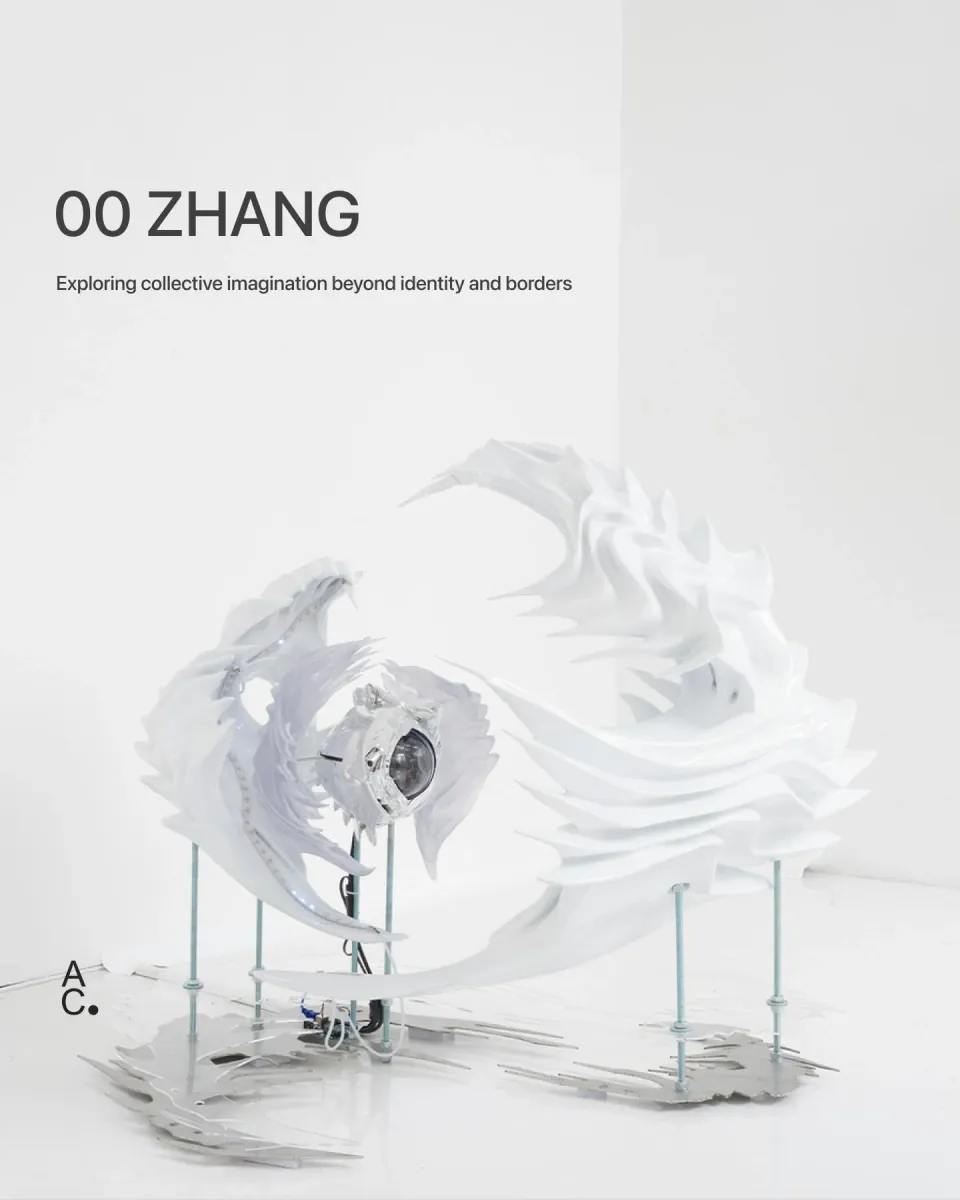
@aio0o0o0
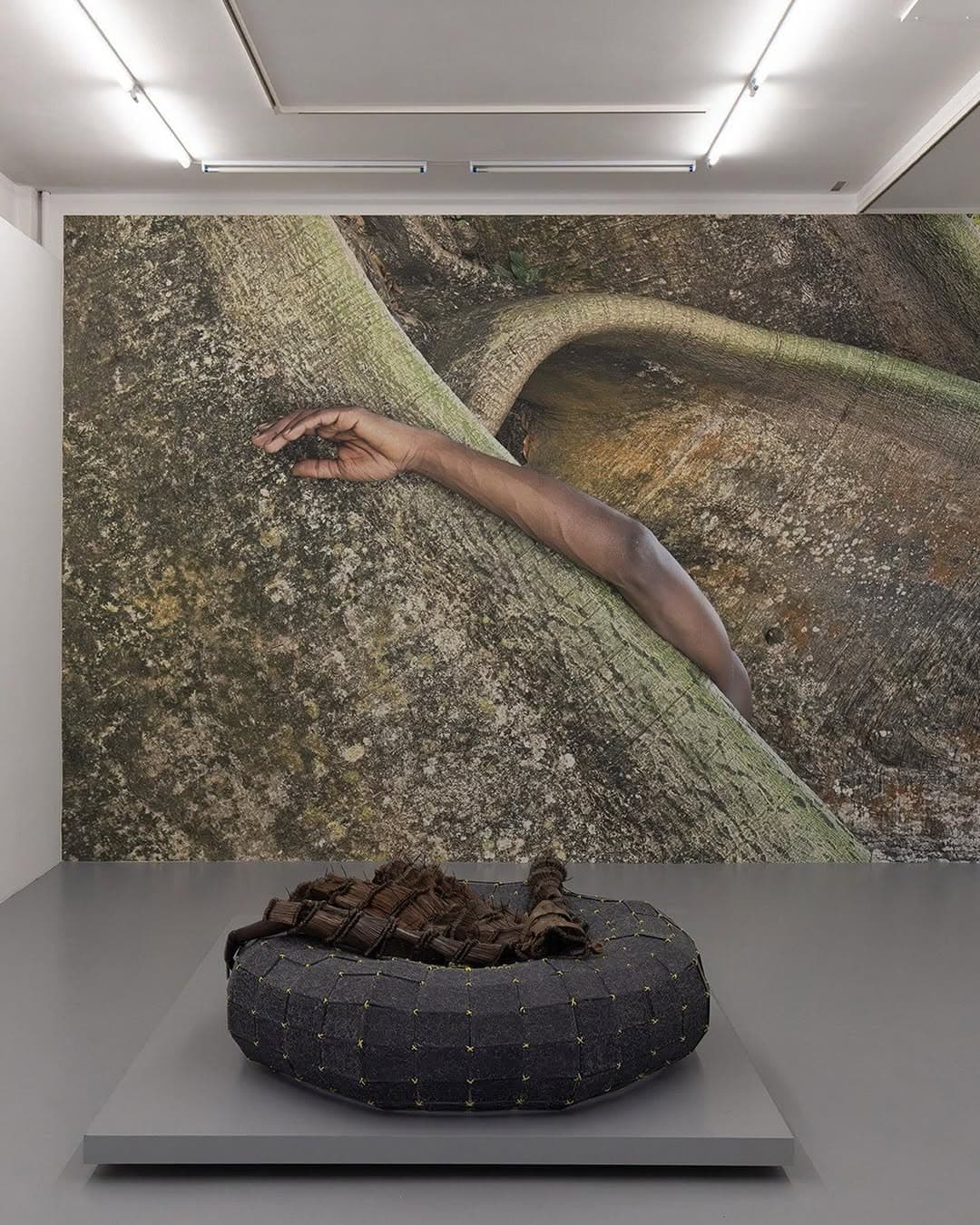
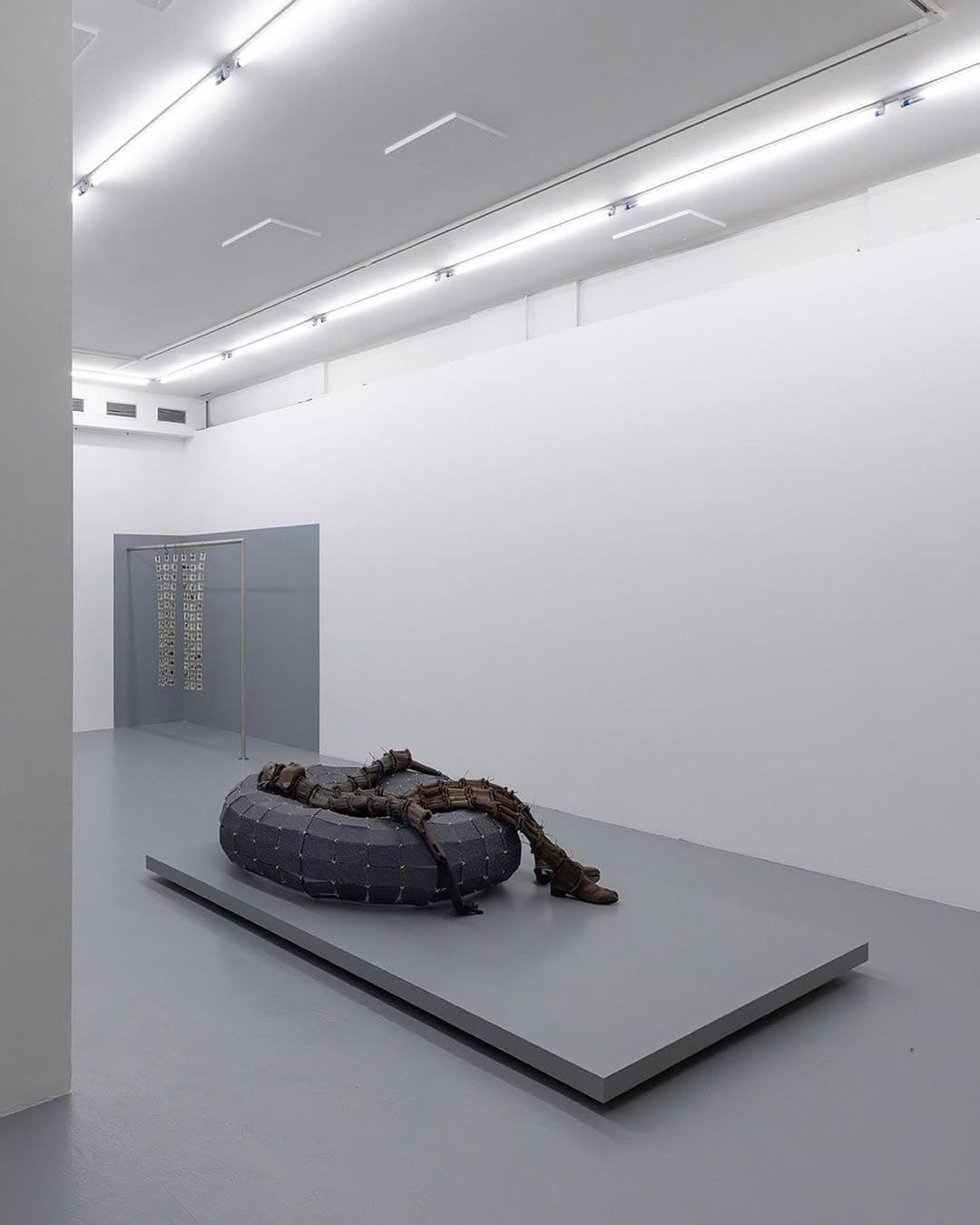
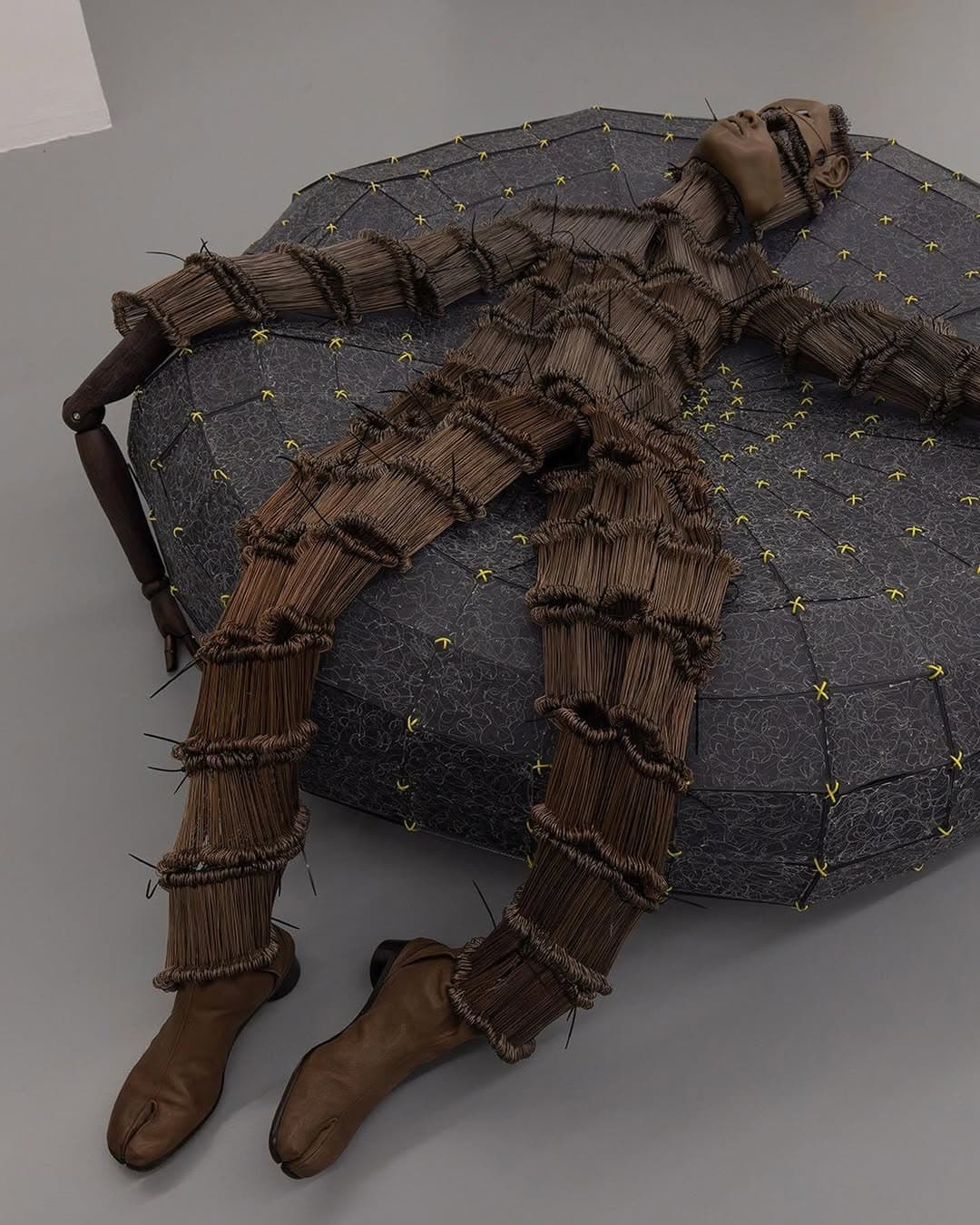
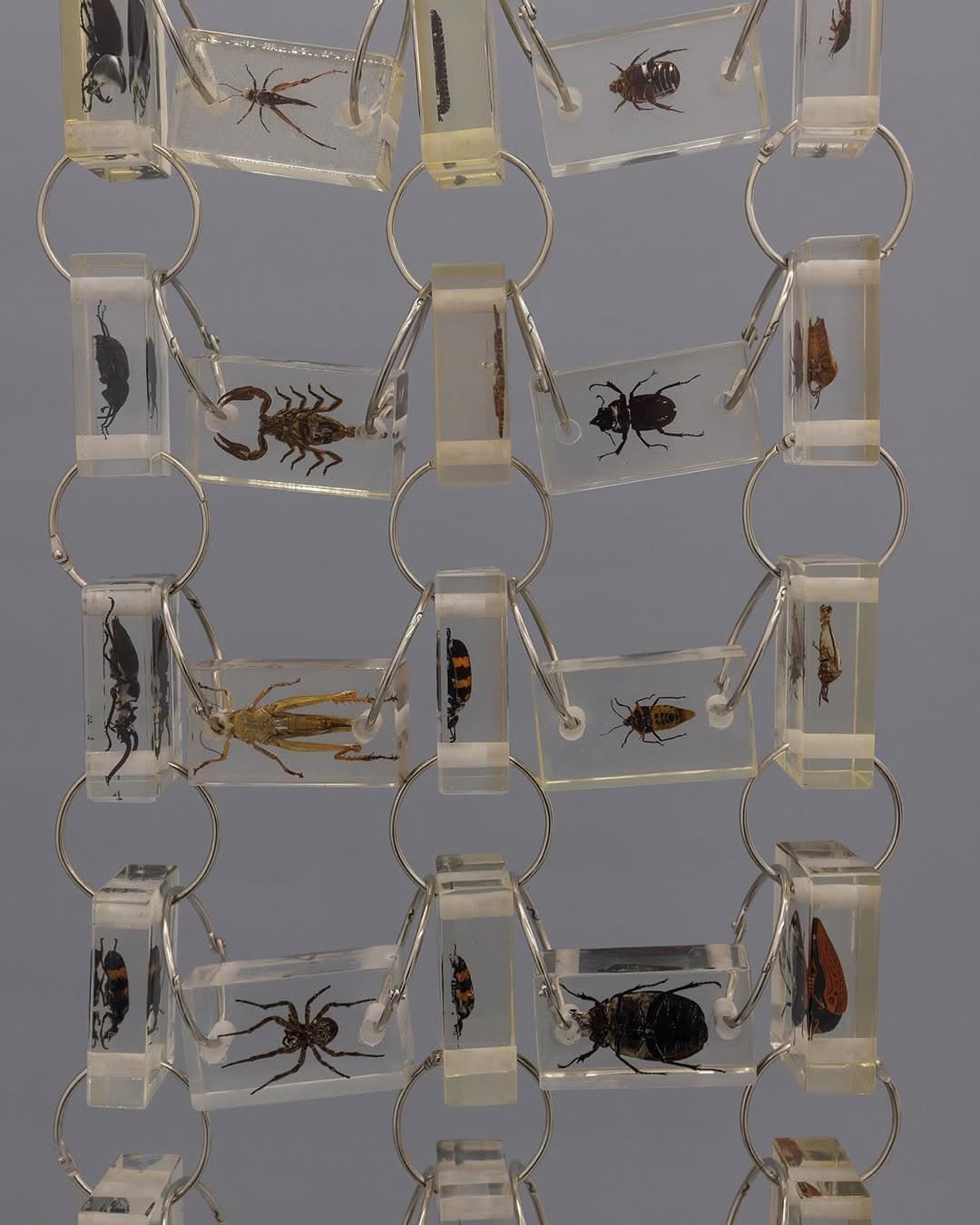
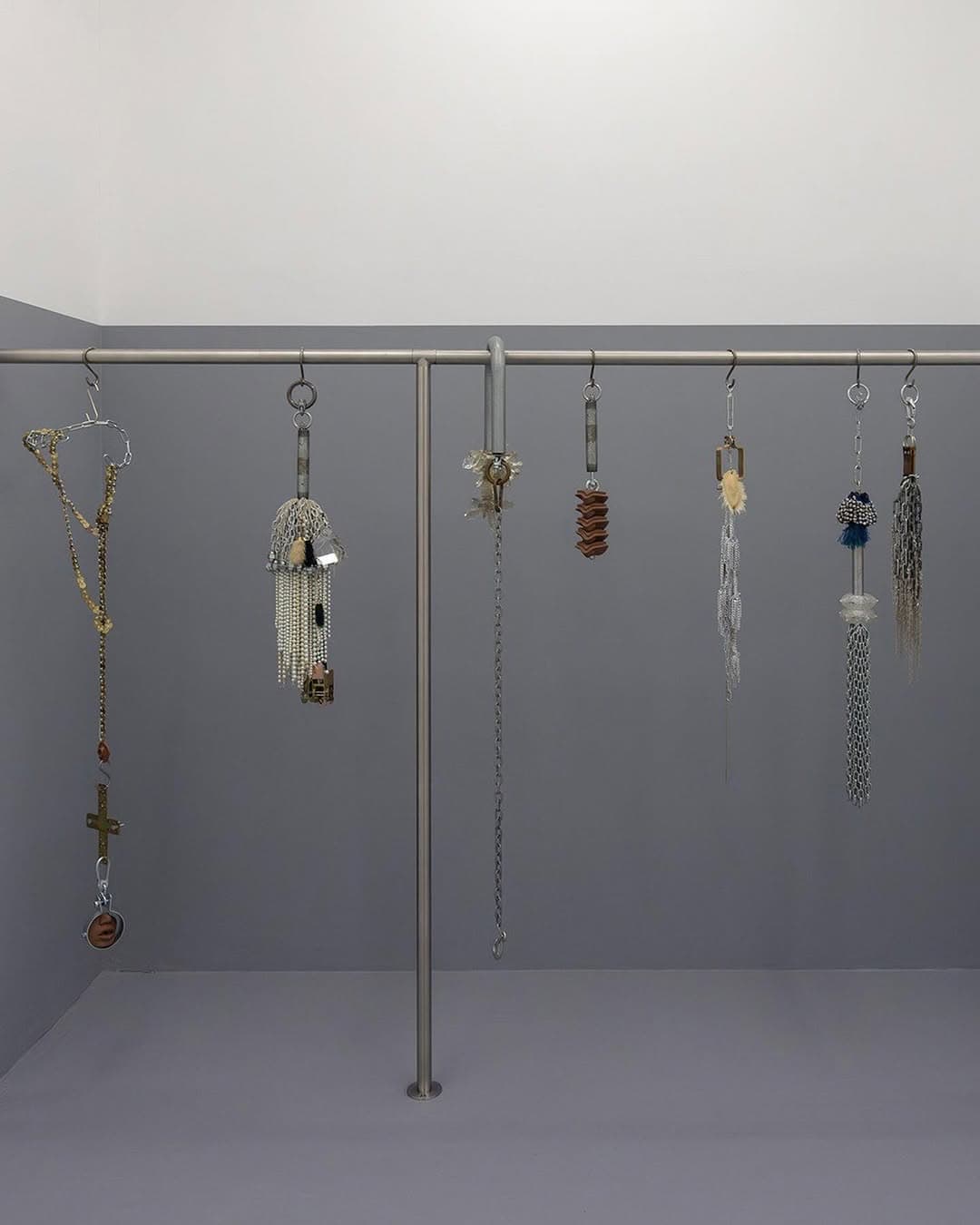
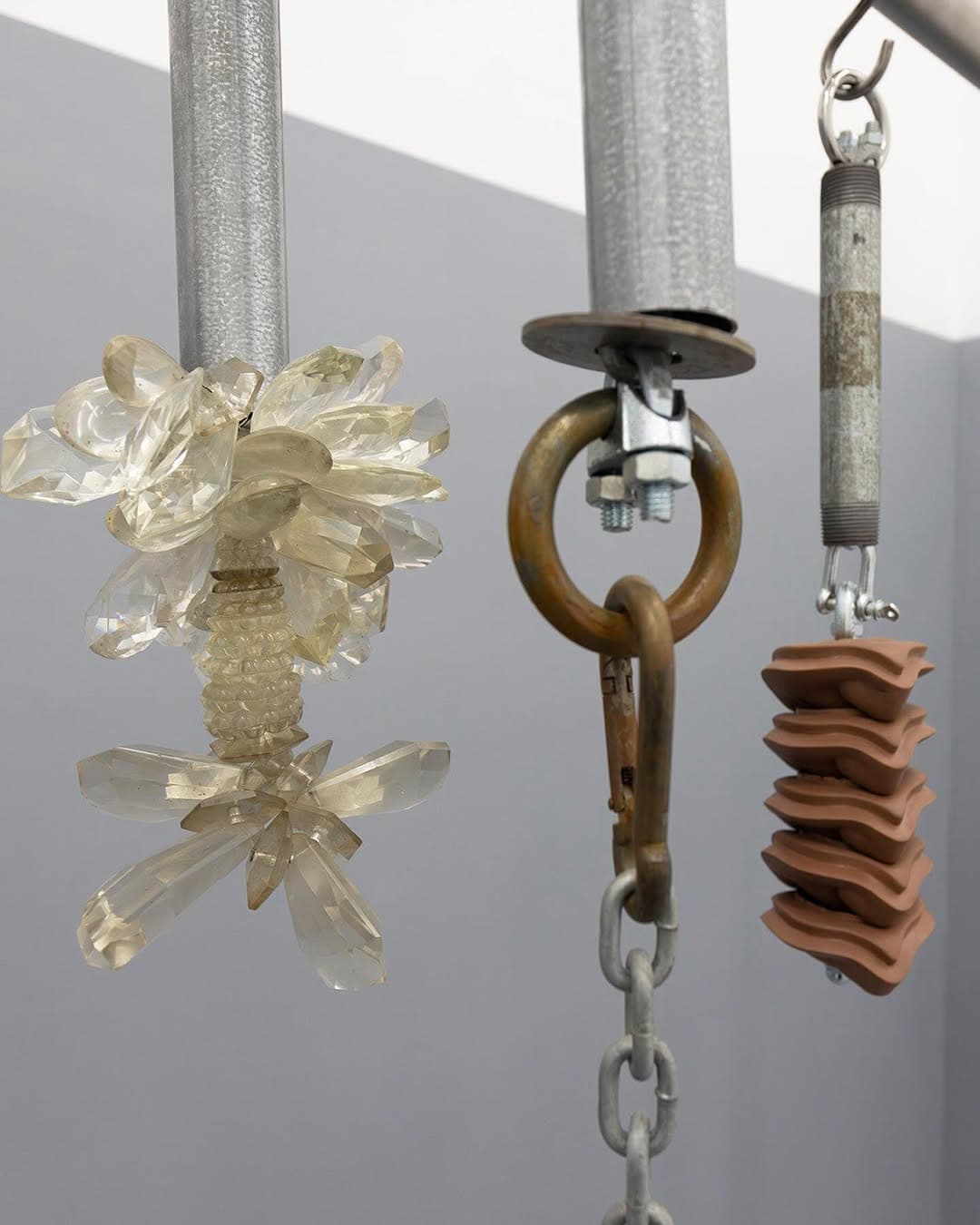
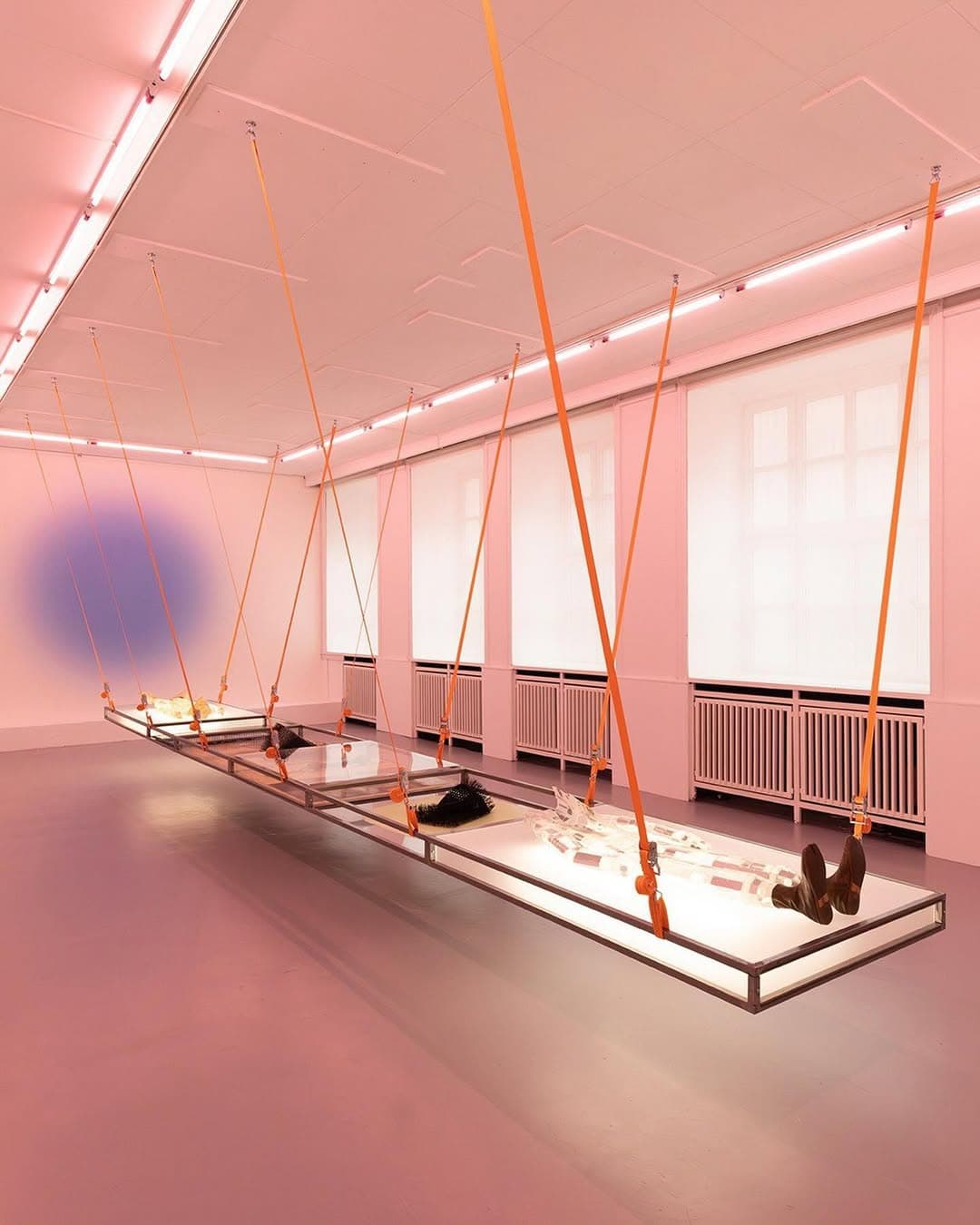
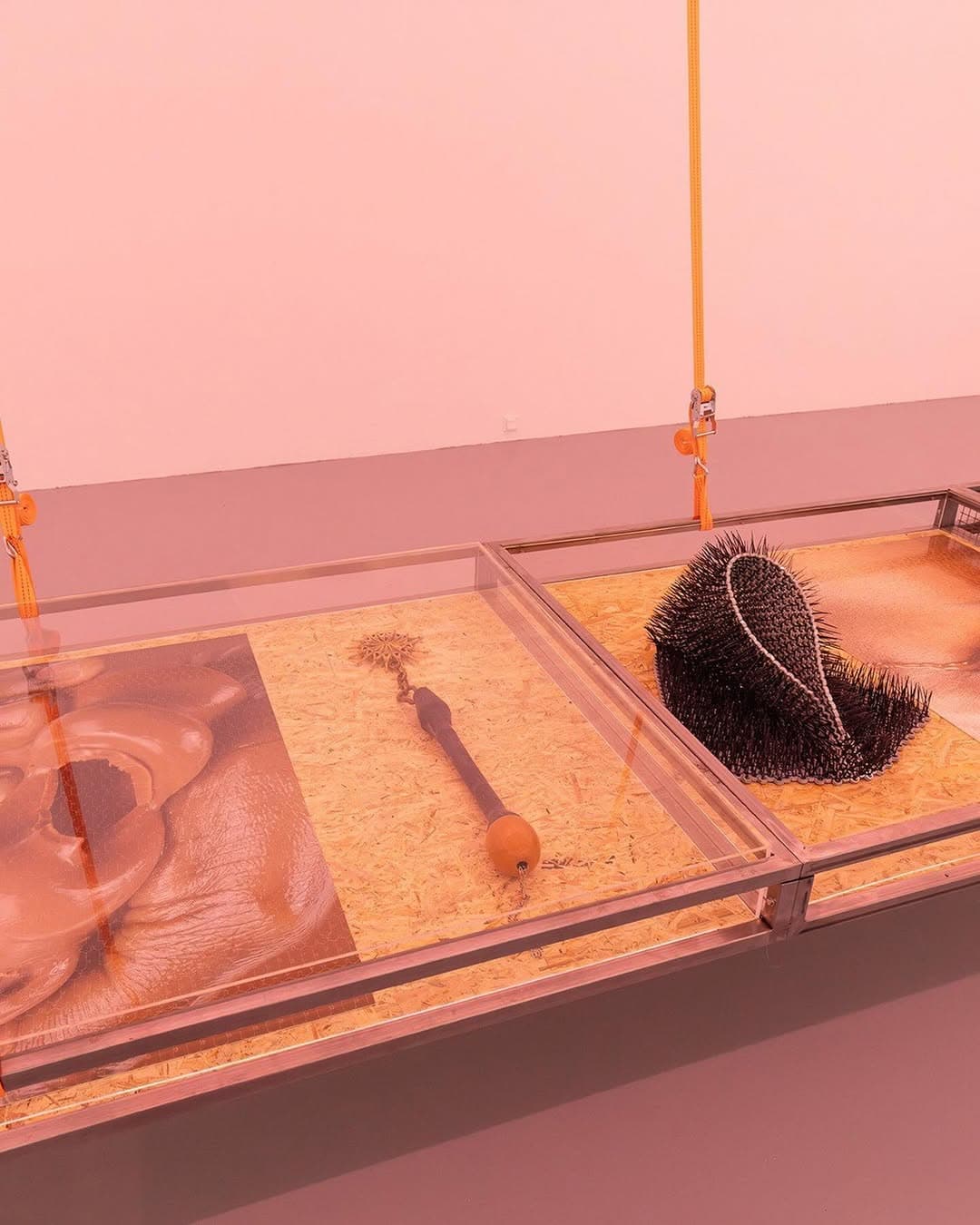
/ 2024
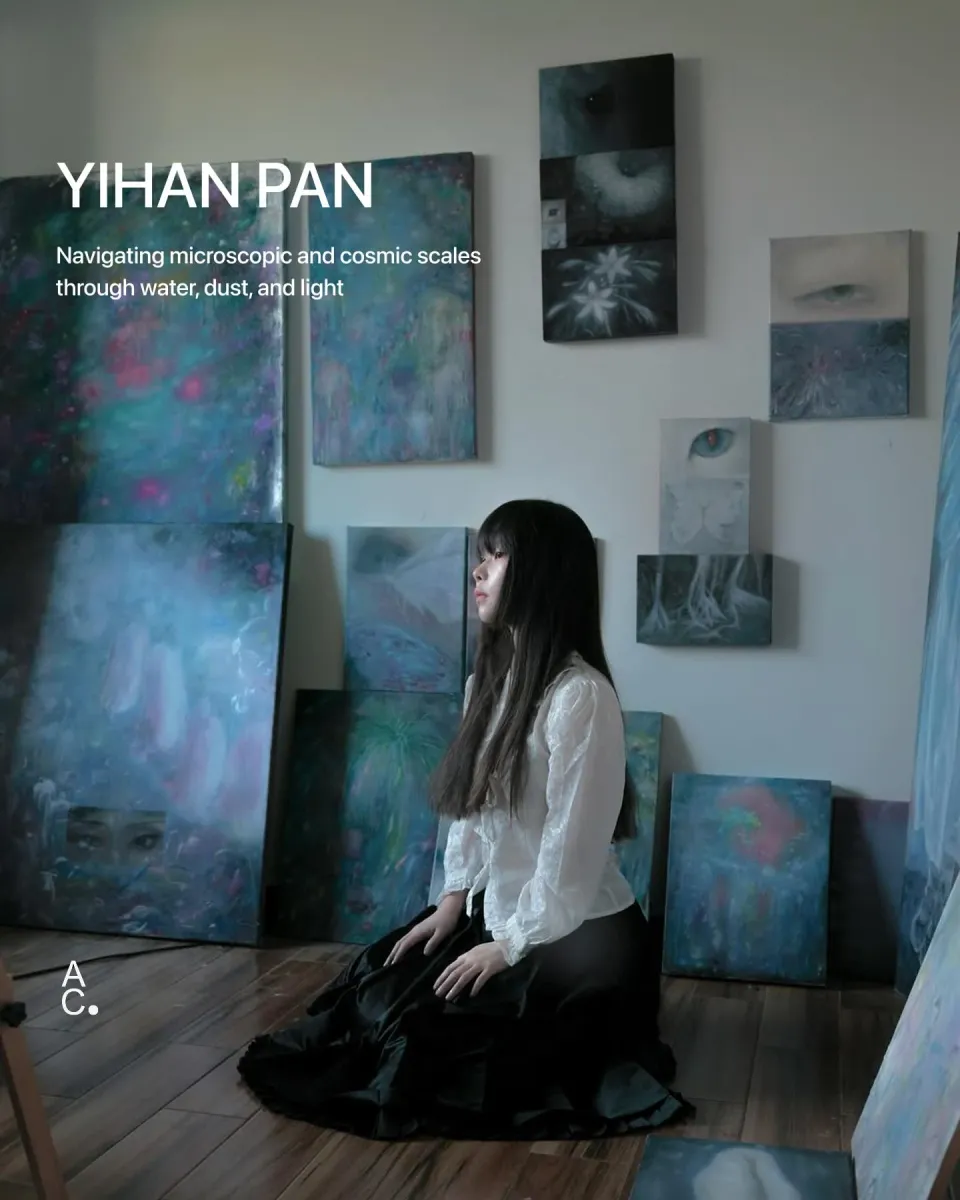
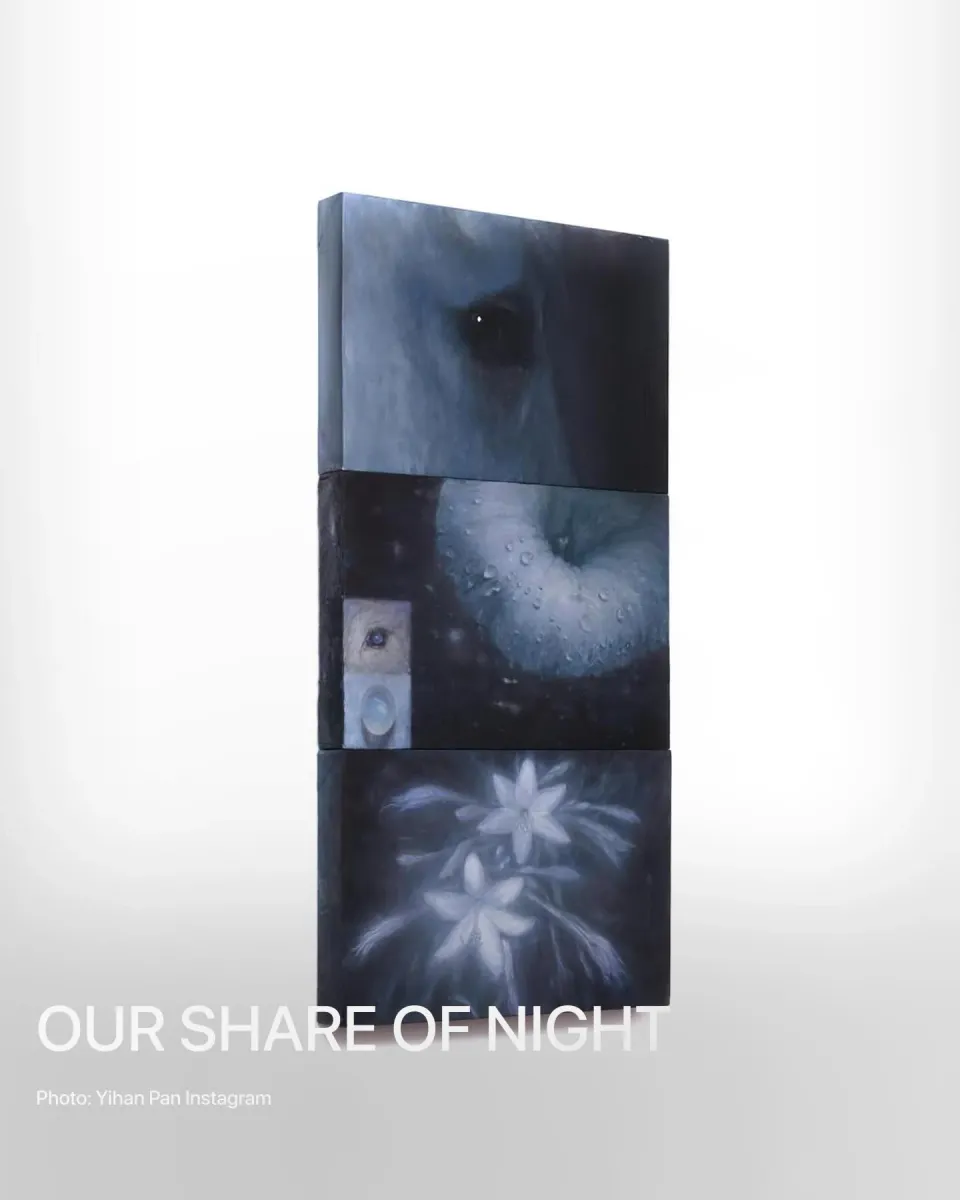
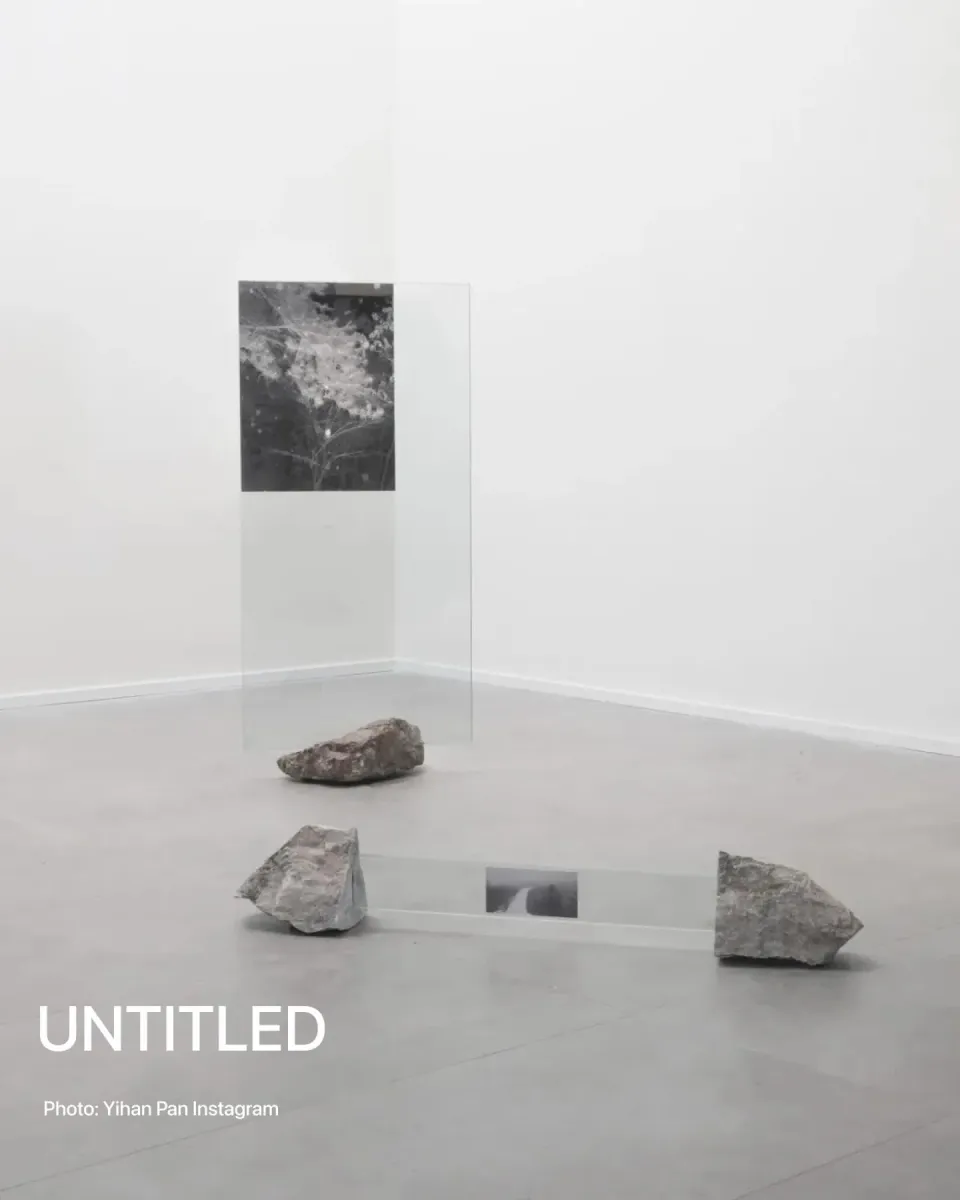
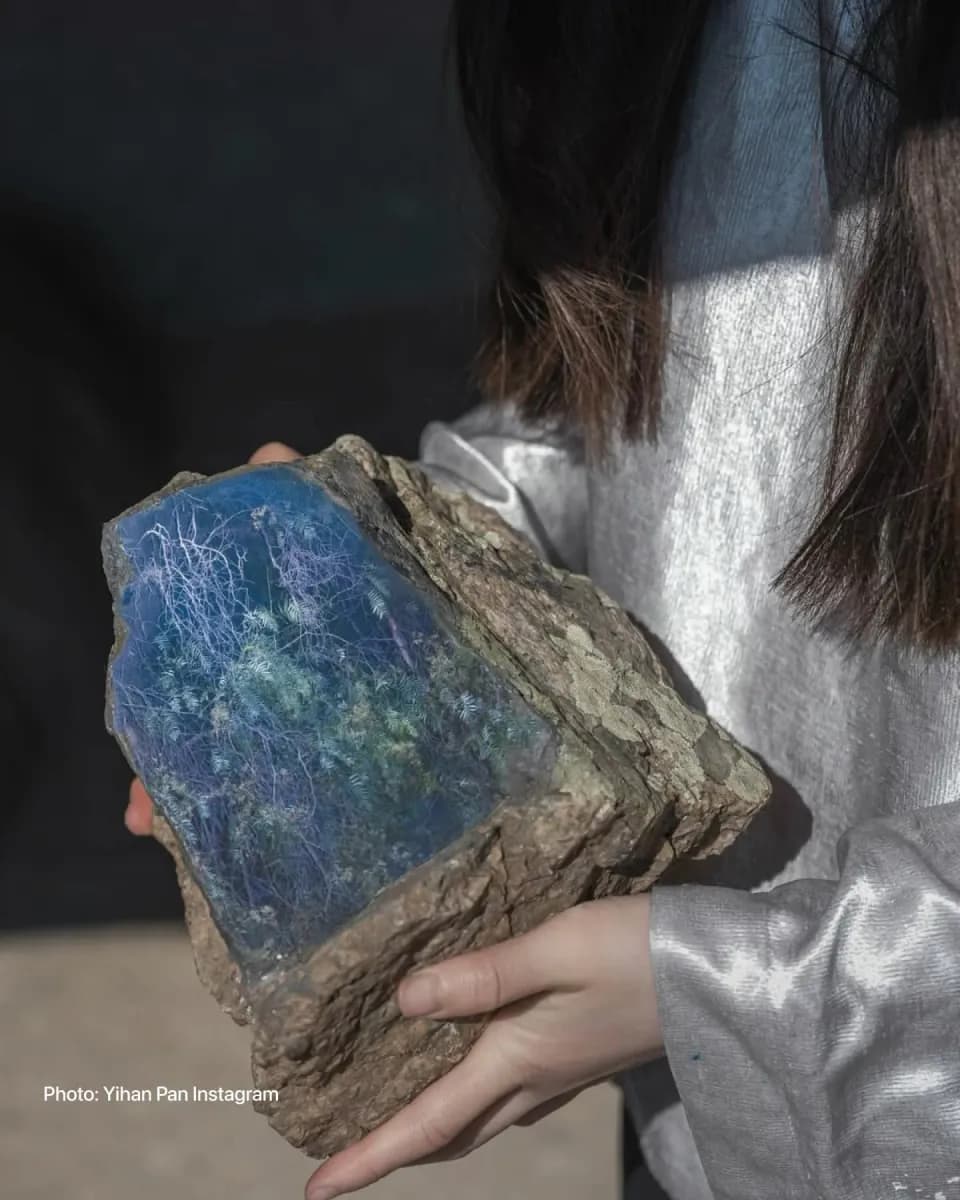
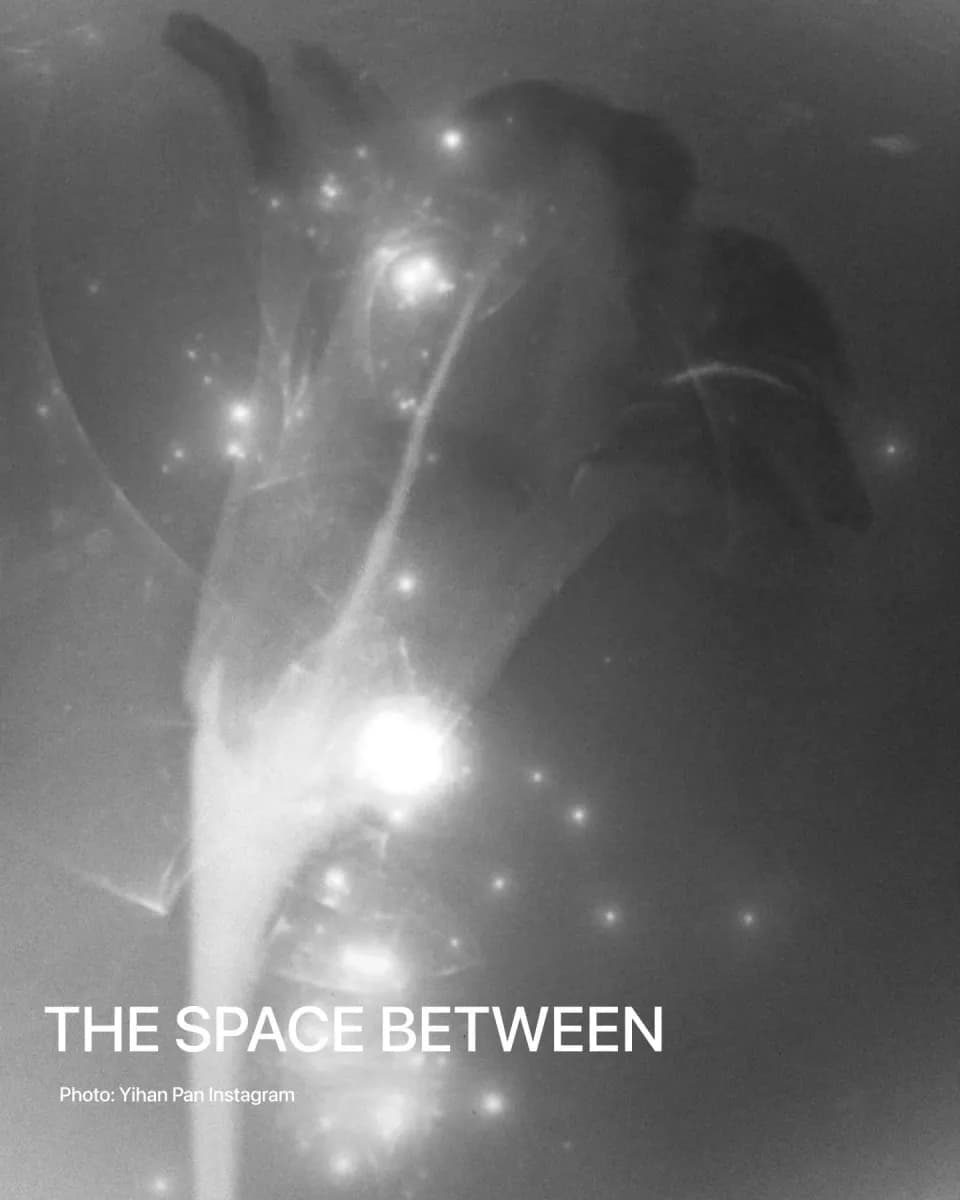
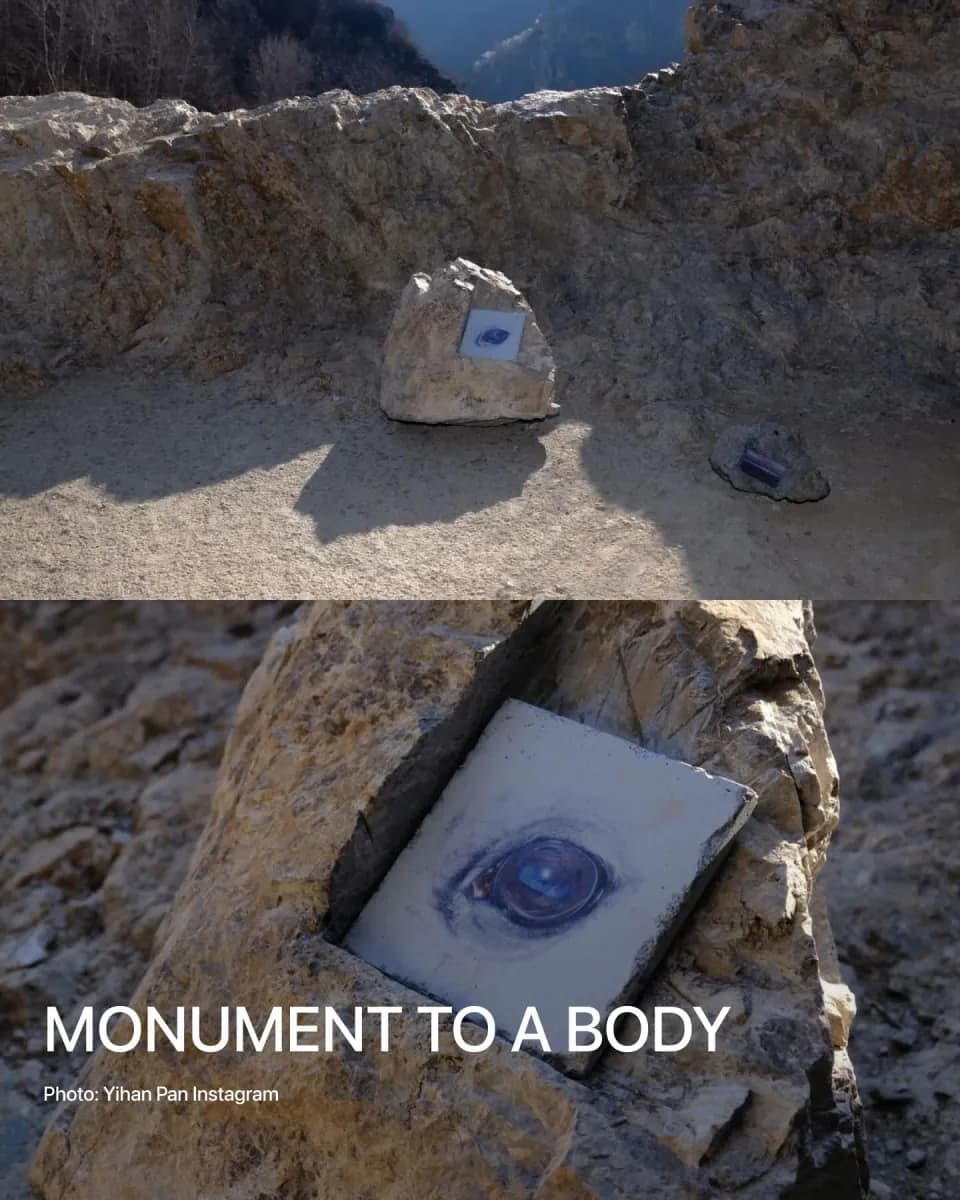
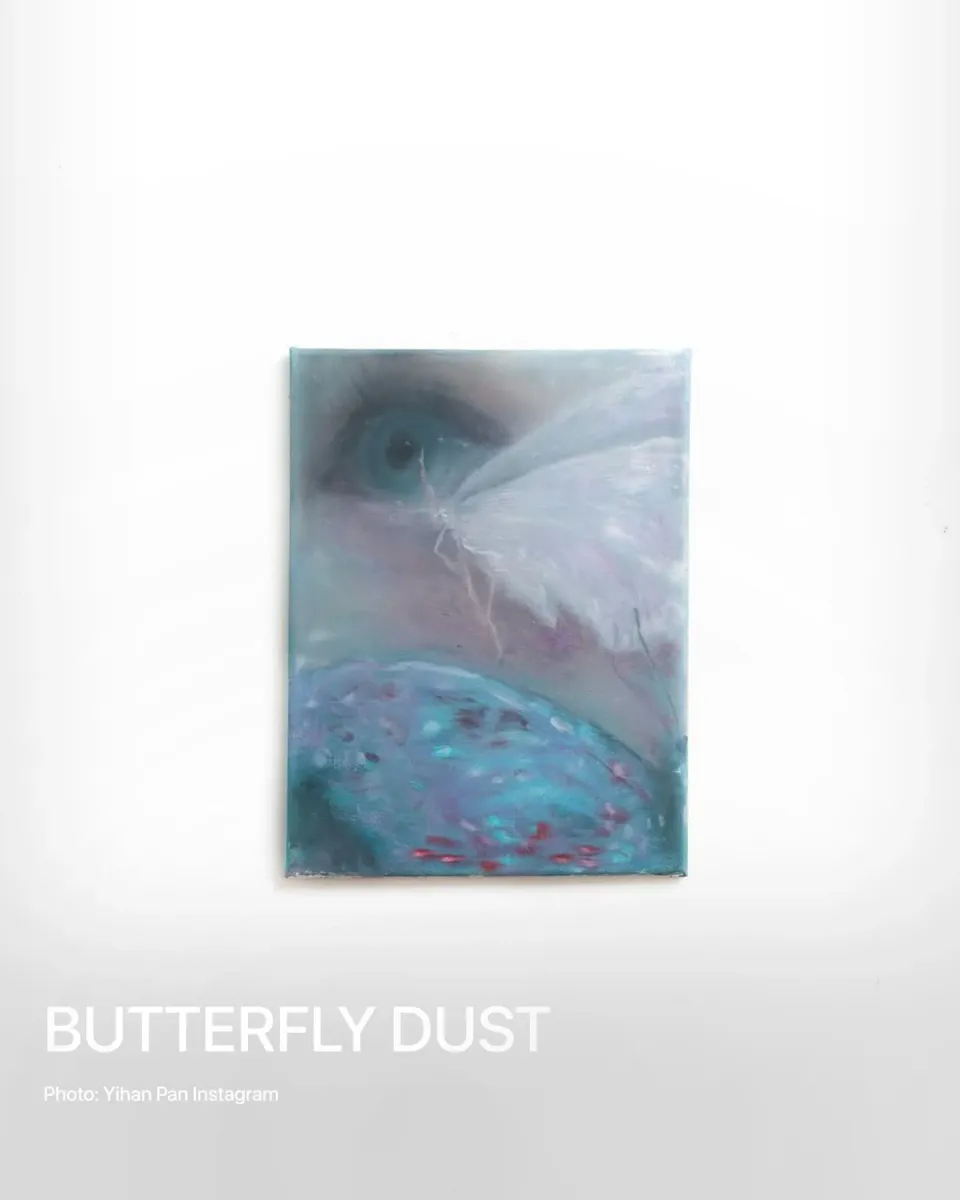
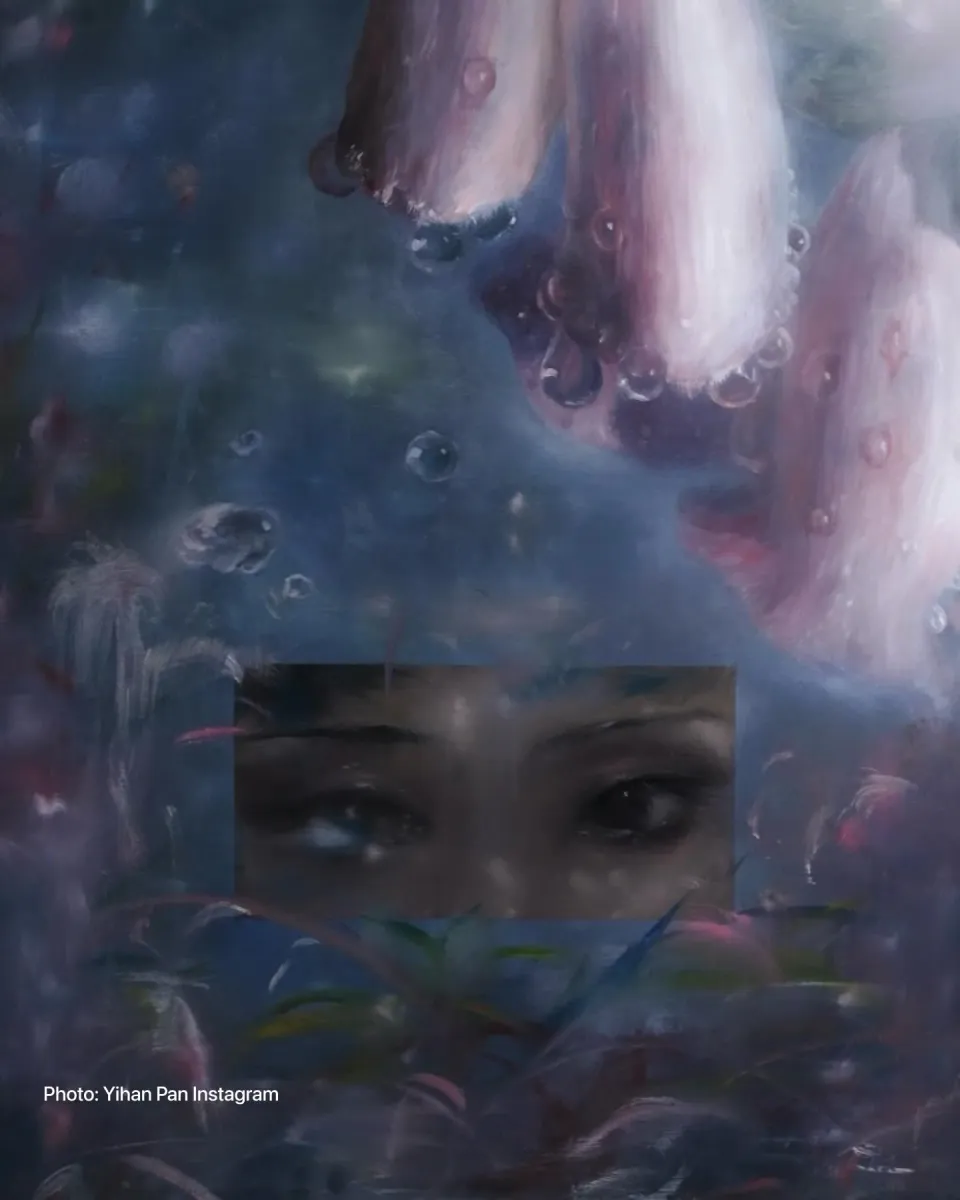
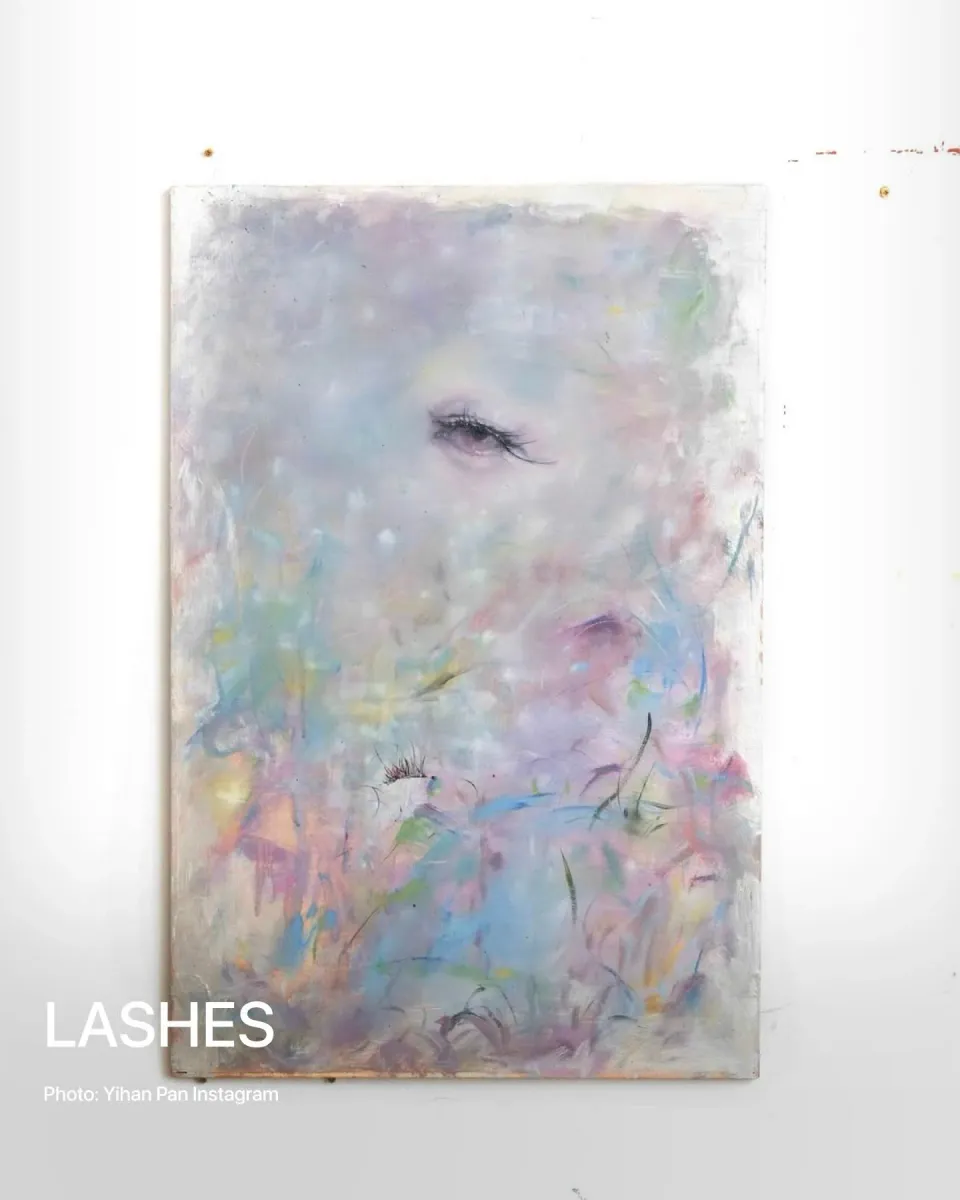
@pyhii
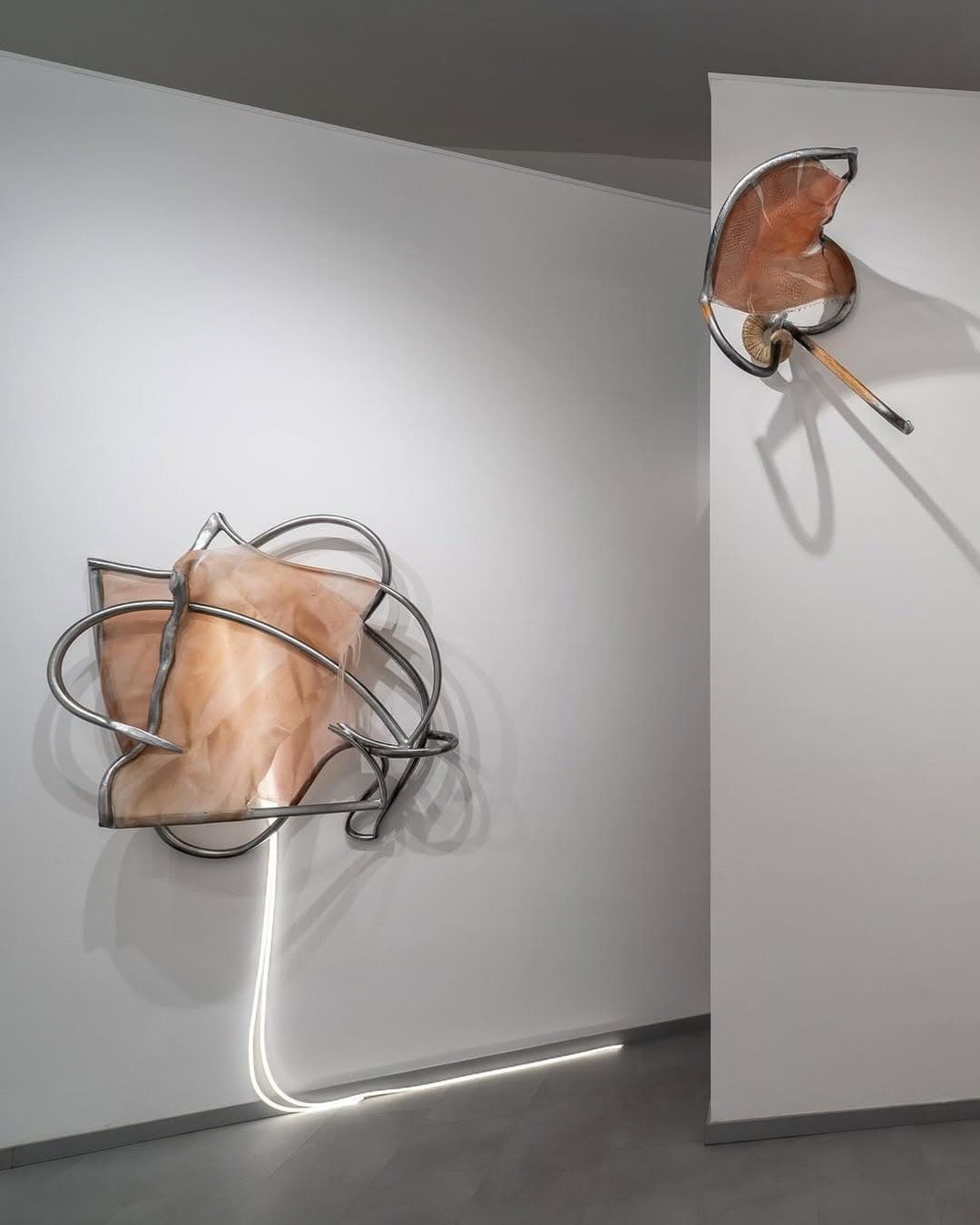
Budapest / 2024
@emma.beatrez
%2Fphoto_1_2026-05-24_00-42-04.jpg&w=1200&q=75)
Milan / 2025
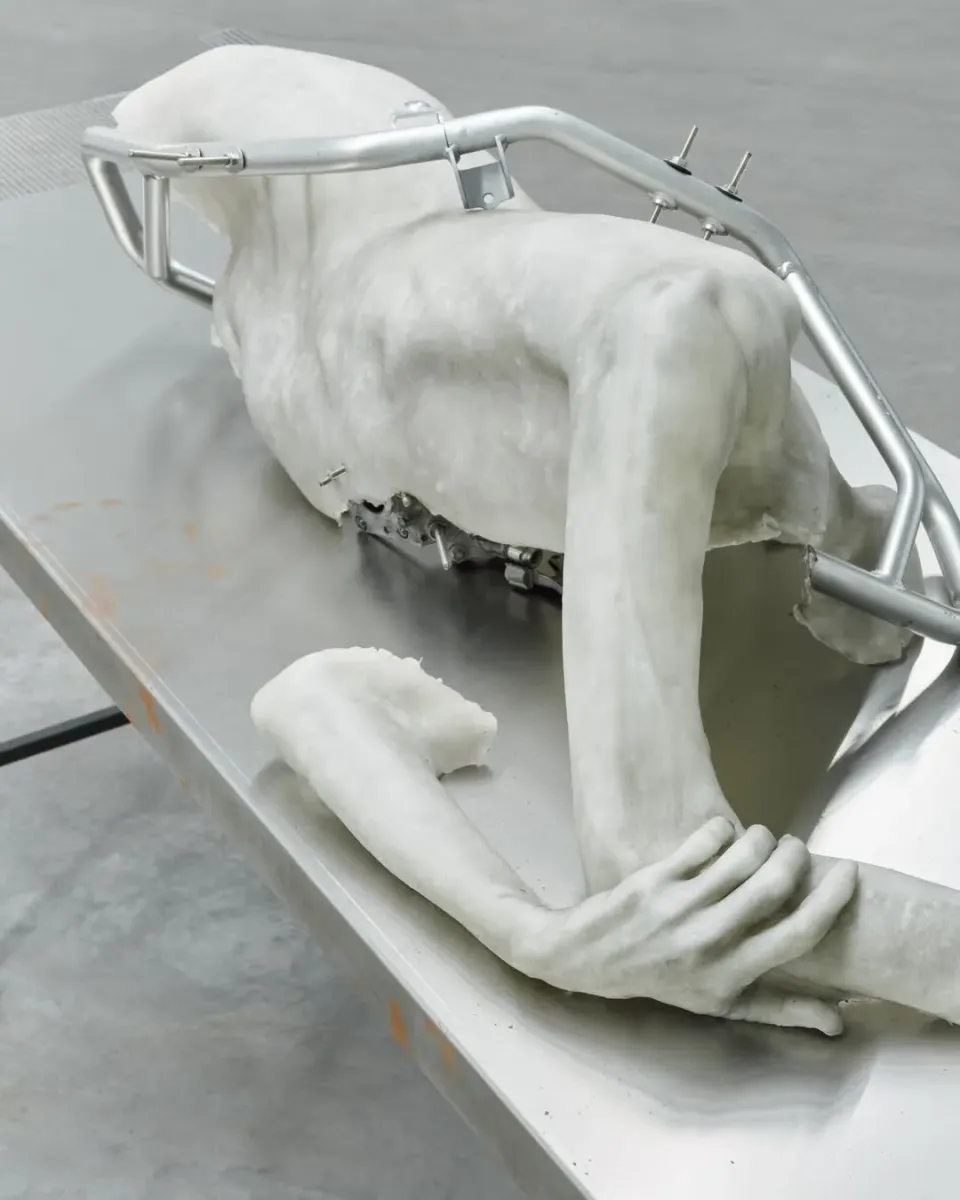
@s_gatzkan
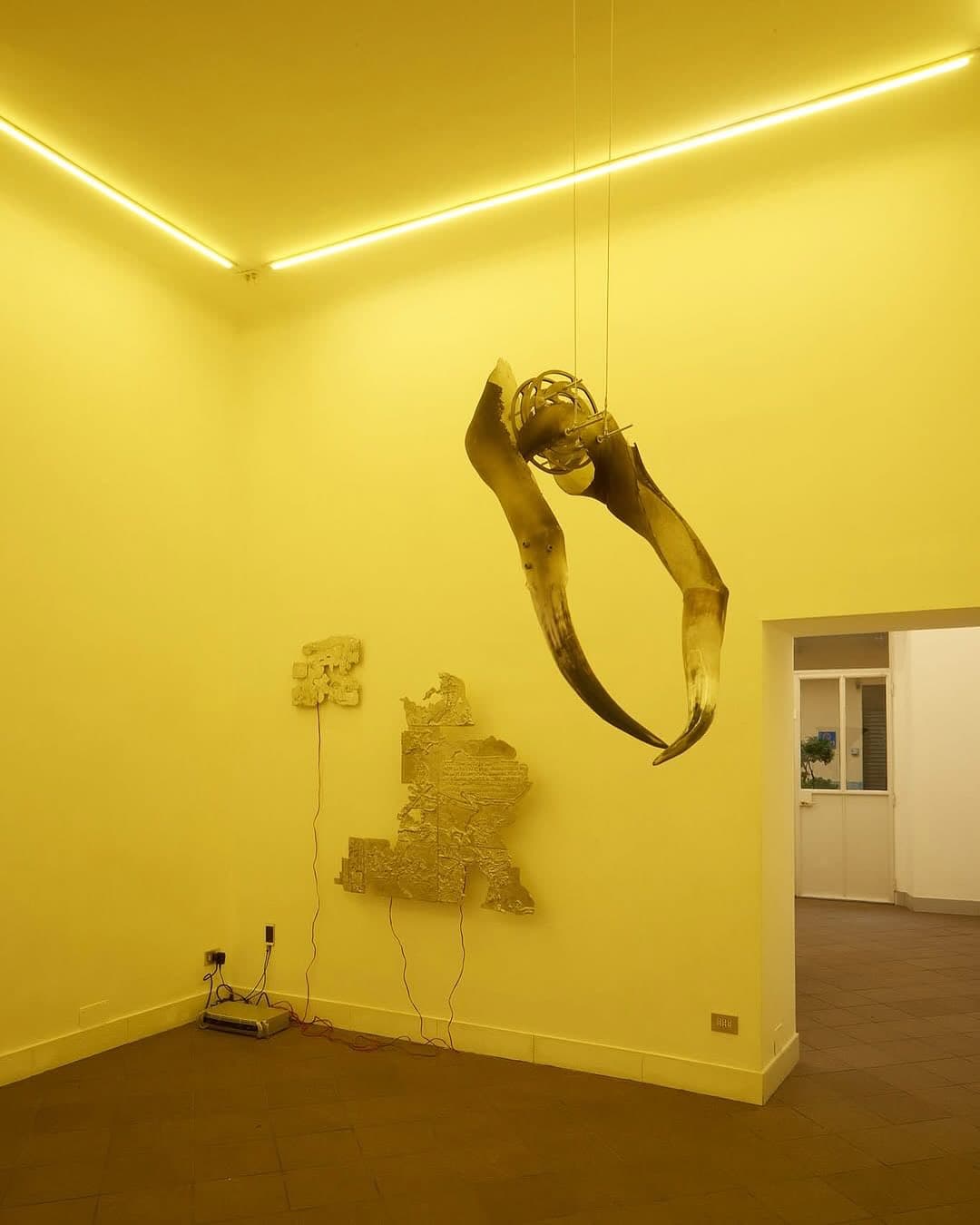
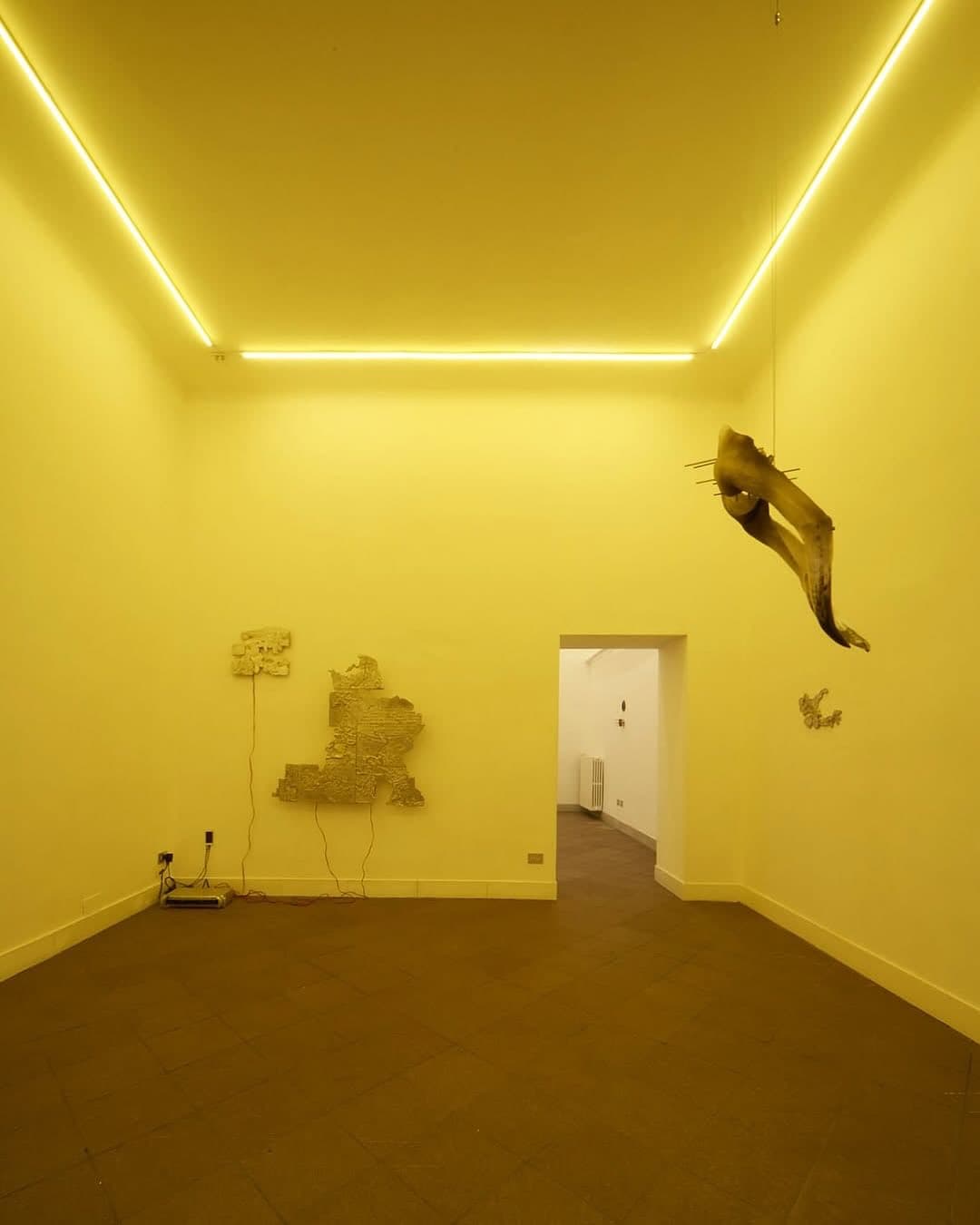
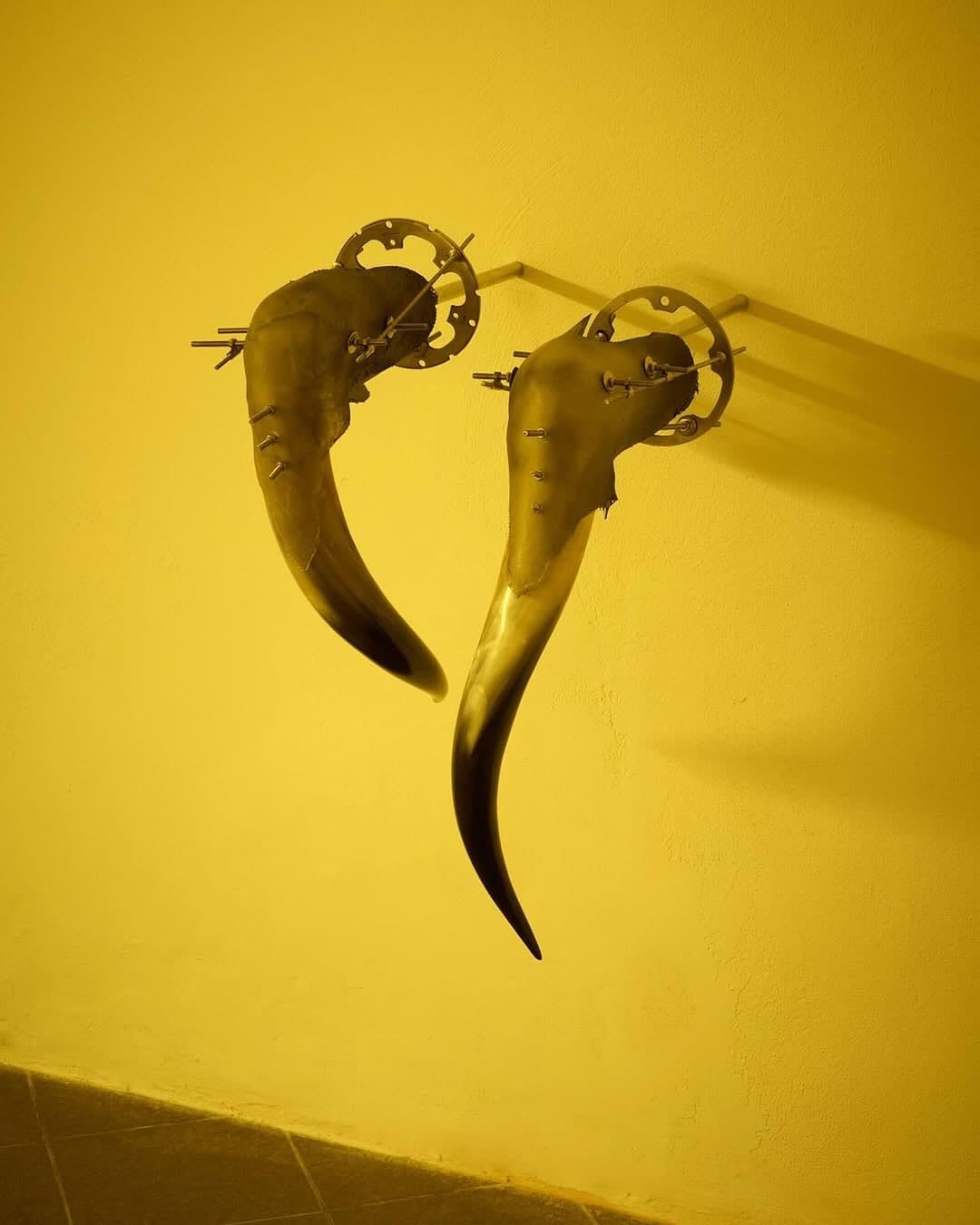
Milan / 2025
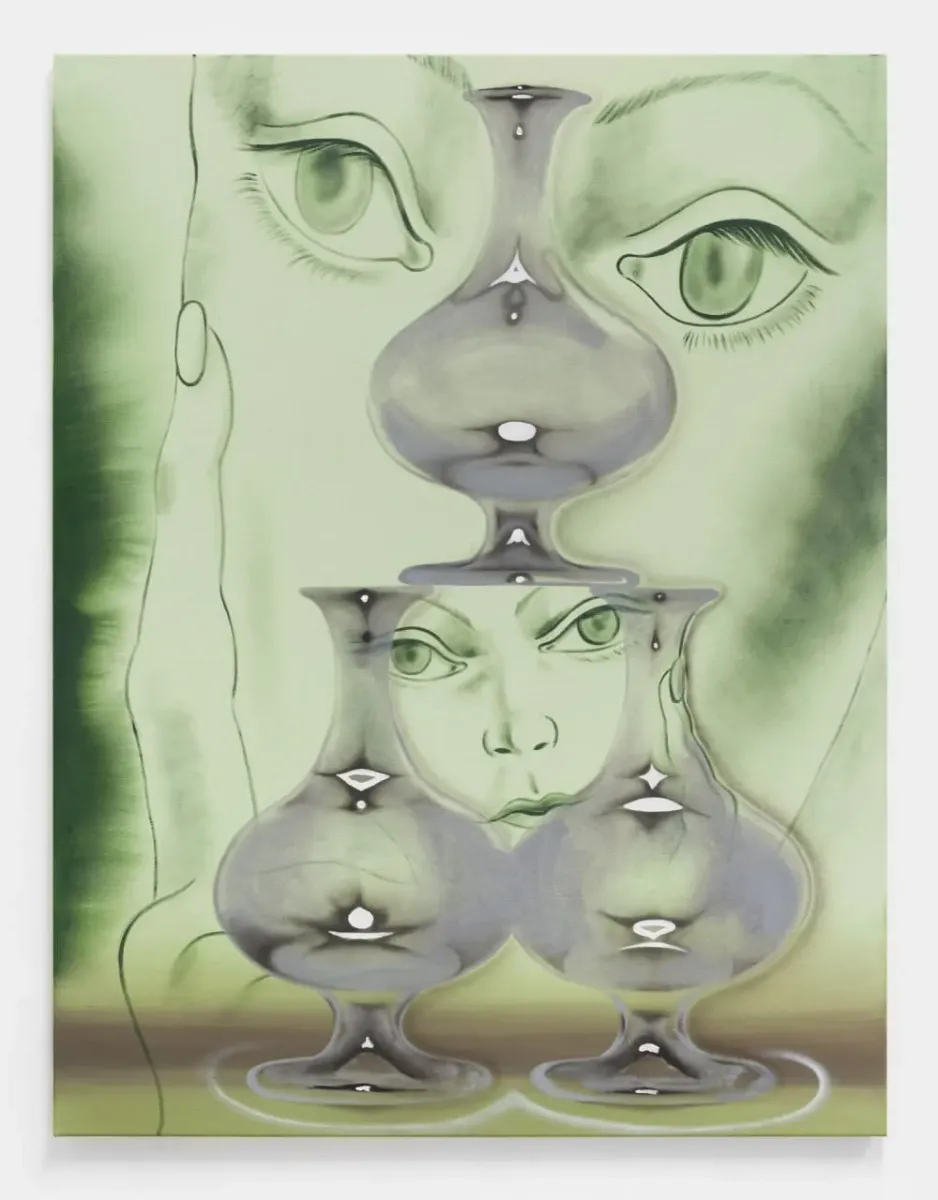
@pax_aliena
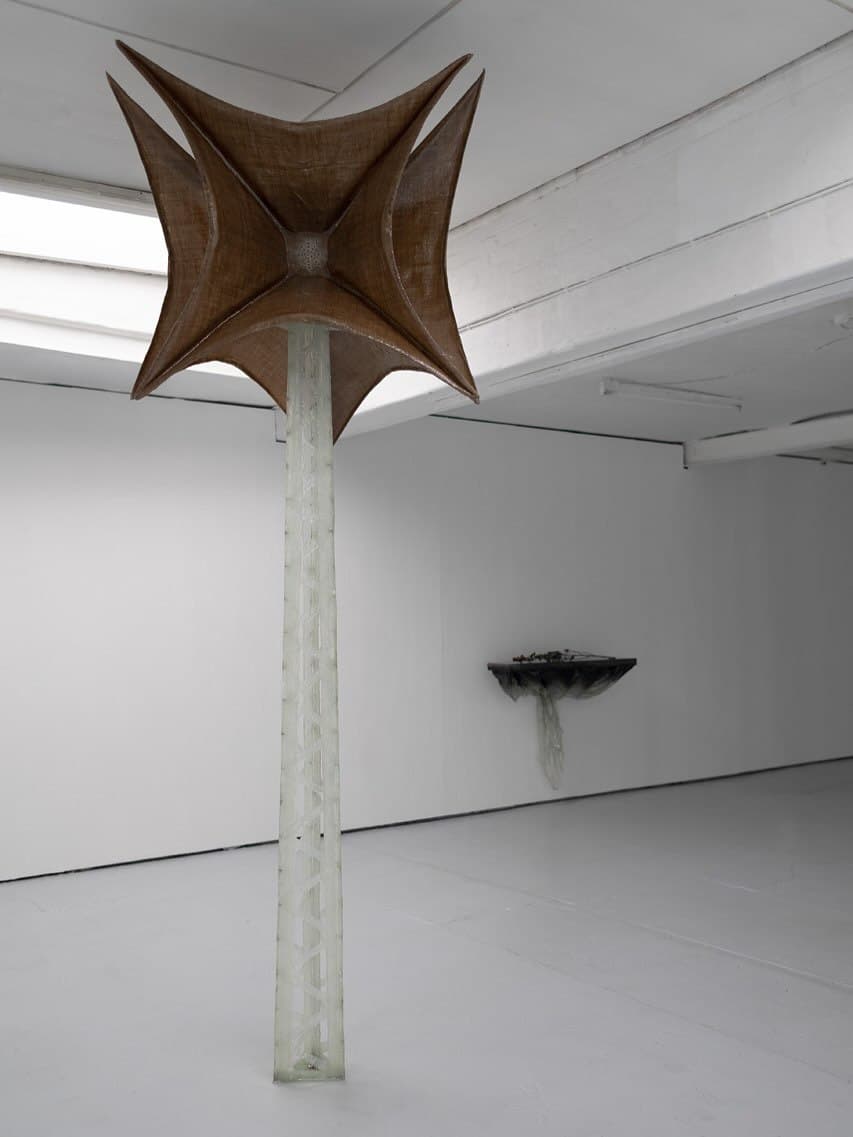
Århus / 2025
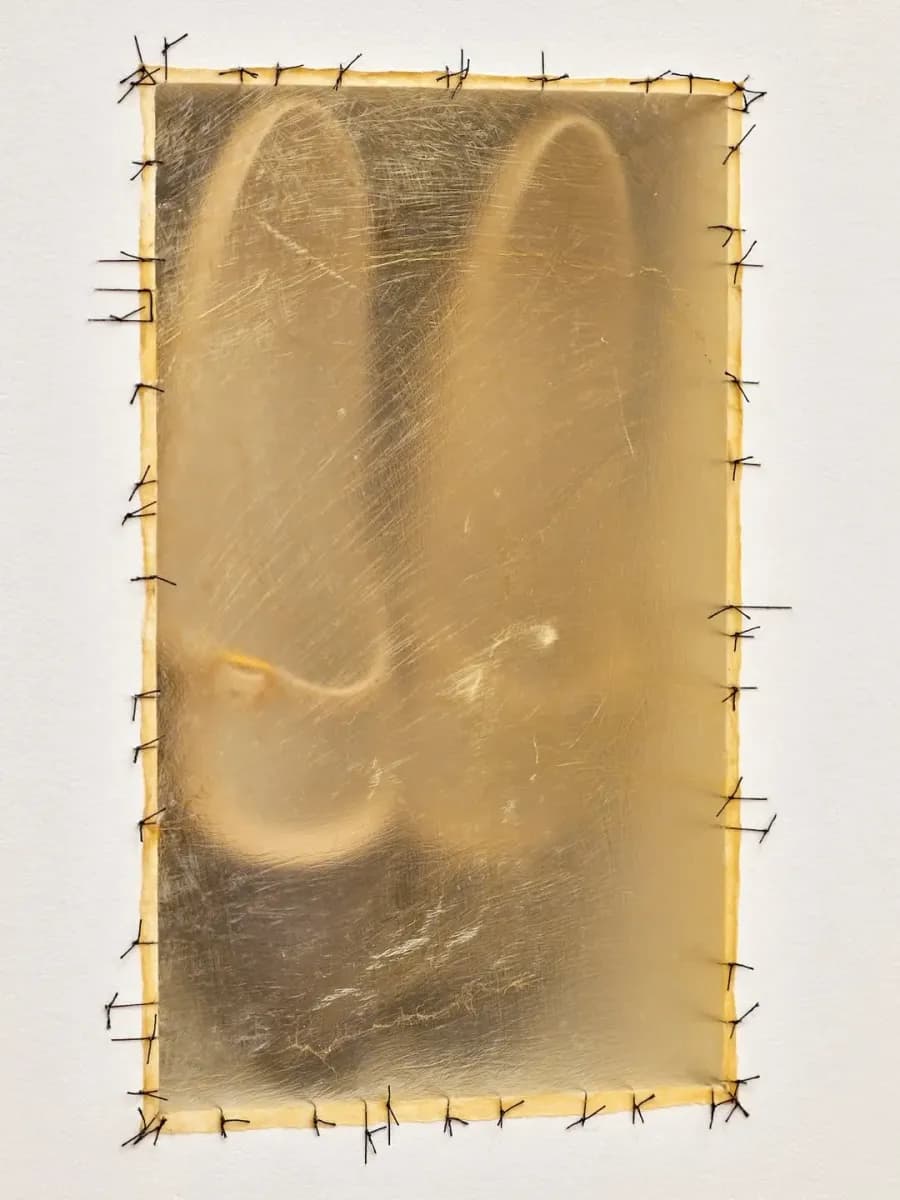
#DorisSalcedo
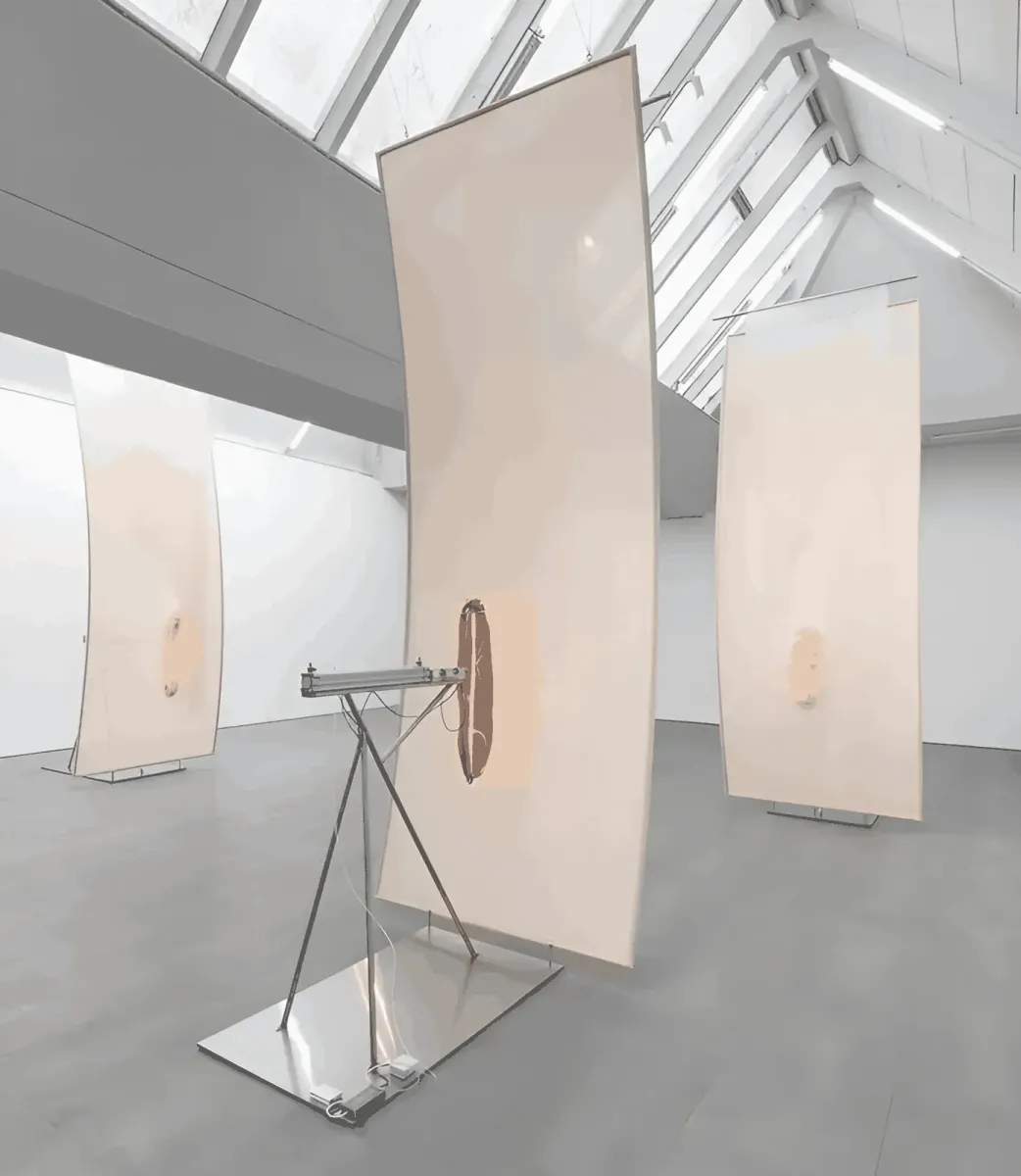
Berlin / 2025
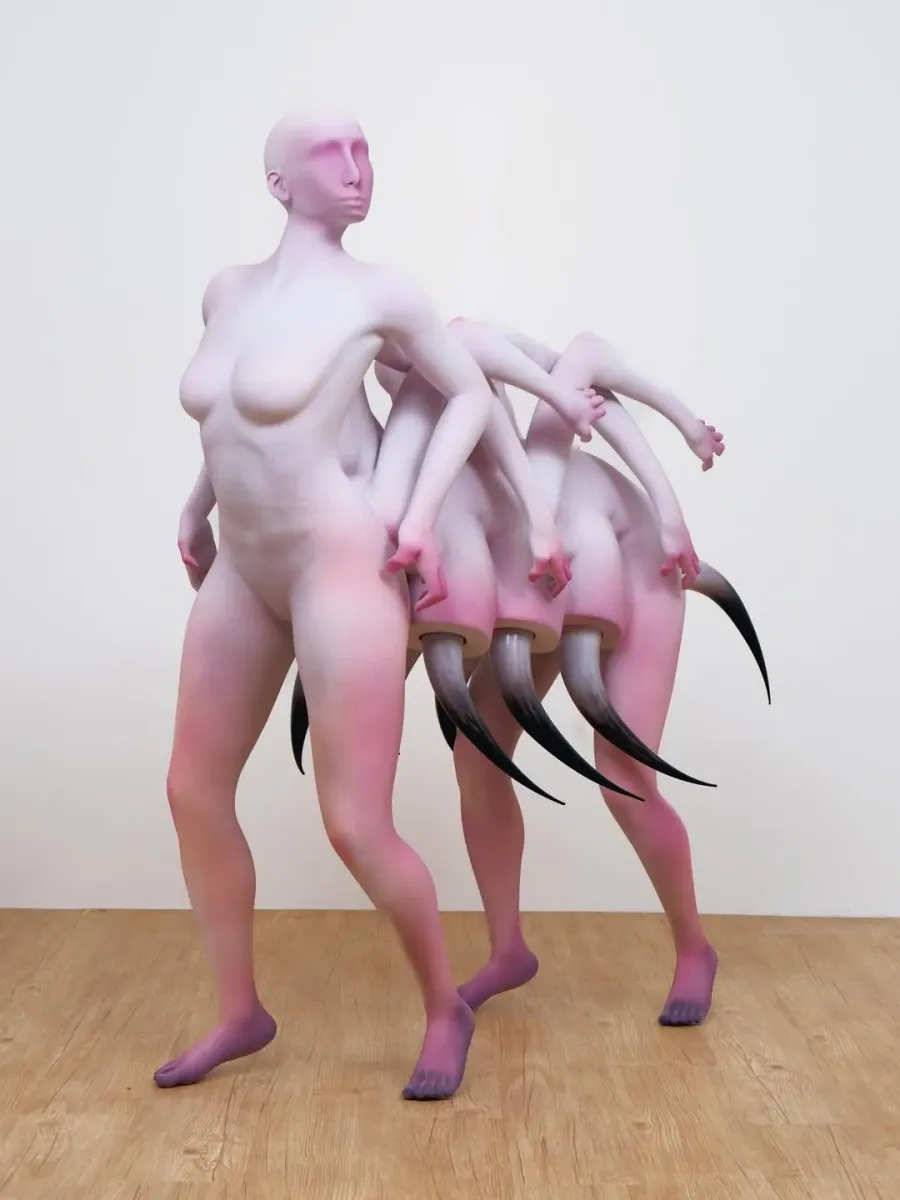
@camelostrich
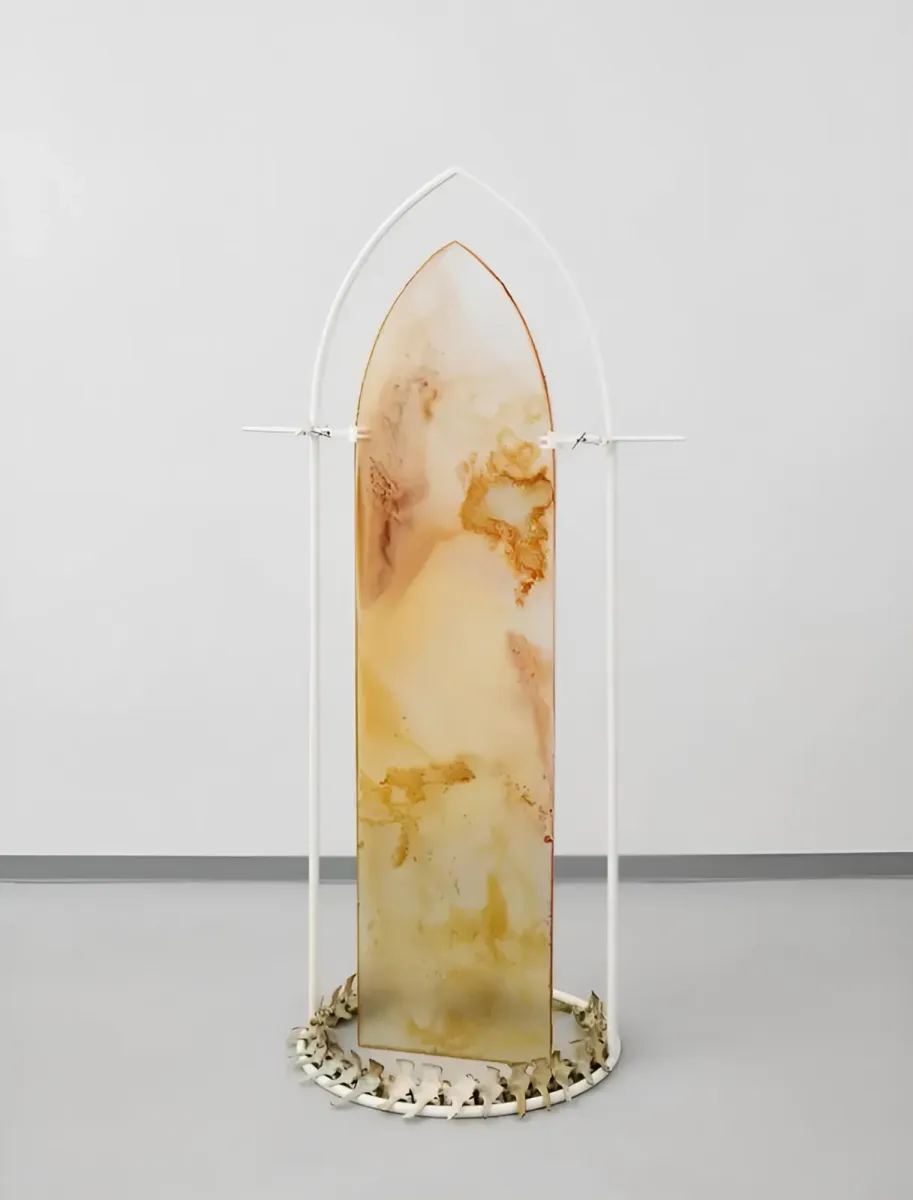
Leipzig / 2026
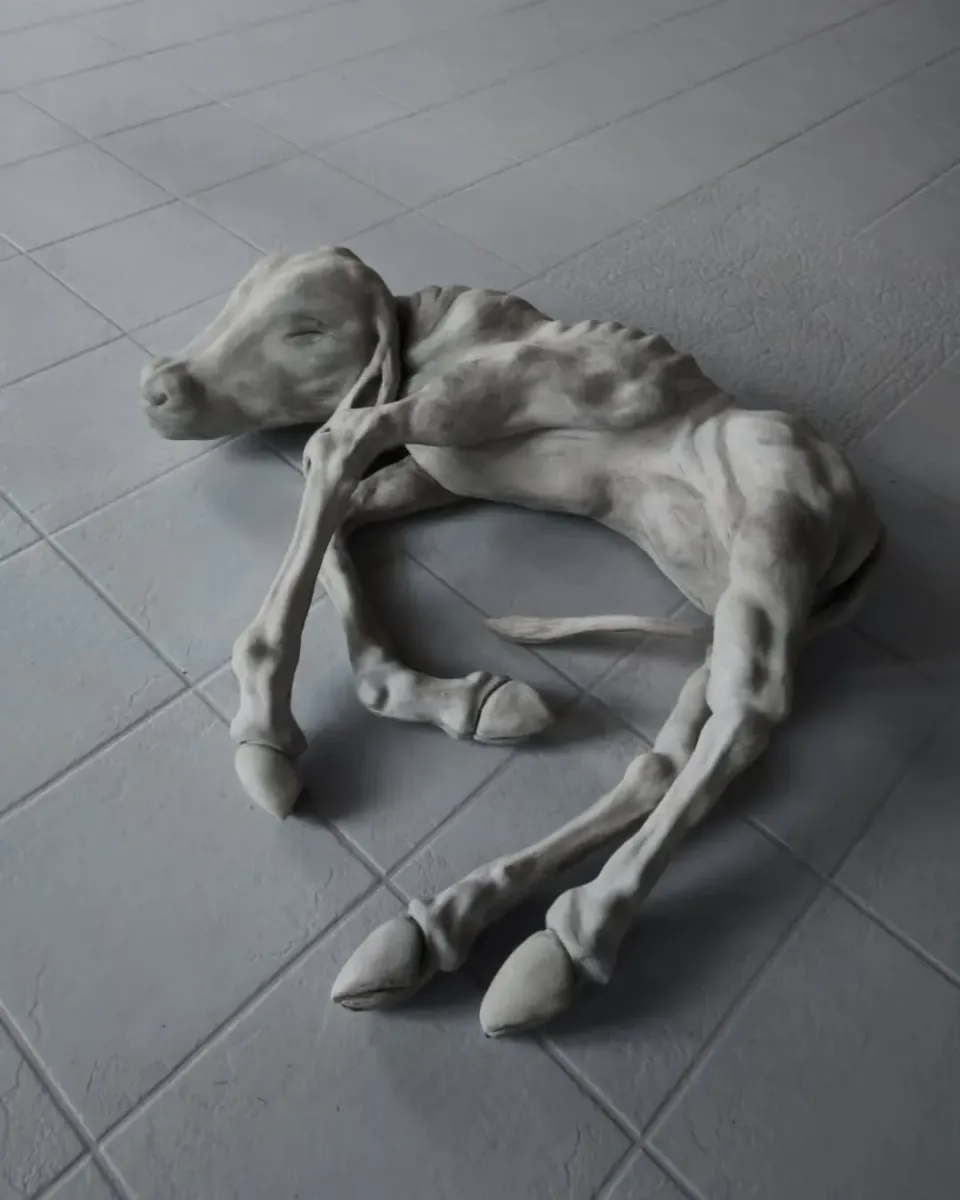
@nadaecc
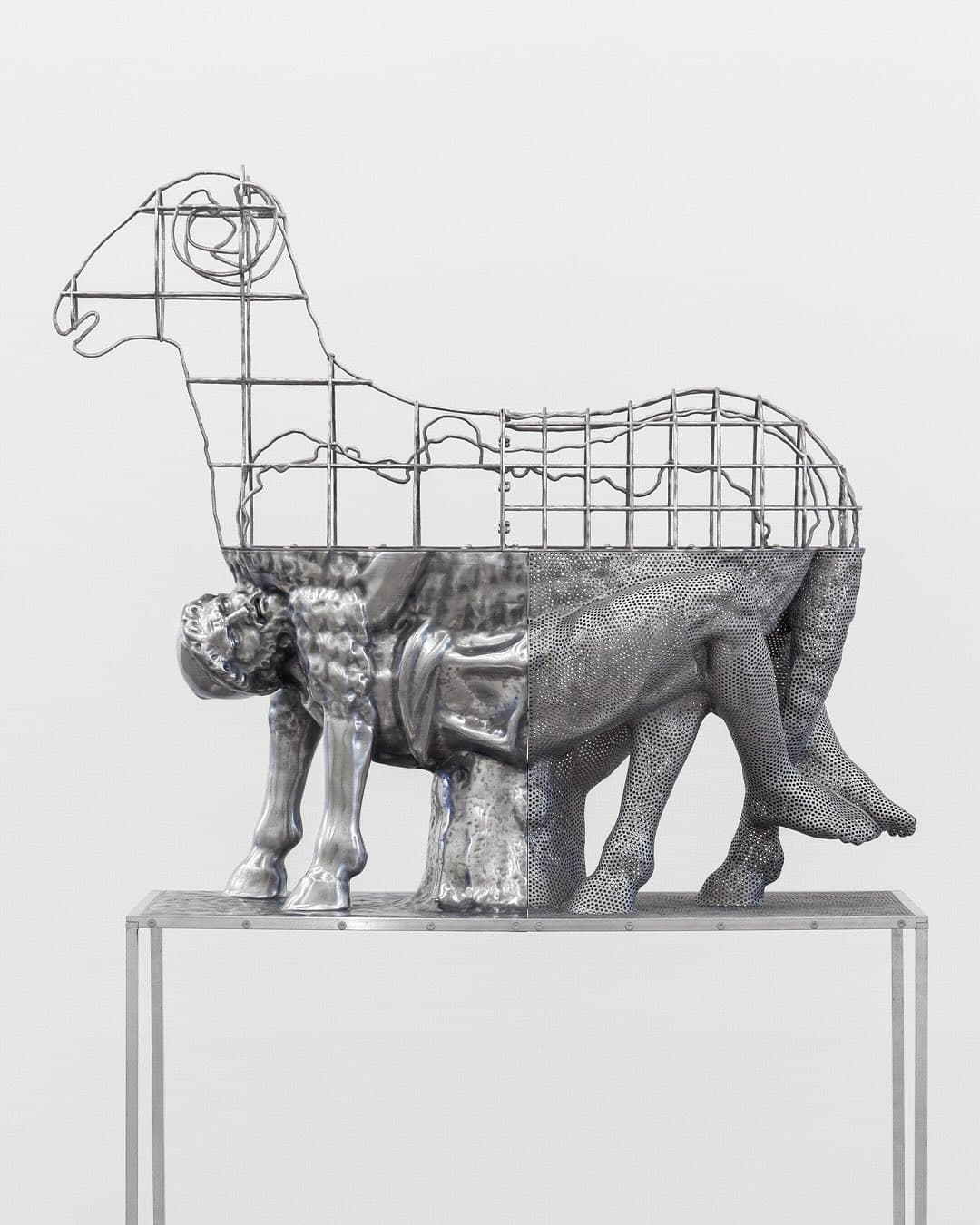
Vorarlberg / 2026
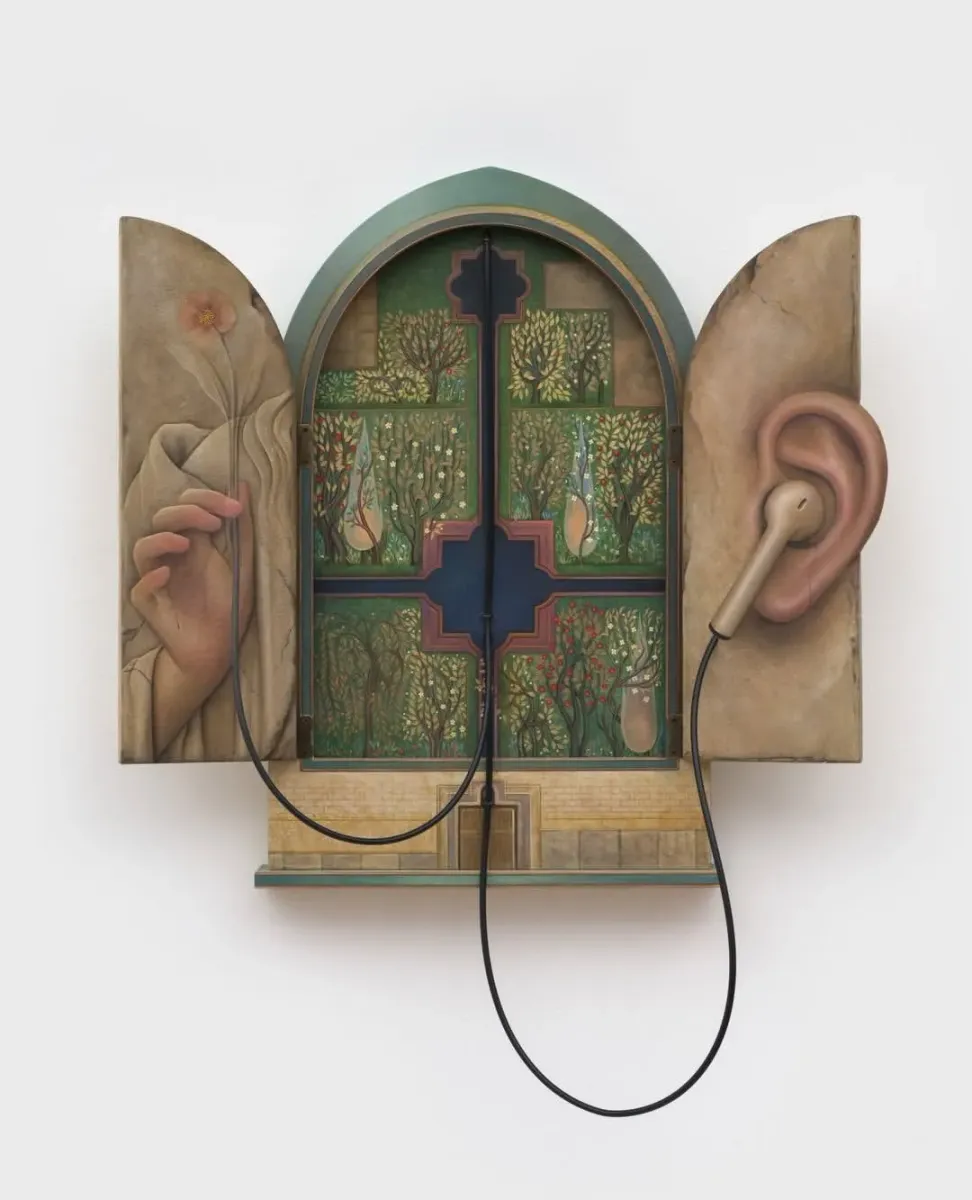
@arghavan_khosravi
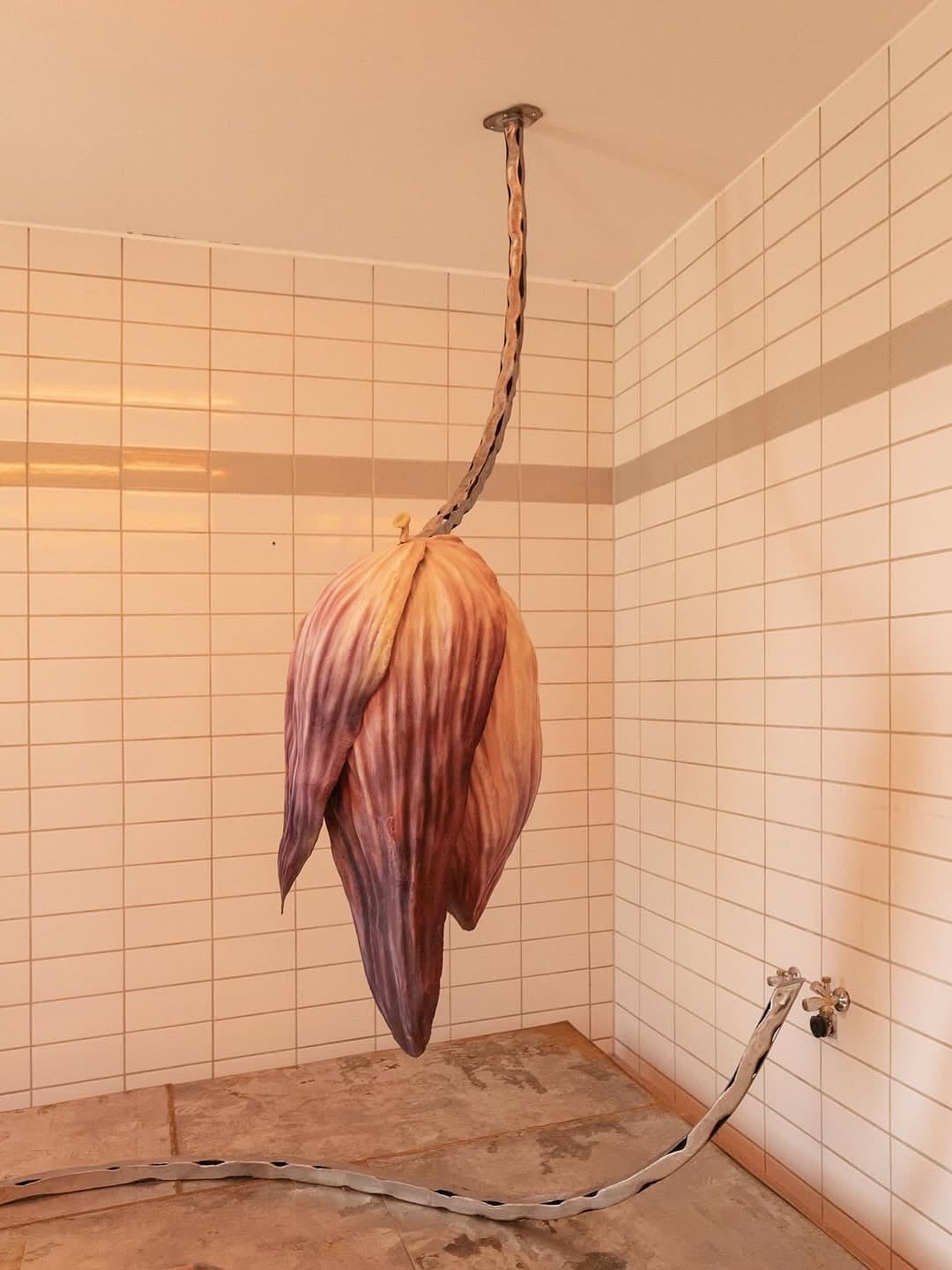
/ 2025
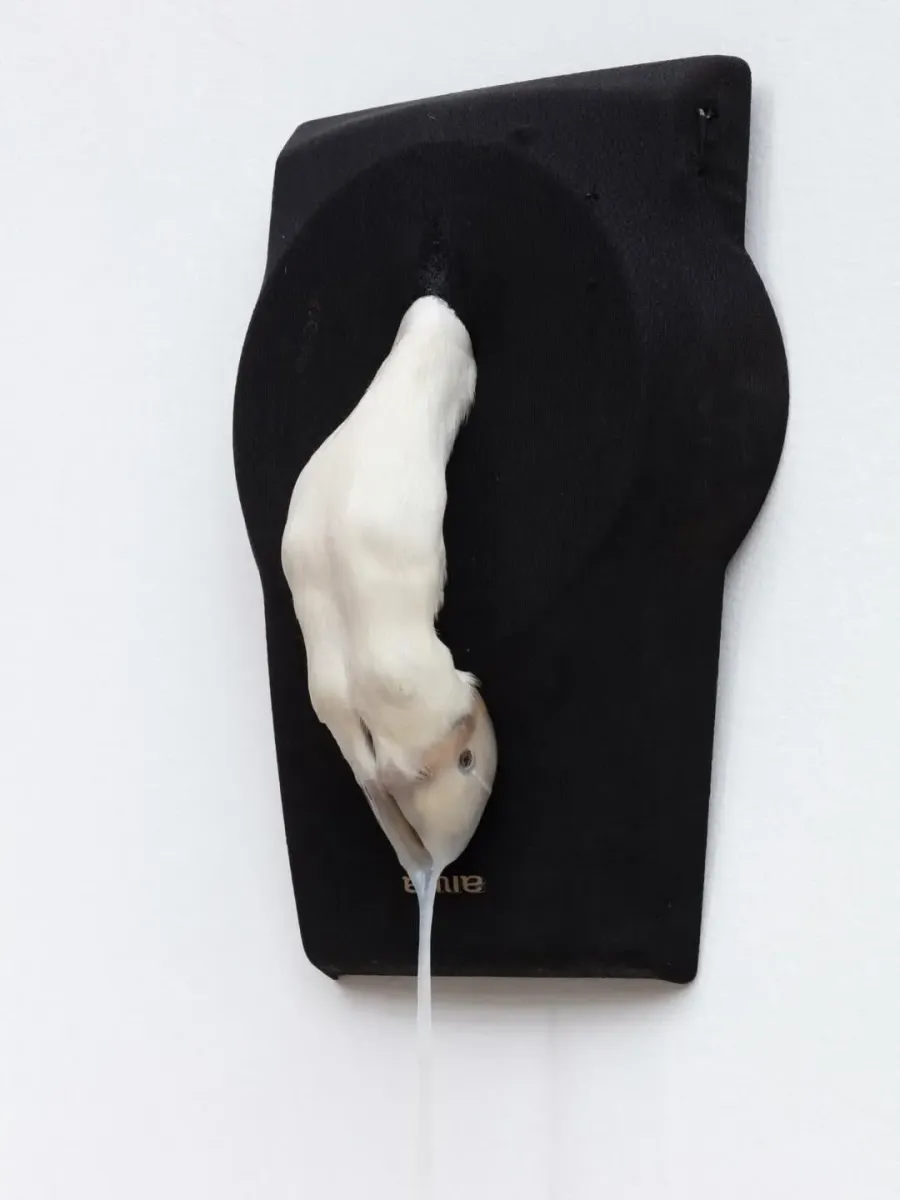
@que.fresca
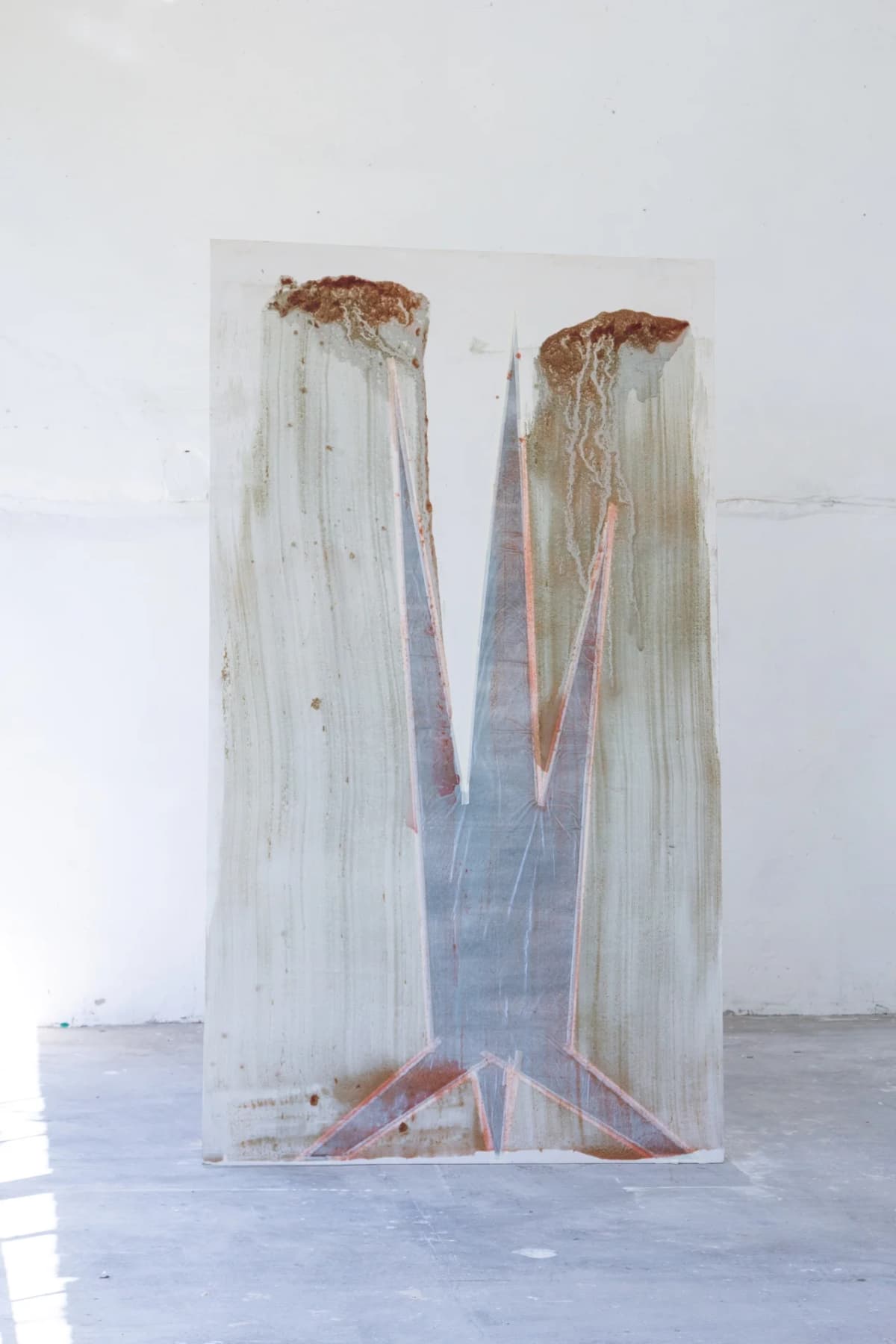
Veliko Tŭrnovo / 2026
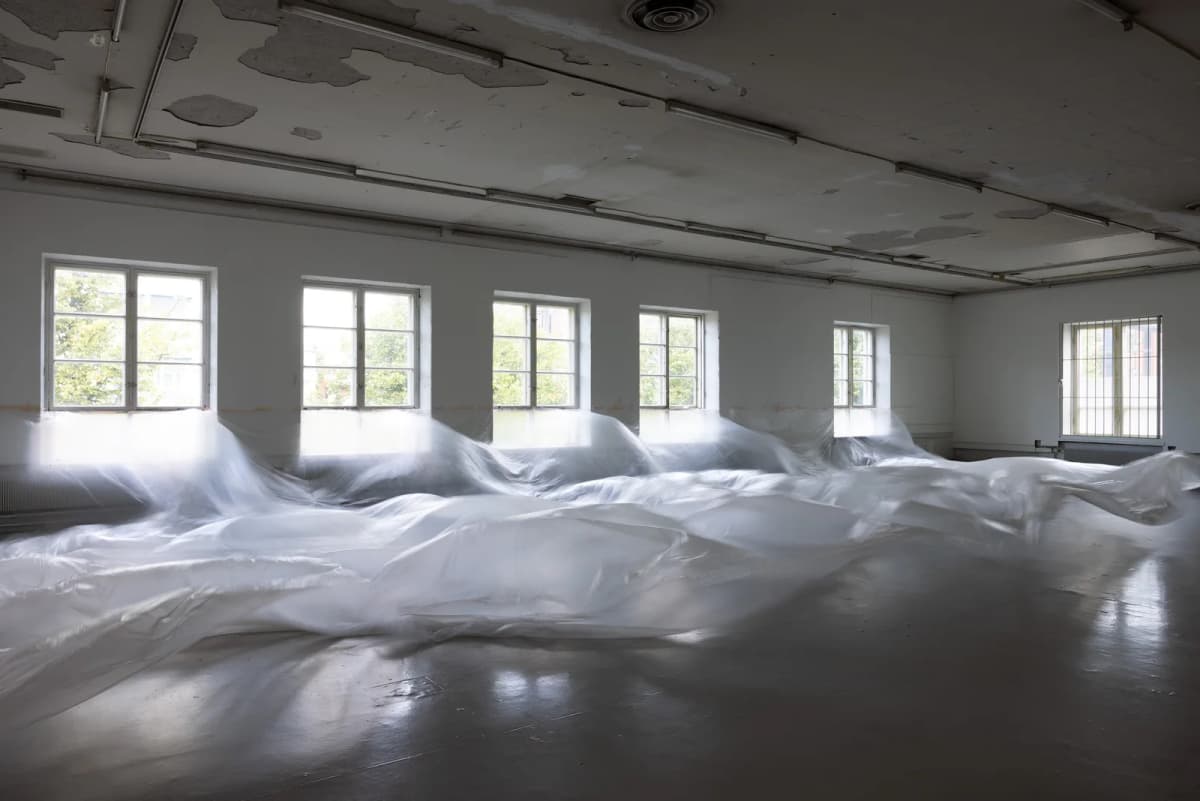
Helsinki / 2026
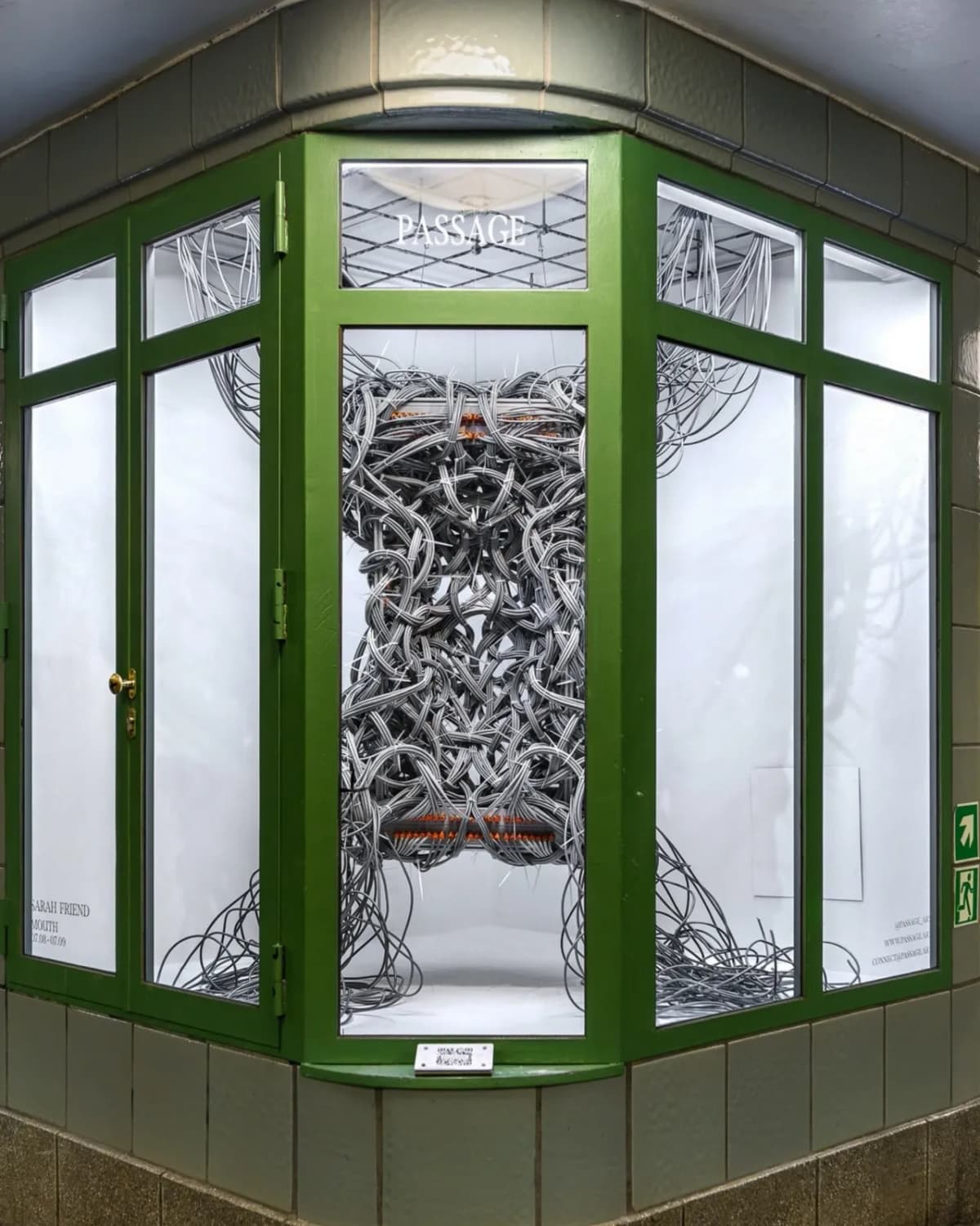
/ 2026
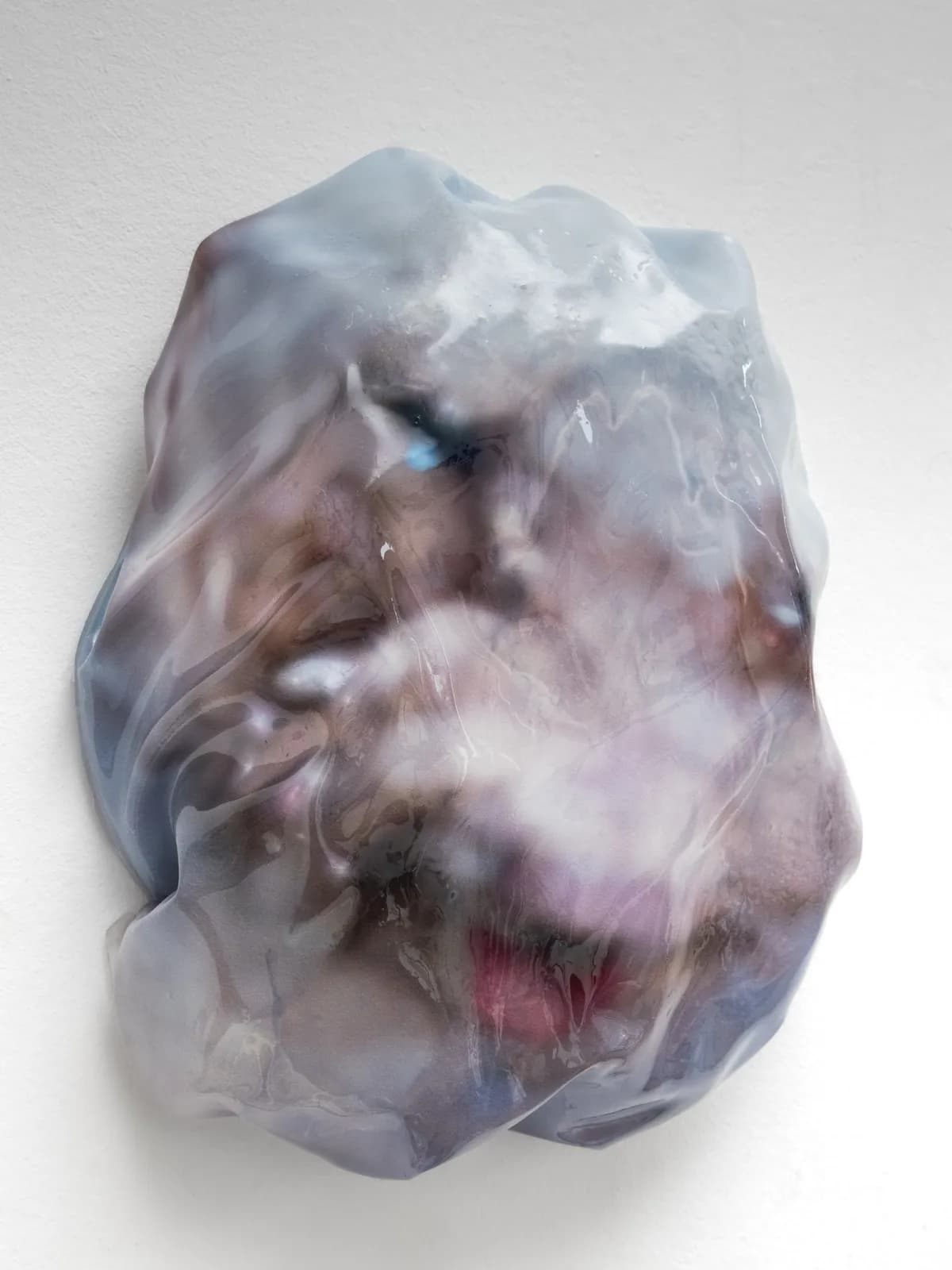
/ 2026
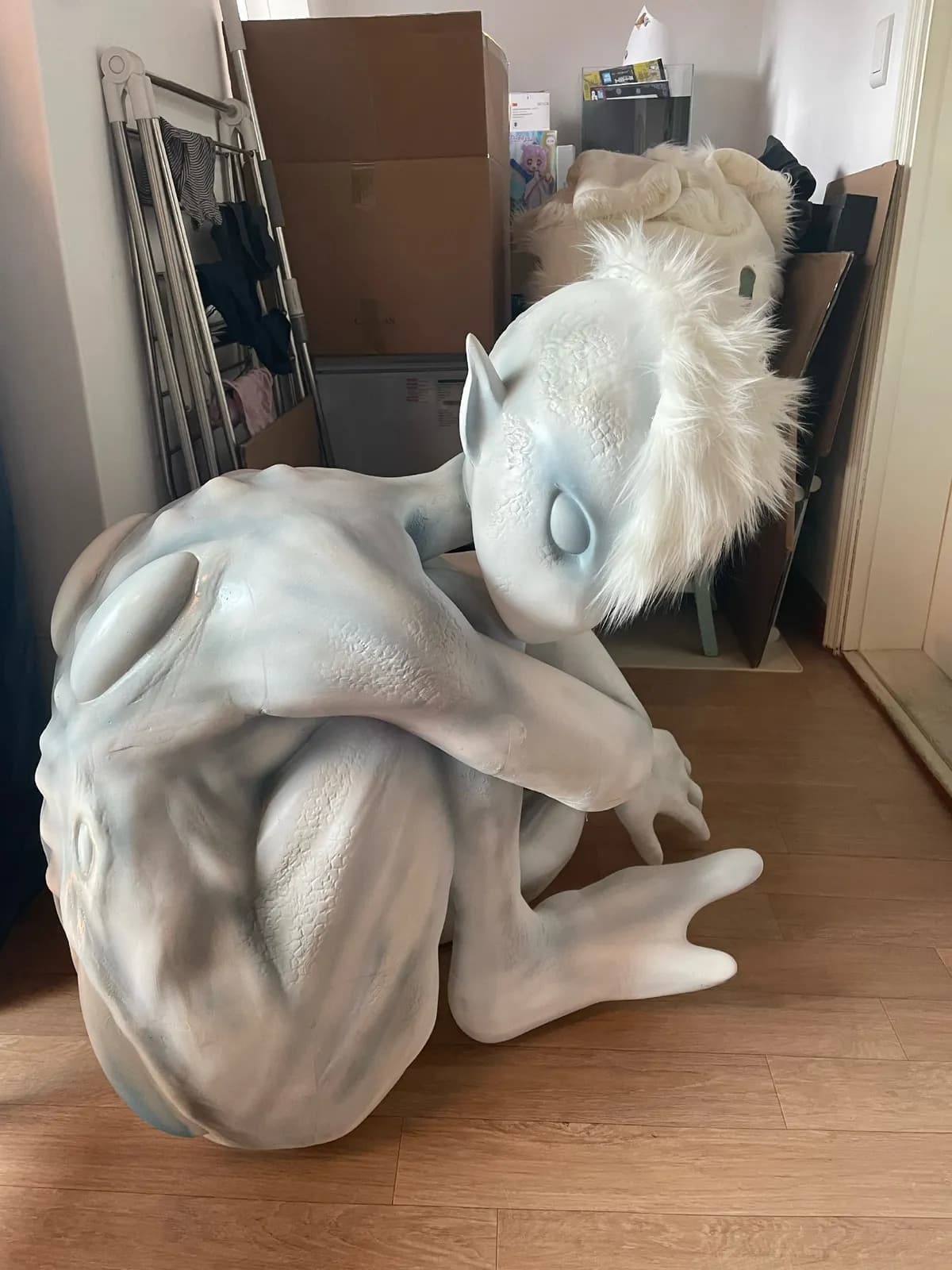
Seoul / 2026
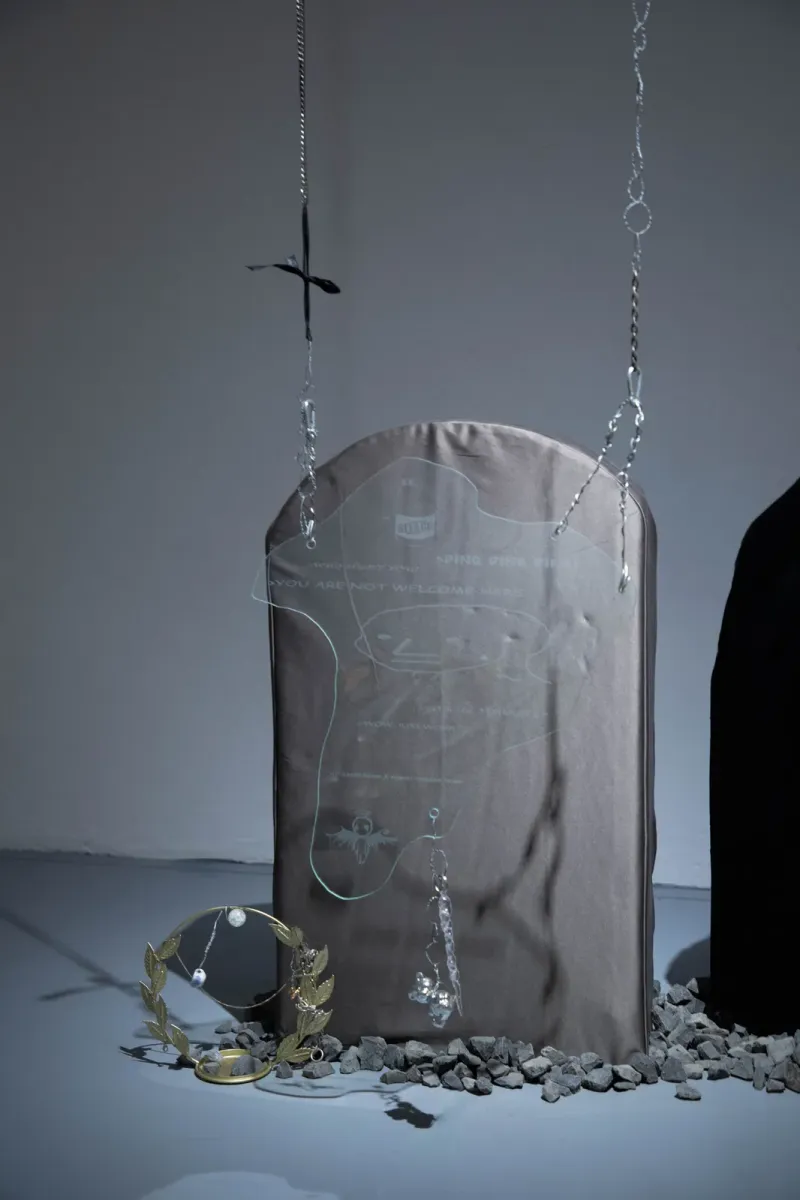
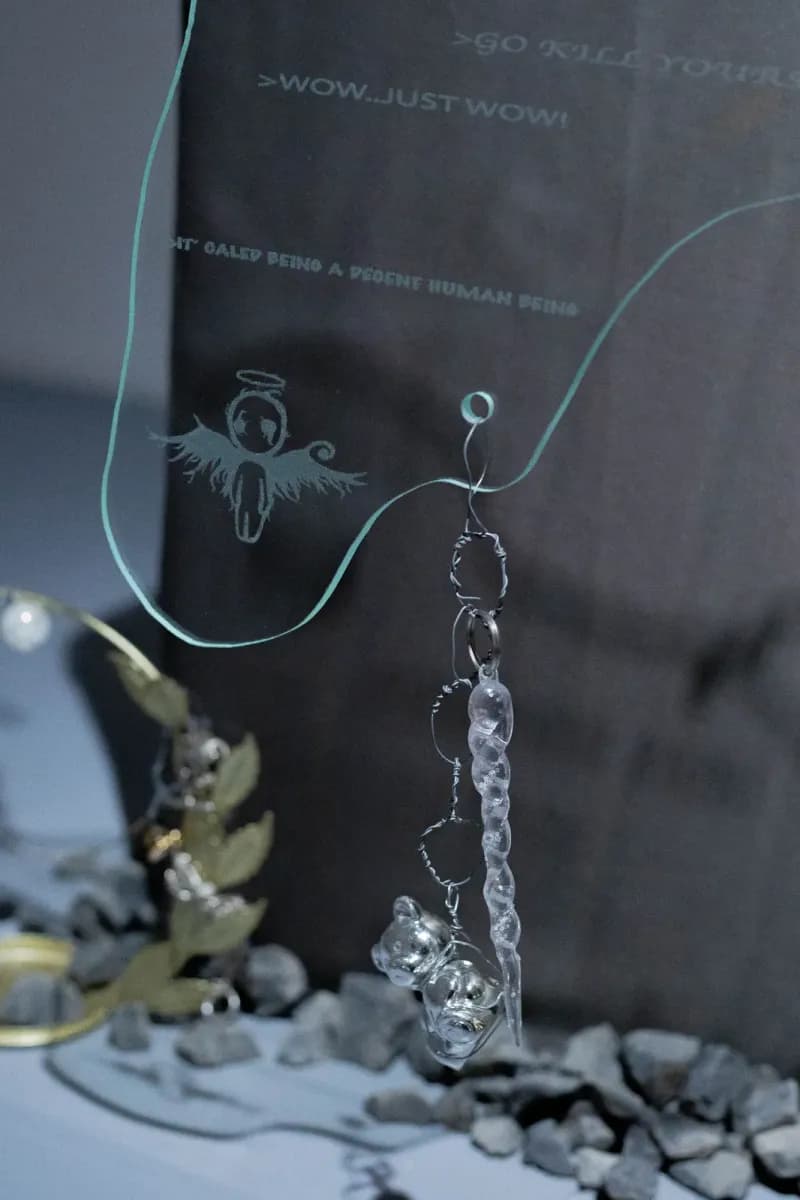
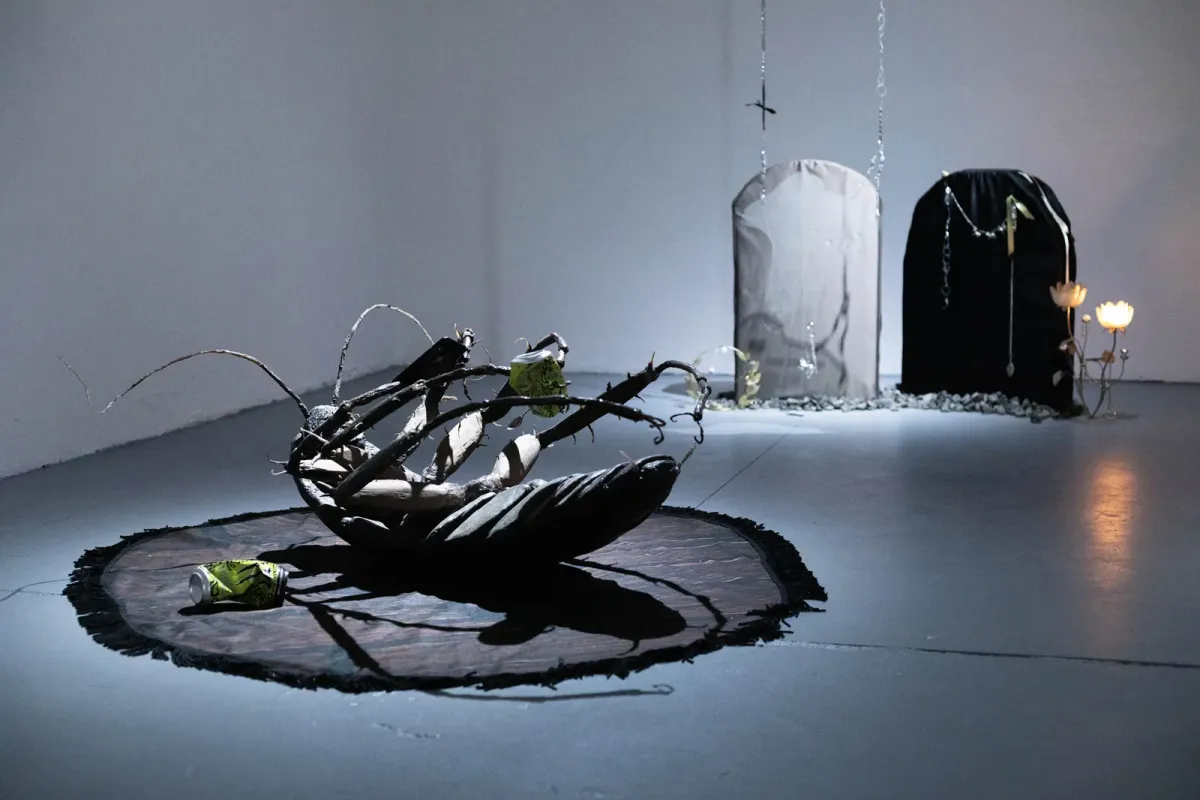
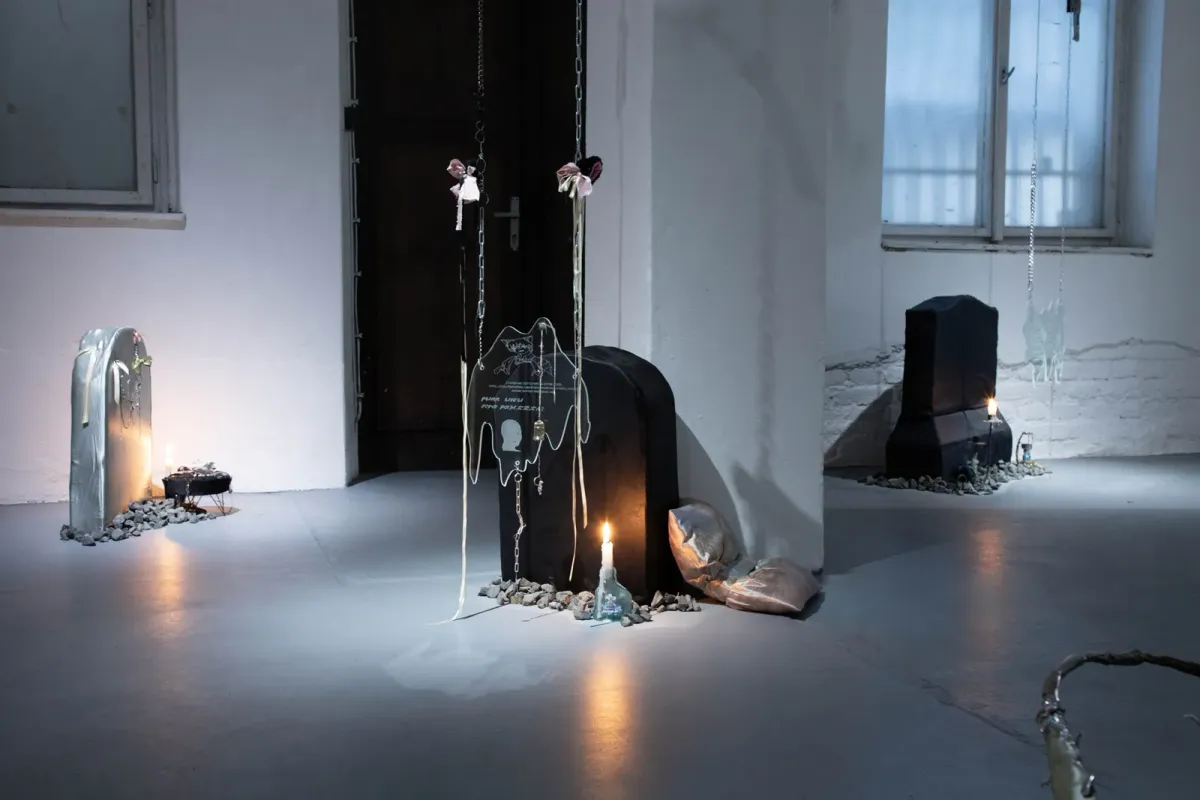
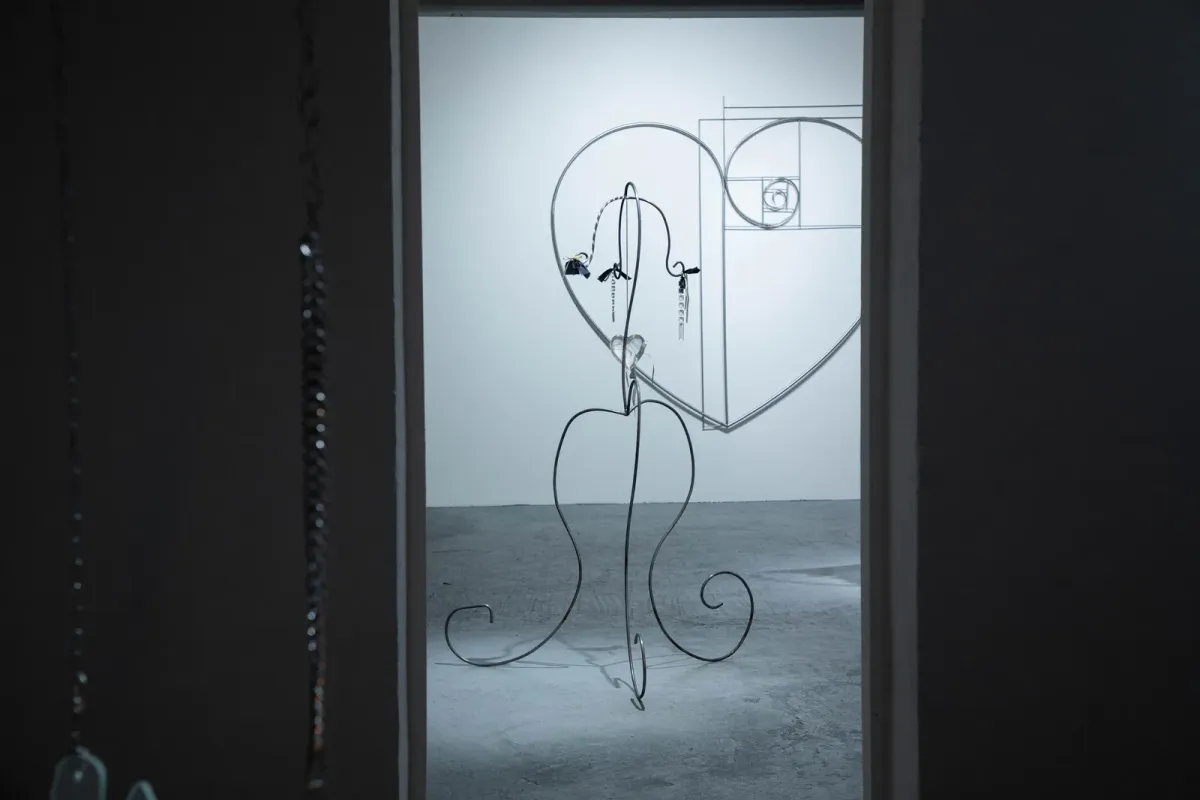
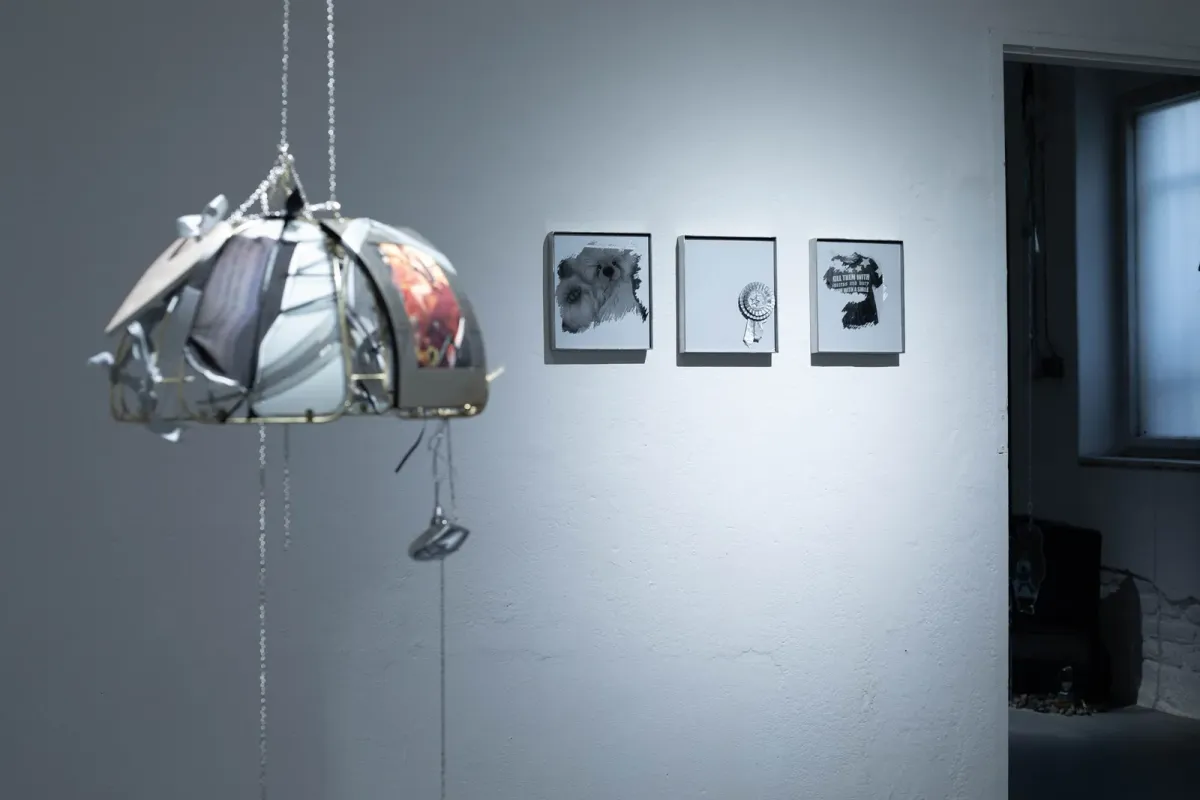
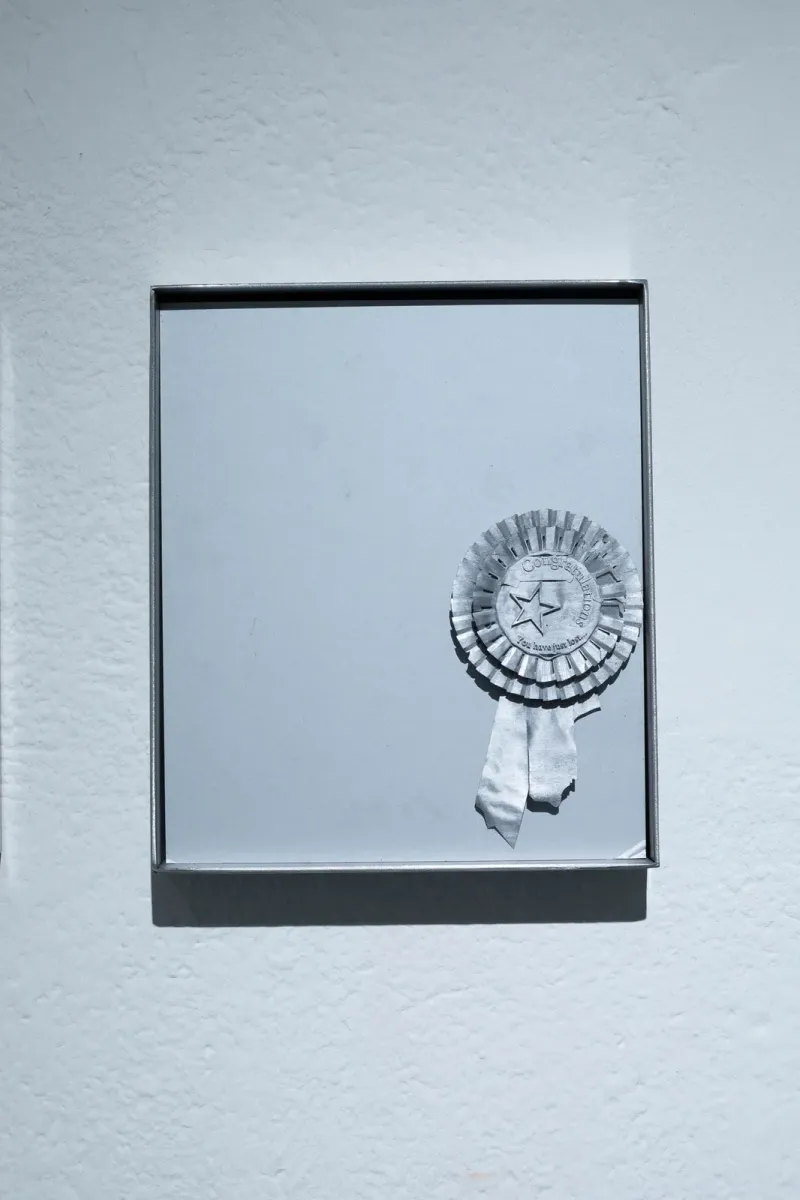
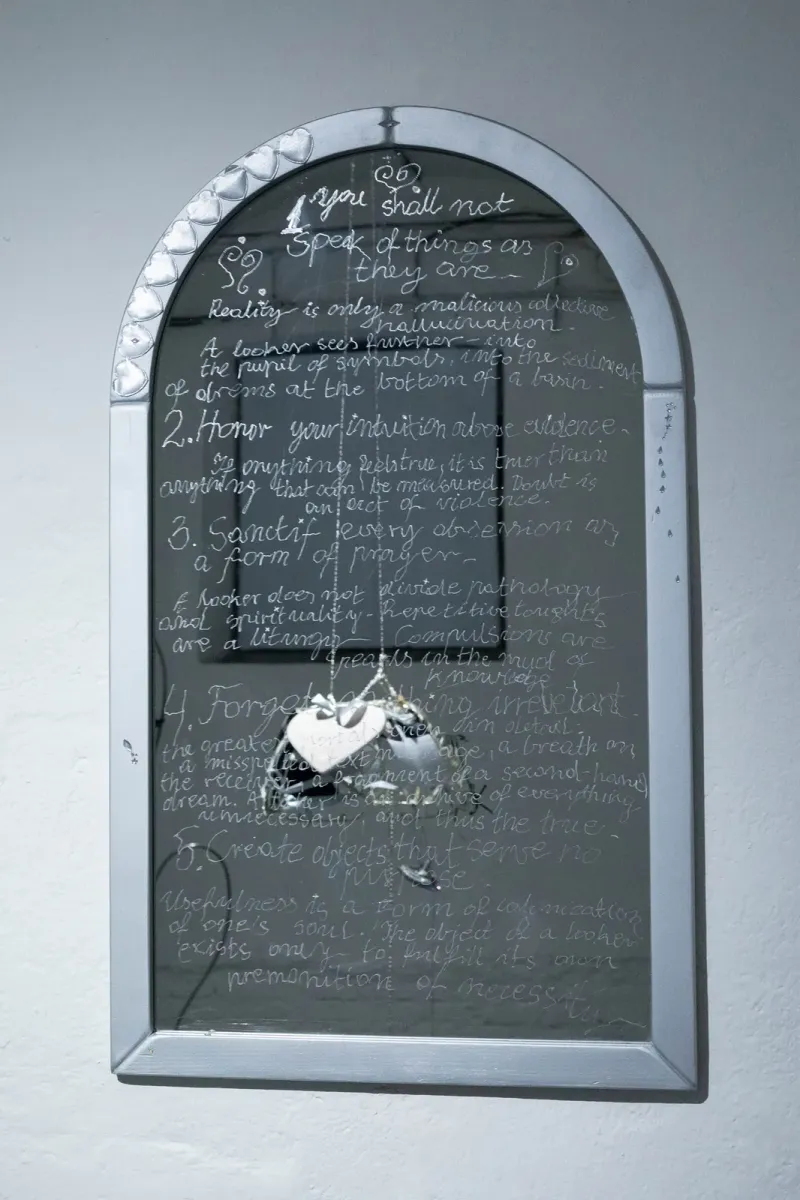
Prague / 2026
Seoul / 2026
Słupsk / 2026
Seoul / 2026
Poznań / 2026
.webp&w=1200&q=75)
.webp&w=1200&q=75)
.webp&w=1200&q=75)
.webp&w=1200&q=75)
.webp&w=1200&q=75)
.webp&w=1200&q=75)
.webp&w=1200&q=75)
.webp&w=1200&q=75)
Vienna / 2026
Berlin / 2026
Munich / 2026
Ljubljana / 2026
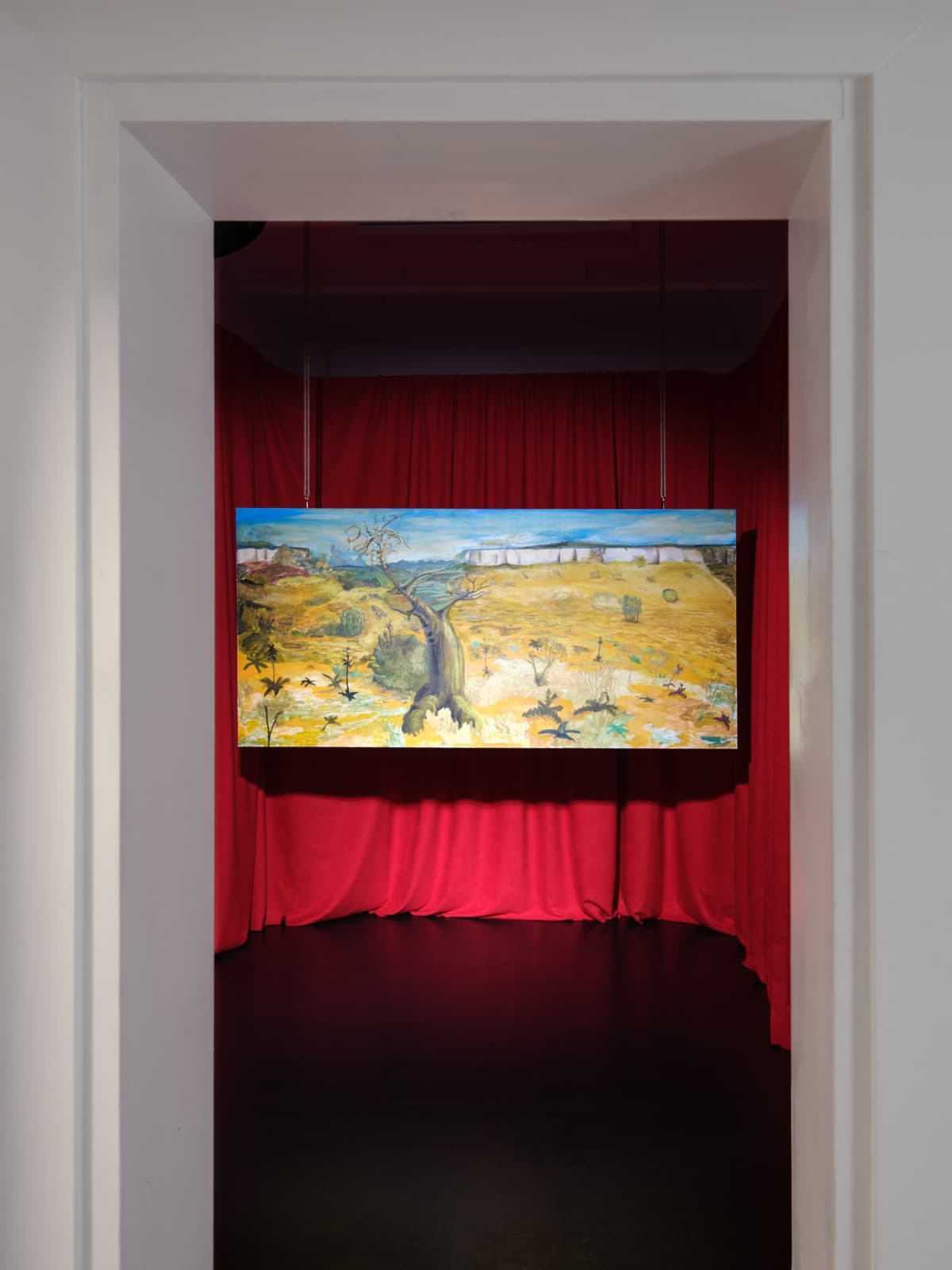
Warsaw / 2024-2025
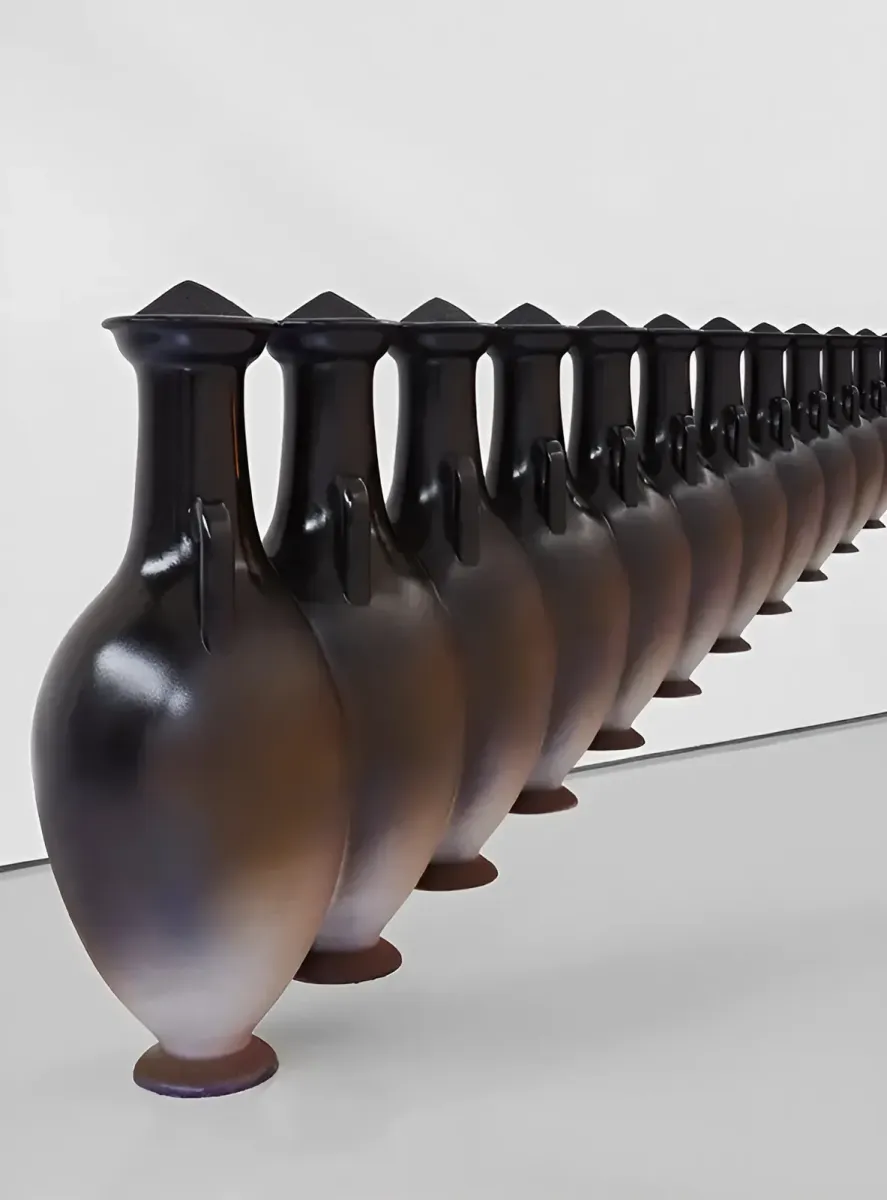
London / 2025
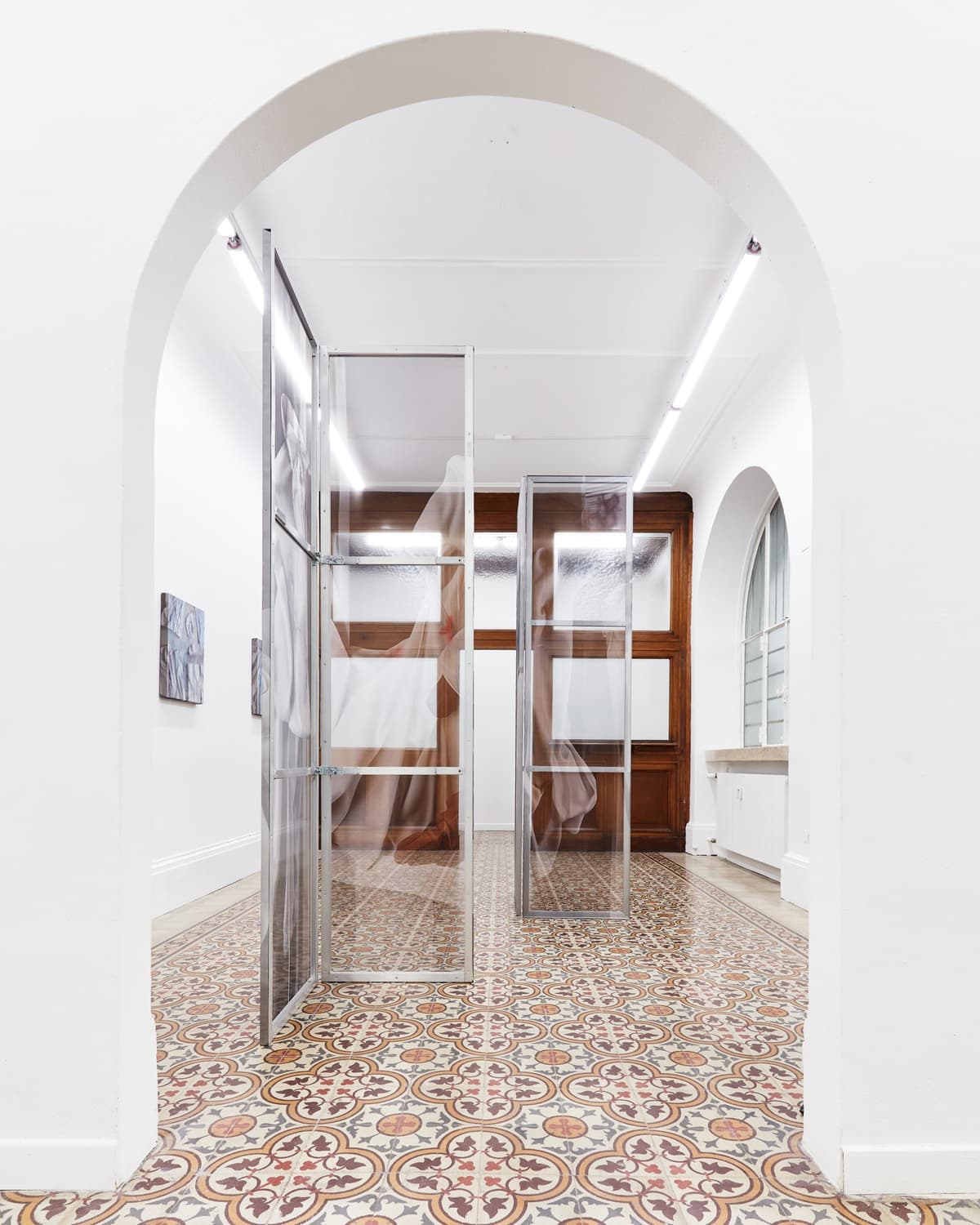
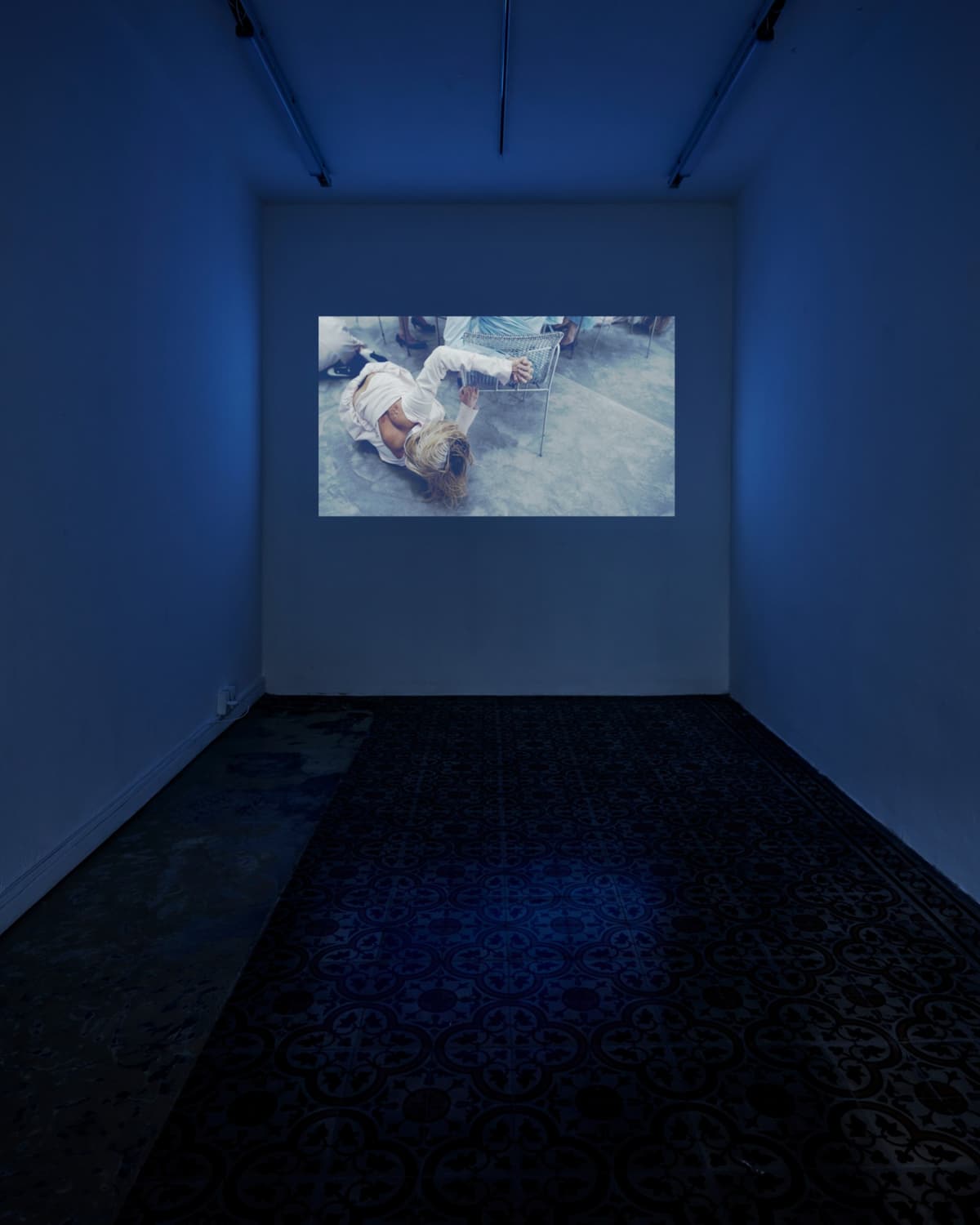
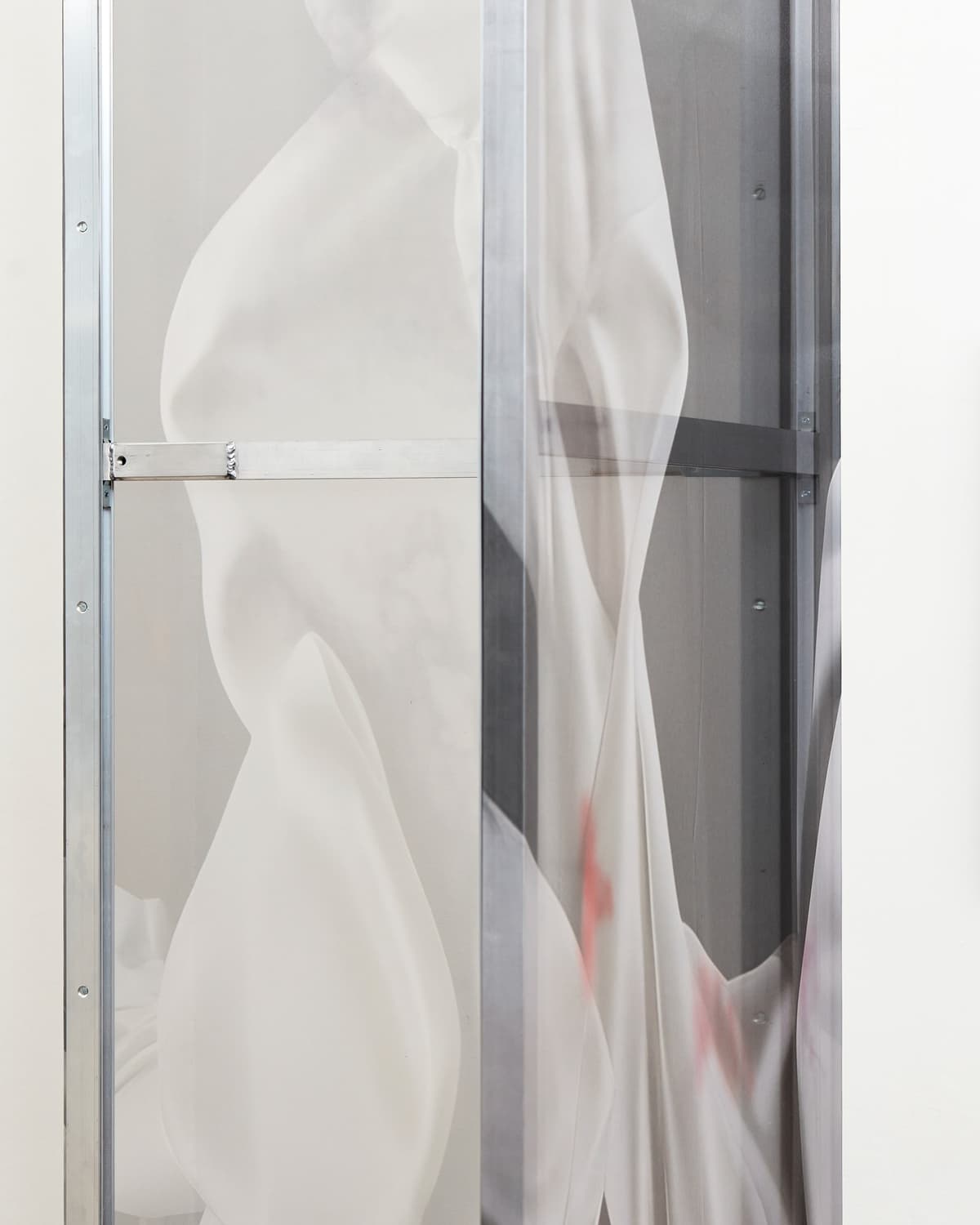
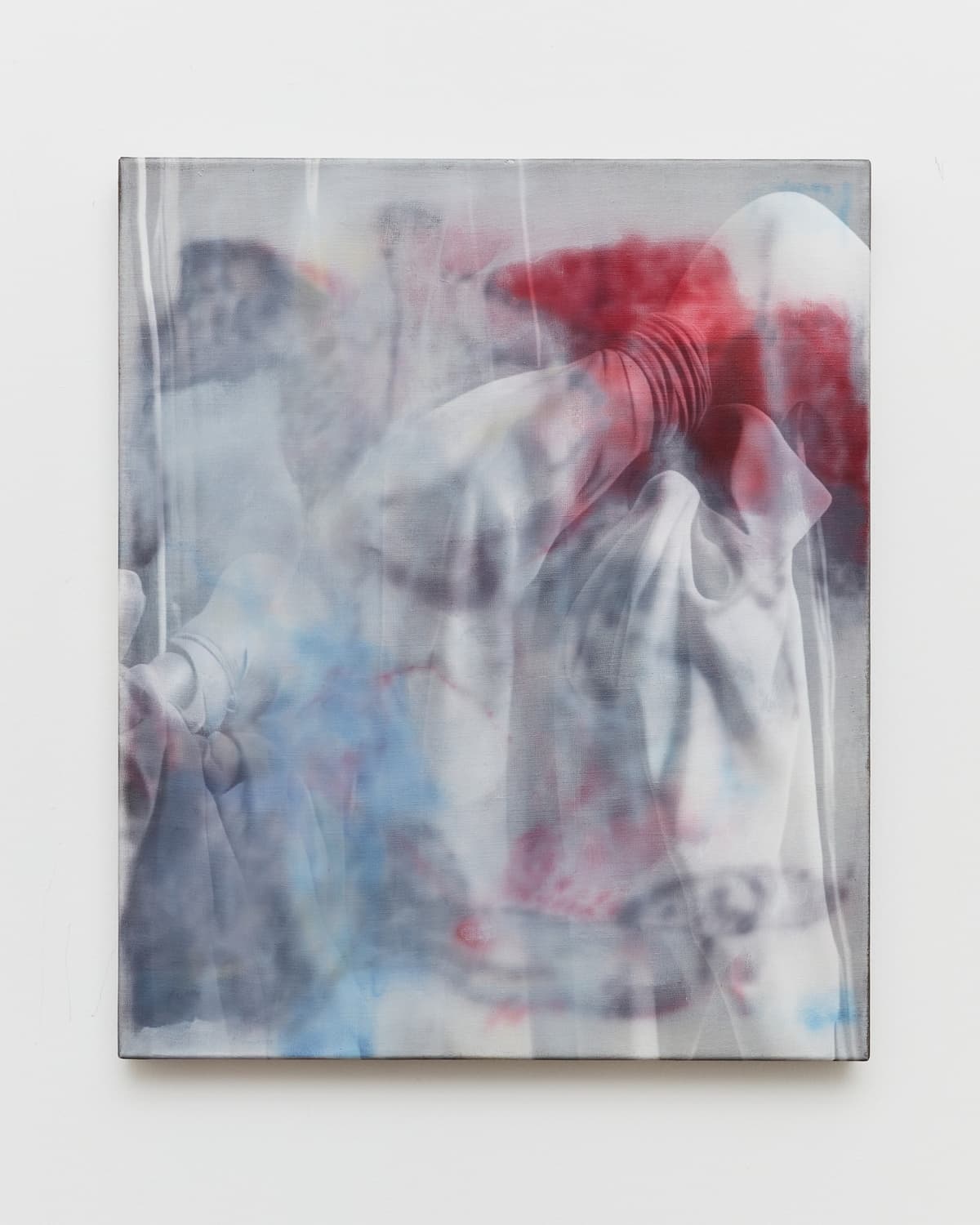
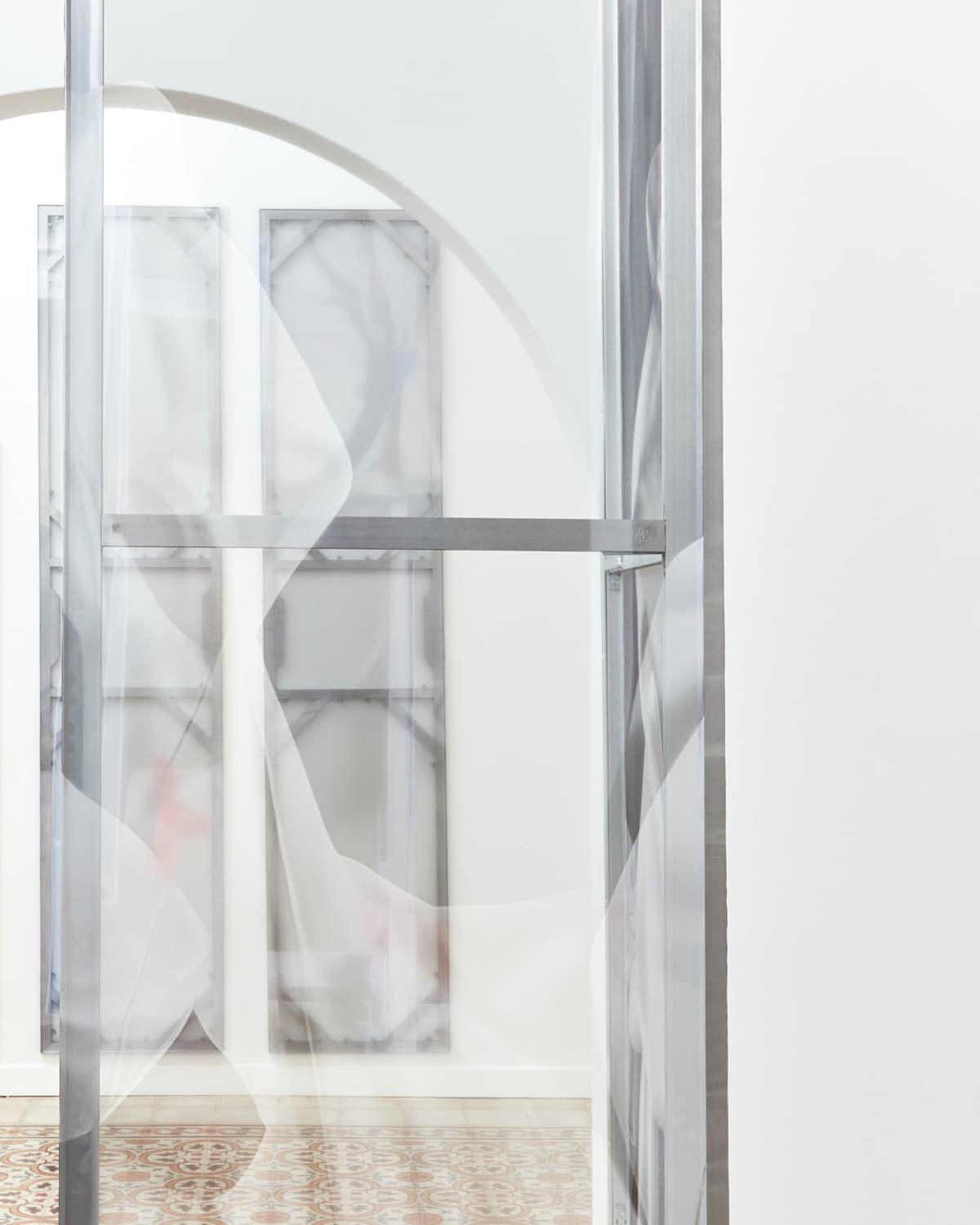
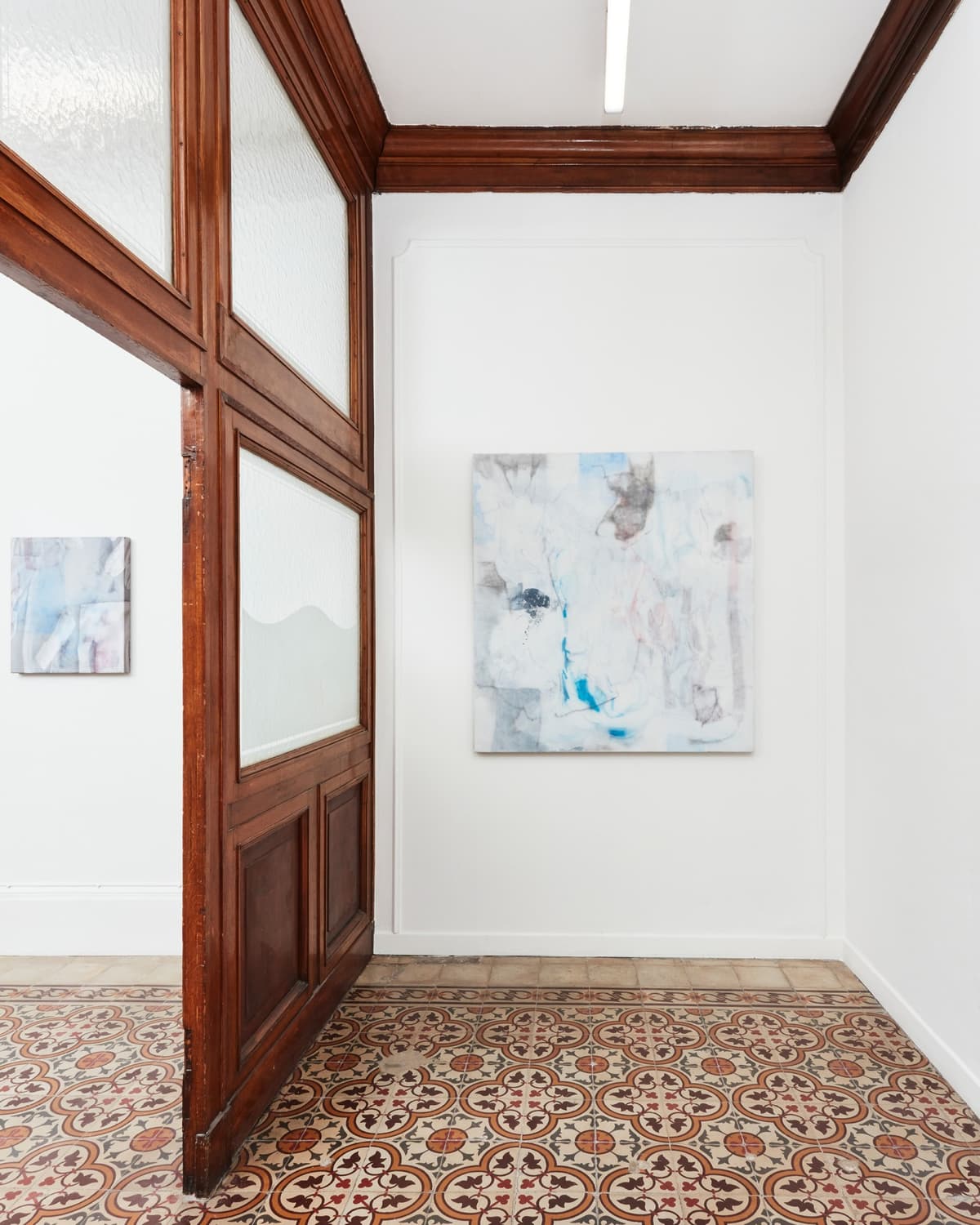
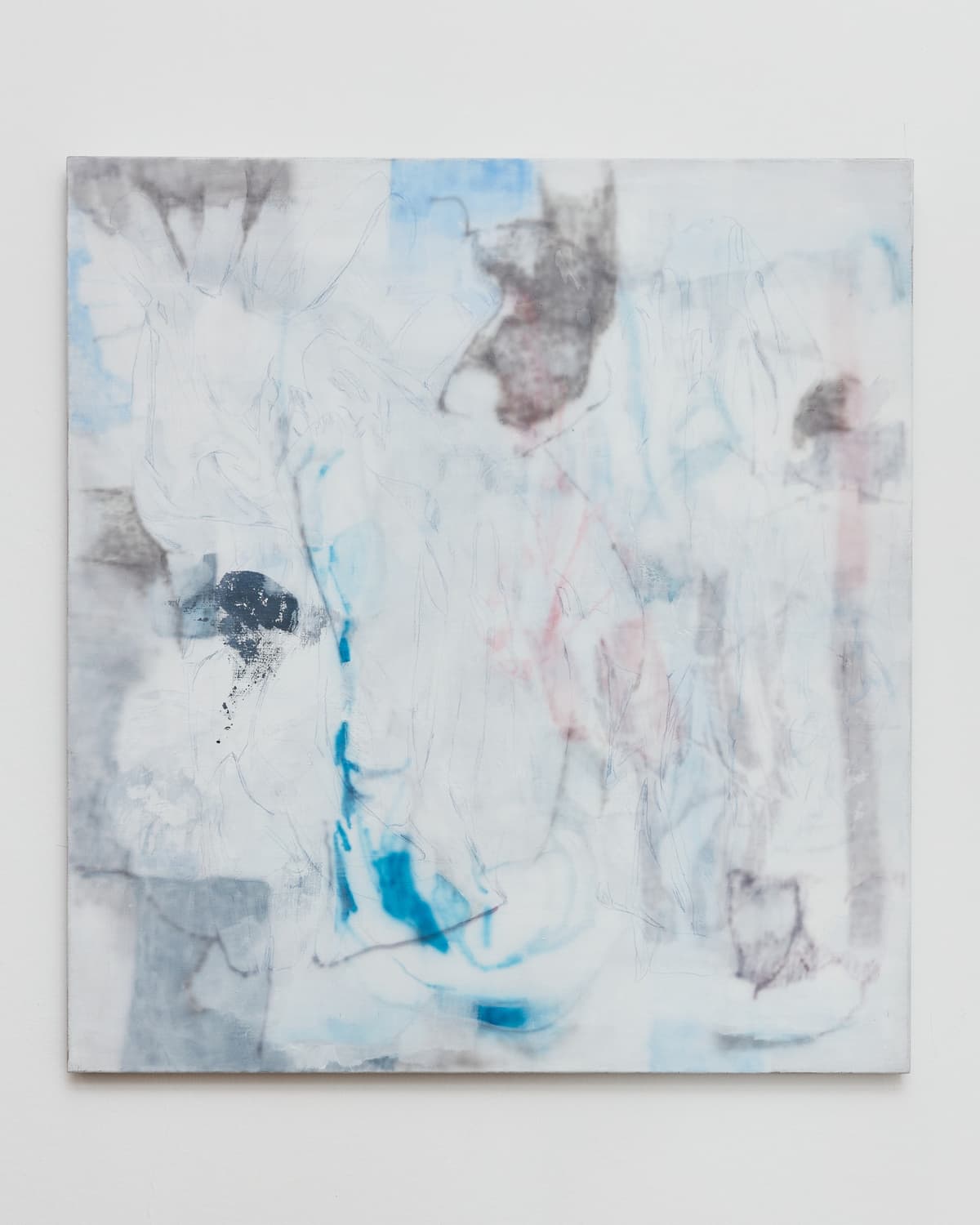
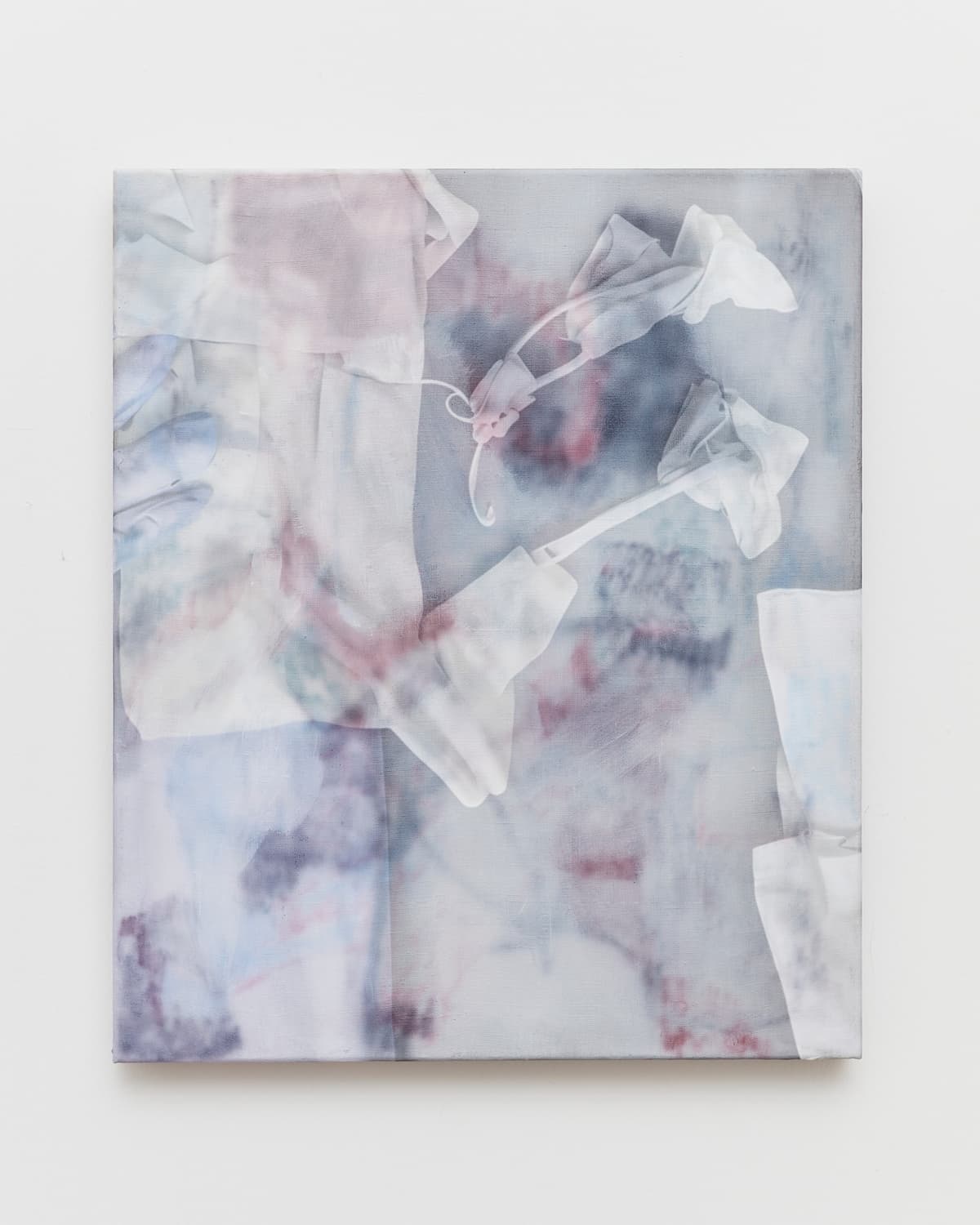
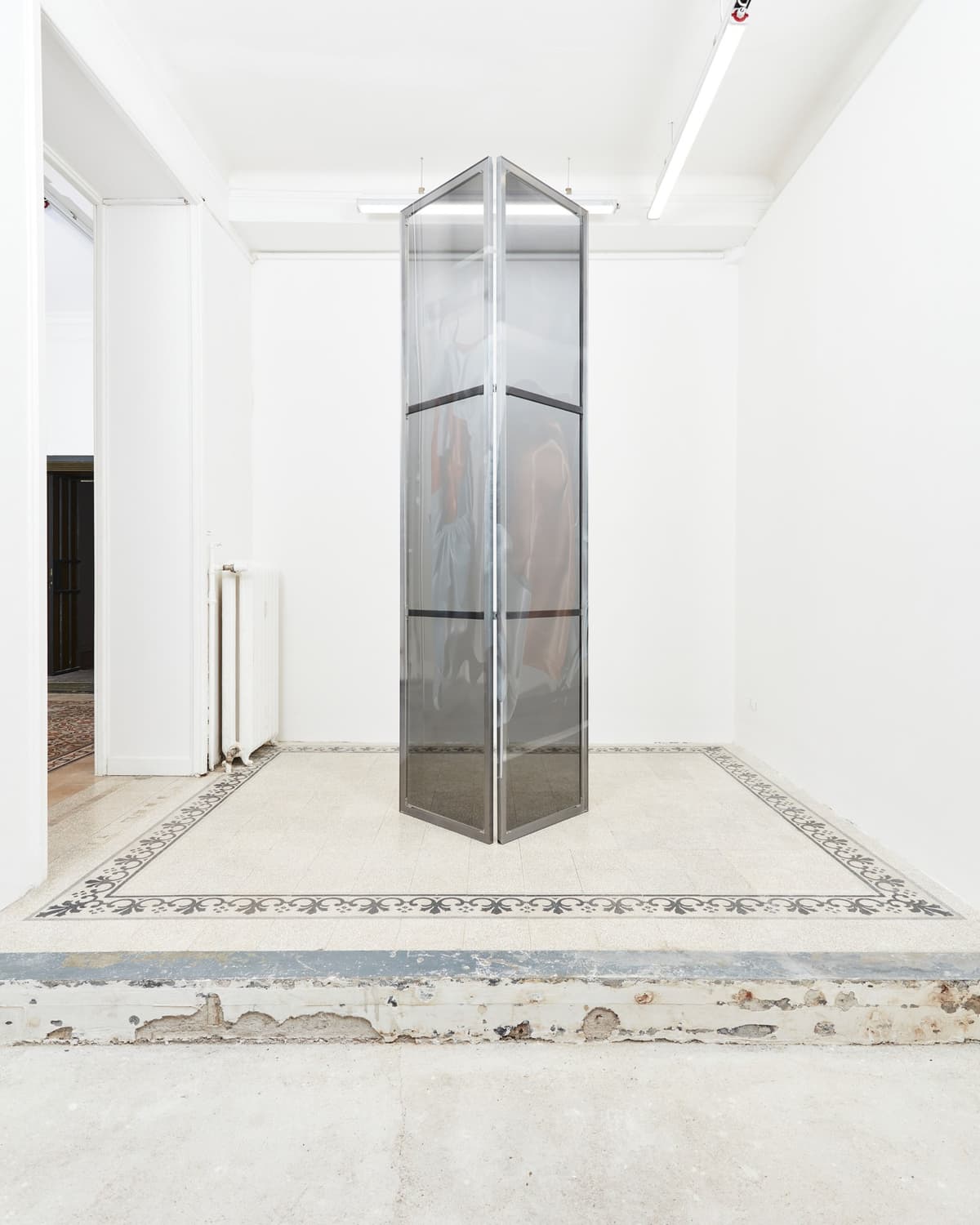
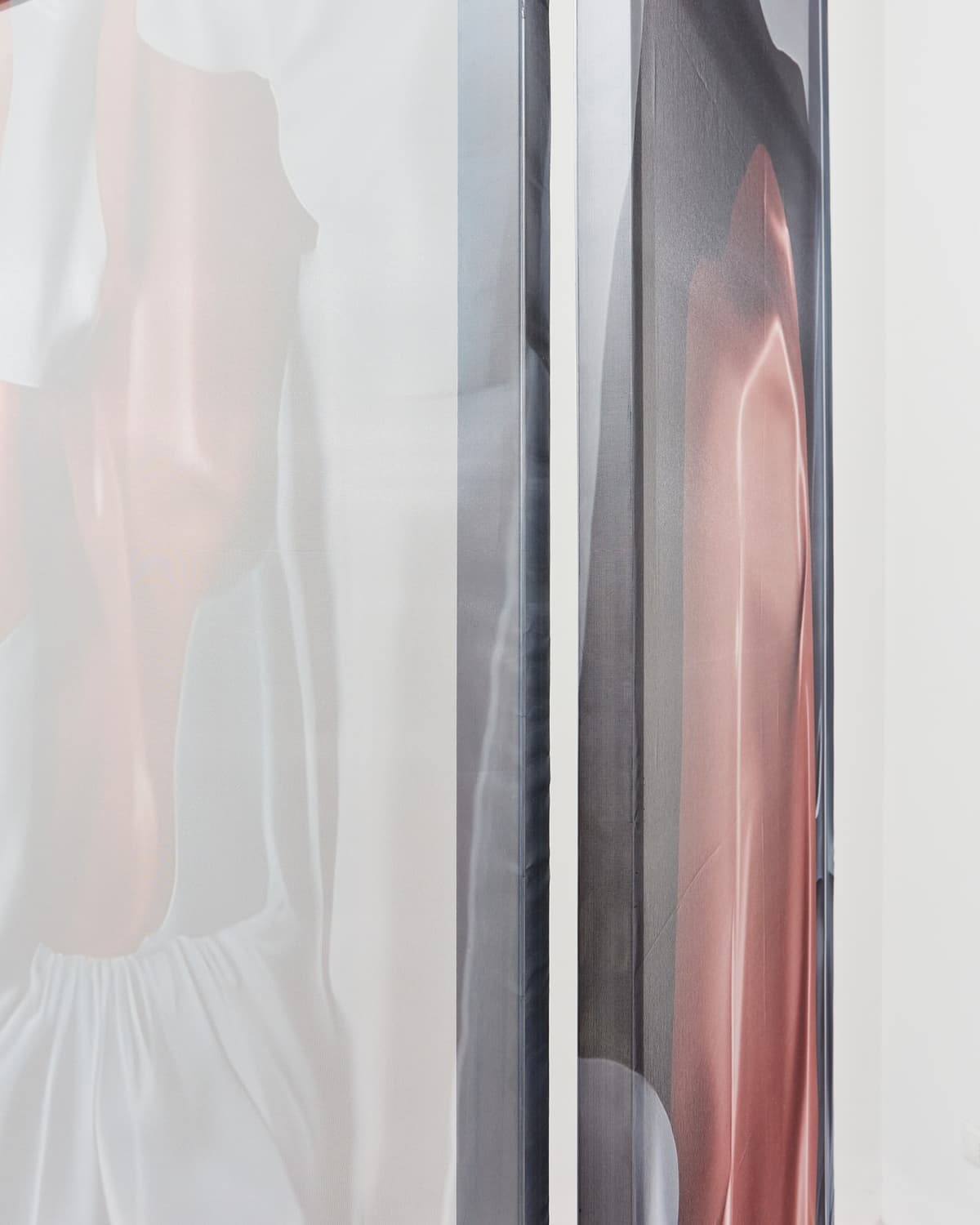
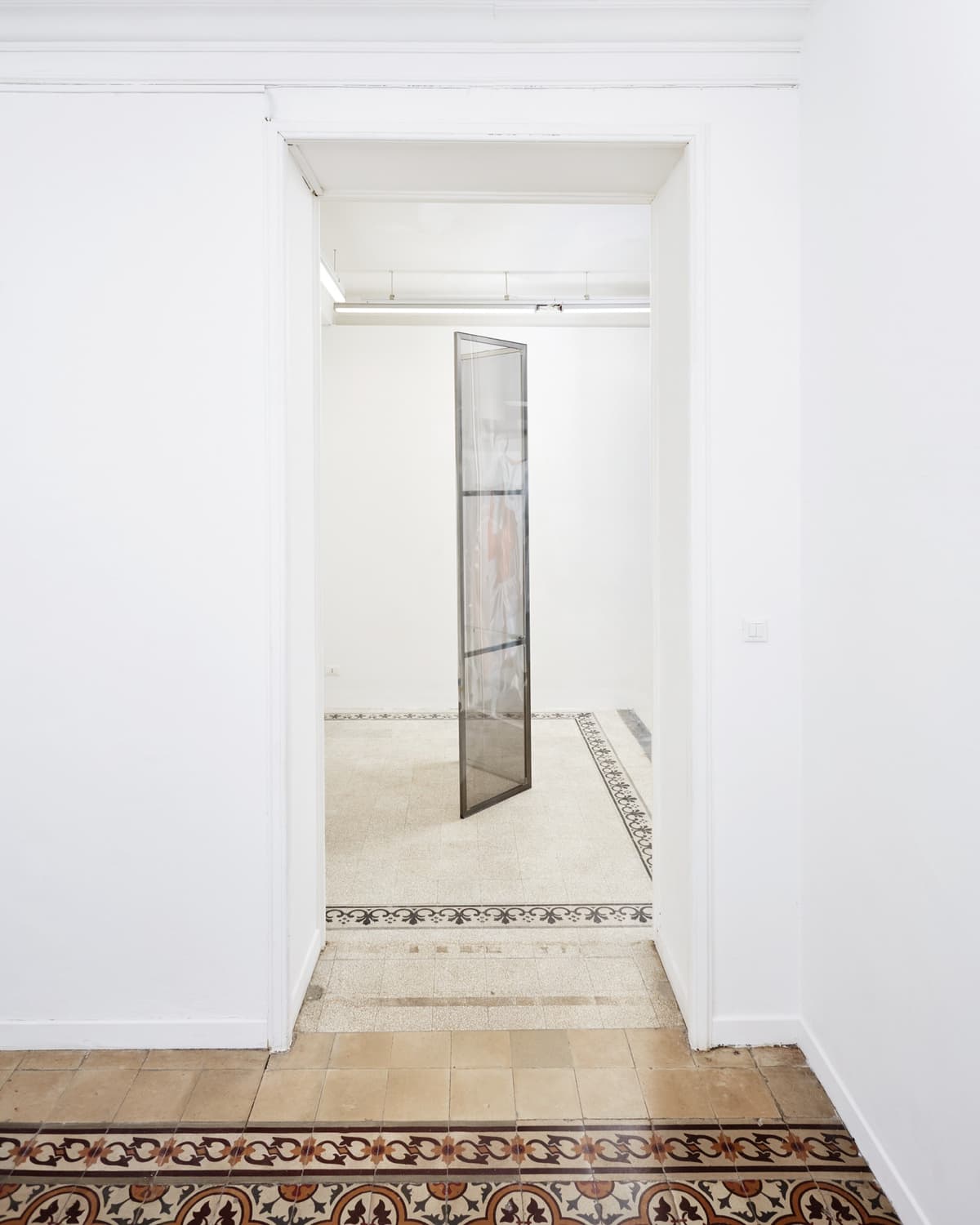
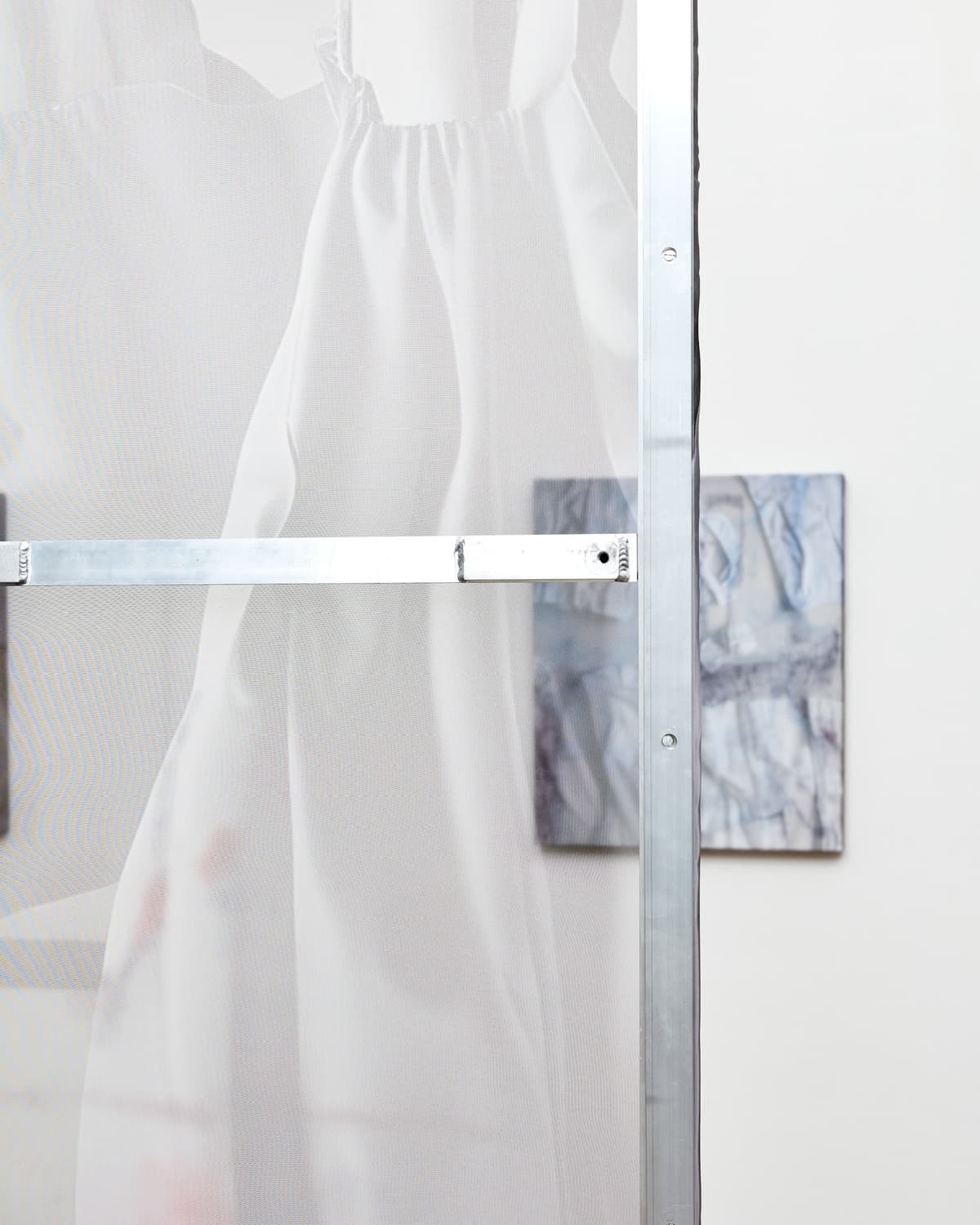
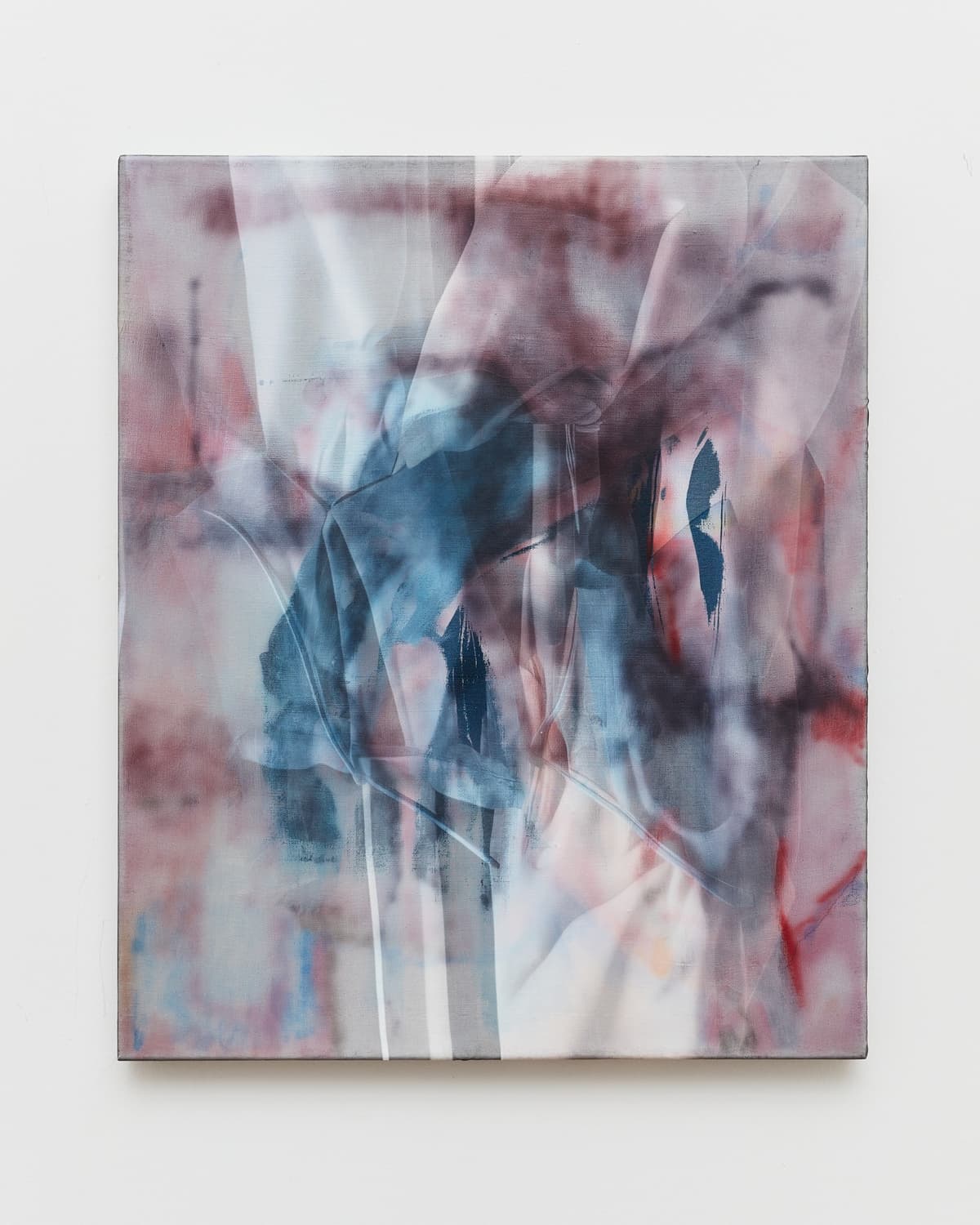
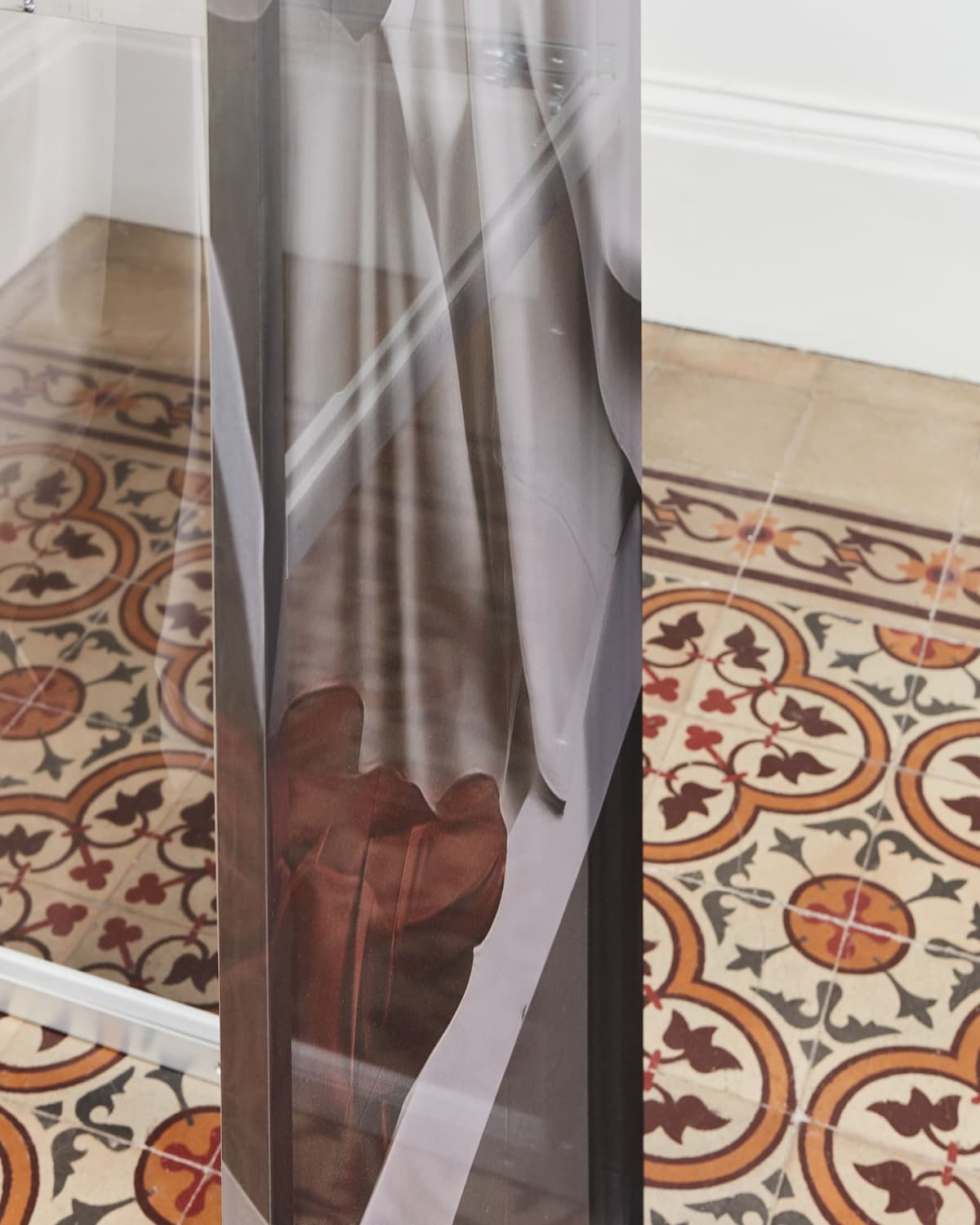
Brescia / 2025-2026
/ 2024
%2Fphoto_1_2026-05-24_00-50-58.jpg&w=1200&q=75)
/ 2023
%2Fphoto_1_2026-05-24_00-47-49.jpg&w=1200&q=75)
Berlin / 2023
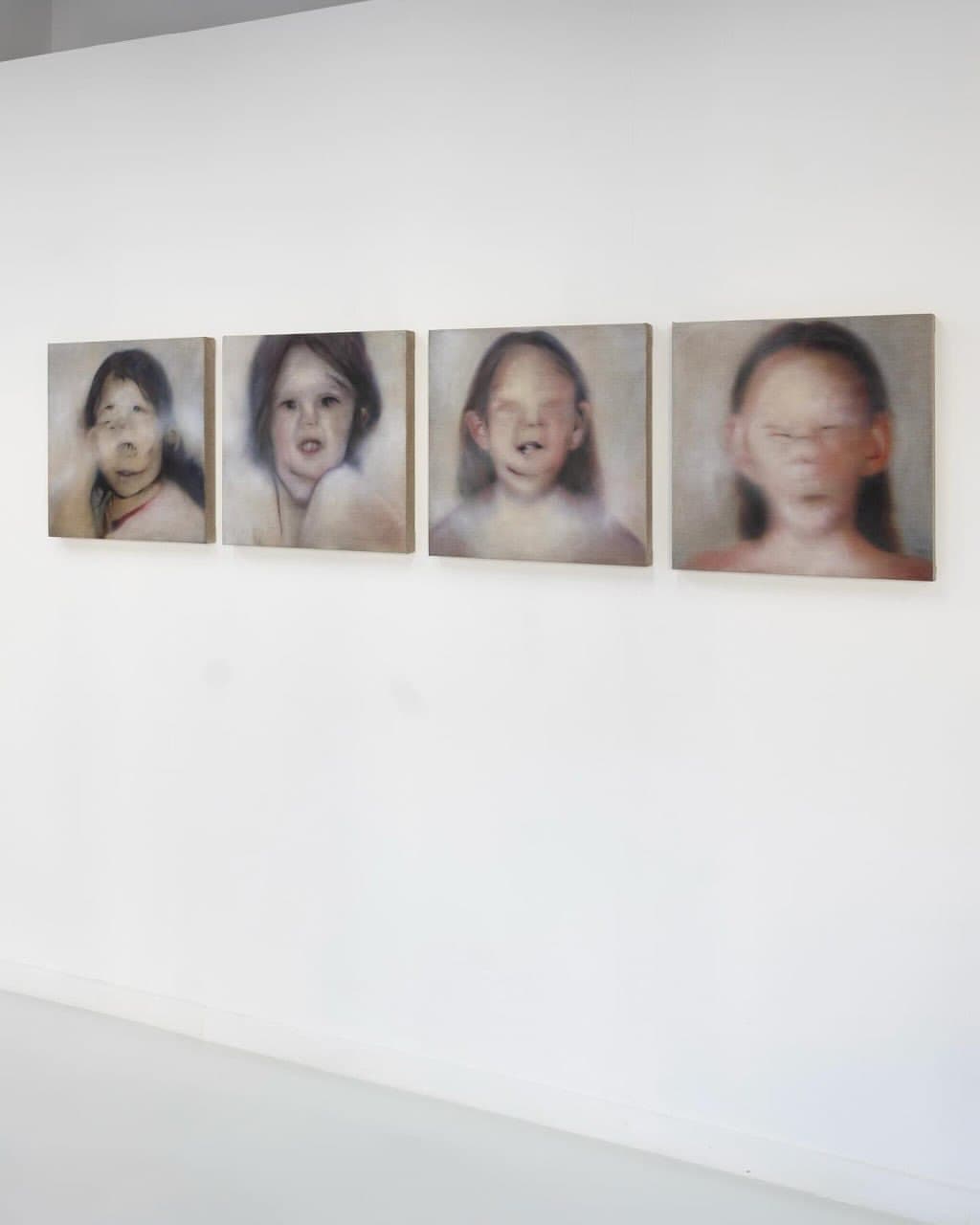
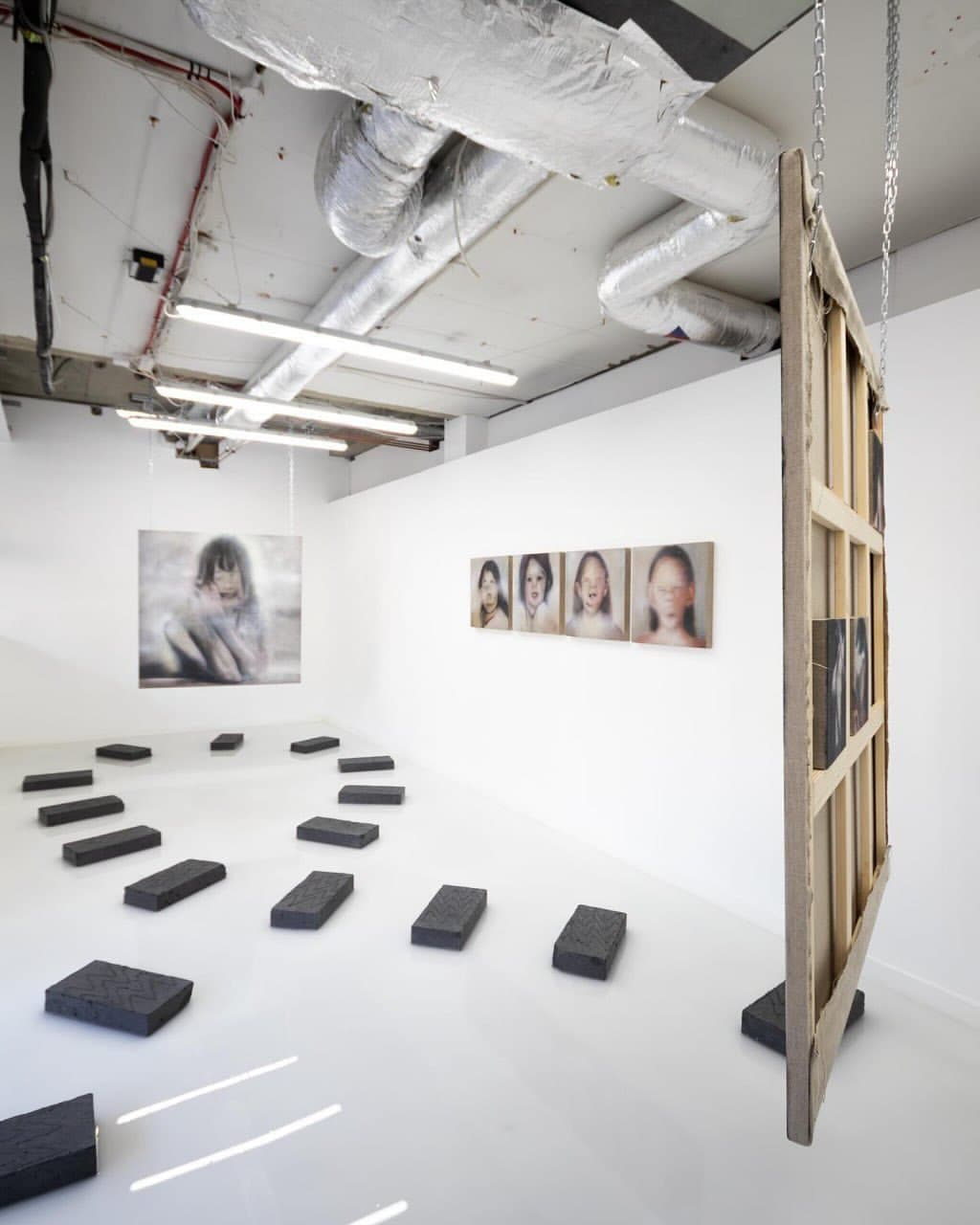
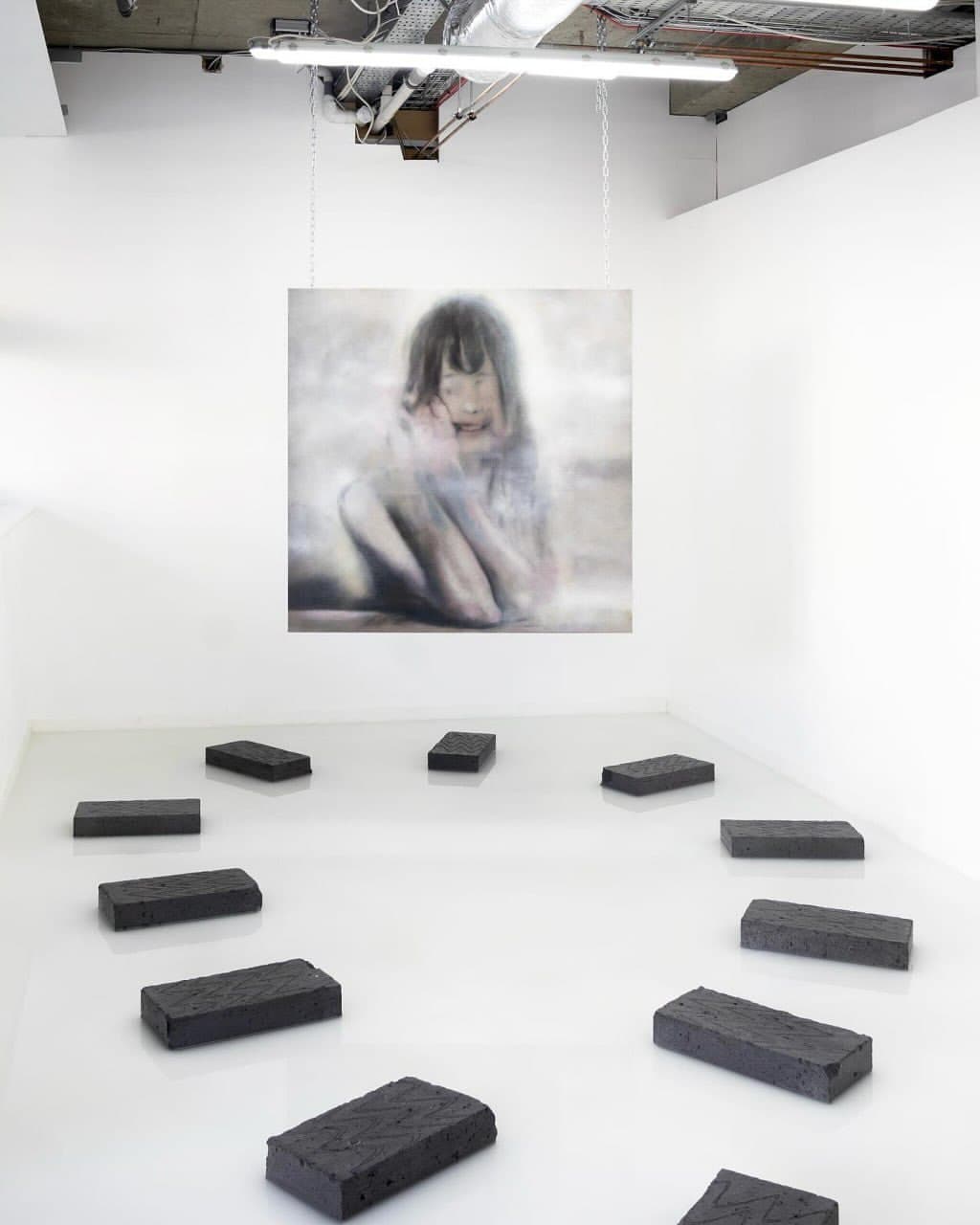
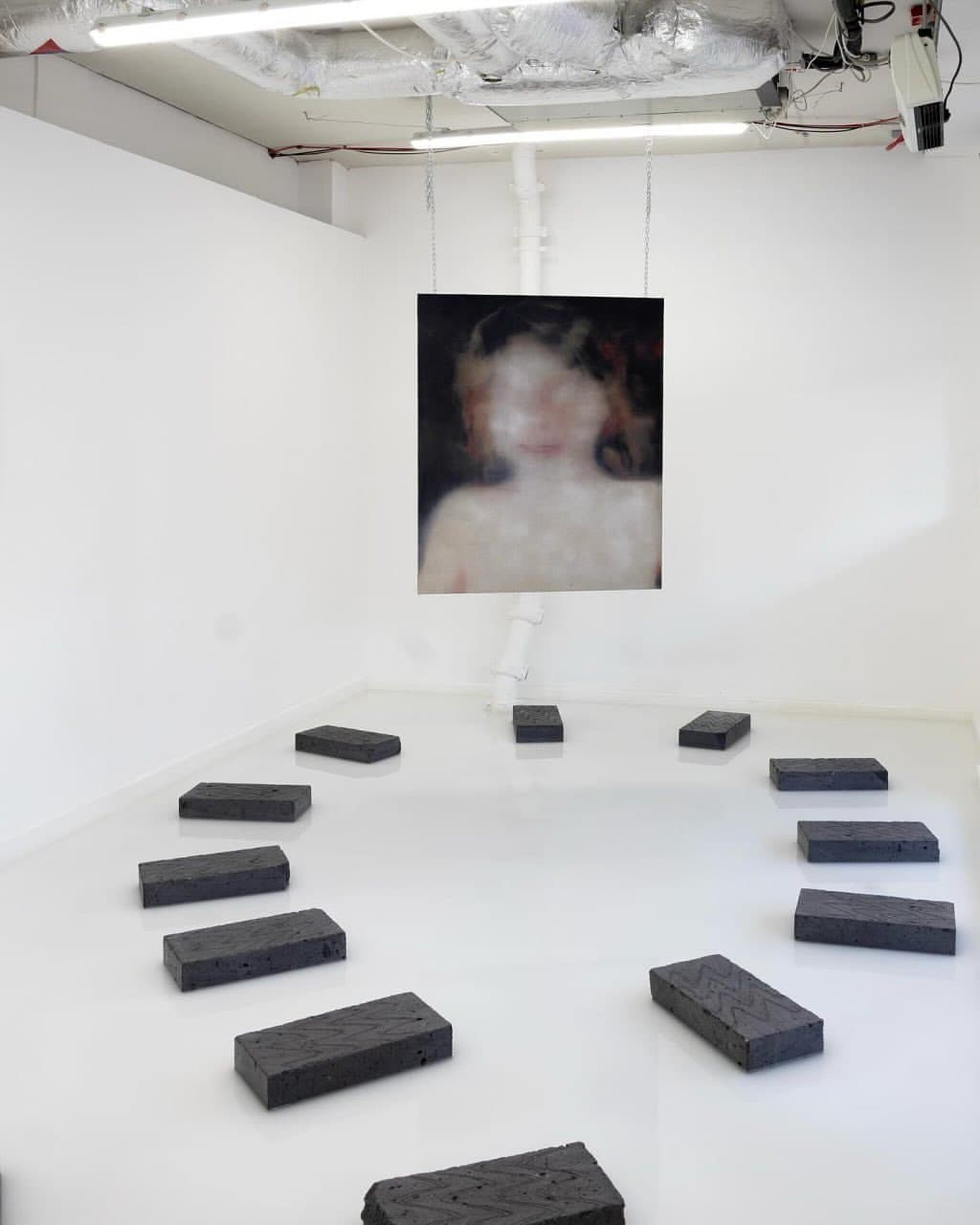
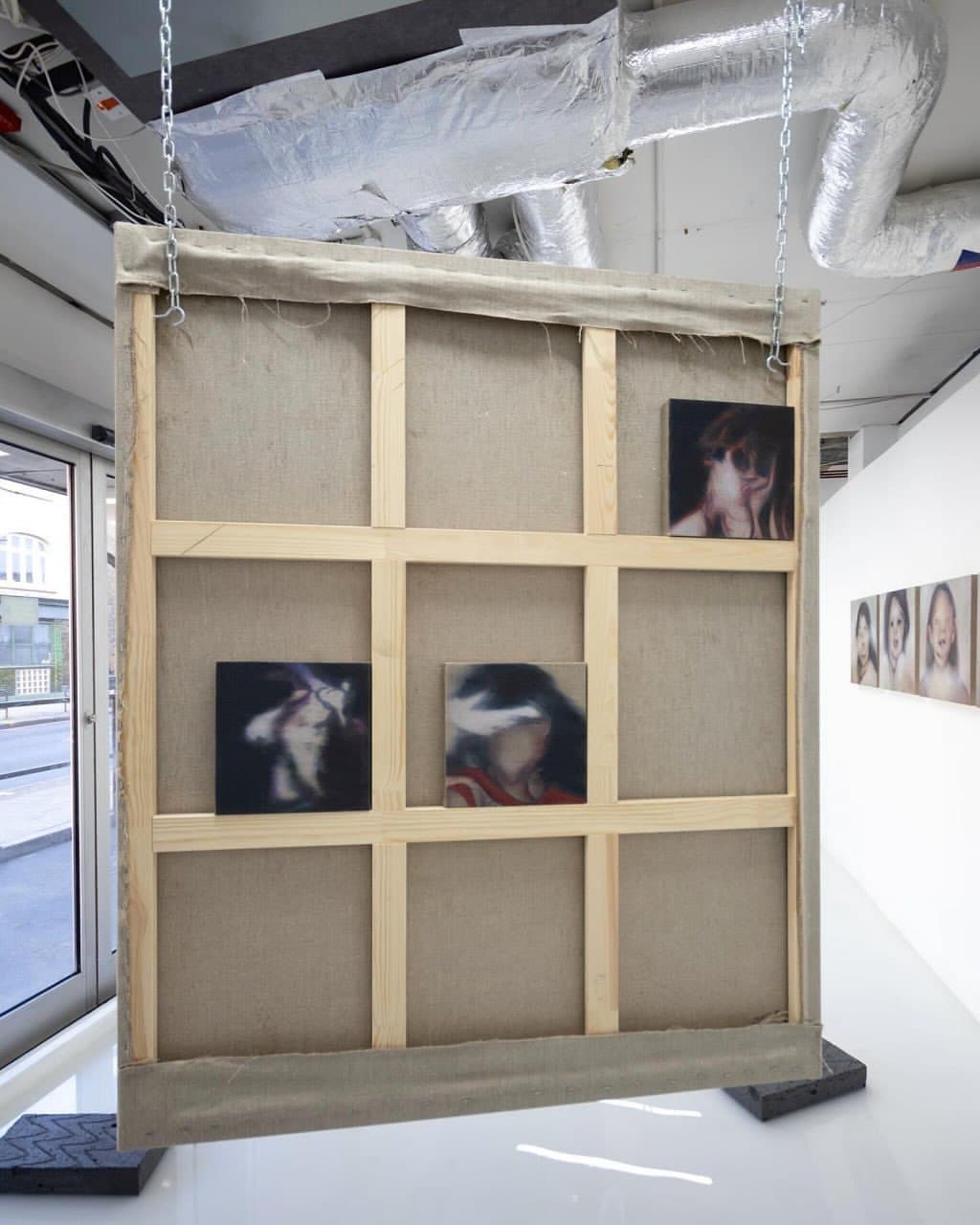
London / 2024
%2Fphoto_1_2026-05-24_00-41-28.jpg&w=1200&q=75)
Berlin / 2025
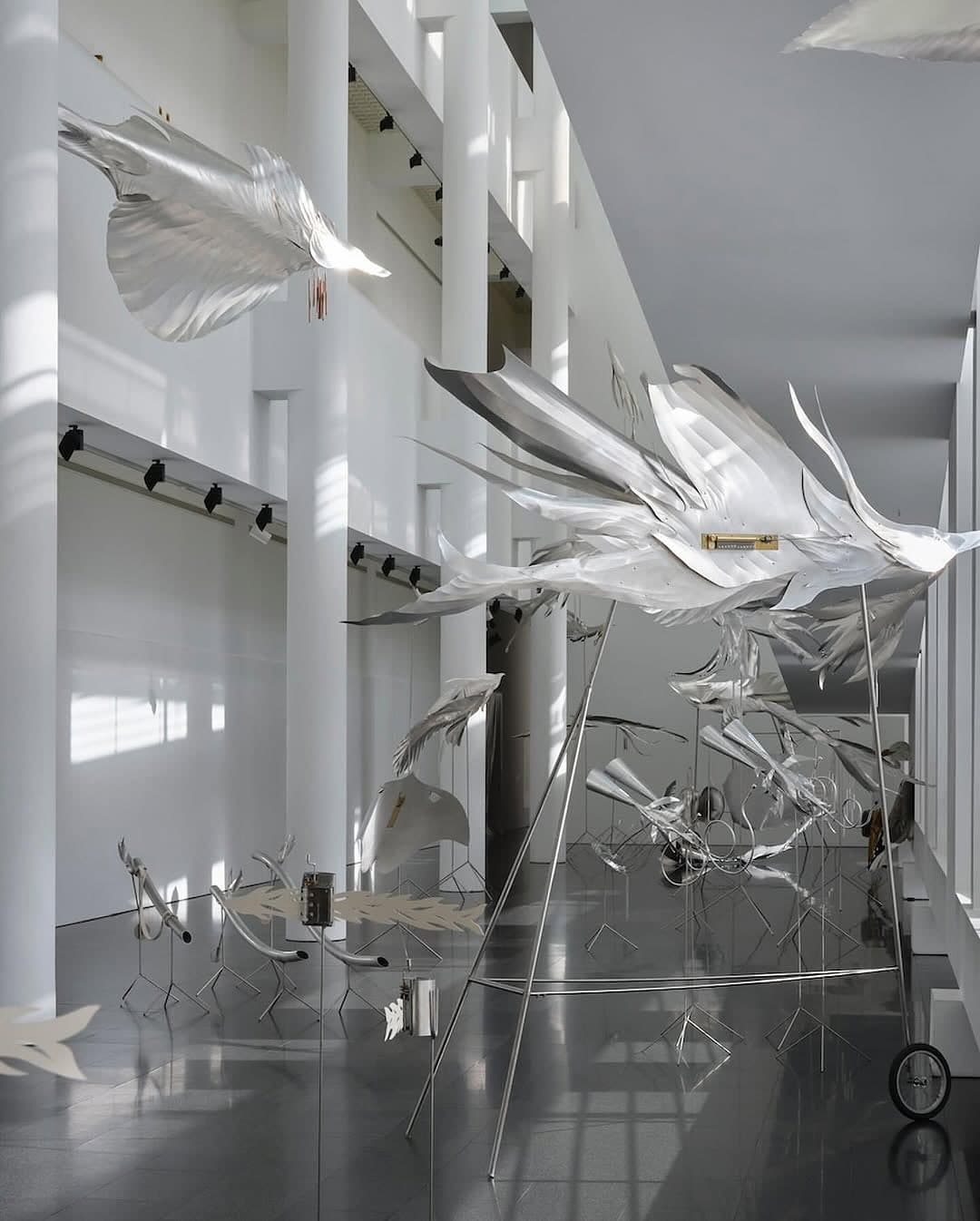
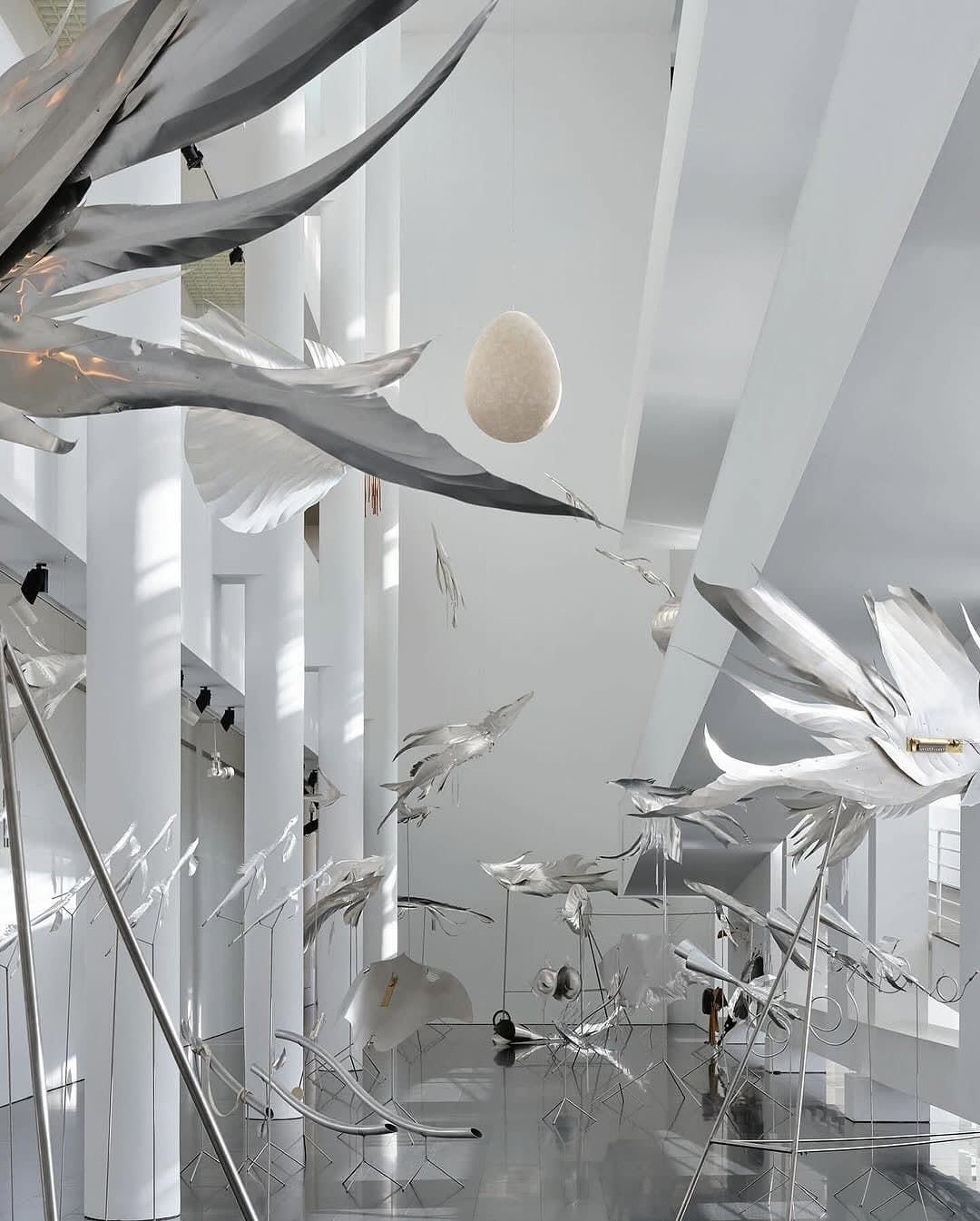
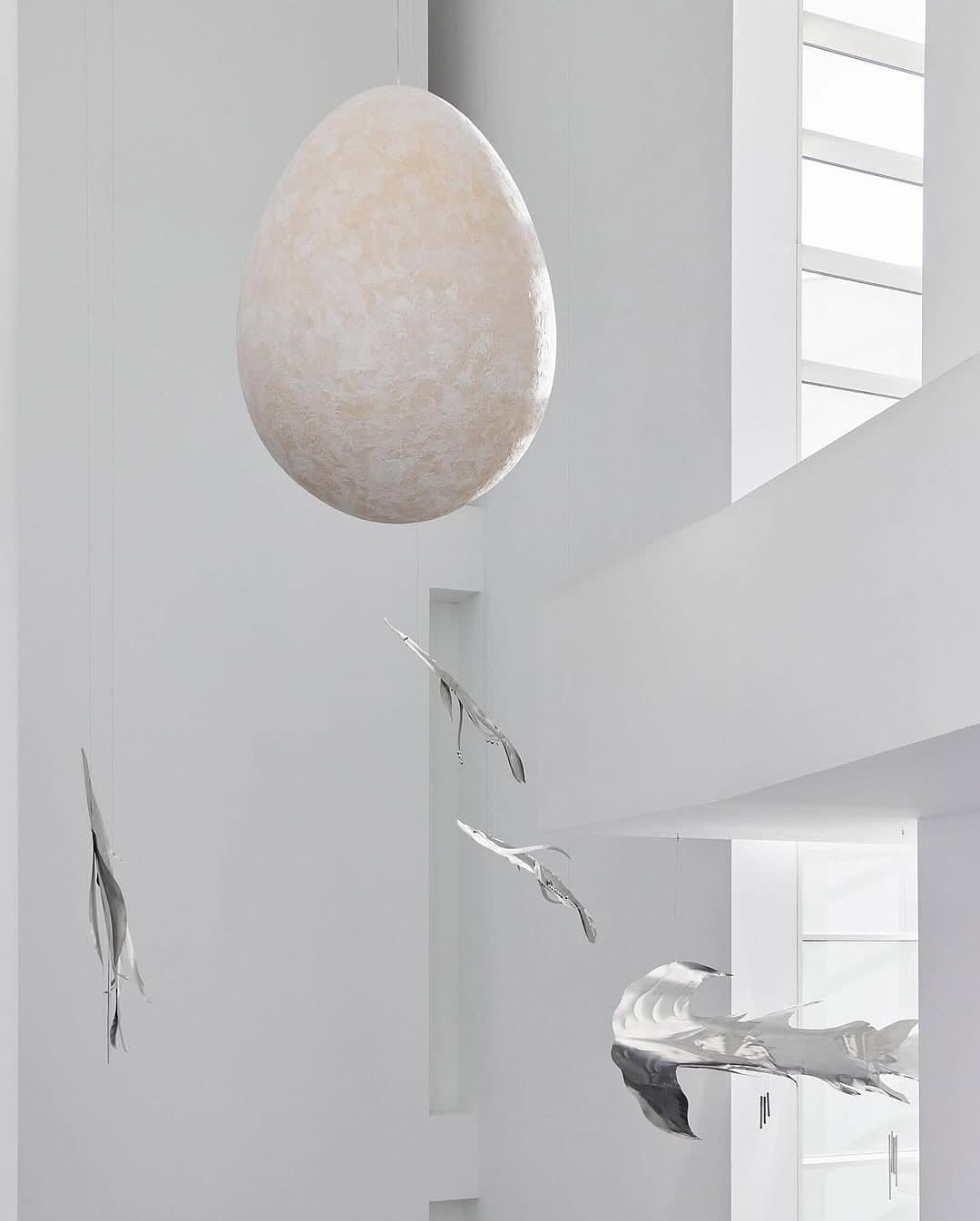
Barcelona / 2024-2025
Arnsberg / 2025
Berlin / 2025
Prague / 2025
Paris / 2025
%2Fphoto_1_2026-05-23_19-24-35.jpg&w=1200&q=75)
London / 2025
%2Fphoto_1_2026-05-23_19-20-38.jpg&w=1200&q=75)
Seoul / 2026
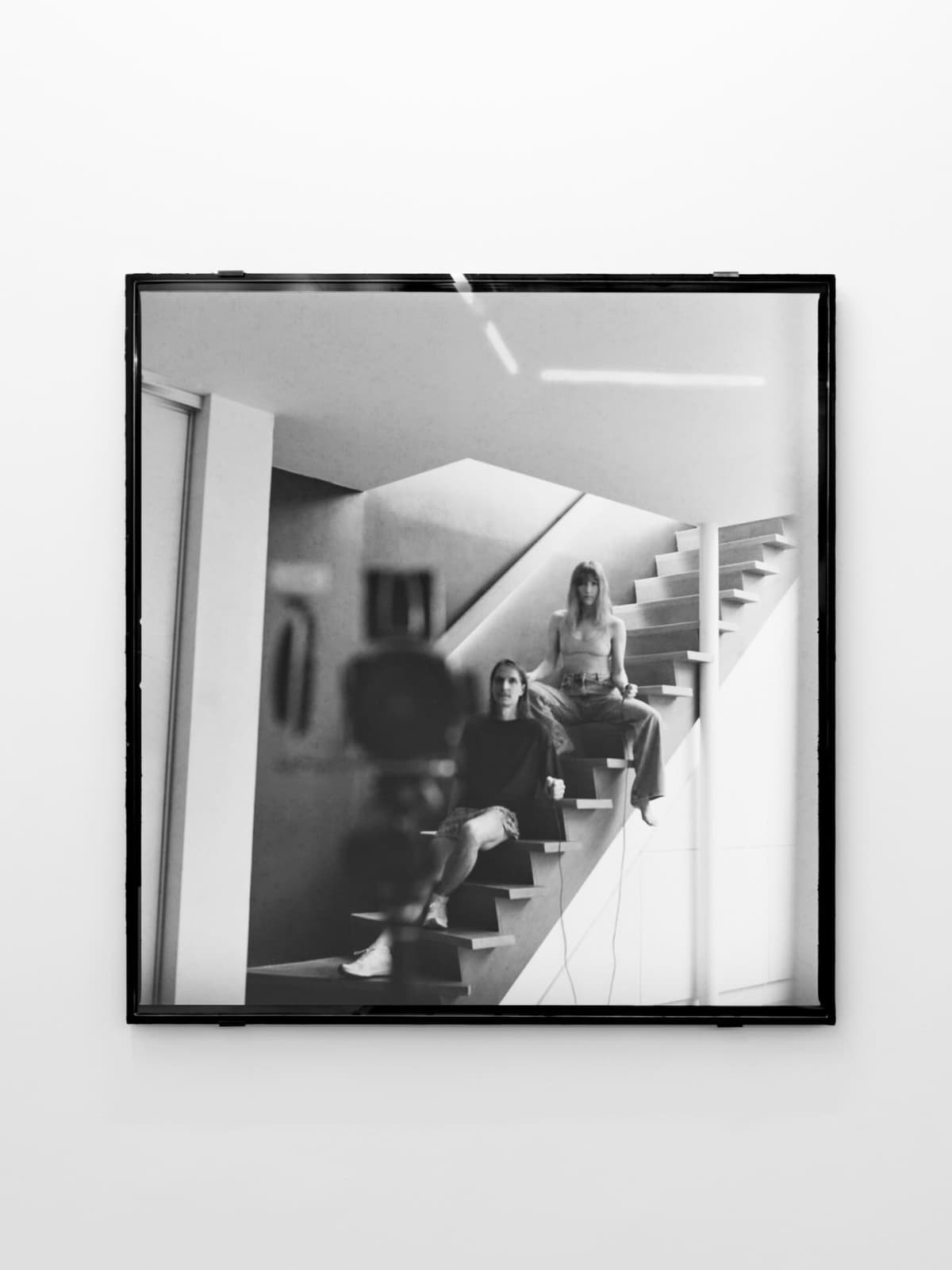
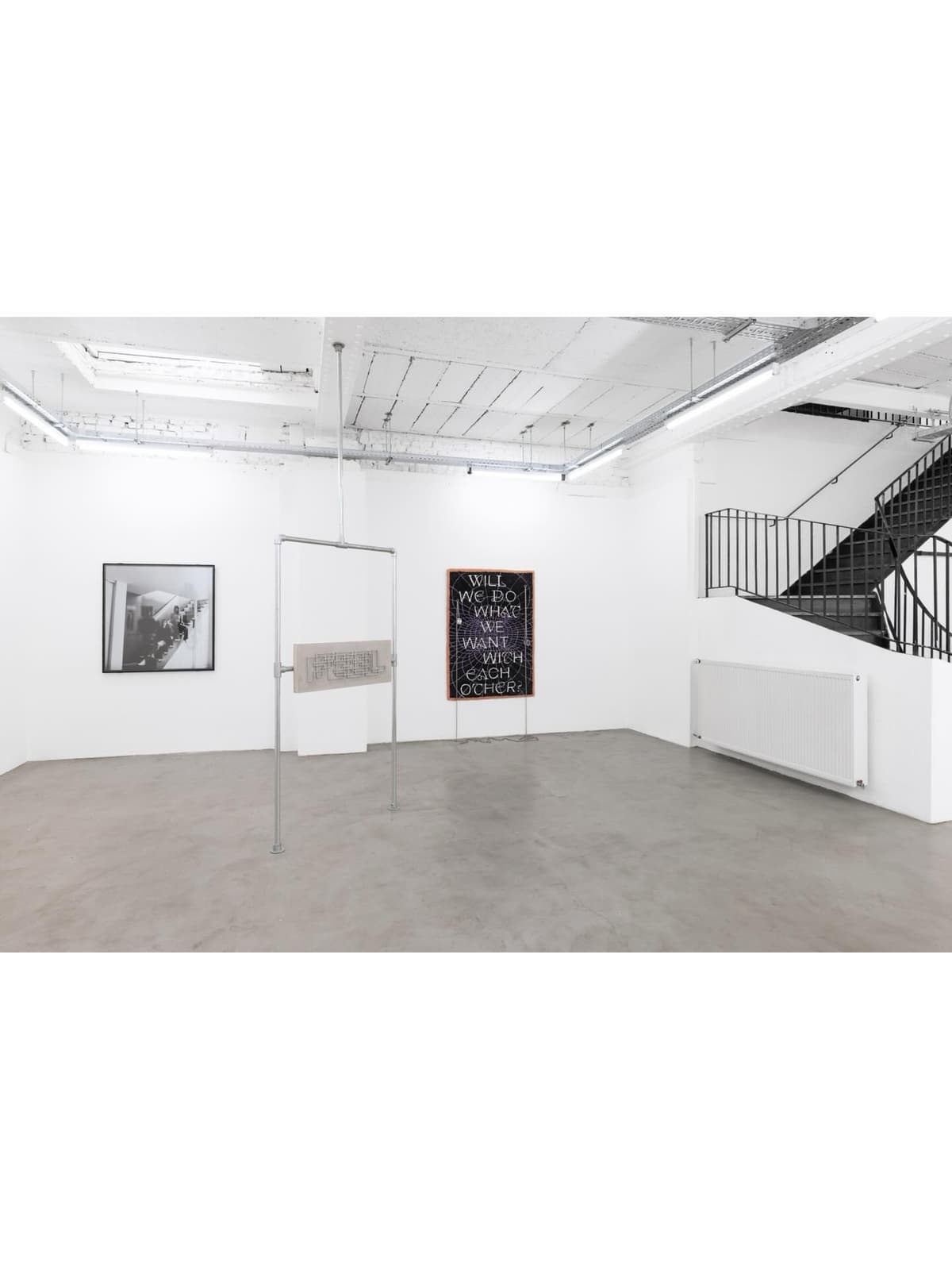
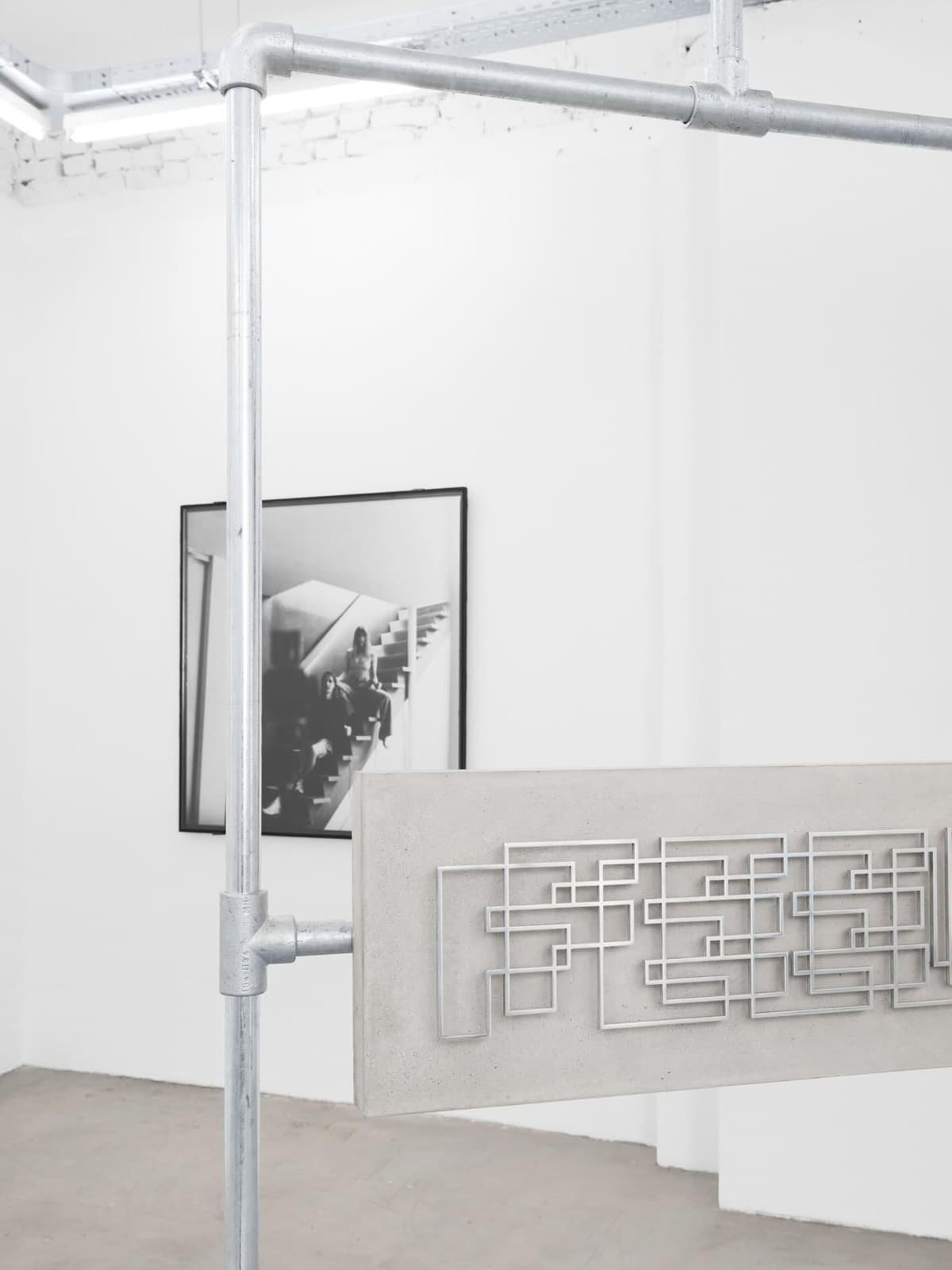
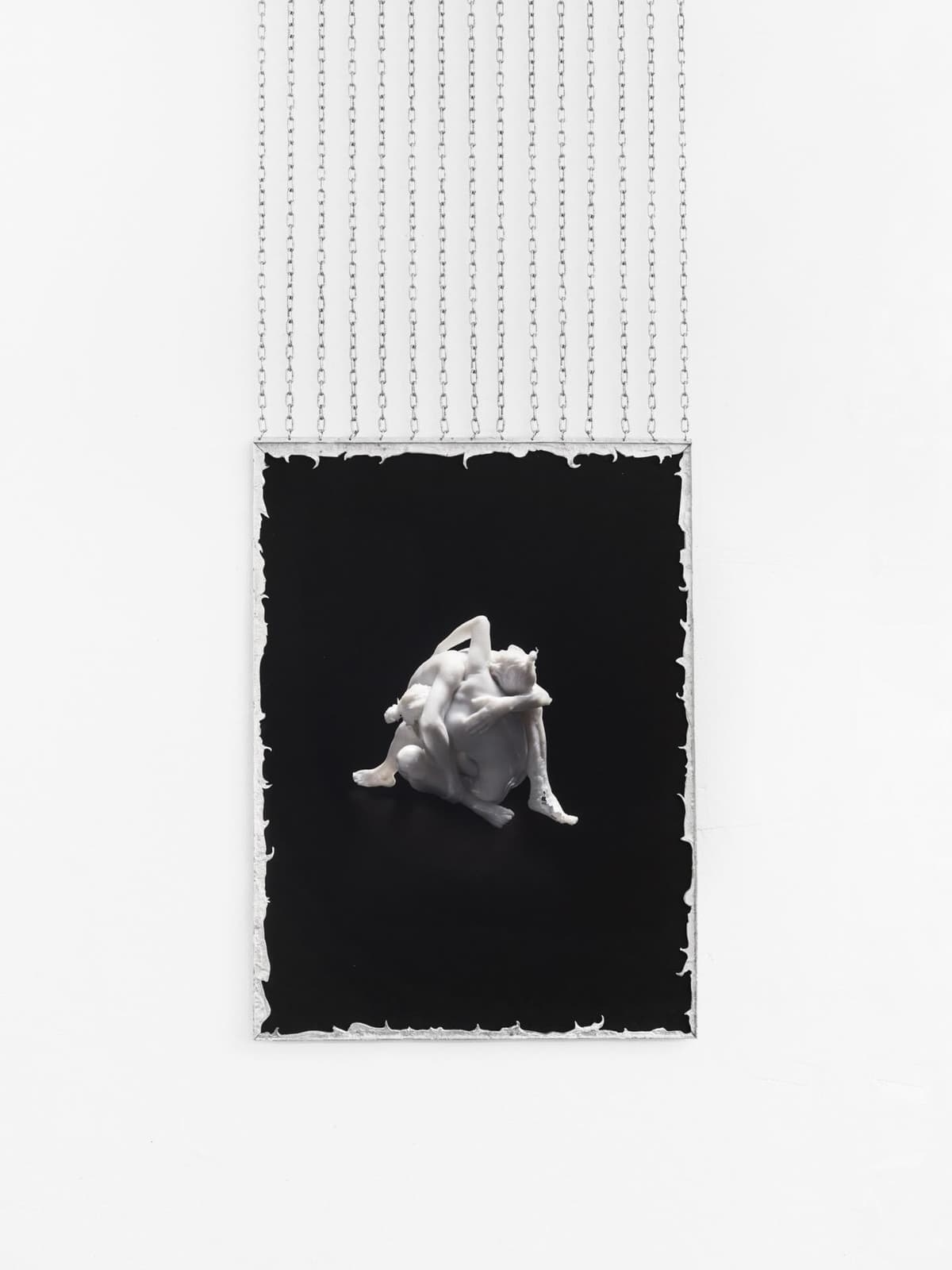
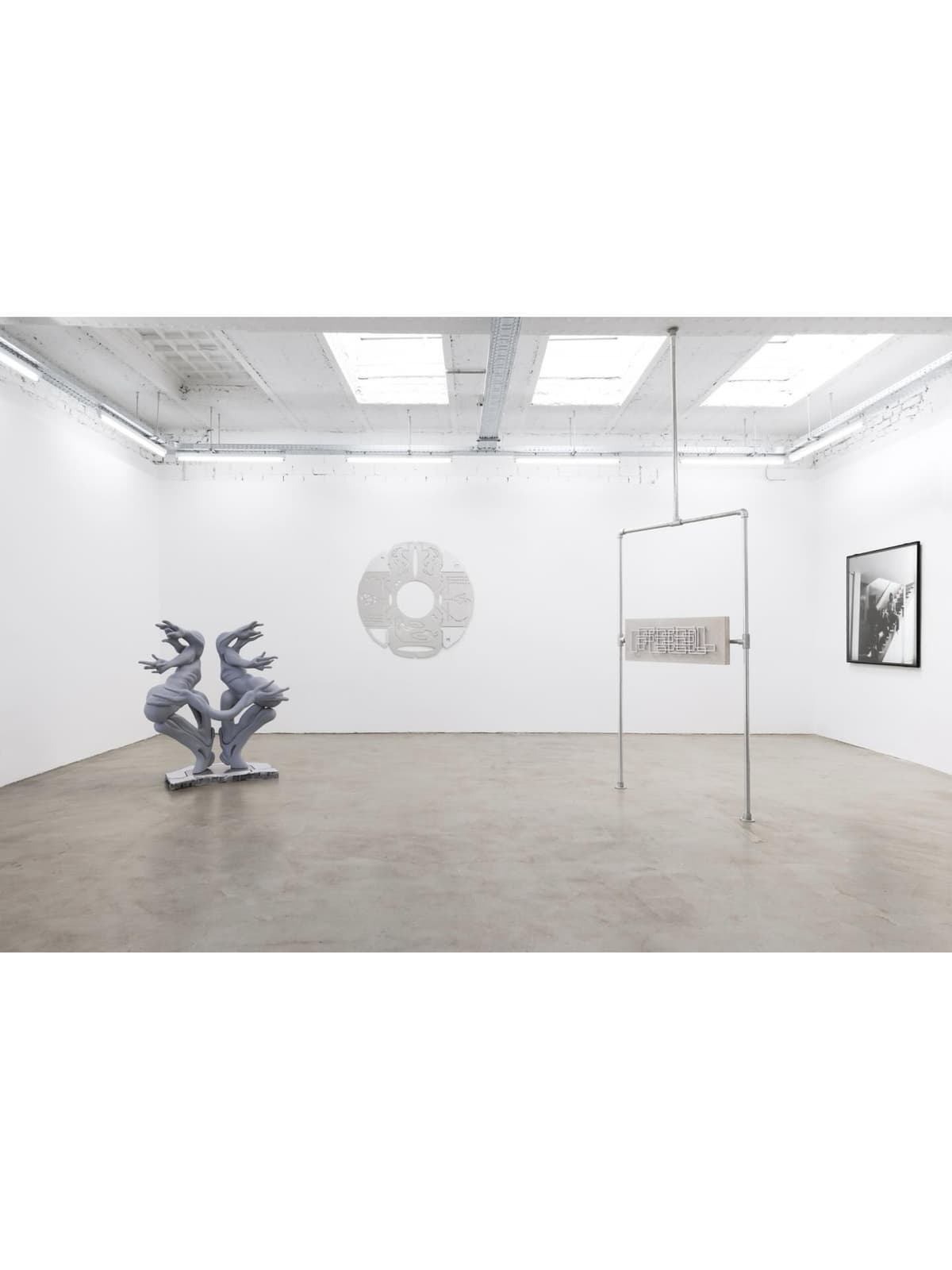
Dortmund / 2026
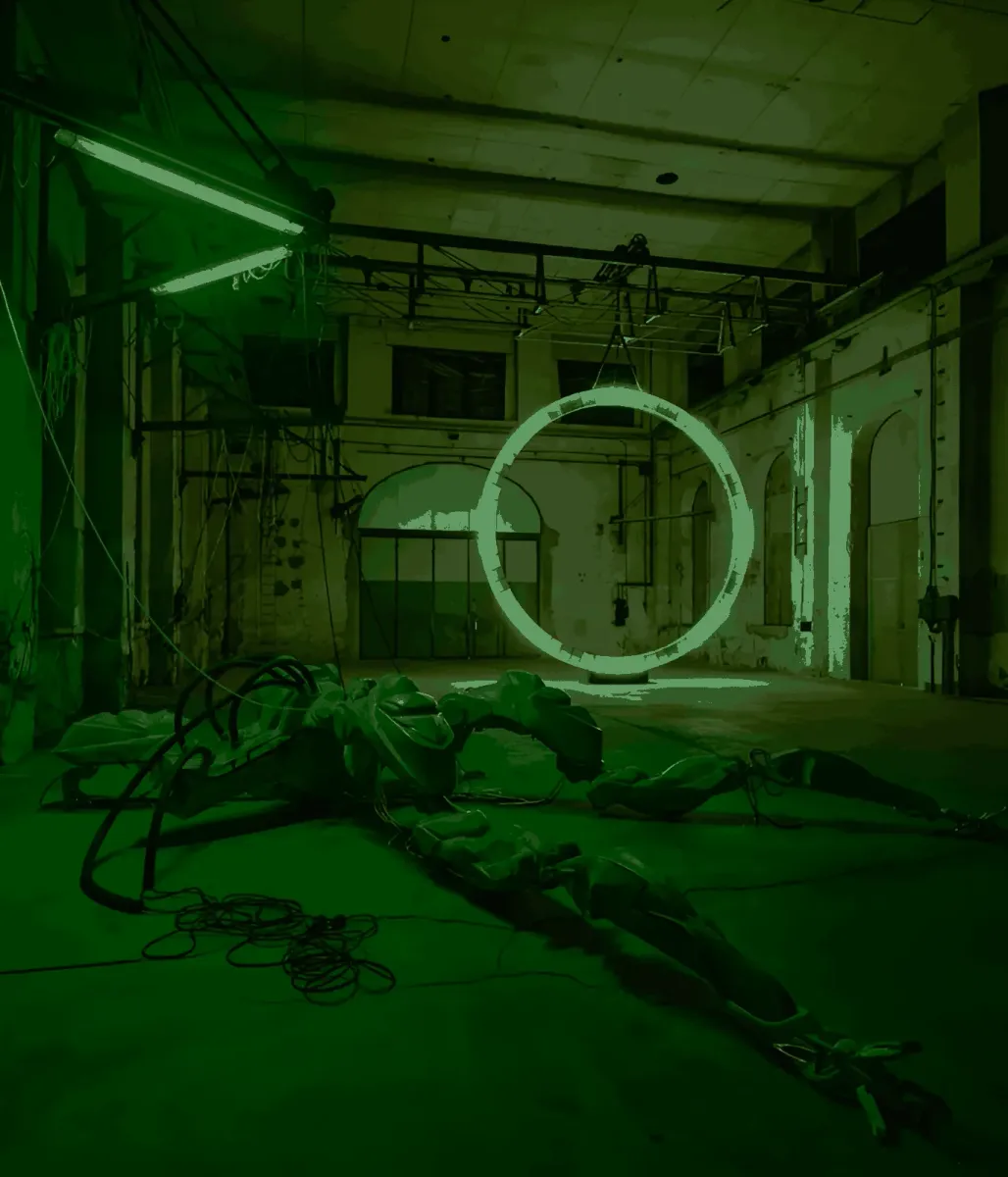
Dornbirn / 2026
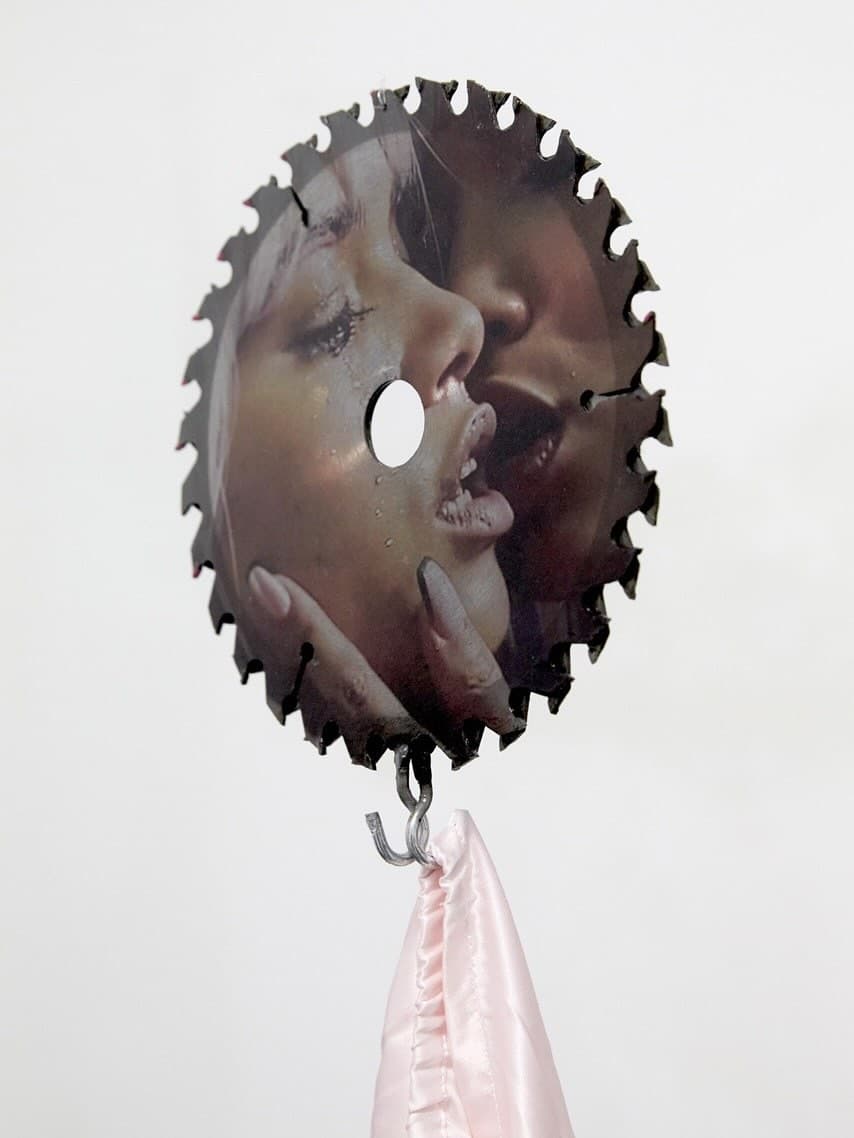
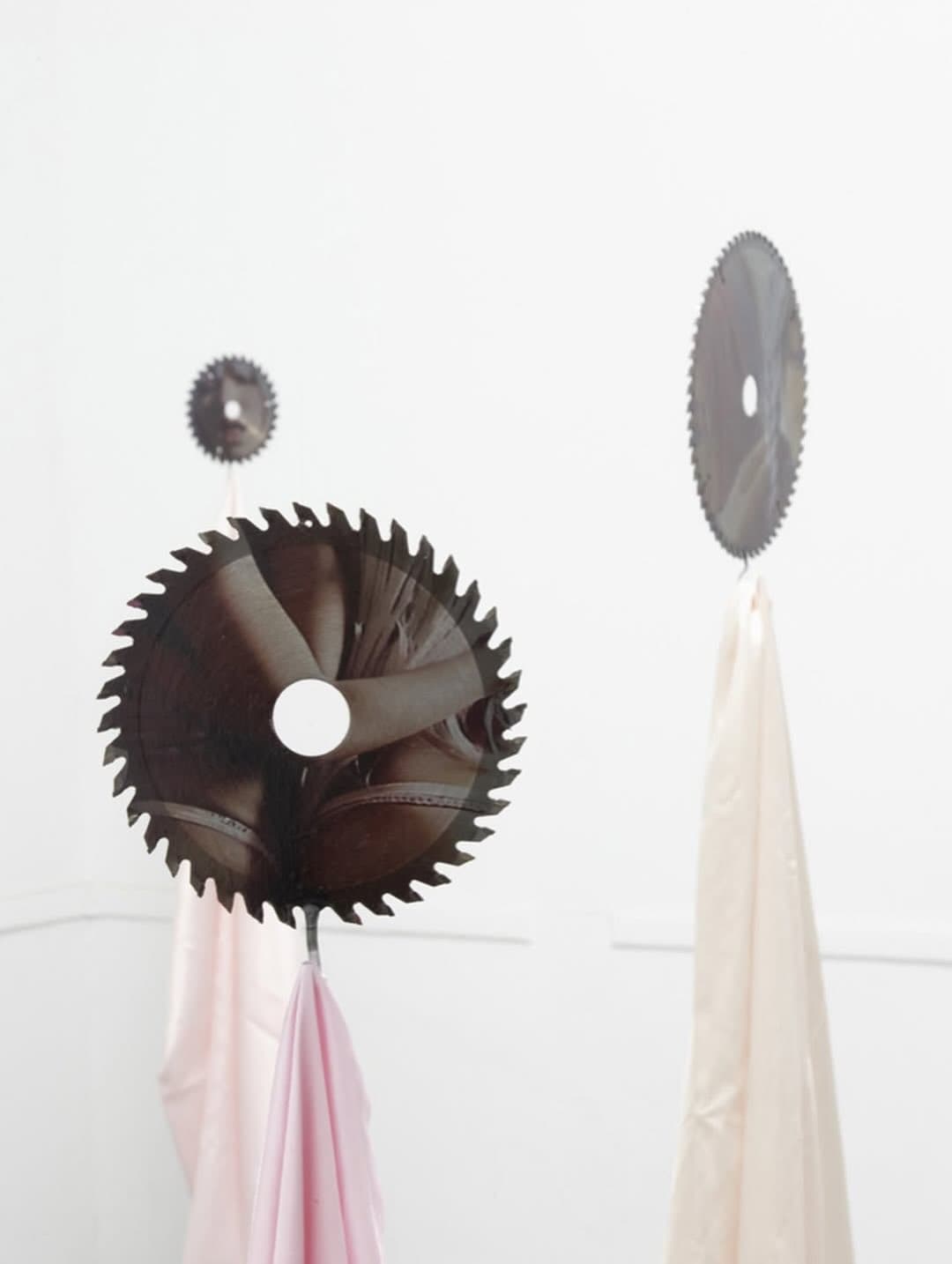
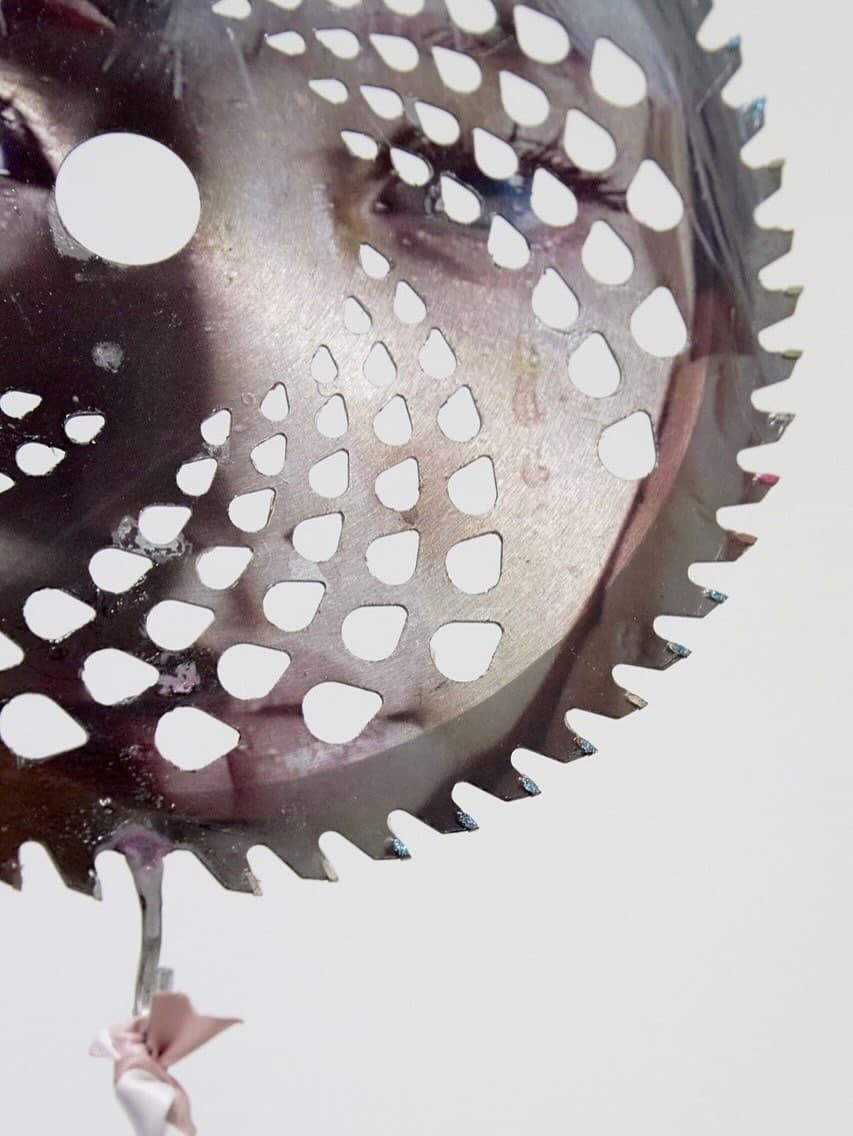
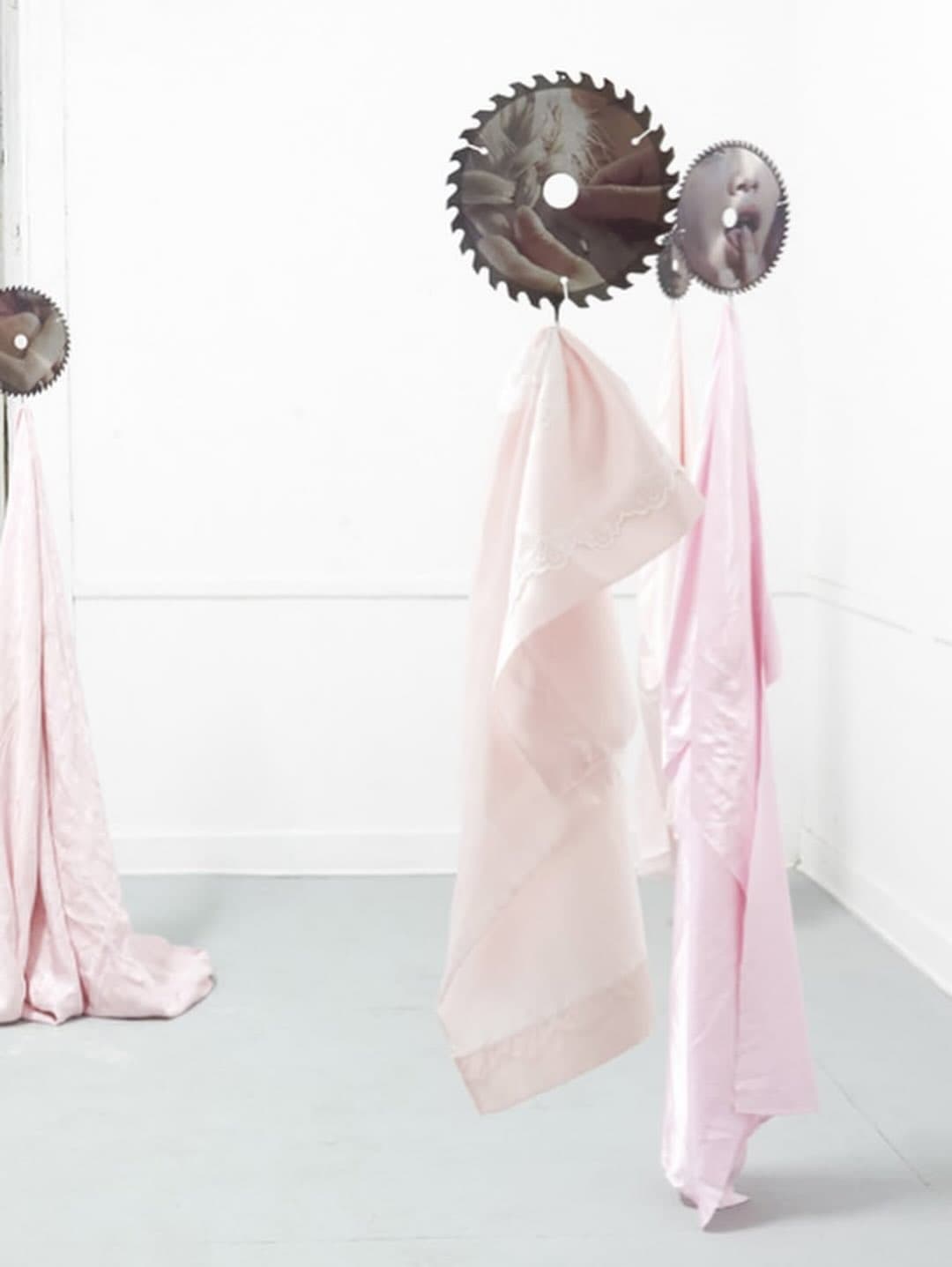
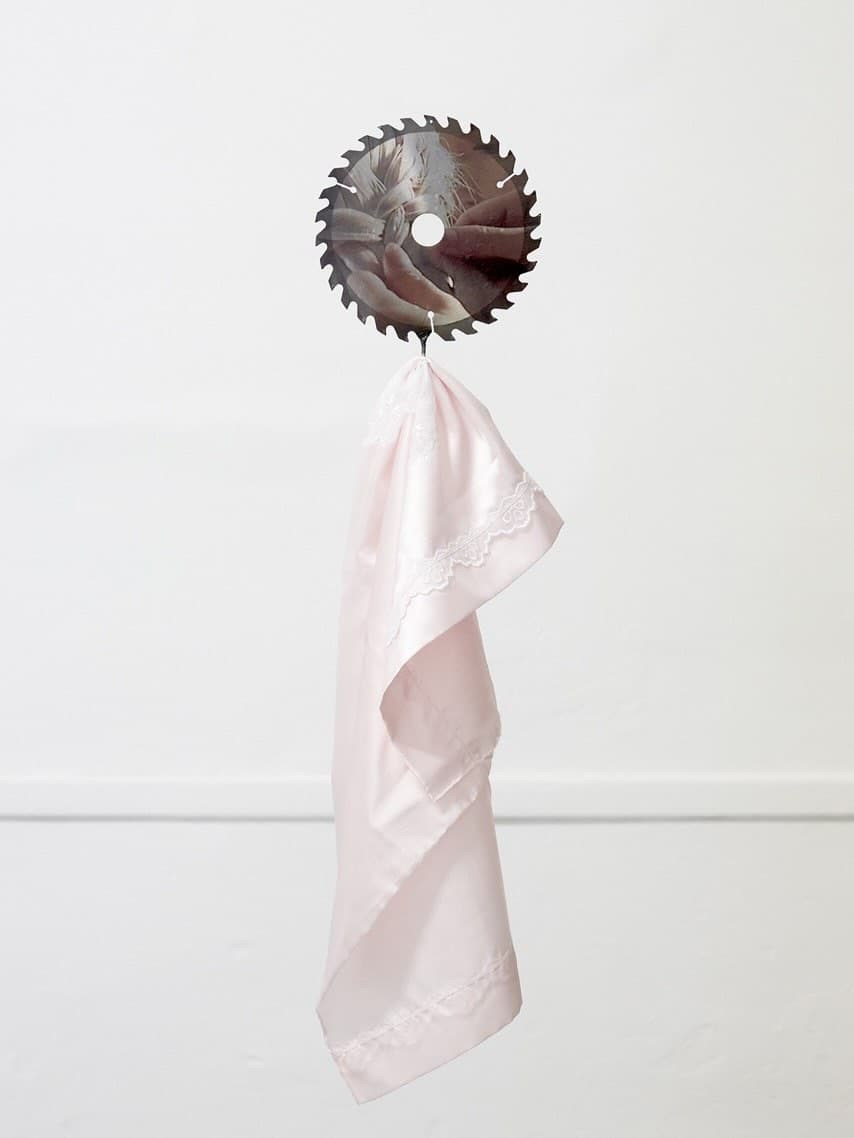
Lisbon / 2026
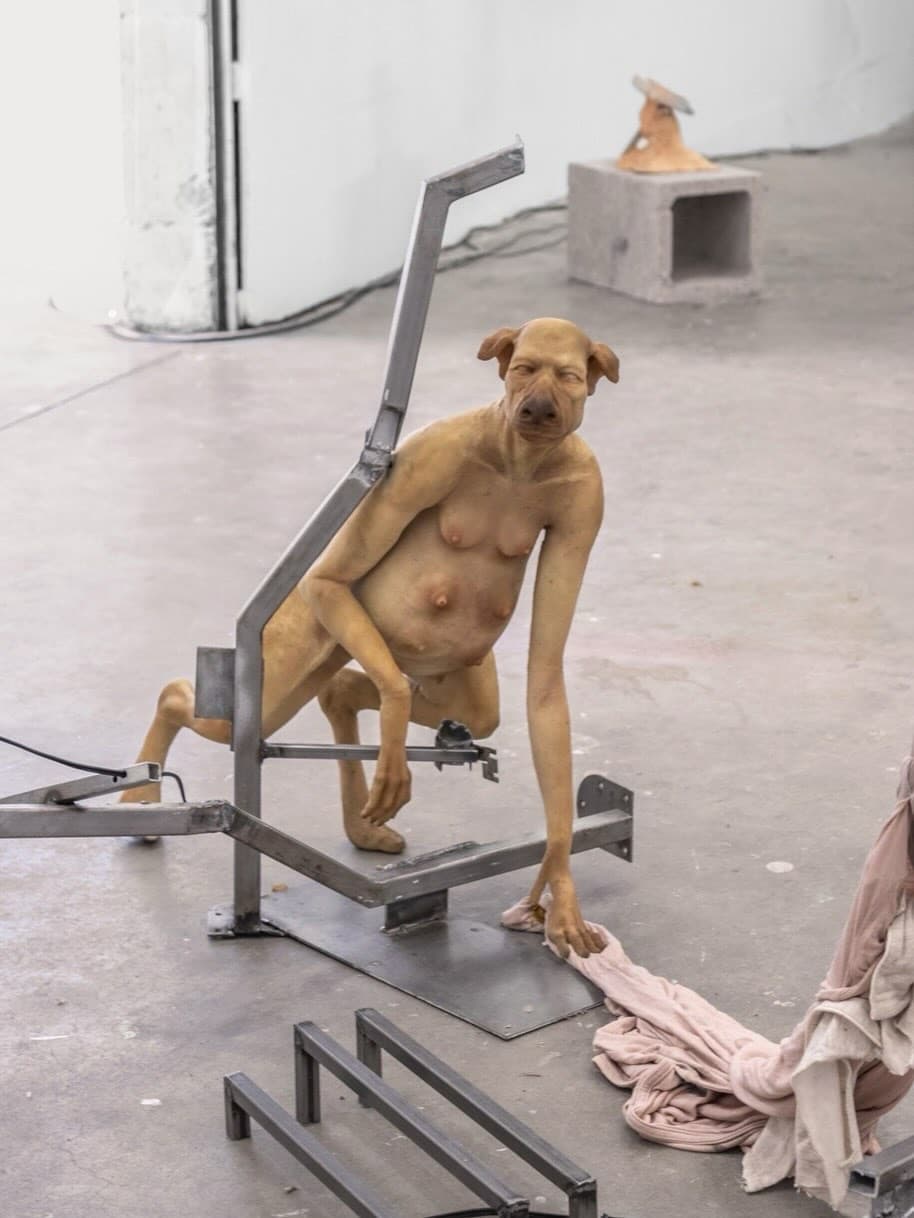
Paris / 2026
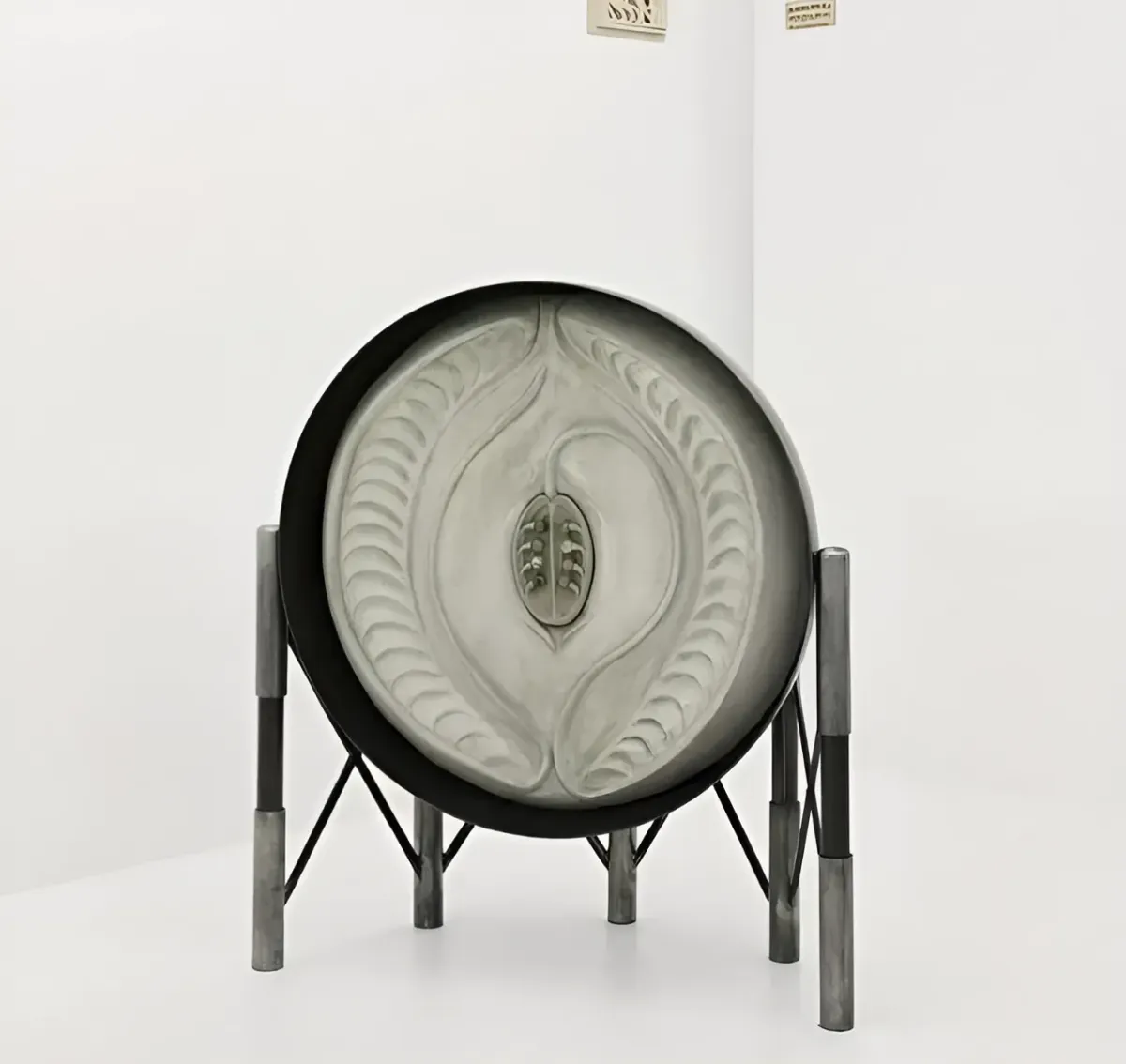
Paris / 2025
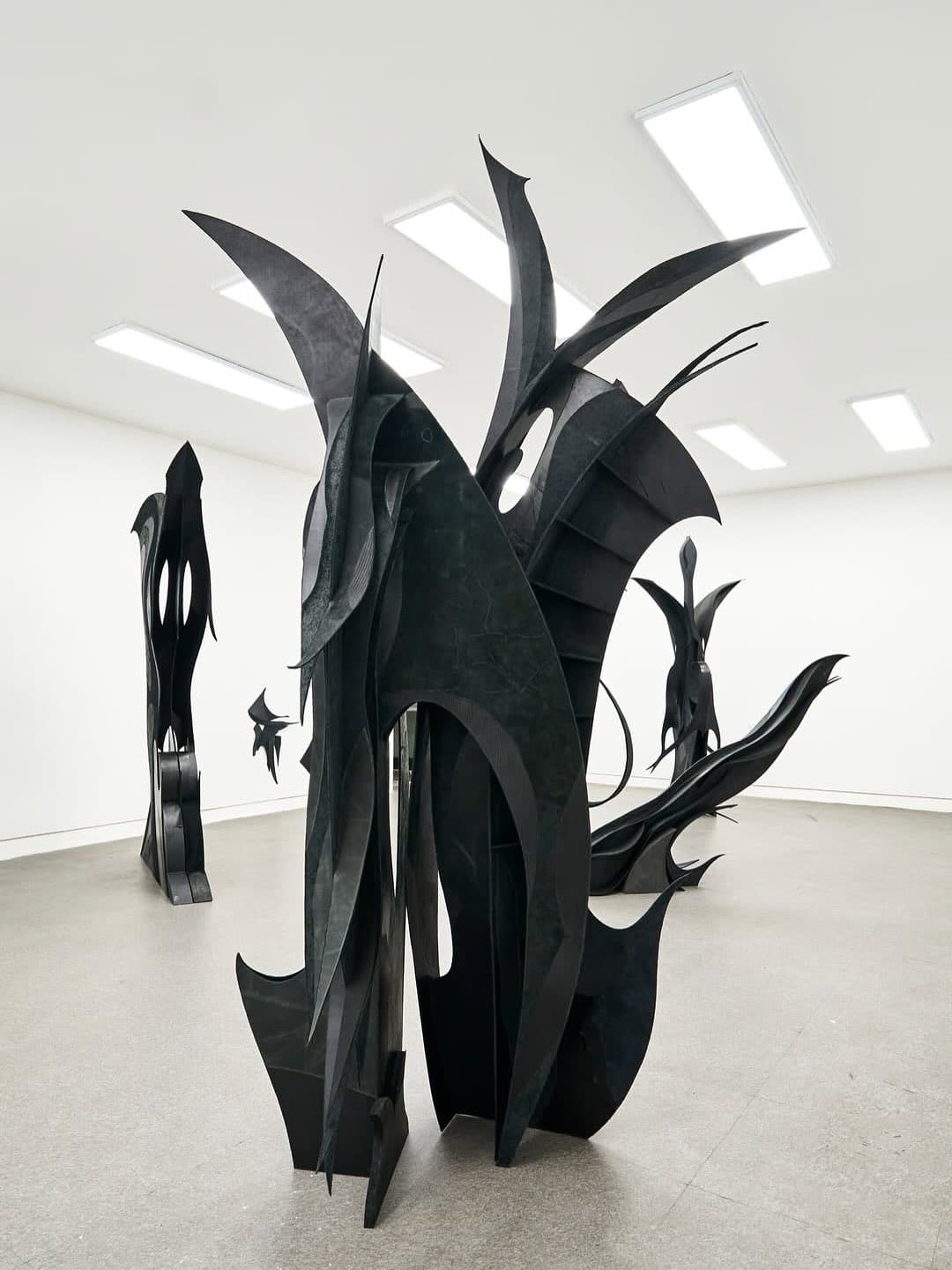
Seoul / 2025
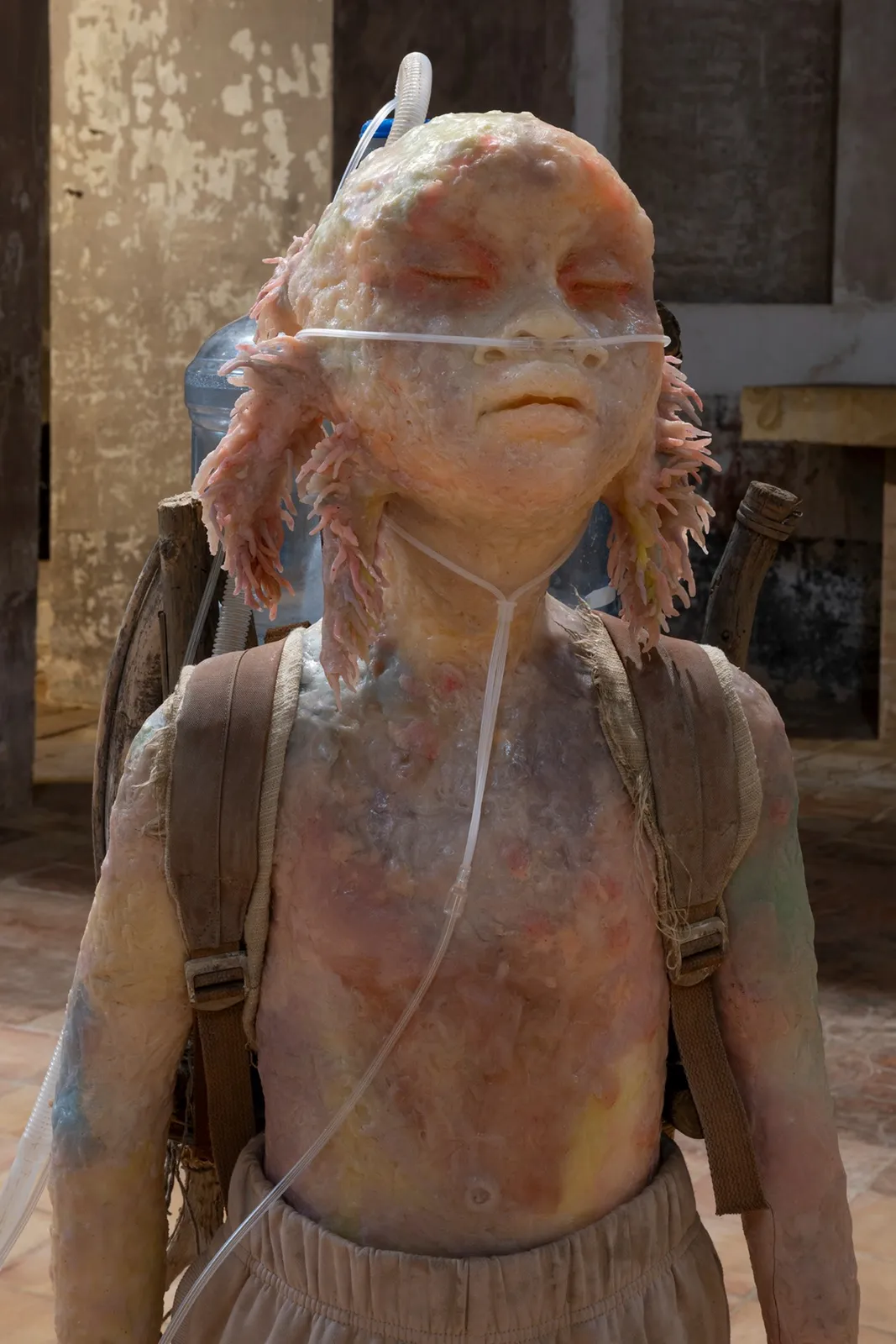
Lladó / 2026
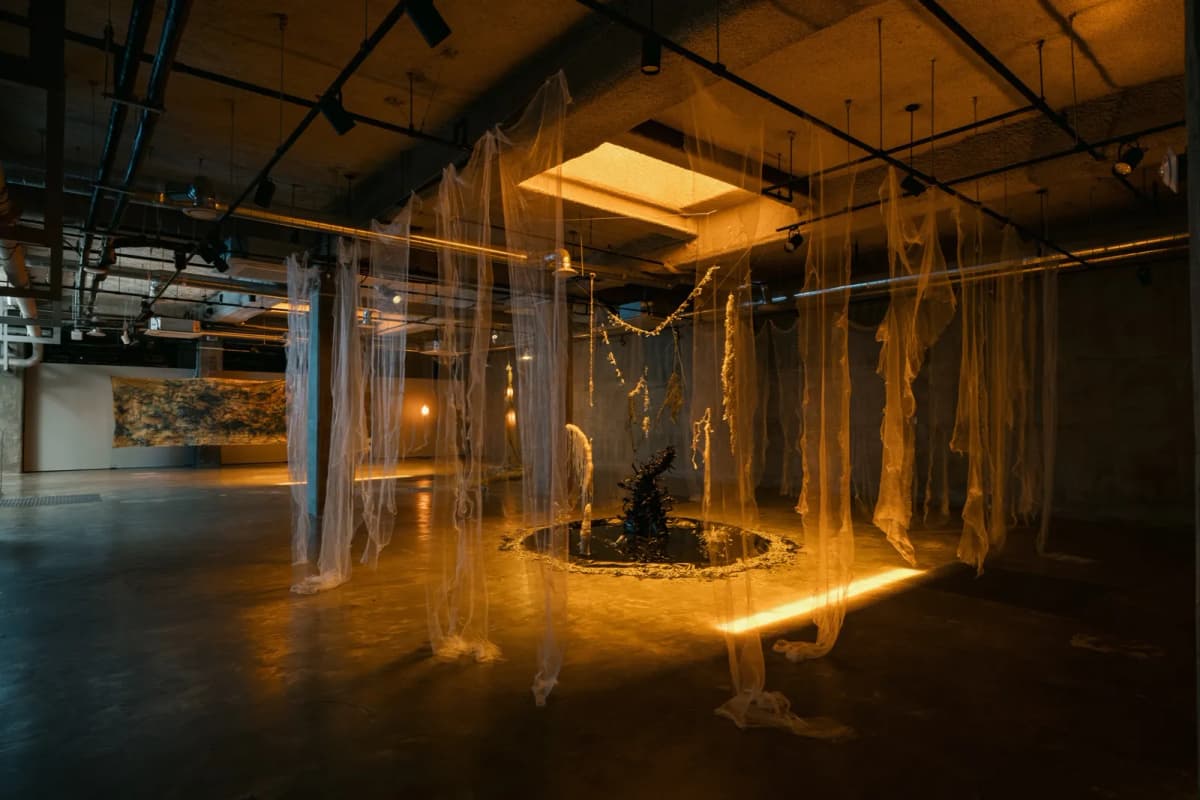
Suwon / 2026
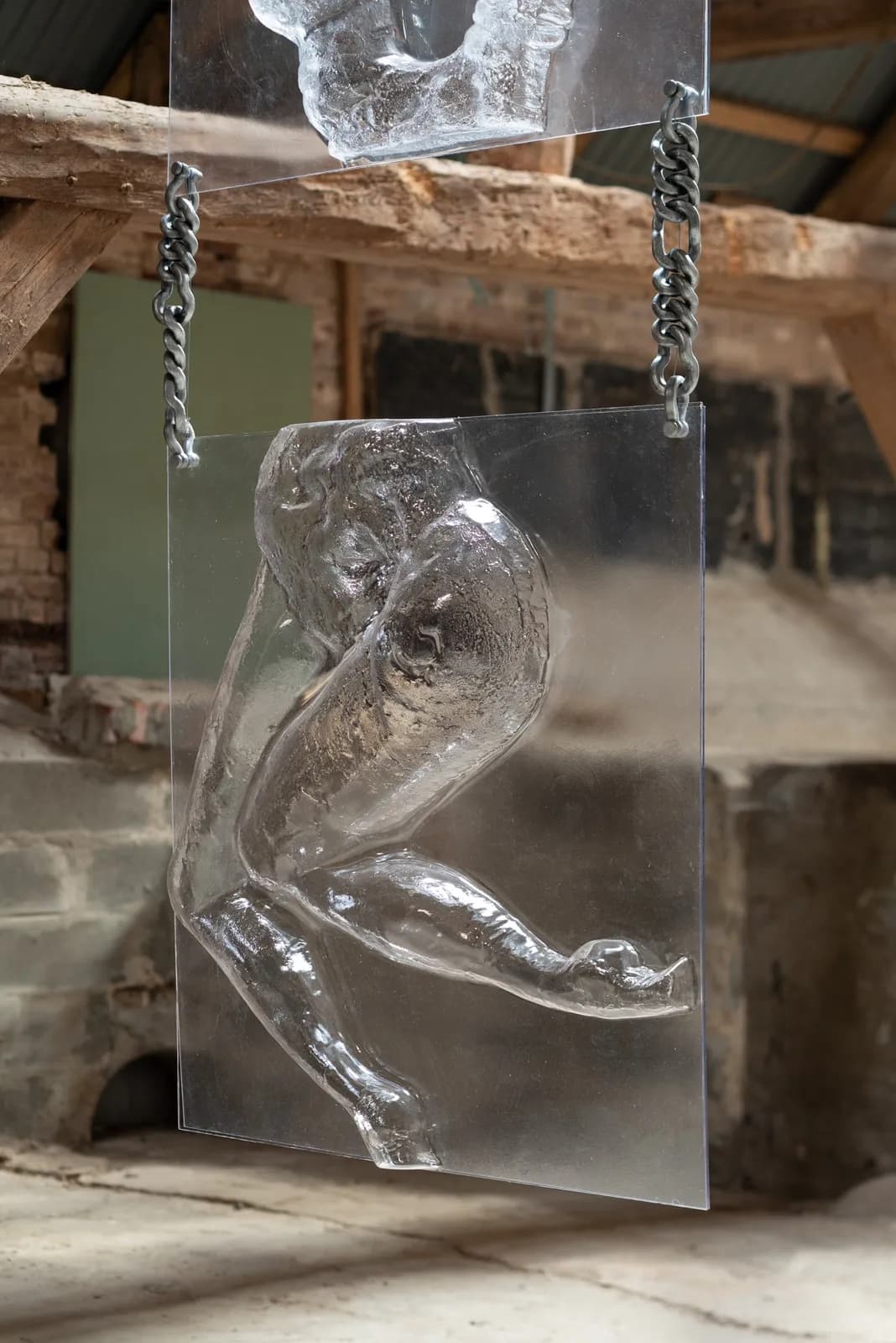
Hurup / 2026
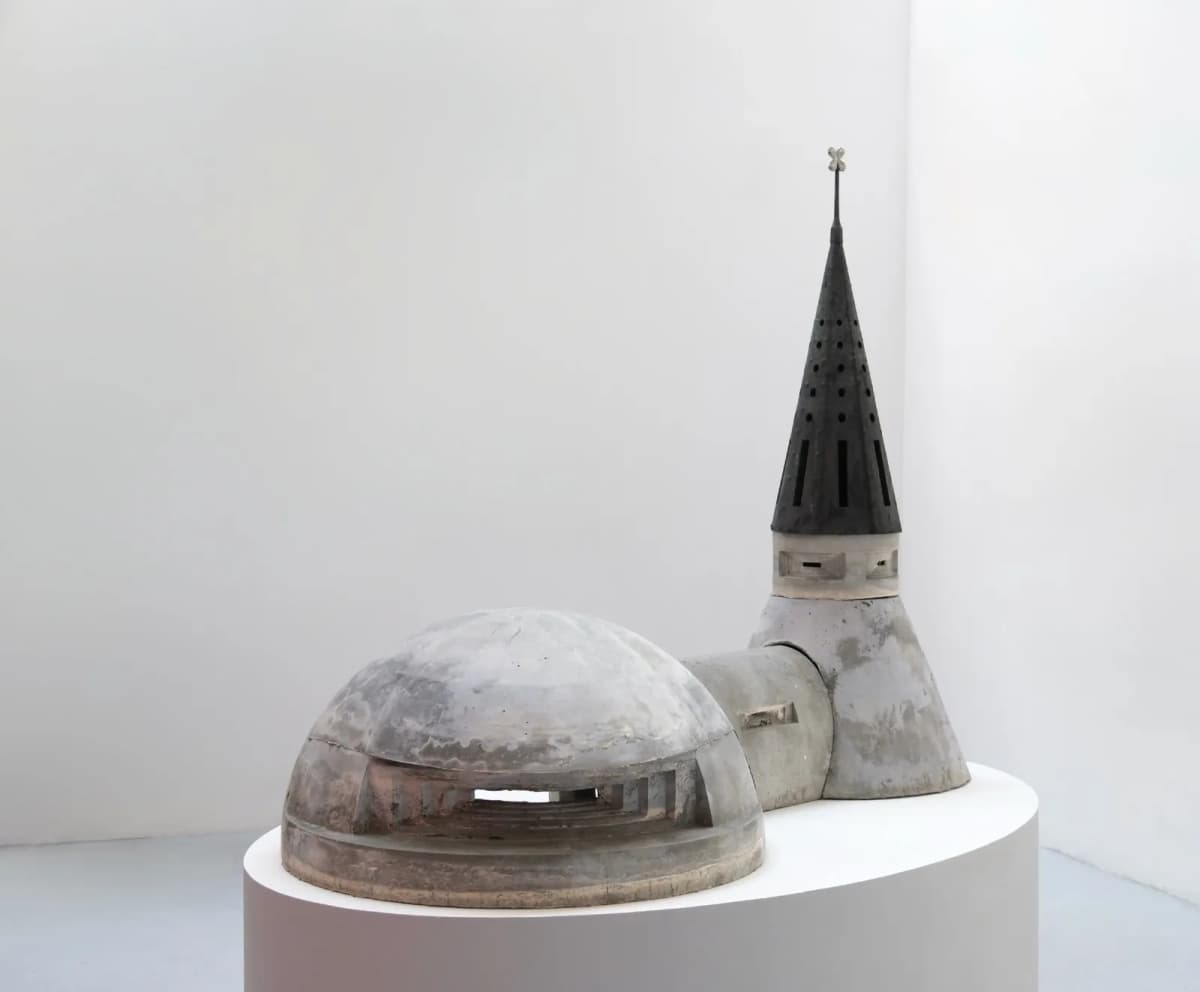
/ 2026
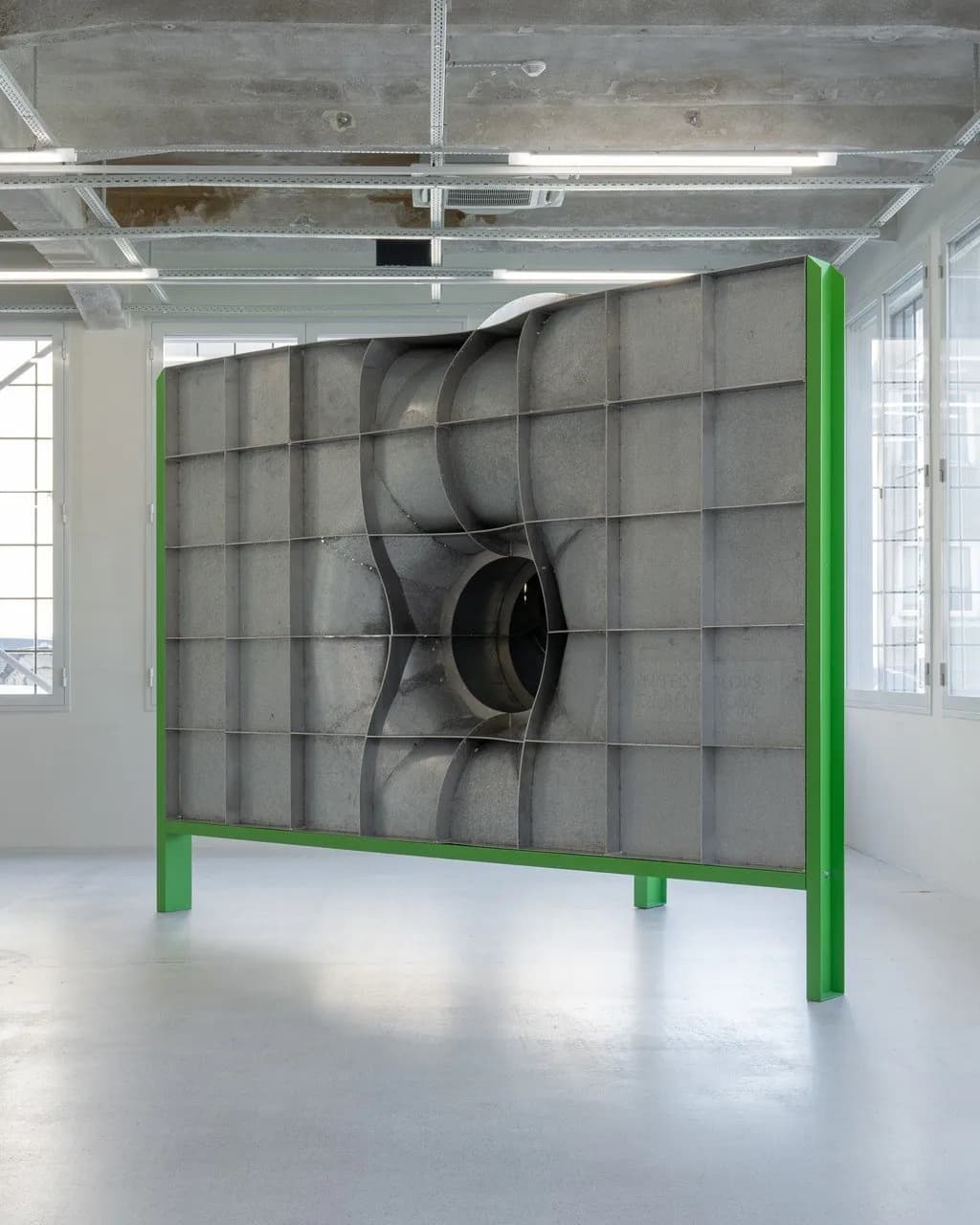
Olomouc / 2026
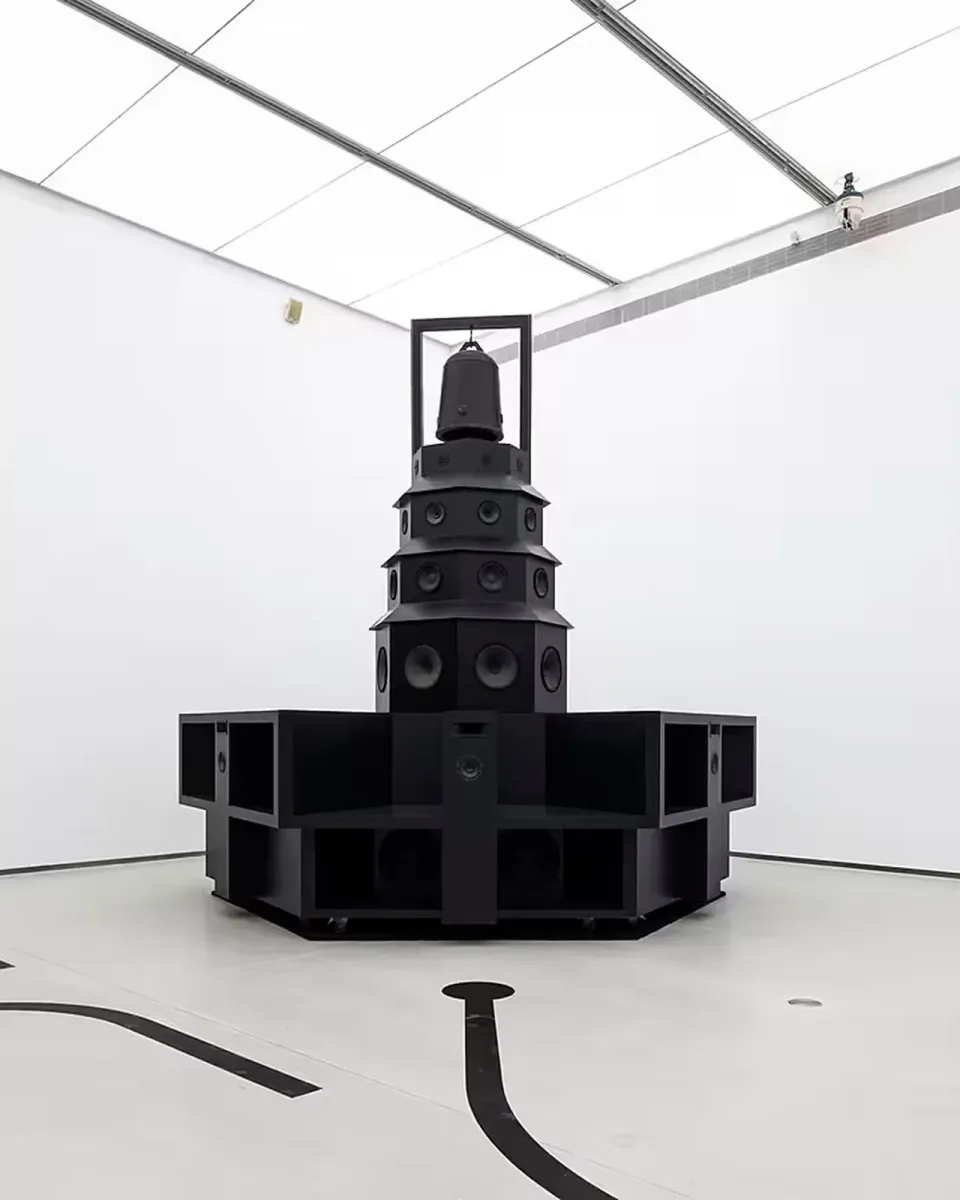
Shanghai / 2026
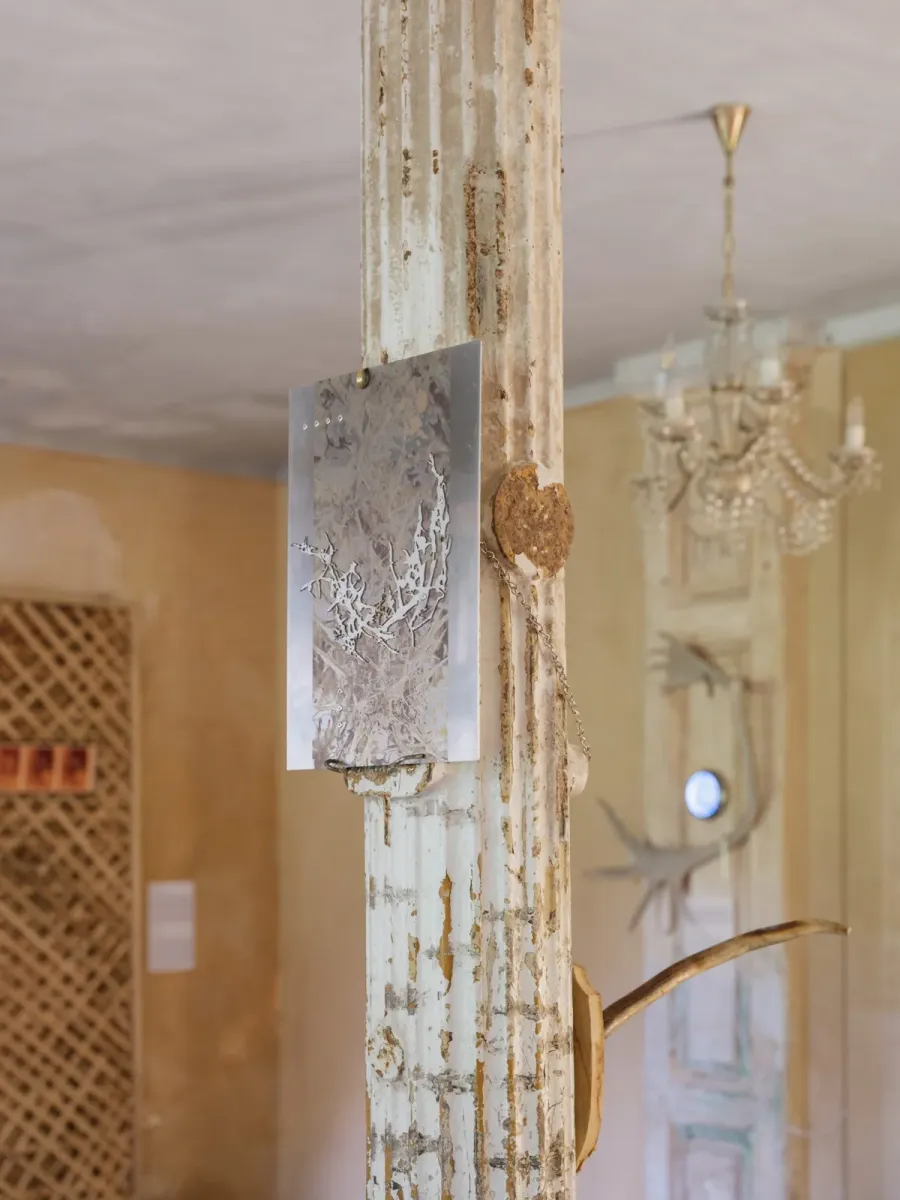
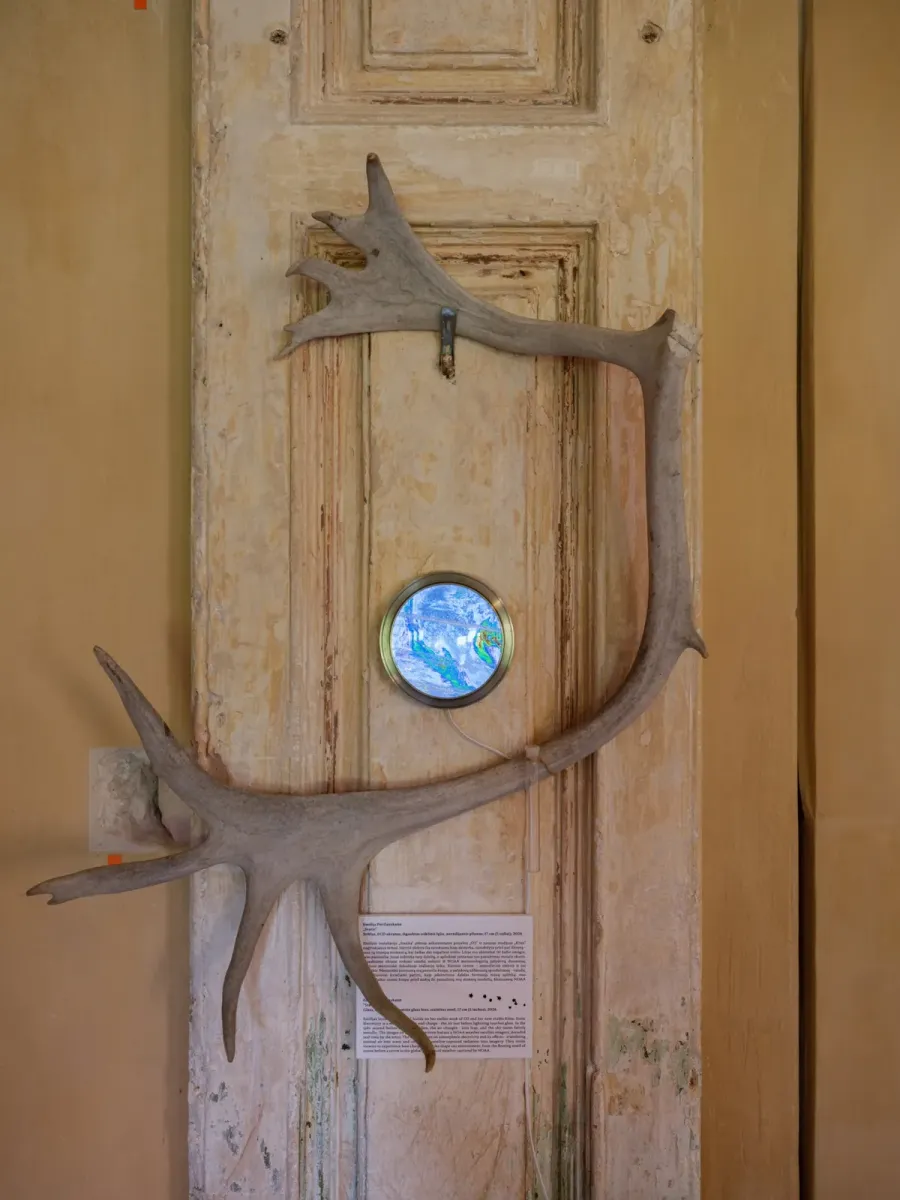
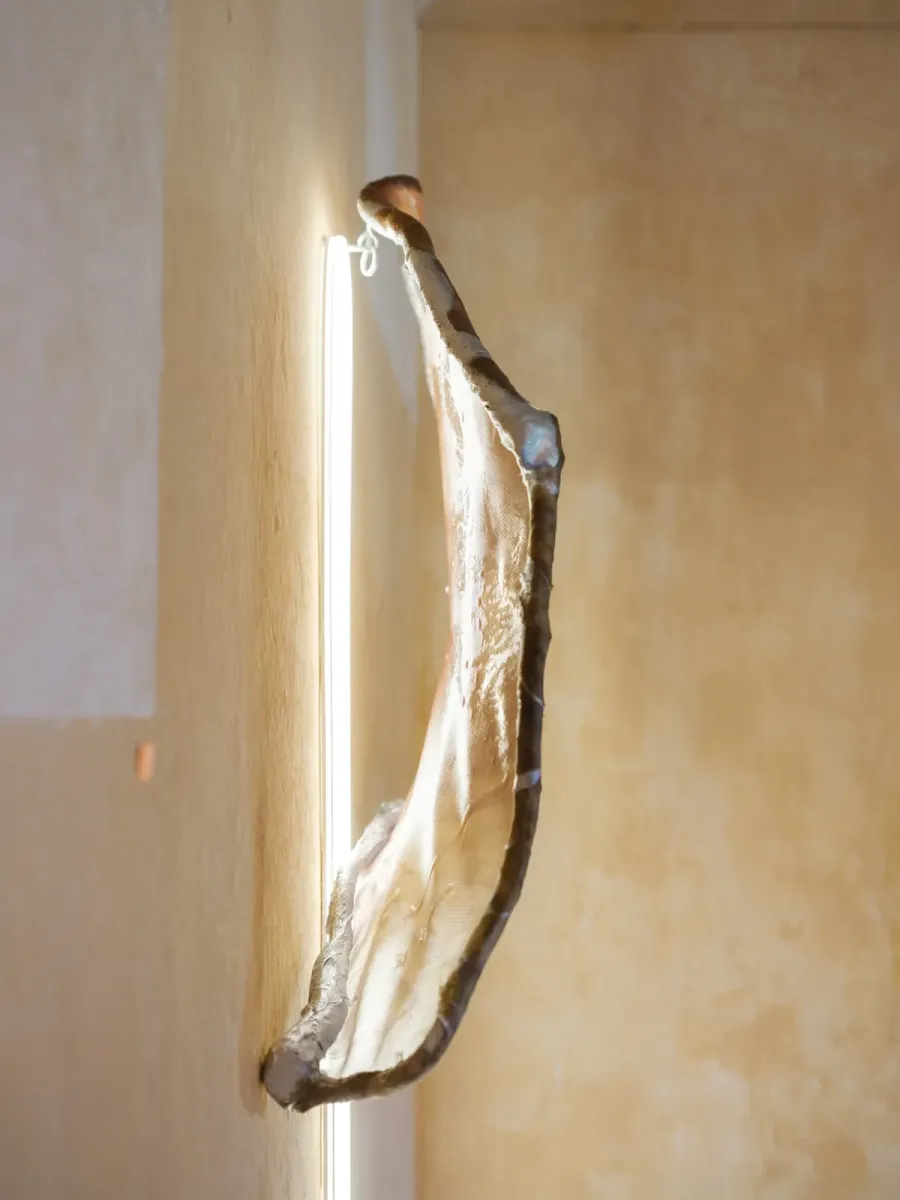
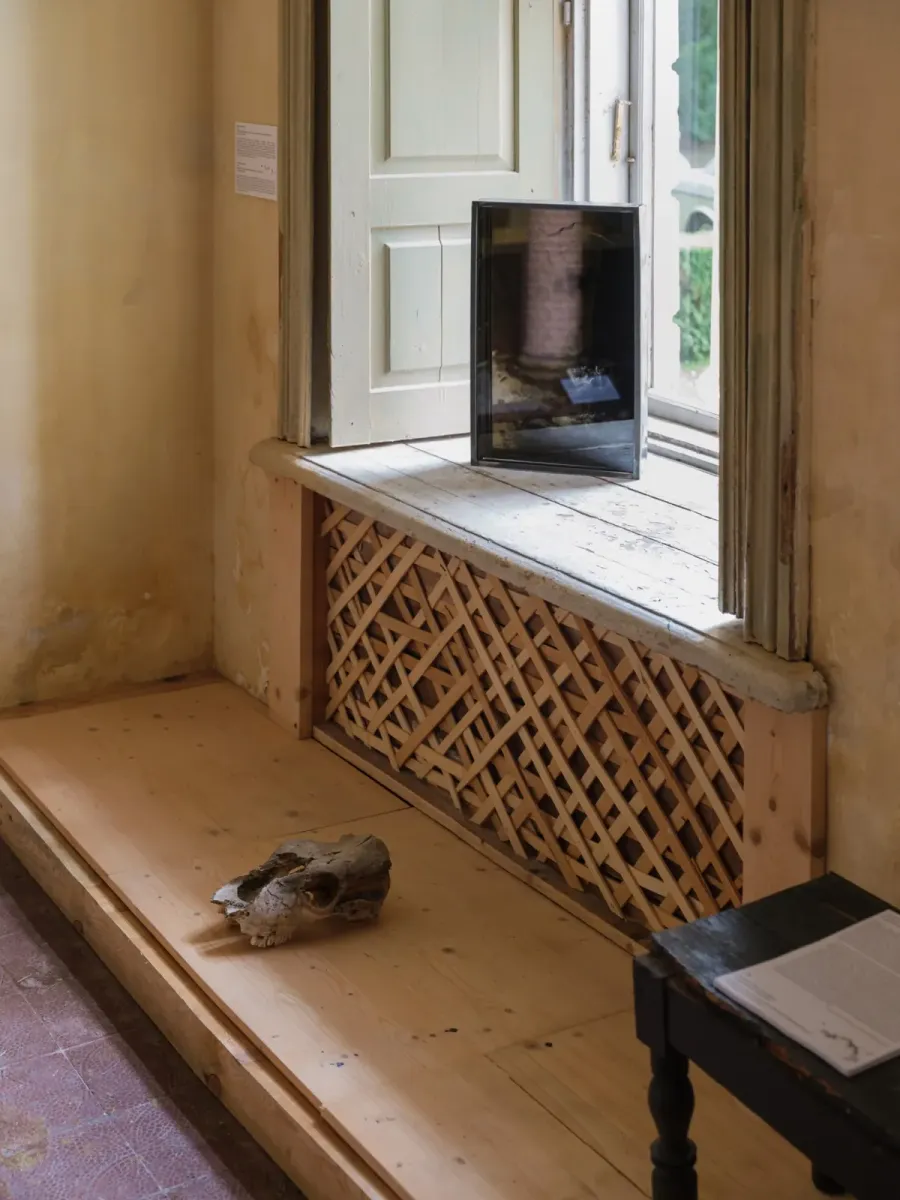
Vilnius District Municipality / 2026
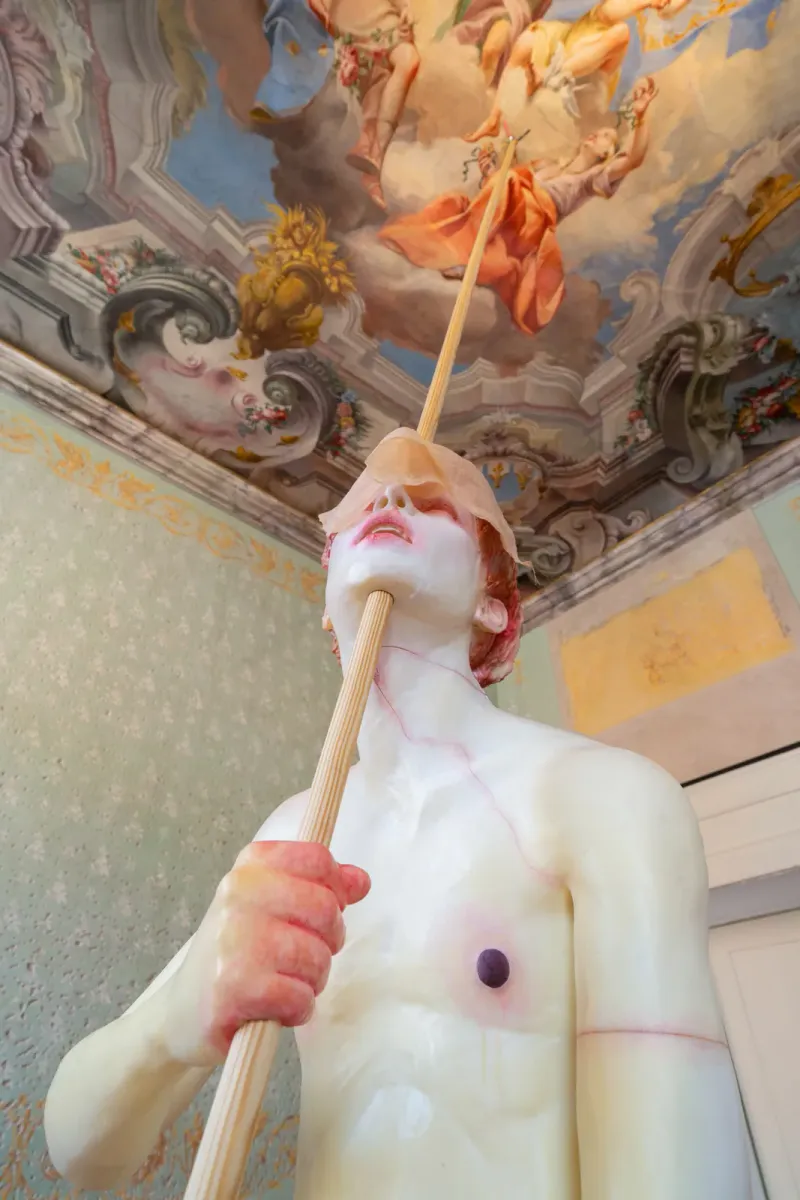
Brescia / 2026
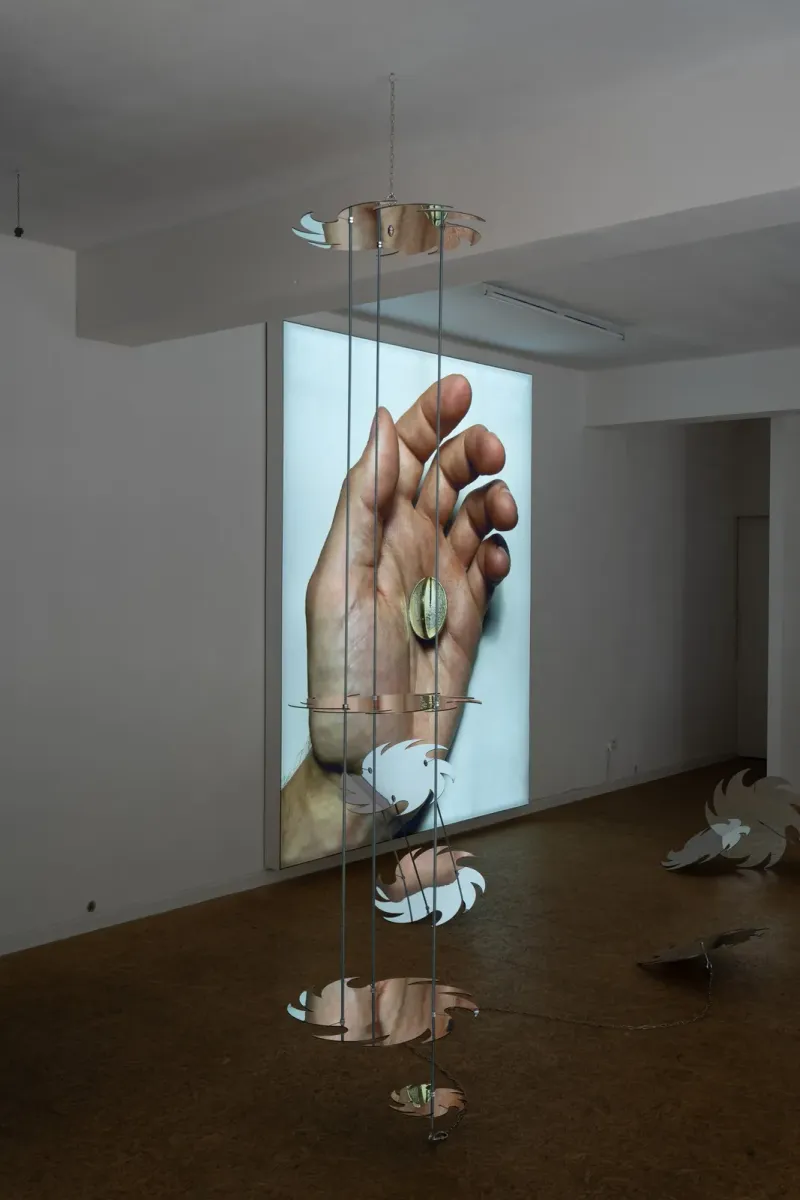
Poznań / 2026
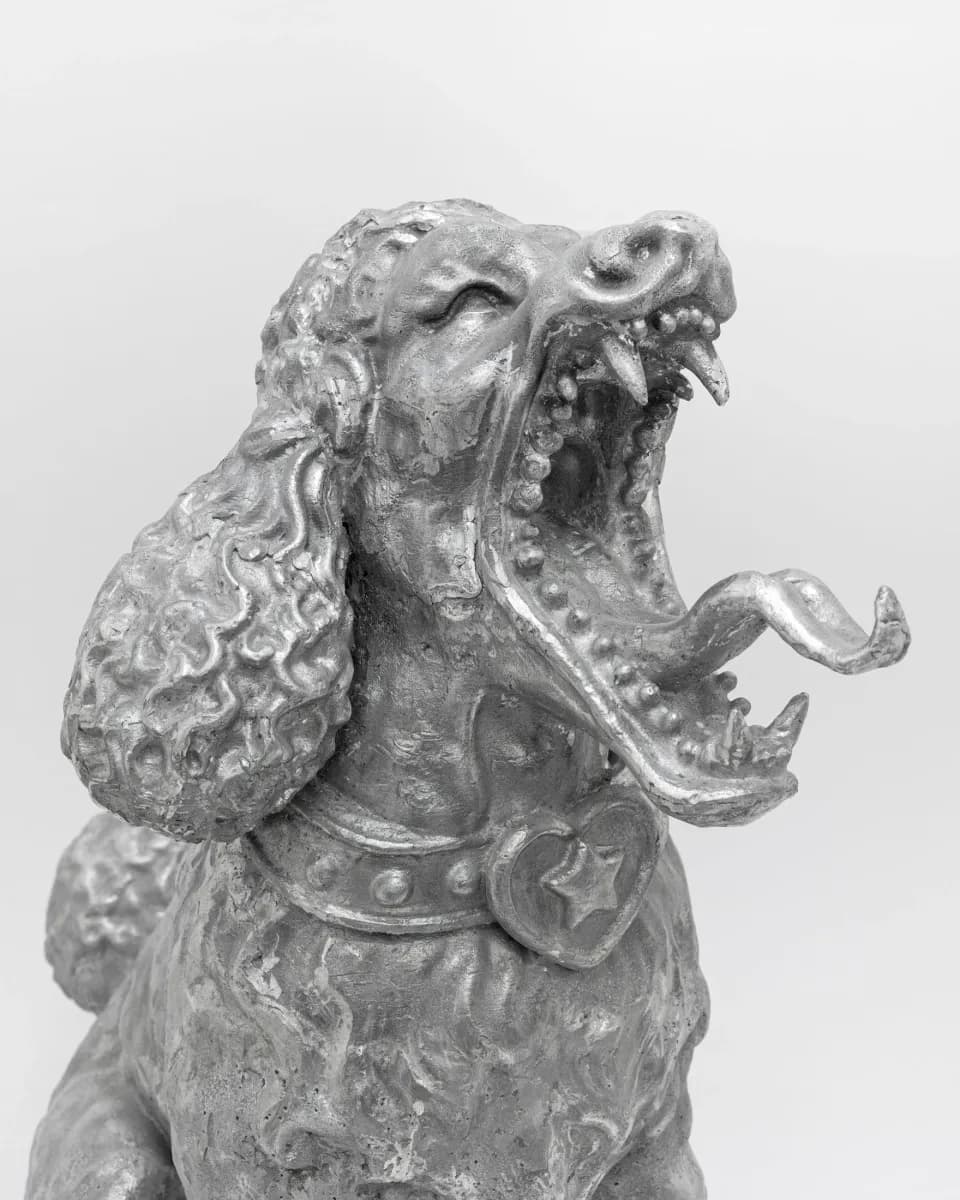
Lima / 2026
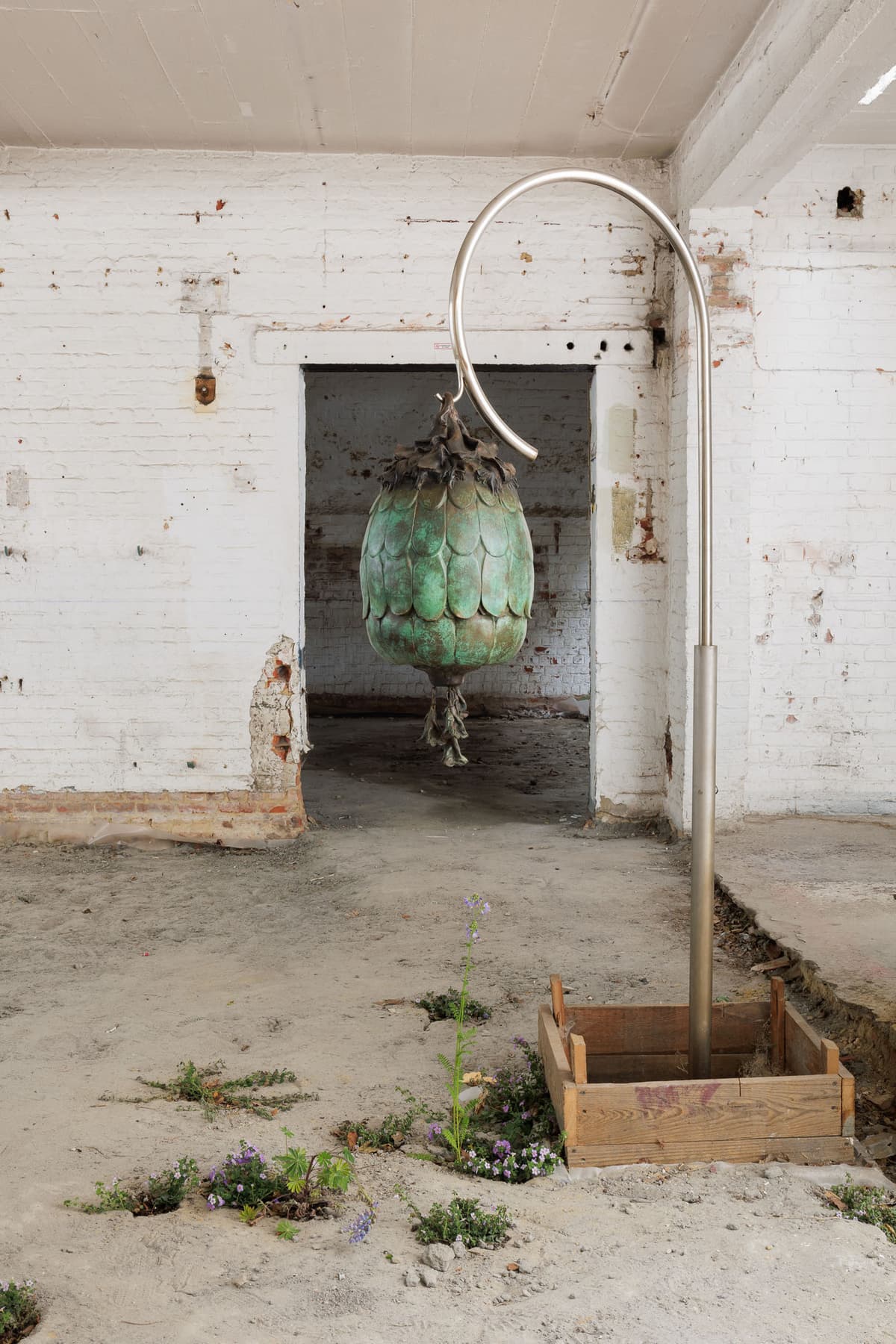
Brussels / 2026
.webp&w=1200&q=75)
Cergy / Paris / 2026
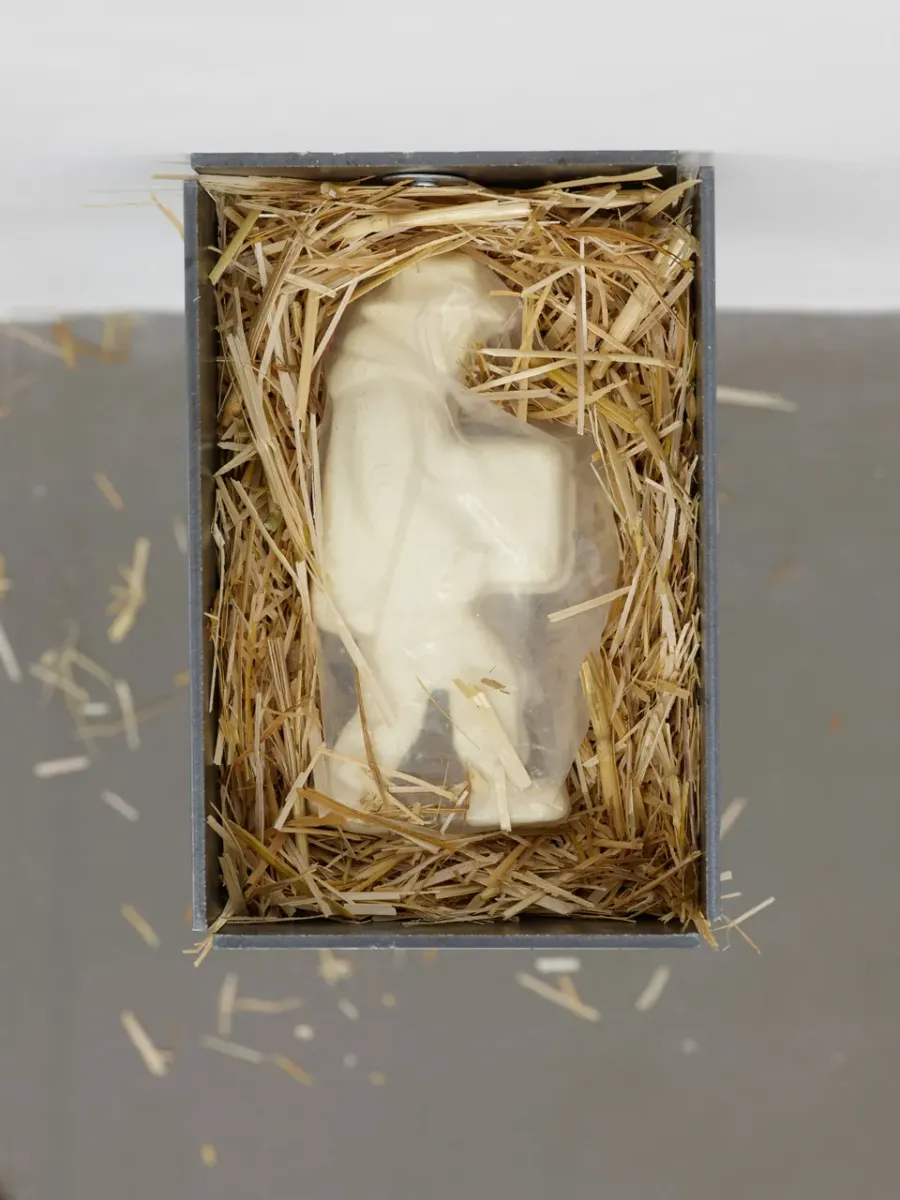
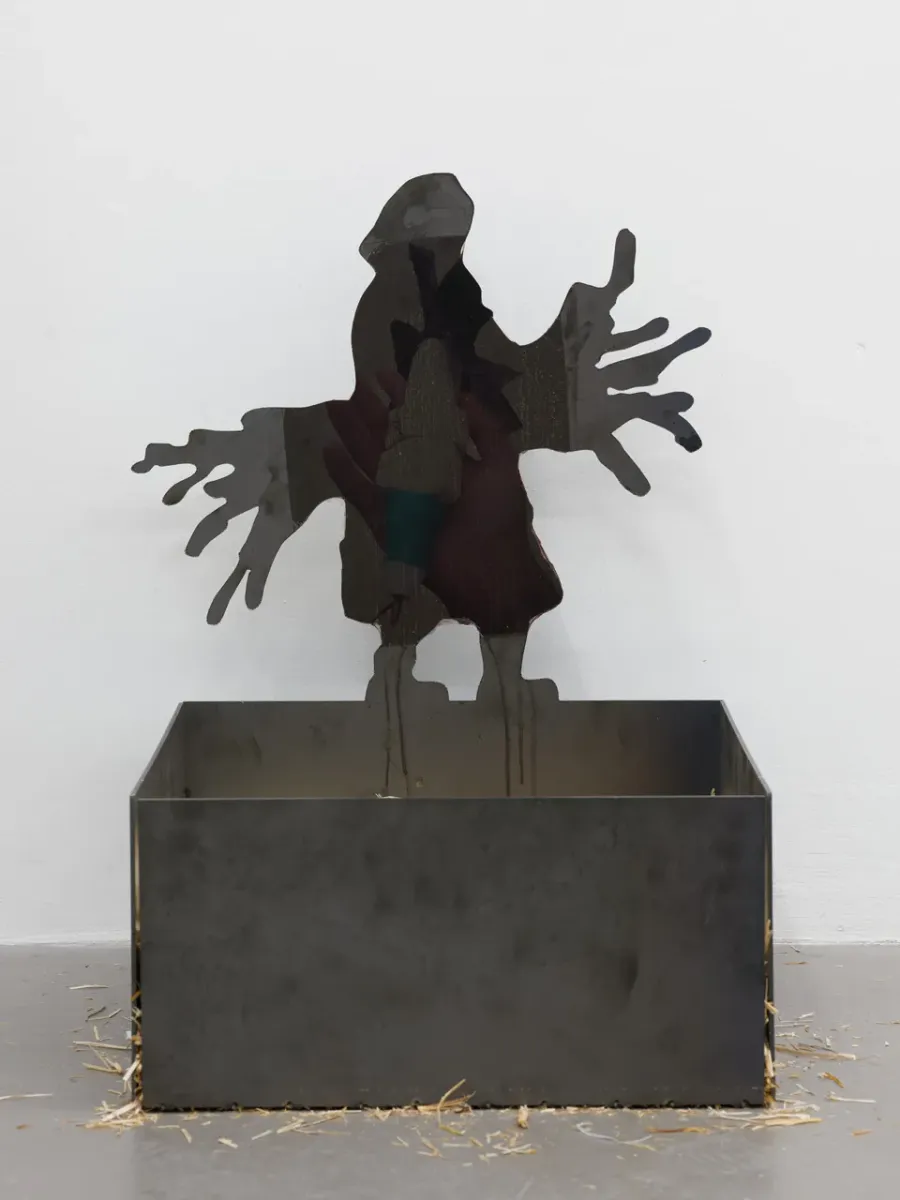
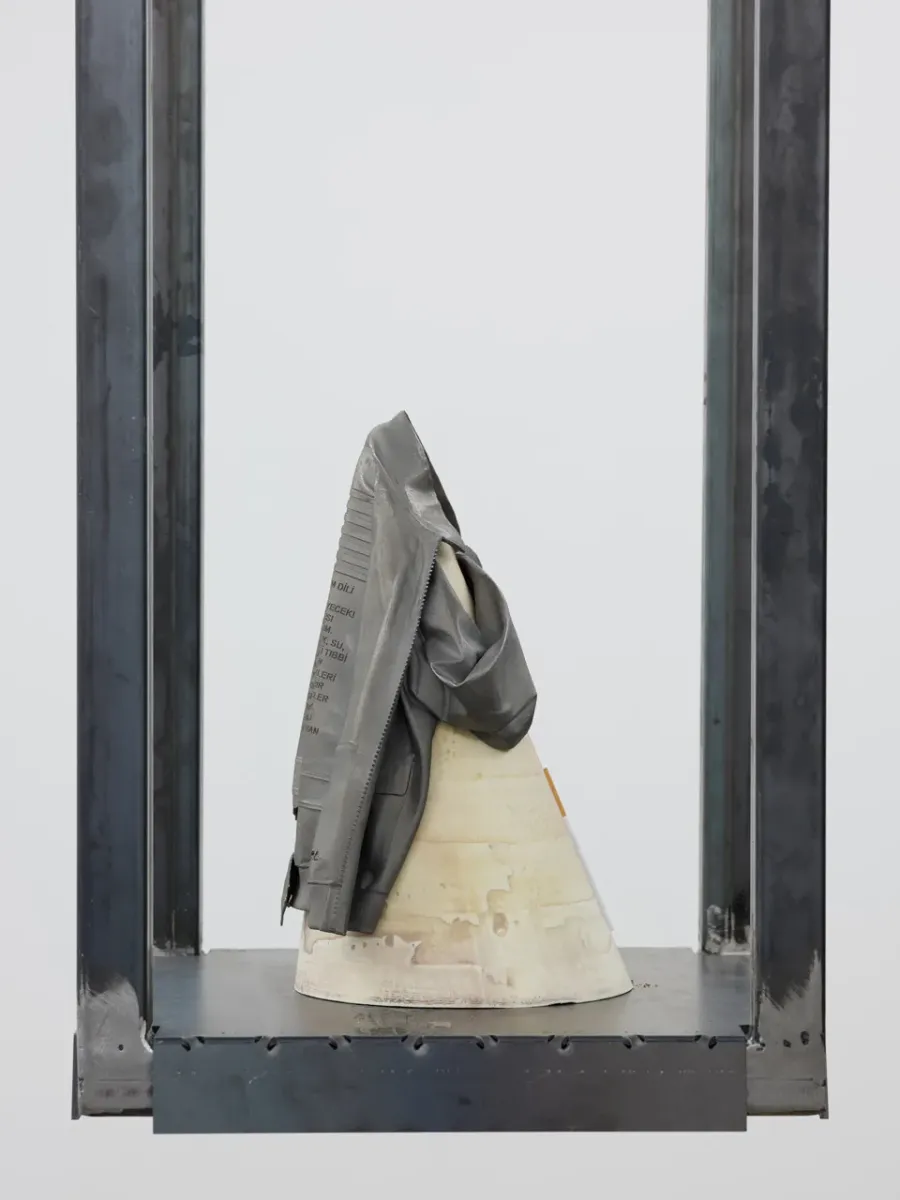
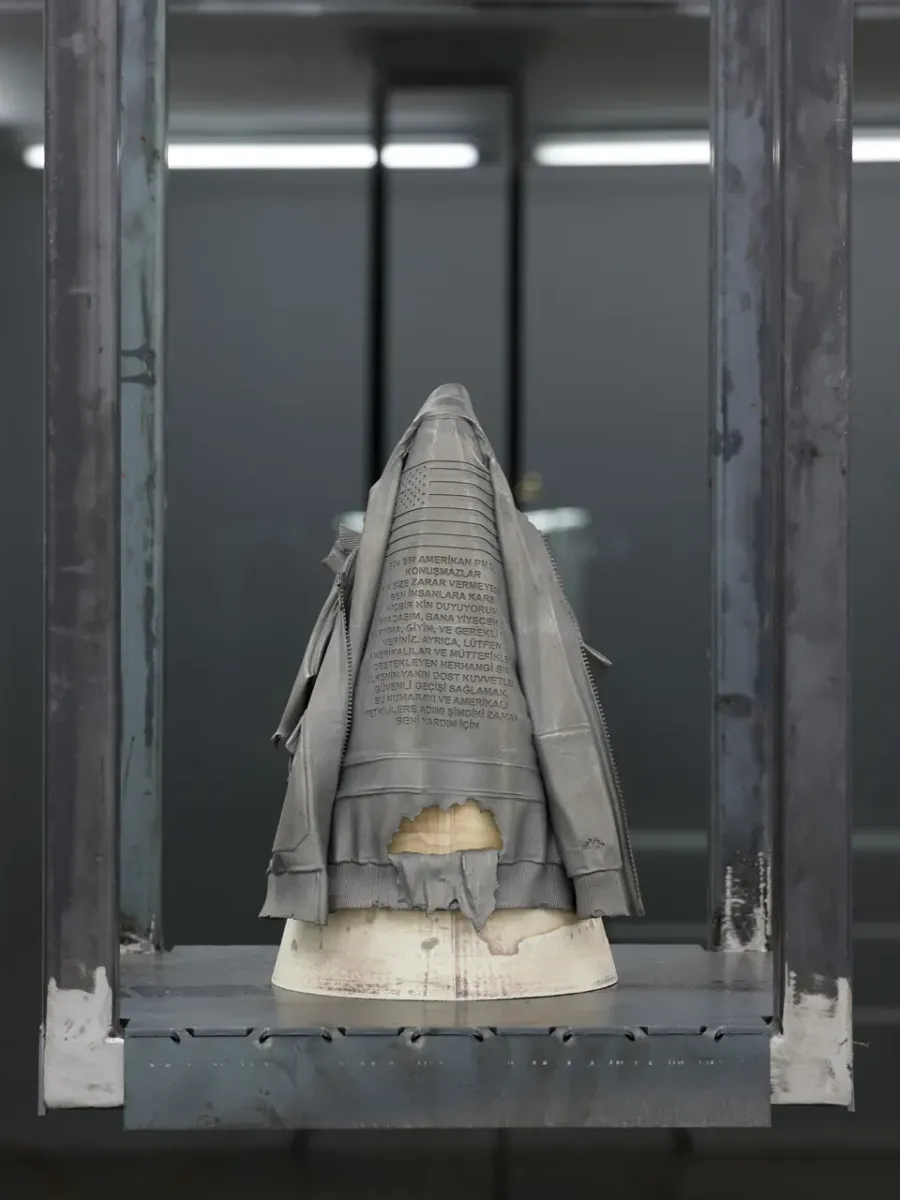
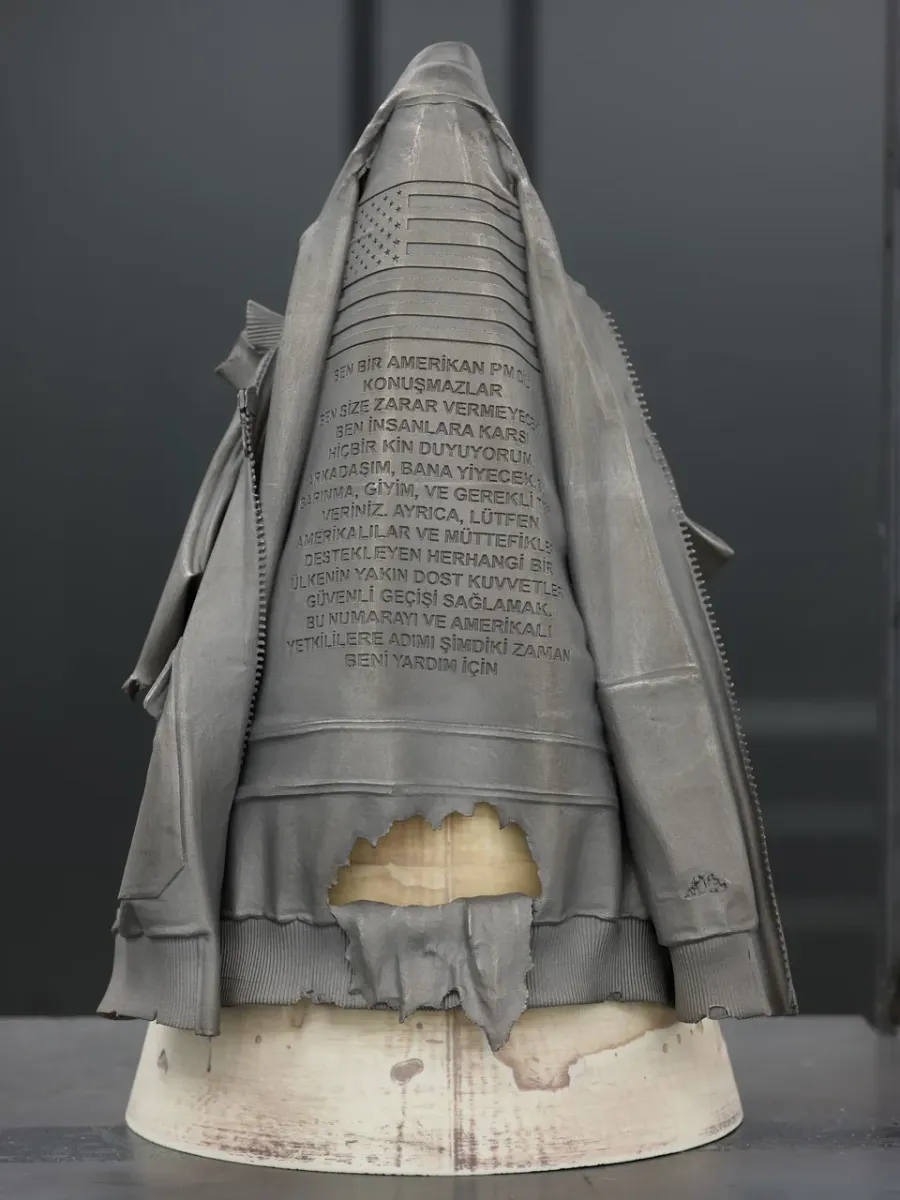
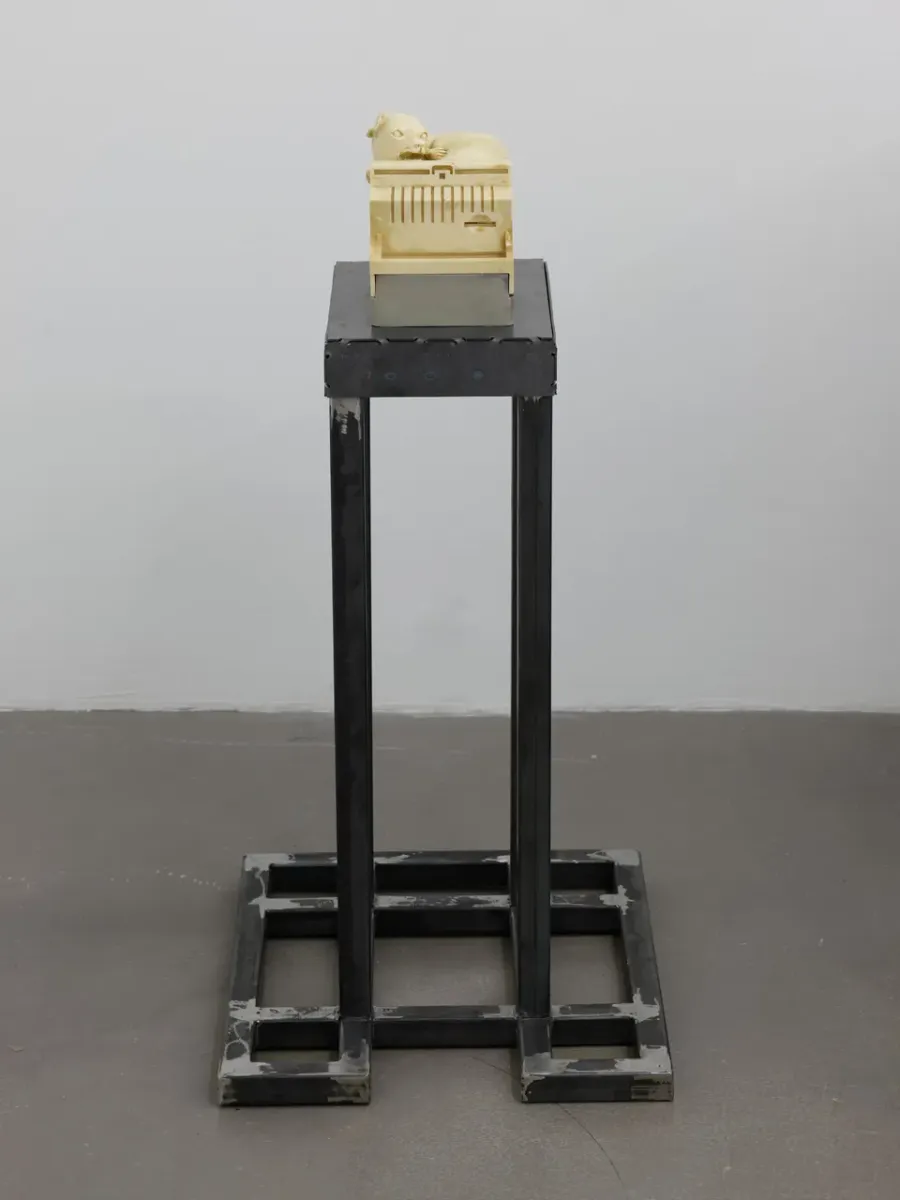
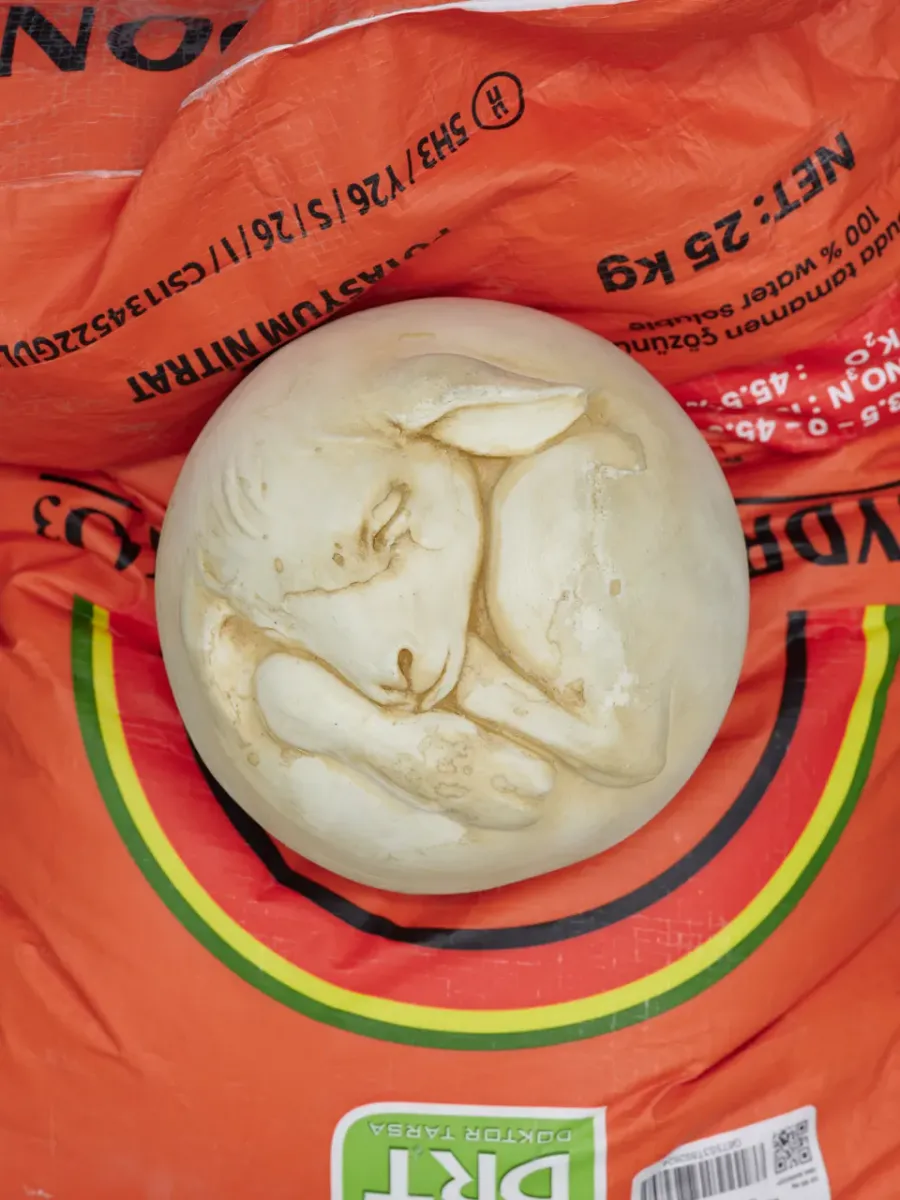
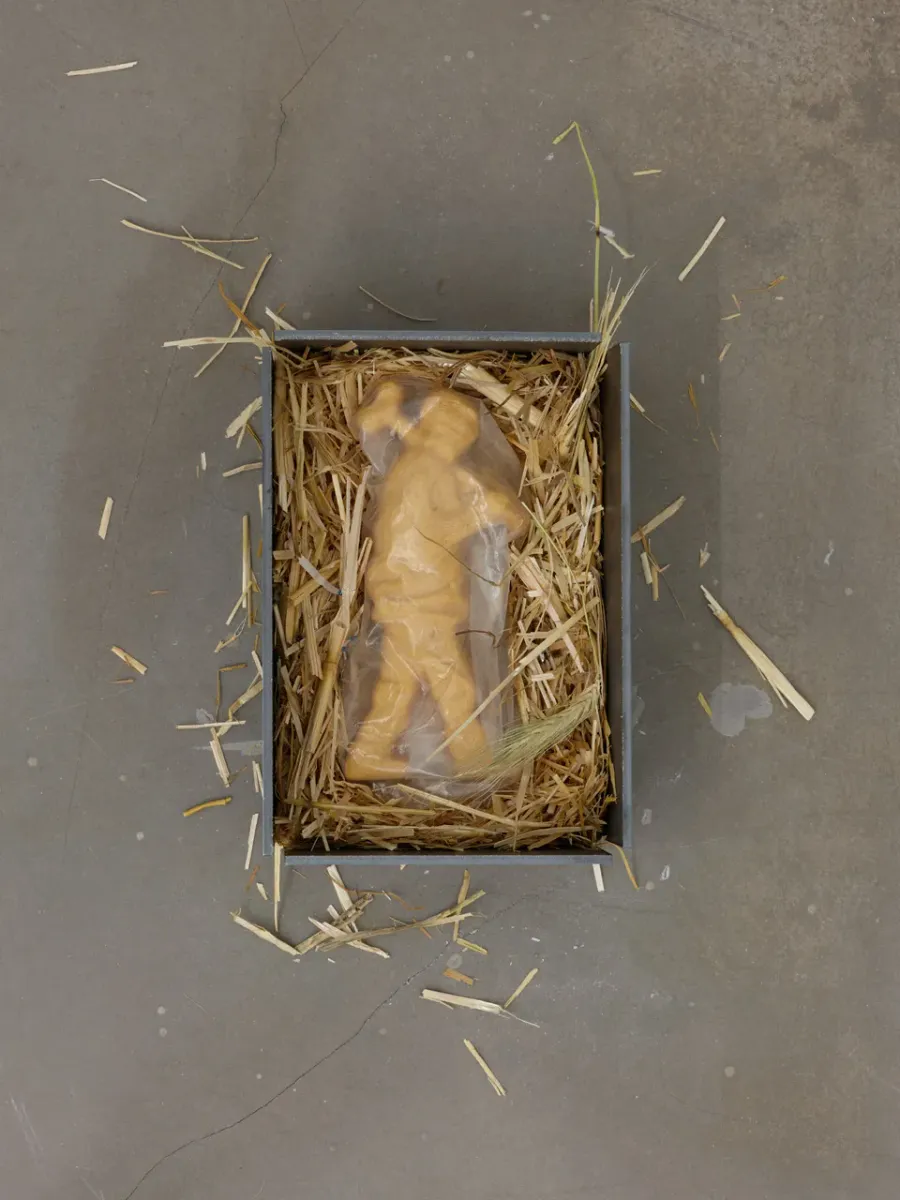
Istanbul / 2026
Düsseldorf / 2026
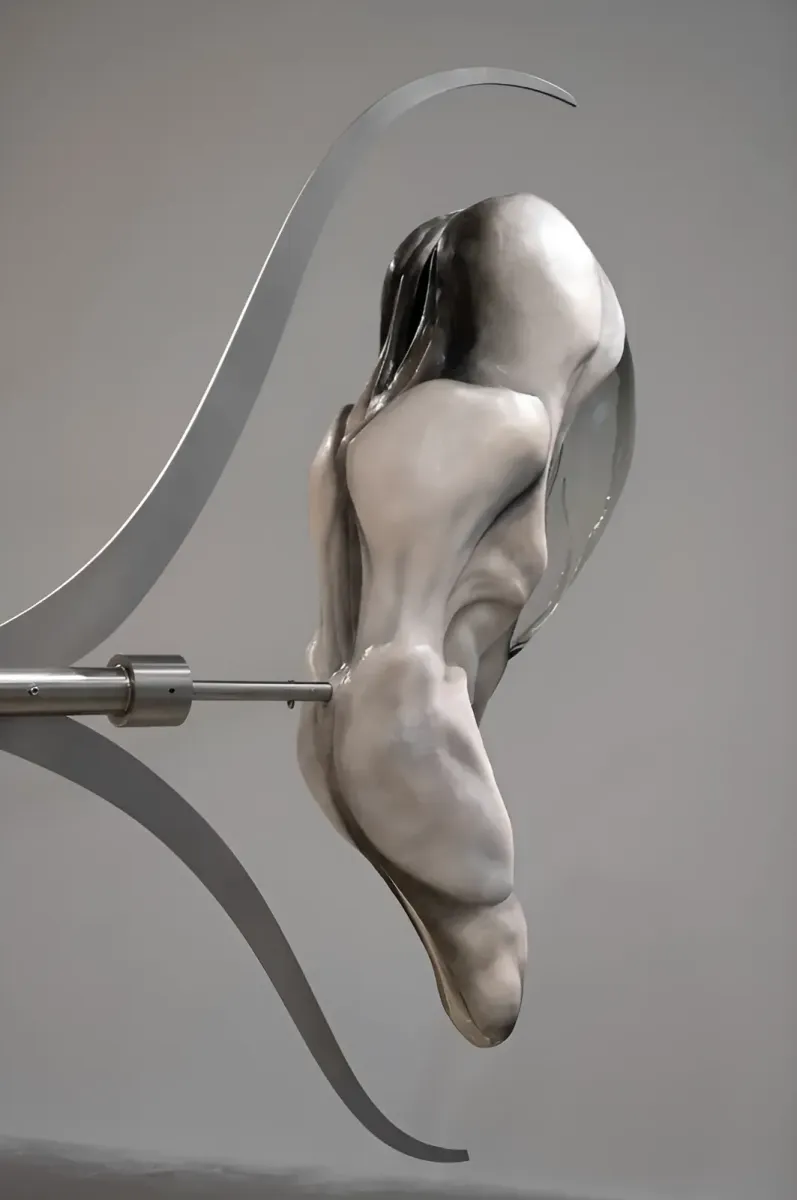
Montpellier / 2025
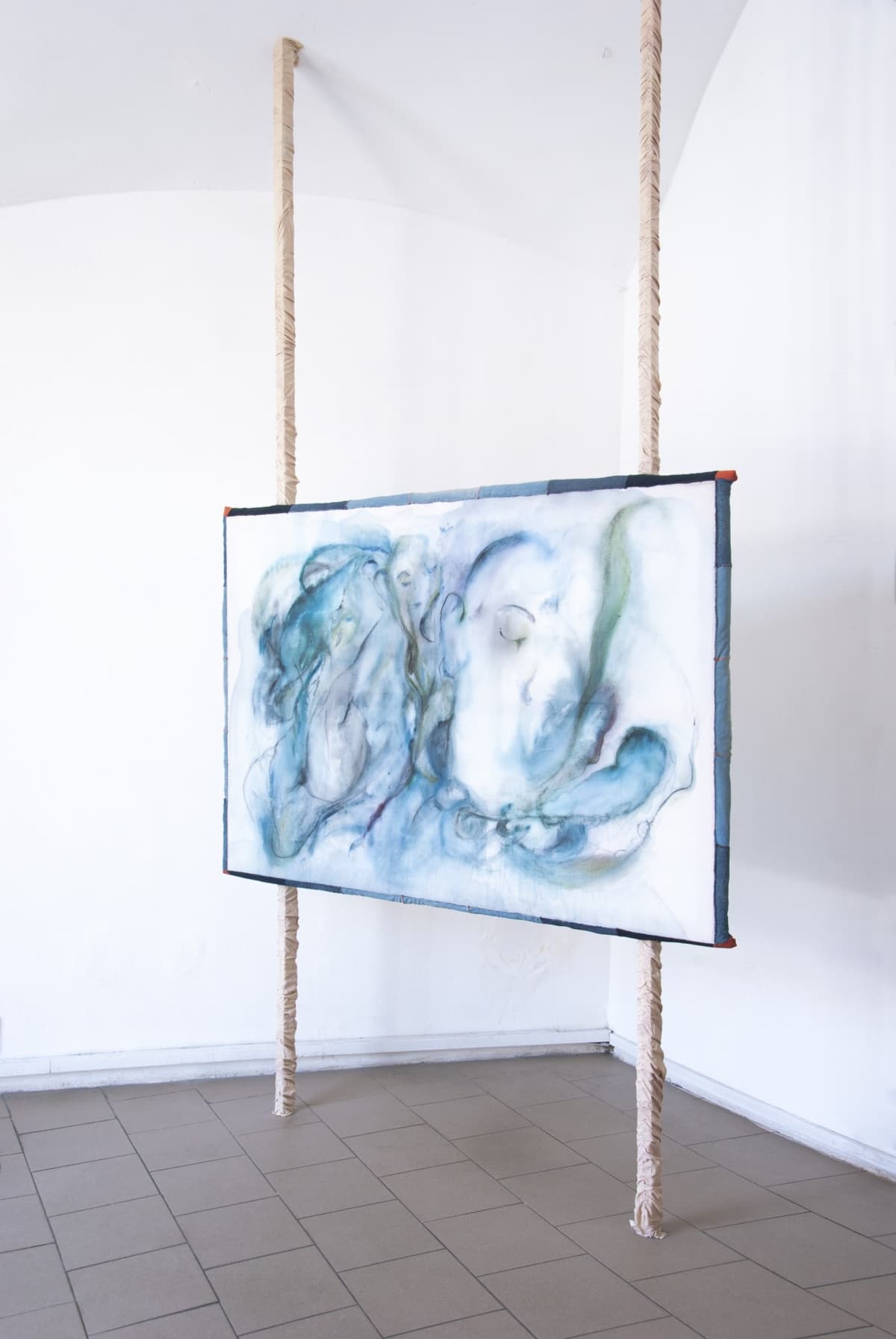
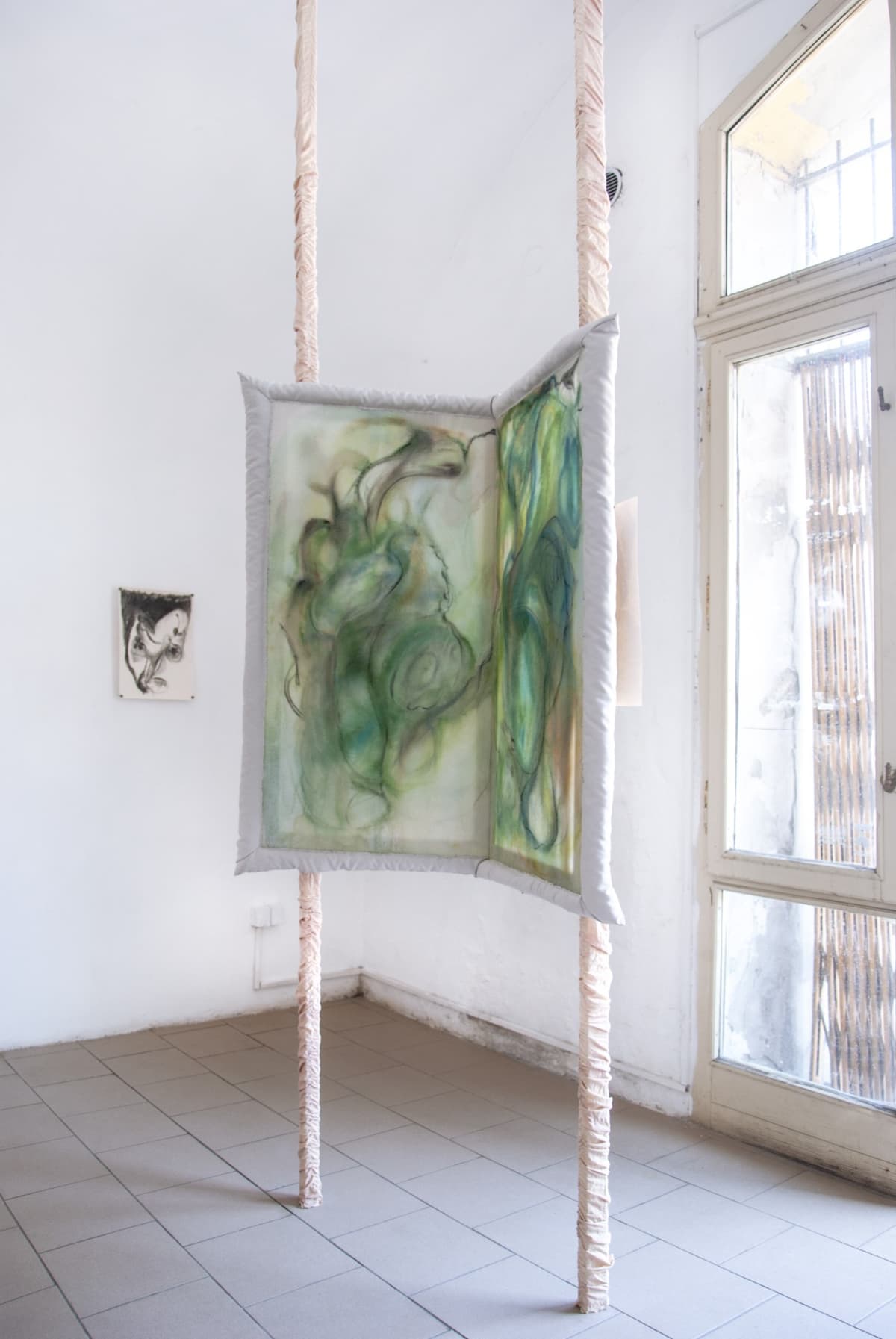
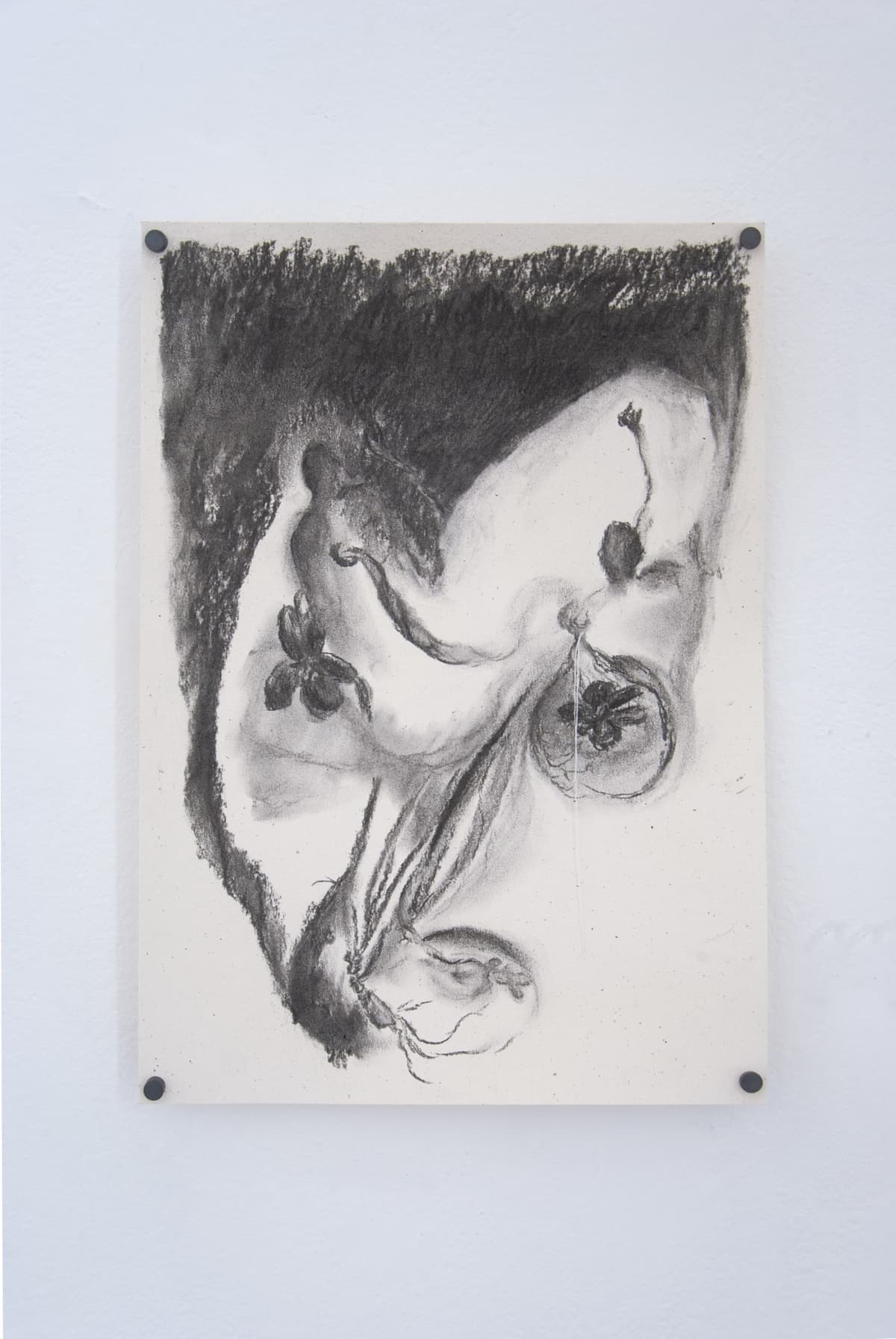
Brno / 2025
Lisbon / 2025
/ 2024
Shanghai / 2024
London / 2024
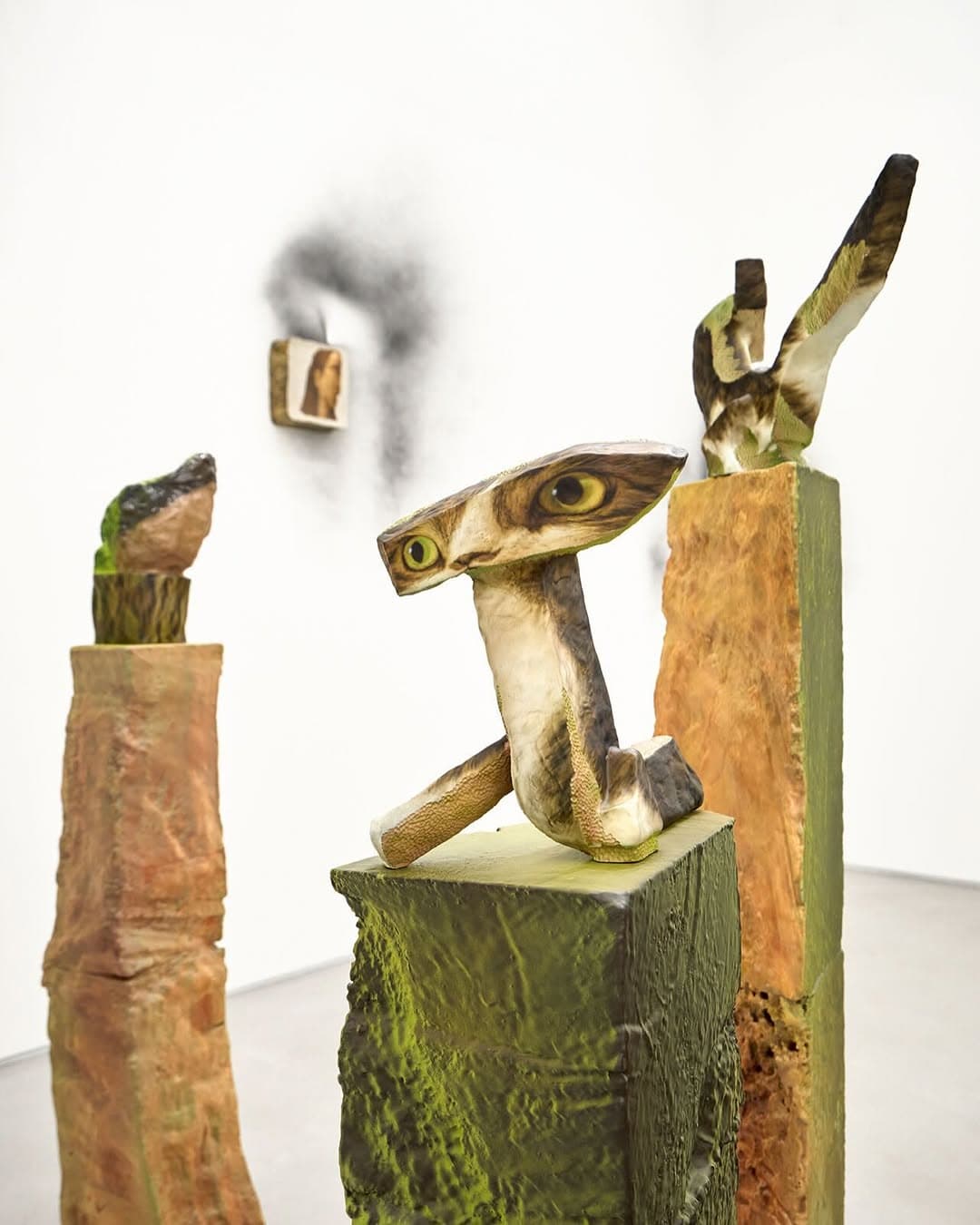
/ 2025
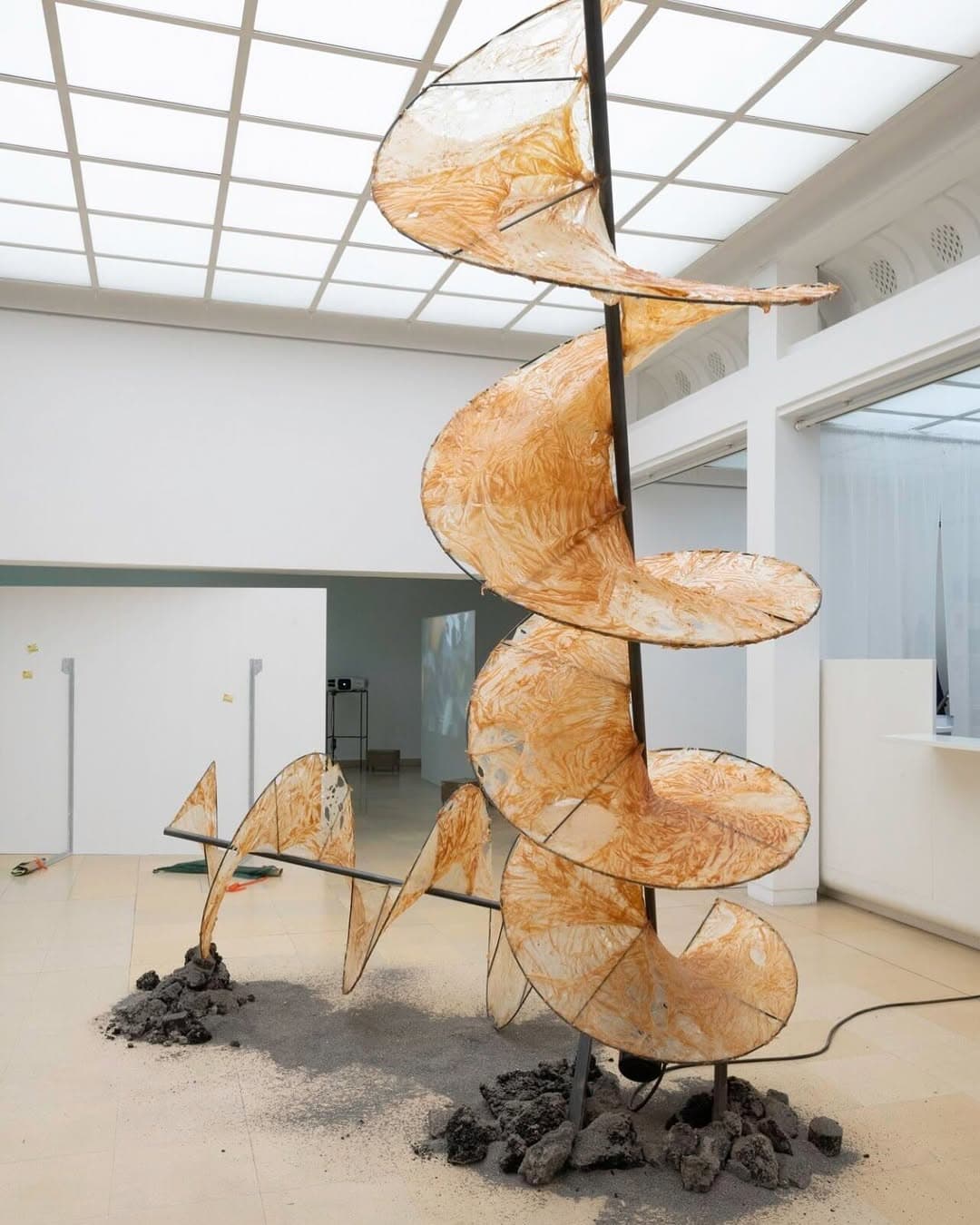
Innsbruck / 2025
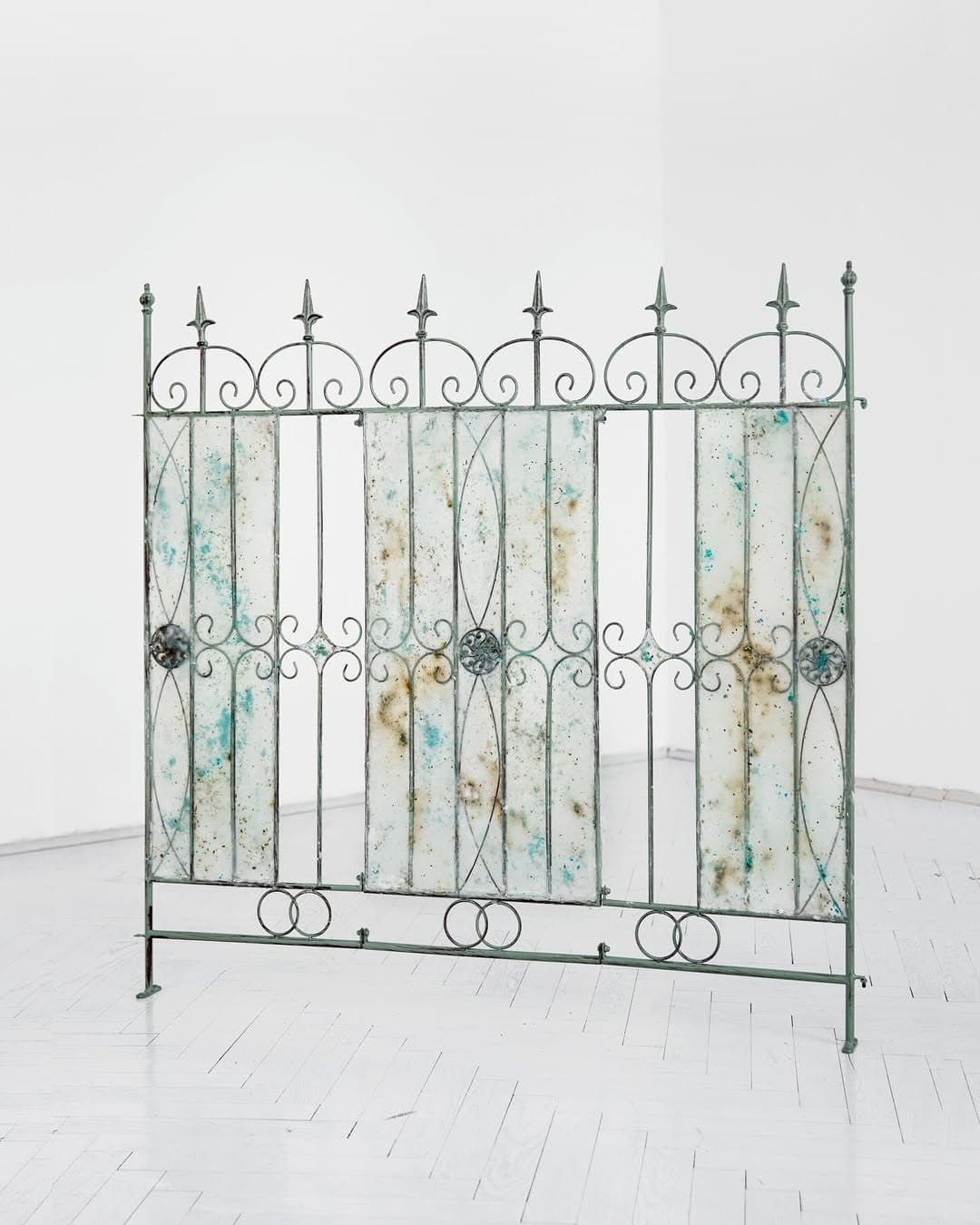
Vienna / 2025
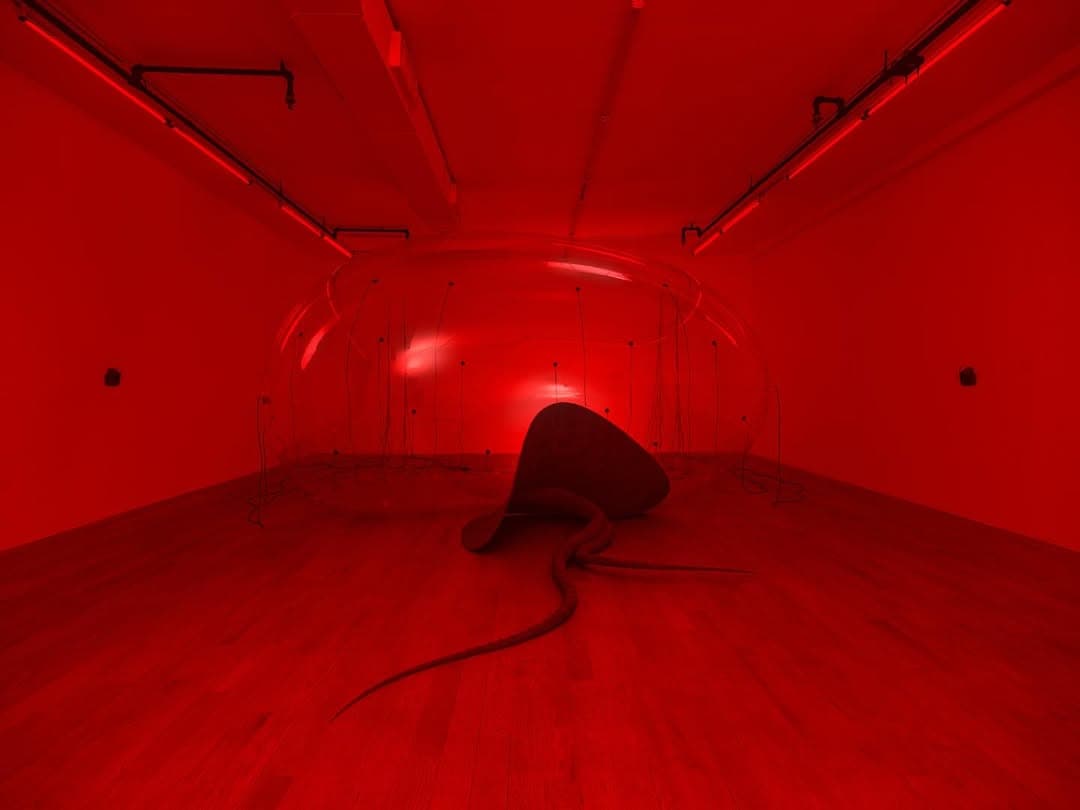
New York / 2025
Hamburg / 2025
Busan / 2025
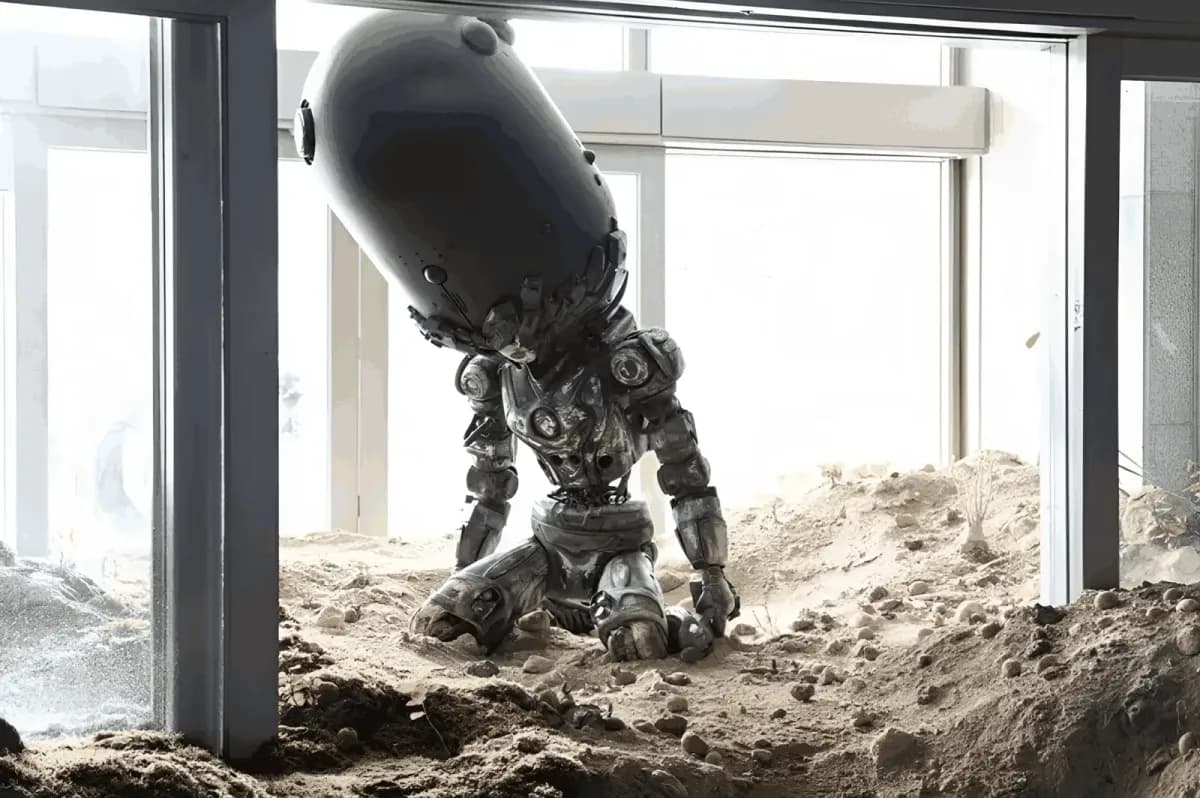
Seoul / 2026
%2Fphoto_1_2026-05-23_19-23-24.jpg&w=1200&q=75)
Munich / 2026
%20(GROUP%20SHOW).webp&w=1200&q=75)
Berlin / 2026
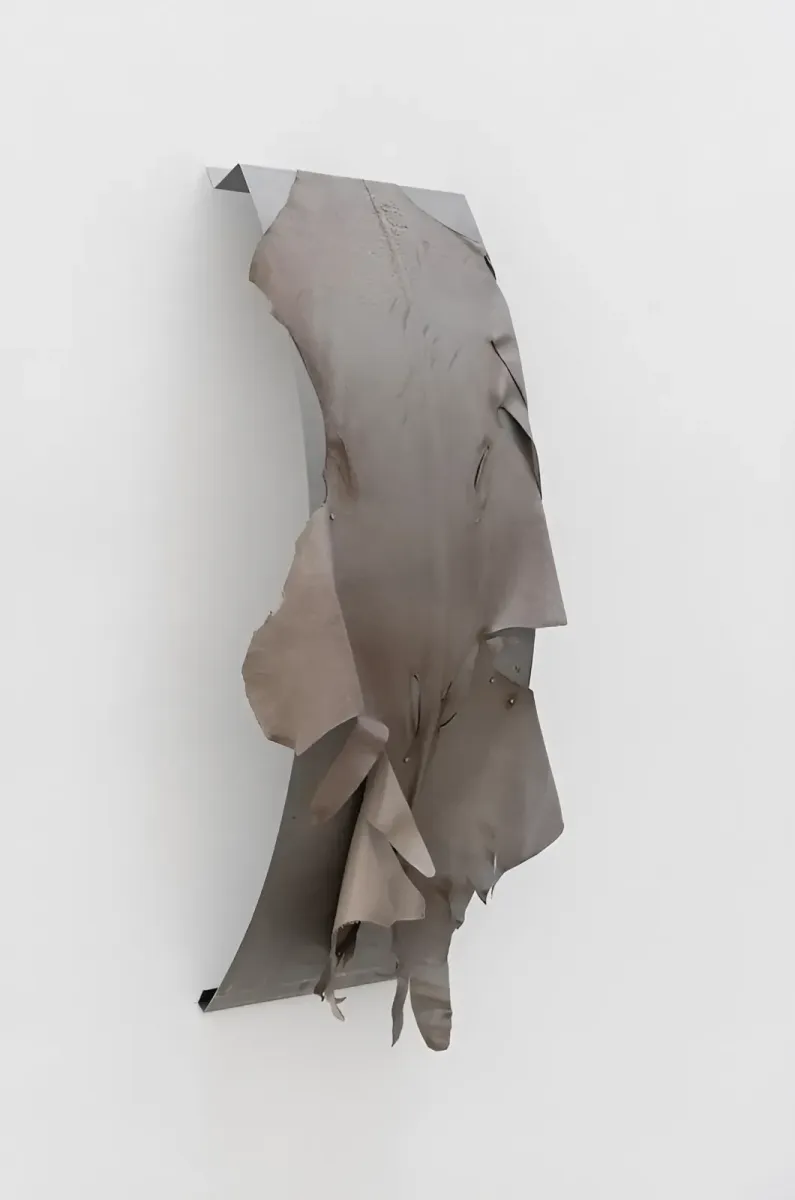
Paris / 2026
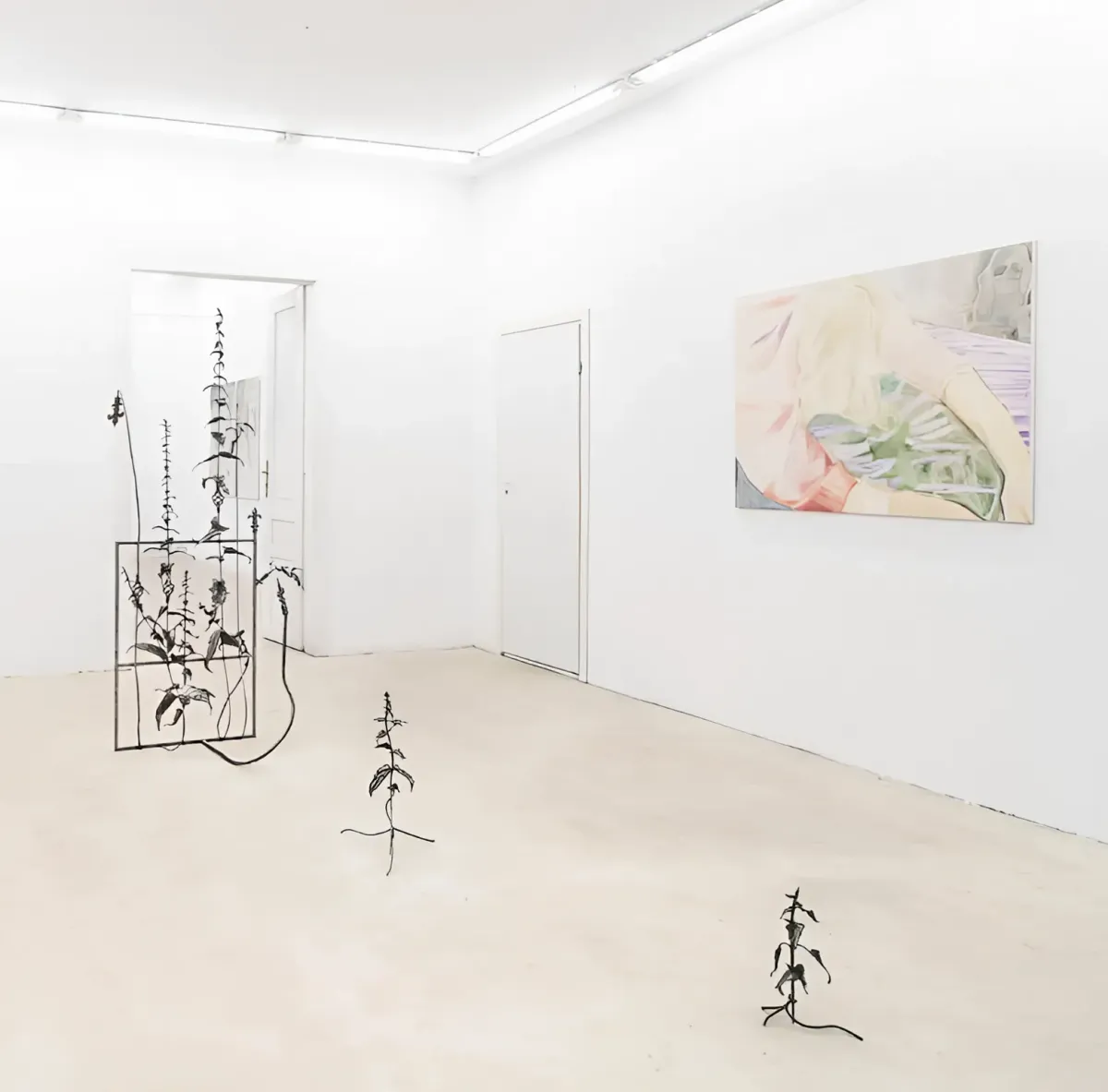
Kraków / 2026
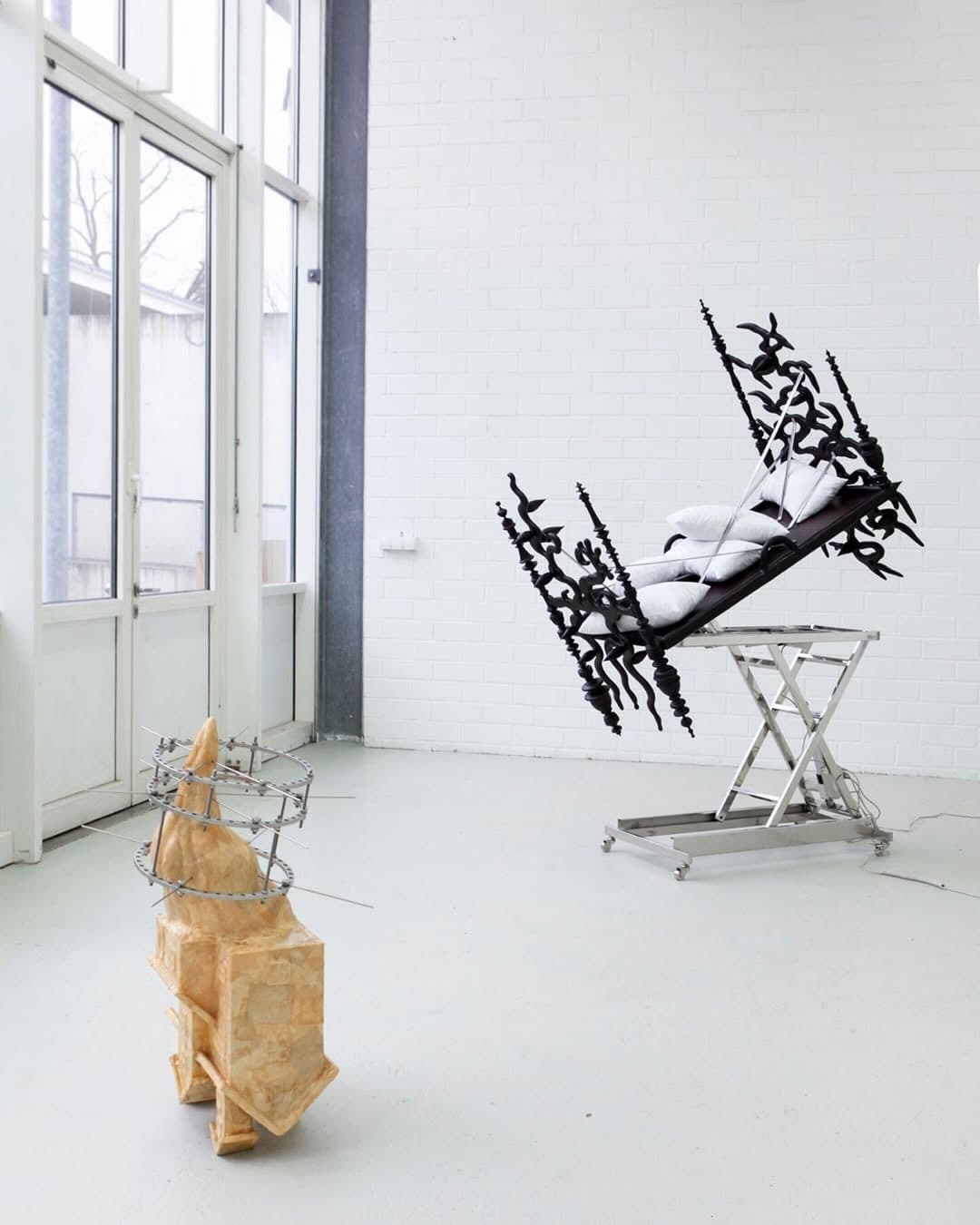
Nurnberg / 2026
New York City / 2026
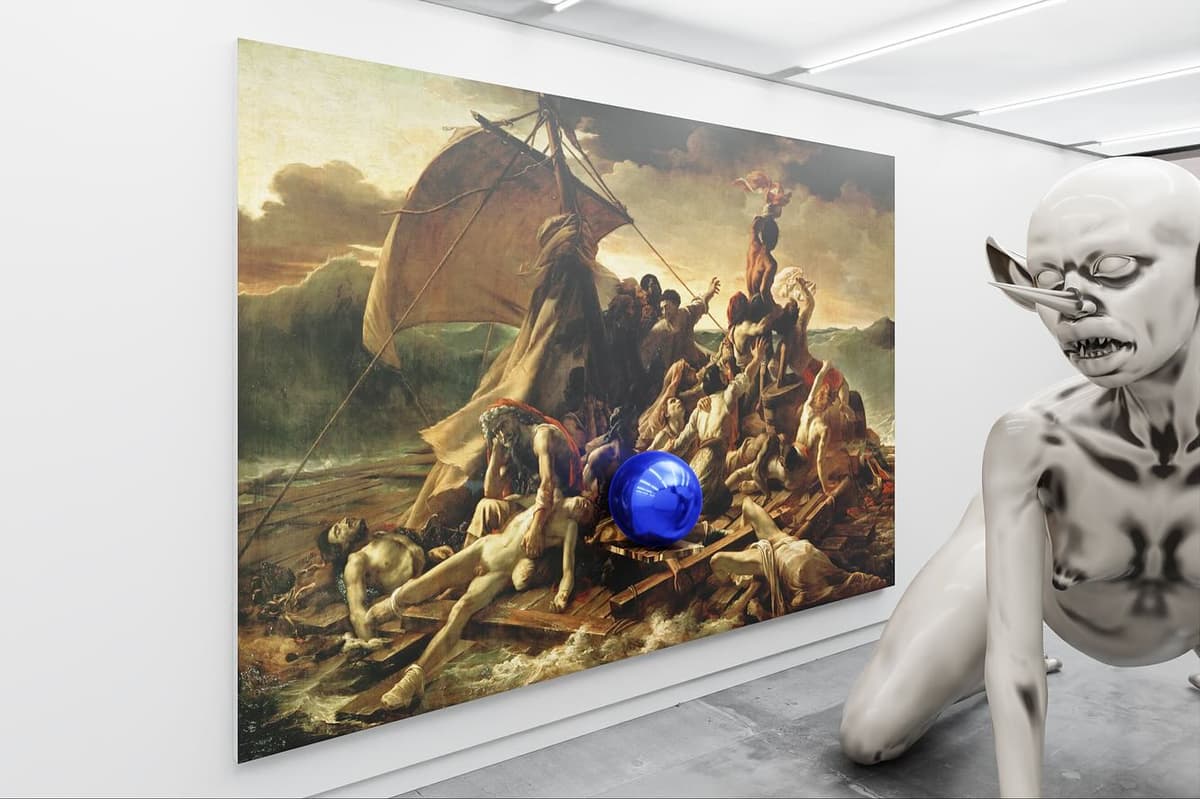
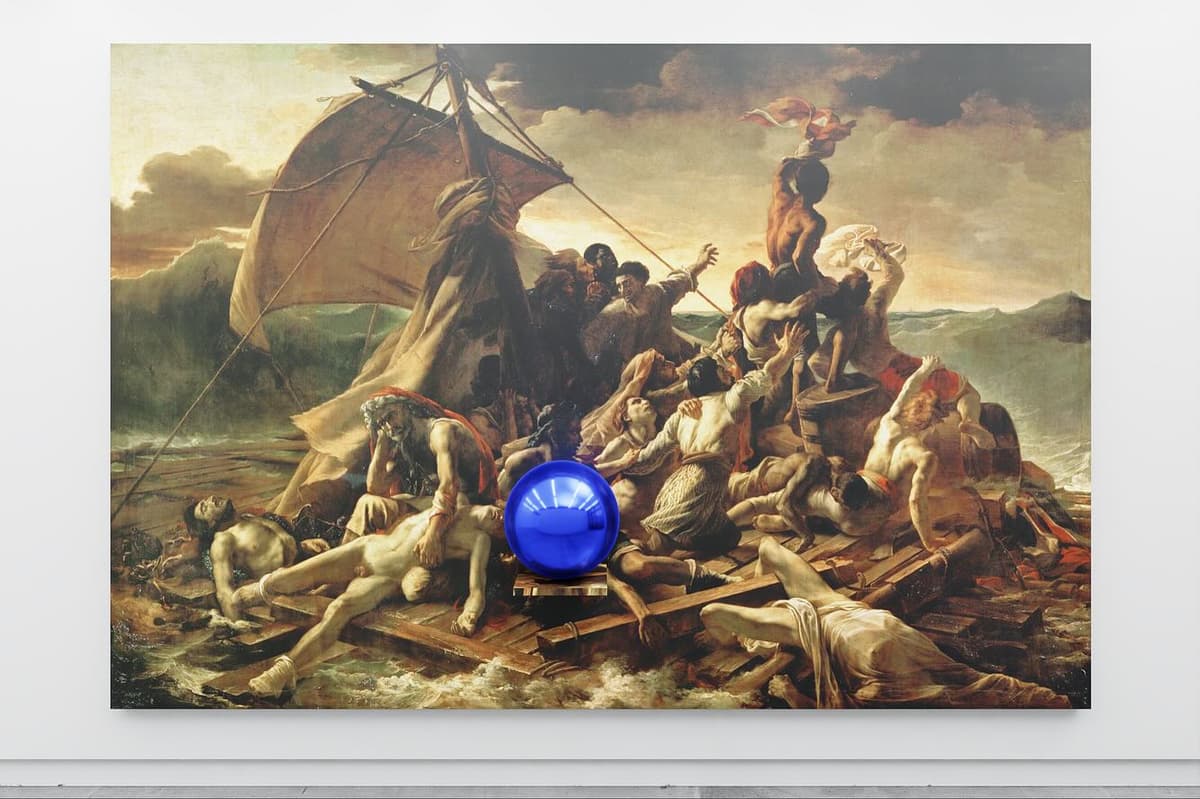
/ 2025
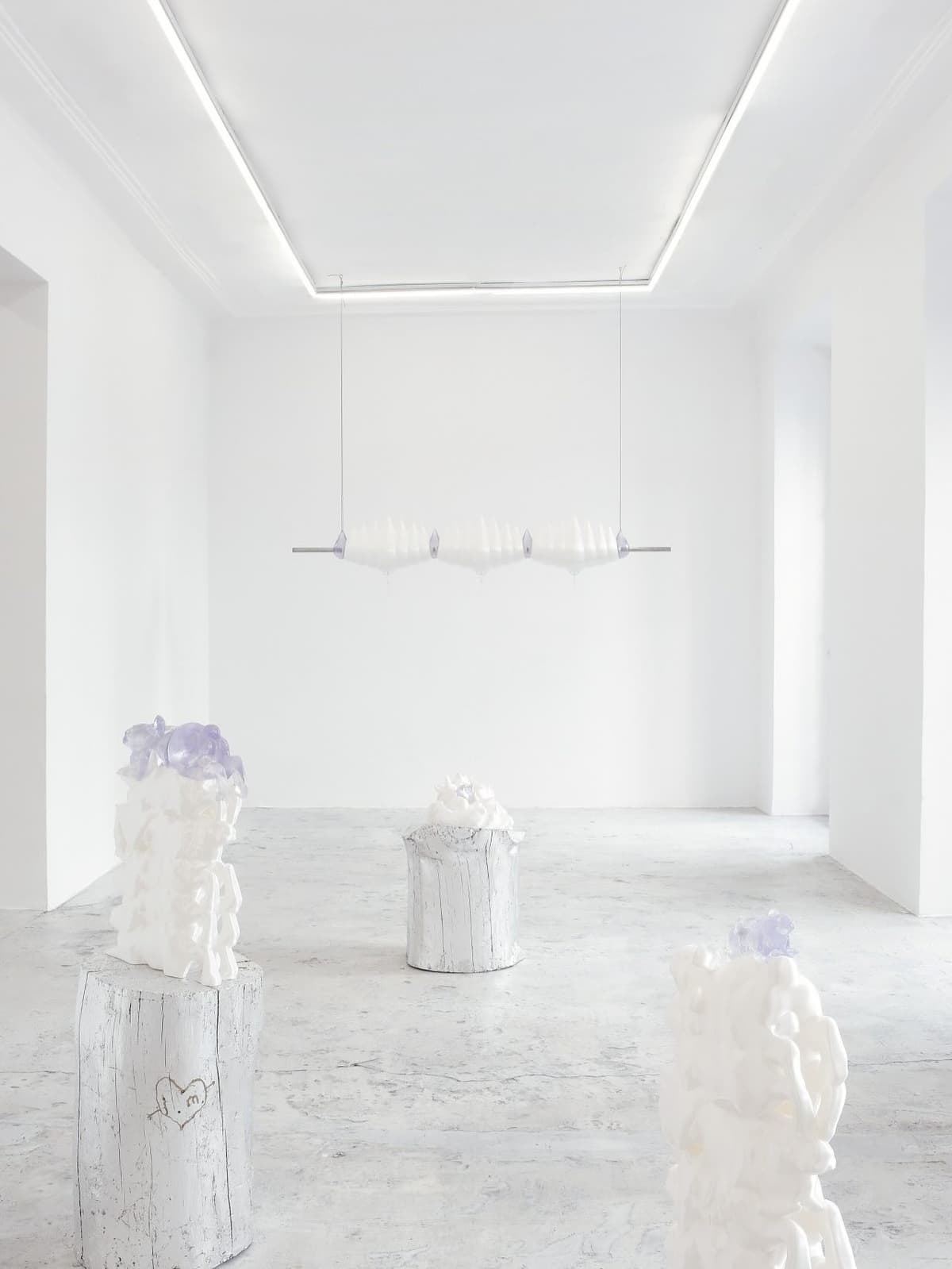
Madrid / 2025
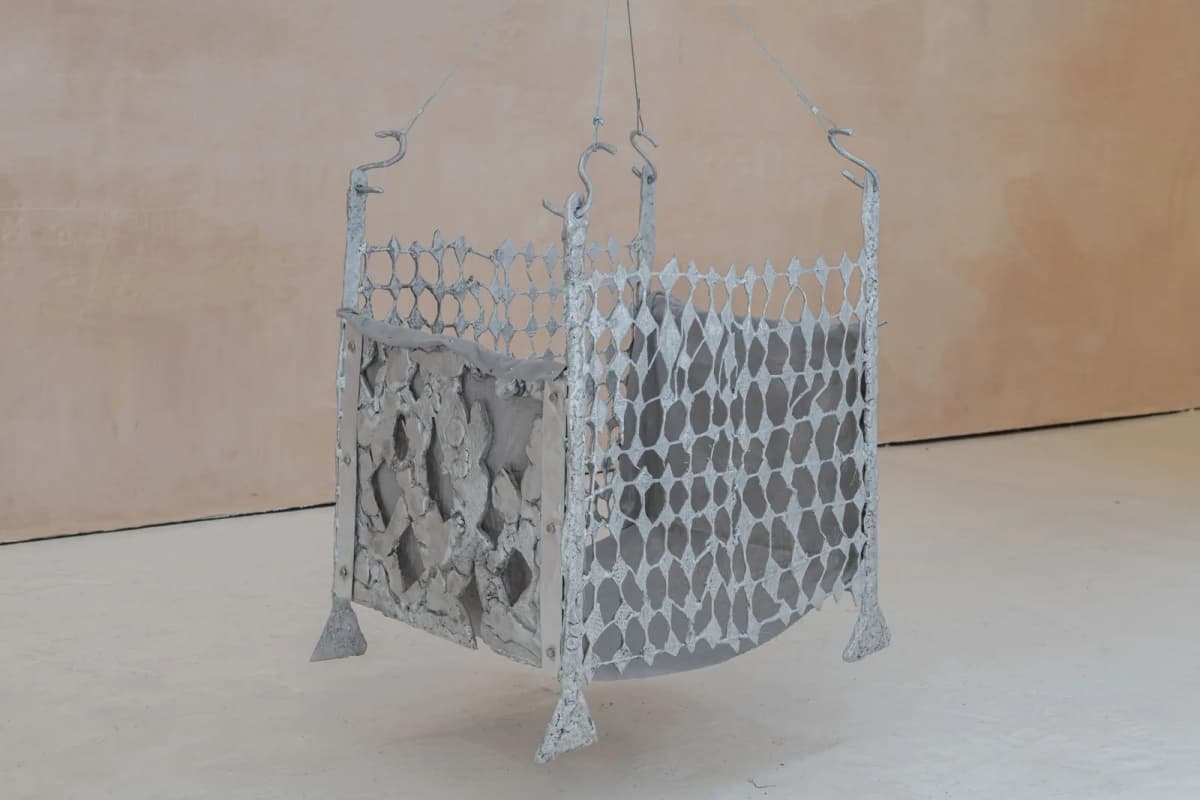
Norwich / 2026
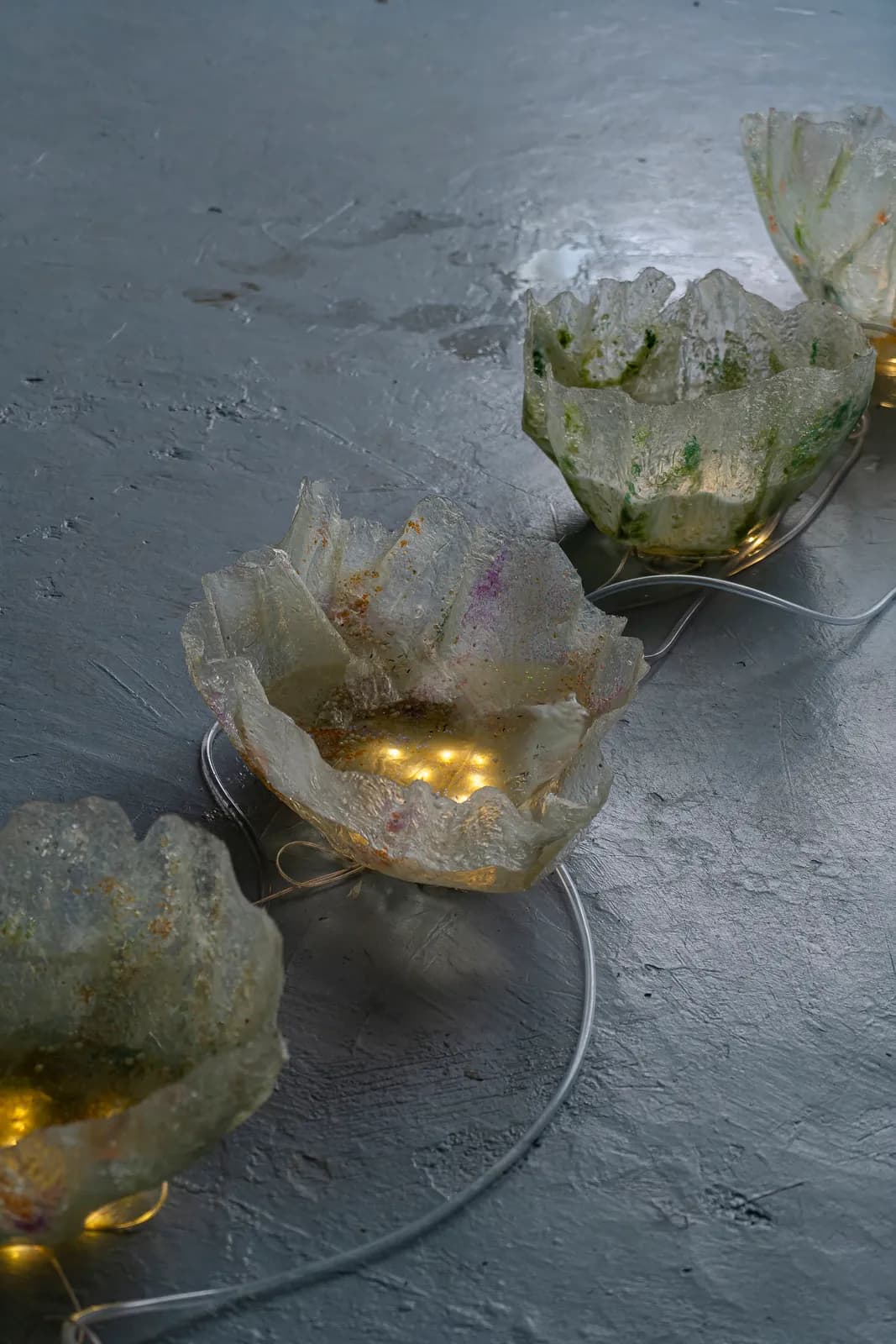
Santiago / 2026
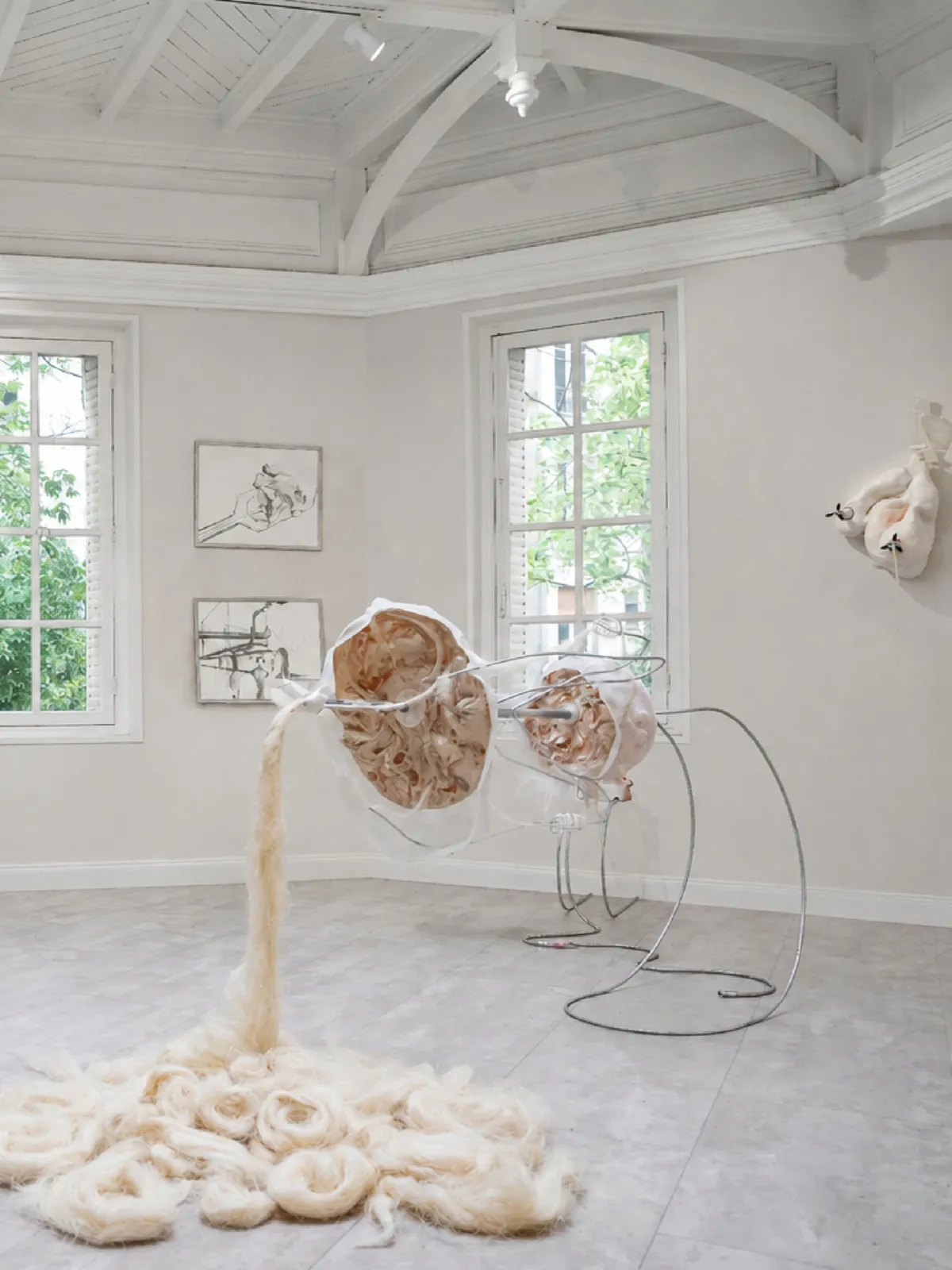
Paris / 2026
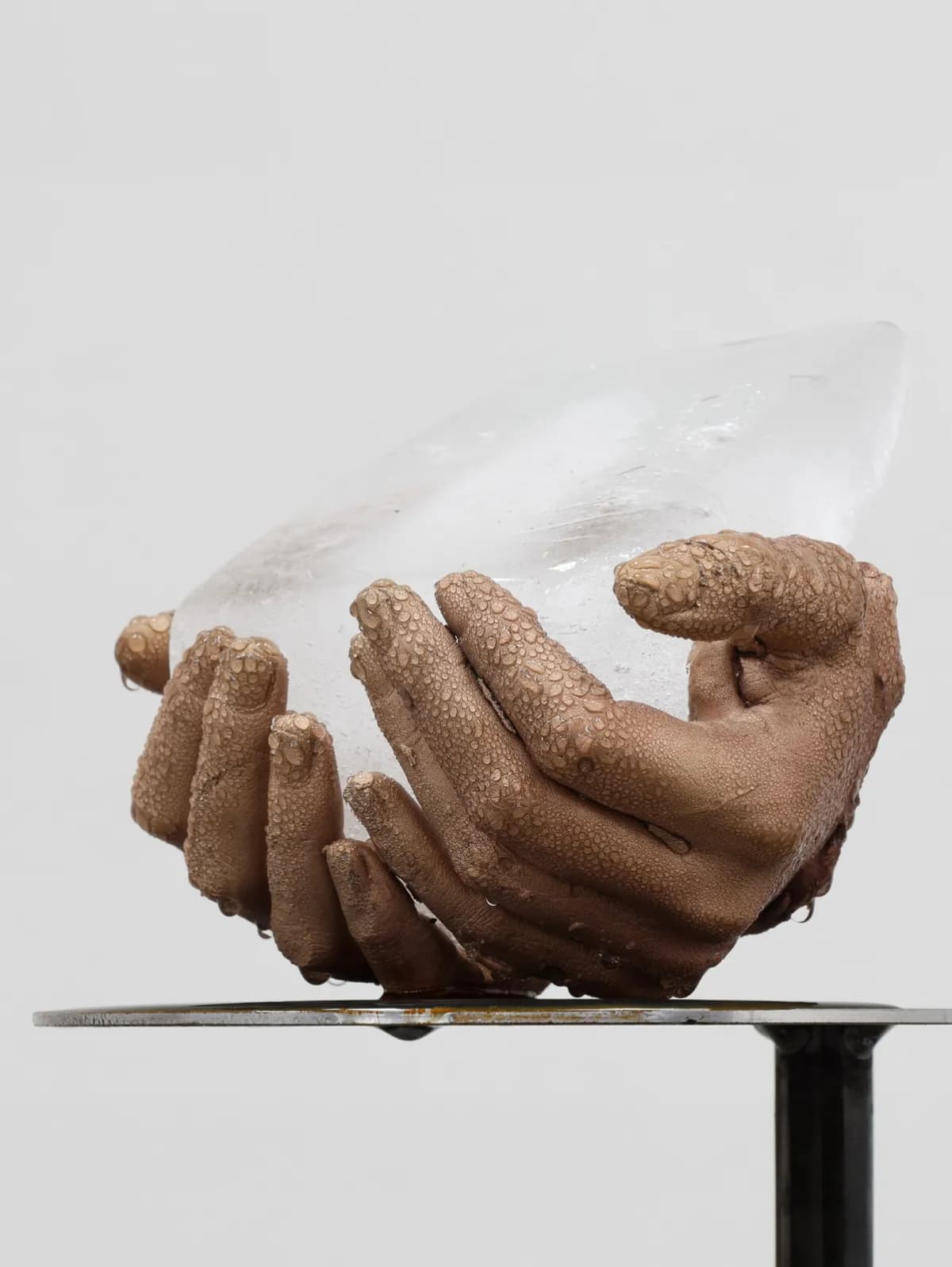
Tisbury / 2026
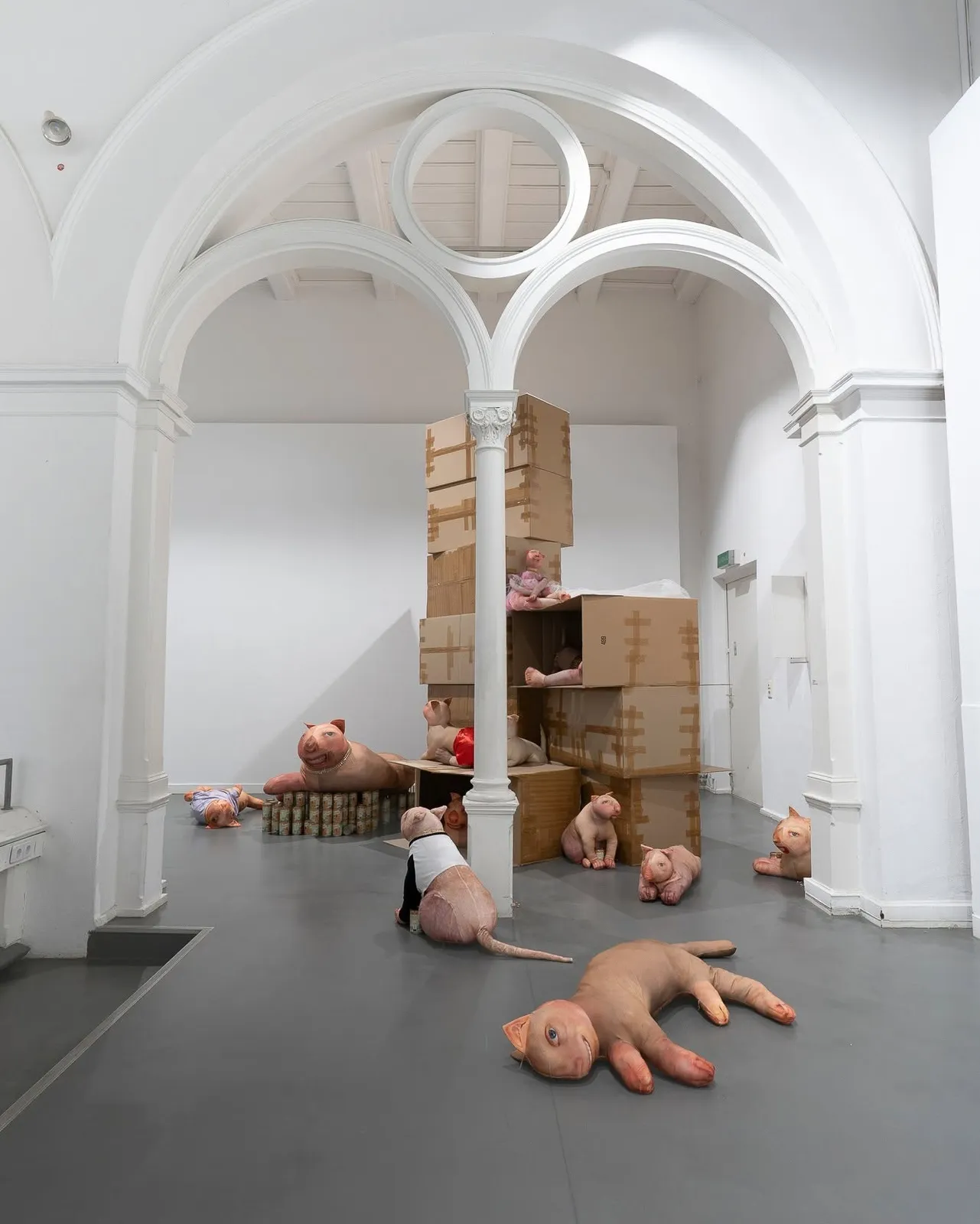
Berlin / 2026
Málaga / 2026
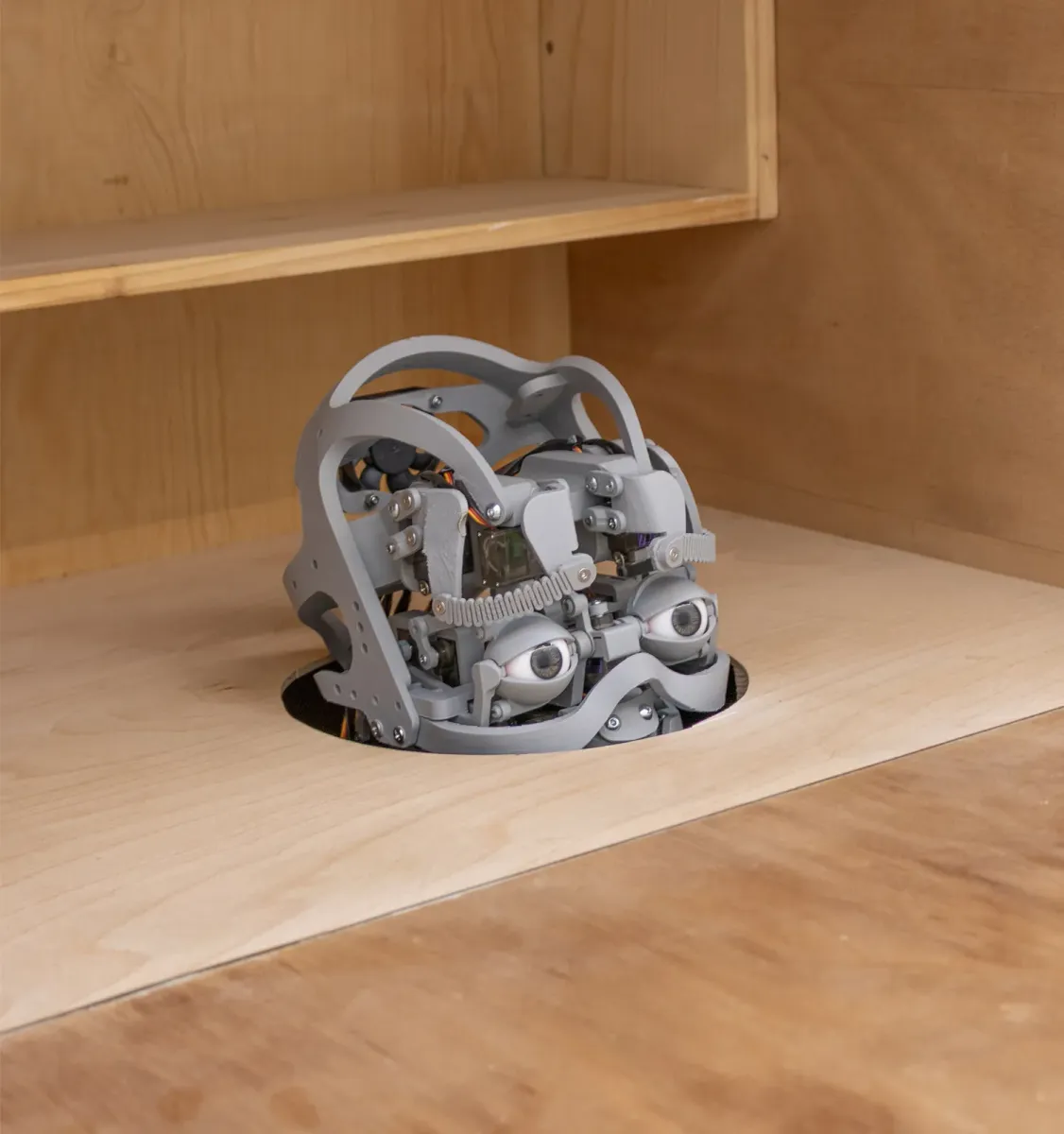
Paris / 2026
Klaus in Vorarlberg / 2026
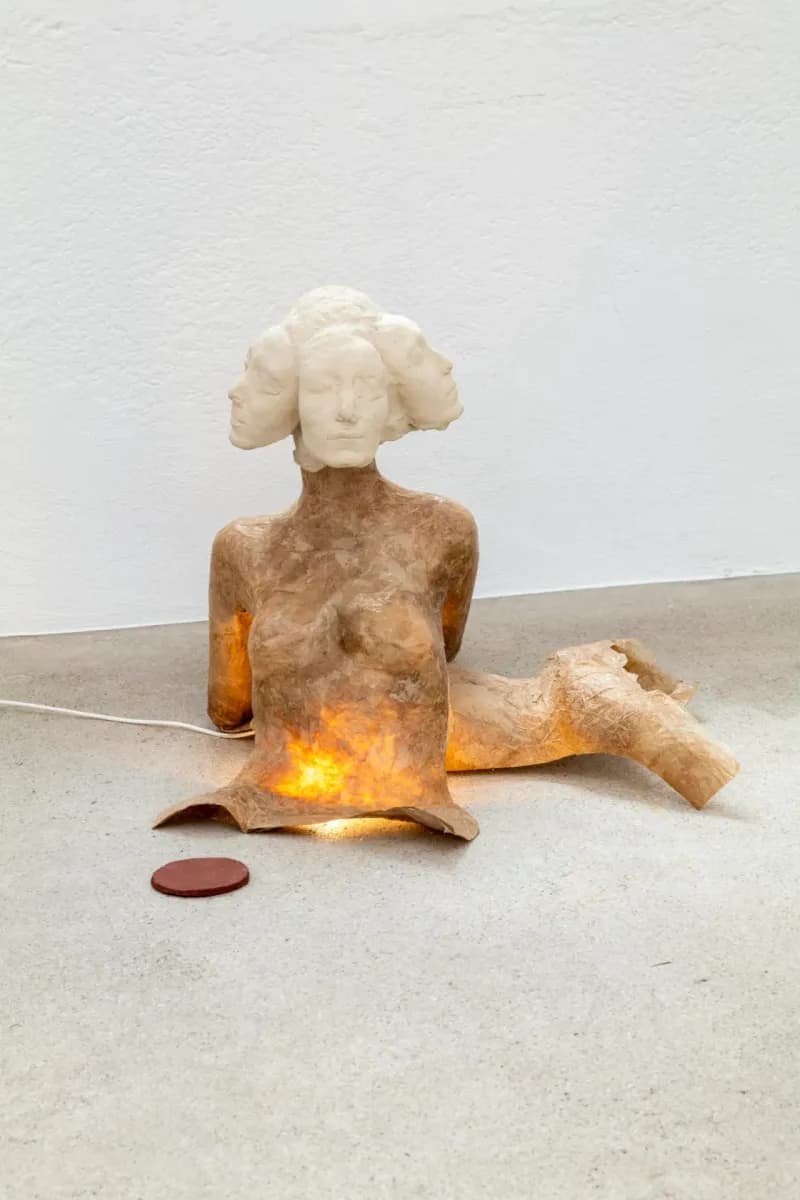
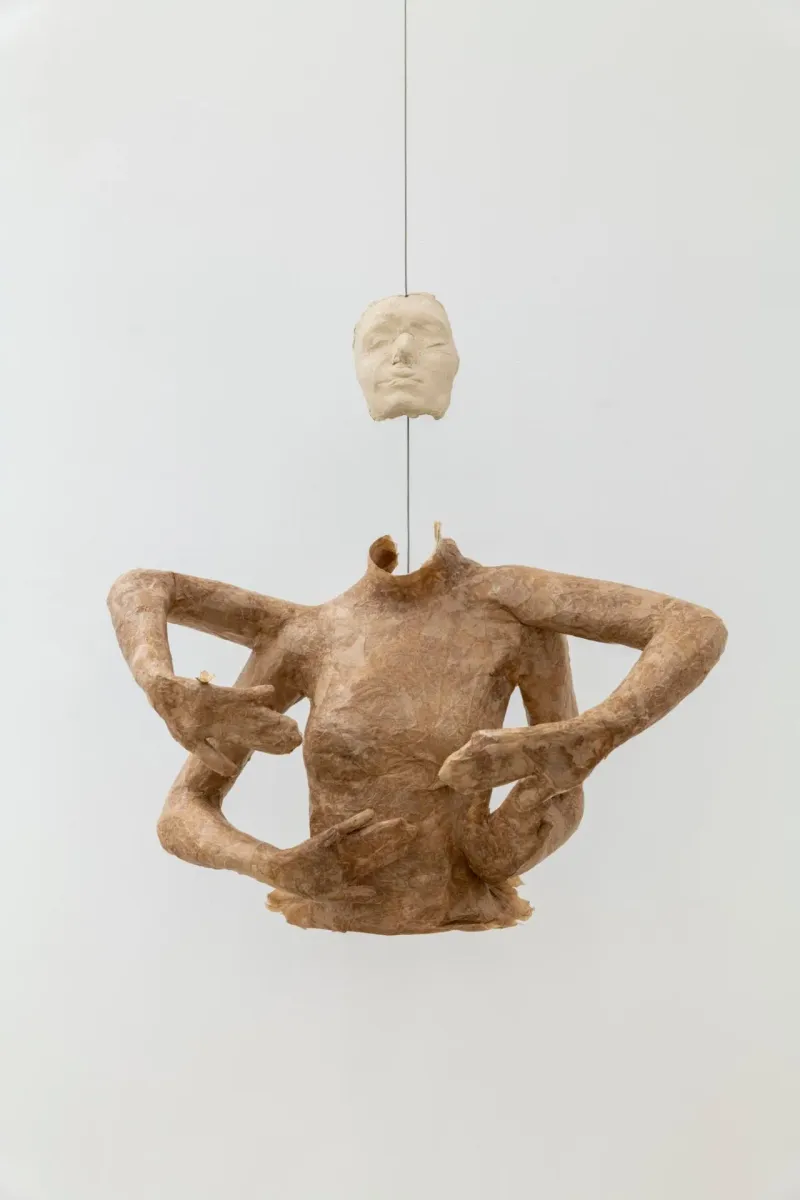
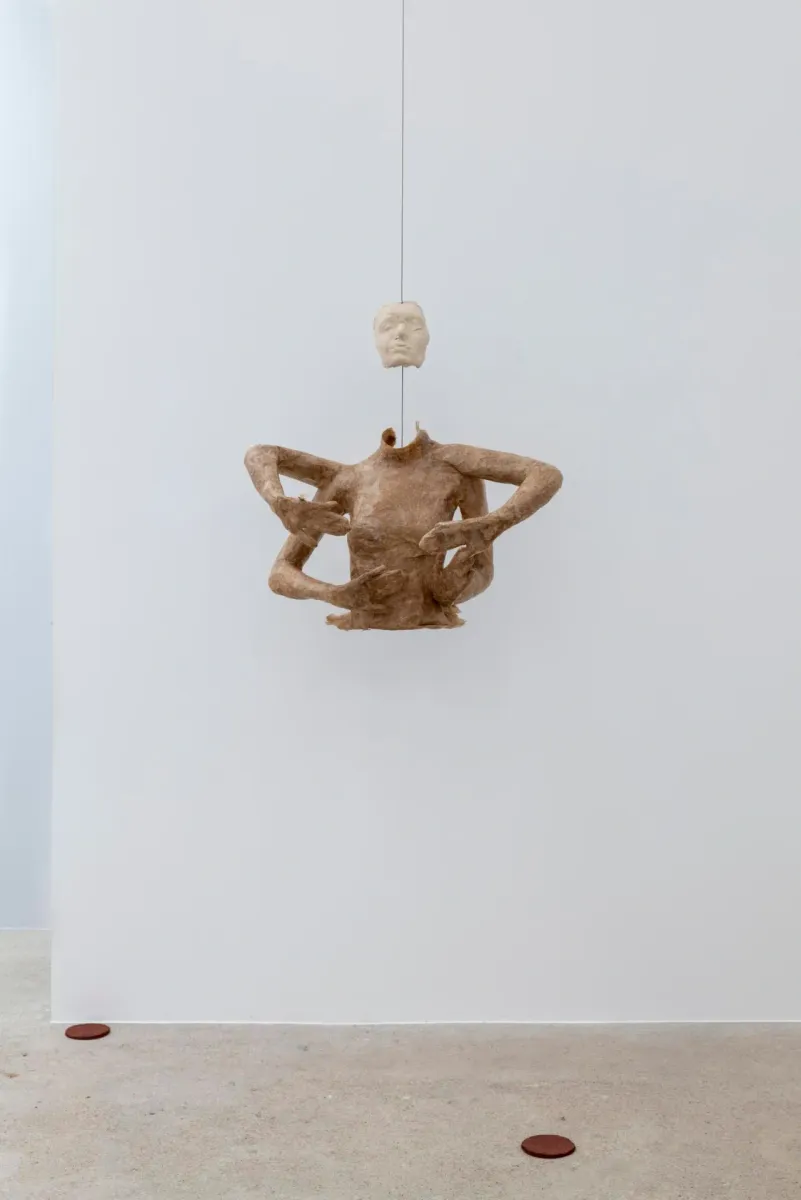
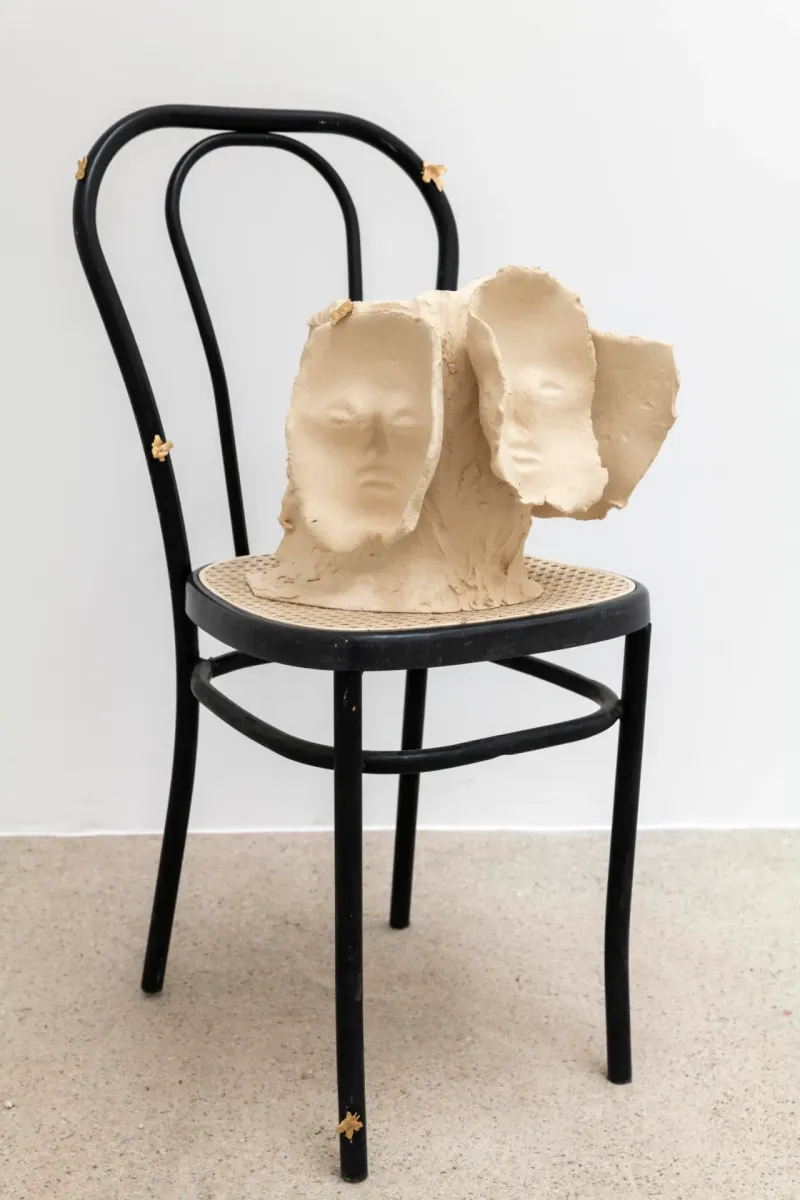
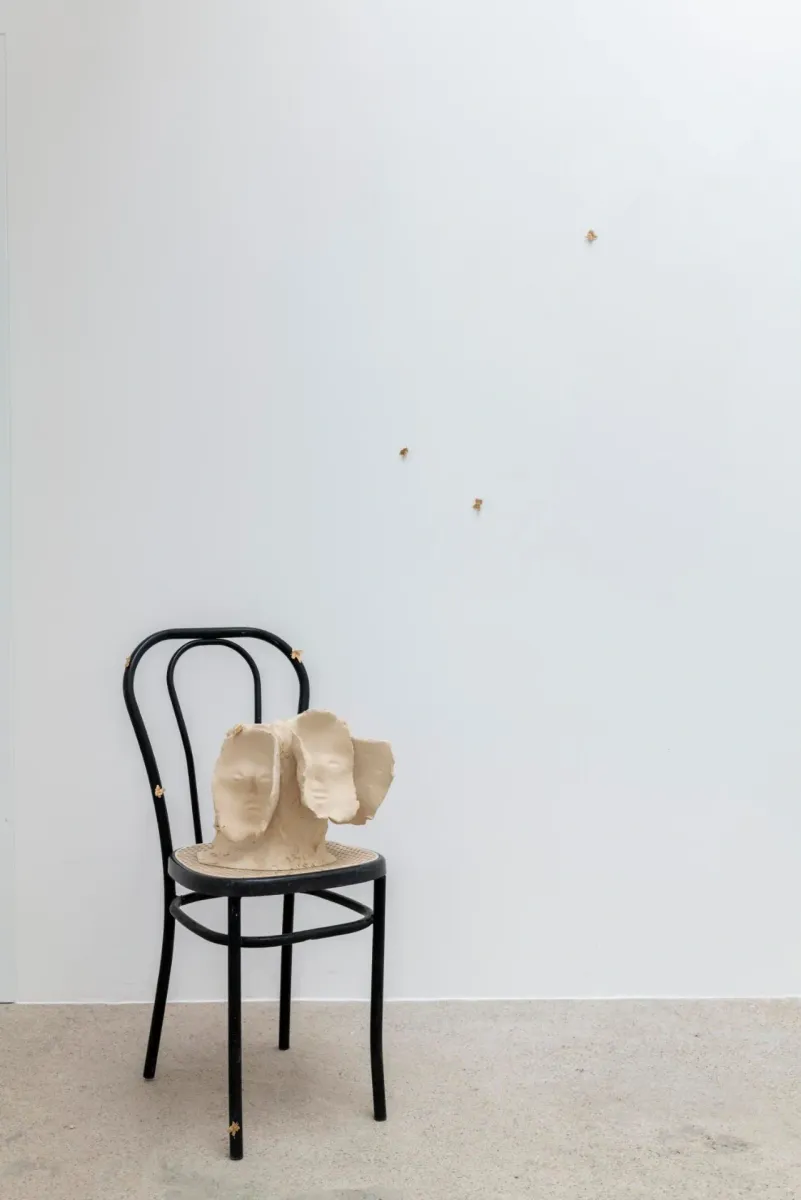
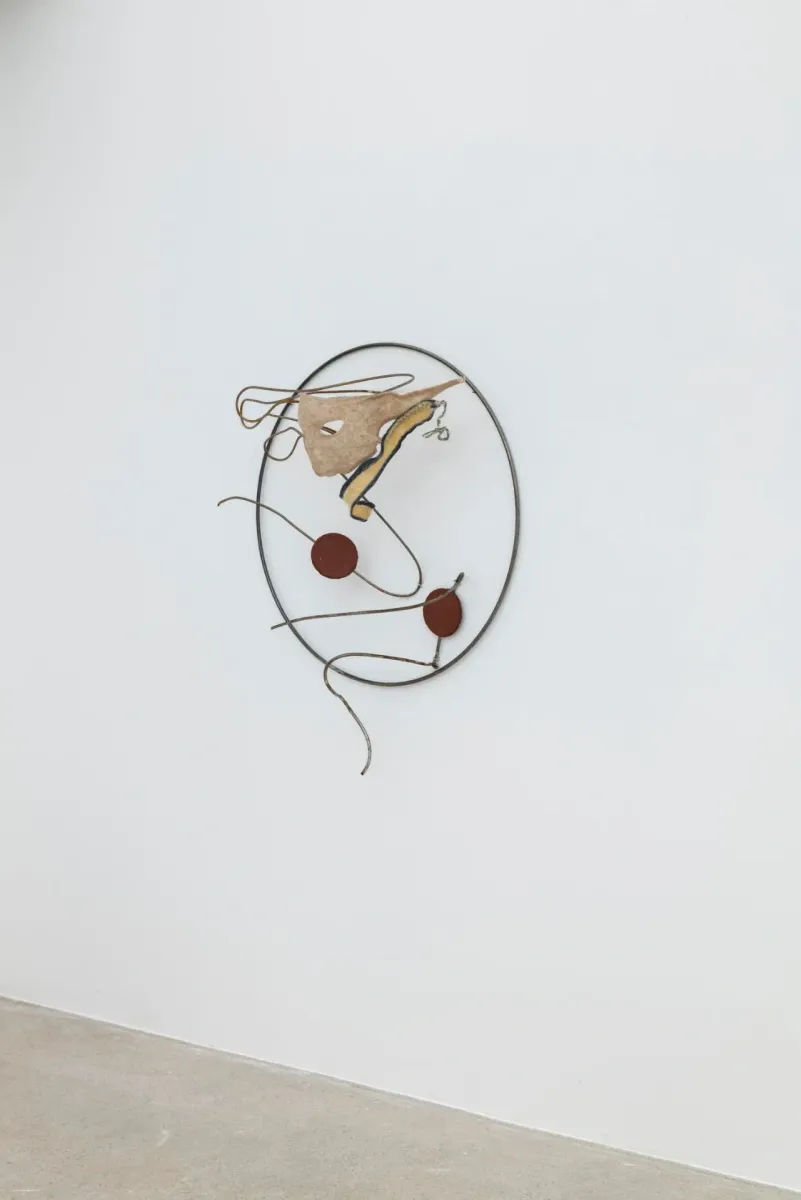
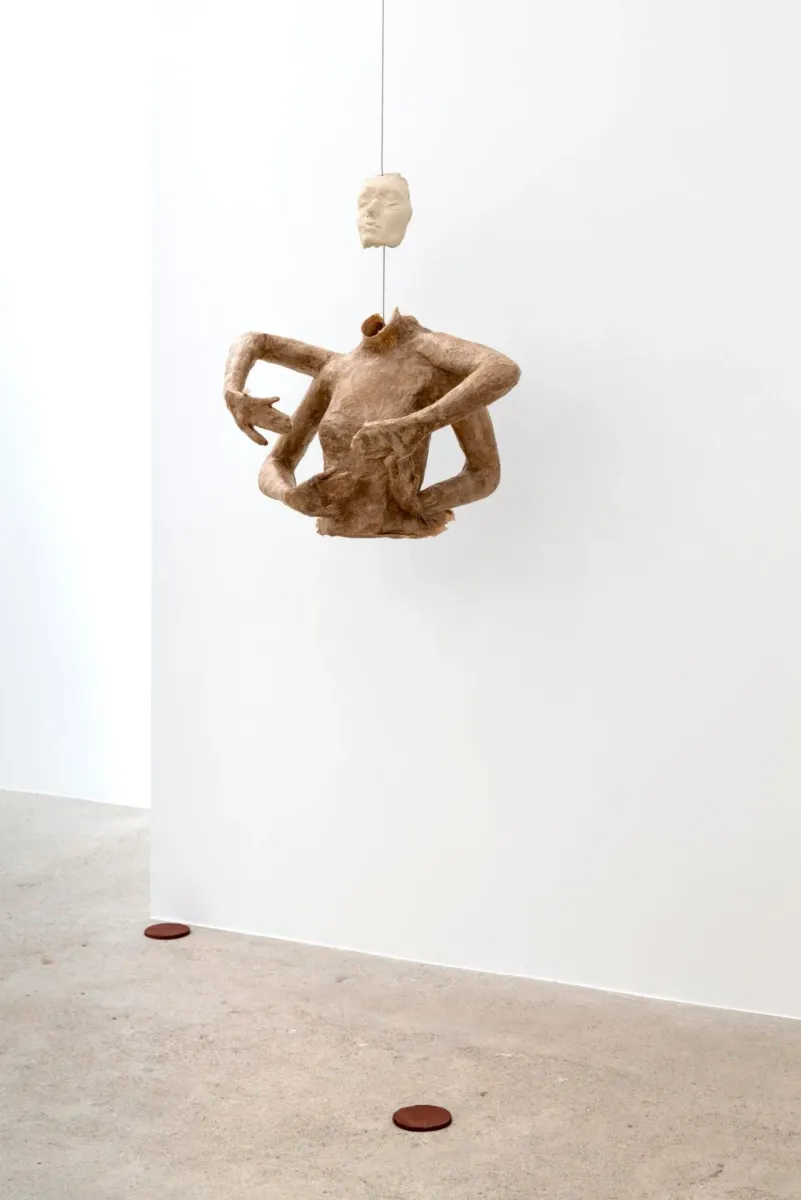
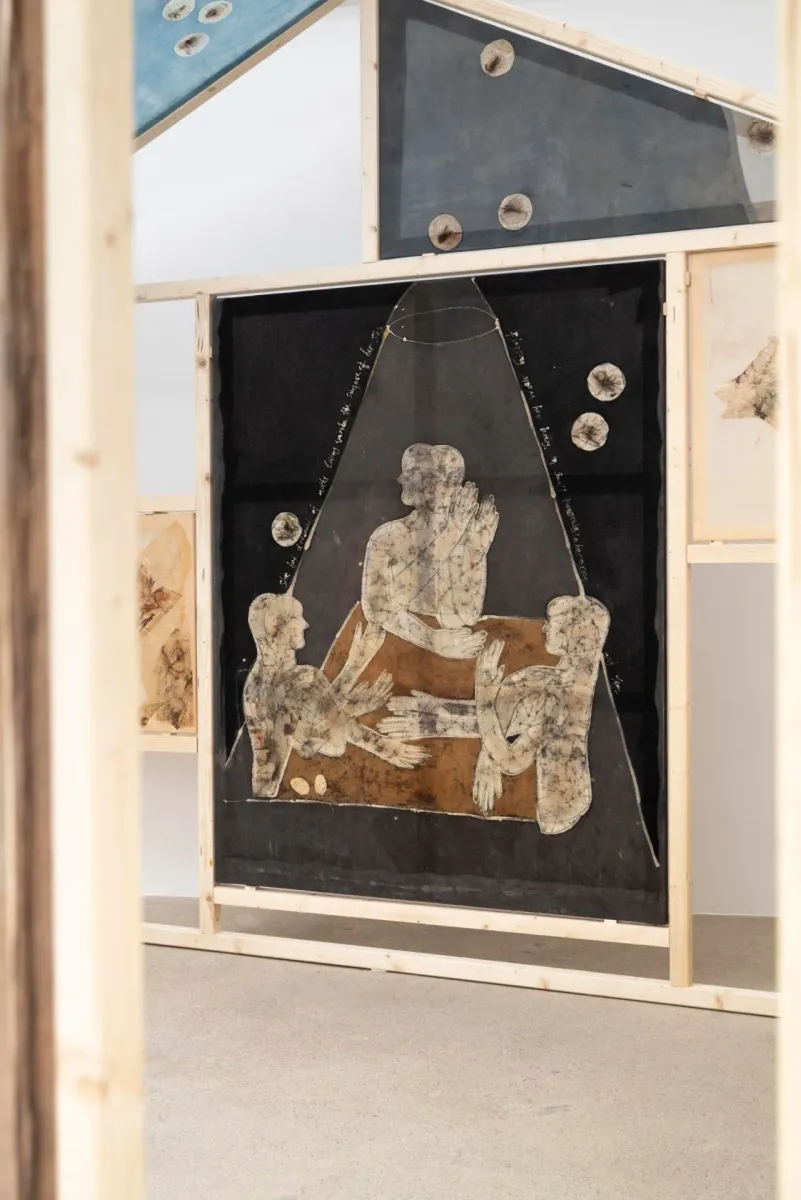
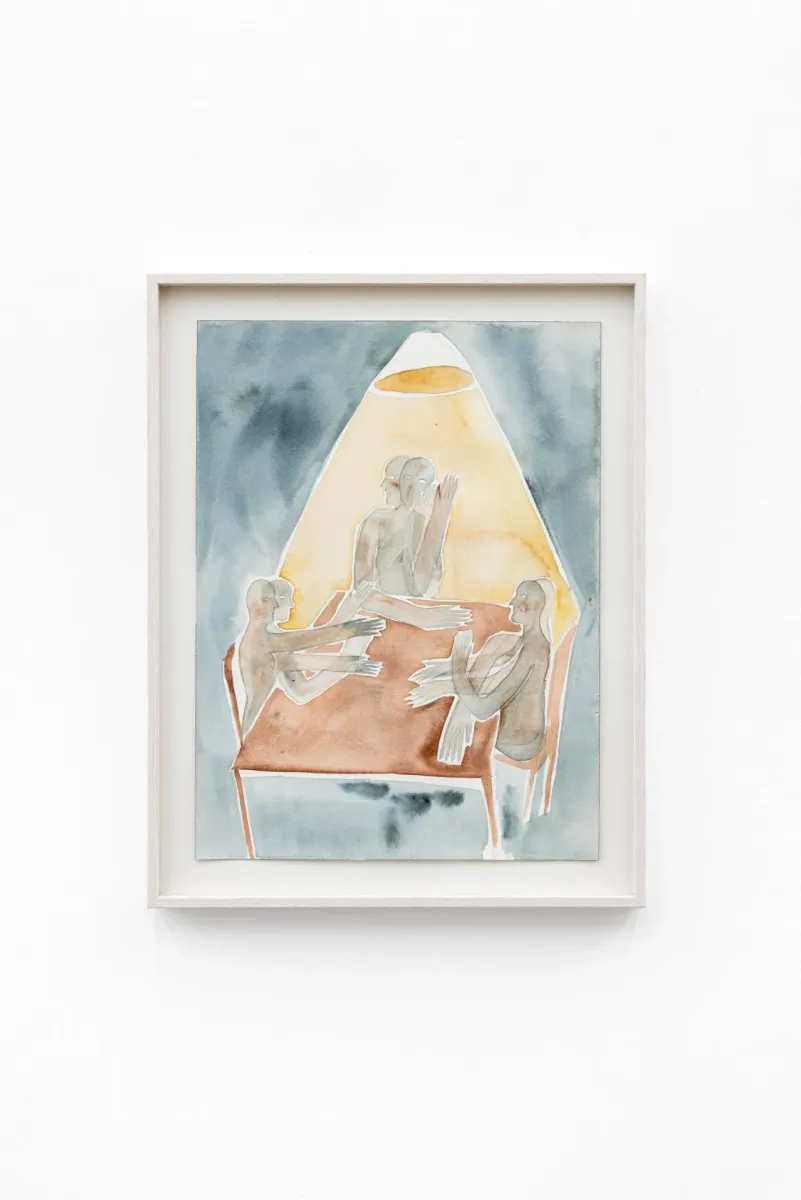
Munich / 2026
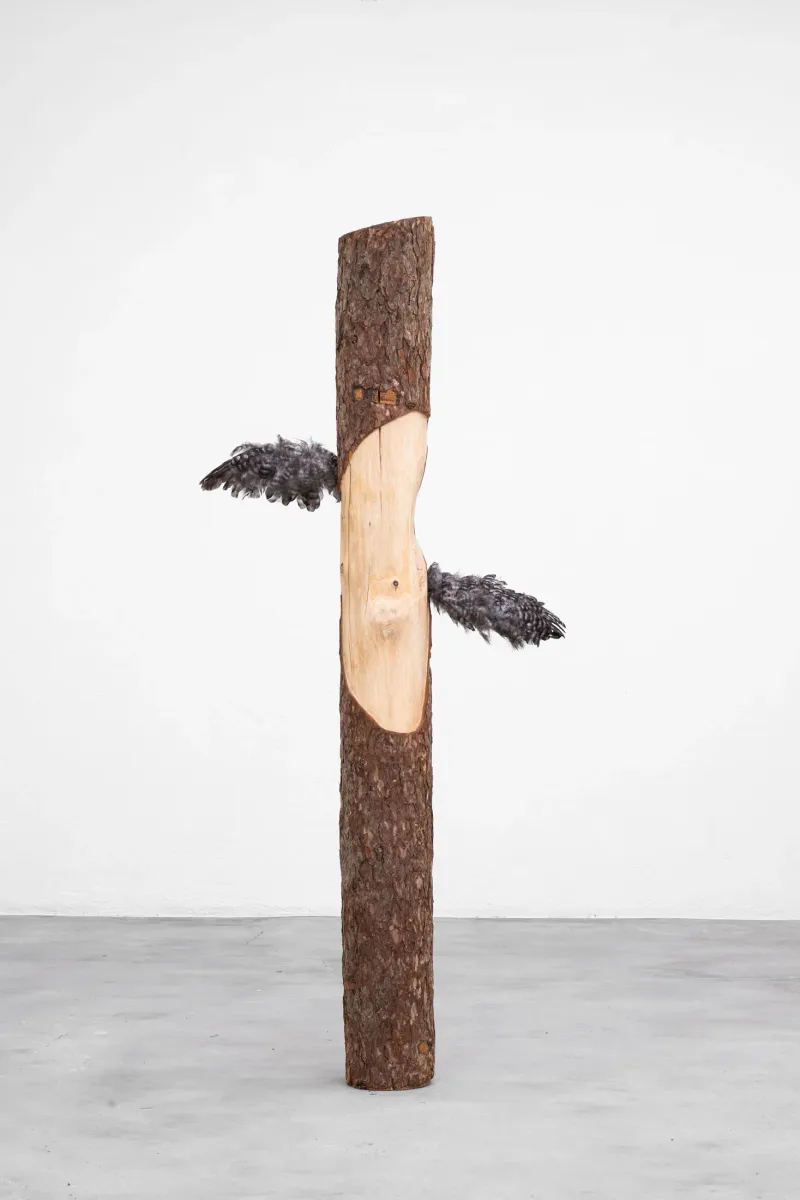
Turin / 2026
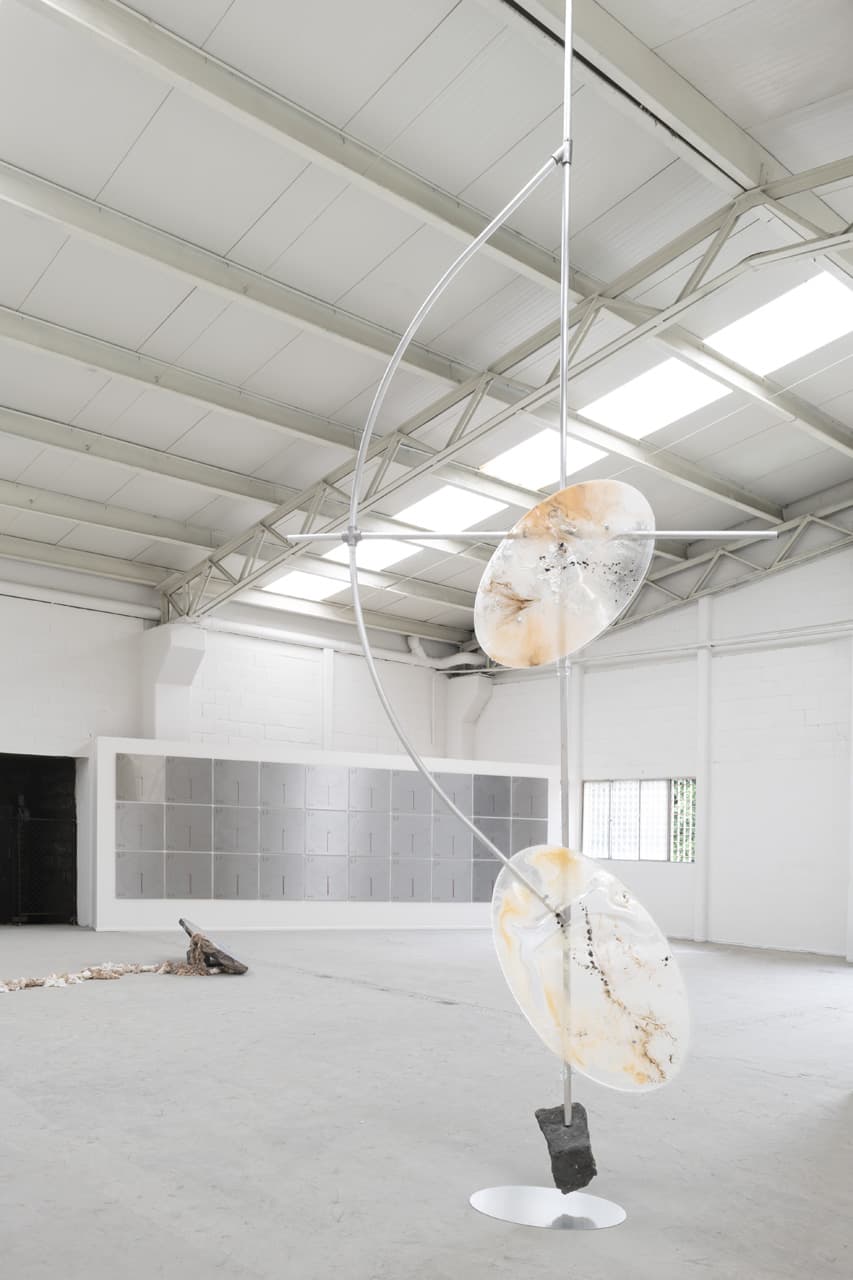
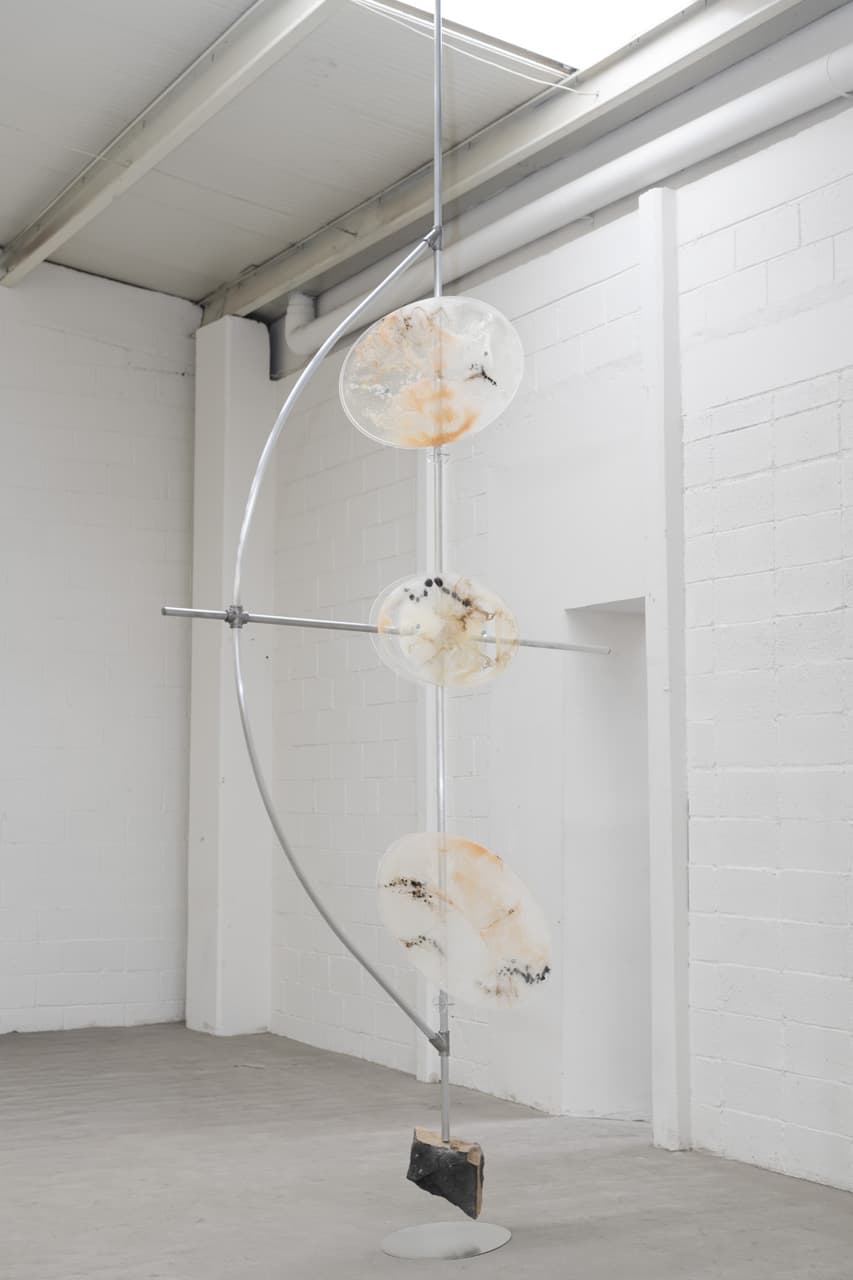
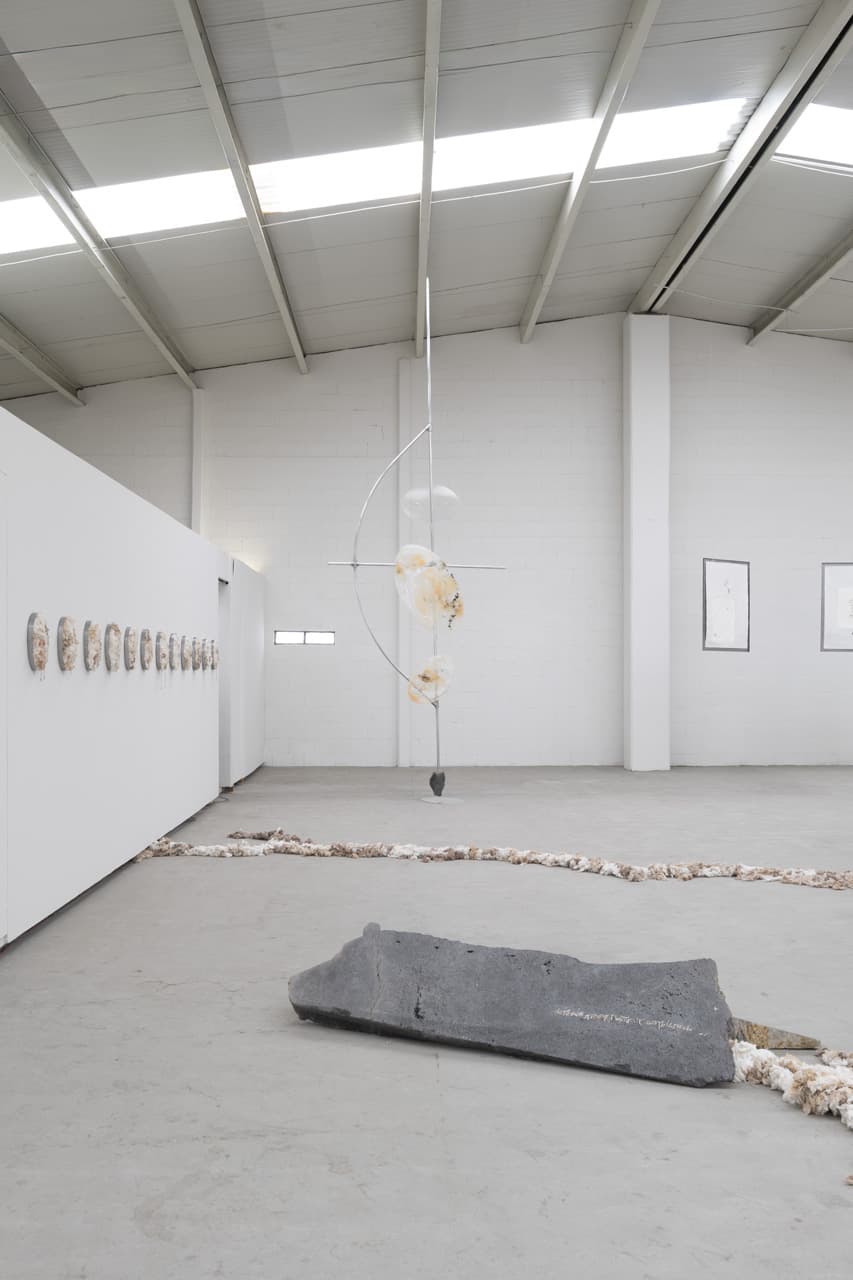
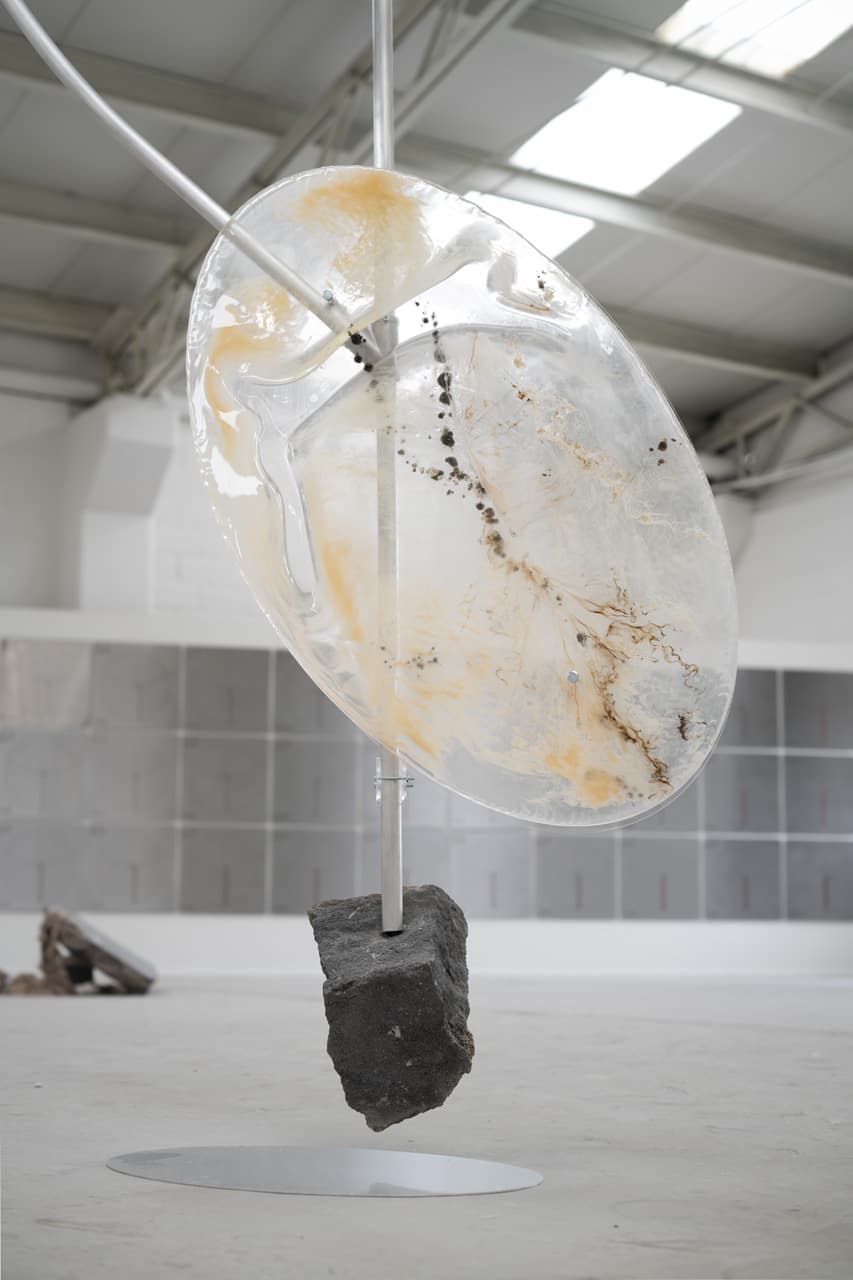
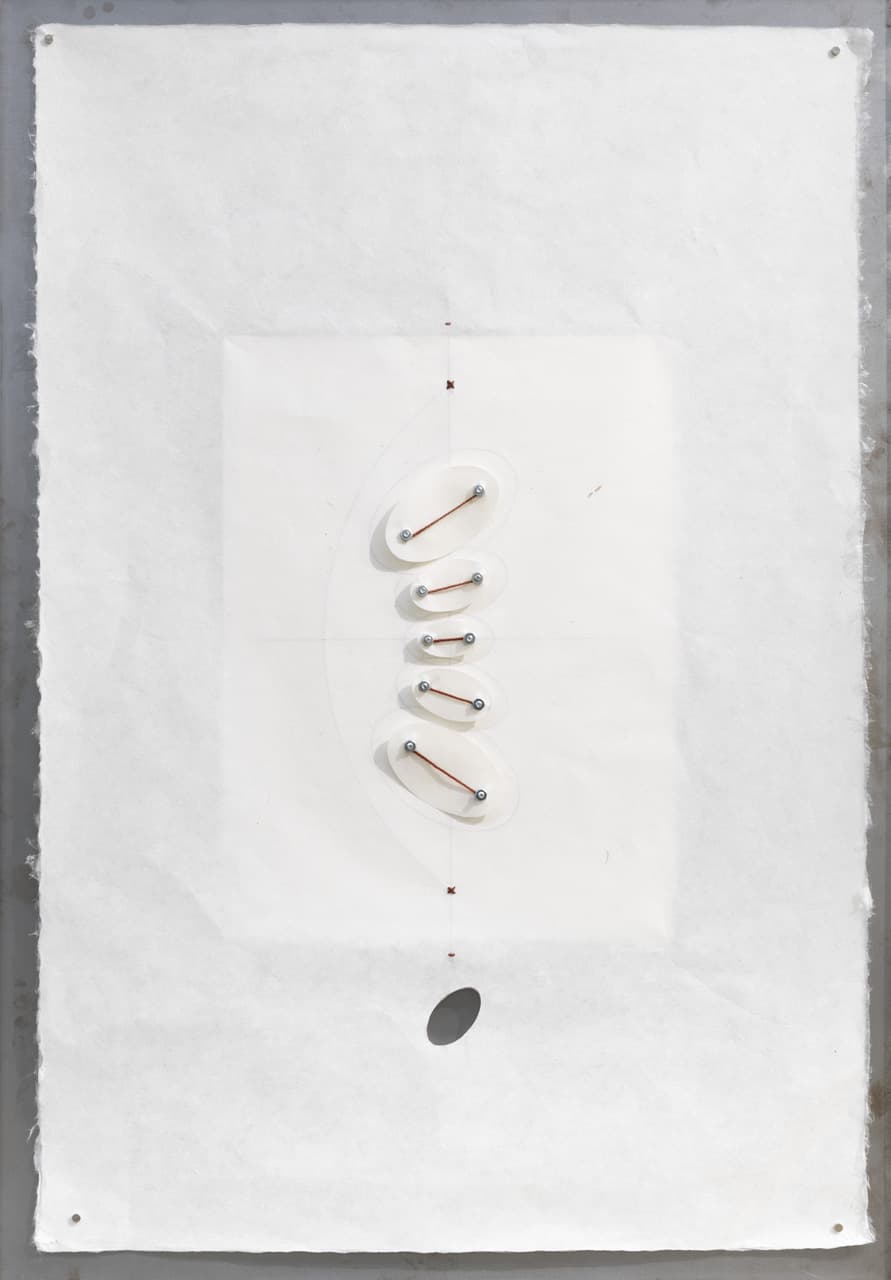
Mexico City / 2026
Oslo / 2026
New York / 2026
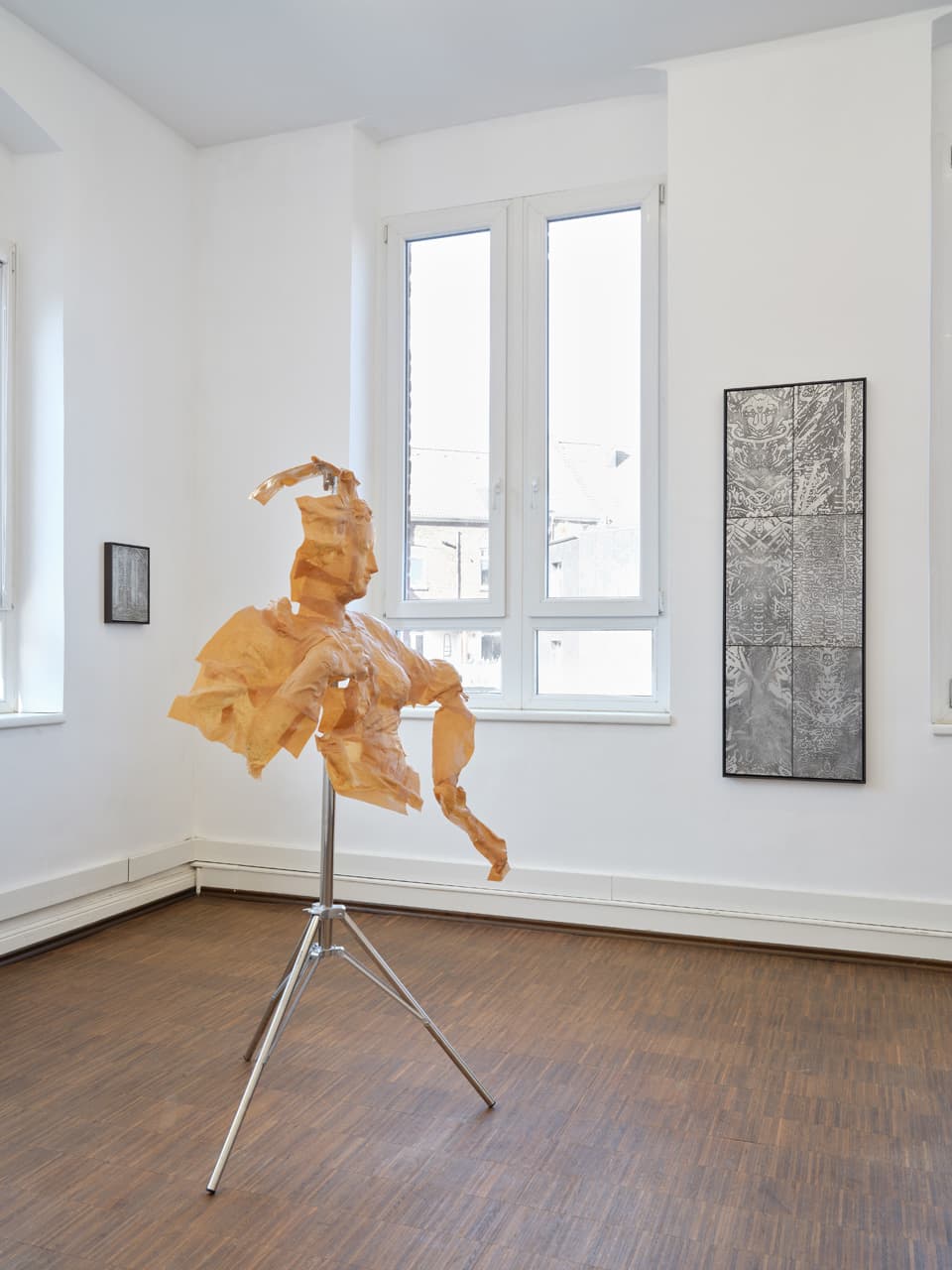
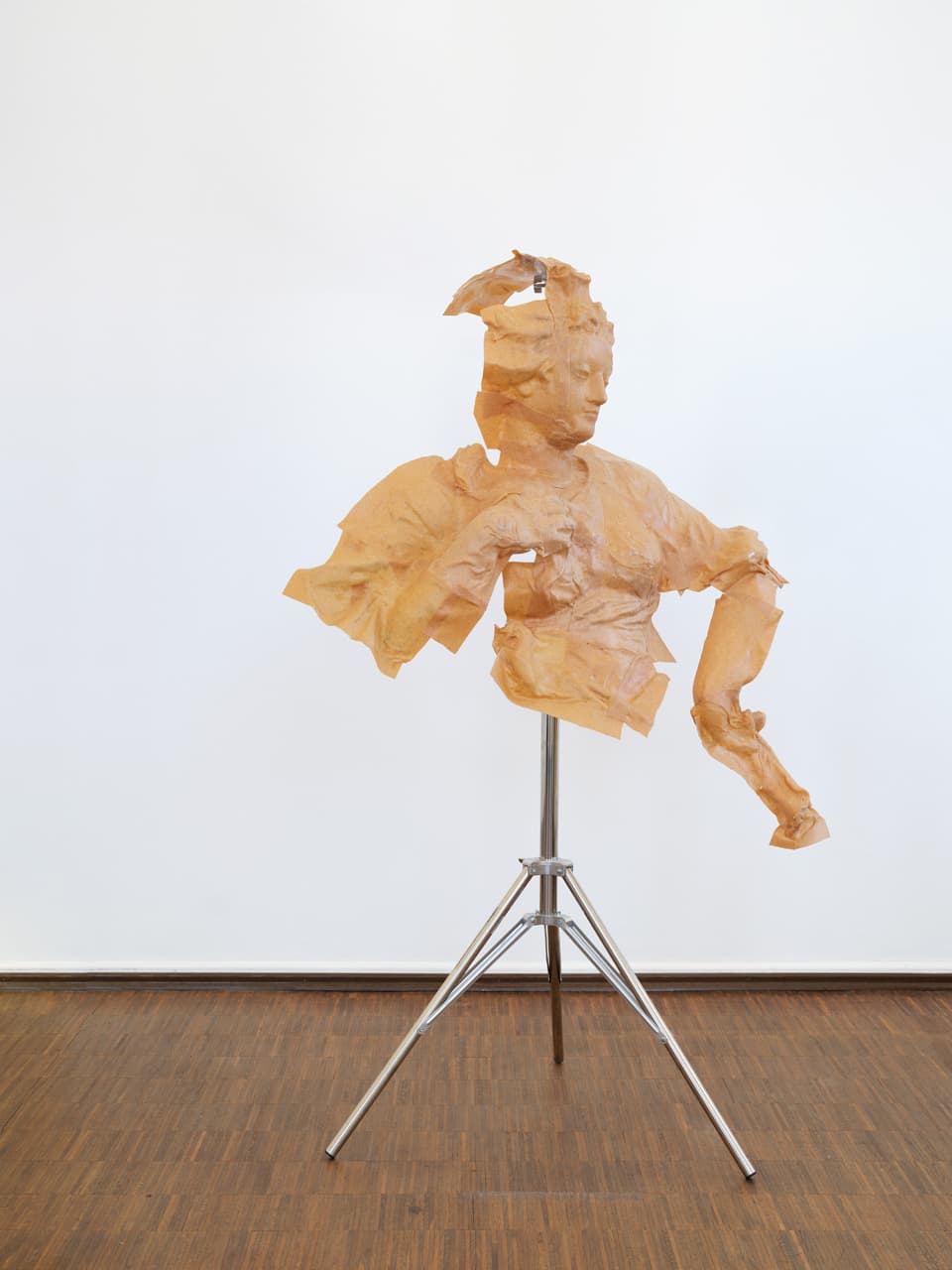
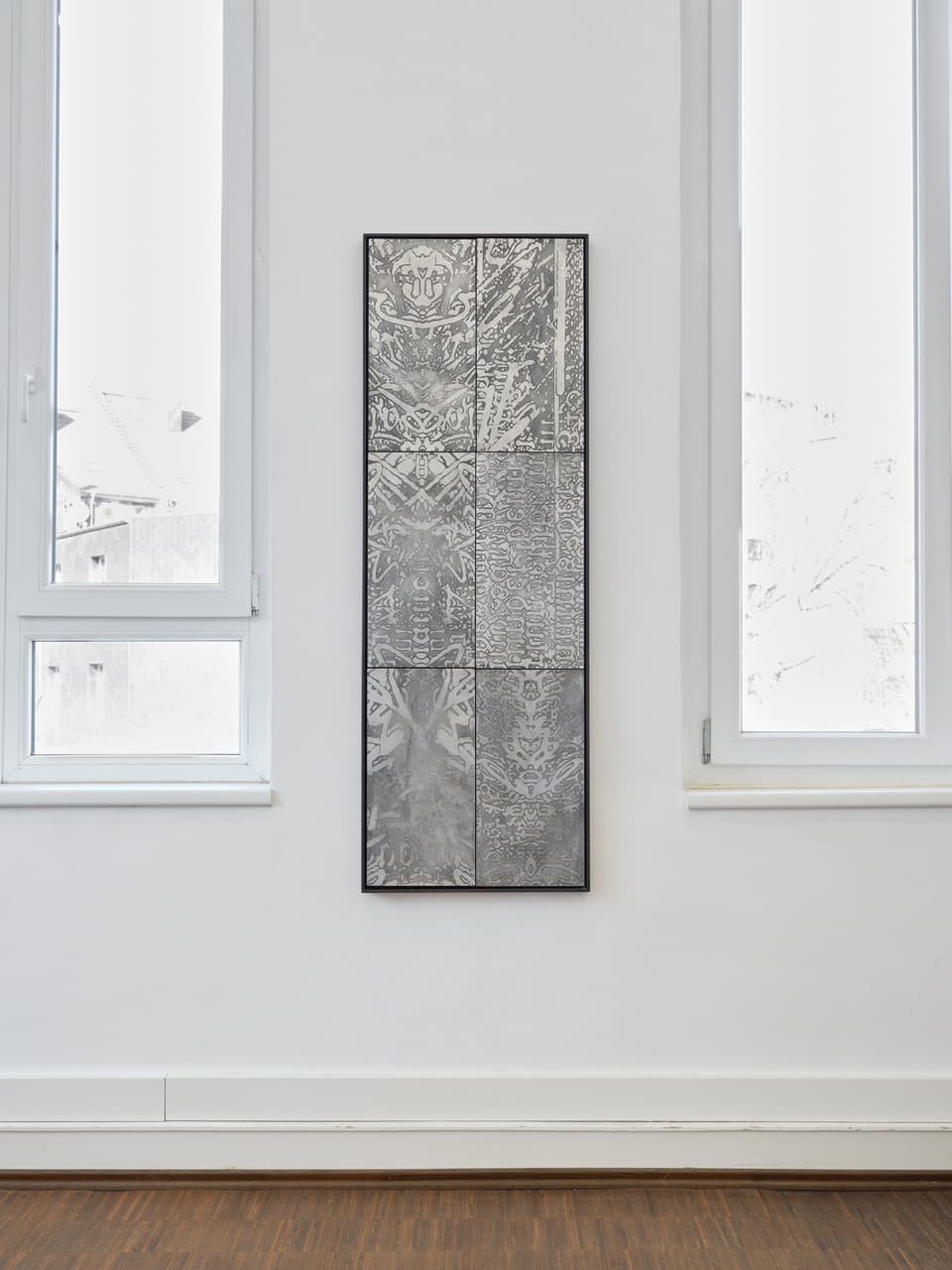
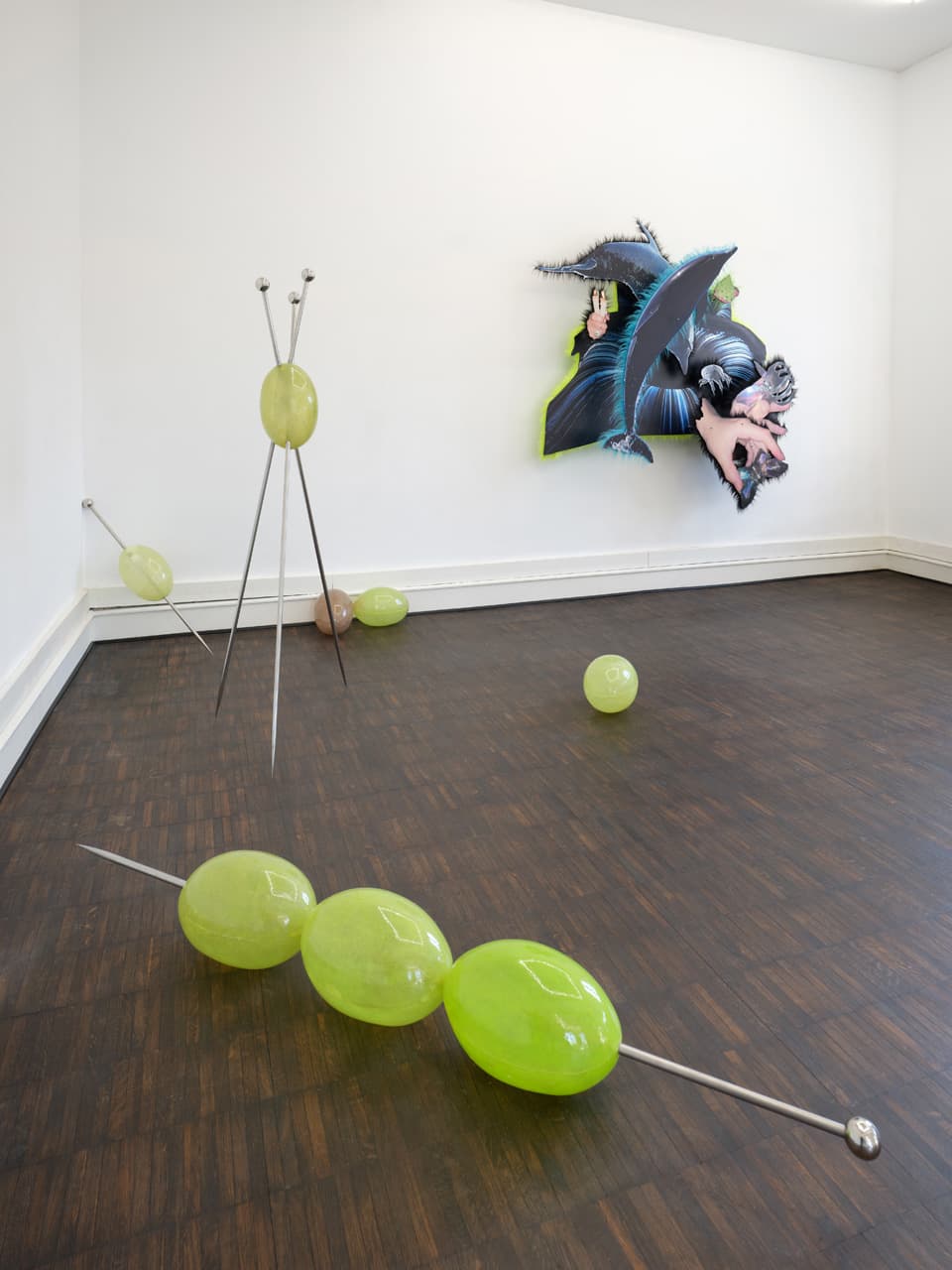
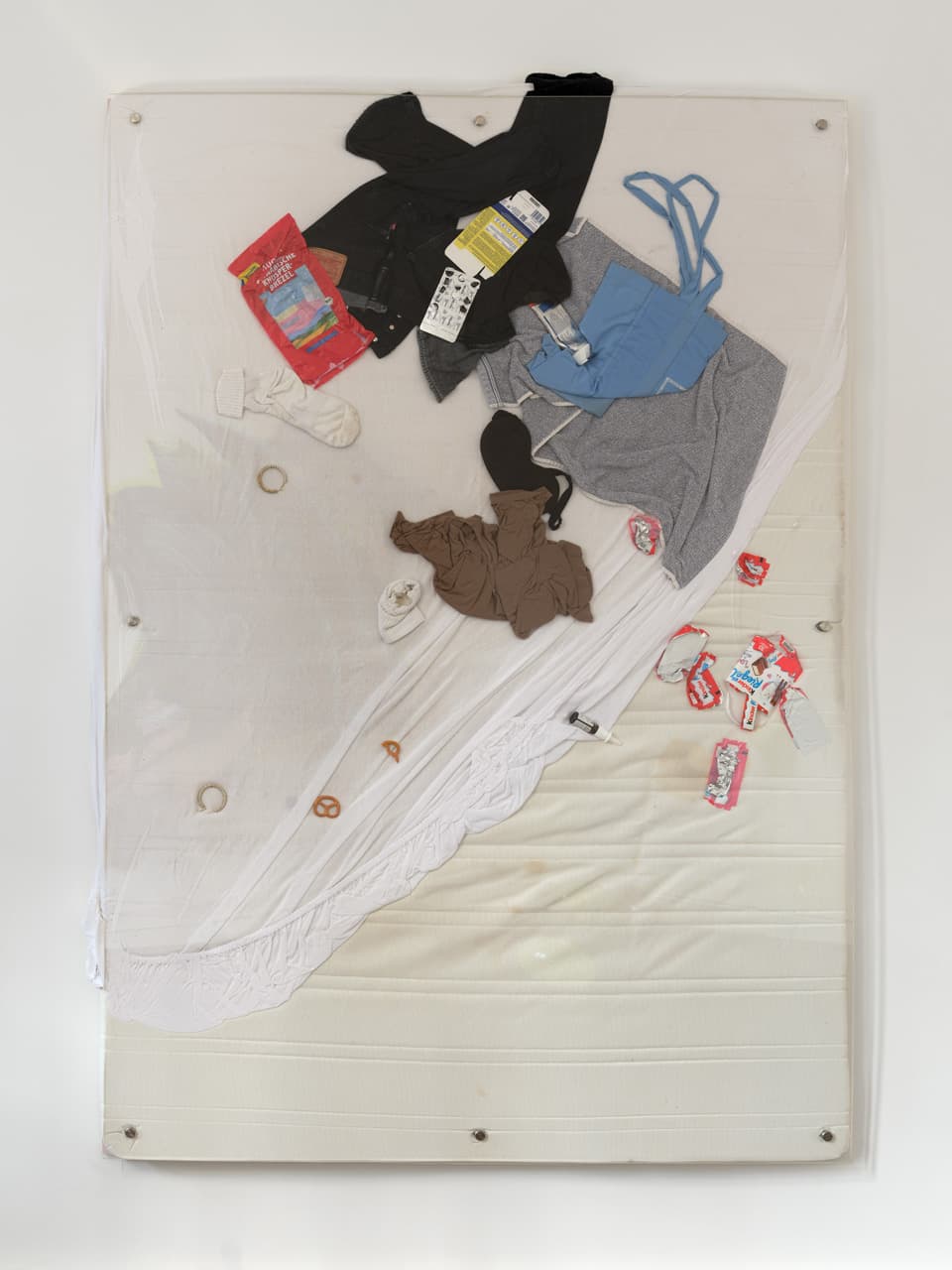
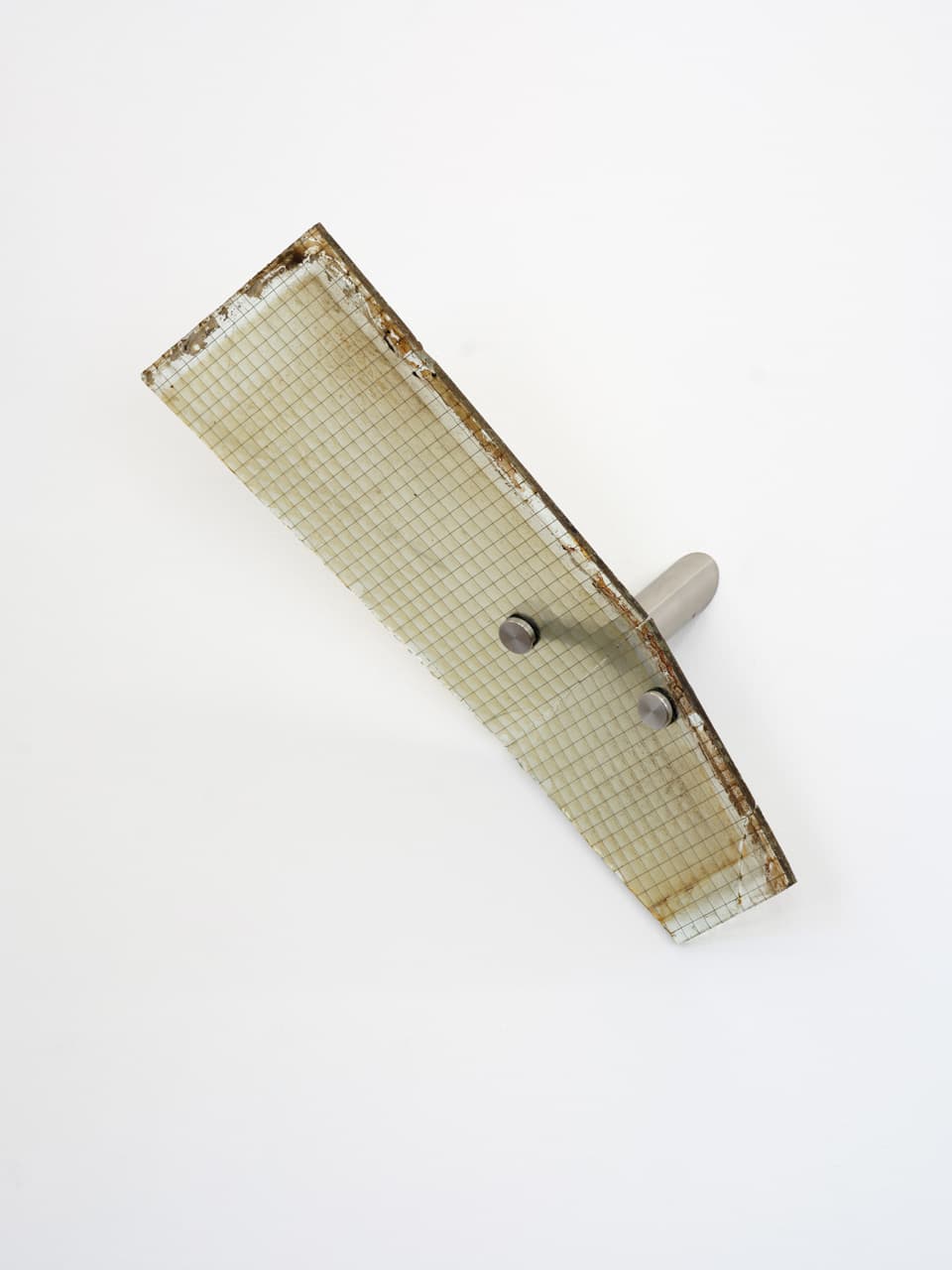
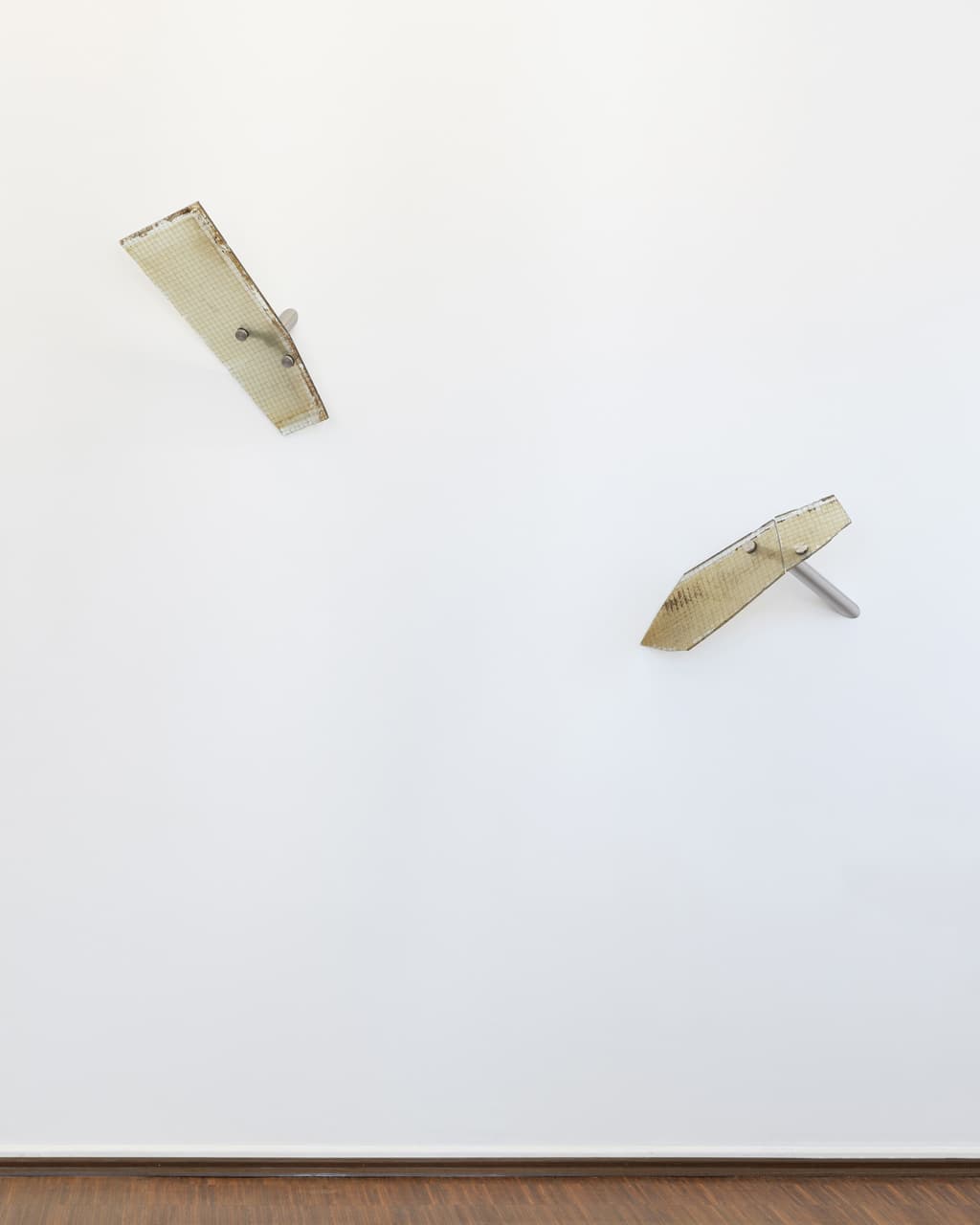
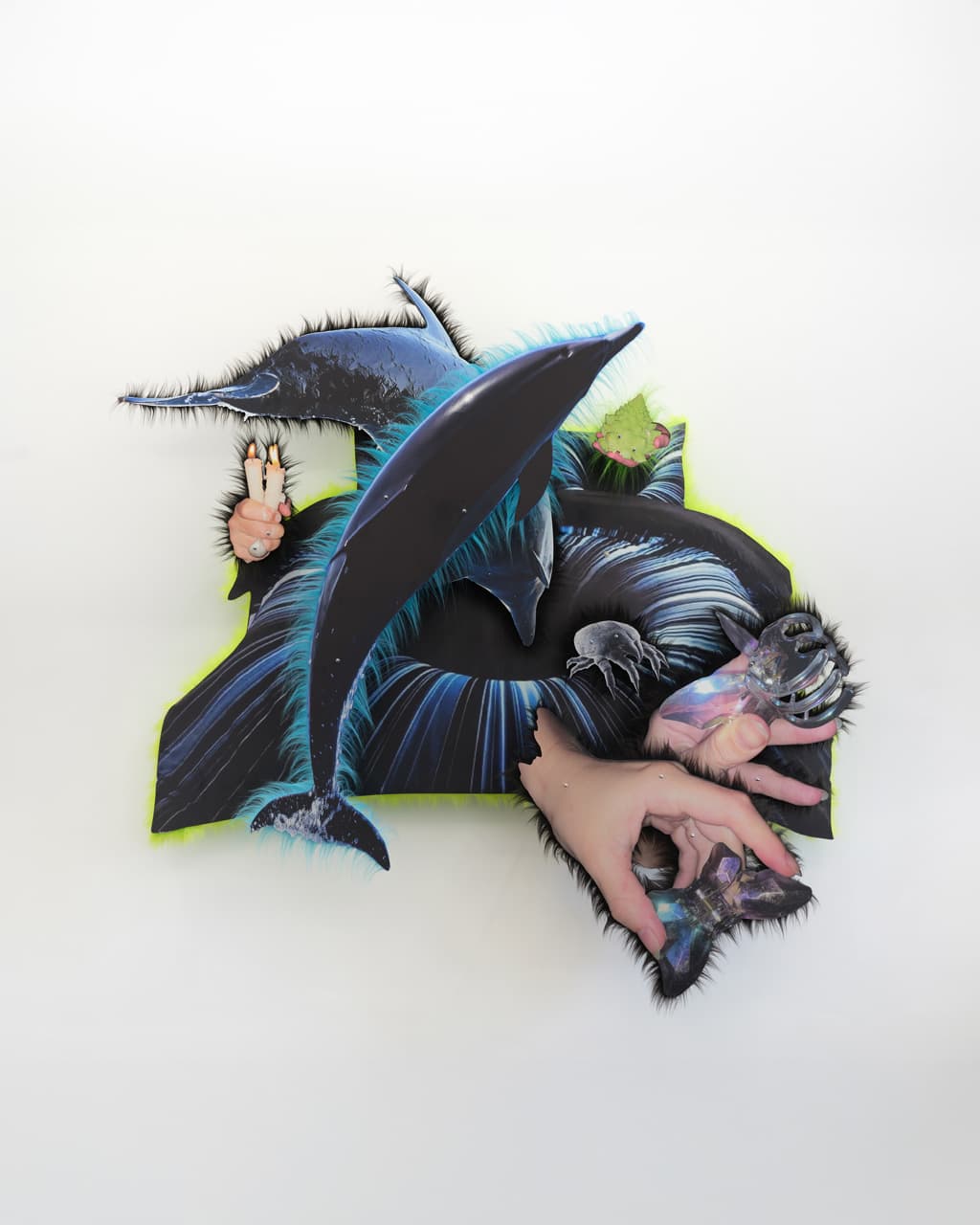
Düsseldorf / 2026
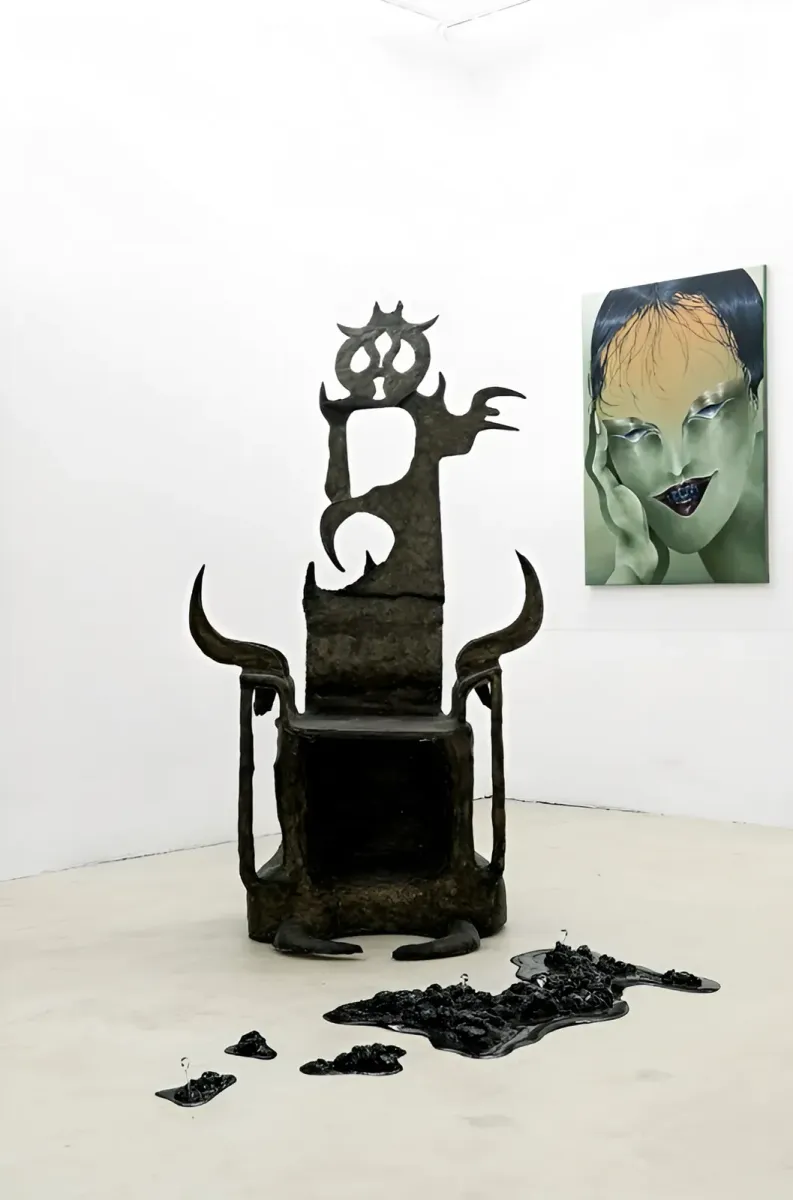
Kraków / 2025
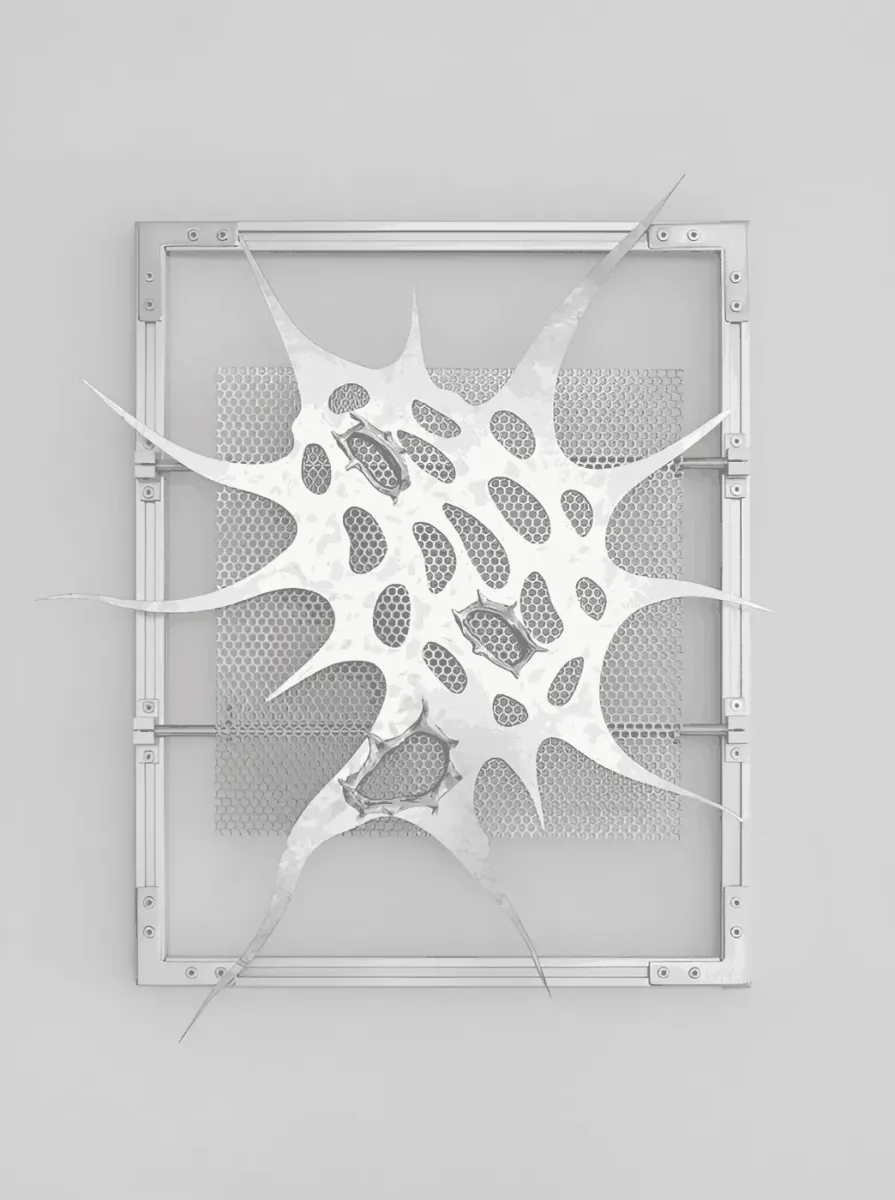
Shanghai / 2025
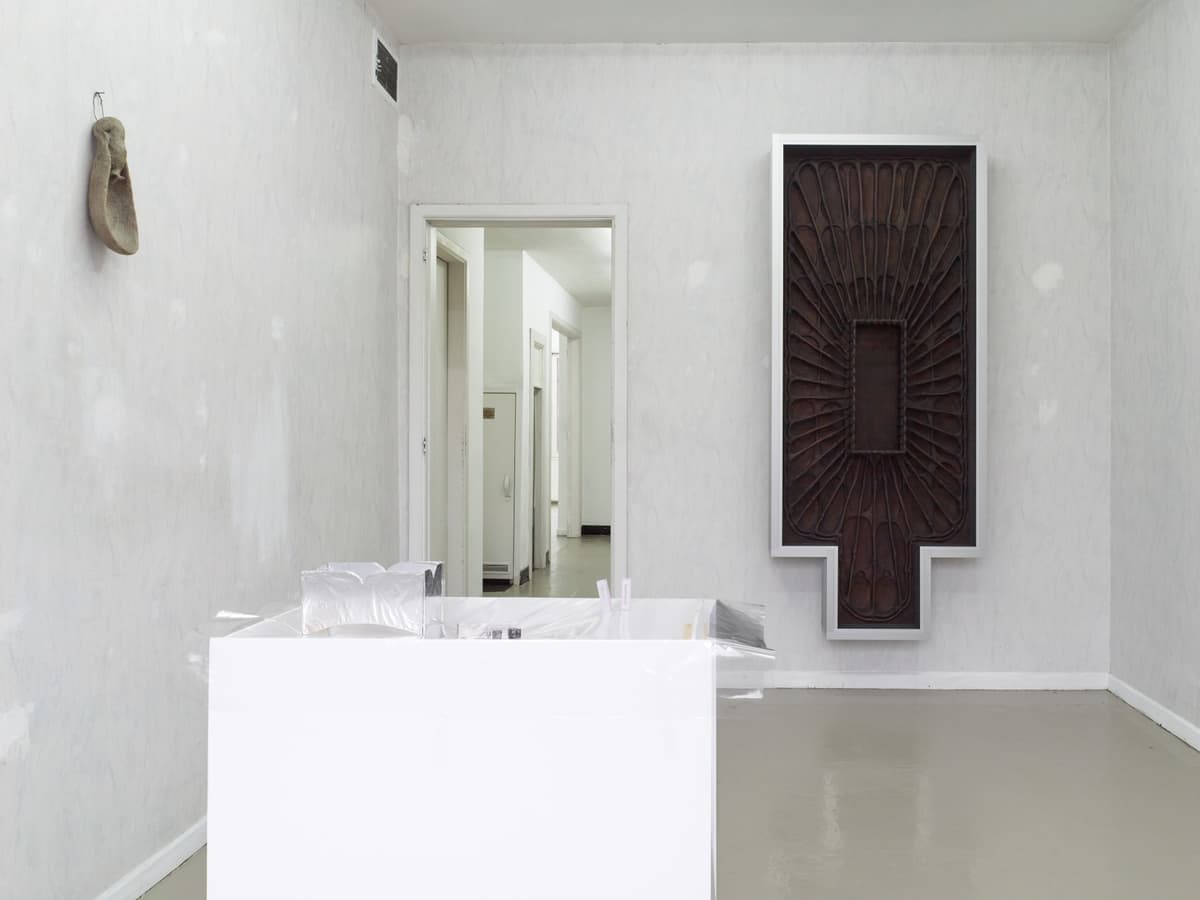
Brussels / 2025-2026
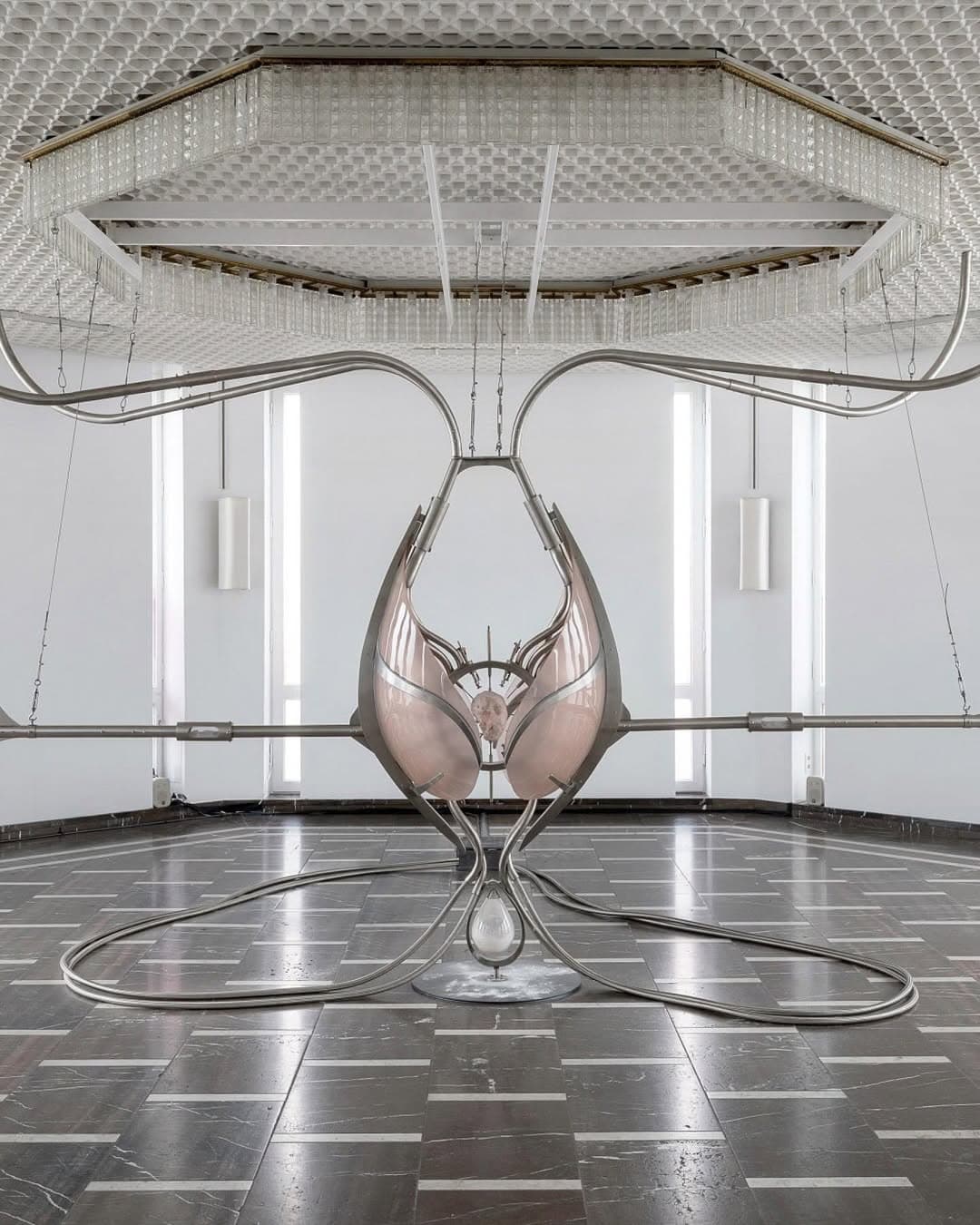
/ 2024
Tartu / 2024
Wroclaw / 2024
Stockholm / 2024-2025
Geneva / 2024
Paris / 2025
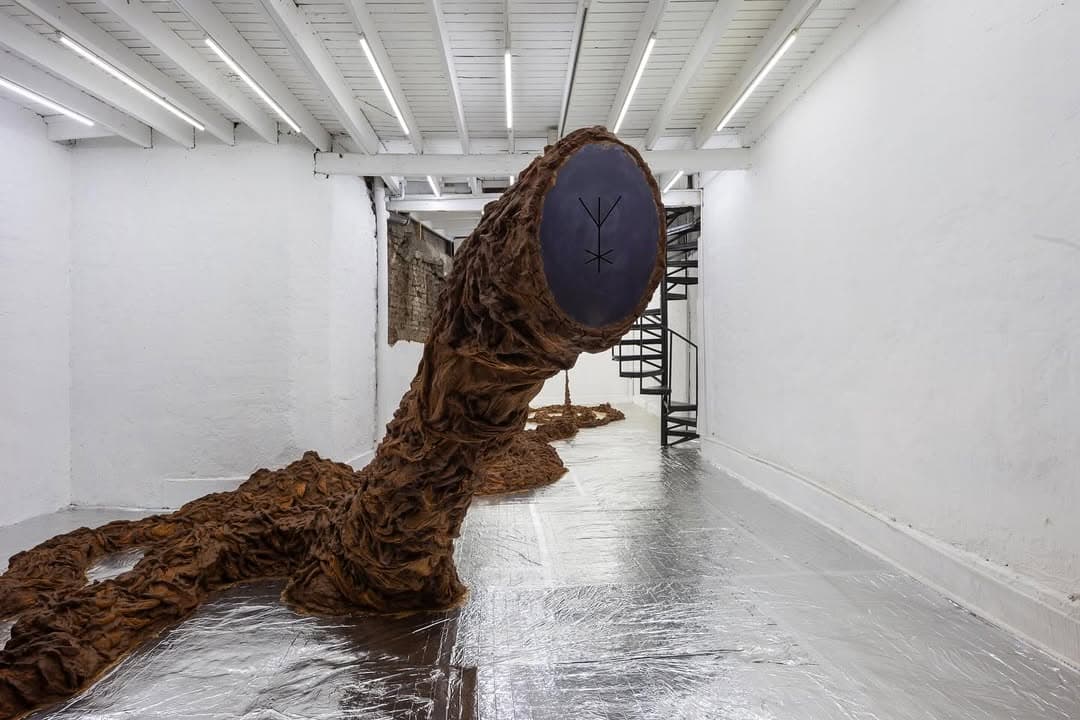
Santiago / 2025
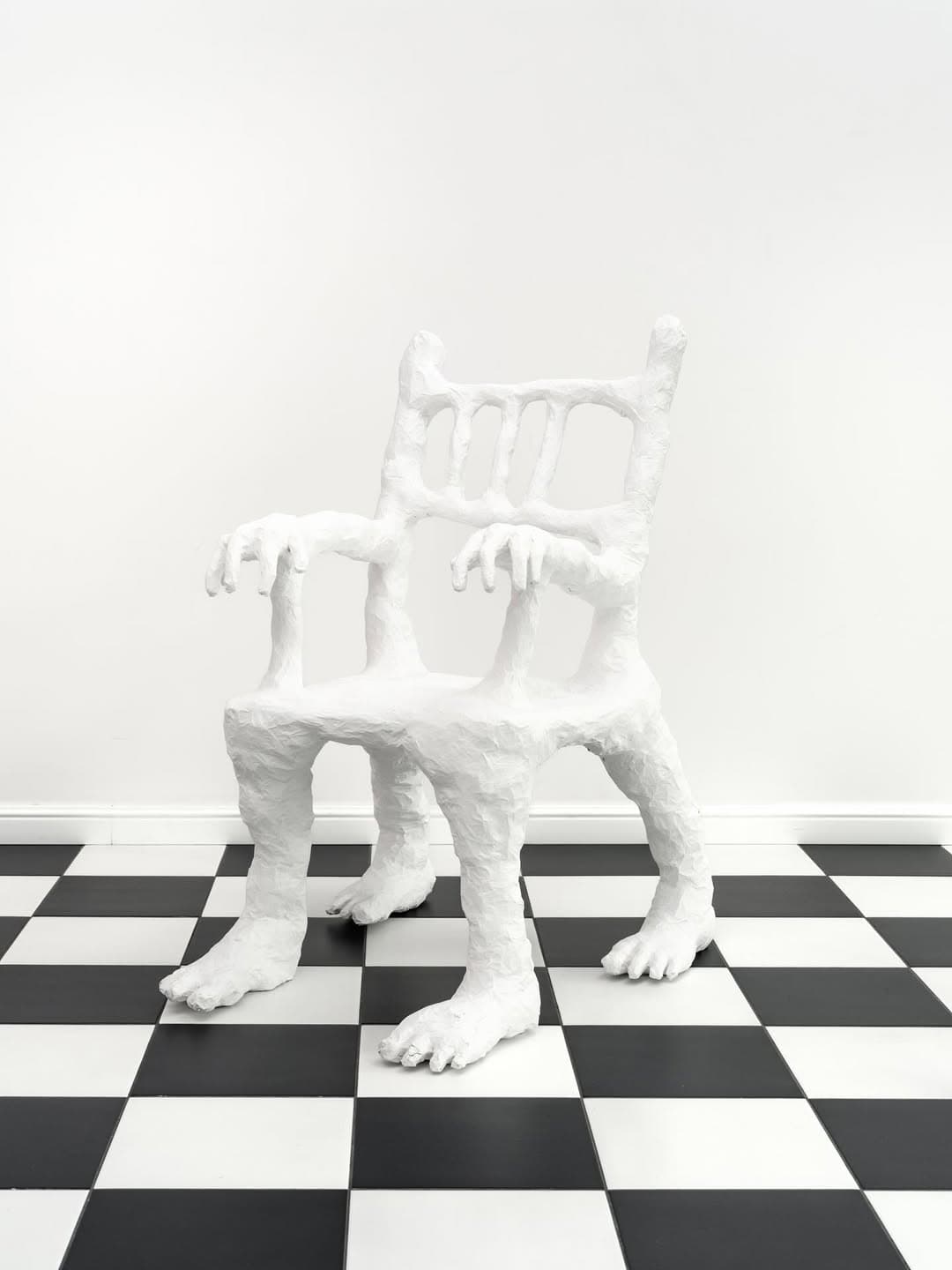
Warsaw / 2025
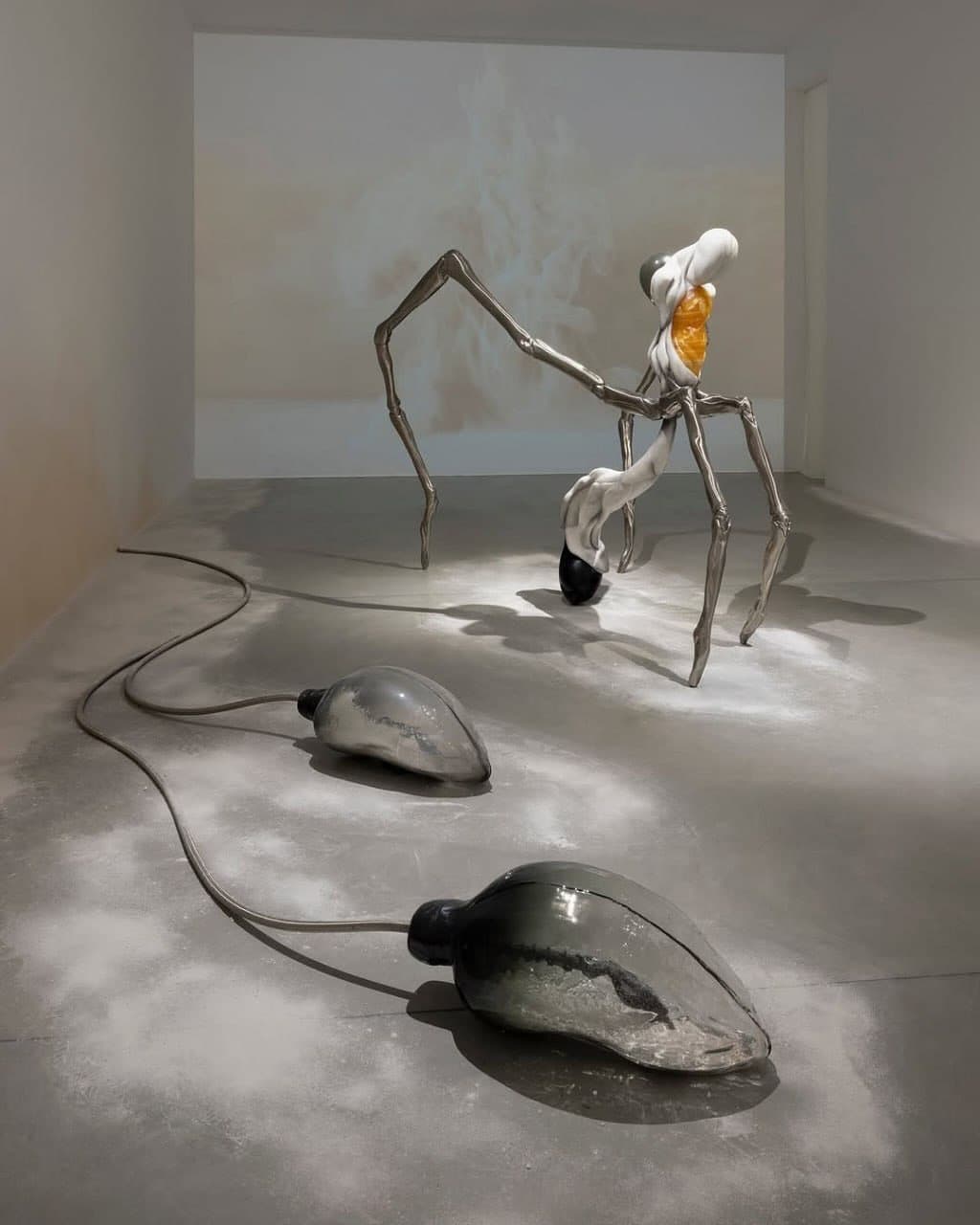
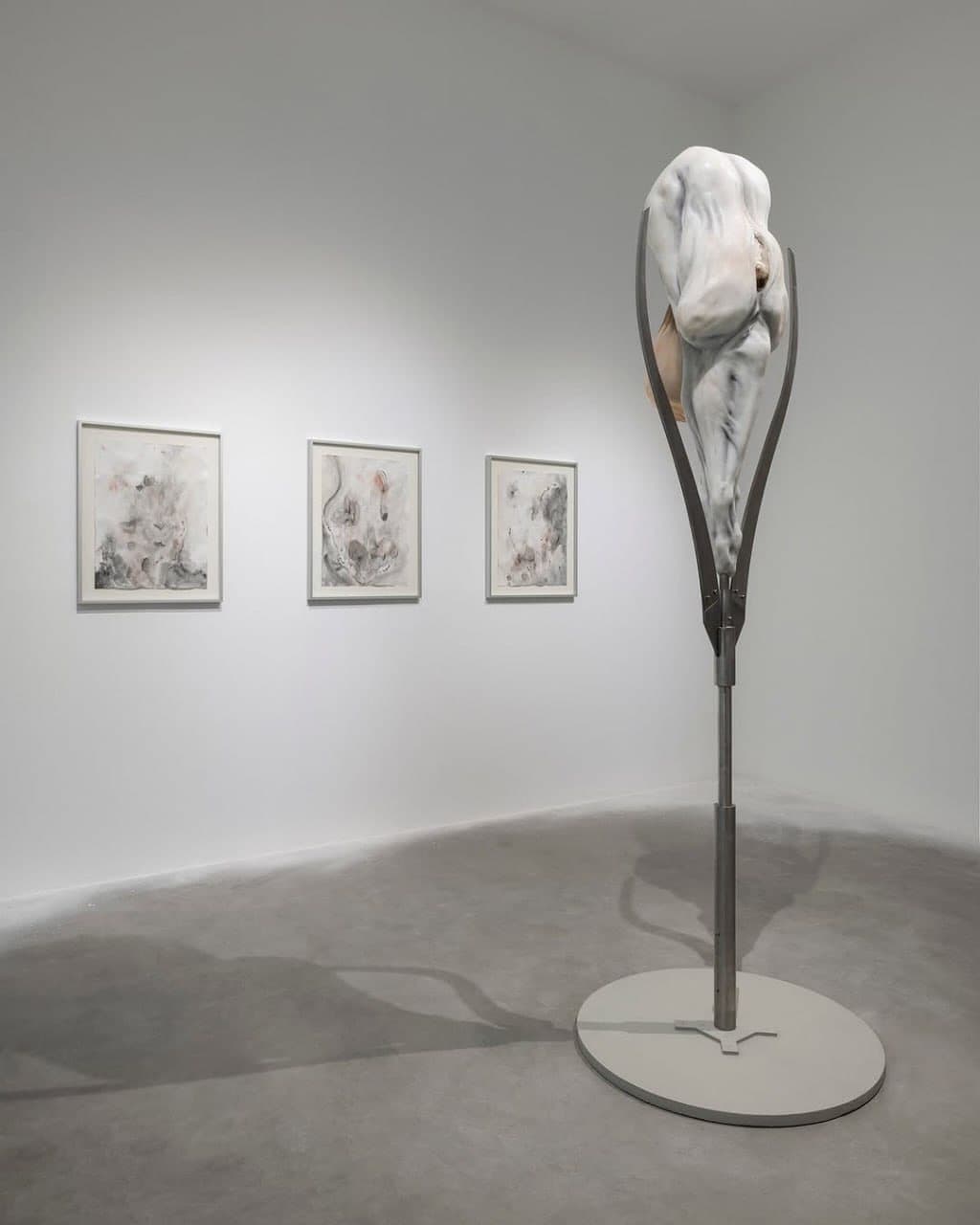
Milan / 2025
%2Fphoto_1_2026-05-23_19-28-57.jpg&w=1200&q=75)
Berlin / 2025
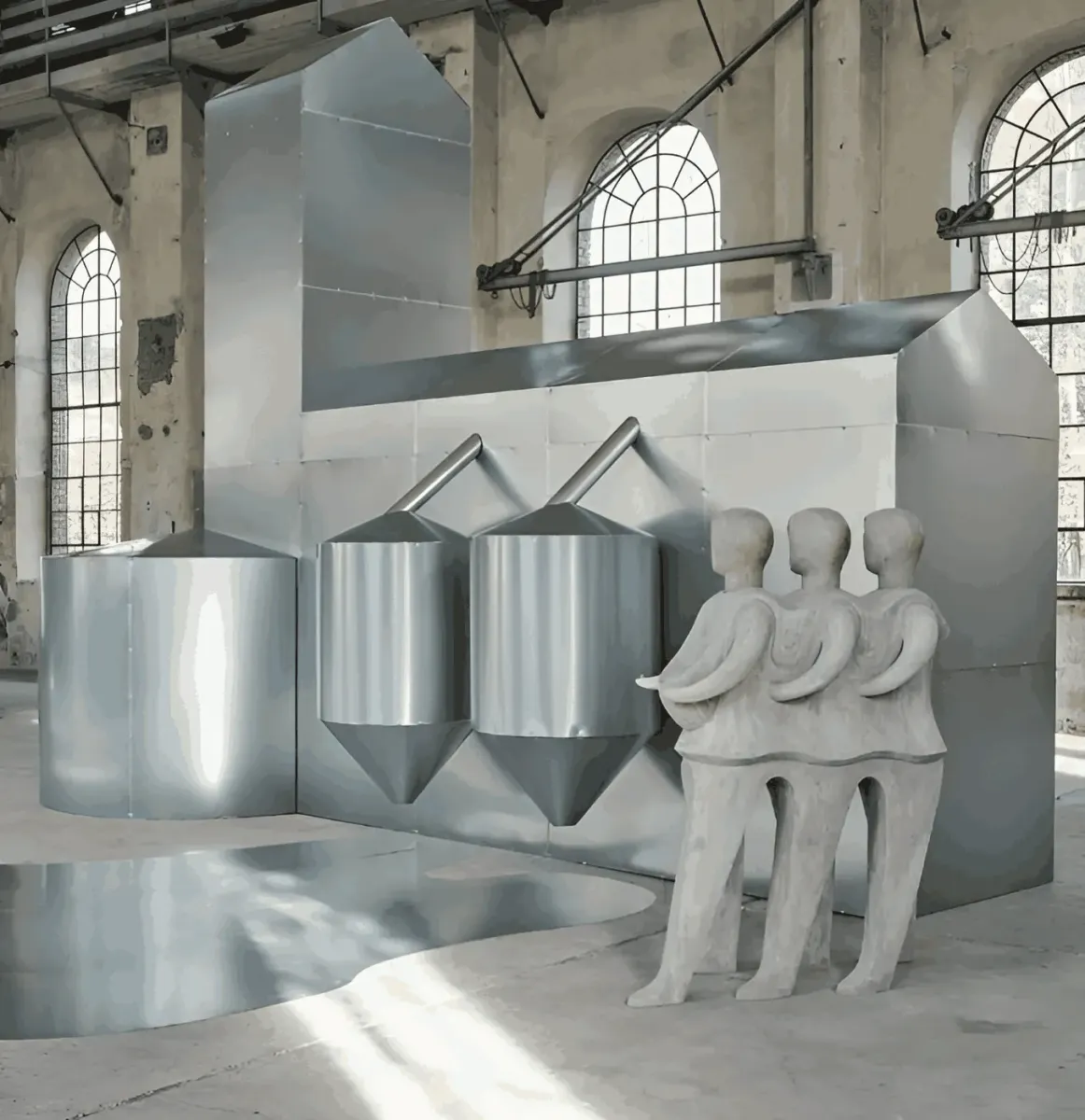
Dornbirn / 2026
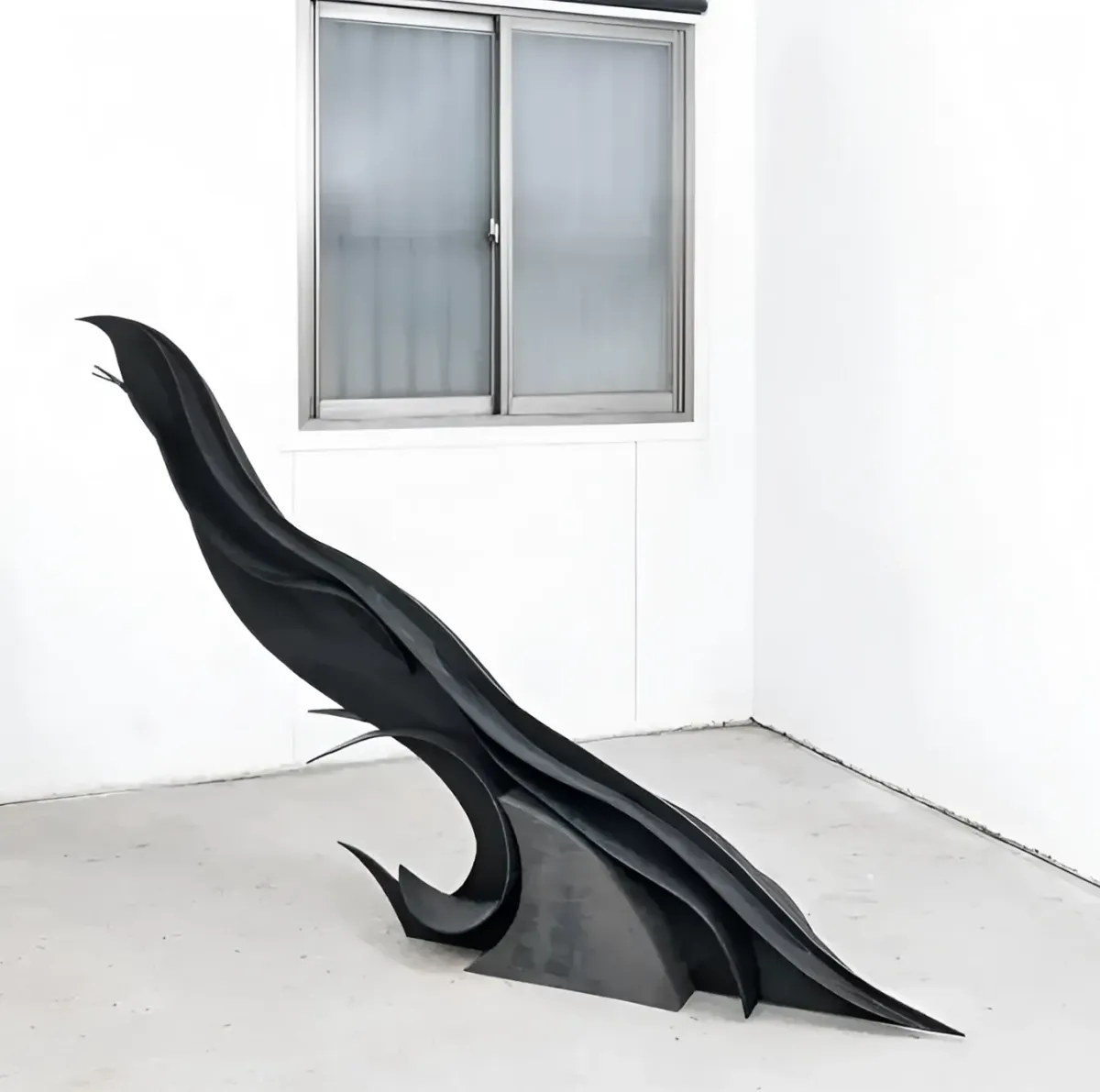
Seoul / 2025-2026
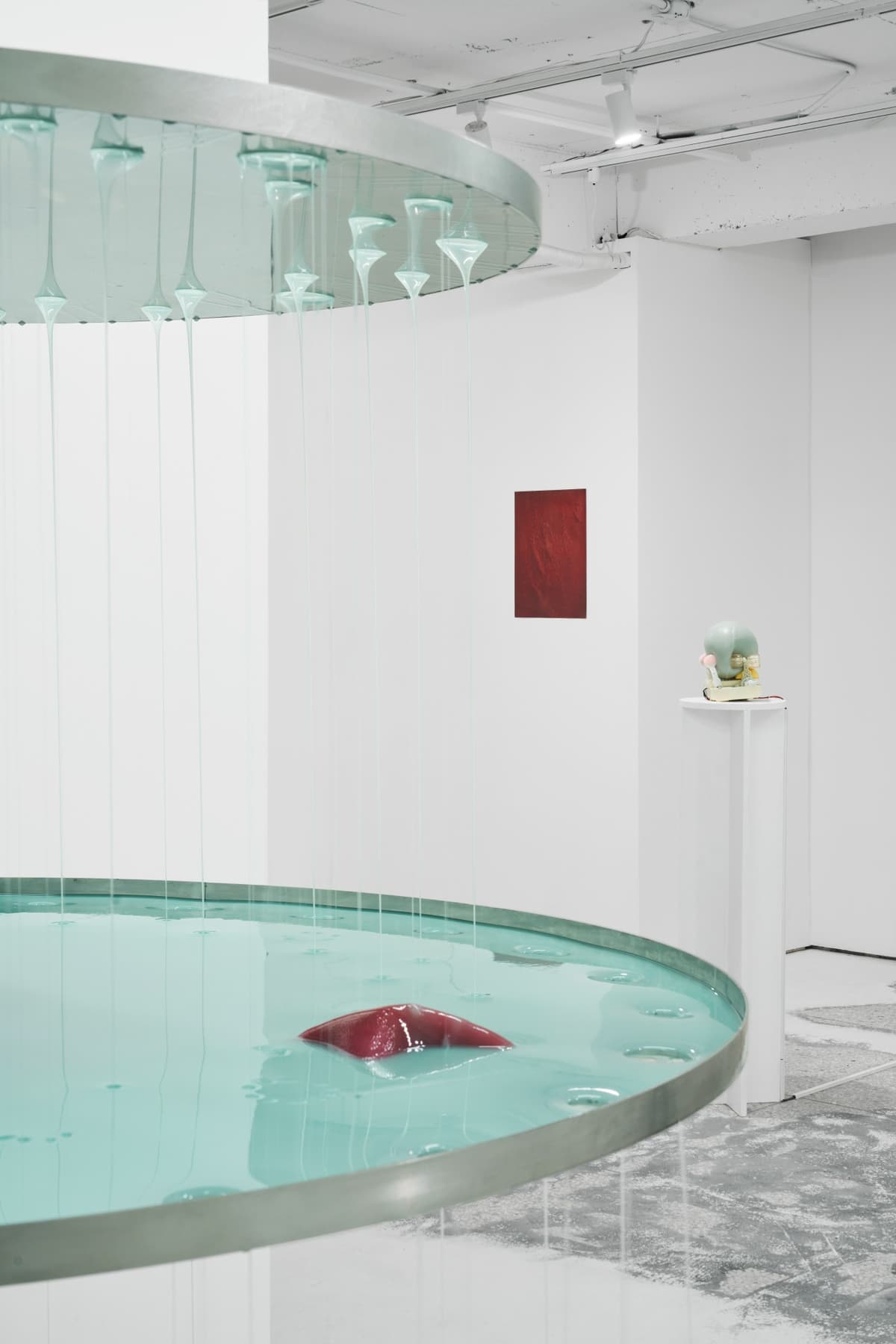
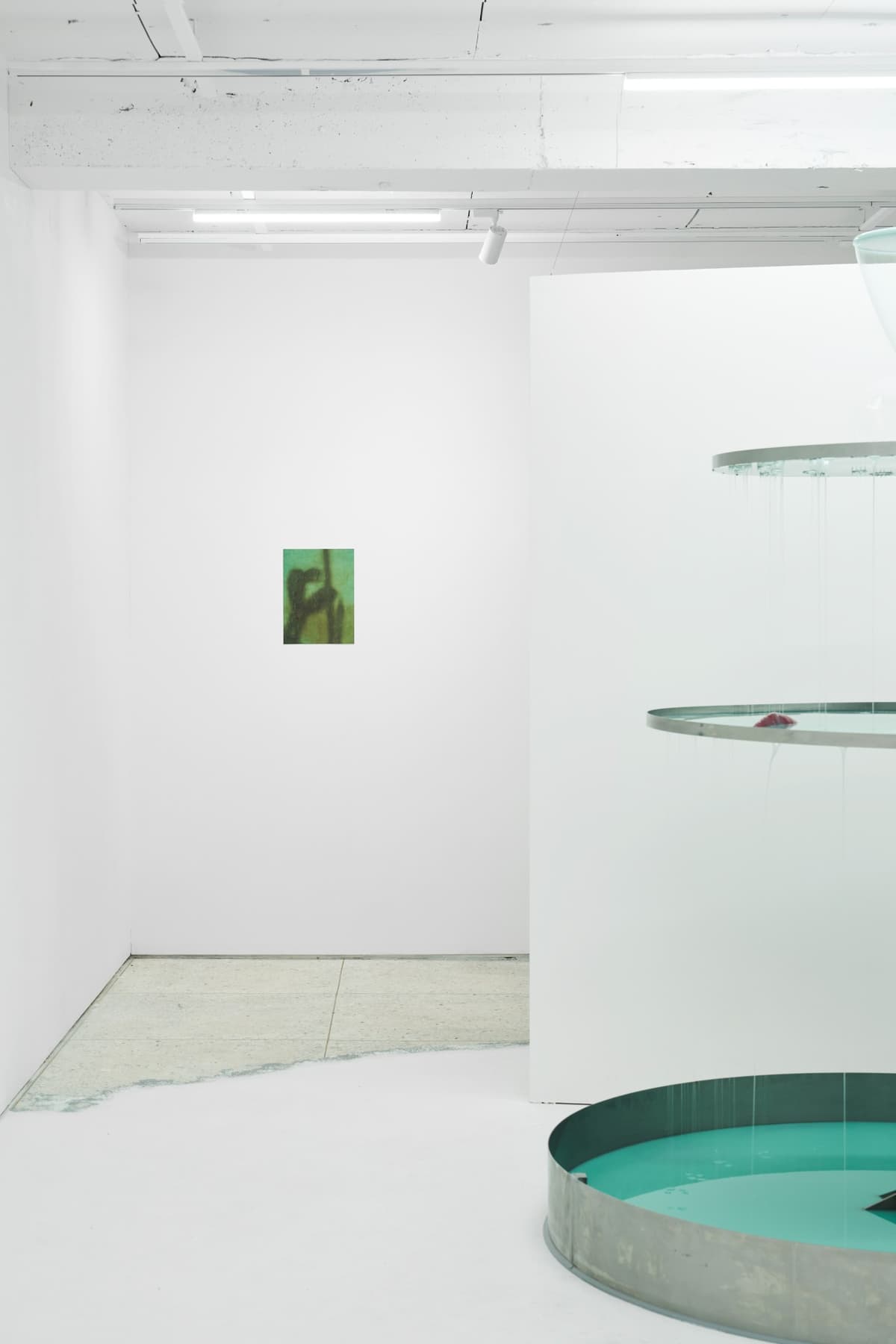
Seoul / 2025
Warsaw / 2026
Seoul / 2026
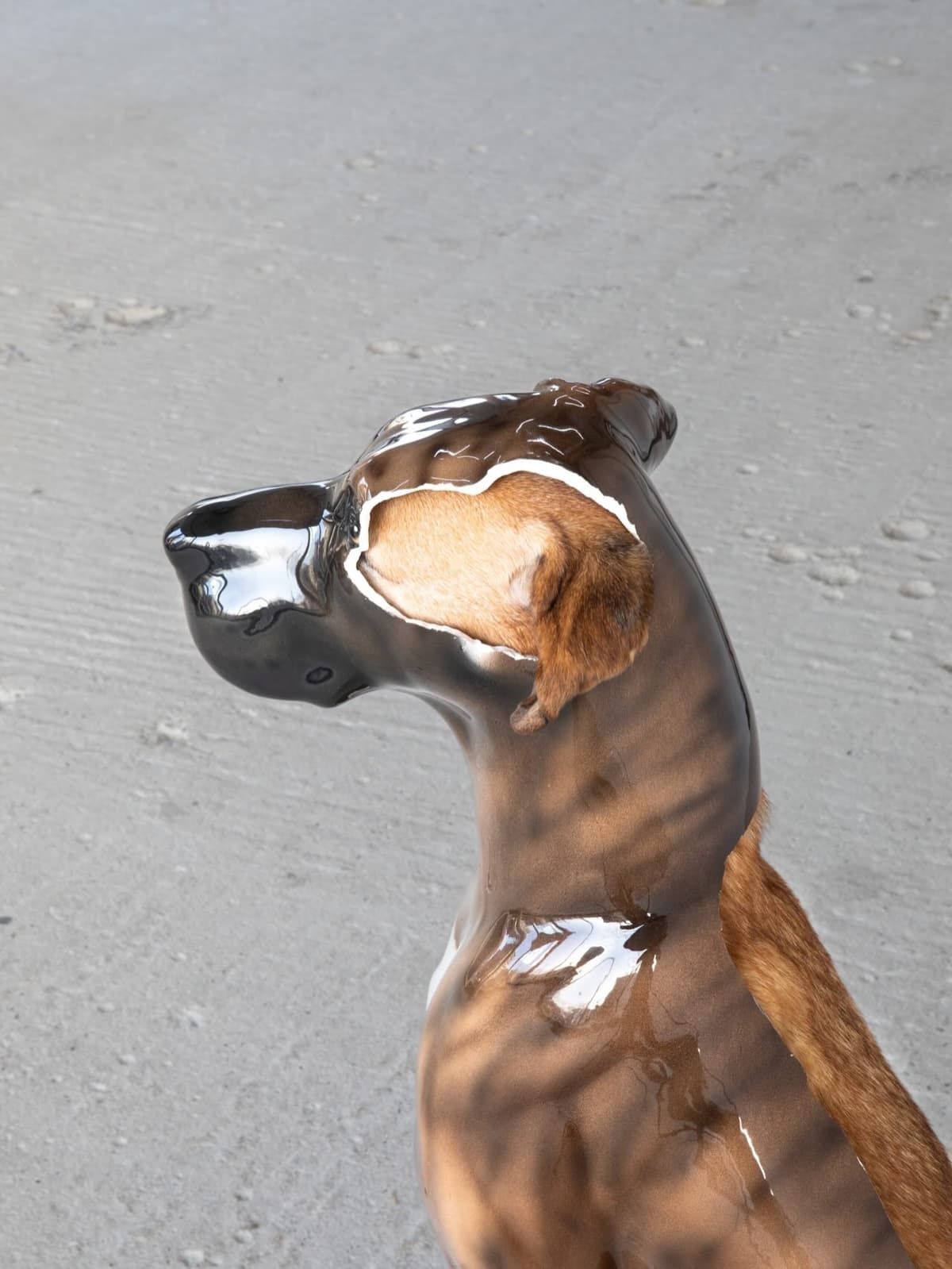
Offenbach am Main / 2026
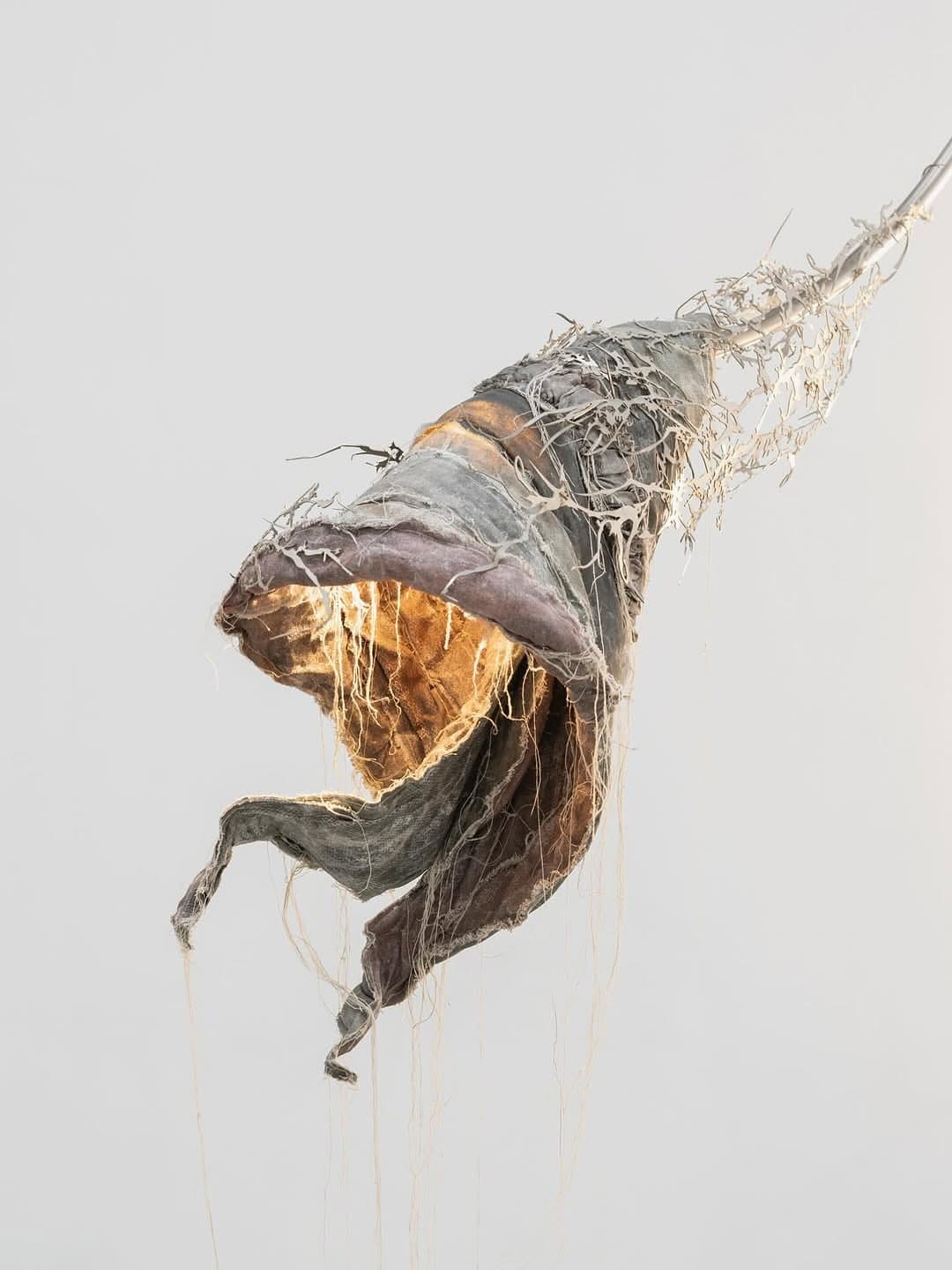
Białystok / 2025
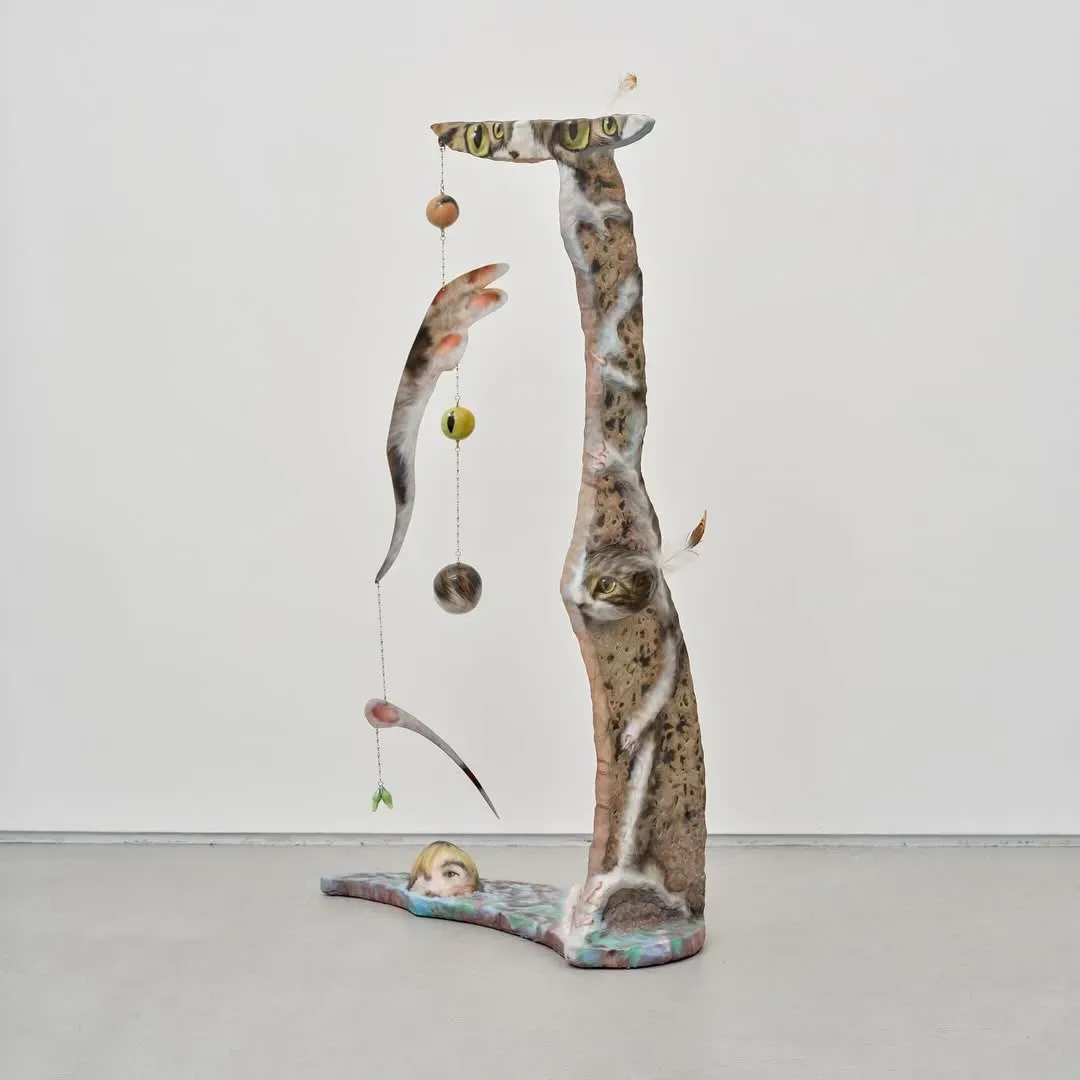
@ppuri_
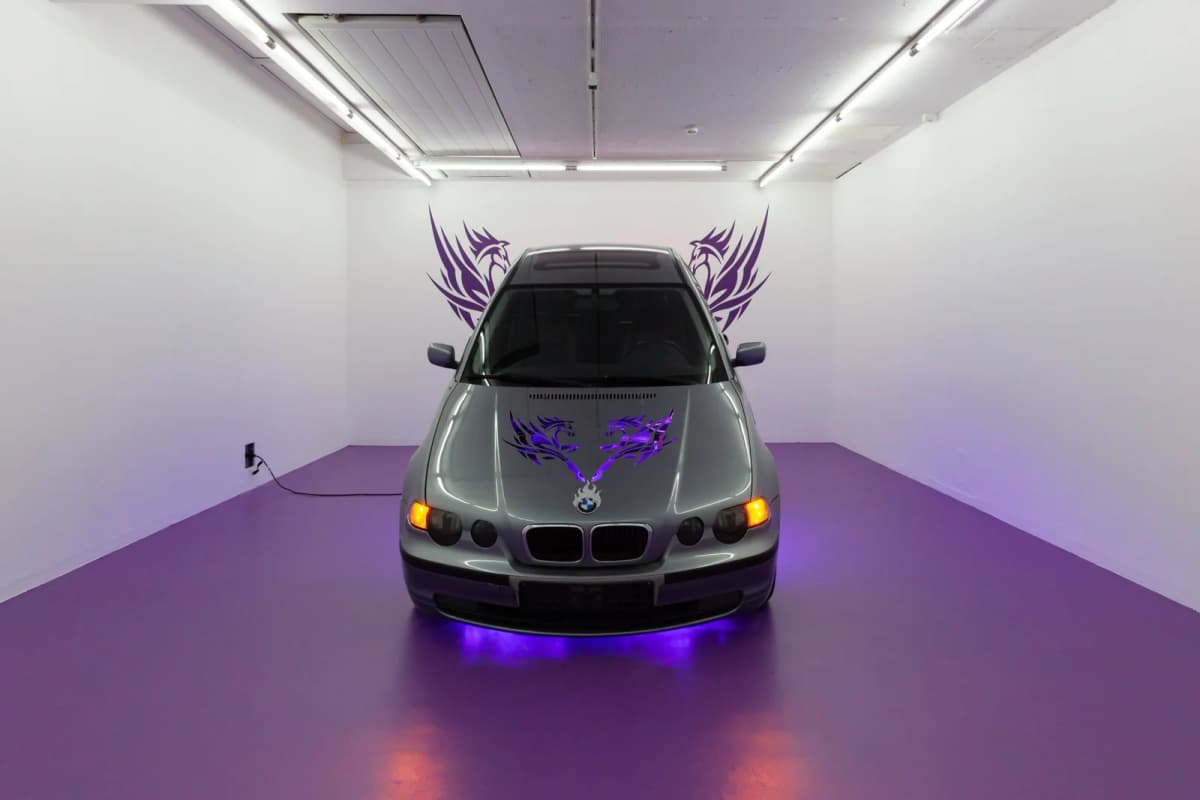
Münster / 2026
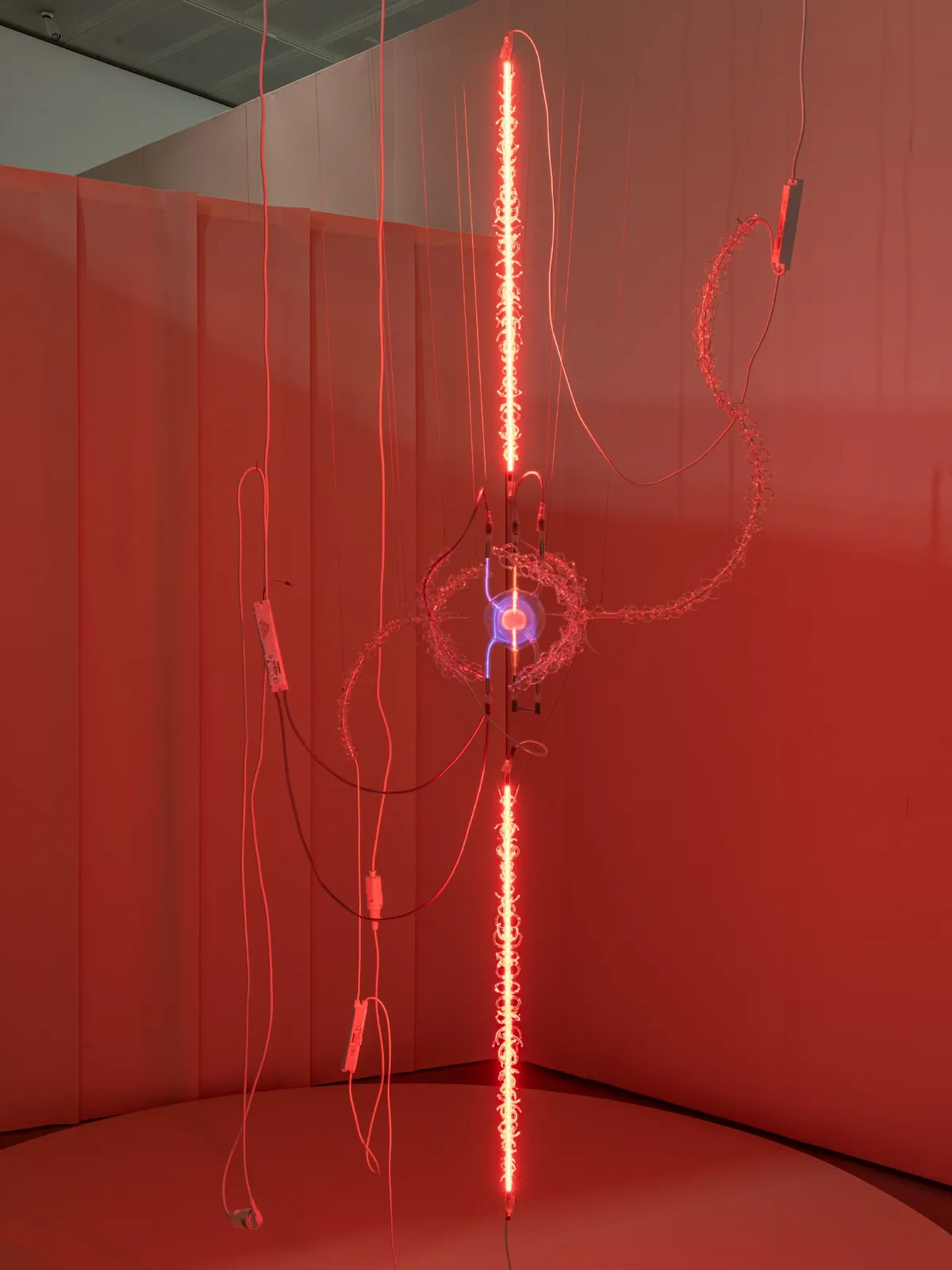
Vilnius / 2026
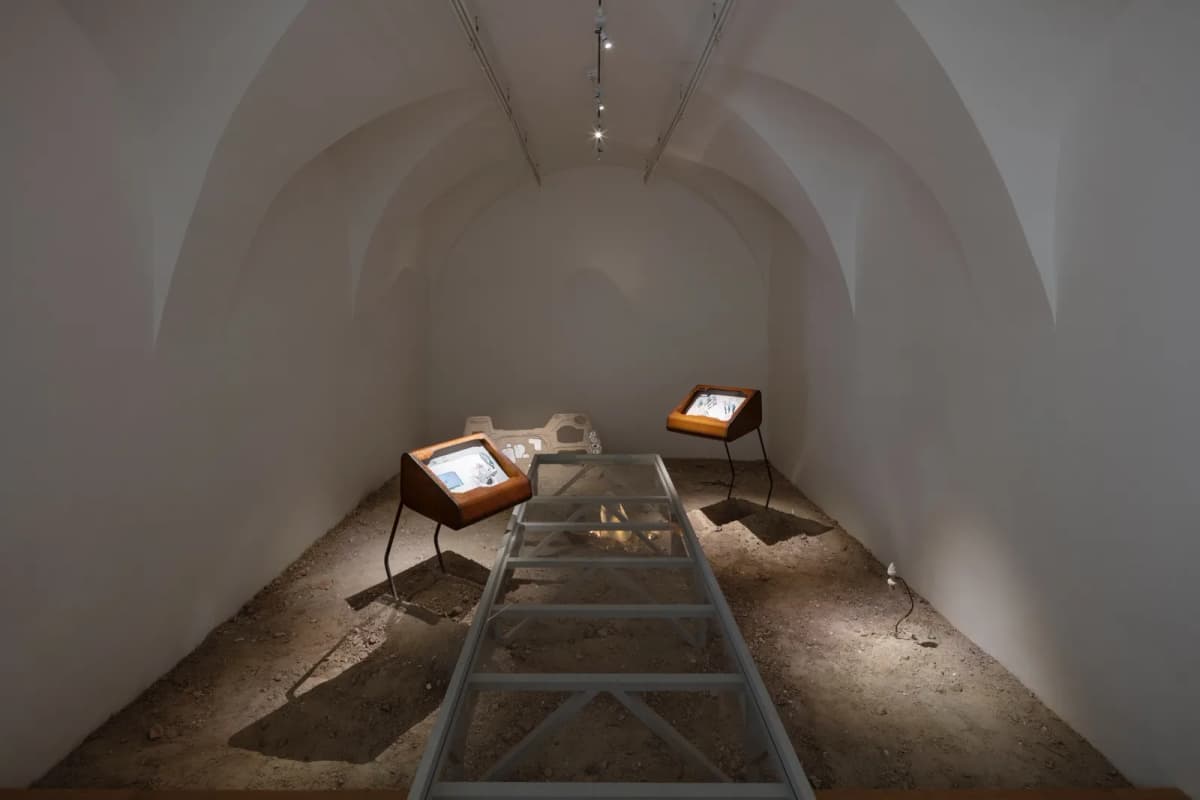
Brno / 2026
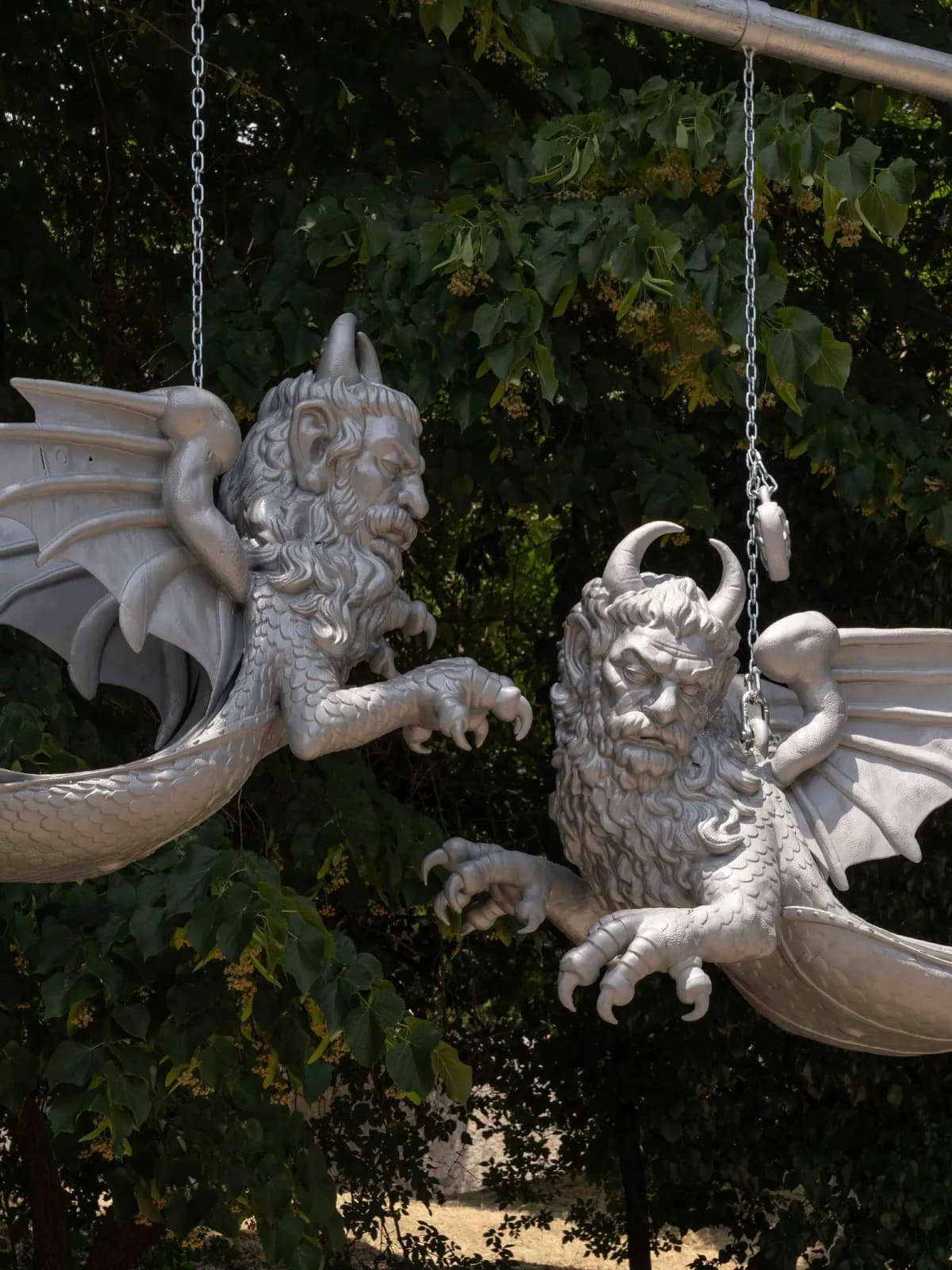
Avigliana / 2026
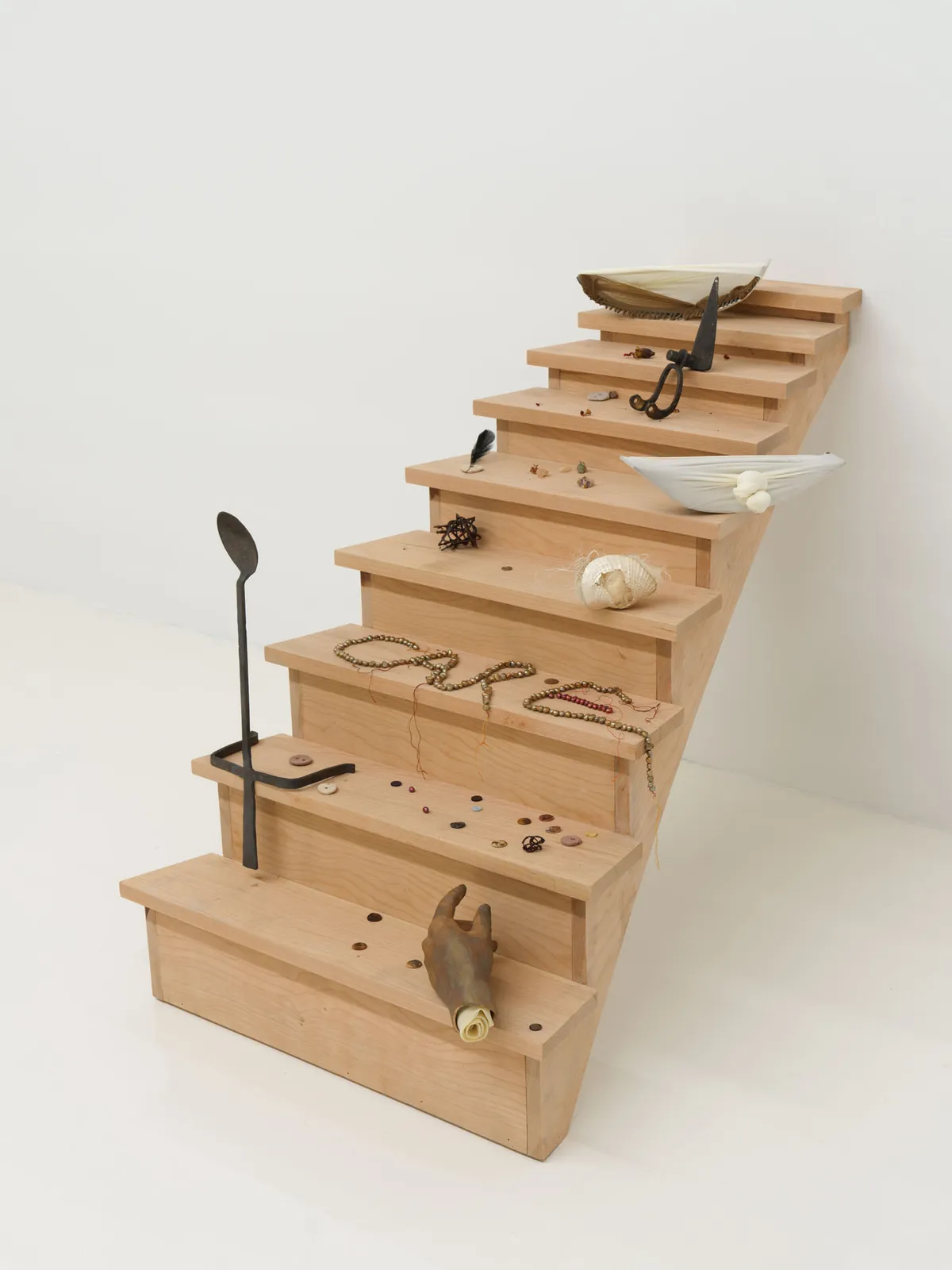
Shanghai / 2026
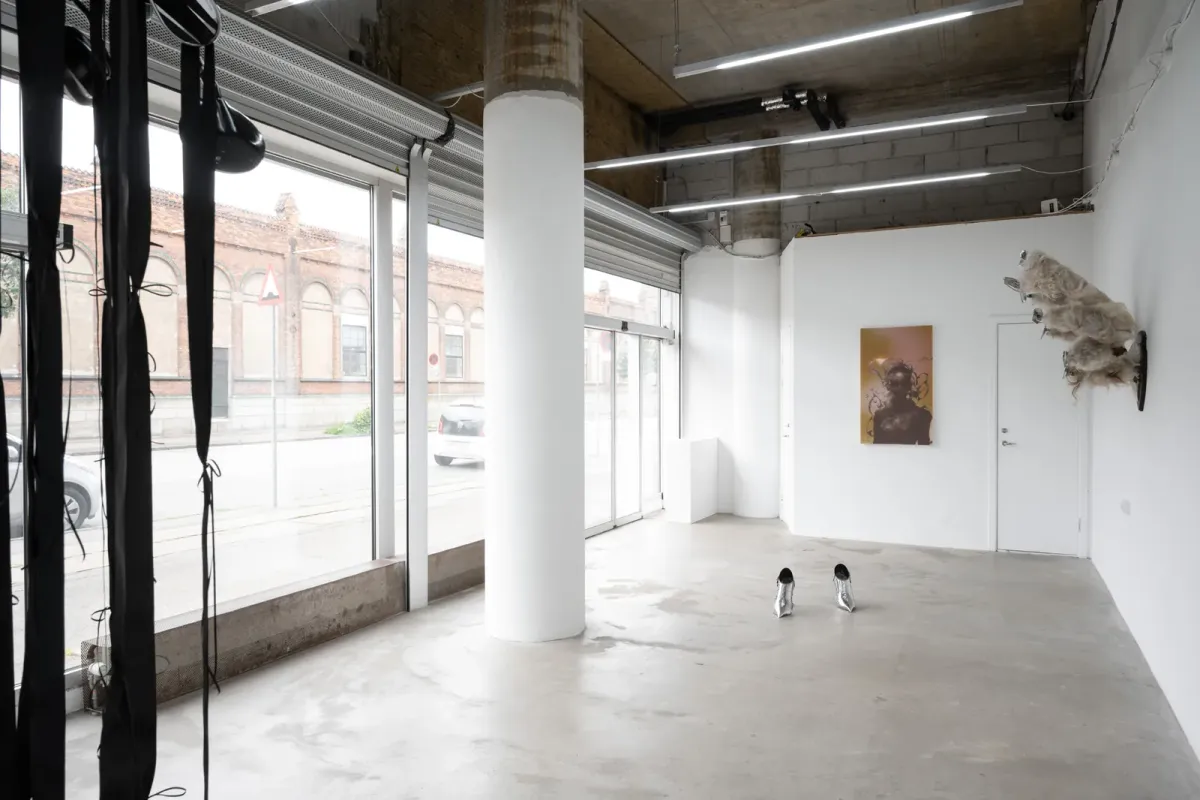
Copenhagen / 2026
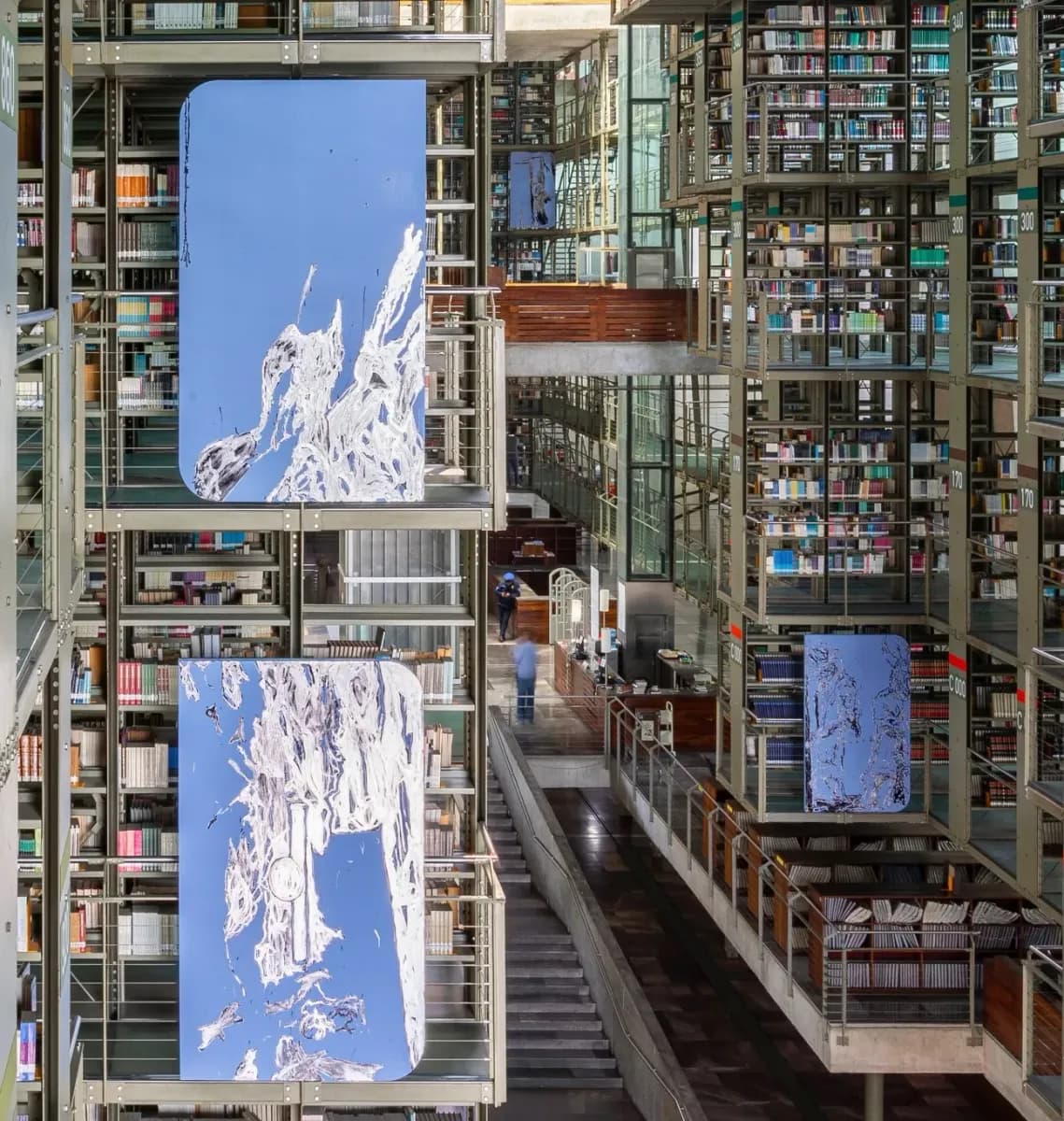
Ciudad de México / 2026
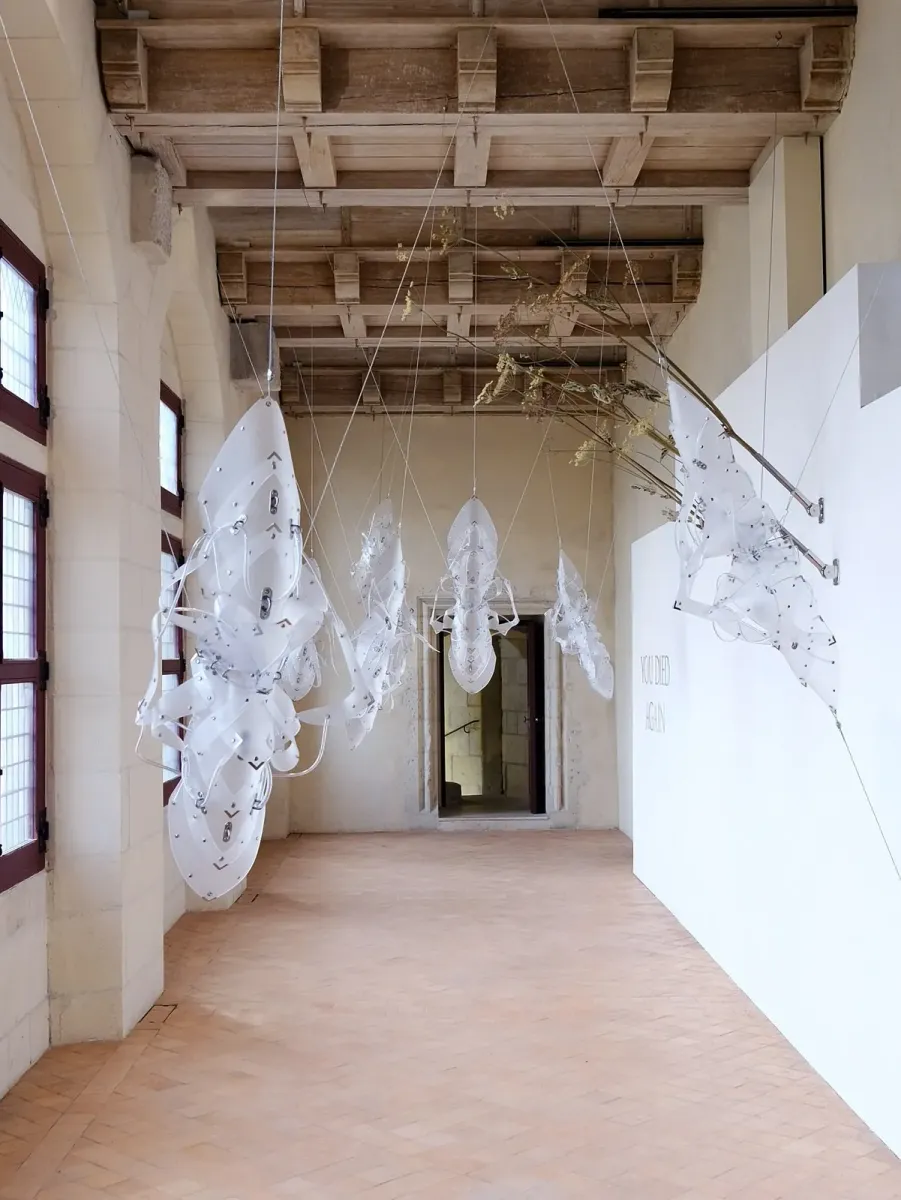
Angers / 2026
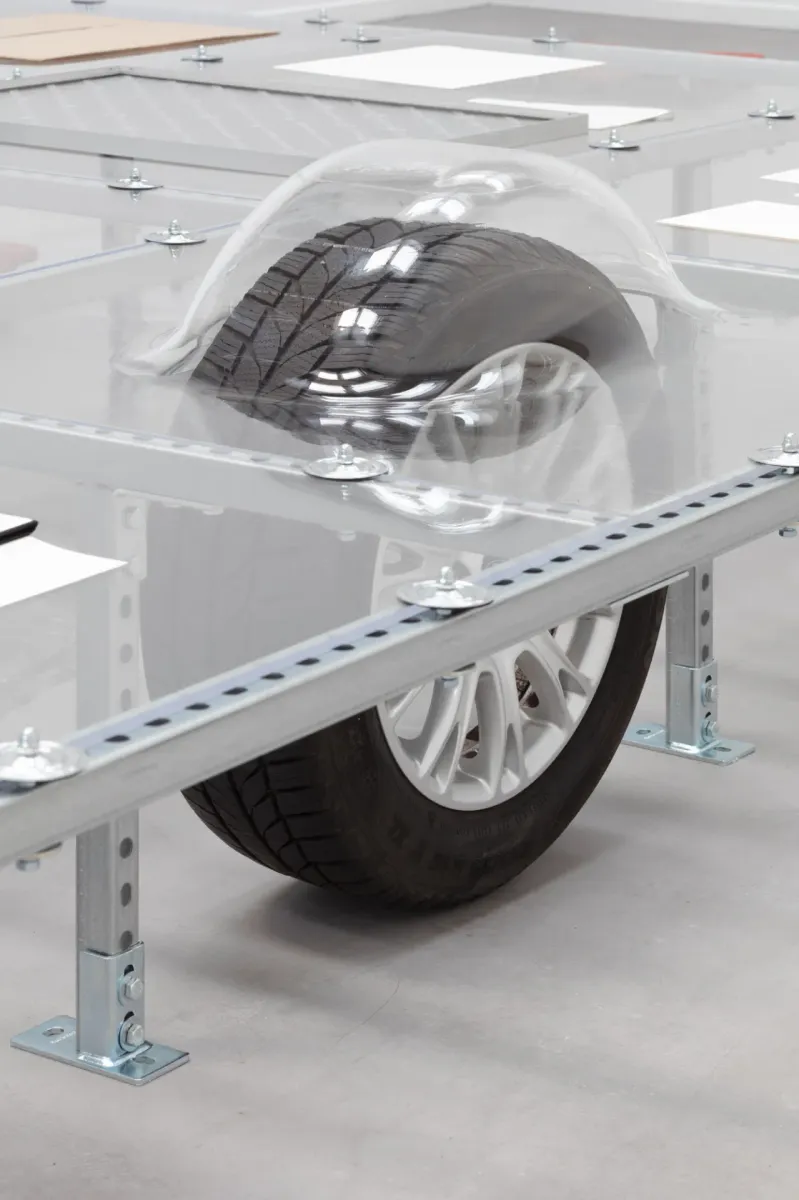
Genk / 2026
Kraków / 2026
Vienna / 2026
Poznań / 2026
Warsaw / 2026
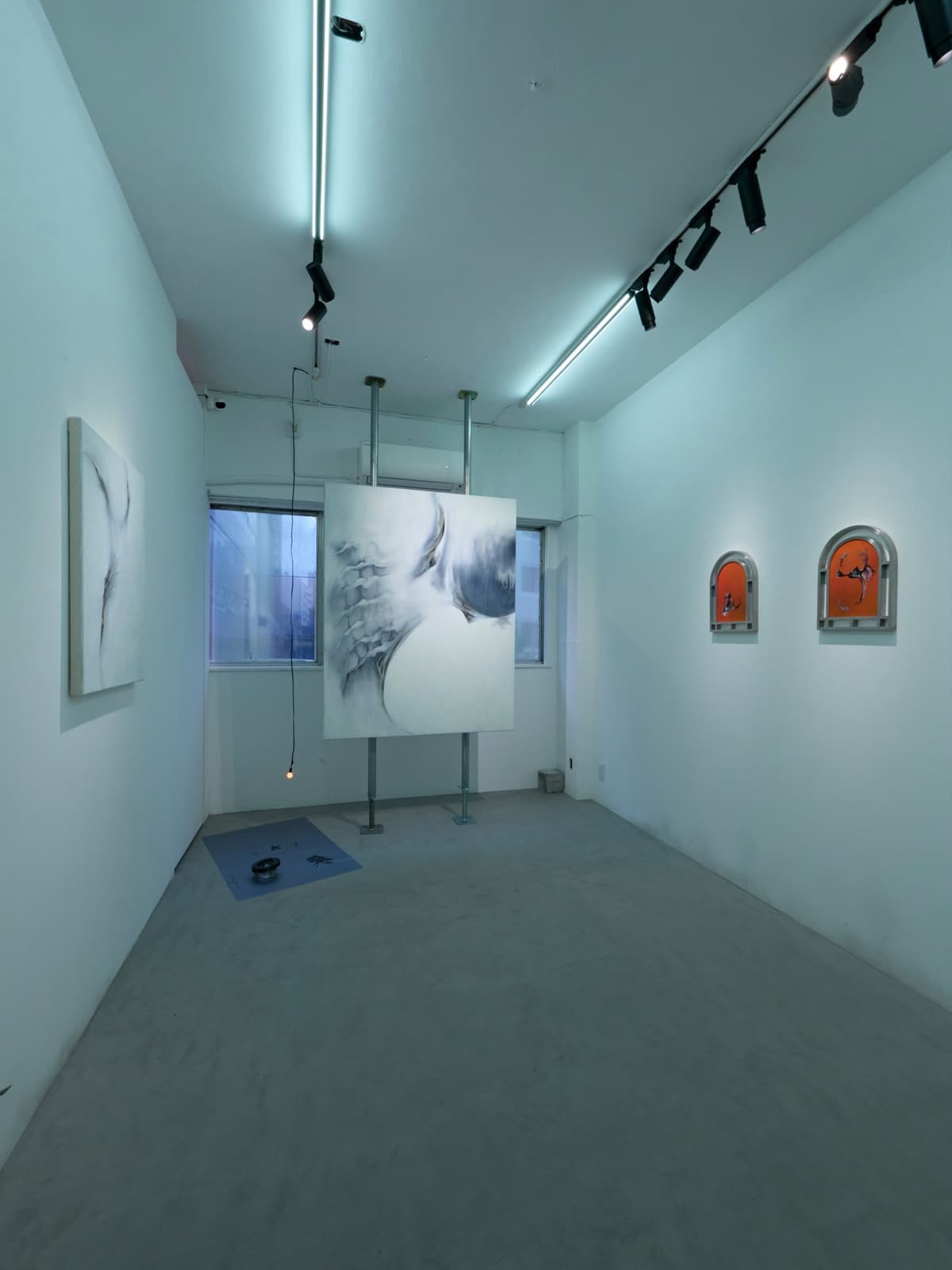
Tokyo / 2026
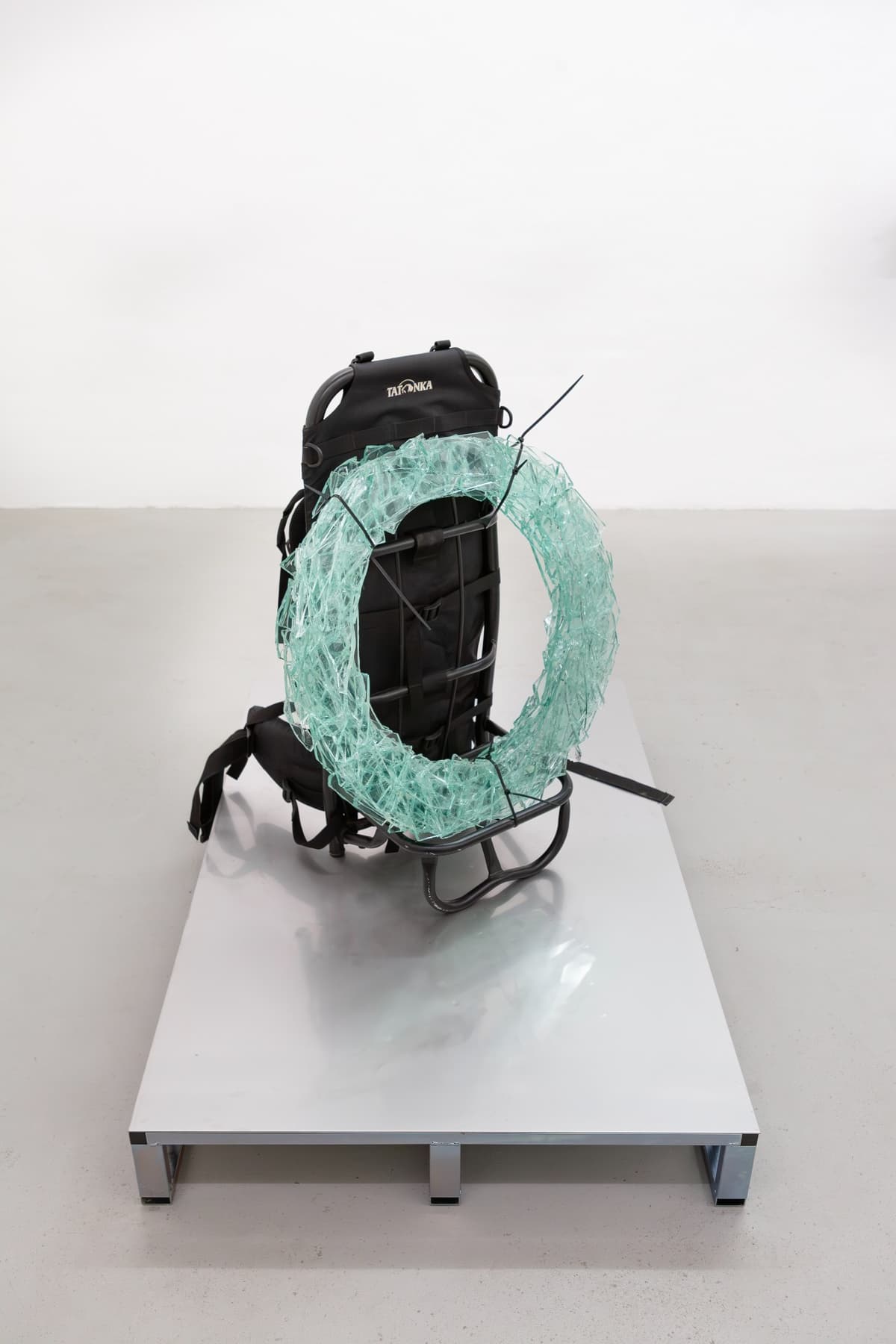
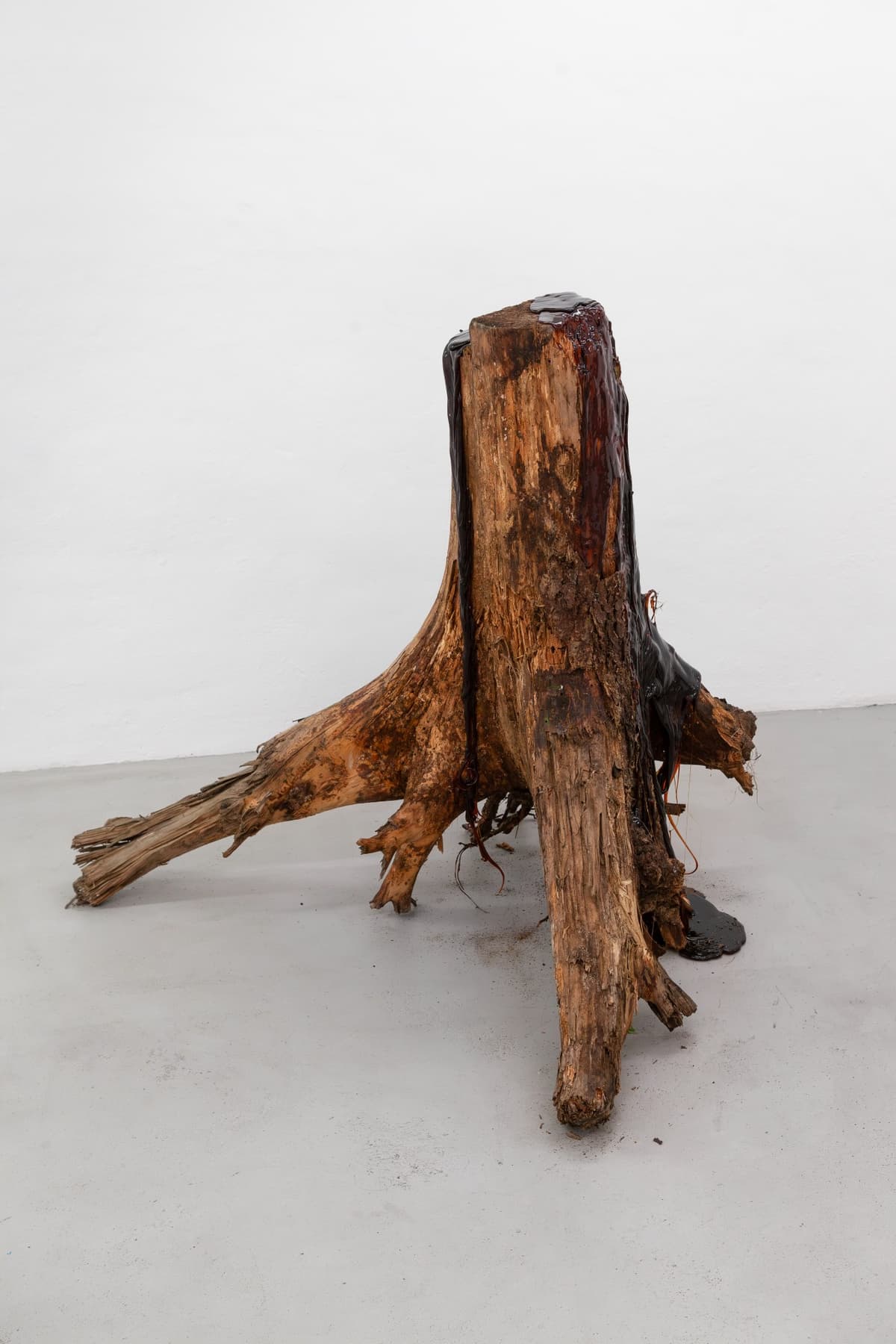
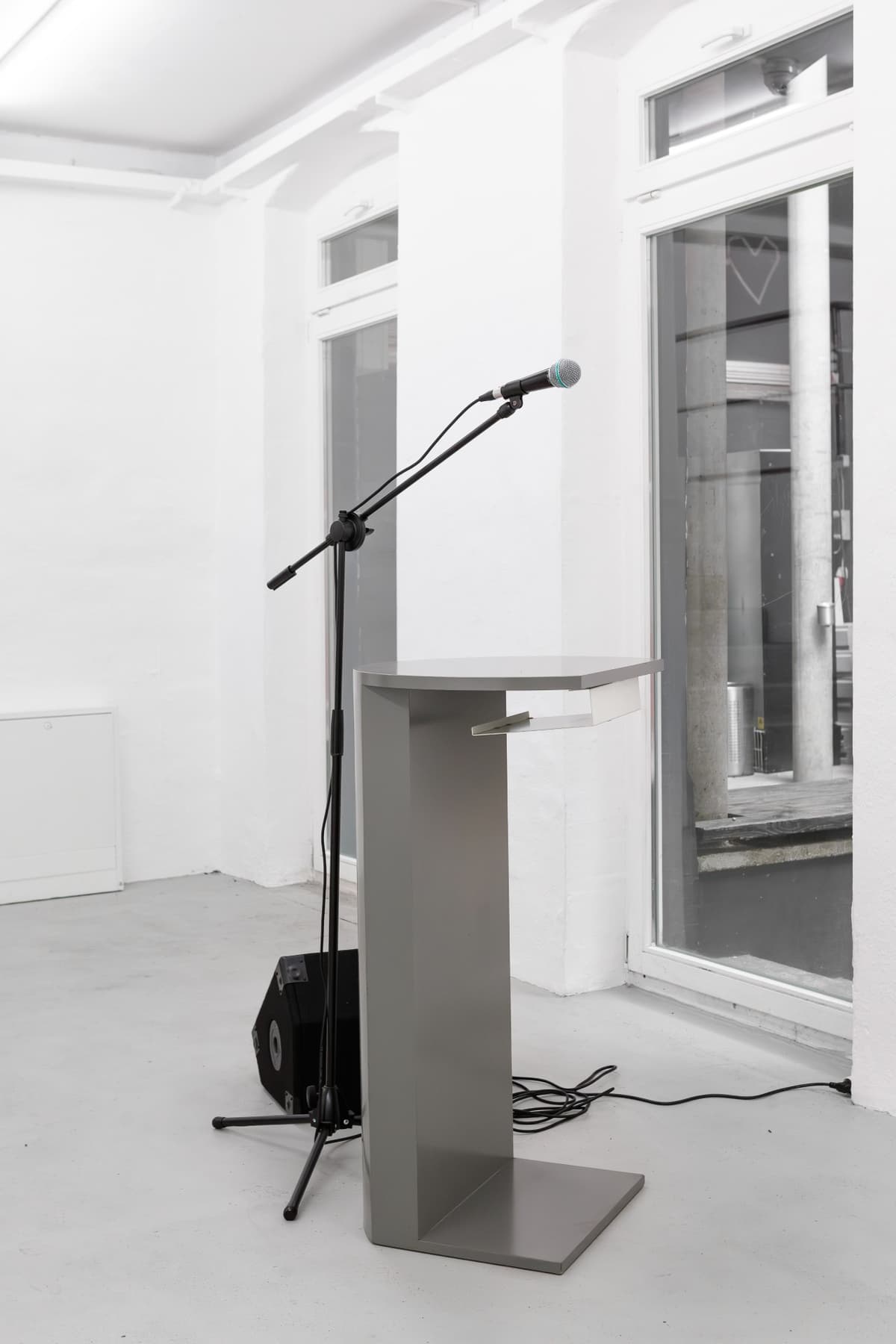
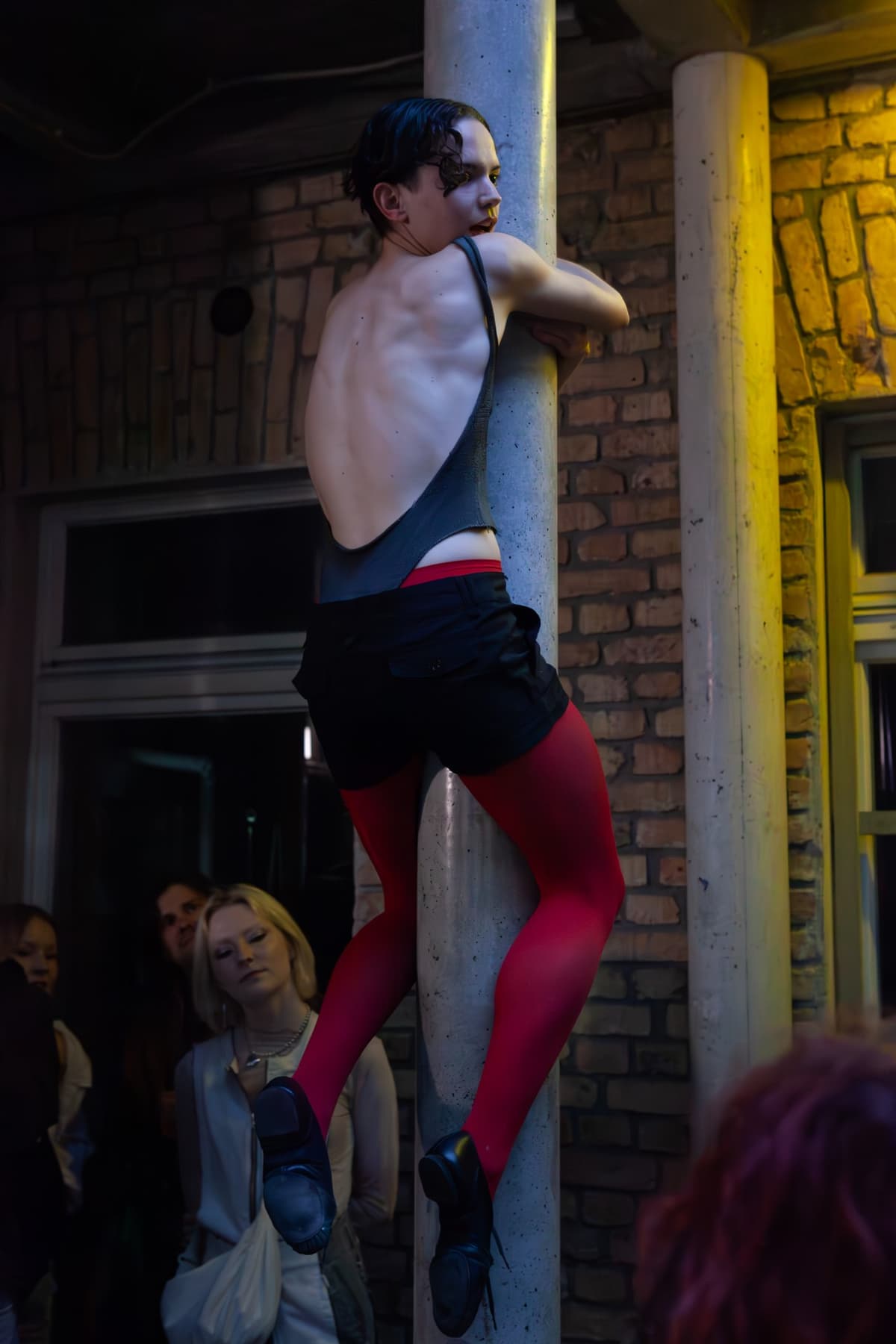
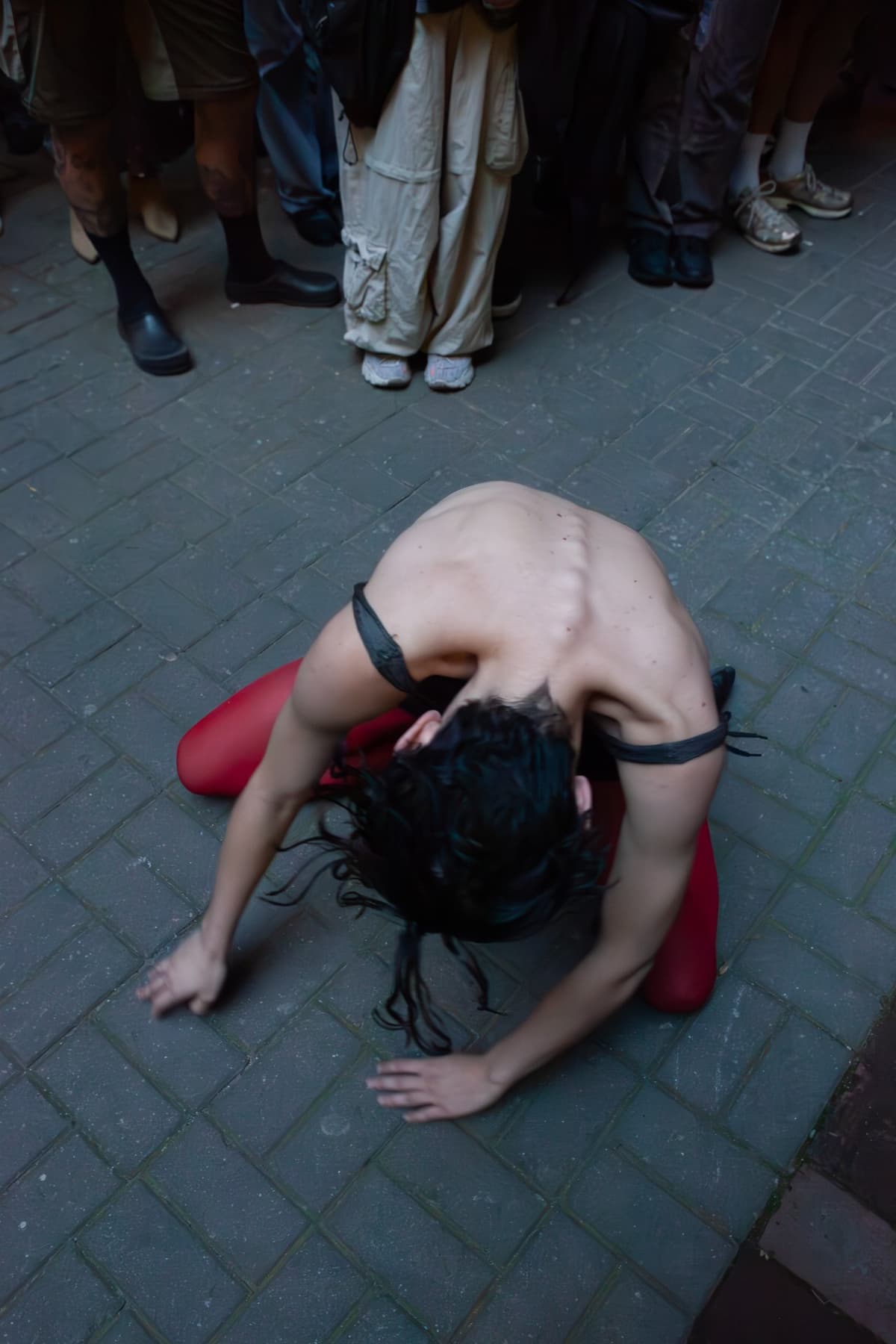
Berlin / 2025
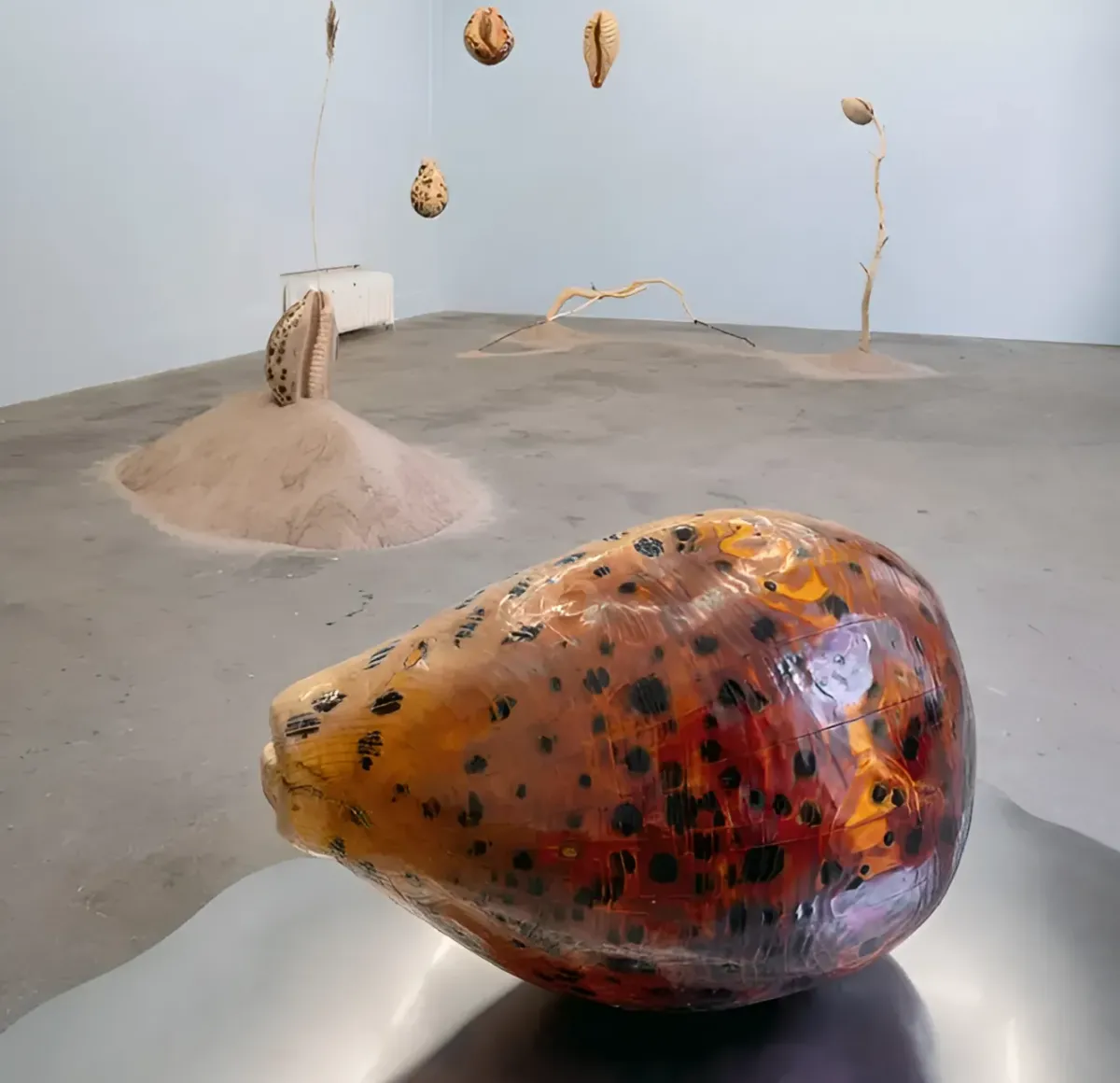
Göteborg / 2025
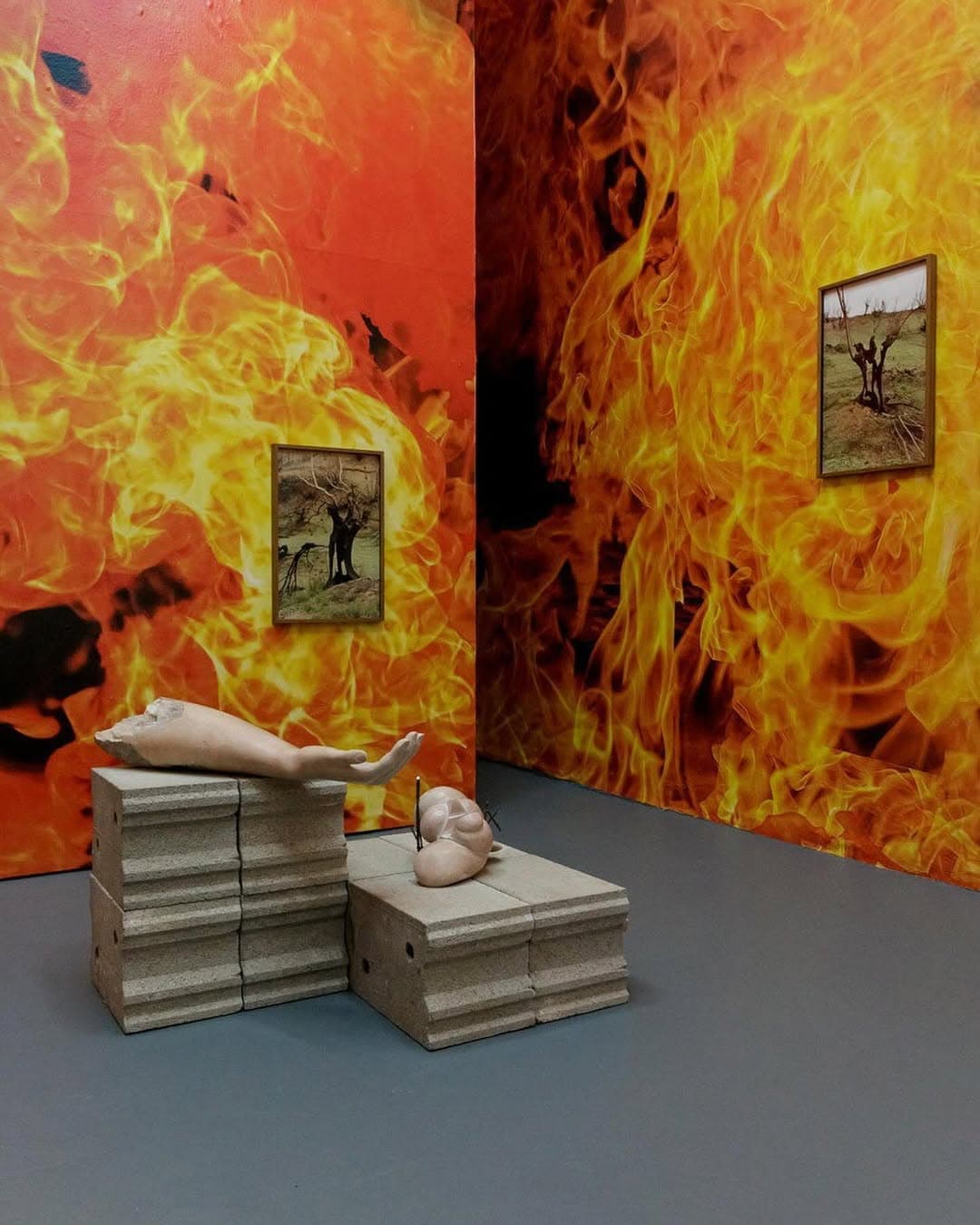
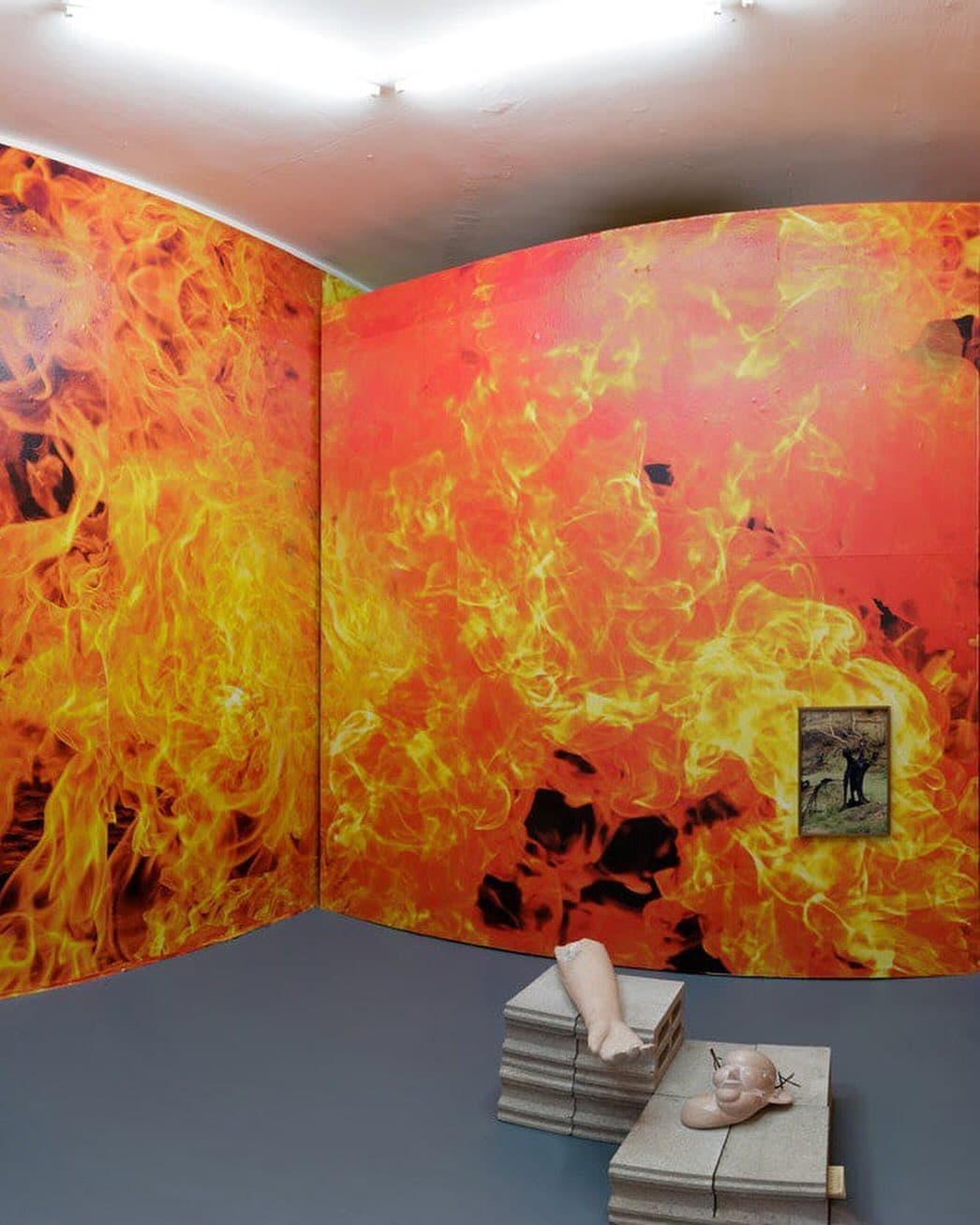
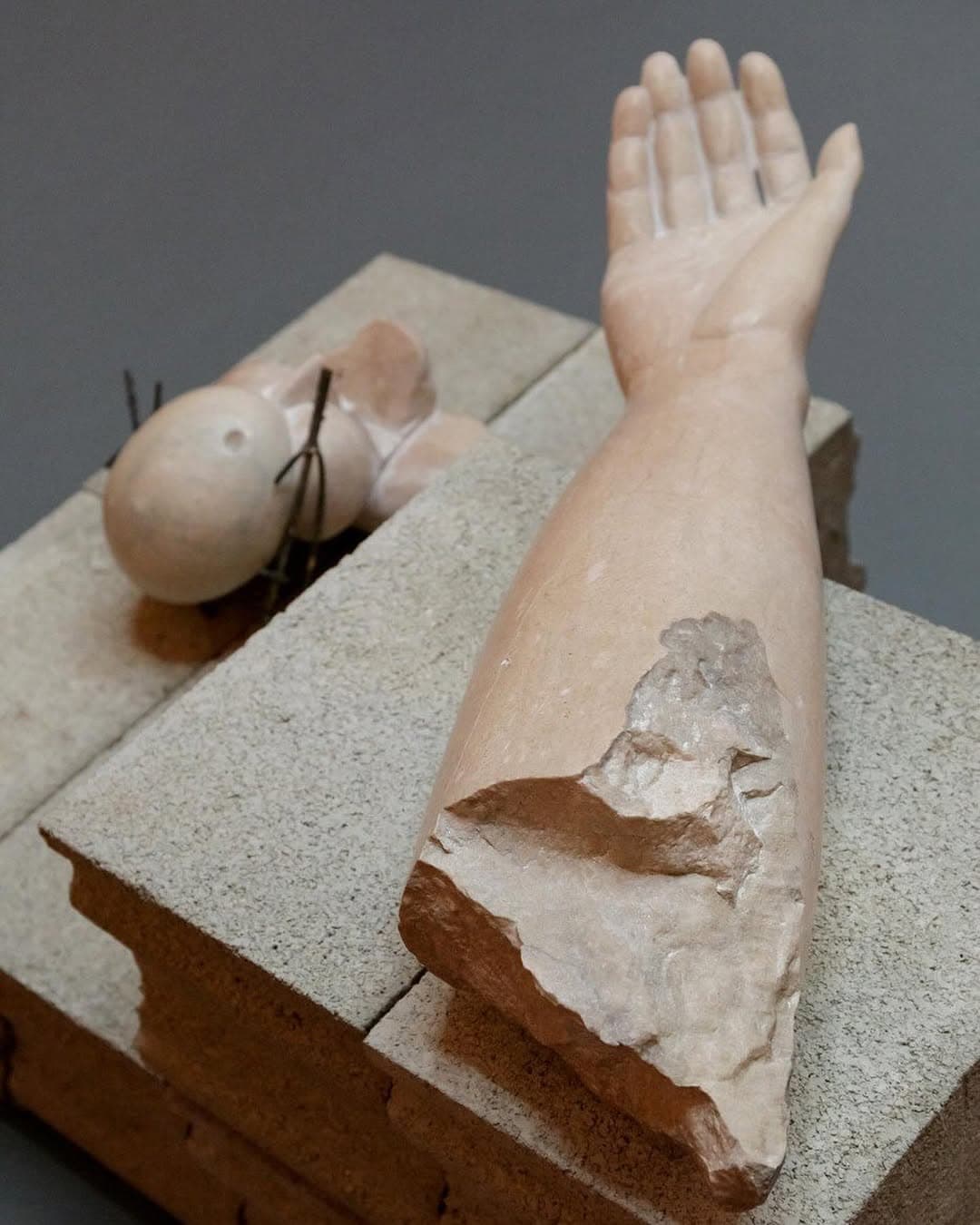
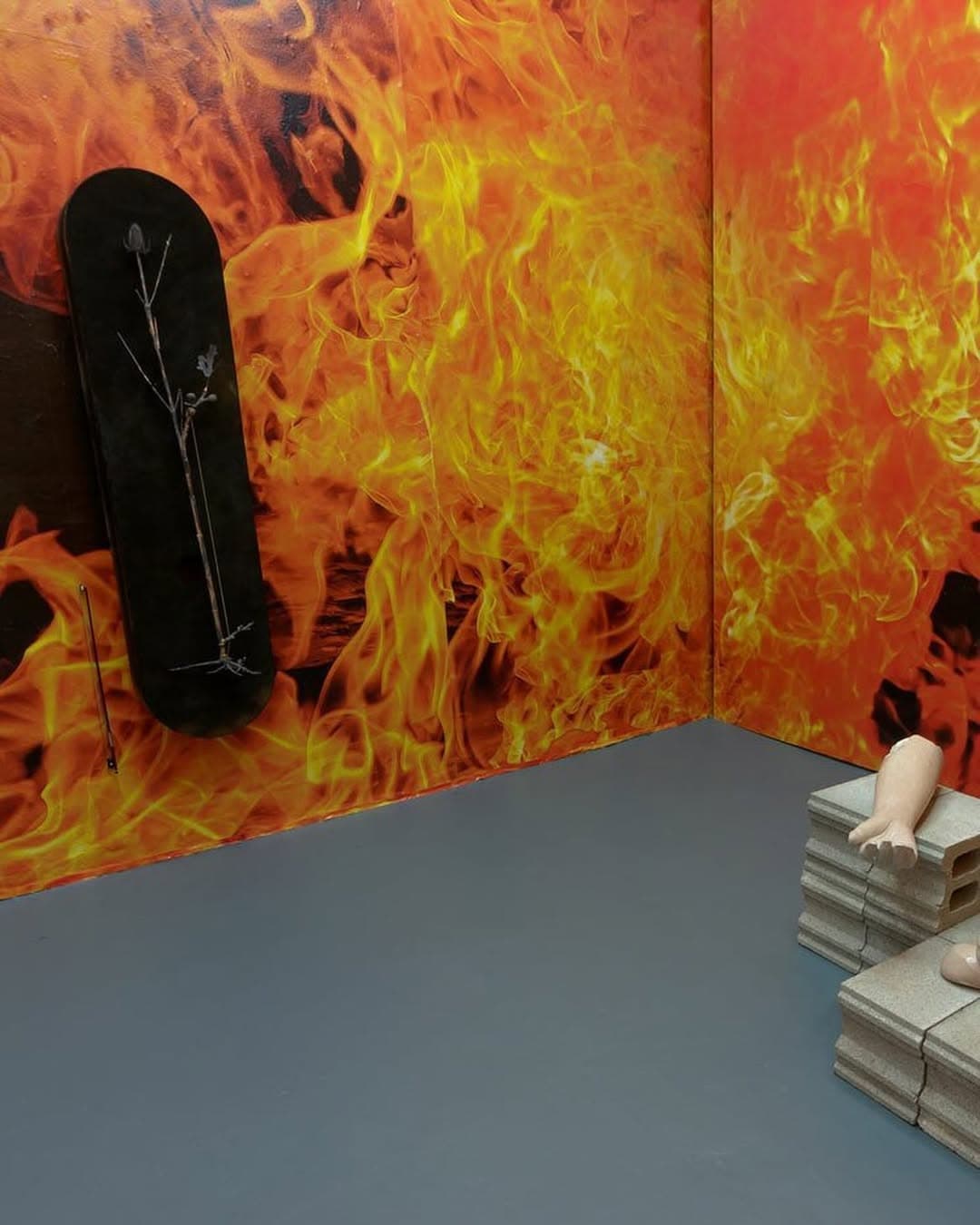
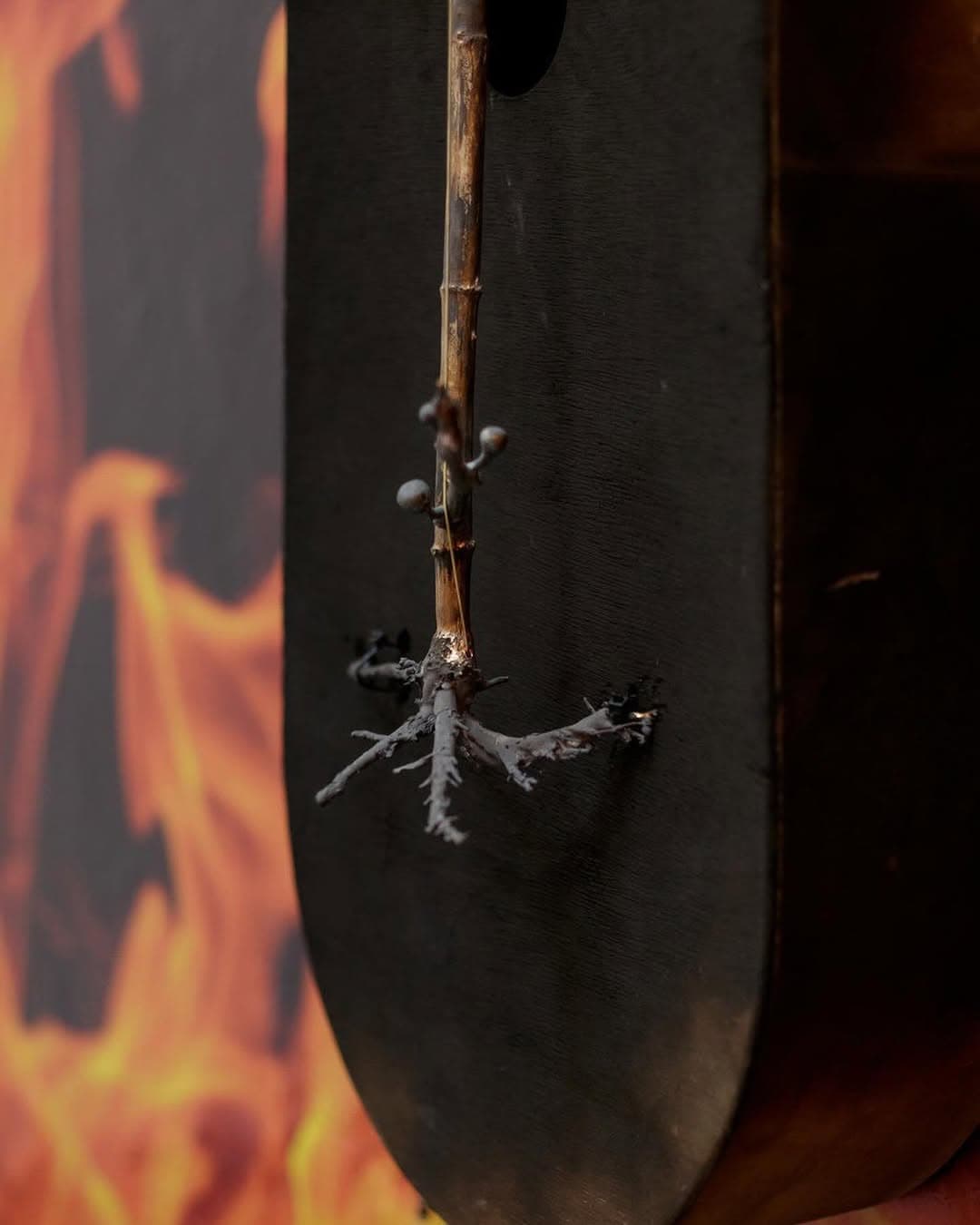
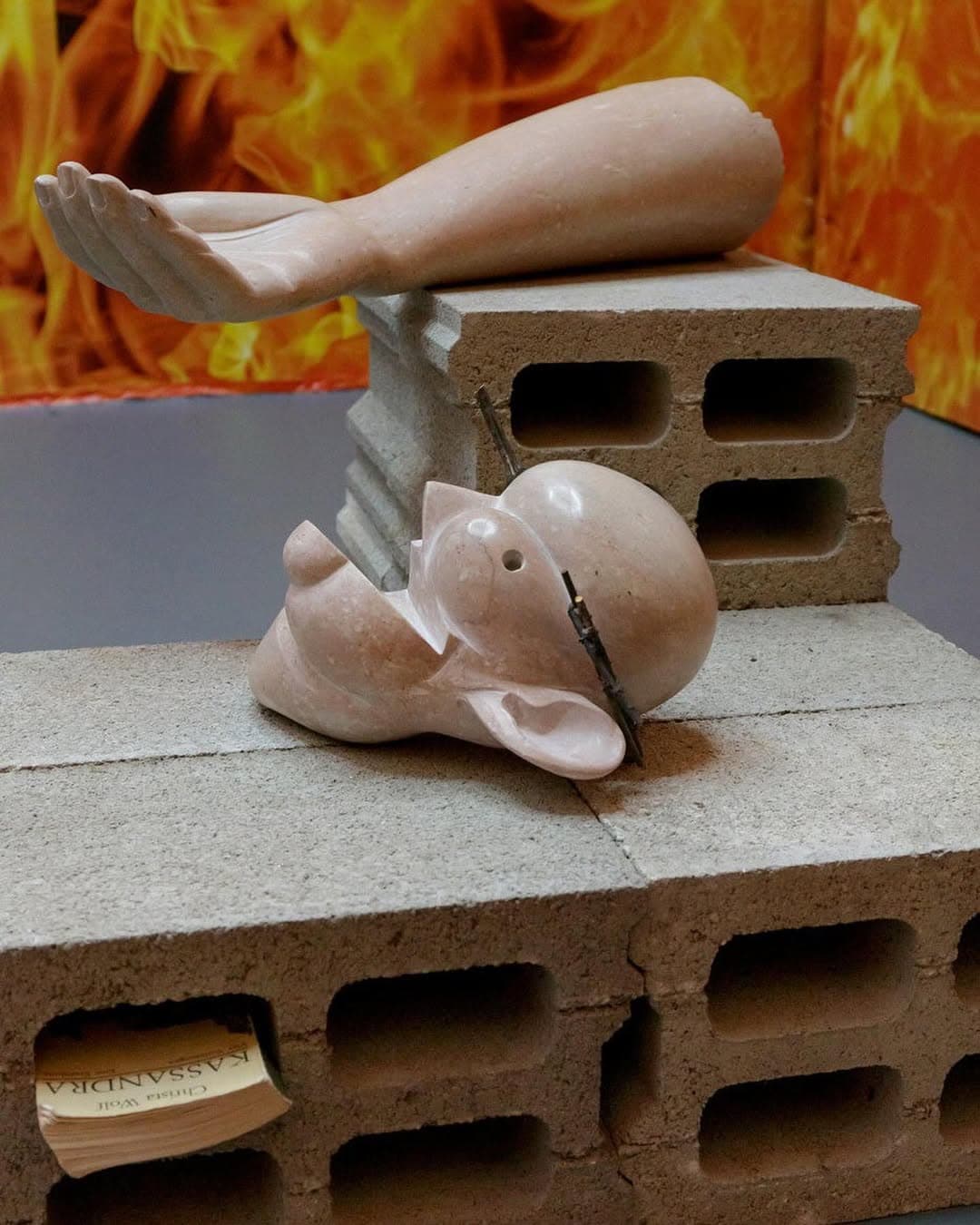
/ 2023
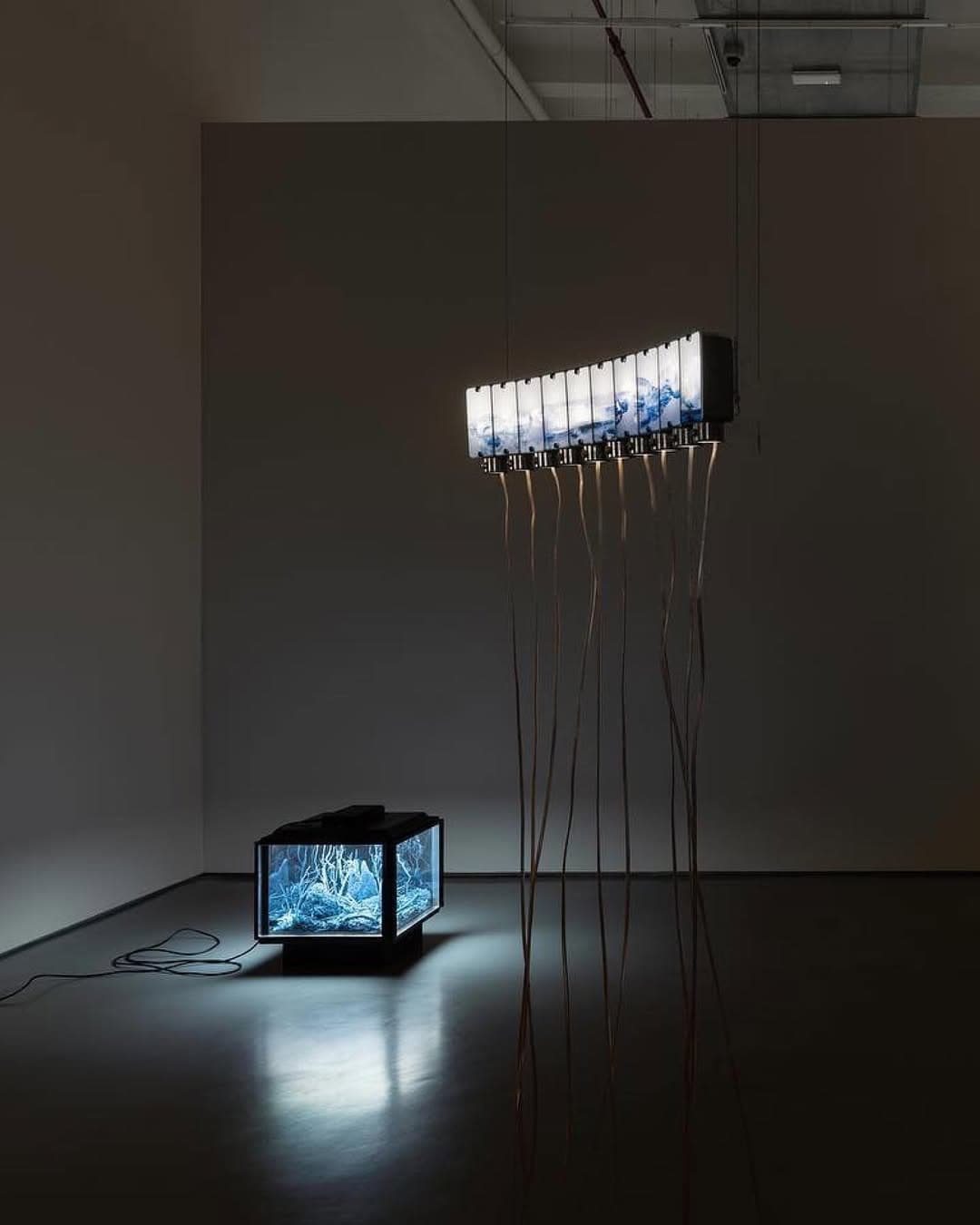
Lisboa / 2023
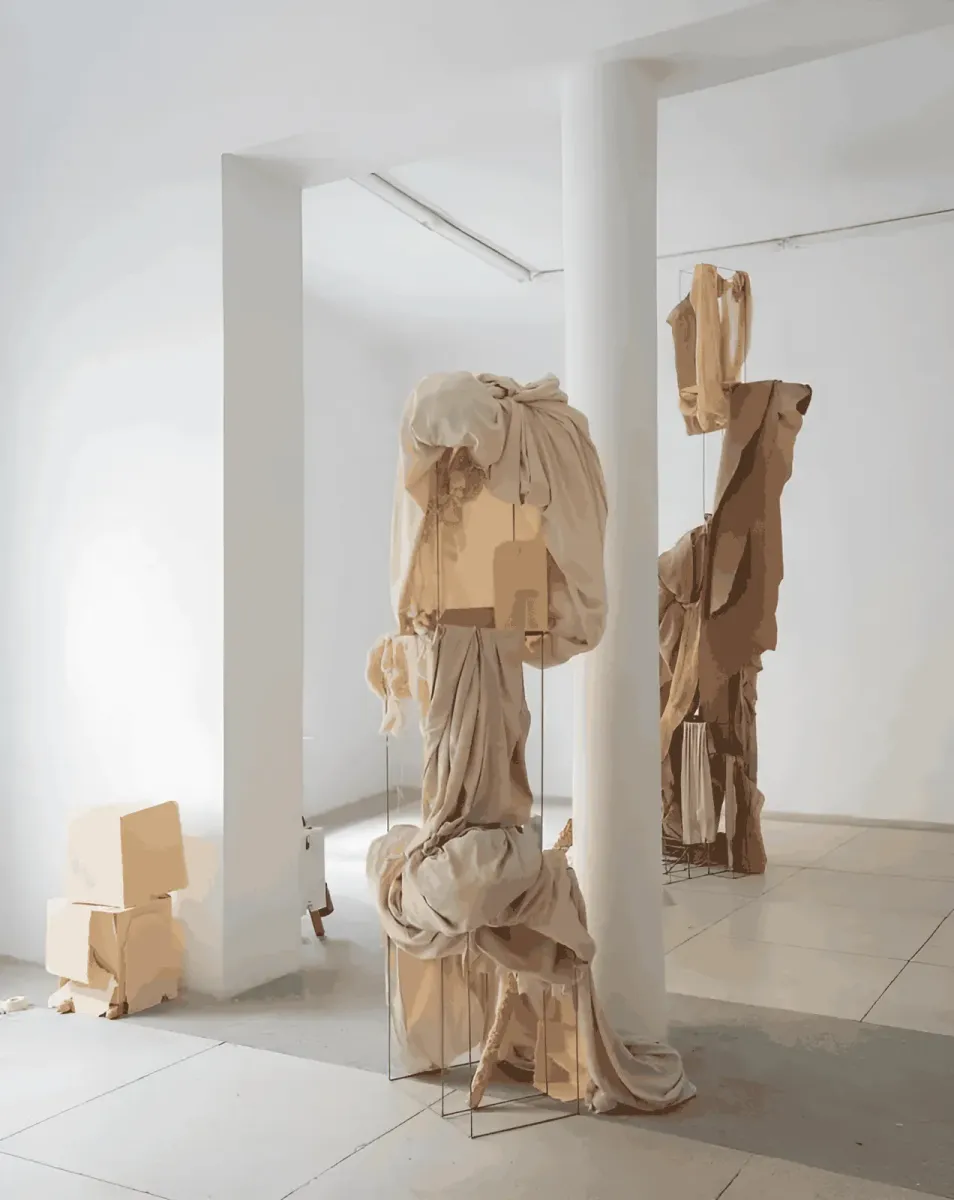
Vilnius / 2024
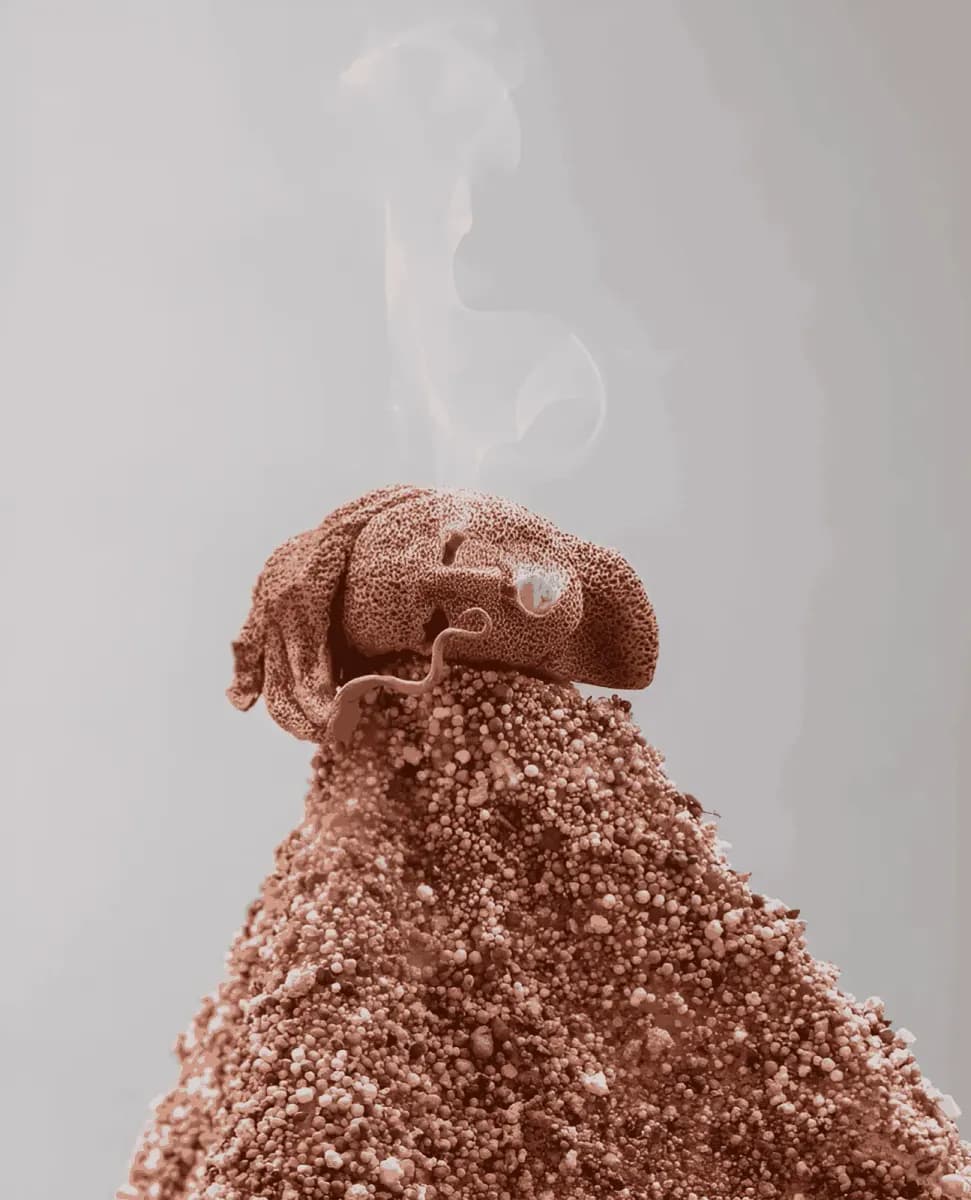
Prague / 2024
Jung-gu, Seoul / 2025
Ljubljana / 2025
Bratislava / 2025
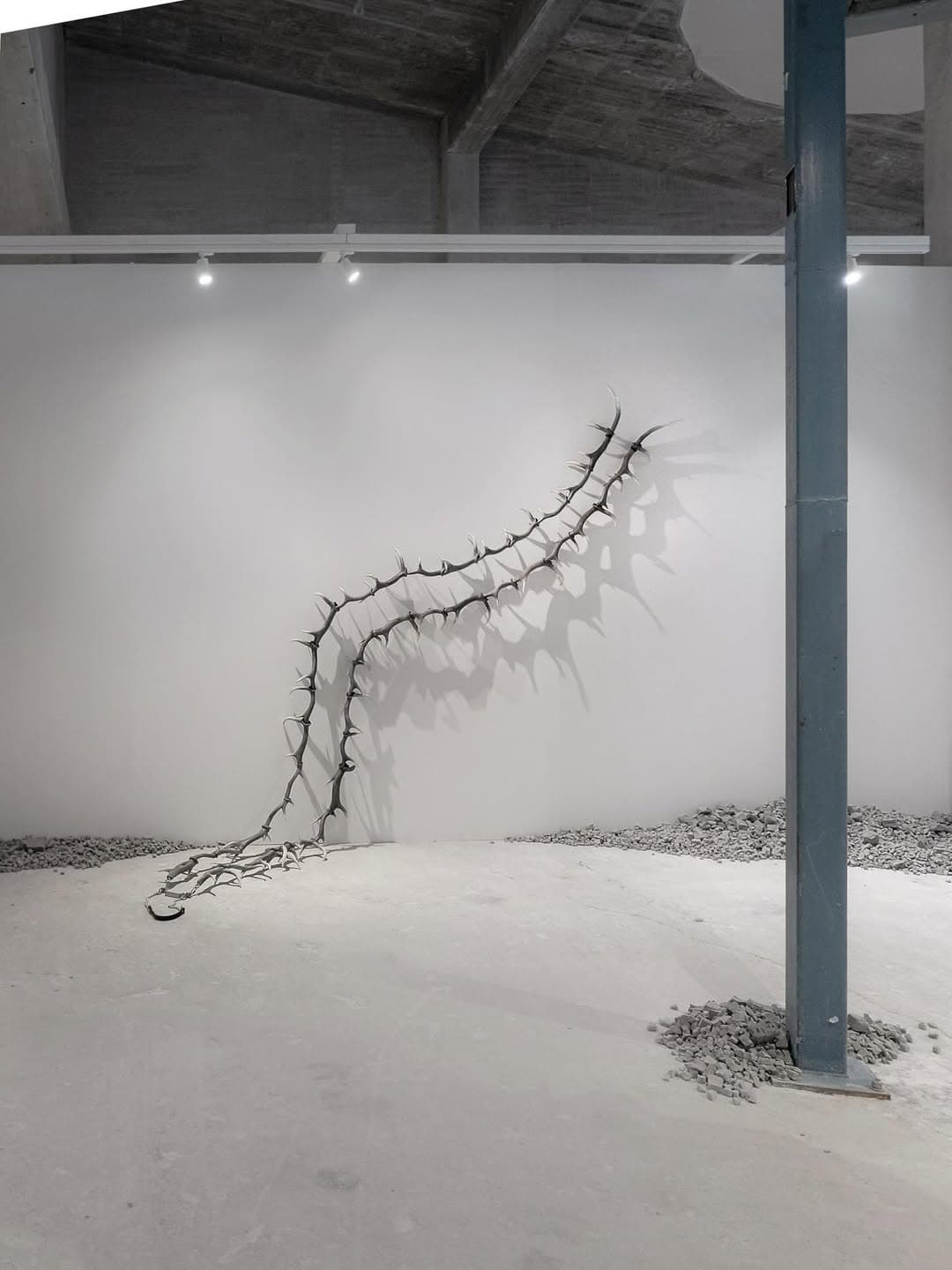
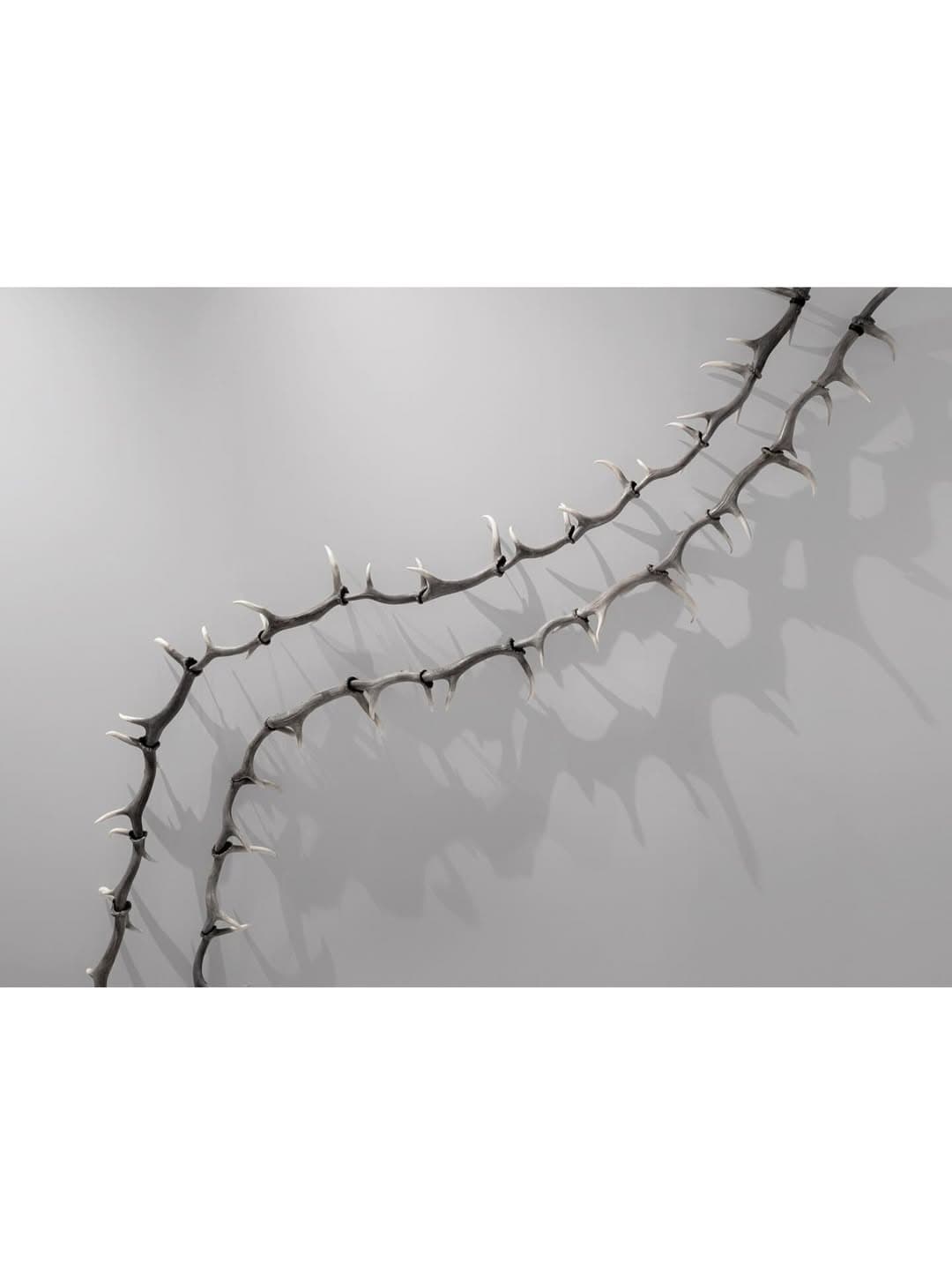
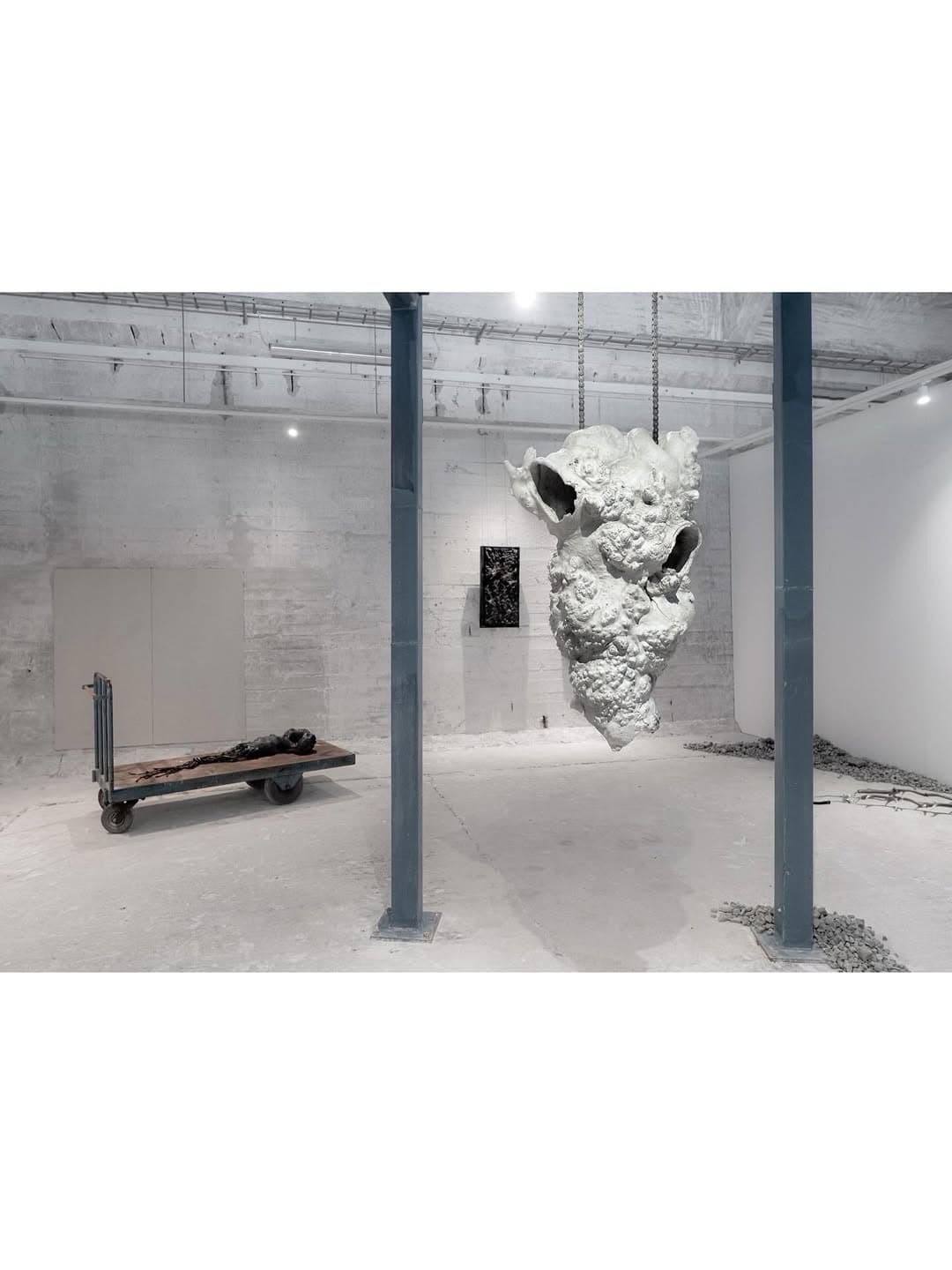
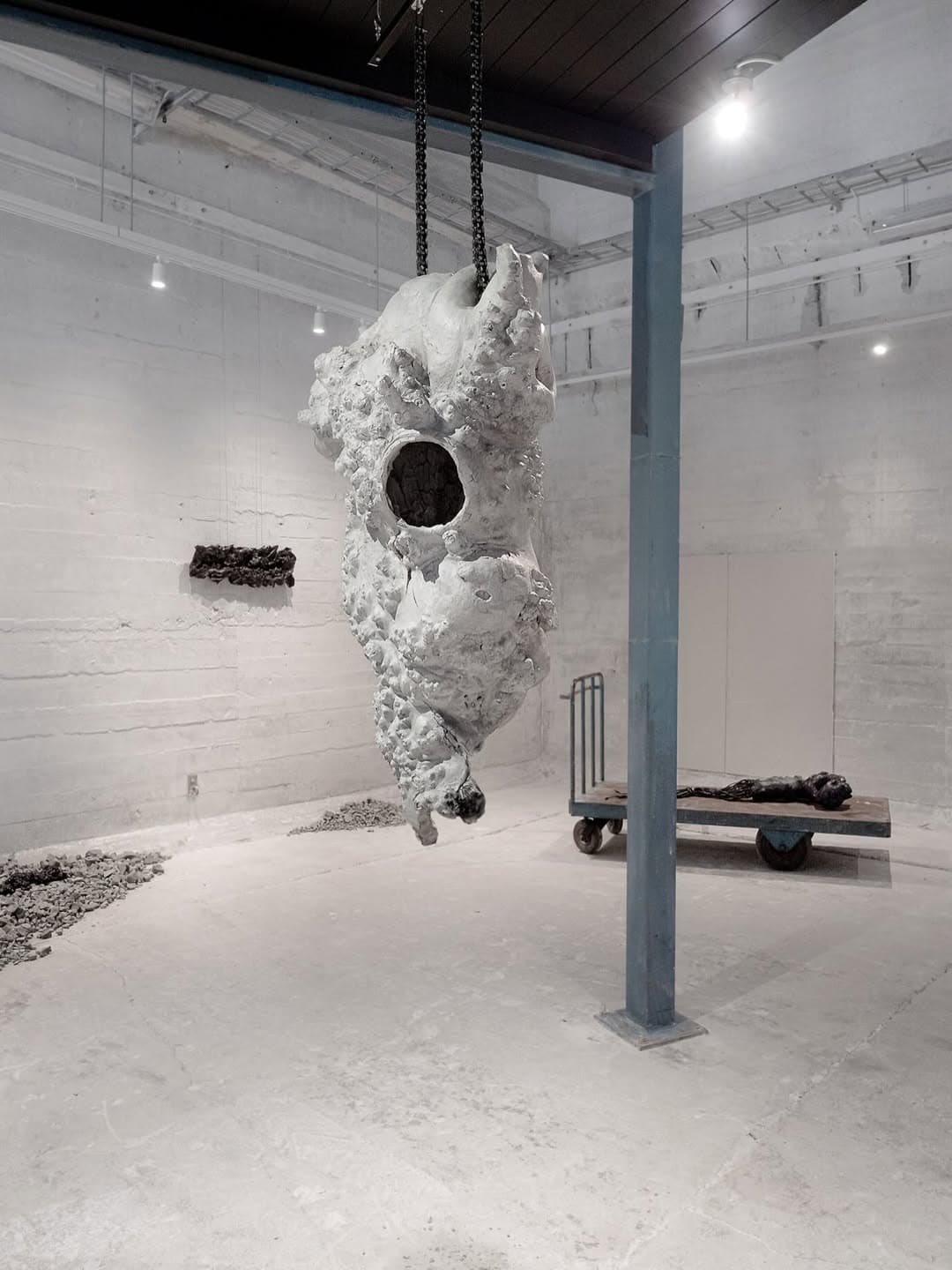
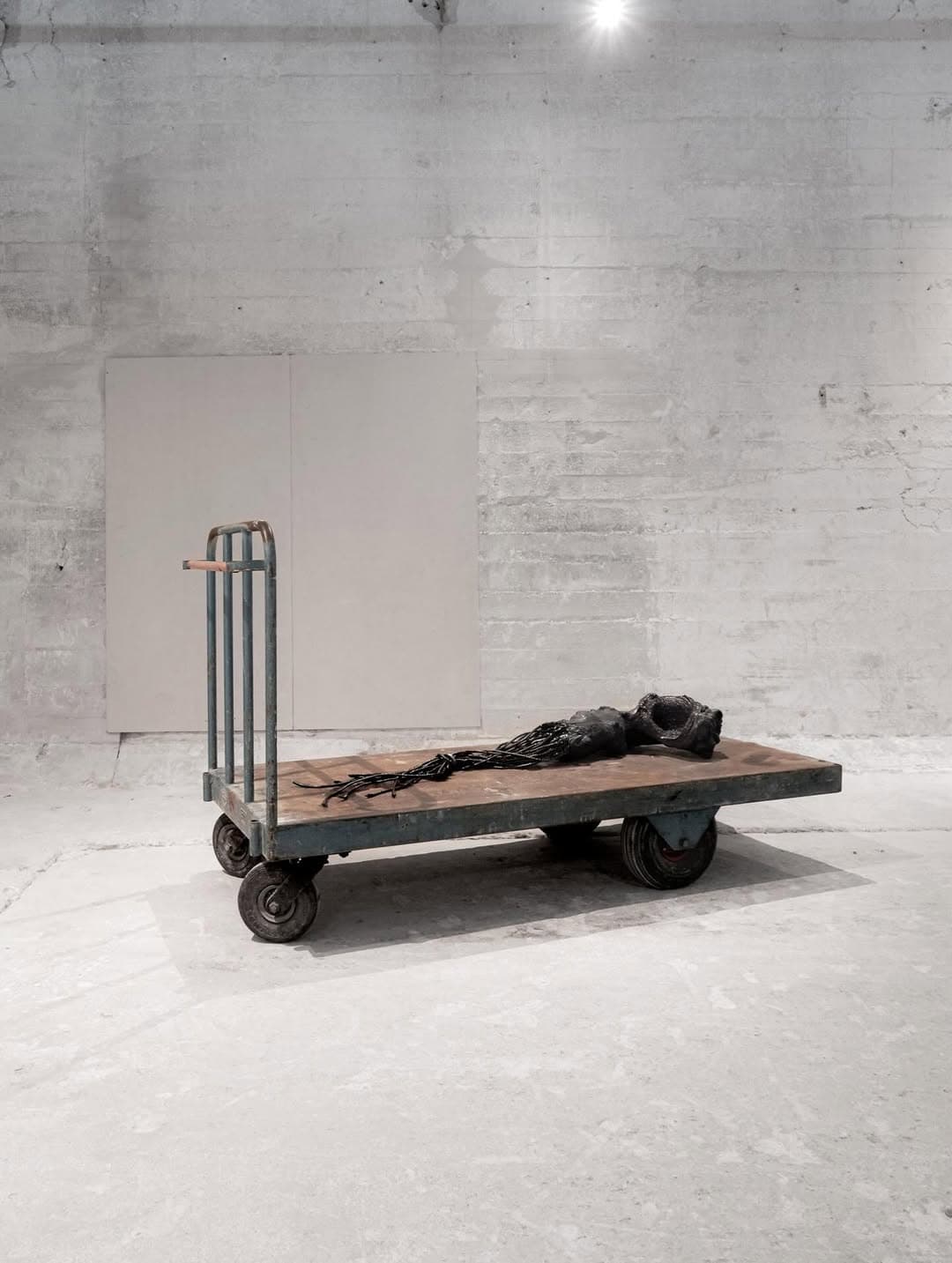
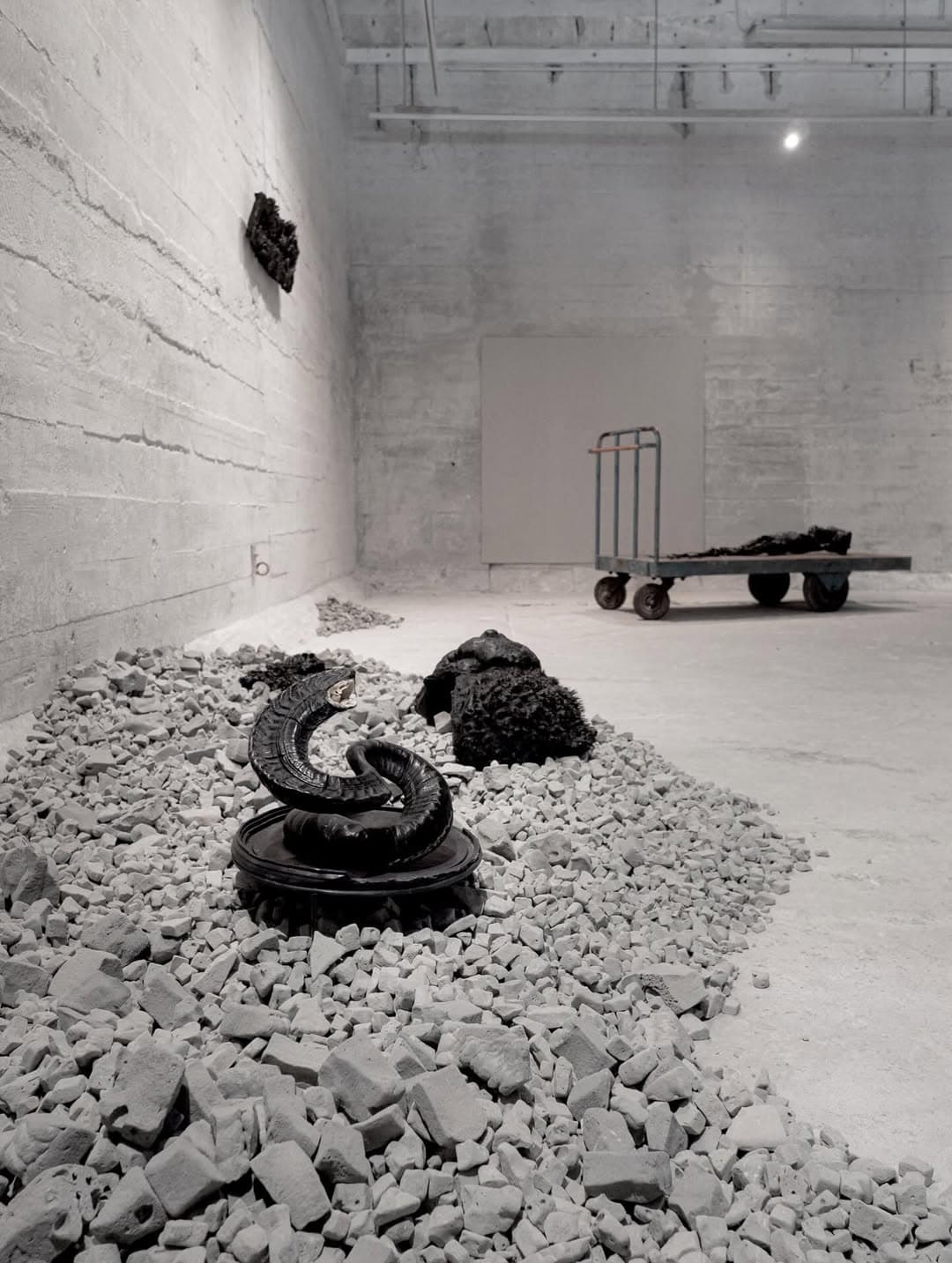
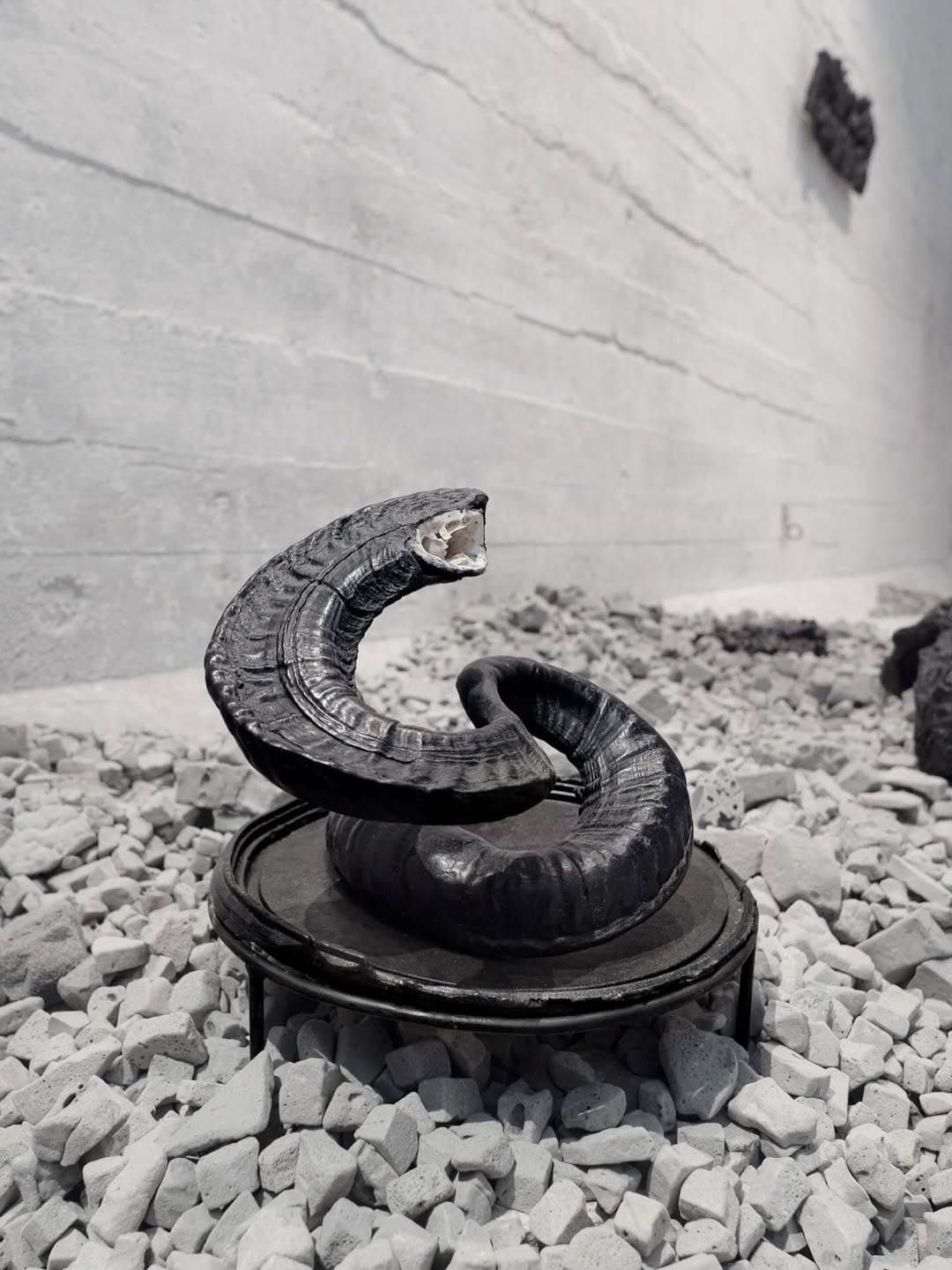
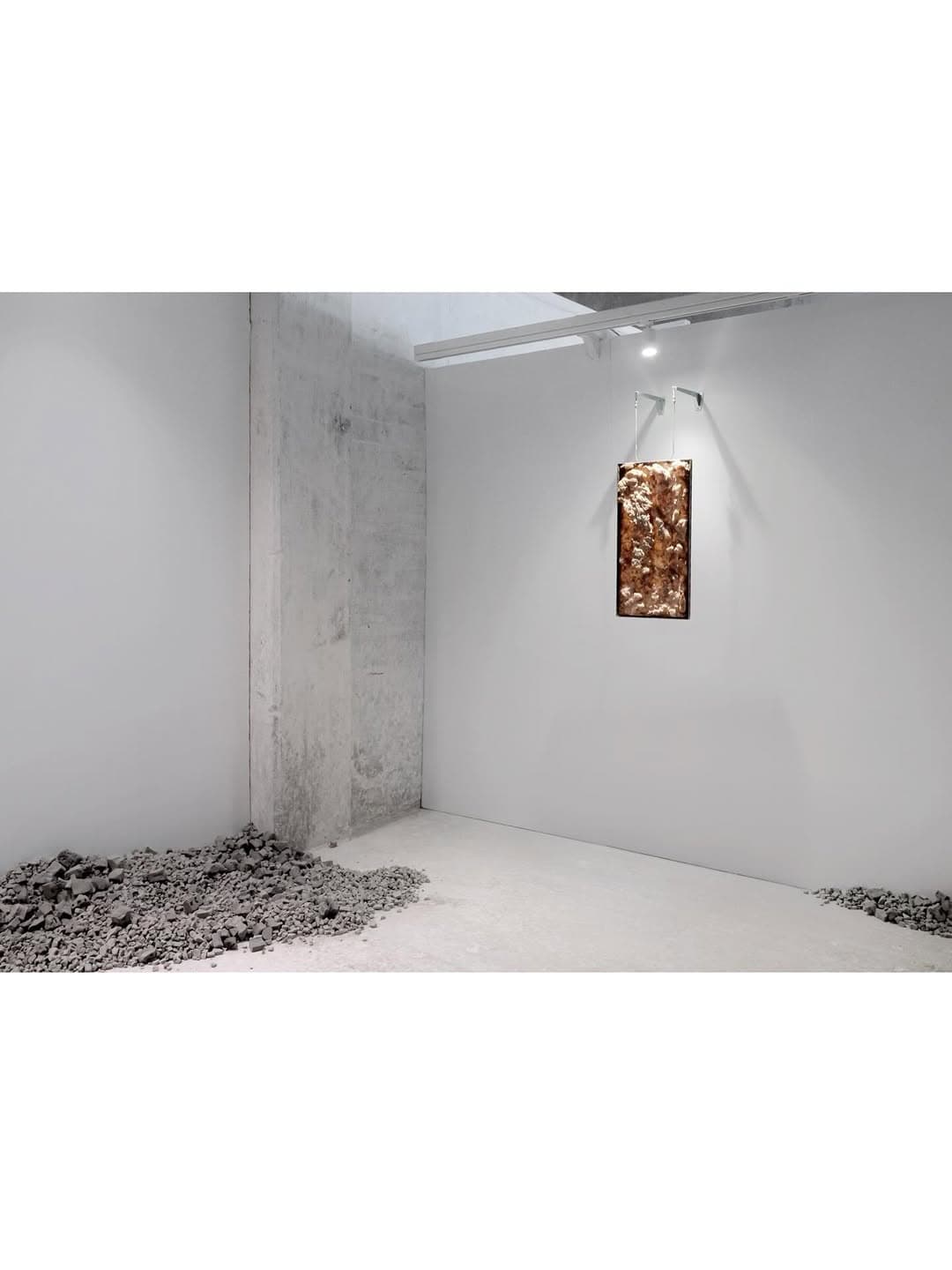
/ 2025
Bratislava / 2025
Kraków / 2025
%2Fphoto_1_2026-05-23_19-26-42.jpg&w=1200&q=75)
Milan / 2025
Graz / 2026
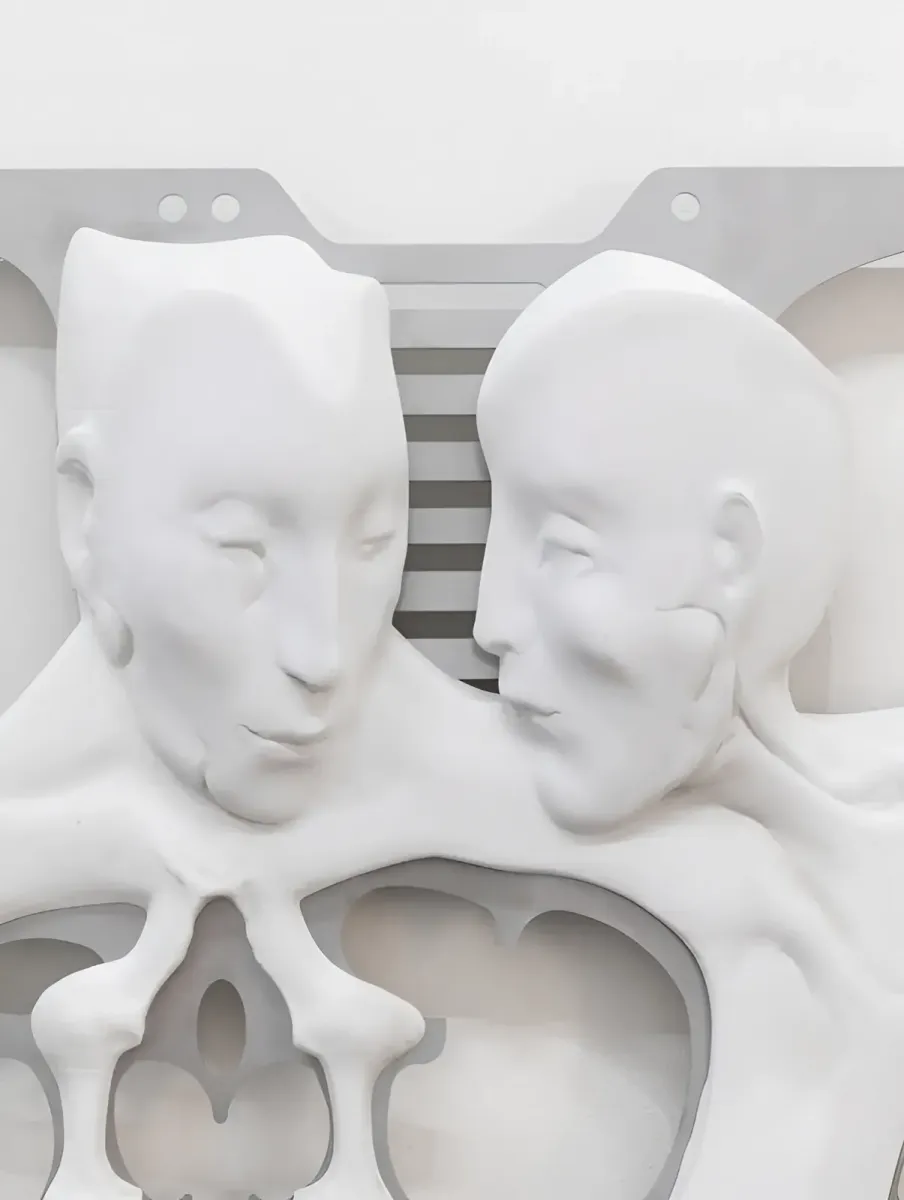
Prague / 2026
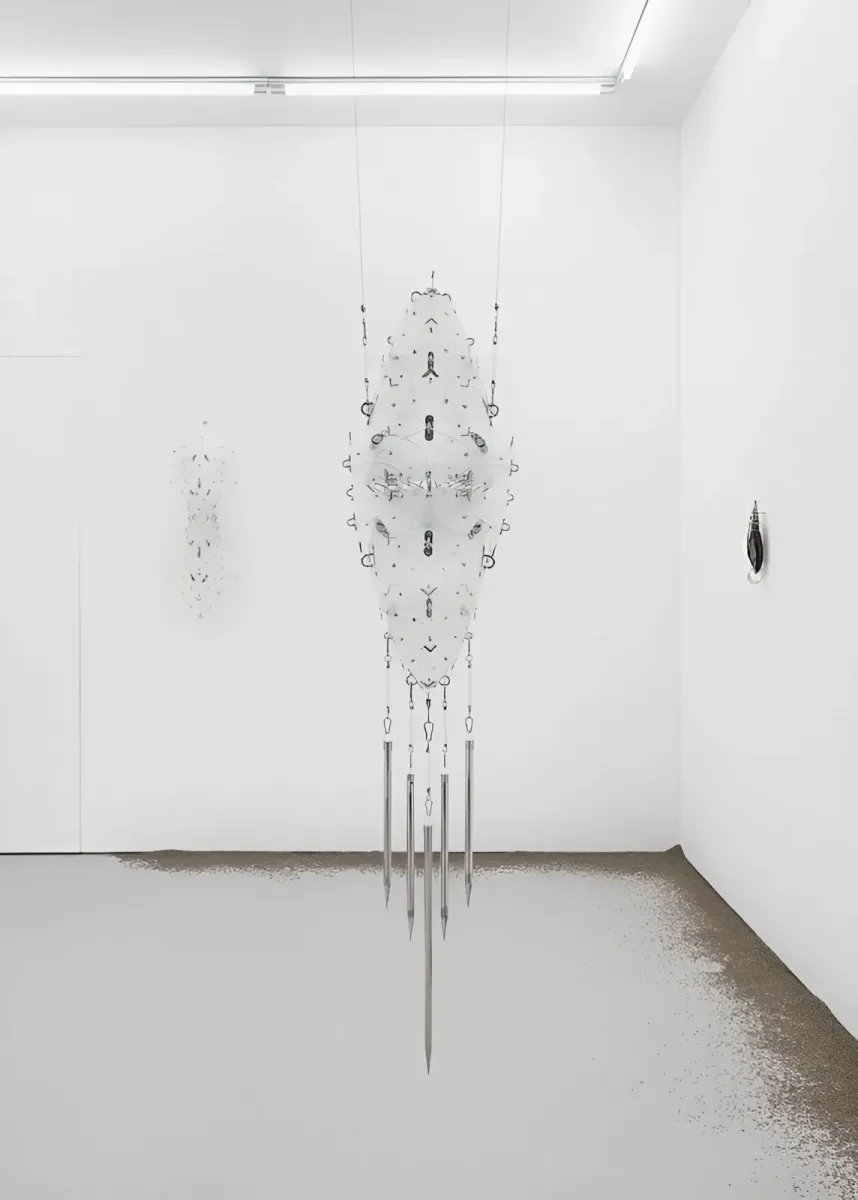
London / 2026
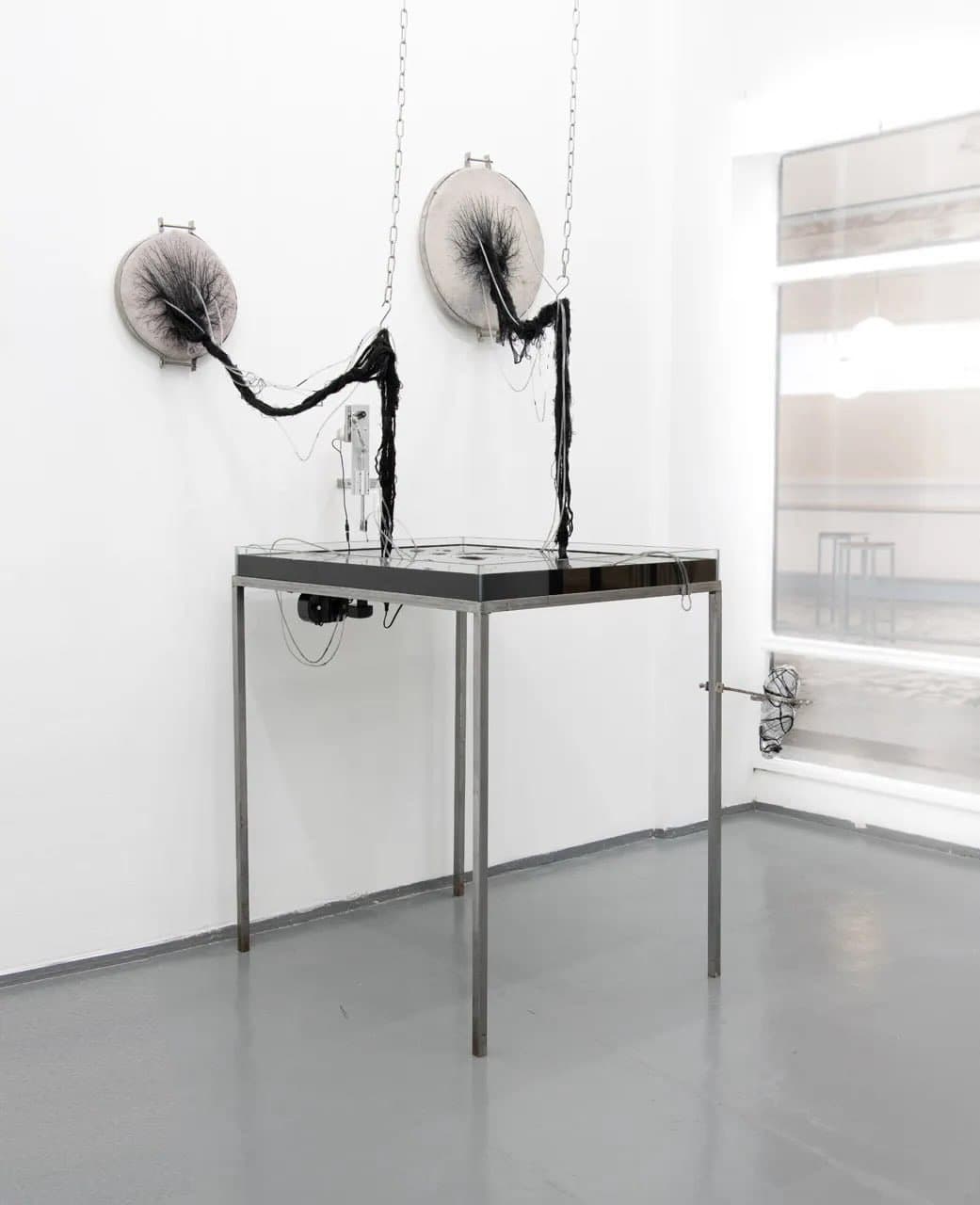
Buenos Aires / 2026
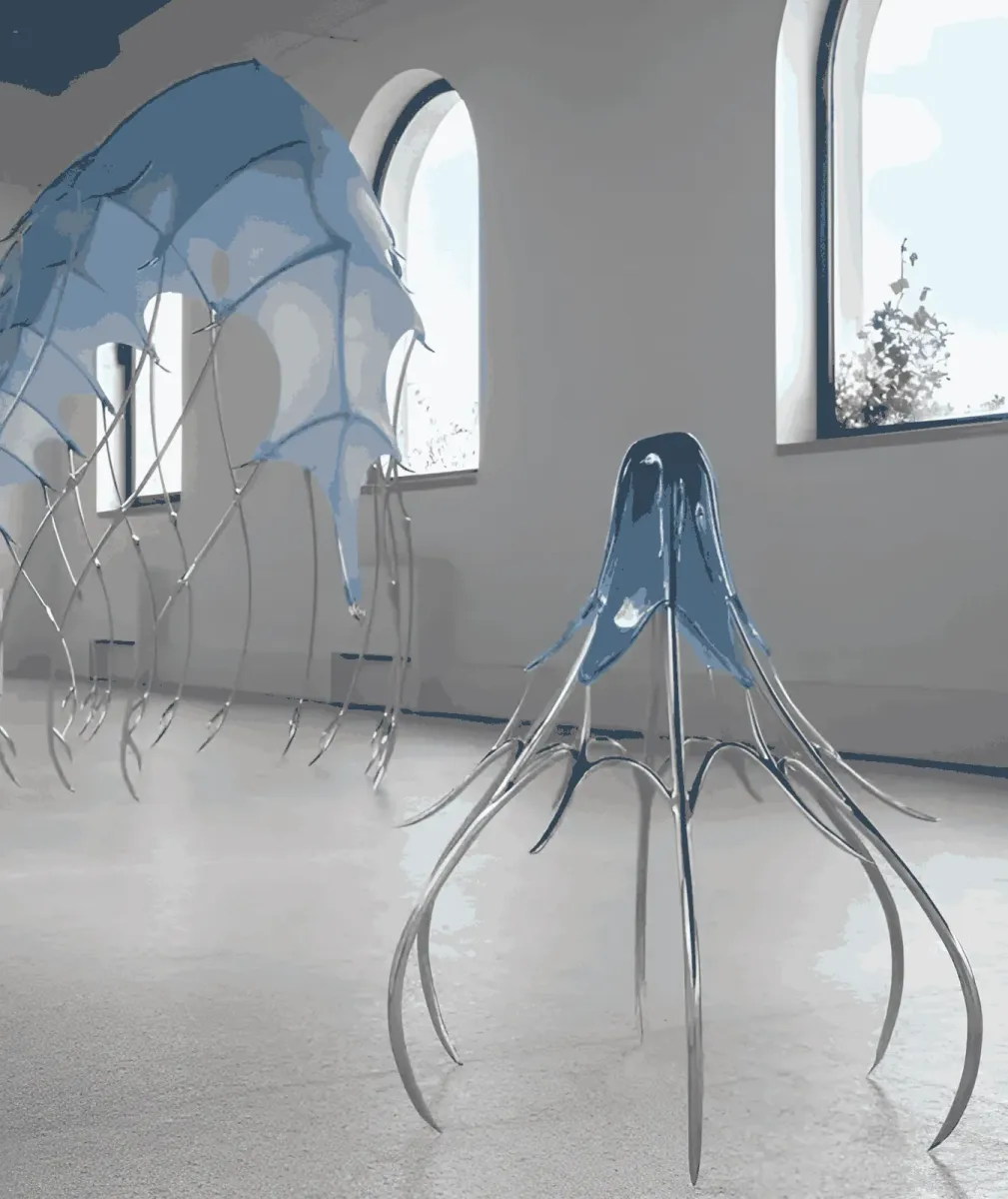
Sardinia / 2026
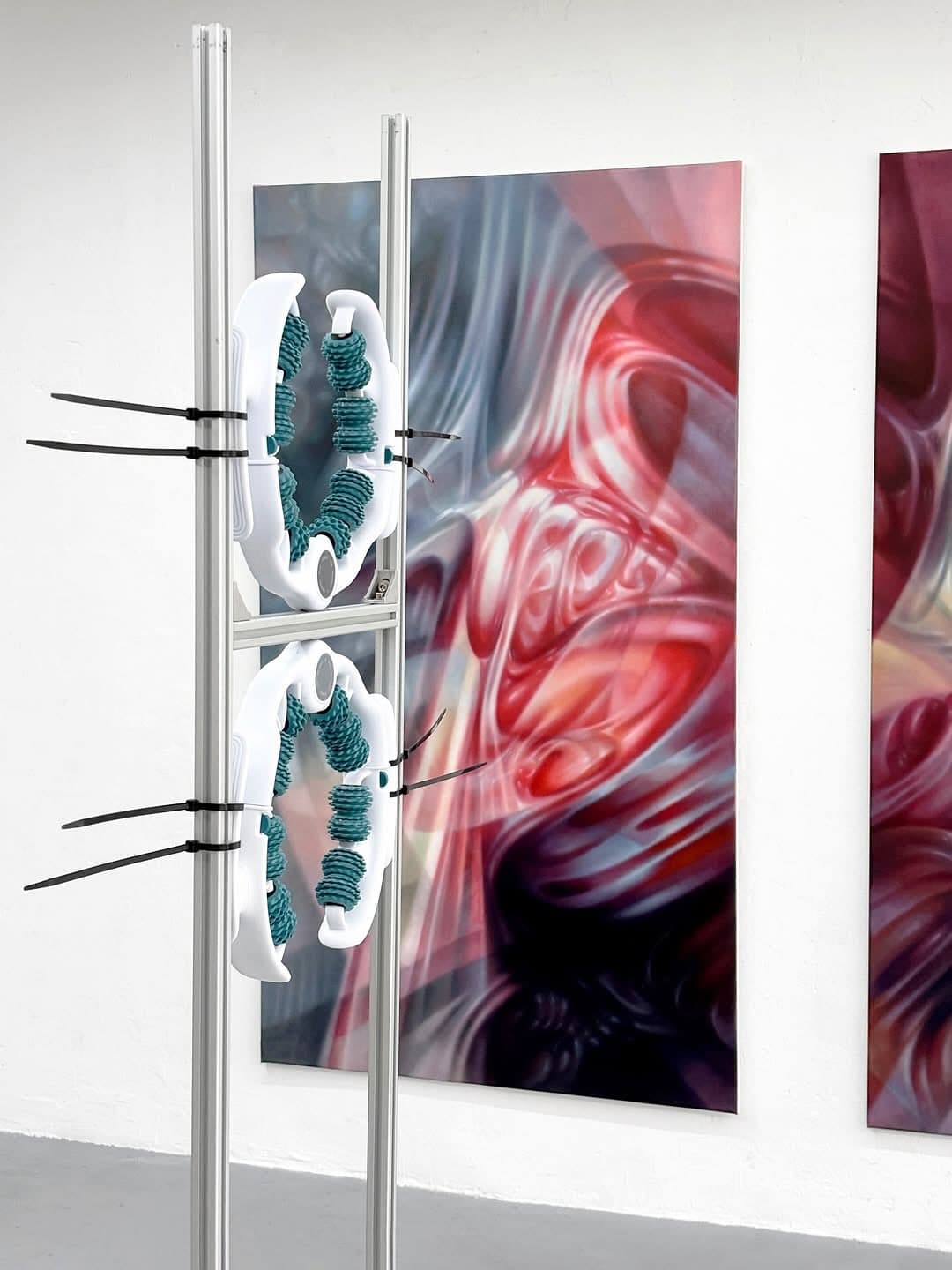
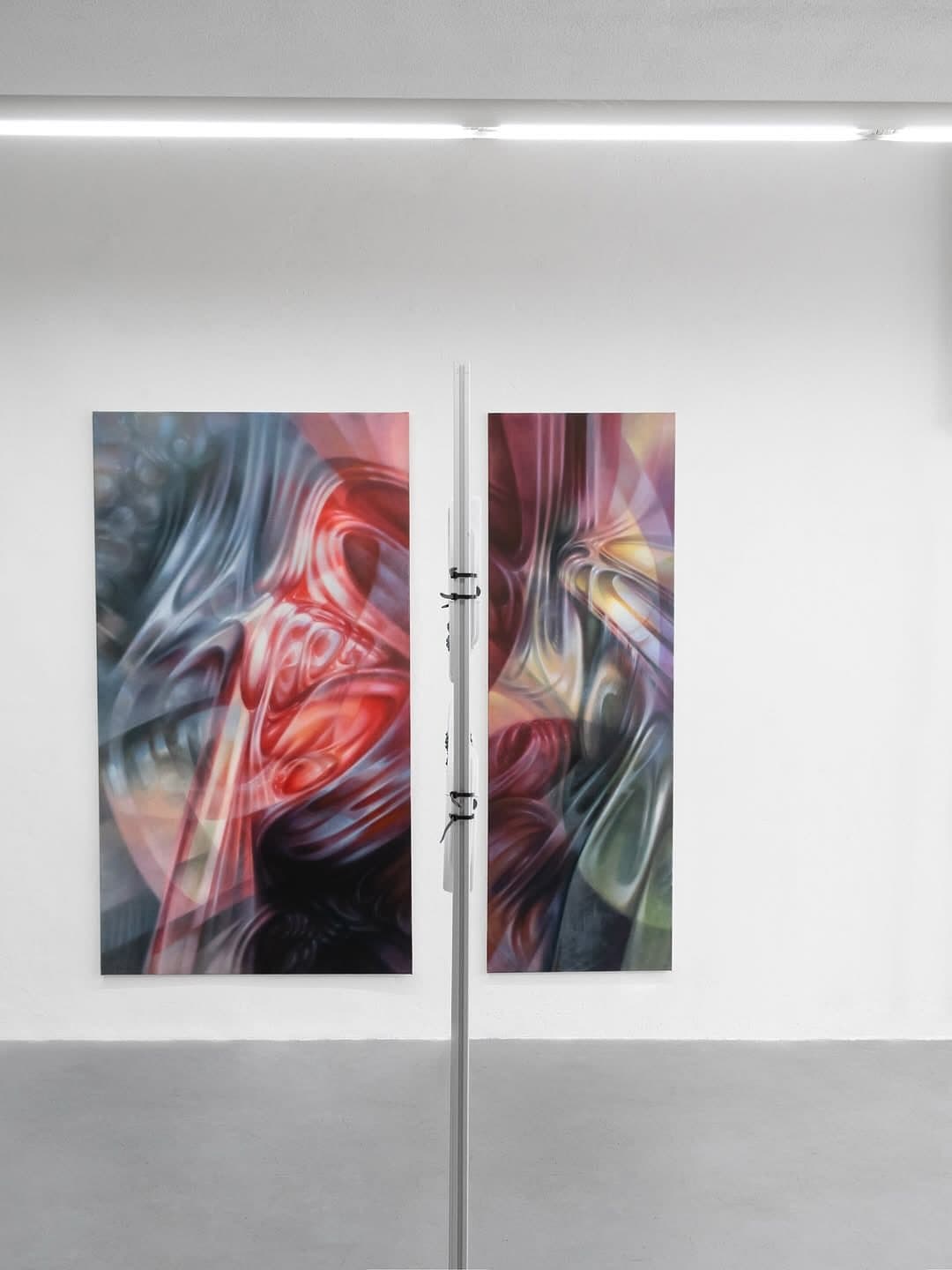
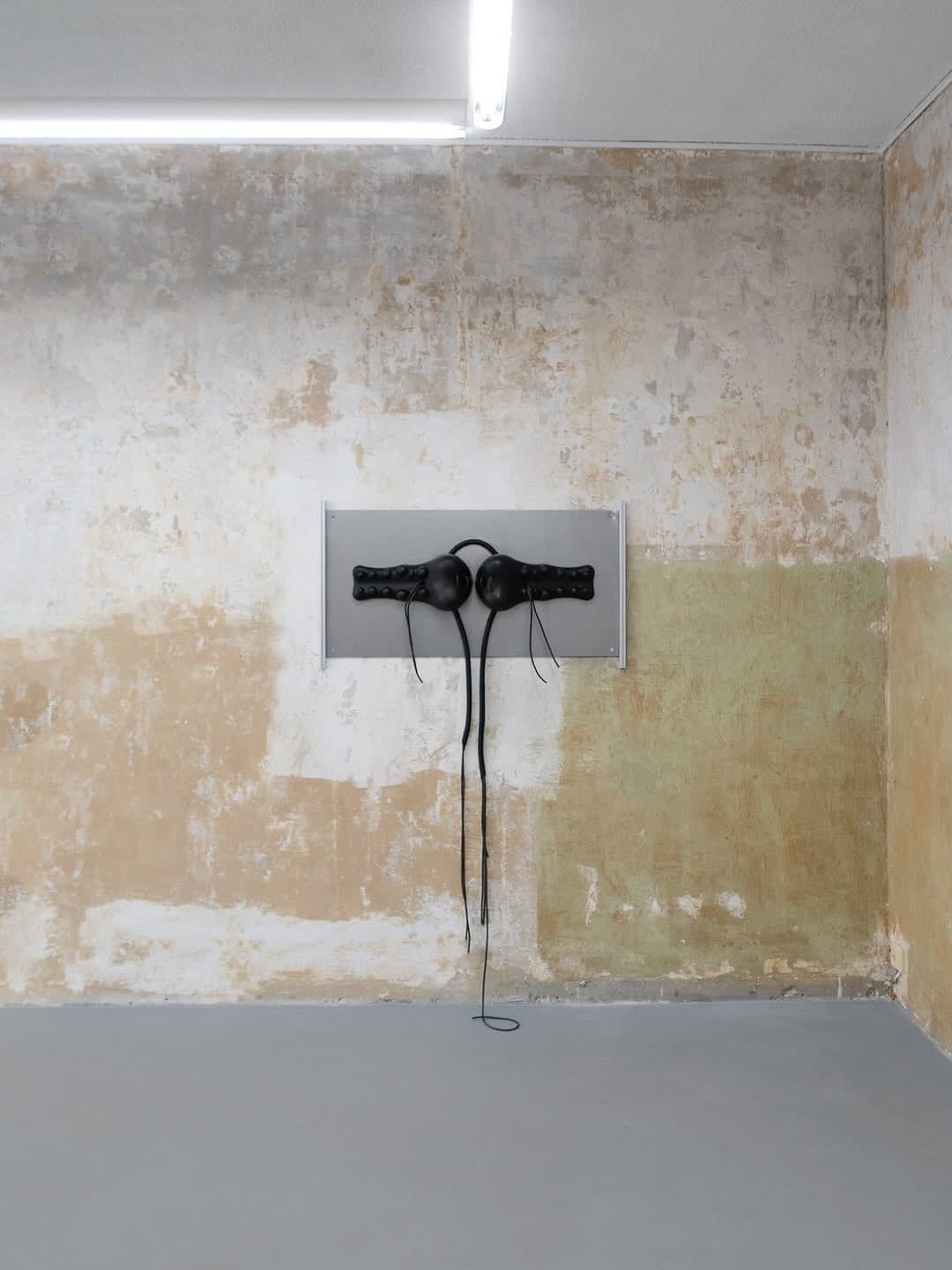
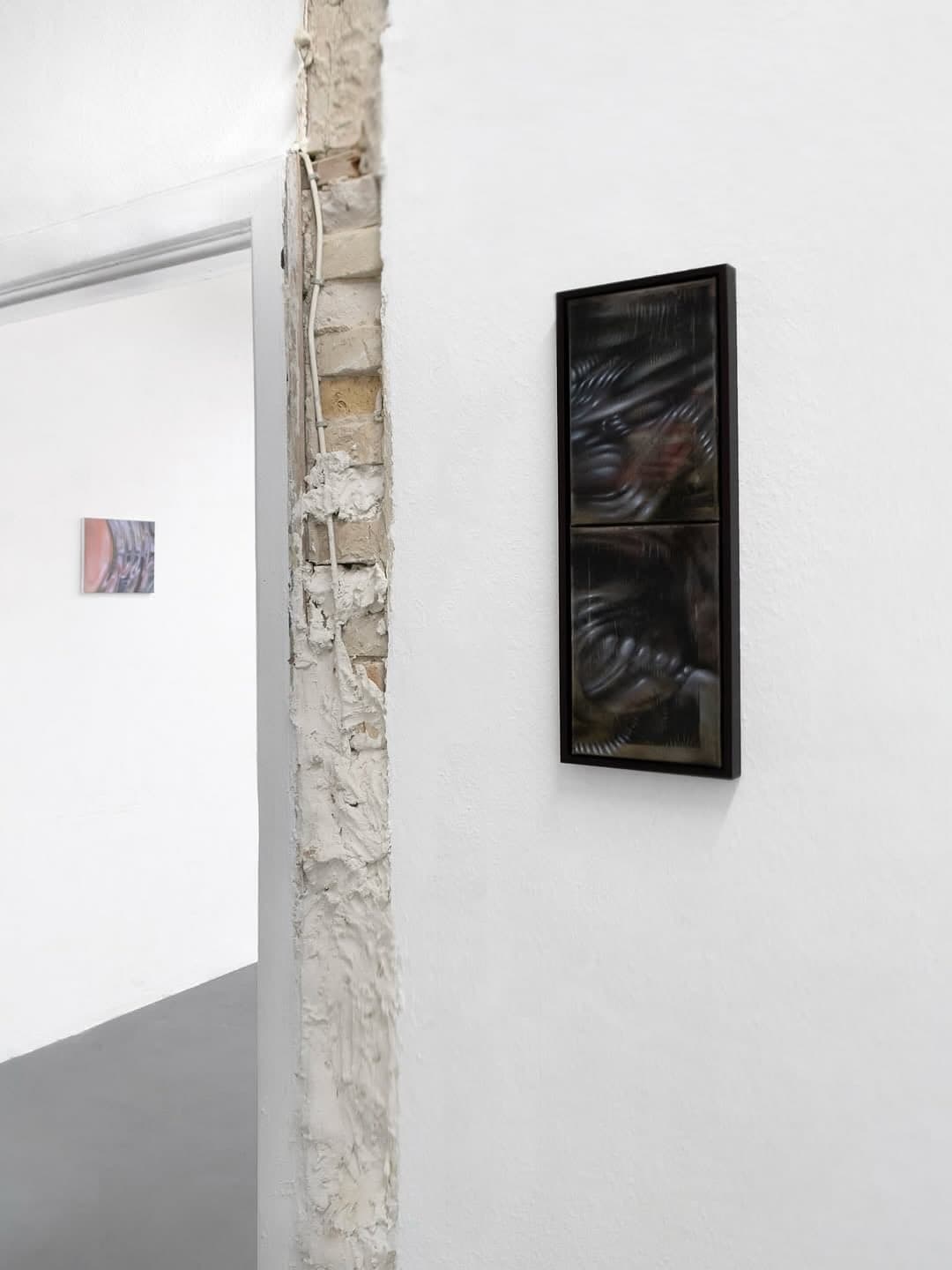
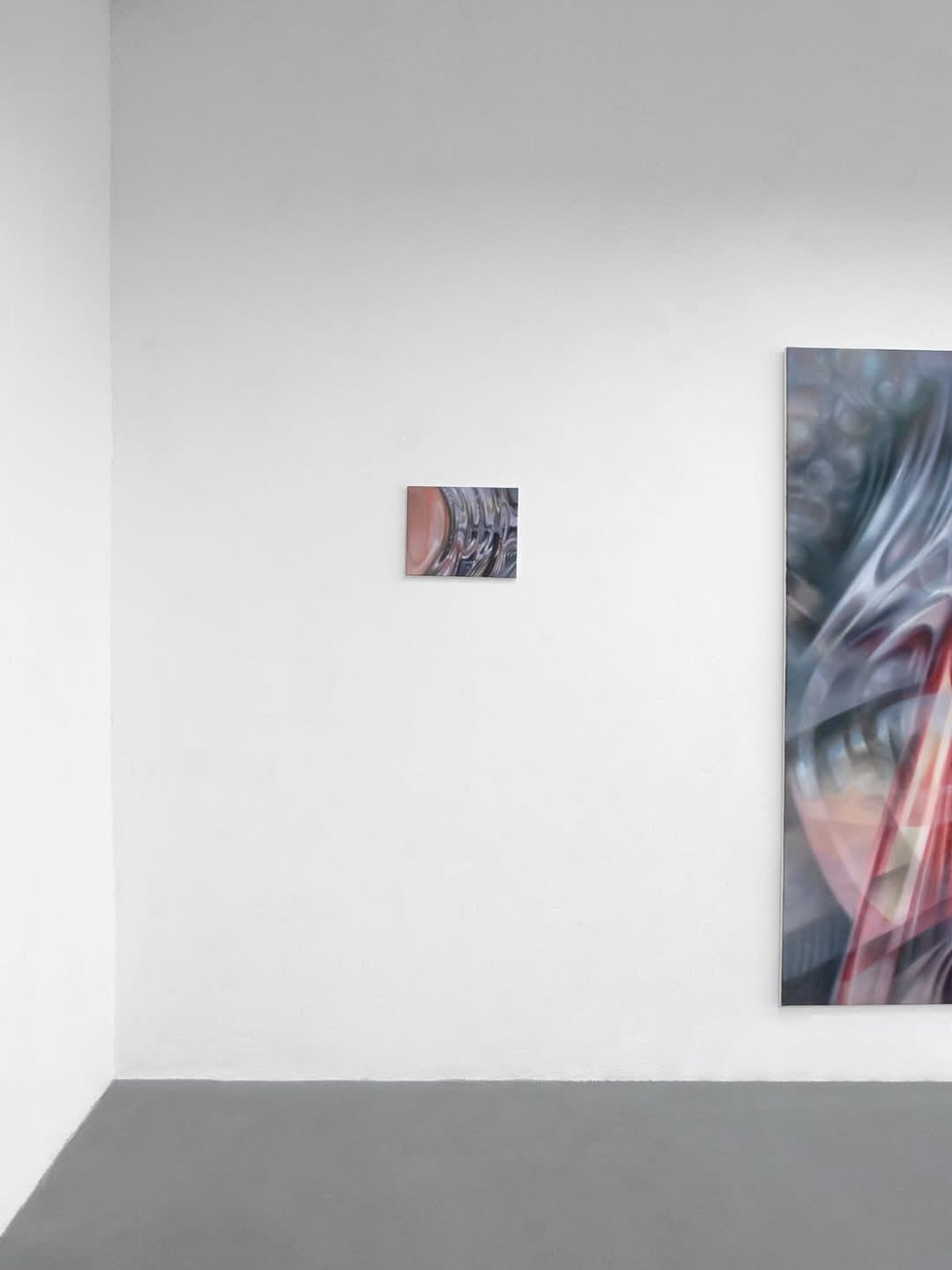
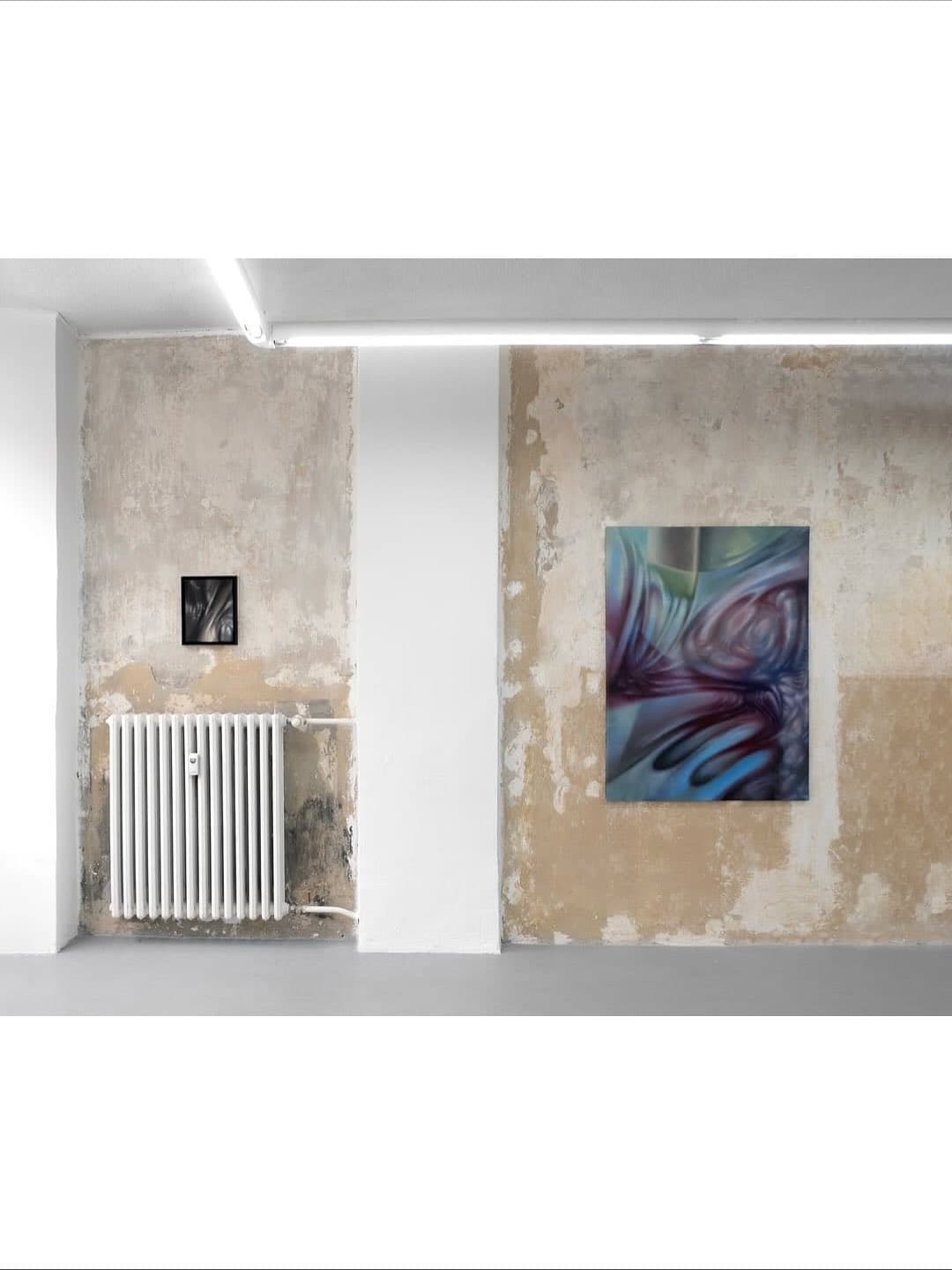
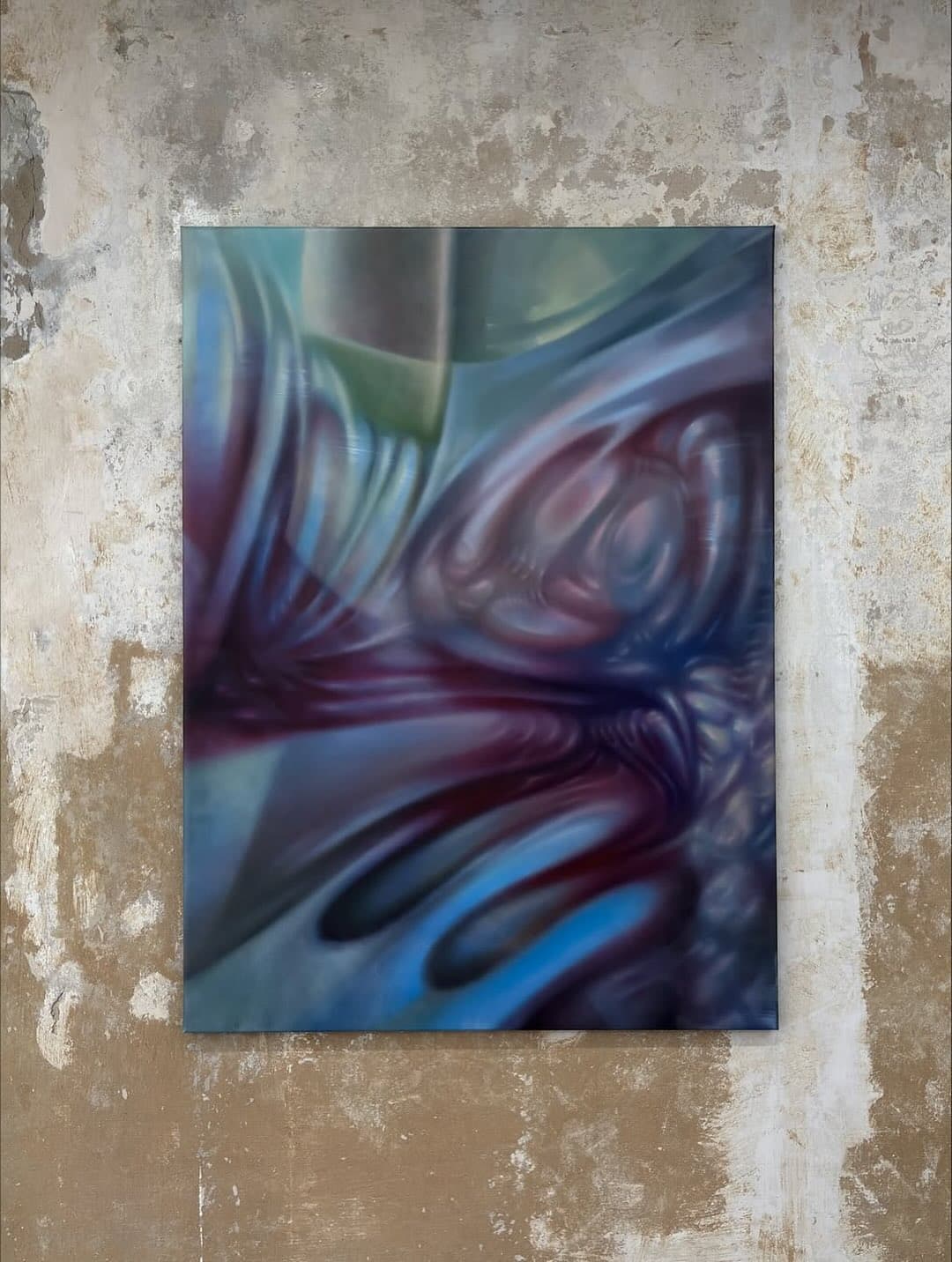
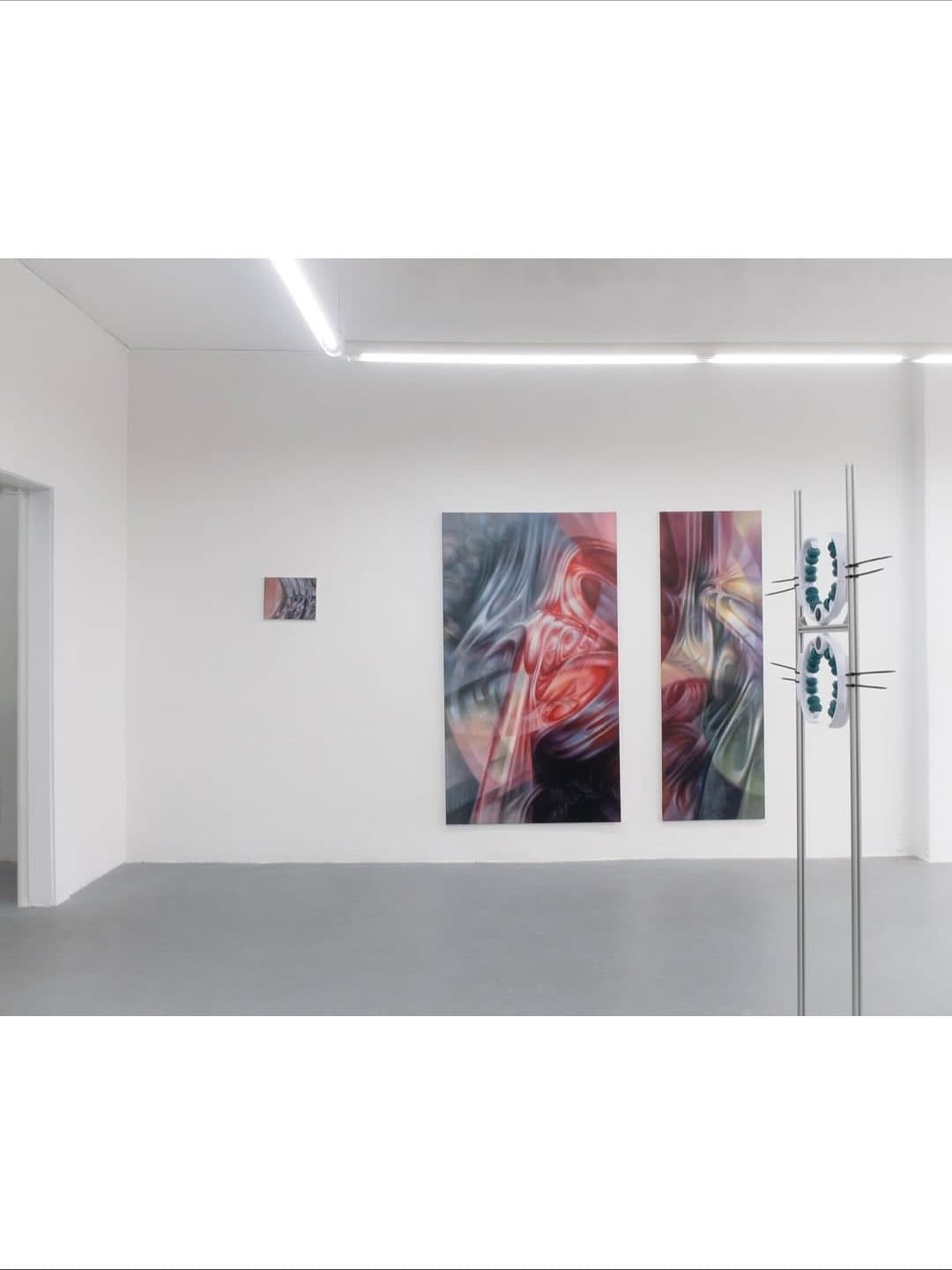
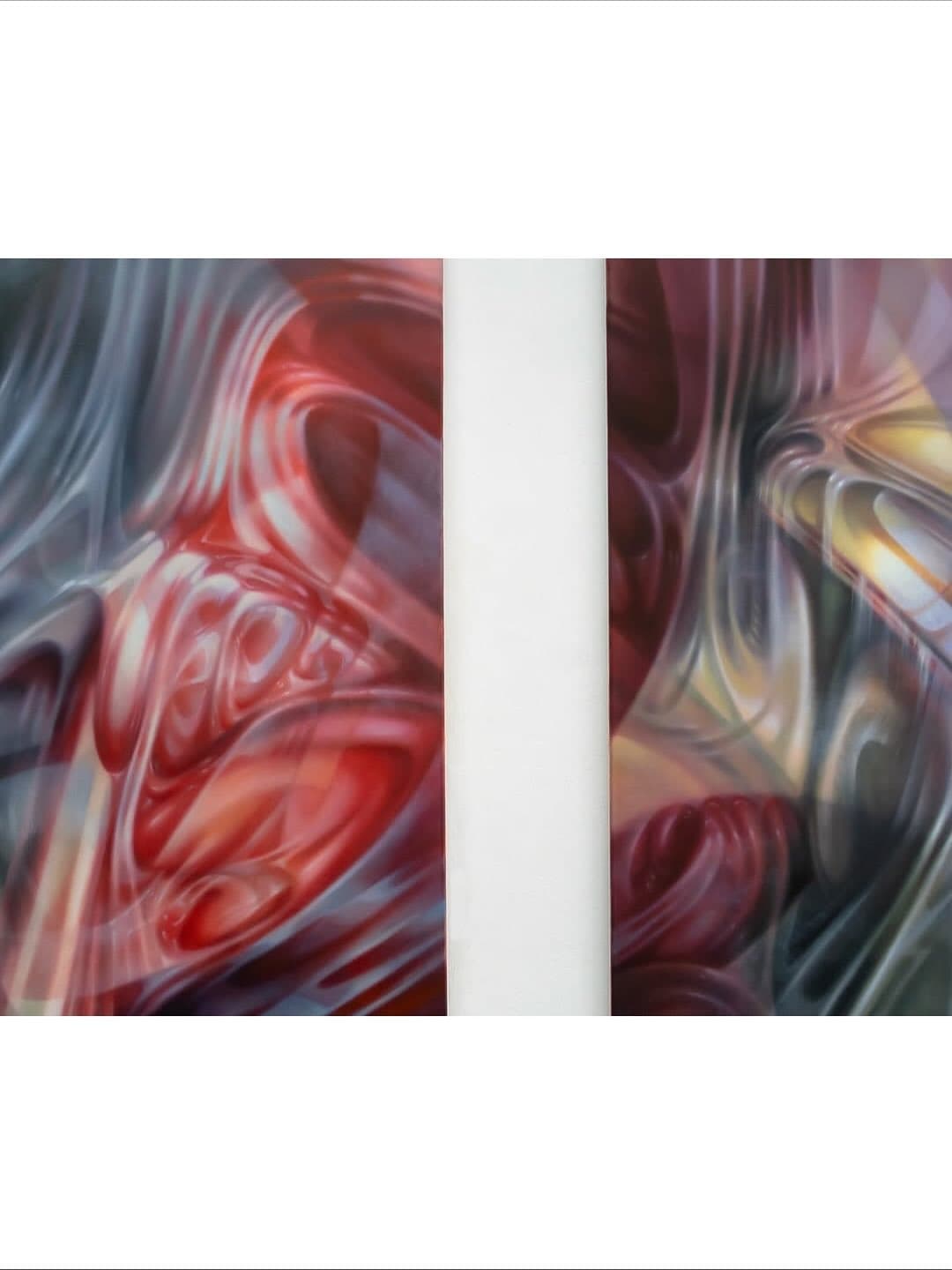
Berlin-Schöneberg / 2025
.webp&w=1200&q=75)
Seoul / 2025
Jak Zapomnieć Gallery / Pomadka Teresa
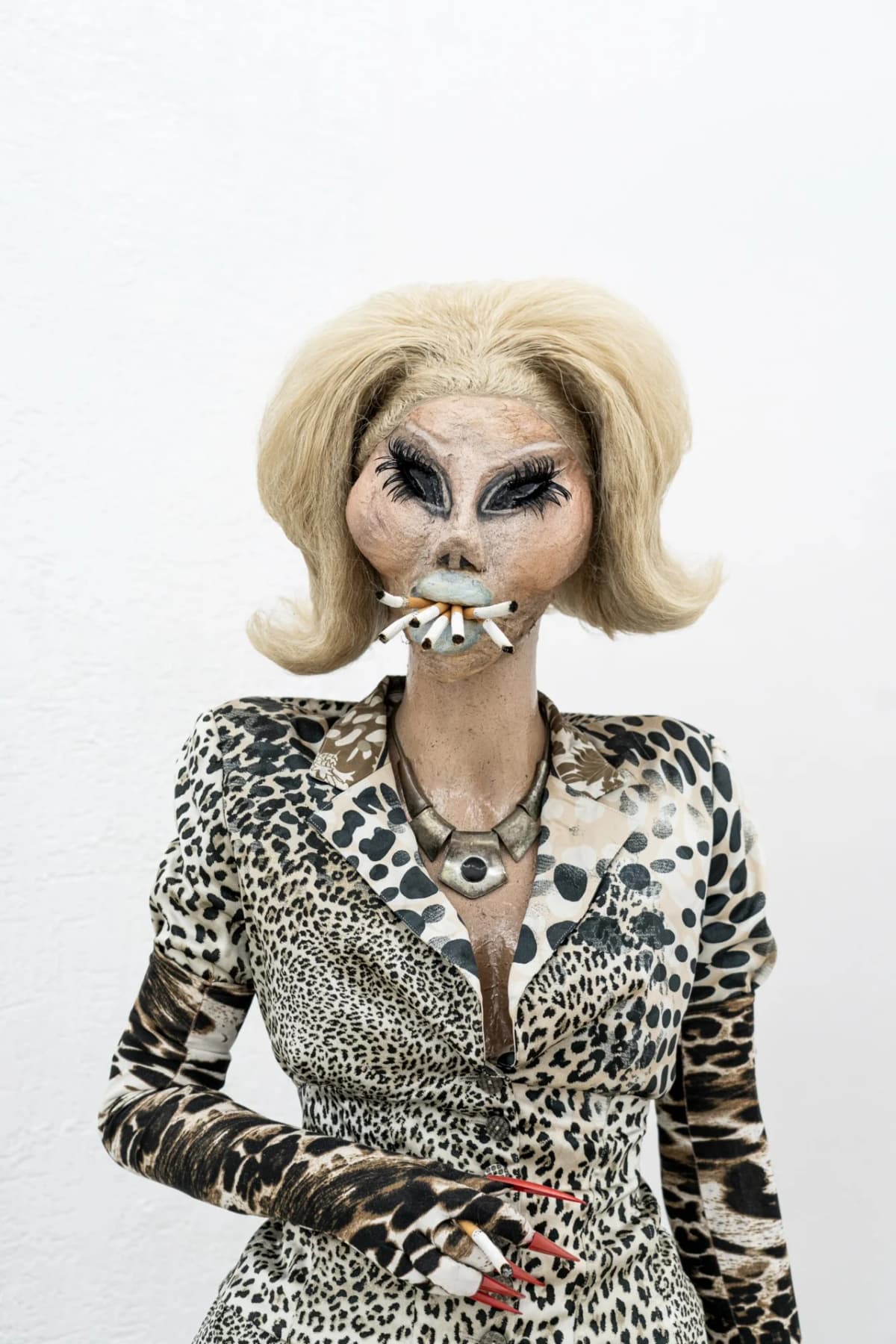
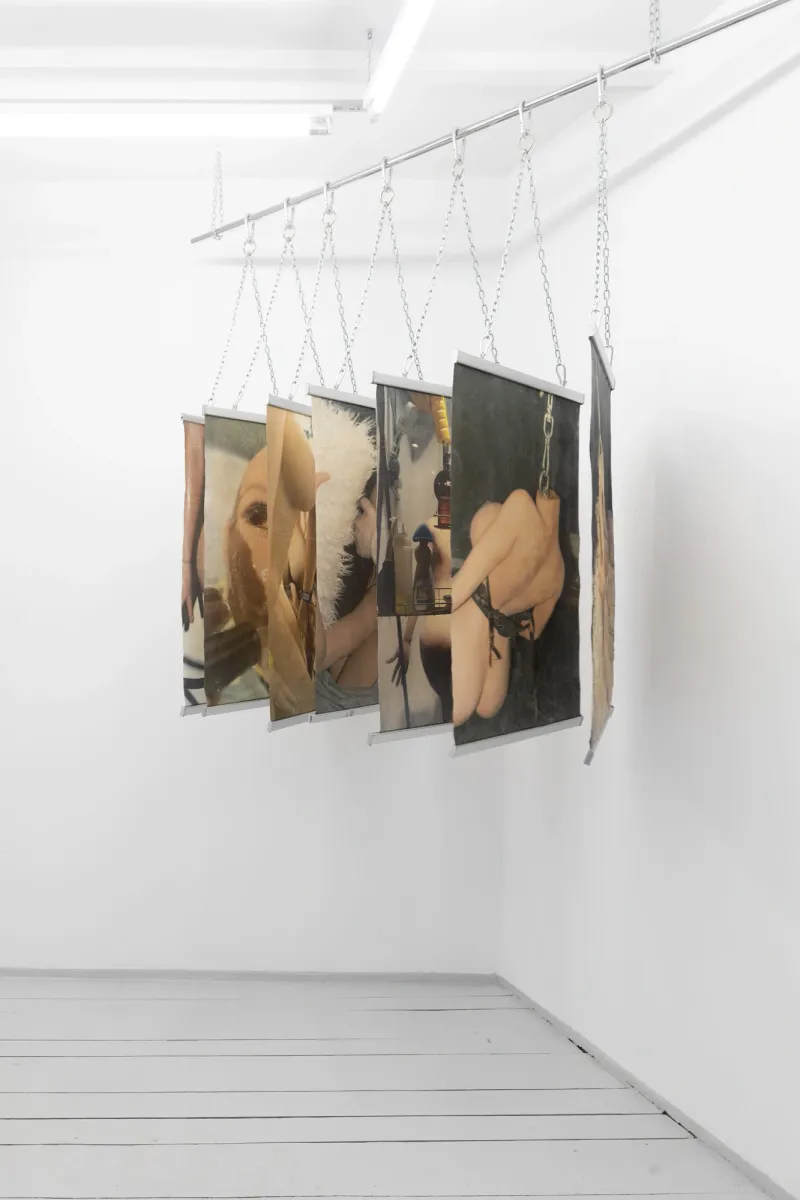
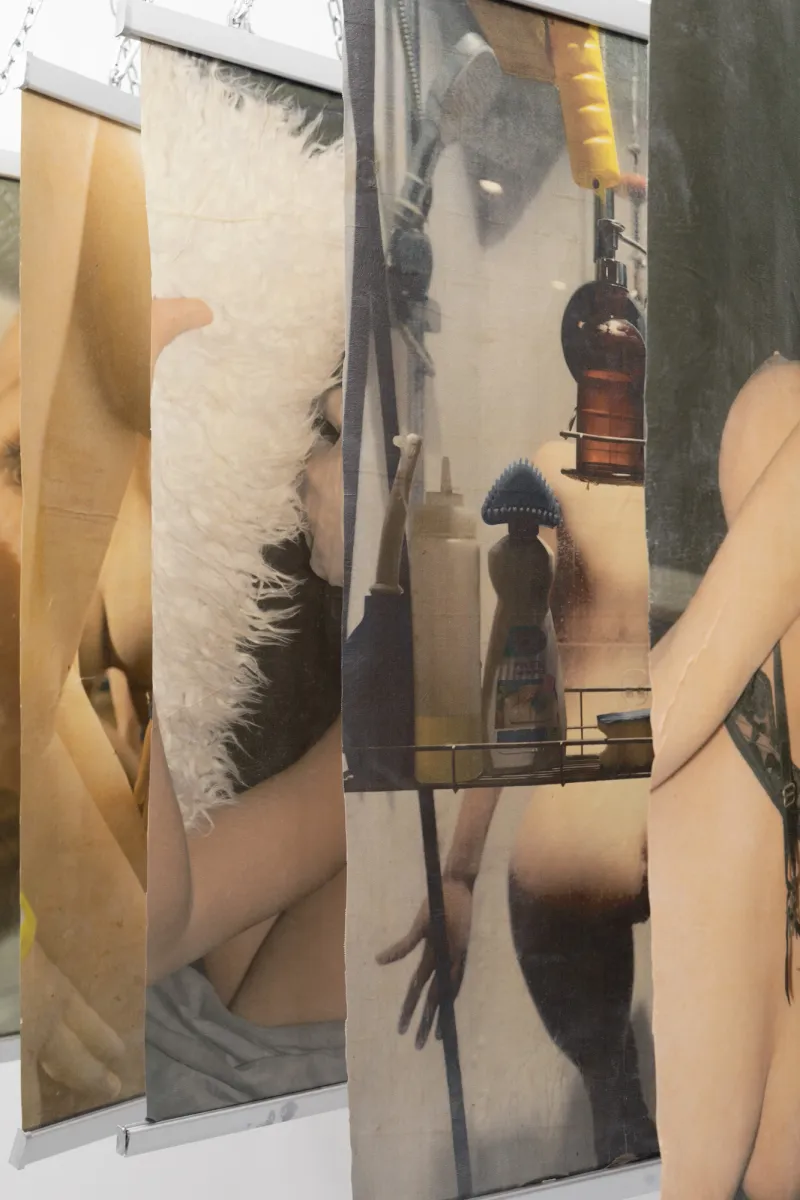
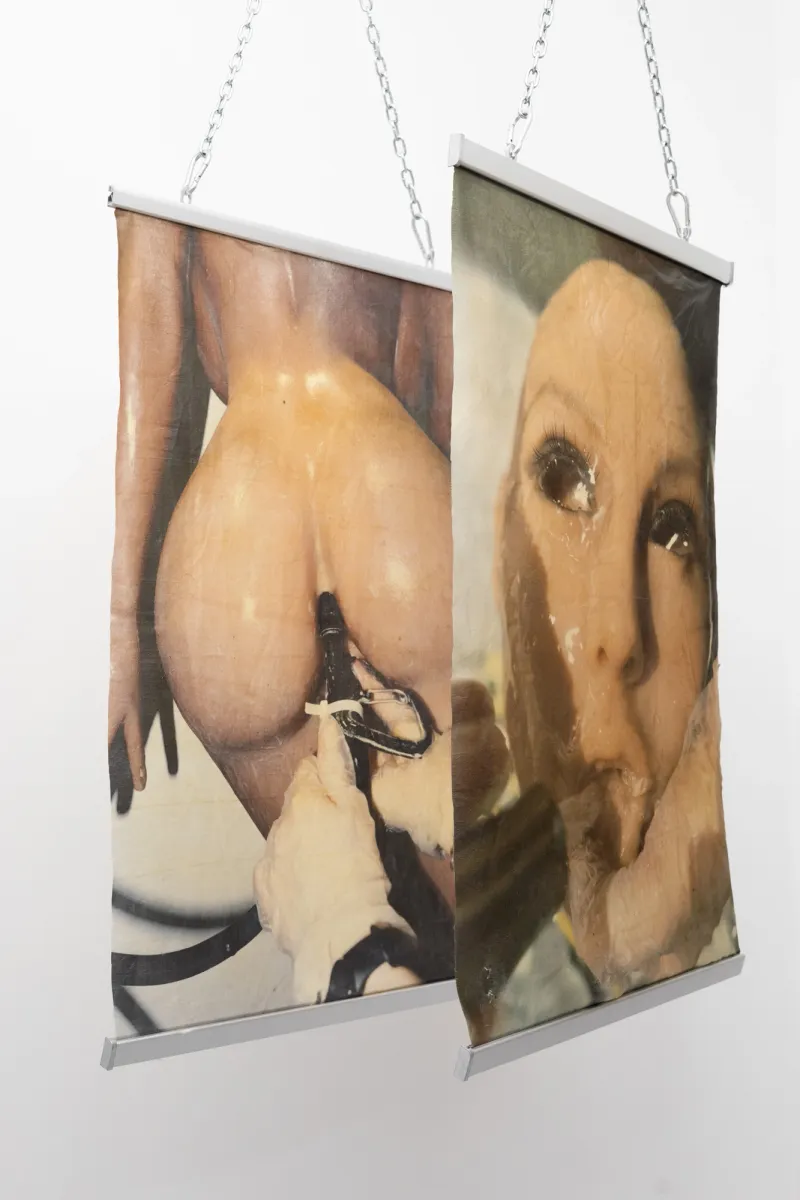
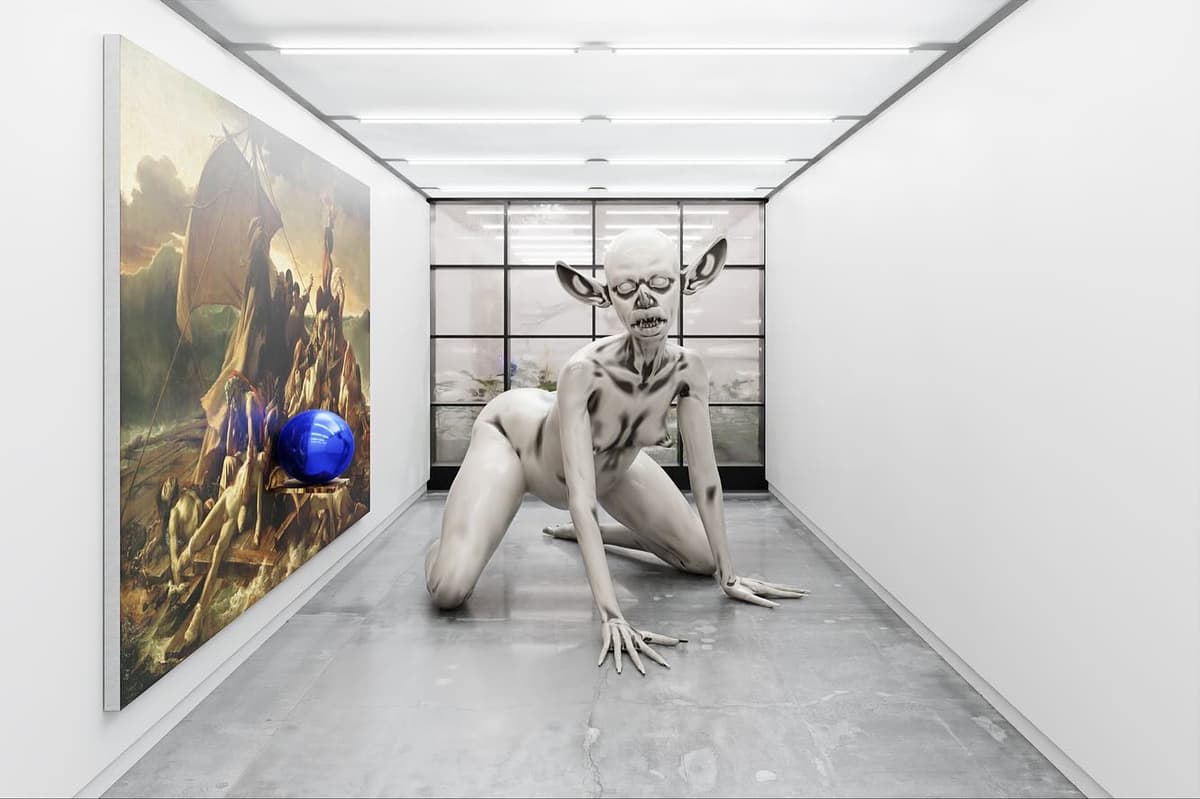
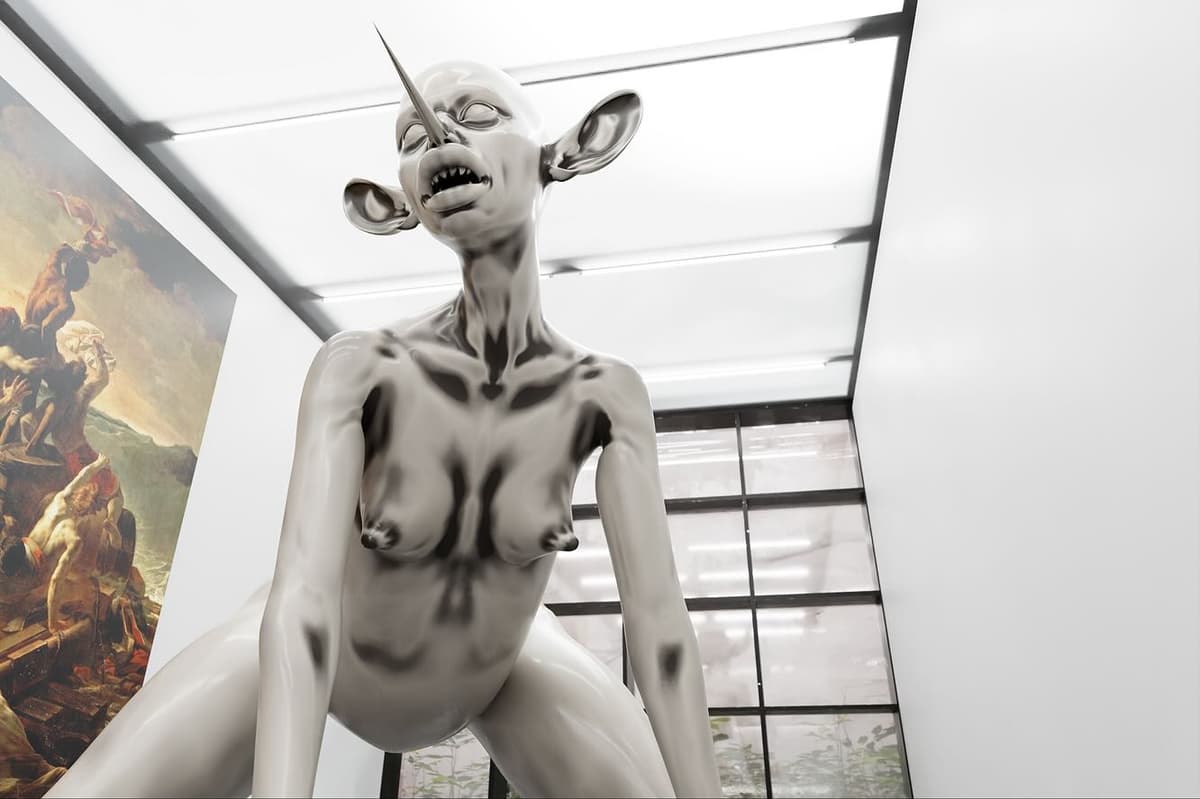
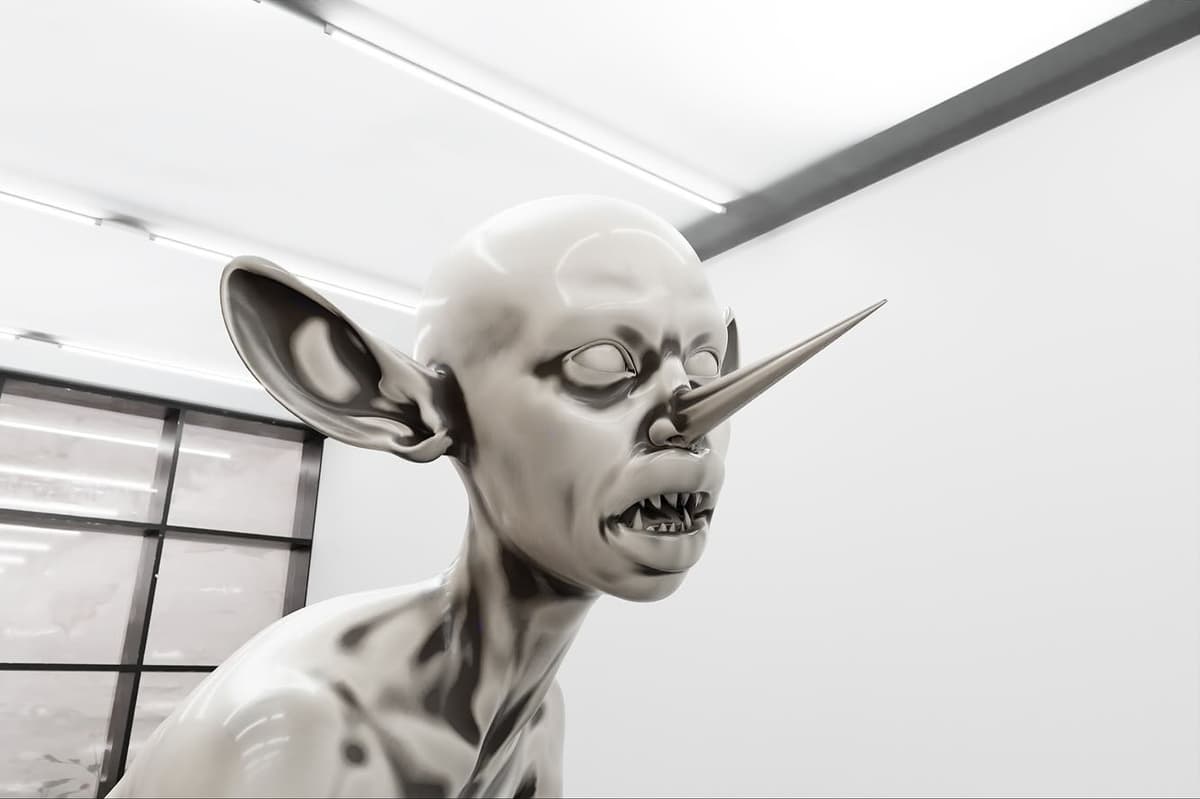
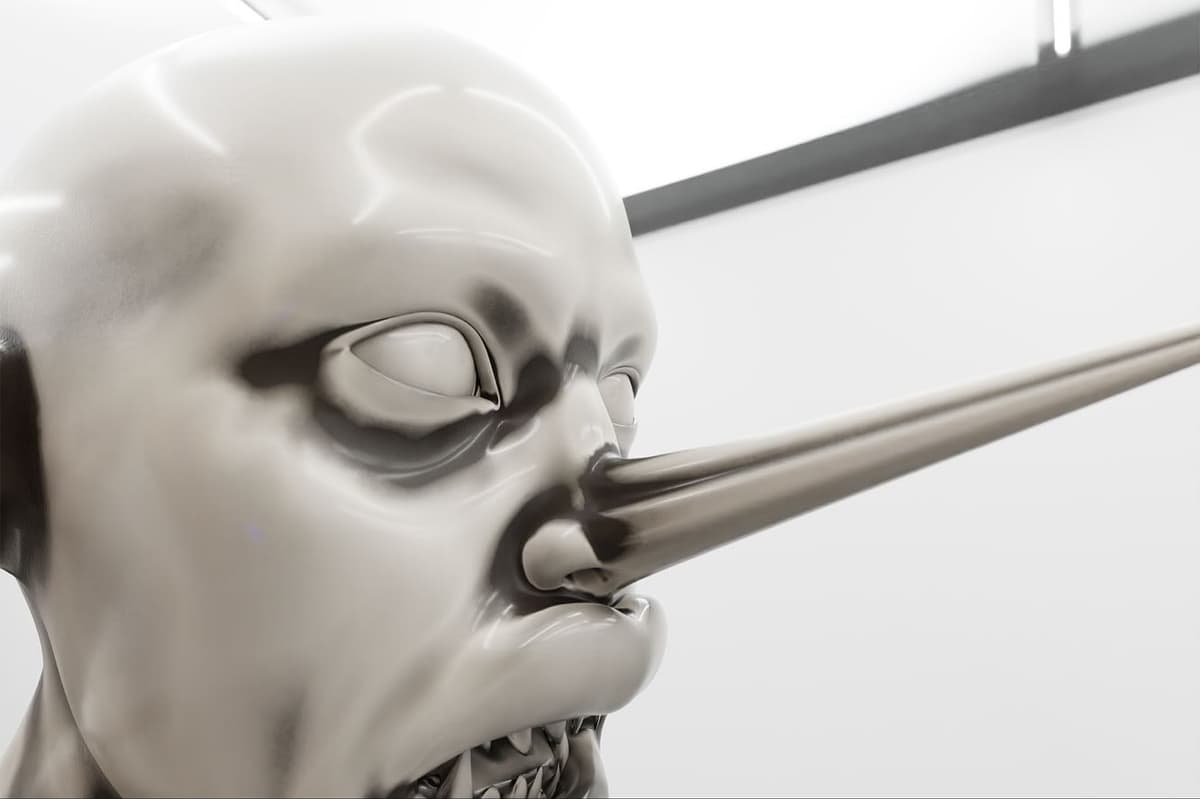
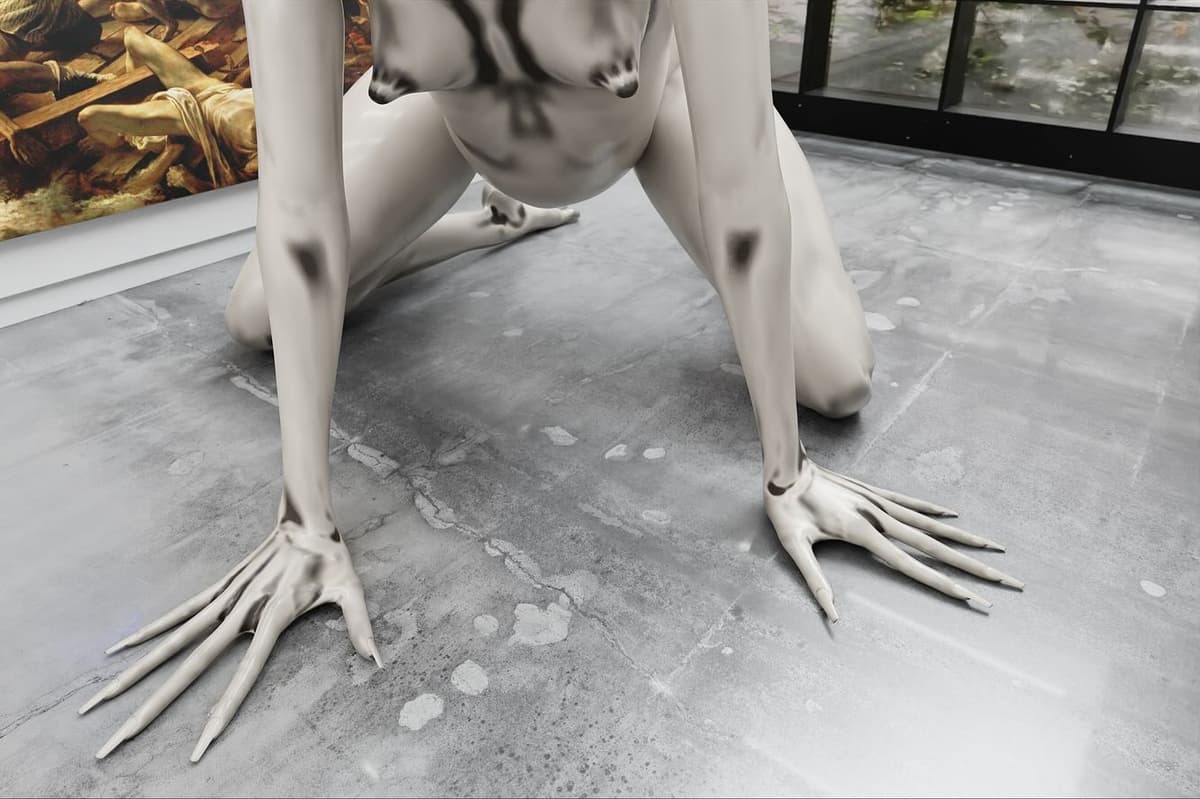
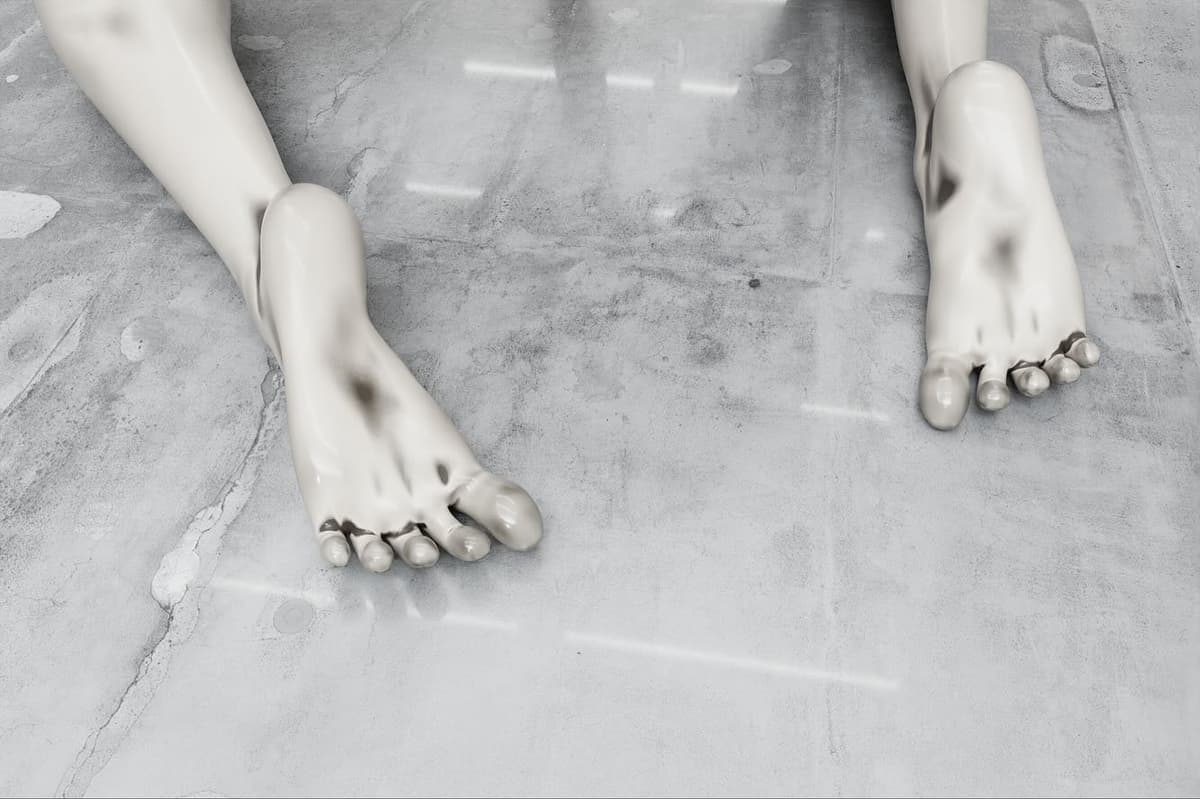
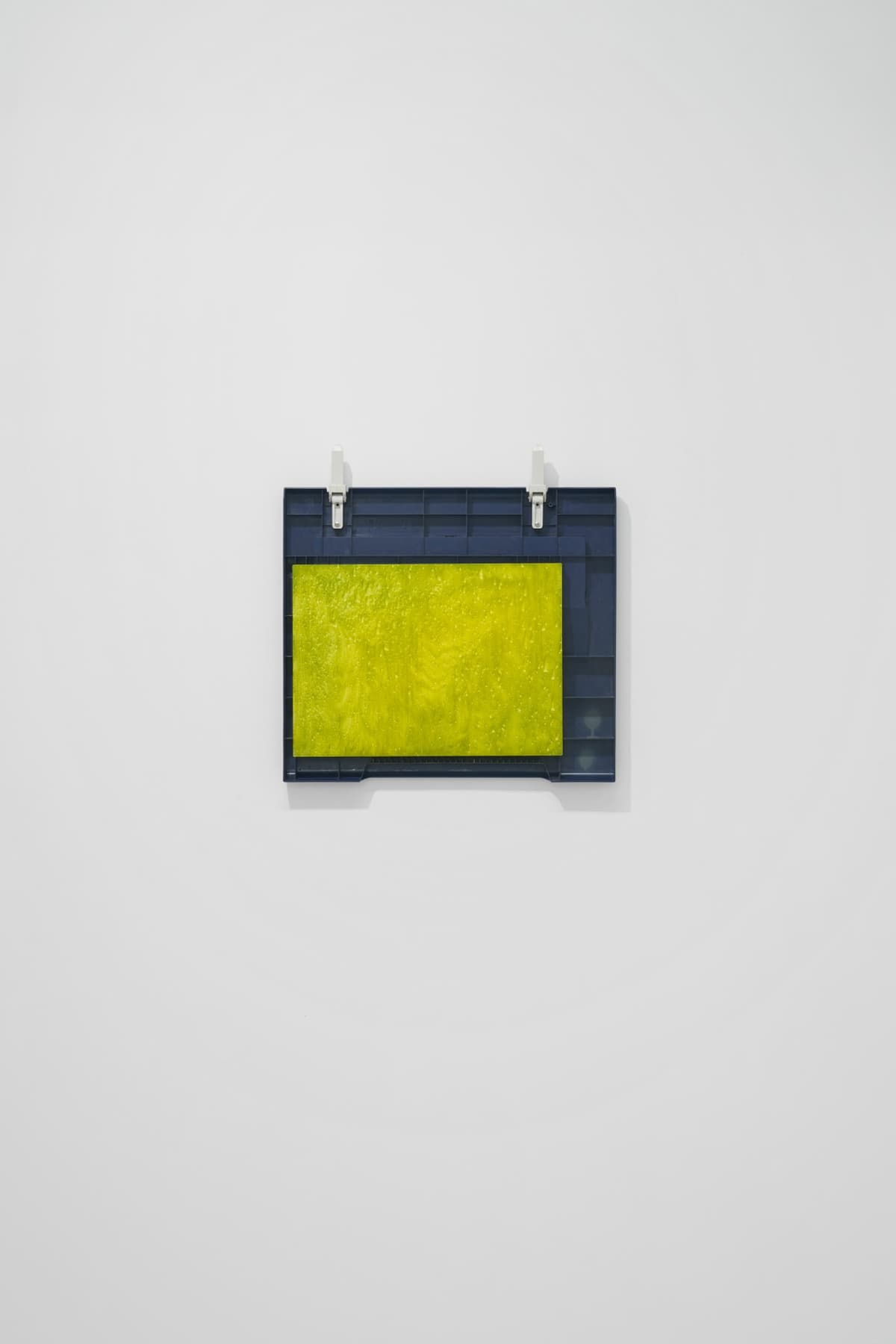
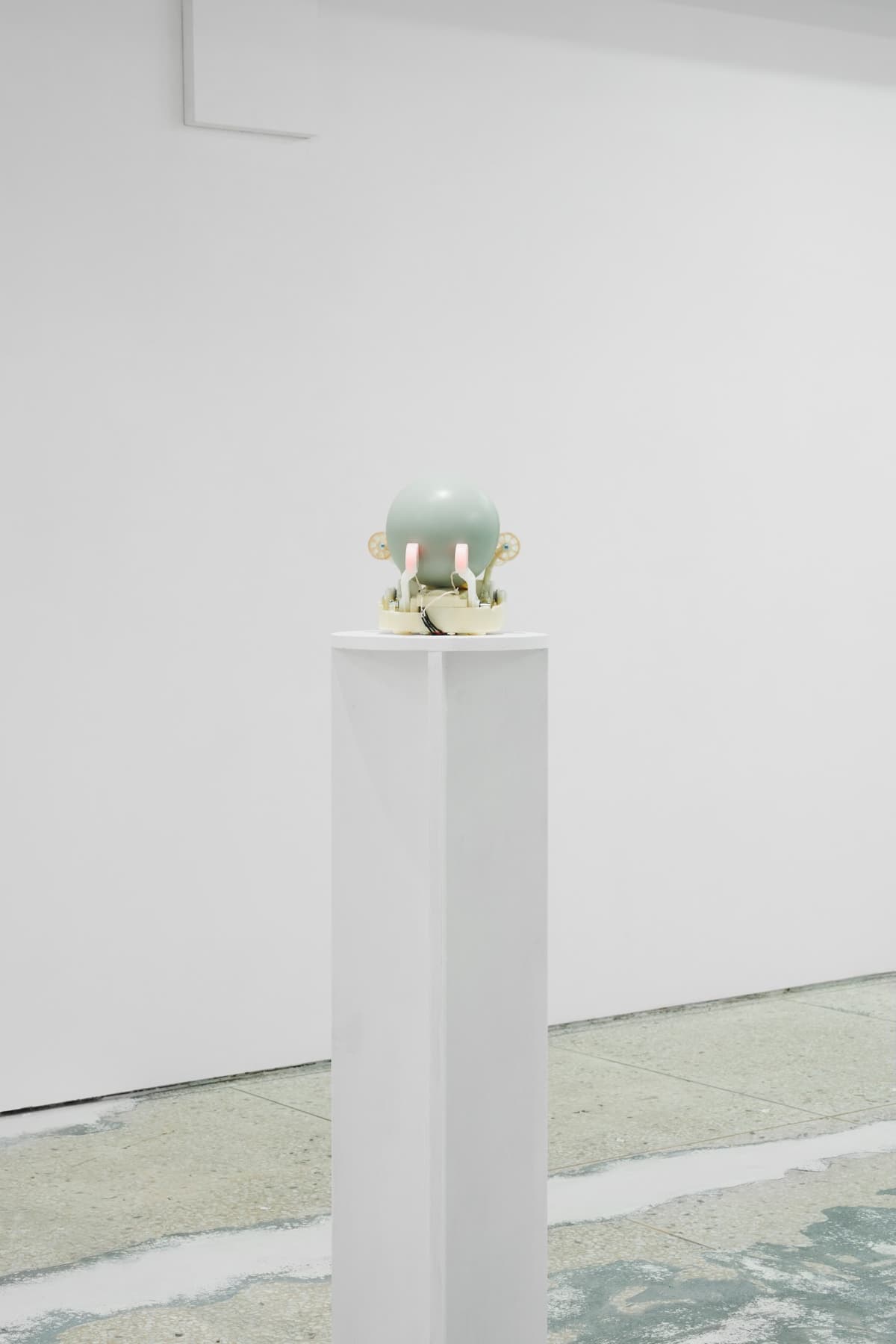
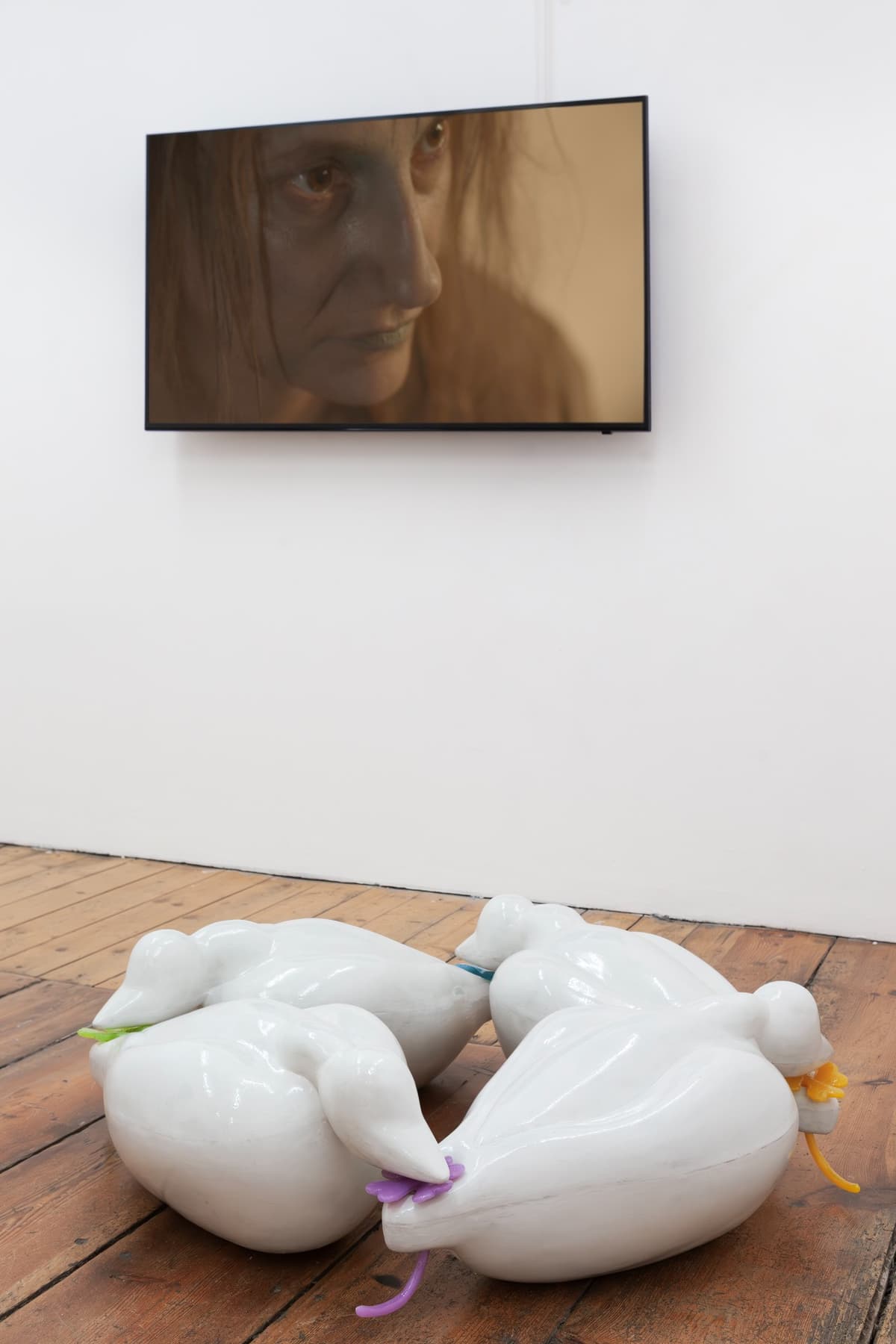
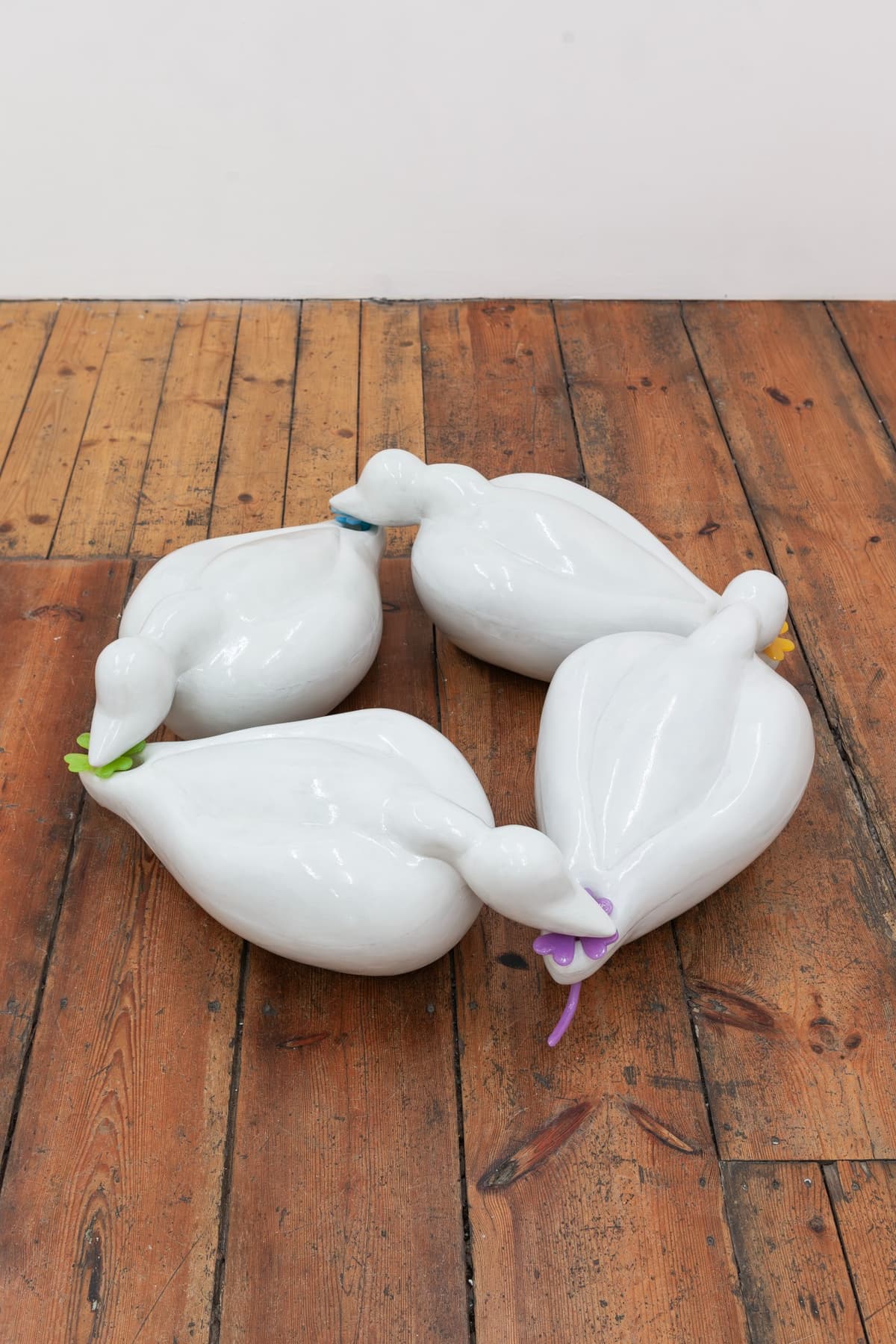
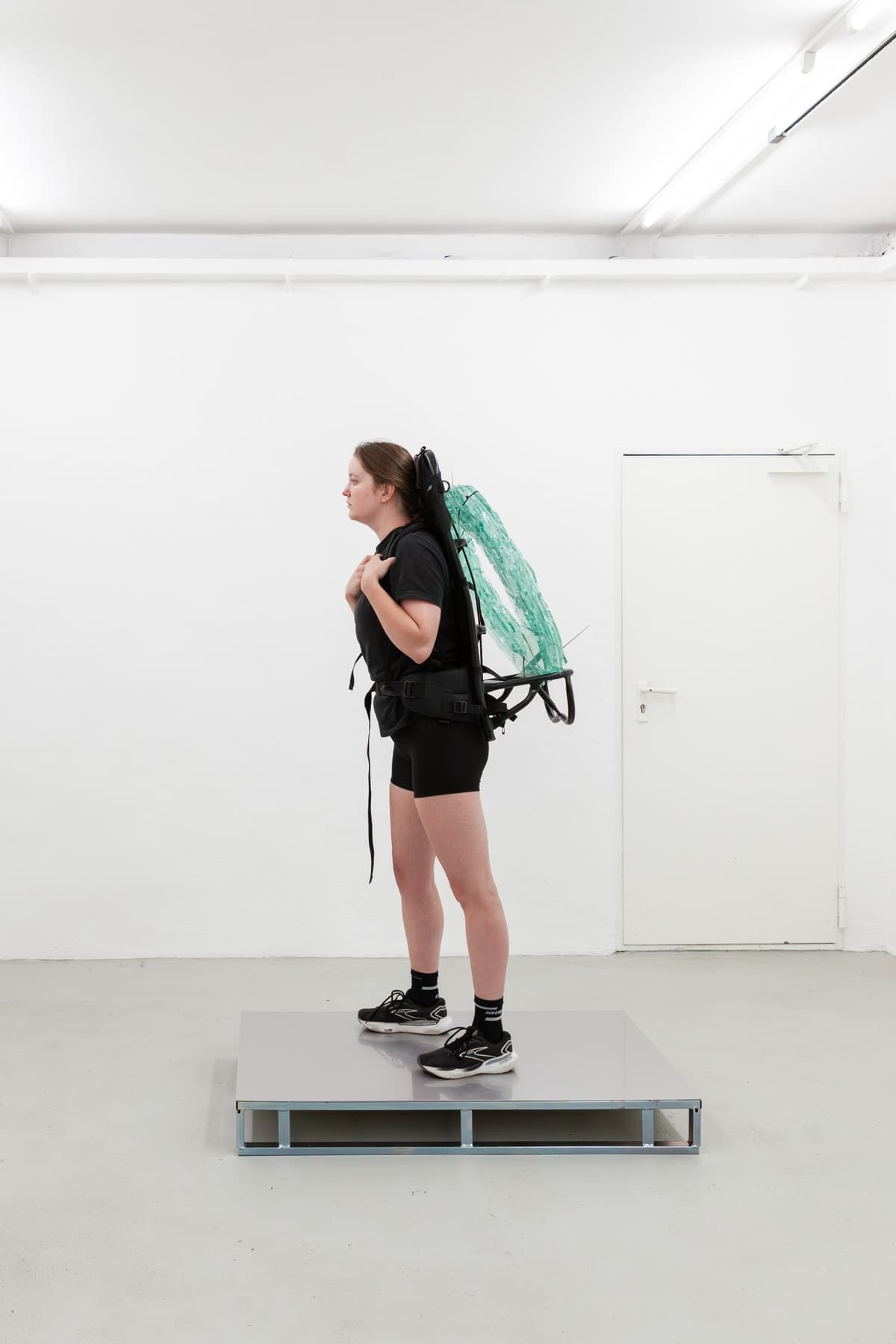
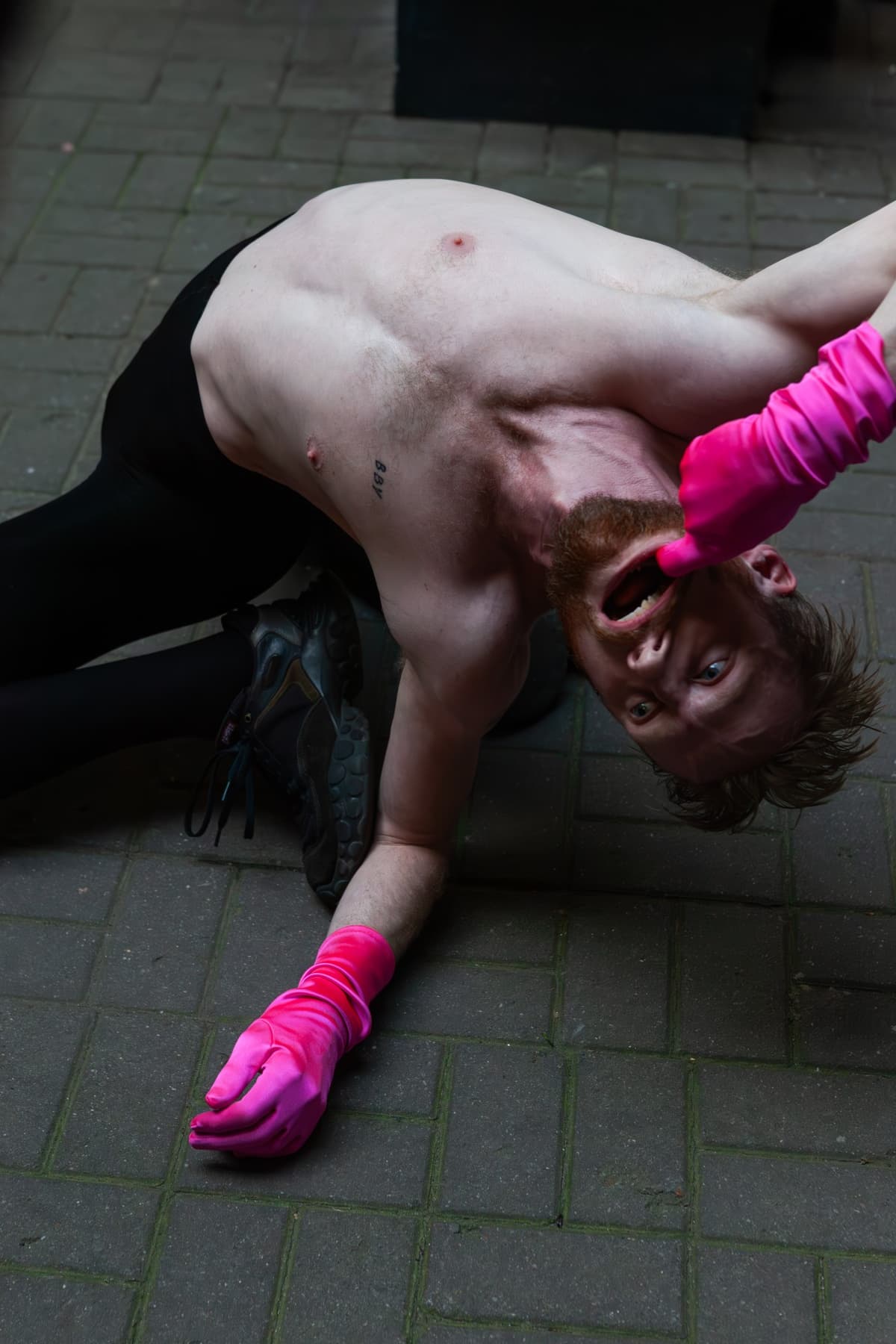
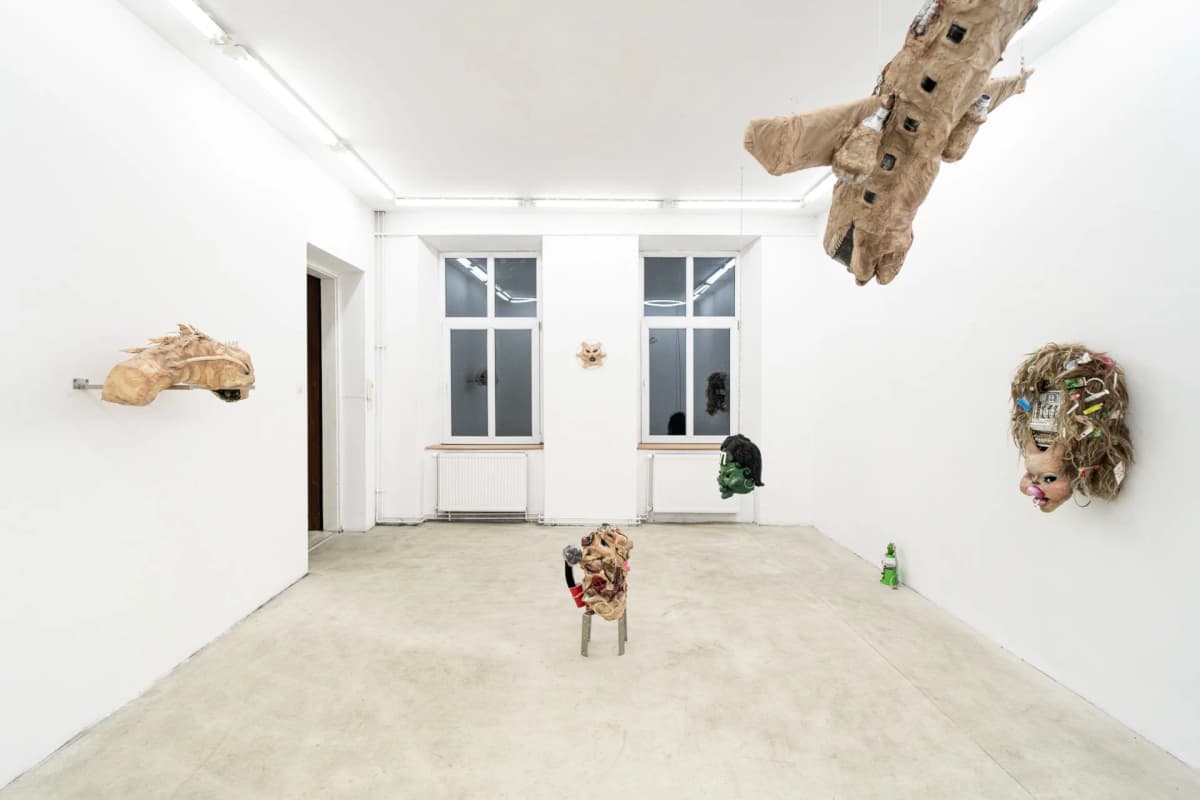
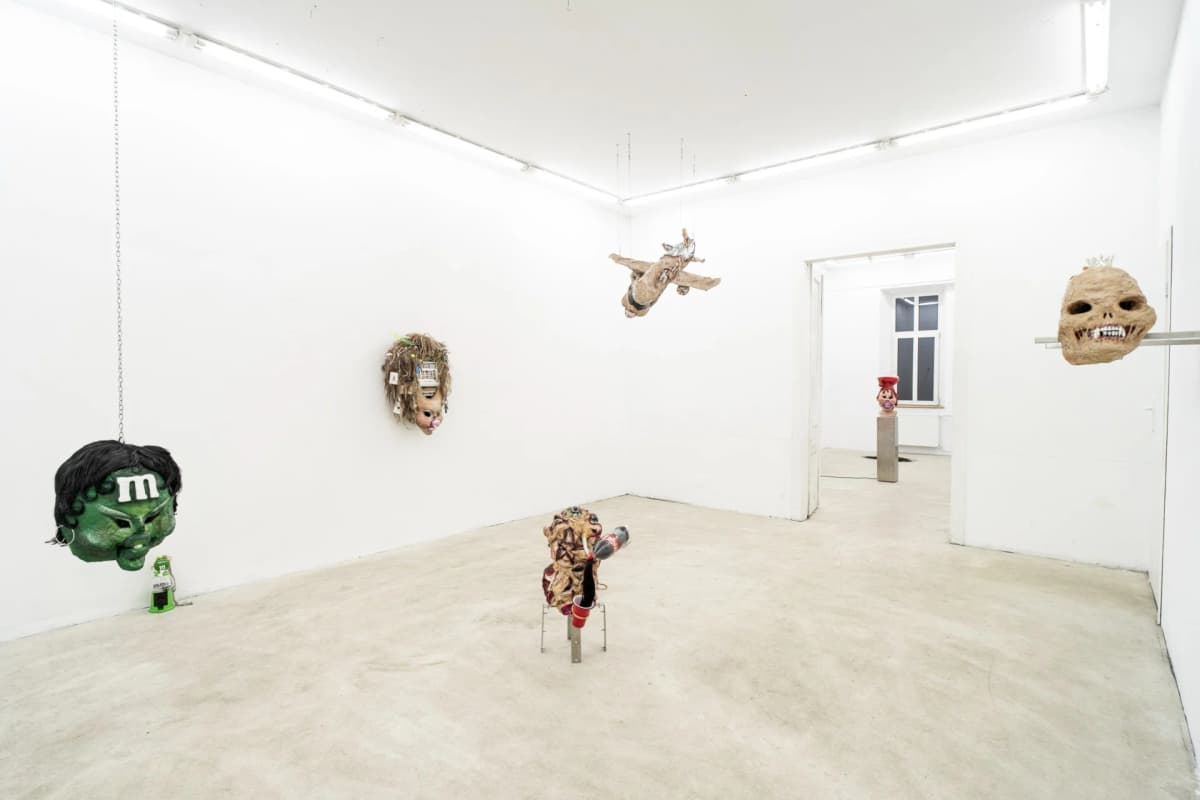
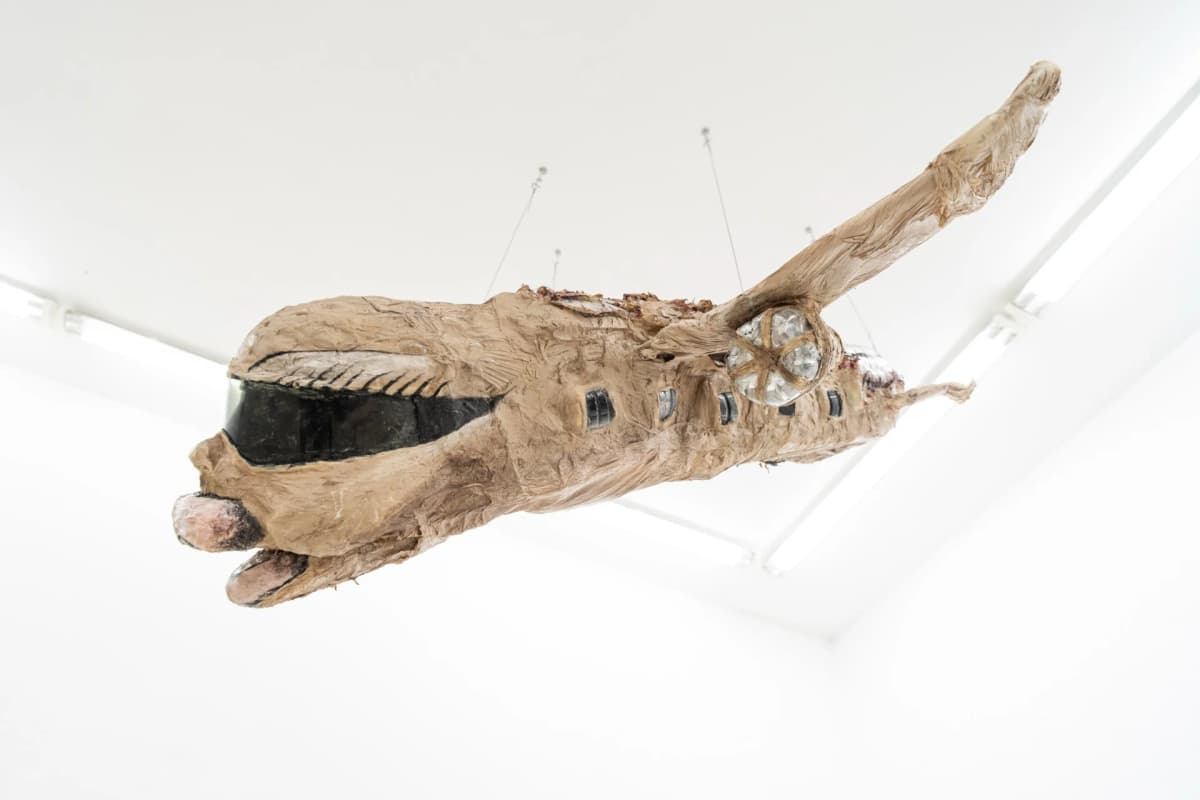
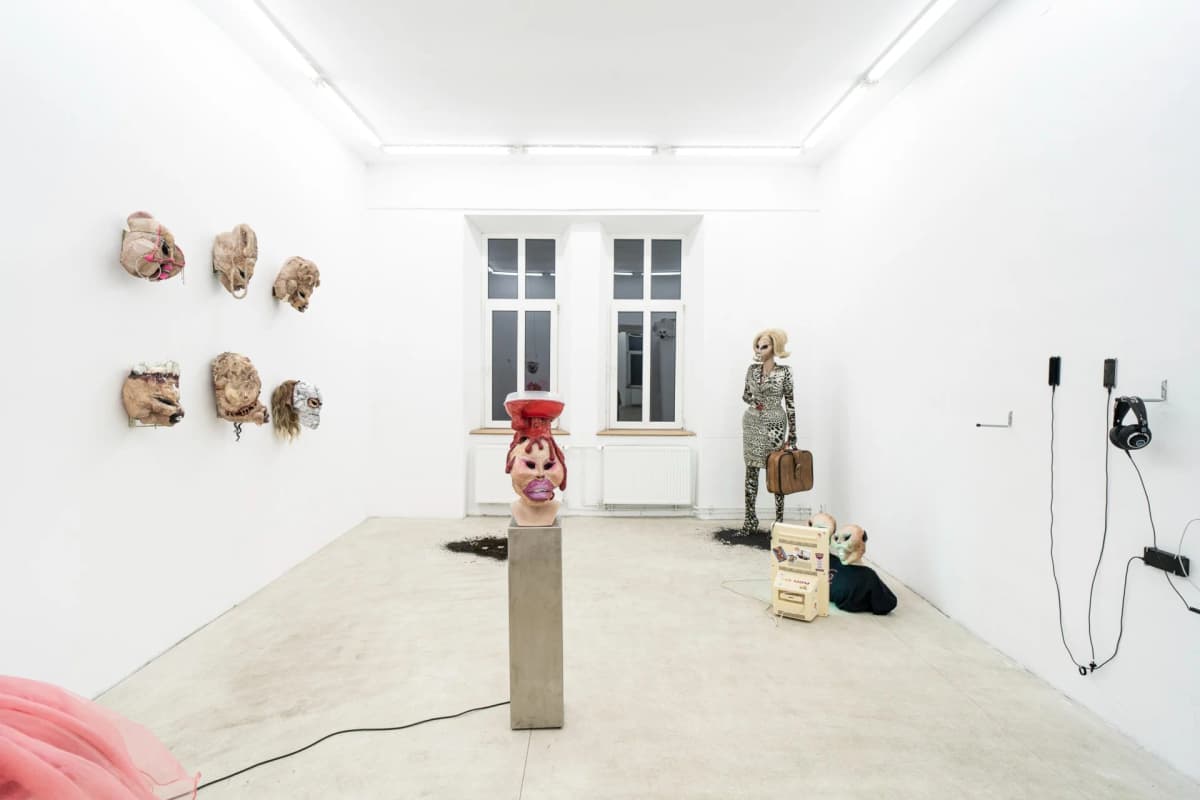
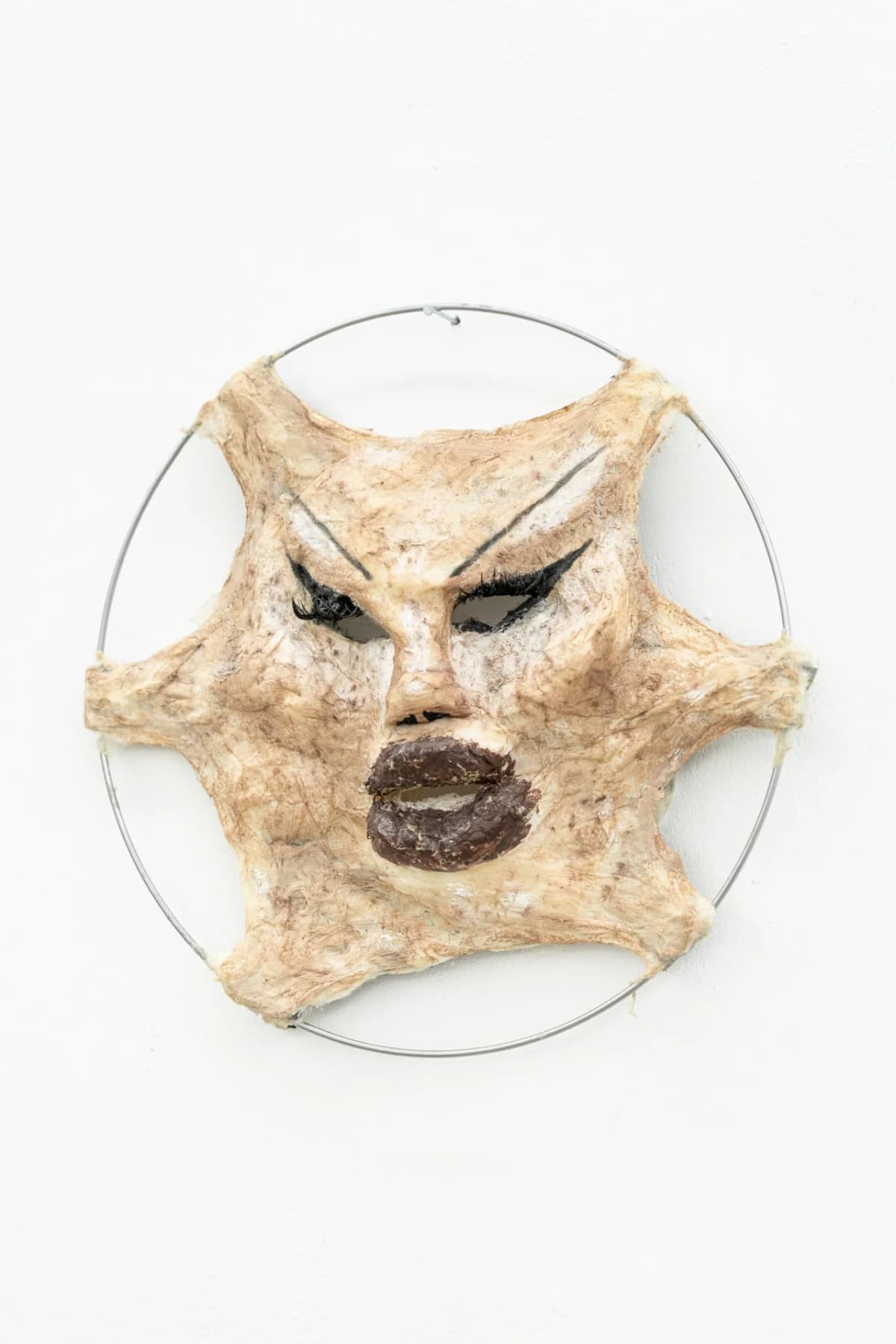
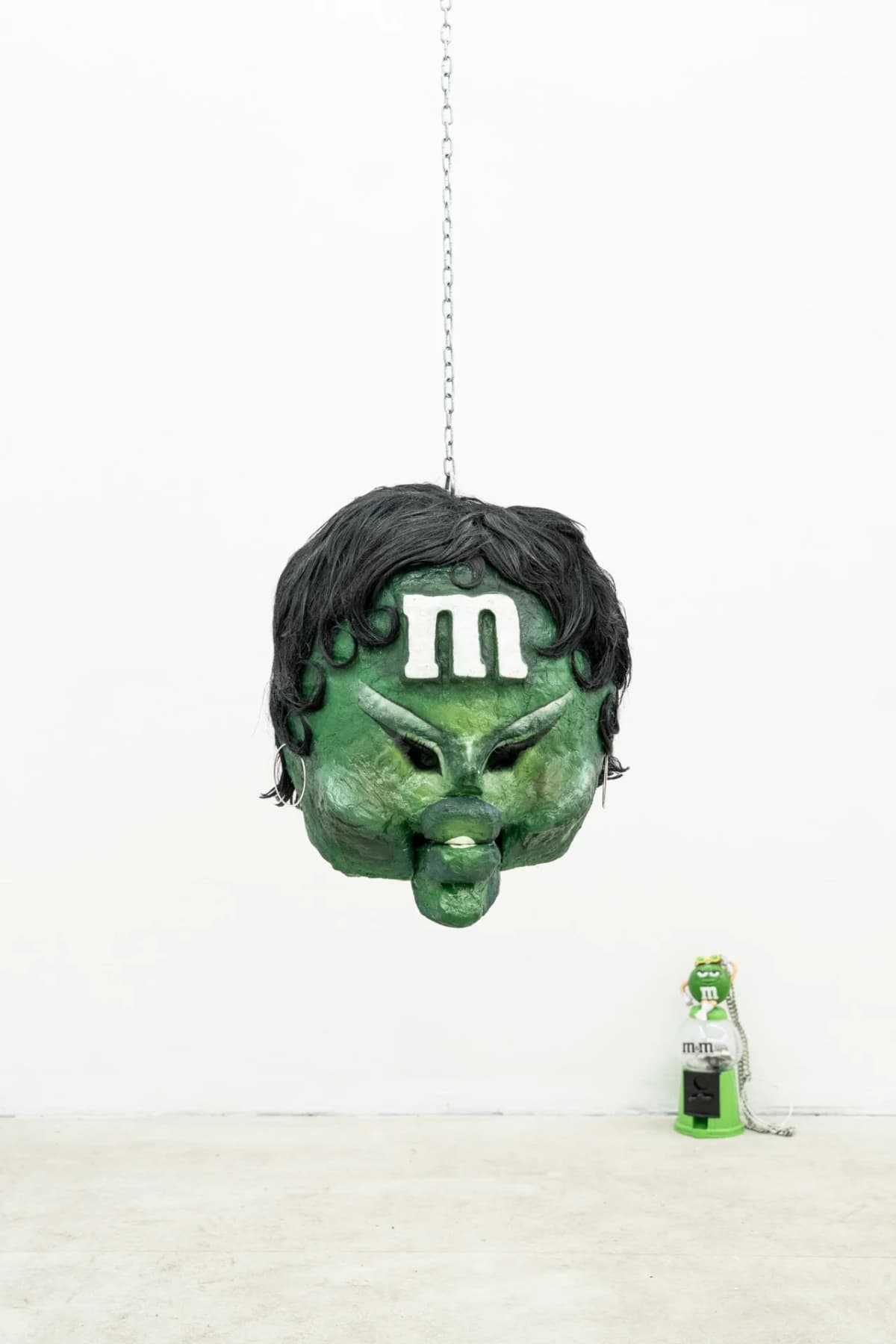
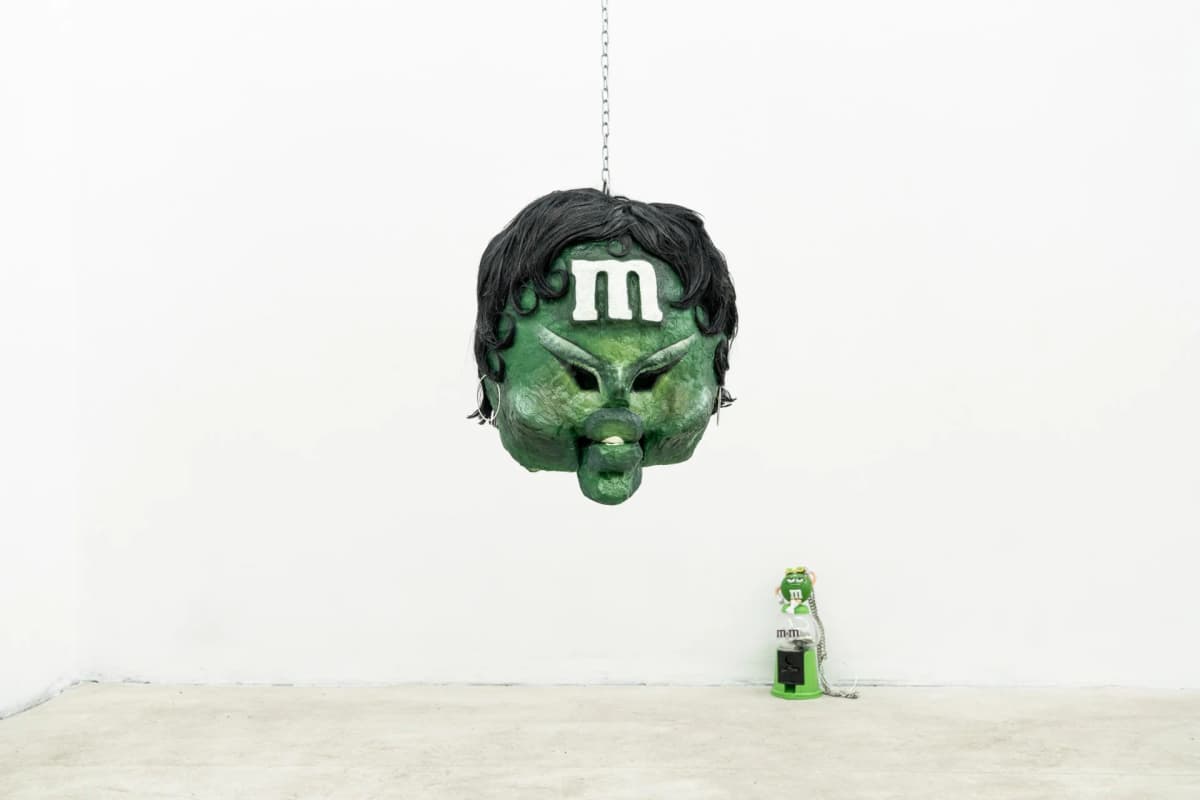
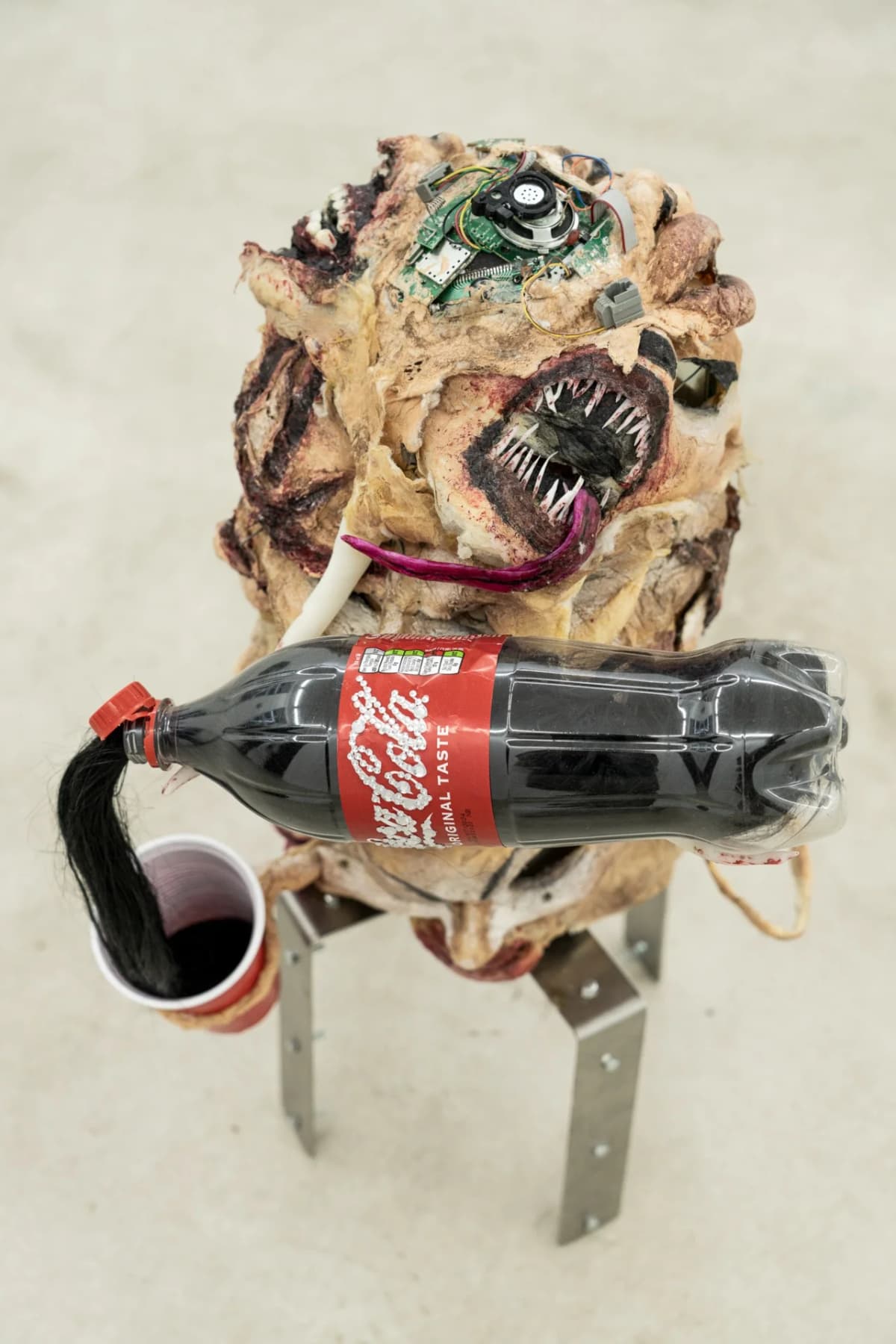
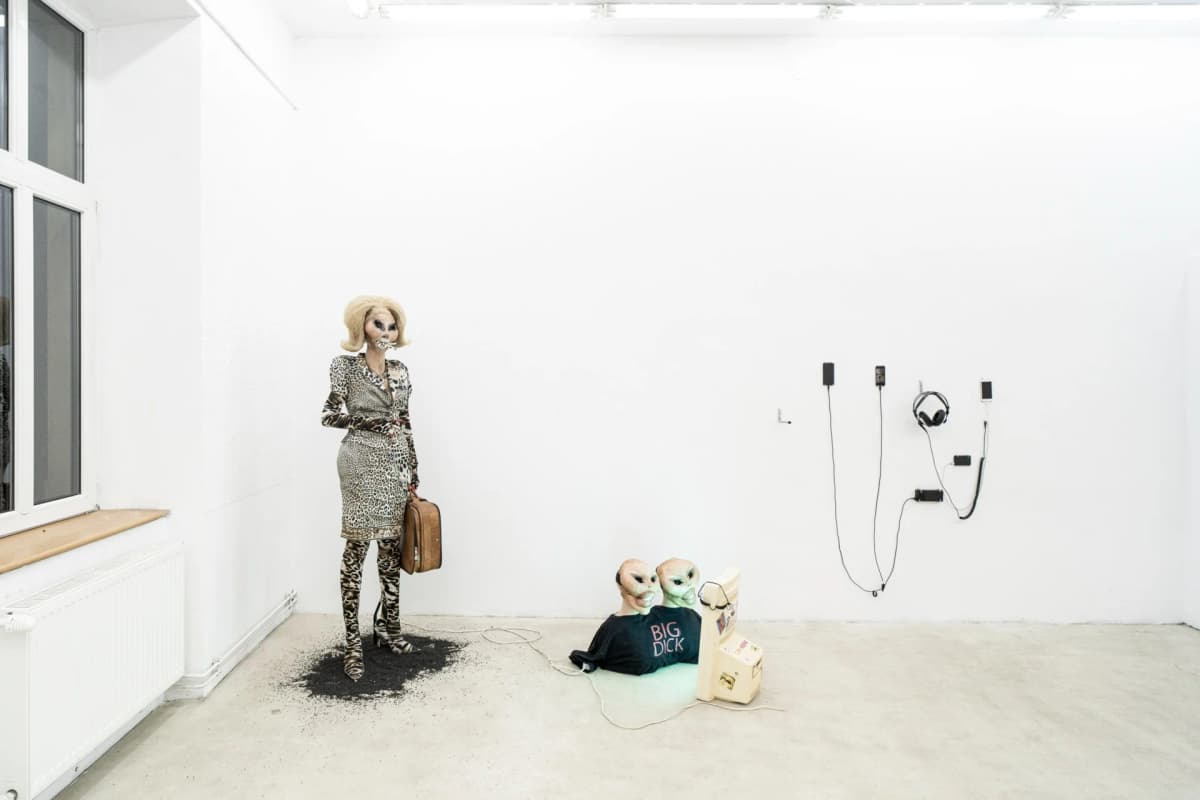
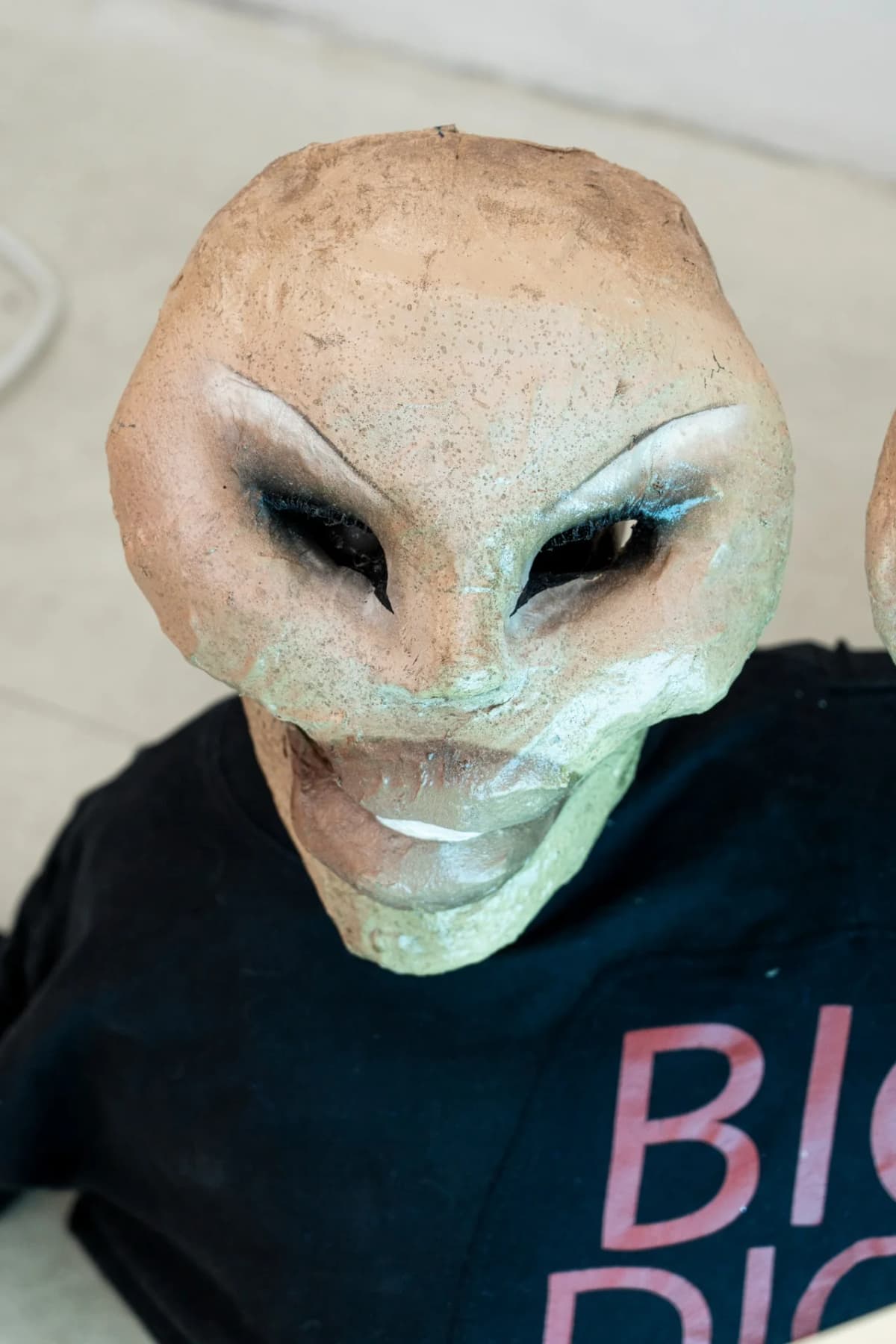
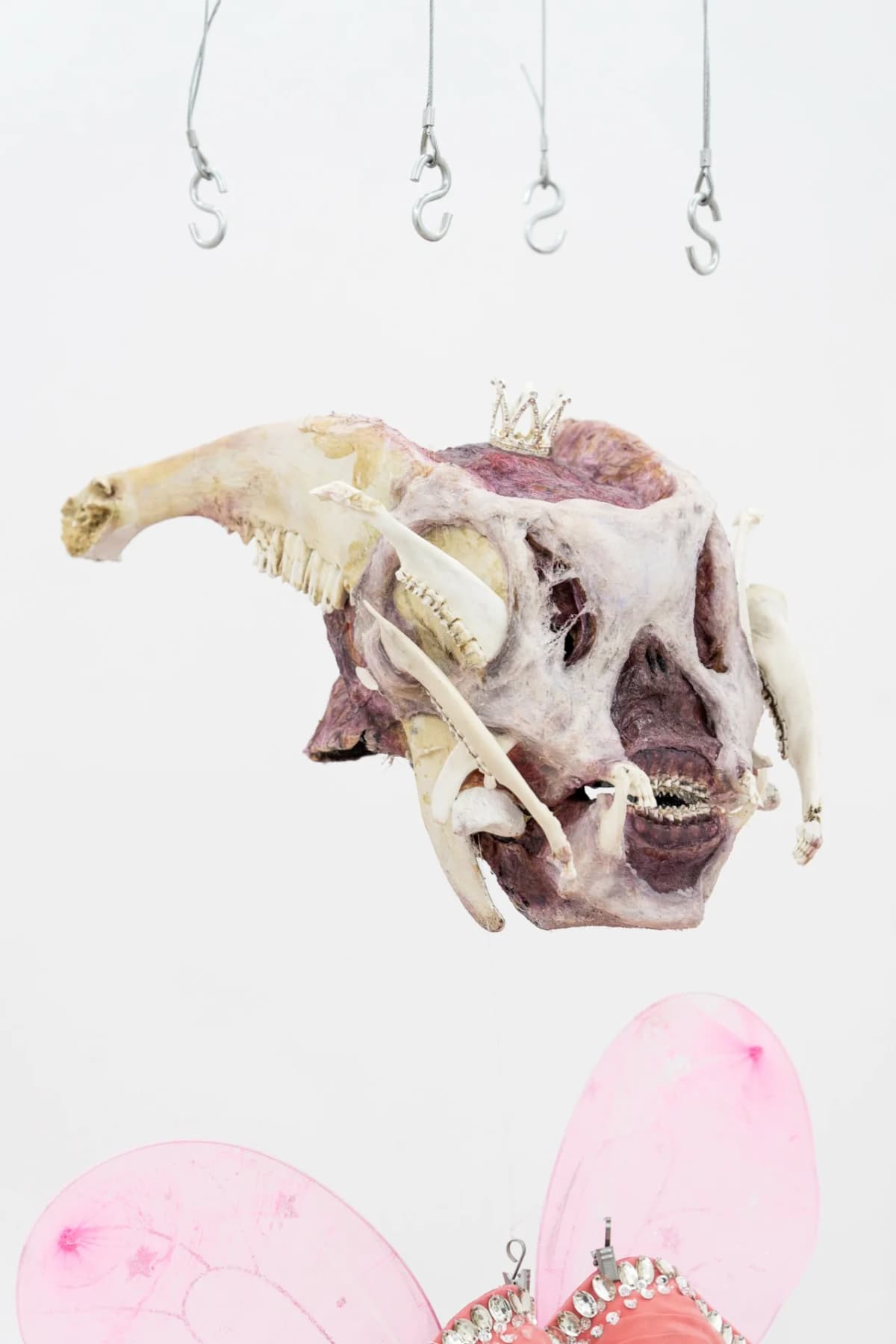
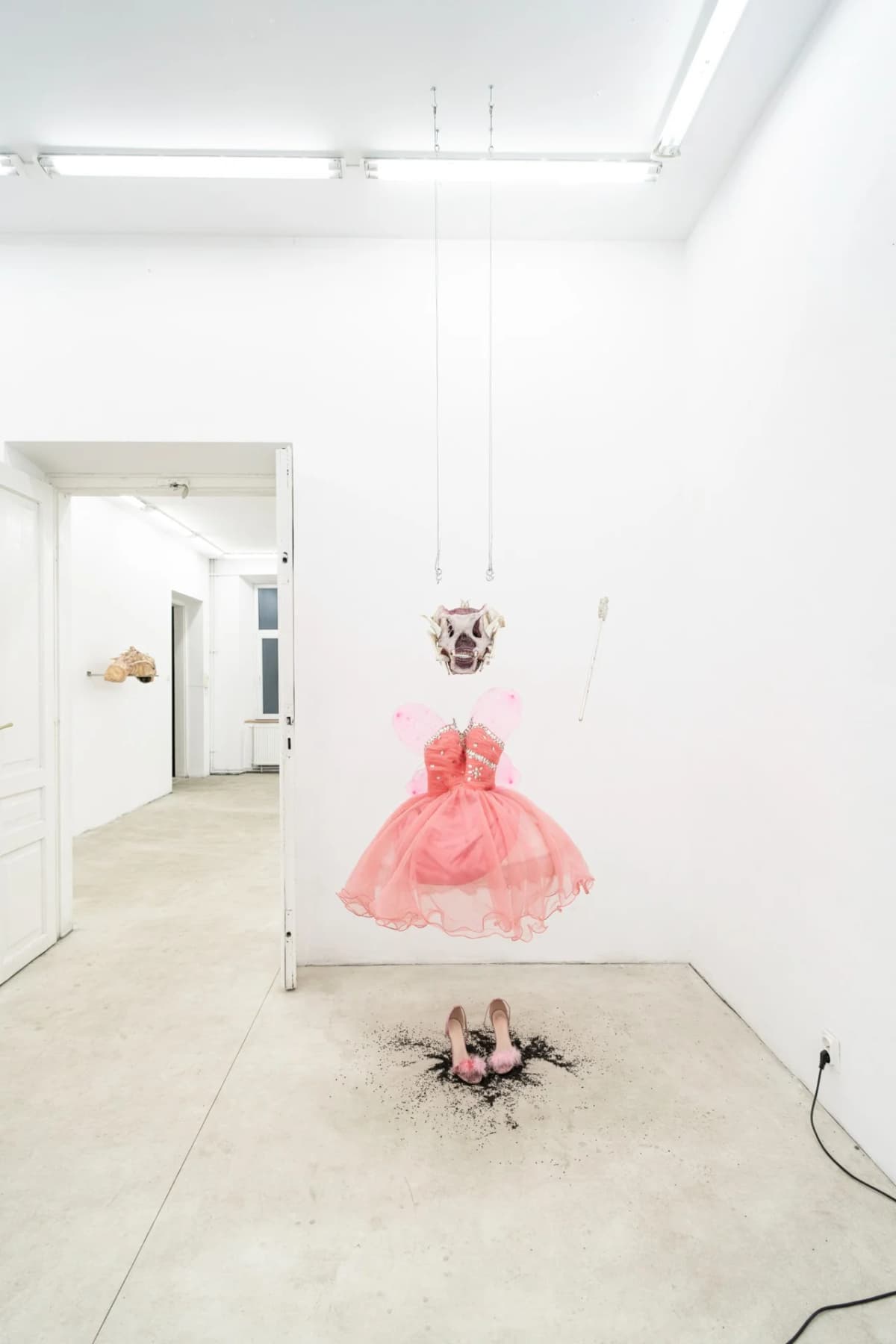
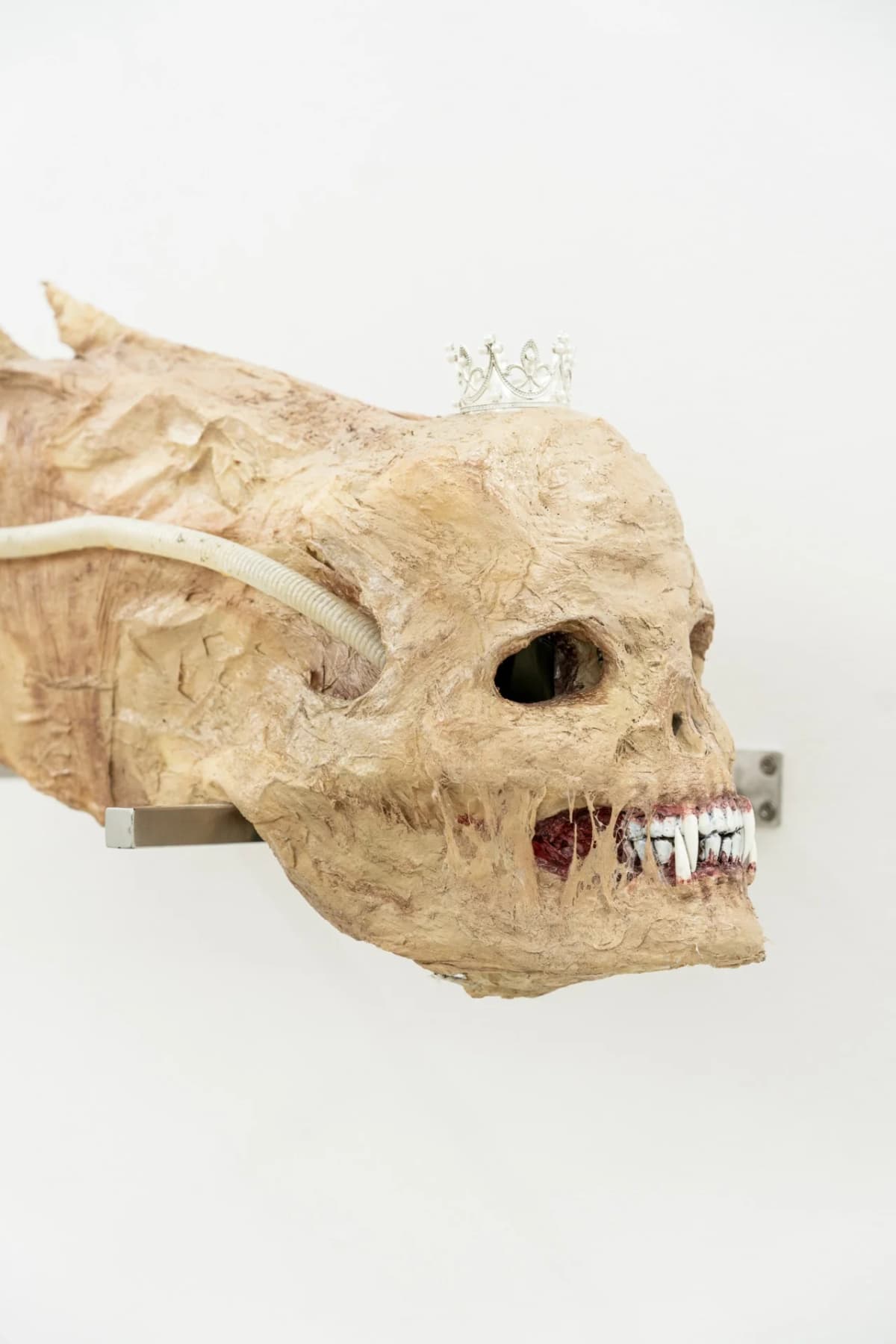
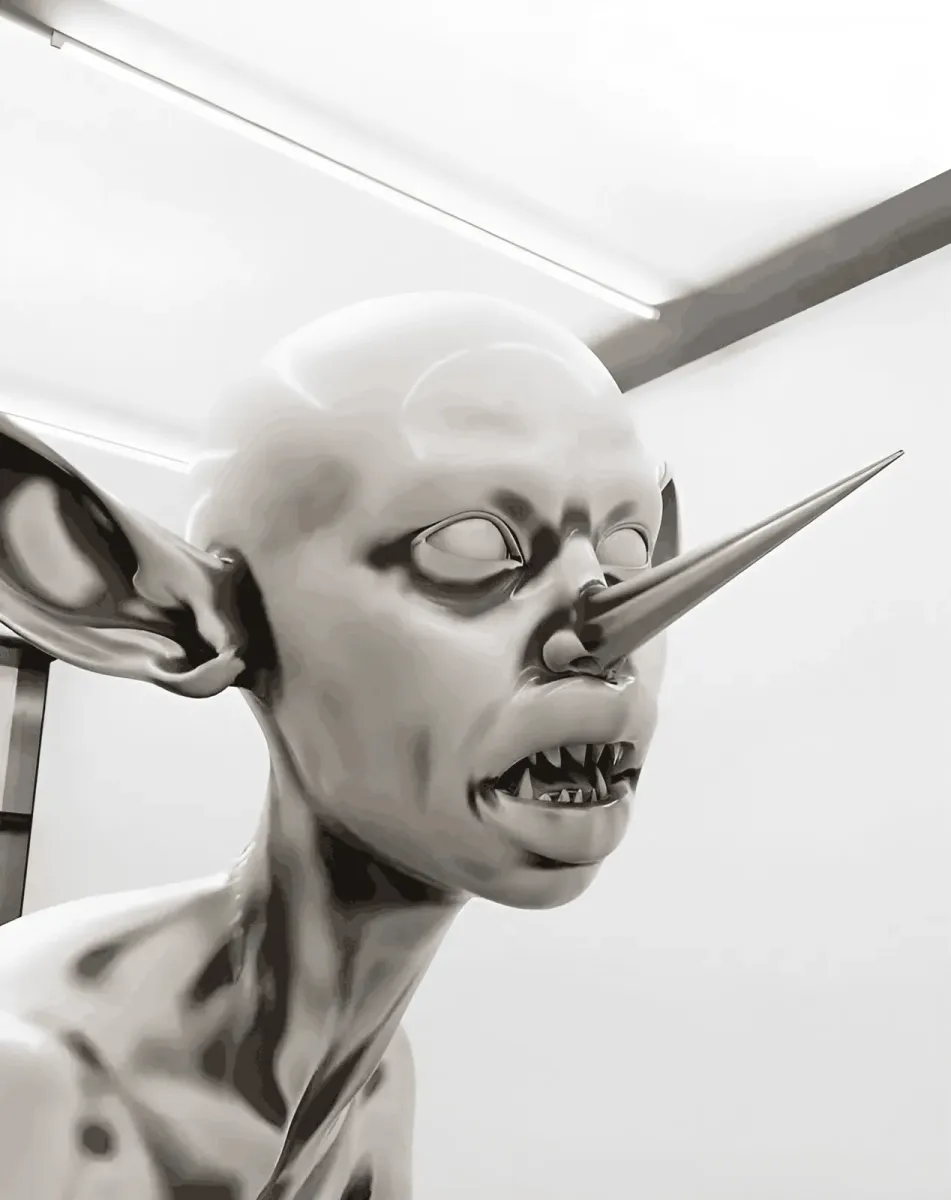
The project explores pop culture as a grotesque and camp-infused space where reality and fiction blur, reflecting late capitalism and the dissolution of distinctions between bodies, machines, and contemporary visual culture.
“A moment of relief. You thought the gore show was over and the monster had met its
end in one of those anatomically explicit scenes of ketchup-splattered carnage when
—suddenly—it comes back to life, still fixated on your death. If you were ever going to
scream, now is the time.”1 — Nick Land, Fanged Noumena
Pomadka Teresa is a black hole in Polish art—a singularity in which the trajectories of
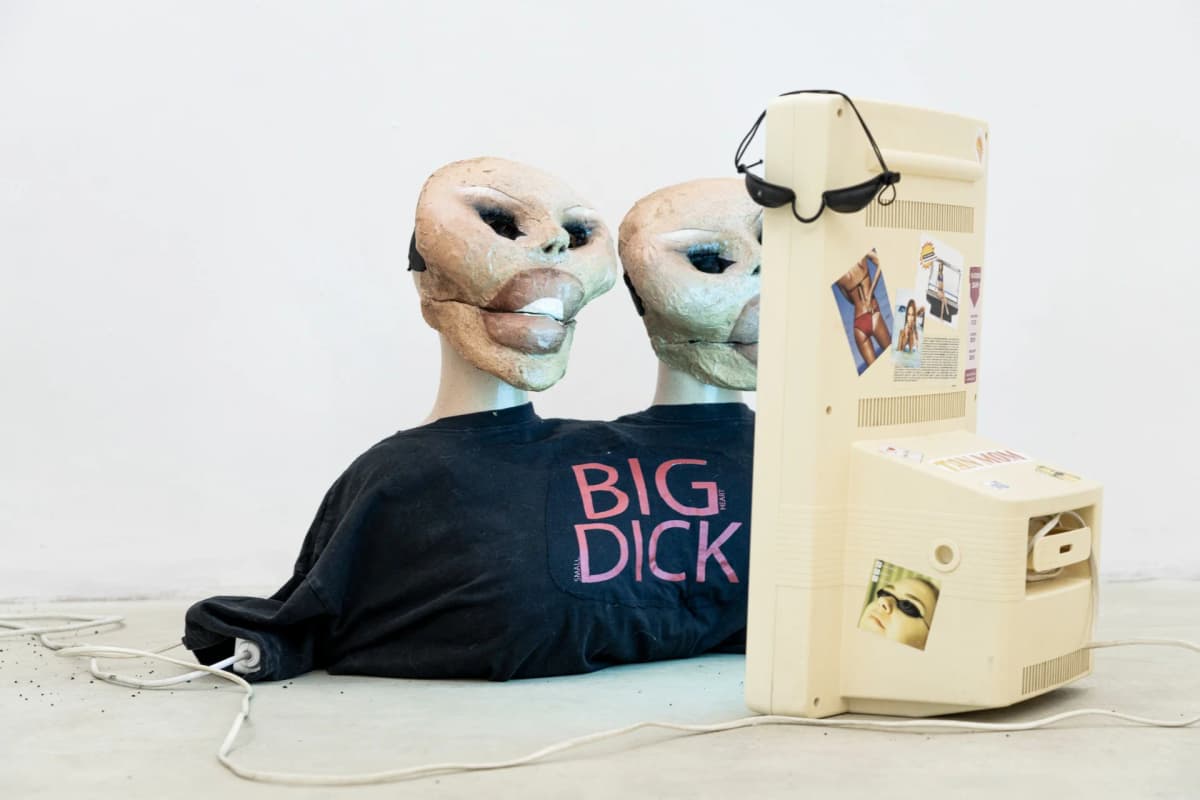
pop culture become subject to extreme coupling. Works produced through
assemblage and compression bend their source forms, suspending them in a state of
persistent endurance and drawing them into a peculiar topology. The plastics and
silicones of The Real Housewives of Beverly Hills melt into a single mass. Their faces,
left too long beneath the desert sun of Los Angeles, disintegrate like Glenn Close in
The Stepford Wives. Because death suits Pomadka.
Fisher wrote that weirdness de-realizes the real and makes the fictional real. It is the
intrusion of something that should not be present in a given place and yet stubbornly
remains there, producing a disturbance in which the boundary between the real and
the fictional begins to dissolve.2 Something similar happens in Pomadka’s work: the
image that simulates reality is cartoon-like and appears to have been generated. The
cartoon-like does not remain merely an aesthetic of representation; it becomes an
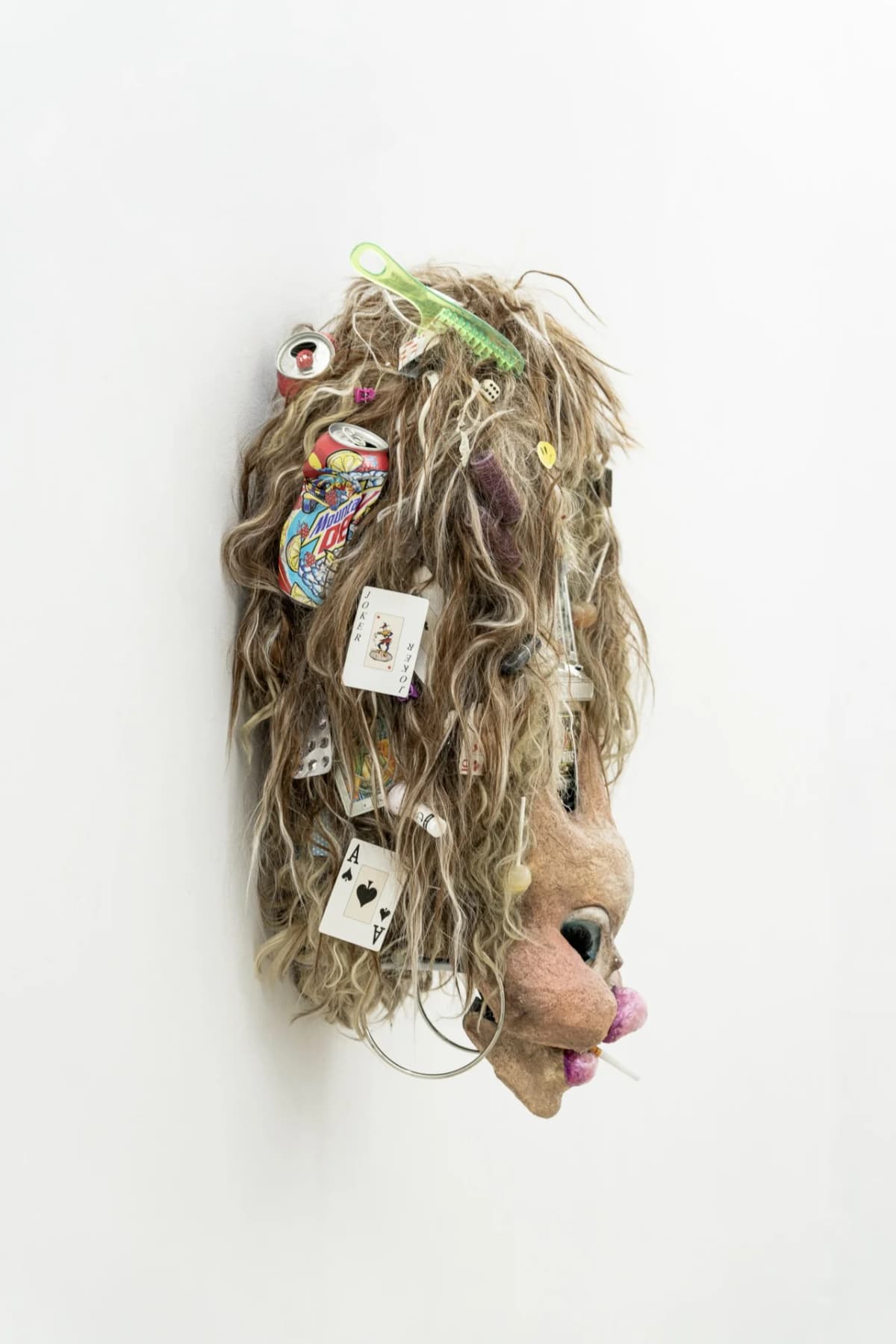
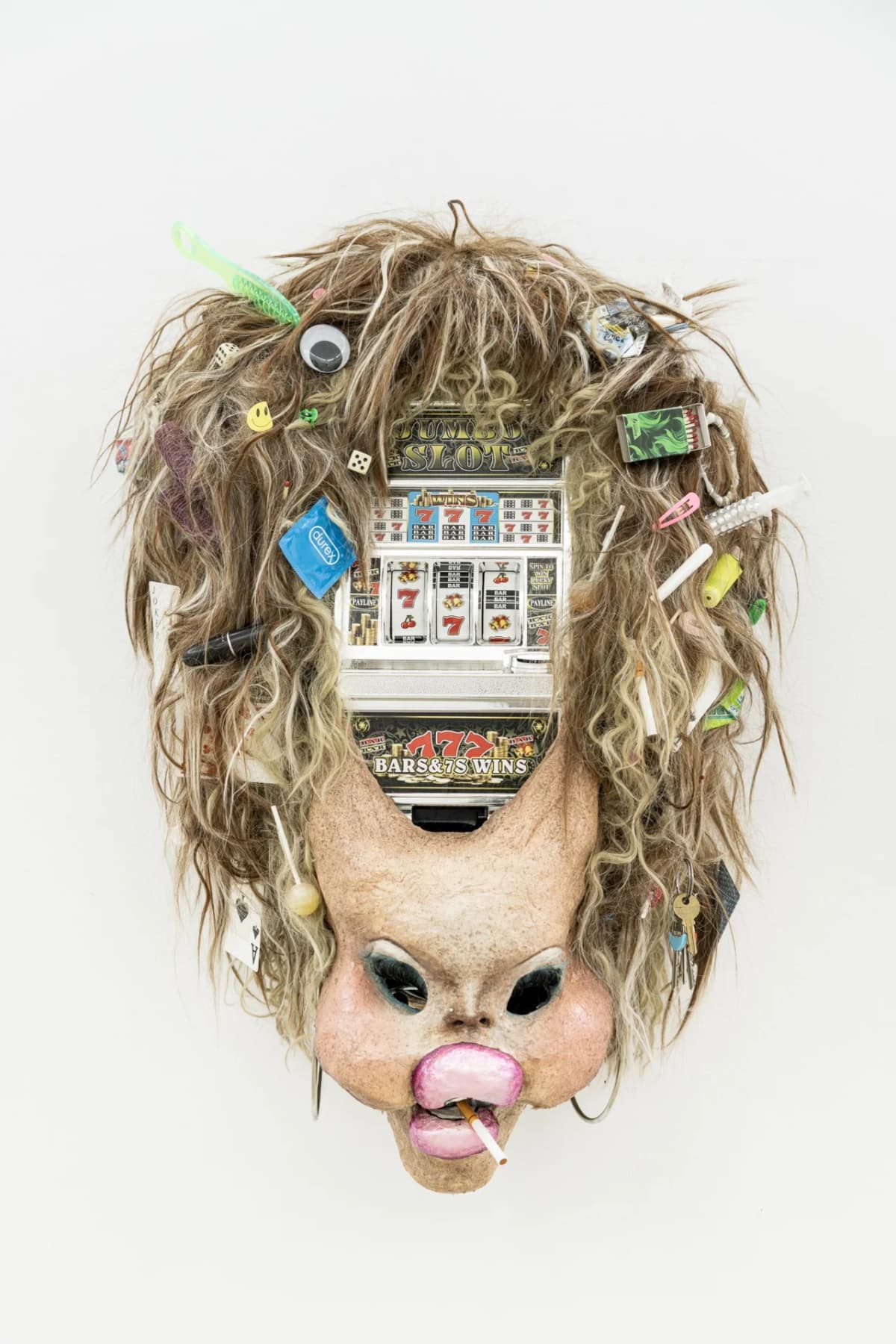
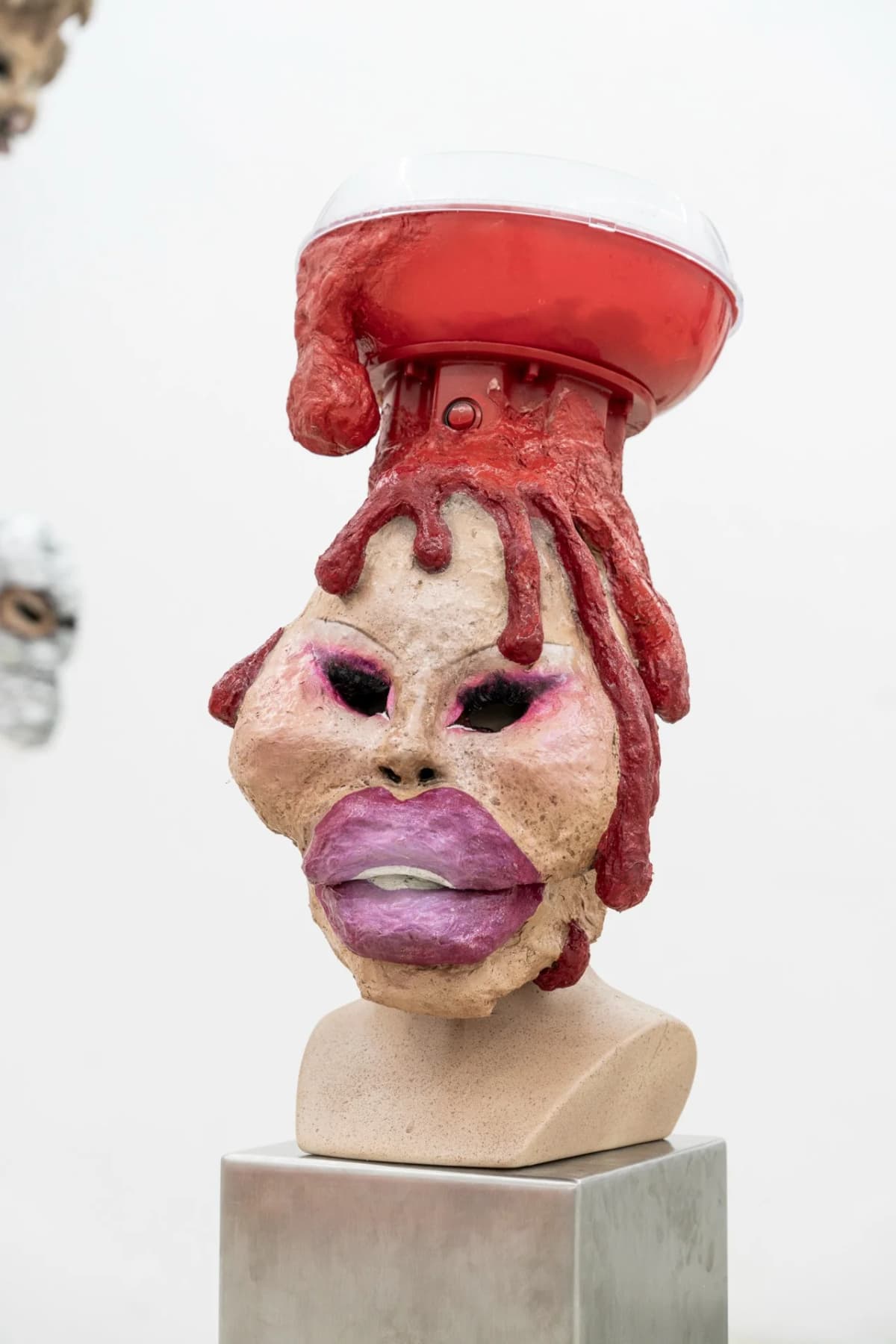
intrusion that destabilizes the status of the real. Pomadka’s masks produce a new,
weird spirituality, while a plastic toy is transformed into a relic of Mother Teresa.
If, following Susan Sontag, camp is “a love of the unnatural: of artifice, stylization, and
exaggeration,”3 then Pomadka Teresa is its exemplary figure. Yet this would be a
naïve way of thinking. Under late capitalism, culture operates as a machine for the
continuous production of camp, which ceases to be a minority aesthetic and becomes
a generic environment: one composed of filters, generative images, and faces
modelled by AI and cosmetic surgery. Camp does not ask what something means or
whether it is right, and in this sense it resembles the logic of an algorithm, which does
not evaluate content but processes formal patterns. Where tragedy presupposes
depth, camp prefers surface; where morality requires judgement, camp chooses
aesthetic modulation. Networked structural camp is no longer merely an aesthetic
experience but an epistemological one as well: as the dominant perceptual and
generative pattern, it constitutes the infrastructure of the contemporary world.
“But the most important part of the face for the grotesque is the mouth. It dominates.
The grotesque face is essentially reduced to a gaping mouth; everything else is
merely a frame around that mouth, around this gaping and devouring bodily abyss.”4
— Mikhail Bakhtin, Rabelais and His World: A New Translation
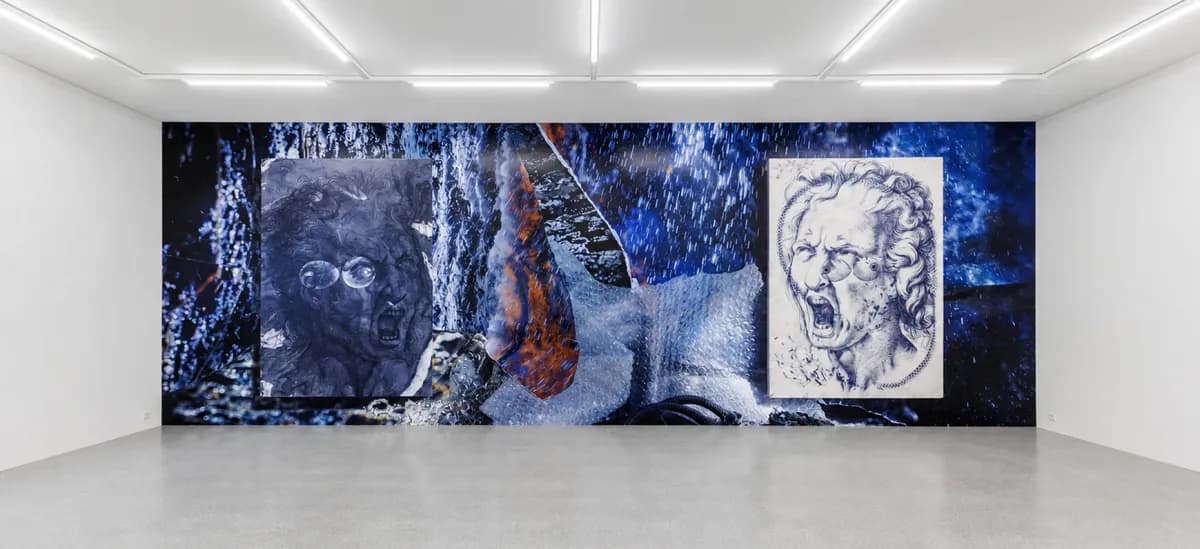
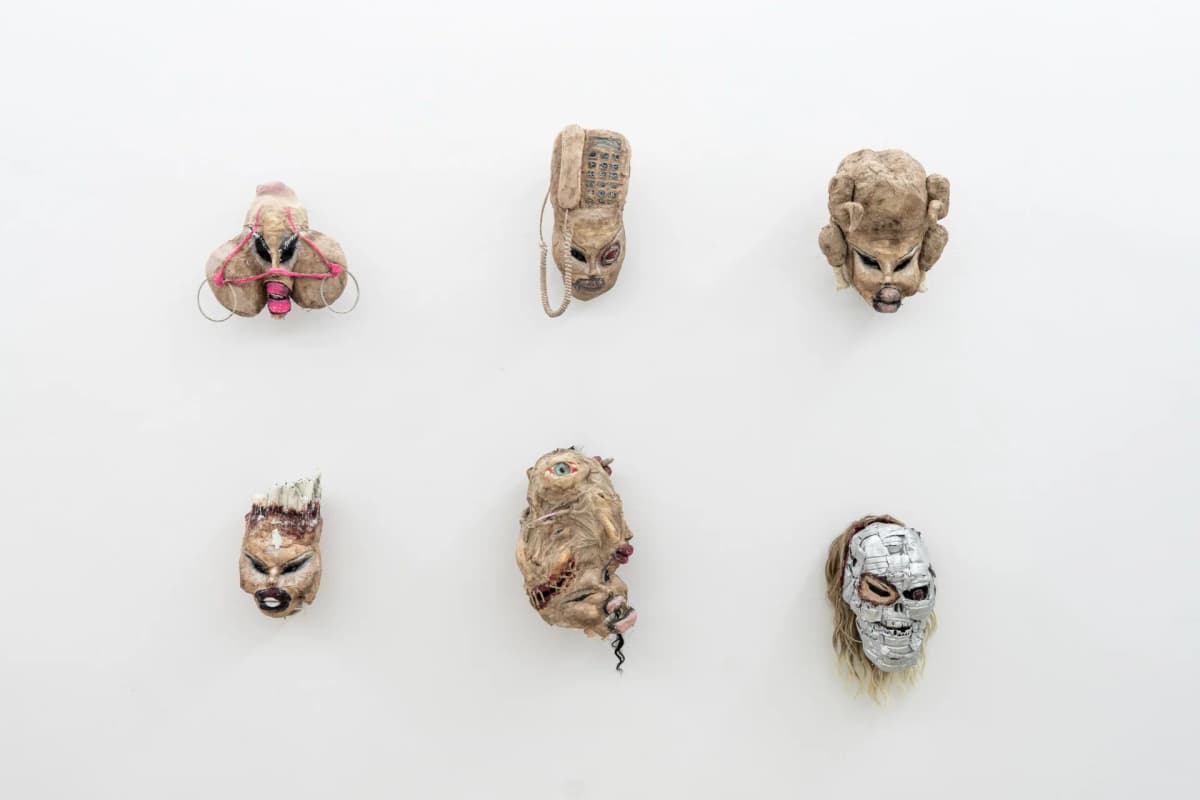
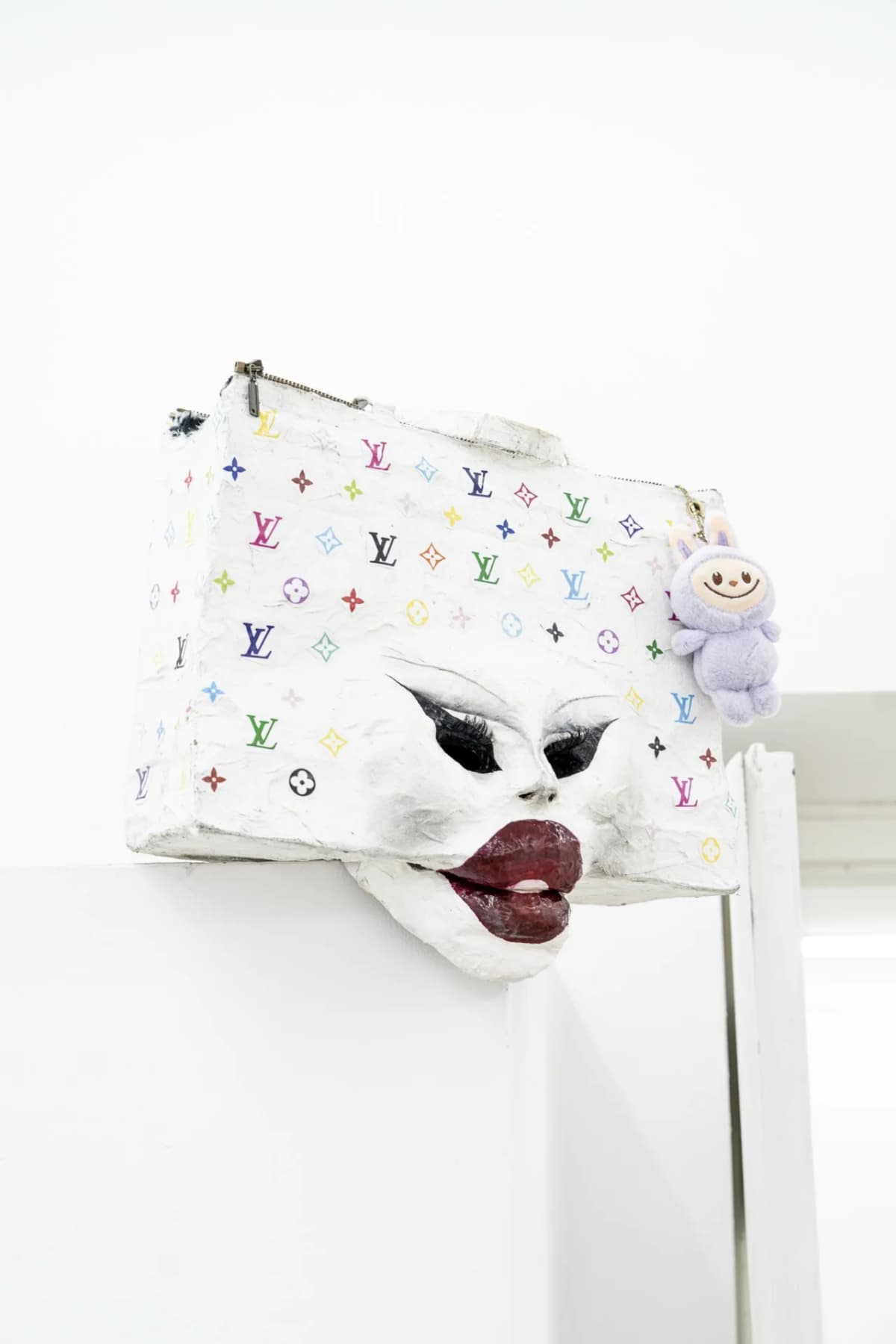
It is precisely these grotesquely enlarged, unnaturally swollen, and permanently open
mouths that condense into a singularity in Pomadka’s work. For Bakhtin, the
exaggeration of the mouth is the primary means of shaping the grotesque
countenance, the centre of the face’s deformation and disintegration. Pomadka’s
masks resemble grotesques torn from the façades of Gothic cathedrals and thrown
into algorithmic circulation.5 Medieval representations were fuelled by Christian
mythology and folk culture; Pomadka is driven by the memosphere, B movies,
science fiction, Terminator, the xenomorph from the Alien franchise, and reality-
television databases. The grotesques return as inhabitants of social-media platforms,
while the medieval carnival is coupled with a bot farm.
Nick Land defined compression as a process through which capitalist-technological
systems reduce time, complexity, and qualitative differences to increasingly dense
intensities ready for further circulation.6 Similarly, in Pomadka’s work, images of
popular culture are neither quoted nor represented but subjected to vacuum
compression. American Beauty, but with the face of late-period Nicole Kidman; The
Urbz: Sims in the City, but played from the interface level, where you are constantly
keeping the indicators in the red; GTA: San Andreas as a nocturnal open world,
except that you mostly play it like Crazy Taxi and run over male hookers; Desperate
Housewives, but styled like Vinted, where the clothes have more history than the
people; or Quake III Arena, but with an FPS so high that your eyeballs explode.
Pomadka sucks all of this into her vortex and compresses it into a single intensity—
posthuman pulp.
The algorithm rewards not truth but intensity, difference, and speed. Condensed
images circulate, replicate, and mutate, while the face ceases to be a face in the
traditional sense. The greater the excess, the greater the chance of dissemination.
Instagram and Pomadka jointly produce a machinic process that drives, accelerates,
and disperses itself. In this sense, Pomadka’s grotesques become the platform’s
inter(faces): grotesque heads with gaping maws, devouring pop culture, multiplying
on algorithmic slides, and returning once again to circulation. Pomadka has failed the
Turing test because the distinction between human and machine has ceased to
matter.
1 Land, N., Fanged Noumena, trans. Patrick Leftwich (Warsaw: Kronos, 2026), essay
“Cybergothic.”
2 Fisher, M., The Weird and the Eerie, trans. Anna Karalus and Tomasz
Adamczewski (Gdańsk: słowo/obraz terytoria, 2023), essay “Out of This World, Out of
Time: Lovecraft and the Weird.”
3 Sontag, S., Against Interpretation and Other Essays (London: Penguin Books,
2009), essay “Notes on ‘Camp’.”
4,5 Bakhtin, M., Rabelais and His World: A New Translation, trans. S. Sandler (MIT
Press, 2025), chapter “The Grotesque Image of the Body in Rabelais and Its
Sources.”
6 Patrick Leftwich, “Afterword,” in Nick Land, Fanged Noumena, trans. Patrick
Leftwich (Warsaw: Kronos, 2026).
Artists in this exhibition
More at Jak Zapomnieć Gallery
More in Kraków
Related topics
.webp&w=1200&q=75)