Klaus in Vorarlberg / 2026
Der Kopf ist rund, damit das Denken die Richtung wechseln kannGalerie Brugger
Klaus in Vorarlberg / 2026
Der Kopf ist rund, damit das Denken die Richtung wechseln kannGalerie Brugger
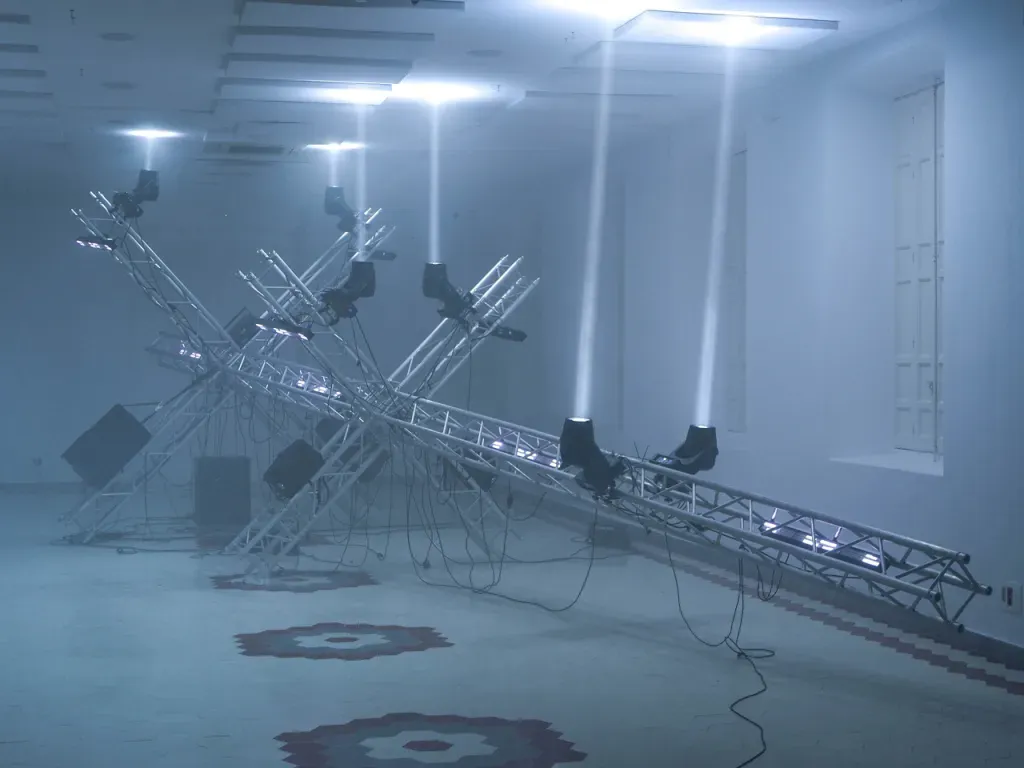
May 22 — June 01, 2026
Leo Pum @La Térmica, Málaga KRVCE festival

Everything you need to plan, apply, and move your art career forward.
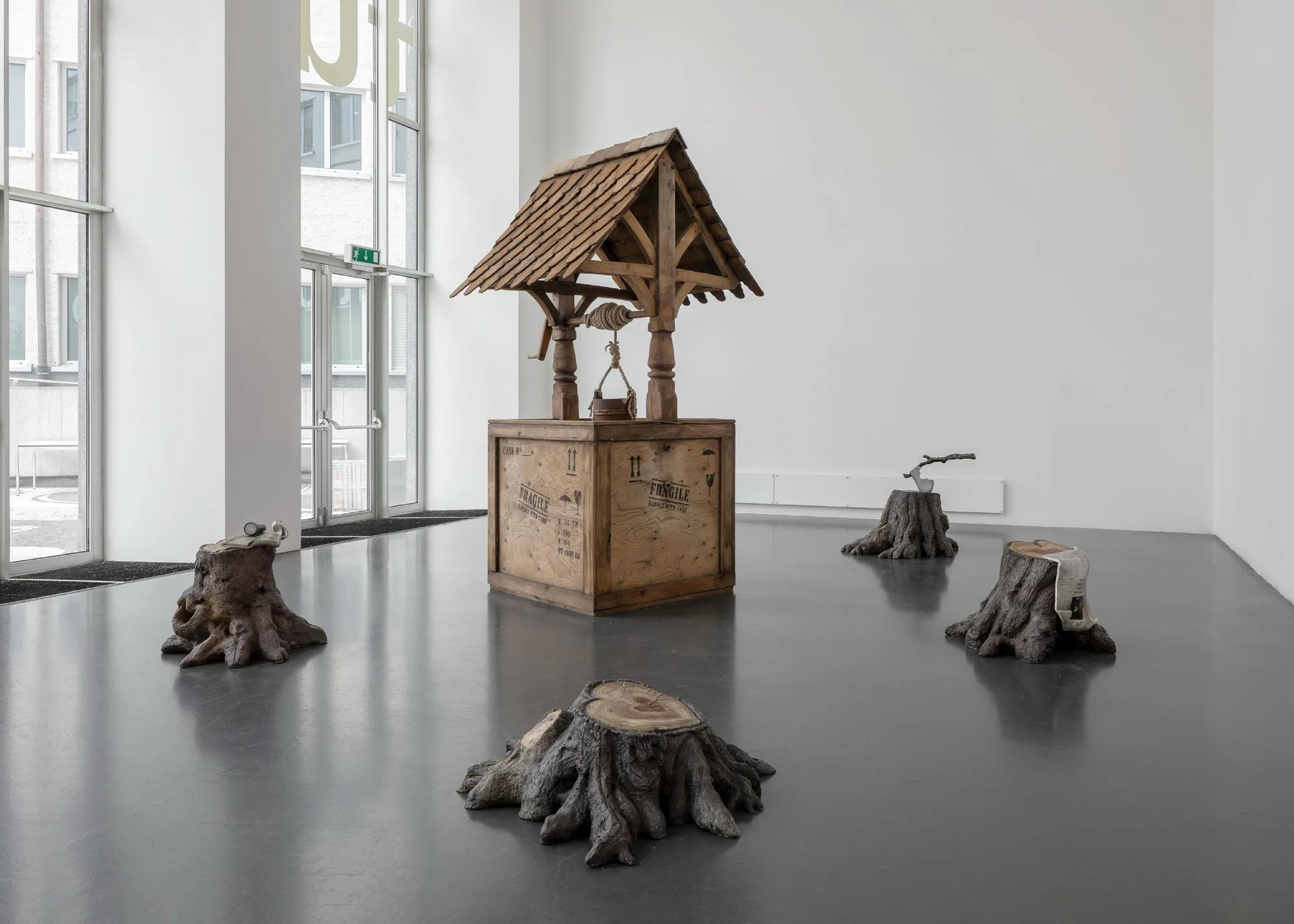
Milan / 2026
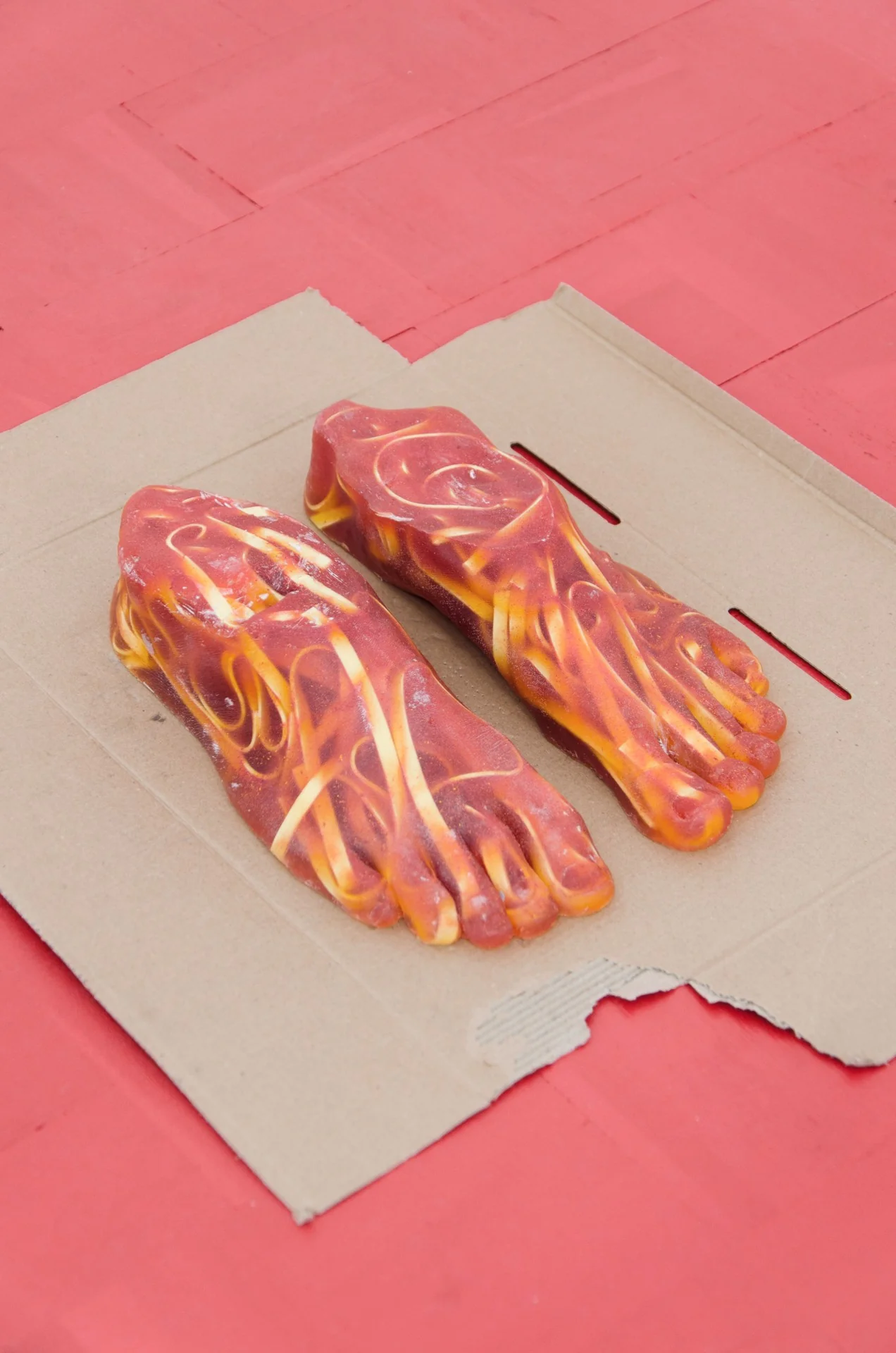
Winterthur / 2026
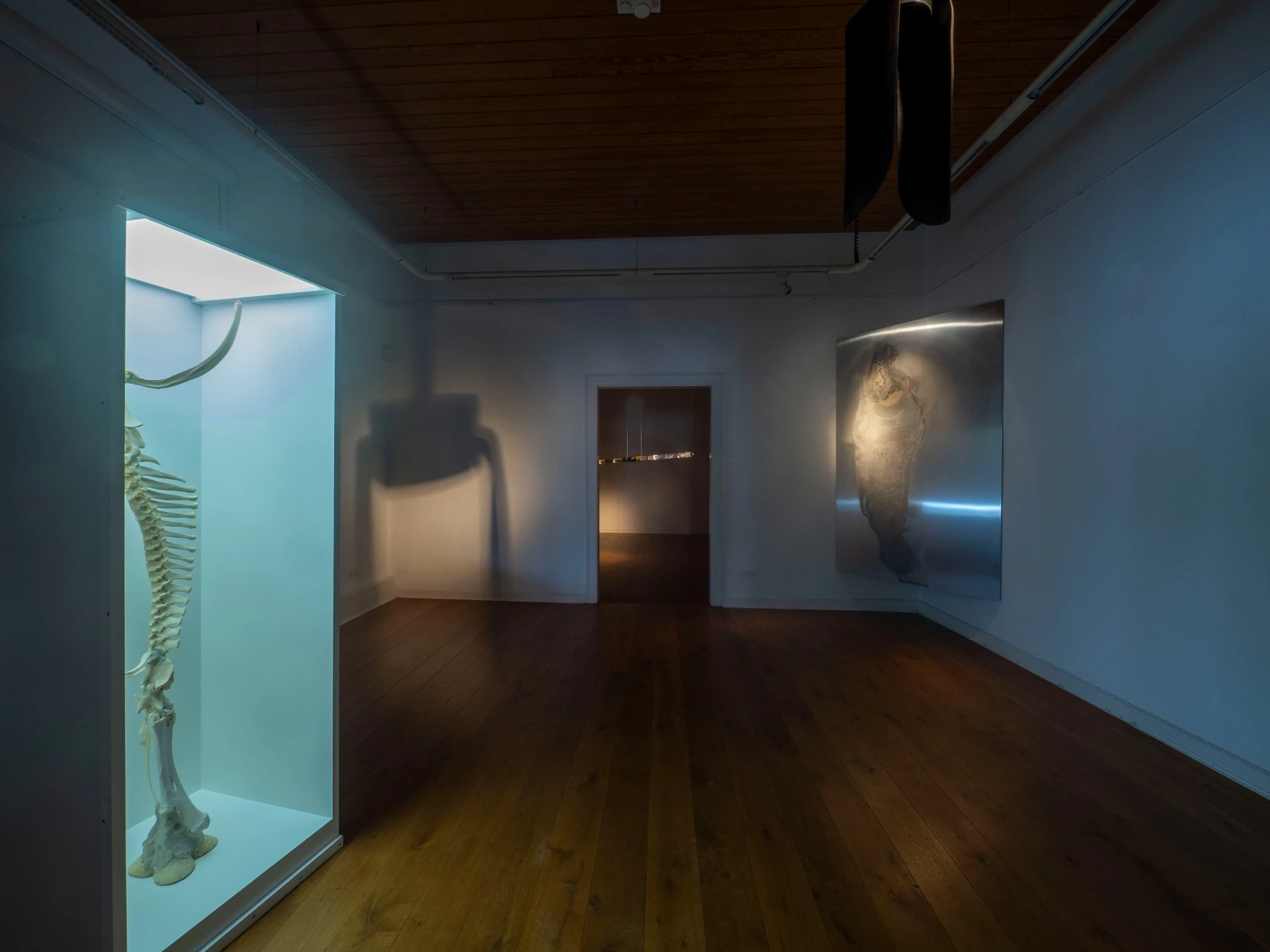
Göttingen / 2026
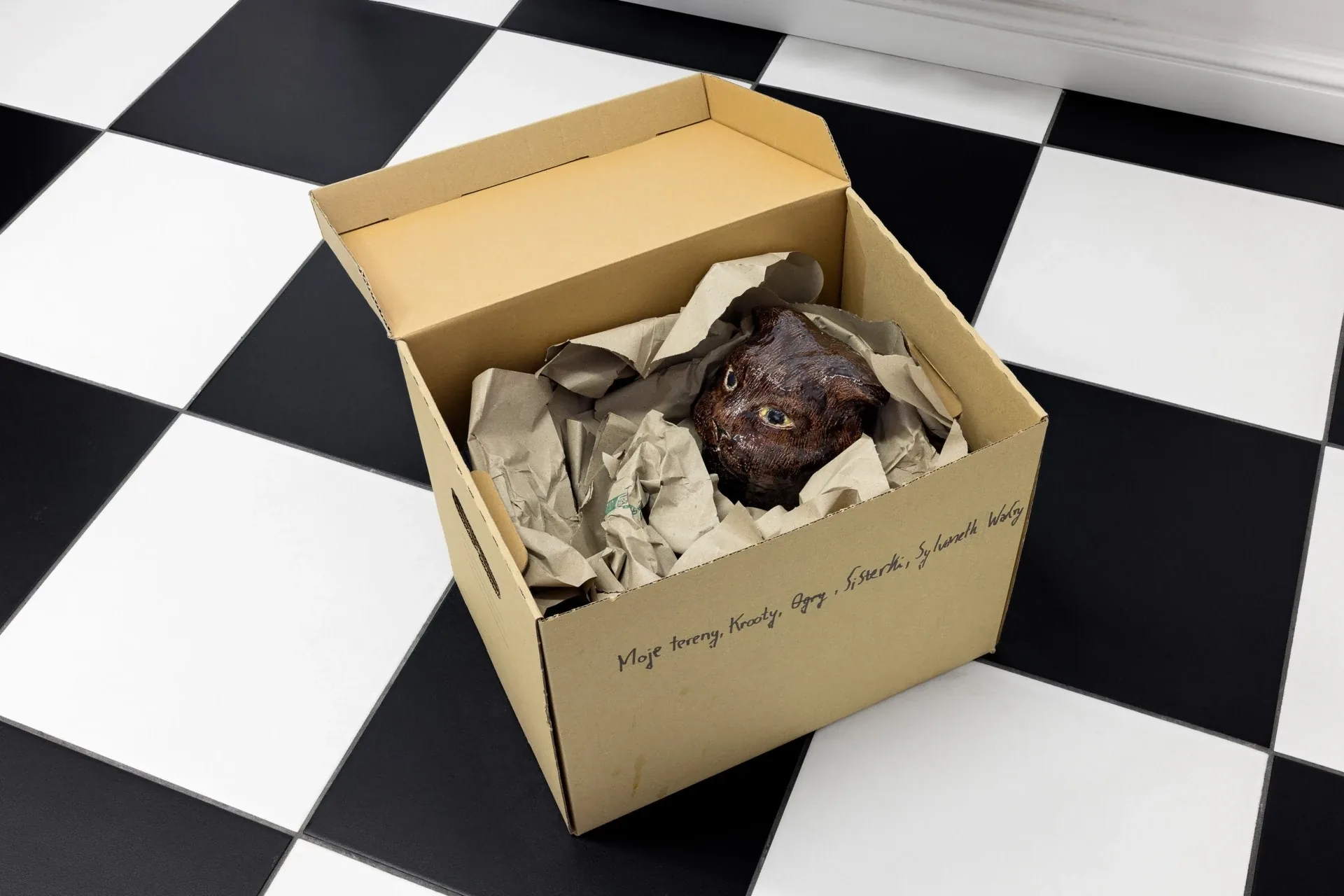
Warsaw / 2026
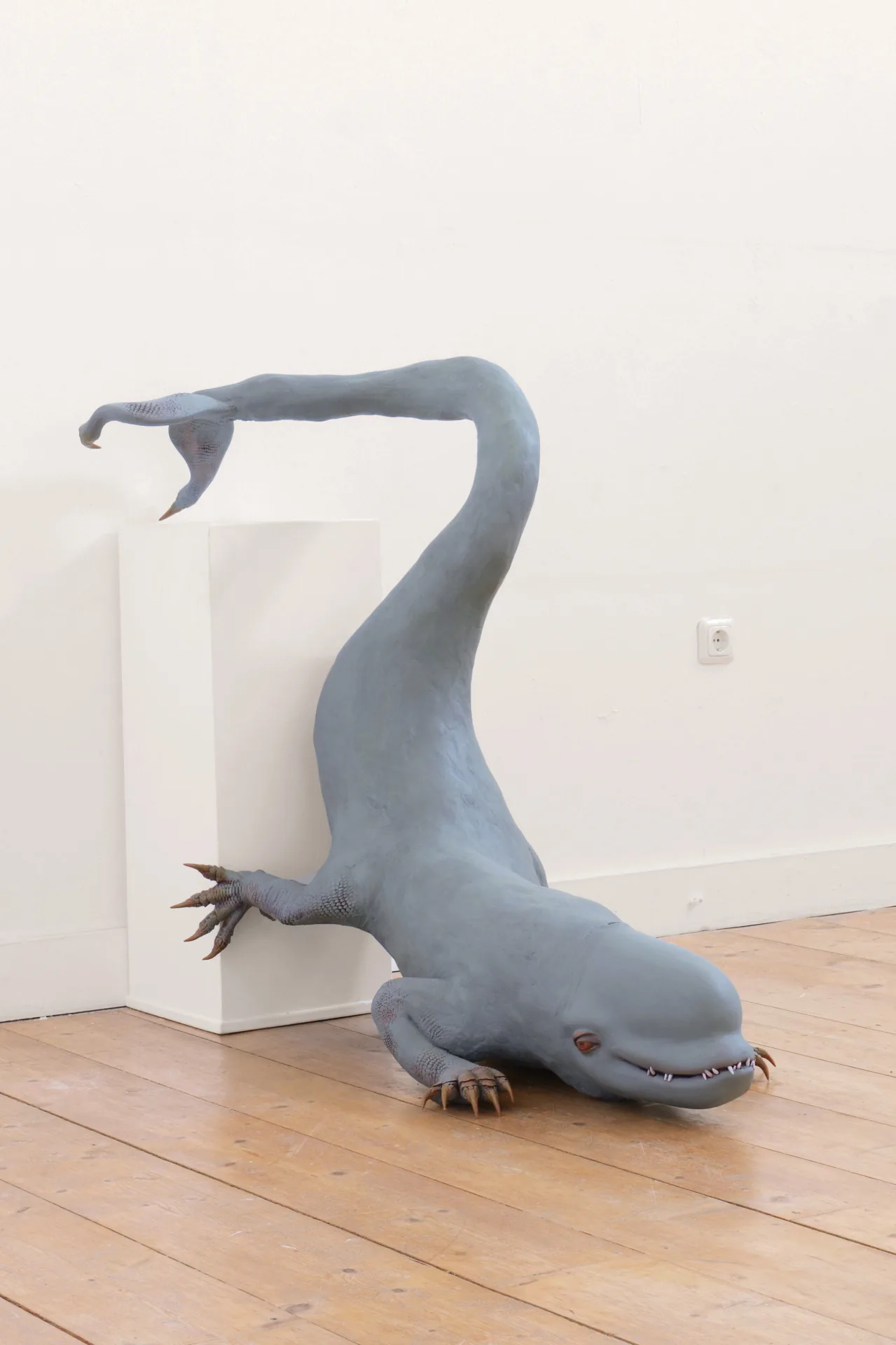
Schieder-Schwalenberg / 2026
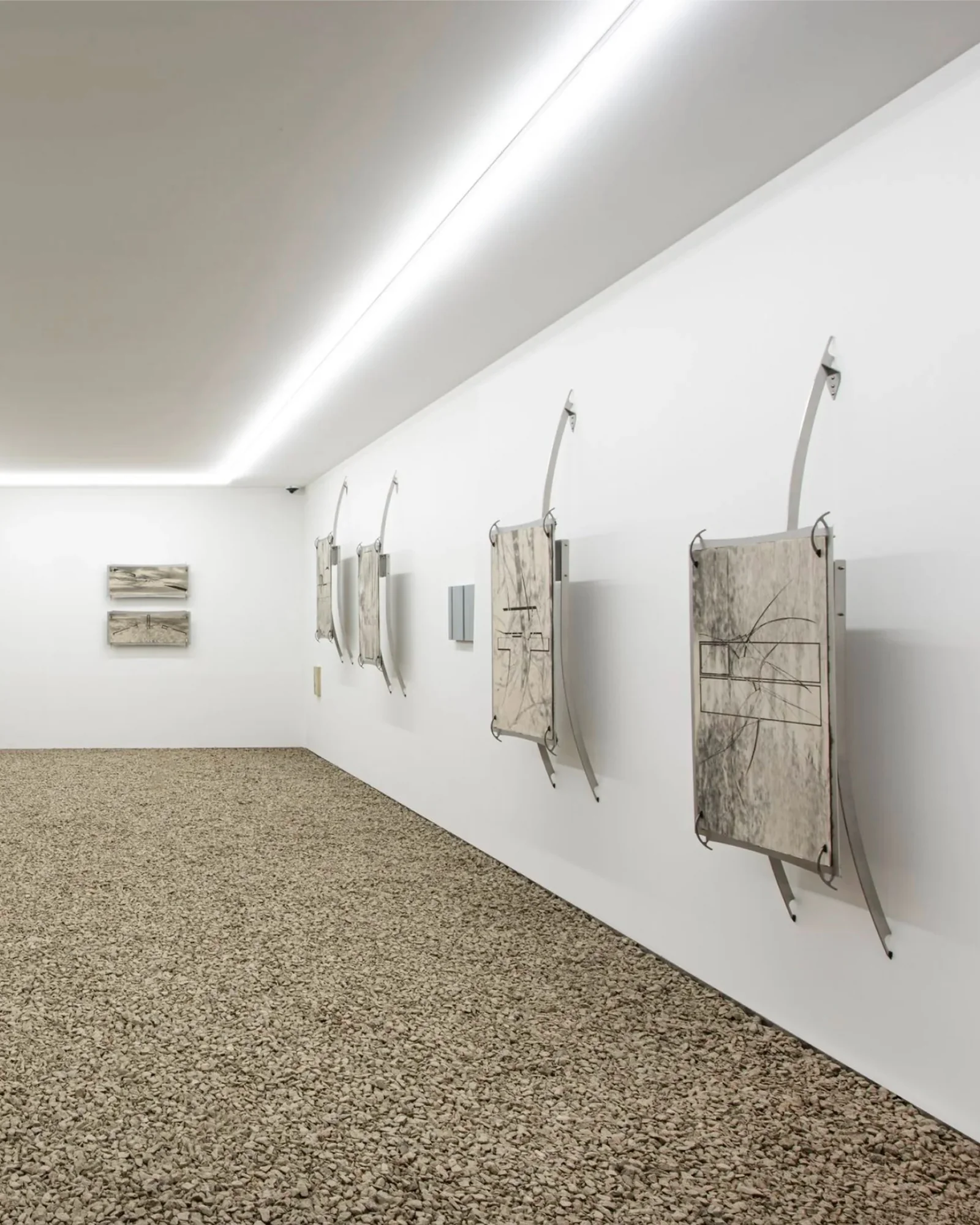
Seoul / 2026
Springfield / 2026
Rio de Janeiro / 2026
 Features
Ljubljana / 2026
Prague / 2026
Valencia / 2026
Vilnius / 2026
Palma de Mallorca / 2026
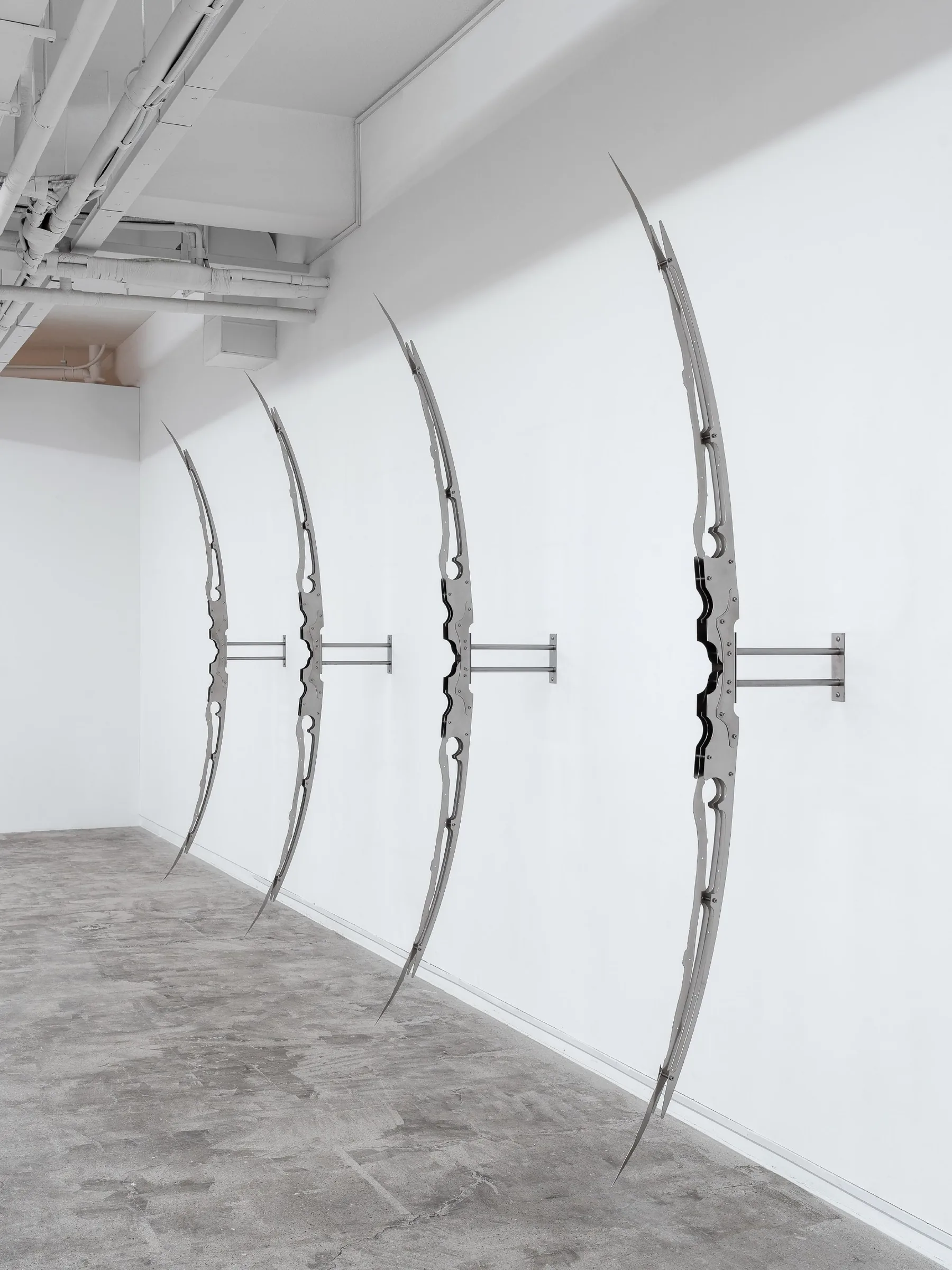
Gwangju / 2026
Galeria Refresco / Gabriel Ribeiro
I. Allegory
Millions of years ago, our vertebrate ancestors, aquatic beings, tried their luck on dry land. Ever since, we have existed as terrestrial beings, responding and reacting to a succession of environmental conditions, exchanges, and affections. As humans, we are composed of matter: metal flows through our blood; our bones are, in effect, living stones, the calcium that sustains them is of stellar origin, the result of nuclear fusion within stars that have long since gone extinct. The history of what we consider «living» is, therefore, inseparable from an intimacy with what we consider «non-living»: the rains that flood our cities, the force of the tides, sandy soils, heat, water, as well as the silicon that now inhabits our computers and the plastic that gives shape to our shopping bags.
A single force runs through everything: from vulnerable human bodies and their nervous systems to complex machines. Yet, it must be noted that this vitalism, which recognizes forces and capacities within matter and stands in opposition to the anthropocentrism inherent in certain ways of understanding the world, is contingent upon a process of «doing.» As Karen Barad might suggest, matter is that which is «done,» or that which emerges through its own movements, a «doing» that relies on the actions, relationships, and encounters between things.
The hypothalamus is a small structure located at the base of the brain, yet it is crucial for regulating the body. It functions as a translation center. It receives signals from the outside (light, temperature, an encounter with another body) as well as signals from within (glucose levels, sodium concentration in the blood, hormonal rhythms). Based on the intersection of these inputs, it generates responses: thirst, hunger, sleep, or the impulse to seek out shade or water. Contemporary neuroscience often describes it as an interface between the internal and external environments. The hypothalamus does not make decisions on its own; it is a mediation node, a structure that exists by continuously converting what arrives into what is returned to the world.
It is this structure that Gabriel Ribeiro adopts as an allegory for his solo exhibition, describing his works, in fact, as «small hypothalami» and extending the metaphor to a different scale.
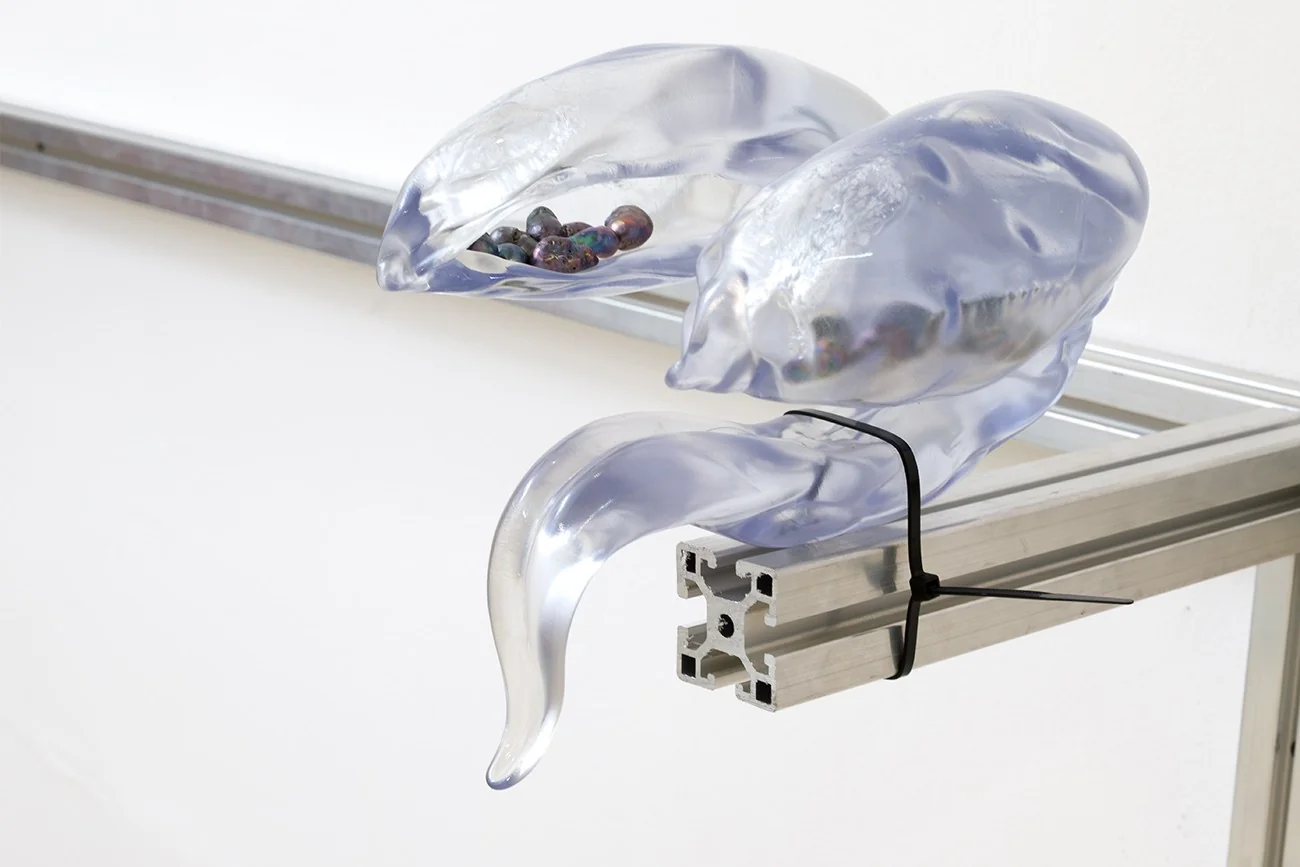
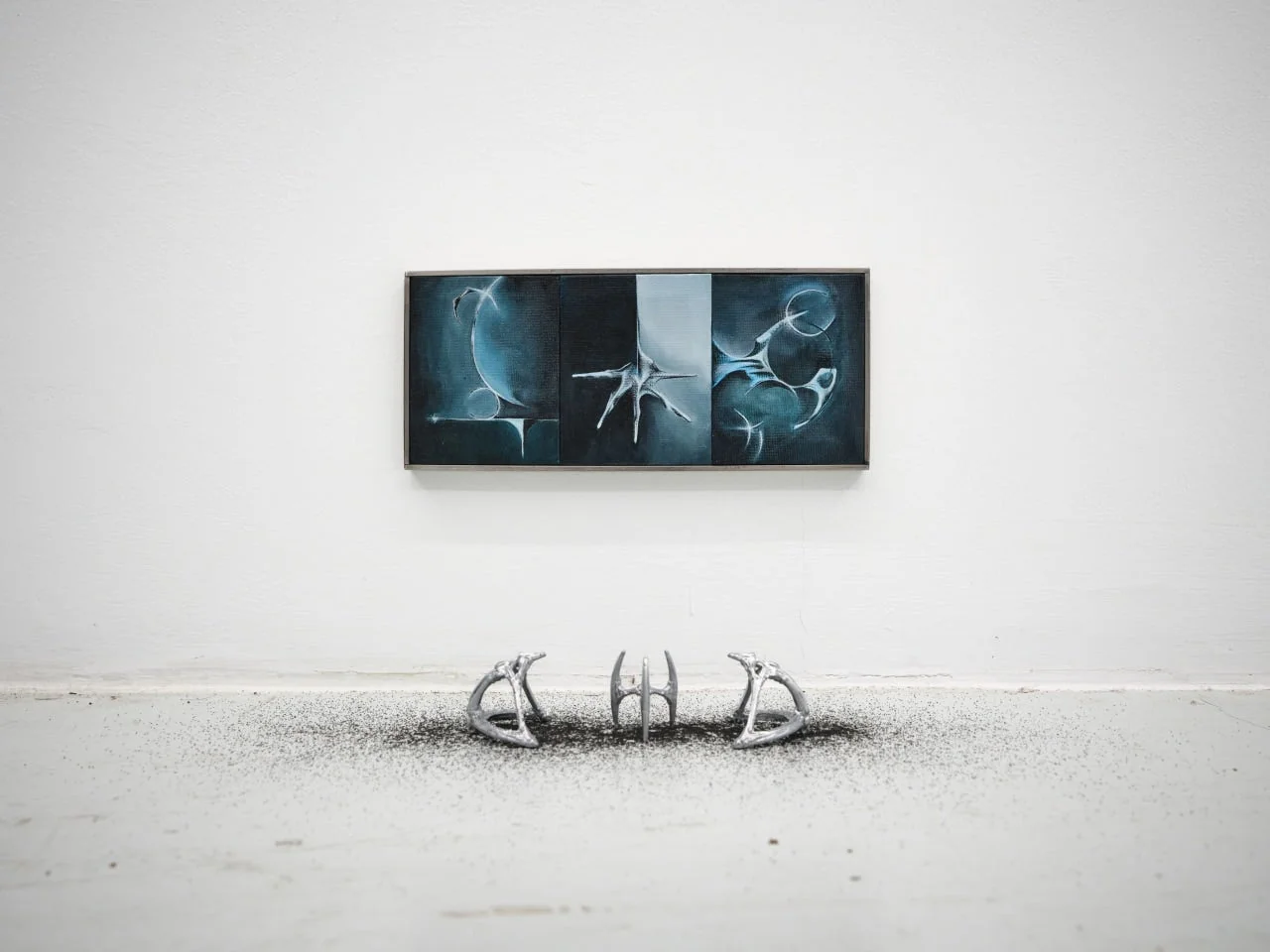
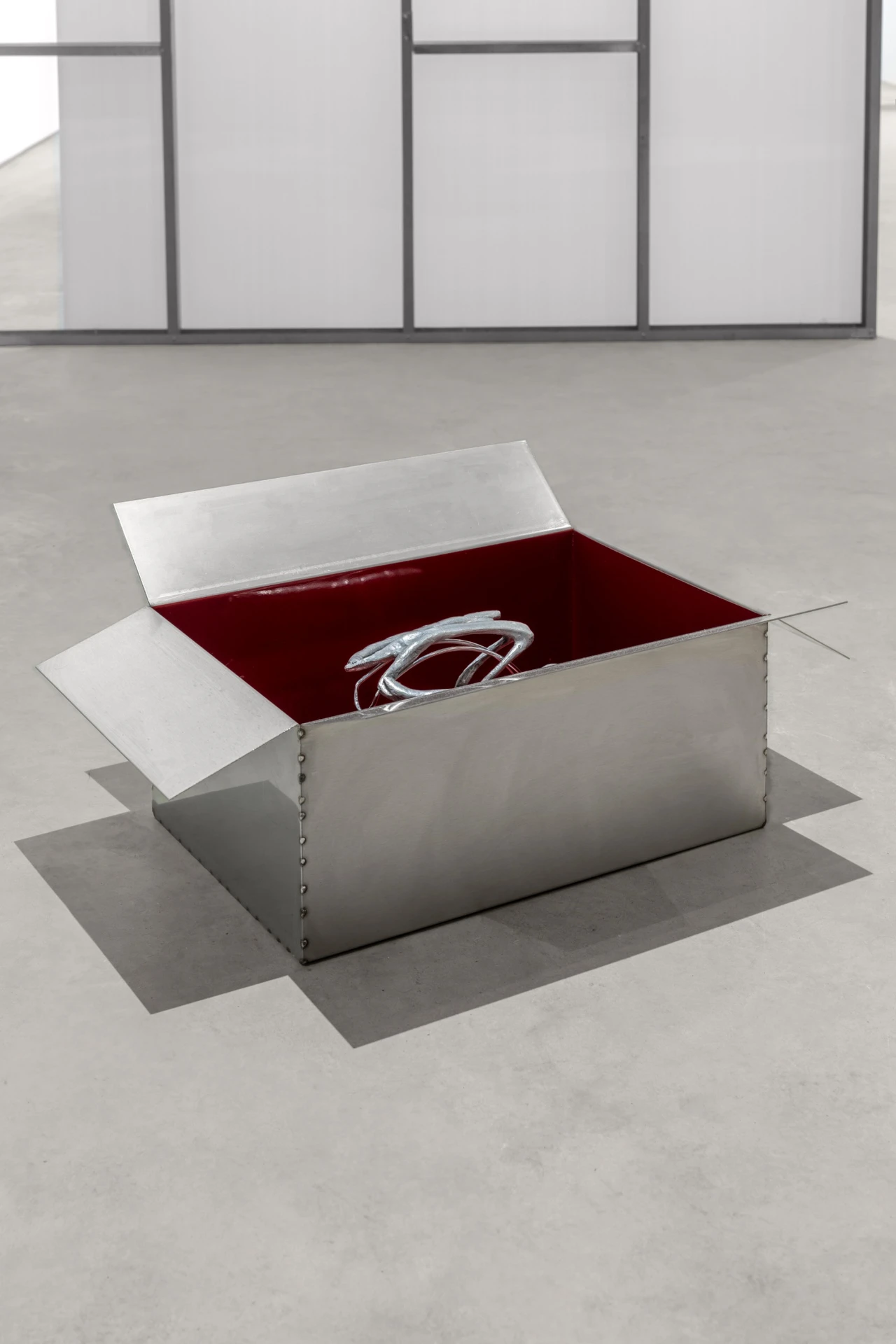
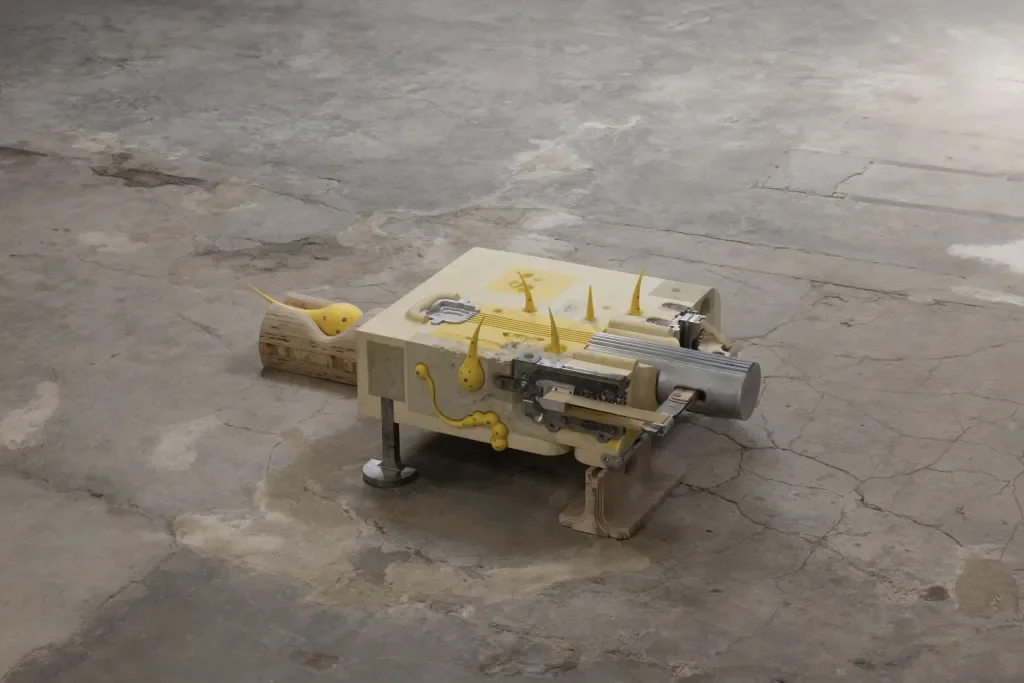
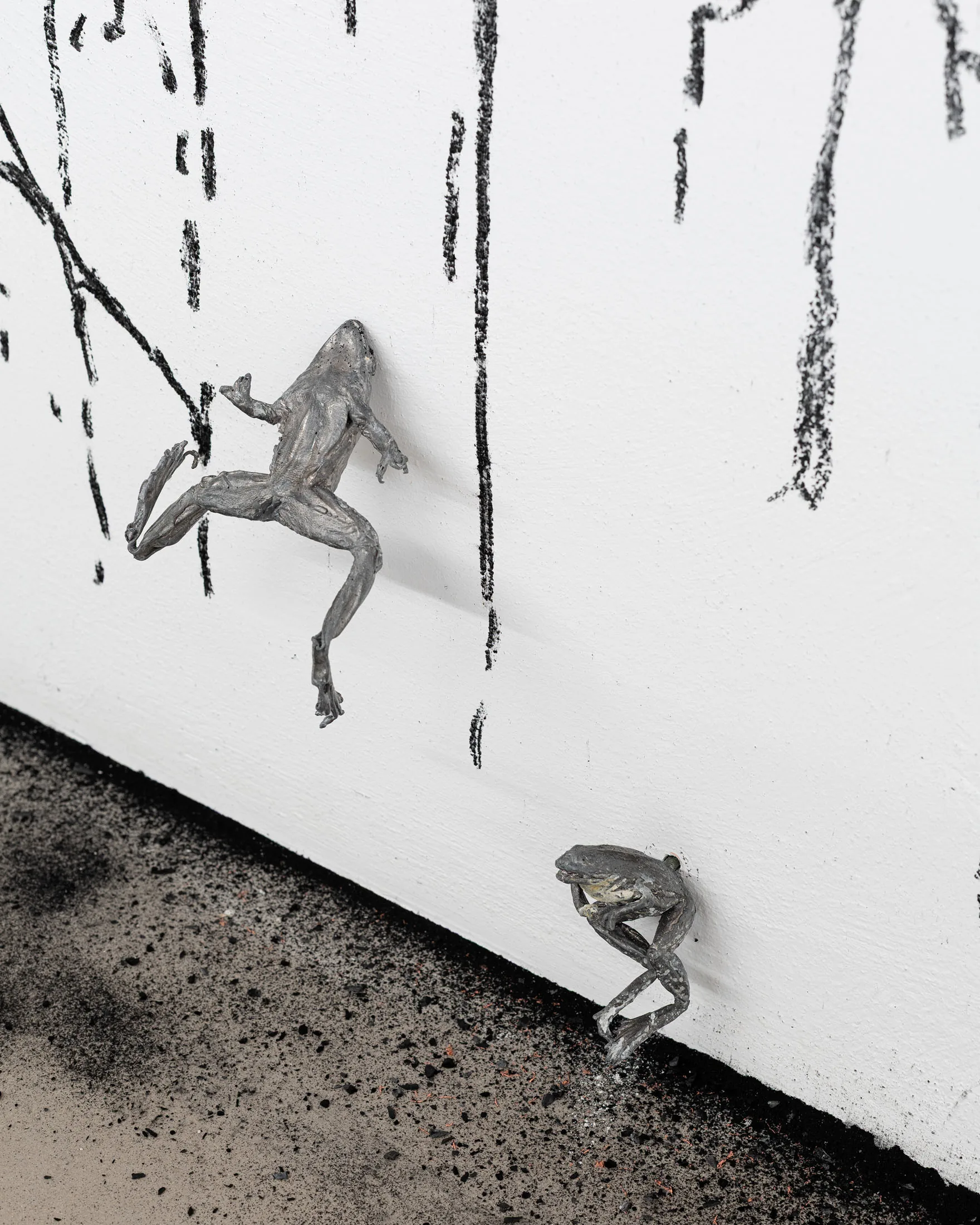
The artist transforms this structure into a visible, dynamic, and concrete form: the capacity to imagine a new hypothalamus, a kind of fictional attempt to produce a double, an alternative interface between the inside and the outside, the organism and the environment, a meeting of matter and matter. In this sense, he aligns himself with the notion that matter is, categorically, a form of «doing.» Driven by a keen desire to observe how matter can move, he creates sculptures made possible through 3D printing. Here, we have the opportunity to see a hypothalamus, its structure enlarged forty-fold, manipulated with a heat gun, and subsequently cast in aluminum.
II. Reaction
A word that appears decisively in the artist's vocabulary is «reaction.» Given his near-scientific interest in materiality, and witnessing his passionate engagement with the diverse possibilities of the media he explores, one might once again draw a parallel between Ribeiro's practice and the teachings of Karen Barad, who suggests that light, as indeterminate matter, depends on the apparatuses that allow us to observe it. In this light, Gabriel Ribeiro's creative process gains a distinct momentum: the media he selects serve as surfaces and conduits that fundamentally exemplify transformative material encounters. It is worth noting that many of these works were created using sunlight, an inherently variable and unpredictable resource. Many of the pieces gathered here can be understood as the outcomes of encounters and heat exchanges that unfold amidst various contingencies.
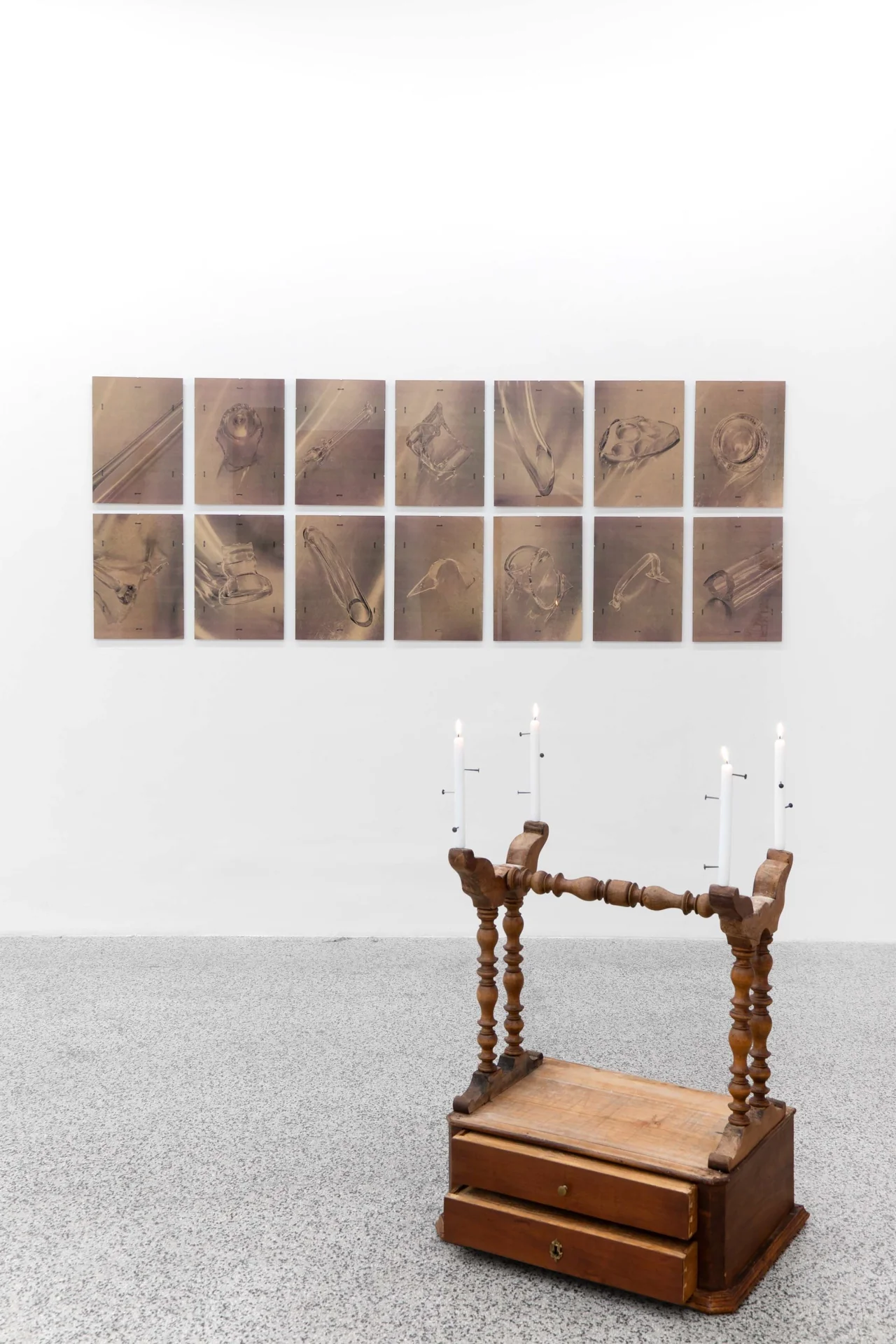
One process involving sunlight manifests in polyurethane foams, which react to light in a manner analogous to how human skin responds through tanning, a process that can be, for the human body, at once pleasurable and painful. Some small foam pieces bear the imprint of glass objects, specifically, tubes and vases. This dynamic, systemic concept, inspired by these forms, appears fundamental here for two reasons: on one hand, it highlights how Gabriel Ribeiro's work resonates with interpretations of a vitalism intrinsic to things (and to speech, among other elements).
The objects employed by the artist, mundane items such as glasses and goblets, inspire notions of transition and emerge here as elements that emulate the physiology of the human body. These vessels serve as containers, allowing for the storage and transport of water. In this sense, an interplay arises between the acts of making, feeling, emulating, and crafting. Beyond the physico-chemical manifestation brought forth by light, one might suggest the presence of a latent, unmanifested humidity within the body of Gabriel Ribeiro's work.
The exhibition structures that support the pieces selected for this show—energizing the space through a grid-like network of interconnected points—create a dynamism in which, at a deeper level, humidity persists as a mysterious residue. Water is thus present throughout the cyanotype process, even if it does not appear in the final image. The mixing of chemicals, the saturation of the substrate, and the final washing stage all rely on an aqueous medium—a process that echoes the function of the glasses themselves: their capacity to move, to contain, to expel, or to discard.
Finally, we encounter pieces featuring a different chromatic expression—distinct from the yellows found in the foams or the reds in the color cyanotypes. These appear as radiant points of light against the white background of the mat board (responding to the resonances of the images depicted there with precise, singular focus). They form a grayish pair, in which two objects seem to emerge through a phantasmagoric channel. Made possible by the use of expired photographic paper—exposed once more to the effects of sunlight and heat—these works represent what Ribeiro describes as a form of "stress that makes something visible." It is as if they allude to the capacity of heat and overheating to penetrate the nervous system, triggering responses, turbulence, and adaptations. Curiously, these objects are bowls—vessels from which we might consume steaming broths or refreshing salads. Furthermore, they rest against the wall, as if rhyming with the structure that provides a prosthetic skin to the gallery space—a panel of intriguing thickness, composed of silicone applied over a fabric bearing solar prints; a sense of moisture that is not overt, but rather implicit.
Thus, much as nothing exists before being touched by the encounters that traverse it, Gabriel Ribeiro's solo exhibition reveals a vitality inherent to the works themselves—works that emerge and constantly renew themselves within the exhibition space and its framing. They exemplify a highly specific kind of encounter: a juxtaposition of intention and chance, medium and support, which further highlights the material condition of the human body—a body networked with a range of non-human agents. Through staged processes involving the transport of water and the reception of heat as transformative agents—where the narrative itself is likewise transported and transformed—we witness a dynamic body of work. It engages deeply with contemporary issues, less through a logocentric or discursive impulse, and more through the compelling path of a creative practice attuned to the inherent potential of the media employed.
— Text: Daniela Avellar
Artists in this exhibition
More at Galeria Refresco
More in Rio de Janeiro
Related topics