Klaus in Vorarlberg / 2026
Der Kopf ist rund, damit das Denken die Richtung wechseln kannGalerie Brugger
Klaus in Vorarlberg / 2026
Der Kopf ist rund, damit das Denken die Richtung wechseln kannGalerie Brugger
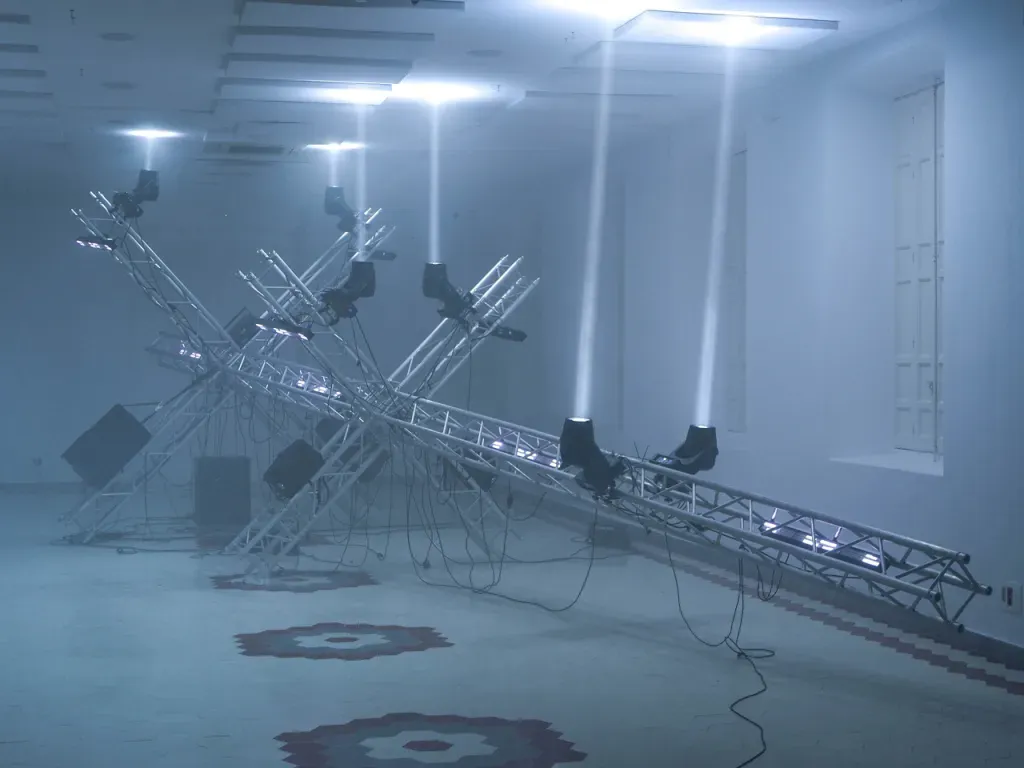
May 22 — June 01, 2026
Leo Pum @La Térmica, Málaga KRVCE festival
Everything you need to plan, apply, and move your art career forward.
Milan / 2026
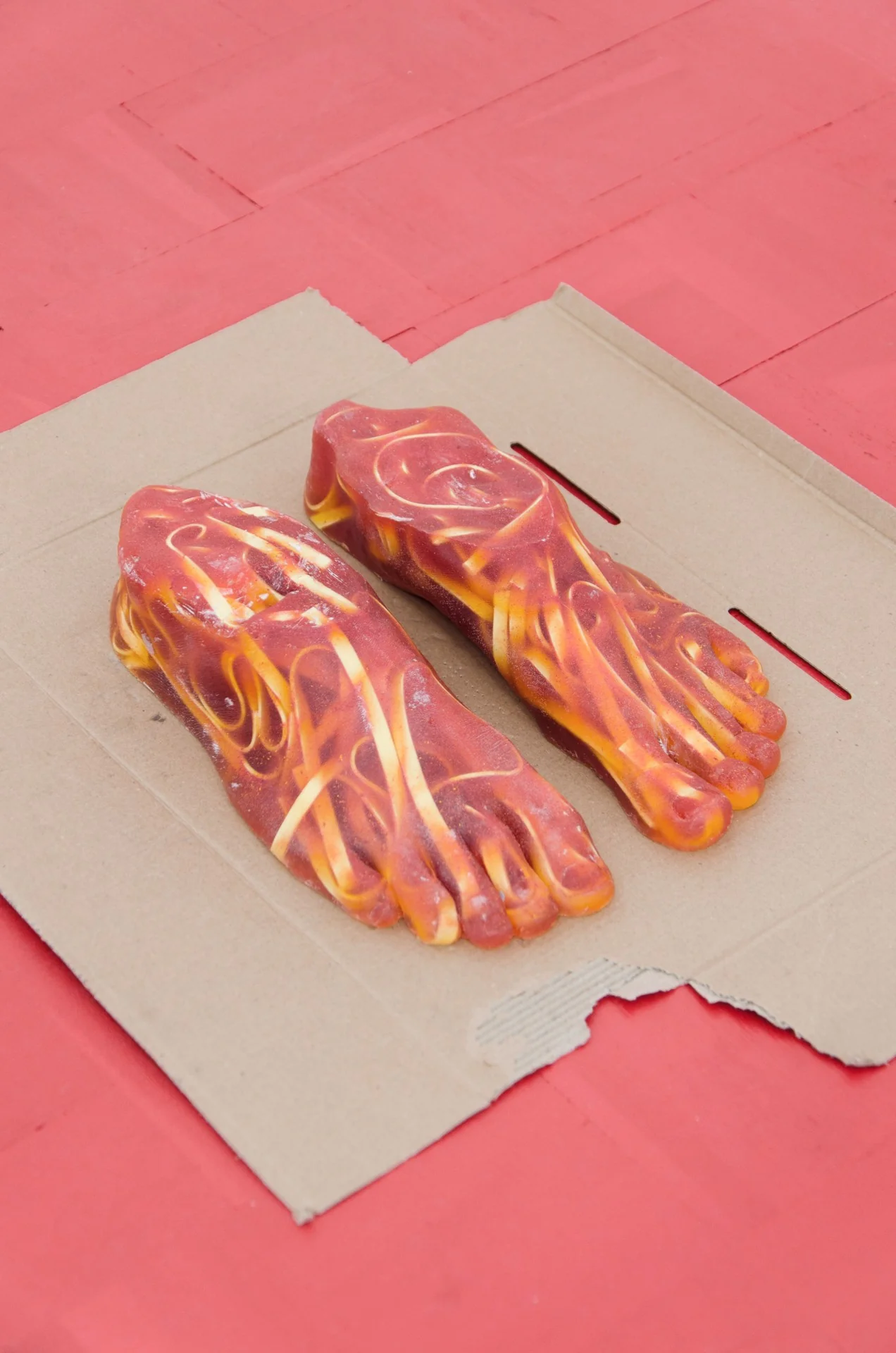
Winterthur / 2026
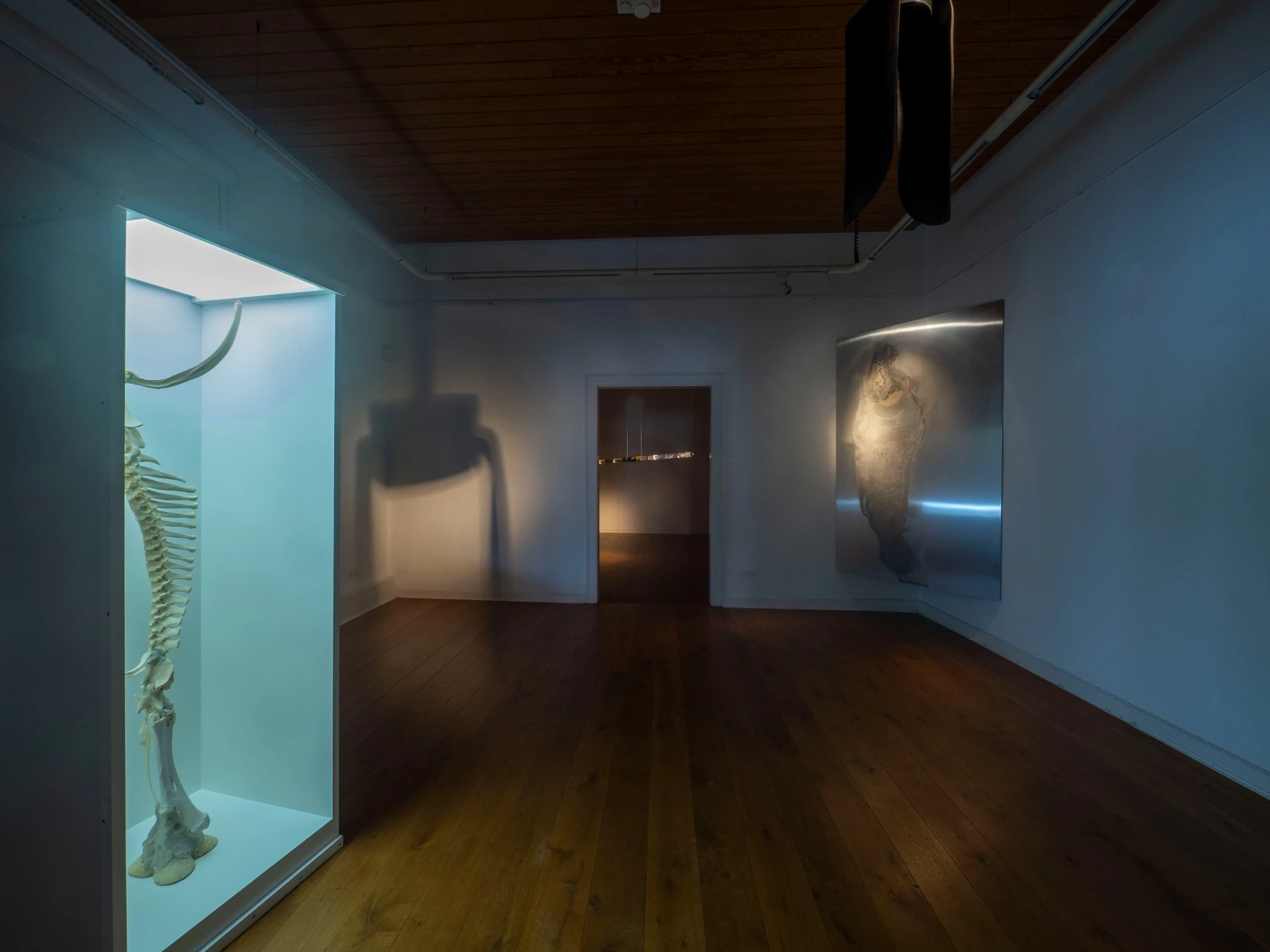
Göttingen / 2026
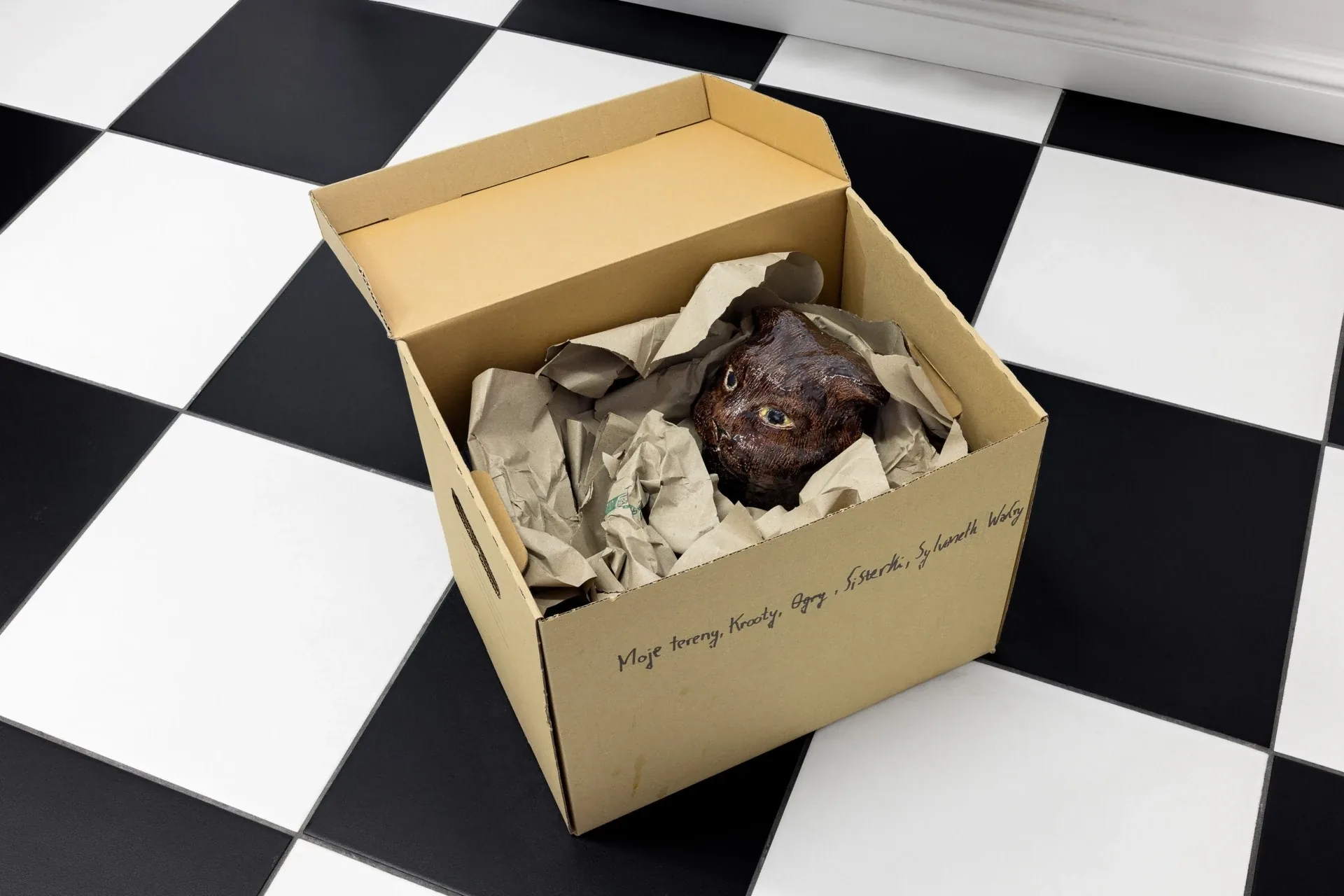
Warsaw / 2026
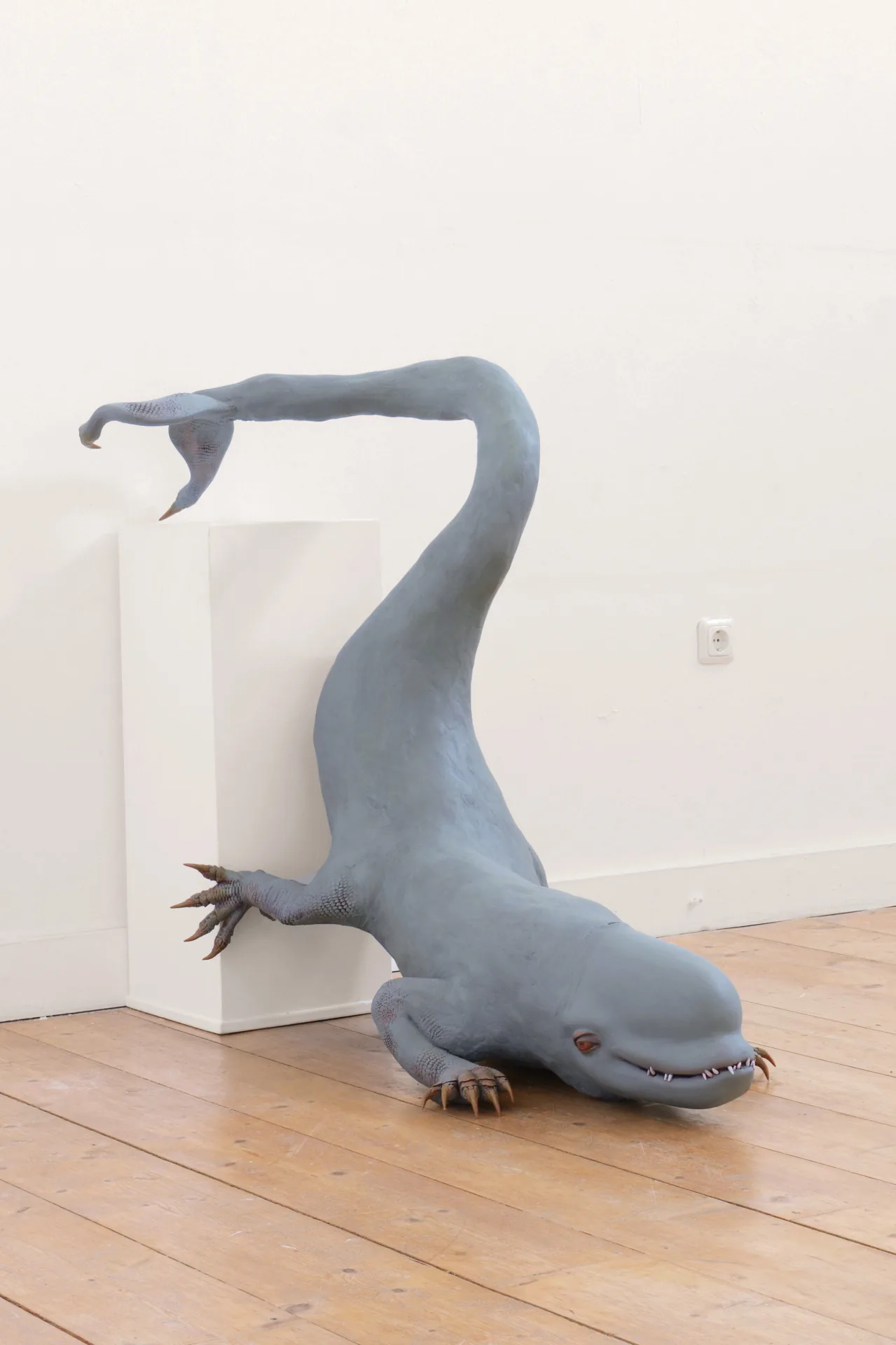
Schieder-Schwalenberg / 2026
Seoul / 2026
Springfield / 2026
Rio de Janeiro / 2026
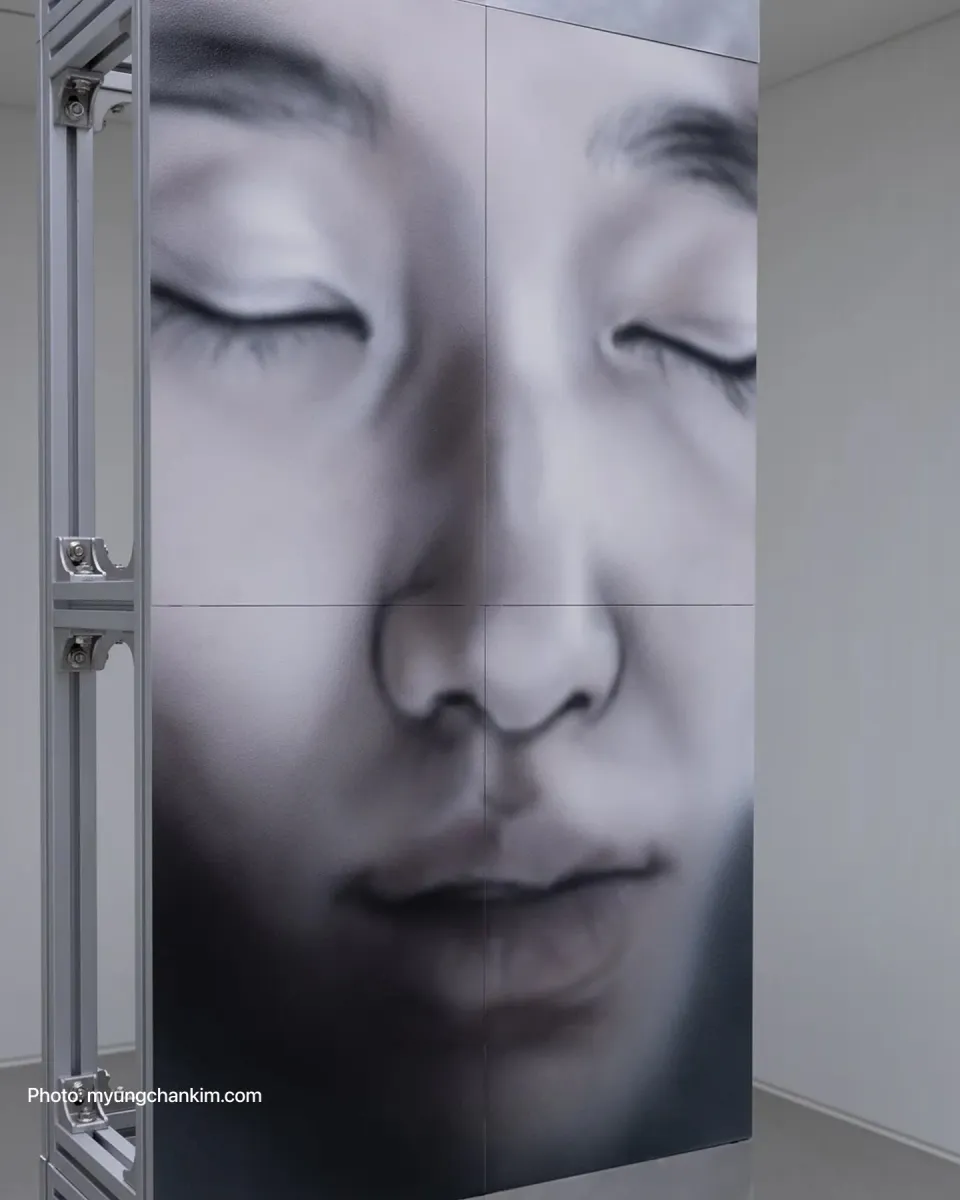
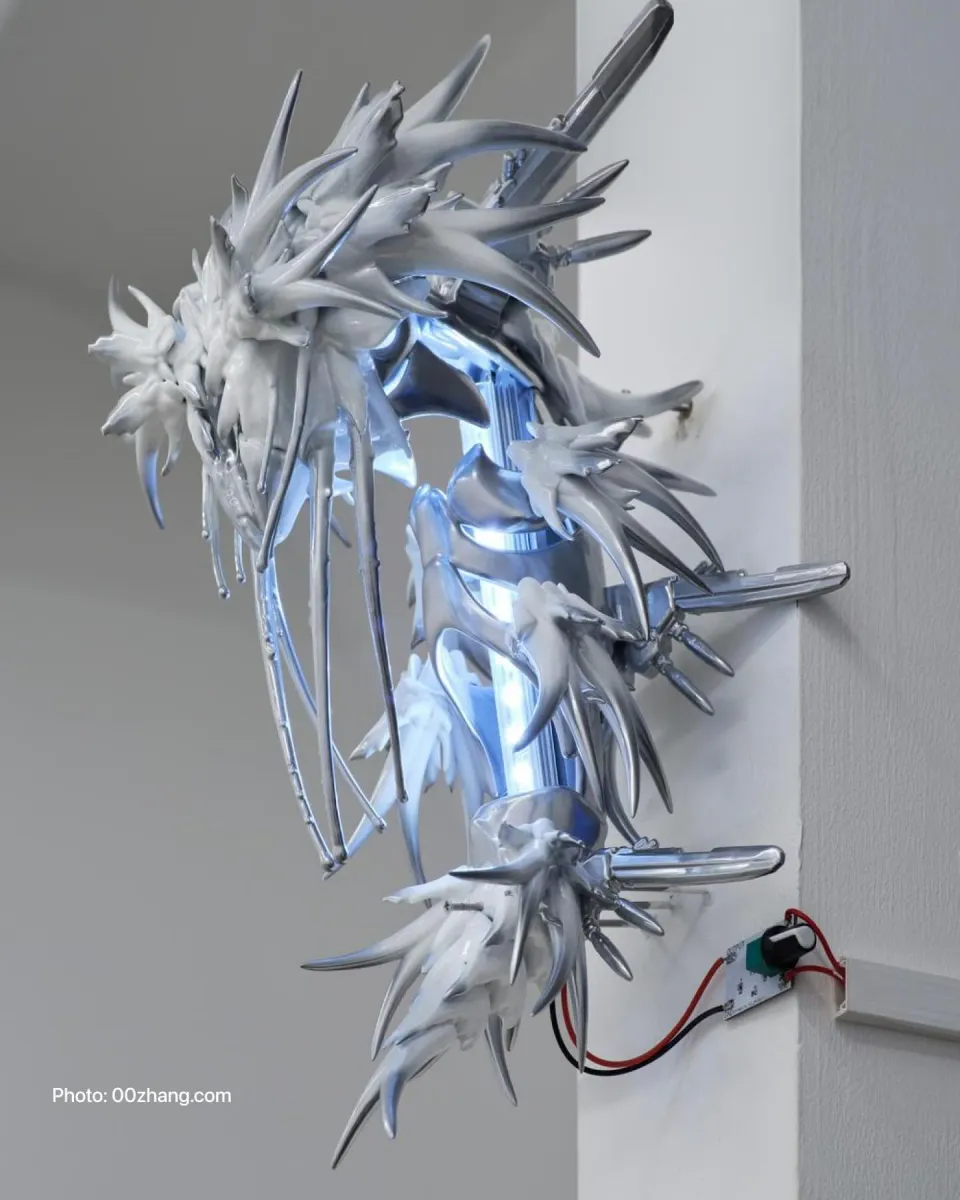
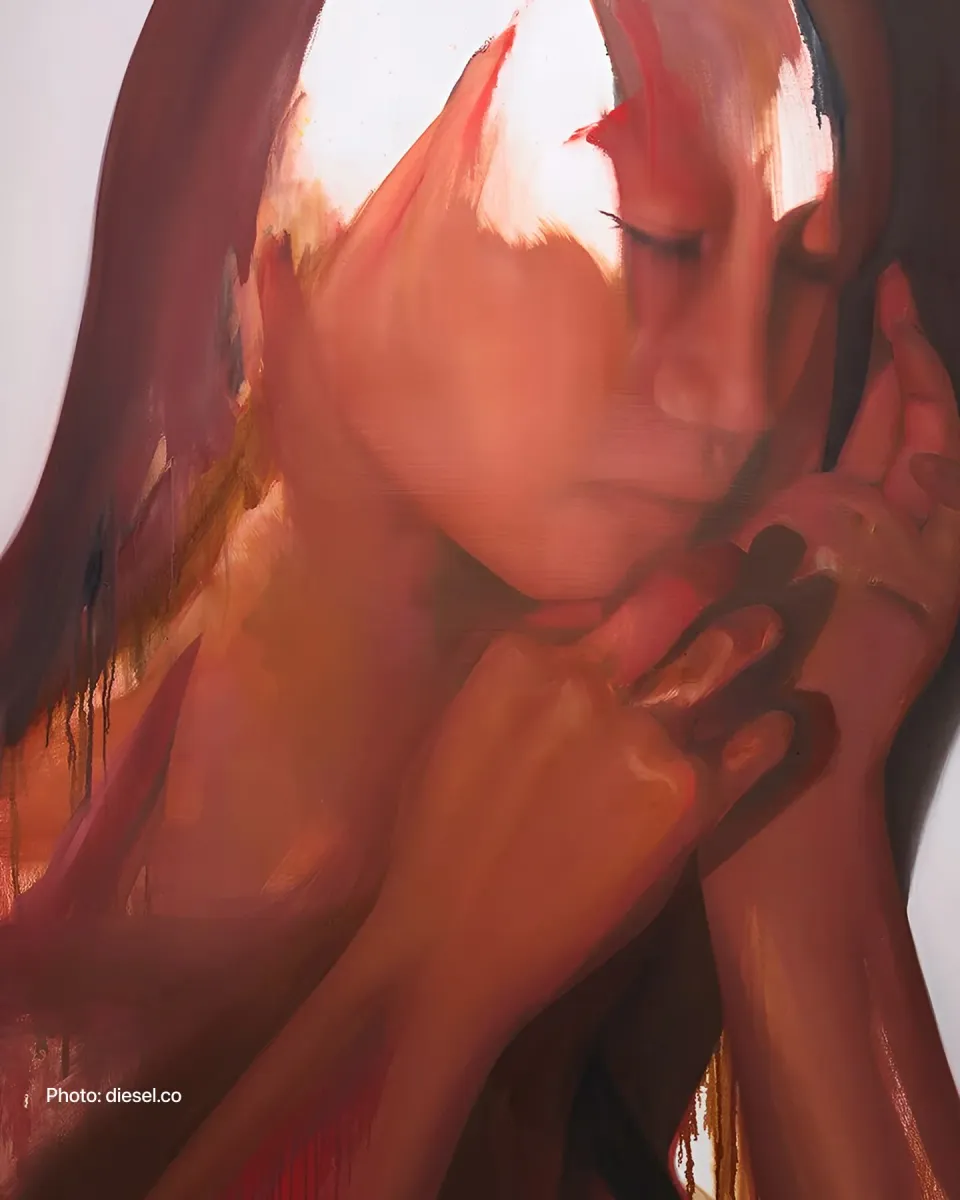
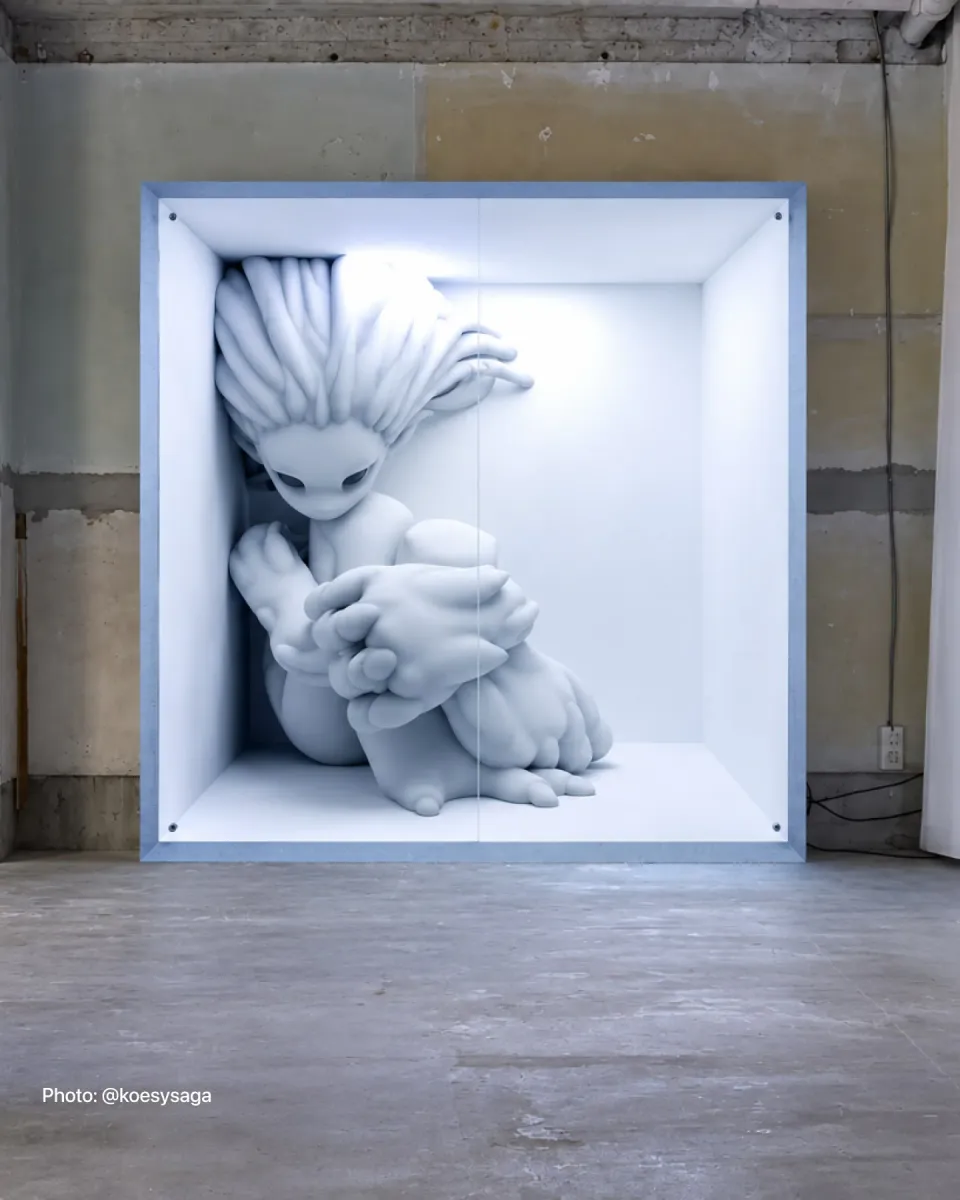 Features
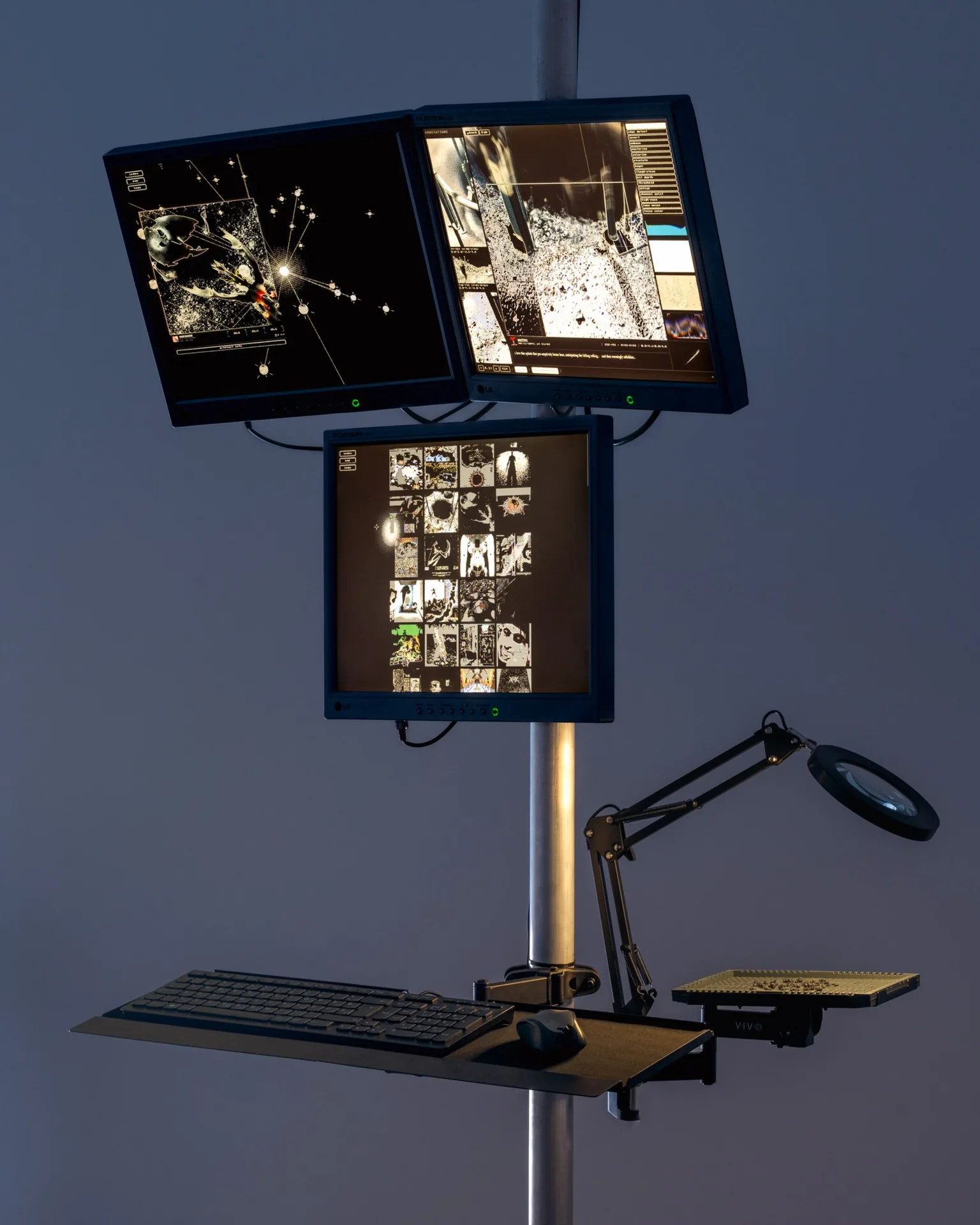
Ljubljana / 2026
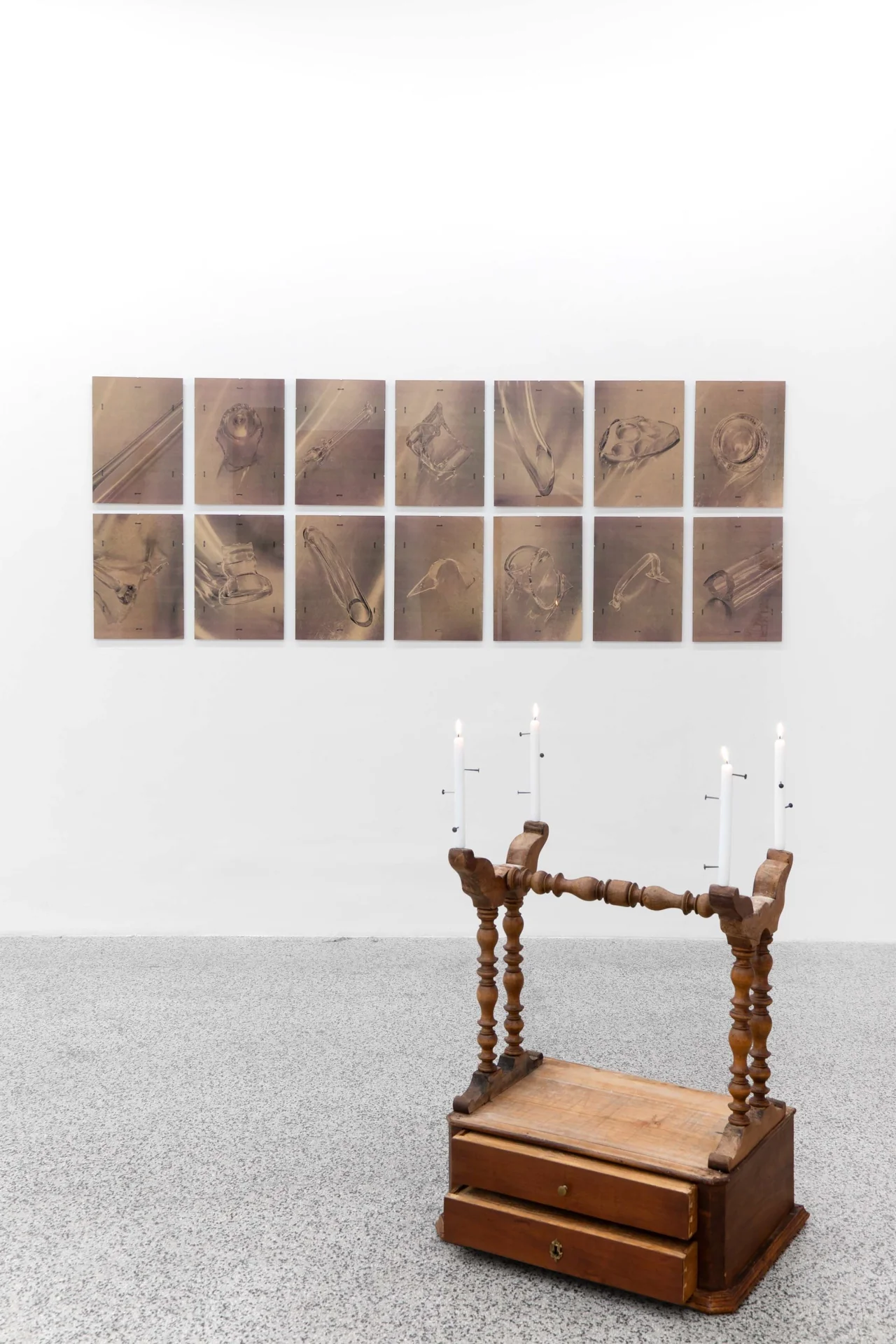
Prague / 2026
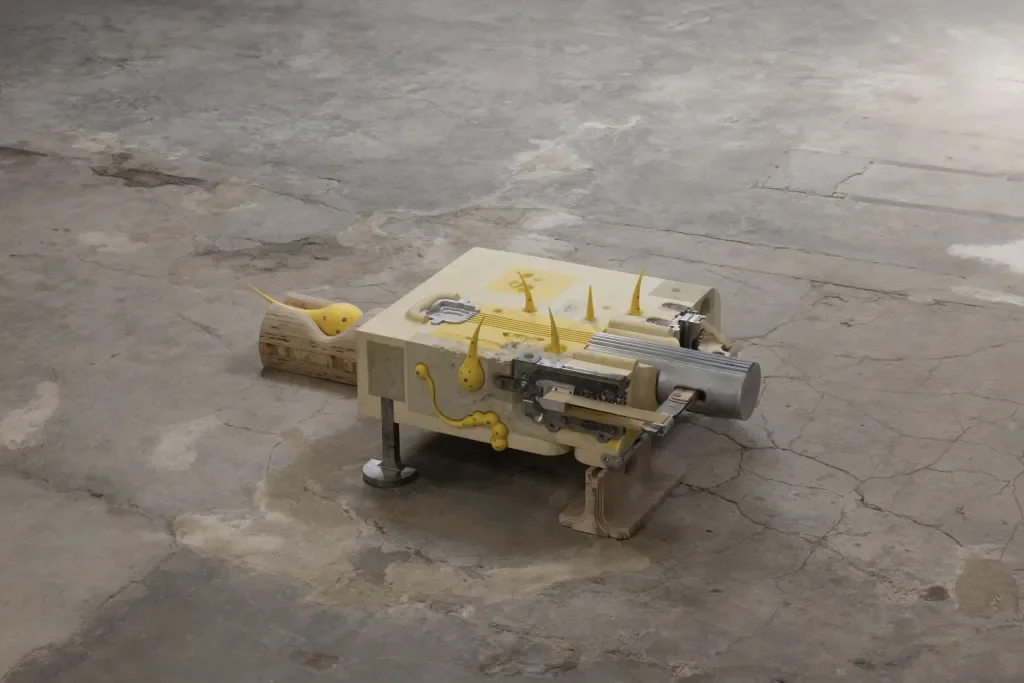
Valencia / 2026
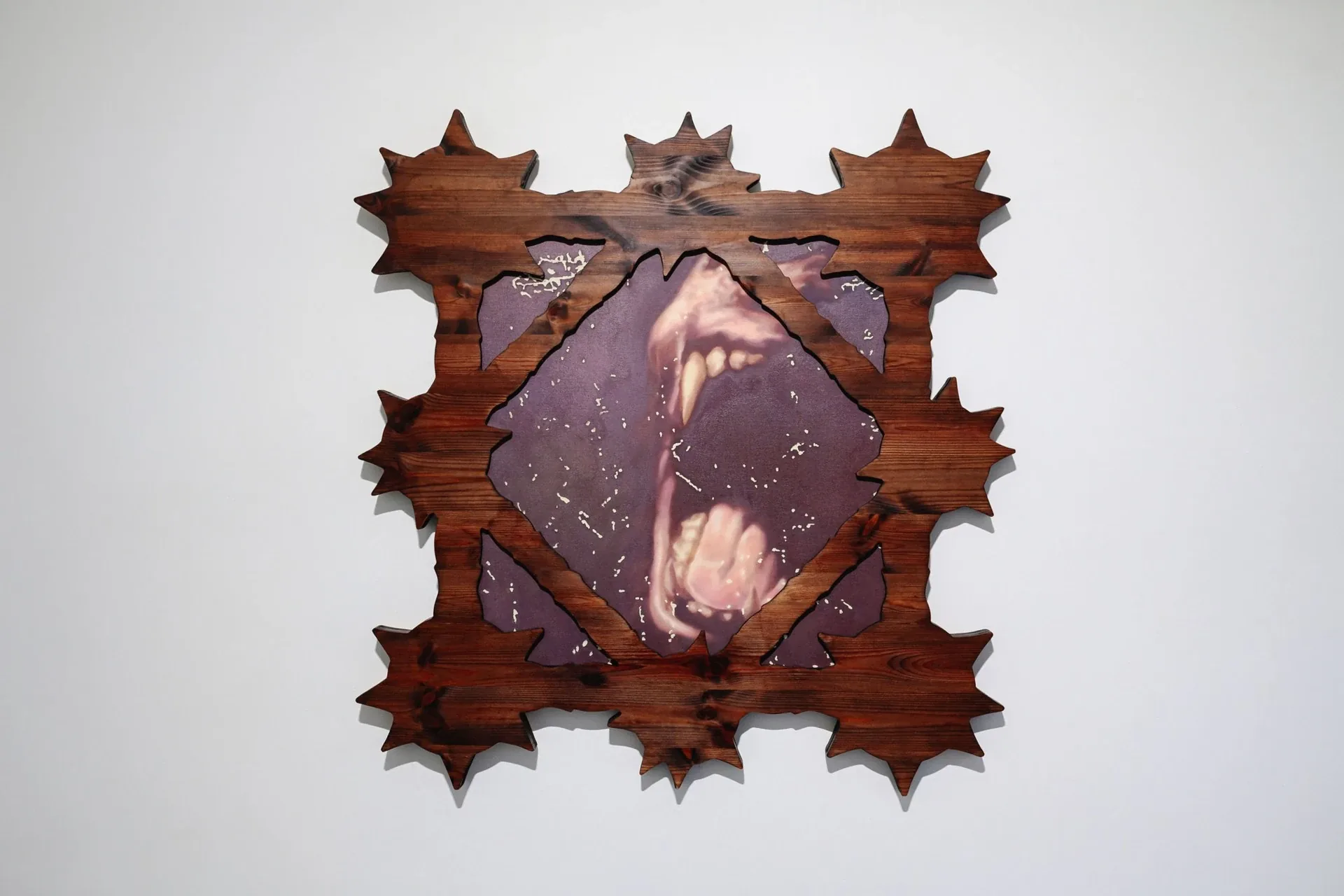
Vilnius / 2026
Palma de Mallorca / 2026
Gwangju / 2026
Przeciąg Gallery / Jan Możdżyński and Kacper Tomaszewski
In their latest works, Jan and Kacper journey through memory and construct topographies of recollections. In this way, they map the terrain they walk upon today. In doing so, they grapple with their own decisions and with time passing faster than we are ready for. They are interested not in what we remember, but in the way we navigate our memories—where we pause, what we return to, and from what perspective we look back on the past.
Jan Możdżyński paints scenes that never happened: a walk with a dog that isn't there, greeting an old acquaintance whom he hopes to meet soon but doesn't yet know when. His cat sits behind the wheel of a car and stares through the window with apparent indifference—it's hard to tell whether he's longing or sad. Nevertheless, his works spring from very real emotions—decisions, regret, relief, and longing—for which reality has made no room and for which Jan must construct a space. Into these imagined spaces, the artist introduces objects he carries in his memory: from a dresser in his own room to a table in the living room and his brother's computer. They reappear in a new context, recognizable by their shape, though it is often unclear why these particular objects were chosen. The paintings are rendered in a very subdued and muted color palette, as if scenes observed from the distance of time were slowly fading.
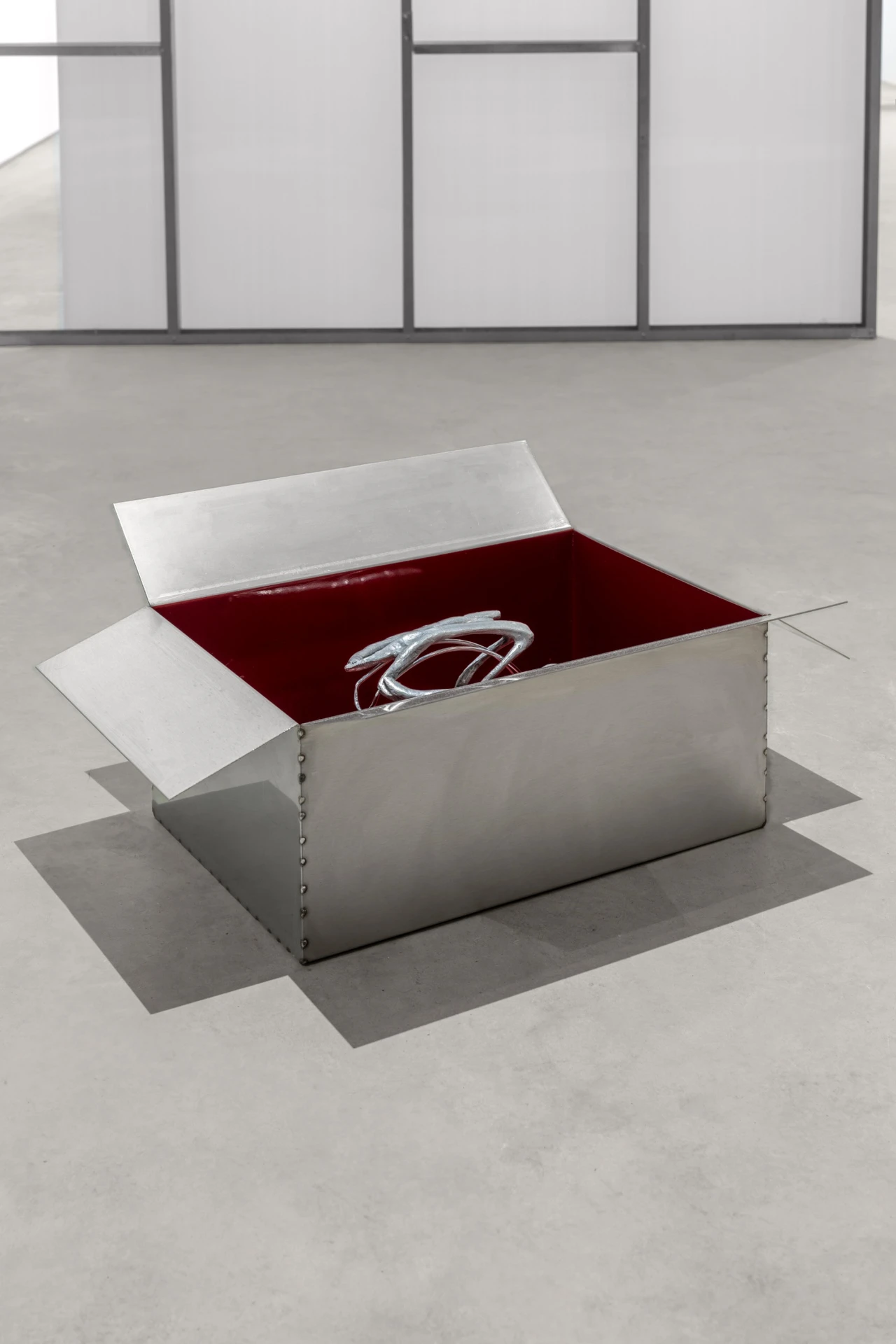
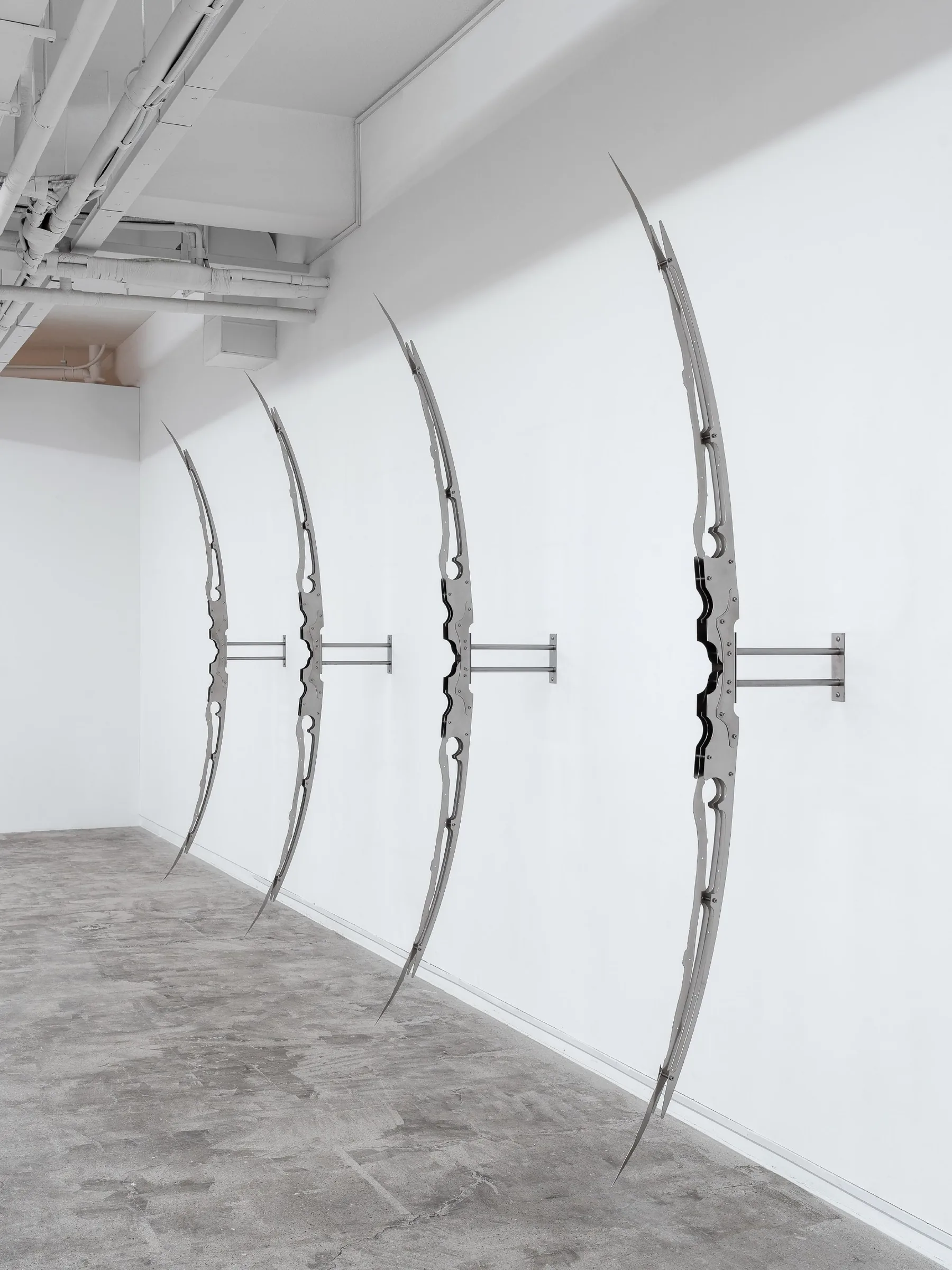
Kacper Tomaszewski, on the other hand, takes as his starting point spaces that once existed. His sculptures, made of dark, cold steel, revolve around the experience of moving and change. He asks what "my place" is and what weight the space in which we live carries. He works with the concept of home, which appears in his works as something material and imbued with an emotional layer—something that cannot be packed into boxes. Walls, furniture, and small furnishings retain traces of everyday life that remain even after we move out. Kacper explores whether, thanks to these traces, it's possible to settle in and make ourselves at home once again in a place we've already left. His latest sculptures aren't firmly anchored in space; they stand on metal casters, like office chairs. They are pieces of temporary furniture that can be moved aside and rolled away at any moment.
The exhibition's title is a quote from Yōko Ogawa's novel "The Memory Police". The protagonist's mother explains to her that on the island, things disappear one by one, and no one can hold on to everything forever. She speaks of this without fear, as if it were something ordinary. For Ogawa, loss is not a catastrophe but a condition of everyday life, and the question is what we do with what remains. The same is true of the latest works by Możdżyński and Tomaszewski. The former builds spaces for what did not happen; the latter examines what remains of the places he has left behind. Neither asks how not to lose, but rather how to live in a world where loss is inevitable.
— Text: Mateusz Włodarek
Artists in this exhibition
More at Przeciąg Gallery
More in Warsaw
Related topics