Klaus in Vorarlberg / 2026
Der Kopf ist rund, damit das Denken die Richtung wechseln kannGalerie Brugger
Klaus in Vorarlberg / 2026
Der Kopf ist rund, damit das Denken die Richtung wechseln kannGalerie Brugger
May 22 — June 01, 2026
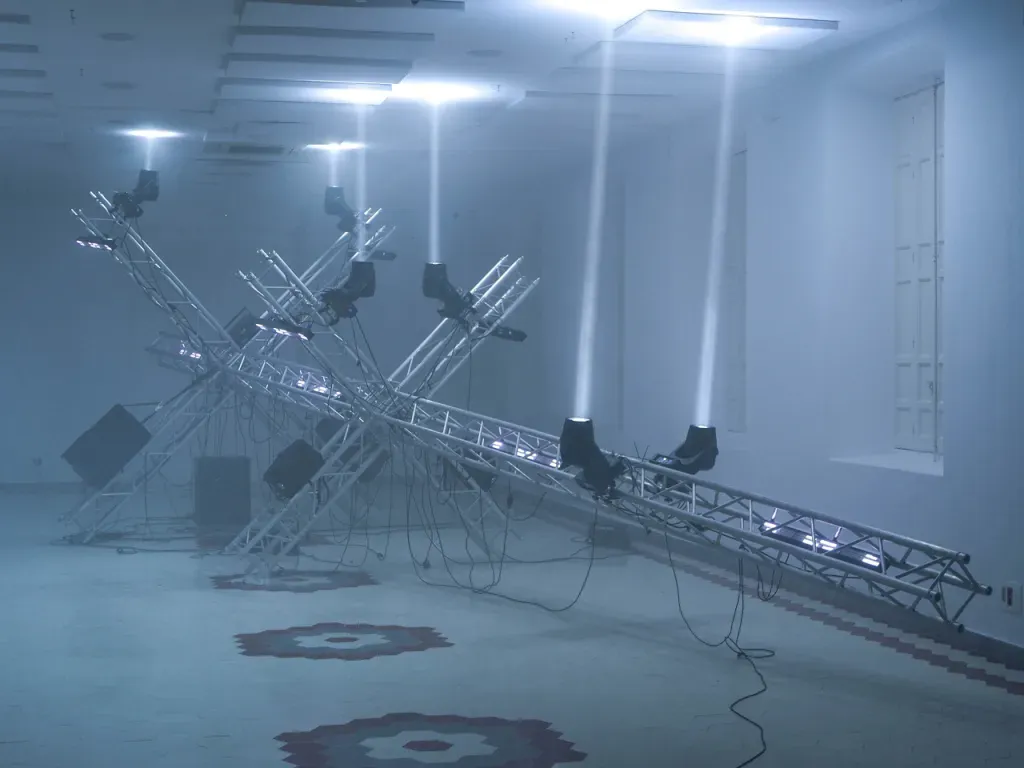
Leo Pum @La Térmica, Málaga KRVCE festival
Everything you need to plan, apply, and move your art career forward.
Milan / 2026
Winterthur / 2026
Göttingen / 2026
Warsaw / 2026
Schieder-Schwalenberg / 2026
Seoul / 2026
Springfield / 2026
Rio de Janeiro / 2026
 Features
Ljubljana / 2026
Prague / 2026
Valencia / 2026
Vilnius / 2026
Palma de Mallorca / 2026
Gwangju / 2026
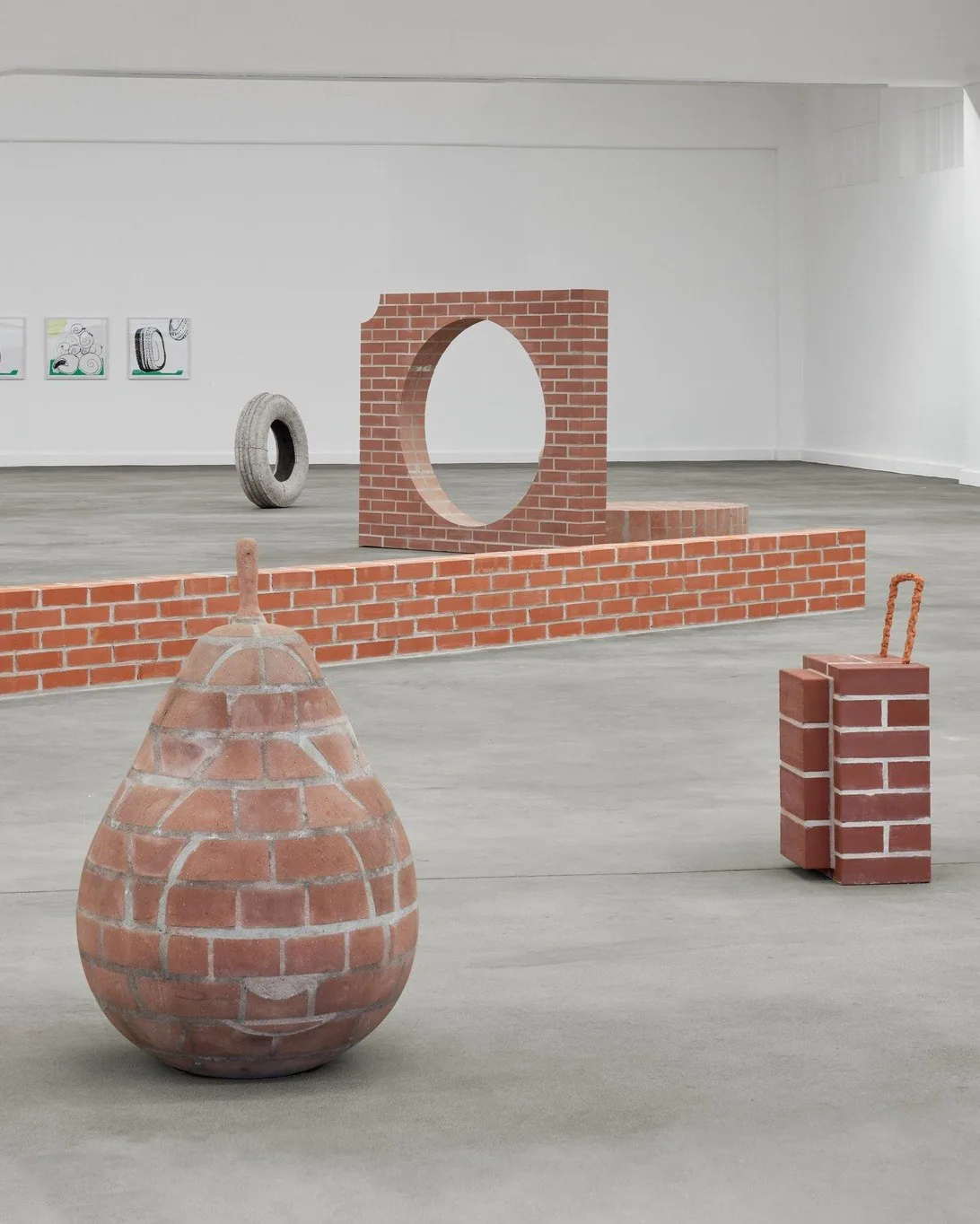
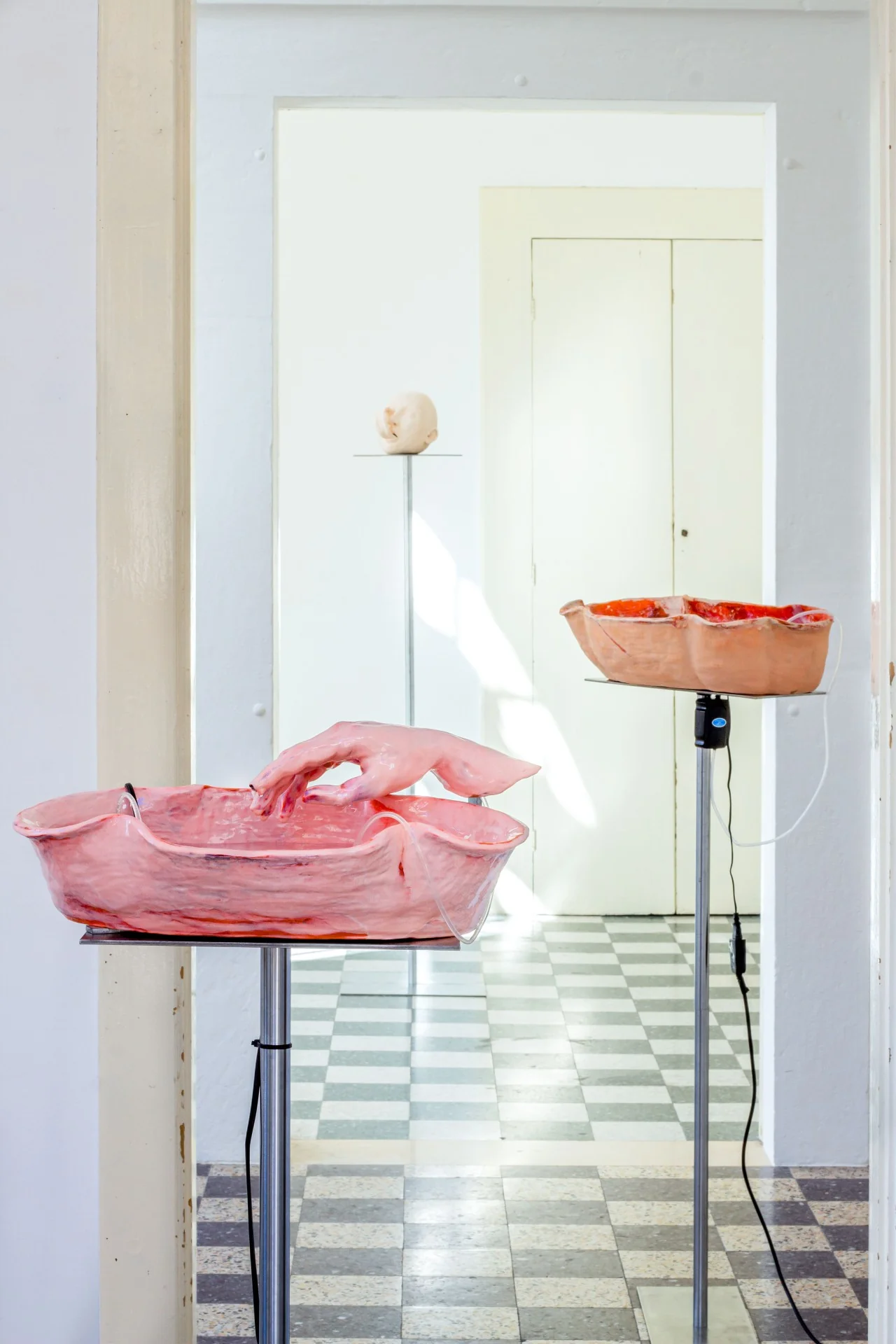
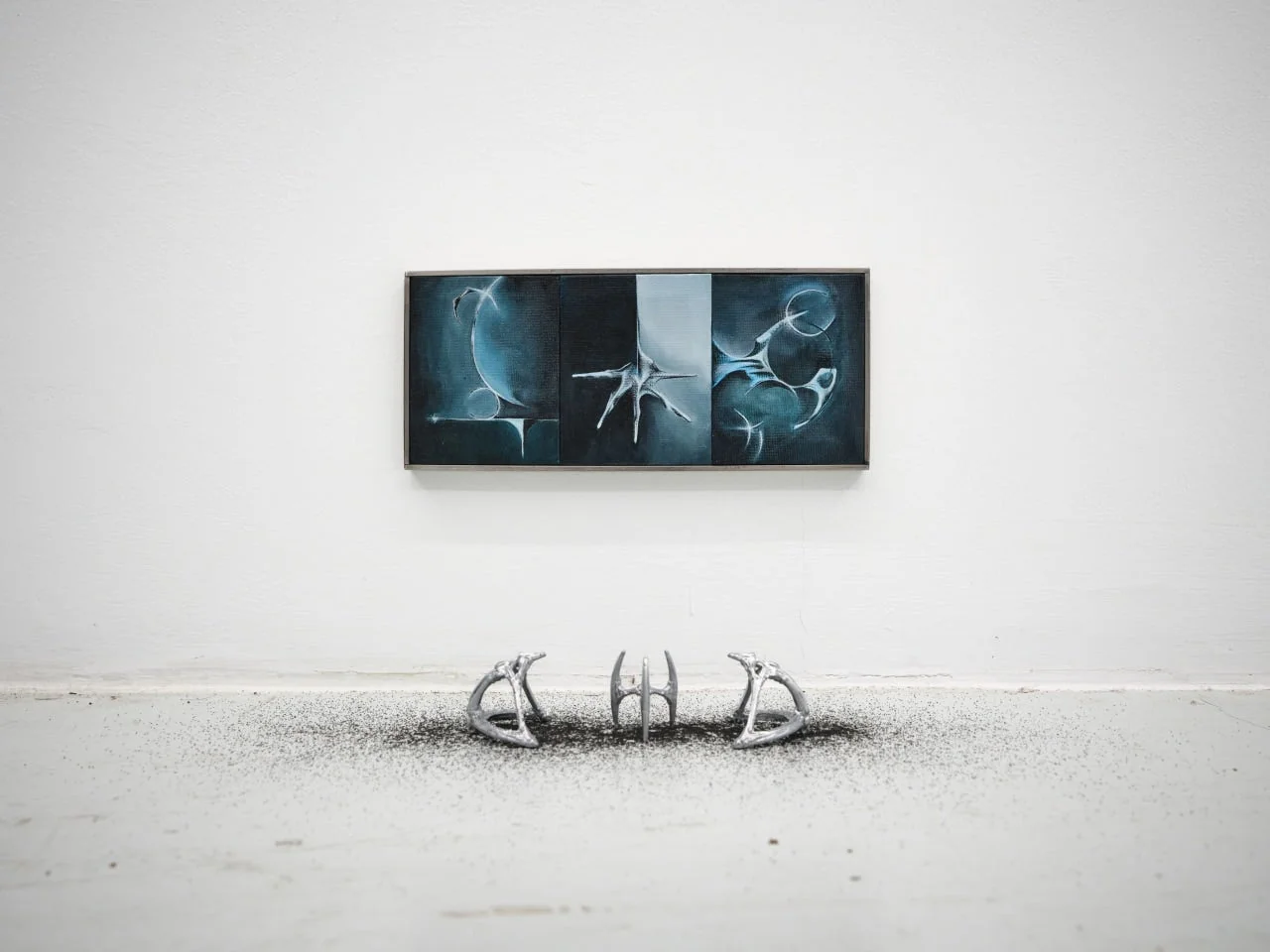
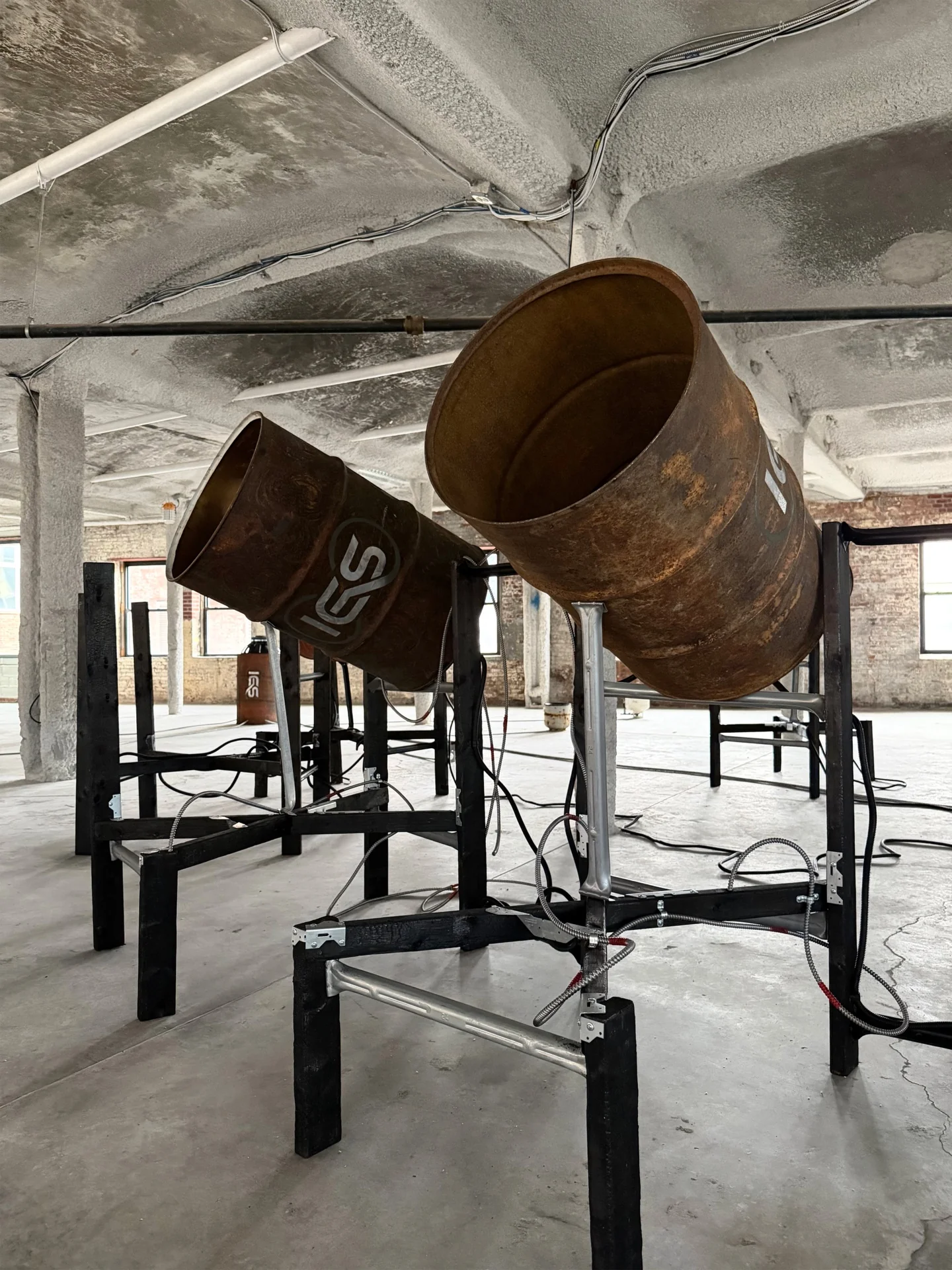
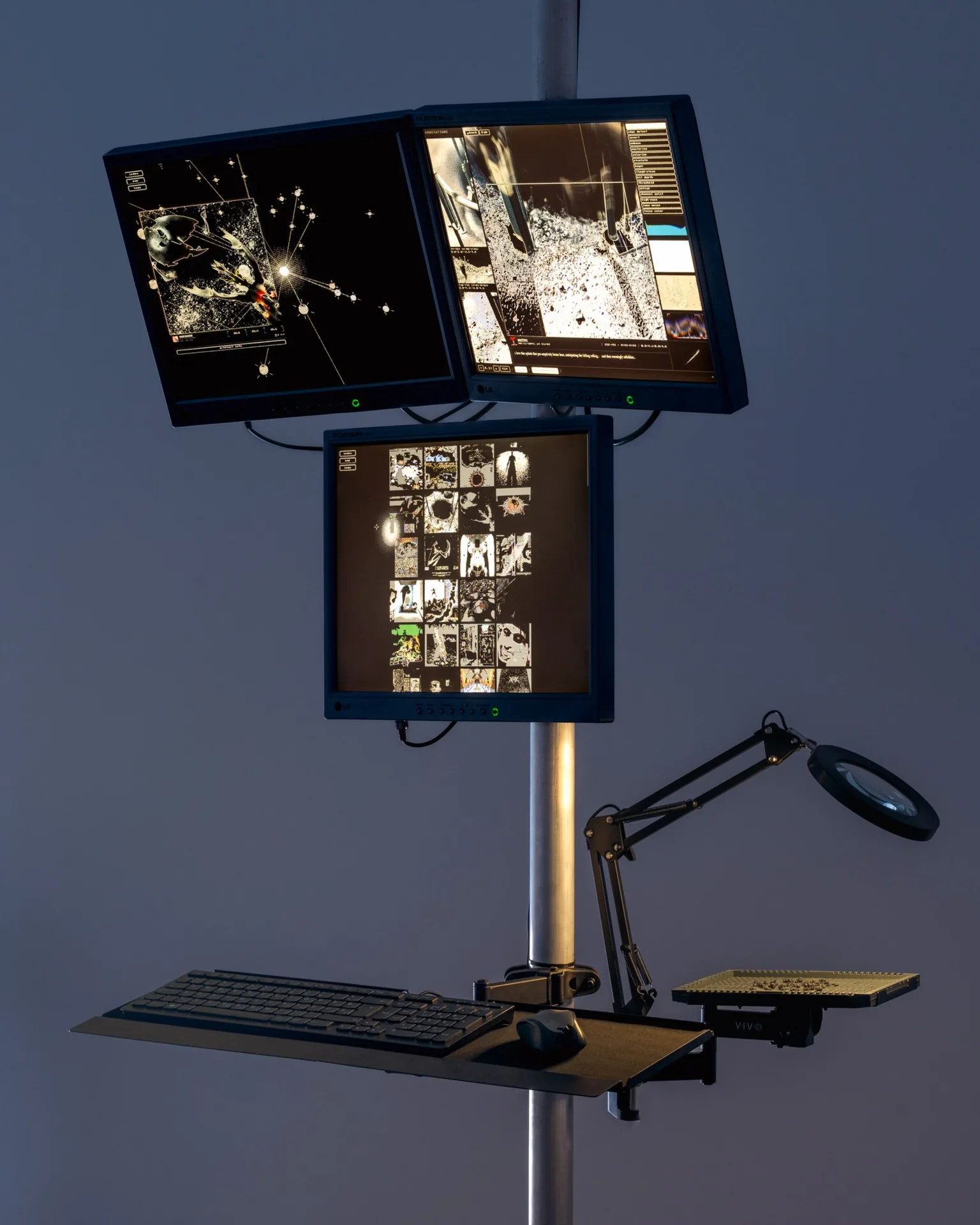
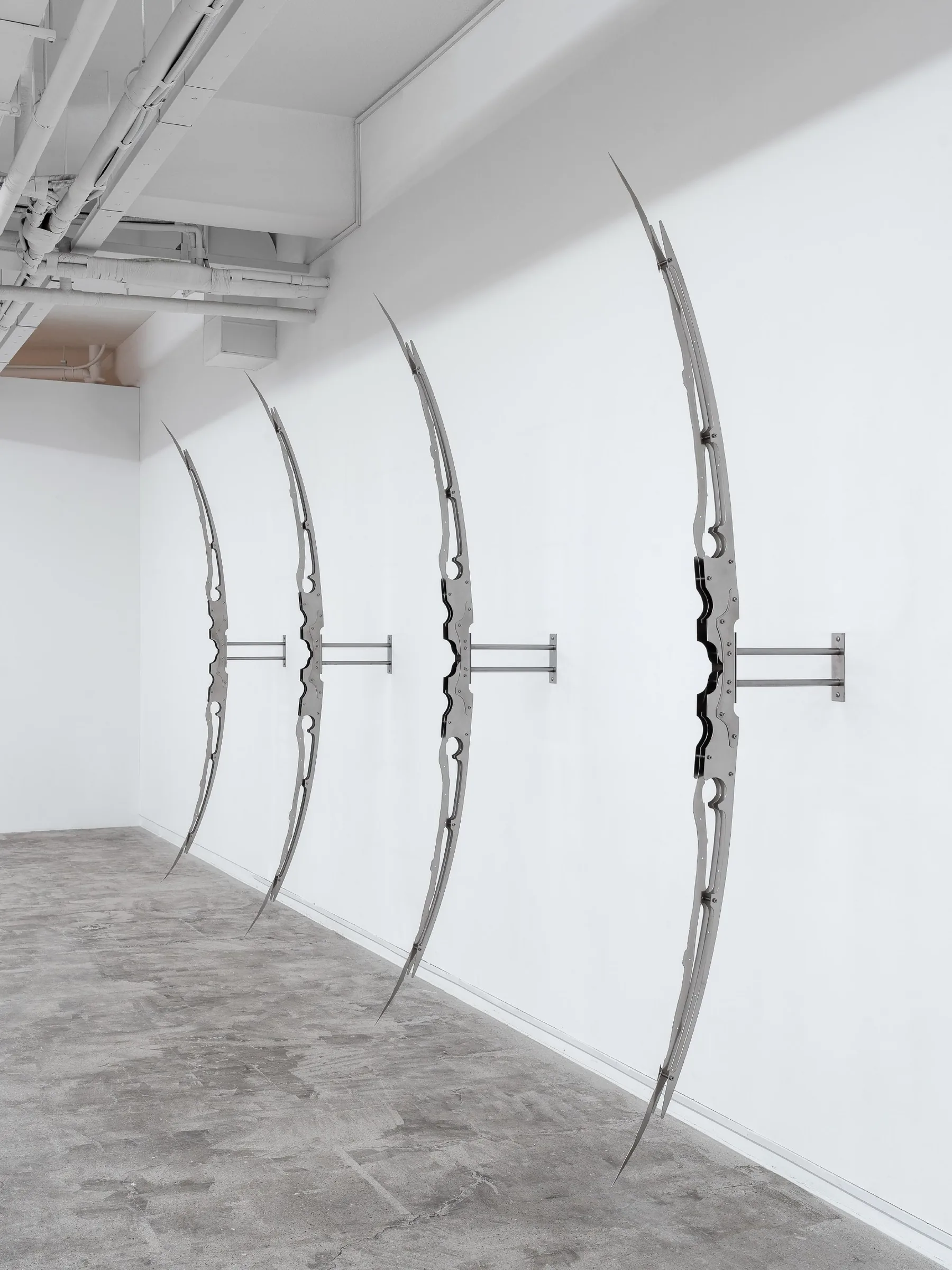
Kunstverein Göttingen / Astali/Peirce, Birte Bosse, Simon Faithfull, Olga Fedorova, Stella Geppert, Bastian Hoffmann, Virginie Ittah, Delia Jürgens, Felix Kiessling, Frederik Marks, Aline Schwörer, Geerten Verheus
The ancient Greek word "Dysis" - Δύσις - has a number of meanings, such as the descend of a celestial body, the west (where the sun sets), twilight, but also "hiding place." In Greek mythology, Dysis is also the name of the goddess who protects the sunset and, by extension, the twilight phase marking the transition from day to night - a time considered to be one of reflection and transformation.
In 2026, as part of its annual theme "Transhuman Tendencies," the Kunstverein Göttingen will showcase works by artists who engage critically with the question of what consequences the idea, or even ideology, of optimizing humanity through innovative technologies might have for life.
In Dysis, the group exhibition that rounds out this year's exhibition program, the artists explore the admittedly unsettling question of whether our world is currently in a phase of transition from one era or epoch to another; in other words, whether we are currently experiencing a period of fundamental change that challenges us to reflect.
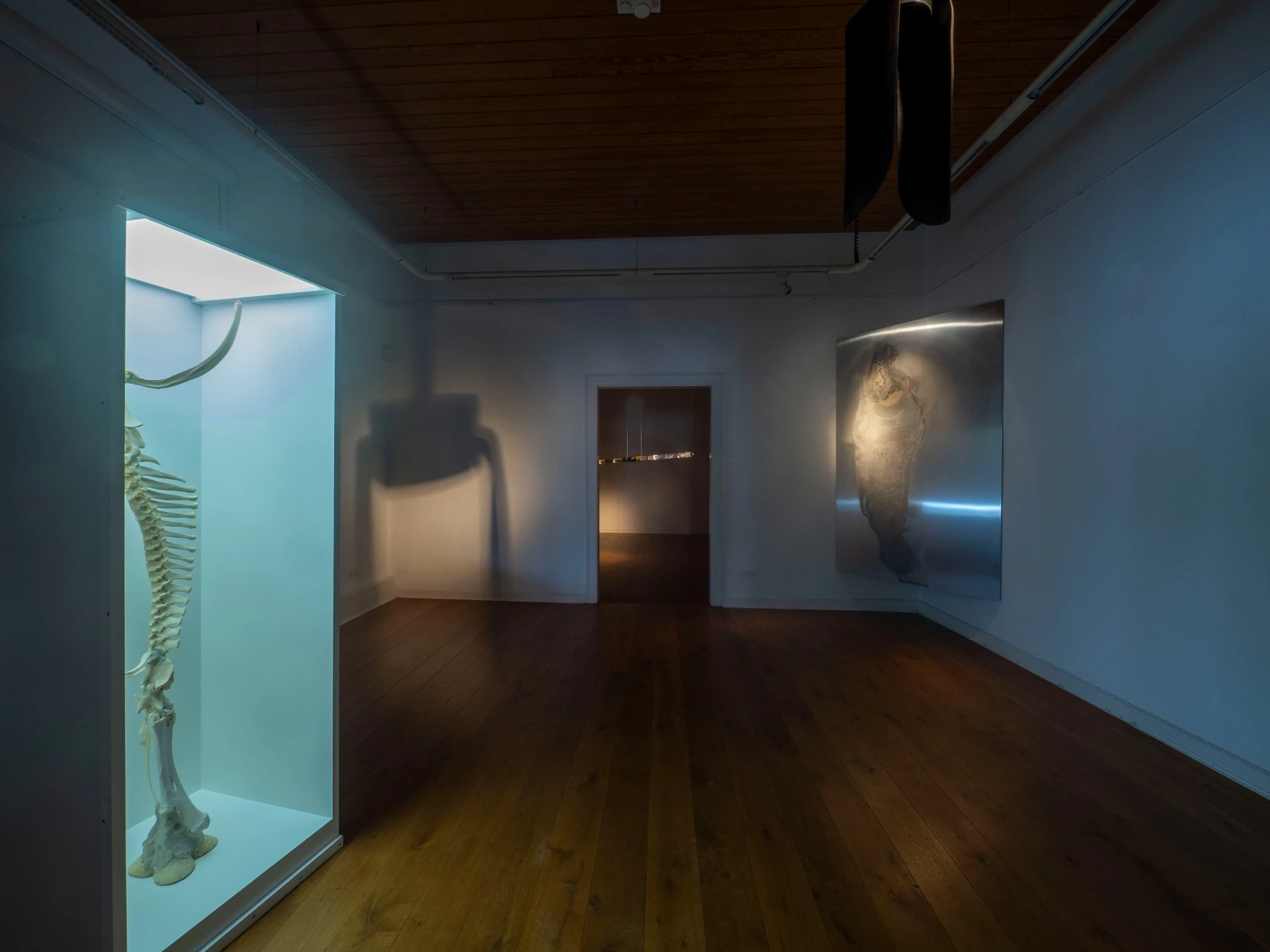
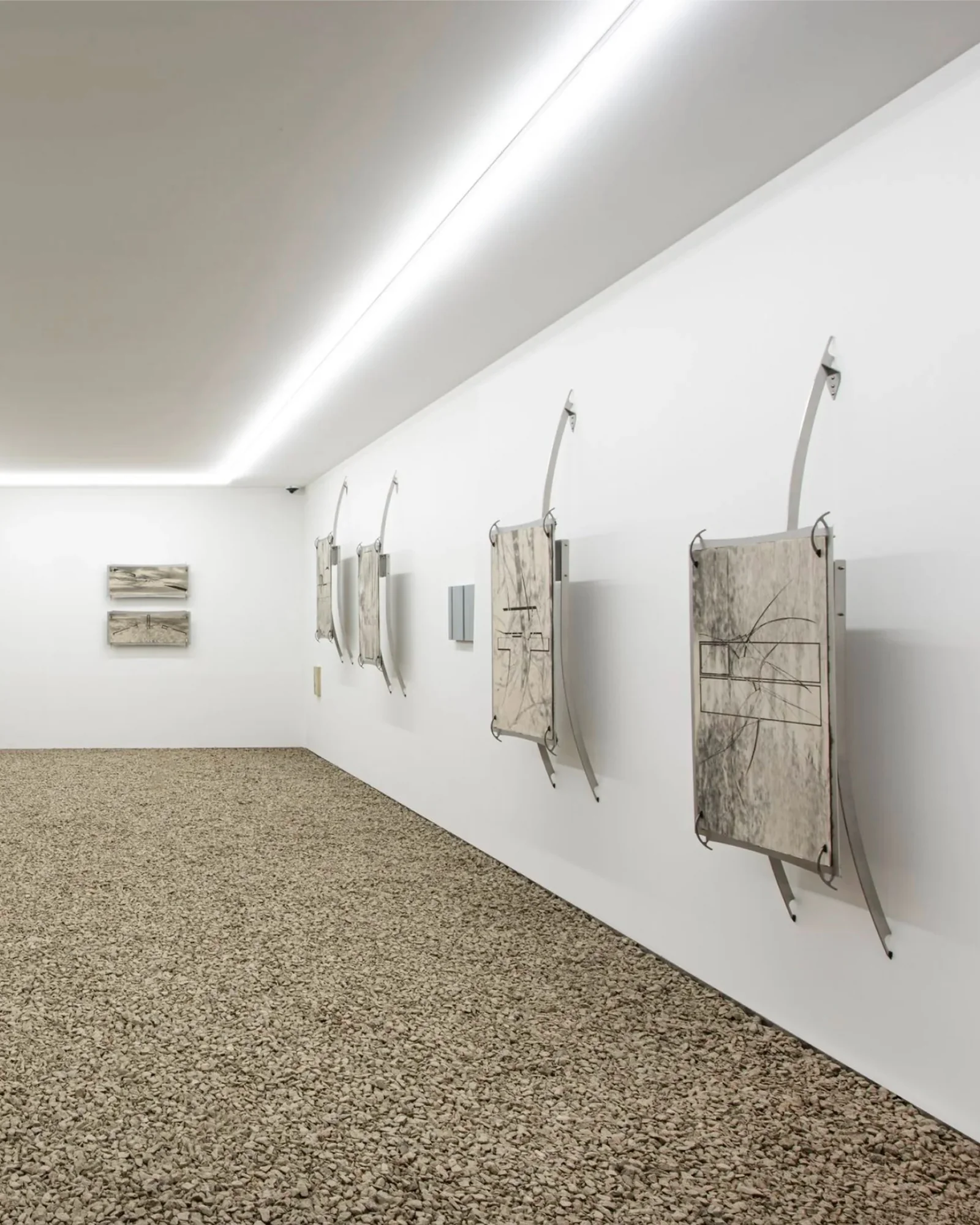
Eleven individual international artists, as well as one duo, offer an opportunity for such reflection through their works on display in the rooms of the Old Town Hall in Göttingen. Together, under the "direction" of curator Stephan Klee, they deliberately stage a possible state of the world following our current civilization: in this future, all that remains of our cultivated way of life is abandoned terrain. Accordingly, only a few scattered sculptures, images, and art objects in the medieval setting offer a glimpse of past human activities; often stripped of their function or even deformed, they bear witness to our current high culture - which, for the world of the exhibition, is now a thing of the past. People have largely abandoned this place. Film scenes depict dysfunctional modes of transportation and dilapidated architecture.
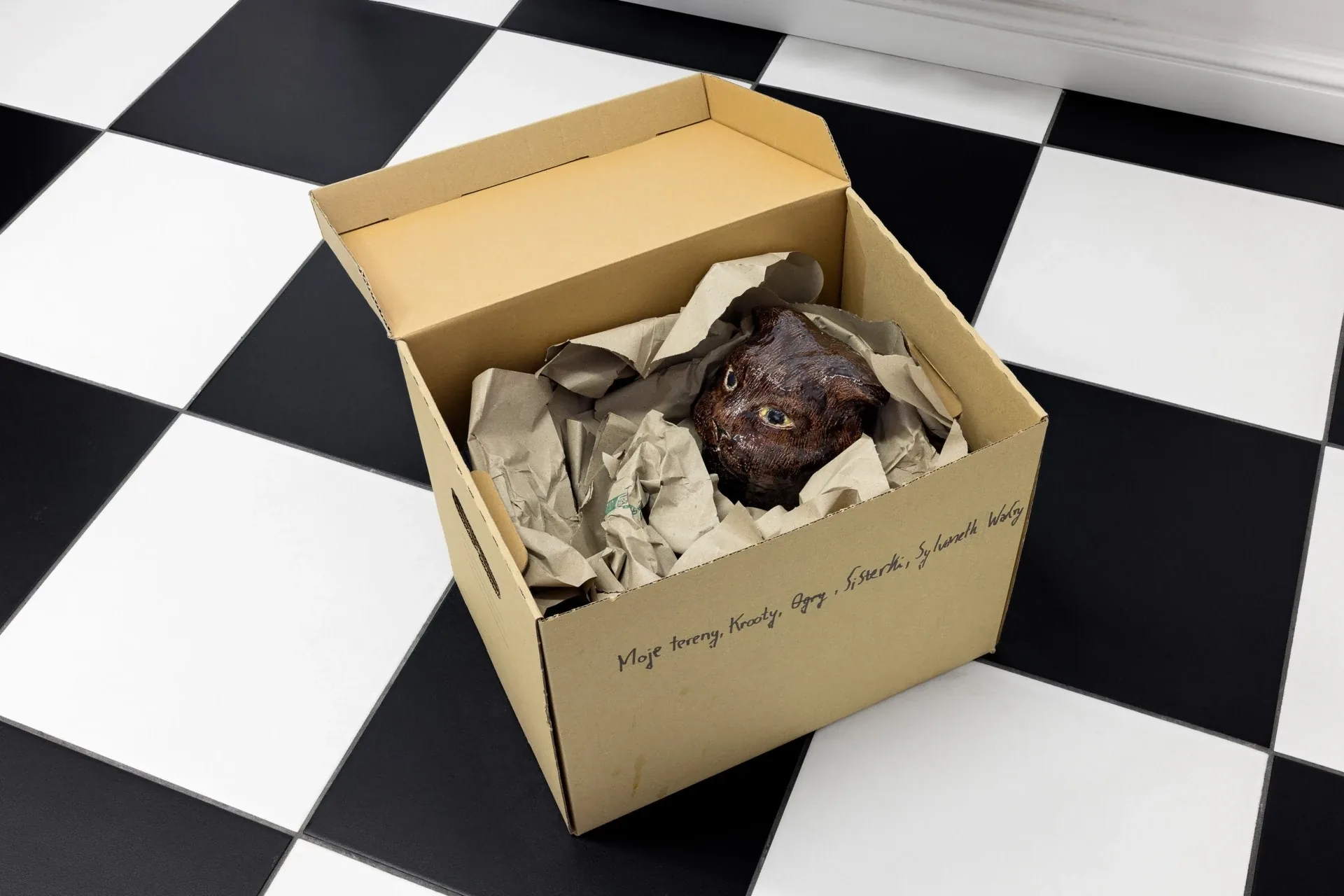
The works on display form a network of artistic testimonies and traces of a former presence, of past activity. As if at a crime scene, visitors can grasp the aftermath of something that once was, without being able to fully unravel what actually happened.
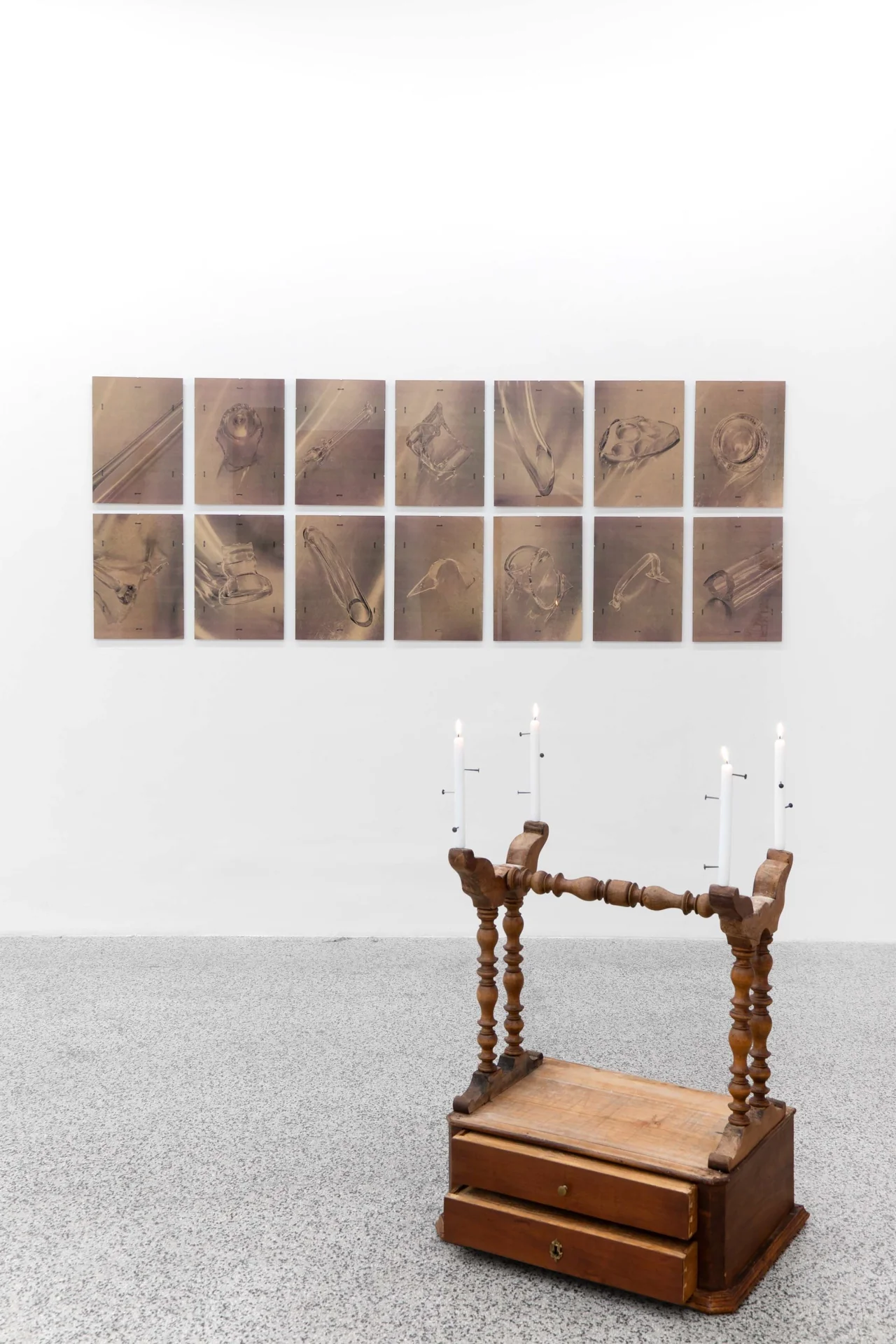
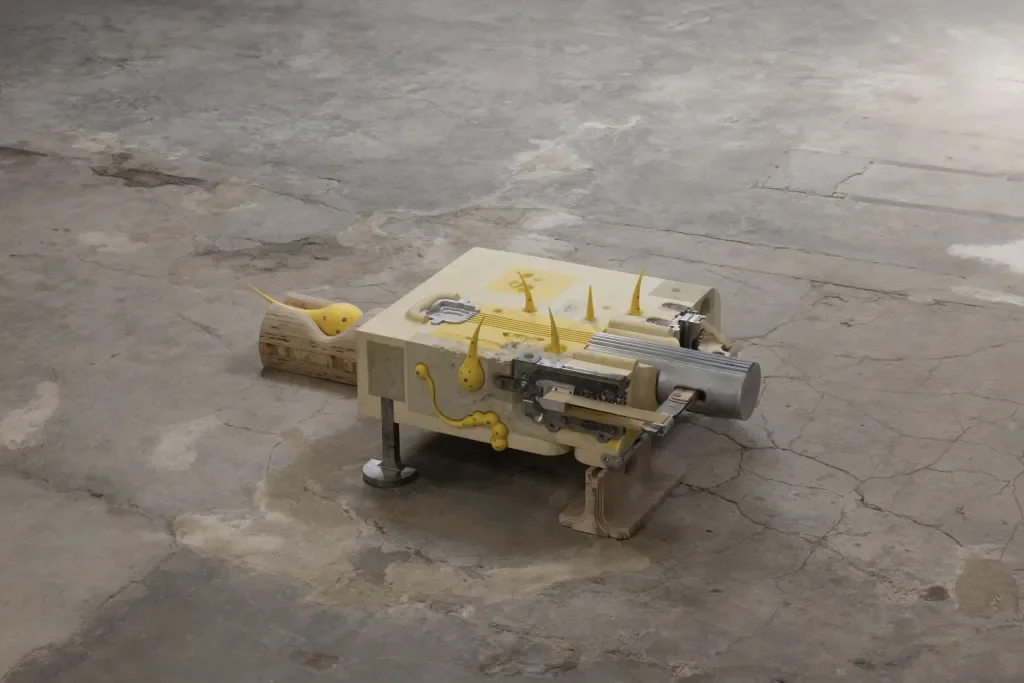
Simon Faithfull displays the flooded vacation home of a mechanical engineer; Bastian Hoffmann contributes a Porsche engine that has melted onto the floor; Stella Geppert freezes the clay-stirred traces of a group of working people; Birte Bosse installs broken-off concrete reinforcing bars; and Astali/Peirce place an already mineralized T-shirt - to name just a few examples.
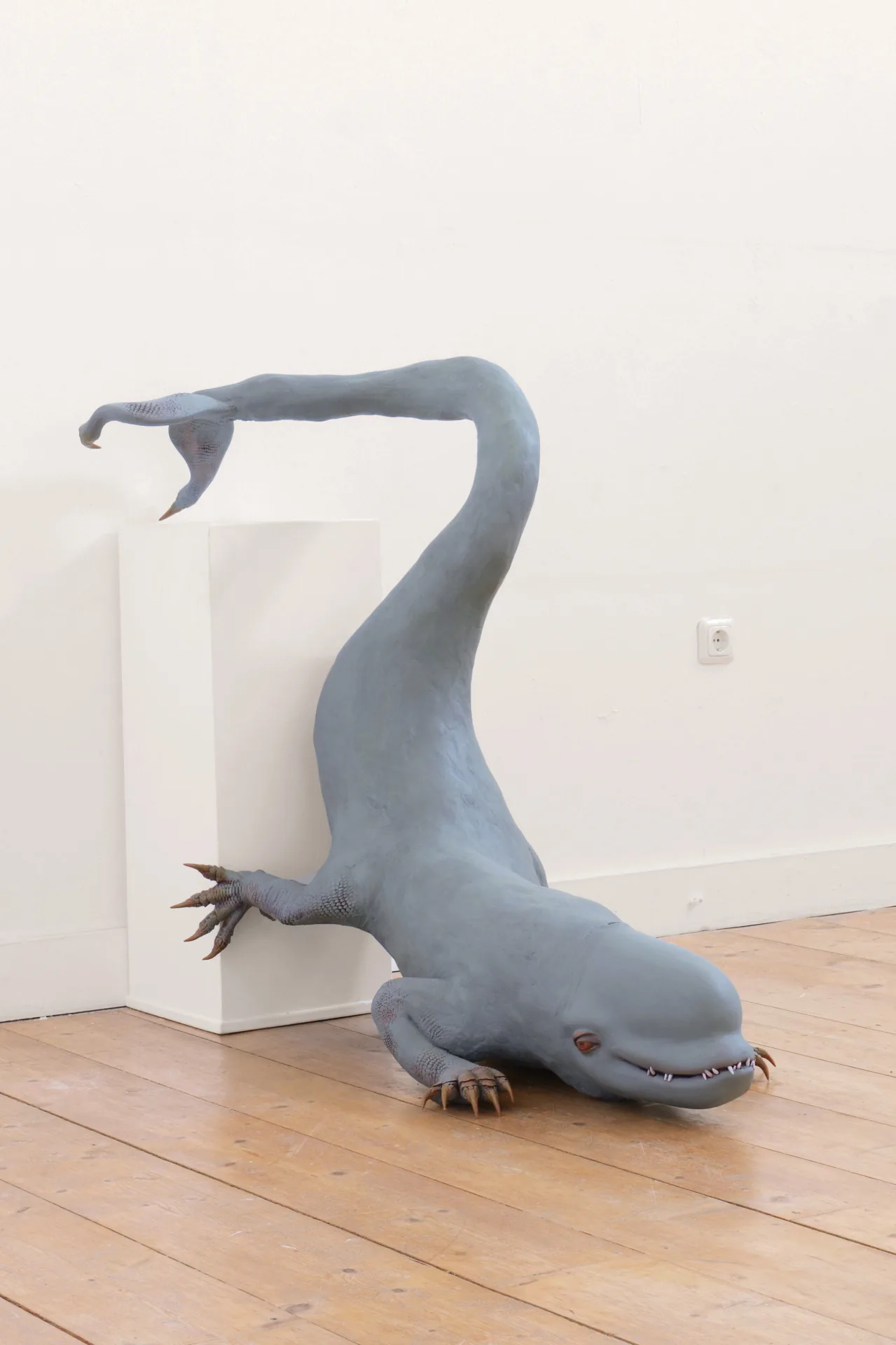
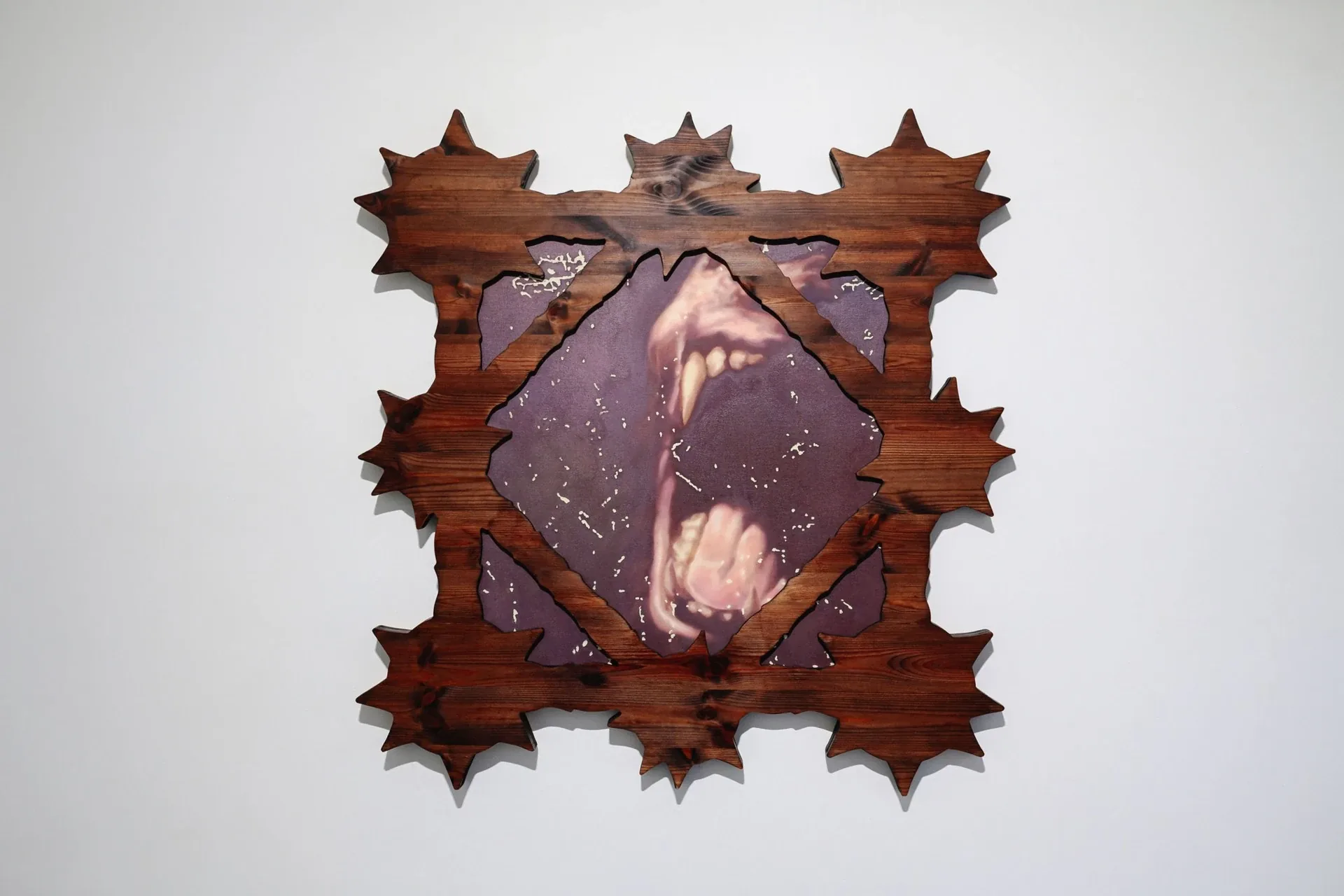
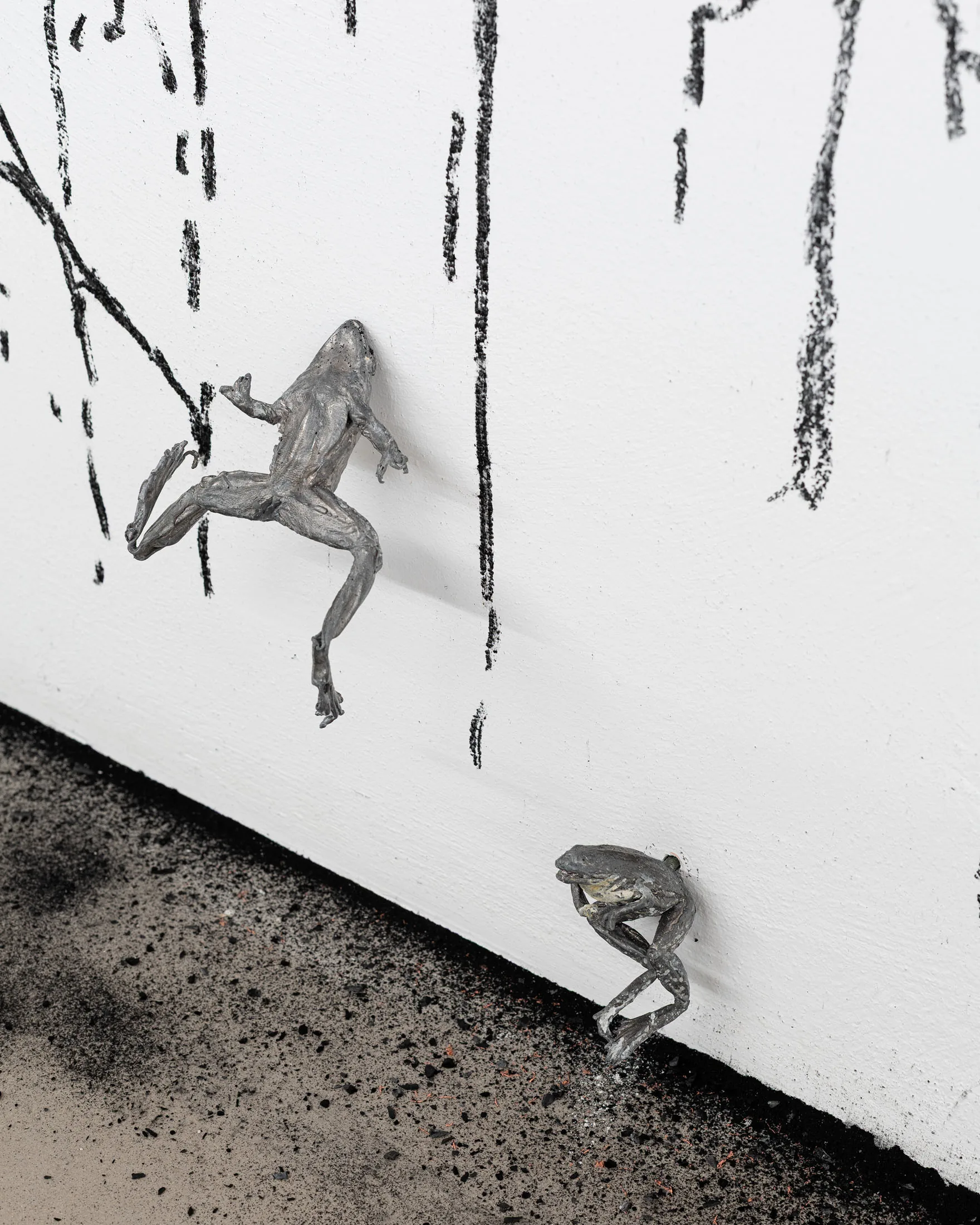
All the exhibited works are characterized by an underlying enigmatic quality; they evoke thoughts and feelings without ever being able to offer a plausible explanation or a clear reason for their alienating, bizarre-seeming presence. At the same time, an otherwise unusual convergence of everyday life and art emerges, raising questions such as: "Is this the art on display, or was it already there before?" Adding to the sense of disorientation are individual creatures from a possible animated, posthuman future that seem to be conquering this fallow terrain. Examples include the wax creature by Virginie Ittah or the new species created by Aline Schwörer.
The scenario depicted for the near future posits the end of transhumanism and the beginning of a new era of posthumanism. The exhibition thus portrays a phase of transition - the coexistence of two eras in flux - perhaps also linked to the unease, uncertainty, or even fascination inherent in a liminal experience. A liminal state of "no longer" or "not yet" is created, linked to questions such as: Are we already at the end of an era, and what are its relics? How might we position ourselves in this twilight of the West? What future might await us "the morning after"?
In this sense, this concluding exhibition for 2026 can also be seen as a kind of bridge to the upcoming exhibition year 2027, which will be dedicated to the theme of posthuman visions.
— Text: Stephan Klee
Artists in this exhibition
More at Kunstverein Göttingen
More in Göttingen
Related topics