Editorial
10 Contemporary Artists to Watch in 2026
Selected from the FindArt Features and exhibition archive.
This selection brings together ten contemporary artists to watch in 2026, drawn from FindArt Features and the exhibition archive. Rather than mapping a single generation or tendency, it follows practices shaped by unstable bodies, material experimentation, virtual worlds, mythology and ecological unease. Several of these artists move between sculpture and installation; others work through painting, animation, video and performance. What connects them is not a promise of arrival, but the clarity with which each practice opens a distinct field of questions.
01
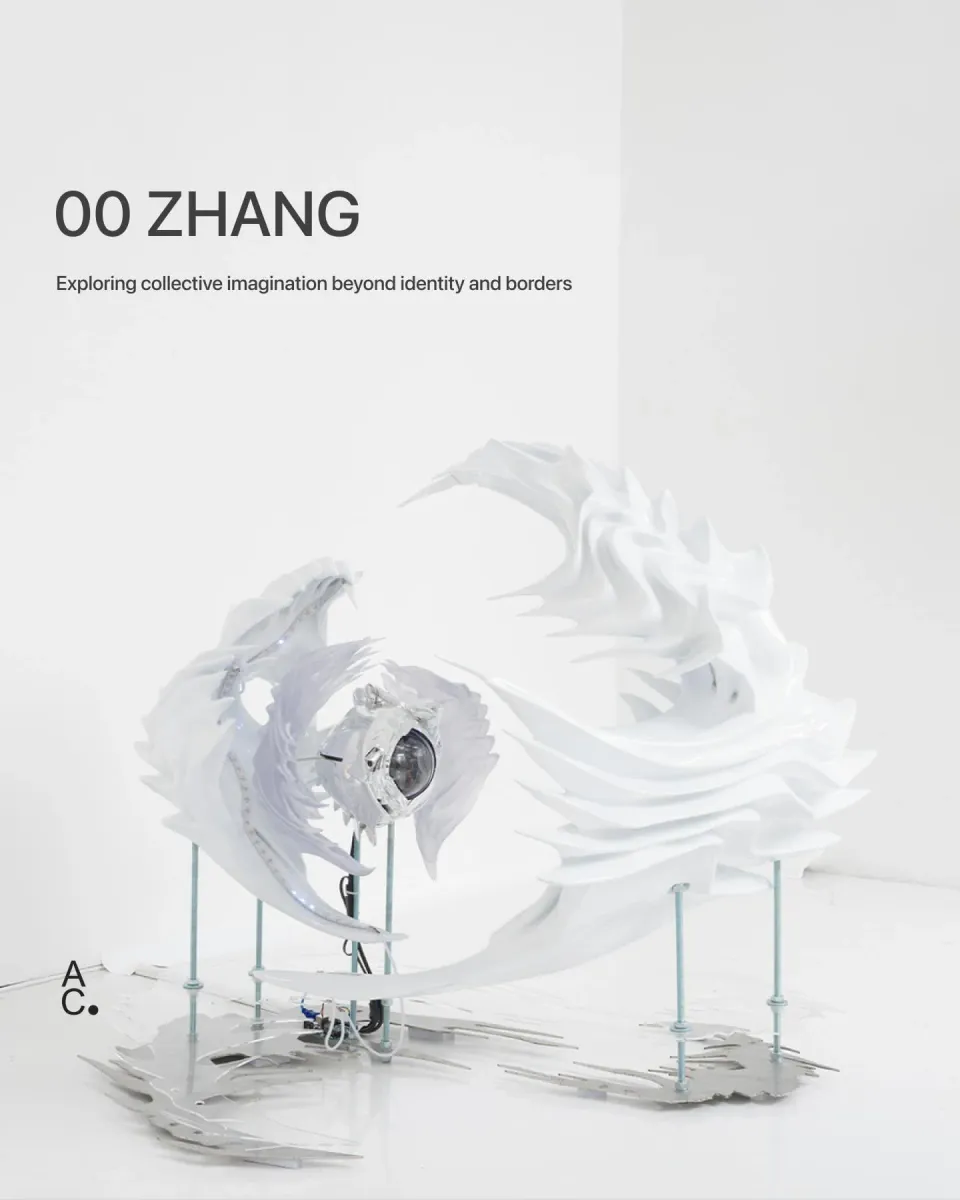
00 Zhang
Digital, Mixed media · TECHNOLOGY · SYNTHETIC
00 Zhang works across sculpture, installation, CGI animation and interactive digital environments. The Feature documents a practice where embodiment meets cybernetic ideas: imagined worlds are not kept behind a screen, but are staged as spaces in which physical presence and virtual reality keep exchanging roles. Collaboration and layered narrative structures give the work a sense of systems in motion rather than a fixed image. In this selection, Zhang offers one route into the question of how contemporary artists make digital culture spatial and bodily. The result is not an illustration of technology, but a proposition about the environments, agents and narratives through which a body now moves.
View feature →
View feature →
02
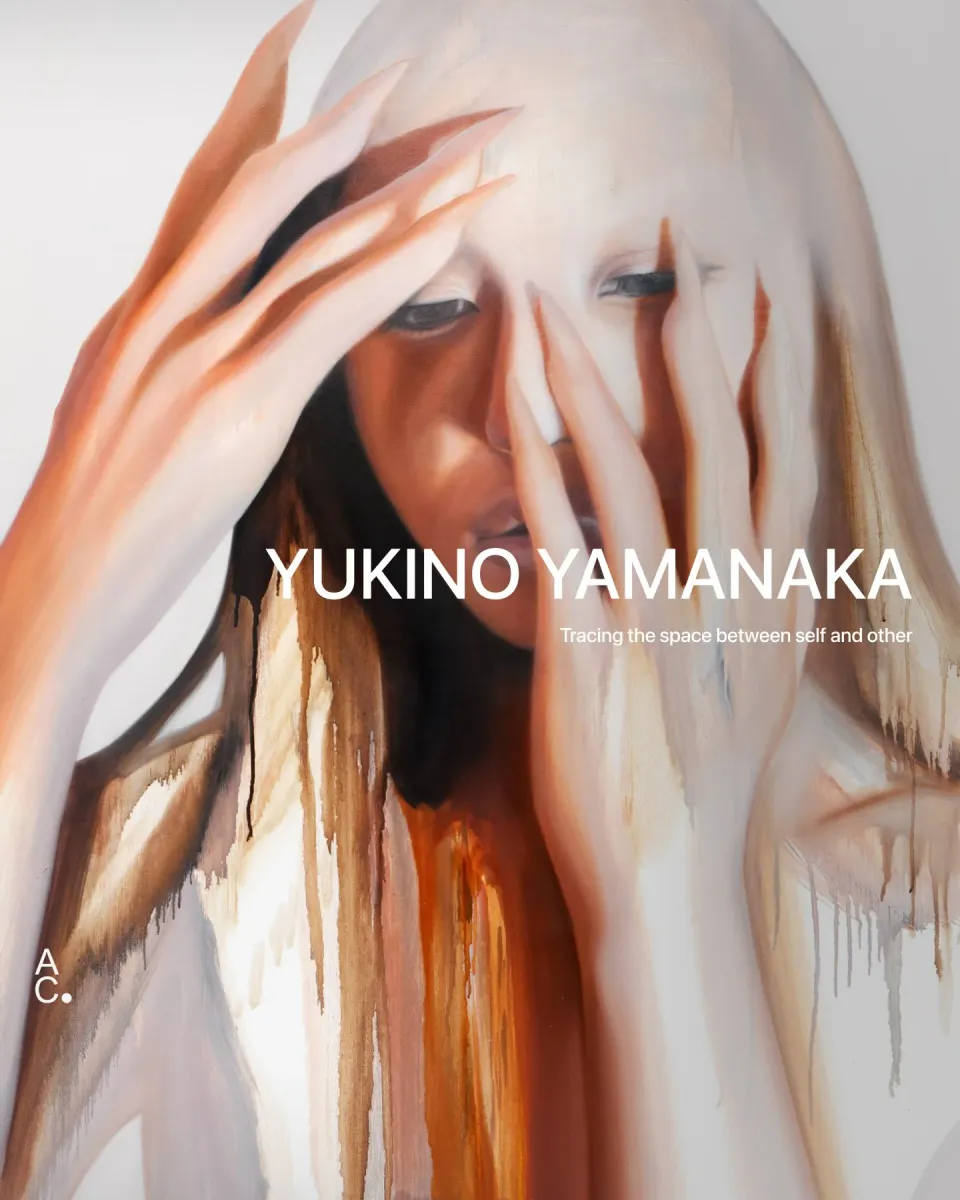
Yukino Yamanaka
Digital painting, Video · BODY · HYBRID BODIES
Yukino Yamanaka approaches painting and video through the unstable boundary between the body and identity. In the FindArt Feature, figurative forms move toward abstraction through fluid marks, empty spaces and distorted gestures. The canvas becomes less a place for describing a person than a site where form is continually remade. Bodies, emotions and perception remain in a condition of becoming, at once recognizable and estranged. This makes Yamanaka's work a focused point in the selection's attention to hybrid and uncertain embodiment. The practice does not settle identity into an image; it lets the image register the pressure of a self that will not stay fixed.
03
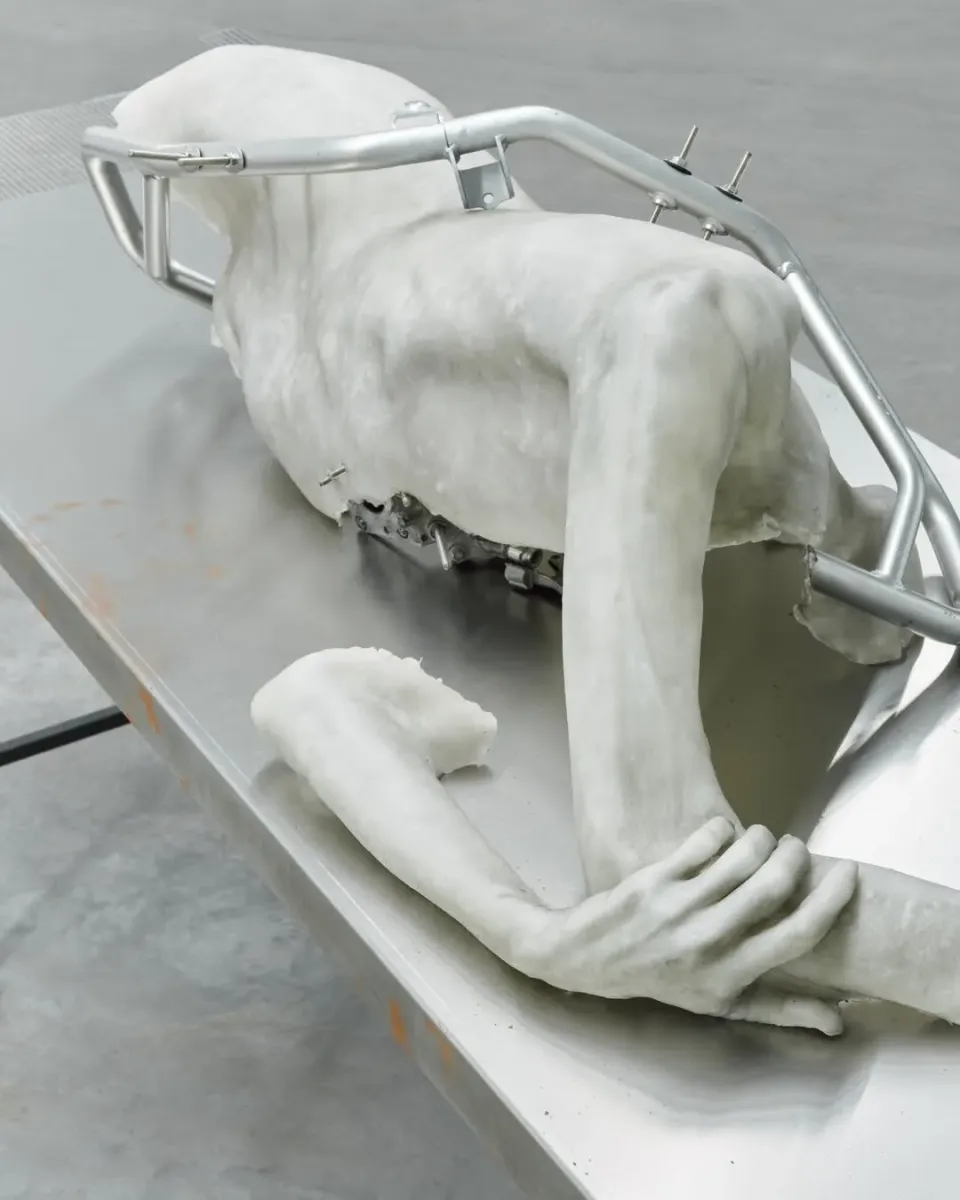
Sophia Gatzkan
Sculpture · BODY · MATERIALITY
Sophia Gatzkan's sculptural practice addresses the body through disability discourse, treating non-normative morphology as an alternative mode of being rather than a deviation to be corrected. The works documented by FindArt destabilize bodily integrity through forms that remain corporeal but refuse a single, stable outline. In Metal Memory, this concern enters a larger field of technology, adaptation and material transformation, where metal, plastic and digital forms expose the codes that shape contemporary bodies. Gatzkan's work is distinctive for the way it holds ethics, power and physical ambiguity together without reducing one to the other. It brings the selection's questions about posthuman form into a sharply material register.
View exhibition →
View feature →
04
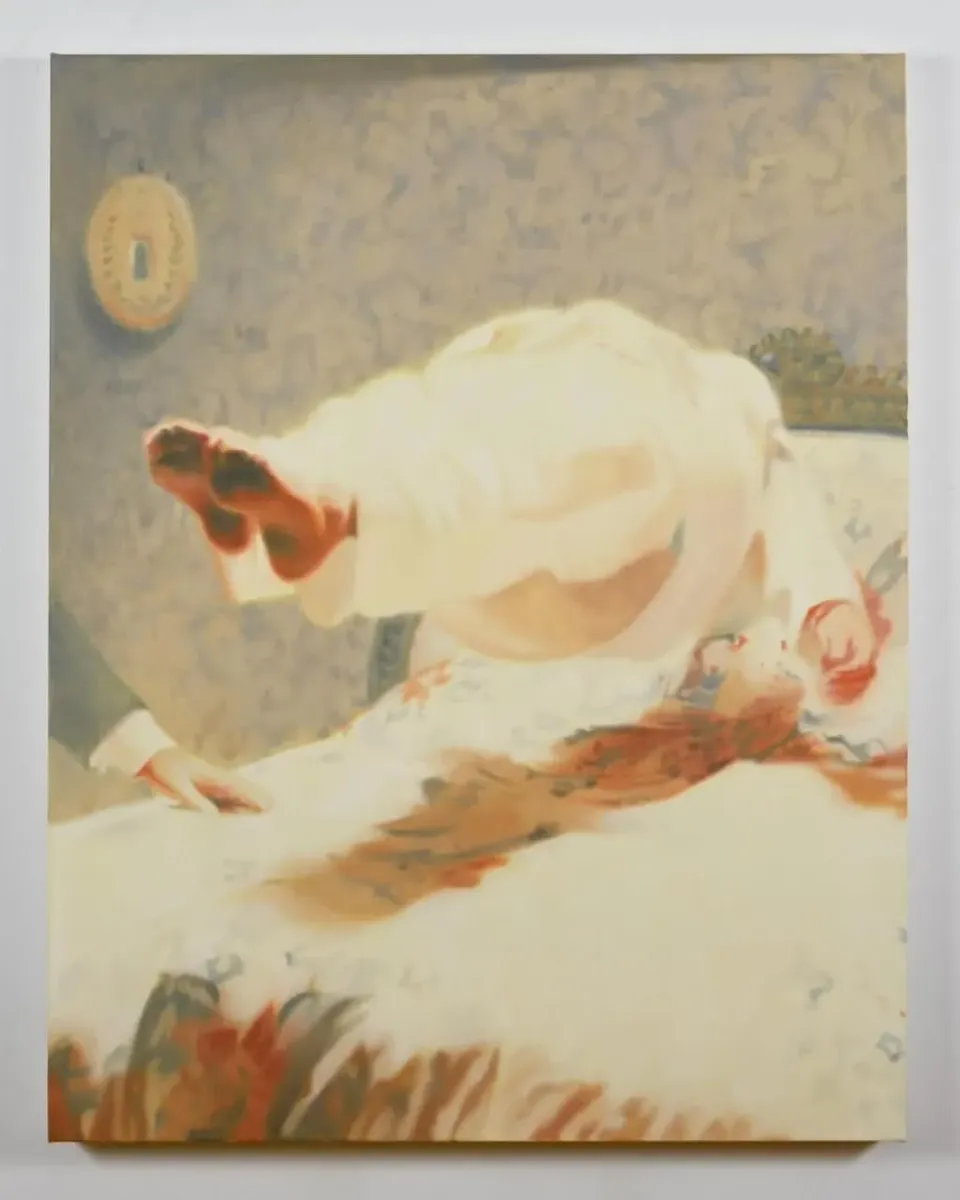
Emma Beatrez
Painting · BODY · FEMININITY
Emma Beatrez uses painting to examine the visual and ritual dimensions of American mass culture. Cheerleaders, pep-rally bonfires and athletic gestures appear in the FindArt Feature as scenes charged with threat as much as celebration. Synthetic fabrics, fire and frozen poses turn familiar social choreography into an unsettled spectacle, where collective enthusiasm can resemble trance. The work does not treat these images as nostalgic documentation; it recodes them as strange cultural symbols, close to myth while remaining attached to everyday American ritual. Within this selection, Beatrez shows how painting can make identity visible through the tensions already held inside a public image: celebration and violence, belonging and performance, body and spectacle.
05
Taewon Ahn
Sculpture, Installation · TECHNOLOGY · SYNTHETIC
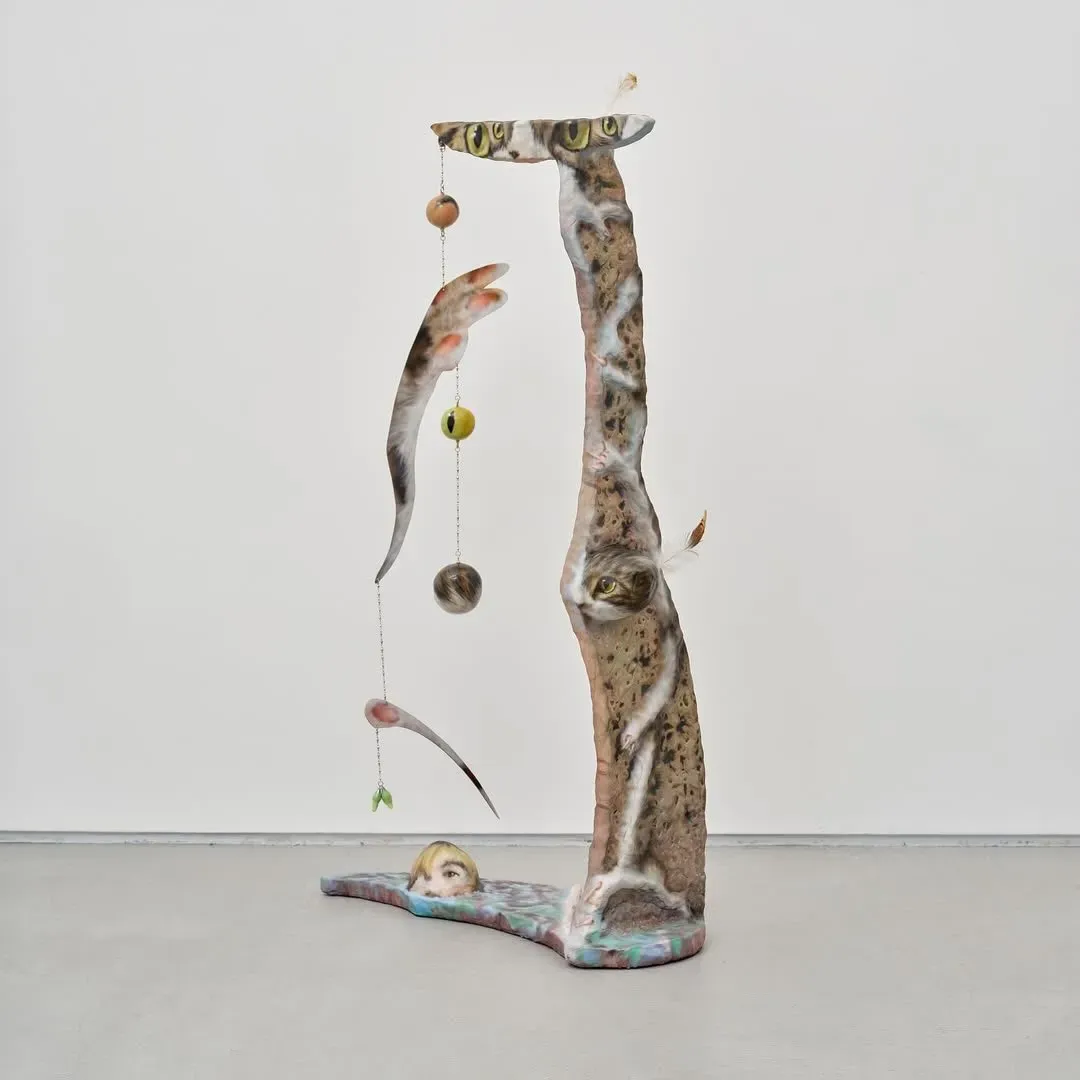
Taewon Ahn moves between painting and sculpture while testing the overlap of digital culture and physical reality. The FindArt Feature describes an intuitive process shaped by chance, improvisation and material experimentation, with recurring figures such as the artist's cat Hiro becoming prompts for thinking about image, memory and perception. Deep Sea Fish extends this inquiry through the figure of an animal adapted to a world beyond ordinary sight, asking viewers to move between the real and the virtual without treating either as stable ground. Ahn's work gives the selection a wry, tactile approach to simulation: screens and imagined worlds are not separate from matter, but are experienced through objects, stories and perceptual drift.
View exhibition →
View exhibition →
06
Xolo Cuintle
Sculpture, Installation · MATERIALITY · MYTH
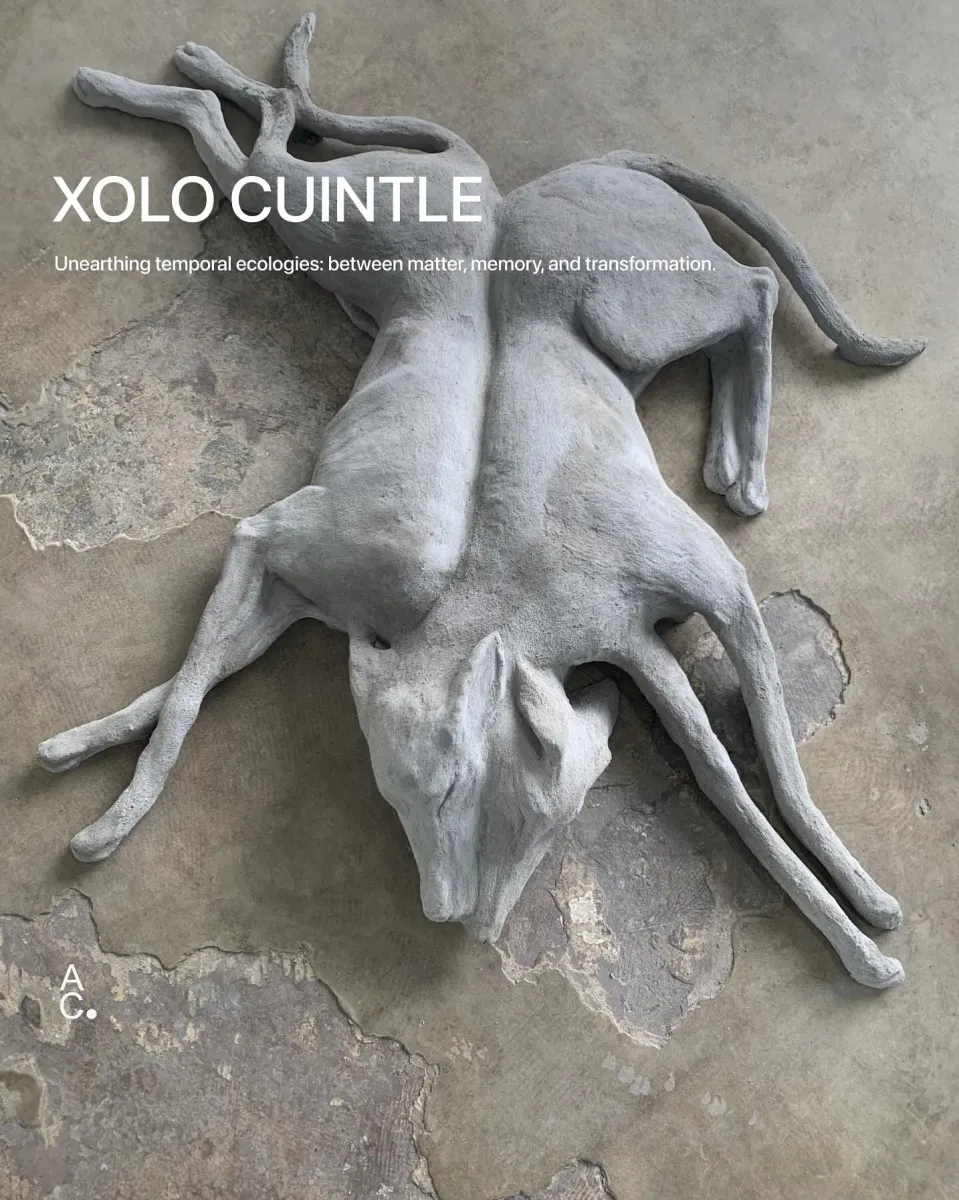
Xolo Cuintle treat matter as a form of memory and as a meeting point between human and non-human systems. Their Feature traces a practice in which the artificial and the natural become a shared body, while ornament, surface and structure hold traces of time, tension and loss. In Pulses Within, concrete and petrified forms develop into hybrid organisms that bring soil, entomological systems and organo-industrial relations into the exhibition space. The resulting sculptural language is at once mythological and technological, organic and industrial. For this selection, Xolo Cuintle make material transformation feel less like a metaphor than a condition: an environment where construction and decay remain inseparable.
07
Koesy
Painting · DIGITAL MYTH · IDENTITY
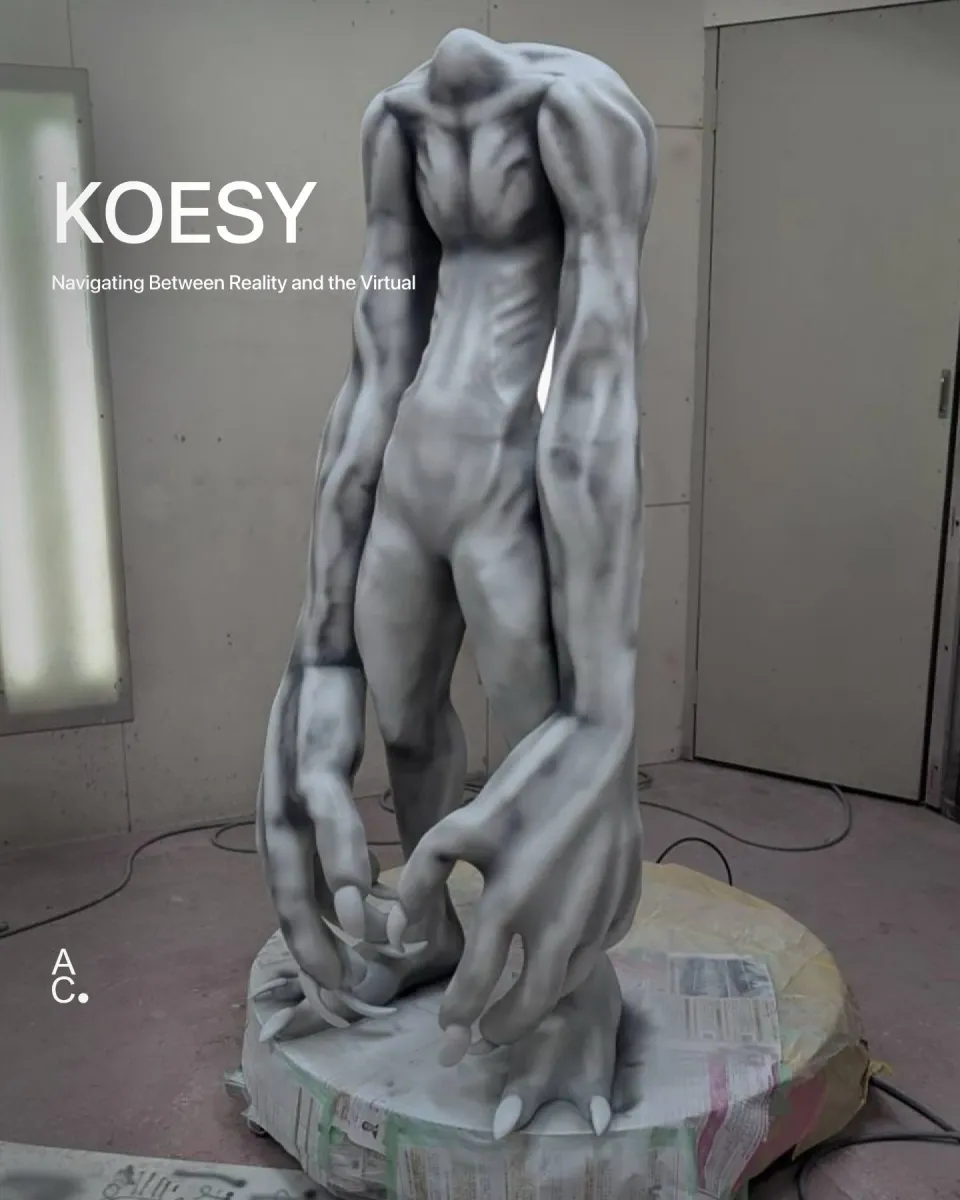
Koesy works across animation, sculpture and character design, building fictional worlds that move between reality and the virtual. The FindArt Feature describes recurring characters and image systems shaped by inner anxiety and the process of overcoming it. Between Reality and the Virtual carries that language into an exhibition context, where the distinction between an imagined character and a physical object is deliberately loosened. Koesy's work gives digital myth a particular emotional scale: virtuality is not presented as abstract technology, but as a space where personal anxieties can be staged, transformed and shared. The practice belongs here for the directness with which it connects character, narrative and contemporary image culture.
View exhibition →
View exhibition →
08
Jan Baszak
INSTALLATION · RITUAL · ANIMALITY
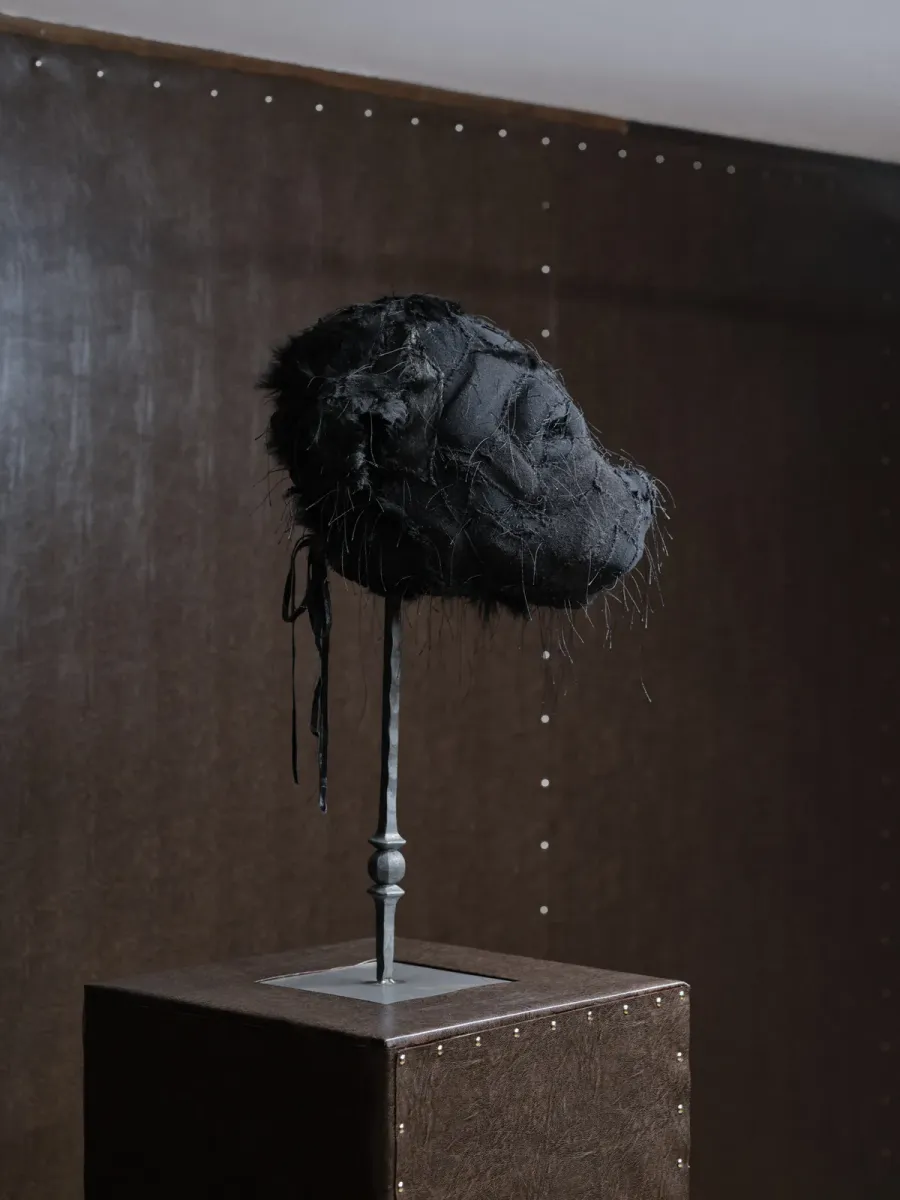
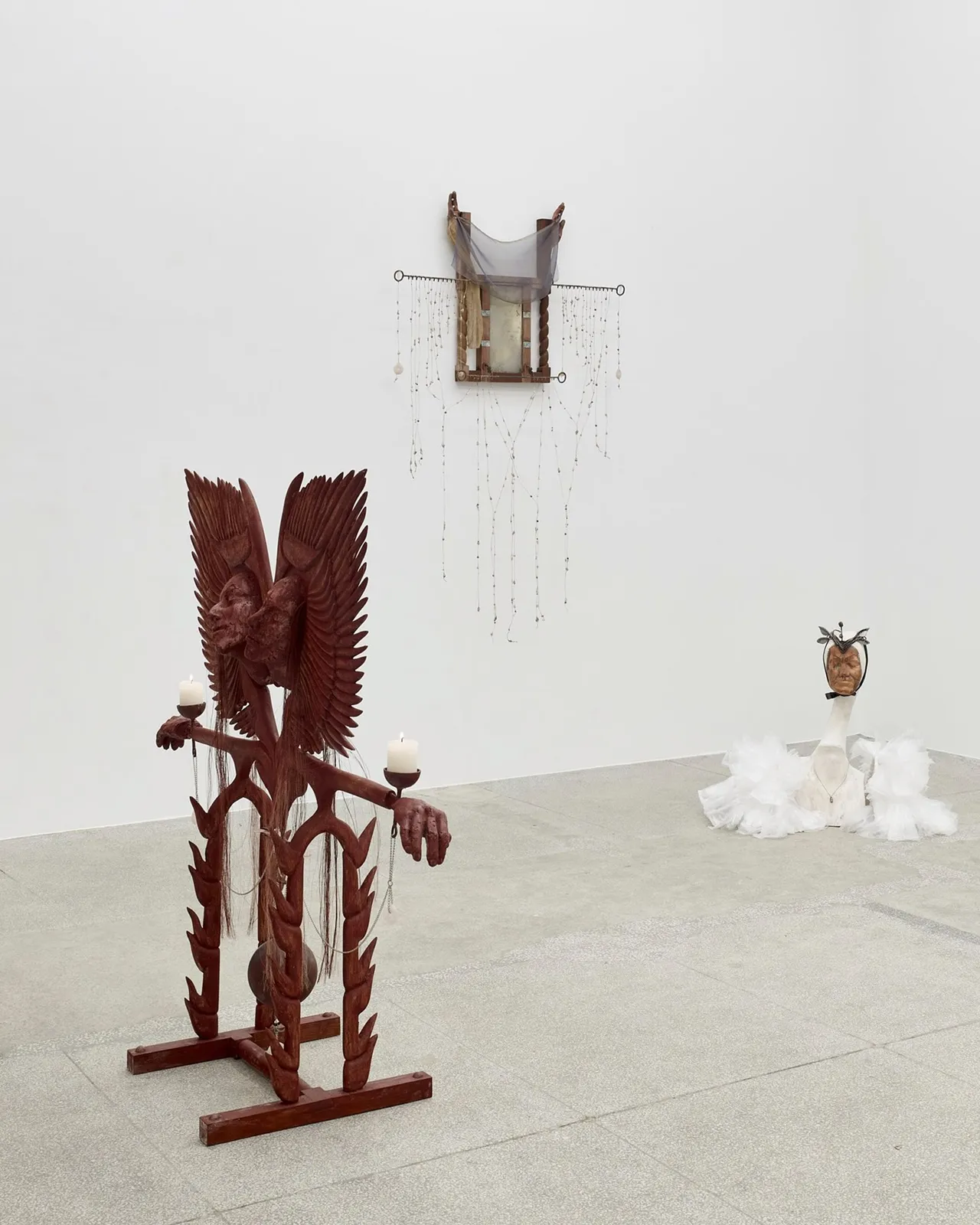
Jan Baszak's exhibition at BGSW / Baszta builds sculptural situations around attention, opacity and the material traces of a vanished whole. Leather, upholstery, animal forms, masks and furniture-like structures shape a setting that feels both domestic and ceremonial. The exhibition text describes objects that resist being fully translated into meaning, keeping the viewer in relation to surfaces, fragments and the architecture that holds them. Artificial leather and textile coverings carry associations of touch, animality and memory while remaining visibly constructed. Baszak's work gives this selection a concentrated study of materiality: sculpture becomes a way to organise looking, bodily proximity and uncertainty rather than a route toward a final reading.
09
Adèle Vivet
INSTALLATION · IDENTITY · DIGITAL MYTH
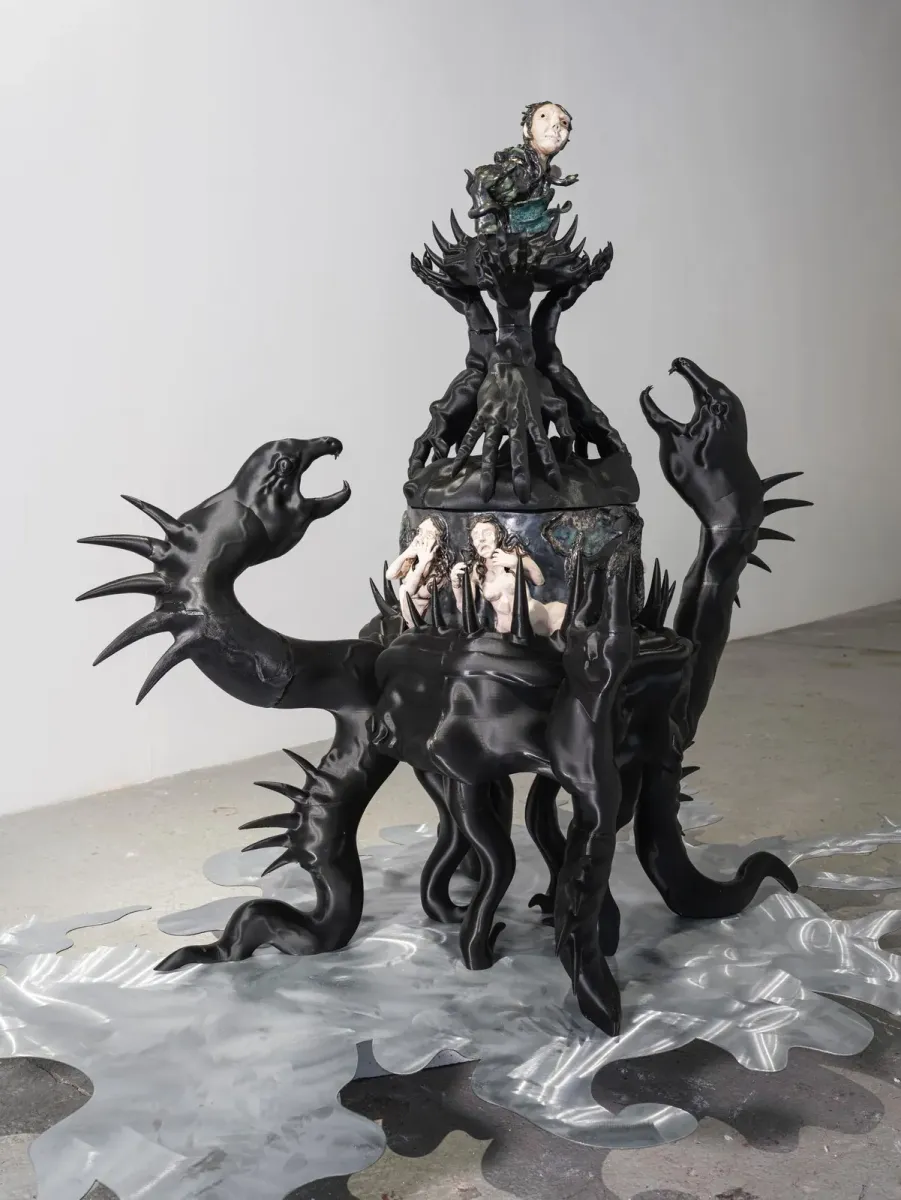
In Nymphenbrunnen, Adèle Vivet develops the Chimerea series through sculpture, 3D printing and ceramics. The exhibition at Espace Nonono brings caryatids, bas-relief, mythology and contemporary visual culture into a set of hydro-chimeric forms that also operate as self-portraits. Mineral and water-bound surfaces move between ornament and figure, giving the work an unstable relationship to identity. Vivet's contribution to this selection lies in that layered use of image and material: the sculptures look back to historical forms without reconstructing them, using hybrid bodies to hold desire, guilt, joy and disappointment in the same space. Myth here is not a distant reference, but an active structure for thinking through the present.
View exhibition →
View exhibition →
10
Nils Alix-Tabeling
INSTALLATION · HYBRID BODIES · MYTH
Nils Alix-Tabeling works across sculpture, performance and painting, drawing on ancient myth, pagan ritual and science fiction while addressing queer and ecological concerns. A Flower Is Growing Inside Me unfolds an imaginary world populated by monsters, marvellous creatures and marginal historical figures, where reality and fiction are deliberately entangled. The exhibition moves through melancholy, loss and rebirth, culminating in an installation of video, sculpture, song and performance. Alix-Tabeling's work closes this selection with a symbolic, hybrid language that does not separate spiritual imagery from contemporary experience. Its creatures and ceremonies offer another way to approach transformation: not as a resolved state, but as an unfolding relation between body, fiction, ritual and time.
Explore more